
G C S E G U I D E 2026 / 2027
G C S E G U I D E 2026 / 2027

Your GCSE years are a pivotal stage in your journey at LWC – a time to build on your strengths, explore new interests, and achieve strong academic outcomes. Rather than seeing this as a moment of restriction, we encourage you to think of it as the start of a carefully shaped pathway: one that leads to excellent examination results, as well as the knowledge, skills and experiences needed for life beyond school.
At LWC, academic ambition sits at the heart of everything we do Our students’ results place us in the top 10% nationally for GCSE value-added, and in ALPS 1 – the top 1% nationally at A Level This means our students consistently make outstanding progress, exceeding expectations at every stage of their education. The journey to those results starts here, with the choices you make and the habits you build during your GCSE years.
Picture yourself in the Sixth Form, surrounded by peers who are motivated, intellectually curious and deeply engaged in the subjects they love. Many of them once stood where you are now, considering their GCSE options. They will tell you that what matters most is not just what you choose, but why you choose it. What excites you? What challenges you? Which subjects make you think differently about the world? Thinking beyond the next two years will help you select a pathway that plays to your strengths while keeping future opportunities open.
Our GCSE programme is designed to combine academic rigour with the development of future-ready skills. We nurture independent thinkers, confident communicators and resilient problem-solvers – the very qualities identified by the World Economic Forum as essential for success in a rapidly changing global landscape. Through challenging lessons, high expectations and real-world application, you will develop the adaptability, curiosity and leadership qualities needed for the careers of tomorrow.
As you consider your options, take time to explore, ask questions and seek advice. Whether you already have a clear direction or are still discovering your interests, this is your opportunity to shape a future that is both ambitious and exciting. With the right choices, strong support, and an open mind, your GCSE years will mark the beginning of a much bigger journey of academic success and personal growth.
AngelaWatson DeputyHeadTeacher Academic
At LWC, pupils are encouraged to stretch and challenge themselves and to start planning their journey through school and beyond from this point in 3rd Form. In assemblies, I often cite Carl Rogers’ most famous quote: “What you are to be, you are now becoming” For most, your time at LWC will be followed by a university or higher education course but for an increasing number, degree apprenticeships, school leaver programmes and the world of work are an even more attractive prospect. As a result, we work hard to provide you with a programme of PSHEE and futures events that will you to find your own path.
During the GCSE years, you will be introduced by tutors and Heads of Year to Unifrog – an online platform that supports a wide range of opportunities available to you before and after leaving school You will also be given the opportunity to sit an aptitude assessment, which gives parents, pupils, and teachers the clearest indication of where your innate interests and abilities could lead. This is obviously useful when choosing GCSE and Sixth Form subjects but one must also be mindful of the implications for future career possibilities.
When choosing options, the decision for some will reasonably straightforward. To many though, the de will only be arrived at after much careful considera the views of subject teachers will be of particular importance and both AtoL grades and summative te results can serve as useful pointers. More often than you will not have a firm idea about pathways you m like to pursue so it is vitally important that a breadt subjects be maintained within the options available others who aspire to be doctors, vets or engineers, is a more clearly defined route. However, the best a I can offer you when it comes to choosing subjects do what you most enjoy. If you are excited to learn are far more likely to invest the time and energy req to be successful.
Throughout your time at LWC, you will receive comprehensive careers information and advice. The of the Futures Programme is to increase your aware of the opportunities available and to guide them to informed decisions about your options. This is achi through the aforementioned PSHEE and tutor sessio also through informal discussions, personal counse visiting speakers, the annual LWC Futures Fair and, importantly, through discussions with tutors.
Throughout the school, you will have access to accurate up-to-date careers guidance that is presented impartially and enables you to make informed choices about a broad range of options and helps to encourage you to explore your potential. The guidance is delivered through PSHEE, small group work, one-to-one support and visiting speakers. The Futures Programme enables you to recognise your strengths and gives you the confidence to explore all the options available to you post-LWC.
Our programme of support starts in 3rd Form with a dedicated Futures Day designed to encourage pupils to start thinking about skills and the transferability of subjects in the real world. This day also assists pupils in making choices for their GCSE options. In 4th Form, you will attend another Futures Day designed to allow you to explore industries and examine how combinations of A Levels can be used for entry to degree courses Futures Day events are always followed by a series of short talks in tutor time, delivered by the Head of Futures, designed to consolidate lessons learnt and plan next steps.
During the 5th Form, you’ll be given the opportunity to complete a psychometric test and receive impartial careers advice, attend a bespoke interview skills morning as well participating in industry-specific round tables. All of which are designed to encourage you to start thinking about possible pathways and what qualifications you would like to study in Sixth Form.
At the heart of the Futures provision is the ethos of creating confident young people who have been given the skills and agility to make informed decisions for themselves about your future. By empowering you, we ensure you are equipped to be flexible, resilient and can cope with the ever-changing landscape of skills and employment.
If you have any questions or I can be of any further help, please do not hesitate to contact me – my office is in the stunning Sixth Form Centre, Zanetas.
TomRimmer HeadofSixthForm
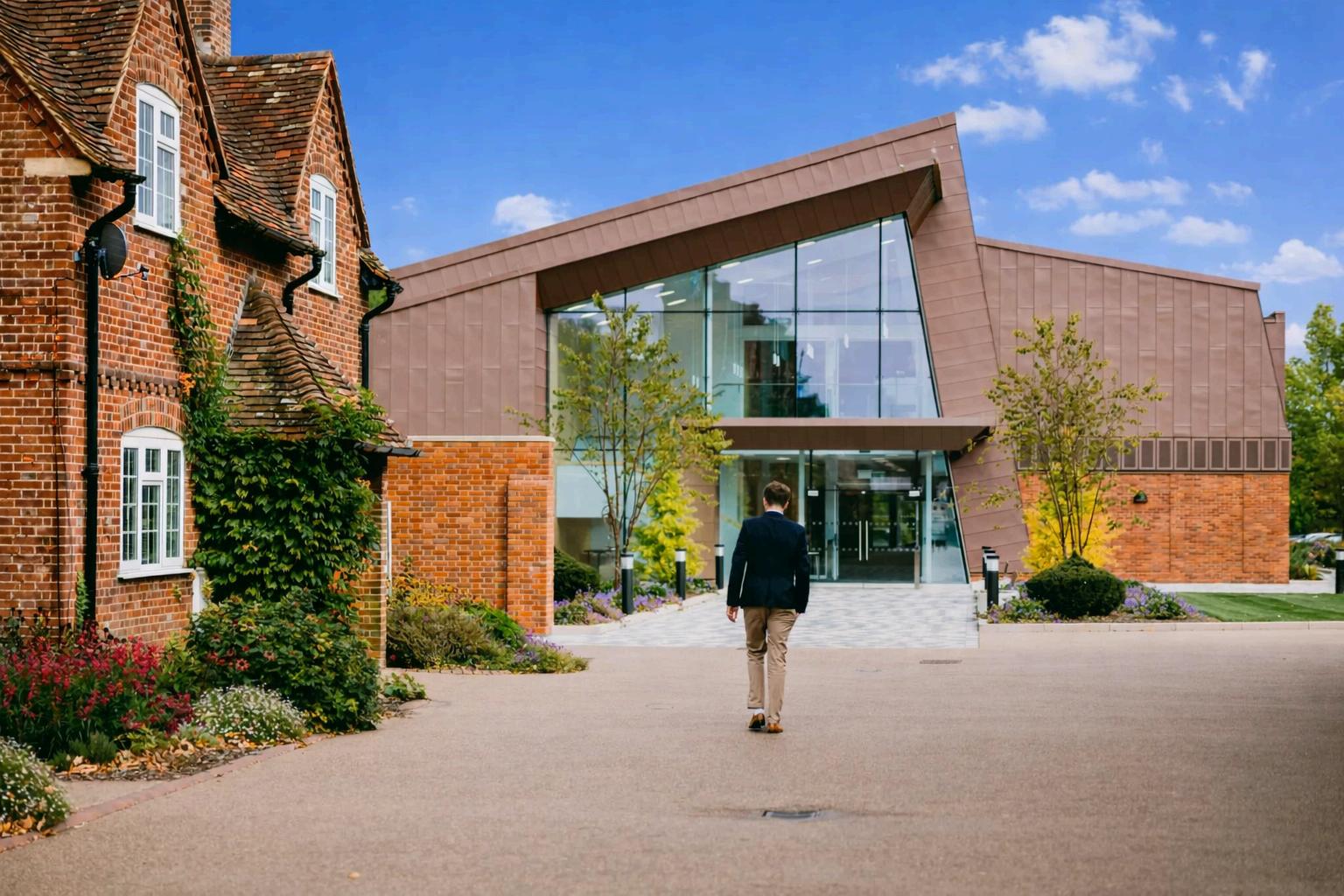
Z a n e t a s ,
S i x t h F o r m
C e n t r e
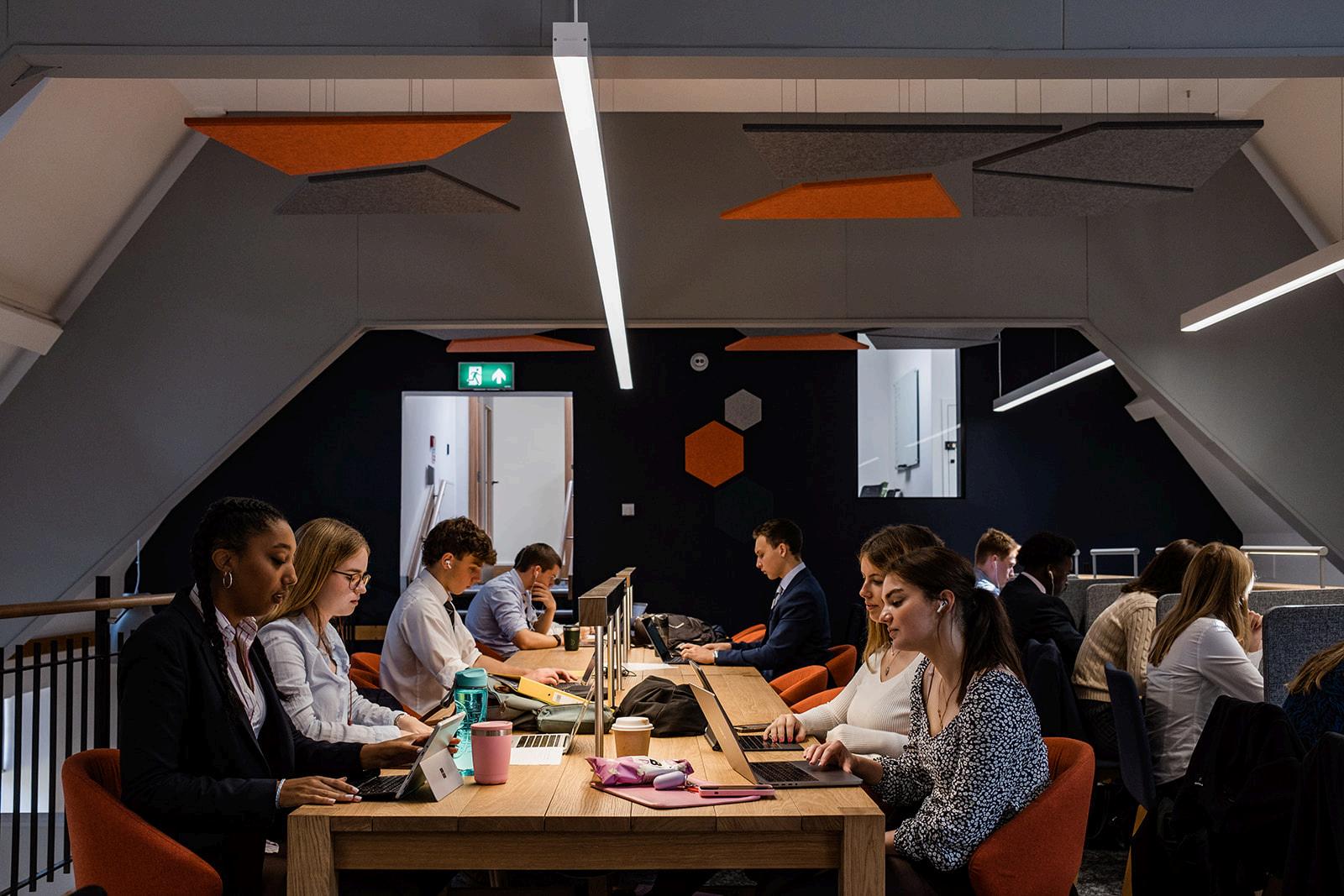

After 3rd Form, pupils choose between Combined Science (2 GCSEs) or 3 separate Science GCSEs. In addition all pupils continue with one Humanities subject (Geography, History, Latin, Religion & Philosophy).
Combined scientists can keep 3 of the options from 3rd Form. Separate scientists keep only 2 of the options from 3rd Form. Languages are encouraged but are not compulsory at GCSE. Choices should be discussed with tutors, teachers and parents
HOW TO SELECT YOUR OPTIONS - SELECTING 9 SUBJECTS IN TOTAL
Compulsory subjects :
Maths, English Literature, English Language, Science
Choose your Science option: Combined Science (Equivalent to 2 GCSEs) or 3 Separate Sciences - Biology, Chemistry, Physics (Equivalent to 3 GCSEs)
Choose your Humanities options: (Minimum 1) Geography, History, Latin, Religion & Philosophy
Choose your remaining options from:
Art – Fine Art
Art – Photography
Computer Science
Design Technology
Drama
French
Geography
History
Latin
Music
Physical Education
Religion & Philosophy
Spanish
Textile Design
Art – Fine Art
Art – Photography
Biology
Chemistry
Combined Science
Computer Science
Design Technology
Drama
English Language
English Literature
French
Geography
History
Latin
Maths
Music
Physical Education
Physics
Religion & Philosophy
Spanish
Textile Design
ENRICHMENT
Astronomy
Classical Greek

.
Why study this subject?
English is about more than just reading and writing - it’s about understanding and expressing ideas with confidence. Studying English at LWC will help you develop critical thinking skills, creativity, and a deeper appreciation of literature that has shaped the world.
Whether you enjoy debating themes in classic novels, crafting compelling stories, or analysing persuasive speeches, English offers something for everyone Despite the inevitable emphasis on marks and grades, English in 4th and 5th Forms should be an enjoyable experience, a chance for pupils to read a wide range of literature under the guidance of their teachers and to experiment with their own writing
As noted, there will be opportunities for pupils to take part in drama, debating, theatre trips, creative writing competitions and journalism.
The GCSE course may lead pupils to A Level English and ever-expanding vistas of thought and human experience – or it may be the last time their own language and its literature are studied. With hard work and a desire to learn, pupils will come out of the course more able to enjoy books, write creatively and speak effectively.
EXAM BOARDS:
LANGUAGE – PEARSON EDEXCEL IGCSE (4EB1)
LITERATURE – PEARSON EDEXCEL IGCSE (4ET1)
What will we study at GCSE?
Our pupils are entered for IGCSE examinations in English Language and the top seven (out of eight) sets for IGCSE English Literature. 4th Form pupils are placed in sets in order to allow teachers, as far as possible, to address specific needs. All pupils cover work of a similar standard
There is a literary component to the Edexcel IGCSE English Language course and pupils will study a range of literary texts for that IGCSE.
English Language: Close reading, analytical writing, and creative expression
English Literature: In-depth study of poetry, Shakespeare, modern drama, and classic novels. Exposure to a range of viewpoints and writing styles to develop a sophisticated written and verbal response.
How is it examined?
English Language: One 3-hour examination in the November of the 5th Form, covering reading and writing skills
English Literature: Coursework (40%) and an examination (60%), requiring students to demonstrate knowledge of set texts and unseen poetry.
EXAM BOARD: PEARSON EDEXCEL IGCSE
MATHEMATICS (4MA1) & AQA LEVEL 2
FURTHER MATHEMATICS (8365)
Why study this subject?
Science is about asking questions, exploring the unknown, and understanding the world around us Whether you want to work in medicine, engineering, environmental science, or simply have a passion for discovery, Science at LWC provides a hands-on and engaging experience.
In 3rd Form, pupils study topics in Biology, Chemistry, and Physics. In 4th Form, all pupils continue to study all three sciences, but pupils can choose between the Separate Science Award (three GCSEs) or the Combined Science Award (two GCSEs).
Both options provide a strong foundation for A Level study, and pupils taking the combined award receive two adjacent grades in Combined Science (e.g. 9-9 or 98). Separate Science includes extra content to enhance knowledge and practical skills but is not required for A Level entry Pupils can enter at Higher or Foundation tier. Practical skills are assessed within the written exams, with no separate coursework
What we study at GCSE?
Biology: Cell biology, genetics, disease and ecosystems.
Chemistry: Atomic structure, bonding, reactions and organic chemistry.
Physics: Forces, energy, waves, electromagnetism, (and space physics - Separate only)
How is it examined?
Six written papers (Separate Science: 1h 45m each, Combined Science: 1h 15m each)
Practical skills integrated into assessments.

F l o w e r s
S c i e n c e C e n t r e
BIOLOGY EXAM BOARD:
AQA GCSE BIOLOGY (8461) & AQA GCSE
COMBINED SCIENCE: TRILOGY (8464)
CHEMISTRY EXAM BOARD:
AQA GCSE CHEMISTRY (8462) & AQA GCSE COMBINED SCIENCE: TRILOGY (8464)
What will we study at GCSE?
Physics explains how the universe works, from the smallest particles to vast galaxies Pupils explore forces, electricity, waves, energy and the structure of matter. Practical applications range from electromagnetism and space science to nuclear physics and the latest developments in renewable energy A key part of the course is learning to think scientifically - breaking down problems, testing ideas, and analysing results. Pupils also develop practical skills, such as wiring a three-pin plug and measuring motion with light gates.
Physics is essential for careers in engineering, computing, robotics and renewable energy It is the foundation of cutting-edge technology, from space exploration to artificial intelligence. Physics pupils develop logical thinking and problem-solving skills that are highly valued in many fields, from finance to architecture
PHYSICS EXAM BOARD: AQA GCSE PHYSICS (8463) & AQA GCSE COMBINED SCIENCE: TRILOGY (8464)
GCSE Art allows pupils to explore ideas and express themselves through both 2D and 3D processes Pupils develop creative thinking by experimenting with materials and techniques and creating personal responses to themes and projects.
Lessons take place in friendly but focused studio spaces, where pupils learn to manage long-term projects, organise their time, try new ideas, and take creative risks. These skills are valuable for further education and a wide range of careers.
Pupils engage critically with their own work and the work of others, developing their ability to generate, refine, and realise original ideas while deepening their understanding of contemporary and historical visual culture.
This subject is for you if
You enjoy experimenting with materials and ideas
You like creating both 2D and 3D work
You want to develop skills in problem-solving, planning, and managing projects
You want to express your own ideas and creativity
You have a natural artistic flair and find enjoyment through creating visual outcomes
Pupils choose between two specialist pathways:
Fine Art
Photography
What will we study at GCSE?
In Fine Art, pupils can submit work from a wide range of media. For example: painting, drawing, print making, textiles and sculpture, or constructing, installation, mixed media, graphics, illustration, film and photography.
Course Structure:
The course begins broadly, introducing a variety of creative approaches and stimulating critical awareness, narrowing to the required focused portfolio of work.
Component 1 - Portfolio of Controlled Assessment – research/preparation work and final piece (60%)
Component 2 – Externally set assignment (Examination) - preparation work and final piece (40%)
How Is It Examined?
Both components are centre based marked/assessed and externally moderated.
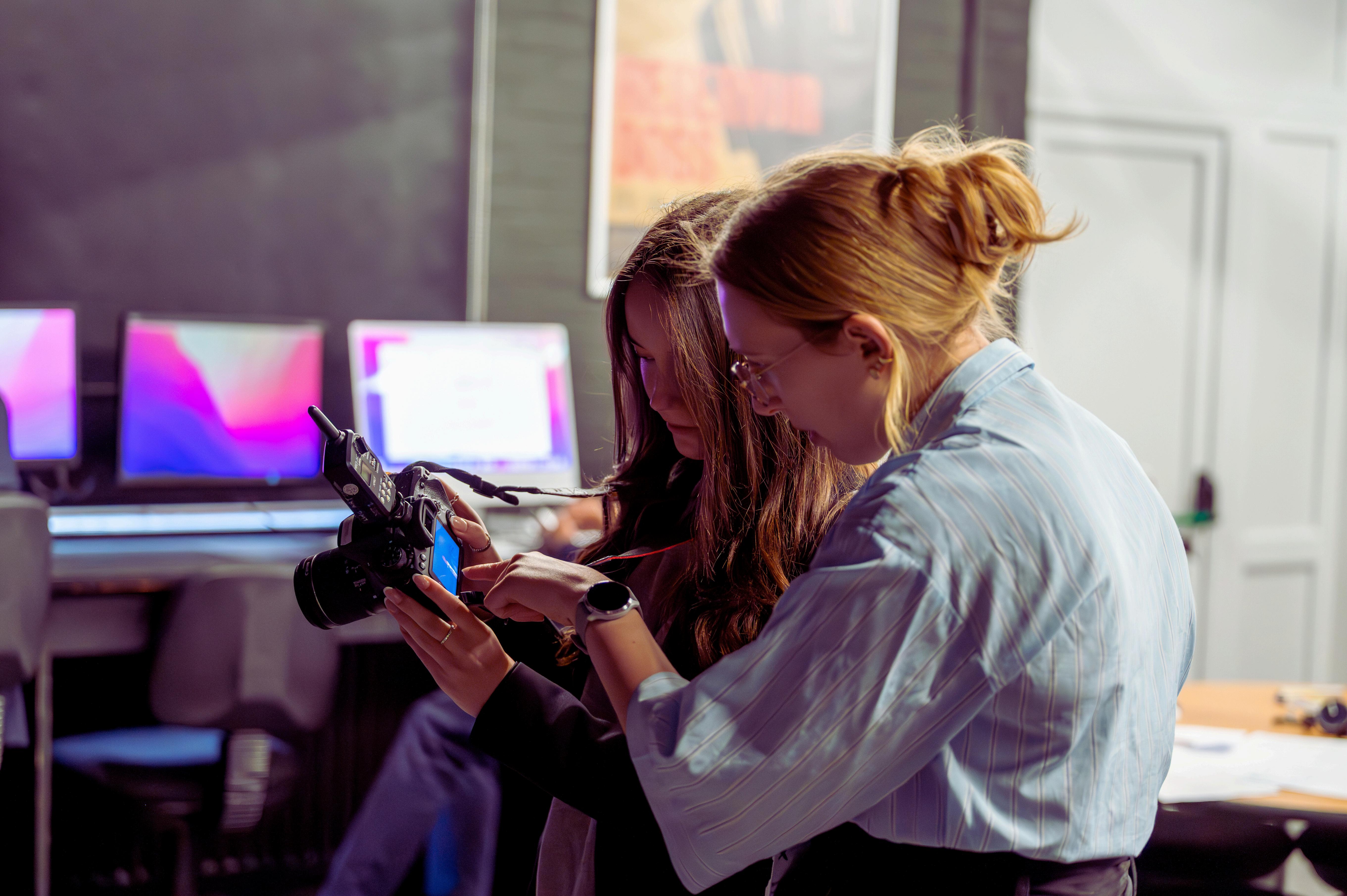
GCSE Photography allows students to explore ideas using cameras, lighting, and digital editing Pupils learn how photography is applied in fine art, graphic communication, media, and digital design. Pupils work in studios and on location, developing skills in planning shoots, using equipment, experimenting with images, and creating personal outcomes Photography helps Pupils develop independence, organisation, and confidence in managing their own work. Pupils develop a critical understanding of visual language, exploring how images communicate meaning while refining technical and creative skills to realise sophisticated and original photographic outcomes.
This subject is for you if…
You enjoy working with cameras, lighting, and digital tools
You want to plan and manage your own creative projects
You are interested in photography, graphic communication, or digital art
You like experimenting with images and exploring new ideas
You have a natural artistic flair and find enjoyment through creating visual outcomes
What will we study at GCSE?
Pupils work with lens-based and light-based media, exploring photography in both creative and commercial contexts. Skills include studio lighting, location shoots, digital image editing, long side traditional photographic techniques and combining photography with graphic communication or digital fine art techniques.
The course is 100% coursework with no end of course exam It begins with skills development and creative exploration before progressing to independent photographic projects.
Component 1: Portfolio of Controlled Assessment –research, experimentation, development, and final photographic outcomes (60%)
Component 2: Externally Set Assignment (Examination) – preparation work leading to a final photographic outcome (40%)
Assessment
Both components are centre-assessed and externally moderated.
EXAM BOARD: PEARSON EDEXCEL
Computer Science equips students with essential skills for the digital world, including programming, problem-solving and logical thinking. It is ideal for those curious about how computers work, how data is processed, and how emerging technologies shape our future. The course develops technical abilities, encourages creativity, and prepares students for careers in technology, engineering, cybersecurity and software development.
What will we study at GCSE?
The course is divided into two main areas:
Paper 1: Computer systems – covers systems architecture, networks, cybersecurity, data storage and ethical computing issues. Pupils learn how computers process and communicate information securely in a connected world.
Paper 2: Computational thinking, programming, and algorithms – focuses on coding skills, problem-solving and software development. Pupils write, test and debug their own programs while applying logical thinking to real-world challenges.
Paper 1 (50%) – Written exam assessing theoretical knowledge of computer systems, networks and cybersecurity.
Paper 2 (50%) – Written exam testing programming skills, algorithms and computational thinking. Pupils develop and analyse code during the course but are assessed through a written paper rather than coursework.
EXAM BOARD: PEARSON EDEXCEL (1DT0/F)
Why study GCSE Drama?
Drama is a practical and dynamic subject that allows students to express themselves creatively while developing essential skills in communication, teamwork and self-confidence. It provides a fun, engaging, and collaborative learning environment where students explore performance, directing and theatre design.
What will we study at GCSE?
In Drama, you will have the opportunity to develop as an actor, director and designer, taking on different roles in both performance and production. You will create and stage performances, working with scripts and devising original pieces. Alongside acting, you will explore key aspects of theatre design, including set, costume, props, lighting and sound.
Collaboration is at the heart of the course, helping you to build teamwork, communication, and creative thinking skills You will also learn how to analyse and evaluate theatre, both in your own work and by studying professional productions. Through exploring different theatre styles, themes and ideas, you will gain insight into the techniques of influential practitioners.
Watching live theatre is a key part of the course, allowing you to develop your ability to write critical responses and reflect on different performance styles Throughout the course, you will also build confidence and presentation skills, preparing you for further study and a range of future careers
Devised Performance & Portfolio (40%) – Create and develop an original drama piece, supported by a written or verbal portfolio.
Performance from Script (20%) – Perform two scripted extracts, assessed by an external examiner.
Written Exam (40%) – Exploration of a set play and evaluation of live theatre.
Why study French?
French is one of the world’s most widely spoken languages, used as a first or second language in over 40 countries. It is also a key language in business, technology and international relations, with France being a leader in aerospace, biotechnology and engineering. Speaking French opens many doors, from travel and culture to career opportunities
At LWC, we place great emphasis on communication and confidence in spoken and written French. Our pupils benefit from one-to-one or group sessions with our French assistant, access to online learning resources, and exposure to French cinema and films.
What will we study at GCSE?
Pupils will develop comprehension and communication skills, learning to express themselves fluently in both spoken and written French. The course covers a broad range of topics, building vocabulary and deepening understanding of French grammar and structure. Pupils will also gain cultural insights into French-speaking countries, enhancing their global awareness.
How is it Examined?
The Edexcel GCSE French course is assessed through four equally weighted exams at the end of 5th Form:
Reading – Comprehension of texts from a variety of sources.
Listening – Understanding spoken French in different contexts.
Speaking – A combination of role-play, conversation, and presentation.
Writing – Producing structured responses with correct grammar and vocabulary.
There is no controlled assessment, and all exams take place at the end of the course.
Geography has never been more relevant. Every week in the news we see a changing world from extreme weather and natural disasters to debates about energy, trade, migration and sustainable cities. In the UK, issues such as coastal flooding and balancing development with environmental protection are increasingly in the spotlight, and Geography helps you understand the “why” behind them
Geography is one of the most popular GCSE subjects at Lord Wandsworth College, and for good reason. It isn’t just about maps, it’s about people, places and the future. You will develop valuable skills such as problem-solving, decision-making, data analysis and communication, while building a deeper understanding of global challenges At its heart, Geography is about Widening Worlds: exploring different places, understanding different perspectives, and seeing how everything is connected.
What Will You Study at GCSE?
Your Geography GCSE is divided into two key areas: Physical Geography and Human Geography
Paper 1: Physical Geography (40%) – 1h 10m
Coastal Environments
Natural Hazards
Paper 2: Human Geography (60%) – 1h 45m
Urban Environments
Economic Activity and Energy
Globalisation and Development
IGCSE (4GE1)
Will
Your learning will be assessed through two written exams at the end of the course These include questions requiring knowledge of real-world geographical challenges, as well as fieldwork-based questions where you apply first-hand investigation and analysis skills
Essential Fieldwork: : The Nettlecombe Residential Trip
Fieldwork is a mandatory and exciting part of the Geography GCSE. All pupils take part in a three-day residential trip to the Nettlecombe Field Studies Centre in Somerset, where they investigate coastal management, urban change and tourism impacts.
Beyond the Classroom: Iceland – The Land of Ice and Fire
Every two years, the Geography Department runs an unforgettable trip to Iceland, the Land of Ice and Fire. Pupils experience glaciers, geysers, waterfalls and volcanic landscapes first-hand, bringing Geography to life in one of the most awe-inspiring environments on Earth.
At LWC, we believe Geography is best learned through experience whether that’s collecting real-world data on fieldwork, debating global issues in class, or exploring diverse landscapes beyond the classroom. If you are curious about the world and want a subject that will challenge, inspire and broaden your horizons, Geography is the perfect choice.
EXAM BOARD: AQA (8145/JL)
History is more than just learning about the past - it teaches you how to think critically, analyse evidence and construct logical arguments
It helps you develop enquiry skills, understand cause and effect, and engage in meaningful debate. Studying history enhances literacy and supports subjects like English, Classics and Geography, while also providing a refreshing contrast for students who enjoy STEM subjects.
The ability to evaluate sources, form reasoned opinions, and articulate ideas clearly makes history a valuable subject for a wide range of future studies and careers. The department run history trips to Auschwitz, Prague and Berlin which are all open to GCSE students.
What will we study at GCSE?
Germany (1890-1945) – From democracy to dictatorship.
Conflict & Tension in Asia, (1950-1975) – The Korean and Vietnam Wars.
Britain: Migration, Empires & People (c.790–Present) How migration shaped Britain.
Elizabethan England (1568-1603) – The politics, culture, and challenges of Elizabeth’s reign.
How Is It Examined?
Two exam papers at the end of 5th Form. Emphasis on source analysis, evaluation, and structured argumentation.
EXAM BOARD: PEARSON EDEXCEL (1MU01)
Why Study Music?
Music is a rich and rewarding subject that enhances sensory integration, attention, critical thinking, and emotional maturity. It builds confidence, self-discipline, and teamwork skills while also improving literacy, mathematics and cognitive development. Playing an instrument strengthens brain functions, benefiting both musical and academic learning. Studying music broadens cultural understanding and nurtures creativity, preparing students for careers in performance, composition, production and beyond.
What will we study at GCSE?
The course is divided into three main areas:
Listening and Appraising (40%)
Pupils study eight set works across four Areas of Study: Instrumental Music 1700–1820, Vocal Music, Music for Stage and Screen and Fusions. They develop aural and analytical skills, learning to use musical vocabulary to compare styles, traditions and techniques.
Composing (30%)
Pupils develop composition skills in a variety of musical styles. They are encouraged to explore their own creative ideas using music software such as Logic and Sibelius. For assessment, they submit two compositions, with a combined minimum duration of three minutes.
Performing (30%)
Pupils perform as both a soloist and as part of an ensemble. They should have at least three years of experience on their primary instrument or be around Grade 3 standard before starting the course. For assessment, they submit two recordings: one solo performance and one ensemble performance, assessed on technical control, expression, interpretation and accuracy
How Is It Examined?
Listening and Appraising (40%) – A 1¾ hour written listening exam assessing knowledge of set works, musical elements and contextual understanding. Composing (30%) – Coursework submission of two compositions, marked on creativity, structure and technical control.
Performing (30%) – Coursework submission of solo and ensemble performances, assessed on fluency, accuracy and musical expression.
Why study this subject?
PE equips students with knowledge and skills to enhance their sporting performance while deepening their understanding of the societal impact of sport and the benefits of physical activity It integrates multiple academic disciplines and offers the chance to develop across a variety of sports. Pupils will develop a deeper understanding of what it takes to play sport at a high level and also what they can do to improve themselves in the sports they love.
The GCSE course consists of three modules:
Paper 1 covers the human body's functions during physical activity, physiological adaptations from training and diet, data analysis skills, and the principles of training to optimise performance. This is worth 30% of the final grade
Paper 2 explores the social, cultural and psychological influences on participation in sport, the impact of commercialisation and media, and the health benefits of physical activity This is worth 30% of the final grade.
Practical Assessment assesses students in three practical activities and a performance analysis task, where they demonstrate technical skills, tactics and knowledge of rules.
The pupils are assessed in one team, one individual sport and then a free choice. We would expect a pupil taking GCSE PE to play A team level (or outside of school equivalent) sport in at least two of the sports that they will be picking to be assessed in This is worth 30% of the final grade.
Coursework - Pupils will demonstrate their knowledge of their sport, while evaluating their own performance to create an action plan for improvement. This is worth 10% of the final grade.
What we study at GCSE?
Paper 1: Anatomy, physiology, movement analysis and physical training.
Paper 2: Sports psychology, socio-cultural influences and health and fitness.
Practical Performance: Students are assessed in three sports of their choice.
How is it examined?
Two written exams (60%)
Practical performance and coursework (40%)
PE is perfect for students who enjoy playing sport to a good level, fitness, and understanding how the body works It explores the science behind movement, sports psychology, and the role of sport in society. If you are passionate about health, training, and performance, PE offers a hands-on and engaging learning experience.
Why study Religion & Philosophy?
This course is for those who are seeking thought provoking questions instead of easy answers You will have the opportunity to discuss, reflect, and engage with tough questions that face both religious believers and sceptics. You will learn how to structure your arguments effectively and how to engage with perspectives that differ from your own You will develop your ability to think and communicate clearly, and to analyse and evaluate chains of reasoning. These skills will help you navigate the complexities of the modern world wherever your future studies and career choices may take you.
What will you study at GCSE?
The course followed is 'AQA GCSE Religious Studies MA'. The two main religions studied are Christianity and Islam, each of which comprises 25% of the course. Philosophical and ethical themes make up 50% of the course.
Here are just a few of the profound and thought provoking questions that you will explore:
Is forgiveness and salvation possible for everyone?
Why is there evil and suffering in the world?
What happens when we die?
Does God answer prayers?
Is our future decided by fate or free will?
Does science disprove religious belief?
Why is abortion so controversial?
Is it wrong to be rich when others are poor?
Why do people commit crime and can criminals change their ways?
Is it ever right to go to war?
How is it examined?
There are two final exam papers:
1.The study of religions: Christianity and Islam
2 Thematic studies: Philosophy and Ethics
Each paper lasts for 1¾ hours and is divided into four topics. For each topic there will be a series of shorter questions to assess knowledge and understanding, followed by one essay question assessing your evaluation of different views and your ability to present persuasive arguments in support of your own conclusion.
EXAM BOARD: PEARSON EDEXCEL (1SP1)
EXAM BOARD: EDUQAS (WJEC) C653QS)
Textile Design is a hands-on subject that explores the art of fabric and textile manipulation in creative ways. It encourages innovation, problemsolving and artistic expression while developing technical skills in materials and processes. This course opens doors to further study in Art and Design and Textiles, with progression to A Level Art & Design: Textiles in Sixth Form. It equips pupils with valuable skills for careers in design, costume design, interior design and textile production.
What will we study at GCSE?
Students will experiment with a wide range of textile techniques, including:
Constructed Textiles – Weaving, knitting, and felting
Digital Textiles – Laser cutting, digital printing and CAD design
Dyed & Printed Fabrics – Batik, tie-dye and screen printing
Design – Creating a range of innovative textile pieces
Soft Furnishings & Textile Installations – Upholstery and large-scale textile art
Stitched & Embellished Textiles – Embroidery, appliqué and mixed-media techniques
Throughout the course, students will research artists and designers, develop their own creative ideas and refine their skills through practical projects.
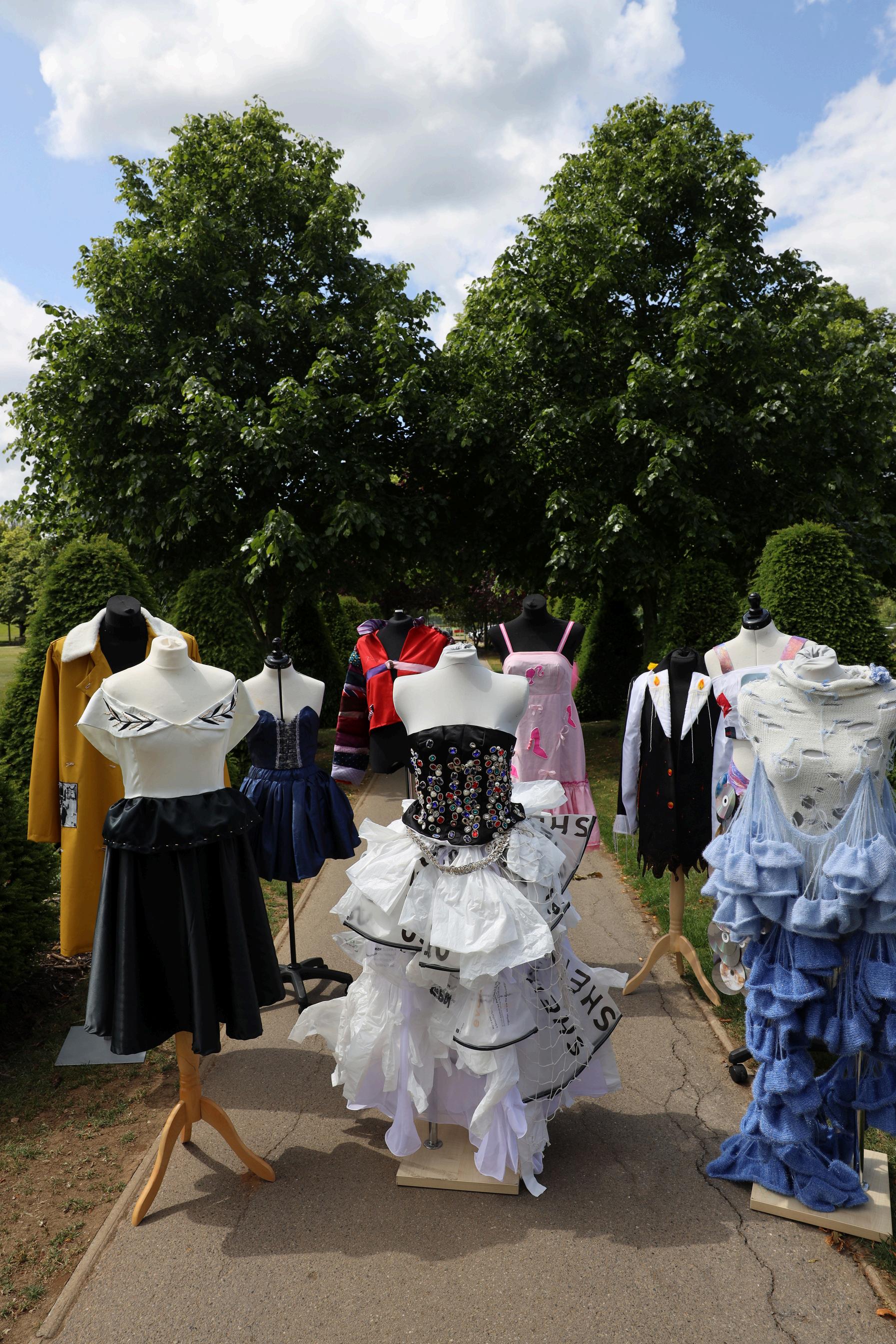
60% Portfolio: A sustained project showcasing the creative journey from research to final product.
40% Externally Set Assignment: A response to a chosen theme, culminating in a final piece created under controlled conditions.
We recognise that a number of our pupils are keen to challenge themselves even further academically. In addition to running departmental stretch and challenge activities and year-group activities within our ‘Aiming High’ programme, we also offer Enrichment GCSEs.
Astronomy
Classical Greek
If you would like further details, please talk to Mr Hamilton (Classical Greek) and Dr Haydock (Astronomy).
These GCSEs take place outside the normal curriculum timetable.
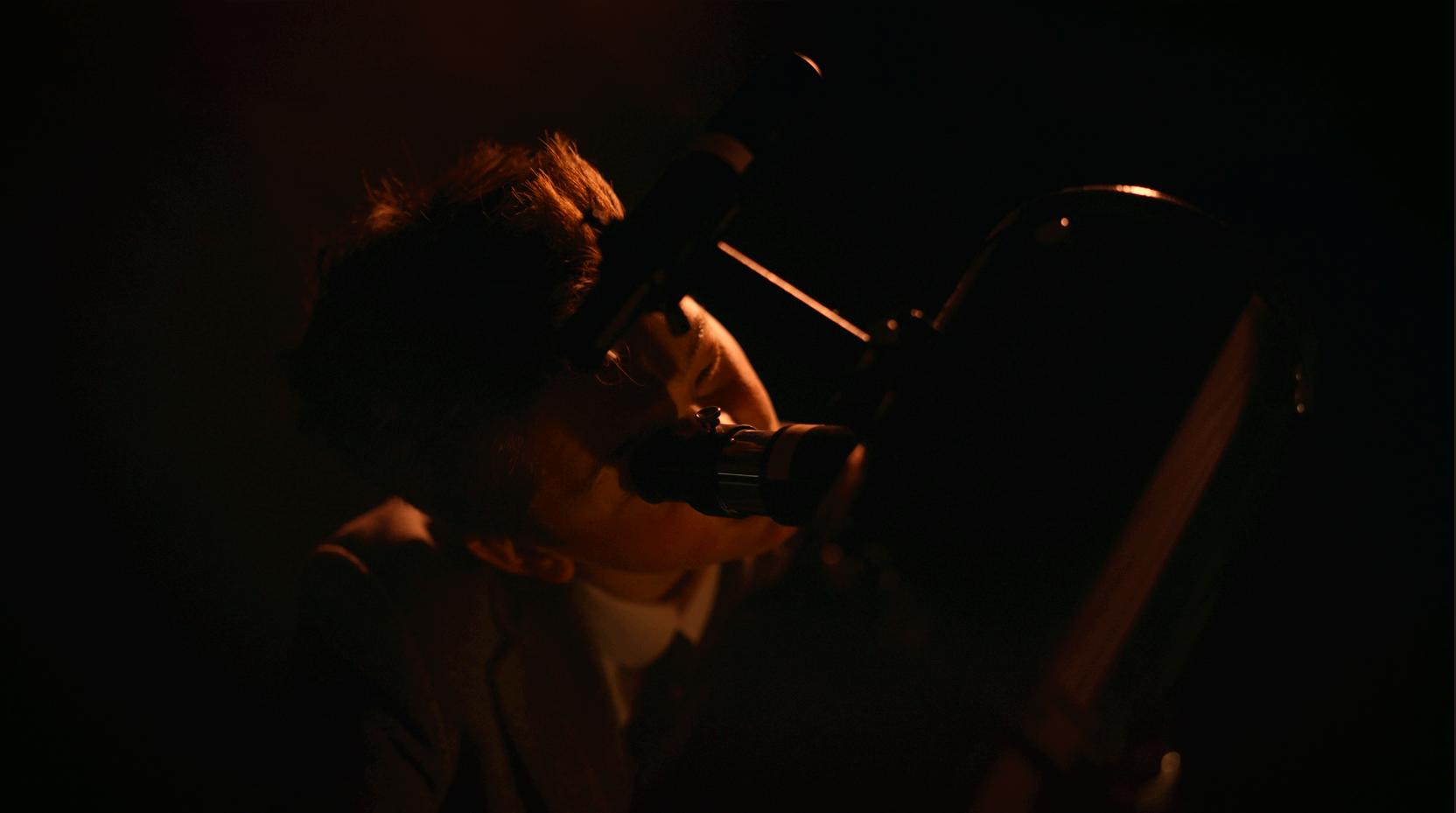
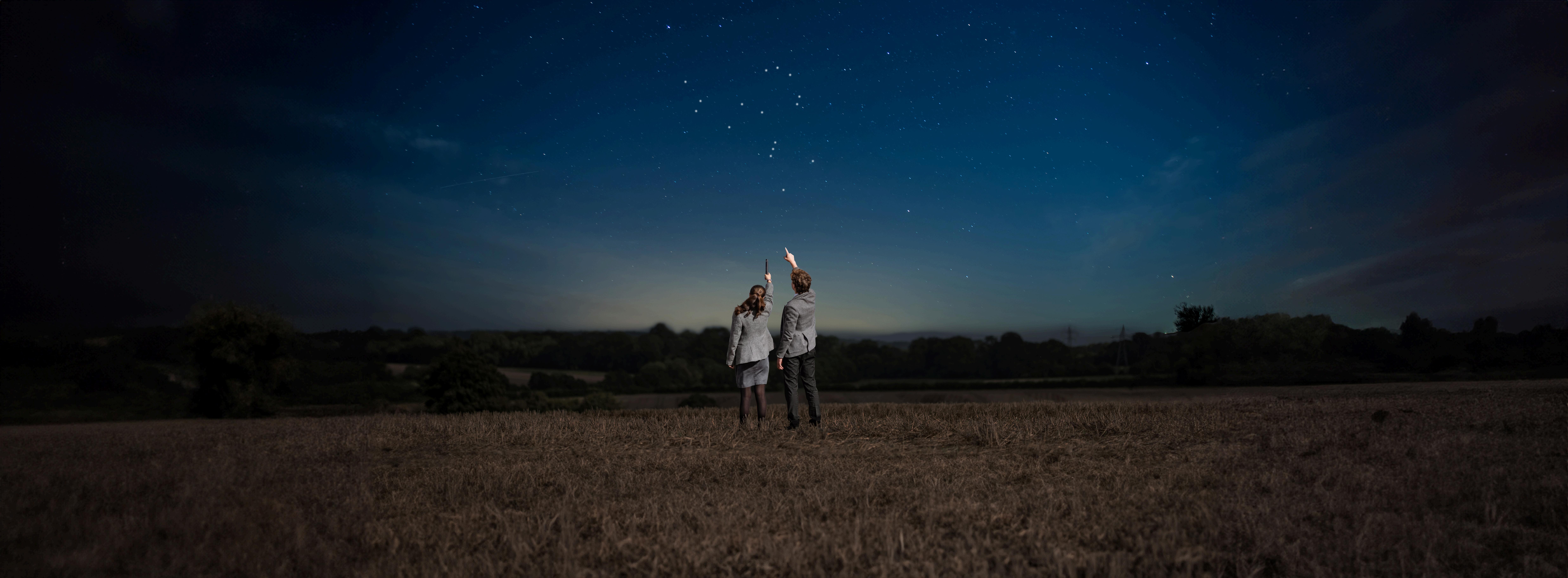
Astronomy is an enrichment GCSE, which means that it would be studied in addition to the normal GCSE load It is not a subject that can be chosen to replace a GCSE.
For thousands of years, humans have been looking into the skies above and wondered at their mysteries and powers Most people are still fascinated by the night sky and are interested in stories about our continuing exploration of our Solar System and the Universe.
This course builds on that interest and gives an introduction to astronomy. The course is split into 16 topics, split over two papers. Paper 1:
Planet Earth
The Lunar Disc 3 The Earth-Moon-Sun cycle 4. Time and the Earth-Moon-Sun cycle
5 Solar System observation
6. Celestial observations
7. Early models of the Solar System
8. Planetary motion and gravity.
Paper 2:
9. Exploring the Moon
10 Solar Astronomy
11. Exploring the Solar System
12. Formation of planetary systems
13. Exploring starlight
14. Stellar evolution
15 Our place in the Galaxy
16. Cosmology
Both papers are assessed with a 100-mark paper, which is 1¾ hours long. As well as the exams, the students are required to complete two mandatory observations, one unaided (without a telescope) and one aided
Classical Greek is an enrichment GCSE, which means that it would be studied in addition to the normal GCSE load. It is not a subject that can be chosen to replace a GCSE. Any pupil in the current 3rd Form or above with a genuine interest in learning a classical language can take Classical Greek. This subject is taught off the main timetable as an additional subject.
Why study Greek for GCSE?
Like Latin, Greek commands respect from universities and employers alike as it shows that a student can think clearly as well as learn.
The study of Classical Greek provides students with an authentic insight into the values, culture and society of the ancient world.
Learning the Greek literature helps develop critical, analytical and reflective skills by evaluating evidence from a range of original sources.
Students are given the opportunity to develop linguistic skills which are applicable to their studies of English and other languages.
The course provides a solid preparation for those wishing to progress to Classical subjects at a higher level.
What does the GCSE exam consist of?
Paper 1: Translation of extracts of unseen Greek text based on mythological or historical themes.
Paper 2: Questions on prepared Greek prose texts. We read extracts from Herodotus or Lucian and evaluate, analyse and respond to their work.
Paper 3: Questions on prepared Greek verse texts.
Students read poetry including Homer and Euripides and pupils are able to show their appreciation of the author’s style and literary effects
These are the signposts that guide our pupils as they navigate their journey through the College and out into the wider world.

Lord Wandsworth College
Long Sutton, Hook, Hampshire,
RG29 1TA W W W . L O R