
Chateau - Manchester Neighborhood | Pittsburgh, PA
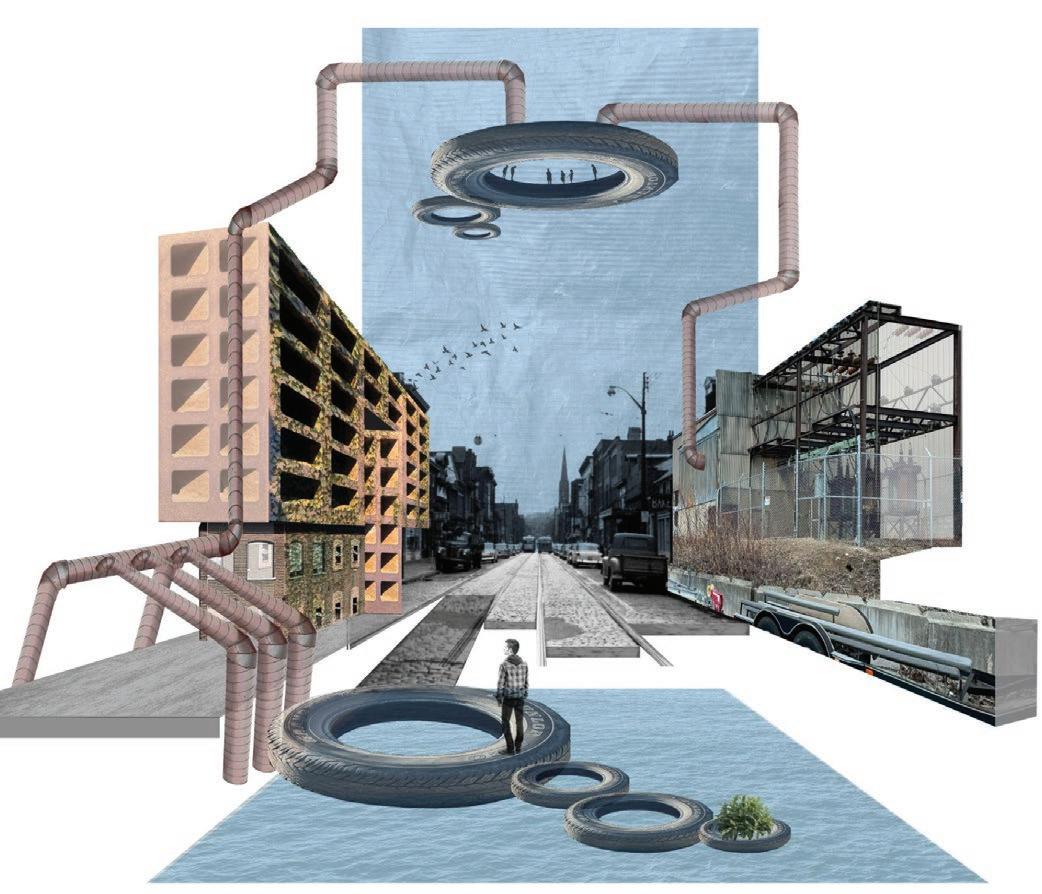
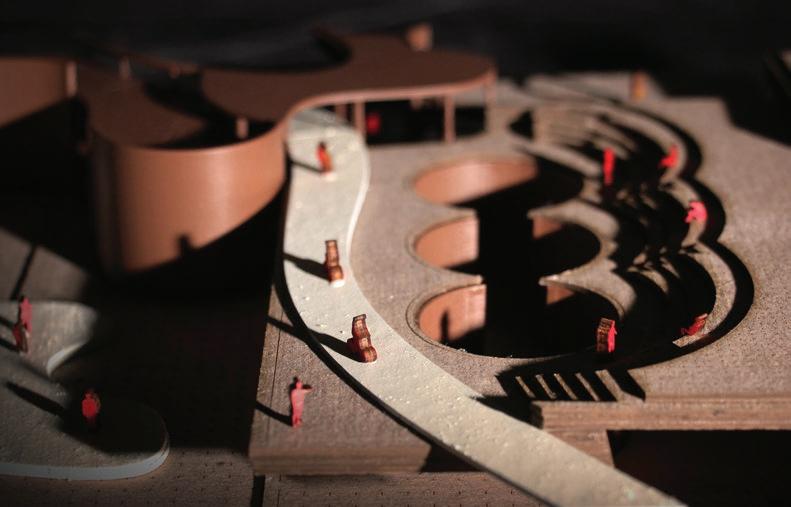
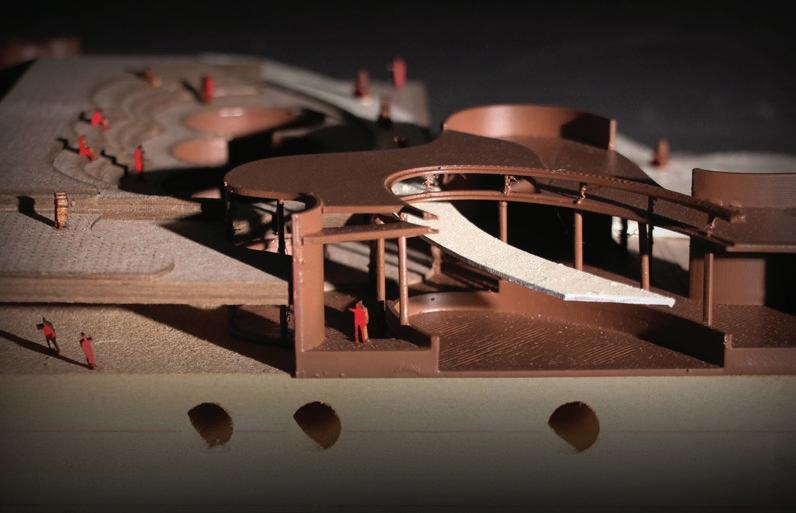
Can architecture make transitions of sanitation infrastructure visible, shifting away from a single, linear, concealed, engineered “solution” towards a more transparent, educational, playful, and ecologically conscious approach?
Carnegie Mellon University | Praxis I Studio | Fall 2024
Partners: Lora Marks, Nicholas Thies, Tai Le, Sharvi Shah
Instructors: Sarosh Anklesaria, Jonathan Kline, Niloufar Alenjery
Programs Used: Rhino, InDesign, Illustrator, Photoshop
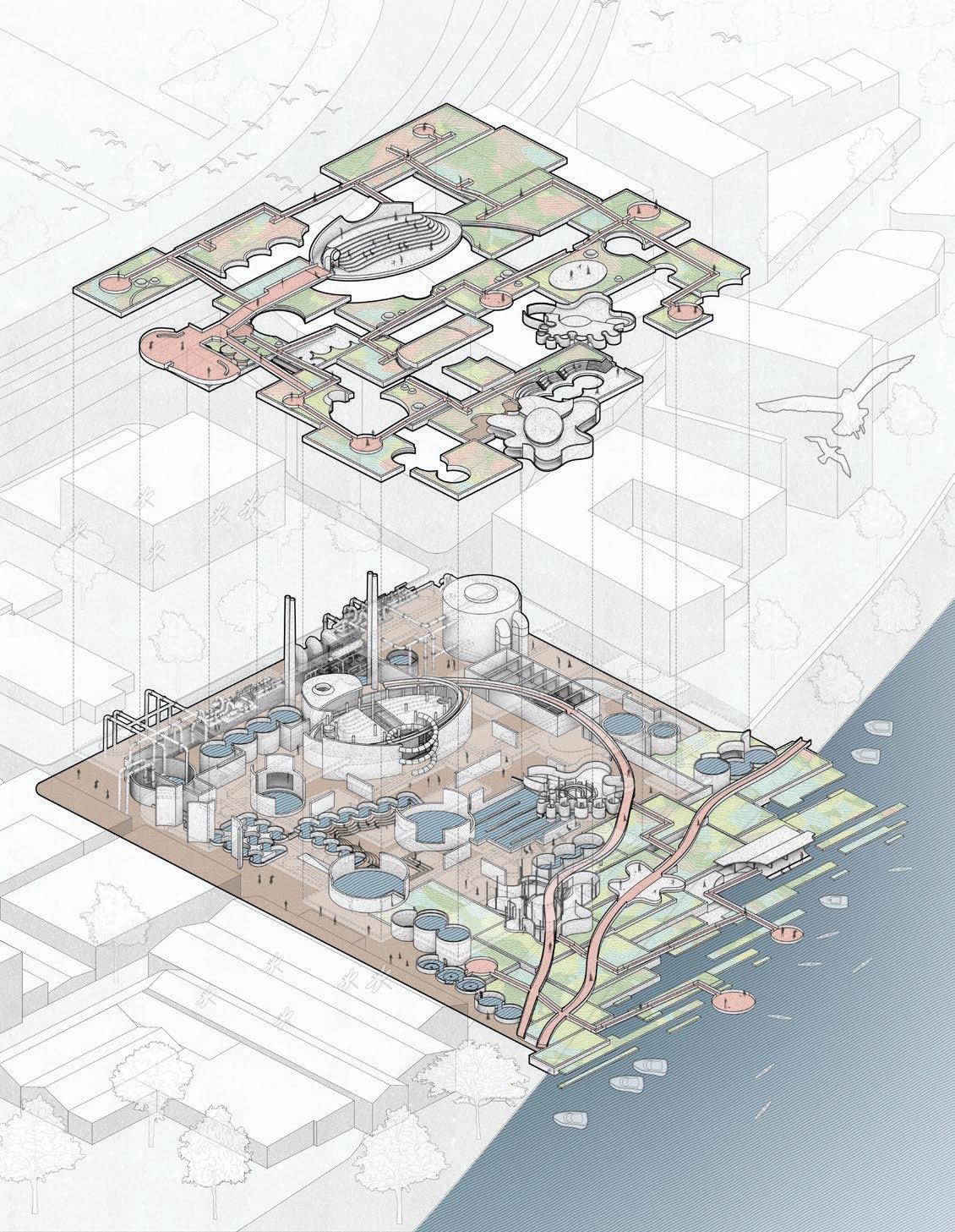
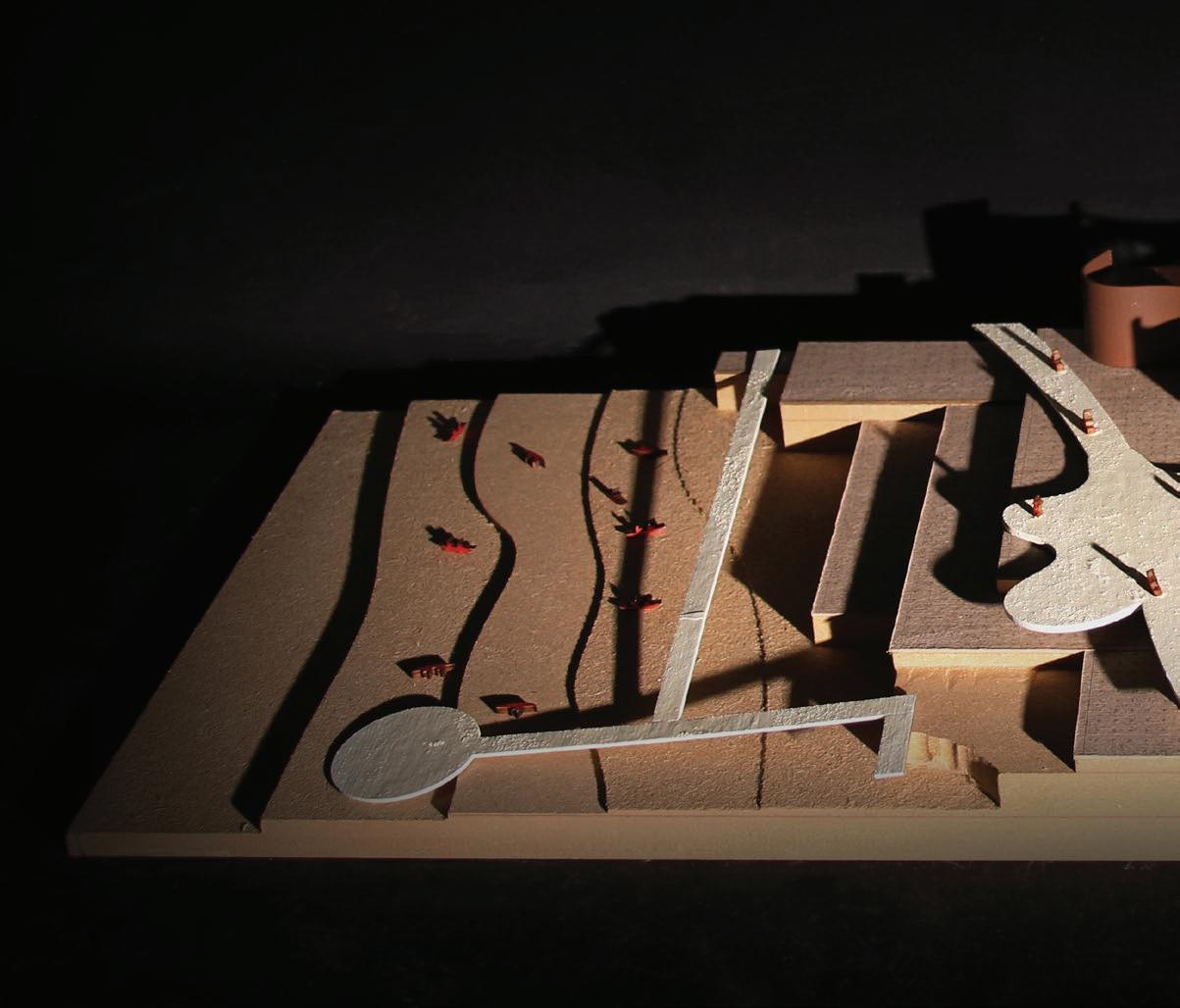
Every time it rains, Pittsburgh’s combined sewage system overflows, effectively releasing 9 billion gallons of raw sewage into the riverfront. In response, ALCOSAN (Pittsburgh’s current wastewater treatment facility) has developed the Clean Water Plan, and promote sustainable relationships
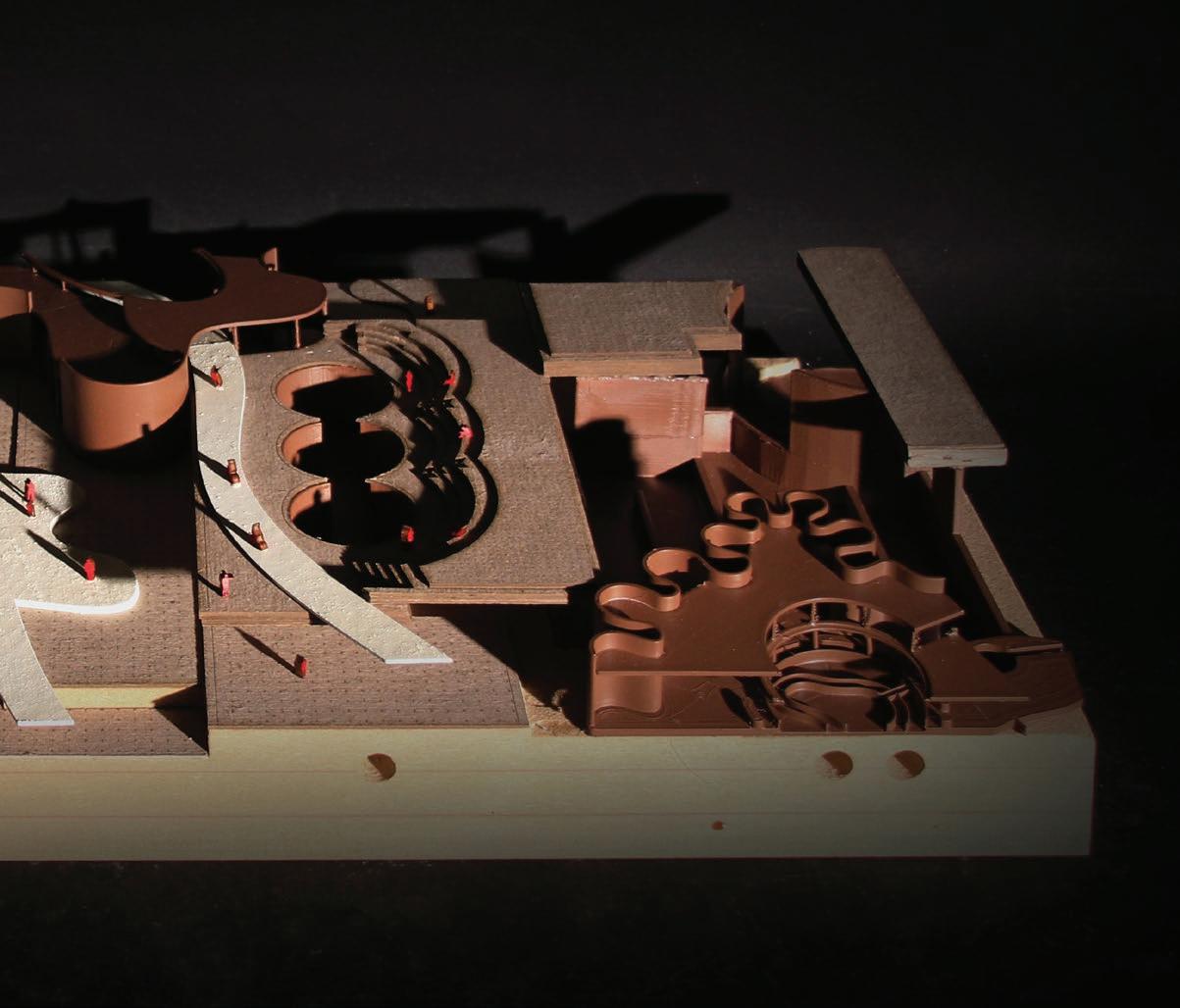
As a pilot project, Play Plant introduces a scalable, localized solution to reduce the burden on ALCOSAN’s central facility. process 365 million gallons of sewage annually — before it reaches the rivers. Beyond its functional role, Play Plant transforms facilities, and a children’s splash zone. By blending water treatment with recreation, Play Plant reimagines the relationship
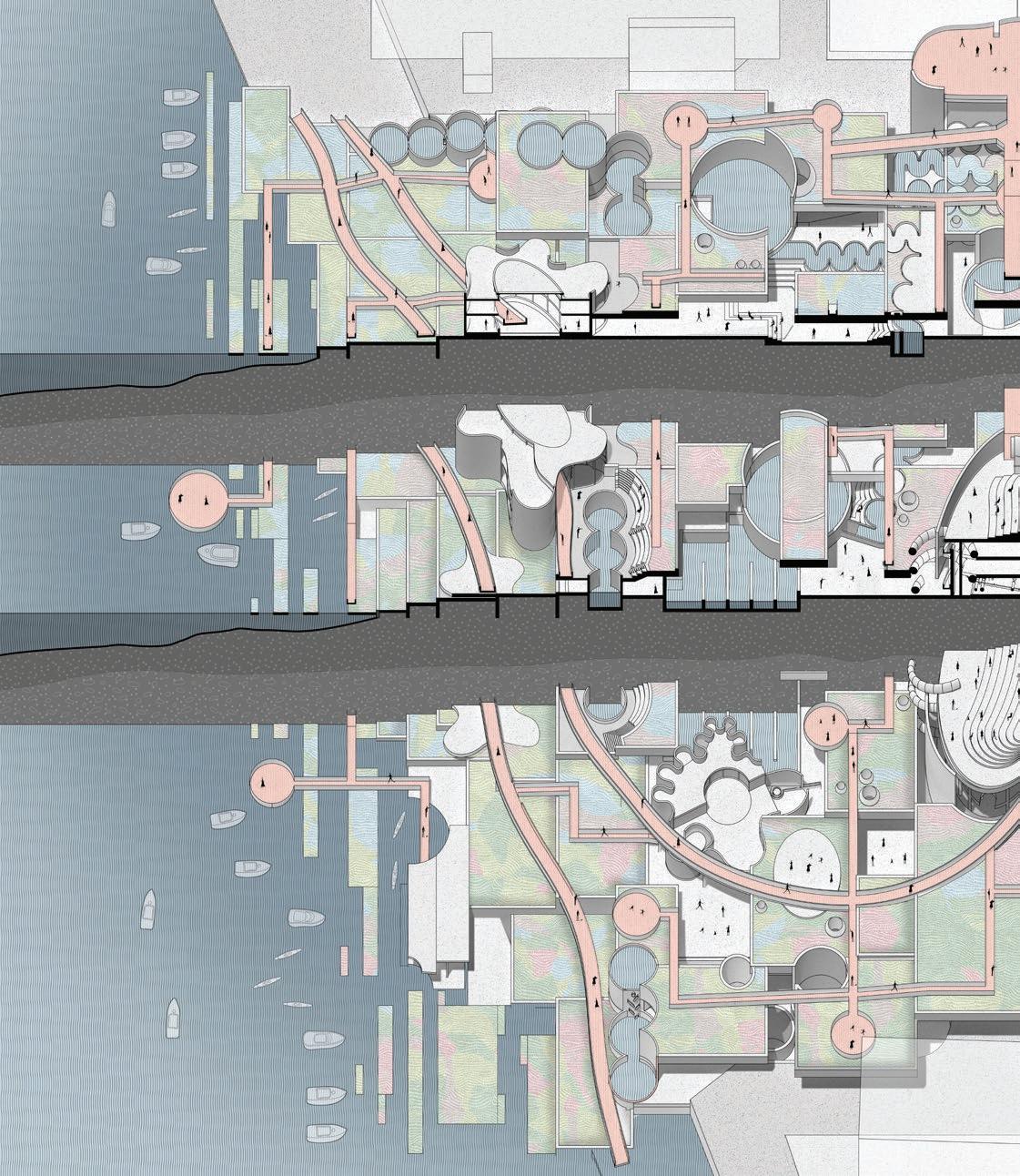
into its rivers annually. This contamination degrades water quality, harms aquatic ecosystems, and restricts recreational access to Plan, which invests in green infrastructure, decentralized treatment, and public education to reduce combined sewage overflows relationships with water resources.
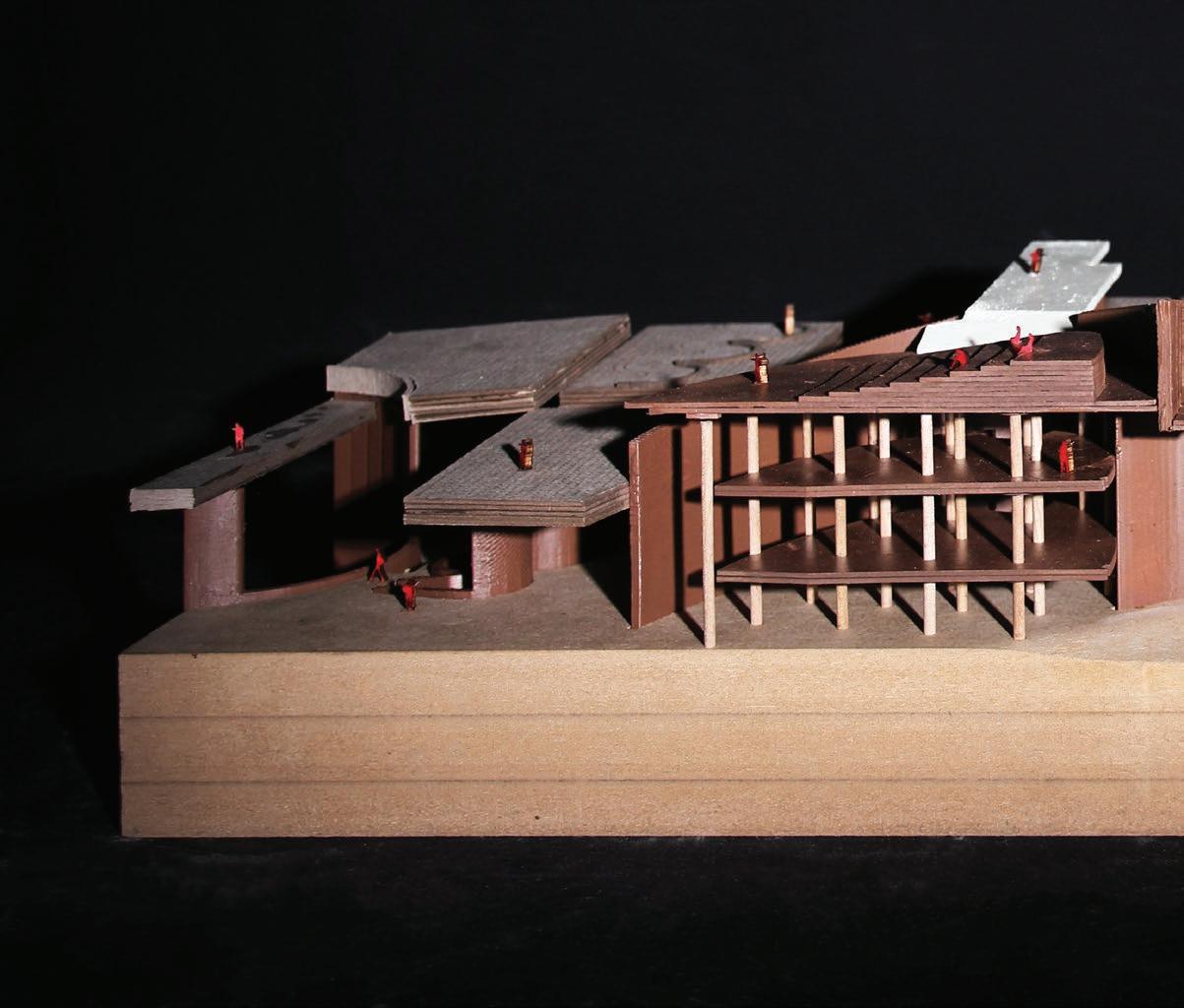
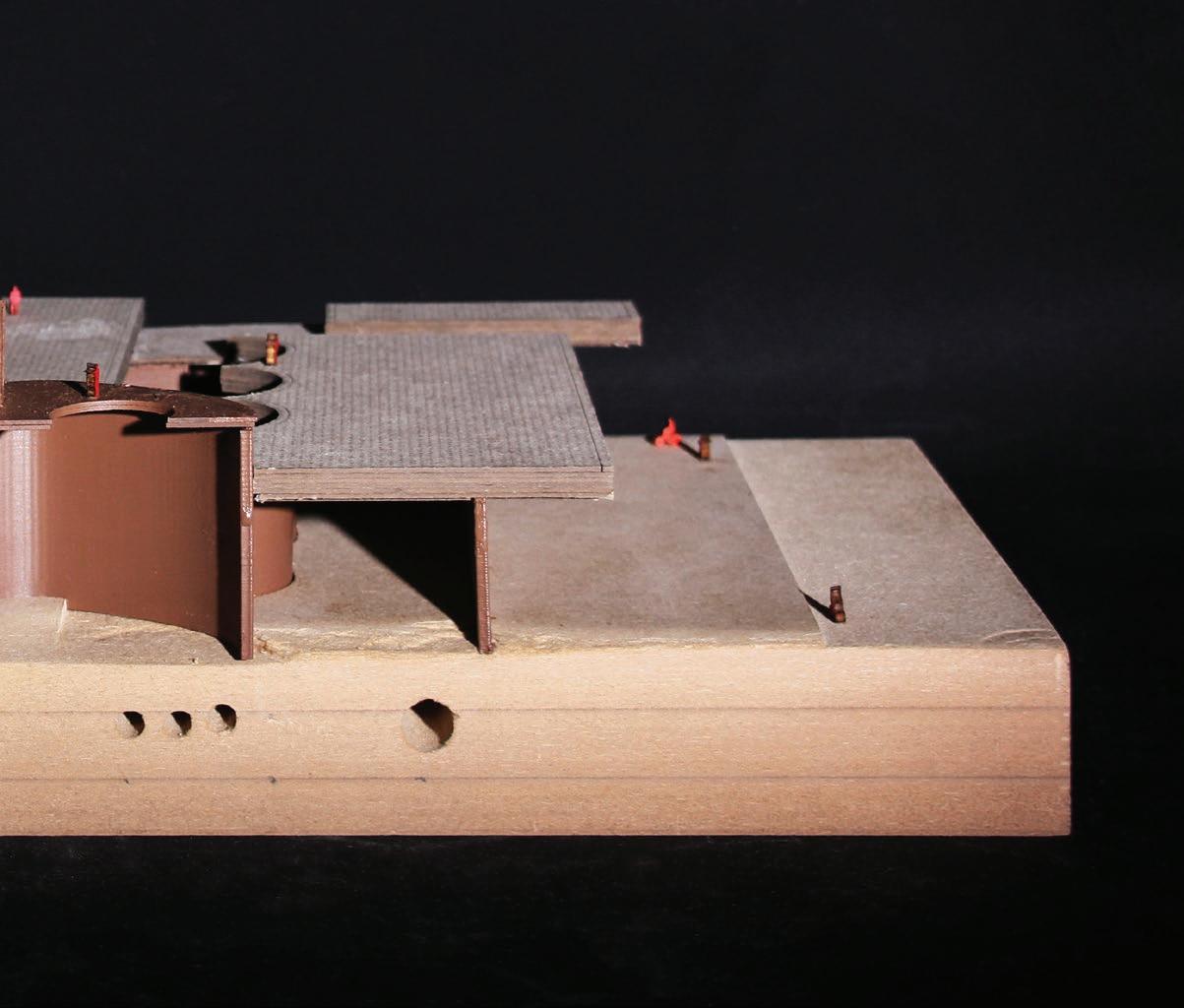
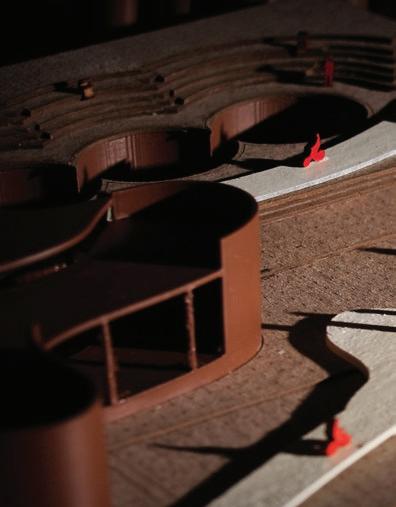
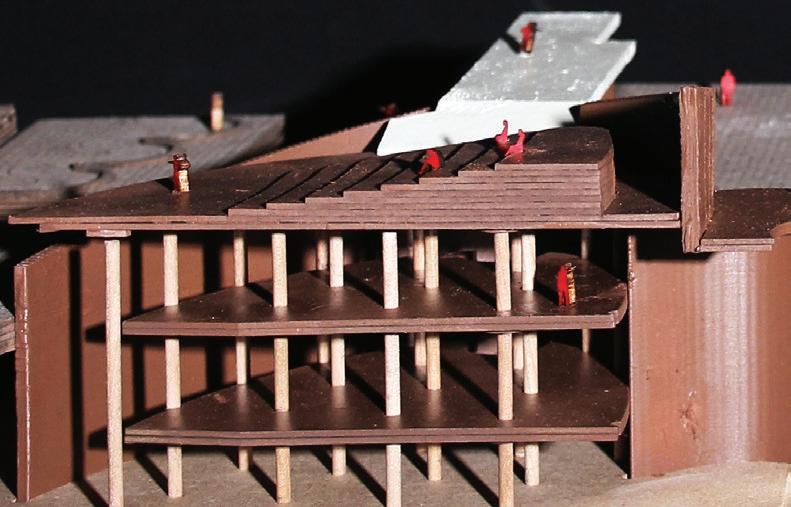
Designed to treat wastewater from Manchester and Chateau, the system integrates mechanical and biological filtration to transforms essential infrastructure into an interactive public space, featuring a park, irrigation systems, public restrooms, laundry relationship between communities and their water resources, setting a precedent for sustainable, multi-functional urban infrastructure.
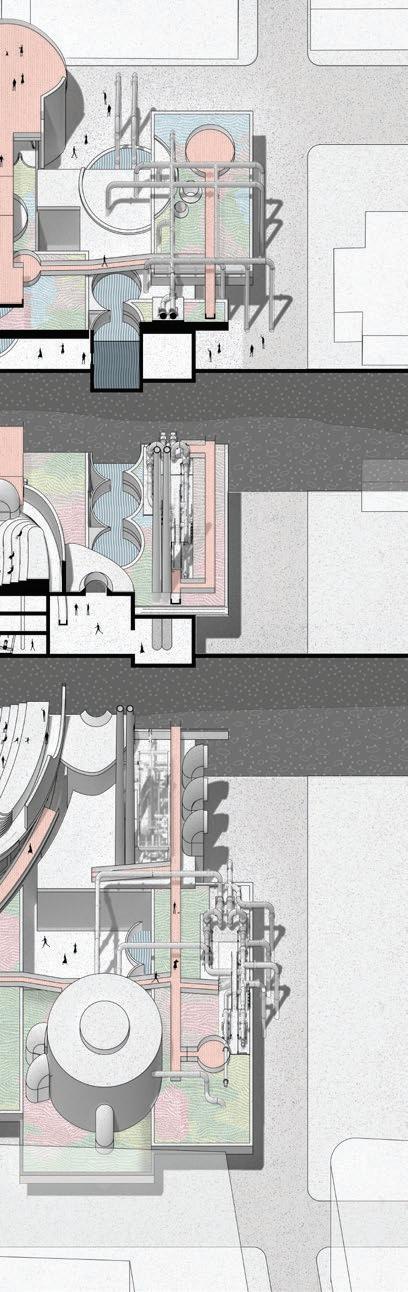
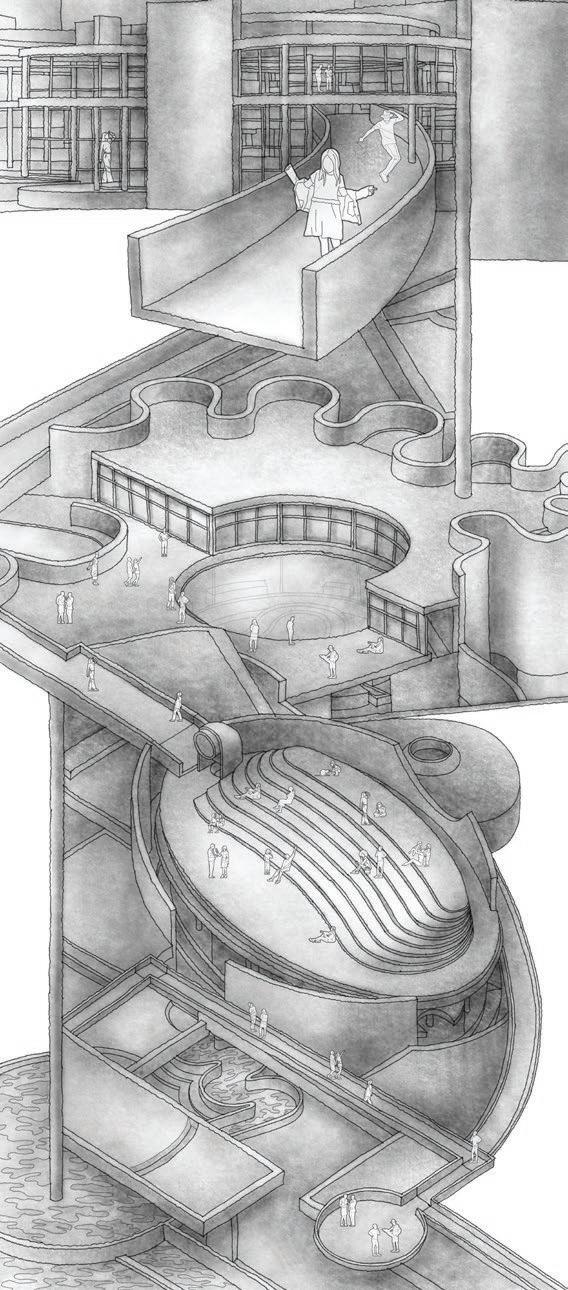
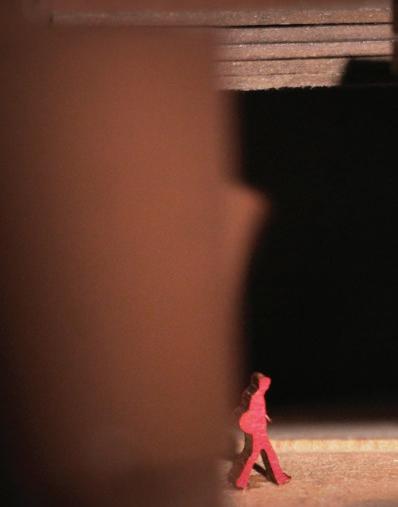
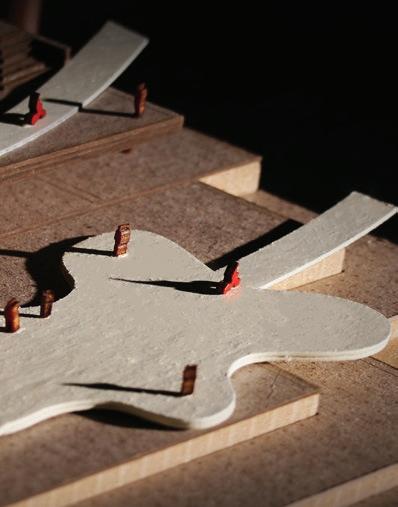
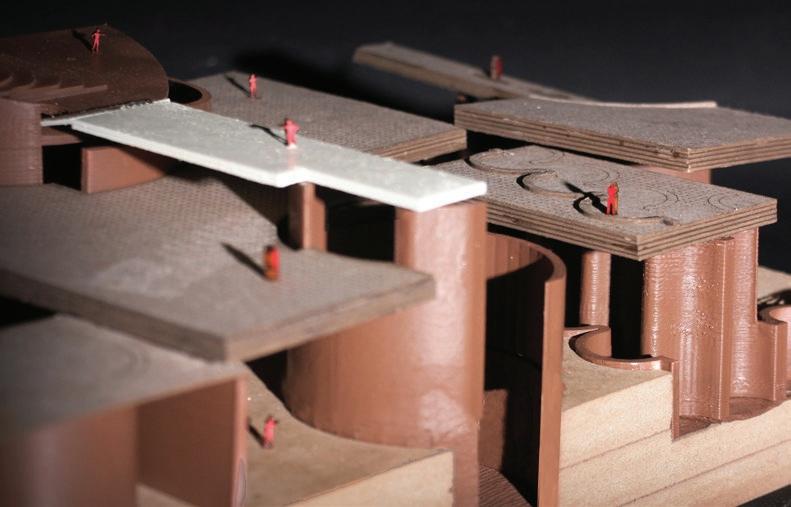
Play Plant re-imagines infrastructure as hybrid, soft, and entangled—visible and inviting. Educational features, public amenities experience. The project challenges a purely functional approach to infrastructure, instead positioning it as a resilient, dynamic
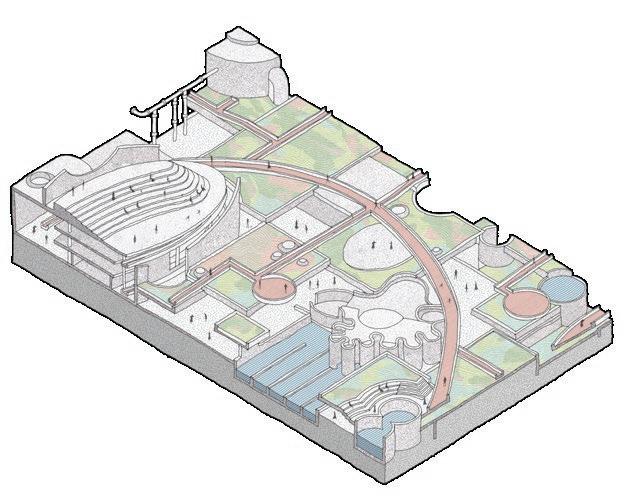
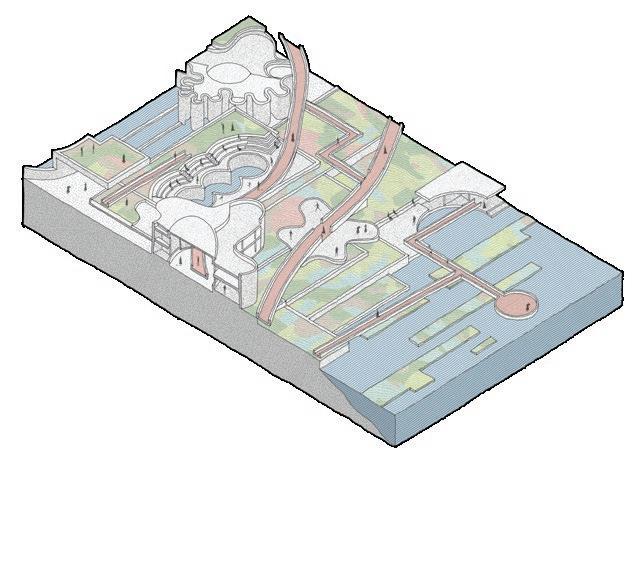
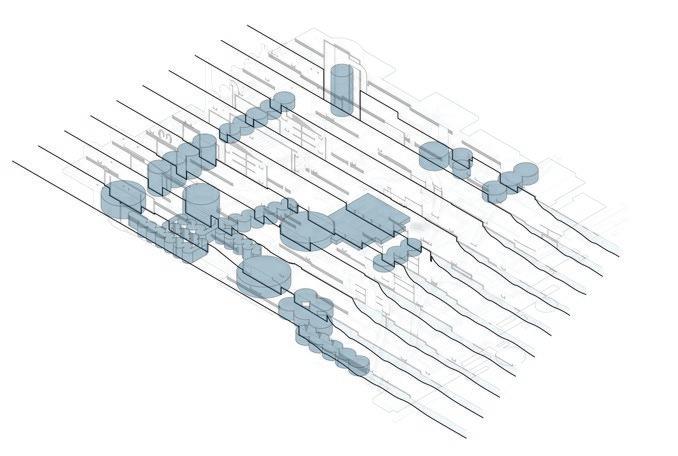
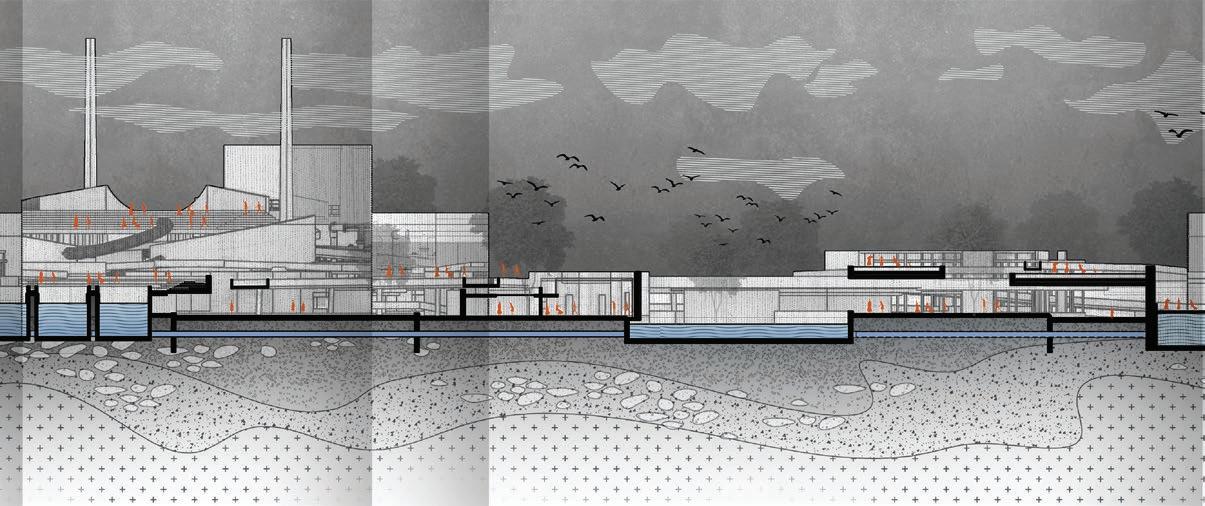
Serial Sections
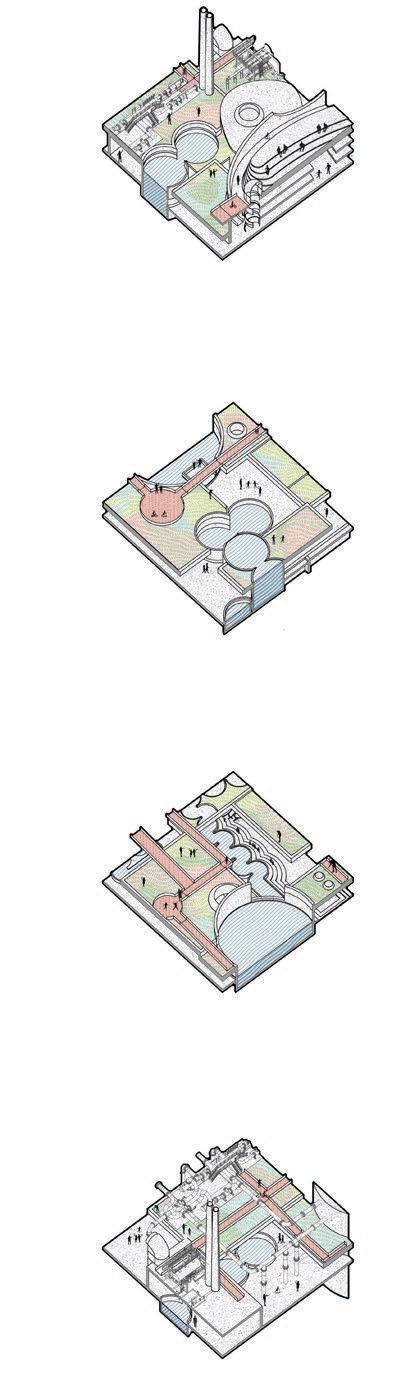
Laboratory Section
Viewing Areas
Seating Area/Final Sedimentation
Odor Control Pipes
amenities and green spaces create awareness of water systems, turning sewage sanitation into a public spectacle and learning dynamic destination where utility meets community, and necessity transforms into an opportunity for connection and play.
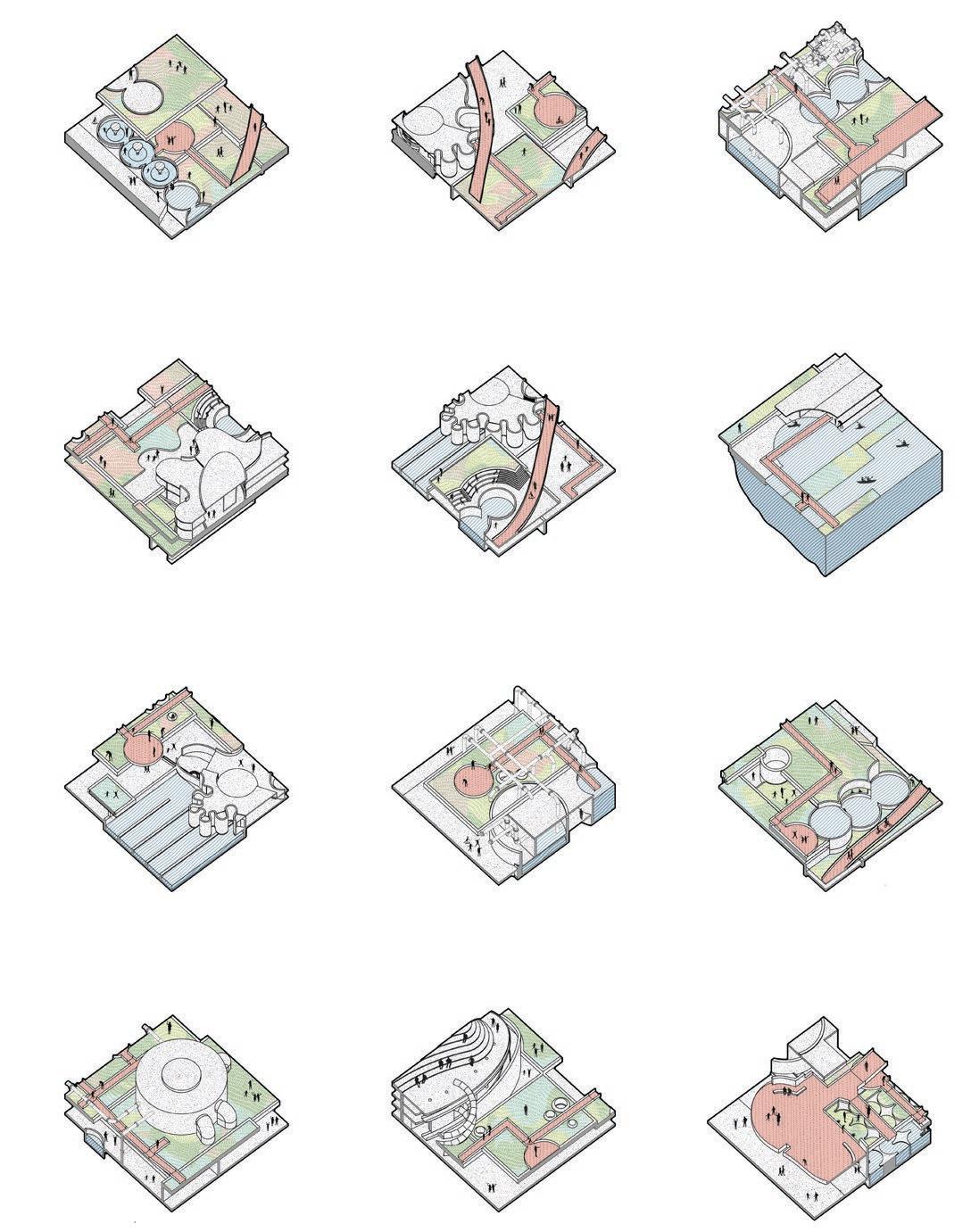
Splash Park
Bathroom/Pathways
Interactive Pipes
Laundry
Seating Area
Kayak Rental
Chlorination/Bathroom
Interactive Pipes
Musical Rain Catcher
Wet Well/Pump Station
Laboratory Slide
Gathering Pathway
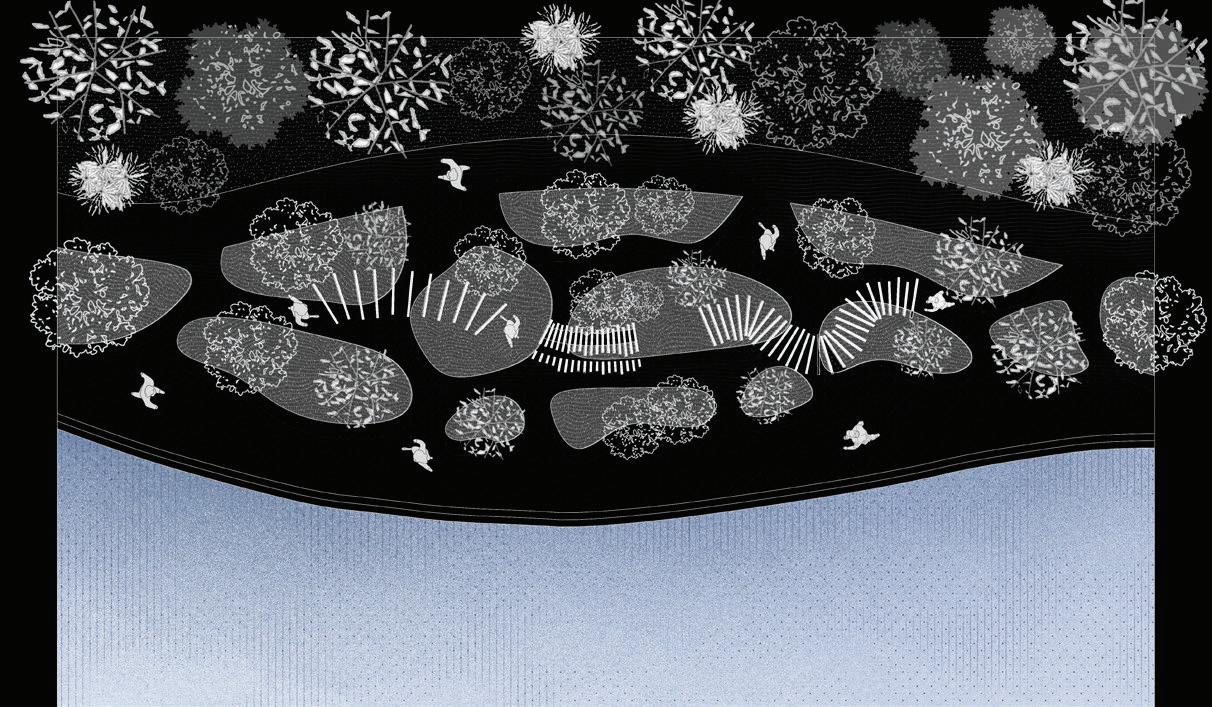
Unrolled Section: Understanding how sewage and people might travel through the site.
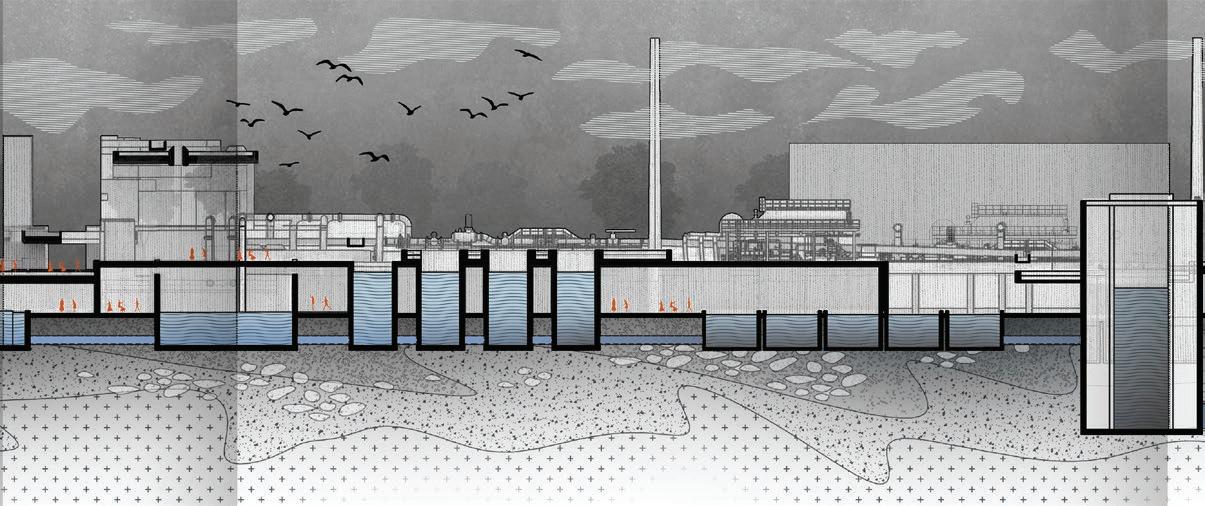
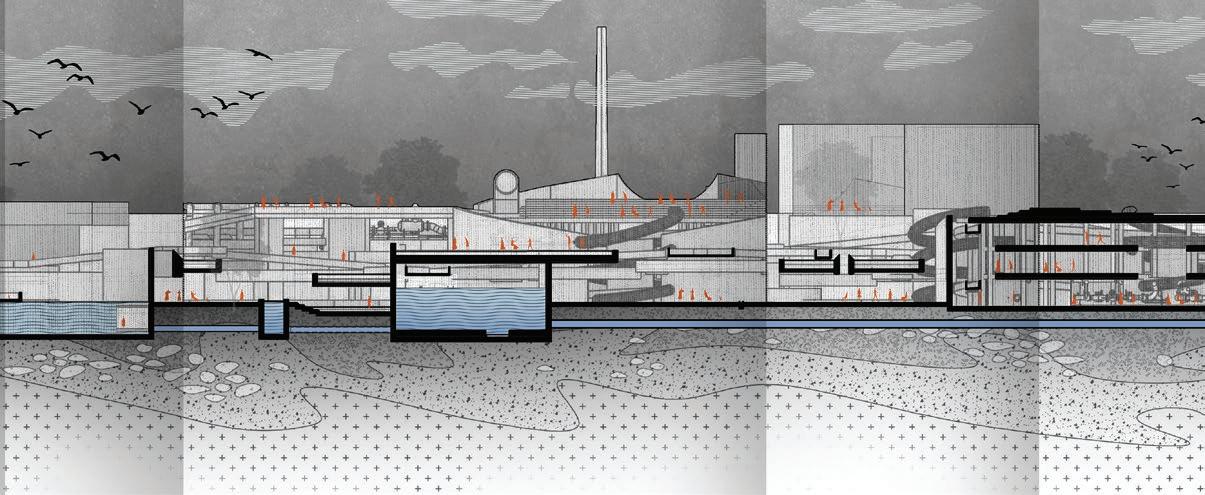
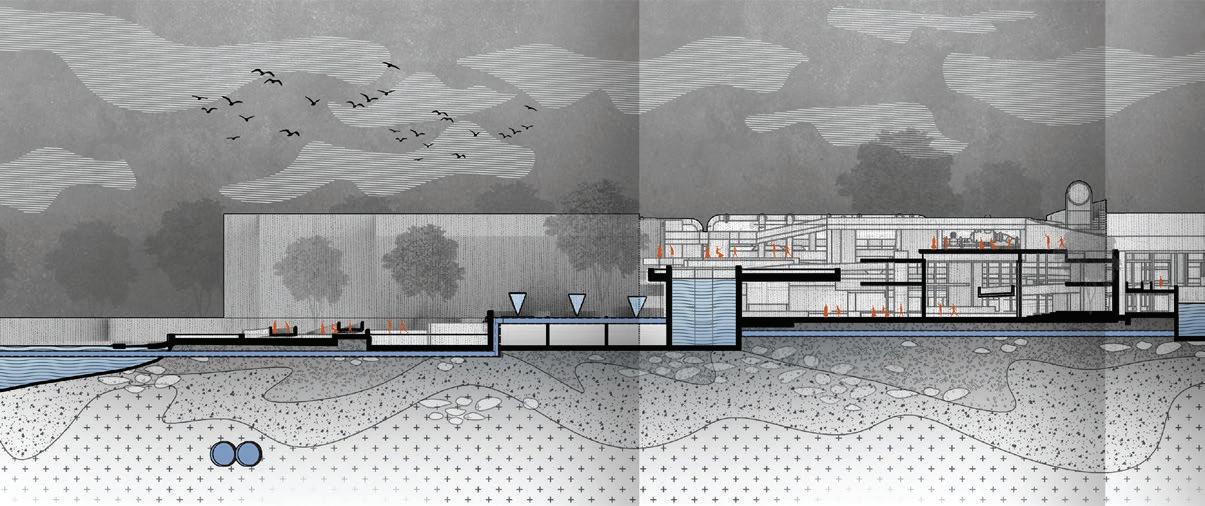
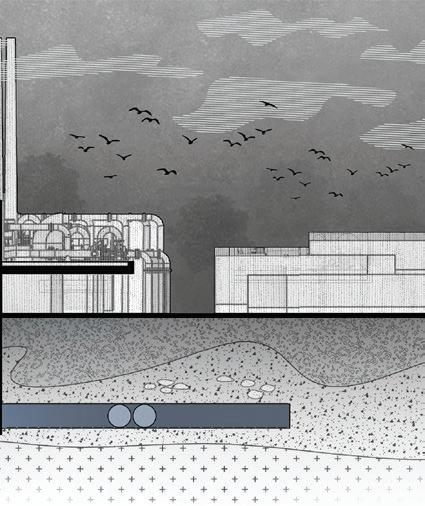
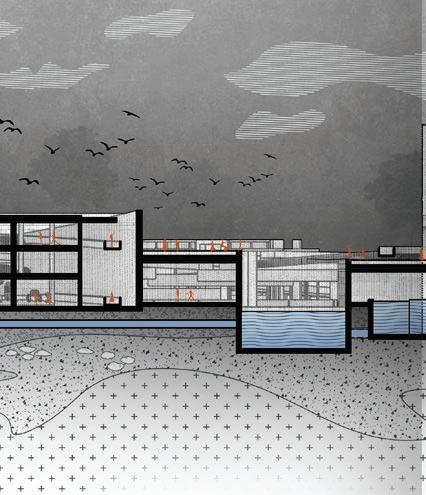
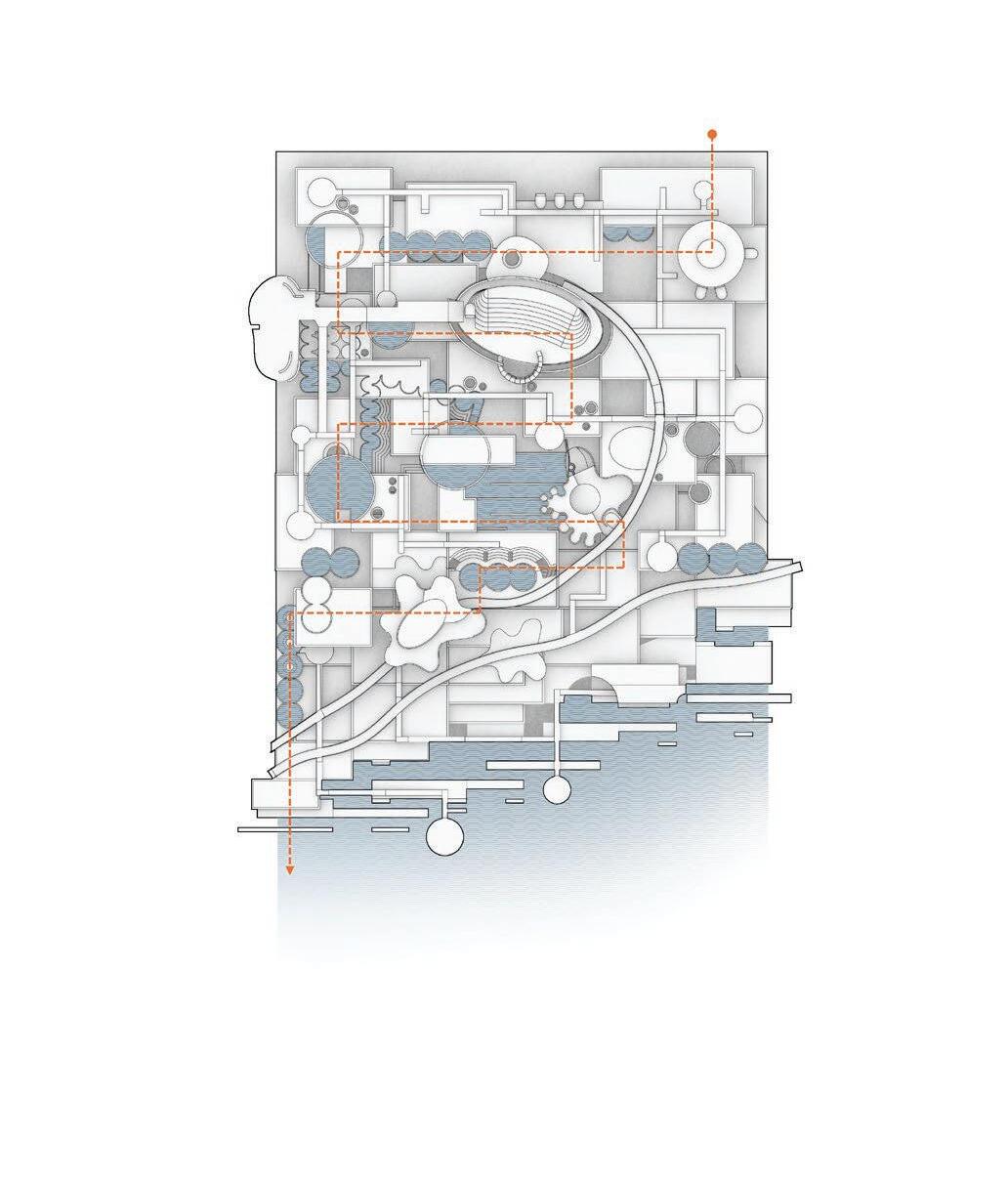
Wet Well / Pump Station
Bar Screens
Grit / Sludge Removal
Primary Sedimentation
Aeration
Final Sedimentation
Chlorination
Extra Disinfection
Splash Park
Wetlands
Laundry
Kayak Rentals
Musical Rain Catcher
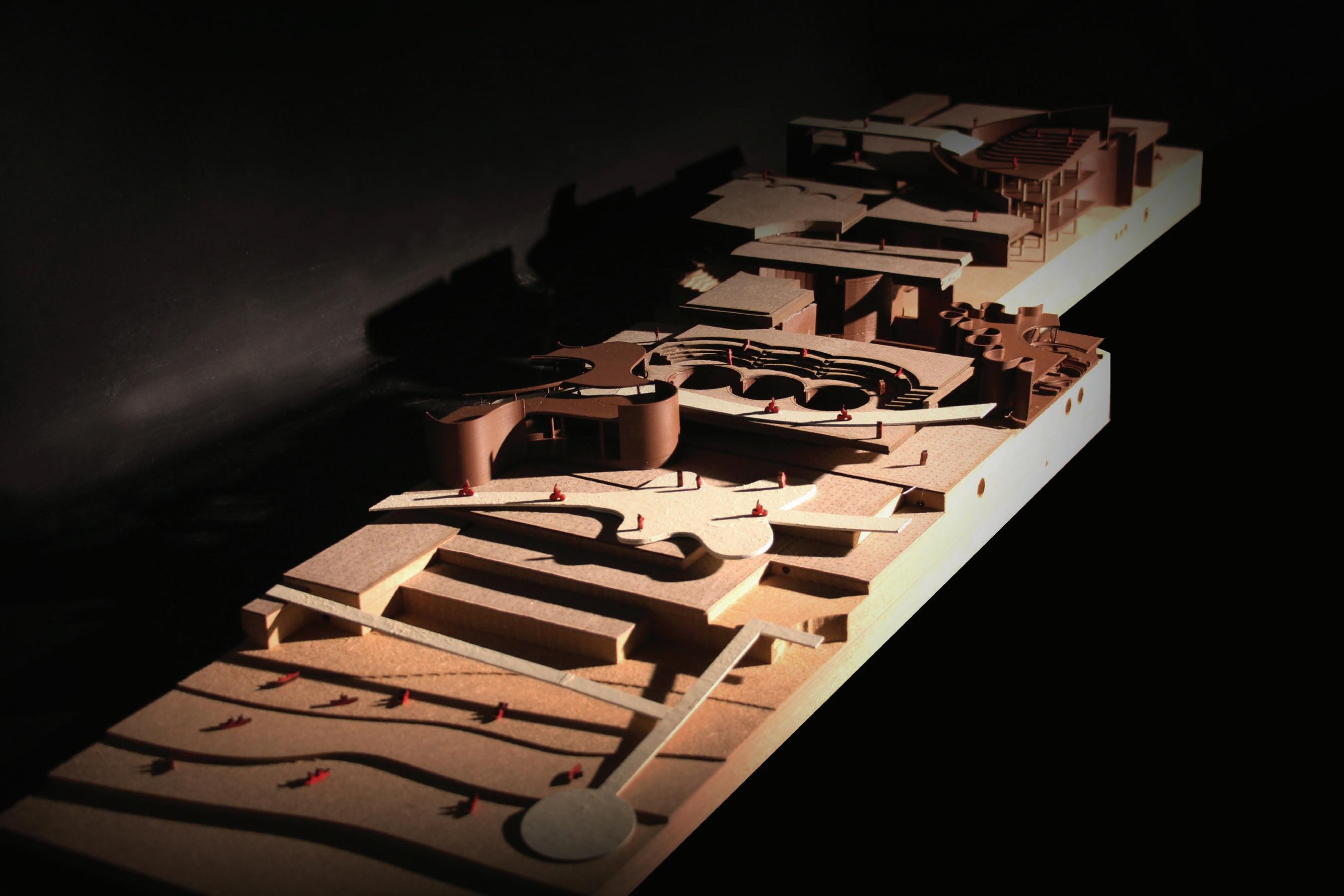
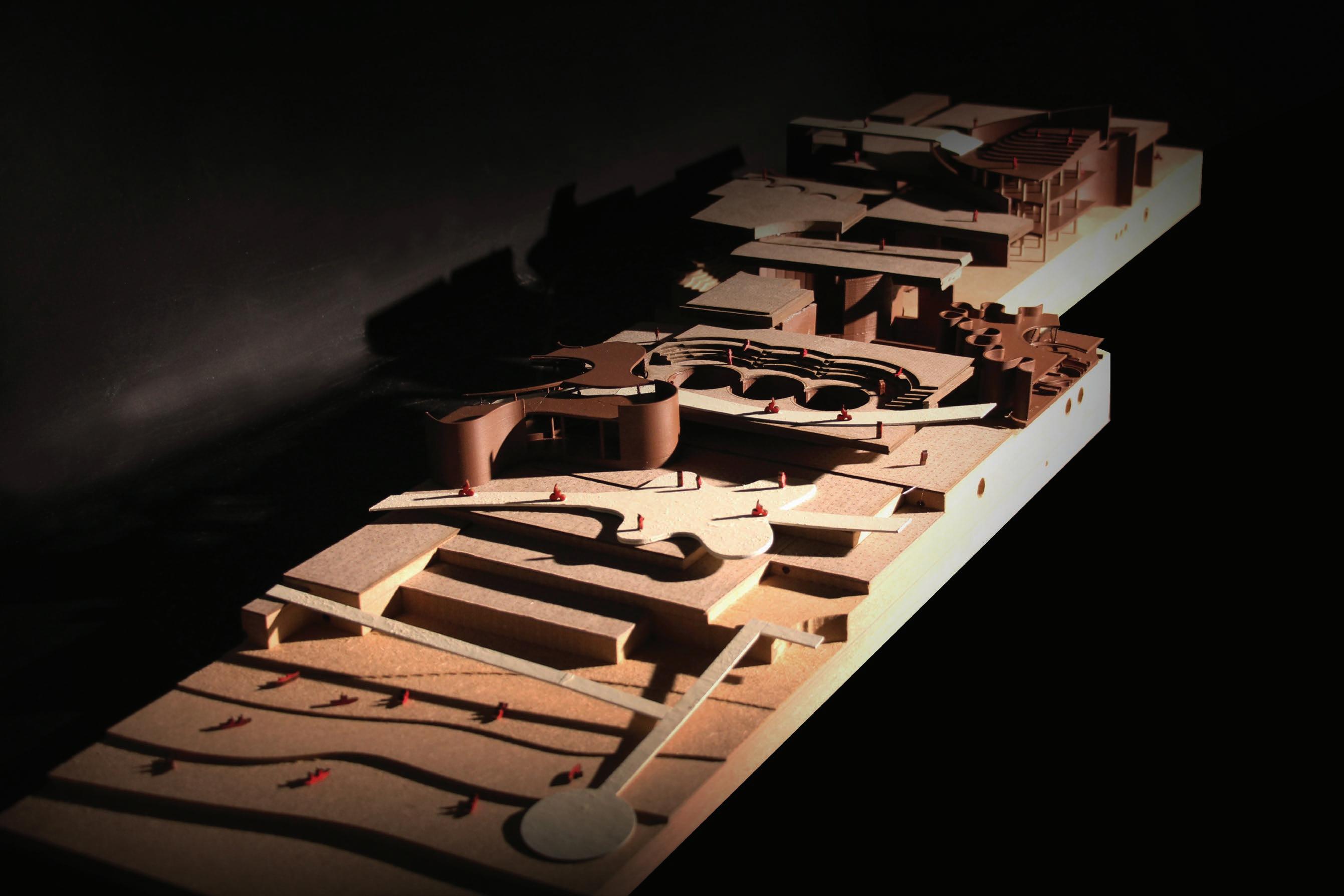
Hollow Lake | Pittsburgh, PA
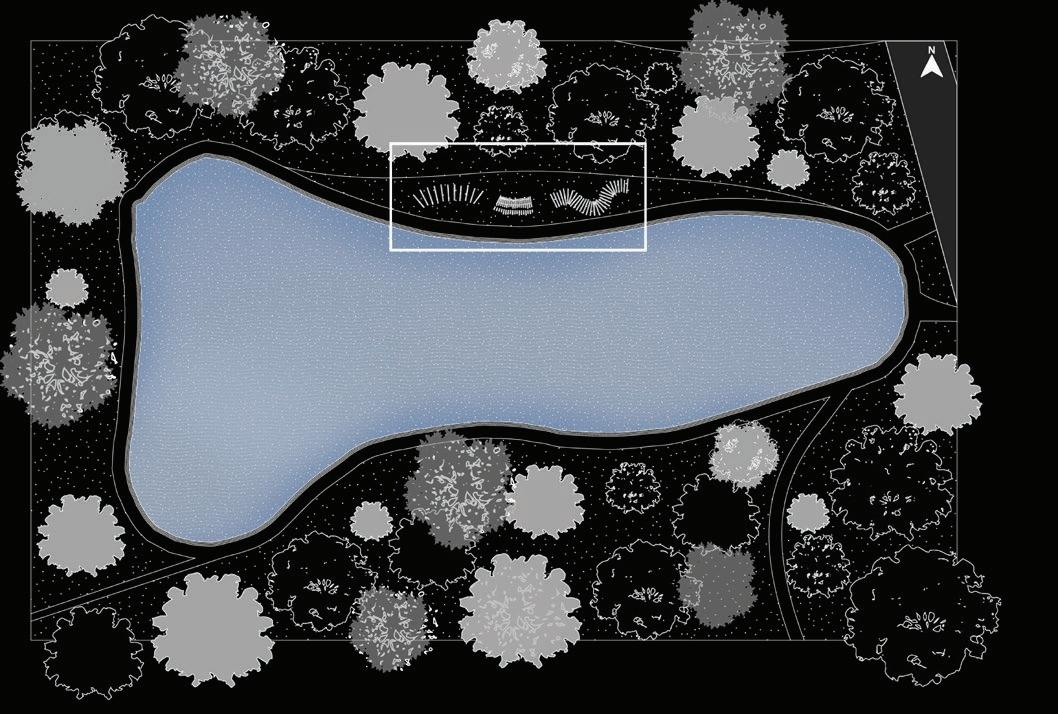
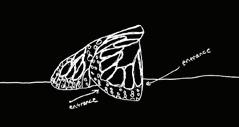
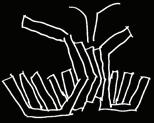
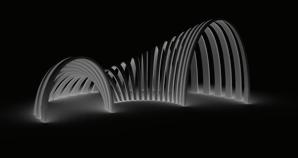
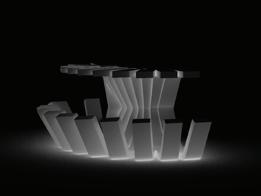
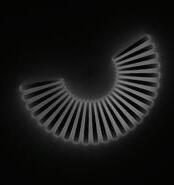
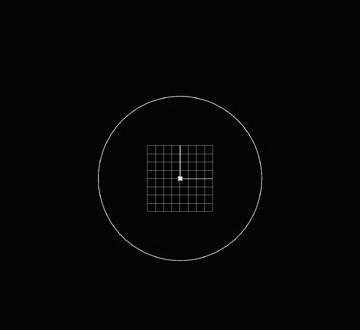
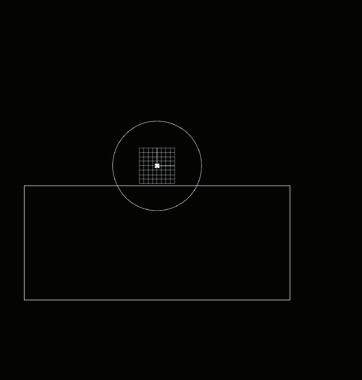
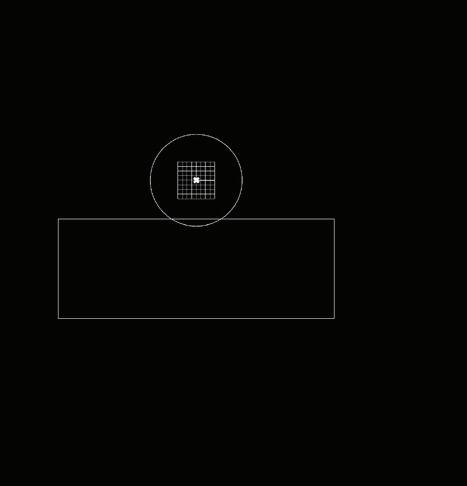
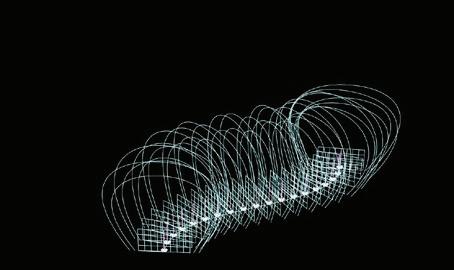
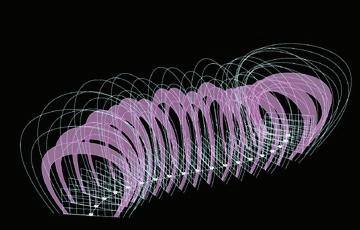
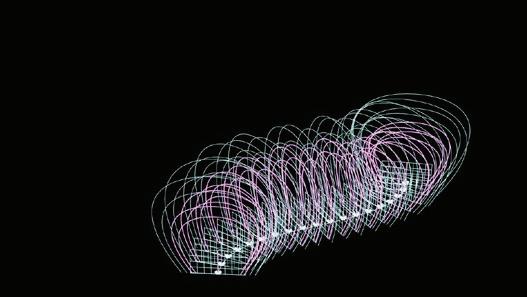
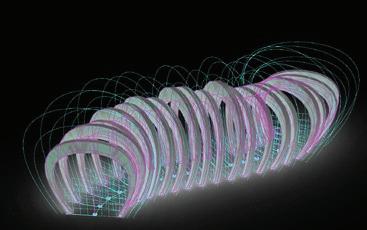
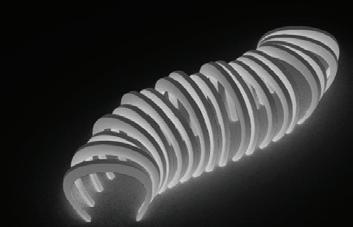
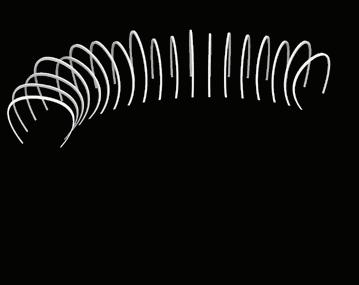
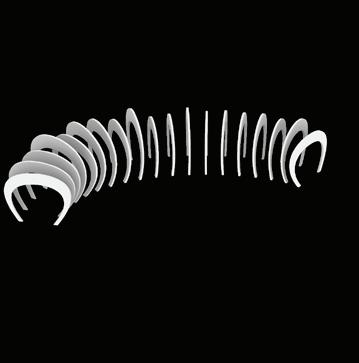
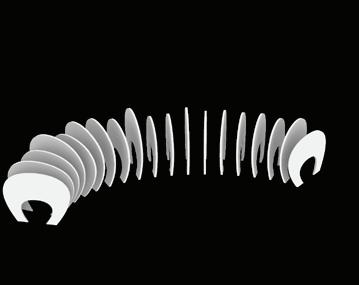
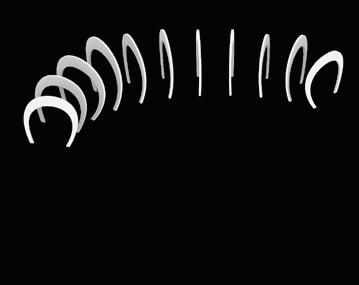
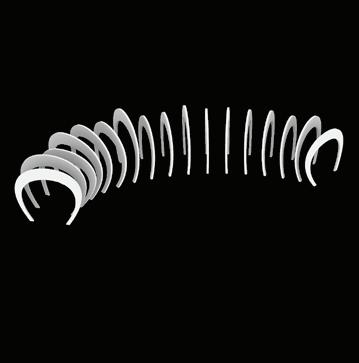
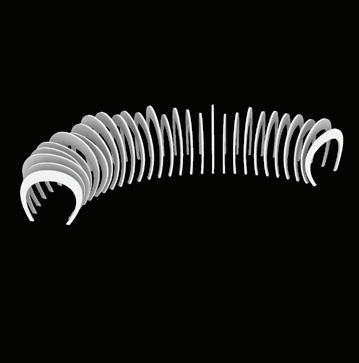
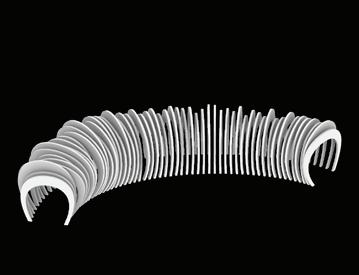
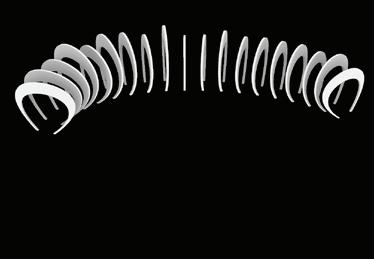
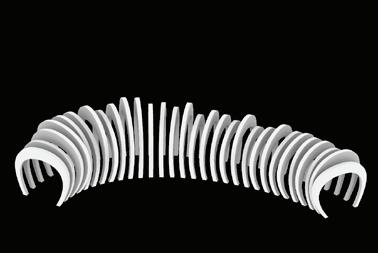
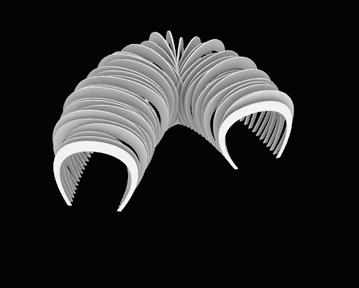
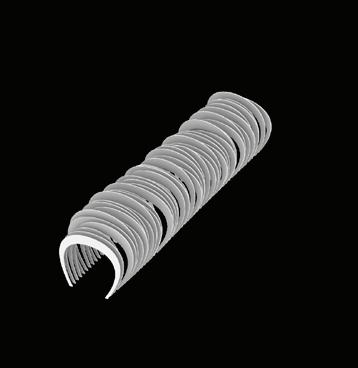
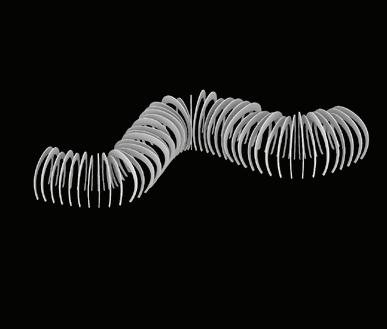
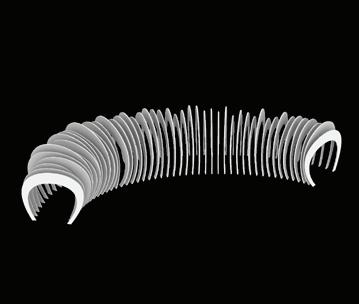
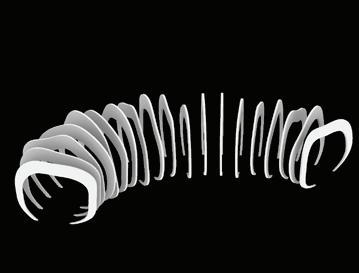
Inspired by the form of a caterpillar before its metamorphosis, this pavilion symbolizes growth, transformation, and potential. Located in Schenley Park, its three-segmented structure mimics the rhythmic movement of a caterpillar, creating a fluid, organic space that encourages visitors to engage with both nature and each other.
Designed with a focus on bio-mimicry and spatial fluidity, the pavilion transforms an underutilized dirt-covered area into a vibrant gathering space where visitors can witness the life cycle of butterflies—from caterpillar to cocoon to butterfly— experiencing firsthand the beauty of transformation in nature.
Carnegie Mellon University | Design Skills Workshop | Summer 2024
Instructors: Matt Huber, Sinan Goral Programs Used: Rhino, Grasshopper, InDesign, Illustrator, Photoshop
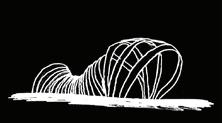
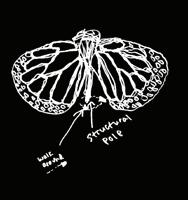
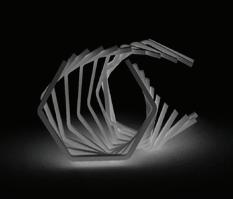
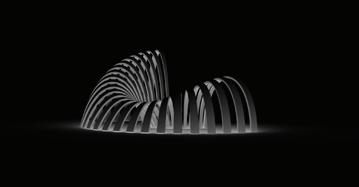




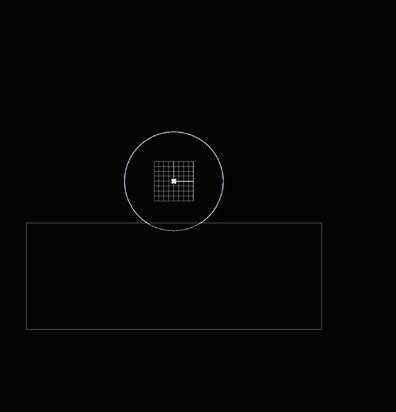
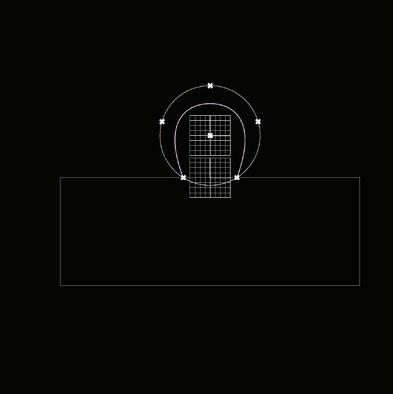
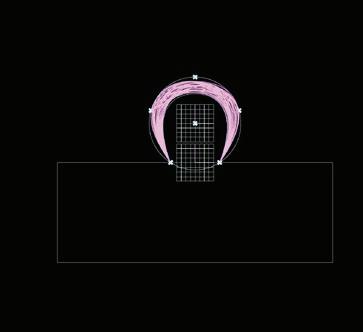





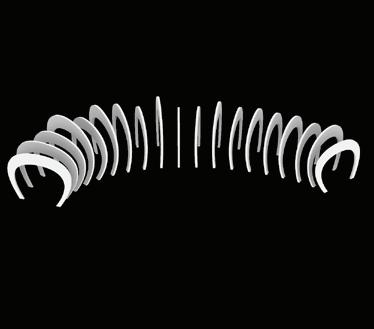
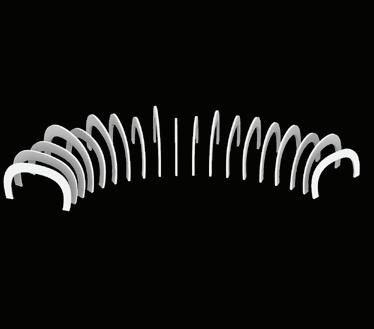
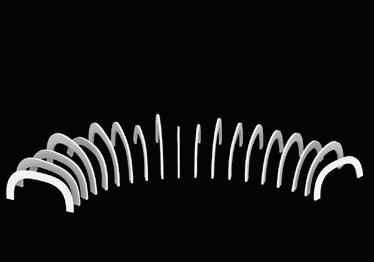
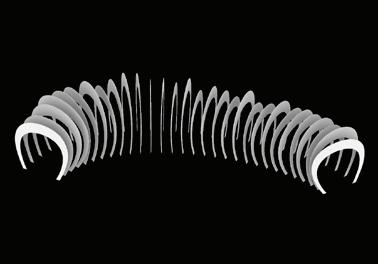

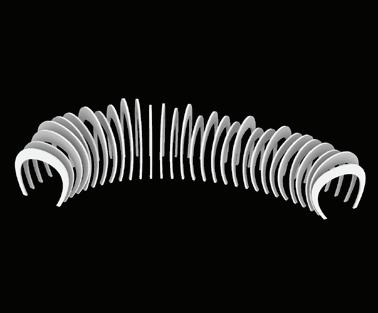



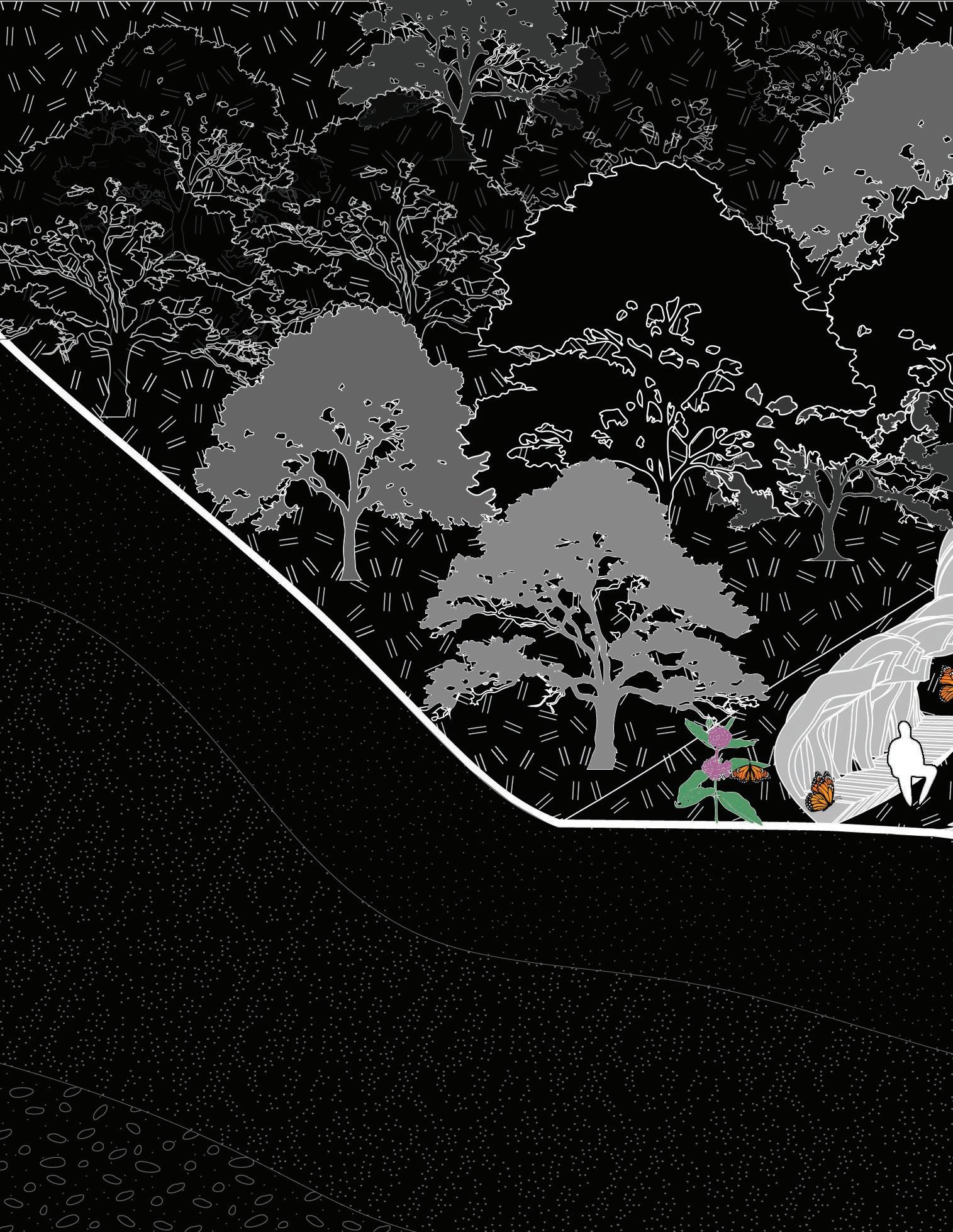
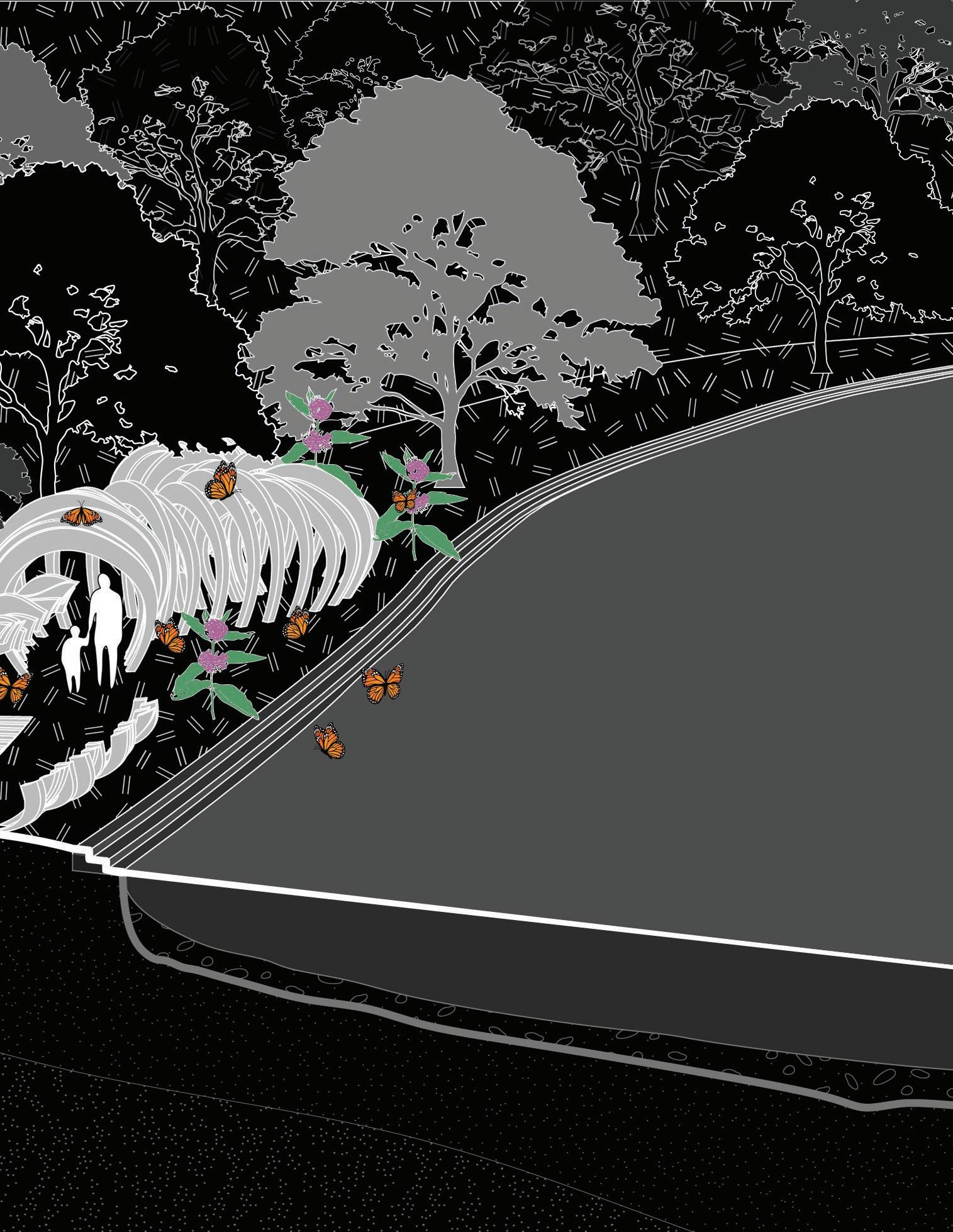
Milkweed, the only plant that female monarchs will lay their eggs on
Gaps allow for plants to grow between and within the structure
The journey throughout changes due to 3 different variations of the form
This was my first architectural design project which I later refined and redrew in Revit.
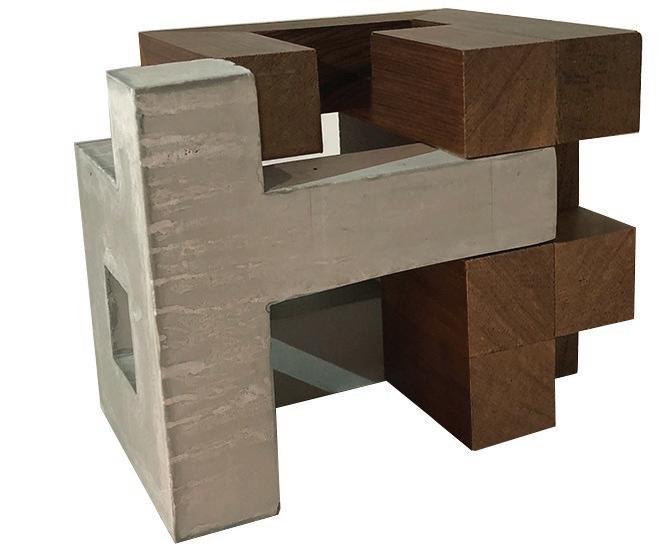
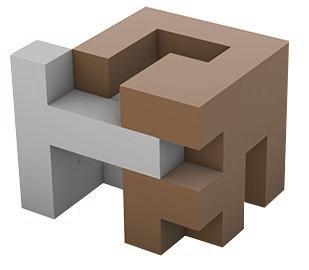
This project began with the challenge of creating a duality cube, transitioning from sketches to a Rhino model before constructing it in wood and rockite. A key focus was the exploration of voids, using subtraction to shape light, space, and material relationships within the cube.
The concrete mold, built from foam core and tape, required precise form-work shaping before casting. Access to the wood shop allowed for hands on experimentation, refining craftsmanship, and deepening my understand of material properties through making. This was my first experience with model making, and it taught me how much I love the process - from the precision of cutting and assembling to the tangible exploration of form and ultimately bringing my design to life.
University of Massachusetts - Amherst | Design I | Fall 2018
Instructors: Erika Zekos, Stephen Schreiber, Ray Mann
Software Used: Revit, Lumion, Photoshop
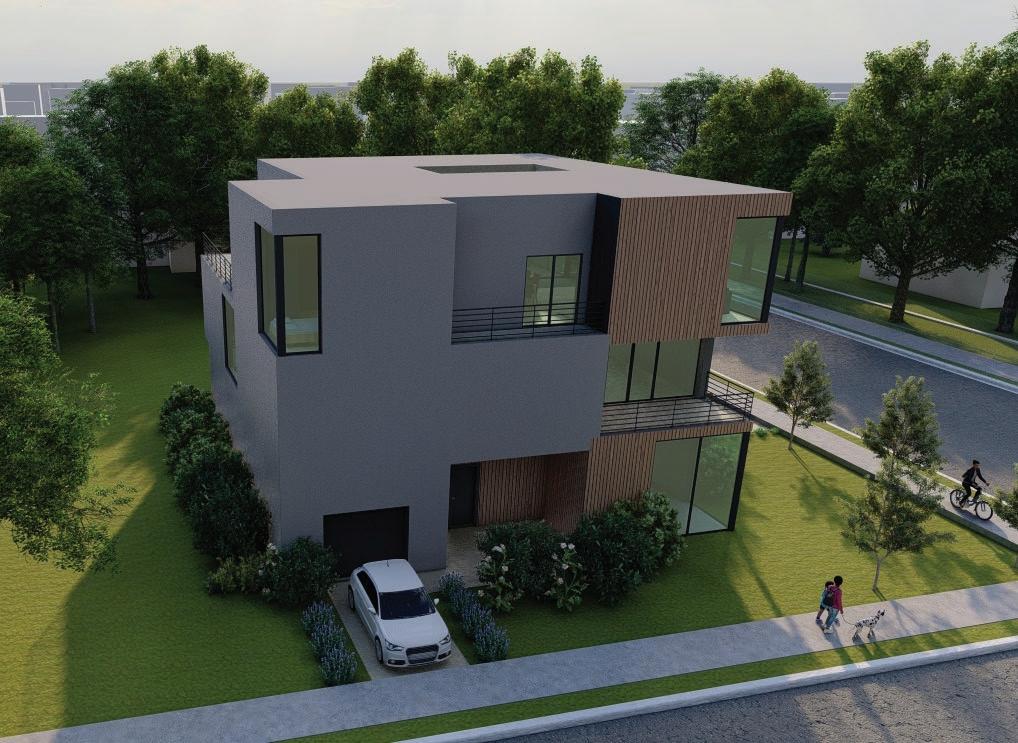
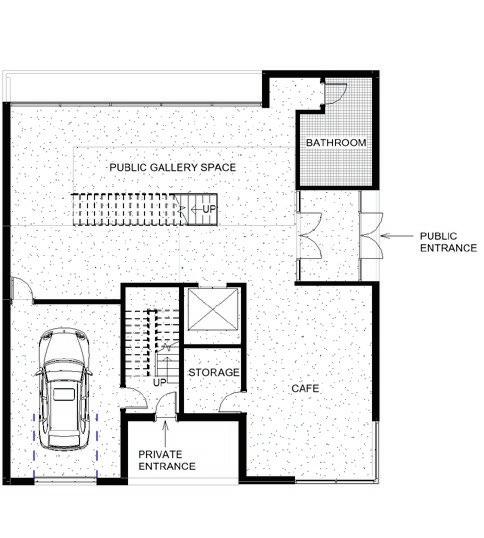
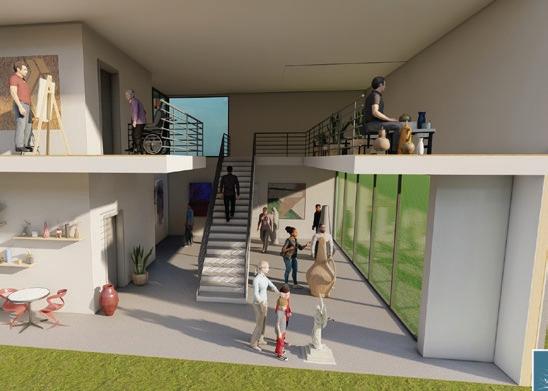
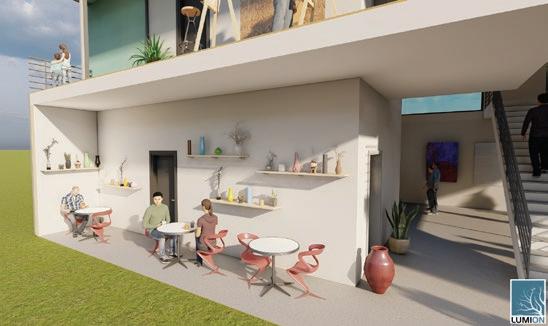
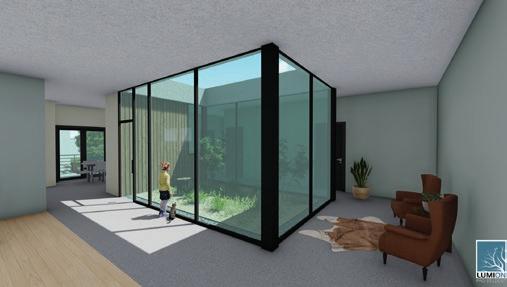
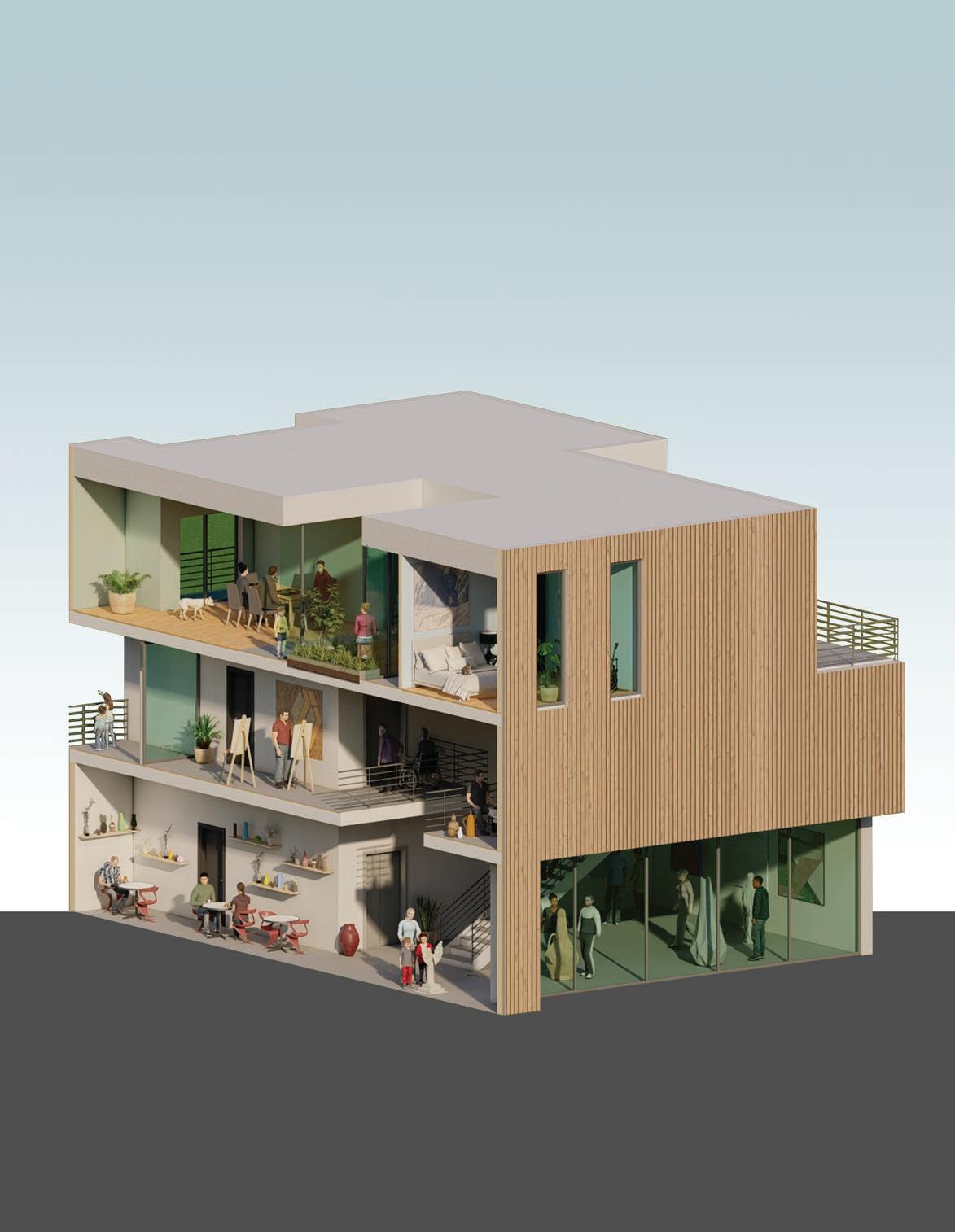
Building on this foundation, the next challenge was to design a live-work space for an artist, drawing inspiration from the original duality cube form while integrating both public and private functions. The program included a café, gallery, public and private studios, and a residential apartment for the artist. To establish a clear distinction between public and private access, I envisioned the building on a corner lot, with separate entrances—one welcoming visitors to the gallery, café, and public studio spaces, and the other providing a private entry for the artist’s living and working spaces.
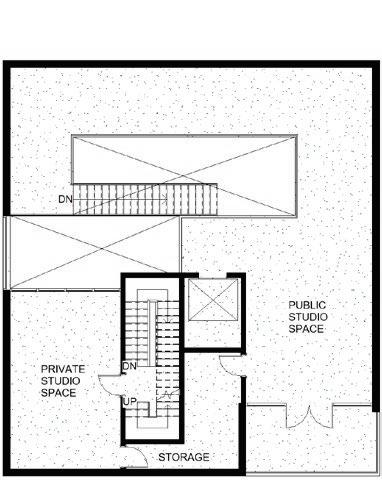
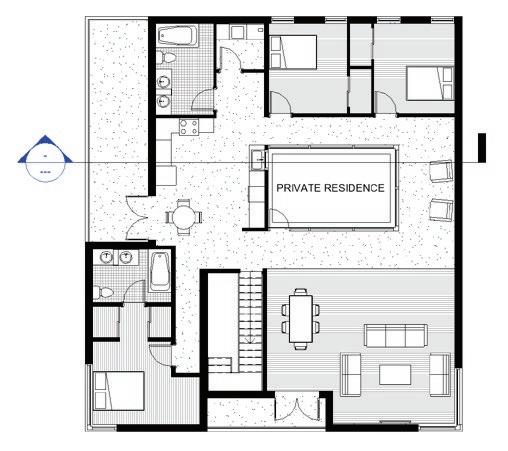

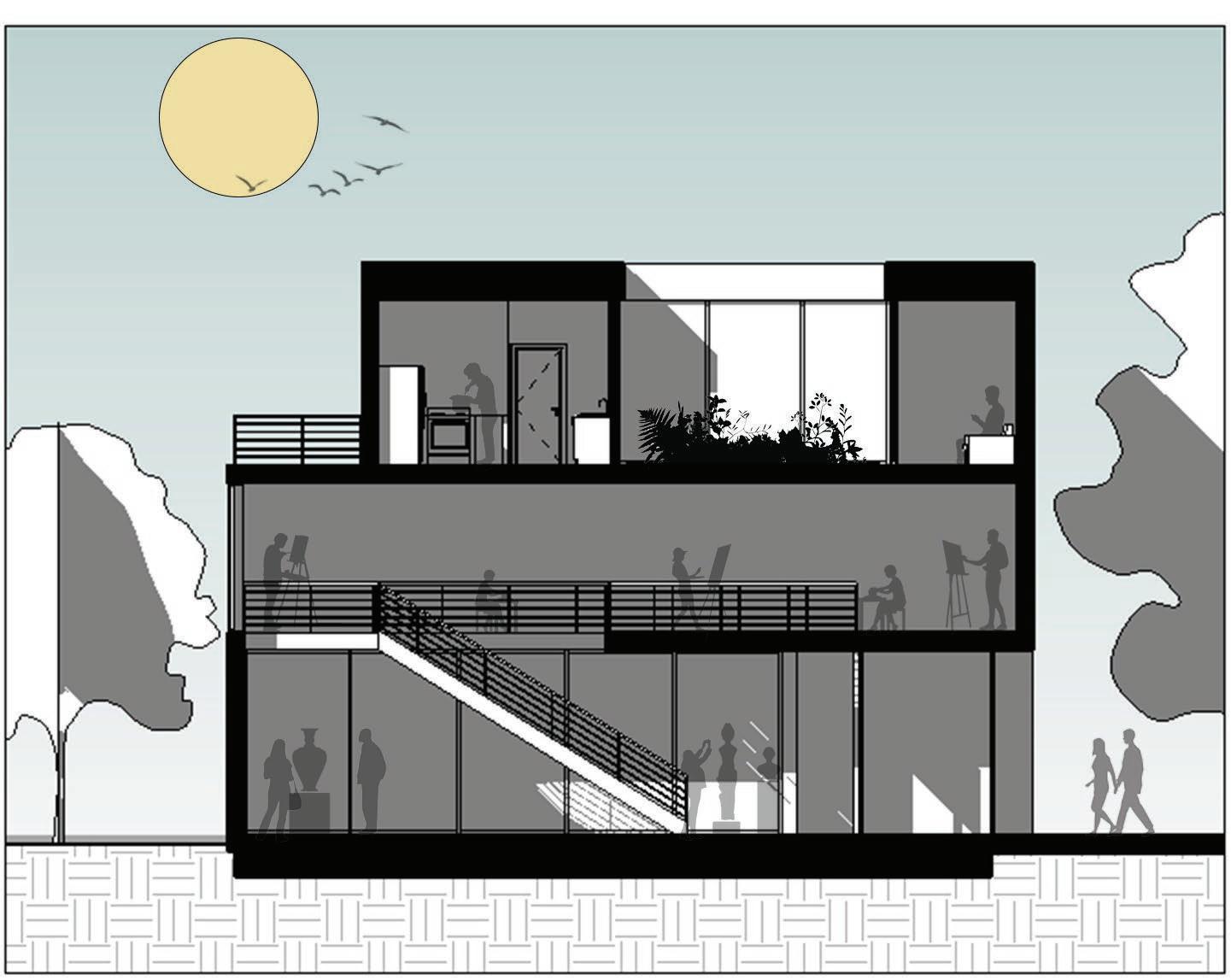
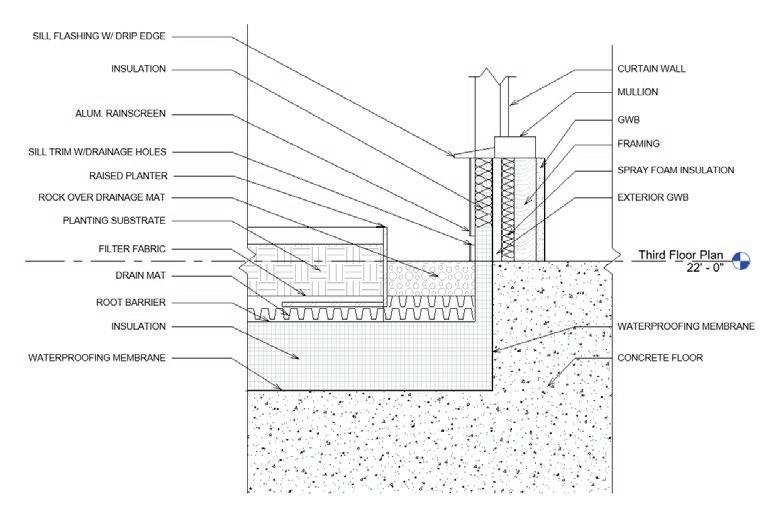
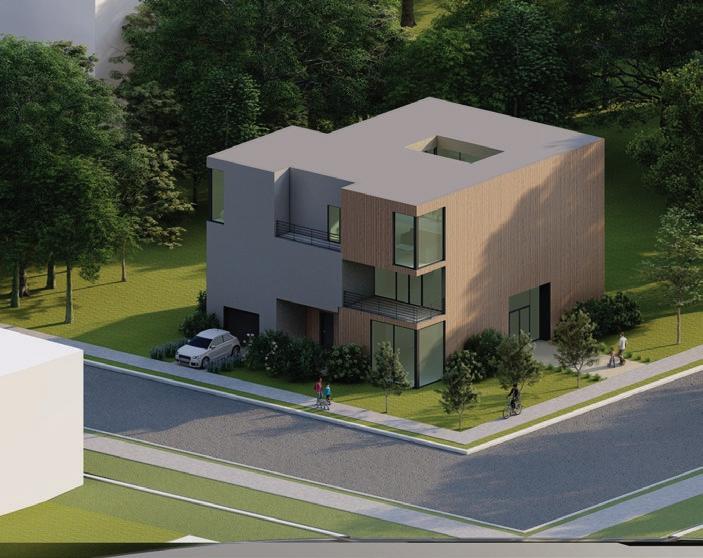
Exterior render showing private entrance on left and public entrance on the right
Open gallery and studio space to allow for interaction
Cafe decorated by pots made in the studio
Courtyard brings natural light into the private living area
MA
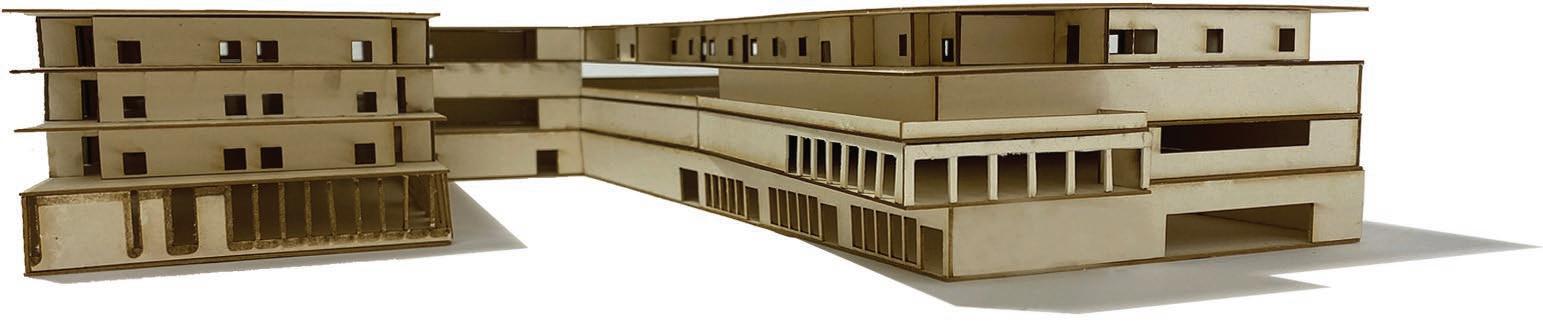
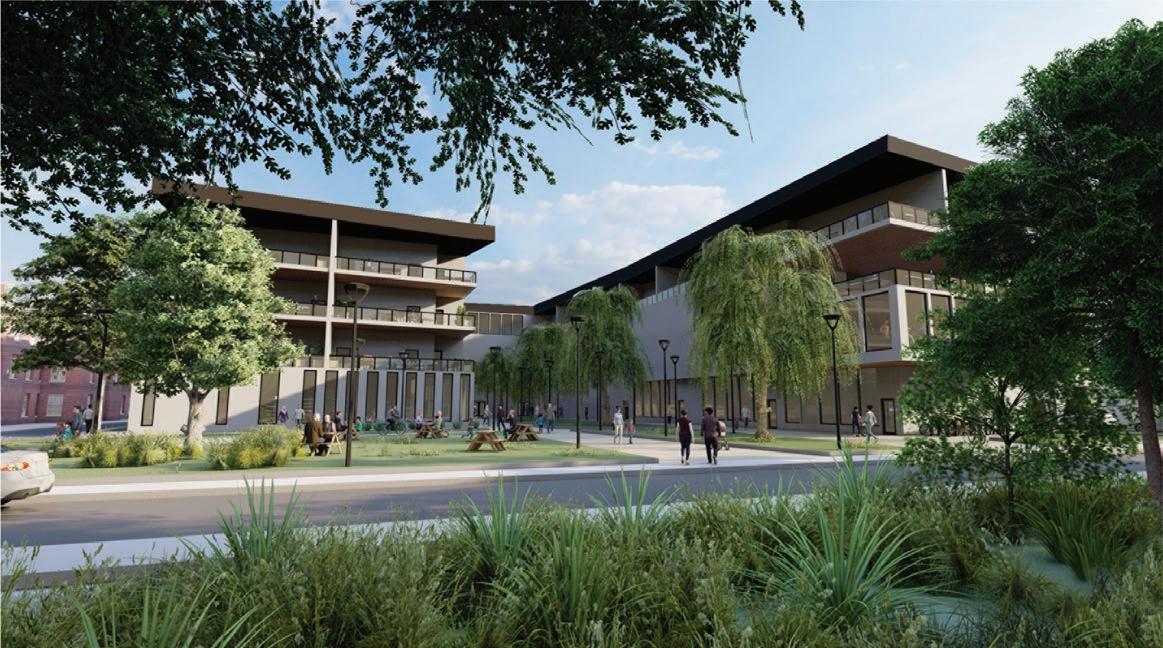
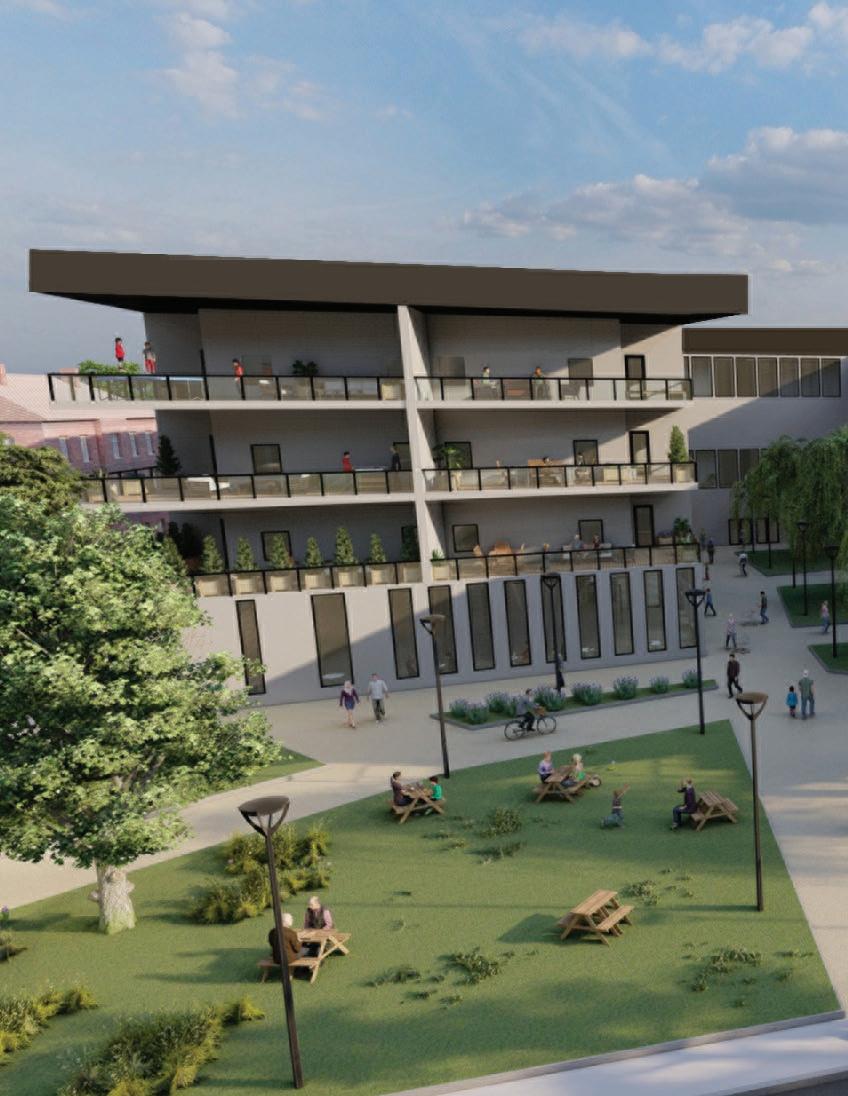
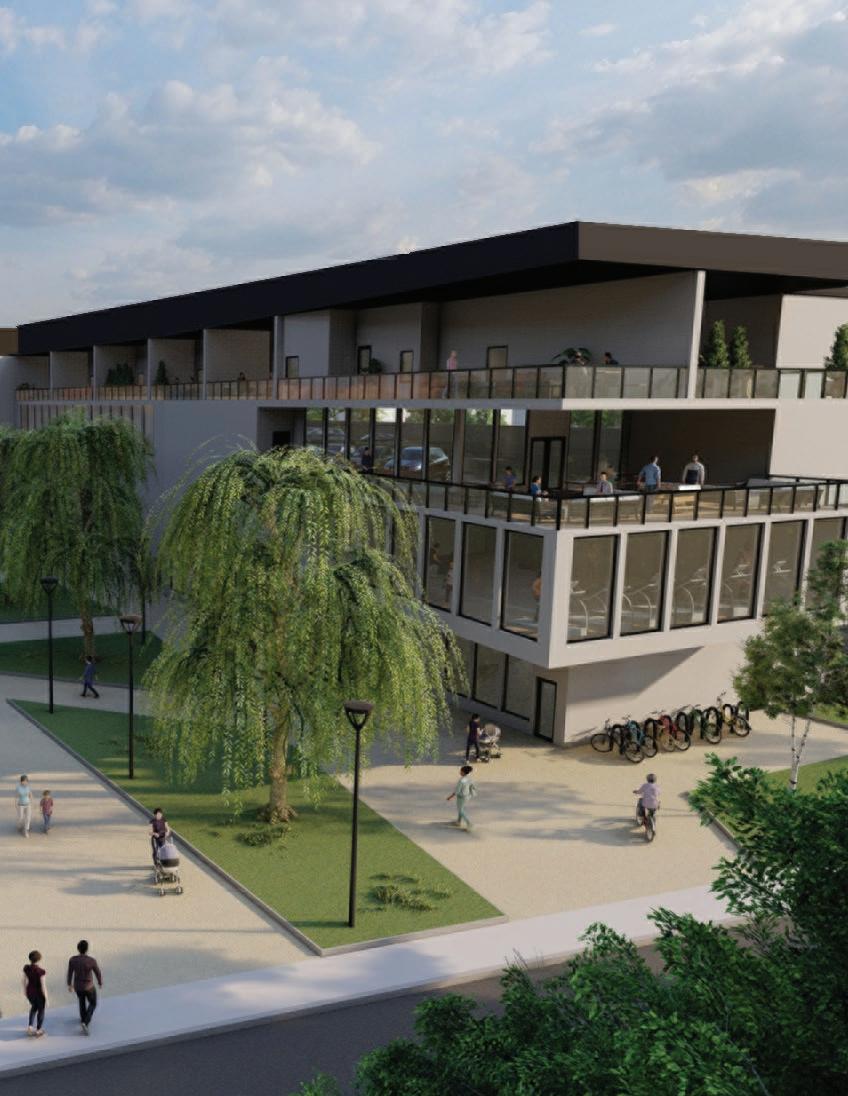
As Amherst’s student population continues to grow, so does the demand for housing. This mixed-use development will provide 38 apartments while also serving as a vibrant community hub in the heart of Amherst Center.
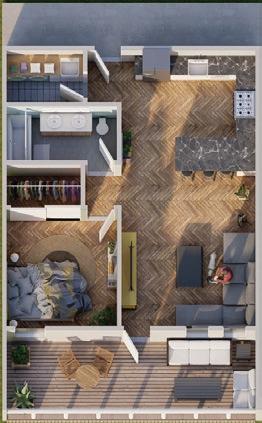
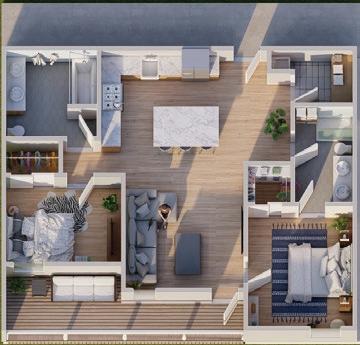
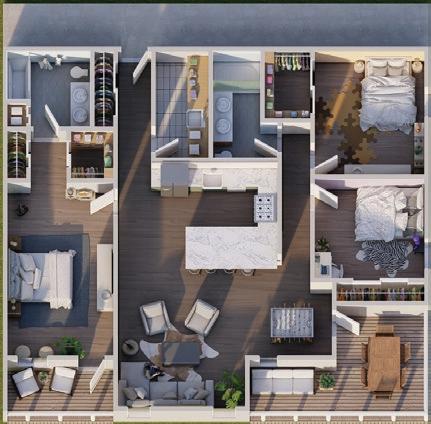
The building will feature a food market, three retail stores, a fitness center, outdoor green space, and storage units. Residential offerings include 1bd units (15), 2bd units (12), and 3bd units (11), many of which include private balconies. Additionally, the development will provide 65 parking spaces, ensuring convenience for residents and visitors alike.
University of Massachusetts - Amherst | Design II | Spring 2019
Instructors: Sandy Litchfield
Software Used: Rhino, Lumion, Photoshop
Starting form: rectangle
Divide residential from parking and create a public green space between
Rotate and offset parking form out to create a more inviting entrance
Subtract from residential + market form to increase the area of public green space
Add central core and connection between parking and residential units
Add bump out to allow for fitness center, yoga/dance studio, outdoor terrace


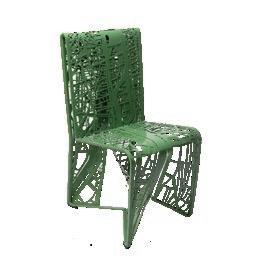
Any city. Any place. Any period of time.
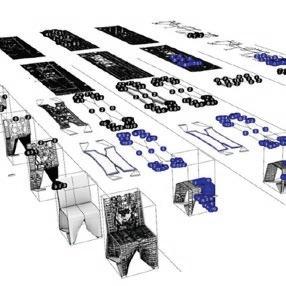
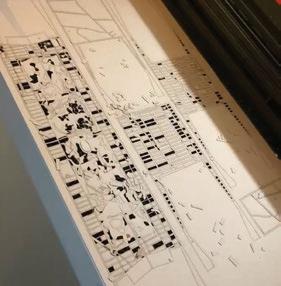
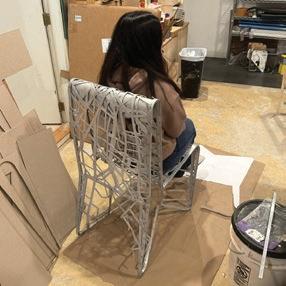
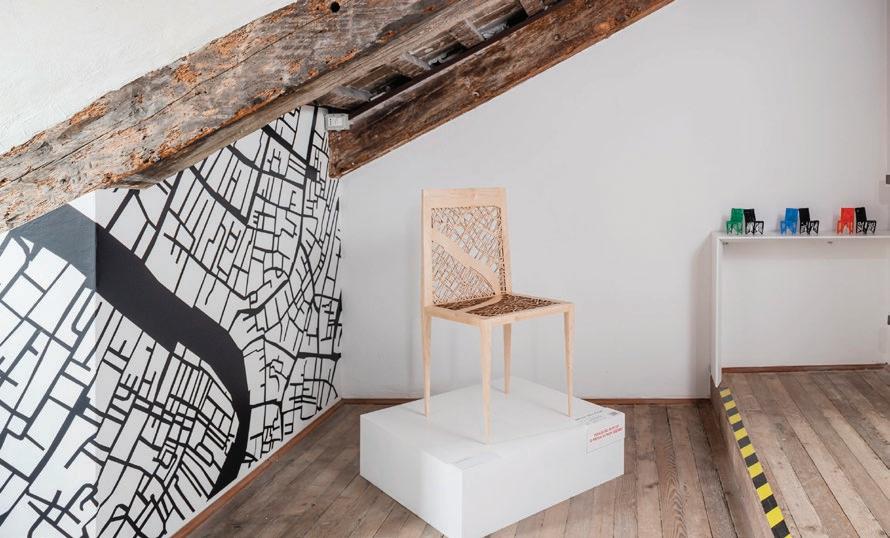
For more than a decade, studio owner Ted Galante envisioned a chair that could capture the history of a place. During part of my time at The Galante Architecture Studio, I took on the challenge of turning this vision into reality.
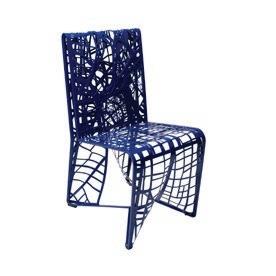
Outdoor | Aluminum
My Early Prototype Harvard Square, MA| Aluminium Exhibited at ICFF (NYC) | 2023
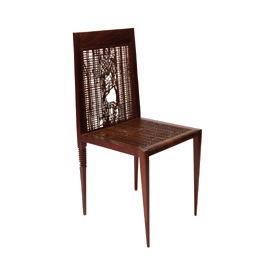
My Early Prototype Paris, France | Aluminium
Indoor | Wood
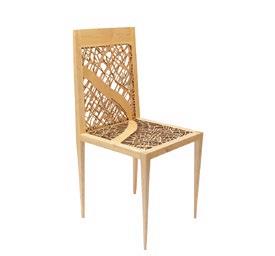
My Early Prototype Manhattan, NY | Padauk Exhibited at ICFF (NYC) | 2023
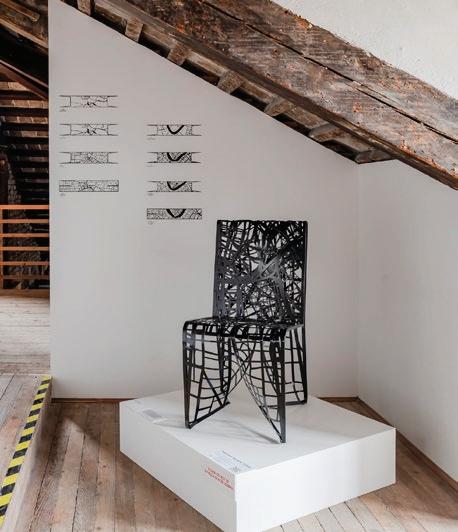
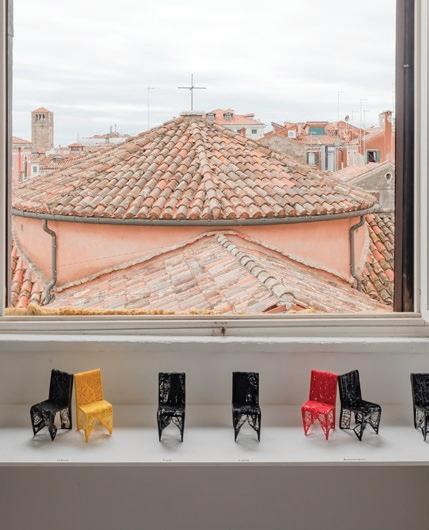
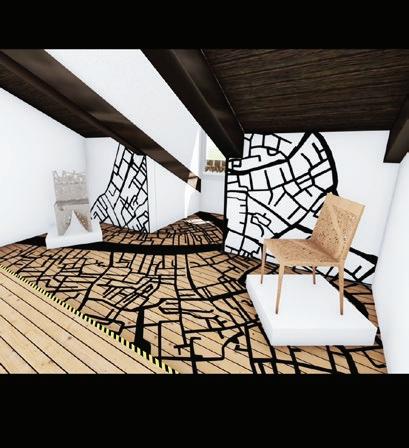
My Early Prototype Venice, Italy | Maple Exhibited at Venice Biennale | 2023
Other Chairs Currently Under Development
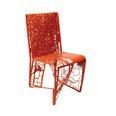
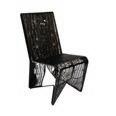
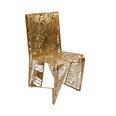
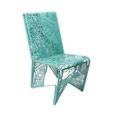
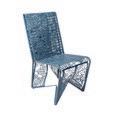
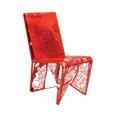
Other Chairs Currently Under Development
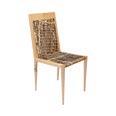
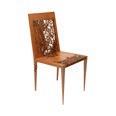
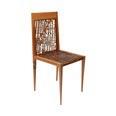
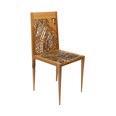
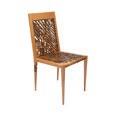
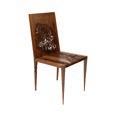
The Galante Architecture Studio | July 2022 - May 2023
Co-Designer: Ted (Theodore) Galante
See more about the chairs at galantedesignstudio.com
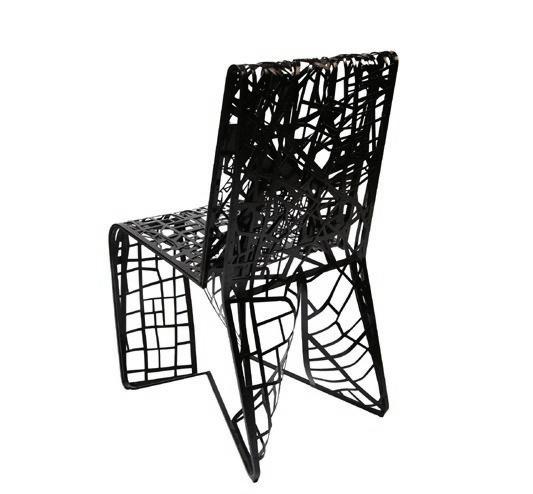
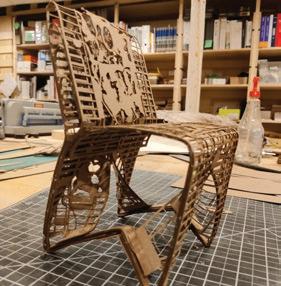
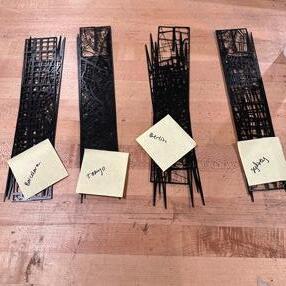
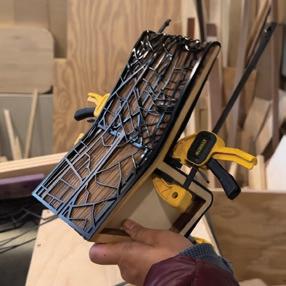
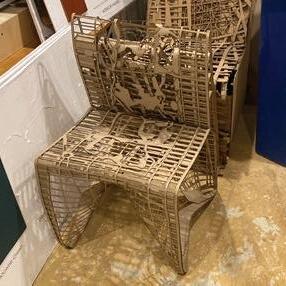
Each chair tells a story through four layers of laser-cut maps, capturing the evolution of a place over time. The top layer represents the present, while the layers beneath reveal historical snapshots —100 years earlier or even centuries before. The concept is that when you sit on each chair, you are sitting on over 400 years of history. One chair, designed for outdoor use, is crafted from aluminium, while the other, intended for indoor use, is made of wood. The design is endlessly adaptable, allowing any city, era, or personal history to be embedded into the furniture.
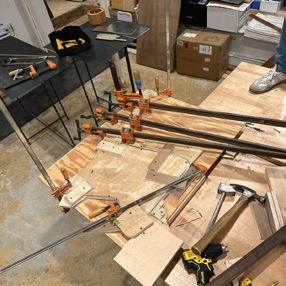
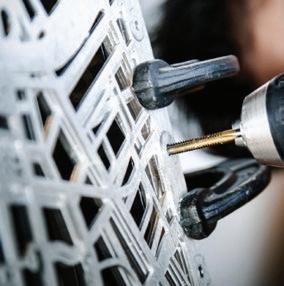
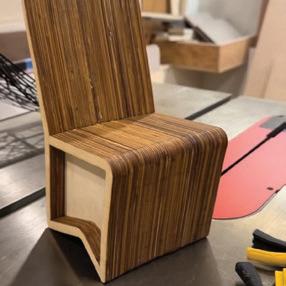
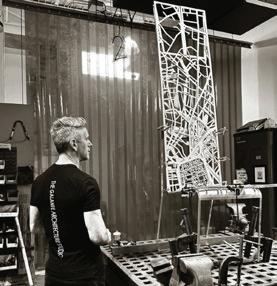
I was responsible for improving the design, selecting and sourcing materials, structural problem-solving, and handson fabrication. I worked closely with Ted to develop both the metal and wood chairs simultaneously, ensuring they were structurally sound and visually compelling. Through continuous prototyping and iterations, I turned Ted’s concept into a functional prototype.
After the chairs were exhibited in Venice and NYC, I helped hire and train new team members who have since carried the project forward, expanding the collection to include new cities and historical periods, while transitioning back into architectural design work.
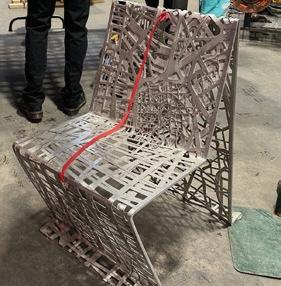
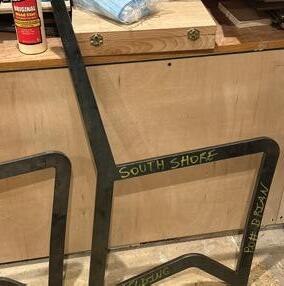
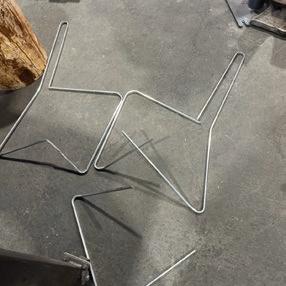
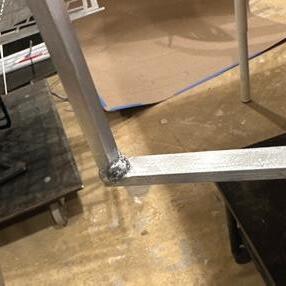
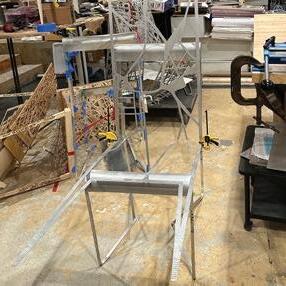
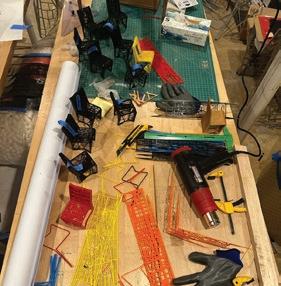
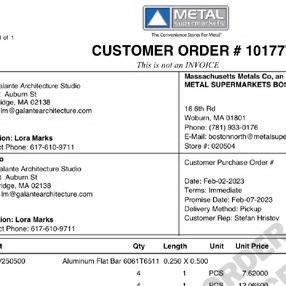
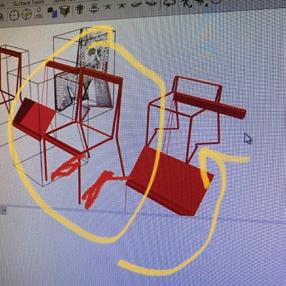
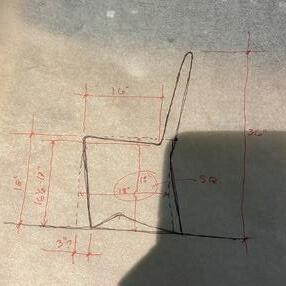
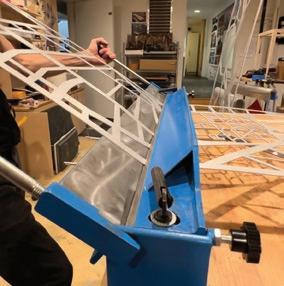
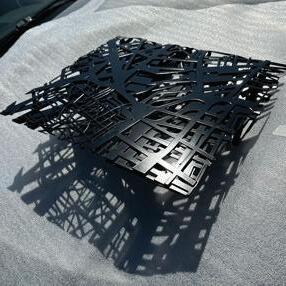
Choosing + sourcing + ordering materials/equiptment
CARNEGIE MELLON UNIVERSITY
Master of Architecture | 2026
UNIVERSITY OF MASSACHUSETTS AMHERST
Bachelor of Science in Architecture | 2021