Christopher Long, RA, NCARB Design & Professional Portfolio
JL C
KEY RESPONSIBILITIES:
Project Management
Construction Documents
Revit Model
Schematic Design
Consultant Coordination
Client Coordination
Contractor Coordination
Contract Administration
Design Presentations
Finish Selection
LITTLETON ELEMENTARY SCHOOL
PARSIPPANY, NJ
CONTRIBUTORS:
Christopher Long
Steven Colella
Rachel Tiedemann
Komal Acharya
Cayla Robinson
Drawing samples available upon request.
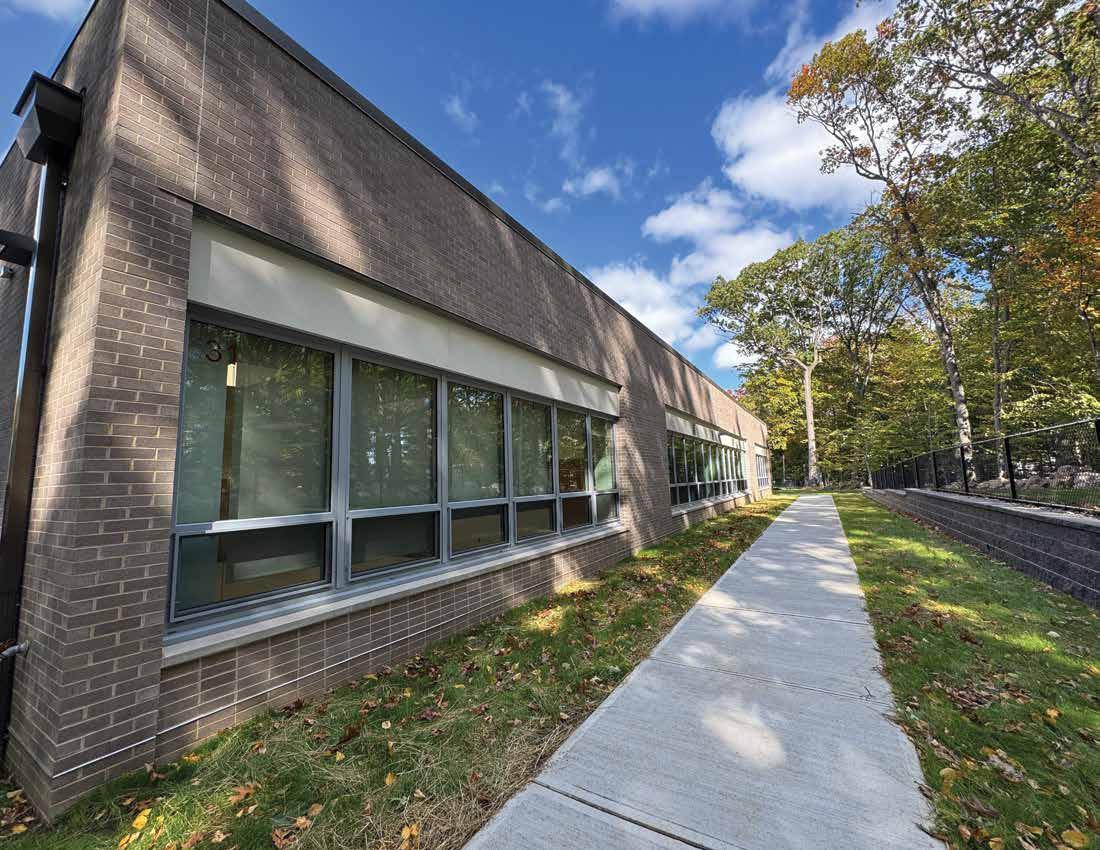
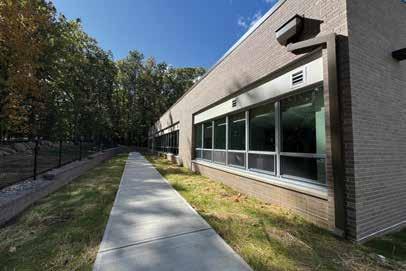
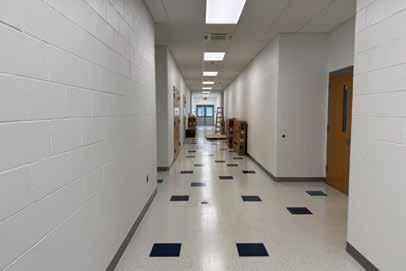
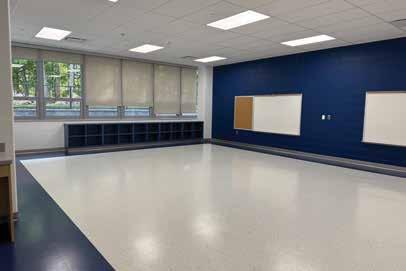
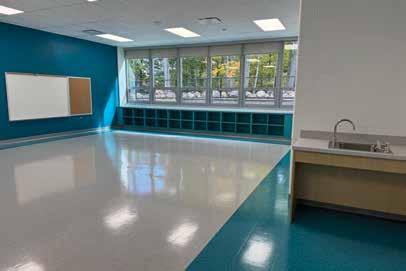
One of my most recently completed projects, the addition at Littleton Elementary School included six new pre-kindergarten classrooms and one small group instruction room, as well as various other spaces for building systems and future expansions. The addition was planned for an additional three phases, one of which being a second floor. Further, the project included facade and site improvements to the existing building and a new playground. The second phase of the project is currently in the schematic design phase.
KEY RESPONSIBILITIES:
Construction Documents
Revit Model
Schematic Design
Client Coordination
Design Presentations
Finish Selection
RUTHERFORD HIGH SCHOOL
RUTHERFORD, NJ
CONTRIBUTORS:
Christopher Long
Rachel Tiedemann
Katarina Djuric
Drawing samples available upon request.
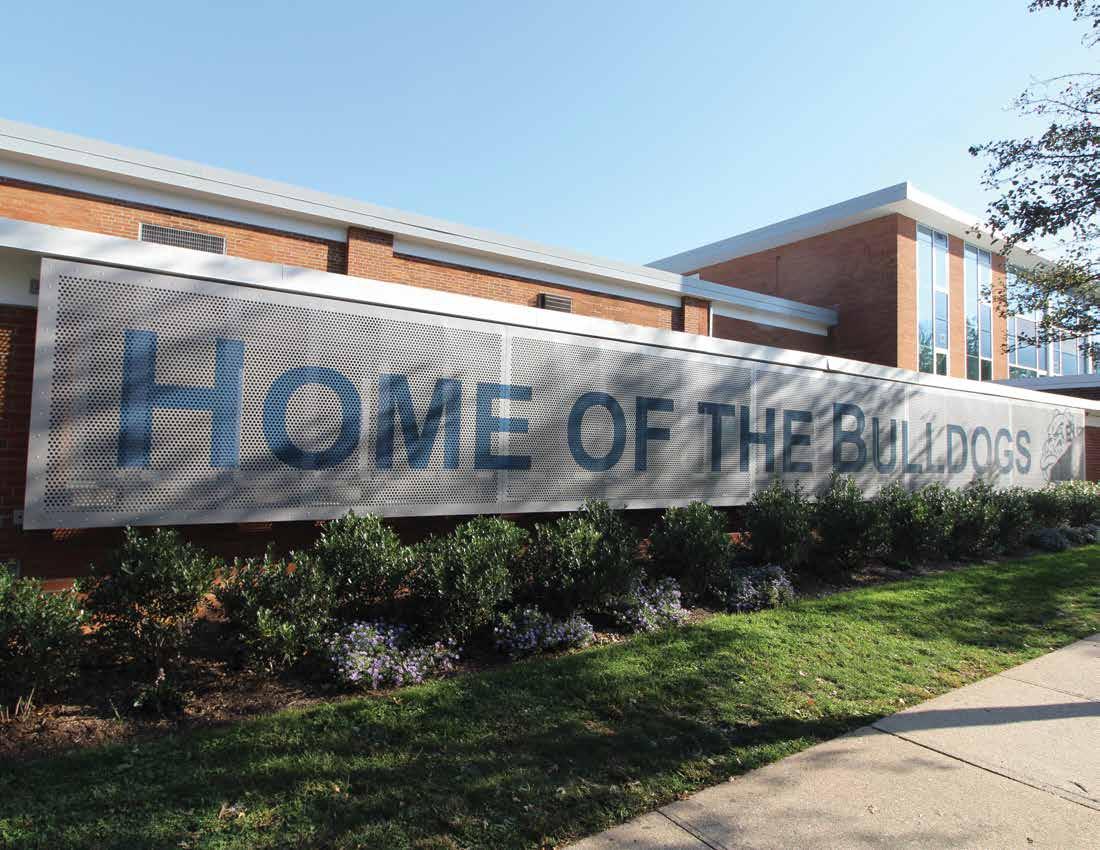
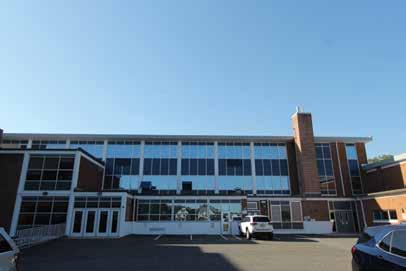
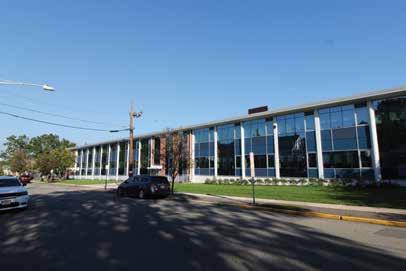
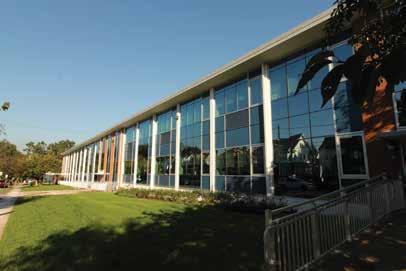
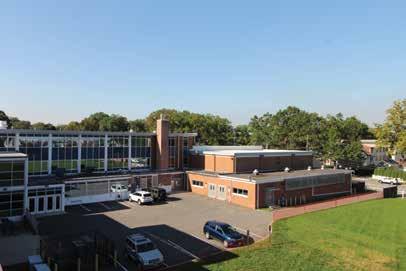
As part of a two-phase project, the Rutherford Public School District transformed their mid-century addition facade into a more modern, updated system that will last for years to come. In addition to curtain wall facade replacements, this project included minor renovations to classrooms along the facade wall, HVAC upgrades, and roof edge replacements. Together, these upgrades allowed for a new, more unified facade system that incorporates school branding as well as school colors.
KEY RESPONSIBILITIES:
Construction Documents
Revit Model
Schematic Design
Client Coordination
Design Presentations
Finish Selection
RUTHERFORD KINDERGARTEN CENTER
RUTHERFORD, NJ
CONTRIBUTORS:
Christopher Long
Rachel Tiedemann
Kyle Pollara
Drawing samples available upon request.
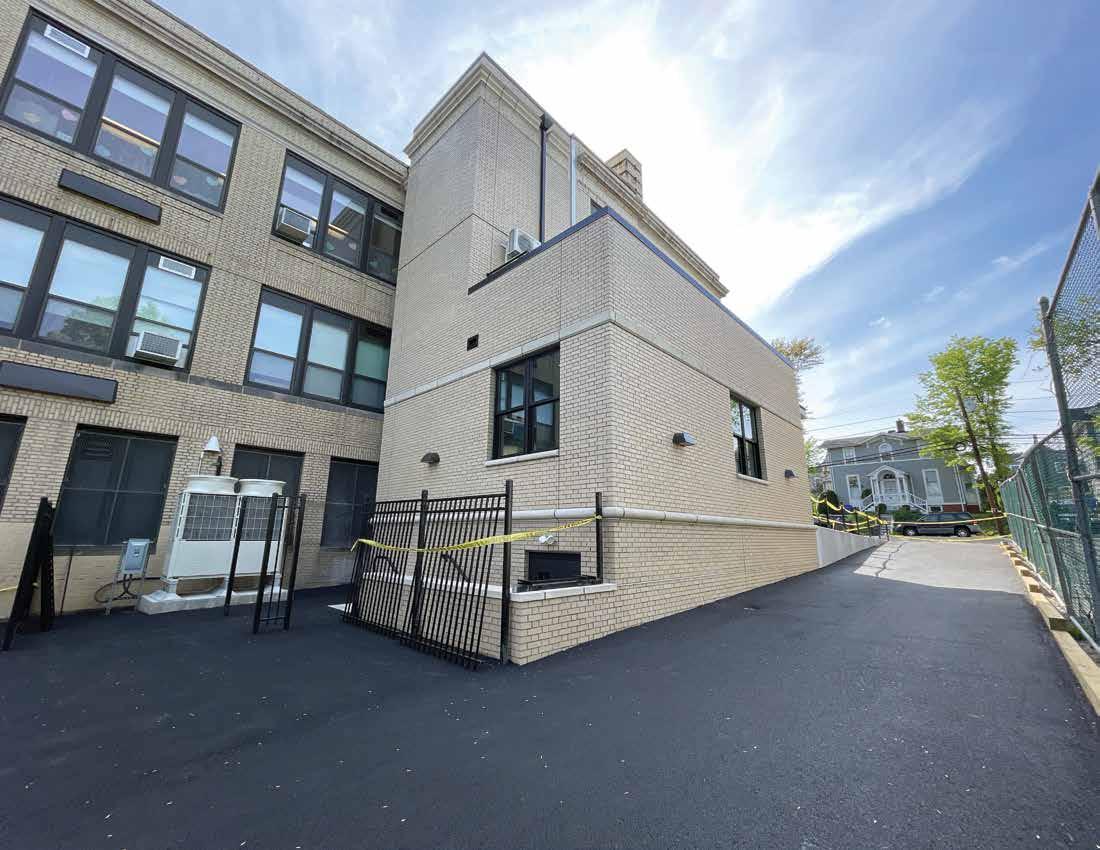
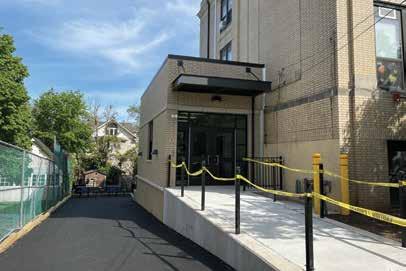
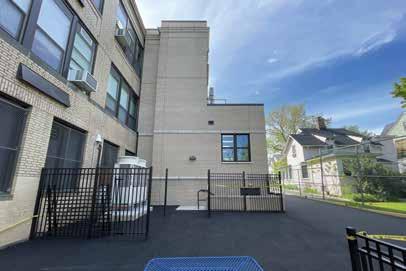
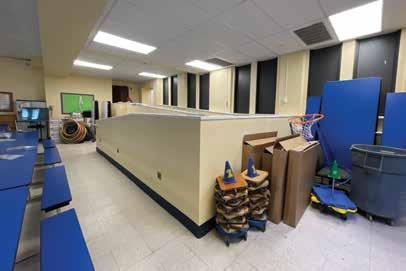
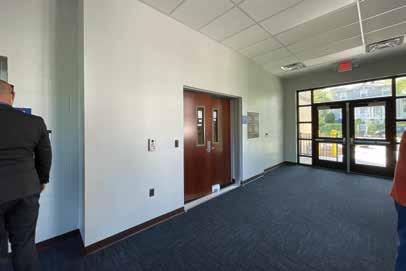
This project involved an elevator and lobby addition to an existing three-story kindergarten school structure. The project required in-depth coordination with existing building systems and structures for connection, as well as integration with existing corridor layouts. Exterior finishes were coordinated so as to seamlessly blend the old with the new. In addition to the elevator and lobby, the project included classroom renovations to add toilet rooms and upgrade finishes.
KEY RESPONSIBILITIES:
Construction Documents
Schematic Design
Design Presentations
Casework Design
Interior Design
MARKY’S CAVIAR BAR
NEW YORK, NY
CONTRIBUTORS:
Christopher Long
Chris Manos
Conrad Roncati
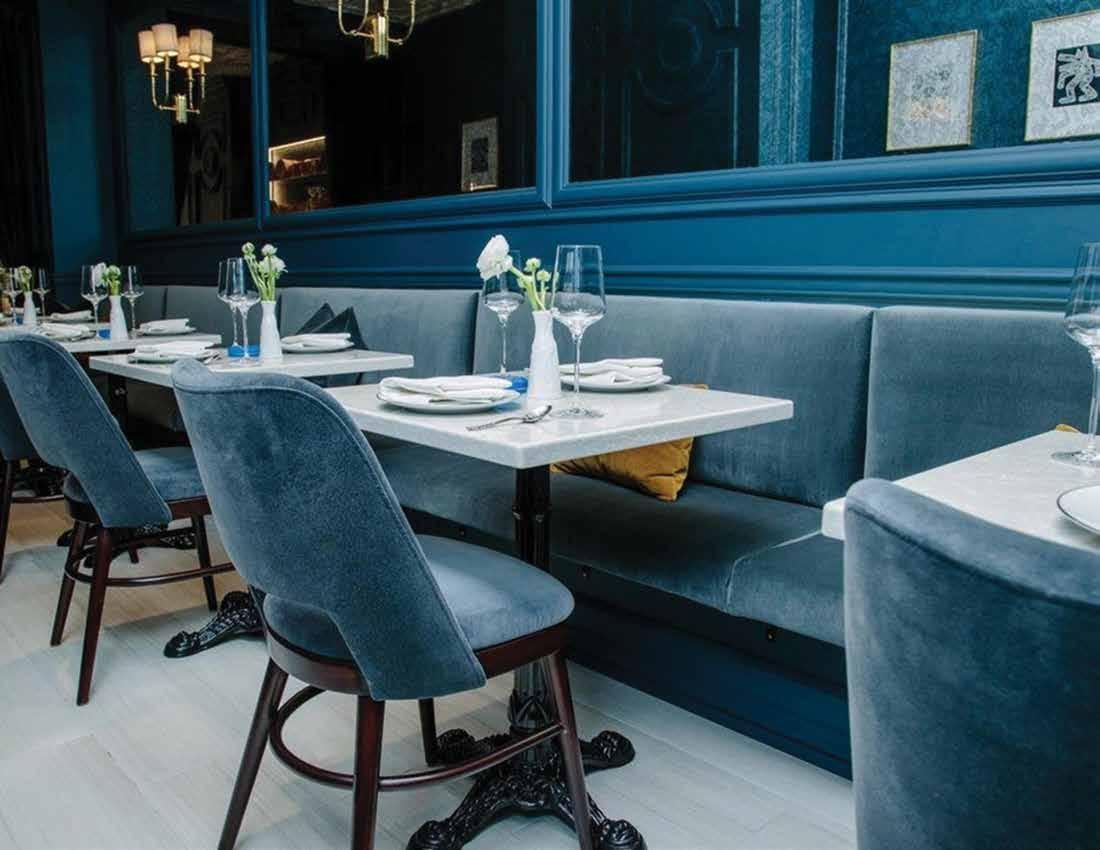
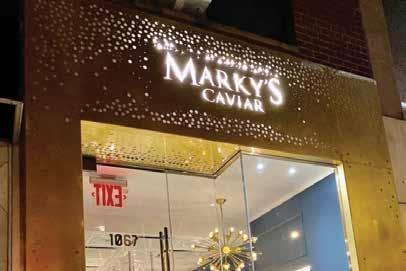
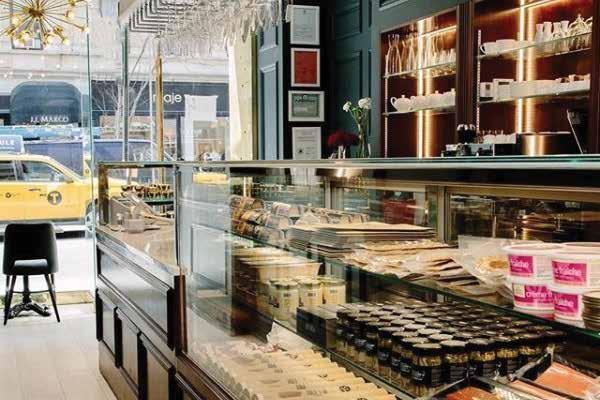
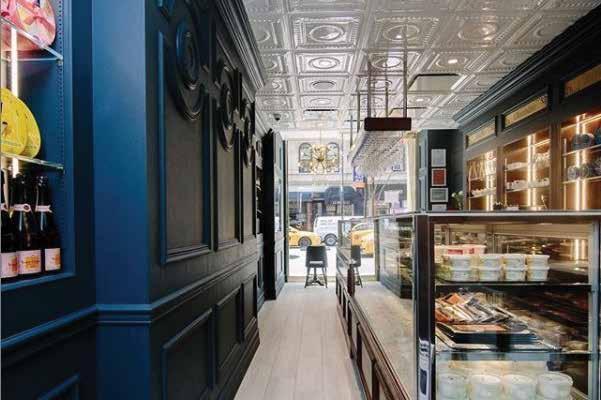
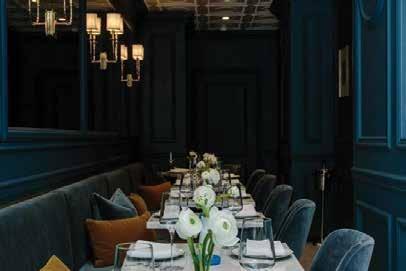
One of the first projects of my career, working closely with the architects at Architectura, Inc., we completed this retail space to serve the needs of the client, Marky’s Caviar. The design included complex casework design storage, storage spaces, and extreme attention to interior layout to accomplish the client’s needs in a very small space. The end result is a luxurious space that allowed the client to serve their products and display them in a beautiful manner, with open, transparent display cases and storage solutions.
KEY RESPONSIBILITIES:
Rhino Models
Concept Renderings
Schematic Design
Community Outreach
Design Presentations
City Coordination
Design/Park Research
Planning/Development
ROSE FOREST URBAN PARK
NEWARK, NJ
CONTRIBUTORS:
Christopher Long
Kassandra Castillo
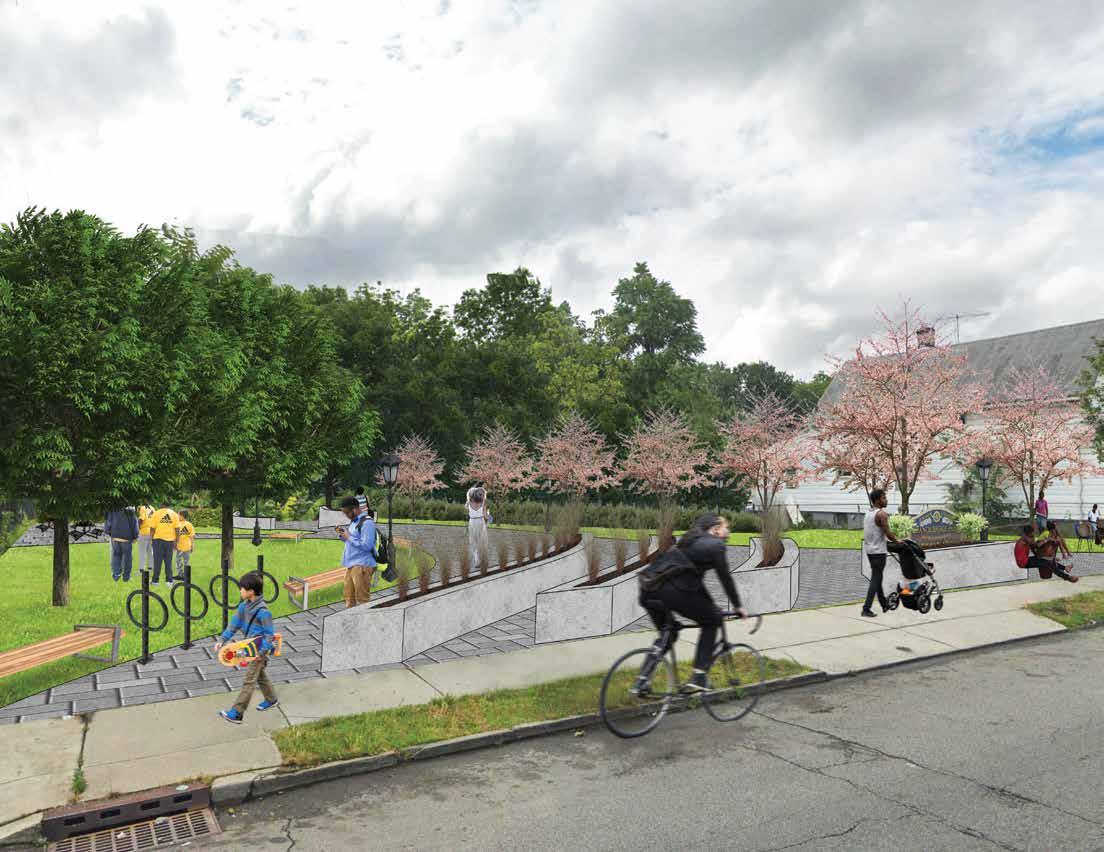
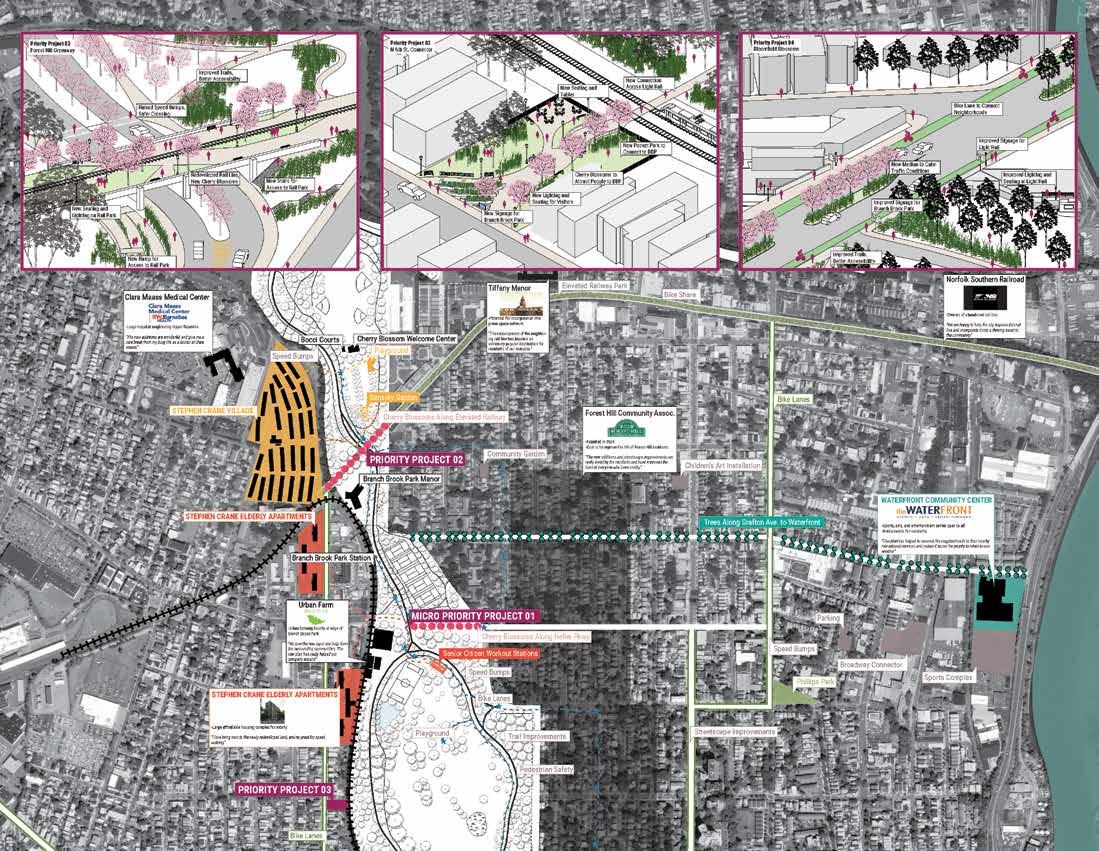
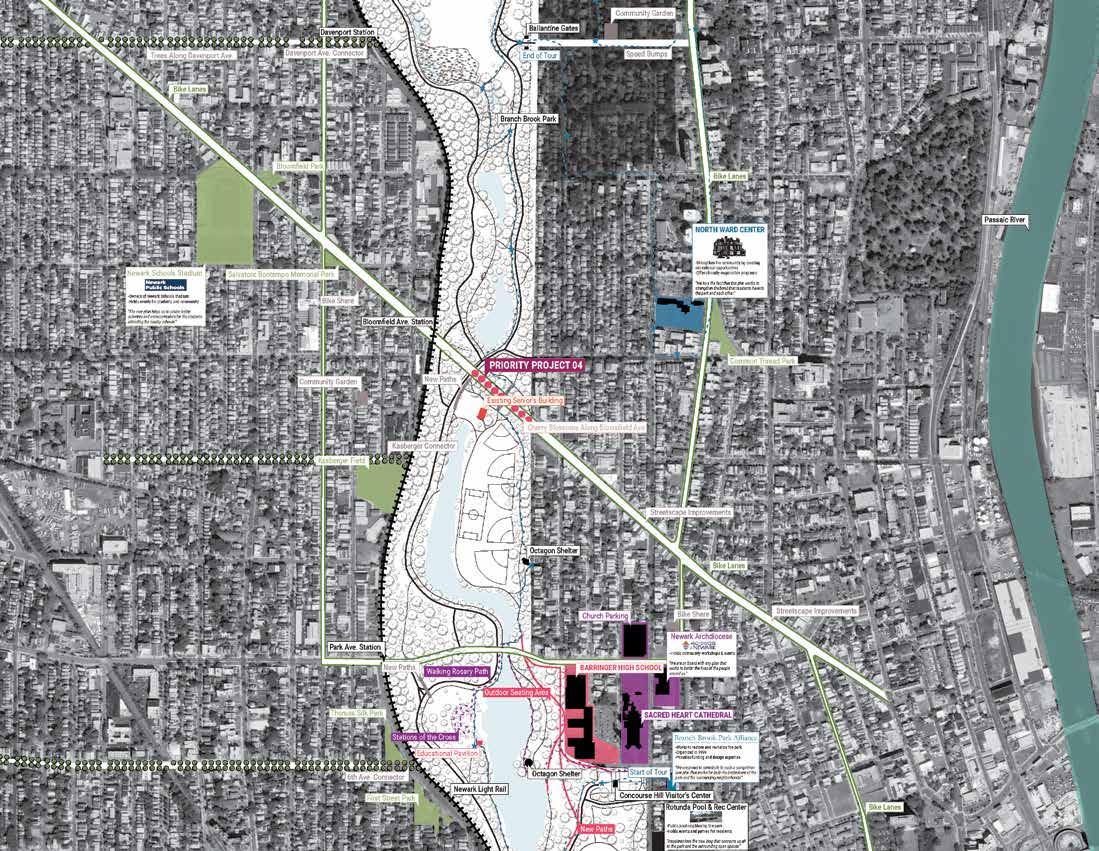
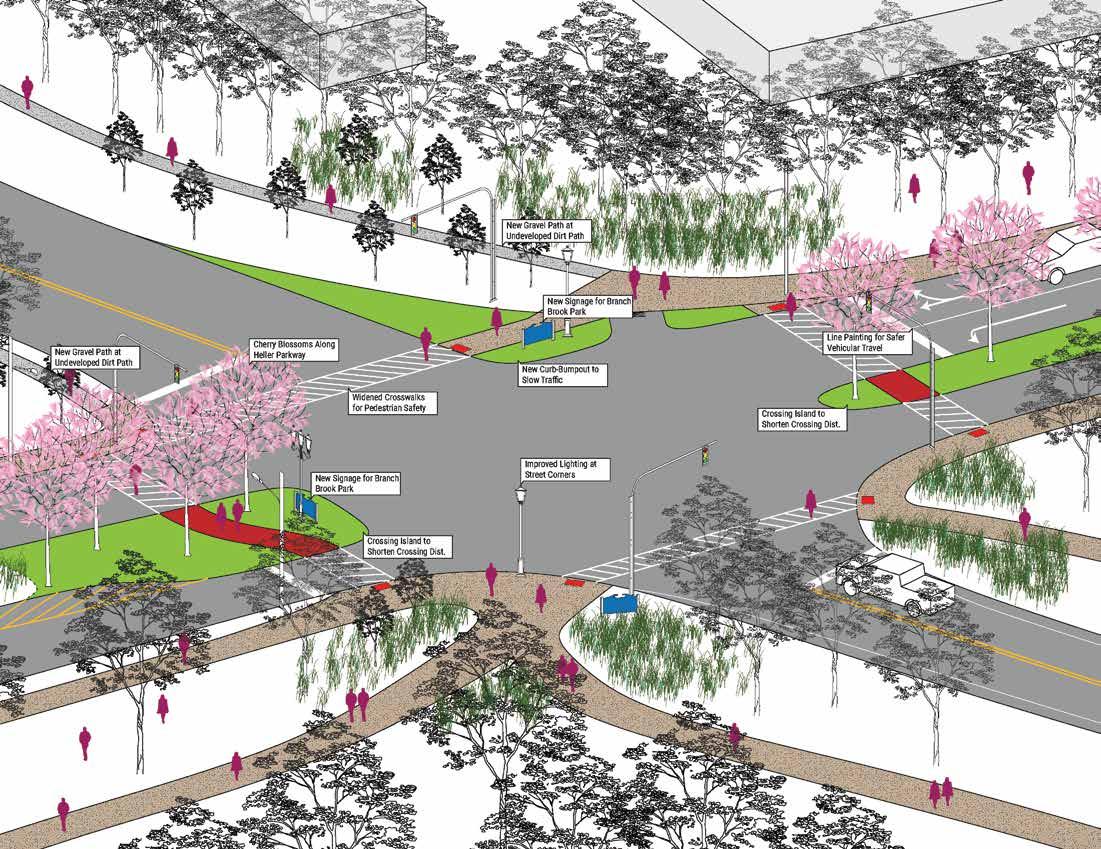
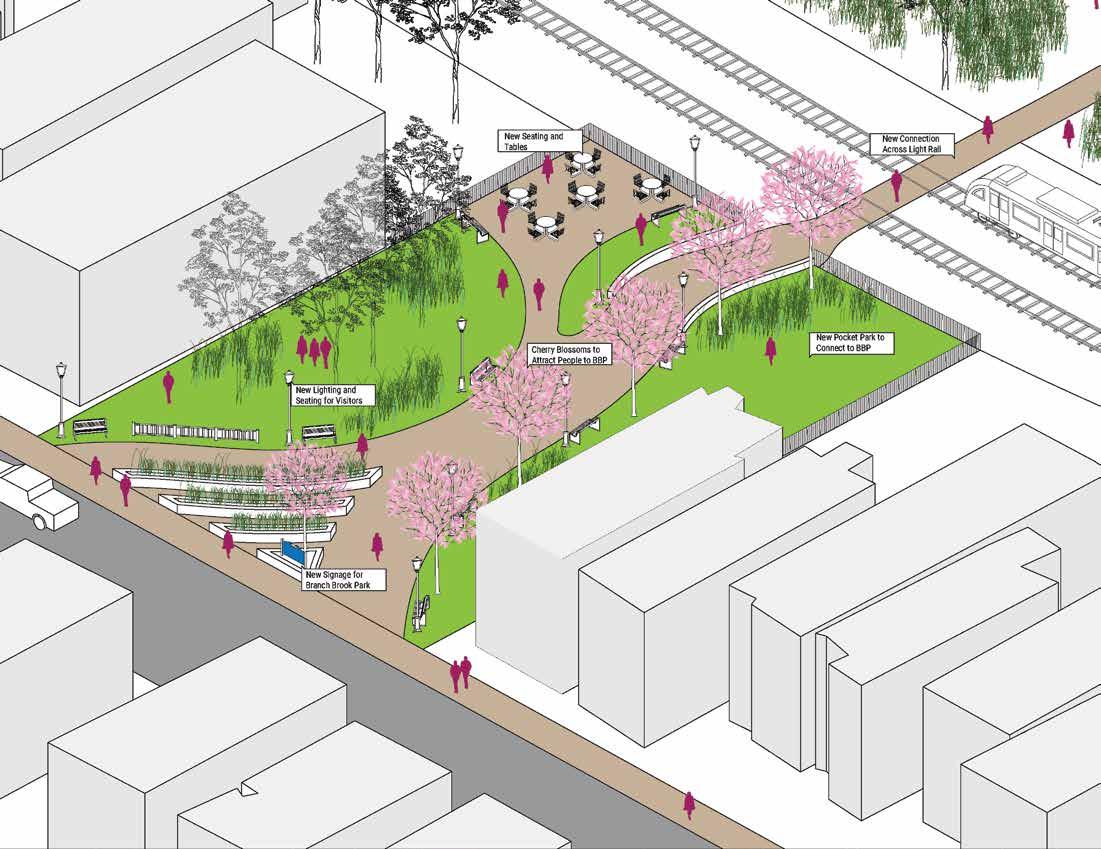
The Rose Forest plan seeks to improve neighborhood resident’s access to Branch Brook Park, a valuable asset to the neighborhoods and the city. We are also working to improve pedestrian safety and mobility and increase the visibility of the park as a whole by creating new park programs and activities throughout the year. Through the creation of priority projects that are tailored to the needs of the neighborhoods as well as the organizations surrounding the park, we hope to jumpstart our framework and help the city to develop new ideas about how to improve the neighborhoods of the area and the rest of the city.
HYDROHOODS OF TO-MORROW
MUMBAI, INDIA
CORE COMPETITION TEAM:
Christopher Long
Rehma Asghar
Joseph Giambri
Naymah Hashmi
Sean Rackowski
Chau Tran
Bo Zhang
CONTRIBUTIONS BY:
Catherine Brito
Kassandra Castillo
Priti Dawadi
Matteo Ferraro
Vishun Shankar Krishnan
Rebecca Morales
Melissa Nieves KEY
Rhino Models Concept Renderings Schematic Design Community Outreach Design Presentations City Coordination Design Research Planning/Development Competition Coordination
Net zero WATER CATCHMENT Districts
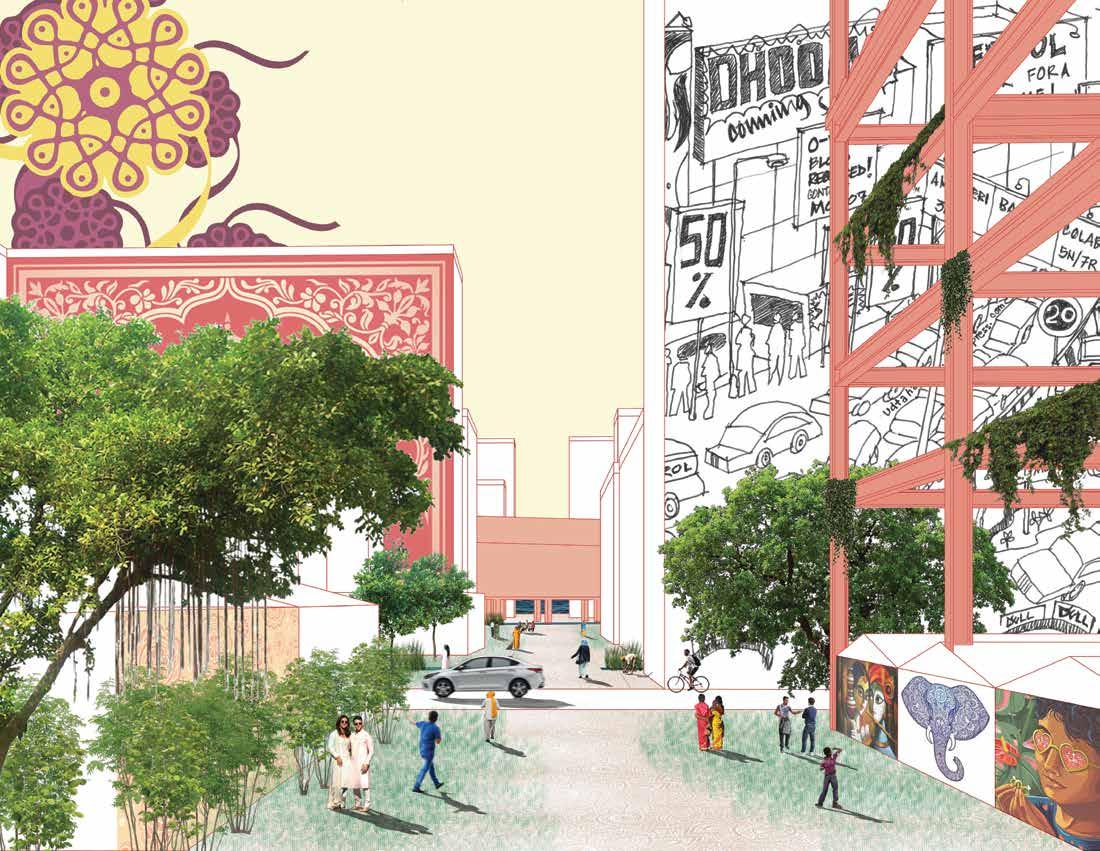
Hydrohoods of To-morrow revolves around the hydrohood—a new net-zero neighborhood unit that will equitably and sustainably shape the future of Mumbai’s Eastern Waterfront. The hydrohood concept reverses the trend of Mumbai’s unsustainable, inequitable, and ever-expanding water supply system, and in doing so, leapfrogs the development of a traditional, top-down distribution network to create a waterfront framework organized around smart and equitable water management.
ExistingDischarge
ExistingDischarge
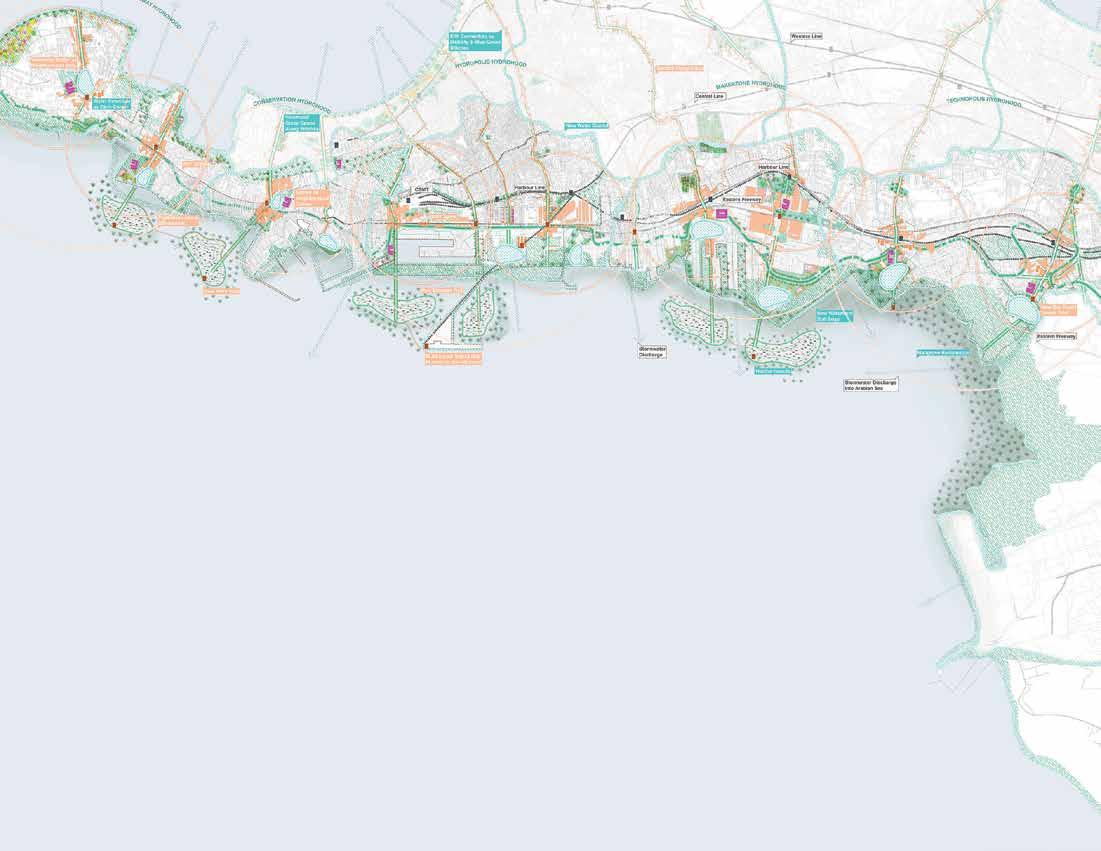
Our waterfront framework is anchored by five hydrohoods, each with its own mix of housing, workplaces, and public spaces that takes inspiration from the existing uses and practices currently found on site. While each hydrohood has its own character, all hydrohoods collect, retain, clean, and reuse water through blue-green infrastructure.
Walkable WATER centric Neighborhoods
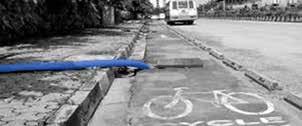
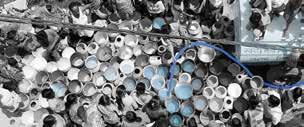
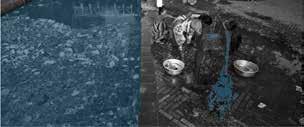
WATER centric Neighborhoods introduces new hydrophilic housing that serves a mix of income+lifestyles. Housing in proximity to jobs encourages people to walk more. Each Neighborhood has its own identity that builds off of what’s there.
Our net-zero waterfront learns from existing practices of resource modesty and proposes a new hydrohood model that adds to the Mumbai housing stock, increases accessibility regionally and locally, improves environmental conditions, increases public open space, and creates educational and job opportunities for upward mobility.



Net zero WATER CATCHMENT Districts
ExistingDischarge

Barrier Island

ExistingDischarge


Reduce and/or eliminate storm water discharge
Walkable WATER centric Neighborhoods


New Blue Infrastructure resists, delays and reuses water

Create water retention area that double as public places


WATER centric Neighborhoods introduces new hydrophilic housing that serves a mix of income+lifestyles.
Housing in proximity to jobs encourages people to walk more.
Each Neighborhood has its own identity that builds off of what’s there.





School as Center of Each Hydrohood
E-W connection Stitches
Makes connections across exiting barriers + manages storm WATER


retention
school




Existing dominant work areas





School as Center of Each Hydrohood near school
E-W connection Stitches
Proposed ferry stops


Blue-green Spines
Improve mobility + retain + buffer WATER



Existing dominant work areas


Station

Makes connections across exiting barriers + manages storm WATER Recreatinalpath retains water and extends exsitingBRTline


Station


Connections across existing barriers
Station


Station Proposed train terminal
Green Station







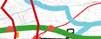


ine extendingN-S nection


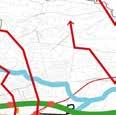




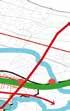
Proposed ferry stops
HYDROHOODS OF TO MORROW
Blue-green Spines
Improve mobility + retain + buffer WATER
CST Station Sandhurst Station
Proposed train terminal
LACK OF NATURE. SOCIALOPPORTUNITY.EXTREME CROWDS. PLACESOFRECREATION.PROXIMITYTOWORK
Central Line
Harbour LineW c o n tcensnoi
Connections across existing barriers
Sewri Station
Cotton Green Station
Wadala Station
We get up in the morning and once in a while we brush our teeth, we wash our faces and get an empty sack, and we go to a nearby gutter and channel
I GH SALARIESANDWAGES.HIGHPRICESANDRENTS.CITY. M O R E ECONOMICOPPORTUNITY.FLOODSDURING M O N S OON. DROUGHTSWHENNORAIN.INSUFFICIENT
NAGE ANDSTORMWATERUSAGE.FOUL AIR.
AND PALACES. CONGESTEDROADS. NOT
WESTMASSTRANSITLINKS
ACCESSTOCLEANWATER
THREE MAGNETS SUBURB . LACKOFOPENSPACE . SOMENATURE .VERY CROWDED DENSEBUILDINGS . LONGCOMMUTETOWORK . LOW WAGES . LESSECONOMICOPPORTUNITY FURTHER FROMAMUSEMENT . LOWERRENTSAND PR I CES FLOODSDURINGMONSOON . DROUGHTS WHEN NO RAIN . LARGESLUMS . SOMEWHAT EAS
THE WHERE WILL THEY GO? HYDROHOOD.
NORTH-SOUTH . INSUFFICIENT
ACCESSTOHOUSING . MASSTRANS
LACKINGACCESSTOCLEAN
ABUNDANT OPENSPACE.SOCIALANDEQUITABLEANDSUSTAINABLE ACCESSSTOWATER.
EQUITABLEHOUSING AND RENTS. HIGHWAGES. MASSTRANSIT ACCESS NORTH-SOUTH-EAST-WEST.ANDEDUCATIONALOPPORTUNITY. WALKABLENEIGHBORHOOD. BEAUTYOFNATURE.
Existingrailway line extendingN-S connection
Recreatinalpath retains water and extends exsitingBRTline
EQUITY . MOBILITY. COOPERATION OPPORTUNITY. HYDROPHILICHOUSING . BRIGHTGARDENS AND COURTYARDS. NOSLUMS.SAFEFORCHILDREN. CROWDING . LESSCONGESTED ROADS. FLOOD PROTECTION.CONSTANTWATER. ENGAGEMENT . PUREAIR. PROPER STORMWATERHARVESTING.LESS SHORTCOMMUTE PLENTY TO DO. ACTIVECOMMUNITY
WHAT PEOPLE SAY ABOUT WATER, AND WHY ITS AN EQUITY ISSUE

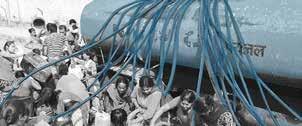
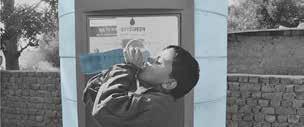
The inequalities and injustices that mark everyday life in contemporary Mumbai are exemplified by problems of access to water.


What happens when you privatize something as essential to human survival as water. What happens when you commodify water and say that only those who can come up with the cash to pay the market price can have it?

TECHNOPOLIS HYDROHOOD
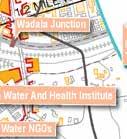
The Technopolis Hydrohood utilizes the existing hospitals and universities in this area as an opportunity to create a hydrohood that focuses on educational, scientific, and technological development and research. With reinforcemenent, the creation of new research centers and educational facilities will allow for the continuity of practice and development of sustainable, net-zero strategies for next-generation Mumbai.


























1/2 MILE WALKING RADIUS
1/2 MILE WALKING RADIUS
Institute Of Management
New Clean Water And Health Institute
New Water Ecology Center
New TB Research Center
New Institute Of Water Technology