
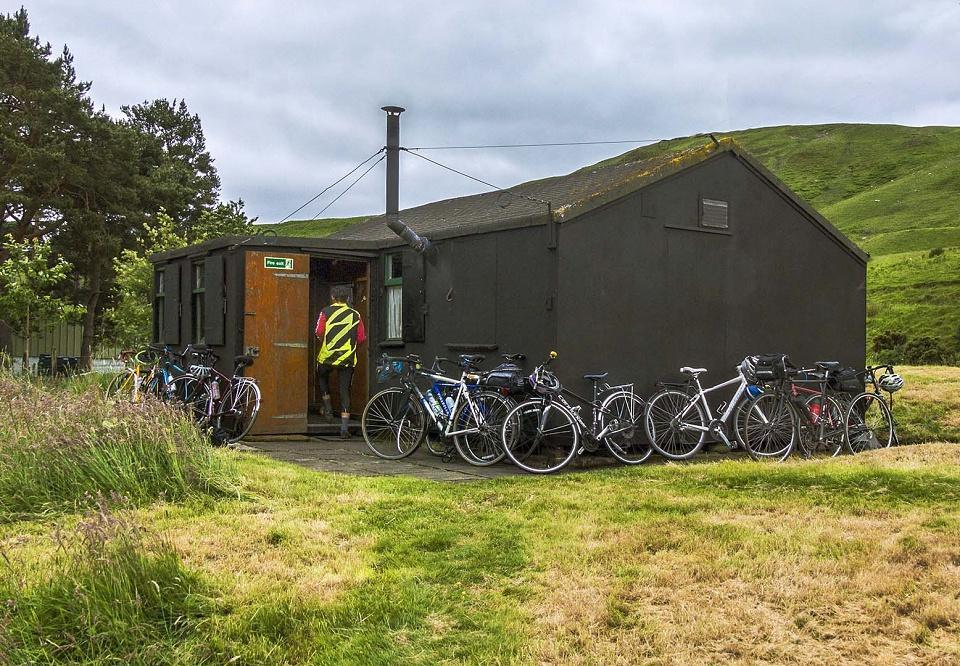
The Albert Watson Memorial cyclist’s hut in Tweedsmuir is located on the right-hand side of the A701 at Polmood, next to the route of the long abandoned Talla railway approximately six miles south of the village of Broughton on the road leading to Moffat
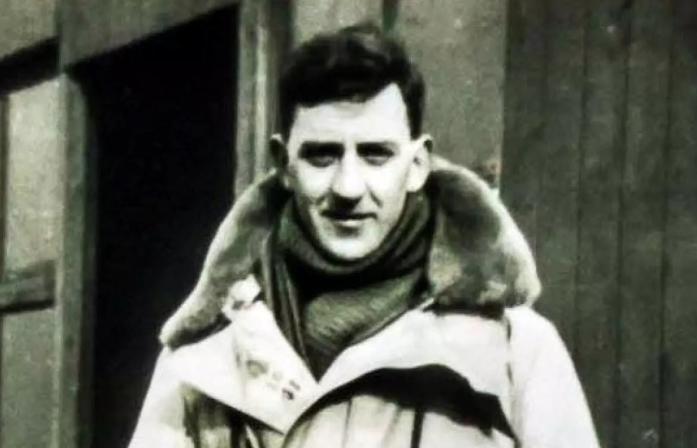
Albert Watson was a popular member of the Cyclist’s Touring Club in Edinburgh prior to the Second World War. He was also well known in Scottish cycling circles as a regular contributor to the cycling press and a national record breaker on both the tricycle and tandem tricycle. Shortly after the outbreak of war he volunteered for service in the RAF. He was killed in Canada while training to be a pilot in March 1943.
His former Club mates set up a memorial fund in his name. Due to the widespread support it received, a decision was taken to hold onto the funds raised until the end of the hostilities. In the meantime, steps would be made with a view to reviving a project in which Albert had been interested – the provision of a club hut in the Border country to provide basic overnight accommodation for CTC members.
Early in the war years the Edinburgh Corporation had, published an appeal to recreational organisations for help in organising what became known as “Holidays at Home” activities. Members of the Lothian CTC, not away on active service, took up the idea with enthusiasm and submitted to the Corporation a draft programme of mid-week, evening and Saturday afternoon cycle rides. The club’s plans were well received by the Corporation, which arranged press and poster publicity and the opening rides were started off from The Mound below the castle by City Council members. Throughout the summer months parties of up to fifty or more cyclists of all ages were regularly taken out on rides to places of interest around Edinburgh All rides were led and marshalled by experienced riders. Anumber of club members were also active as Cycling Messengers attached to the Civil Defence services.
After the war it was decided to go ahead with the Hut project and exploration of the upper Tweed valley for a possible site led to the discovery by a member of the concrete base of what had been a workshop or hut beside the disused trackway of the Talla railway. An approach was made to Edinburgh Corporation, as owners of the land, for the use of the base as a foundation for a hut.
It was explained that the only income to cover upkeep, heating etc. of the Hut would come from bed-night charges and that it was essential to keep these as low as possible to encourage young people out into the county. The Town Council, no doubt keeping in mind the Club’s recent help and aware that the Lothian Section of the CTC was part of a national body of high repute, kindly granted rent-free use of the site without limit of time, subject to Peebles County Council, as planning authority for the area, granting permission. A planning application was duly made, and permission granted without any difficulty.
A sectional timber building was purchased from James Miller and Partners, a local contractor, one of whose drivers was a Club member. The deal included the free use of a suitable vehicle over a weekend for transport of the building from Edinburgh to Polmood. The tasks of site preparation, erecting and equipping of the building was to be carried out by Club members.
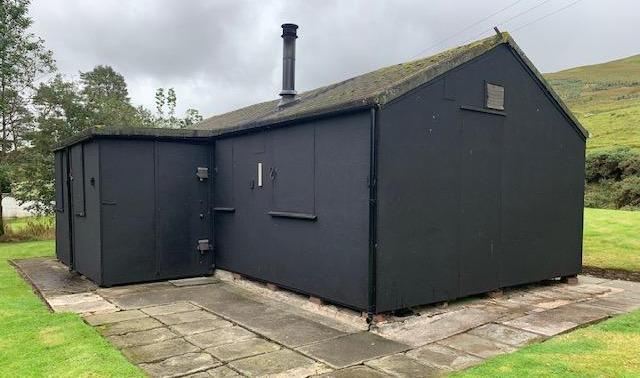
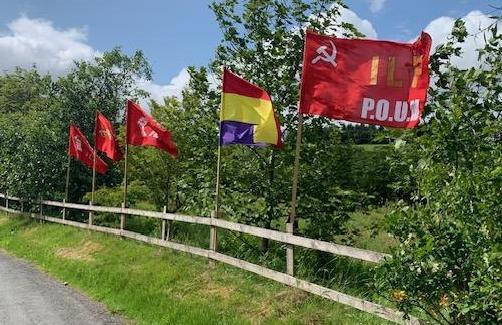
The hut: September 2025
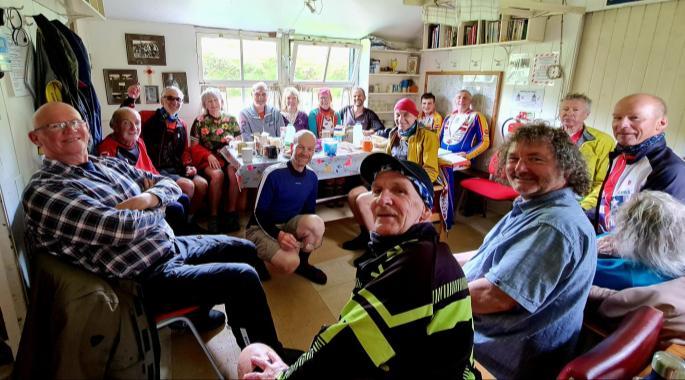
When Mr. James Miller learned of the project he was so impressed by the efforts and enthusiasm of the members, he made a substantial reduction in the price originally quoted for the building by his office. The building was ready for occupation in the spring of 1947 and Mr. Millar, as City Treasurer and on behalf of the Corporation, performed the opening ceremony.
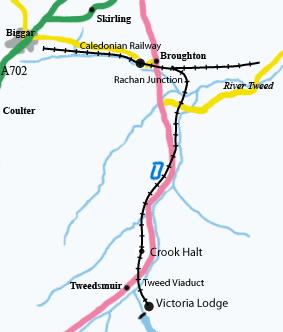
The Talla railway was laid from the Caledonian Railway station in Broughton to Victoria Lodge. The railway was opened in 1895 to assist with the construction. of the Talla Reservoir at Tweedsmuir. It was used to transport men and materials to the reservoir site. The main material was puddle clay for the dam itself.
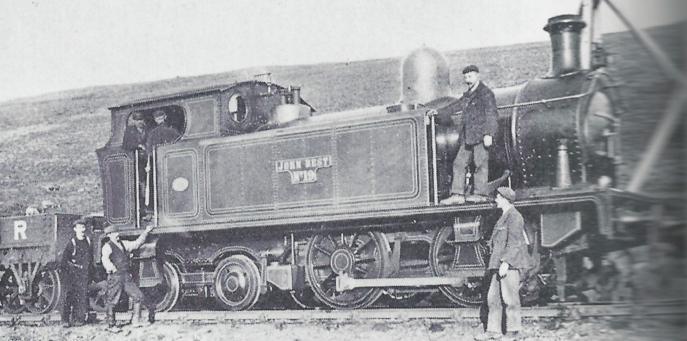
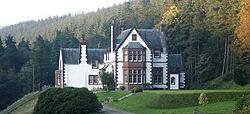
The reservoir was formally opened on 28th September 1905. The railway was finally sold for scrap and was lifted in 1912. Victoria Lodge, built as the management building of the Edinburgh and District Water Trust is now a private dwelling.
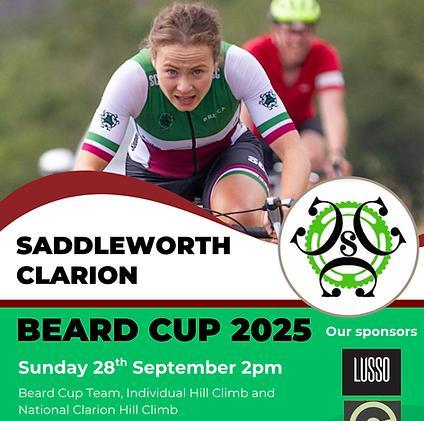
The prestious Beard Cup Hill Climb was, organised by our comrades in Saddleworth Clarion and incorporated The National Clarion Hill Climb Championship. The mile long ‘roadman’s climb’ which started in the village of Diggle attracted 71 competitors and was won by 17 year old George Bromley of Beeston CC in a time of 4.41.9. First National Clarion rider was Paul Whittaker from Stockport Clarion with a time of 5.55.0. The Beard Cup 3-rider team event was won by ESVManchester time of 19.48.0.
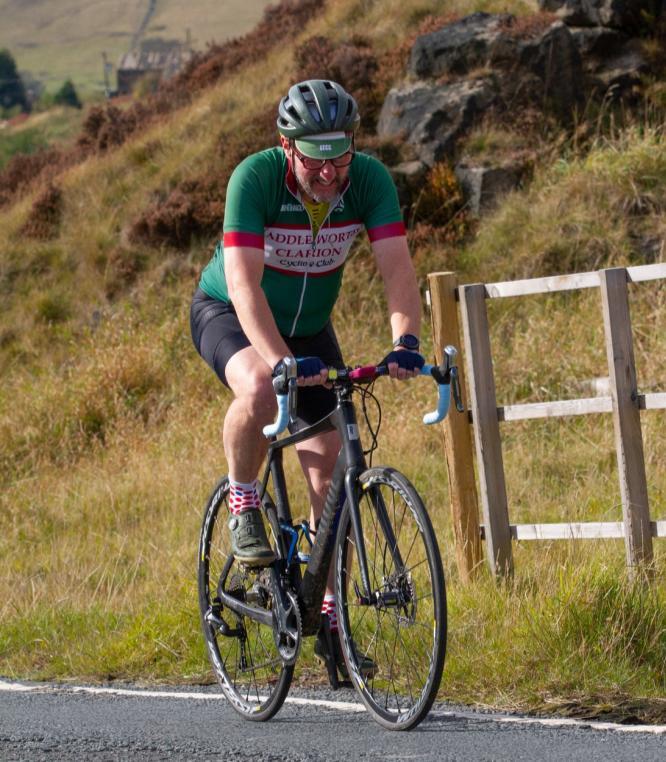
A big thank you to Saddleworth Clarion for organising what was a very successful event marred only by the poor response to the National Clarion Hill Climb Championship which, excluding the host Club, attracted just 11 entrants from only 4 of 23 Clarion Sections
At present the National Clarion Cycle Club has 23 Sections and over 2,000 members. The Club has a national committee comprising 13 members including the post of Section Liaison Officer. Given the poor response by Clarion Clubs to Saddleworth Clarion’s well organised National Clarion Hill Climb Championship and to the National Clarion organised Grass-track event at the York Cycle Rally, cancelled at the eleventh hour due to “lack of support”; whoever takes on the currently vacant position of Section Liaison Officer will face the difficult task of trying to regenerate enthusiasm amongst the numerous Clarion Sections for the Club’s increasingly relevant National Championships.
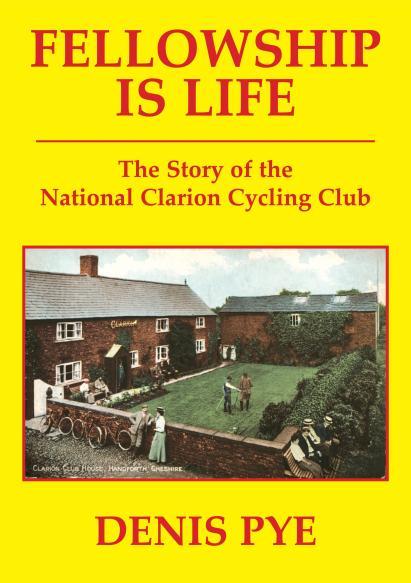
In his book ‘Fellowship is Life’, Denis Pye tell us that before the outbreak of the Great Imperialist War in 1914, National Clarion set up area subdivisions called Cycle Unions specifically for the purpose of encouraging regional inter-club social, and sporting events. The first such Union had been established as early as 1904 by Clarion Clubs in the Manchester area. The Manchester Clarion Cycle Union comprised of 32 Clarion Sections. Eventually there were eleven Clarion Cycle Unions:
Birmingham
London
North Midlands
South Midlands
North Lancashire
Scottish
Southern Counties
Southwest Lancashire and Cheshire
Western Counties
Yorkshire
Perhaps: less time ‘social networking’ and more time spent studying, learning from and never forgetting the Club’s history is the way forward.
At the 1933 Clarion Easter Meet held in Nottingham it was decided to give racing members in each Clarion Union their independence in Clarion Cycling and Athletic Clubs. The 1935 Shrewsbury Easter Meet saw the first conference of the C&ACs and by 1936 each of the Unions had its own C&AC affiliated to the Roads Racing Council, forerunner of the RTTC. The C&AC’s no longer function but two Clarion Clubs: Bury Clarion C&AC and North Lancs Clarion C&AC retain the historic name.
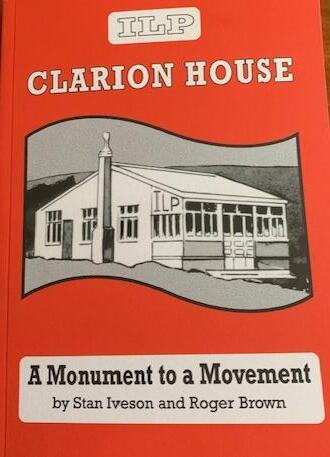
The front half of this now double-ended book was first published in 1987 and dedicated to those early socialist pioneers in Nelson who had the vision to build the Nelson Independent Labour Party Clarion House. For them The Clarion was a vision of the future, a vision of a socialist society, a commonwealth, based on co-operation and fellowship, not conflict and material greed. The Clarion was to be the instrument by which their message would be spread. The message by which the world would unite under the red banner of Socialism, abandon blinkered self-interest, and material gain, and thus live in peace and harmony.
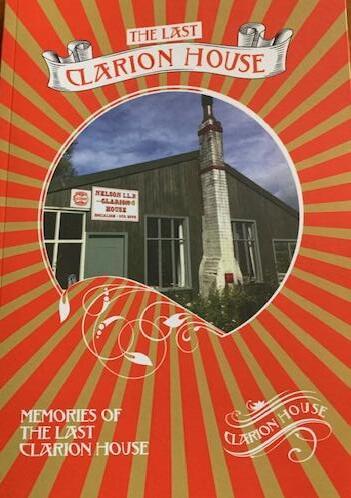
The illustrated second half of the book published in 2018 records the memories of past and present visitors to Clarion House and recognises the important part this monument to Socialism still plays in the fight for a fairer and more just society. North Lancs Clarion C&AC are proud to have paid for the printing of a new edition.
What do these labels mysterious teach? What is the message they bring?
Something that comes within everyone’s reach:
A gospel of Brotherhood – that’s what they preach
In praise of that gospel I sing, Hurrah for the Clarion Scout. In the years immediately following the formation of the National Clarion Cycling Club in 1895, individual Clarion Club set up cycling corps of Clarion Scouts that were to be the vanguard in the fight for Socialism. London Clarion Cycle Club, have recently produced some Clarion Scout stickers.
The 1895 spring edition of The Scout – a Journal for Socialists Workers contained advice about the distribution of leaflets and copies of Merrie England. It suggested that Clarion stickers could be stuck telegraph posts, gates, walls and even the flanks of grazing cows.
The frame is the fulcrum of the lightweight bicycle, making its design critical to the machine’s overall performance.
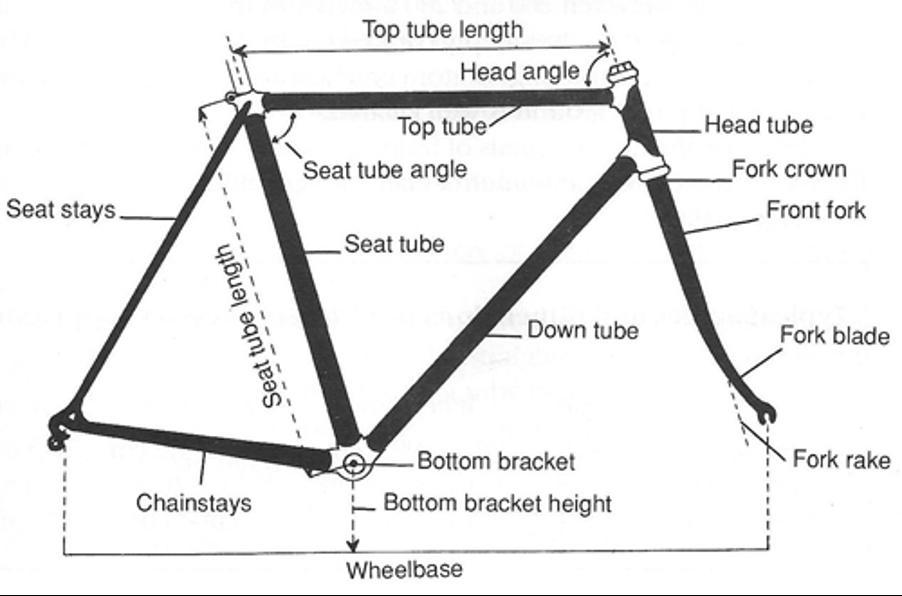
The diamond frame design of the ‘safety’ bicycle has remained essentially the same ever since its invention in the 1880s. However, in the century following its inception, the steel frame as developed for sporting purposes changed subtly yet significantly. There was a succession of three different diamond frame designs.
• The Original (c.1890 -1910
• The Continental (c.1910 -1930s)
• The International (c.1935 -1980s) Inevitably there were overlaps, with some frame builders and enthusiasts remaining doggedly faithful to the established design. Despite such loyalty, in each case the older pattern was ultimately eclipsed by the new.
The Original steel frame (c.1890 – 1910)
The provenance of the Original frame type can be traced to Starley’s Rover ‘safety’ machine of the 1880s. It was a design rapidly adopted by contemporary constructors of bicycles throughout the industrialised world. In cycle sport, the highwheeled ‘Ordinary’was quickly superseded by the ‘safety’machine in the late 19th century.
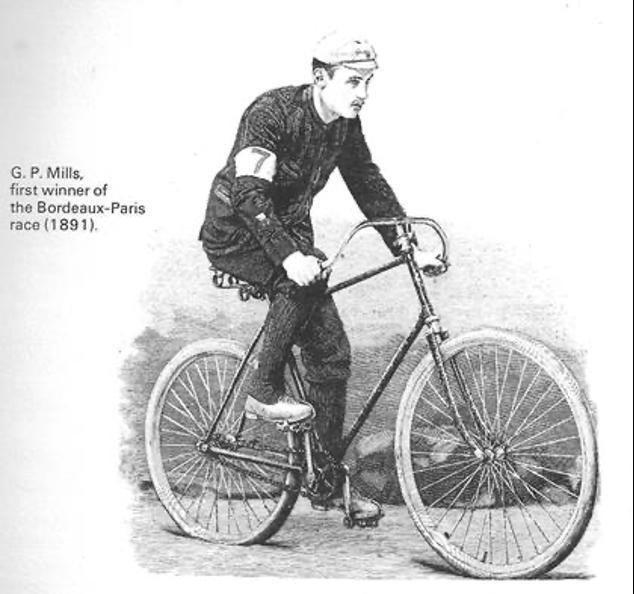
G.P. Mills on the Original machine on which he won the first Bordeaux-Paris in 1891 He covered the 600km (350 miles) event in a time of 26½ hours at an average speed of 14mph/22.5kph.
Period images of cycling champions on their safety bicycles, like that of G.P. Mills, reveal the distinguishing features of the Original frame design: sloping top tube, long wheelbase, lengthy head tube, relaxed head and seat tube angles of 66°. The rider’s main bodyweight was located firmly over the rear of the machine, thus maximising drive-wheel traction. The long wheelbase made for stability, the slack frame angles facilitated shock absorption as did the raked fork blades. The relaxed head angle also increased the self-centring castor effect of the front forks. This in turn necessitated the use of wide handlebars to manoeuvre the machine. These features of the Original frame design combined to effectively meet the rigorous demands made on both riders and machines by the rough unmade roads of that time.
The Continental frame (c.1905 – 1935) Cycle sport flourished in Continental Europe during the first quarter of the 20th century, particularly in France. On the road, this period saw the establishment of many of the one-day classics like the Bordeaux-Paris. Multi-stage races followed, starting with the Tour de France in 1903.These road races were mass start events. In addition, in this era numerous velodromes were constructed On the steeply banked European tracks the introduction of motorcycle pacing machines into the then hugely popular long distance ‘stayer’ events led to average race speeds of between 60 and 80kph being achieved on massive gears of 120″-140″.
Not surprisingly in response to this diversification in cycle sport, frame builders on the Continent soon developed a new lightweight frame design which was significantly different from the Original. The design of this new ‘Continental’ frame was minimalist and the machines weight conscious. The Continental frame accommodated smaller 26″ wheels with laminated wooden rims rather than the heavy 28″ steel rims of the Original. In addition, the Continental frame type was brazed throughout whereas on the Original the seat stays and sometimes also the chain stays were bolted to the main triangle. While the head and seat angles remained relatively relaxed at 68°, the new frame type was more compact than its predecessor, differing in having a horizontal top tube. The saddle was consequently set higher and the handlebars lower, giving the rider a more aggressive forward position on the machine. This in turn placed the rider’s weight more on the handlebars than was the case on the Original.
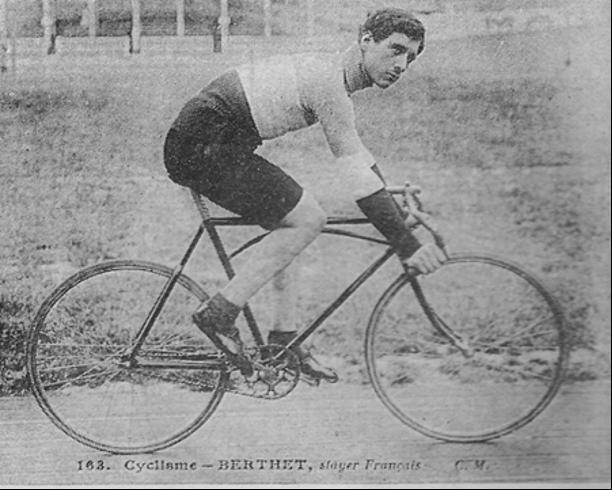
Marcel Berthet (France) on a reinforced version of the Continental frame design. Berthet is famous for setting a World Hour record of 43.775Km in September 1913. Similarly, the state-of-the-art track machines of the period exemplified the Continental frame. While the new lightweight frame pattern was widely adopted on the Continent before WWI, in Britain bicycle design and production remained faithful to the Original template. When an example of the new type of Continental road machine was first exhibited at a cycle show at London’s Olympia in 1913 it created a sensation.
The new lightweight on display had been constructed by E. Bastide of Paris.At the time Bastide was France’s leading specialist lightweight frame builder. Unfortunately, this was on the eve of Great ImperialistWar and the adoption of the Continental frames by British lightweight builders was deferred until the 1920s. It was during this decade that the Continental frame was popularised in Britain by specialist frame builders such as Granby, Maclean, Saxon, F.W. Evans, Grubb and Selbach.
The International frame (c.1935 – 1980)
In the early 1930s a few leading specialist lightweight frame builders began to offer customers a choice of either a ‘conventional’ (Continental) or a more upright frame design. This signalled the arrival of the ‘International’ lightweight frame The hallmarks of the new International design clearly distinguish it from its two predecessors, the head and seat angles were steeper (70°-72°) and wheelbase markedly shorter (40″- 42″). This new design coincided with a number of novel developments at the time which included:
• The construction of new superfast wood surfaced tracks: Milan’s Vigorelli built in 1935, 397m per lap with 42°bankings.
• Major improvements in road systems and road surfaces linked to significant increases in motor vehicle traffic.
• The shortening of the length of stages in races like the Tour de France from an average of 400km before WWI to 200km in
the 1930s, leading to a greater emphasis on speed rather than pure endurance.
• The appearance of the lighter Reynolds 531 steel tubing in 1935.
• The acceptance of the multiple-gear derailleur freewheel system in European road racing.
• The 1930s boom in Britain of fixed-distance road time trialling, with riders seeking faster times using minimalist short wheelbase, fixed wheel ‘Road Path’machines.
• The widespread commercial promotion of track racing, including six-day events as a spectator sport on purpose-built banked velodromes
In Britain, a new generation of lightweight builders emerged in the 1930s who strongly promoted the International frame design. Claud Butler was a leading figure in this movement, producing ‘Path’ models which followed the new design. The revival of cycle sport after the Second World War gave new impetus to the International design. The road machines, with derailleur gears were now standard, ridden by post-war stars like Coppi and Koblet. In the 1940s, the British League of Racing Cyclists promotion of mass start road racing in Britain stimulated the wider adoption of the International frame in the UK. The ‘gold standard’ steel road racing frame of the era quickly became one with parallel 72° head and seat angles and a 40″ wheelbase accommodating 27″ wheels.
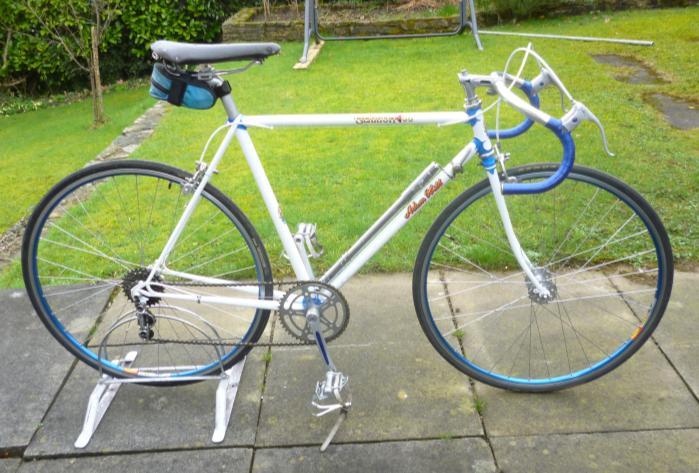
By the late 1950s and early 1960s, the International steel lightweight frame design had established itself as the dominant template worldwide. Reynolds 531 steel tubing with Nervex ‘Professional’ lugs was preferred by lightweight frame builders in Britain and France By the mid-1960s Italian frame builders had emerged as the supreme exponents of the International style, constructing frames with steeper angles (73°-76°) and shorter wheelbases (38.5″39.5″). Columbus steel tubing was the material of choice of these Italian master frame builders Reynolds responded by developing the superlight 753 frame tube with walls measuring 0.3mm.
‘Nicknames’, a lost cycling tradition
Having got my first bicycle in 1957 during what was termed by many as the ’Golden Age of Cycling’, I joined my grandad’s Cycling Club and started to accompany him on the weekly Sunday runs where he completely ignored me. This was in a period when it was fairly common practice to give your fellow clubmates nicknames: ‘Inky’ was a bank clerk. ‘Willy’, who was called Harold, smoked Woodbines. ‘Posh’ smoked a brand of cigarettes more expensive than Woodbines or their cheap equivalent Park Drive. ‘Stinky’ was a nightsoil man and really did stink. ‘Prof’ a schoolteacher. ‘Bins’ a waste disposal operative or as we called them a dustbin man. My grandad was ‘Egypt’, as he had fought the Turks during the Great Imperialist War. I really wanted to be nicknamed Swift, Lightning or Cheetah but soon was to be christened ‘Sparrow’ because on one of my early rides I had the temerity to overtake a couple of very elderly members chatting and puffing on their pipes as they meandered slowly up a small incline. “Bloody hell who does he think he is the Eagle of Toledo” , “More like a Sparrow on tram shed roof”. Our small, terraced house being close to the old tram shed.
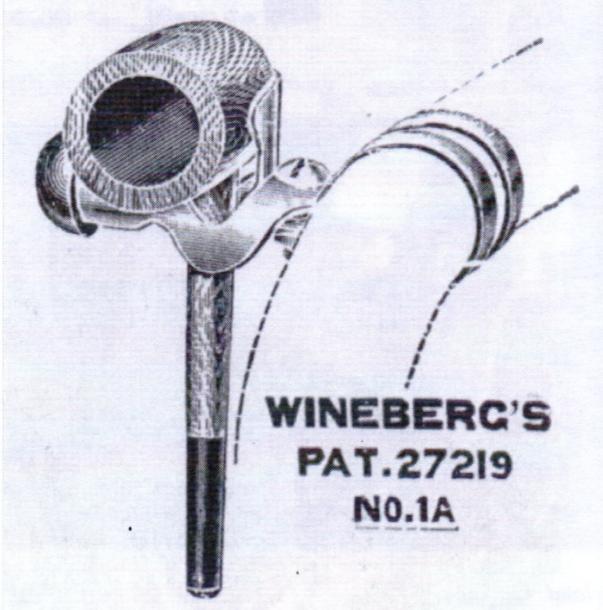
still called me ‘Sparrow’. The company’s apprentice training school was equipped with several pillar drills, to me these were a gift from the Gods because I had become an avid follower of the BlackArt of Drillium.
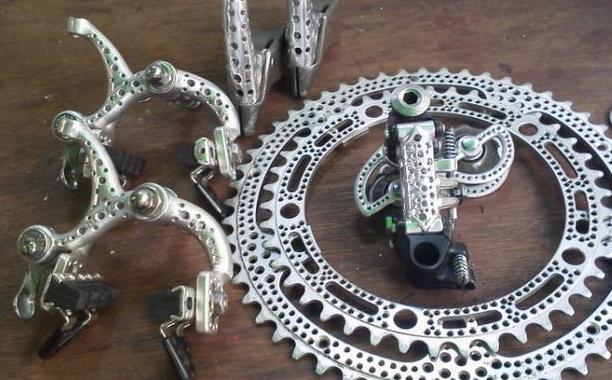
If Alf Engers could drill it, I could drill it more and with bigger holes too! Soon my bike took on the resemblance of an Emmentaler cheese as holes appeared in my seat post, brake levers, cranks, chainrings, stem, brake callipers! Did it make me faster? Of course, it did! Grandad, whose fixed wheel bike was made of cast iron took a different view: “you silly little bugger, it’s the weight that gives you the strength” .
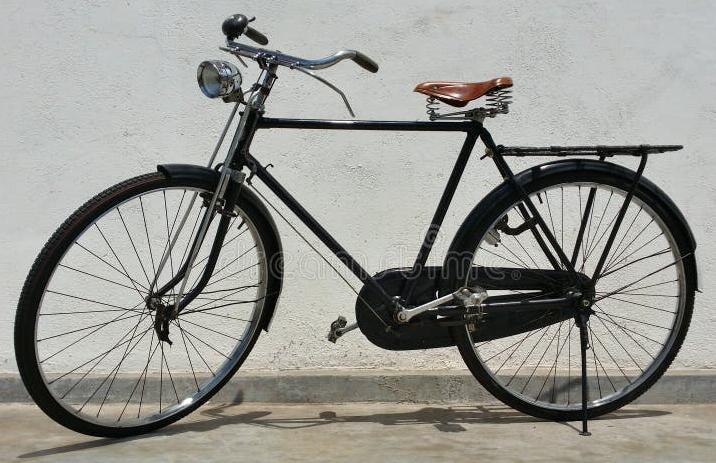
At the age of 16 has I began an engineering apprenticeship; I believed I was well on the way to challenging Jacques Anquetil. I was flying much faster than the local express bus, but to my great annoyance everyone
For the next twenty odd years I was destined to wander lost in a wilderness of Castrol engine oil, girls and football. My return to cycling came when took up the sport of mountain bike racing. Whilst I love the high-speed downhill races, the awesome jumps, the frightening drop-offs, the steep berms, I was never fully comfortable with mountain biking as the all too frequent crashes hurt, and I was constantly haunted by the thought of what my grandad would have said if he had seen my 27 speed, full suspension, downhill race bike which really had cost 25 times more than he paid for our small terrace house.
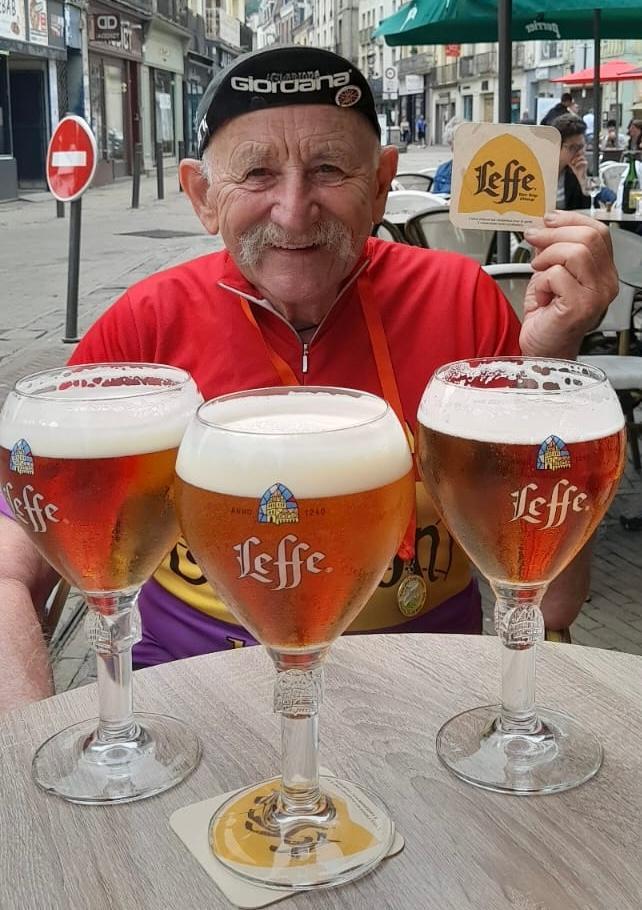
Our Lager, which art in barrels hallowed be thy drink. Thy will be drunk, I will be drunk, at home as in the tavern. Give us this day our foamy head, and forgive us our spillages, as we forgive those that spill against us, and lead us not into incarceration. But deliver us from hangovers, for thine is the beer, the bitter and the lager, forever and ever. Barmen!
‘The Bounder’was the pen-name of Edward Justin Fay, one of the founding members of The Clarion newspaper in 1891 and the first President of the Clarion Cycle Club in 1894 It was from Fay’s love of good food and plentiful drink that we get the term ‘to bounderise’ meaning: ‘to imbibe liquors of various degrees of strength, to assimilate comestibles, to walk on one’s heels, and to generally spread one’s self’. In other words, ideal ingredients for a Clarion cycle ride.
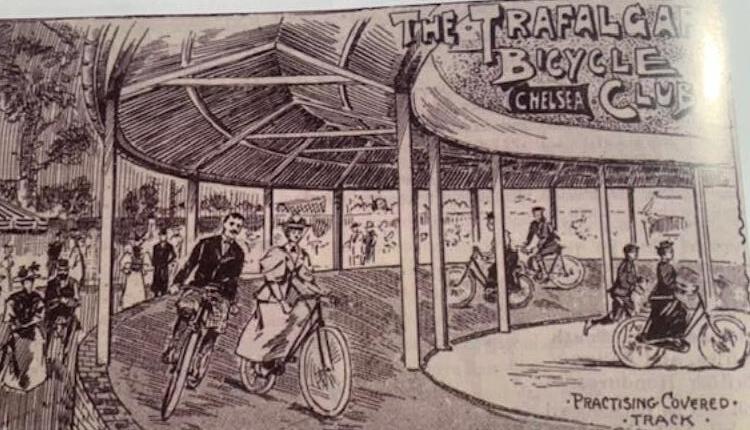
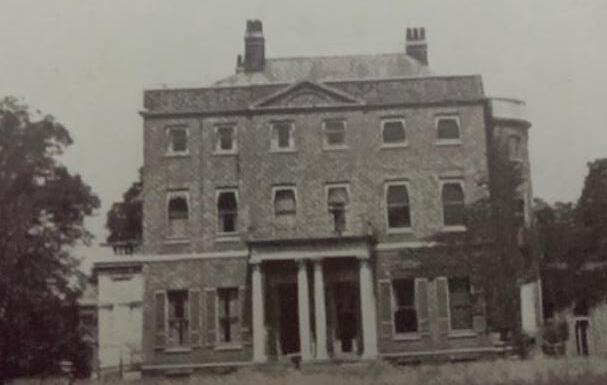
In 1897, two years after comrades in the capital founded on socialist principles the London Clarion Cycle Club, a group of businessmen started an exclusive and expensive bicycle club for upper class wheeling ladies and gentlemen at Sheen House in Richmond Park. Two similar clubs already existed: the Trafalgar Bicycle Club at Catherine Lodge in South Kensington and The Wheel Club at Hereford House also in South Kensington.
A Limited Company was set up to purchase the empty Sheen House and its adjoining 23 acres of grounds. The house had six reception rooms, a billiard room, 30 bedrooms and a large conservatory. The company planned to provide a ladies drawing room, a large general salon, private and public dining rooms, reading room, tearoom, card, smoking and billiard rooms.
A cement bicycle track was laid, with the space in the centre being used for croquet and lawn tennis. This central area could also be flooded in winter to accommodate skating. There was a cinder running track and facilities for football, lacrosse, hockey and badminton. The Club was run by a committee of title gentlemen who set an annual membership of 10 guineas. This exclusive Club closed after just 7 months.
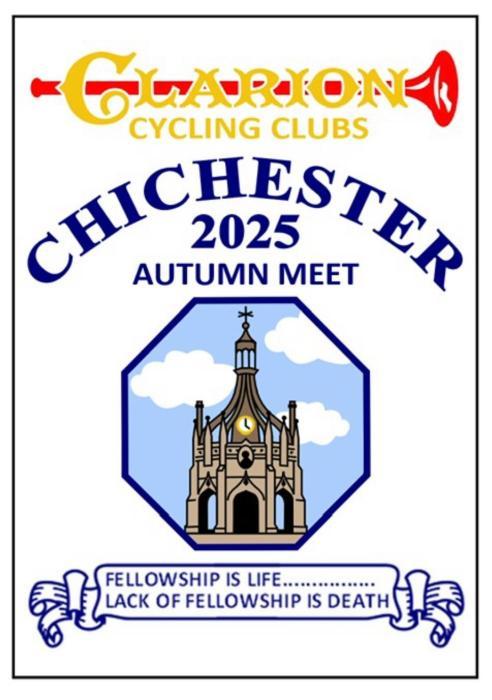
Thursday April 2nd to Monday April 6th
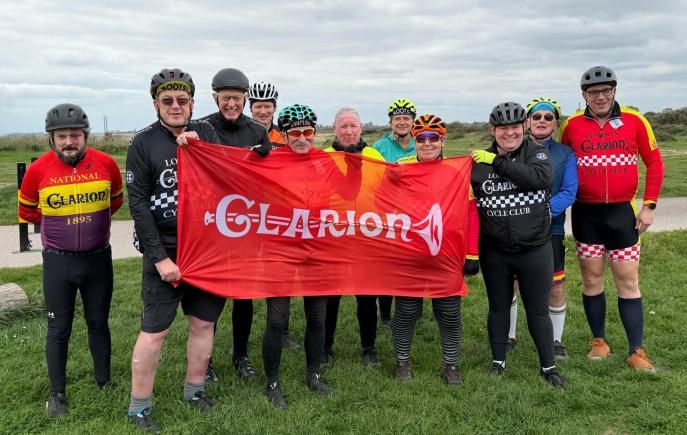
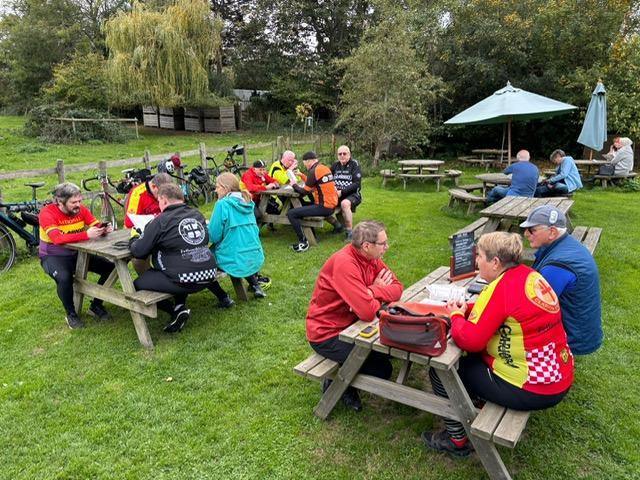
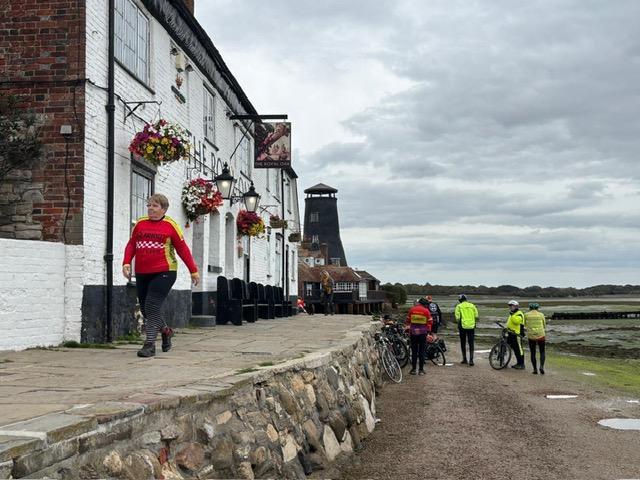
A ‘Clarion Call’ to members past and present. Join us in Wolverhampton for the Club’s Annual Easter Meet and enjoy a weekend of cycling, ‘bounderising’ and good fellowship.
All cyclists and friends are welcome to join us. There will be led rides, suitable for all abilities, on Friday, Saturday and Sunday departing from Meet HQ each day at 10.30am.
Meet HQ: Wolverhampton City Centre Premier Inn WV10 0BA.
A ‘Call’ to all Clarion cyclists’ past and present to gather at the Nelson Independent Labour Party Clarion House, Newchurch-in-Pendle, near Nelson BB12 9LL
Sunday June 7th 10am to 4pm
This annual event, now in its eighth year, resurrects the historic concept of ‘Clarion Sunday’, the annual mass gathering of Clarion Vocal Unions and Clarion Cycle Clubs in the 1890’s. Today, the event is by far the largest annual gathering of Clarion cyclists, choirs and friends. Note: there are no car parking facilities at Clarion House
‘Clarion
Clubs and Socialism: the unbroken link’.
For further details contact: national.clarion1895@gmail.com
Good FridayApril 3rd to SundayApril 5th
Meet HQ will be Wolverhampton City Centre Premier Inn WV10 0BA. There will be rides each day to locations visited by the founders of the first Clarion Cycling Club and like them we will ‘bounderise’ a plenty. Booking an early hotel reservation is strongly recommended as Wolverhampton Wanderers are likely to have a Premier League match over the Easter weekend.
A warm welcome awaits all cyclists at the largest annual gathering of Clarion Clubs at Nelson ILP Clarion House, Roughlee, Lancashire. BB12 9LL10am to 4pm. Comrades are welcome to camp on the site but please beware there is no facility to park a car, caravan or camper van. Clarion Choirs will be invited to attend.
Yorkshire Cycle Festival
Friday June 12th - Sunday June 14th (formerly the York Cycle Rally)
The York Cycle Rally has traditional been held on the York Racecourse. Sadly after 80 years the committee have been forced to move to a new site on the Driffield Showground some 30 miles due east of York. The Rally committee are confident that those attending will not be disappointed by the wide range of activities on offer including: On-site camping, with ‘early bird’prices. A programme of led rides, from very easy family rides, to challenging longer runs! Areas for Cycle Clubs displays and talks. Retrobike Show with a Show & Shine event for classic mountain bikes, BMXs and Classic Lightweights. Focus Rides offer airbag jumps, balance bike and chopper bike racing in the arena. Massive Trade Show and cycle jumble. Veteran bike display and twoAudex rides. A wide range of caterers, a splendid bar and of course live music. For further details see: Yorkrally.org
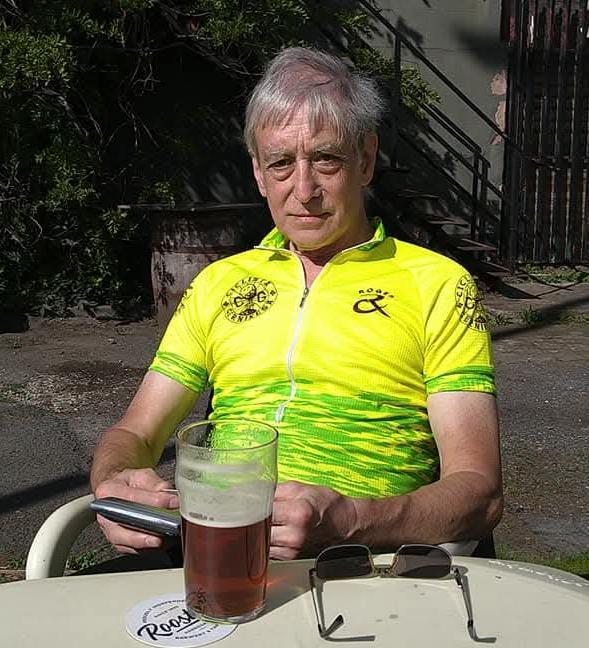
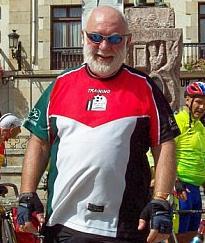
To mark the passing of two comrades who cycled to the end and stayed true to the Club’s Socialist roots. We honour former London Clarion secretary: Martin Perfect and Comrade Sid Sherriff, a well-known political activist formerly from Leicester. In 2008 Sid co-organised the Clarion 1895/ International Brigade cycle ride from Glasgow to Barcelona in memory of those Clarion cyclists who fought the fascist hordes during the Civil War in Spain.
national.clarion1895@gmail.com