DESIGNVI
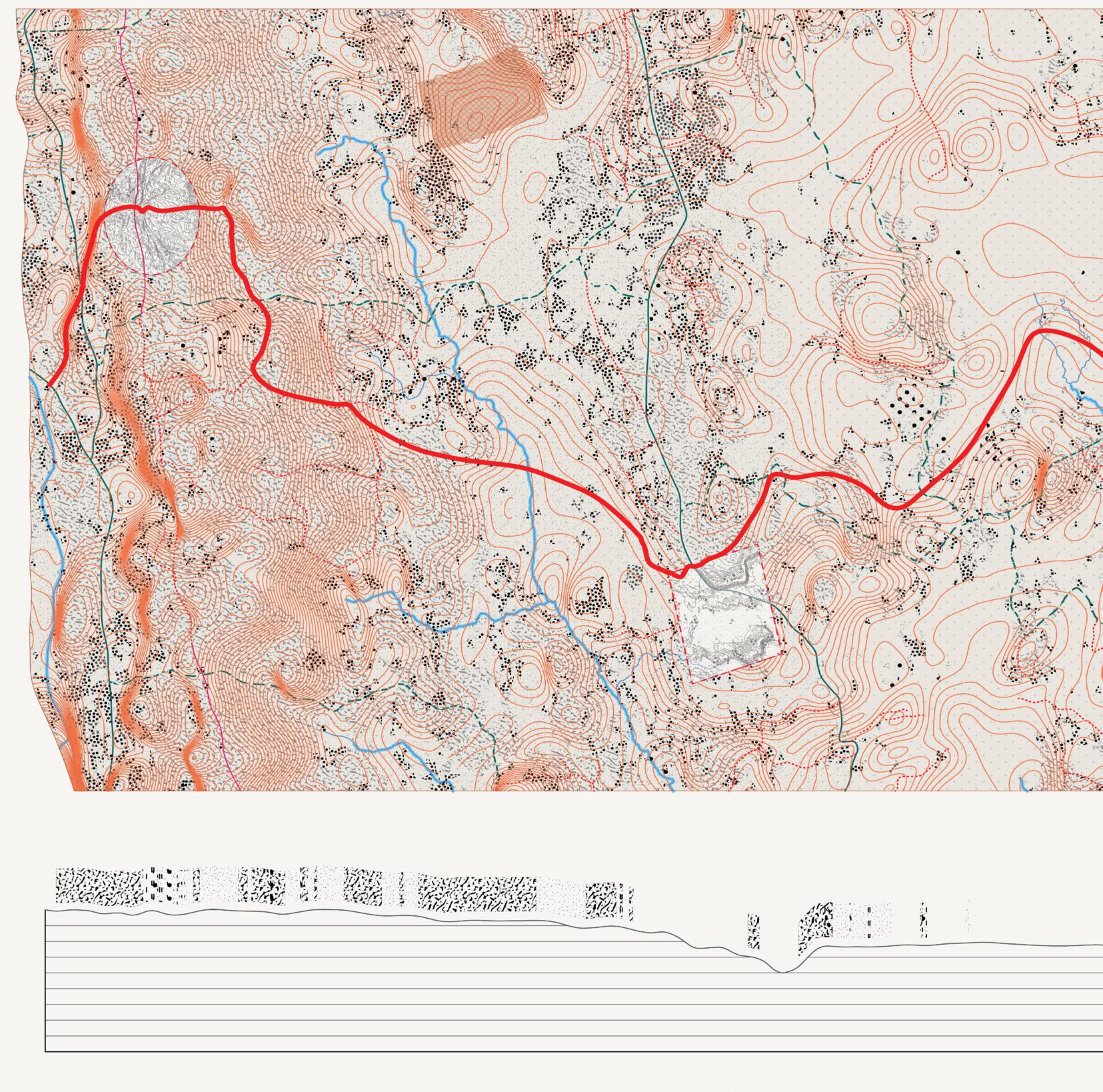
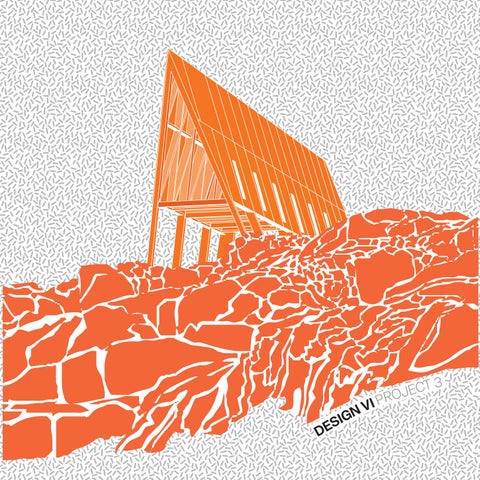
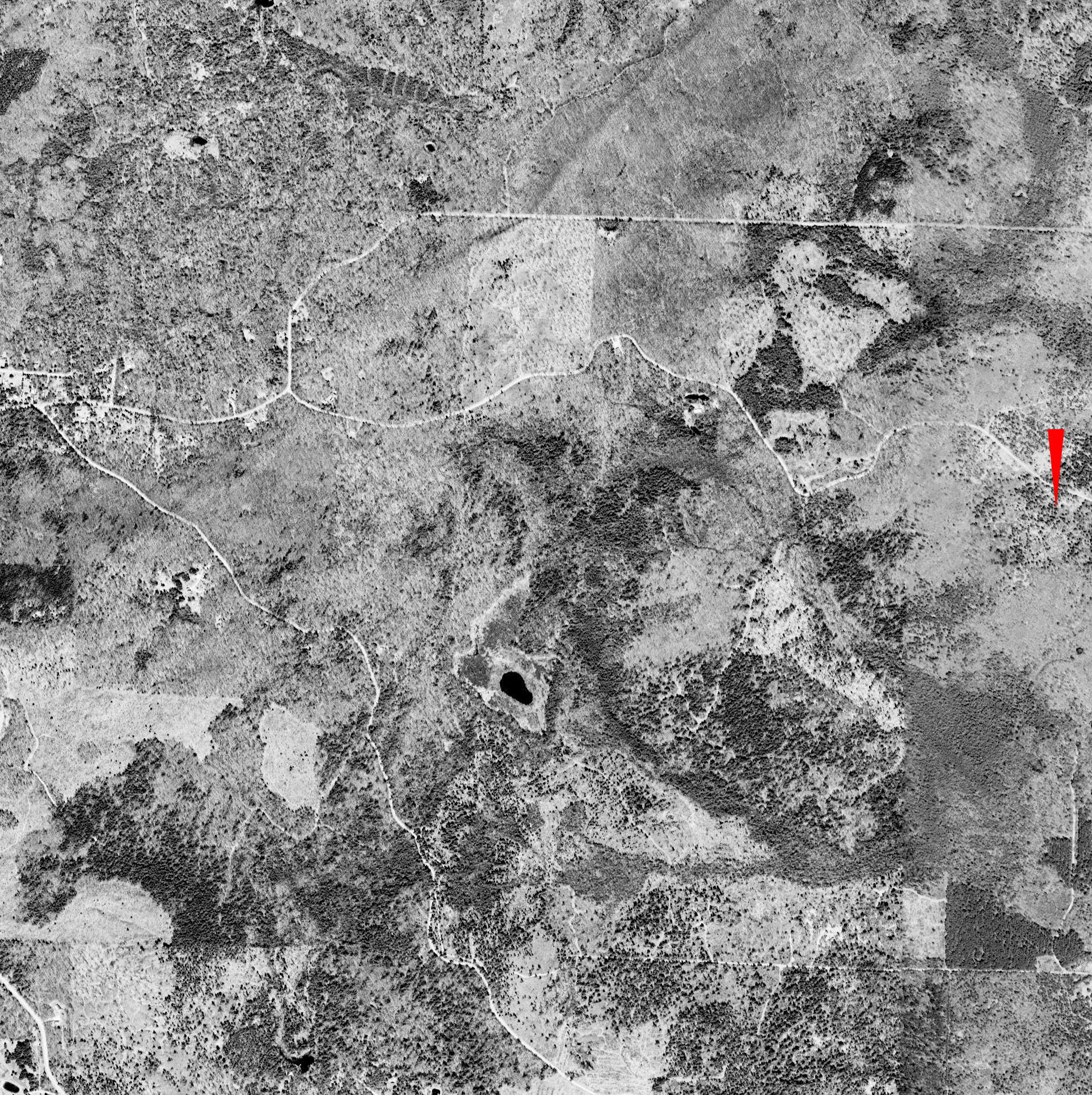
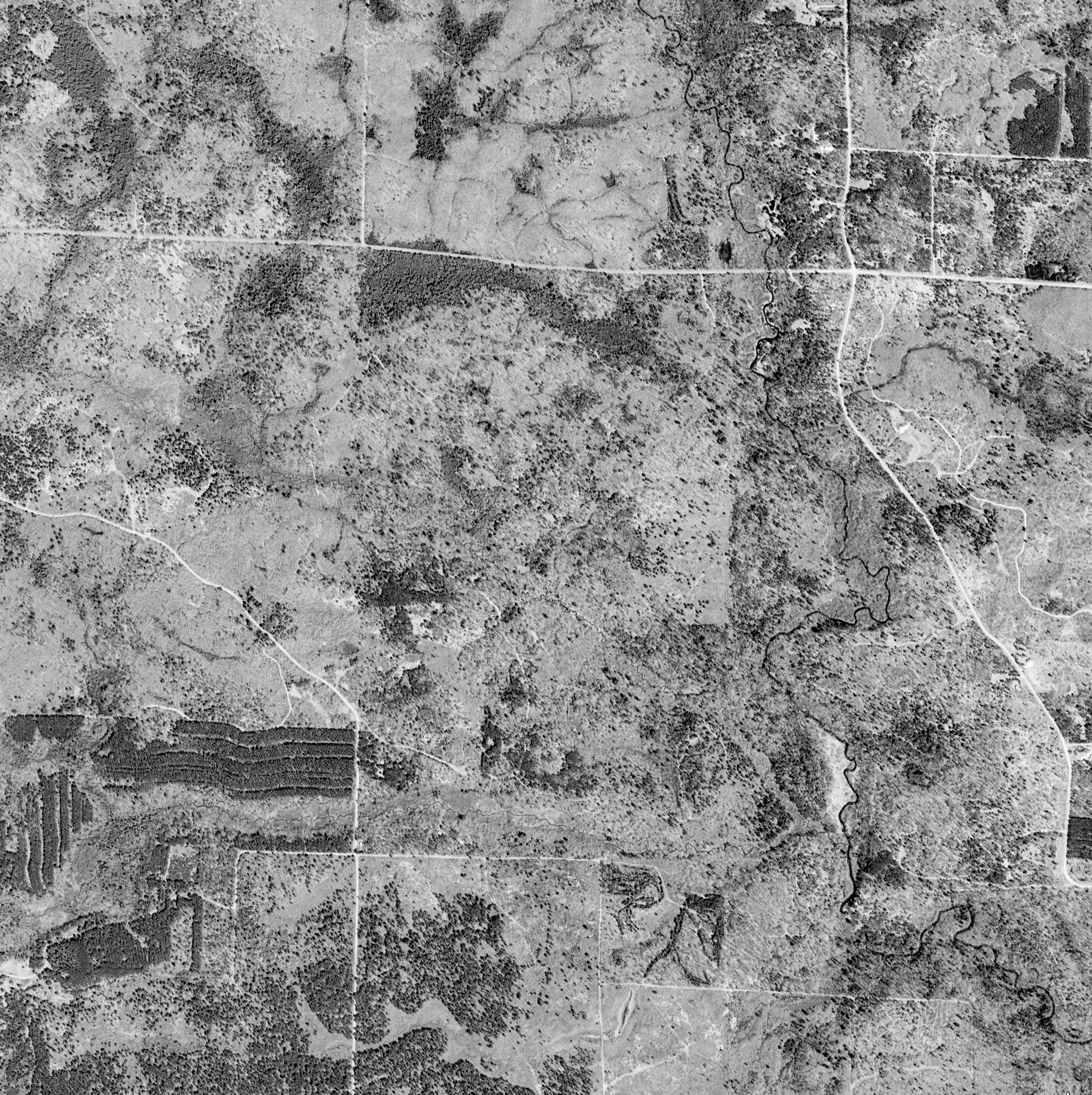
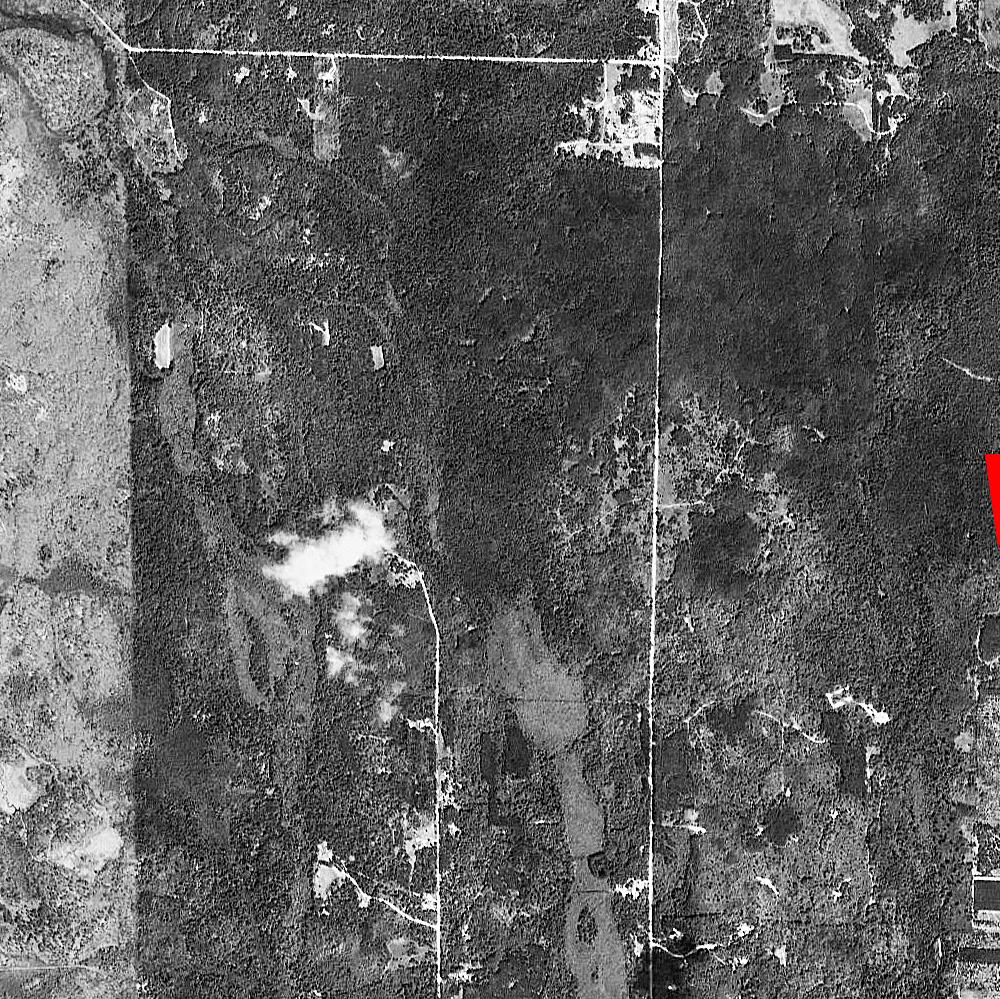
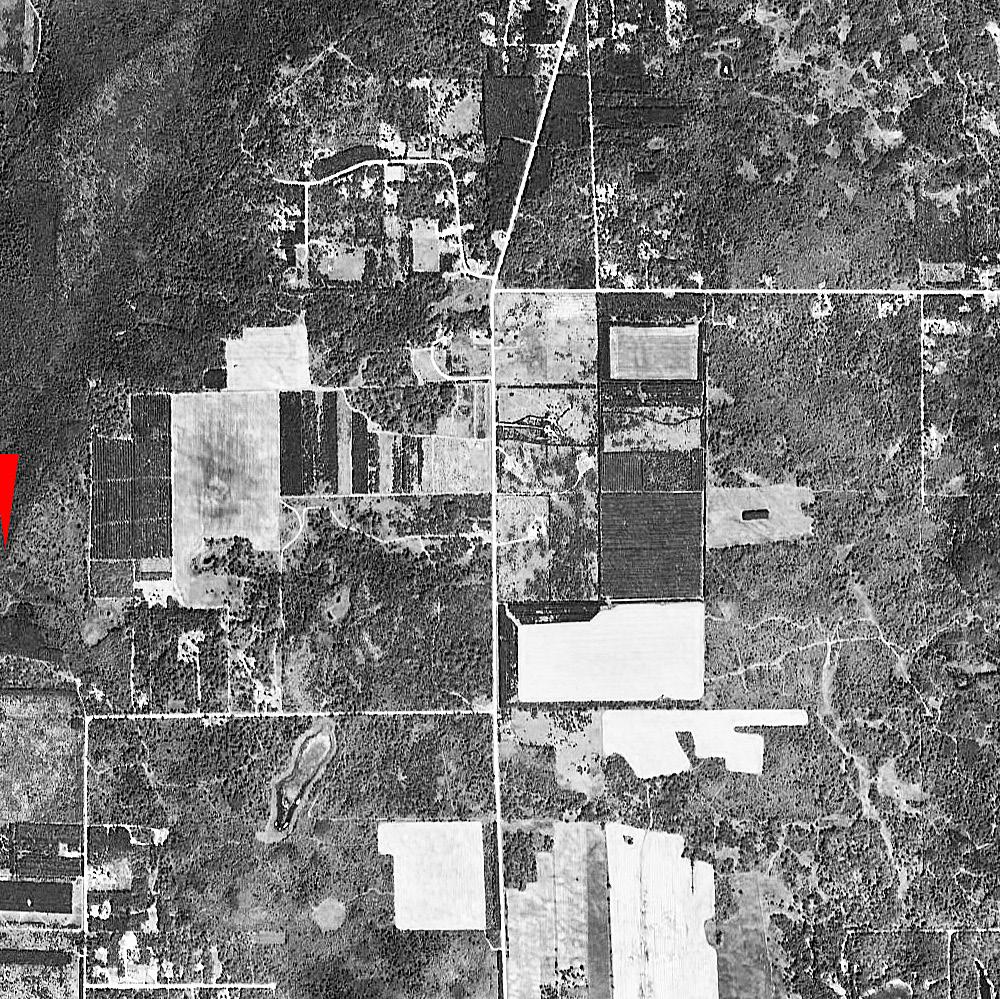
SITE - MARINETTE COUNTY FOREST
Agrilus Planipennis -commonly known as the Emerald Ash Borer is an evasive, boring beetle that kills all species of Ash Trees
Common signs of invasion include 1/8” bore whole, vertical bark fissures, patchy bark - from woodpeckers feeding on larvae clusters and new sprouts near the base of the trunk
Cream colored larvae feed under the outermost layer of bark, distrupting the cambium layer - which is responsible for a trees growth in diameter
05. 06.
Within three to five years of infestation, the tree dies from cumulative damage
Mature beetles are 1/2” long and 1/16” wide, are metalic green and are most visible on sunny days where they mate and lay eggs on the trunk
07.
There is no solution for eliminating the EAB - while new ash is being planted, all current stock will eventually die off from infestation
Localized chemical treatments like trunk injection and soil drench may slow the effects of already infected trees but will not prevent infection or tree death. These treatments are highly toxic to pollinators, succetable to soil leach and groundwater contamination.
White, Black, Blue and Green ash are hardwood trees with high density and low moisture content.
The mortality rate of ash from 20122018 has quadrupuled since 1983.
Ash generally prefer well drained, fertile soils however black and green ash prefer wetlands, floodplains and swamps
Yet, the growing stock in Wisconsin is maturing. Trees with a diameter of 13+ inches have trippled since 1983 whereas smaller 5 - 12.9 inch trees have only increased 61% in the same period.
There is an estimated 898 million ash trees in Wisconsin’s forests - 167 billion cubic feet of lumber - 8% of all trees. Black ash is the most common
71% of ash volume is in northern Wisconsin
Average Harvest Allotment
2024 Marinette County timber sale ledgers indicate an average of 3000cu ft of wood (all species)/acre is extracted at a time
EX. SALE TRACT 14-24
101 ACRES
ASPEN_1900 cords
MIXED HARDWOOD_510 cords
SPRUCE_210 cords
RED PINE_40 cords
WHITE PINE_220 cords
2880 cords
1 cord of wood = 128cu ft roughtly 20% loss of volume for space between stacked wood
+/- 288000cu ft/101 acre
2851cu ft/acre
Site Harvest Analysis
A .11 ACRES
B .24 ACRES
C .16 ACRES
D 4.4 ACRES
E .25 ACRES
F .16 ACRES
G .77 ACRES
6.09 ACRES 6.09 acre
x 3000cu ft/1 acre =18,270cu ft
Given ash make up 8% of all trees...
18,270 x .08 = 1461.1cu ft of harvestable ash on selected site
Average Utilization Breakdown Per Tree
40-60% Saw Logs
30-50% Pulp Wood
5-10% Waste (Bark, Crotches)
A prototype panel is designed to utilize components in the same proportional volume as a tree, here specifically ash. Panels are dimensioned using common saw logs lengths: 8’, 12’, 16’.
A 6” X 6” BARK SHAKE - 272
1.28cu ft
B 4’ X 8’ 1/4” OSB PLYWOOD - 2
2.66cu ft
C 16.75” X 2.5” X 8’ COMPRESSED WOODCAVITY INSULATION - 5
11.65cu ft
D 2” X 6” X 8’ - MILLED LUMBER - 6
3.33cu ft
E 16.75” X .5” X 8’ VENEER SHEETS
2.33cu ft
WASTE WOOD (A) 6% PULP WOOD (C) 54%
SAW LOGS (B,D,E) 40%
COMPRESSED WOOD CAVITY INSULATION
1” = 1’0”
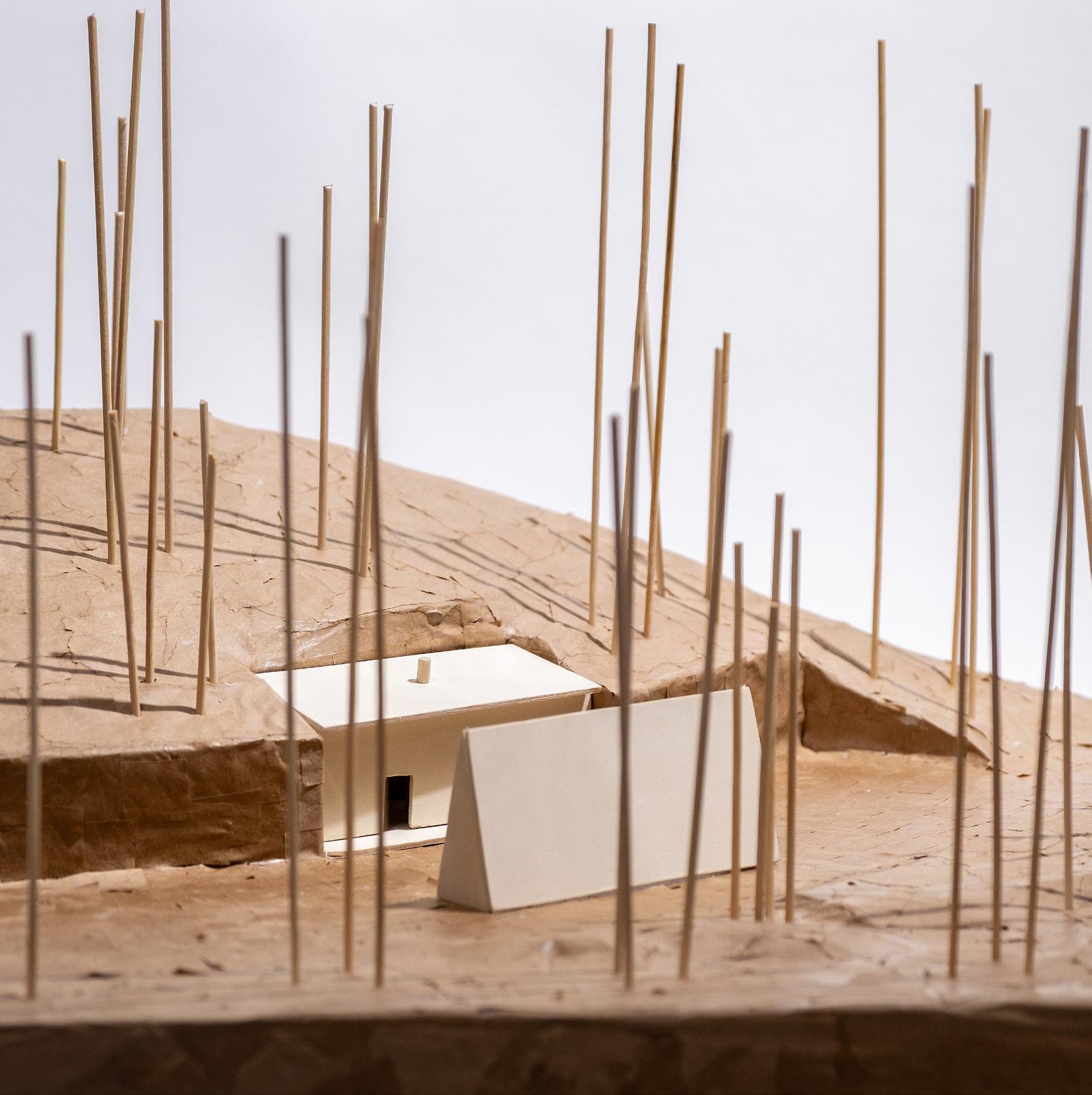
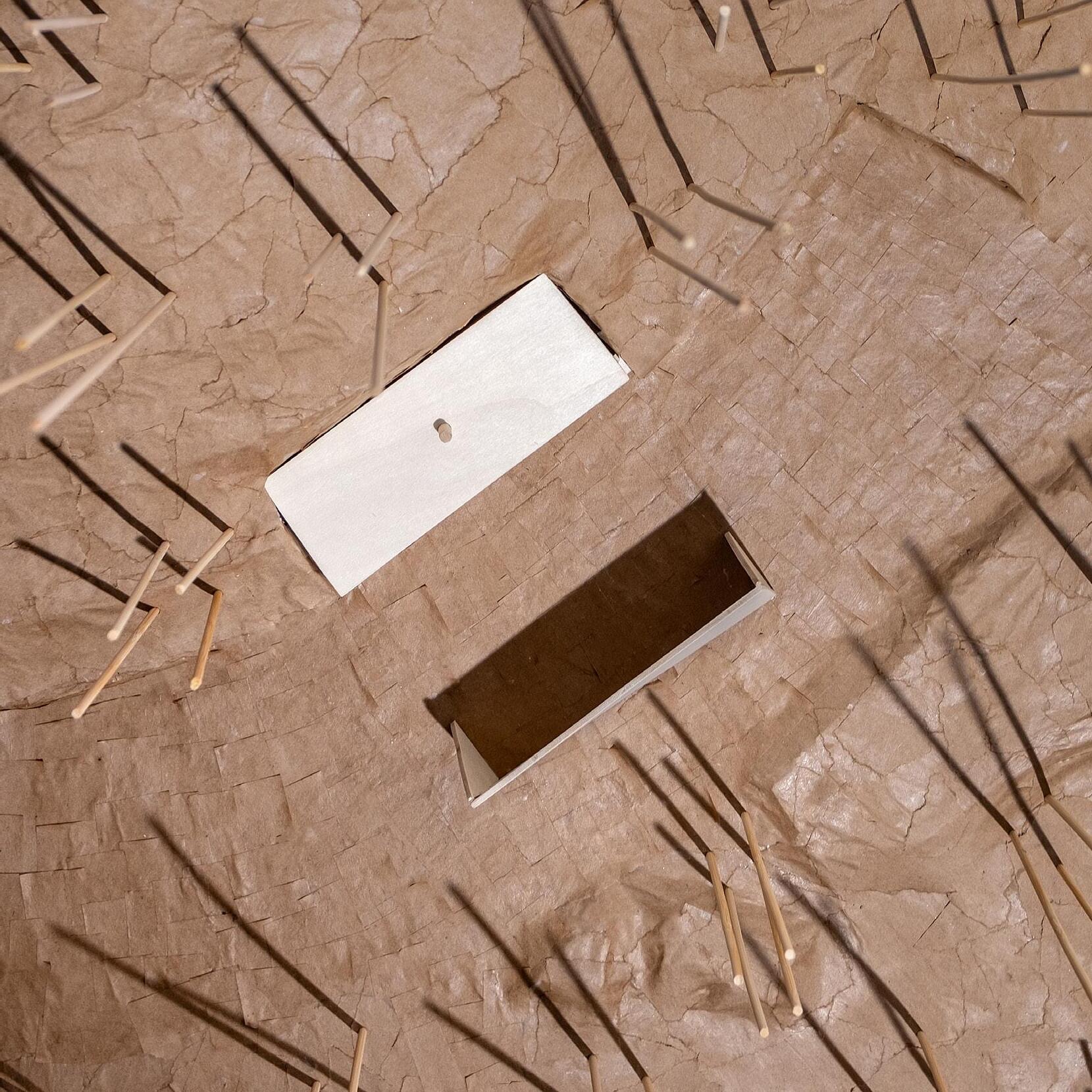
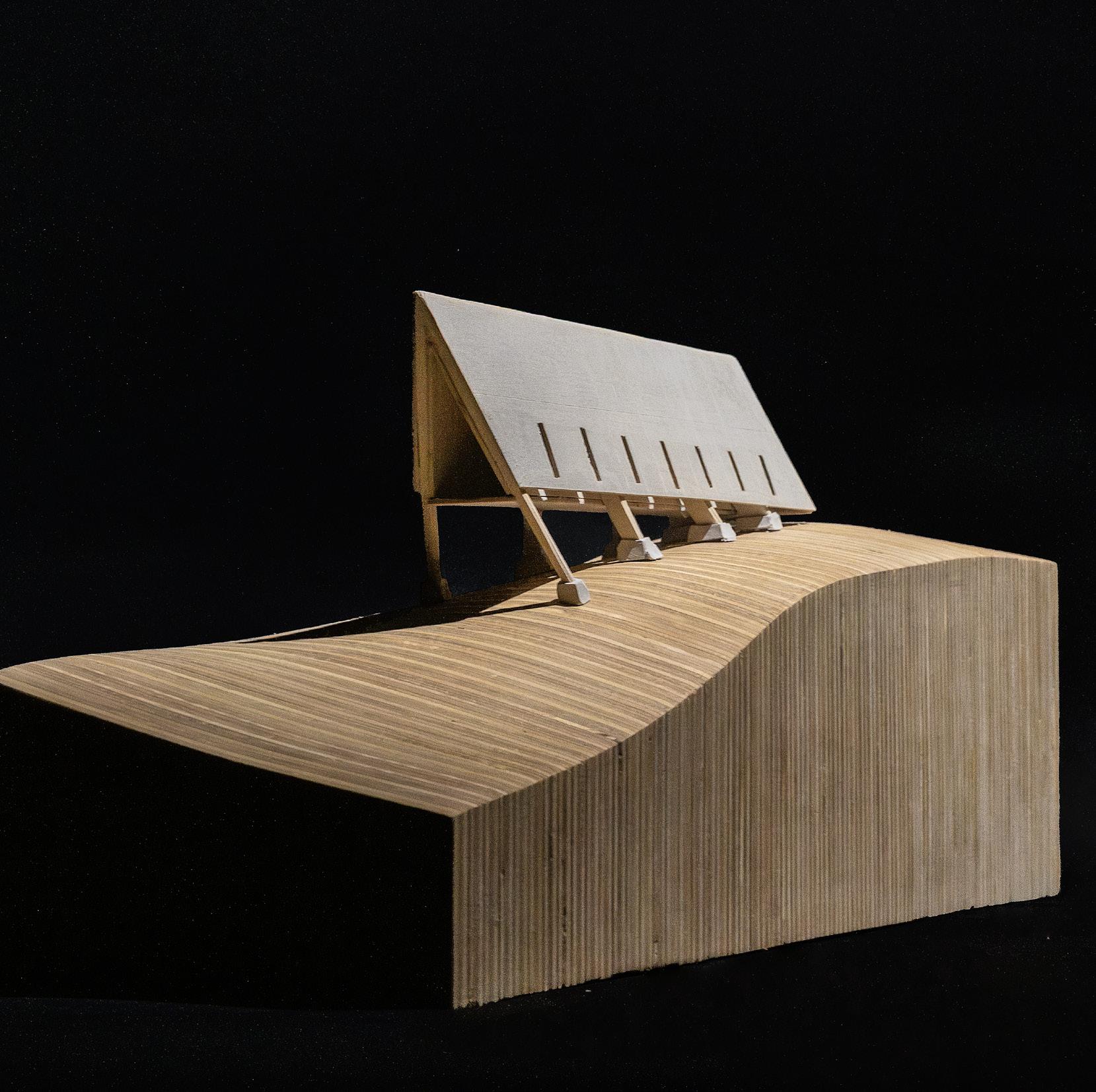
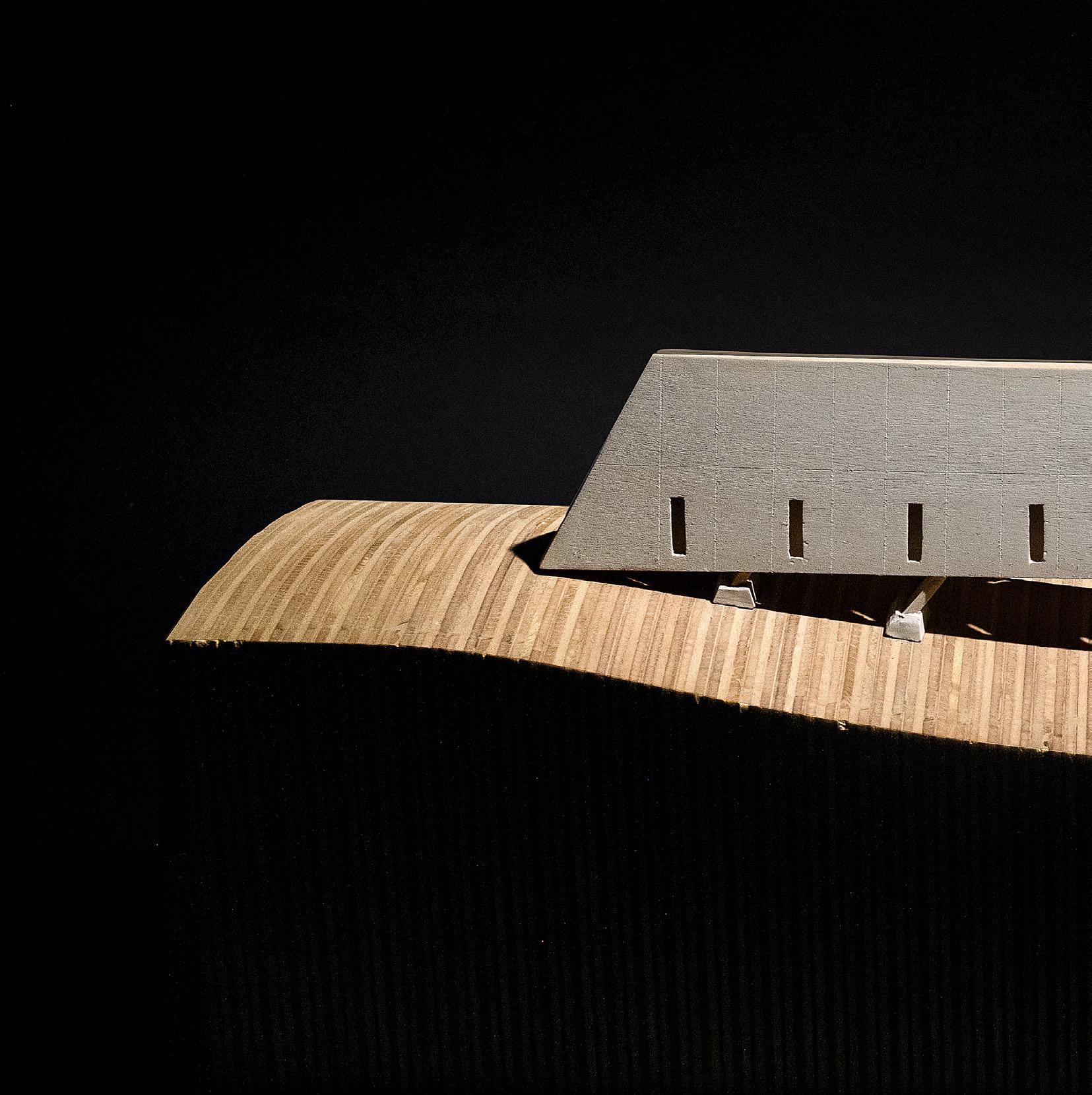
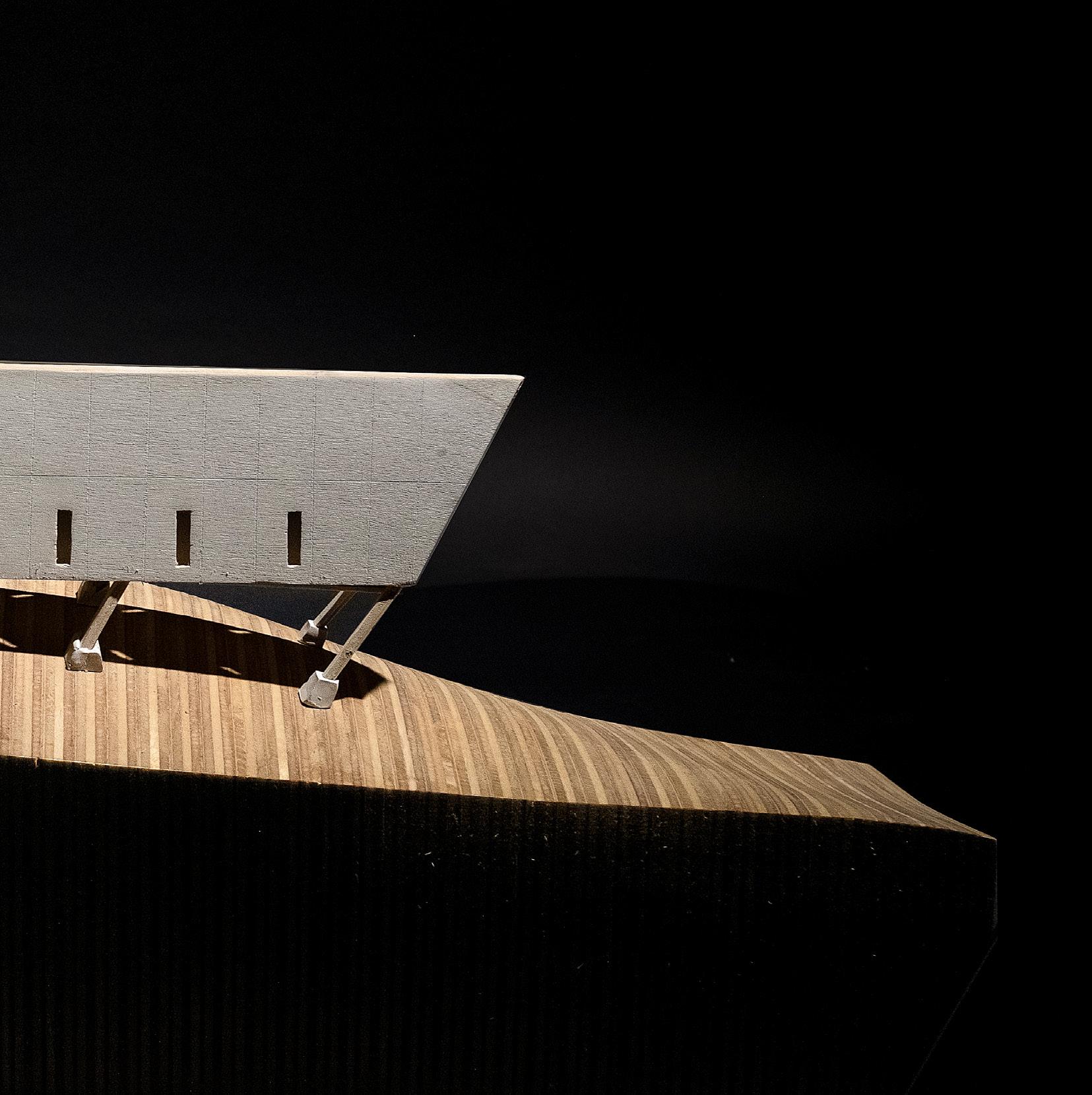
Exploring and identifying formal strategies to apply the prototype panel.
MODIFIED C-FLY
16’ x 8’ PANEL X5 205 CU FT
12’ x 8’ PANEL X5 155 CU FT
8’ x 8’ PANEL X5 102.5 CU FT
16’ x 8’ PANEL X5 205 CU FT
12’ x 8’ PARTIAL PANEL X4 73 CU FT
12’ x 8’ PANEL X5 155 CU FT
12’ x 8’ PARTIAL PANEL X2 28 CU FT
923.5 TOTAL CU FT

Berg, W. A., & Berninghausen, E. (2015). Forest management and utilization of timber resources in the U.S.: Trends in the sawmill industry. Forest and Wood Products Journal, 61(3), 107-118.
Marinette County Forestry Department. (n.d.). Timber sale prospectus – Fall 2024. Marinette County. https://www.marinettecountywi.gov/i_marinette/d/Forestry/prospectus_fall_2024.pdf
National Park Service. (2017). Ash tree update. U.S. Department of the Interior. Retrieved from https:// www.nps.gov/articles/ash-tree-update.htm
Roberts, S. R. (2010). The economic impacts of timber harvesting: A case study of ash in the midwestern United States. Forest Economics Review, 23(4), 49-61.
Tesch, P. A., & Sander, P. (2017). Timber production and utilization in Wisconsin: Analysis of sawlogs and pulpwood production rates. Wisconsin Department of Natural Resources. Retrieved from https://dnr. wisconsin.gov/topic/ForestBusiness/TimberSales.html
U.S. Forest Service. (n.d.). Timber: A historical perspective on lumber production. National Park Service History. Retrieved February 16, 2025, from https://npshistory.com/publications/usfs/misc-668/sec9. htm
Wisconsin Department of Natural Resources. (n.d.). The economic impact of ash tree mortality in Wisconsin. Wisconsin Department of Natural Resources. https://dnr.wisconsin.gov/sites/default/files/topic/ForestBusinesses/AshReport.pdf
Wisconsin Department of Natural Resources. (n.d.). Signs and symptoms of emerald ash borer infestation. Wisconsin Department of Natural Resources. https://dnr.wisconsin.gov/topic/foresthealth/emeraldashborer/signs