portfolio
lohyining@gmail.com
+44 07587404002
Hello, I am Yi Ning, a final-year Master’s student at the Bartlett School of Architecture, UCL. I completed my undergraduate degree in Architecture at the National University of Singapore before moving to the UK to continue my studies.
My interest in architecture began with a curiosity about how the built environment shapes the way we live, feel, and behave. I have always been drawn to the interdisciplinary nature of architecture, where technical problem-solving is constantly in dialogue with creative expression.
As my studies progressed, I became increasingly drawn towards sustainability, and the role architecture plays in creating more responsible and resilient futures. I believe that meaningful design must operate across scales, working with natural systems to create spaces that are both sensitive and thoughtful.
This portfolio presents a selection of design work from my architectural studies, alongside some of my non-academic pursuits. Thank you for taking the time to view my work. I hope it provides insight into my interests and values, and that you have enjoyed it as much as I have enjoyed creating it.
1 haven
mangrove restoration centre
| a living interface between science, community, and nature
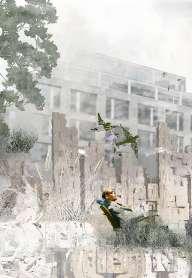
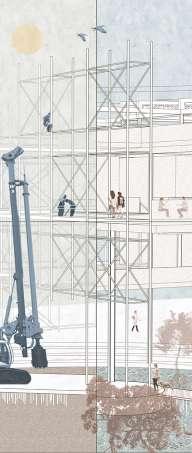
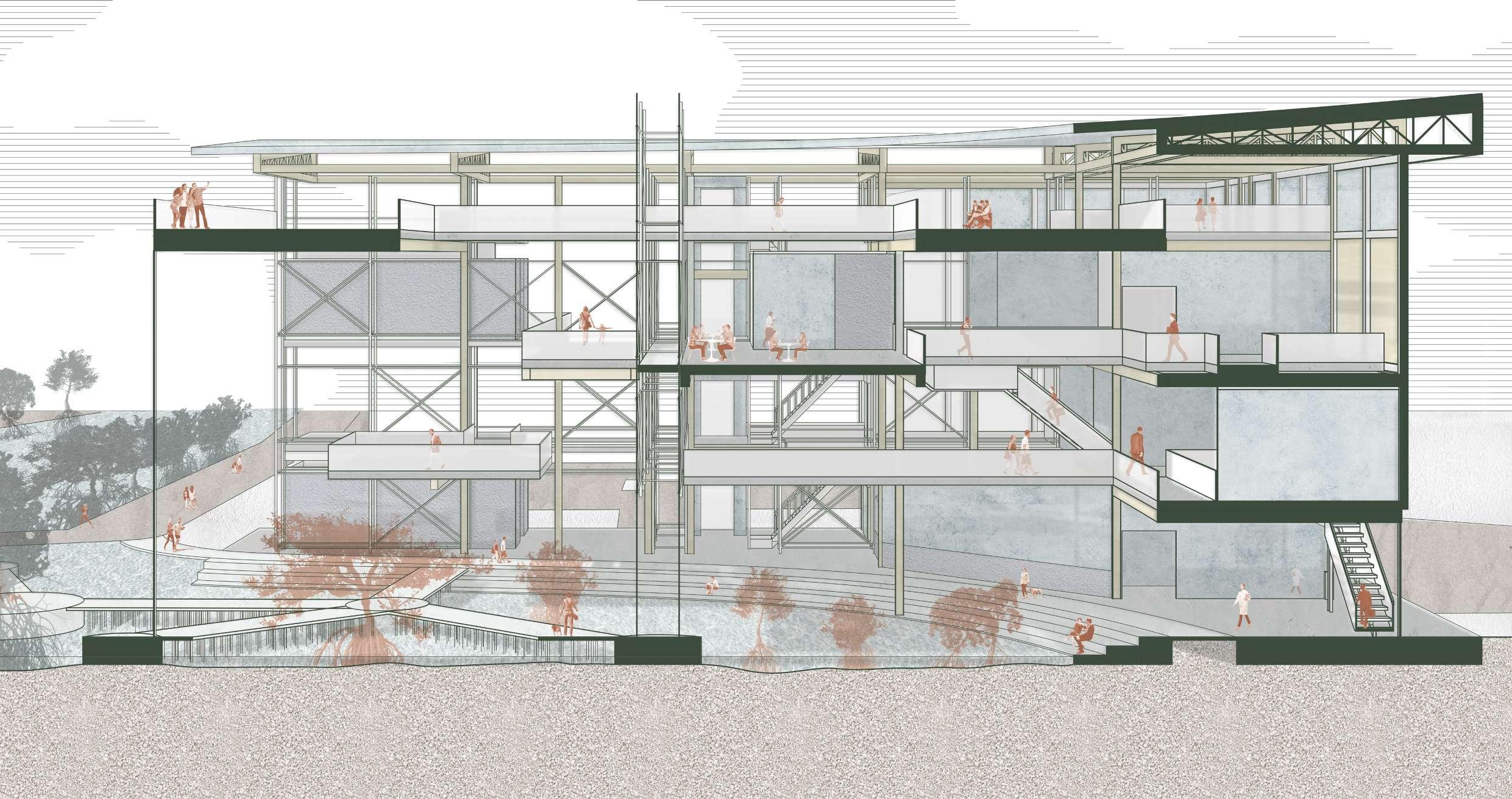
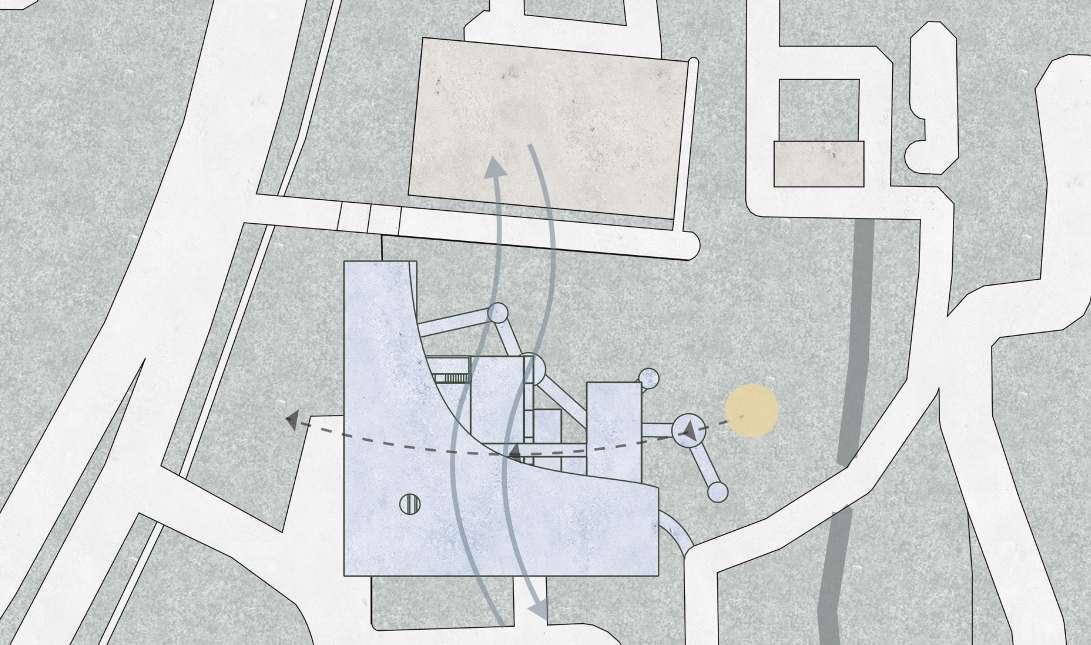
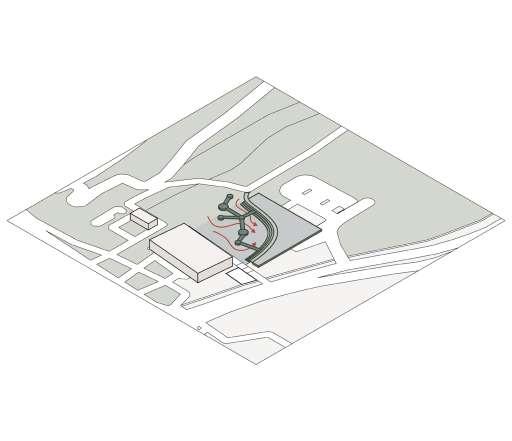
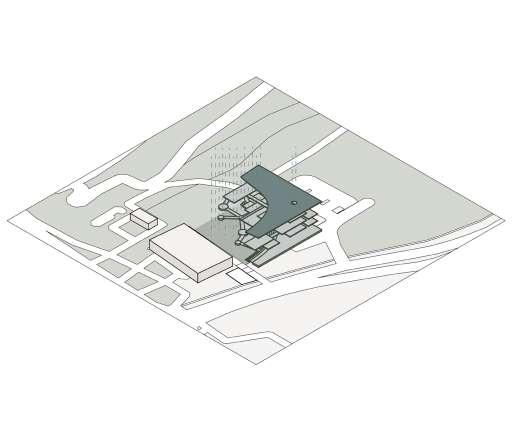
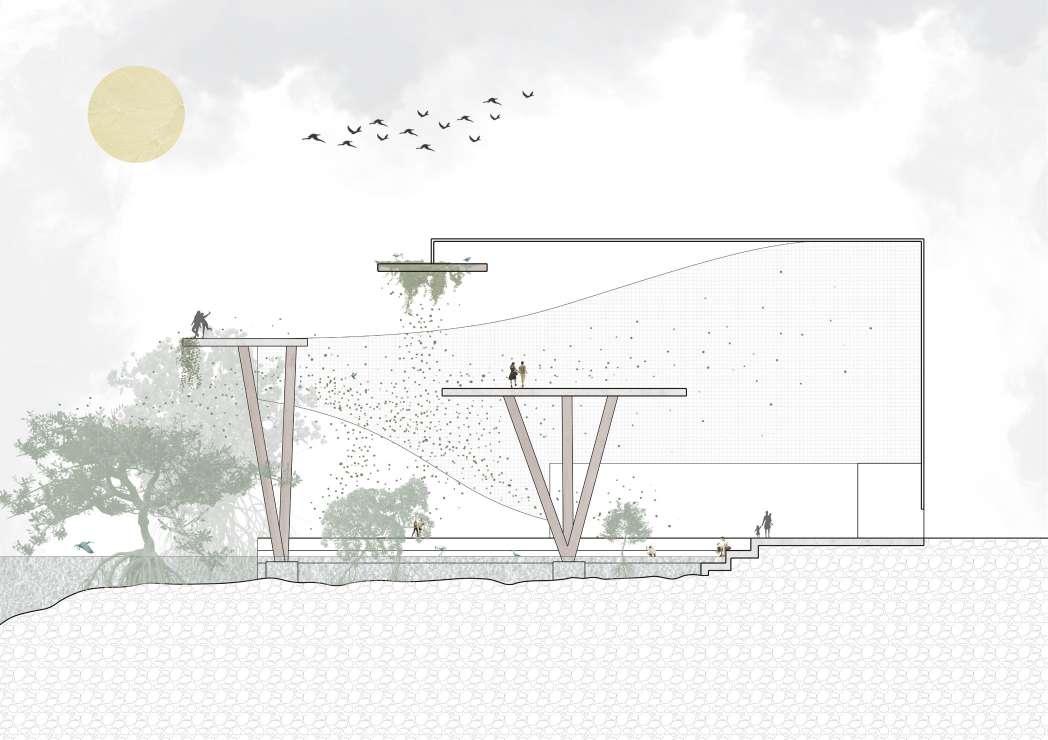
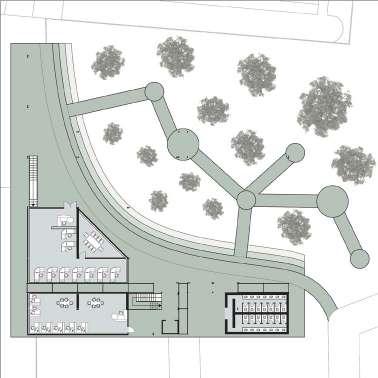
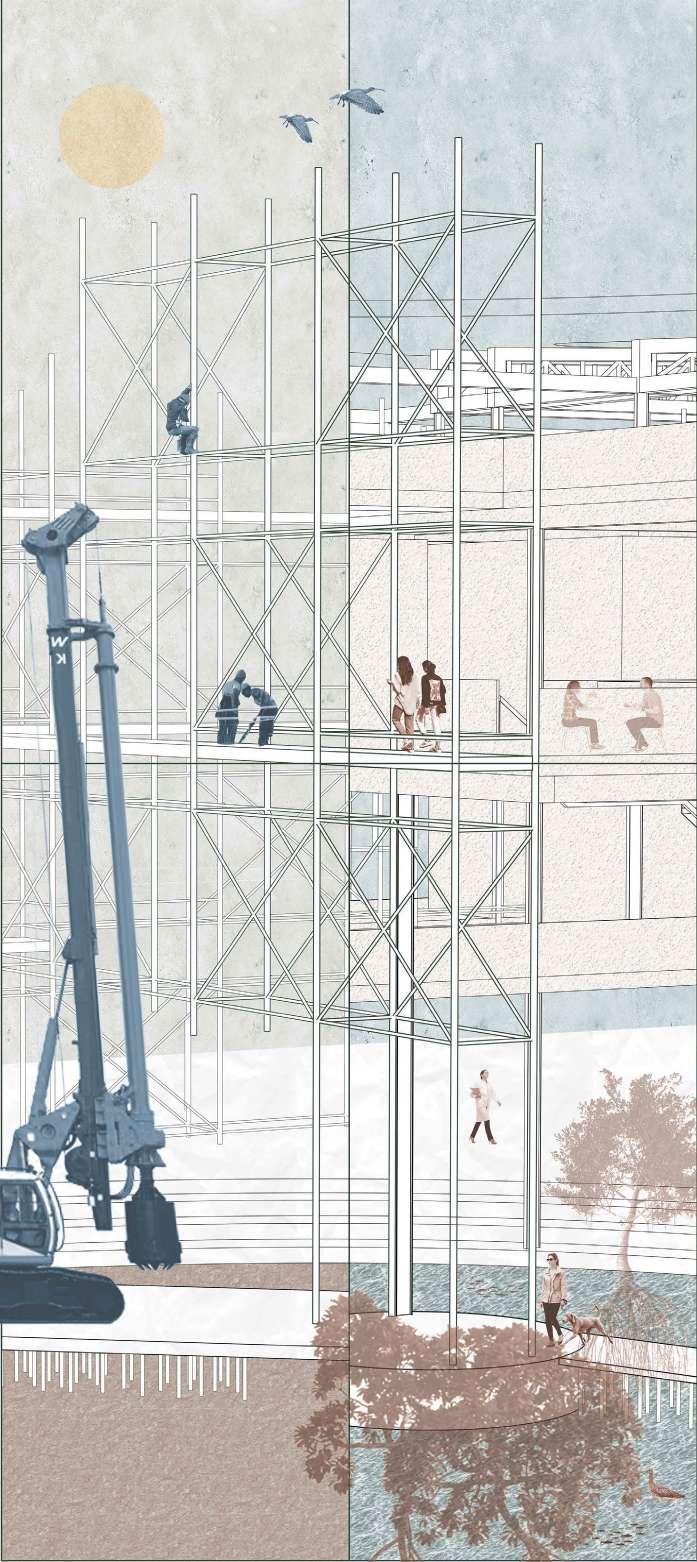
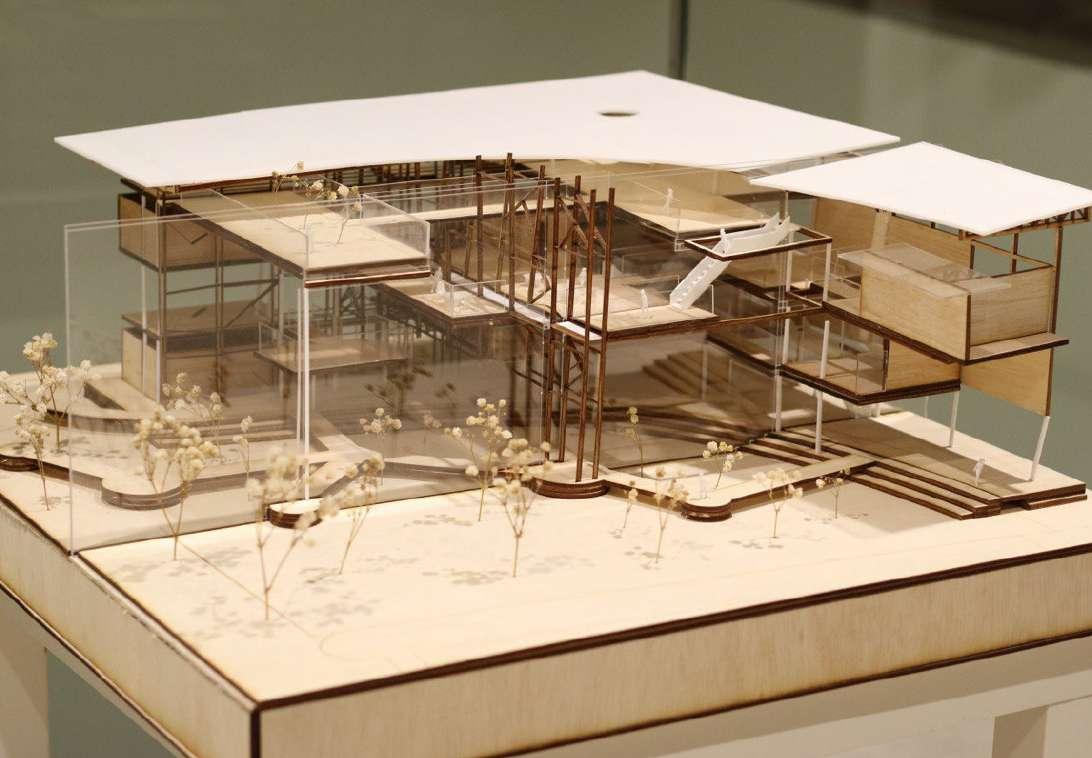
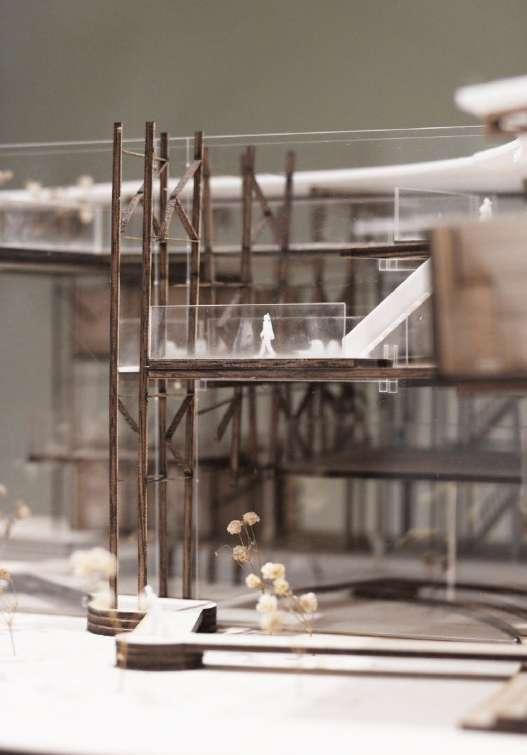
In experiencing our surroundings, we often subconsciously exclude ourselves from our habitat, due to the strong inside-outside divide brought about by the built environment. This architecture begins with the inquiry of how to bring nature in. In this context, the mangrove ecosystem serves as a model for creating a non-intrusive architecture that embraces its adjacent habitat. Reimagining the boundary between site and mangrove, a journey is created for users to closely interact with nature, preparing them for immersion in the mangrove environment ahead.
In this context, the mangrove ecosystem is studied to create a non-intrusive architecture that embraces the adjacent mangrove. It reimagines the boundary between site and mangrove, creating a journey for users to closely interact with nature, fostering an appreciation of the environment. With this mindset, users can go on to fully immerse themselves in the mangrove environment ahead of them. k
human-nature interface
human-nature interface
mangrove cultivation area
allowing the building to flood appreciation of the temporal
exposure to nature
exposure to nature
allowing the building to flood appreciation of the temporal
tidal pool increasing increasing
1. tidal pool
increasing the surface area exposed to the environment increasing interaction with nature
allowing the building to flood appreciation of the temporal
nature
exposure to nature
exposure to nature
increasing the surface area exposed to the environment increasing interaction with nature
nature is invited into the building and integrated into the architecture
1.
2. ecofingers
1. tidal pool
3. islands
2. ecofingers
mangrove cultivation area
3. islands
2. ecofingers
even after the a dialogue architecture,
2 mycoterra
living interactive pavilion
| embracing decay and growth in the life cycle of materials
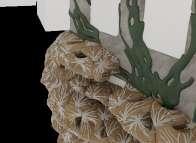
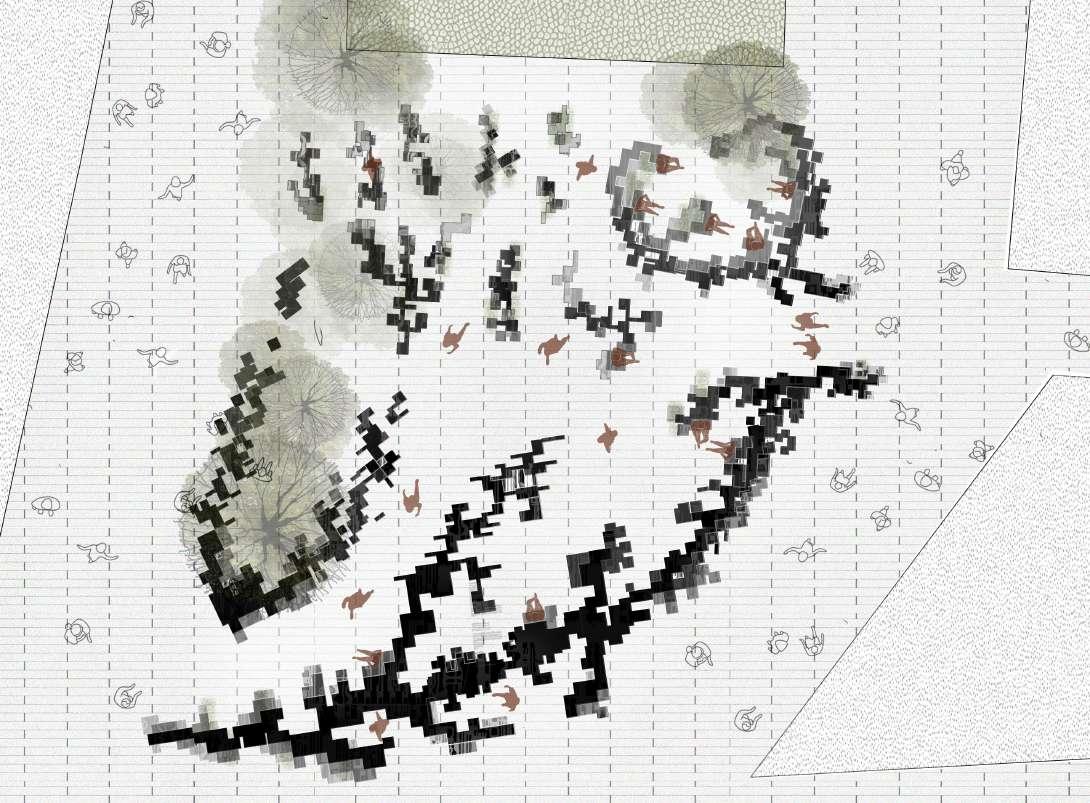
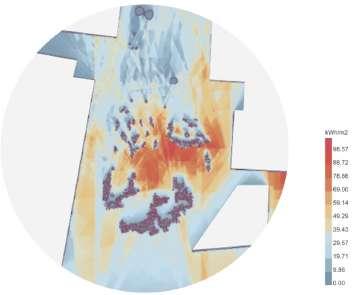
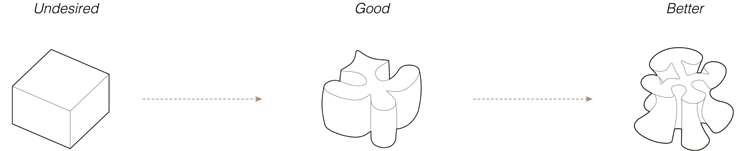
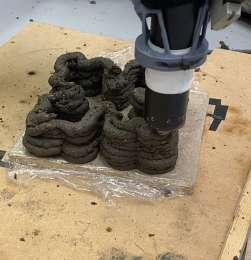
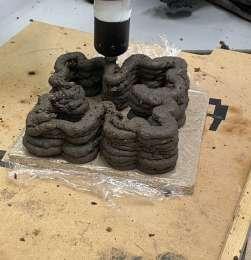
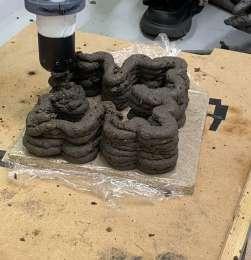
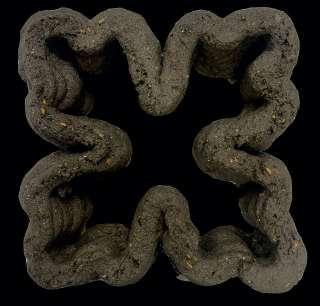
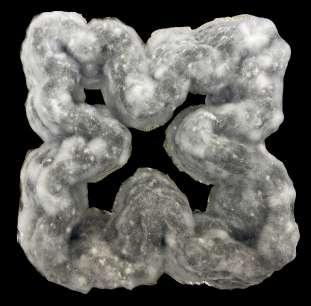
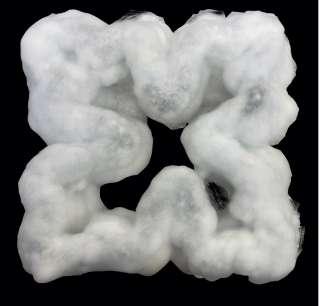
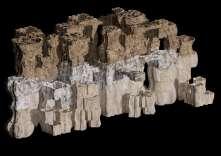
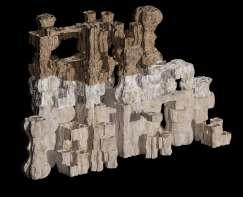
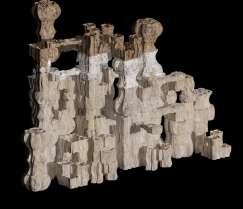
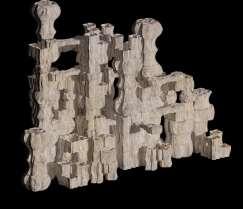
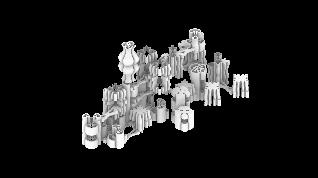
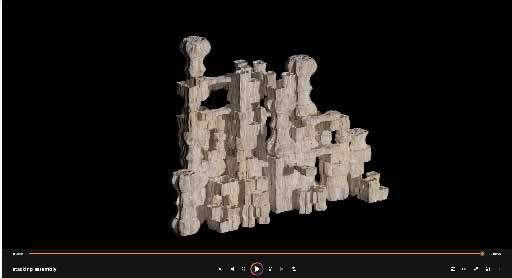
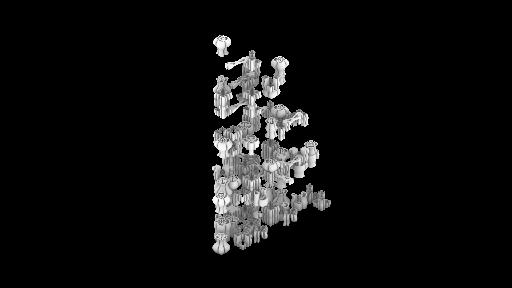
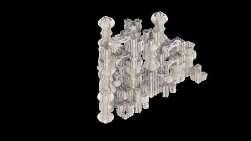
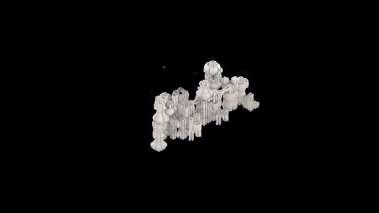
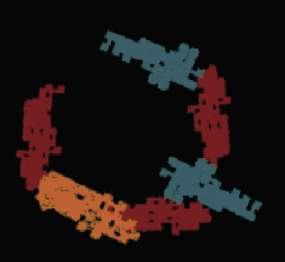
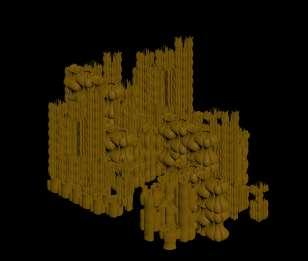
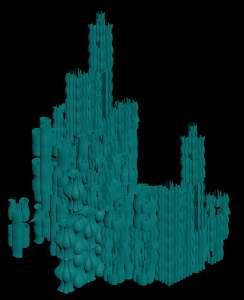
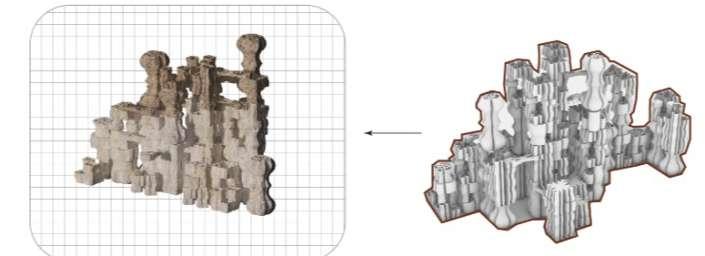
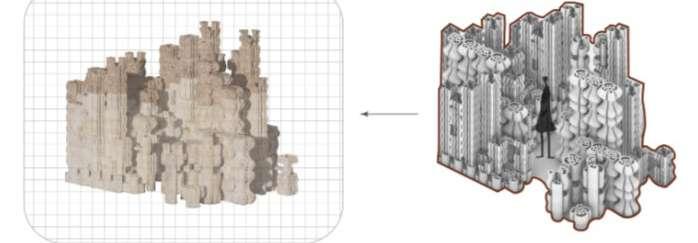
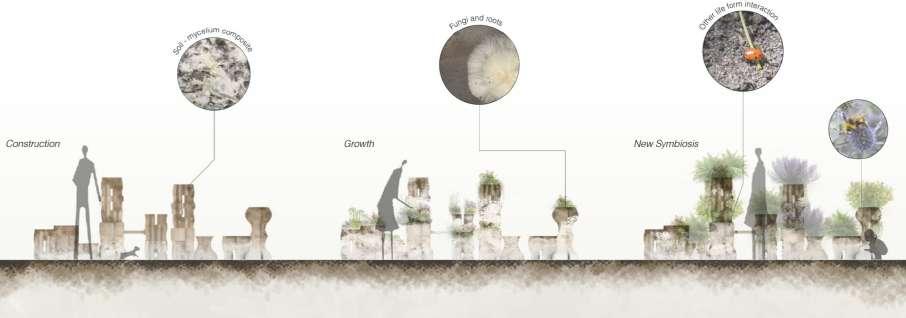
MycoTerra redefines the role of architecture by embracing the life cycles of materials and structures. By fabricating with mycelium and raw earth, MycoTerra encourages a deviation from linear architectural processes, towards a more sensitive, circular approach, through the use of a living material. By exploring the symbiosis between mycelium and soil, distinct microclimatic conditions are created, activating the architecture as a dynamic educational tool that allows visitors to engage with bio-integrated design.
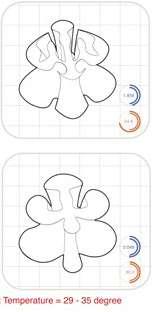
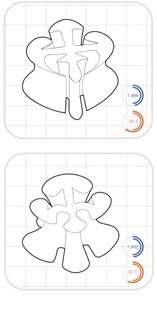
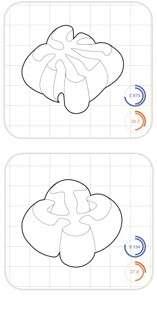
SUMMER 8am-6pm BEFORE AFTER WINTER 8am-6pm
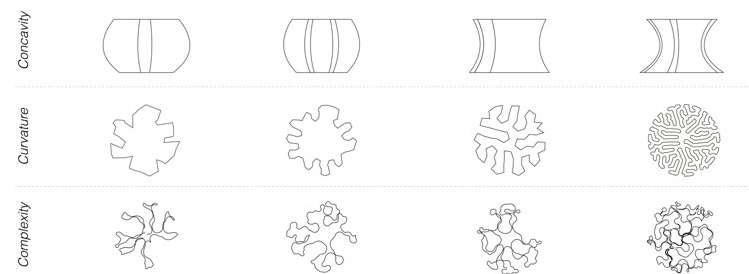
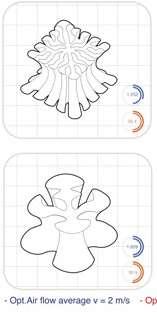
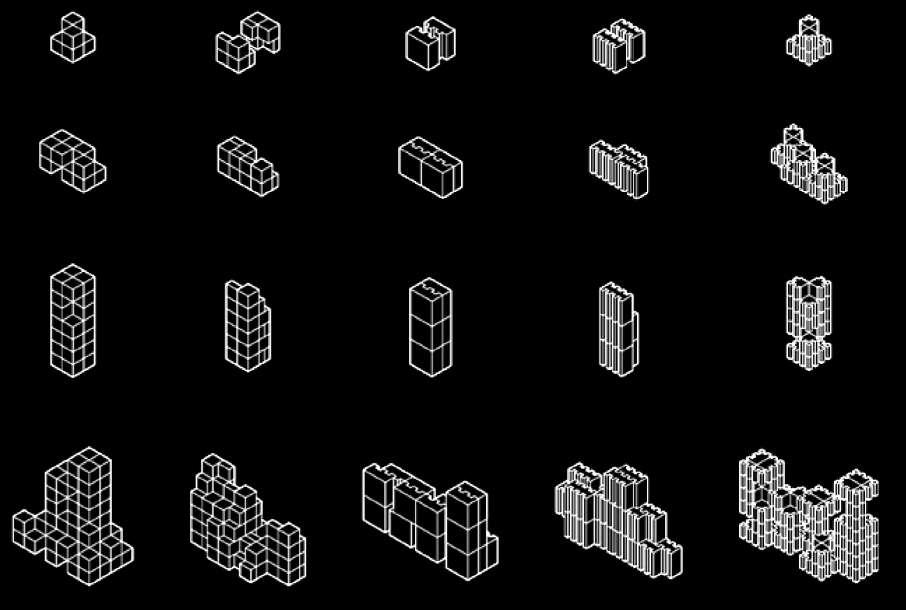
module design development and optimisation
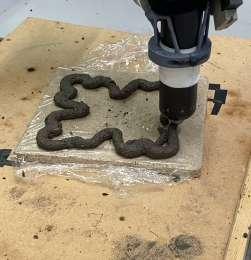
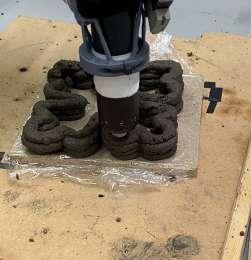
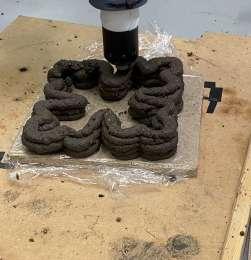
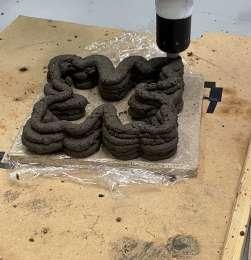
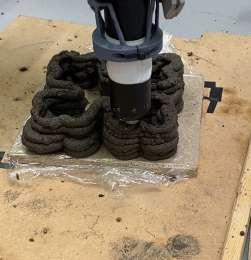
robotically-extruded mycelium (top) and subsequent growth (bottom)
scale. with its ecosystem
In the ecology zone, people will be able to
After
3.4 DESIGN PROPOSAL
RESTING ZONE
In
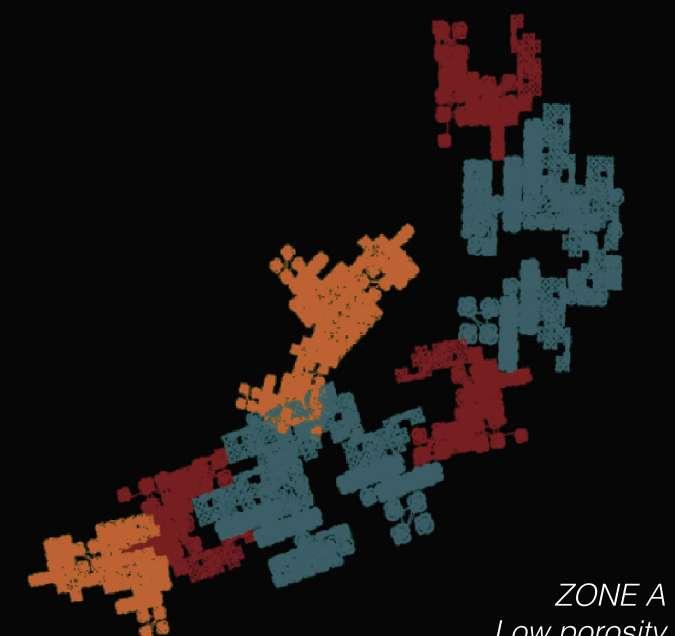
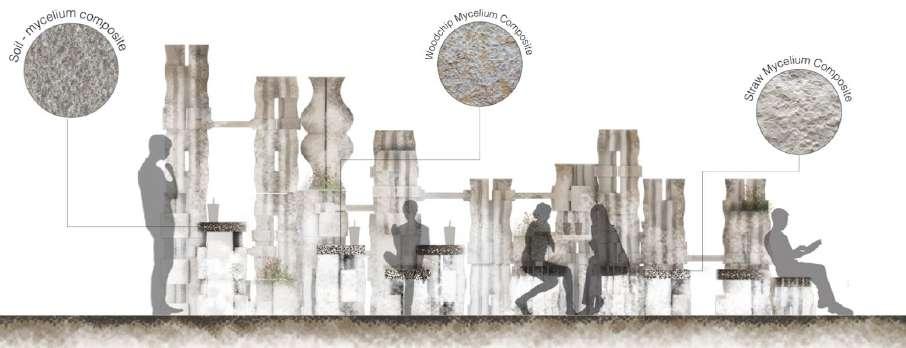
In the resting zones, people can experience the aggregation at a furniture scale. The seating pads are crafted from various mycelium substrate composites, allowing users to experience different material properties by seeing and touching the modules.This interaction also provides insight into how each mycelium composite withstands weathering over time.
3.4 DESIGN PROPOSAL
SHADED GROWTH ZONE
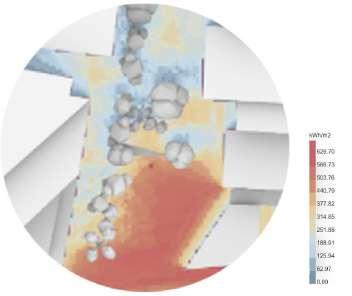
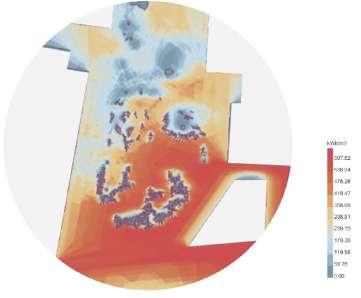
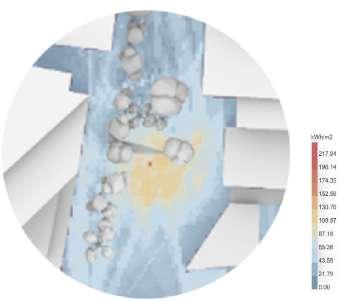
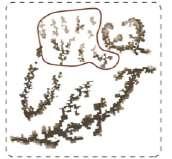
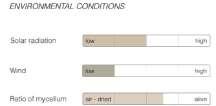
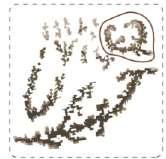
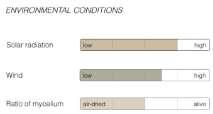
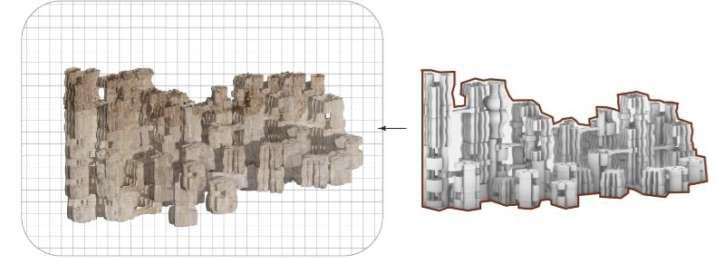
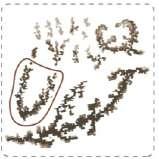
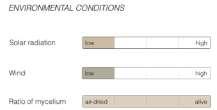
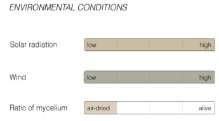
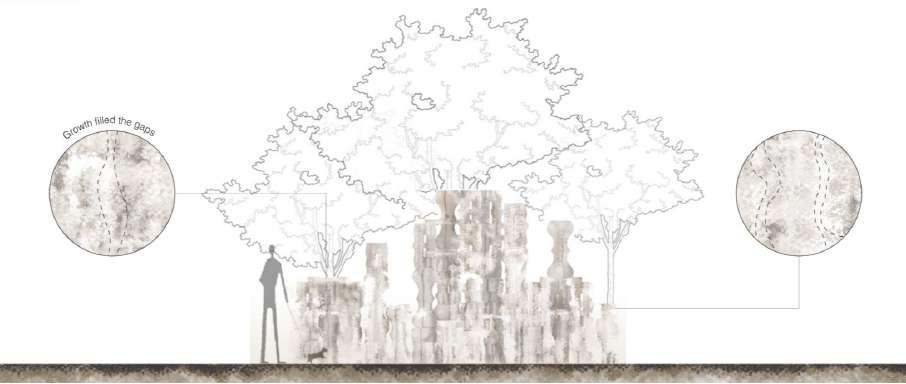
The shaded growth zone utilises the vegetation on site, creating a zone with low solar radiation and low wind that is optimal for mycelium growth. In this zone, people can observe significantly whiter units, and the gaps between modules will be closed due to mycelium growth.
The shaded growth zone utilises the vegetation on site, creating a zone with low solar radiation wind that is optimal for mycelium growth. In this zone, people can observe significantly whiter the gaps between modules will be closed due to mycelium growth.
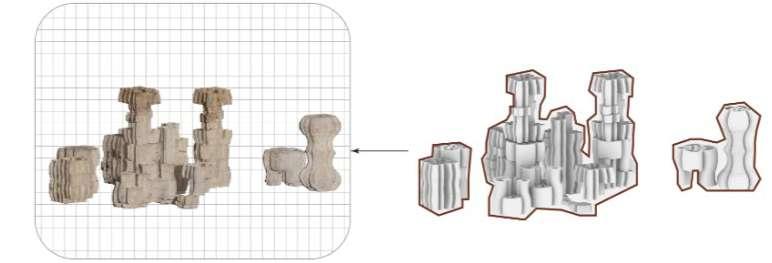
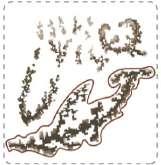
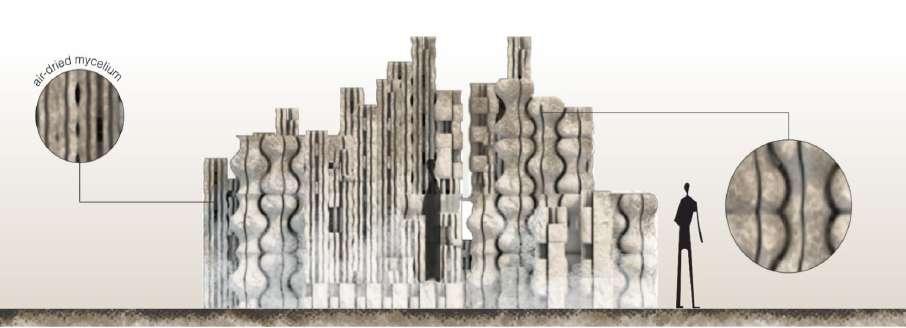
The windy dry zone is designed with the objective to shield the site from the prevailing wind. Due to the high solar and wind exposure, the mycelium in this zone is relatively dry, exposing the gaps between modules. People can enter a densely aggregated area, experiencing a different atmospheric condition that is unique to this zone.
WINDY & DRY ZONE
3.4 DESIGN PROPOSAL
The
In the resting zones, people can experience the aggregation at a furniture scale. The seating pads are crafted from various mycelium substrate composites, allowing users to experience different material properties by seeing and touching the modules.This interaction also provides insight into how each mycelium composite withstands weathering over time.
The windy dry zone is designed with the objective to shield the site from the prevailing wind. Due to the high solar and wind exposure, the mycelium in this zone is relatively dry, exposing the gaps between modules. People can enter a densely aggregated area, experiencing a different atmospheric condition that is unique to this zone.
WINDY
3.4
3 agropolis
urban masterplanning and revitalisation
| towards agrarian urbanism through weak architecture
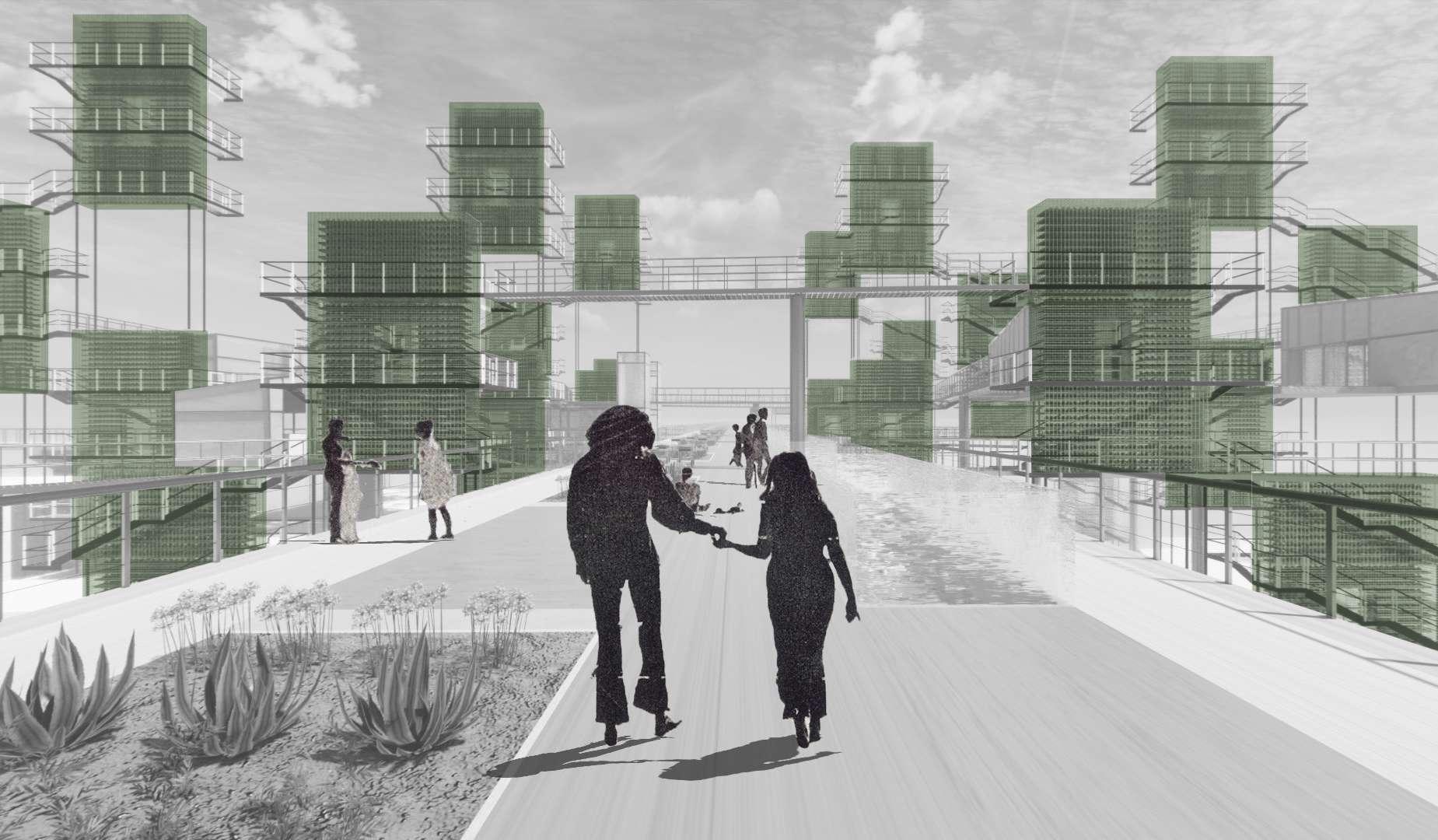
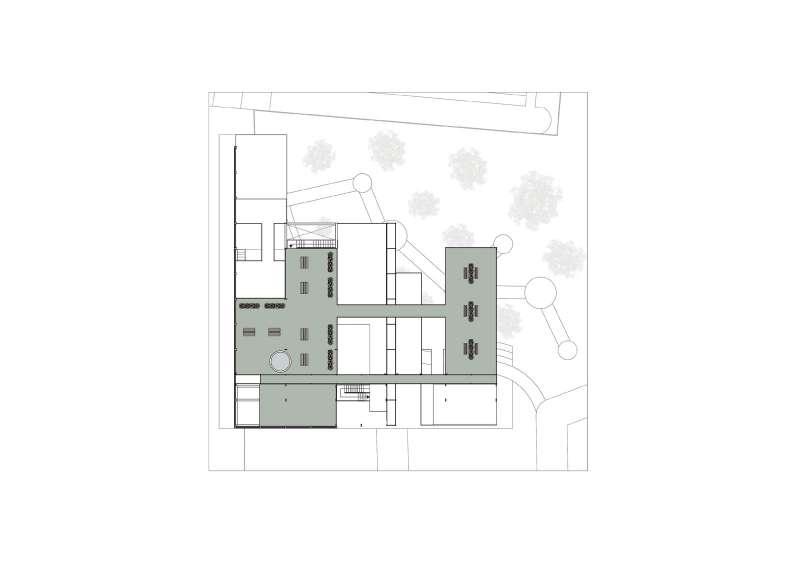
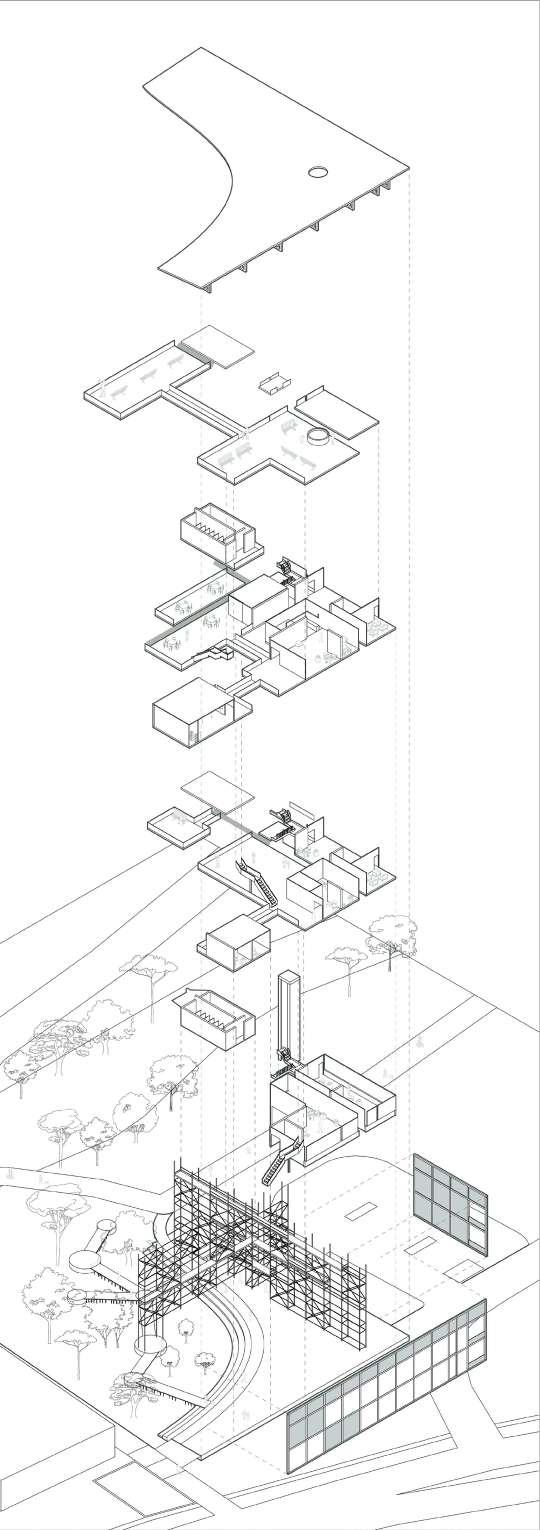
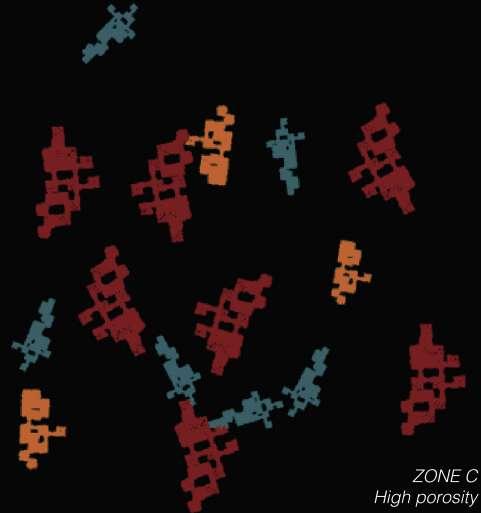
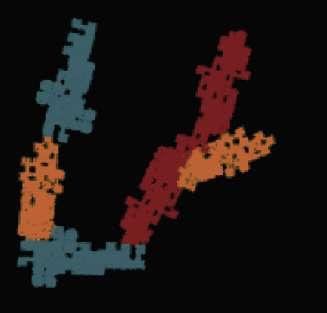
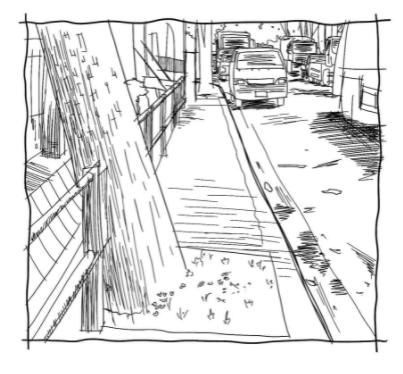
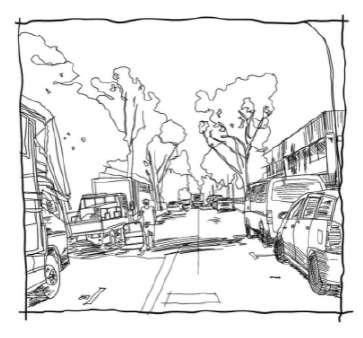
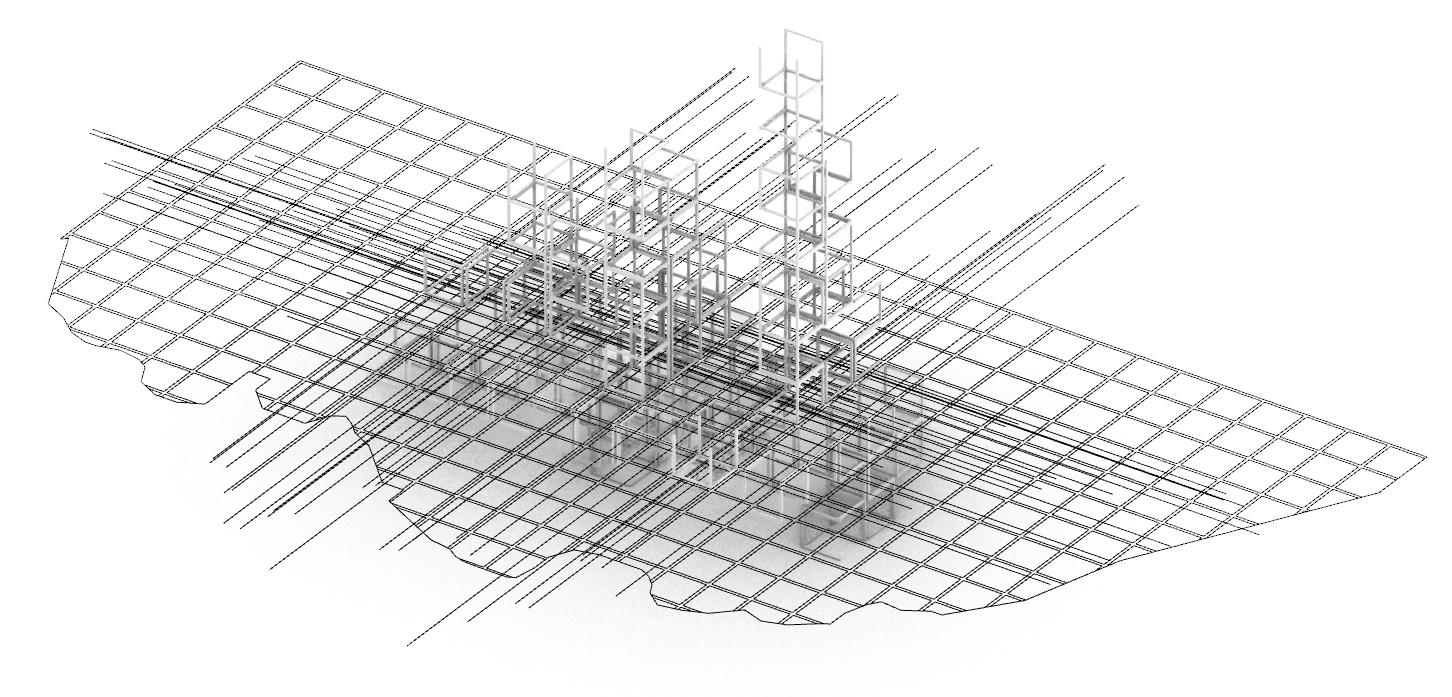
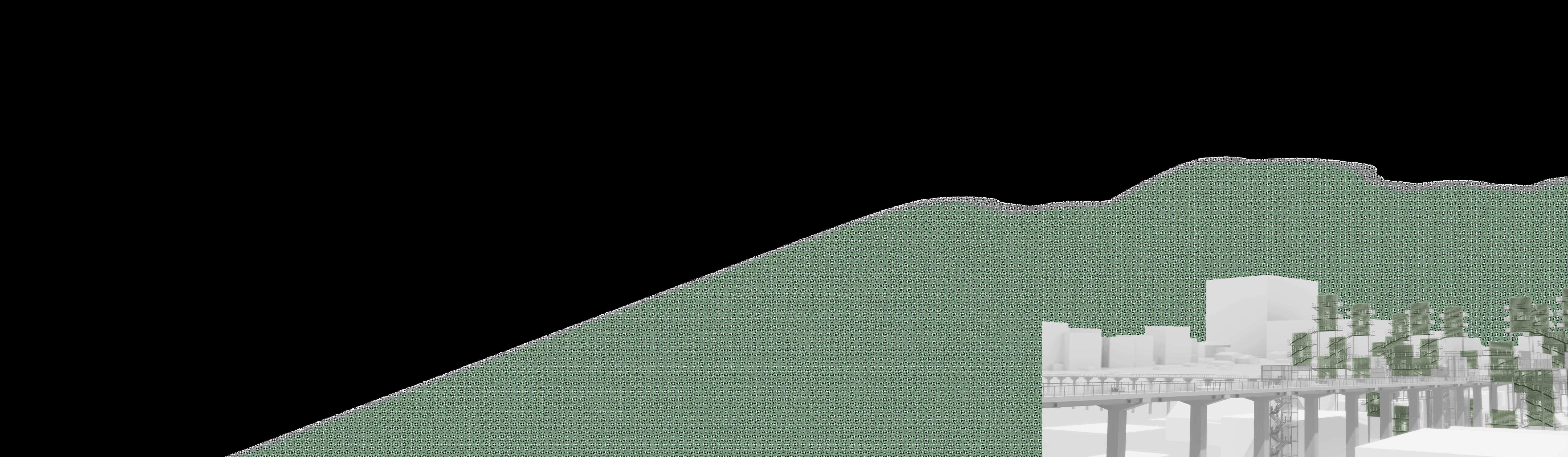
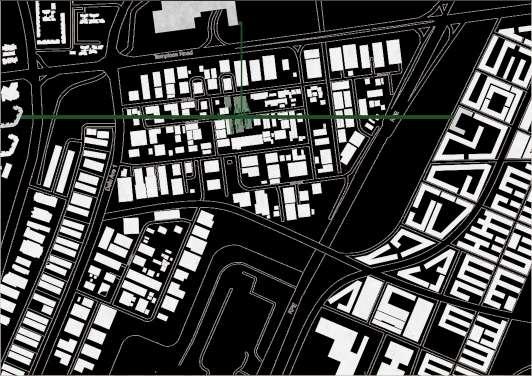
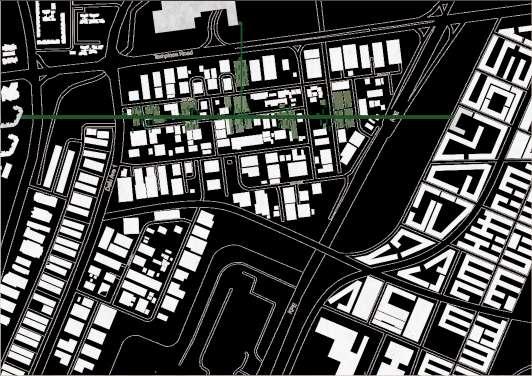
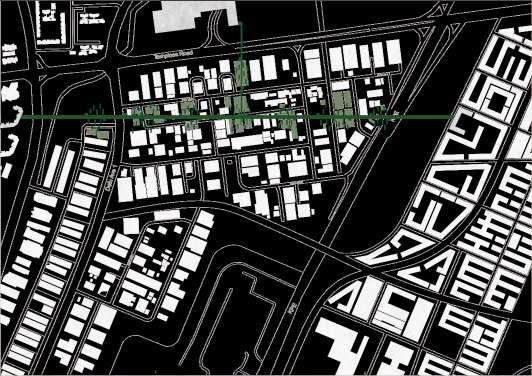
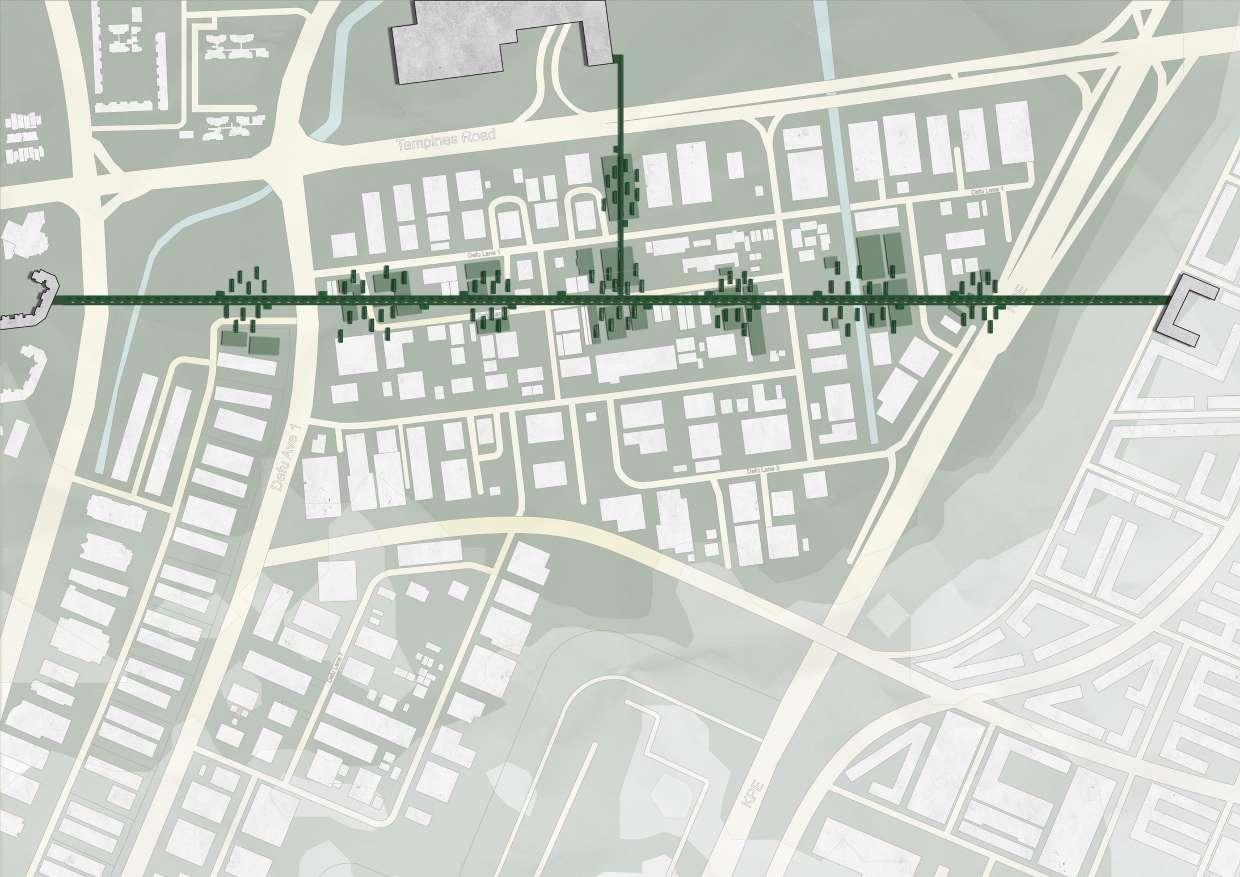
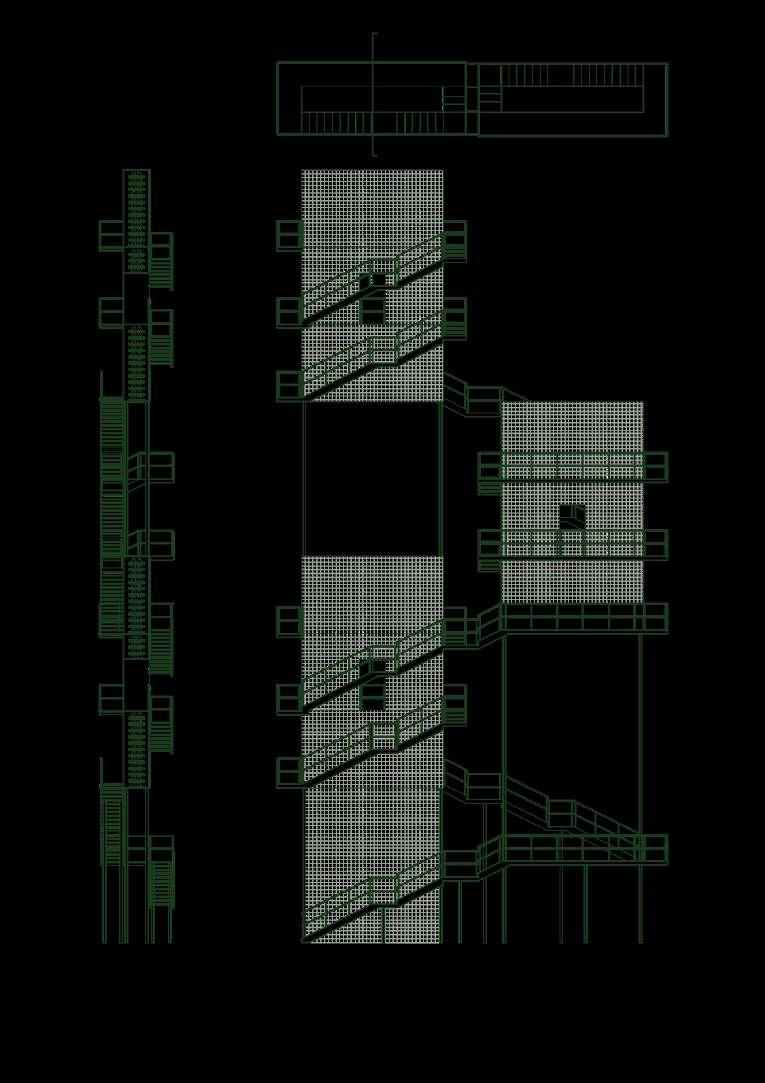
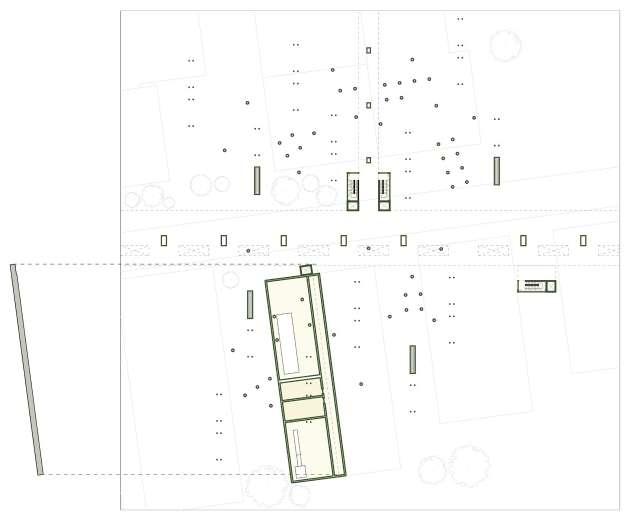
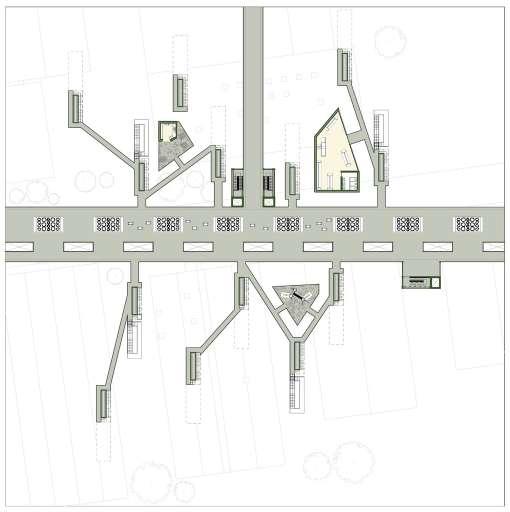
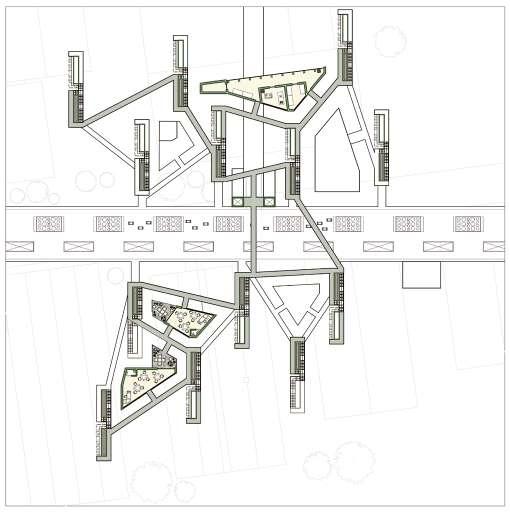
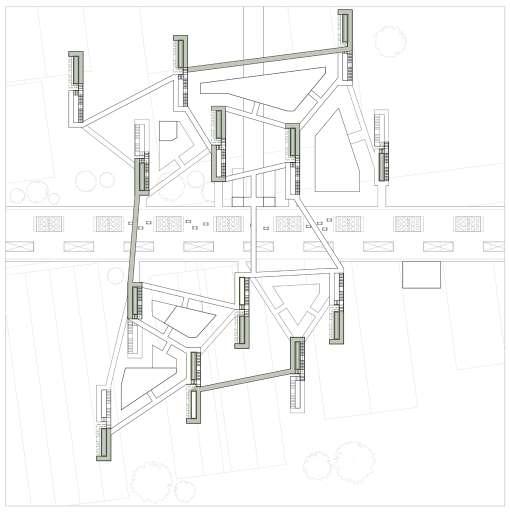
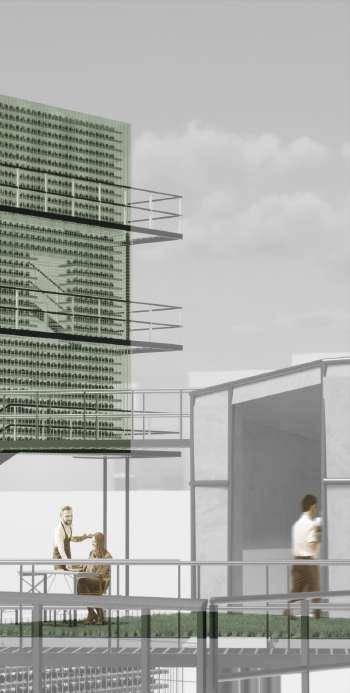
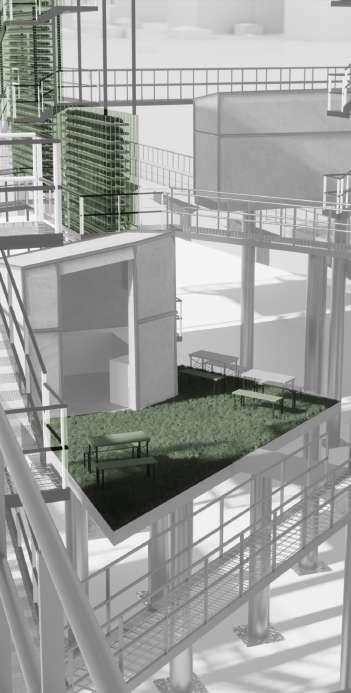
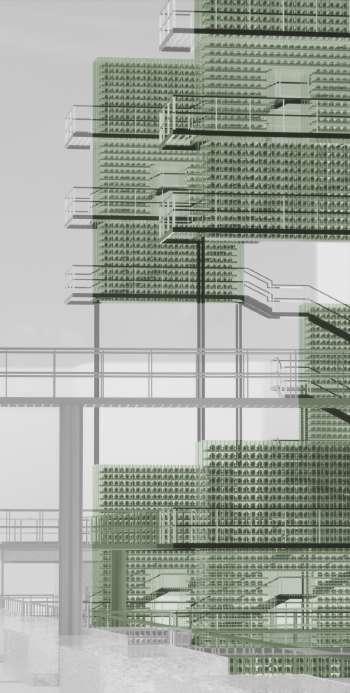
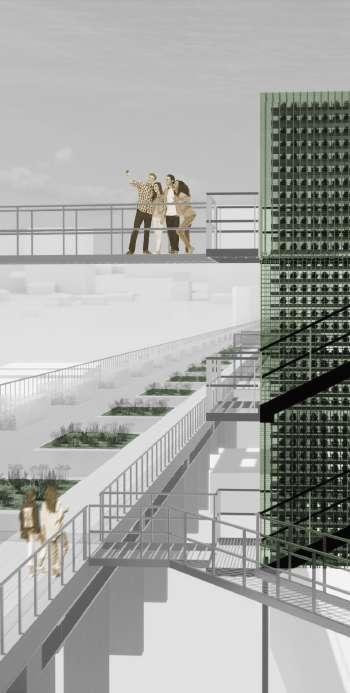
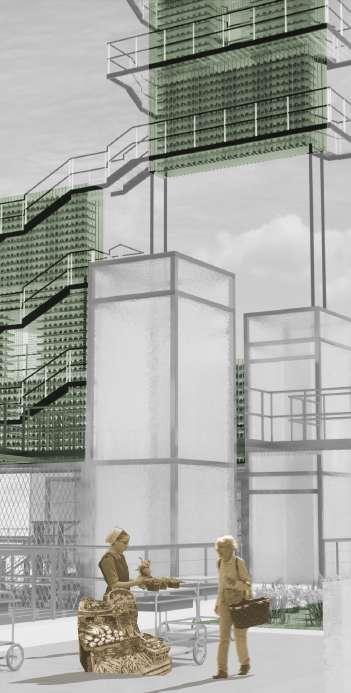
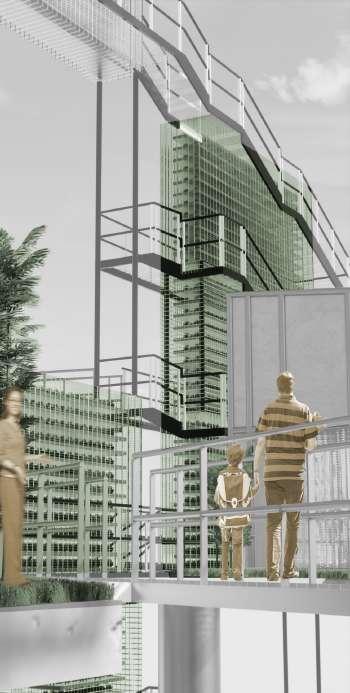
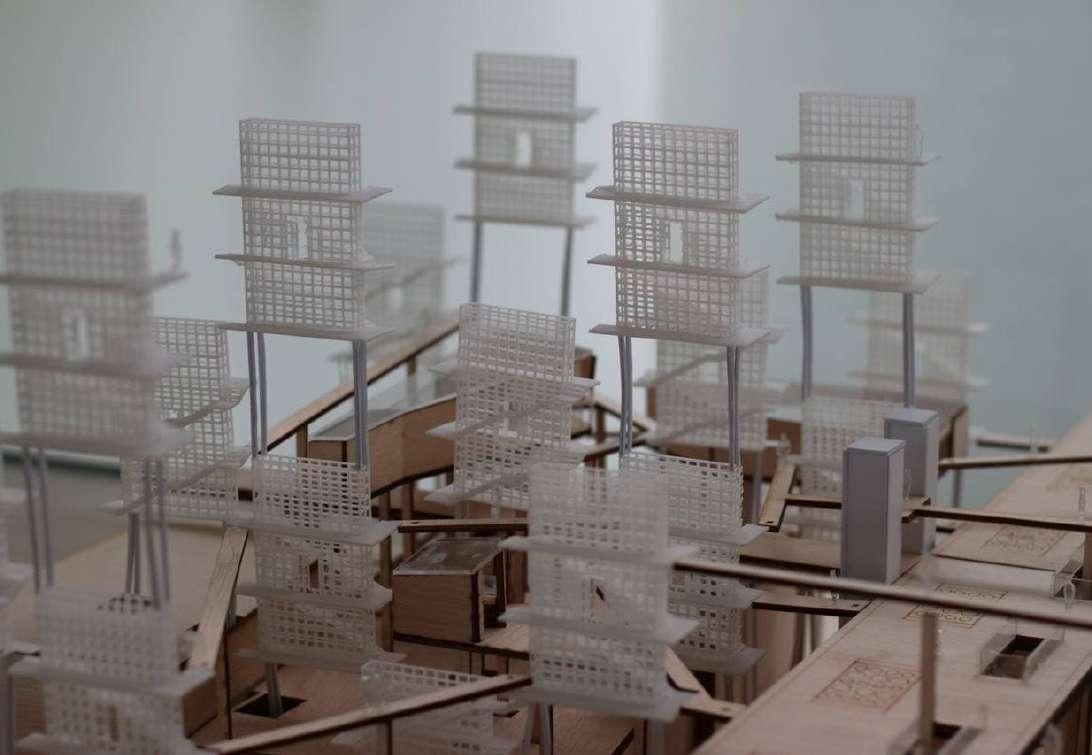
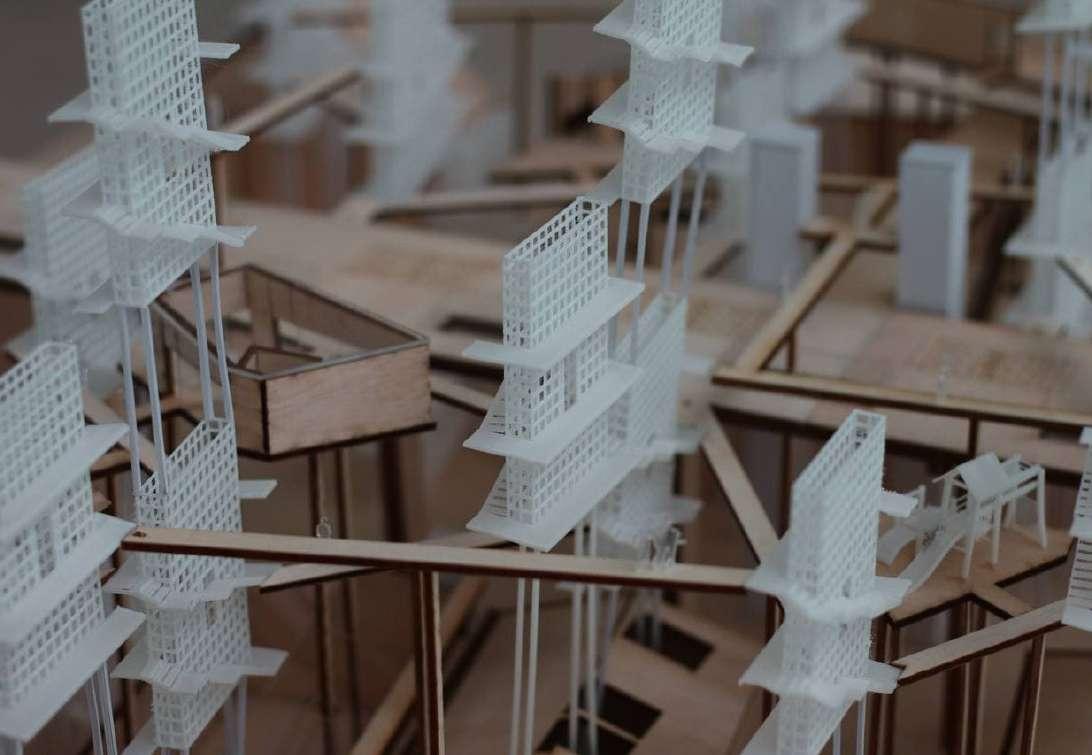
Agropolis challenges the rational urban planning in Singapore that compartmentalises functions into rigid zones. It catalyses the growth of urban farms across the current Defu Industrial Estate, in an attempt to reconcile the site with its past, reforming the current urban industrial site into one of agrarian urbanism. The hybrid architecture that results from the relationship of its parts is half urban, half agricultural, yet remaining weak, fragmentary and traversable. It posits a solution for Singapore’s “30 by 30 goal” despite its land constraints, in a future where technology is well-integrated into our lives.
1:100 scale
1. composting plant 2. offices
biomass plant
cafe 5. agricultural supply store
playground 7. vegetable packing house 8. community classrooms
high-end residential
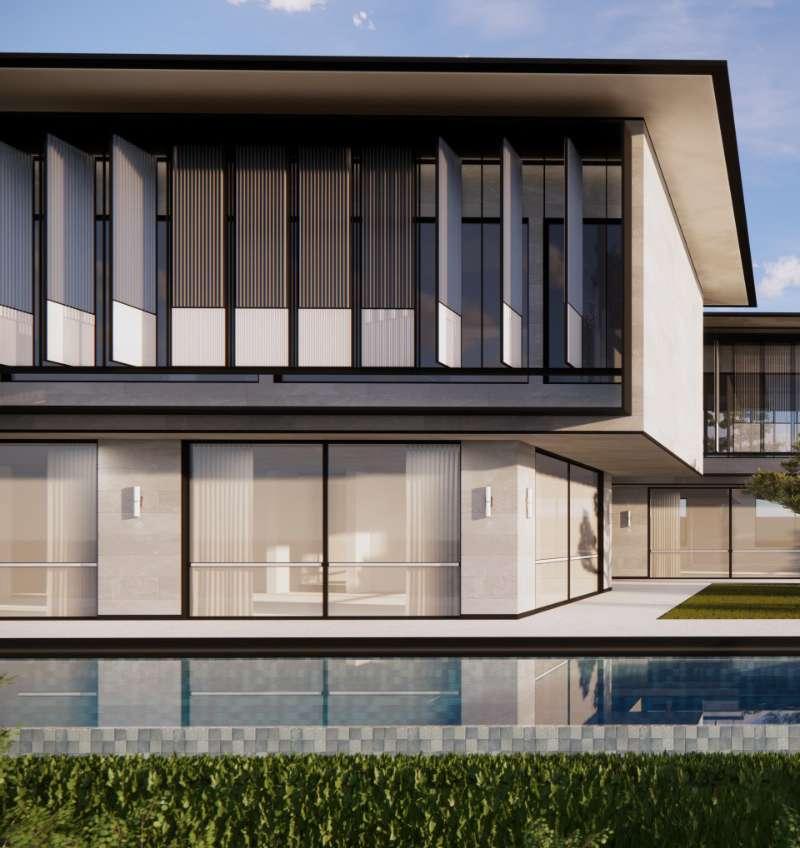
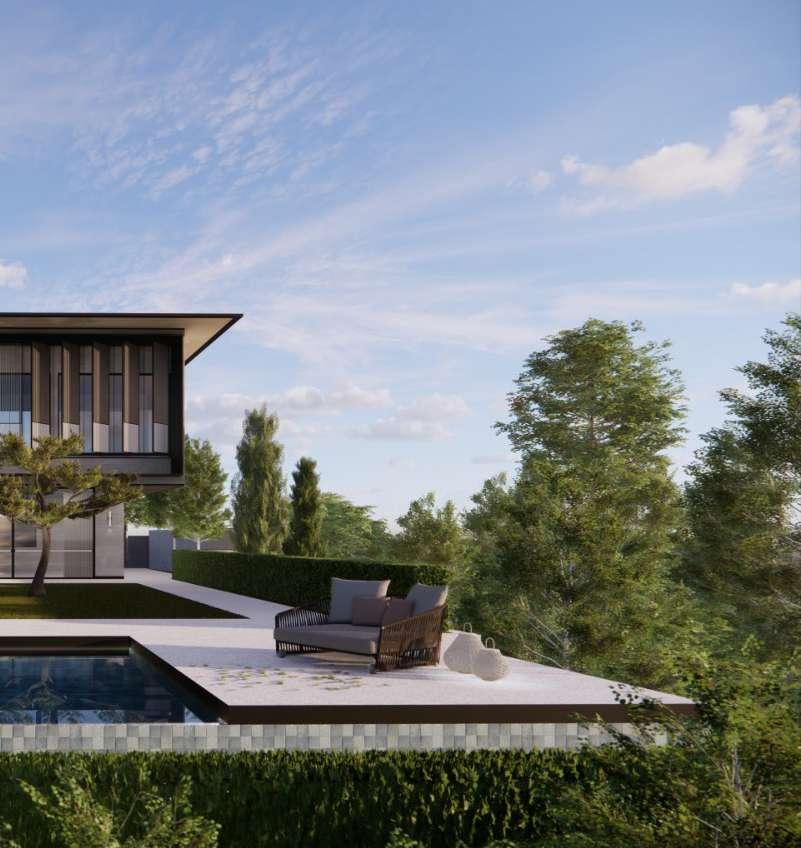
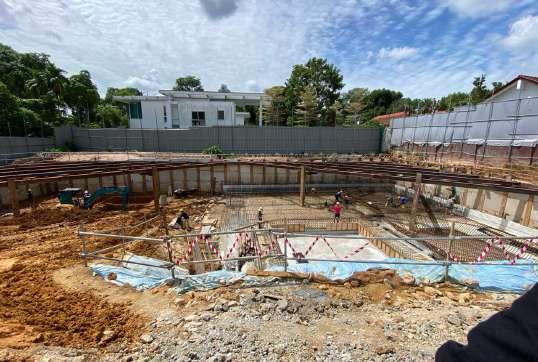
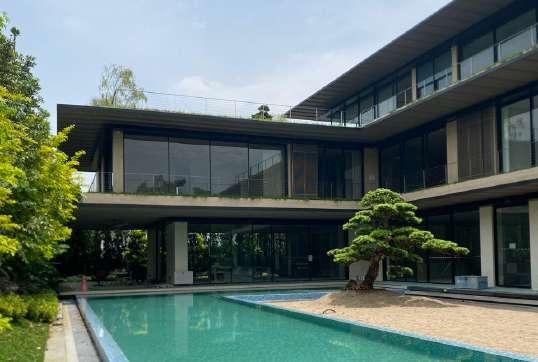
k2ld architects | architectural assistant
Main responsibilities:
1. Producing construction drawing packages and detailed drawings using AutoCAD
2. 3D modelling and rendering with SketchUp, Enscape, and Adobe CS
3. Coordination with contractors and suppliers to ensure smooth project delivery
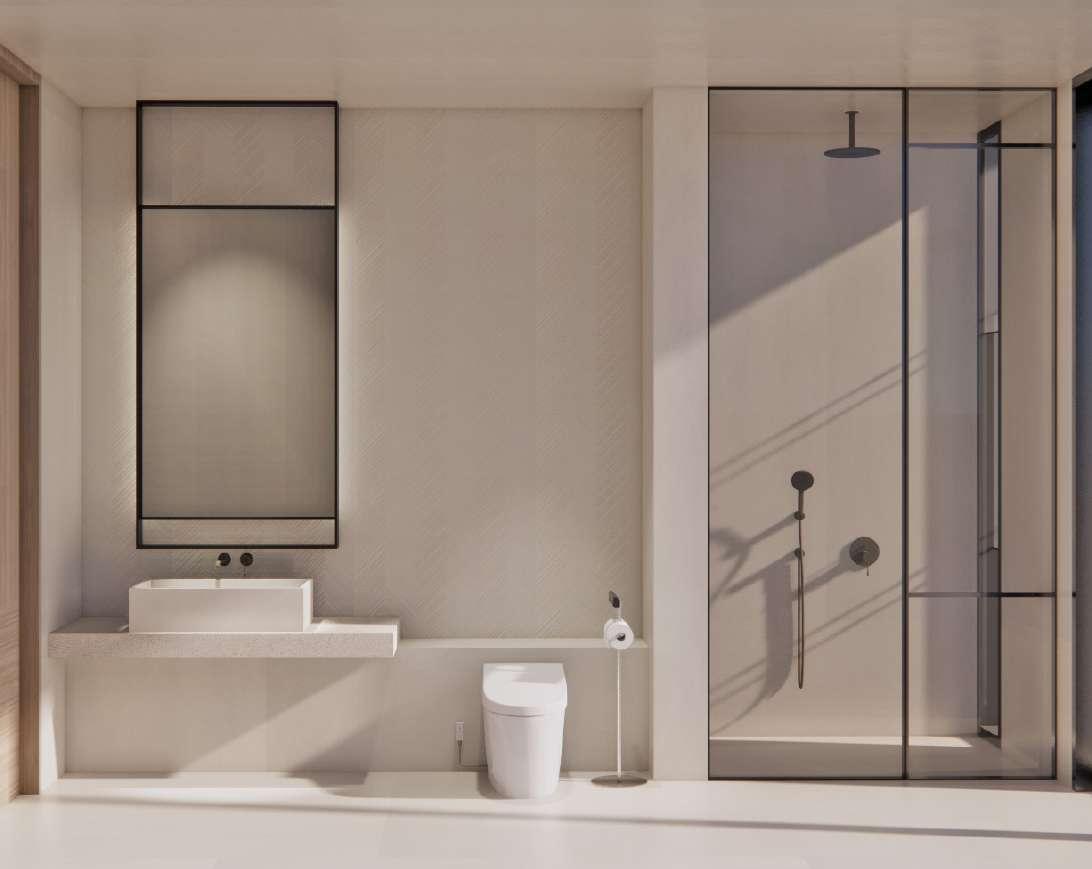
house @ bukit timah: bathroom render (top), 2022 (left), 2024 (right)
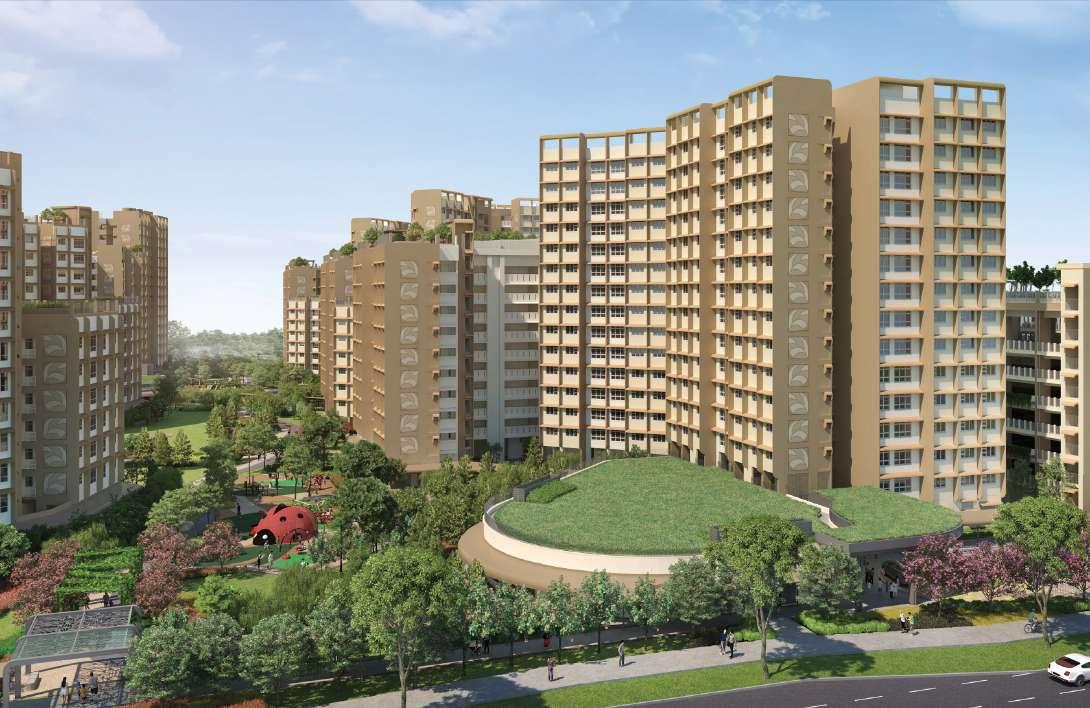
2 public housing
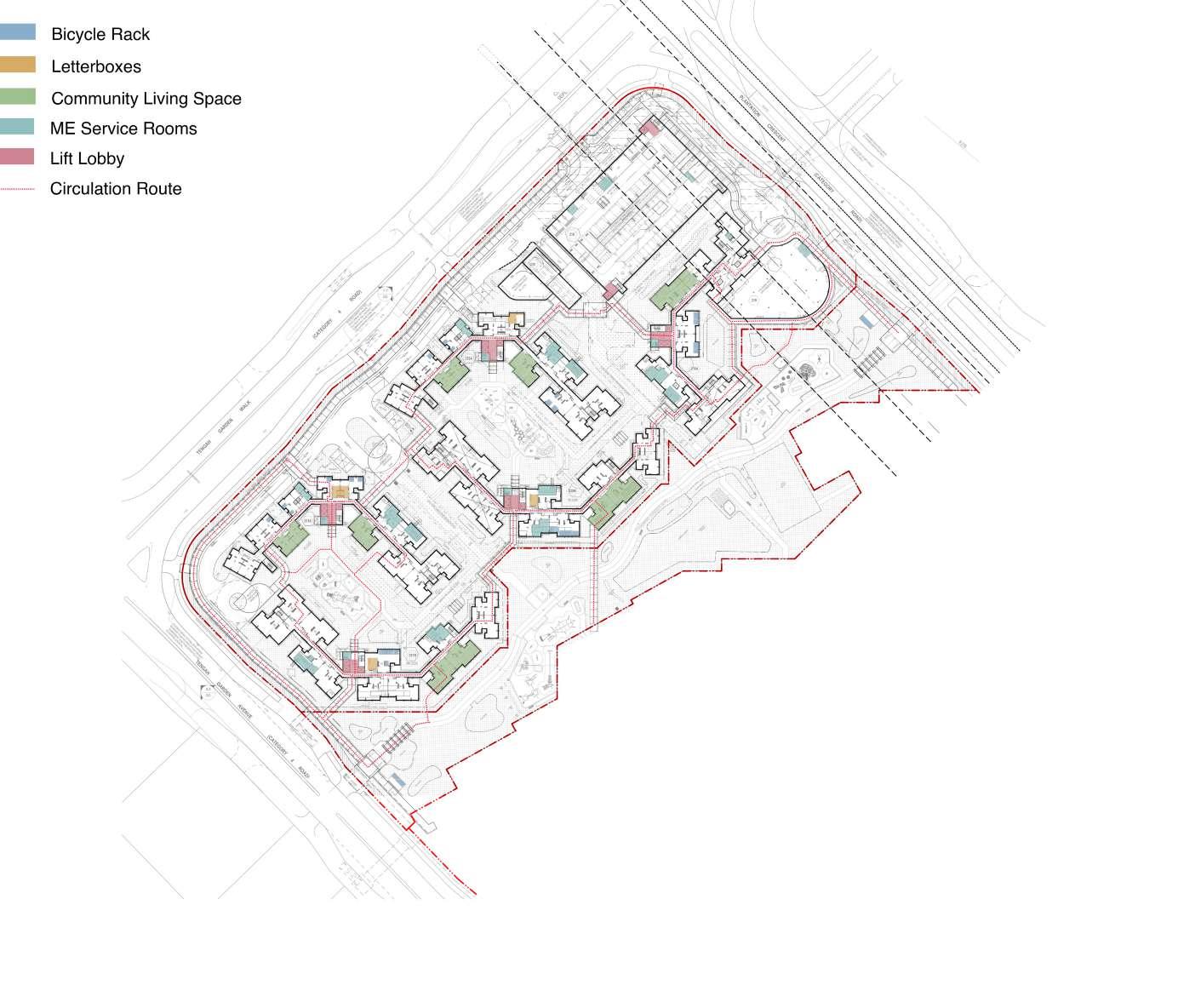
surbana jurong | architectural assistant
Main responsibilities:
1. Conducted feasibility studies and ensuring compliance with BCA Green Mark standards (green building benchmark) using Excel
2. Neighbourhood mastermapping using Adobe CS, iterating programmatic layouts in AutoCAD
garden court @ tengah: render by others (top), mastermap by me (bottom) public
1 the study shrine
03 freelance personal design project
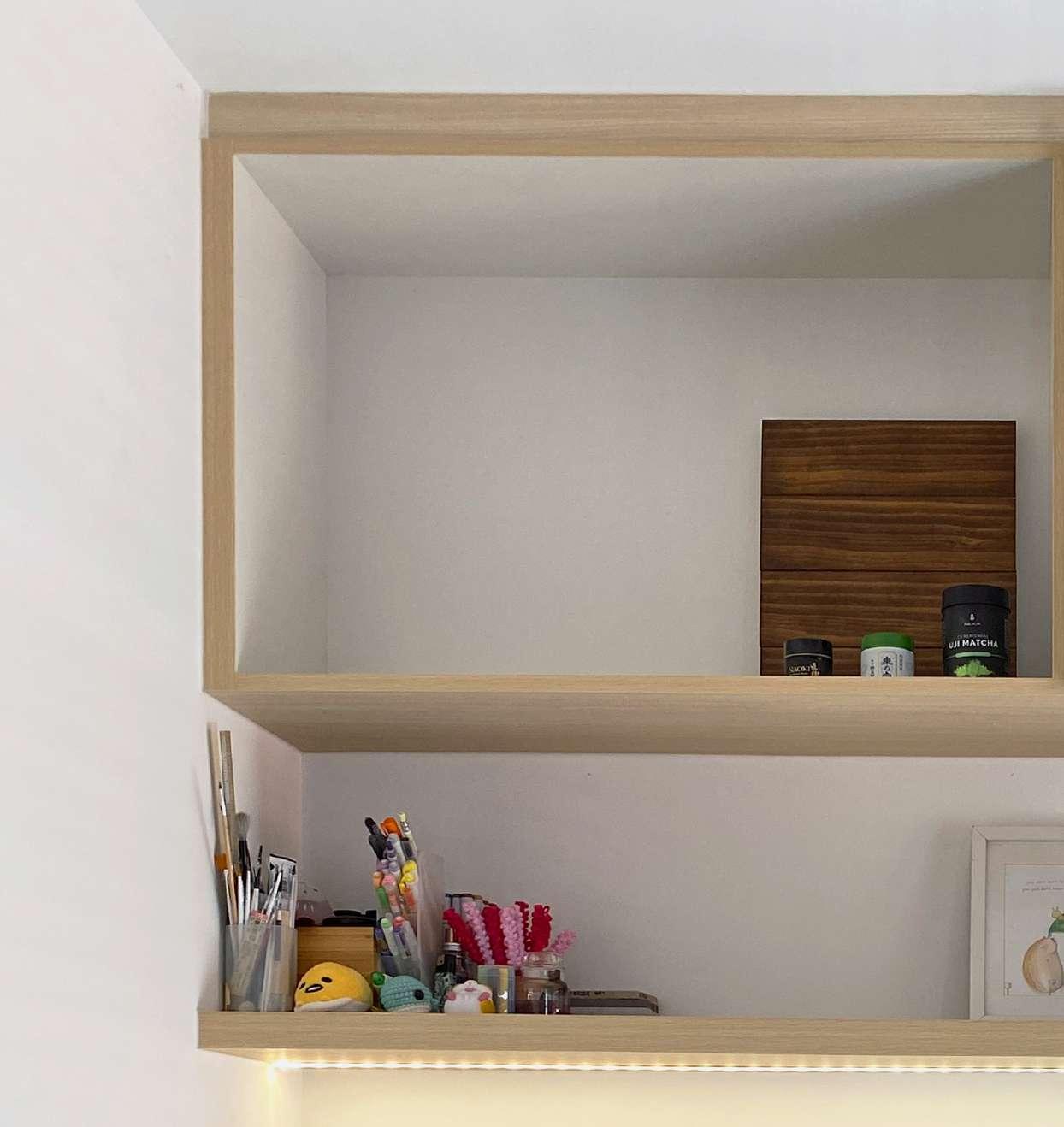
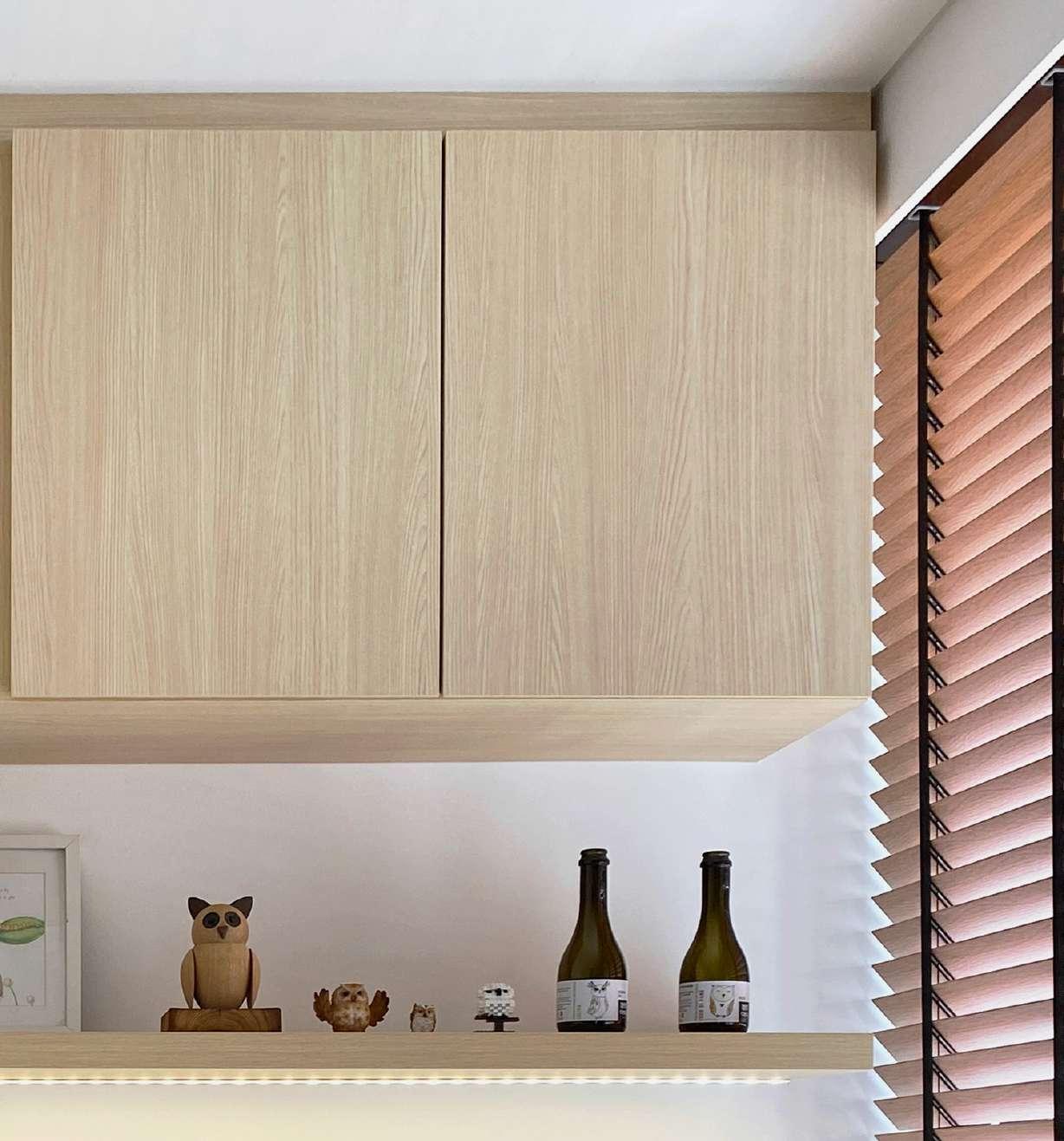
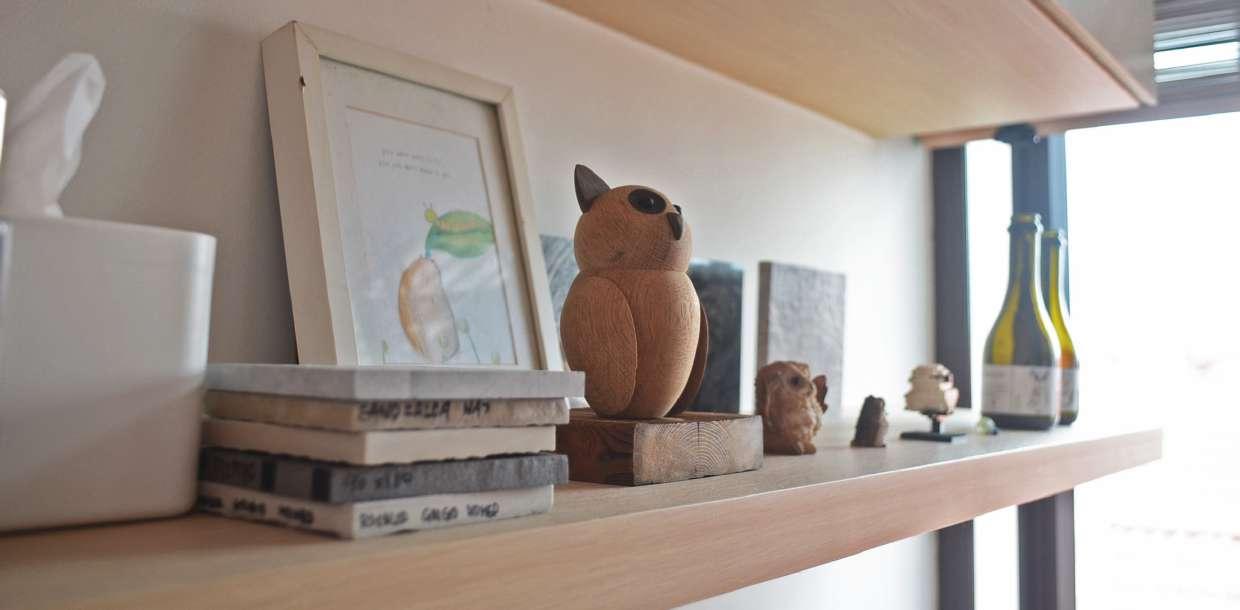
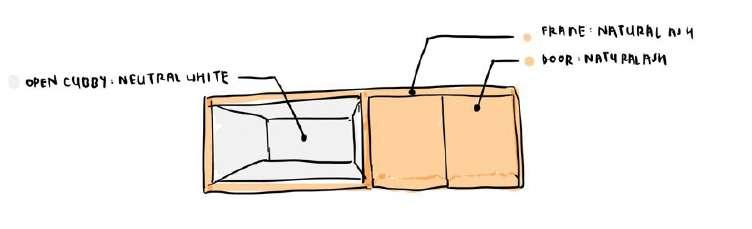
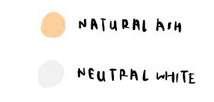
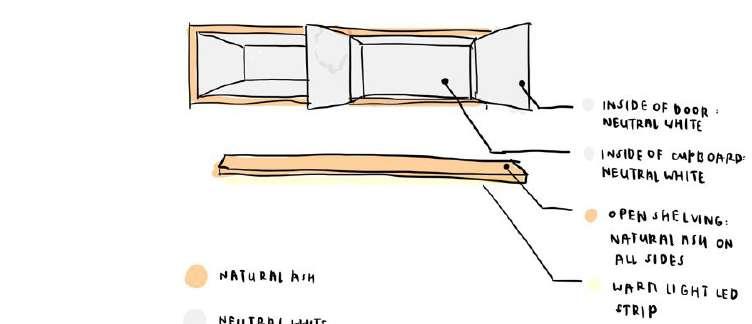
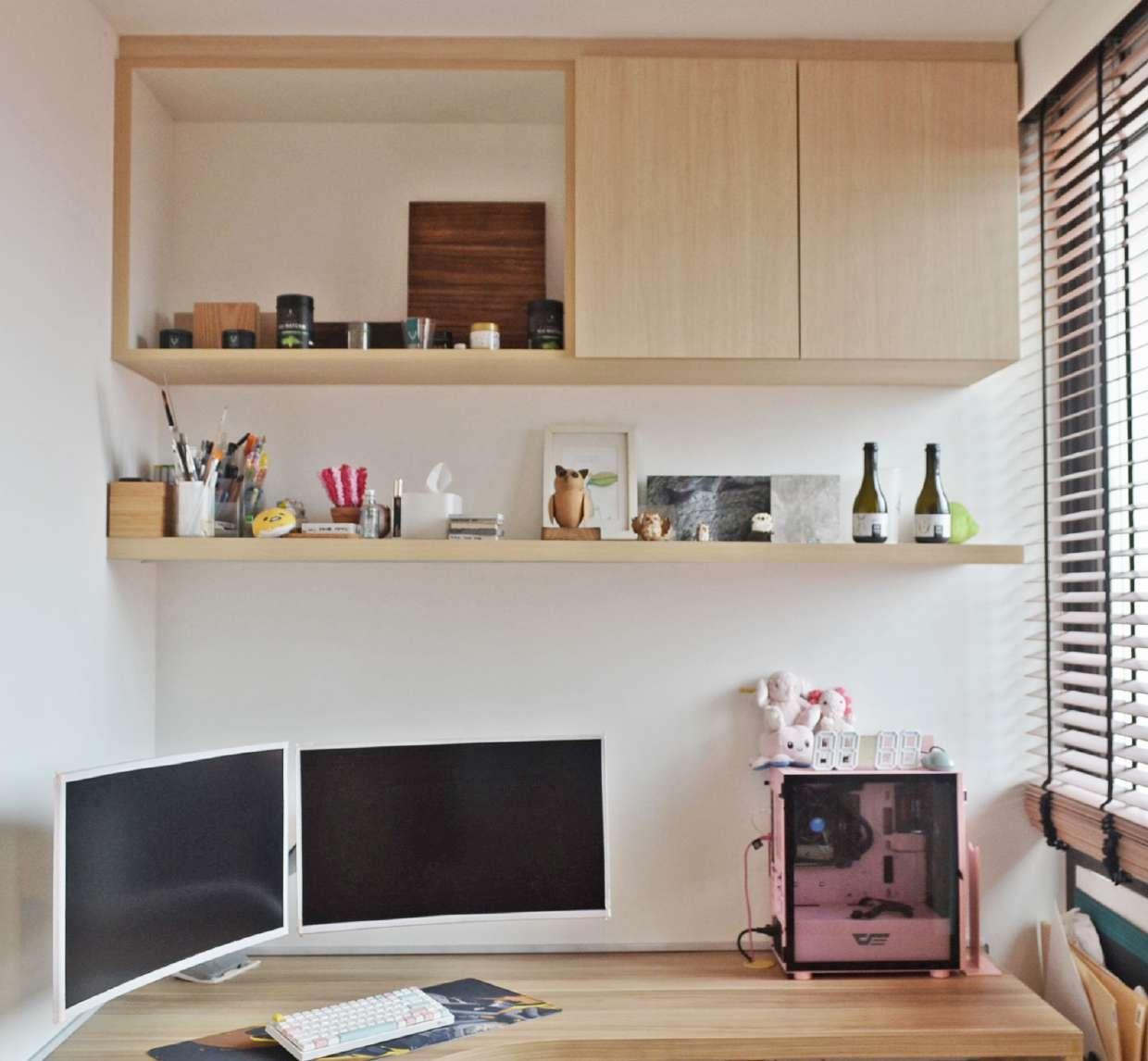
I took on this mini project in 2023 to make my workspace more conducive. The design was birthed out of my desire for seamless workspace lighting, without the visual clutter of a desk lamp. It evolved into an integrated lighting and storage solution that also allowed me to display my favourite items, ultimately becoming the favourite part of my room.
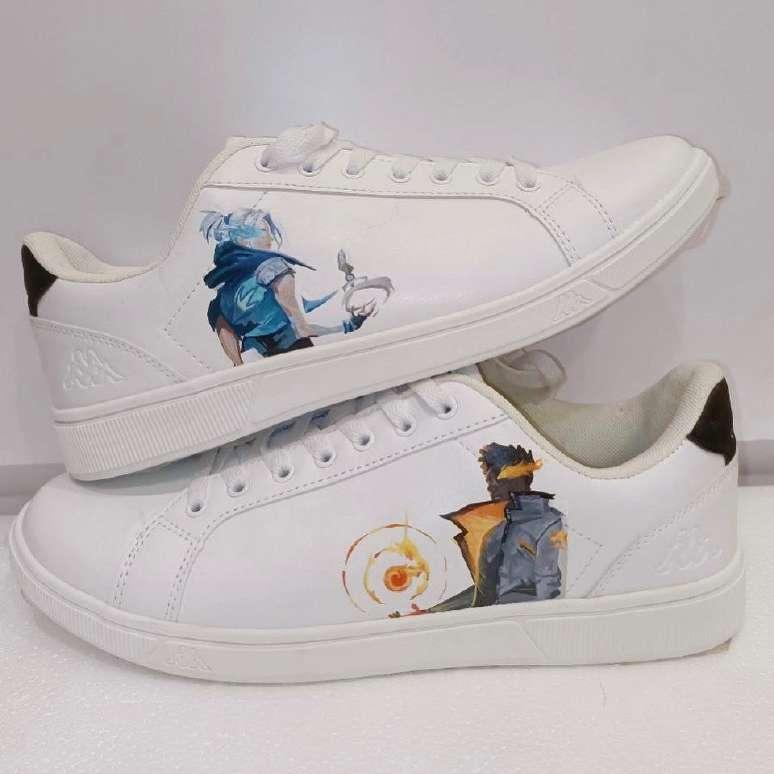
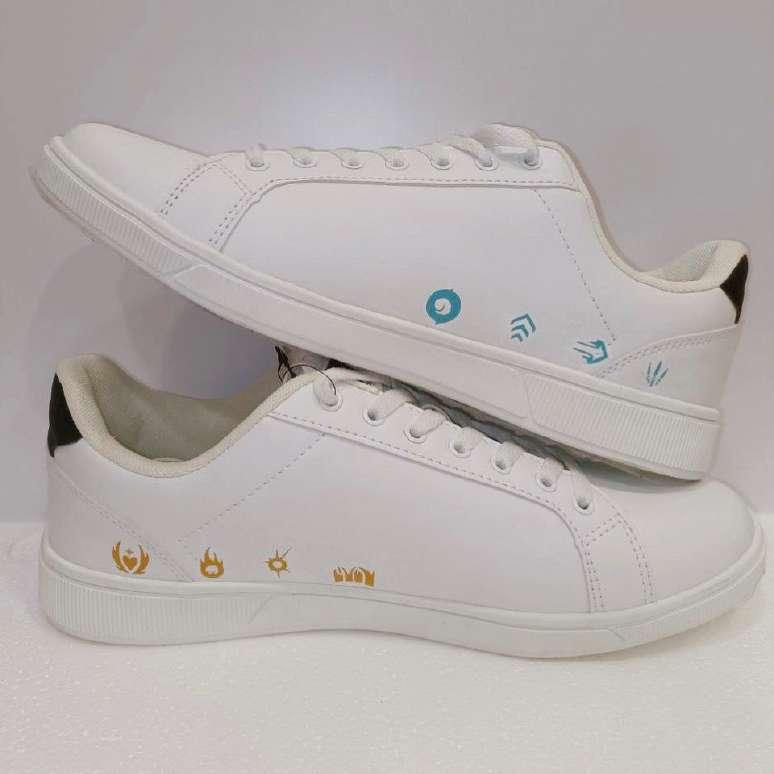
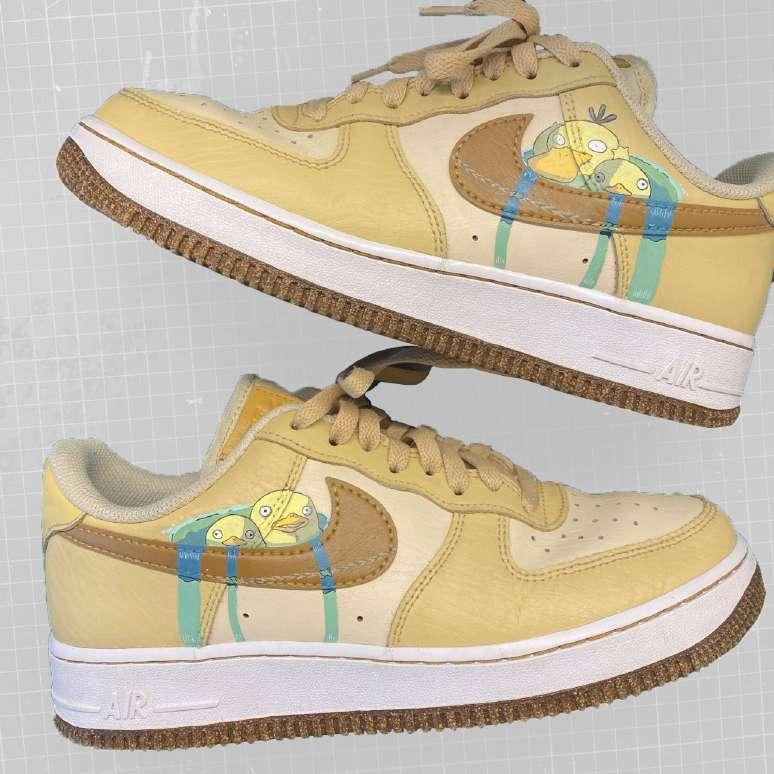
2 custom sneakers
bespoke hand-painted designs
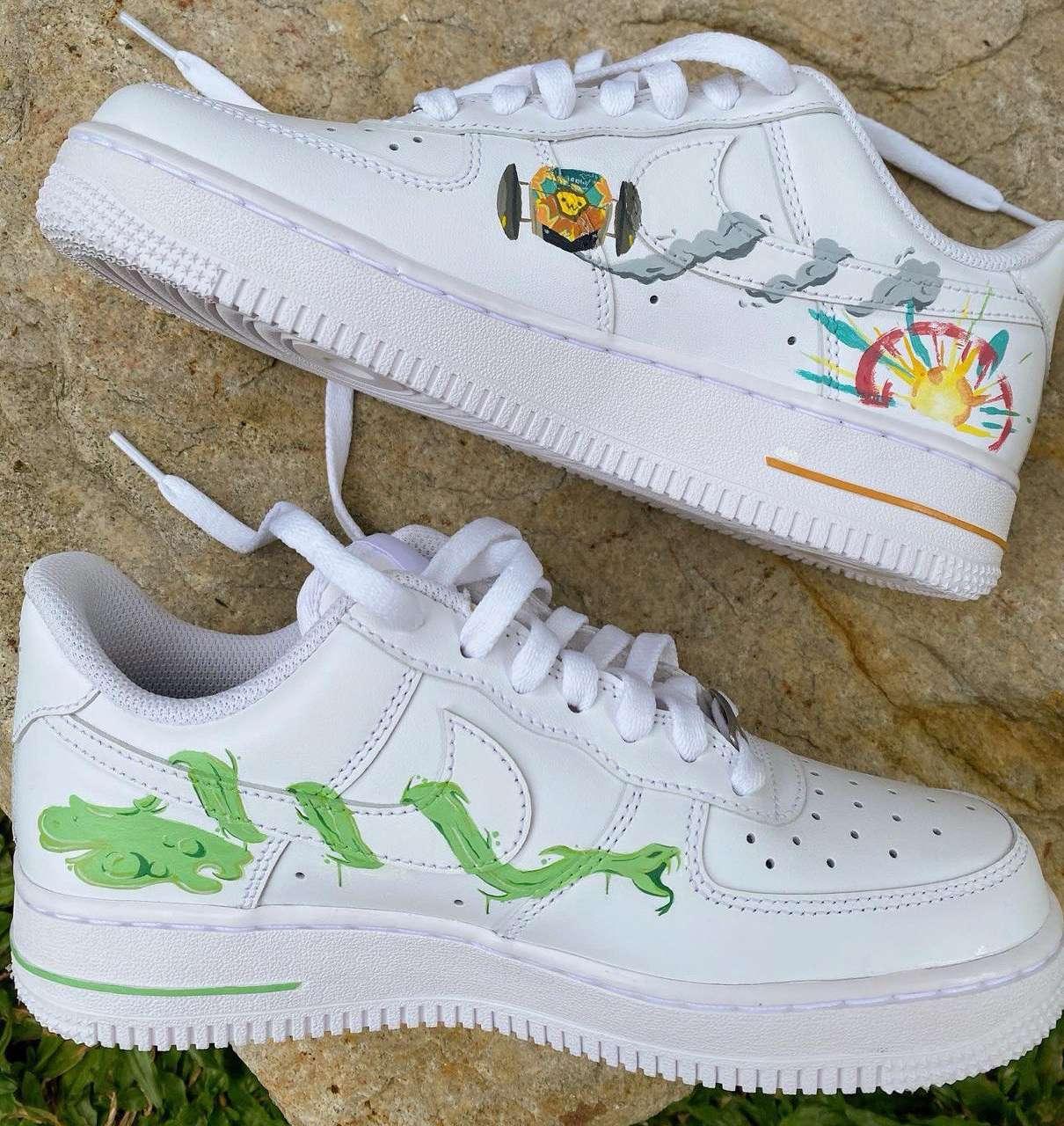
I enjoy the process of discussing with customers the designs they have in mind, before creating the final product for them. Choosing to work without stencils is more time-consuming and tedious, but I am always eager to take up the challenge of being precise. Spending the time to ensure accurate proportions and colour also allows me to feel more in tune with my craft, and forms a more meaningful connection with my work, as no two products will ever be the same.