Log Home Chats


Maintenance Tip of the Month
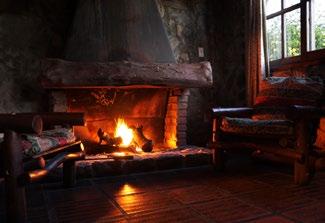
Check and clean your chimney and flue before your first fire of the season. A professional inspection ensures safety and efficiency, giving you peace of mind on those cold nights.
Autumn moisture brings a hidden threat: the freeze/ thaw cycle. Trapped water freezes and expands inside logs, damaging wood and the finish from within. Pay close attention to vulnerable areas like log ends, lower logs near the ground, and spots directly under rooflines.
• Dark, damp spots on wood.
• Gaps or cracks in sealant.
• Upward-facing checks that hold water.
• Finish that allows water to soak in.
• Apply a dedicated sealant to log ends.
• Use flexible sealant to fill large, upward-facing checks.
• Repair and touch up any failing chinking or sealant.
Sealing these entry points protects your logs, ensuring your home stays beautiful and secure through winter. ■
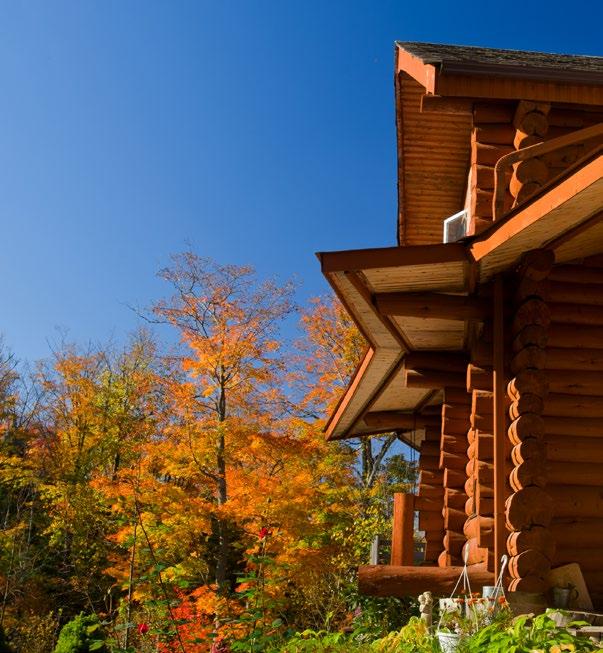

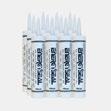
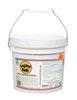

Thermal mass is the natural ability of your logs to absorb and store heat, slowly releasing it as temperatures drop. This helps maintain a stable indoor temperature, reducing heating costs and creating a uniquely cozy and comfortable living space.
As temperatures drop, pests seek shelter. Prevent them by sealing your log home’s unique entry points.
Walk the perimeter, inspecting for gaps in the foundation and in the sealant between logs. Carefully seal any openings around utility inlets like pipes and vents. A mouse can fit through a dime-sized hole, so every gap matters.
Finally, clear all firewood and debris away from the house to eliminate hiding spots. A quick inspection now prevents unwelcome surprises all winter long. ■
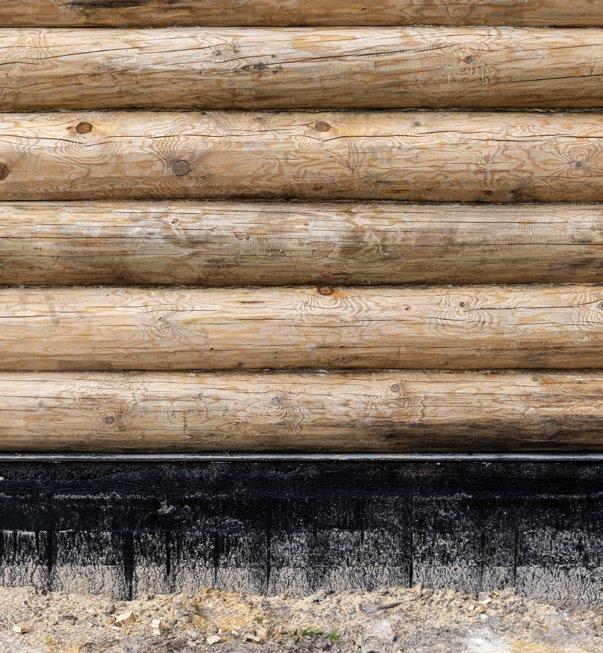
Protecting your logs is only half the battle; preparing the ground around your home is just as critical for a worry-free winter.
Before the first hard freeze, disconnect and drain all garden hoses and shut off exterior water spigots to prevent burst pipes. Walk your perimeter and check that the soil slopes away from the house, guiding rain and meltwater from your foundation. After the leaves fall, give your gutters a final cleaning to prevent ice dams.
For landscaping near the house, consider covering sensitive shrubs to protect them from heavy snow sliding off the roof. These simple steps safeguard your property and prevent costly damage. ■

Winter heating can dry out the air inside your home, which affects your interior logs. To keep them looking their best, maintain a stable humidity level, ideally between 30-50%, using a humidifier.
For routine cleaning, dust the logs using a soft vacuum brush attachment or a microfiber cloth. Avoid using harsh liquid cleaners that can damage the finish. Consistent humidity not only preserves the wood’s beauty but also helps prevent small cracks from developing due to excessive dryness, keeping your home beautiful through the season. ■
My stain looks faded after the summer sun. Is it too late in the year to apply a new coat?
Not at all. Autumn is often the perfect time for staining The mild, dry days are ideal for proper application and curing. The key is ensuring the log surface temperature is within the stain manufacturer’s recommended range.
For a professional assessment and flawless finish, reach out for a free estimate
LogBuildingMaintenance.com Info@LogBuildingMaintenance.com