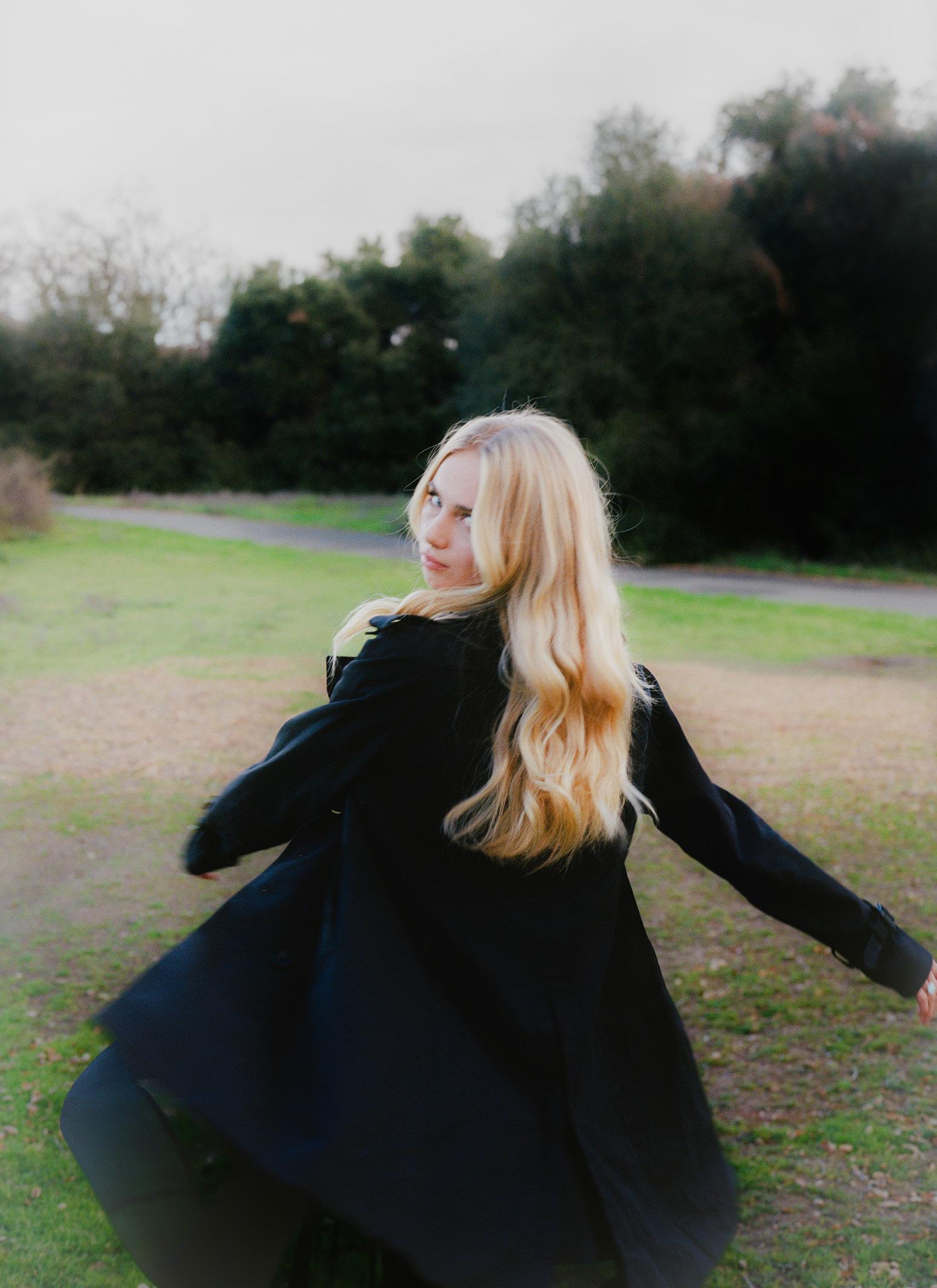
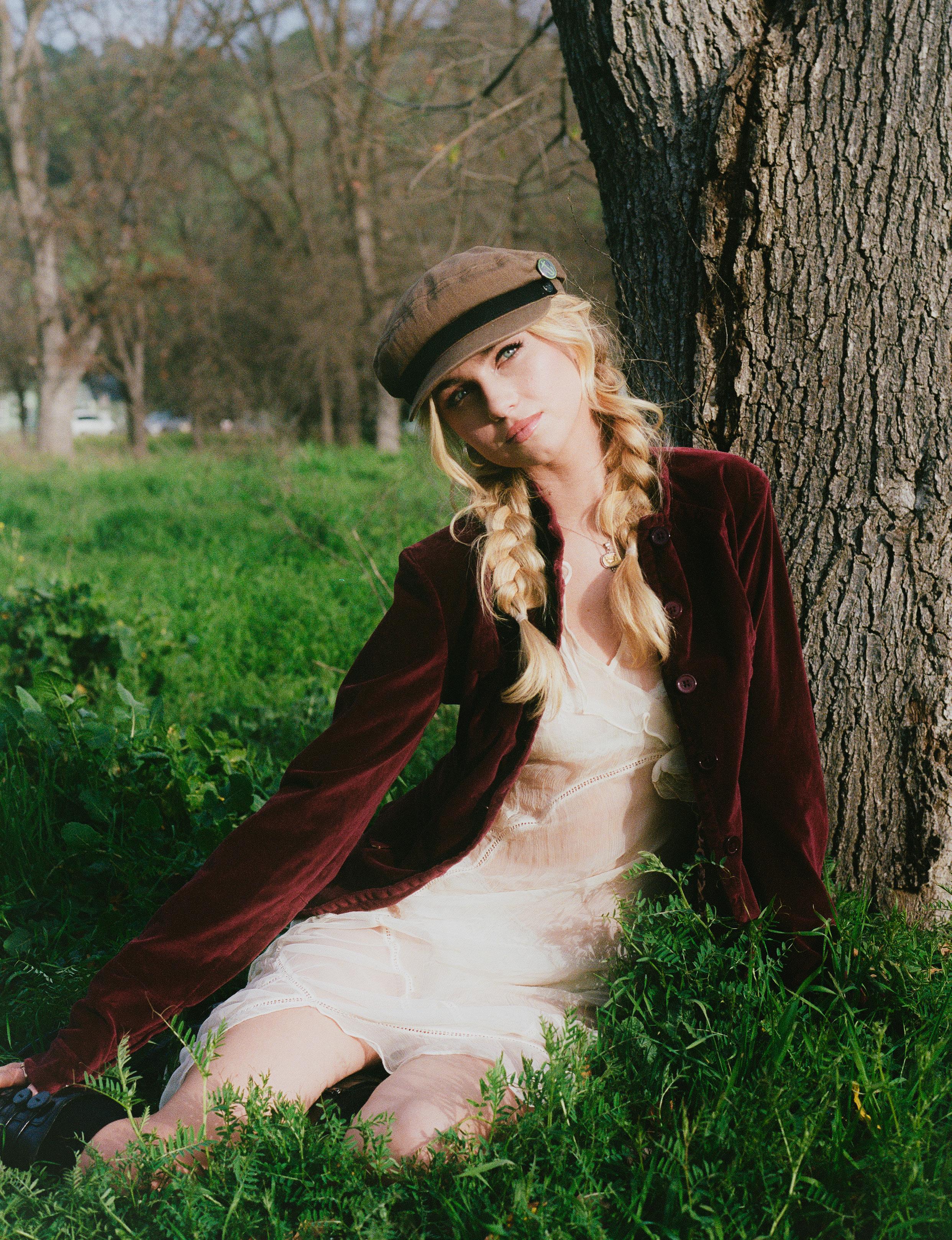
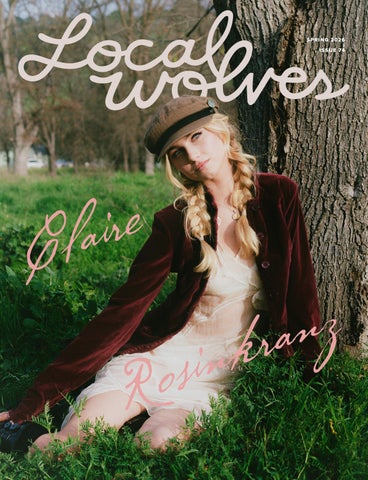
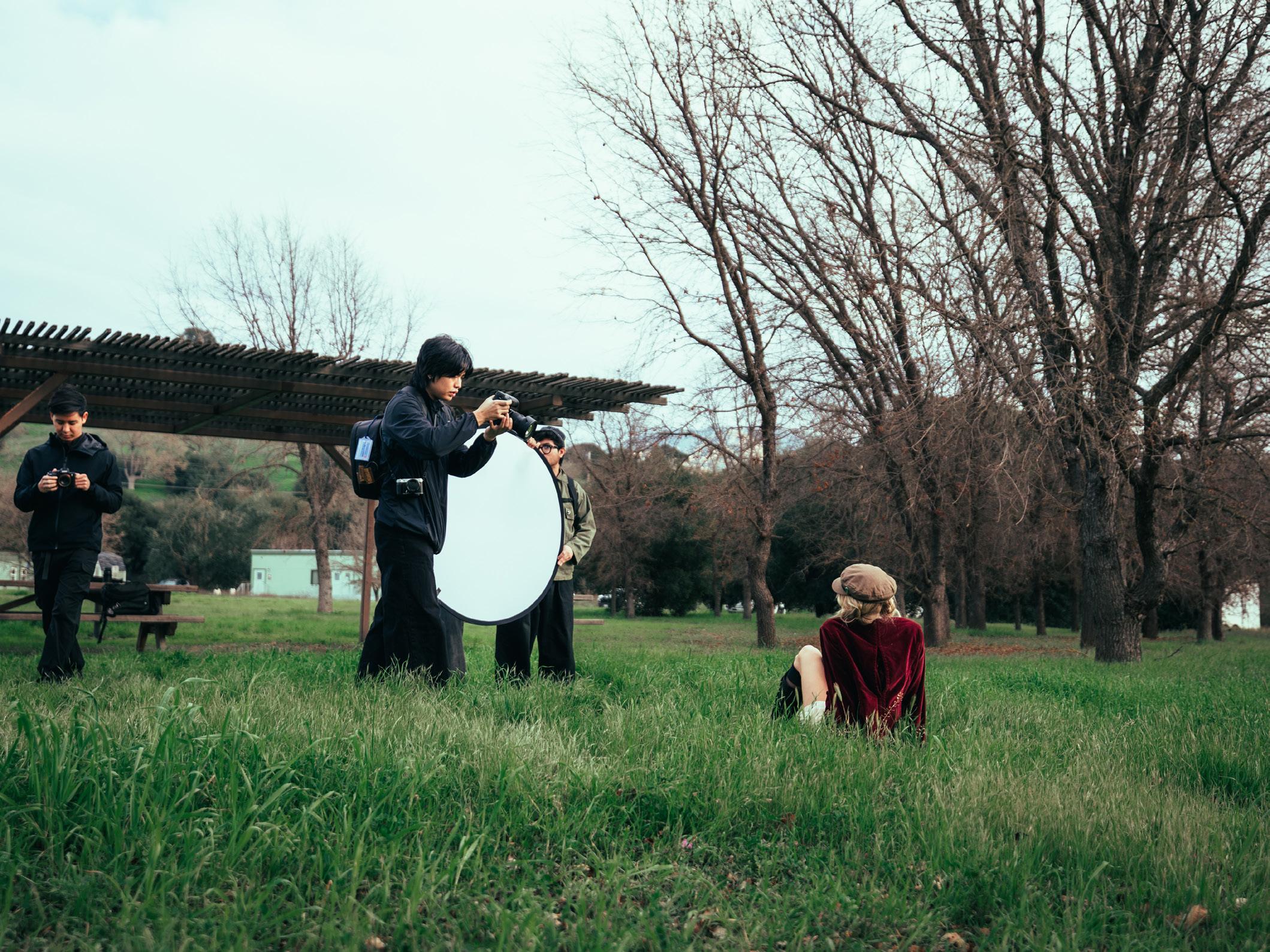
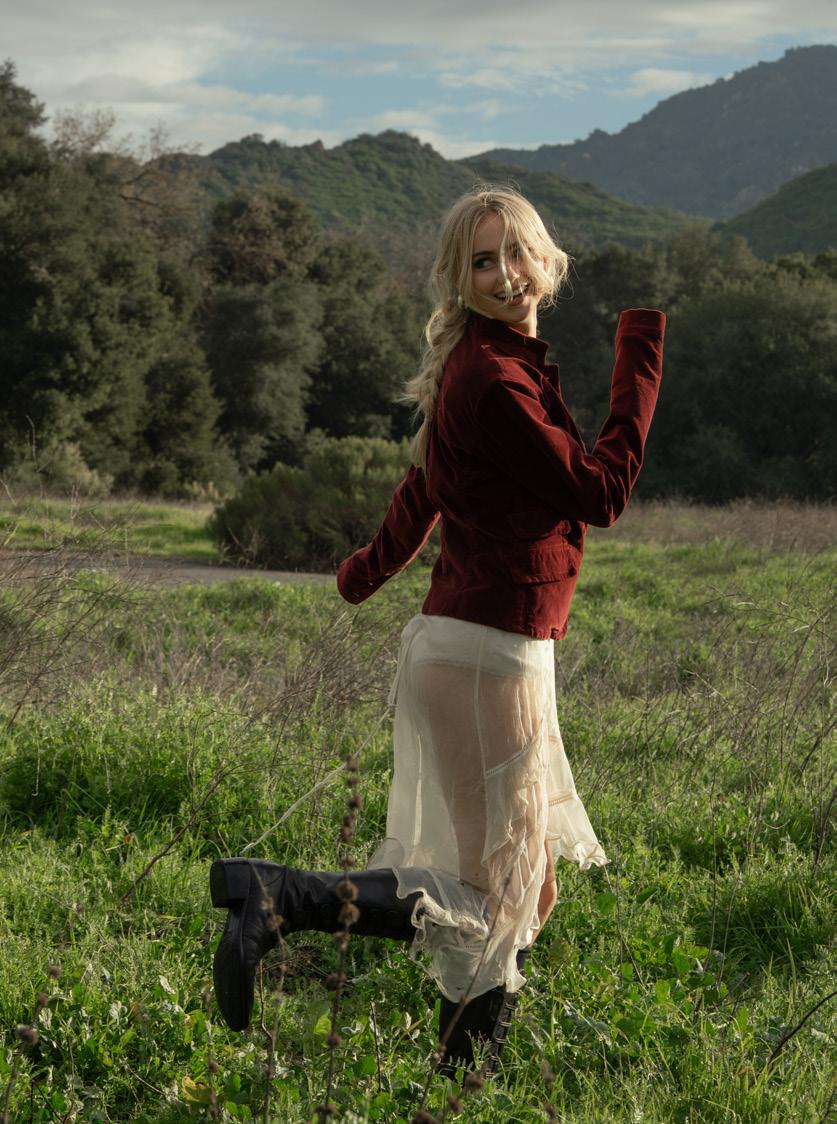
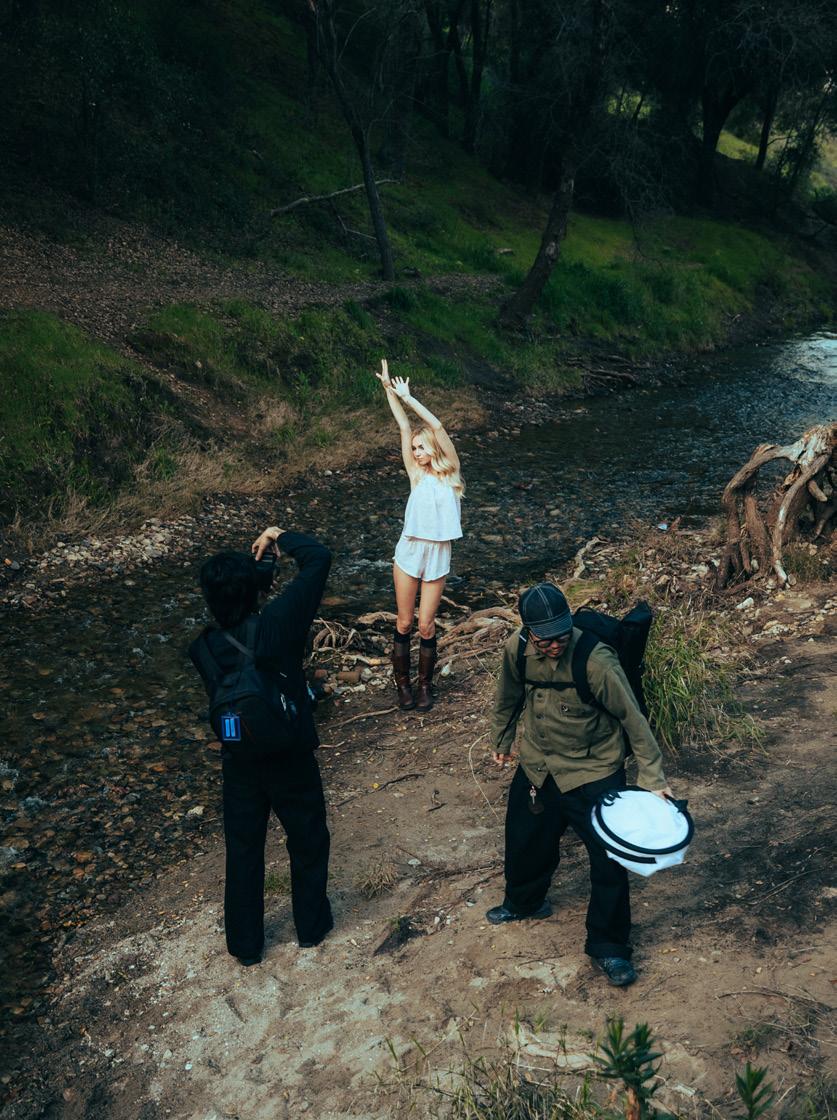
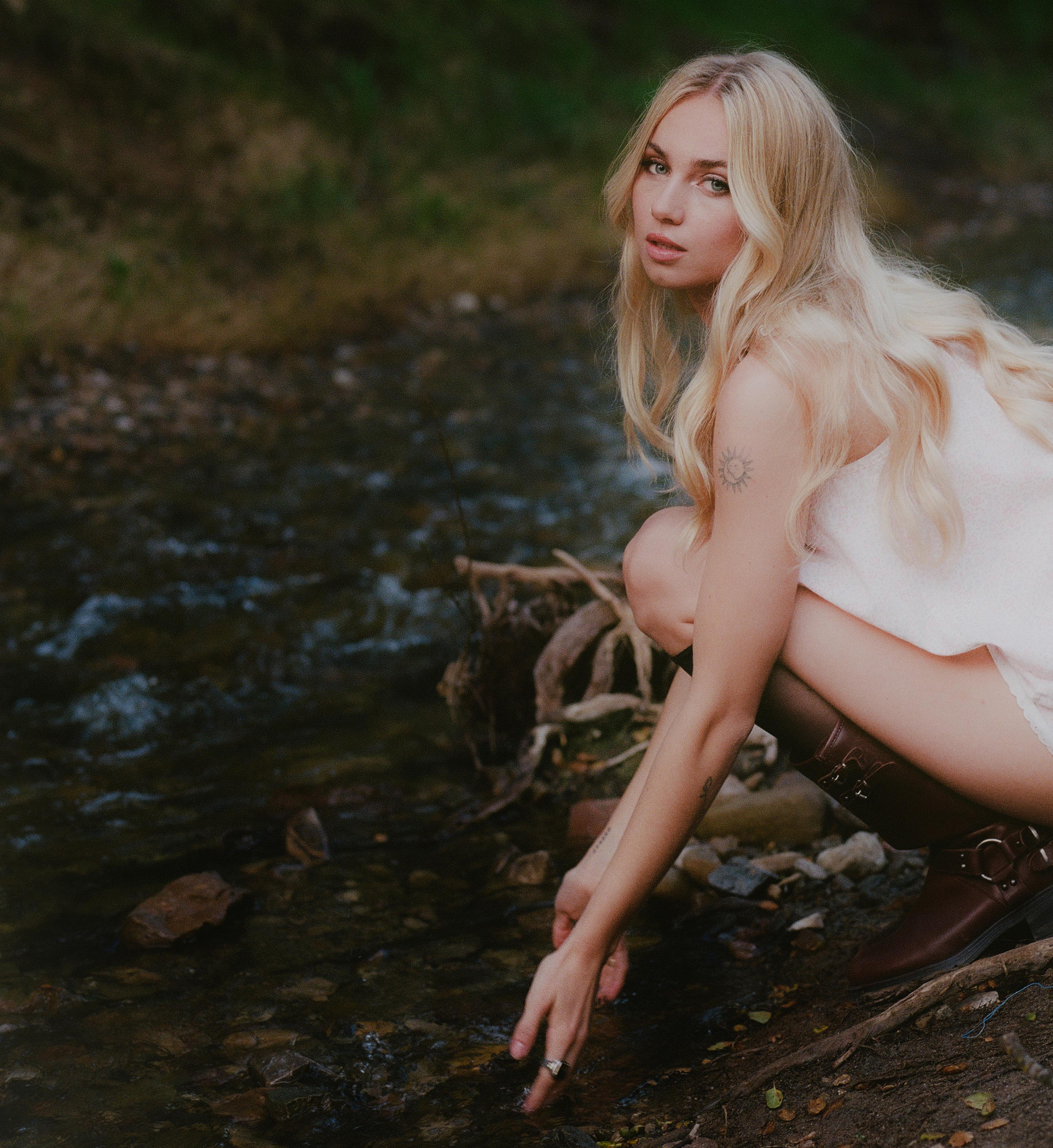
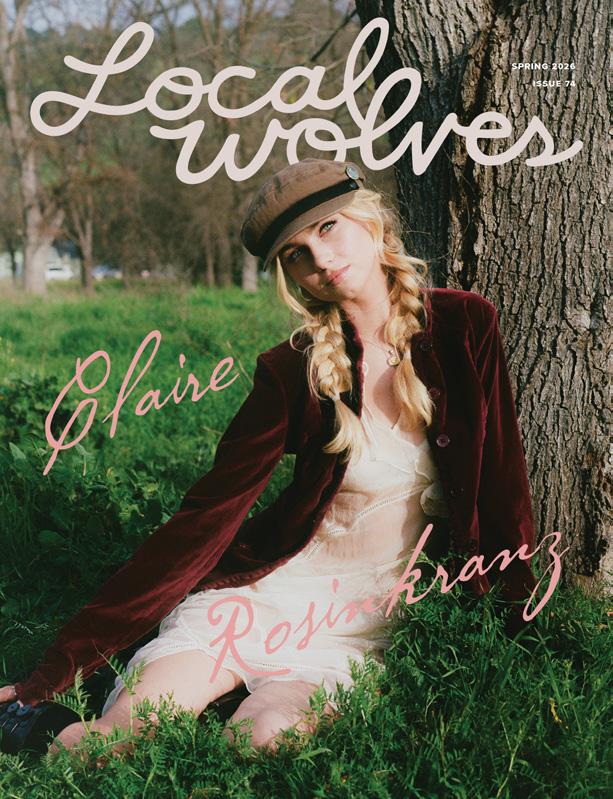
In the early months of the winter season, I’ve gone back and forth to figure out what theme would best resonate for our spring issue, which is also our anniversary issue. We celebrated 14 years as a magazine, and I’m still so shook that we’re here– still thriving and doing what we do! In all honesty, it’s been so cool to see the team grow, featuring talented creatives and collaborating with contributors from all over the world. I can’t honestly thank my team enough for being the absolute best team. For our 74th issue, the theme is resilience as we embrace personal growth to persevere through challenges that help shape who you are. Our cover star, Claire Rosinkranz shines in our Spring 2026 issue (pg.54). Claire discussed the emotions of freedom, acceptance and achieving her dreams in her own path. She discussed further into her latest album, The Lover which opens conversations about chronic illness, love to moments of joy. The issue dives into highlighting emerging talent including Arianna Davis, Chad Courtney, Highvyn, Iona Bielby and Rio Romeo along with many others. Thank you all for being a part of our journey through the highs and lows, we’re nothing without our wolfie community!
Cathrine Khom
SPRING 2026
FOUNDER & EDITOR-IN-CHIEF
Cathrine Khom
COPY EDITOR
Sophia Khom
DESIGNERS
Lisa Lok, Yoolim Moon
SOCIAL MEDIA COORDINATORS
Jessica Spiers, Tatiana Diaz de Leon
CONTRIBUTING WRITERS
Amanda La, Ang Cruz, Ashley Bulayo, Jessica Spiers, Natalie Howard, Uma Snow
CONTRIBUTING PHOTOGRAPHERS
Caroline Safran, Dora Ryan, Dylan Tabirara, Gabby Agustin, Lydia Robinson, Mackenzie Ryan, Mauve Lucien, Sammi Smith, Sravya Balasa
WOLFIE SUBMISSIONS
Chloee Hall, Eilean Lough-Phare, Elizabeth Chong, Ella Vos, Enaya Bokhari, Izzy Kaz, Janae Frazier, Karen Cruz, Kristen Case, Madelyn May, Riley Welsh, Spencer Yoo, Sungbin Moon
MANY THANKS
2B Entertainment, Amy MyAn, Arianna Davis, Ashley Bulayo, Chad Courtney, Erica Ko, Highvyn, Iona Bielby, Rebel Creative Group NY, Rio Romeo, Sravya Balasa, The Unstable Company
FEATURING
Claire Rosinkranz
THEME
Resilience
COVER PHOTO
Dylan Tabirara
COVER DESIGN
Lisa Lok
LOGO
Lisa Lok, Fiona Yeung
CONTACT
General: info@localwolves.com
Press: press@localwolves.com
Advertising: advertising@localwolves.com
Get Involved: community@localwolves.com
LET'S CONNECT
Instagram: instagram.com/localwolves
Twitter: twitter.com/localwolves
TikTok: tiktok.com/@localwolves
Pinterest: pinterest.com/localwolves
& CREATIVE DIRECTION:
BTS
BTS PHOTOGRAPHERS:
HAIR
STYLING:
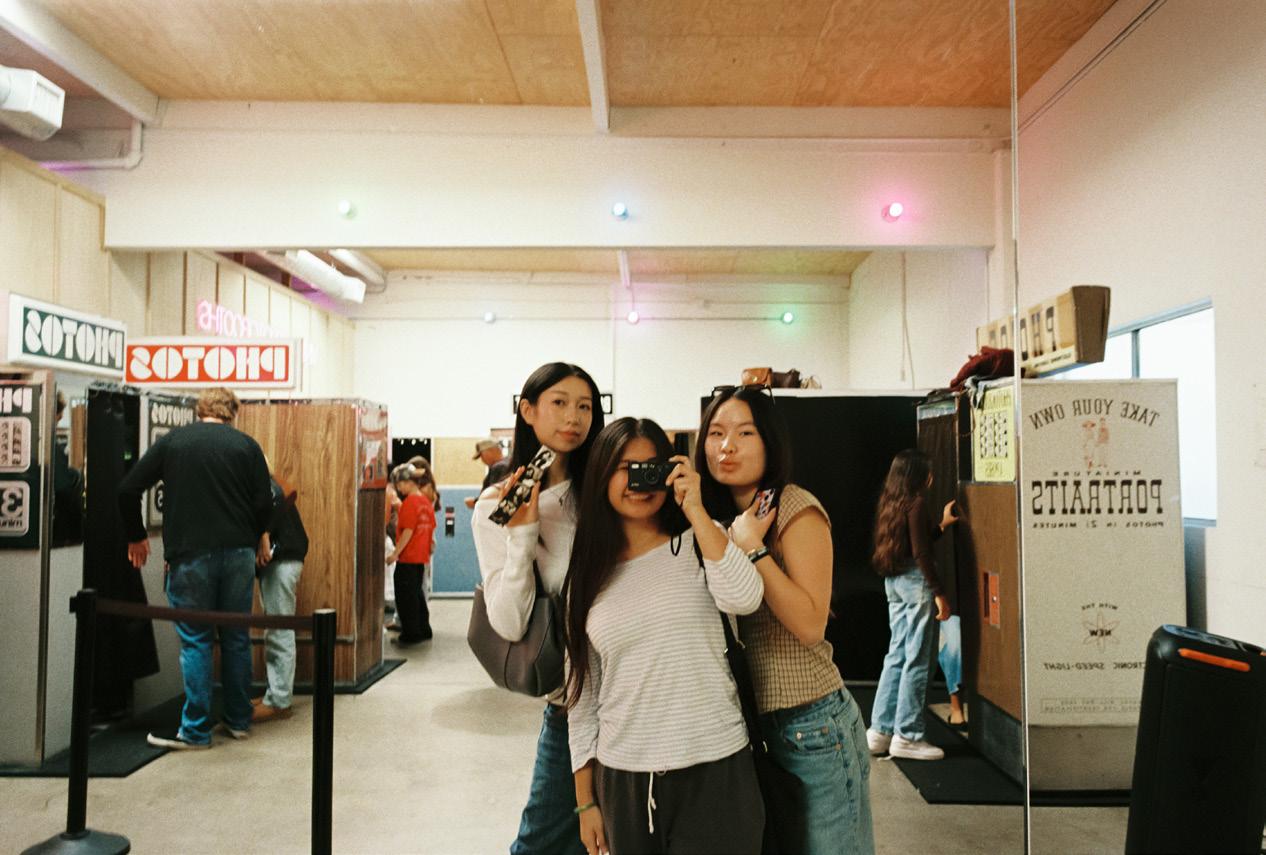
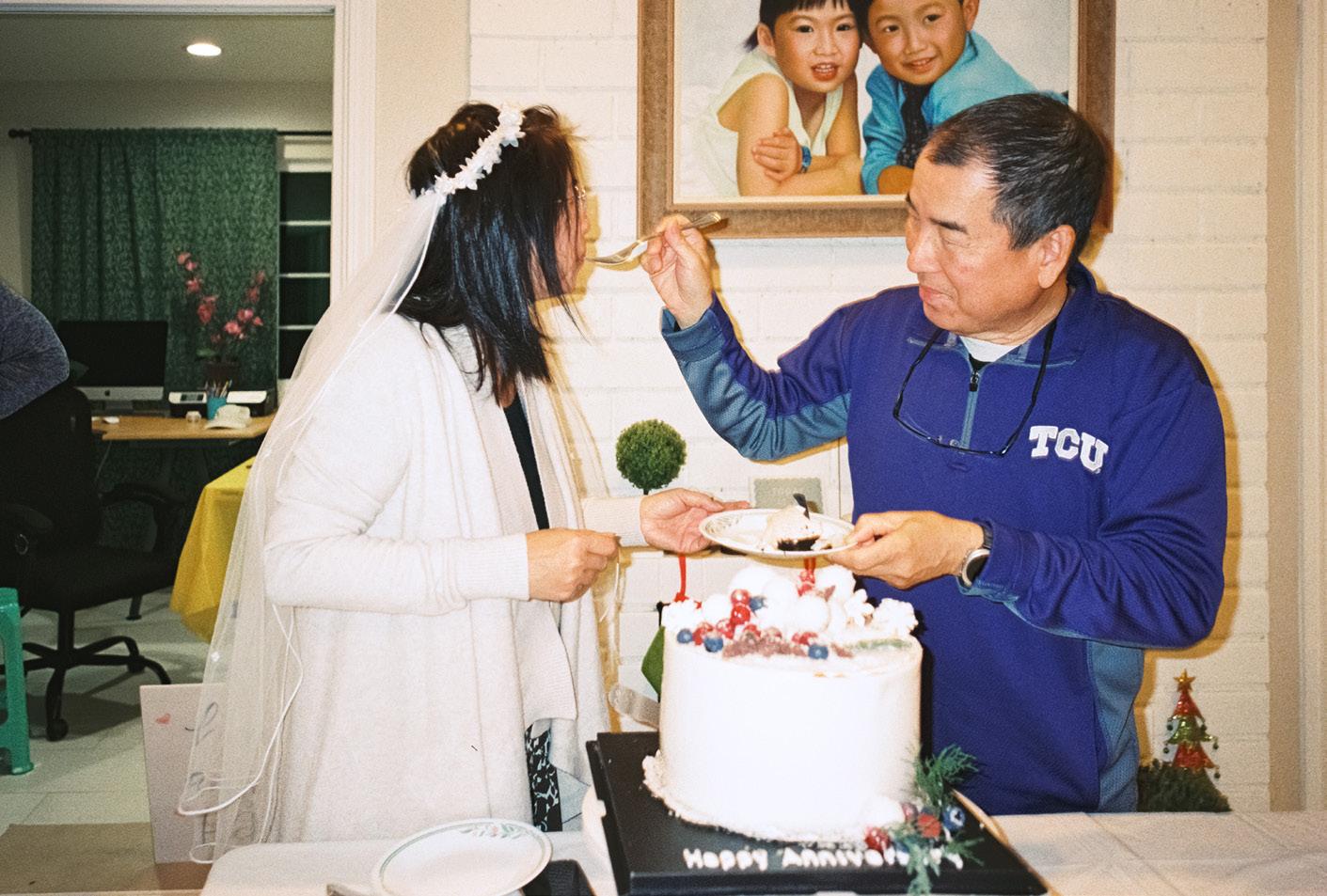
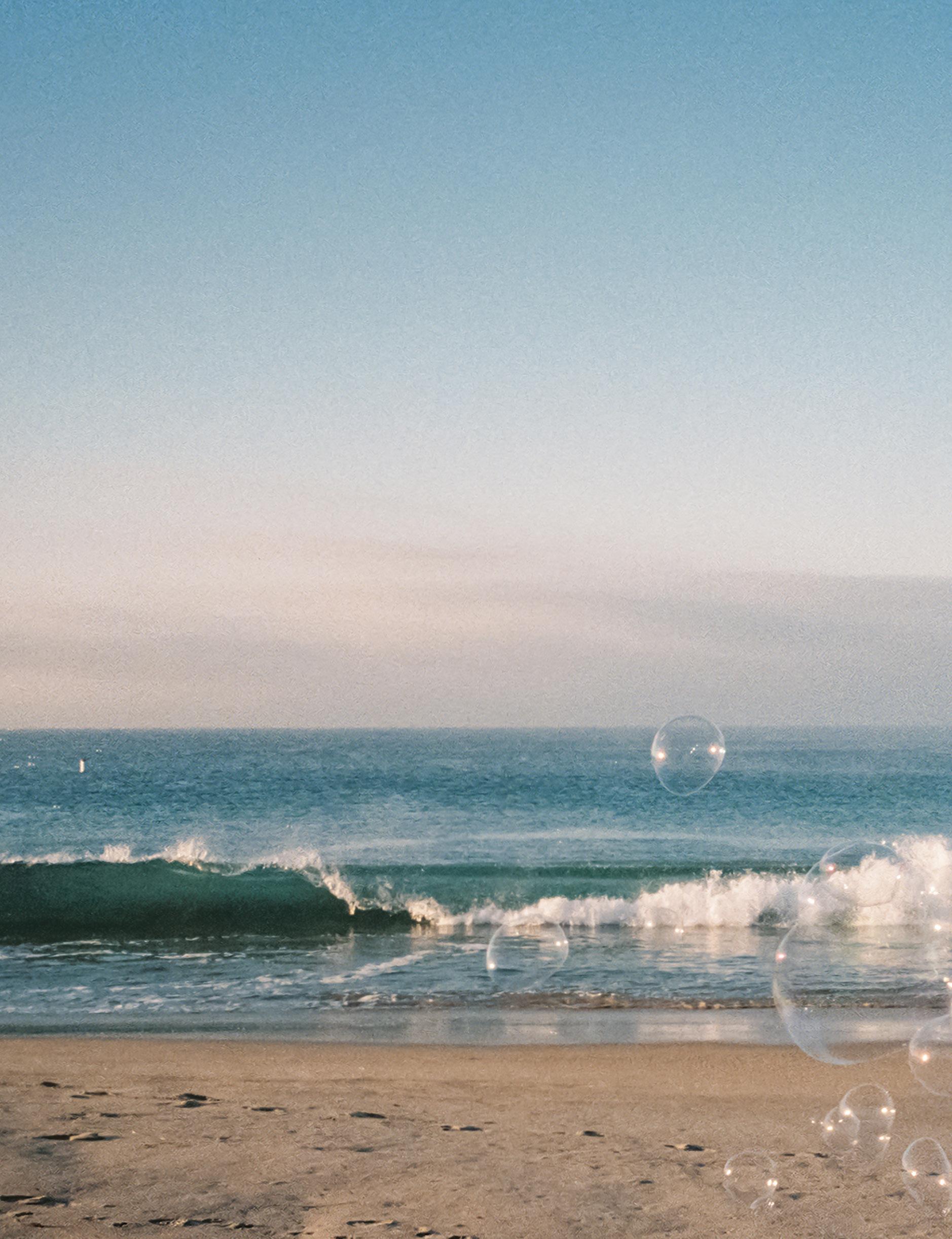
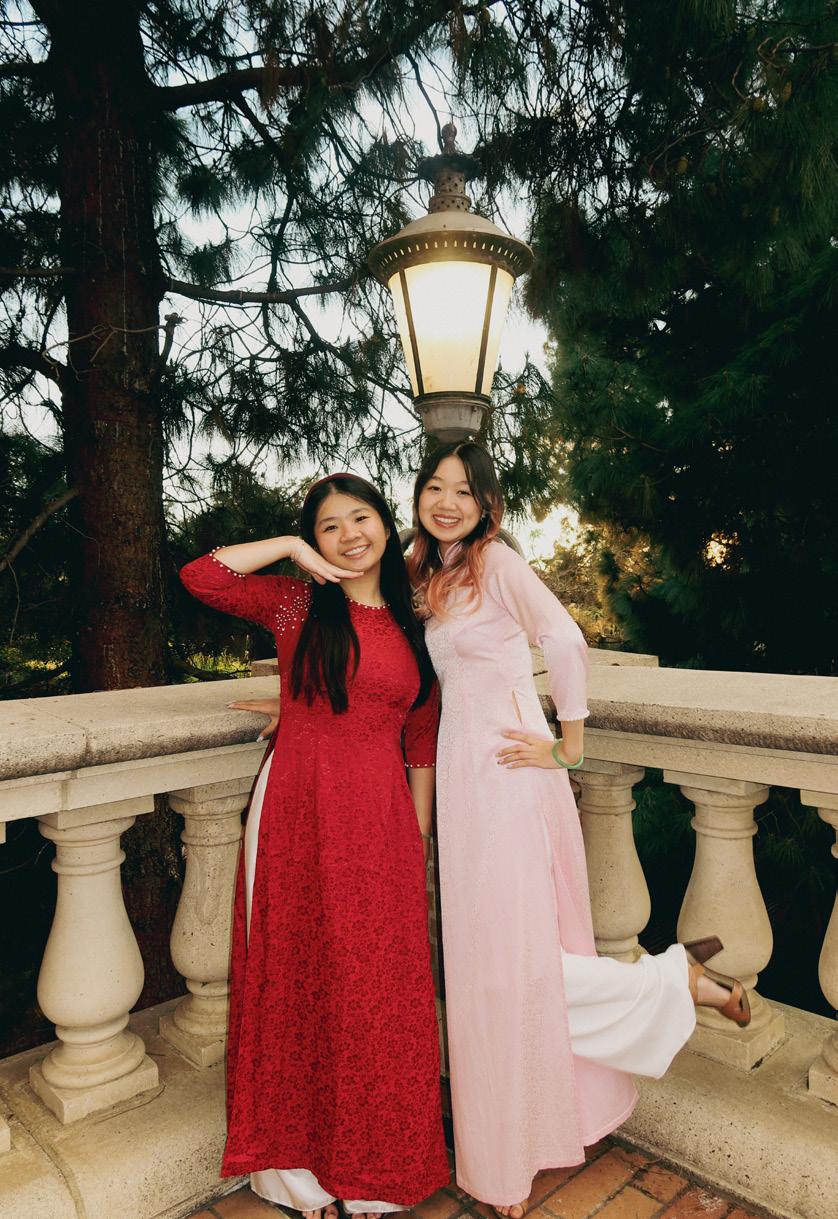
BY ASHLEY BULAYO
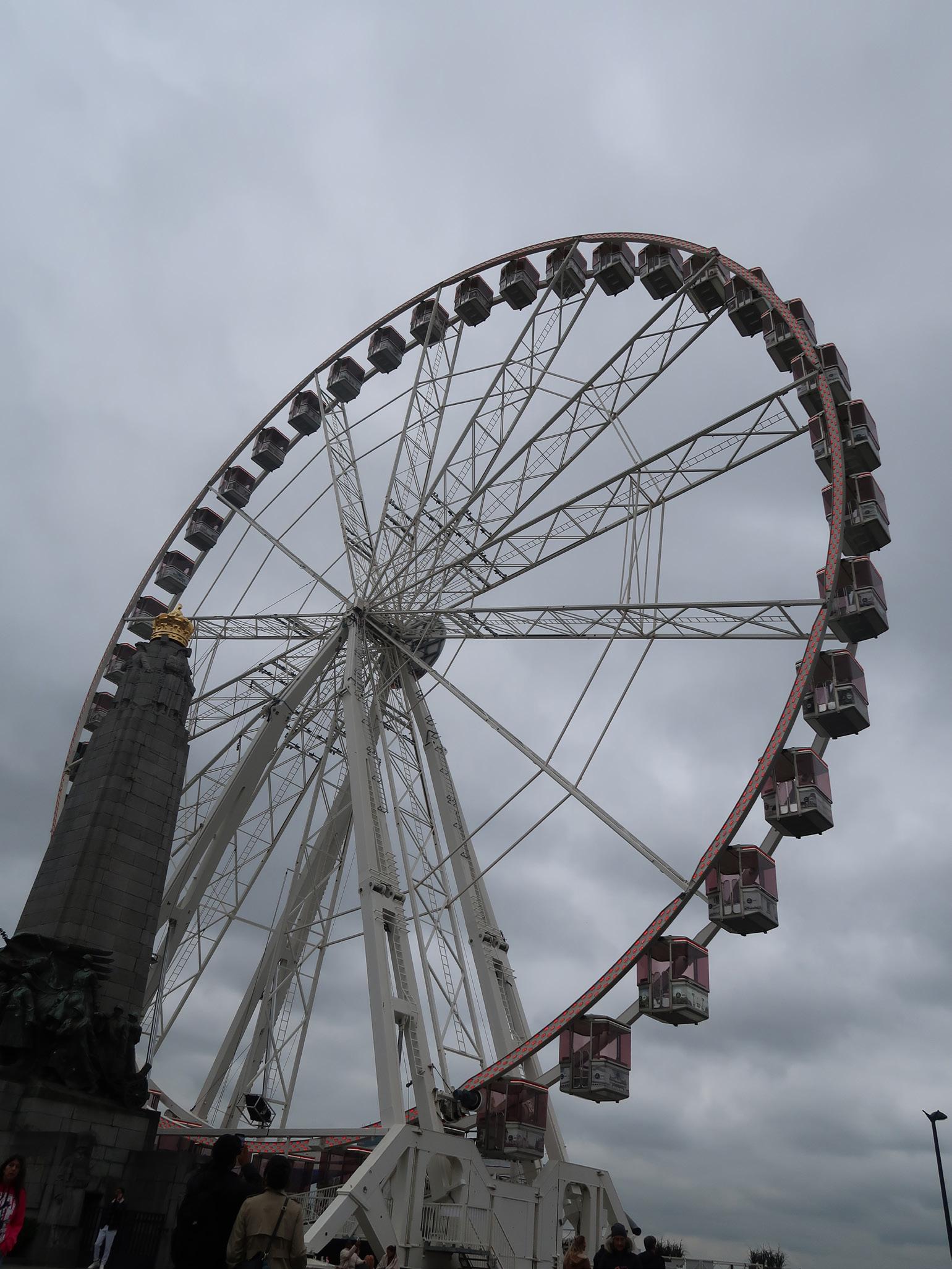
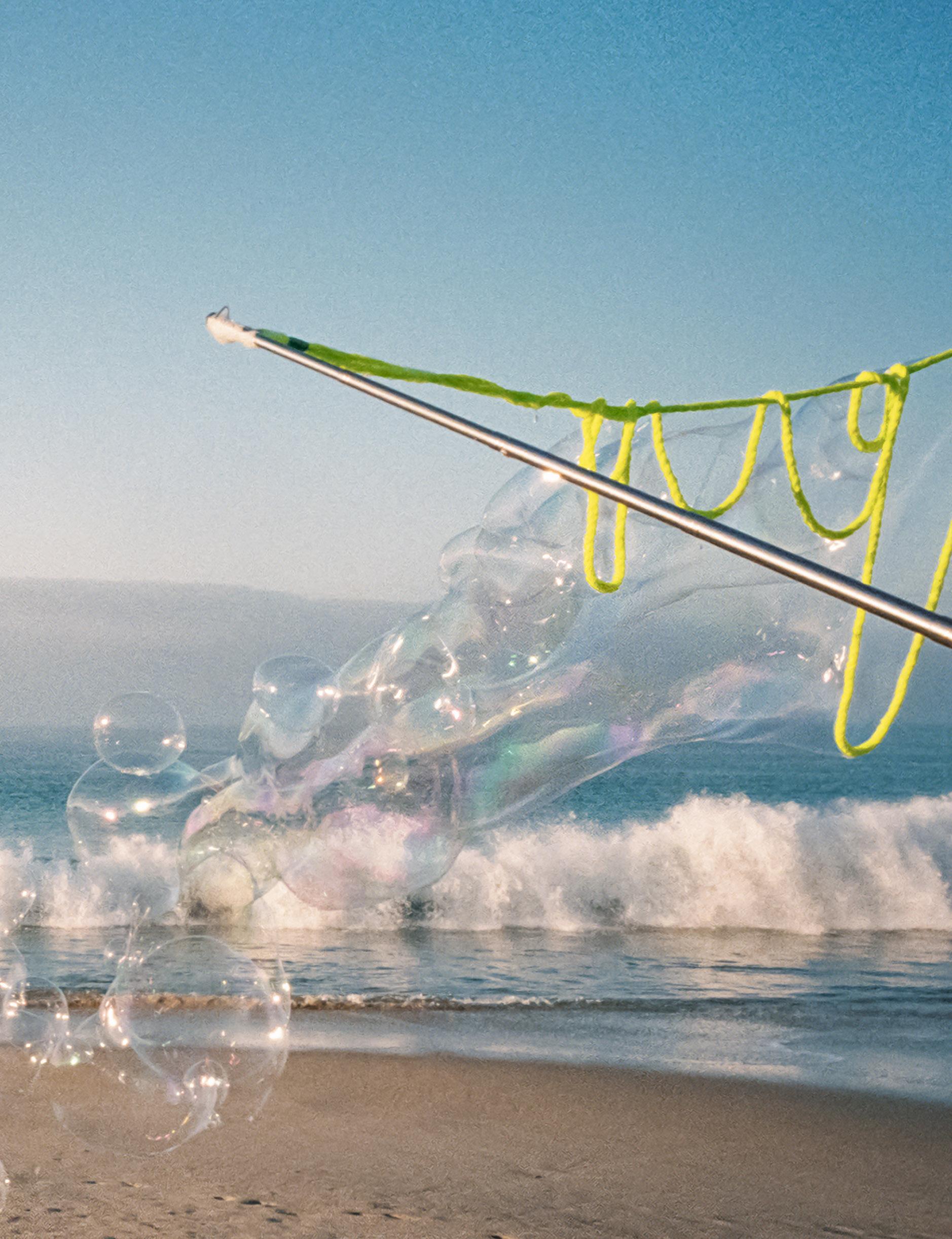
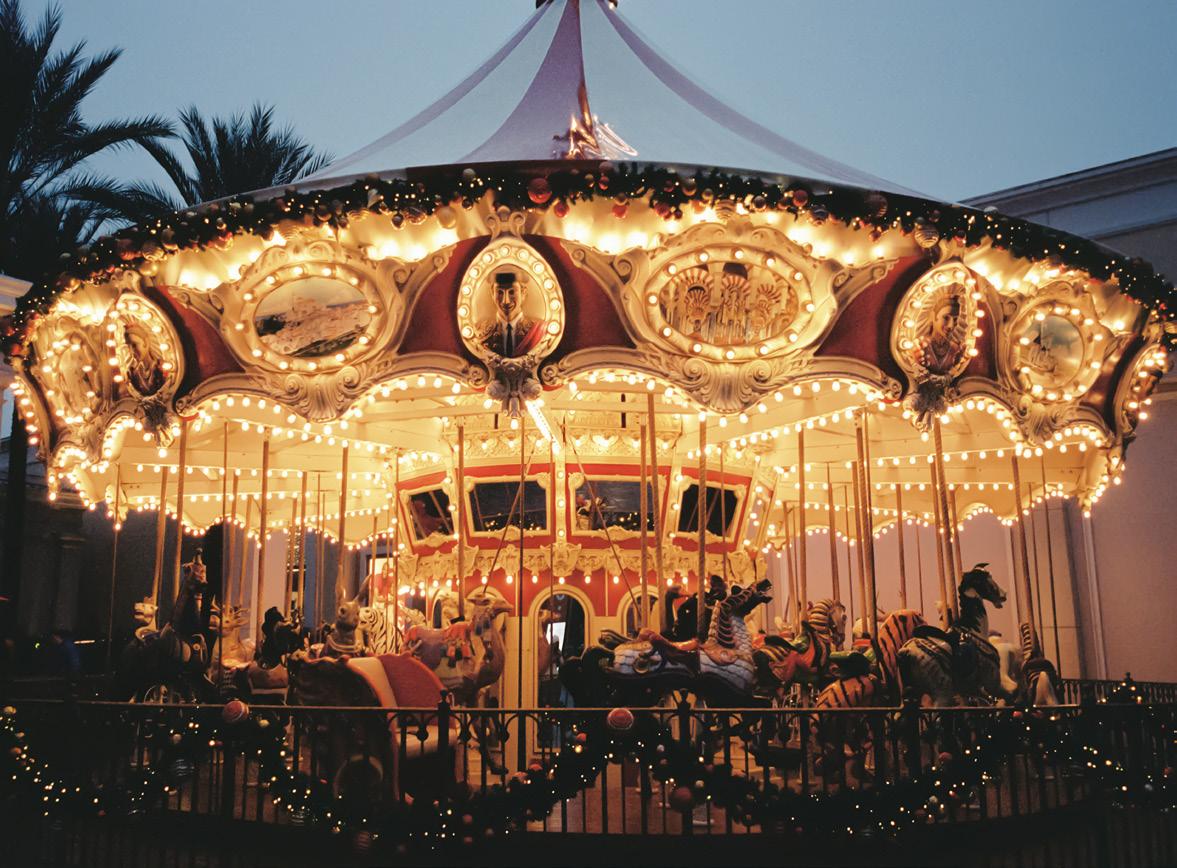
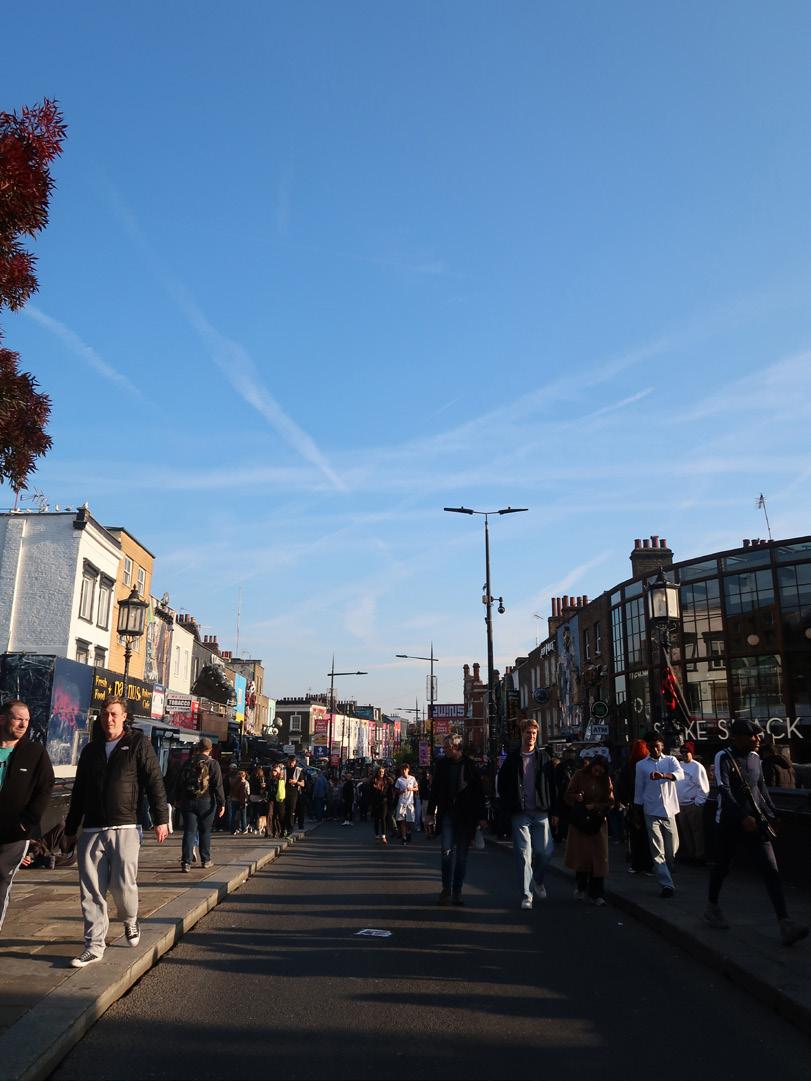
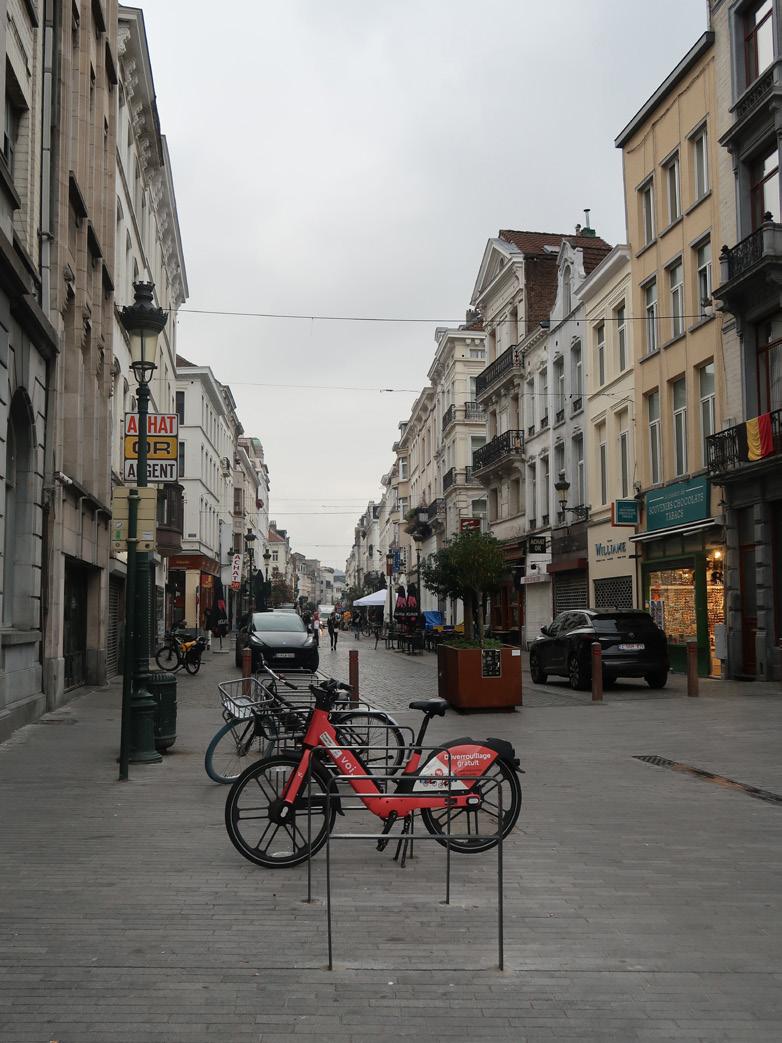
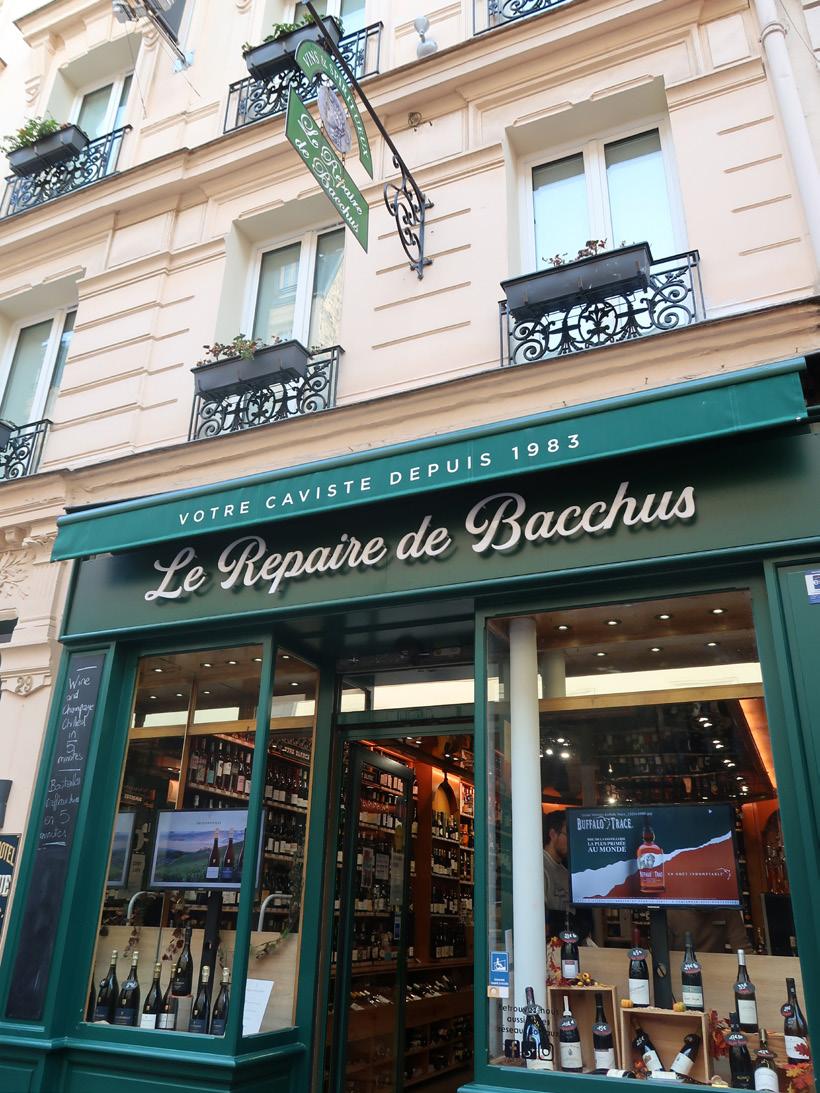
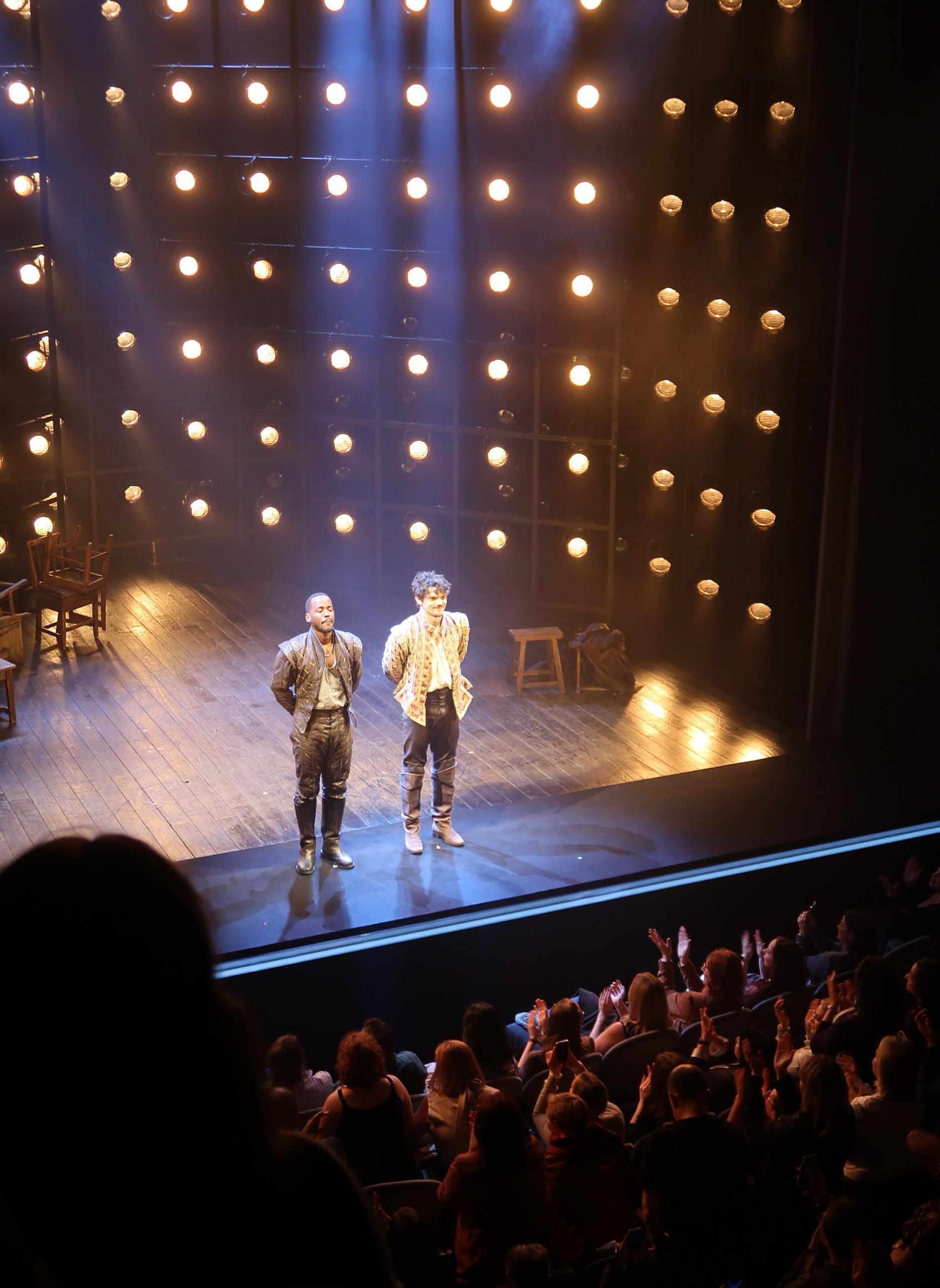
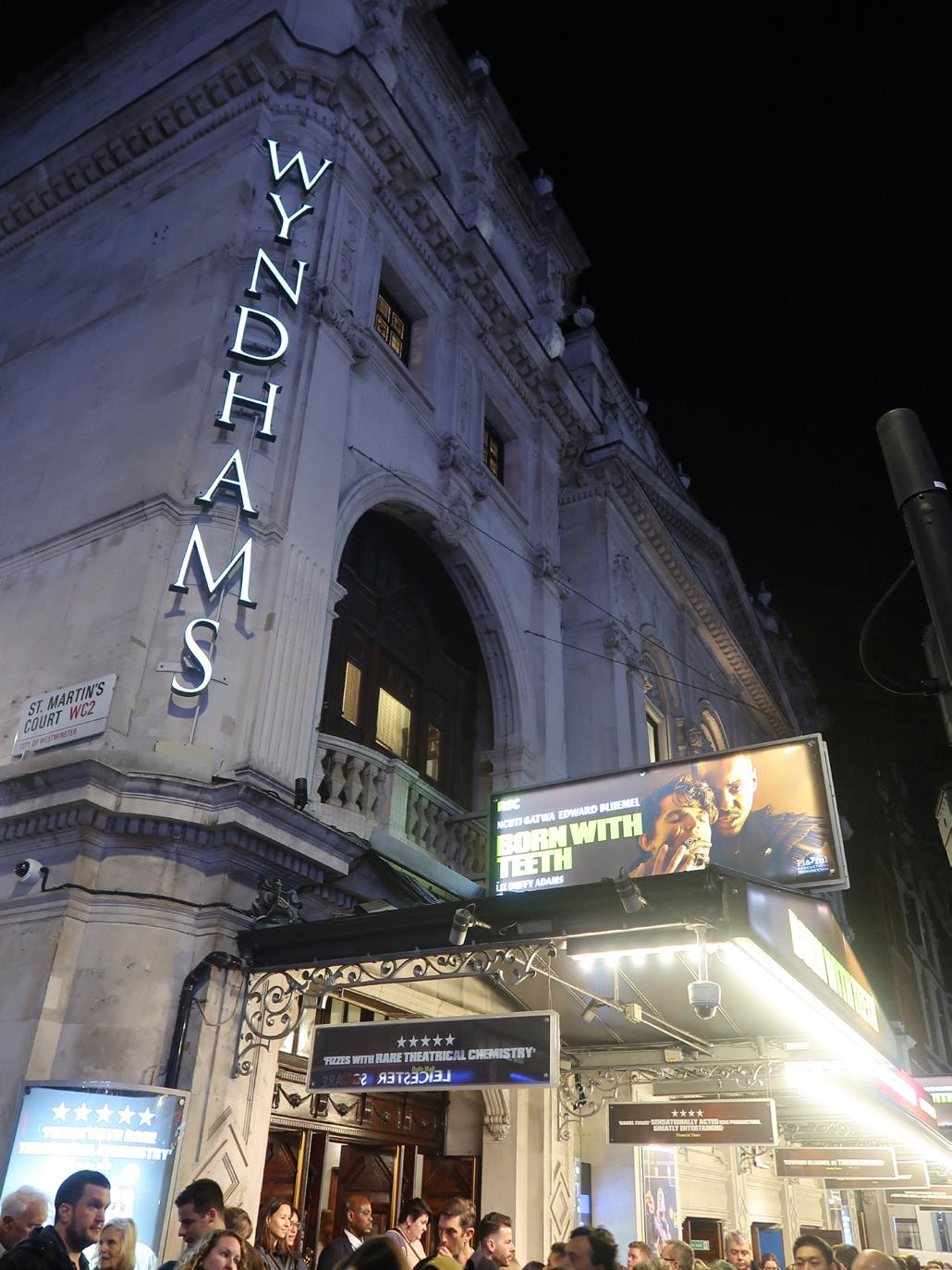
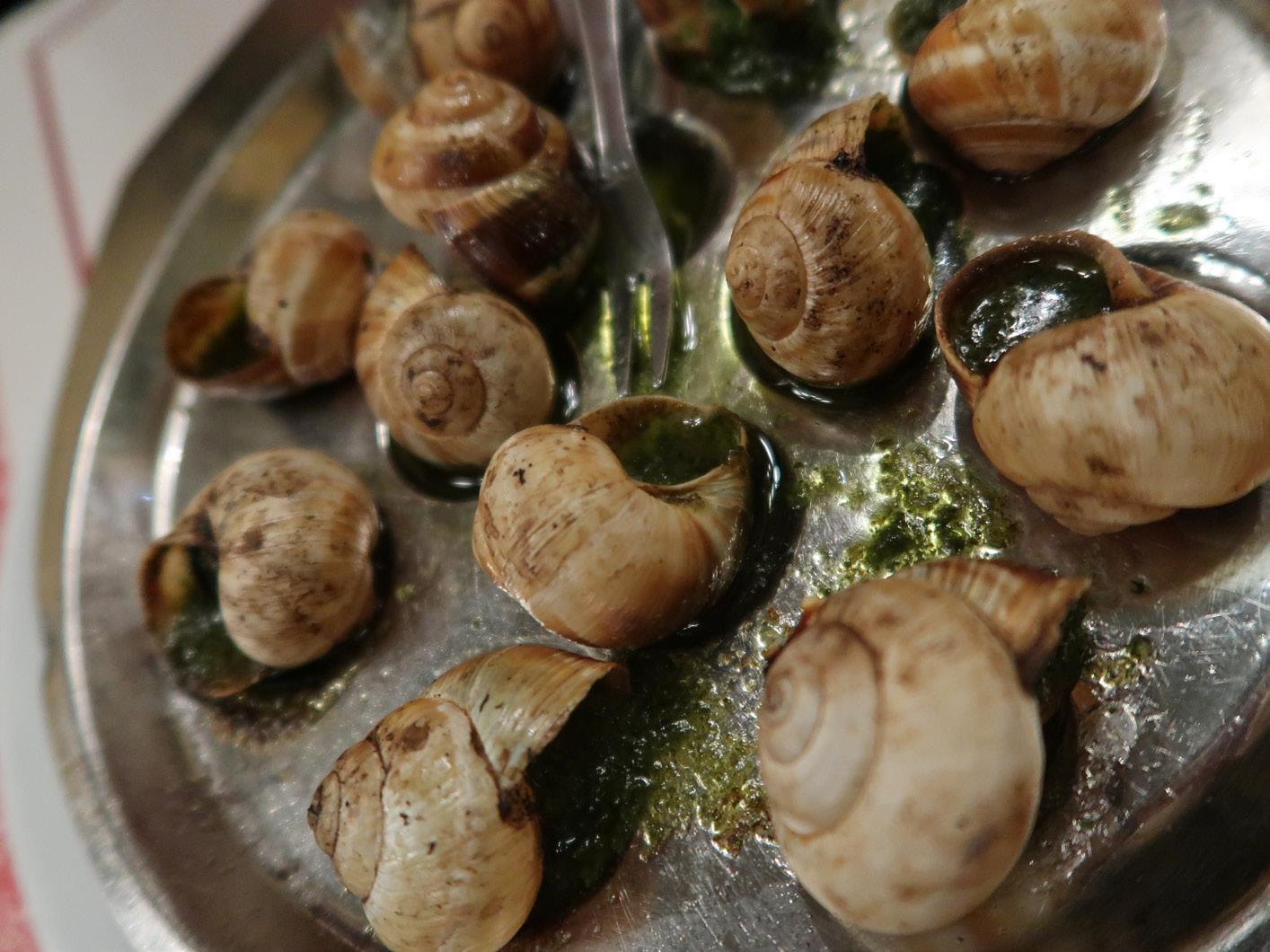
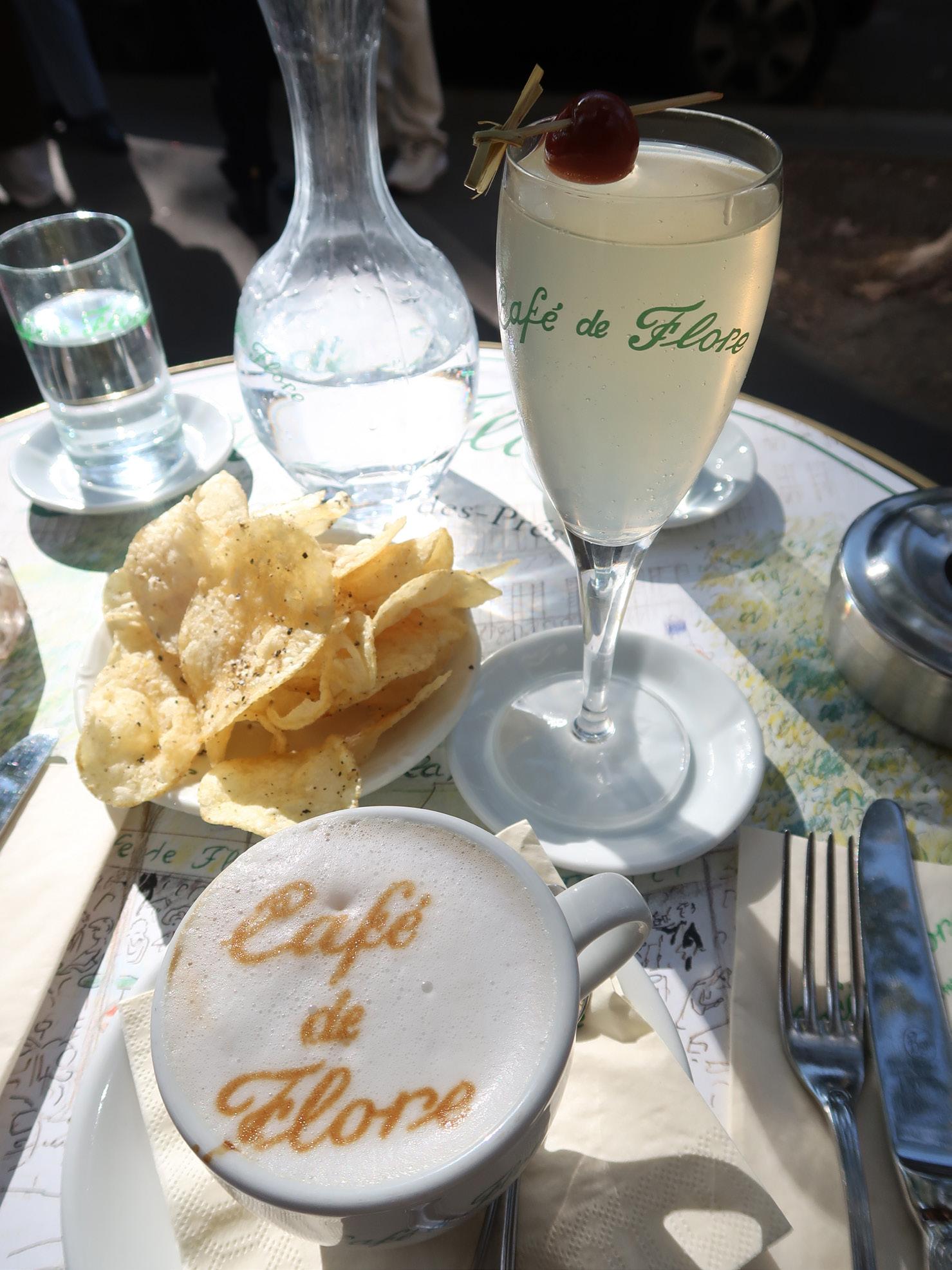
This is a visual celebration of my lifelong dream – traveling to Europe! I’m excited to share the feelings of discovery, curiosity, and the little moments that make travel truly unforgettable. I hope readers can not only see these cities through my lens but also feel inspired to embark on their own journeys, no matter how big or small. The inspiration behind this piece comes from years of imagining this trip, and finally capturing little snippets of my trip felt like turning a dream into something real.
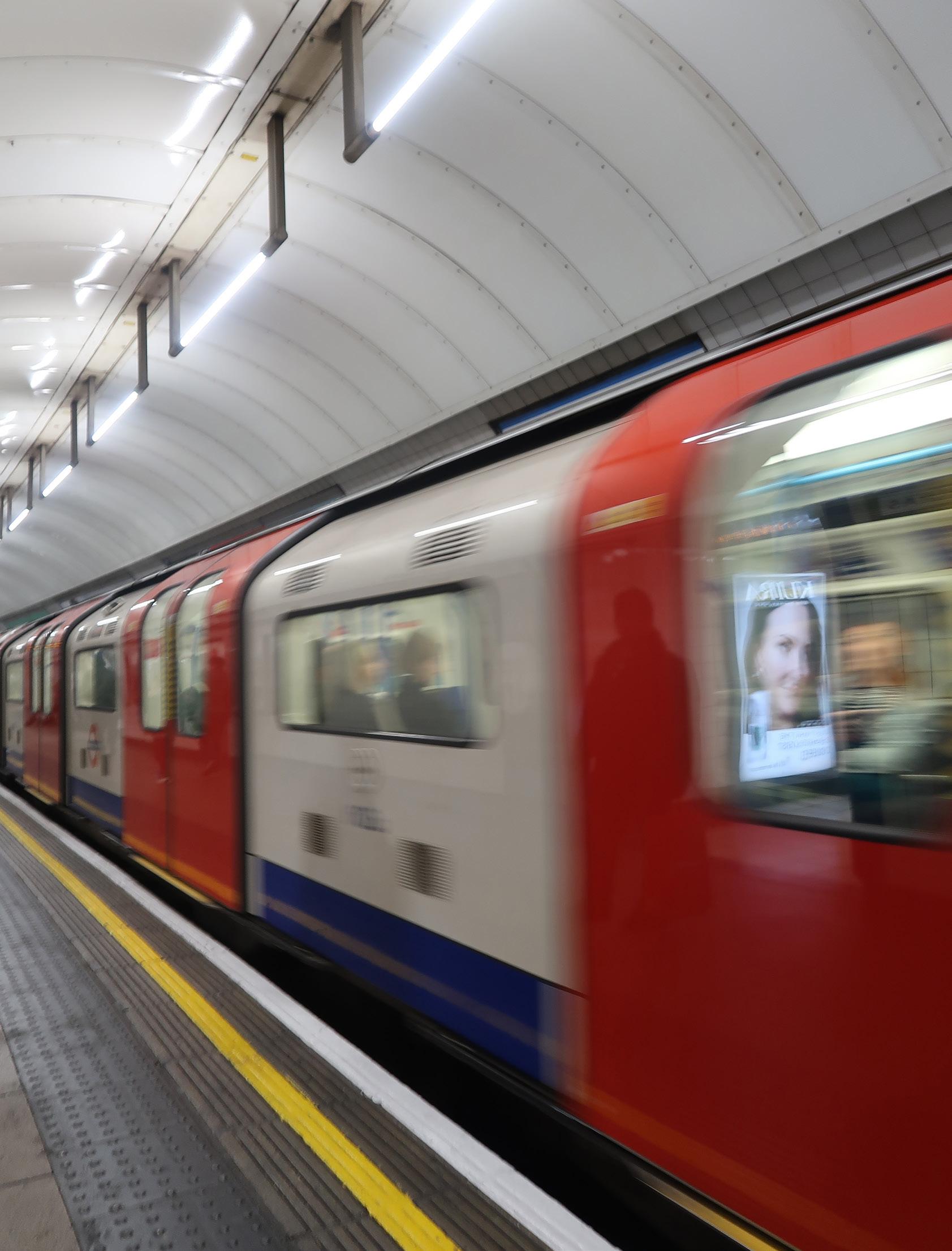
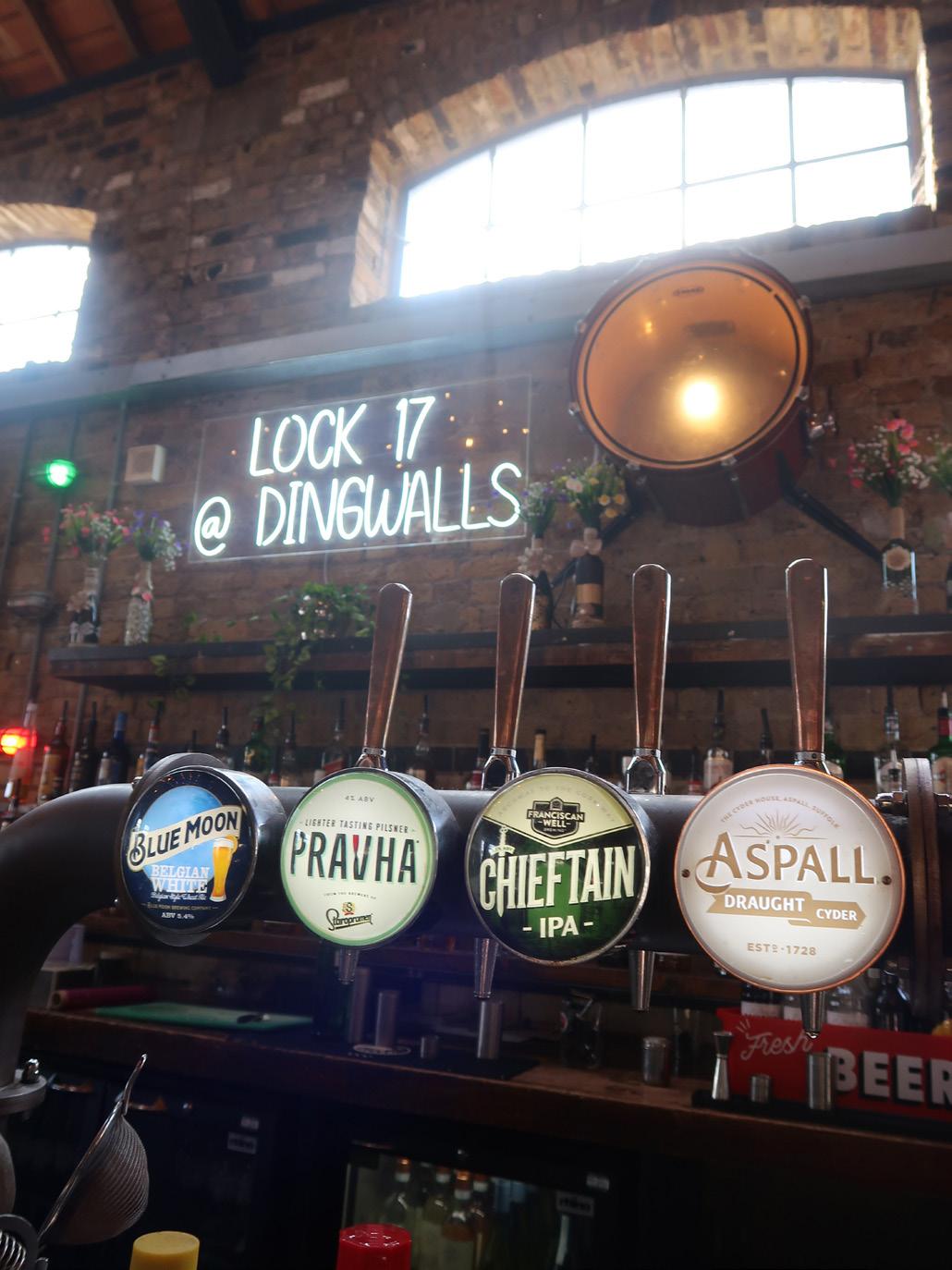
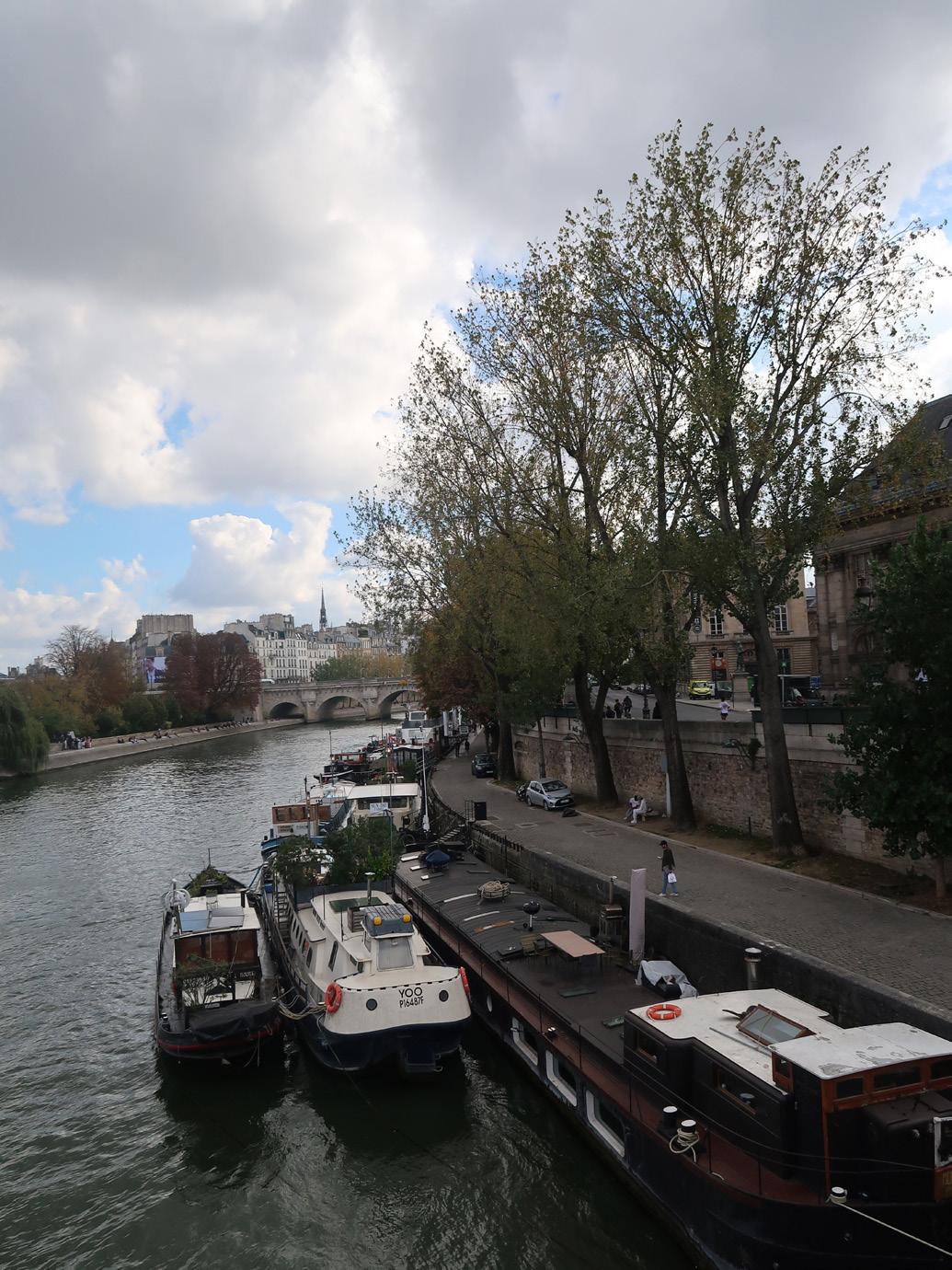
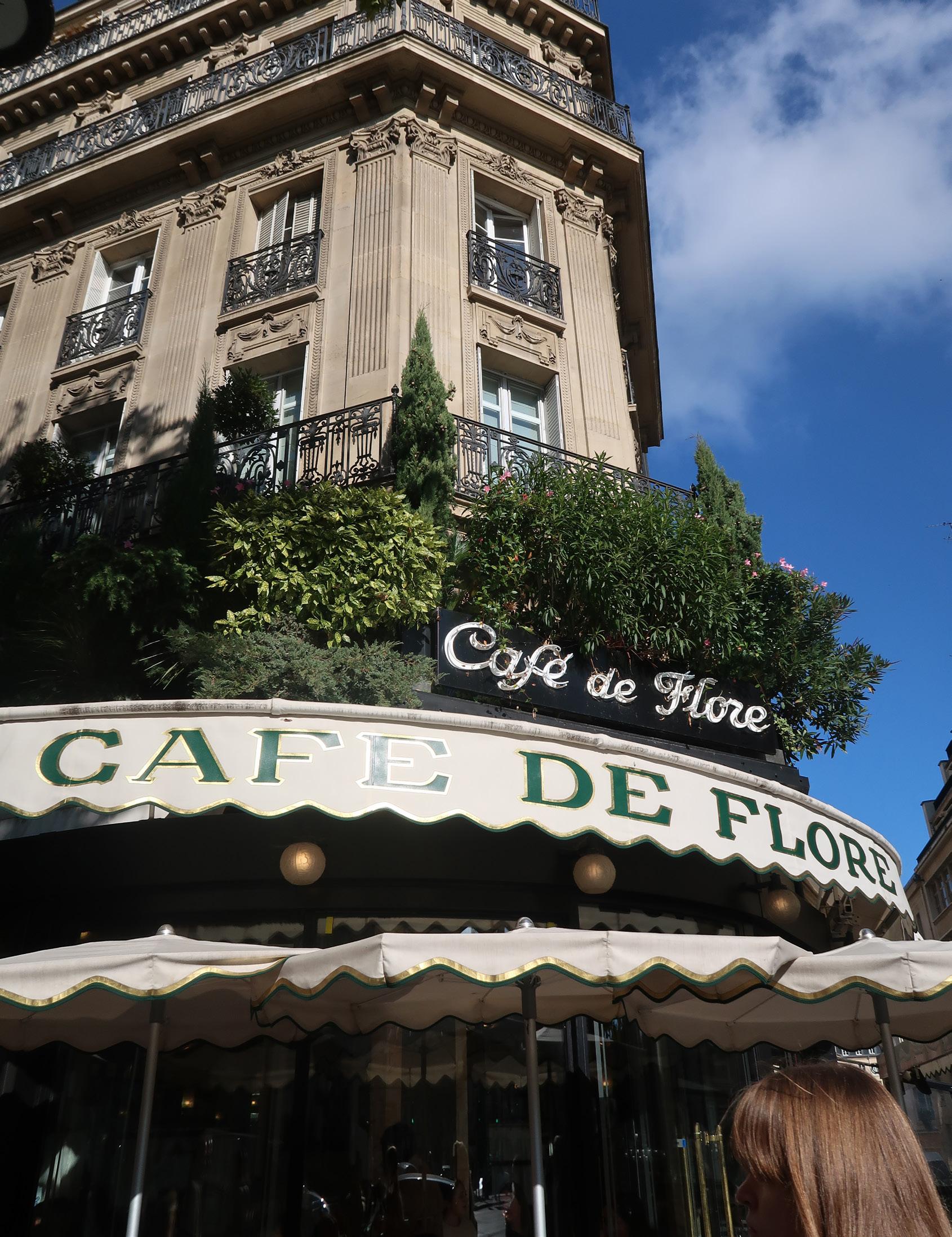
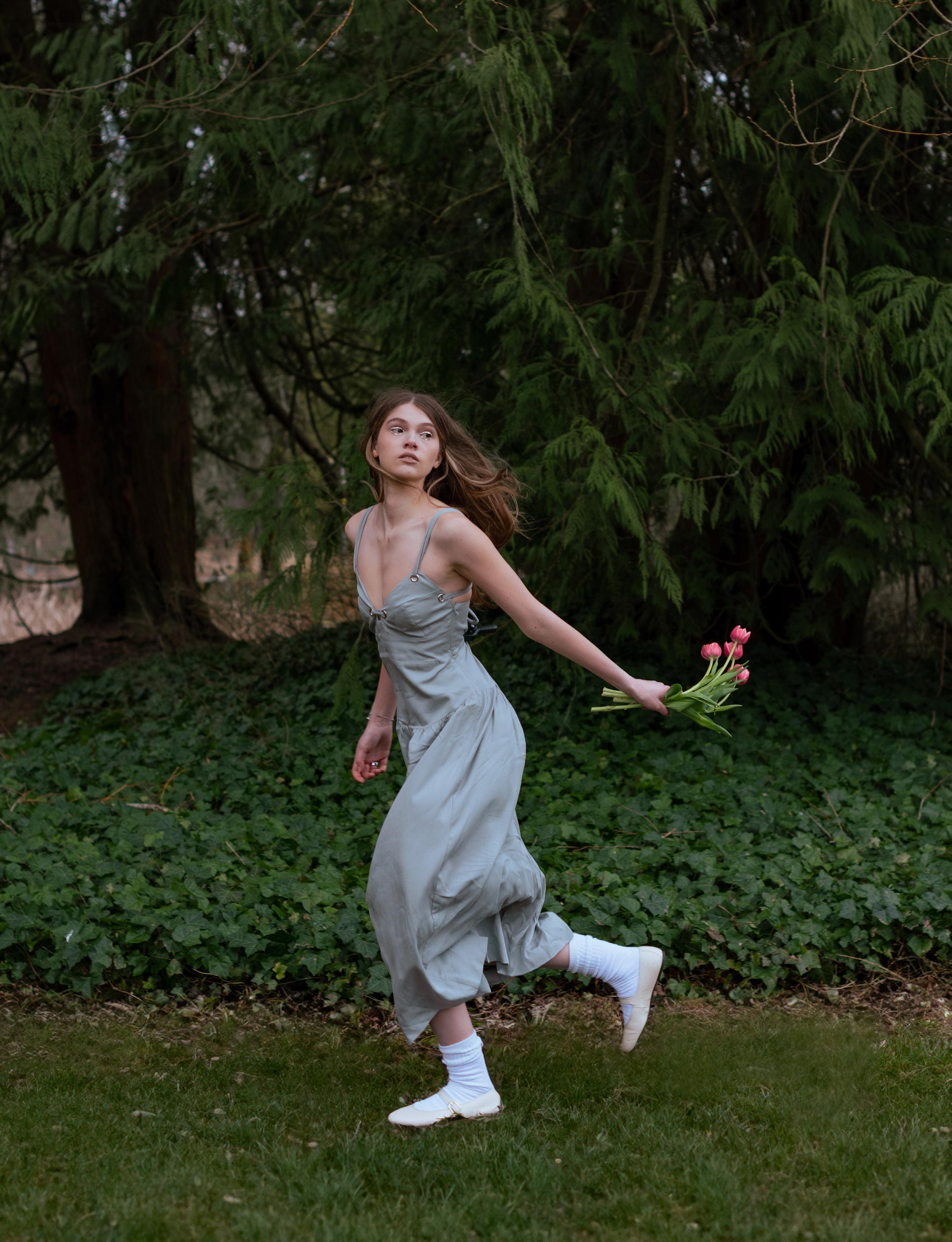
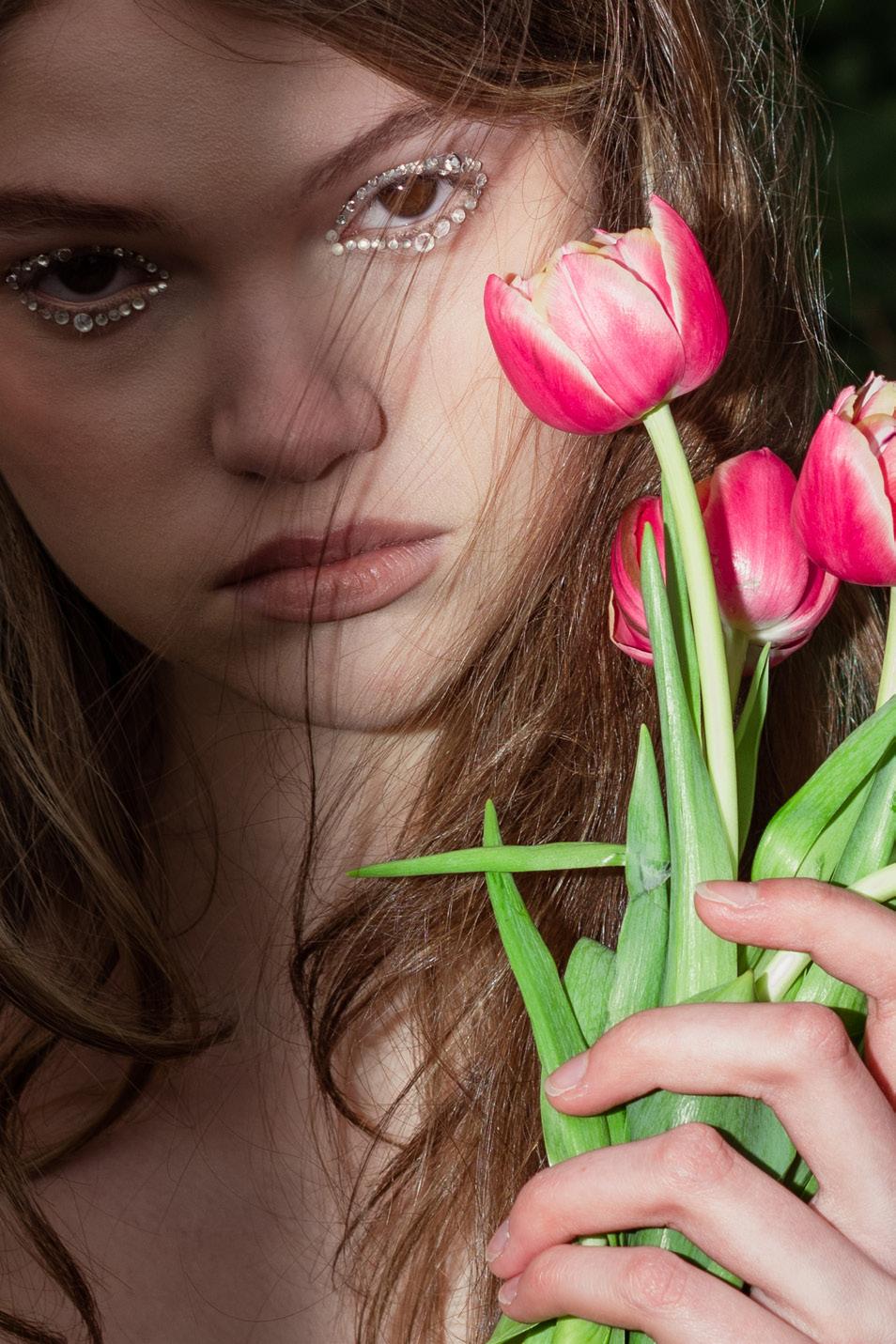
For our 74th issue, we are focusing on resilience— from overcoming adversity to exploring inner strength, embracing personal growth through exploration and redirection. What are the ways that you dealt with resilience when faced with a significant challenge in the past to help shape your current strengths? How have those experiences made you stronger and helped you persevere?
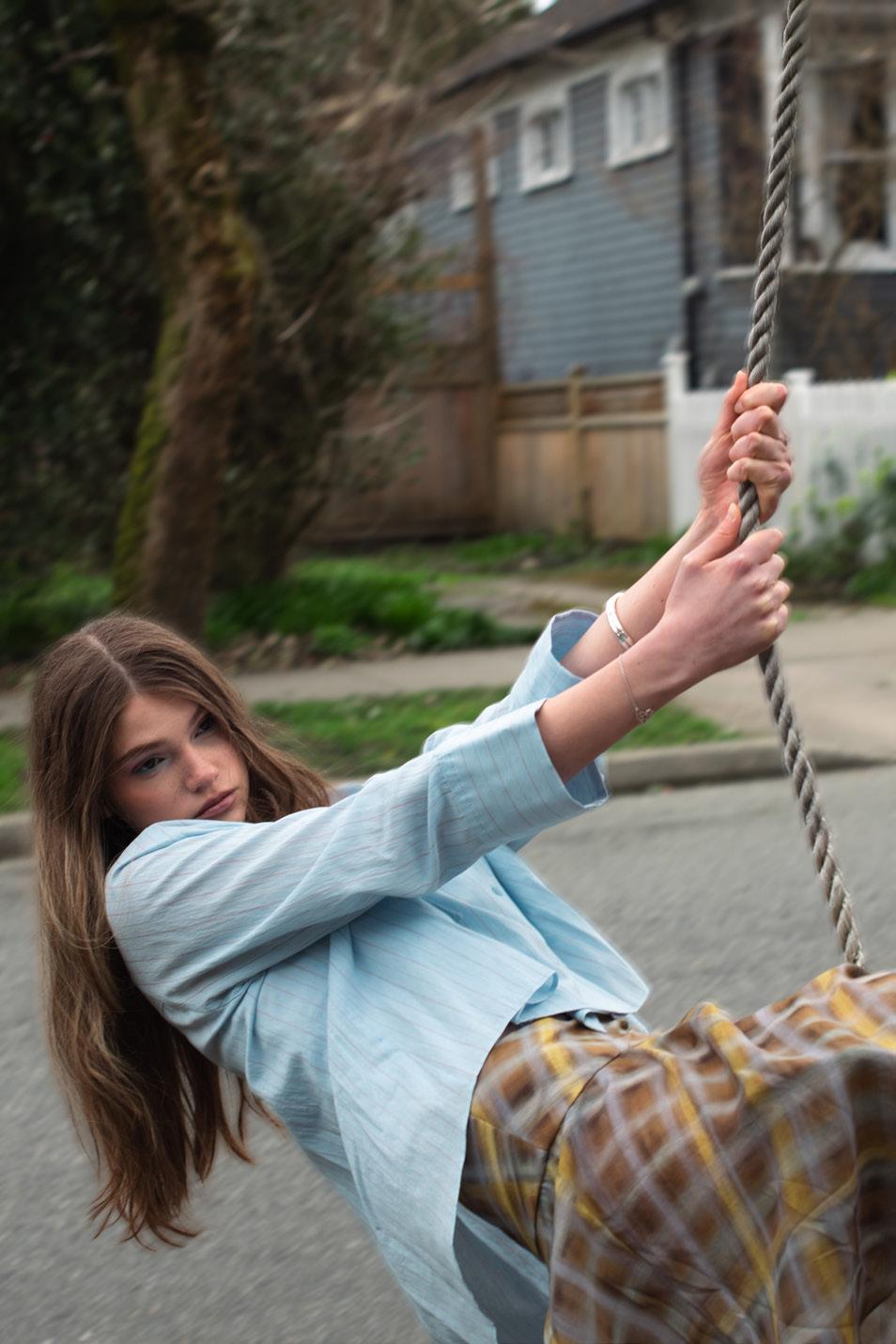
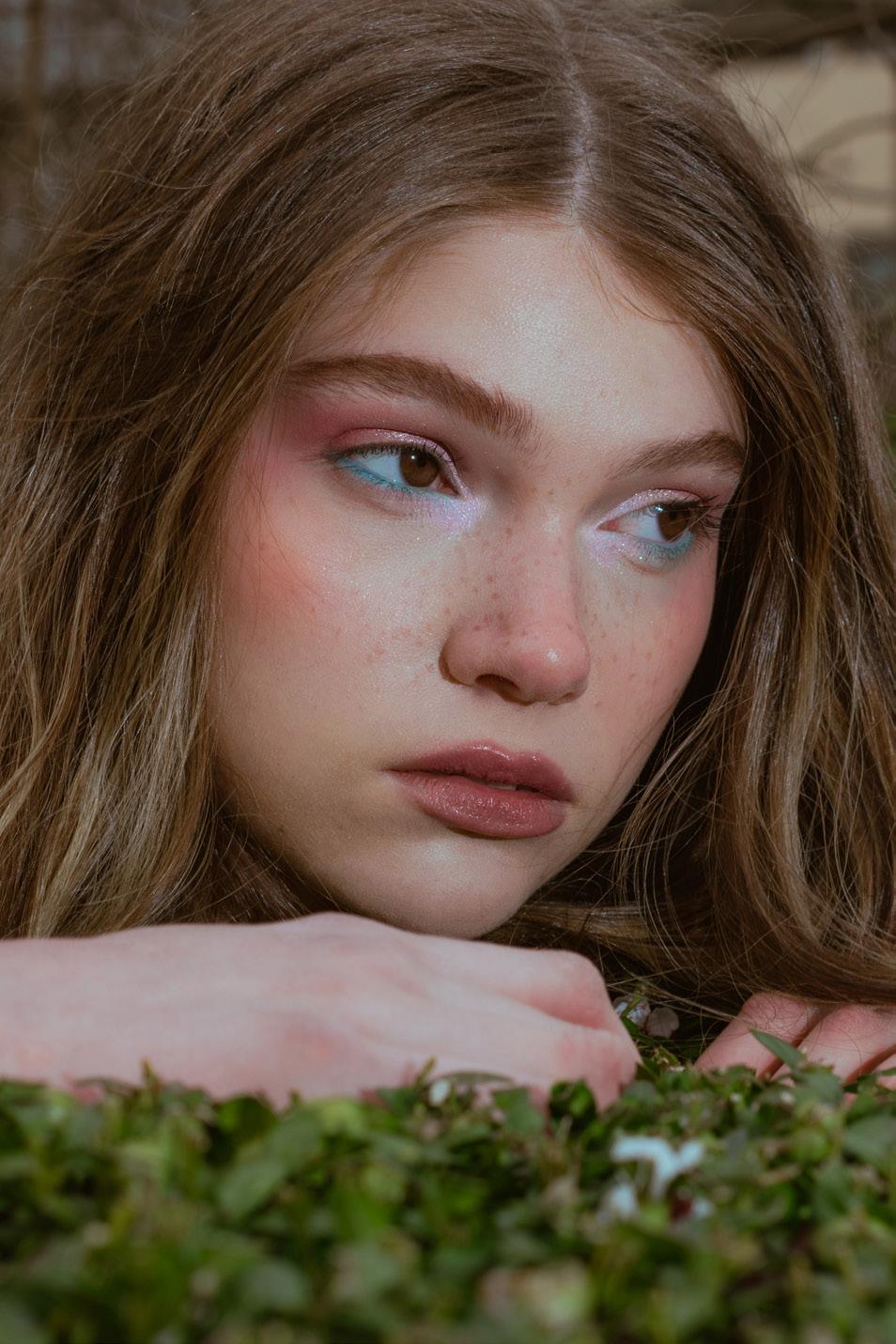
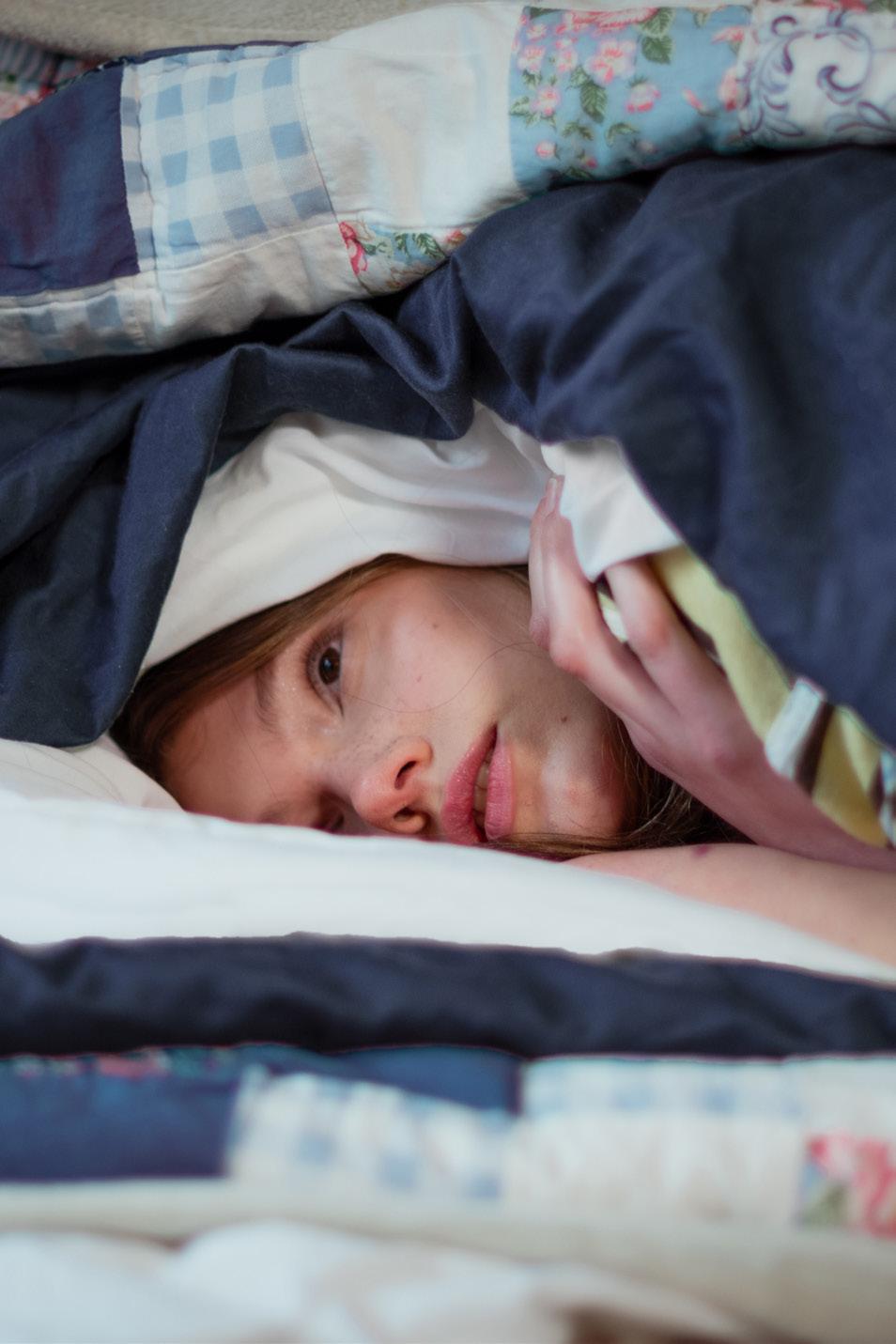
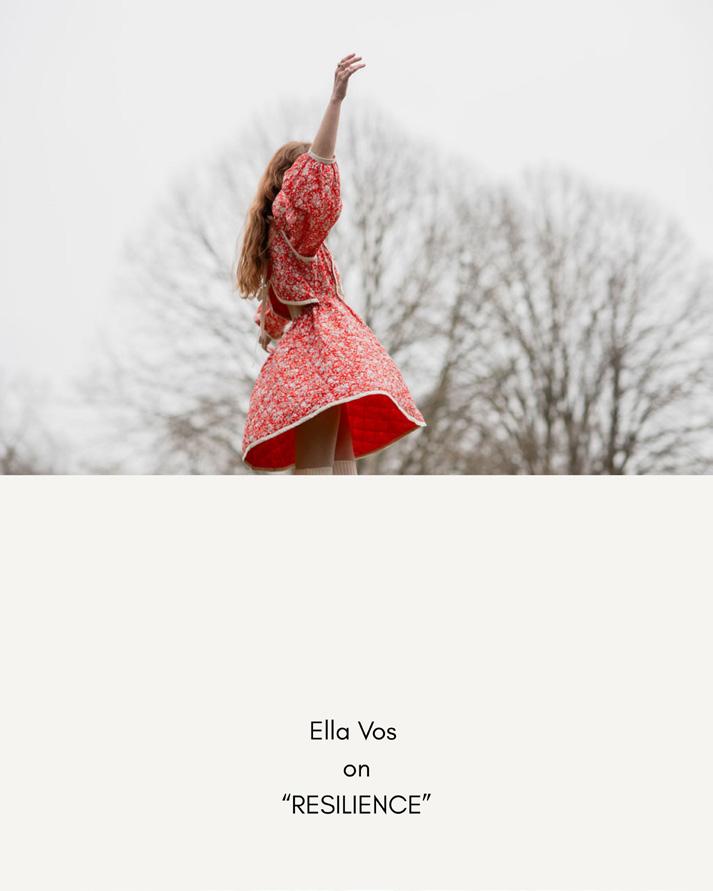
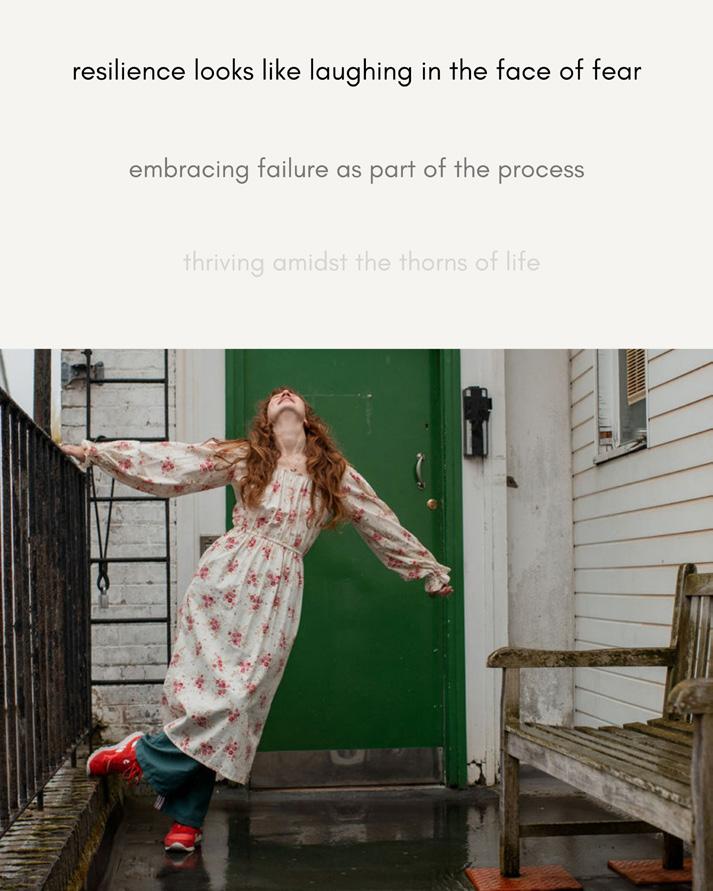
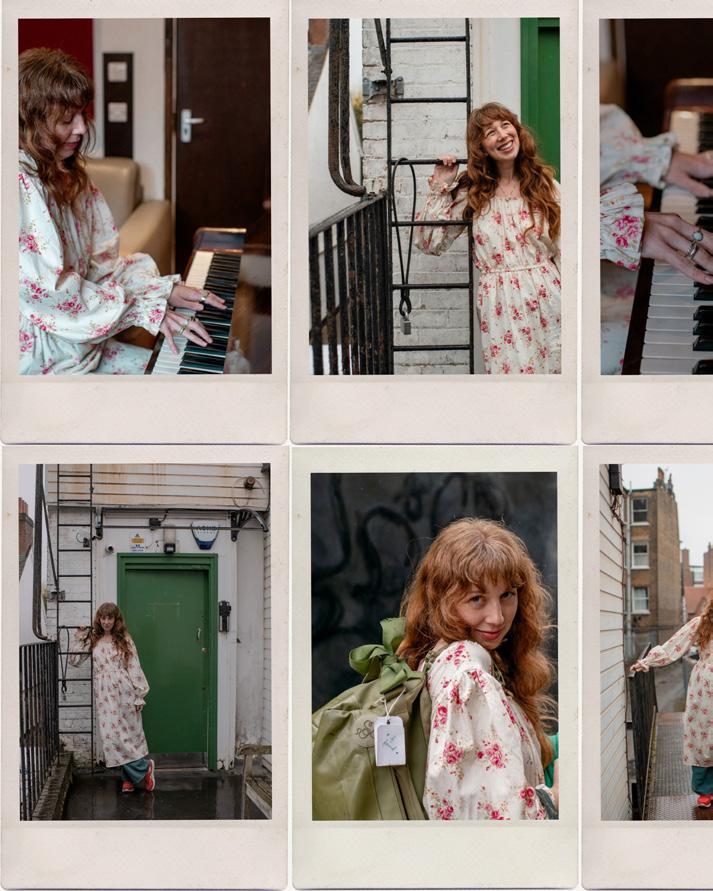
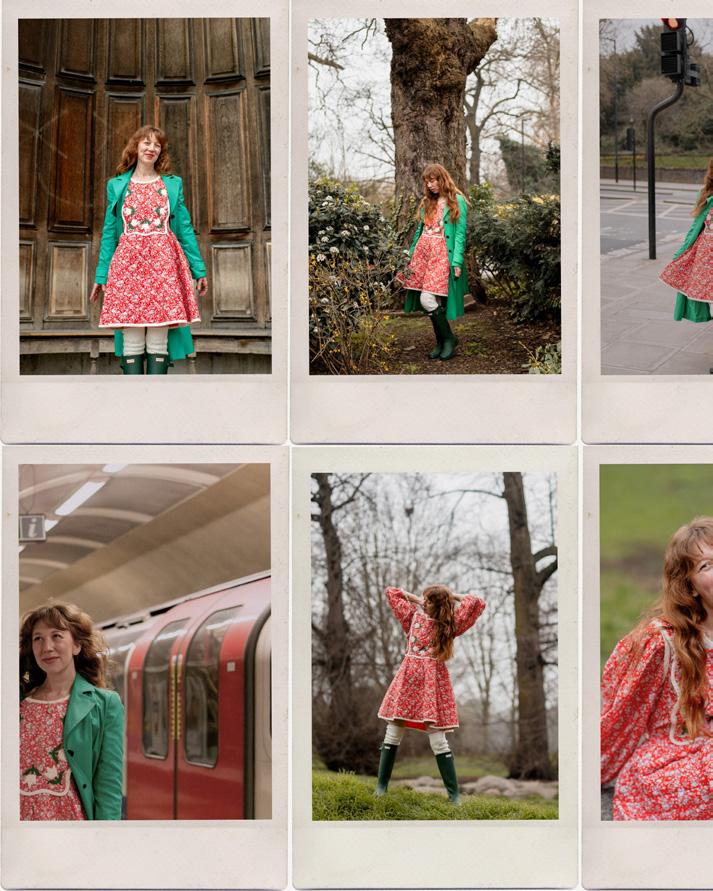
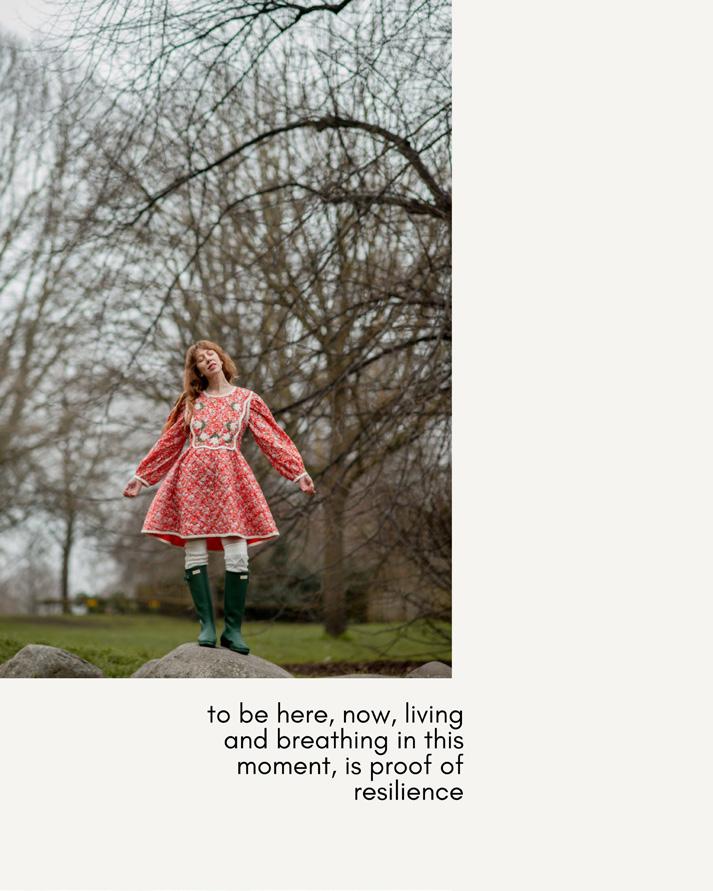
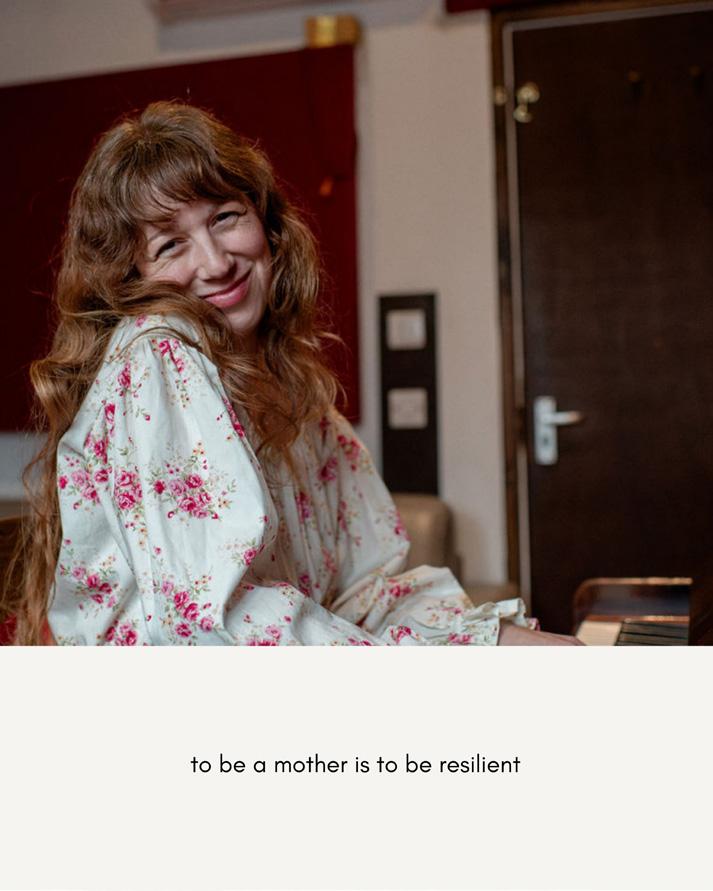
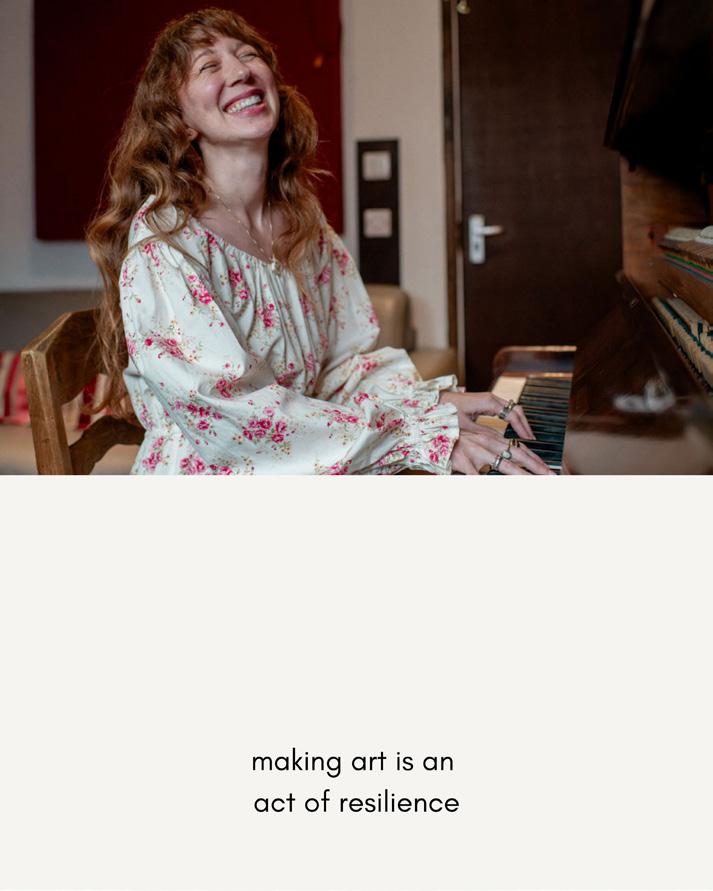
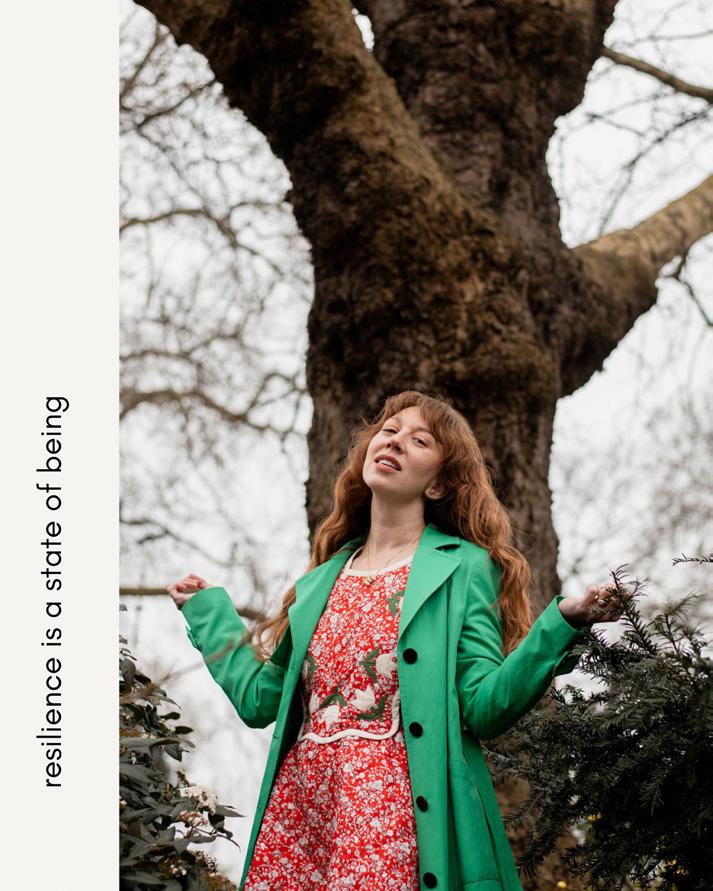
VOS, LOS ANGELES, CA, USA
Uphill Climb
Growing up, I genuinely didn’t believe I’d live past the age of 18. Between a traumatic home life, failing class after class, bullying and being diagnosed with severe mental health issues, I was chronically suicidal all throughout high school and into my early 20’s. Since my young teen years, I've been on every SSRI currently on the market, have been hospitalized more times than I can count for psychiatric reasons and am chronically ill due to PTSD.
February 9, 2026 marked the 1.5 year anniversary of the last time I was hospitalized for psychiatric reasons. It’s the longest I’ve gone without being sent back to the hospital and was definitely a milestone worth celebrating. In August 2024, I had 2 attempts in the span of a week; it was the lowest my mental health had been in years and truly terrifying. I was a shell of a person, stuck in a horrible situation with what seemed like no other way out.
In those really difficult moments through the years where I felt like throwing in the towel and giving up, I wasn't exactly sure how I found the strength, courage, and resilience to keep going. Looking back now, I know it's because of my current self; this version of me who has not only put in some serious work and effort to heal, but also has hope for the future and knew exactly what those past versions of myself needed. My resilience comes from my 26 year old self, quietly whispering and guiding younger versions of myself saying “there are places you haven't been and people you haven't met yet that you’re going to love and are going to love you back.. You’re going to end up exactly where you need to be. Please stick around for this, I promise you it’s worth it.”
I’ve realized throughout the years that healing is rarely linear and resilience is like climbing a mountain; it's extraordinarily difficult the first time you do it. It feels unnatural, unsteady and easier to turn around when you hit that first big uphill stretch. It takes a lot of time, guidance from loved ones and trust in yourself. Just like climbing a mountain, the act of resilience gets easier every single time you do it. Slowly but surely, you find your footing on the rocks and lift yourself up, one step at a time. The view from the top is always worth the effort and, before you know it, you’re reaching out a hand to someone else so they don't get left behind either.
Every experience I’ve had over the years, every place I’ve travelled to, every person I’ve met, all the good and all the bad, has led me to become the strongest, most resilient version of myself. I’ve definitely had some really tough moments since August 2024, but I genuinely don’t think my mental health will ever be that bad again. As one of my friends said in February: “good souls rarely have it easy [...] there will probably be tough times ahead too, but you are better prepared than ever to find your way through them.” Let my life be proof that it does indeed get better.
CHLOEE HALL, VICTORIA, B.C., CANADA
my unknown
My irises adjust to a land of cooler hues, The air all around is kissed with frost, I no longer desperately await the cool air of midnight’s blue, For it is now winter’s eternal nation I have crossed into.
I think this is Nirvana: Where the cold embraces a traveler blissfully lost.
The air is dry, but the unfrozen lagoons are just right. It used to be the opposite: Moist air above a land – dry from sight.
A voyage for the lost, A great escape is what I sought, My memories matter not, But peace in a land sans memory, I ask a lot and bear no shame in this want.
Instinct: I pretend snow is the more familiar sand, Making faux connections between old and new, But I think that bridge is hanging by a strand.
Distinct: I’ve no map nor woes in the freezing blue.
I want to be bewitched by this novel land, My bridge blending action and rebirth anew, Held not by strands but bound together by screws.
I don’t want to feel the same, Familiar chaos reached its final state: It is mundane. My bridge shall merge this future and the past I blame.
Winter’s homely aura is imminent.
Biting, barren and bleak: Not a speck of familiarity, But familiar is void of comfort to say the least, So this land: unyielding and uncharted, T’is an unknown I shall hold dear to me.
ENAYA
BOKHARI, WASHINGTON, DC, USA
Near Blaze but Brush Untouched
Dear love—
Gangly and wildly unmoored, A broken wind chime flying breakneck speed
At the mercy of the universe and the elements, Sometimes you bare your heart only to find you are too much to bear, Tender-hearted fire, always staining the palms of your feet with grass stains and your mouth with ink-laced honey Getaway car with destination unknown sharp wits//sharp eyes//sharp teeth always biting your own tongue-in-cheek
Bleeding vinegar and wisteria and all the things you are yet to understand, Dear love—
I hope your chrysalistic fervor becomes a home, That it be a dormitory for love to spread her own blankets/wings/ good things, and she be here to stay, Fly as she chooses, as she must, Boundless yet purposeful in all she does that patience become precedent even of the sorrowful September/reverent lair Near blaze but brush untouched, may you find your purpose there.
YOO, LOS ANGELES, CA, USA
Resilience
I wasn't given a choice on being resilient. Reliance was a gift given to me by my mother before my feet touched solid ground. Resilience is in my name.
I was named Janae because I was my mother's rainbow baby. After countless abortions, followed by miscarriages, I was supposed to be another.
My mom said "this baby shall live and not die" A prayer became my destiny.
I was not given a choice to be agnostic. I was brought up in the church.
I didn't learn the alphabet, I was taught Bible verses. I was spiritually aware
Gifted and special
Until I started to question the word. When my mother went to the church about my father beating her, they sided with him.
The finger prints on my mother's throat meant nothing because my father was a good man. And God doesn't make evil.
I didn't have a choice in being queer. That was a discovery I made early in my life
But due to my family it was a part of me that I hid Don't ask don't tell
My queerness doesn't define me
Yet that seems to be the only thing some people see in me.
I didn't have a choice in becoming a feminist.
It wasn't my fault I was never picked to move chairs
Or to run on the field.
It wasn't my fault when my "no's" were ignored.
I was expected to wear pink
Be dainty
And be quiet
And besides, "it's funner when they fight back"
I didn't have a choice in getting help.
If you met me at 18 you'd understand.
That poor baby was running off of mania and antidepressants.
It was either that or end up dead
Stigma alone could have killed me.
"You're too smart to be bipolar"
"Being depressed is a choice"
"You're letting the devil win"
"Black people can't be depressed."
It took 26 years to get an accurate diagnosis.
It’s autism and ADHD.
But black girls can’t get those right?
I didn't have a choice in becoming an activist.
Even when we were separated from the church,
My mom played nothing but gospel music.
Discovering rock music was a game changer.
It started with sad teenagers whining about their lives
But as I got older
It was no longer about love and loss.
It was now about injustice.
It was about fighting the system designed to make us fall.
I didn't have a choice in being radicalized.
My mothers birth certificate says negro.
My grandmother was alive when Martin Luther King made his speech.
My great grandfather never learned how to read and told stories about working in the fields.
I was too young to remember those stories, or to even be interested.
My mother thinks every malicious thing that happens to her is because of her race.
As an elementary schooler I didn't get it.
As a middle schooler I'd roll my eyes
But I'd hope and pray the cute boy in class was into black girls.
As a high schooler I didn't get it until I learned about Trayvon Martin.
Only 4 years older than me.
I went down a rabbit hole.
Sandra bland
Emmitt Till.
A never ending list, still growing today.
I didn't have a choice in becoming enlightened
Honestly it kind of just happened.
When your life just feels like a mess,
You might find connections you had no idea about.
I never wanted to play life in hard mode.
I never wanted to be forced to be strong all the time.
I am still desperate for comfort.
I have the political views of a black panther and a traditional punk. Yet the biggest form of rebellion is being soft. Not being kicked down
All my life I've heard we fall down, but we get up. I wear bright colors.
I color my hair.
I allow myself to be seen I allow myself to be heard.
I am the embodiment of resilience and strength. Even though I never asked to be those things.
FRAZIER, SPOKANE, WA, USA
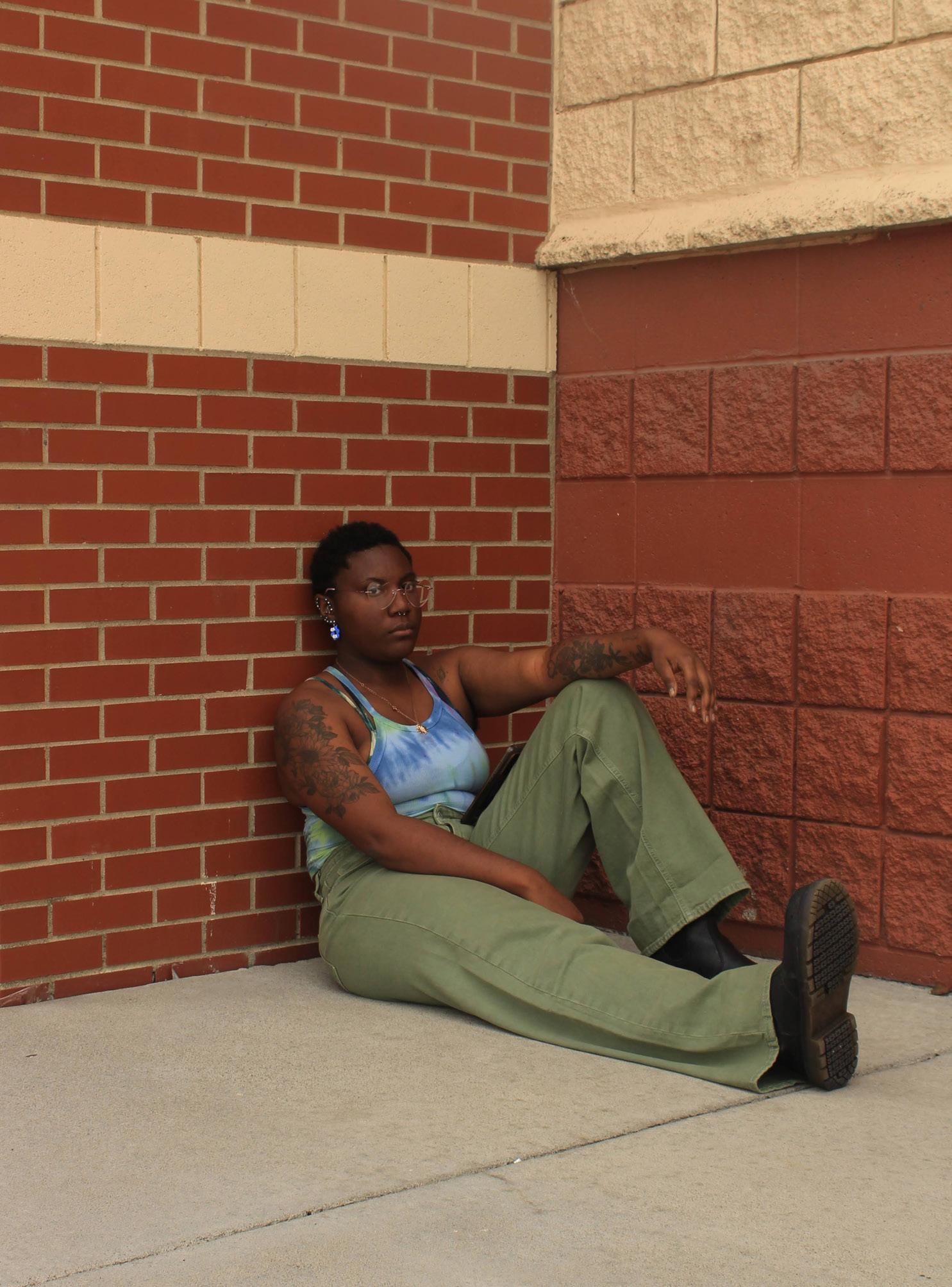
Almost Lives
I think about the versions of myself I almost became more than the one I am right now.
What would my career have looked like if I had stayed in New York after my internship? If I hadn’t decided to freelance and had done a 9-to-5? It’s easy to punish yourself when you want more success, when life isn’t where you thought it would be. Timelines where there’s no worry, where softness doesn’t feel dangerous, where love doesn’t feel like something to survive.
It takes time to realize you can’t punish yourself for choices you wouldn’t have understood back then. We learn with experience, with trial, with patience.
Queer people, I think, become experts in alternative timelines early on. We rehearse futures quietly, learning how to edit desire so it doesn’t cost us safety. We delay ourselves. We make ourselves smaller. We learn how to live in “almost.”
When I came out as bi at twenty-one and then as lesbian months later, no one told me that you could have the language, the identity, the certainty, and still be new at desire. That you could still be learning how to want, how to let yourself be wanted, without overthinking. I skipped the messy, low-stakes part and arrived straight into seriousness.
I worked hard at friendships and at my career. I tried to be good at love. But now, coming into myself as a lesbian, I realize I’m in a kind of queer second adolescence. Not because I’m confused, but because I’m finally allowed to be inexperienced without shame. Letting attraction exist without turning it into responsibility. Learning that ease doesn’t mean disinterest and safety doesn’t require self-erasure.
It can feel embarrassing to be learning this “late,” to feel giddy, unsure, or overly affected when you think you should be past that. To grieve the teenage years you didn’t get to spend discovering yourself in real time. But this isn’t lateness. It’s timing.
There’s a specific ache in watching someone else live something resembling your almost-life. It can reopen old wounds, make you question if you’re behind, broken, or late. I didn’t miss my life. I survived my way into it.
There was a version of me who stayed because leaving felt like failure. She wasn’t weak. She was learning without a map. You don’t just lose pain; you lose the identity built around surviving it, the familiar script of bracing, chasing, earning. You have to learn how to receive. How to listen without turning everything into advice.
As a queer woman, that feels radical. We’re taught to expect difficulty, to equate love with struggle, to treat tenderness as temporary. Even joy can feel suspicious when you’re used to preparing for impact. Sometimes alternative timelines show up not because you want them, but because you’re finally safe enough to grieve them.
But remembering who I am isn’t about returning to an unhurt self. It’s about recognizing the one who’s here now. The one who loves deeply without disappearing. The one who understands her queerness not as a complication, but as a compass. The one who is learning that gentleness isn’t something to earn, it's something to allow.
This timeline is imperfect. Slower than I planned. But it’s the first one where I’m not punishing myself for arriving late.
Chrysalis Unfolded
I tried to dull the growing pains with red lipstick and a white dress, as if softness could cauterise what was splitting underneath.
I tried to shrink, to whisper, hide the ache under my skin. I pulled my body tight around the bone and called it a cocoon. Terrified that one day, it would crack.
I outgrew the shape that once kept me safe. The walls of my home no longer held me. Something inside of me unfolded.
I did not change all at once. It began in the quiet places, the way a bruise bleeds beneath the skin. Seeping...ripening, tender to the touch.
I changed in ways only the wild things understand. A becoming, an unbounding. A desperate grab for life.
I crawled outside of myself, leaving pieces behind in the shell. I spread my wings; wet, trembling, wrong. And somewhere between the breaking and the fall, I learnt what my body could survive.
EILEAN LOUGH-PHARE, EDINBURGH, SCOTLAND, UK
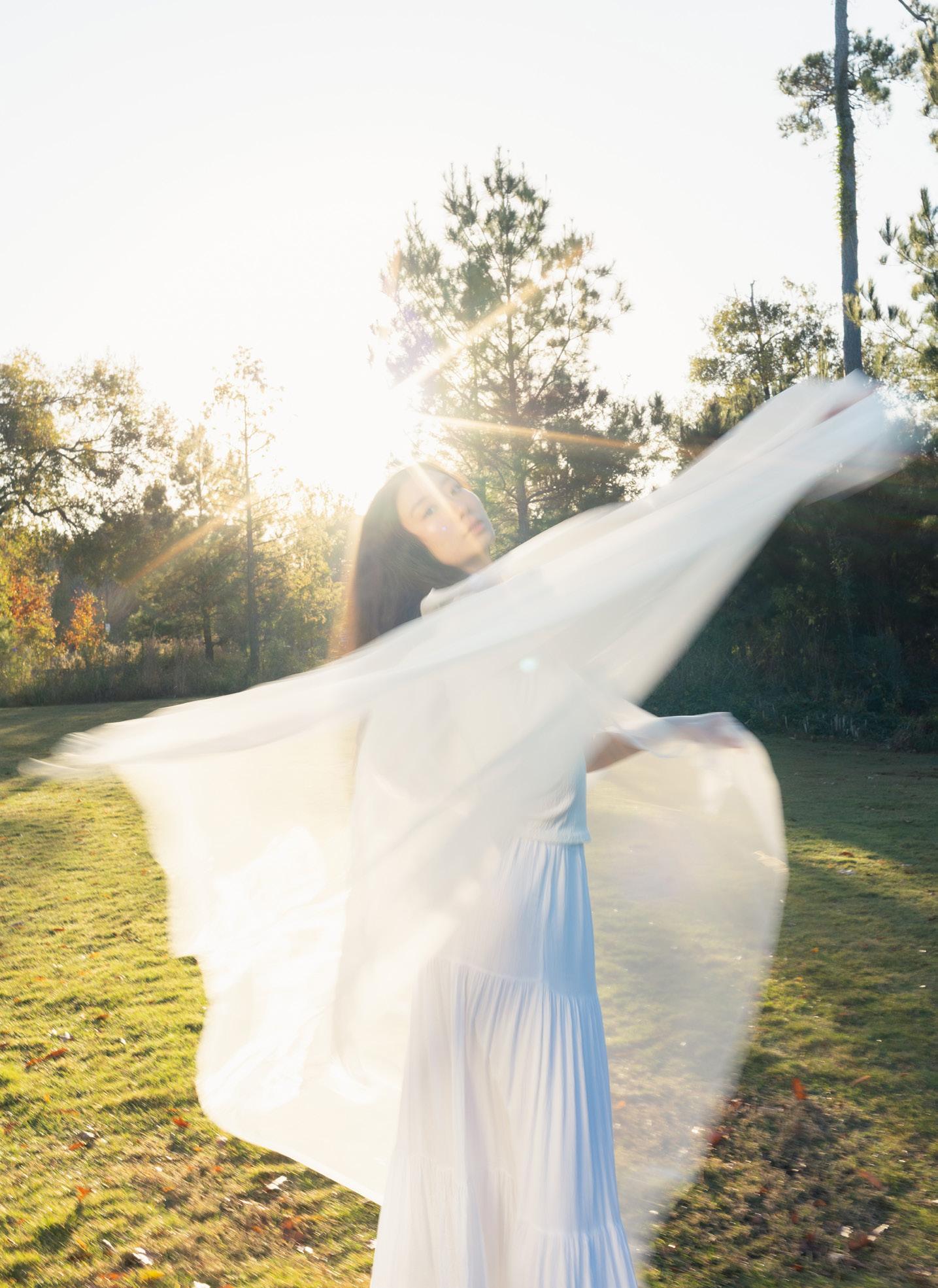
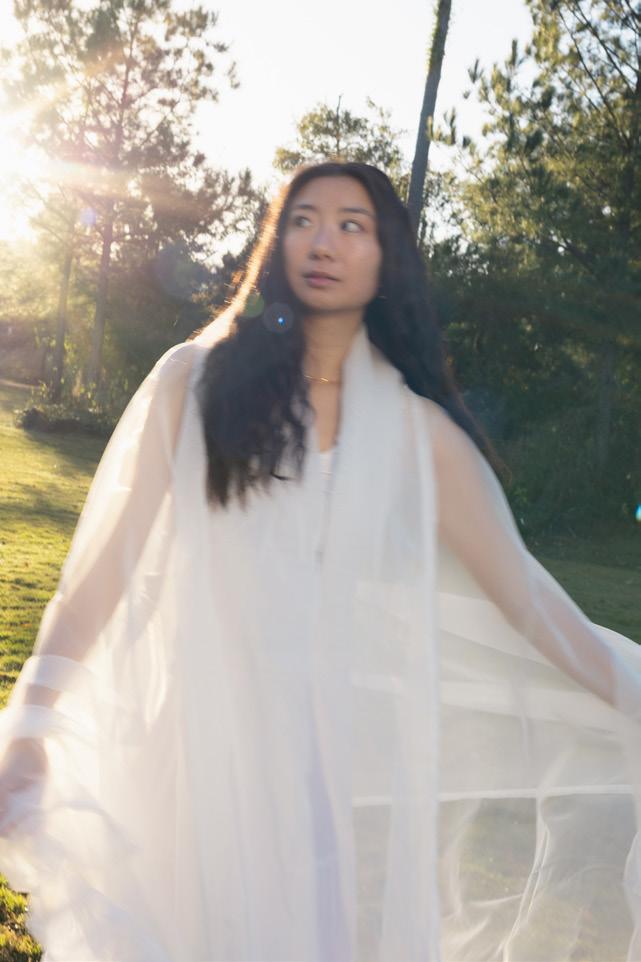
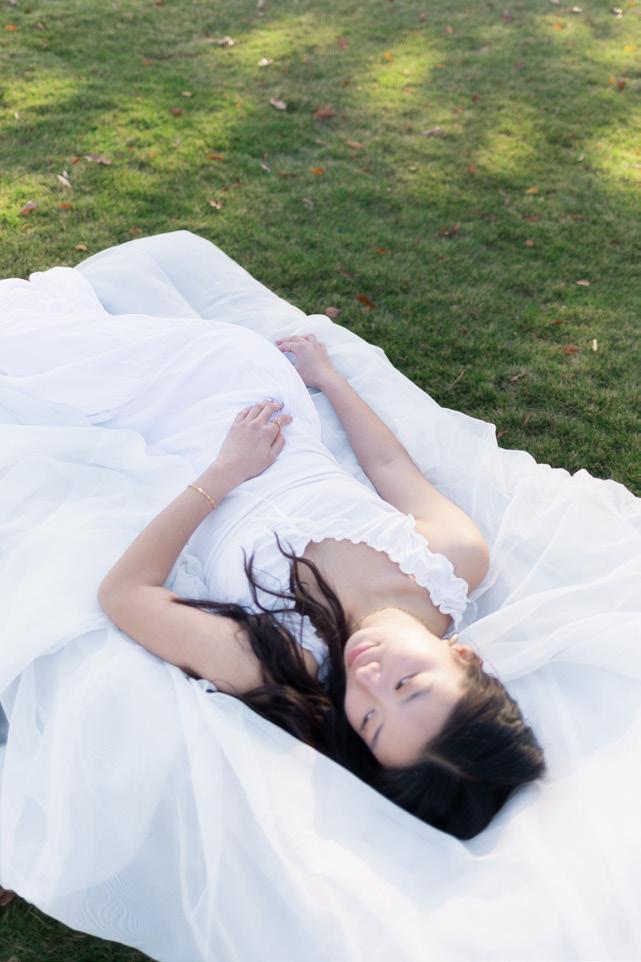
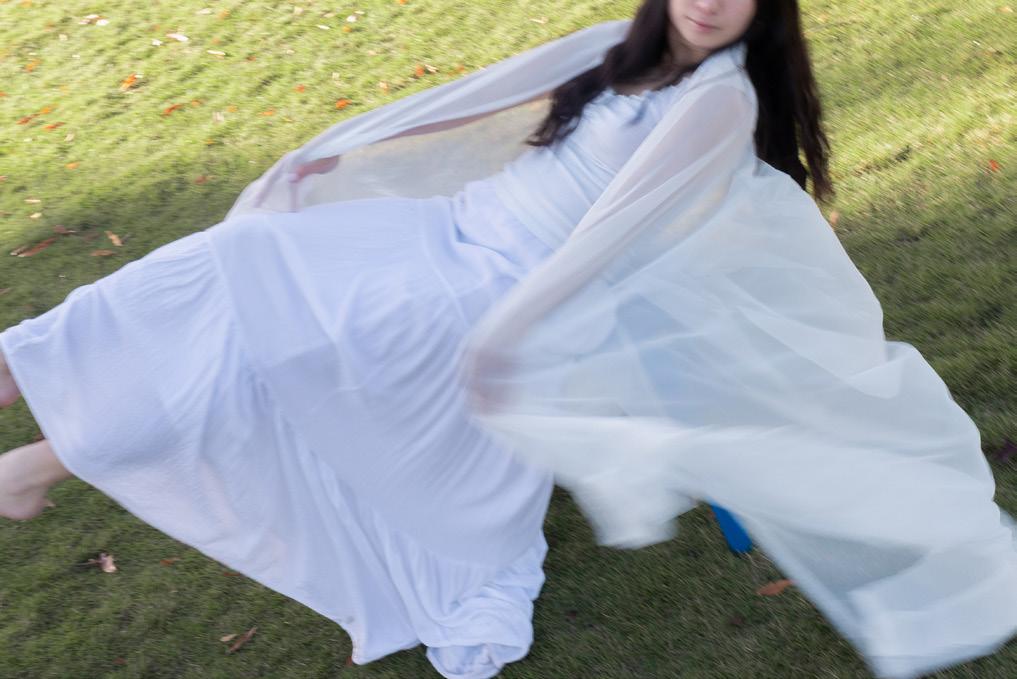
When the days became too rigid I escaped into the dream
Run away with me, it whispered Into the comfort and the haze
Falling ever more slowly and sinking into the softness I fought it then. Sat up straight and walked the line.
But in the bright lines of morning, One foot in either world, I could no longer ignore its call
To remember and draw the strength
To breathe deeply enough to hear myself. The field opened in light And I chose to step in.
Photographer, Writer, Creative Direction: Elizabeth Chong
Model: Nina Chong
the anxiety monster and other friends I have this friend. I never invite her but she’s always with me, slipping in like a shadow that lengthens eerily in the late afternoon disquiet.
I imagine myself walking a wide, open road, along the edge of a highway. My emotions arrive like old acquaintances, familiar, insistent. They fall into step, each with something to say. And then there is her. She pulls at my sleeve, she circles my ankles like a stray dog I once fed who now believes she belongs to me. She is my Eurydice, or perhaps I am hers. She tells me stories I do not want to hear, rewrites the ones I thought I knew. She poisons everything.
Anxiety is that fucking bitch.
My parents, both psychologists, call her the anxiety monster. A grotesque, parasitic thing, feeding off what’s available—stress, uncertainty.
She’s an evolutionary relic meant to just keep a girl safe. But, she is indiscriminate, responding to a delayed train with the same brute-force urgency as some ancestor of mine, a cavewoman in animal skins, running full-tilt from a velociraptor.
She does not arrive quietly. She made an entrance during standardized tests. She waited in the wings at dance practice. She is there in the moments that matter and the ones that don’t. In the stillness between things.
Surprise, bitch! —
I imagined she was something I would outrun along that long highway, leave behind in the steadiness of SSRIs. But I know, eventually, something new and uncertain will unhinge the structure of my life. That lock protecting something fragile will rust and the door will slip open just enough. And now she is inside:
No one will ever love you.
When I was 17, I got on medication. I don’t know what unsettles me more—the thought of being forever tethered to a cocktail of chemicals or the prospect of going without, of stripping it all away
and letting people see the raw, unfiltered version of me. The one I haven’t met in years.
I feel better on the drugs, so much better. But I worry she’s still there, somewhere. Smudged mascara, a bloody lip, chained to a radiator naked in the basement of my amygdala, waiting.
Are we meant to be on drugs our whole lives? What if the person I am with them—level, palatable, easier—is more real than less? But, am I being authentic if my sharp edges are smoothed over, my inconvenient qualities hushed?
↑ See this. That’s the anxiety monster! She spirals and takes a thing that was firm in my grasp and shakes it loose.
The trick is not to ignore her, my dad would tell me. You let her speak, let her lay out her concerns, but you do not indulge. Confronting her with equal violence will only make her worse.
There, there, bitch, it’s okay, I tell her.
Practically, I know she’ll always return. I can practice detachment as much as I want, but she will always barrel through that door, calling me home, back to that little girl who used to give her so much.
And sometimes I go. And worst still, sometimes I go home to her instead of my life.
But I’m trying, really trying, to keep walking, even knowing fullwell she’s behind me.
I will not listen to her whispers, but more realistically, I will not take her whispers as gospel.
I will not linger where she does, but more realistically, I will linger shortly and go back to my life.
I will not look back, but more realistically, I will look back and keep moving forward.
MADELYN MAY, NEW YORK, NY, USA
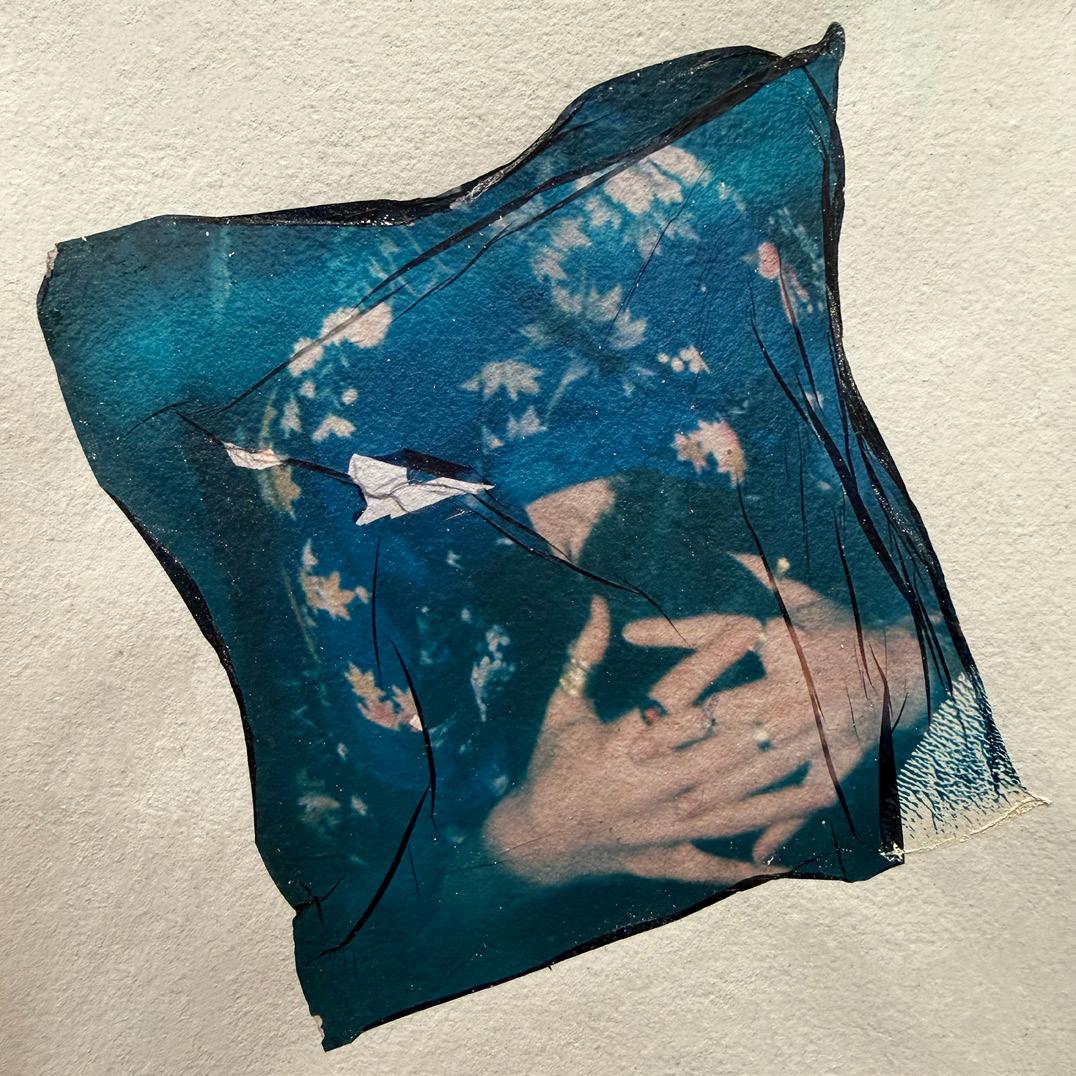
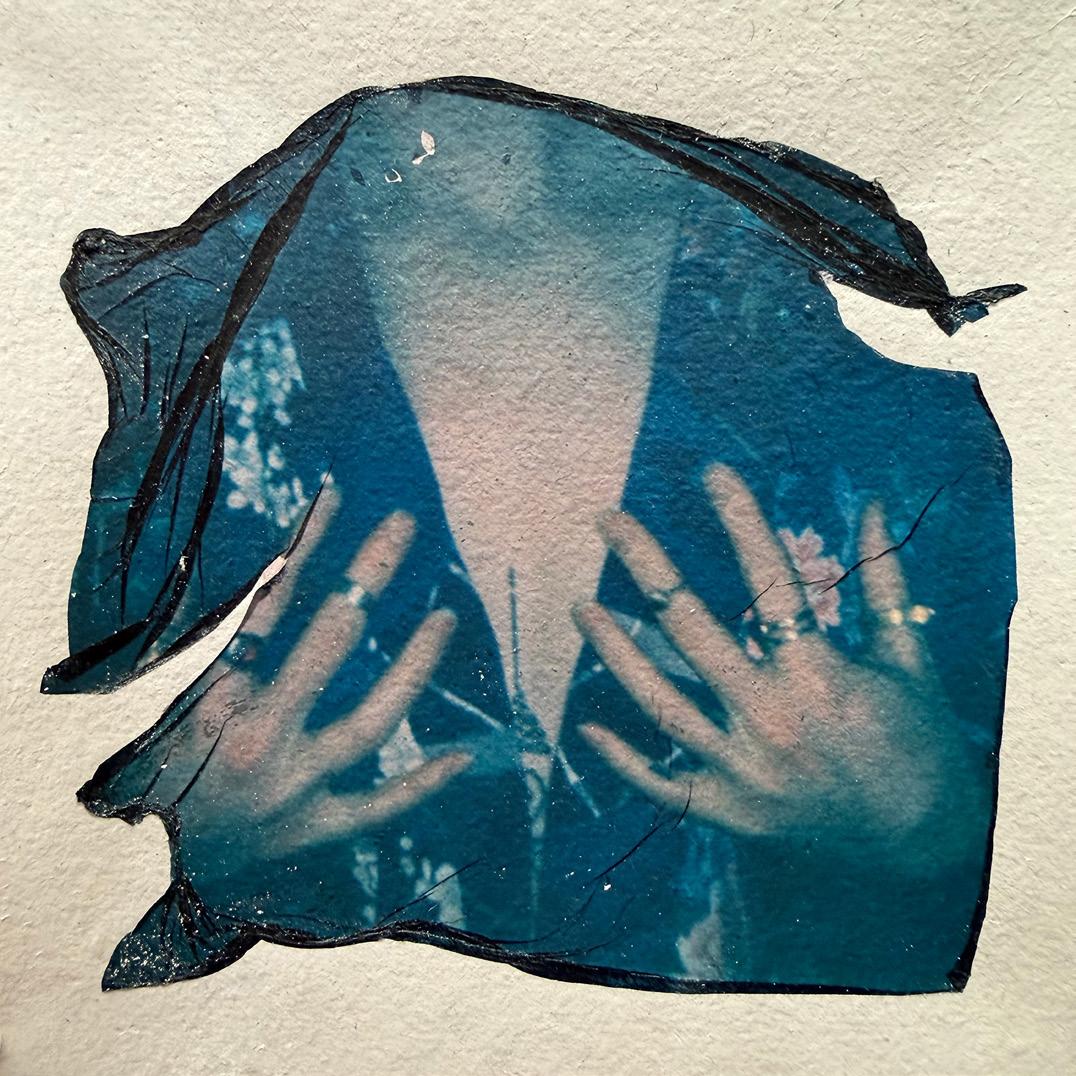
<reclaiming one's own>
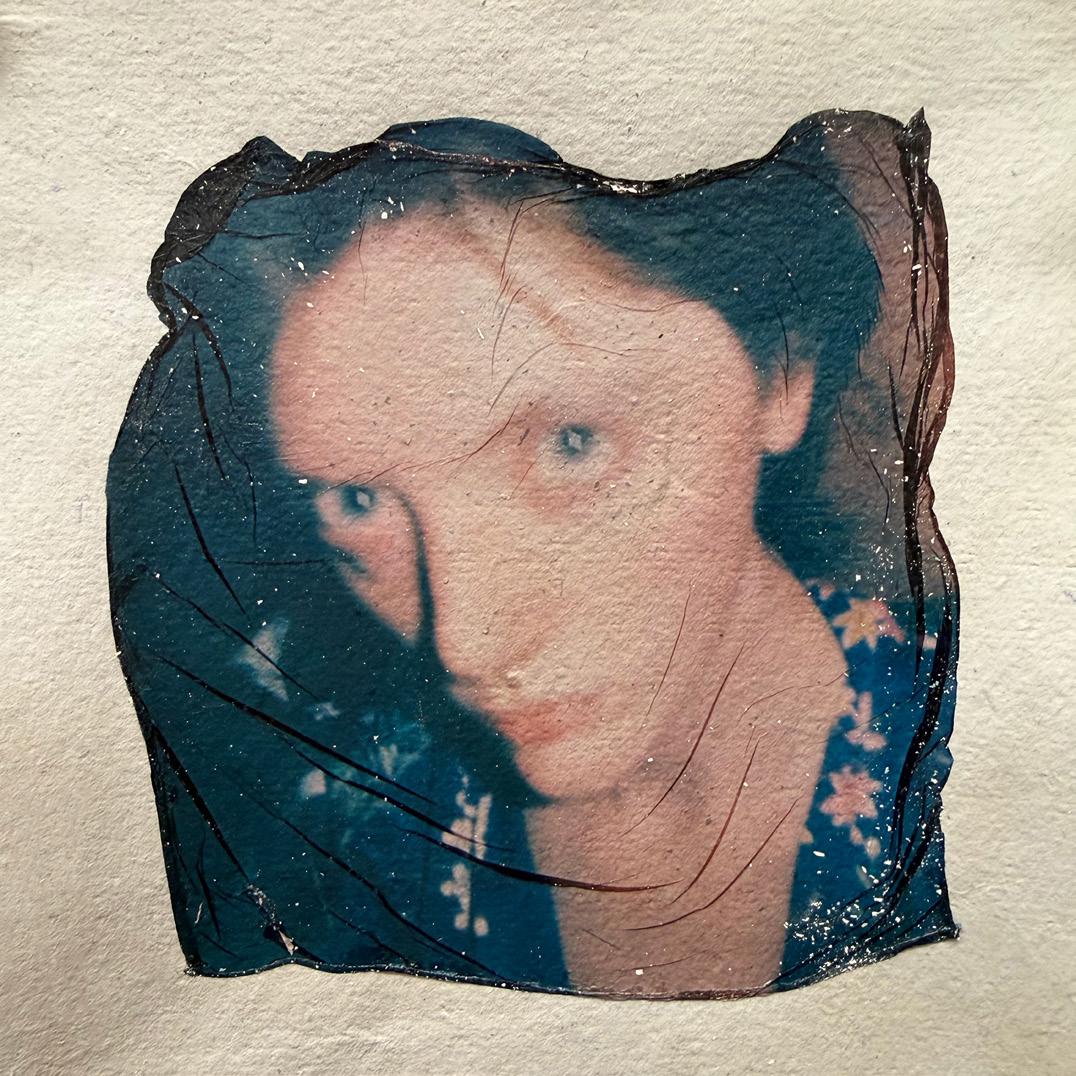
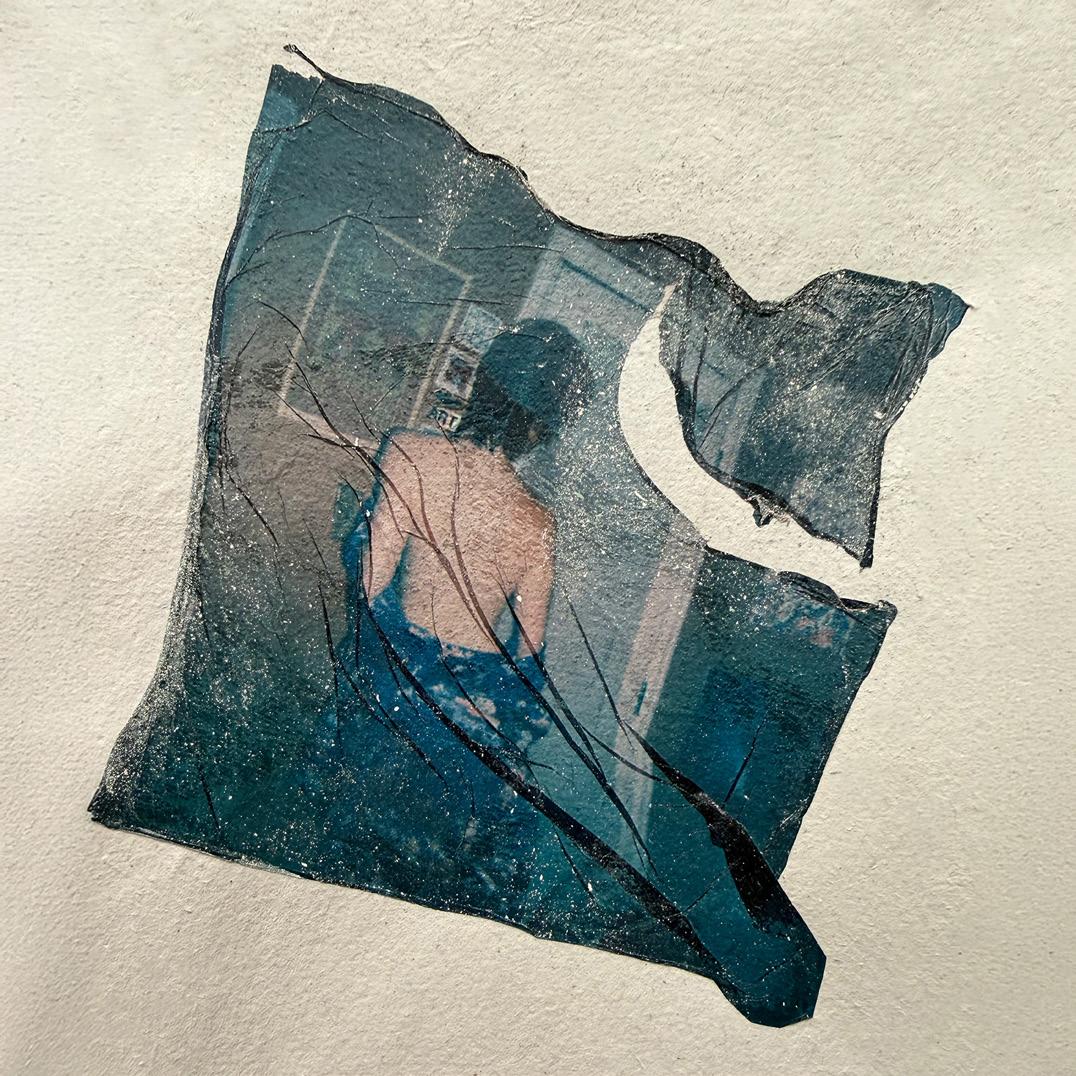
<reclaiming one's own> is an act of resilience, a testimony to survivorship. after enduring assault from an intimate partner, this series is an embodied representation of reclaiming one's own body and narrative after assault and manipulation. symbolic manipulation of the polaroid's emulsion conveys the distortion of reality that was experienced. transfer to another surface indicates a change of state, of an intentional decision to leave in order to keep myself safe. i photographed my body, intentionally covered up, in postures that reclaim the ways that it was once objectified and non-consentually claimed by another.
RILEY WELSH, FORT COLLINS, CO, USA
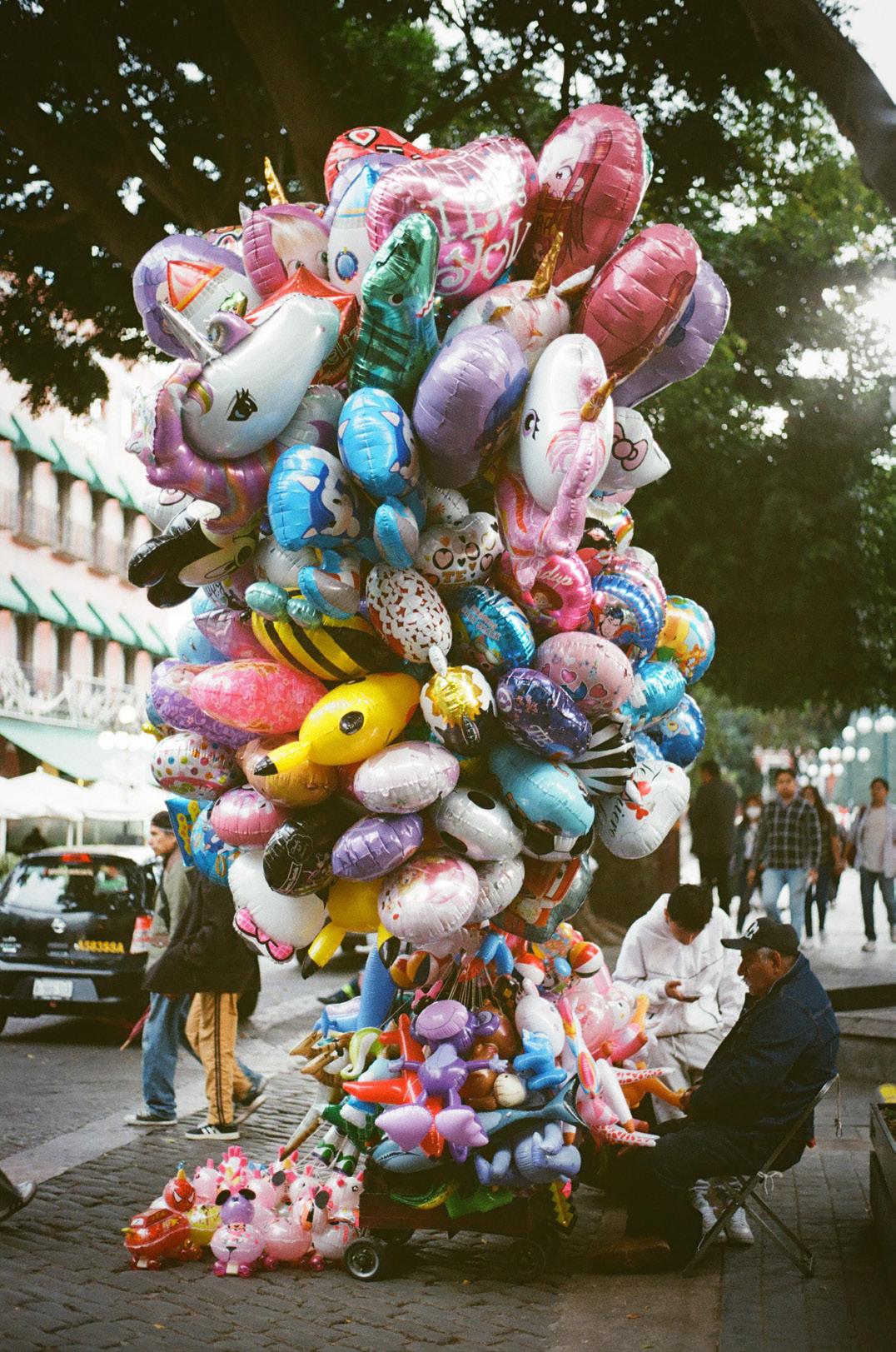
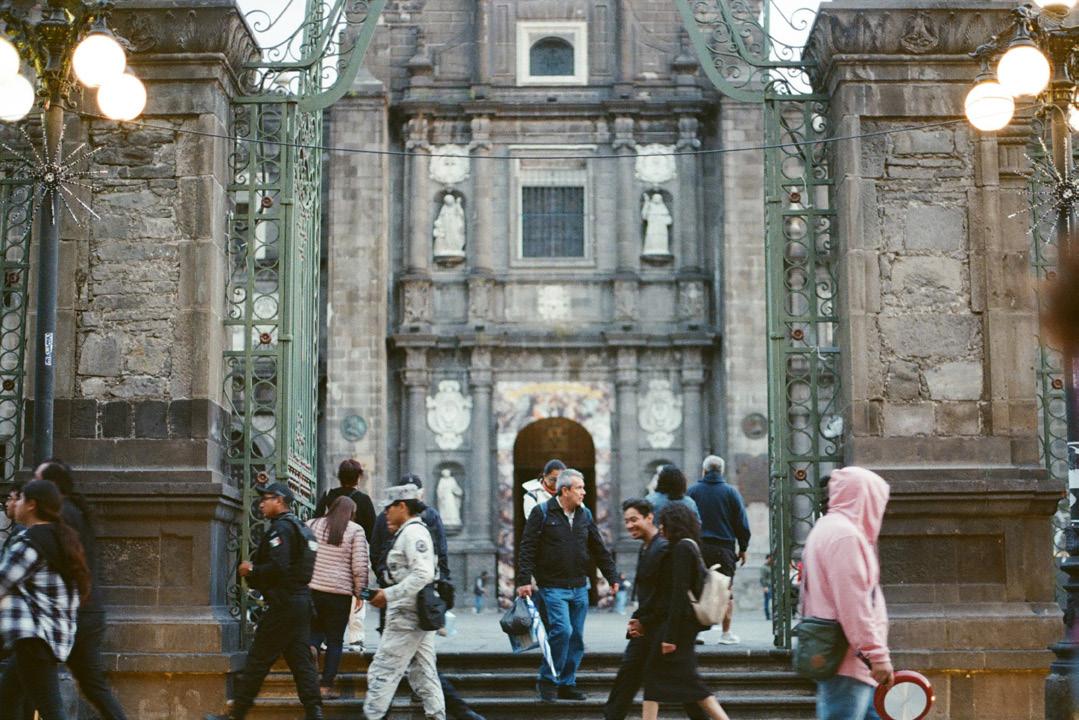
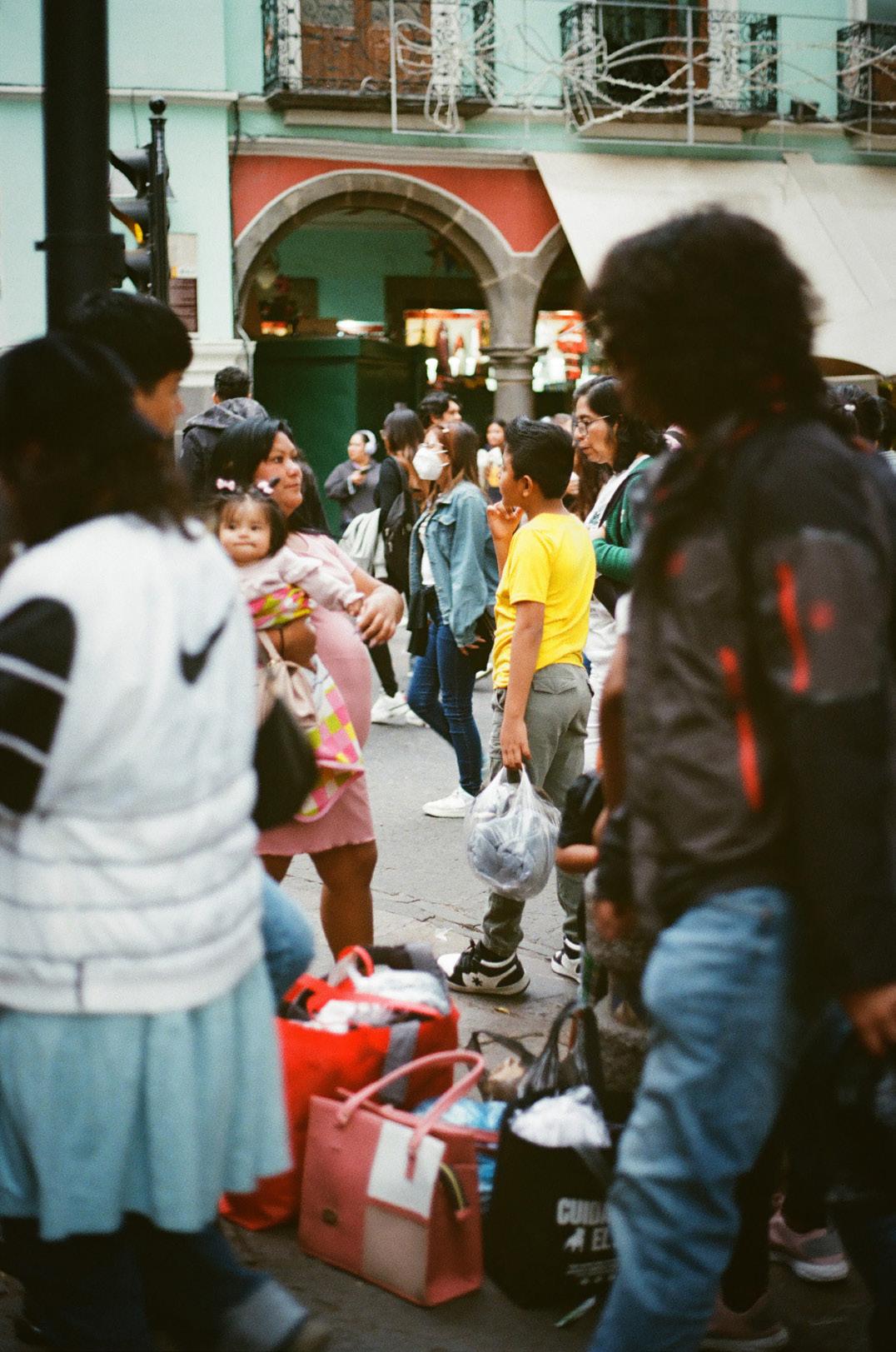
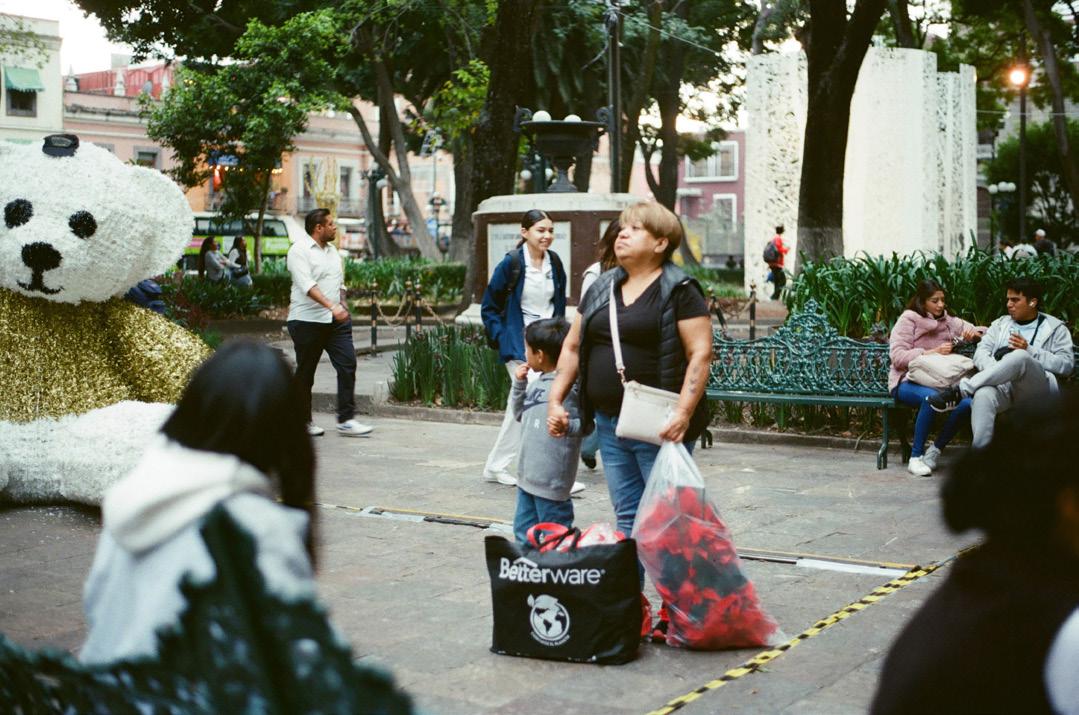
These images represent fragments of people's daily existence in the city of Puebla, Mexico– moments that are honest, imperfect, and unguarded. Within these moments lies a subtle sense of resilience. It is not dramatic or overt, rather it is embedded in the persistence of life. Resilience appears through expressions, movements, and simplicity. By capturing these photos I aim to acknowledge humanity and presence in passing strangers.
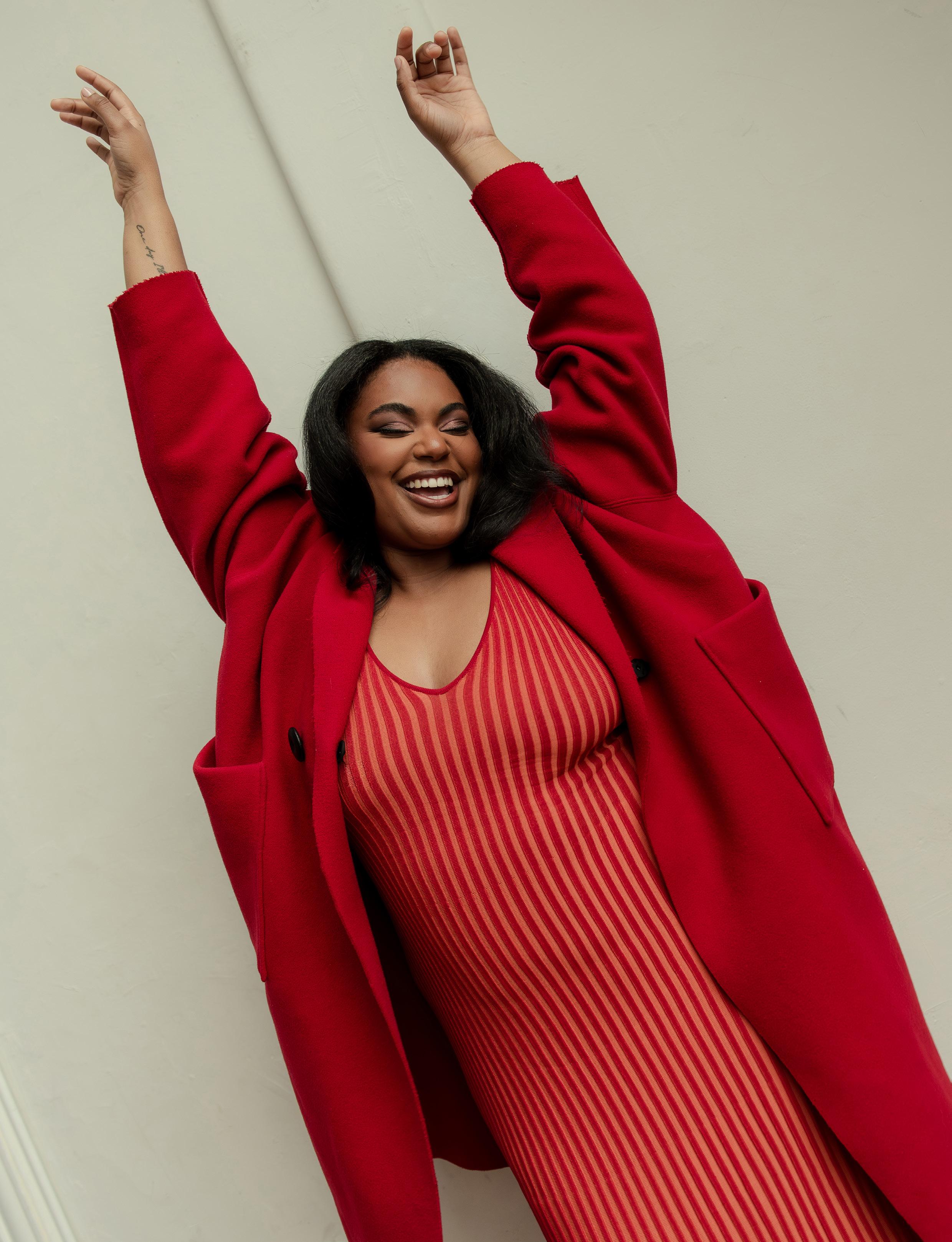
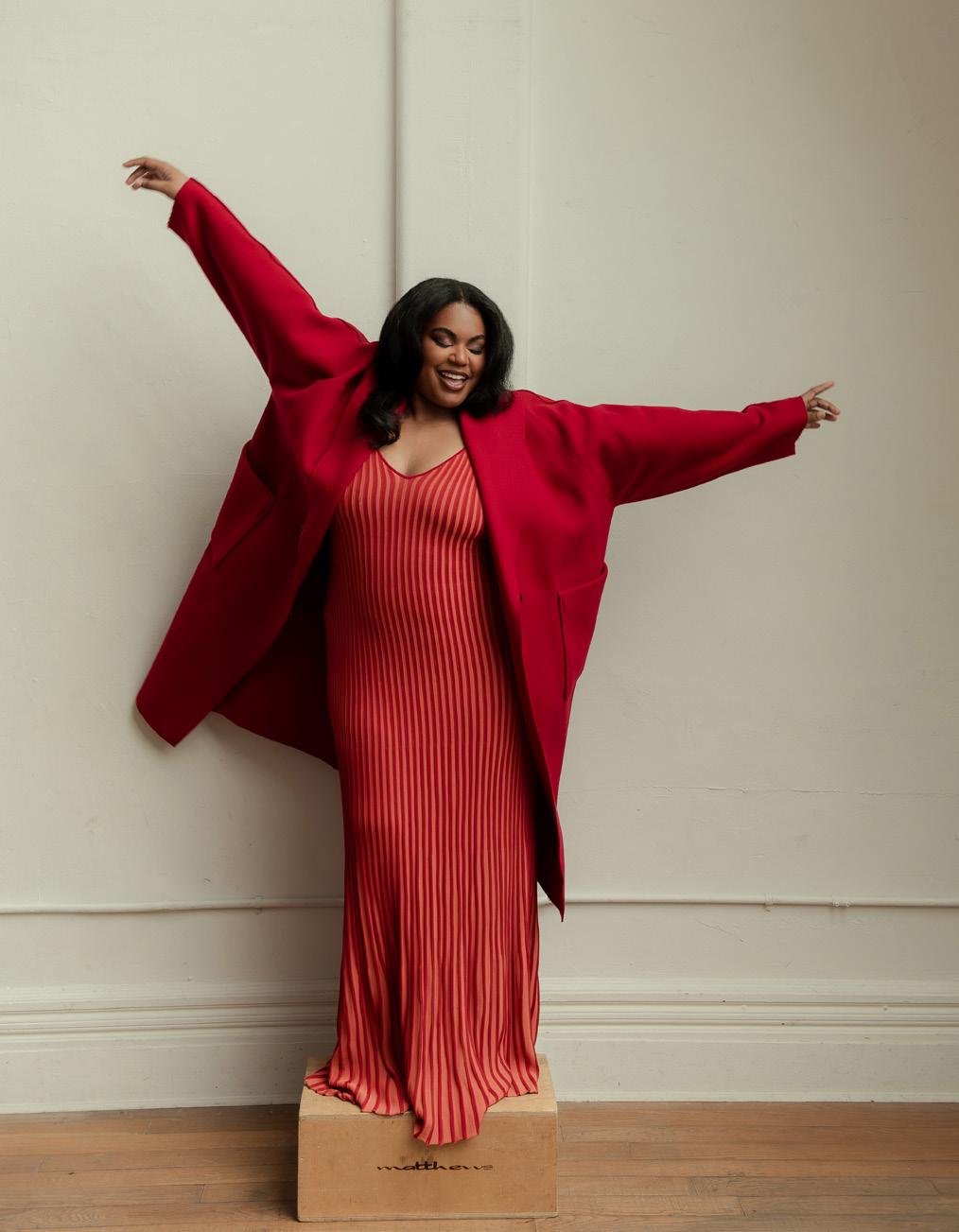
Before landing her first TV role, ARIANNA DAVIS was determined to fly.
Actress, singer, and dancer Arianna Davis recalls watching National Treasure: Book of Secrets with her dad, feeling invincible because of Nicolas Cage.
“[Nicolas Cage is] not even acting anymore. He is the treasure hunter. And as a little kid, I was like, ‘This is magic.’ [...] It's just that feeling that makes people believe in themselves, past the mundane, everyday things. I want to do this. I want to make people feel like they can fly.”
Building on that childhood inspiration, Davis now channels it into her own journey as she transitions into television.
In Peacock’s new mockumentary Stumble, Arianna plays Madonna, a standout tumbler on an underdog college cheer squad. The 13-episode comedy follows the mismatched Buttons cheer team at Heådltston State Junior College as they navigate rivalries, Button Day, and pursue their goal of Daytona. Featured characters include head coach Courteney Potter (Jenn Lyon), her husband Boon E. Potter (Taran Killam), and rival coach Tammy Istiny (Kristin Chenoweth).
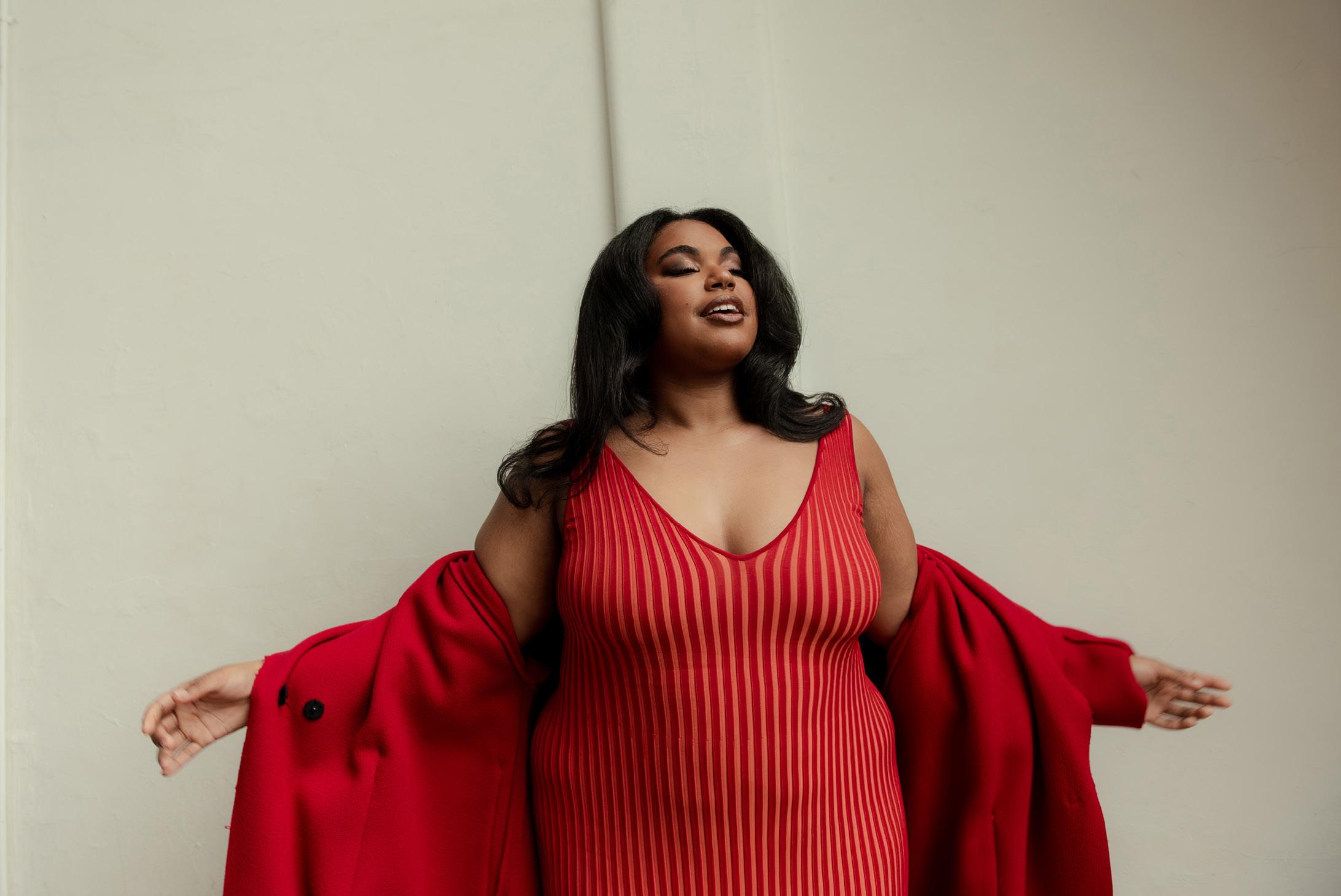
Arianna embraced Madonna the moment she landed the role, learning about cheer and the character’s chronic illness, narcolepsy. The two share energy, work ethic, athleticism, and a zest for standing out. "[Madonna] is such an overcomer and works tirelessly every day. She very much gives that energy. Her name matches her personality," says Davis.
While Madonna’s chronic illness sets her apart from Davis, it’s this very resilience that becomes the focus of our conversation.
Davis explains, “On the show, Madonna is probably the most energetic person on the team, besides DeMarcus [played by Jarrett Austin Brown], just speaks to how resilient she is because she's really so tired the entire time, but you would never know,” says Davis.
Davis uses her own experiences to shape Madonna's story: “I’ve gone through so much in my life that has helped me bring depth to the character. I've struggled with grief and loss at a very young age, and life changes and instability. That really helps me understand Madonna. And being a dancer since age 2 makes immersing myself in cheer or art so natural. So it really took me 2.2 seconds to get into Madonna because we are the same.”
Stumble is Arianna’s first television set. She feels grateful for this entry into the industry, landing the role with just two auditions: a self-tape and a producer Zoom.
“I think they thought a lot higher of me than I actually could provide. I got on set and was like, ‘Little do they know, I have no idea what I’m doing,’” shares Davis. Safe to say, she eventually found out exactly what to do and delivered.
The camaraderie amongst the cast began on day one. Davis says it helped suppress her nerves. “I feel like I’m spoiled. There’s no way it’s normal for this to be so good, so familial, so joyful, so collaborative. Everyone is so great.”
The sense of family extends to the other Buttons cheerleaders: Krystal (Anissa Borrego), Peaches (Taylor Dunbar), Sally (Georgie Murphy), and Dimarcus. Davis lights up as we talk about the team’s bond, which extends well beyond the set.
“The first [scene] we did was the family dinner scene at the end of the pilot. And it just helped it be really familial and happy. And I think I just really kind of got in a groove after that. It felt like a safe space for me to make a mistake, and they wouldn't care, or they would just celebrate me regardless. I feel very spoiled. This can't be regular.”
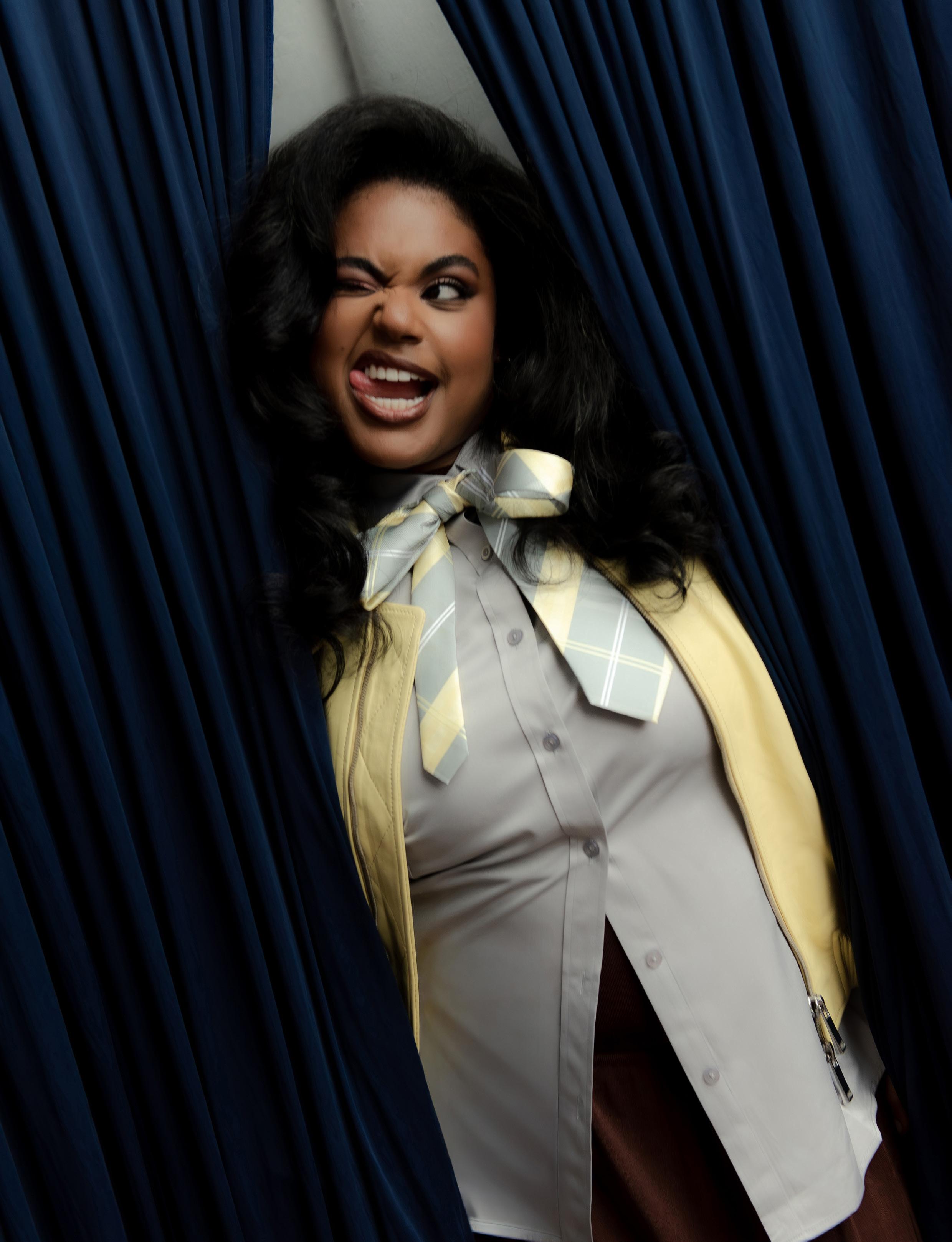
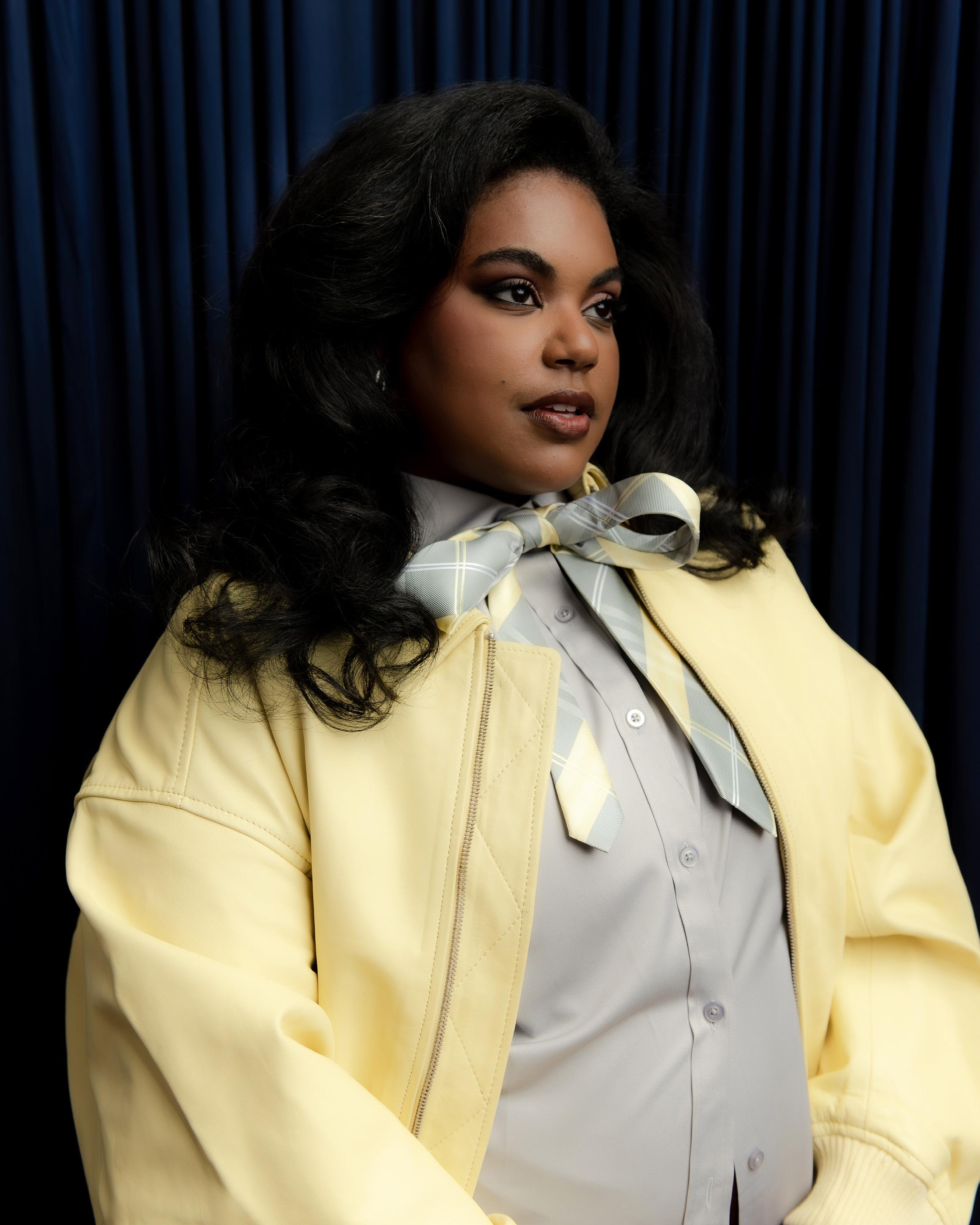
With acting and a lead role now behind her, Davis sets her sights on singing. Viewers heard a sample of her voice at the talent show in episode 8. It was brief but memorable, offering a glimpse of her stage presence.
We won’t have to wait long, as she’s set a goal to release music in the first half of 2026 with enough songs for two albums. It’s a matter of wanting them perfected first.
“I like to call it girly pop rock. Sad girly pop? Alternative rock. All of those. All of the above. I’m still developing what my final sound is. But if you want a reference artist, somewhere between Chappell Roan and maybe Olivia Rodrigo.”
With so much happening, balancing everything motivates Arianna and connects her pursuits. Singing brings understanding and self-discovery. Dancing builds confidence. Acting feels like flying. Each discipline is unique, but together they empower her to become her best self.
And of course, burnout can be a concern. “I feel like burnout is somewhat inevitable. So it’s really learning how to walk alongside it. I don’t put a timeline on creativity. I just make sure that when the inspiration comes, I do something about it,” Davis says. “I’m not a wake-up, wait until the morning, then do it. I’m like, ‘Nope. Gotta do it right now,’ which doesn’t work for everybody, but it works for me.”
As we close, Arianna circles back to the central theme of her journey and her work: resilience.
“Don’t boo yourself off the stage before you get a chance to perform,” she says, recalling a quote that reminds her that self-doubt can sabotage dreams.
For Ariana, resilience means persisting and showing up, even when tired, unmotivated, scared, or doubtful. And doing it anyway.
“I can literally do anything, and I will stand on that until the day I die. No matter what.”
If Stumble is any indication, she has no plans to land anytime soon.
BY JESSICA SPIERS
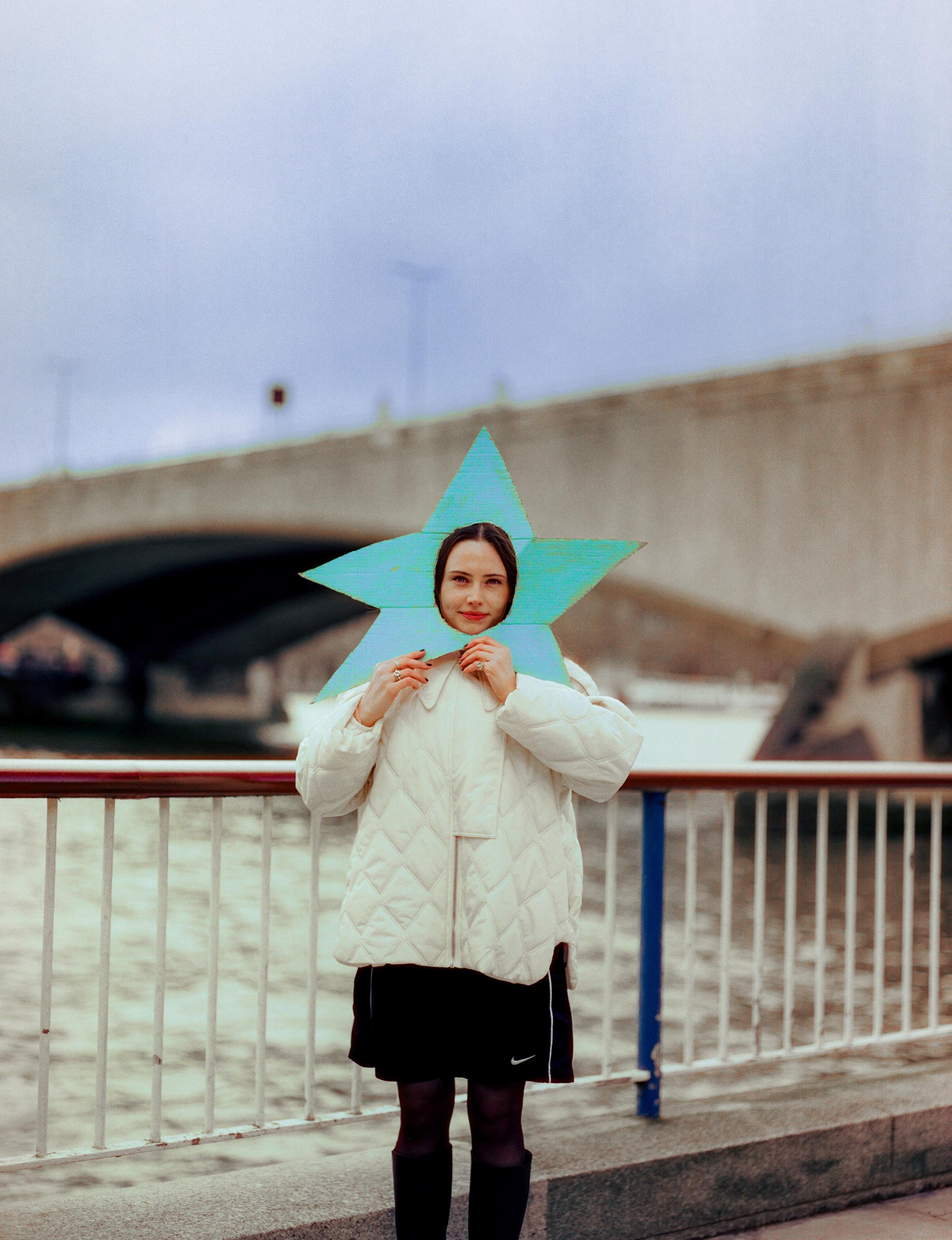
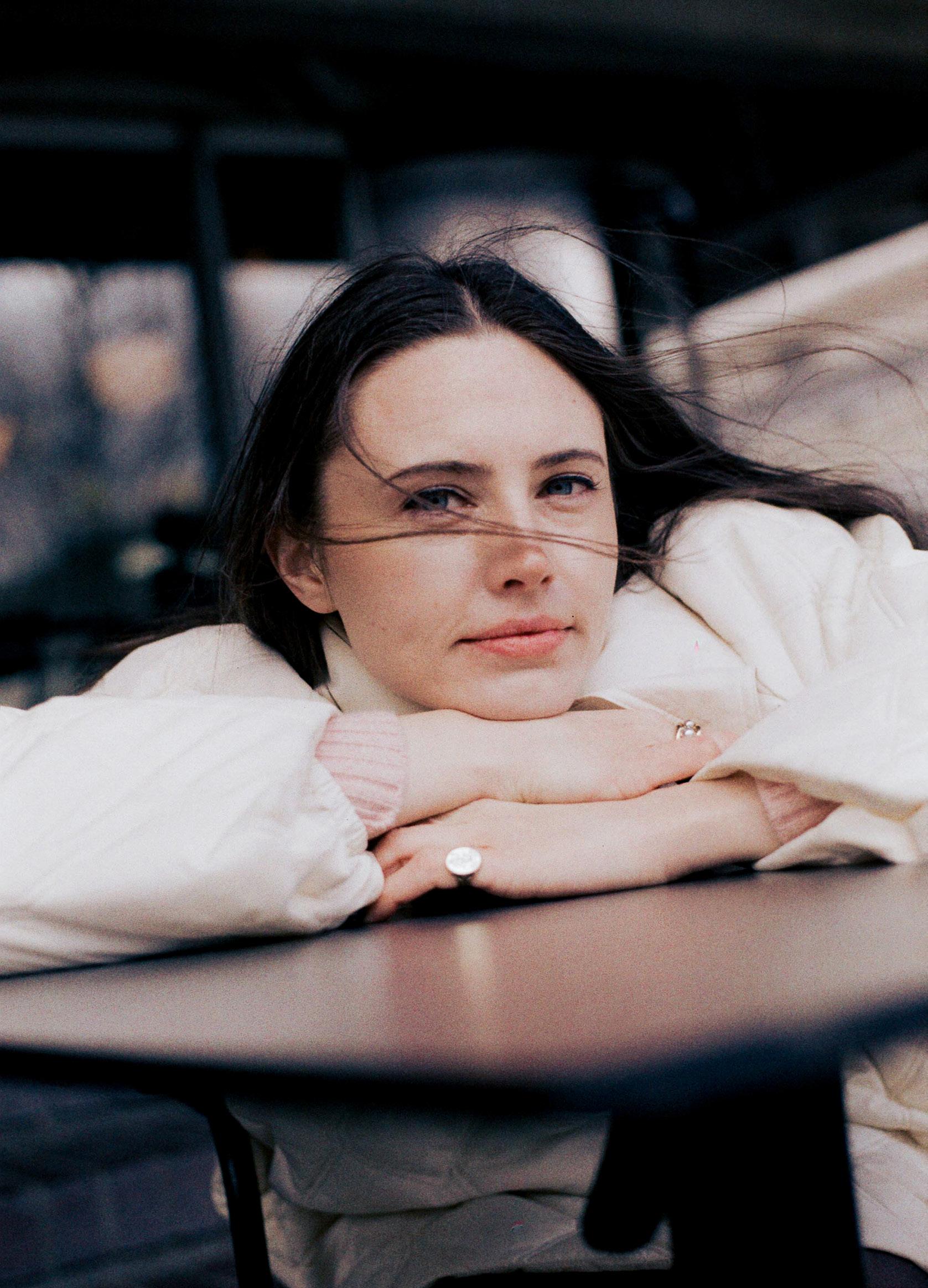
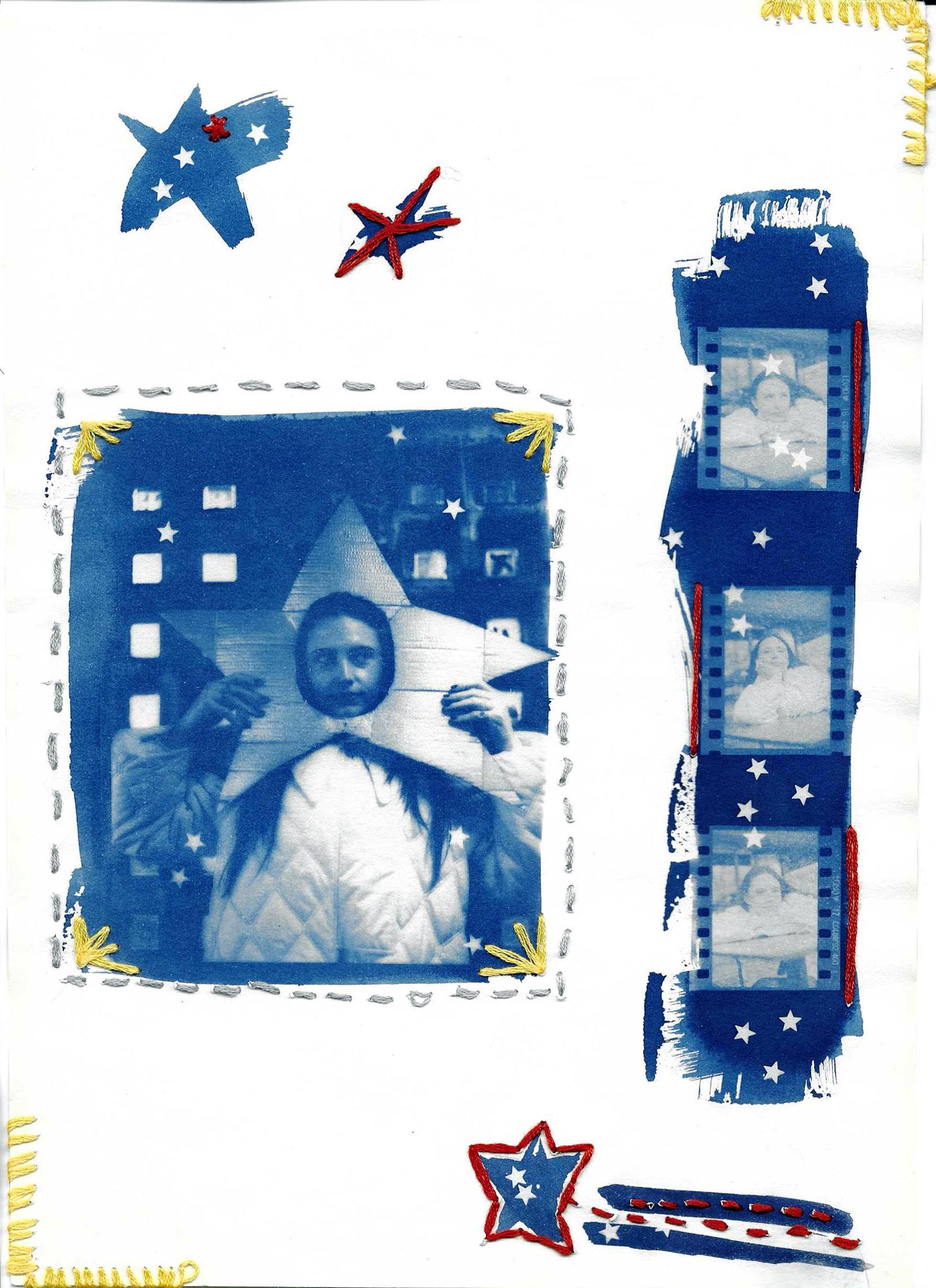
IONA BIELBY isn’t quite sure that she’s had her watershed moment yet. Currently, the London based interviewer hosts a show called Stargazer, a video interview series where she talks to music artists, laying down on pillows in a fort that she made herself. Inside the fort are soft lights, felt stars, ribbons and fabric art stitched to the walls. Bielby tries to avoid typical cookie cutter questions, trying to get to know artists on a more personal level where they can be artists and creatives first. She thinks long and hard about which artists would make great guests, takes lengthy walks while letting their music wash over her and maps out the rhythm of the interview in her notebook. Stargazer, which is about to enter its third season, showcases a variety of artists from different genres, ranging from Holly Humberstone, p-rallel, Gao the Arsonist, Asha Banks and more. “When I first came up with the idea for Stargazer, I could not eat or sleep for like two weeks straight because I was so excited and I thought it was going to be huge. It was such a buzz, I was telling all my friends and family about it, it was all I could talk about. It’s still all I can talk about. There was such a gut feeling, like this is my calling and it could be really big,” Bielby said.
Growing up, Bielby dreamed of being a pop star but when she realized that route wasn’t for her, she studied art history for five years, which she considers the cornerstone for everything she does. The Stargazer fort is actually inspired by her art history background, being influenced by artists such as Yoshitomo Nara, Karla Black, Patrick Hulse’s “Blanket Fort” and Es Devlin. After her studies in art history, she found herself working for a tech company as the lone girl in the pseudo marketing department. She got the idea to interview crypto bros to make fun of them and post the interviews online. The company, hesitant at first, let her run with the idea and she was determined to prove them wrong. In making these short form interviews, Bielby was able to combine her love of improv, which she did in high school, and finding little pockets of subculture online. The videos proved to be a successful hit. As a self described accidental interviewer, once she caught the bug from making these interviews, she knew she had found her calling.
In addition to hosting Stargazer, Bielby also hosts a radio show on foundation.fm, covering festivals for different publications, and is still expanding her interviewing portfolio. In addition to working on her interviewing career, she works full-time to be able to pay for the show, waking up early before work to edit and coming home after work to continue to edit, write, take calls and emails and more. Bielby admits that she can be quite hard on herself throughout the process. “I have to be a businesswoman, booker, researcher, editor, color grader and more. I hired someone to bring a camera and press record. Any job you can think of, I’m truly doing it,” Bielby said. “It’s this weird thing where I am addicted to interviewing where I will do anything I can to do it and will do anything to produce my show and make it up to my standard. I’m still figuring it out but I’m still constantly stressed out with bags under my eyes. But I’m also so proud of myself for keeping it going. That’s what I’ve really been tapping into recently. I have faith and hope and believe in myself that the pressure will be a little bit less soon. So right now, the game is just pushing through. I’ve been listening to sports psychology to tap back into a positive mindset to make sure that I’m mentally and physically healthy which can be hard when you are building a show.”

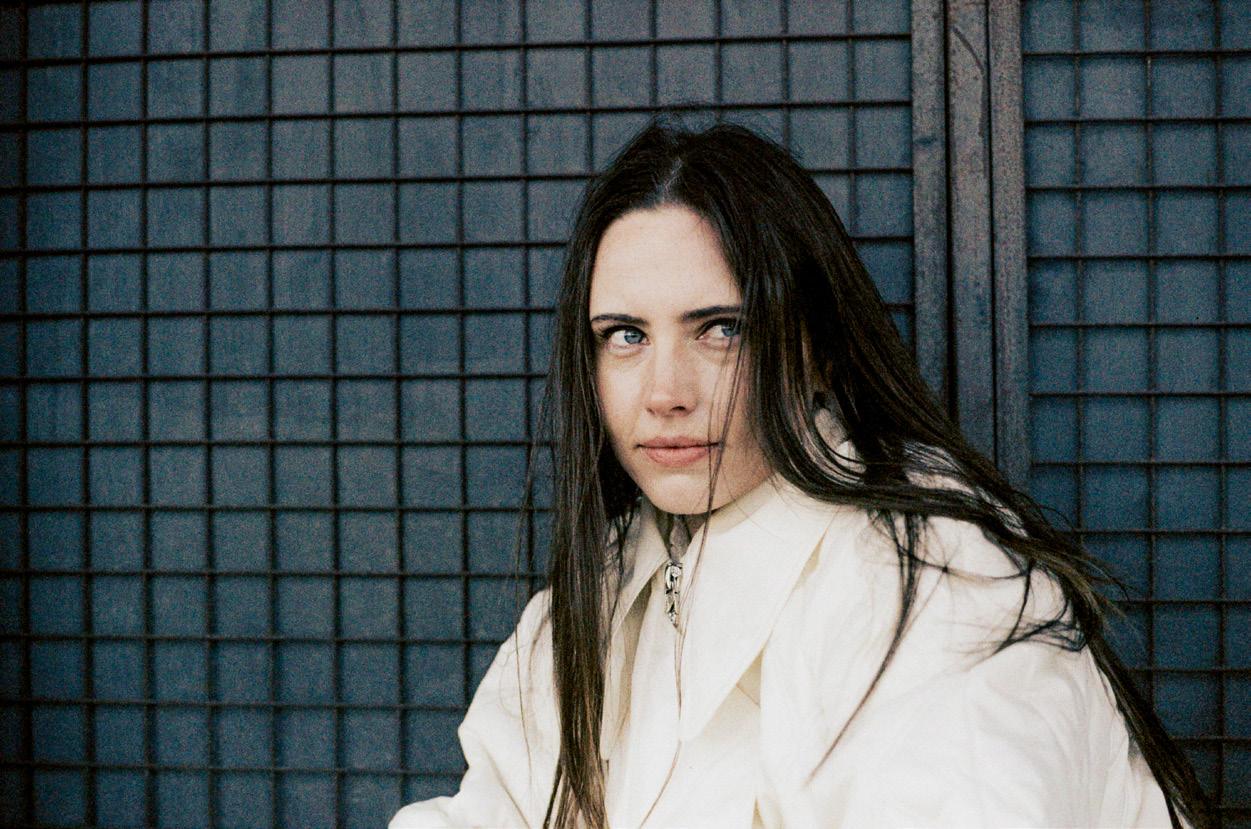
Bielby’s internet presence is completely transparent about the pressures of working on her show. If you look through her Instagram, her captions are full of honesty about working on her projects and the struggles of working in a creative industry and the burnout that comes with it. “It’s week after week where one thing gets given to you, one thing gets taken away. It’s really hard to swallow that pill that it is show business and that’s how it goes,” said Bielby. “People are like, ‘so who researches this?’ I’m like what? It’s me! Otherwise, what’s the point? I’m not a fucking mouthpiece, I’m an interviewer.” In the current digital media and journalism landscape, there have been plenty of changes over the last few years. Many people have endured layoffs and there’s been an increasing number of brands and publications who opt for influencers to interview people on red carpets and events instead of journalists and interviewers. Bielby isn’t afraid to confront the cracks in the industry and there’s many opportunities that come across her desk that make her hesitant. “What I’ve been most surprised at in this chapter of Stargazer is how much can get taken away and how upsetting it is. Season two has been the most up and down kind of thing ever, there’s been maybe more downs than ups behind the scenes. I’m still here and I’m still putting in 110%
because at the end of the day, that’s all that matters to me. I try to have faith that what’s meant to be will be because as long as you're throwing your truth into the ring and as long as you’re giving it your all, then there’s truly nothing else you can do. That’s the mindset I’ve taken now.”
Since starting Stargazer, Bielby has opened up and let more people into her stargazing world on and off camera. She now has a camera operator and an assistant on shoot days and is currently working on the next season. In working with artists, Bielby wants to be the interviewer she never had when she was growing up wanting to be a pop star. She hopes to continue creating that comfortable space for artists to allow them to share about themselves and their music, but while doing this she’s created that space for herself as well. “I’ve blossomed in my confidence and my grit. I always knew I had grit but never this much. It’s given me a purpose more than anything. I wake up with one thing in mind, I go to bed with one thing in mind. It saved me a lot as well,” said Bielby. “It’s changed everything for me; I don’t like to think about my life without it.”
A STORY ABOUT TRAVEL, UNCERTAINTY, AND THE RESILIENCE OF SAYING YES.
BY GABBY AGUSTIN
I can never say no to a side quest.
So when the opportunity came up to spend ten days traveling across Morocco with ten complete strangers, I said yes before I had time to overthink it.
On paper, it sounded a little unhinged. A long flight to a continent I had never visited, sharing buses, meals, and hostel rooms with people I had never met.
Even though the trip happened last summer, it's still one I think about often. I found it through Plotpackers, a travel company that organizes small group trips where the itinerary is already planned—all you have to do is book the flight and show up.
In this case, showing up meant spending ten days in Morocco with strangers coming from different places, mostly the U.S. and Europe. The first couple of days had the usual awkwardness that comes with meeting new people, but that faded quickly once we settled into the rhythm of traveling together. Travel has a way of testing your resilience in moments like that—not through big dramatic challenges, but through smaller things: navigating unfamiliar places, trusting people you’ve just met, and staying open to the experience.
Morocco itself felt like constant visual overload in the best way. The country sits at the intersection of Berber, Arab, and European histories, and you can feel that mix everywhere. As a photographer, I was constantly reaching for my camera: street scenes in crowded medinas, wide desert landscapes, small everyday moments that felt easy to miss if you weren’t paying attention.
Over ten days, each stop revealed a different side of the country.
Our first full day started in Marrakech. The city moves quickly. Horse-drawn carriages pass rows of palm trees, scooters weave through traffic, and vendors sell fresh orange juice from small stands along the sidewalks. The medina is even more intense. Narrow alleyways run in every direction, lined with shops selling rugs, pottery, spices, and leather goods. Motorbikes squeeze past pedestrians while vendors call out from their stalls.
At first, it can feel overwhelming. But after a while you start to adjust to the constant noise and movement around you.
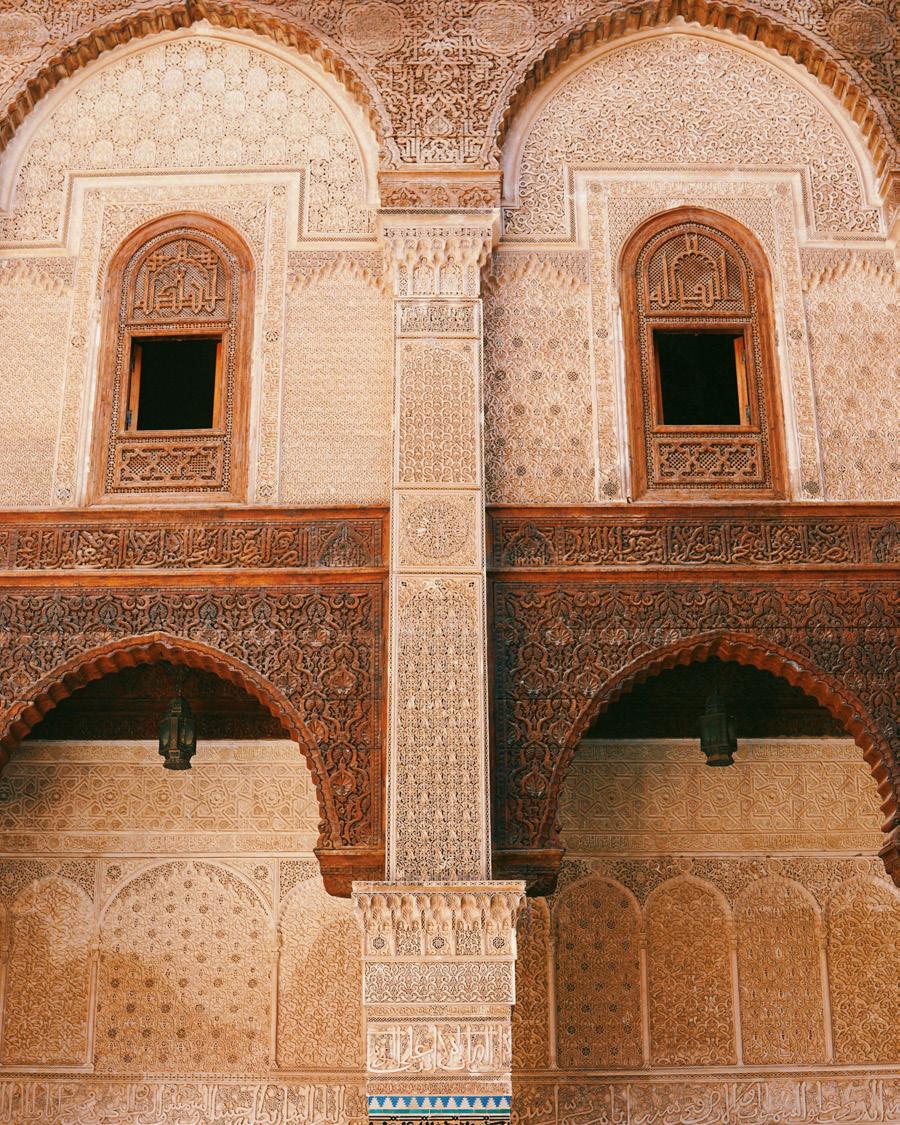
One morning we visited one of Marrakech’s historic palaces, where a royal guard stood motionless at the entrance beneath a carved stone archway. Inside, the architecture was just as impressive: mosaic tilework, carved plaster walls, and wooden ceilings with detailed geometric patterns. We saw similar elements in many of the mosques and historic buildings throughout the trip. The attention to detail was everywhere, from courtyard fountains to intricately patterned archways.
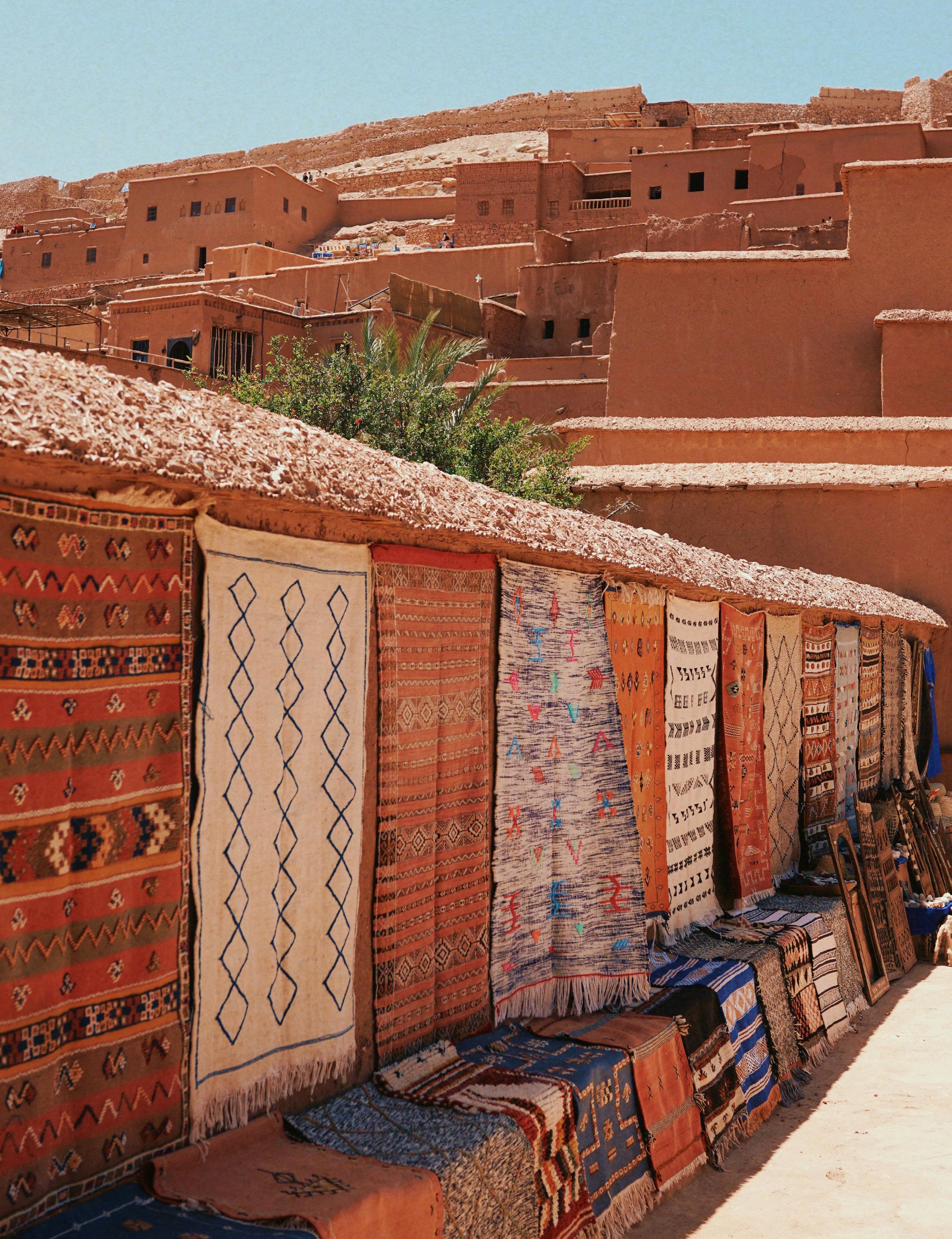
Later in the trip, we visited workshops where artisans still practice traditional crafts. In one room, ceramic plates covered the walls while artists carefully shaped and painted pottery by hand. Nearby, colorful woven rugs hung outside small shops, each one slightly different in pattern and texture.
In Fez, we also visited one of the city’s historic leather tanneries, where workers still use centuries-old techniques. From above, the tannery looks like a grid of stone vats filled with dye and water, with workers moving between the pits to treat hides by hand and lay them out to dry. It’s messy, physical work, and a clear reminder that traditional industries are still part of daily life in Morocco.
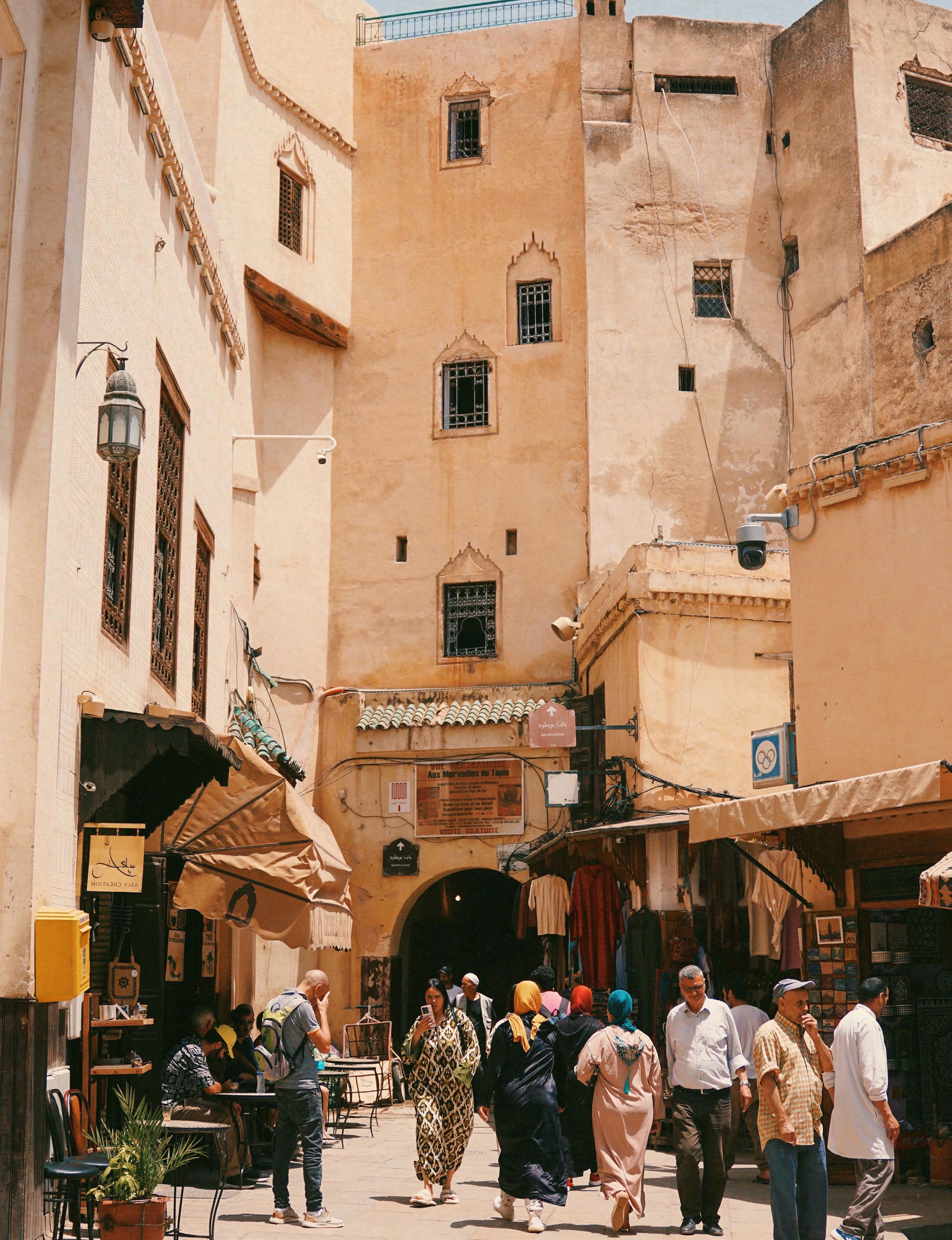
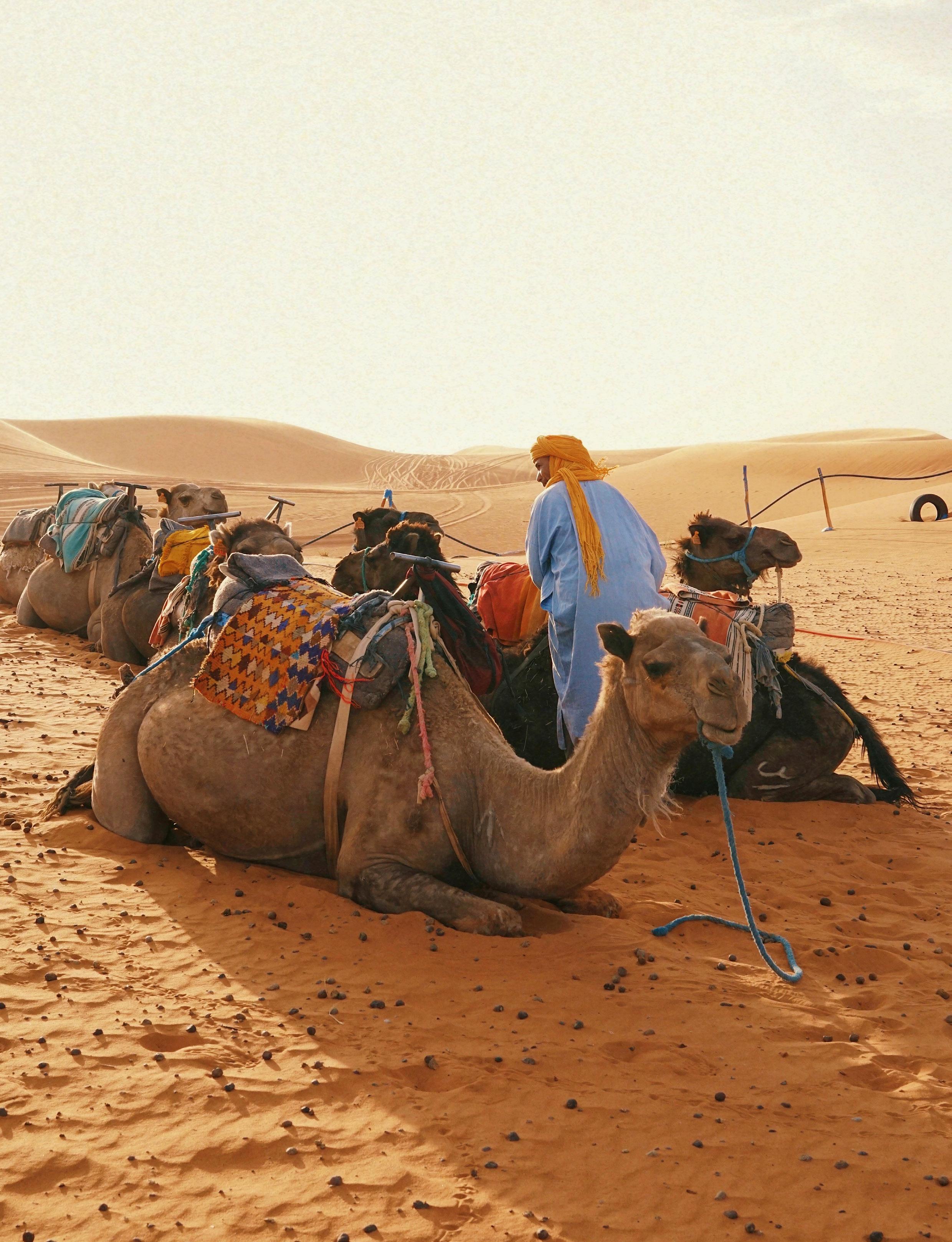
"SOMETIMES IT’S SIMPLY ABOUT CHOOSING OPENNESS AND SAYING YES TO UNFAMILIAR PLACES..."
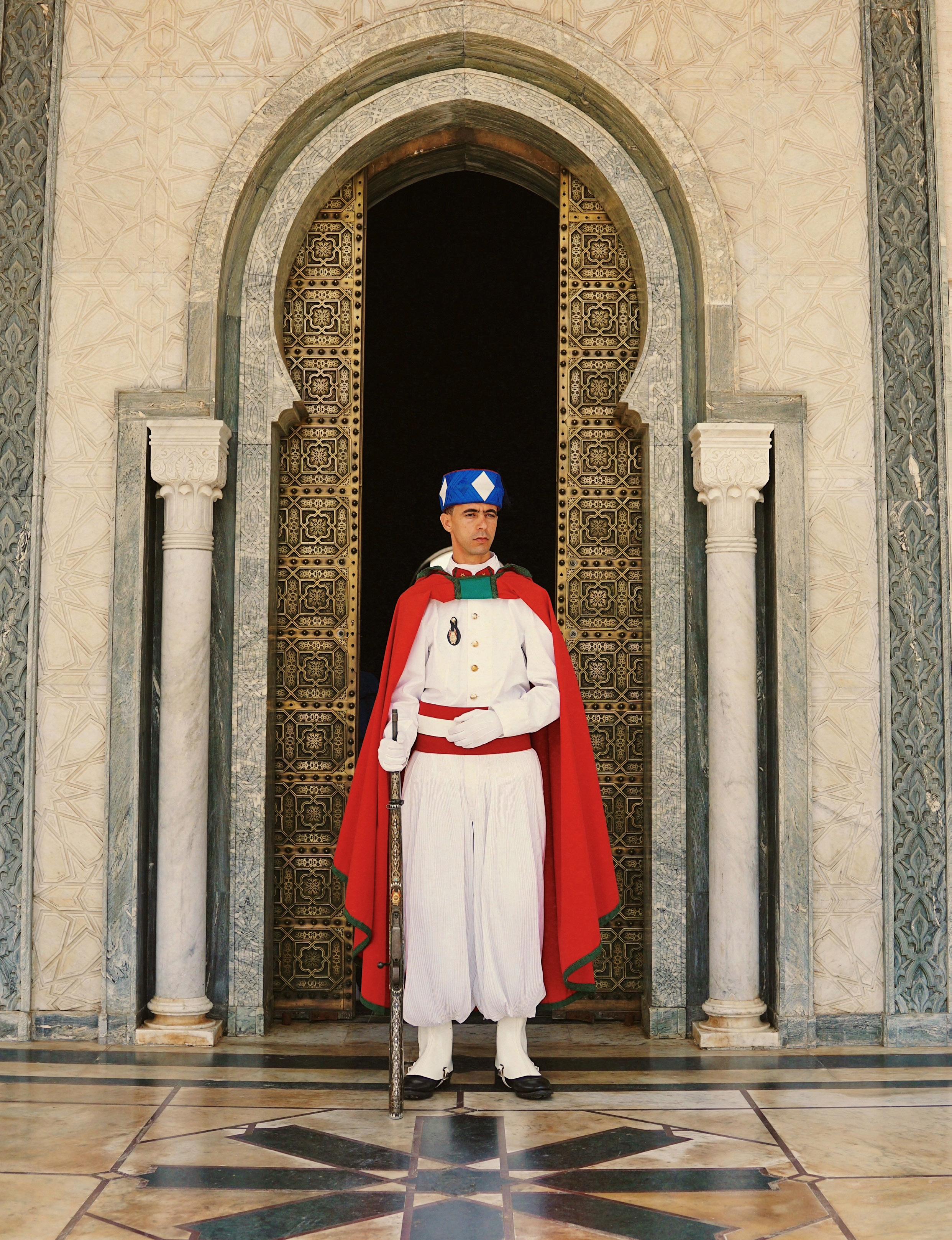
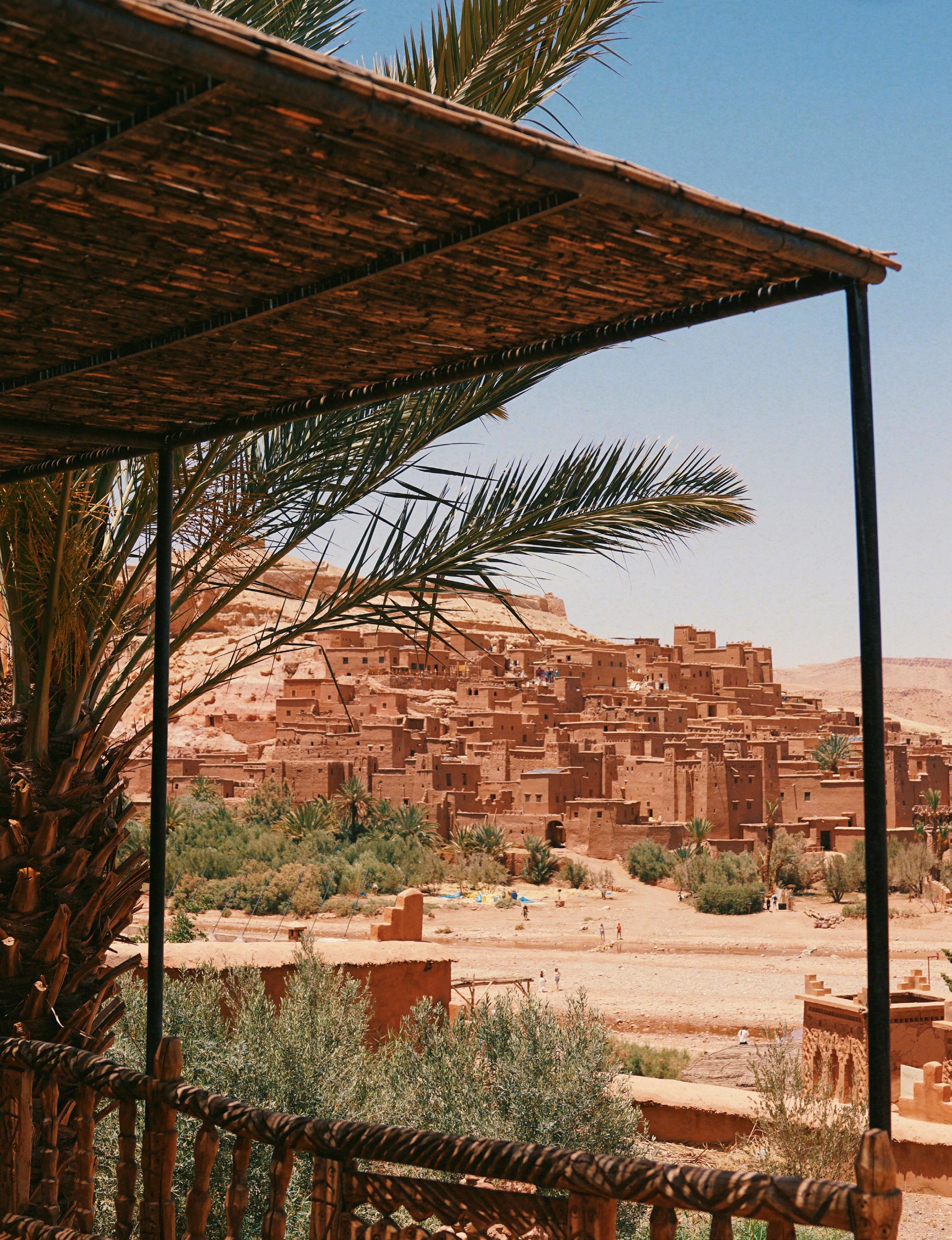
Watching these crafts being made slowed the pace of travel for a moment. It’s easy to move quickly from place to place when you’re traveling, but moments like this remind you that the culture of a place is built over generations.
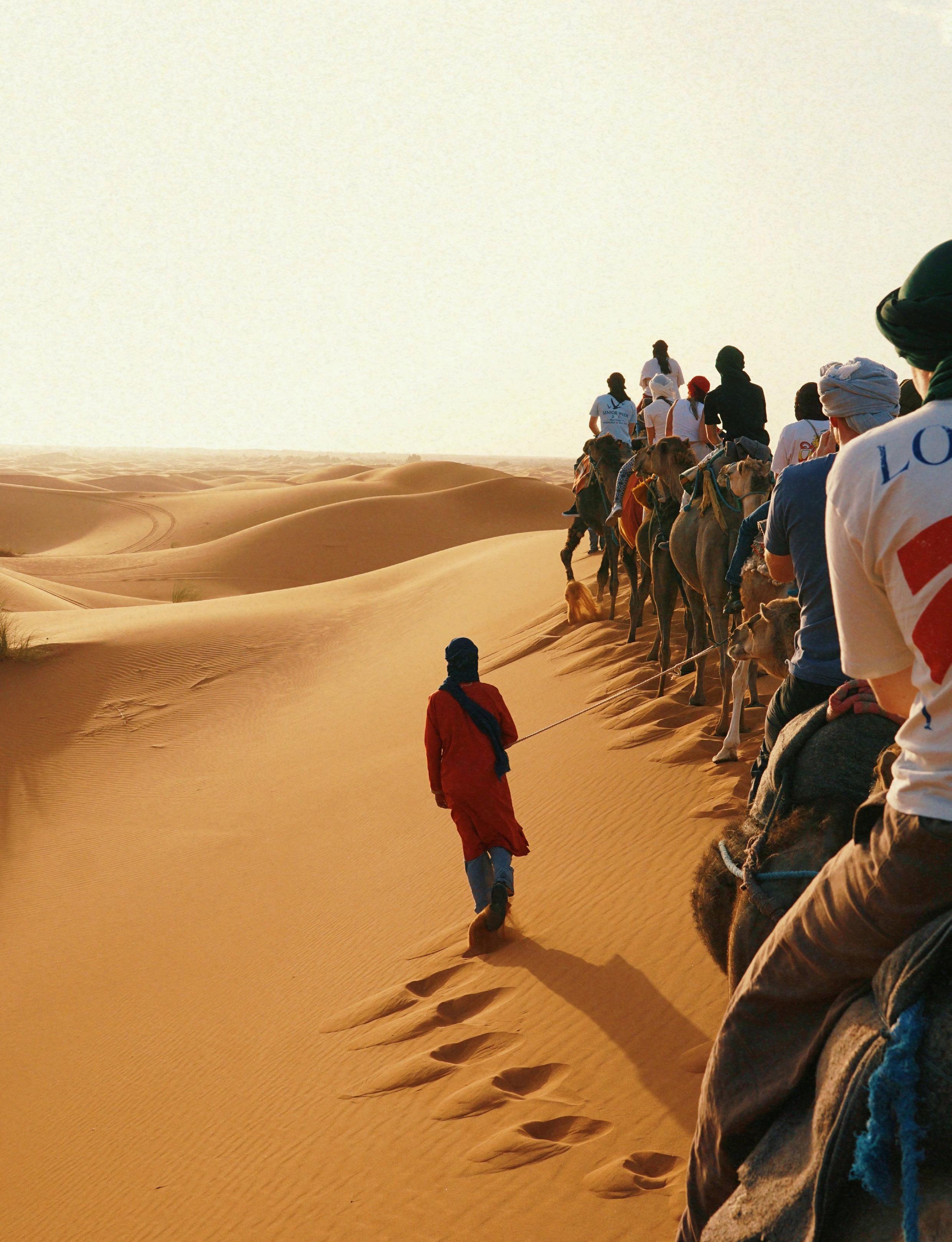
Eventually, we left the cities behind and drove through southern Morocco. The scenery started to change: palm groves and dry valleys replaced the busy streets, and small clay kasbah villages appeared along the hillsides. The road eventually led us to the Sahara. Spanning more than 3.6 million square miles across North Africa, it’s the largest hot desert in the world, and seeing even a tiny fraction of it was surreal. Riding camels into the dunes at sunset felt like stepping into a movie scene. The only sounds were the wind and the soft thud of hooves pressing into the sand. Moments like that make you aware of just how large the world is and how small you are within it.
Later that night at the desert camp, local musicians played drums and metal castanets while everyone gathered around, clapping along and trying to follow the rhythm.
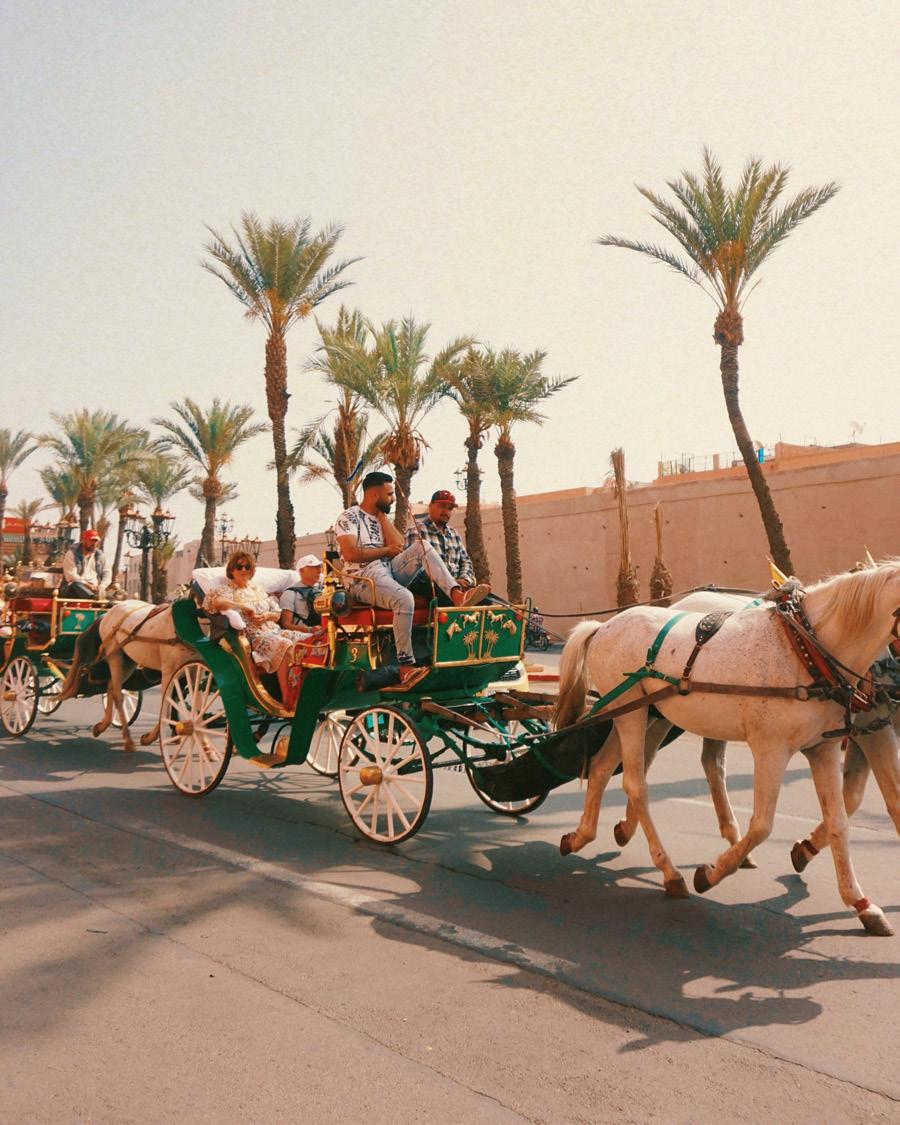
By the time we reached the coast a few days later, the pace of the trip had slowed. We spent part of the afternoon drifting out on a small boat before eventually heading to the beach to relax and cool off. After days of moving from city to desert to mountains, it felt like a quiet pause before the trip came to an end.
Ten days somehow felt both long and short at the same time. As those ten days came to a close, the group that once felt unfamiliar had started to feel more like friends. We had shared long drives, inside jokes, early mornings, and unforgettable landscapes.
At some point during the journey, Nora, a traveler from Austria who quickly became a close friend, and I went on a small side quest and got tattoos. I have a tradition of getting a tattoo in every country I visit. It’s my version of a souvenir, a little more permanent and definitely more fun than a fridge magnet.
Throughout the trip, I had been noticing the Amazigh symbol for a “free man” or “free woman,” which appears throughout Morocco. I chose the version representing a free woman. Even though I’m not Moroccan, the meaning still felt personal–it was a small reminder of the independence and freedom that travel often brings.
Looking back, Morocco reminded me that resilience isn’t always about enduring hardship. Sometimes it’s simply about choosing openness and saying yes to unfamiliar places, new friendships, and experiences that push you outside your comfort zone.
The best stories often begin that way: with a side quest.
BY NATALIE HOWARD
PHOTOGRAPHY & CREATIVE DIRECTION BY DORA
RYAN
LIGHTING & PRODUCTION ASSISTANT – STELLA MARKEL
HAIR & MAKEUP – RYN MAJOR
STYLING – ERICA KO
STYLING ASSISTANT & BTS – DEREK KWOK
WARDROBE – CLARA SON, CROOKED GARMENTS
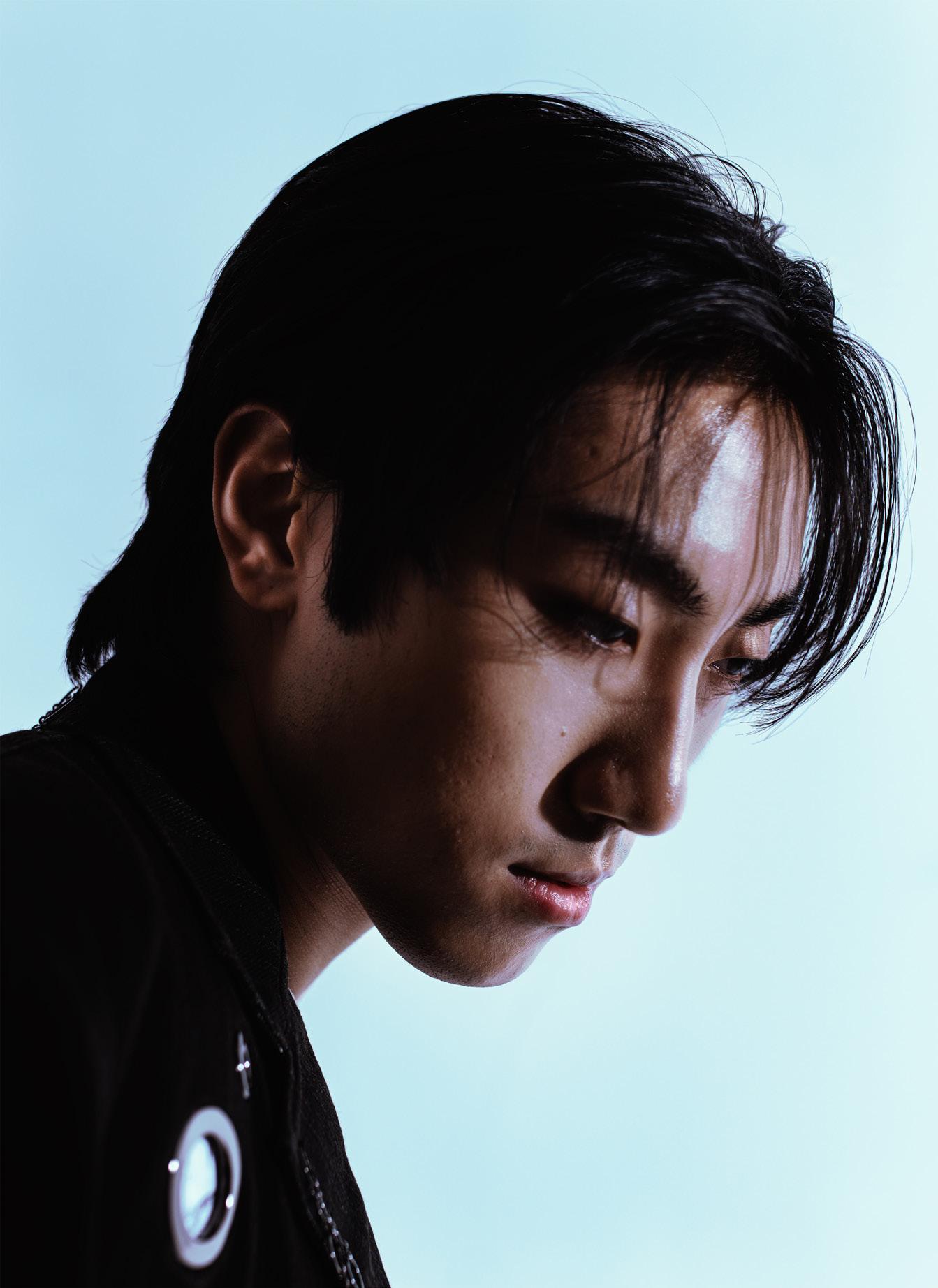
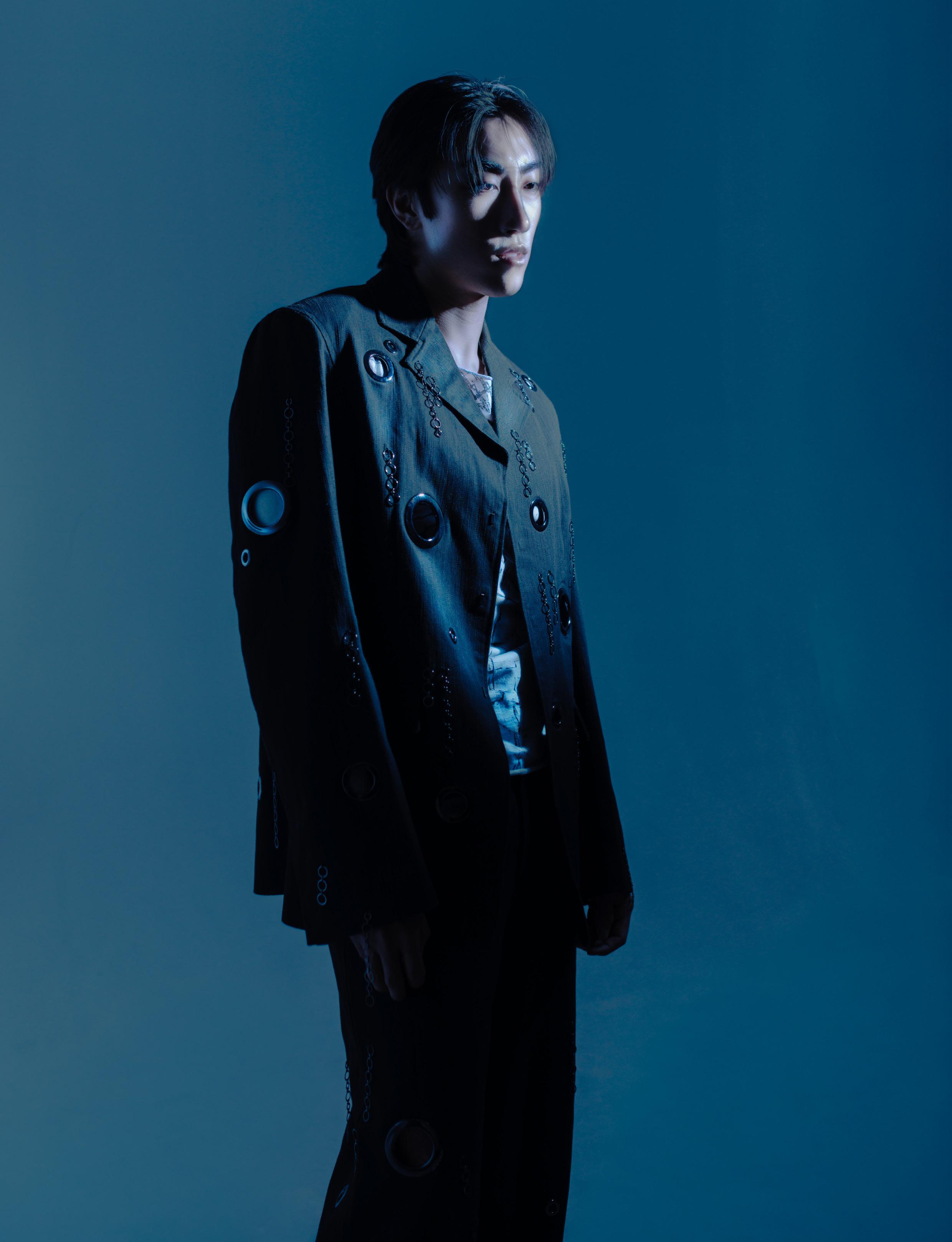
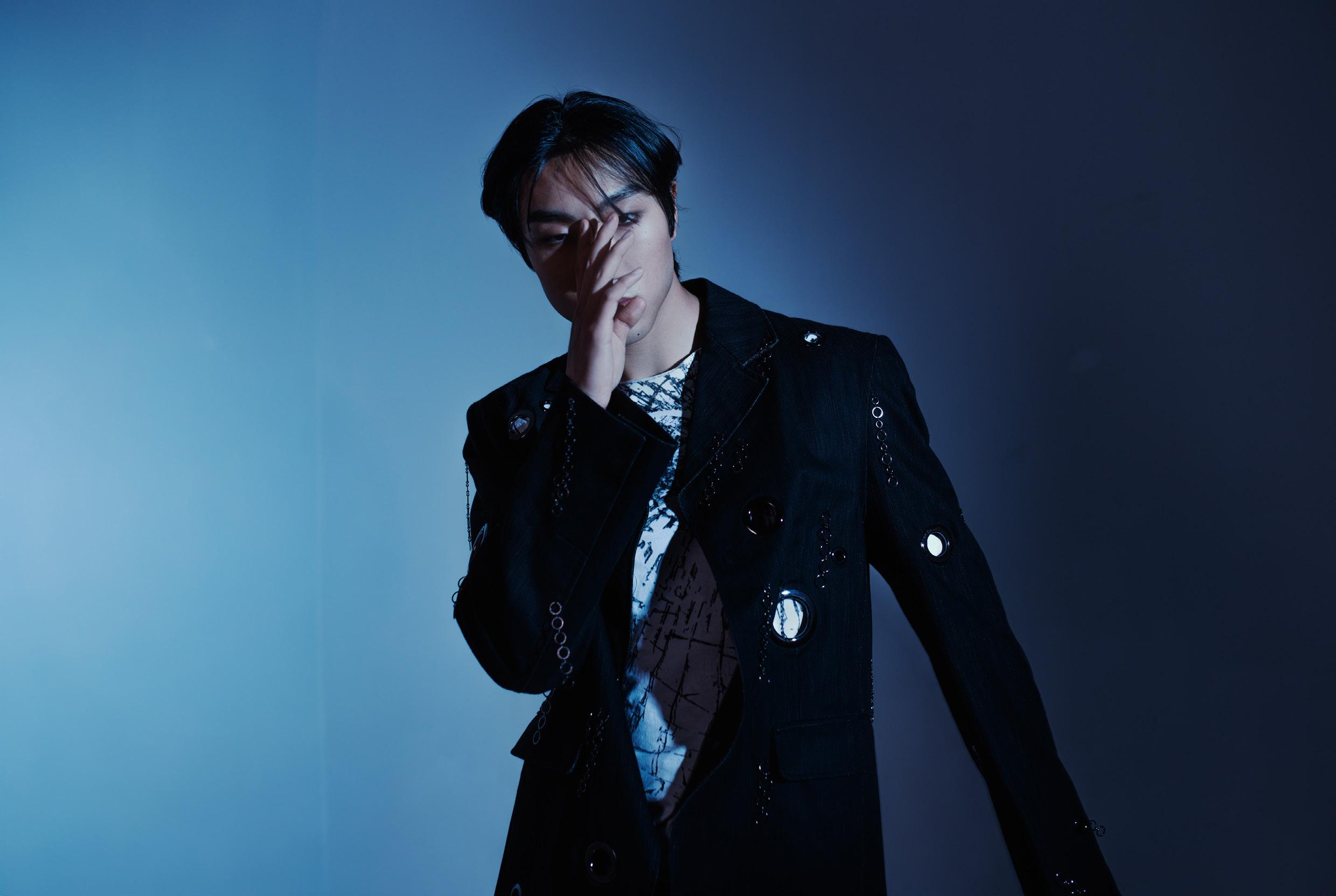
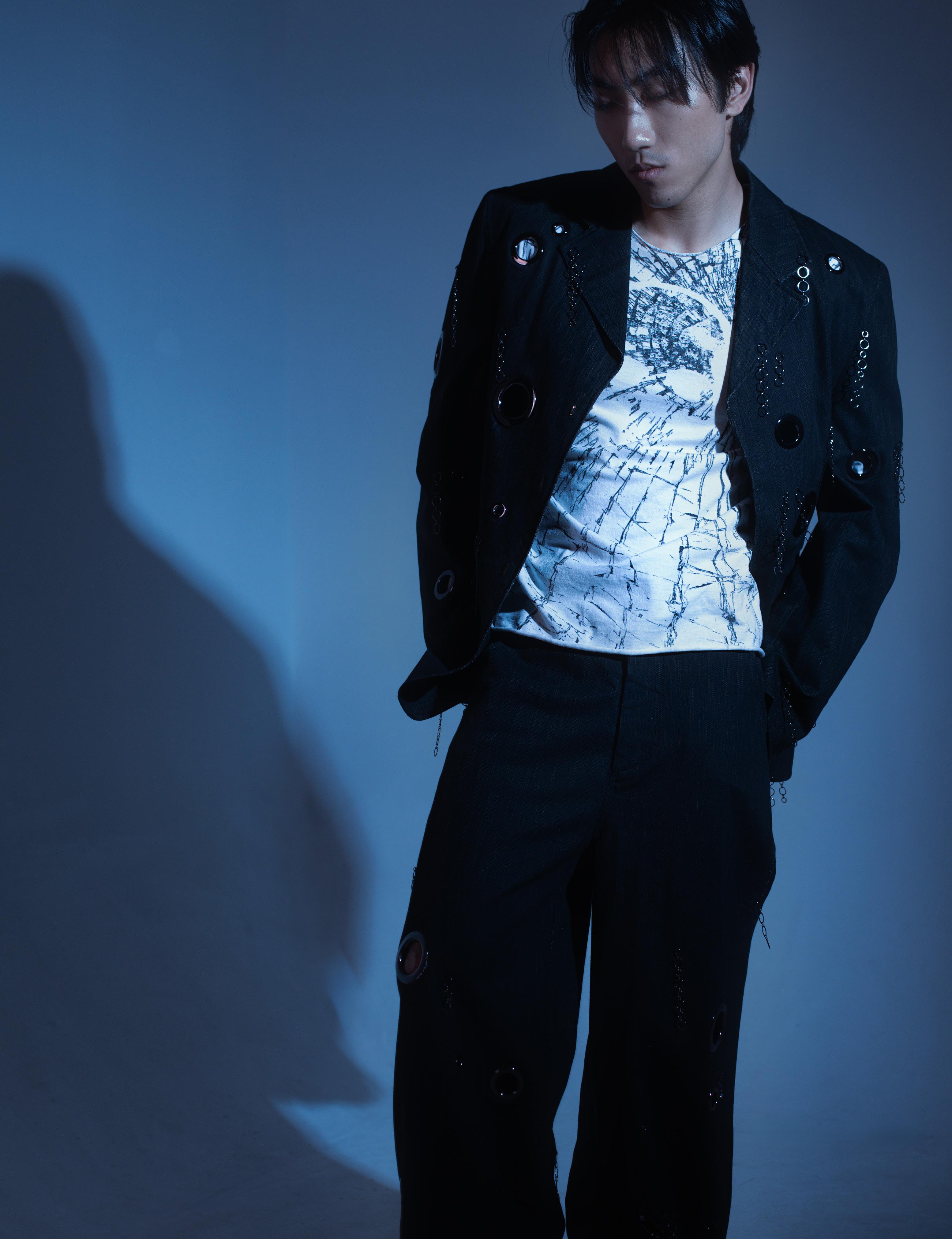
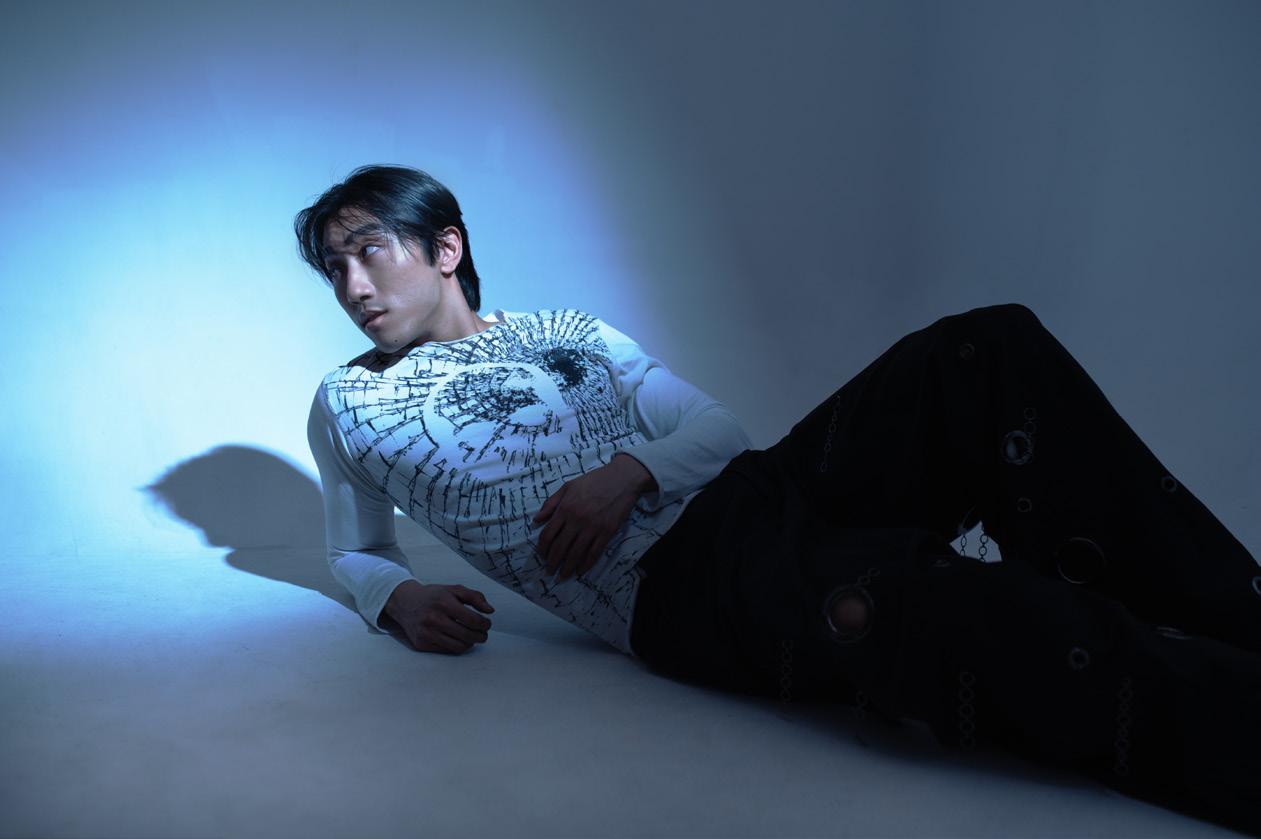
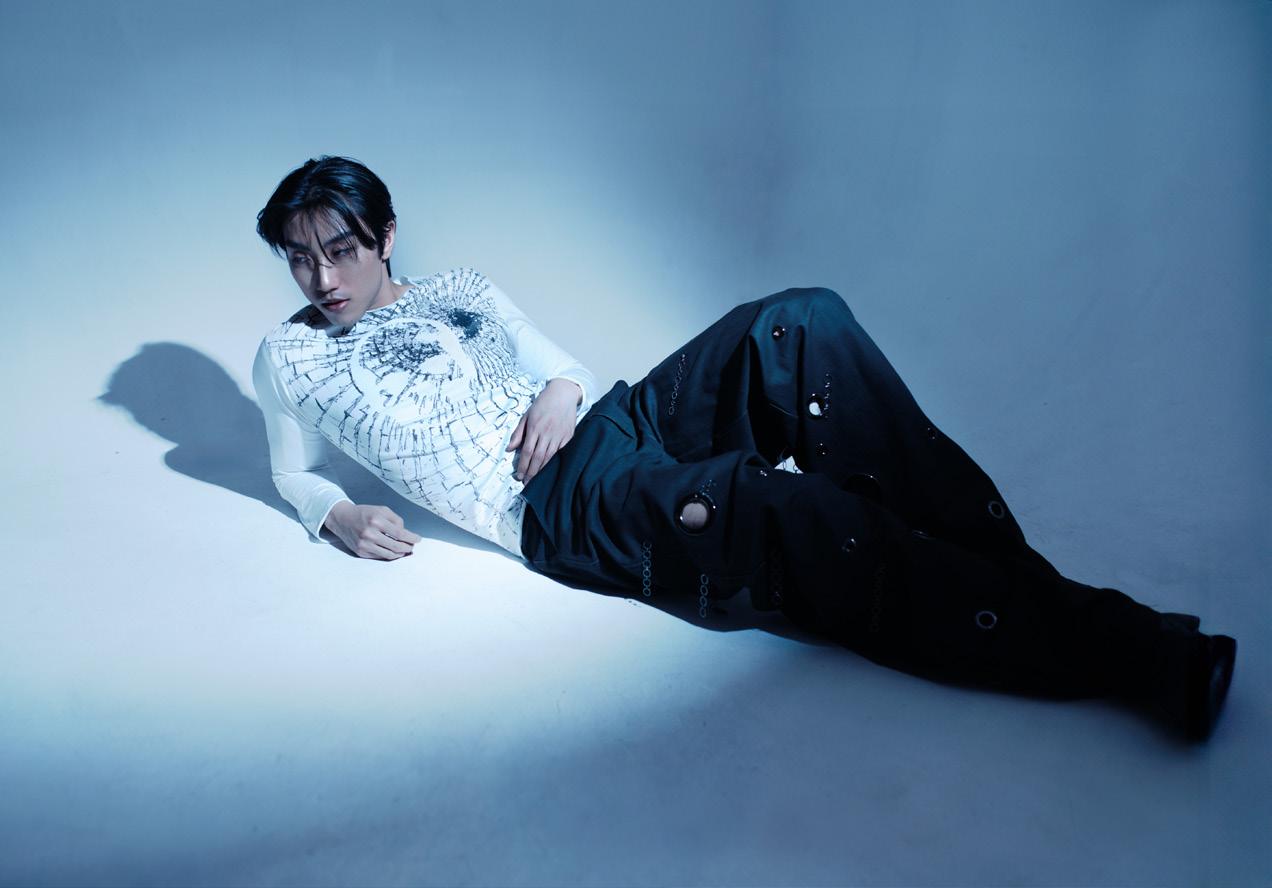
In search of immersive sound, HIGHVYN is building a slower, more intentional introduction to his music. Highlighting dreamy R&B ballads and alternative influences has made his sound so distinctive, and we’ve had the pleasure of speaking with Highvyn to learn where his inspiration comes from, pivotal moments in his creative journey, and what's next for this artist.
YOU HAVE A BACKGROUND IN FILM AND STORYTELLING. HOW HAVE YOU IMPLEMENTED THOSE PASSIONS INTO YOUR MUSIC? OR WOULD YOU SAY THAT YOUR MUSIC IS WHAT INSPIRED YOUR ABILITY TO STORYTELL?
Growing up, I’ve always just wanted to create. My mom used to give me drawing books, and instead of coloring in between lines I would draw on the blank parts. Everyone thought it was really cute back then, but when I was like 10, I told my parents I wanted to become one of those full-time Lego set designers. The people that actually make the Legos. I was a huge geek. Then I got to writing novels in middle school. I never wrote a full one, but you know some people love to start things but then struggle with getting across the finish line. So I moved around between mediums. I think the older I got the more complex the medium became. I went into college expecting to declare a major for film, but then I went to a music show. It was like 200 people and some small, local venue and I really don’t want to say it transformed my life, but I got really excited. I have a background in keyboard and classical piano, so music is another way I can create and write and tell stories. There’s never really any thought process between like which medium I’m using. It was just whatever I could do, I would do and then music just stuck. It was like trying a lot of different shirts on, and that was the one that fit.
YOU’VE DIRECTED NEARLY ALL OF YOUR MUSIC VIDEOS. WHAT IS YOUR FAVORITE PART OF CREATIVE NEW MUSIC: THE MAKING OF THE SONG ITSELF OR THE VISUALS?
It’s definitely the music itself. It’s about the sounds and the emotion that gets evoked from the music. A lot of times I more or less know what I want a new song to sound like and it’s just a matter of actually getting it all written and produced. Sometimes with writers and artists, we feel like we know everything in our head, but then it’s much harder to actually get it on like a piece of paper, so it’s definitely the music, but I would say at a certain point in the writing of the music, you can’t help but imagine what the visuals would sound like or look like and I would say for the ones I’ve directed, those were typically ones where I had a lot of world building related to the song whether that was during the grinding phase, the recording phase, or I’d maybe watch a movie or read a book and feel like it’d be cool to write a song that fits this kind of story or world. But I would say it's always been the music first and the visuals second.
YOU WERE HOMESCHOOLED UNTIL COLLEGE. WHAT WAS THAT EXPERIENCE LIKE? HOW HAS THAT EXPERIENCE CATERED TO YOUR EXPLORATION IN BOTH MUSIC AND LIFE?
This is probably my most frequently asked question. I think that when I was being homeschooled because I didn’t really have anything to compare to. I thought it was normal. The older I get and the more I’m interacting with people, I see that the average person does not have experience being homeschooled. What I’ve noticed is that I’ve had a lot more time to express myself because when there’s a social vacuum of being able to figure out who you are with friends on a soccer team or on a swim team or in a debate club or just in like a cohort like a class. I think people will automatically look for other ways to figure out what they wanna do or who they want to be, and I think for me that really came through with writing and music. It was like okay if I don’t have a way to figure out who
I want to be in a very interactive, very social public setting like what are other avenues to explore. I was like a huge YouTube guy growing up and throughout being homeschooled like I consumed so much YouTube it would be anything from like guitar covers to like these really long kinds of documentaries about the most obscure topics. Yes, it was pretty lonely. But beyond that I think I got so used to doing everything by myself and I think that really translates into how I write and make music. It’s like I started off producing mostly and I don’t think I ever grew up thinking that I had a singer's voice or anything like that so it was just producing and producing and then I didn’t really trust anyone who used to write vocals over my production so I decided I’m just gonna learn how to record my own voice and sing, and then it branched into like “okay, do I know how to market?” No, well I’m sure I can figure it out on my own. Do I know how to make visuals? No, but I’m sure I can figure it out as I go. I’ve been very self-sustaining in my education ever since I was in elementary school all the way to college and even in college my major was very kind of self pace, very asynchronous. I’m very comfortable with doing everything and I think that’s a great tool to have. When you’re in the music space or just any kind of art space it’s about not necessarily having the actual skills and experience to do everything but having the confidence to say I might not know everything but that’s fine. I’ll figure it out as I go.
YOUR MUSIC BORDERS ON R&B/SOUL AND ALTERNATIVE. ARE THERE ANY GENRES YOU’D LIKE TO FURTHER EXPLORE IN FUTURE MUSIC?
The hard thing for me is that there’s so many genres that I want to try. If you go through my discography, you’re gonna find a lot. There’s pop, Lo-fi, there’s R&B, there’s what we call digital soul. The kind of soul has a lot of electronic elements to it. I think what everyone has been telling me and what I also agree with is at a certain point do you need to consolidate. That being said, I really want to move towards more of an underground electronic space but really keeping the tone of the R&B and soul and not going full like EDM or alternative. Definitely like a faster paced kind of sound. I’m already working on my next mixtape, but just from listening to it, I would say the type of electronic music you would hear in a Boiler Room set.
YOU RECENTLY RELEASED THE MUSIC VIDEO FOR “LEATHER SEATS,” WHICH WAS WONDERFUL. WHAT WAS THE MOST CHALLENGING AND REWARDING PROCESS OF THE MAKING OF IT?
Even though I co-directed with my producer Sago, I think “Leather Seats” was by far the most collaborative video I’ve done. We had a choreographer, Vive, who was amazing. He really brought the video to life, and the dancers were being directed by him, and I directed more of the crew side and then the editing process was also very collaborative. It was me and Sago sending ten second cuts to each other back-and-forth like “what do you think of this or that?” And definitely the most challenging part was that everyone had such a great vision for what they thought the song should look like and just trying to balance all these visions that make it cohesive was definitely a challenge. What was really rewarding about it is that some projects and some of our best work is when they are a single person‘s vision and some projects are better when there are a lot of great minds splitting the difference. I talked about
how I’m used to doing everything by myself. It takes a great deal of willpower and letting go of that fear of letting someone else metal with my work, it's a sense of pride. If you get very territorial with something that you’ve been laboring on, for example, “Leather Seats” was a song that I’d been working on for over a year, so it was really close to my chest. But the final product I could not have made without really trusting people with their vision for my music. It was so humbling in a good way to see that other people could listen to my music and think of their own ideas that often were cooler than my ideas. I think sometimes you feel like you’re the only one that sees the value in your art and you feel like you have something to prove with that. You don’t really trust people to value it as much as you do. But there were many instances on set during the cutting process and the color grade process where I’d say “I think that looks pretty good. I’m happy with that.” And people would say “No, we can do it better, I think there’s a better shot.” Letting people take the reins in that sense definitely paid off. The video came out ten times better than I could’ve ever dreamed of. So I would say that sharing was both the most challenging and rewarding part of it. But I have no regrets.
ARE THERE ANY PERSONAL INFLUENCES WITHIN YOUR LIFE THAT AID INTO YOUR CREATIVE EXPRESSION?
I think I am most inspired when I consume. Mostly through mu -
sic, but also film, books, and other forms of media. Sometimes it’s fashion, like I’ll see someone wearing an outfit and I can already imagine a whole storyline with that person. To be honest, I don’t pull a lot from my personal life, not because I feel weird about doing that or some sort of principal thing, but I am most creative in my head and I don’t necessarily feel a need to draw from my personal life because there’s already too many ideas here. I get most inspired when people share their music, like if I have a friend that’s like “hey you should check out this artist that I heard recently” and I’ll do a deep dive. I think the way we consume music is very alt-like based algorithms like “Discover Weekly.” But when someone tells you to listen to someone it’s a completely different influence. A lot of my major influences sonically have come from people doing that. It's like these pieces will just drastically reshape what I understand music can be. It's less that I want to replicate what they do but they open a third eye. I did not realize that music could go in that direction, and keep in mind because I was homeschooled. I only started listening to the full catalog of music in college because before that, I was very sheltered so the first time I heard Drum and Bass (D&B) I was like “Oh my God, what is this?” I think that way of exploring music is definitely what inspires me more than my own personal life. Everyone has their own way of collecting ideas and everyone has their own news. But I’d say mostly through consuming.
A FEW PROJECTS ARE COMING UP FOR YOU: A SINGLE IN APRIL AND A MIXTAPE COMING OUT IN MAY. WHAT ARE YOU THE MOST EXCITED FOR NEW LISTENERS TO LEARN ABOUT YOU FROM YOUR SOUND?
I hope that once the mixtape comes out and people give it a lesson, it becomes pretty clear that I can both blend and switch between genres pretty effortlessly. I think most artists, like 60% because I know there’s a lot of new wave new generation artists that are similar to me, but I think most people listen to an artist because they fit the genres that they enjoy to listen to, and there aren’t too many artists that can really pull off switching genres this frequently. I think this mixtape has gone through a lot of different genres. We’ve got R&B, soul, UKG. The next one is kind of like pop, rock, there's even a song that you could imagine being in one of those animated Spider-verse movies. I’m really excited for people to see how I can kind of do all these different genres on the same tape, but they all still sound like something that would naturally come from me.
WHO WOULD YOU SAY ARE YOUR BIGGEST MUSICAL OR ARTISTIC INFLUENCES, EITHER PAST OR PRESENT?
I think in the past it was a lot of Don Toliver because similarly, he blends a lot of different genres and inspirations. Also Yeek. He's Filipino, so both as a role model and as an Asian artist. He's also kind of what they call a genre bender so I was really inspired by him. These days, I’ve been really inspired by this artist in Vancouver named Sophia Stel. She has a combination of Shoegaze and electronic house. I've been listening to her a lot. I’ve also been listening to this artist Portraits of Tracy and they're great. I would definitely suggest you give them a listen. In my opinion, some of the best pop music that’s being written right now.
ARE THERE ANY CURRENT OR UP AND COMING ARTISTS THAT YOU WOULD LOVE TO COLLABORATE WITH IN THE FUTURE?
I’d love to make a song with PinkPantheress. I've been a fan of hers since she would post videos of just her eye, so for like six or seven years. For currently growing artists, I think DERBY is a great example. I would also say Frex. She’s really well known for this song called “Oxford Circus” and she’s great. And honestly, Portraits Of Tracy. I think if I got to collaborate with Portraits Of Tracy, I could retire.
THIS ISSUE IS ABOUT RESILIENCE— FROM OVERCOMING ADVERSITY TO EXPLORING INNER STRENGTH AND EMBRACING PERSONAL GROWTH. WHAT ARE SOME WAYS THAT YOU HAVE DEALT WITH RESILIENCE WHEN FACED WITH A SIGNIFICANT CHALLENGE IN YOUR LIFE THAT HAVE HELPED SHAPE YOUR MUSICAL JOURNEY?
I started this mixtape in 2023 right out of college. I got a full-time corporate job as a project manager for some automation company. I didn’t like it and I was unfulfilled so I said, “I’m gonna make an album and we’re gonna see where that goes.” It’s taken three years for this project to come to life and in that time, I lived in northern Virginia for a year. I moved to New York and I went through a huge kind of seasonal change where a lot of my social and personal relationships fell through, a lot of it related to me pursuing music. I was hanging out with a crowd that made it very hard for me to feel like I could make music. It was a really terrifying decision to say I would rather be lonely and do what I wanna do and trust that
I will one day make friends with people that are like-minded as me. There were many roadblocks with production, eleven songs, fresh out of college. I wanted to move to New York, but I didn’t know anyone so I just found an apartment and I’d travel using the Amtrak every two weeks and try to meet people in New York and find a roommate and like really just power through. I would walk the Long Island City waterfront where you could see the entire skyline and I would force myself to look at the skyline and listen to the demo versions of what I was working on, and repeat to myself “it’s gonna work out” or “it’s gonna be worth it.” It’s easy to look back at that now, but back then I really felt like I had nothing but my laptop and my Amtrak ticket. I think the resilience wasn’t necessarily the physical resilience of traveling in life and working. It's that mental resilience of knowing that it’s really hard to feel like you’re throwing your future away when you walk away from a really cushy, corporate job fresh out of college and saying “You know what? I don’t care if I crash and burn. This is what I wanna do with my life.” I’m lucky to say that I think it’s going pretty well. I’m here in New York. I’m lucky to meet people like Erica, people like you, and to have an opportunity to chat. In these last three years, I feel like I aged thirty years mentally, I wouldn't change it. I wouldn't go back and do it differently. At the end of the day, I’m doing what I love. I think that will always beat out how much I dislike the other aspects of it. I really do love making music. Sometimes at 1 a.m., the noise gets to me. But none of us would be doing this, if we didn't want to be a part of something more than ourselves. I truly love creating, and I want the world to know it.
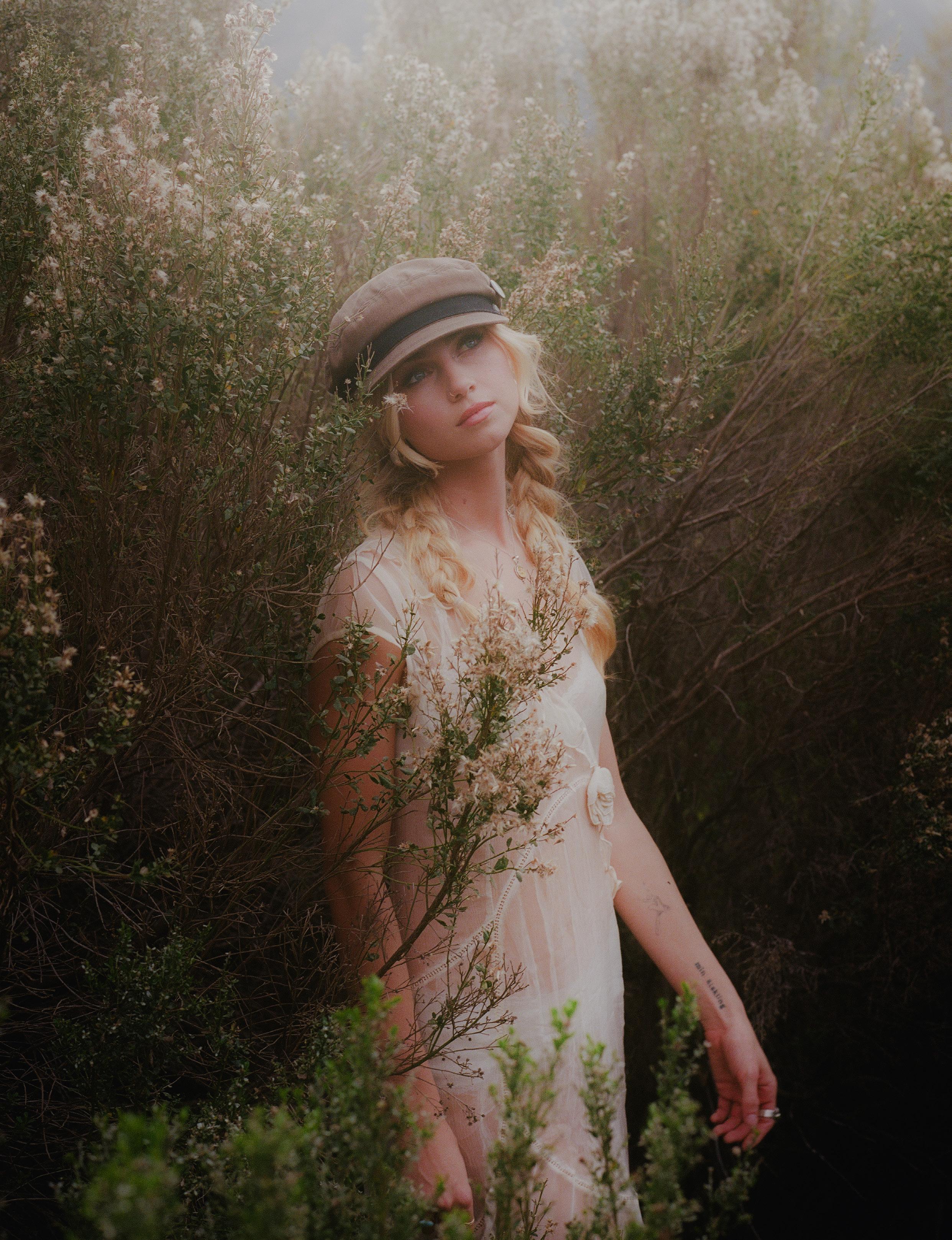
BY AMANDA LA
PHOTOGRAPHY & CREATIVE DIRECTION BY DYLAN TABIRARA
PHOTO ASSISTANTS — JEREMY AQUINO & JOSHUA E.J. PEREZ
BTS PHOTO — AMY MYAN & ZAC REGNER
BTS VIDEO — AMY MYAN @AMYMYAN, KOA HIGA & ZAC REGNER
HAIR & MAKEUP — NATALIE CASTILLO
STYLING — SOPHIE STEDMAN
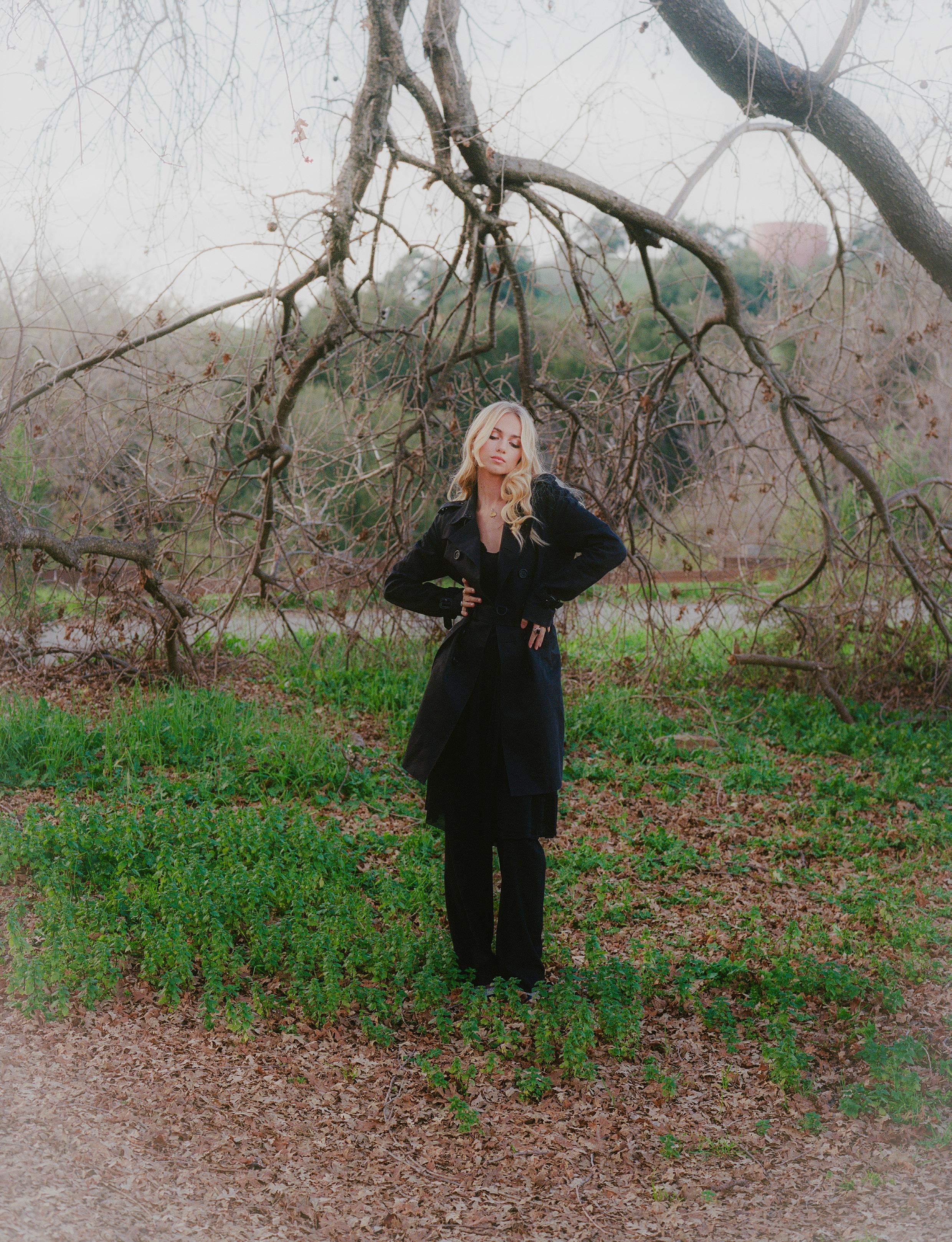
CLAIRE ROSINKRANZ is a force to be reckoned with. Her sunny energy and bright disposition could rival the sunlight streaming through our Zoom call. She’s just returned from New York, where she’s been busy promoting her latest album, My Lover, which cycles through the pendulum of life, thematically swinging between the highs and lows of her experiences. The record cultivates space for both joy and reflection, offering an intimate glimpse into her navigation of friendships, chronic illness, and love.
WHEN YOU HEAR THE WORD RESILIENCE, WHAT’S THE FIRST MEMORY OR IMAGE THAT COMES TO MIND?
Right away? The sun, honestly. It's bright and healing and inspiring. When the sun is out, it inspires me to create. Today it's beautiful and sunny, and that makes me go, “Oh, I could go on a hike. I want to meditate in the mountains.” That's the first thing that came to mind. It's a little bit basic, but I feel like that's fitting, especially after the rain. It brings life, blooming and blossoming. Everything just looks so beautiful under the sun until it gets brown and it burns things down.
BUT THEN IT'S LIKE YOU HAVE TO EXPERIENCE THE LOWS TO RECOGNIZE THE HIGHS. SO IT'S LIKE THE BROWN DIRT WILL GIVE WAY TO THE BRIGHT SUN AGAIN
Everything definitely works together, that was the big theme of my entire project — I was looking at the imagery of a garden throughout making it. There's roots and then there's weeds, there's the watering, the wilting, the picking and the pruning. In simple terms, both life and death can exist together and still be beautiful.
I WAS THINKING ABOUT YOUR GARDENING METAPHOR AND HOW SOMETIMES WHEN YOU PICK OUT FLOWERS TO GIVE SOMEONE, IT'S A BEAUTIFUL THING. BUT IT ALSO MEANS THAT YOU'RE LIKE KILLING THE FLOWER WHILE ALLOWING SPACE FOR NEW GROWTH. AS YOU'RE MOVING THROUGH THE PROMOTION CYCLE OF THIS ALBUM, HAVE YOU FELT THAT YOU'VE BEEN ABLE TO CREATE MORE SPACE FOR YOURSELF, OR HAS IT FELT LIKE A DIFFERENT KIND OF TENDING?
I think it’s a different kind of tending. Once I cycle through this line of press and everything I'm doing to promote the album, that's when the rest comes. Even while I was making the album, and before that, I had a lot of time for so many different reasons to rest, kind of self-reflect, and really do “nothing,” which I always say is actually one of the most productive things that you can do. Without that time to rest and reflect, you wouldn’t really have the space to create.
This period of promoting and being wrapped up in everything that the album is bringing into my life is definitely like tending a garden. I’m doing the cutting, the watering, and the uprooting. I feel very enveloped in it, which is exactly how I want to feel right now thanks to my team — my little fairy garden helpers. I have all this new life in front of me.
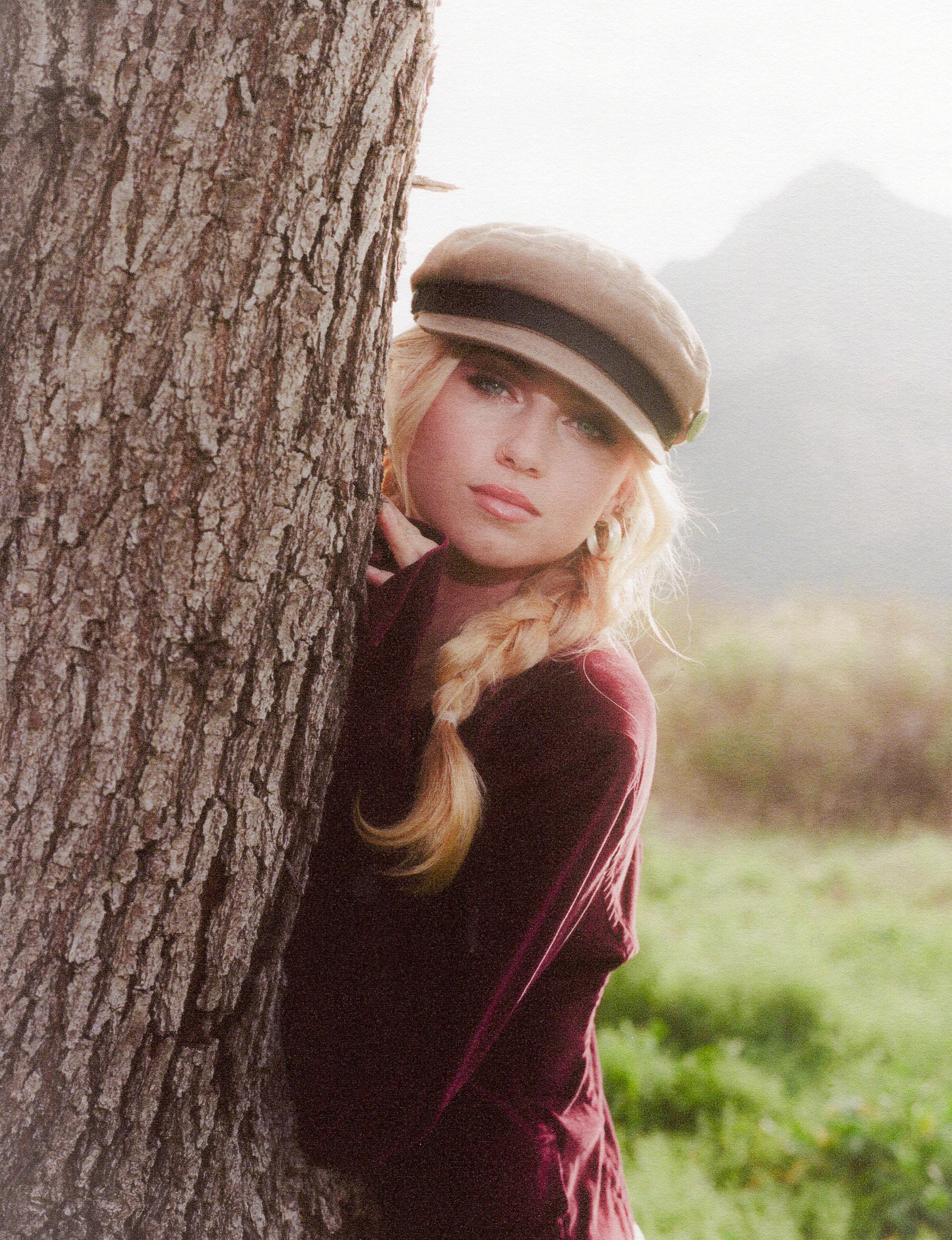
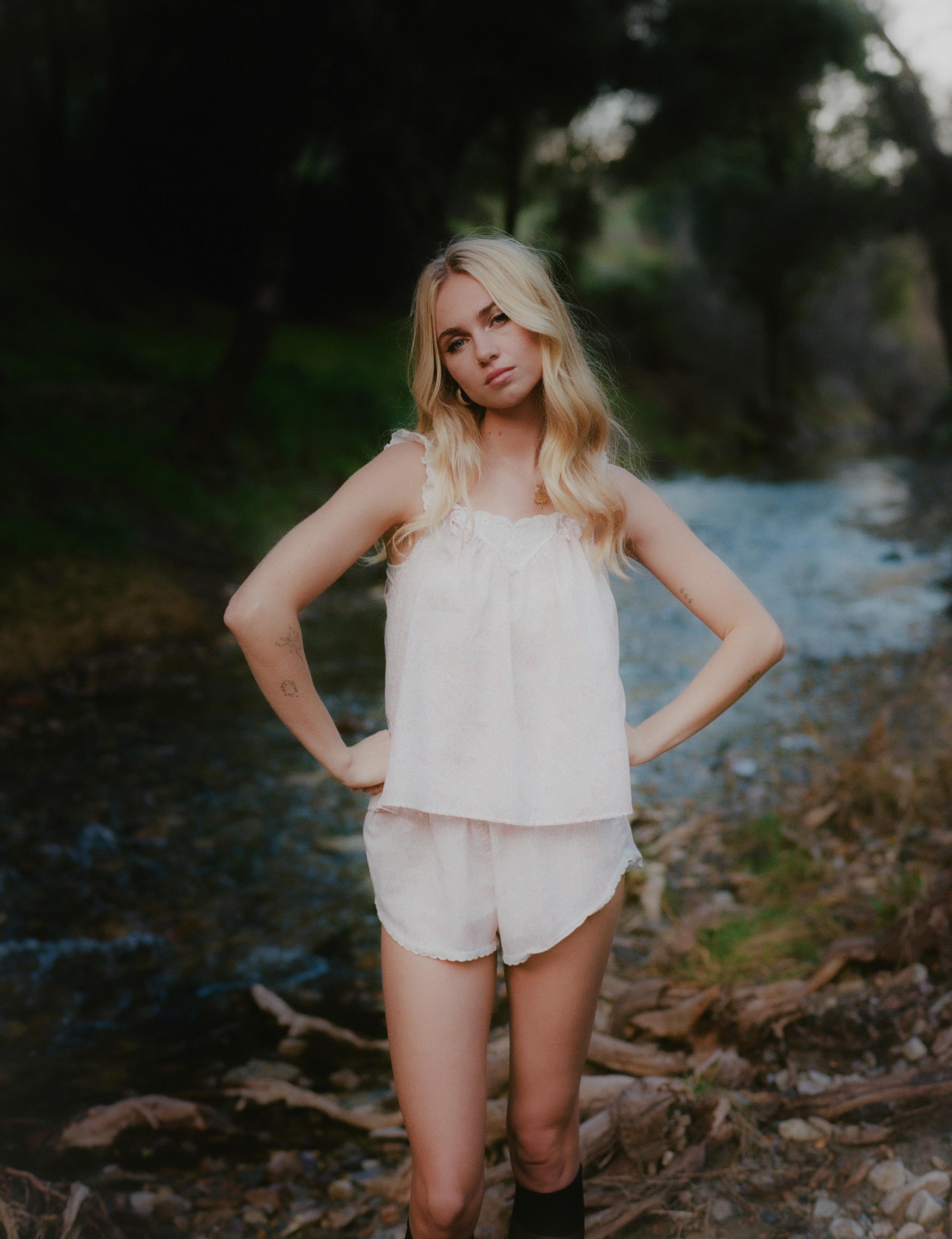
THAT’S AWESOME. DO YOU FEEL LIKE YOUR DEFINITION OF STRENGTH HAS CHANGED WHILE MAKING THIS ALBUM?
For sure. There were just so many things that I've gone through during and prior to making it. There were so many things introduced into my life that put me in situations where I came into new ways of carrying authority, strength, perseverance, and sensitivity. I'm a very sensitive person who is very in touch with life, nature, and all those things. I believe that when you are sensitive, the lessons you need to learn will come into your life.
Recently, I got a dog — or my dog found me — and ever since I’ve gotten him, it's so sweet, but it's forced me into a position of learning commitment in a new way. Taking care of something that's completely dependent upon me, being selfless, and sacrificing more of myself — it's not a bad sacrifice, I feel stronger because of it.
During the album, things like that would happen all the time. I started riding horses, and that taught me to carry a new kind of authority in my life and career. It's such a big animal, you have to be the boss, otherwise you're going to get bucked off. It was those experiences that inspired strength and growth, giving me time to reflect.
I FEEL LIKE SENSITIVITY AND NURTURING FEATURES ARE OFTEN OVERLOOKED, BUT IT'S DEFINITELY A PILLAR OF STRENGTH THAT PEOPLE AND ANIMALS RELY ON.
There's a time for everything — the sensitivity, the strength, the authority. When you have balance, it creates such a beautiful dynamic intention. That’s how my music feels as well. You have to face difficult things to reap the benefits.
IT’S DEFINITELY A BALANCING ACT. YOUR ALBUM TOUCHES ON VARIOUS TOPICS LIKE CHRONIC ILLNESS, LOVE, FAITH, AND MOMENTS OF JOY. I’VE NOTICED THERE’S A THROUGHLINE OF COMFORT AND PLAYFULNESS IN THE MUSIC. HOW DID YOU DECIDE WHICH SONGS BELONGED ON THIS RECORD, AND WHAT DID YOU WANT THE EMOTIONAL JOURNEY TO FEEL LIKE FROM START TO FINISH?
It's hard because all the music was written over a long period of time. I write really quickly, and usually the latest songs I write are the ones that end up on the project, but I feel like the music [of this album] ranges over a span of three years. It was whatever was still true and honest to what's happening in my life and how I feel.
My goal with writing is getting as honest as possible in everything that I create. It's really hard to do, even being honest with just ourselves. I think I’m in the beginning of finding that. The more I can get to that place, the more people are going to be able to resonate. At the end of the day it's also, “This one makes me feel something. These feel good together.”
There's a lot of songs that didn't make the project that I absolutely love and am hoping to maybe put on a deluxe. But the ones that came out are meant to be.
I SAW THAT “CHRONIC” WAS FIRST TEASED IN DECEMBER 2024 BUT WASN’T RELEASED UNTIL THIS ALBUM. WHAT MADE YOU HOLD ONTO IT, AND WHY DID IT ULTIMATELY FEEL LIKE THE RIGHT TIME TO INCLUDE IT IN THIS PROJECT? BECAUSE OF THE TOPIC OF THE SONG, ARE THERE ANY SORT OF CONVERSATIONS THAT YOU HOPE WOULD OPEN OR CHANGE THE PERSPECTIVE THAT PEOPLE HAVE ON CHRONIC ILLNESSES?
I think that's actually crazy that the song was teased so long ago. Chronic illness is something that is unfortunately persistent and constant. I had been dealing with my own health and wanted something to be understood by, something to relate to. There's not a lot of music about it. Everybody talks about difficult times, but it's kind of a niche topic to write about. It's a very complex, frustrating journey that gets you down and down again.
It's also hard to be understood, because you're dealing with sickness that comes back around all the time. In normal day-to-day situations while you're hanging out with your friends, it's not like getting sick once and you're just hibernating for a while. There’s always a kind of weight, it's frustrating. It makes me feel a lot of different ways. Sometimes I feel bad for always being so tired. What people don't understand is when I say that I'm tired, I'm fatigued in a way that is so unbelievably draining. But you're also like, “Well this happens. I can't stop my normal life for it.” Sometimes I think I've gotten a better grip of it, but there's still certain points, where you're really sick of it.
I think it's difficult to articulate that feeling, and one of the reasons I love writing, specifically music, is that you can't capture certain emotions through only words. It's a fun challenge, like a puzzle for me to get as close as I possibly can. But then I have the help of the melodies, the music, and the production to really bring the fullness of that emotion to life.
For people with chronic illness listening, I just want them to also feel understood. And also, I realize listening to [this song] sometimes too, it could be applicable to many different things. Even like relationships, or something toxic in your life, the battle and the confusion.
THAT'S THE REALLY GREAT THING ABOUT MUSIC. THE SONGWRITER OBVIOUSLY HAS THEIR OWN MESSAGE, BUT THEN PEOPLE WILL ALSO INTERPRET IT AND RESONATE WITH IT IN THEIR OWN WAY. Totally. There's a lot of tension in that song that could apply to many things. When you're in a toxic situation, and for me it was my sickness, you become really frustrated at yourself, your body, all these different things. It brings out a lot of confusion, self-deprecation and insecurity. I think the song speaks to emotions a lot of people can't explain because feeling is more than just words.
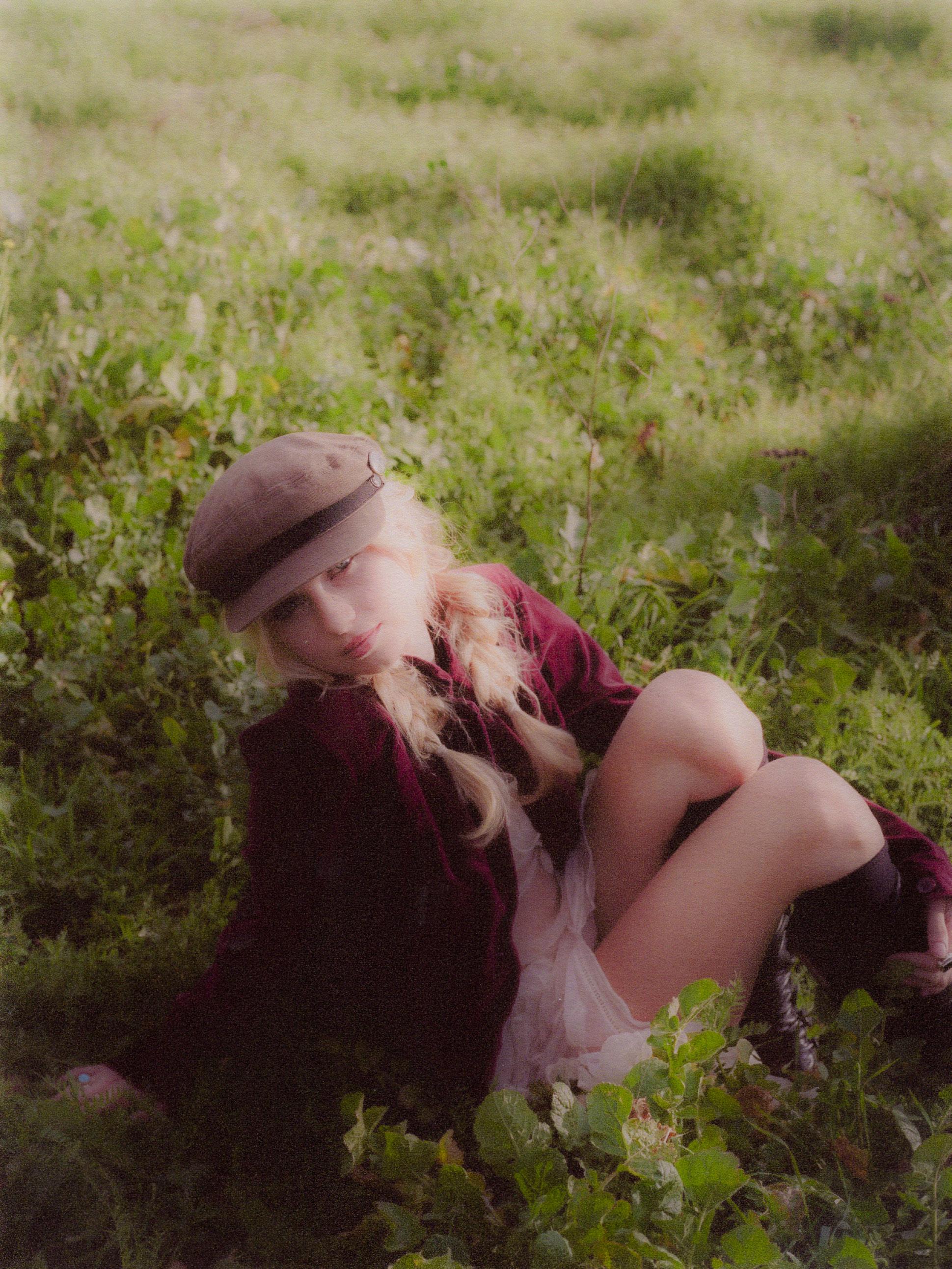
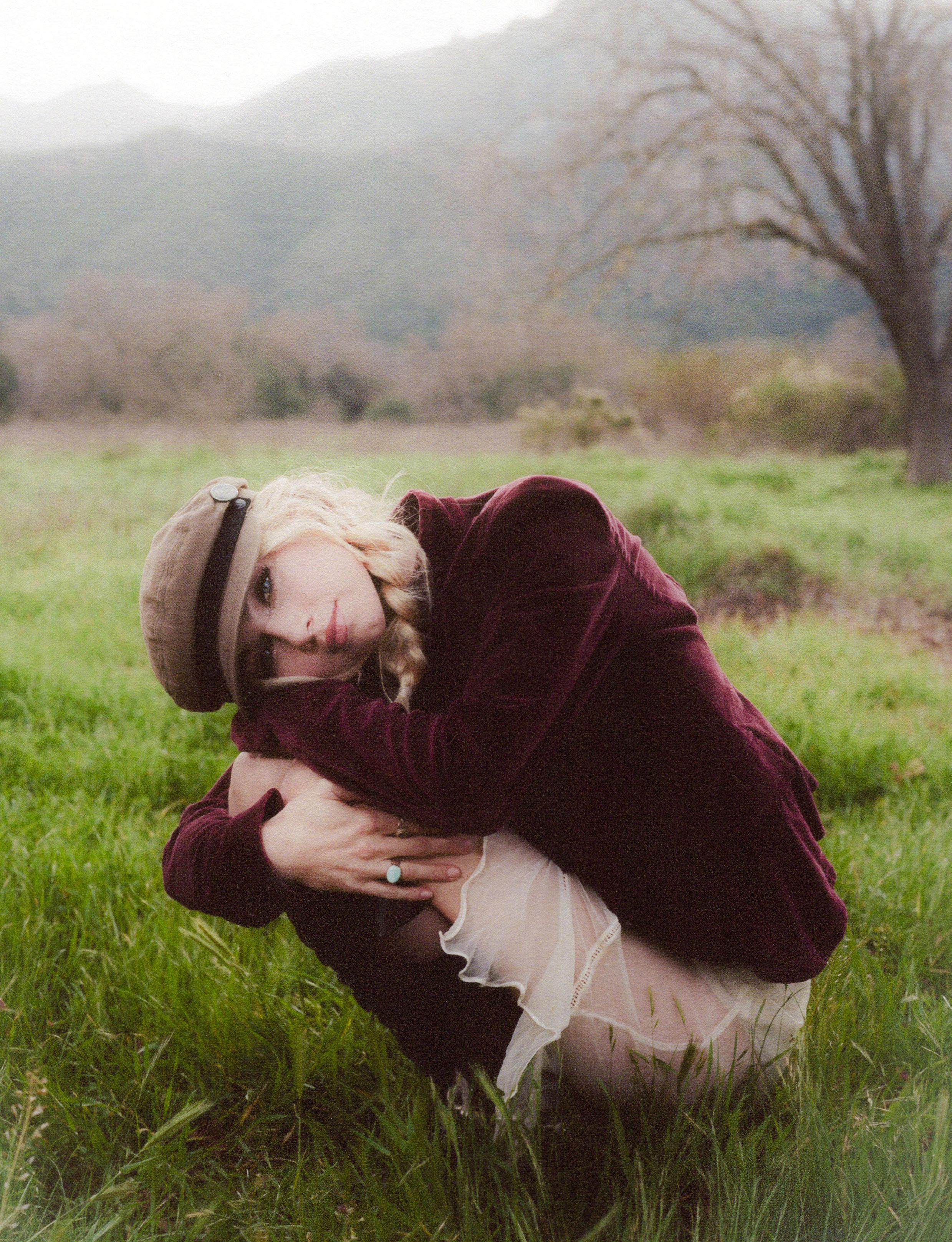
One of the reasons I love writing, specifically music, is that you can't capture certain emotions through only words. It's a fun challenge, like a puzzle for me to get as close as I possibly can.
YOU SORT OF TOUCHED ON THIS A WHILE BACK IN A PREVIOUS ANSWER ABOUT HOW YOU'RE TRYING TO EXPRESS MORE TRUTHS IN YOUR WRITING. IS THERE ANYTHING YOU’VE LEARNED ABOUT YOUR LIMITS, CREATIVELY WHILE MAKING THIS ALBUM?
No limits! Every time I go to the studio I'm like, “Wow, I can do anything I want.”
I personally believe that I'm in a place too where I haven't boxed myself into a specific sound. I think my voice connects everything together. When you hear a Claire Rosinkranz song, it's like, “Yeah, that's a Claire Rosinkranz song” because of my voice, but I really believe that I can do anything and everything.
I’m continuing to learn how to be as honest as possible and break out of the perception of myself. I feel like everybody has a really hard time being as present as possible. It's so easy to live more in the future or the past and just take dips into the present. But I feel like it's important to get to the place where you're living in the present, and then you take dips into the past and future instead.
SORT OF ALONG THOSE LINES, FOR THE LAST QUESTION — WHEN PEOPLE LOOK BACK ON THIS ERA OF YOUR MUSIC, WHAT DO YOU HOPE THEY UNDERSTAND ABOUT WHO YOU WERE AT THIS MOMENT?
I just want it to make people feel free and that they can experience all of these fun experiences and even the difficult ones. It's important to go through the wilting and the dying process in order for there to be space for new life. And if that takes time, it takes time.
You have to grieve and sit with that grief in order to get to the place where there can be new life and birth. I hope people will realize that there can be life on the other side and it's beautiful to experience all these things.
THERE'S SORT OF SECURITY TO ACCEPTANCE, NO MATTER WHAT YOU'RE ACCEPTING.
Absolutely. Sometimes it absolutely sucks, but it's still beautiful that we can feel all these things. And it sucks in the moment sometimes, and it's easier to say when you're on the other side of it, but there is another side. And because of a lot of those things, I look back and I'm like, “Wow, I really wouldn't be the person that I am today.” I know a lot of people feel that way about certain experiences in their lives, like breakups or whatever it is, there's a range. But yeah, just be free. Be free in everything that you feel.
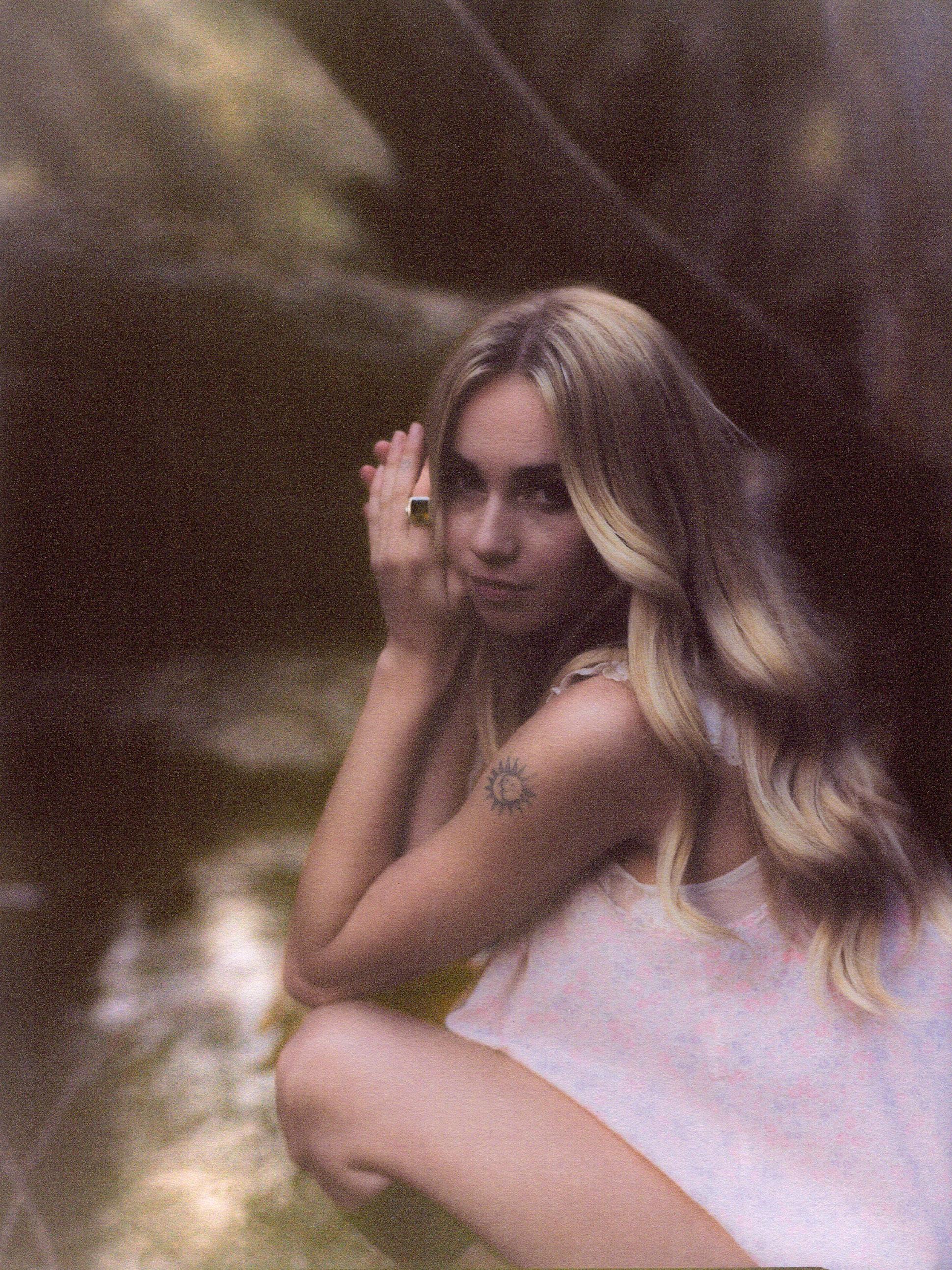
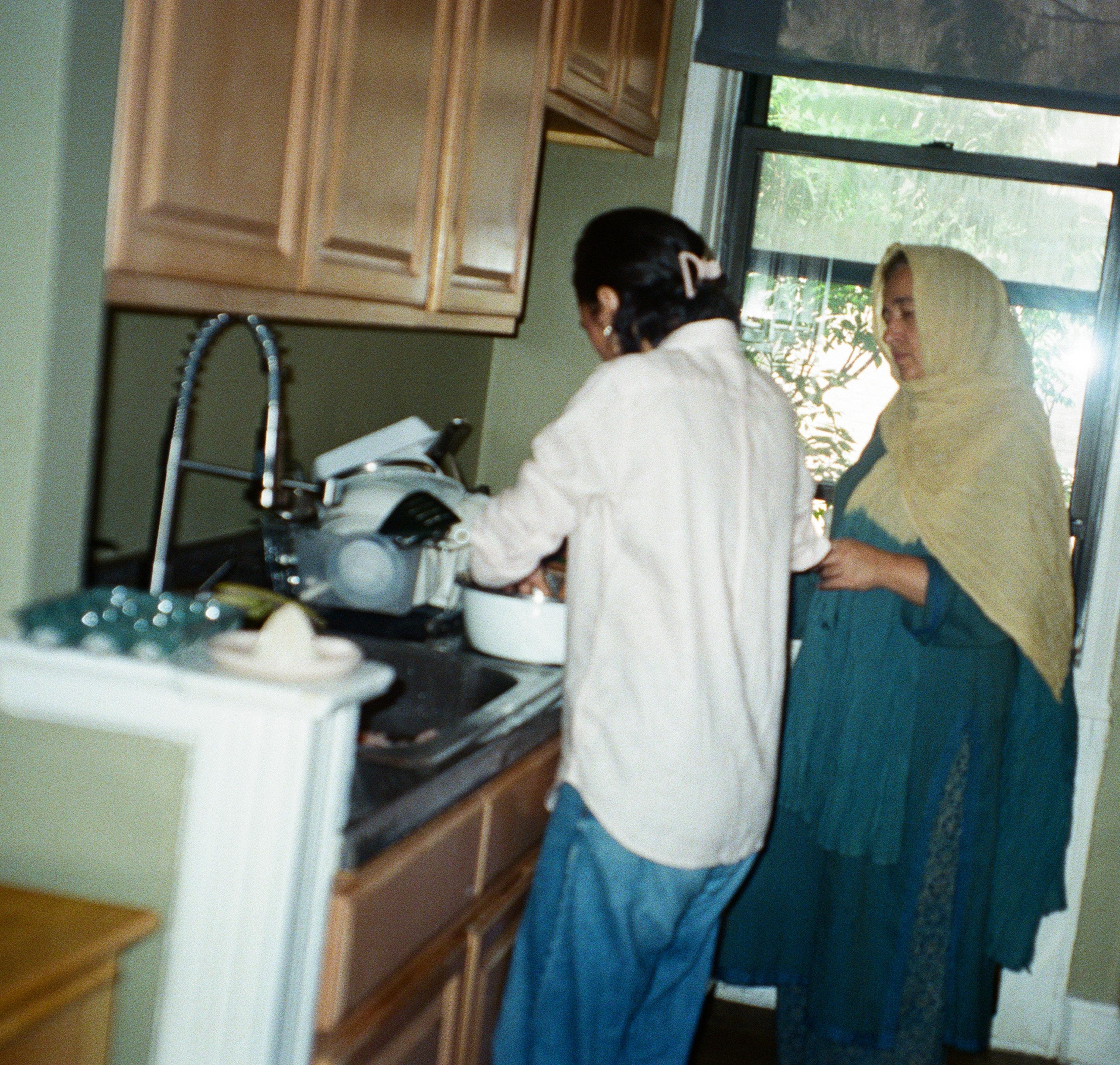
ZAINAB SADIA SAEED is a Pakistani chef who runs a supper club called The Gathering Table, where she brings people together through communal, family-style meals that highlight fusion food between underrepresented cuisines. Her work focuses on immigrant voices and how the flavors, spices, and techniques of non-western cuisines meld seamlessly in a way that modern day fusion food often forgets. Most of her menus are blended creations of two different regions and parts of the world; she believes that fusing those flavors is her gift to her guests.
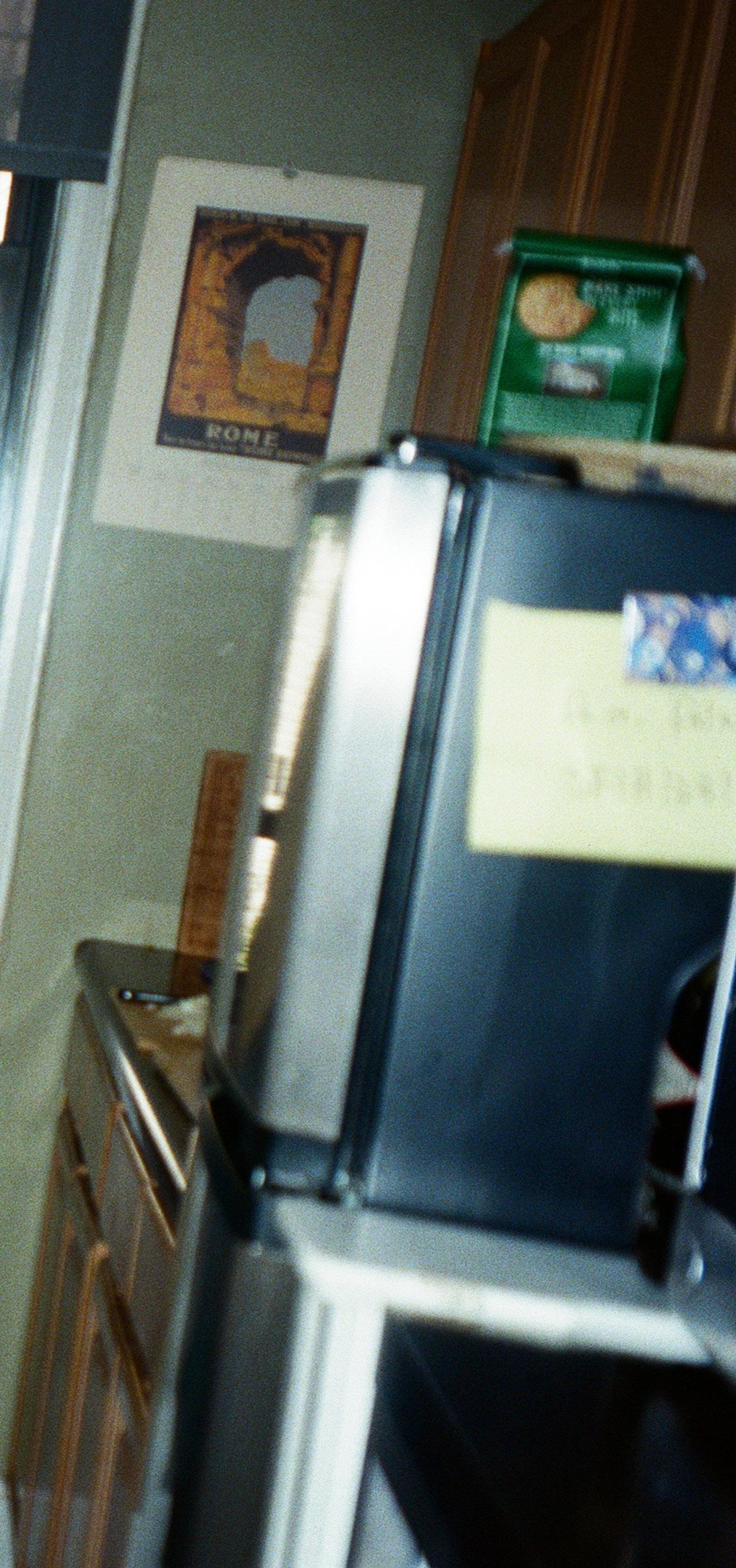
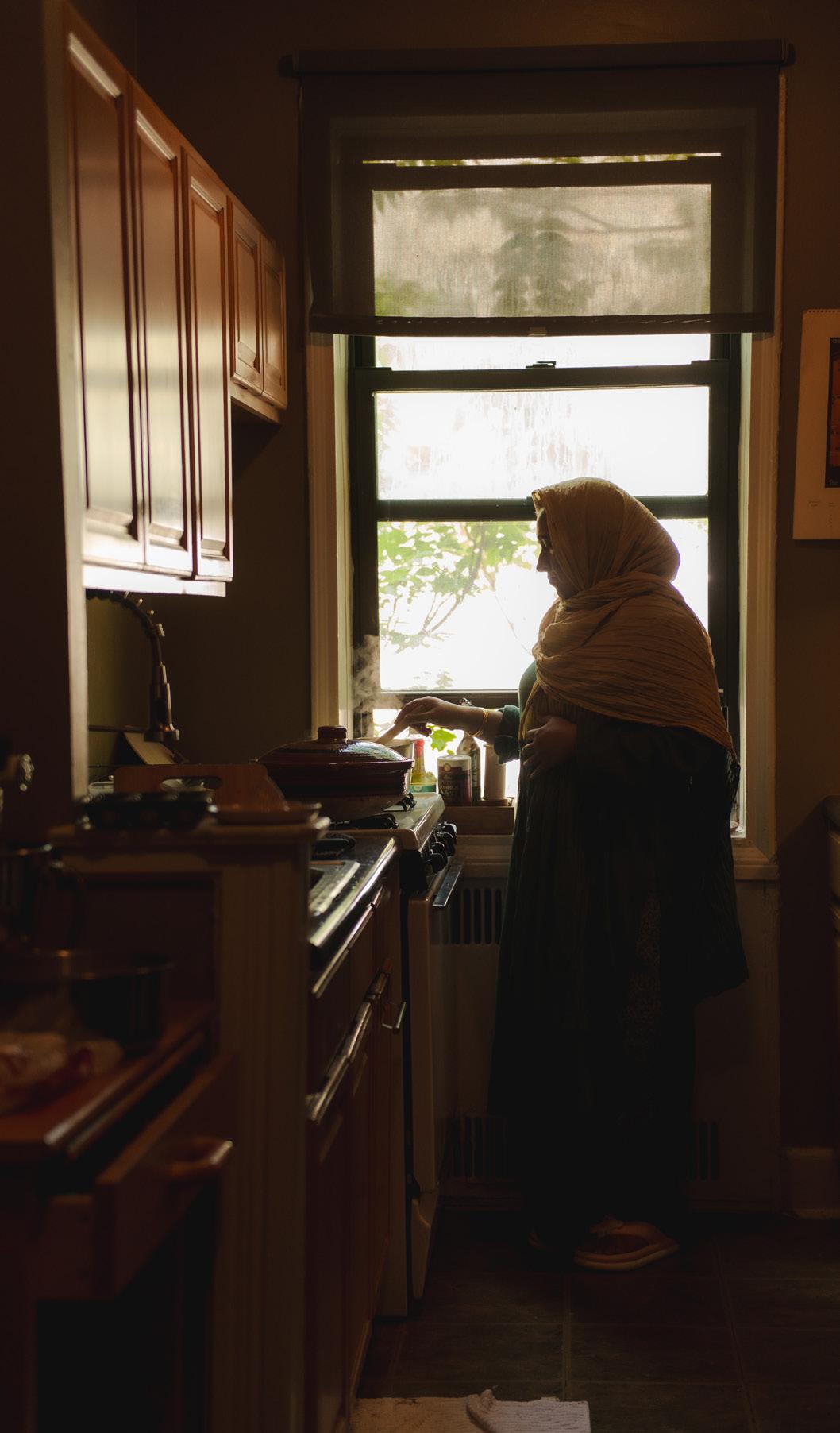
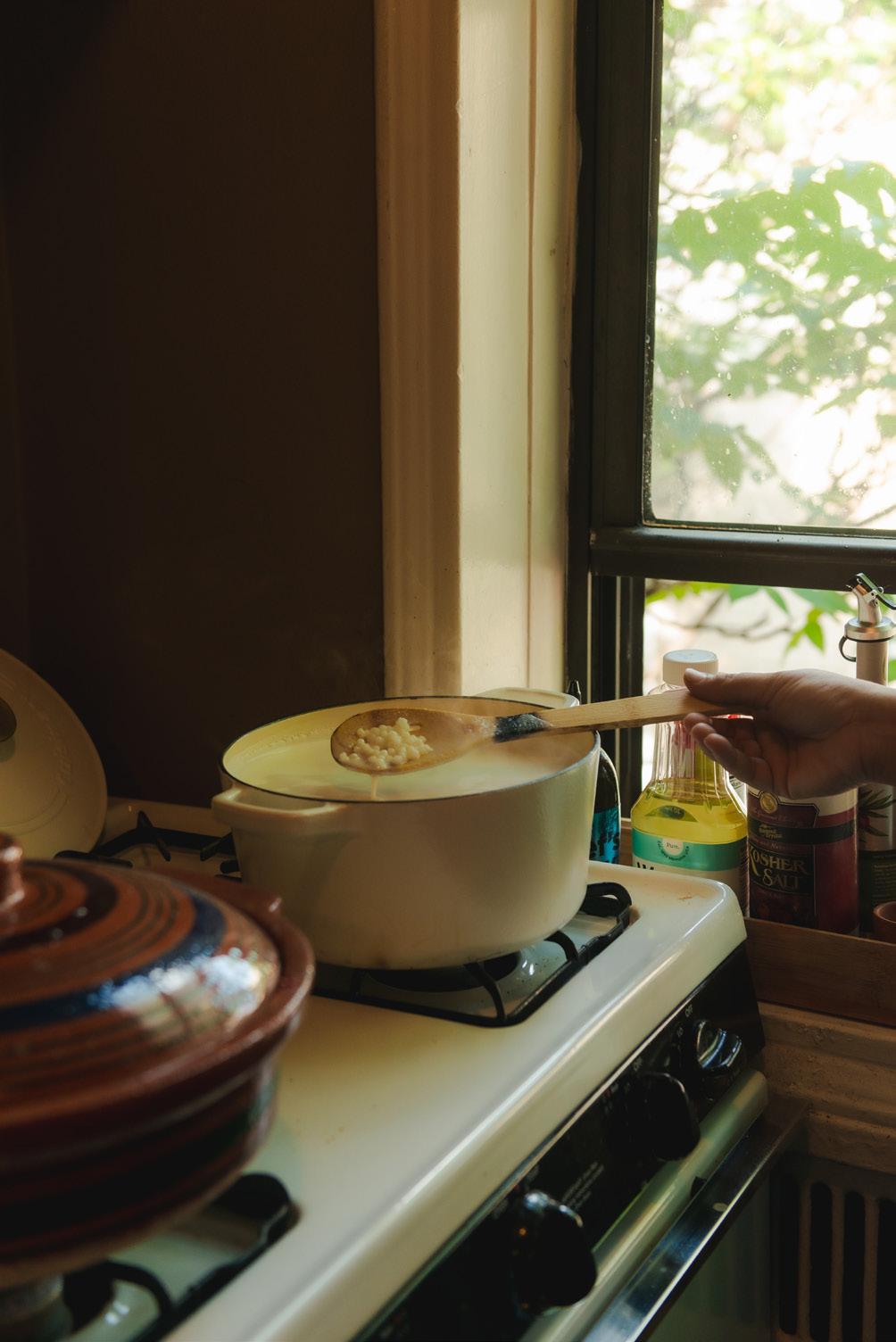
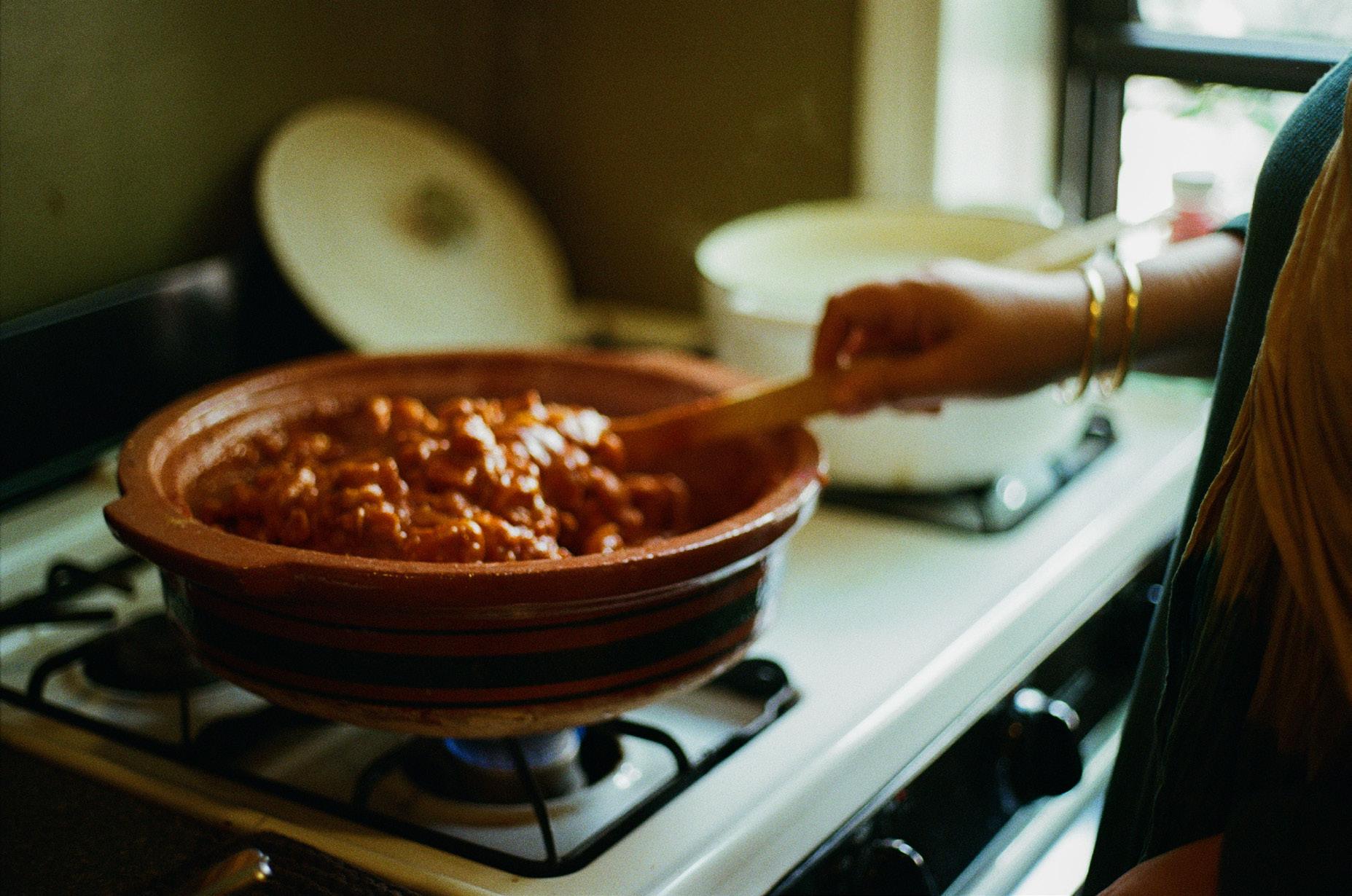
While photographing Zainab and her mom as they prepared for a pop-up, it was clear that cooking is deeply personal for her. The kitchen and cooking with her mother is home, and through her dinners she recreates that feeling for others, inviting people to gather, share stories, and experience food as something rooted in memory and community.
ZAINAB: When my mom went to Japan for a while when I was eight, I suddenly felt like I had full reign over the kitchen, as it was just me, my two younger sisters, and my dad in the house. Cooking was my version of arts and crafts as I was opening cabinets, mixing ingredients, and seeing what would happen. I also spent a lot of time watching food television, especially BBC Food!
Early on, almost every culinary mentor told me the same thing: you don’t need to go to culinary school to learn how to cook, you just need to know how to eat. I myself learned cooking mostly by tasting, observing, and paying attention to how flavors interact.
Because of that, I rarely follow recipes exactly. Recipes can be a very Western way of cooking since they emphasize precise measurements, but there is this idea that flavor lives in your hands. A “pinch” of salt can mean something different for everyone, and that small difference changes the final dish. Cooking isn’t just about executing a recipe perfectly, it’s about developing an instinct for ingredients.
I originally wanted to go to culinary school, but I ended up studying math and political science instead, and worked a corporate job after. However, after a team-bonding cooking class at work, I spoke with the chef and told him I had always wanted to go to culinary school but didn’t know how to while working full time. He suggested I start staging at restaurants.
That weekend I sent direct messages to about sixty restaurants and bakeries asking if I could come in and learn. Only two responded: a vegan bakery on the Upper East Side called Innocent Yesterday, which has since closed, and Librae in Peter Cooper Village. I started staging at Innocent Yesterday and Librae later, for four hours before or after my 9-5. I spent hours doing repetitive tasks like sifting sugar or scooping cookie dough, but it showed me the ways of a professional kitchen and the differences from cooking at home.
BY SRAVYA BALASA
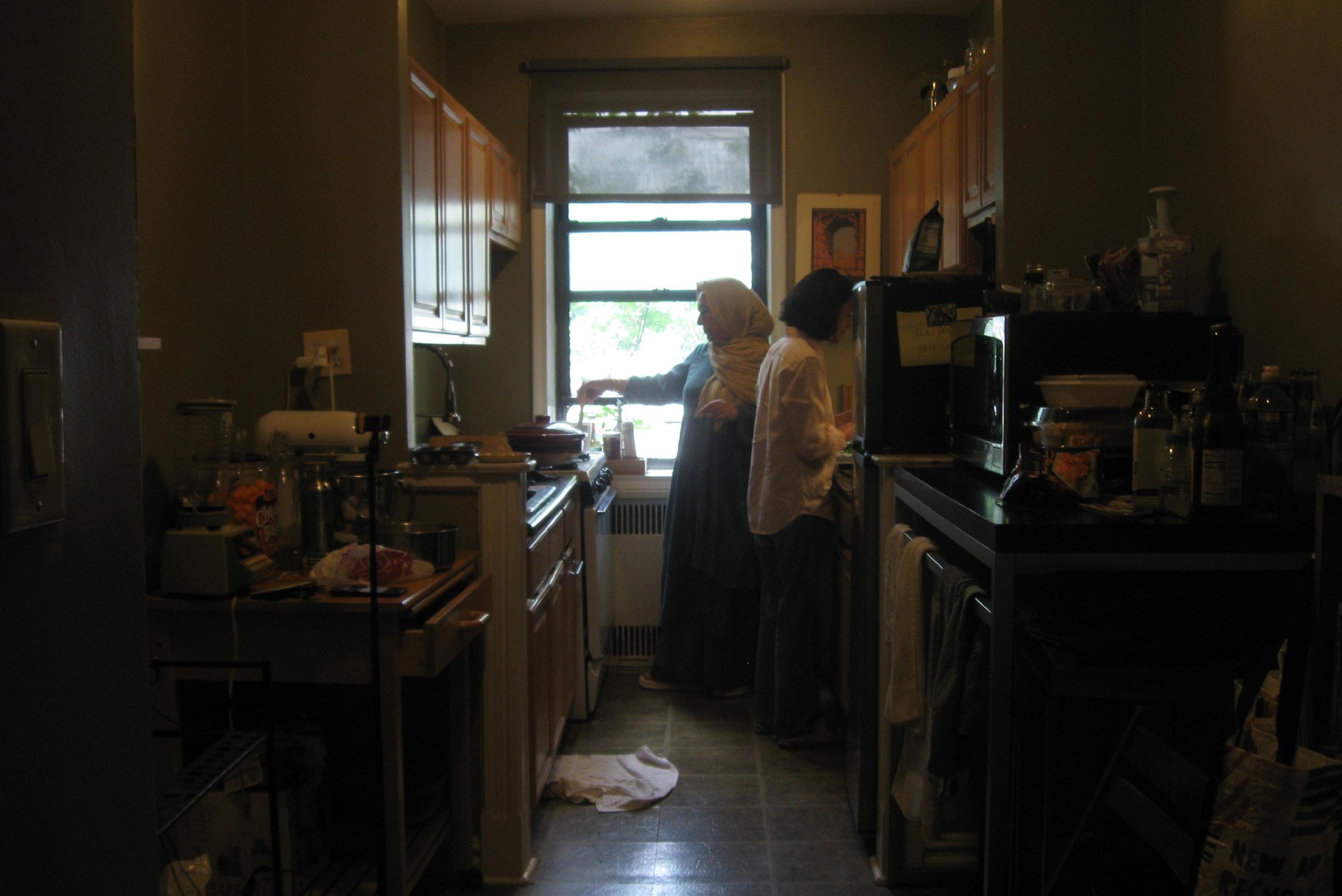
My favorite part was the family meal at Innocent Yesterday, where kitchen staff came from many immigrant backgrounds. During the day we focused on traditional French pastry techniques, but those meals where they cooked whatever they wanted were full of dishes from their culture. I barely spoke Spanish at the time, but I learned so much simply by watching them cook. Their knowledge came from lived experience rather than formal culinary training, and that environment really shaped the way I think about cooking today.
HOW HAS MOVING FROM PAKISTAN TO THE UNITED STATES SHAPED YOUR RELATIONSHIP WITH FOOD?
One of the biggest differences I noticed was the contrast between cooking philosophies. In many parts of South Asia and the Middle East, cooking is passed down through observation rather than written recipes, so you develop an understanding of how food should smell, look, and taste. That’s why when something goes wrong, people often call their mom, as moms tend to follow that philosophy. Recently, I was making shami kebab and the mixture felt too runny, so I called my mom and she told me to grind a slice of toast into it. It worked perfectly.
Moving to the U.S. also made me realize how much overlap exists between different non-Western cuisines. Once I started exploring foods like Sichuan, Thai, East African, and Nepali cuisine, I noticed how many techniques and flavor structures they share. Those realizations shaped my supper club, where I focus on fusion of non-Western cuisines, and don’t repeat a cuisine as there are so many to explore.
HOW DID YOUR SUPPER CLUB START?
The supper club began while I was finishing my staging experience, around the same time I was scouted to appear on the culinary reality show Clash of the Cookbooks . Preparing for the show pushed me to start experimenting with ingredients that required more precision but pairing them with flavor profiles I loved, like oysters with tahini hot honey or quail seasoned with dukkah, an Egyptian spice blend.
Through that process, I realized I was discovering combinations that rarely appear together on restaurant menus. Much of my inspiration came from family meals in restaurant kitchens or from dishes people cook at home, foods made by people whose culinary traditions are not always highlighted publicly. Eventually, I realized I had a knack for identifying those intersections between cuisines, and that idea became the foundation for my supper club, The Gathering Table.
I am a huge fan of communal dining, eating family style, and thinking of your neighbor when sharing a meal. It reduces the performance aspect of food we see a lot in modern dining.
The first one took place during Ramadan and was an iftar dinner called Call Your Mom . The idea came from thinking about how, during Ramadan, women all over the world spend the day cooking for iftar while fasting themselves, preparing food for hours without tasting it.
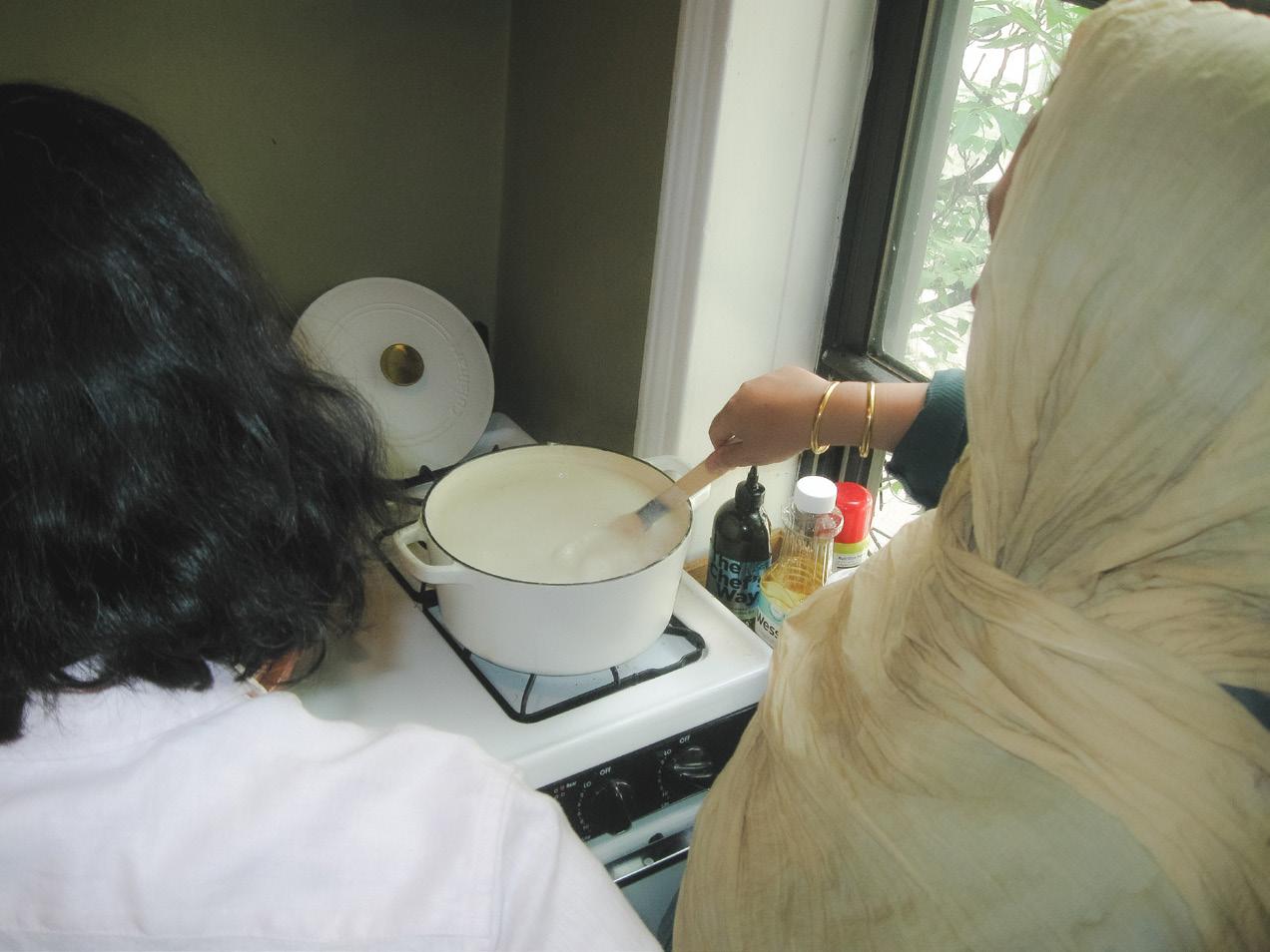
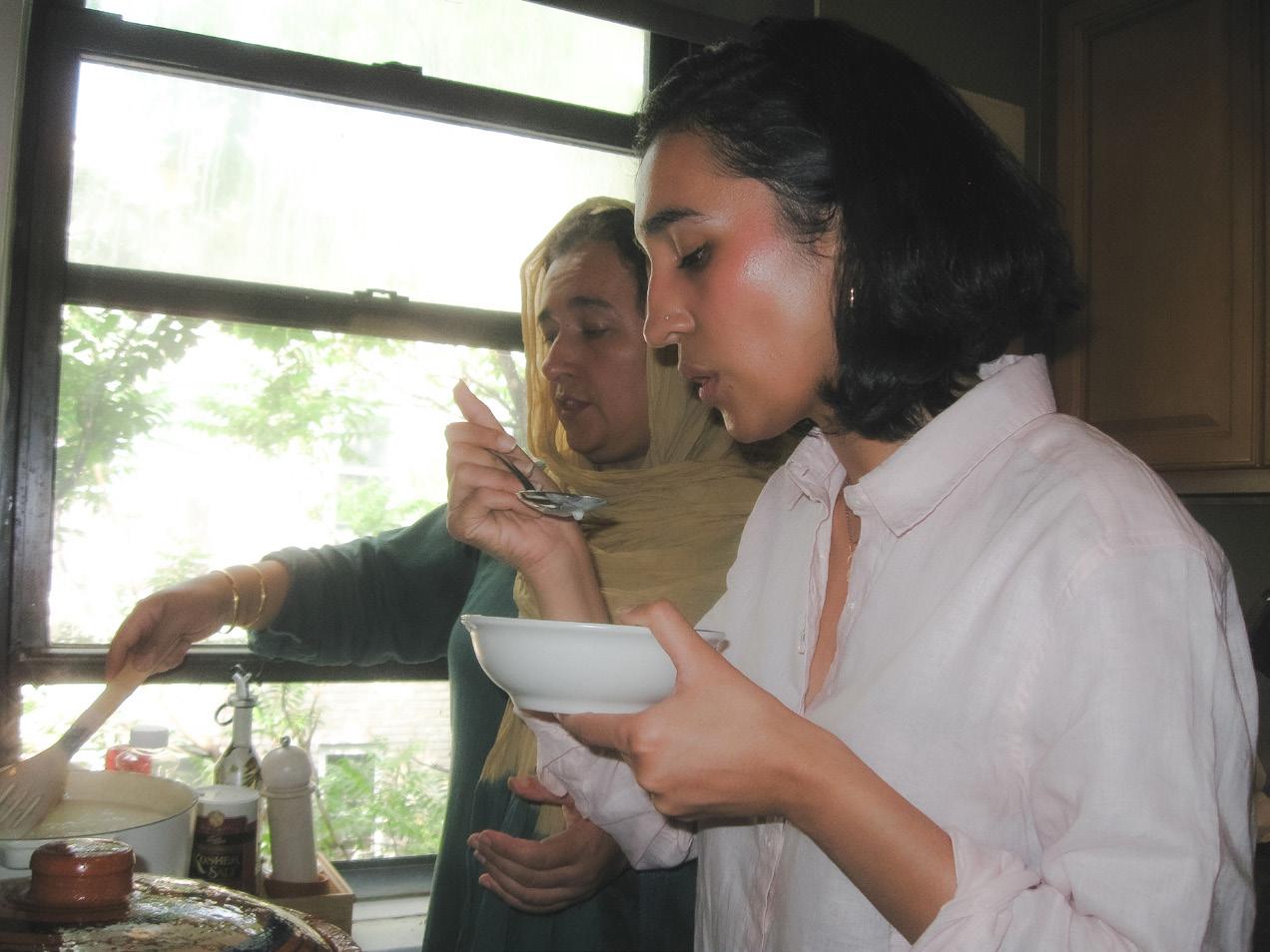
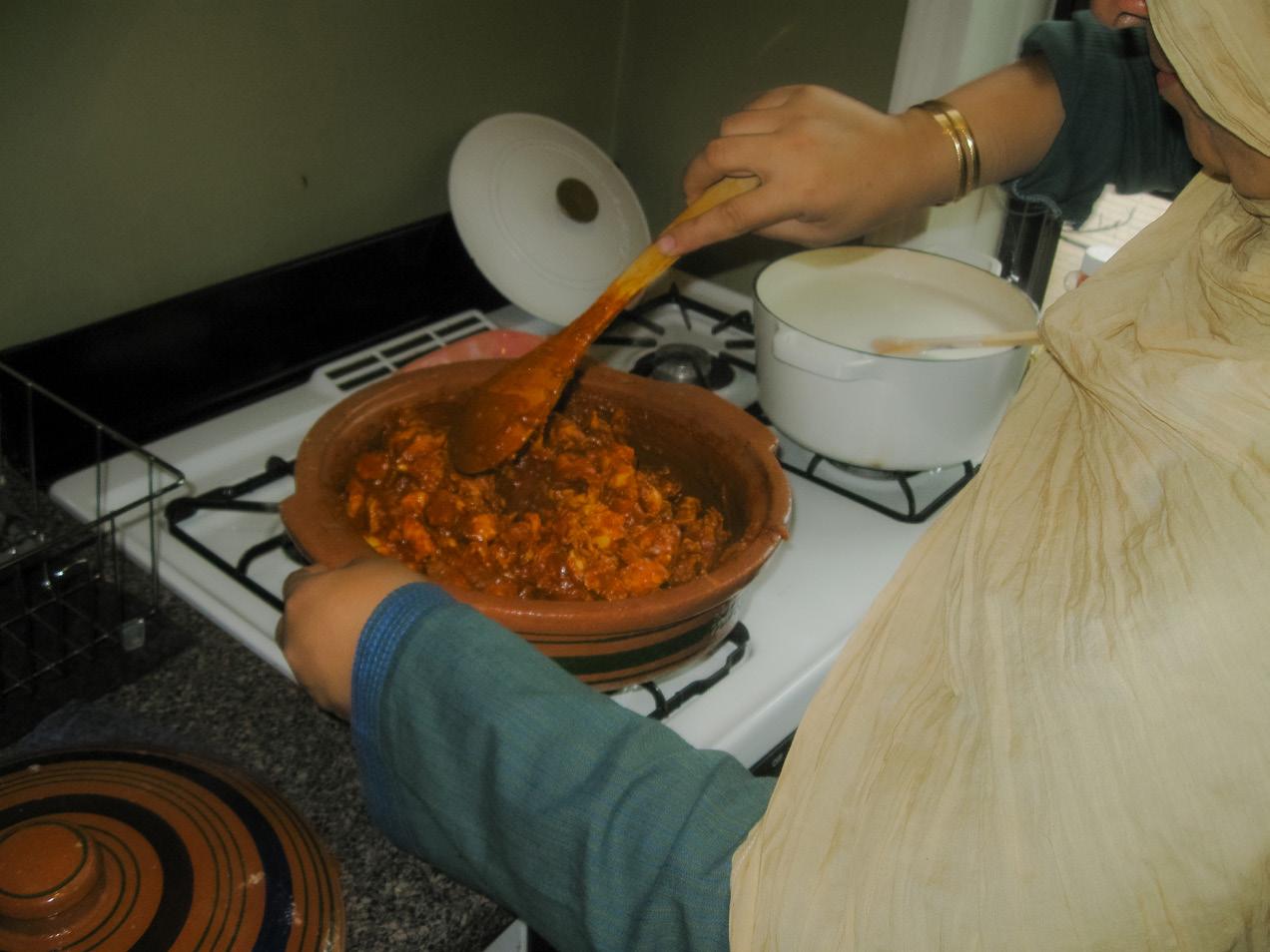
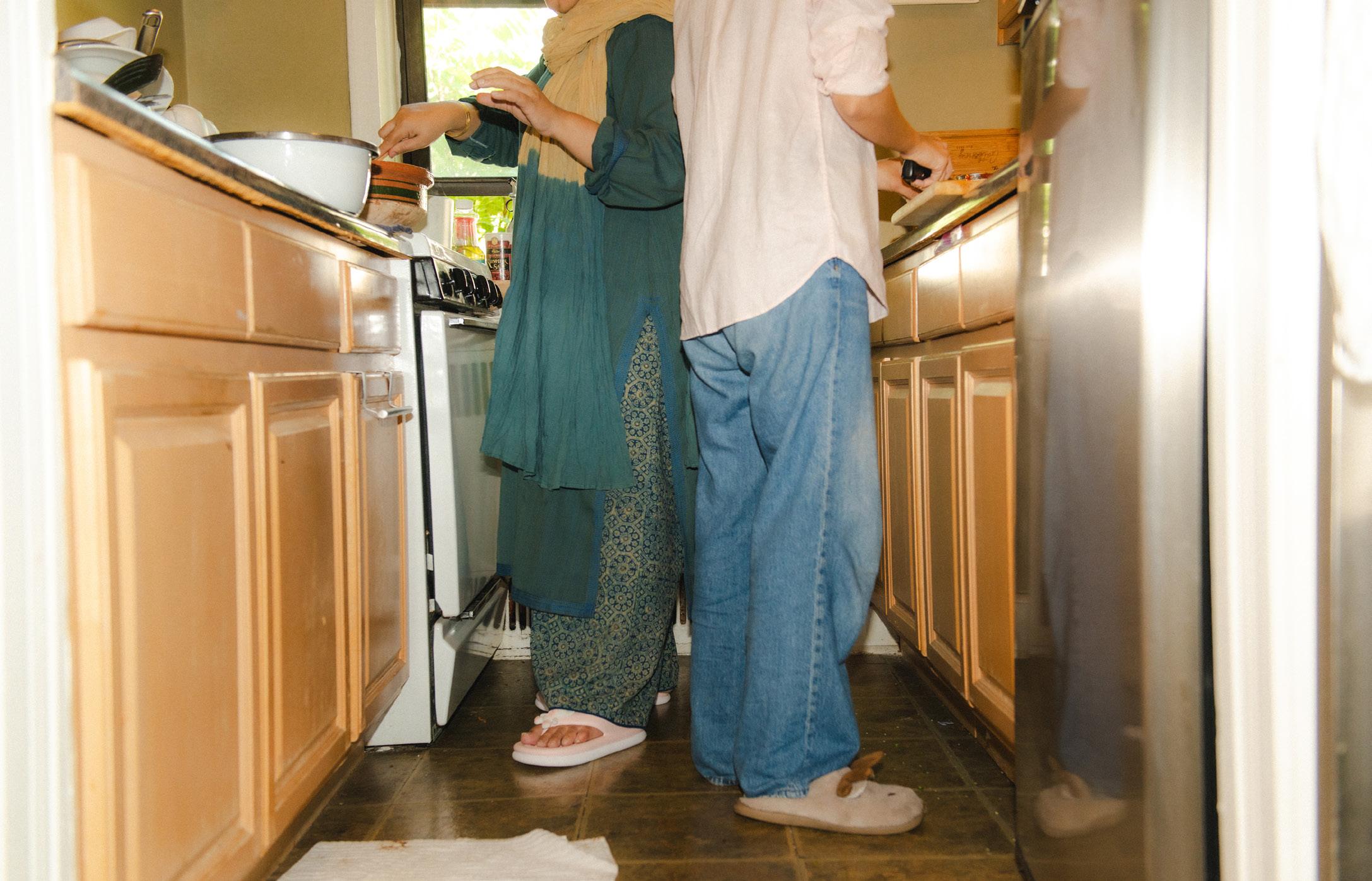
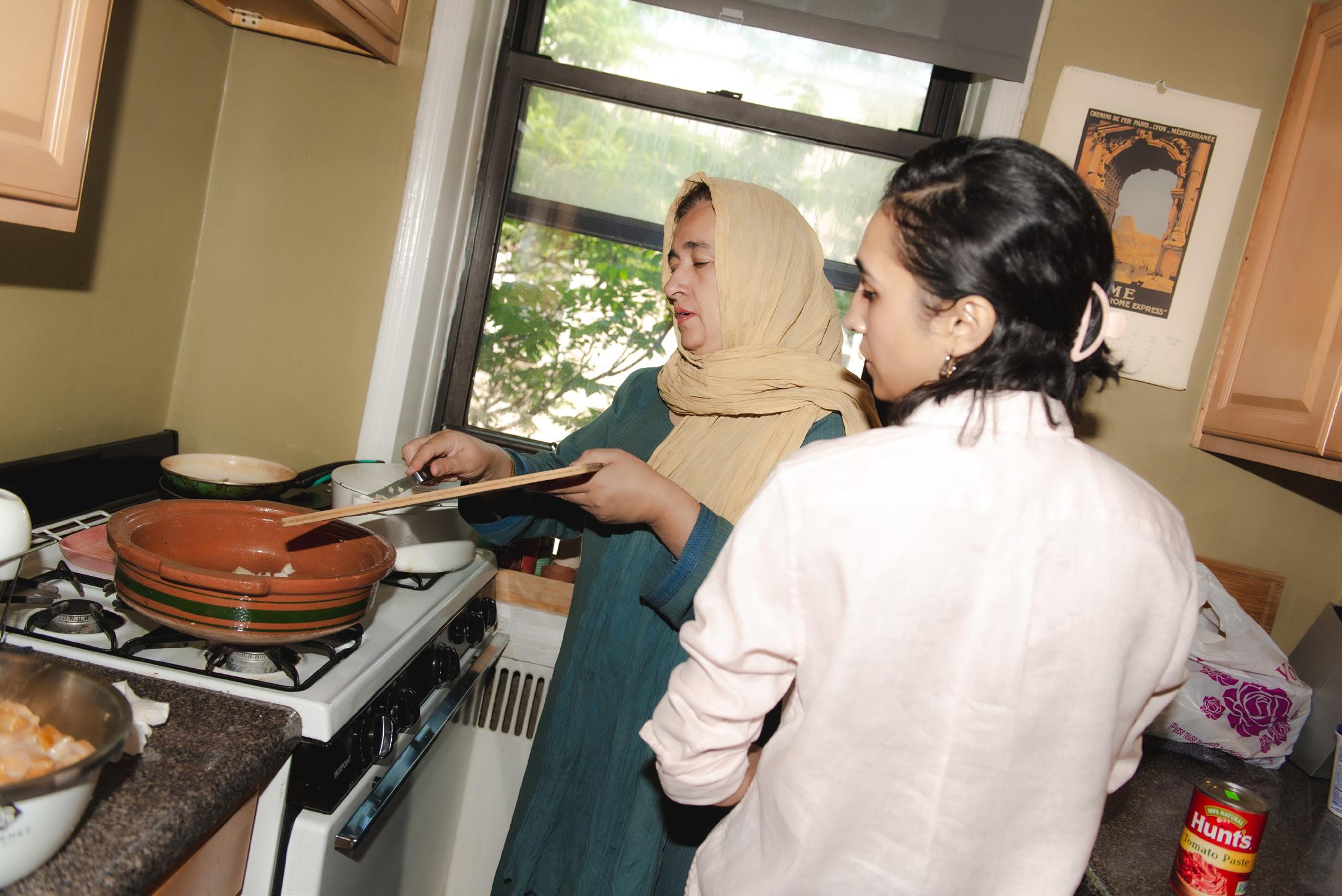
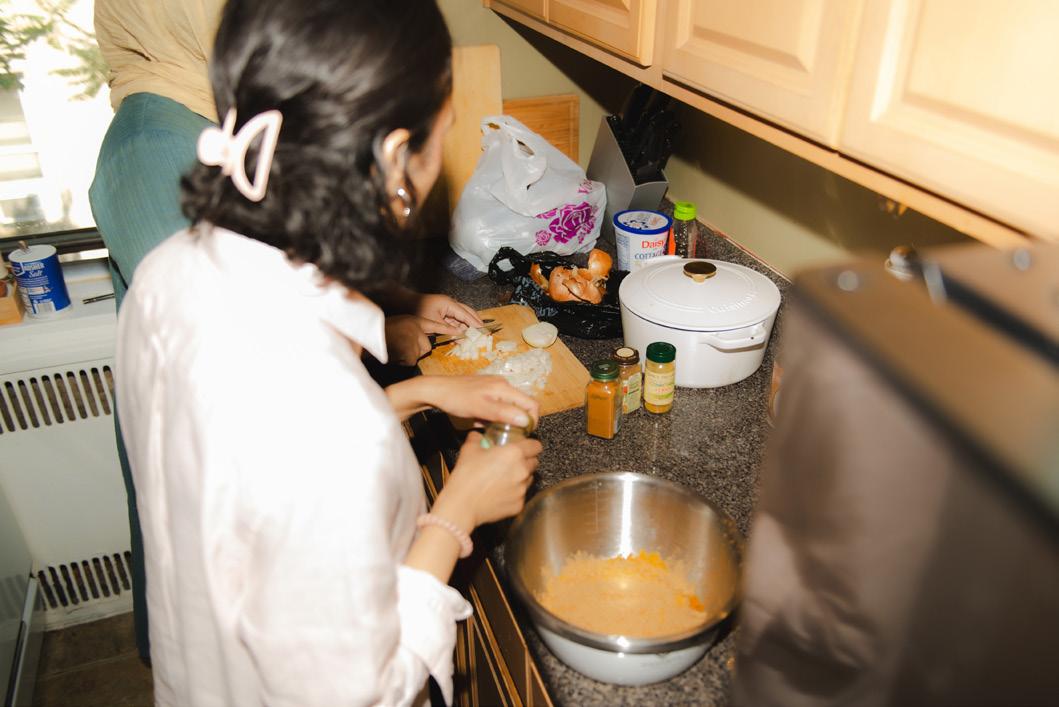
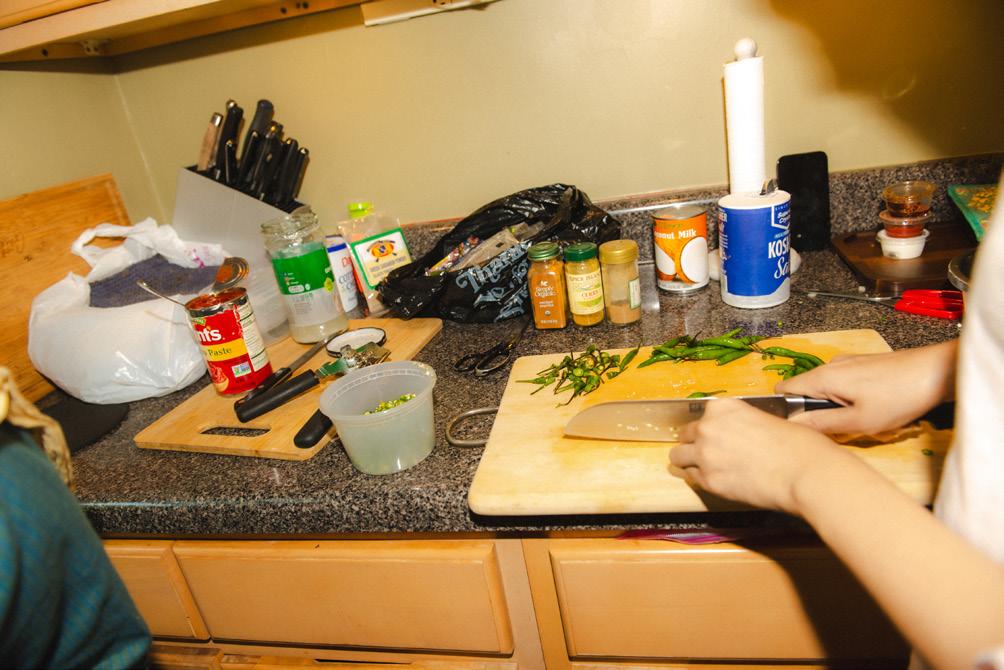
I asked friends what their mothers usually made for iftar and used those memories to design the menu. The dishes combined South Asian and Middle Eastern influences. One dish was Syrian lentil soup topped with mini samosas that functioned almost like croutons, you would break them apart and eat them with the soup.
Since then, I’ve continued exploring different cuisines through the supper club. After traveling to Kenya, for example, I served mandazi, a lightly sweet East African fried dough similar to a donut. I also hosted a supper club in collaboration with Purana Pakistan, an online archive documenting Pakistani history and culture, where we invited people to submit regional recipes that aren’t widely represented in mainstream Pakistani cuisine. Pakistan itself also has enormous regional diversity—Balochi, Sindhi, Punjabi, and Memoni cuisines, along with Gujarati, Bengali, Irani and Afghan influences—and if you travel through the country and stop at different dhabas (roadside stalls), the same dish can taste completely different depending on who is cooking it. One submission was Saunf Ki curry, a fennel seed curry, which I used as the base for a Khao Suey, a Burmese dish adapted by the South Asian Memon community.
YOUR MOM CLEARLY PLAYS A BIG ROLE IN YOUR COOKING. WHAT IS COOKING WITH HER LIKE?
My mom is incredibly fast in the kitchen because she spent years
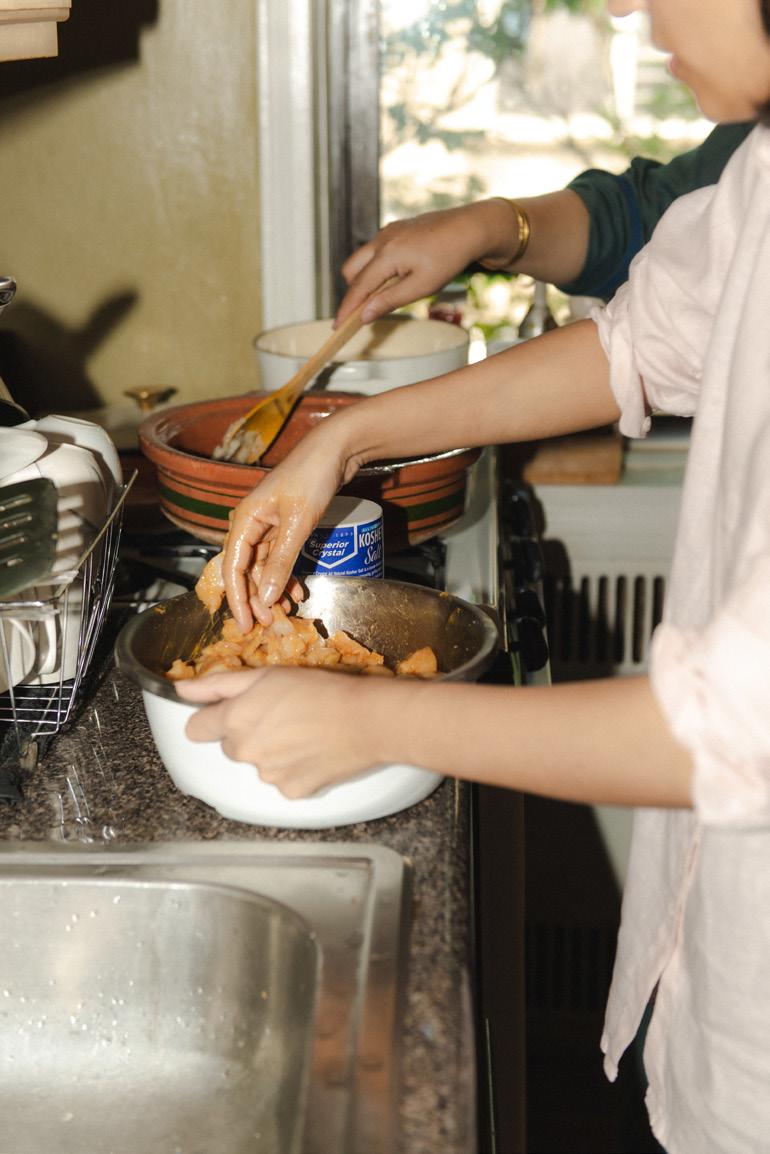
cooking for six kids every day while also working full time as a teacher. She is the only person I actually enjoy sharing a kitchen with because she can keep up with my pace.
At the same time, one of the biggest lessons I have learned from watching her cook is patience. There is a technique called “bhuna,” which roughly means a cooking technique involving "dry frying" spices, aromatics (onions, ginger, garlic), and meat or vegetables in oil over medium-high heat until they are deeply caramelized, dark in color, and the water in them naturally releases and the oil starts to separate. It deepens the flavor of the dish but it requires standing at the stove and stirring for a long time. Our generation sometimes struggles with that because we want everything to happen quickly, but those slower processes are where so much of the flavor really develops.
We did a pop up together at Monkey King as part of an event called Other Tongues where three chefs each set up a table and cooked for guests. My mom and I ran one of the tables together, which was really special.
HOW HAS THE RESPONSE TO THE SUPPER CLUB EVOLVED?
Recently, someone traveled specifically in Pakistan to attend one of my dinners and told me it had been on her bucket list to eat my food, which was surreal to hear. Another moment that really
stayed with me was when someone came to a supper club where I had created a Yemeni Bengali menu and told me Yemeni Bengali herself and had never seen those two cuisines represented together. For her, the menu reflected her own identity, and that confirmed something I have always believed, which is that what we call fusion food is a modern idea, and often only scratches the surface of cultural connections that already exist.
WHAT ADVICE WOULD YOU GIVE PEOPLE WHO WANT TO IMPROVE THEIR COOKING SKILLS?
The biggest thing is freeing yourself from the idea that everything has to be measured perfectly. Baking is different because it is more of a science, but everyday cooking should be intuitive, so taste your food as you cook.
Another important skill is learning how to cook with what you already have. I run a series where I make meals using whatever ingredients someone happens to have in their fridge. The goal is to show people that they do not need a long shopping list to cook something delicious because most kitchens already contain enough ingredients like spices, onions, garlic, and sauces to create a great meal. Finally, it helps to eat seasonally. Fruits and vegetables taste better when they are eaten at the right time of year, and understanding those cycles helps you appreciate ingredients more deeply.
WHAT ARE SOME OF YOUR FAVORITE CUISINES?
When I think about my favorite cuisines, I also think about the history behind them. Besides Sichuan and Kenyan food, Karachi, where I’m from, is a port city that has always been shaped by migration, so the food there reflects layers of different communities and influences. The more I travel and learn about food, whether it’s the history of Charleston’s cuisine or fishing communities in Pakistan whose dishes preserve their traditions, the more I see how food carries stories of migration, survival, and resistance.
WHAT’S NEXT FOR YOU?
I am currently doing culinary consulting for restaurants, which has been really exciting. I am also continuing to grow my interview series Kitchen Closed, with my friend and film maker Haseeb Amin, where we highlight immigrant owned restaurants that brought international cuisines to the U.S. and didn’t get the appreciation they deserved back then as they served working class and immigrant families. One restaurant owner I interviewed runs a Bengali restaurant, but he advertises it as Indian because he said most customers immediately recognize dishes like butter chicken, while “Bengali food” is often unfamiliar to them.
A big part of my work moving forward is continuing to celebrate immigrant cuisines and the stories behind them. Food carries so much history, identity, and culture, and I want to keep creating spaces where those stories can be shared.
BY ANG CRUZ
PHOTOGRAPHY & CREATIVE DIRECTION BY SAMMI SMITH
STYLING – BRANDEN RUIZ
GROOMING – JULZ BRENNAN
BTS & ONSITE ASSISTANT – HILLARY KIM
LIGHTING – PAULINA OLDER
RETOUCHING – DANIN JACQUAY
LOCATION & HORSE – LIL BARN RIDING SCHOOL
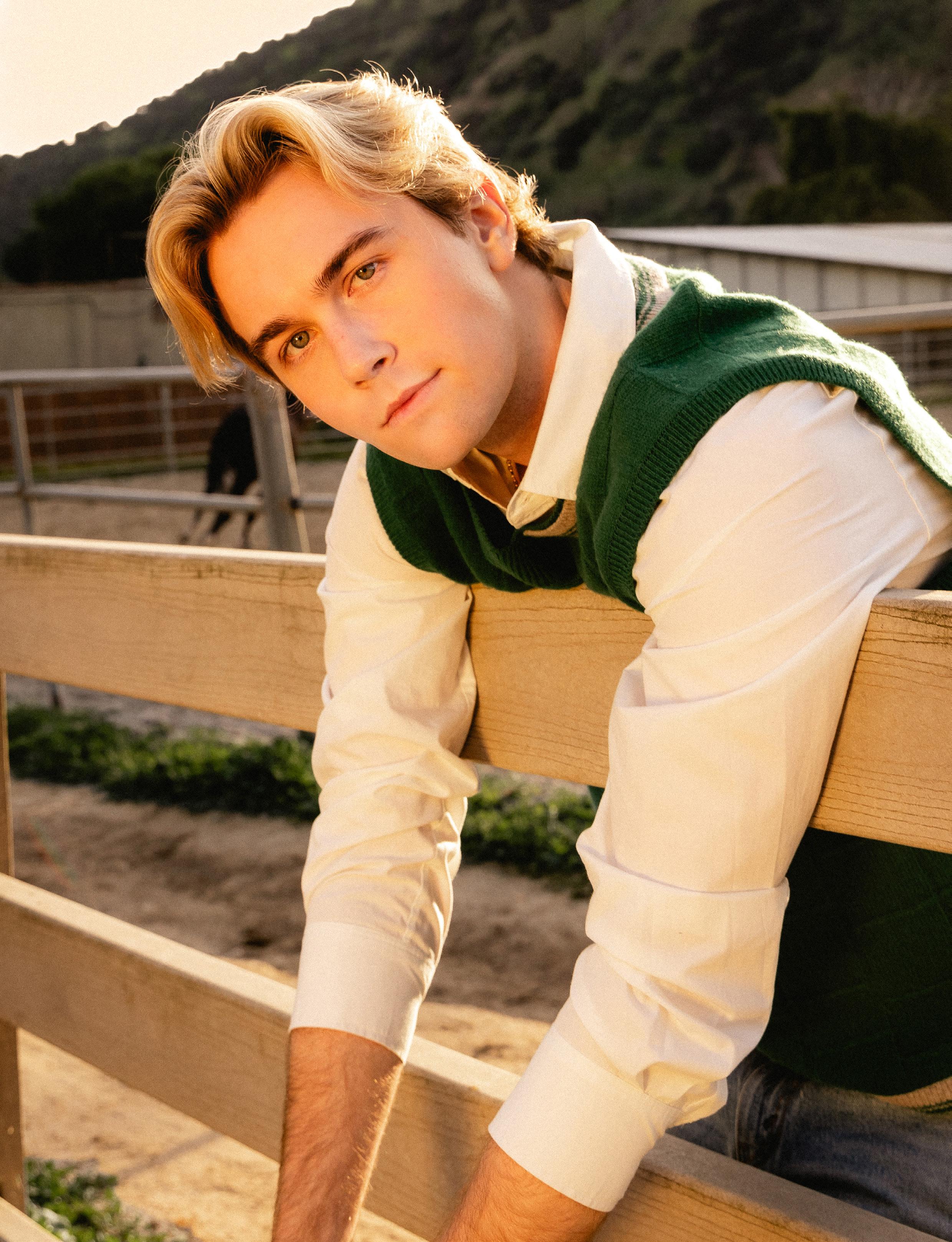
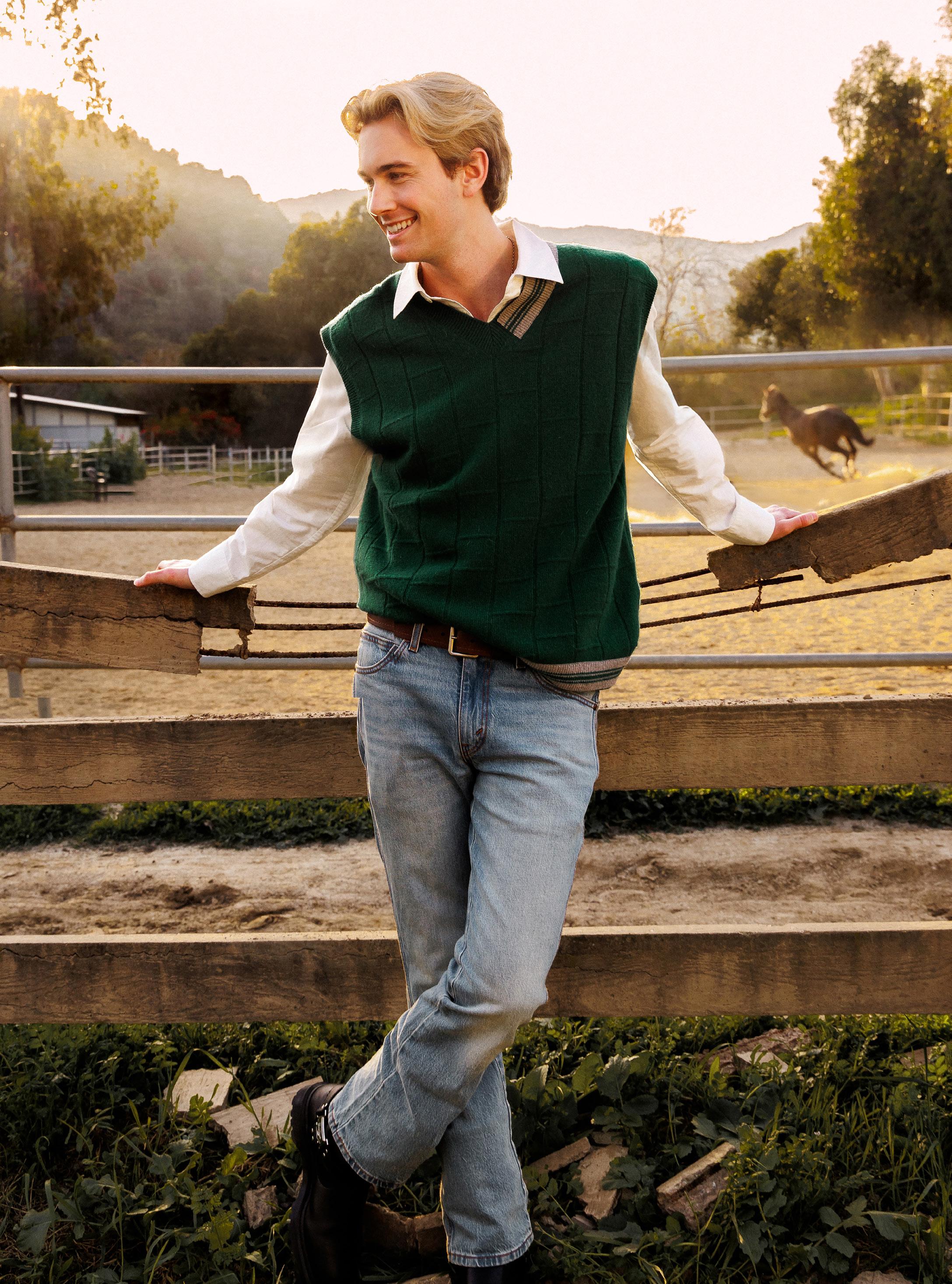
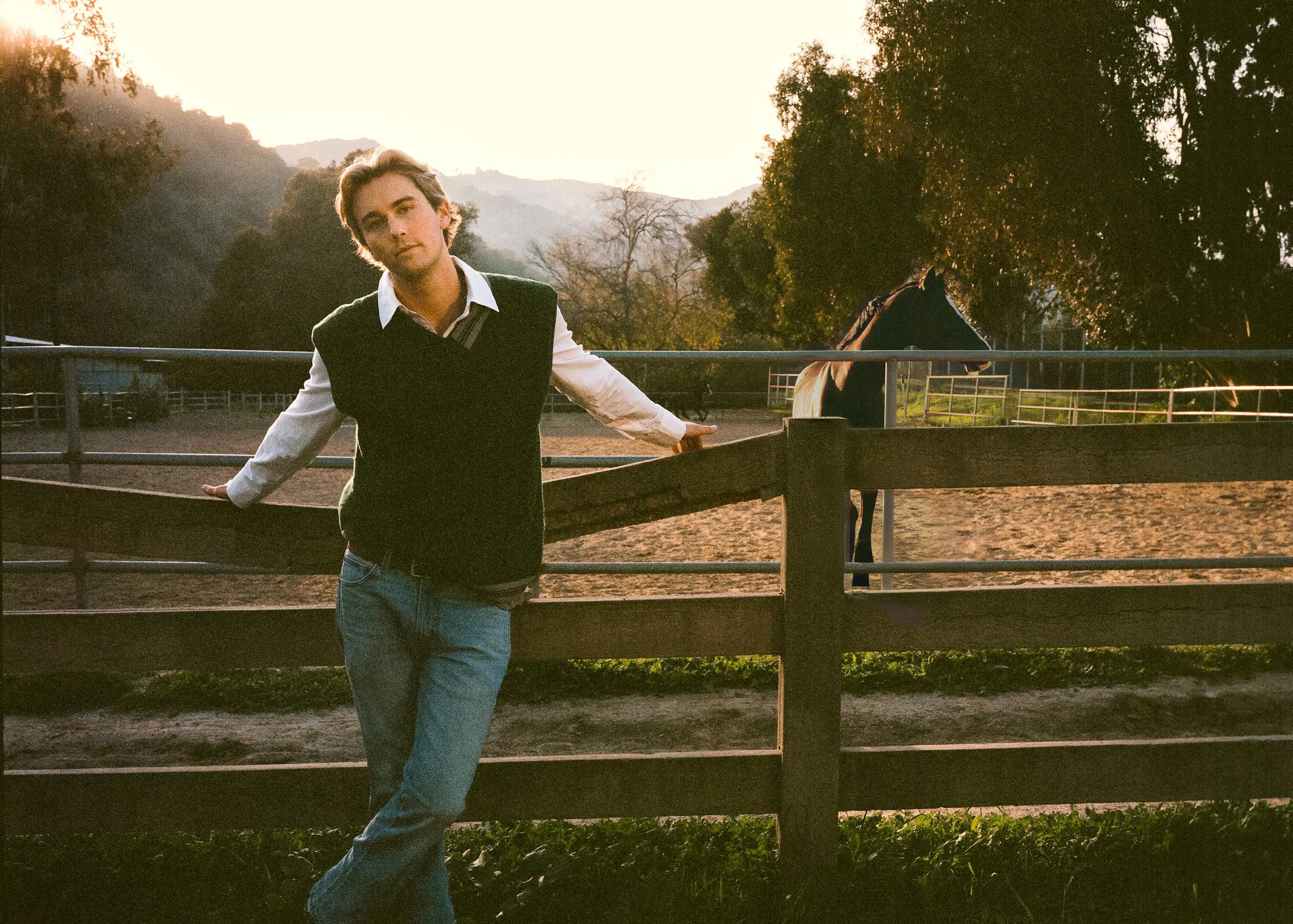
One’s early twenties can be a pivotal time for self-discovery. For singer-songwriter CHAD COURTNEY, this moment in time has been his opportunity to open himself up to the world. With multiple releases under his belt, Chad’s music is the perfect combination of indie sounds inspired by artists such as Ryan Beatty, ELIO, and Lizzy McAlpine and deeply personal lyrics that make for both a timeless but also universally relatable catalog of music.
This methodology can best be seen in his first EP, Rubber Knees Since August , a body of work dedicated to the experience of falling in love for the first time and the pitfalls that come from something that might ultimately not last forever. A recurring theme in his music, Chad’s interest in this topic comes from the ubiquity of incomplete relationships in most people’s lives.
“I think those in-between moments are the most real, but people don’t always talk about them. They’re uncomfortable and confusing like you’re not fully in it, but you’re not out either,” he said.
“When I’ve heard other people talk about that, it’s made me feel less alone like ‘Oh! Okay, so this is like—everyone goes through this. So I think I’m just trying to do the same thing with my music.”
While Chad’s music has many common threads, the process behind it “changes every time.” Sometimes he starts with an idea, such as one of his latest singles “Cornucopia,” which came to life after the word was brought up in conversation—or a guitar chord that inspires the evolution of a track.
While more certain of his musical identity now, it was a journey to get to this point. Chad describes his younger self as feeling as if he had “to say yes to everything and everyone,” but now recognizes it’s okay to walk away from something that feels uncomfortable.
“That’s something I wish I understood sooner. For sure. Whether it’s within the music industry or any industry in general,” he explained.
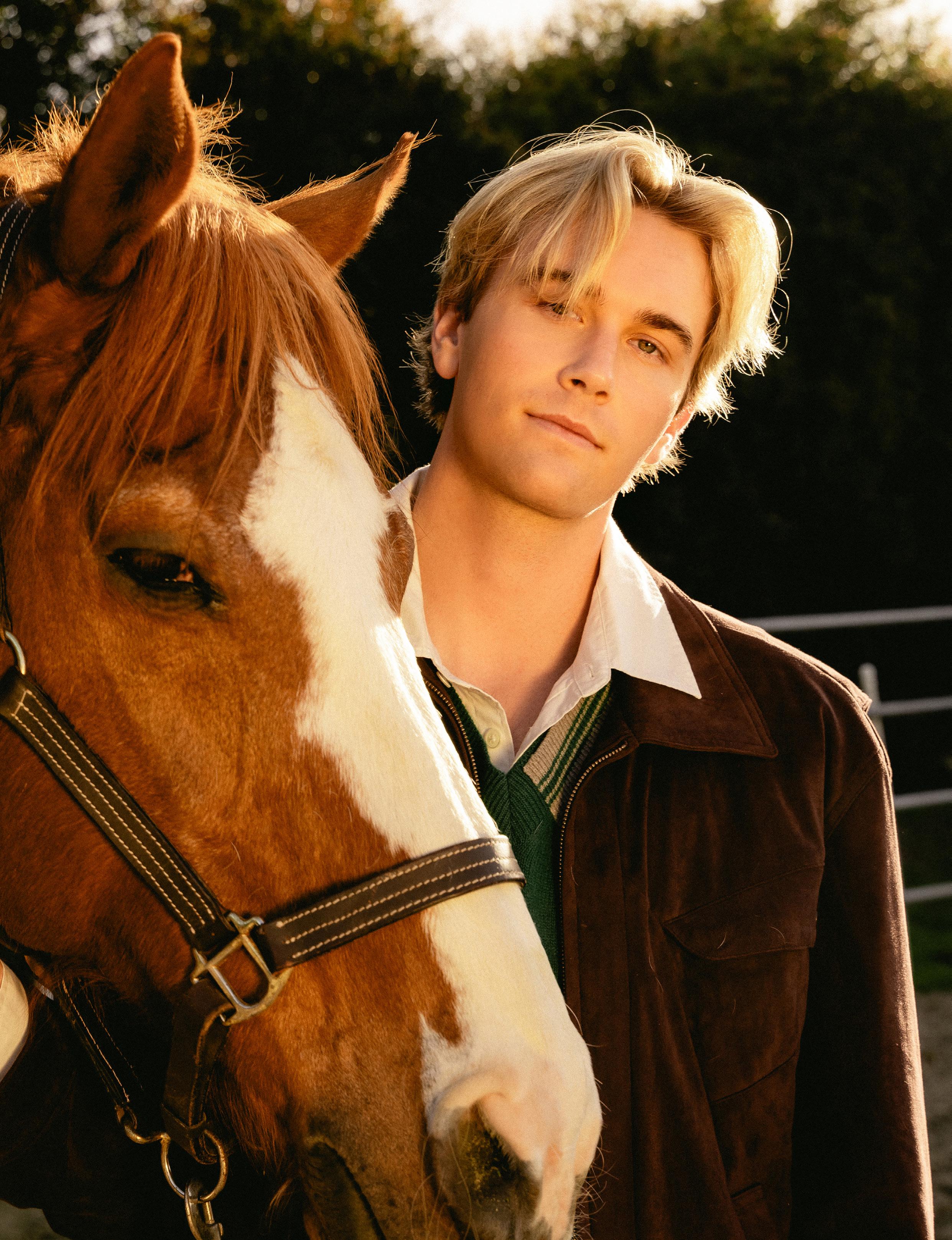
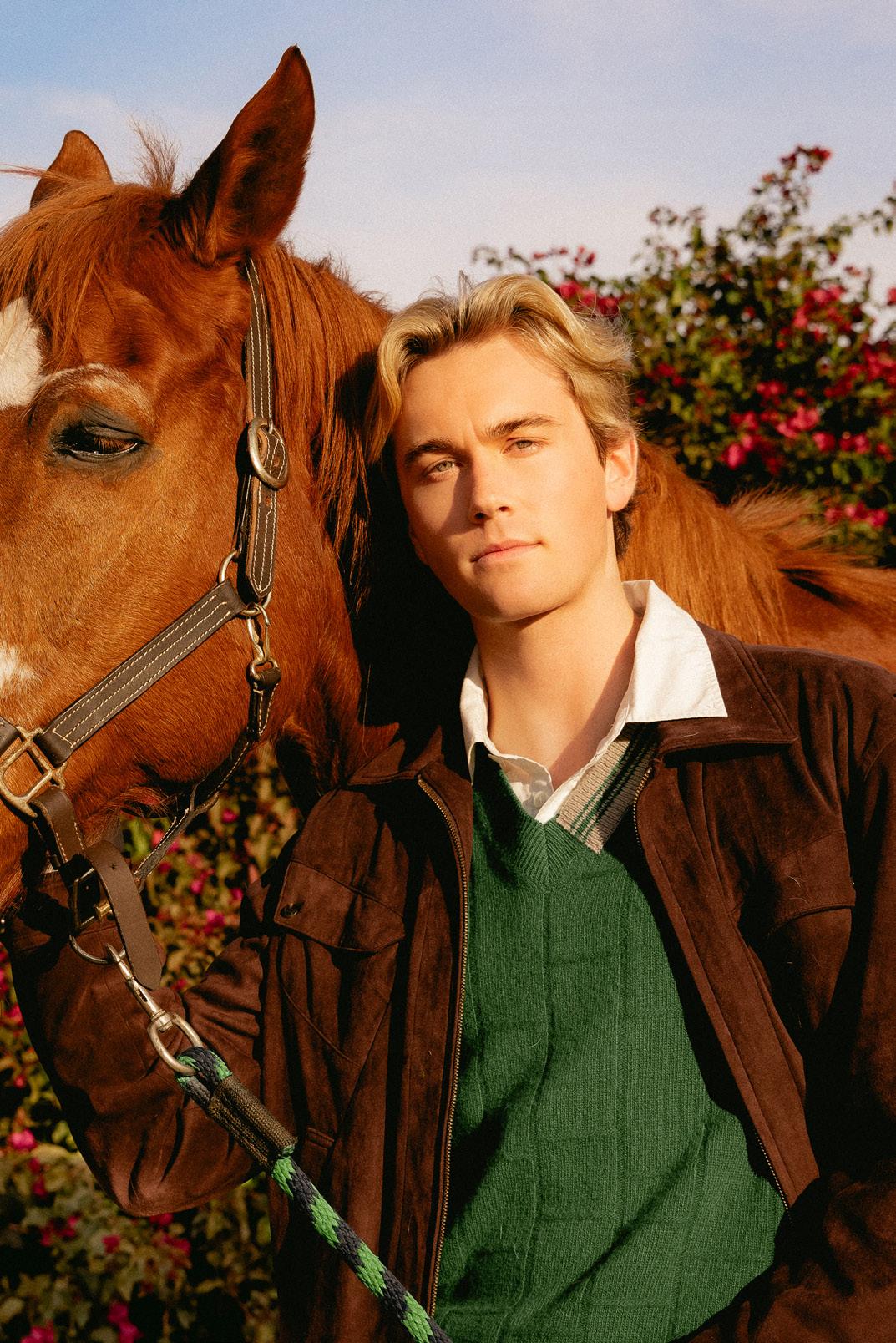
Additionally, one of the biggest obstacles Chad remembers facing was having to “unlearn the need to protect himself all the time” and holding himself back creatively.
“I was definitely building walls up without even realizing it. And I think stepping into my voice meant just having the audacity to fully commit to what I was making.” He said, describing the situation, “I still struggle with it, for sure, but I’ve learned that you kind of just have to go for it and accept that not everyone’s going to get it and you know what, that’s okay.”
Since adapting this artistic mantra, many doors have opened for Chad including the addition of his song “Liberty” to Spotify’s Next Gen Singer-Songwriter playlist. The song, a collaboration with fellow artist Riley Polanski, is an unguarded depiction of feeling defeated given this current political climate. A sentiment Chad describes as “really special” to seeing people connect with.
As for what’s next for him, Chad is releasing his first album— i’ve been scared of this feeling — this upcoming May. The title, a line from his song “Scarecrow,” is described as a deep dive on “fear, love, avoidance, and what it means to actually sit with your emotions.”
In the meantime, for fans both new and old, the best way to support him is through listening and sharing, “Connecting with [my music] in any way means everything to me.”
JACKET & VEST: IOEDLE
SHIRT: VENROY
PANTS: LEVI'S
BELT: AMERICAN EAGLE
BOOTS: DR. MARTENS
NECKLACE: GUCCI
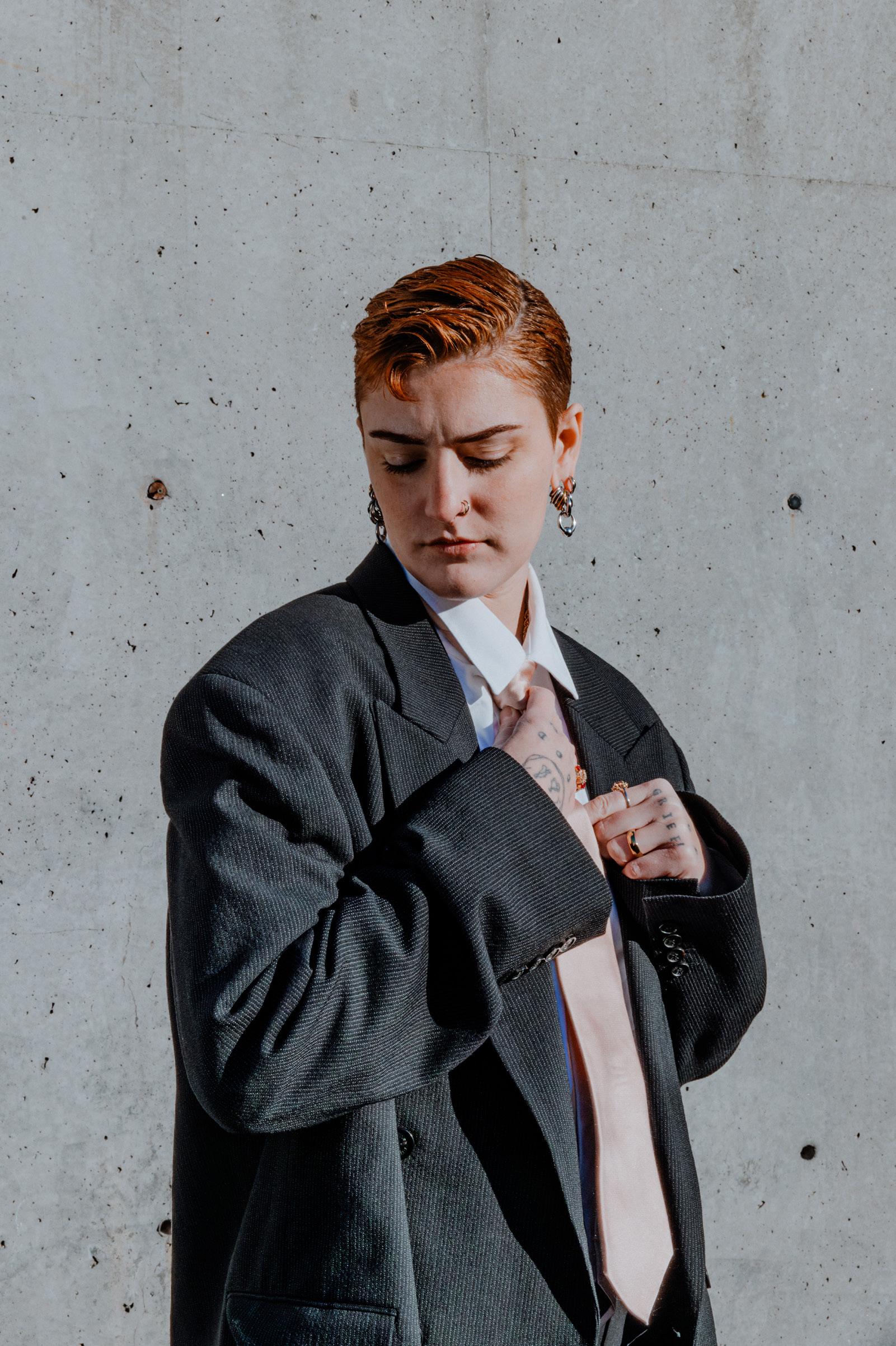
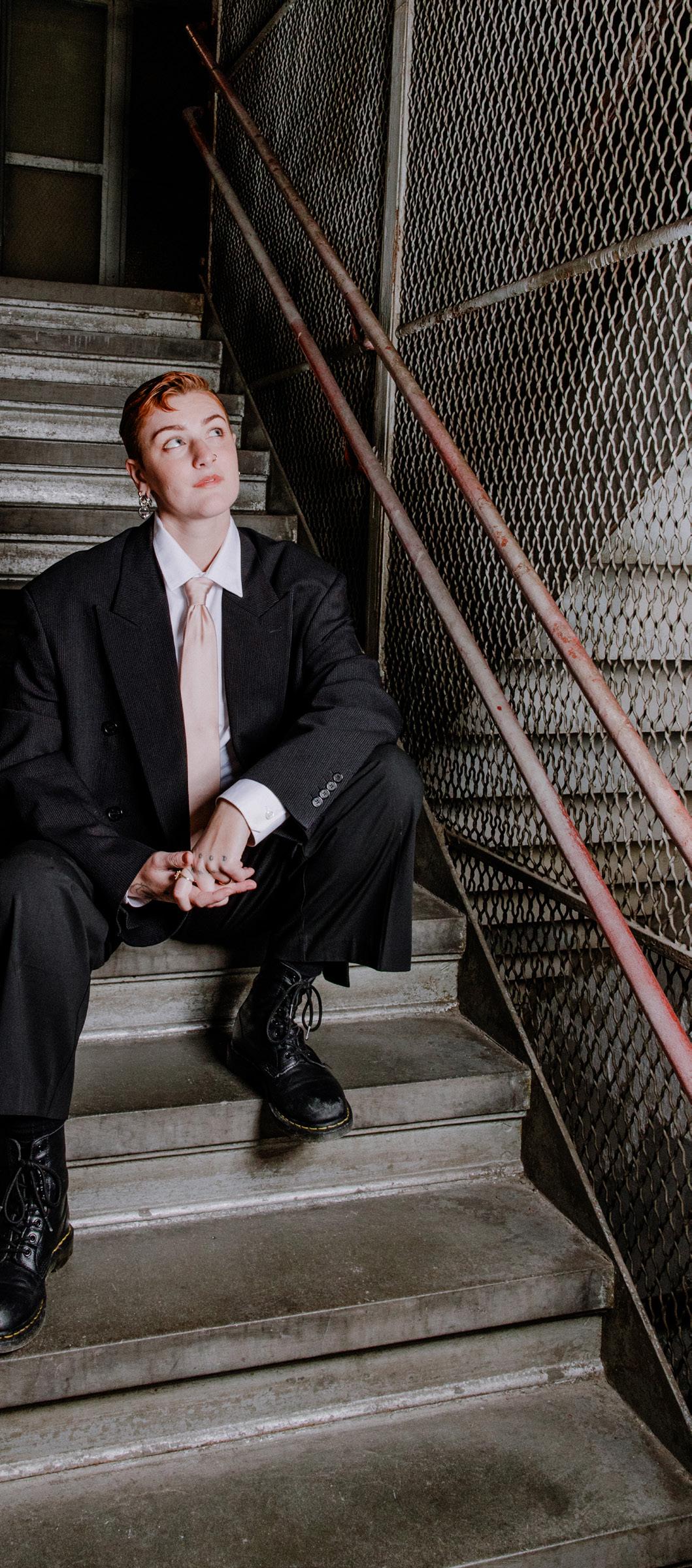
BY UMA SNOW
PHOTOGRAPHY & CREATIVE DIRECTION BY CAROLINE SAFRAN
ONSITE ASSISTANT — RIVER NUZZO STYLING — SAM KNOLL
RIO ROMEO is a non-binary singer-songwriter and multidisciplinary artist whose music takes their vulnerability and turns it into grand theatrical pieces of punk, folk, and pop. Their work is raw and real, a diary for the world to leaf through and find bits of themselves in. Despite some intense struggles— homeless after being kicked out for their queerness and a horrific accident that left them with severe injuries—Rio remains vibrant, bursting with creative energy and passion for their art.
While their music can be deeply, heartbreakingly emotional (like the viral 2022 track “Nothing’s New”), it often contains sarcastic, witty lines and playful sounds that parallel the musical theatre they grew up immersed in. They recently released a string of singles: “Terminal Lovesick” on Valentine’s Day, a track specific to their love life as a butch lesbian; “You're The Piece of Shit,” channeling rage about men in the music industry; “Jane Freaks Me Out,” a fun, lighthearted lesbian banger.
FIRSTLY, CONGRATULATIONS ON YOUR RECENT RELEASE! I WANTED TO ASK HOW YOU STARTED THE TRADITION OF RELEASING VALENTINE'S DAY SONGS.
Thank you! So, in 2021, I released “Butch 4 Butch,” which was the kickoff of really finding my queer community. I started teasing the song in August of 2020 [but] because I was recovering from my crazy skateboarding accident—I had a brain injury—I couldn't record it for a really long time. It took me literally until mid-January to be okay enough to record it. It just so happened to be around Valentine's Day. And since it's about queer love—how topical—we released it then. It was such a fun thing to be able to connect with my fans about. I was like, we should keep doing this. And so it's something that I really try to do every year. Last year, it wasn't in the cards for me. But I think I've done it for four years on Valentine's Day since then. It’s really cool.
THAT IS SUCH A FUN TRADITION. It’s really fun!
HOW DID YOU CHOOSE “TERMINAL LOVESICK” TO BE THIS YEAR’S VALENTINE’S DAY RELEASE OUT OF THE HANDFUL OF SINGLES YOU HAVE COMING UP?
It just seemed like the most topical thing. Something I really love is being able to write my own queer love songs. There's so many love songs in the world [but] not many of them are specific to the dynamics that queer people experience. [“Terminal Lovesick”] is about the classic lesbian over-infatuation. And so it just felt topical. Being able to write my own non-straight love songs around Valentine's Day is super fun. So it was an easy pick.
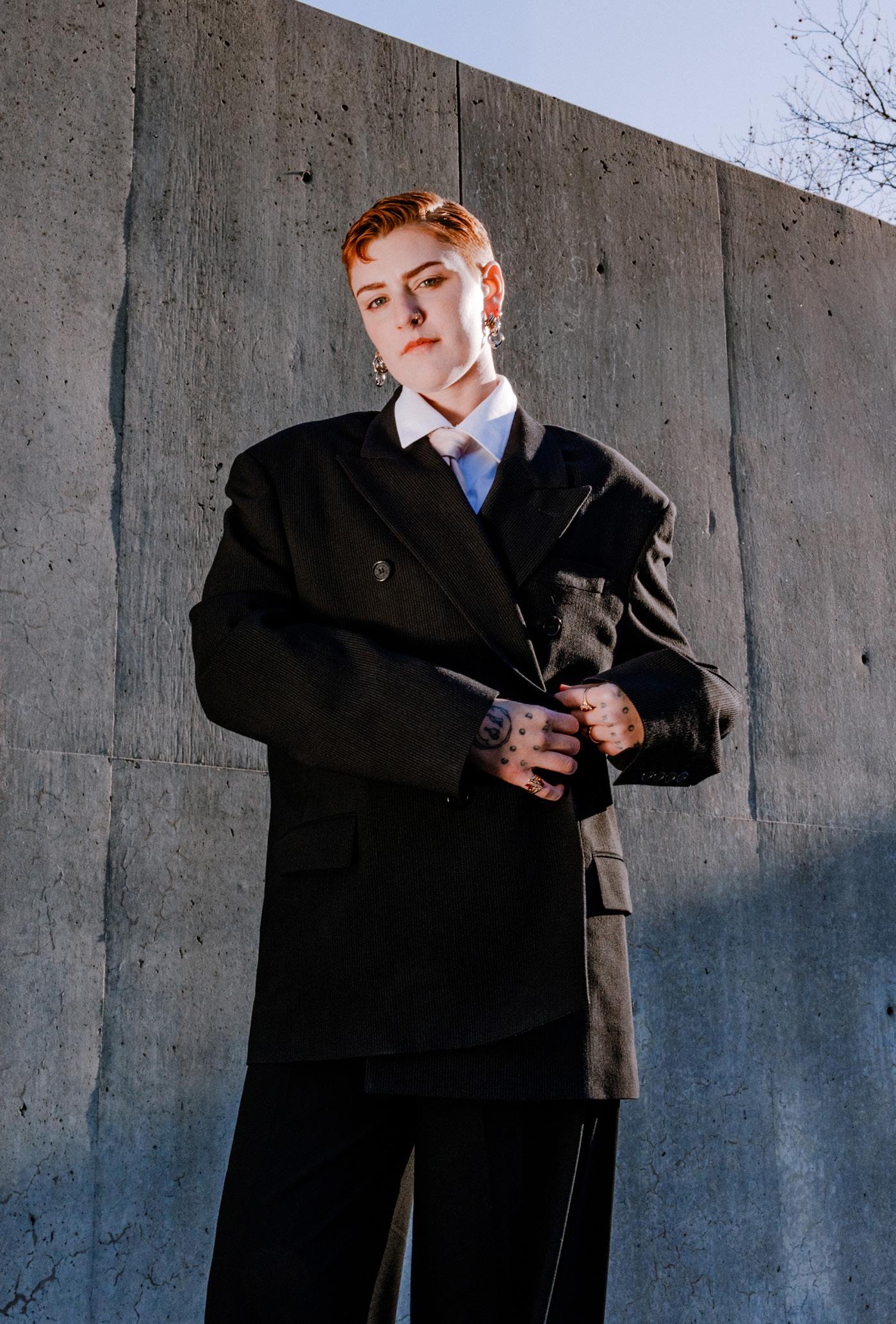
I WAS READING THE COMMENTS ON THE VIDEO AND IT SEEMS LIKE A LOT OF PEOPLE REALLY CONNECTED WITH THE SONG AND WERE EXCITED FOR ITS RELEASE. HOW WAS SEEING THE RESPONSE THAT IT GOT? It's really fun. I think that whenever there's a positive response and people are excited, it makes me really excited, too. I just feel, like, really tapped into what my community is into and wants. I'm really excited to play “Terminal Lovesick” live because I think that it's going to be a really fun song for couples to dance to, and that's something I really love to encourage at my shows. I'll stop the show and be like, “Okay everybody, do you want to dance? Now is the time!”
DO YOU HAVE ANY SHOWS COMING UP OR A TOUR PLANNED?
I don't have any shows coming up or any hard dates confirmed. But we are working towards a tour in the fall right now.
AND YOUR LAST TOUR WAS THIS PAST FALL, CORRECT?
Yeah! It was the entire month of October, it was so fun. I had a really wonderful time seeing everybody. This was the first tour that I've been on in which I'd not been in a lot of pain for my medical issues. And so the privilege [of being able] to be present and travel the country and connect with fans while feeling really good physically was so awesome.
And then being able to encourage people at the shows to meet each other was really fun. There's a couple things that I'll do during my set [to] encourage people to talk to each other [. . .] and dance if they want to, maybe even with a stranger if they're into that! It was so fun to be able to hone that a little bit more, encouraging people to talk and build community—in their own communities. Because, really, the people at the shows—you're with all these other queer people that are from a similar area. Everybody there has a lot in common, probably. And so I love being able to point that out and facilitate conversation.
IT’S REALLY COOL THAT YOU'RE HELPING BUILD COMMUNITY.
Yeah. I mean, I feel like my life is so much richer because I'm in touch with my community. I cannot stress how important it is. I feel like everybody wants that, too, [but] it's just really hard in today's technological age to be able to really do that, find community on purpose, and not feel embarrassed or awkward about it.
YEAH. I SAW THAT YOU HOSTED A VALENTINE'S DAY CRAFT NIGHT AND
FUNDRAISER. HOW DID THAT GO?
It went so well! This was the first time that I've done an in-person event around Valentine's Day, usually I would just do the release. I had such a good time! It was amazing to be able to pool resources for this immigration relief fund, [the Coalition for Humane Immigrant Rights]. Especially in Los Angeles, there's so many people affected by the ICE raids directly and then by the fear of the ICE raids. Being able to support the Hispanic community during that time is very important to me given that I'm from that area too.
Also, being able to do the Valentine craft and have a really long, intimate time with people was so fun. [. . .] We had like 30 minute slots of craft, so it was a really long time that everybody got to sit around the table and just kind of hang out. And for me, it was really enjoyable because I usually don't get to experience actual conversation with my fans. It's usually just a really short interaction. So, personally, I had an excellent time. It was so chill and calm and [. . .] so much fun.
THAT'S SO SWEET. COOL THAT YOU GOT TO HAVE THAT PERSONAL CONNECTION WITH FANS YOU WOULDN'T HAVE OTHERWISE. DO YOU THINK YOU'LL DO SOMETHING LIKE THAT AGAIN?
I would hope so. It went really well and it wasn't an incredible amount of work, so I would really hope to do it again. I don't have any concrete plans, though.
YEAH, ALSO SEEMS PERFECT FOR YOU SINCE YOU'RE ALSO A VISUAL ARTIST. LIKE A GREAT MIX OF YOUR PASSIONS. Yeah, definitely. All of those supplies that I brought was just shit from my house. [laughs] Like, I brought a bunch of stickers and stuff, just art supplies that I have already. So it was cool to be able to bring stuff that I've been sitting on forever and be like, “Please, use all my craft materials!”
I think it's important to put it into perspective. It wasn’t someone trying to give me a shitty contract today. [. . .] It was predatory because it was during a really, really, really vulnerable time in my life and they knew that. Channeling that rage was incredibly easy for me. And this song is really angry but it's also, like, deeply silly in a way. And that's what I really enjoy.
I feel a lot of power in being able to tell that story and facilitate the conversation of the larger issues within the music industry, especially now that it is so easy for people with power to find and discover musicians online that have no resources and potentially take advantage of them. I'm happy to have this touchstone of conversation to be able to talk about it further. So I think that, one, it was a super fun song to write and, two, it's talking about something that I think should be discussed.
THAT’S SOMETHING THAT FEELS INTEGRAL TO YOUR STYLE, THESE DEEPLY EMOTIONAL LYRICS AND DELIVERY BUT AT THE SAME TIME HAVING A LOT OF SILLY ELEMENTS AND A KIND OF MOCKING, JOKING TONE. I THINK IT MAKES THE LISTENING EXPERIENCE VERY FUN AND UNIQUE. I WAS WONDERING HOW YOU DEVELOPED THAT STYLE, IF IT WAS INTENTIONAL, KIND OF HAPPENED, OR IF YOU SLOWLY BUILT YOUR WAY UP TO IT.
GOING BACK TO THE SINGLES THAT ARE COMING UP—I REALLY ENJOYED “YOU'RE THE PIECE OF SHIT.” IT HAS A REALLY SARDONIC FEELING TO IT. I'D LOVE TO HEAR ABOUT WHERE THAT SONG’S RAGE AND REVENGE CAME FROM. So, the song is about a really vulnerable time in my life, right? During my skateboarding accident recovery, when I had my brain injury. It was a really, really difficult time because not only was I recovering physically, [but] financially. It was such a devastating time because it was during COVID—like, I sold my car so I could pay my rent. I was really struggling. And the song is talking about this guy trying to take advantage of me and trying to really fuck me over financially during that period of time.
Definitely. So, I actually started writing music as a joke. [laughs] Okay, well, I guess that's not true, let me revise. I started writing music as a young kid because I love to sing and I love to write. I started sharing my music as a joke.
I was very private about the work that I made until I made something funny and felt like it was finally worth sharing. And so the first songs that I showed to other people were really just joke songs. Like, I have this song called “Small Towns” on my album that I put out in 2018, one of the first songs that I released. And it’s literally a comedy song. It's about, like, running into my pastor at a gay bar and my grandma in this sex shop. And so that was a really easy way to talk about the awkwardness of being queer in a community in which I feel like everybody knows each other. Being able to rest the emotion in comedy made it easy to progressively share really vulnerable stuff.
So, I think that if I didn't start with everything being a joke, it would have been really hard to put out a song like “Nothing's New” because it's really vulnerable and really emotional. It kind of helped me set the training wheels of writing and releasing music that's intimate and vulnerable.
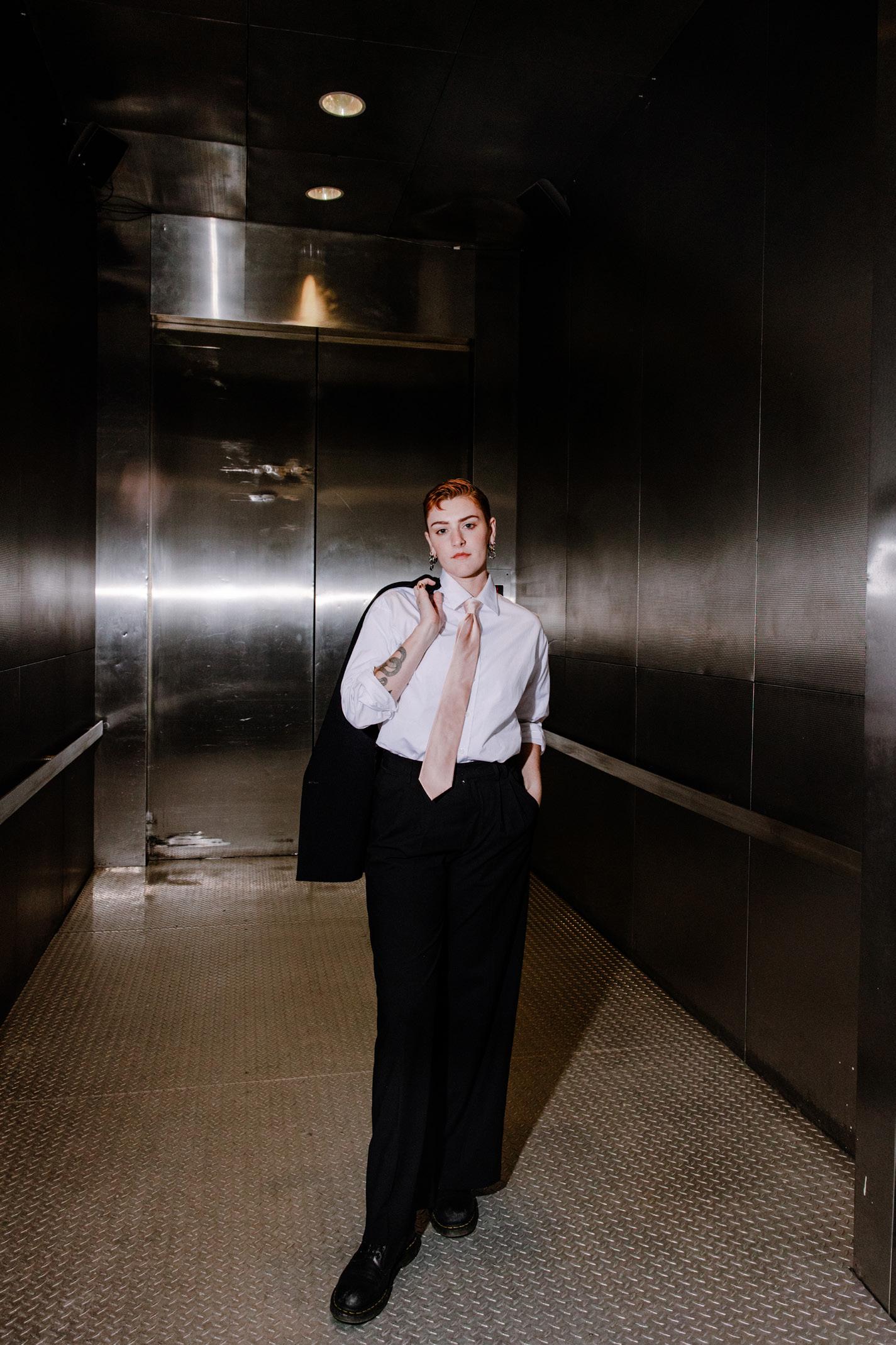
YEAH, “NOTHING’S NEW” IS THE ONE I WAS THINKING OF WHEN I WAS TALKING ABOUT YOUR VOICE HAVING SUCH AN EMOTIONAL QUALITY TO IT. YOU’RE JUST SO OVERCOME WITH EMOTION VOCALLY IN THAT SONG. AND, YEAH, I GUESS THAT TAKES A LOT OF VULNERABILITY AND BRAVERY. IT'S A HUGE STEP TO PUT YOURSELF OUT LIKE THAT IN THE WORLD. Yeah, it definitely was difficult, releasing some of those more vulnerable songs. I remember actually feeling kind of embarrassed, singing them. [laughs] But, you know, it's really been a beautiful experience because my most vulnerable music that I've ever released is some of my most popular. It really goes to show that you're not alone in your feelings and that maybe the most isolated and vulnerable feelings that you have are some of the most common. It was a great learning experience for me to understand the world a little bit better and understand that we're more alike than we are different, right?
REGARDING YOUR SONGWRITING PROCESS, I'M VERY CURIOUS ABOUT HOW YOU GO FROM HAVING NO SONG TO HAVING A FULL TRACK. USING “JANE FREAKS ME OUT” AS AN EXAMPLE, I WOULD LOVE IT IF YOU COULD WALK ME THROUGH YOUR SONGWRITING PROCESS.
The beginning of every song is a great line. It's really not something that I'll try to do on purpose, songwriting comes very naturally to me. The first line of the song is always a life-spurring incident; “Jane freaks me out” is definitely that line. And then it just kind of builds from there. Like, what's the story of Jane freaking me out? It's about finding Jane really hot and intimidating. [laughs]
I feel like I usually start with a full verse that is the thesis of the song. And then I'll make the chorus, which propels us in the story and is a little bit more musically fun. Then the second verse is just expanding on the first verse. And then at that point the song is basically done unless you want to do a crazy bridge.
THAT'S REALLY COOL TO HEAR ABOUT. WITH THAT SONG SPECIFICALLY, THERE'S SO MANY FUN MUSICAL ELEMENTS AND SOUND EFFECTS. HOW DO YOU GO ABOUT ADDING THOSE?
WHERE DOES THAT FIT INTO YOUR PROCESS?
So, these songs are a little bit different [from] the songs of the past because I started working with a different producer. A lot of those little ear candy things where you're like, “oh, that was a really cool element,” was a collaborative
thing with [Gregg Wattenberg]. When I go, “I want this song to feel fun,” he’s able to understand what I mean by that and then be like, okay, we should try this. The collaborative process with him was really in the vocals. We were able to build the song into this really, really big thing. So much of my music creation process [until now] has been completely solitary, so I think that that's maybe why it sounds a little different. Because it's with [other] people and we're having fun.
I KNOW YOU HAVE A MUSICAL THEATRE BACKGROUND. I LOVE THAT YOU STILL GET TO USE THOSE CREATIVE ASPECTS OF YOU IN COLLABORATION WITH YOUR MUSIC.
I think that theater and my background in visual arts is the perfect combination. Because so much of being a modern day musician is having the video, having the set, having the photos. And for a really long time I did it with absolutely no money. The ability to kind of world-build was definitely enhanced by being able to draw and having a background in set design. I love being a musician because you have to do a little bit of everything. Having opinions in your visual world, on your music video sets, on what your cover art should look like…it only serves to better define your message to everybody that comes across your work. So, it's a perfect combination. I love being a musician.
YEAH, I FEEL LIKE YOU HAVE A VERY DEFINED VISUAL STYLE! I WOULD LOVE TO HEAR ABOUT YOUR LITTLE SMILEY FACE CHARACTER. I have been keeping journals for a really, really long time. Since I was, like, six years old. This smiley guy started when I was 16, and it kind of started as this ironic thing. I [was] 16, right, so I [was] like, fuck the world. And I [would be] writing this very emotional, dramatic thing. And then I’d put a big smiley face on the paper.
And then it evolved past that into using the smiley face characters as an illustrative demonstration of what I was talking about in my journals. So if I'm talking about a party and these people were dancing, I'd draw dancing smileys. I kind of made my journals into an illustrated book. The smileys were just so fun to draw. And such a useful tool [for] the introspection and communication that I was trying to do in describing my life and emotions.
IS THERE ANYTHING THAT YOU HAVEN'T DONE YET VISUALLY, WITH YOUR MUSIC VIDEOS, THAT YOU WOULD LIKE TO DO?
I want to make some big ass props, like I want to make big, huge, ridiculous props. But they’re just so expensive and so hard to make! I don't know if it's the best use of resources at the moment, but I'm sure eventually we'll get there.
YOU’VE MENTIONED BEFORE THAT FREDDIE MERCURY IS A BIG INSPIRATION TO YOU. I WAS WONDERING WHAT ASPECTS OF HIS WORK
SPEAK TO YOU THE MOST.
I really relate to him as a songwriter because he's able to have this almost avant-garde, huge production that is on the grand, theatrical scale [but] then also come back to himself as a songwriter and really hone into how he's feeling. So, stylistically, there's definitely an inspiration there. Also, [that] variation of what you can do and the range that you can have as a songwriter is really inspiring.
WHERE DO YOU FIND INSPIRATION OUTSIDE OF MUSIC?
I feel the most inspired when I'm able to connect with my community. I love hanging out and doing the things that people were meant to do in life, which is be around other people and talk and tell stories and eat food. I really find revitalization and inspiration in listening to people's stories. I think that translates to [how] I really love listening to audiobooks. I read every single kind of book there is. I really find inspiration in just people's stories and what they've been through in their life. And I feel like I'm ever-evolving and learning from other people's experiences.
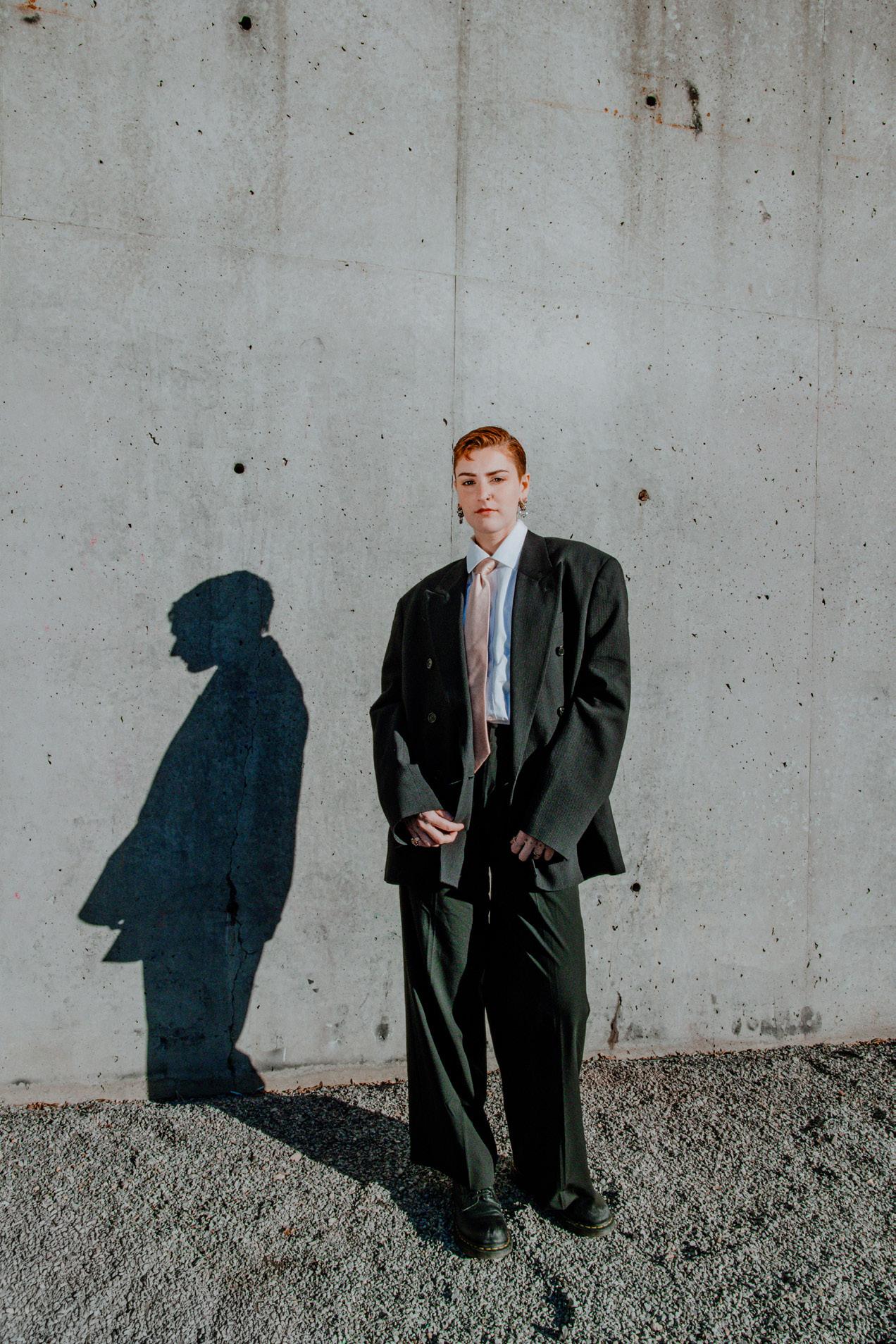
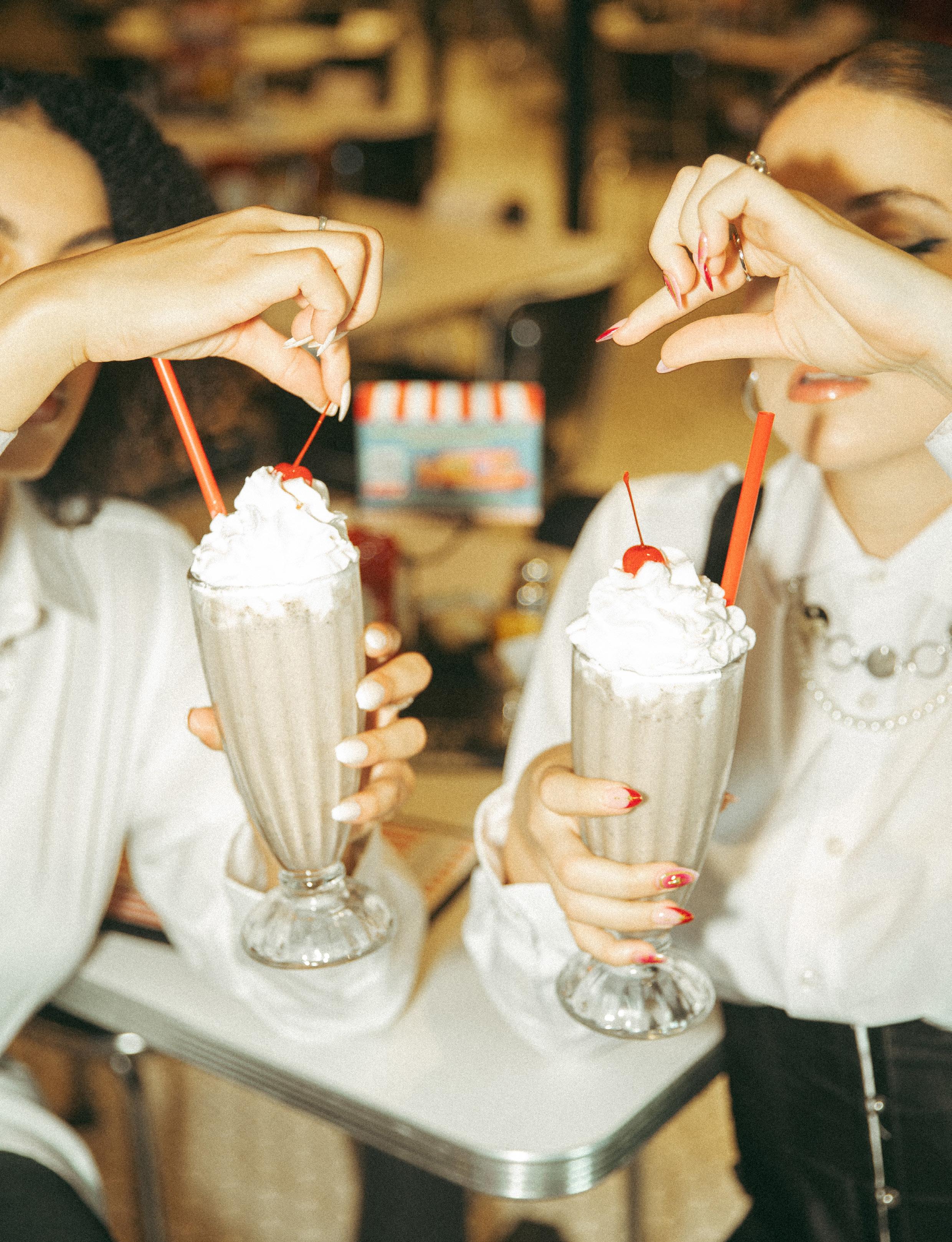
BY MACKENZIE RYAN
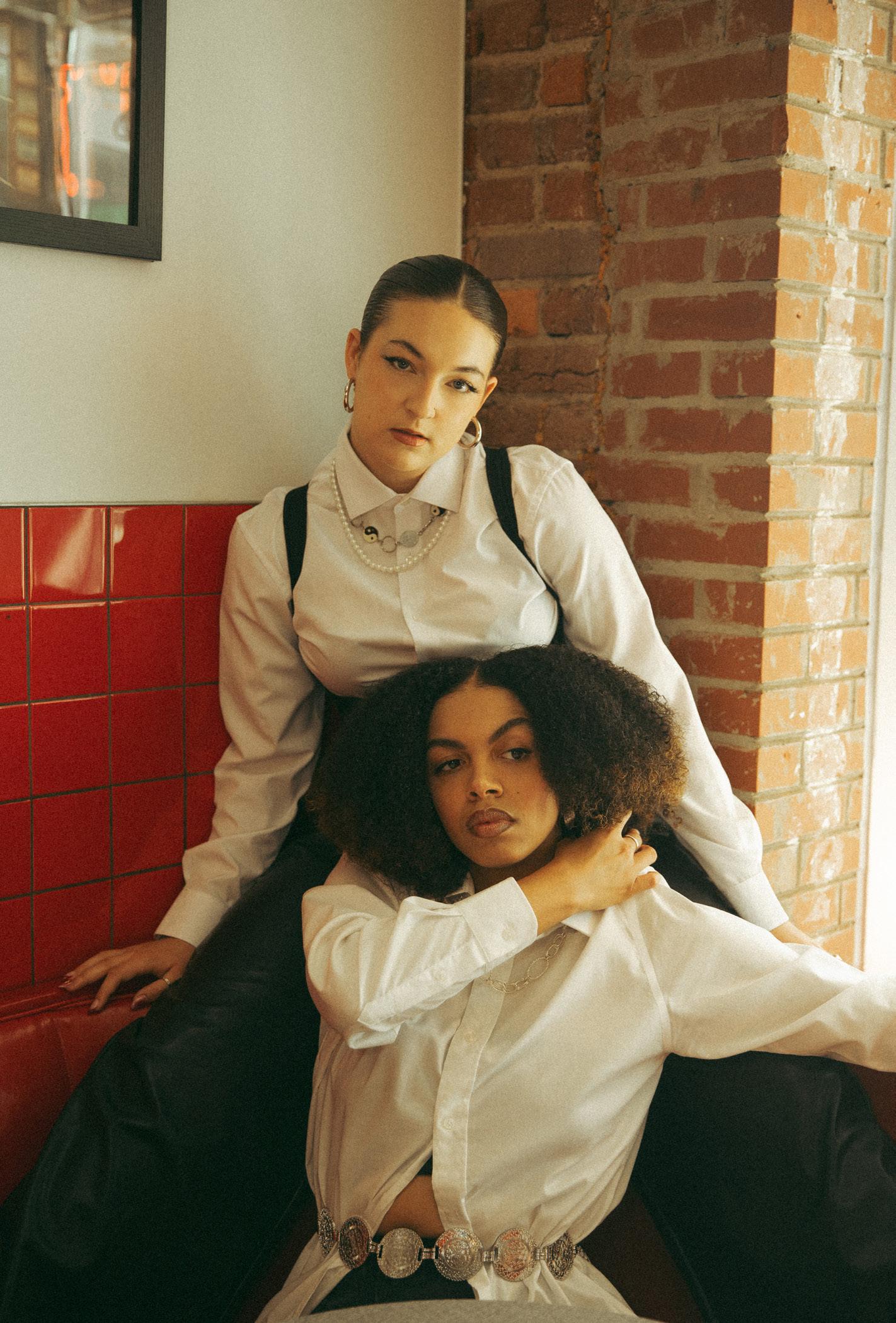
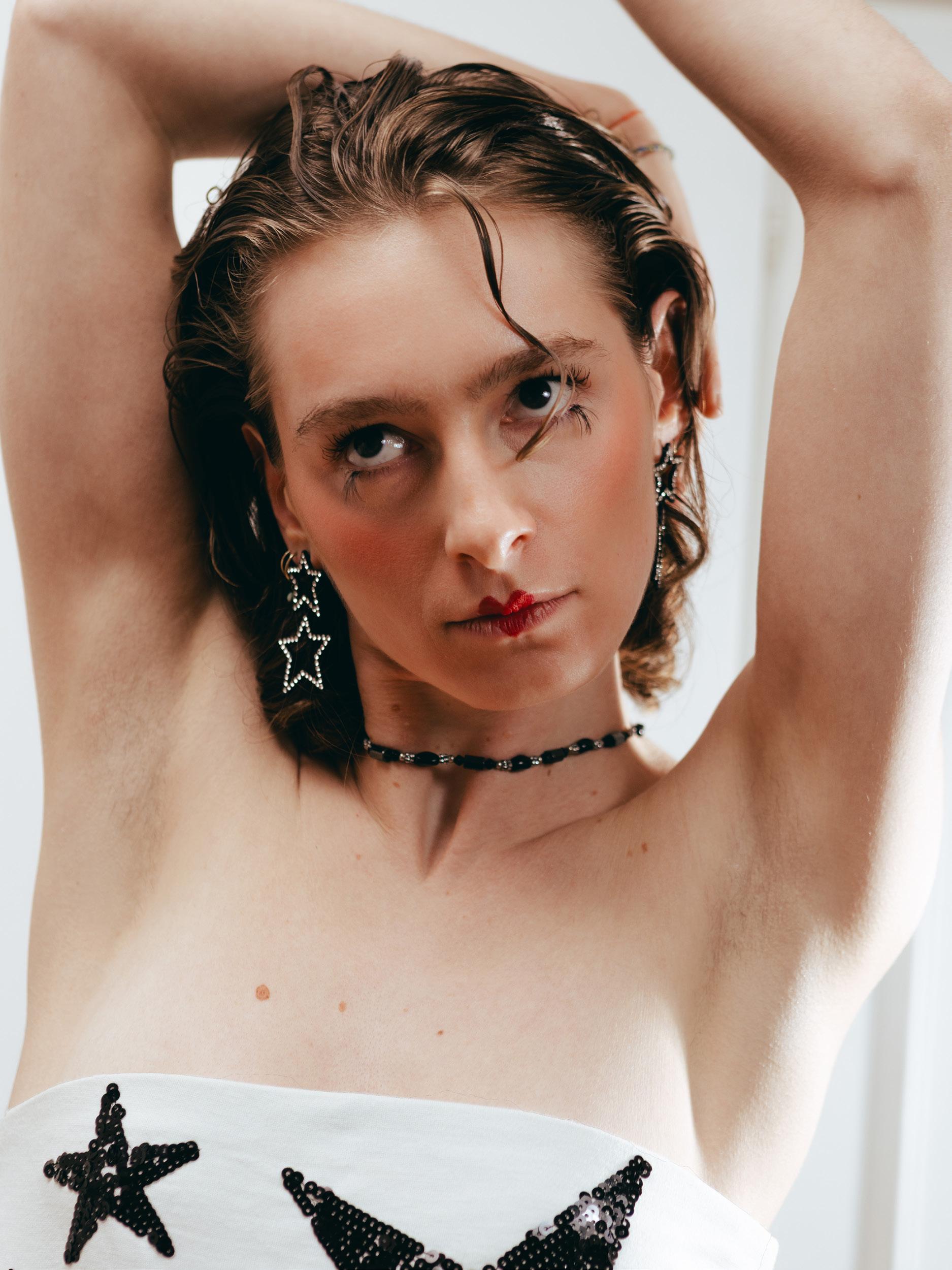
The short story of a sad clown finding themselves in melancholia and sadness and embracing the comfort of not fitting in.
PHOTOGRAPHY, STYLING & MAKEUP BY MAUVE LUCIEN MODEL — JULIETTE BÖRKEY
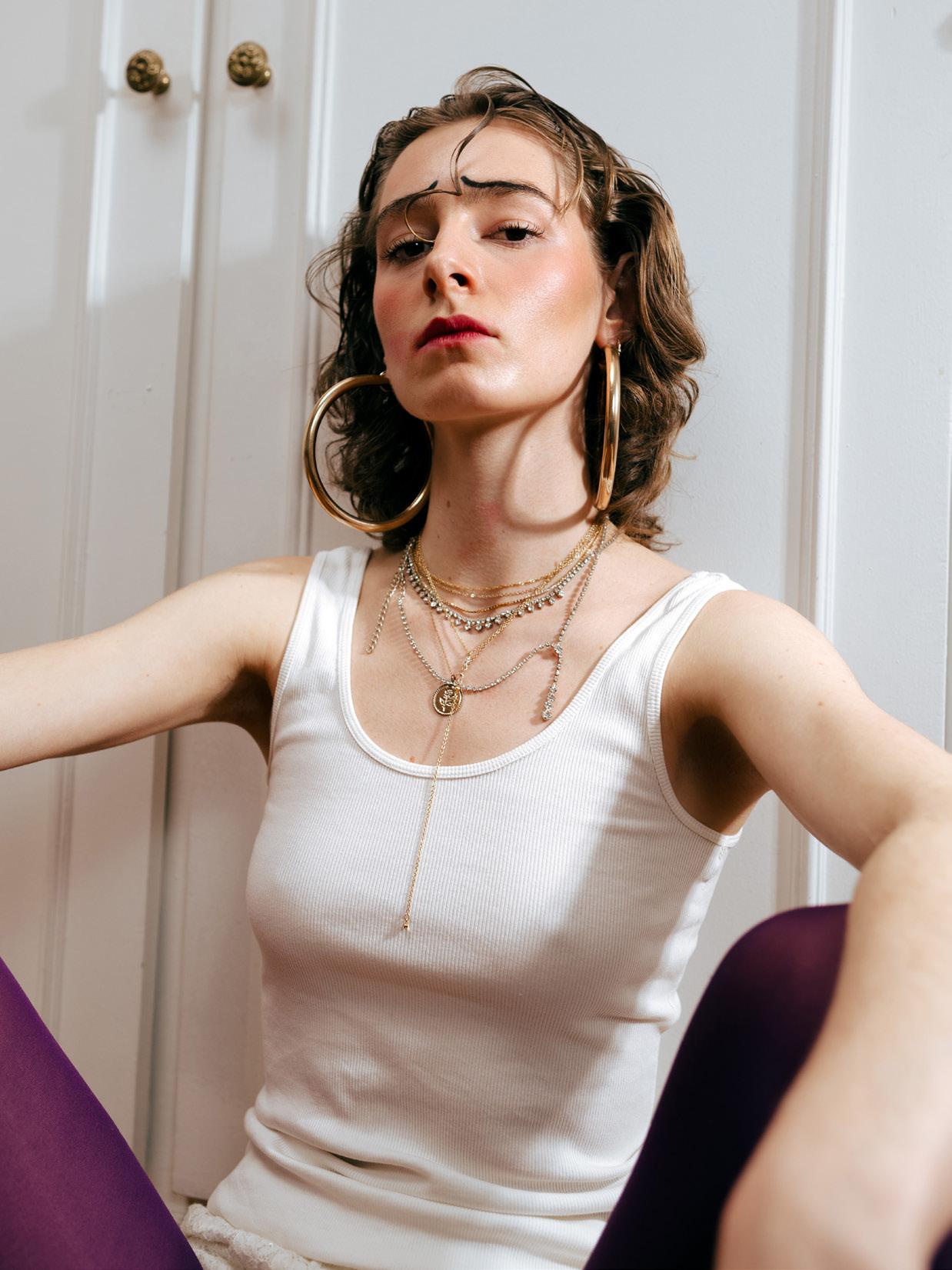
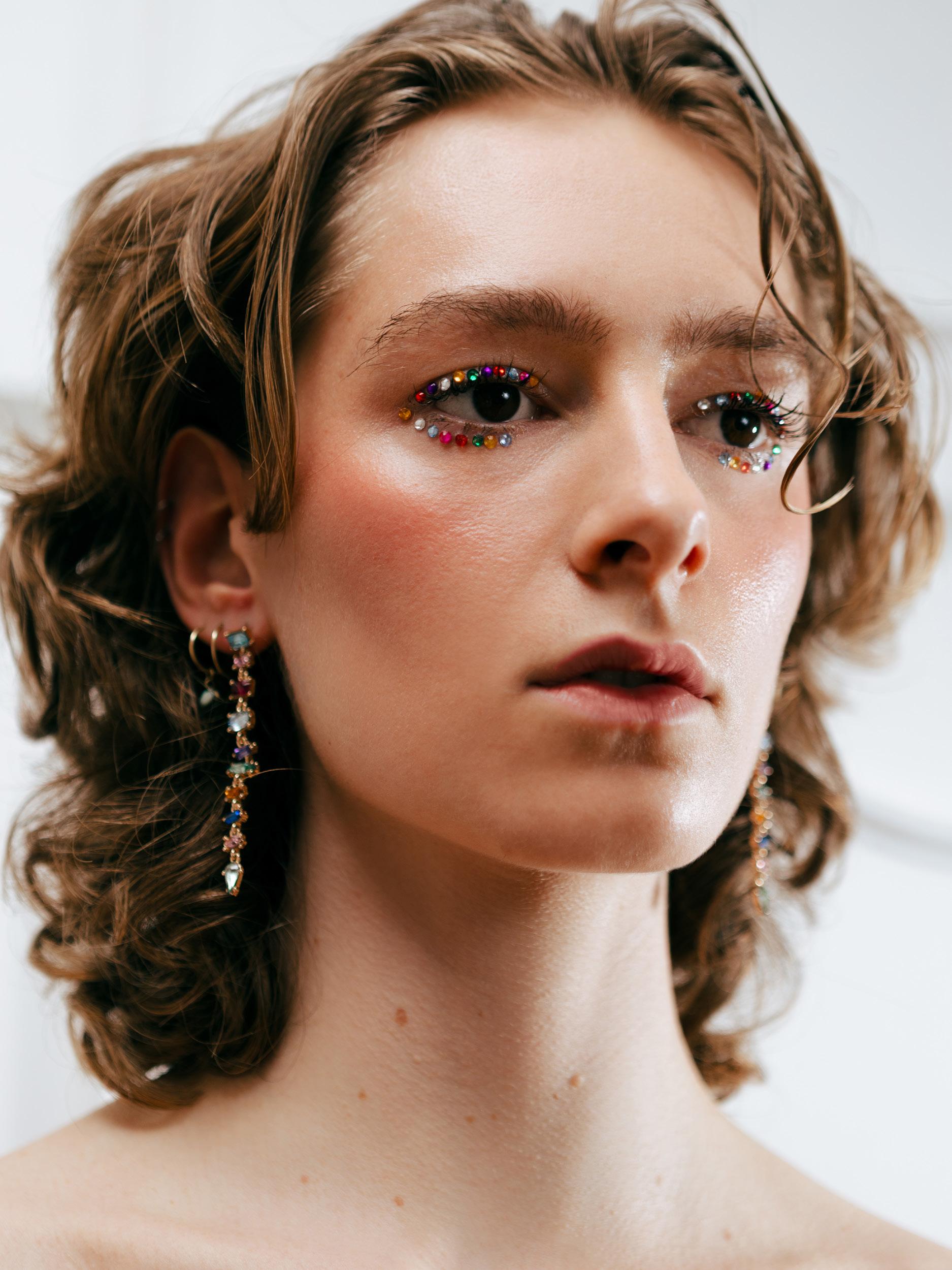
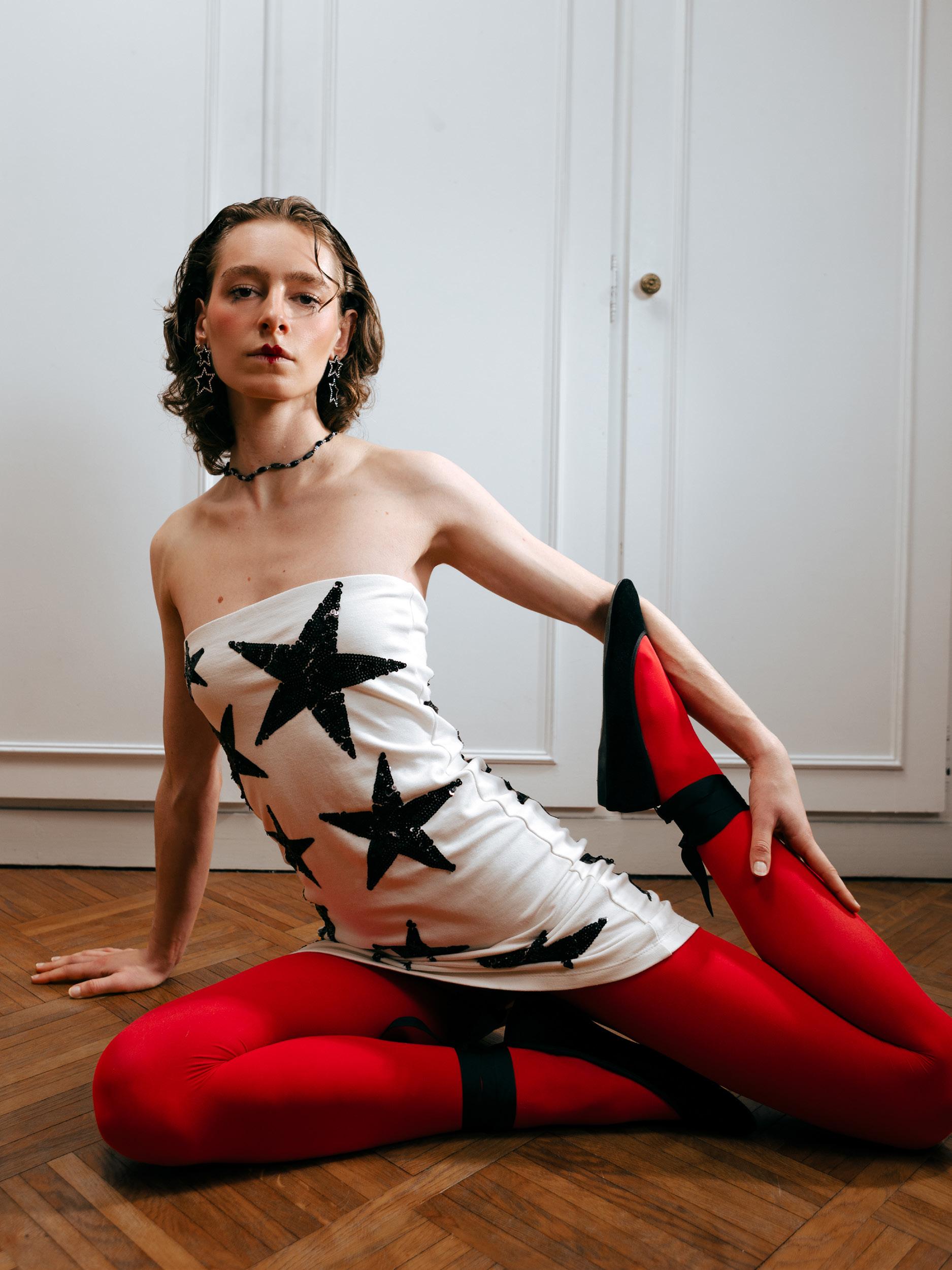

Rizzoli & Isles
The Favorites - Layne Fargo
Queen of HomecomingSydney Ross Mitchell Weightlifting
Software Engineer & Photographer Sravya Balasa she/her New York, NY
IG: @sravya.balasa
TikTok: @sravyabalasa
sravyabalasa.com
Pranakhon (amazing Thai food)
Either a chamomile tea or earl grey with a splash of milk
Going to the gym or running outside followed by breakfast (banana pancakes!) and a walk in the park. Bonus points if the sun is shining!
Focus time on a project of my choice in a coffee shop or at home with tea, usually scrapbooking or editing my latest photoshoot.
Exploring what NYC has to offer, whether it be the ballet, a Broadway show, concert, or quality time with friends (they recently taught me how to play mahjong)!
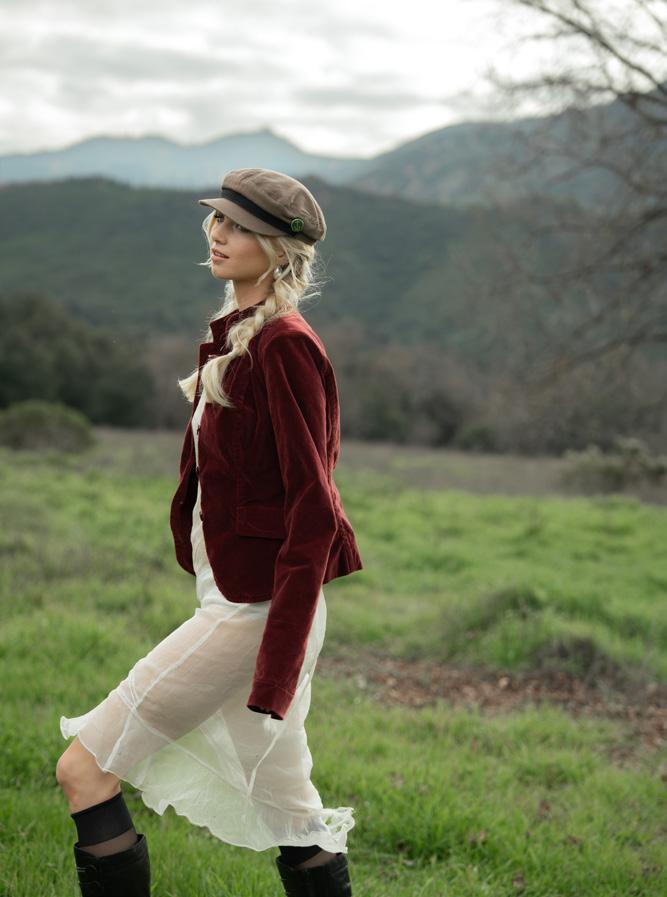
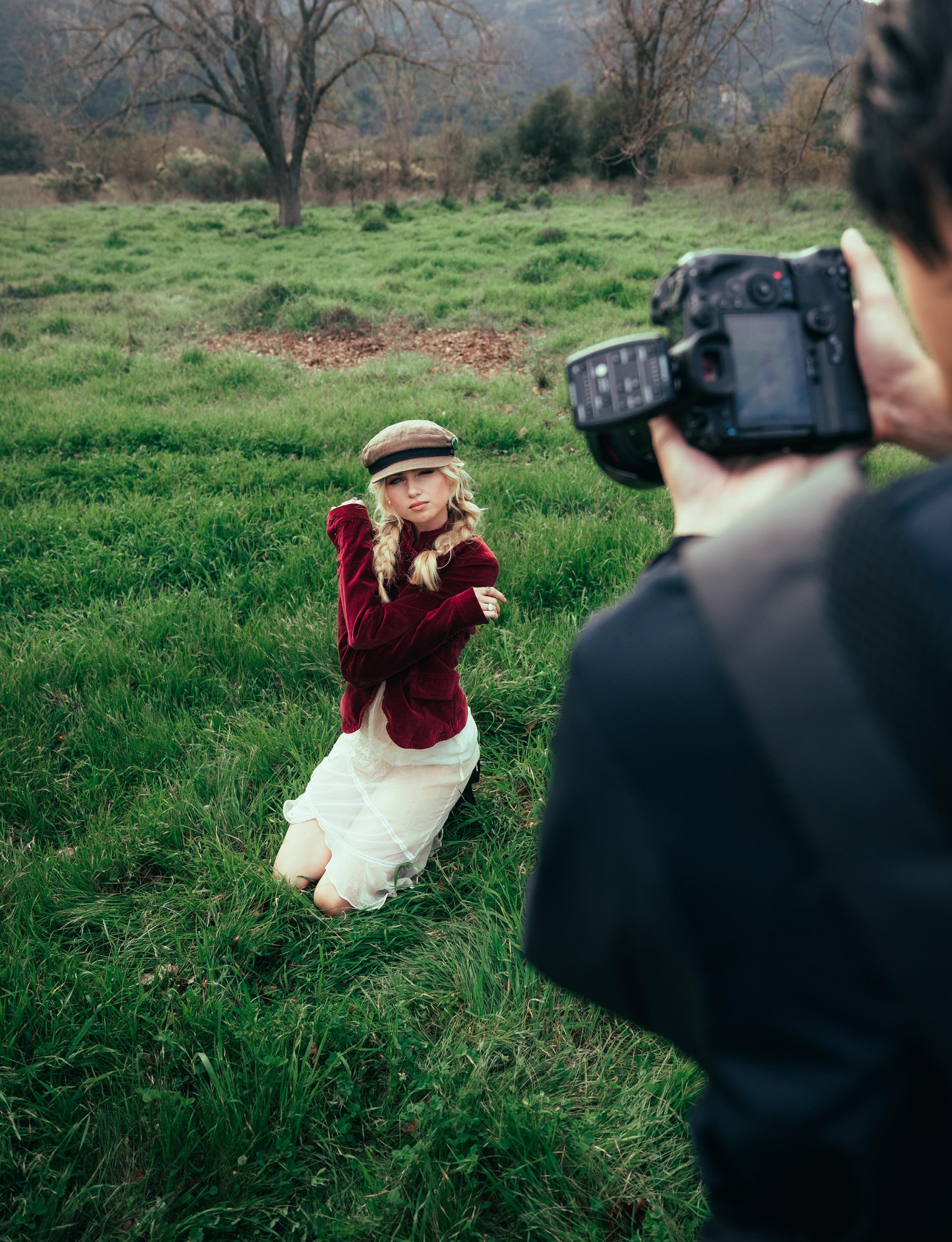
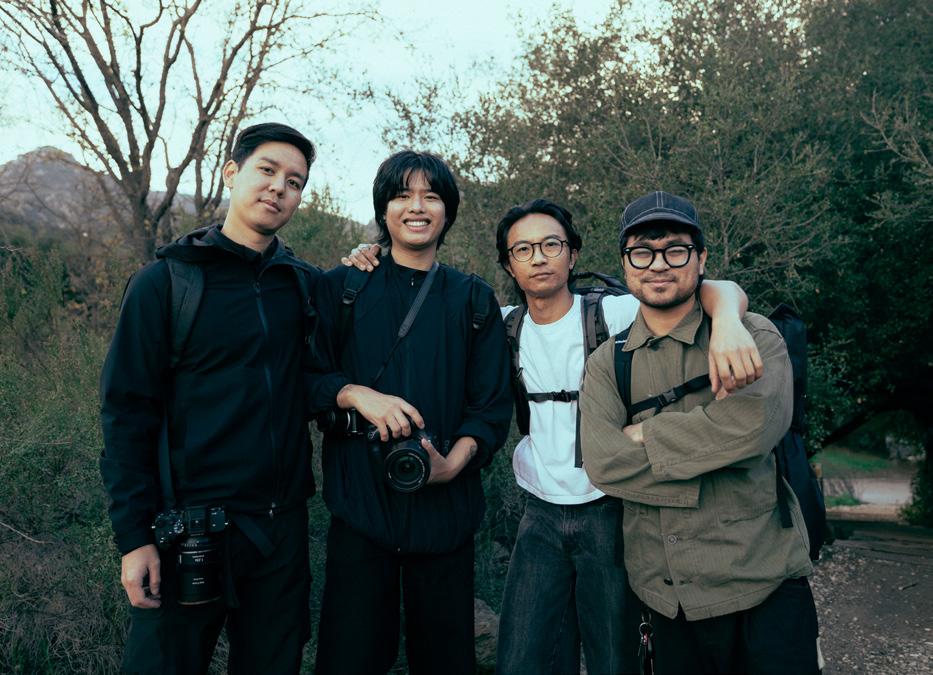
You have to face difficult things to reap the benefits.