
Let’s face it: high school is hard. Students today are juggling more than ever managing grades, participating in extracurricular activities, navigating friendships, and maintaining a social life On top of that, we as a society ask them to start making life-altering decisions that will shape their future. Questions like “What do you want to be?” “How will you get there?” and “Which school or program is right for you?” can feel overwhelming, and for many students, the pressure to find answers is intense. But here’s the thing this pressure isn’t just on them. As parents, you feel it too. We understand how stressful it can be to support your child through this pivotal time.
That’s why we ’ ve designed BLUEprint, a comprehensive program that helps students identify their strengths and skills, explore potential career paths, and create a roadmap for post-secondary success. But we didn’t stop there. We created this Parent Guide to be your go-to resource throughout the process. We know you have questions about timelines, priorities, and how to help your student stay on track from one year to the next. This guide has all of that information, laid out clearly, to give you the tools and insights you need.
Whether you ' re looking for advice on how to guide your student through course selection, tips on career exploration, or a step-by-step breakdown of the college application process, you'll find it all here. We’ve included resources to help you understand what to expect at each grade level, how to support your student’s evolving interests, and what they should be focusing on to build a strong foundation for life after high school. Our goal is to provide clarity and direction, so you and your student can approach these decisions with confidence
Please use this guide as a reference throughout your student’s high school journey BLUEprint is more than just a program; it’s a personalized path designed to help your student discover their unique potential. And with this guide in hand, you’ll be equipped to help them navigate their way to a successful future. Together, we can make this journey smoother, less stressful, rewarding for both you and your student.


Click the link to jump directly to that section of the Parent’s Guide.
The BLUEprint Workbooks
Academic Planning: Graduation Requirements
Academic Planning: Course Levels
Academic Planning: College & Career Promise
Naviance Training Guide
9th Grade Parental Support
9th Grade Checklist
Academic Success & Course Planning
Career Exploration & Planning
Extracurricular Activities & Leadership
Resume Building & College Preparation
Four-Year Planning & Goal-Setting
10th Grade Parental Support
10th Grade Checklist
Academic Planning & College Readiness
Exploring Colleges in Naviance
SuperMatch (Naviance)
College Representative Question Bank
Leadership & Extracurriculars
Four-Year Plan & Course Selection
11th Grade Parental Support
11th Grade Checklist
Academic Planning & College Readiness
Further Career Exploration
Military & Trade Exploration
Leadership & Extracurriculars
College Research & SuperMatch
Four-Year Plan & Preparing for Senior Year College Visits
12th Grade Parental Support
12th Grade Checklist
Senior Timelines
College Applications Common App
CFNC
Financial Aid & Scholarships
College Decision-Making
Reflecting on Senior Year
Naviance
Exploring Colleges in Naviance
SuperMatch
College Representative Question Bank
College Visits
Common App
CFNC
Application Process in Naviance
Financial Aid
Key Focus & Priorities for Parents Key Focus & Priorities for Parents
Academic Planning
Strengths Explorer
Career Discovery
Leadership Development
Resume Building
4 Year Planning
LiA Service Project
Key Focus & Priorities for Parents
Key Focus & Priorities for Parents
Academic Growth and PSAT
Career Planning
College Discovery
LiA Resume Project
Dual Enrollment/AP Planning
Key Focus & Priorities for Parents
Key Focus & Priorities for Parents
College Preparation
Military and Trades Exploration
Test Preparation (ACT/SAT)
College Search
Scholarships and Cost of College
LiA Post Graduation Project
Letters of Recommendation
Key Focus & Priorities for Parents
Key Focus & Priorities for Parents
College Application Process
College Decision-Making
Financial Aid & Scholarships
Completing FAFSA
Student Loans
LiA “I Serve” Tiles
College Acceptance Status
Graduation Requirements
Math (4 Credits)
Math 1
Math 2
Math 3
one advanced math class
Soc. Studies (4 Credits)
Econ. & Personal
Finance
World History
US History
Civic Literacy
English (4 Credits) Science (3 Credits)
English I
English II
English III
English IV
Earth/Env Science Biology a physical science
World Languages (2 Credits)
Health/PE (1 Credit)
Fine Arts (1 Credit)
Other Core Electives (2 Credits)
General Electives (3 Credits)
The AP Program gives students a chance to experience college-level classes in high school and opens the door to earning college credit before ever setting foot on campus. Students will get to dig deeper into subjects while building the skills and confidence needed to succeed in college.
Lake Norman Charter offers AP courses in various subjects, each of which culminates in an exam in May. If the student scores a 3 or higher (on a scale of 1–5), the student could earn college credit, skip intro-level courses, or both at thousands of U.S. colleges and universities. Earning credit in high school means paying for fewer credits in college. It also opens up the student’s schedule, allowing more electives, pursuing a second major, or studying abroad.
Take some time to look through the AP courses LNC offers to see if any interest you By taking these courses, find out what college work is like while having the support of LNC teachers. AP level courses receive one (1.0) additional quality point in calculating weighted GPA
Language and Composition (Summer Assignment)
Literature & Composition (Summer Assignment)
US History
Human Geography
Psychology
US Government
World History
Spanish Language Calculus (AB)
Statistics
Biology
Chemistry
Environmental Science
Physics
Studio Art (2D, 3D & Drawing)
Career and College Promise provides seamless dual enrollment educational opportunities for eligible North Carolina high school students in order to accelerate completion of college certificates, diplomas, and associate degrees that lead to college transfer or provide entry-level job skills. Interested students must see their counselor to discuss their eligibility and sign up. CPCC courses receive zero to one (0.0 - 1.0) additional quality points in calculating weighted GPA depending on the course.
To be eligible for enrollment, students must be a junior or senior in high school and meet the following criteria:
For All College Transfer Pathways & some Career & Technical Pathways:
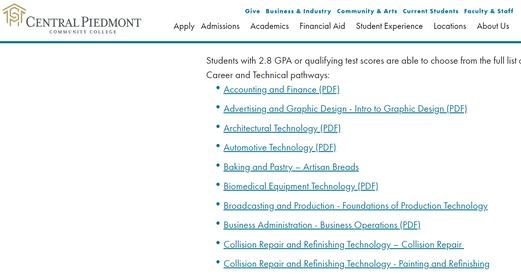
Cumulative, unweighted GPA of 2.8 or benchmark assessment scores in all areas of English, Reading, and Math
For select Career & Technical Pathways:
They do not require a 2 8 GPA or qualifying test score
Enrollment Steps (click here)

What does Career and College Promise Dual Enrollment Mean?
You may be enrolled in Lake Norman Charter and also enrolled at Central Piedmont Community College as a Career and College Promise Dual Enrolled Student. You may select a pathway which will dictate what courses you may take These courses will affect your GPA at the HS level. These courses will also affect your GPA at the college level. Passing these courses will also earn you college credit.
What Options Does a Student Have?
COLLEGE TRANSFER PATHWAYS
General educational requirements for a two-year or four-year college degree
Transferable credits to any UNC Institution.
CAREER & TECHNICAL EDUCATION (CTE) PATHWAYS
32 Career Fields Students can start career training while still in high school. Earn credits toward a job credential, certificate or diploma in a technical career
Understanding
Arts Transfer Pathway (PDF)
Science Transfer Pathway (PDF)
Engineering Transfer Pathway (PDF)
Visual Fine Arts Transfer Pathway (PDF)
Music Fine Arts Transfer Pathway (PDF)
Theatre Fine Arts Transfer Pathway (PDF)
Teacher Preparation Arts Transfer Pathway (PDF)
Teacher Preparation Science Transfer Pathway (PDF)
Covered Costs
Click HERE to View all CPCC CTE Pathways
Tuition is paid by the State of NC for Fall, Spring, and Summer semesters.
Student Expenses
- Students must pay for textbooks and college fees.
- Fees must be paid a week before the semester starts to avoid being dropped from courses.
Is your student ready to take their education to the next level and stand out in the competitive world of college admissions? AP courses offer a unique opportunity to showcase their academic prowess and develop the skills that colleges are seeking.
Here's why AP courses are the perfect choice:
College-Level Rigor: AP courses are designed to match the intensity and content of college-level courses. By successfully completing AP classes, you ' re demonstrating your ability to handle challenging academic work.
Transferable Skills: The skills you learn in AP courses are highly transferable to college and beyond Think critical thinking, problem-solving, and effective communication These skills are essential for success in any field.
Stand Out from the Crowd: Colleges are looking for students who can excel in rigorous academic environments AP courses provide a tangible way to showcase your academic potential and set yourself apart from other applicants.
Potential for College Credit: A strong performance on the AP exam can earn you college credit, allowing you to skip introductory courses and dive deeper into your chosen field of study. This can save you time and money in the long run. No Fees or Textbook charges.

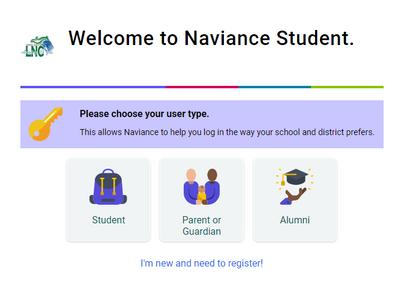
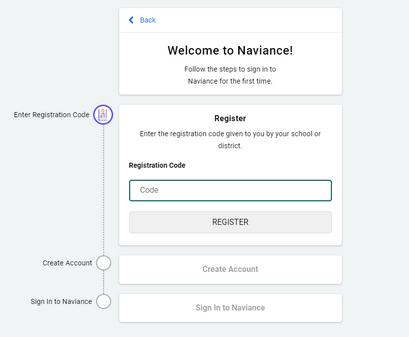
Naviance Parent Tutorial Video (Intro)
Naviance Extended Parent Tutorial (1 hour)
Naviance Student Tour and Overview
College SuperMatch Tutorial
How to Sign Up for College Visits
Building List of “Colleges I’m Applying to”
Match Common App with Naviance Account
Requesting Transcripts (Application)
Requesting Letter of Recommendations
Requesting FINAL Transcript to College of Choice

Here are some general tips to help you successfully navigate 9th grade: Here are some general tips to help you successfully navigate 9th grade:
As your student begins high school, they are just starting to discover their interests and strengths. It’s important to foster an environment that encourages exploration without pressuring them to make immediate decisions about their future. Ask openended questions, listen to their ideas, and provide opportunities for them to explore different fields through extracurricular activities, volunteer work, or job shadowing. Remember that their interests may change over time, and that’s okay.
Help your student develop essential life skills, like time management, organization, and problem-solving. Encourage them to balance academics with activities they enjoy. Offer support by helping them create a schedule, ensuring they have study strategies in place, and providing a quiet space for learning. At this stage, your role is to provide structure without micromanaging.
In your student’s first year, it’s never too early to start thinking about college and building their resume, including involvement in extracurricular activities. Focus on quality, not quantity. Encourage your student to find activities they are passionate about and can pursue long-term, as these may lead to leadership roles in the future. As they explore potential careers, gathering information is key, and the Career Speaker series offers a valuable opportunity to hear directly from professionals. While grades are important, staying on top of academics during freshman year can help set a strong foundation for the years ahead. Be sure to connect with your student’s counselor for guidance on course planning and any other questions you may have

Your student's grades in 9th grade contribute to their final GPA, making it important to stay focused from the start. Encourage your student to maintain strong academic habits and meet regularly with their counselor for course planning. Freshman year lays the groundwork for high school and post-secondary plans.
Key Actions:
Monitor academic progress: Help your student set up a study schedule and stay organized.
Meet with counselors: Course selection for the next year is crucial. Make sure your student selects courses that align with future goals, whether that includes college or other career paths
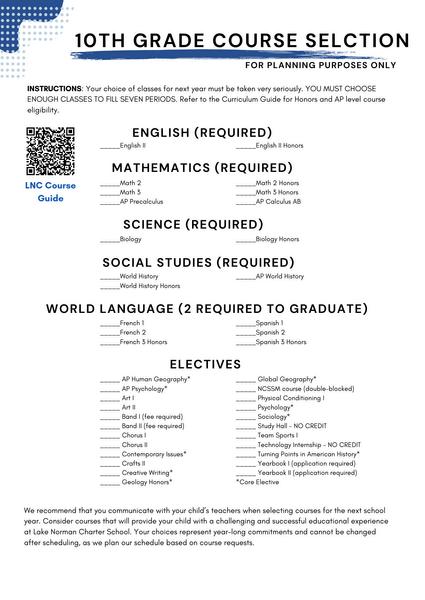
LNC Course Guide (Click Here)
ENGLISH (REQUIRED)
MATHEMATICS (REQUIRED)
SCIENCE (REQUIRED)
SOCIAL STUDIES (REQUIRED)
WORLD LANGUAGE (2 REQUIRED TO GRADUATE)
ELECTIVES
Encourage your student to explore potential career interests early on. The BLUEprint program includes tools like Naviance to help students identify their strengths and explore career paths.
Career vs. Job: Teach your student the difference between a job and a long-term career. While part-time jobs help build responsibility, exploring career options early provides direction for future education.
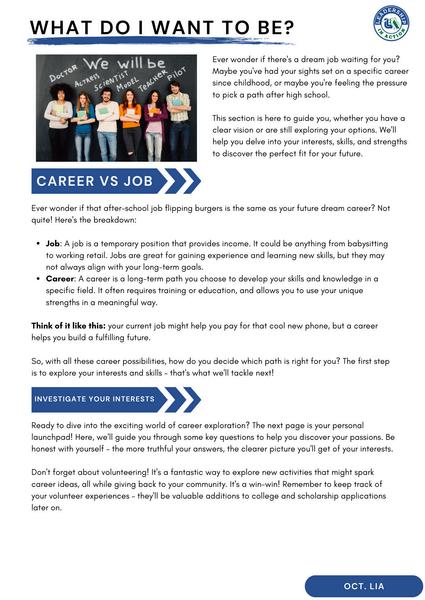
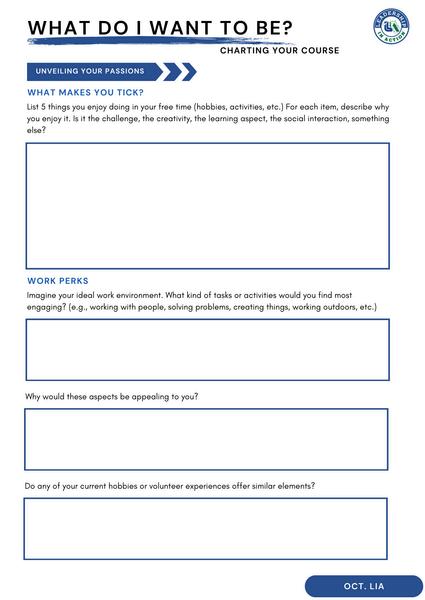
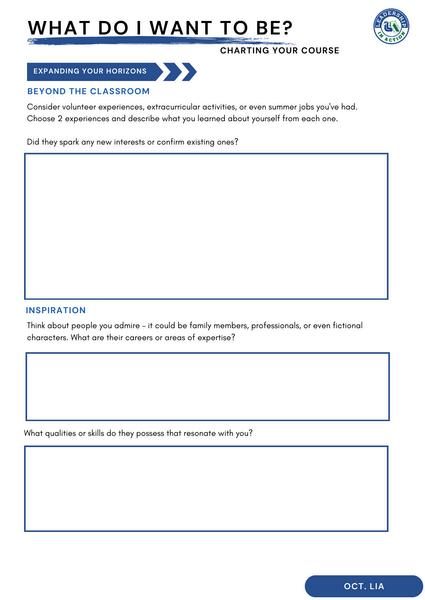
In the "What Do I Want to Be" section of the workbook, your student will explore their interests, skills, and potential career paths. This section guides them through self-reflection exercises, such as identifying hobbies, work environments they enjoy, and personal strengths. They will also investigate different careers by thinking about people they admire and considering how volunteer experiences might shape their goals.
The goal of this section is to help students start thinking about long-term career possibilities, make connections between their current interests and future opportunities, and understand the difference between a job and a career. Students will also begin charting a course for their future by reflecting on how their strengths can be applied to their career interests and planning next steps to achieve their goals
Career Cluster Finder: This tool helps students discover fields that align with their interests. Encourage your student to review career clusters and think about their long-term goals.
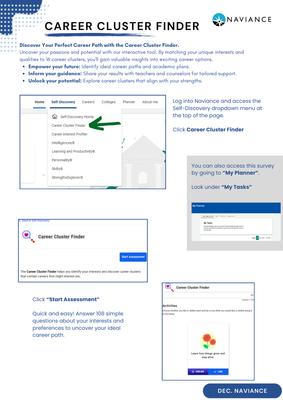
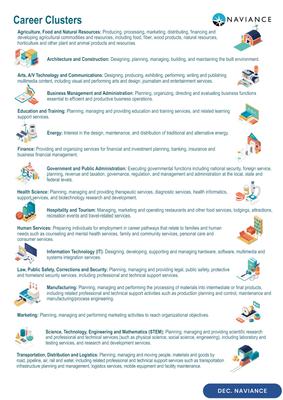
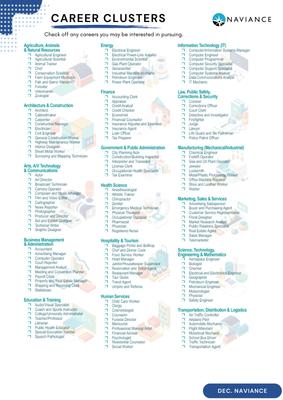
In the Career Cluster Finder section, your student will use Naviance to complete a survey that matches their interests and skills to one of 16 career clusters. Each cluster represents related careers, helping students explore industries that align with their strengths. This activity provides valuable insights into potential career paths and serves as a foundation for academic and career planning, encouraging students to reflect on their top career clusters and how they relate to their future goals.
Extracurricular activities help build a well-rounded student. Rather than overloading on activities, focus on quality over quantity. Participation in clubs, sports, and volunteer work can lead to leadership opportunities and strengthen college applications.
Volunteer and Service Projects: Encourage your student to get involved in service activities. Freshmen are required to complete at least 10 hours of community service. Volunteering not only helps others but also enhances your student’s personal growth.
Leadership in Action (LiA): As part of the BLUEprint program, students complete a Leadership in Action project, allowing them to reflect on their community service and demonstrate key leadership skills like empathy and compassion.
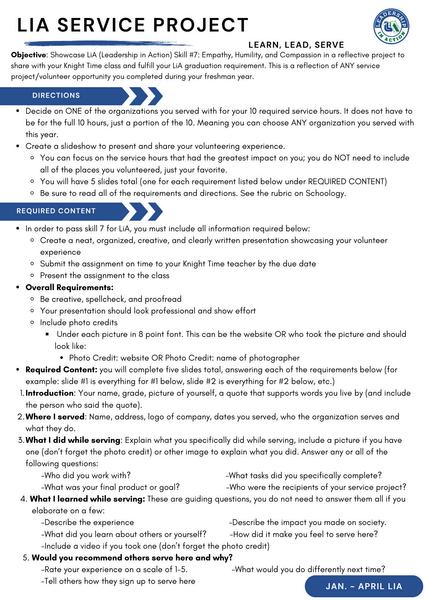
In the LiA (Leadership in Action) Service Project, your student will reflect on their volunteer experiences from freshman year. They will select one organization they served with and create a presentation to showcase what they learned and how their service impacted the community. Through this project, students will develop key leadership skills such as empathy, humility, and compassion.
The project requires students to organize their reflections into five slides, covering where they volunteered, the tasks they completed, what they learned, and how the experience shaped their perspective This assignment encourages students to think critically about the value of community service and its role in personal growth and leadership development.
Building a resume early in high school helps students track their accomplishments and experiences. Naviance’s resume tool allows students to document extracurriculars, leadership roles, and academic achievements. This will be essential for future college applications and scholarships.
Key Actions:
Naviance Resume Builder: Help your student start building a comprehensive resume by recording volunteer work, extracurricular activities, and any awards received.
College Visits: While it's still early, visiting college campuses or exploring virtual tours can help your student envision their postsecondary options.
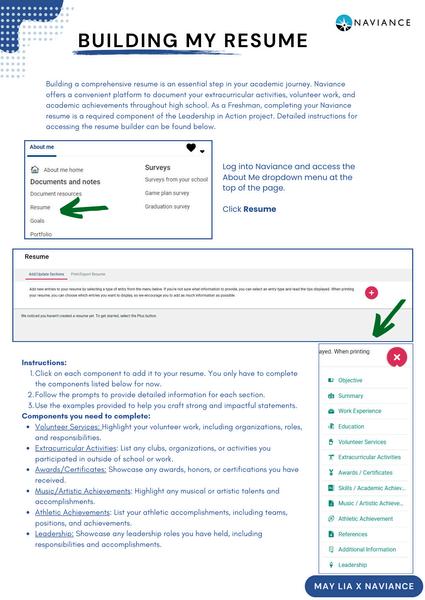
In the Building My Resume section, your student will begin creating a resume using Naviance’s resume builder tool. They will document their extracurricular activities, volunteer work, leadership roles, and academic achievements from freshman year. This section is designed to help students start building a strong, well-rounded resume that they will continue to update throughout high school.
By following detailed instructions, students will learn how to craft impactful statements that highlight their accomplishments. This resume will serve as an important resource for future college applications, scholarship opportunities, and even job applications
Freshman year is the perfect time to set both short- and long-term goals. The BLUEprint program encourages students to think about where they want to be in the next few years and the steps needed to get there.
Key Actions:
Four-Year Plan: Your student will complete a survey in Naviance that outlines their goals and aspirations. Use this as a conversation starter with your student to ensure their academic choices align with their future goals.
Stay Motivated: Help your student stay focused on their goals by revisiting them regularly and celebrating achievements along the way.
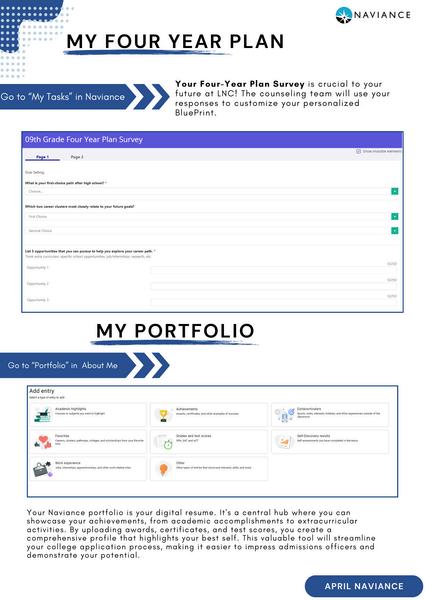
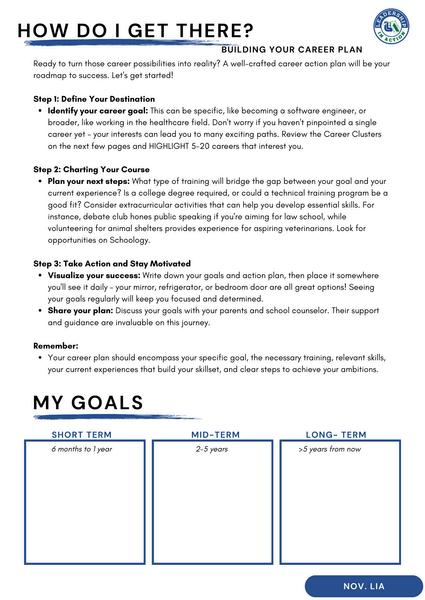
In the How Do I Get There? and My Four Year Plan Survey section, your student will use Naviance to create a personalized four-year academic plan. They will map out the courses they intend to take, ensuring their choices align with their long-term goals, whether it’s college, a trade, or another career path. This section helps students think strategically about their future, outlining the steps needed for graduation and postsecondary success.
In 9th grade, students participate in a dedicated series of productivity and success-skill lessons led by Mr. Maleck and Mrs. Tatman, who guide them through practical tools that support organization, time management, and healthy academic habits. These sessions are designed to help freshmen transition smoothly into high school expectations while developing skills they will use throughout all four years.
The 9th Grade BLUEprint Workbook introduces students to strategies that strengthen awareness, organization, and action, empowering them to make thoughtful decisions about their time, reduce stress, and plan ahead effectively.
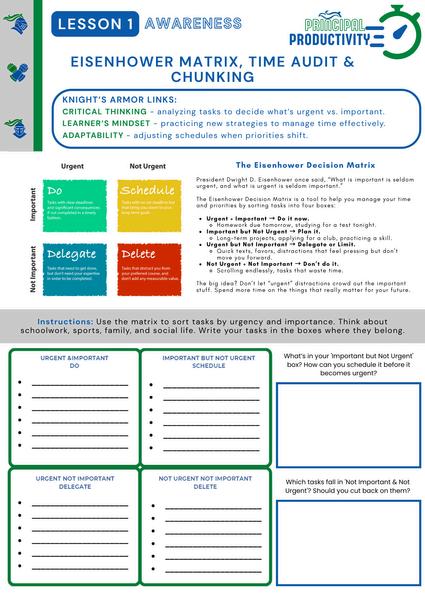
Students learn to evaluate how they use their time and to distinguish between tasks that are truly important and those that simply feel urgent.
What students learn:
The Eisenhower Decision Matrix and how to sort tasks into categories of Do, Schedule, Delegate, and Delete. How “urgent” distractions crowd out important academic tasks. How to break large assignments into manageable steps using timechunking.
How to complete a 24-hour Time Audit to identify patterns, habits, and inefficiencies.
Knight’s Armor Links: Critical Thinking, Learner’s Mindset, Adaptability.
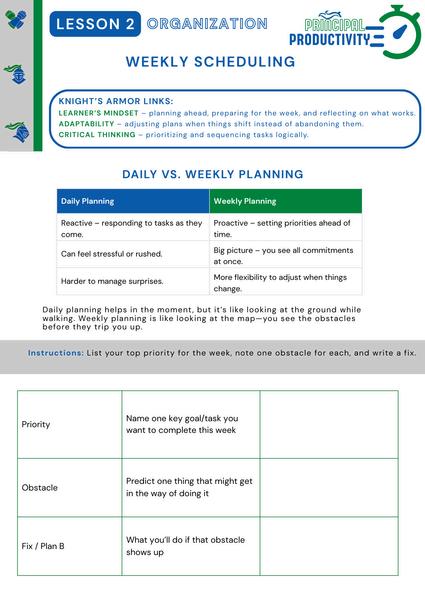
Students shift from reactive day-to-day planning to proactive weekly planning, learning how to anticipate demands and structure their time strategically.
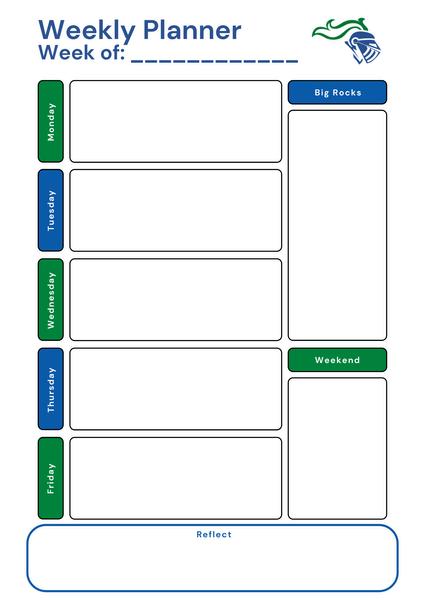
What students learn:
The difference between daily vs. weekly planning and why weekly planning leads to better control.
How to identify weekly “Big Rocks” (top priorities).
How to predict obstacles and create simple backup plans (“Fix / Plan B”).
Step-by-step guidance for building a complete weekly plan.
How to use the Weekly Planner Template to map out Monday–Sunday with reflection space. Knight’s Armor Links: Organization, Adaptability, Critical Thinking.
Freshmen explore why procrastination happens and learn practical strategies to overcome it.
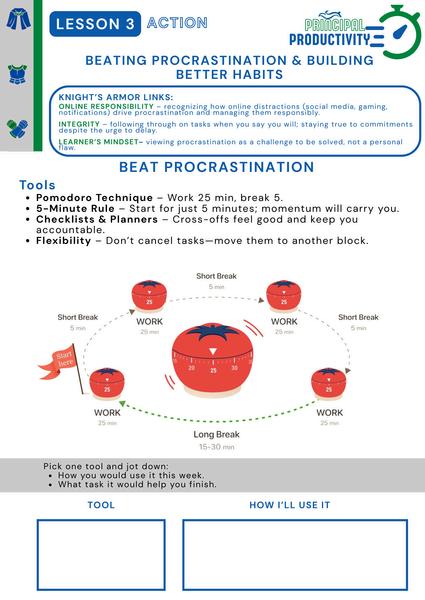
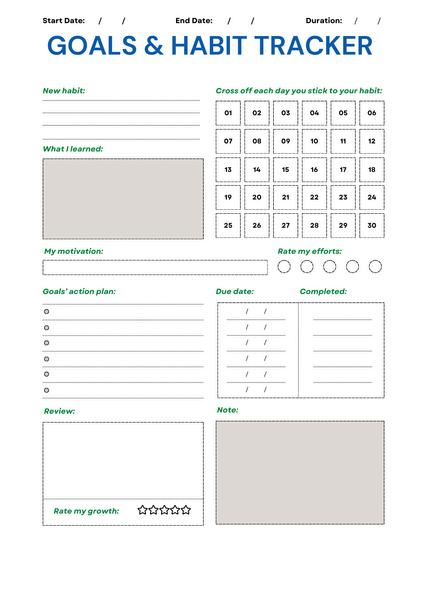
What students learn:
Tools to reduce procrastination: Pomodoro Technique, 5-Minute Rule, checklists, and flexible rescheduling.
How to choose and apply one tool immediately to a real task.
The Habit Loop Cue → Routine → Reward to understand how habits form and how to replace unproductive routines.
How to use the Goals & Habit Tracker to build habits over time and monitor growth. Knight’s Armor Links: Integrity, Online Responsibility, Learner’s Mindset.
Ask reflective questions:
“What’s in your Important but Not Urgent box this week?”
“What habit are you currently trying to improve?”
“What are your three Big Rocks for the week?”
Create structure at home:
Provide a consistent study environment.
Encourage weekly planning at the start or end of each week.
Support students in using their Plan B strategies when obstacles arise.
Celebrate progress, not perfection. These skills grow with consistent practice and reflection.
Here are some general tips to help you successfully navigate 10th grade: Here are some general tips to help you successfully navigate 10th grade:
As your student continues to explore potential career paths, encourage them to deepen their understanding of various professions through research, internships, or conversations with professionals. You can help by connecting them with resources, such as career inventories or interest surveys, and even tapping into your own network for informational interviews. Remind your student that it's okay if their career interests shift during this exploration phase.
Help your student find the balance between academic responsibilities and their extracurricular activities. Encourage them to participate in things they’re passionate about while also prioritizing their studies. Guide them in choosing activities that align with their interests, which will not only help with future college applications but also allow them to enjoy high school more fully.
Although still early in their high school journey, the " newness " of freshman year has worn off, and students have now settled in. Decisions made during 10th grade can significantly impact their 11th and 12th grade years, setting the stage for meeting their post-secondary goals. Sophomores can begin meeting with school counselors to discuss potential honors and AP classes, evaluate their college résumé, and explore colleges of interest.
Parents play an important role in helping their child choose an 11th-grade course schedule, offering guidance on balancing challenging academic classes with extracurricular activities. By the end of 10th grade, students and parents should also consider whether dual enrollment is a beneficial option to pursue.
Introduction: Sophomore year is a crucial time for academic and career planning. The 10th-grade BLUEprint program helps students navigate their future by encouraging career exploration, college readiness, and leadership development. This guide outlines what your student will focus on this year and how you can support them.
Sophomore year is the time for students to start refining their academic and postsecondary goals
Key Actions:
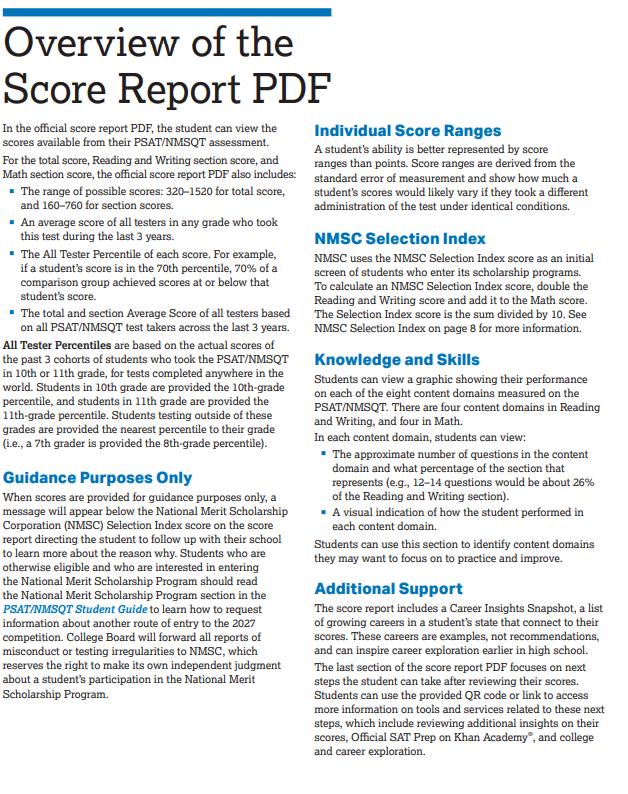
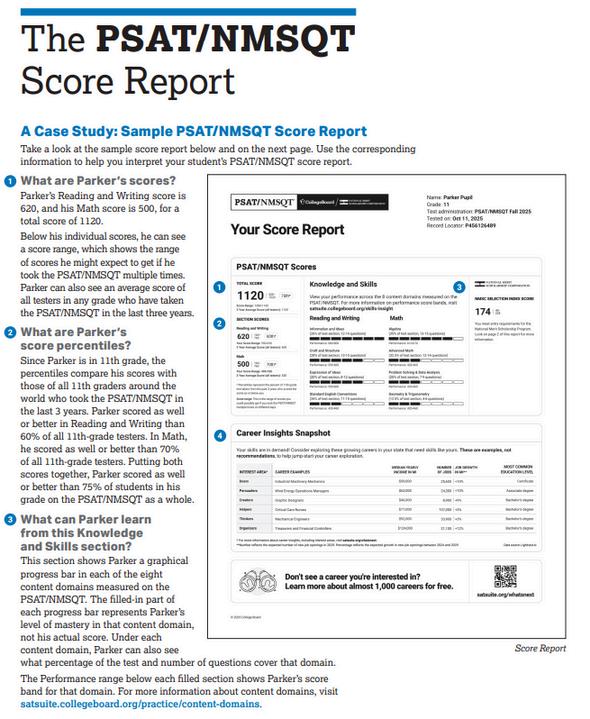
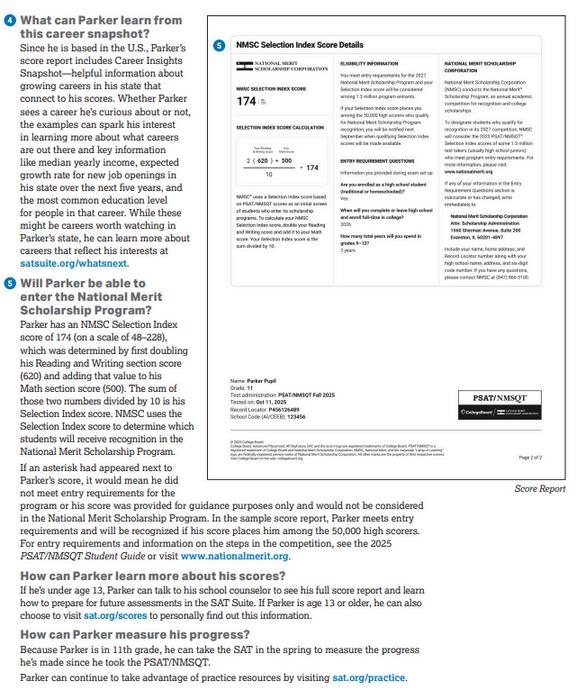
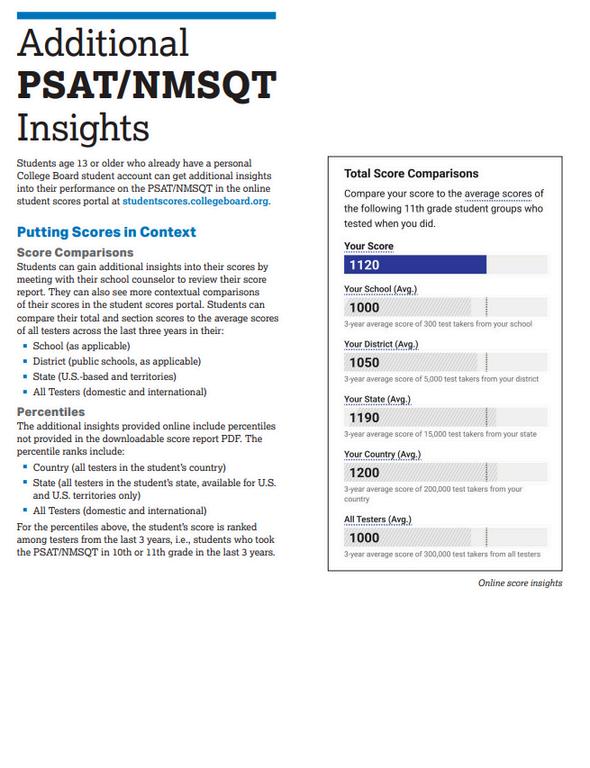
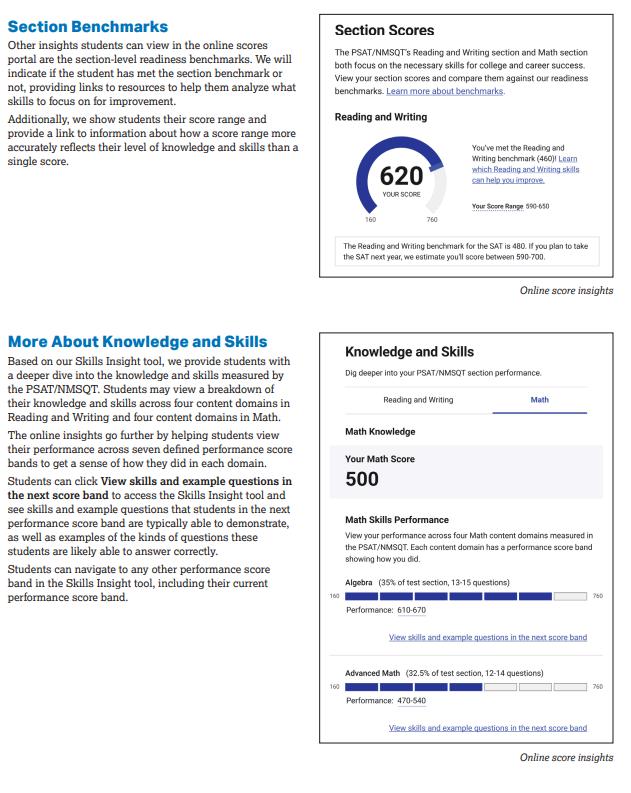
Taking the PSAT: Students will take the PSAT in the fall and use their results to identify focus areas for improvement.
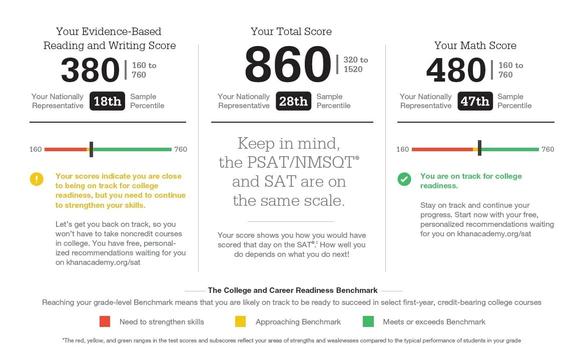
Exploring College Options: Through college rep visits and the various College Search tools in Naviance, students will learn how to find colleges that match their interests and academic profile.
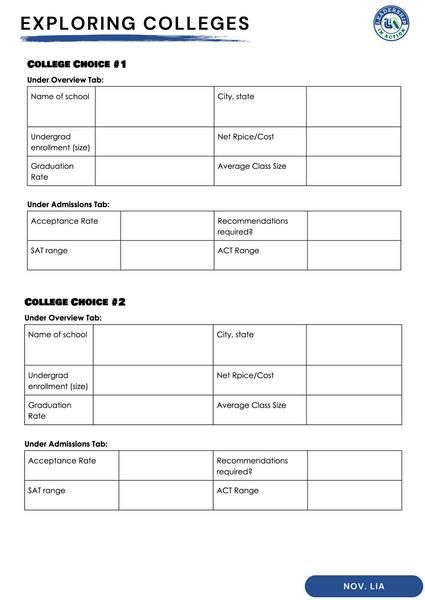
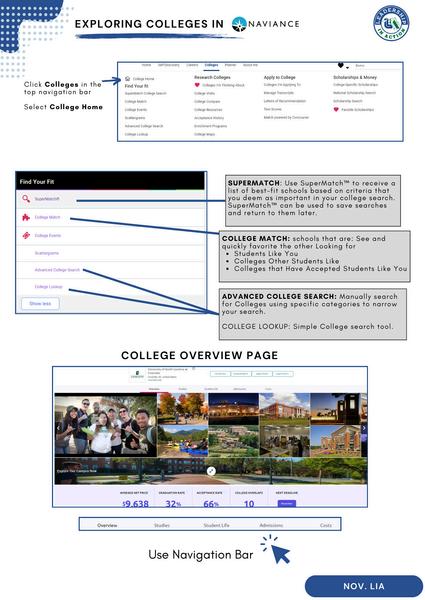
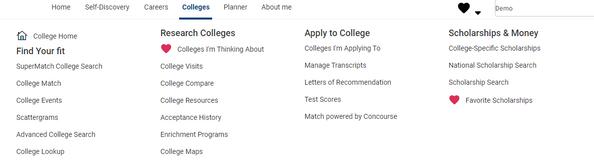
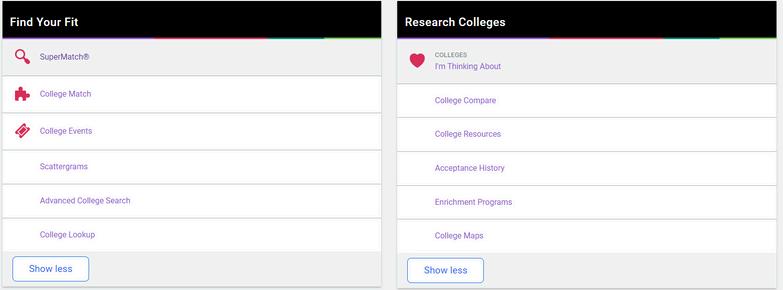
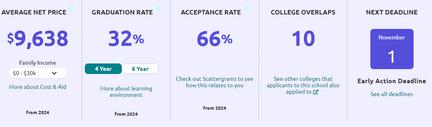
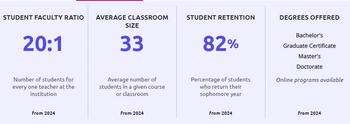
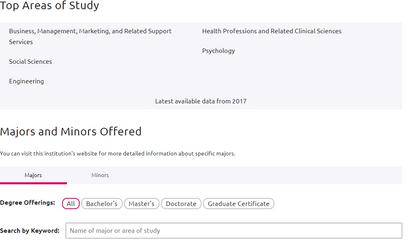
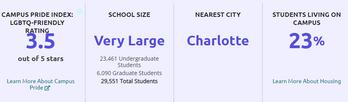
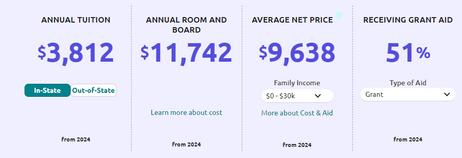
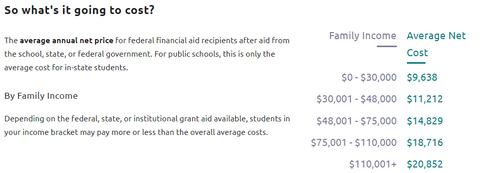
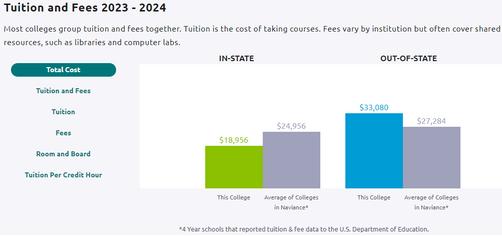
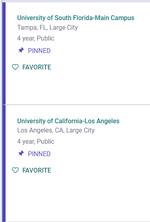
In the Exploring Colleges section, your student will dive into researching potential colleges that align with their interests and academic goals They will learn how to use Naviance tools like SuperMatch, College Match, and Advanced College Search to identify best-fit schools based on their preferences, such as location, size, and majors offered. These resources allow students to build a list of colleges they are considering and evaluate their academic compatibility
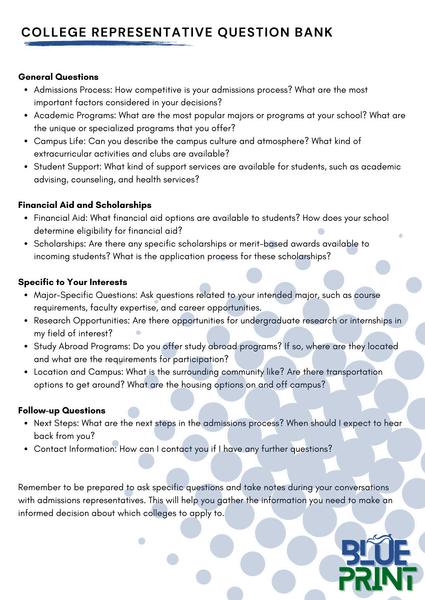
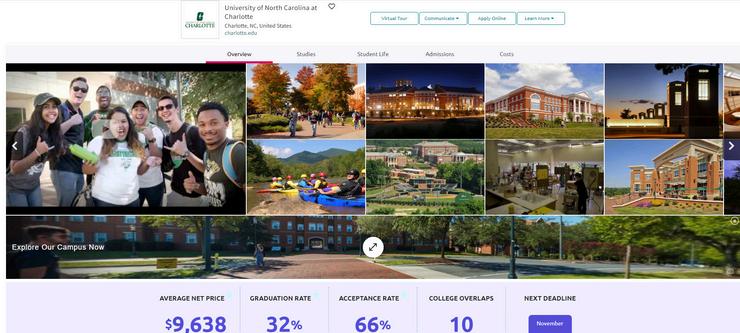
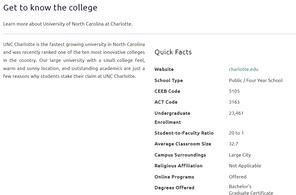
In the next few pages, you will find a reference guide for navigating these Naviance college search tools as well as a question bank for college representatives during visits.This guide will help you support your student as they explore different college options, providing tips on how to use these features effectively to find schools that match their goals and aspirations.





Next Steps: What are the next steps in the admissions process? When should I expec back from you?
Contact Information: How can I contact you if I have any further questions?
Remember to be prepared to ask specific questions and take notes during your conversa with admissions representatives. This will help you gather the information you need to ma informed decision about which colleges to apply to.

Key Actions:
Expanding Extracurriculars: Students are encouraged to continue or expand their involvement in clubs, sports, or volunteer work. This not only strengthens college applications but also develops leadership potential
LiA (Leadership in Action) Project: Your student will update their résumé and begin reflecting on their leadership skills and community service
Tip for Parents: Encourage your student to take on leadership roles within their extracurricular activities, which will help them develop skills that are highly valued by colleges and employers.
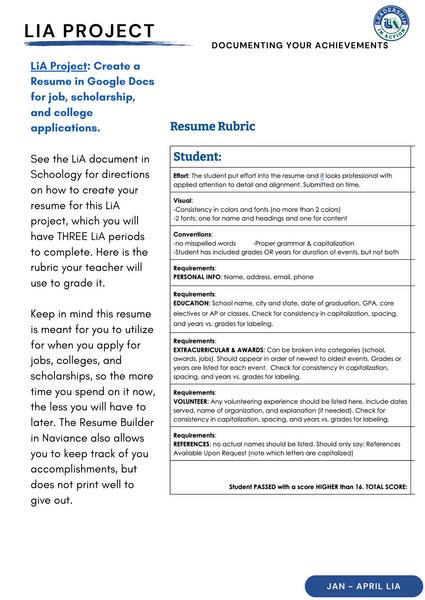
In the LiA Resume Project, your student will work on creating a comprehensive resume using Google Docs, which will be an essential tool for future job, scholarship, and college applications. They will learn how to document their achievements, extracurricular activities, volunteer work, and skills in a clear and effective format. Throughout three LiA periods, students will build and refine their resumes, receiving guidance to ensure they accurately showcase their experiences and accomplishments. By starting early, your student will develop a strong resume that can be easily updated as they progress through high school.
This year, students will revisit and refine their Four-Year Plan in Naviance, ensuring they are on track to meet graduation requirements and aligning their course selections with future career and college goals This includes exploring AP courses, dual enrollment options, and electives that match their academic interests.
Tip for Parents: Work with your student to review their course plan and ensure they are selecting classes that will challenge them academically while aligning with their long-term goals
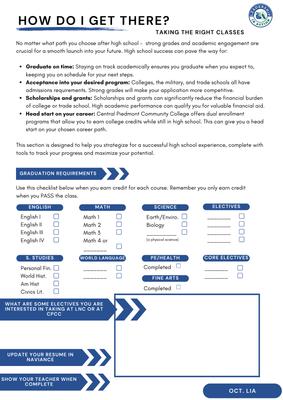
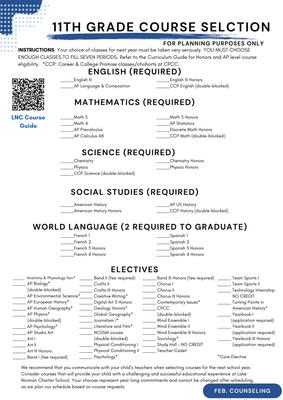
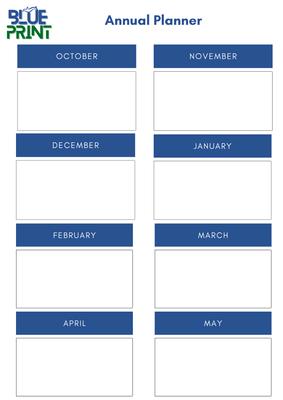
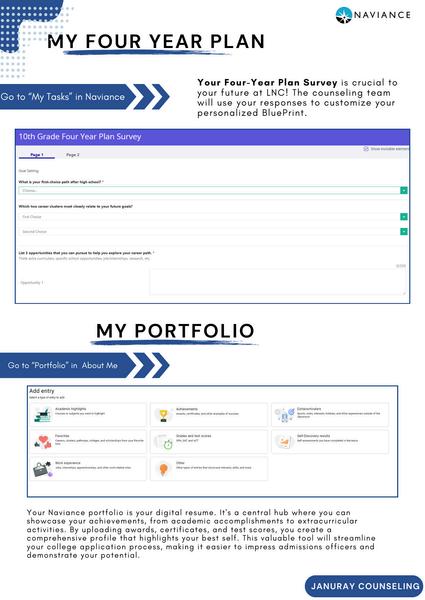
In the How Do I Get There, Course Selection, and Annual Planner section, your student will explore the importance of thoughtful academic planning and make key decisions about their upcoming courses. They will use this section to review graduation requirements, select courses for the next school year that align with their future goals, and map out their academic journey using the annual planner. Additionally, students will use the "My Portfolio" section in Naviance to catalog and save important artifacts such as certificates, awards, and achievements. These materials will be invaluable when it comes time to apply for colleges, as they will help create a wellrounded application that showcases their high school accomplishments.
LNC Course Guide (Click Here)
ENGLISH (REQUIRED)
MATHEMATICS (REQUIRED)
SCIENCE (REQUIRED)
SOCIAL STUDIES (REQUIRED)
WORLD LANGUAGE (2 REQUIRED TO GRADUATE)
ELECTIVES
Here are some general tips to help you successfully navigate 11th grade: Here are some general tips to help you successfully navigate 11th grade:
As your student starts to explore various post-secondary pathways including trade schools, military options, or traditional college support them by offering information about each route. Make sure they understand that all paths are valid and provide long-term career opportunities. Help them weigh the pros and cons of each option while allowing them the autonomy to make informed decisions based on their interests and aspirations.
The junior year is a critical time for standardized tests and the college search process. Encourage your student to prepare for the SAT/ACT and consider taking them to visit campuses if possible. Support their research into different schools using tools like College SuperMatch, and help them organize a list of colleges or trade programs that meet their needs. You can also help by providing resources on financial aid, scholarships, and application requirements.
Introduction: Junior year is a pivotal time for students as they transition toward college and career readiness, making it essential for academic planning and personal development. The 11th-grade BLUEprint program supports students in refining their academic and post-secondary goals, preparing them for future challenges. This year, students will take the SAT and ACT, meet with school counselors, and begin building their college profiles while exploring various paths, including college, the military, and skilled trades. Your support during this transformative year is crucial in helping your child make informed decisions that will shape their future. This guide outlines key focus areas and offers tips to assist them in achieving their goals.
Taking the SAT/ACT: Students will have the opportunity to take the SAT between March and June, with a free ACT provided in March for all juniors. These tests will help identify areas for improvement and set the stage for college admissions.
Meeting with Counselors: Your student will meet with their LNC counselor for a junior meeting, which is essential for academic planning and addressing any questions about college readiness.
Parent Tip: Encourage your student to take these tests seriously and discuss the results with their counselor. Help them understand the importance of building a strong academic profile and starting to think about college essays.

Click to Access Guides to Understand ACT and SAT Score Reports
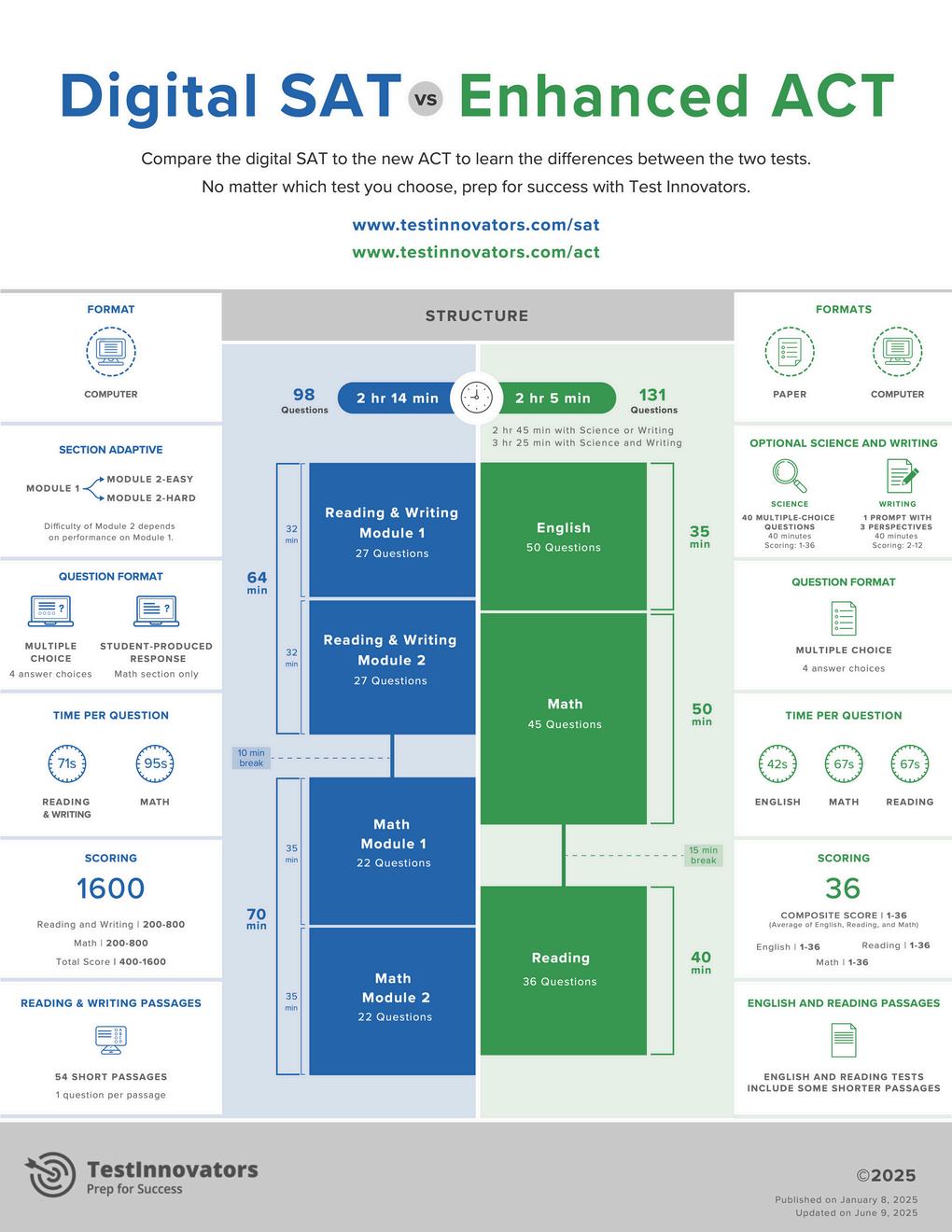
Key
Career Research: Using resources like NCCareers.org, students will explore various occupations, including salary expectations and necessary education
Developing a Career Plan: Your student will create a personalized career action plan that outlines their goals, skills to develop, and necessary education or training after high school.
Tip for Parents: Engage in conversations about your student’s interests and how they relate to potential careers. Encourage them to seek out internships or summer jobs that align with their career goals.
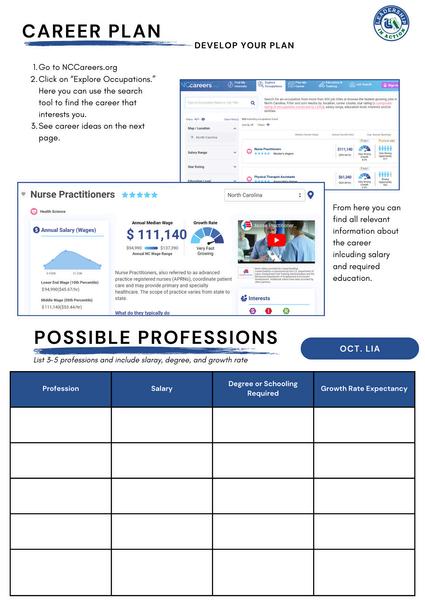
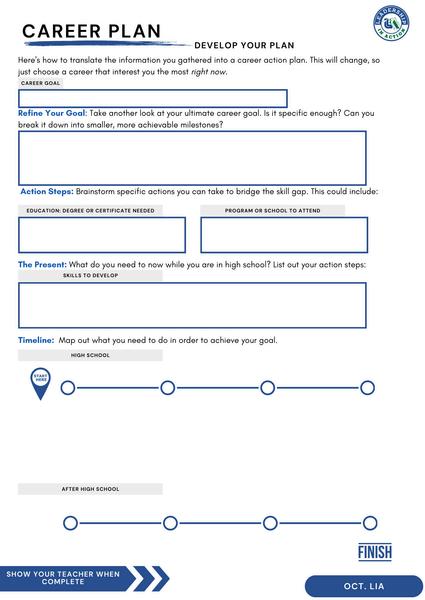
In the Career Plan section of the BLUEprint workbook, your student will engage in meaningful activities designed to help them explore and define their career aspirations They will utilize tools such as the AchieveWorks Skills survey to uncover their strengths, interests, and potential career paths. This section encourages students to research various professions, including salary expectations and educational requirements, enabling them to make informed choices about their futures. Additionally, students will create a personalized career action plan that outlines specific steps they need to take, such as acquiring necessary skills and education, to achieve their goals. This process not only helps students envision their career trajectories but also empowers them to take proactive steps toward realizing their ambitions Encourage your student to embrace this exploration, as it will provide valuable insights into their future career options.
College is not the only route to post-secondary success. During their 11th-grade year, students will also have the opportunity to explore careers in skilled trades and the military.
Exploring Military Careers: Students will learn about different branches of the U.S. Armed Forces, the benefits of joining, and the various career opportunities available. They will also have the chance to take the Armed Services Vocational Aptitude Battery (ASVAB) to assess their skills and interests.
Trade School Opportunities: Students will explore skilled trades, understanding the potential career paths available, the required training, and the benefits of attending trade school They will assess their interests and skills to find a suitable trade career

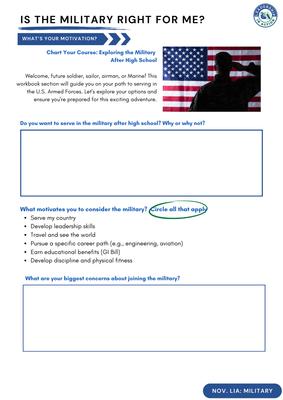
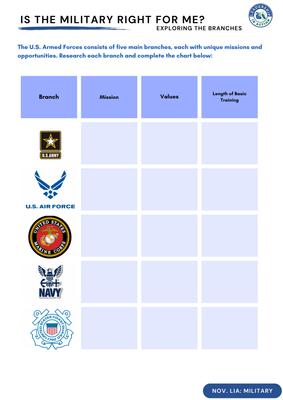
In the "Discover Your Future in Skilled Trades" and "Is the Military Right for Me" sections of the BLUEprint workbook, students will explore alternative career paths that emphasize hands-on skills and service. They will investigate various skilled trades, understanding the education and training required, as well as potential career opportunities and earning potential. Additionally, students will learn about military career options, assessing their interests and motivations while gaining insights into the benefits of serving in the armed forces. These sections encourage students to consider diverse pathways, empowering them to make informed decisions about their futures.
Key
Increasing Leadership Roles: Students are encouraged to take on more leadership roles, such as club officer or team captain, which can enhance their college applications and personal development.
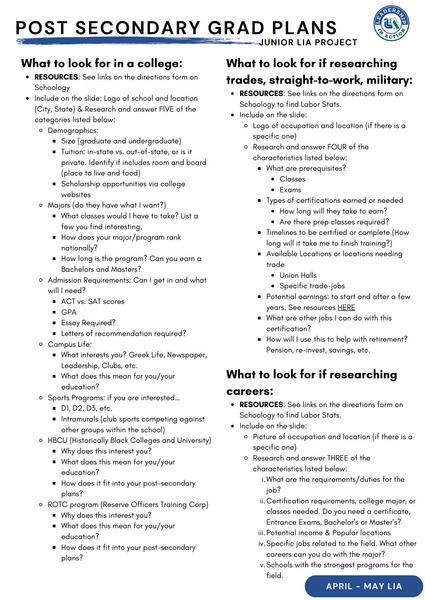
Junior LiA Project: Students will create a presentation outlining three potential postgraduation plans. This includes identifying their career interests, researching specific colleges, majors, or vocational paths, and setting their goals for life after high school. This project encourages students to think critically about their future, helping them articulate their aspirations and the steps needed to achieve them.
Tip for Parents: Encourage your student to explore various career and educational options while working on this project Engage in discussions about their findings and aspirations, helping them refine their plans.
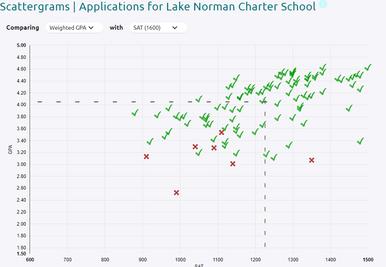
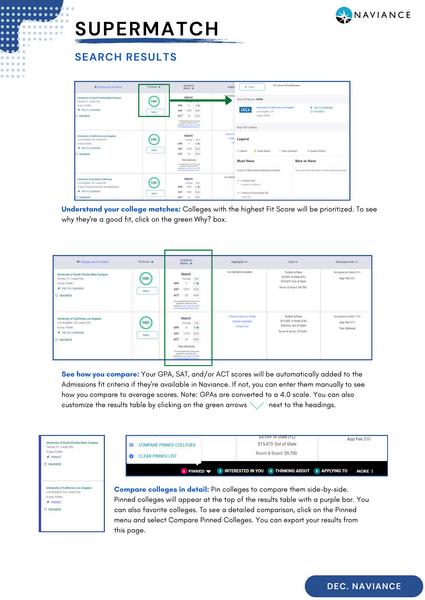
Building a College Profile: Students will compare their academic profiles against those of their target colleges to identify strengths and areas for improvement. They will also learn about the Common Application and essay requirements.
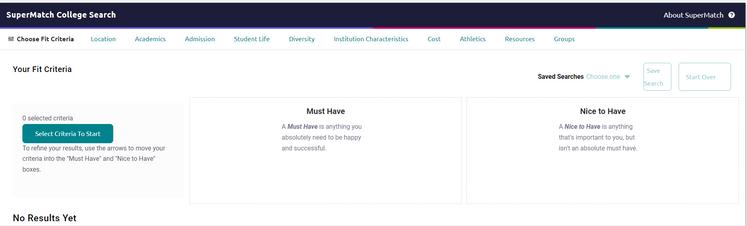
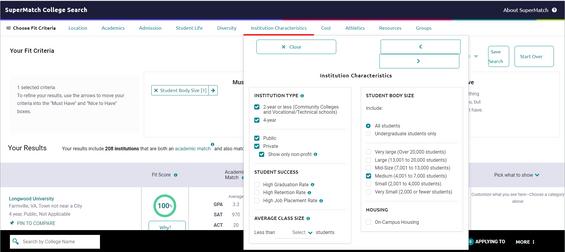
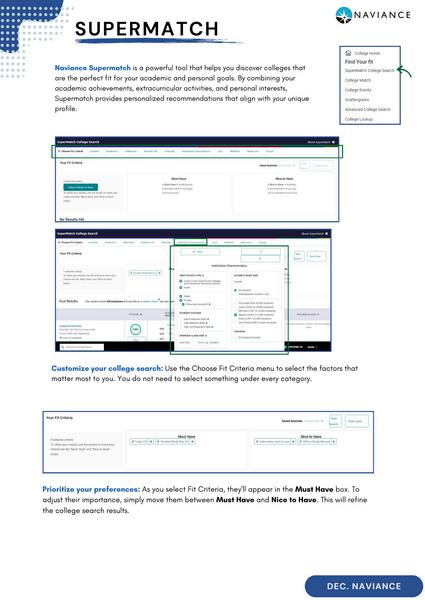
Naviance SuperMatch: Students will utilize the Naviance SuperMatch College Search Tool to conduct in-depth research on colleges that align with their academic profiles and personal preferences. This tool allows them to filter colleges based on criteria such as size, location, programs offered, and admission requirements. By discovering colleges that match their interests, students can make informed decisions about where to apply.
Tip for Parents: Support your student in navigating the Naviance SuperMatch tool by discussing their criteria for selecting colleges. Help them create a list of potential schools to visit and research further.
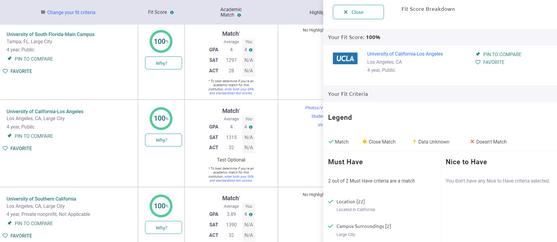
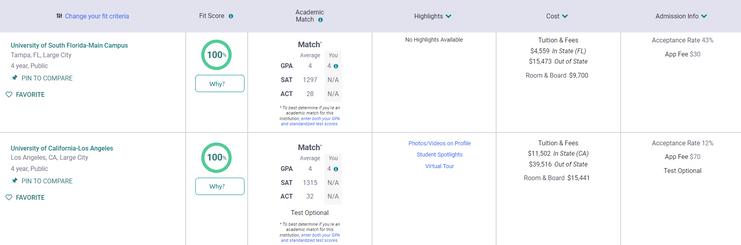
Naviance SuperMatch is a powerful tool that helps students find colleges perfectly aligned with their academic and personal goals. By offering personalized recommendations based on your unique profile, SuperMatch streamlines your search process.
Customize your college search using the Choose Fit Criteria menu, selecting factors like location, size, and academic programs. Your chosen criteria will appear in the Must Have box, helping you prioritize what matters most.
Parents can refer to the 10th-grade section of this guide for additional college search resources. With Naviance SuperMatch, finding the right college is easier than ever!
This year, students will revisit and refine their Four-Year Plan in Naviance, ensuring they meet graduation requirements while aligning their course selections with future goals They will explore AP courses, dual enrollment options, and electives that match their academic interests.
The Naviance Teacher Recommendation Survey is an essential component of the college application process. Your student will complete this survey to provide teachers with insights into their strengths, achievements, and personal experiences, enabling them to write tailored letters of recommendation. This survey is crucial for ensuring that the recommendations reflect your student’s unique qualities and aspirations.
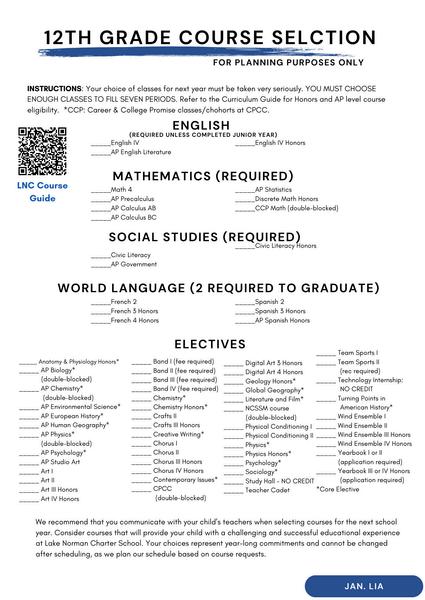
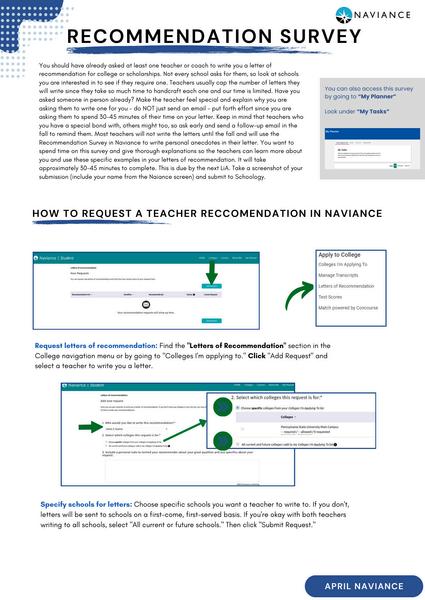
In the 12th-grade course selection section of the BLUEprint workbook, students will choose their senior-year classes to meet graduation requirements and align with their future goals, exploring options like advanced placement (AP) courses and dual enrollment. The Recommendation Survey section allows students to provide insights to their teachers, enabling personalized letters of recommendation for college applications, which are crucial for highlighting their strengths.
LNC Course Guide (Click Here)
MATHEMATICS (REQUIRED)
SOCIAL STUDIES (REQUIRED)
WORLD LANGUAGE (2 REQUIRED TO GRADUATE)
If you plan to have a car on campus, you’ll have to learn the procedures for parking. This may be an ad want to consider in your budget Also ask about public transportation, like bus routes to/from campus
If you ’ re visiting a campus large enough to offer activities, events and clubs, don’t miss the Student Life great place to learn how to get involved, meet new people and ask current students about campus life
Many campuses have a building designated for students to use in between classes. Typically known as this building often has restaurants, important offices such as the Student ID office, post office and eve services. If you see a campus newspaper, be sure to grab it to read later so you can learn more about
Visit the campus library and take note of the operating hours. The library may offer free Wi-Fi and may you during your time on campus Also, take note of smaller, departmental libraries that may offer spec specific classes or assignments
Learn what options are available to you if you get sick while at college. Ask how much treatment may c offer health insurance for students
Explore off campus to locate important businesses and services you may need Get a feel for the safe see if it’s easy to get around
Here are some general tips to help you successfully navigate 12th grade: Here are some general tips to help you successfully navigate 12th grade:
Now that your student is close to making a post-secondary decision, your role is to offer support and guidance. Help them weigh their college acceptances, trade programs, or military options by discussing financial aid packages, job placement rates, or the career opportunities that come with each choice. Encourage them to make the decision that feels right for their future goals, and remind them that their path can evolve over time.
As your student enters the final stretch of their high school journey, help them stay focused on finishing strong. Remind them that their senior year grades matter and encourage them to stay engaged in their academics. You can support them by helping manage senior-year stress and ensuring they keep up with any final application or enrollment deadlines. Celebrate their achievements and remind them of how far they’ve come.
Senior year is a crucial time for students as they finalize their plans for post-secondary education and career paths. The 12th-grade BLUEprint program is designed to support students in navigating the college application process, exploring financial aid options, and making informed decisions about their futures. This guide outlines what your student will focus on this year and how you can support them.
Key Actions:
During the fall, students will engage in essential activities related to college applications, including:
Meeting with Counselors: Students will meet with their LNC counselor for a senior meeting to discuss their college plans and application strategies.
Application Types: They will decide whether to apply early action, regular decision, or early decision, ensuring they understand the differences and implications of each option.
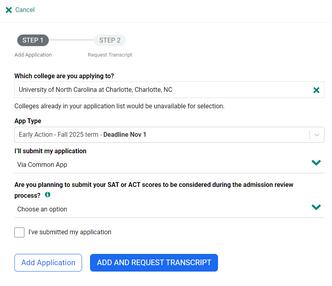
Common Application: Students will match their Common Application account with their Naviance account and follow specific steps for submitting their applications.
Tip for Parents: Encourage your student to stay organized and keep track of application deadlines. Support them in seeking out colleges that align with their interests and goals.
Check out the next few pages that provide guides for using both Common App and Naviance during the application process.

1.Single Application: Students can fill out one application form and submit it to several colleges, reducing the time and effort required compared to applying individually.
2.Comprehensive Sections: The application includes sections for personal information, academic history, extracurricular activities, and an essay. Students can showcase their achievements and interests in one place.
3.Essays and Recommendations: The Common App requires a personal essay that allows students to express their unique experiences and perspectives. It also facilitates the submission of recommendation letters from teachers and counselors.
4.Integrated Fee Waivers: For students from low-income families, the Common App offers fee waivers, making it more accessible for all students.
5 Additional College-Specific Requirements: Some colleges may have additional questions or requirements, which students can easily navigate within the platform.
A complete toolkit of tips and best practices designed to help your students complete their applications successfully and on time.
First-year essay prompts
complete list of the Common App essay prompts. Updates each application year
Family resources
Here are a few tips for families to help their students along the journey to college
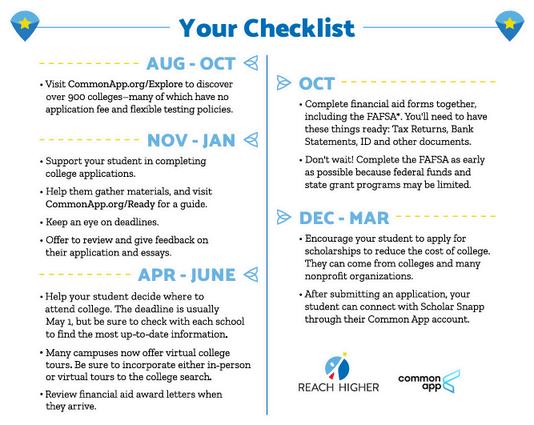
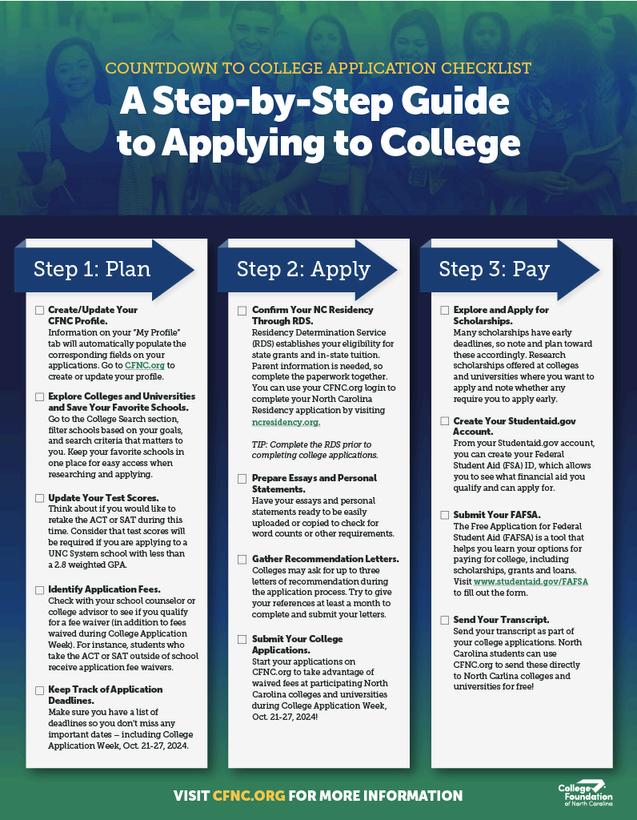

Key Actions:
Completing the FAFSA: Students will create their FSA ID and complete the Free Application for Federal Student Aid (FAFSA) to access federal financial aid options.
Comparing Financial Aid Offers: After receiving financial aid packages, students will compare offers to determine the best fit for their financial situation.
Tip for Parents: Help your student gather necessary documents for the FAFSA and encourage them to explore scholarship opportunities to reduce college costs.
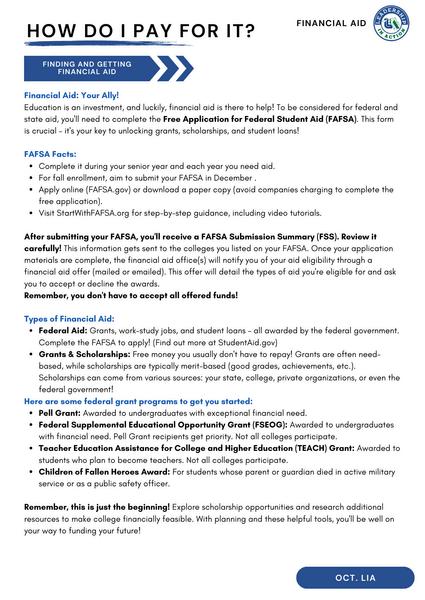
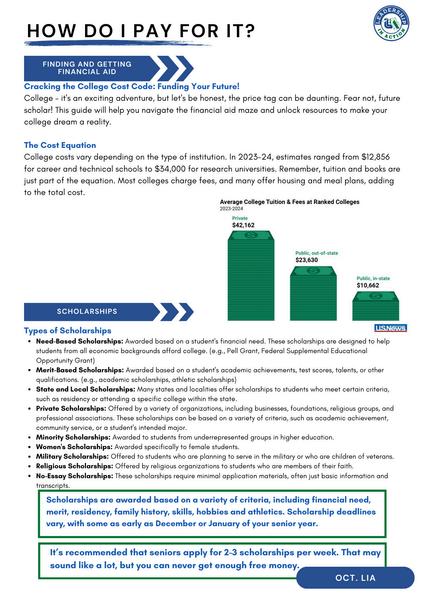
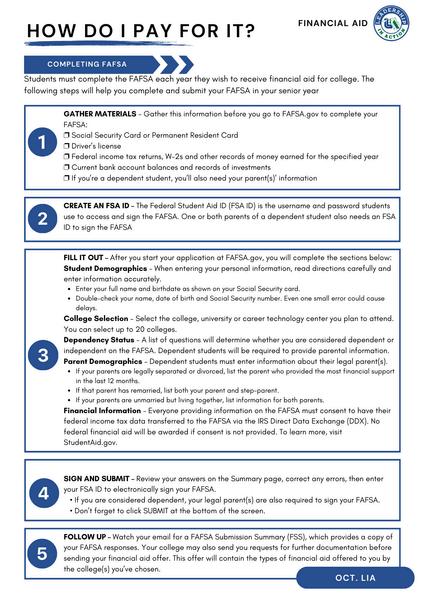
In the "How to Pay For It" section of the BLUEprint workbook, students will explore various financial aid options to make their college education more affordable. This includes detailed information on completing the Free Application for Federal Student Aid (FAFSA), which is essential for accessing federal and state financial aid Students will learn about different types of financial aid, including grants, scholarships, and student loans, as well as strategies for comparing financial aid offers from colleges. The section also emphasizes the importance of researching scholarships, understanding the application process, and avoiding potential scholarship scams. Encouraging your student to actively engage with this section will help them navigate the financial aspects of their college journey and make informed decisions about funding their education
Financial Aid: Your Ally!
Education is an investment, and luckily, financial aid is there to help! To be considered for federal and state aid, you'll need to complete the Free Application for Federal Student Aid (FAFSA). This form is crucial – it's your key to unlocking grants, scholarships, and student loans!
FAFSA Facts:
Complete it during your senior year and each year you need aid For fall enrollment, aim to submit your FAFSA in December. Apply online (FAFSA.gov) or download a paper copy (avoid companies charging to complete the free application!).
Visit StartWithFAFSA.org for step-by-step guidance, including video tutorials.
After submitting your FAFSA, you'll receive a FAFSA Submission Summary (FSS). Review it carefully! This information gets sent to the colleges you listed on your FAFSA. Once your application materials are complete, the financial aid office(s) will notify you of your aid eligibility through a financial aid offer (mailed or emailed). This offer will detail the types of aid you ' re eligible for and ask you to accept or decline the awards Remember, you don't have to accept all offered funds!
Types of Financial Aid:
Federal Aid: Grants, work-study jobs, and student loans – all awarded by the federal government. Complete the FAFSA to apply! (Find out more at StudentAid.gov) Grants & Scholarships: Free money you usually don't have to repay! Grants are often need-based, while scholarships are typically merit-based (good grades, achievements, etc ) Scholarships can come from various sources: your state, college, private organizations, or even the federal government! Here are some federal grant programs to get you started: Pell Grant: Awarded to undergraduates with exceptional financial need.
Federal Supplemental Educational Opportunity Grant (FSEOG): Awarded to undergraduates with financial need Pell Grant recipients get priority Not all colleges participate.
Teacher Education Assistance for College and Higher Education (TEACH) Grant: Awarded to students who plan to become teachers. Not all colleges participate. Children of Fallen Heroes Award: For students whose parent or guardian died in active military service or as a public safety officer
Remember, this is just the beginning! Explore scholarship opportunities and research additional resources to make college financially feasible. With planning and these helpful tools, you'll be well on your way to funding your future!
Loans at least half-time, during deferment periods (like medical leave), an six months after graduation before repayment begins. These are aw on financial need as determined by the FAFSA application
Unsubsidized Loans: Student is responsible for all the interest that a the moment the loan is disbursed. Eligibility is not based on financia
Helping Hands: The PLUS program allows parents of dependent underg students to borrow money to help cover education costs.
Credit Check Required: Unlike Direct Loans, PLUS loans require a cred Repayment typically begins immediately after disbursement unless a de requested and approved.
Graduate and Professional PLUS: Similar loan programs are available and professional students.
Remember: Student loans can be a smart way to finance education, but bo responsibly! Explore federal loan options first, due to their favorable terms consider how much you borrow and be sure you understand the repayment committing.
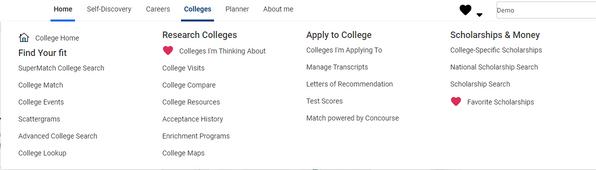
As students finalize their college choices, they will need to assess their options carefully. This involves considering factors such as academic programs, campus culture, financial aid offers, and personal preferences. The "Where Do I Go?" section guides them through this process, encouraging them to rank schools based on their priorities and conduct thorough research.
Tip for Parents: Support your student in evaluating their options and making informed decisions about which college will best meet their needs and aspirations.
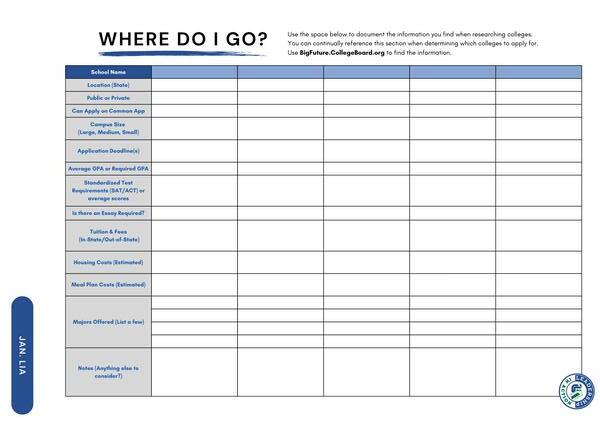
In the "Where Do I Go?" section of the BLUEprint workbook, students will engage in a comprehensive exploration of their college options to find the best fit for their academic and personal goals This section encourages them to consider various types of institutions, such as four-year universities, community colleges, and technical schools, highlighting the unique offerings of each. Students will evaluate factors such as campus culture, academic programs, location, and size, helping them to create a list of schools that align with their interests. Through activities and decision-making tools, they will reflect on what is most important to them in a college experience, making informed choices about where to apply.
Throughout the year, students will have opportunities to reflect on their high school experiences and envision their futures. This includes creating a time capsule video, where they share their current thoughts and aspirations, fostering personal growth and self-awareness.
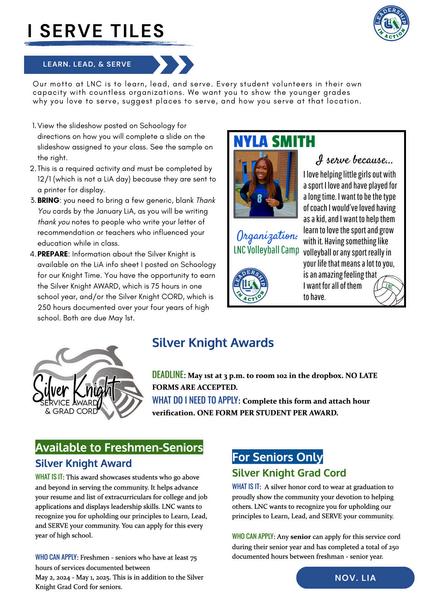
In the "I Serve Tiles" section of the BLUEprint workbook, students will reflect on their community service experiences and the impact of their contributions. This activity allows them to showcase their commitment to service, helping to foster a sense of responsibility and connection to their community Students are encouraged to share their stories and suggest places where younger students can get involved, reinforcing the importance of giving back.
College Foundation of North Carolina (CFNC)
Website: CFNC
A comprehensive resource for college planning, financial aid, and scholarship information in North Carolina.
Free Application for Federal Student Aid (FAFSA)
Website: FAFSA
The official site to complete the FAFSA, essential for accessing federal financial aid.
Federal Student Aid (FSA)
Website: Federal Student Aid
Information about federal student aid, including grants, loans, and work-study programs.
College Board
Website: College Board
Resources for SAT preparation, college search, and financial aid.
Naviance
Website: Naviance
A comprehensive college and career readiness platform that helps students align their strengths and interests with post-secondary goals.
Scholarship Search Tools
Naviance Scholarship Search: Accessible through your student’s Naviance account.
Fastweb: Fastweb - A leading online resource for finding scholarships and financial aid.
Career Exploration Resources
O*NET Online: O*NET - A resource for exploring various careers, including job descriptions and required skills.
NCCareers.org: NCCareers - A resource for career exploration and planning in North Carolina
My Next Move: My Next Move - An interactive tool for students to explore career options based on their interests.
LNC Counseling Department
Contact Website: LNC Counseling
Reach out to LNC counselors for personalized support and guidance throughout the college and career planning process.
Parenting Resources for College Planning
National Association for College Admission Counseling (NACAC): NACACProvides resources for parents on college admissions and financial aid.
College Planning 101: College Planning 101 - Tips and advice for parents navigating the college admissions process.
College Visit Resources
CampusTours: CampusTours - Virtual tours of colleges and universities. College Navigator: College Navigator - A tool to help students and parents find colleges and universities in the U.S.
Military Resources
U.S. Army: GoArmy
U.S. Navy: Navy.com
U.S. Air Force: AirForce.com
U.S. Marine Corps: Marines.com
U.S. Coast Guard: GoCoastGuard.com
U.S. National Guard: NationalGuard.com