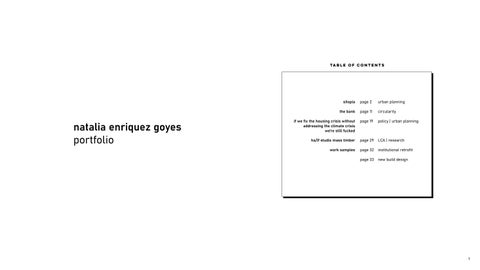
table of contents
natalia enriquez goyes portfolio
sitopia
the bank
if we fix the housing crisis without addressing the climate crisis we’re still fucked
ha/lf studio mass timber work samples page 2 urban planning page 11 circularity page 19 policy | urban planning page 29 LCA | research page 32 institutional retrofit page 33 new build design
1
sitopia
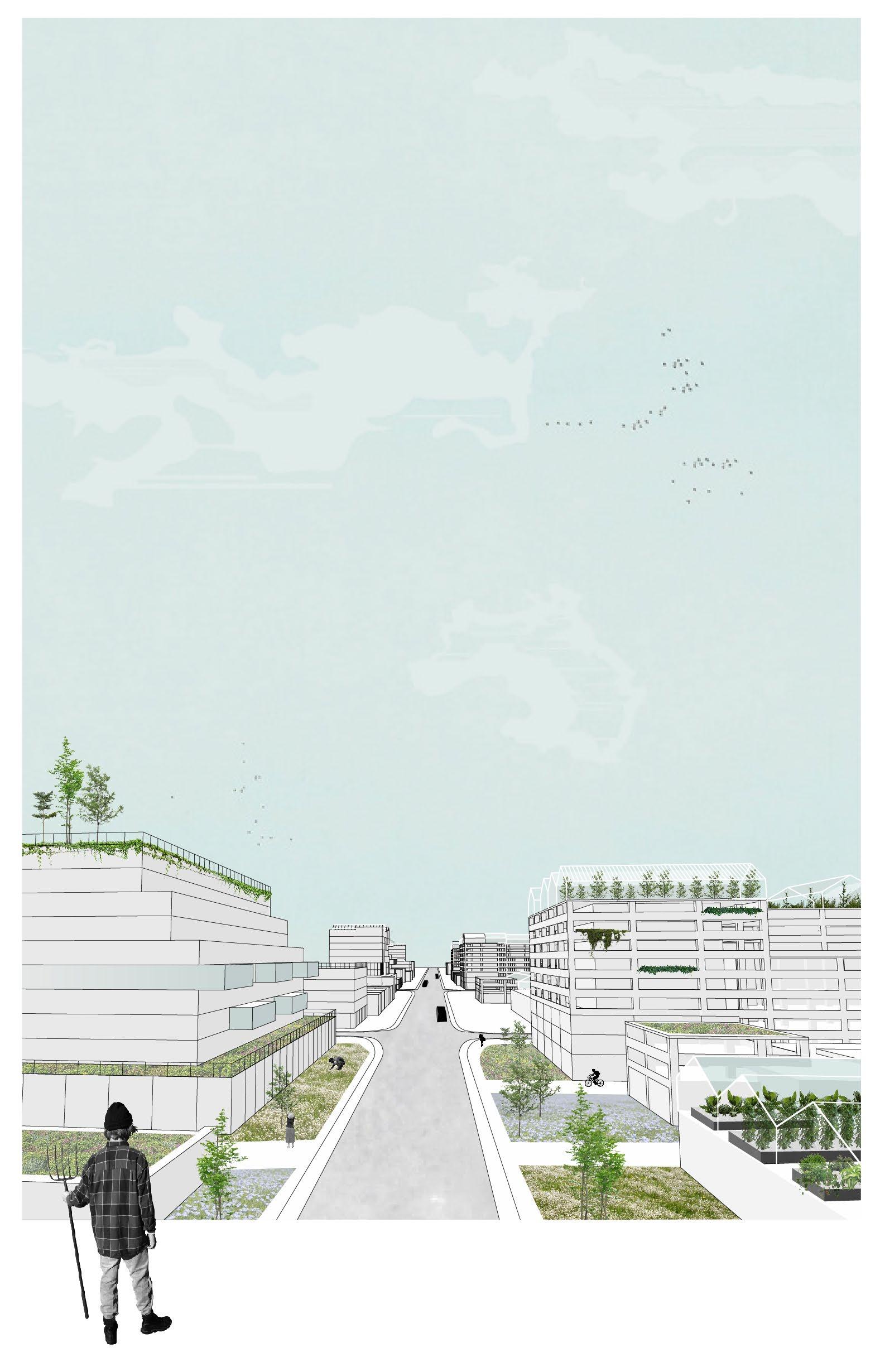
From the Greek word sitos meaning ‘food’ and utopia meaning ‘good place’ or ‘no place’, sitopia translates to ‘Food Place’. Sitopia aims to connect food producers with food consumers by taking advantage of the underutilized open space networks in Toronto’s declining industrial employment lands. Sitopia becomes an urban agriculture conceptual tool to help emphasize the dynamic relationship between food and place: how we produce it, access it, and consume it.
Employment lands are a vital part of Toronto’s economy, however, more core employment is moving out of the city. They are seen as places of opportunity to rethink the urban fabric. Bermondsey is a diminishing core employment area experiencing poor access to fresh foods while near open space networks like the Don Valley and the hydro corridor.
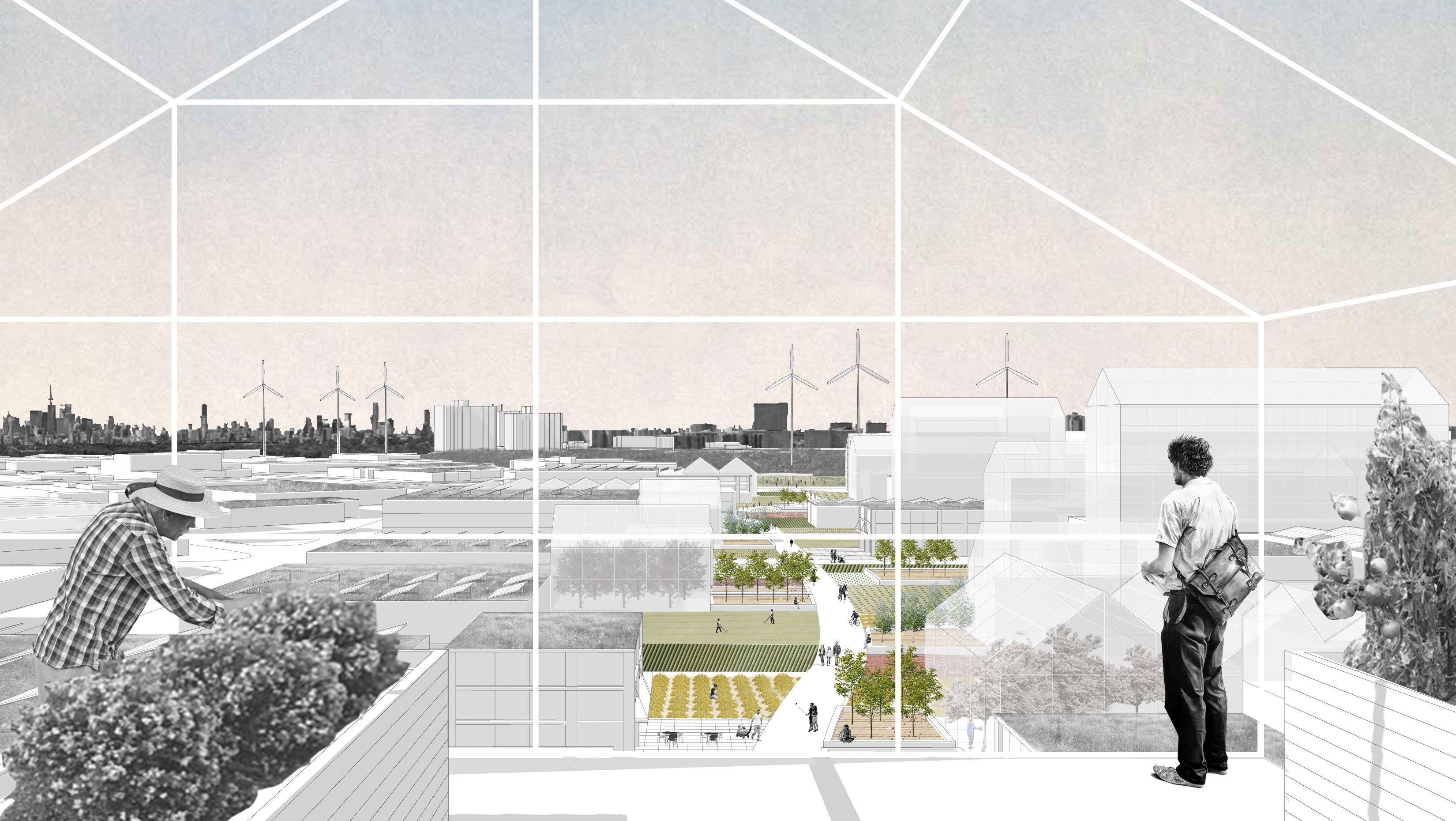
Sitopia aims to preserve these employment lands while promoting density and mixed-use to create more balanced work-life districts through food production (food districts) in areas that experience uneven access to fresh food.
Sitopia is a prototype of what employment lands could be to augment food production (food sovereignty) and allow for greater social intervention through the right to grow.
Roberto Damiani
Natalia Enriquez Goyes
Jenna Gauder
Clara Ziada
2
year project location studio instructor team Fall 2020 Toronto, Canada
3 compost waste by-product raw product produce + compost produce lunch + basics food + flowers food + everything else plants + honey PREPARED MEALS FOOD + FLOWERS CULTURALLY-RELEVANT CROPS VEGGIES + EGGS garbage + recycling yard waste garbage + recycling + yard waste garbage recycling food waste yard waste garbage + recycling food waste garbage + recycling + food waste garbage + recycling garbage recycling + food waste garbage + recycling + yard waste place of worship school community center community garden greenhouse commercial office tower food industrial transfer station house community garden supermarket multi-unit residential restaurants backyard garden & chicken coop rooftop garden & beehive sitopia BERMONDSEY highrise apartments multi-generational housing manufacturing aquaponics eatery retail services park corner store super market school research school places of worship community center educational kitchen community garden community center restaurants rooftop gardens greenhouse hydroponics general employment co-op housing single family balcony garden rooftop garden mixed use WORK BUY PLAY L EARN L I EV FOOD EAT MAKE XE P L ORE FAR M GROW
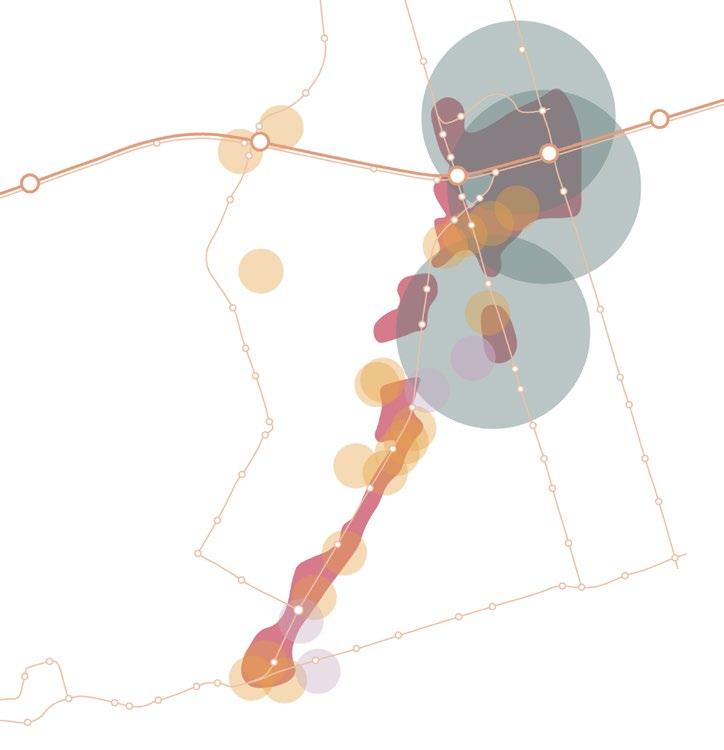
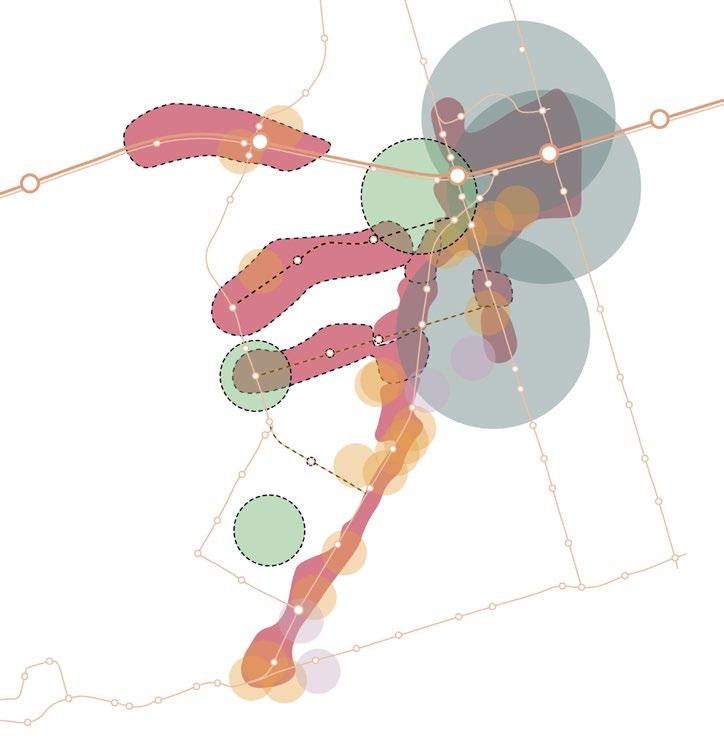
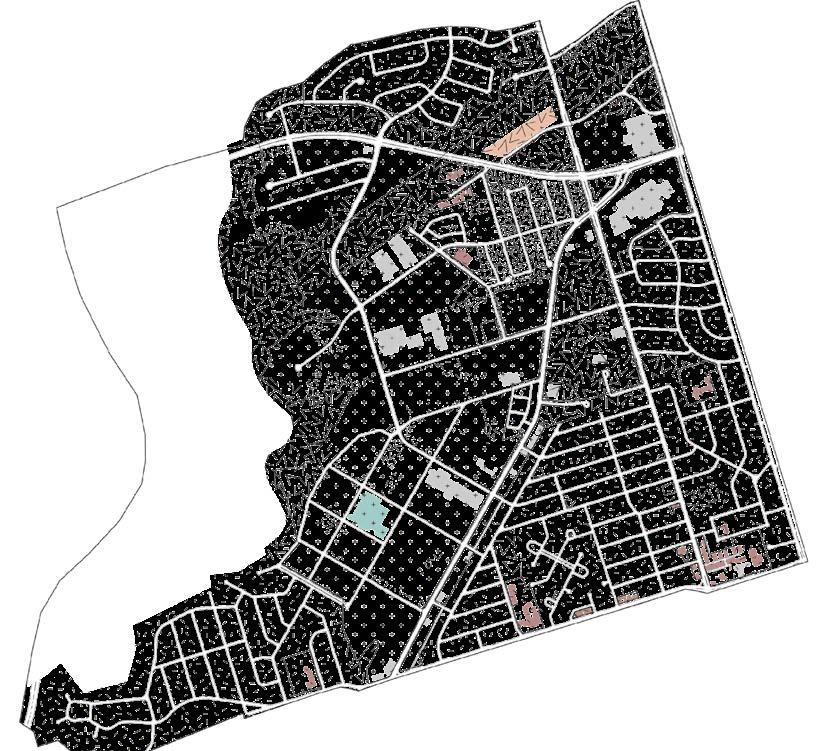
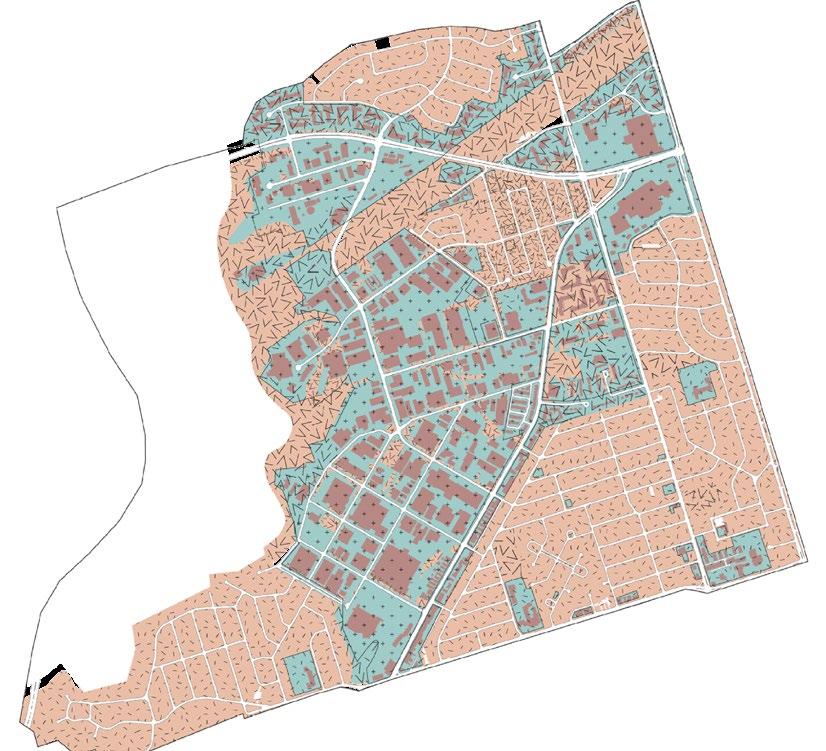
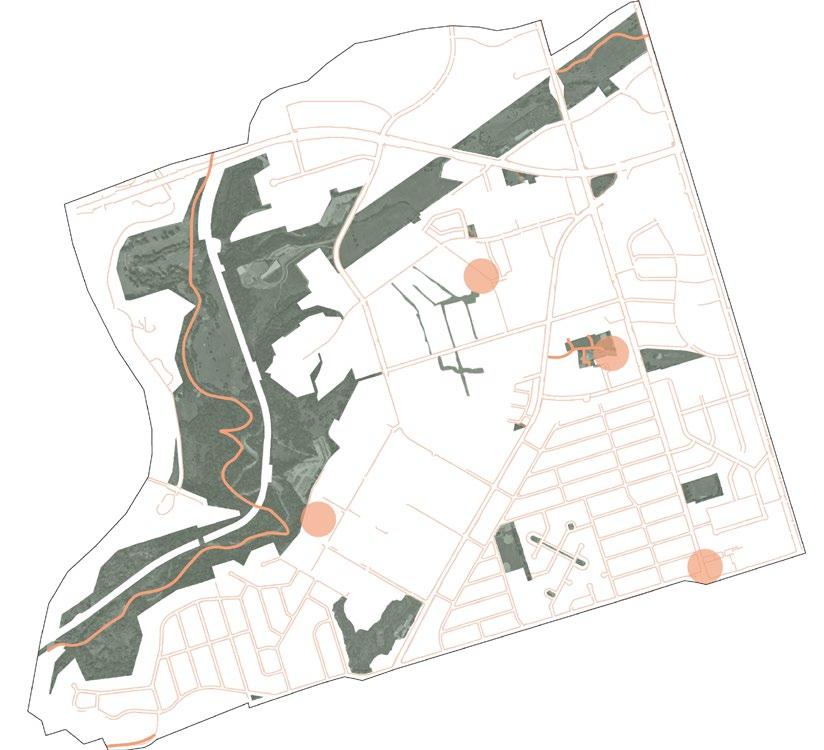
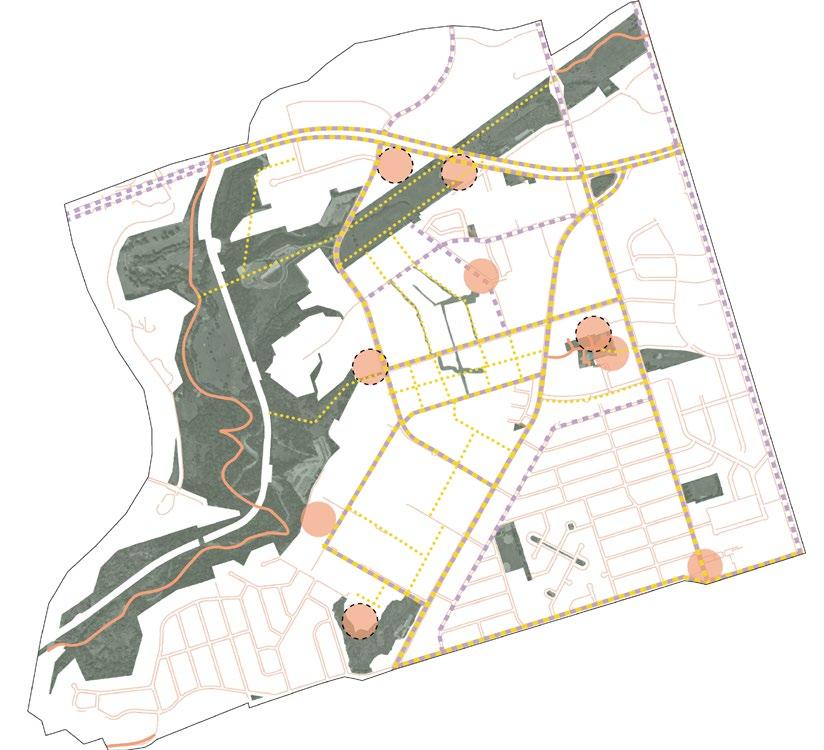
access to food

Eglinton LRT
bus route
proposed bus route supermarkets (500m buffer)
food banks
convenience stores
multi-use area
new food services
PROPOSED INTERVENTIONS
goals porosity
increase porosity / accessibility between industrial & residential areas
food security
improve access to amenities + food security for local workers + residents
densification
increase number of affordable rental housing units how?

aquaponics & hydroponics
soil based
roof garden
individual communal commercial
possibility for urban agriculture pedestrian networks

sidewalk
existing pedestrian path
proposed pedestrian path
proposed pedestrian network
cycle path
existing community building
proposed community building
greenspace
by using existing third landscapes to introduce pedestrian paths within large industrial blocks, fragmenting large industrial blocks
by adding a public interface between industrial buildings and building realm through the use of commercial + “green” units
by introducing food-related program and amenities for local workers + residents
by implementing continuous mixed-use corridor with affordable rental units and food providers
by fragmenting commercial streetfront - functioning as an appealing public interface between industrial & residential zones while maintaining local business & the character of the neighbourhood
4
Agriculture is possible outside of urban areas where there is room to grow outwards. As land value increases, and space is limited especially in cities, we must rethink the ways in which we grow. Instead of growing outwards, we must grow upwards.
utilize open space
Ample open space offered by Bermondsey’s employment lands gives great opportunity for agricultural intervention. Vertical farming, utilizing open rooftop spaces and converting hardscapes will allow for the integration of urban farming within the city’s industrial areas.
5 100 100 100 100 15% upwards not outwards
design code Shared drives and parking are created along parcel lines to reduce hardscapes Green roofs and rooftop gardens are added to buildings when open space cannot be increased New buildings should dedicate 15% of building area to urban agriculture or productive greenspace Commercial fronts to be broken into smaller units Service roads are added from multi-purpose corridors into employment zones to create better acces to employment buildings
for maximum open
increasing FAR
building Setbacks on buildings should have a 45 degree angular place to allow for sun exposure to the street Small parcels to be kept for food-related and generic uses for flexibility, or to be agglomerated into larger parcels
connect or are placed along greenspaces through industrial areas. Gardens and productive space back onto easements Commercial units added to existing buildings to function as public interface between industrial and pedestrian Greenhouses are added to large buildings over 0.7 ha. Increase density along transit lines and avenues Consolidate parking Green roofs Incorporate agricultural and green interventions Break up street frontages Break up large parcel blocks Maximize open space Sun exposure Parcel agglomeration Connect open space through easements Public interface Greenhouses Increase density
Allow
space by
of
Easements
program grow + recreation type of intervention community node scale of intervention n/a % of intervention: n/a F.A.R. n/a
grow + commercial industrial (public interface) green roof small 15% 0.17
grow + industrial (public interface) greenhouse medium 100% 0.16
grow + multi-use (residential, parking, retail, production) greenhouse / terrace gardens medium 30% 5.5 office solar panels n/a n/a varies (0.95 - 2.0)
grow + mixed use green roof / balcony gardens medium 15% 5.8
grow + commercial greenhouse medium
grow + industrial / institutional greenhouse green roof large 80% 1.4
multi-use (residential, parking, retail, food production) green roof / greenhouse roof medium 30% 3.0
grow + mixed use greenroof / balcony gardens small 5% 3.2
grow + industrial greenhouse roof medium - large 30% varies (0.95 - 2.0)
grow + waste green roof large 100% 2.7
buffet of agricultural typologies
6
100% 0.12
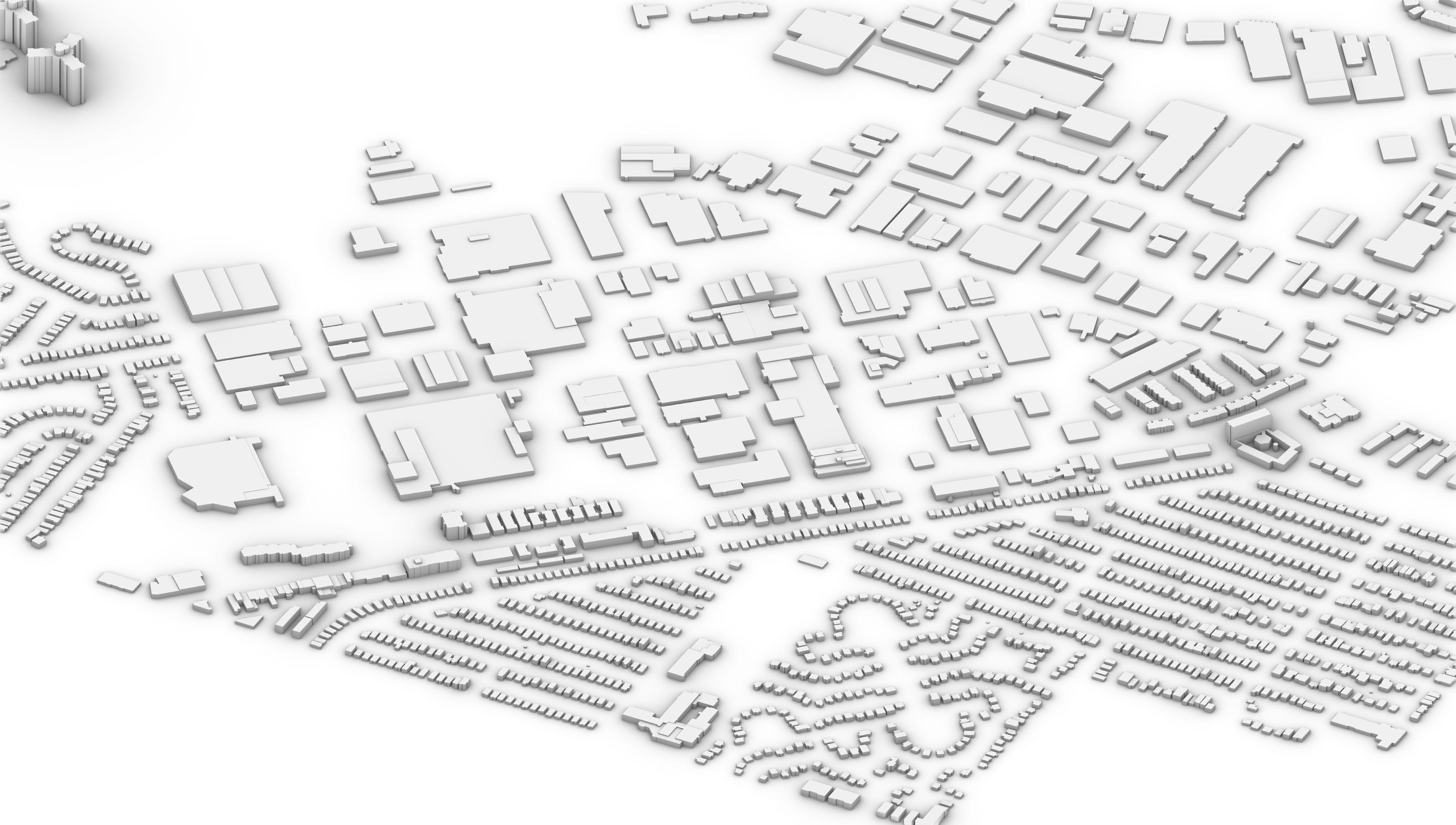
7 large industrial medium industrial small industrial third landscape peek freans cookie factory townhomes single family homes mid-rise residential small retail units small retail units gallimore compostable food products delcato foods mama earth organics food box meals on wheels we the roots hydroponic farm HOUSE OF EMPANADAS FROZEN FOODS muddy york brewing co.
residential Far 1.36 industrial Far 0.67
o’connor drive | existing the neighbourhood of Bermondsey is a relatively low income area with diminishing employment lands adjacent to residential blocks experiencing poor access to fresh foods
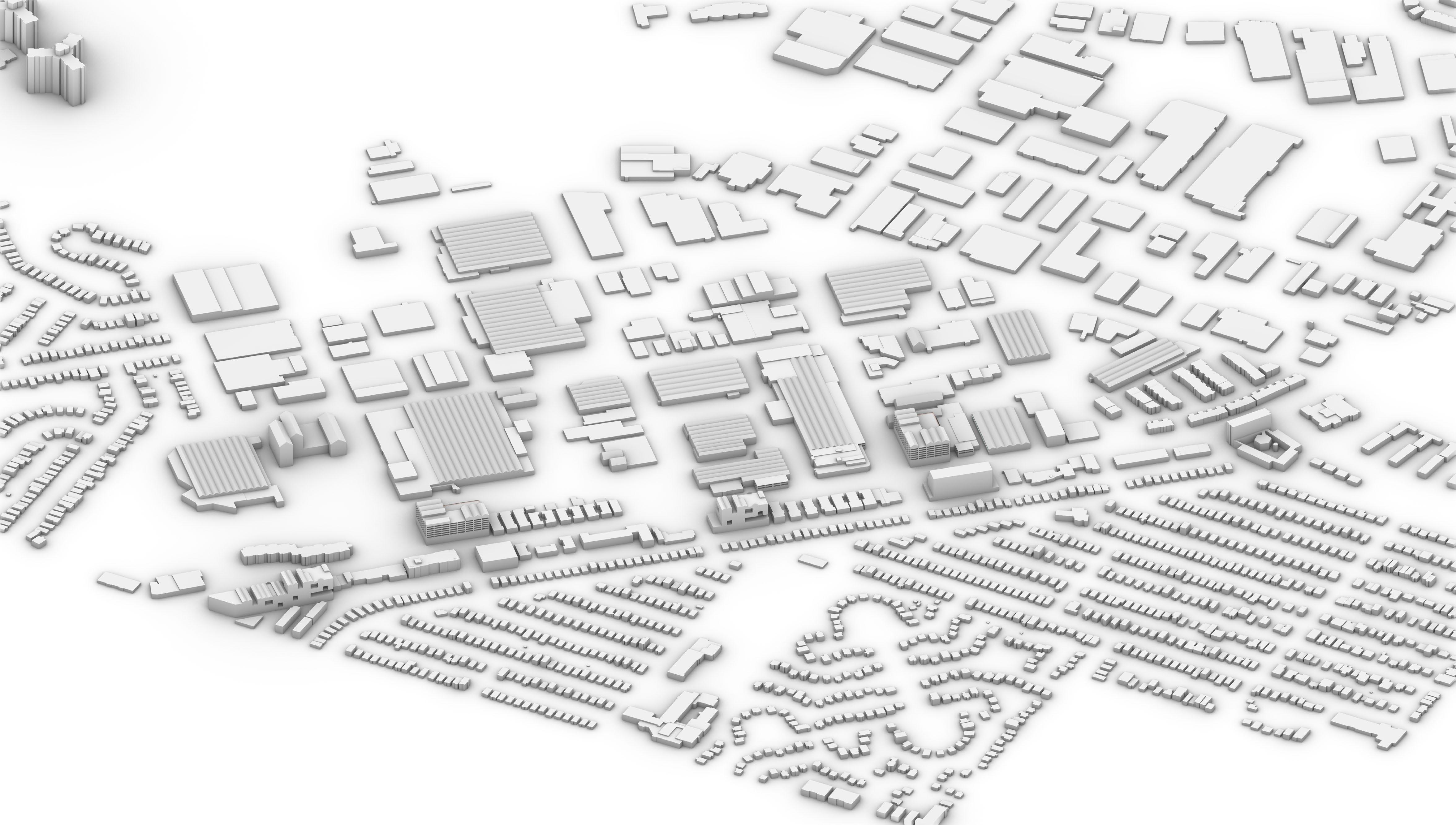
initial interventions focus on optimizing underutilized industrial building areas, open parking lots, and public green spaces - co-opting them for food production at various scales
8 food hub agricultural production greenhouse + solar panels retrofit easements adaptable agricultural mixed-use agricultural mid-rise mixed-use low-rise mixed-use mid-rise mixed-use
o’connor drive | phase one
residential
3.20 industrial
1.50
Far
Far
o’connor drive | phase two
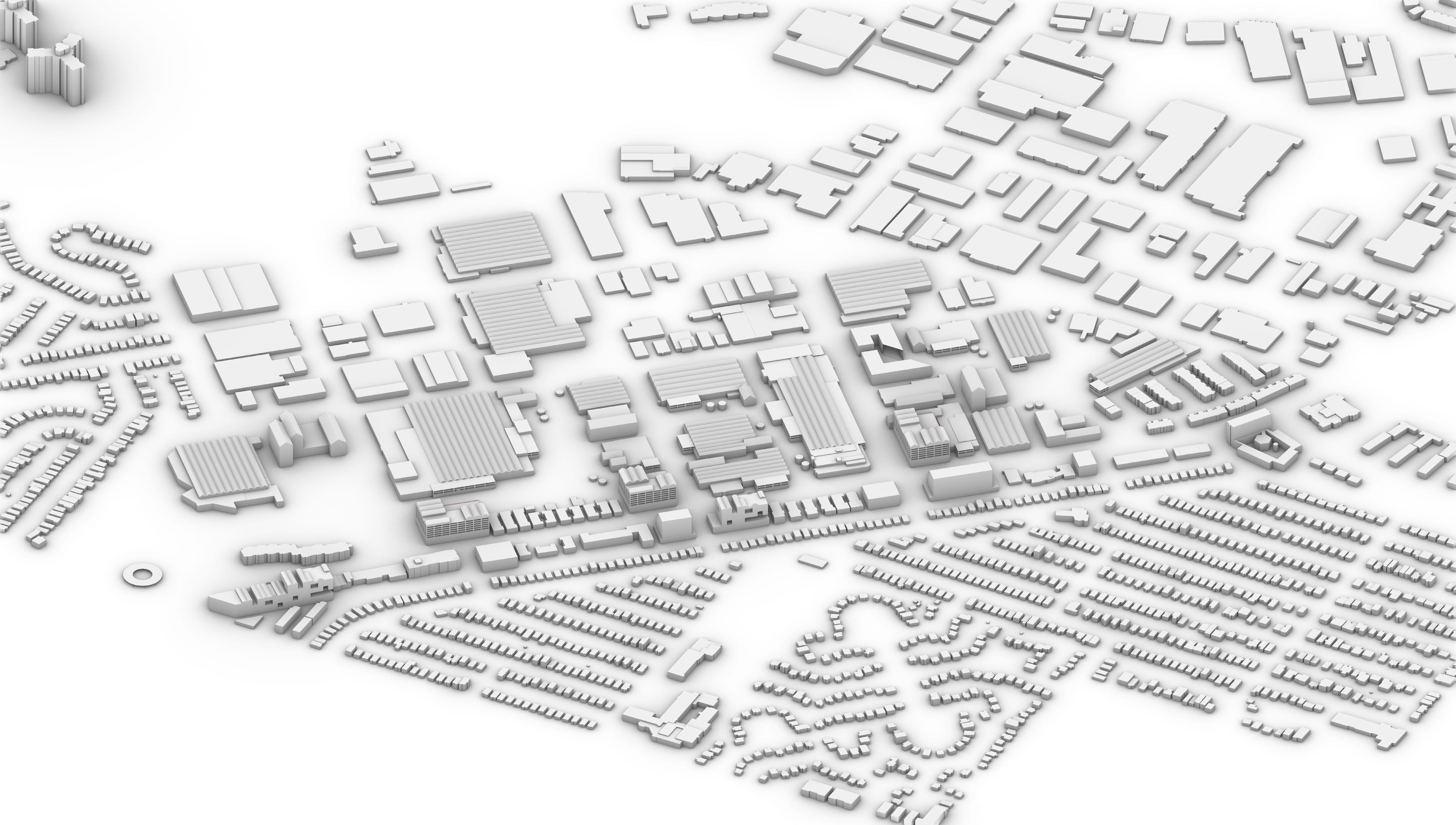
by integrating urban food networks and agriculture into subutilized employment lands, areas like Bermondsey can have access to affordable, sustainable, and nutritious foods - helping to support growing communities
9 agriculture office space + commercial pedestrian pathway network agricultural public interface addition water tank commercial public interface addition edible forest community food space low-rise mixed-use continuous service lane mid-rise mixed-use
residential
5.00 industrial
2.30
Far
Far
o’connor drive | public realm
10
mixed-use corridor integrates residential and industrial areas, new pedestrian paths and commercial units fragment large industrial blocks and introduce a walkable public interface
a
the bank
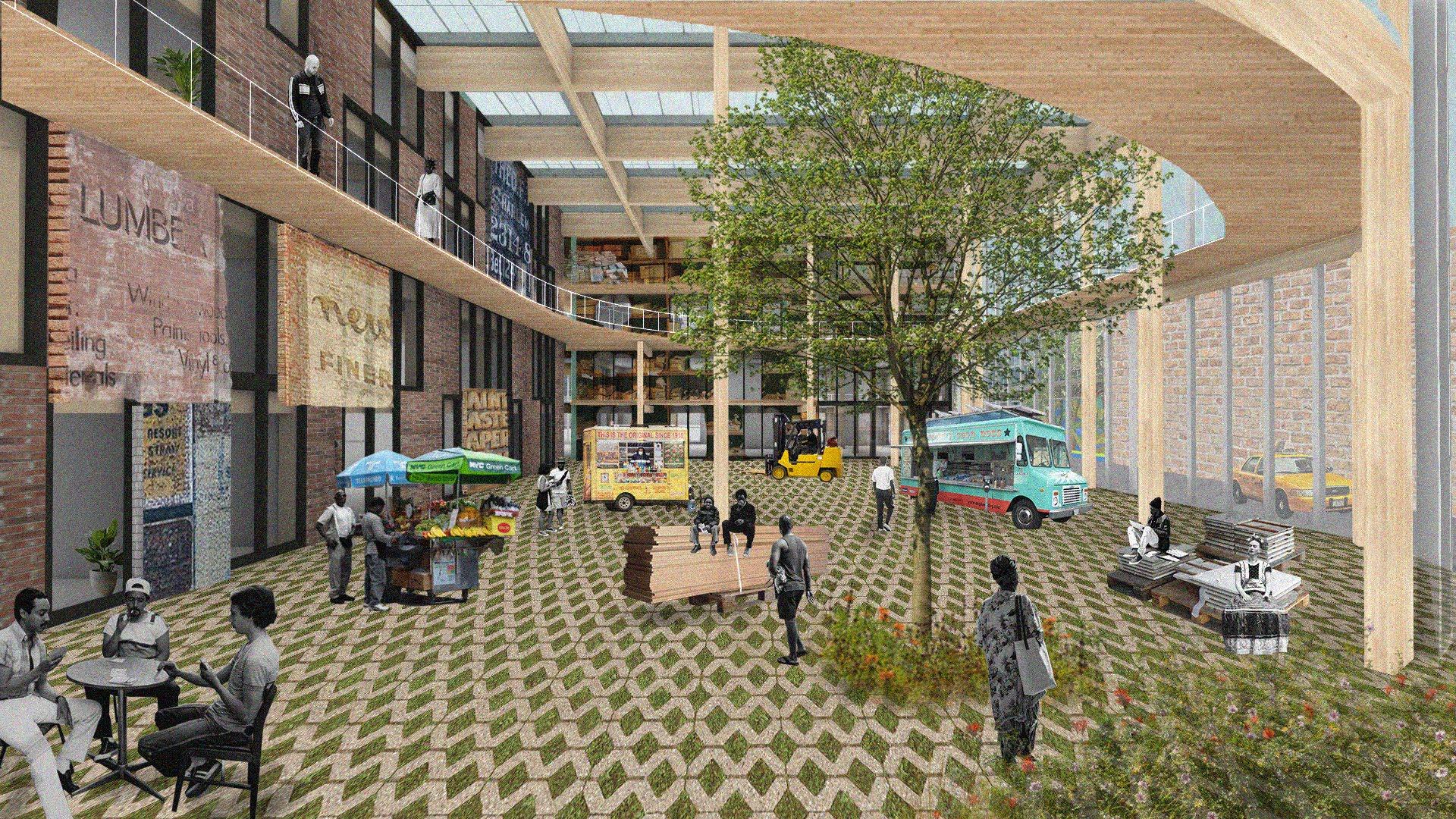
Through a continuous circular flow of materials, the material bank connects donors to builders, users, and consumers. Following material networks of supply and demand where social interactions of lending and borrowing these materials are created, The Bank becomes invested in the neighborhood and connects it to the larger market as a whole. In this way, it not only becomes a bank of materials, but also a bank for information.
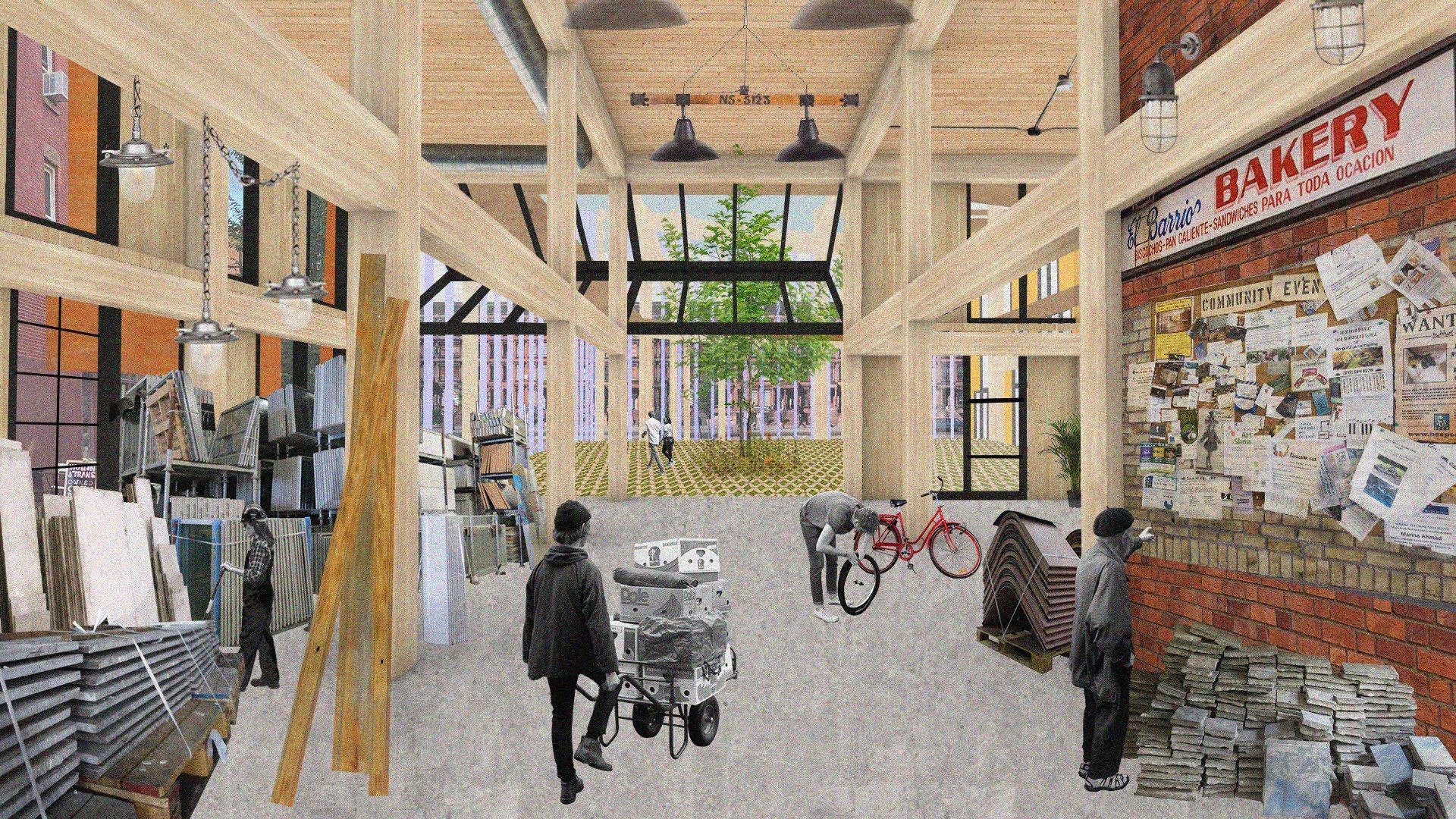
The center acts as a physical and social infrastructure mediating between people and materials. It provides a space of education, information sharing and material distribution. Besides serving as a storage facility, The Bank inventories incoming construction material, catalogues upcoming demolitions, and tests/educates the public on new assemblies. It lends the community a toolkit for building and constructing change.
website year project location studio instructor team
https://materialbank.cargo.site/ Spring 2021
Harlem New York
Sam Dufaux
Natalia Enriquez Goyes
Clara Ziada
11
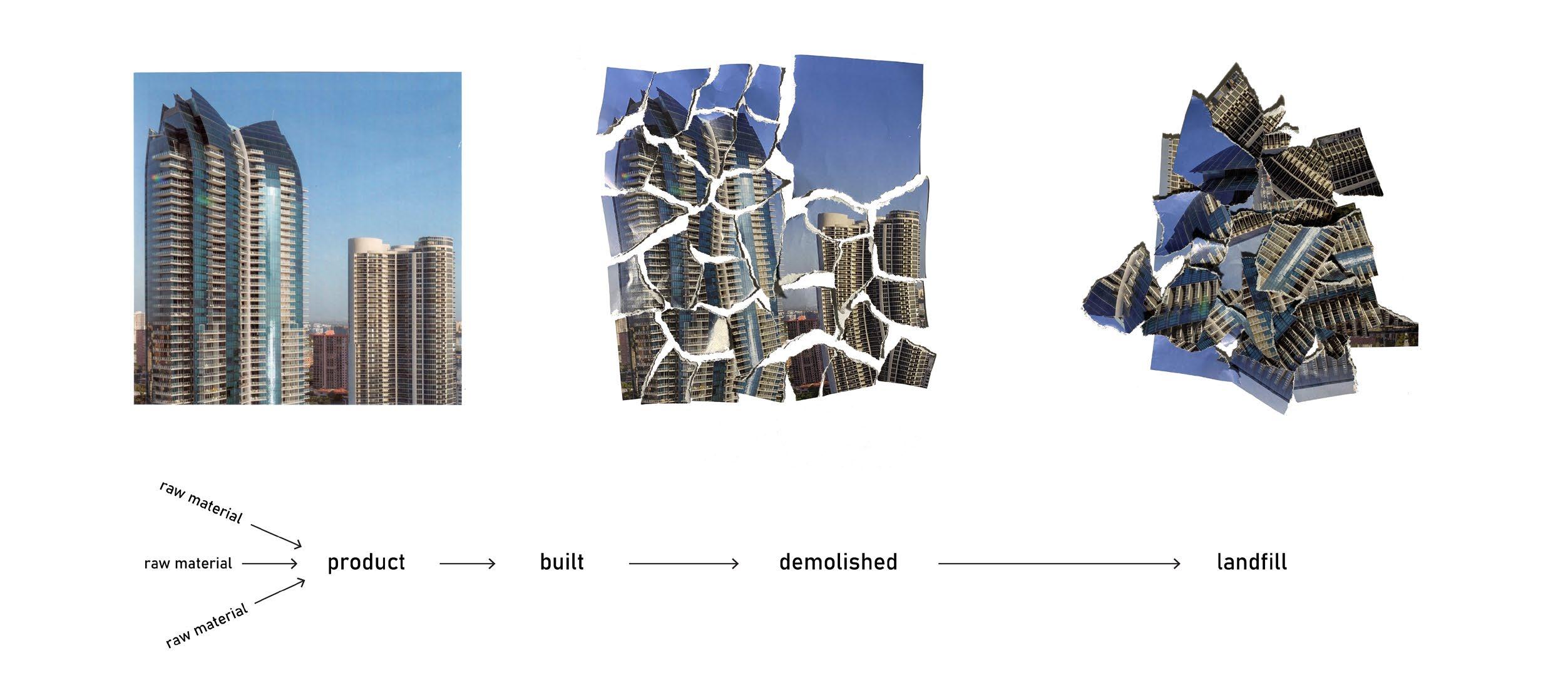
linear consumption take make | throw energy from finite sources
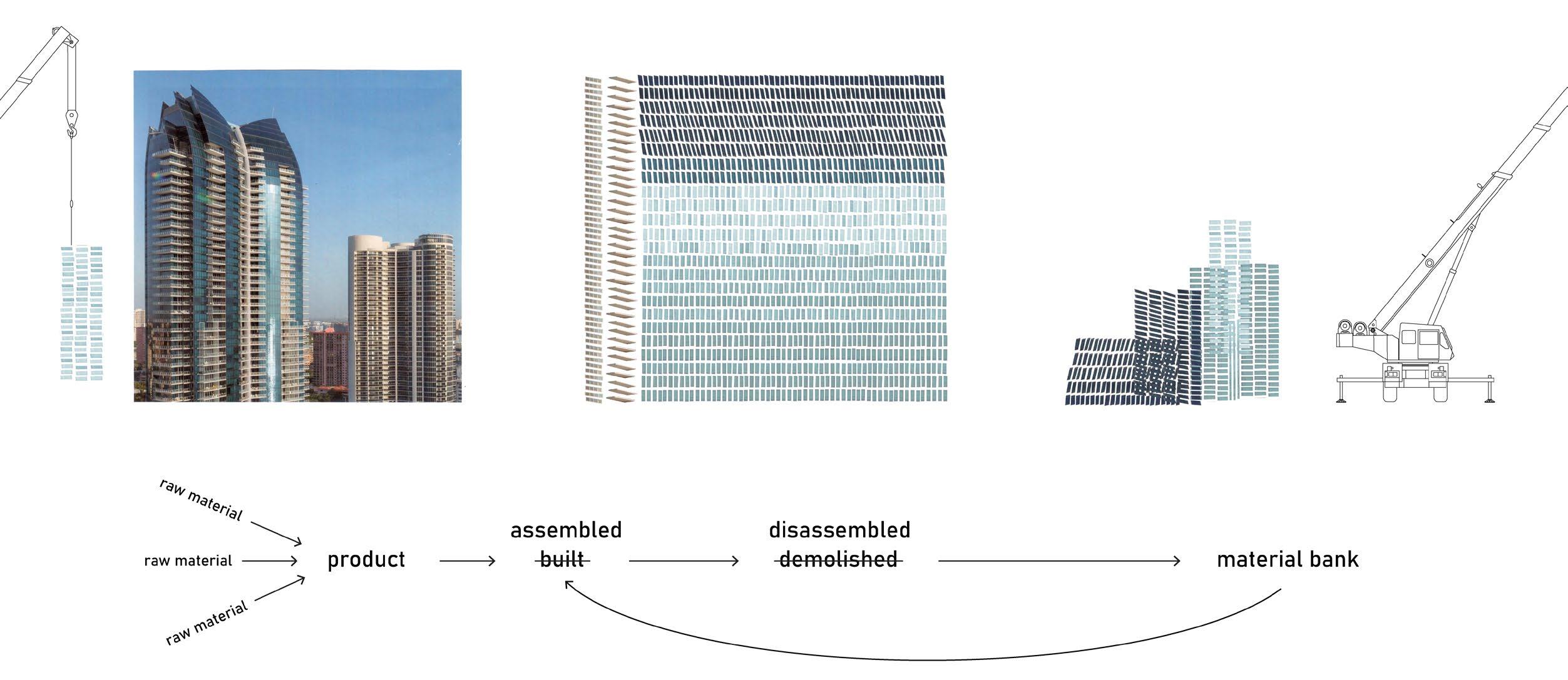
circular consumption take make | repeat energy from regenerative sources

developing a strategy
Challenging the canon of linear economy, The Bank highlights the lost potential of material “waste.” We treat the building as a new home for materials within a continuous recovery and reutilization process.
This narrative lends itself to a focus on embodied energy where the material choices, their life cycle considerations, and design for (dis)assembly become main strategies. Its role as an urban mine makes it an interface in which materials can be stored, regulated, and transformed. The project stands as an intermediary between multiple iterations of disassembly and new assembly.
community resource
material catalogue + depot dismantle, process, trade tool library makerspace skillsharing design for disassembly
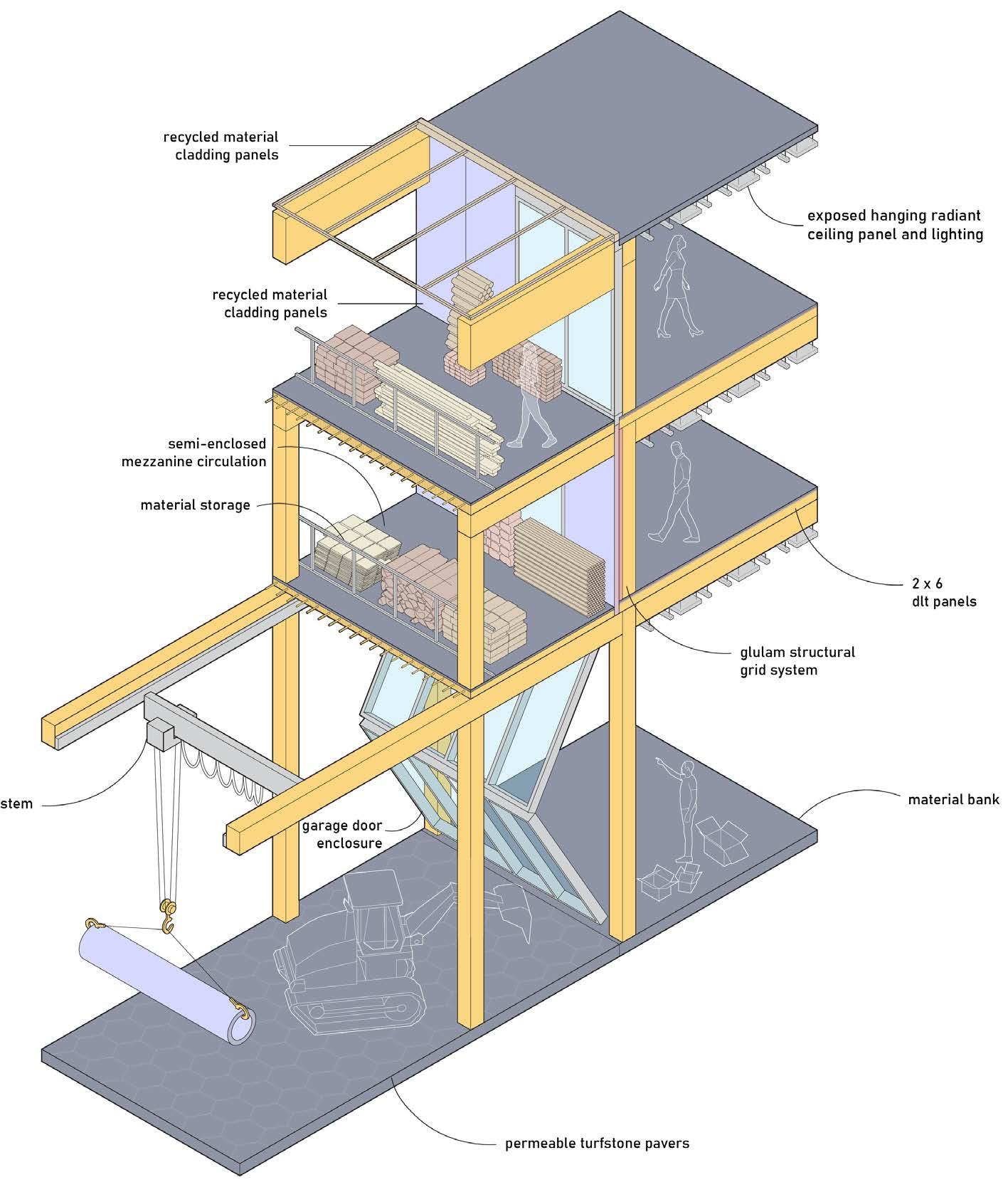
mass timber structure panelized enclosure system adaptable mechanical systems
community resource
rainscreen cladding exterior shelving material bank in 3 ways
use a standard structural grid provide a full inventory of materials used
12
use mass production and prefabrication ensure structural system can be deconstructed design buildings as layers anticipate each material lifespan use connections and joints that can be easily removed design for maximum flexibility develop a deconstruction plan during the design process divided into zones for maintenance to be localized
pv panels / retractable roof panels
geothermal radiant ceiling panels for heating / cooling
large openings / double height spaces for natural ventilation
flexible enclosure for passive heating / cooling
water from porous paving / rainwater on roof / greywater systems collected in underground cisterns
geothermal + ground source heat pumps
materialwarehouse adminbuilding
threethermalenvironments
recycled windows as roof panels
regularcolumngrid
mass timber structure with sherpa connections
CLT walls DLT floor deck reclaimed exterior cladding
lightweight ETFE enclosure
rubble trench foundation with concrete slab
fixedcoredoubleheightstoreys
mutlipurposesemi-enclosed publicspace structuredesignedfor fill-insinglefloorslabs
13
space main courtyard
EAST NORTH SOUTH
operational energy | net zero framework massing embodied energy | life-cycle carbon embedded flexiblity
entry
WEST
daylighting circulationoutdoorspaces
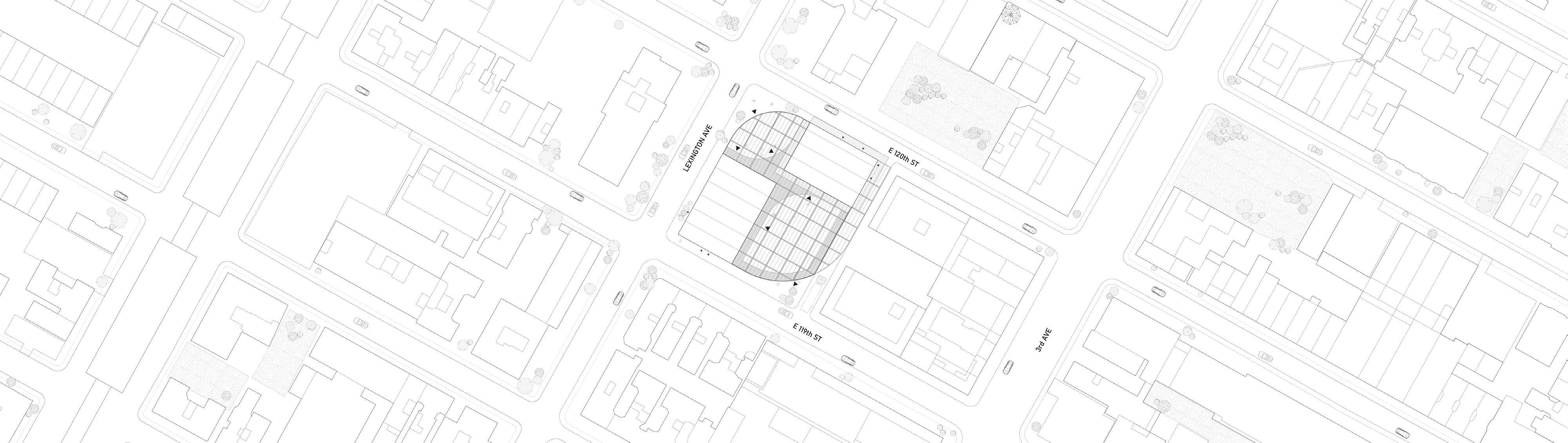
14 UP UP UP elevator panel partition panel partition washroom washroom mech mech thrift donation center material bank recycling center lobby book store cafe restaurant lobby material bank workspace material bank workspace washroom auditorium stormwater retention material storage above entry space main stair high stools elevator 1 FLOOR 1 3m 3m UP UP classroom health clinic classroom flex room flex room flex room flex room library resource center elevatormech exhibition space washroom washroom lounge makers lab art media studio mech washroom material storage elevator FLOOR 2 3m 3m DN DN community space stacks reading mech washroom material storage meeting press room open office kitchenette pantry conference room open office admin staff mech washroom washroom elevator high stools elevator FLOOR 3 3m 3m UP elevator panel partition panel partition washroom washroom mech mech thrift donation center material bank recycling center lobby book store cafe restaurant lobby material bank workspace material bank workspace washroom auditorium stormwater retention material storage above entry space main stair high stools elevator 1 1 2 3 4 FLOOR 1 3m 3m responding to the scale of local infrastructure, while providing space for the dismantling, processing, trade, and reuse of salvaged materials
15
a place for neighbourhood gossip for retreating for playing for learning for hiding from the rain for thinking and for snacks a space and stucture built from and for material reuse
16
place for tools and materials
machinery
breaking
and fixing things storage capacity south building cladding area north building shelves volume roof panels warehouse 2200 m2 3640 m3 2200 m2 650 m2
a
and
and testing in the elements and
things
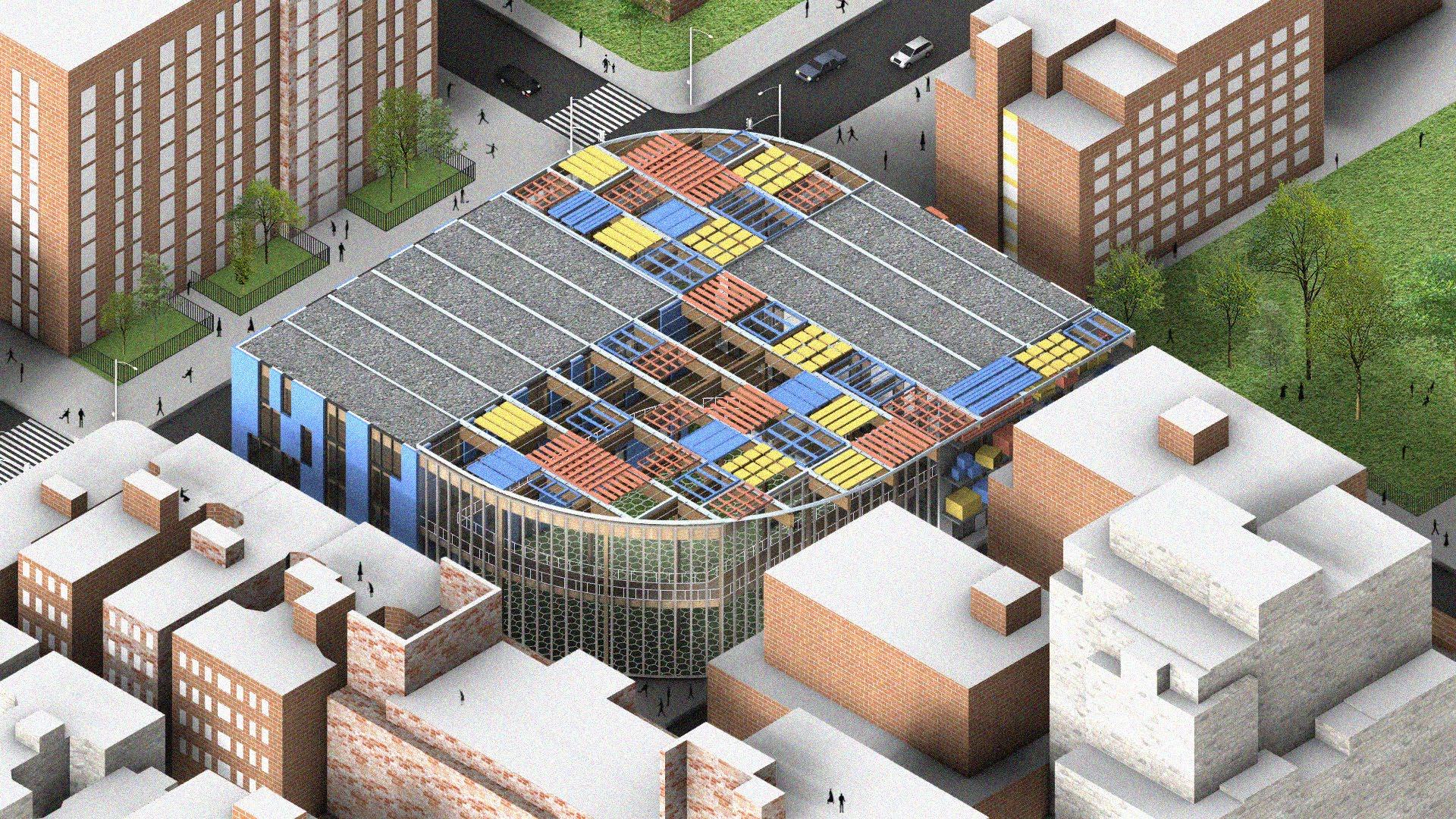
abuilding
17
for “waste”
the afterlife of a building
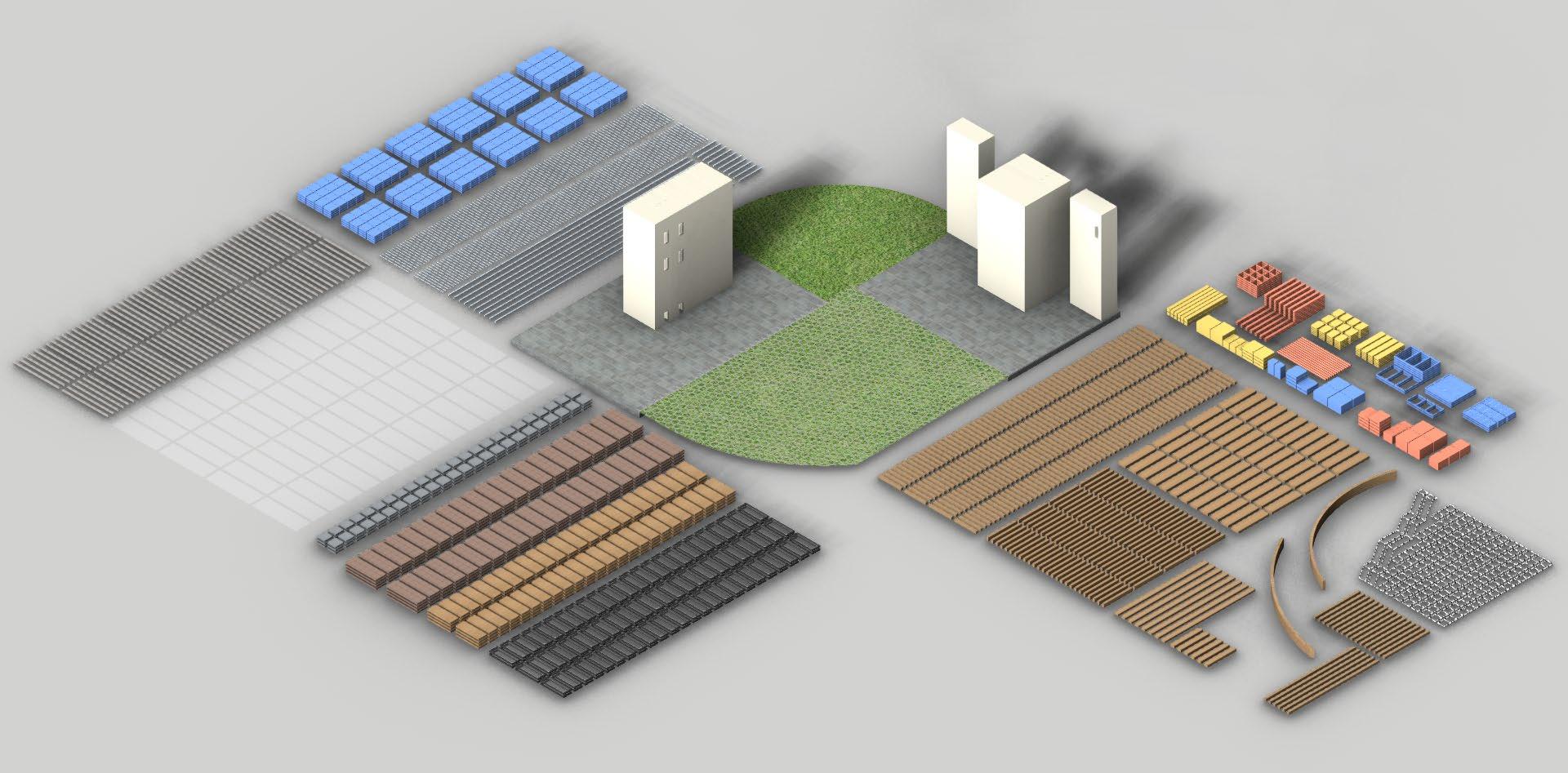
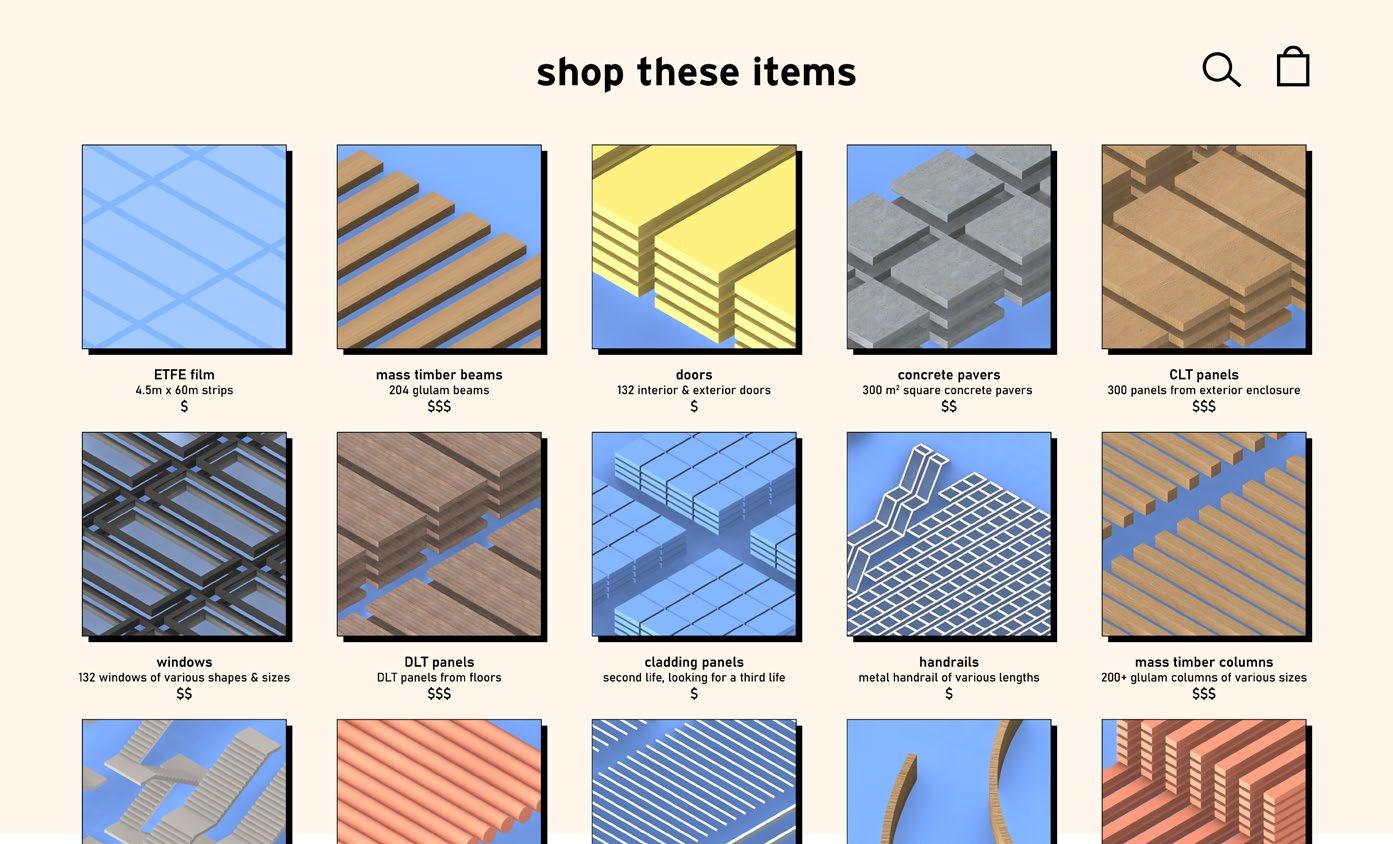
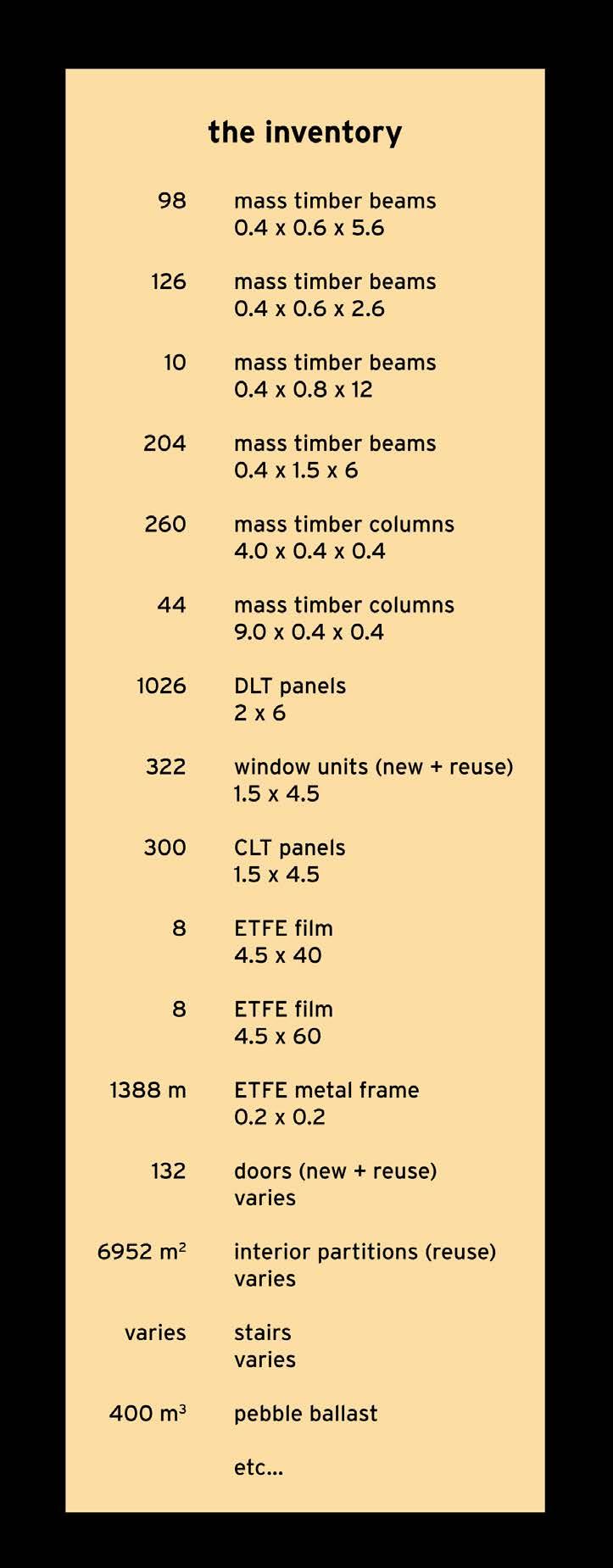
once the complex has reached the end of its useful life it serves as a mine, building components are deconstructed and reabsorbed into the urban fabric
18
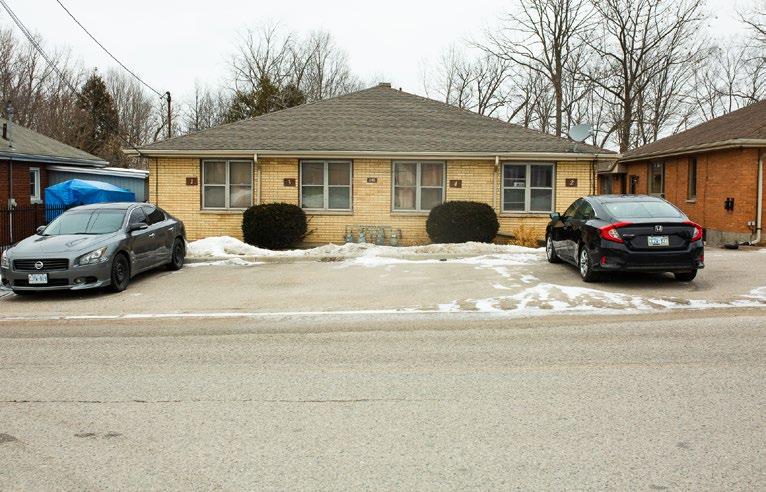
How do we reduce carbon emissions in the suburbs while accommodating a rapidly growing population?
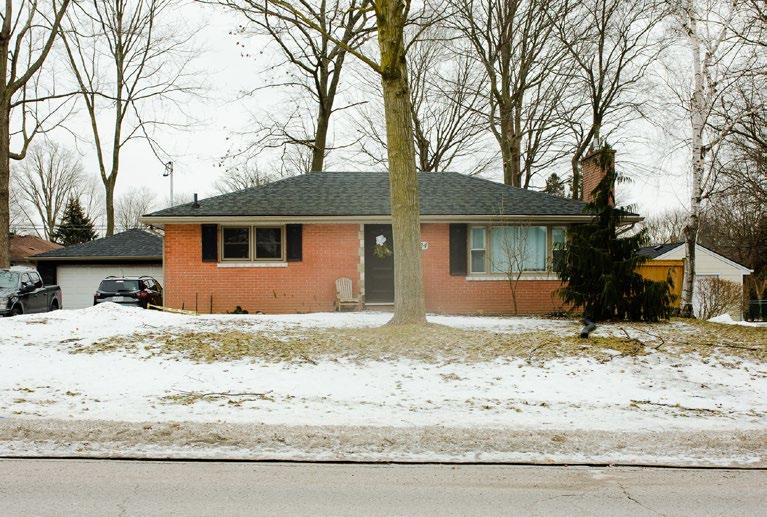
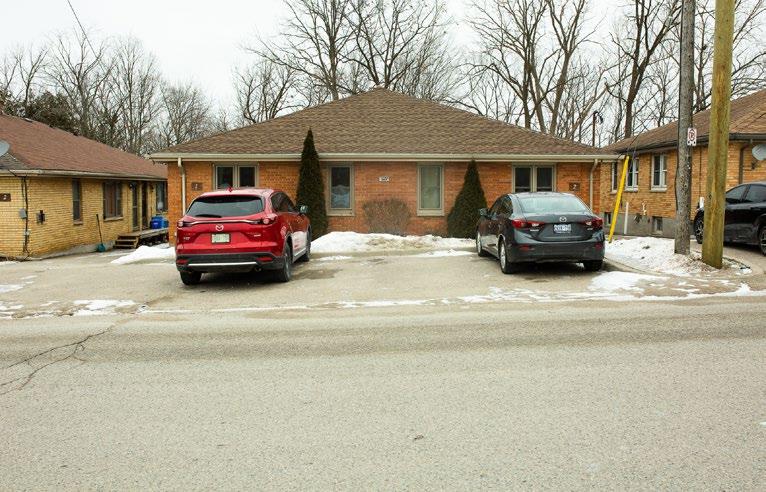
if we fix the housing crisis without addressing the climate crisis, we’re still fucked
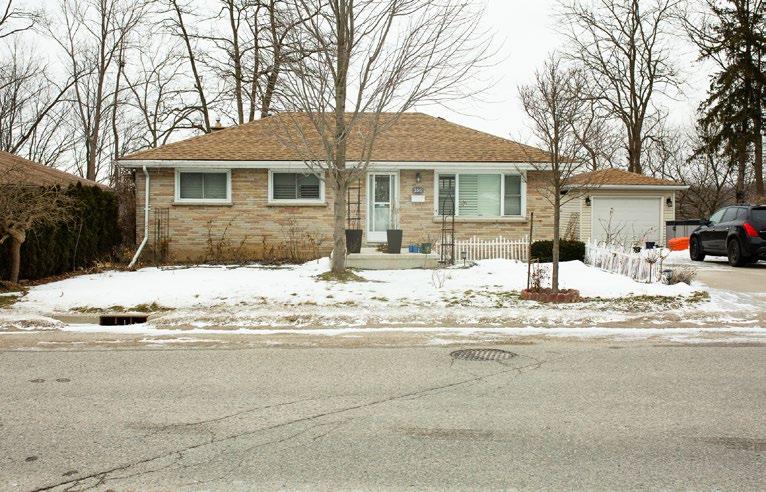
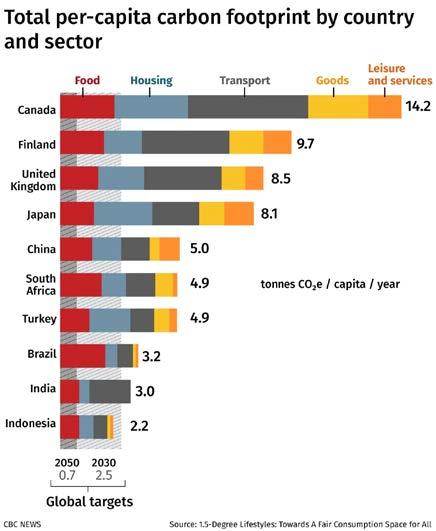
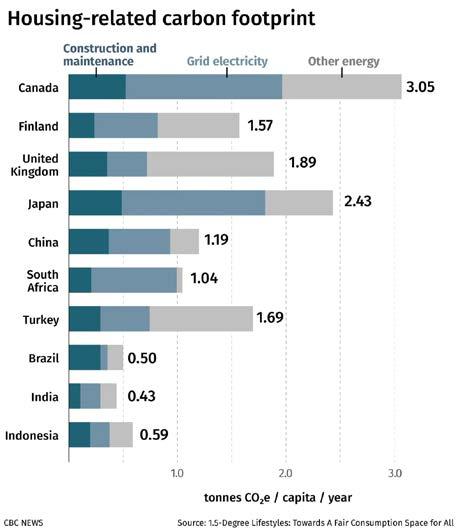
Canadians have some of the highest carbon emissions per capita in the world. Our culturally entrenched demand for space, privacy, and personal property has made Canadian housing standards financially and environmentally unsustainable.
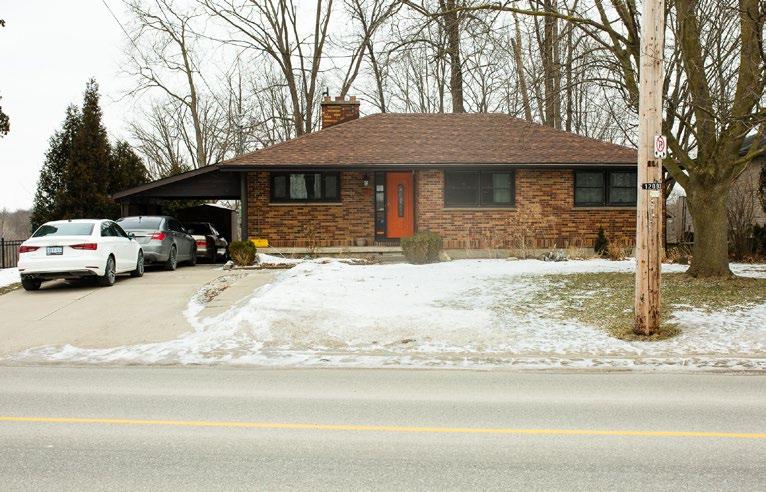
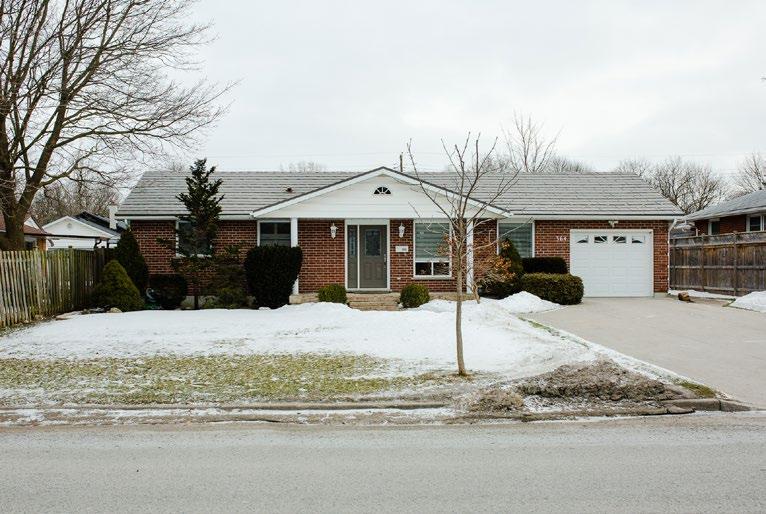
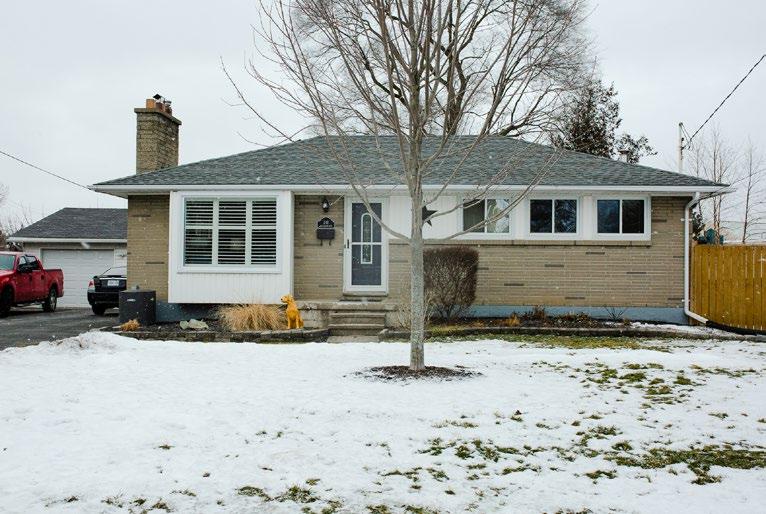
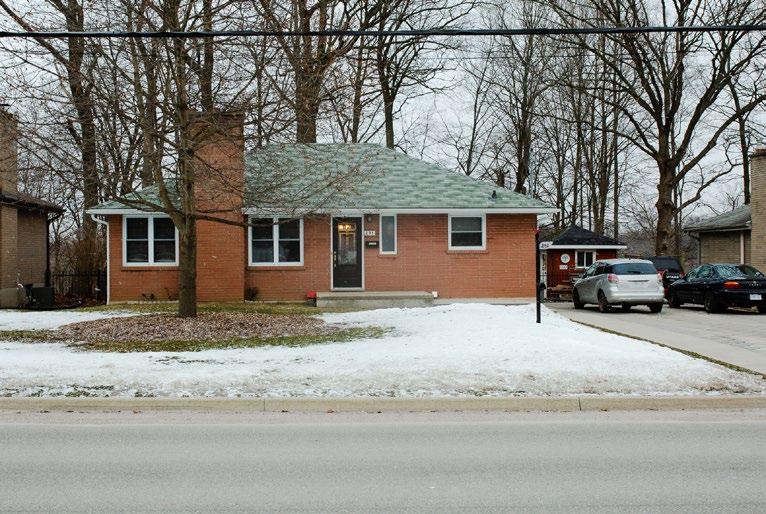
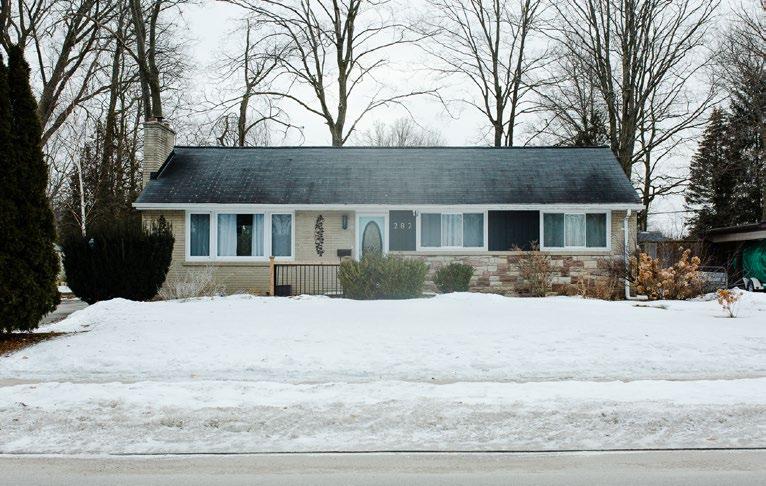
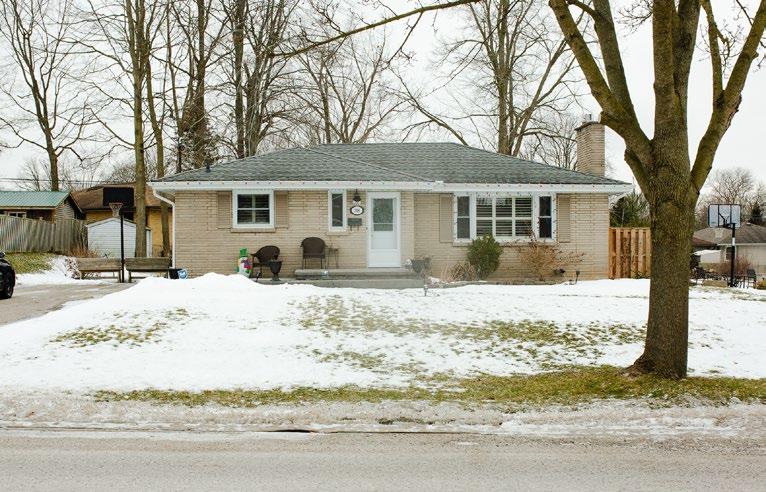
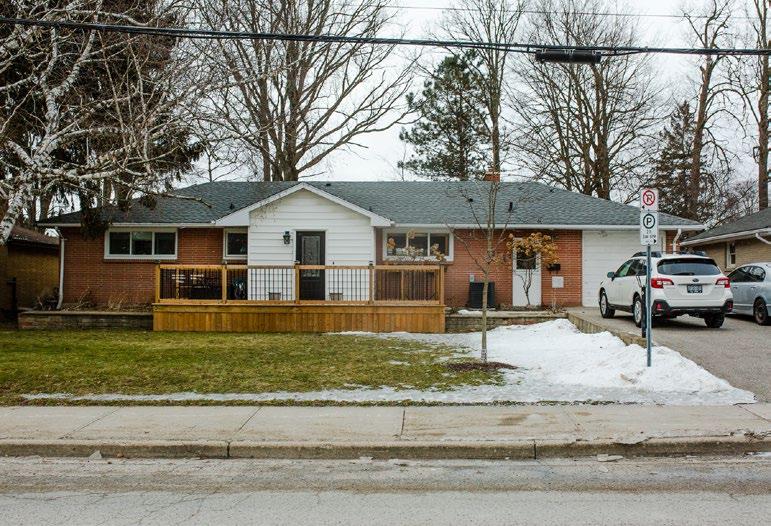
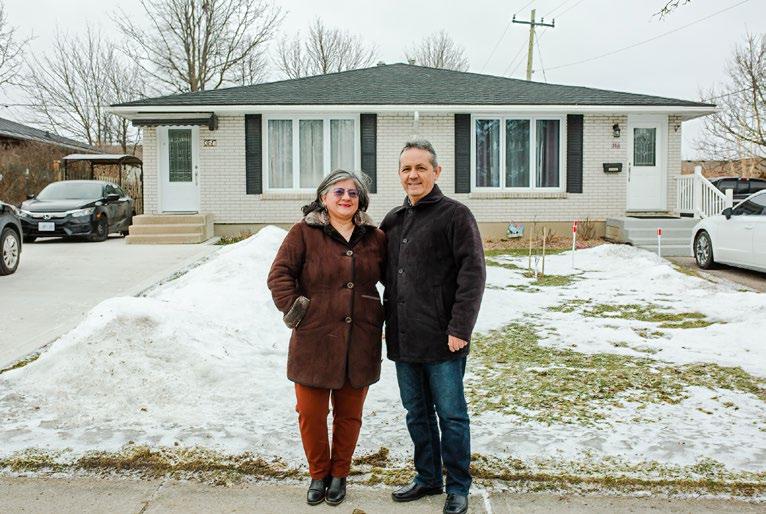
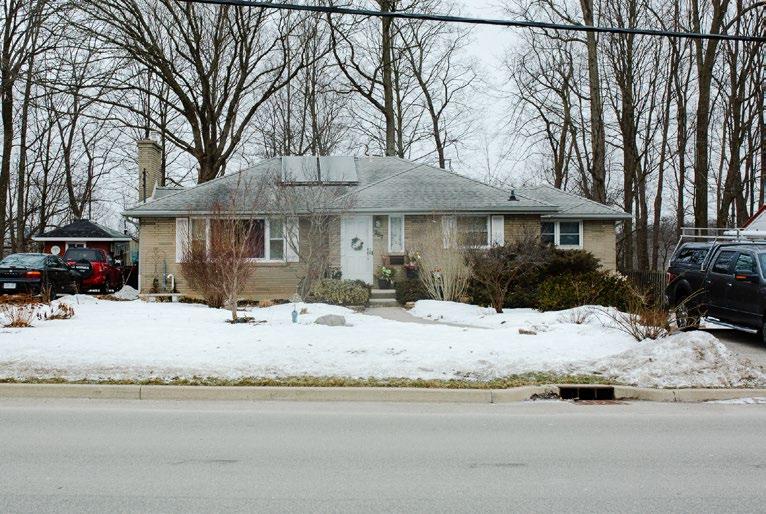
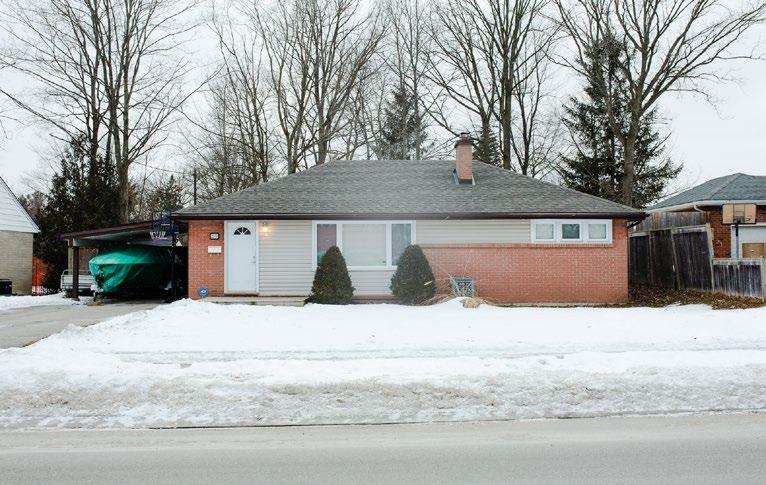
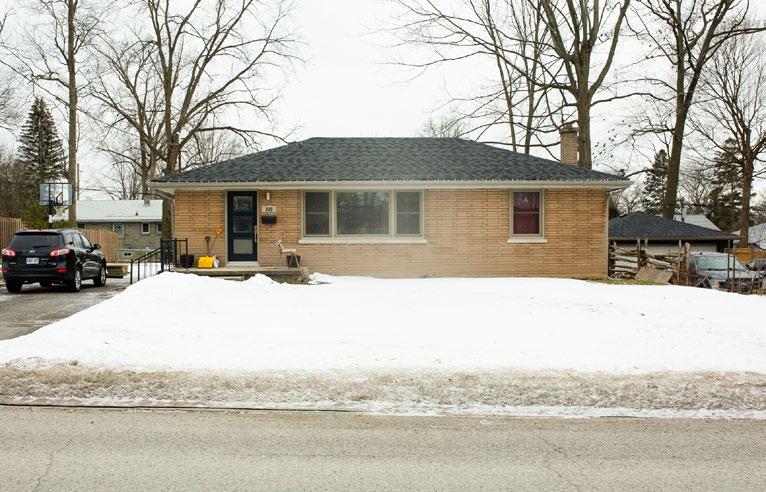
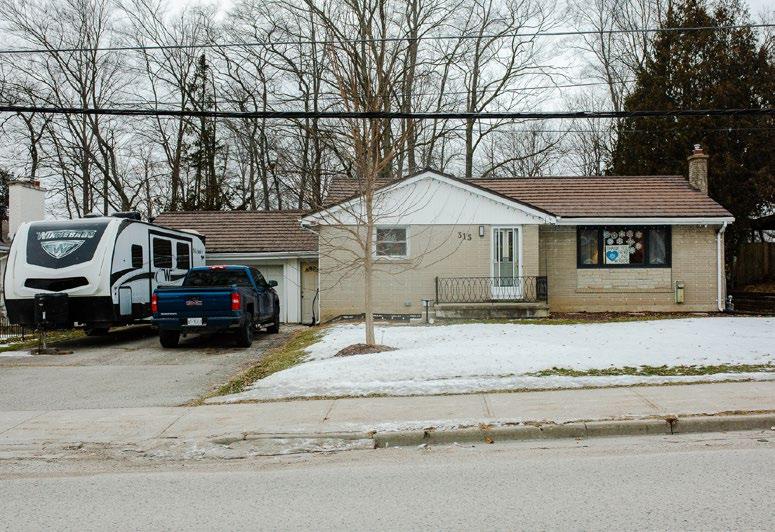
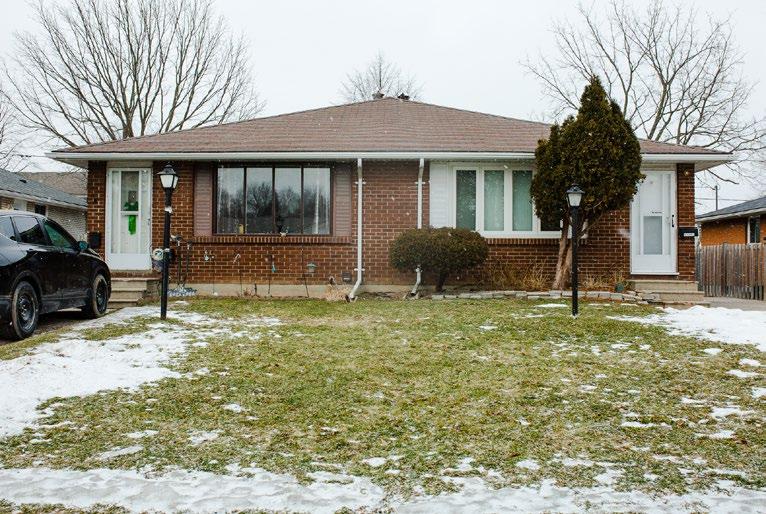
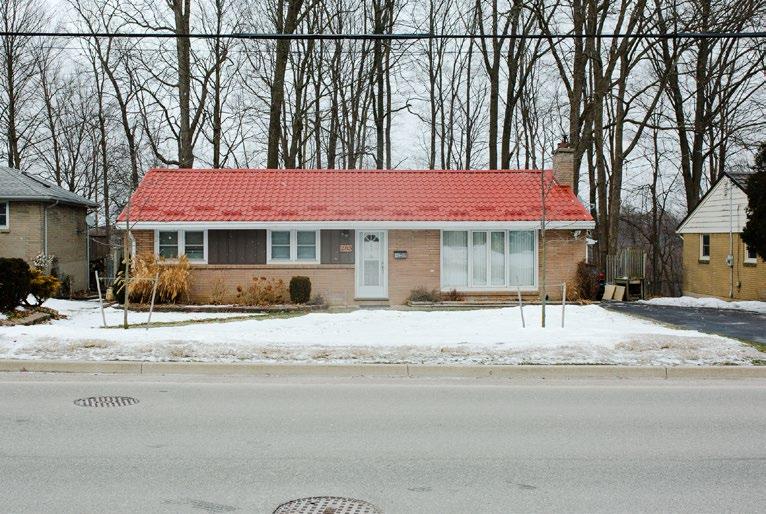
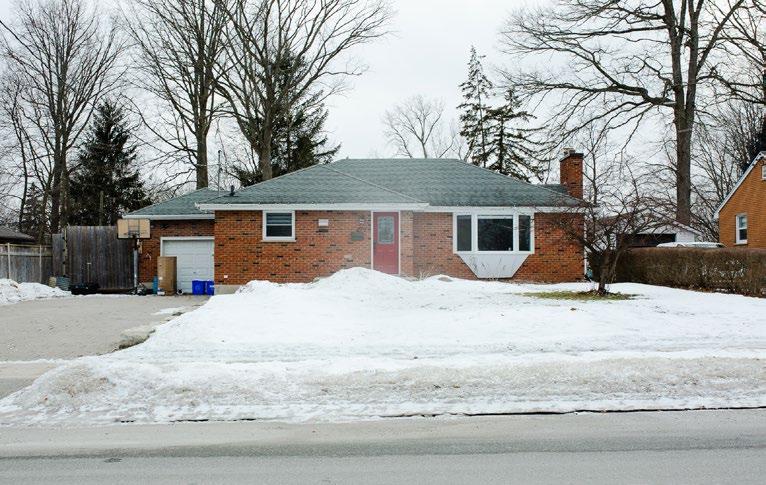
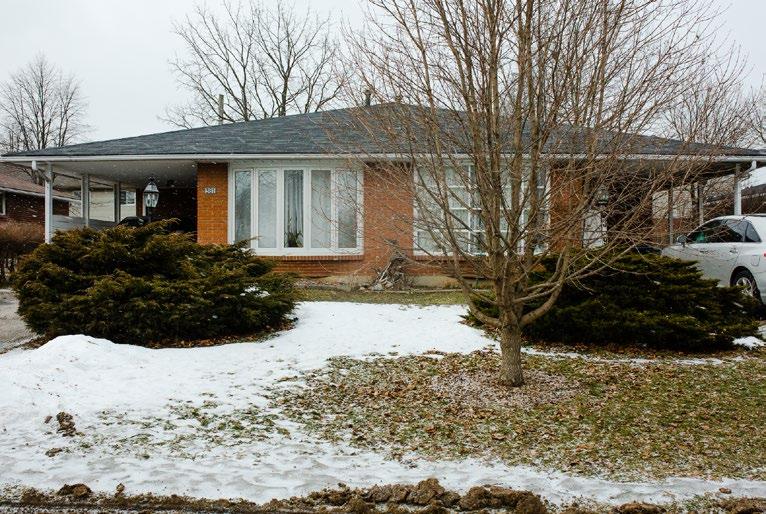
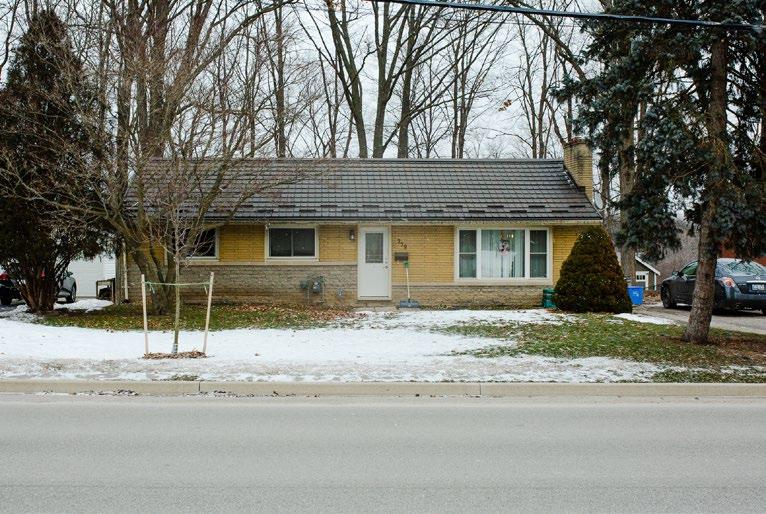
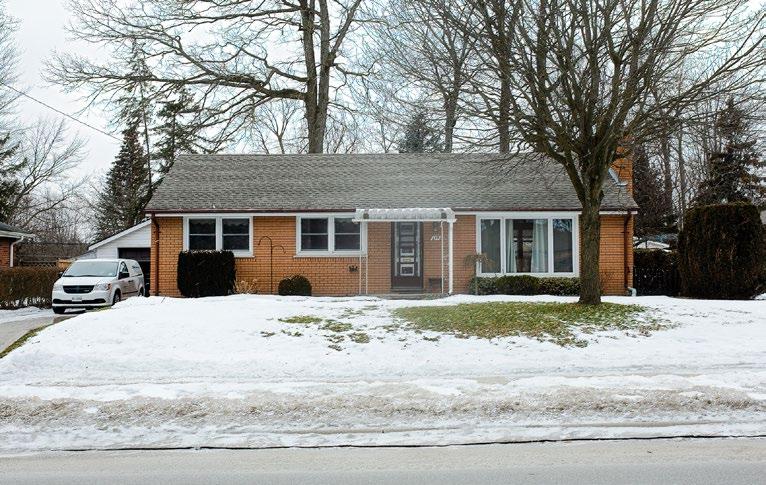
This project revisits the post-war bungalow, a generic typology, mass-produced and typical throughout Canada, as an opportunity to provide low cost, low carbon dwellings.
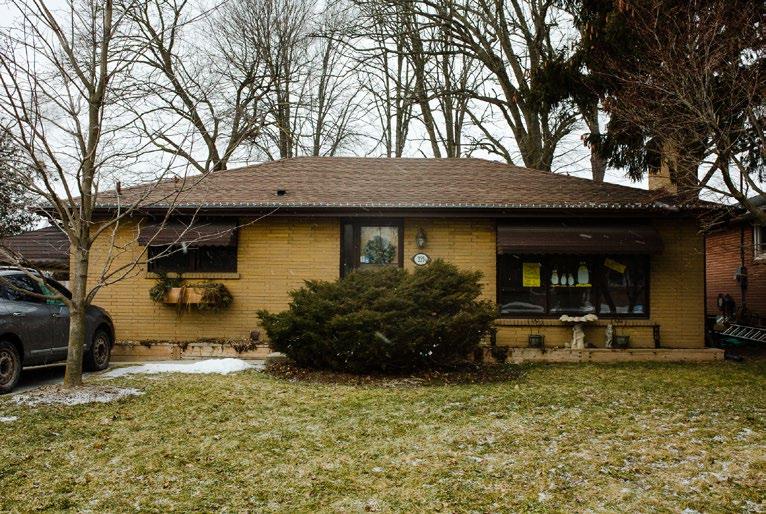
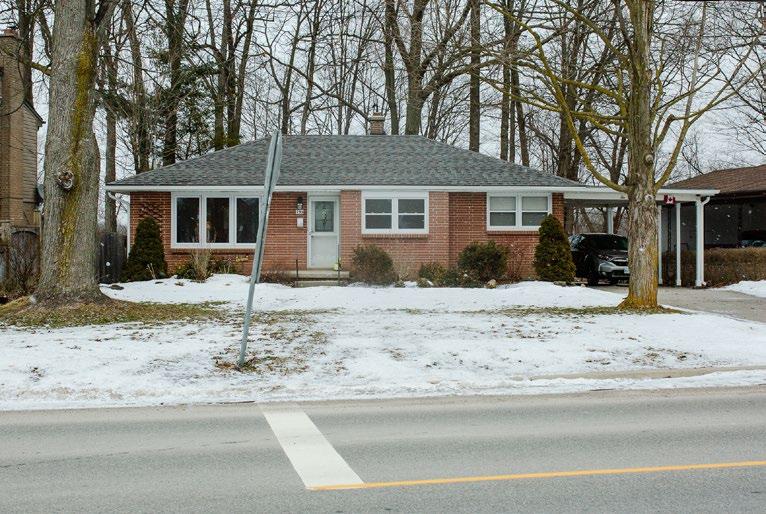
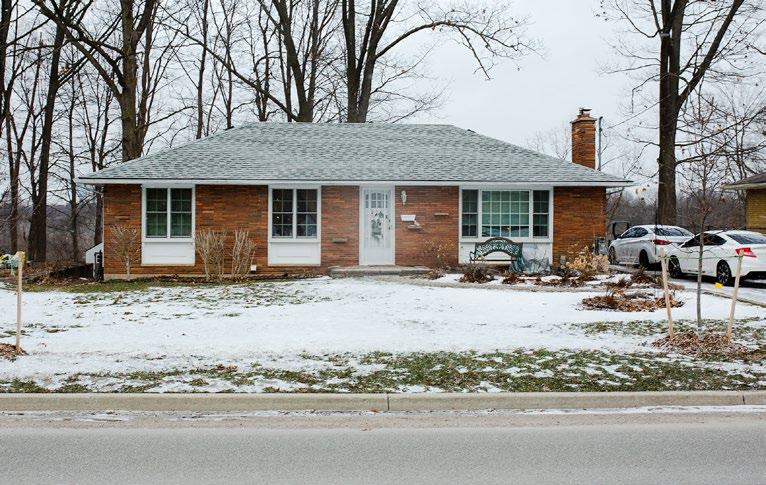
Focusing on my parents’ house in London (Ontario’s fastest growing city) as a prototype, I explore how the average homeowner can provide new dwelling units using carbon-conscious retrofits and additions, while minimizing material and operational carbon emissions.
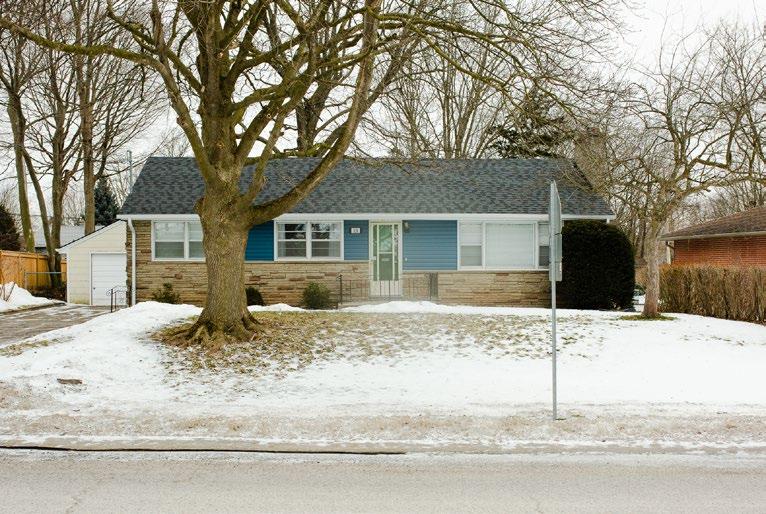
year project location thesis advisor Spring 2022 London, Ontario Kelly Alvarez Doran
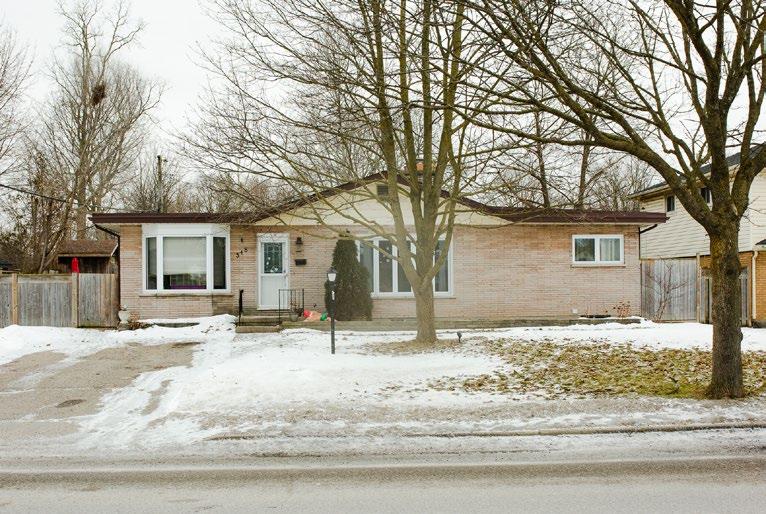
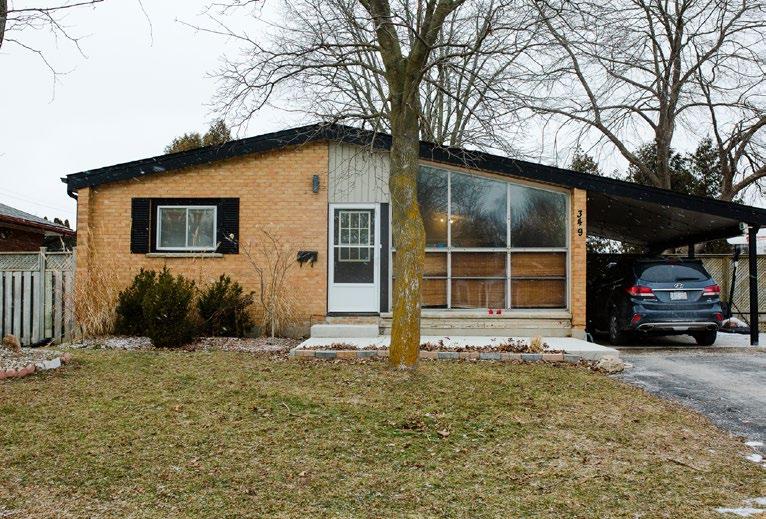
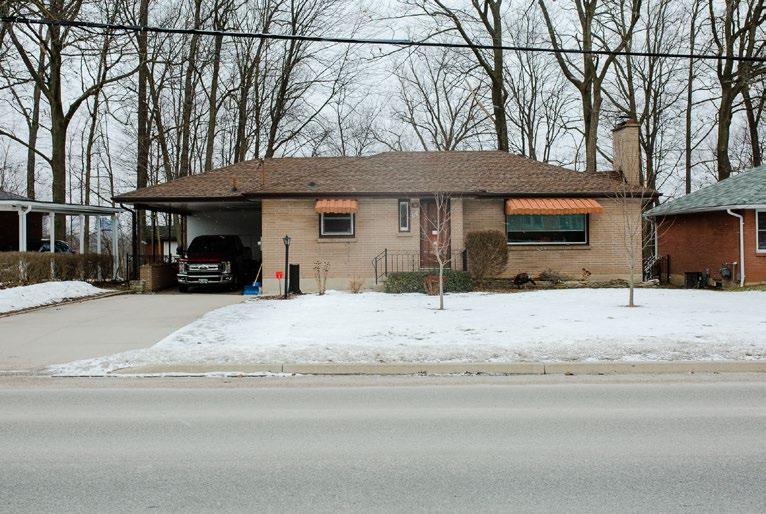
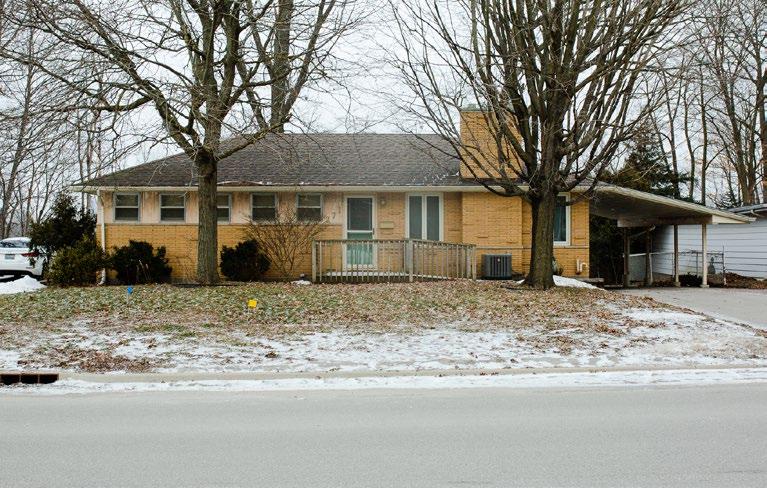
19
where s our carbon footprint coming from?
the “dream house” problem
what does success mean to Canadians? a big new house with a white picket fence
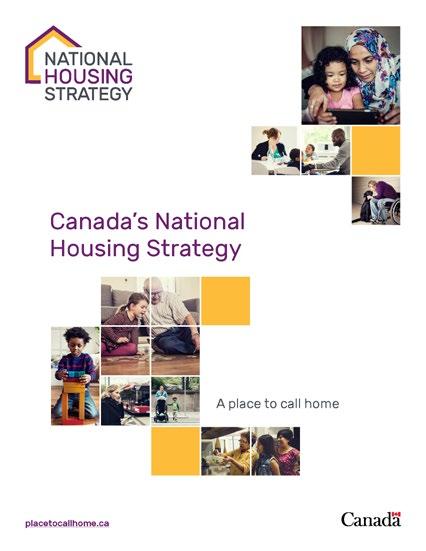
our carbon-intensive lifestyles are a cultural problem, and culture is shaped by policy, finance, and design - converging in the CMHC
response at federal / provincial / municipal levels primarily focuses on appealling to large scale builders and investors
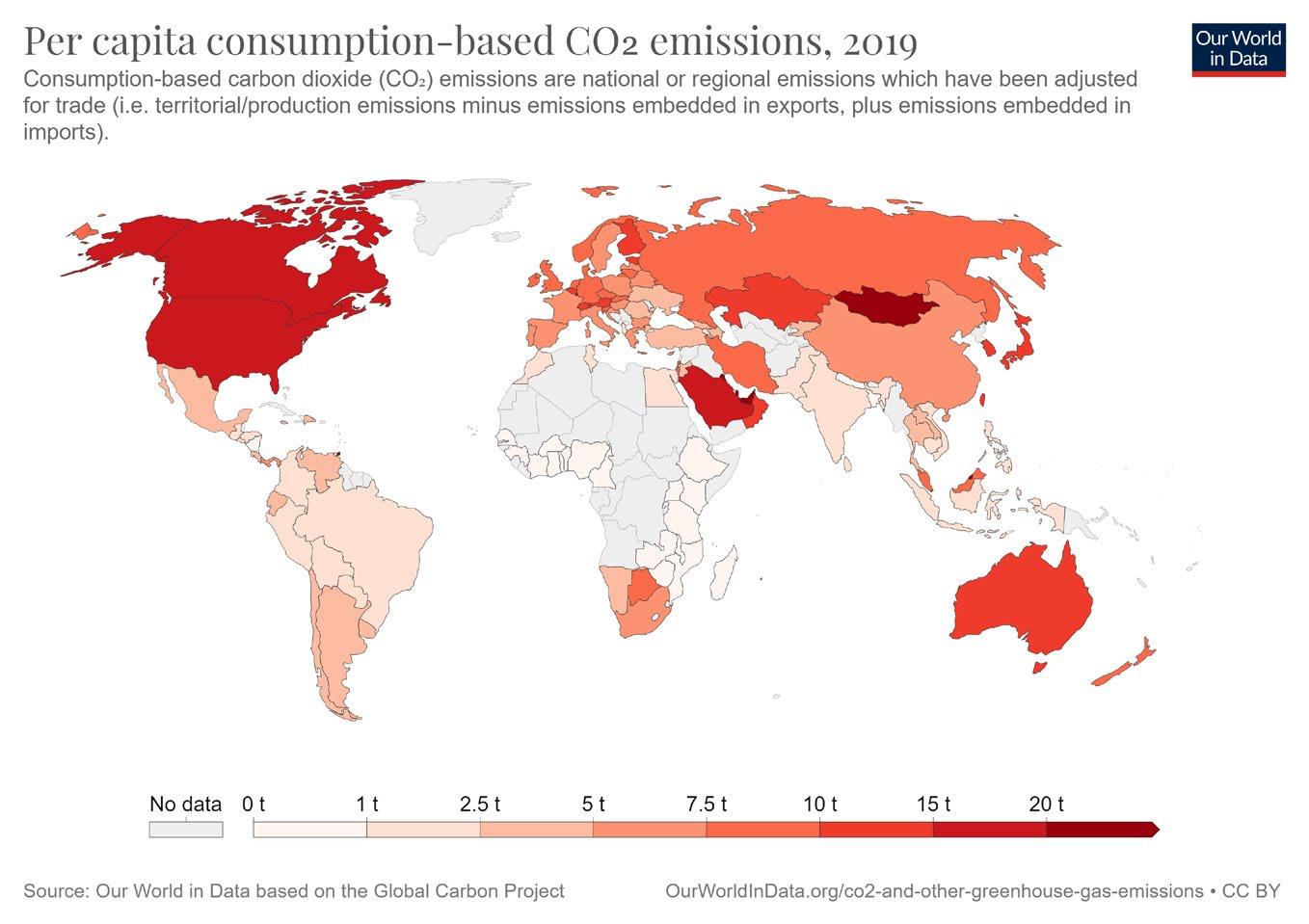
canada is one of the biggest culprits in the climate crisis
canadians have some of the highest per capita carbon emissions in the world - largely due to the way we live
at 58 sqm per person, we have some of the biggest houses in the world, material-intensive enormous spaces with high heating demands, car dependency, and large lots taking over more and more greenfield areas
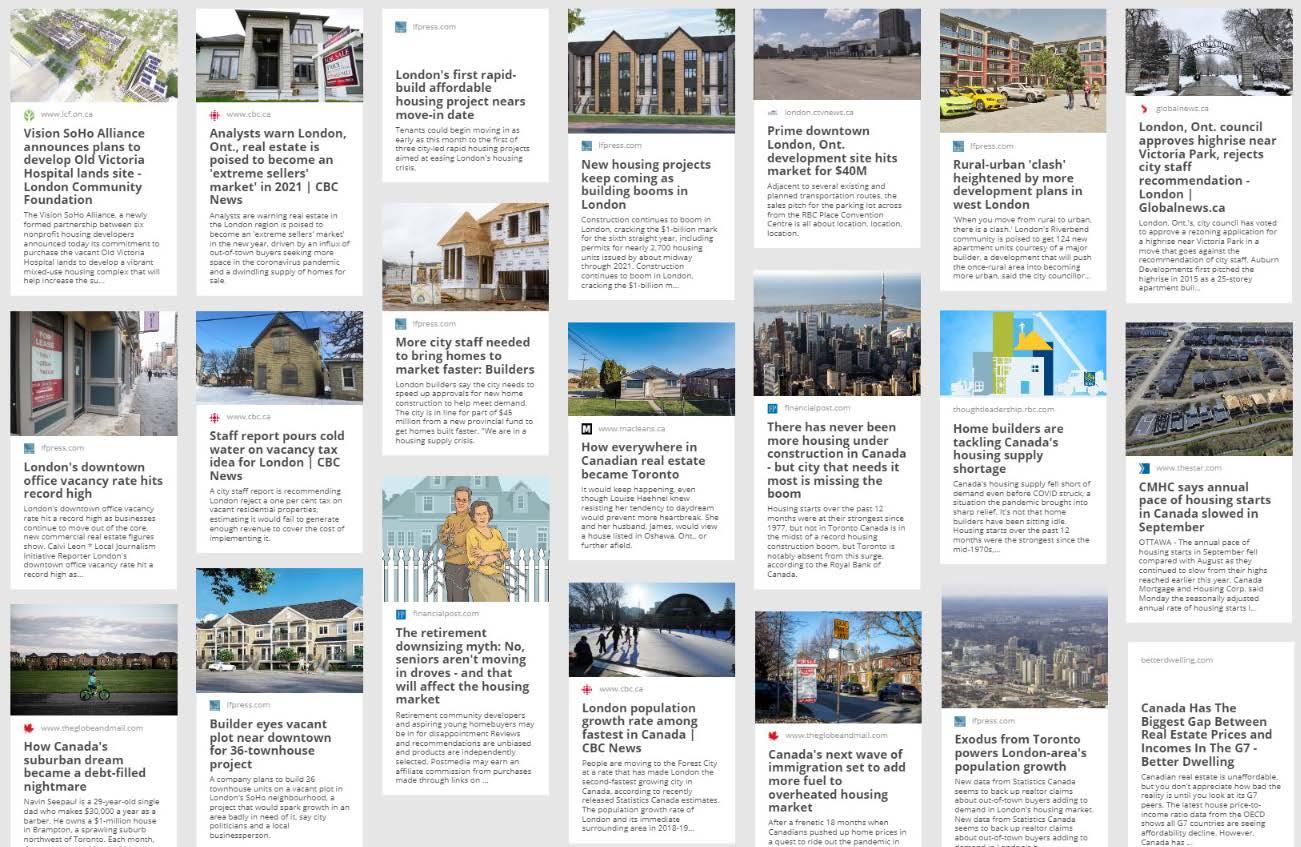
we can’t afford to buy... or rent
a lack of affordable housing options, along with profit-driven commodification of housing is (in theory) driving booming new housing construction
however, affordable housing stock is being torn down for luxury housing - over 90% of new housing in canada is bluxury housing uilt for ownership, not rental (this is just not profitable)
why is new construction pitched as the only solution to the housing deficit?
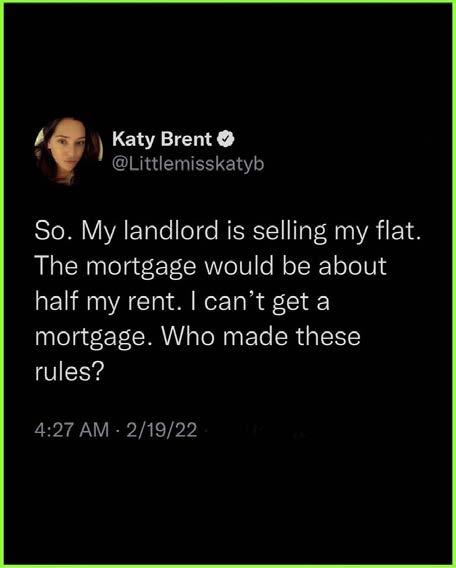
we can’t afford to buy a home... but we can’t afford to rent one either
we can’t afford to buy a home... but we can’t afford to rent one either
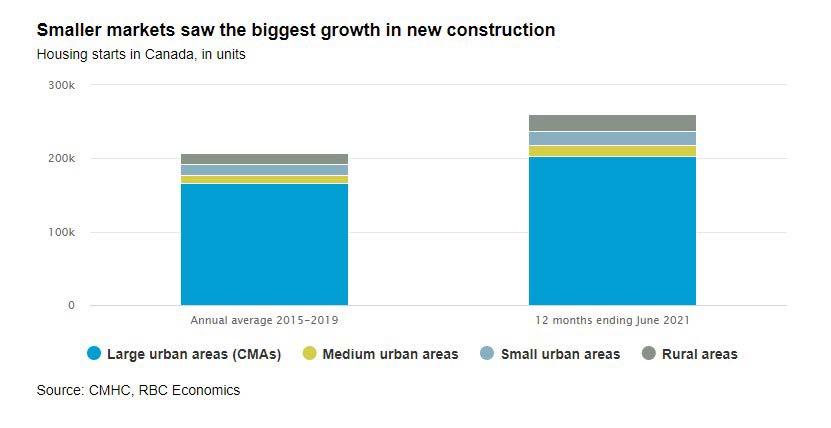
small cities are carrying most of Canada’s population growth and new construction boom
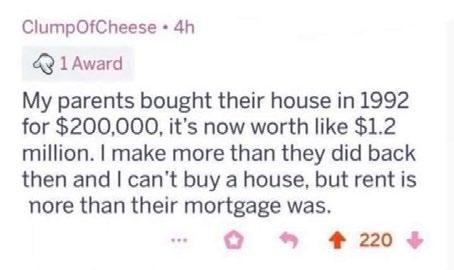
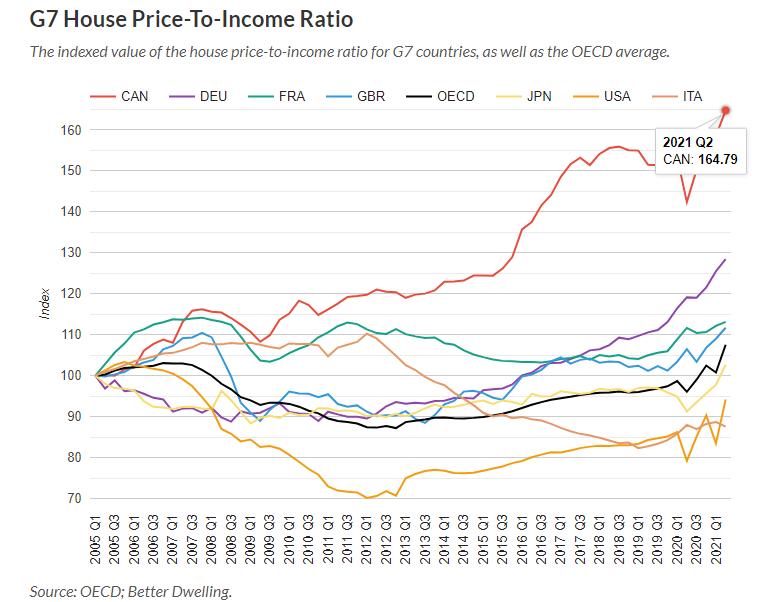
why is more construction pitched as the only solution to the housing deficit?
shortage of dwellings, not houses
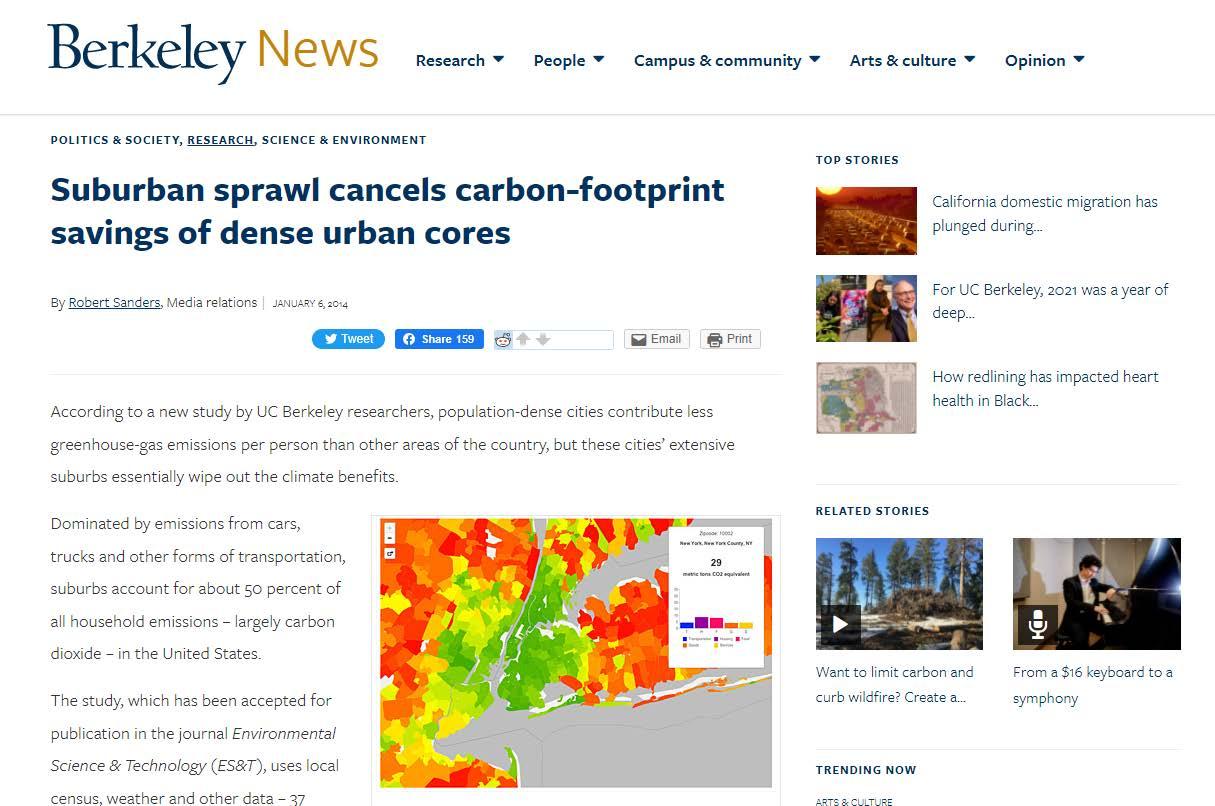
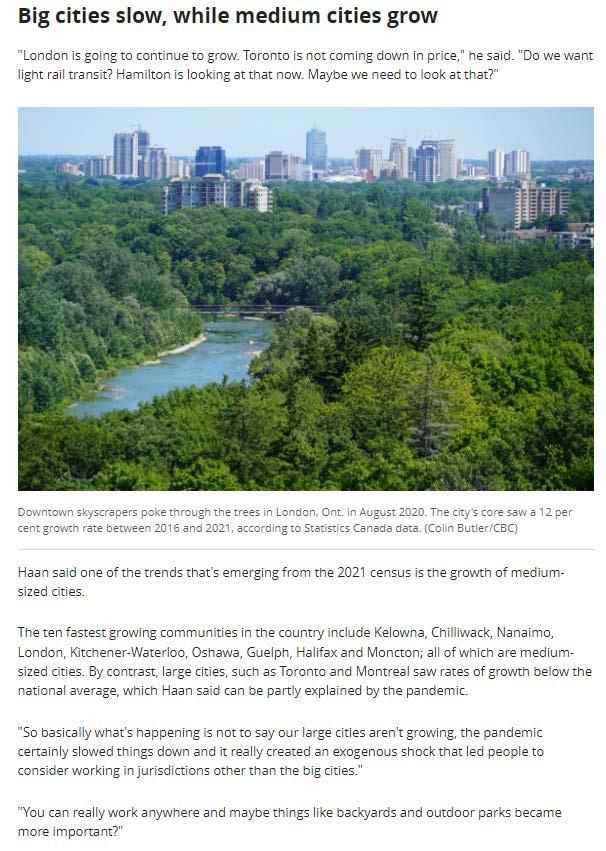
why should toronto care about the suburbs
while much focus and research focuses on densifying urban cores, the majority of current population growth in Canada is concentrated in small and mid-size suburban cities
suburban sprawl cancels out the carbon footprint savings of dense urban cores
20 we're (kind of) th worst e
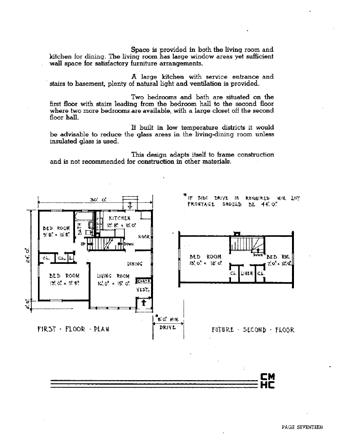

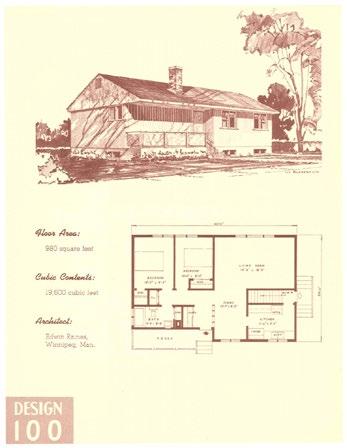
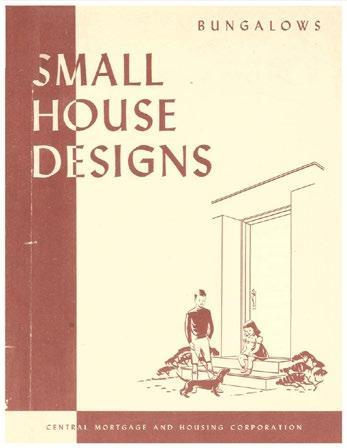
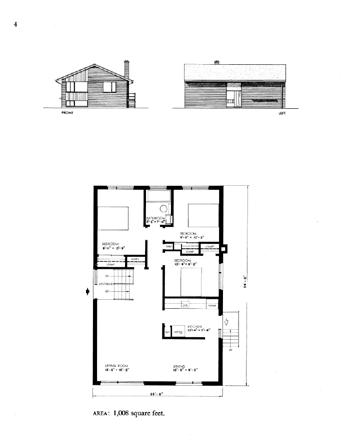
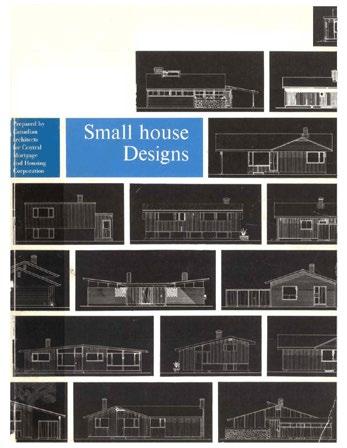
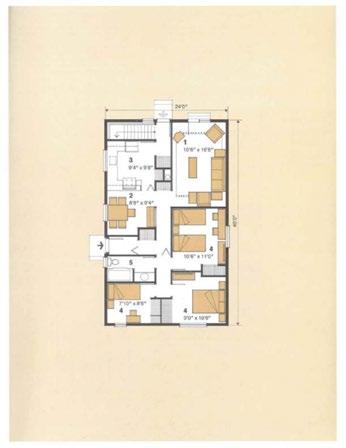
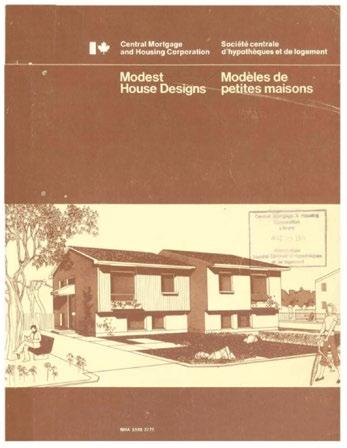
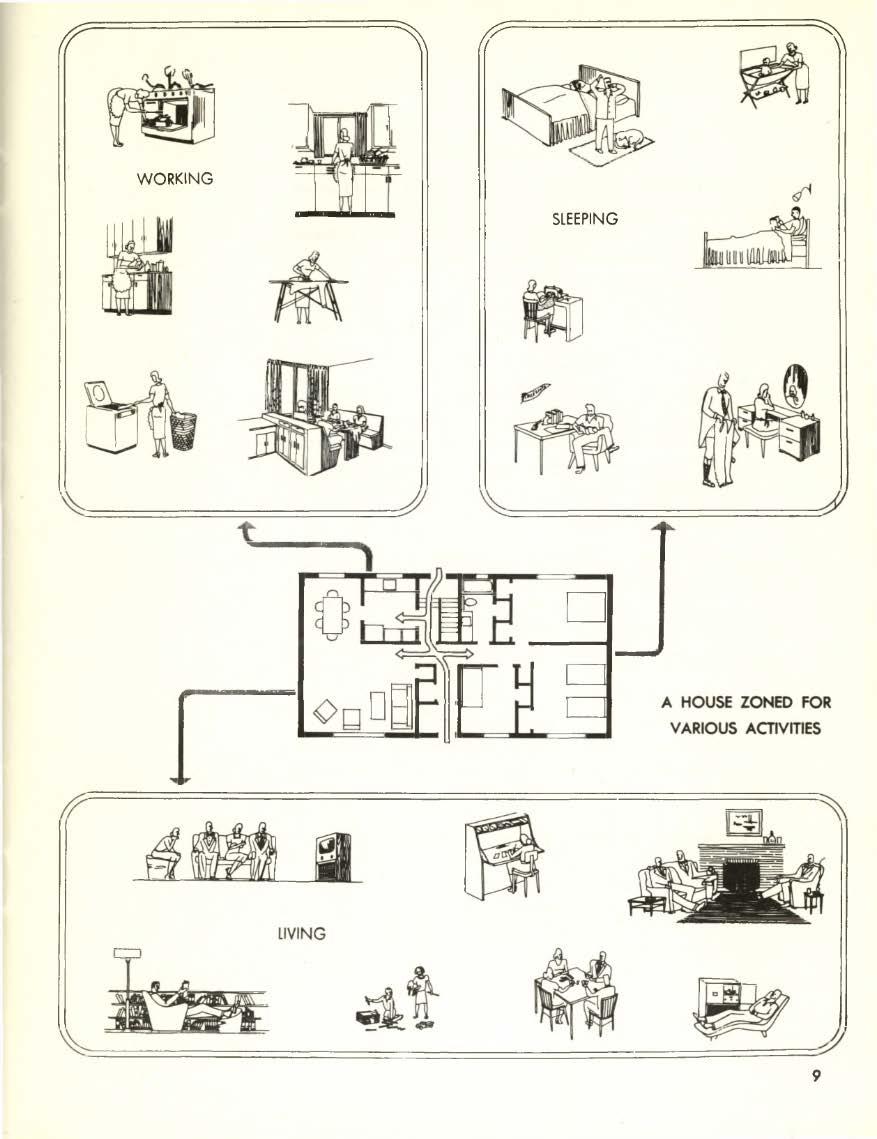
how much of this is the builder’s choice? how much is the homebuyer’s decision? how much influence does an architect have in this process?
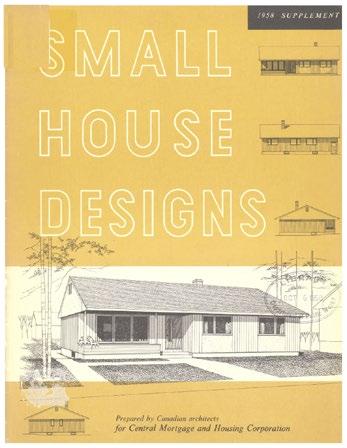
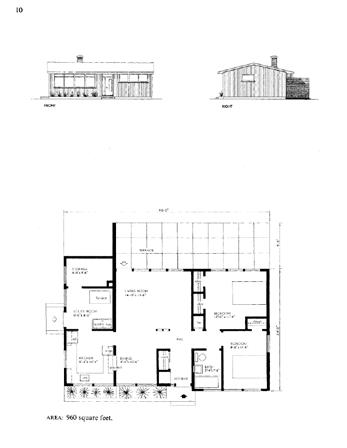
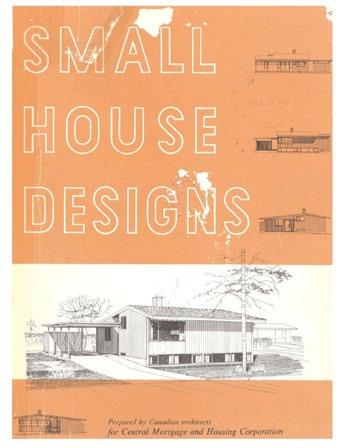
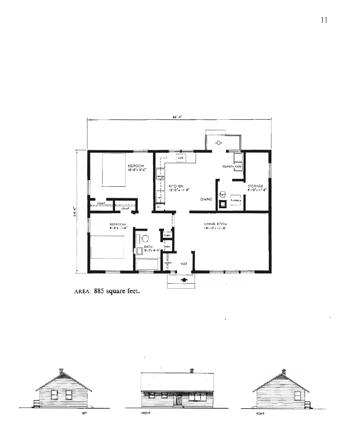
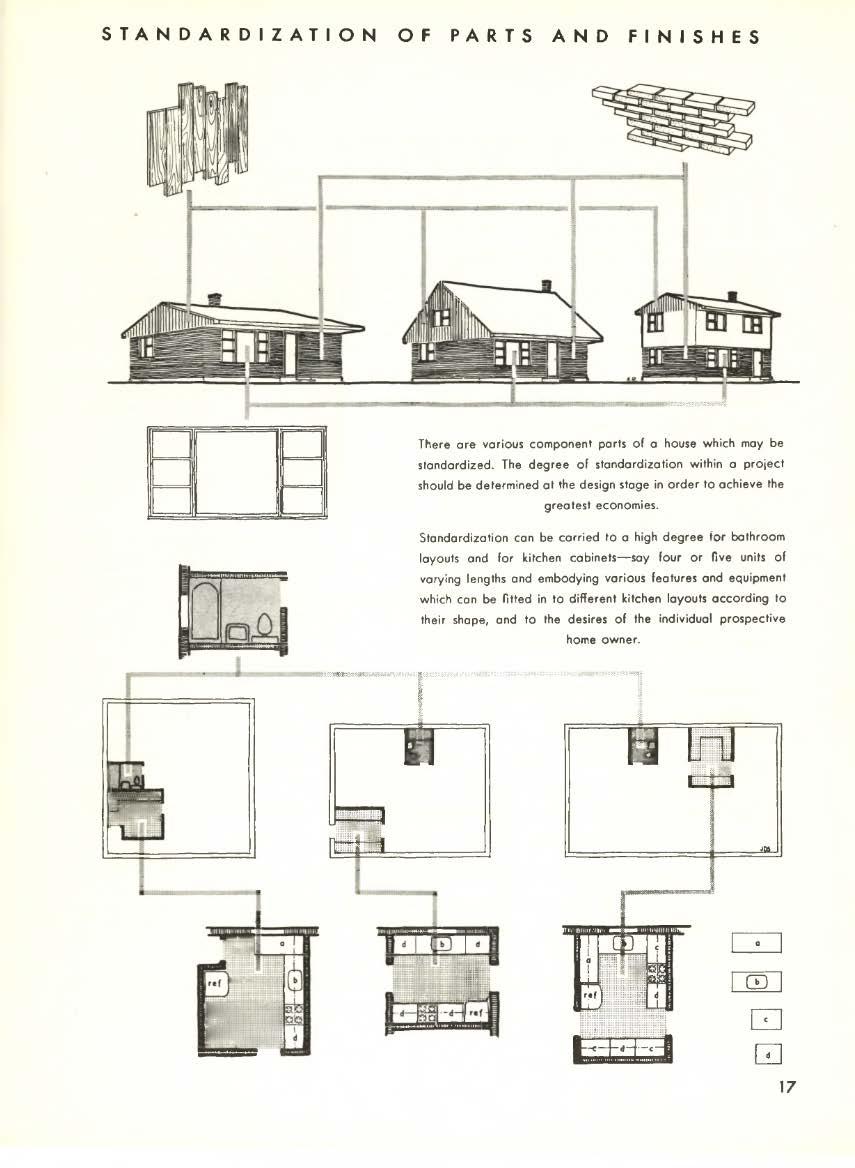
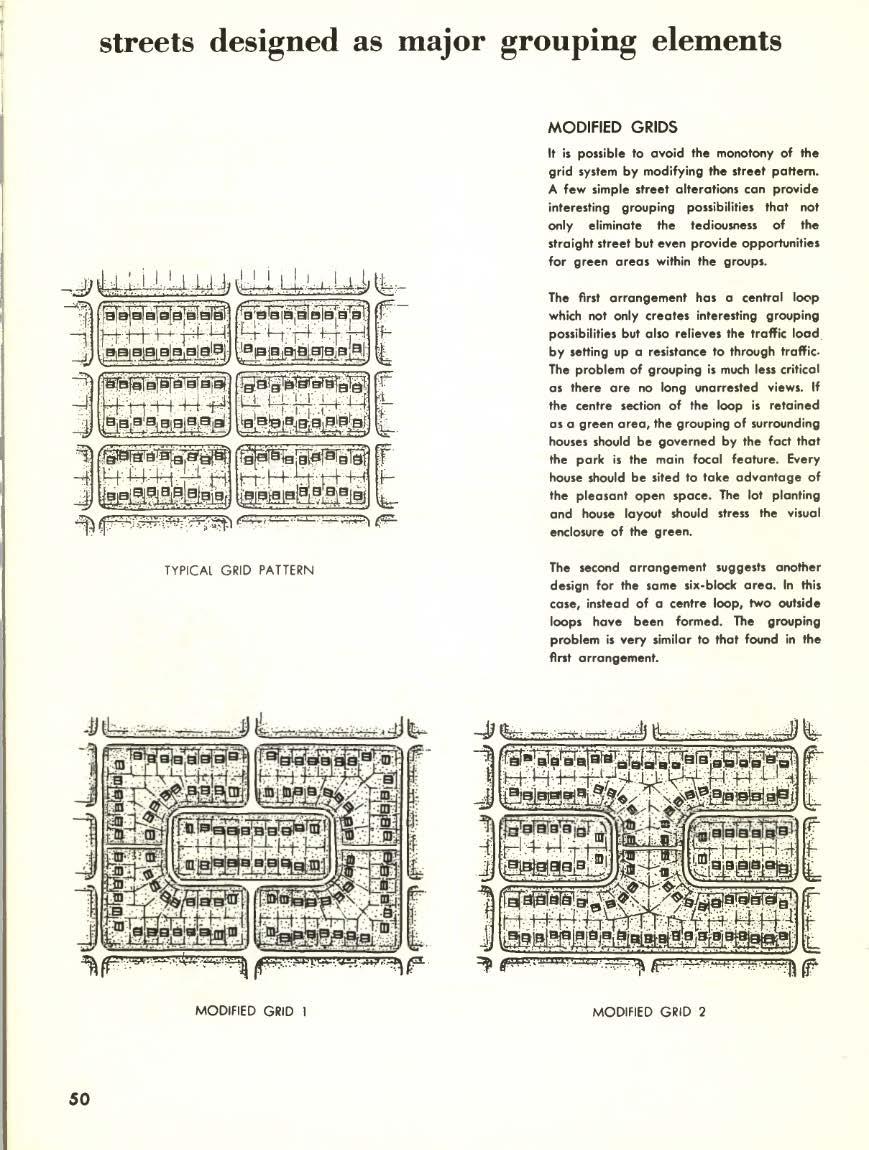
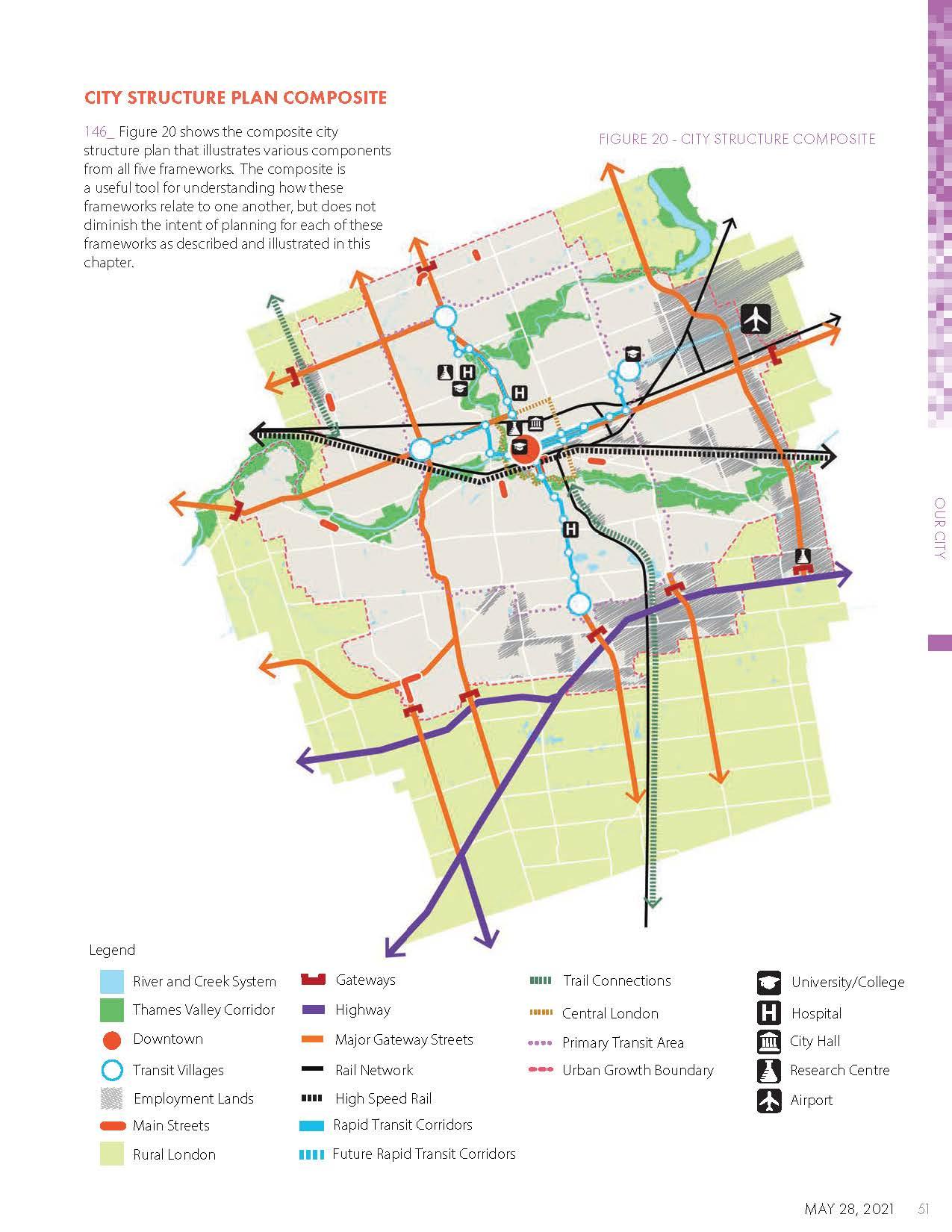
understanding the role of policy + the CMHC in shaping “the norm”
21 a frugal response to the post-war housing crisis cmhc small house ‘47 ‘52 ‘57 ‘58 ‘62 ‘76 ‘47 ‘52 ‘57 ‘58 ‘62 ‘76 cmhc stanbardization D 1954 evolution of the CMHC 1935 Dominion Housing Act 1937 Federal Home Improvement Act 1938 National Housing Act 1954 The Bank Act 1971 The Tax Act 1982 The Constitution Act 1985 Canadian Home Stimulation Program
evolution of the CMHC 1935 Dominion Housing Act 1937 Federal Home Improvement Act 1938 National Housing Act 1954 The Bank Act 1971 The Tax Act 1982 The Constitution Act 1985 Canadian Home Stimulation Program evolution of the CMHC 1935 Dominion Housing Act 1937 Federal Home Improvement Act 1938 National Housing Act 1954 The Bank Act 1971 The Tax Act 1982 The Constitution Act 1985 Canadian Home Stimulation Program
cmhc
‘47 ‘52 ‘57 ‘58 ‘62 ‘76
a frugal response to the post-war housing crisis
small house
culture dream house policy | finance | design
key takeaways
what if carbon-conscious living starts with picking aluminum siding over brick?
how can we convince people to ditch their car for short trips (<5km)?
how do we address the issue of carbon emissions without acknowleding as a cultural phenomenon?
can we better utilize our existing buildings for dwelling?
garages & basements are either vastly underutilized / serve as multipurpose spaces
carbon-conscious living is seen as expensive and unattainable (I can’t afford a Tesla!)
people live together (only) out of necessity (independence is king)
we demand a lot of space (that we don’t need or use)
people love their cars (I value my time and my comfort)
people travel the furthest to socialize individualized amenities
buying a new house is (still) the american canadian dream
can we create shared spaces that prioritize privacy and independence? can we decrease car dependence by providing more / better gathering spaces and externalizing them from the home?





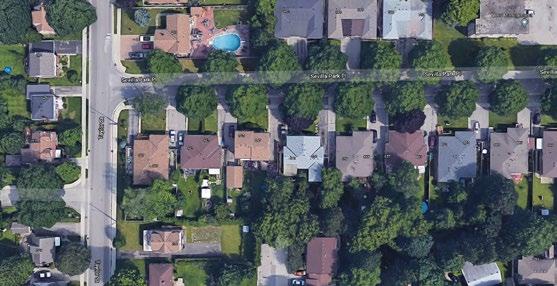
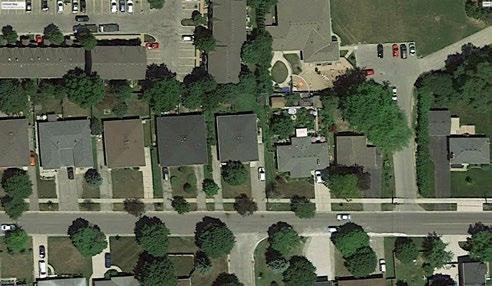
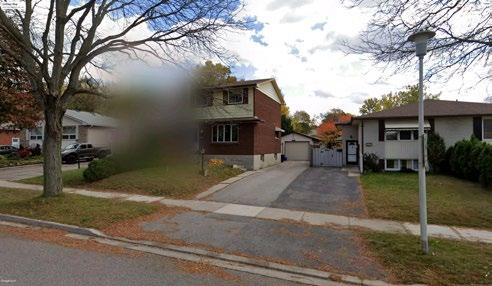
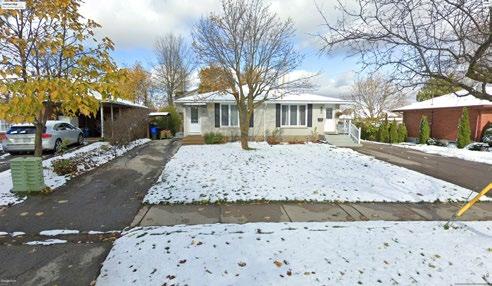
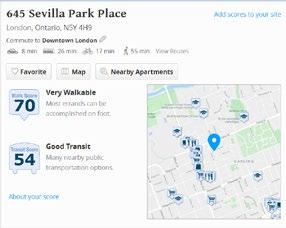



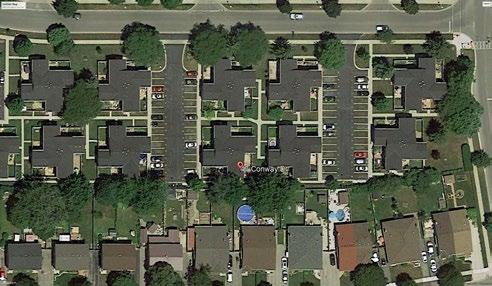
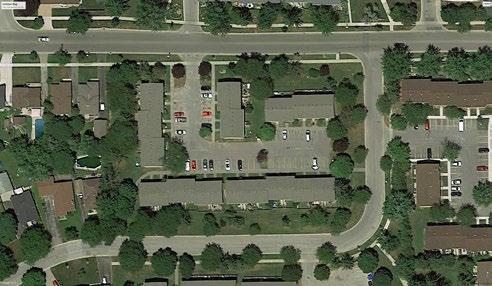
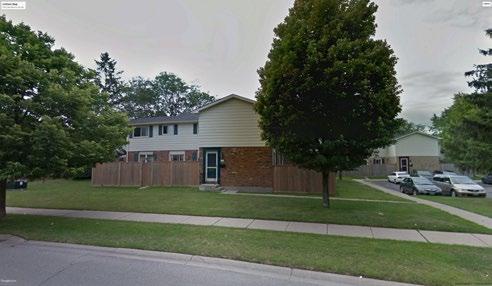





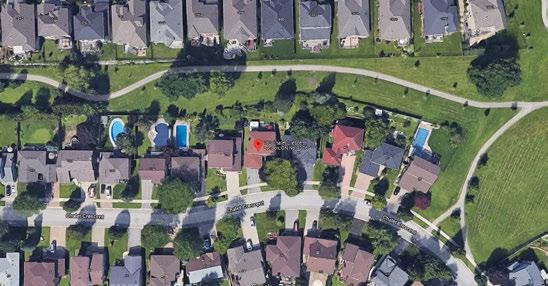
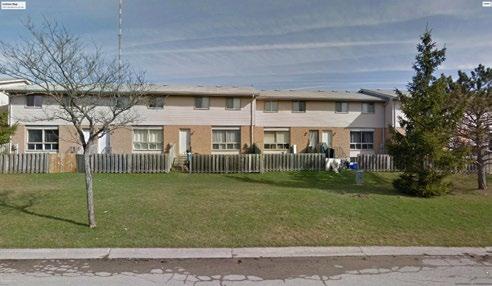
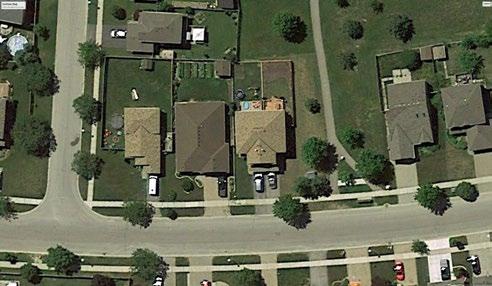
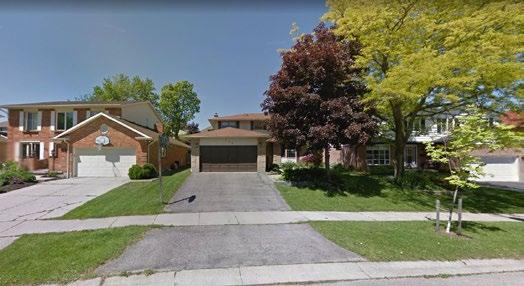

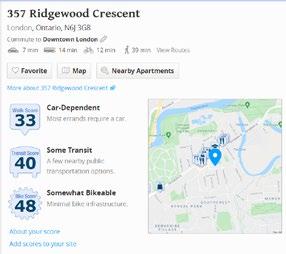
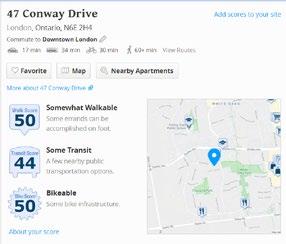
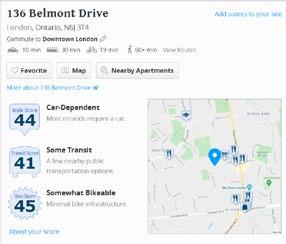
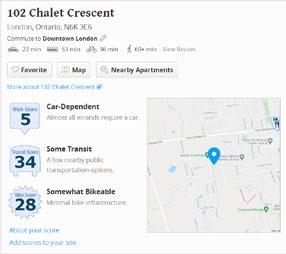



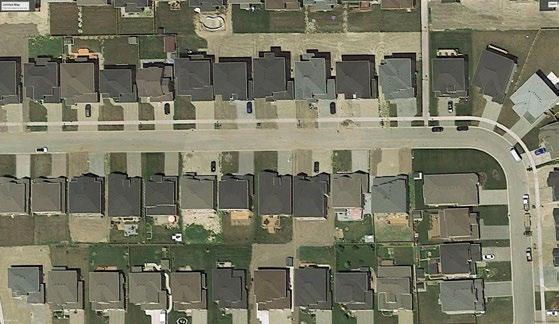
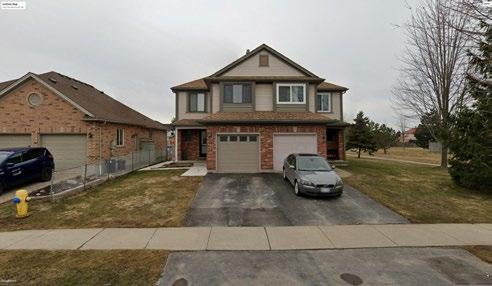
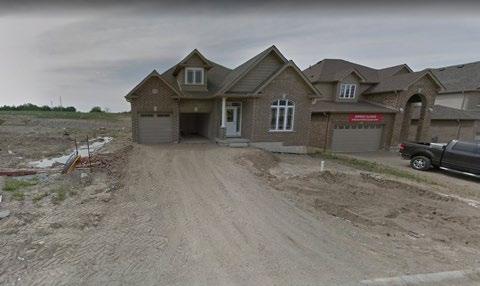
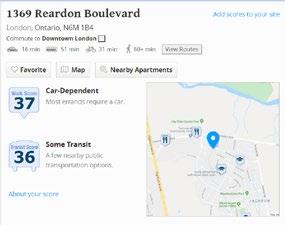
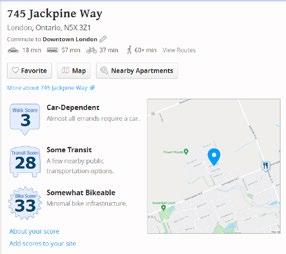
22 2.9 km groceries 14.2 km social activity 200 m groceries 3 km work & social activity 2.5 km groceries & school 7.36 km family visits 1.62 km groceries 10.4 km family visits 1.0 km groceries 16.9 km work 5.5 km groceries 11.7 km family visits 5.3 km groceries 14.2 km social activity 1960s 2 storey semi-detached 1 student 2 young professionals 1960s 1 storey semi-detached bungalow 2 working empty nesters 1970s 2 storey townhouse 1 working mom 2 young kids 1980s 2 storey townhouse 2 factory workers 1980s 2 storey single detached 2 working parents 2 teenage kids 2000s 2 storey semi-detached 1 young professional 2 semi-retired parents 2016 1 storey single detached 2 retirees 2 young professionals 1 baby elizabeth luis nadya oscar daniel sam jessie
how / why / where do people live in the suburbs - interviewing londoners
housing shortage + construction frenzy
existing manufacturing industry proximity to natural resources local trade college one of the fastest growing cities in canada
london as a prototype
london as a prototype opportunities in southcrest
london as the generic (replicable)
london as a unique intersection of opportunities
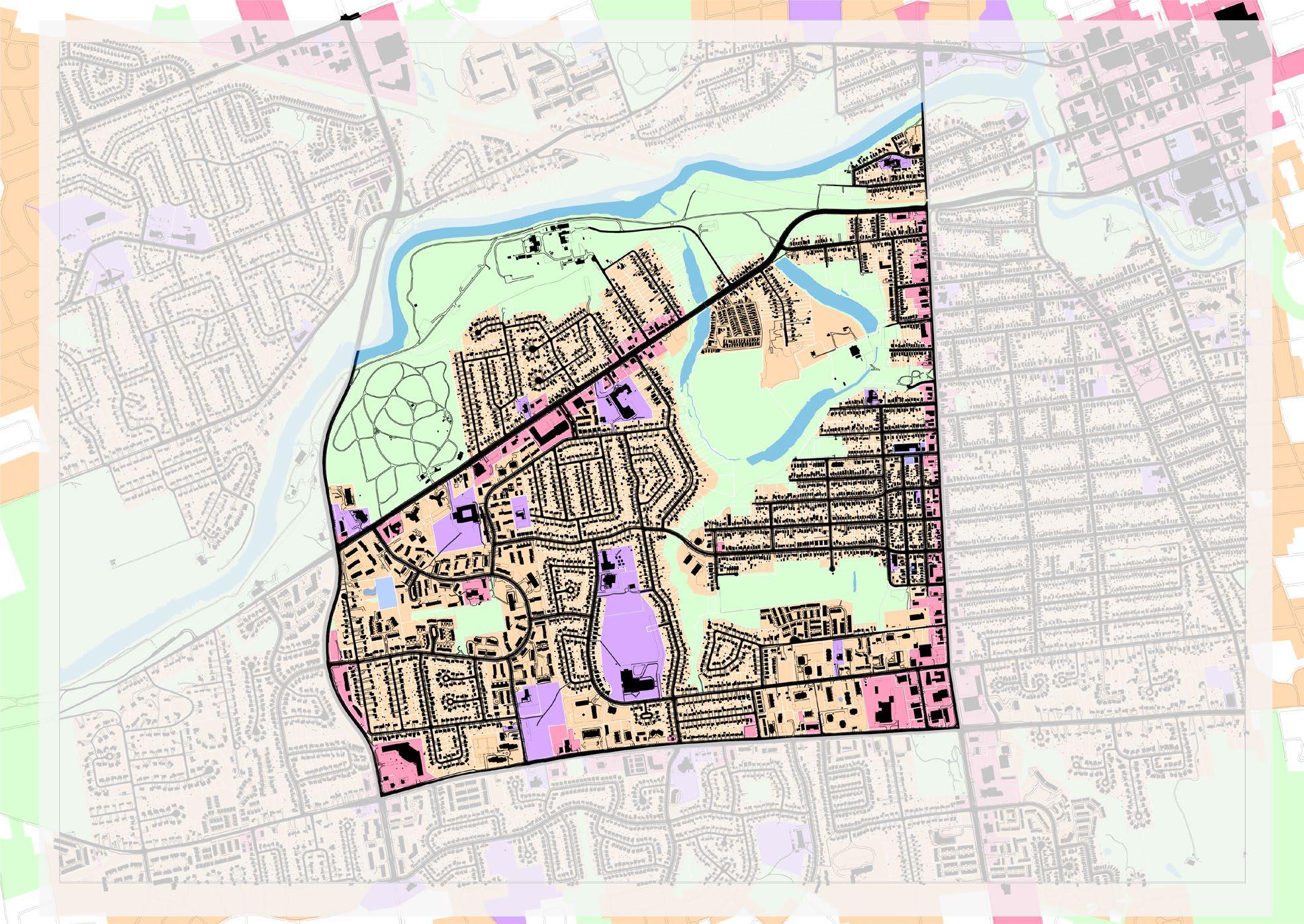
already a neighbourhood with pockets of density proximity to a range of amenities
23
southcrest
and provide a wider range of housing types for a wider range of people?
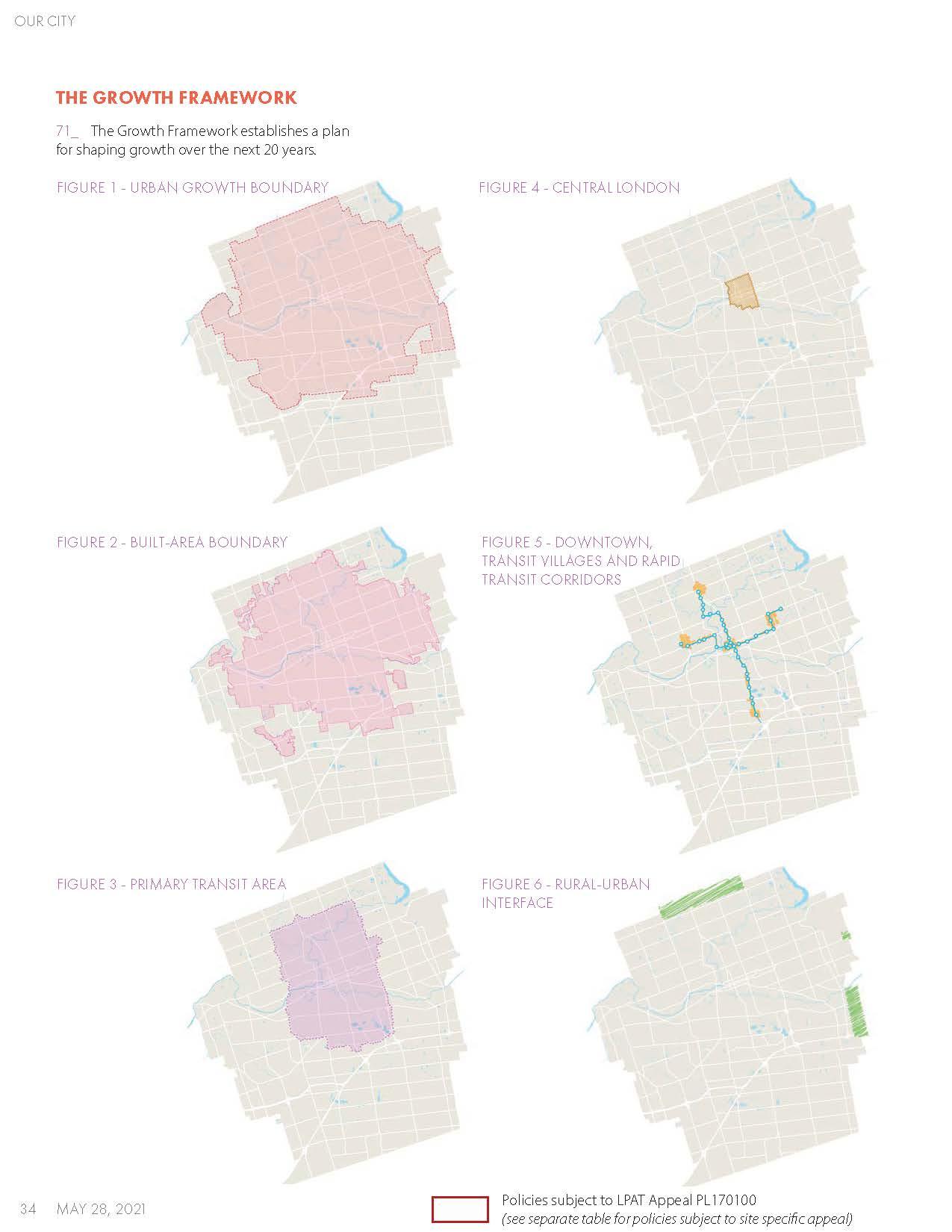
how do we house a growing population while staying within the city growth boundary?
room for 118,227 more people
the space currently remaining within the urban growth boundary could only accomodate up to 120 000 new residents
if we continue to build single family homes at periphery, we will overwhelm the urban growth boundary by 2030
opportunities in the bungalows of southcrest
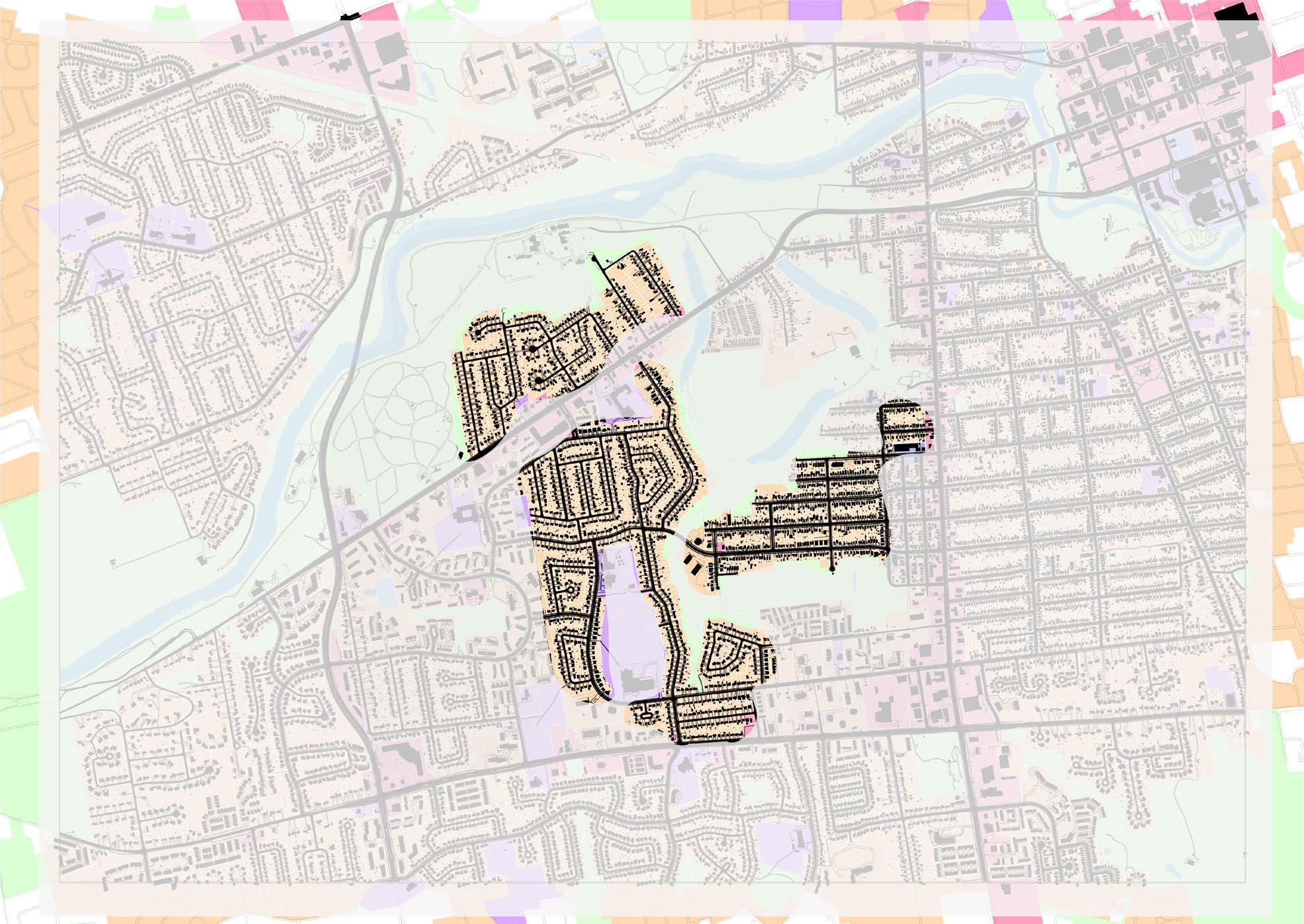
scalable intervention approx. 3000 bungalows in this neighbourhood alone
24
value trapped in a house living space land home equity $
central air conditioning
ground floor: 83 sqm
basement: 79 sqm
how can we free up existing underutilized resources while allowing the homeowner to age in place
... and make way for everyone else
owner occupied
gas furnace
floor area: 83 sqm
26% lot coverage
plot size: 324 sqm
1-car household
near public transit
poor natural lighting
residential zoning
2 residents
purchased in 2005
400% increase in property value over 15-years
semi-detached bungalow
41.5 sqm / person
81 sqm / person
inc. basement
do current models of zoning, financing, and design allow the homeowner to contribute to available housing options?
do current models of zoning, financing, and design allow the homeowner to contribute to available housing options?
what’s the next iteration of this house in order to...
decrease sqm / person by 50%
increase density on existing lot by 50%
decrease gwp from heating
25
small houses on big lots (why don’t more people live here?)
26 10 m average lot coverage 19% 59 sqm 194 sqm 84 sqm 66 sqm 68 sqm 50 sqm 73 sqm 68 sqm 49 sqm 61 sqm 60 sqm 96 sqm 165 sqm 79 sqm 49 sqm 101 sqm 128 sqm 97 sqm 94 sqm 84 sqm 69 sqm 100 sqm 99 sqm 87 sqm 97sqm 70 sqm 90 sqm 97 sqm 96 sqm 48 sqm 82 sqm 40 sqm 167 sqm 50 sqm 64 sqm 48 sqm 47 sqm 42 sqm 50 sqm 50 sqm 50 sqm 44 sqm 48 sqm 35 sqm 45 sqm 48 sqm 48 sqm additional dwelling unit 40 sqm 15% 18% 12% 14% 9% 9% 23% 16% 18% 20% 21% 20% 14% 16% 16% 14% 19% 15% 622 m 368 m 319 m 261 m 211 m2 278 m 247 m 303 m2 246 m 250 m2 198 m 152 m 251 m 204 m 856 m2 1214 m2 577 m2 166 m2 10 m average lot coverage 19% 59 sqm 194 sqm 84 sqm 66 sqm 68 sqm 50 sqm 73 sqm 68 sqm 49 sqm 61 sqm 60 sqm 96 sqm 165 sqm 79 sqm 49 sqm 101 sqm 128 sqm 97 sqm 94 sqm 84 sqm 69 sqm 100 sqm 99 sqm 87 sqm 97sqm 70 sqm 90 sqm 97 sqm 96 sqm 48 sqm 82 sqm 40 sqm 167 sqm 50 sqm 64 sqm 48 sqm 47 sqm 42 sqm 50 sqm 50 sqm 50 sqm 44 sqm 48 sqm 35 sqm 45 sqm 48 sqm 48 sqm additional dwelling unit 40 sqm 15% 18% 12% 14% 9% 9% 23% 16% 18% 20% 21% 20% 14% 16% 16% 14% 19% 15% 622 m2 368 m2 319 m 261 m 211 m 278 m2 247 m2 303 m 246 m2 250 m 198 m2 152 m2 251 m 204 m2 856 m 1214 m 577 m 166 m 10 m average lot coverage 19% 59 sqm 194 sqm 84 sqm 66 sqm 68 sqm 50 sqm 73 sqm 68 sqm 49 sqm 61 sqm 60 sqm 96 sqm 165 sqm 79 sqm 49 sqm 101 sqm 128 sqm 97 sqm 94 sqm 84 sqm 69 sqm 100 sqm 99 sqm 87 sqm 97sqm 70 sqm 90 sqm 97 sqm 96 sqm 48 sqm 82 sqm 40 sqm 167 sqm 50 sqm 64 sqm 48 sqm 47 sqm 42 sqm 50 sqm 50 sqm 50 sqm 44 sqm 48 sqm 35 sqm 45 sqm 48 sqm 48 sqm additional dwelling unit 40 sqm 15% 18% 12% 14% 9% 9% 23% 16% 18% 20% 21% 20% 14% 16% 16% 14% 19% 15%
small houses on large lots built for living within our means opportunity to provide affordable and diverse housing options for diverse demographic
generic, mass produced typology facilitates a generic, mass produced, low-cost, standardized retrofit / addition applicable throughout north america
built to be sturdy, equire minimal maitenance, meet quality of life needs in minimal space
radial growth of suburbs, 40s-60s housing stock therefore close to city core
well connected to social and transit infrastructure
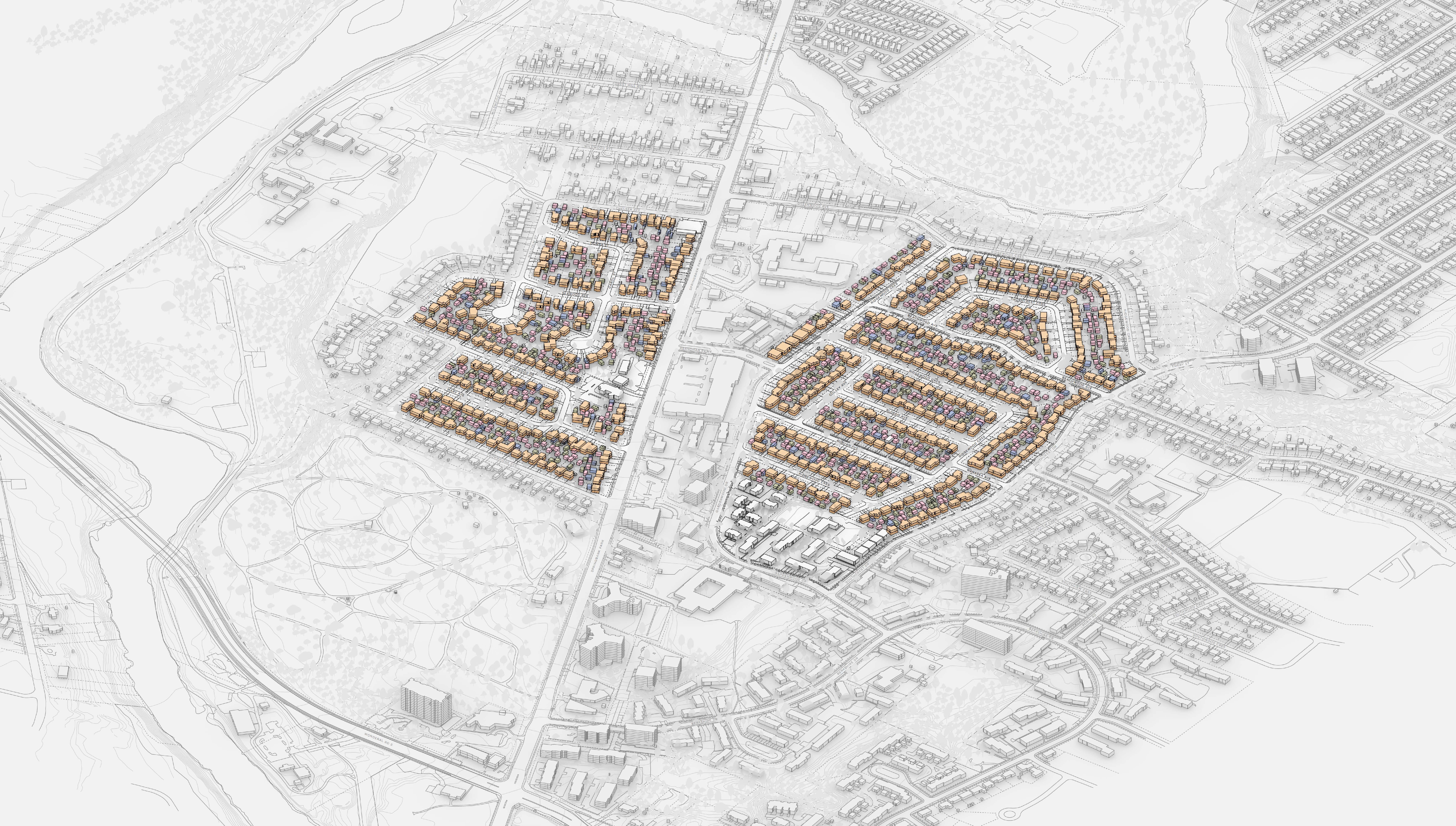
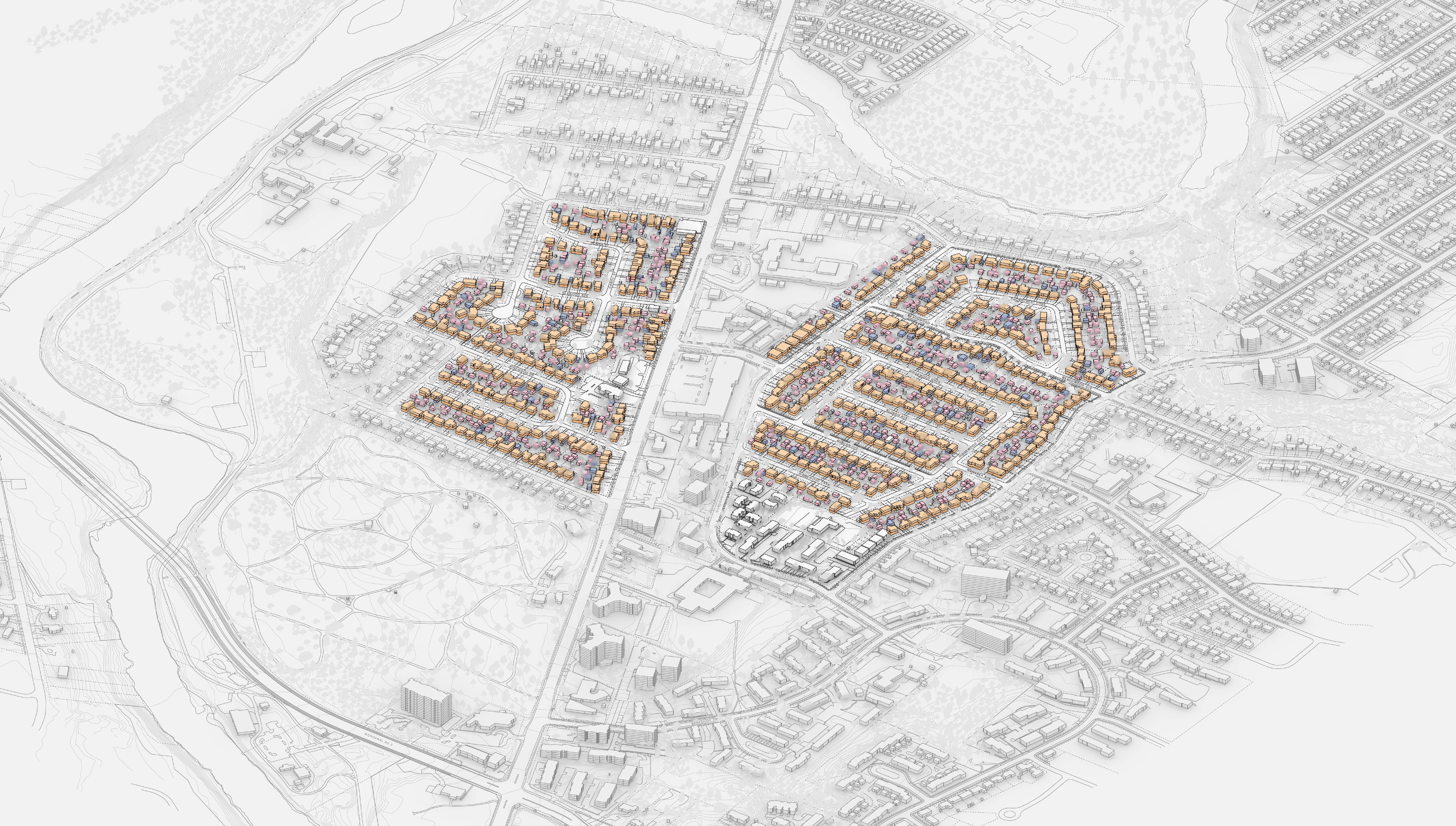
underutilized residential land, room for growth preservation of existing material stock and avoiding demolition / new construction cycle freeing up value of property while remaining in your neighourhood opportunity to implement alternative ownership models bungalows as a tool for cultural change bungalows in southcrest
470 dwellings 1410 bedrooms
springbank park springbank park trowbridge ave mary ave pinewood dr malcolm st carol st pinewood dr seawood ave chelsea ave greenwood ave ridgewood cres ridgewood cres beachwood ave ridgewood cres bloxam ave wanasea ave colleyave auburn ave ridgewood cres ridgewood cres beachwood ave baselinerdw beachwood ave thorncrest cres kernohan pkwy ridgewoodcres emery st southcrestdr southview cres southview cres southwood cres southwood cres southcrestdr berkshire dr berkshiredr berkshire dr robinrd gardenwood dr gardenwood dr wildwood ave forest hill ave wildwood ave donna st pinewooddr darlene cres seawoodave wonderal rd s springbank park elementary school dining small retail church strip mall health centre elementary school church strip mall daycare daycare small retail mobile home park mid-rise residential high-rise residential low-rise residential high-rise residential townhouse semi-detached bungalow detached bungalow 27 economy of a generic
housing
for sufficiency tap into
central
typology
conceived
established,
neighbourhoods
A CULTURE OF EFICIENCY + SUFFICIENCY
a culture of efficiency + sufficiency
SMALL HOUSE DESIGN

‘23
policy | finance | design
facilitating large ADUs within OBC restrictions
regulate affordability of additional housing units to avoid price gouging reframe sqm/capita metrics
facilitate access to existing housing strategy funds for homeowners
generate financing models facilitating loans to retirees
generate standardized accessible adu retrofit solutions
provide guidelines for efficient and carbon-conscious material choices
bungalows in southcrest
+ basements
+ garages
+ detached ADU
1609 dwellings
2549 bedrooms
+81%
springbank park springbank park trowbridge ave mary ave pinewood dr malcolm st carol st pinewood dr seawood ave chelsea ave greenwood ave ridgewood cres ridgewood cres beachwood ave ridgewood cres bloxam ave wanasea ave colleyave auburn ave ridgewood cres ridgewood cres beachwood ave baselinerdw beachwood
thorncrest cres kernohan pkwy ridgewoodcres emery st southcrestdr southview cres southview cres southwood cres southwood cres southcrestdr berkshire dr berkshiredr berkshire dr robinrd gardenwood dr gardenwood dr wildwood ave forest hill ave wildwood ave donna st pinewooddr darlene cres seawoodave
springbank park 28
ave
wonderal rd s
ha/f studio mass timber
How do we half the greenhouse gas emissions of the GTHA’s building stock this decade?
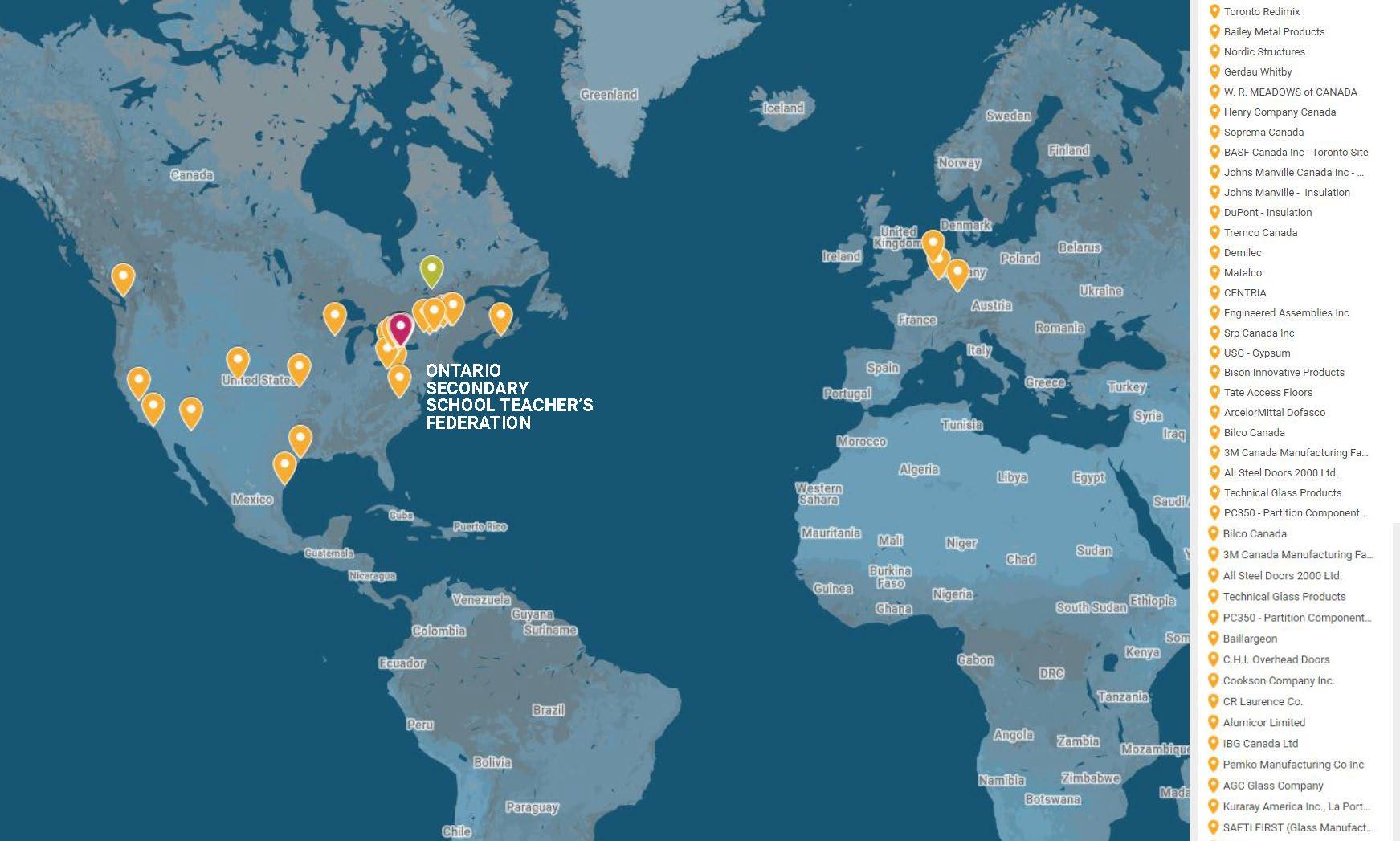
Initial research focused on provenance within Ontario’s wood construction, including visits to Ontario mass timber harvest and production sites. What are the supply chains that extract, harvest and transform wood-based construction materials? What is the geography, ecology, and forms of labour that they engage from cradle to gate? Is wood sustainable?
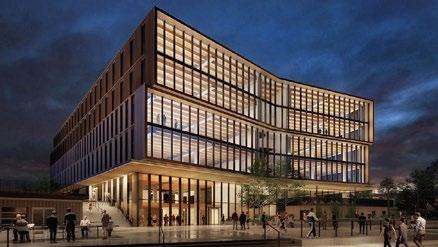
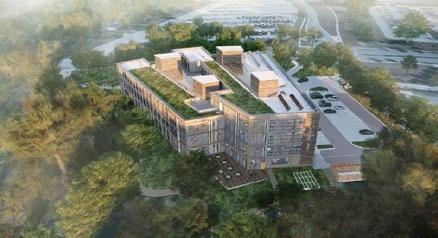
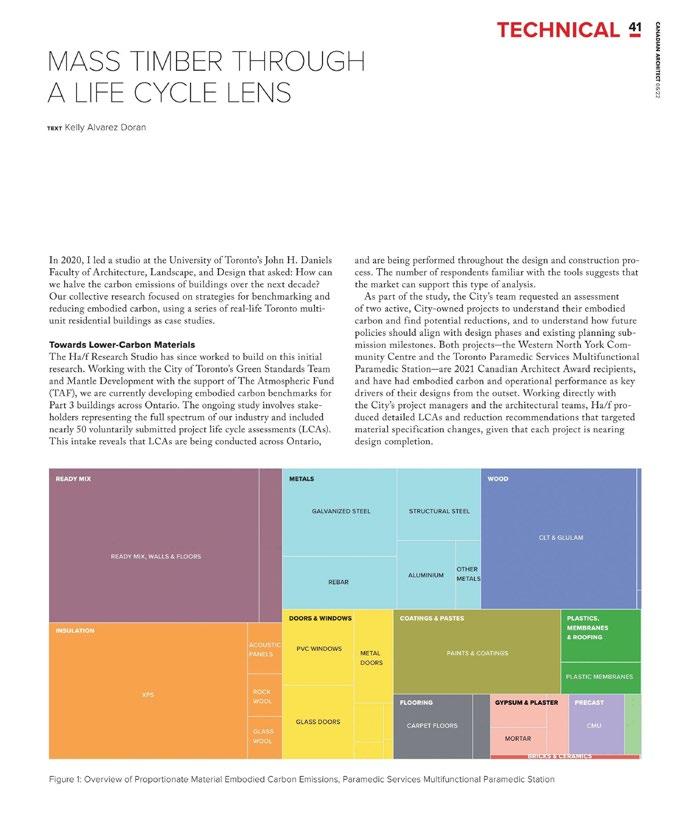
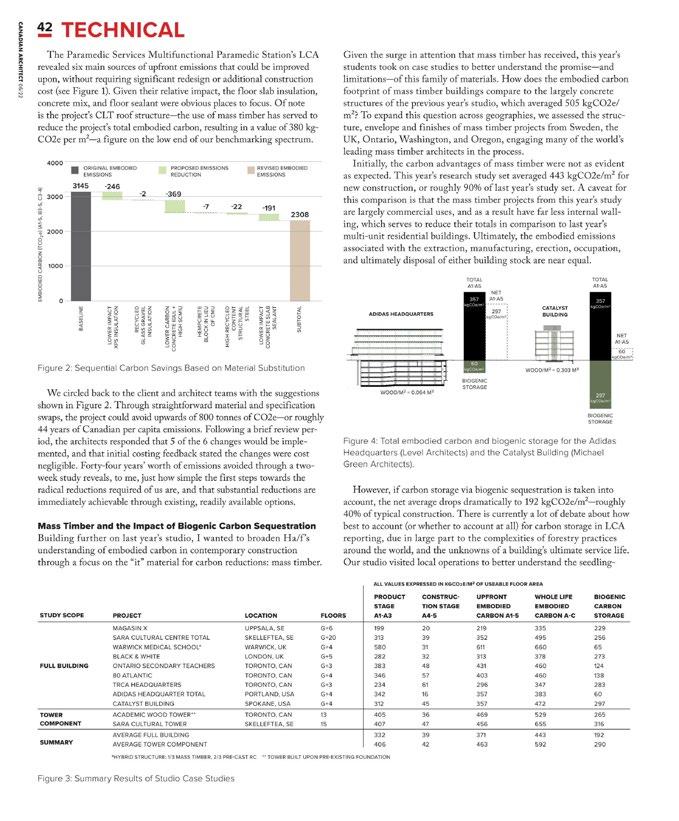
Through “cradle-to-gate” assessments of in progress or recently completed commercial and academic mass timber projects from across the GTHA and other northern climates, this research challenged broad assumptions that mass timber is a more sustainable, lower-carbon form of construction.
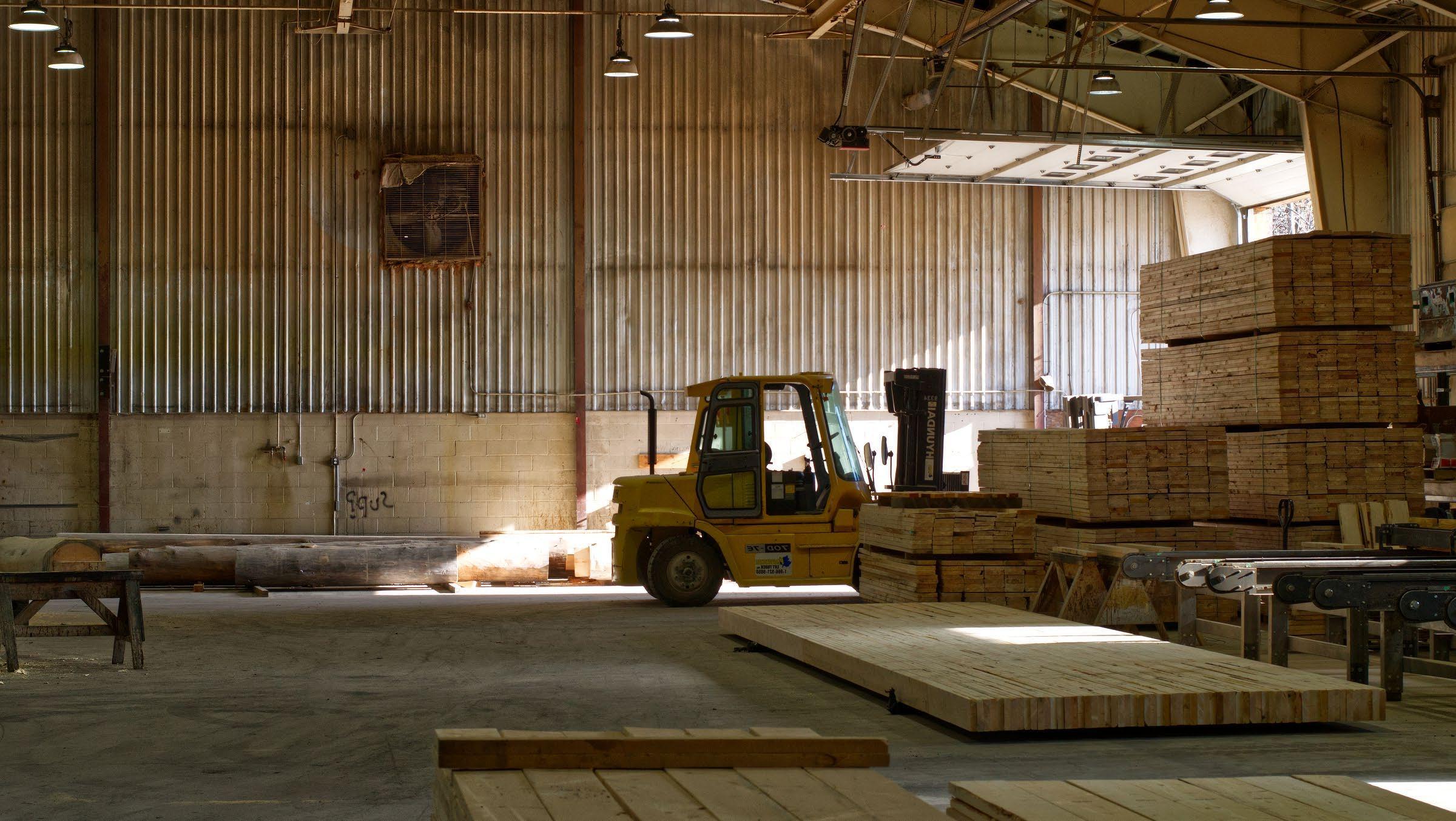
Utilizing Life Cycle Assessment tools, and engaging leading practices to understand the design and material drivers of each project, our team calculated the embodied impacts associated with mass timber projects around the world. Results, analysis and recommendations from this research were presented to the architects, published in Canadian Architect, and used by the City of Toronto to establish embodied carbon benchmarks for Part 3 construction.
29
year project location studio instructor team Fall 2021 Global Kelly Alvarez Doran Huda Alkhatib Natalia Enriquez Goyes Shimim Huang Ophelia Lau Saqib Mansoor
Bahia Marks
Robert Raynor
Rashmi Sirkar
Jue Wang
Clara Ziada
10 mass timber case
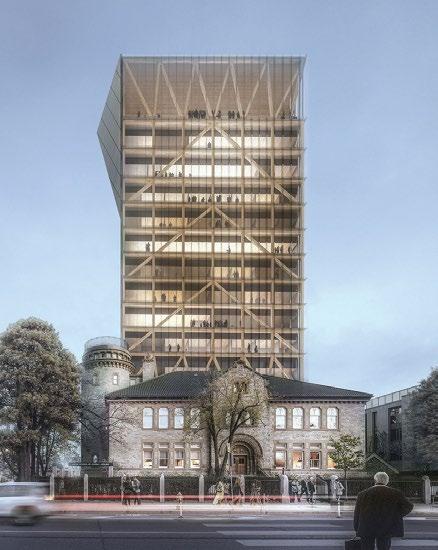
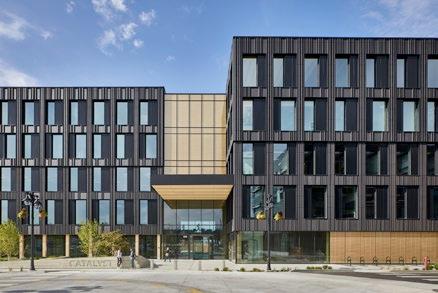
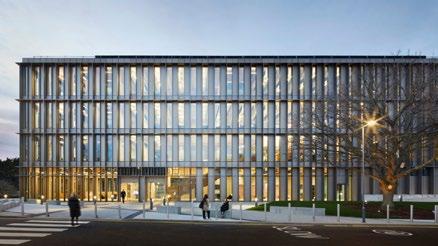
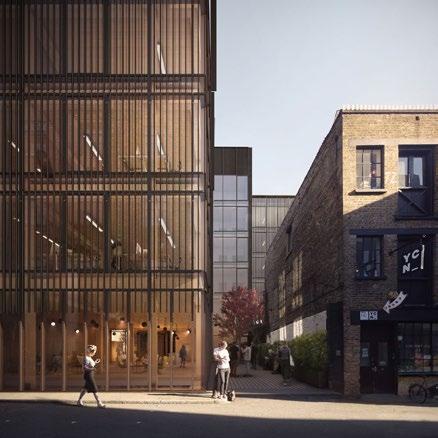
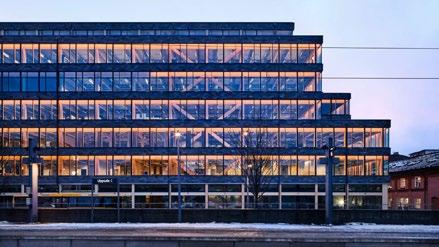
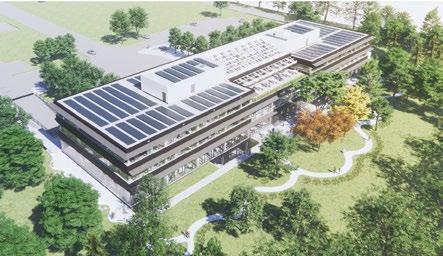
research focused on the building envelopes of ten buildings located in Canda, UK, and Sweden
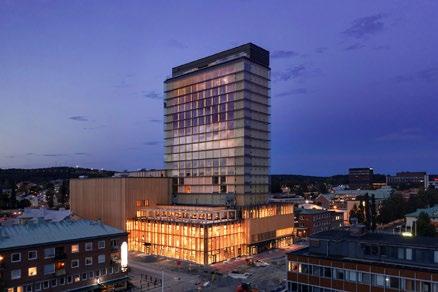
findings indicated that upfront and operational emission reductions can achieved by reducing windowto-wall ratios, and incorporating mass timber into the façades themselves
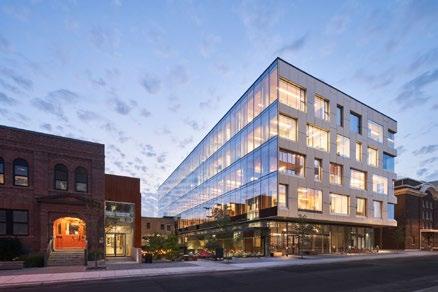
lifecycle carbon analysis
what are the gaps in the supply chain for meeting Ontario mass timber construction demands with Ontario timber?
the provenance of mass timber has significant and disproportionate impacts on the resulting global warming potential
much of Ontario’s mass timber construction is still extracted, processed, and transported from Europe and western North American sources
end of life considerations
demolition / disassembly approach - GWP analysis should take into consideration the lifespan of the elements within the building, how long does carbon sequestration really last?
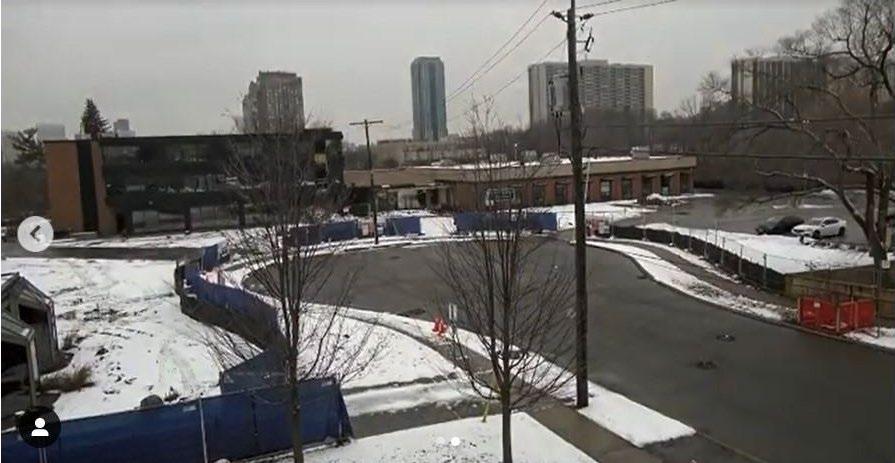
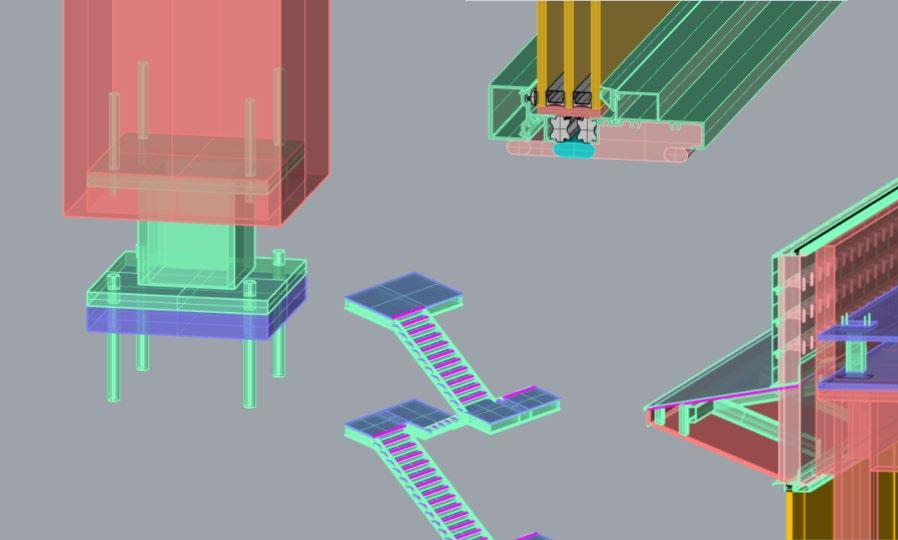
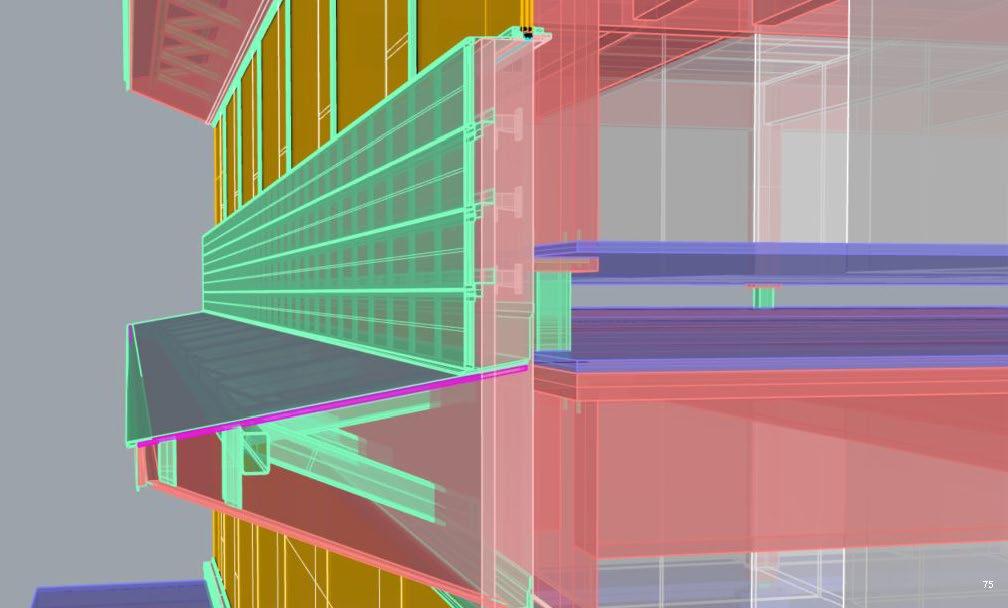
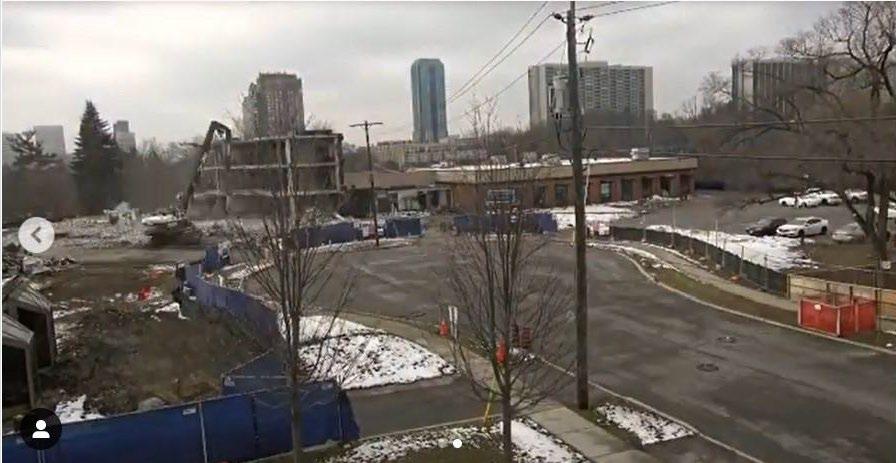
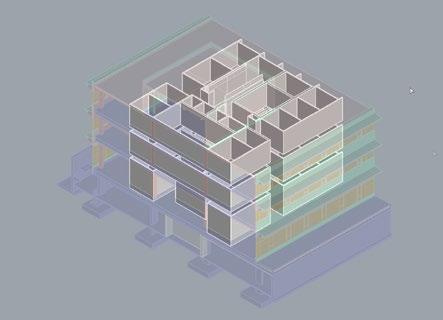
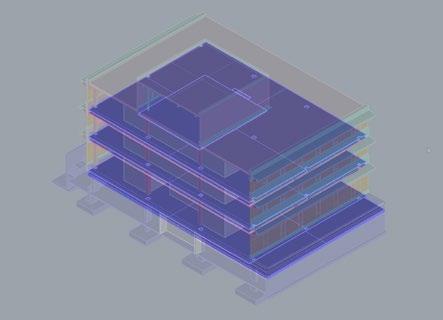
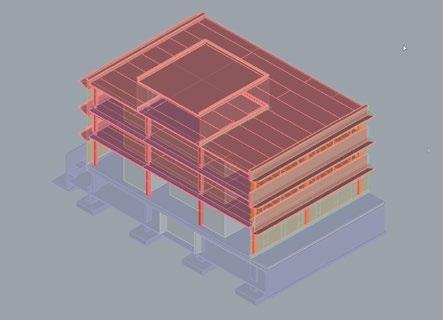
detailed 3d models were produced to quantify and analyze the embodied carbon of major assemblies
high carbon drivers were identified and isolated in order to understand whole-life carbon implications and offer alternative material and design solutions
30
studies
research and analysis
canadian architect 06-22
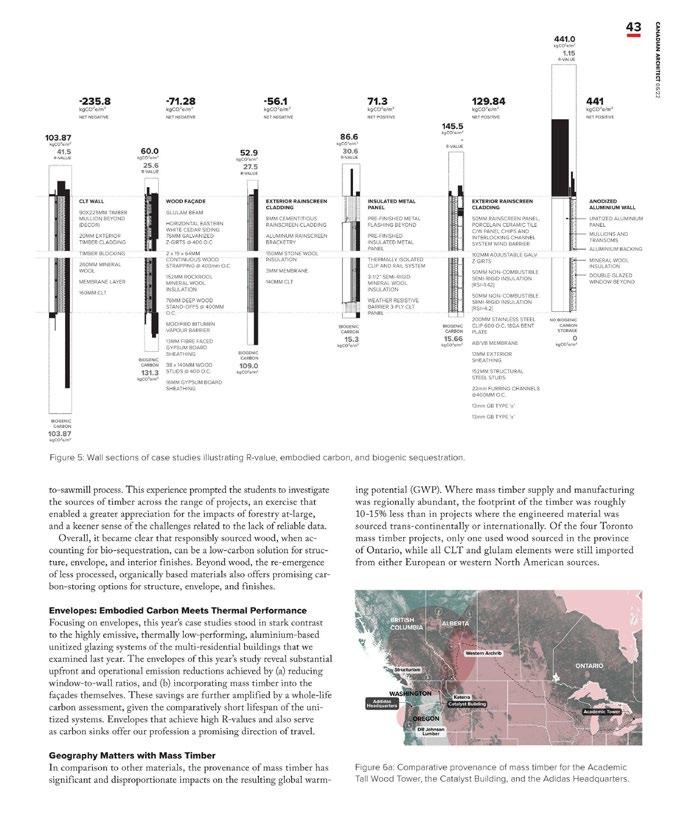
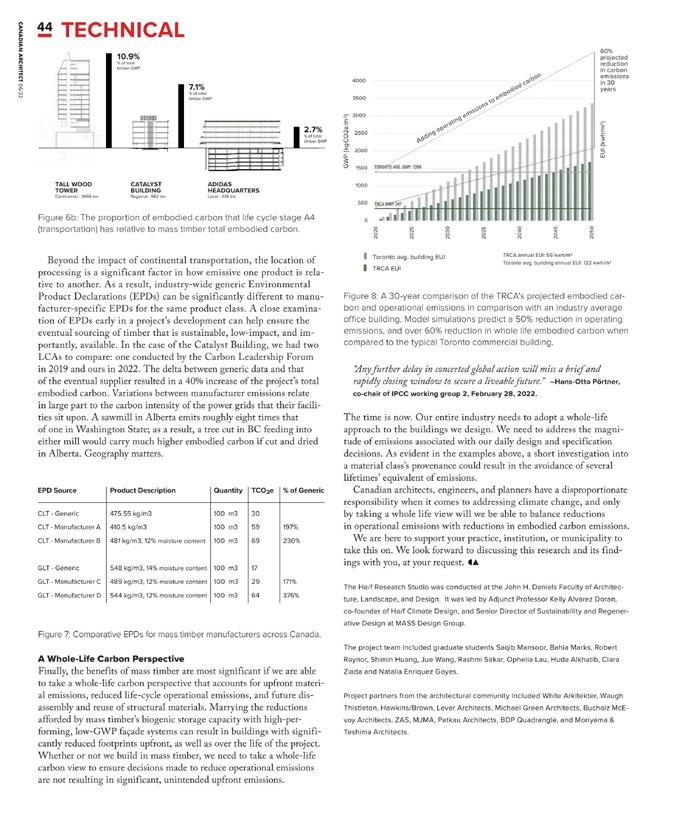
mass timber building enclosure assemblies - understanding the trade-offs between operational, embodied carbon, and carbon sequestration
31 CATALYST MGA TERRACOTTA RAINSCREEN CLADDING 30mm TERRACOTTA EXTRUSION ALUMINIUM FASTENING CLIP THERMALLY ISOLATED CLIP AND RAIL SYSTEM 5” SEMI-RIGID MINERAL WOOL INSULATION 3-1/2” SEMI-RIGID MINERAL WOOL INSULATION 3-1/2” SEMI-RIGID MINERAL WOOL INSULATION LAYERS 3-1/2” SEMI-RIGID MINERAL WOOL INSULATION WEATHER RESISTIVE BARRIER 3-PLY CLT PANEL PRE-FINISHED METAL FLASHING BEYOND REFER TO ‘TERRACOTTA RAINSCREEN CLADDING PRE-FINISHED INSULATED METAL PANEL THERMALLY ISOLATED CLIP AND RAIL SYSTEM WEATHER RESISTIVE BARRIER 3-PLY CLT PANEL CATALYST MGA INSULATED METAL PANEL BLACK & WHITE EXTERIOR RAINSCREEN CLADDING 8mm CEMENTITIOUS RAINSCREEN CLADDING ALUMINUM RAINSCREEN BRACKETRY 150mm STONE WOOL INSULATION 3mm MEMBRANE 140mm CLT EXTERIOR RAINSCREEN CLADDING BRICK 60mm STONE WOOL INSULATION 3mm MEMBRANE 140mm CLT -71.28 kgCO²e/m² NET NEGATIVE -56.1 kgCO²e/m² NET NEGATIVE -44.6 kgCO²e/m² NET NEGATIVE -4.7 kgCO²e/m² NET NEGATIVE 22.9 kgCO²e/m² NET POSITIVE 71.3 kgCO²e/m² NET POSITIVE 103.87 kgCO²e/m² 41.5 R-value 60.0 kgCO²e/m² 25.6 R-value 52.9 kgCO²e/m² 27.5 R-value TRCA HEADQUARTERS WOOD FAÇADE ACM CLAD EXTERIOR WALL ACM PANEL 50mm THERMAFIBER 45 MINERAL WOOL RIGID INSULATION MIL WATER BARRIER 5/8” GWB EXTERIOR SHEATHING MOISTURE MOLD RESISTANT 5/8” GWB INTERIOR SHEATHING STEEL STUD FRAMING GLASS FIBER BATTS MIL VAPOUR BARRIER FLUID APPLIED STEEL FRAMING CLIPS WARWICK PRECAST CONCRETE WALL PRECAST CONCRETE PANEL DPM VCL DOUBLE GLAZED WINDOW BEYOND 300mm ROCKWOOL INSULATION 2x12.5mm PLASTERBOARD UNITIZED ALUMINIUM PANEL MINERAL WOOL INSULATION DOUBLE GLAZED WINDOW BEYOND MULLIONS AND TRANSOMS ALUMINIUM BACKING WARWICK ANODIZED ALUMINIUM WALL 13 mm FIBRE FACED GYPSUM BOARD SHEATHING 38 140mm WOOD STUDS @ 400 O.C. 16 mm GYPSUM BOARD SHEATHING HORIZONTAL EASTERN WHITE CEDAR SIDING 19 64mm CONTINUOUS WOOD STRAPPING 400mm O.C 152mm ROCKROOL MINERAL WOOL INSULATION 76mm GALVANIZED Z-GIRTS 400 O.C 76 mm DEEP WOOD STAND-OFFS @ 400mm O.C. MODIFIED BITUMEN VAPOUR BARRIER GLULAM BEAM MJMA PATKAU EXTERIOR ALUMINUM PLATE ALUMINUM PLATE PANEL SYSTEM AIRG GAP REVEAL SPACE 200mm SEMI-RIGID INSULATION AIR VAPOUR BARRIER 13mm FIBREGLASS GYPSUM SHEATHING 152mm METAL STUDS 16mm GYPSUM WALL BOARD 38mm HORIZONTAL EXTERIOR PANEL 22mm VERTICAL GALVANIZED FURRING CHANNEL 150mm VERTICAL SEMI RIGID INSULATION 150mm THERMAL CLIP SYSTEM CONTINUOUS AVM BARRIER 5-PLY CLT PANEL 50mm HORIZONTAL GALVANIZED Z-GIRTS 50mm HORIZONTAL SEMI RIGID INSULATION EXTERIOR RAINSCREEN CLADDING MAGASIN X SPRUCE PLANK FACADE SPRUCEFACADECLADDING ALUMINUMHATBAR(485mmC-to-C) PAROCMINERALWOOL(30mm) PAROCMINERALWOOL(170mm) PAROCMINERALWOOL(170mm) GYPSUM(2X12.5mm) CAST-IN-PLACECONCRETE PAROCRIGIDMINERALWOOL(70mm) EPSRIGIDFOAMINSULATION(80mm) MOISTURECONTROLLAYER 131.3 BIOGENIC CARBON kgCO²e/m² 64.4 kgCO²e/m² 15.5 R-value 31.5 kgCO²e/m² 28.6 R-value 46.2 kgCO²e/m²R-value 60.4 kgCO²e/m² 38.4 R-value (upper) 33.0 R-value (lower) 86.6 kgCO²e/m² 30.6 R-value 66.05 kgCO²e/m² 29.6 R-value 129.3 kgCO²e/m²R-value 135.7 kgCO²e/m²R-value 441.0 kgCO²e/m² 1.15 R-value 109.0 BIOGENIC CARBON kgCO²e/m² 109.0 BIOGENIC CARBON kgCO²e/m² 36.2 BIOGENIC CARBON kgCO²e/m² 36.8 BIOGENIC CARBON kgCO²e/m² 37.5 BIOGENIC CARBON kgCO²e/m² 15.3 BIOGENIC CARBON kgCO²e/m² 0 NO BIOGENIC CARBON STORAGE kgCO²e/m² 0 NO BIOGENIC CARBON STORAGE kgCO²e/m² 0 NO BIOGENIC CARBON STORAGE kgCO²e/m² 0 NO BIOGENIC CARBON STORAGE kgCO²e/m²
work samples
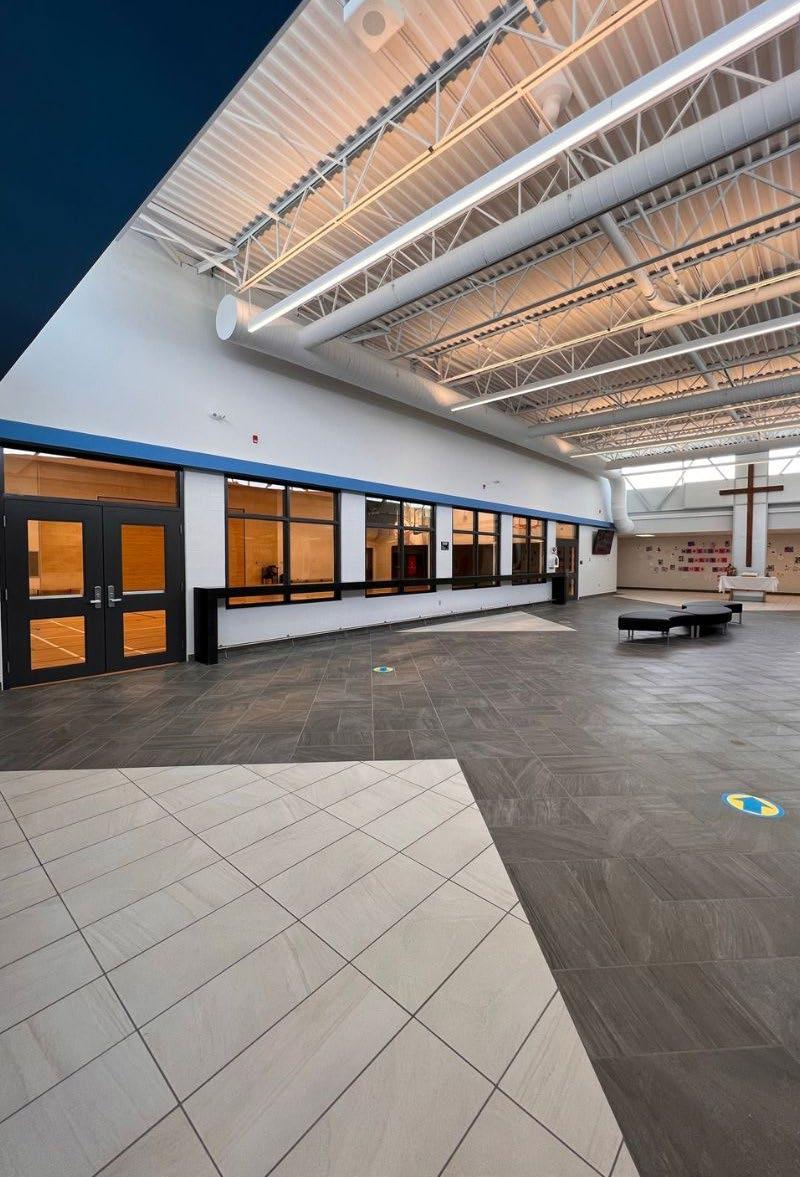
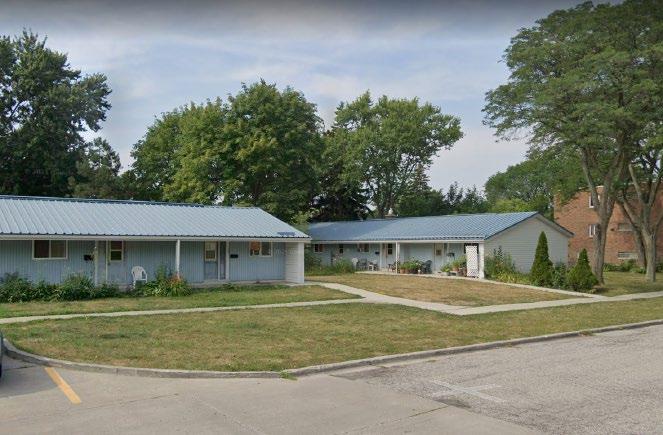
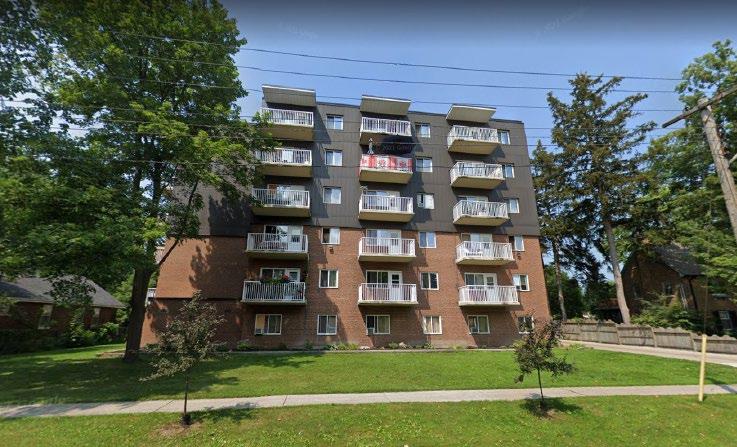
At 17|21 I worked with institutional, commercial, and municipal clients - including renovations and new build work in universities, schools, subsidized housing complexes, corrections facilities, and tenant fit-outs
I participated in SD, DD, CD, including client/consultant meetings, site visits, render mock ups & colour boards, revision of specifications & shop drawings.
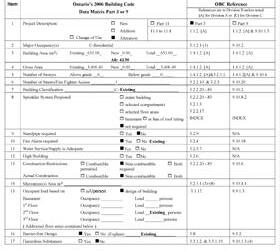
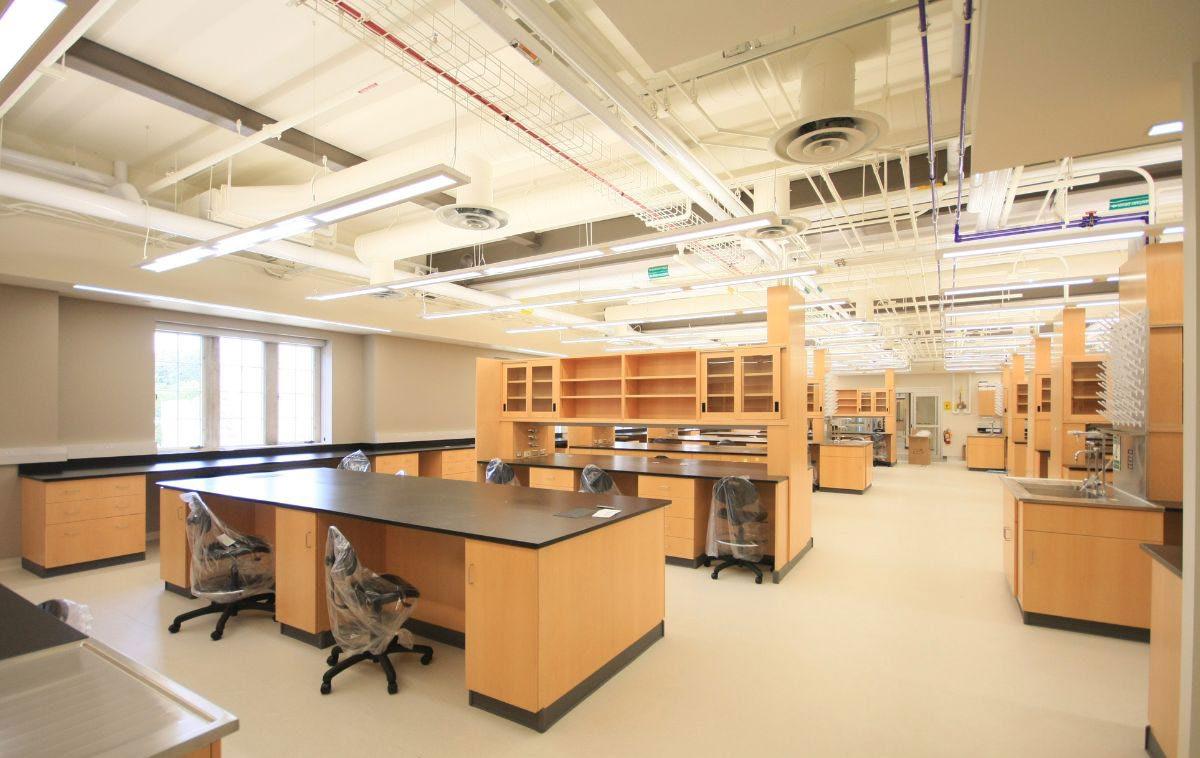
The design of specialized program spaces (i.e. educational medical labs, correction facility) required me to familiarize myself with the OBC, standardized specifications from institutions and manufacturers, as well as coordination with specialists/consultants.
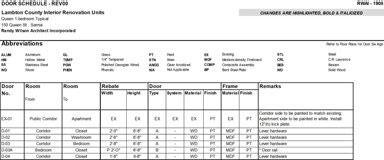
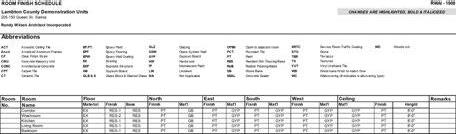
I had a leading role in the renovation of subsidized housing units for ontario municipalities, including cataloguing existing housing stock by typologies and production of existing drawings for dozens of apartment and house types, design of structural reinforcements, complete interior re-design and functional improvements to envelope.
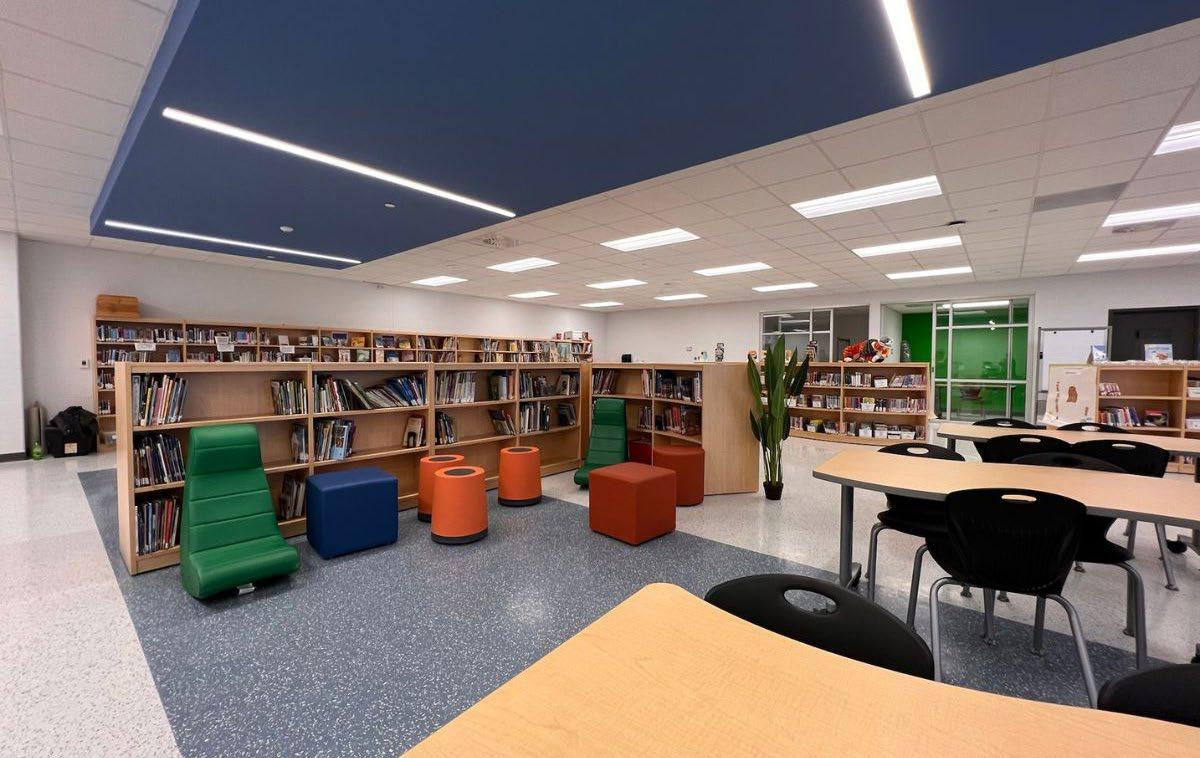
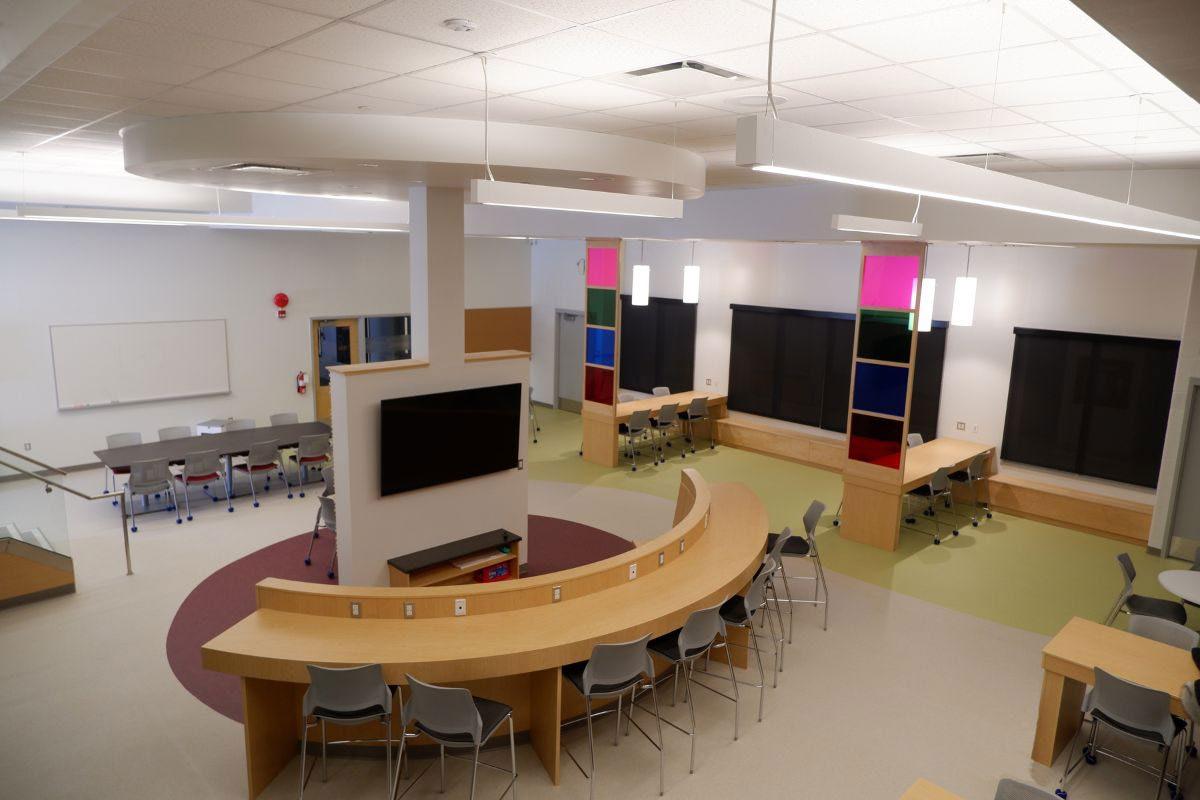
I worked on multiple interior and exterior renovation projects for schools from various school boards. Including design of new flexible/adaptable program spaces, selection of finishes, millwork, furnishing - in coordination with OBC accessibility requirements and school board standards and specs.
years project locations
firm team
2018 - 2020
Ontario, Canada
17|21 Architects
Sonia Diaz
Randy Wilson
Matt Unternahrer
Natalia Enriquez
32
| high school lambton kent district school board | elementary school university of western ontario | dental science labs lambton county | social housing renovations st. clair catholic district school board | high school lambton county | social housing renovations GENERALNOTES: LEGEND: DEMOLITIONNOTES: 1 DEMOLITIONPLAN SCALE 3/8"=1'-0" DEMOLITIONNOTES SCALE N.T.S. ISSUED LEGEND D100 LAMBTONCOUNTY UNITINTERIOR 150QUEEN BR QUEENSTREET,SARNIA DEMOLITIONFLOORPLAN DEMOLITIONNOTES NOTED 2022-05-02 ISSUED PERMIT RESISTANT RESISTANT EXIST. ASSEMBLY ACOUSTIC FINISH RIGID EXIST. MOISTURE HEIGHT RESISTANT ACOUSTIC HEIGHT UNDERSIDE ROOM LIVING KITCHEN BEDROOM WR CORRIDOR ROOM LIVING KITCHEN BEDROOM WR BALCONY CORRIDOR A600 ROOM LIVING KITCHEN BEDROOM WR BALCONY CORRIDOR RESILIENT RESILIENT BUILDING ELEMENTS SCALE 1"=1'-0" REFLECTED CEILING PLAN SCALE 3/8"=1'-0" FLOOR PLAN SCALE 3/8"=1'-0" FLOOR FINISH PLAN SCALE 3/8"=1'-0" ISSUED LEGEND A100 LAMBTON COUNTY UNIT INTERIOR 106 150 QUEEN BR QUEEN STREET, SARNIA FLOOR PLAN, REFLECTED CEILING PLAN, FLOOR FINISH PLAN, AND BUILDING ELEMENTS 2102 NOTED 2022-05-02 PERMIT HARD ROCK MAPLE MELAMINE WALL WASHROOM ELEVATIONS SCALE 3/8"=1'-0" KITCHEN ELEVATIONS SCALE 3/8"=1'-0" 14 KITCHEN MILLWORK SECTION SCALE 1"=1'-0" KITCHEN ISLAND SECTIONS SCALE 1"=1'-0" 15 KITCHEN MILLWORK SECTION SCALE 1"=1'-0" MICROWAVE MILLWORK SECTION SCALE 1"=1'-0" WR MILLWORK SECTION SCALE 1"=1'-0" CLOSET ELEVATION SCALE 3/8"=1'-0" KITCHEN ISLAND ELEVATION SCALE 3/8"=1'-0" 11 KITCHEN MILLWORK SECTION SCALE 1"=1'-0" 12 16 17 ISSUED A200 LAMBTON COUNTY UNIT INTERIOR 106 150 QUEEN BR QUEEN STREET, SARNIA MILLWORK SETIONS, INTERIOR ELEVATIONS, SECTIONS DETAILS NEG 2022-05-02 PERMIT DOOR SCHEDULE SCALE N.T.S. ROOM FINISH SCHEDULE SCALE N.T.S. DOOR FRAME TYPES SCALE 3/8"=1'-0" TYPICAL DOOR FRAME DETAIL SCALE 3"=1'-0" TYPICAL CLOSET DETAIL SCALE 3/8"=1'-0" O.B.C MATRIX SCALE N.T.S WINDOW DETAIL SCALE 3"=1'-0" ISSUED KEY PLAN LEGEND A600 LAMBTON COUNTY UNIT INTERIOR 106 150 QUEEN BR SCHEDULES, DOOR FRAME TYPES, FRAME DETAIL OBC MATRIX
st. clair catholic district school board
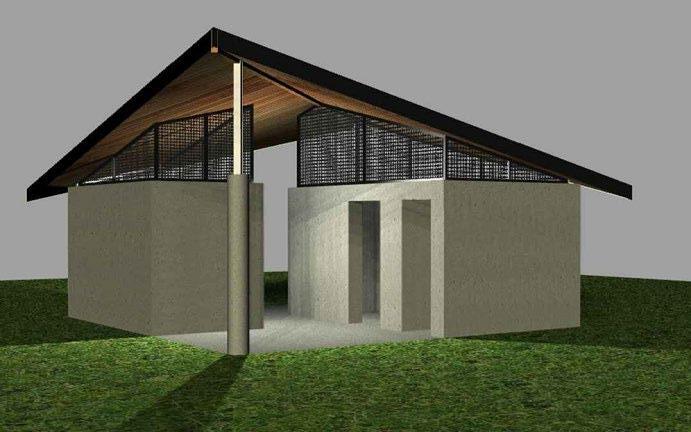
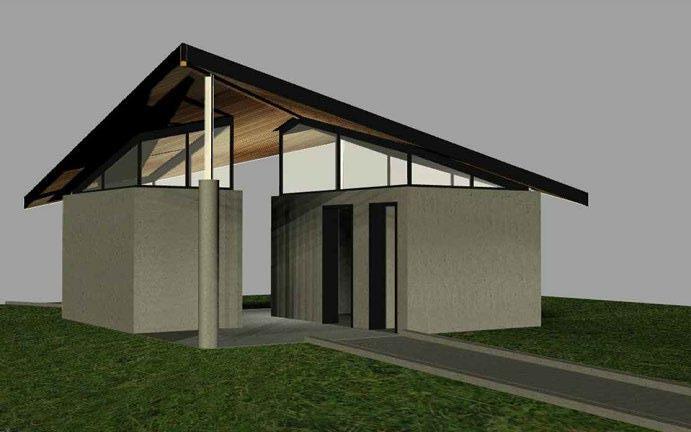
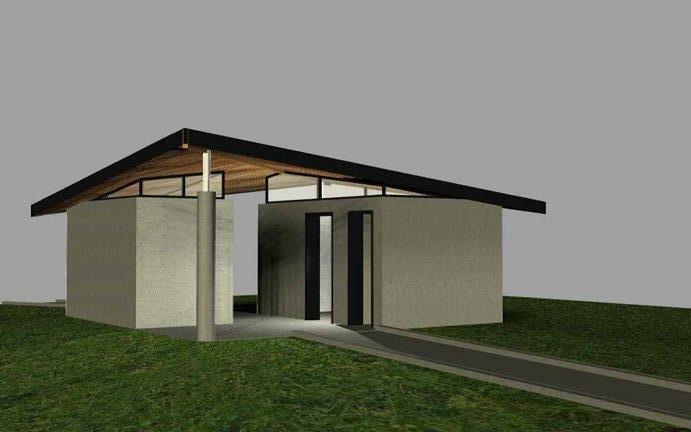
Located in Gibbons Park, this field house for city of london to services the park and splash pad.
The Gibbons Fieldhouse consists of a new build structure, designed for expedited tilt-up construction, using precast concrete sandwich panels on a floating slab foundation. It is fully accessible design to OBC standards.
roof construction details
I led the process from schematic design through construction documents - producing all technical drawings, renders, specifications, and visibility/ accessibility diagrams. I engaged in all project presentations, site visits, and meetings with the City of London, and engineering consultants.
year project location firm team 2022 London, Canada 17|21 Architects
Natalia Enriquez Matt Unternahrer WR
33 WR 2 TYPICAL WR ACCESSIBLE STATION WATER WR TYPICAL A351 A351 A1000 WR TYPICAL WR ACCESSIBLE STATION WATER WR TYPICAL A351 A351 1 REFLECTED CEILING PLAN WASHROOM CEILING SCALE = 1:50 CEILING FRAMING PLAN SCALE = 1:50 4 WALL TO ROOF CONNECTION DETAIL AT LOW POINT SCALE = 1:4 NOTES LEGEND 1727 A200 MFPU RW 08/06/2019 11:42 AM AS NOTED REFLECTED CEILING PLAN FRMAING PLANS DETAILS CITY OF LONDON GIBBONS PARK FIELDHOUSE 01/22/2018 ISSUED FOR CLIENT REVIEW 04/12/2018 ISSUED FOR CLIENT REVIEW 05/14/2018 ISSUED FOR CLIENT REVIEW 10/16/2018 ISSUED FOR CLIENT REVIEW 11/26/2018 ISSUED FOR PERMIT KEY PLAN 08/01/2019REISSUED FOR PERMIT AND TENDER6
UTILITY
TYPICAL WR ACCESSIBLE
WATER B E A C F D C A B D E F 12/19/2017 3:27 PM AS NOTED CITY GIBBONS 12/19/2017 1 FLOOR PLAN SCALE = 1:50 2 SITE PLAN SCALE = 1:500 3 EXTERIOR ELEVATIONS SCALE = 1:100 location 2 location 1 rendering 1 rendering 2 rendering 3 floor plan
TYPICAL RM
WR
STATION
renders site plan exterior elevations WR TYPICAL WR ACCESSIBLE STATION WATER WR TYPICAL A351 A351 A1000 WR TYPICAL WR ACCESSIBLE STATION WATER WR TYPICAL A351 A351 WR TYPICAL WR ACCESSIBLE STATION WATER WR 1 TYPICAL A351 A351 AXXX 1 REFLECTED CEILING PLAN WASHROOM CEILING SCALE = 1:50 2 CEILING FRAMING PLAN SCALE = 1:50 3 ROOF FRAMING PLAN SCALE = 1:50 6 CORRUGATED PANEL OUTSIDE CORNER DETAIL SCALE = 1:4 CORRUGATED PANEL U/S ROOF DETAIL SCALE = 1:4 4 WALL TO ROOF CONNECTION DETAIL AT LOW POINT SCALE = 1:4 7 RIDGE DETAIL SCALE = 1:4 NOTES LEGEND 1727 A200 MFPU RW 08/06/2019 11:42 AM AS NOTED REFLECTED CEILING PLAN FRMAING PLANS DETAILS CITY OF LONDON GIBBONS PARK FIELDHOUSE 01/22/2018 ISSUED FOR CLIENT REVIEW 04/12/2018 ISSUED FOR CLIENT REVIEW 05/14/2018 ISSUED FOR CLIENT REVIEW 10/16/2018 ISSUED FOR CLIENT REVIEW 11/26/2018 ISSUED FOR PERMIT KEY PLAN 08/01/2019REISSUED FOR PERMIT AND TENDER6
work samples