PORTFOLIO ARCHITECTURE
MARCELA GONZÁLEZ
BOGOTÁ, COLOMBIA
FAENA HOTEL TULUM
Tulum, Mexico
Lang & Schwander 2025
HYATT PLACE MERIDA
Merida-Yucatan, Mexico
Lang & Schwander 2024
DOUBLETREE BY HILTON
Punta Cana, Dominican Republic
Lang & Schwander 2023-2024
ASCENDING RIVER PARK HOTEL
Arlington TX, United States
Lang & Schwander 2023
GLOBANT HINJEWADI
Pune, India
AEI Arquitectura e Interiores 2022
GLOBANT MAGARPATTA
Pune, India
AEI Arquitectura e Interiores 2022
GLOBANT INDORE
Indore, India
AEI Arquitectura e Interiores 2022
BAKER & MCKENZIE
Bogotá, Colombia
AEI Arquitectura e Interiores 2021
EL BORDE
Bogotá, Colombia
Thesis, Universidad de los Andes 2018
FONTANAR DEL RÍO
Bogotá, Colombia
Contest, Universidad de los Andes 2017
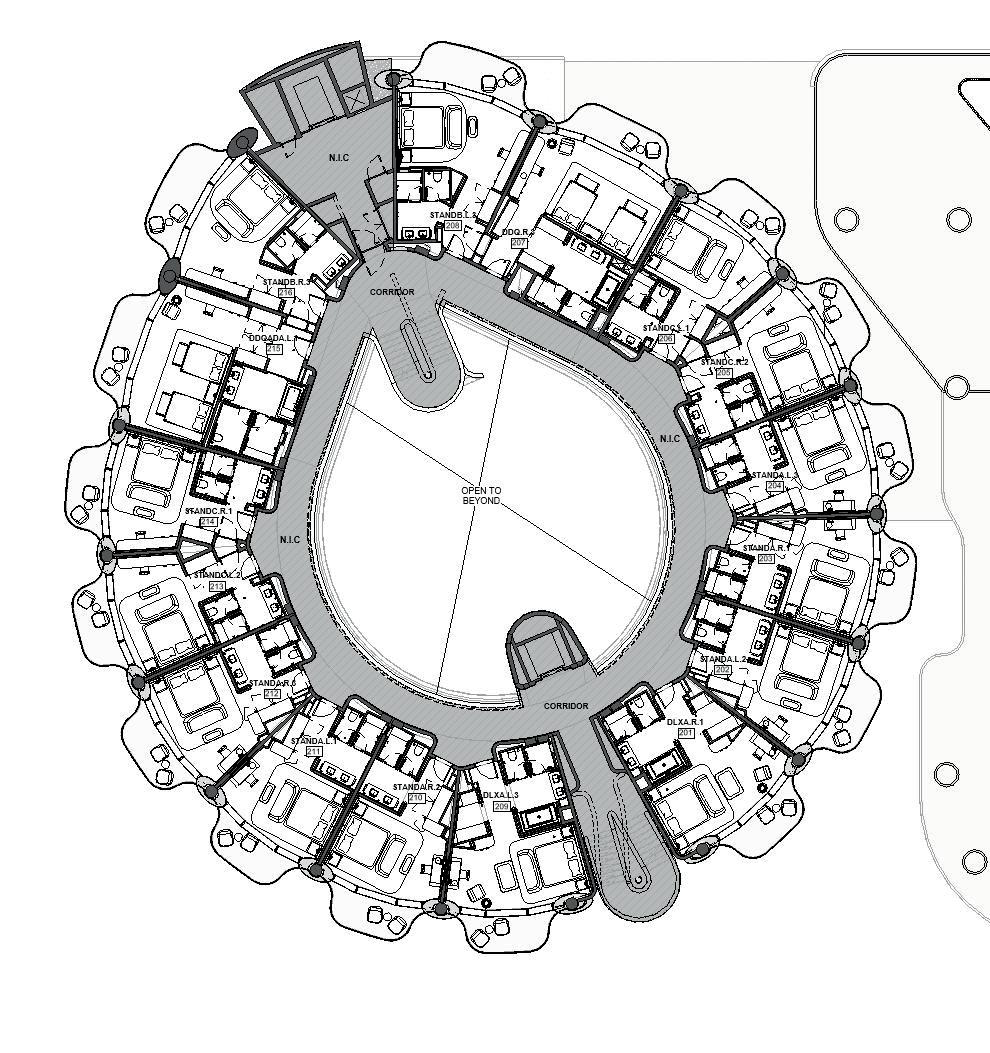
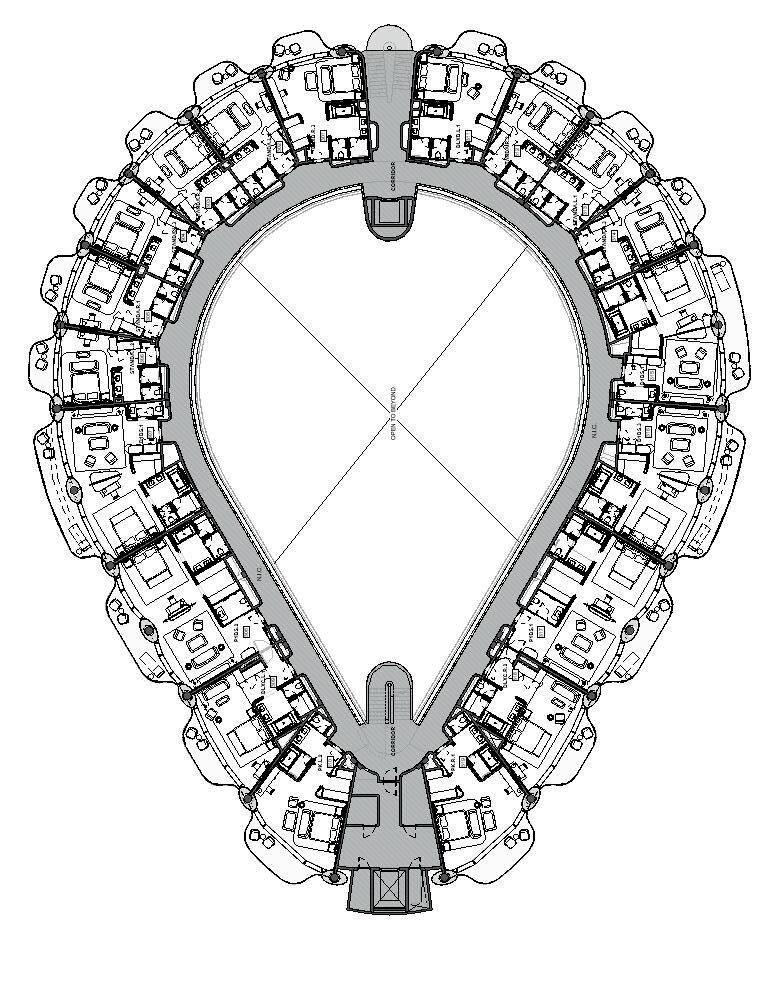
Guestrooms east
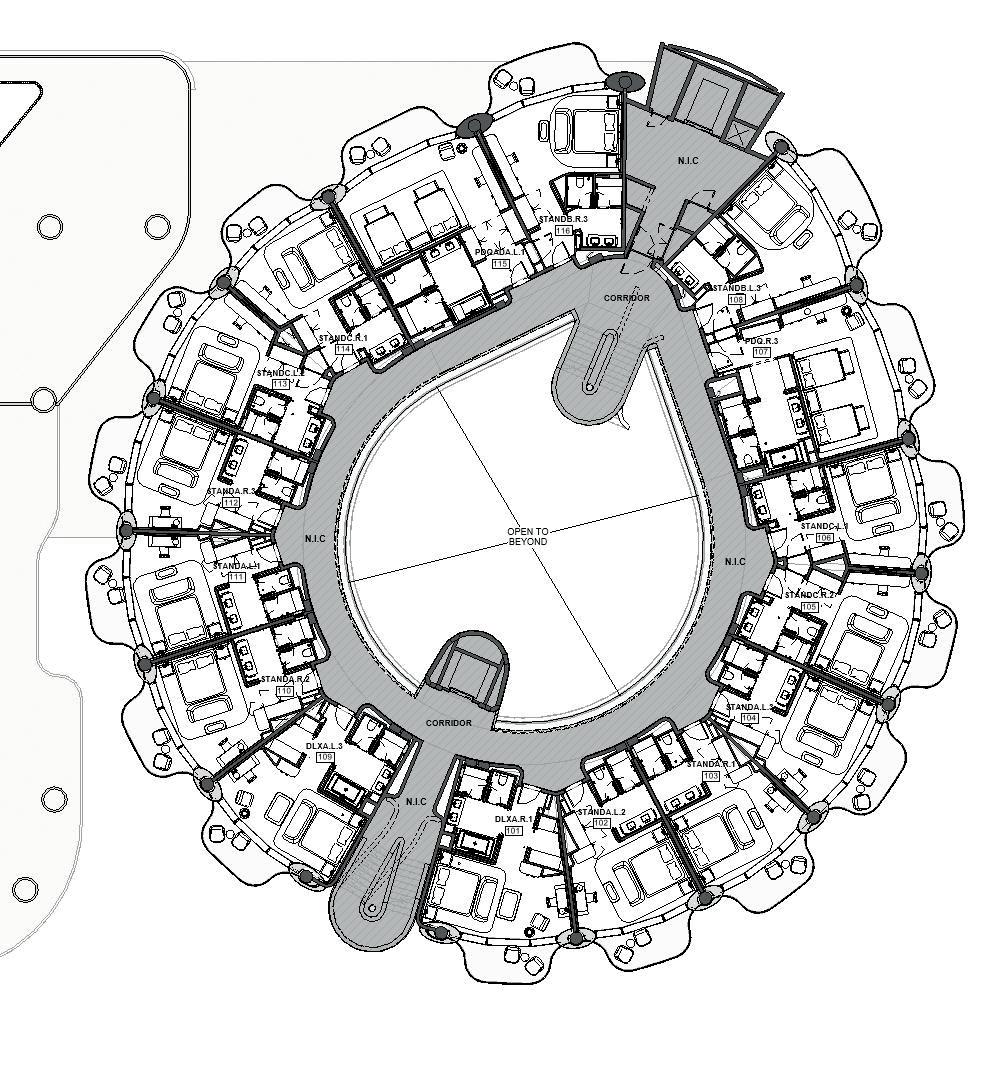
Guestrooms west
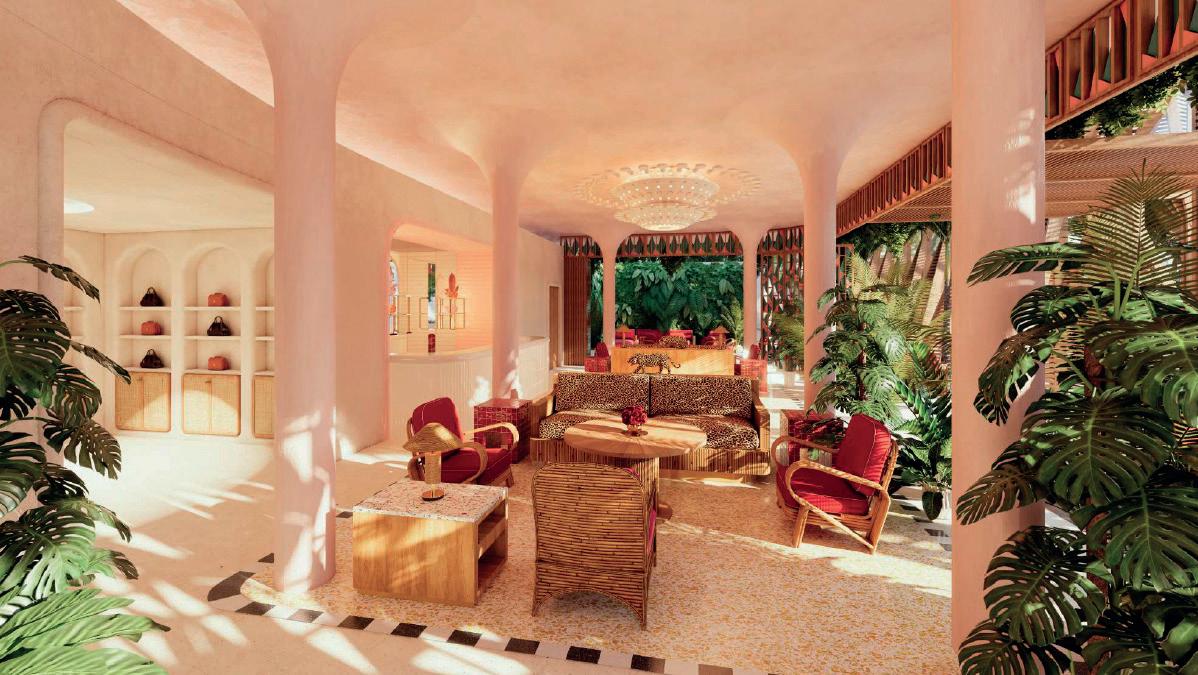
Arrival Render
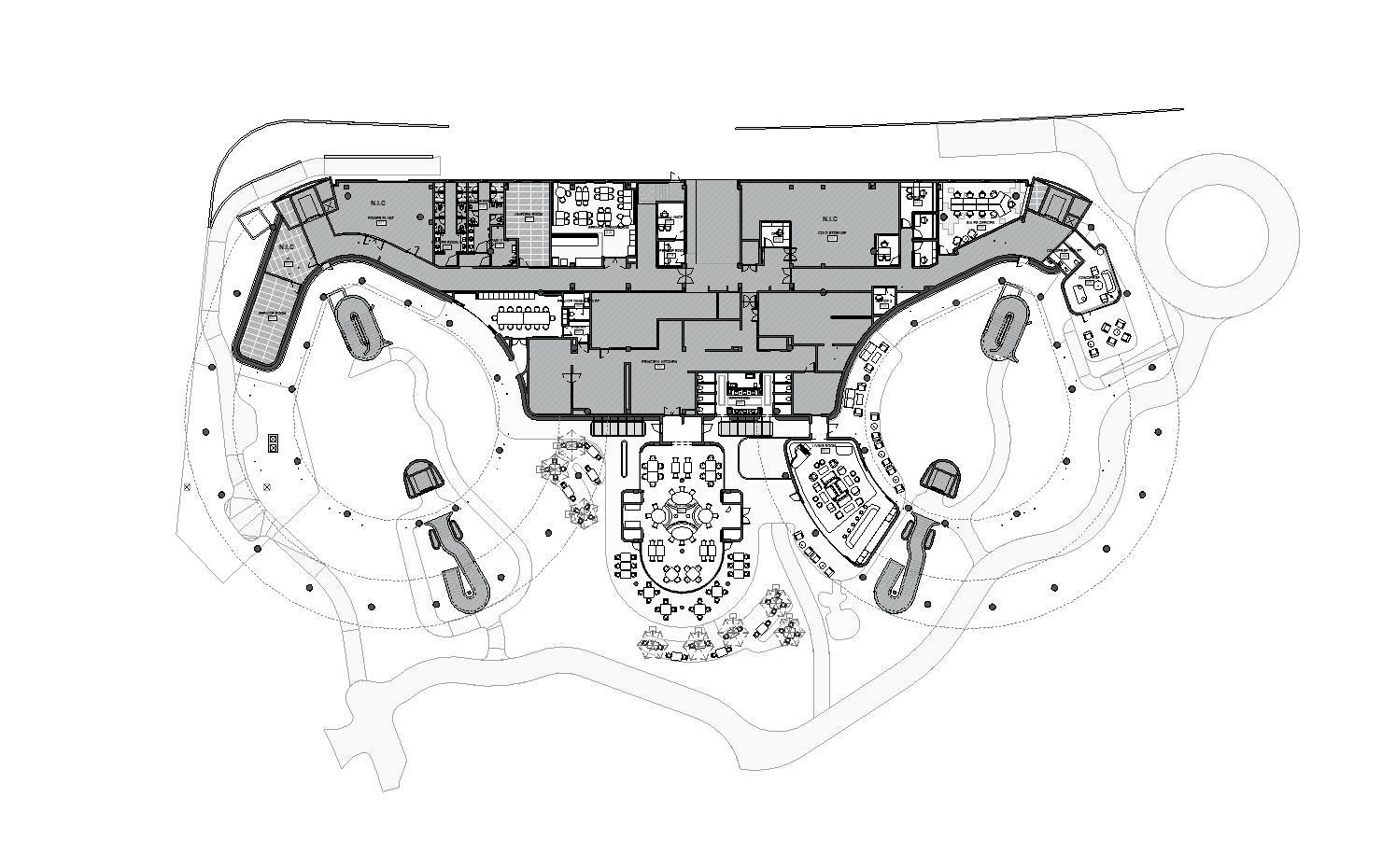
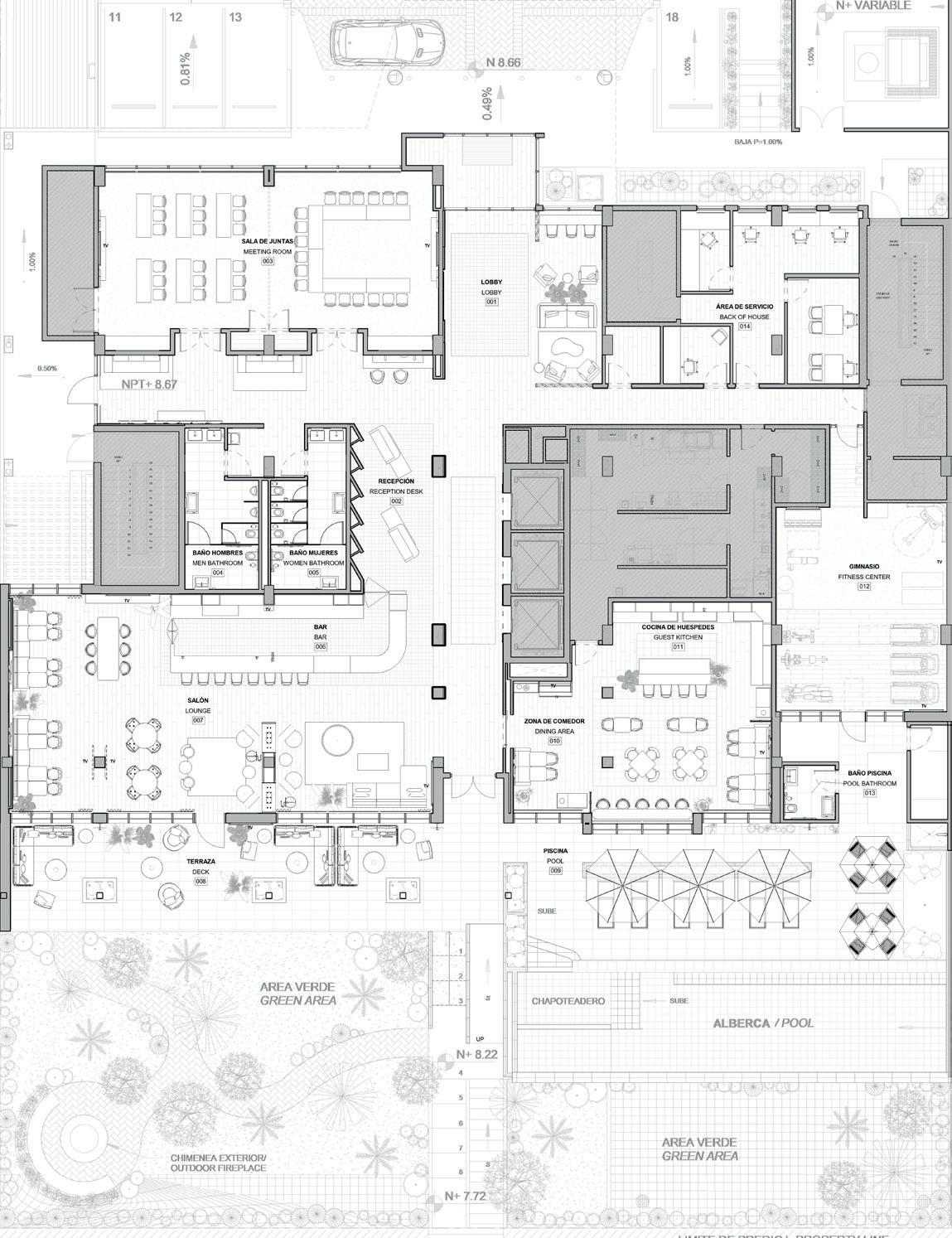
Ground Floor: North Side
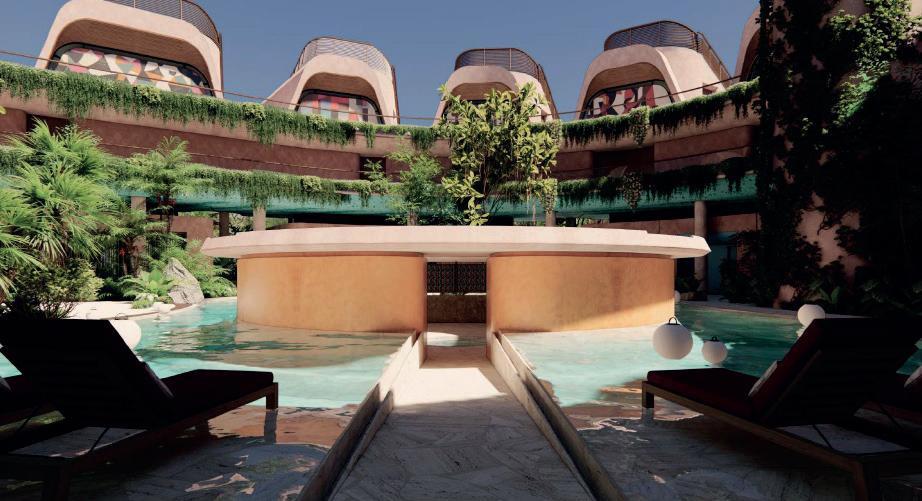
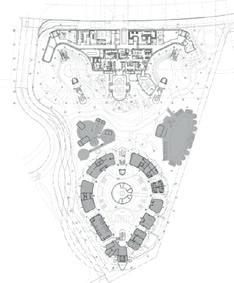
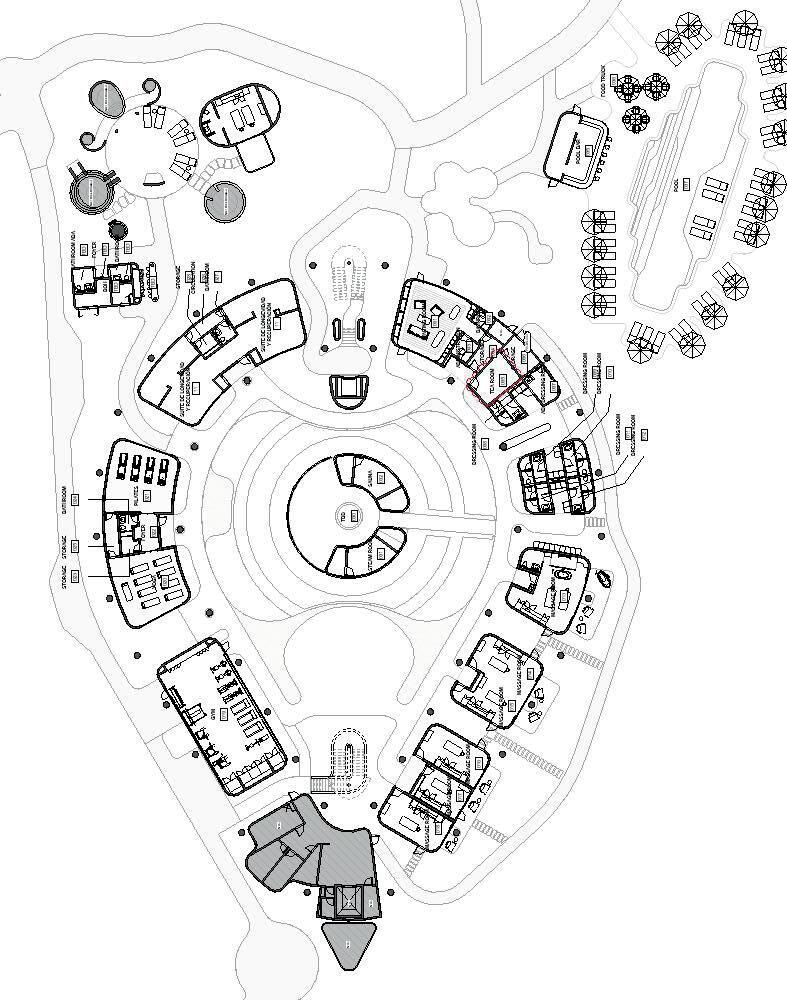
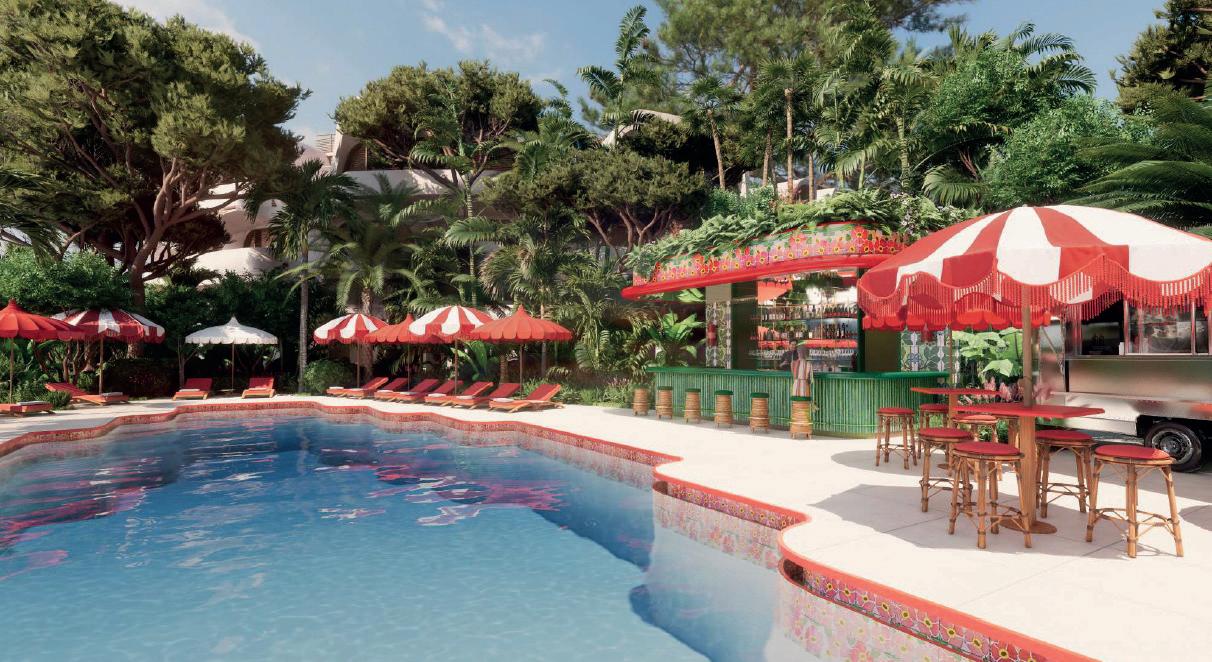
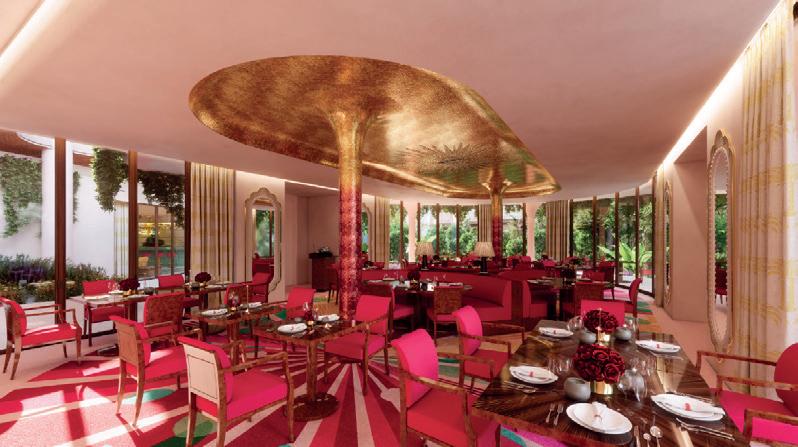
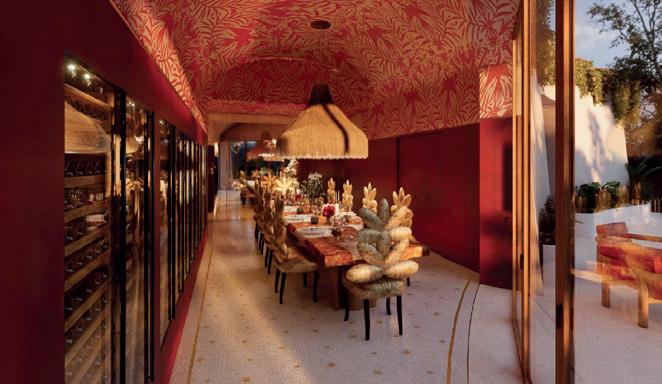
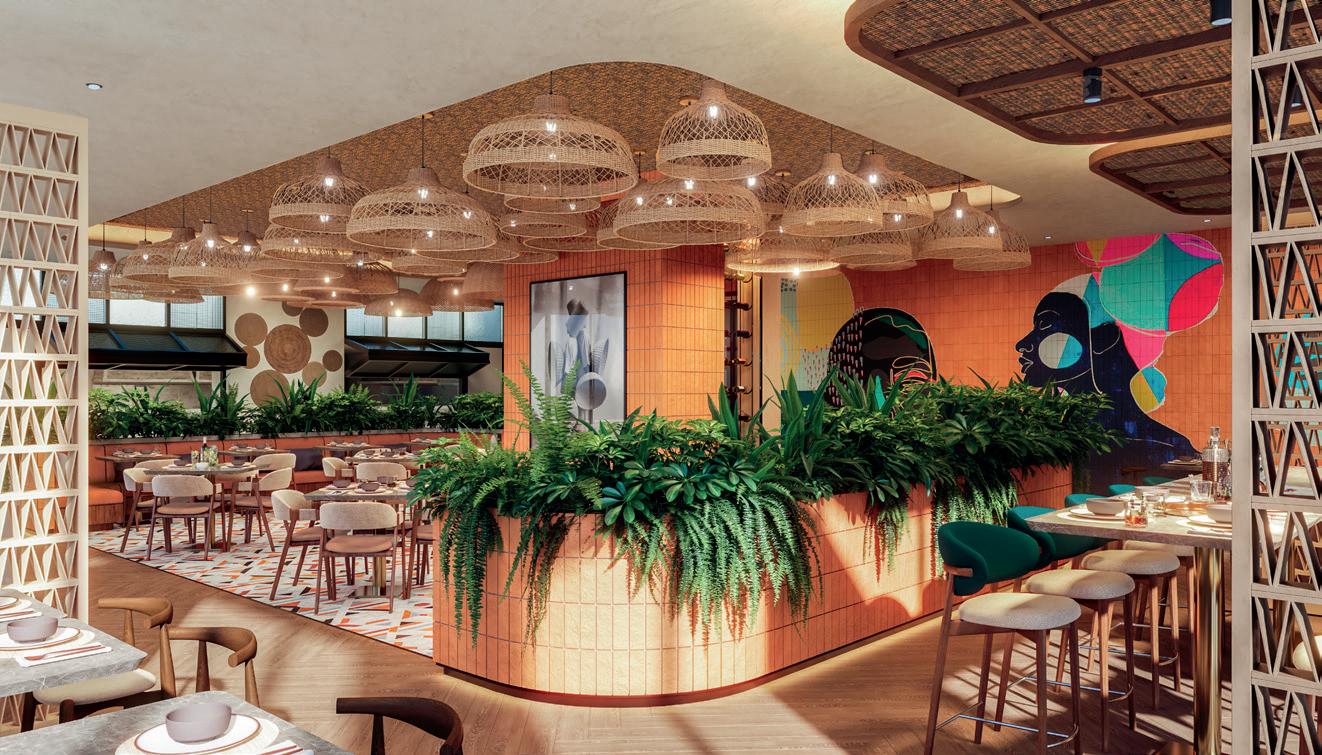
The upcoming Faena Tulum embodies a concept deeply rooted in its jungle and tropical surroundings, creating an immersive retreat that celebrates nature and place. The design integrates local materials such as chukum and handcrafted tiles, bringing authenticity and texture to the architectural expression while blending seamlessly with the natural environment. Spaces are conceived to evoke a sense of discovery, where luxury meets the organic character of the region. This project was developed in collaboration with the British design firm PMI, combining international expertise with local craftsmanship to deliver a unique vision of hospitality in the Riviera Maya.
Pool render
Dining render
Temazcal render
Wine Cellar render Ground Floor: South Side
Guestrooms south side
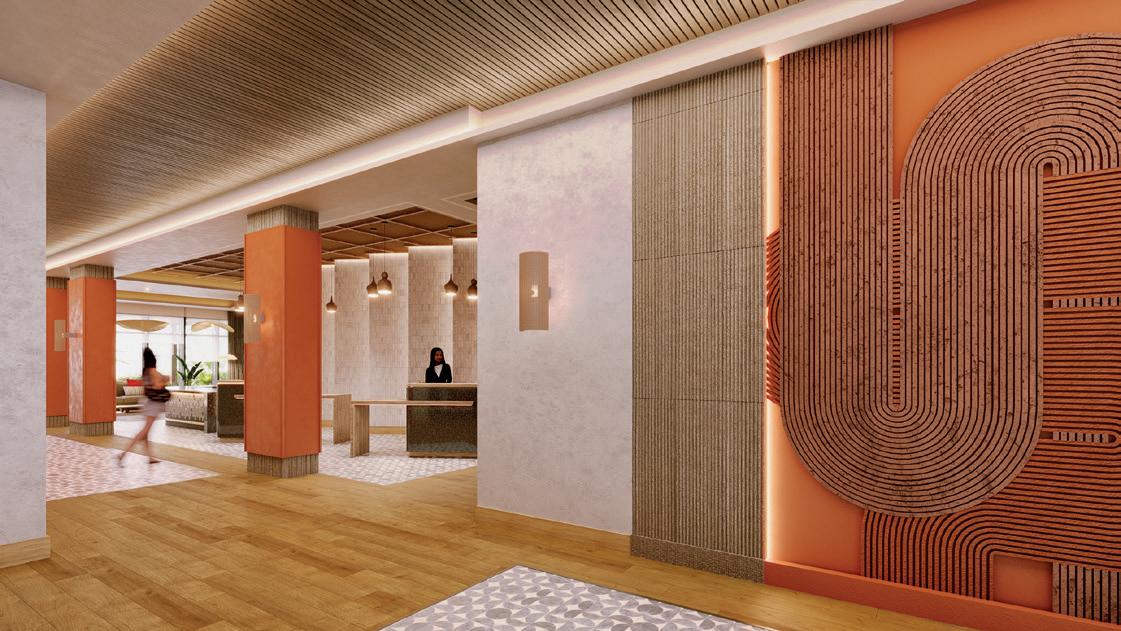
Render Lobby
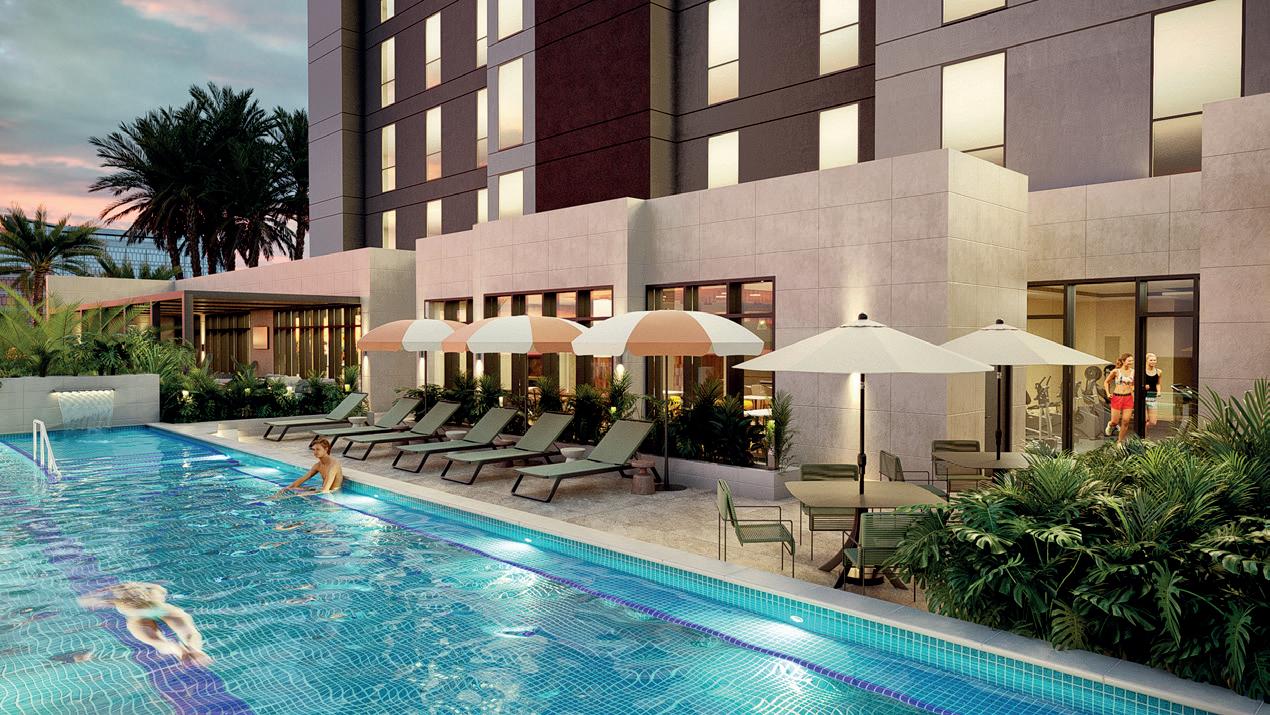
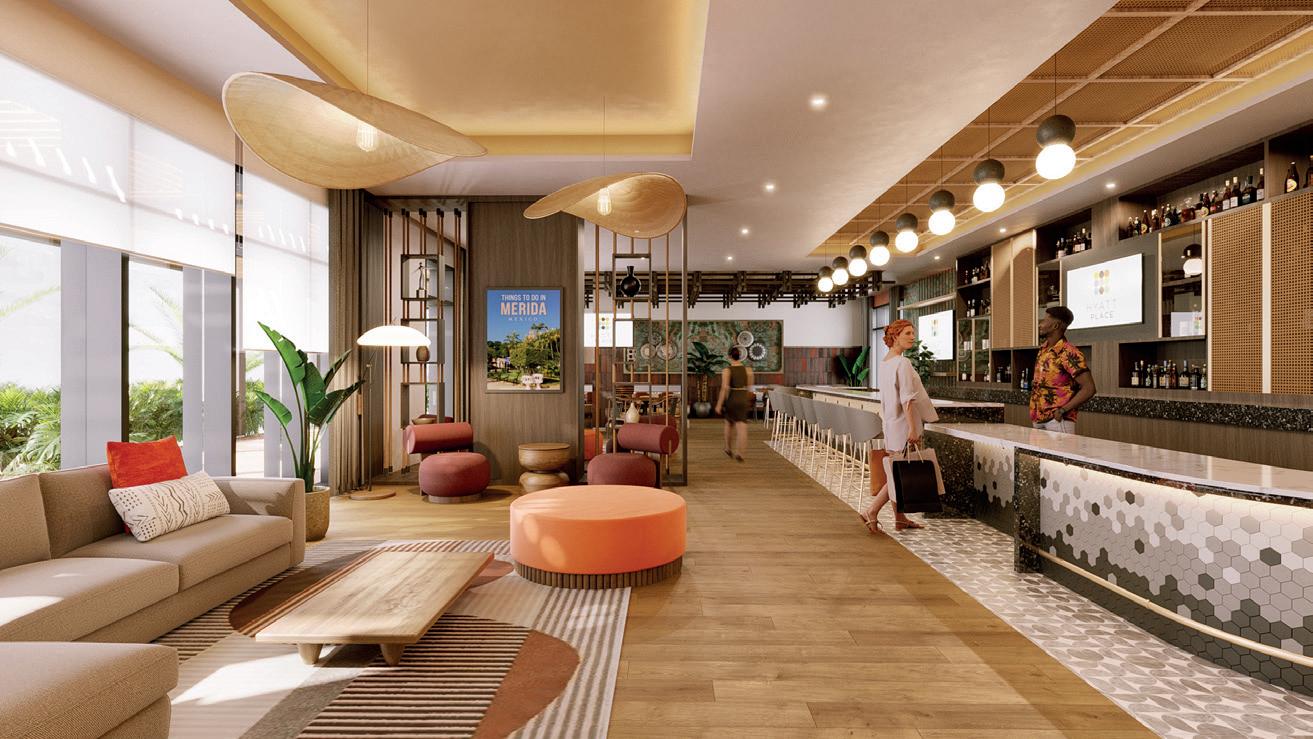
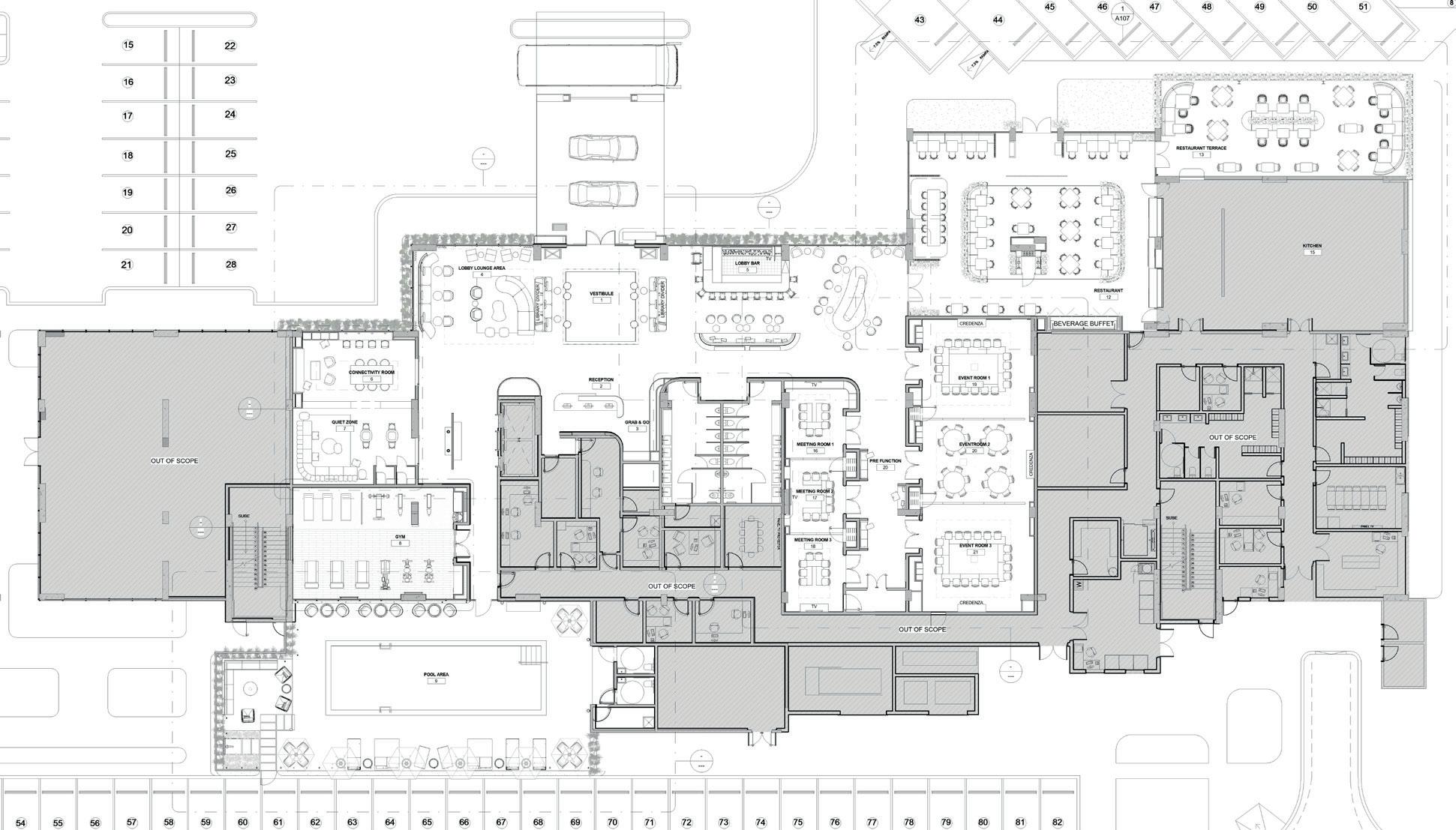
The Hyatt Place Mérida, located in the Yucatán region of Mexico, draws its inspiration from the vibrant colors, patterns, and traditions of Mexican culture. The design reflects the rich Mayan and colonial heritage through architectural details such as accent floors, chukum walls, woven textures, and bold color palettes. By combining culturally rooted finishes with a contemporary architectural approach, the project creates a dialogue between past and present, offering guests an experience that seamlessly connects the hotel interior to the charm of Mérida’s colonial landmarks.
Render Lounge/Bar
Render Pool
Render Lobby
Project in collaboration with:
Juan Martin Castañeda
Gabriela Aponte
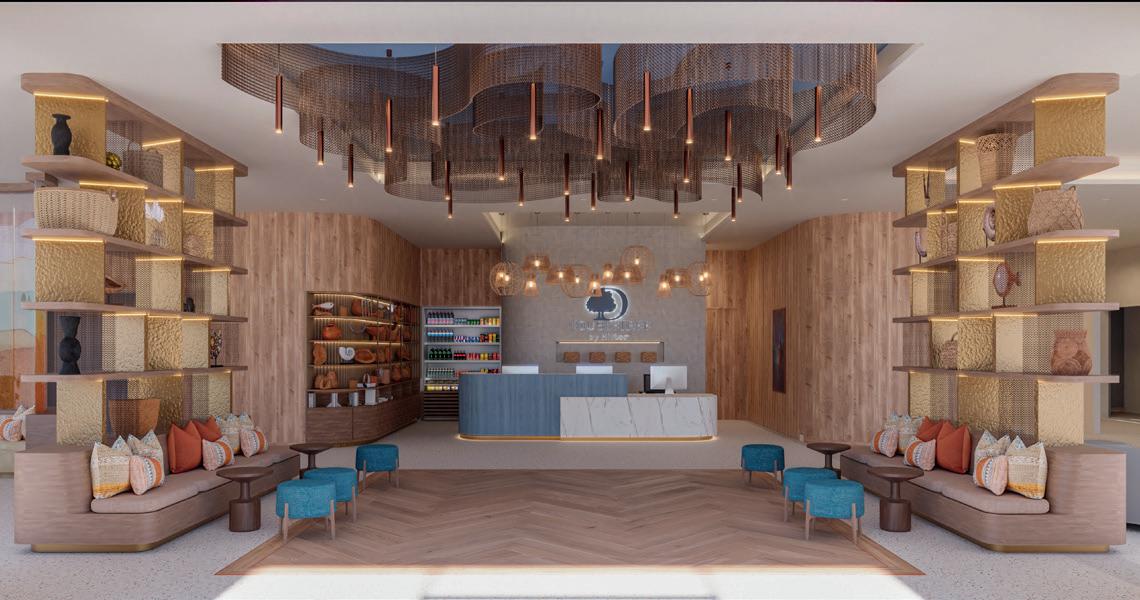
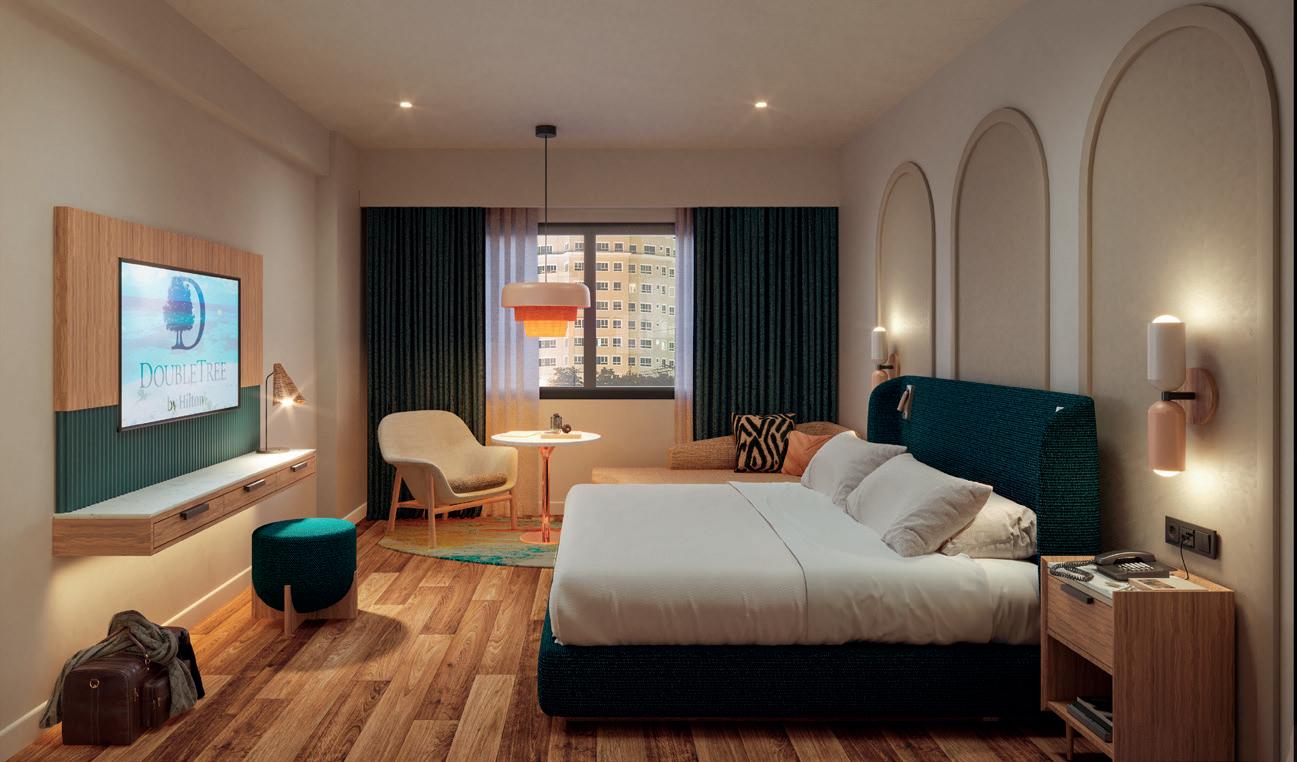
The DoubleTree by Hilton Punta Cana is a hospitality project inspired by the colors, textures, and natural elements of the Dominican Republic. The design reflects the essence of the island by incorporating references to fishing nets, the sea, and palm trees throughout the hotel’s spaces, offering guests an immersive experience that mirrors the local environment. Aligned with DoubleTree’s philosophy of creating a welcoming “home away from home,” the interiors integrate custom furniture and carpentry, as well as warm textiles and woods, to evoke comfort, hospitality, and a sense of belonging from the moment guests arrive.
Render Guestroom
Render Restaurant
Render Lobby
Render Restaurant
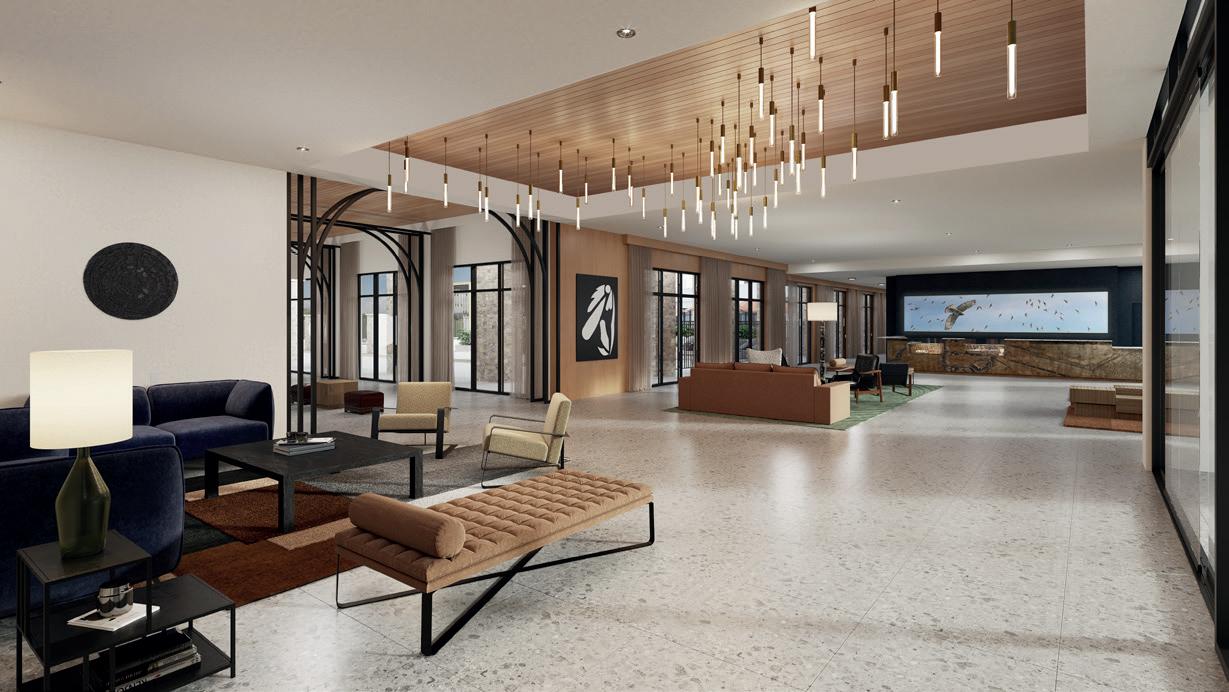
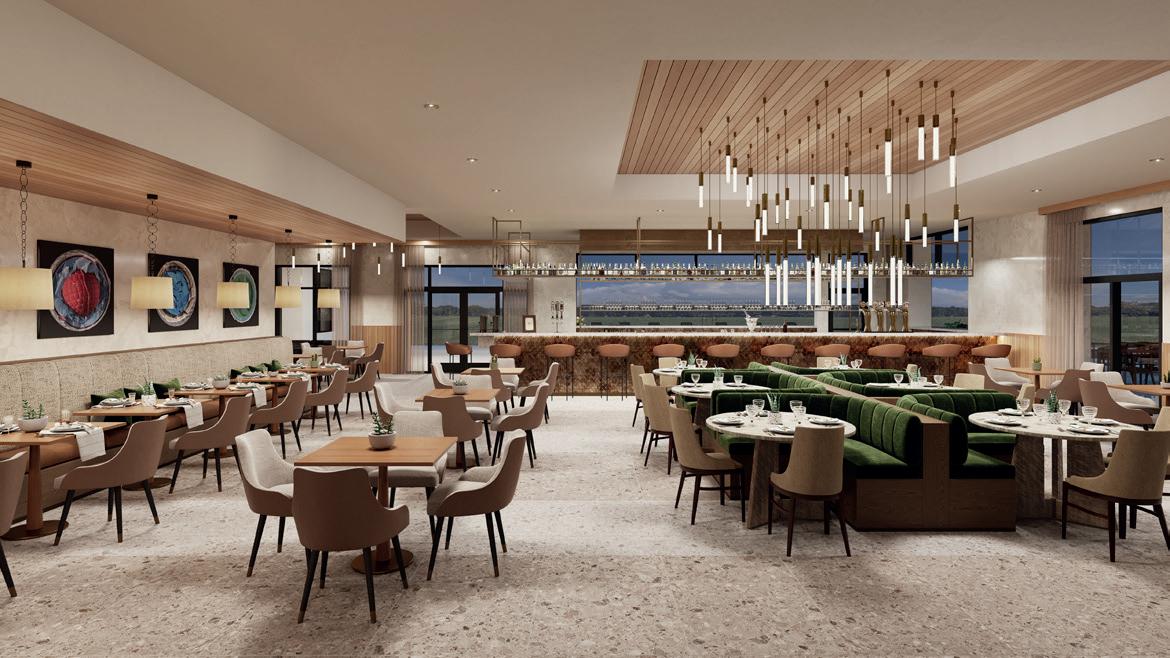
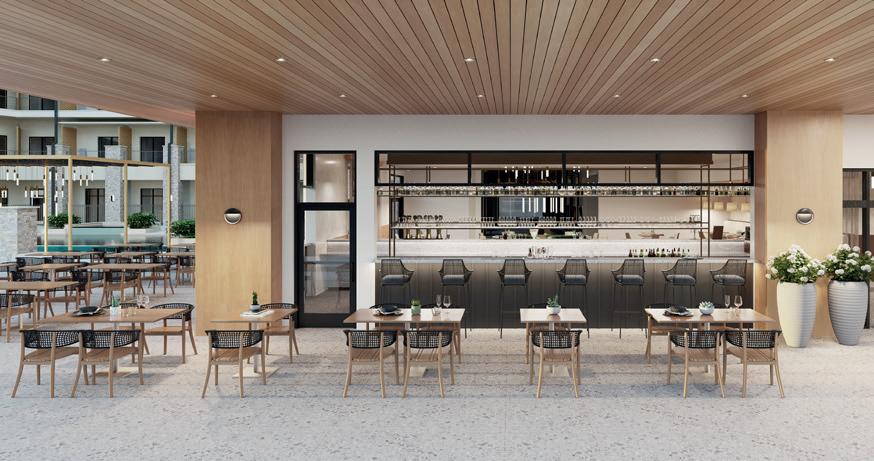
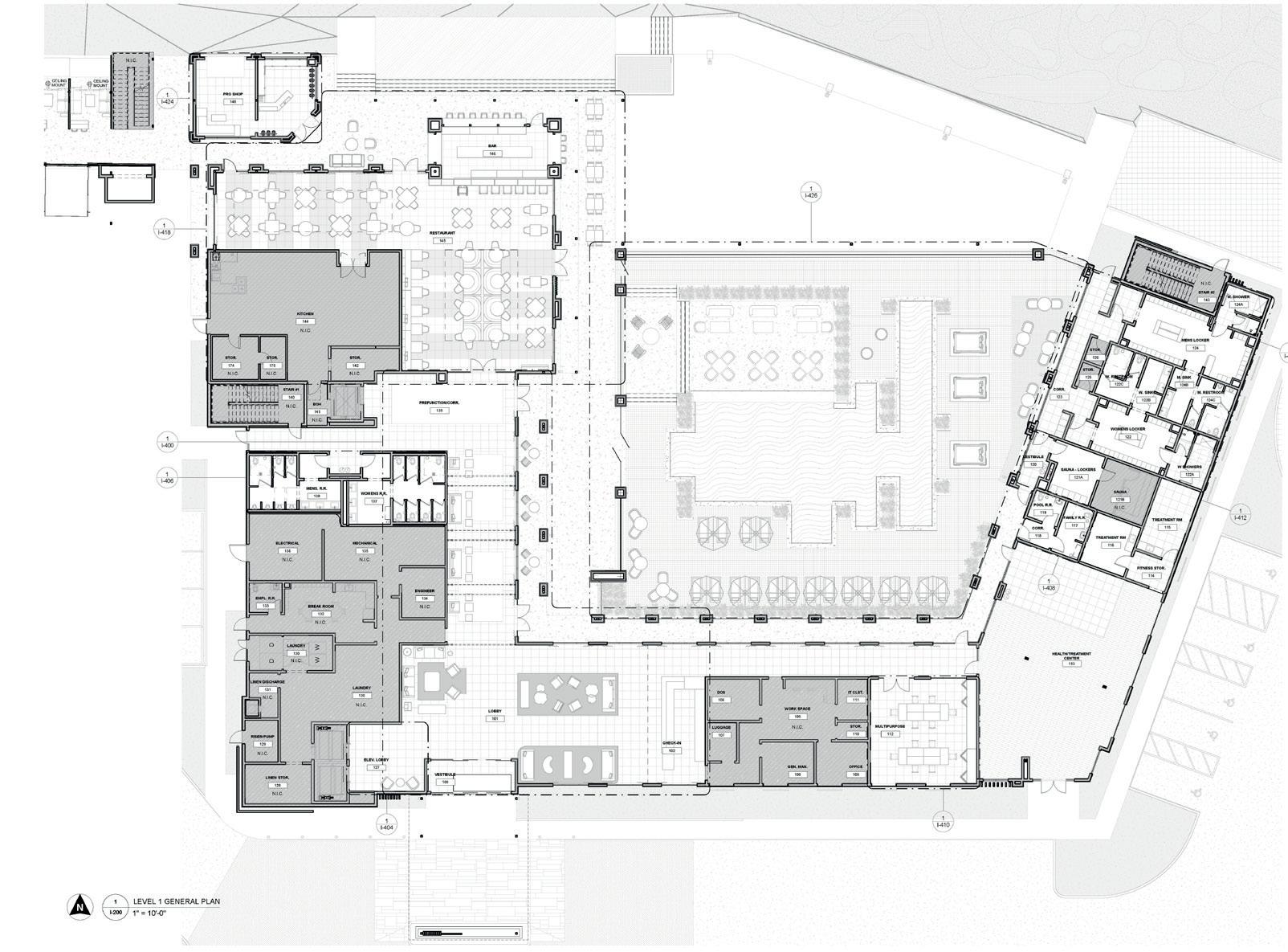
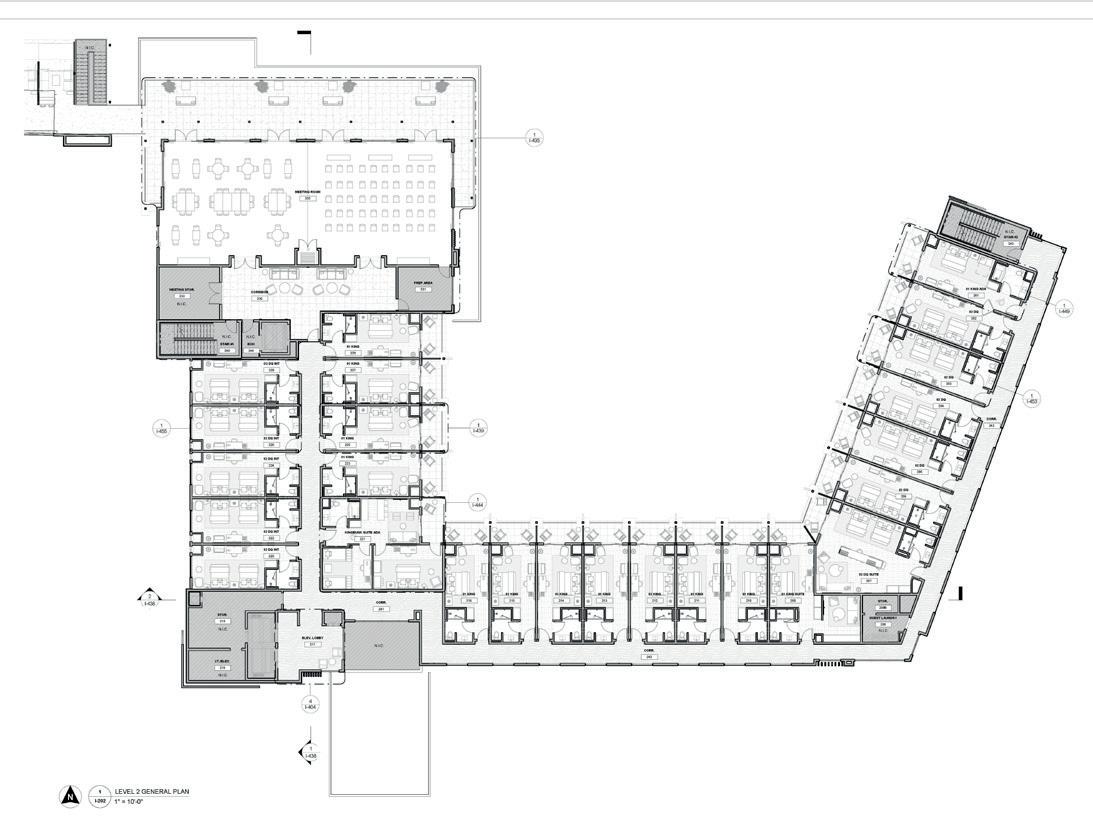
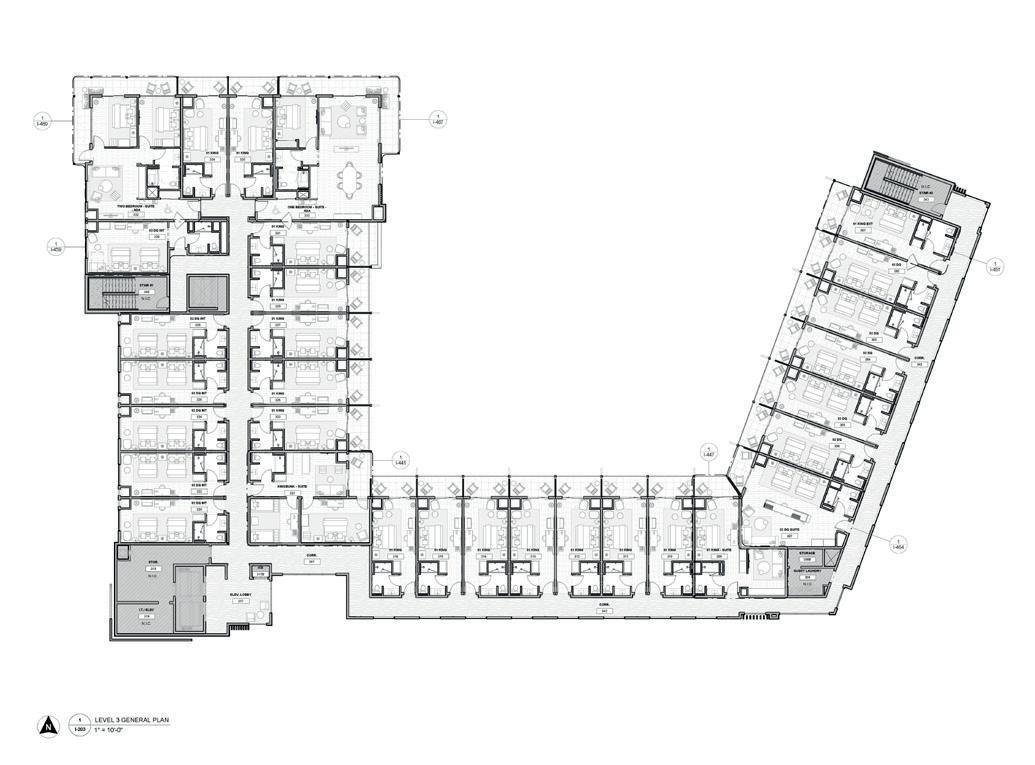
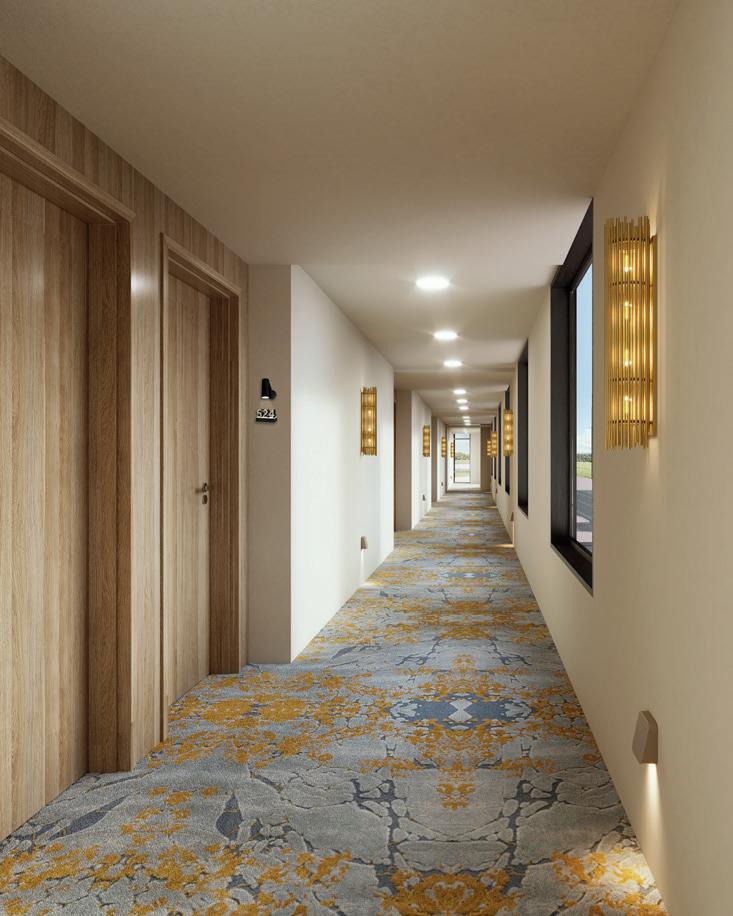
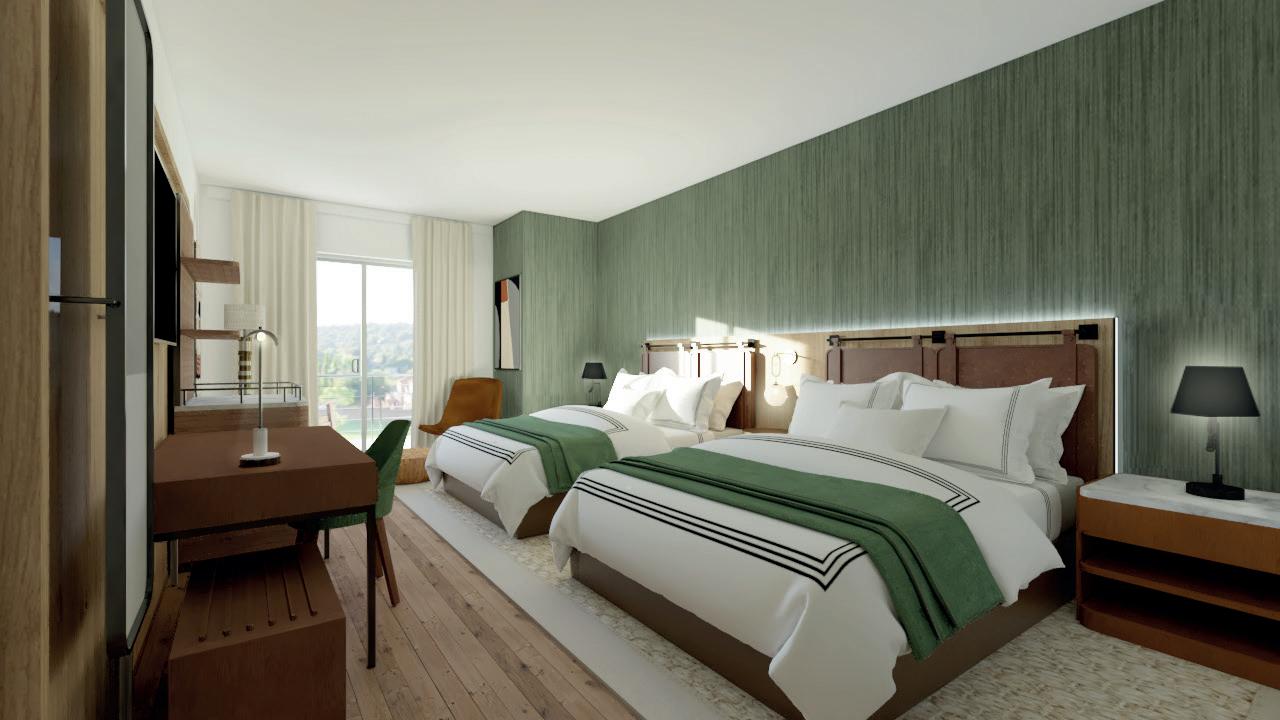
Ascending River Park is a hospitality project located in Arlington, Texas, conceived to complement the experience of an adjacent golf course. Designed to serve club members, the hotel offers not only accommodations but also a variety of social and leisure spaces that enhance community life. The interior design takes inspiration from the textures, tones, and materiality of Texas, incorporating finishes that reflect the region’s character while creating a refined and welcoming atmosphere.
Render Guestroom
Render Corridor
BANT
Photo Open Office
Render Open Office
Render 2022
Project in collaboration with:
Angelica Rojas
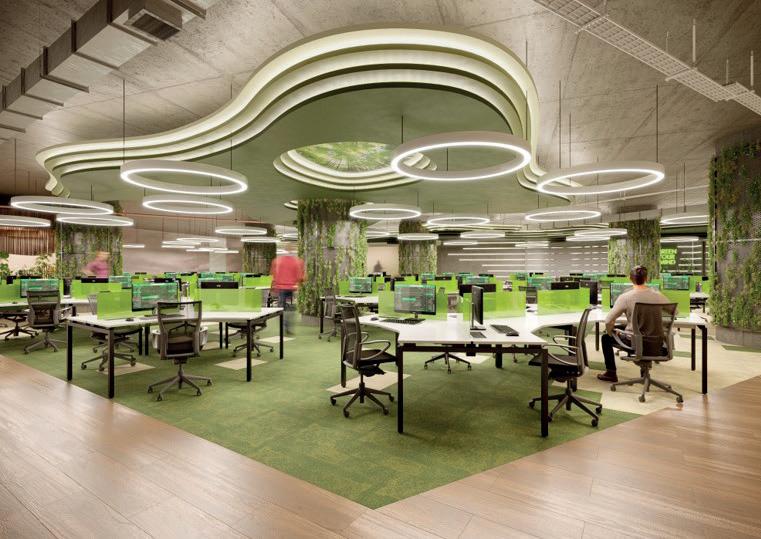
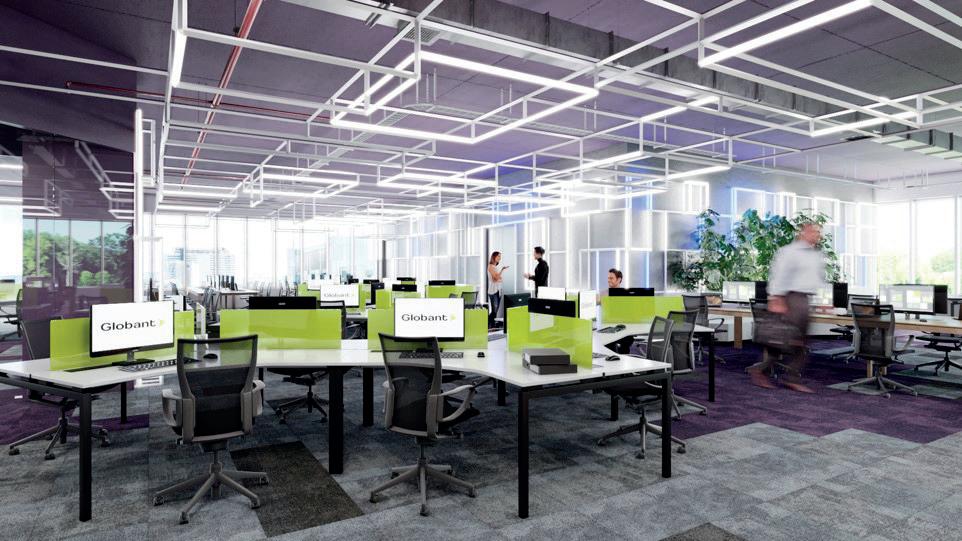
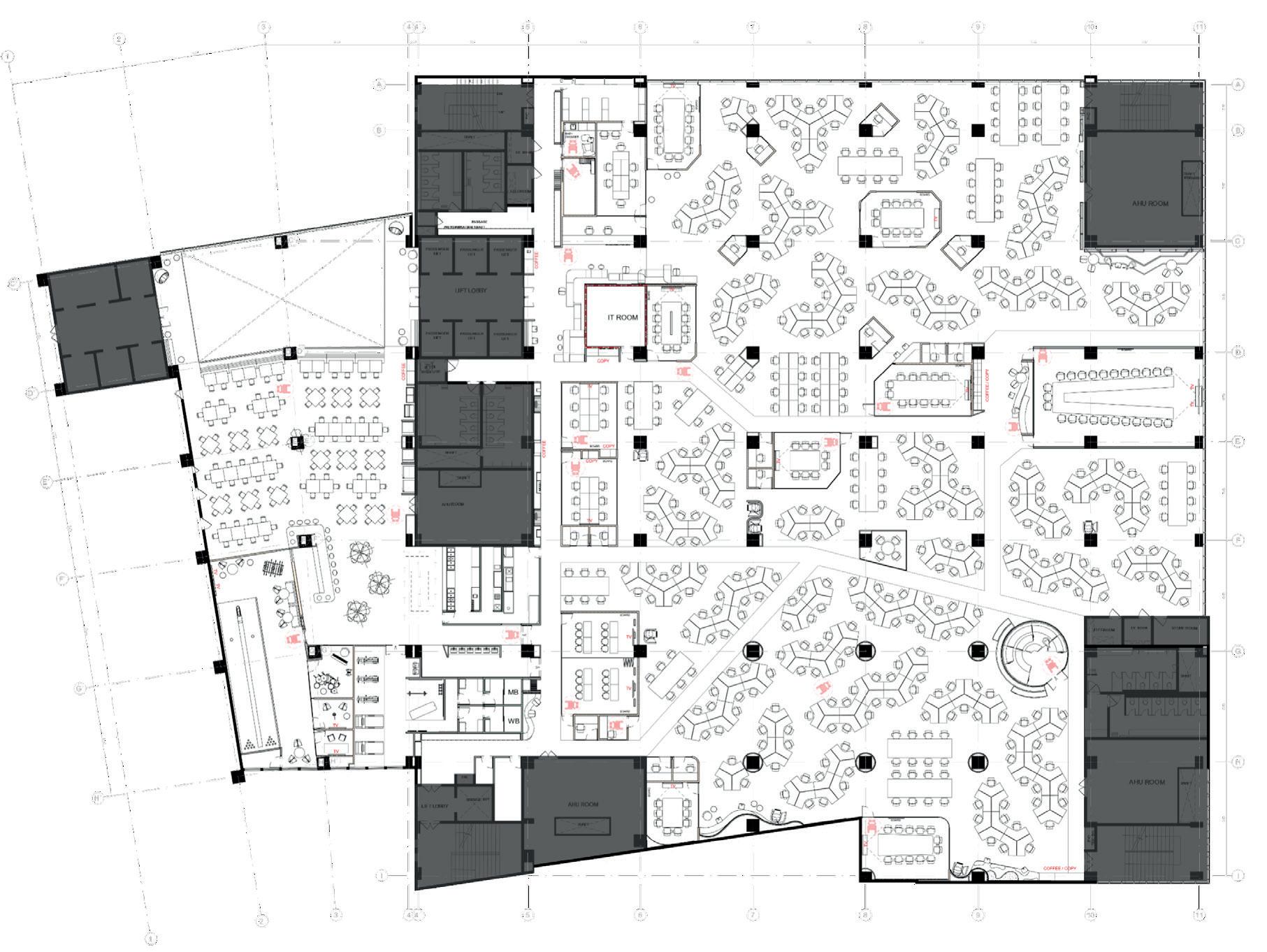
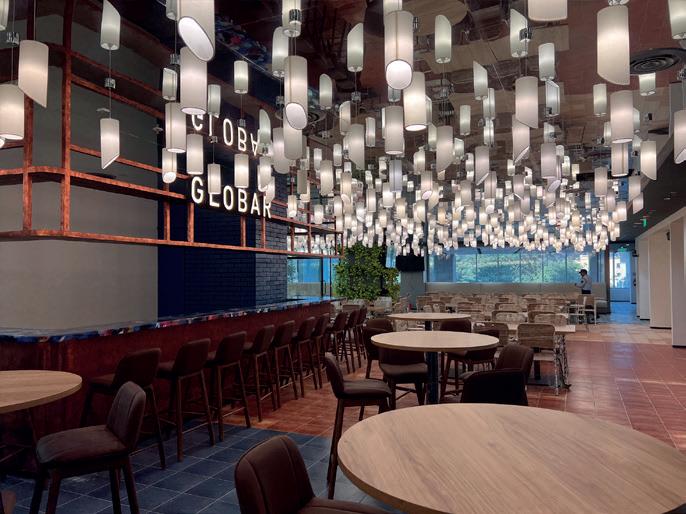
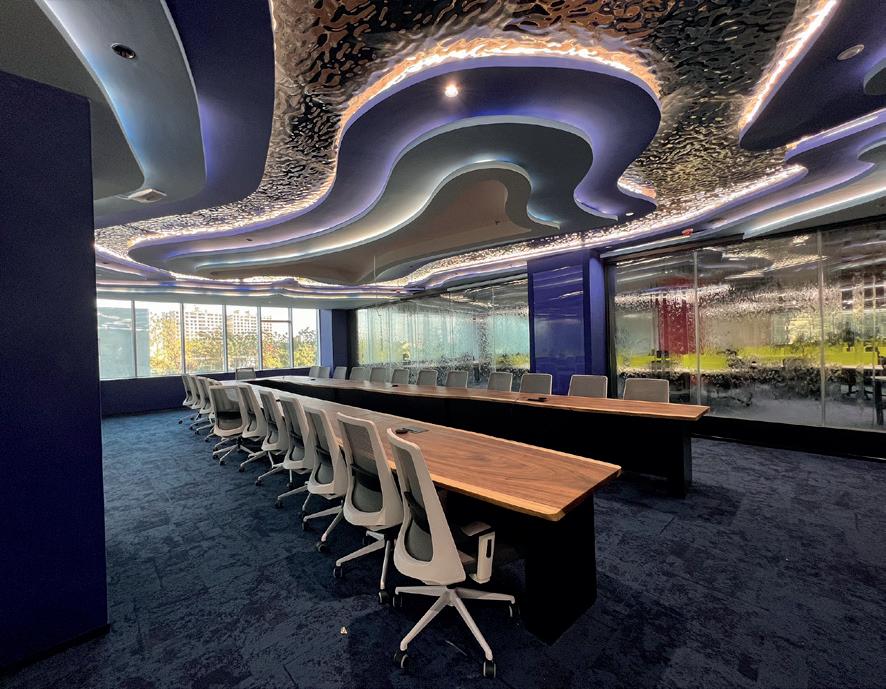
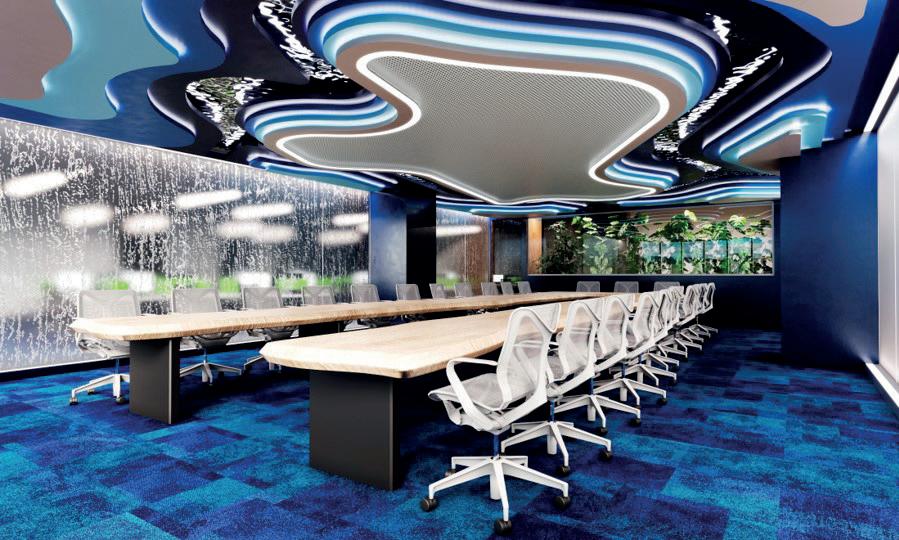
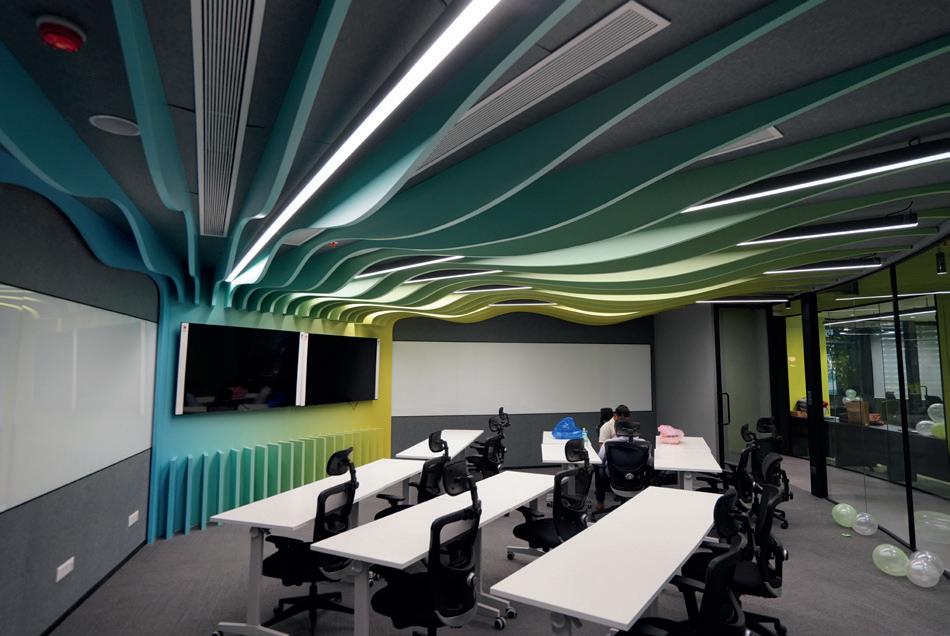
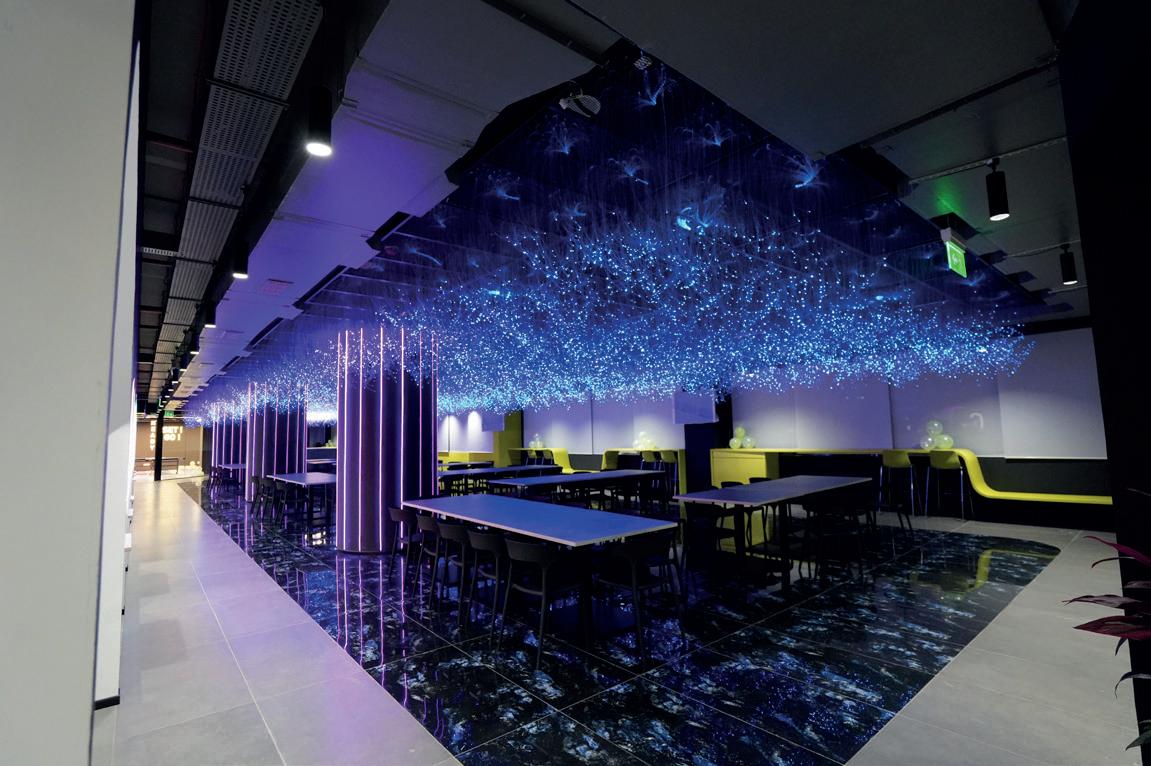
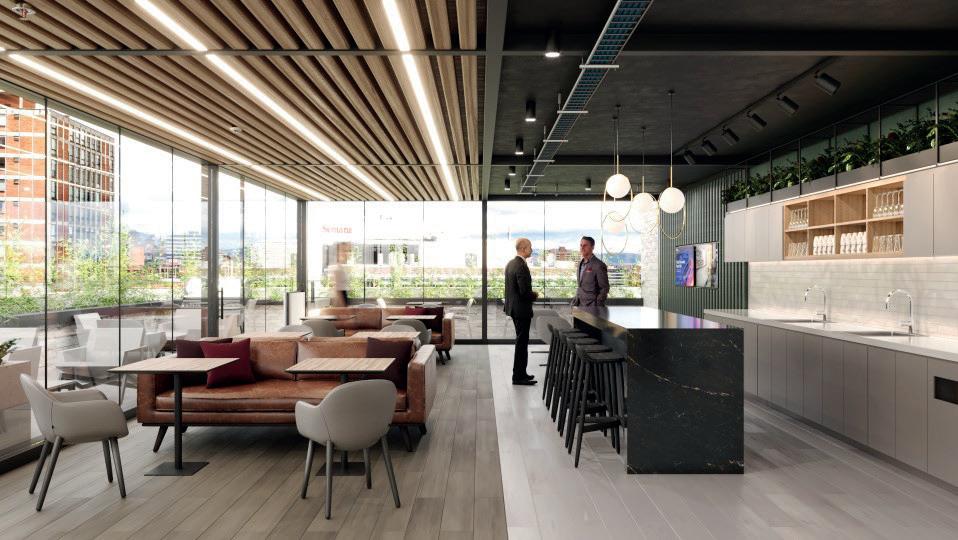
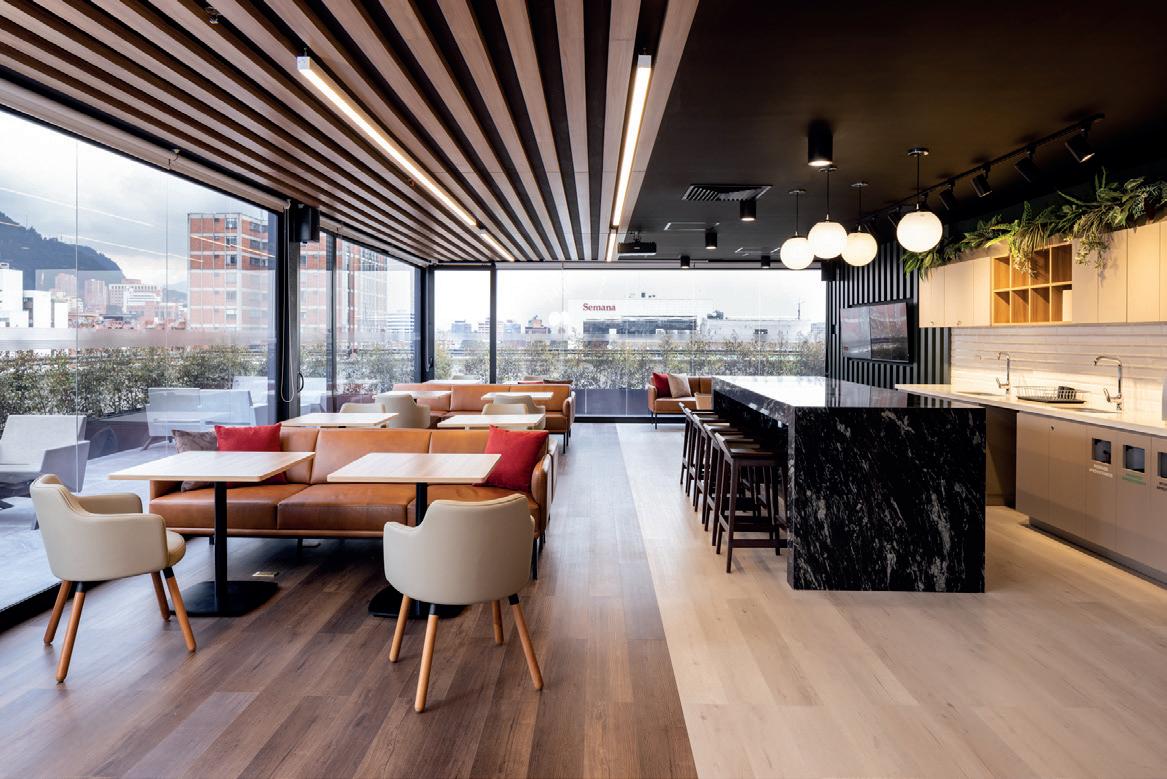
This project was developed to create a new office space for Globant in Pune, India, under the conceptual idea “Outside In.” The design brings elements of the outdoors into the workplace, using textures, colors, and materials that evoke water, vegetation, and sky. The 4,000 m² office is organized into four distinct zones: one inspired by the city, another by the forest, a third by the ocean, and finally a cafeteria and game area that reflect the sky and clouds. Together, these spaces form a seamless transition through diverse landscapes, offering the 436 Globers who work here a journey of discovery and the opportunity to enjoy environments that connect them to their preferred natural settings.
QR 360 Render Restaurant
Render Game Cave
Render Board Room
Photo Restaurant
Photo Board Room
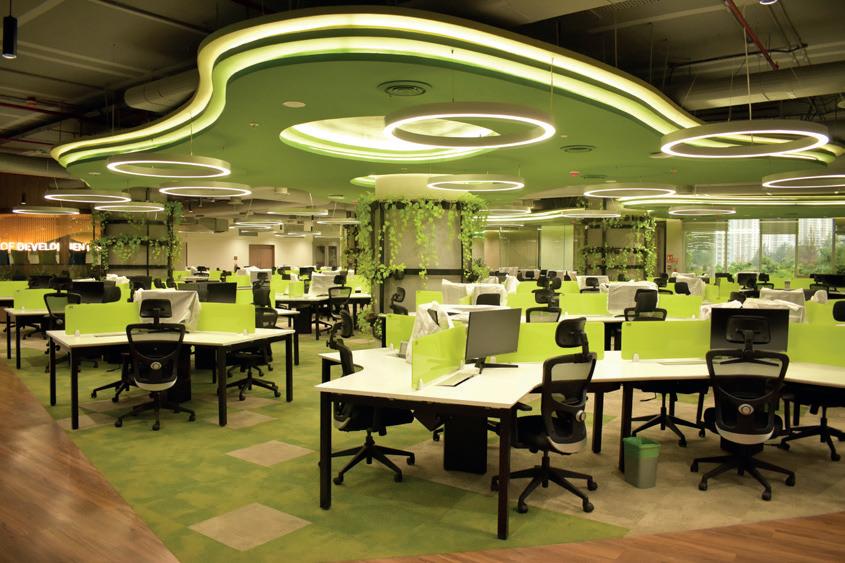
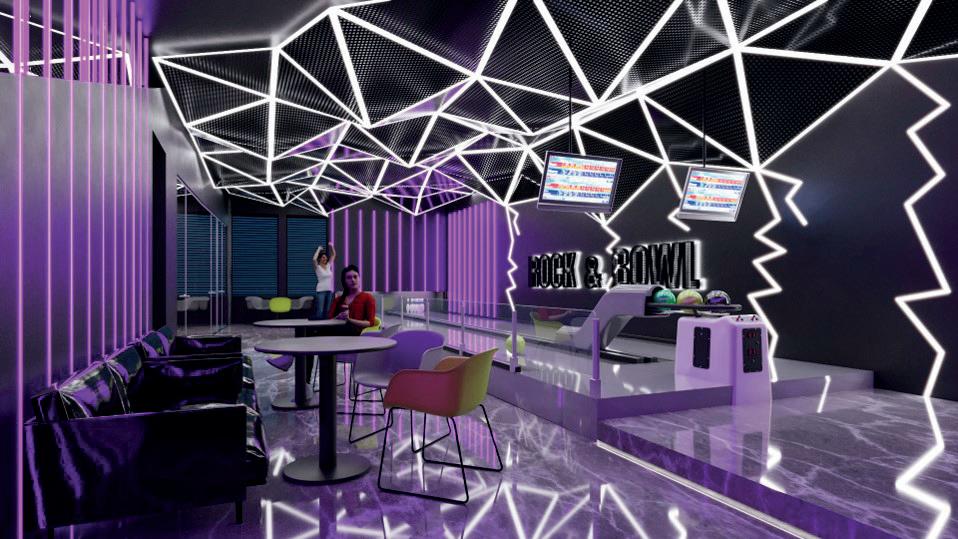
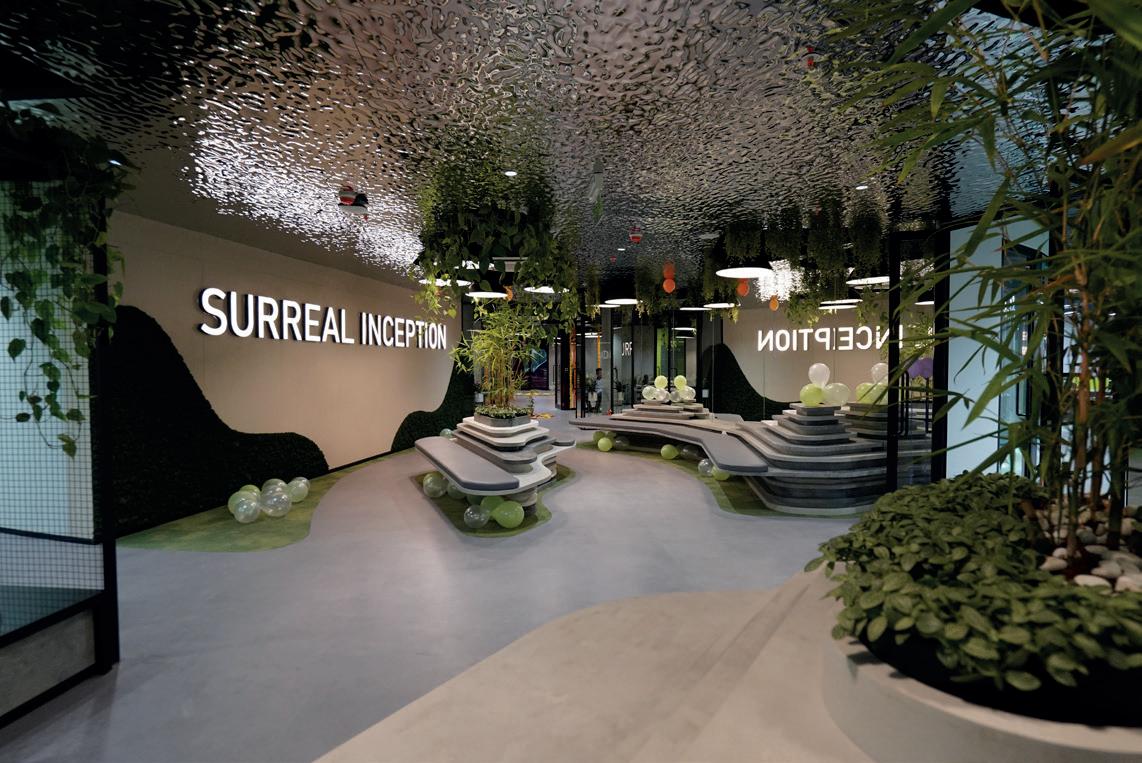
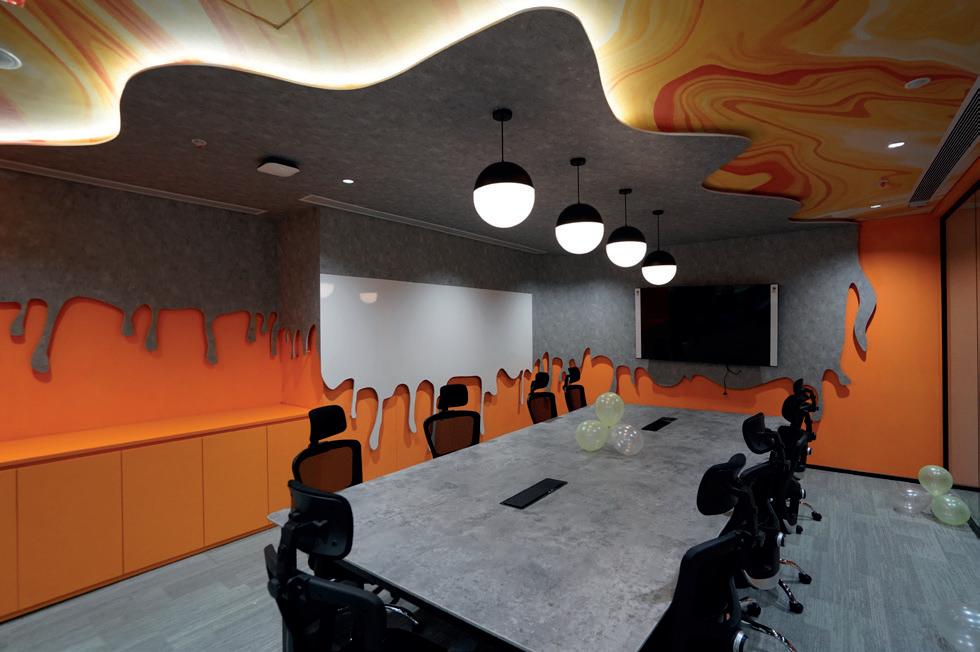
The Globant Magarpatta “Surreal Inception” project was distinguished with two international honors: the Asia Pacific Property Award 2025–2026 for Best Corporate Interior Design in India and the Emporia México 2024 Award for innovation in ephemeral architecture. Designed during my time at AEI Spaces, these awards highlight the project’s creativity and global impact.
Photo entrance
Photo open office
Photo meeting room
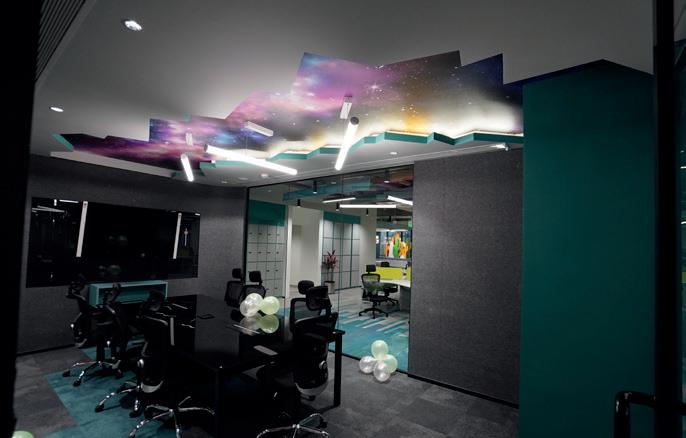
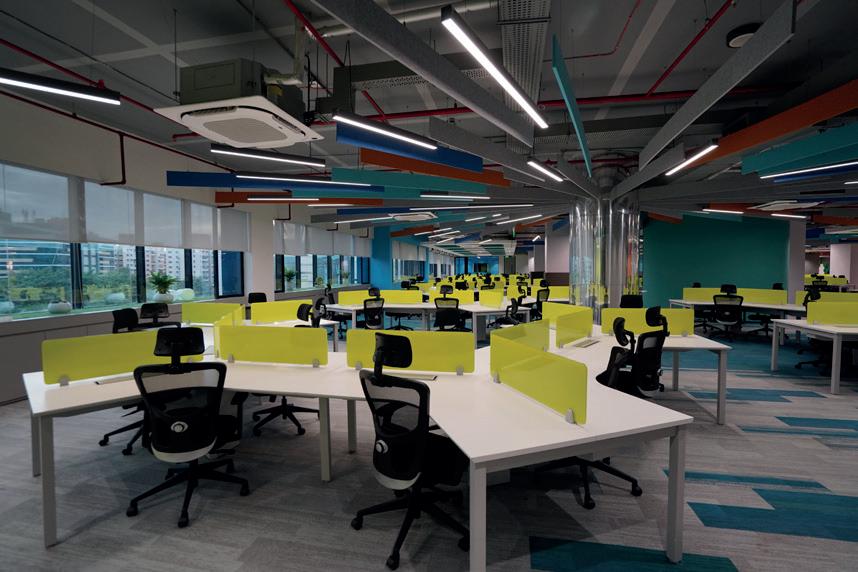
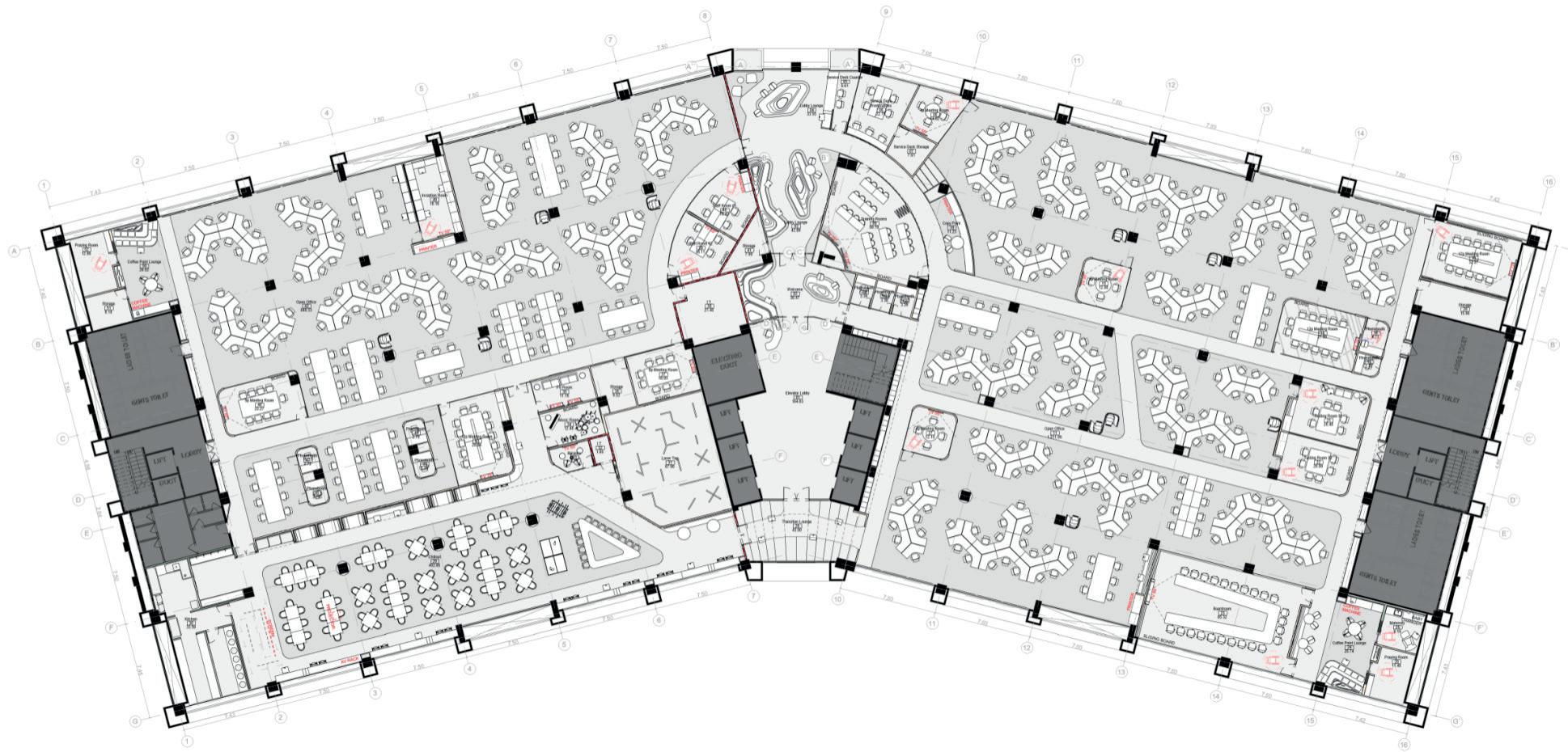
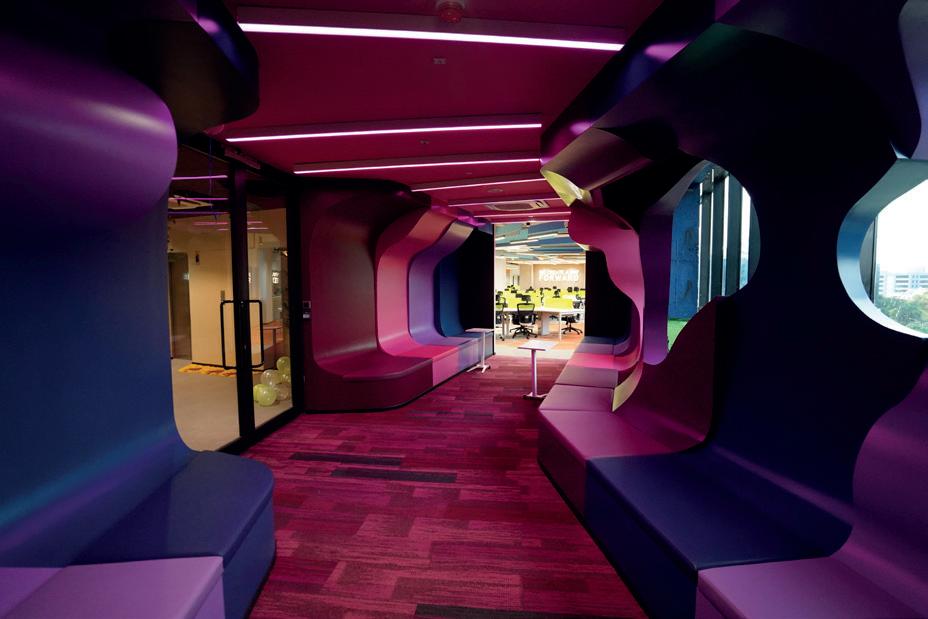
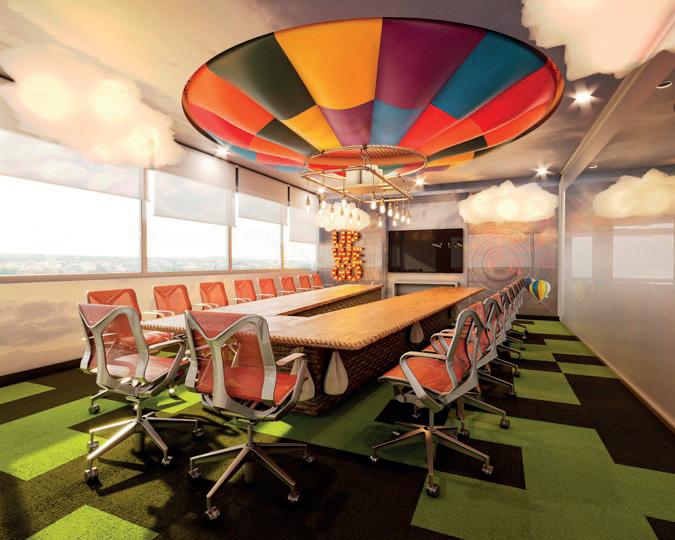
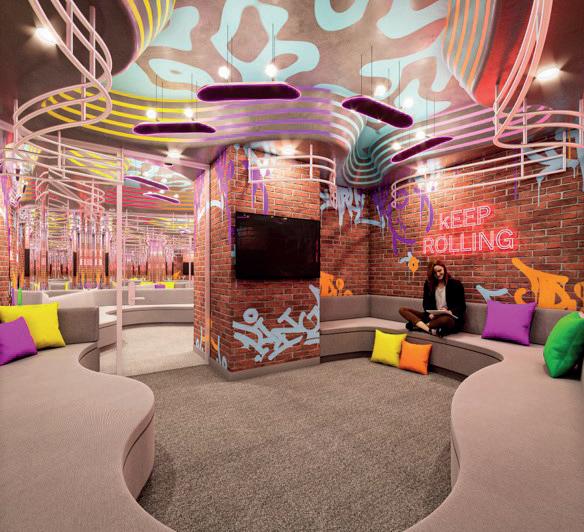
The Globant Magarpatta “Surreal Inception” project reimagines the workplace through the lens of the sleep cycle. The concept translates the four stages of sleep, from NREM 1 to REM, into a progressive architectural journey where spaces become increasingly abstract and immersive. Color palettes, lighting schemes, and spatial compositions evolve across the 4,000 m² floor, guiding users through a rhythm of calm focus and creative stimulation. Materials such as mirrors, metal mesh, and neon accents amplify the dreamlike atmosphere, blurring the line between reality and imagination. A key challenge of the design was distributing a large program across a single floorplate; this was resolved by introducing fluid circulation, distinct zones, and varied spatial experiences that prevent monotony. The result is a dynamic, open office that fosters collaboration while offering employees an engaging and inspiring environment.
Photo restaurant area
Photo meeting room
Photo corridor
Photo meeting room
Project in collaboration with:
Angelica Rojas Daniela Reyes Scarlett Olivo
Render Board Room
informal
Render Open Office
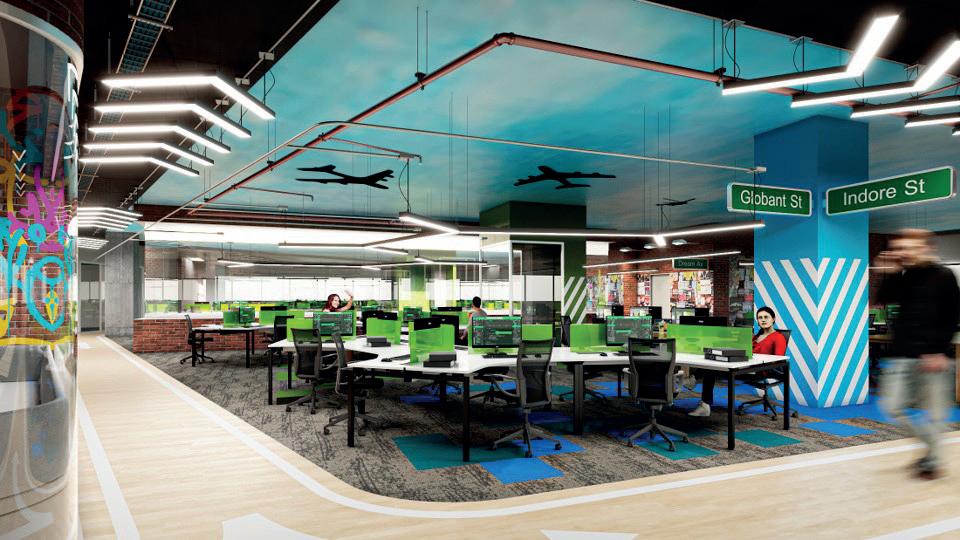
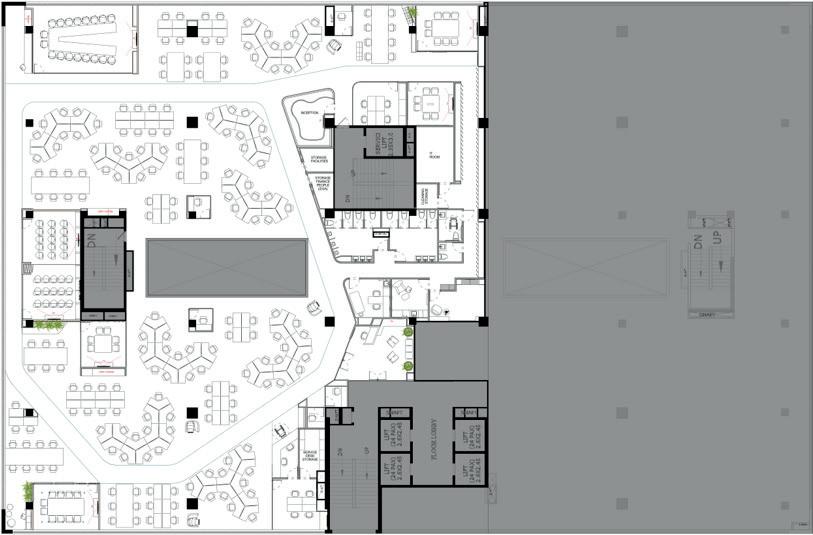
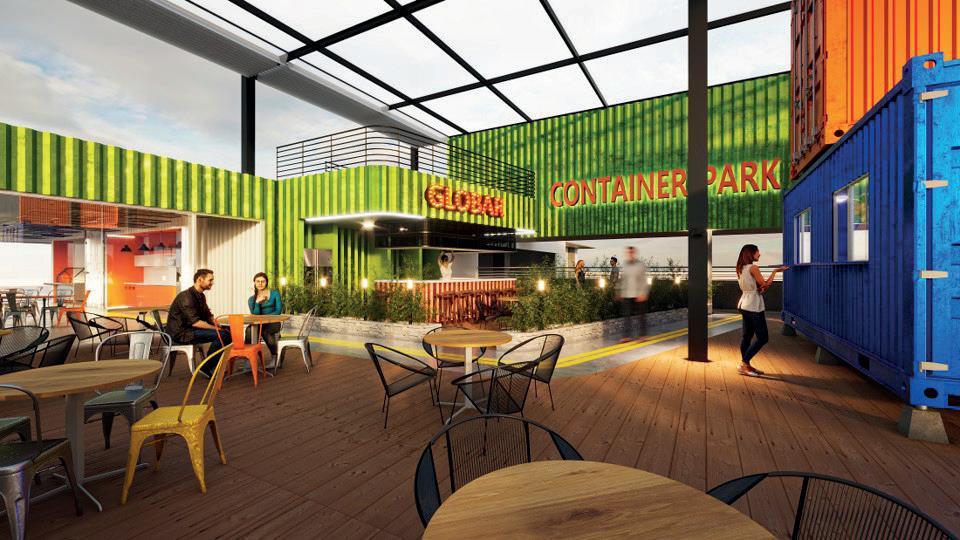
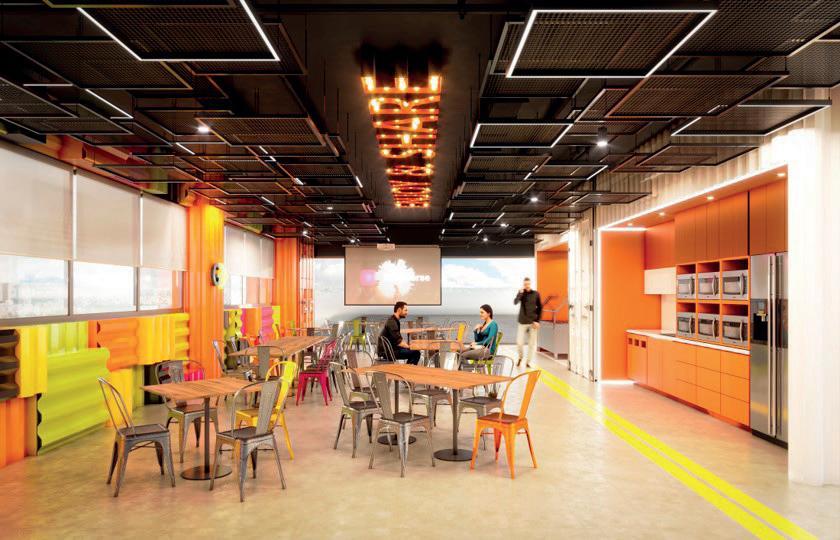
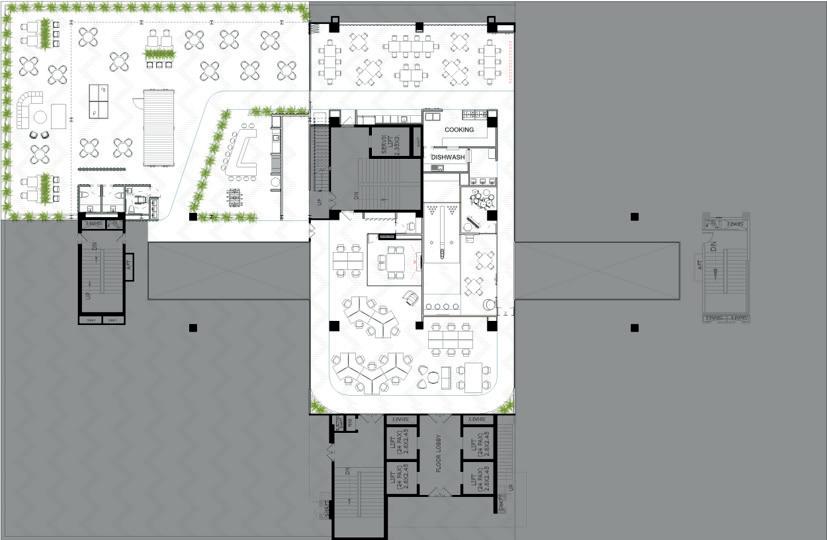
This project was developed for Globant’s offices in Indore, India, and is framed under the concept “In Motion.” The design takes inspiration from the history and evolution of transportation, recognizing its fundamental role in shaping human development. From the earliest forms of mobility to modern innovations, transportation has enabled people to overcome physical and cultural barriers, opening possibilities that once seemed unattainable. Translating this idea into the workplace, the project creates a spatial journey where movement and exploration are central experiences. Each zone of the office reflects a sense of travel and discovery, encouraging Globers to interact with their environment in new and engaging ways. The result is a workspace that not only supports daily functions but also symbolizes progress, curiosity, and the human drive to explore and conquer new frontiers.
Render Restaurant
Render Terrace
Level 2
Photo Reception
Render Level 1 Level 2
Photo Open Office
Photo Library
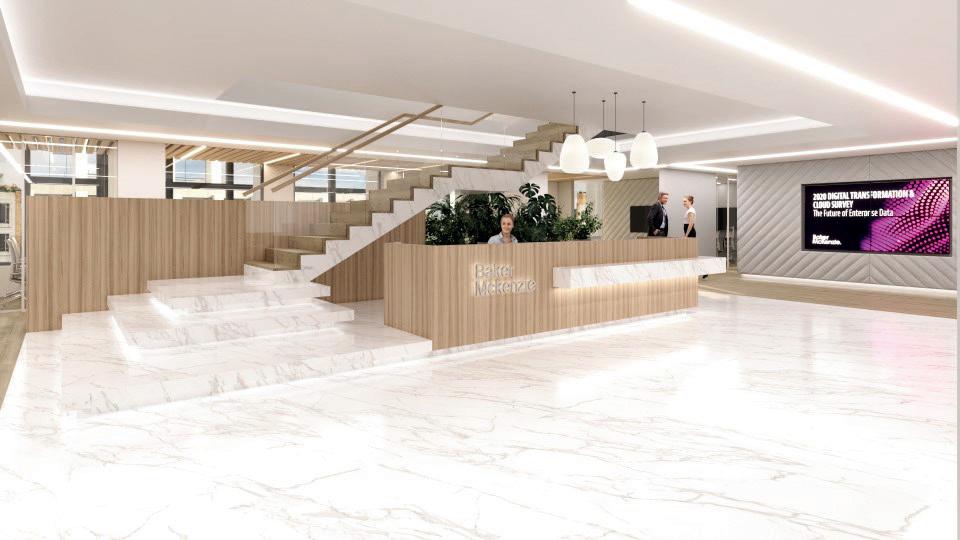
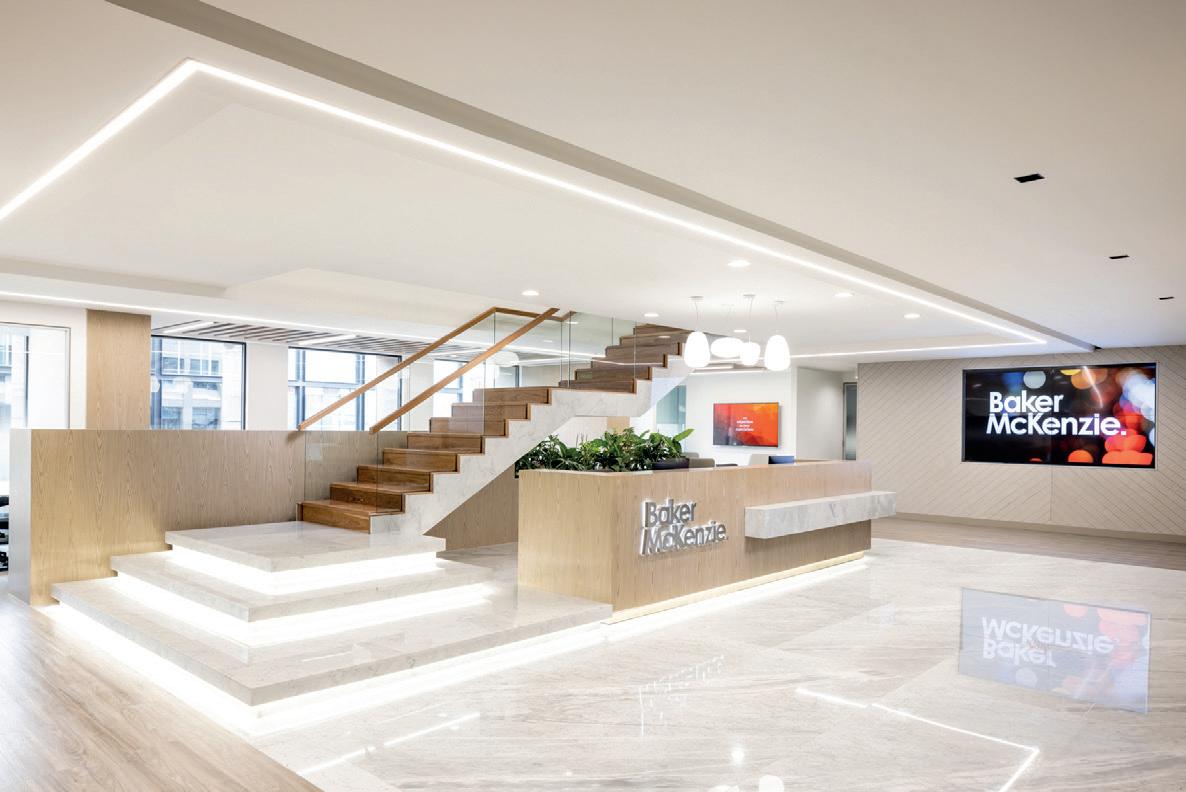
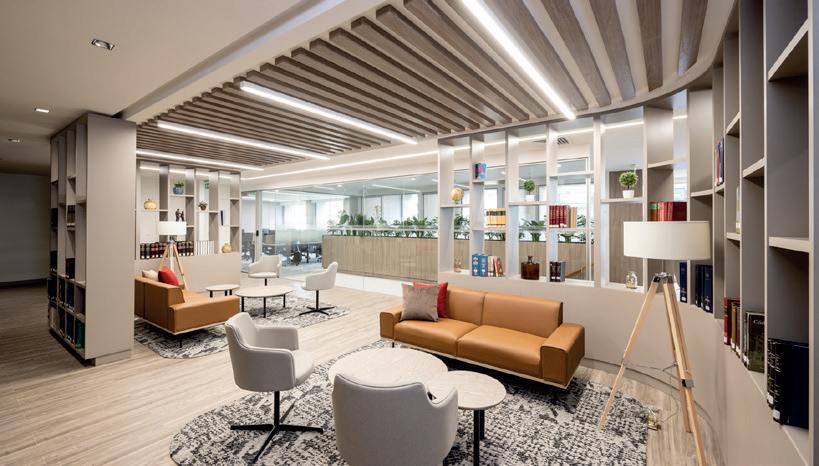
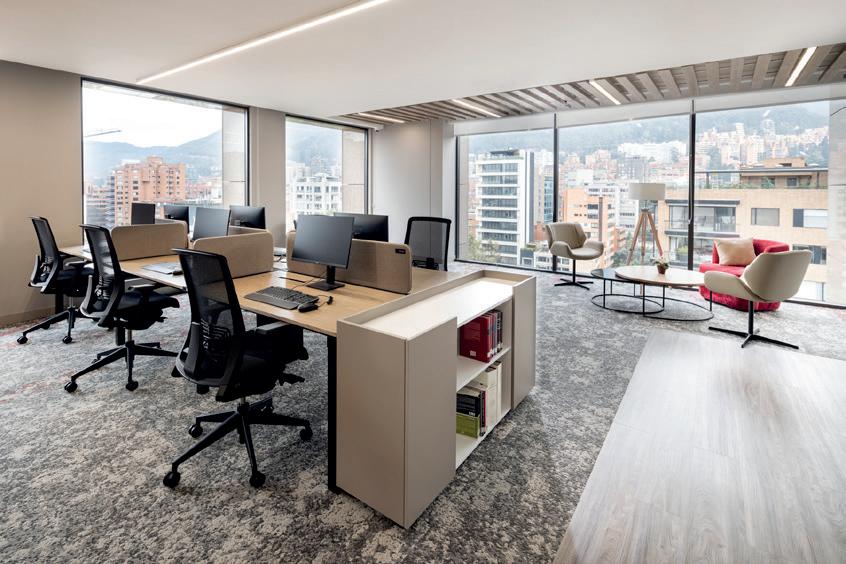
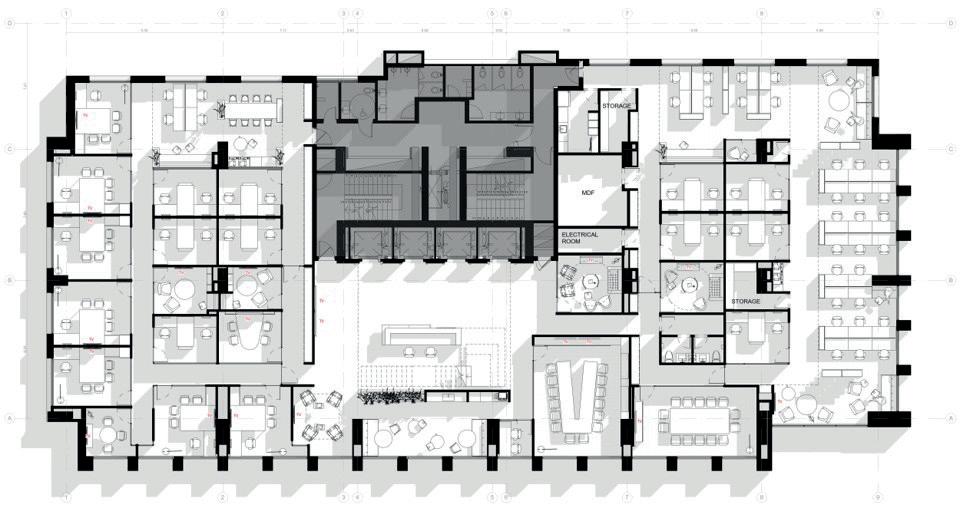
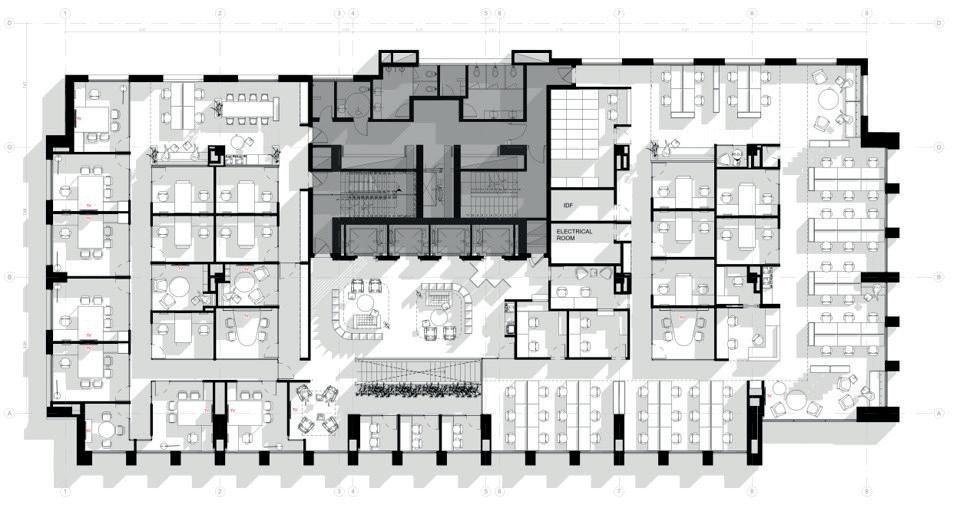
This project was developed during the pandemic, a time when companies were facing unprecedented challenges in adapting to new work dynamics. Baker McKenzie, one of the world’s most prestigious law firms, had traditionally upheld strict hierarchies and an in-office work routine. The challenge arose when the firm decided to relocate to a new building with half the space of its previous offices, prompting a complete rethinking of its workplace model.
The solution was a hybrid and shared design strategy, where even the partners gave up individual offices to optimize the available space. Their offices became shared environments, doubling as meeting rooms when unoccupied, while other collaborative and flexible spaces supported the evolving needs of the team. This transformation not only redefined internal dynamics but also positioned Baker McKenzie as one of the pioneers in Bogotá to embrace new post-pandemic ways of working, balancing efficiency, flexibility, and innovation.
Level 3 Terrace
Photo Restaurant Render
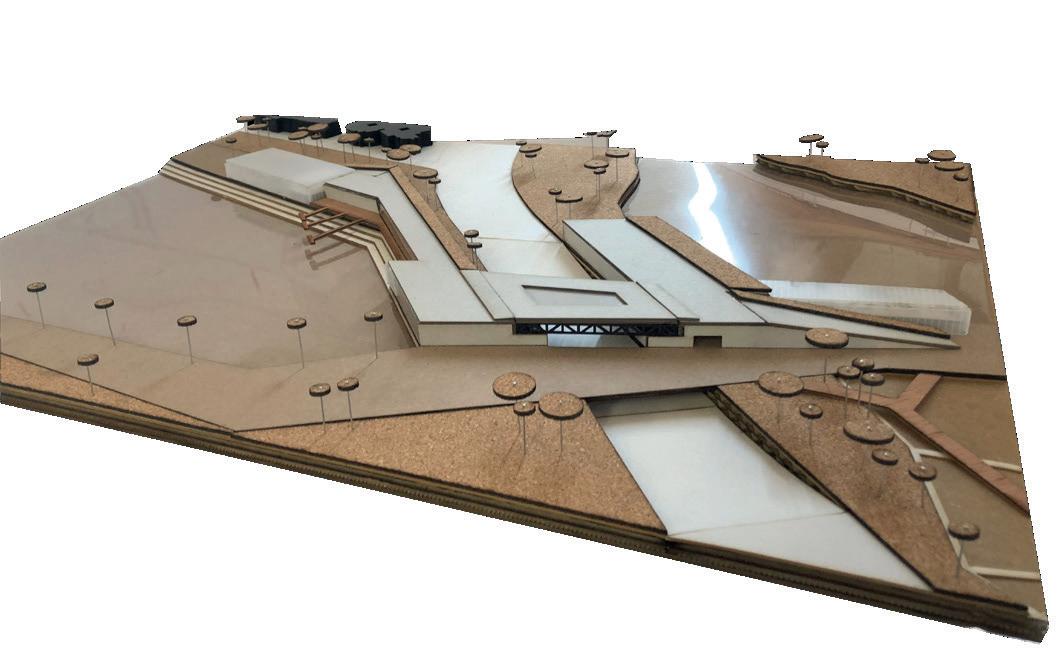
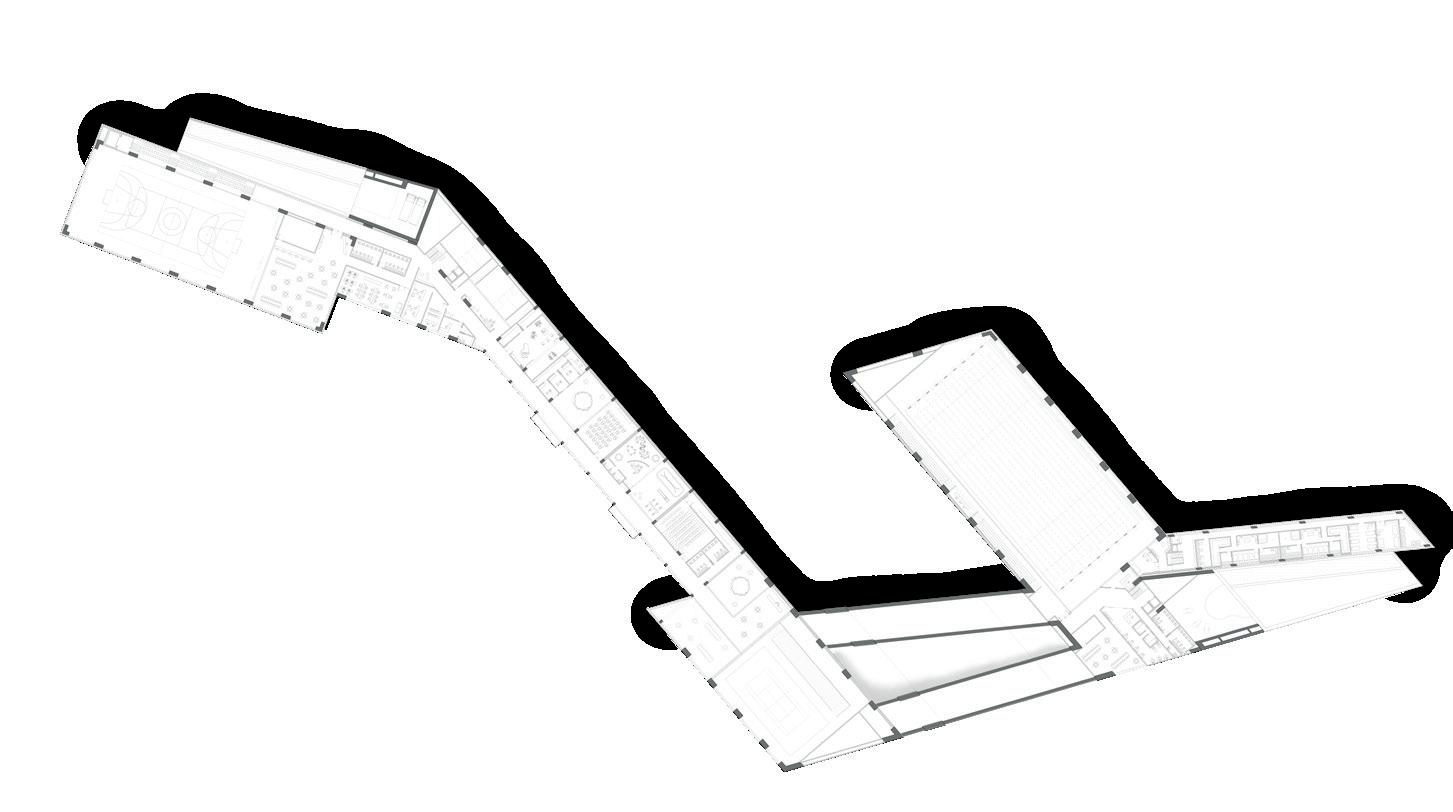
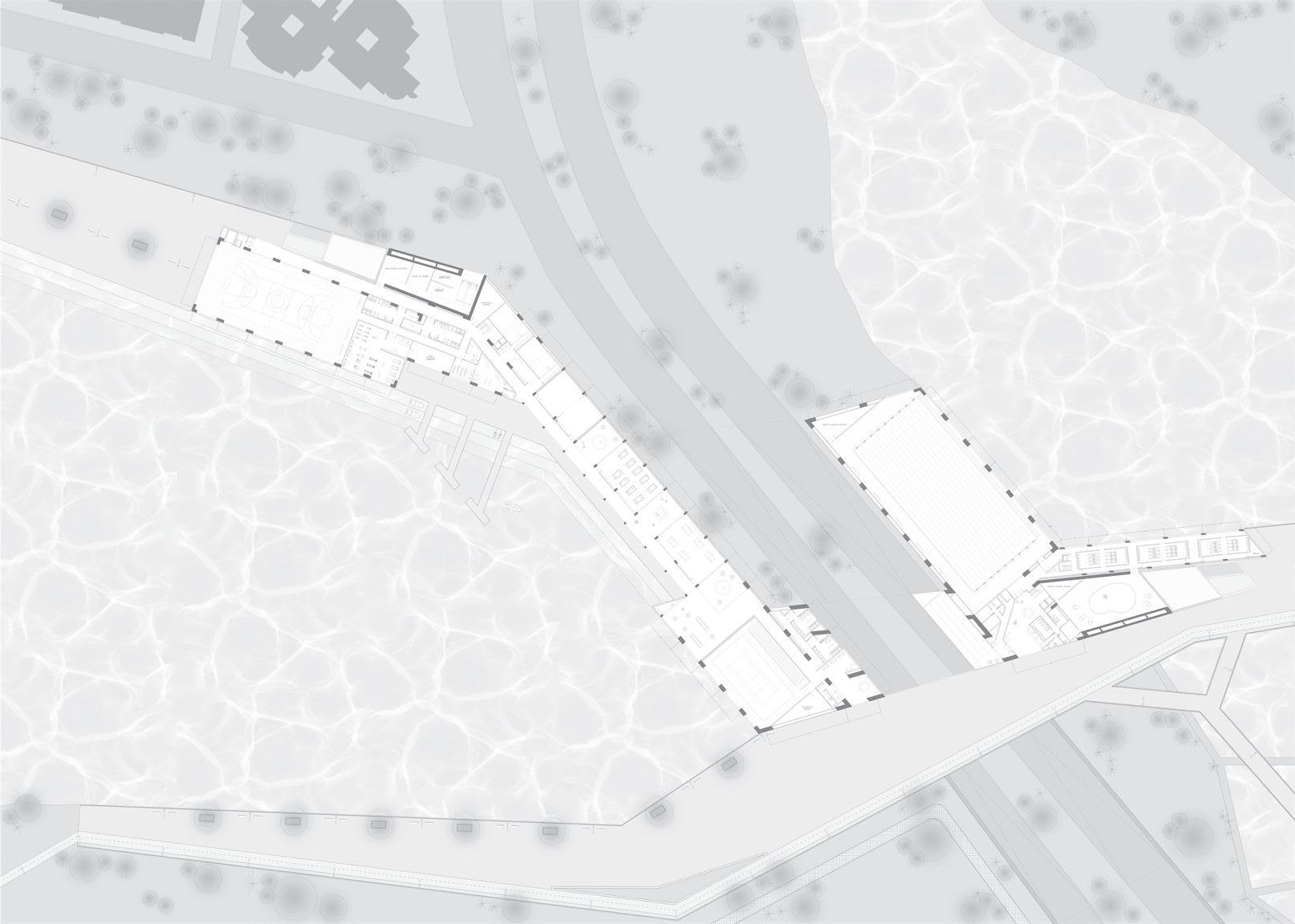
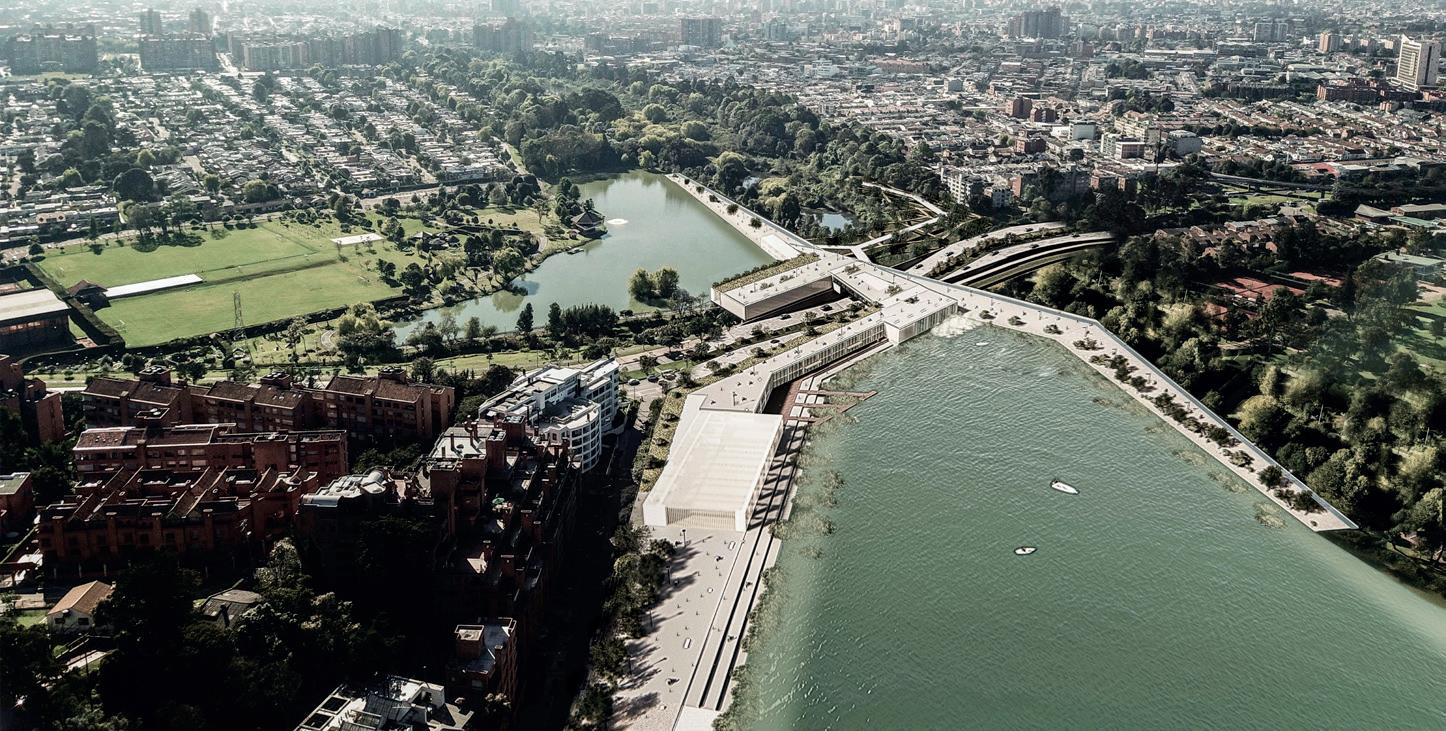
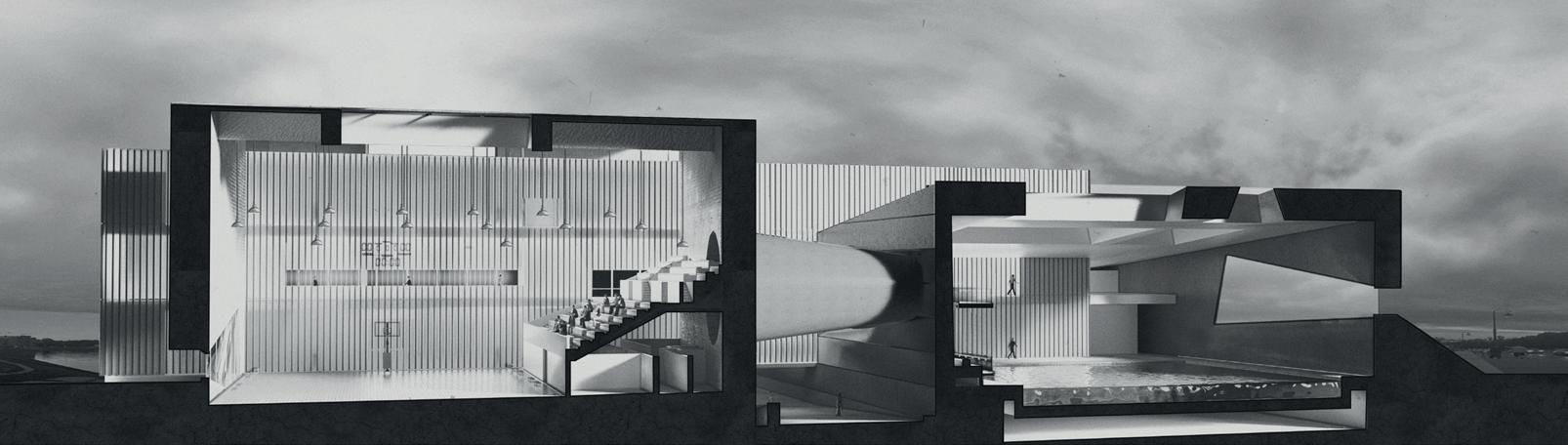
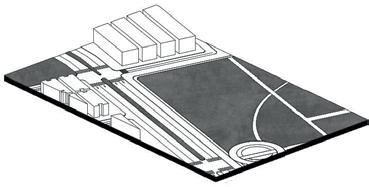
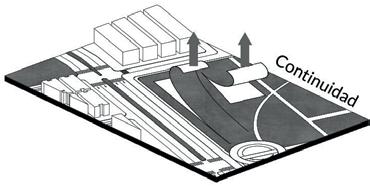
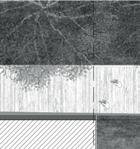
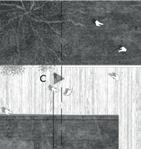
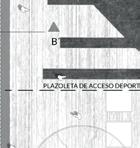
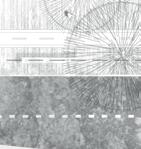
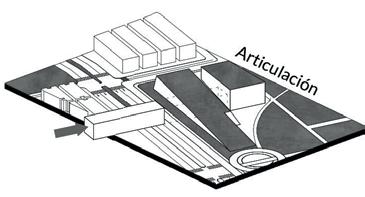
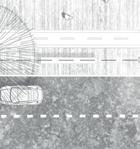
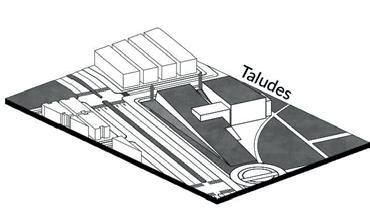
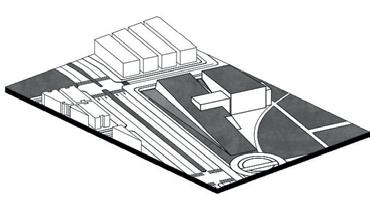
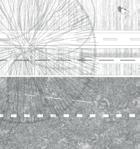
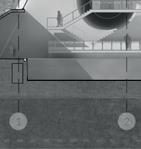
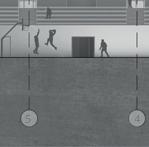
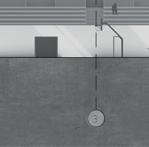
El Borde is an urban intervention located between the Córdoba and Juan Amarillo wetlands in Bogotá, Colombia, on the grounds currently occupied by the Los Lagartos and Choquenza clubs. The project is conceived as a strategy to return access to water to the citizens, reclaiming the wetlands as spaces for collective use, recreation, and cultural connection. A continuous strip of public space weaves through the private land of the clubs, redefining boundaries and creating opportunities for community interaction with the natural landscape.




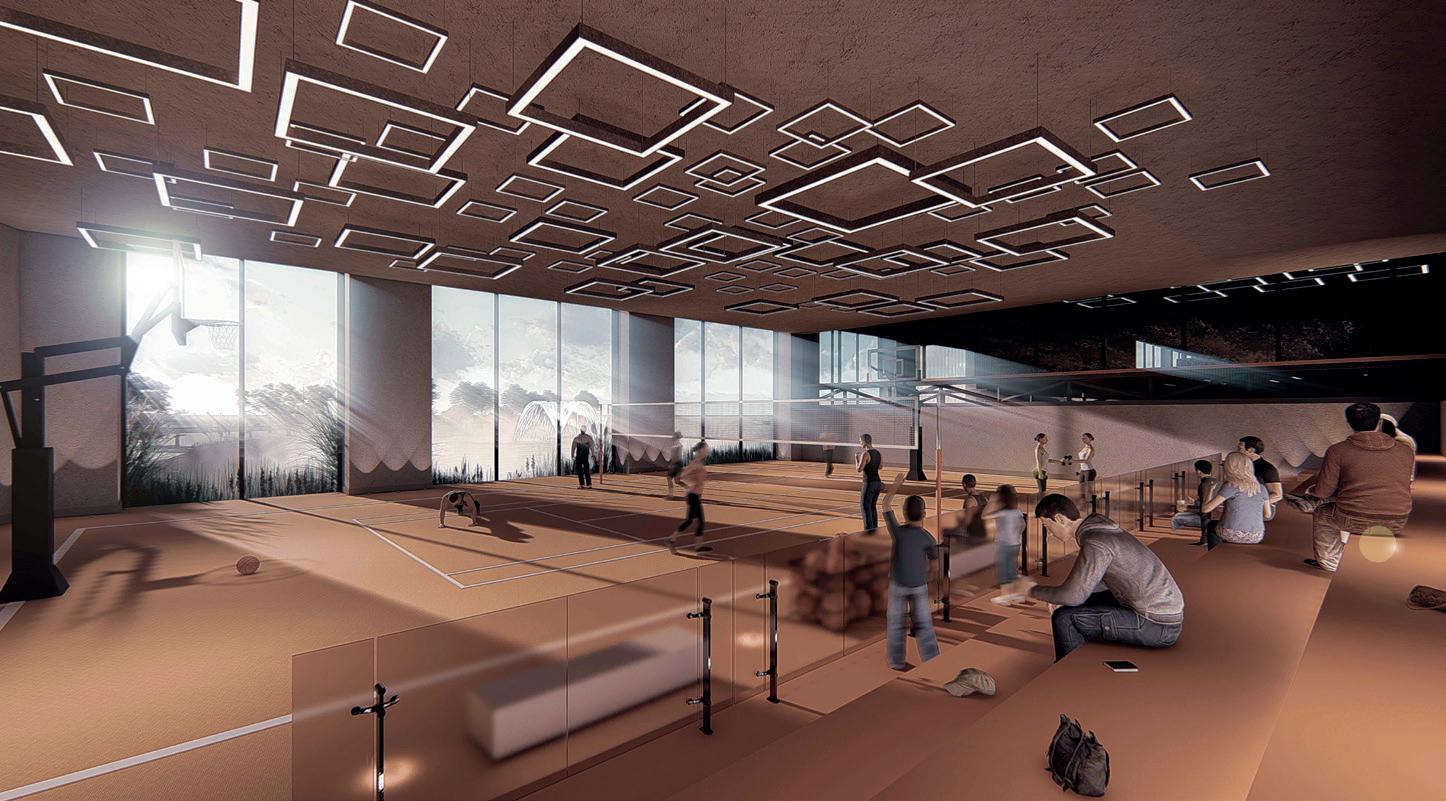

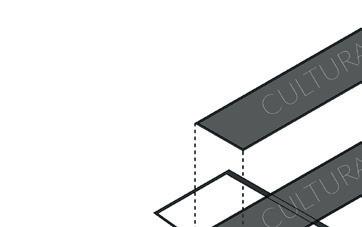
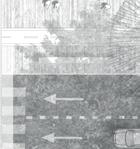
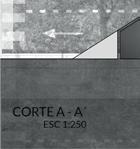
To ensure uninterrupted pedestrian circulation, Boyacá Avenue—one of the city’s busiest roads— is reconfigured by depressing its level, allowing for a large-span platform to be built above it. This elevated structure houses a program dedicated to sports and culture, reflecting the historic role of the area as a destination for leisure and entertainment. The architectural language emphasizes openness and permeability, creating a fluid transition between the built environment and the wetlands.
The project takes its name, El Borde (“The Edge”), from its physical and conceptual role: it defines the boundary between the city and the wetlands while at the same time softening it, enabling users to approach, surround, and directly experience the water. In doing so, the proposal not only reclaims a vital ecological resource but also reimagines the relationship between nature, infrastructure, and urban life in Bogotá.
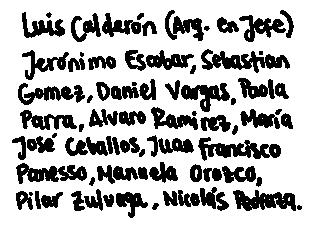
Contest made with:
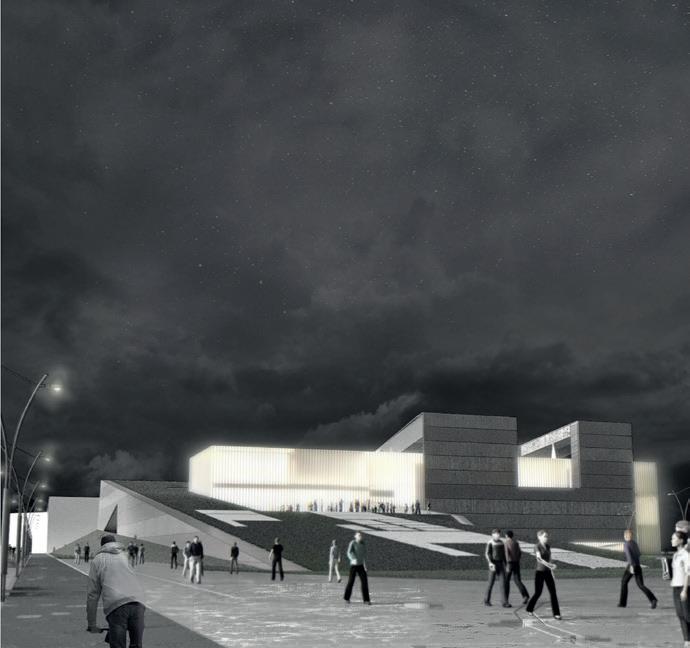
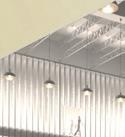
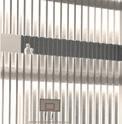
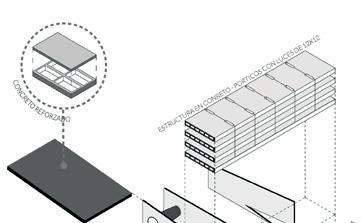
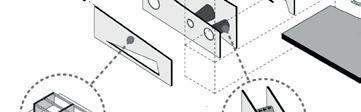
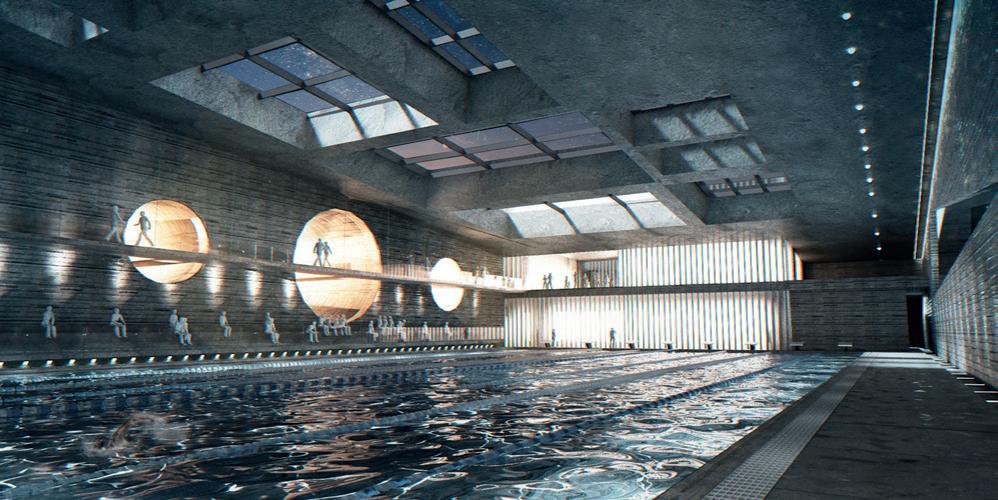
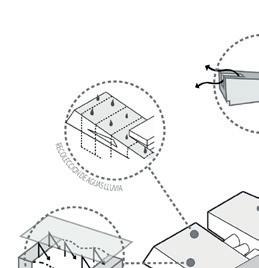
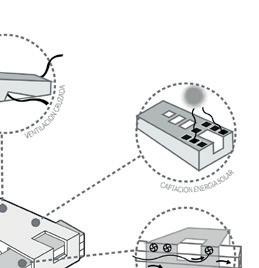
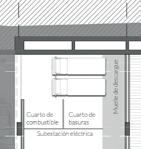
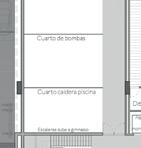
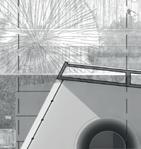
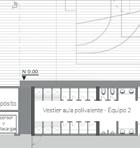
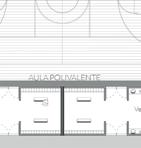
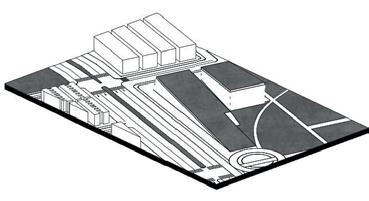
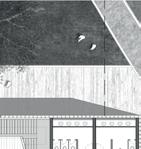
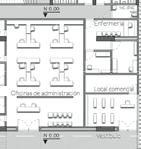
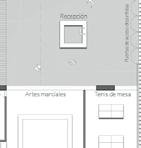
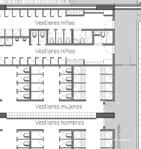
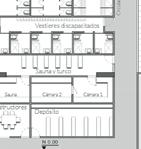
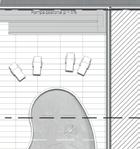
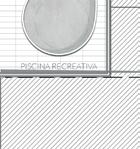
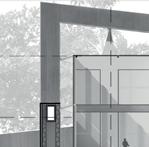
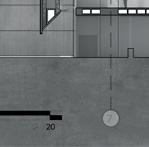
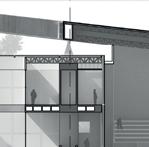
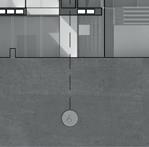
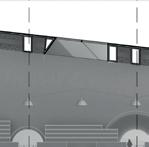
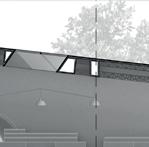
This project was developed as a proposal for a competition organized by the Colombian Society of Architects, responding to the request for a sports center to serve as a community hub in the Fontanar del Río neighborhood of Bogotá, Colombia. The building’s volume is divided into three parts, defined by the diversity of uses in the program, each resolved with distinct construction techniques.
The first volume, housing the pool, is conceived as a large concrete structure topped with a walkable green surface. The second, the multipurpose classroom, features a lighter design with a metal roof structure. Finally, the third volume, containing services and complementary areas, is built on a porticoed concrete frame with U-glass cladding across all façades and the roof. This composition seeks to integrate functionality, technical innovation, and spatial quality while fostering a strong sense of community.