This document, produced in 2025, reflects upon Liverpool John Moores University’s (LJMU) contributions to the United Nations (UN) Sustainable Development Goals (SDGs) for the academic year 2023/24.
As global challenges across society and our planet have continued to evolve, the UN’s 17 SDGs are a universal call to action to end poverty, protect the planet and ensure all people enjoy peace and prosperity, now and into the future.
Through educational impact, research contributions, innovative practices and community engagement, Higher Education Institutions (HEIs) play a vital role in building a sustainable future.
At LJMU, we understand that ending poverty and other forms of deprivation must be accompanied by strategies that promote health, education, equality, and economic growth, while also addressing climate change and protecting our natural ecosystems.
Over the past two years, LJMU has been placed in the top 400 globally in the Times Higher Impact Rankings (THE) for our commitment to the UN SDGs, underscoring our determination to drive change on local, national, and international scales.
We are an inclusive institution driven by our passion and strong sense of purpose to transform lives and futures through outstanding education, impactful research, and meaningful knowledge exchange together with our partners.
We have recently set out our sustainability targets for the next five years to move towards the university’s ambition of reaching net zero carbon. Our drive to deliver global change has seen the launch of the Liverpool Research Institute for Climate and Sustainability (LiRICS) and the Global Centre for Maritime Innovation (GCMI), both providing new opportunities for greater collaboration and engagement both inside LJMU, as well as externally as a hub for our multiple regional, national, and international partners.
LJMU is an inclusive, courageous and student-focused university that cares about our community. These values guide our approach to social responsibility. They ensure sustainability principles are integrated across our research and knowledge exchange, student experience and place and partnership initiatives. While the journey to a globally sustainable future is complex, we remain committed to making a meaningful impact.
While this report reflects our progress and dedication to the UN SDGs throughout 2023/24, we invite those reading to celebrate LJMU’s achievements and to work with us as we continue to build a more sustainable and equitable world.
Professor Mark Power
Professor
Keith George Vice-Chancellor Pro-Vice Chancellor Research and Knowledge Exchange
STATISTICS FOR YEAR 2023/24
STATISTICS FOR YEAR 2023/24
As we continue to grow in size and shape we aim to operate sustainably in every aspect of our activity. We are proud of our people, our place in the city and our ability to transform the lives of generations of students.
27,189 2,780 £260,900,000
STUDENTS STAFF TOTAL INCOME
EDUCATION AND STUDENT EXPERIENCE
LJMU supports students from more than 100 nationalities in a wide variety of curriculum areas. We embrace the diversity of the student body and its implications for our activity.
LJMU is committed to embedding the Sustainable Development Goals into the curriculum for all students.
KNOWLEDGE EXCHANGE
Research and knowledge exchange activity occurs across all faculties and schools in LJMU with significant areas of world-leading excellence developed from a broad culture of research engagement across staff and students.
RESEARCH
£17.4M INCOME FOR 2023/24
GLOBAL
21,353
5,836
PLACE AND PARTNERSHIP
Through our place within local communities, the Liverpool City Region and beyond, LJMU is committed to working in partnership with people and organisations to
ENGAGE
SCHOOLS
make a difference. Our work is socially conscious, aimed at multiple UN SDGs and the development of transformational change.
1,000
63,000+
10,645
1,513
NO POVERTY
END POVERTY IN ALL ITS FORMS EVERYWHERE
Eradicating poverty is an act of justice and a key to unlocking vast human potential. Nearly half of the world’s population lives in poverty, with thousands dying daily from lack of food and clean water. Together, we can feed the hungry, eliminate disease, and give everyone a chance to prosper and live fulfilling lives.
At LJMU, we are dedicated to addressing poverty locally and on an international scale. We offer financial support and advice to our students and are working with government to drive povertyrelated discussions and recommendations. Working together, we understand diverse needs and provide innovative solutions.
EDUCATION AND STUDENT EXPERIENCE
29 research papers published 2023/24
Two modules taught relating to this SDG
The LJMU Cost of Living Hub provides advice, support and resources for students struggling in the current economic climate. Across the 2023/24 academic year, we committed over £1,846,800 to 2,273 students through the Student Support Fund. Further to this we have arranged 151,439 hours of paid work for students worth £1,967,534 through Unitemps. The Recycled IT Kit scheme provides students with a voucher to buy a free recycled desktop or laptop computer from a local social enterprise, Bulky Bobs. In the 2023/24 academic year we provided vouchers to 211 students. Our Money Advice Team also provides impartial advice and assistance to students such as support to cover food costs and other important bills like energy through Energy Cost Assistance.
RESEARCH AND KNOWLEDGE EXCHANGE
LJMU research has provided recommendations regarding the financial, social, political, and operational factors that are involved in supporting transitions to energy-efficient homes. The LJMU Fuel Poverty Evidence Project submitted written evidence to the UK Parliament Select Committee in October 2023, urging the delivery of UK energyefficient homes. These policy-level efforts directly work towards doubling energy efficiency and achieving decarbonisation nationally. LJMU assisted reflections of the under-delivery of the UK’s government-backed retrofit schemes especially in the private rental sector, suggesting formation of Local Area Energy Plans to advise, fund and drive decarbonisation and increased energy efficiency in future UK homes.
PLACE AND PARTNERSHIP
LJMU’s Liverpool Health Commission is driving poverty-related discussions in local governance. The report, titled The First 1000 Days of Life in Marginalised Groups, involved five years of independent enquiries into childhood in six different high-poverty-level UK locations. LJMU’s critical analysis of experience in the locations uncovered how a lack of coordination of service provision can compound negative impacts of poverty. The report advises policy makers on evidence-based service co-ordination methods and improvement indicators in key areas of concern such as finance, housing, local service provision, mental health, infant nutrition, and particularly vulnerable groups.
ZERO HUNGER
EDUCATION AND STUDENT EXPERIENCE
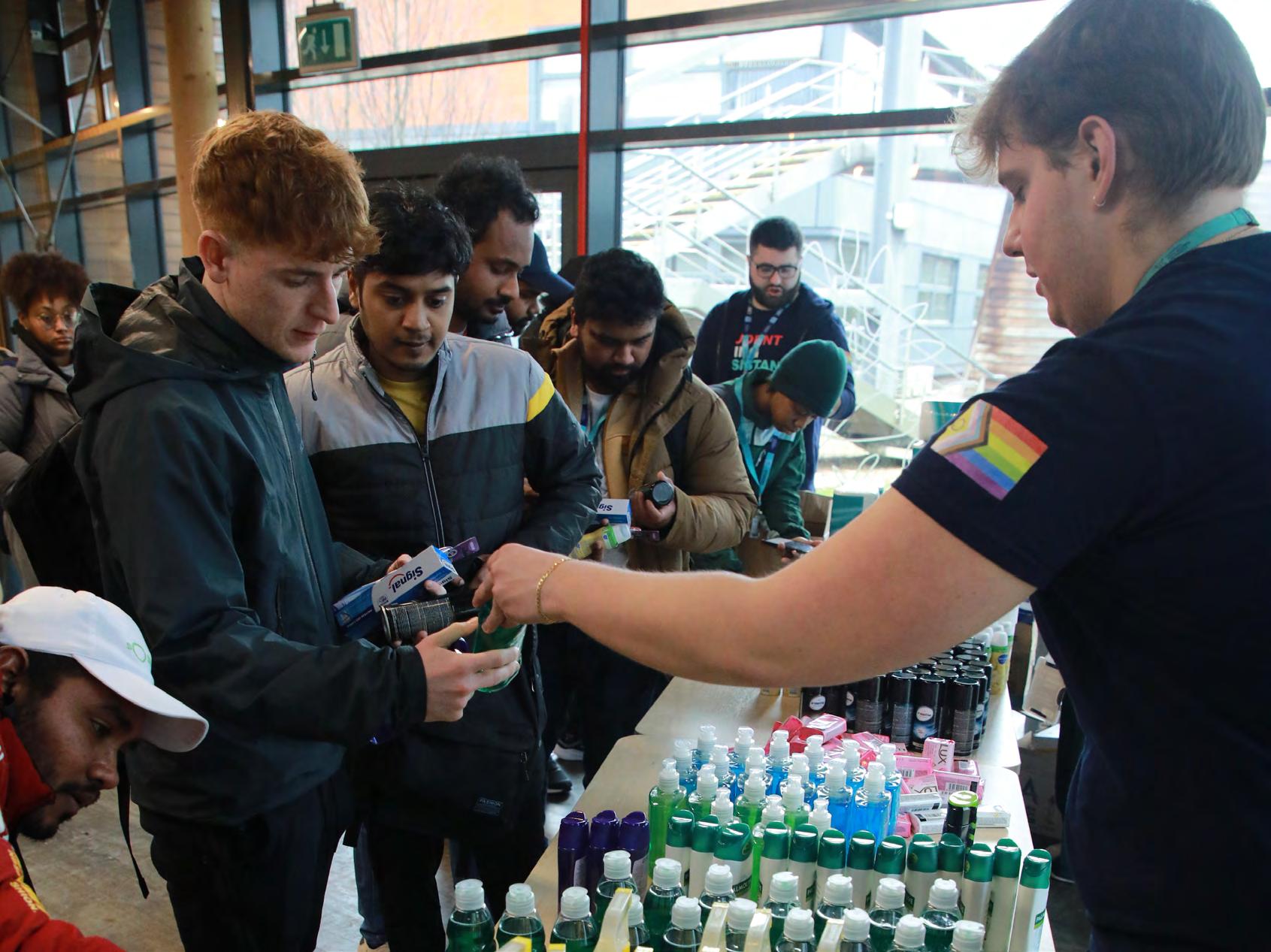
Working closely together to support students, LJMU and our students’ union (JMSU) provide a range of measures to help with cost-of-living challenges. During the academic year 2023/24, the Fill Your Fridge campaign distributed £15 supermarket vouchers to students on the first working day of every month. Half term hampers were available to all students who are parents and carers who rely on free school meals. The LJMU Cook Together initiative also provided affordable and nutritious recipe suggestions for students. The programme provided 800 free lunches in 2023/24 and distributed £10,014 in emergency food and supermarket vouchers.
RESEARCH AND KNOWLEDGE EXCHANGE
The future sustainability of agricultural systems worldwide is persistently threatened by pests. We need to find innovative, sustainable ways to control them. One area of research at LJMU has developed a deep understanding of the effectiveness of a parasitic nematode species, Phasmarhabditis hermaphrodita, as a biological control agent for slugs and snails. Substantial research evidence now supports the use of nematodes as a viable global economic solution due to environmental prevalence and minimal non-target effects. LJMU researchers have studied the life cycle, worldwide distribution, history of commercialisation, gastropod immunity, host range, ecological and environmental factors, and bacterial relationships, and have completed field trials. The research supports embedding future resilience into agricultural practice without altering natural balance.
PLACE AND PARTNERSHIP
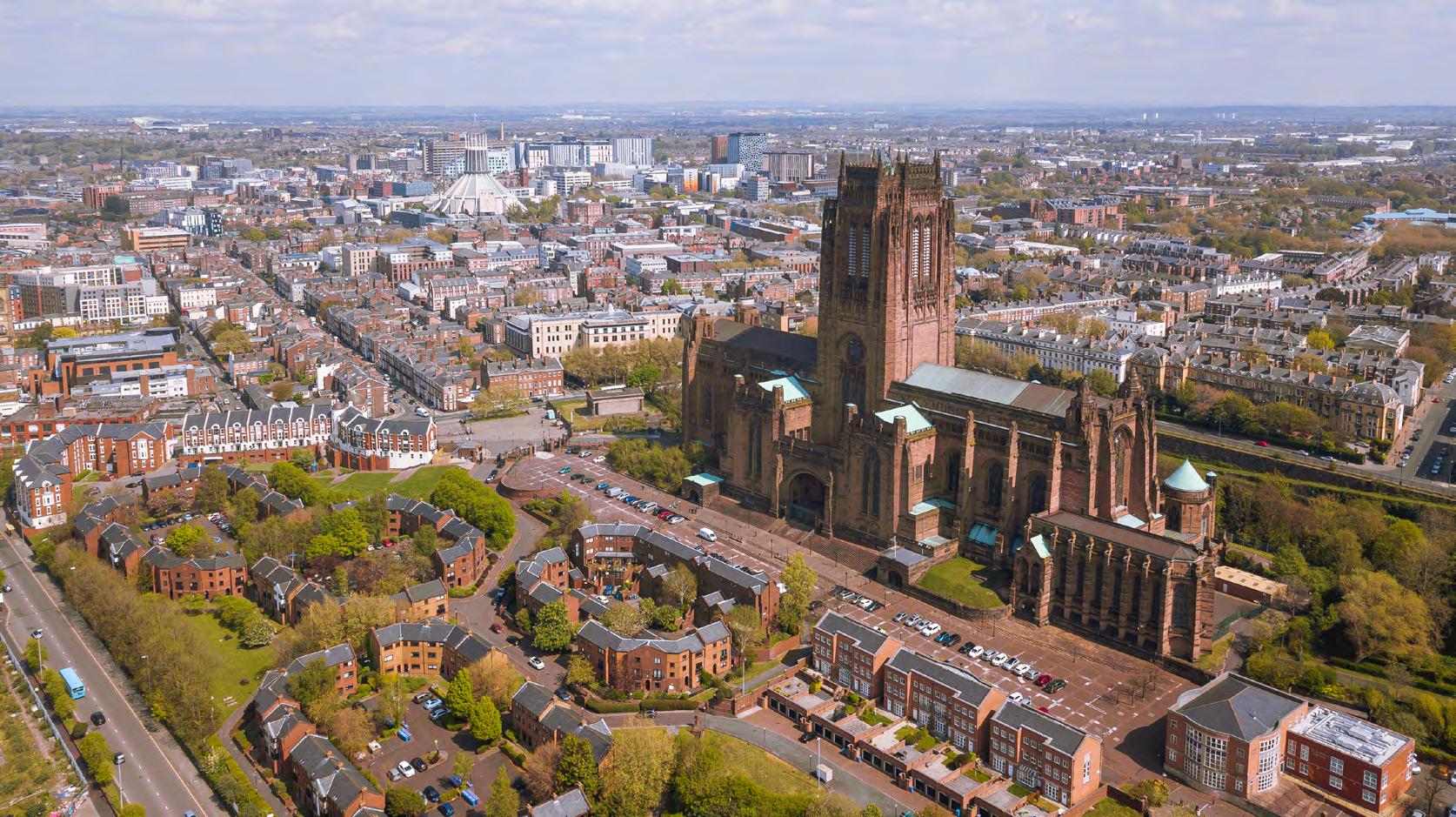
LJMU has a long-established partnership with Micah Liverpool, a social justice charity set up by Liverpool Cathedral, Liverpool Metropolitan Cathedral of Christ the King and St Bride’s Church to relieve Liverpool residents from social injustice and food poverty. The charity is one of LJMU’s four corporate charity partners and currently runs projects to combat unemployment and deliver emergency food aid and affordable food. Micah Liverpool is also a Partnership Hub for Zarach, a charity working to end children’s bed poverty. Support for Micah from LJMU has included financial donations (c.£12,800 annually), collaborative research projects, sharing knowledge and expertise, generating student work placements and projects, and staff/student volunteering.
1
END HUNGER, ACHIEVE FOOD SECURITY AND IMPROVED NUTRITION AND PROMOTE SUSTAINABLE AGRICULTURE
Hunger is the leading cause of death worldwide. Our planet provides tremendous resources, but unequal access and inefficiency leave millions malnourished. By promoting sustainable agriculture with modern technologies and fair distribution, we can support the global population and ensure no one suffers from hunger again.
At LJMU we are tackling hunger through a range of community initiatives on and off campus, as well as working with national and international partners to improve access to food.
46
2
46 researchers working towards tackling this SDG
45
45 research papers published 2023/24
3
9
Nine modules taught relating to this SDG
GOOD HEALTH AND WELL-BEING
ENSURE HEALTHY LIVES AND PROMOTE WELLBEING FOR ALL AT ALL AGES
Over the past 15 years, childhood deaths have been cut in half worldwide, proving it’s possible to win fights against diseases we could not treat in the past. Still, governments spend astonishing amounts of money and resources on treating illnesses that are often easy to prevent. The goal for global good health promotes healthy lifestyles, preventive measures, and efficient healthcare for everyone.
At LJMU we’re working collaboratively with our partners to improve public health across the region, collaborating with the World Health Organisation (WHO) on violence prevention nationally and internationally and providing opportunities for our students to engage in meaningful health interventions with our local communities.
HIGHLIGHTS
520 researchers working towards tackling this SDG
EDUCATION AND STUDENT EXPERIENCE
865 research papers published 2023/24
325 modules taught relating to this SDG
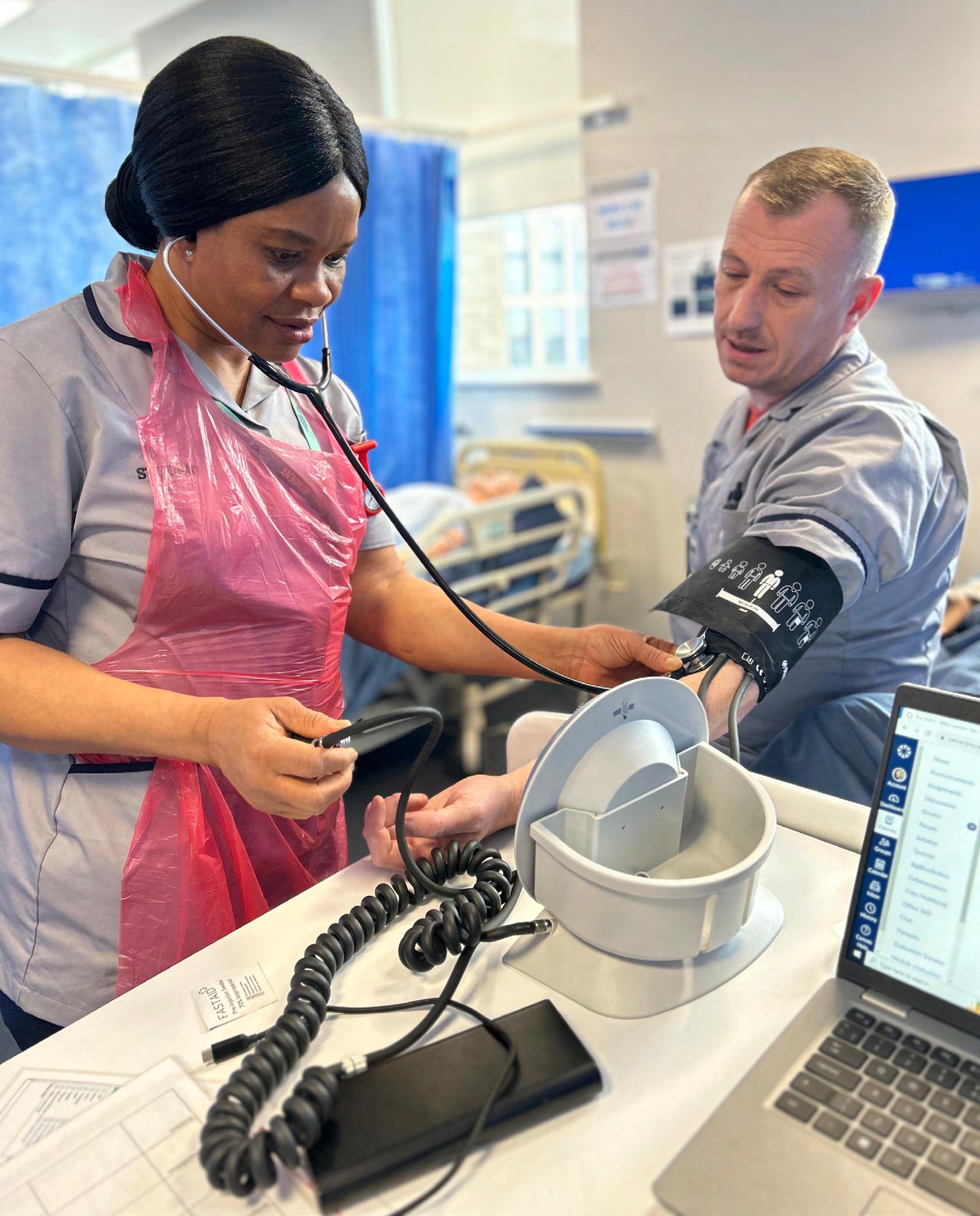
Staff in the School of Nursing and Advanced Practice, in collaboration with 20 undergraduate student nurses and Liverpool Football Club Foundation, delivered health screening sessions to more than 100 members of the public at five community centres in Liverpool, Wirral, and Knowsley.The LJMU students planned and delivered the events, developing their organisational management and communication skills. During the screening, they collected participant demographic and physiological data under the supervision of nursing staff. Data included self-reported sex at the time of birth, smoking status, age, blood pressure, blood lipids, blood glucose, and incident atrial fibrillation using a MyDiagnostik sensor Depending on the participant’s age, the Systematic CORonary Evaluation 2 (SCORE 2) or the Systematic CORonary Evaluation 2 for Older People (SCORE 2 OP) were used to calculate the participant’s 10-year cardiovascular disease risk. The students provided feedback on these results, gave health promotion advice, and signposted participants to nearby health services using a QR code specific to each location, which they had developed in advance.
RESEARCH AND KNOWLEDGE EXCHANGE
Researchers in LJMU’s School of Psychology are leading work to transform the prevention of suicide and self-harm through innovative, ethically grounded methodologies. The work combines clinical evaluation, systems analysis and participatory research to understand how distress is experienced and reduced, rather than only measured by incidence. This approach underpins collaborative studies with community partners such as James’ Place, Alfie’s Squad, and The Martin Gallier Project, ensuring that people with lived experience shape how success of interventions for suicide and self harm is defined. The research team’s interventions, including a psychodynamic brief therapy for self-harm and the NIHR-funded Multi-Modal Approach to Preventing Suicide in Schools (MAPSS) trial, prioritise developing gold-standard safety and inclusion methodologies for use in all research phases. Each project demonstrates how co-designed evaluation strengthens evidence while maintaining care for people with lived experience. This programme has real-world impact by improving mental-health outcomes, reducing stigma, and embedding compassion and rigour into the science and practice of suicide prevention.
PLACE AND PARTNERSHIP
Health Determinants Research Collaborations (HDRC) Liverpool is a partnership between Liverpool City Council, LJMU, University of Liverpool, Liverpool Charity and Voluntary Services and Healthwatch Liverpool to boost research capacity and capability, that is tackling health inequalities and improving health outcomes across the city region. The initiative has secured £5m funding from the National Institute for Health Research (NIHR) to stimulate economic growth and regeneration that will contribute to reducing pressure on NHS services by improving public health. The programme began in 2024, engaging with local communities and focussing on a range of key factors in public health, including employment, housing, education and the physical environment.
EDUCATION AND STUDENT EXPERIENCE
LJMU is a leader of the UK Malaysia University Consortium (UK-MUC), set up by the British Council in 2022. The aim of the UK-MUC is to promote mutual understanding on a global scale by expanding international higher education in terms of teaching, research and knowledge exchange between the UK and Malaysia. The collaboration offers opportunities which include staff and student exchanges, joint programmes (Bachelors, Masters, and PhD), and recruitment networks. LJMU secured funding from the consortium to deliver the innovative business clinic, Project Bridging Classroom to Business and Society through Business Clinics and Final Year Project Experiences. Partnering with YPC International College in Malaysia, the project created a sustainable and innovative collaboration model between universities in the UK and Malaysia, benefitting Consortium members and enhancing higher education sectors in both countries. By fostering student engagement, promoting research and innovation, and addressing key business and societal challenges, the project bridges the gap between academia and industry, through an experiential pedagogy, benefiting students, staff, and communities.
RESEARCH AND KNOWLEDGE EXCHANGE
LJMU research into educational resilience is driving bespoke program design to help withstand crises worldwide. This work is helping to improve access to education for children and maintain student engagement until completion, generating policy and position papers worldwide. LJMU’s co-authored UNESCO-IBE position paper calls for global educational policies that prioritise social and emotional learning within future hybrid models of education provision. Our reflections upon home schooling experiences during the global COVID-19 pandemic and studies of student social, motivational and emotional competencies provide evidence to develop flexible, robust, high quality learning systems that facilitate adaptation and continued academic progress. In the UK Parliament, LJMU research is shaping policy preparation on the availability and accessibility of support to neurodivergent children and young people in education. Researchers noted a rise in identification of some conditions such as autism and ADHD with a higher risk of educational exclusion, finding that 500,000 UK 0–19-yearolds currently have an Education, Health and Care Plan in place. To address challenges individuals face regarding academic continuation, LJMU reporting recommends the use of co-production with neurodivergent children and young people, families and professionals, and streamlined, integrated pathways to ensure accountability from service providers.
PLACE AND PARTNERSHIP
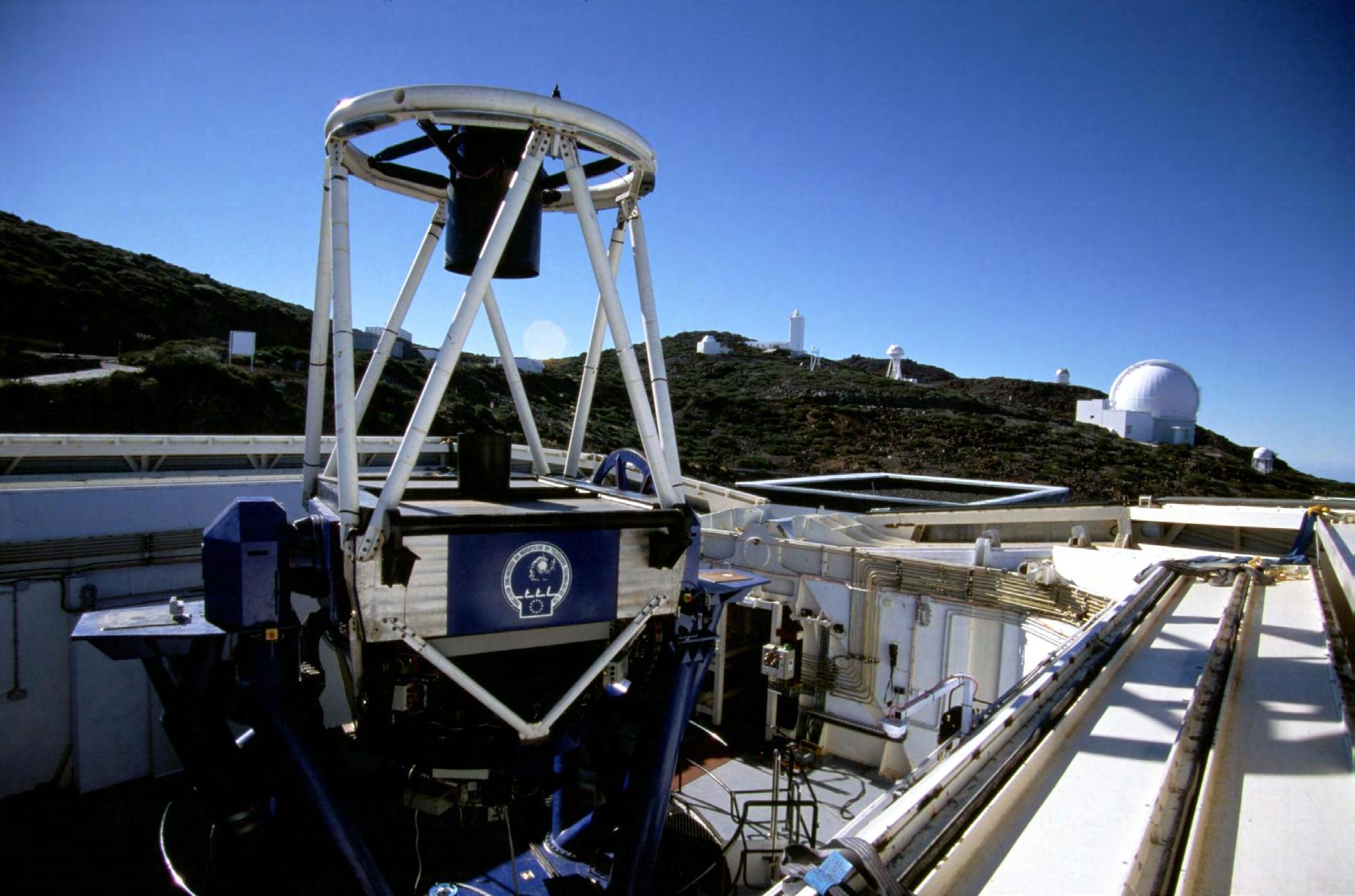
The Schools’ Observatory (NSO) is a web-based resource developed and run by LJMU that uses astronomy to support the teaching of STEM subjects in UK and Irish schools. Central to this is allowing teachers and students to make their own observations with the Liverpool telescope, the world’s largest fully robotic telescope. This observatory is a powerful blend of cutting-edge research, professional instrumentation and education, inspiring and supporting the learning of pupils and their teachers. Since its launch in 2004, the NSO has reached more than 4,000 registered UK and Irish teachers, with nearly 200,000 sets of observations requested by schools. The observatory has been recognised by the House of Commons Science and Technology Committee as being so important to inspire the next generation of scientists.
ENSURE INCLUSIVE AND EQUITABLE QUALITY EDUCATION AND PROMOTE LIFELONG LEARNING OPPORTUNITIES
Education liberates the intellect and unlocks the imagination. It is the key to prosperity and opens a world of opportunities, making it possible for each of us to contribute to a progressive, healthy society. Learning is a vital human activity. It benefits every human being and should be available to all.
Education is at the core of LJMU, where we put students at the heart of all we do. We are focused on both the quality of education provided through our curriculum, and our extensive external engagement initiatives in Liverpool and beyond.
1
332
332 researchers working towards tackling this SDG
2
131
131 research papers published 2023/24
3
154
154 modules taught relating to this SDG
GENDER EQUALITY
ACHIEVE GENDER EQUALITY AND EMPOWER ALL WOMEN AND GIRLS
Gender bias undermines our social fabric and devalues us all. By denying women equal rights, we deny half the population a chance to live life at its fullest. Political, economic and social equality for women will benefit all the world’s citizens.
Together we can eradicate prejudice and work for equal rights and respect for all.
LJMU is committed to providing all students, staff, and community partners with a supportive, inclusive environment to help them reach their potential.
HIGHLIGHTS
112
112 researchers working towards tackling this SDG
57
57 research papers published 2023/24
19
19 modules taught relating to this SDG
EDUCATION AND STUDENT EXPERIENCE
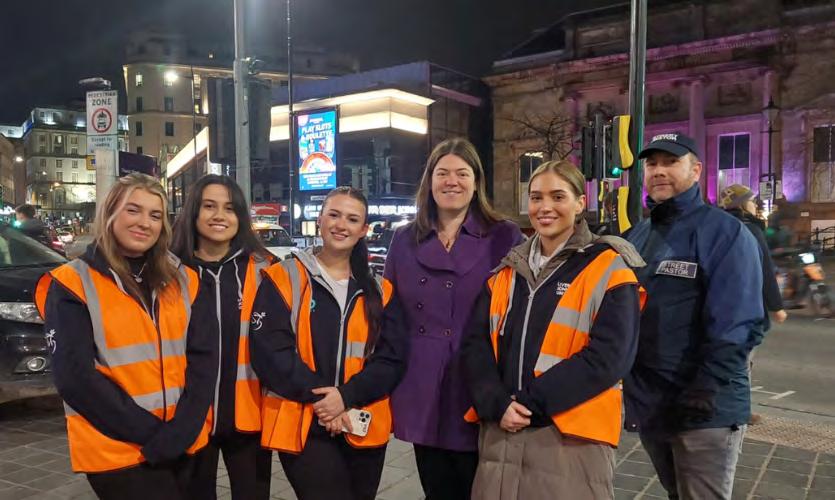
LJMU supports the UNITE to End Violence Against Women initiative to prevent and eliminate violence against women and girls around the world. At LJMU, this involved 16 days of activism, workshops, talks, and events for LJMU students and community members. This was underpinned by wider work across LJMU to create a safe and welcoming campus, including the Nighttime Guardians Scheme, domestic abuse champions, the campus sexual violence liaison officer, the university police officer, and JMSU student advice services. LJMU has a designated Report and Support tool for reporting harassment and sexual misconduct. Additionally, the Dignity without Danger British Academy-funded project has worked to overcome menstrual stigma in Nepal since 2020. Collaboration with three other universities, six NGOs in Nepal, Nepali academics and creative artists, explored the origins, diversity and impacts of local, social, religious and cultural menstrual practices, which deny people who menstruate the right to a dignified menstruation. Our researchers and students are challenging menstrual stigma to end discrimination and violence against women and girls. In 2023, 10 undergraduate students from a range of disciplines visited Nepalese schools and NGOs to raise awareness and educate children on how to overcome the taboos of menstruation.
RESEARCH AND KNOWLEDGE EXCHANGE
Working towards elimination of all forms of violence against all women and girls, LJMU’s policing research is removing barriers that have stopped the effective measurement of how people have a repeat demand of domestic violence abuse (DVA) services. In a review of 325 DVA cases, relating to 68 victims and 94 suspects, the researchers recognised inefficiencies in case identification, data collection and accessibility and recommend improvements to data handling for practitioners. The research was built on in-depth access, involving shadowing officers in command and control, in the Public Protection Unit, and referral assistants in a Multi-Agency Safeguarding Hub along with accompaniment of frontline response and observations of a Criminal Investigation Department.
PLACE AND PARTNERSHIP
In the recent project, From Liverpool to Africa: An International knowledge exchange consortium to inform policy change to promote women in science and enhance UKAfrica research collaborations, an interdisciplinary group of LJMU researchers from Sports Science and Pharmacy and Biomolecular Sciences, together with colleagues from the University of Salford, hosted a week-long visit from South African partners at the University of Pretoria, the University of Johannesburg, and the University of the Western Cape. The project featured a programme of workshops and networking events across LJMU’s Research Institute for Sport and Exercise Sciences and staff EDI networks, enabling colleagues to share practice on equity, diversity, inclusion and respect in research. The group activities linked LJMU’s reciprocal mentoring and disability passport initiatives with African perspectives grounded in Botho-Ubuntu values for interconnected community ethics. Supported by a British Council Going Global Partnerships grant, the project strengthened UK–Africa knowledge exchange, fostered inclusive research cultures, and promoted women’s leadership in science across global higher-education communities.
EDUCATION AND STUDENT EXPERIENCE
LJMU recognises the importance of fresh and clean water as a valuable global commodity. On campus we actively monitor all water usage, and we use low-flush toilets, water efficient taps, and rainwater harvesting to conserve resources. Free water dispensers also help reduce single-use plastics and associated carbon emissions, supporting our sustainability efforts. John Moores Students Union (JMSU) is actively committed to protecting local waterways, green spaces and supporting responsible waste disposal through initiatives led by students. Our Conservation Society partners, groups such as Friends of Crosby Beach, Friends of Sefton Park, and local environmental councils, regularly organise beach cleans, litter picking, and habitat maintenance to prevent pollution in water systems and their harmful effects on ecosystems, wildlife, and people.
RESEARCH AND KNOWLEDGE EXCHANGE
Exposing the toxic presence of PFAS concentrations in UK waterways to the Environment Agency and UK Government, the 2024 documentary; TOXIC: Britain’s forever polluted rivers and seas, used LJMU research in collaboration with the ENDS Report and Watershed Investigations. The research comes from LJMU’s commitment to improving access to safe, quality drinking water, wastewater treatment, and damage reversal in aquatic ecosystems. Per- and polyfluoroalkyl substances (PFAS) are known as forever chemicals. They have links to cancers, hormonal, obesity, and fertility issues in humans and wildlife. Our research into removing them from the water supply hits close to home, considering the Mersey is ranked third for presence of PFAS quantities globally with 50% having origins in wastewater treatment effluents.
PLACE AND PARTNERSHIP
In 2023/24, the Absolute Chemistry Research Group (ACRG) designed and delivered The River Mersey Clean Water Challenge. The project saw more than 150 learners aged 9-12 from six Liverpool City Region (LCR) schools challenged with a local problem within a global context: investigating the River Mersey to advance their understanding of UNSDG6: Clean Water and Sanitation. Participating schools received a mock ‘sample’ of River Mersey water and were challenged to purify it through scientific procedures. Each school received three outreach sessions to support their investigation, which situated learning in a Liverpool context, including a school visit by LJMU staff, a teacher-led series of practical activities and a Gala Day visit to the LJMU campus. This Gala Day saw learners take part in enriching science enhancement activities and share their approach to purifying the simulated river water. Each sample was tested for purity by an expert panel of chemists at LJMU. The Water Challenge was successful in engaging learners from socioeconomically deprived backgrounds. It offered school-aged learners experience of the LJMU campus and supported interactions between young people and current LJMU Student Advocates, providing positive role models for using higher education to make a difference for our city.
CLEAN WATER AND SANITATION
ENSURE AVAILABILITY AND SUSTAINABLE MANAGEMENT OF WATER AND SANITATION FOR ALL
One in three people live without sanitation. This is causing unnecessary disease and death. Although huge strides have been made with access to clean drinking water, lack of sanitation is undermining these advances. If we provide affordable equipment and education in hygiene practices, we can stop this senseless suffering and loss of life.
At LJMU we are making efforts to address our own water usage across our estate by installing efficient water dispensers, harvesting rainwater, and using low-flush toilets in our buildings across campus. Further afield our research is supporting the rewetting of peatlands for agriculture and highlighting the danger of toxic chemical pollution in our waterways.
1
27
2
27 researchers working towards tackling this SDG
90
90 research papers published 2023/24
3
13 13 modules taught relating to this SDG
AFFORDABLE AND CLEAN ENERGY
ENSURE ACCESS TO AFFORDABLE, RELIABLE SUSTAINABLE AND MODERN ENERGY FOR ALL
Renewable energy solutions are becoming cheaper, more reliable, and more efficient every day. Our current reliance on fossil fuels is unsustainable and harmful to the planet, which is why we must change the way we produce and consume energy. Implementing these new energy solutions as fast as possible is essential to counter climate change, one of the biggest threats to our own survival.
At LJMU we are investigating affordable and clean energy solutions, reflected across our teaching, research, and knowledge exchange activities.
174
174 researchers working towards tackling this SDG
104
104 research papers published 2023/24
45
45 modules taught relating to this SDG
EDUCATION AND STUDENT EXPERIENCE
The LJMU Test Houses are a living laboratory for the construction industry. They provide a unique learning environment for students in the school of Civil Engineering and Built Environment. The LJMU Test Houses are a series of full-scale replica houses, built on our campus, and are designed and built to reflect today’s UK housing stock including building standards from the 1920s, 1970s, and 2010s. The houses have been retrofitted with the latest low carbon solutions to enter the market and students are engaged in evaluation processes. The modular homes provide a space for learning and sharing knowledge on the latest approaches to construction, as well as demonstrating innovative new products and smart-home technologies. Providing students with real-world exposure and relevant skills development.
RESEARCH AND KNOWLEDGE EXCHANGE
Research from the collaborative Net Zero Maritime Energy Solutions Centre for Doctoral Training (N0MES) has promoted the increased availability of sustainable, reliable, renewable energy in the global energy mix. Recent work has involved coupled hydrodynamic statistical modelling of the performance of novel integrated floating wind, tidal and wave energy systems, in ideal and extreme weather conditions. Energy yield, structural resilience and operational stability were assessed under real world scenarios in the Irish Sea. Scientists demonstrated that combined offshore systems provide consistency and overcome intermittency in power generation and provide solid, numerical based evidence that could inform UK governance decisions regarding clean energy investments moving forward.
PLACE AND PARTNERSHIP
LJMU is leading an exciting £2.5m project titled the Maritime and Last Mile Net Zero (MaLaMi) Place-based Impact Acceleration Account, funded by EPSRC. MaLaMi is accelerating maritime transport decarbonisation and enhancing low-carbon logistics in the Liverpool City Region (LCR) and its associated green shipping corridor to Belfast. The project involves collaboration across the North West, with the consortium including Queen’s University Belfast, University of Liverpool, Liverpool City Region Combined Authority, Sefton Council, Wirral Council, Knowsley Council and Liverpool City Region Freeport. The LCR is home to a rapidly growing port and maritime economy that handles 45% of UK trade from North America and is estimated to contribute £800m in gross value added to the economy. MaLaMi has already brought greater cohesion amongst researchers, civic bodies and businesses to drive innovation across the maturing LCR maritime cluster in areas including commercial shipping, transport, fuels, and vessel designs. This investment will lead to the translation of research and technology into commercial applications that will benefit the maritime industry and provide insights that could be extended to national level.
EDUCATION AND STUDENT EXPERIENCE
LJMU’s Start-up Hub exemplifies our commitment to fostering entrepreneurship and sustainable employment pathways. By providing comprehensive support to students and recent graduates, the hub addresses SGD 8’s focus on promoting inclusive economic growth and productive employment opportunities.
The hub serves diverse entrepreneurial aspirations, from architecture and app developers, to craft bakeries and dance companies, and is designed to ensure accessibility across disciplines. Through practical workshops, expert mentorship , and networking opportunities, the hub equips emerging entrepreneurs with essential business validation skills and market understanding. Significantly, the programme extends support to alumni for five years post-graduation, recognising that sustainable enterprise development requires long-term guidance. The hub connects student participants to Liverpool’s broader start-up ecosystem, directly supports decent work creation whilst developing entreprenurial capabilities that drive innovation-led growth, demonstrating our model for universities is catalysing sustainable economic development with local communities.
RESEARCH AND KNOWLEDGE EXCHANGE
Qualitative research led by LJMU explored the factors that influence the interplay between competitive strategy (CS) and human resource (HR) management, within Nigeria’s emerging economy. By conducting semi-structured interviews with management staff throughout Nigeria, LJMU researchers provided a synthesis of evidence to support the creation of progressive, practice-based strategies that promote productive employment and decent job opportunities. The programme of research focused on enterprises with 50-199 employees, drawing perspectives from 19 organisations. Our thematic analysis revealed that culture and value system, religion, ethnicity and linguistic affinity, economic factors, politics and governmental policies, quality of education and low-skilled workforce, all underpin the interaction between CS and HR management practices, and contribute to building a platform for shaping new policy interventions nationwide.
PLACE AND PARTNERSHIP
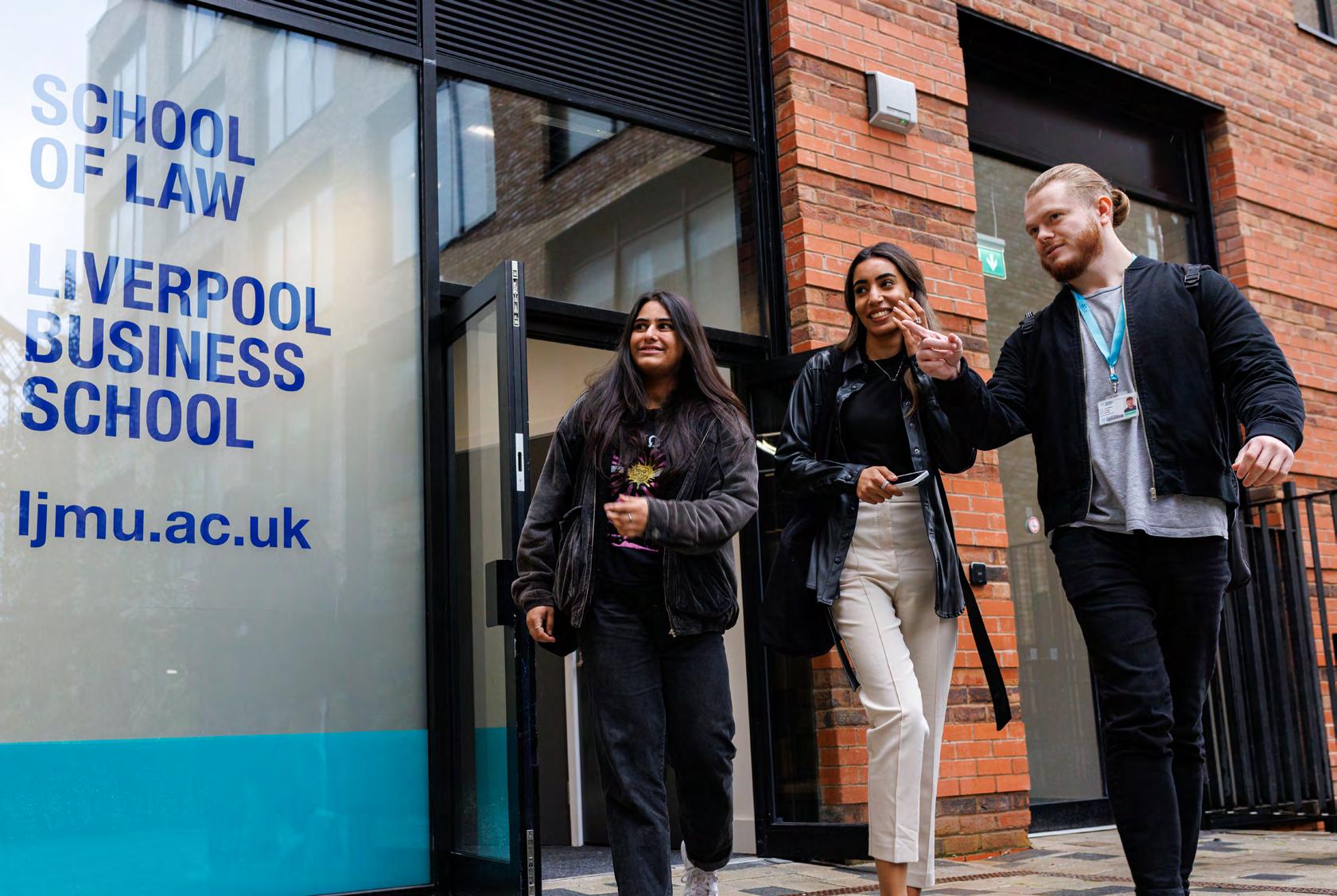
Housed in Liverpool Business School (LBS), LJMU’s Business Clinic demonstrates the university’s innovative knowledge exchange that directly supports regional economic development and decent work creation. An experiential learning initiative, the clinic connects students with small and medium-sized enterprises, delivering tangible business solutions whilst developing employment-ready graduates.
LBS’s model embeds students in live consultancy projects, fostering critical skills including client communication, needs assessment, and collaborative problem-solving. With structured mentorship from academics and business consultants, more than 400 students have provided valuable strategic insights from our research-informed teaching to regional small and medium-sized enterprises (SMEs). By working with more than 90 public, private, and third-sector organisations in the City Region and beyond, the Liverpool Business Clinic has catalysed employment and economic growth.
DECENT WORK AND ECONOMIC GROWTH
PROMOTE SUSTAINED, INCLUSIVE AND SUSTAINABLE ECONOMIC GROWTH, FULL AND PRODUCTIVE EMPLOYMENT AND DECENT WORK
Economic growth should benefit the whole planet, ensuring financial progress creates fulfilling jobs without harming the environment. We must protect labor rights and end modern slavery and child labor.
At LJMU, by promoting job creation and business growth in the UK and across the globe, we are working to ensure everyone benefits from entrepreneurship and innovation.
1
62
2
62 researchers working towards tackling this SDG
94
94 research papers published 2023/24
3
85
85 modules taught relating to this SDG
INDUSTRY, INNOVATION AND INFRASTRUCTURE
BUILD RESILIENT INFRASTRUCTURE, PROMOTE INCLUSIVE AND SUSTAINABLE INDUSTRIALISATION AND FOSTER INNOVATION
Investing in infrastructure and innovation is pivotal to driving economic expansion and advancement. Scientific research should be enhanced to upgrade the technological capabilities of industrial sectors in countries around the world, encouraging innovation in a sustainable and equitable way.
At LJMU we equip our students with skills and provide opportunities to engage with vitally significant industry. Liverpool Logistics Offshore and Marine Research Institute (LOOM) is working closely with the maritime industry to strengthen infrastructure and reduce maritime emissions.
HIGHLIGHTS
researchers working towards tackling this SDG
research papers published 2023/24
86 modules taught relating to this SDG
EDUCATION AND STUDENT EXPERIENCE
By systematically benchmarking digital capabilities against sector standards, LJMU is innovating to build robust educational infrastructure that equips students for digitally enabled careers and is ensuring inclusive access to high-quality learning. In 2023/24, LJMU piloted the JISC Digital Capability Insights Survery to understand and enhance students’ digital experiences across six key capability areas, from functional skills to digital wellbeing. The findings demonstrated strong institutional support, with 78% of students agreeing LJMU enabled off-campus access to online platforms. The survey gave students the opportunity to describe their optimum approaches to personalised learning support. Student feedback proved particularly valuable, revealing sophisticated needs around simulation-based learning and interactive digital resources. Their constructive suggestions, now directly inform strategic improvements to our digital education infrastructure.
RESEARCH AND KNOWLEDGE EXCHANGE
Our Liverpool Logistics, Offshore and Marine Research Institute (LOOM) is pioneering research to strengthen global maritime infrastructure against climate threats. In work on optimising the resilience of shipping networks to climate vulnerabilities, researchers addressed how extreme weather events increasingly disrupt port operations and shipping networks worldwide. With climate disasters increasing dramatically since the 1970s, and 40% of global population residing within 100km of coastlines, this work addresses critical infrastructure vulnerabilities.
The team developed an innovative methodology combining climate risk indicators, network centrality analysis, and routing optimisation to assess vulnerability across 154 global ports. By analysing shipping networks systematically rather than just looking at ports in isolation, the team identified critical infrastructure hubs, notably Shanghai, Singapore, and Rotterdam, whose disruption would cascade throughout global supply chains.
PLACE AND PARTNERSHIP
LJMU researchers are leading a landmark European partnership addressing the urgent challenge of maritime emissions reduction. The RETROFIT55 project, funded through Horizon Europe, unites maritime researchers, technology developers, and industry partners across Europe to achieve 55% greenhouse gas reduction by 2030. LJMU researchers have developed a comprehensive framework integrating regulatory guidance, Life Cycle Analysis methodology, and practical technology assessment. Working alongside partners including Italian research institutes, Greek technical universities, German shipbuilding specialists, and innovative technology providers, the team addressed the complex barriers facing maritime decarbonisation. These diverse issues span from split ownership incentives to ageing vessel fleets. The collaborative approach has todate enabled stakeholders to evaluate retrofit options holistically, considering not only operational savings but installation emissions and safety implications. The framework encompasses emerging technologies including air lubrication systems, wind-assisted propulsion, photovoltaic generation, and digital twin optimisation. RETROFIT55 is providing shipowners with evidence-based pathways to compliance with key regulations and the EU Emissions Trading Schemes. Bridging research, industry, and policy through international partnership, we are strengthening infrastructure change to deliver direct and indirect benefits worldwide. By translating LJMU research into actionable business solutions, LCEI demonstrates how regional partnerships can deliver measurable climate impact.
EDUCATION AND STUDENT EXPERIENCE
LJMU holds the National Network for the Education of Care Leavers (NNECL) Quality Mark, first awarded in 2022, and was reaccredited in summer 2024. Under our 2020/21 to 2024/25 Access and Participation Plan, we set an explicit objective to enhance the access and participation of care leavers in higher education, targeting and achieving an increase to 0.89% of entrants being care leavers by 2024. The quality mark accredits work across the whole student lifecycle, from outreach and admissions, through retention, to progression for care-experienced and estranged students. In LJMU’s 2023/24 reaccreditation, we received ‘exceptional’ ratings in pre-arrival support and continuous improvement, and we took steps forward in the other categories.
For our students, this mark means earlier engagement, dedicated pastoral and financial support (including the John Lennon Imagine Award), year-round accommodation in partner halls, and tailored help with academic skills. All these factors are recognised for contributing to more equitable access and an improvement to the student experience.
RESEARCH AND KNOWLEDGE EXCHANGE
Criminologists investigated the underrepresentation of minority groups in firearms teams on behalf of the National Police Chiefs Council. Whilst addressing policing policies, LJMU explicitly promoted equal opportunities and examined social, economic and political inclusivity in the Police Service. The research team benchmarked their study against cutting-edge research and developed new insights using an online survey alongside a focus group of female acting officers to support thematic analysis. The study found fewer than 50% of the operational police workforce would take up a firearms role without financial incentives. It identified cultural perceptions of armed unit recruitment (and associated barriers) and the effects of uniform, equipment and training as the central drivers of inequity in recruitment.
PLACE AND PARTNERSHIP
LJMU is coordinating a groundbreaking EU-funded COST Action addressing a profound global inequality: the 75% of deceased migrants who remain unidentified, leaving their families in agonising uncertainty. The Migrant Disaster Victim Identification (MDVI) network, launched in October 2023, unites 200 forensic experts, humanitarian practitioners, and policymakers across 38 countries.
Migrant identification presents unique challenges absent from conventional disaster victim identification. Socioeconomic barriers in origin countries mean many migrants lack dental records, fingerprint databases, or documented family histories. Water damage, decomposition, and delayed body recovery will compound these difficulties. Crucially, families also fear contact with authorities due to potential criminal investigation, trafficking reprisals, or social stigma. These issues create profound information gaps.
At LJMU, researchers champion a transformative approach that places bereaved families at the centre of identification processes. Through four specialised working groups and direct engagement with Interpol’s DVI Committee, LJMU is shaping international policy to ensure migrant deaths receive equal forensic attention as other disasters.
1
Inequalities based on protected characteristics and other characteristics including class, income, and education are persistent across the globe. This dangerously impacts longterm social and economic development and harms opportunities to reduce poverty for all people.
Inclusivity is one of LJMU’s four core institutional values. Our work to reduce inequalities and support inclusion is driven by the LJMU Inclusivity Board, the university’s Executive Leadership Team, the Diversity and Inclusion team, and our Associate Deans for Diversity and Inclusion, embedding inclusive practice in the curriculum and across our broader engagement.
154
2
154 researchers working towards tackling this SDG
96 96 research papers published 2023/24
3
45 45 modules taught relating to this SDG
SUSTAINABLE CITIES AND COMMUNITIES
MAKE CITIES AND HUMAN SETTLEMENTS INCLUSIVE, SAFE, RESILIENT AND SUSTAINABLE
The world’s population is constantly increasing. To accommodate everyone, we need to build modern, sustainable cities. For all of us to survive and prosper. We need new, intelligent urban planning that creates safe, affordable, and resilient cities with green and culturally inspiring living conditions.
LJMU plays an important role in supporting the sustainability of the Liverpool City Region, through our Climate and Sustainability Plan and initiatives such as the Natural Capital Hub. Through our research we are tackling global challenges such as earthquake resilience in communities and encouraging our students to think critically about how they can affect meaningful change during their time at LJMU and beyond.
HIGHLIGHTS
137 researchers working towards tackling this SDG
86 research papers published 2023/24
23
23 modules taught relating to this SDG
EDUCATION AND STUDENT EXPERIENCE
Within LJMU’s School of Civil Engineering and Built Environment, the Advanced Materials module exemplifies how our research-led education supports sustainable city development. The module draws on LJMU research into strengthening structural timber using Near Surface Mounted (NSM) fibre reinforced polymer (FRP) bars. This innovative technique, embedding lightweight, corrosion-resistant composites into timber beams, offers a low-carbon alternative to steel, improving structural performance while extending material life. Students engage directly with this research through laboratory analysis and design projects, exploring how material choice influences building durability, housing affordability and carbon impact across the urban lifecycle. These skills are highly valued by employers seeking engineers who can apply sustainable design principles to regeneration, retrofit and infrastructure development. By connecting advanced materials research with professional education, LJMU is preparing graduates to shape resilient, low-carbon cities—translating engineering innovation into sustainable urban practice.
RESEARCH AND KNOWLEDGE EXCHANGE
Climate scientists investigated the potential to reduce adverse environmental impacts in cities and promote the use of sustainable transport systems by studying CO2 emission reductions during a pilot modal shift from predominantly road to waterway transportation in Quzhou, China. Data from 200 voyages of 92 enterprises found emissions reductions of 45,907 tons of CO2 in comparison to road transport. Other than cleaner air provisions and potential reduction of negative climate change impacts, waterway transportation is also linked with other potential advantages such as longer distance hauls, increased cargo loads, increased safety, and reduced congestion on a regional level.
PLACE AND PARTNERSHIP
LJMU is championing sustainability in housing provision and construction using local materials to contribute to reduced flooding impacts. In two regions of Northern Ghana, Wa and Tamale, traditional earthen houses are usually constructed of one of three commonly used bio-stabilisers: dawadawa, beini, and rice husk. Researchers tested resistance to water ingress of these materials focusing on water absorption, strength and flexibility. Dawadawa showed evidence of tanniniron complex oxidation (reacting and combining with oxygen) and polymerisation (when monomer molecules form a chain together) that are linked to improved water resistance. This report is the first comparative evaluation of its kind that formally recommends the use of dawadawa and beini in traditional construction.
RESPONSIBLE CONSUMPTION AND PRODUCTION
EDUCATION AND STUDENT EXPERIENCE
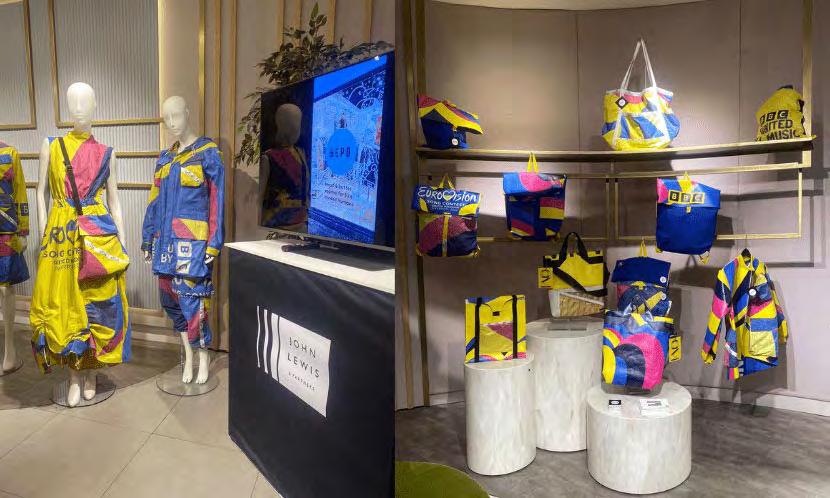
Responsible consumption and production are an ongoing thematic focus in teaching throughout the university. Level 3 and 4 Fashion students collaborated with sustainable clothing brand, BEPO (BE Positive Together), to create ecological messenger bags, headgear and clothing, including unisex outerwear and t-shirts using donated flags and banners left over from the 2023 Eurovision Song Contest. Following a catwalk show to launch the collection, items were displayed at Liverpool ONE’s John Lewis store. BEPO showcased the collaborative project on The BBC’s The One Show to discuss how it encouraged people to invest in a circular economy by reusing materials that might otherwise be sent to landfill. It has led to a Masters in Fashion Innovation student now collaborating with high street fashion brand, Urban Outfitters, to showcase her sustainable fashion label, ‘Leigh Taylor,’ which draws on her Indian heritage while sourcing traditional craftsmanship and fabrics from Guatemala.
RESEARCH AND KNOWLEDGE EXCHANGE
LJMU promotes transparent and sustainable use, management, and marketing of natural resources on an industrial and international level. Certification of fisheries is with the Marine Stewardship Council (MSC), London fails in over 50% of those with a favourable preassessment outcome, despite improvements to stock management, ecosystem health and governance aspects. Interactions between market, governance and fisheryspecific drivers and the impacts to certification speed and success were investigated in 208 fishery audits across 102 countries before, and during assessment. Greater proportions of MSC catch generally increased the likelihood of achieving certification. Whilst fisheries situated in lower income countries were less likely, assessments reveal that effective management successfully offset financial barriers to certification.
PLACE AND PARTNERSHIP
Granular materials are everywhere, sand, soil and snow are everyday examples. These collections of individual particles can act like solids. We can walk or even build houses on top without any serious deformation. However, they sometimes behave like liquids, which can be catastrophic, with avalanches and landslides being examples. In industry, granular flows are also commonplace during the crushing of mineral ores, the mixing of pharmaceutical powders, or the separation and transport of food grains as examples. It is therefore crucial to build reliable models to help us mitigate natural hazards, as well as optimise the waste and energy efficiency of industrial processes.
Research in the School of Computer Science and Mathematics has developed x-ray techniques specifically for flowing media. This approach gets beyond the material at the boundaries, which is not necessarily representative of the whole flow. X-ray technologies provide an unobtrusive means to delve deeper, but established methods are not well-suited to moving material. This approach has generated projects with industrial partners worldwide including quality control of pharmaceutical products, energy saving in mineral processing, and modelling erosion for environmental stakeholders.
1
Our planet has provided us with an abundance of natural resources. But we have not utilised them responsibly and currently consume far beyond what our planet can provide. We must learn how to use and produce resources in sustainable ways that will reverse the harm that we have inflicted on the planet.
At LJMU we encourage responsible consumption through our university policies and activities. We engage with ethical and responsible suppliers. Through our research, we work with organisations and governing bodies to support ethical decision making and provide opportunities for our students to collaborate with ethical brands and companies.
87
2
87 researchers working towards tackling this SDG
99
99 research papers published 2023/24
3
16 16 modules taught relating to this SDG
CLIMATE ACTION
TAKE URGENT ACTION TO COMBAT CLIMATE CHANGE AND ITS IMPACTS
We are on the brink of climate calamity. Climate change poses a serious threat to the world’s growing population, with sea-level rise doubling in the last decade and communities already suffering from extreme weather. Through education, innovation, cooperation, and commitment, immediate action is essential to protect our planet’s future.
At LJMU, we prepare students for exciting work opportunities in the green sector and work with external organisations to address key climate issues. We are working at all scales of the sector, and researchers collaborate with partners on a local and international scale to address climate challenges and empower entrepreneurs to lead cutting-edge decarbonisation innovation.
EDUCATION AND STUDENT EXPERIENCE
131 researchers working towards tackling this SDG 100
100 research papers published 2023/24
19
19 modules taught relating to this SDG
The LJMU Student Futures team provides a range of resources and opportunities for students wanting to pursue a career in the green sector. These opportunities include talks, workshops, and activities around the themes of sustainability and green jobs. There is also a 12-week paid green intern programme which is designed to equip students with a variety of professional skills including infographic development, research and analysis, industry networking and engagement opportunities, content creation, and event resources relevant to green sector companies. This work is supported by green career ambassadors who provide sector-specific employment advice and support. The team has delivered sustainability hackathons and a carbon literacy project to undergraduate students, which provides the opportunity to become carbon literacy certified through study at LJMU.
RESEARCH AND KNOWLEDGE EXCHANGE
Liverpool Business School investigated the central role of climate action in achieving the range of SDGs. By focusing on the conceptual and practical links between the thirteenth SDG and the 16 others, the research has heightened knowledge and fortified institutional capacity for adaptation and resilience that can be applied at various stages of economic development, internationally. In a survey commissioned by The European School of Sustainability Science and Research and the Inter-University Sustainable Development Research Programmme, the LJMU researchers examined perspectives from 260 university staff from 61 countries. The team developed data to show how achieving SDG 13 synergistically accelerates progress to other SDGs whilst simultaneously tackling disproportionate impacts to poorer or marginalised communities that arise from extreme climate events and other sudden changes to the social, economic, and physical environment.
PLACE AND PARTNERSHIP
LJMU’s Low Carbon Eco-Innovatory (LCEI) exemplifies place-based climate action in higher education and business collaboration, partnering with local businesses across the Liverpool City Region to accelerate decarbonisation. Funded through the UK Shared Prosperity Fund and delivered jointly with University of Liverpool, LCEI combines academic expertise with practical financial support to drive clean growth. At LCEI, researchers provide bespoke carbon assessments, thermal modelling, and technological feasibility studies tailored to individual business needs. Projects span diverse sectors: calculating embodied carbon savings for Master Grill’s reconditioned catering equipment (21,000kg CO2e from just 30 units), designing intelligent heating systems for Baltic Creative’s regeneration spaces, and achieving carbon neutrality for Minta Instrumentation’s aerospace operations. Crucially, LCEI offers capital grant match-funding for low-carbon installations. With this step, LJMU is removing the financial barriers that prevent SMEs from investing in sustainability. By translating LJMU research into actionable business solutions, LCEI demonstrates how regional partnerships can deliver measurable climate impact. Local businesses gain competitive advantages through evidenced environmental credentials, whilst the Liverpool City Region builds economic resilience through sustainable growth.
EDUCATION AND STUDENT EXPERIENCE
LIFE BELOW WATER
CONSERVE AND SUSTAINABLE USE OF THE OCEANS, SEAS AND MARINE RESOURCES FOR SUSTAINABLE DEVELOPMENT
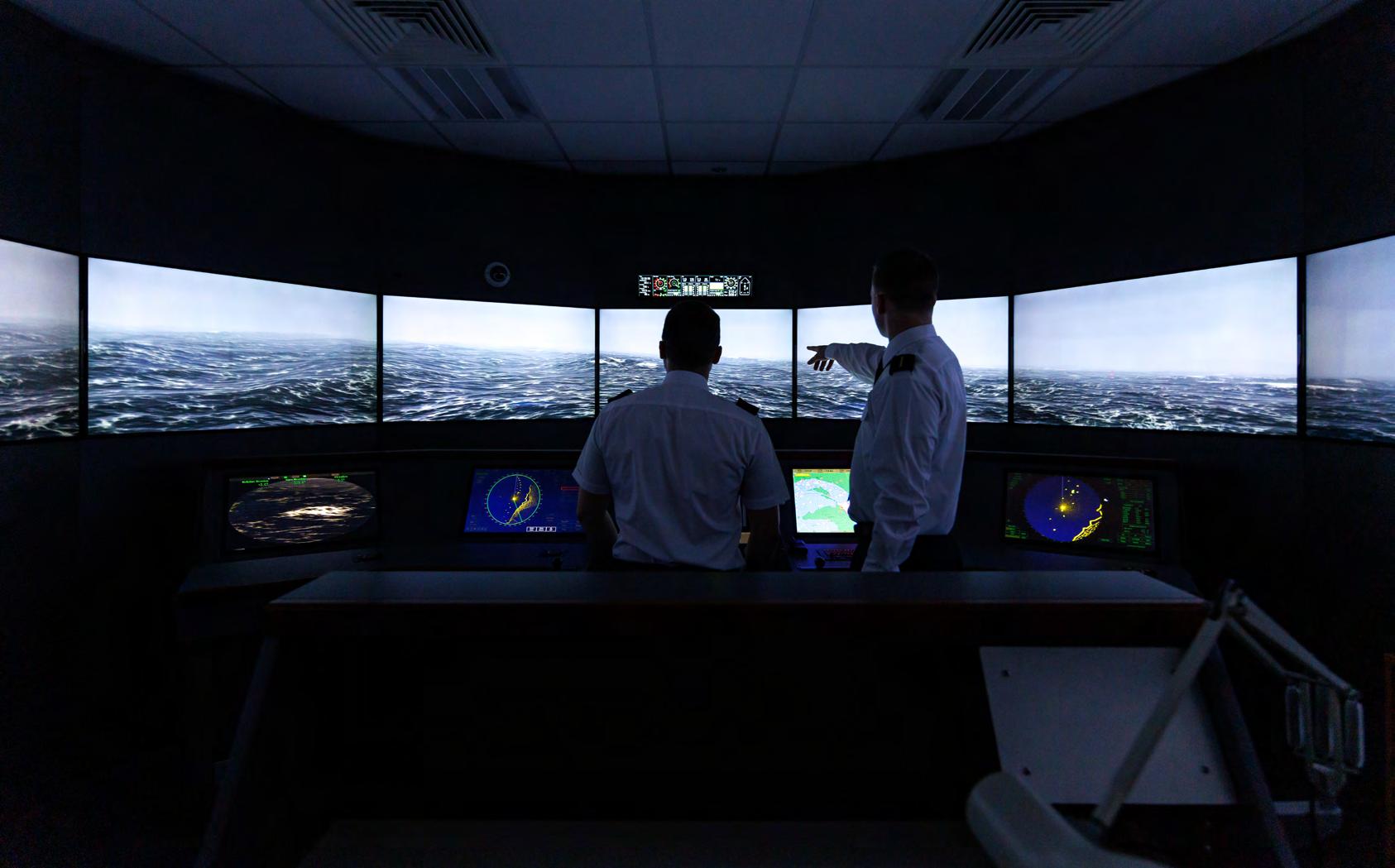
LJMU helps meet the training needs of the maritime industry. At the Global Centre for Maritime Innovation, the diverse training needs of the maritime industry is supported by our world-leading facilities and specialised short courses. Unique simulators include a ship handling simulator, a ten-workstation ECDIS suite with a 360 degree view, an engine room simulator, and a Liquid Cargo Operations Simulator (LICOS), enabling maritime professionals, deck officers, and marine engineers to experience real-life scenarios like equipment faults and maneuvering challenges. The simulators also offer practical, economic, and sustainability benefits, supporting research on new berthing facilities, the environmental impact of civil engineering projects, and assisting in maritime accident investigations and insurance claims. These specialised professional training opportunities underscore the centre’s vital role in advancing maritime education and industry research.
RESEARCH AND KNOWLEDGE EXCHANGE
At LJMU our environmental scientists have examined the amount and type of polymers and microplastics on multiple beaches on the west coast of Svalbard. The team found variable amounts of microplastics and polymers across sites and an explicit link with human proximity. Microplastic quantities on average ranged from 0.7 to 2.2 microplastic particles per gram of sand, with the lowest content in remote places and the highest, nearest to the main settlement. The study supported the need for increased scientific knowledge concerning ocean health and provided tangible evidence that is required to protect and conserve remote Arctic locations and reduce impacts of pollution in sediments.
PLACE AND PARTNERSHIP
LJMU researchers are working in partnership with volunteer scuba divers to help conserve some of the world’s rarest fish. Scuba divers and snorkelers around the UK and beyond are among those helping to identify endangered species, such as giant guitar fishes, whip-stingrays and thresher sharks. The project, funded by the Natural Environment Research Council and Natural England, uses a simple, inexpensive, and effective DNA sampling technique to capture seawater attached to divers’ wetsuits. So far, the project has detected 275 unique species from a network of divers at marine habitats in the Atlantic, Pacific and Indian oceans, helping to identify and preserve the diversity of marine life across the world’s oceans and create a baseline for future environmental protection policy and guidance measures.
1
Our oceans are the world’s largest ecosystem, covering more than 70% of the Earth’s surface, we rely on them for food, energy and water. Conserving and using them sustainably is essential to support biodiversity and protect marine resources and ecosystems for future generations.
LJMU’s research and facilities help to protect marine life and preserve our oceans. We provide targeted and specific training to the maritime industry, and our researchers work with local volunteers to protect valuable ecosystems and marine life.
63
2
63 researchers working towards tackling this SDG
54
54 research papers published 2023/24
3
47
47 modules taught relating to this SDG
LIFE ON LAND
PROTECT, RESTORE AND PROMOTE SUSTAINABLE USE OF TERRESTRIAL ECOSYSTEMS, SUSTAINABLY MANAGE FORESTS, COMBAT DESERTIFICATION, AND HALT AND REVERSE LAND DEGREDATION AND HALF BIODIVERSITY LOSS
A flourishing life on land is the foundation for our life on this planet. We are all part of the planet’s ecosystem and we have caused severe damage to it through deforestation, loss of natural habitats and land degradation. Promoting the sustainable use of our ecosystems and preserving biodiversity is not a vain cause; it is the key to our own survival.
At LJMU we involve our students and staff in local projects to improve and preserve local habitats. Our researchers work with the government to develop policies to safeguard our environment and protect plant and animal species.
HIGHLIGHTS
100 researchers working towards tackling this SDG
98 research papers published 2023/24
54 modules taught relating to this SDG
EDUCATION AND STUDENT EXPERIENCE
The Hilbre Arts, Science and Sustainability Project combines research, teaching, consultancy, and creative practice and generates partnerships between LJMU staff, students, arts charities and local civic organisations. Local stakeholders are working with LJMU researchers to build a specialist study centre which will allow artists and scientists to use the island environment as a creative, research-focused space. The unique nature of Hilbre Island, its special flora and fauna, its environmentally sensitive nature, its extreme weather contrasted with its proximity to urban centres make for an unusual ecosystem and opportunity. The tidal separation adds both a peculiarity as well as creating logistical difficulties, both of which serve to reinforce the potential of the island as a place to study that is both home and away.
RESEARCH AND KNOWLEDGE EXCHANGE
LJMU’s work on conservation translocations and reintroductions in threatened plant and animal populations is contributing to the development of best practice guidelines and policies, leading to long-term solutions that cut biodiversity loss. Research including predictive distribution modelling, under two socio-economic climate change scenarios of 38 reptiles and amphibians has shown that as we approach 2080, almost 75% of reintroduction sites will have unsuitable climates. These findings highlight the importance of understanding changing climate suitability within this context. This evidence has successfully informed parliamentary discussions for reintroduction planning at the Department for Environment Farming and Rural Affairs Select Committee.
LJMU wildlife conservation research is also informing policy to reduce human–wildlife conflict and strengthen financial mechanisms for biodiversity conservation across 19 Chinese provinces and autonomous regions. Researchers surveyed local land managers of protected areas and plantations and reviewed 78 legislative and policy sources on wildlife damage compensation. They identified 185 nuisance species (132 mammals, 44 birds, 9 reptiles), highlighting underestimated regional impacts. Findings recommend developing compensation systems that reflect crop market value or yield, ensuring environmental justice while supporting sustainable coexistence between people and wildlife.
PLACE AND PARTNERSHIP
The UK is one of the most nature-depleted countries in the world so protecting what is left; forest, soils, water and plant life, is of vital importance nationally and locally. LJMU’s Natural Capital Hub (NCH) plays an important role in safeguarding these assets by providing research-backed training and consultancy to a range of public and private bodies across the LCR and UK. The team employs mapping and spatial evidence to inform strategies and decisions regarding local policy planning.
During 2023/24, activities included; advising authorities in the north west and south east on using nature based interventions to address flood risk, evaluating large-scale woodland creation schemes for the Woodland Trust, Defra, the Community Forest and others, and hosting the Natural Capital Working Group for the Liverpool City Region which brings partners together to share data and strategies.
EDUCATION AND STUDENT EXPERIENCE
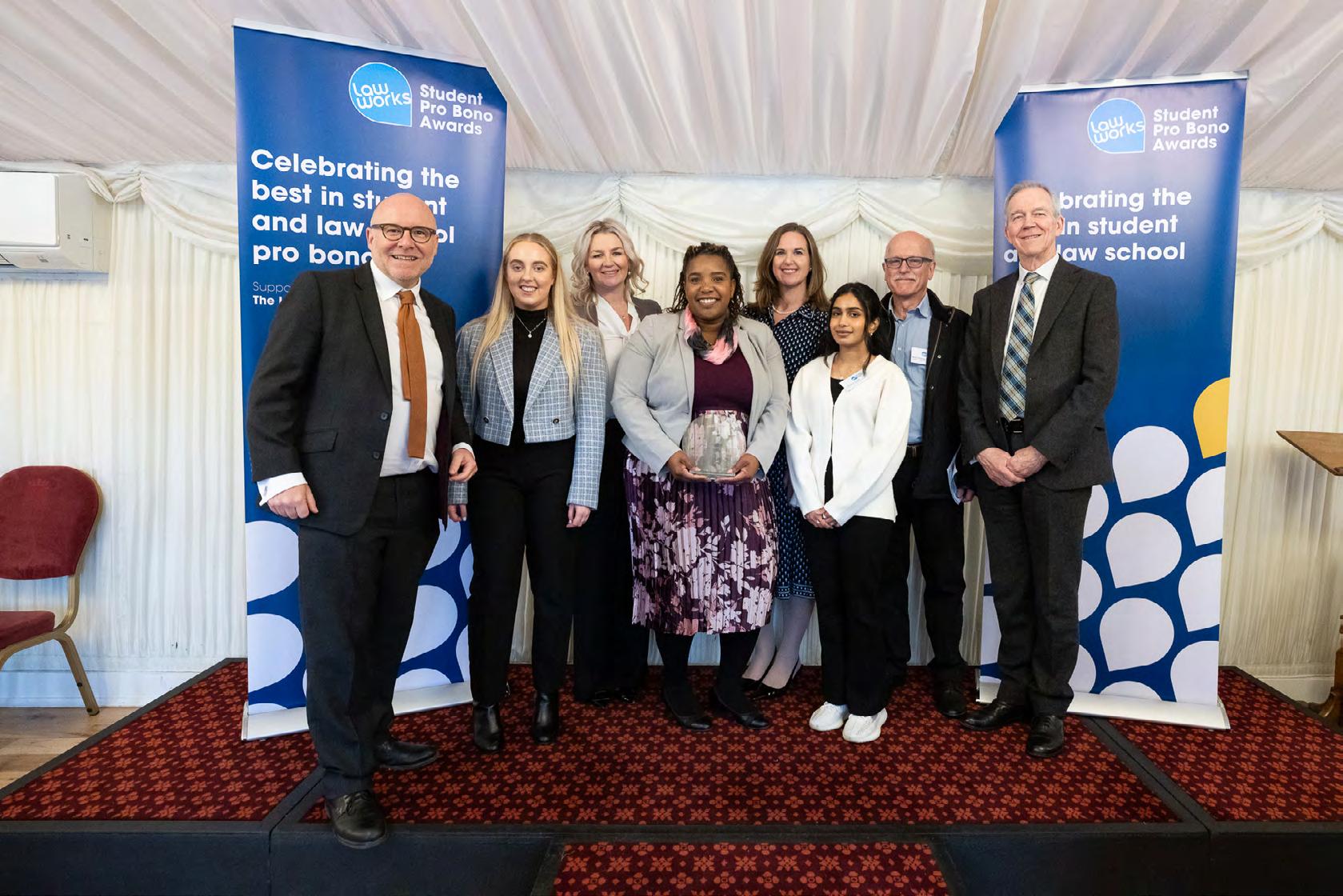
The LJMU Legal Advice Centre (LAC) offers students a unique experience of working with qualified solicitors to provide free legal advice to members of the public, individuals, or small businesses. The opportunity is open to every LLB Law and LLM Legal Practice SQE student from their first year onward. The LAC provides advice on matters including civil disputes, family, wills and administration, and community economic development. In 2023/24, the LAC provided legal advice to 238 clients and gave legal information or help to a further 763 individuals, supported by 250 students. The approximate value of the services delivered was more than £1m. The LAC has most recently been commended for its work supporting people to submit exceptional case funding applications and won the LawWorks & Attorney General Award for Best New Pro Bono Activity in 2025 in relation to its Windrush community clinic.
RESEARCH AND KNOWLEDGE EXCHANGE
Face Lab is a collaborative unit that combines art and science to explore facial identity and representation. Comprising academics and PhD researchers, it pioneers innovative craniofacial projects in forensic identification and digital heritage, advancing interdisciplinary research and knowledge exchange in heritage, arts, culture, and forensic investigation.
Face Lab researchers were awarded the Times Higher Education Research Project of the Year award for their work on identifying migrants who die crossing the seas to Europe. The Face Lab team identified deceased migrants in Greece, working with the University of Thrace and the Platform for Transnational Forensic Assistance. Comparing post-mortem craniofacial data with images from social media and missing persons sites, they helped identify disaster victims. They tackled a topical emergency: refugees dying unidentified, and the sadness of families left bereaved without certainty and the judging panel were shocked by the scale of the identification crisis and applauded the ingenuity of the Face Lab researchers.
PLACE AND PARTNERSHIP
Globally, police officer wellbeing is a focus for the police service, with officer resilience being a priority due to the stressful and diverse nature of what police officers face. Policing attrition in the UK is the highest on record, with a lack of wellbeing support being cited as a contributing factor. Wearable Technology (WT) and AI are viewed as innovative ways to assist The National Police Wellbeing Service. Researchers from Liverpool Centre for Advanced Policing Studies Research (LCAPS) have been working with Oscar Kilo (The National Police Wellbeing Service), to understand how the use of wearable technologies can be used to improve officer wellbeing and resilience. Following a successful pilot intervention with Merseyside Police and 11 other UK police forces, the Home Office and Oscar Kilo now intend to roll out the toolkit across all police forces within England and Wales.
PEACE, JUSTICE AND STRONG INSTITUTIONS
PROMOTE PEACEFUL AND INCLUSIVE SOCIETIES FOR SUSTAINABLE DEVELOPMENT, PROVIDE ACCESS TO JUSTICE FOR ALL AND BUILD EFFECTIVE, ACCOUNTABLE AND INCLUSIVE INSTITUTIONS AT ALL LEVELS
Around the world, we need peace in every sense. Compassion and a strong moral compass is essential to every democratic society. Yet, persecution, injustice and abuse still runs rampant and are tearing at the very fabric of civilisation. We must ensure that we have strong institutions, global standards of justice, and a commitment to peace everywhere. At LJMU we provide unique opportunities for our students to undertake supervised pro bono work through our Legal Advice Centre, we are at the cutting edge of craniofacial identification research, and we work closely with police forces across the UK to improve wellbeing of our law enforcement workforce.
1
191
2
191 researchers working towards tackling this SDG
132
132 research papers published 2023/24
3
411 411 modules taught relating to this SDG
PARTNERSHIPS FOR THE GOALS
STRENGTHEN THE MEANS OF IMPLEMEMNTATION AND REVITALISE GLOBAL PARTNERSHIPS FOR SUSTAINABLE DEVELOPMENT
The global goals can only be met if we work together. International investments and support are needed to ensure innovative technological development, fair trade, and market access, especially for developing countries. To build a better world, we need to be supportive, empathetic, inventive, passionate, and, above all, cooperative.
LJMU is working in a highly collaborative manner towards these goals by prioritising actions to align our teaching and curriculum with the SDGs. To aid research, we’ve launched key research institutes, and internationally, more than 20,000 students are studying with us in our partner institutions, across the globe, making us the fifth largest provider in the UK.
HIGHLIGHTS
2886 researchers working towards tackling this SDG 1886
1886 research papers published 2023/24
EDUCATION AND STUDENT EXPERIENCE
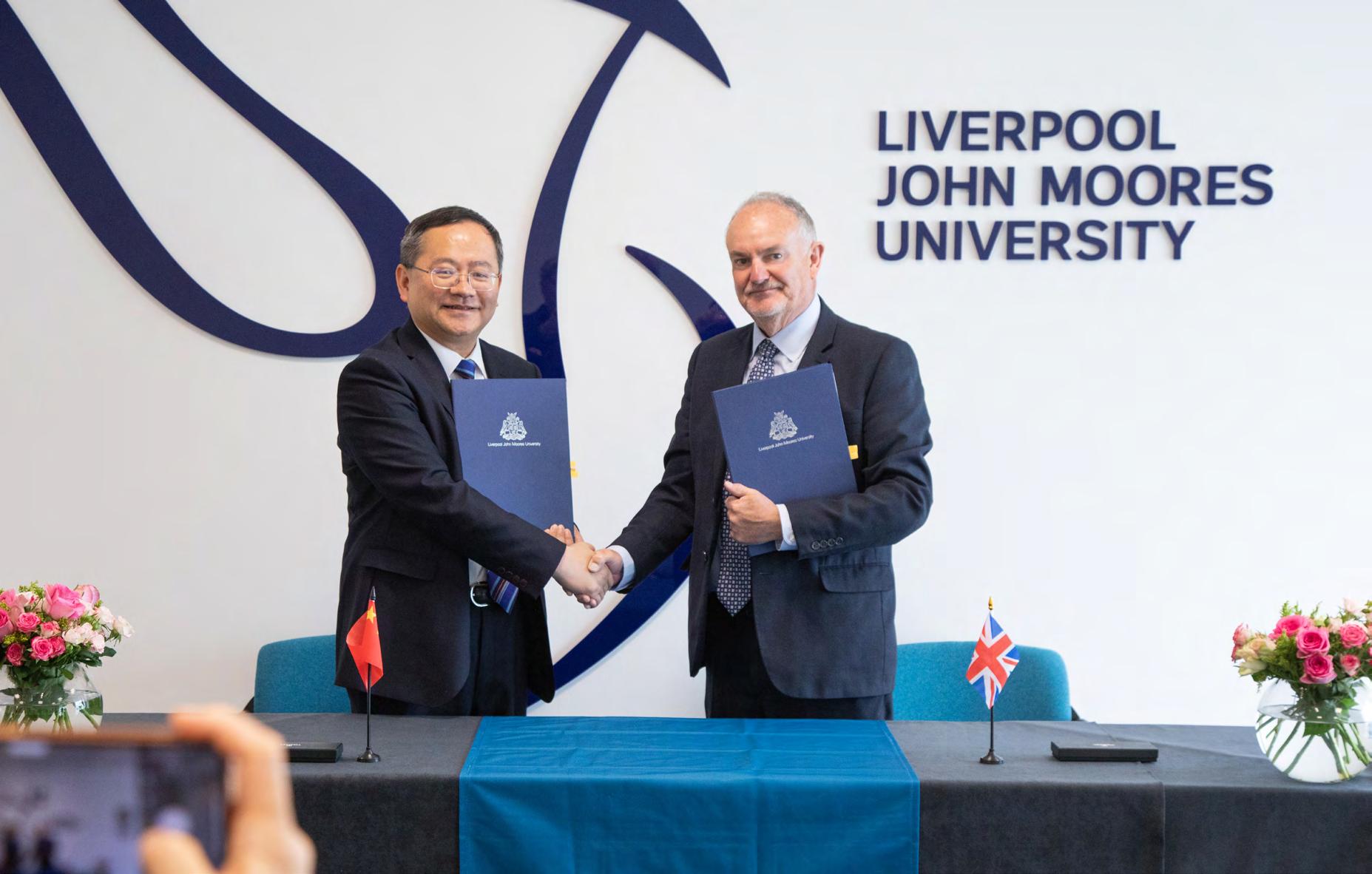
International partnerships drive SDG progress by influencing policy, enhancing organisational outcomes, and empowering people across the globe with shared goals. LJMU collaborated with more than 16 international education partners, supporting a transnational student base of 24,360 in 2023/24. LJMU takes pride in jointly developing graduates who make a positive global impact. Our partners include higher education providers in China, Cyprus, India, Ireland, Kosovo, Malaysia, Myanmar, Pakistan, Qatar, Spain, Sri Lanka, the UAE, and Vietnam. We are especially committed to seeing our partner students embrace lifelong learning, particularly those who might not have accessed higher education without these partnerships.
RESEARCH AND KNOWLEDGE EXCHANGE
The Liverpool Business School hosted the first European Symposium for Sustainability in Business Education which welcomed innovators from 10 European countries. The event showcased innovations and research projects in teaching sustainability in business schools including games, foresight and futures thinking, reflective practices, place-based executive education, embedding social value collaborations, and a state-of-the-art evaluation of Business School commitment to the United Nations’ Principles of Responsible Management Education (PRME) initiative. Liverpool Business School became a PRME signatory in 2020 and reports annually to showcase progress and activities related to all SDGs. Our 2023/24 report includes the Women’s Leadership Impact Symposium with partners from the Global South, the Digi:Đổi Consortium building a scalable digital transformation hub in Vietnam, work in Portugal on the social and non-use value that populations ascribe to place-based culture and heritage organisations. Featured also is an Alan Moon Memorial Prize awarded for work on building bridging social capital between higher education, Gypsy, Traveller, Roma, Showman and Boater (GTRSB) communities, and local government.
PLACE AND PARTNERSHIP
LJMU hosts the World Health Organisation (WHO) Collaborating Centre for Violence Prevention, working with the WHO to support and develop violence prevention in the UK and internationally. Since 2007, LJMU has worked alongside WHO to assist in the production of global and regional reports on violence prevention, facilitate the identification and dissemination of the evidence base for violence prevention, support policy development for violence prevention, encourage a stronger health sector role in violence prevention through capacity building, and to develop violence indicators and methodologies for calculating them. The EU-funded Stop SV project seeks to understand and appraise the conditions that facilitate and/or promote sexual harassment (SH) and sexual violence (SV) in night-time environments. The project has been implemented in the Czech Republic, Portugal and Spain.
251 modules taught relating to this SDG
NEXT STEPS
This report showcases our commitment to the UN SDGs during the 2023/24 academic year. Importantly, there has been further progress since this time with notable actions, targets, and achievements across key areas, including leadership and governance, education and student experience, research and knowledge exchange, external engagement and partnerships, and our campus operations, that are aligned with further progress against the UN SDGs and our efforts to build a more sustainable and fair society.
of reaching net zero carbon.
SUSTAINABILITY TARGETS TO REACH CARBON NET ZERO
The university has set out its sustainability targets for the next five years to move towards the ambition of reaching net zero carbon.
The Climate and Sustainability Plan 2025-2030 has outlined the steps LJMU is taking to reduce its carbon footprint and promote sustainable practices across all university activity on a range of themes, from biodiversity and green spaces, to sustainable procurement and community engagement. The university has launched the Liverpool Research Institute for Climate and Sustainability (LiRICS) to deliver a flagship panuniversity approach to research and knowledge exchange and create impactful solutions to the challenges faced by society when it comes to climate and sustainability.
The Climate and Sustainability Plan 2025-2030 has outlined the steps LJMU is taking to reduce its carbon footprint and promote sustainable practices across all university activity on a range of themes, from biodiversity and green spaces, to sustainable procurement and community engagement. The university has launched the Liverpool Research Institute for Climate and Sustainability (LiRICS) to deliver a flagship pan-university approach to research and knowledge exchange and create impactful solutions to the challenges faced by society when it comes to climate and sustainability.
AWARD WINNING ENVIRONMENTAL INITIATIVES
LJMU’s estate has received recognition from various industry bodies for environmental initiatives across campus. LJMU was the winner of the Net Zero Strategy 2024 award, ranked fifth in the region in the People & Planet’s University League and earned EcoCampus gold status for the universities commitment to embedding sustainability and environmental practices into facilities, policies and procedures.
The transformation of our Byrom Street site received a Sustainability Knowledge Assessment (SKA) silver rating, plus our laboratories received a bronze award in the Laboratory Efficiency Assessment Framework (LEAD) for best practice.
Further initiatives across campus have seen the installation of 24 additional solar PV panels expected to generate approximately 8.4 mWh of electricity and save around 1.64 tonnes of CO2e, the equivalent of planting 75 trees every year.
A major environmental project at LJMU’s John Lennon Art and Design Building will also save around 188 tonnes of carbon every year. The building is now 100% electric and using ‘Renewable Energy Guarantees of Origin’ (REGO) backed electricity supply that allows us to report the operational carbon emissions as zero under ‘market-based’ emissions reporting.
The university is also currently installing an air source heat pump (ASHP) on our City Campus which will generate a 60% reduction in carbon, saving around 50 tonnes each year. As part of the university’s first ever Biodiversity Plan, LJMU will also plant hundreds of trees and enhance green space across campus.
To improve our recycling rates, effectively collect separate waste streams and reduce contamination, LJMU has implemented a new bin and recycling waste management system with a goal to achieve a 70% recycling rate by 2031. This work aligns closely with SDG 12 Responsible Consumption and Production and SDG13 Climate Action.
COMMITMENT TO ENTERPRISE AND ENTREPRENEURSHIP
The university’s business school has been recognised for exceptional entrepreneurial education and community impact. LJMU’s Liverpool Business School (LBS) has become the first business school to receive the prestigious National Centre for Entrepreneurship in Education (NCEE) Entrepreneurial Award. The recognition aligns with SDG 8 Decent Work and Economic Growth.
CORPORATE CHARITY PARTNERS
LJMU has named four local charities; Claire House Children’s Hospice, The Girls’ Network, Local Solutions, and Micah Liverpool, as our corporate charity partners.
Building upon established relationships with each charity, LJMU plans to extend and enhance further opportunities for collaboration, supporting their work and making a difference in the Liverpool City Region and beyond by fostering new connections and generating opportunities to undertake research projects, to share knowledge and expertise, and to participate in volunteering and fundraising activities. The work aligns with several SDGS including SDG1 No Poverty, SDG2 Zero Hunger, and SDG5 Gender Equality.
SUPPORTING PUBLIC HEALTH
LJMU is supporting individuals, communities and public health bodies, both in the city and internationally to look after their physical and mental health. The university is one of the largest training providers in the north for essential health and wellbeing services. Our programmes train the next generation of nurses, paramedics, midwives, and other health care professionals to deliver the highest standards of care for those who need it.
Other groundbreaking health research has seen LJMU’s research drive breakthroughs, from using AI to aid cardiovascular science research, to sector leading guidance on suicide prevention. Our community-based initiatives have also seen nutrition staff, students and communities collaborate to tackle obesity in the Liverpool City Region. This work aligns with SDG3 Good Health and Wellbeing, and SDG10 Reduced Inequalities.
DIVERSITY AND INCLUSION FUNDED PROJECTS TO CHALLENGE INEQUALITIES
Since launching in 2023, the Diversity and Inclusion Fund has supported 19 transformative initiatives that are actively shaping LJMU’s culture and policy. Every project is co-created with students, colleagues, and community partners to challenge inequality, promote representation, and embed inclusive practice across our institution aligning closely with SDG5 Gender Equality and SDG10 Reduced Inequalities.
NATIONAL AWARD FOR WINDRUSH PRO-BONO WORK
LJMU’s Legal Advice Centre won ‘Best New Pro Bono Activity’ at the 2025 Law Works and Attorney General Student Pro Bono Awards for the university’s Windrush Community Law Clinic, which is run by staff, students and local legal firms, who offer free advice to people seeking redress or status from the government. This works aligns with SDG 16 Peace, Justice and Strong Intuitions.
BRITISH SCIENCE FESTIVAL
LJMU co-hosted the 194th British Science Festival in Liverpool. The festival, delivered alongside the British Science Association and the University of Liverpool, showcased the impactful and transformational work being delivered by the university with more than 100 events taking place at venues across campus and Liverpool, and aligning with several of the SDGs including SDG 4 Quality Education, SDG 13 Climate Action, SDG 14 Life Below Water, and SDG 15 Life on Land.
PAN UNIVERSITY RESEARCH INSTITUTES
LJMU’s three flagship Pan-University Research Institutes are declarations of our strategic commitment to addressing global challenges and the UN SDGs through interdisciplinary research and sophisticated, field-leading collaboration.
INSTITUTE FOR HEALTH RESEARCH (IHR)
The Institute for Health Research at LJMU is comprised of 304 researchers in health, public health, science, engineering, and business. Its aim is to improve human health across the whole life course through multidisciplinary research, education, and knowledge exchange. Research in the IHR addresses prevention of illness, treatment of disease, healthy behaviours, and improving healthcare systems.
The Institute’s work is aligned with SDG 3 (Good Health and Wellbeing) by:
• Promoting healthier lives via understanding and influencing behaviour, disease prevention, and health promotion.
• Developing therapeutics, diagnostics, and novel technologies, including virtual twin-based AI modelling of health risks and outcomes.
• Focusing on the interactions between mental and physical wellbeing to decrease the risk of chronic illness and improve health outcomes.
• Improving community and hospital-based care by working with our NHS and community partners to develop and deliver workforce education and promote evidence-based practice.
• Partnering with local, national and international health bodies (e.g. the World Health Organisation), industry and professional organisations (e.g. the Global Law Enforcement and Public Health Association) to improve health and wellbeing and address health inequalities.
The IHR operates through a range of challenge-focused interest groups that bring together diverse expertise - from molecular biology, to psychology, to public health - ensuring broad coverage of the SDG3 targets.
FORENSIC RESEARCH INSTITUTE (FORRI)
LJMU boasts more than 160 researchers in forensic arts and science. The Forensic Research Institute (FORRI) has brought them together as a significant landmark for LJMU and milestone in the evolution of the field worldwide. FORRI contributes to SDG 10 (Reduced Inequalities) by:
• Providing knowledge exchange and training programmes in international target countries to enhance forensic capacity for Disaster Victim Identification (DVI), forensic anthropology, migrant DVI, and facial identification.
• Advocating for and enhancing the identification of migrants who die trying to reach Europe from war-torn and socioeconomically unstable origin countries through membership of INTERPOL committees, evidence to the European Parliament and biometrics industry, and representation on the UK-DVI Committee.
• Enhancing diversity in forensic research and the criminal justice system through a Thematic Doctoral Programme with multidisciplinary supervisory teams and international partners.
• Partnering with international forensic institutes from the global south to create craniofacial and genomic standards that can be reliably applied across a globally diverse population.
FORRI contributes to SDG 16 (Peace, Justice, and Strong Institutions) by:
• Partnering with international police, industry, forensic institutes and professional organisations to advance and innovate forensic science and law enforcement.
• Contributing to international forensic policy development through international committees, working groups, and professional consultation.
• Partnering with international organisations and NGOs to enhance forensic knowledge exchange in forensic anthropology, genomics, facial identification, illegal animal, drug and food trade, child abuse, and human trafficking.
• Providing professional training for forensic experts, police officers, security services and professional bodies on DVI, livestock attacks, child abuse, gun crime and deepfakes.
• Providing professional consultation on forensic anthropology, mass graves, illegal animal and drug trades, livestock attacks, child abuse, gun crime, DNA analysis, and deepfakes.
THE LIVERPOOL RESEARCH INSTITUTE FOR CLIMATE AND SUSTAINABILITY (L RICS)
LiRICS connects more than 140 LJMU researchers to address the interconnected challenges of climate change, environmental degradation, and sustainable development. Drawing on diverse disciplinary strengths from across the entire university, LiRICS champions innovative, cross-sector solutions that reflect the urgency and complexity of global sustainability.
While LiRICS contributes to all the SDGs, recent work has led substantial change in SDG 13 (Climate Action) by:
• Supporting a sustainable transition in the maritime sector through research, industry partnerships, and specialist training focused on low-carbon technologies, alternative fuels, and retrofit for decarbonisation.
• Understanding how management education shapes decision-making for climate sustainability.
• Developing sensor technologies and scaled test homes to assess net zero solutions and energy efficiency, supporting house builders and developers in using sustainable materials and reducing construction waste.
• Supporting businesses to develop low carbon products, processes and services and exploring how digital technologies influence sustainable growth.
• Implementing steps in LJMU’s Climate and Sustainability Plan across curricula and career development, including support for the Concordat for the Environmental Sustainability of Research and Innovation Practice.
LiRICS contributes to SDG15 (Life on Land) through:
• Deploying AI-driven camera traps and monitoring systems that automatically detect and identify species, supporting population tracking, protecting habitats, and preventing poaching.
• Community engagement with the natural environment by developing frameworks for outdoor mental health practice, evaluation of nature-based health interventions, and integration of outdoor learning into teacher training.
• Supporting investment into nature recovery by developing natural capital metrics and maps to evaluate the benefits of England’s woodland creation, inform landowner decision making, and develop accessible and free web-based tools.
• Research into climate-resilient crops, lowimpact farming methods, and ecosystemfriendly land management strategies that promote food security while minimising environmental harm.