Historic Preservation Commission
Kansas City, Missouri
Adopted February 24, 2024
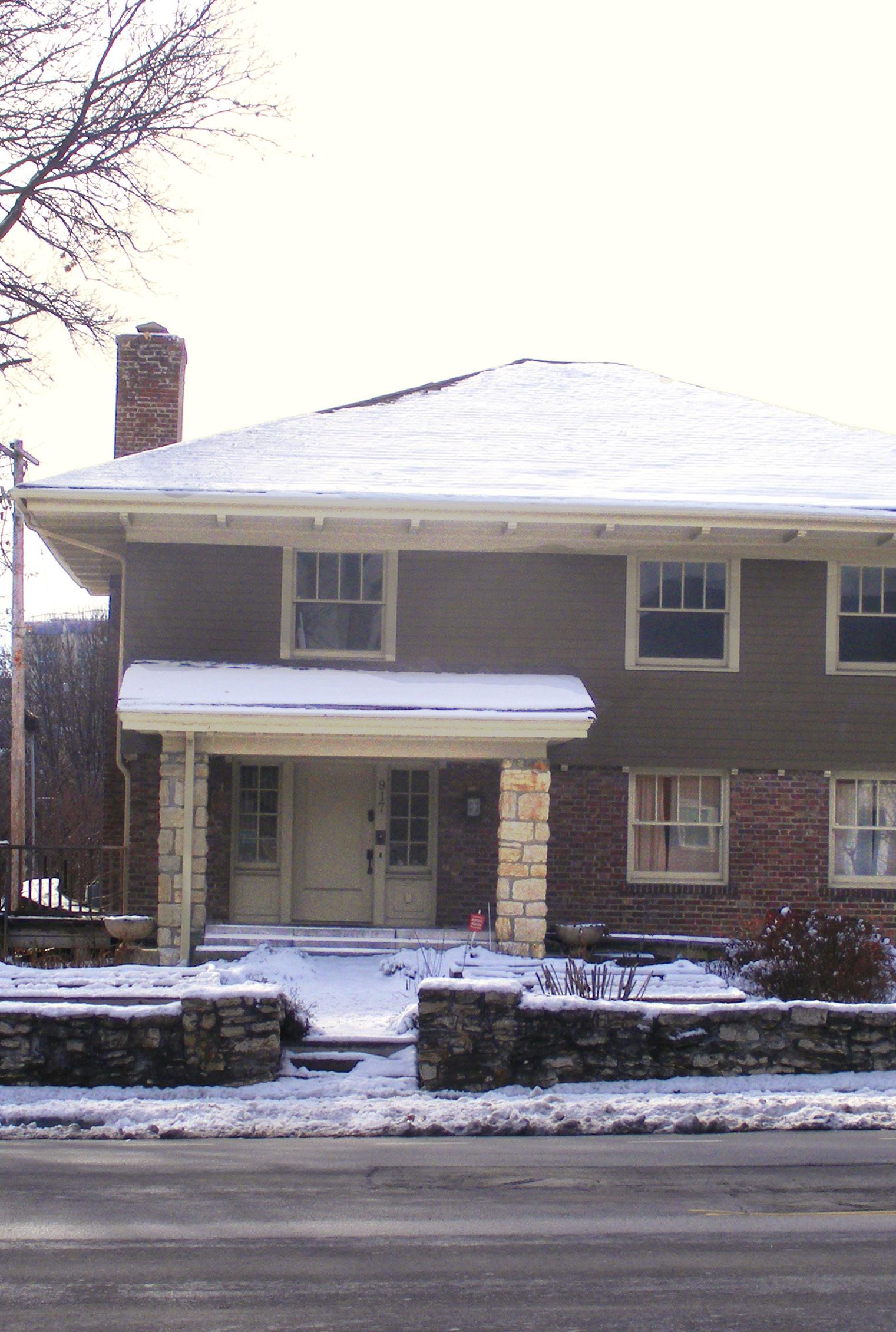
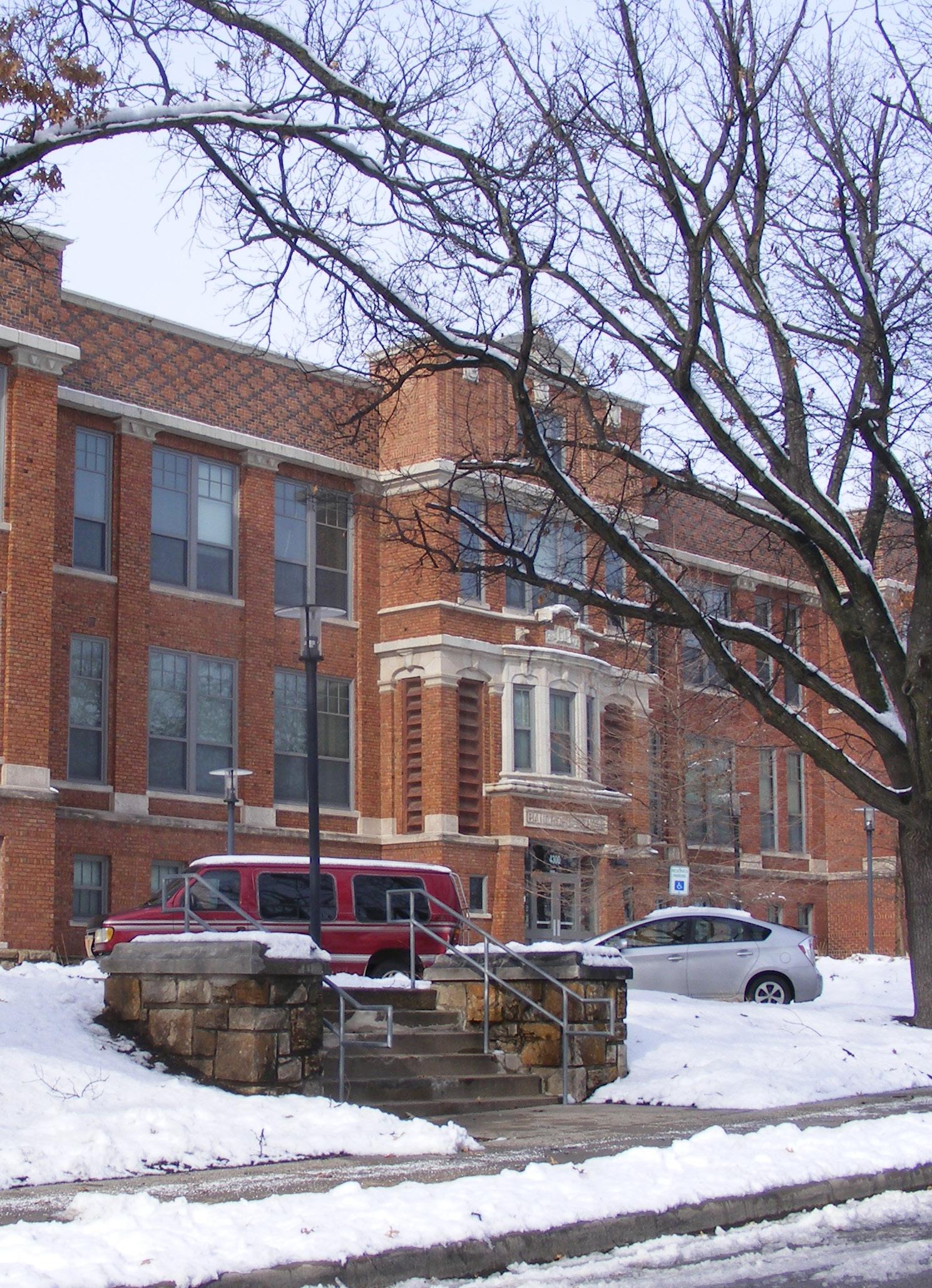
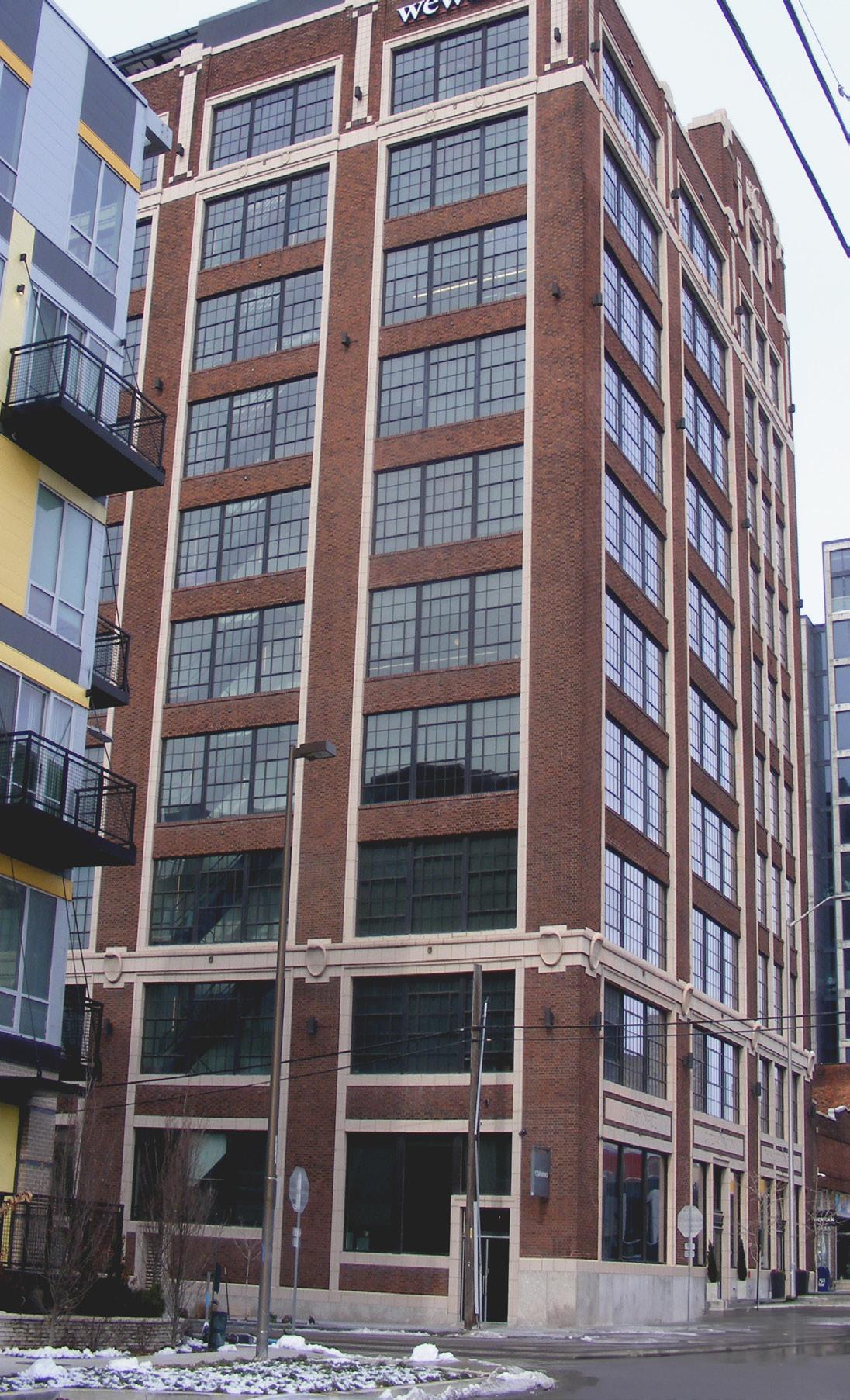
Kansas City, Missouri, has seen a growing trend of LEED (Leadership in Energy and Environmental Design) certified renovations in its historic buildings. These projects combine the charm of the past with modern sustainability practices, reducing the environmental impact of these iconic landmarks. This demonstrates the city’s commitment to preserving its history while embracing environmental responsibility and energy efficiency.
1. Bancroft School Apartments (4300 Tracy Avenue) - LEED Platinum, 2014
2. Thomas Corrigan Building (1828 Walnut Street) - LEED Silver, 2009
3. Project Living Proof (917 Emanuel Cleaver II Boulevard) - LEED BD+C, 2008
The Honorable Quinton Lucas
Brian Platt
Nathan Willett, 1st District
Kevin O’Neill, 1st District-at-Large
Wes Rogers, 2nd District
Lindsay French, 2nd District-at-Large
Melissa Robinson, 3rd District
Melissa Patterson-Hazley, 3rd District-at-Large
Eric Bunch, 4th District
Crispin Rea, 4th District-at-Large
Mayor Pro Tem Ryana Parks-Shaw, 5th District
Darrell Curls., 5th District-at-Large
Johnathan Duncan, 6th District
Andrea Bough, 6th District-at-Large
Amanda Loughlin, Acting Chair
Dona Boley
Dr. Walter Guth
Sarah Legg
Jamie Maggard
Sean Owens
PREPARED BY
Jeffrey Williams, AICP, Director
Diane Binckley, AICP, Deputy Director
Gerald Williams, AICP, Division Manager, Bradley Wolf, AICP, City Historic Preservation Officer
Jennifer Reinhardt, AICP, Preservation Planner
Lilian Juma, Urban Designer, Preservation Planner
It is my pleasure to introduce these new Sustainability Guidelines for Historic Buildings.
In 2023, Kansas City was designated a “Biophilic City,” joining a global network of cities dedicated to improving the connection between humans and nature.
Kansas City’s urban development has been guided by its relationship with nature, from its early history and frequent flooding along the steep bluffs of the Missouri River to its expansive parks and boulevard system established during the City Beautiful movement in the early twentieth century.
As part of Kansas City’s ongoing commitment to better interact with nature and create resiliency for generations to come, the Historic Preservation Commission is pleased to release this “Sustainability Guide for Historic Buildings.”
Historic preservation offers unique opportunities to meet city-wide energy efficiency goals and support livable communities, affordable housing options, and climate change readiness.
In addition to protecting our sense of place and community character, the Commission hopes this guide will improve the quality of life and the overall impact of our built environment on future Kansas Citians.
Sincerely,
 Amanda Loughlin Acting Chair Historic Preservation Commission
Before implementing any energy conservation measures to enhance the sustainability of a historic building, the existing energy-efficient characteristics of the building should be assessed. Buildings are more than their individual components. The design, materials, type of construction, size, shape, site orientation, surrounding landscape and climate all play a role in how buildings perform. Historic building construction methods and materials often maximized natural sources of heating, lighting and ventilation to respond to local climatic conditions. The key to a successful rehabilitation project is to identify and understand any lost original and existing energy-efficient aspects of the historic building, as well as to identify and understand its character-defining features to ensure they are preserved.
The most sustainable building may be one that already exists, and good preservation practice is often synonymous with sustainability. There are numerous treatments, including traditional as well as new technological innovations that may be used to upgrade a historic building to help it operate even more efficiently. Increasingly stricter energy standards and code requirements may dictate that at least some of these treatments be implemented as part of a rehabilitation project of any size or type of building. Whether a historic building is rehabilitated for a new or a continuing use, it is important to utilize the building’s inherently sustainable qualities as they were intended. It is equally important that they function effectively together with any new measures undertaken to further improve energy efficiency.


Several existing city plans also support sustainable building practices:
• Kansas City Comprehensive Plan - KC Spirit Playbook (2023)
• Kansas City Climate Protection and Resiliency Plan (2022)
• Kansas City Regional Climate Action Plan (2020)
This guide will address several common energy efficiency questions and offer guidance on how to best integrate sustainable practices with historic buildings. All recommendations follow a Whole Building Design approach that considers how the different elements of a building interact with one another.
While these guidelines are primarily intended for property owners located within local historic districts, general guidance can be followed by all who live in or work with historic or older buildings. A helpful resource for finding skilled tradespeople is the Missouri Preservation Resource Directory.
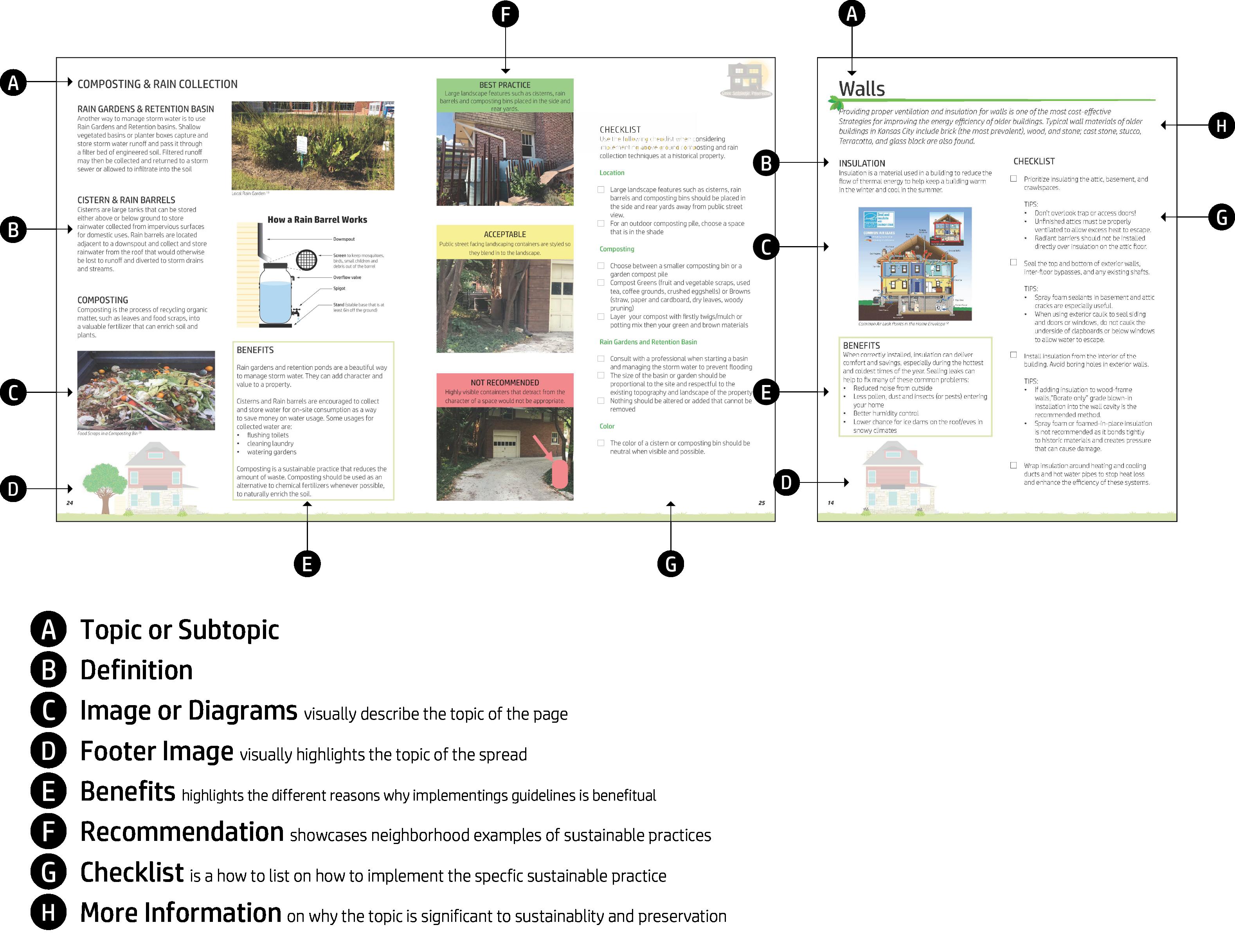
The document is organized in different sections that correspond to the major components of a building (roof, wall, landscaping, etc.) Each section contains a checklist geared towards helping you determine the best course of action for your specific project(s) as well as links to additional in-depth information.
The City Planning & Development Department and Historic Preservation Commission encourage you to share your sustainability success stories and lessons learned! Please email city staff (kchp@kcmo.org) or tag Instagram (@kcmolandmarks).
All properties listed on the Kansas City Register of Historic Places must follow the Urban Design Guidelines for any exterior changes visible from the public right-of-way. Before any building permit can be issued, you must obtain approval from the Historic Preservation Commission.
Additional supplements have been created to better assist property owners making renovations to designated residential properties:
• Fencing and Wall Guidelines (2013)
• Trees and Planting Beds (2004)
All guidelines are based on principles expressed by the Secretary of the Interior’s Standards for the Treatment of Historic Properties. The guidelines can also be used as a reference for older buildings in general.
1. A property will be used as it was historically or be given a new use that requires minimal change to its distinctive materials, features, spaces, and spatial relationships.
2. The historic character of a property will be retained and preserved. The removal of distinctive materials or alteration of features, spaces, and spatial relationships that characterize a property will be avoided.
3. Each property will be recognized as a physical record of its time, place, and use. Changes that create a false sense of historical development, such as adding conjectural features or elements from other historic properties, will not be undertaken.
4. Changes to a property that have acquired historic significance in their own right will be retained and preserved.
5. Distinctive materials, features, finishes, and construction techniques or examples of craftsmanship that characterize a property will be preserved.
6. Deteriorated historic features will be repaired rather than replaced. Where the severity of deterioration requires replacement of a distinctive feature, the new feature will match the old in design, color, texture, and where possible, materials. Replacement of missing features will be substantiated by documentary and physical evidence.
7. Chemical or physical treatments, if appropriate, will be undertaken using the gentlest means possible. Treatments that cause damage to historic materials will not be used.
8. Archaeological resources will be protected and preserved in place. If such resources must be disturbed, mitigation measures will be undertaken.
9. New additions, exterior alterations, or related new construction will not destroy historic materials, features, and spatial relationships that characterize the property. The new work will be differentiated from the old and will be compatible with the historic materials, features, size, scale and proportion, and massing to protect the integrity of the property and its environment.
10. New additions and adjacent or related new construction will be undertaken in such a manner that, if removed in the future, the essential form and integrity of the historic property and its environment would be unimpaired.
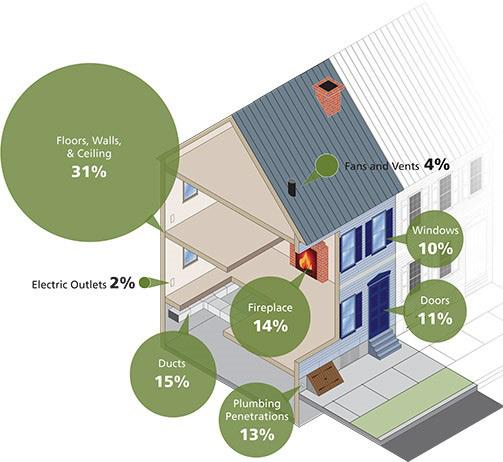
An Energy Audit is a complete assessment of your home from top to bottom. Methods include a blower door to measure air leakage in the home, infrared cameras to assess air leakage, measuring attic insulation, exterior wall and framed floor insulation and identifying exterior gaps.
An audit can be a good basis to identify areas of your home that need energy upgrades and prioritize the work. Investing in energy audits can save you money in the long term with reduced utility bills and lower longterm maintenance costs.
• Schedule an energy audit
• Ask if the contractor has experience in working with historic homes
• Analyze last year’s fuel bills to determine base energy consumption
Audit Tips:
• Check for indoor air leaks such baseboard gaps, wall junctures, etc.
• Inspect windows and doors for air leaks; look for movement or daylight.
• Conduct a basic building pressurization test.
• On the outside of your house, inspect all areas where two different building materials meet.
• Inspect heating and cooling equipment.
All work should be evaluated based on its impact on the historic building and its potential to enhance energy efficiency. After conducting an initial energy audit, consider modifying user behavior when developing a comprehensive weatherization and energy efficiency plan for your home.
Windows and doors are a very important design element, contributing to the architectural identity of each house. Window and door repair have the longest payback of any energy efficiency upgrade. For specific guidance on appropriate window and door renovations, please consult the Urban Design Guidelines
Regular inspection and maintenance is key to ensuring that your historic windows last for hundreds of years!
TIPS:
• Monitor windows for water penetration, surface deterioration, air infiltration, broken or loose frames, sashes, and glass, and nonfunctioning elements such as cords or locks.
• Keep movable surfaces free of dirt, debris, and paint buildup to allow for smooth operation and prevent sashes from becoming stuck in their frame.
• Replace glazing putty when necessary to maintain the weather tight seal between the glass and wooden frame.
• Do not force open windows. Instead, use a putty knife along the entire length of the window’s perimeter between the frame and sash to break the paint seal.
• Maintain painted window surfaces to deter moisture penetration, organic growth, and pest infiltration. Remove flaking, peeling, or deteriorated paint and recoat surfaces.
• Maintain or install new caulking, weatherstripping, and flashings around windows to prevent moisture and air infiltration.
If the original windows are missing or deteriorated beyond repair, select a replacement that best matches the design of the original.
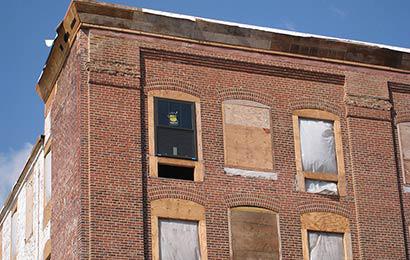
Not only have incompatible windows that do not fit the size and shape of the historic window openings been installed, but the original openings have also been shortened to install through-thewall HVAC units.
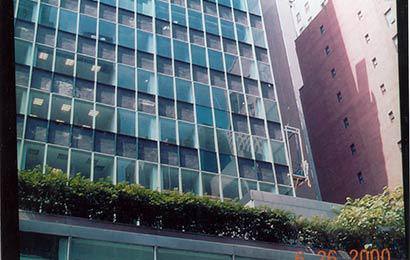
Installing clear, low-emissivity (low-e) glass or film without noticeable color in historically-clear windows to reduce solar heat gain.
To reduce the number of bird collisions, consider installing reversible window treatments such as netting, glass films, grates and screens. Visit BirdSafeKC for more information.
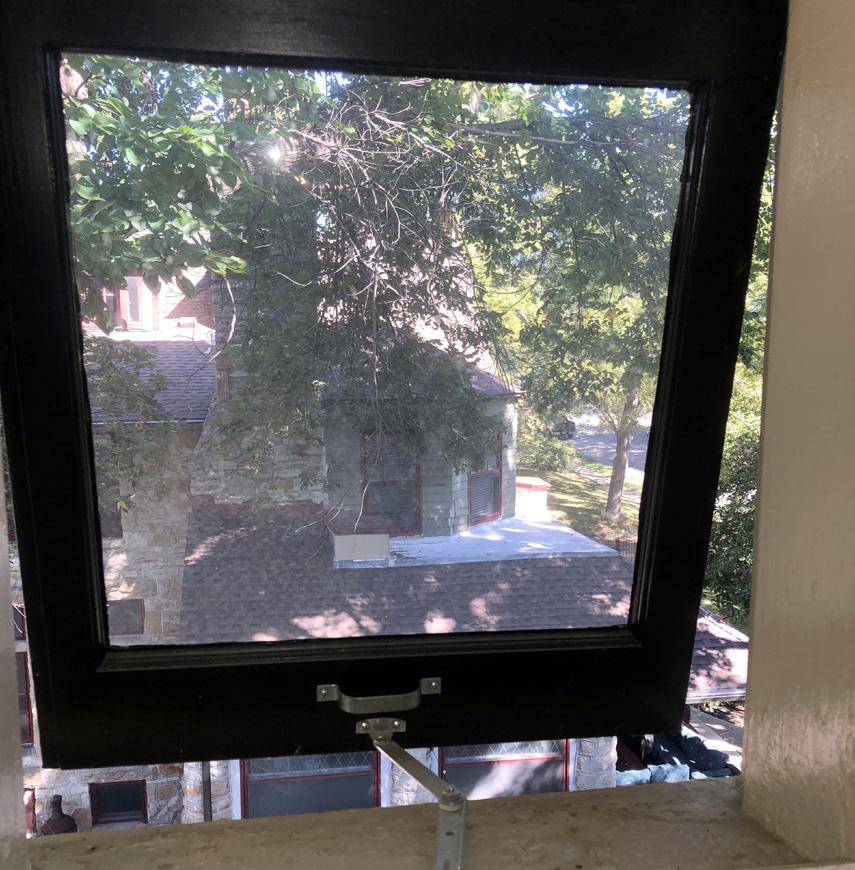
Historically, wooden storm windows were added to the home in order to better protect the windows and provide energy efficiency. During the warm months, they are usually replaced with screens. Screen doors were also a common feature on homes.
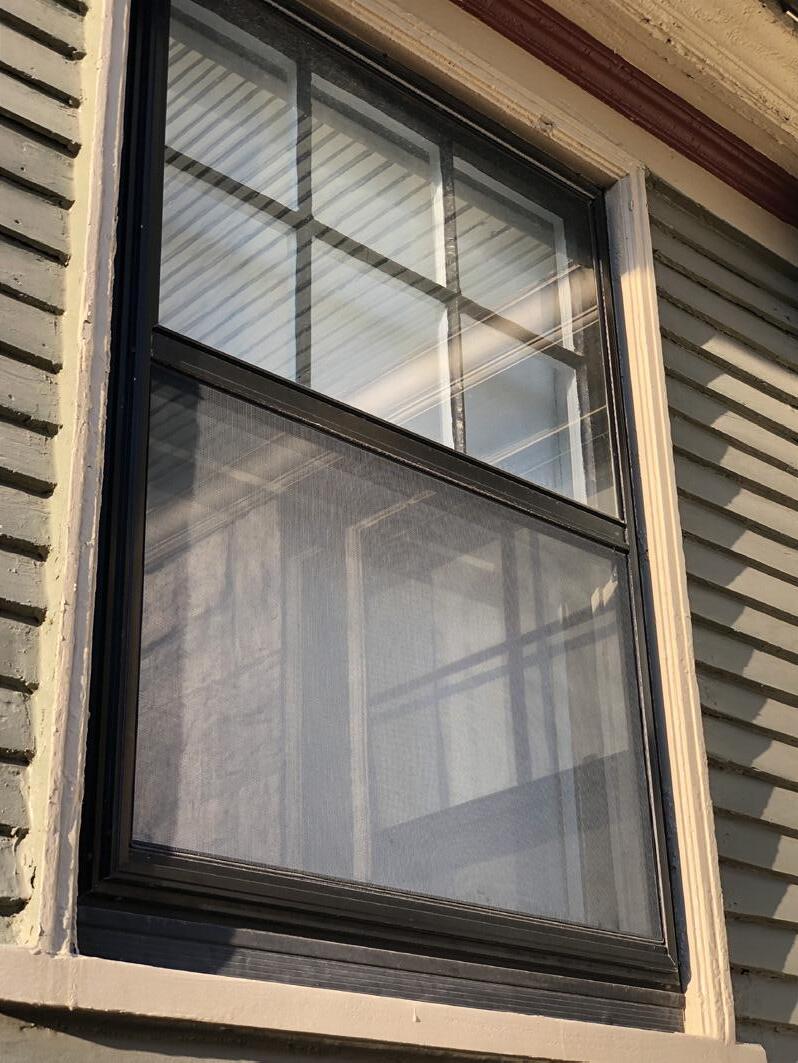
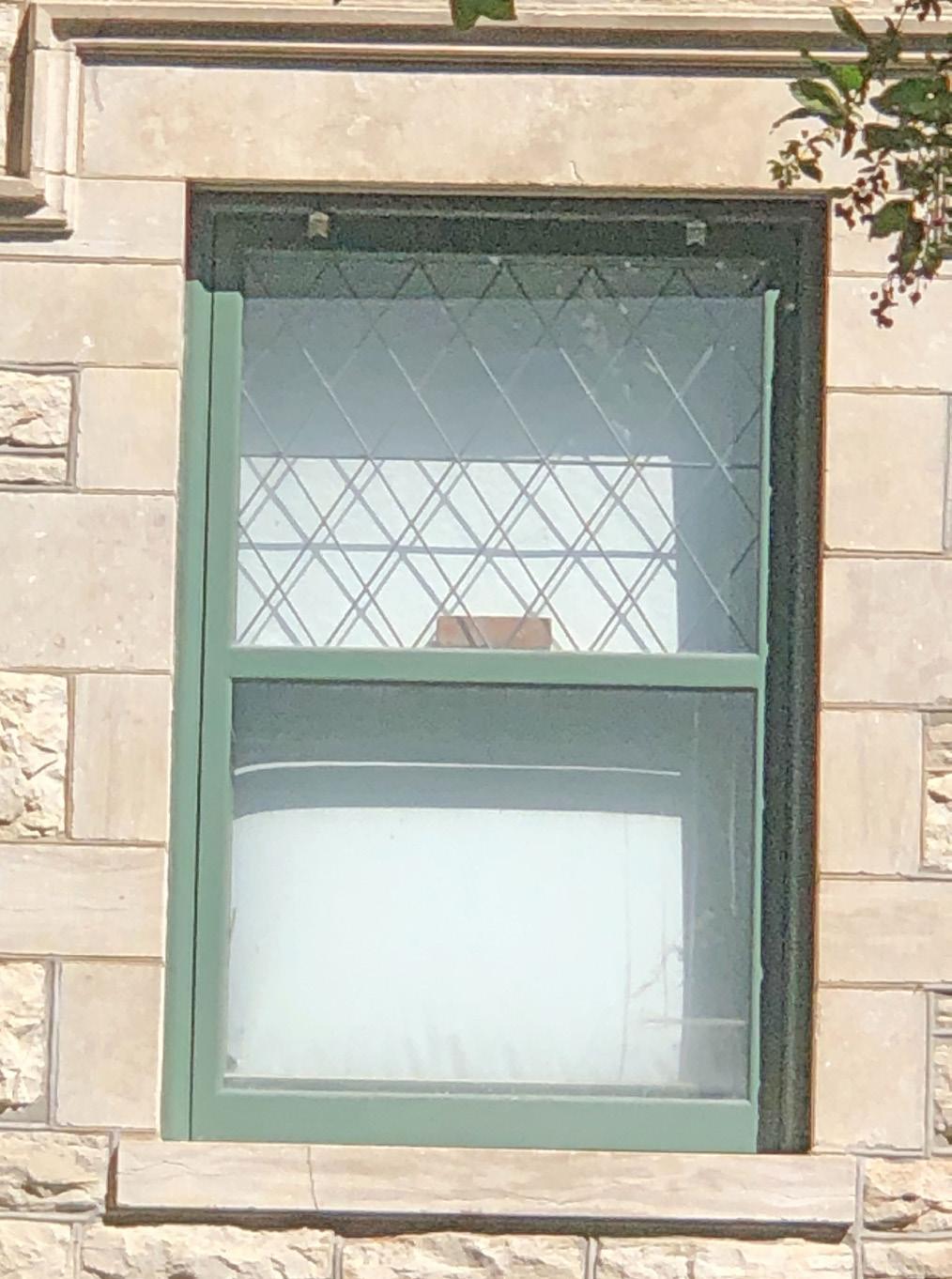
The installation of wooden or colormatched aluminum storm windows would be an appropriate treatment for most historic buildings in Kansas City. Additionally, the use of aluminum storm windows with colors that match the house would also be a suitable treatment to conserve energy and retain the original wood windows. Storm doors are another energy-efficient treatment for historic properties.
• Ensure that the storm window matches the configuration of the window it covers.
• Select a color that harmonizes with the paint scheme to reduce visibility.
• Opt for a storm door that enhances the visibility of the original door.
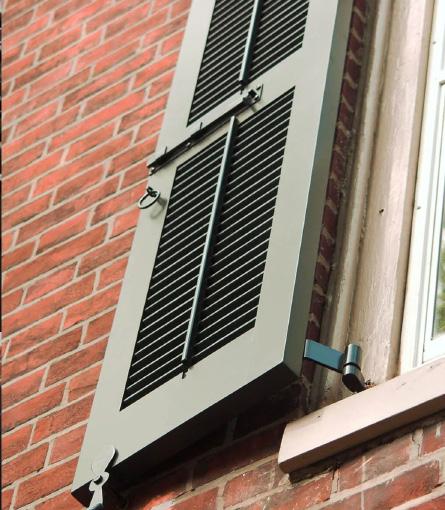
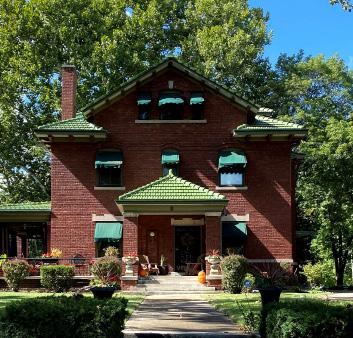
Shutters block solar heat gain in the warm months. When closed, they allow cross-breeze ventilation to cool spaces while blocking the sun.
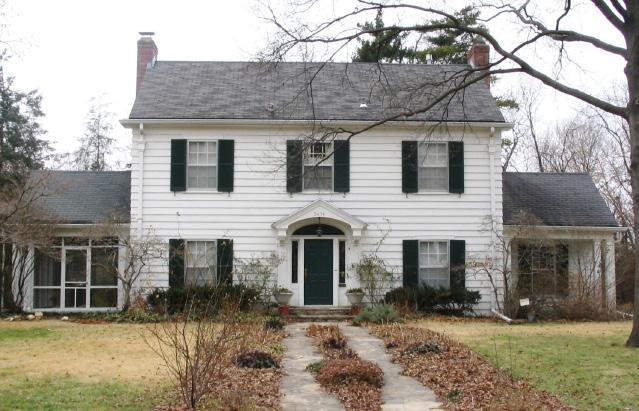
• Only use shutters where they historically existed to maintain the appropriate character of your house.
• Shutters should be appropriately fitted to the window to that they are the same height as the opening and cover the entire opening when closed.
• Shutters should not be attached directly to the face of a building, but rather remain operational by being secured to the building by fasteners.
 Wooden Shutters in Crestwood Kansas City 10
Fabric awnings in a variety of style were a common feature on residential and commercial building. Early builders and architects dealt with the poor thermal properties of windows by installing awnings to minimize the heat gain or loss from windows.
Awnings can save money on cooling a building. They can also add style and return character to a building.
• Install exterior fabric awnings based on evidence of previous awning or on styles that are appropriate to the period of the building.
• If installing metal awnings, make sure that are appropriate to the period of the house or building.
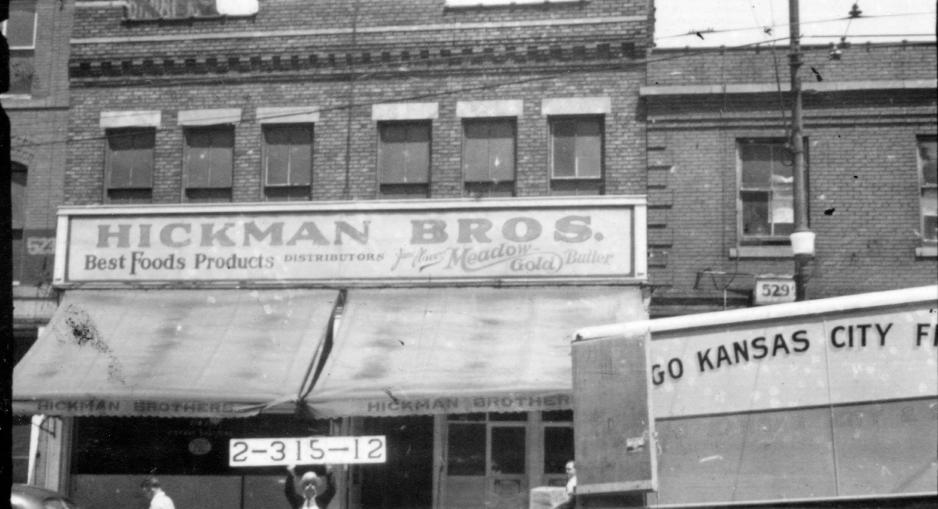 Awnings in Janssen Place Kansas City
Providing proper ventilation and insulation for walls is one of the most cost-effective strategies for improving the energy efficiency of older buildings. Typical wall materials of older buildings in Kansas City include brick (the most prevalent), wood, and stone; cast stone, stucco, Terracotta, and glass block are also found.
Insulation is a material used in a building to reduce the flow of thermal energy, to help keep a building warm in the winter and cool in the summer.
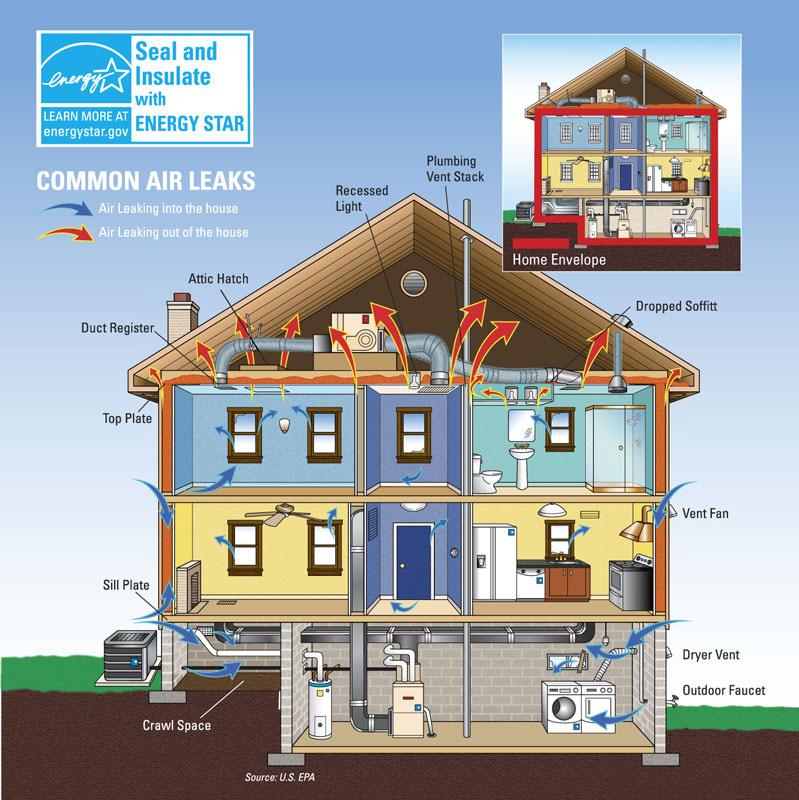
When correctly installed, insulation can deliver comfort and savings, especially during the hottest and coldest times of the year. Sealing leaks can help to fix many of these common problems:
• Reduced noise from outside
• Less pollen, dust and insects (or pests) entering your home
• Better humidity control
• Lower chance for ice dams on the roof/eves in snowy climates
Prioritize insulating the attic, basement, and crawlspaces but do not seal entirely, as historic buildings were designed to “breathe.”
TIPS:
• Don’t overlook trap or access doors!
• Unfinished attics must be properly ventilated to allow excess heat to escape.
• Radiant barriers should not be installed directly over insulation on the attic floor.
Seal the top and bottom of exterior walls, inter-floor bypasses, and any existing shafts.
TIPS:
• Spray foam sealants in basement and attic cracks are especially useful.
• Don’t caulk the underside of clapboards or below windows to allow water to escape.
• Install vapor barriers on the side of the wall that gets the most heat or moisture.
Install insulation from the interior of the building. Avoid boring holes in exterior walls.
TIPS:
• If adding blown insulation to wood-frame walls,”borate only” cellulose or fiber glass are recommended. Be careful not to destroy historic features.
• Spray foam is not recommended (especially for plaster walls) as it bonds tightly to historic materials and creates pressure that can cause damage.
Wrap insulation around heating and cooling ducts and hot water pipes to stop heat loss and enhance the efficiency of these systems.
Daylighting, a new term for an old practice, simply means managing natural light in a building, both by bringing light into the building and by keeping it out when it is not wanted.
Some benefits of daylighting include:
Electrical lighting produces a lot of heat, whereas, if properly controlled, daylighting generates hardly any heat and can lower HVAC costs as well.
No electric light can compare to the quality of natural daylight. At a color rendering index of nearly 100, day lit areas can reveal “true” colors without the disturbance from electric light flicker.
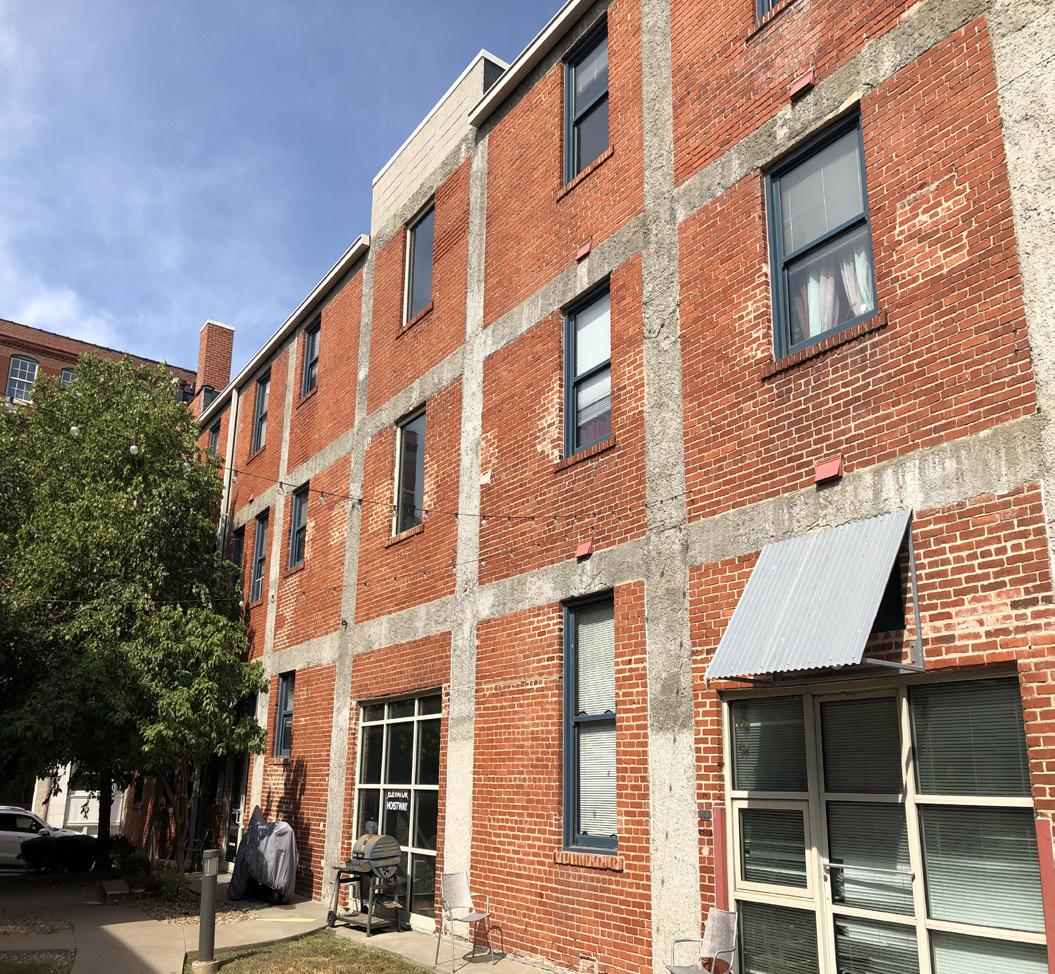
New window openings added to (formerly windowless) secondary facades
Retain existing features that provide natural light to corridors, such as partial glass partitions, glazed doors and transoms.
Reopen historic windows that have been blocked in.
Add skylights or dormers on secondary roof elevations where they are not visible (or minimally visible).
Small light wells or light tubes are also good options and may be appropriate on additional elevations.
Install light control devices, as appropriate to the style of the historic home, such as light shelves, awnings, and shutters.
Add new window openings on secondary and less visible facades, where appropriate.
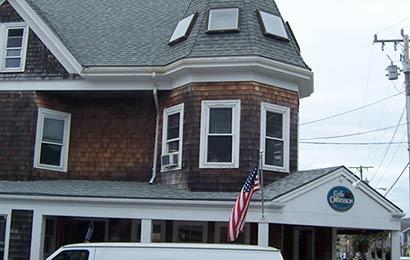
Skylights added on a primary roof elevation
Solar installations allow building owners to generate electrical or thermal energy from sunlight, which reduces overall carbon emissions and energy costs.
Solar photo-voltaic (PV) systems capture and convert sunlight into electricity, for immediate use or storage in batteries. PV systems can be designed to meet specific energy needs of a building and its users, such as:
• Solar arrays are a collection of flat-plate solar panels that are installed on a building to form a PV array, typically on the roof. Panels can either be fixed in place or allowed to track the movement of the sun.
• Solar shingles are solar cells designed to look like conventional asphalt shingles. These thin-film PVs can double as roof shingles, roof tiles, building facades, and even glazing for skylights.
• Freestanding solar arrays are anchored in the ground and independent of any building or structure. When a roof may be blocked by trees or not receiving direct sunlight, a freestanding panel may be moved into optimum sunlight areas that may change seasonally.
Solar thermal systems use solar radiation to circulate warmed air or fluid through a building to heat or cool interior spaces.
• Solar collectors (boxes with dark surfaces) collect thermal energy by absorbing sunlight. Whereas PV panels produce electricity, solar collectors make heat.
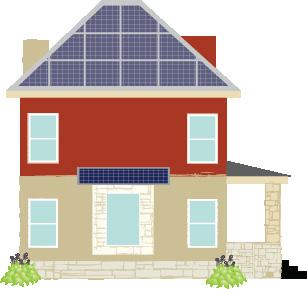
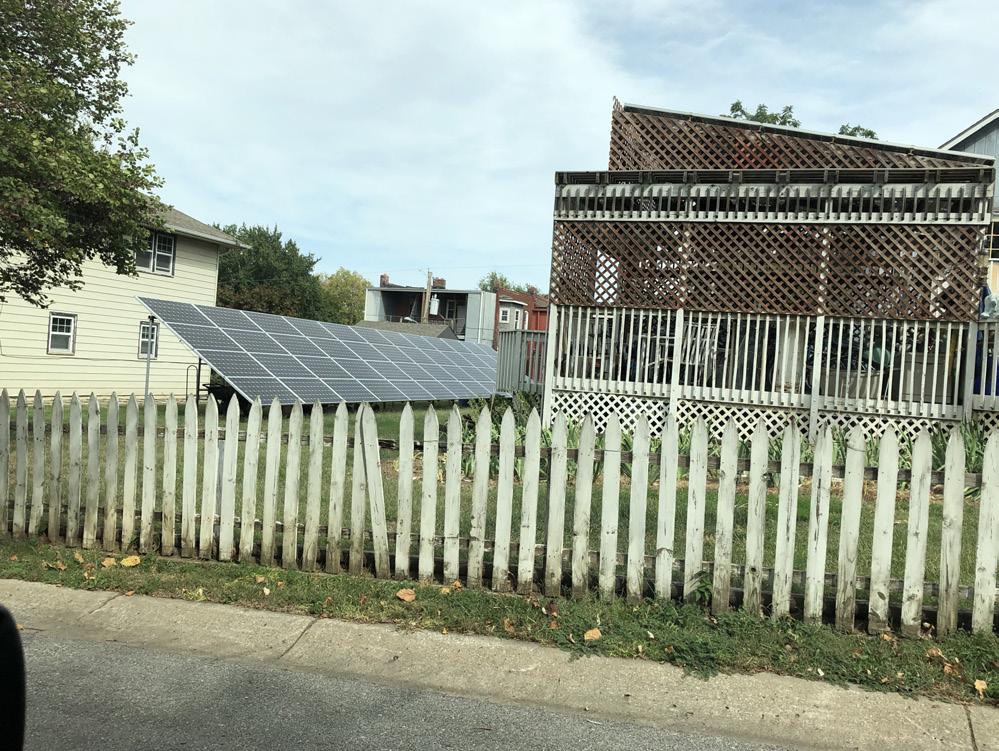
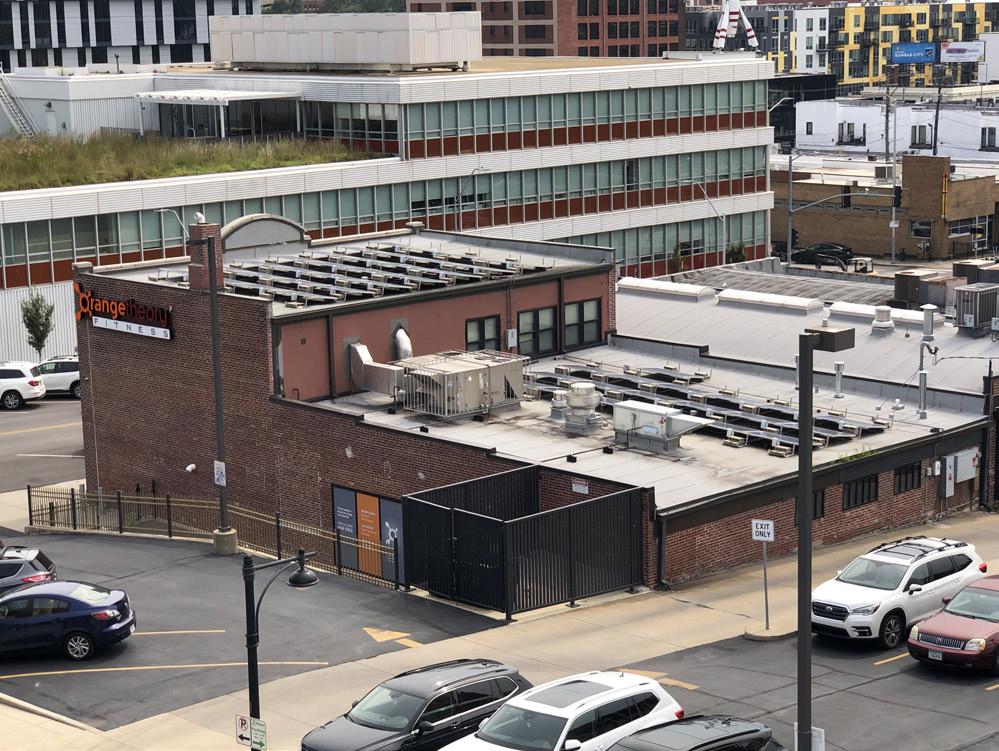
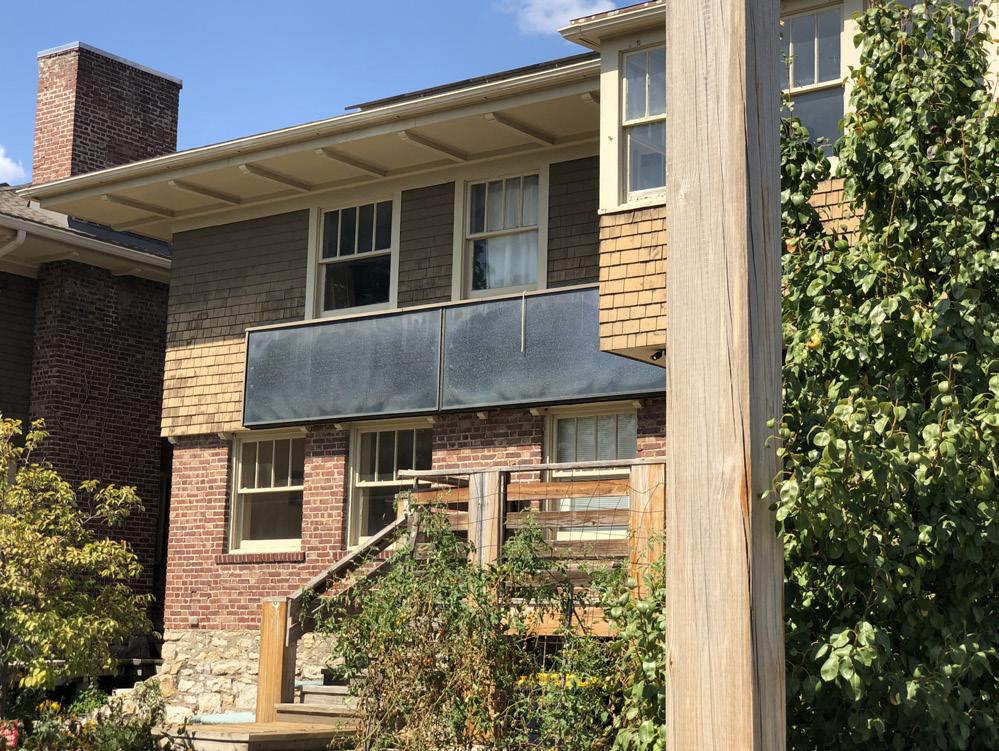 Solar Panel Array Freestanding
Some benefits of solar energy collection include:
• Reduce or eliminate energy bills
• Earn tax credits or rebates
• Extend roof life and improve resale value
• Reduce fossil fuel consumption
• Can be used as emergency backup during power outages
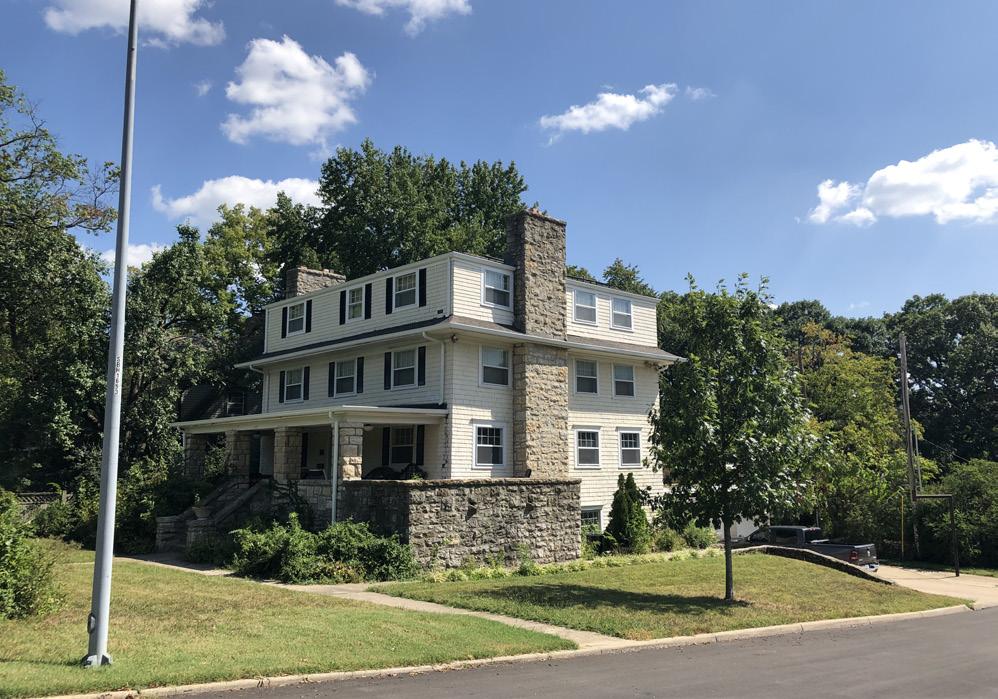
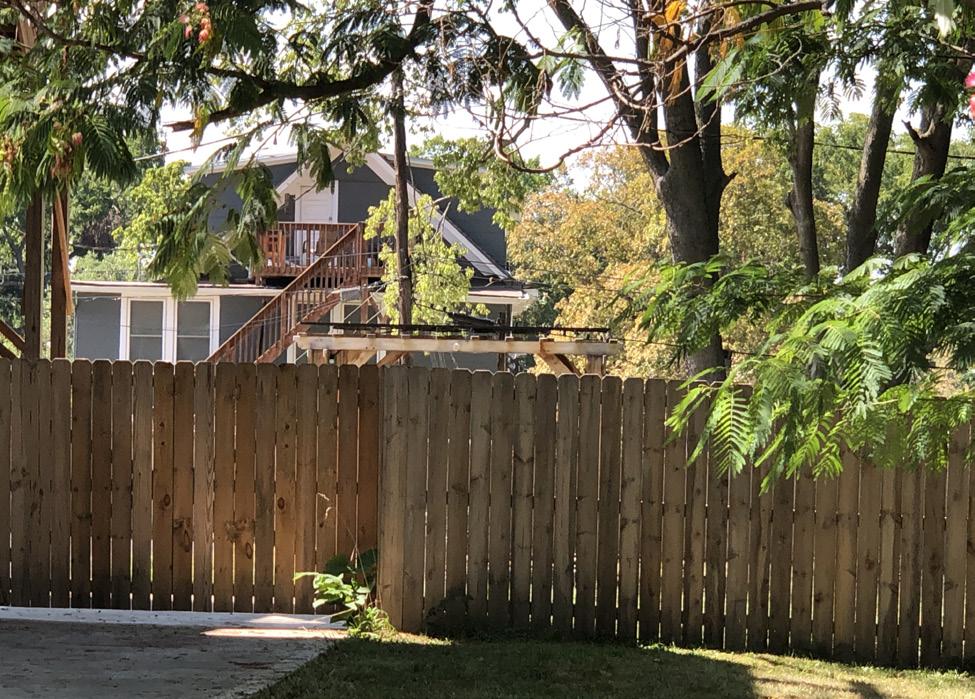
Solar panels should have limited visibility from the public right-of-way.
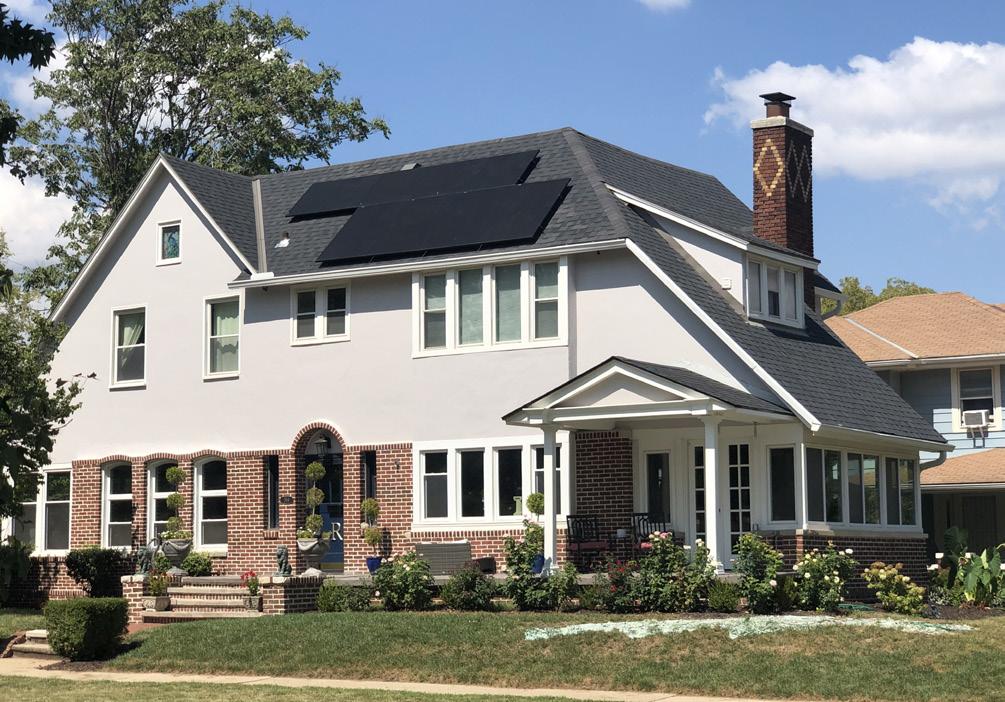
Use the following checklist to optimize solar energy collection based on your historic building’s orientation to the sun and tree cover!
• Solar panels should be located on the side or rear roof lines of a primary structure; on any roof line of an accessory structure; on a ground-mounted array in the backyard; or a combination.
• Panels should be grouped in a rectangular or square configuration that mimics the existing roof form.
• On flat roofs or for southern exposures on a primary elevation, solar panels should be set back from the roof edge to limit visibility from street view.
• Panels should be mounted flush with the roof pitch. If located on a flat roof with a parapet, panels should have the minimal pitch required for solar efficiency.
• Panels should be installed horizontally, to reduce overall height and visibility.
• Panel mounting equipment should feature lowprofile hardware that closely matches the color of the existing roofing material.
• Panels should not be mounted in a manner that adversely affects or damages existing historic roofing materials.
• Panels and hardware should closely match the existing roof color where possible.
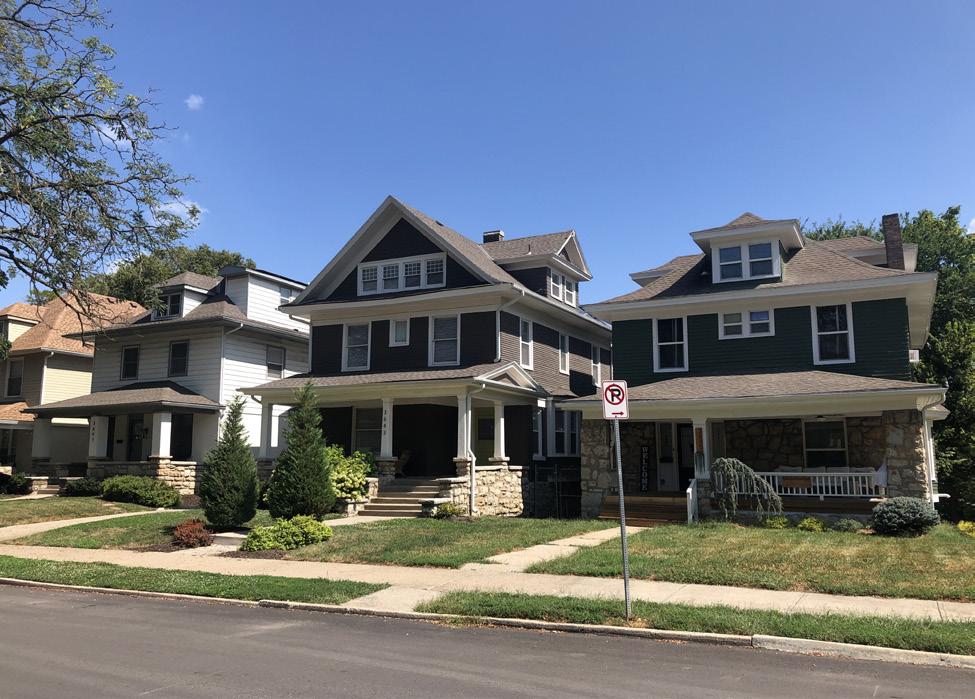
The following diagrams illustrate various scenarios to provide general guidance regarding the potential location of solar panels within historic districts. Please note that every solar panel installation project will be evaluated on a case-by-case basis by the Historic Preservation Commission and staff.
Solar panels should not be visible from the street, including accessory structures such as garages. For corner lots, this includes both the front facade and side elevation. Installations should be prioritized in the rear of the building or back yard.
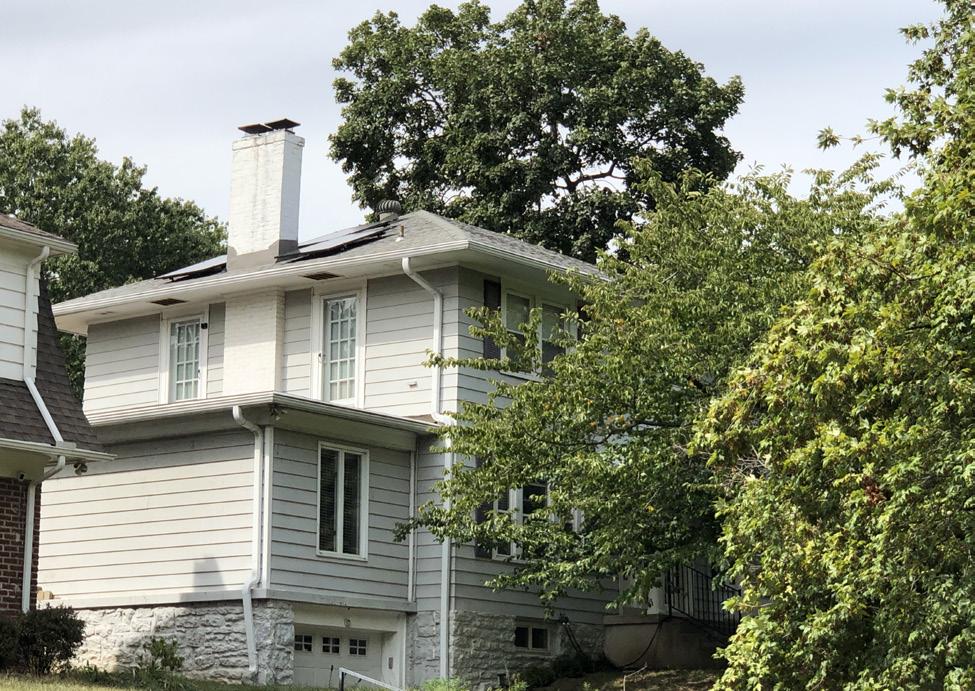
Solar panels should be minimally visible from the street, should not block historic features, and should match the roof color as closely as possible. Consider other factors such as grouping the panels in even clusters, the proximity of adjacent trees, etc.
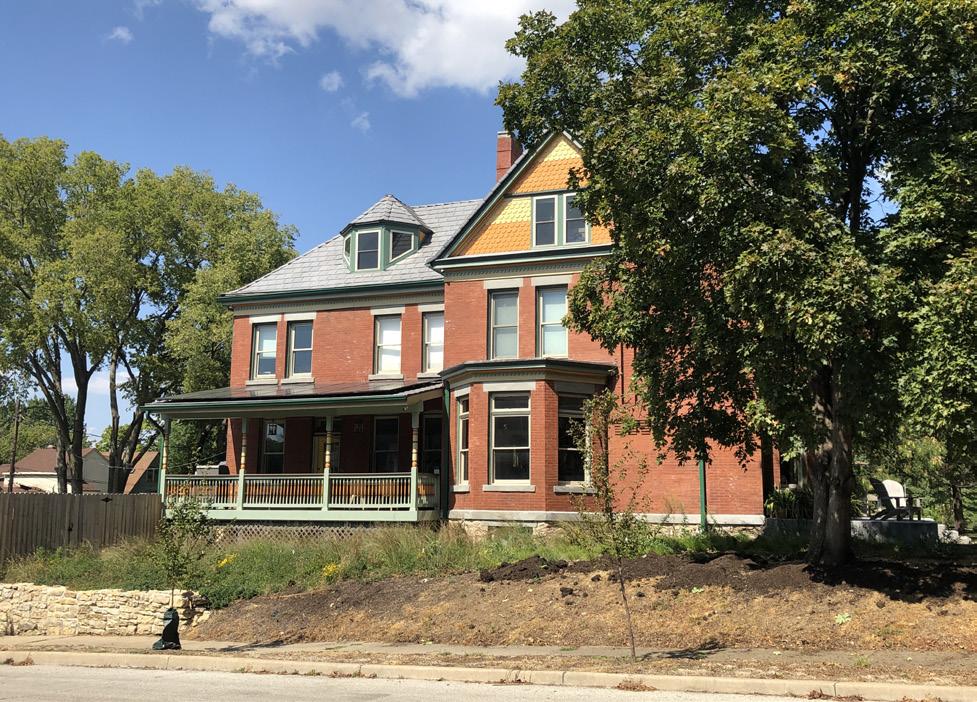
Condominium housing may be ideal for shared renewable energy strategies. Many multi-family housing (such as historic duplexes and townhomes) have flat roofs which can easily be retrofitted to accommodate solar panels.
Accessory has a setback
One of the many methods of improving the energy efficiency of a building is to invest in sustainable roofing techniques such as increasing insulation, and implicating solar panels, green roofs, or cool roofs.
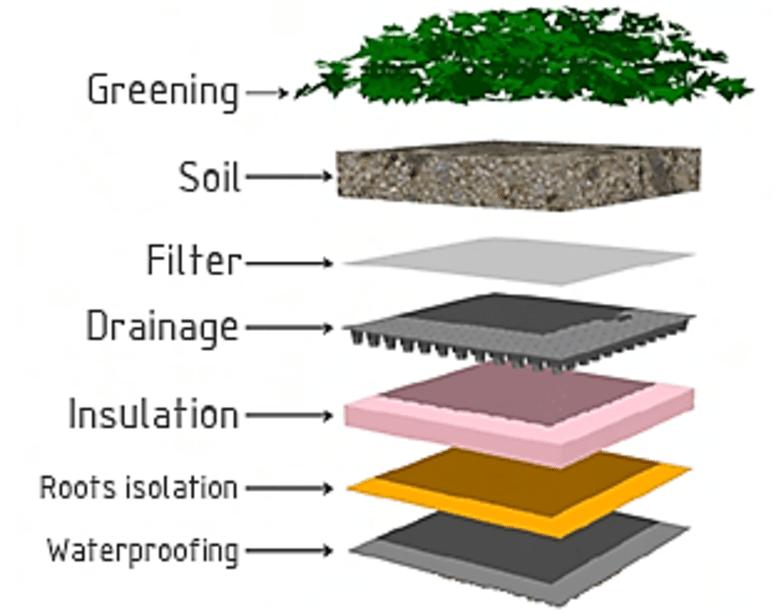
Green roofs or living roofs are roofs that are either partially or completely covered with vegetation (plants), upon a growing medium (soil), and planted on a waterproofing membrane.
Green roofs reduce storm water runoff. Green Roofs lower the overall building temperature and keep rooms right below the roof cooler. They provide shading, thermal masses and greater building insulation. Regionally: green roofs reduce urban heat islands, increase biodiversity, and are expected to last longer than typical roofs
• Prior to adding a green roof, residents should first assess the building’s structure, solar orientation, surrounding environment, and vegetation, taking into account building codes and zoning restrictions.
• Ensure that the green roof is in harmony with the historical character of the building.
• Install green roofs in a manner that does not alter the original massing, height, or roof line when viewed from the public street.
• Green roofs can be installed on suitable flat roofs or secondary structures such as sheds or garages.
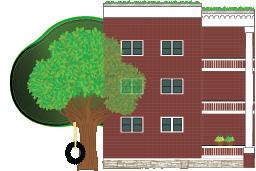
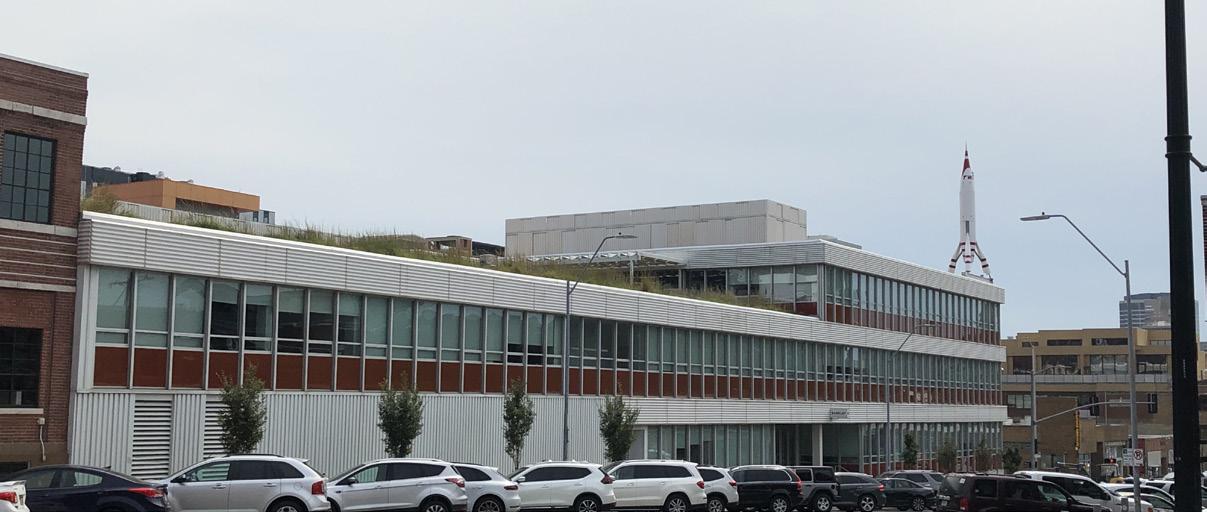
The scale of the vegetation is appropriate and would not be too visible from the public street view.
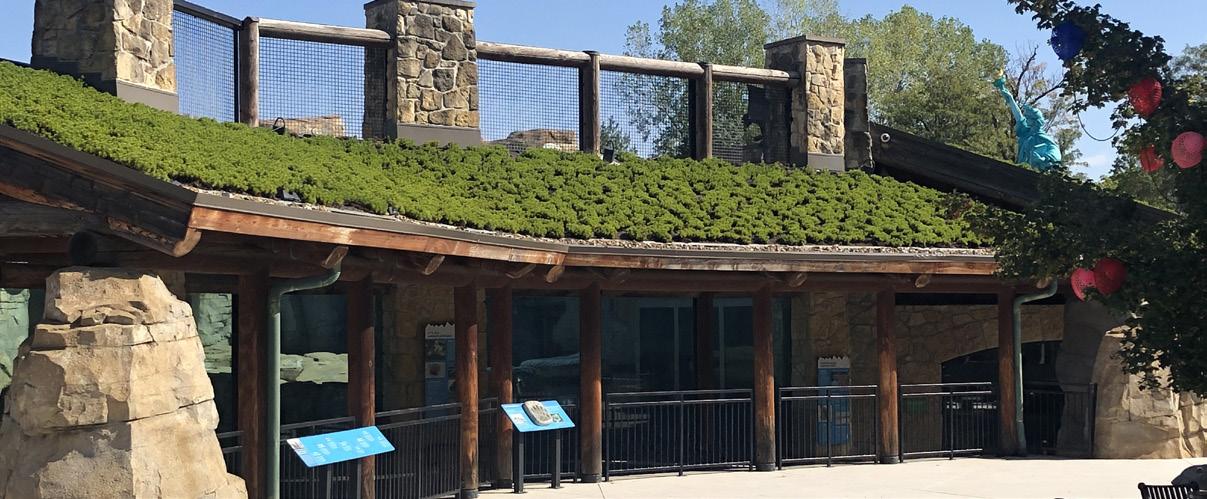
The green roofs slope has dominated the character of the buildings making the vegatation is too visible.
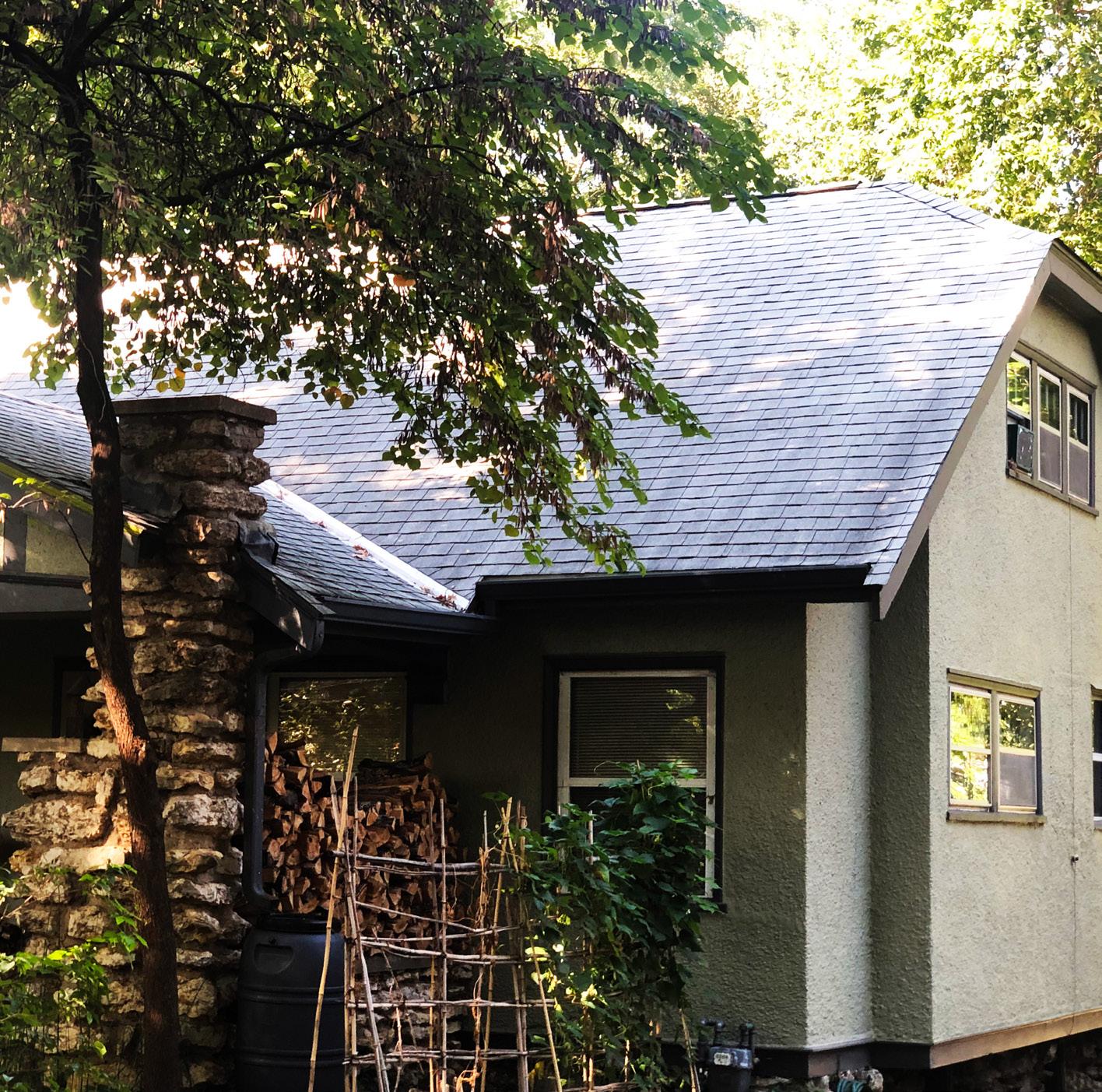
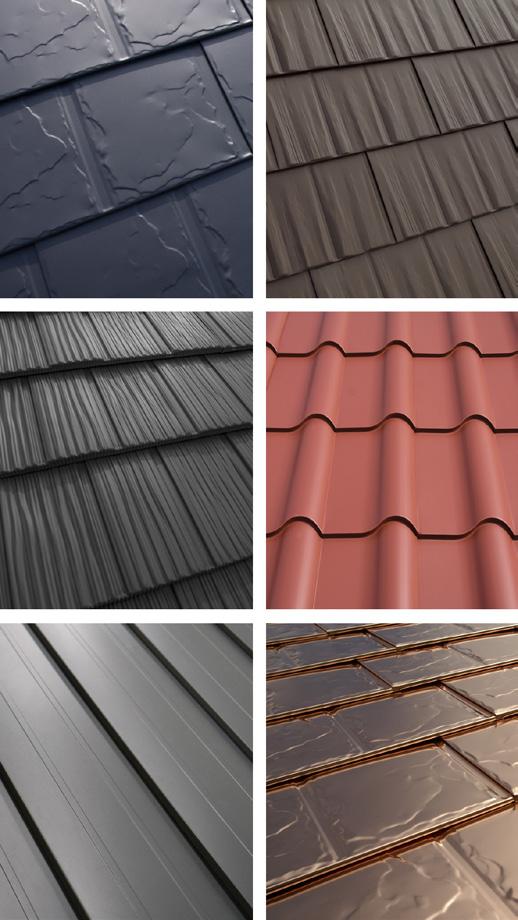
Cool roofs, with their reflective surfaces, keep buildings cooler by reflecting sunlight rather than absorbing it, reducing the need for cooling. Alternatives to traditional metal cool roofs, like Thermoplastic Polyolefin (TPO) and metal shingles, have gained popularity in commercial roofing systems.
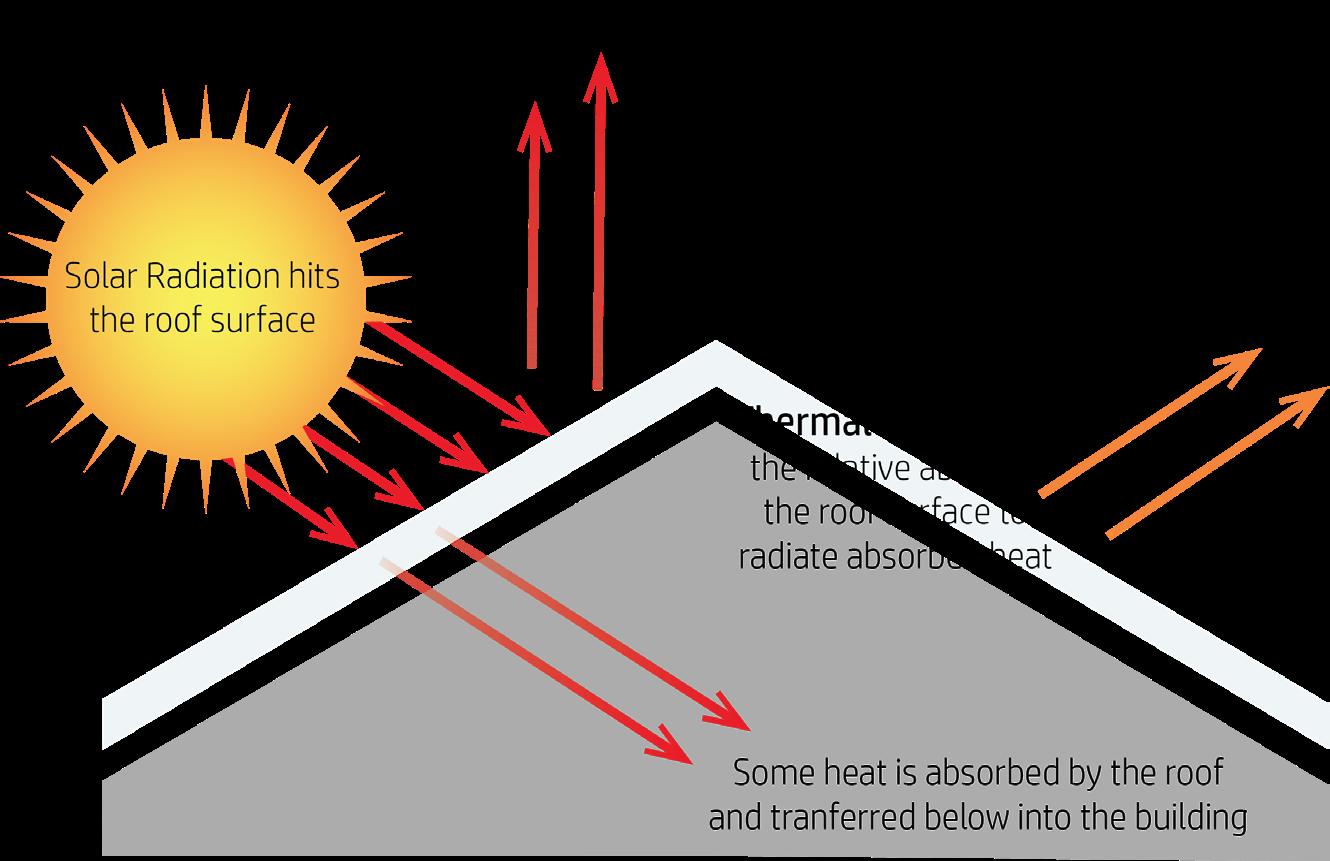
Cool roofs, exemplified by TPO and metal shingles, provide energy-efficient, durable, and visually appealing roofing options. They reflect sunlight, reducing cooling costs and extending roof lifespan, while TPO offers puncture resistance and easy installation. Metal shingles, with their longevity and fire resistance, contribute to energy savings and enhance building aesthetics, collectively addressing environmental impact and promoting sustainable roofing solutions.
• Cool roofs should be used when appropriate such as on a flat roof or a back or rear facing dormer
• Cool roofs should match the original buildings color palette if they are within the public street view.
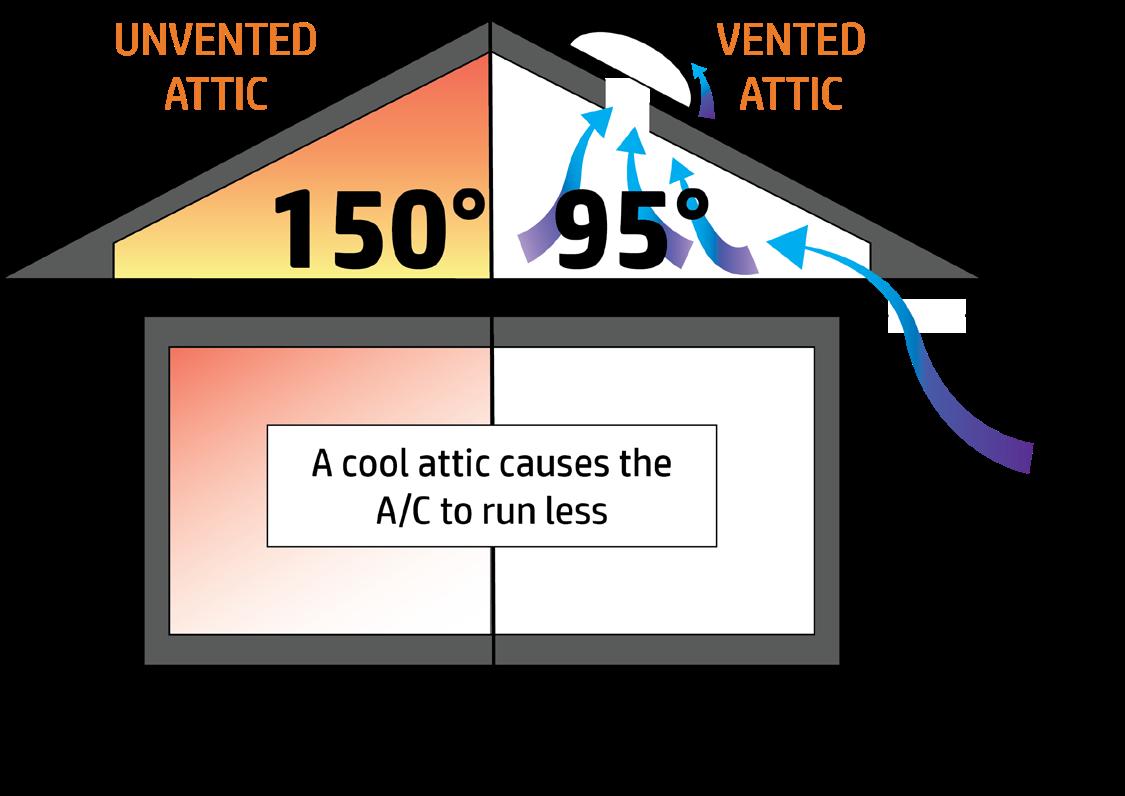
Upper areas in a building tend to be the warmest. The type of roofing and its construction can reduce the building’s heat absorption. Adding more roof features like gable vents, ridge vents, and dormer windows can promote natural air circulation, reducing the dependence on air conditioning systems for residents.
• Check with a consult before altering the roof structure
• When installing dormers, research if it fits the original character of the building
• If it does not, then place them away from the public street view
• Consult with a professional on where additional vents or openings on a roof may be placed
• Select protruding vents in an appropriate size and color so they do not distract from the buildings character
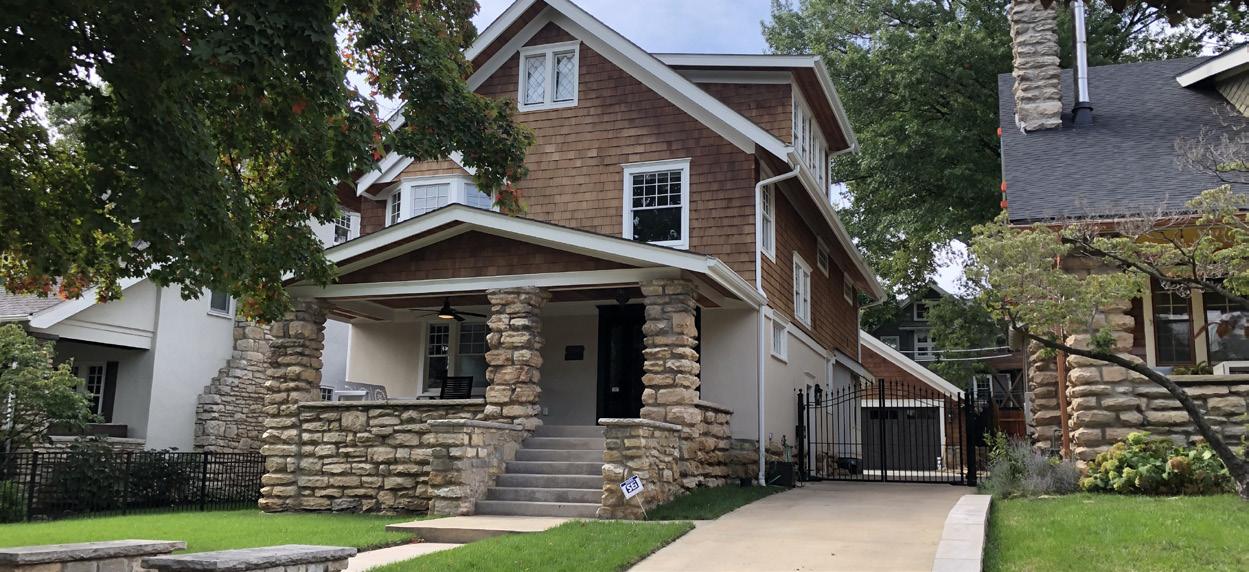
RECOMMENDED
The scale and style of the dormer is compatible and with the existing building.
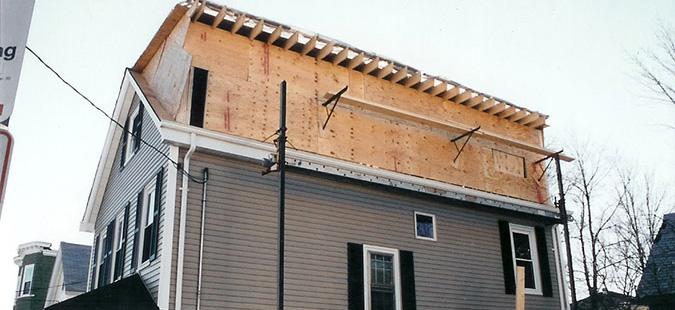
NOT RECOMMENDED
The scale and style of the dormer is not compatible and with the existing building.
Landscaping and site work under design review encompass features adjacent to a property, including pavement, vegetation, and permanent collections visible from the public street. Preserve and repair existing elements like stairs, walkways, topographic features, masonry walls, and native vegetation. If replacement is necessary, use compatible and appropriate materials. Refer to the Trees and Planting Beds and Fencing and Wall Guidelines for more information.
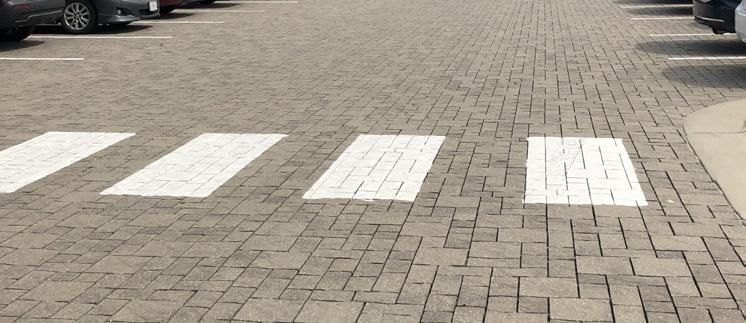
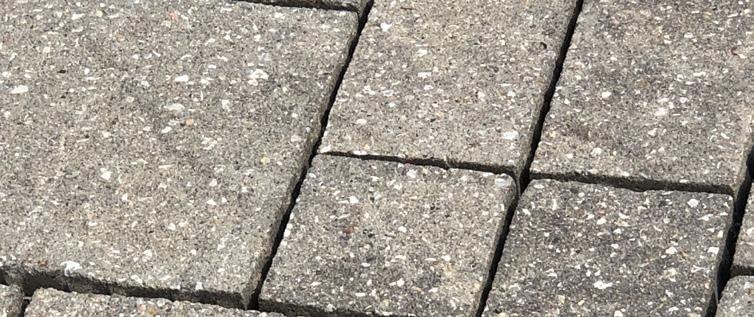
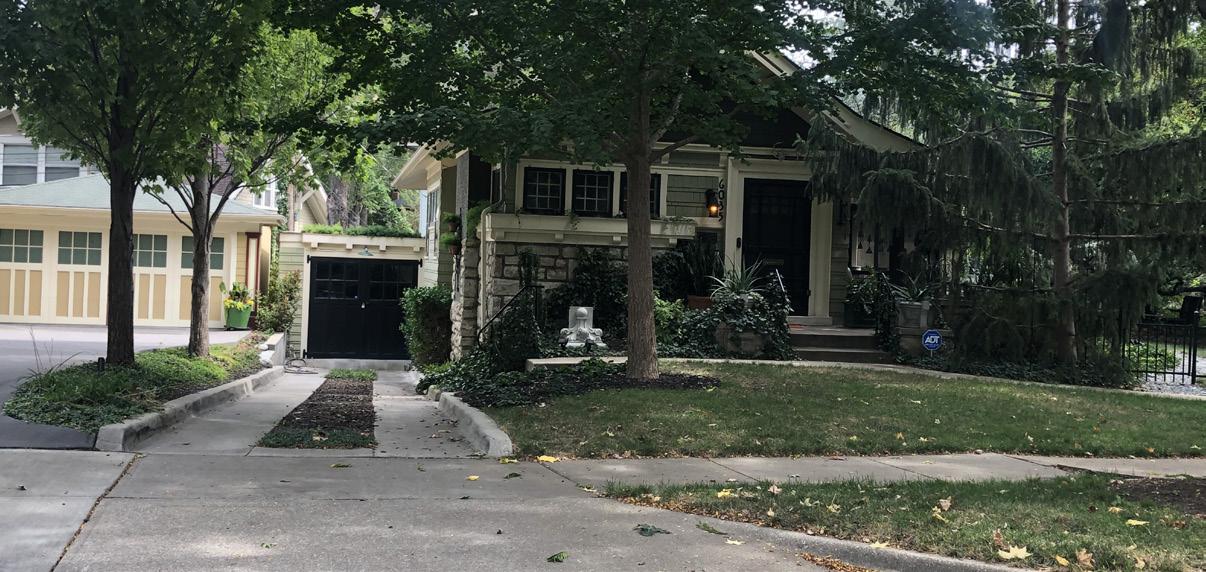
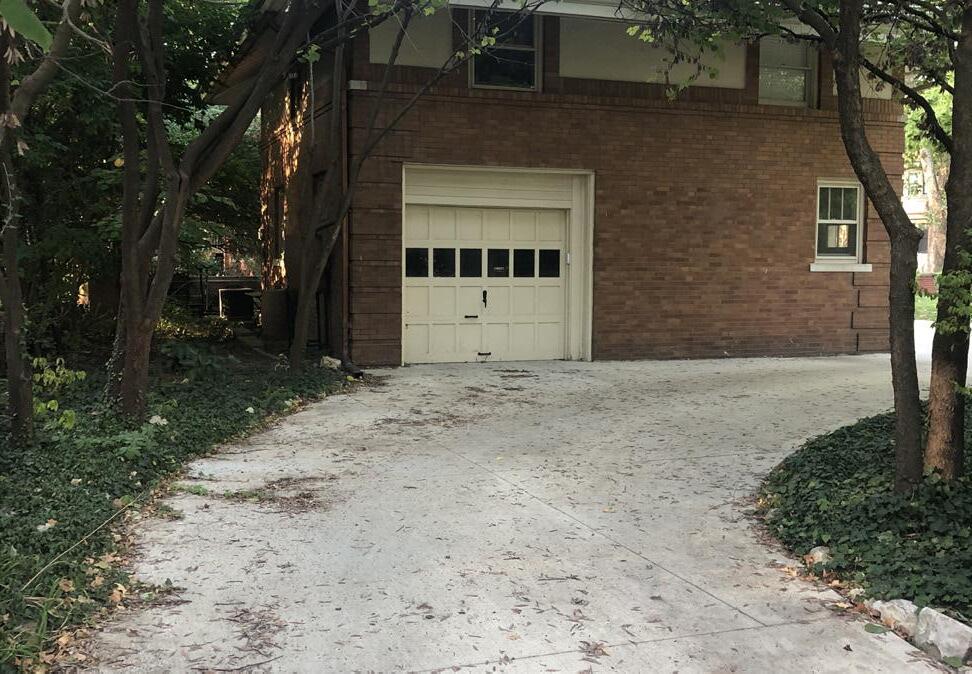
Pavement is typically used to create front yard walkways and driveways and should be subsidiary to the land area used for in ground landscaping. Some examples of pervious pavement can be specially designed concrete, asphalt and paving stones.
RECOMMENDED
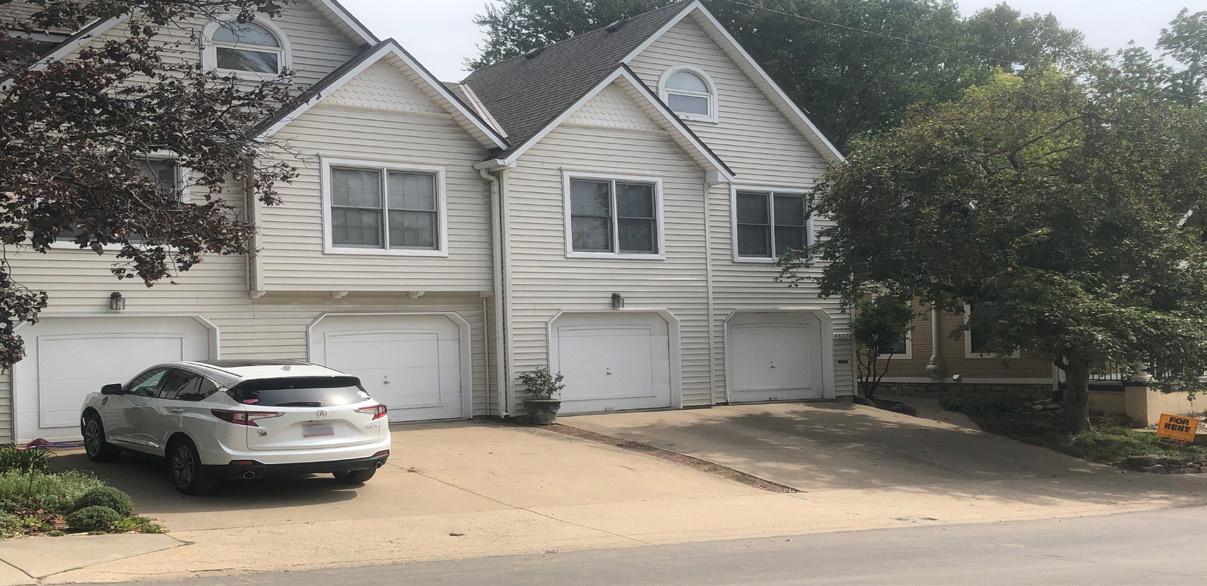
NOT RECOMMENDED
The building used too much pavement that was not proportional to the site and did not prioritize the natural landscape.
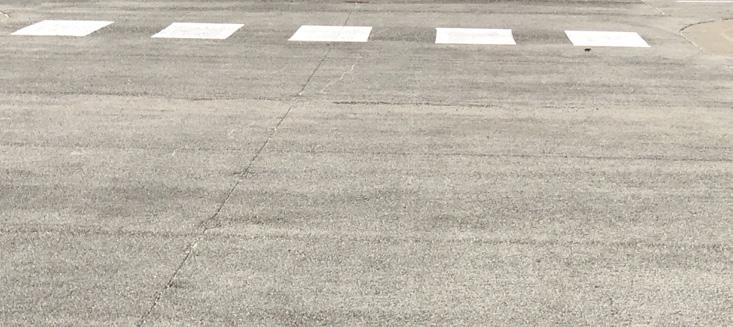
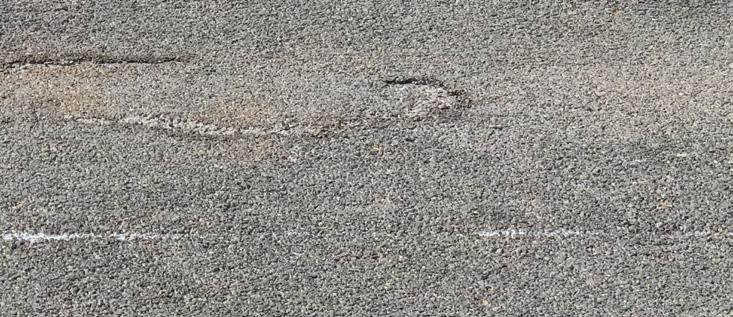
Reducing pavement or employing pervious pavement can aid in managing on-site storm water and decreasing pollution in local waterways. Pervious pavement can also enhance property value and onsite aesthetics. Additionally, it lasts longer than traditional asphalt and has lower repair costs compared to typical driveways.
• Any new paving and topographic changes should be limited so that the natural greenery is prioritized and protected.
• New paving/concrete should remain in character to the other lots in the area.
• Residents should consider including pervious pavement when possible
• Zeroscaping is not recommended
Another way to manage storm water is to use Rain Gardens and Retention basins. Shallow vegetated basins or planter boxes capture and store storm water runoff and pass it through a filter bed of engineered soil. Filtered runoff may then be collected and returned to a storm sewer or allowed to infiltrate into the soil
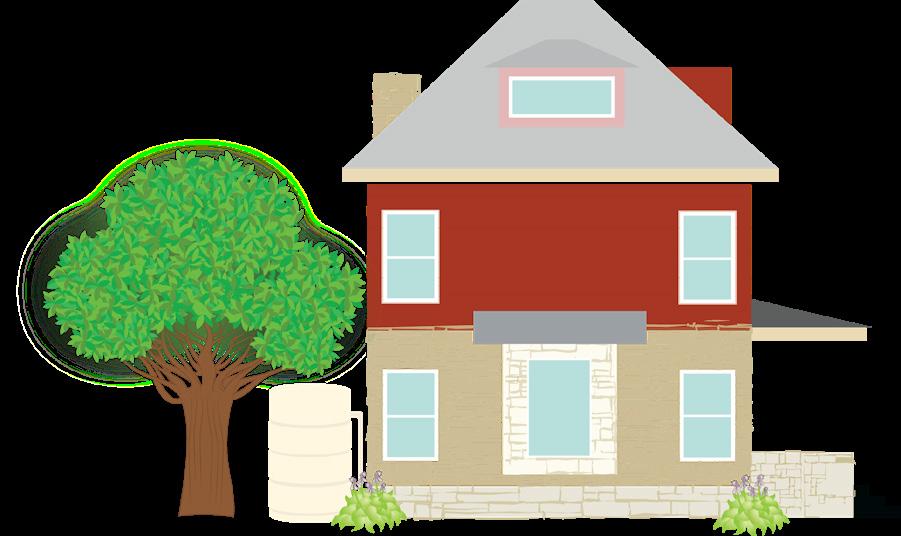
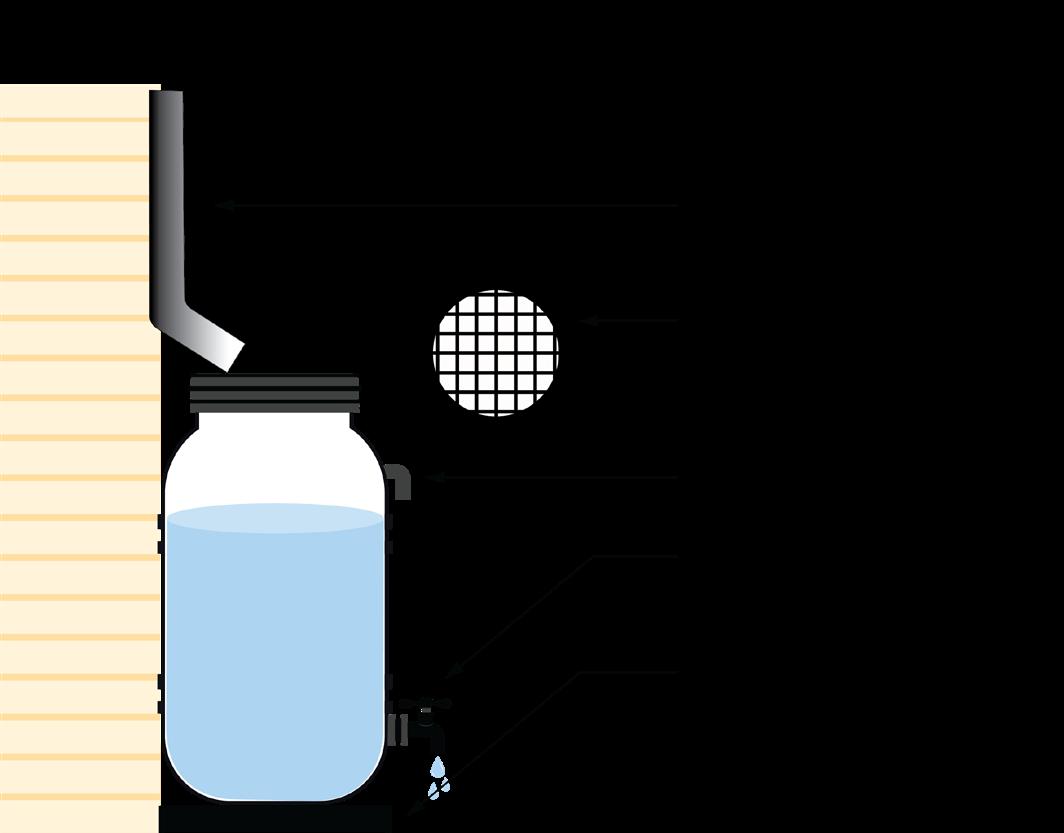
Cisterns are large tanks that can be stored either above or below ground to store rainwater collected from impervious surfaces for domestic uses. Rain barrels are located adjacent to a downspout and collect and store rainwater from the roof that would otherwise be lost to runoff and diverted to storm drains and streams.
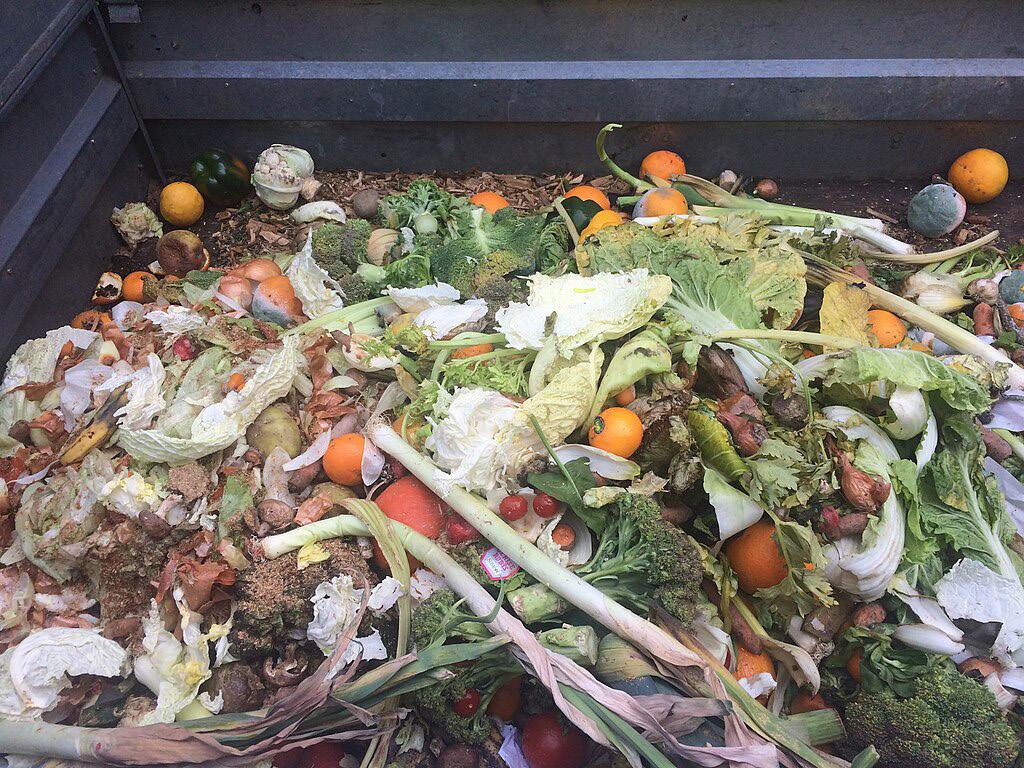
Composting is the process of recycling organic matter, such as leaves and food scraps, into a valuable fertilizer that can enrich soil and plants.
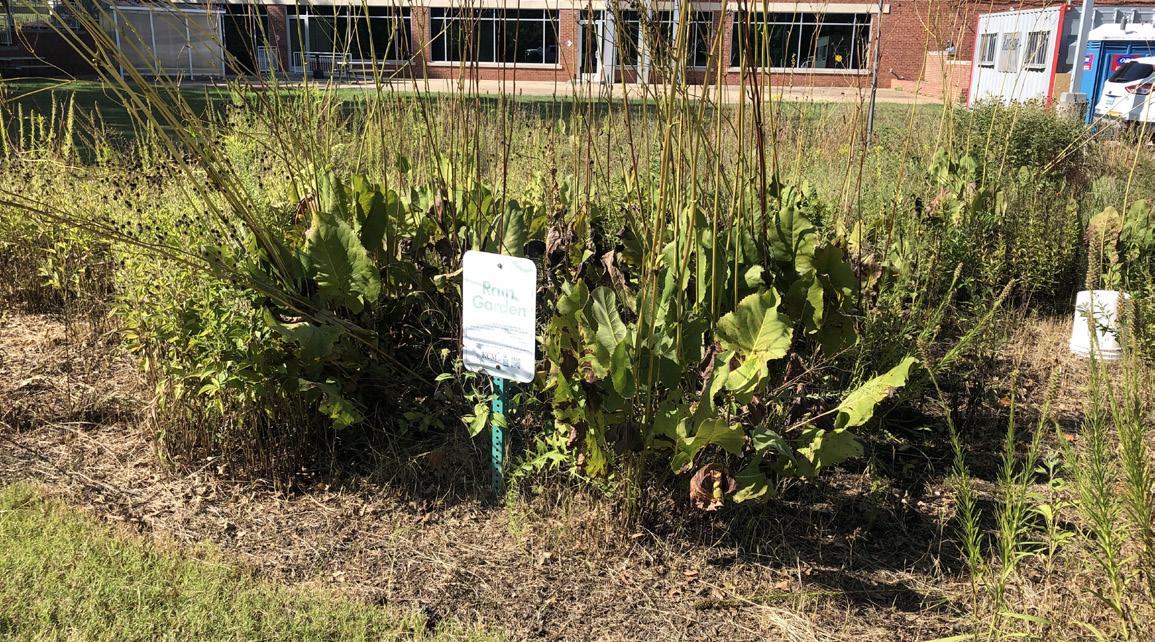
Rain gardens and retention ponds are a beautiful way to manage storm water. They can add character and value to a property.
Cisterns and Rain barrels are encouraged to collect and store water for on-site consumption as a way to save money on water usage. Some usages for collected water are:
• Flushing toilets
• Cleaning laundry
• Watering gardens
Composting is a sustainable practice that reduces the amount of waste. Composting should be used as an alternative to chemical fertilizers whenever possible, to naturally enrich the soil.
Large landscape features such as cisterns, rain barrels and composting bins placed in the side and rear yards.
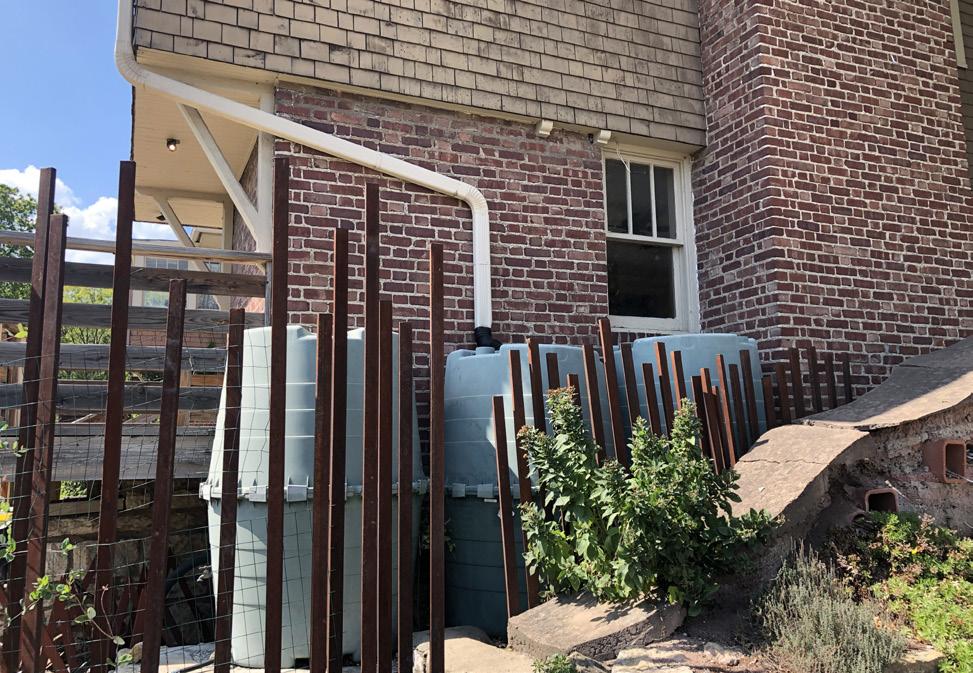
Public street facing landscaping containers are styled so they blend in to the landscape.
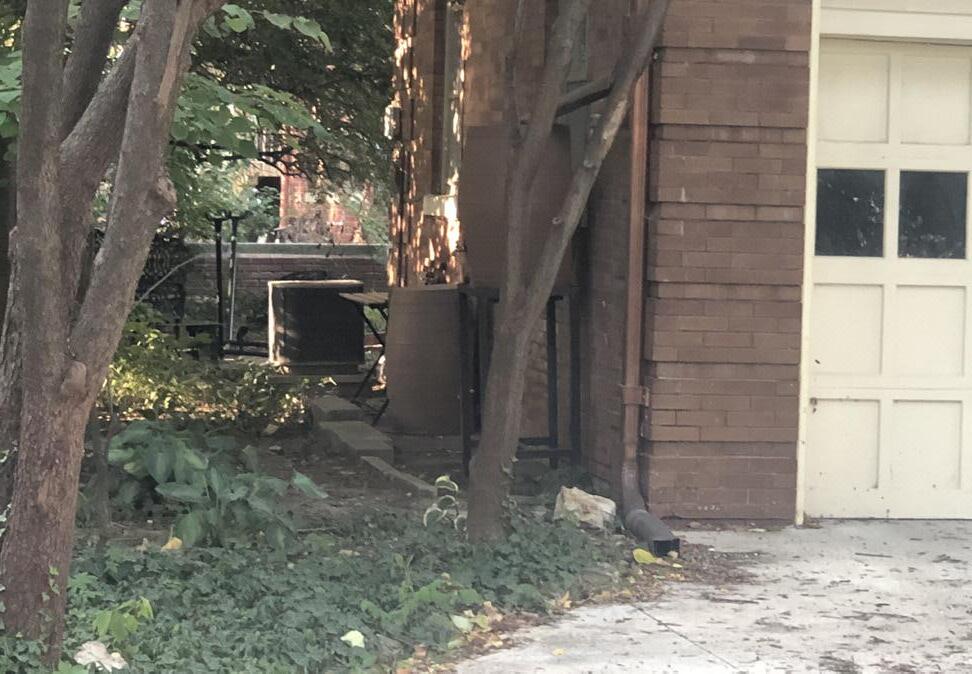
Highly visible containers that detract from the character of a space would not be appropriate.
Use the following checklist when considering implementing above ground composting and rain collection techniques at a historical property.
• Large landscape features such as cisterns, rain barrels and composting bins should be placed in the side and rear yards away from public street view.
• For an outdoor composting pile, choose a space that is in the shade
• Choose between a smaller composting bin or a garden compost pile
• Compost Greens (fruit and vegetable scraps, used tea, coffee grounds, crushed eggshells) or Browns (straw, paper and cardboard, dry leaves, woody pruning)
• Layer your compost with firstly twigs/mulch or potting mix then your green and brown materials
• Consult with a professional when starting a basin and managing the storm water to prevent flooding
• The size of the basin or garden should be proportional to the site and respectful to the existing topography and landscape of the property
• Nothing should be altered or added that cannot be removed
• The color of a cistern or composting bin should be neutral when visible and possible.
If existing elements of your historic home cannot be repaired, salvaged or reclaimed materials are the recommended second option. Construction and demolition waste is the largest source of waste sent to landfills nationally. Building and material reuse can greatly reduce embodied energy and, when elements are properly repaired and maintained, can reduce operational energy.
Deconstruction is simply building disassembly and material salvage. It means taking apart or removing some building components for reuse. In contrast to demolition where buildings are knocked down and materials are either landfilled or recycled, deconstruction involves carefully taking apart portions of buildings or removing their contents with the primary goal of reuse in mind.
Some benefits of using salvaged instead of replacement materials include:
Many of the materials found in your historic home are more durable and of higher quality than off-the-shelf materials found at big box stores. For example, new virgin lumber often ages at an accelerated rate from reclaimed wood that is a similar age to your historic home and can cause separation, cracking, water infiltration, or other long-term issues.
Older dimensions differ from stock sizes of new, mass manufactured materials. Salvage materials are often more compatible with the existing dimensions of elements of your historic home. For example, often replacement windows require the siding, trim, and sometimes framing to be altered to accommodate differences in dimension, adding cost, time, and complexity to your project.
The creation of new building products is extremely resource-intensive. Additionally, plastic and composite materials can take up to 1,000 years to decompose in a landfill, making the repair and reuse of existing materials the most sustainable option overall!
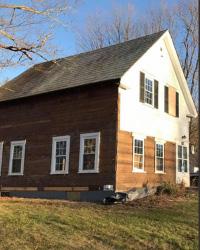
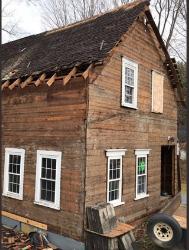
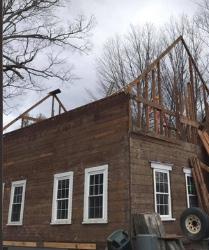 Deconstruction Progress Site 21
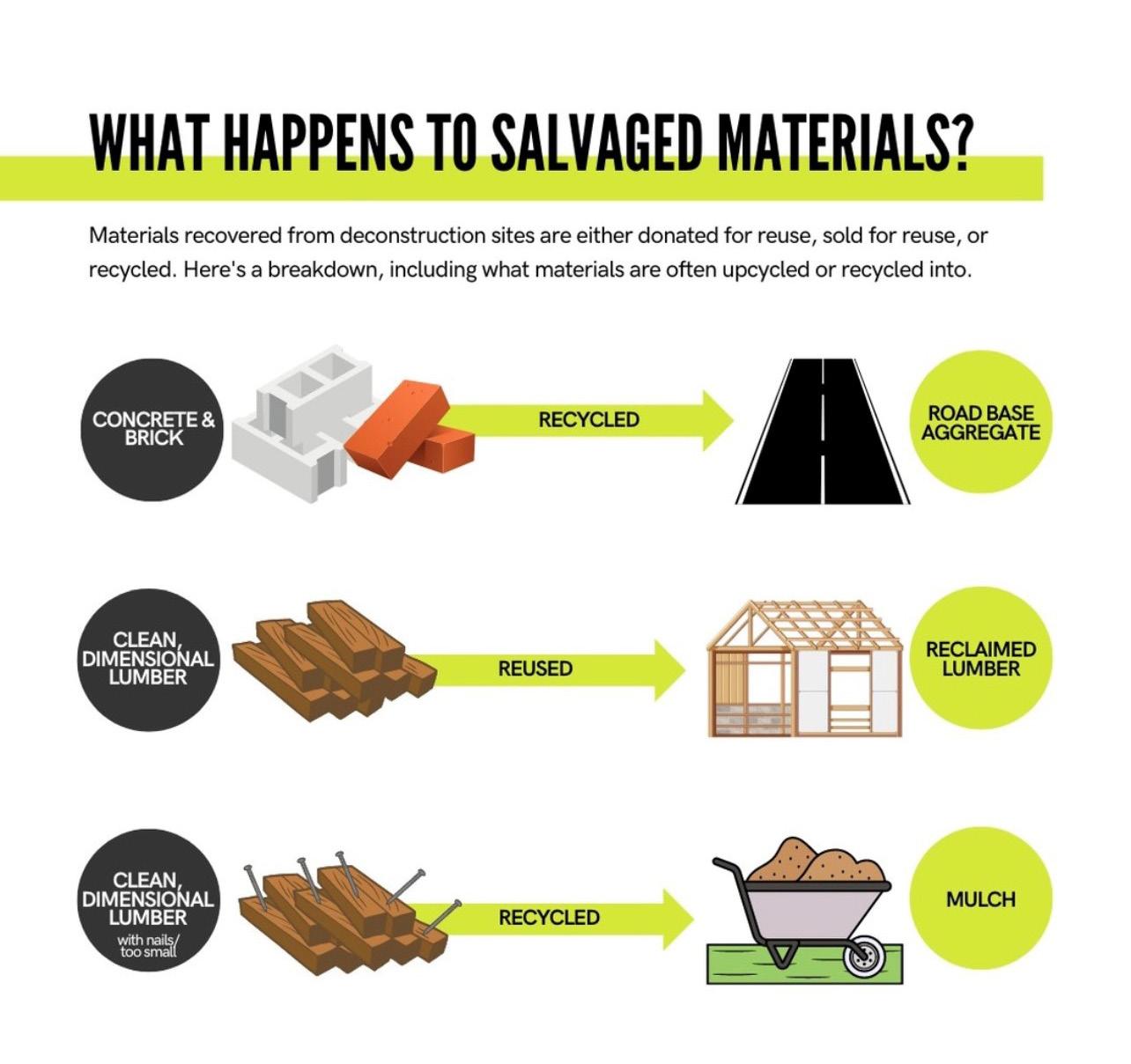
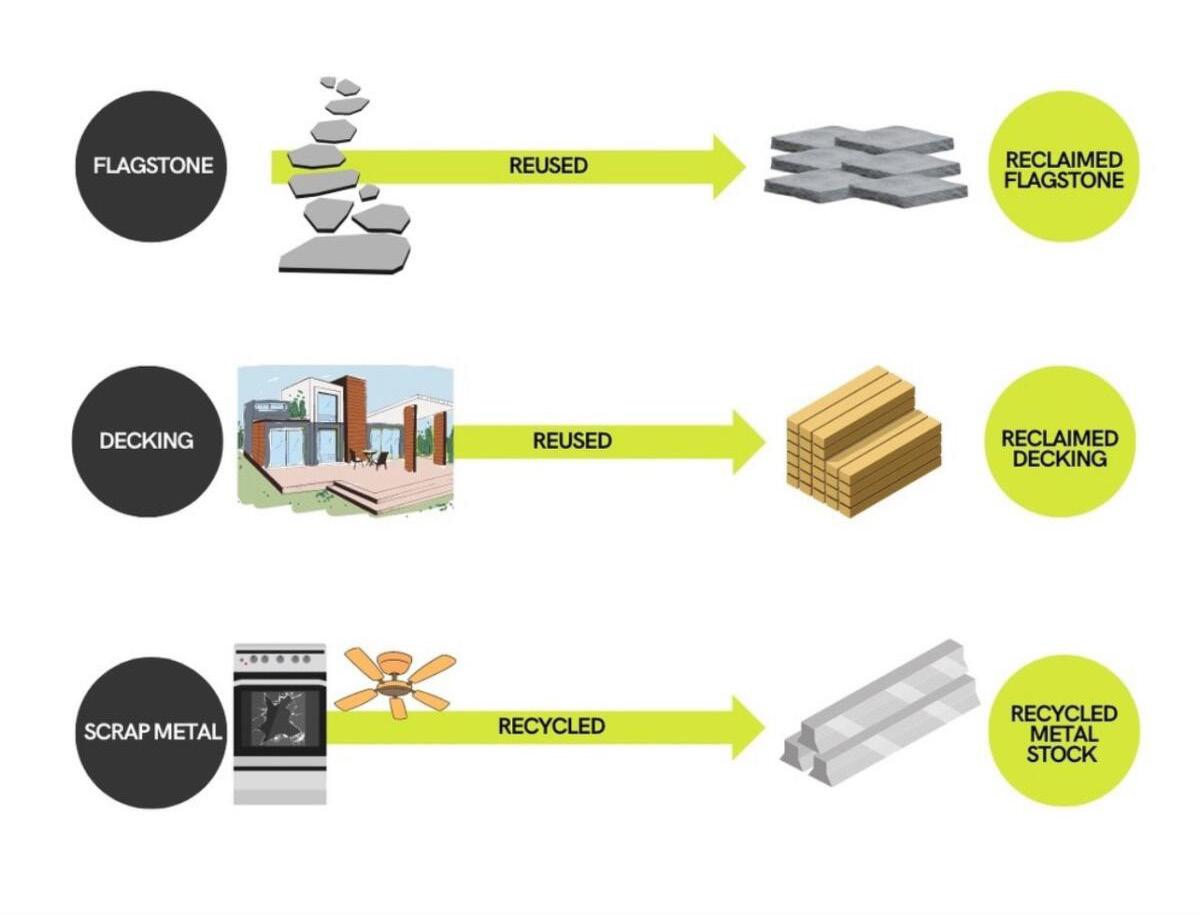
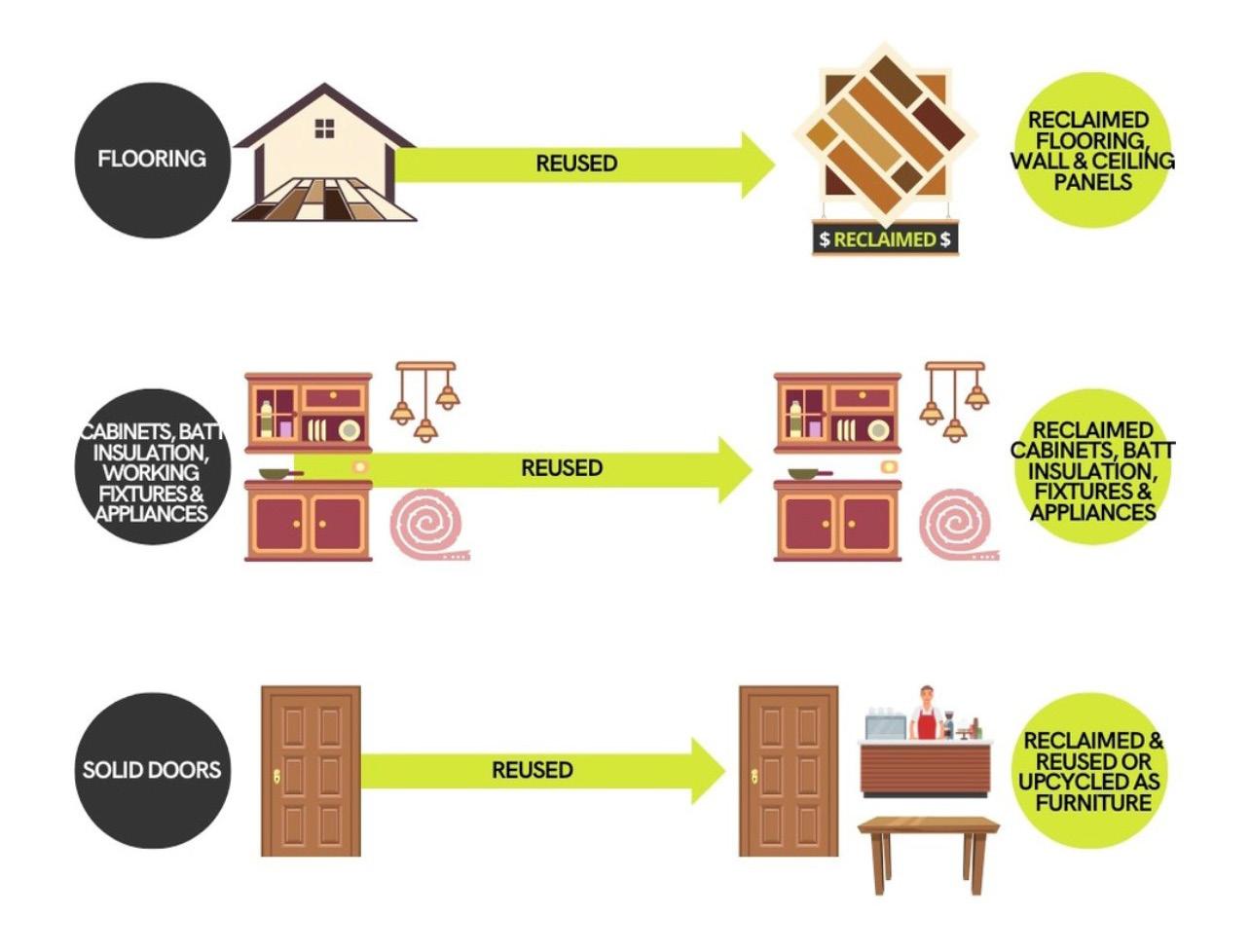
Use the following checklist to see if a new product or new construction is absolutely necessary!
Identify reuse opportunities in your project that are time period appropriate to your historic home.
Donate or sell your reclaimed materials on neighborhood email lists, Facebook Marketplace and/or NextDoor groups, or to a local reuse center such as Habitat ReStore.
Incorporate salvaged building materials into your project to give them new life. Some commonly reused materials include:
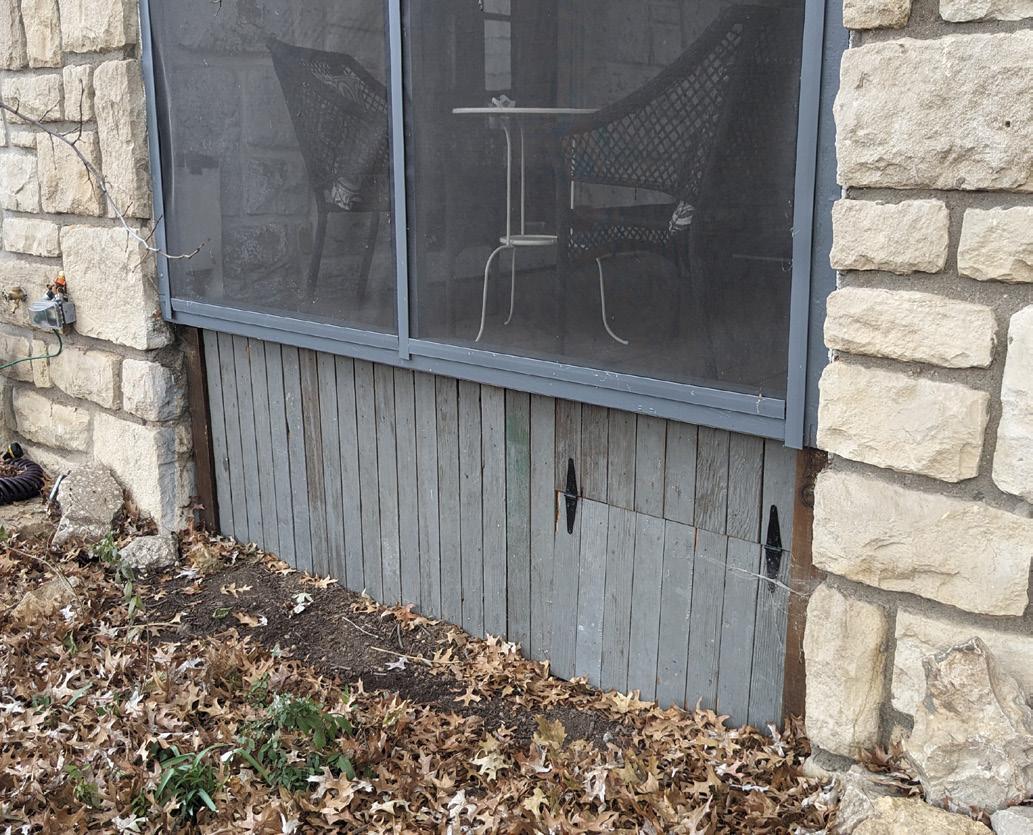
• Easy-to-remove items like doors, hardware, and fixtures.
• Wood cutoffs can be used for lintels, cripple walls, etc.
• Brick, concrete, and masonry can be reused on site as fill or sub base material.
ENERGY ASSISTANCE (Ameren, Evergy)
Residents can use resources and services offered to help save on energy every day.
ENERGY EFFICIENCY UPGRADES REBATES (Evergy, Spire)
Evergy and Spire clients can receive discounts for energy-efficient upgrades to their homes.
ENERGY STAR REBATE FINDER (Missouri)
Find rebates and special offers in your area.
FREE ENERGY SAVINGS KIT (Missouri)
Receive FREE energy-efficient upgrades to your home with the Energy Savings Kit (available to renters and homeowners). All Missouri customers are eligible, even if you’re not within Spire’s service area.
HEALTHY HOMES PROGRAM (Children’s Mercy)
Children’s Mercy environmental health specialists help make children’s homes safer by performing a healthy home environmental assessment.
LOW INCOME WEATHERIZATION ASSISTANCE PROGRAM (Kansas City, Missouri)
For Greater Kansas City homeowners and renters that need help making their homes more comfortable, the Communication Action of Greater Kansas City offers help and you may qualify for a low or no-cost home energy upgrade.
MISSOURI HOME ENERGY CERTIFICATION (Missouri)
MHEC promotes energy-efficient homes through clear and meaningful recognition.
MONEY-SAVING PROGRAMS (Ameren, Evergy)
Ameren and Evergy clients can take advantage of the programs offered to save money and reduce energy usage.
TAX CREDITS FOR HOMEOWNERS (Federal )
Under the Inflation Reduction Act of 2022, federal income tax credits for energy efficiency home improvements will be available through 2032.
TENANTS RIGHTS INFORMATION (Kansas City, Missouri)
In 2019 Kansas City, Missouri Mayor Quinton Lucas and the City Council passed legislation creating a Tenant Bill of Rights. It ensures that tenants have the right to access estimates of utility costs and the right to disclosure of an estimate of common space utilities charged to the tenant. Contact KC Tenants for additional information.
1. Home Efficiency Graphic
“Energy Efficiency in Historic Homes.” Net Zero Montpelier, April 9, 2017. https://www.netzeromontpelier.org/blog/ energy-efficiency-in-historic-homes.
2. Department of Energy: The Home Energy Audit Checklist
Minos, Scott. “Energy Saver 101 Infographic: Home Energy Audits.” Energy.gov, March 3, 2022. https://www. energy.gov/energysaver/articles/energy-saver-101-infographic-home-energy-audits.
3. Incompatible Window Photograph
Grimmer, Anne E, and Kay; D Weeks, eds. Distinctive window design on 19th century building. Illustrated Guidelines on Sustainability for Rehabilitating Historic Buildings. National Park Technical Preservation Services, 2013. https:// www.nps.gov/crps/tps/sustainability-guidelines/windows.htm.
4. Incompatible Window Photograph
Grimmer, Anne E, and Kay; D Weeks, eds. Incompatible new window (lower right), resulting in loss of the building’s historic character. Illustrated Guidelines on Sustainability for Rehabilitating Historic Buildings. National Park Technical Preservation Services, 2013. https://www.nps.gov/crps/tps/sustainability-guidelines/windows.htm
5. Aluminum Storm Window in Old Hyde Park Kansas City
6. Wooden Storm Window in Old Hyde Park Kansas City
7. Wooden Storm Window in Old Hyde Park Kansas City
8. Wooden Shutters in Crestwood Kansas City
9. Wooden Shutter Hardware
10. Awnings in Janssen Place Kansas City
11. 1940 photograph commercial building Kansas City
12. Common Air Leak Points in the Home Envelope
U.S. EPA, Common Air Leaks, Digital Drawing, What to Look For: DIY Checks and Inspections, Energy Star, Accessed November 8,2023, https://www.energystar.gov/saveathome/seal_insulate/identify_problems_you_want_fix/ diy_checks_inspections
13. Skylights on Historic Roof
Grimmer, Anne E, and Kay; D Weeks, eds. Skylights added on a primary roof elevation negatively impact the character of these historic houses, Photograph, Historic Preservation Standards and Guidelines, National Park Service, 1997. National Park Technical Preservation Services. https://www.nps.gov/orgs/1739/upload/ sustainability-guidelines.pdf.
14. Solar Panel Array Freestanding in Pendleton Heights
15. Solar Panels on Commercial Building in Crossroads Kansas CIty
16. Solar Collectors on House in Rockhill Kansas City
17. Schematic structure of the “green roof”
Schematic structure of the “green roof” by 5 by Kryshikrovli, retrieved from https://www.researchgate.net/figure/ Schematic-structure-of-the-green-roof-15_fig4_350084835/. Used under Creative Commons Attribution 3.0 Unported Generic license (https://creativecommons.org/licenses/by/3.0/#)
18. Metal Roofing Examples
Interlock Metal Roofing | www.interlockroofing.com
19. Local Rain Garden by Water Department Kansas City
20. Food Scraps in a Composting Bin Compost’Tout (https://commons.wikimedia.org/wiki/File:Compost’Tout3.jpg), „Compost’Tout3“, https:// creativecommons.org/licenses/by/4.0/legalcode
21. Deconstrution Progress Site Photographs Deconstruction Works | https://www.deconstructionworks.com/
22. What Happens to Salvagable Materials Graphic Perks Deconstruction (@perksdeconstruction). “Where do the materials go that we salvage from your deconstruction job? Here’s a breakdown! For locally reclaimed lumber and” Instagram, May 12, 2023. https://www. instagram.com/p/CsJh55TLjKI/?img_index=1
23. Porch Material Reused as Deck Skirt - Amanda Wilson