LI
Portfolio 2023
YAN
Li Yan (+1)814-954-9624
education
skills
LinkedIn: li-rainer-yan ly296@cornell.edu experience involvement
Bachelor of Landscape Architecture | 2017-2021
Penn State Urban Sustainability Study Aboard | 2021.1-5
pennsylvania state university, university park, pa city semester pittsburgh, pittsburgh, pa cornell university, ithaca, ny
Master of Landscape Architecture | 2021-2023 Business Management Certificate
3D Analysis Presentation Rendering Documents Analogues Languages
Rhinoceros 3D, AutoCAD, Grasshopper, SketchUp ArcGIS/Pro, ClimateStudio, Excel
InDesign, Illustrator, Photoshop, Lightroom, Adobe Premiere Rush Lumion, SketchUp Vray, TwinMotion
MS Office (Word, Powerprint, Excel)
Sketching, Laser Cutting, 3D Printing, Laser Cutting, CNC Machining English (fluent) Mandarin (native)
Research Assistant | 2022.9-Present
-Researched Japan seaweed ecologies of interconnectivity in material systems and food supply chains in relation to landscape -Analyzed and developed mappings for book publication
cornell university, ithaca, ny Teaching Assistant | 2022.11-Present
-Taught and operated makerspace laser cutting, CNC machining, and 3D printing for the department
laquatra bonci associates, pittsburgh, pa
Landscape Architecture Intern | 2021.1-6
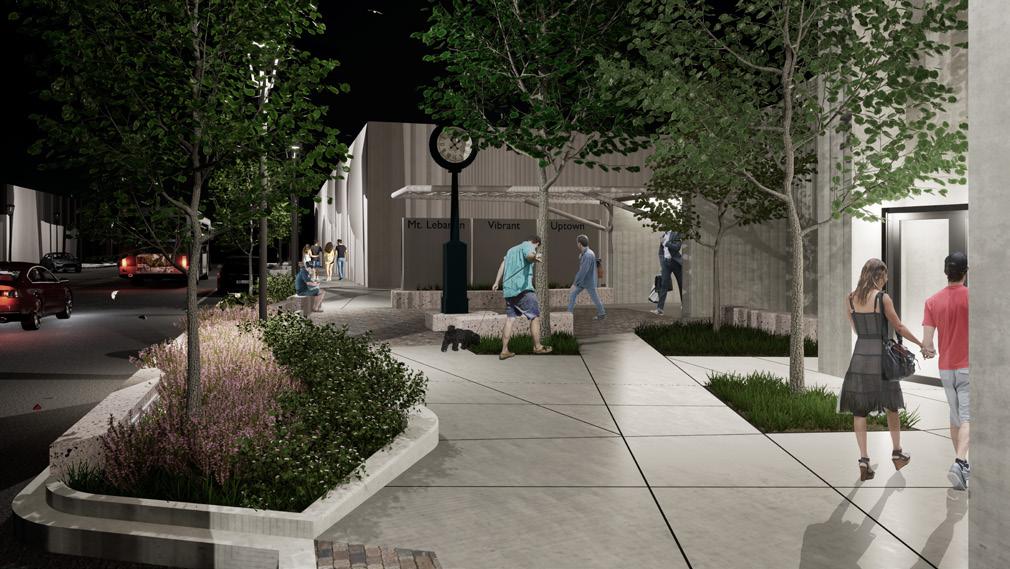
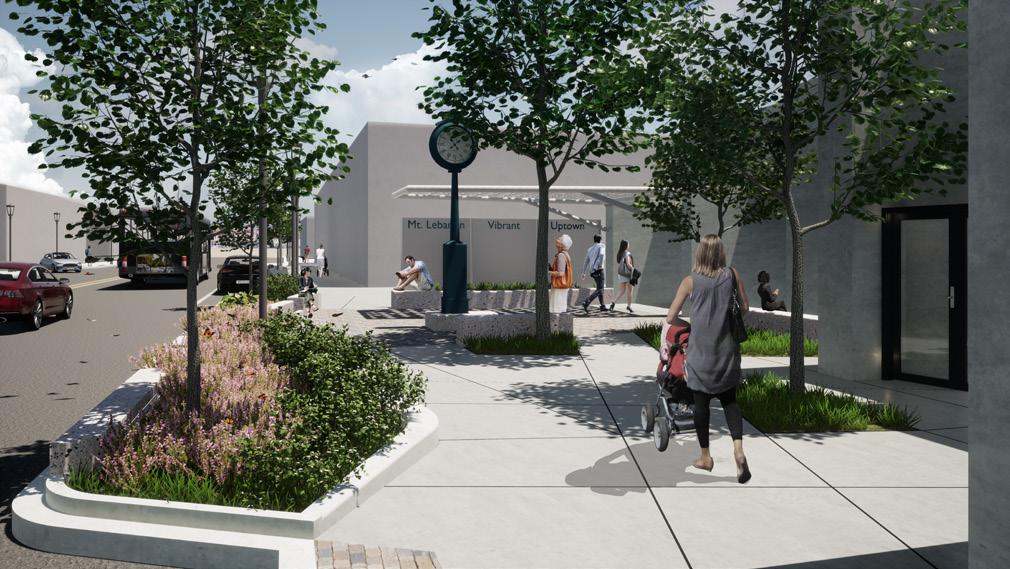
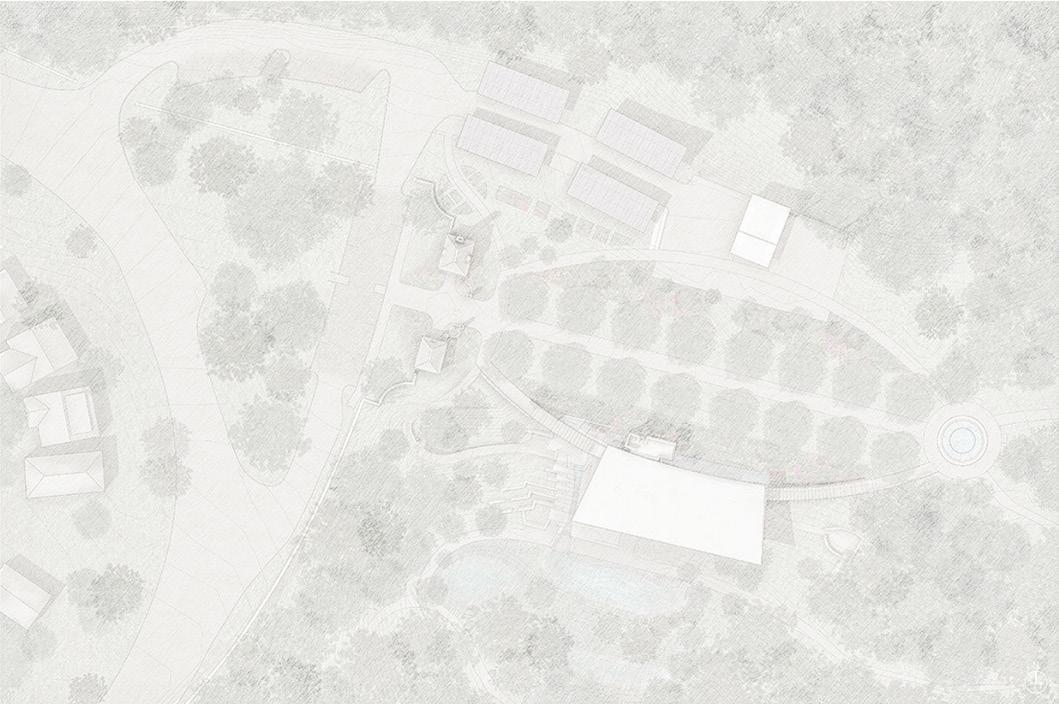
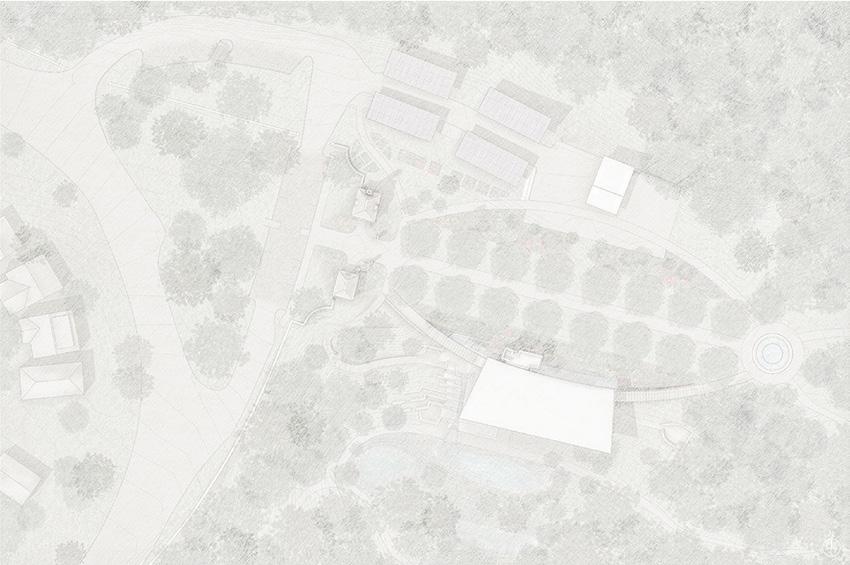
-Visualized both in 3D illustrations and in plan of master plan for the Pittsburgh University upper campus and its connections to the Lower Campus -Illustrated site documentation of Frick Environmental Center – a Living Building and Platinum LEED Graphics and illustrations of the project and showing diagrams for the environmental systems and overall ecosystem enhancements -Created 3D models and rendered Mt. Lebanon street design illustration
Landscape Architecture & Urban Planning Intern | 2019.5-7
-Created strategies and calculated building density on urban planning
-Conceptualized riverfront & cityscape landscape design; Project: Cedar Guangzhou Hongshengsha, Guangzhou -Collected and analyzed city standards and guidelines, site analysis diagram, and graphic presentation for conference cruise port project
atkins, shenzhen, china senhe group co.,ltd, hangzhou, china
Landscape Architecture Intern | 2018.7-8
-Assisted in 27770 ft² flower tapestry (The 18th China Zhongyuan flower exposition, reported by CCTV news)
-Modelled 3D flower theme arch - Planted and designed slopes in city entrance design.
cornell university asla Involved events such as parking day, LABASH. landscape architecture student society Raised awareness about the profession through events such as parking day world conversation dialogue moderator Supported & led dialogues that allow people to “think together” across borders
college of a&a student council Aided in the artistic and creative pursuits
Urban Heat Mitigation
01. Play in Cool | Baltimore, Maryland 02. Weaving Togather | Maldives
Aquapelagic Urbanisms
03. Flux Lab | Hudson River Estuary, NY
Table of ConTenTs 04. Take Off | Magombero Nature Reserve, Tanzania 05. Bartram’s Backyard | Philadelphia , Pennsylvania 06. The ‘Waggle’ | A Memorable Meal 07. LaQuatra Bonci Associates | Selected Work Technical Planting, Grading, Stormwater Mangement, Technical Drawing
01 • • 02
03 15 Climate Change Adaptation 29 Forest Conservation
Riverfront Recreation Food Ecology Internship Works Others 43 57 67 73 77 00
Play in Cool
An outdoor park that provides cooling for children to play, Baltimore MD
Fall 2019 Individual Project Instructors:
Marc Miller, Travis L Flohr
Urban heat island is a serious and growing threat to public health, and the warming climate only increases the problem. Baltimore’s urban area is covered with a high rate of impervious surface and fewer canopy trees, which raised the surface temperature, especially in the region with a high density of the imperious surface. Hot climate brings higher levels of pollutants into the air and triggers asthma symptoms, particularly in the children’s group.
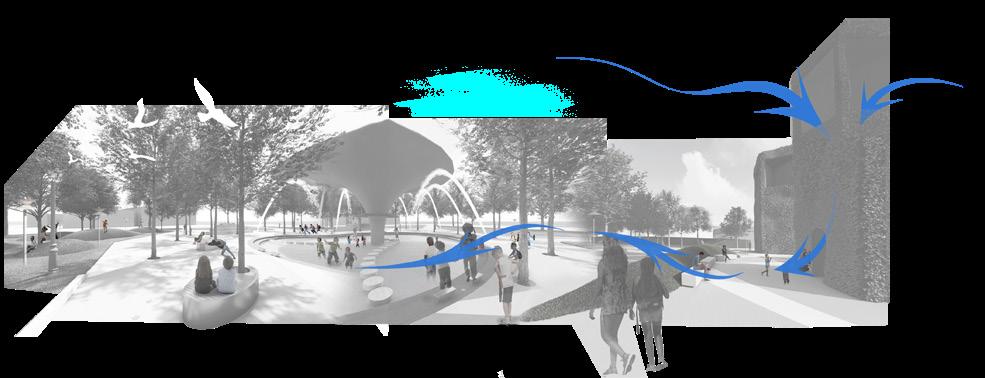
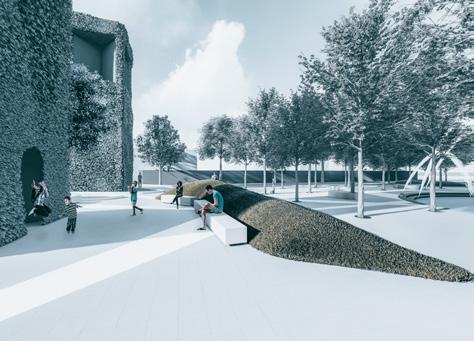
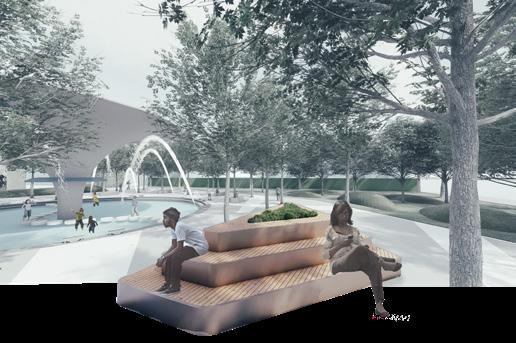
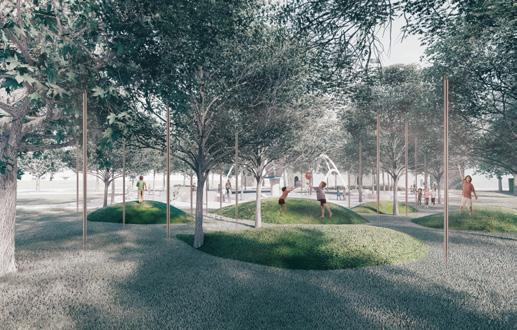
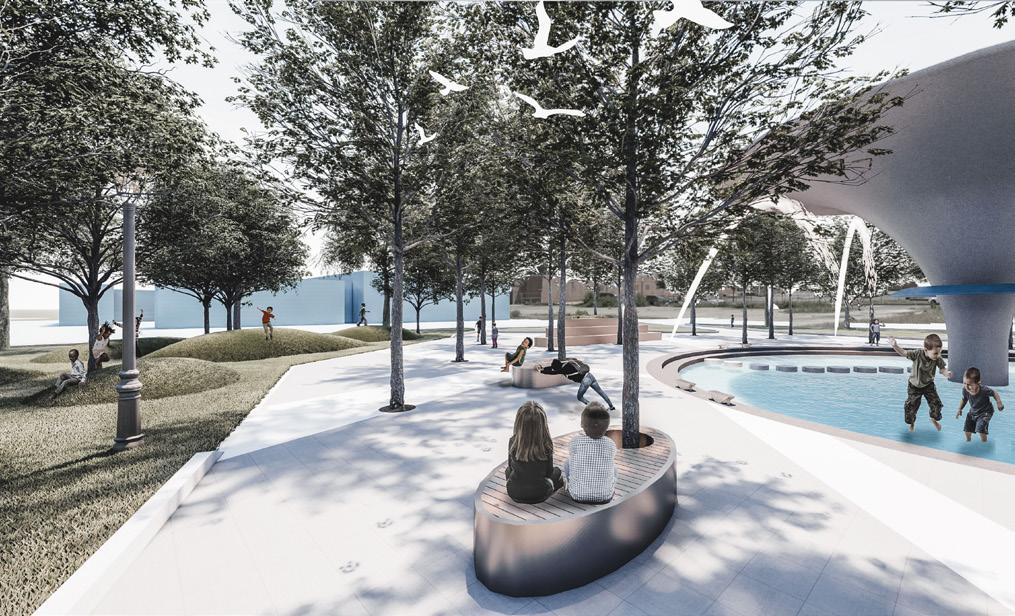
My design aims to give back the outdoor playground to the neighborhood children by creating an exterior space where a region with a poorly built environment for high heat and a high asthma disease density. My design intent is to create a park that functions as an outdoor cooling space for children. So, children can play in a clean and pleasant outdoor environment during a hot summer day.
To materialize the climatic condition, the project is invented by a catalog of climatic devices, both natural and artificial. They function cooling and depolluting. These devices are classified into four elements: shade, water, wind, and depolluting. A healthy outdoor gathering space plays an influential role in enhancing big metropolitan cities’ well-being and health. It is an outdoor area where you can have a good time from the excessive heat; where you can relax from pollution and noise; where you can have fun in the open air with children.
03 • • 04
01
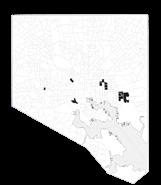
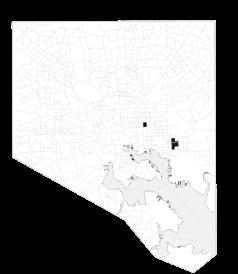


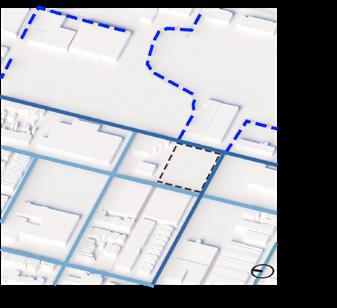
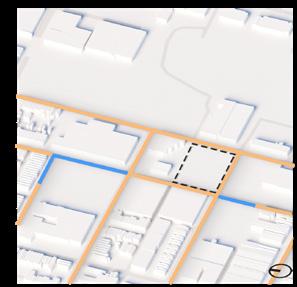
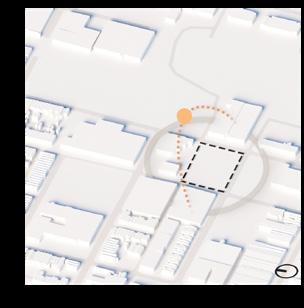
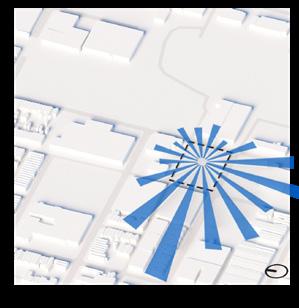
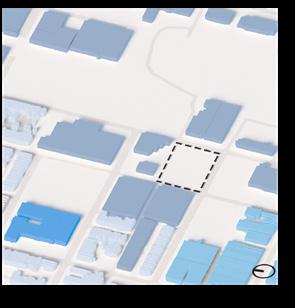
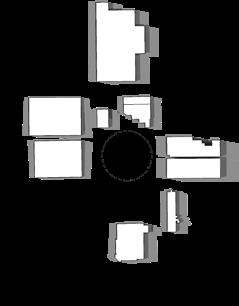
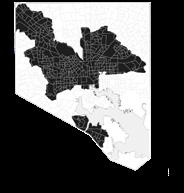
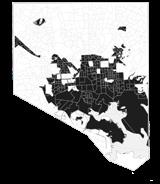
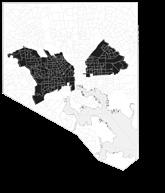
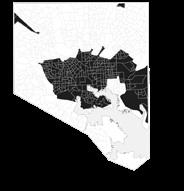
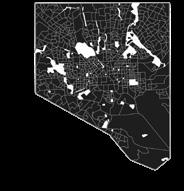
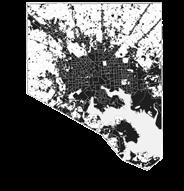
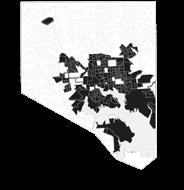
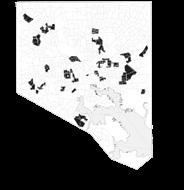


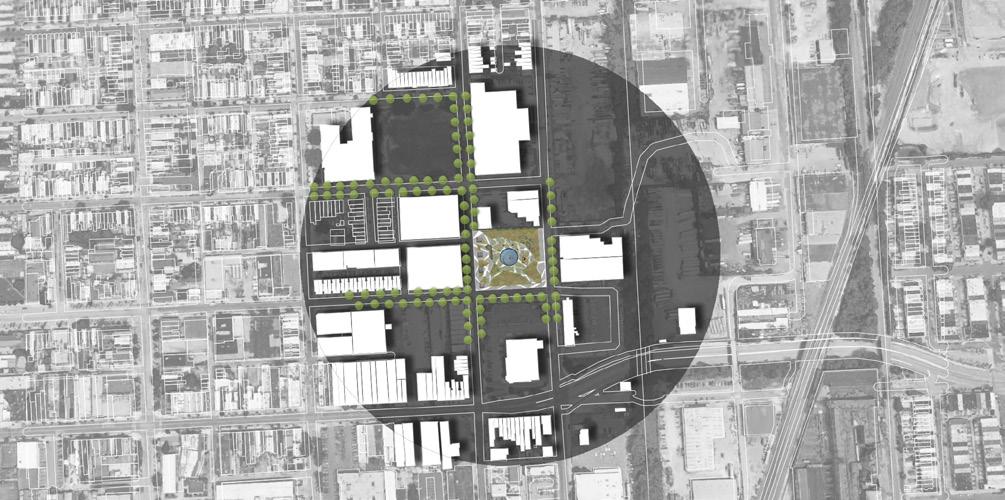




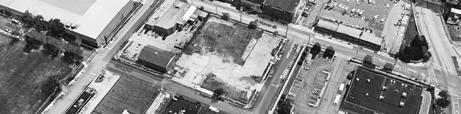

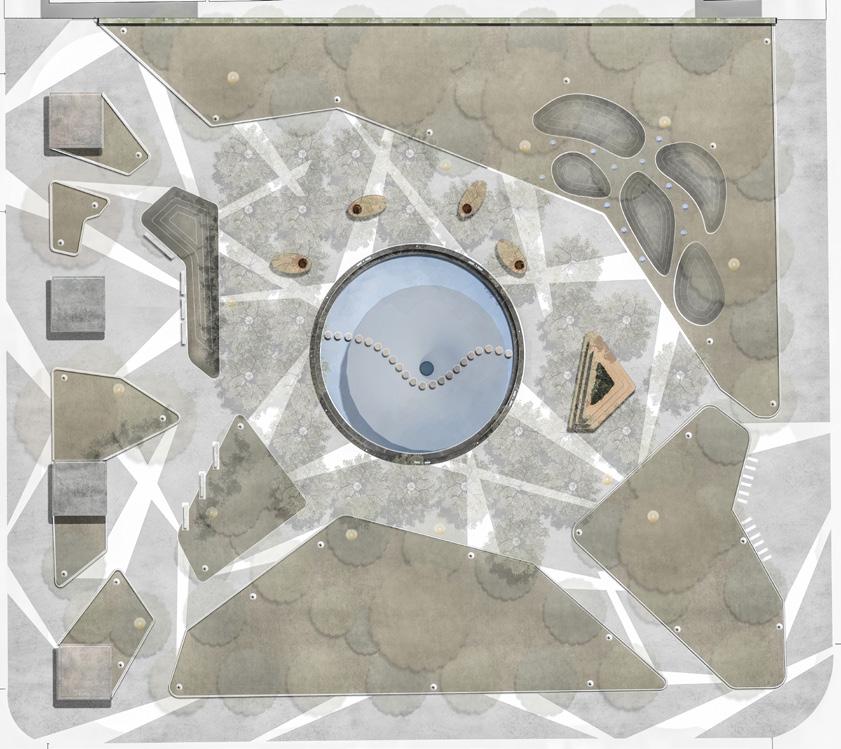
05 • • 06 Low House Income ($25,000-30,000) Asthma hospitalization (4.0%-5.7%) Vacant lot adjacent highland town elementary/middle school Highest temp in the city (95 -103°F) Lack of Environment for High Heat Area Without Park Impervious Surface (>45% coverage) Canopy Cover (<35% coverage) 15% 20% 5% 10% 50% 30% 30% 40% Age 3-17 (15% population) Suitable Area 3 Suitable Parcels Analysis Focus - area which lack of environment for the heat of groups with more severe asthma problem, high poverty rate, high children rate Site Condition Problem - urban heat island triggers asthma Proposed Greenway to School and Neighborhood Land Use Shade Analysis-10am, 12am, 2pm, 4pm and 6pm (July) Site Analysis Wind Direction (July) Circulation Street Scape Summer Sun (July) Missed days of school because of asthma Cost of asthma Asthma cases in Baltimore Children cases 9.4% US US 8.6% Adult cases = + $3,266 20% 12.4% 37,6650 July Sun Path Summer Wind Residential School Bike Path Commercial Worker Path Industry Two Way Road Canopy Cover No Canopy Cover Environment Vacant Lots No Attraction Blocked No Canopy Expose to Sun Focus group Location seeking Site selection Selected Site: 10.5
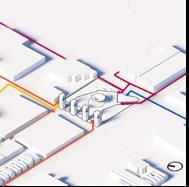
Convection: Breeze facilitates convective heat loss from the skin



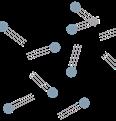
Atom movement when its hot Paving
Mount Lighting



Rotate Sitting
Vegetation Fence Wind Tower b Mist Cooling System 2.5’ Tree Pit Wind Tower a 1-1.5’ Depth Pool

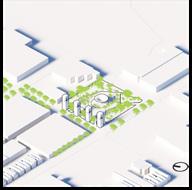
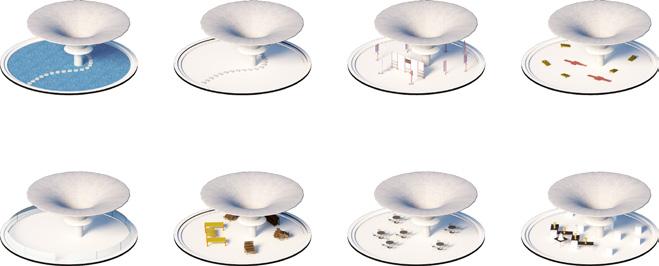
Stepping Stone Dark Stone Steps Multi-functional Canopy Tents Interactive Fountain Amphitheater Sitting Stone Sitting Tree Plaza Interactive Fountain Bicycle Parking Ultrasound Speaker Lawn


Concrete Paver White Permeable Paver

07 • • 08 a b b’ a’
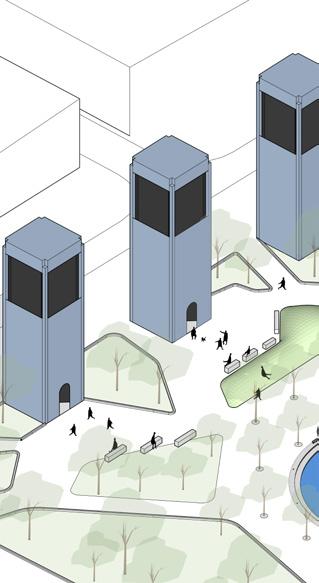
Circulation Tree Vegetation View Sound Multiple entrances for different groups of people. 90% area is covered with fast growth and depolluting trees 60% area is covered with lawn and depolluting plants 50’ wind tower is visible to observe from far away Stimulating
attracts neighbors.
nature sound that
37°C 28°C
by
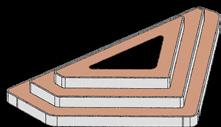
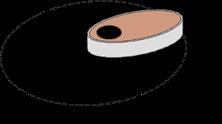
35°C Paving Form Heat Transfer Cooling Park Plan Site Diagram 10‘ Urban heat island Heat Pollutants City noises Mosquito Heat triggered chemical Summer sunlight Problem to Solution Paved surfaces Lack of vegetation cover Heat-generating human actives Architecture style Interactive fountain Mist cooling mount Breeze pool Wind tower Water cycling wind tower Breeze sitting De-polluting vegetation Photocatalytic coating Ultrasonic speakers Stimulating nature sound Cooled De-polluted Enjoyable Little Leaf Linden tree plaza Breeze canopy Rotating sit Guardian amphitheater sitting Open lawn Conduction Convection Wind Shade De-polluting Water Section b-b’ Section a-a’ Cooled Warm wind Spreading Board Spreading board Water collected from rain Warm wind turn cool wind Wind Tower a Tree Plaza Breeze Pool Breeze Sitting Area Multi-functional canopy tents 1’ Depth pool Stepping stone Cool air 10‘ 10‘ 10’ 50’ Off-site building Pedestrian Pedestrian Wind Tower b Breeze Sitting Area Two Way Road Stone sitting Raised mount Tree Plaza 10’ 50’ Interactive fountain cooling mount Breeze pool Wind tower Water cycling wind tower Breeze si ting Li tle Leaf Linden ree plaza Breeze canopy Rotating sit Parents amphitheater sit ting Open lawn Wind Shade De -polluting Water
Conduction: Heat transfer from the hot skin to cooler air through direct contact 37°C 37°C
Evaporation: Loss heat
evaporation of water
High Thermal Inertia Material










09 • • 10 6 7 8 9 3 6 12 9 17 22 16 Sitting Ulture sonic
Tree cover
spaces
Heat
temperature
the
area
H2O pump Tree Cover
creating shadowed
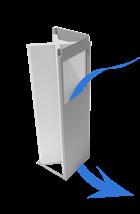
Breeze Collects clean air from 50 feet air, through the wind tower, and give breeze to the ground.
Mist Cooling System Produce fine droplets lowering the ambient
around
misted
materials to store heat and
fixed and comfortable
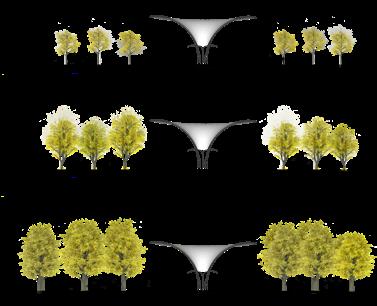
hot day Littleleaf Linden Tree Plaza Microclimate -Breeze sitting Guardian Amphitheater Sitting Mist Cooling Mount Year 1 Year 3 Year 5 Rotating Sit Guardian Amphitheater Sitting Mist Cooling Mount Open Lawn Canopy & Pool Local reclaimed wood Comfortable to sit; Easy to replace; High thermal inertia. Aluminum Lightweights; Cool touch; Higher strength-to-weight ratio than steel. 1’6” 2’0” 8’2” 6’ 18’ 14’4” 24’6” 1’4” 3’ High Thermal Inertia Material Material & Function Growth Rate - in 5 years -13-24” per year Highly tolerant of urban pollution. Leaves are edible throughout spring, summer and fall Education: Inspiration for many Polish legends and local medicines to relieve cough and heart problems. Medium size: permits using it on sites with limited space (Urban) Smell: blend of honey and lemon peel; Stimulating smell to attract kids into the park on a summer day. 94 °F 84 °F Key Characteristic (Littleleaf Linden) Deflection Wind Flow Breeze Sitting Plan Bench Hollow Bench Mount Breeze Sitting Section Jan Feb Mar Apr May Jun July Aug Sep Oct Nov Dec +
The ability of
give it off slowly, maintains a relatively
temperature throughout the
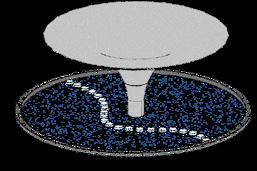
Stimulating Nature Sound





De-polluting Plants


Speakers
11 • • 12 Key Species CO2 CO2 CO CO VOCs C7H8 C8H10 NOx SO2
Capture dust and pollution in the air
The sound of the city is emitted, stimulating water sound to neutralize the noise.
The breeze canopy made of photocatalytic material which absorbs light to occur chemical reaction to decomposes several particles in the of the pollution in the air, meanwhile, provide shade and cooling (hydrologic cycle) Lady’s Mantles Alchemilla Common Ivy Hedera helix Devilwood Osmanthus Wallflower Erysimum European Hackberry Celtis australis Spider Plant Chlorophytum comosum Norway Maple Acer platanoides Littleleaf Linden Tilia cordata Turkey Oak Quercus laevis Canopy Placement - >70-85% coverage on the hottest summer days Material - canopy tents Multi-purpose - scenarios of breeze pool Breeze Pool Program 12:00PM Eating & Relaxing Exhibiting Market Gathering Cooling Event Gaming Ice Rink June July August 2:00PM 3:00PM TiO2 Photocatalytic Coating -Antimicrobial effect -Self cleaning -Long-life (>3 years) Rebar Inner Structure Concrete White Stone 55’ 1’ 20’ 44’ 1’ 2’ Canopy tent Removable stepping stone Solid Polymer Sheet -Non-slip Pollution 6 7 8 9 10 11 12 13 14 3 12 9 17 18 19 20 21 22 16 Inte active fountain Mist cooling mount ice rink Sitting Depollted material Dpollted plants Ulture sonic Wind tower Li tle Leaf Linden ee plaza B eeze canopy Pool gathering Exhibting Gaming Ice rink Market Eating Event B eeze pool Cooling Gathering Exhibiting Gaming Market Eating Event Ice Rink Spring Summer Fall Winter Tree Cover Shrub Wall Plant Polluted Less polluted (Baltimore UTC-5 hours)
Ultrasonic
Mosquito-free environment TiO2 Photocatalytic Coating
I’m a father; I like to have fun with my kid on this rotating bench. Simultaneously, I can do exercise after a long day!
I’m a resident nearby; After plant these trees, the street is much cooler than before! More people would like to go out on a hot summer day!
I’m a student from Highland-town school. just heard our science project exhibition location holds under the Breeze Canopy in the new cooling park. And there will be a lot of visitors from the street!
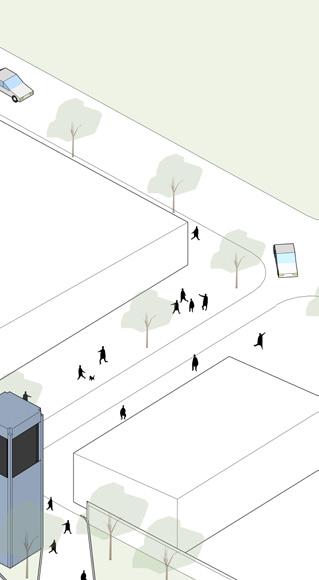
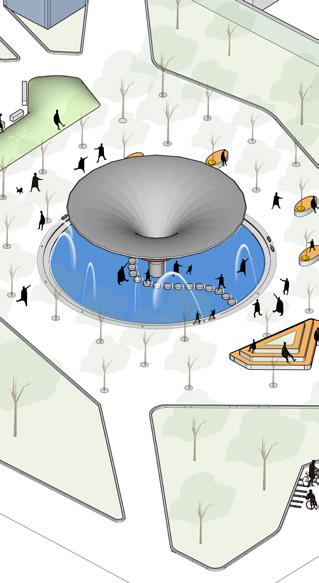
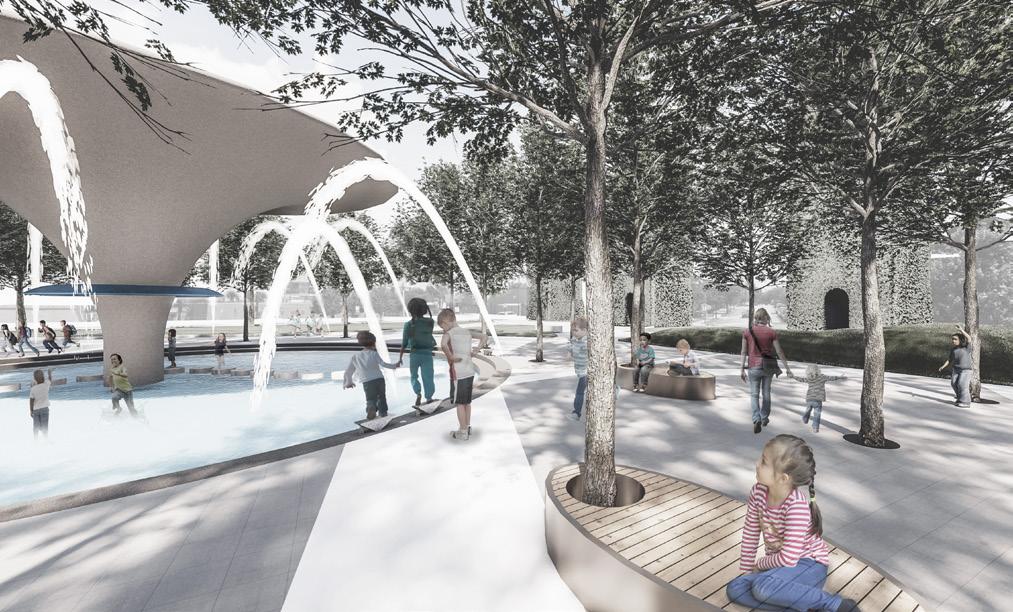
I’m a biker; always stop here to rest and enjoy the cool breeze during a hot summer day.
I’m a fan of the mist cooling system; It’s 95 degrees outside, but right here, it feels like 20 degrees lower because of the tree covers, breeze, and mist cooling. Do you know the mist system can decrease dust levels that come along with the summer months?
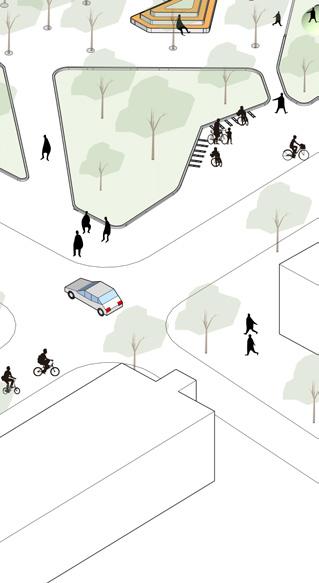
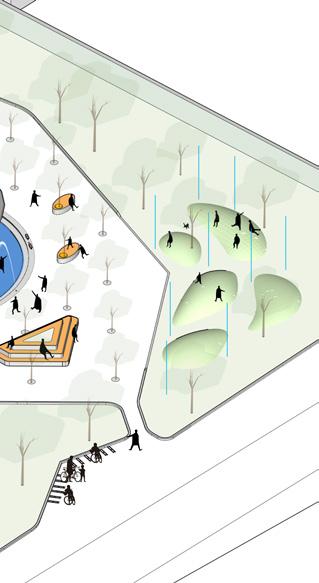
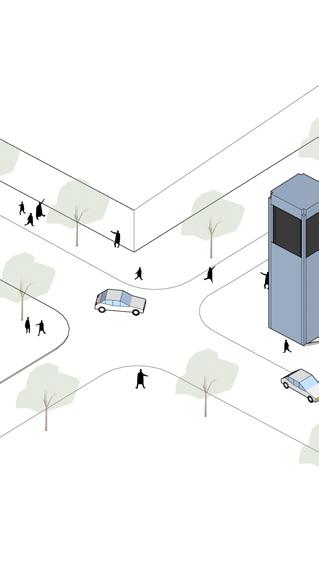
I’m a student from Highland-town school. enjoy having a pool just 400 feet beside my school! Now can come here to wait for my parents to pick me up after school. And do you know this pool can turn into an ice rink in the winter!
I’m a worker; the cooling park is my everyday stop for lunch.
I’m a mother; feel much more comfortable to sit at the right angle to watch my kids play on those mounts!
I’m a resident nearby; the smell of honey and lemon peel reminds me of this park every time! It must be these lovely trees!
I’m a father; When take my kids here to play on a hot day, will sit here, read a book, and enjoy the breeze.
I’m a student from Highland-town school. love to play with these interactive fountains. It requires two people to step on the device to trigger the system and release the water. made a couple of friends by collaborating with them on this device!
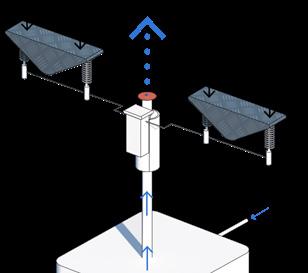
13 • • 14 Rain water is collected in to water tank Water is pumped into the Pressure charging system Pressure charging system Pressure on non-slip bounce step Pressure both side to trigger the switch Water releasing Water tank Interactive Fountain Device A Cool Summer Park for a Hot City Day 1 1 2 2 3 4 5 6 7 3 4 5 6 7 6 7 8 9 10 11 12 13 14 3 6 12 9 17 18 19 20 21 22 16 Inte active fountain Mist cooling mount ice rink Sitting Depollted material Dpollted plants Ulture sonic Wind tower Little Leaf Linden ree plaza Breeze canopy Pool gathering Exhibting Gaming Ice rink Market Eating Event Breeze pool 3 6 12 9 16 Sitting Depollted material Dpollted plants Ulture sonic Pool gathering Exhibting Gaming Ice rink Market Eating Event 3 6 12 9 16 Sitting Depollted material Dpollted plants Ulture sonic Pool gathering Exhibting Gaming Ice rink Market Eating Event 3 6 12 9 16 Sitting Depollted material Dpollted plants Ulture sonic Pool gathering Exhibting Gaming Ice rink Market Eating Event 3 6 12 9 16 Sitting Depollted material Dpollted plants Ulture sonic Pool gathering Exhibting
Eating
3 6 12 9 16 Sitting Depollted material Dpollted plants Ulture sonic Pool gathering
Market Eating Event Seasonal Rhythm - facilities function and using group Group Functions Tree Plaza Kids Neighbor Worker Family Bicycler Spring June Mar Dec Sept Summer Fall Winter Wind Tower Breeze Canopy Mist Cooling Mount Interactive Fountain Breeze Pool De-polluting Plant Ultrasonic Speaker Sitting De-polluting Structure
couple
blocks away; the
window.
Gaming Ice rink Market
Event
Exhibting Gaming Ice rink
I’m from a
of
tower is standing out from my
And...Here am.
Weaving togather
Women’s livelihood and cultural practices in Maldives
Fall 2022 Team Project
Li Yan, Anchita Mirwankar
Instructors: Duarte Santo
Maldivian encounter inequalities in many ways, such as displacement, work, region, and gender inequality.
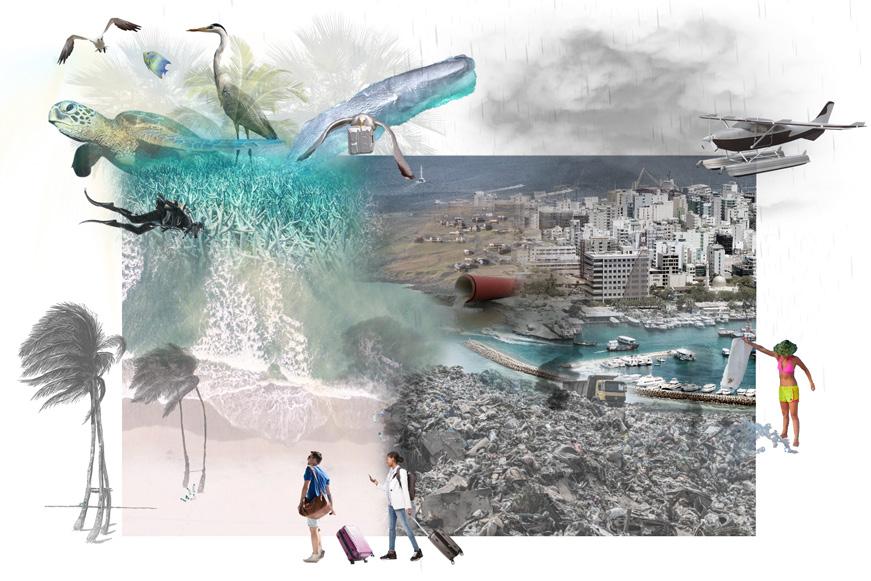
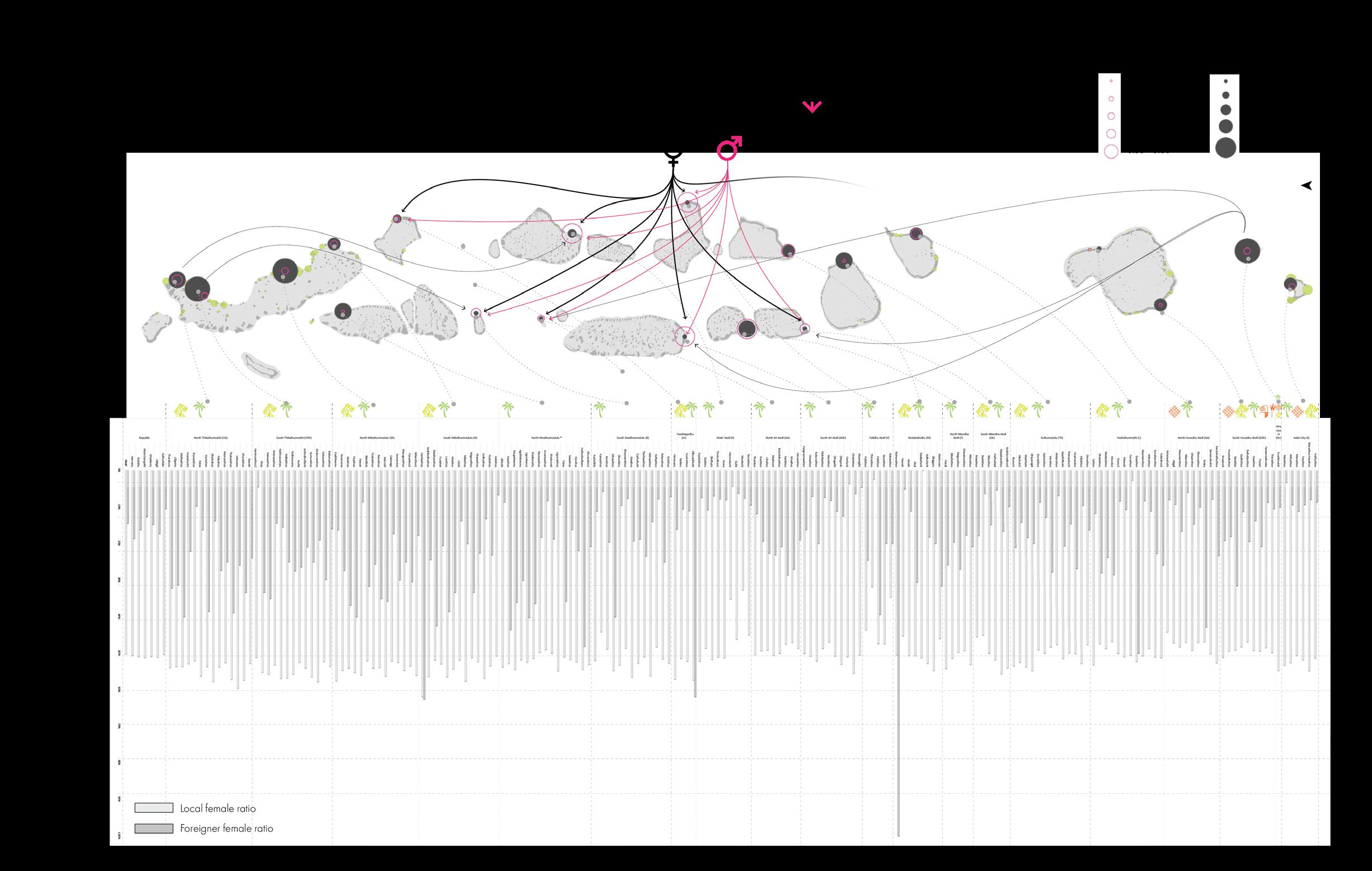
Women’s distribution in the Maldives reduced enormously in the past 20 years. Northern and southern have a higher distribution ratio of women than the middle of the Maldives. Though high in the women population, lower the purchasing power.
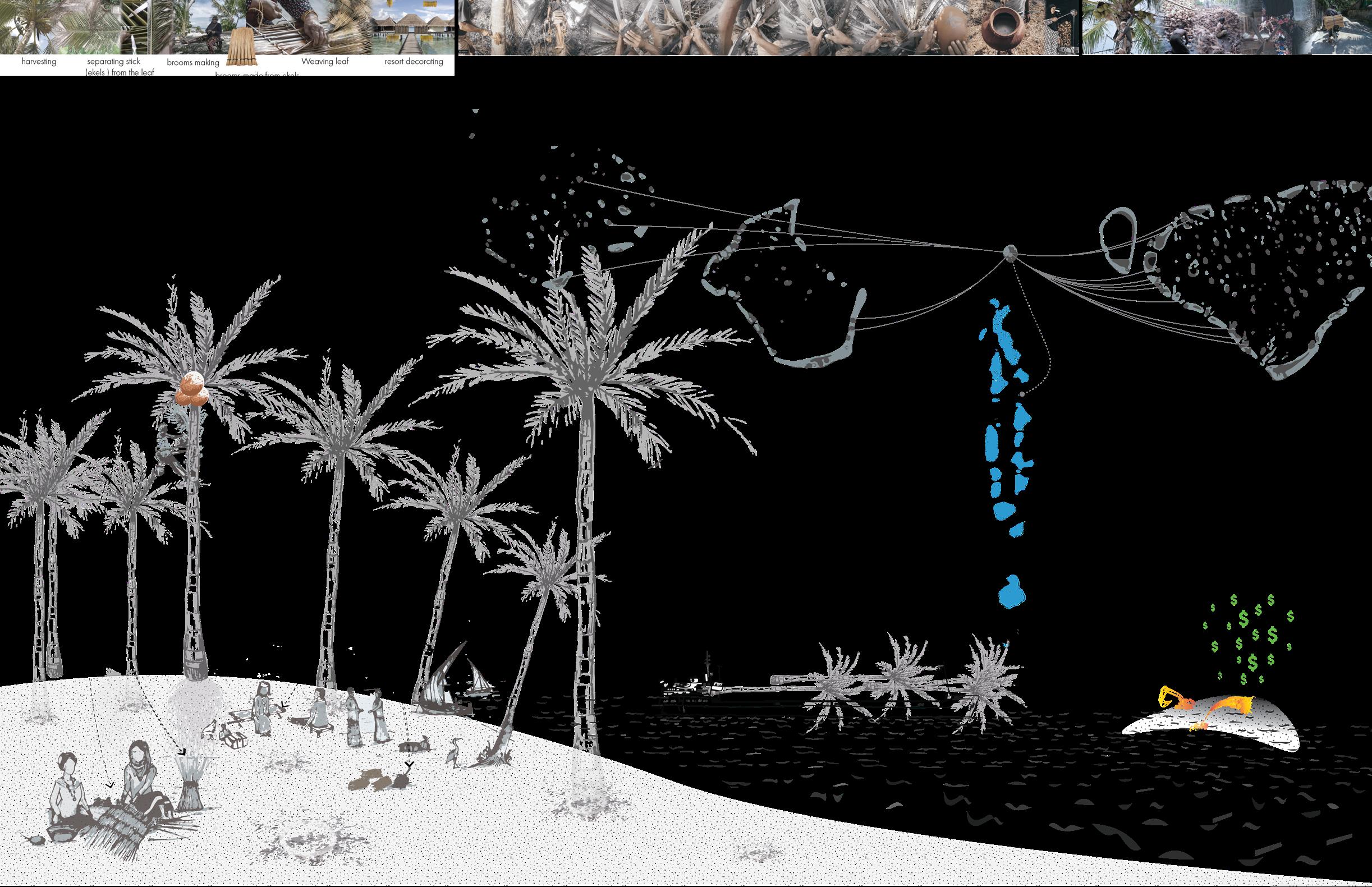
For rural Maldivian women, problems like sexual harassment, personal safety, societal stigma, and male-dominated industry make it harder for women to enter work. Female Maldivians is particularly valuable to climate change. Most rural women depend their livelihoods on climatesensitive resources, such as farming, gardening, reed weaving, handcrafts, coconut picking, and fish processing. If women are the most vulnerable group to climate change, we can pick it up to compare our relationship with nature and our relationship with each other. So that nature is more likely to be understood. It cannot be saved by design or hightech alone. It is more about the user’s needs and sustainability.
Even though climate change cannot be solved in the short term by a part of people, but we can stimulate a movement. A movement to the world of how frontline women fight climate change while fighting for their rights. Women and nature can be compatible properties; it is an important theory moving forward to change the relationship between man and nature. And the most important part is we remember the existing condition because it is part of the original, including the history and culture of the Maldives.
15 • • 16
02
Statistics of Women’s Population
Women’s distribution in the Maldives reduced enormously in the past 20 years. The geographical disparity is observed; northern and southern have a higher distribution ratio of women than the middle of the Maldives. Though high in the women population, lower is the purchasing power. Overall the total population of women is reducing because of the rise in men’s migration for job opportunities in the middle Maldives. Moreover, the foreign female population is lower than the local female population.
17 • • 18
Local + Coconut Plam Relationship
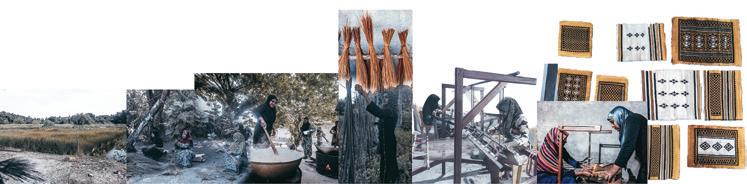
Thundukuna is a special mat woven from reeds’hau’ indigenous to the marshlands of Maldives.
They were used as royal gifts from the sultan of Maldives to the Dutch and British governors of Sri Lanka. Low income
Two hundred years of long history is mostly associated with the southernmost atolls.

Process of Mat Weaving

1970s - imported cheap plastic mats have replace d expensive local mat
Quality downplay due to present generation of weavers lack of knowledge of reeds/techniques Low productivity
2012- only three women were active growing and drying reeds, and with a lack of enthusiasm.
Youth feel the remuneration is not on par with the hard work.
Power Relationship
The interdependency between Coral, mangroves, seagrass, local reed, coconut palm is threatened by climate change. Meanwhile each aspects provide an opportunty to empower the local women from inequities and climate change.
(Hand woven mat)
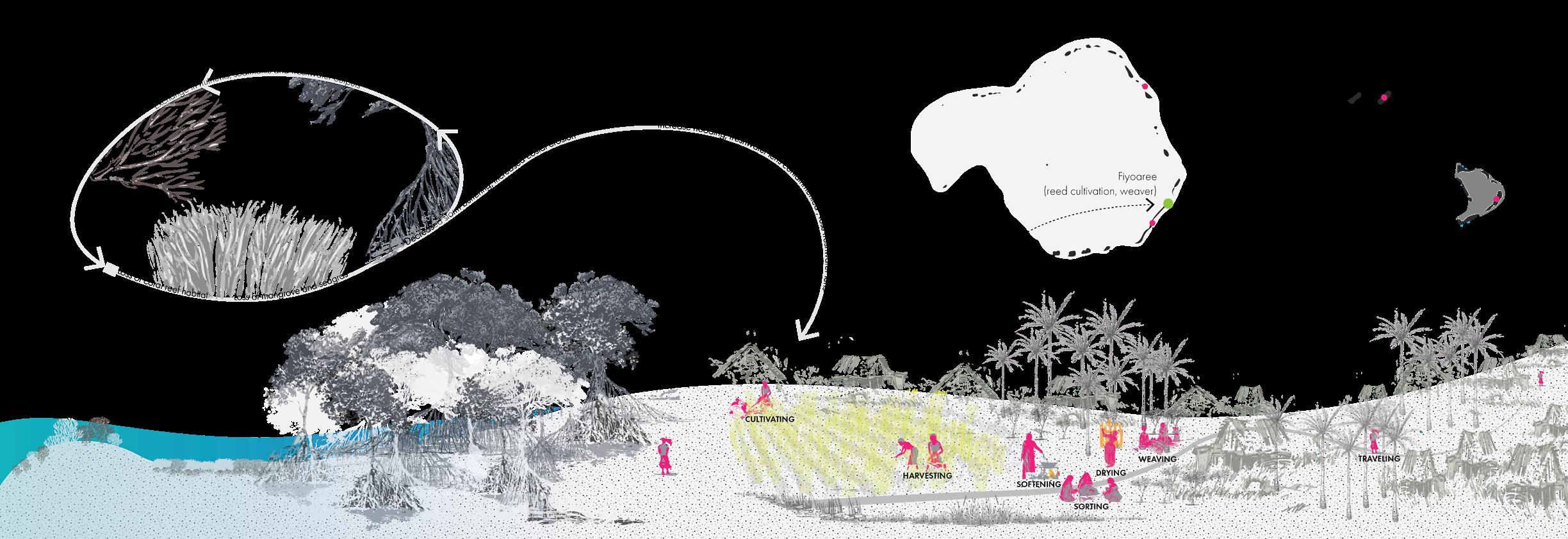 cultivation sorting softening drying (avoid sun) weaving corporting final product (Thundukunaa )
Cultural Loss of
Reeds
Hua
Interactive streets with safety
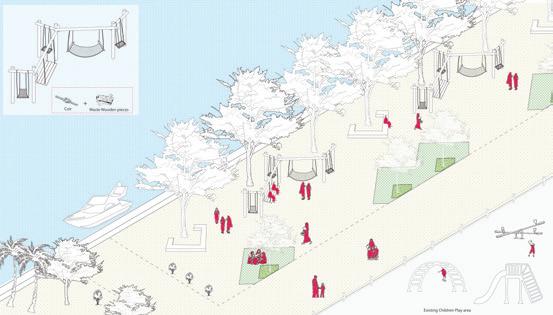
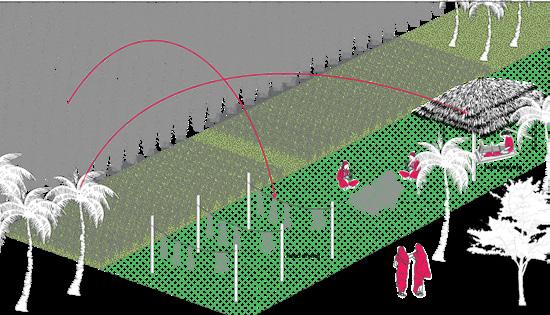
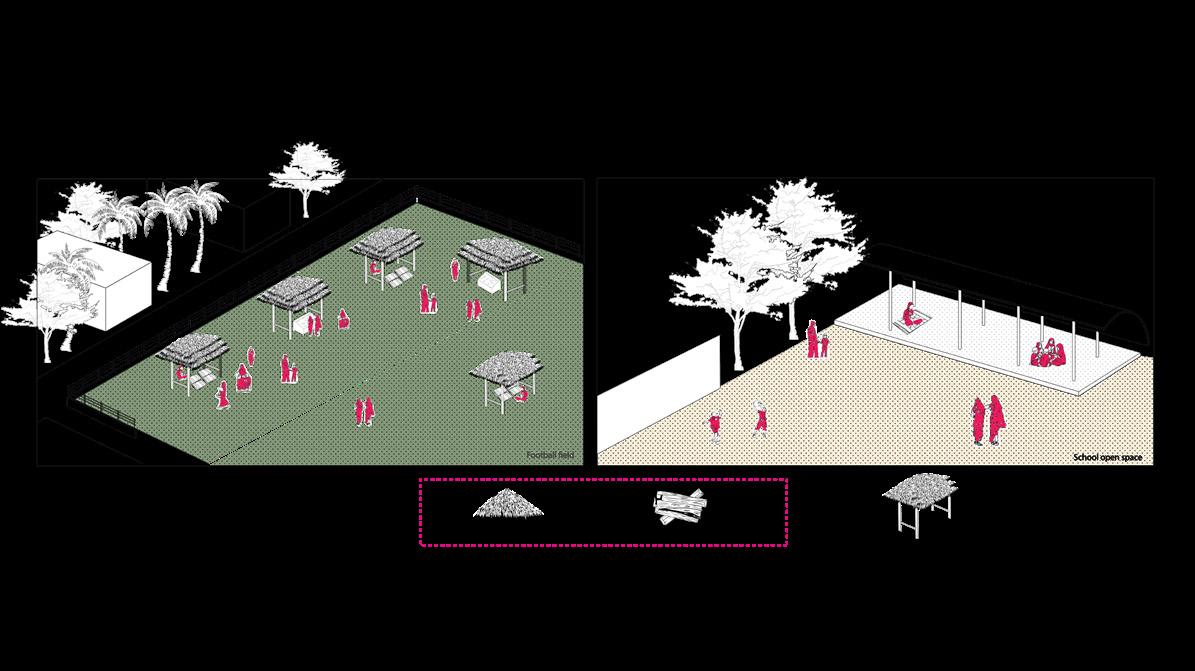
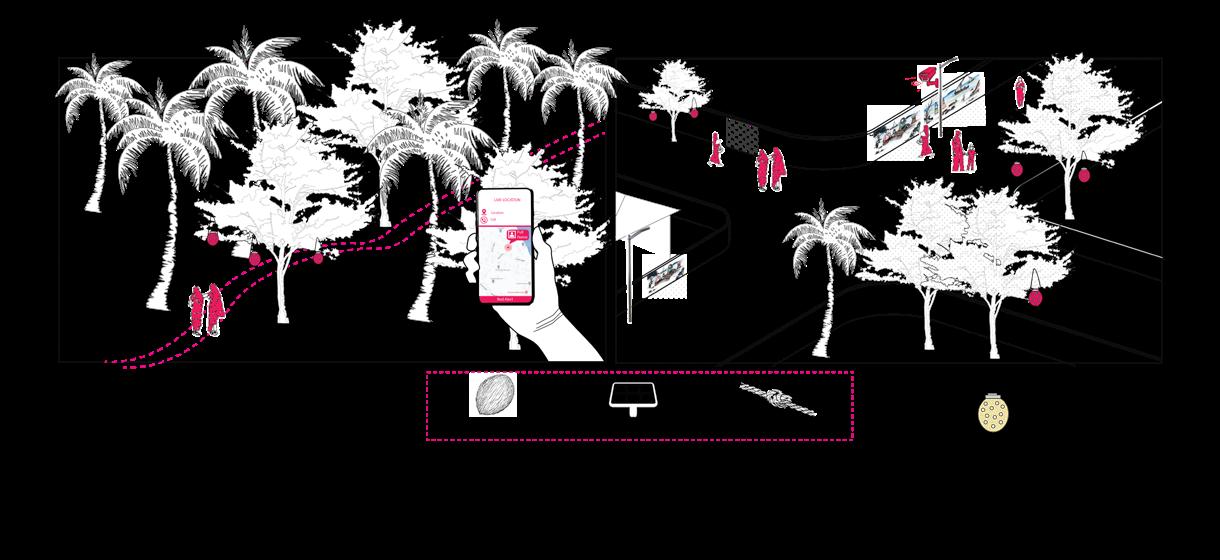
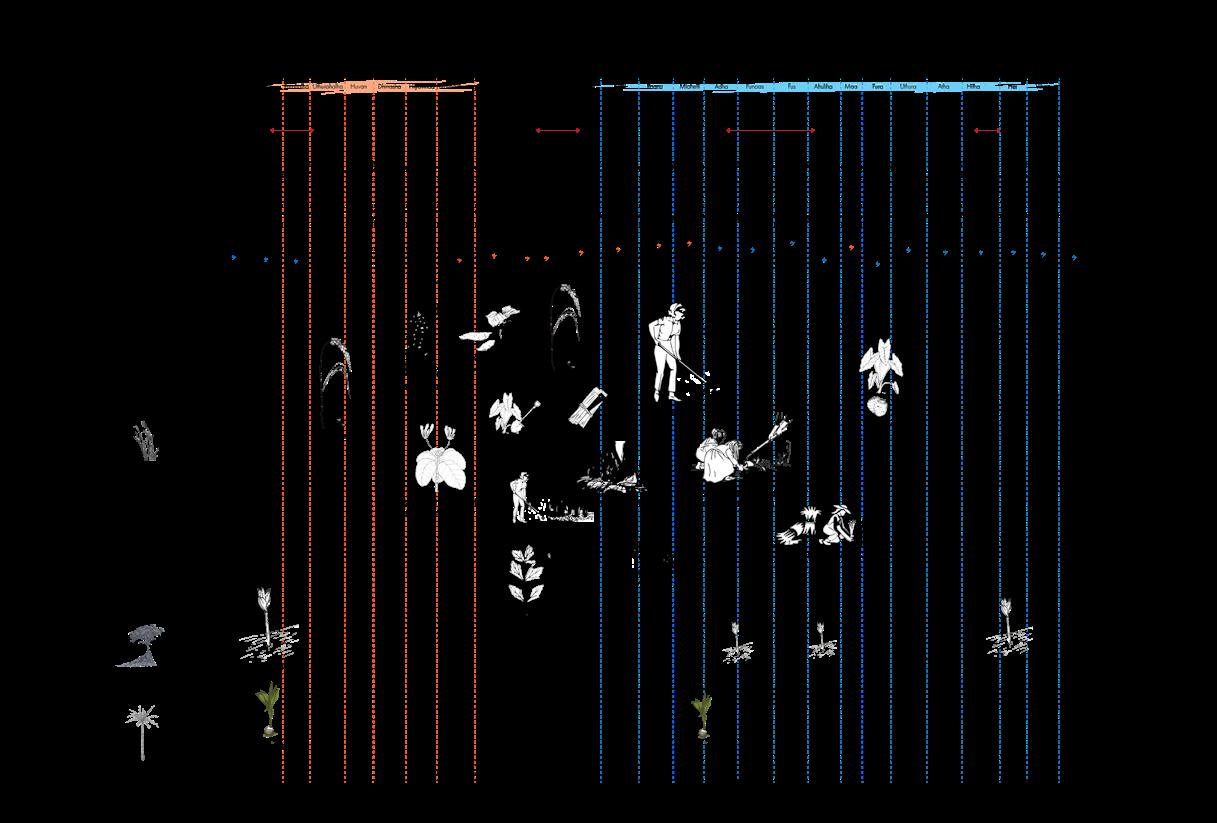
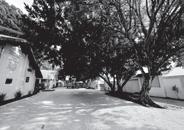
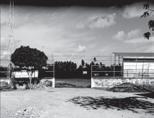
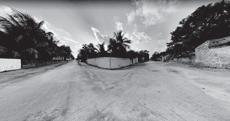
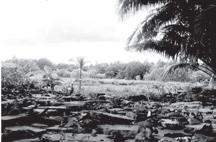
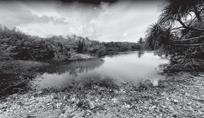
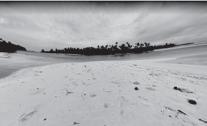
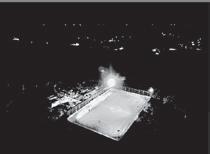
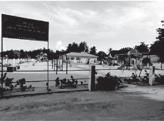
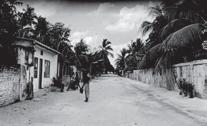
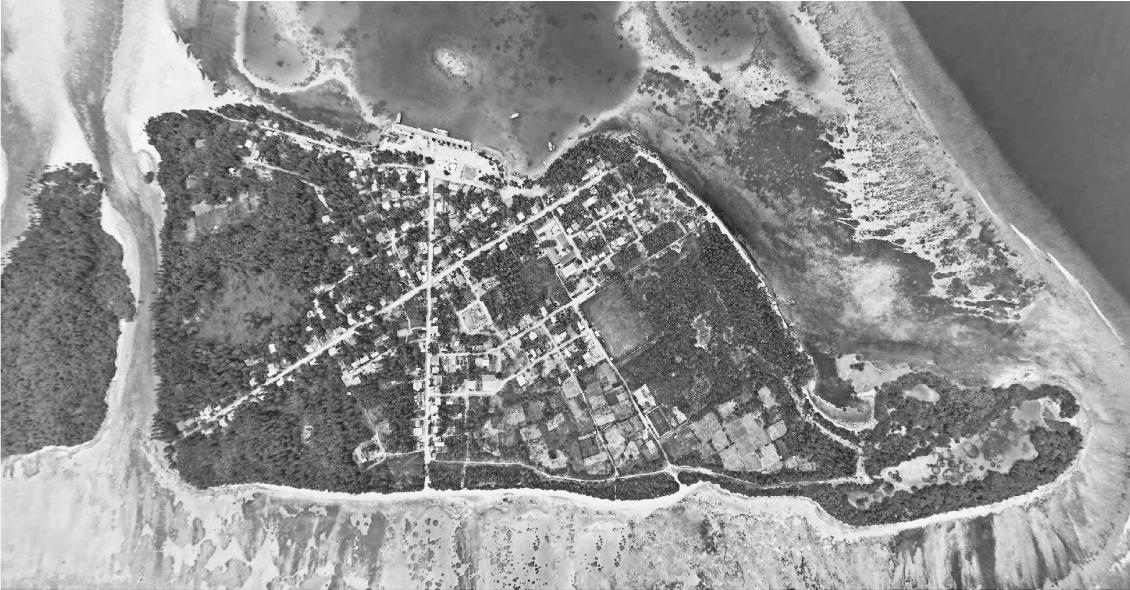
• 24 9m Primary road 1Km. diameter 6m Secondary road 3m Tertiary road Entry access 500m 8 to 10 mins walk 500m:8to10minswalk Religious Destination Mosque Mosque Religious Destination Play area Police Station Town council Local Reeds Agriculture Agriculture Agriculture Football Pitch Stadium Boat building Mangrove School Health-care Coconut plantation and Tropical vegetation Coconut plantation and Tropical vegetation Coconut plantation and Tropical vegetation 5 mins speedboat for 5 km travel 55minsspeedboatfor kmtravel Fiyoaree School 7 am to 12 pm: 6th to 12th graders 12 pm to 5pm: 1st to 5th graders Fiyoaree Football Stadium 12000sq.m. Fiyoaree Football Pitch Mangrove wetlands Children's Park Reed plantation Node Monsoon Calendar - help as a guideline to design sustainably throughout the year. Women’s Participation + Connectivity + Public Space Possible iterations - problem identification with medium of street views
Marketing and Training - create opportunities for selling the products Gathering Space + Workspace Gathering Open space opposite children play area Football field Art class at school Streets and nodes Training Interacting
Network Building
All-In-One Application
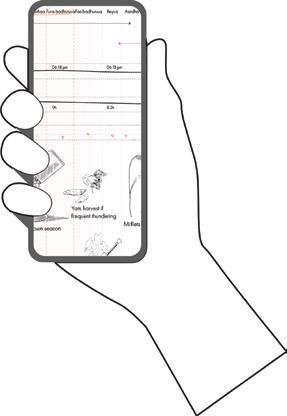
13 hours journey 1min/Km
NE Monsoon SW
Monsoon
-enhence safety -growing tree intenationally -increase local economy -placing local global
-educates -help local groundworking -gathering information & data -connect globally
Alert is sent out to emergency contacts including user’s exact location when you feel unsafe and press the botton.
LOCATING
People from all over the world are able to locate their tree.
Exchange of goods and skills
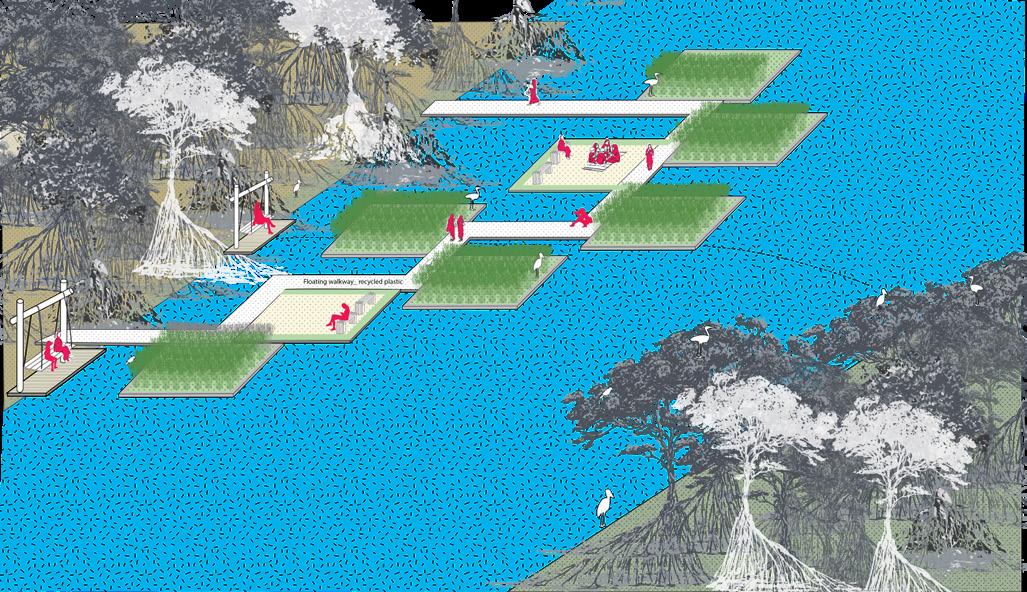
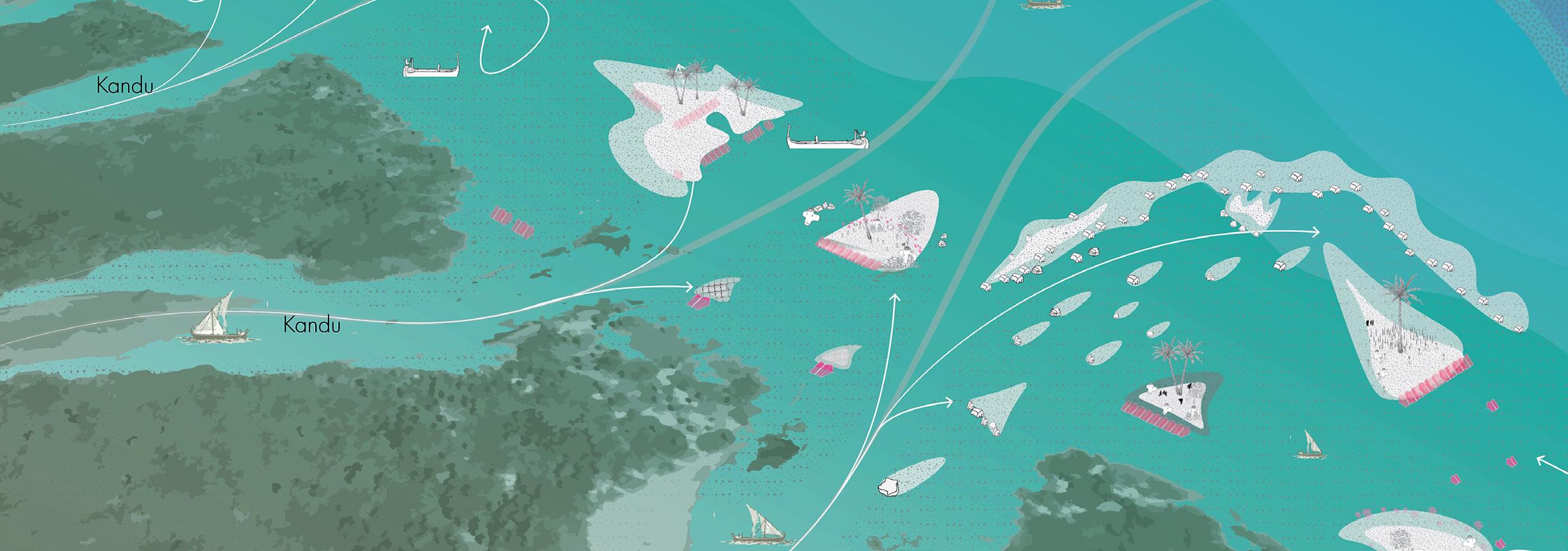
The floating wetland Technique can be further used in similar wetland conditions to accelerate the reed growth and create an environment for ecotourism for nearby resorts. The opportunities of exchanging knowledge by trained women to nearby islands spread cultural awareness to tourists and locals. Network building can also create direct connections between manufacturers and international retailers, airports, and resorts to maximize sales.
Existing resorts
Planned resorts
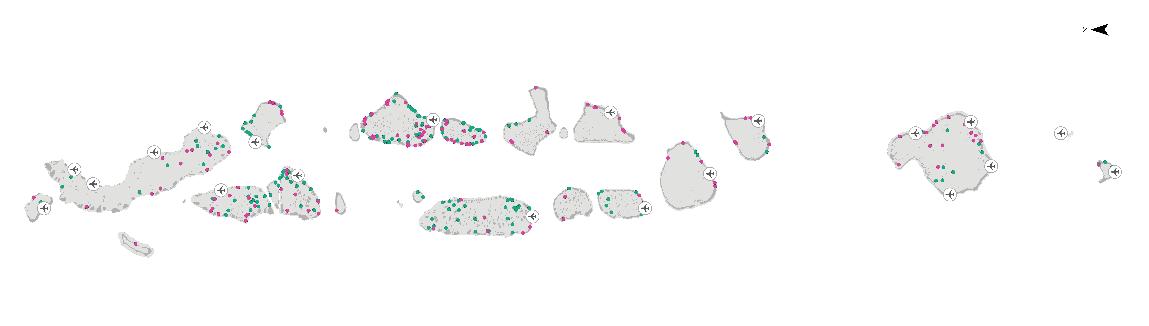
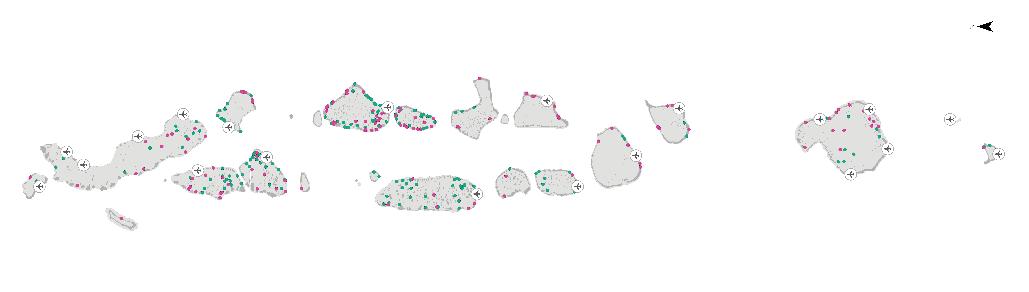
Airport
International shopping could be fiseable from Maldivian women with the help of stockholders. Controller for Toddy Tapping Device Weaving and other culture craft turtorial that help young generation learning, as well as preserve Maldives’ culture
Tapping Device #4 Start
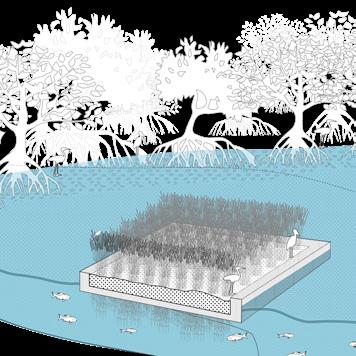
Climate change impact islands with flooding creating a range of issues like affecting reed, agricultural produce, etc. The strategy helps to conserve and produce Hua reeds by proposing a floating wetland technique. It increases the production of reed growth but helps to filter water, attract biodiversity and habitat, and attracts visitors. The floating wetland park floats over not more than 1 m water depth, have restricts the extent of growth. The combination of wetlands with floating pathways and decks made of recycled plastic is proposed for recreational activities.
This initiative allows international participation and empowers everyday people to join the global effort against climate change. People can track and locate their trees through their phones and visit their trees when they travel to Maldives.
25 • • 26 Battery Refrigerated Storage Tank Vacuum Extractor Tapping Device #4 Start
Thundu
CRAFT TUTORIAL
Kunaa
TREE
C
INTERNATIONAL
REMOTE TREE
You tree has a BarkCode that allow you to see and track your tree status over time SAFETY
SAFETY
SHOPPING
TRACKING
LOCATION CALL
International Participation Reforestation
Islands suitable for floating wetlands (existing mangroves)
Islands with weavers artists
Reed growth and Eco-Tourism
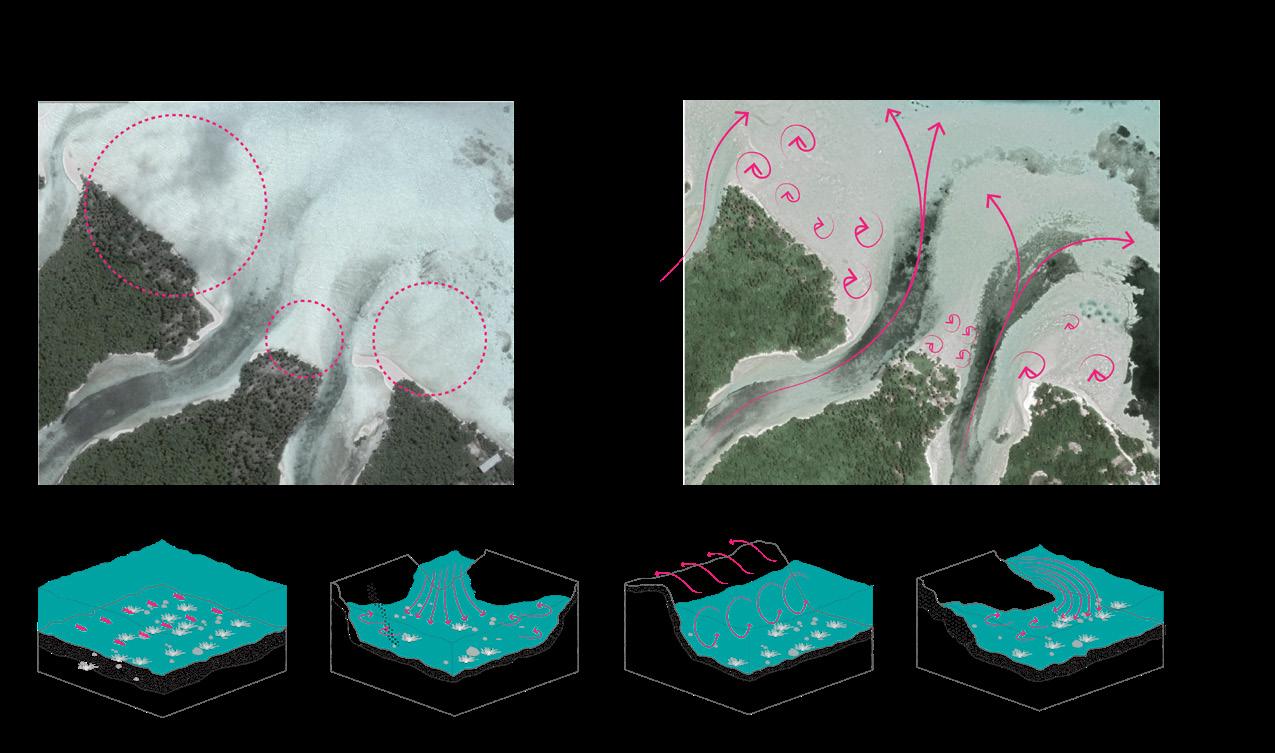
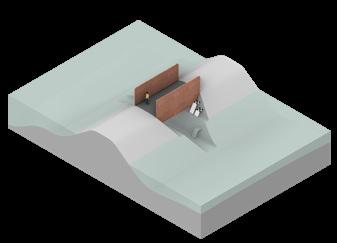
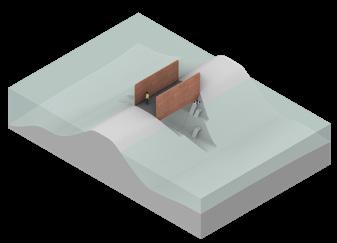
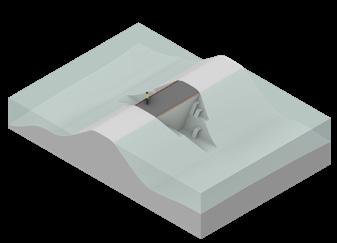
Sandbanks are formed overtime because of sand shifting events like channel effect, ramp effect and wrap around effect. These effect constantly shape the island shapes and can be potential for future expansion
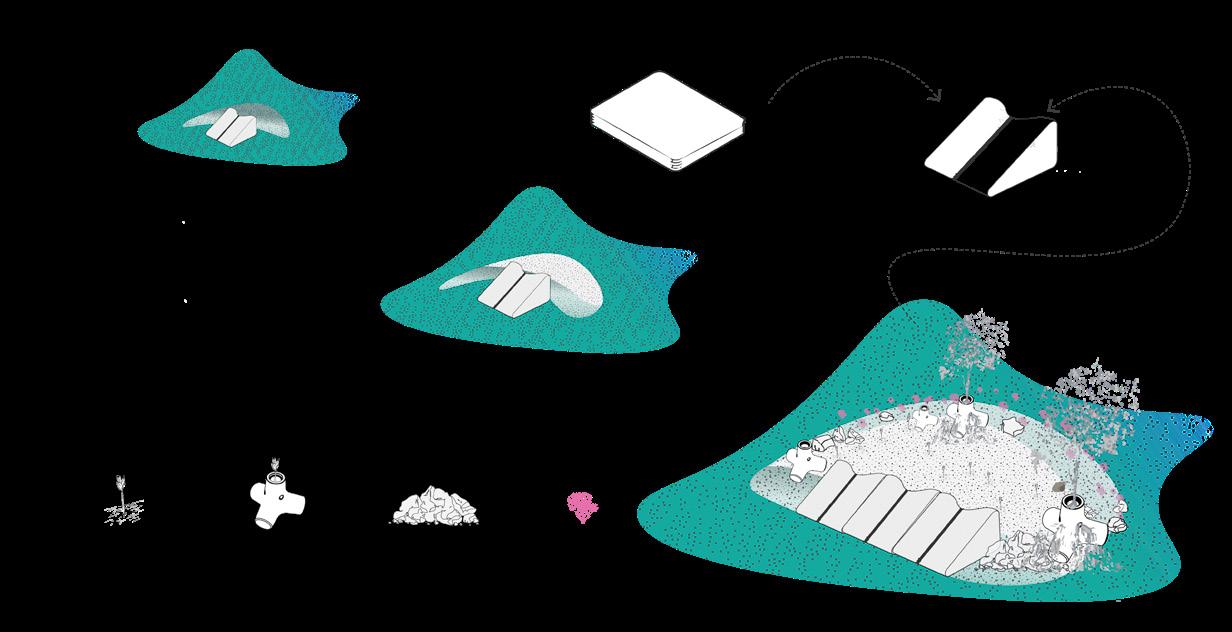
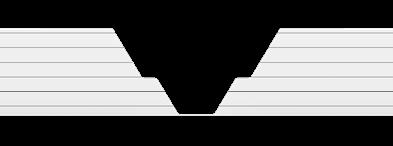
Inspiraed by a project of MIT Lab. The accumulation of sand is done by using a ramp that is partially submerged in the water; when its placed strategically, water passes over the ramp to create turbulence at the base. Over time, sand is accumulated a small distance away from the ramp.
Locals test the idea of sand shifting to grow the islands which can be used for coconut planting, and mangrove plantation, creating cultural hubs by attracting tourists to engage with locals and can help to tackle climate change.
2004 2021
Channel effect Sheer stress effect Ramp effect Wrap around effect
Land Growing
Sand Shifting Process
Sand Shifting Technique - a sustainable method to rebuild beaches and protect coastlines through wave energy.
Flux Lab
Climate
change adaptive technologies design research, Hudson River Estuary, NY
Fall 2022 Individual Project
Instructors:
Joshua Frank Cerra
“The Hudson River estuary is remarkably scenic and biodiverse. From the Federal Dam at Troy north of Albany to the Atlantic Ocean at New York City, this river is tidally influenced. Daily the river switches from downstream flows to upstream currents twice a day, while subject to hurricane surge and storm impacts from the local watersheds that drain to it.
Through an investigation of the Hudson River Estuary at scale, we can begin to understand which landscapes can serve as (current and future) ecological strongholds, while others provide the connective tissue linking many other wetland types up and down this 150 mile corridor. As these places transition with climate change, we can then orchestrate new relationships to assist the landscape in transitioning the diverse community unities of people and place that make up this region.” (Cerra)
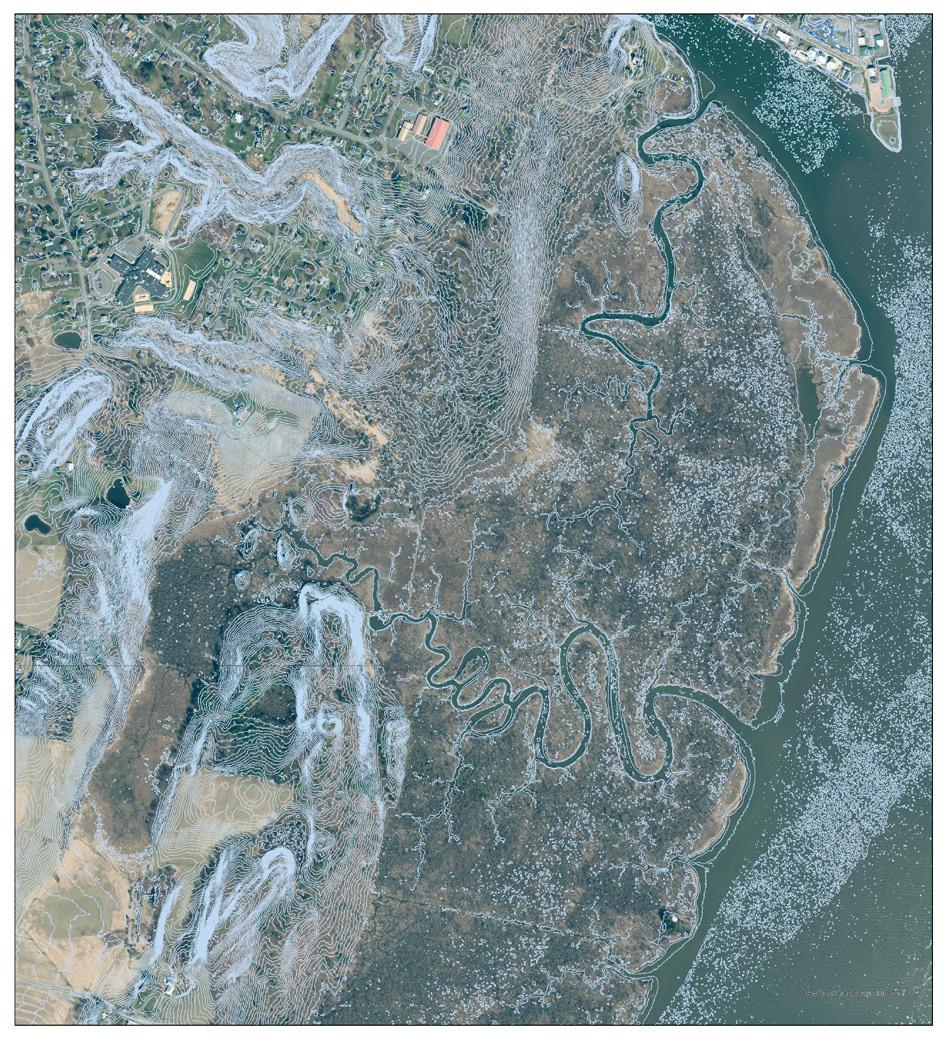
Ramshorn Livingston Sanctuary is defined as the layering of sedimentation, erosion, tidal fluctuation, plant growth, and animal migration. The complex interaction of these processes results in a site that in a constant state of flux.
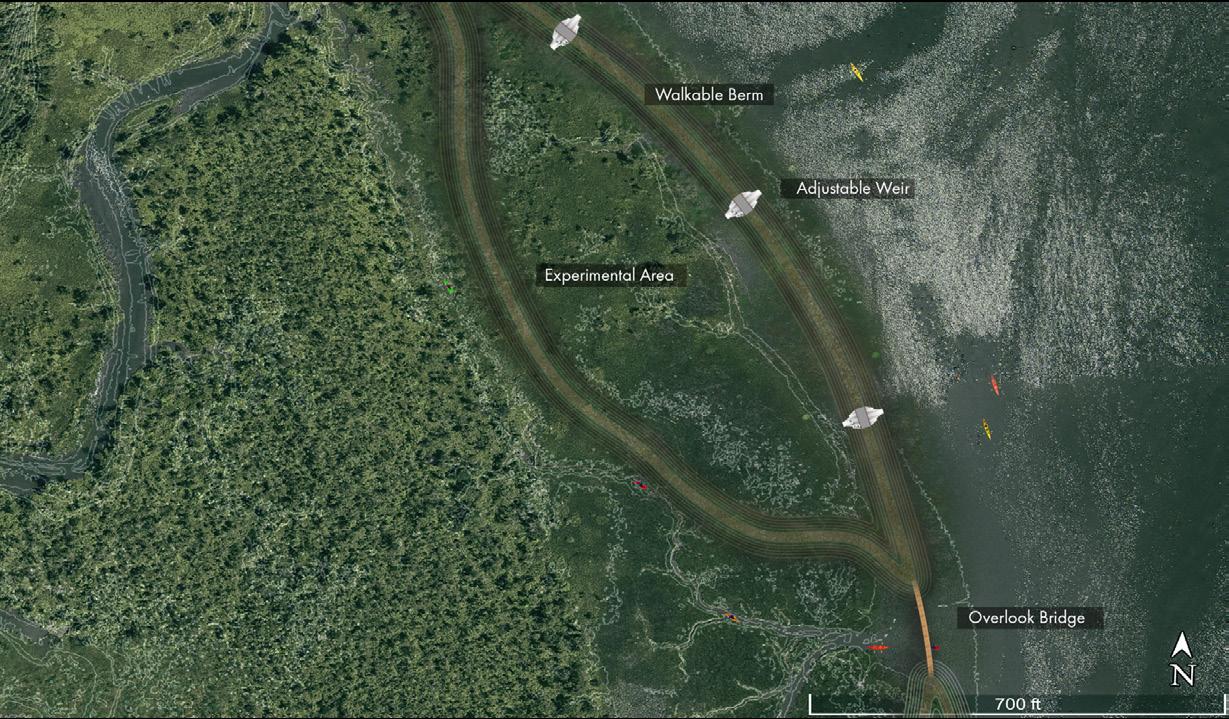
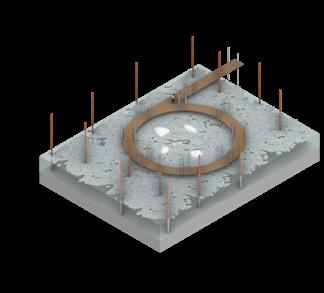
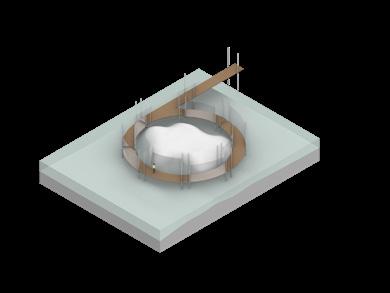
This project investigates new methods for designing tidal systems using architecture tools to maximize ecological processes. The intention is to test the idea of accelerating sediment accretion to pace up the rate of sea-level rise. Meanwhile, responsive datums deliver didactic dialogues and connection between ecological processes and human use.
29 • • 30
03
Phragmites

Environemntal
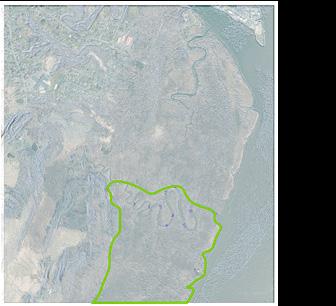
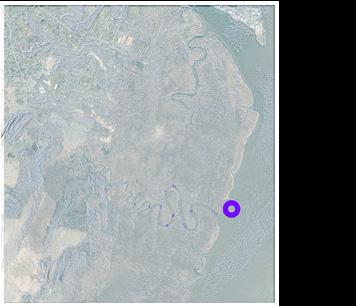
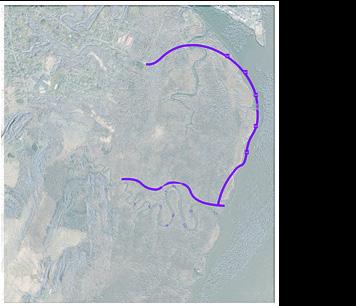
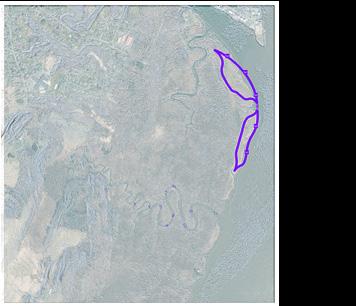
33 • • 34
slower
Existing Process
human
Response Interpretive Datum minimize erosion maximize sediment trapping bioturbation -fiddler crab creates surface roughness. However, introduce only when salinity reach 1.01 and 1.08 specific gravity. -Tidal responsive walkway -Walkable ecological berm -Tidal responsive walkway -Walkable ecological berm -Tree pilings -All of left -Tidal/Accretion Lab -Tidal responsive walkway -Walkable ecological berm didactical
ebb
Concept
activities invasive species
ice
auto
Net Vertical Accretion ice
sea
tidal
flooding
n o G
+ + + + +
-
-
-+ + + + + + + +Adapting climate change + + +/+/+ + + + + biodiversity
climate
local
tidal
seasonal
1.97 acres 0.74 acres 0.74 acres 0.1 acres +121296
+140392
Area1 - Highly experimental. Area2 - Less invasive, less management. Area3 - Diorama Area4 -
Legend Kiosk Test areas
habitat loss biologic production natural waves shoreline erosion (wave energy) Depositional Process velocity innudation time vegetation growth suspended sediments
rafting
compaction
shearing wind speed boat wakes Cattail monoculture Increase of co₂ global warning high marsh habitat
level rise
cycle storms
-
Force
-
-
-
loss
change
erosion
variables
effects
ft³ -261688ft³
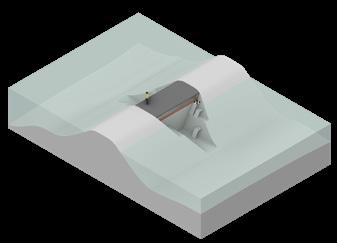
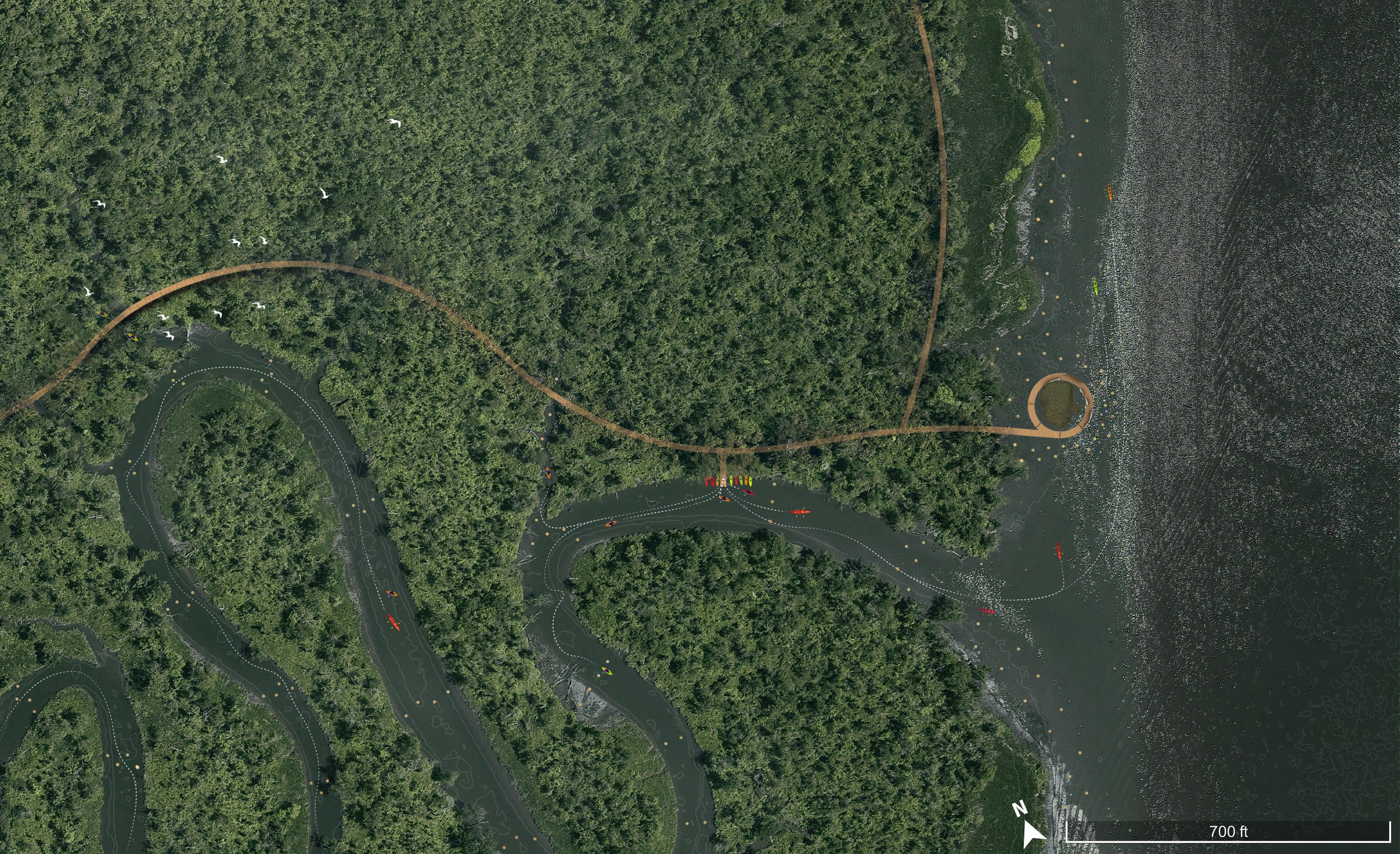
ft³ Existing Proposed Phragmites Zone Tidal Responsive Walkway Walkable Ecological Berm Forest Walk Birding Skywalk Tidal/Accretion Lab Viewpoint Information Kiosk Kayak Launch Adjustable weir
Untouched area Cut Fill Recycled tree pilings
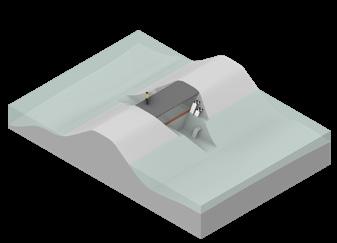
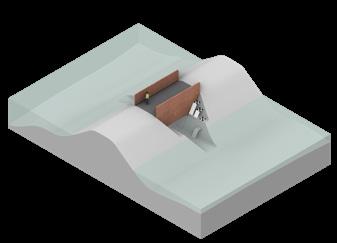
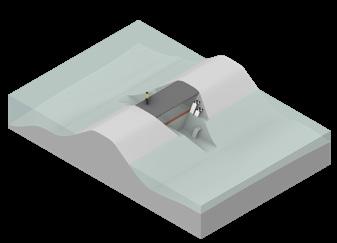
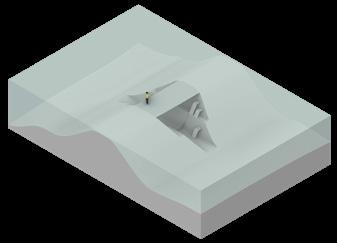
Adjustable weir during flooding events
Daily tidal flooding
-The weir will not be constraining flow on daily tides because there is roughness in my marsh with vegetation that can help slow the water and catch sediments.
-It will go slower down the daily tides. About 10-20 mins daily. It may not be something. But It adds up to be something over the years.
-The weir controls floor events to allow more time to deposit sediments in the water.
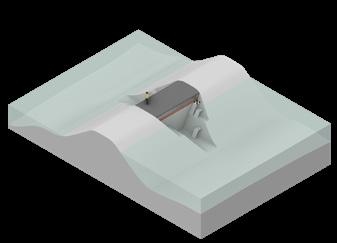
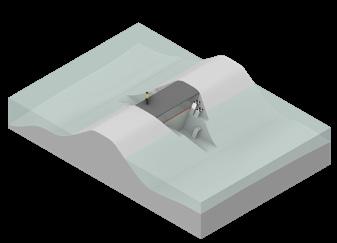
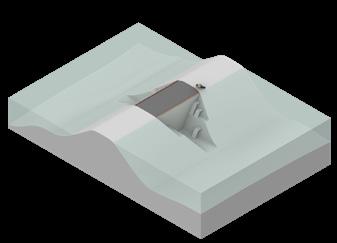
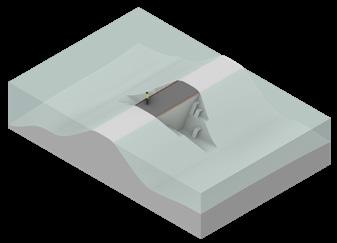
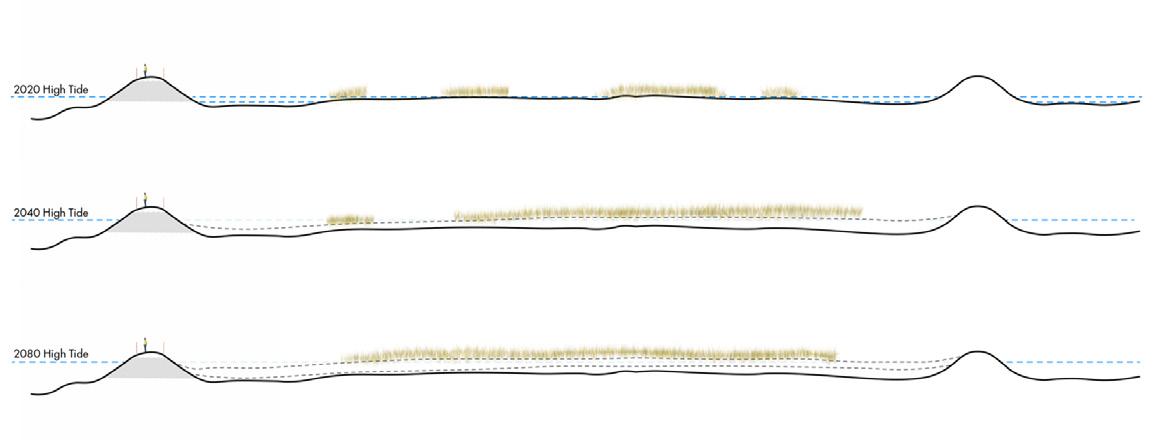
-According to Hudson River National estuarine research reserve, an area like railroad causeways along the shoreline, the accretion rates two to three times the rate of relative SLR. Generally, gain sediment and elevation at a rate similar to SLR. In addition, we are capturing the sediments from flooding events.
https://nerrssciencecollaborative.org/resource/rapid-tidal-marsh-growth-hudson-river-due-shoreline-modifications
5, 10-year flooding (1-2 ft) Block
Retain
20, 50-year flooding (4-7ft) Block
100-year flooding (7-10 ft)
Block
Retain Retain
Check turbidity
Release accordingly
Set in one angle to reflect sunlight, easy to read Function as stairs for maintenance
35 • • 36
12’
5’ 7’
558
203cfs AREA 1 - Highly Experimental
Forecast future land for high marsh habitat Berm & weir – measurements & water flow velocity (2ft contour)
45’ 10’
Daily tides Walkway Ecological slope Ecological slope Flood events
cfs
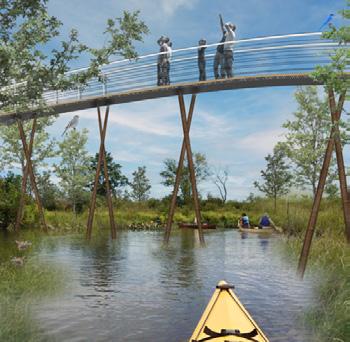
37 • • 38
Tidal Responsive Wakway Launch Dock AREA 2
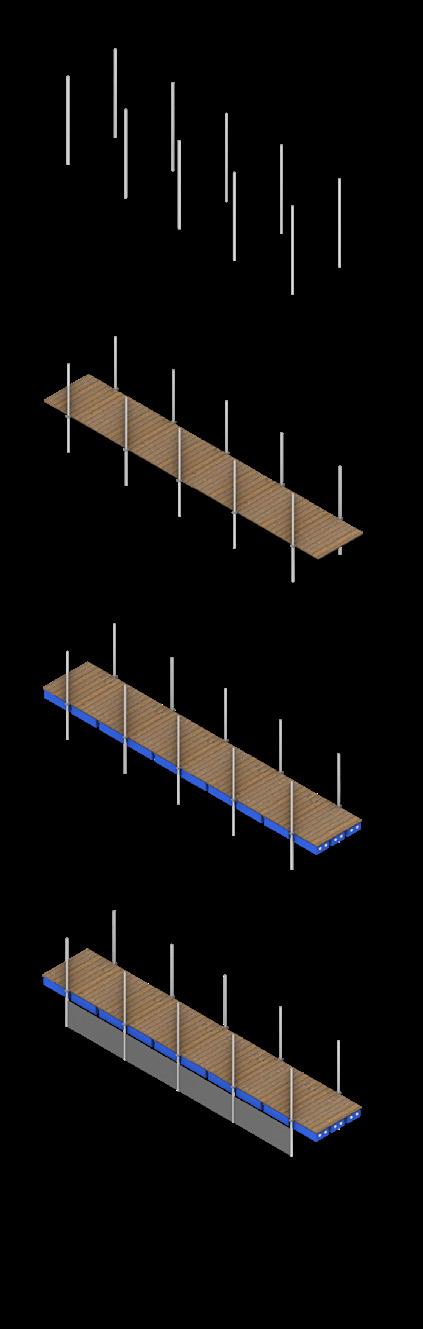
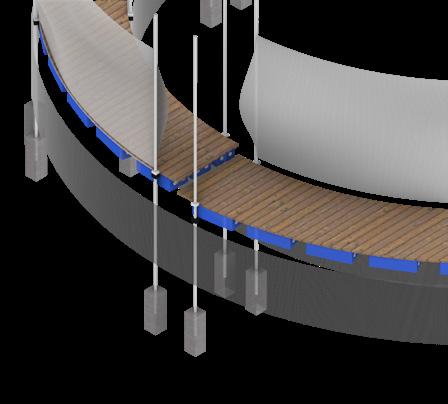
Management Accretion Lab Tree Pilings Carbon Steel Pole Wood Plank Plastic Floating Barrel Sediment Curtain/ Geotextile fabrics Tidal responsive walkway assembly
Bird Skywalk
- Less Invasive, Less
Walkway responds vertically to changing water level
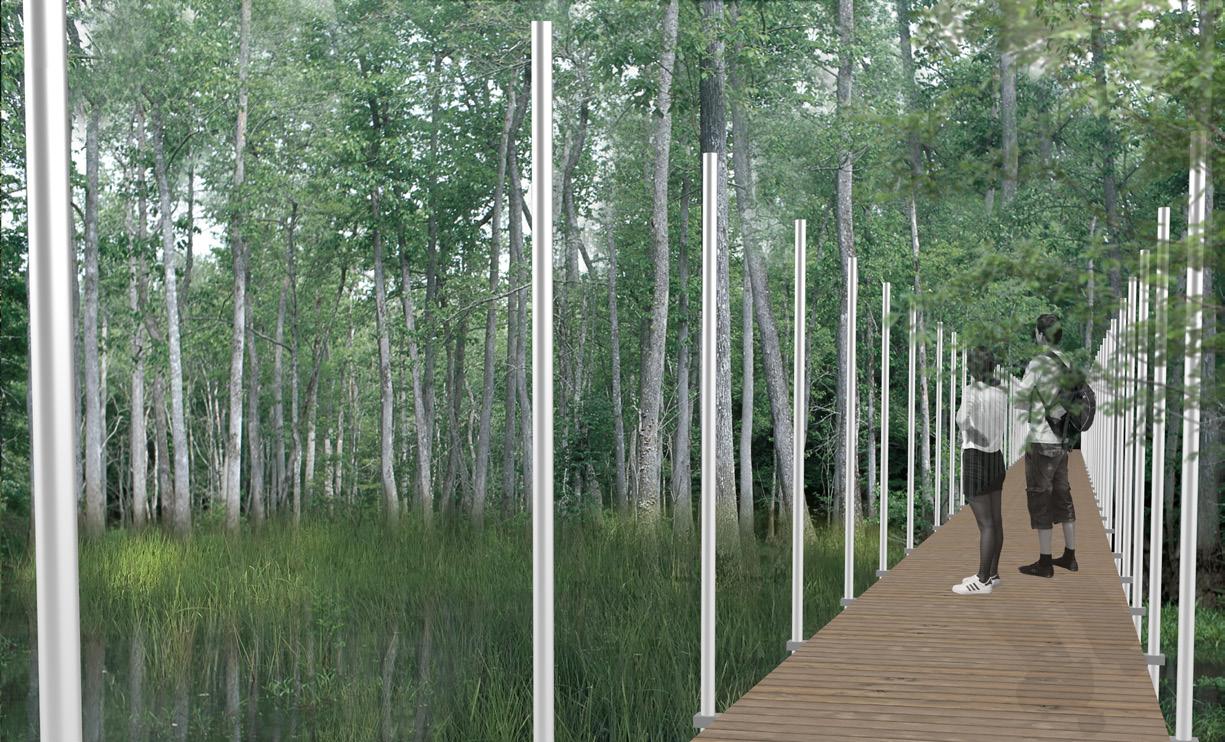
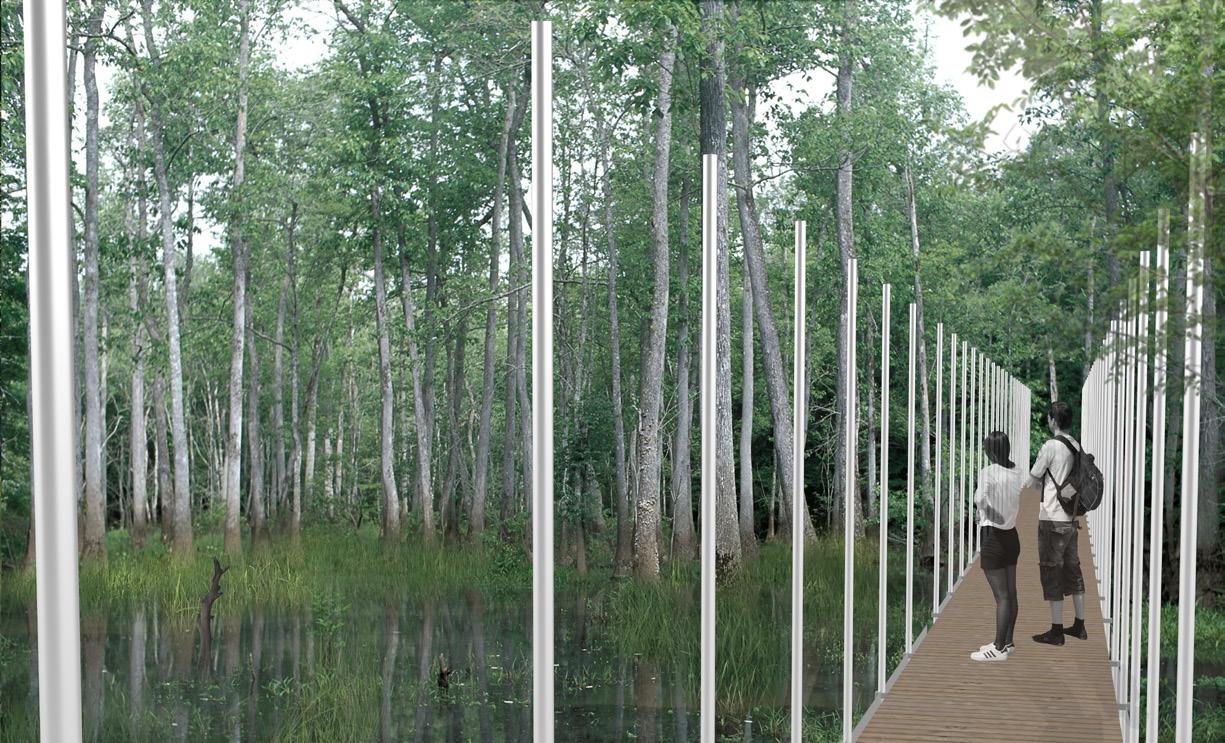
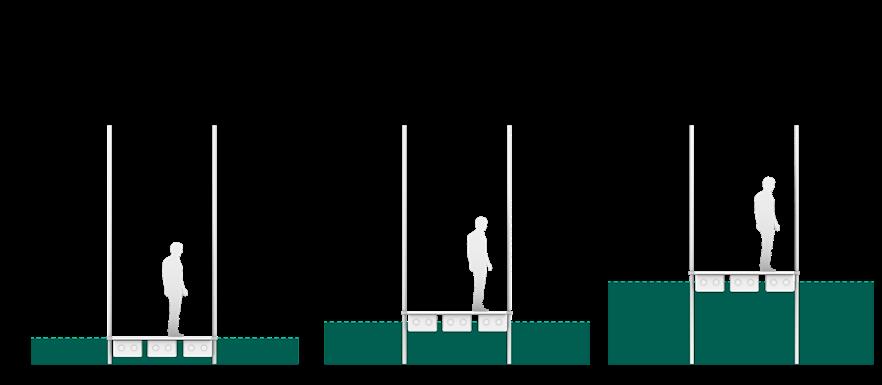
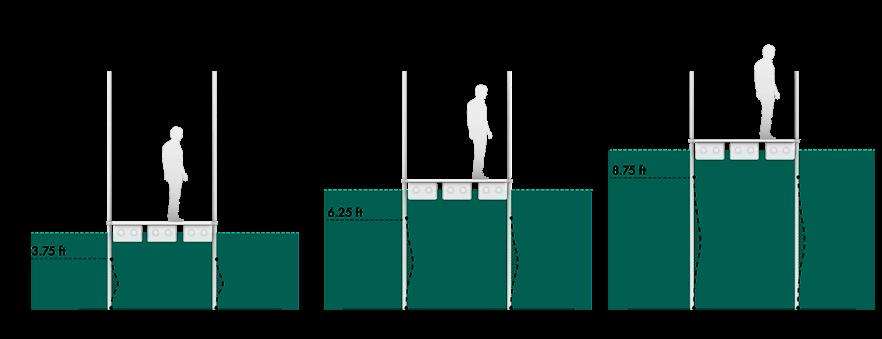
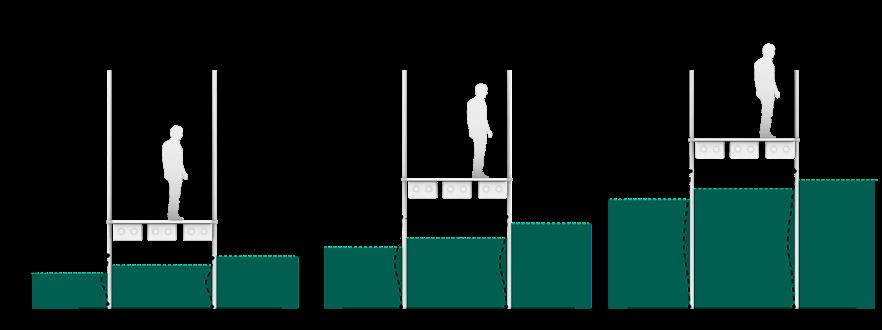
Sediment harvest - flooding
-The sediment curtain is set below the high tide water level to allow water into the site.
-Adjust the sediment curtain over time as the sea-level rise to harvest suspended sediments in water accordingly
Sediment harvest - ebbing
-During ebbing, the sediment curtain slows down water and harvests sediment to deposit.
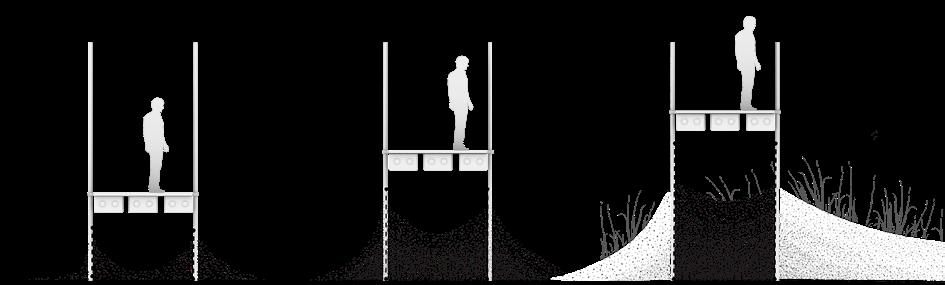
Sediment curtain - berms creation over
-Berms are created over time to provide habitat for the marsh -Berms will retain the water in the area, slowing water down and allowing more time for sedimentation.
-The structure will stabilize over time to adapt to SLR.
time
39 • Daily
–
Tides
flexibility to water force
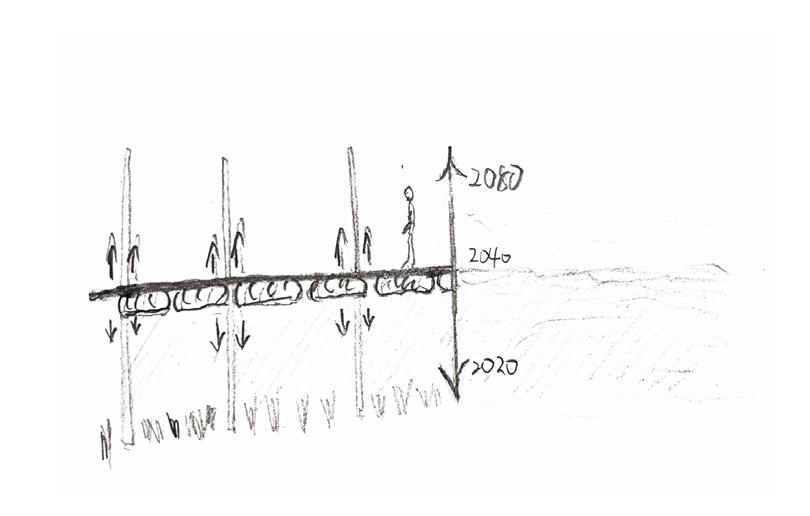
2020 Mean
2020 2020 High Tide
Tide
Low Tide 2040 Mean Tide 2040 2040 High Tide Mean Tide 2080 Mean Tide 2080 2080 High Tide High Tide 2020 high tide 2040 high tide
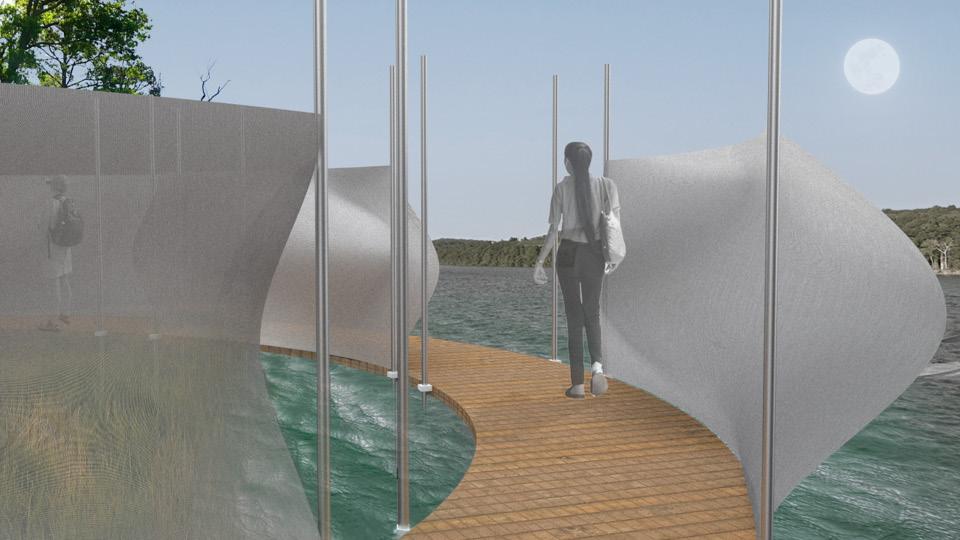
Giving form to tidal fluctuation and wind formation
Low tide – six level - straightened
Mean tide – three level – some suspended
High tide – two level - mostly suspended
Spring tide (Full Moon) – one level – suspended & rise
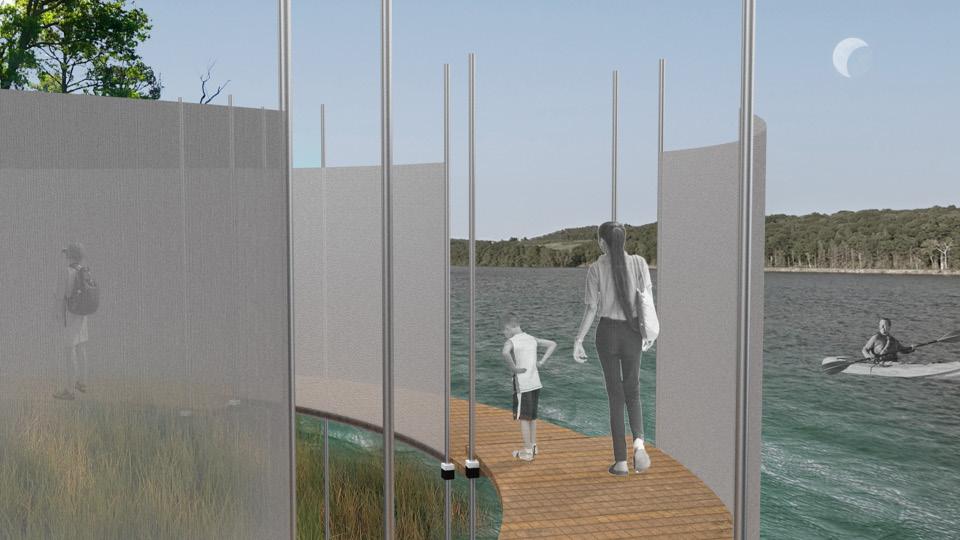
Giving form to moon motion
Low tide – fragmental
Mean tide – half fragmental
High tide – two level - mostly suspended
Spring tide (full moon) – complete
Low tide
Mean tide
High tide
Spring tide (full moon)
2020 low tide
2020 spring tide
Sediment Curtain
Rolling Connection
Wood Plank Plastic Floating Barrel
Carbon Steel Pole
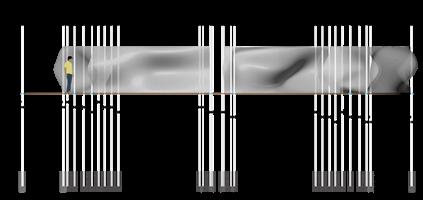
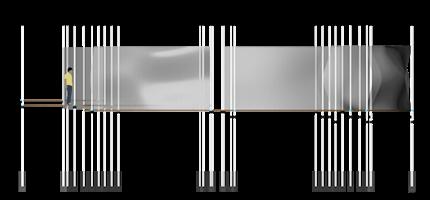
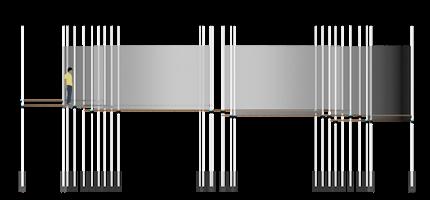
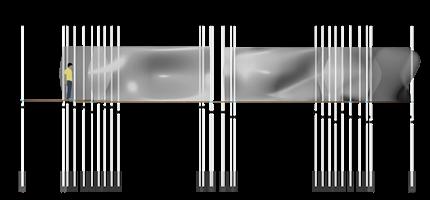
Drapery Pinned Connection Concrete Foundation
Diorama – marsh habitat ratio of 6-2-2
Note:
-The accretion function as a diorama of both my idea and site.
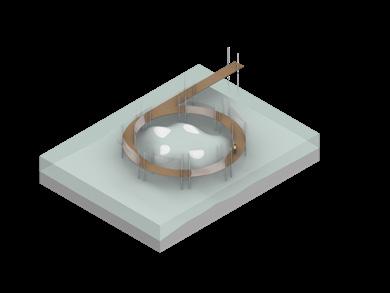
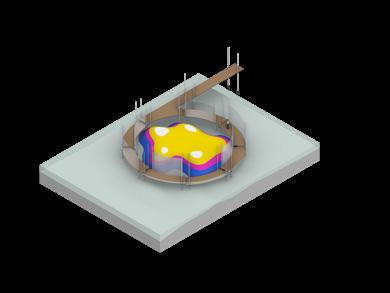
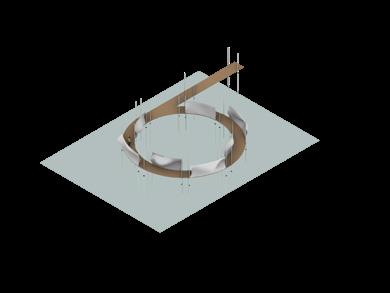
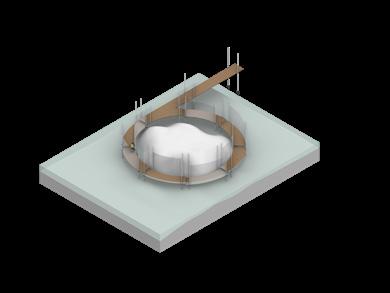
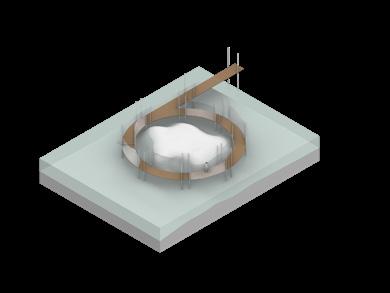
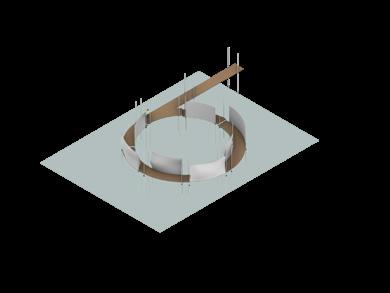
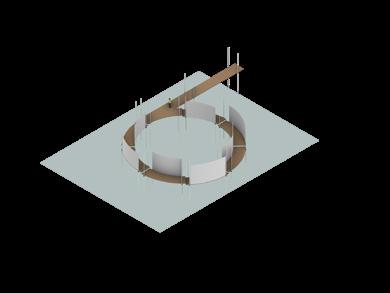
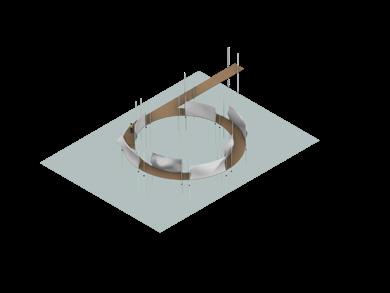
-The pilings prevent floatage in the river hit the structure in the open water. It also avoids shearing ice or moving during winter.
-It serves a didactic purpose, marking both tidal fluctuations as well as sea-level rise.
-The pinned connection should be set above the daily tidal range to avoid destruction caused by the frozen river.
Diorama AREA 3 - Accretion/Tidal Lab
Accretion lab Assembly
winter
other seasons
Take Off
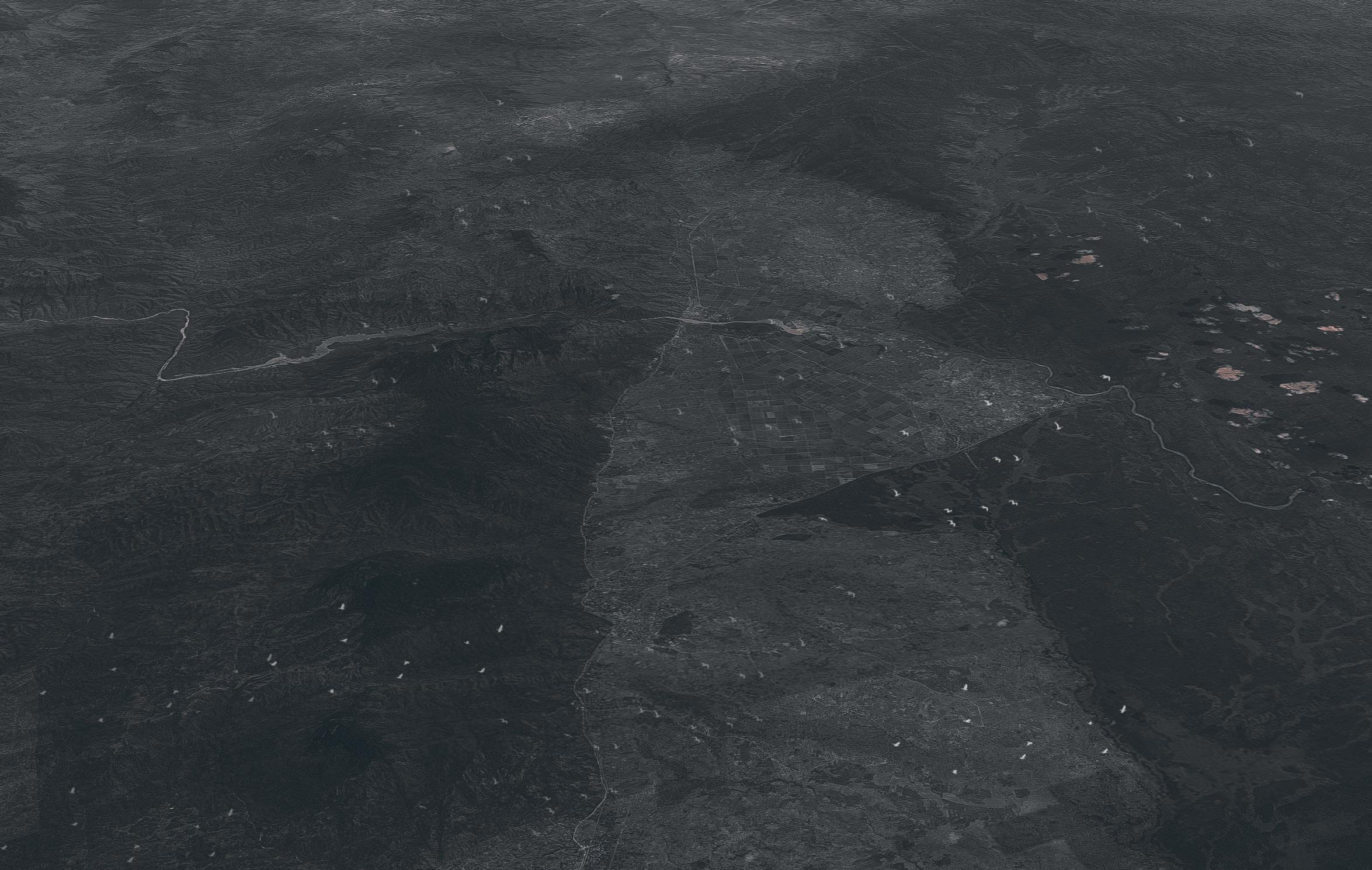
A canopy walkway to educate and raise people’s awareness of the importance of natural reserve, Magombera Nature Reserve, Tanzania
Fall 2020 Individual Project Instructors:
Larry Gorenflo
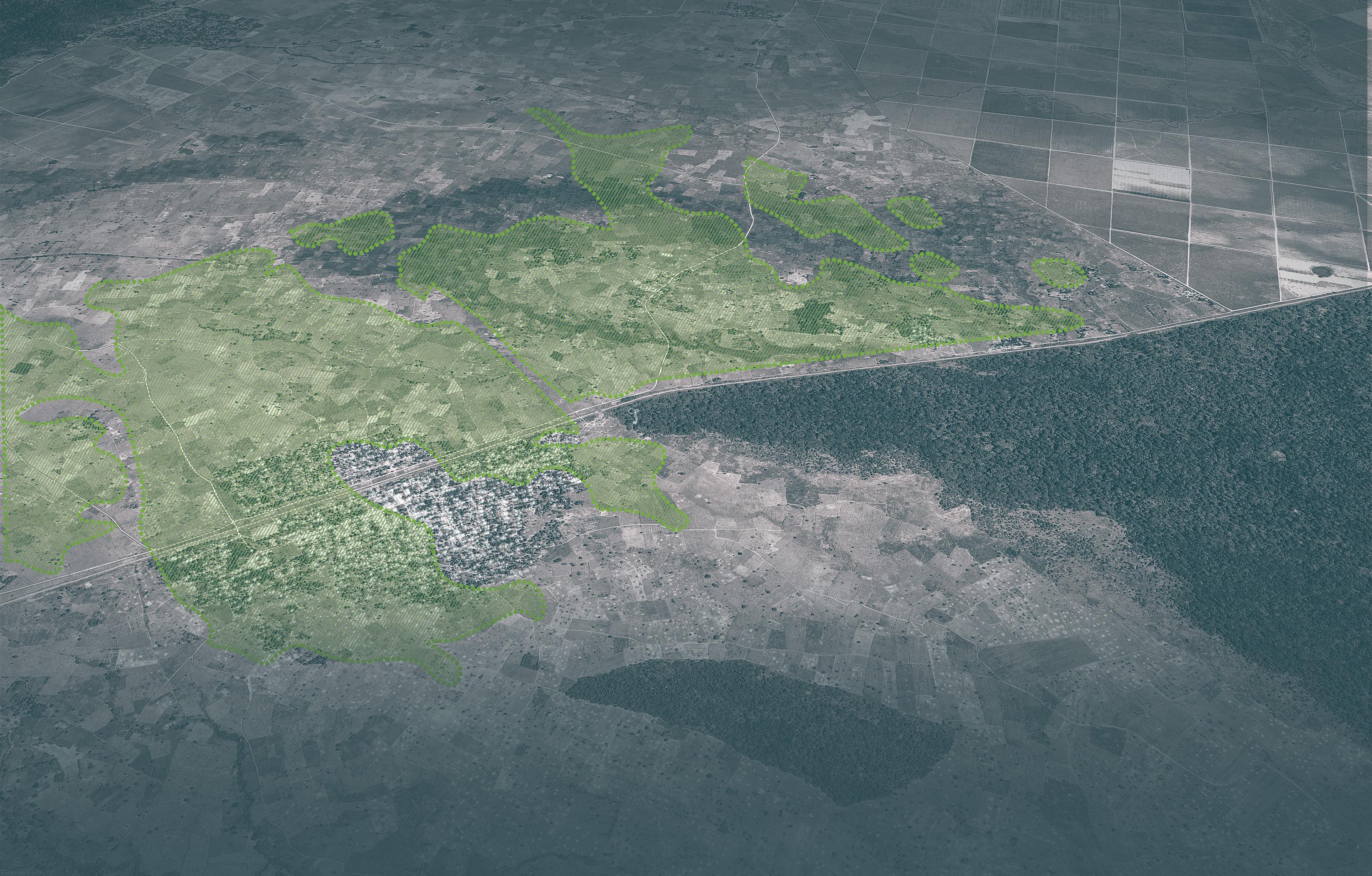
The Magombera Nature Reserve was created to preserve the unique lowland forest in central Tanzania and sustain the nexus between two prominent national parks. There is a swelling population of communities residing in villages alongside Magombera Forest Reserve. Most people in the surrounding villages are a substantial proportion of migrants, who were drawn to the region by the rich lowland soil and agricultural opportunity. Social and economic aspects of life are both reliant on natural resources and are marketdriven. Villagers perceive their neighboring natural environment as being a source of tangible capital. The level of immediate dependency on communities’ environment from all of the neighboring villages is profoundly notable. There is a significant demand for widespread environmental awareness so that people are more aware of their impacts on the surrounding land, especially being next to such an important ecological area.
Moreover, the Magombera Nature Reserve is home to many rare and endemic species. However, there is currently no infrastructure within the forest to allow humans to interact with the species there safely. The lack of tourism in the area and the need for more economic opportunities allow for a forest design opportunity. How can we execute tourism properly without disturbing the organisms’ habits to reach a high tourist flow to stimulate the economy?
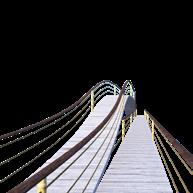
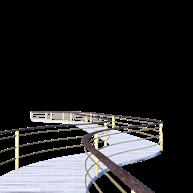
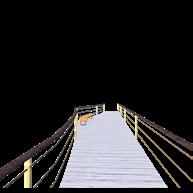
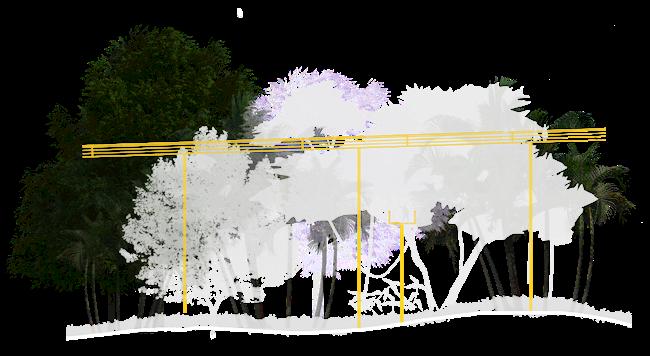
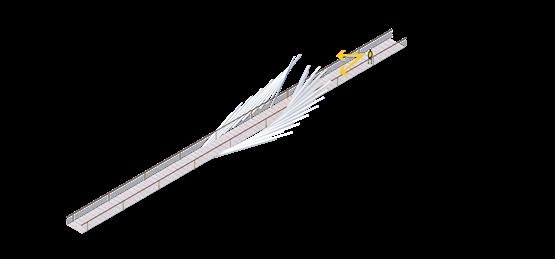
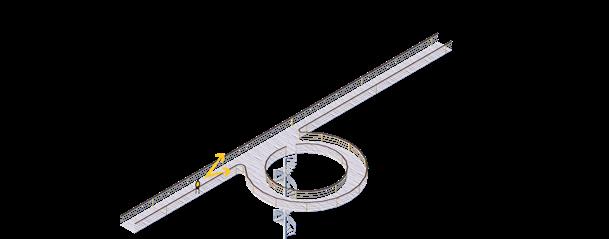
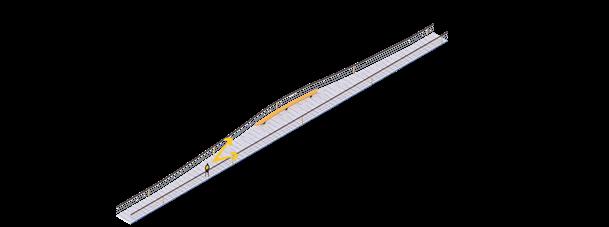
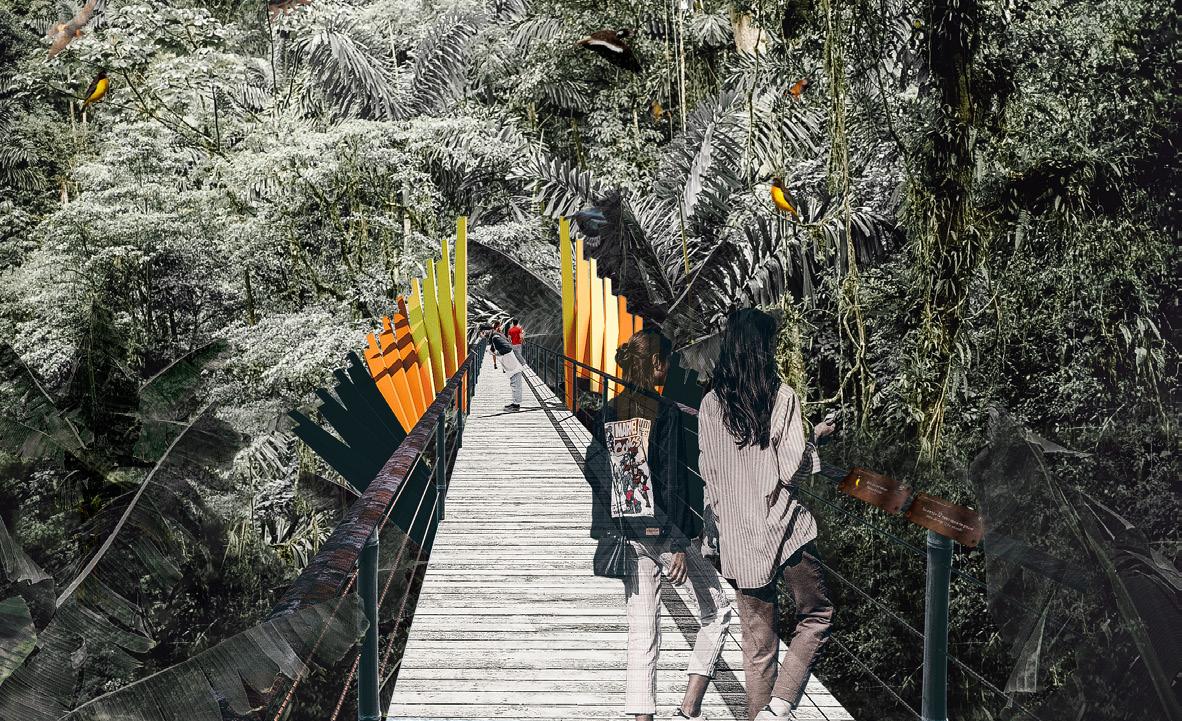
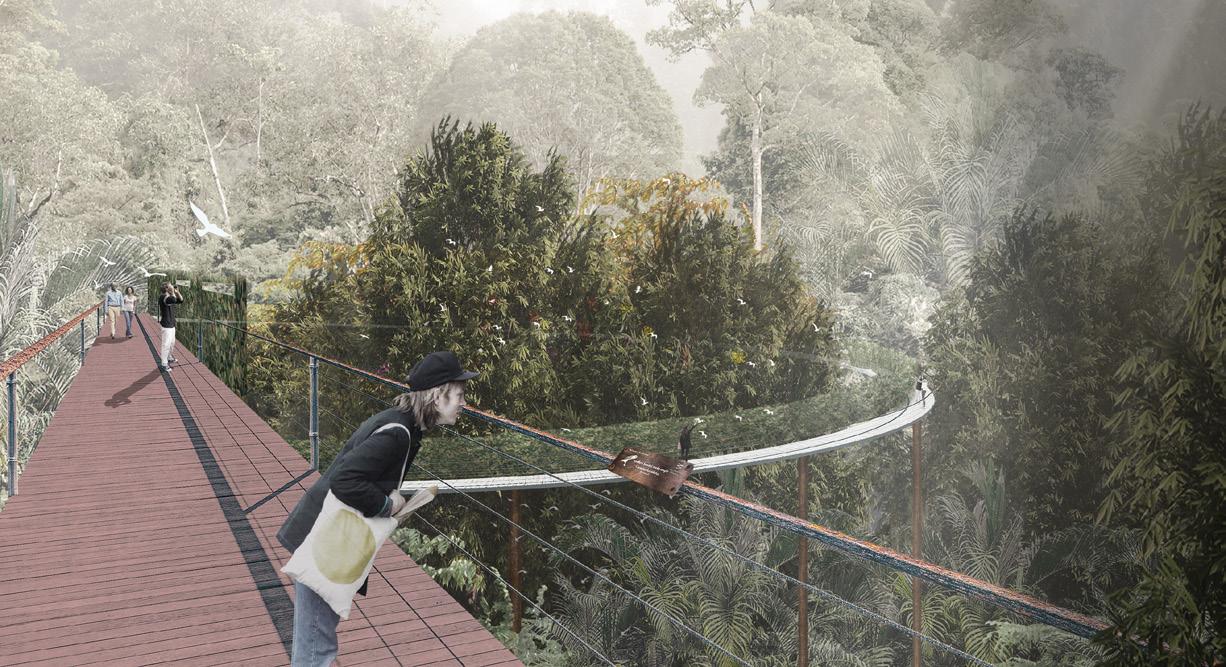
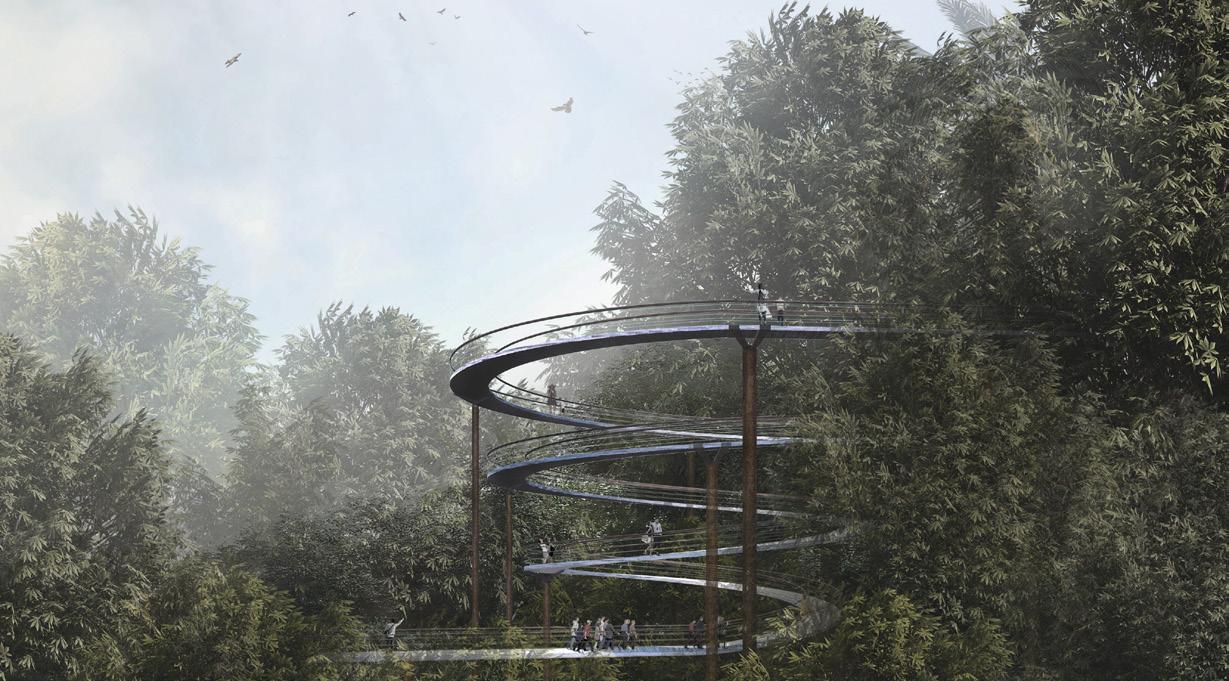
A canopy walkway takes people up to 20 meters that focus on various species in different elevations. The birds’ flighting patterns inspired me; I integrate six flighting patterns into the walkway; each has unique experiences and activities for different groups that tell the story of the local fauna and forest qualities. My goal is to use forest resources to raise people’s awareness of the importance of natural reserves. Meanwhile, increase job opportunities and wage-earning and improve the economy for the widespread poverty in this region.

43 • • 44
04








45 • • 46 KILOMBERO VILLAGE SITE Deforestation Concern Disappeared Forest Income Difficulty Village Seasonal Income Concern Unbalanced Ecosystem - deforestation influence local community and ecology longterm benefits 1955 (17.23 km²) 2006 (10.34 km²) 59% forest lost LackoffoodPooreconomyLackofincomeHighcostoflivingWaitingforharvestsNobusinessoppLackofwater ToomuchrainLackofaccesstohealthservice Human/animal/Disease Lackoftransportation Month/ season F M A M J A S O N D Income generating activities Agriculture, Small business (Local brew, Kiosks Labors Livestock keeping) Livestock keeping, labor trading forest product-timber, firewood, small business. Livestock keeping, farming small business Income -Bad Months Low incomes, supplies running out, farm work increase Supplies low Income Good Months Good income is available from farming, fishing and small business Expenditure High Increased living costs Living costs Expenditure Low Reduced living costs Seasonal opportunities Good period for rains and farming season, small business, piecemeal, labor Market good months The buyers come to the village to buy crops Market bad months Market is bad all year; buyers decide to buy crops at the price the price they wish too. They buy crops at a low price during harvest and sell at higher prices in bad months. Biodiversity Hotspot MAGOMBERA NATURE RESERVE MAGOMBERA NATURE RESERVE Tourism Opportunity Problemwithwildlife Other Biodiversity hotspot 284% growth rate of $1.13B 730% growth rate of 945,000 visitors Tourism is 47% of economy in Tanzania 0.2M 0.4M 0.6M 0.8M 1M 1.2M 1000M 200M 20 40 60 80 100 20% Endemic indigenous mammals 31% Endemic species of indigenous plants 7.7% Endemic species of indigenous birds 100 2350 100 2013 2013 1990 1990 150,000 $615M 1,095,000 1.75B


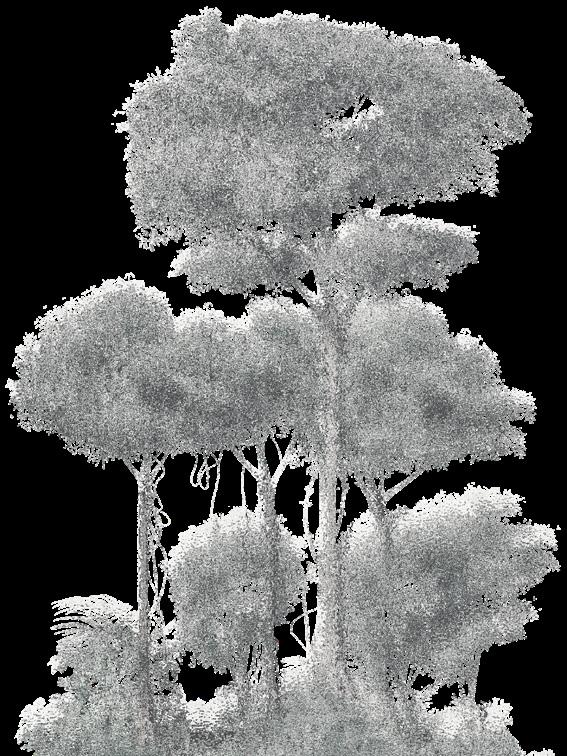





47 • • 48 Seeds, berries, fruit Seeds, berries, fruit, insects, larvae Small mammals, fish, reptiles, and amphibians. Endangered Vulnerable Near threatened Least concern Not evaluated Insects, larvae, invertebrates Small mammals, insects, larvae, invertebrates Key Local Species Bird species Magombero NR Species Complexity in Height +Accessible by two major roads -Sound Elevation increase on the forest edge Elevation relative gentle in the forest Topography Circulation Neighborhood Views Slope Hill shade Difficult for construction Opportunities for interesting view and vista Hilly topography +Accessible to surrounding communities +Tourism can create jobs for local residents +North view: Large agriculture land +South view: Crop land +East view: Forest wetland +West view: Udzungwa National Park & Village view Site Condition - opportunities for tourism Forest floor Emergent (25-35m) Canopy (10-25m) Understory (<10m) Biodiversity Hot spot WWF Tanzania Program Office. Direct impacts Surrounding Villages OutreachPrograms Business(Maintenance,construction,engagement,etc.) Opportunities (Birdfluent,localitems,etc.) Restrictions Monitoring Cross Cultural Respect Economic Social Benefits Wage (household) Tourism Sector (restaurant...) Other Sector (food, souvenirs Prod.) Indirect Impacts Magombera Nature Reserve Raised Awareness for Environmental Protection as Indigenous Timber (fuel) Charcoal Tree (Removal) Deadwood Picking Cutting Rely on Natural Resources Disturb the nutrient cycling Lack of Awareness Ecological destruction Sugar Plantation Increased 8300 acres from 2000 to 2005 9 villages 45% household owned Settlements Agriculture Problem Seeking Canopy Walkway - provides tourism benefits but also defined a new forest boundary, not easy to dismantle. Opportunities Problem Solving Tourist Spending Environmental Education FinancialSupportforConversation CANOPY WALKWAY How can we protect Magombera Nature Reserve but also make it more accessible to the public? MAGOMBERA NATURE RESERVE $ for New Energy to Replace Timber Fuel Raised Awareness Limited Forest Floor Access Longterm Conservation Goal Depletion of natural resources 60% forest decrease in 51 years Extremely Poverty x x Unrestricted Land Use 73% domestic energy needs 14 village = 80.63 m3 deadwood/week Ecotourism (14 Village sur) TSh 490,237/year HHI *approx. $1 USD/day Massive Deforestation $ $ $
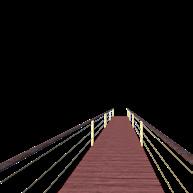
Thermal Take off (Welcome Walkway):
Raptors take advantage of rising air to increases their altitude without flapping their wings.

Infrastructure
Flapping Flight (Bird Educate)

When birds are flapping their wings, allowing themselves to maintain height or climb, this method includes down-stroke and up-stroke stages. I’m visualizing the up-stroke in this project.


Phase I
-The walkway is situated in the preserved forest.
Main road
Railroad Branch road
Proposed road


Proposed Visitor center building
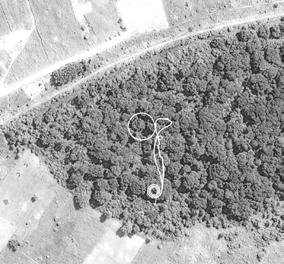
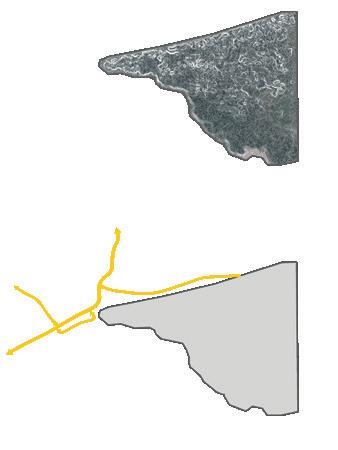
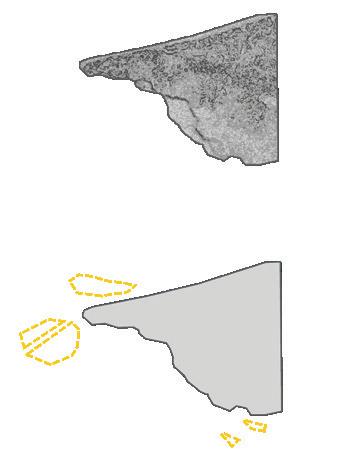
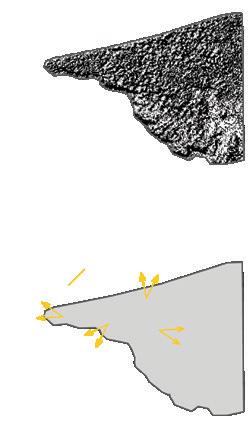
-The proposed road is along the forest edges to avoid the disturbance of the cropland. Visitors will need to go through the proposed visitor center to get on the canopy walkway.
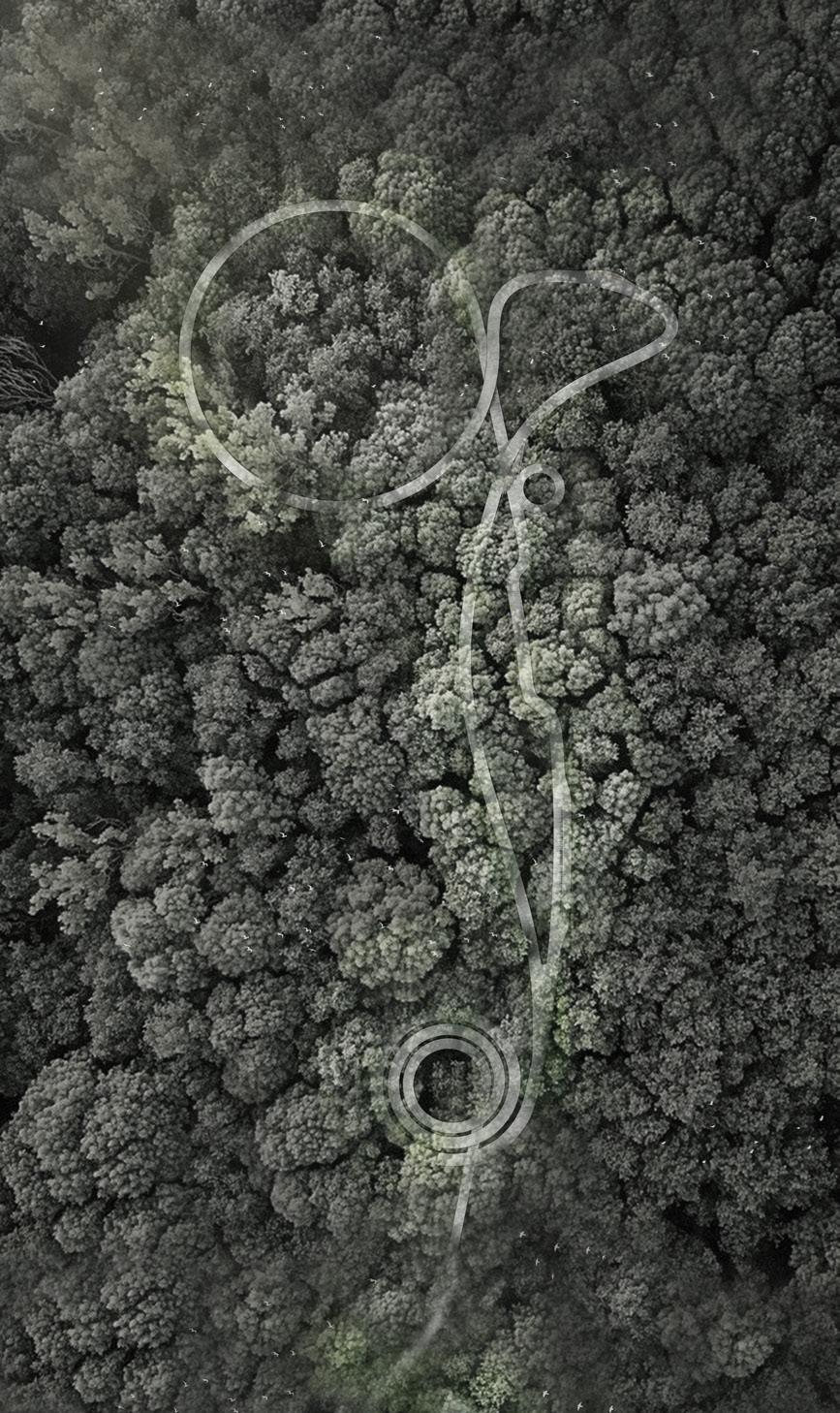
Bounding Flight (Elevated Walkway)


Small birds often fly long distances using a technique in which short bursts of flapping are alternated with intervals in which the wings are folded against the body.
Features


Welcome walkway
Elevated walkway
Curvy walkway
Research platform


Birding walkway Sitting Descend walkway
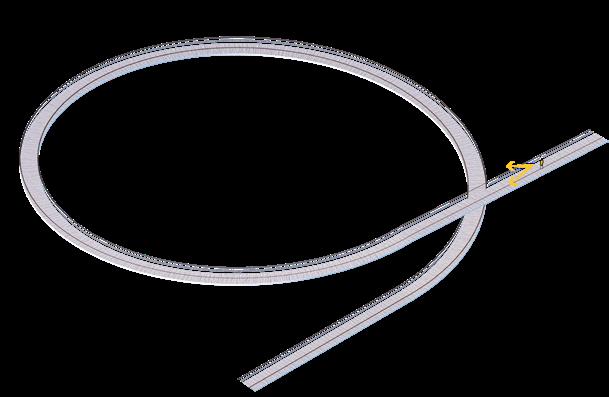
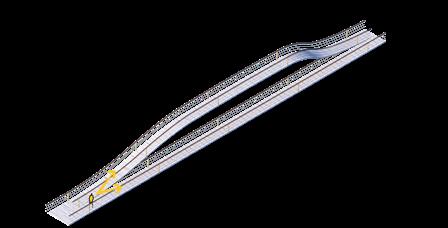
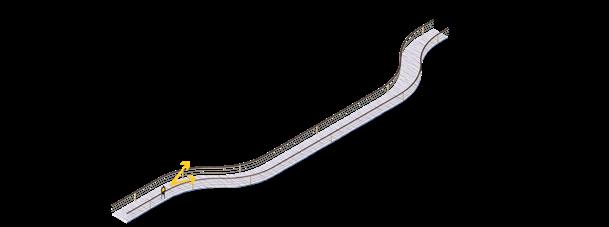
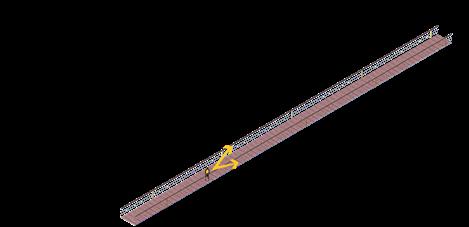
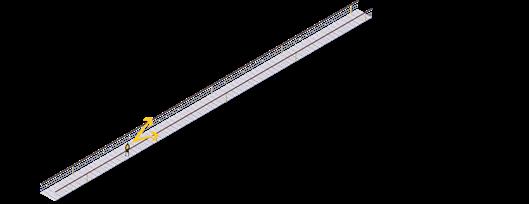
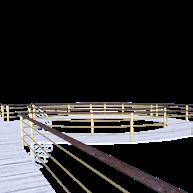
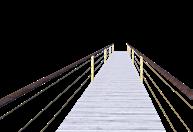
Seven features and activities in the project, each has unique experiences and activities for different groups that tell the story of the local fauna and forest qualities.
Gliding Flight (Curvy Path )
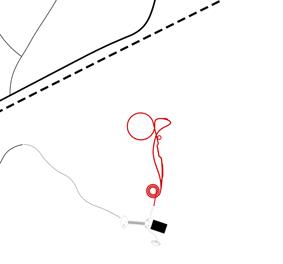

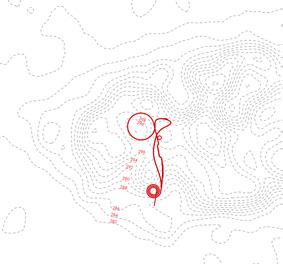
Gliding flight is when bird against the wind to descend or maintain without flapping their wings. Their path will become curvy because of the uneven wind.
Contour
Elevation XXX
-The majority of the walkway is placed on gentle slop for easy construction.


Thermal Soaring (Birding Walkway)
Raptors take advantage of rising air to maintain their altitude without flapping their wings.

Organism Density
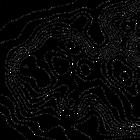
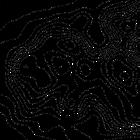


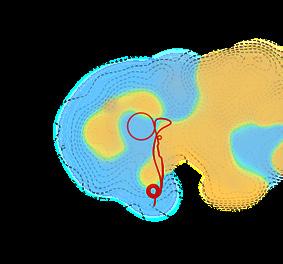
-The route passes through various habitat areas in the forest. Blue represents the lowland area, and the site is more moisture, which has a high density of organisms and different habitat from other parts of the walkway.
Descending Flight (Descend Walkway)

Birds decrease their altitude and prepare to land.

49 • • 50
Master Plan Site Context
High EL Low EL
Concept - flighting patterns
!100 Meter Phases
360°
360° 360° 360° 360° 360° 360° 360° 360° 360° 360° 360° 360° 360° 360° 360° 360° 360° 360° b
360° 360° 360° 360° 360° 360° 360° 360° 360° 360°
360° 360° 360° 360°
Length: 272m Est teak wood plank:1904
Proposed Visitor Center
Phase II Length: 382m Est teak wood plank: 770
360°
Bird Education Intersection Ramp ADA Accessible Overlook Instagram Hashtag Spot Research Stair Sitting Lunch Spot Research Platform Binocular Viewer Birding Spot Bird Habitat Area Pram Safe b’ a a’ c c’ Zoom In Plan Icon: feature and activities 100 Meter 10 Meter
Phase III Length: 566m Est teak wood plank:1288
Observation Deck
Spatial





51 • • 52
Welcome Walkway a-a’
the
area; the structure is 15 meters
ramp, they will experience a different
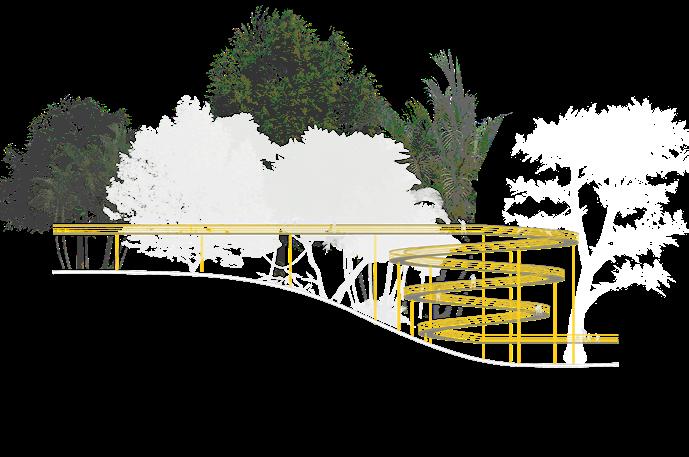
Walkway ground timber turns from gray to reddish color at 20m to attracting monkey surrounding High chance of seeing monkey species Learning bird species in an artistic way The platform provides researcher an easy way into the forest 10 10 Meter Meter Walkway Prototypes Walkway(20maboveforestground) Walkway(10maboveforestground) ResearchPlatform BirdEducate
c-c’
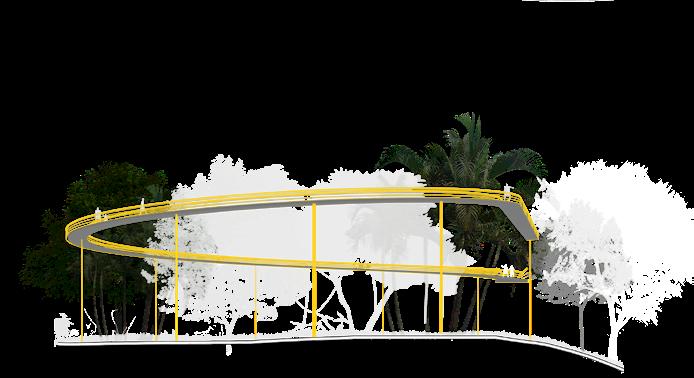
shows the birding walkway area; the structure is 10 meters in height, which takes visitors from 10 meters to 20 meters elevation. The long curvy bench provides a capacity of eight-person Curvy walkway to avoid large tree in the forest Elevation change at 10 meters walkway High chance of seeing forest edge species Variety view and species at a different level High chance of seeing variety bird species
the
the descending walkway and walkway
10
10 Meter
WelcomeWalkway CurvyWalkway Sitting BirdingWalkway
Relationship Birding Walkway b-b’ The section shows
welcome walkway
in height. As people going up the
view from each elevation.
Intersection
The section
The section shows
intersection of
at
meters.
ElevatedWalkway
Bird Educate Details
Inspiration Extraction

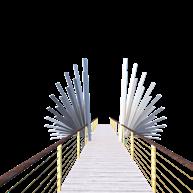
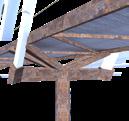
The upstroke stage of flapping flight creates an abstract structure that mimics when birds are flapping their wings.
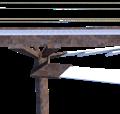






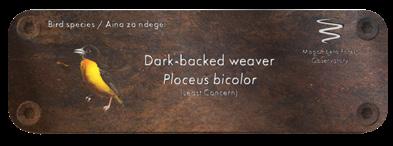
structure is painted with colors extracted from one specific bird. Ten bird education structures in the project will present the most recognizable bird species in the Magombero Nature Reserve.
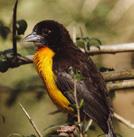
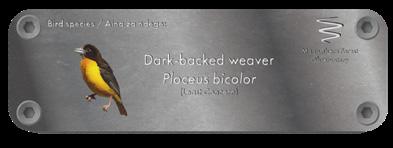
Weathering Iron Sign
53 • • 54
The
A sign
20cm >8 days
wet season >20 days
dry season 8cm 5 Centimeter 2 ° x10 (X°+100%) 2 ° One structure is created with 22 teak wood plank sets; one set is combined with two planks, one shorter than the other, creating a feather-like shape, and by rotating one set 2 degrees in left and 2 degrees up with increase rate (X° +100%) ten times, then 11 on each side to create a spread wing-like shape. Axonometric Top Side Front Back 11.4m 4.3m 5.0m 4.2m 3.2m Replaceable Joint Process Three Dimension View Structure Details 1 1 2 2 3 3 4 4 5 5 1 Meter
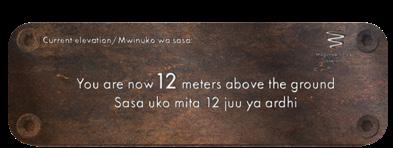
An iron sign is placed on the walkway to educate people about its look, name, and Conservation Status. A total of 49 bird signs are throughout the entire walkway, record the bird that has appeared in the forest.
at every transition to tell the current elevation.
in
in




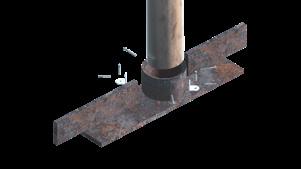
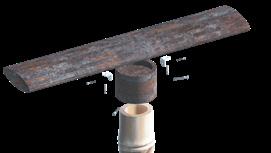
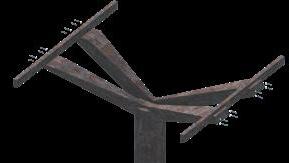
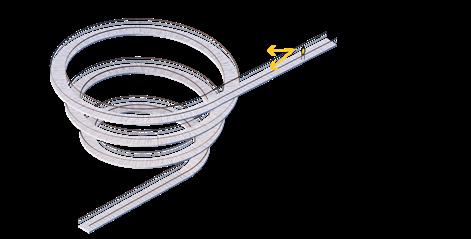
• 56 Maximizing top deck footprint The top lap is wider to increase the 360-degree observation deck area to allow more footprint.
deck The 360-degree observation deck allows visitors to obtain different habitat experiences from every standpoint that varies in height and position.
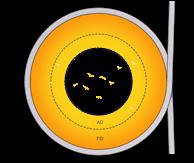
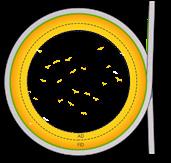
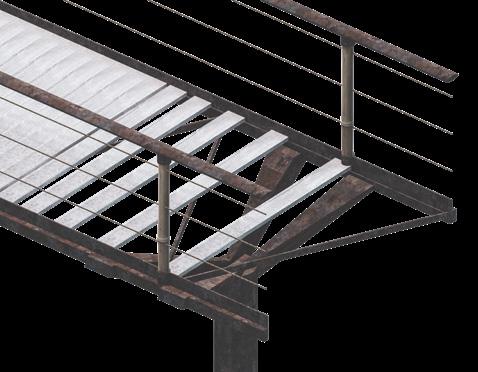
contact The curvature of the walkway allows surrounding trees to grow closer to the spiraling path. 0.3m thick steel pole Underground soil Forest ground 1.0m Concrete foundation Concrete filled 0.3m thick steel pole 1.0m concrete footer 0.3m gravel base 0.3m 0.25m 0.30m 1.25m 1.0m Walkway Front-cut Section Detail Walkway Side-cut Section Detail Weathering steel handle Safety rope rail Bamboo baluster 0.3m think steel pole 0.05 thick steel support 0.015m radius bolt Supporting Pole Underground Detail 0.3m thick steel pole Steel pole branch Weathering steel handle Bamboo baluster Railing hole Safety steel block 0.06m thick teak wood plank 0.05m thick steel support 0.3m 2.0m Baluster steel joint Meter 1 Meter 1 Meter 1 Birding Distance Reduction No cover With camouflage cover AD: Alert distance FID: Flight initiation distance AD: (>8 m) FID: (>15m) AD: (>4 m) FID: (>8m)
Storeys (10 - 25 m) Shrub Layer (<10 m) Upper Storey (35 m) Aridan Tetrapleura tetraptera Arabian Coffee Coffea spathicalyx Allophylus pervillei Forest Peach Rawsonia lucida Hairy-leaved Violet-bush Rinorea ferruginea African Locust Bean Parkia filicoidea Craterispermum schweinfurthii Isoberlinia scheffleri Red Ironwood Ochna holstii Ordeal Tree Erythrophleum suaveolens False White Ash Pseudobersama mossambicensis Velvet tamarind Dialium holtzii Sorindeia madagascariensis forest fever tree Anthocleista grandiflora Black Plum Vitex doniana Key Species - bird friendly plants around & within the structure Birding Walkway Detail Steel handle Safety rope rail Steel pole support Supporting structure Bamboo baluster Teak wood plank Material & Construction Joint Detail Walkway Construction 1 1 2 2 3 3 Upper Baluster Joint Lower Baluster Joint Major Supporting Structure Local material 0m 3.75m 1.5cm 6.5m 11.5m 15.0m 8.75m 13.75m 15m 20m 25m Lap: 3 Slope: 6.2% 0m 10m Lap: 1 Slope: 5.1% Area: 2826 m² 60m Welcome Walkway qnt Birding Walkway qnt Meter Meter 10 10
360° Observation
Increasing
Second/Lower
Bartram’s Backyard
A healthy and educational environment for children to enjoy, Philadelphia, Pennsylvania
Fall 2018
Individual Project
Instructors: Lisa DuRussel, Neil Korostoff, Alec Spangler
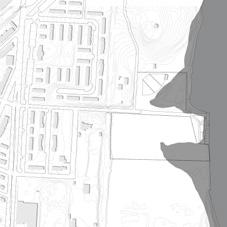
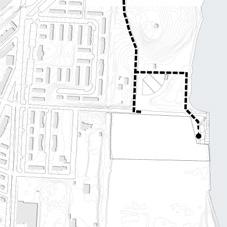
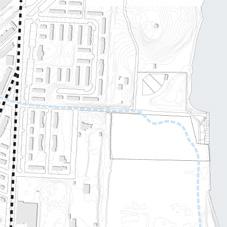
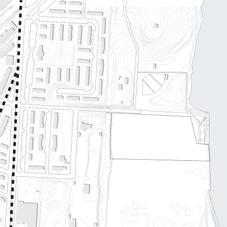
Bartram’s backyard is located downstream of the center city, next door to Bartram’s Garden. It is surrounding by a lack of environment + resources, However, the site was an ideal location for a park in the surrounding neighborhood and school.
My design intents to provide a healthy lifestyle, physical activity. Moreover, the park enhances the community interaction. It serves as an extension of the learning environment to children that promote creative play, social skills, and educational planting.

57 • • 58
05
Runoff/Flooding
-Average slope: 6.25% -Runoff carry pollutant into river
Bartram’s Backyard
Buffer / Runoff Visualization


Community -Residential area surrounding Attraction
Programmatic Concept
Bike Path -Damaged bike line -No attraction to the site -Opportunities to draw biker to the Bartram’s mile
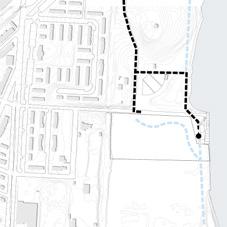
Bartram’s Mile (Walkway) -Opportunities to draw people into the site +
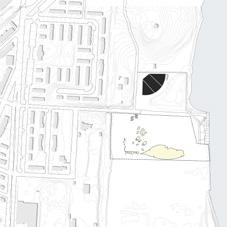
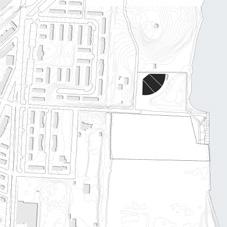
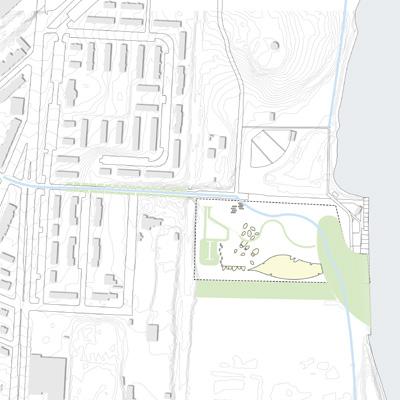
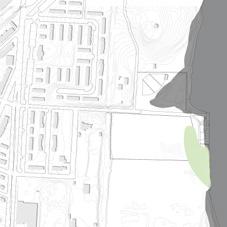
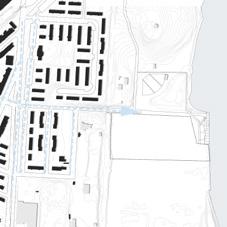
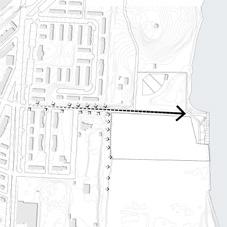
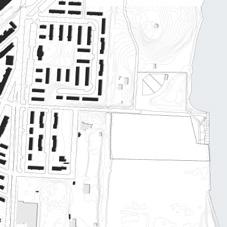
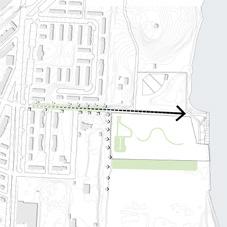
Bartram’s Backyard Site
Connect Bike Path
Connect Walkway
Sankofa’s Community Farm -Opportunities to create programs related to the community farm for children

High Tide
-Tide range: 0.34ft-7.09ft -4 times a day -Cause soil erosion
-Safe -Connected -Educational
Planting Program
Marsh
Balance between Facility Organization
Educational Recreational Fundamental Experiential


Toddler (1-3 years)


natural space bus access parking drop off marsh
open lawn space amphitheater classroom
historical stream bed sensory garden musical path meadow sitting
sunken playground
marsh alameda
Preschool (3-5 years)
meadow path bus stop terrace sitting
front door stone sitting bridge vegetation mount


sensory flower terrace
sedan access irrigation entry plaza (Planting) (Planting) (Planting) (Planting) (Planting)

bridge vegetation mount sunken basketball field
School-Age (6-12 years)
59 • • 60
56th Street Corridor Area Development
Existing Condition Proposed Development
Active Use Nature/Safety Use Planting Use
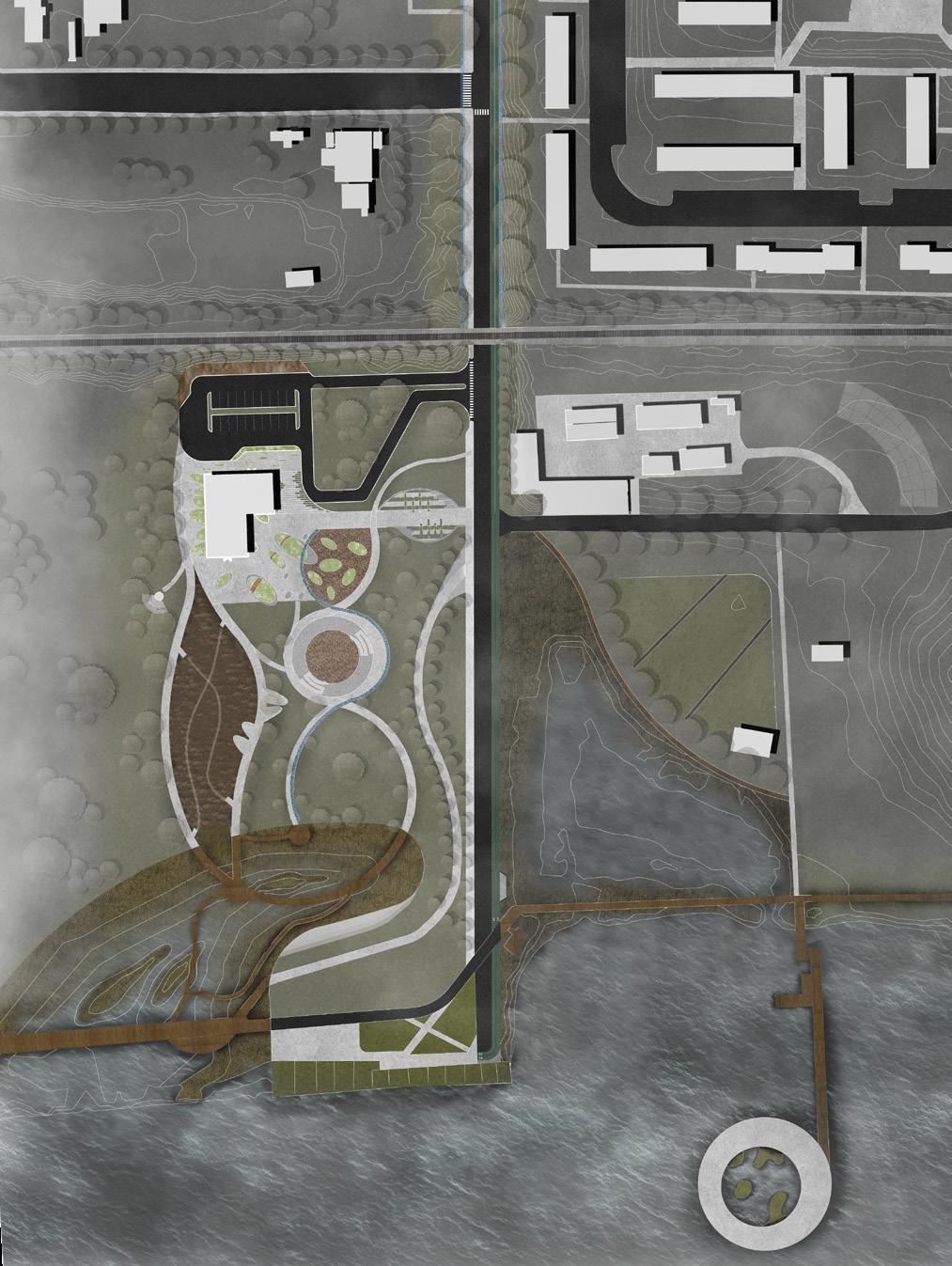


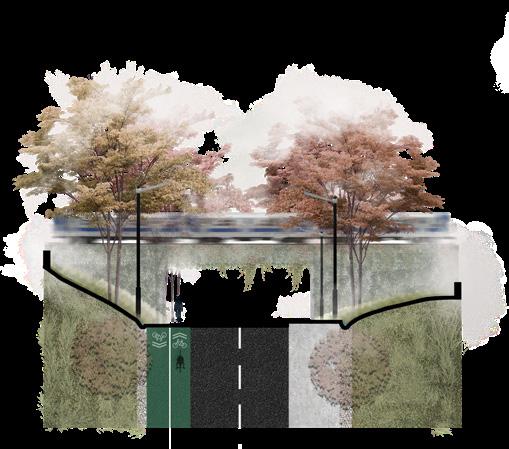
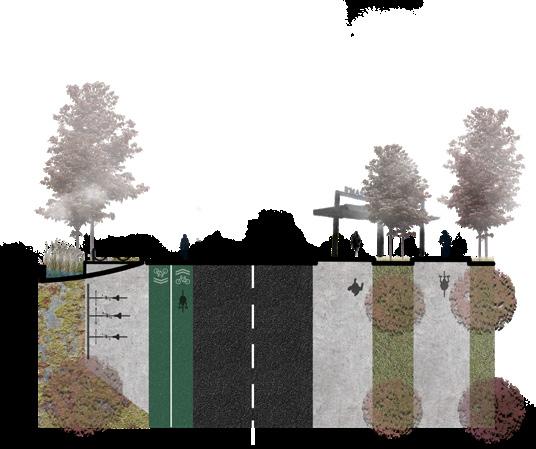




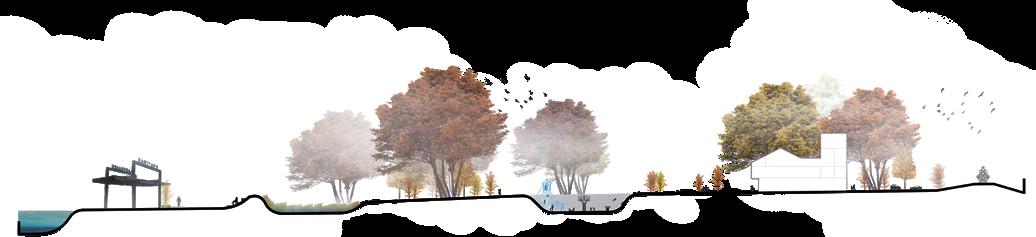
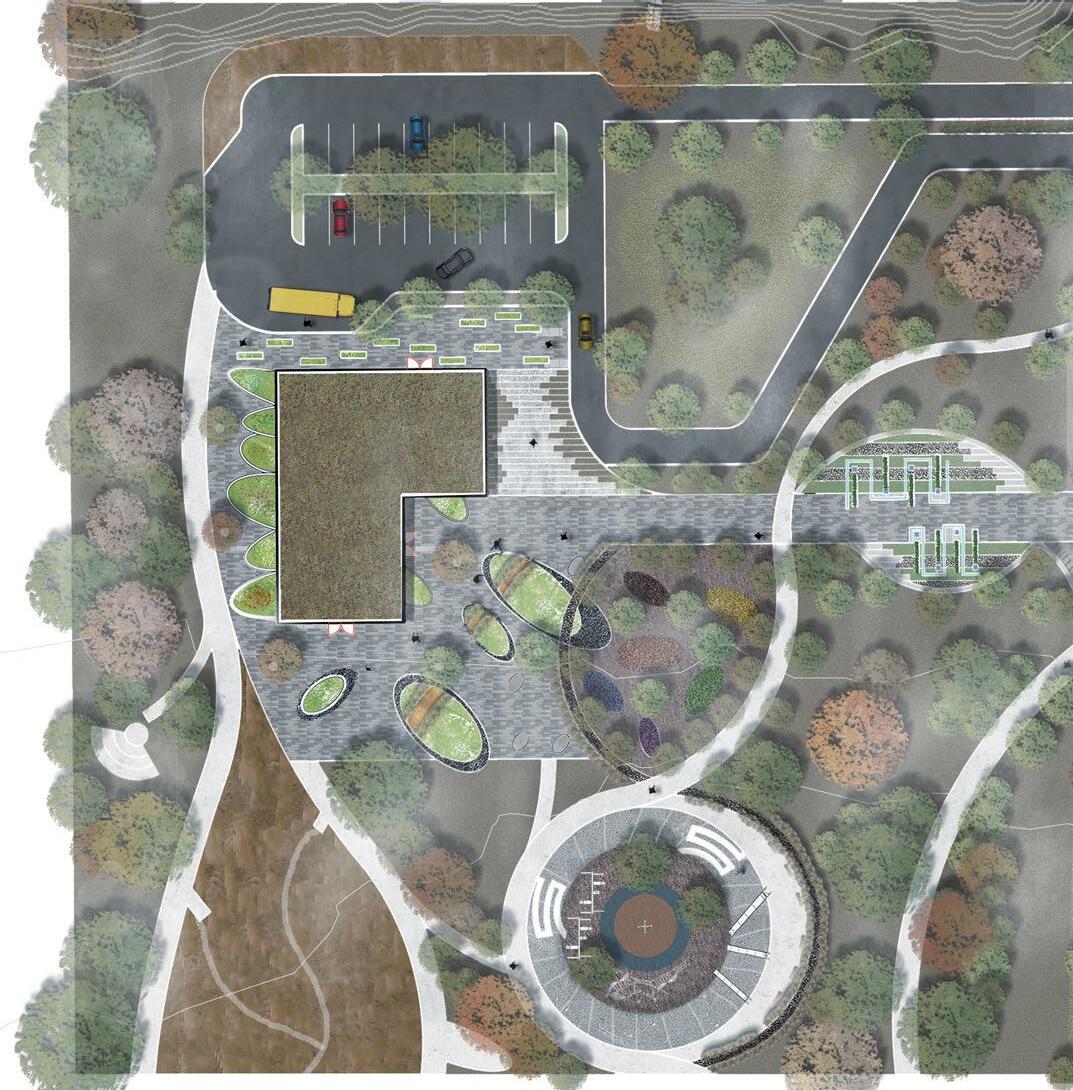
61 • • 62 Master Plan Surrounding Bartram’s Backyard 56th street 56th street Eastwick Ave a’ b’ a b c c’ 56th street Sankofa Community Farm Marsh New marsh New amphitheater New bike path Bartram’s mile plaza CXS Railroad New 56th street corridor New woodland New boardwalk Nature space Historical stream bed Tidal lap (Proposed) Sunken playground Bartram’s mile (Proposed) Marsh Bartram’s garden Mussel hatch (Proposed) Woodland academy building 1 1 2 2 3 3 4 4 5 5 6 6 7 7 8 8 9 9 10 10 11 11 12 12 13 13 18 18 26 26 22 22 30 30 32 14 14 16 16 24 24 20 20 28 28 19 19 27 27 23 23 31 31 33 33 33 33 17 17 25 25 21 21 29 29 100’ Irrigation entry plaza Open lawn space Parking lot Musical plaza Marsh entry Sensory garden Plant terrace Marsh path Bridge vegetation mount Drop-off Flower terrace Stream outlet Stone sitting Playground platform Two-way road Two-way road Bartram’s mile PED PED Lawn Lawn Lawn 56th Street Corridor Development Corridor Plant Use 10’ 10’ 24’ 24’ 12’ 12’ 6’ 10’ Bike lane Bike lane Bike parking Marsh Japanese Pachysandra (Pachysandra terminalis) Lily of the Valley (Convallaria majalis) False Goat’s Beard (Astilbe) Virginia Creeper (Parthenocissus quinquefolia) Winter Jasmine (Jasminum nudiflorum) Eastern Gamagrass (Tripsacum dactyloides ) Cherokee Sedge (Carex cherokeensis ) Starrush Whitetop (Rhynchospora colorata ) American Elm Ulmus americana Red Maple Acer rubrum 3’ 3’ Dry stream Dry stream Railroad Underway Condition a-a’ End of the 56th Street b-b’ Canopy Tree Slope Plants Swale Plants Wall Plants Schuylkill River Bartram’s mile Plaza Amphitheater Tidal Wetland Nature space Playground Woodland Academy Plaza Parking Lot CSX rail road Overall Site Content c-c’ Bartram’s Backyard 10’ 10’ 100’
Rhythm of Programs
Programs
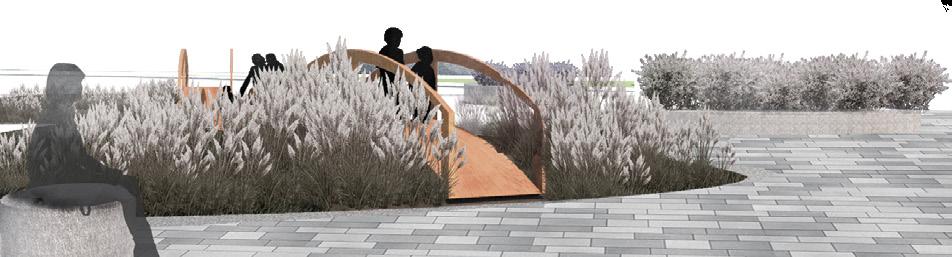
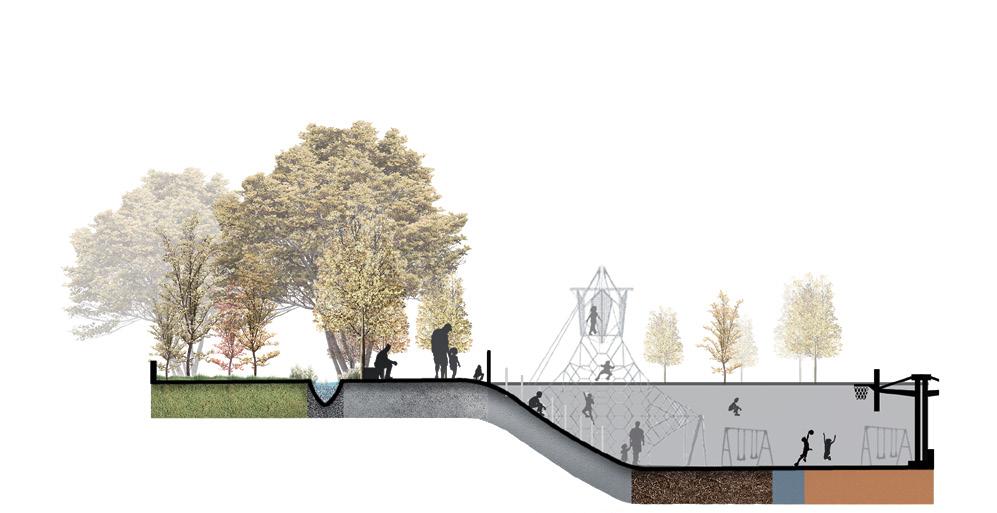
Play with Topography e-e’
(Using/function time)
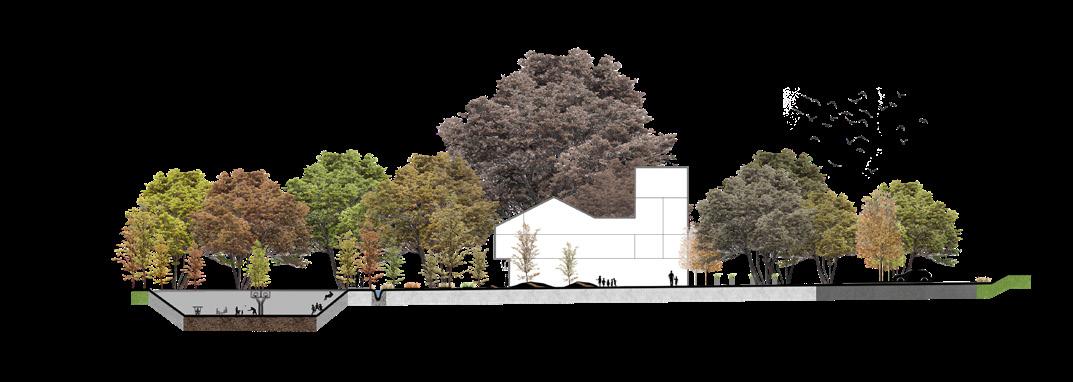
63 • • 64 Enlargement of Bartram’s Backyard Bartram’s Backyard - material & spatial relationship d-d’ 20’ 1 4 4 4 6 6 7 7 7 7 7 7 8 8 8 8 8 8 8 8 9 9 9 9 10 10 10 10 10 11 11 11 11 12 12 12 13 13 15 14 14 16 16 16 18 18 18 18 17 19 19 20 e’ d d’ e
Turf Dry stream bed Concrete playground plaza Rough concrete slope Slope handle Railing Soft wood chip Rubber court tile flooring 10’
bridge walkway Seasonal
Spring Mar July Aug April Sept May Oct Jun Nov Dec Jan Feb Summer Fall Winter Daily Occasion
Restorative Landscape -
Frequency
Performance Family
Open
Water
1 2 3 4 5 6 7 8 9 10 11 12 13 15 14 16 18 17 19 20
Irrigation
gathering
space Photo hotsopt Event Planting program Wildlife habitat Playground Outdoor sitting Agricultural Landscape
performance Outdoor classroom Stormwater management Indoor classroom Game Sports field Toilet Alameda Restorative landscape
1 Spring Mar July Aug April Sep May Oct Jun Nov Dec Jan Fab Summer Fall Winter Feb Daily
1 2 3 4 5 6 7 8 9 10 11 12 13 15 14 16 18 17 19 20
Irrigation
Occasion Irrigation P eformance Family gathering Open space Photo hotsopt Event Planting program Wildlife habitat Playground Outdoor si ting Agricultural Landscape Water per formance Outdoor classroom Stormwater management Indoor classroom Game Spo ts field Toilet Alameda Restorative landscape
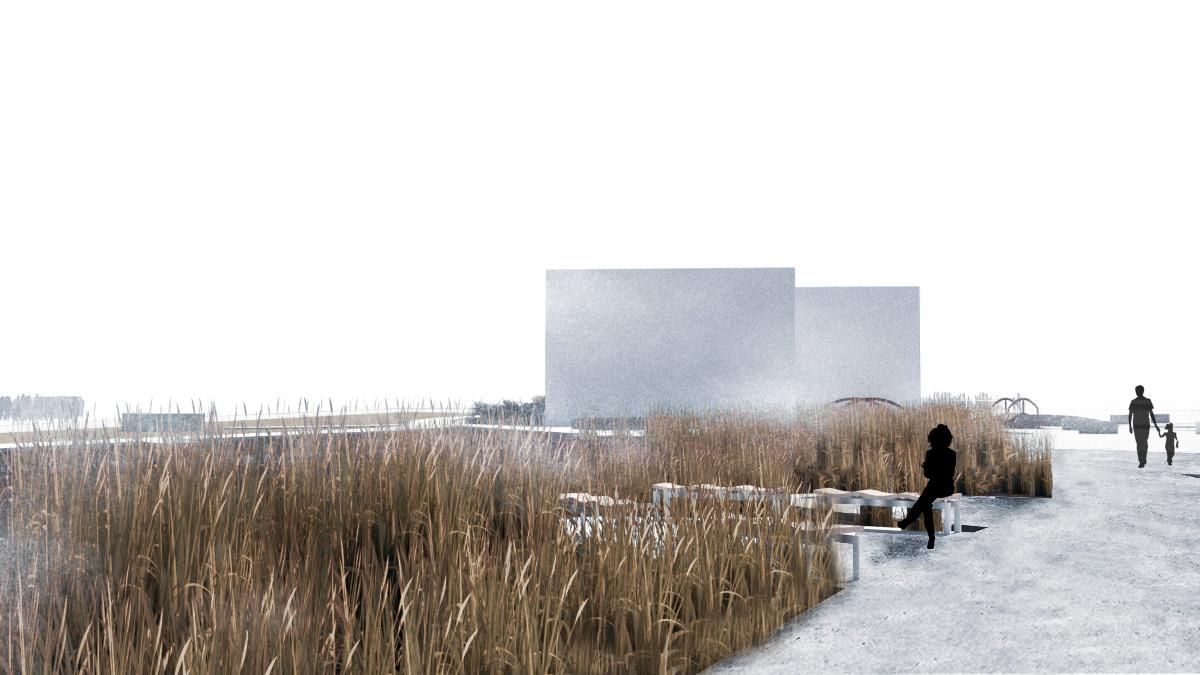
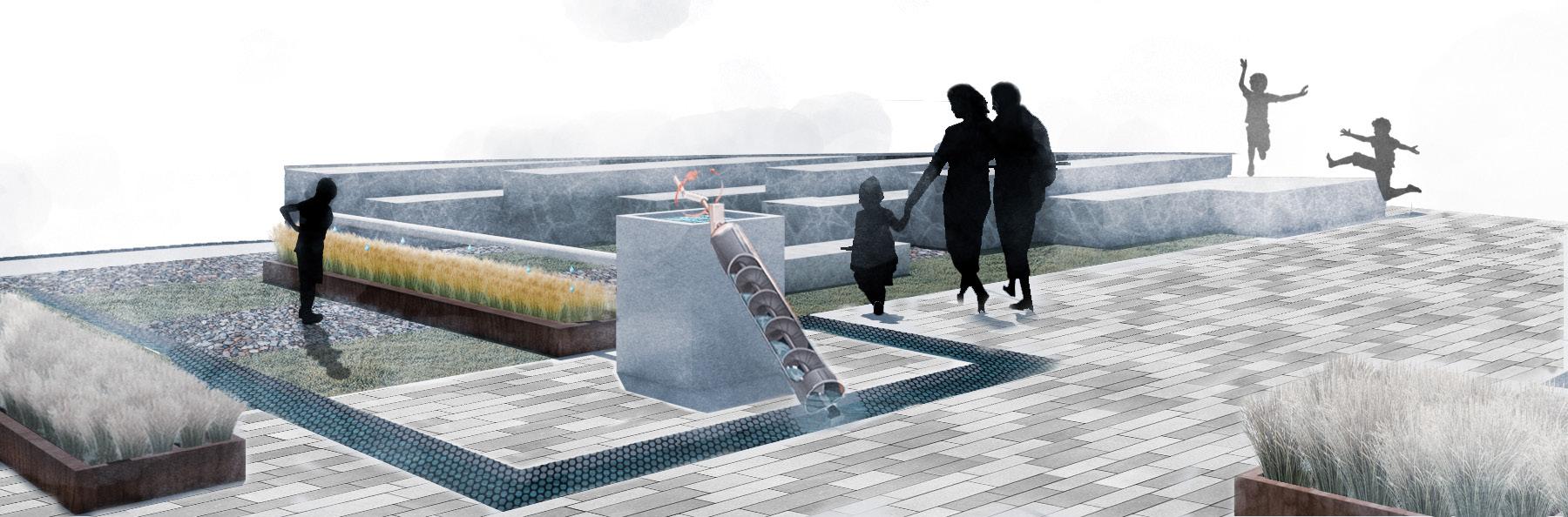
Agricultural Education - irrigation plaza
Agriculture Plants

Drip Pipe
Irrigation Container
Archimedes’ screw - water is pumped by turning a screw-shaped surface inside a pipe. Transferring water from ditch into irrigation container.
Garden Beds
65 • • 66
Rocky Ground - filtrate large sediment and collecting the rainwater into the ditch
Restorative Landscape - marsh sitting
Permeable Paving - collecting the rainwater into the ditch Sitting Stone
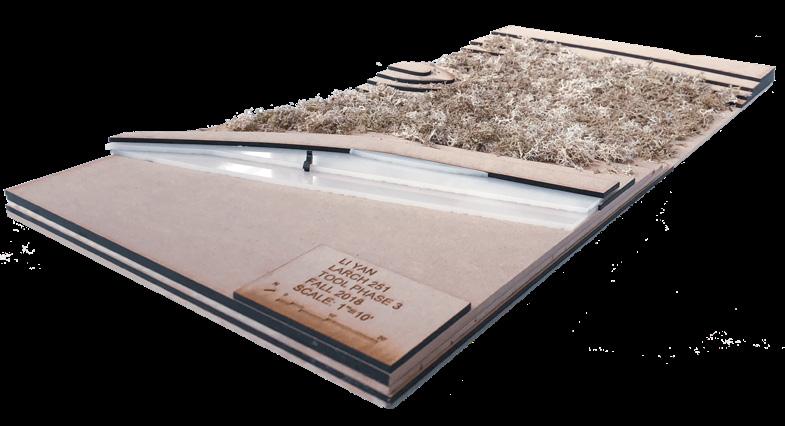
Model - amphiteather & marsh
Bartram’s Mile Plaza
Woodland Academy
Tidal Mount Marsh Concrete Sitting
06
The ‘Waggle’Extracting the ecologies of production and consumpation, A Memorable Meal.
Fall 2021 Individual Project Instructors: Zaneta Hong
If there is a magic code to the composition of nature’s biological chain, bees are the master craftsman of cracking it. They are plants’ survival factors, the indispensable link in the ecological system. They made products more diverse and of higher quality, contributing to food security and nutrition. Without bees, there would be no fruit and seeds, and the whole ecosystem would collapse.
The value of living things cannot be based on human evaluation but must depend on the value of living things themselves. Bees are essential part of the plant. In recent years, environmental deterioration, climate change, excessive use of chemicals destroyed the habitat of bees. Bees have disappeared in many parts of the world and have completed vanished in some areas.
My memorable meal was Italian based, cooked by an Italian professor. As an immigrated Italian who grew up in NY City and then moved to Pennsylvania, he always talks about the old NY City and hometown food that makes him feel nostalgic. The meal includes cheese plate, Caprese salad, grilled lamb chop, vegetable, corn, red wine, Italian-style fruit salad, and fig dessert. 80% of ingredients in my meal are pollinated-crops. while most of them pollinated by bees. This indicates bees are an essential part of the supply chain. The meal exists because of the bee.
By understanding the life cycle, environment, habitat, flower visitation, migration movements, pressure, conservation, design, etc., of a bee. This table intends to present, experience, better understand, and educate the contemporary from a bee’s perspective.
As members of earth, an entity with intrinsic value, we should be morally concerned and protect the good of non-human living things. We can be not part of nature but are part of environment.
Bee means life.
67 • • 68
It wasn’t the fanciest food I have ever eaten; it was the most delicate Italian meal I ever had. And it was a dinner with a recently retired chemistry professor, Dr. Tom, which we met through the classical music club. A friend and I were invited to the classical music concert and dinner after at his house. We sit on the sofa in his backyard that surrounded by a well-planted landscape garden. The house located on halfway of a small hillside, cover with masses of maple trees. We sit and chat under the shade; the place is covered by an arbor structure with flourishing vine plants. After, we moved to this beautiful hand painted Italian volcanic stone table on the other side of the backyard. Colorful plates, antique silver utensils, table napkins, and shining glass were well distributed on the table. On the side, the black iron chair is covered with a brilliant blue color pad, stylish.
Bee Abundance vs. Pesticide vs. Dependence
Seasonal Dependency – Monoculture
Seasonal Dependency on Commercial Honeybee
69 • • 70
Reappearing Surrounding
Commercial honeybee movement Less dependency state on commercial honeybee Beekeeper truck Acres of pollinated crops per square mile by state less than 1% Acres of pollinated crops per square mile by state less than 5% ng ed en s To a Produc�on # F Tre 30 000 ons B uebe y 35 000 ons S awbe r 1 1 m ons App e 5 13 m ons B ac Che ry 30 000 ons B ood O ange 3 9 m ons Pea 0 7 m ons Grape 7 0 m ons O ve 50 000 ons Rosem ry / Pa s ey / Toma o 14 0 m ons Ba /
Seasonal dependency by state Jan March May July Sep Nov Jan WA OR CA NX ID MT WY UT AZ CO NM TX AK HI OK KS NE SD ND MN IA MO AR LA MS AL TN KY IL WI MI IN OH PA WV VA NC SC GA FL NY VT NH MA CT RI MJ DE MD ME Estimated Agricultural use for pesticide (Glyphosate), 2019 >88.06 pounds per square mile <0.1 (<0.2 low, >0.2 high) WA OR CA NX ID MT WY UT AZ CO NM TX AK HI OK KS NE SD ND MN IA MO AR LA MS AL TN KY IL WI MI IN OH PA WV VA NC SC GA FL NY VT NH MA CT RI MJ DE MD ME <20,000 2,0001-80,000 80,001-150,000 150,001-250,000 250,001-500,000 250,001-500,000 >500,000 Total pollinated crop acres by state
Salviarosmarinus
Prunusserotina
Ficuscarica
A single honeybee collect 1/12th teaspoon in its lifetime, end of the year, a whole colonies collect about 60-100 lbs of honey in order to get through the winter.
To see the simplicity in the complexity in this system. We plant more flowers, we turn the hard pave into flower-based landscape.
The 1/12 th teaspoon matters. With everybody’s help, we can grow the food, plant more flowers that over grow the system.
Solanumlycopersicum
Ocimumbasil
CommunityMember
ca a C pe de Do de h h e De
21-30
licy Maker
deo a n Che c y h
c d

n h p e d w h
G
Interconnection
6 8 9 10 1 12 13 14 5 16 7 18 2 0 2 1
3040
71 • • 72
pS r gni remmuS Fall W nter JAN FEB MA R RPA YAM ENUJ YLUJ GUA PES OCT NOV DEC Bumble Bee Honey Bee Hover y Wasp Butter y Lady Bug Moth Humming Bird Wind Self-pollinated Malusdomesti ca Fragaria × ananas a Cyanococcus
eP esort lmuni rc psimu Oael porue aea V t i s
icum
C us × sinensis P yus
Pollinator Seasonal Chart
DwindlingPopulation
p
ColonyCollapse Diso
de ClimateChange P
P
407%Loss naciremA bluoF doo | naeporuE f o u l brood |
| aorraV setiM | T aehca | setiM Slam l | Hive Beetles | Wax
| Bee L i ce | | onitocinoeN sd | linorpiF | Fungicides |
ib o ics |
s
Weaken Immune System Reduced Longevity 6 % 13% 19% 31% 31% Bees Life
Po
m & M a e d e ad me om -w p F b Ma Ap May J J ly Ag Sep O N D Bee-FriendlyPlants(NortheastRegion) e Na om y L e m a R MC MMM Md A d Md M g Ea -M a e d i e be & d y egg 890 30-86 BeeHealth F lower o do r Food o llen Stru Egg Larva La va Pupa Pupa P u pa A d u l LifePeriod(days)LifeCycle ollination
Conservation
en ov s p co f k dhb e n ed u g n
de Pe tic
est s
ath o gens Being a Bee
ChakbRood | Sacbrood
Moths
An
M i t i ci d e
Functional Disorientation
Intern Works
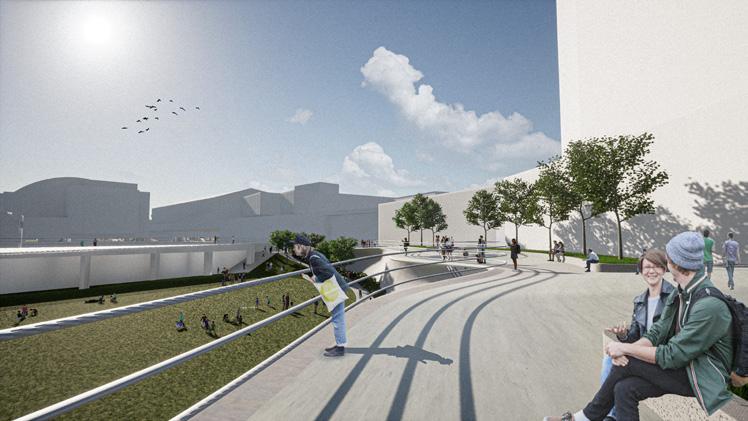
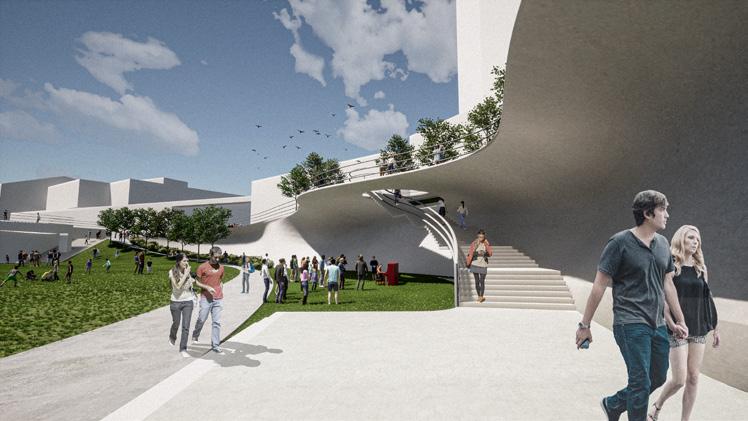
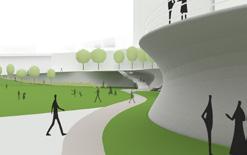
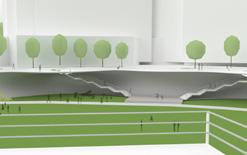
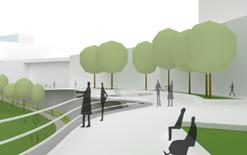
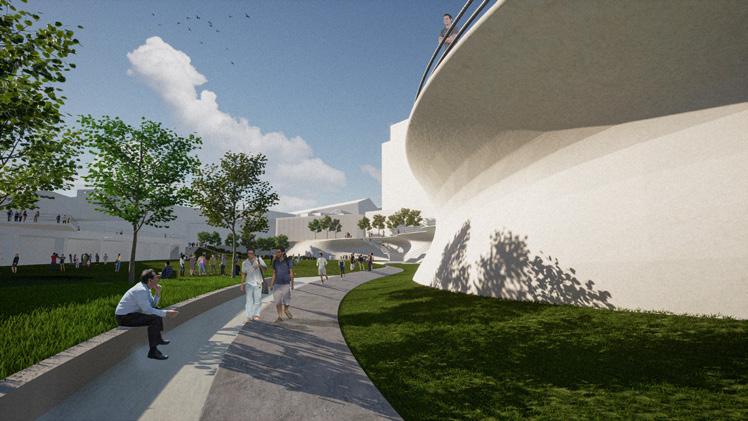
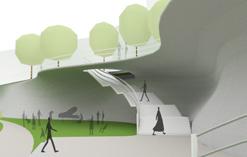
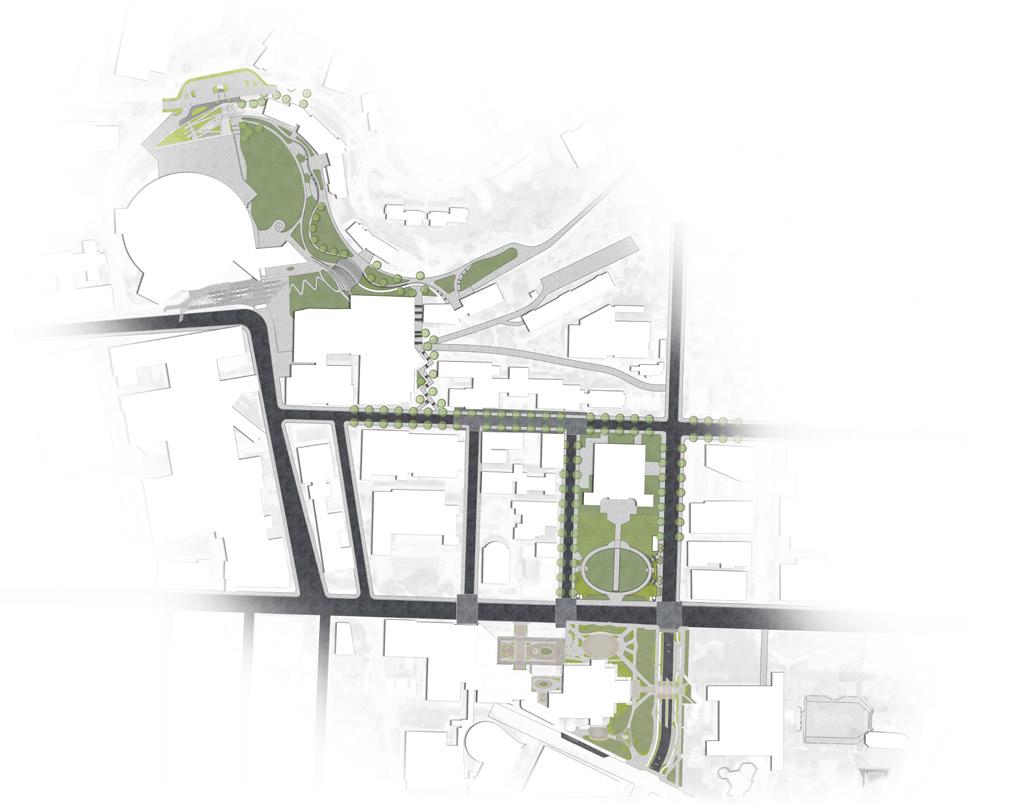
University of Pittsburgh Upper Campus Enhancement Project
The Frick Environmental Center Documentation
Mt. Lebanon’s Washington Road Urban Design - LaQuatra Bonci Associates Spring 2020 Individual Works in Team
73 • • 74
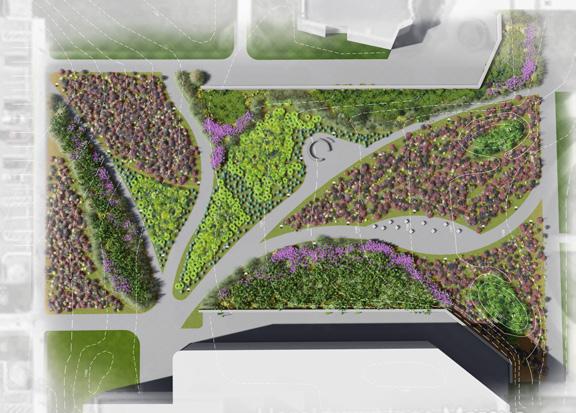
07 Campus Upper & Lower Connection Master Plan 1 1 2 3 Proposed Upper Campus Rendering Prototype Persepctive
Projects Instructors: Frederick R. Bonci, Dan McDowell
Public Environmental Center
75 • • 76 New Lawn New Shrub/Perennial Planting No Mow Fescue Planting New Woodland Over 300 trees were removed on that side and the forest was replanted with more diverse species. New Public Environmental Center Frick Environmental Center (After) New Lawn New Woodland New Meadow Planting New Wetland Planting Over 300 trees were removed on that side and the forest was replanted with more diverse species. Wetland system function as natural sponges that trap and slowly release the stormwater Meadow assist surface water storage New Lawn No Mow Fescue Planting New Woodland New Meadow Planting New Wetland Planting Restored Stream Over 300 trees were removed on that side and the forest was replanted with more diverse species. Re-established the natural streams Wetland system function as natural sponges that trap and slowly release the stormwater Meadow assist surface water storage New Public Environmental Center New Lawn New Shrub/Perennial Planting New Parking Lot No Mow Fescue Planting New Woodland New Meadow Planting New Wetland Planting Restored Stream Over 300 trees were removed on that side and the forest was replanted with more diverse species. The parking lot is reduced and broken down into smaller element allowing for more green space Re-established the natural streams Wetland system function as natural sponges that trap and slowly release the stormwater Meadow assist surface water storage New Lawn New Shrub/Perennial Planting New Parking Lot No Mow Fescue Planting New Woodland New Meadow Planting New Wetland Planting Restored Stream Over 300 trees were removed on that side and the forest was replanted with more diverse species. The parking lot is reduced and broken down into smaller element allowing for more green space Re-established the natural streams Wetland system function as natural sponges that trap and slowly release the stormwater Meadow assist surface water storage New
Permeable Surface Sun Panel Roof Lighting system Rain Barrels Detention Basin Water Useage Fountain Water Pump Rainwater Tank Rainwater Fountain Wastewater Disposal System Rain Water Rain Water System Waste Water System Electronic System 2 Winter Solstice >300,000kWh electricity is collected annually through solar Panel Rainwater is collected for 75,000 visitors use annually Natural ventilation reduce energy use Harmony between building and sun Geothermal heat flooring reduce energy use Waste water is treated on-site before discharge 100% Storm water is managed on site Summer Solstice Winter Solstice >300,000kWh electricity is collected annually through solar Panel Rainwater is collected for 75,000 visitors use annually Natural ventilation reduce energy use Harmony between building and sun Geothermal heat flooring reduce energy use Waste water is treated on-site before discharge 100% Storm water is managed on site Summer Solstice Winter Solstice Rainwater is collected for 75,000 visi Natural ventilation reduce energy use building Geothermal heat flooring reduce energy use Waste water is treated on-site before discharge 100% Storm water is managed on site Summer Solstice Winter Solstice >300,000kWh electricity is collected annually through solar Panel Rainwater is collected for 75,000 visitors use annually Natural ventilation reduce energy use Harmony between building and sun Geothermal heat flooring reduce energy use Waste water is treated on-site before discharge 100% Storm water is managed on site Summer Solstice Winter Solstice >300,000kWh eleccollected anthrough solar Rainwater is collected for 75,000 visitors use annually Natural ventilation reduce energy use Harmony between building and sun Geothermal heat flooring reduce energy use Waste water is treated on-site before discharge 100% Storm water is managed on site Summer Solstice Winter Solstice Rainwater is collect75,000 visiannually Natural ventilation reduce energy use Geothermal heat flooring reduce energy use Waste water is treated on-site before discharge 100% Storm water is managed on site Geothermal heat flooring reduce energy use water is treated before discharge 100% Storm water is managed on site
Frick Environmental Center Illustrating Plan (After) 3 Mt.
Washington Road
Living Building Function Diagram & Illustrating Plan
Lebanna’s
Day Rederning (3:00PM) Night Rederning (8:00PM)
Planting Method Samples

sunflower 3-6' Birds
HT Helianthus tuberosus Jerusalem artichoke 3-6' Birds


HH Heliopsis helianthoides Smooth oxeye 3-6' Hummingbirds
SN2 Silene nivea Ragged robin 2-3' Butterfies


SL Silphium laciniatum Compass plant 5-9' Birds Butterflies


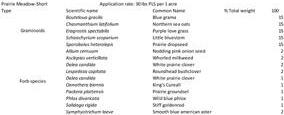
BG Bouteloua gracilis Blue grame 2.5-3' Birds Butterflies
CL Chasmanthium latifolium Northern sea oats 1-3' Butterfies
ES Eragrostis spectabilis Purple love grass 1-2' Birds
FG Festuca glauca Blue fescue .75-1'
SH Sporobolus heterolepis Prairie dropseed 1-2' Birds
AC Allium cernuum Nodding pink onion seed 1-2' Butterflies Hummingbirds

AV Asclepias verticillata Whorled milkweed 1-3' Butterfies
DC Dalea candida White Prairie Clover 2-3' Birds Butterflies

LC Lespedeza capitata Roundhead Bushclover 2-4' Birds


LS Lobelia siphilitica Great blue lobelia 1-4' Birds Hummingbirds


OB Oenothera biennis King's Cureall 1-3' Birds Hummingbirds
PP Packera plattensis Prairie groundsel 1-3' Butterfies

PD Phlox divaricata Wild blue phlox 1-3' Butterfies

SR Solidago rigida Stiff goldenrod 1-5' Butterfies

SL Symphyotrichum laeve Smooth blue american aster 1.5-3' Birds Butterflies
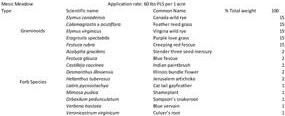
EA Elymus canadensis Canada wild rye 2-5' Butterfies
EH Elymus hystrix bottlebrush grass 2.5-3' Butterfies
EV Elymus virginicus virgina wild rye 2-4' Butterfies
ES Eragrostis spectabilis Purple love grass 1-2'

FR Festuca rubra Creeping red fescue 1-2' Birds
AG Acalypha gracilens Slender three seed mercury 1-3'
AA Ageratina altissima White snakeroot 1-3'
CC Castilleja coccinea Indian paintbrush 1-1.5' Birds Butterflies

DI Desmanthus illinoensis Illinois bundle flower 2-4' Birds Butterflies


HT Helianthus tuberosus Jerusalem artichoke 3-5' Birds Butterflies
LP Liatris pycnostachya Cat tail gayfeather 3-6' Butterfies
MP Mimosa pudica Shameplant 1-2' Butterfies
OP Orbexilum pedunculatum Sampson’s snakeroot 1-2.5' Birds Butterflies

VH Verbena hastata Blue vervain 2-6' Birds Butterflies

VV Veronicastrum virginicum Culver’s root 4-7' Birds Butterflies
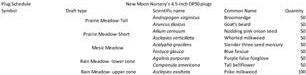
AG Andropogon glomeratus Bushy bluestem 3-6' Birds Butterflies
CC2 Calamagrostis canadensis Blue joint grass 2-5' Butterfies
CS Carex styloflexa Bent sedge 0.5-1' Birds Butterflies


ER Elymus riparius riverbank wild rye 0.5-5'
PP Poa palustris Fowl bluegrass 5'
AP Agalinis purpurea Purple false foxglove 3-6' Birds Butterflies
CA Campanula americana Tall bellflower 3-6' Butterfies

CP Cypripedium parviflorum Yellow lady's slipper 1-3' Butterfies
EM Eutrochium maculatum Spotted trumpet weed 3-6' Birds Butterflies


VH Verbena hastata Blue vervain 4-9' Butterfies
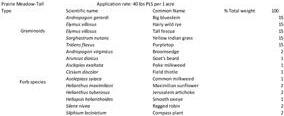
AG Andropogon gerardii 'Indian Warrior' Big bluestem 5-6' Birds Butterflies
BG Bouteloua gracilis ‘Blonde Ambition’ Blue grame 2.5-3' Birds Butterflies
EH Elymus hystrix bottlebrush grass 2.5-3' Birds Butterflies


EA Eragrostis spectabilis Purple love grass 1-2' Birds Butterflies
FR Festuca rubra Creeping red fescue 1-2' Birds Butterflies
AV Andropogon virginicus Broomsedge 3-6' Birds Butterflies
AD Aruncus dioicus Goat's beard 3-6' Butterfies


AE Asclepias exaltata Poke milkweed 3-5' Butterfies
BA Boltonia asteroides White doll's daisy 3-6' Birds Butterflies
EV Elymus virginicus virgina wild rye 2-4' Birds Butterflies

77 • • 78
Risers@
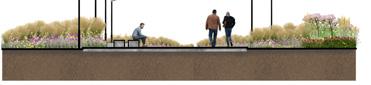
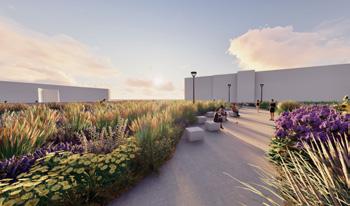
TC:0.00 TC:1108.30 BC:1107.80 TC:1109.48 BC:1108.98 TC:1108.30 BC:1107.80 BC:1109.89 BC:1108.09 TC:1110.90 1109 BC:1107.82 TC:1108.33 BC:1107.83 TC:1108.53 TC:1108.53 BC:1108.03 TC:1110.25 TC:1110.25 BC:1109.75 2.1% TC:1108.99 BC:1109.68 TC:1111.60 TC:1108.99 BC:1108.49 TC:1108.99 BC:1108.29 BC:1108.43 5.00% Scale: 1" = 20' PROPERTY LINE ROAD FENCE EXISTING 5' CONTOURS EXISTING VEGETATION EXISTING 1' CONTOURS Final Project: Stormwater and Grading Date: 04/21/2019 Student Code: 290 Legend: ADA PARKING SPACE WALL Curb SWALE CENTER LINE PROPOSED 1' CONTOUR PROPOSED 5' CONTOUR FLOW SPLITTER Project name: 290_Final Grading plan.pdf Drainage Inlet Scupper Stair Building TS BS TW BW TOP STAIR BOTTOM STAIR TOP WALL BOTTOM WALL CC CURB CUT TC BW TOP CURB BOTTOM CURB SLOPE ARROW Stormwater Magement and Grading Samples MY DESIGN IDEA IS TOO CREATE VISUALIZATION RELAXATION PEACEFUL MEADOW. VISUALIZATION IS AN EFFECTIVE WAY TO REDUCE MENTAL STRESS, ANXIETY AND EXPERIENCE. USING TALL GRASSES TO ENCLOSE THE AREA AND CREATE A PRIVATE SPACE. PEOPLE ARE INMERGED WHEN WALKING INTO THE MEADOW, IT GIVES A SENSE OF TRANQUIL, HELP PEOPLE FEEL CALM AND RELAXED IN THE CAMPUS. PERSPECTIVES-BIRD VIEW BIRD VIEW SHOWS HOW ORGANIZATION OF THE MIX LI YAN / LARCH 335 / 11/20/2019 / FALL 2019 PERSPECTIVES SKETCHS THE SITTING AREA IMMERSED IN THE MEADOW ILLUSTRATED SECTION ELEVATION A-A’ 1/4”=1’=0” STONE SITTING MESIC MEADOW MESIC MEADOW LIGHTS LIGHTING SITTING SITTING TELL PRAIRIE MEADOW LOW PRAIRIE MEADOW SOIL EDAGING RAIN MEADOW CONCRETE PAVING MESIC MEADOW CONCRETE PAVING TELL PRAIRIE MEADOW DESIGN NARRATIVE MODULE 3 PLANTED MEADOW ECOSYSTEM MOD. 3A: MEADOW PALETTE & CONCEPT 1”=20’-0” A A’ Type of meadow Type Code Scientific name Common Name height Jan. Feb Mar Apr May Jun Jul Aug Sep Oct Nov Dec Character/Attraction AG Andropogon gyrans Elliott's bluestem 2-3' Birds Butterflies EV Elymus villosus Hairy wild rye 3-6' Birds Butterflies FA Festuca arundinacea Tall fescue 2-4' Birds SN Sorghastrum nutans Yellow indian grass 3-6' Butterfies TF Tridens flavus Purpletop 2.5-7' Butterfies AV Andropogon virginicus Broomsedge 3-6' Birds Butterflies AD Aruncus dioicus Goat's beard 3-6' Butterfies AE Asclepias exaltata Poke milkweed 3-5' Butterfies CD Cirsium discolor Field thistle 3-6' Butterfies EF Eupatorium fistulosum Tall joe pye weed 5-8' Birds Butterflies HM Helianthus maximiliani Maximilian
Landscape area Plaza 1111 1112 1109 1108 1107 1106 1105 1104 1103 1109 1110 Max:15.6% Max: 19.8% Max:16.9% 2.2% 2.0% Wall TW:1105.5 BW:1100.0 BW:1105.00 BC:1111.36 TC:1113.93 BC:1113.43 TC:1113.18 BC:1112.68 BC:1109.23 TC:1109.40 BC:1108.90 BC:1111.30 1107 1107 1108 1107 1108 1108 1107 TC:1109.81 BC:1108.31 TW:1105.00 TC:1111.66 BC:1111.16 TC:1111.82 BC:1111.32 BC:1111.90 BC:1111.96 TC:1109.32 BC:1108.82 TC:1112.92 BC:1112.42 TC:1112.86 BC:1111.52 TC:1107.99 BC:1107.49 TC:1108.65 BC:1108.15 TC:1110.44 BC:1109.94 BC:1107.66 BC:1111.45 2.0% 0.7% 2.0% 2.2% Max: 25%
Treads@ 12'' Risers@ TC:1107.85 BC:1107.35 TC:1107.79
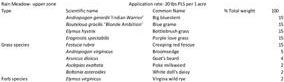
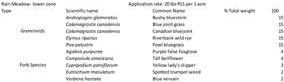
Rain Meadow upper zone
Species Rain Meadow lower zone Forb species Grass species Forb species Grass Species Forb Species Prairie Meadow-Tall Mesic Meadow Grass species Forb species Prairie Meadow-Short Andropogon gyrans Elymus hystrix Elymus villosus Elymus virginicus Festuca rubra Sorghastrum nutans Andropogon virginicus Asclepias exaltata Eupatorium fistu- Helianthus maxi- Heliopsis helianthoides Silene nivea Silphium laciniatum Bouteloua gracilis Chasmanthium Eragrostis spectabilis Festuca glauca Sporobolus heterolepis Asclepias verticillata Lespedeza capitata Andropogon gerarLobelia siphilitica - Festuca rubra Packera plattensis Solidago rigida Symphyotrichum laeve Elymus canadensis
Grass Species
Grass species Forb
Technical Planting Samples
Soil Preparation below -ground utilities 1.1. instruct Contractor shall contact PA One Call (dial 811) at least days prior to excavation (required by state law) 1.2. the Contractor shall also be required to contact Penn State OPP for below-ground utility locations at least 15 days in advance any site work. 1.3. the Contractor shall ensure that all existing utilities within the project site have been clearly marked in accordance with the Pennsylvania Underground Utility Line Protection Act. Soil tests: 2.1. practice to require the Contractor obtain soil tests well in advance seeding, and report the approved Lab recommendations back to you, the Proje LA, within days of receiving the lab results. 2.2. all wheeled equipment accessing the West Campus Commons site shall have low tire pressure (or tracks) to minimize soil compaction and pulverization. 2.3. require Contractor maintain tire pressure of all on-site vehicles in the 8-1 lbs/square inch (psi) range Tree protection: 3.1. existing trees shall safeguarded with protective fencing the dripline, as approved on site by the LA, and prior to any vehicular access or tillage operations 3.2. Contractor shall required to submit Tree Protection Plan for approval by the Project Arborist prior to starting work on site 3.3. tree protection shall remain in place for the entire meadow implementation process 3.4. don’t store vehicles, materials, fuel or chemicals within the Tree Protection Zone Turf Removal: 4.1. eradicate turf either by stripping, or rototilling in late summer (will require several tillings to kill grass roots) 4.2. herbicides (e.g. glyphosate such as Roundup®) are often used, but may be toxic and harmful to the environment for our site, mechanical means are preferable. oil Amendment 5.1. After eradicated any weeds and turf, immediately spread 2” layer of locally obtained organic compost. 5.2. Apply 6” layer of leaf litter from local market and spread on top of the compost. 5.3. Select the compost from the Organic Materials Processing and Education Center (OMPE) at PSU Farm 10. Organic amendment: 6.1. Soil organic matter (SOM) improves soil quality; is critical in supporting meadow vitality below the surface (root zone) 6.2. don’t specify peat or sphagnum moss for soils amendment! 6.3.use locally-produced, more sustainable organics instead (see next slide for source on campus) 6.4. you must specify exactly what, and who supplies 6.5. specify rate of application, when during planting process, how to mix into soil Tillage operations 7.1. After removing turf and weeds, apply organics in mid-to-late Fall (soon after leaf fall, but before soil freeze-up) uniformly pread 2” layer locally-obtained organic compost over all areas to be seeded, then spread 6” layer of settled mixed oak/hardwood leaf litter over the same area. 7.2. chisel plow incorporate leaf litter and compost to 12”- 14” depth. ensure soils are moderately moist (not muddy, not dusty dry) prior to tillage to achieve adequate mixing 7.3. chisel plow once more to 12” depth, but this time in direction perpendicular to line of first pass. 7.4. offset discing (or, ‘disc harrowing’) takes place: use an offset disc to complete organic mixing in top 6”-8”, layer one pass enough, soil lab calls for fertilizer (for Mesic and Rain Meadows only!), spread fertilizer first, then incorporate during this step, do not fertilize Prairie Meadow zones. 7.5. Culti-packing or rolling takes place to firm the seedbed just prior to seeding 7.6. Immediately after seeding, incorporate seeds into seedbed using one more pass of the culti-packer or tow-behind roller (for WSGs), or chain-link fence drag mat (for CSGs).
Seed and plug arrivals and installation Installing the seed general 1.1. only seed into workable, moderately moist soil with well-prepared seedbed (see Lecture #1 notes); never seed into dry-dusty wet saturated soils 1.2. alternatively, WSGs can be “dormant seeded” – broadcast in midto late Fall and allowed to break dormancy naturally over winter usually with an annual rye winter cover. But we aren’t recommending this to OPP 1.3. Do NOT seed or plug during mid-June to late August, and do not seed during any draught period Warm season Grasses and Forbs 2.1. Truax grass drill is built for WSG seeding (fluffy seeds) 2.2. note the separate small hopper for heavier smoother forb seeds, to keep them separate from grass seed 2.3. use specially-designed Truax Flex Series grass seed drill, or approved equal 2.4. seed half of the seed mix in one direction. then, make second pass with the remaining half of the seed mix in a direction perpendicular to the first direction using the Truax seeder, separate culti-packing or rolling not required because the Truax has built-in culti-packer 2.5. chest mounted Truax Seed Slinger -- a broadcast seeder for warm season grasses on small areas. Note separate small hopper for forb seeds Cool season Grasses and Forbs 3.1. larger, heavier cool season grass (CSG) seed mix requires different spreader than for WSGs 3.2. use broadcast seeder in passes, the second perpendicular to the first 3.3. depending on the machinery used, forb mix may be seeded separately, again in passes 3.4. CSG seeding requires incorporation into the top 1/8” to 1/4” of seedbed, so, use chain-link fence drag mat, or approved equa Straw Mulching 4.1. immediately after seeding and packing (WSG) or drag matting (CSG), mulch entire meadow area with chopped small-grain straw (wheat, oats, or rye) 4.2. straw must be clean and free weed seeds 4.3. hay shall specifically forbidden because often contains weed seeds, and even viable seeds from the hay grass itself 4.4. apply straw mulch at a rate of 90-100 lbs. per 1,000 square feet keep soil moist, protect young seedlings, and limit soil erosion, use Finn Straw Blower B70, or approved equal, machine chops and blows in one operation Soil Moisture Monitoring and Watering 5.1. Soil shall probed with soil moisture meter twice weekly during the first 6 weeks after seeding (the germination period), nsure moisture from the seedbed surface to just below the active root zone. 5.2. When soil is too dry, irrigation shall
event 1.2. During Years 2 and 3,
the
to
the meadows monthly during the growing season 1.3. Require the Contractor to submit inspection reports the Project LA within 3 working days after the site inspection 1.4. While sprouting is occurring, irrigate sufficiently to keep soil consistently damp to just below the rooting zone 1.5. Monitor soil moisture using soil moisture meter twice weekly 1.6. During Year 1, normal rainfall is not adequate once most seeds have sprouted, water twice weekly; allow brief drying of soil surface between waterings 1.7. During sunny days, any required watering shall be done between a.m. and 10 a.m.; when overcast, any time during daylight hours is acceptable 1.8. Water seeded areas at controlled rates that are less than the rate at which the soil can absorb water to prevent runoff 1.9. During Years 2 and 3, irrigate only during drought periods; when necessary, irrigate deeply (to below the root zone) once or twice per week Prairie meadow, Year 1-4 2.1. in Year 2, use high rotary mower in mid-June to cut all growth to 10”-12” 2.2. For any aggressive weeds that reappear after the mid-June cut, use a power string trimmer, or spot spray or hand pull, as directed by the Project LA 2.3. Never allow unwanted weeds to set and disperse their seeds 2.4. During Year 3, in mid-Spring, scalp mow with rotary mower to approx. 1” above soil surface. 2.5. Immediately rake; remove mower trimmings to campus compost facility 2.6. require reseeding of bare patches larger than sq. feet 2.7. Call on Contractor monitor the Prairie Meadow one time in late May and one time in July for soil conditions, seeded species diversity, possible weed infestation, and any other emerging issues such as extensive herbivory. 2.8.Contractor’s report shall be submitted to Project LA within days, complete with recommended actions. 2.9. Since the Prairie Meadow was scalp-mowed (or burned) during Year 3, unlikely that this will be needed again in Year 4. Mesic and rain Meadow, Years 1-3 3.1. unless there’s a severe infestation of annual weeds, mowing is not required in year 3.2. Where weed infestation does occur, cut back to 6” height (“bootstrap height”) before any weeds have set seed, using high rota mower 3.3. Rotary mowing to height of approx. 6”-8” shall take place in early Fall in Year 3.4. rake and remove cut plant residue prior to freeze-up; deliver residue OPP compost facilities 3.5. Mesic and Rain Meadows may require fertilizer inputs in Years and/or 3.6. instruct the Contractor to obtain soil tests May of both Years and 3; when obtained, the results shall be submitted to the Project LA within days 3.7. Project LA must approve lab recommendations prior Contractor applying any fertilizer Managing weeds: 4.1. for noxious, persistent weeds, hand pulling or spot spray with herbicide approved by the Office of Physical Plant during non windy conditions only 4.2. require Contractor to submit proof of PA Pesticide Application Certification to you (the LA) prior to applying any herbicide on site Herbivory Control 5.1. the meadow will quickly become habitat, so expect some herbivory by rabbits, groundhogs, meadow voles, mice and moles 5.2. require Contractor to monitor and report to LA within days after his/her visit 5.3. include a measure (timing, extent of damage) that enacts herbivory control, and specifies how to replace damaged meadow patches
79 • • 80 Project: University Park, PA Location: Sheet Title: Sheet: Date: Drawn by: West Campus Commons University Park, Pennsylvania 11/06/2019 Li Yan 202 Treed Plaza Technical Plan and Details Scale: ½”=1’-0” 2 Scale: ½”=1’-0” 4 Scale: 2" = 1'-0" 5 Scale: ½”=1’-0” 1 Scale: ½”=1’-0” 3 Project: University Park, PA Location: Sheet Title: Sheet: Date: Drawn by: West Campus Commons University Park, Pennsylvania 11/06/2019 Li Yan 101 Treed Plaza Technical Plan and Details Ginkgo biloba Catalpa Speciosa SITTING MULCH TREE PIT CU-STRUCTURAL SOIL SILVA CELL SOIL SCALE: 1"=10'-0" SCALE: 1"=10'-0" Technical Drawing & Planting Samples (Tree Plaza) Project: University Park, PA Location: Sheet Title: Sheet: Date: Drawn by: West Campus Commons University Park, Pennsylvania 12/09/2019 Li Yan 101 Meadow Technical Plan and Details SCALE: 1"=20'-0" Extended
Contractor
or
meadow management All meadow 1.1. during Year 1, require the
to inspect the meadows every calendar days, and within 24 hours after each ½”
greate rainfall
require
Contractor
inspect
take place; may be achieved through a watering truck or temporary irrigation installation Installing the Plugs 6.1. Transport plug flats into seeded areas, carry by hand; keep all vehicles and heavy machinery off seeded and mulched areas, except to achieve necessary watering 6.2. All plugging is to be done by hand 6.3. Plugging shall not occur during wet or muddy site conditions 6.4. Carefully insert plugs into already-seeded and mulched seedbed 6.5. Set top of plug at the same level as the seedbed; lightly tamp soil around plug to minimize air pockets
Water thoroughly, immediately after planting
Seeded
plugged riparian restoration planting along Galbraith Gap
Club
Straw mulch over jute mat for extra moisture retention and erosion control Project: University Park, PA Location: Sheet Title: Sheet: Date: Drawn by: West Campus Commons University Park, Pennsylvania 11/06/2019 Li Yan 202 Meadow Technical Plan and Details
(Meadow)
6.6.
6.7.
&
Run, at Elks Country
6.8.
Thank you.
81 •
ly296@cornell.edu +1 814 954 9624