
MANAGING EDITOR
John Blagys
CONTENT MANAGER
Isabel Graf | Studio Graf
DESIGN DIRECTOR
Lisa Herljevic | Design Studio Anomali
PHOTOGRAPHERS
Theo Acworth (Cover), Henry Brant, Malou Peterson, Kazushige Fujita, Yasuto Inagaki, Atsushi Nakatera, Ryan Tyler, Nicholas Patton, Satoko Maeda, Oliver Godbold, Jack Ryan, Miho Furuse, Ridho Dirgantara, Ryuya Yoshida, Jasmine Young, Pat Stevenson, Erin Edenholm, Maite Paternain, Tasuku Yamaya, Christie Fitzpatrick, Tyler Ravelle
CREATIVE CONSULTANT
Henry Brant | Late2wenty
PROJECT MANAGER
Kanata Kondo
CONSULTING EDITORS
Laura Blagys, Ami Connolly
PUBLISHER
Hakuba Hospitality Group 5090-1, Hokujo, Hakuba, Kitaazumi District, Nagano 399-9301, Japan
John Blagys
john@hhgjapan.com +81 50 4560 1086
Live Up Hakuba is published by Hakuba Hospitality Group and is released twice a year. Unauthorized reproduction or storage of any portion of this publication, without the prior written permission of the publisher, is strictly prohibited. While utmost effort and care have been invested to maintain the accuracy of the information in this publication, neither the publisher nor its employees can be held responsible for errors or omissions, or for any consequences arising from reliance on this publication.
© 2025 Hakuba Hospitality Group
Dear Readers,
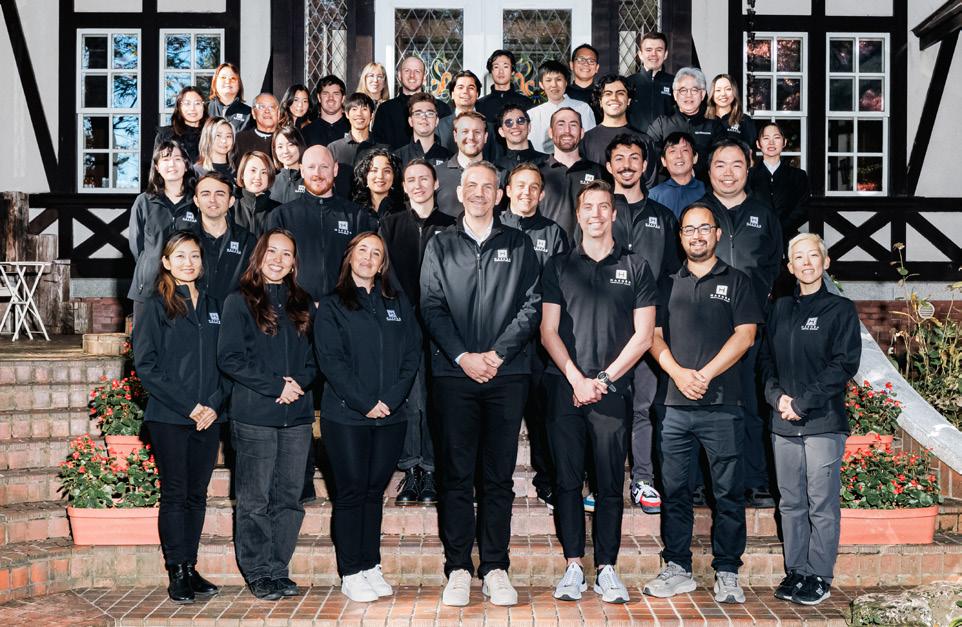
For nearly twenty years, Hakuba has been our home. This village is at the heart of everything we do at Hakuba Hospitality Group. Live Up Hakuba is our love letter to this remarkable valley: the place where we live, work, and find inspiration every day.
This magazine was created to celebrate Hakuba’s rich past and bright future—to preserve the stories of the pioneers who shaped its identity and to spotlight the local visionaries leading the way forward. It is a guidebook, yes. But more than that, it is a reflection of the people, places, and passions that make Hakuba one of Japan’s most special mountain communities.
We invite you to explore these pages, discover the stories that connect us, and experience the Hakuba we’re proud to call home.
With gratitude, HAKUBA HOSPITALITY GROUP
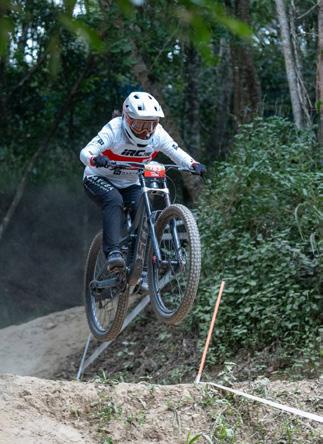
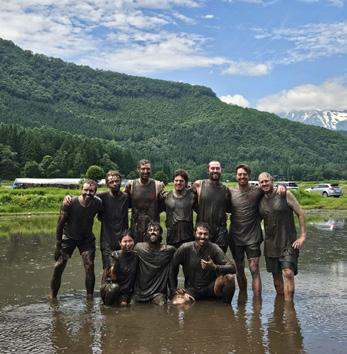
Community rice harvest
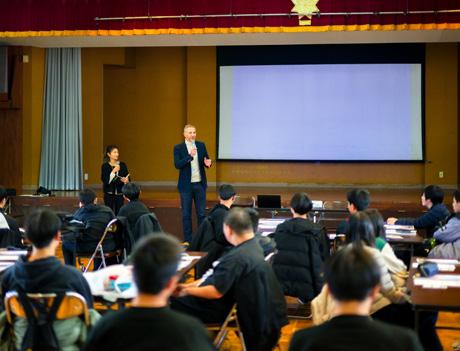
Marcus and Shoko sharing our vision for the future of
with visiting high school students























“Live Up” encourages you to seize life as an adventure and as an expression of individual style. It embodies the thrill of fresh powder at sunrise and the cozy indulgence of fireside dining at dusk. It is a plea to fully embrace the beauty and sophistication of the Hakuba Valley. Experience life at high altitudes with unmistakable style. Live Up.
A Hakuba history
Generation
Explore the ten resorts
A gallery on the season that was Through the years at Goryu
Hakuba’s green season
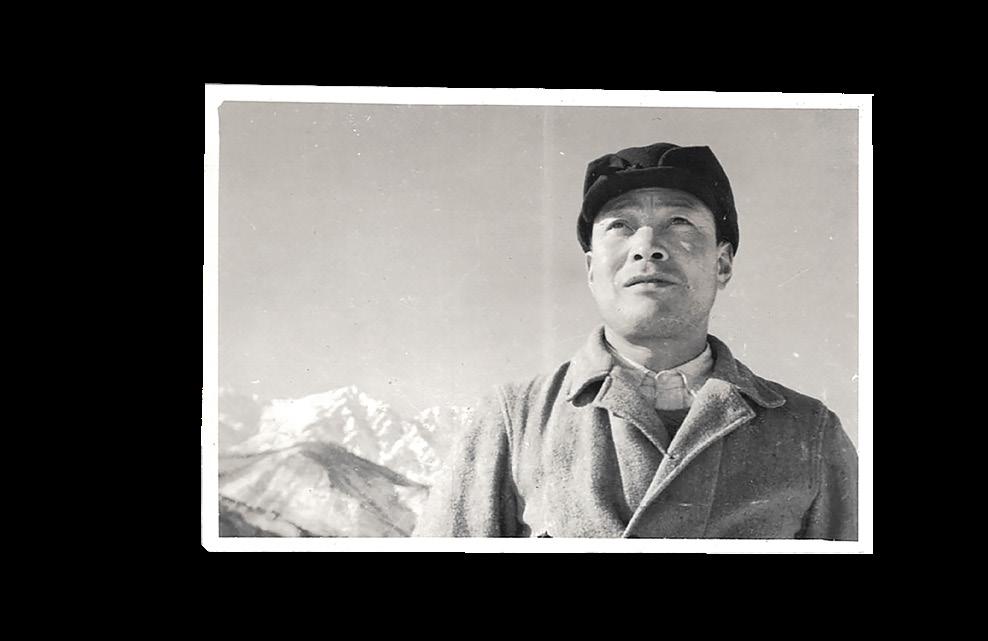
Long before Hakuba became a global ski resort, men like Sadao Otani worked to carve the first runs. A farmer’s son who first entered the mountains as a teenage porter, Sadao became one of the architects of Hakuba’s ski culture and tourism industry. He brought the first skis into the valley, built its earliest resort infrastructure, helped legalize family-run lodging, and spent his life guiding and rescuing hikers in the Northern Alps.
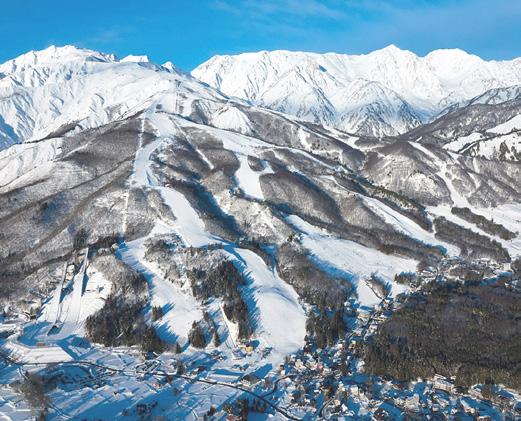
Experience the best of Hakuba at HappoOne, the region’s premier mountain resort, renowned for its world-class slopes and breathtaking alpine views. 白馬の最高峰の絶景を体験するなら白馬八 方尾根。世界クラスの山と息をのむようなア ルプスの景色で知られるプレミアムマウンテ ンリゾートです。
HAKUBA: A BRIEF HISTORY
For thousands of years, Hakuba was a farming village at the foot of forbidding peaks. The mountains were considered sacred, the realm of gods. Locals did not climb them, and few outsiders even tried.
That changed in the late 19th century as Japan re-opened to the world after over 250 years of isolationism. As the Meiji Government rapidly modernized the country, there was a new national push to survey and map Japan’s terrain. This brought scientists, surveyors, and foreign adventurers into the Northern Alps for the first time.
Local farmers who were familiar with the terrain were hired as porters, guides who carried luggage, broke trails, and shared their local knowledge with visiting climbers. Soon after, recreational hiking began to grow in popularity and Hakuba gradually became a summer tourism destination. It would take another generation and the hard work of countless individuals before the ski industry emerged.
SADAO IN THE MOUNTAINS
In 1918, 16-year-old Sadao Otani began working as a porter. That winter, Sadao accompanied an acquaintance named Hayao Sasagawa to nearby Mount Myoko in Niigata for a guiding job there. During that trip, his life changed.
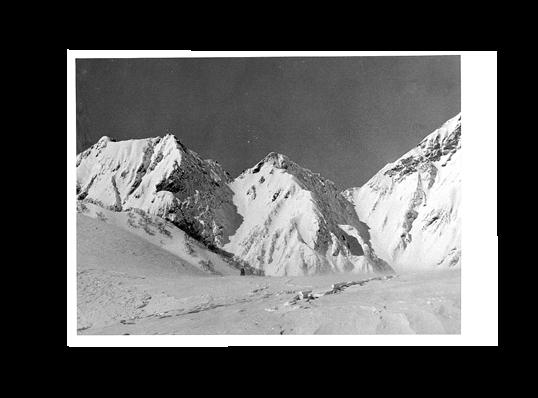
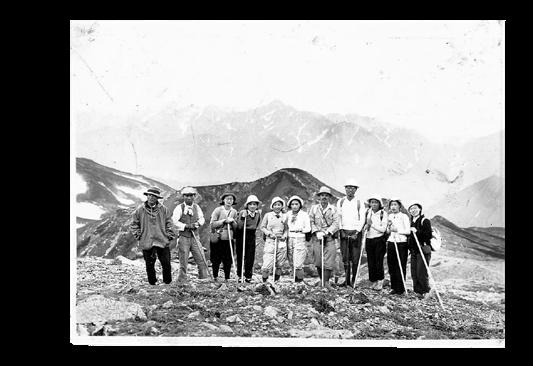
Sasagawa introduced Sadao to skiing, which had been brought to Japan in 1911 from Austrian military officers visiting the country to train Japanese soldiers. It was still unknown in Hakuba. He taught Sadao the basics, explaining that a new kind of mountaineering was emerging, one that would soon require guides to move quickly and safely through deep winter snow.
Before they parted, Sasagawa made a promise: he would send Sadao a pair of his own skis. Weeks later, a package arrived in Happo Village. Inside were two long wooden boards, polished and foreign—unlike anything the villagers had ever seen. Hakuba’s first skis. The reaction was swift. Villagers stared in disbelief. Some laughed. Others gossiped. Sadao remembers the whispers in his memoir, Hakuba Sanka:
“He’s playing with skis instead of doing his work. Even the children are copying him. Has he gone mad? I feel bad for his father.”
None of it stopped him. Every day, he climbed the slopes above Happo Village and taught himself to ski, setting in motion a revolution that would transform Hakuba.

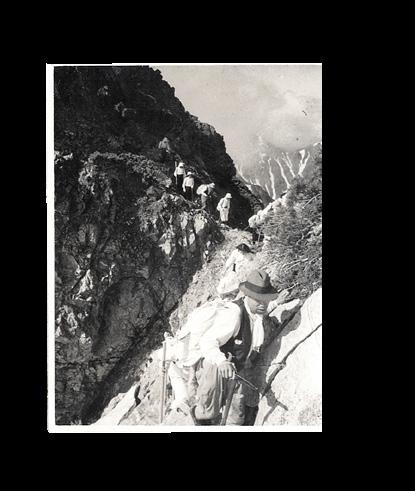
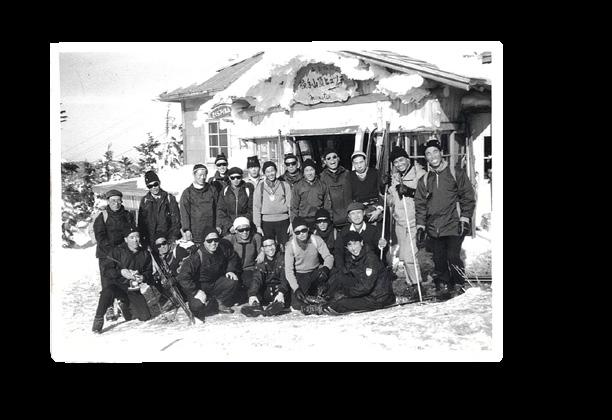
THE HOSONO MOUNTAIN SKI CLUB, 1931
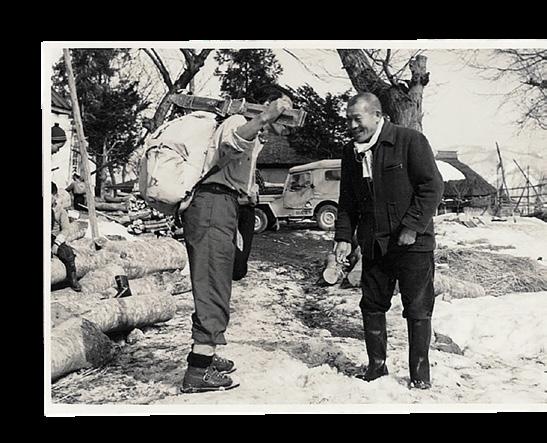
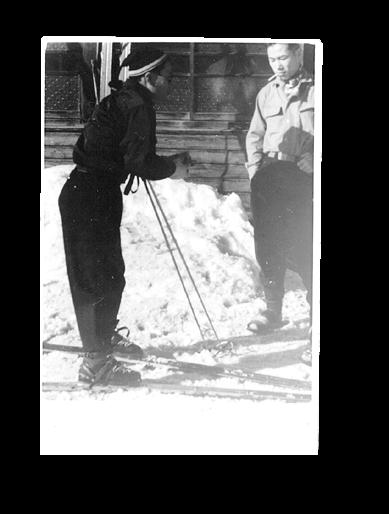
By 1931, skiing had firmly taken root in the valley. Recognizing its potential, Sadao and 11 like-minded mountain guides founded the Hosono Mountain Ski Club. The guiding principle was to support each other to become mountain guides who could operate in both summer and winter. Their inaugural undertaking was bold and visionary: the construction of a ski hut high on the Kurobishi Plateau at 1,500 meters.
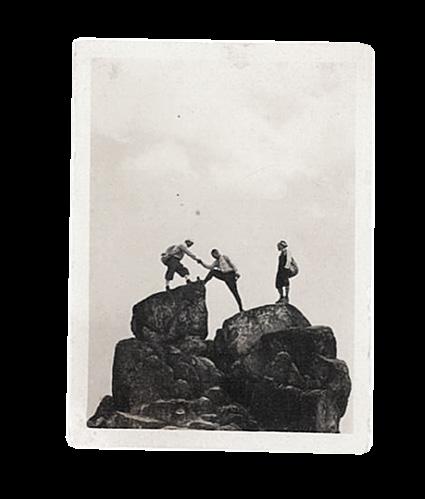
Using timber cut from their own farms, the members hauled heavy logs up the mountain and built a sturdy two-story lodge. Whatever expenses could not be covered by their labor alone were financed by selling rice grown on their farms.
The hut became Hakuba’s first piece of ski infrastructure, a base that supported both winter skiing and summer mountaineering. Its popularity grew quickly, and by 1934 the lodge had already been expanded to accommodate increasing demand. The Hosono Mountain Ski Club later became the Happo-One Ski School, which is still in operation today.
POSTWAR REVIVAL & THE BIRTH OF THE RIESEN SLALOM
After World War II, Hakuba was eager for renewal. In 1947, Sadao helped launch what would become one of Japan’s most iconic ski races: the Riesen Slalom, part of the village’s hopes for a new beginning.
Working alongside Takayuki Fukuoka, another pivotal figure in the history of Hakuba skiing, Sadao rallied the ski club and the local community behind the idea of hosting a major downhill race that would put Hakuba on the national map. Sadao negotiated with landowners to cut trees for the course development, traveled with Fukuoka to secure official sponsorship, and critically received permission from the government to allow skiers to bring their skis on trains, an act that was prohibited at the time.
On March 21, 1947, the first Riesen Slalom was held. It was a turning point for Hakuba’s growth as a center of skiing in Japan. Its legacy races on. Happo-One will host the 80th Annual Riesen Slalom Race on February 26 and 27, 2026.


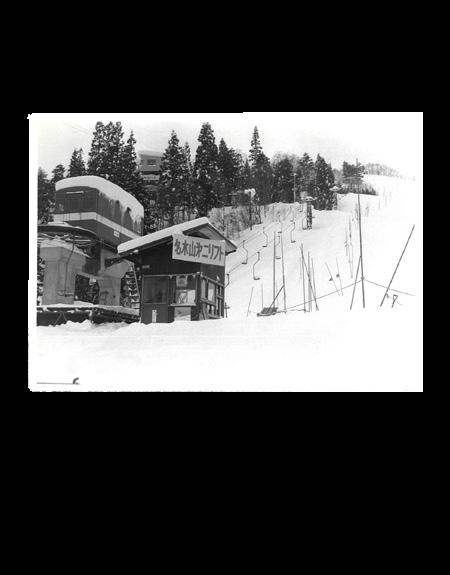
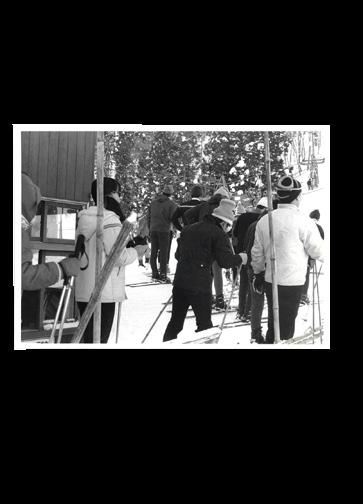
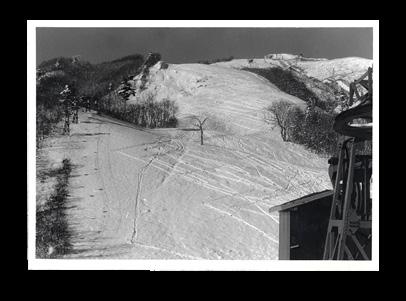
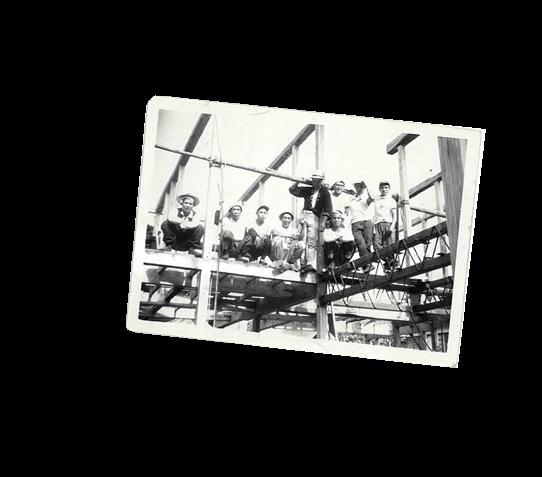
In the 1950s, ski lifts remained rare across Japan. But Sadao and two colleagues believed Happo-One needed one to attract future generations of skiers. The cost: three million yen, roughly 20 million yen today. Despite their lobbying, the village showed no interest in funding the project. Undeterred, the three men decided to raise the money themselves. Sadao approached a skiing client, a Mr. Ozawa, who owned a factory in Tokyo. After hearing the pitch, Ozawa agreed to lend the entire amount, interest free.
With the funds secured, Sadao rallied 30 volunteers who built the lifts and became the owners. Much to the local villagers’ surprise, within three years it turned a profit.
The Nakiyama Chair Lift became the first of many at Happo-One, sparking rapid expansion across the mountain. Every subsequent lift would be village-owned, but the original remained private, a testament to the vision of three determined men.
JAPAN’S FIRST BED & BREAKFAST
For the first half of the 20th century, visiting climbers and skiers typically stayed in the homes of mountain guides in Happo Village—an informal system with no rules, no licensing, and no standard pricing. After the war, tourism surged and Sadao recognized the need for a legal framework. He spent years navigating Japan’s chaotic postwar bureaucracy: first the police, then the new public health office, then the Nagano Prefectural Government. Permission was finally granted in 1950 for eight households to operate Japan’s earliest licensed minshuku, traditional family-run guesthouses that would become the backbone of Hakuba’s hospitality industry.
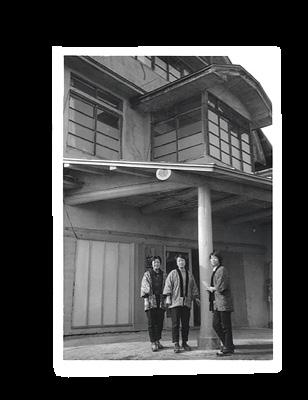
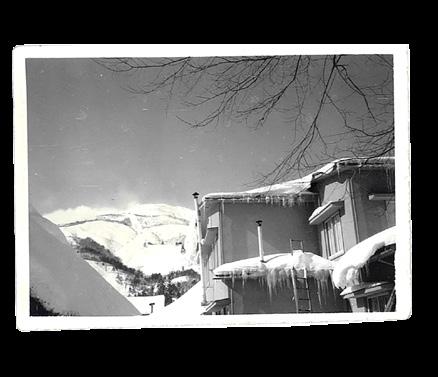
But licensed accommodation meant little if guests couldn’t reach them. Sadao took on another battle: bringing telephone lines to Hakuba. He petitioned the prefectural government relentlessly until, in 1951, the village received its first 30 lines. In recognition of his persistence, Sadao was assigned number 71, the lowest available. Sadao ran his own minshuku from his renovated farmhouse, which eventually became Bousuiso Hotel and operated until 2023. As Hakuba grew, accommodation expanded to modern lodges, hotels and ryokans. But the minshuku system Sadao fought to legitimize remained at the heart of the valley’s hospitality.
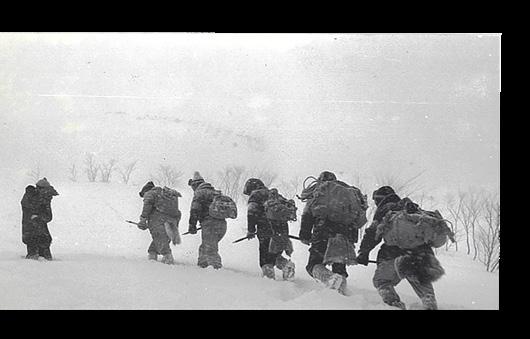
While he played a crucial role in shaping modern skiing and hospitality in Hakuba, Sadao never stopped being a mountain guide. He spent the majority of his life in the mountains— guiding climbers year-round, organizing rescue missions, and leading winter ascents. He became one of the region’s most respected rescuers, known for his intimate knowledge of the terrain and his willingness to venture out even in blizzard conditions when emergencies demanded it.
For Sadao, guiding wasn’t simply work, it was duty. So when he recognized that mountain guiding lacked formal recognition or safety standards, he petitioned Nagano Prefecture once again. His advocacy established a legal framework, training requirements, and a coordinated rescue system that protects the Japanese Alps today.
The story of Hakuba’s rise is the story of Sadao Otani. From those first wooden skis to licensed minshuku to telephone line 71, he helped build the framework that transformed a sleepy valley into the Hakuba we know today.

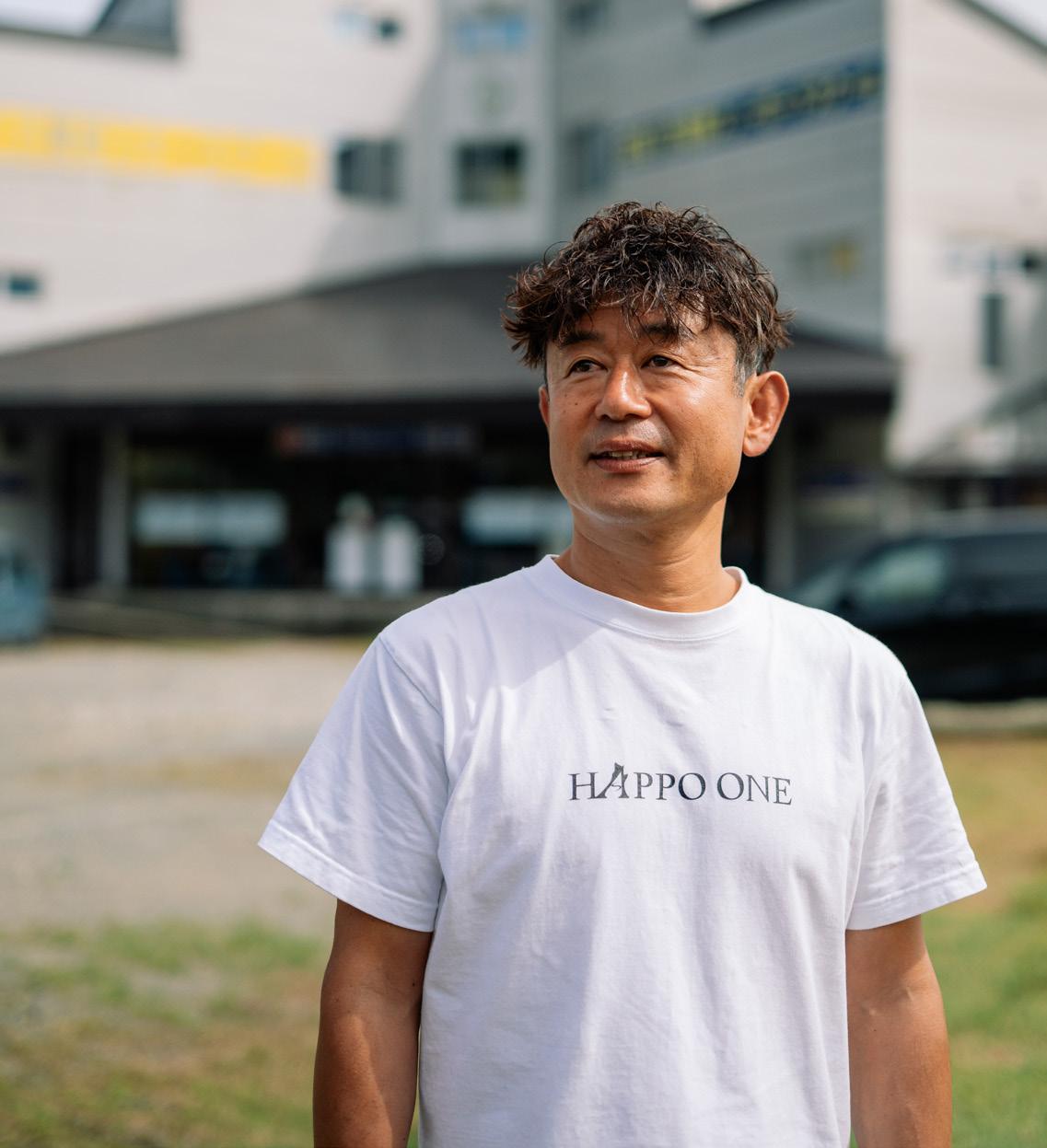
Few people embody Hakuba’s past and future like Yusuke Otani. As President of the Happo-One Ski School (founded in 1931 by his great-grandfather, Sadao Otani) Yusuke carries forward a legacy that brought modern skiing to the valley. He also owns the land where his great-grandfather’s historic Bousuiso Hotel once stood. This property was one of the original eight minshuku bed and breakfasts that formed the backbone of Hakuba’s hospitality industry nearly a century ago.
Today, Yusuke stands at the center of Hakuba’s next major transformation. Through a partnership with Tokyo-based hospitality group Plan Do See, he is leading the redevelopment of the Nakiyama area—an ambitious project designed to elevate both the guest experience and the local community. His strategic partnership and revitalization vision were key to securing approval for the Happo-One Gondola relocation to the Nakiyama Slope, a decision that will reshape how visitors move through the village for decades to come.
We sat down with Yusuke to discuss his family’s legacy and how the transformation of the Bousuiso site and wider Nakiyama slope area will shape Hakuba for the next generation.
PLEASE SHARE YOUR VISION FOR THE FUTURE OF THE NAKIYAMA SLOPE AREA.
Two years ago, we decided to stop operating Bousuiso solely as a family business. Instead, we brought in a partner brand and committed to developing our land into a mix of hotels, restaurants, retail, and rental facilities. In 2027, the long-awaited gondola will finally open here in Nakiyama. The push for a gondola actually began nearly 15 years ago. Many companies tried to move things forward, but nothing materialized. There were financial issues, COVID, and other setbacks. But I also felt the bigger reason was that this area simply wasn’t “cool” enough. If the area had already been lively and appealing, more companies would have said, “let’s put the gondola here.”
Even though Bousuiso has a long history, our operations and our ability to attract guests weren’t keeping up with the times, and I had to admit that I wasn’t suited to running it in that old style. By continuing as we were, I realized I was becoming a barrier to the town’s hopes. People wanted the area to improve so the gondola could come and the town could grow, but we weren’t contributing to that future.
Yusuke Otani pictures a village that is easy to navigate, with guests moving smoothly between the slopes and the streets.
So I made the decision to change course. If Bousuiso could evolve into something the region truly needs, maybe we could accelerate the effort to attract the gondola. Building a gondola mid-mountain is incredibly expensive, and the surrounding facilities need to be developed too; it’s difficult for the community alone to do. But by making the best use of my land, we can support the lifts that connect to the gondola and develop the area together.
About six years ago, I brought this idea to the Happo-One Development Organization. I want the gondola opening to mark the beginning of a new phase for the town—a chance to restart and move forward together.
WHEN YOU DISCUSSED THIS BIG CHANGE WITH YOUR FAMILY, HOW DID THEY REACT?
At first, my father was really shocked and probably felt it was a shame. But if you look at the history of the Otani family, my great-grandfather Sadao was the one who brought something new. He brought skiing here.
He’s the one who introduced skiing and sparked development of the area, and then he decided to leave everything to his son. So in his eyes, his son (my grandfather) and now me, as the next generation, are trying to do something similar: bring in something new that will shape the future. Once he understood it that way, my father said, “Okay, I’ll support you.” and things went quite smoothly.
WHAT KIND OF FUTURE DO YOU ENVISION FOR HAKUBA AND HAPPO?
That’s a difficult question, but I think Hakuba needs new energy, new ideas, and people who can put them into action. Hakuba Hospitality Group is already bringing in a lot of fresh thinking. Not every idea will fit perfectly, but the truth is that the local community alone can’t drive all the change Hakuba needs right now.
What’s important is having a strong local organization that can partner well with people from the outside—people who see Hakuba’s appeal and want to help elevate it. Traditionally, almost everyone here ran some kind of lodging. Over a hundred small, family-run inns were doing the same type of business on the same daily schedule: breakfast prep, cleaning, check-in, dinner, front desk, sleep, repeat. Living in that cycle leaves no time to create anything new.
That’s why I stepped out of that timetable and focused on creating new value instead.
“If we can build a team that combines local knowledge with people from elsewhere, and work together to energize Hakuba, I think we can create a kind of resort that doesn’t exist anywhere else.”
In my mind, Hakuba could develop distinct zones—Wadano as a super-luxury area, Happo as more lifestyle-focused, other areas as more casual or budget-friendly. If we can build that kind of diversity and reshape the town as a whole, then when my son grows up, there will be an organization here that keeps the resort evolving.
With new energy coming in, we can start thinking beyond the gondola opening. Imagine big steps like, “what if we extend
“My great-grandfather would be proud of bringing skiing to Hakuba, but also aware that the village shines far beyond winter—twelve months, each with its own magic.“
the gondola all the way to Toyama?” Right now the town is just focused on getting through the present, and the future feels hard to see. But I believe Hakuba can become a place where the next steps are clear and the future is easy to imagine.
IF YOUR GREAT-GRANDFATHER SADAO WERE TO SEE HAKUBA TODAY, WITH ALL THE DEVELOPMENT UNDERWAY, WHAT DO YOU THINK HE WOULD SAY?
I believe he’d be happy. He’s the one who brought skiing to Hakuba, after all. On one hand, I think he’d feel, “I’m glad I brought skiing here; what I did wasn’t a mistake.” On the other hand, he might also feel a little sad that the village became only about skiing. Why? Because Hakuba has something special in all 12 months of the year: spring, summer, autumn, and winter all have their own charm. Yet the people of Hakuba have tended to focus only on winter for business. I think he might feel disappointed about that.
Originally, before skiing came, Hakuba was a summer mountain town. Then skiing was introduced, and things shifted into a one-year cycle centered on winter. For many years we’ve looked almost only at skiing. That’s wasteful, isn’t it?
I’m the President of the Happo-One Ski School, and I love skiing. But I also want to create systems for non-skiers. There are many ways to communicate Hakuba that don’t limit us to just one activity. For example, trail running, triathlons, running events are all ways we can share what’s special about Hakuba. By building an environment where we can send that message out better—not only with people from outside, but with outsiders and local residents working together—I think my great-grandfather would be very pleased.
That’s exactly why I wanted to do this, and why I presented the idea to my family, which has led us to where we are now.
SO YOUR GREAT-GRANDFATHER HAS INFLUENCED YOU A LOT.
He really has, enormously. I feel like his spirit and his desire to “bring in what Hakuba needs” have been passed down to me. Because of that, I feel a strong responsibility to find and bring in what Hakuba needs.
TAKE A LOOK!
Watch the interview on YouTube.

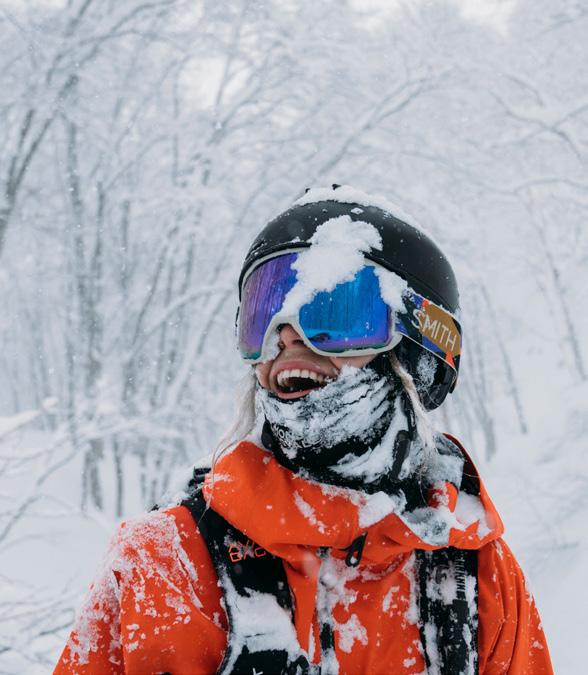
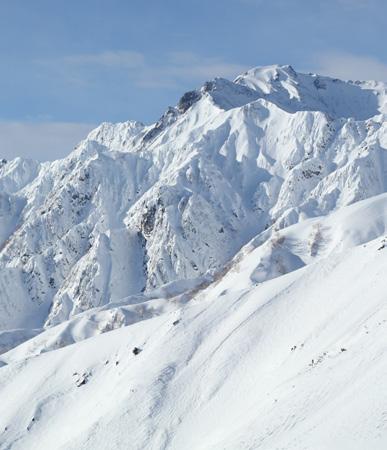
After a record winter, Japan’s snow capital is stepping it up again this season. With resort upgrades, new partnerships, and a growing buzz across the valley, Hakuba is even more connected and fun.
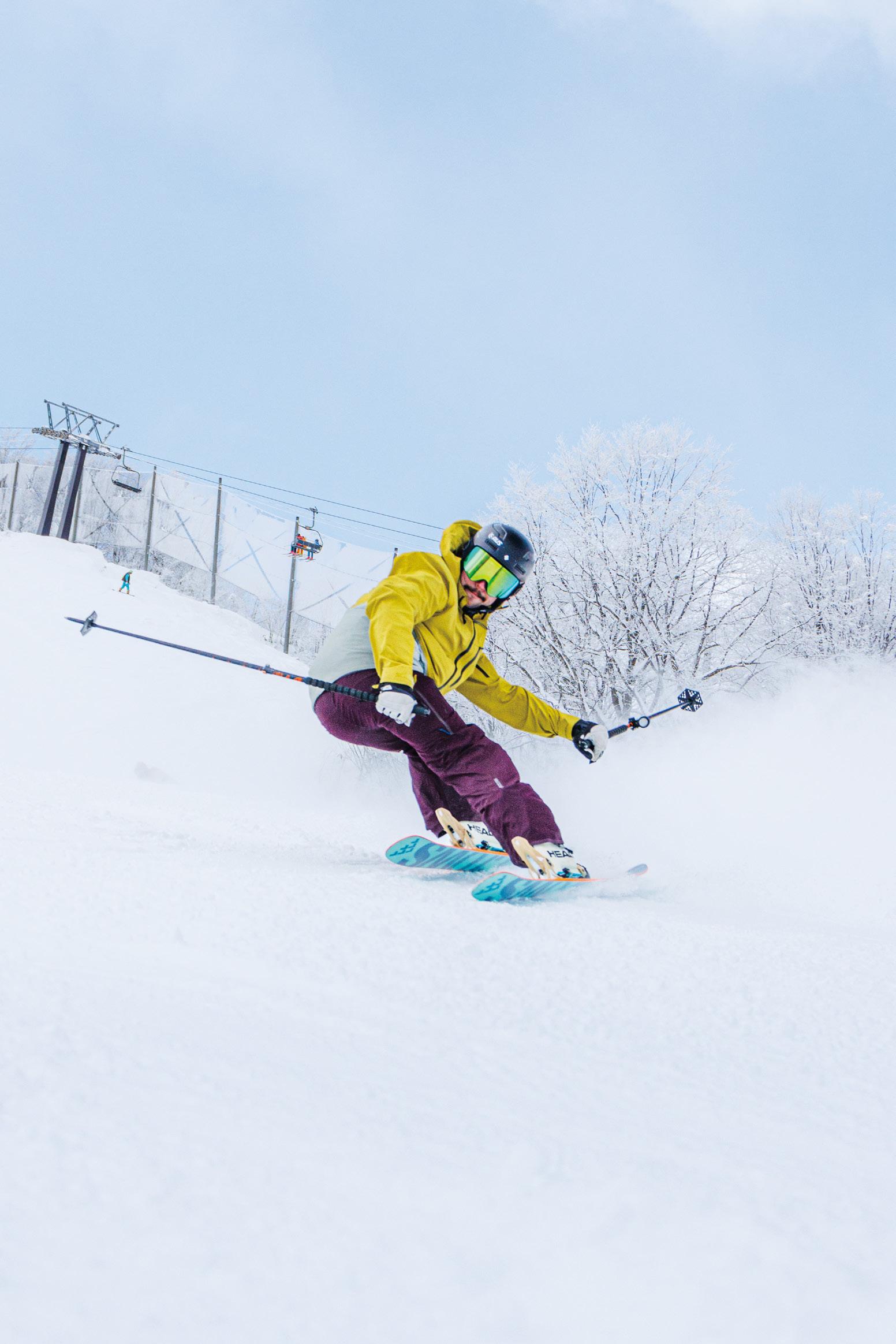
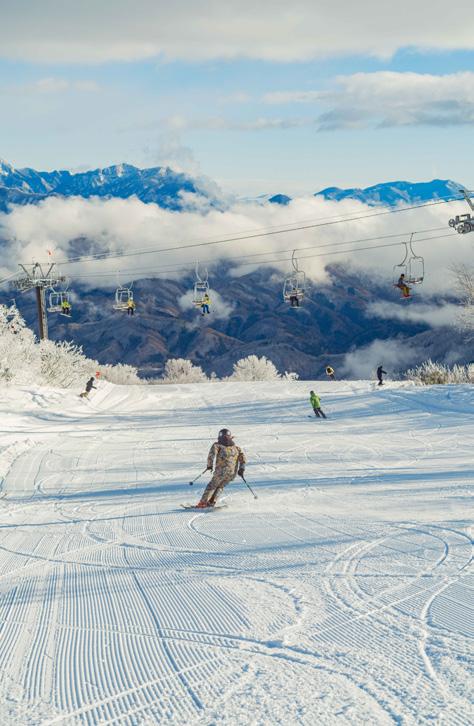
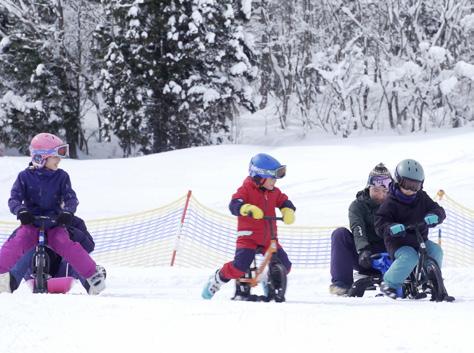
JIGATAKE
Seven runs and gentle slopes welcome kids and beginners to practice their turns without crowded terrain.
SANOSAKA
Ski with stunning vistas overlooking the crystal-clear Aoki Lake.
KASHIMAYARI
Enjoy the slopes with the Japanese ski community or take a turn on the 500 meter long snow tubing course.
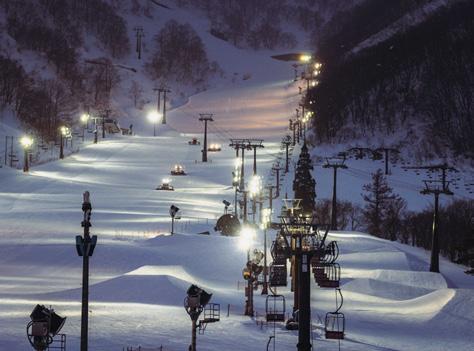
HAKUBA GORYU
The “Toomi Zone“ is very gentle and likewise the Iimori section is perfect for finding your ski legs.
HAPPO-ONE
“Happo“ boasts 1,701 meters of vertical drop and the steepest slope in Japan.
HAKUBA 47
This resort shares a lift ticket with Goryu—get two for one.
IWATAKE
When people flock to Cortina for tree skiing on those powder days it leaves Iwatake quiet with comparable tree lines available.
As an advanced skier, get the “Double Black Diamond Pass” and enjoy the lift-accessed tree runs.
Your ticket for Norikura is valid at Cortina and vice versa. Go explore Norikura and escape the crowds.
As the most northern ski resort in the Hakuba Valley, the resort receives up to twice as much snow as other resorts and has some of Japan’s best tree skiing.
Happo-One (pronounced “Oh-nay”) stands as the most prominent and centrally located resort in the Hakuba Valley. Covering 220 hectares and boasting a 1,700-meter vertical drop, it is a top pick for confident skiers and snowboarders. With its mix of Olympic pedigree and challenging terrain, Happo-One remains a favorite for those looking to push their limits on the mountain.
International fame came when Happo-One hosted key events during the 1998 Nagano Winter Olympics, including the downhill, super-G, and ski jumping competitions. That year, Japan had its strongest Winter Olympic showing yet—two ski jumping gold medals were
won right here in Hakuba. Today, visitors can still explore the Olympic venues and feel the energy of those historic games.
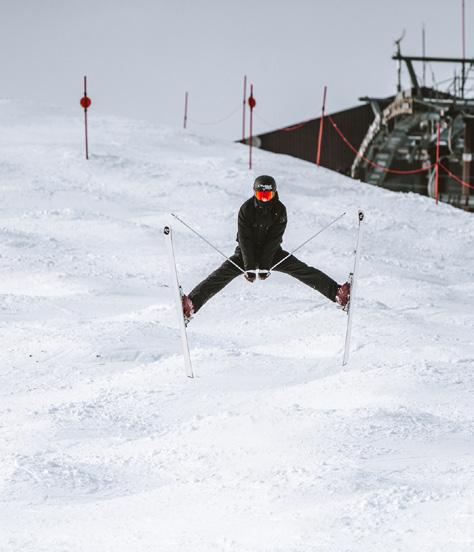
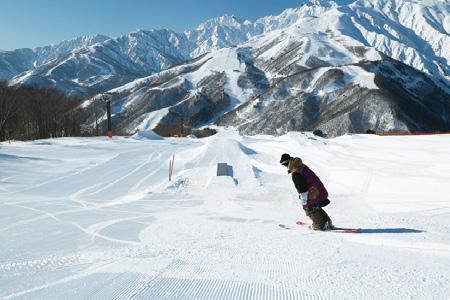
Freestyle enthusiasts will feel right at home in the HAPPO PARKS Terrain Park, built for serious airtime and creative lines. When the snow is deep, the Skyline tree runs offer some of the most fun terrain in the area.
On bluebird days, ride up to Riesen Grat, Happo-One’s highest point, and carve your way down through Alpen, Usagidaira, and Panorama—eventually linking to the former Women’s Slalom Course all the way to Kokusai at the base.
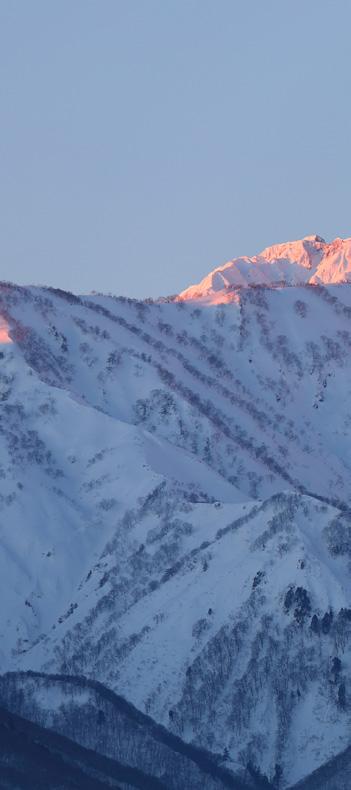
Breathtaking Views, Effortless Runs
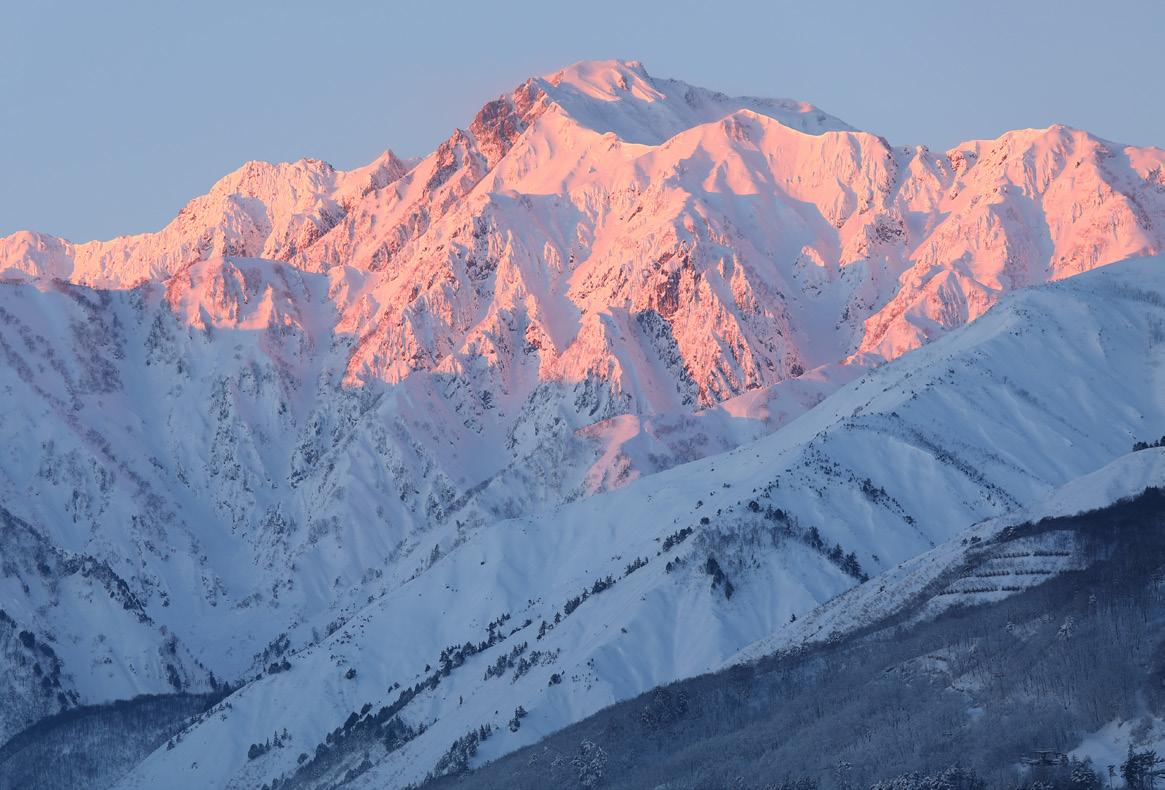
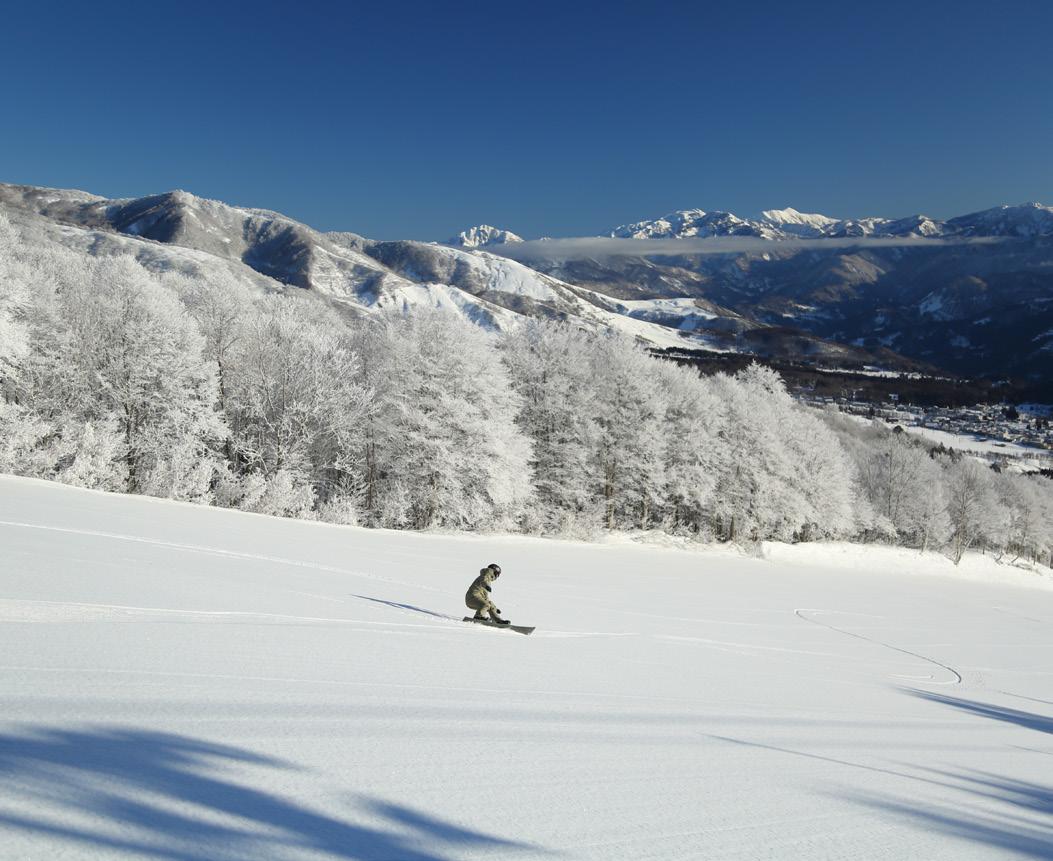
Sitting above 1,200 meters, this resort treats you to great views of the entire valley and a refreshing mix of short, playful trails and long runs that span the full vertical drop. Iwatake blends great views with technical variety—perfect for skiers and riders who want a little bit of everything. Coffee lovers can recharge at City Bakery’s Mountain Harbor deck.
NEXT-LEVEL COMFORT & STYLE
When the high-speed gondola opened last season, it set a new standard for comfort and quiet performance. This season, a fully renovated base station adds another major upgrade with ticketing, shops, lockers, changing rooms, and the brand-new SPICY RENTALS shop offering top-quality gear for every condition.
DOG-FRIENDLY AND FAMILY-INCLUSIVE
One of the few ski resorts in Japan that allows pets on the gondola, Iwatake offers a welcoming experience for four-legged companions. With a dedicated pet area, dog run, and cozy indoor SkyArk lounge, the resort is as enjoyable for dogs as it is for their humans.
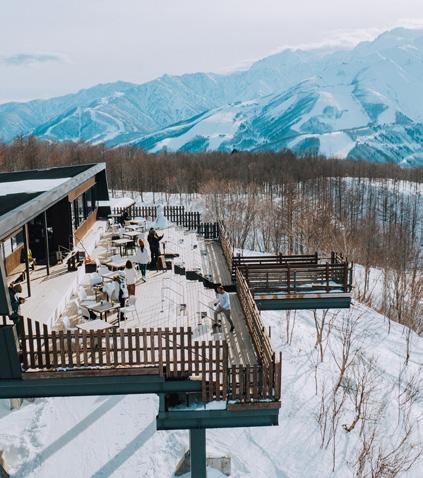
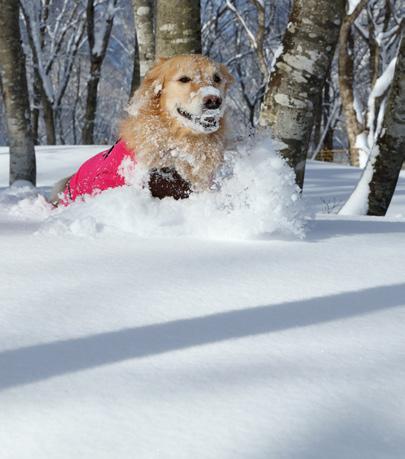
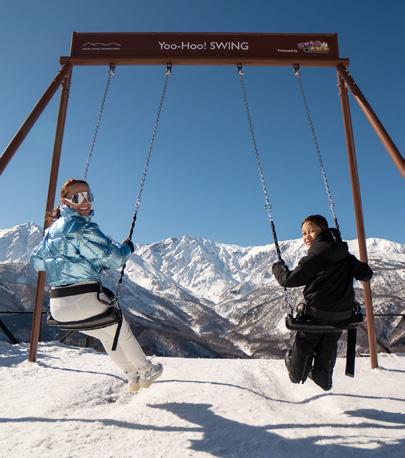
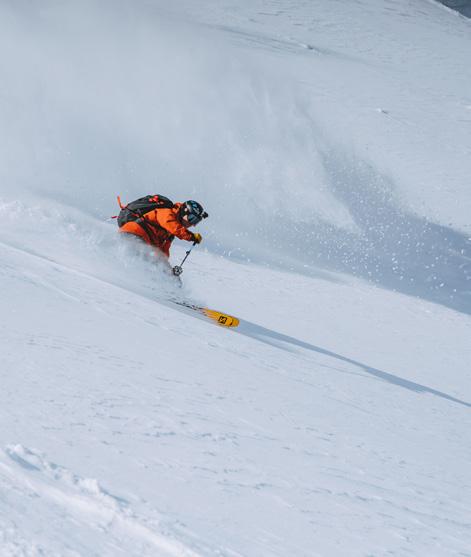
Many people flock to Cortina on powder days, leaving Iwatake‘s tree lines comparably quiet for more peaceful runs.

















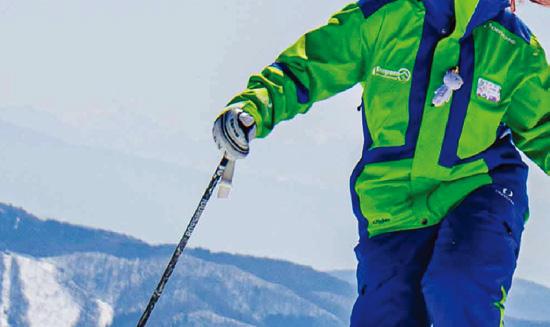














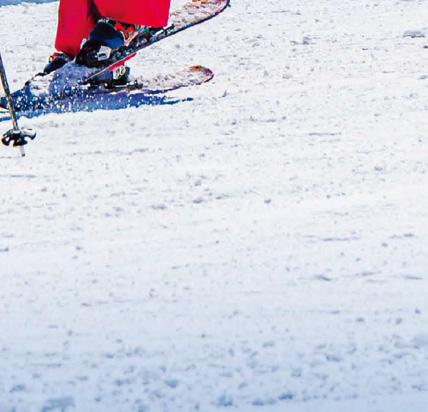










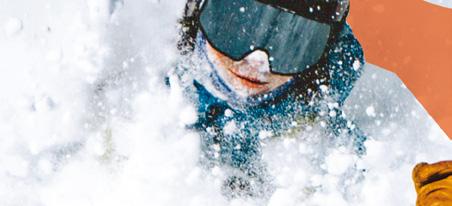



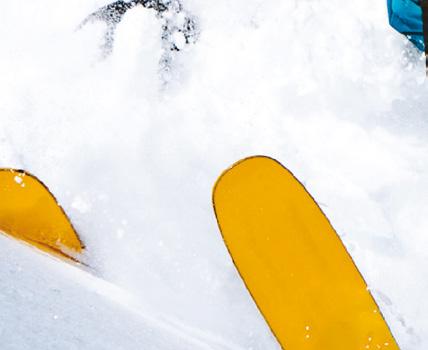



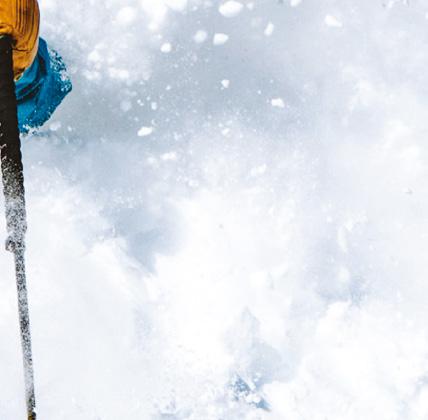



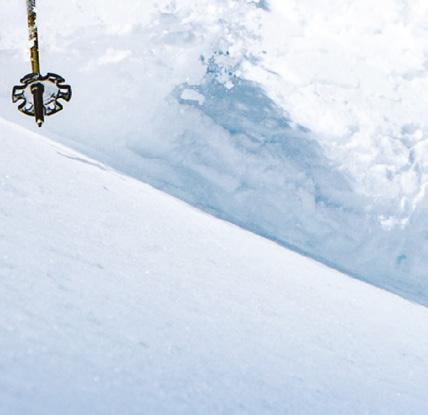










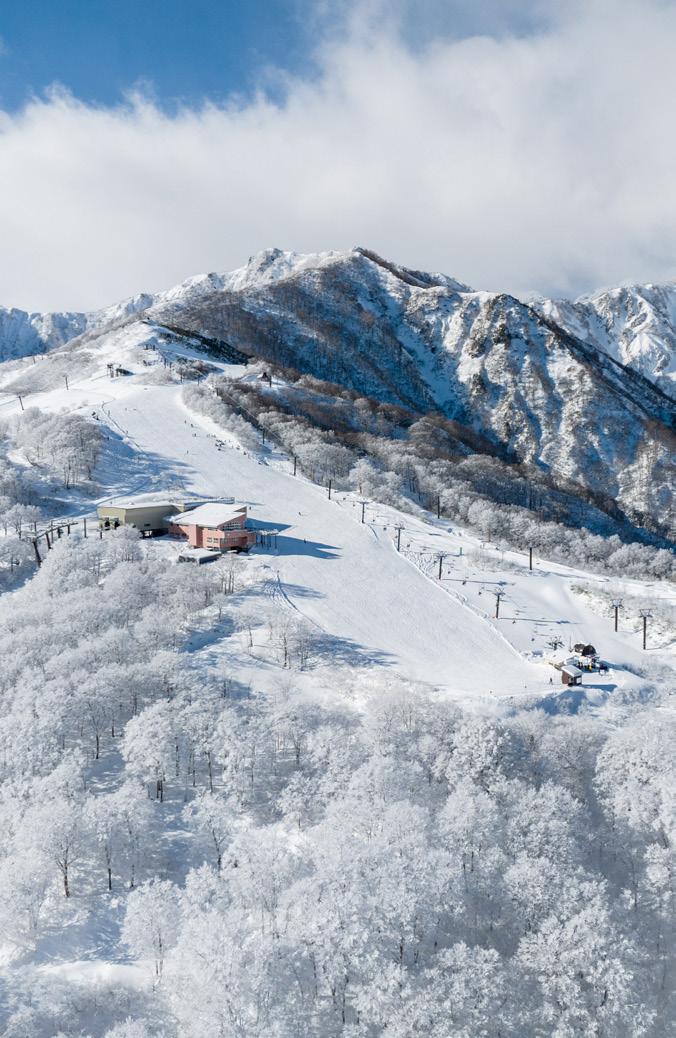
Hakuba Goryu is one of the most versatile resorts in the valley. Its mild terrain at the foot of the mountain is ideal for learning to ski, while more advanced skiers enjoy carving fresh lines on the upper faces.
WHERE BEGINNERS FIND THEIR GROOVE
The lower areas of Toomi and Iimori slopes are especially suited for beginners and families. Wide gentle slopes make this area ideal for first-timers. The night skiing area has recently been expanded and now seamlessly integrates with Iimori, offering even more terrain to explore after dark. International ski schools in the area include Toomi Snow School (Goryu) and Hakuba Snow Sports School (Iimori), both known for their skilled instructors and excellent programs for all ages.
GORYU’S SOUTH FACE
For experienced freeriders, Goryu’s off-piste south-face offers expansive terrain with steep upper bowls that flow into rolling ridgelines. This terrain demands a high level of experience in off-piste skiing and snowboarding; always go with a certified guide and proper avalanche gear.
ESCAL PLAZA
At Goryu’s base, Escal Plaza is the resort’s vibrant hub. Inside you’ll find rentals, shops, restaurants, daycare services, and even a public onsen—everything you need for a smooth and enjoyable mountain day.
HAKUBA 47
Hakuba 47 is a family-friendly resort with a diverse mix of terrain suitable for all skill levels. The resort is renowned for its excellent snow quality and is home to some of the best terrain parks in the Hakuba Valley, featuring big kickers, a half pipe, and rails. Hakuba 47 is the perfect destination for non-powder days.
Jigatake Kashimayari Sanosaka
HAKUBA GORYU FIGURES HAKUBA 47 FIGURES
TOTAL LENGTH TOTAL LENGTH
GONDOLA GONDOLA
Hakuba Goryu and Hakuba 47 are connected by two gondolas and one lift ticket, making it easy to explore all areas.
Tsugaike Mountain Resort is the most inclusive ski destination in the Hakuba Valley. The resort delivers an unforgettable winter experience for everyone, from complete beginners to expert powder hounds.
BEGINNER BLISS
The resort features long, wide-open slopes and one of the valley’s best green runs stretching from top to bottom. Several international ski schools operate here, and family-friendly amenities like daycare and play zones make it perfect for the whole family.
FOR THE POWDER FAITHFUL
Get the “Double Black Diamond Pass” and access a whole new world of terrain— including lift-serviced backcountry, the TG Park, and tree skiing zones with deep stashes of powder. It is one of the best places for adventurous riders to test their skills.
SOAK & SIP, JAPANESE STYLE
Skip the beer and go for a local favorite: hot sake and a foot bath. At the base of the gondola, you’ll find a free foot onsen.
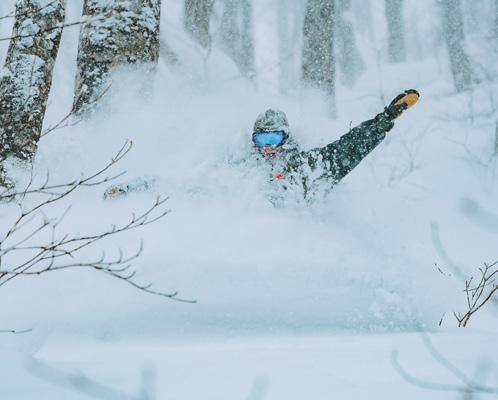
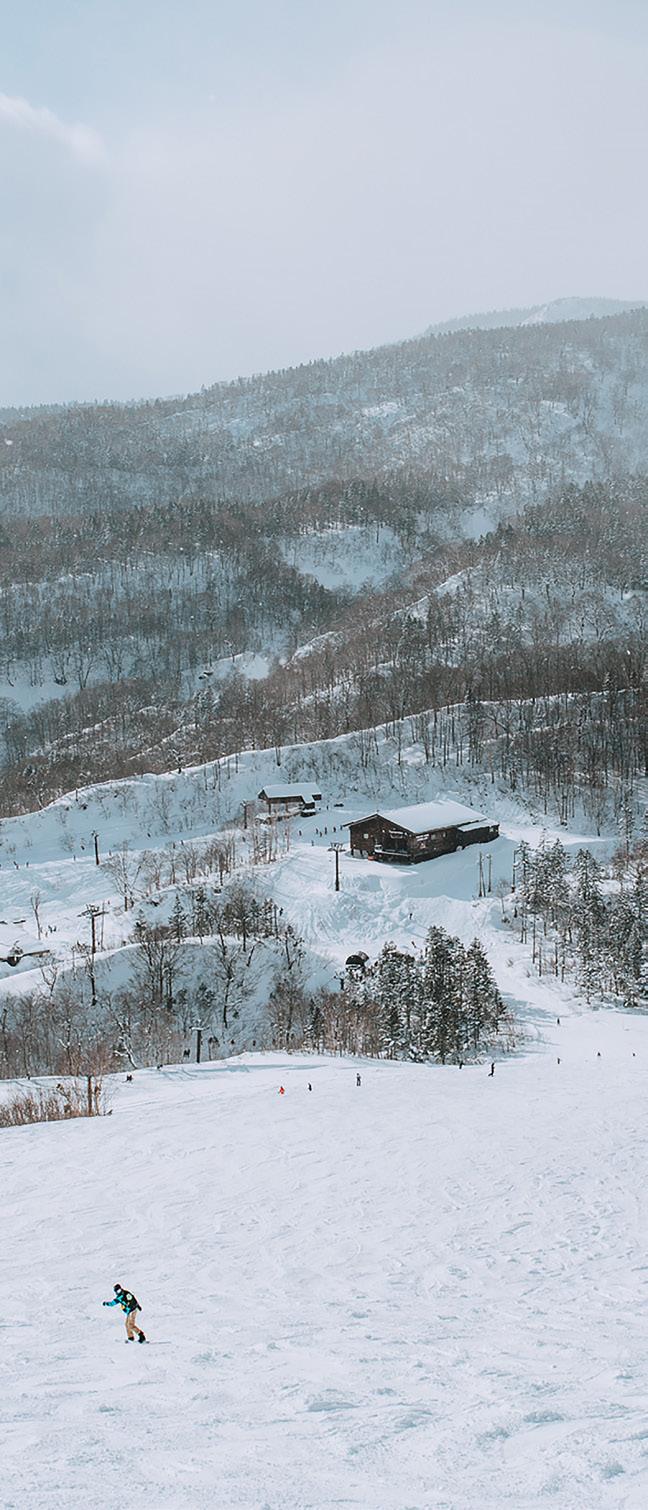
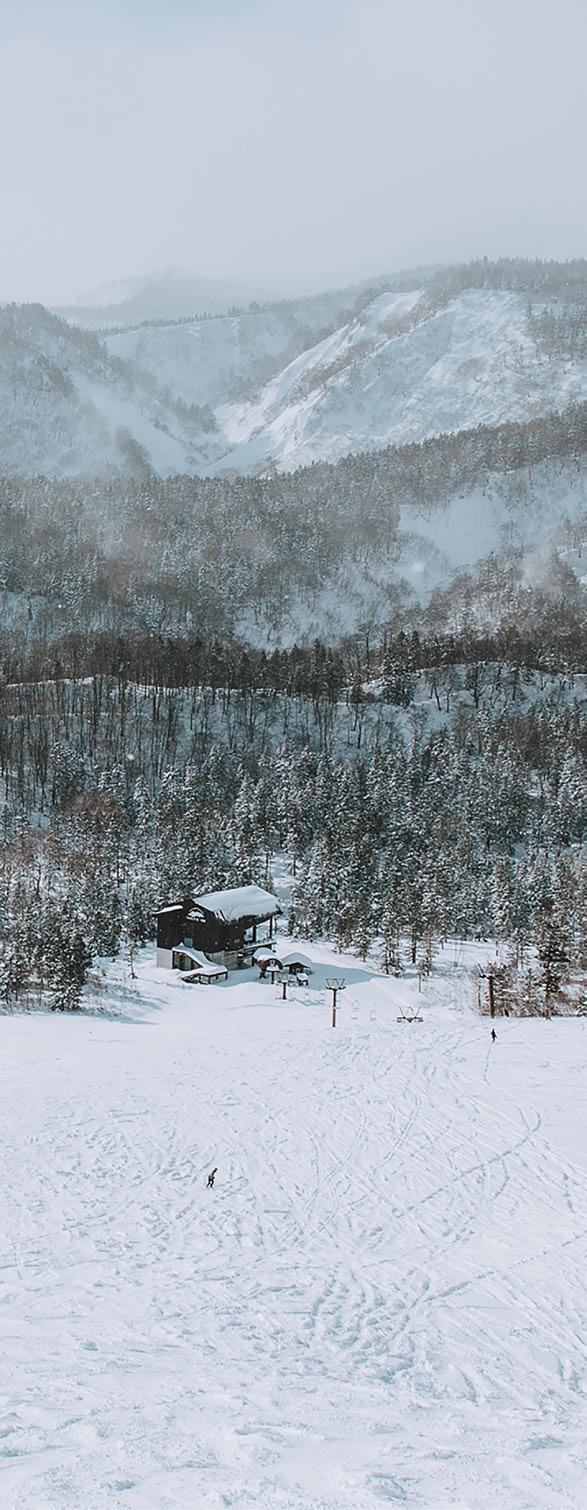
New this year, Tsugaike Yokocho brings fresh energy to the base of the resort with an expanded foot onsen, new dining options, and weekly après-ski parties.
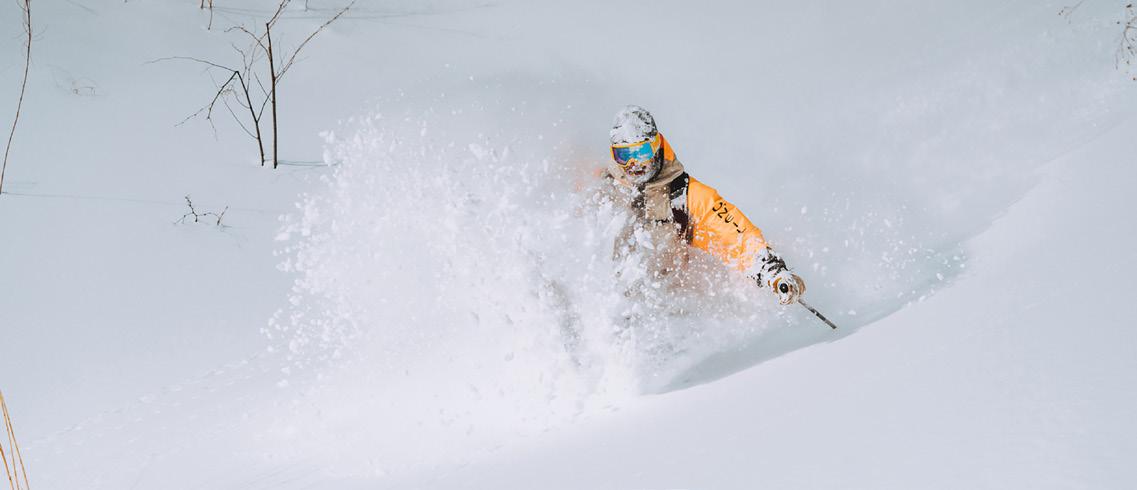
Deep and Steep
Cortina’s front face is steep, with perfectly spaced trees and a reputation for the best powder in the valley.
Start your day with fast warm-up runs on Norikura’s wide beginner trails, or head for more advanced slopes like the Sky View Slope—a favorite on powder mornings.
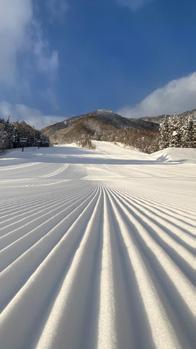
Mellow and Mighty Calm, Scenic, and Family-Focused
NORIKURA FIGURES
These three southern resorts in the Hakuba Valley offer a more relaxed and family-oriented atmosphere. They are the perfect destinations for those looking to avoid the crowds. Enjoy mild terrain and great views!

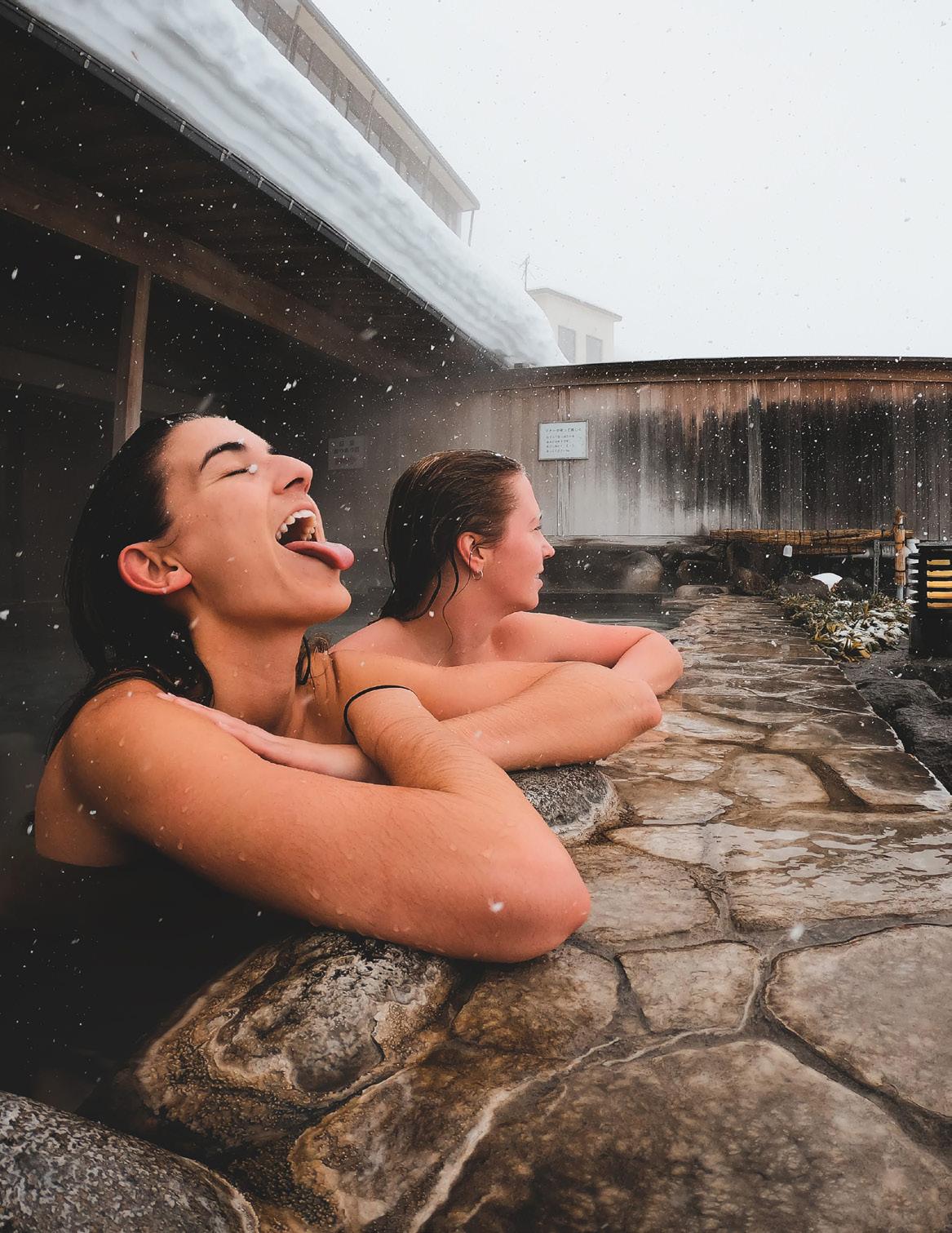

There is more to Hakuba than powder days. It is a place to relax, explore, and connect. Hakuba is where hot springs meet mountain views, where coffee tastes better in the clouds, and where every day brings a new way to play, relax, or simply take it all in. Consider this your guide to the Hakuba that waits beyond the snow.
After a day of skiing, there is truly nothing as relaxing as sinking your tired muscles into a hot, steaming onsen. Naturally heated hot springs are scattered throughout the Hakuba Valley. Some include mountain views, others with cold baths for contrast, but all promise deep relaxation.
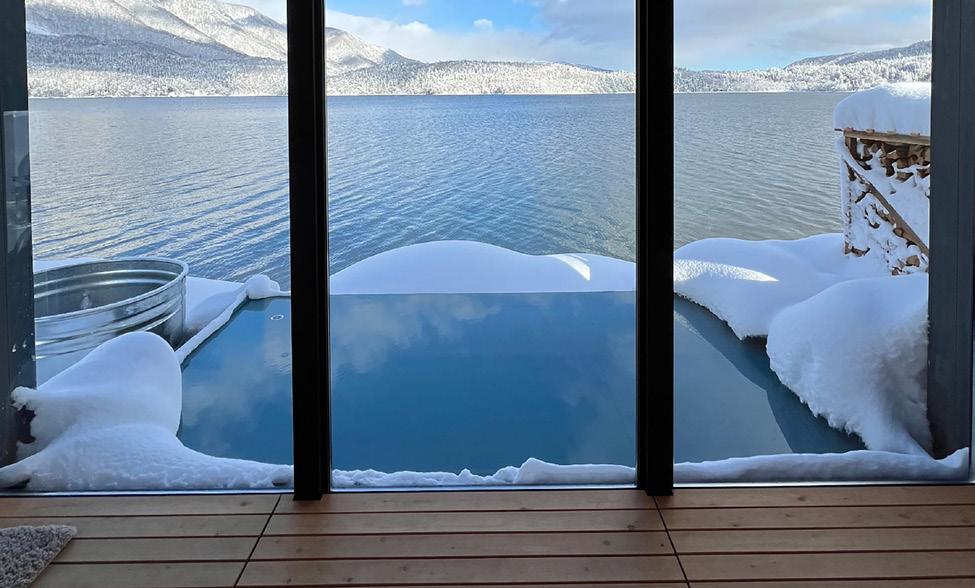
Sauna culture is thriving in Hakuba, with plenty of unique spots to unwind, including one right on Lake Aoki. Here are three saunas to add to your itinerary:
HakuBounce is Nagano’s largest trampoline park and Hakuba’s top indoor attraction for families. The facility features over 20 freestyle trampolines, two competition trampolines, a running wall, and more!

Only a few blocks from Hakuba Station, Hakuba Mini Golf combines nine holes of mini putt, a lively bar, great eats, and private karaoke rooms for up to 20 people.
Looking for adventure beyond the slopes?
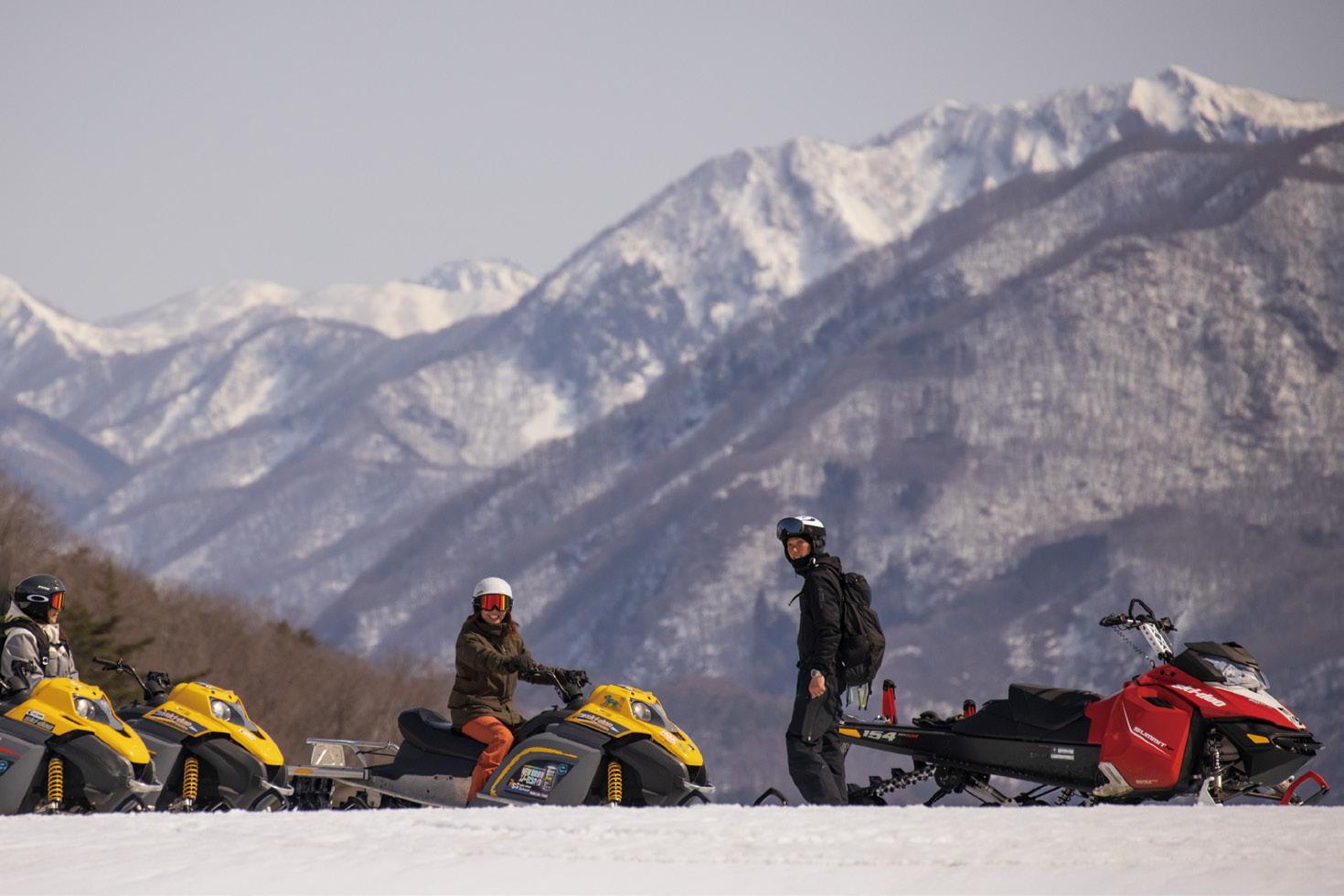
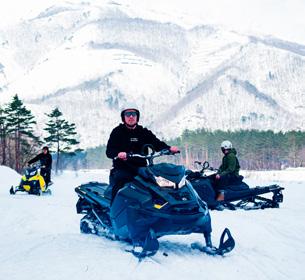
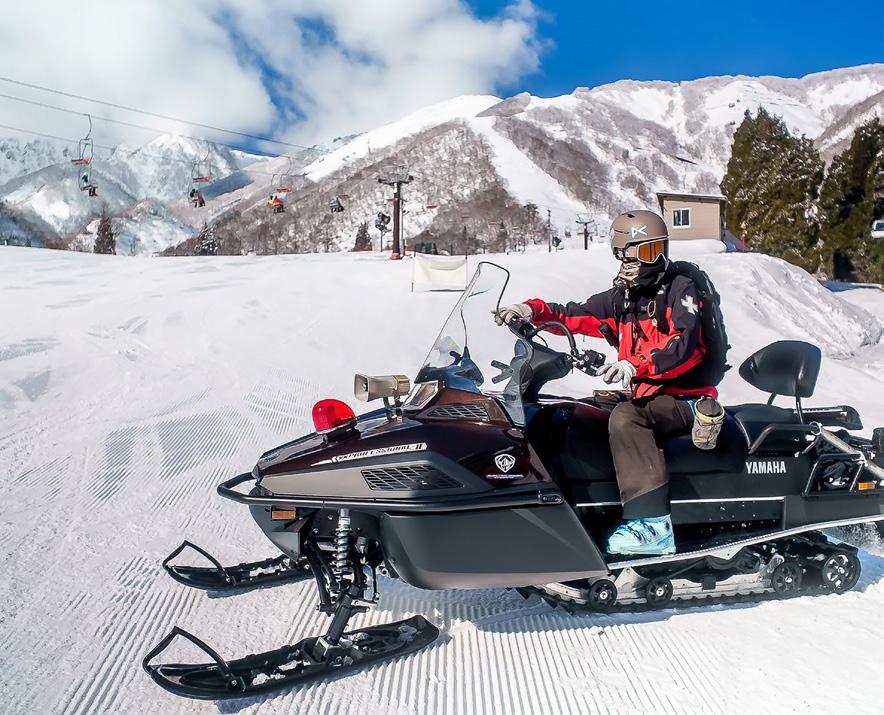
Book a tour with Lion Adventure and choose from daily snowmobile rides along the Hira River or snowshoeing tours through the forest.

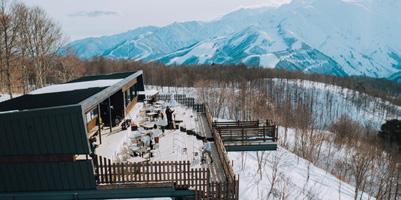
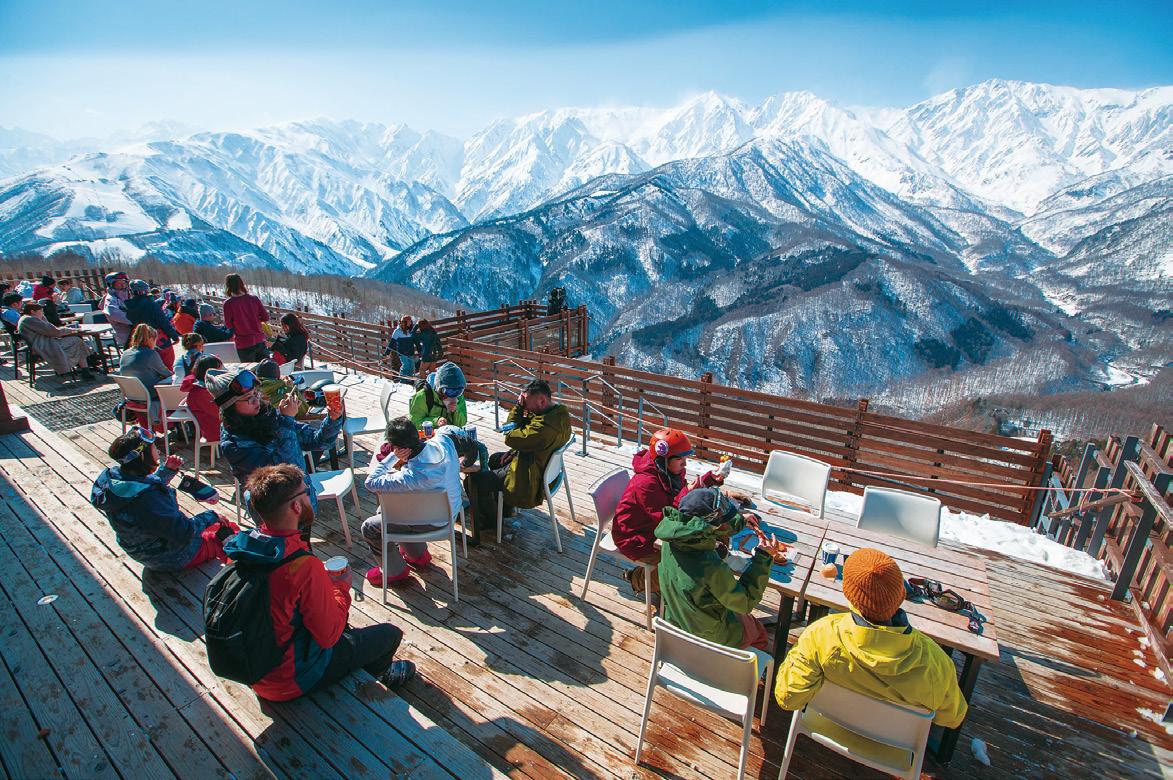
Coffee tastes better with a view. Perched at 1,289 meters, this café sits on a 320-square-meter terrace overlooking Hakuba’s three most iconic peaks— Shirouma, Shakushi, and Hakuba Yari. Visitors can ride the Iwatake Gondola to the top, no skis or snowboard required.
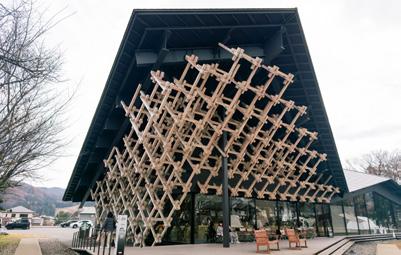
Designed by renowned architect Kengo Kuma, this space seamlessly fuses contemporary design with Hakuba’s alpine spirit. Here you can sip a Starbucks coffee while browsing Snow Peak’s curated retail collection, all in the presence of the towering Japanese Alps visible through floor to ceiling windows.
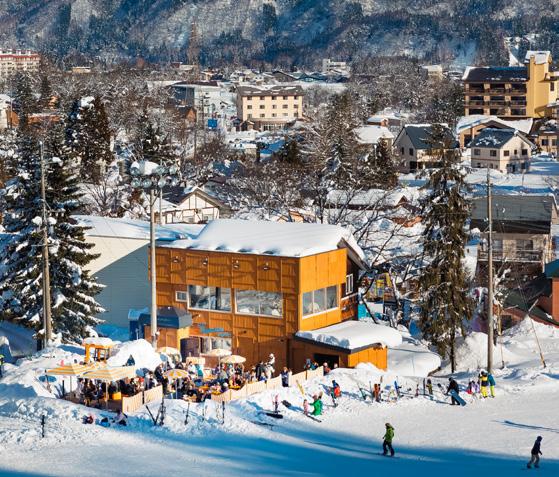
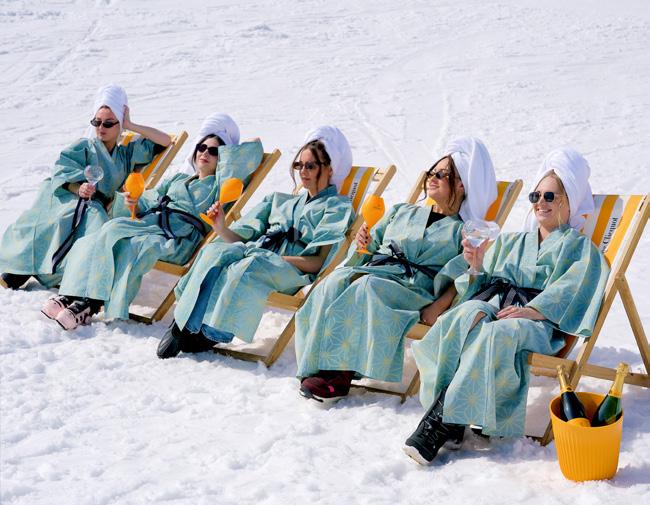
Après x Sun Club by Veuve Clicquot
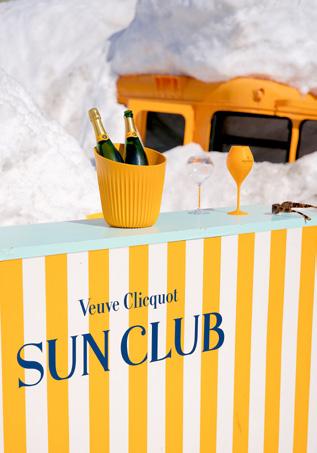
Champagne. Live music. Après energy. Hakuba Après x Sun Club is a daily Veuve Clicquot après party on the base of the Nakiyama Slope. Ski down or walk up. Either way, kanpai!
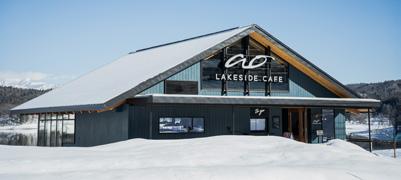
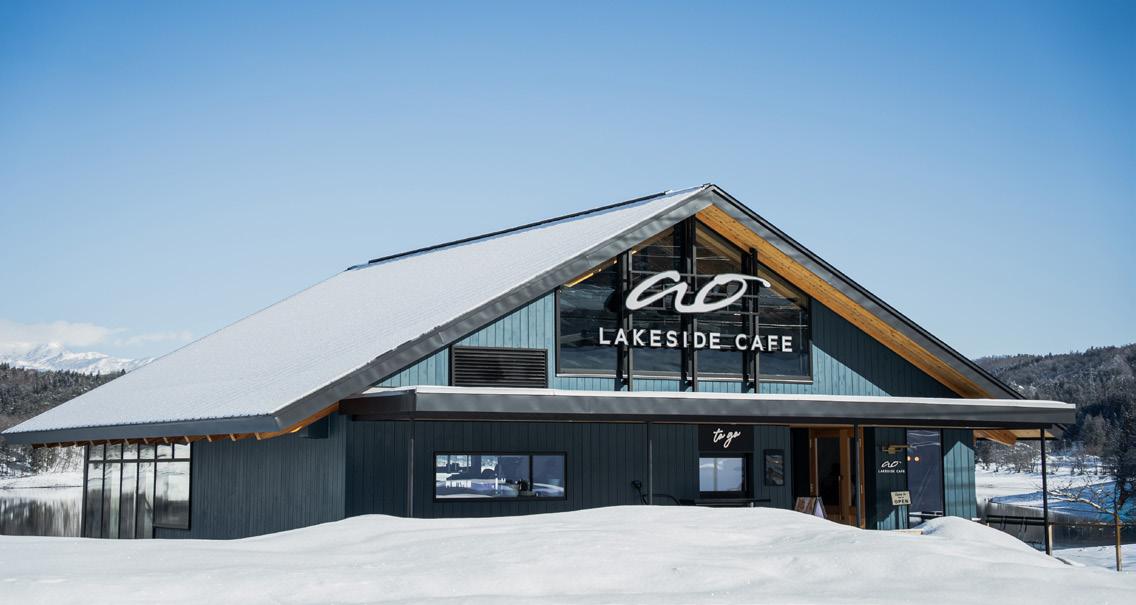
On the peaceful shores of Lake Aoki, ao LAKESIDE CAFE pairs great coffee with even better views.
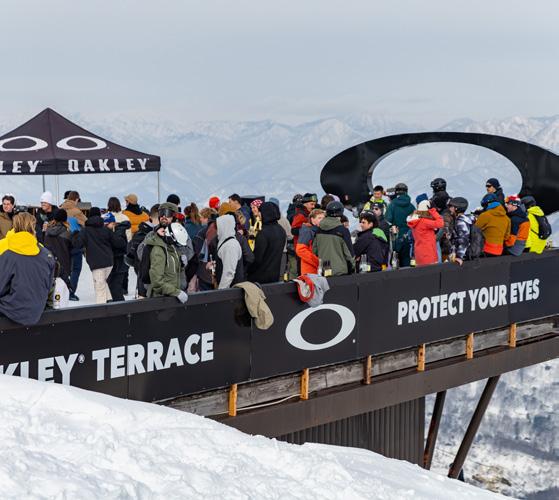
Big views, big sets, and serious mountain vibes. Ski in for daily DJ sessions from 12pm to 2pm beside the Happo-One Gondola at 1,830 meters.
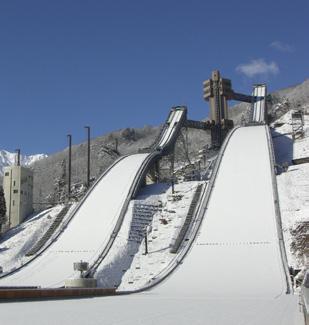

Follow the Olympic Tracks
Hakuba hosted several events during the 1998 Winter Olympics, including cross-country skiing and ski jumping. Today, visitors can still experience a piece of Olympic history at venues that remain open to the public.
This Olympic-built facility welcomes both beginners and professionals. Enjoy 1 km, 3 km, and 5 km trails through idyllic forest terrain. Entry is ¥500, and rentals start from ¥1,500 for added convenience, with skis, poles, and boots available.
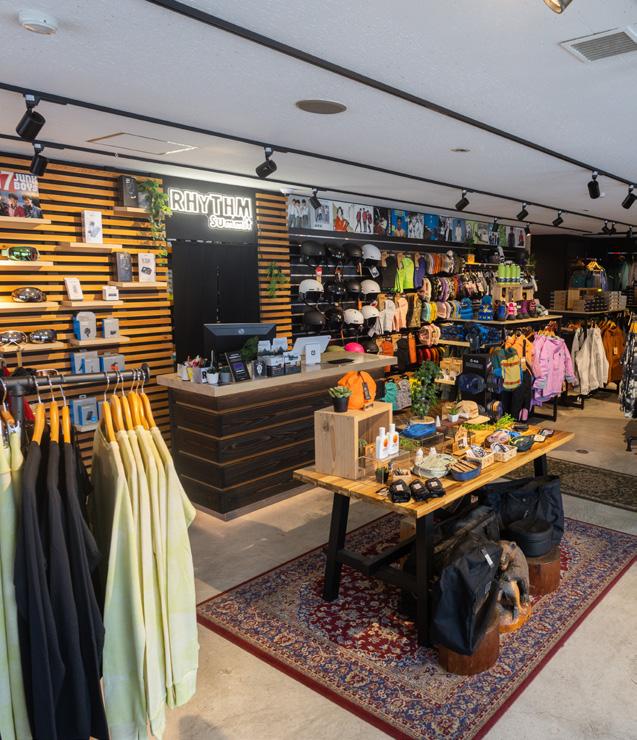
Get the credit card out. Hakuba has a mix of premium outdoor retailers, original Hakuba merch shops, and local Japanese souvenir stores.
RHYTHM JAPAN
Several rental and retail locations throughout Hakuba including their newly opened Oyuki House
THE NORTH FACE & PATAGONIA
Iconic outerwear and mountain-ready apparel near Hakuba Station
ROSSIGNOL
Brand new apparel store set to open in January at the base of the Nakiyama Slope
HAKUBA BOUTIQUE
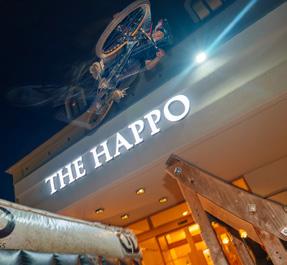
Locally branded merchandise next to THE HAPPO Hotel
SNOW PEAK
Japan’s premier outdoor lifestyle brand located in Happo Village
BURTON
The pioneers of snowboard and mountain culture are located in Escal Plaza at Hakuba Goryu
MONTBELL
High-performance Japanese outdoor brand found on the second floor of the Happo Bus Terminal
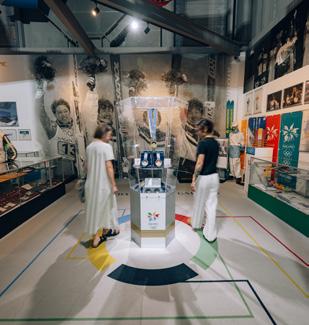
The ski jump may be for the pros, but the Hakuba Olympic Museum lets visitors step into their world. Perched above the jumps and reachable by chair-lift, it offers a unique window into the 1998 Nagano Winter Games.
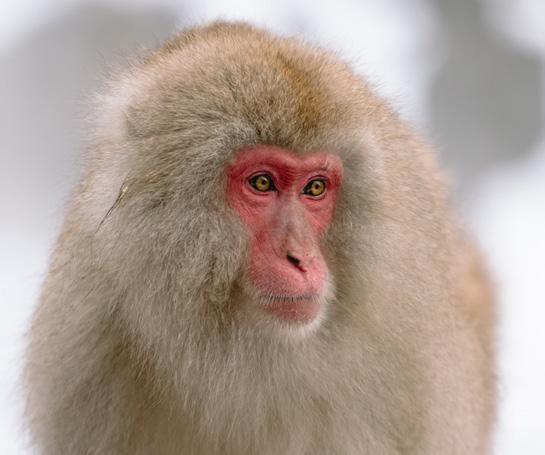
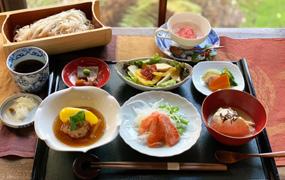
Join a guided tour to see the world-famous snow monkeys, enjoy a traditional Japanese lunch in a historic village, and explore the 8th-century Zenkoji Temple. Tours depart Hakuba each morning between 8am and 9am and return around 5pm.
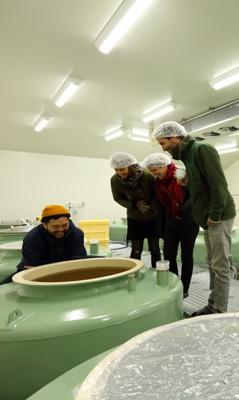
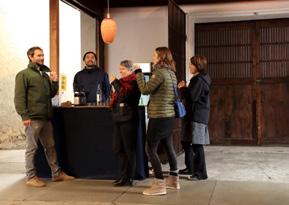
Visit the 19th-century Ichinoya Sake Brewery, established in 1865, and see firsthand how high-quality sake is made. The toji (master brewer) and kurabito (brewery workers) still use traditional techniques to craft each batch largely by hand.
Plenty awaits just a short drive from Hakuba.
MATSUMOTO | 90 MIN
This historic medieval town features Matsumoto Castle, charming traditional streets, and a permanent collection of Yayoi Kusama’s artwork at the Matsumoto City Museum of Art.
KANAZAWA | 3 HOURS
Kanazawa blends tradition and modern culture, offering celebrated gardens, temples, and geisha districts. Many visitors know it as “Mini Kyoto.”
ITOIGAWA | 60 MIN
Itoigawa sits on the Sea of Japan and draws visitors with its jade beaches, fresh seafood, and sweeping coastal views.
NAGANO CITY | 60 MIN
Nagano City is home to Zenkoji Temple, one of Japan’s most significant pilgrimage sites.
NOZAWA ONSEN | 90 MIN
Nozawa Onsen welcomes guests with its classic hot spring village atmosphere, narrow streets, traditional ryokans, and vibrant local culture.
OMACHI | 30 MIN
Omachi serves as the gateway to the Tateyama Kurobe Alpine Route and invites travelers to enjoy lakeside walks and natural hot springs.
TOGAKUSHI | 60 MIN
Togakushi is known for its five sacred Shinto shrines, connected by cedar-lined paths that have endured for centuries.
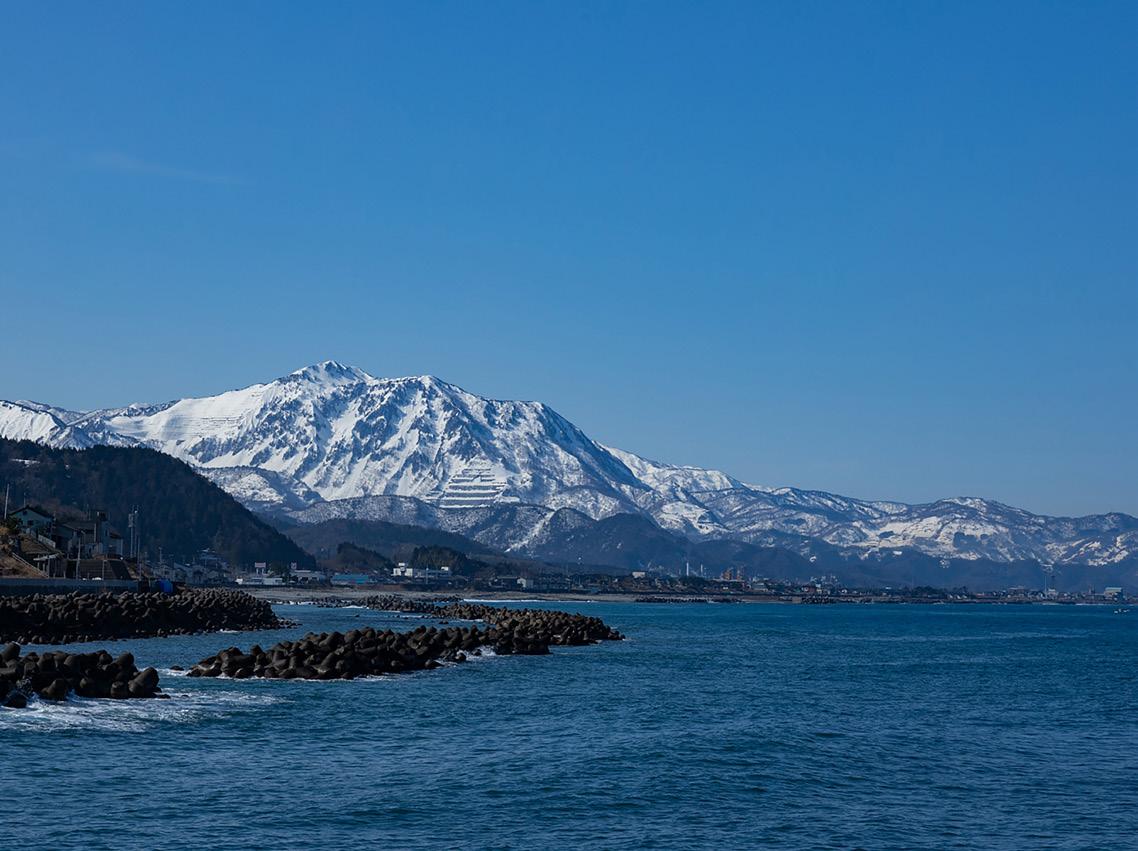
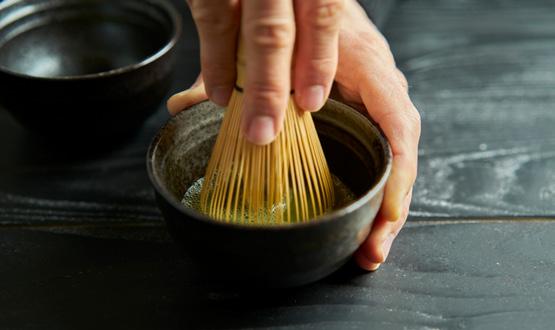
Spend the day on a guided tour in Itoigawa, a coastal city rich in culture, history, cuisine, and discovery. Local travel experience agency TreckTreck offers a number of tours with English-speaking guides that invite you to explore Japan’s heritage firsthand: watch sumo wrestlers train, explore local seafood markets and farms, taste fresh sake, or take part in a traditional tea ceremony. Each day brings a new experience. Set out for the coast.
GROUP SIZE: 4–8 PEOPLE
COST: ¥22,000 PER PERSON
WHEN: SATURDAYS & SUNDAYS
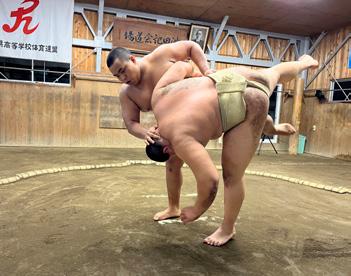
This full-day package dives into Japan’s coastal culture, moving from sumo training to seaside seafood markets.
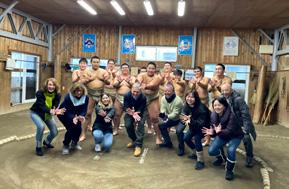
Meet your guide at JR Itoigawa Station and head to Itoigawa Maritime High School for an inside look at the area’s proud sumo tradition. Itoigawa has long been a breeding ground for elite sumo talent. Yokozuna Onosato, for example, trained here during his school years. Watch the Maritime High School sumo team power through their morning practice, where disciplined young wrestlers hone the fundamentals that can lead to professional careers.
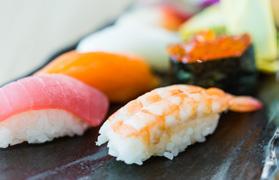
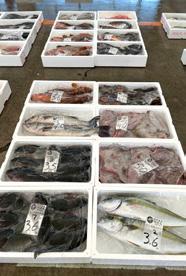
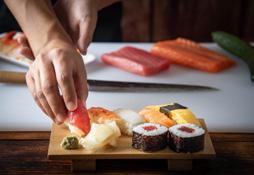
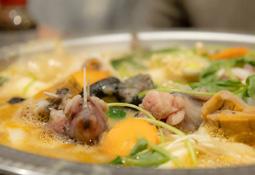
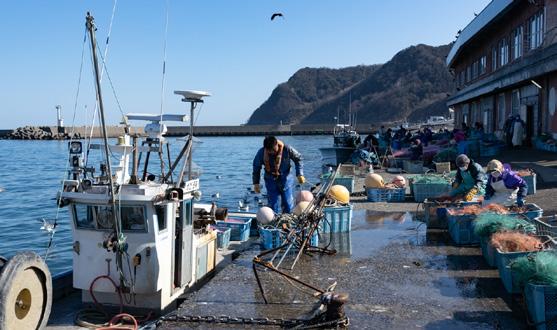
Afterward, continue to the nearby seaside market, famous for bright Benizuwai snow crabs and colorful displays of just-landed seafood. End the day with a sushi-making class led by a local chef, followed by a hearty chanko hotpot—the same nourishing meal sumo wrestlers eat to build strength.
GROUP SIZE: 4–8 PEOPLE
COST: ¥10,000 PER PERSON
WHEN: THURSDAYS
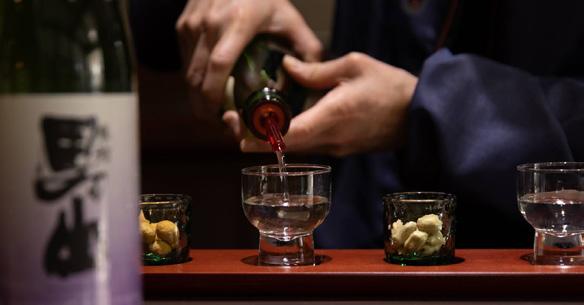
Discover the craft behind Japan’s most celebrated drink on this immersive twohour brewery tour.
Itoigawa is home to five award-winning sake producers, each drawing on the region’s pure mountain water and coastal climate to create distinctive, beautifully balanced beverages. Visit Inomata or Watanabe Breweries and explore the brewing process firsthand, guided by local experts.
GROUP SIZE: 4–8 PEOPLE
COST: ¥22,000 PER PERSON
WHEN: SUNDAYS LUNCH, MONDAYS DINNER
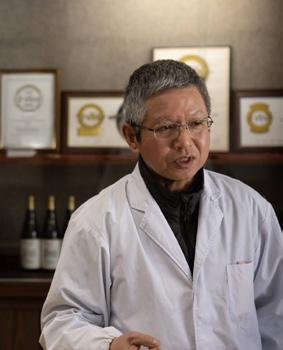
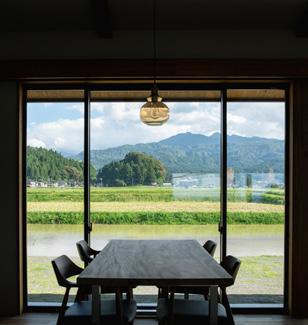
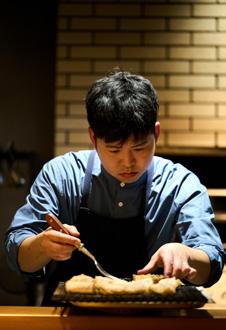
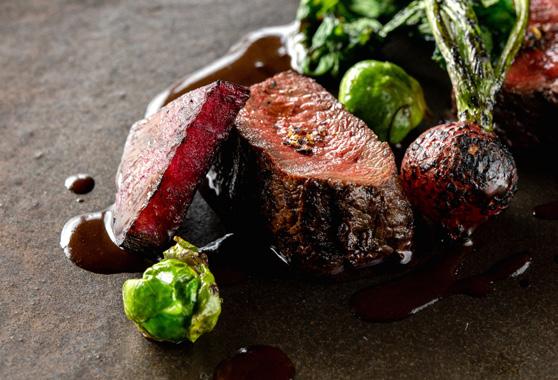
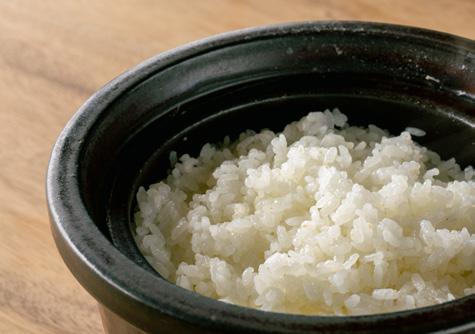
Discover the essence of terroir and craftsmanship at mûrir, a 70-year-old farmhouse restaurant reimagined by Chef Mitsunori Watanabe, winner of the 2024 Niigata Gastronomy Award. Set amid the rice fields of Itoigawa, guests explore mûrir’s farm, where pure water and fertile soil nurture their signature rice, Hisui no Shizuku.
Guided by the chef’s wife, participants trace the journey from field to flame before enjoying a pairing that unites local ingredients from sea and mountain. Each dish, matched with Niigata sake or natural wine, reflects Watanabe’s belief in letting the land speak through every bite.
Niigata Gastronomy Award
Special Excellence Award, Young Chef Division
GROUP SIZE: 2–6 PEOPLE
COST: ¥5,500 PER PERSON
WHEN: FRIDAYS
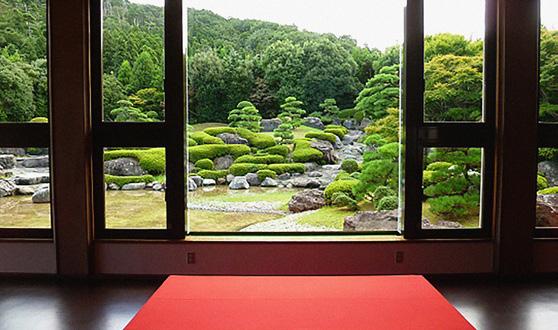
Experience the quiet beauty of Japanese art and landscape design in Itoigawa.
Stroll through the serene Gyokusuien Gardens and the Tanimura Art Museum, where master gardener Kinsaku Nakane’s landscapes frame the expressive Buddhist sculptures of Seiko Sawada. Conclude your visit with a traditional Batabata tea break—a frothy local herbal blend shared in peaceful conversation.
GROUP SIZE: 4–8 PEOPLE
COST: ¥19,000 PER PERSON WHEN: WEDNESDAYS
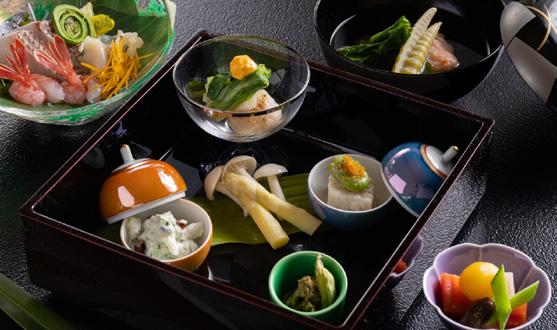
Celebrate Japan’s culinary heritage through washoku—the traditional food practice that honors balance, seasonality, and local flavor.
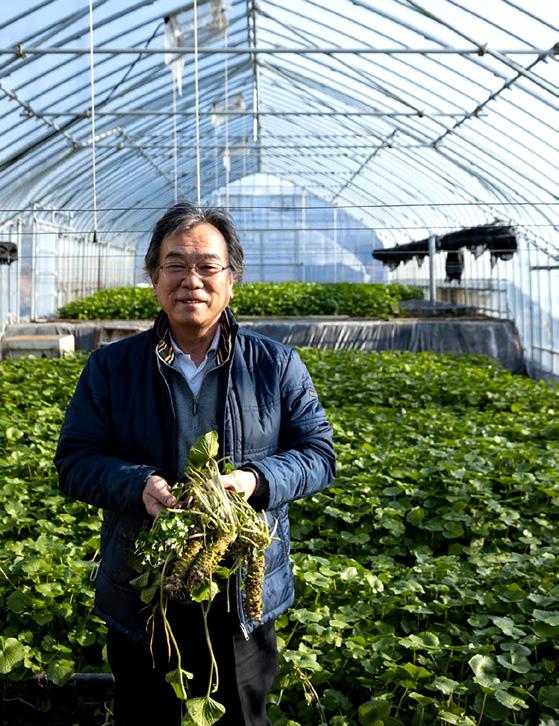
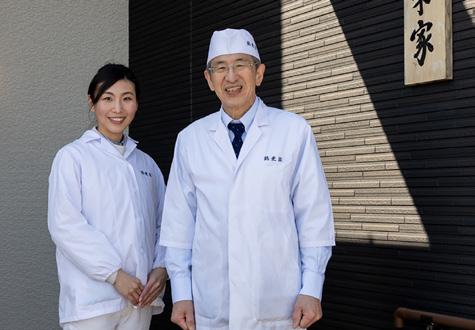
Learn how regional ingredients come together on this tour through seafood markets, rice fields, and wasabi farms before sitting down for a refined lunch at Tsurugiya, a 200-year-old Michelin-starred restaurant.
WASHOKU experience produced by KOTOBUKI
GETTING TO ITOIGAWA IS PART OF THE ADVENTURE
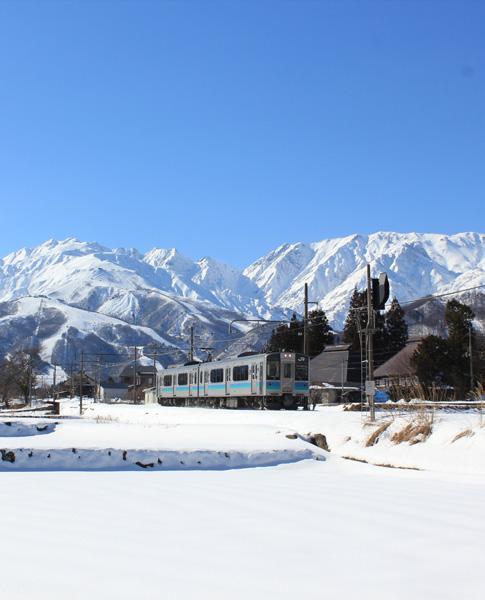
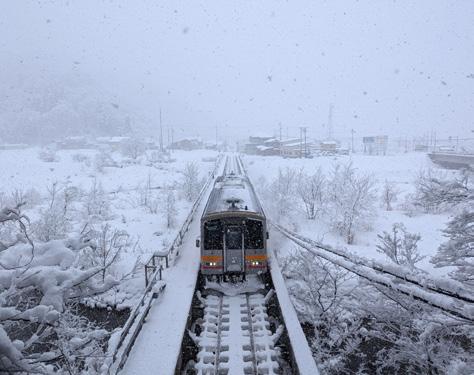
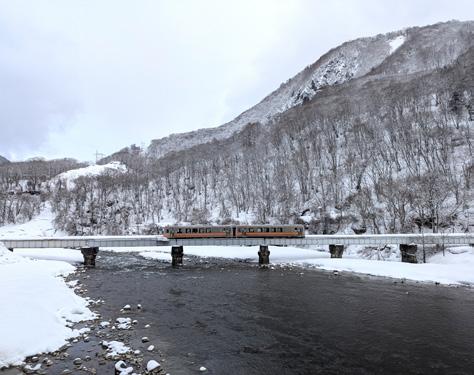
BY TRAIN For travelers who love the journey as much as the destination, the train ride from Hakuba is an experience in itself. Trains depart five times daily, with a short transfer at Minami Otari. From there, a two-car diesel engine winds through tunnels, over gorges, and past some of the region’s most spectacular mountain scenery. It is slow travel at its most scenic—the kind of ride you will want to film at every turn.
BY BUS For those who prefer an easy seaside escape, a direct bus departs from Happo Village four times a day. The journey takes about 90 minutes and offers comfortable, scenic views along the way—the simplest way to swap mountain air for ocean breeze.
| 12:10
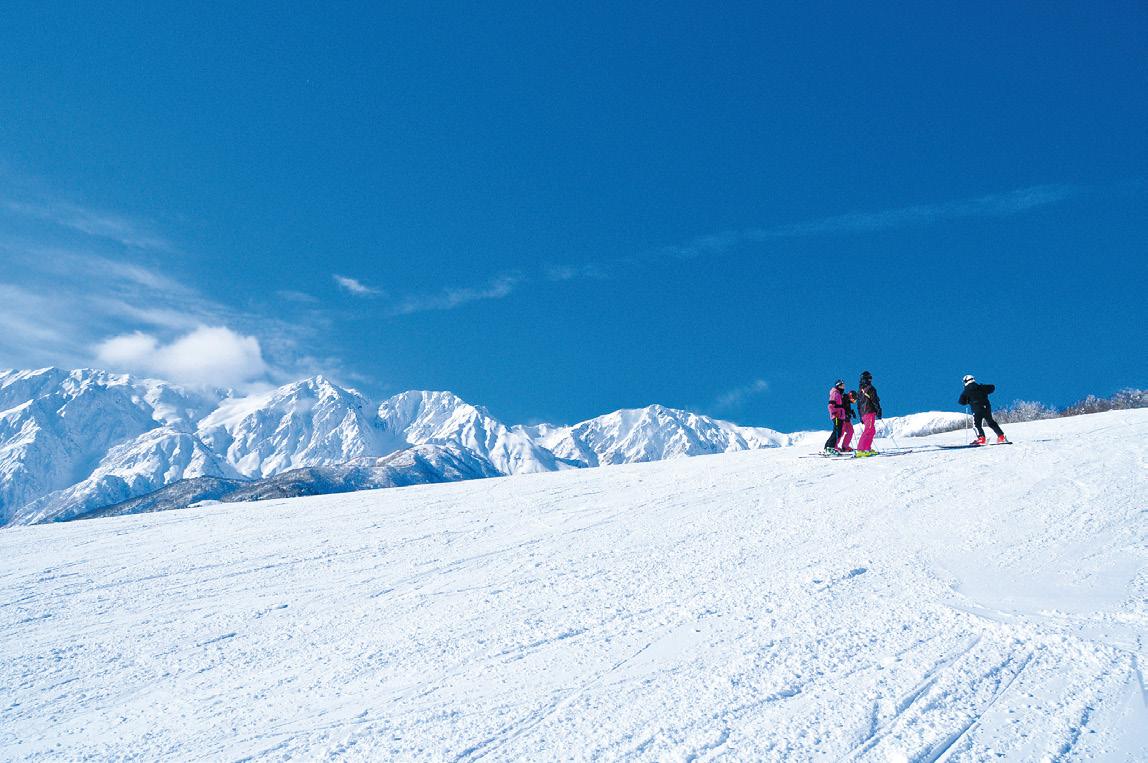

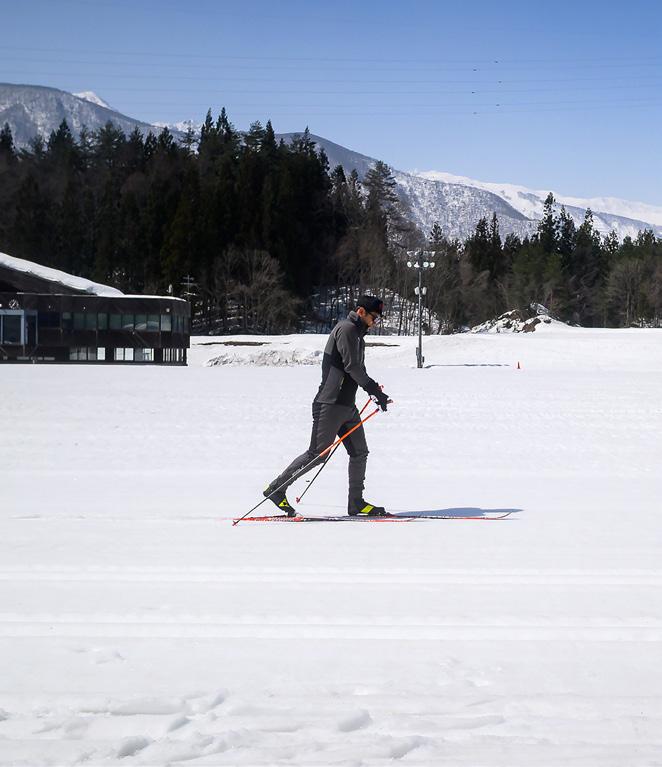
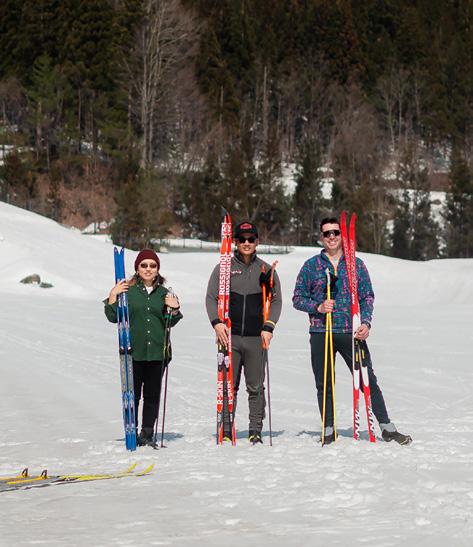
At the end of March 2025, the Live Up Hakuba team visited Snow Harp to try cross-country skiing with Daiki Kuriyama. A Hakuba hometown hero, Daiki is a former member of the Japan National Cross-Country Ski Team and now serves as a local government official dedicated to promoting sports in Hakuba.
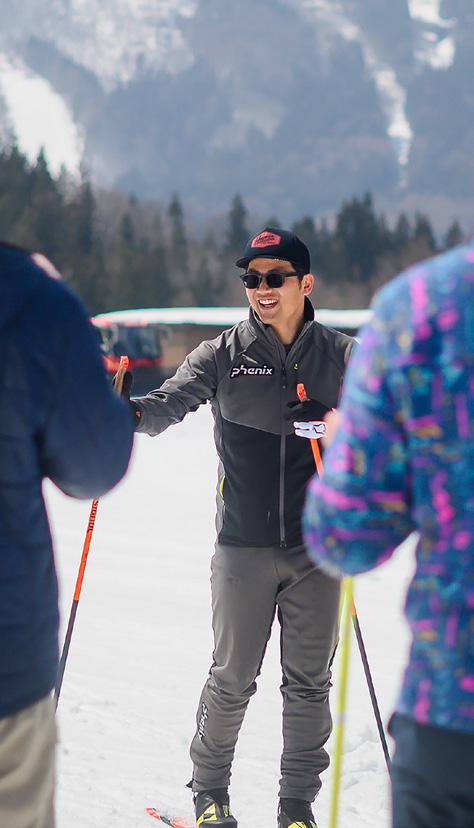
We sat down with Daiki to learn more about Hakuba’s Olympic facilities and his vision for their future.
COULD YOU TELL US A BIT ABOUT YOUR ATHLETIC CAREER AND WHAT REPRESENTING JAPAN MEANT TO YOU?
It’s been about ten years since I was on the national team. My results weren’t necessarily at the very top level of Japan, but still, having had the chance to represent my country and wear the rising sun on my uniform was very meaningful. Looking back now after retiring, I realize that being on a national team, no matter the sport, allows you to inspire and move children and supporters alike. That’s something I value a lot.
YOU CURRENTLY WORK AT THE HAKUBA VILLAGE OFFICE. WHAT ARE YOUR DAILY DUTIES?
I’m part of the Lifelong Learning and Sports Division. It’s divided into two sections: sports and culture. I’m in charge of the sports side. Specifically, I manage facilities like the Ski Jump Stadium and other Olympic venues. I also plan programs
that encourage Hakuba residents to stay active and healthy, as well as create opportunities for kids to enjoy moving their bodies.
PLEASE TELL US MORE ABOUT SNOW HARP. WHAT MAKES THE PLACE SO SPECIAL?
Snow Harp was built as the venue for cross-country skiing and Nordic Combined events during the 1998 Nagano Winter Olympics. It’s used year-round. In summer, people use the grassy areas for activities like soccer, playing catch, or baseball. It’s basically like a large park. In winter, it becomes a place for cross-country skiing. We also host major competitions like the All-Japan Ski Championships. For those who have never tried cross-country skiing, we rent out all the equipment, so I really recommend giving it a try at least once when you come to Hakuba.
HOW MUCH DOES IT COST TO ENJOY CROSS-COUNTRY SKIING AT SNOW HARP?
The facility fee is 500 yen per day, and equipment rental is about 3,000 yen for the whole day.
THE HAKUBA SKI JUMP STADIUM IS ONE OF THE MOST ICONIC SYMBOLS OF THE 1998 NAGANO OLYMPICS. HOW CAN TOURISTS EXPERIENCE AND ENJOY THE SKI JUMP NOW?
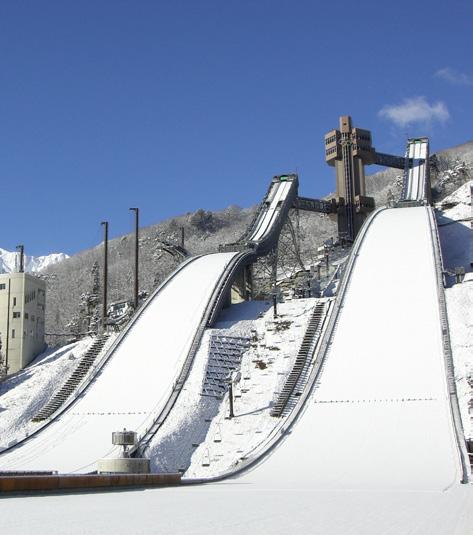
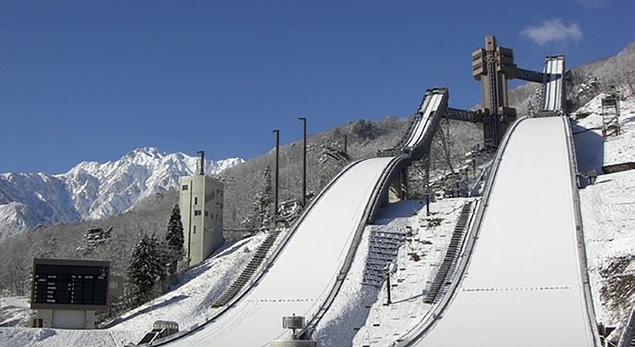
Visitors can take a chair lift up the slope to the ski jump tower. The tower has four levels, from the first to the fourth floor. The fourth floor is an observation deck, and the second and third floors lead to the starting gates for the Large Hill and Normal Hill jumps. Visitors can go right up to where the athletes start and enjoy panoramic views over Hakuba Village. On some days, athletes are actually training, so you can watch them jump from above. It’s a pretty unique experience.
COULD YOU TELL US ABOUT THE SUMMER EVENTS YOU ORGANIZE AT THESE FACILITIES?
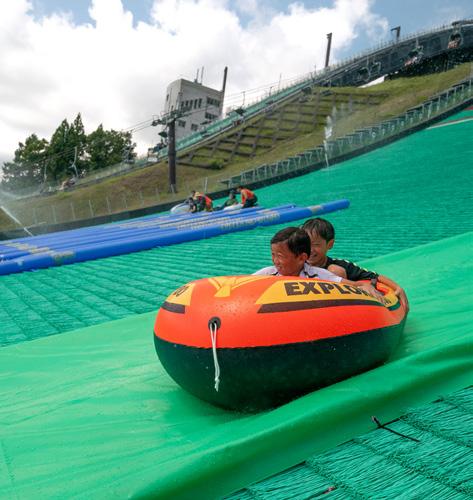
Yes. In summer, the jump stadium is still used for athlete training, but the village also organizes events. For example, this August we held a ‘Water Sports Festival’ for local and nearby children to play in the water. Then, on September 20, there was a music festival hosted by an outside company. These kinds of events bring in people who might not normally have an interest in ski jumping.
FINALLY, COULD YOU TELL US YOUR DREAMS OR VISION FOR THE FUTURE OF FACILITIES LIKE THE HAKUBA SKI JUMP STADIUM AND SNOW HARP, AS WELL AS FOR THE LOCAL COMMUNITY?
It’s been 27 years since the Nagano Olympics, and the number of visitors to these facilities has been gradually decreasing. To preserve them for future generations, I think it’s important that local residents develop a sense of attachment to these places. Until now, we’ve mainly focused on attracting tourists, but moving forward, I want to make these facilities more accessible and enjoyable for the people who actually live here.
TAKE A LOOK!
Watch the interview on YouTube.


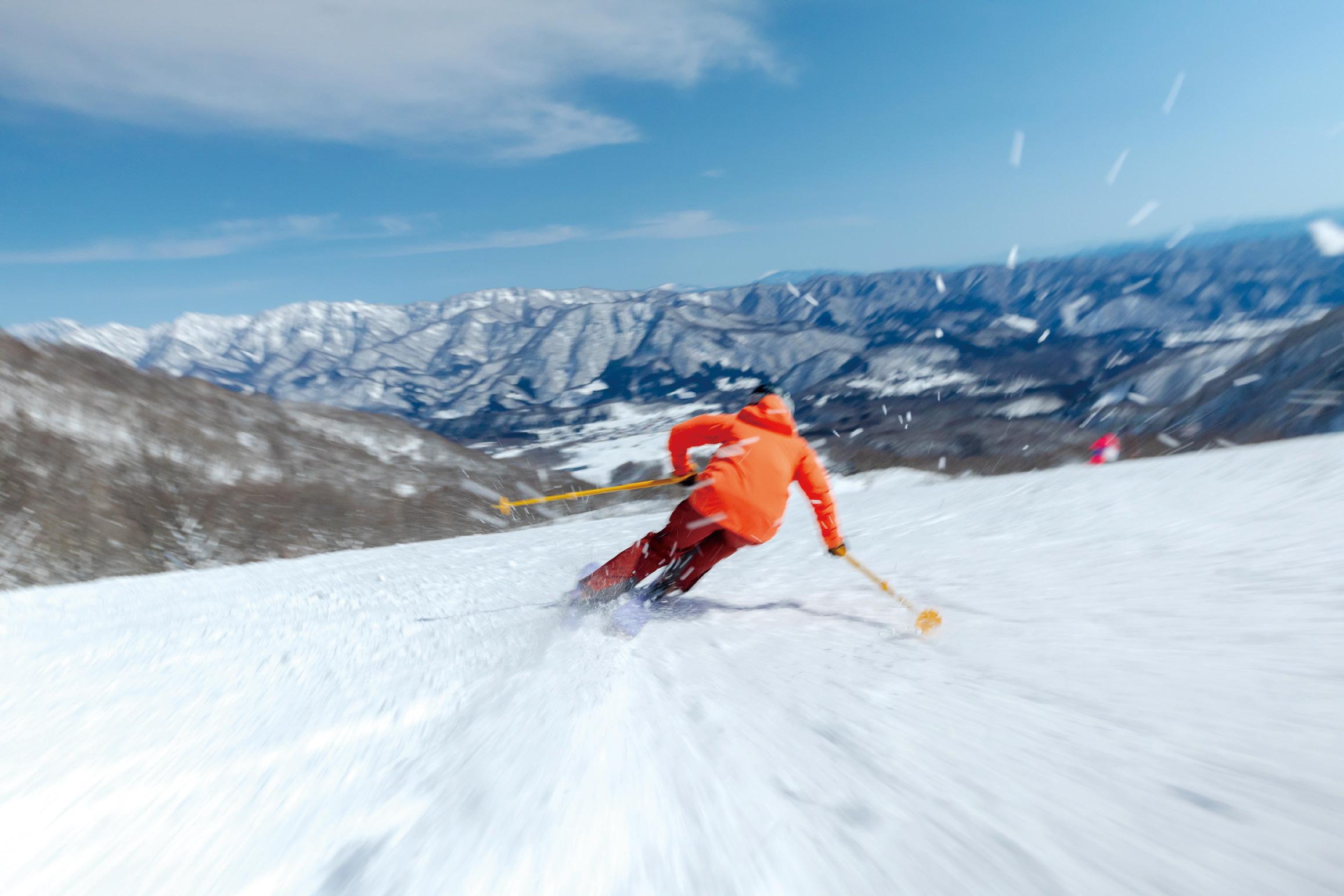








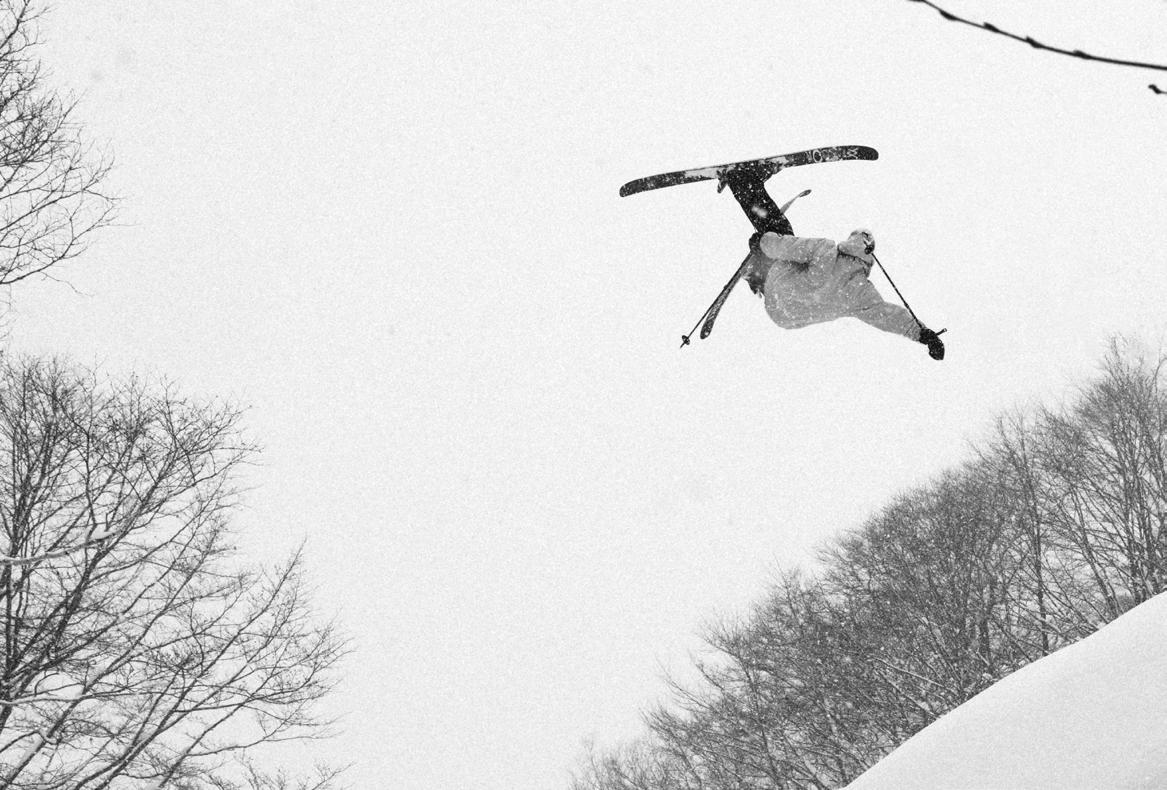
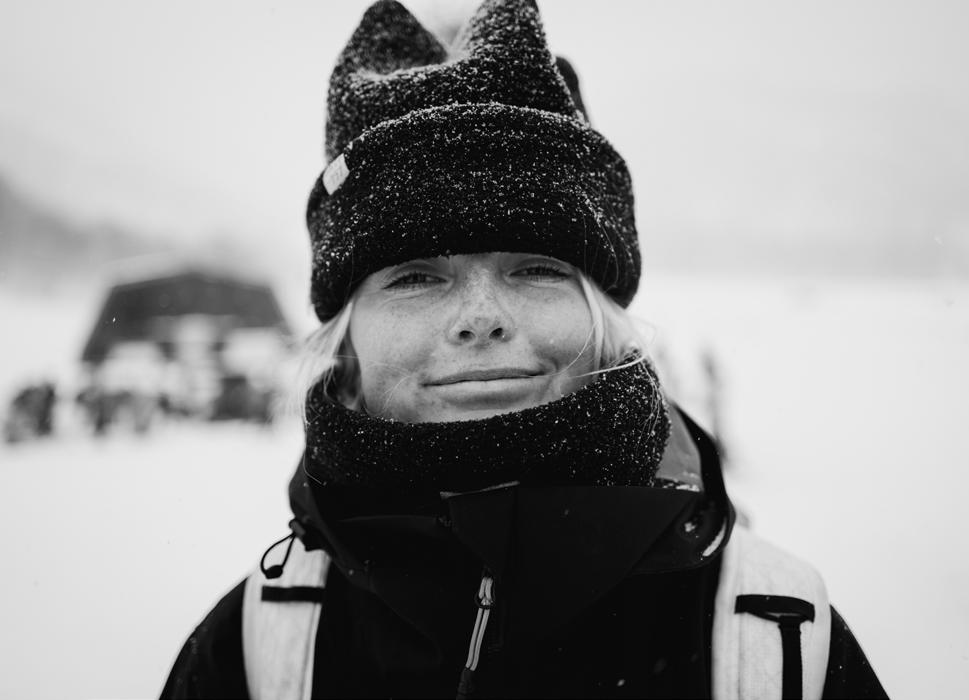
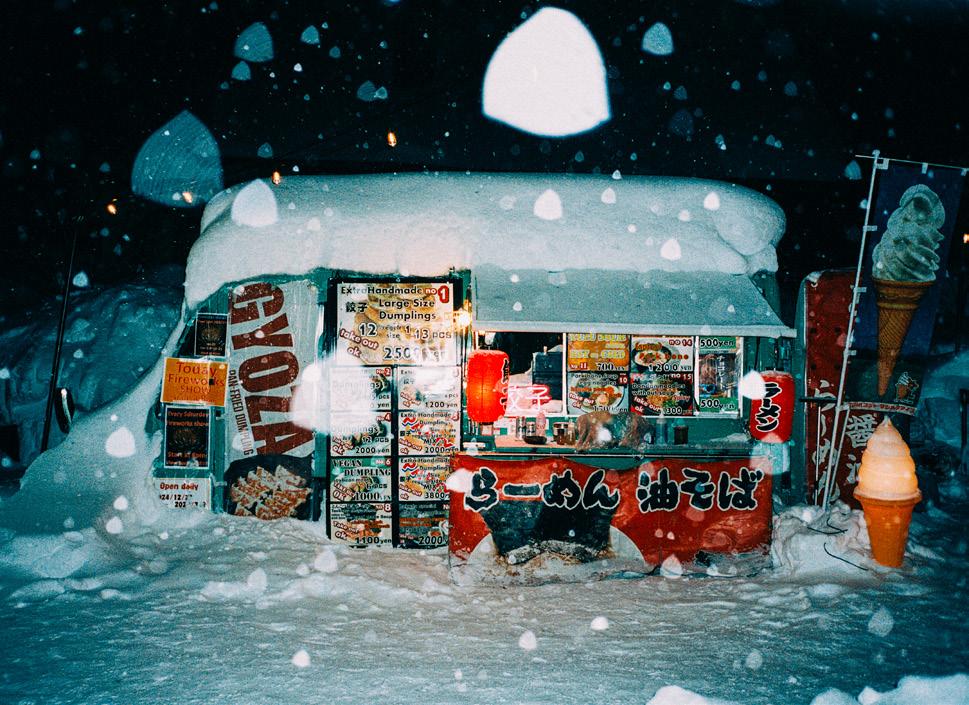
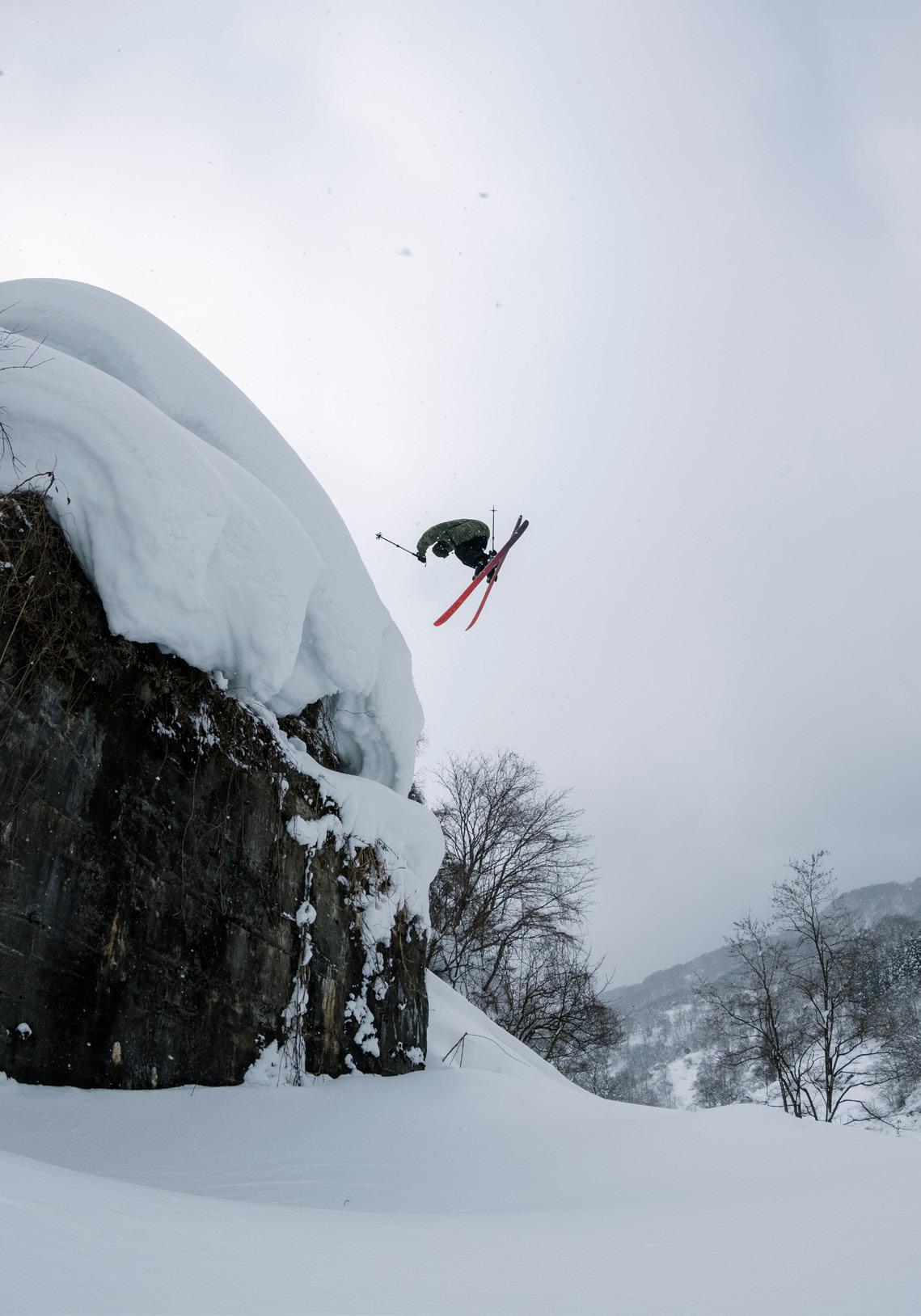
Last winter delivered record-breaking snowfall, drawing a global wave of riders, creatives, and freeride enthusiasts to Japan’s legendary powder. From local talent to international pros, the scene came alive as the mountains became a canvas, captured in photos that nailed the speed, style, and mood of the season.
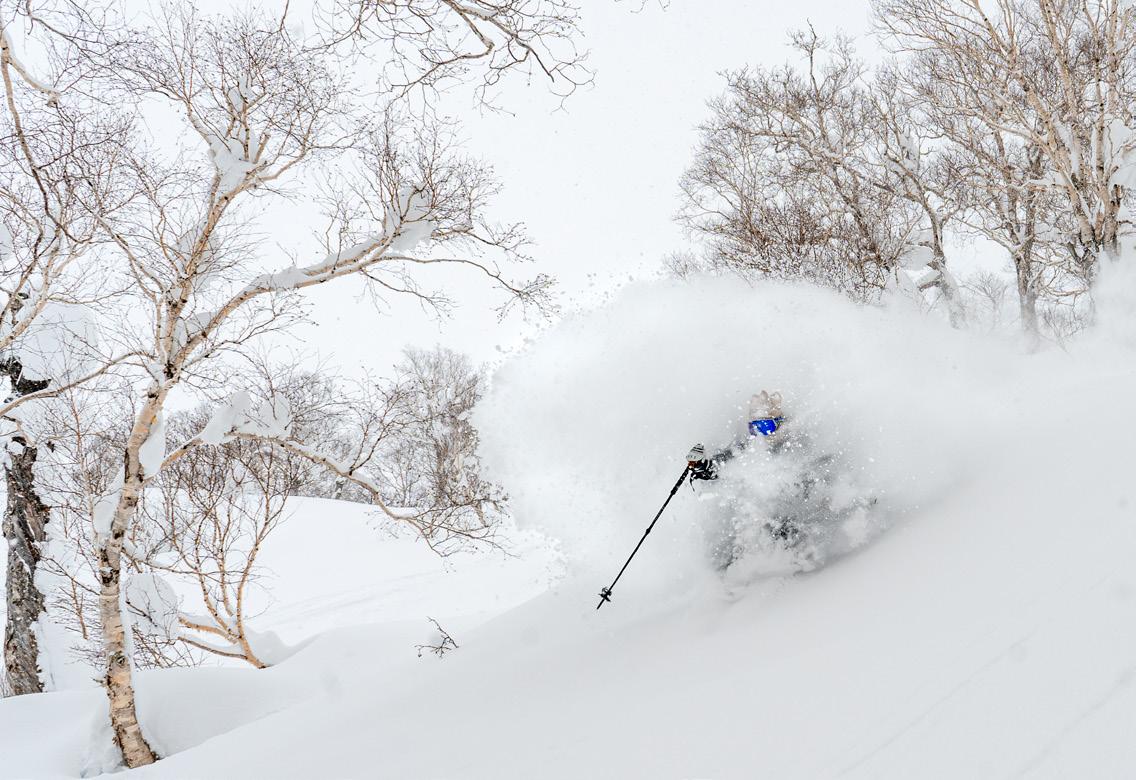
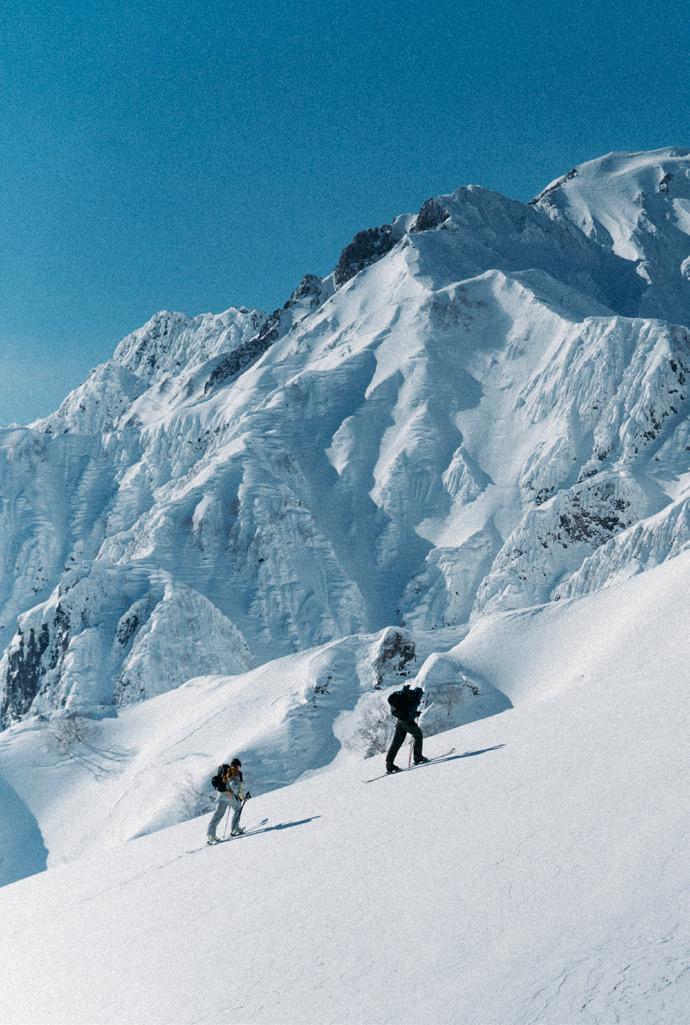
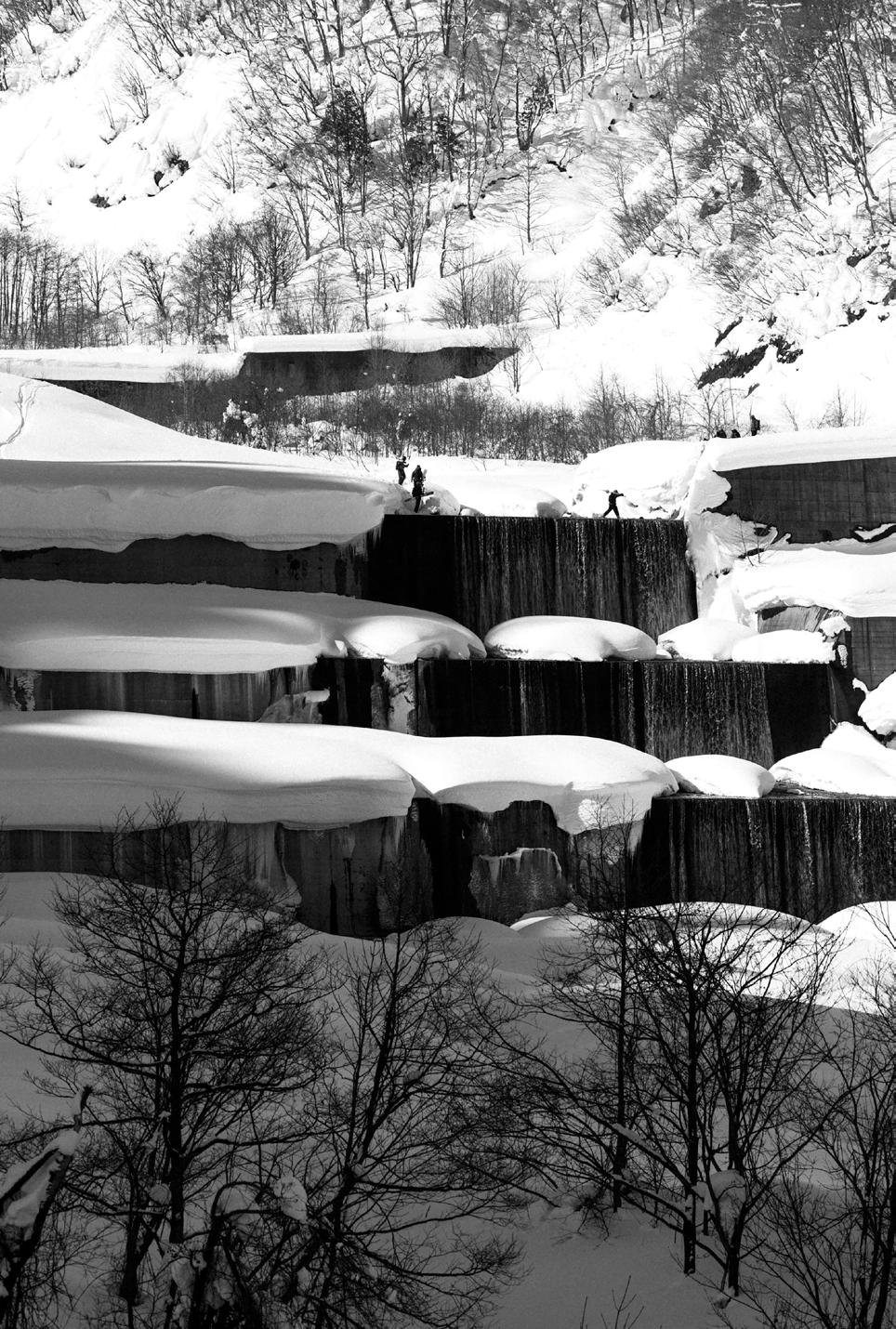
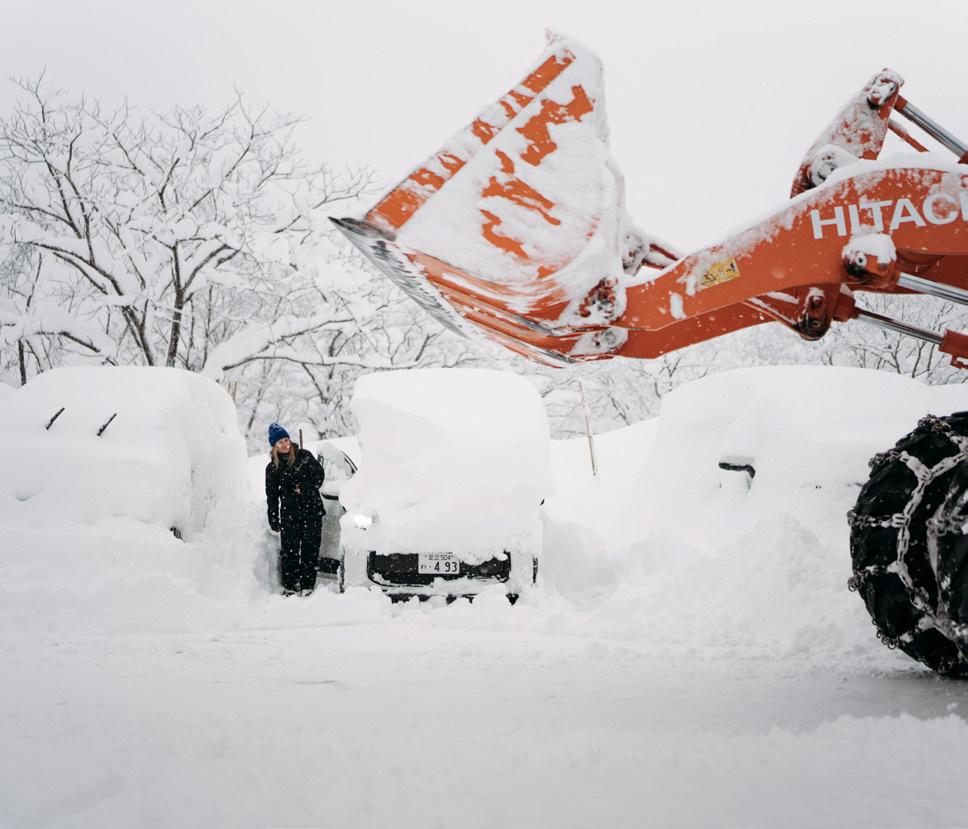
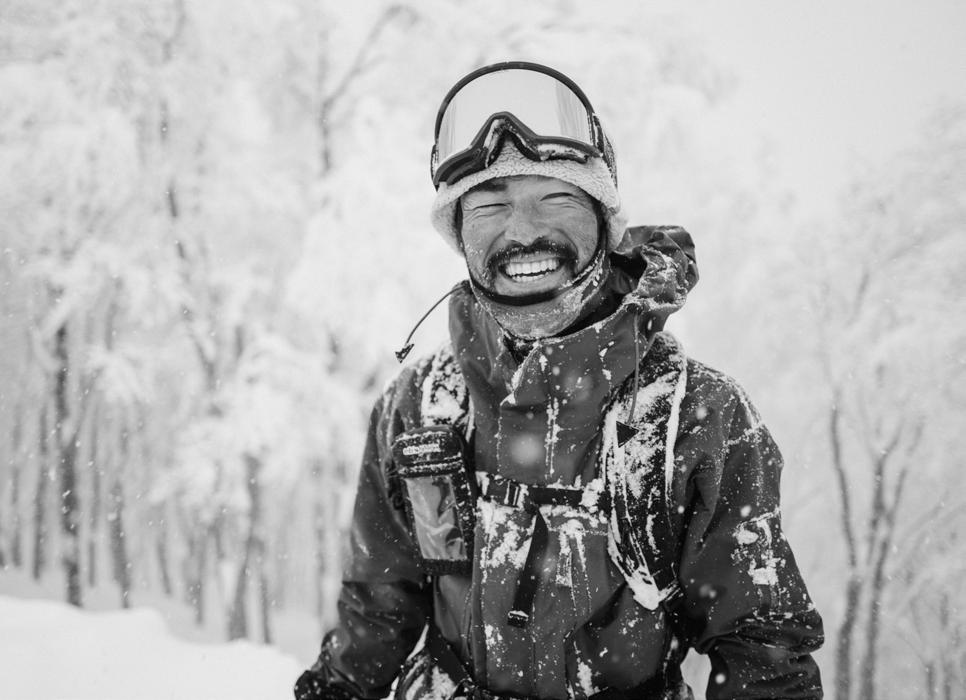
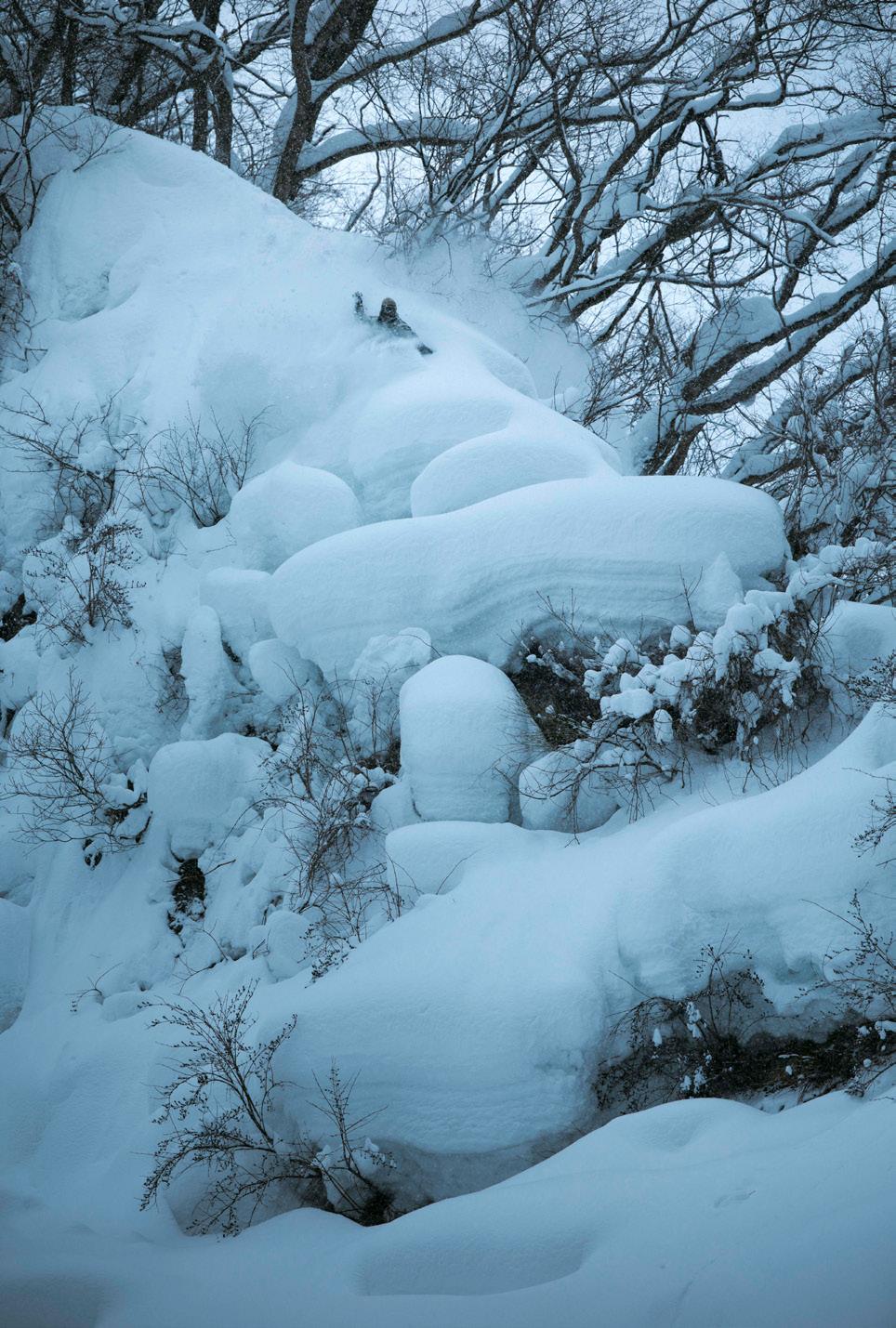
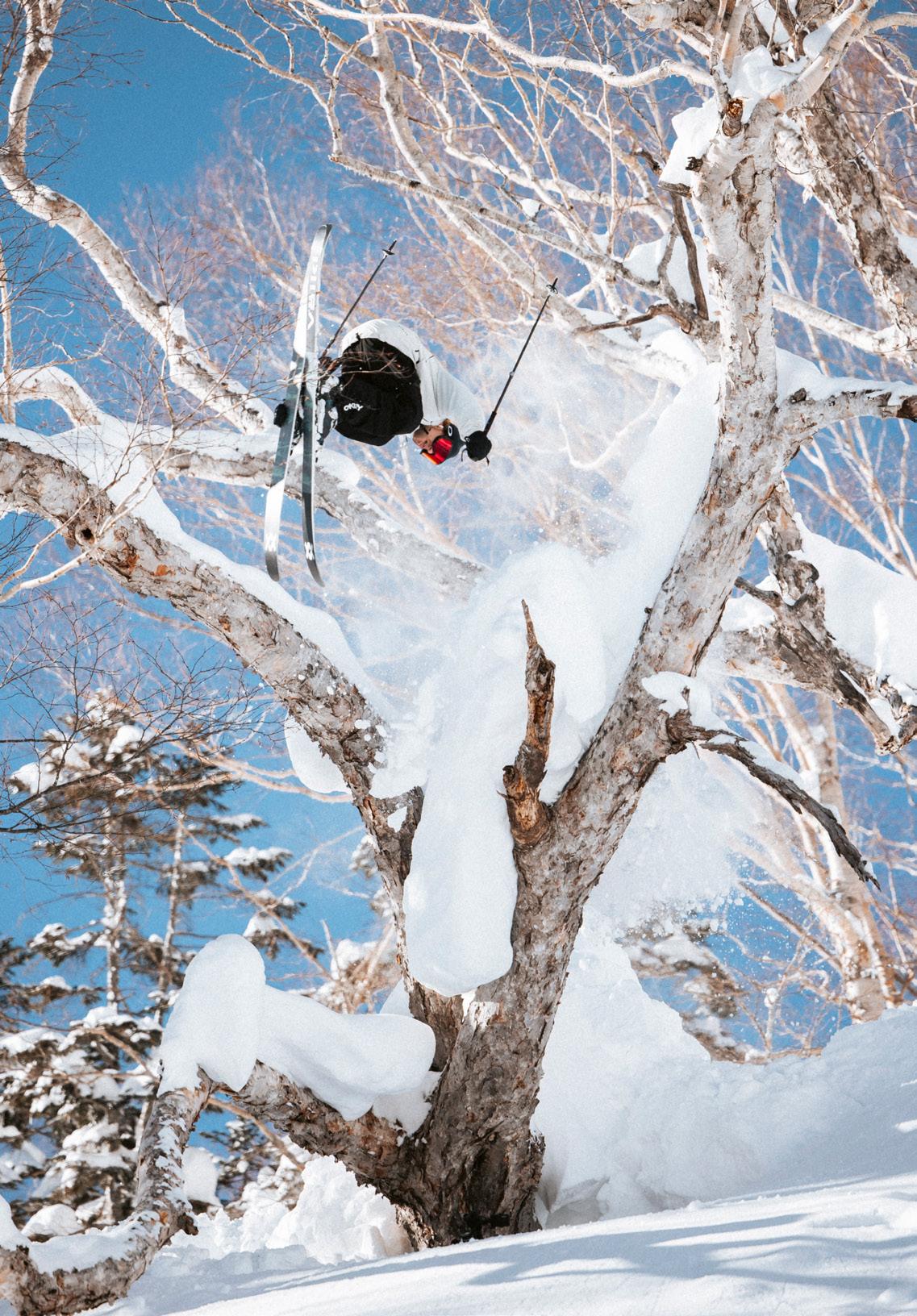
BY REGGAE ELLISS | MOUNTAINWATCH
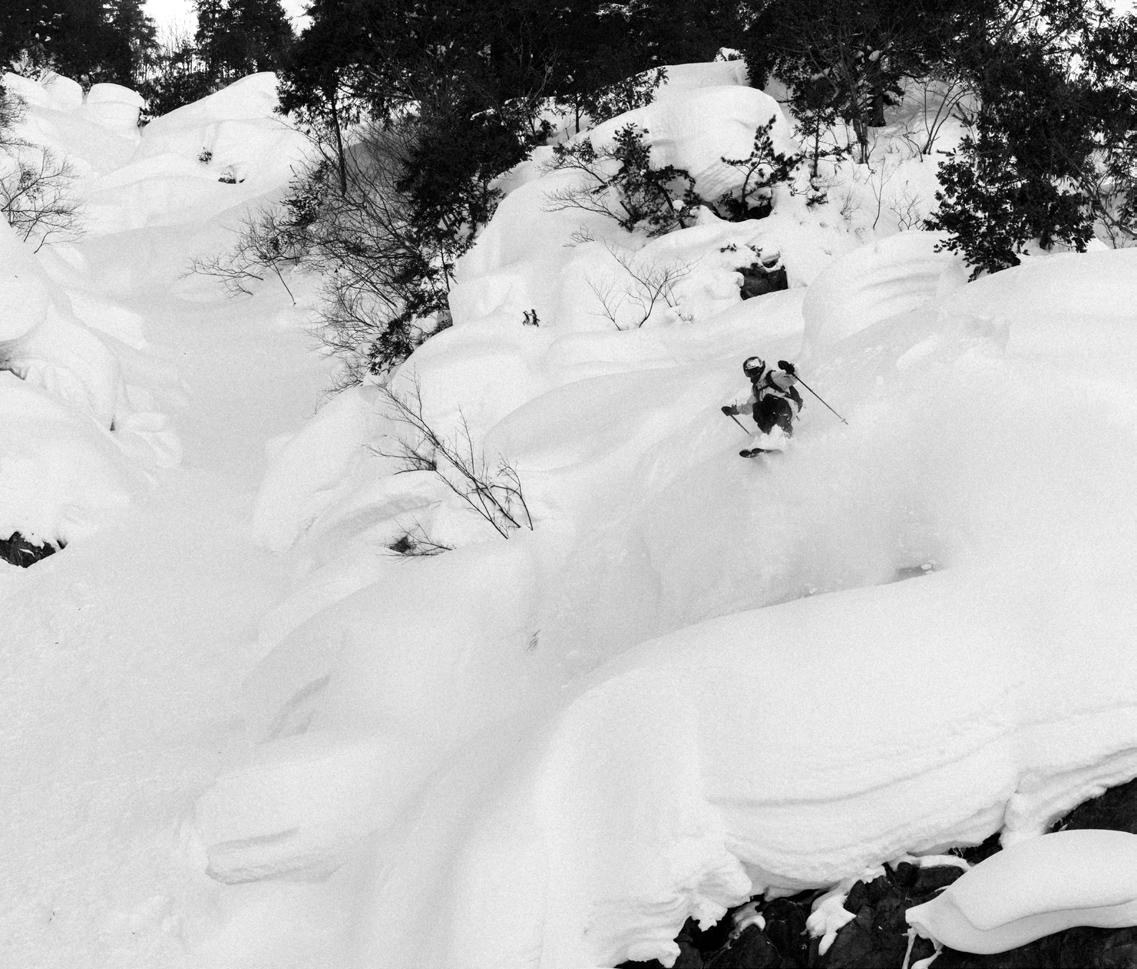
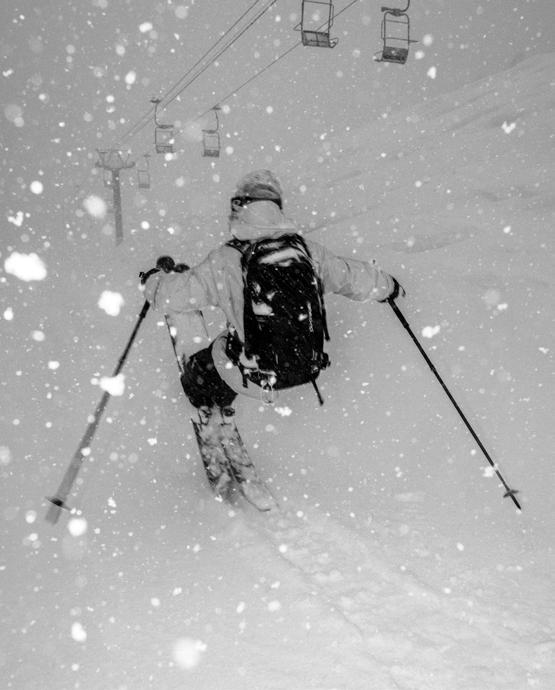
The last winter in Hakuba was phenomenal; we had a massive snow year with mid-mountain snow depths reaching four to five meters and more powder days in the one season than you’d think possible.
The storms that hit were big, a few dropping 60-80 cm in 48 hours, and with the associated cold temps the snow consistently fell to base levels. The first big storm came through at the end of November and it snowed consistently during December, including 65 cm from December 23-25th, setting up a perfect white Christmas. December is a quiet month as the international tourists start arriving in the last week. For those living in the Hakuba Valley, it was a wonderful start to the season with plenty of uncrowded powder days.
By mid-March, the snowfall totals for the four-month period for the base of Hakuba’s resorts was 7.79 meters, and the rice paddies in the valley were covered by 1-1.5 meters of snow for most of January and February.
I arrived in Hakuba in mid-January, a day after a three-day storm had left 70 cm of fresh snow. The previous six weeks had seen consistent snowfalls across both Honshu and Hokkaido, making it one of the best early seasons in a few years.
It was my fifth visit since 2019/20 when I spent the season there, and the following trips had been around 5-6 weeks. I enjoyed plenty of good days during those visits, but after the good start to last winter I had a feeling I was in for something special.
After a week of sunshine following my arrival, I was looking forward to some powder and there was light, or rather snow, at the end of the tunnel with a solid storm set to hit in a few days. It arrived as forecasted on January 29th and it dumped, dropping 70 cm in three days.
Four days later another storm moved in from the Sea of Japan and it turned out to be one of the biggest of the season: it dropped 110 cm at the base in just four days.
I have never seen such a relentless snowfall and the skiing was awesome. I was experiencing Hakuba at its best.
The Hakuba Valley has long been a favorite among Australian travelers—and for good reason. With 10 resorts, 135 lifts, terrain for all levels, incredible tree runs, and some of Japan’s best backcountry, it’s a skier’s paradise. From cozy lodges to luxury stays, sushi bars to aprèsski burgers, Hakuba has something for everyone.
HEAVEN AND OLYMPIC HISTORY
Hakuba’s higher elevations average 11 meters of snow annually and the valley lies in the shadow of the Northern Alps, some of which reach an altitude of 3,000 meters, providing a spectacular big-mountain backdrop. It is an incredibly beautiful place, distinctly rural Japan with local villages nestled among rice paddies and small farms.
While the resorts offer a mix of quality on and off-piste terrain, the fun tree skiing, deep snow, and accessible backcountry make Happo-One one of Japan’s best freeskiing destinations, and one with a long heritage in Japan’s snowsports’ culture. The first ski lifts were built in Happo-One resort in 1952 and Hakuba hosted a number of events during the 1998 Nagano Winter Olympics, including the downhill and Super G. It remains one of Honshu’s most popular winter destinations and attracts plenty of locals, particularly on weekends and public holidays.
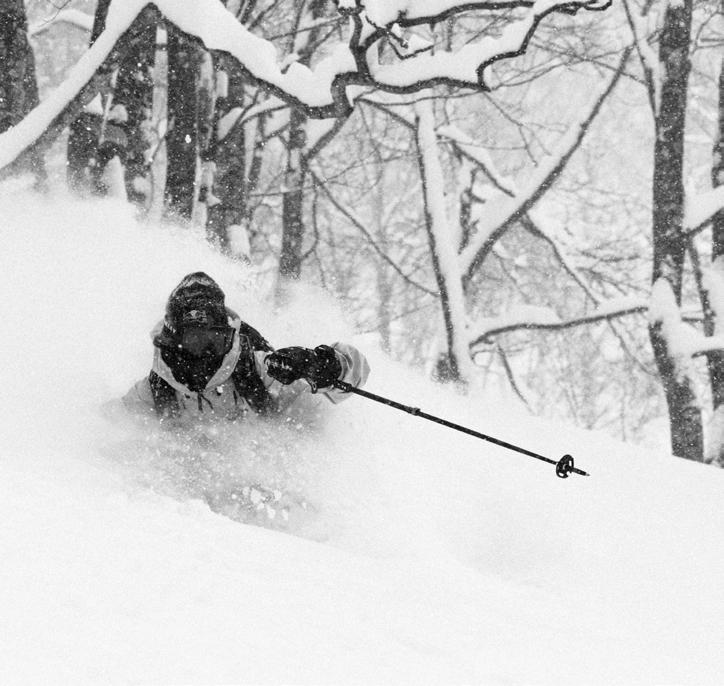
Hakuba also has a strong freeride culture that has been growing every year, partly inspired by the Japan Freeride Open which has drawn a number of Japanese freeriders to Hakuba since its inception in 2015.
Local freeskier and backcountry guide Takuma Ida also credits the Freeride World Tour’s presence in Hakuba as a factor. “I think the FWT which was held in Hakuba from 2017 to 2020 and the annual four-star qualifier has inspired younger skiers, many of whom are switching from downhill or mogul skiing to freeride,” Takuma said.
There’s a lot of talented freeriders here now like the local twins Keisuke and Tomoya Tezuka who have been actively competing in freeride competitions across Japan, New Zealand, and Europe. Yuko Goto won the four star qualifier in 2023 and was second this year while Yui Ohno has made a name for herself by winning numerous freeride competitions.
Given Hakuba’s terrain it’s no surprise that some of Japan’s best freeriders base themselves in Hakuba each winter. Even during low-snow years, such as 2019/20, the higher elevation of Hakuba’s backcountry ensures quality freeskiing and fresh snow. While powder is never guaranteed, the reliability of the backcountry draws international riders to Hakuba each year. Backcountry snowboarder Travis Rice is a regular and Japanese
freeskiing legend Yu Sasaki, who now lives in Revelstoke, makes a trip home each year to ski the big-mountain lines in the Hakuba backcountry.
This past season was no exception. Numerous international pros, including Kiwi skier Finn Bilous, spent time in Hakuba to ski and film. I was staying in Wadano at Hotel La Neige where Finn and his crew were also staying. We caught up for a beer and a burger at The Rabbit Hole one evening and he was buzzing after a deep powder day in the Tsugaike backcountry.
Finn had spent the day filming and showed me a couple of clips, including one where he disappeared beneath the snow during a few turns. The footage is amazing and he was pretty stoked to be freeskiing in Japan rather than spending another season competing.
“This is my fourth trip to Japan and third time in Hakuba, but they were short trips, squeezing in a few pow turns in between contests,” Finn said. “I’ve been here for a month and (it) wasn’t until this trip, spending more time here, that I really got what skiing in Japan is all about. It’s been good to have the time to absorb more of the Japanese culture and way of life. Skiing in Japan is a very Zen-like experience, so it felt more aligned to stay for a longer trip, to slow down and enjoy the place for more than what you see on the surface.”
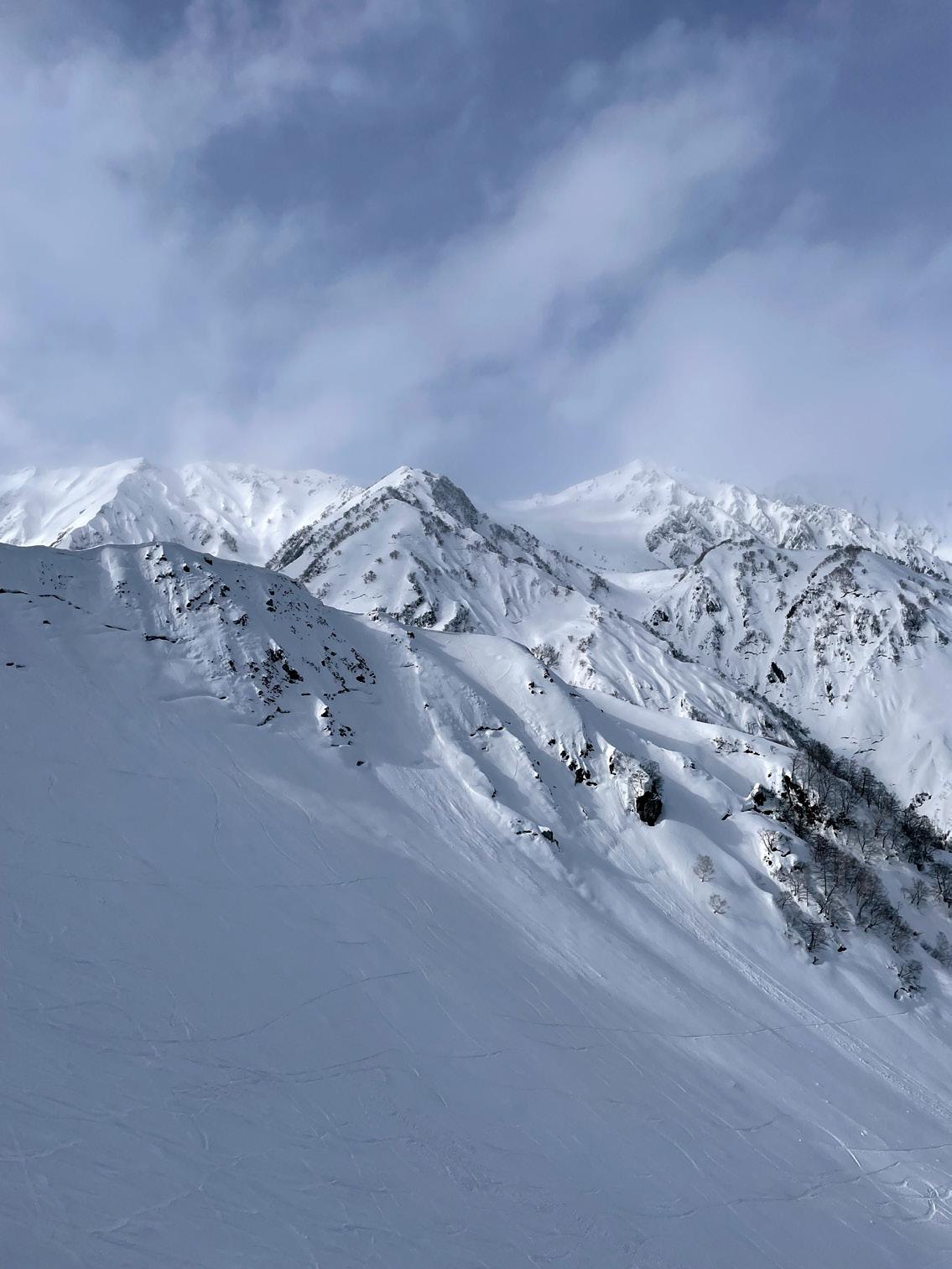
“Hakuba is unique in that it offers a wide range of different terrain. You’ve got some great tree skiing when it’s storming but then there’s incredible alpine lines to be had on those days when the sun is shining.”
One day for me stands out when I was staying at a friend’s place at Goryu, which is interlinked with Hakuba 47. The Goryu gondola had a delayed opening due to avalanche control and clearing the top station, so I didn’t get up to the top until after 11am. I knew Hakuba 47 was already open but decided to head over there anyway and ended up having four or five untracked runs in knee-deep light powder in the trees.
It was mid-week, but still pretty quiet for a powder day, and it was a day I won’t forget. I later heard from a friend that the lift lines at Cortina were 30-35 min for most of the day. That was pure luck on my part but Hakuba-based skiers like Finn Bowes know how and where to beat the crowds. Finn is from Falls Creek, an Australian ski resort, where his family owns Central Snowsports, a retail/rental store. They opened a Central Snowsports in Hakuba in 2016 and now operate three stores in Hakuba. A former ski racer turned freerider, Finn now spends the entire season in Hakuba.
Multiple storms and back-to-back powder days no doubt enhance the experience, but having the opportunity and time to explore more of Hakuba’s terrain makes a big difference.
The variety of terrain is also found in the resorts, not only the backcountry. The smaller resorts like Sanosaka and Jigatake are suited to beginners and intermediates. The bigger resorts like Happo-One, Goryu, and Hakuba 47 are also higher with more vertical drop and terrain to suit all standards, from beginner to expert.
Snowfall can vary significantly in the resorts depending on storm origins. Storms from the west tend to favor central resorts like Hakuba 47, Goryu, and Happo-One, while those from the northwest bring heavier snow to resorts like Cortina and Norikura, which are closer to the coast.
On powder days, lines can be long at Cortina as it often receives double the snowfall than the other resorts. However, during a year like the past one that regularly saw overnight totals of 50-60 cm, everywhere was firing.
The majority of tourists still head to Cortina, resulting in most of it being tracked out early while there were still some freshies to be found much later in other resorts.
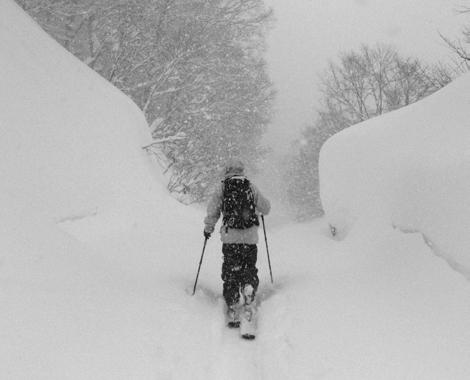
From a freeride perspective, Finn believes Hakuba is unmatched. “The access to diverse terrain, world-class backcountry, sidecountry, and in-resort powder means you never feel like you’ve done it all,” he said. “With expansive and easily accessible backcountry, Hakuba offers big mountain lines comparable to European faces, as well as world-class tree skiing runs that can stretch for a kilometer. Tsugaike trees and the Happo-One backcountry are among my favorite freeriding areas, but there are heaps of other spots I share with a select few. Despite all the time I’ve spent skiing in the valley, I’ve barely scratched the surface of what Hakuba has to offer.”
When I left Hakuba in the last week of February, another storm had brought widespread snowfalls across Central Nagano, with Hakuba picking up 50 cm in three days. Over the five weeks I was there, Hakuba received a snowfall total of 410 cm from four storms—a ridiculous amount of snow.
While that much snow makes life difficult for day-to-day living, it’s a dream for any keen skier or snowboarder, and this past Hakuba winter was definitely one to remember.
Adult Child ¥800 ¥400




Experience HAKUBAʼS APR È S-SKI SCENE with the Hakuba Night Bus!
Experience HAKUBAʼS APR È S-SKI SCENE with the Hakuba Night Bus!


REGGAE ELLISS
Reggae Elliss is the editor and presenter of Mountainwatch and the editor of Chillfactor, Australia’s leading ski magazine. When he’s not on the slopes, Reggae can be heard commentating major World Surf League Tour surf events or reporting for the ABC (Australia Broadcasting Commission).
MOUNTAINWATCH
Mountainwatch is a leading mountain weather and snowsports media company in Australia and New Zealand. Stay ahead of the weather with daily forecasts from The Grasshopper, Mountainwatch’s expert meteorologist.



BY MIKE
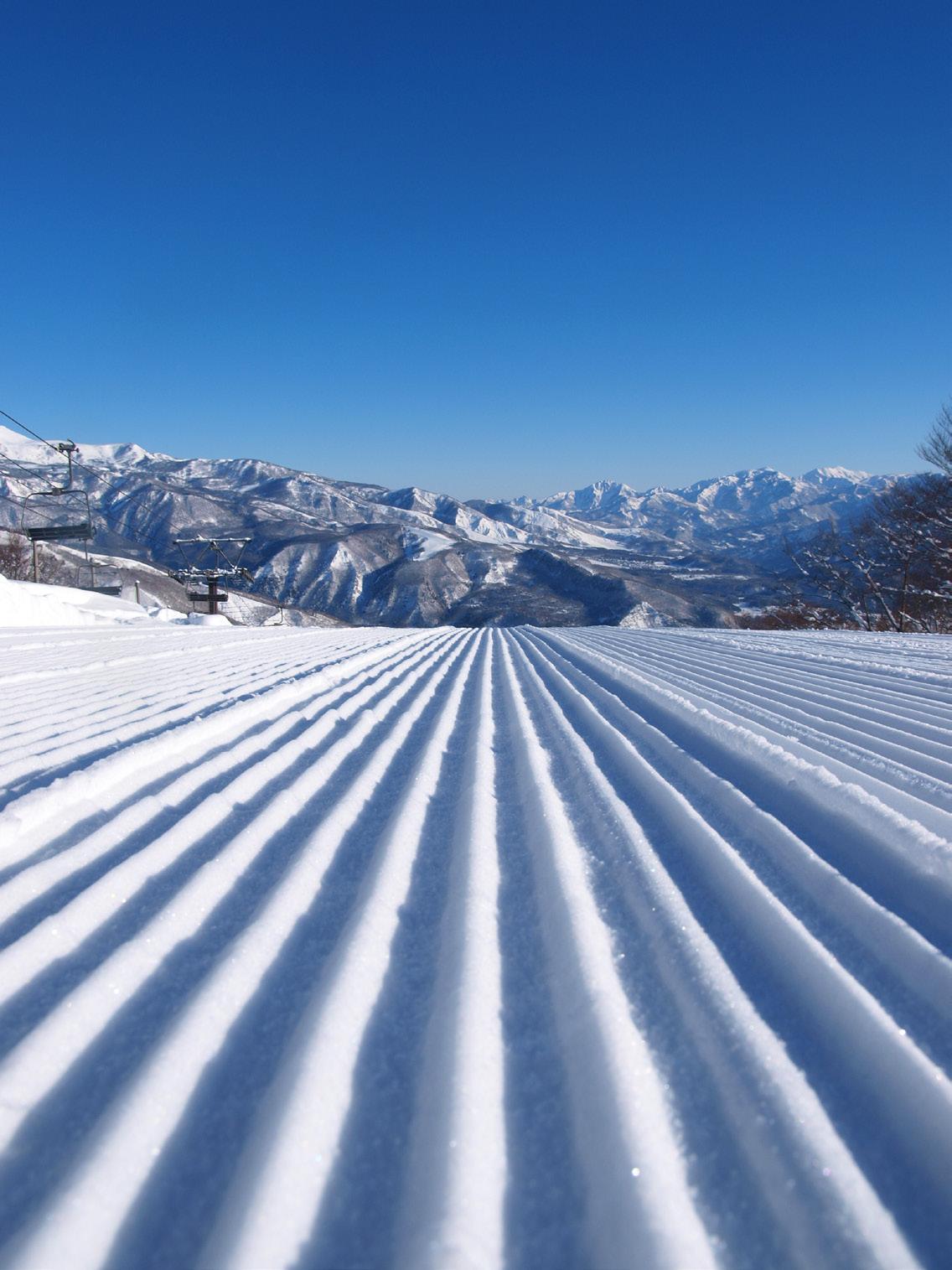
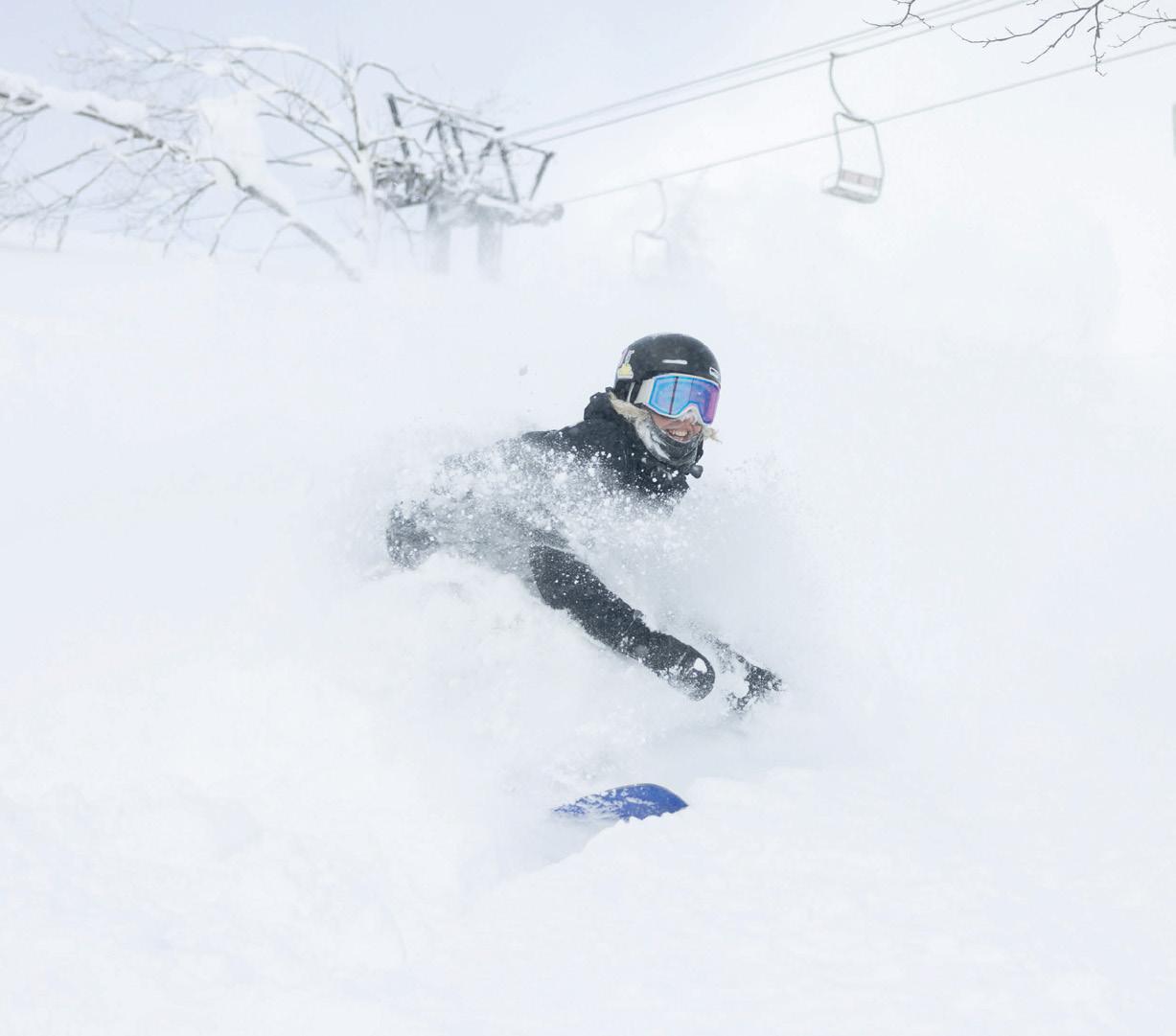
Your eyes snap open to the sound of the alarm. You rush to the window to find the world transformed. Cars are buried, tree branches sag under the weight of freshly fallen snow, and the peaks gleam under a cloudless bluebird sky. It’s the morning we all dream about.
Then comes the inevitable question: Where do you go?
With ten resorts spread across the valley, each with its own quirks, snow patterns, and hidden gems, choosing the right mountain can make or break your day. It can mean the difference between chasing fresh lines or getting stuck in crowds and wind holds.
Here’s the truth: picking the right resort isn’t a matter of guesswork. It’s part science, part art, and a lot of local experience.
Every morning, our instructors go through a ritual—checking reports, scanning webcams, listening to the valley, and weighing the clues. Over years of skiing here, we’ve refined the process.
Here’s how we do it—so you can, too.
START WITH THE WEBCAMS
That first coffee hasn’t even cooled, and the webcams are already talking. Goryu’s Gondola tables give the clearest reading on overnight snow, while Tsugaike’s meter is a trusted gauge. One quick scan tells you if it’s a skip-breakfast-andchase-powder kind of day, or if it’s better to roll over, hit snooze, and take it slow.
For a full valley view, the Events Hakuba website has all the live cameras in one place.
SCROLL THE FACEBOOK FEEDS
The forecast only tells you so much. If you really want the inside scoop, scroll Facebook. Cortina is the early riser, with its Japanese page (白馬コルチナスキー場) dropping posts first thing. Here they update conditions, new snowfall, and anticipated lift openings for the day.
Happo-One’s page is reliable, and usually chimes in once the lifts are spinning. And then there’s the Hakuba Page, where TJ Hakuba, a long-time valley local, calls his pick of the day. The truth is, one Facebook post can tell you more than an entire forecast ever will.
Nothing ruins a powder morning like racing to the base to find the lifts on hold. Trust me, I’ve been there. That’s why I check the Hakuba Valley Weather and Lift Status page first; it pulls lift updates from every resort into one spot.
Open, prepping, or on hold, you’ll see it there.
On dicey weather days, skip the central feed and hit the resort websites directly—they update in real-time without the delay.
Each resort has its own personality. Here’s our quick back-of-the-napkin guide on how to match conditions to the mountain:
Strong Winds: Avoid Happo as it’s the most exposed. Hakuba 47, Tsugaike and Cortina are more sheltered, and are a better bet.
Powder Days: Head north. Cortina, Norikura, and Tsugaike usually see the deepest snowfall.
Bluebird Groomer Days: Hakuba 47’s Route 1, Goryu’s Grand Prix and Happo’s Panorama deliver long, corduroyed runs perfect for carving.
Family Days: Tsugaike’s wide, gentle slopes are tailor-made for beginners, while Iwatake has the most activities for non-skiers.
Busy Holidays: Weekends and Japanese holidays do get crowded. For quieter runs, try Sanosaka or Norikura.
Hakuba’s backcountry is world-class, but so are the risks. Start each day by checking Nadare.jp, the Japanese Avalanche Network, which publishes a daily bulletin in both Japanese and English. It is the go-to resource for understanding the last 24 hours of weather and snow conditions. Buried cars, bluebird skies, endless snow— in Hakuba, deciding where to ski isn’t about luck. It’s about knowing what to look for and where to find reliable information. Choosing the right mountain is what turns a good day into a legendary one. Still not sure where to go? Skip the guesswork—ski with us and find the best snow!
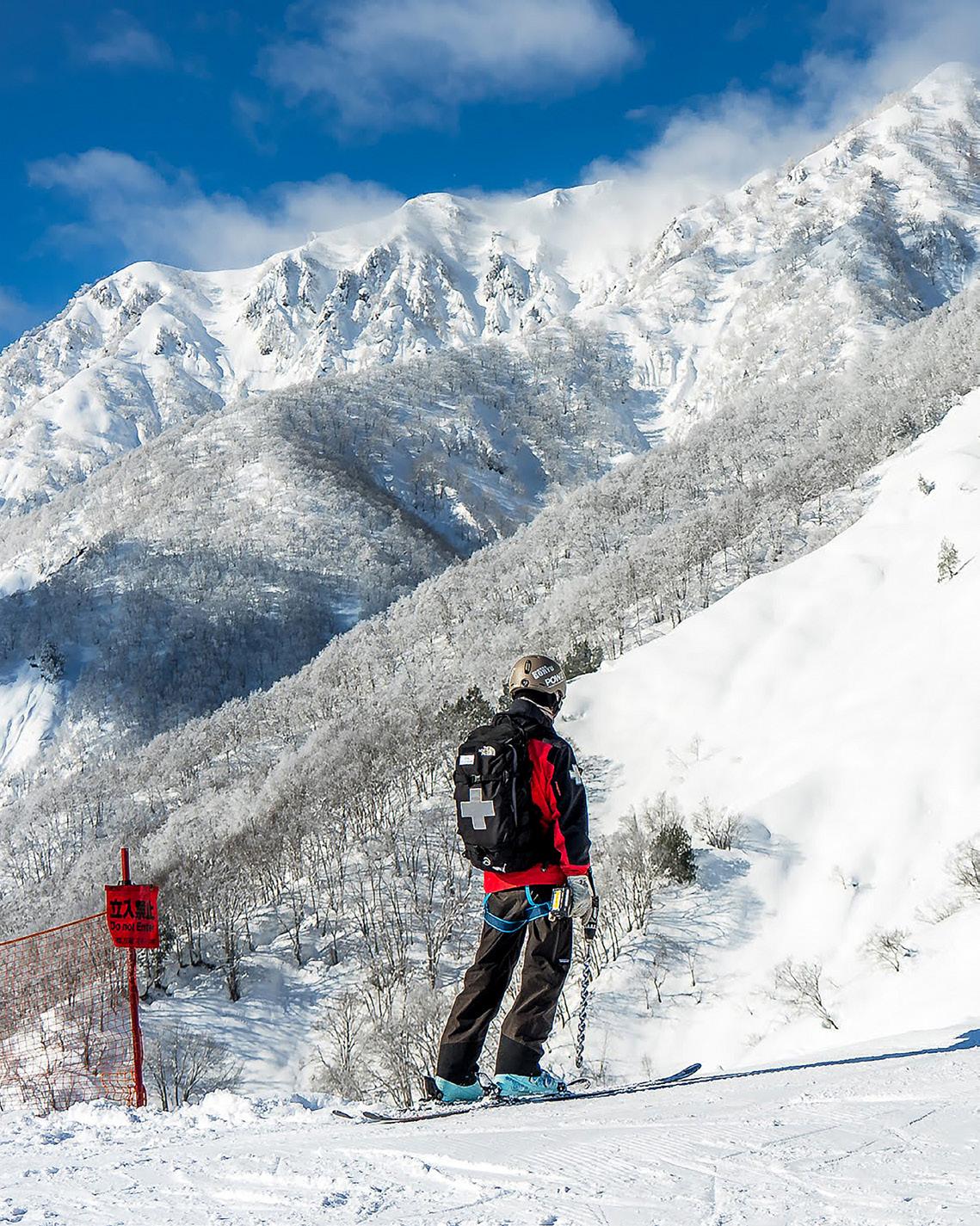
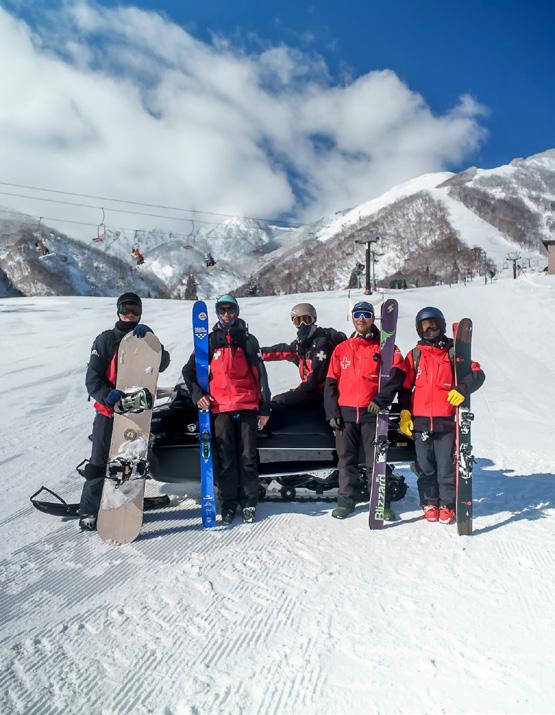
Before the first gondola rolls, Goryu’s ski patrol is already hard at work. At the helm is Takeshi Suzuki, a proven leader with nearly two decades of experience and a clear passion for his work. Now in his second season as patrol team leader, Takeshi brings a quiet confidence and deep expertise to one of the most essential roles in the resort.
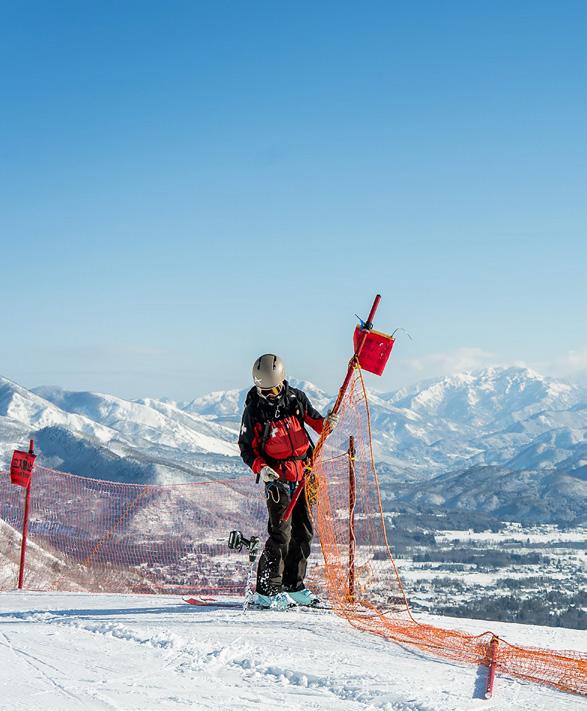
“Every morning, I ski the Grand Prix course. The grooming is amazing— especially in the early hours. It’s the perfect way to start the day.”
BUILT ON STRONG FOUNDATIONS
Takeshi inherited a well-run organization shaped by capable predecessors, so his focus has been on maintaining momentum. “The basics were already solid,” he explains. “Our job is to keep improving and respond to new changes.” And those changes are coming fast. Every season sees more international visitors, unpredictable weather patterns, and a boom in backcountry skiing. As more people cross resort boundaries into areas that are closed and explicitly prohibited due to safety risks, the patrol team’s responsibilities have expanded significantly. Still, Takeshi remains optimistic: “We just adapt. That’s part of the job.”
BEHIND THE DELAYS: SAFETY FIRST
On big powder days, eager skiers sometimes wonder why the lifts aren’t spinning right away. But there’s a good reason.
“When snowfall is heavy, avalanches can travel farther. That means more zones to check and more time spent on control work.”
The team uses ski cutting, fireworks, and controlled explosives to reduce risks. If that’s not enough? “We close the course. Our top priority is always guest safety.”
MORE THAN RESCUE: COMMUNICATION MATTERS
One unique part of Goryu’s patrol team is its long-running blog, which has shared safety updates and stories for over twenty years. “We can’t say everything we need to just on the slopes,” says Takeshi. “The blog helps us explain what’s
happening, and how people can ski safely and enjoyably.”
Looking ahead, Takeshi hopes to publish in English as well.
RESPECT THE BOUNDARIES
When it comes to backcountry skiing, the message is clear: use the designated gates.
“Locals know which areas to avoid. Some have seen serious avalanches firsthand. If you enter from the wrong place, others might follow and get into trouble. If you can’t take full responsibility for yourself, you shouldn’t go.”
The team typically includes two to three women each season. “The work is physically demanding,” Takeshi says, “but tasksharing helps. And women bring great communication skills, especially when dealing with guests who are injured or upset.”
He is also open to bringing in foreign patrollers, starting with volunteers and if working visas can be achieved, fulltime positions as well.
From early morning slope checks to avalanche safety, Takeshi approaches his work with steady care. He focuses on building a culture of safety and respect, where dedication is part of the everyday routine. Thanks to him and his team, visitors at Hakuba Goryu can simply enjoy their time on the mountain.
TAKE A LOOK!
Watch the interview on YouTube.
Hungry for variety? Hakuba serves up something for every taste, every mood, and every moment.
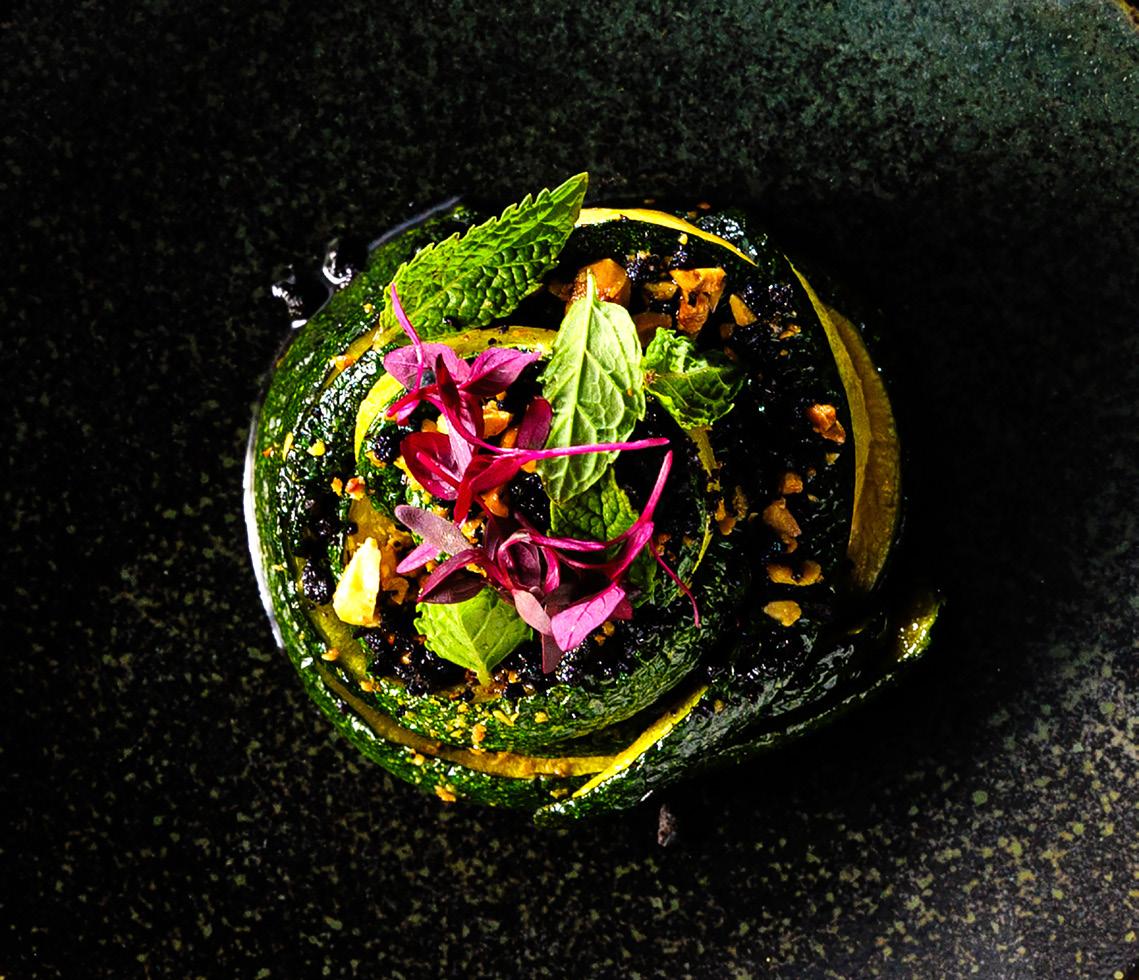
Mountainside modern izakaya
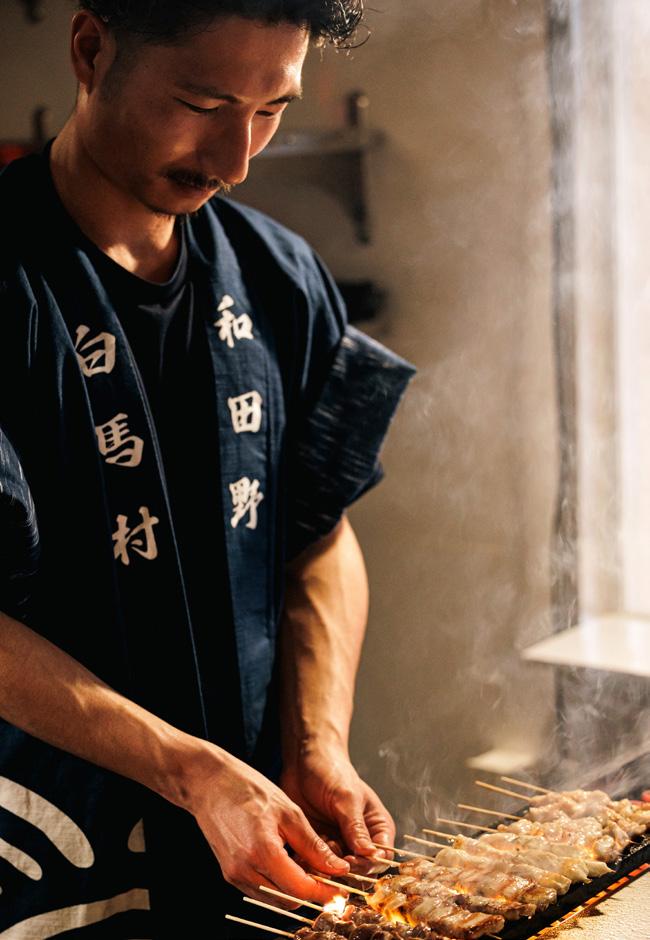
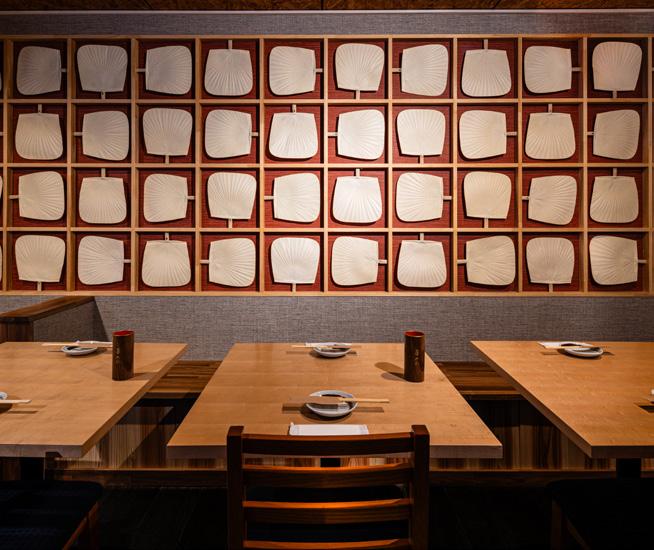
Tori Co. is an authentic Japanese izakaya that’s a favorite with both tourists and locals for its relaxed atmosphere and seriously good food.
From 5:30pm to 7:30pm, Tori Co. offers set menus centered on nabe and shabu-shabu—Japanese hot-pot meals cooked at the table. Reservations can be made online.
After 8pm, walk-ins can choose from an à la carte menu with classic yakitori skewers, crispy fried dishes, fresh salads, and other izakaya staples.
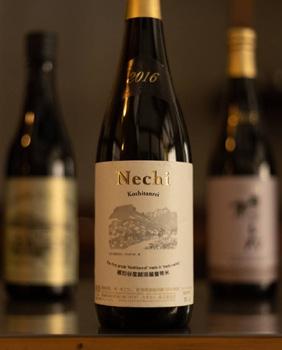
The drink selection is equally enticing, with draft beer, international wines, and an impressive range of sake, including IWA Sake and the local Kurobishi Sake.
OPENING HOURS
5:30pm – 8:30pm
(Set menu | L.O. 7:30pm)* 8:30pm – 10pm (Yakitori and drinks)
DAYS OF OPERATION
Daily (closed on Wednesday, except during holidays)
Refuel the Australian way
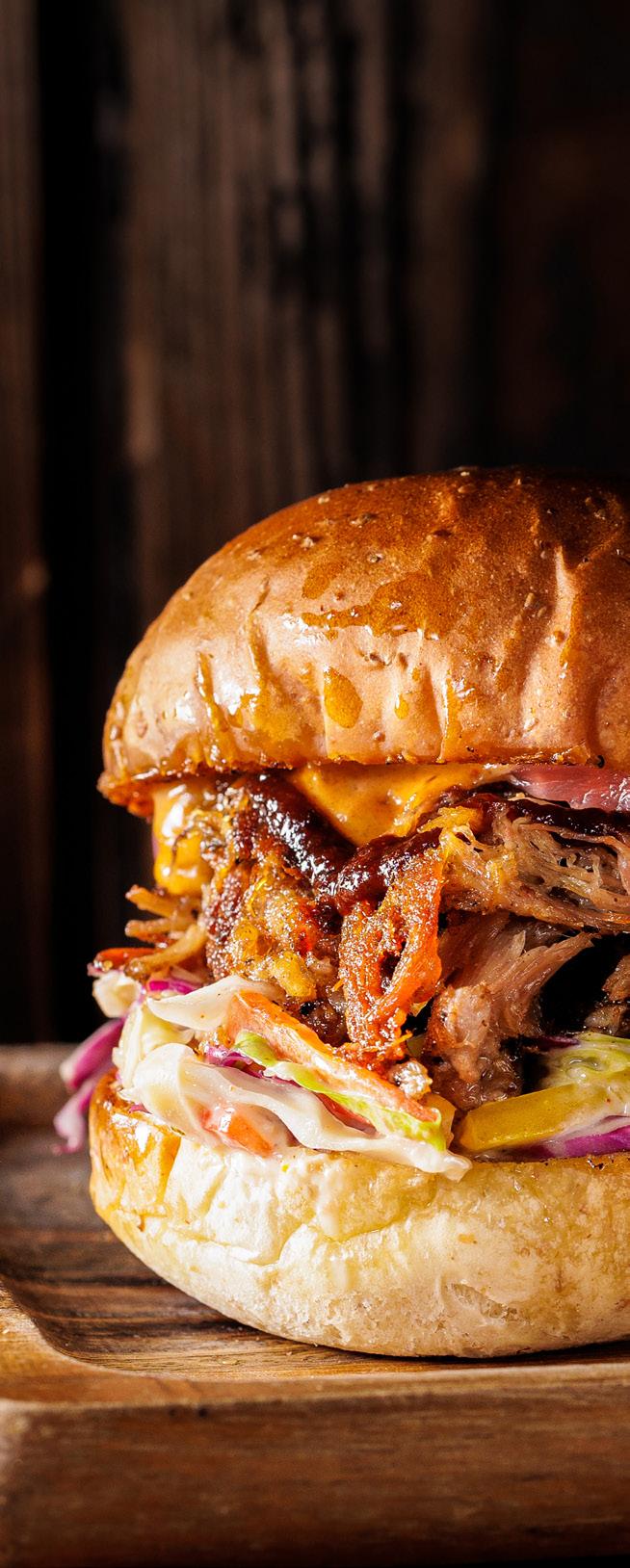
The Rabbit Hole is a Hakuba institution. Just 150 meters from the Sakka Slopes, it is the go-to spot in Wadano Village for every part of your day. Grab a pre-ski coffee and a brekky burrito, drop in for mid-run beers, and roll back in the evening for cocktails, live music, and a juicy burger.
The menu is stacked with crowd favorites, from vegetarian options to unapologetically non-vegetarian picks like the Notorious P.I.G. (pictured left).
But it’s the vibe that truly sets The Rabbit Hole apart. It is family-friendly yet still buzzing with après energy. With live music nightly, an industrial-chic feel, a billiards table downstairs, and a warm international team behind the bar, it’s equal parts relaxed and electric.
OPENING
7am – 10pm
OPENING
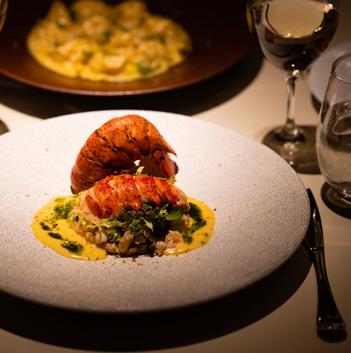
GOURMET ITALIAN Mountain to table
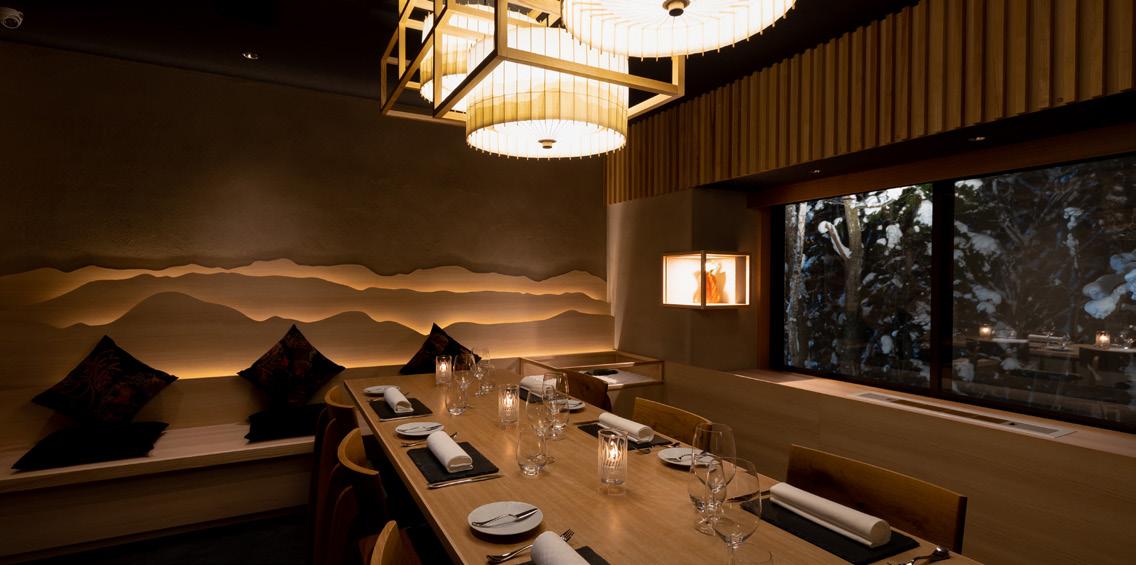
Mimi’s is Hakuba’s most celebrated dining experience—a five-star culinary destination that is consistently ranked the number one restaurant in the valley on TripAdvisor. At its heart are husbandand-wife chefs Kazu and Yuki, whose vision combines Italian soul with the elegance of Japan’s finest ingredients.
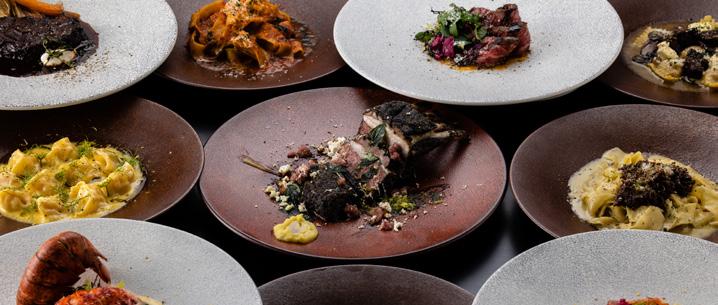
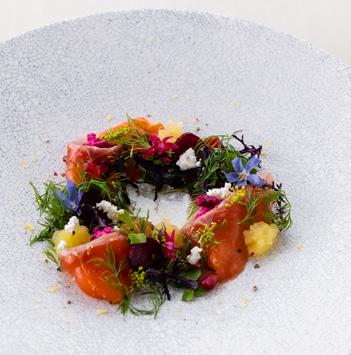
Each course tells the story of place and passion: wild Shinshu salmon, local game such as bear, boar, and venison, and vegetables sourced from select mountain farms, ingredients so exceptional few chefs in Japan can even obtain them. The flavors are rich, layered, and deeply satisfying, crafted with precision and
served by a full Italian wait staff who bring warmth and sophistication. Paired with an impeccable wine list and an atmosphere that feels both intimate and world-class, Mimi’s defines mountain to table excellence in Japan. It is an experience that lingers long after the final glass is poured.
APRÈS-SKI
A Veuve Clicquot bar
Hakuba Après is proud to partner with Veuve Clicquot to create Japan’s ultimate après-ski experience.
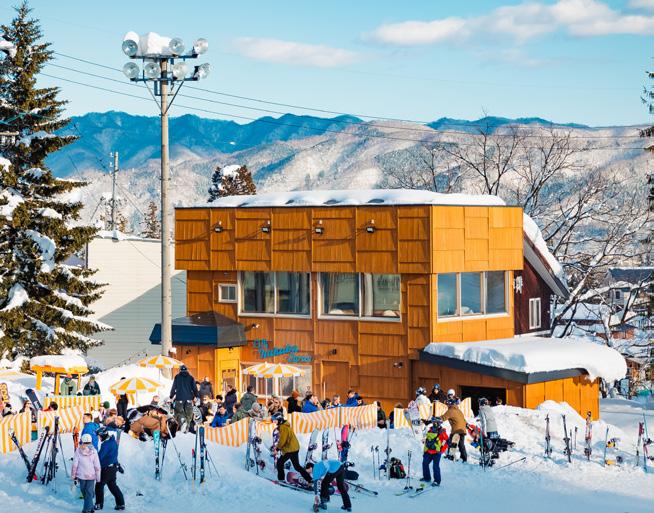
Ski straight down the Nakiyama Slope at Happo-One or stroll up from Happo Village to Hakuba Après × Sun Club, Japan’s premier on-snow après party. Expect champagne, live music, and alpine chic energy.
The space blends mountain style with a touch of playful glamour. Enjoy live music every afternoon, an upstairs VIP Zone for bottle guests, and a lunch menu of sausages, curries, and warm, hearty meals.
OPENING HOURS 12pm – 6pm DAYS OF OPERATION
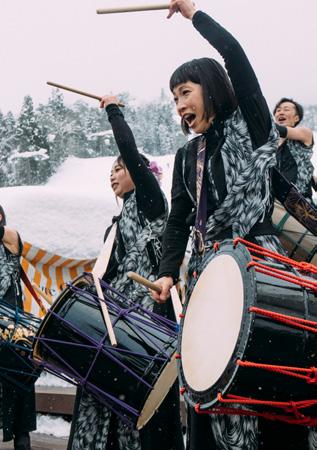
Music: Daily | 2pm – 6pm Taiko Drumming: Sundays | 4pm – 4:30pm FIND US 4029 Hokujo +81 50 4560 4826
◇
◇Take it on the
◇One and only

OPENING HOURS 5:30pm – 10:30pm
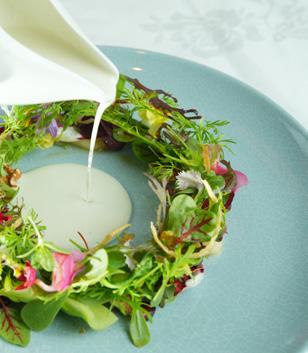
Hakuba’s best degustation experience
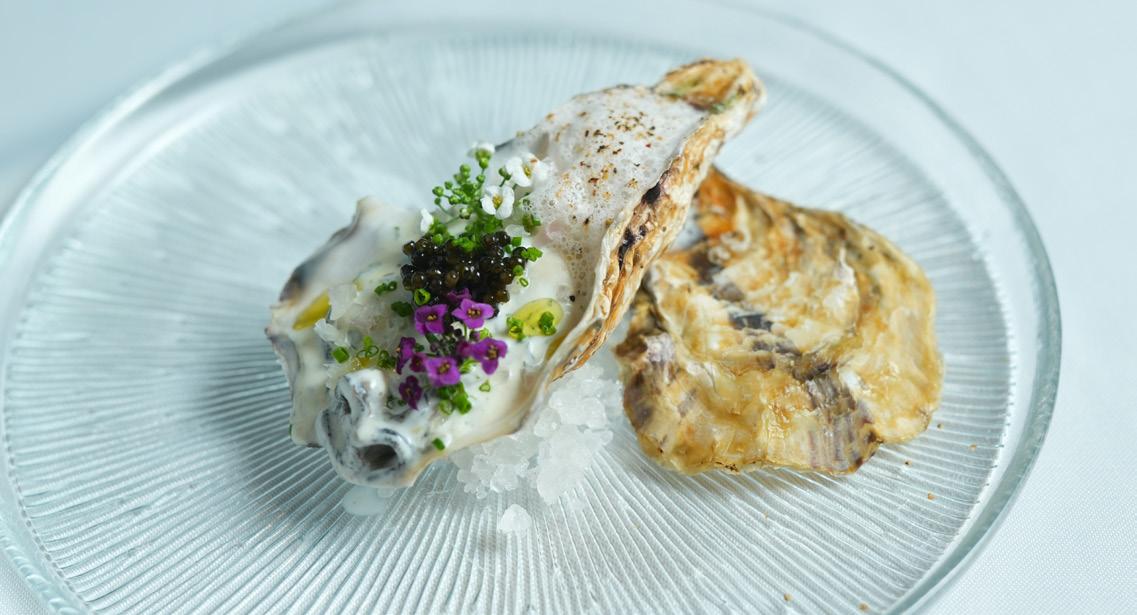
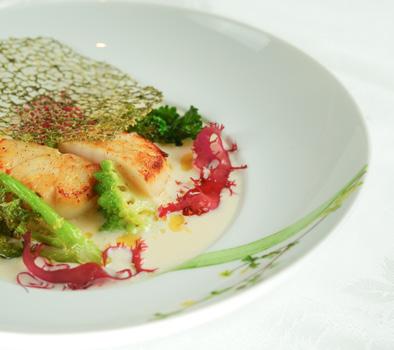
Vive is proud to present the creations of Chef Shingo Suzuki, an extraordinarily talented chef with six years of experience in multiple two Michelin-starred restaurants in Italy. Chef Suzuki fuses the depth of Japanese ingredients with modern European techniques, crafting elegant, refined dishes that celebrate the best of both worlds.
Drawing inspiration from premium Japanese produce and local Hakuba ingredients, his tasting menus evolve each year. Vive keeps signature favorites— like the Caviar and Raspberry Vinegar Foam Oyster—while introducing bold new creations that surprise and delight.
The seasonal degustation menu, paired with a magnificent wine experience, offers the finest dining experience in Hakuba. Vive is open from December 19th to March 7th.
8125 0895 BOOK NOW!
JAPANESE
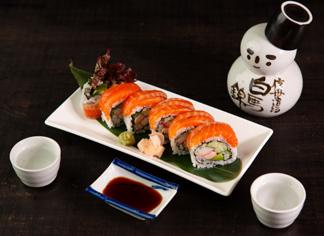
Alpine comfort meets refined Japanese cooking
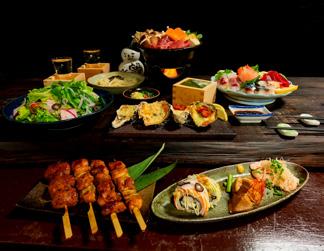
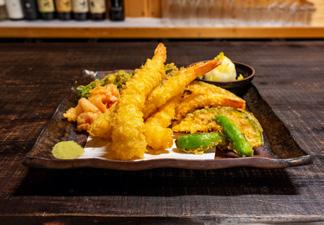
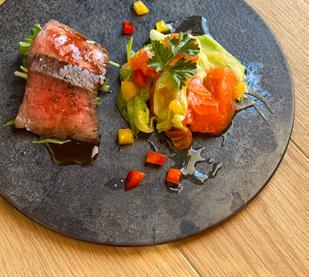
The new Sukiyaki Course (¥10,000) is all about simple pleasures done beautifully. The meal begins with fresh seasonal sashimi, a bright salad, and charcoalgrilled yakitori chicken, followed by a standout plate of grilled oysters. Then comes the sukiyaki—thinly sliced marbled beef simmered at your table in a delicate, sweet-savory broth with tofu and winter greens. It’s a classic Japanese hot pot, perfect for cold mountain nights, and finished with your choice of rice or noodles and a light dessert.
If you’re in the mood to mix and match, the à la carte menu has plenty of comforting Hakuba favorites and seasonal small plates to share.
With its warm wood interiors, soft lighting, and easygoing pace, Fuga is the perfect spot to unwind after a day on the slopes. Book ahead on powder days; it fills up fast.
TWO SEATINGS
5pm – 7pm 7:30pm – 9:30pm
Introducing Hakuba’s newest and most unique dining experience
Located on the 4th floor above the Olympic Ski Jumping Stadium, Sky Lounge @ Hakuba Jump serves dinner with a view. Open from December 20th to March 8th, the seasonal six-course Japanese menu includes three drinks and is priced at ¥13,000.
Reservations can be made online, and a complimentary shuttle runs every 30 minutes between Happo Bus Terminal and the Jump Tower. Treat yourself to a one-of-a-kind culinary experience.
OPENING HOURS
7am – 12am
FIND US 5736 Hokujo
+81 50 4560 4816 LEARN MORE!
CAFÉ & BAR
Great drinks and grab & go bites
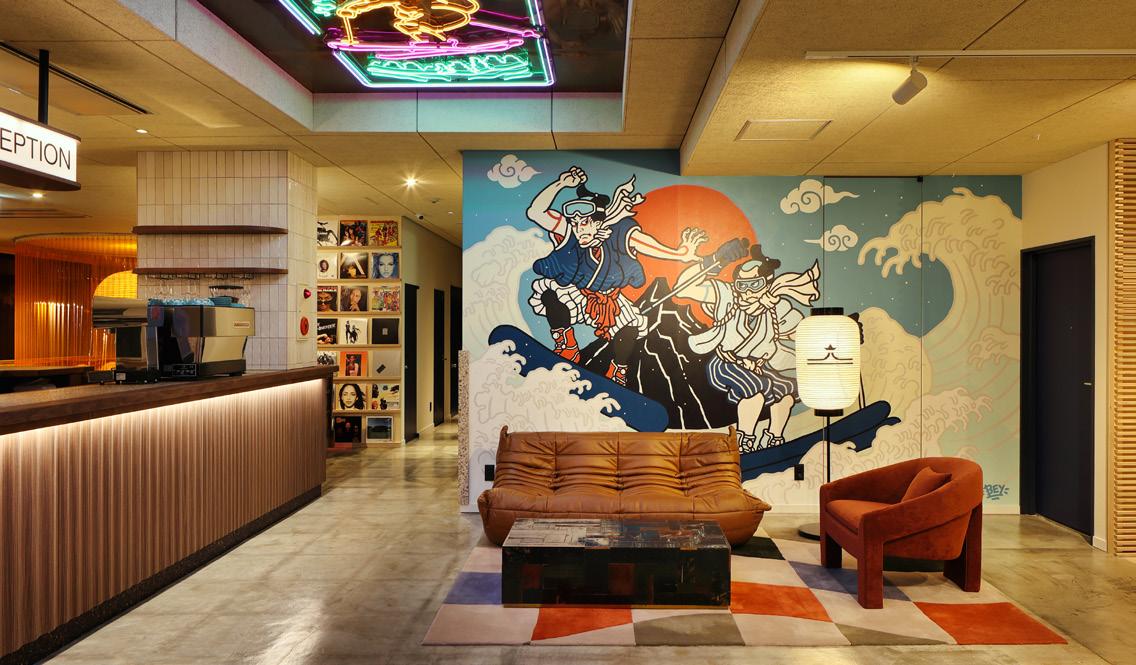
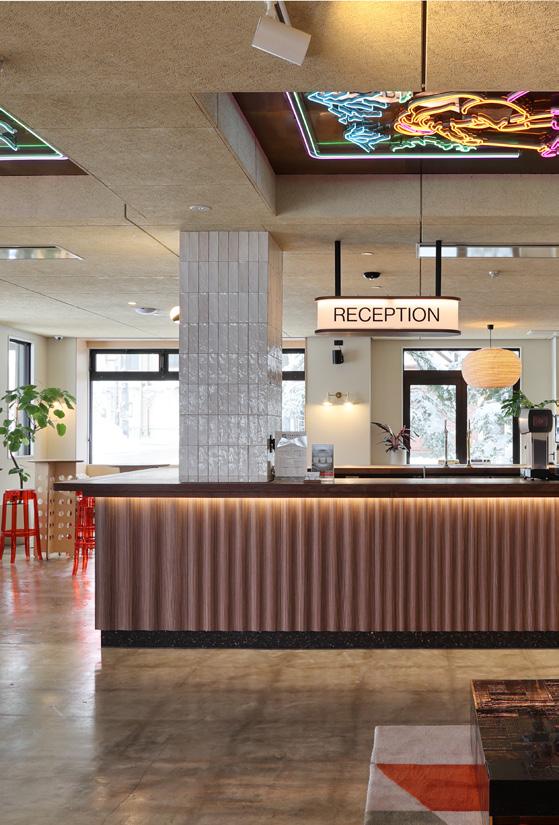
The evo Hotel Bar is funky, stylish, and sleek, designed with community at its core. The thoughtfully curated space ensures guests will create unforgettable memories together over drinks, coffee, music, and art.
Located next to the Happo Information Center and open from 7am, the evo Hotel Bar is the perfect place to pick up your barista-made coffees and tasty breakfast bites before hopping on a resort shuttle.
In the evening, the bar comes alive with daily music, great drinks, and a lineup of tasty bar bites.

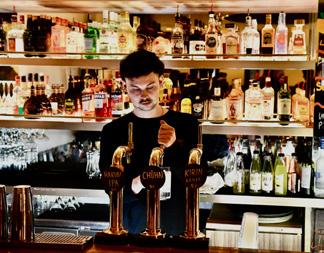
vibes and chilled drinks
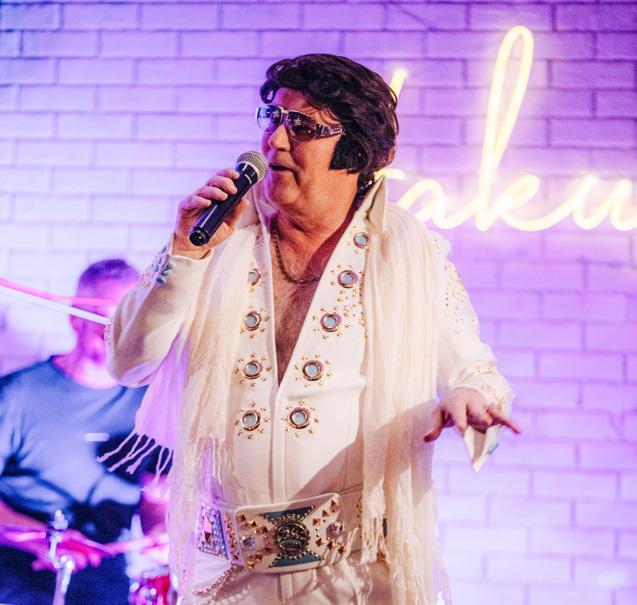
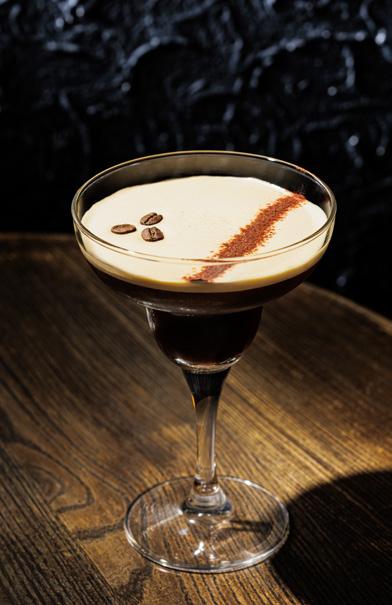
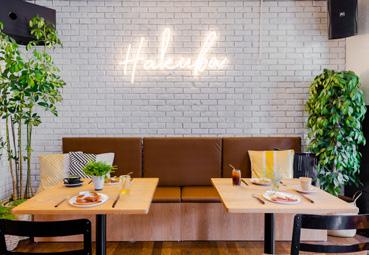
The Clubhouse, perfectly situated in the heart of Happo-One, is Hakuba’s premier all-day venue. In the morning, early risers can enjoy gourmet coffee and hearty breakfasts before hitting the slopes. As the lifts stop running, The Clubhouse shifts gears into a vibrant après hub with daily live music, creative takes on the classic Espresso Martini, local brews, curated wines, and comforting pub favorites. It is the ideal spot to keep the good times rolling in Hakuba.
PREMIUM ITALIAN
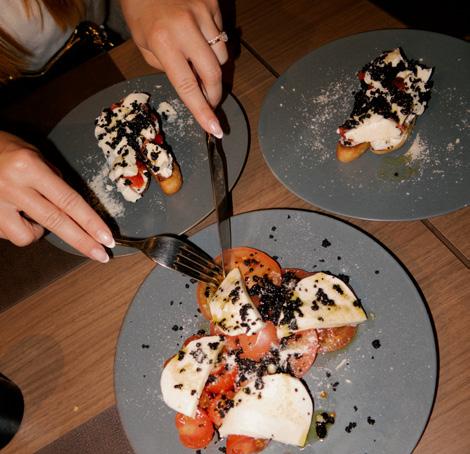
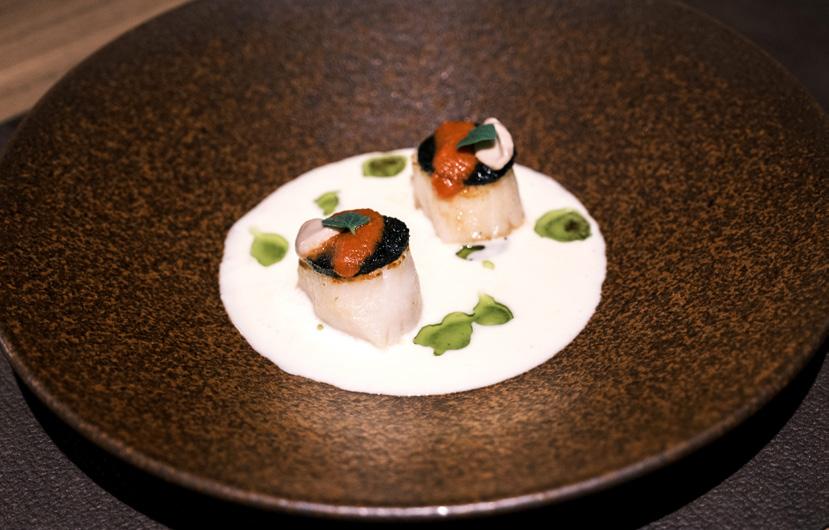
gio’s brings authentic Italian dining to the Japanese Alps. Evenings begin with a selection of antipasti and artisanal Pinza, a Roman-style flatbread prized for its light, airy texture and crisp bite. It is designed to share and set the tone for the meal ahead.
Guests are then invited to choose their preferred pasta, main, and dessert from a carefully crafted menu that celebrates Italy’s regional flavors. Each course reflects balance and authenticity, complemented by a curated list of international wines. gio’s offers an elegant, unhurried dining experience, where conversation, craftsmanship, and connection take center stage. Course menus begin at ¥12,000 per person.
OPENING HOURS
6pm – 11pm (L.O. 8:30pm)
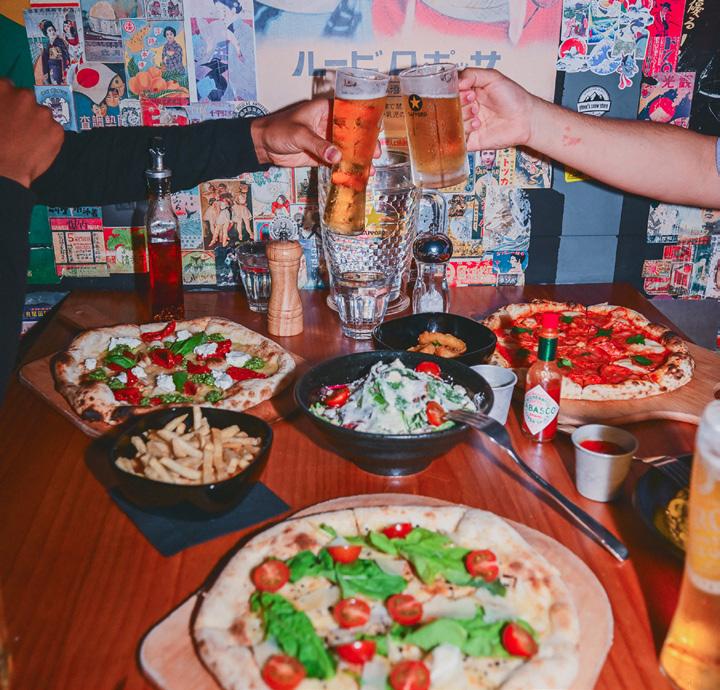
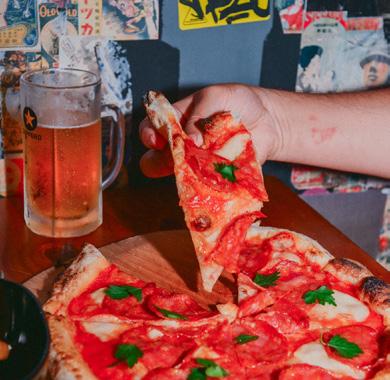
Hakuba’s best woodfired pizza
Just 30 meters from the Happo Gondola, Bizzard serves Hakuba’s freshest Italian fare from its wood-fired oven, crafting the region’s most authentic pizza. The menu also features a tempting variety of finger foods, pastas, and fresh salads that will satisfy cravings of adults and children alike. After an adventurous
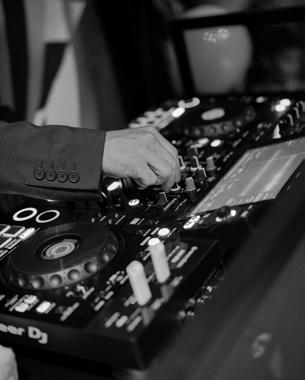
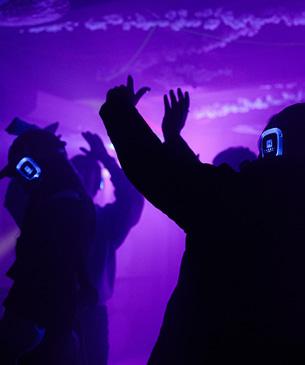
morning on the slopes, enjoy a hearty lunch in a chilled setting. Craving an Aperol Spritz to kick off your aprèsski? Blizzard has you covered. When the lights go down, the party starts. Blizzard becomes Hakuba’s go-to nightspot, with live music and events all season long.
OPENING HOURS 11:30am – Late DAYS OF OPERATION
BOOK NOW!
EVENT SCHEDULE
MONDAY
Trivia: 8pm – 10pm
Country Music: 10pm – Late
TUESDAY
Music: 7pm – 10pm
Silent Disco: 10pm – Late
WEDNESDAY
Music: 7pm – 10pm
White Party DJ: 10pm – Late
THURSDAY
Music: 7pm – 10pm
Techno DJ: 12am – 2am
FRIDAY
Music: 7pm – 10pm
House DJ: 12am – 2am
SATURDAY
Music: 7pm – 10pm
Drum & Bass DJ: 12am – 2am
SUNDAY
Music: 7pm – 10pm
Hip Hop DJ: 12am – 2am

JAPANESE
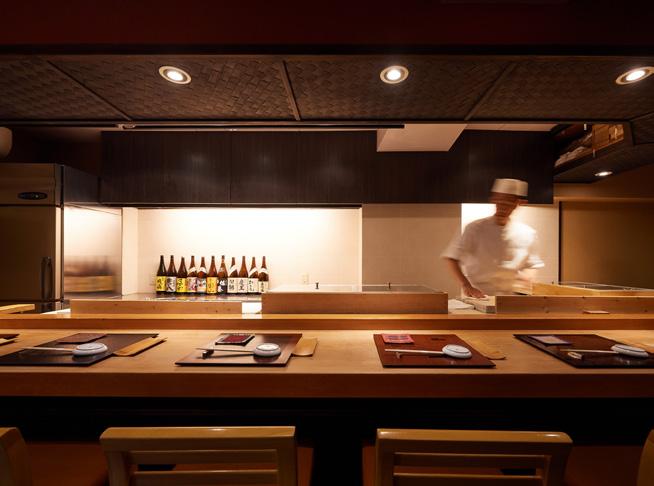
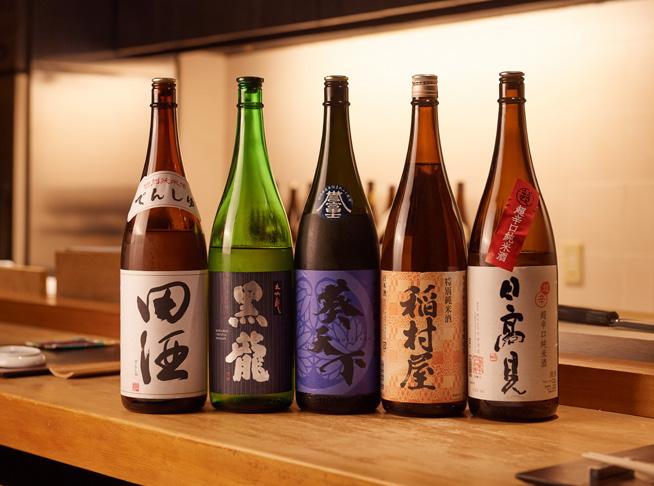
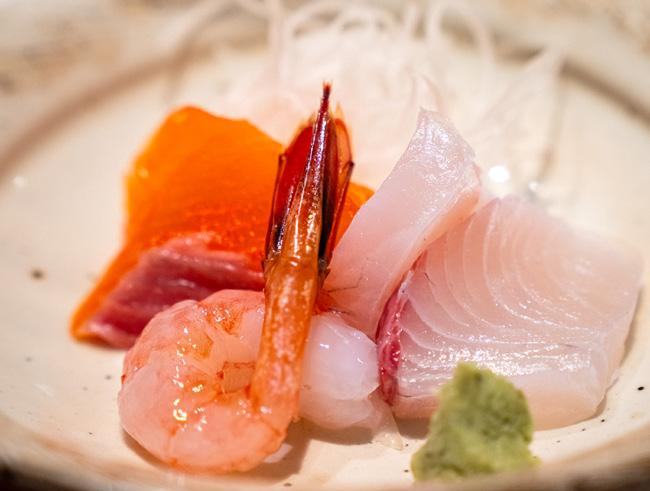
Intimate sushi journey
Experience a hard-to-come-by culinary journey. Helmed by former Ginza sushi master Chef Sakai, this intimate dining space features 14 counter seats, giving guests a front-row view of a true artist at work.
Guests can choose from two Omakase menus, each curated to showcase the freshest seasonal ingredients. Chef Sakai sources his fish daily from Tokyo’s renowned Toyosu Market, ensuring an experience of the highest-quality sushi and the luxury of fine dining in the Japanese Alps.
OPENING HOURS
Seating 1: 6pm – 7:30pm
Seating 2: 8pm – 9:30pm
4029 Hokujo +81 50 4560 4826
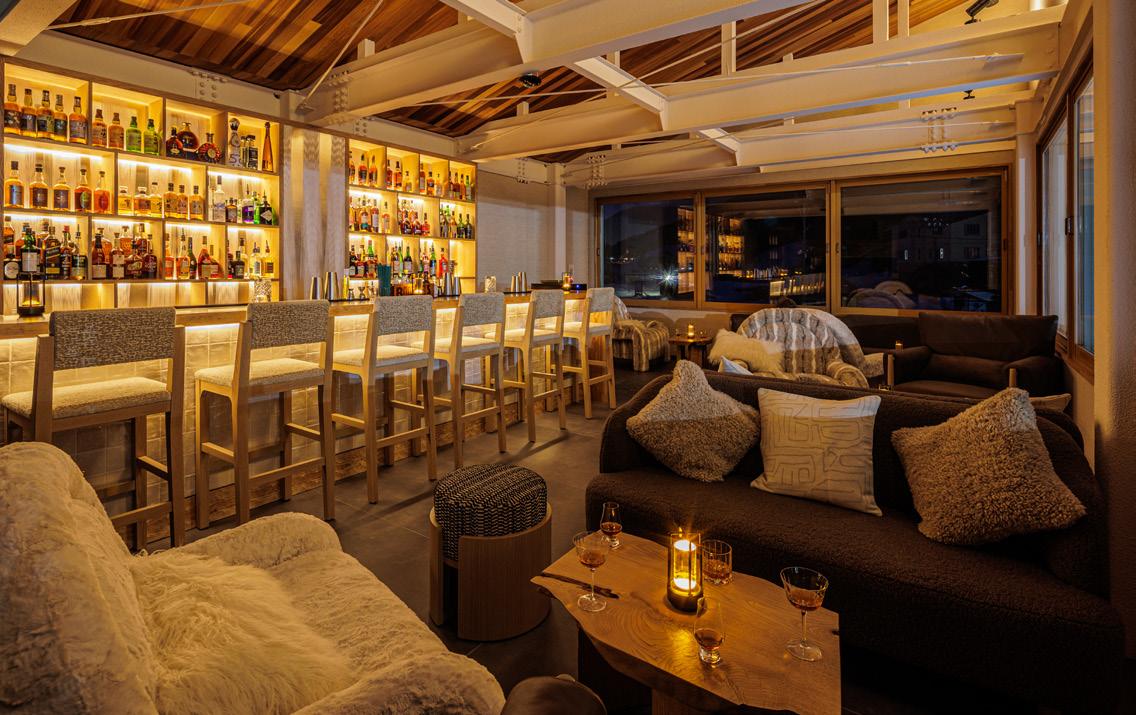
Slopeside whiskey and champagne bar
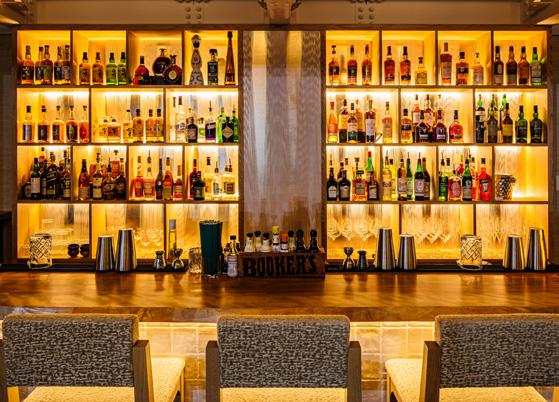
No.898 is Hakuba’s most exclusive whiskey and champagne lounge, where craftsmanship, conversation, and calm come together. Located on the second floor of Hakuba Après, it offers a striking view of the illuminated Nakiyama Slope, best appreciated with a glass of something exceptional in hand.
Inside, shelves of rare whiskeys and prestigious champagnes invite quiet discovery. Soft lighting, attentive service, and an intimate atmosphere define the experience. Entry is by reservation only, with a unique access code provided upon confirmation to ensure every visit feels personal and private.
GERMAN | WESTERN
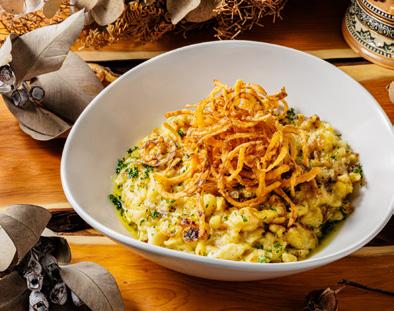
Rustic alpine German cuisine
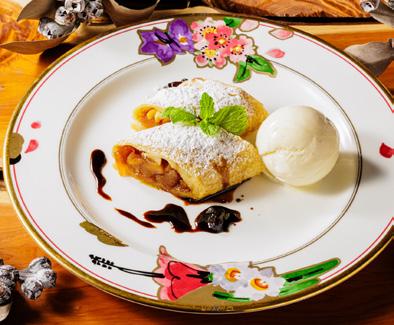
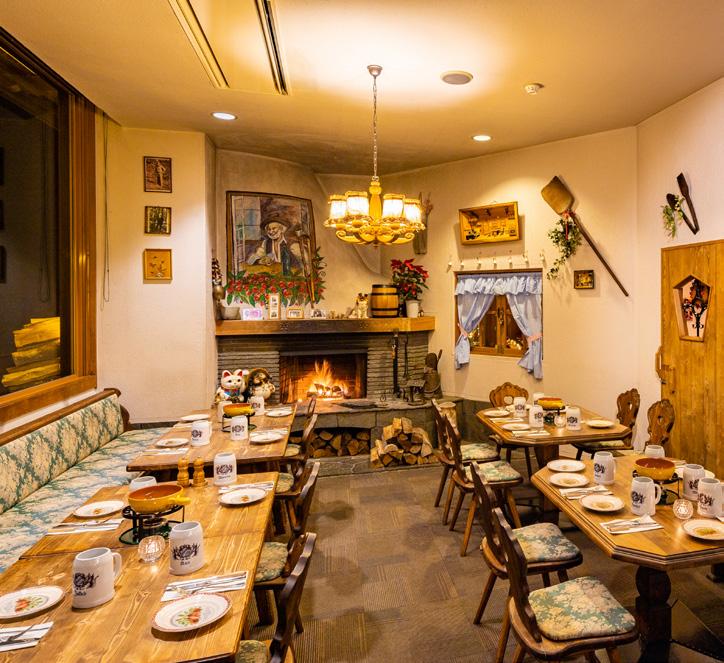
Located directly on the Nakiyama Slope, The Marillen Hotel welcomes guests from around the world with genuine alpine charm. The Marillen Restaurant & Bar serves classic German dishes and refreshing beers from lunch through
dinner, and is the perfect spot to refuel between runs or unwind after a day on the mountain.
As evening falls, families and friends gather by the fireside for a cozy meal,
OPENING HOURS 11:30am – 9pm DAYS
indulging in cheese fondue or traditional Wiener Schnitzel while watching the snow fall across the illuminated slope. Later, the Hüttenparty spirit takes over, with live music and a festive touch of Oktoberfest in the heart of Hakuba.














GERMAN
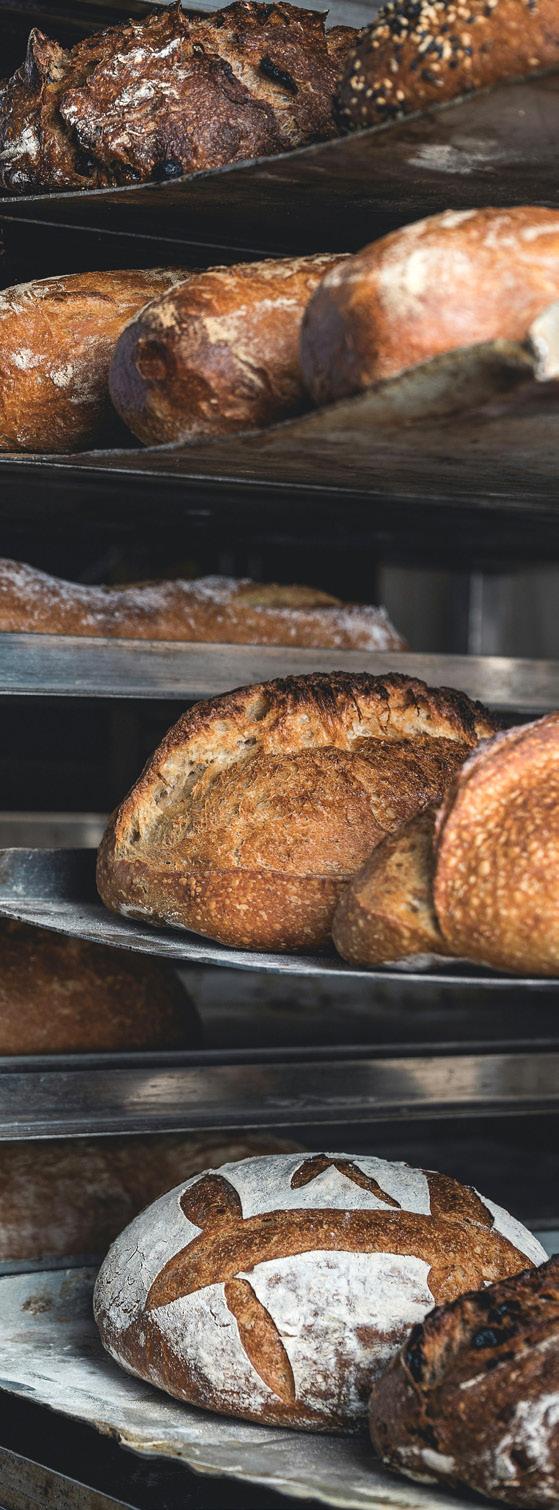
German bread & daily
Only steps from the Happo-One Gondola, Berliner Bakery brings a taste of Europe to Hakuba with its freshly baked breads, pastries, and cool café vibe. From fresh sourdough loaves and buttery croissants to hearty sandwiches and sweet treats, everything is made with care and authenticity. It’s the perfect spot to grab your morning coffee before heading up the slopes, or stop by for an afternoon pick-me-up.
Alongside its signature breads and pastries, the bakery also stocks daily essentials like milk, eggs, and other small comforts.
OPENING HOURS 7am – 4pm
DAYS OF OPERATION Daily FIND US 4633-1 Hokujo
WESTERN
On the shores of Lake Aoki
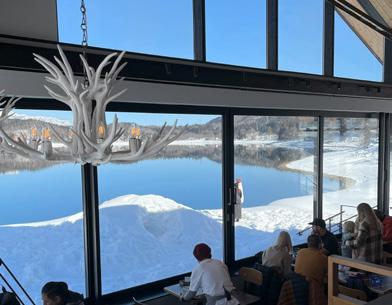
Enjoy coffee, lunch, or dinner at this modern lakeside café, just 15 minutes from central Hakuba. Set on the edge of Lake Aoki, ao LAKESIDE CAFÉ is bright and open, with high ceilings and wide windows on three sides that frame sweeping views of the water and surrounding mountains.
The menu draws inspiration from the seasons of Nagano, moving effortlessly from relaxed daytime plates to refined course dinners. Paired wines and local beers complete the experience. From morning coffee before the slopes to a quiet dinner by the lake, it’s a place made for slowing down and taking in the view.

DAYS OF OPERATION Daily (Closed on Wednesdays in December & March)
Free-flow champagne with a view OPENING
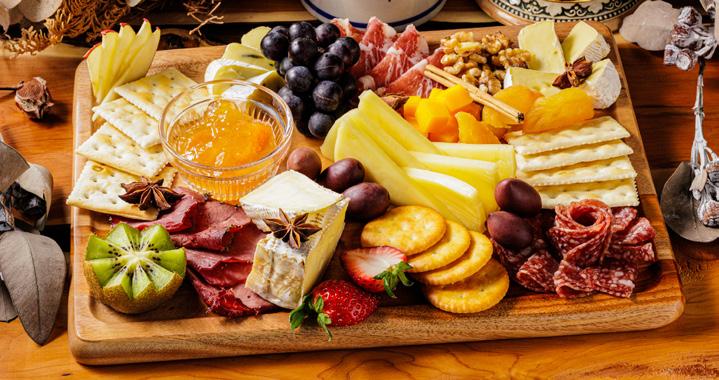
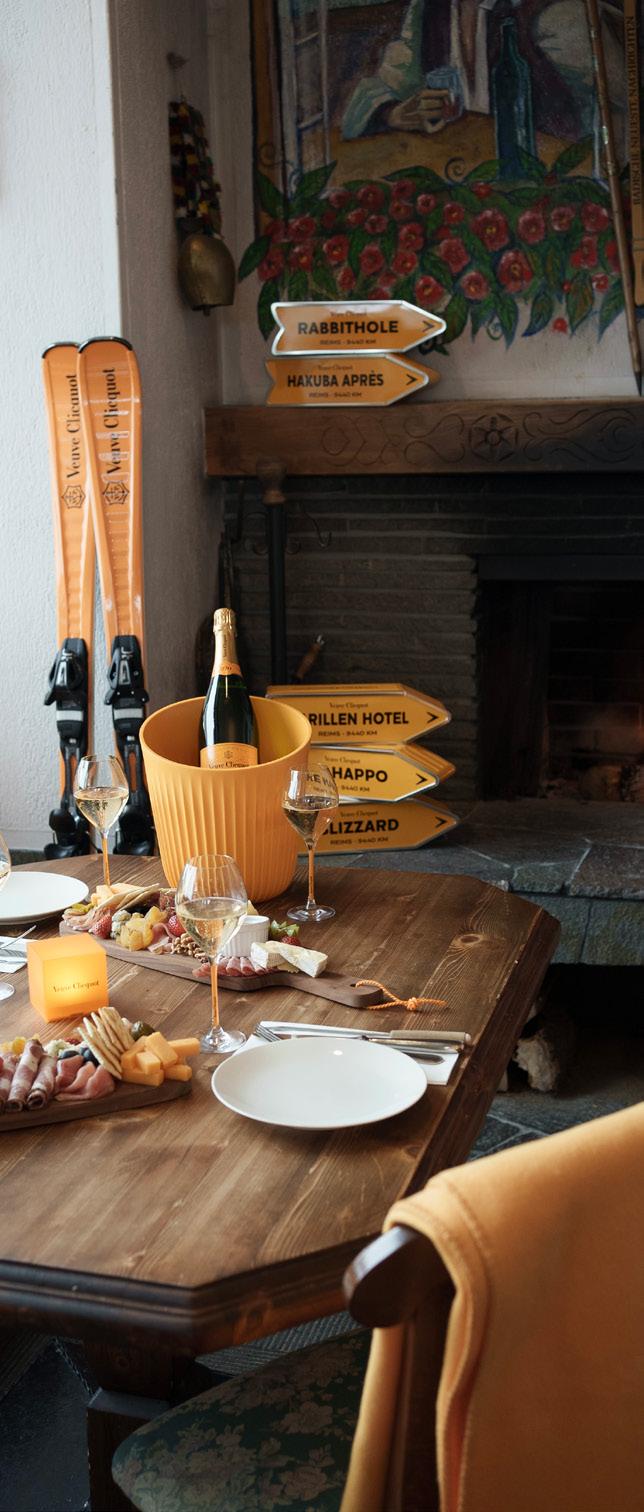
Enjoy a leisurely, alpine afternoon over cheese fondue and free-flowing champagne on The Marillen terrace overlooking the Nakiyama Slope. This lunch includes 90 minutes of Veuve Clicquot champagne, beer, and mixed drinks, alongside freshly prepared appetizers, a charcuterie selection, cheese fondue, and dessert. Please pre-book at least 24 hours in advance.

Hearty Japanese dining
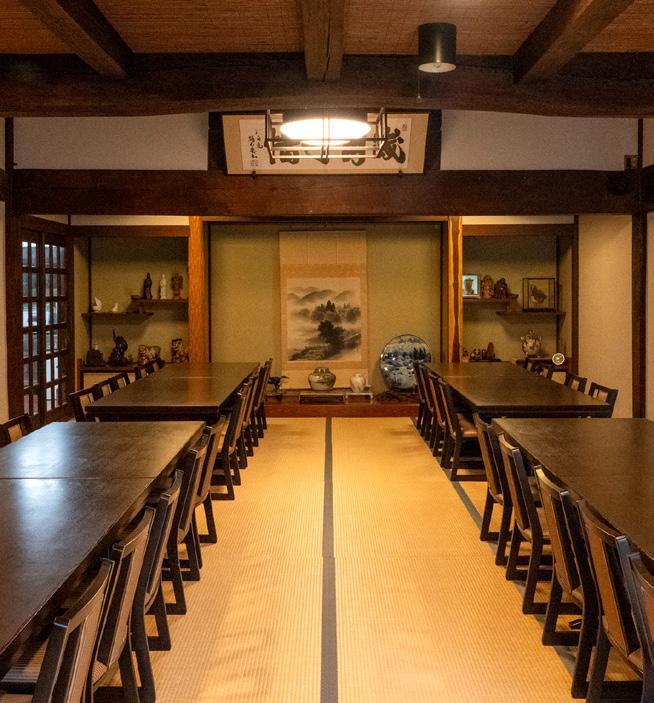
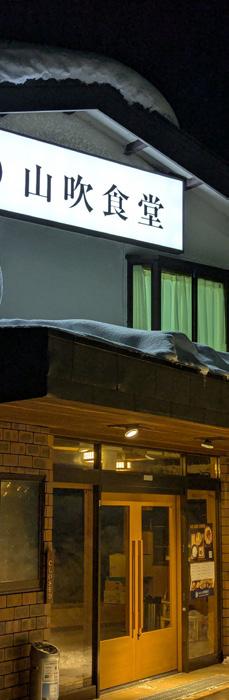
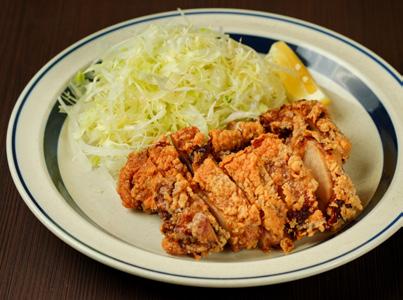
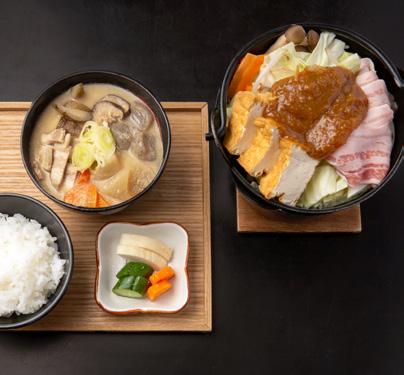
Yamabuki is lively and full of charm. Located in the heart of Happo Village, it’s a spacious, welcoming restaurant with seating for over 100 people. The menu features local specialties, including the restaurant’s signature Yamabuki miso and hearty chan-chan yaki, a Hokkaido-style pork with steamed vegetables and a special miso sauce. Seasonal produce from Nagano adds color throughout the menu. This winter, guests can also enjoy drinks and small plates in a cozy tatami-style room next to the restaurant. Enjoy a drink in true Japanese style.
OPENING HOURS 5pm – 9pm (L.O. 8:30pm)

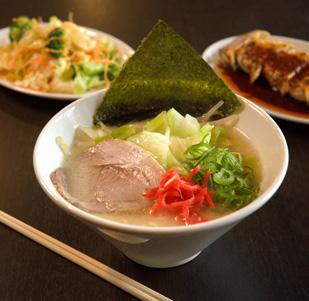
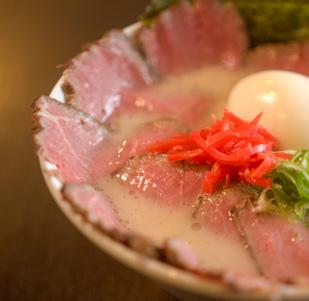
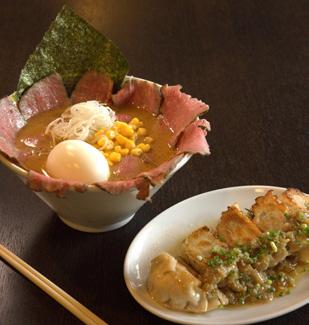
JAPANESE
Fukuoka’s signature taste
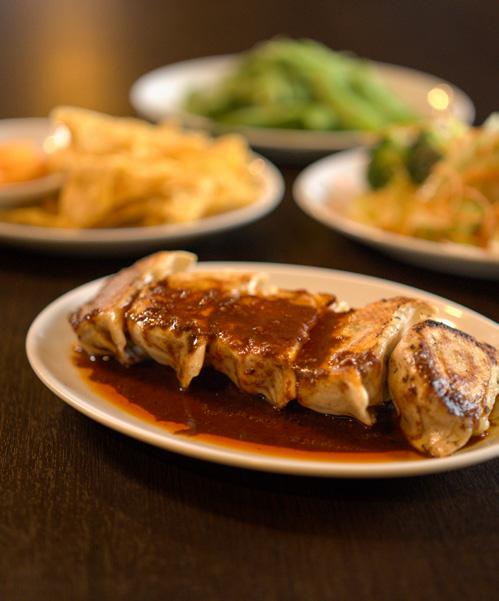
After two celebrated seasons at the base of Happo-One, Gyoza Las Vegas makes its next move, opening this winter at Hakuba Iwatake. Born in Fukuoka, Japan’s gyoza capital, this beloved eatery brings the same bold flavors and lively spirit to the mountains.
Expect perfectly crisp handmade gyoza, rich and satisfying ramen, and an atmosphere that blends urban energy with Hakuba’s alpine charm. Same legendary taste, new mountain home. OPENING HOURS 4pm – 10pm (L.O. 9pm)
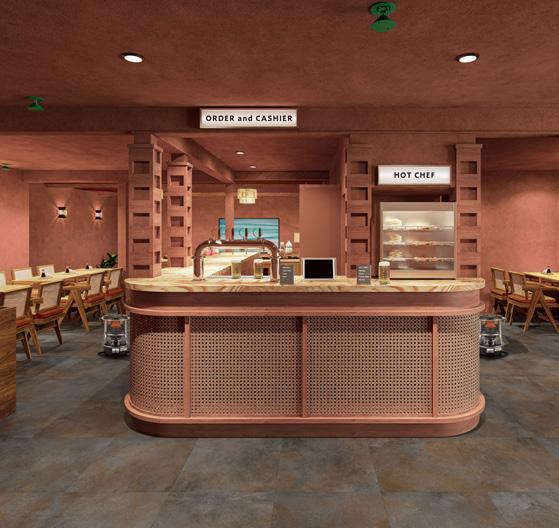
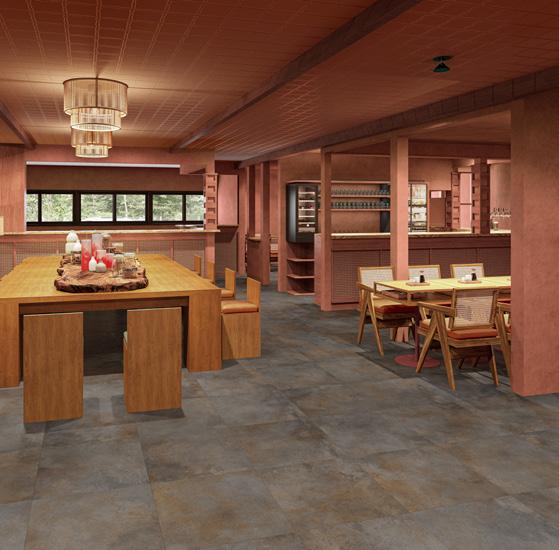
OPENING HOURS 3pm – 10pm
DAYS OF OPERATION Daily
FIND US 11031 Hokujo
JAPANESE MEXICAN FUSION
Mexican-Japanese Fusion
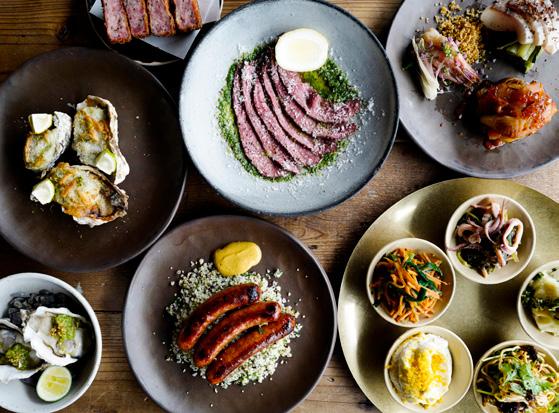
Located in a restored farmhouse, High Village HAKUBA reimagines traditional Japanese dining through a modern, international lens. Culinary Director Ryosuke Ooue draws inspiration from his travels across Mexico, the U.S., Indonesia, and Asia, creating food that’s vibrant, playful, and never heavy.
At High Village HAKUBA, he blends the soul of Japanese izakaya cooking with a Mexican twist—think tacos, nikudōfu (simmered beef and tofu), and abura soba, all made with fresh, local ingredients from Nagano. The result is food that feels familiar yet new. It’s full of flavor, energy, and Hakuba spirit.



































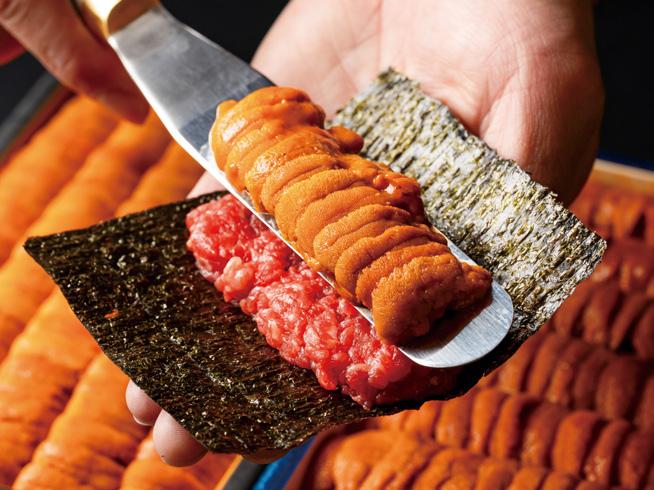

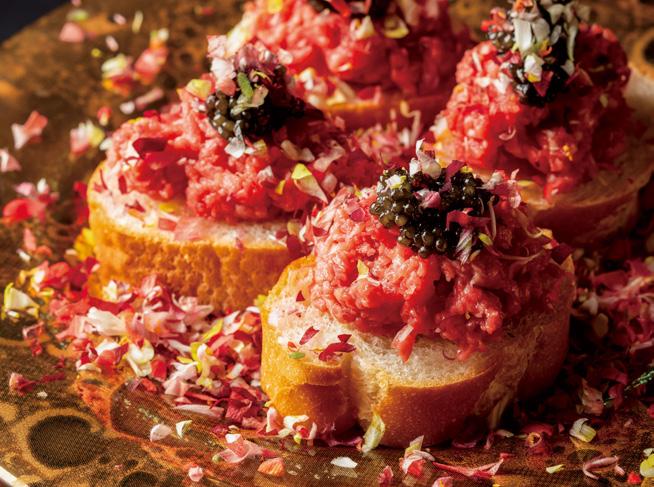
JAPANESE
Japanese craftsmanship meets the art of wagyu
Here, Kobe Beef takes the spotlight alongside seasonal selections of premium wagyu from across Japan. Every cut is served fresh, never frozen, and grilled by skilled chefs who fine-tune the heat to bring out each meat’s best texture and flavor.
The star of the menu is the Wagyu Tasting Course, a journey through Japan’s finest beef dishes: tender Kobe steak, meltin-your-mouth sukiyaki, yaki-shabu, and traditional Japanese-style yakiniku. It’s an experience that celebrates wagyu in all its forms: balanced, thoughtful, and deeply satisfying.
Whether you’re a wagyu aficionado or discovering it for the first time, Nikusho Nakazawa offers a dining experience that embodies Japanese flavor and hospitality at its finest, a warm welcome for guests visiting Hakuba from around the world.
OPENING HOURS
4:30pm – 11pm
(L.O. 10:30pm)
DAYS OF OPERATION
Closed Wednesdays
(Open daily during the New Year holidays)
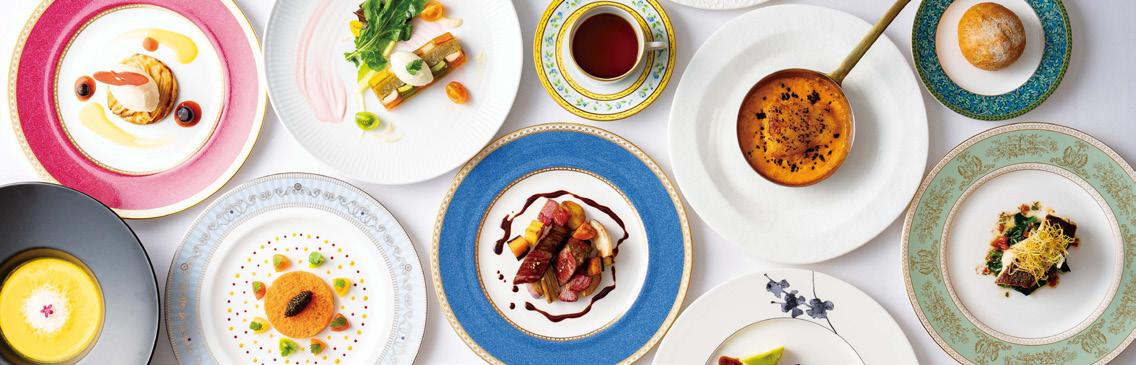
Main Dining at Hotel Sierra Resort Hakuba is all about relaxed elegance, set within 25 acres of serene forest on the northern edge of Hakuba Village. The menu celebrates the flavors of the region, weaving together mountain vegetables, river fish, and locally raised beef into elegant expressions of French cuisine.
Seasonal, Subtle, and Sublime OPENING HOURS
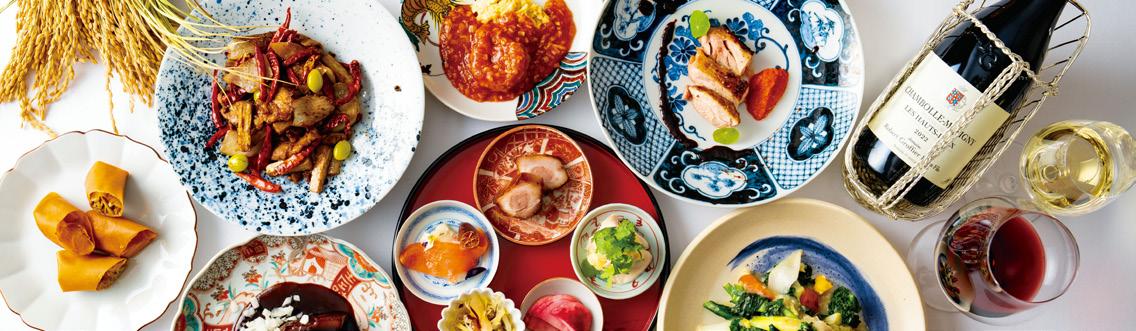
Located on the second floor of Hotel Sierra Resort Hakuba, Hakuba Hanten brings a refined take on Chinese cuisine to the mountains. The chefs work with fresh local vegetables and meats from Nagano, along with seafood from FRENCH
Dinner here is an occasion. Choose from the Seasonal Course or the Premium Course, both available by advance reservation until 5pm the day before. The Steak Dinner Course is available on the day, and vegetarian-friendly options can also be arranged with notice.
With its warm atmosphere, soft lighting, and views of the surrounding forest, Main Dining offers a calm and memorable evening, the perfect way to unwind after a day in the mountains.
5:30pm – 10:30pm (L.O. 9pm) DAYS OF OPERATION
14863-6 Hokujo 0261 72 3250
Niigata and Toyama, crafting dishes that balance delicate flavors with a gentle depth and aroma.
Dinner is by advance reservation only, with two course options: the Standard Course and the Signature Course. Each menu blends seasonal ingredients with classic Chinese favorites, creating a relaxed and memorable dining experience for a quiet night in Hakuba.
TWO SEATINGS
5:30pm and 7:30pm (L.O. 9pm)
DAYS OF OPERATION
Closed on Thursdays (Open daily during the New Year holidays)
Hokujo
85 4650
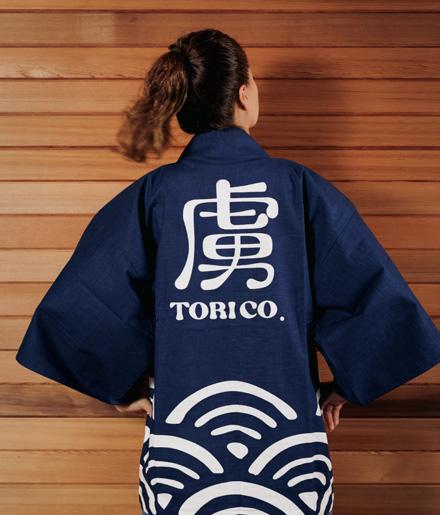
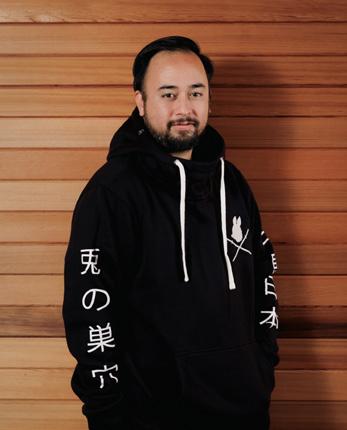
Locally branded souvenirs available at Hakuba Boutique in the center of Happo Village.









BY JOHN BLAGYS | HHG
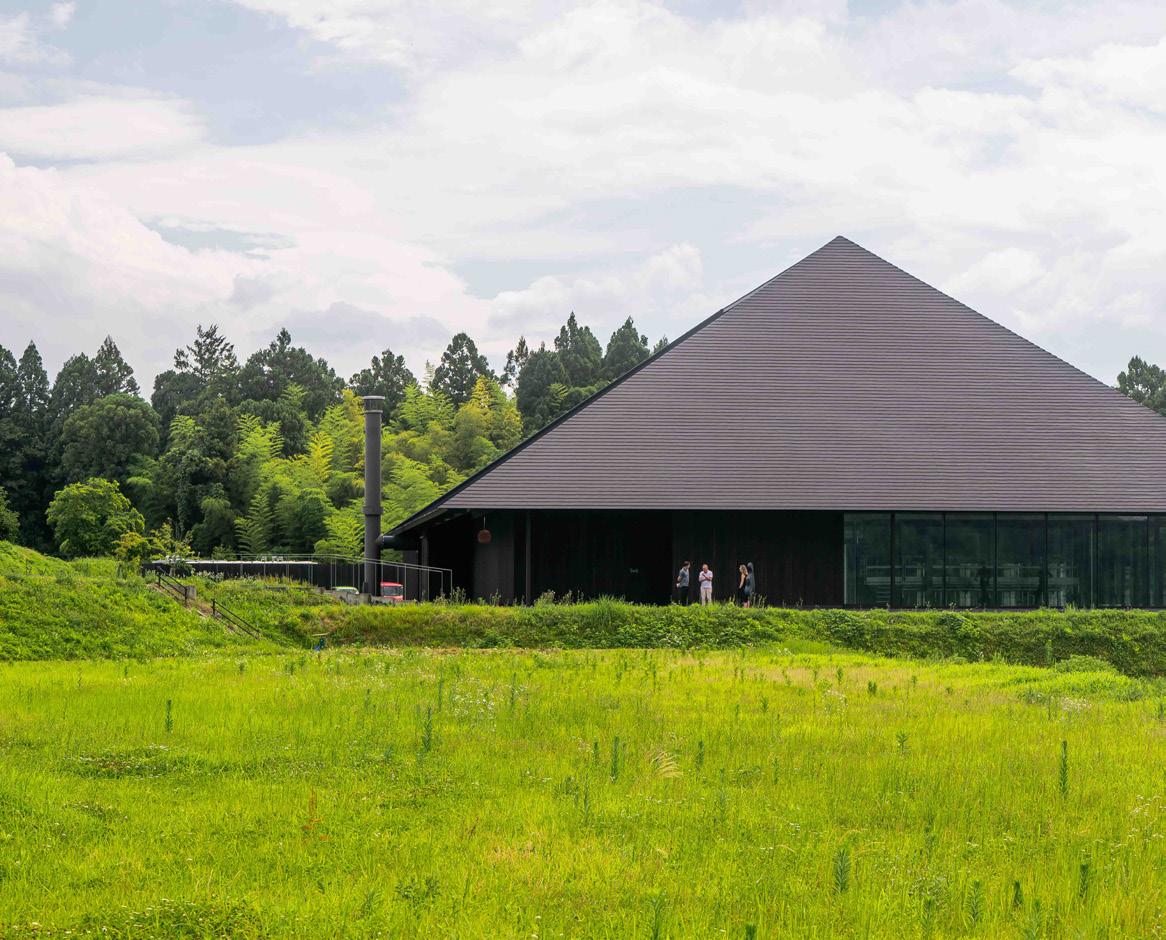
Few people leave the top of the champagne world to start over with sake. But Richard Geoffroy did. I drove ninety minutes through the Japanese Alps, past rice fields and the Sea of Japan to Toyama to find out why.


Even in Japan sake has rarely been framed as a luxury beverage. Richard is on a mission to change that.
When we arrived at the IWA kura (sake brewery), Richard & IWA’s CEO, Charles-Antoine Picart, were already waiting outside. Richard greeted us with easy confidence and then quickly whisked us off on a walk through the rice fields that surrounded his kura, pointing out the landscape with obvious pride. The kura is remote. Very remote. It is surrounded by rice paddies and framed by views of the Japanese Alps, which separate Hakuba from the kura, and by the city of Toyama, 25 kilometers below.
“Japan is my third life, my third chapter.”
As we walked, he spoke proudly about the journey that brought him here. Richard began his career as a physician before spending nearly three decades as Dom Pérignon’s Chef De Cave (Head Wine Maker).
As we walked, Richard spoke about founding IWA in 2019 and his ambition to create the world’s first truly premium, universal sake. A drink that pairs effortlessly with any meal, much like champagne.
IWA has achieved remarkable recognition in its short life, earning placement in over 150 Michelin-starred restaurants worldwide, including over 30 three-star establishments.
ASSEMBLAGE: THE ART OF BLENDING HARMONY THROUGH EXPERIMENTATION
Richard’s philosophy is built on the idea of assemblage —the art of blending. In champagne, this means composing harmony and complexity from different base wines. Richard brought that same philosophy to sake: brewing several distinct sakes, each with its own character, and blending them to create something greater than the sum of its parts. It is a radical idea in Japan, where sake is almost always made as a single continuous brew.
Throughout the day, Richard spoke of achieving harmony through experimentation, often calling experimentation the DNA of IWA. He later told me:
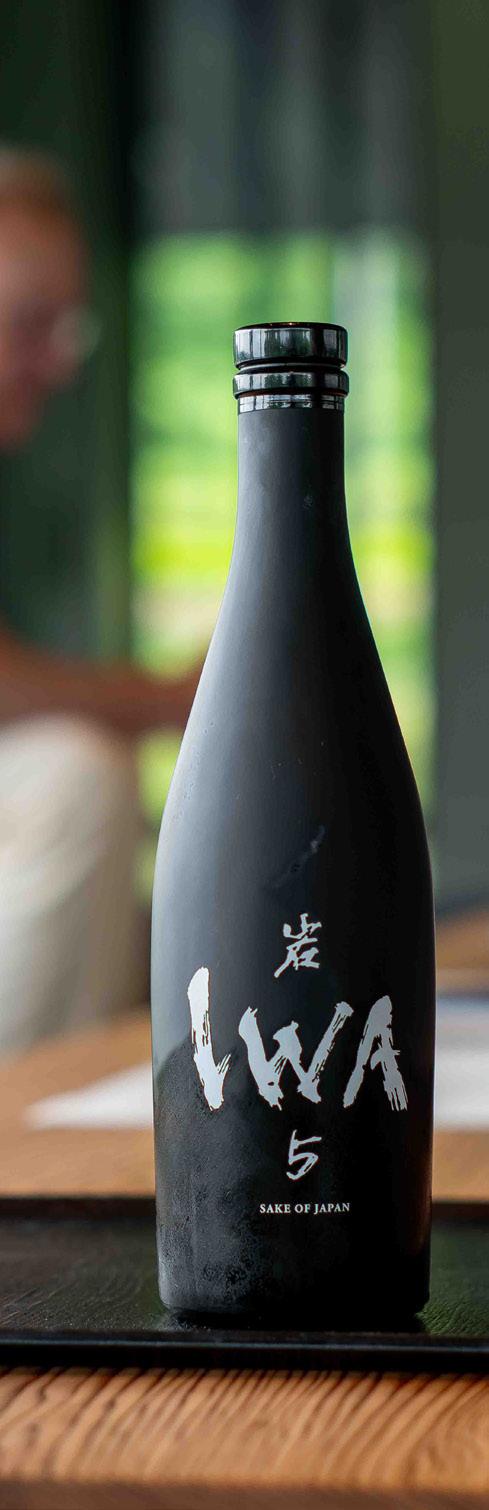
“One of the very special features of IWA is it’s sort of a nonvintage expression of sake…Not coming from the seasonality, but coming from the experimentation and the creativity. So every year is different enough…. It’s a game of anticipation, discovery, surprise, cooperation, and preference. That is the game of IWA assemblage.”
THE KURA: TRADITION MEETS INNOVATION
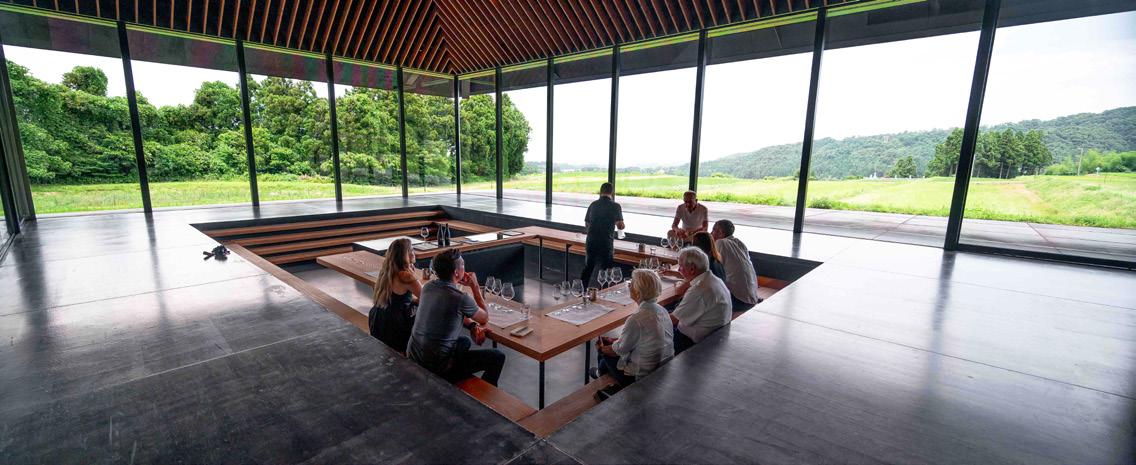
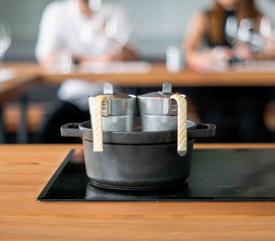
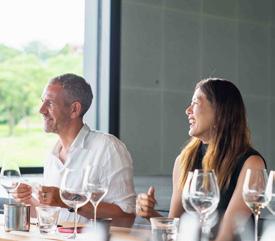
We left the rice fields behind and stepped into the kura itself. Designed by Kengo Kuma, Japan’s most celebrated architect and a partner in IWA Sake, the building feels both ancient and bursting with modernity. It is a study in balance: past and present, nature and craft, restraint and warmth. From a distance, it could be a traditional sake brewery, something that has stood quietly for generations among the mountains and rice fields. But as you enter the kura, you notice the light Three sides of the kura are glass, floor to ceiling, pulling the surrounding rice fields right into the room. In the center, a sunken hearth anchors the space, with surrounding benches, a table, and a serving area. It is designed for gathering and, in my case, sake tasting.
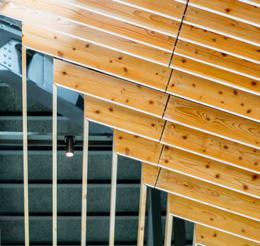
The color palette is composed of metallic blacks, concrete grays, and soft timbers; muted colors that enhance the nature around them. Horizontal lines run the length of the rooms, guiding the eye gently outward. Many of the walls are lined with washi paper. It is handmade from local mulberry and each sheet is flecked with rice sheaves from nearby farms. Each element is tied back to the land. There is an almost meditative precision to everything. It is not just a space for brewing; it is a space where people work, think, blend, and create. Richard claimed the building was designed “in profound dialogue with the history of rural architecture.” Standing there, I knew exactly what he meant.
BREWERY TOUR
We inspected the brewing facilities, where state-of-the-art equipment meets centuries-old craft. We met Master Brewer Masato Yabuta, formerly of Kenbishi Shuzo—Japan’s oldest brewery, with over five centuries of history. Old and new, side by side. All the sake blended into IWA is made here, using three rice varieties and five yeast strains to create depth and complexity in the final blend. We also learned about sake kasu—the creamy mash left behind after fermentation. The IWA team sells it to French bakeries across Japan, where it is reborn in bread and pastries.
ASSEMBLAGE 6
Then came the moment everyone had been waiting for: the tasting. After the tour, we settled around the sunken hearth where a row of IWA Assemblages were lined up waiting for us. A beautifully crafted bento box from a nearby restaurant completed the scene. We were among the first to try Assemblage 6, the newest expression of IWA’s philosophy. Richard spoke proudly about its balance and poise, describing its “consistency” and how it “unfolds smoothly from start to finish.” He was right. Assemblage 6 was remarkable. It is subtle yet expressive, elegant but layered.
The IWA team then did something unexpected: they warmed it. Usually high-end sake is never heated; it’s considered too delicate. But IWA’s complexity handled the warmth beautifully.
The aroma deepened, the texture softened, and the flavor seemed to unfold in new directions. Richard smiled and suggested we try serving it at our Hakuba Après Bar. The idea made perfect sense. IWA’s balance and depth felt made for winter—something to sip after skiing, surrounded by snow and friends. It was a rare sake that could transcend setting and tradition, equally at home in a Michelin-starred restaurant or ski slope bar in Japan. While sharing sake together, I asked where Richard saw the future of IWA.
“IWA is on a mission born from love for Japan—to make sake universal, like champagne. It’s an ambitious goal, yet one pursued with humility.”
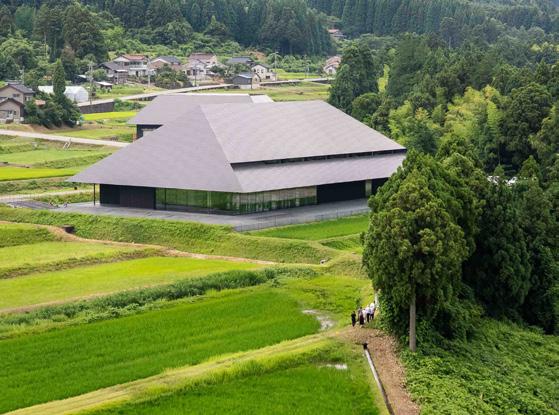
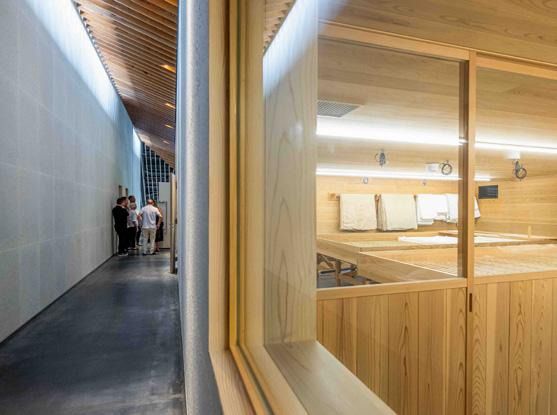

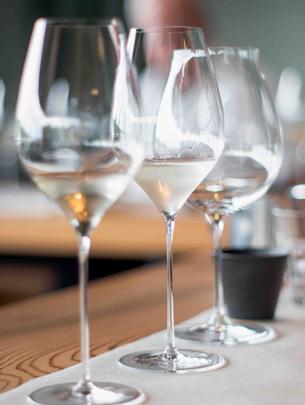
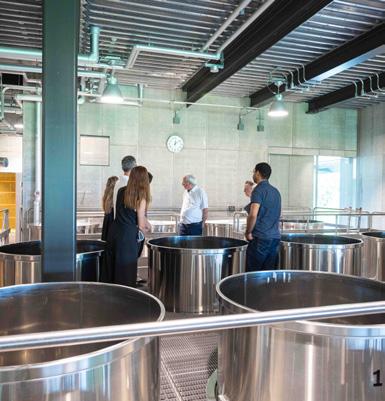
As we drove back to Hakuba, the Sea of Japan fading in the rearview, I kept thinking about Richard’s mission: to elevate sake and share Japan with the world through the art of blending. It struck me how similar that feels to what we are trying to do in Hakuba. In our own way, we’re blending things too— the old with the new, the local with the global, Japan with the wider world—all coexisting in one valley on the other side of the Northern Alps. It’s not easy. Harmony never is. But it’s what makes this place special. The idea that progress doesn’t have to mean forgetting, and that beauty can come from the meeting of worlds. That, perhaps, is the true art of blending.
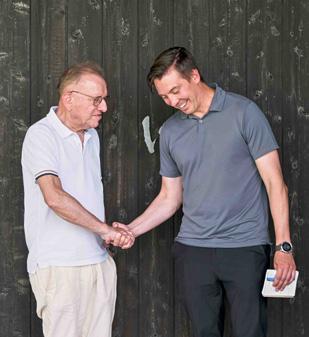

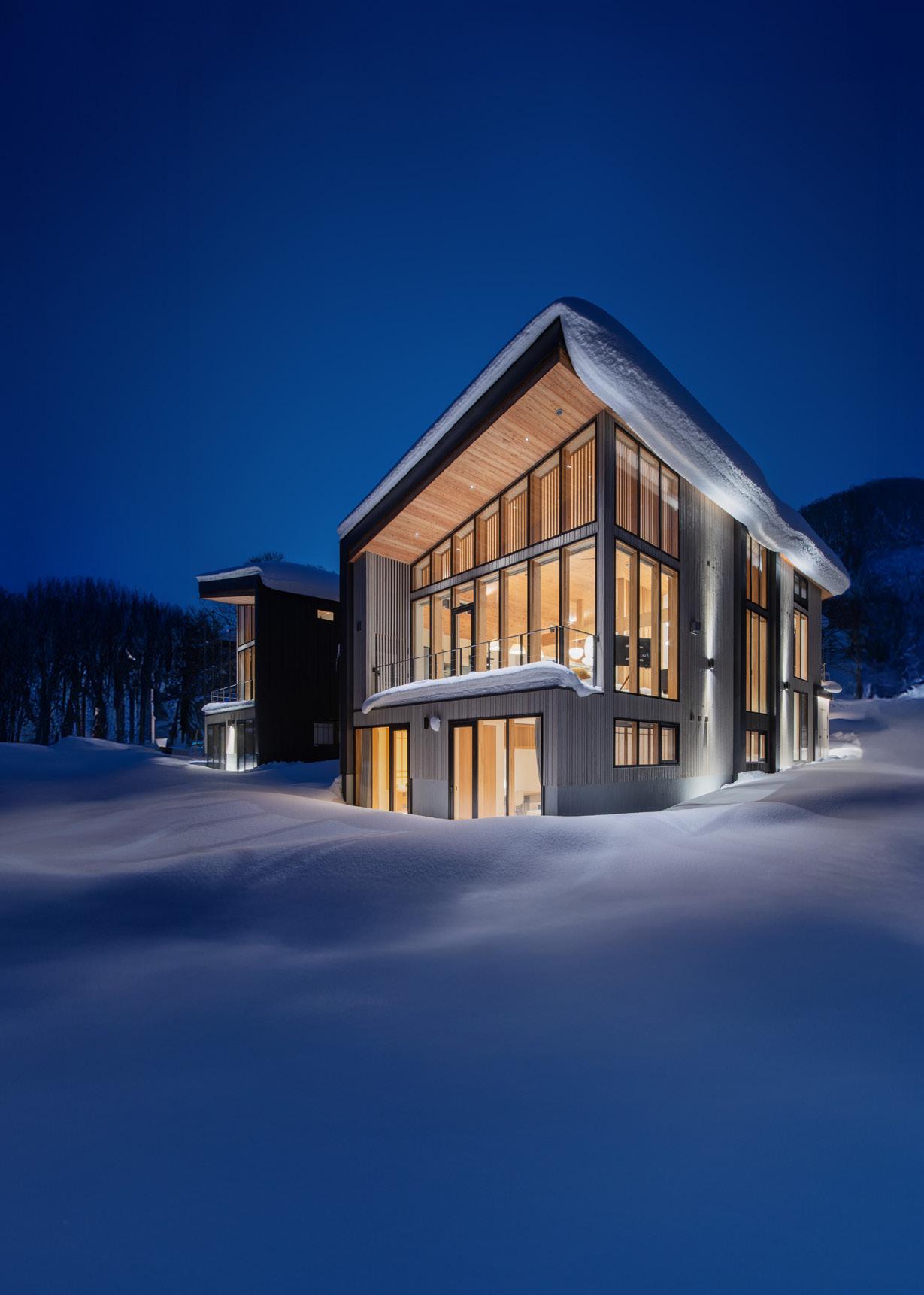
BY HAKUBA INTERNATIONAL SCHOOL
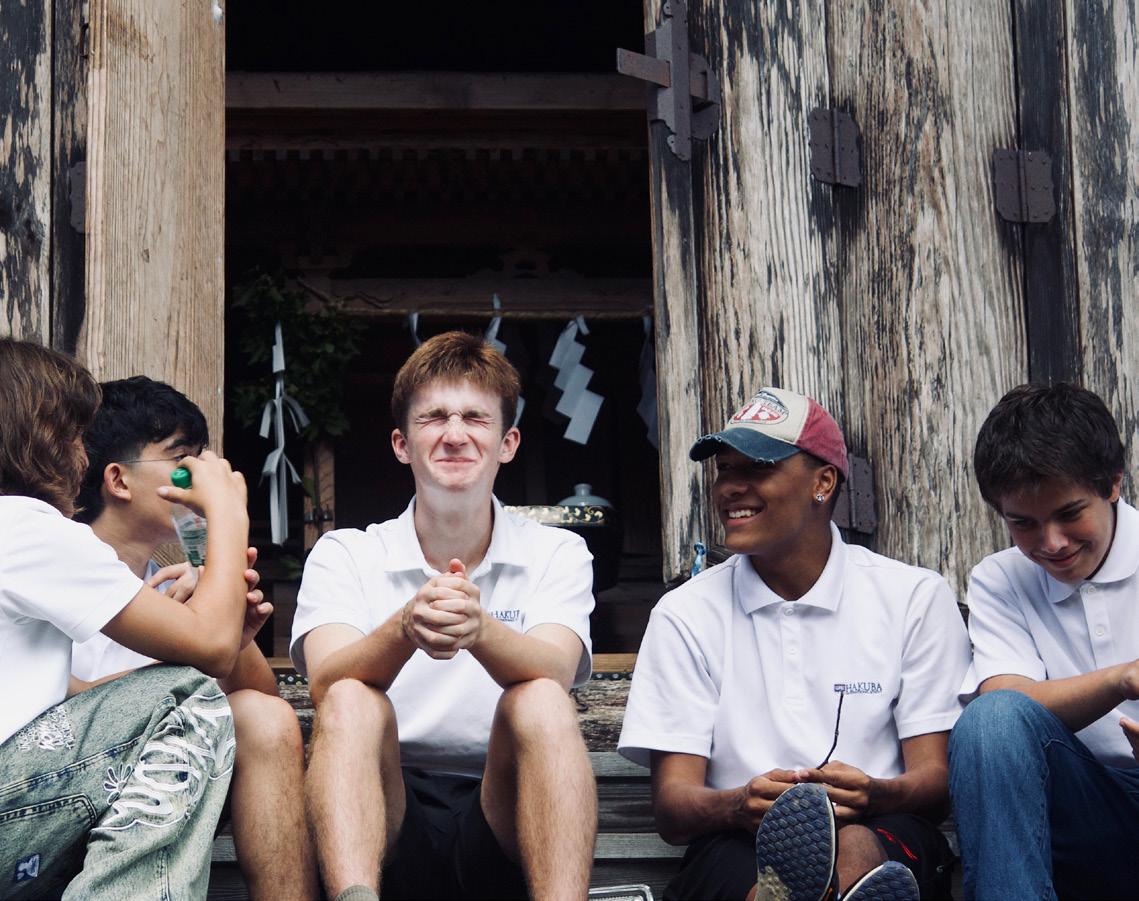
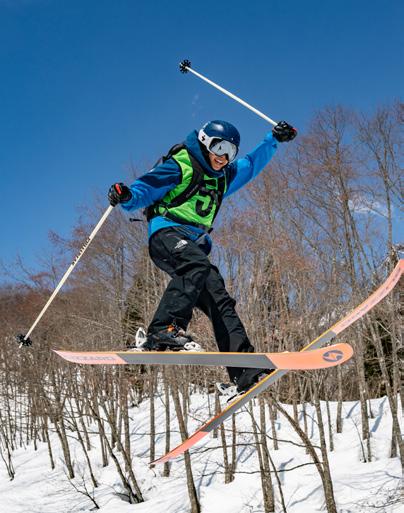
A question in motion epitomises Hakuba International School: What kind of education enables both people and the planet to flourish? For founder Tomoko Kusamoto, the answer begins with balance:
“When we learn how to be well and how to live in harmony with nature, we have the foundation for academic depth and for developing leaders who can solve the world’s most pressing problems.”
NATURE’S CLASSROOM
At HIS, nature isn’t just scenery—it’s the classroom. Students head outdoors from the very first week of school on a
What if school felt like an adventure every single day?
At Hakuba International School (HIS) learning doesn’t just happen in classrooms. It happens on mountainsides, in rivers, and around campfires.
camping trip to Lake Aoki. After that, every season brings a new adventure: autumn hikes, winter snow camps, spring rafting, summer expeditions. Captain, an eighth grader from Thailand, remembers winter camp vividly: “Winter camp is my favorite because I get to ski and snowboard every day, and I built and slept in an igloo for a night.”
These experiences are more than fun. They build resilience, independence, and a lasting confidence that students carry with them long after the snow melts.
The adventure doesn’t stop with official trips. After school, students dive into clubs and expeditions—mountain biking, white-water rafting, art club, business club, and even night skiing. With Iwatake Mountain Resort just a short walk from campus, the outdoors is always close at hand.
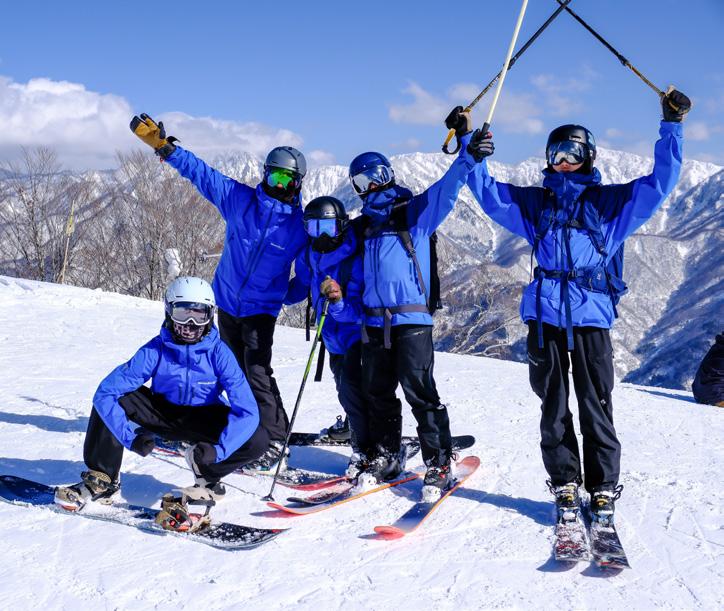
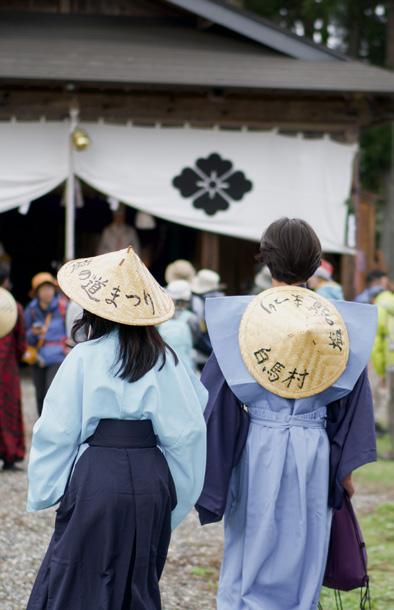
RIGOROUS AND RELEVANT ACADEMICS
Beyond the mountains and fieldwork, HIS offers a robust academic program. Students pursue a comprehensive Advanced Placement curriculum, can earn an AP Capstone Diploma, and graduate with a Hakuba International School Diploma.
Electives add a creative edge—from STEM in the Wilderness, Entrepreneurship, and Emerging Technologies to Filmmaking, Fashion Design, and Architecture. Learning is hands-on and project-based. For one project, students became architects of HIS’s future, researching sustainable campus designs, experimenting with materials, and presenting proposals to stakeholders.
This model, known as Project-Based Learning (PBL), puts real-world challenges at the center of academics. It is not about rote memorization—it is about solving problems that matter.
HIS also offers certificates in Engineering, Alpine Engineering, and Alpine Studies. The latter dives into how design and engineering interact with fragile mountain environments. Students explore climate change, ecology, and human impact— then propose sustainable solutions.
HIS partners with leading institutions like MIT and the University of Tokyo, connecting students to real-world research in forestry, alpine technology, and sustainable infrastructure. These partnerships bring university-level inquiry into the heart of HIS’s learning pathways.
Each pathway is highly individualized, blending coursework, fieldwork, and a culminating project. It’s one of the ways HIS blends academics, culture, and adventure into a single learning journey.
Though still young, HIS has grown quickly, welcoming students from 19 countries, including Singapore, Finland, and China. Despite their diverse backgrounds, they form a close-knit community where friendships cross cultures and borders. Shared adventures create bonds that last a lifetime.
HAKUBA AS A CAMPUS
Learning doesn’t stop at the school gates. The town of Hakuba itself is seen as an extension of the campus. Wednesdays are dedicated to local experiences: working with community members, practicing Japanese, or studying the environment in the surrounding mountains and forests.
Last year, students joined Hakuba’s Salt Road Festival. Mia, one of the participants, reflected:
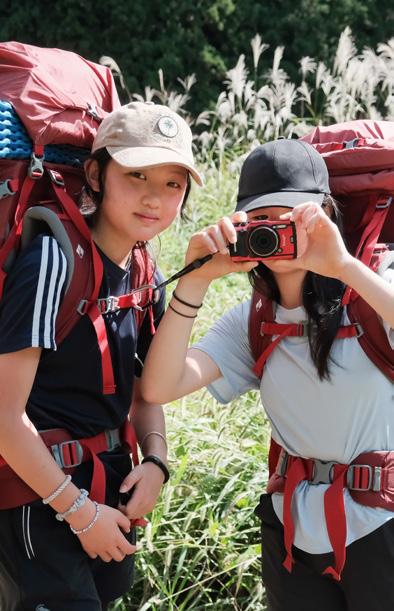
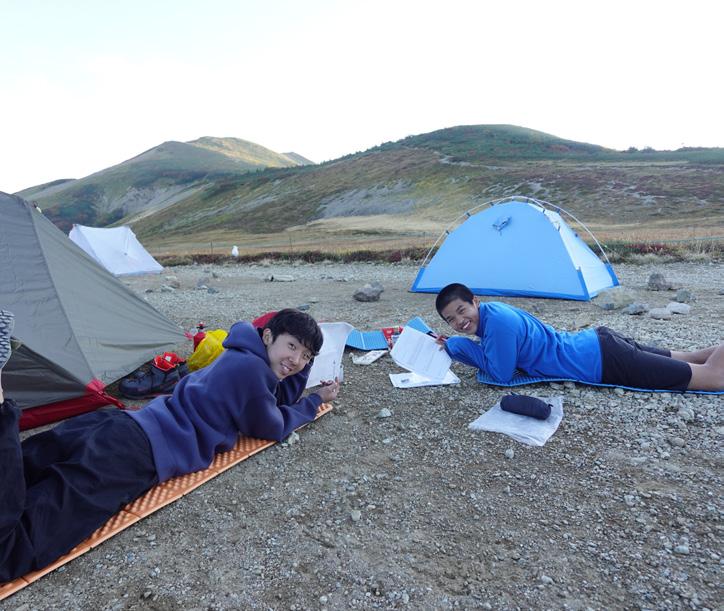
“It helped me connect with the community and educated me on the culture of Hakuba. I loved getting to wear the traditional samurai costume.”
WHERE STUDENT AGENCY SHAPES THE FUTURE
Hakuba International School is more than a place to study. It’s a bold reimagining of what education can be: adventurous, project-driven, globally connected, and deeply rooted in nature.
Here, students learn to take initiative, embrace challenges, and grow into curious, resilient leaders. The goal is bigger than academic success; it is preparing young people for a meaningful life in balance with the world around them.
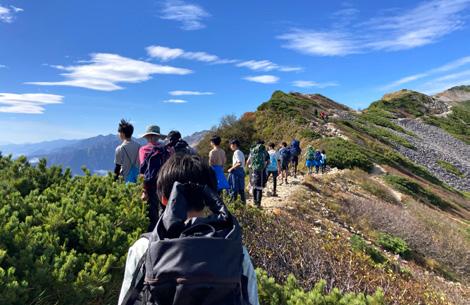

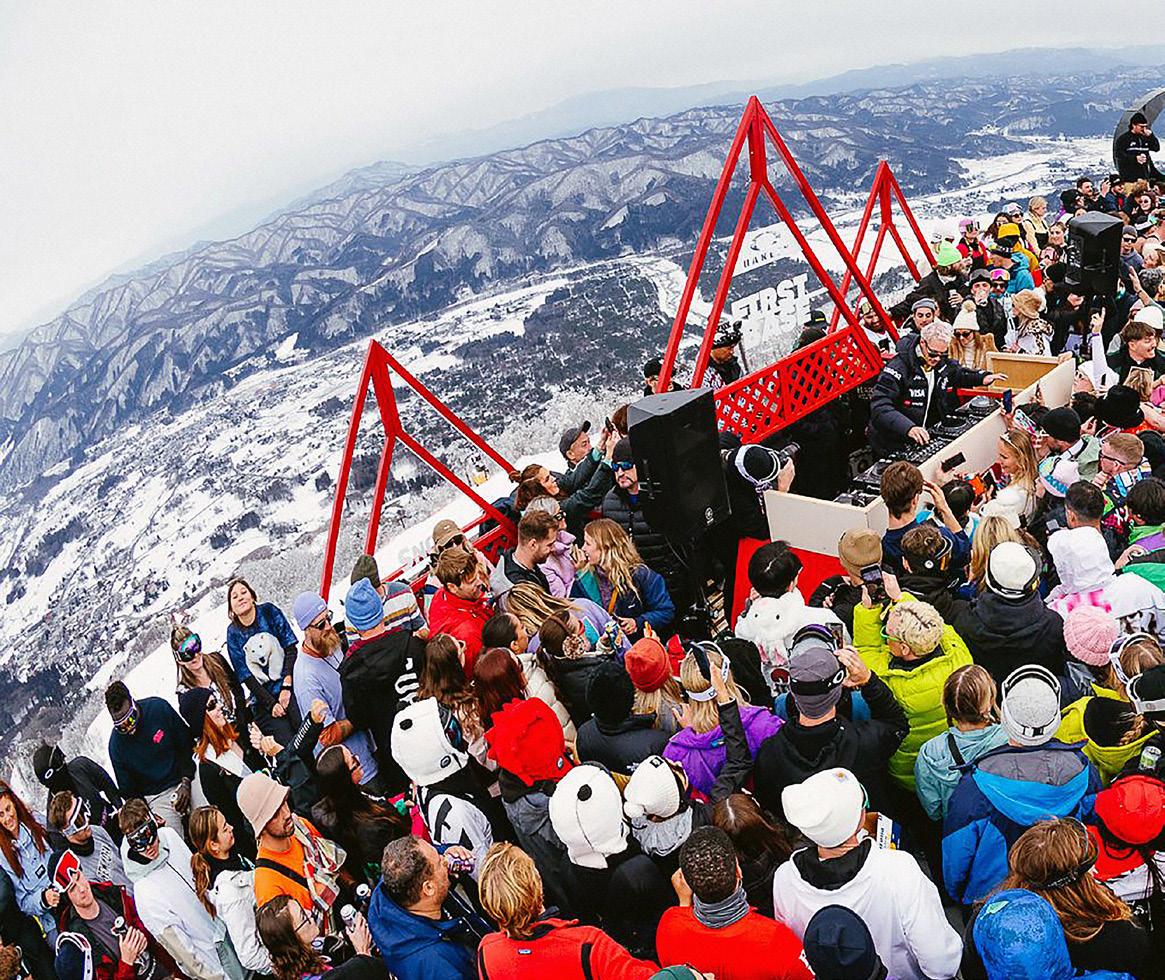
Every year the Hakuba Valley plays host to worldclass entertainers, cultural festivals, and international sporting events.
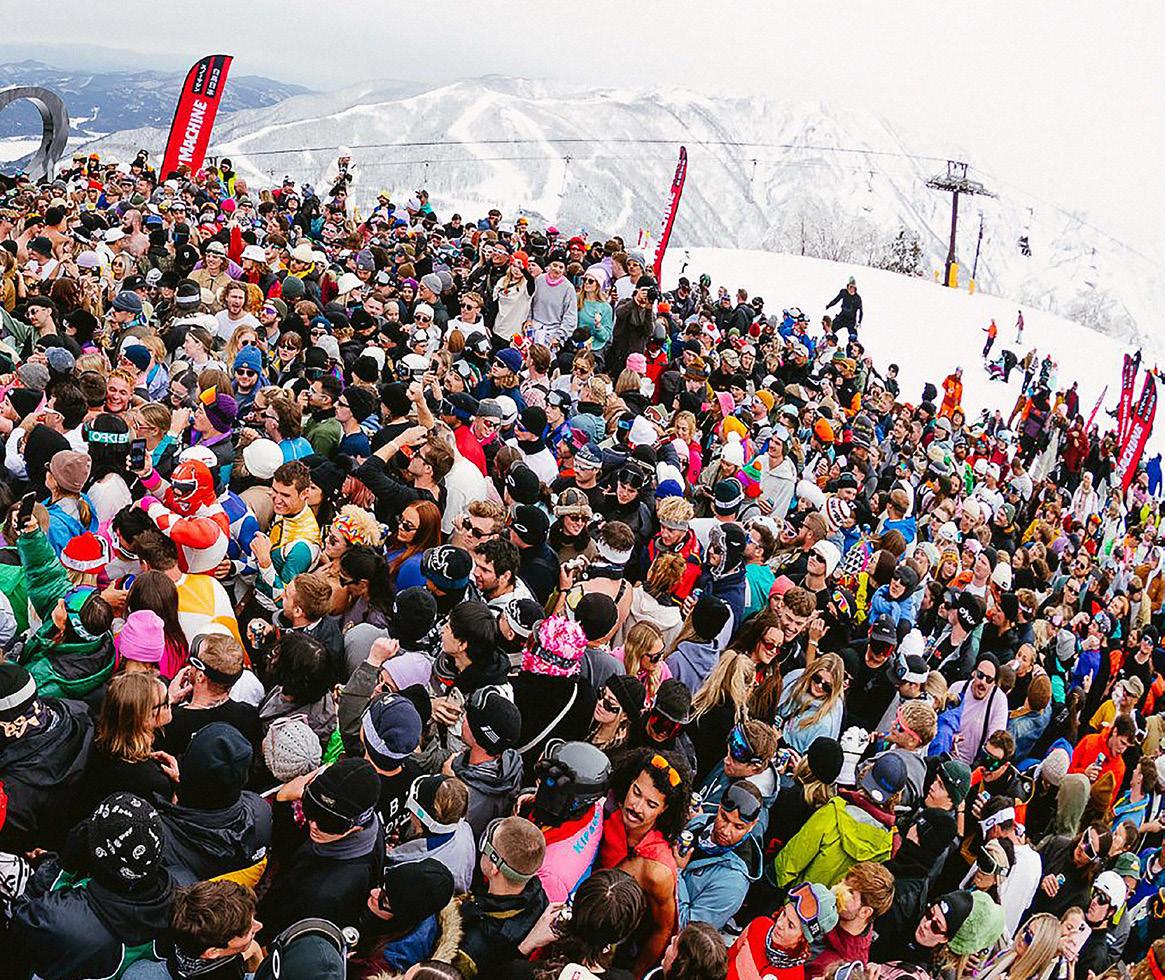
From snow season to green season, the valley comes alive with festivals and events that pair tradition with adventure and mountain heritage with modern entertainment. Here are a few unforgettable ways to experience life in the Japanese Alps.
Tokyo Comedy Bar
Takeover at Hakuba Après

Ōami Fire Festival
FEBRUARY 14
Japan’s only English standup comedy bar is taking over Hakuba Après three times this winter, featuring the best comics in Tokyo.
Fireworks on the Nakiyama Slope at Happo-One
EVERY SUNDAY | 4PM
DECEMBER 17 & 18
FEB 27 & FEB 28
MARCH 20 & 21

There’s nothing quite as magical as a firework display on a snowy night. There are multiple displays planned throughout the winter right on the Nakiyama Slope.
Experience the powerful rhythms of traditional Japanese Taiko drumming. Held every Sunday at Hakuba Après, it’s a rare opportunity to take in the beauty of this art form in the snow.
NEW YEARS EVE MIDNIGHT AND EVERY SATURDAY FROM JAN 24 TO FEB 14

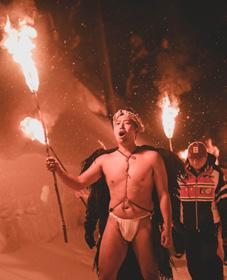
On the second Saturday of every February, at the northern tip of the Hakuba Valley, the village of Ōami hosts a winter festival to pray for a good year and abundant harvest. Shrine maidens welcome the gods while men dressed as demons perform ritual dances. The event combines fire, drums, and traditional performances to mark the transition from winter to spring.
56th Annual Happo-One Fire Festival
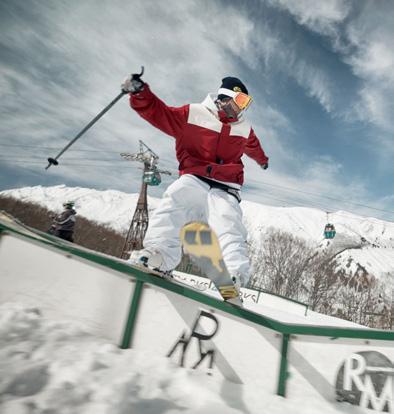
Every February, the Happo Fire Festival lights up the base of Nakiyama Slope on Happo-One with torchlit skiing, cultural performances, fire shows, and ski demos. The evening concludes with sky lanterns drifting into the night and grand fireworks over the resort.
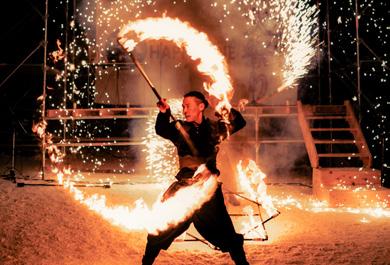
Hakuba Grind is a high-energy freestyle competition where top snowboarders and skiers showcase their style and creativity on a custom-built rail setup. Scan the QR code to register as an athlete or to learn more about the event.
Every winter, Hakuba’s Happo-One ski resort proudly hosts the Riesen Slalom, one of Japan’s oldest and most iconic ski races, first held in 1947. Spanning 2.5 kilometers down the mountain, the open-class competition now draws hundreds of skiers of all ages to test their speed and skill on this legendary, challenging course.
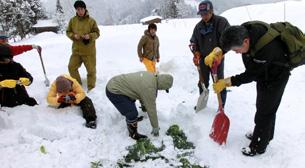
Snow Machine, Japan’s largest snowstage event, returns this March. Worldclass artists perform across multiple ski resorts, with main stage shows in the village and after-parties throughout the valley. Headliner this year: none other than Electro-House-DJ Steve Aoki.
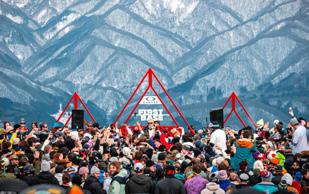
Discover Japan’s sweetest secret: snow cabbages. Harvested after two meters of snowfall, the cold turns their starch into sugar, creating a delightful sweet delicacy. This unique springtime tradition offers a rare taste of Japan’s mountain life.
The Hakuba Half is not your typical spring race weekend. Tackle a half marathon beneath cherry blossoms in full bloom, celebrate with live music and mountain energy that night, and spend Sunday on the slopes.
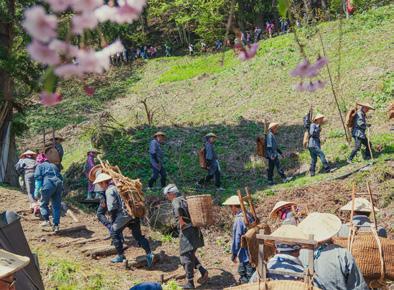
Locals and tourists gather each May to plant rice for an exclusive community sake project. They then return in September to harvest the crop, which is sent off to a local brewery to become Hakuba sake.
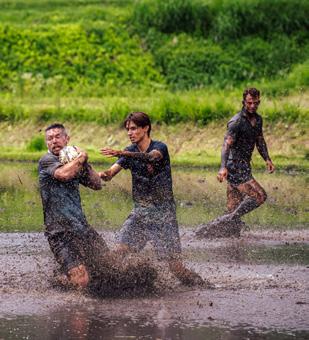
The Shionomichi Festival brings Hakuba’s Salt Road history back to life, celebrating the valley’s role in Japan’s historic salt trade. Participants in traditional dress retrace the traders’ route, welcomed by villages offering authentic food and drink along the way.
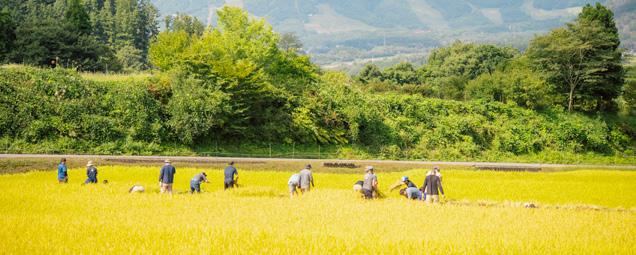
Every summer, athletes from across Japan compete in Hakuba’s popular mud rugby tournament. The co-ed competition takes place in a water-filled rice paddy, creating an unforgettable—and muddy—spectacle now in its 8th year.
Don’t miss the Nyakuichi-Oji Festival at a 700-year-old shrine, featuring Japan’s only children’s yabusame (horseback archery). One young archer leads a spirited procession through town, alongside traditional food stalls and local crafts.
Every September, the Chikuni Suwa Shrine holds the two-day Sasara-suri festival, famous for comical dancers wearing traditional masks and carrying bamboo instruments that symbolize fertility. The festival also features sacred children’s dances, lion dances, and a solemn and dreamlike eve ceremony.
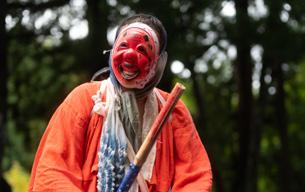
Villagers parade a 400kg sacred stone on a wooden portable shrine, chanting as onlookers splash them with hot spring water. The stone, said to come from the springs’ source, symbolizes gratitude for the gifts of water: fertile fields, snowy peaks, and healing baths.
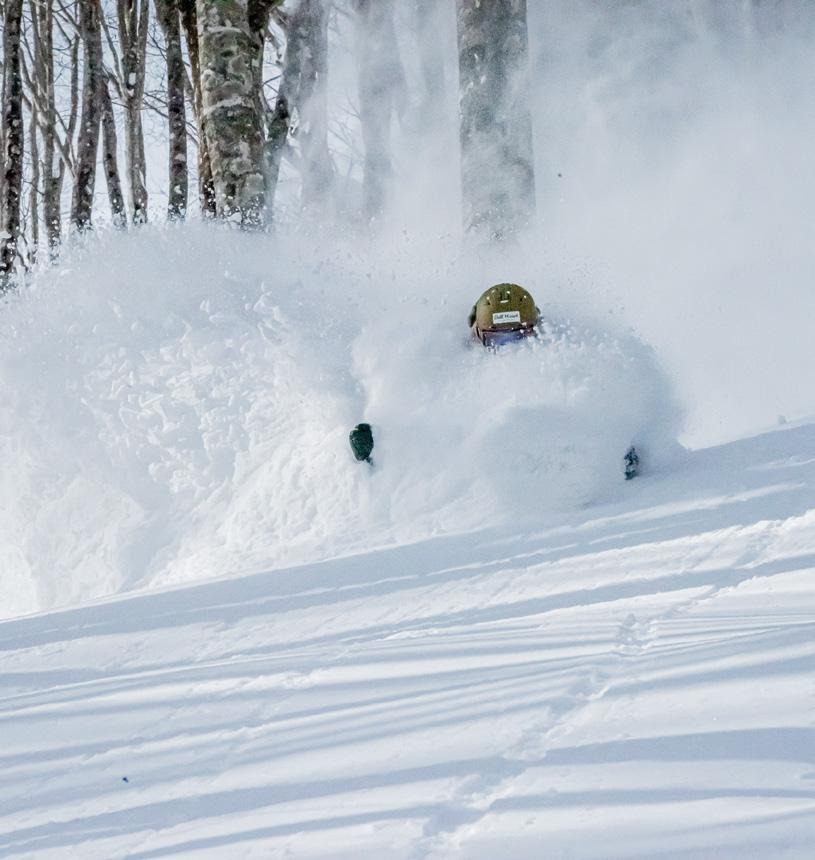
Tsugaike Mountain Resort has something for everyone! Whether you‘re a beginner learning to ski, an experienced skier looking for fresh powder, or a freestyle fan practicing tricks. Non-skiers can enjoy the new Tsugaike Snow Wall and lots of fun activities at Hakuba Tsugaike Snow Activity. WOW! Come join the adventure!
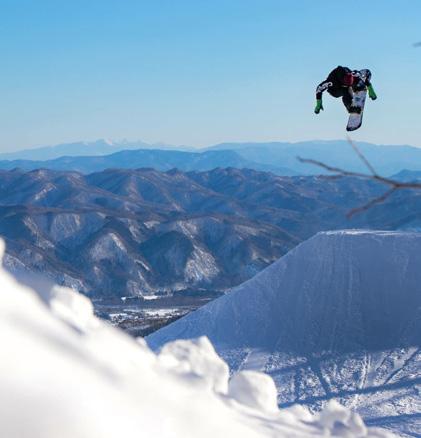
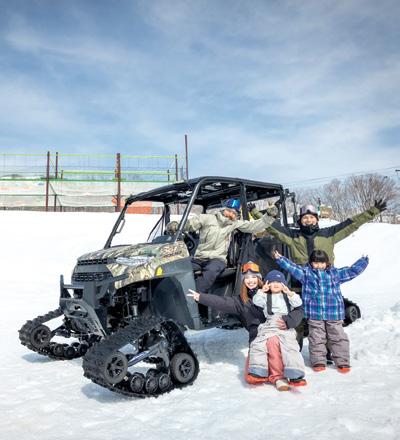
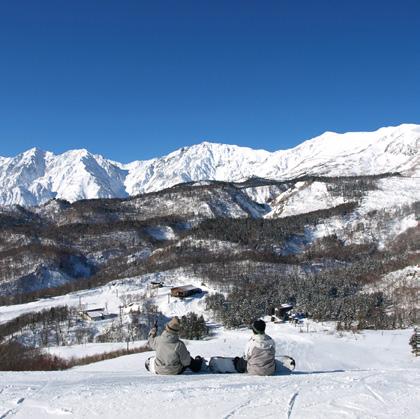
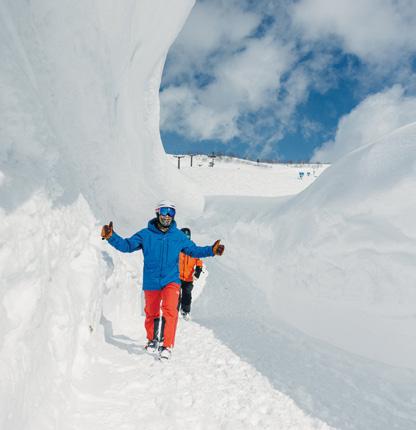
Japan has a mascot for almost everything. There are over 3,500 recorded mascots in Japan, representing an array of institutions from prefectures and police departments to local businesses and events. Not only are these characters cute, they are powerful tools for branding and tourism.
What makes mascots irresistible is their personality. Each comes with a playful backstory linked to local history or cuisine, and many have devoted followings. Kumamon, the black bear from Kumamoto Prefecture, is the poster child of mascot success. His charm has attracted more than 800,000 followers on X, while his merchandise brought in over ¥150 billion in 2019 alone. Closer to home, the Hakuba Valley has its own set of mascots that celebrate local identity. Together they reflect the pride and creativity of Nagano.


Meet Arukuma, Nagano Prefecture’s “walking bear,” whose wanderlust captures the spirit of local mountain exploration. Always sporting a trusty backpack, Arukuma loves touring the mountains and savoring local favorites like handcrafted soba and crisp mountain apples—two of Nagano’s most famous specialties. Despite his high-altitude adventurous nature, Arukuma is not a fan of the cold, and most often dons his signature apple-shaped hat to stay warm. Arukuma’s appeal extends far beyond regional borders: in 2019, Arukuma won Japan’s heart at the Yuruchara Grand Prix, outshining nearly 800 competitors to claim the title of the nation’s most beloved mascot.


Oomapyōn takes its name from Omachi, “Oma-” combined with the playful “pyon,” a Japanese onomatopoeia for hopping and bouncing that perfectly captures this character’s spirited nature. Inspired by the kamoshika, the unique Japanese serow and official animal of the city, Oomapyōn embodies the wild beauty of the Northern Alps. Gentle and endlessly curious, this charming explorer delights in every adventure, from soaking in hot springs to sledding in fresh snow. The mountain-shaped crest on its head mirrors Omachi’s alpine peaks and clear waters. You’ll often find Oomapyōn indulging in local specialities like oyaki dumplings and Kurobe Dam curry.
TariTari is Otari Village’s energetic little woodpecker, brimming with mountain spirit and local warmth. The name “TariTari” was chosen through a public contest and perfectly captures the rhythmic tapping of woodpeckers against the forest trees—a peaceful and defining sound in this corner of the valley. TariTari loves hot springs, mountain trails, and bringing genuine joy to every encounter. He is known for flitting between local festivals and chirping cheerfully on the slopes. TariTari is welcoming visitors with a wave of its wing and a smile, sharing stories of the mountains and spreading a spark of adventure wherever it goes, always eager to brighten the day.


Victoire Cheval Blanc Murao III is the official mascot of Hakuba. His grand French name means “Victorious White Horse,” a perfect match for Hakuba, which literally translates to “white horse.” This friendly pegasus is said to have arrived in Hakuba during the Pegasus meteor shower of 2012, coinciding with the village’s 100th anniversary of skiing. Locals call him Murao, simply meaning “village boy.” Easygoing by nature, Murao believes love is more important than money and delights in sharing nature’s peace and happiness with visitors. Though aspiring to fly one day, Murao admits to being a little afraid of heights—even on Hakuba’s famous ski jumps.
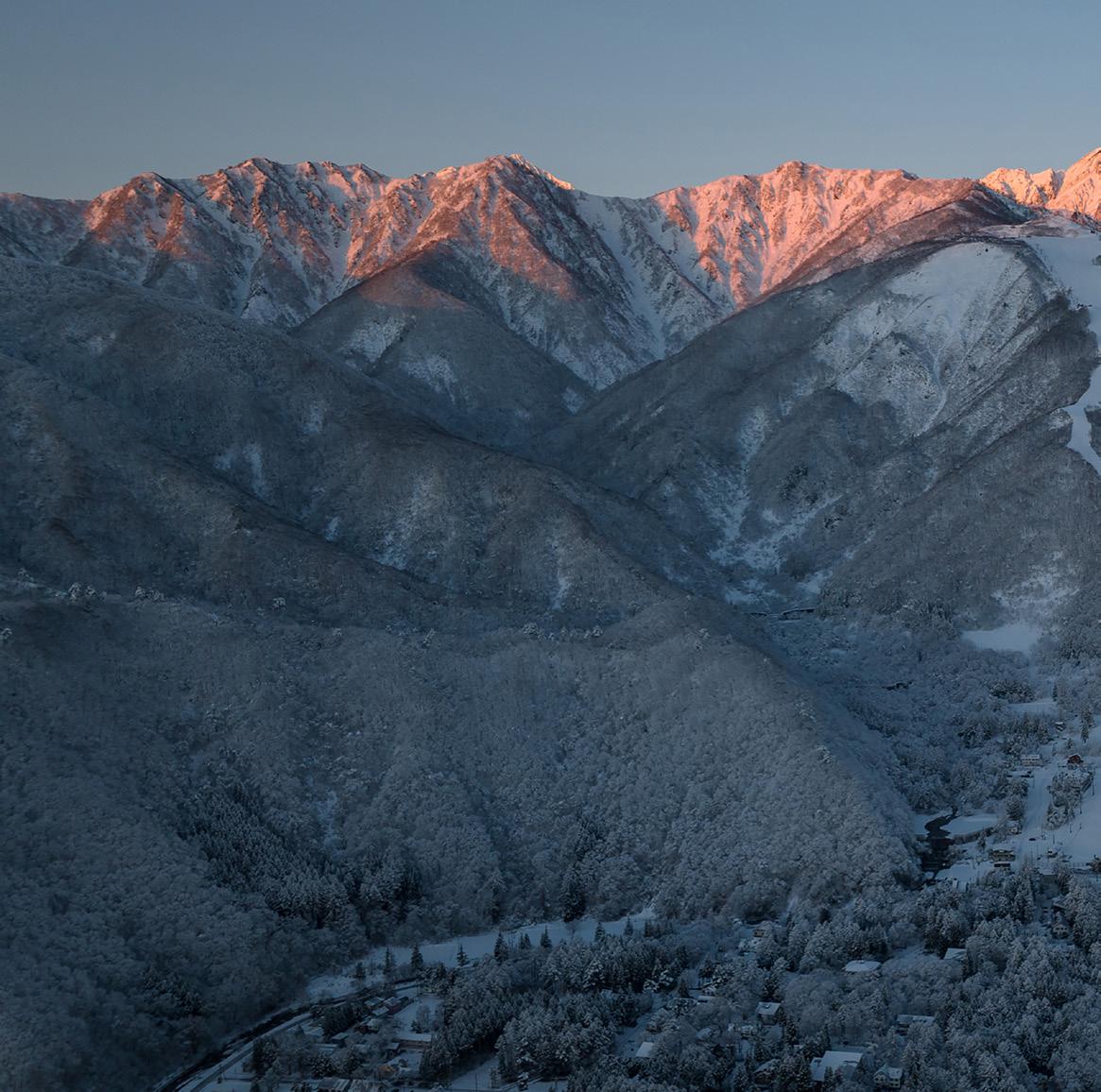
This winter, Hakuba Goryu proudly celebrates its 55th anniversary—a milestone made possible thanks to the countless skiers, snowboarders, and mountain lovers from around the globe who have shared the slopes since 1970.
Fifty-five winters, Fifty-five springs, Seasons come and go.
Each moment shines, as dawn crowns the mountains with light.
Celebrate the path, not just the goal. Celebrate now, let the journey glow.
Go Goryu. Go Beyond Snow.
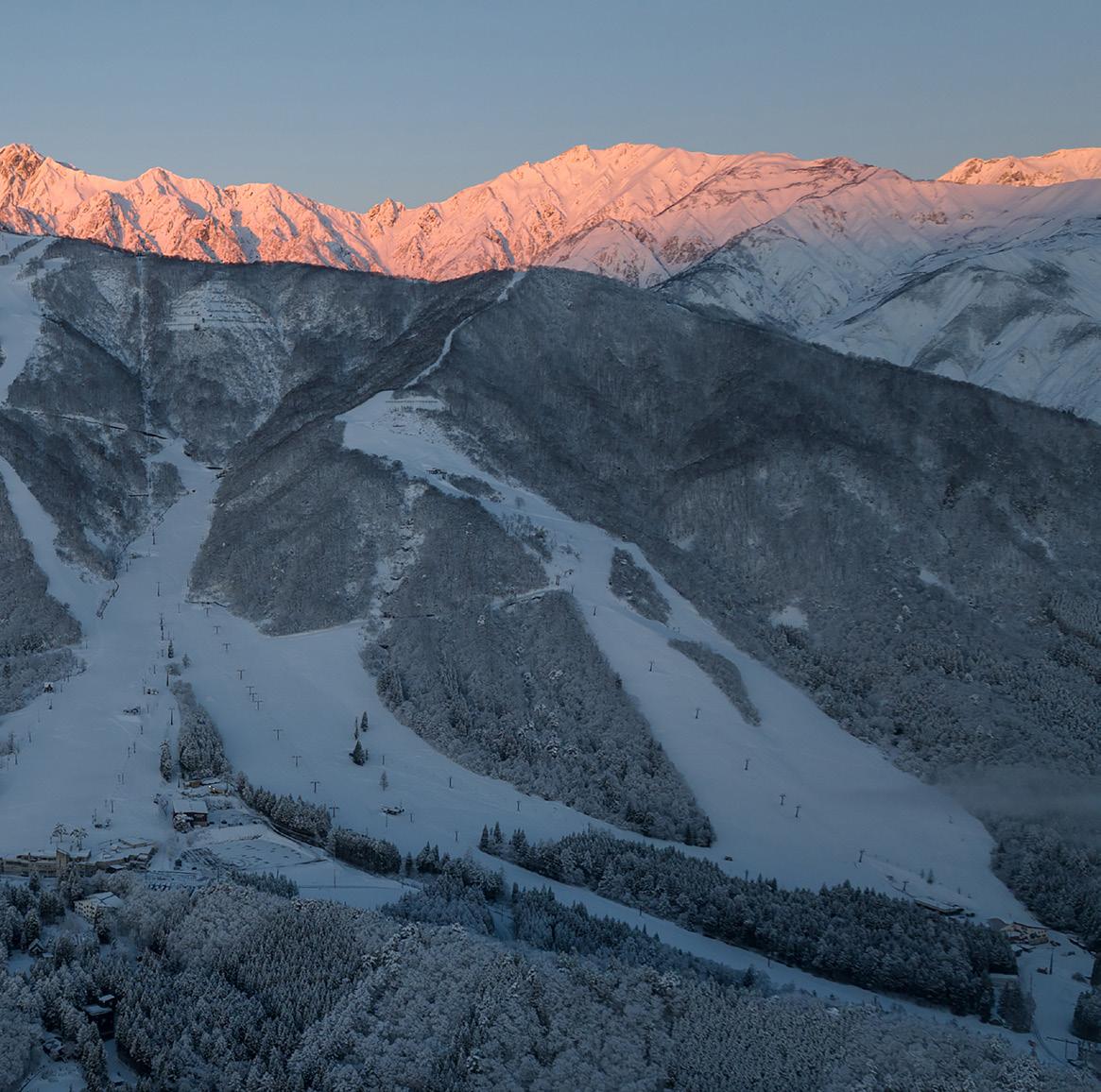
The name Goryu (五竜), meaning “Five Dragons,” lends profound symbolism to this 55th season. Over five and a half decades, Goryu has grown from a pioneering ski area into one of Japan’s most beloved alpine destinations. To mark this
special occasion, Goryu is celebrating with exciting events, exclusive products, and a vision for the future. Whether you’ve been visiting Goryu for years or it’s your first time, Goryu invites you to be part of this memorable season.
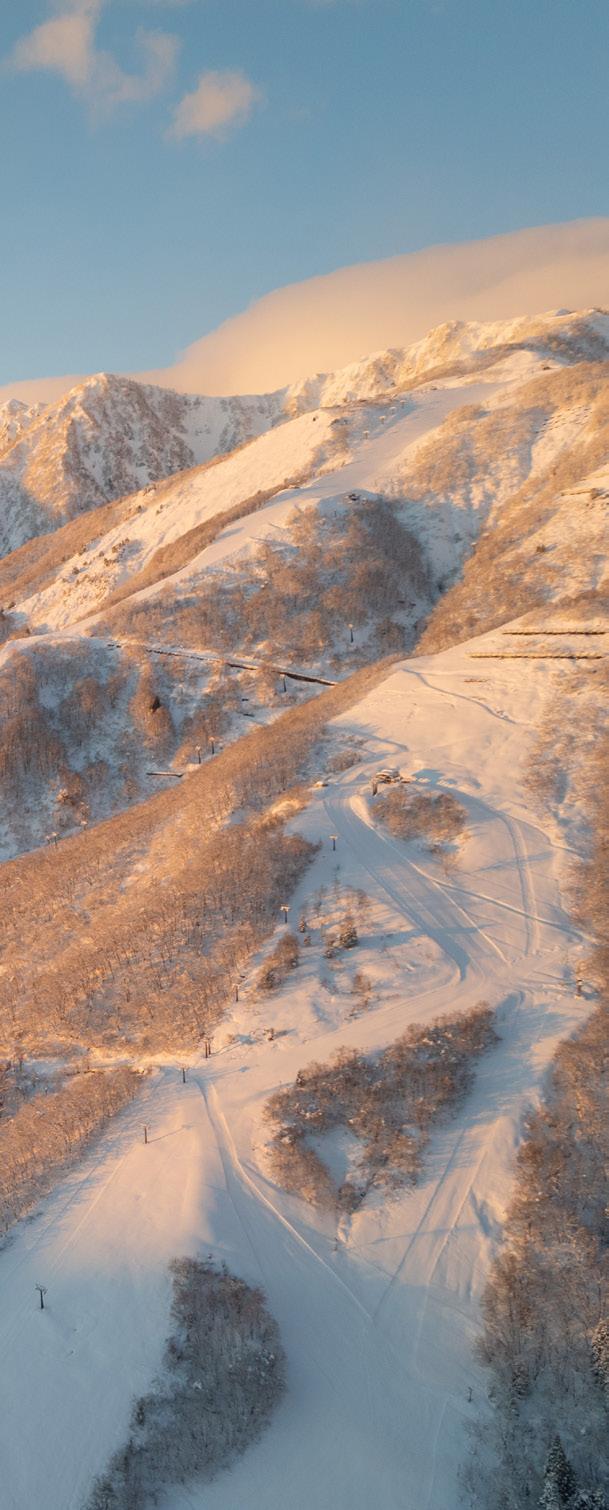
Hakuba Goryu marks this milestone with exciting updates this winter: Goryu’s 55th Anniversary: What’s New This Season
1. GORYU MEMORIES
Step back in time with nostalgic posters at Escal Plaza. Enjoy the anniversary movie featuring photos, stories, and interviews, and explore their dedicated anniversary web page to relive the journey and stream the film anytime.
2. THANK YOU BOARD
Join in the celebration by sharing your own memories and messages of love for Goryu. Write them on the Thank You Board, located in Escal Plaza.
3. LIMITED 55TH ANNIVERSARY GOODS
Take home original merch. Exclusive anniversary-logo bottles, T-shirts, and caps are available in limited quantities. Don’t miss your chance to grab these collectibles.
4. INSTAGRAM CAMPAIGN #ARIGATOGORYU55
Be part of the celebration online. Post your Goryu story on Instagram with the hashtag #Arigatogoryu55. Spread gratitude and memories while connecting with others who love Goryu.
5. SNOW FESTIVAL 55TH ANNIVERSARY EDITION
This March, the annual Snow Festival returns with a special anniversary twist. Expect festive programs, fun surprises, and moments to celebrate this milestone together on the slopes.

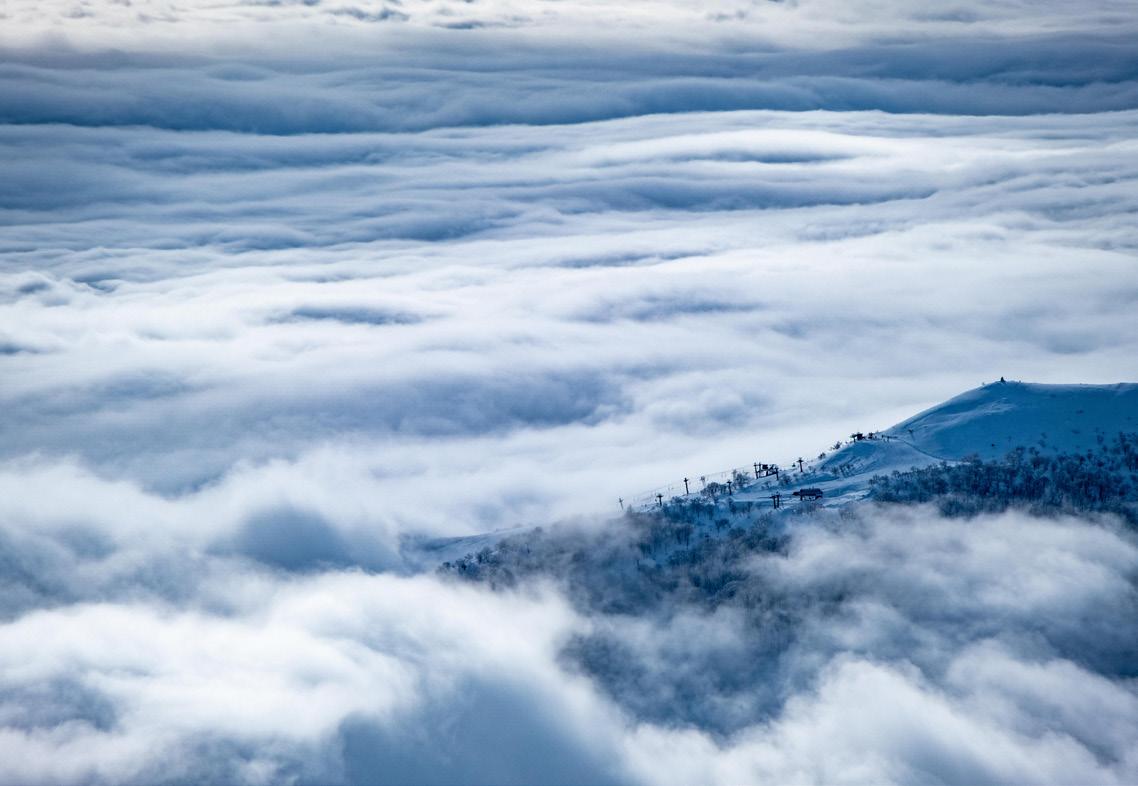
THE JOURNEY OF HAKUBA GORYU
When Hakuba Goryu opened in 1970, skiing in Japan was still in its infancy. Over the decades, Goryu expanded with gondolas, high-speed lifts, and diverse trails—from powder-filled tree runs to wide, family-friendly slopes—establishing Goryu as a resort where both beginners and experts can find adventure.
In 1978, a major avalanche presented one of the resort’s greatest challenges, becoming a defining moment in its history. Through that experience, Goryu strengthened its commitment to safety, resilience, and operational excellence—values that continue to shape its spirit today.
As international visitors discovered Hakuba’s renowned snow, dramatic alpine scenery, and warm hospitality, Goryu earned global recognition. Today, Goryu welcomes international snow lovers seeking exceptional skiing and authentic Japanese mountain hospitality.
山への恩返し
VISION FOR THE FUTURE
Guided by “山への恩返し 、地域への恩返し 、人への恩返し”—giving back to the mountains, community, and people—Goryu reaffirms the mountain at its core, and that we are all part of this beautiful natural world.
While the 55th anniversary is a time to honor the past, it is also an opportunity to look ahead. Hakuba Goryu remains committed to providing world-class snow experiences while safeguarding the natural beauty of the Alps for future generations. Future initiatives focus on sustainability, deeper ties with the local community, and creating year-round opportunities for guests and staff to enjoy the mountains. From green season activities such as hiking and alpine gardens, to winter experiences that blend sport, culture, and relaxation, Goryu offers a year-round escape surrounded by nature.
JOIN THE CELEBRATION
55 years is more than just a number; it’s a story of countless smiles, friendships, and unforgettable moments on the mountain. As Hakuba Goryu celebrates this milestone, Goryu invites you to be part of the story. Whether carving fresh powder, enjoying a festival at the base, or simply taking in the alpine views, your presence makes Goryu’s anniversary complete. Here’s to 55 years of memories—and to many extraordinary experiences to come.
DECEMBER
Kamishiro No. 4
Lift constructed
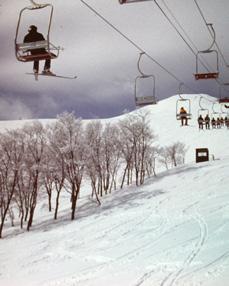
DECEMBER
Champion Lift No. 1 constructed
NOVEMBER
First 4-seater gondola in Asia (Telecabin, 2005m)
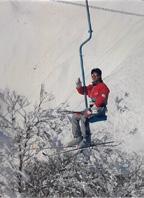
DECEMBER
Toomi Sky Four high-speed lift constructed; Night skiing facilities added
DECEMBER
Escal Plaza ski center opened
DECEMBER
Restaurant Alps
360 built on Alps Daira
DECEMBER
Construction of Toomi No. 1 Pair Lift on Toomi slope
NOVEMBER
Construction of Jizo 1st Lift
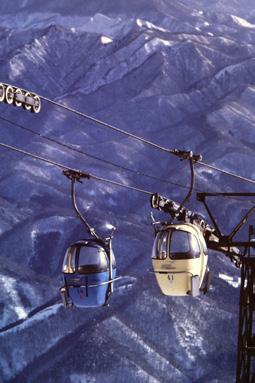
FEBRUARY
Major avalanche incident: collapse of telecabin and lift support pillars – a defining challenge that reinforced Goryu’s commitment to safety and operational excellence
FEBRUARY
Company renamed Goryu Co., Ltd. / ISO 14001 certified
JUNE
Alps Daira wildflower planting begins
DECEMBER
First snow machines installed at Toomi slope
JUNE
Joint ticket with Hakuba 47 established
NOVEMBER
Snowboarding fully permitted resort-wide
DECEMBER
1. Begins sourcing all facility electricity exclusively from renewable energy
2. Joins Sustainable Resort Alliance (SRA) established by POW Japan
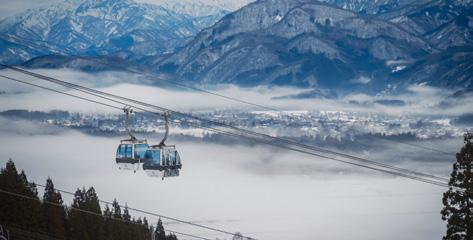
DECEMBER
Snowboarding permitted (night & spring only)
NOVEMBER
Gondola upgraded to 8-seater gondola
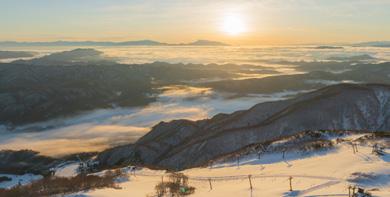
JUNE
Hakuba Goryu Wildflower Garden renamed Hakuba Goryu Alpine Botanical Garden, opening of the international alpine flowers section (Blue Poppy, Edelweiss, etc.)
DECEMBER
Night skiing powered by 100% renewable energy
JULY
Official merger: Hakuba Goryu and Iimori operations unified under Goryu Co.Ltd.
MAY Partnership with Protect Our Winters Japan (POW Japan)
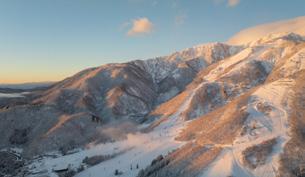



Since 1996, SkiJapan.com has made experiencing Japan effortless with flexible packages, a wide range of accommodations and expert local know-how and support.
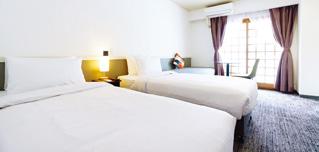
Sleep in style, wake up steps from the slopes! Cosy stays made for powder days.
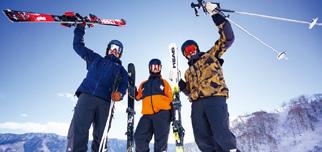
Gear up and level up! Ski & snowboard lessons for every age, every stage.
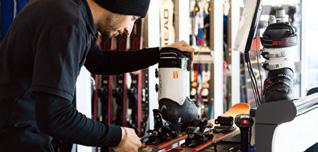
Stay at Hakuba Gateway Hotel and gear up for free. Ski and snowboard rentals included!
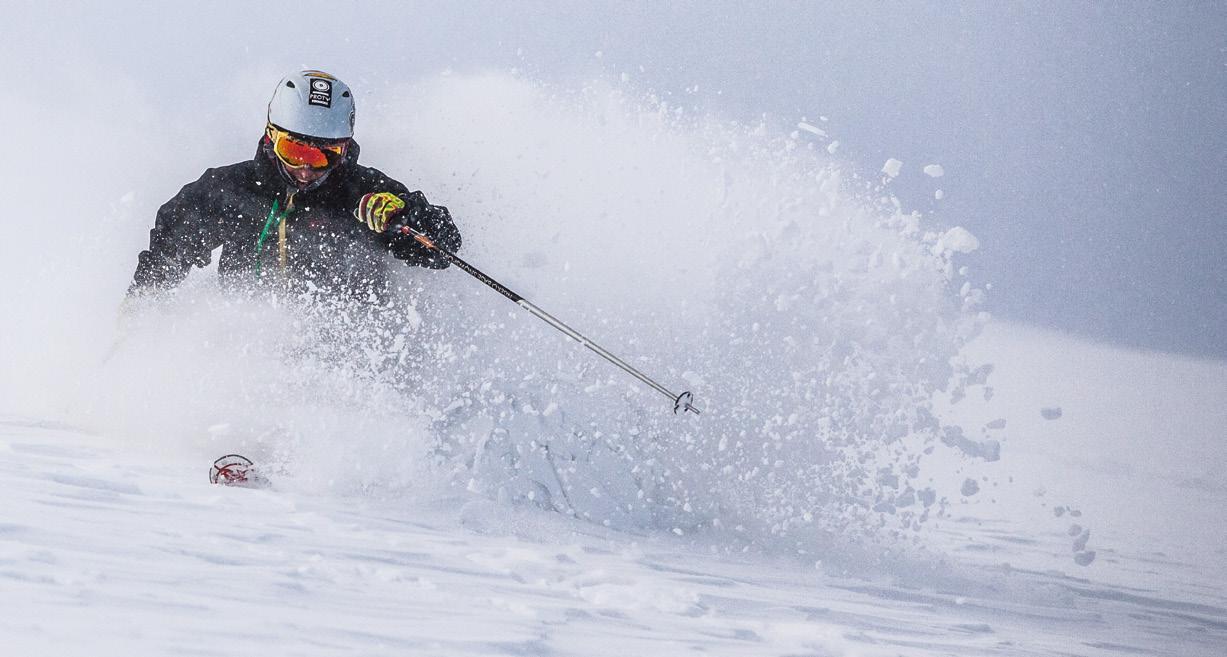


Ski Japan’s own snowsports brand! Hit the slopes hassle-free with Hakuba’s best ski & snowboard rentals and lessons.

Benefits of booking with NBS Ski School:


Benefits of booking with NBS Rental:
• Wide range of private lessons to suit every ability.
• Specialised private lessons such as: race, moguls, adaptive, powder and more. International team of qualified English-speaking Instructors.
• High-quality rental fleet including new skis and boards from top brands such as K2, Head, Ride, Line, Armada and Burton.
• Expert rental technicians.
• Complimentary pick-up & drop off service.
Get up to speed on the latest market trends, upcoming projects, and key developments reshaping the valley.
The Banyan Tree Group has begun construction on a 5-story 76-unit condominium project to be managed under their Cassia brand. The property is located in Echoland and is set to open in 2028.
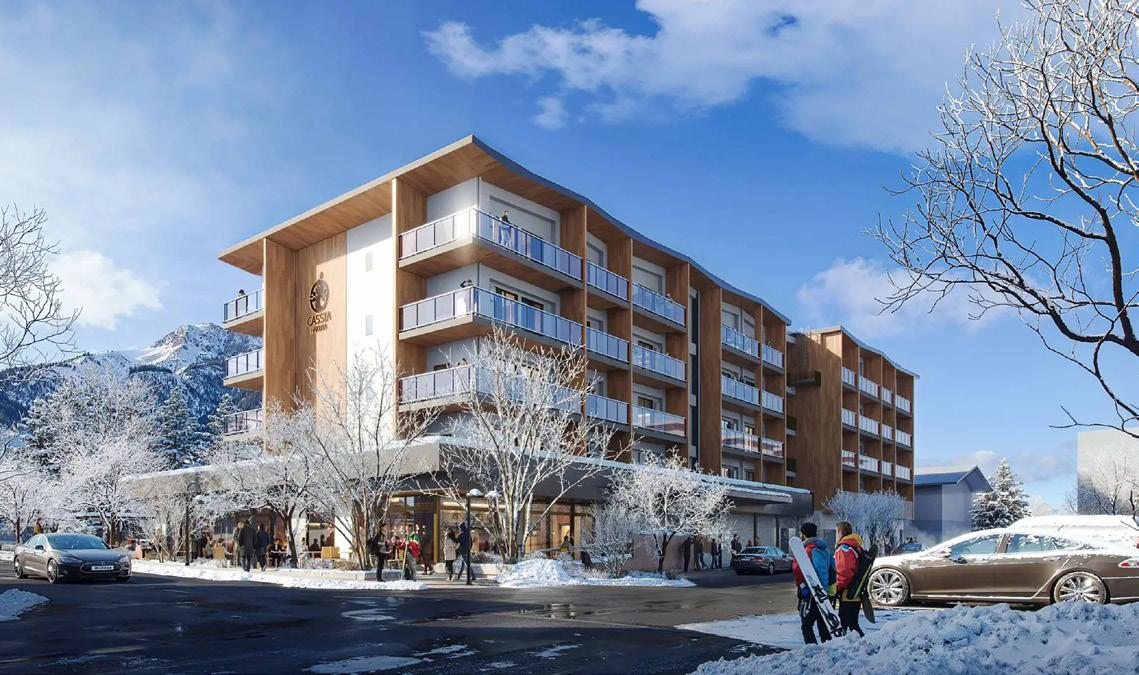
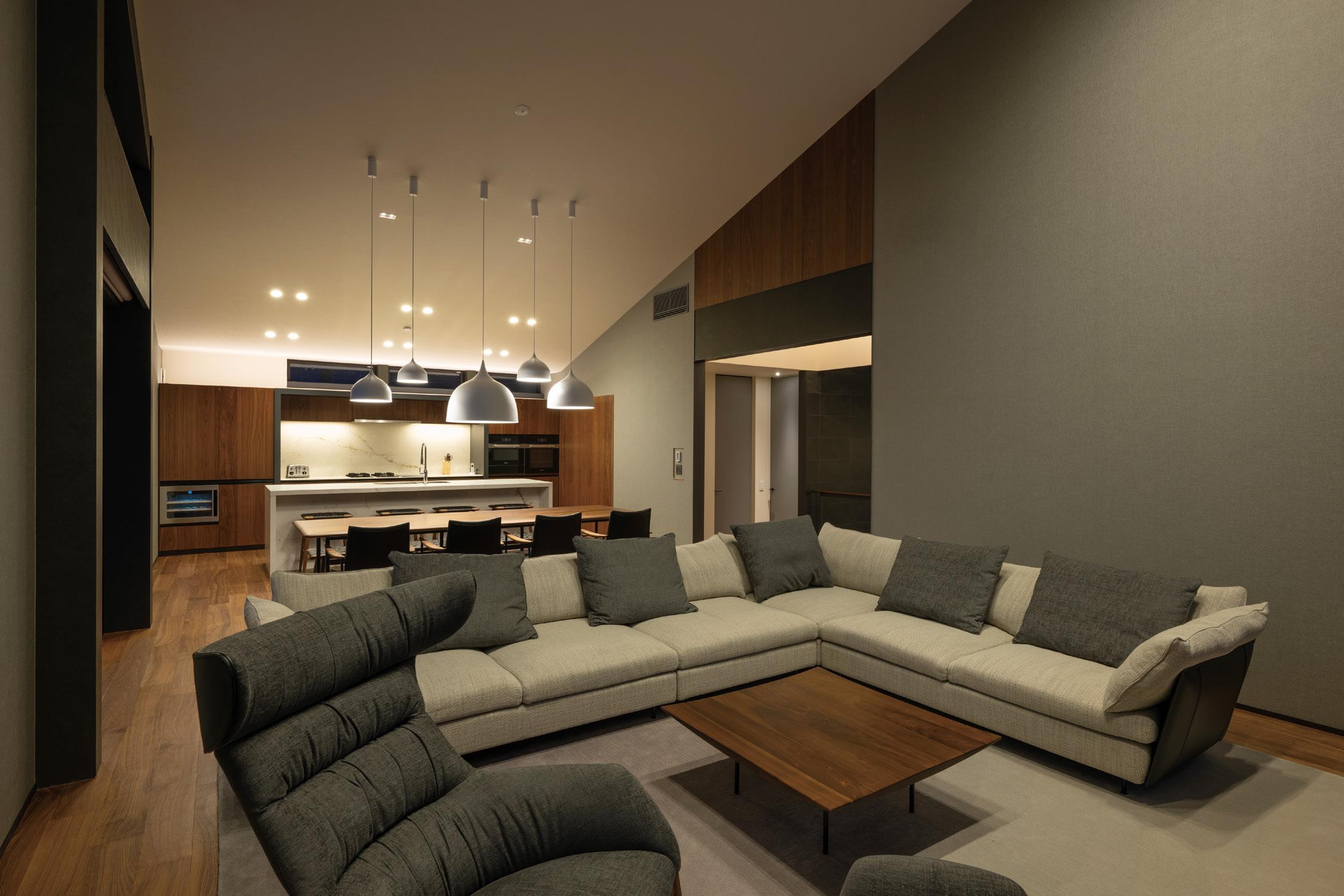
BY NIKOTA REALTY
2025 ushered in a whole new year of market movements, trends, and announcements in the real estate sector in Hakuba. Momentum continues as the market primes itself for transformation over the coming years.
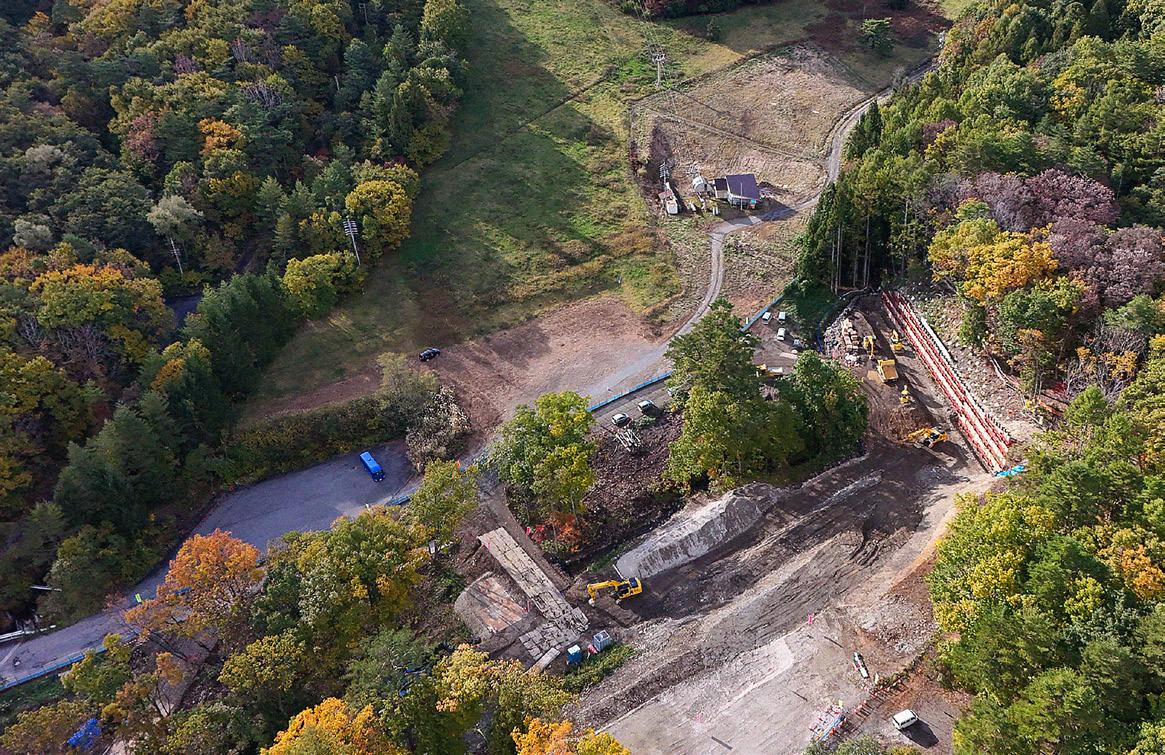
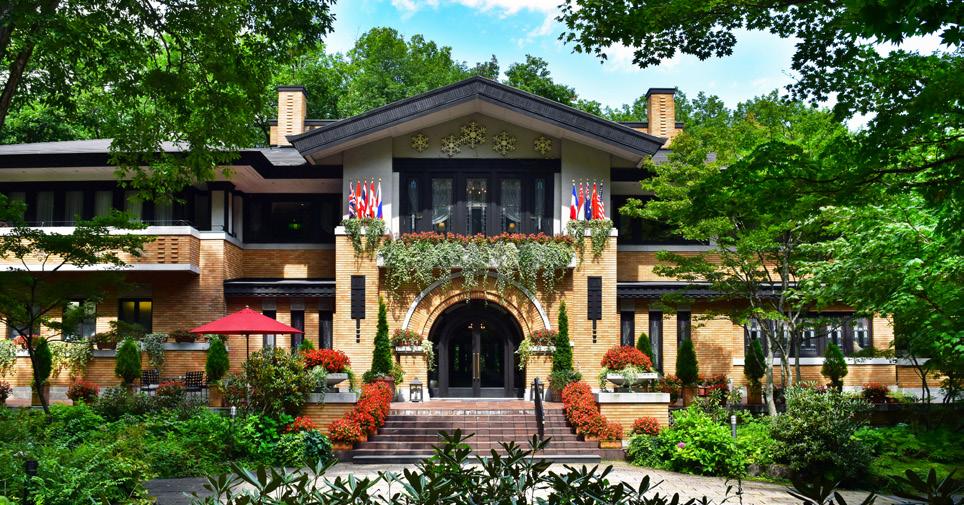
In the past year, Hakuba has clearly led Japan in ski-resort real estate activity.
In December this year, Hakuba Hospitality Group relaunches the stately Hotel La Neige, following a major refurbishment. Following this, the next new hotel to be delivered will be the Rakuten Stay, located by the Matsu River near Wadano, in late 2026. Beyond that, the list is extensive for exciting project completions.
The Banyan Tree in Wadano Plan Do See’s three projects in Happo Banyan Tree’s Cassia apartment complex in Echoland Mitsubishi Estate’s new hotel in Iwatake
A Four Seasons Hotel is also widely rumored to be in the pipeline for Tsugaike with a planned opening in 2029
These larger projects, along with a highly active market for homes, apartments, and land sales, have made Hakuba by far the most active ski resort real estate market in Japan over the past 12 months.
For purchases by individuals, strong demand has continued for the two traditional core areas in Hakuba–the Happo/Wadano area and the Misorano/ Echoland area. Spillover in demand from these areas into the Donguri, Meitetsu, Goryu, and Tsugaike areas has commenced, and this is expected to further pick up pace over the coming years.
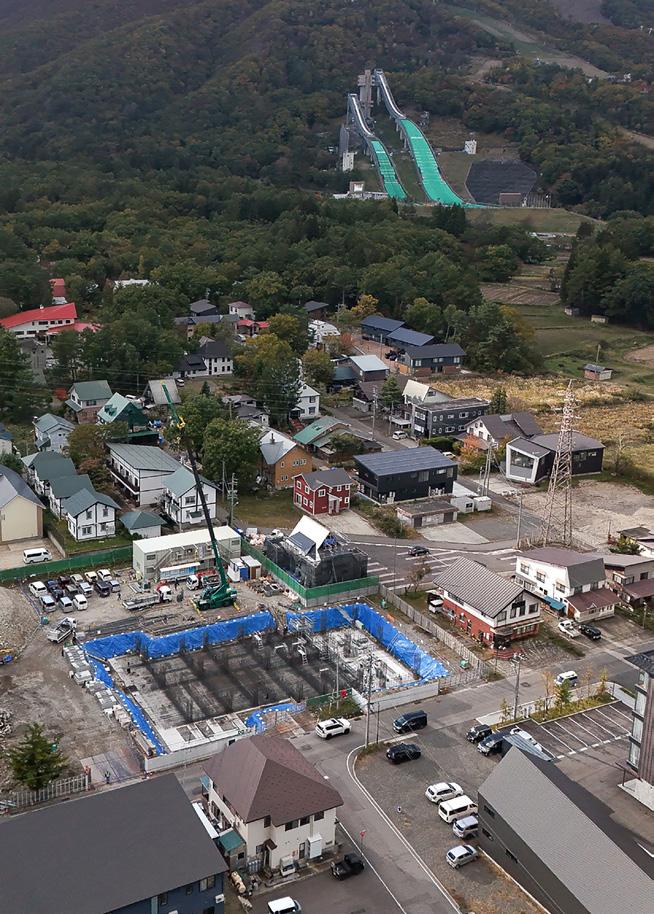
The long-awaited Hakuba Station redevelopment has finally commenced, promising new retail, dining, and hospitality options that will enhance the valley’s year-round appeal. Details are expected soon, but the project represents a critical piece of Hakuba’s evolution beyond pure ski resort functionality.
As prices in the Hakuba Valley continue to increase, another notable recent trend is local folks and younger staff decanting and moving to Omachi, a sizable city a 20–30 minute drive from the Hakuba area. From the perspective of daily retail amenities, Omachi has more to offer than Hakuba Village, and real estate prices remain relatively affordable. A new road connecting Omachi to Hakuba is also being planned which will improve the commute. It is widely believed that Omachi will play a key supporting role for Hakuba Valley’s growth going forward and will in turn be a beneficiary as well.
Across the Hakuba Valley, construction activity can be seen everywhere. The above mentioned transformation is certainly in play and shows no sign of slowing in the coming years. For all looking to complete sizable renovations, or those considering new home builds or their own hospitality project, it is highly recommended to speak to project managers, builders, and architects well ahead of time. Established teams with strong track records in Hakuba are often fully booked for 12-18 months or more due to the increasing demand for their services.




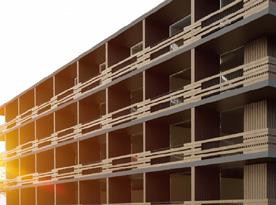



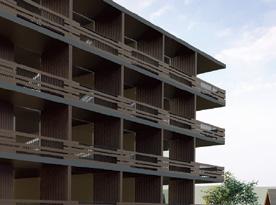


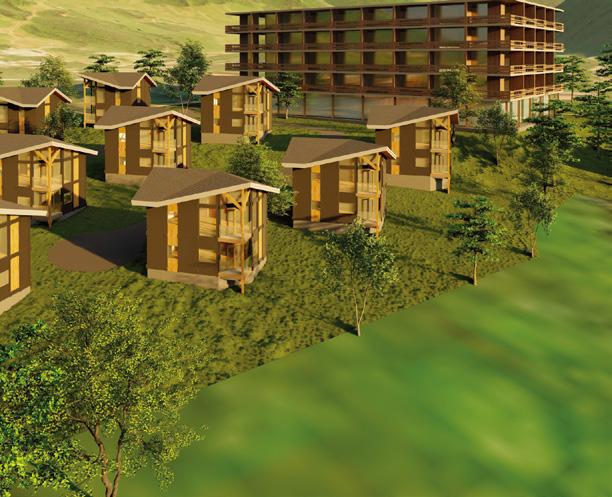
Prime 10,967 sqm site in Hakuba’s upmarket Wadano neighbourhood, right by the Tokyu Hotel, suitable for large-scale development –100+ key hotel with branded chalets
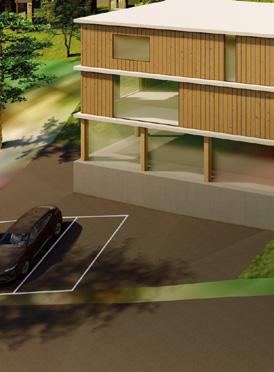



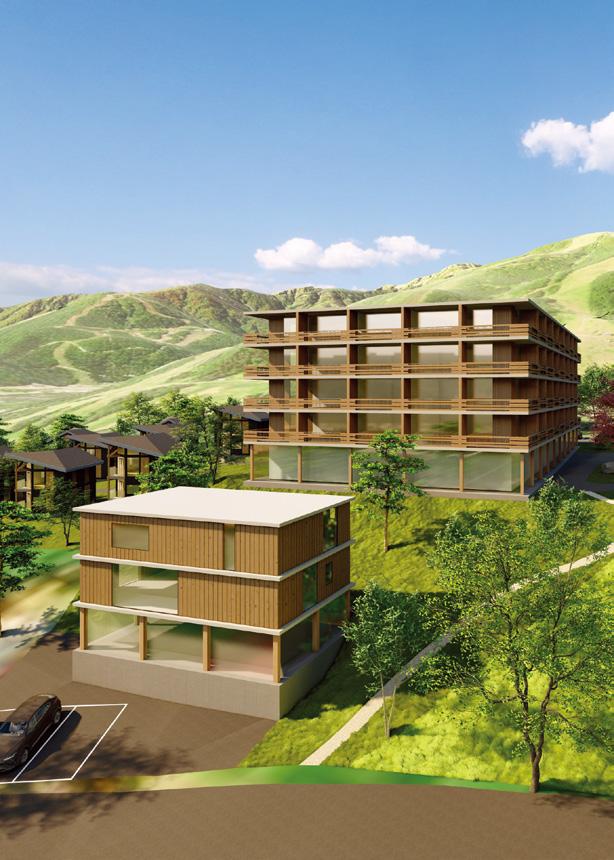
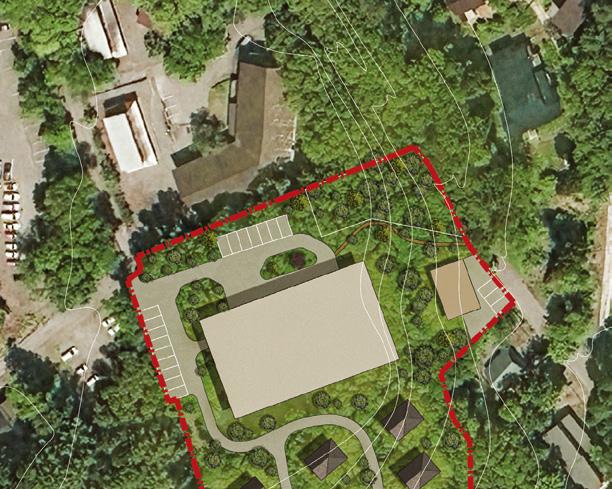
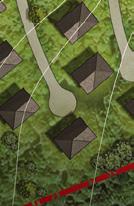

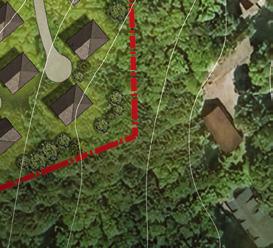
Get a head start on your Hakuba dream.
Your next chapter in Hakuba starts here. With our local know-how and decades of real estate experience, find the key to your ideal property and gain instant access to the Hakuba lifestyle.
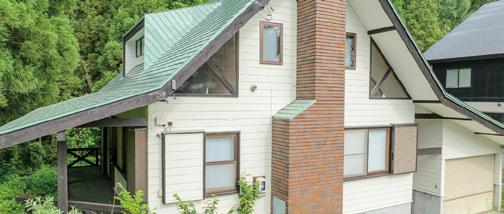
3 BEDROOMS
Perfect for year-round living or holiday use, this immaculate 3-bedroom chalet is just a few minutes’ drive to Hakuba 47 and the Goryu resort, providing quick access to some of Hakuba Valley’s best slopes.
年間を通しての居住にも、ホリデーユース にも最適なこの美しい3ベッドルームのシ ャレーは、白馬47や五竜リゾートまで車で わずか数分という好立地。白馬バレーでも 屈指のゲレンデへ素早くアクセスできます。
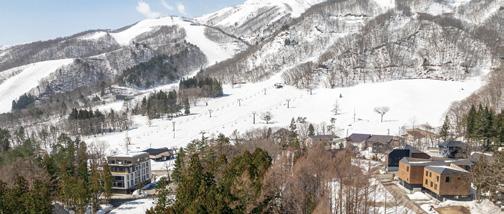
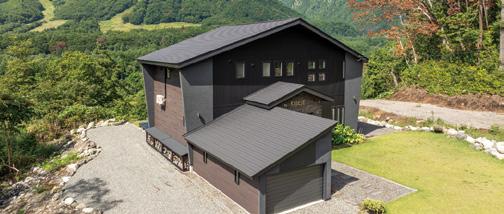
Beautifully designed chalet with breathtaking panoramic views across the Hakuba Valley to Happo-One and the Northern Alps. Open-concept living, dining, and kitchen area creates a spacious and inviting atmosphere, ideal for relaxing and entertaining.
白馬バレーから八方尾根、そして北アルプ スを一望できる、洗練されたデザインの美 しいシャレー。開放感あふれるリビング・ダ イニング・キッチンは、ゆったりとくつろい だり、ゲストを招いて楽しむのに最適な空 間を演出します。
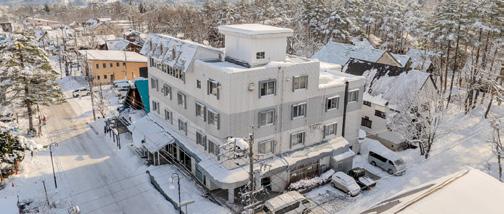
Located by the Sakka Lift in Wadano, this site is equally suited to a low or high density development. The site backs onto a bluff and from the upper floors of any multi-storey development, you would have views across the Matsu River to Iwatake, the ski hill, and up and down the breadth of Hakuba Valley.
和田野の咲花リフト近くに位置するこの土地 は、低密度・高密度いずれの開発にも適して います。敷地は崖に面しており、多層階建物 の上層階からは松川越しに岩岳やスキー場、 そして白馬バレー全体を見渡す景色を楽し むことができます エコーランドの中心部に位置する、モダン で良好に管理された物件です。現在の収益 性も高く、さらに大きな成長が期待できる 投資物件です。全13室のゲストルームとア パートメント、2つの飲食施設、そして4つの スタッフルームを備えたブティックホテル となっています。
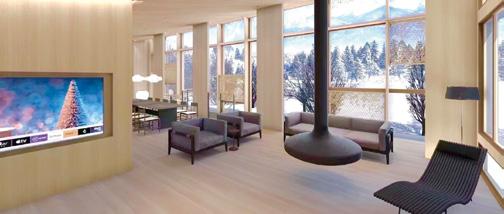
5 BEDROOMS | 5 BATHROOMS | 2 PARKING HOTEL | LIFTS 5–10 MIN DRIVE | FLOOR 296M 2 | LAND 997M 2
Just completed, this exceptional 5-bedroom, two-storey luxury chalet offers a rare opportunity to secure a brand-new getaway in popular Misorano. This strikingly modern alpine retreat blends minimalist design with warm, natural finishes.

完成したばかりのこの豪華な5ベッドルー ム・2階建てシャレーは、人気のみそら野エ リアで新築の別荘を手に入れる貴重な機 会を提供します。ミニマルなデザインと温 かみのある自然素材を調和させた、現代的 で洗練された山岳リトリートです。
Located in the heart of Echoland, this modern, well-maintained property offers an attractive in-place yield with significant upside potential for investors. This boutique hotel features a total of 13 guest rooms and apartments, 2 F&B outlets, and 4 staff rooms.
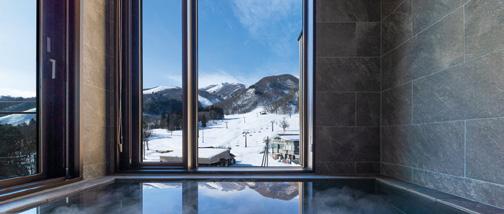
5 BEDROOMS | 5 BATHROOMS | 1 PARKING PENTHOUSE APT | SKI-IN/SKI-OUT | FLOOR 317M 2
Exquisite 5-bedroom, 5-bathroom duplex apartment, perfect for the sophisticated investor or homebuyer. The only ski-in/ski-out penthouse apartment in Hakuba and truly one-of-a-kind.
洗練された投資家や住宅購入者に最適な 5ベッドルーム、5バスルームの二重構造ア パートメントです。白馬で唯一のスキー場 直結のペントハウスアパートメントです。
The heart of Happo-One Resort is moving to the Nakiyama slope with a new gondola and base center set to open in December 2027.
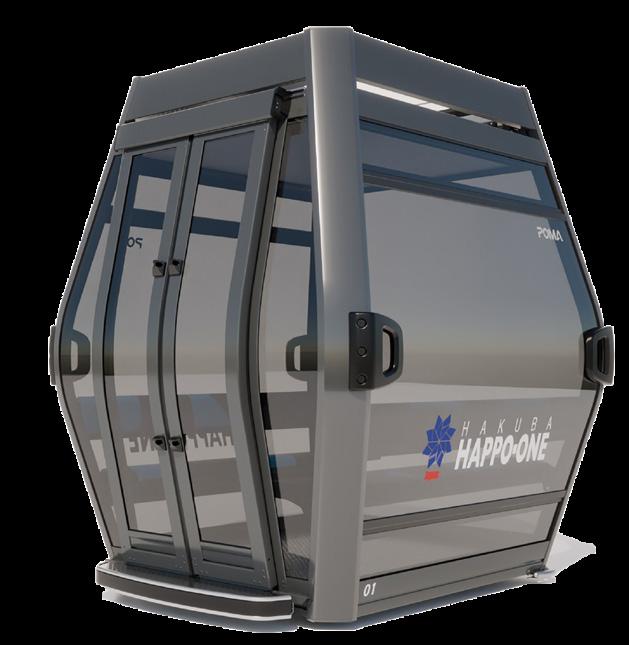
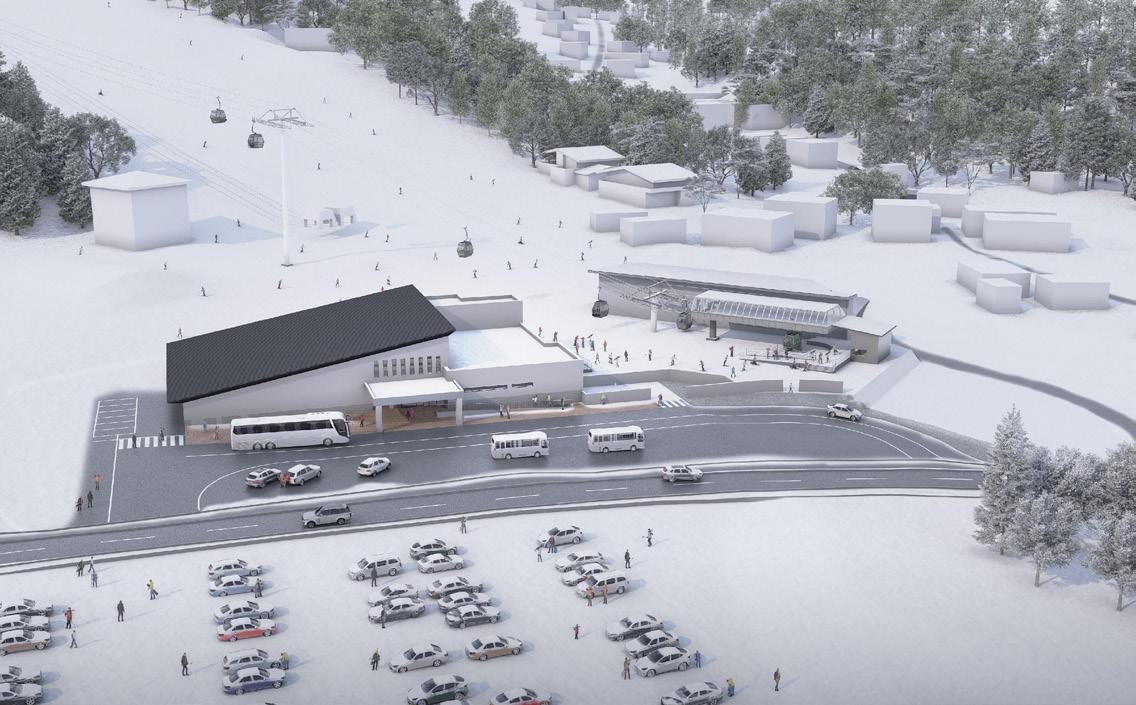
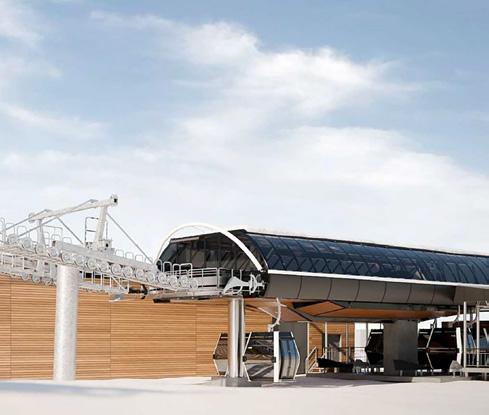
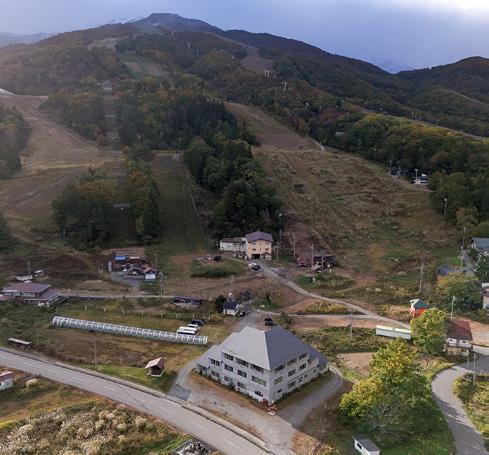
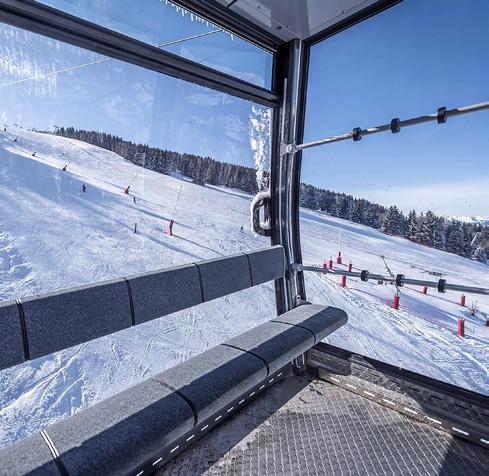
A new chapter is underway at Hakuba’s most recognized ski resort, Happo-One. Plans for a modern gondola and redeveloped base area have been finalized, marking one of the most significant infrastructure projects in the Hakuba Valley in recent years. The new facilities will anchor the resort’s long-term strategy to improve efficiency, accessibility, and visitor experience, while supporting a broader push to establish Hakuba as a leading international mountain destination.
The current Adam Gondola, which has been in operation since 1983, will be replaced by a next-generation model built by the French manufacturer POMA. Construction of the new gondola is scheduled to begin in April 2026, with completion planned for December 2027.
The new EVO cabins, a first for Japan, will carry up to ten passengers in enclosed, panoramic compartments, offering improved comfort, faster travel speeds, and enhanced wind resistance. The upgraded system will increase capacity from 1,350 to 2,400 passengers per hour.
A new base center will be constructed near the current HappoOne Ski School location, serving as a comprehensive hub for visitors. The facility will include ticketing, equipment rentals, ski school reception, and a general information counter, as well as digital signage providing live updates on weather and lift status. An expanded parking area will ease congestion and streamline guest access during peak periods.
The redevelopment extends beyond the lift infrastructure. The Bousui-so Hotel, along with the neighboring Yamagami Restaurant and several adjacent buildings, were demolished in 2025 to make way for a new mixed-use precinct managed by Plan Do See, a major Japanese hospitality company. Plans for the site include a large hotel, retail and experience center, and new food and beverage options.
Further down the slope, a Rossignol flagship store is set to open at the Nakiyama base in January 2026, offering retail, rentals, and brand experiences. In parallel, Moët Hennessy Diageo has entered a three-year partnership with Hakuba Hospitality Group to operate a Veuve Clicquot bar at Hakuba Après, further signaling the increasing presence of global brands in the region.
The new gondola and surrounding developments are part of a wider movement reshaping Hakuba Valley. As investment continues to flow into infrastructure, hotels, and hospitality, the region is evolving from a traditional ski area into a modern, year-round resort destination.
The forthcoming Happo-One gondola is further evidence of a momentous tide of progress pushing Hakuba forward. As facilities are upgraded, new partnerships formed, and global attention grows, Hakuba continues its steady ascent toward becoming one of the premier international ski destinations in Asia.
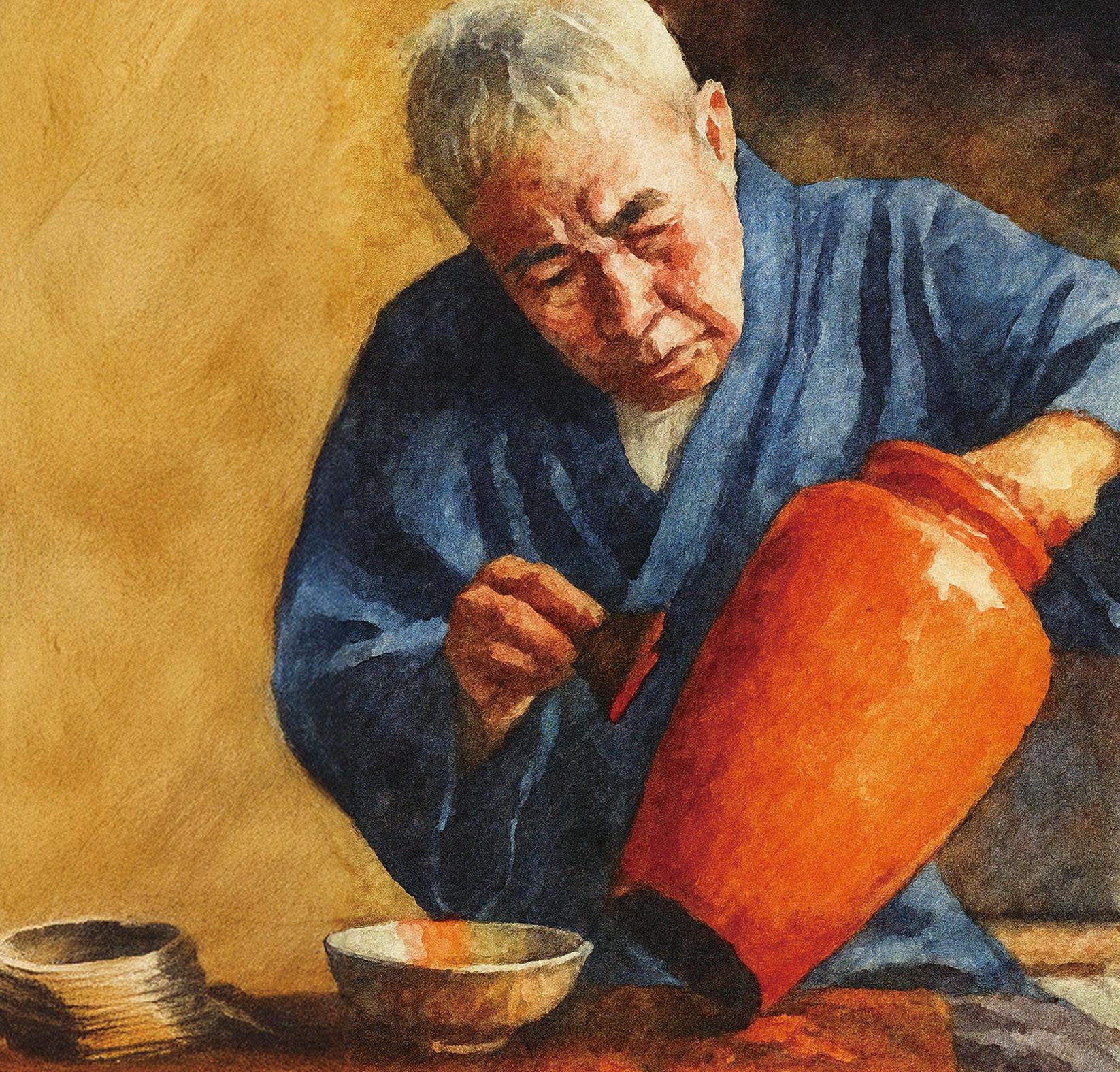
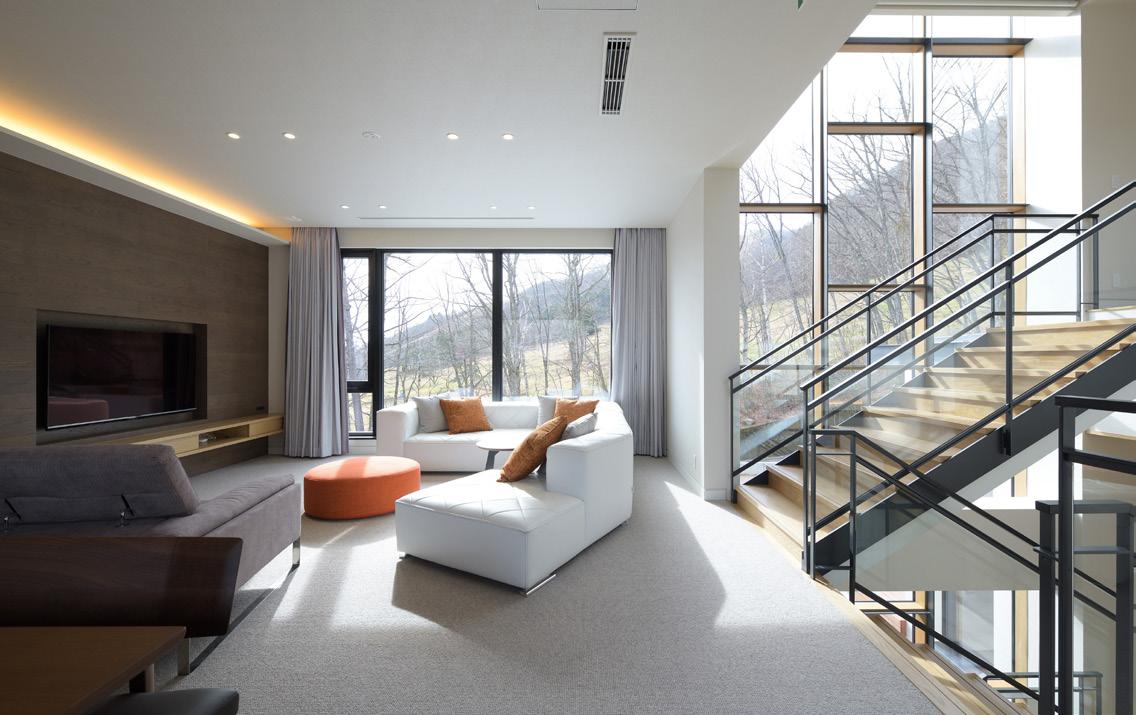
BY UCHI JAPAN
The Hakuba Valley is quickly becoming a top choice for property investors looking beyond Niseko. Known for its vast ski terrain, growing summer appeal, and more affordable prices, this alpine region is seeing a surge in real estate activity—fueled by major infrastructure upgrades and the rise of new luxury condo-hotels.
ALL-SEASON POTENTIAL
Once a winter-only destination, Hakuba has evolved into a thriving year-round resort. Summer activities such as mountain biking, hiking, and lake sports now draw outdoor enthusiasts in growing numbers.
Hakuba Iwatake Resort has invested significantly in green season infrastructure—introducing attractions like horseback riding, mountain biking and mountain karting—that have driven summer lift ticket sales to surpass winter figures.
Major international events such as the Hakuba International Classic Trail Run, and the Hakuba Mountain Festival coupled with a full calendar of summer festivals, attract thousands of visitors each season. Visitor demographics are also shifting, with a dramatic increase in Southeast Asian travelers drawn to Hakuba’s cool summers and autumn colours. This growing seasonal diversity makes Hakuba properties more rentable throughout the year, delivering stronger and more consistent returns.
EASY ACCESS, STRONG DEMAND
Just a few hours from Tokyo by Shinkansen and bus, Hakuba is an easy escape from the world’s largest city. This accessibility makes it popular with local and international travellers alike, increasing rental demand and resale value.
Currently, JR East operates one train per day from Shinjuku Station in Tokyo to Hakuba Station, with the journey taking just under four hours. If JR East expands this service by introducing more direct, limited-stop routes, travel times could shorten considerably, making Hakuba even more accessible for Tokyo-based visitors and investors.
LUXURY DEVELOPMENTS & INFRASTRUCTURE New condohotels like ROKA are redefining mountain living, combining high-end amenities with hotel-style services. At the same time, on-mountain projects like new lifts and facilities are set to enhance the resort experience even further.
Happo-One Resort will soon begin construction on a new gondola and base center, both scheduled to open in December 2027. Meanwhile, Hakuba Iwatake unveiled its new gondola in December 2025 and is set to debut a state-of-the-art information center this coming December.
MORE VALUE THAN NISEKO Hakuba’s property market is heating up. Land prices surged 32.4% in 2025, marking the second straight year the region led Japan in land price growth. Even so, Hakuba continues to offer better value than Niseko, with lower property prices, more affordable lift tickets, and an overall cost base that keeps investment entry points attractive.
REAL MOMENTUM “In winter 2024/25 alone, tens of millions of USD in real estate changed hands in Hakuba,” says Chris Pickering, CEO of Uchi, Japan’s leading resort real estate portal. “We’re seeing more large-scale land deals and condo-hotel projects in the pipeline. The lower price point and Tokyo access have really driven demand.”
With expanding seasons, upgraded infrastructure, and new high-end developments, Hakuba is emerging as one of Japan’s most exciting real estate markets.
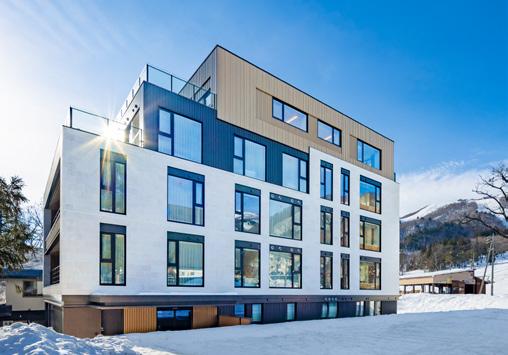
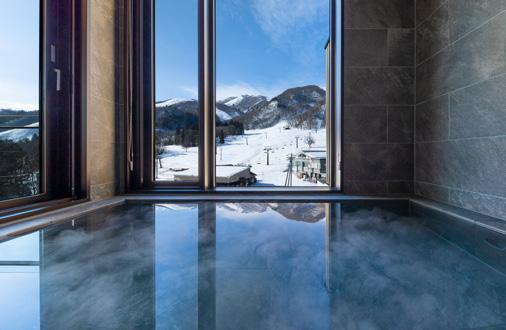
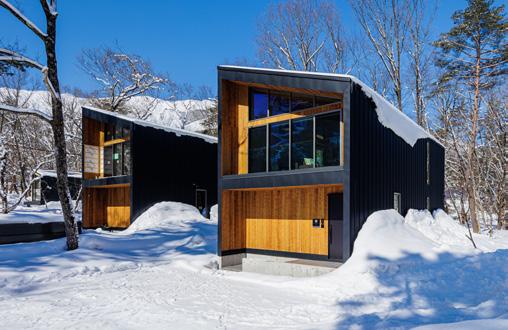

Hakuba’s winter reputation is well earned, yet green season reveals a different kind of alpine allure. From summit trails and clear rivers to local food and culture, summer here feels like a whole new world to explore. Make the trip, and you’ll find one of Japan’s most refreshing mountain escapes.
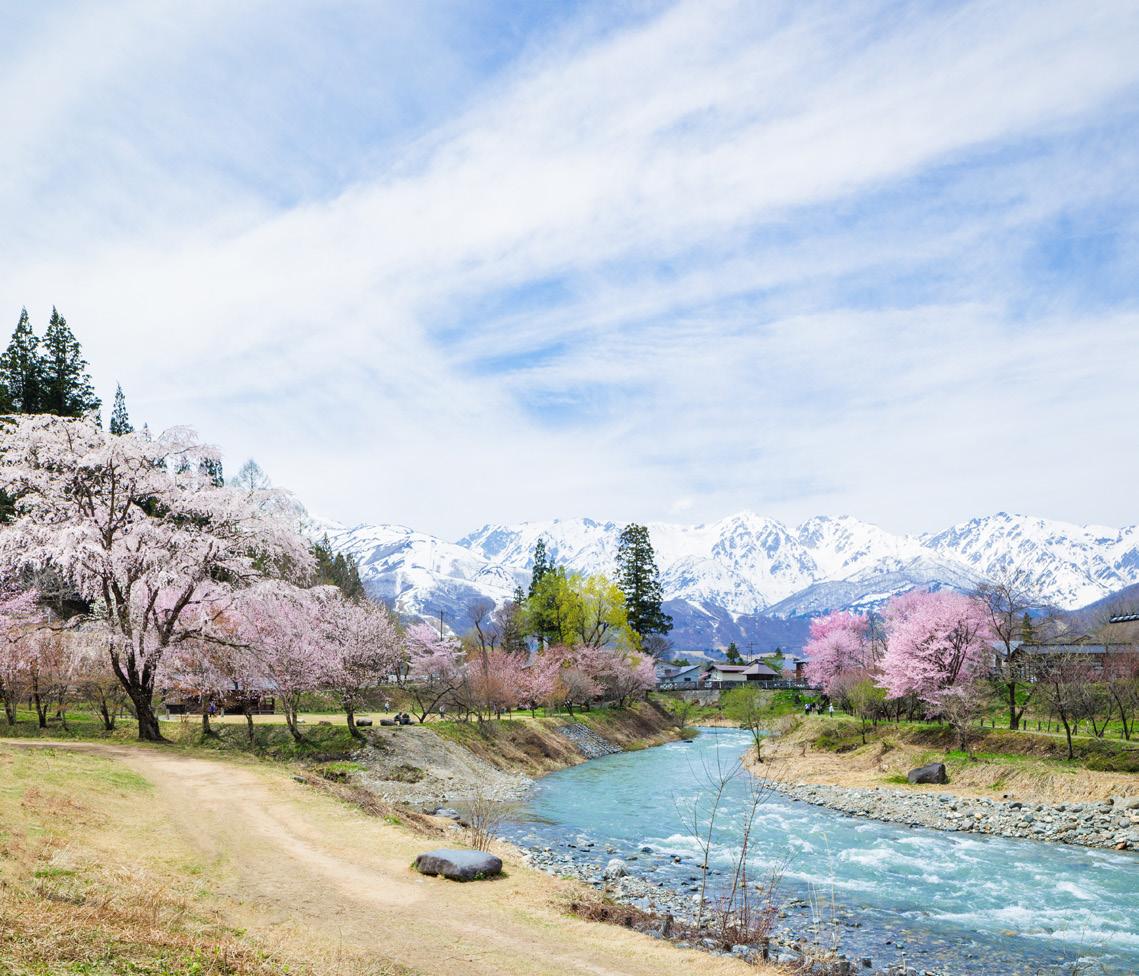

Spring brings cherry blossoms set against snowcapped peaks. Summer covers the valley in lush, untamed green, before autumn paints the mountains in layers of white, orange, and gold.







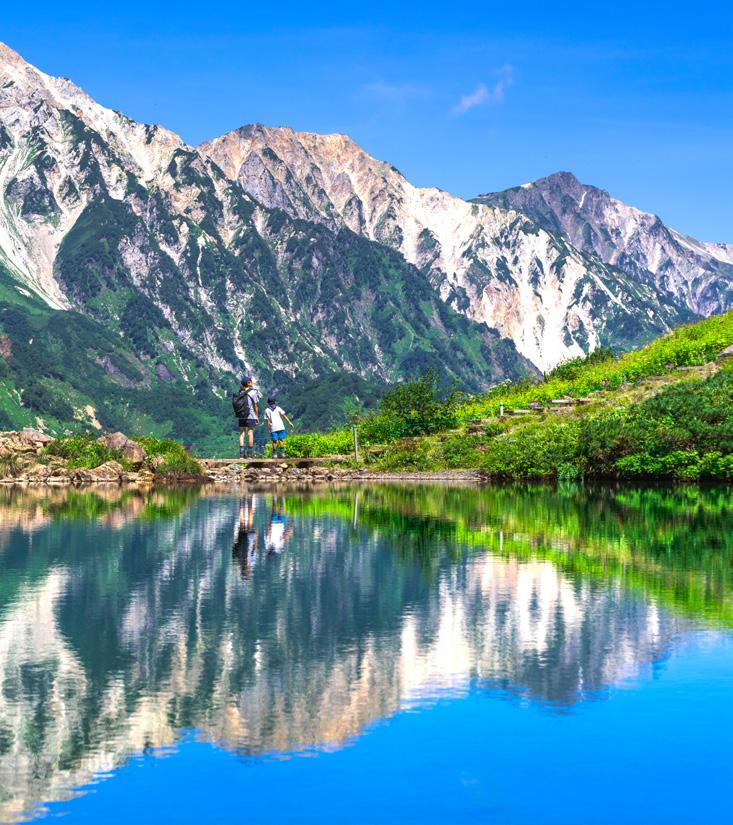
The trails of Hakuba range from gentle valley walks to challenging alpine climbs, with a network of mountain huts that make multi-day trekking accessible and comfortable. Beginners can enjoy the hike to Happo Pond for stunning alpine views, while trail runners will love courses that wind through forests and along ridgelines. Every September, Hakuba also hosts the Hakuba International Classic, part of the Salomon Golden Trail Series, drawing elite trail running athletes from around the world.
Summer in the valley is festival season, with fireworks displays, lively obon dances, and local celebrations taking place across Hakuba. The valley is also home to temples and shrines that offer quiet moments of reflection. For easy day trips, landmarks like the Kurobe Dam and Matsumoto Castle add even more history and culture within reach.
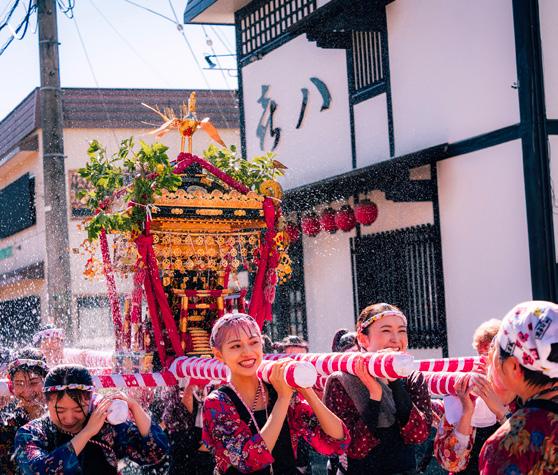


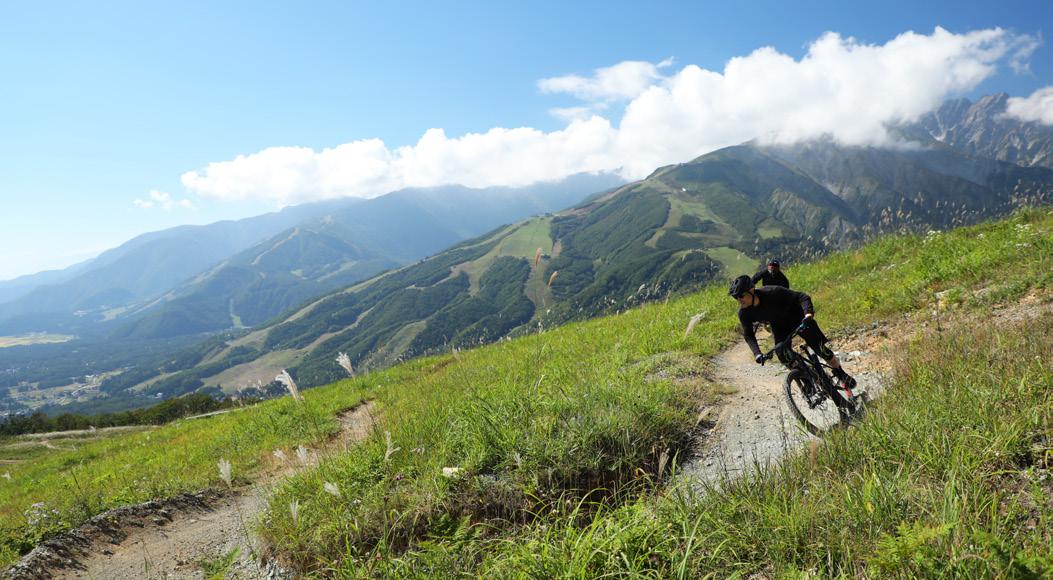
Iwatake MTB Park is home to some of Japan’s premier downhill trails. With beginner-friendly routes and pro-level lines, it’s the ultimate playground. Add in multilingual instructors, well-stocked rental shops, and skilled technicians, and you have everything you need to ride the valley. For those more interested in road cycling, Rhythm Japan offers a fleet of Specialized road and e-bikes to explore Hakuba’s mountain passes at your own pace.

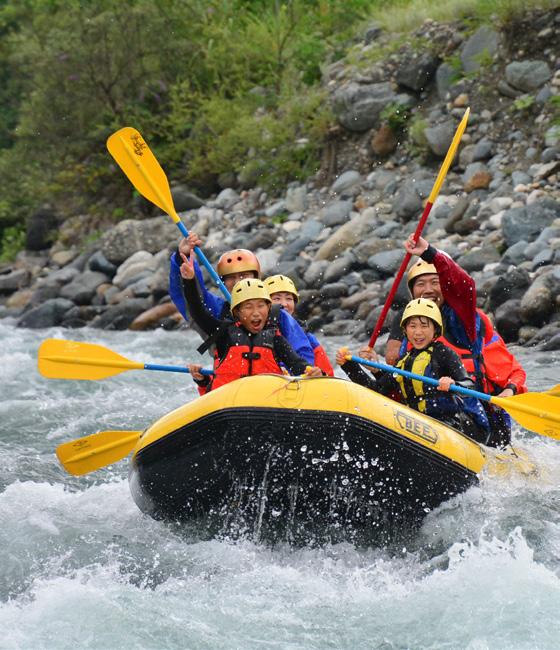

Evergreen Outdoor Center runs weeklong English day camps and overnight programs for kids and teens, where young adventurers learn about the environment through hands-on activities in the mountains.
There is no better way to relax after a day outdoors than by soaking in one of Hakuba’s many natural hot spring baths. In addition to hot springs, visitors can also find sauna and cold-bath facilities, as well as massage services.
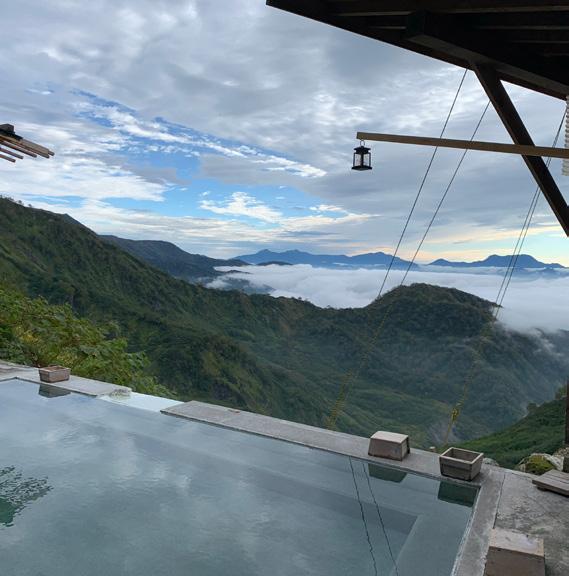
Hakuba’s two rivers and three alpine lakes are the perfect way to beat the summer heat. Paddleboard, kayak, swim, or wakeboard on the lakes, or head to the river for rafting and canyoning. Many tour operators provide English-speaking guides, and for something completely different you can even surf in nearby Itoigawa.
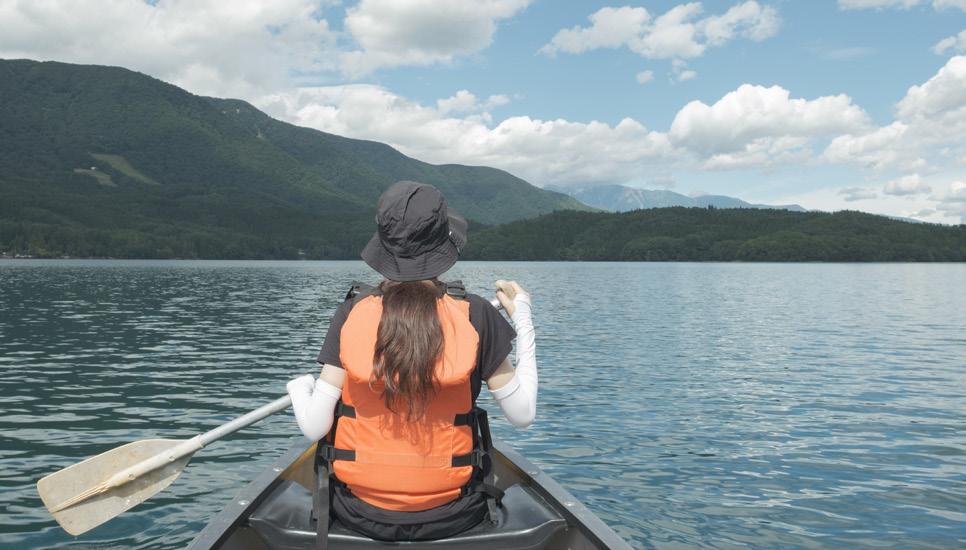


Just a few kilometers from Happo-One, Iwatake has become one of Hakuba’s go-to places for great food and good vibes. In the area you can find many great restaurant options, cafés, and bars serving everything from rotisserie chicken and ramen to pizza and craft coffee. With plenty of spots to check out, it’s the kind of place where you come hungry and leave planning your next visit.
New this winter at the foot of Iwatake, &Deli brings something fresh to Hakuba—the valley’s only rotisserie chicken, alongside pizza and deli-style dishes made for sharing. Supervised by local-born chef Tetsuo Ota, who once worked at Spain’s legendary El Bulli, the menu blends Shinshu’s local ingredients with global flavors. The atmosphere is casual and open, perfect for groups, families, or grabbing something delicious to go.
OPENING HOURS