Paediatriki
Volume 74 • Number 3 • October-November-December 2011
Trimonthly publication of the Greek Paediatric Society
President
A. Constantopoulos
Editorial board
Director
G. S. Varlamis
Members
S. Andronikou
E. Galanakis
A. Evangeliou
L. Thomaidou
M. Kanariou
A. Kapogiannis
S. Kitsiou-Tzeli
E. Mantadakis
P. Panagiotopoulou-Gartagani
A. Papadopoulou
V. Papaevagelou
A. Papathanassiou
A. Siamopoulou-Mavridou
A. Syrigou-Papavasiliou
Manuscript submission
e-mail: hps@ath.forthnet.gr
Instructions to authors: http://www.e-child.gr/paediatriki/ iae.pdf
Manuscript editing
English editing
S. Nakou
Owner
Greek Paediatric Society
92, Michalakopoulou st.
GR - 115 28, Athens
Tel.: +302107771140
+302107771663
Fax: +302107758354
e-mail: hps@ath.forthnet.gr
Annual subscription
All foreign countries: US$50
CONTENTS
EDITORIAL
SPECIAL ARTICLE
Moral dilemmas in modern medicine
F. Papadellis
REVIEW ARTICLES
Brain glucose metabolism and epilepsy in childhood
S. G. Varlamis, A. Evangeliou
Τhe polymorphisms of vitamin D receptor gene and their relationship with growth
E. Emmanouilidou, A. Galli-Tsinopoulou
Neonatal thrombocytopenia
L. Kossiva, T. Sdogou
ORIGINAL ARTICLES
An animal facilitated active with companion animal in a greek public kindergarten
K. Loukaki, M. Myriokefalitaki, E. Ktenas, D. Kafetzis, P. Koukoutsakis
Clinical and laboratory characteristics of bloodstream infections in children with cancer. A 7-year experience at a single center
D. Doganis, A. Pourtsidis, E. Lempesi, D. Mpouhoutsou, M. Mpaka, M. Varvoutsi, M. Foustoukou, E. Kosmidi
CASE REPORTS
Recurrent bacterial infections: Caroli’s Disease (case report & review of literature)
M. Tzoufi, M. Rogalidou, E. Drimtzia, I. Sionti, M. Argyropoulou, E.V. Tsianos, A. Siamopoulou-Mavridou
Case report and review of clinical and laboratory evidence of leukemia in children with bone pain
Ε. Mantadakis, Α. Valsamidis, Α. Hatzimichail
An infant with severe pulmonary arterial hypertension was treated successfully with sildenafil and bosentan
C. Barbaresou, E. Gaki, H. Tsipou, M. Kazantzi, T. Xatzis
Hypereosinophilic syndrome in a haemodialysis child
M. Mila, M. Baka, A. Mitsioni, A. Zampetoglou, E. Kosmidi, K. Stefanidis
Acute otitis media with intracranial complications
Ε. Papadimitriou, L. Giannopoulou, S. Kouskouvekakis, D. Haniotakis, F. Tsitsopoulos, Ι. Kavaliotis
F. Papadellis
Περίληψη
Abstract
Sotirios G. Varlamis1 Laboratory of Biochemistry, Medical School of Aristotle University of Thessaloniki, Greece.
Athanasios Evangeliou2 4th Department of Pediatrics, Aristotle University of Thessaloniki, Papageorgiou Hospital, Thessaloniki, Greece.
Brain glucose metabolism and epilepsy in childhood
Sotirios G. Varlamis1 , Athanasios Evangeliou2
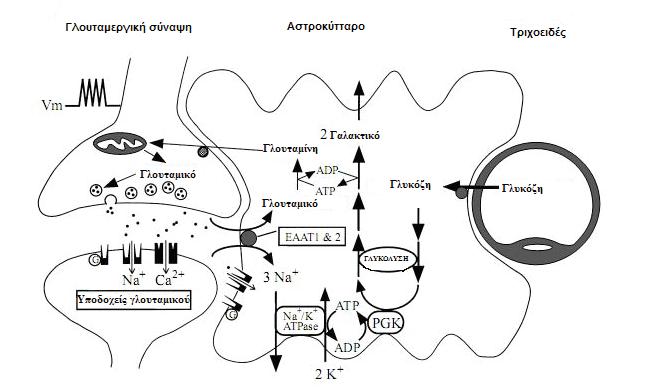
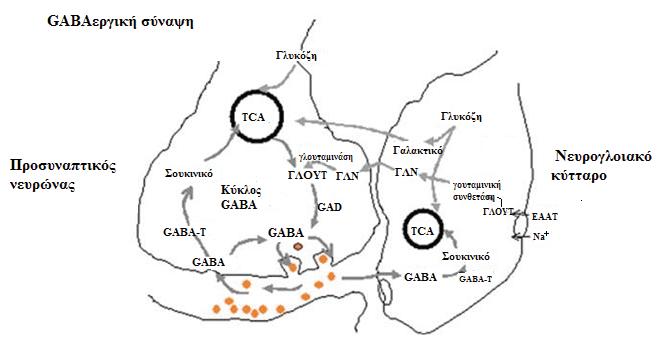
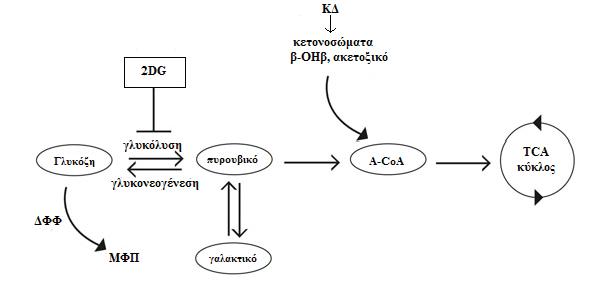
Glucose is the main fuel of the brain. Ketone bodies act as an alternative fuel in the case of fasting or diet. Metabolic pathways are related to synaptic activity at the level of neuron - glia. There is strong evidence suggesting that neurometabolic disturbances are related to epileptogenesis, through changes occurring at neurotransmitters’ concentrations. Based on experimental data related to intermediate metabolism disturbances in reluctant epilepsy, dietary treatments contributing to the decrease of seizures with fewer side effects than drugs, have been developed. The ketogenic diet and its variations is the most important applied diet. The use of dietary treatments is mostly applied to children with reluctant epilepsy. However, the type of epilepsy does not affect the effectiveness of said diets. The most likely mechanisms of action for the ketogenic diet are related to glucose metabolism, and one of these, the theory of glycolysis, suggests that bypassing glycolysis can effectively contribute to the reduction of epileptic activity. This conclusion is further reinforced by studies suggesting the increase of lactate during seizures and other studies supporting the antiepileptic actions of 2-deoxyglucose, a glycose analogue, as proved at an experimental level in vitro and in vivo in animal models. Research regarding the pathophysiology of the disease is increasingly oriented towards the field of neurometabolism.
Key Words: Glucose, epilepsy, ketogenic diet, children
Αλληλογραφία
Βαρλάμης Σωτήριος
Λευκωσίας 26, Καλαμαριά 55133, Θεσσαλονίκη
Τηλ: 2310482220
e-mail: sotirisvarlamis@yahoo.gr
Correspodence
Varlamis Sotirios
Lefkosias 26, Kalamaria 551133, Thessaloniki, Greece.
Τel: +30 2310482220
e-mail: sotirisvarlamis@yahoo.gr Εισαγωγή
2DG
GNU = μονάδα νευρώνα–νευρογλοίας
GABA = γ-αμινοβουτυρικό οξύ
DON = 6-διαζο-5-οξο-Lνορλευκίνη
AEDs = αντιεπιληπτικά φάρμακα
MCT1 = μονοκαρβοξυλικοί
υποδοχείς 1
ATP = τριφωσφορική αδενοσίνη
Επίσης,
Magistretti & Pellerin (22)
Pan JW, Williamson Anne, Cavus I, Hetherington HP, Zaveri H, Petroff OAC, Spencer DD. Neurometabolism in human epilepsy. Epilepsia 2008; 49(Suppl. 3): 31-41).
Οι Pan et al (20),
Stafstrom CE, Roopra A, Sutula TP. Seizure suppression via glycolysis inhibition with 2-deoxy-D-glucose (2DG). Epilepsia 2008; 49 Suppl 8: 97-100).
1. Szutowicz A, Jankowska A, Tomaszewicz M. Disturbances of glucose metabolism in epilepsy and other neurodegenerative diseases. Neurol Neurochir Pol. 2000;34 (8 Suppl):S59-S66.
2. Greene AE, Todorova MT, Seyfried TN. Perspectives on the metabolic management of epilepsy through dietary reduction of glucose and elevation of ketone bodies [Mini Review]. J Neurochem 2003 Aug;86:529-37.
3. Benedek K, Juhász C, Chugani DC, Muzik O, Chugani HT. Longitudinal changes in cortical glucose hypometabolism in children with intractable epilepsy. J Child Neurol 2006;21:2631.
4. Vianna JB, Atallah AN, Prado GF, Valente O, Duarte-Barros ML, Vianna EC, et al. The oral glucose tolerance test is frequently abnormal in patients with uncontrolled epilepsy. Epilepsy Behav 2006 Aug;9:140-4.
5. Nylen K, Likhodii S, McIntyre Burnham W. The ketogenic Diet: Proposed Mechanisms of Action. Neurotherapeutics 2009;6:402-405.
6. Kossoff EH, Zupec-Kania BA, Rho JM. Ketogenic diets: an update for child neurologists. J Child Neurol 2009 Aug;24:979-88.
7. Stafstrom CE, Roopra A, Sutula TP. Seizure suppression via glycolysis inhibition with 2deoxy-D-glucose (2DG). Epilepsia 2008;49 (8 Suppl):S97-S100.
8. Pfeifer HH, Thiele EA. Low-glycemic-index treatment: A liberalized ketogenic diet for treatment of intractable epilepsy. Neurology 2005 Dec13;65:1810-12.
9. Kossoff EH, Krauss GL, McGrogan JR, Freeman JM. Efficacy of the Atkins diet as therapy for intractable epilepsy. Neurology 2003 Dec 23;61:1789-91.
10. Hartman A, Vining E. Clinical aspects of the ketogenic diet. Epilepsia 2007;48:31-42.
11. Evangeliou AE, Spilioti M, Doulioglou V, Kalaidopoulou P, Ilias A, Skarpalezou A, et al. Branched chain amino acids as adjunctive therapy to ketogenic diet in epilepsy: pilot study and hypothesis. J Child Neurol. 2009;24:1268-72.
12. Weber S, Mølgaard C, Karentaudorf, Uldall P. Modified Atkins diet to children and adolescents with medical intractable epilepsy. Seizure. 2009 May;18:237-40.
13. Stafstrom CE, Ockuly JC, Murphree L, Valley MT, Roopra A, Sutula TP. Anticonvulsant and antiepileptic actions of 2-deoxy-D-glucose in epilepsy models. Ann Neurol 2009;65:435-47.
14. Yamada KA. Calorie restriction and glucose regulation. Epilepsia 2008 Nov;49 (8 Suppl):S94-S96.
15. Huang YZ, McNamara JO. Inhibiting glycolysis to reduce seizures: how it might work. Nature Neuroscience 2006 November;9:1351-1352.
16. Waagepetersen HS, Sonnewald U, Larsson OM, Schousboe A. Multiple compartments with different metabolic characteristics are involved in biosynthesis of intracellular and released glutamine and citrate in astrocytes. Glia 2001;35:246-252.
17. Panteliadis C, Papavassiliou A. Brain development and metabolism: biochemical and nutritional correlates. In: Panteliadis C, Darras B. Encyclopaedia of Paediatric Neurology, Theory and Practice. 2nd Edn. Thessaloniki: Giahoudi – Giapouli; 1999. pp 50-52.
18. Papandreou D, Pavlou E, Kalimeri E, Mavromichalis I. The ketogenic diet in children with epilepsy. British Journal of Nutrition 2006;95:5-13.
19. Wheless JW, Baumgartner J, Ghanbari C. Vagus nerve stimulation and the ketogenic diet. Neurol Clin 2001;19:371-407.
20. Pan JW, Williamson A, Cavus I, Hetherington HP, Zaveri H, Petroff OAC, et al. Neurometabolism in human epilepsy. Epilepsia 2008;49(3 Suppl):S31-S41.
21. Pfund Z, Chugani DC, Juhász C, Muzik O, Chugani HT, Wilds IB, et al. Evidence for coupling between glucose metabolism and glutamate cycling using FDG PET and 1H magnetic resonance spectroscopy in patients with epilepsy. J Cereb Blood Flow Metab. 2000;20:871-8.
22. Magistretti PJ, Pellerin L. Cellular mechanisms of brain energy metabolism and their relevance to functional brain imaging. Philos Trans R Soc Lond B Biol Sci 1999;354:11551163.
23. Pan JW, Kim JH, Cohen-Gadol A, Pan C, Spencer DD, Hetherington HP. Regional energetic dysfunction in hippocampal epilepsy. Acta Neurol Scand 2005;111:218-214.
24. During MJ, Spencer DD. Extracellular hippocampal glutamate and spontaneous seizure in the conscious human brain. Lancet 1993;341:1607-1610.
25. Cavus I, Kassof WS, Cassaday MP, Jacob R, Gueorguieva R, Sherwin RS, et al. Extracellular metabolites in the cortex and hippocampus of epileptic patients. Ann Neurol 2005;57:226-235.
26. Newcomb R, Sun X, Taylor L, Curthoys N, Giffard RG. Increased production of extracellular glutamate by the mitochondrial glutaminase following neuronal death. J Biol Chem 1997;272:11276-11282.
27. Williamson A, Garganta CL, Petroff OA. Disruption in glutamate glutamine cycling alter GABA function. Epilepsia 2004;45(6 Suppl):S360.
28. Wang Y, Zaveri H, Ghosh A, Beckstrom H, DeLanerolle N, Eid T. Inhibition of hippocampal glutamine synthetase causes spontaneously recurrent seizures in rats. In: American Epilepsy Society Meeting; 2006 December 1-5; San Diego CA, 4. p112.
29. Eid T, Schwarcz R, Ottersen OP. Ultrastracture and immunocytochemical distribution of GABA in layer III of the rat medial entorhinal cortex following aminooxyacetic acid-induced seizures. Exp Brain Res 1999;125:463-475.
30. Ikemoto A, Bole DG, Ueda T. Glycolysis and glutamate accumulation into synaptic vesicles. Role of glyceraldehydes phosphate dehydrogenase and 3-phosphoglycerate kinase. J Biol Chem 2003;278:5929-5940.
31. Schwechter EM, Veliskova J, Velisek L. Correlation between extracellular glucose and seizure susceptibility in adult rats. Ann Neurol 2003;53:91-101.
32. Camfield CS, Camfield PR, Gordon K, Wirell E, Dooley JM. Incidence of epilepsy in childhood and adolescence: a population-based study in Nova Scotia from 1977 to 1985. Epilepsia 1996;37:19-23.
33. Hauser WA, Annegers JF, Kurland LT. Incidence of epilepsy and unprovoked seizures in Rochester, Minnesota: 1935-1984. Epilepsia 1993;34:453-468.
34. Zupec-Kania BA, Spellman E. An overview of the ketogenic diet for pediatric epilepsy. Nutr Clin Pract. 2008 Dec-2009 Jan;23:589-96.
35. Go Christina, Snead OC III. Pharmacologically intractable epilepsy in children: diagnosis and preoperative evaluation. Neurosurg Focus 2008;25:E2.
36. McEwan MJ, Espie CA & Metcalfe J. A systematic review of the contribution of qualitative research to the study of quality of life in children and adolescents with epilepsy. Seizure 2004;13:3-14.
37. Henderson CB, Filloux FM, Alder SC, Lyon JL, Caplin DA. Efficacy of the ketogenic diet as a treatment option for epilepsy: meta-analysis. J Child Neurol 2006;21:193-198.
38. Kang HC, Lee YM, Kim HD, Lee JS, Slama A. Safe and effective use of ketogenic diet in children with epilepsy and mitochondrial respiratory chain complex defects. Epilepsia 2007;48:82-88.
39. Yudkoff M, Daikhin Y, Nissim I, Lazarow A, Nissim I. Ketogenic diet, brain glutamate metabolism and seizure control [Review]. Prostaglandins Leukot Essent Fatty Acids 2004;70:277-85.
40. Veech RL, Chance B, Kashiwaya Y, Lardy HA, Cahill GF Jr. Ketone bodies, potential therapeutic uses. IUBMB Life 2001;51:241-247.
41. Strohman R. Maneuvering in the complex path from genotype to phenotype. Science 2002;296:701-703.
42. DiMario FJ, Holland J. The ketogenic diet: a review of the experience at Connecticut Children’s Medical Center. Pediatr Neurol 2002;26:288-292.
43. Maydell BV, Wyllie E, Akhtar N, Kotagal P, Powaski K, Cook K, et al. Efficacy of the ketogenic diet in focal versus generalized seizures. Pediatr Neurol 2001;25:208-212.
44. Leino RL, Gerhart DZ, Duelli R, Enerson BE, Drewes LR. Diet-induced ketosis increases monocarboxylate transporter (MCT-1) levels in rat brain. Neurochem Int 2001;38:519527.
45. Morris AA. Cerebral ketone body metabolism. Journal of Inherited Metabolic Disease 2005;28:109-121.
46. Bough KJ, Valiyil R, Han FT, Eagles DA. Seizure resistance is dependent upon age and calorie restriction in rats fed a ketogenic diet. Epilepsy Research 1999;35:21-28.
47. Rho JM, Kim DW, Robbins CA, Anderson GD, Schwartzkroin PA. Age-dependent differences in flurothyl seizure sensitivity in mice treated with a ketogenic diet. Epilepsy Research 1999;37:233-240.
48. Coppola G, Veggiotti P, Cusmai R, Bertoli S, Cardinali S, Dionisi-Vici C, et al. The ketogenic diet in children, adolescents and young adults with refractory epilepsy: an Italian multicentric experience. Epilepsy Research 2002;48:221-227.
49. Mady MA, Kossoff EH, McGregor AL, Wheless JW, Pyzik PL, Freeman JM. The ketogenic diet: adolescents can do it, too. Epilepsia 2003;44:847-851.
50. Bough KJ, Rho JM. Anticonvulsant Mechanisms of the Ketogenic Diet. Epilepsia 2007;48:43-58.
51. Li X, Yokono K, Okada Y. Phosphofructokinase, a glycolytic regulatory enzyme has a crucial role for maintance a synaptic activity in guinea pig hippocampal slices. Neurosci Lett 2000;294:81-4.
52. Cornford EM, Shamsa K, Zeitzer JM, Enriquez CM, Wilson CL, Behnke EJ, et al. Regional analysis of CNS microdialysate glucose and lactate in seizure patients. Epilepsia 2002;43:1360-1371.
53. Rejdak K, Rejdak R, Sieklucka-Dziuba M, Stelmasiak Z, Grieb P. 2-deoxyglucose enhances epileptic tolerance evoked by transient incomplete brain ischemia in mice. Epilepsy Res 2001;43:271-278.
Abstract
Eleftheria Emmanouilidou
Assimina Galli-Tsinopoulou
4th Department of Pediatrics, Medical School, Aristotle University of Thessaloniki, Papageorgiou General Hospital, Thessaloniki, Greece
Τhe
polymorphisms of vitamin D receptor gene and their relationship with growth
Eleftheria Emmanouilidou, Assimina Galli-Tsinopoulou
As Vitamin D plays an important role in bone metabolism, it can be considered as a possible regulator of growth during infancy, childhood and adulthood. The biological actions of 1α,25(ΟΗ)2D3 are expressed after its binding with an intracellular receptor, the Vitamin D Receptor-VDR. This review consists of two parts. The first part is a brief description of the protein, the gene and gene polymorphisms of VDR. The second part presents the literature data, regarding the relationship of VDR gene polymorphisms with anthropometric characteristics such as height and weight from the neonatal to the adult life. Most researchers support the existence of a correlation between the VDR gene and growth and final height and there are reports that relate the Fok I polymorphism of VDR gene with idiopathic short stature.
Keywords: vitamin D receptor (VDR), gene polymorphisms of vitamin D receptor, final stature, idiopathic short stature.
e-mail: galtsin@otenet.gr assimina@med.auth.gr
Correspondence
Assimina Galli-Tsinopoulou
Assistant Professor of Pediatric Endocrinology
4th Department of Pediatrics, Medical School, Aristotle University of Thessaloniki, Papageorgiou General Hospital, Thessaloniki, Greece
Τel/Fax: +30 2310-991537
e-mail: galtsin@otenet.gr assimina@med.auth.gr Aλληλογραφίας:
D (Vitamin D Receptor: VDR)
Polymorphisms-SNPs)
BsmI (Bb), TaqI(Tt)
(short polyA stretch, n=13-17).
ApaI (22-25), BsmI (22, 23, 25-27), TaqI (22, 23, 24) και FokI (21, 23, 24, 28).
VDR [1521 bp (G/C), 1012 bp (A/G)].
παραπάνω SNPs, των 1521G/1012A και 1521C/1012G (ομόζυγοι
1012AA, 1521CC/1012GG /ετερόζυγος 1521GC/1012AG).
1521C/1012G.
1521CC/1012GG
Fok I (57).
Fok I (59).
1. Lawson DE, Fraser DR, Kodicek E, Morris HR, William DH. Identification of 1,25-dihydroxycholecalciferol, a new kidney hormone controlling calcium metabolism. Nature 1971; 230:228-230
2. Haussler MR, Norman AW. Chromosomal receptor for a vitamin D metabolite. Proc Natl Acad Sci 1969; 62:155-162
3. Baker AR, McDonnell DP, Hughes M, Crisp TM, Mangelsdorf DJ, Haussler MR, Pike JW, Shine J, O’Malley BW. Cloning and expression of full-length cDNA encoding human vitamin D receptor. Proc Nat Acad Sci 1988; 85: 3294-3298
4. Miyamoto K, Kesterson RA, Yamamoto H, Taketani Y, Nishiwaki E, Tatsumi S et al.. Structural organization of the human Vitamin D Receptor chromosomal gene and its promoter. Mol Endocrinol 1997; 11:1165-1179
5. Dusso AS, Brown AJ, Slatopolsky E. Vitamin D. Am J Physiol Renal Physiol 2005;289:8328
6. Uitterlinden AG, Fang Y, van Meurs JBJ, Pols HAP, van Leeuwen JPTM. Genetics and biology of Vitamin D Receptor polymorphisms. Gene 2004; 338: 143-156
7 Κώτσης Α. Πολυμορφισμός DNA. Μοριακή Ιατρική. 1η Έκδοση. 2002. pp 35
8. Uitterlinden AG, Fang Y, Bergink AP, van Meurs JBJ, van Leeuwen HPTM, Pols HAP. The role of vitamin D receptor gene polymorphisms in bone biology. Mol Cell Endocrinol 2002; 197: 15-21
9. Nejentsev S, Godfrey L, Snook H, Rance H, Nutland S, Walker NM, Lam AC, Guja C, Ionescu-Tirgoviste C, Undlien DE, Rønningen KS, Tuomilehto-Wolf E, Tuomilehto J, Newport MJ, Clayton DG, Todd JA. Comparative high-resolution analysis of linkage disequilibrium and tag single nucleotide polymorphisms between populations in the vitamin D receptor gene Hum Mol Genet 2004;13:1633-1639
10. Arai H, Miyamoto K, Yoshida M, Kubota M, Yamamoto H, Taketani Y, et al. The polymorphism in the caudal-related homeodomain protein Cdx-2 binding element in the human vitamin D receptor gene. J Bone Miner Res. 2001; 16:1256-1264
11. Fang Y, van Meurs JBJ, d’Alesio A, Jhamai M, Zhao H, Rivadeneira F, Hofman A, van Leeuwen JPT, et al. Promoter and 3’-untranslated region haplotypes in the vitamin D receptor gene predispose to osteoporotic fracture: the Rotterdam study. Am J Hum Genet 2005;77:807-823
12. D’Alèsio A, Garabèdian M, Sabatier JP, Guaydier-Souquières G, Marcelli C, Lemaçon A, Odile Walrant-Debray O, et al. Two single-nucleotide polymorphisms in the human vitamin D receptor promoter change protein-DNA complex formation and are associated with height and vitamin D status in adolescent girls. Hum Mol Genet 2005;14:3539-3548
13. Arnaud RS. The direct role of vitamin D on bone homeostasis. Arch. Biochem Biophys 2008;473:225-230
14. Kelly PJ, Howard GM, Harris M, Nguyen TV, Eisman JA. Neonatal and maternal BMD and 1, 25-dihydroxyvitamin D in relation to vitamin D receptor alleles. J Bone Miner Res 1995; 10(suppl 1): S185
15. Tao C, Yu T, Garnett S, Briody J, Knight J, Woodhead H, Cowell CT. Vitamin D receptor alleles predict growth and bone density in girls. Arch Dis Child 1998; 79:488-494
16. Sweeney C, Murtaugh MA, Baumgartner KB, Byers T, Giuliano AR, Herrick JS, Wolff R, Caan BJ,Slattery ML. Insulin-Like Growth Factor pathway polymorphisms associated with body size in hispanic and non-hispanic white women. Cancer Epidemiol Biomarkers Prev 2005; 14: 1802-1809
17. Specker BL, Williams LA, Kalkwarf H, Langland C, Ho M, Hess H, Giddens J, Wenstrup RJ. Vitamin D receptor genotype and its relation to bone growth and bone mineralization in infants 3 to 12 months of age. J Bone Miner Res 1995; 10(suppl 1): S188
18. Keen RW, Egger P, Fall C, Major PJ, Lanchbury JS, Spector TD, Cooper C. Polymorphisms of the vitamin D receptor, infant growth, and adult bone mass. Calcif Tissue Int 1997; 60:233-235
19. Suarez F, Zeghoud F, Rossignol C, Walrant O, Garabedian M. Association between vitamin D receptor gene polymorphism and sex-dependent growth during the first two years of life. J Clin Endocrinol Metab 1997; 82:2966-2970
20. Lorentzon M, Lorentzon R, Nordström P. Vitamin D receptor gene polymorphism is associated with birth height, growth to adolescence, and adult stature in healthy caucasian men: a cross-sectional and longitudinal study. J Clin Endocrinol Metab 2000; 85:16661671
21. Strandberg S, Nordström P, Lorentzon R, Lorentzon M. Vitamin D receptor start codon polymorphism (FokI) is related to bone mineral density in healthy adolescent boys. J Bone Miner Metab 2003;21:109-113
22. Sainz J, Van Tornout JM, Loro ML, Sayre J, Roe TF, Gilsanz V. Vitamin D-receptor gene polymorphisms and bone density in prepubertal American girls of Mexican descent. N Engl J Med 1997; 337:77-82
23. Lorentzon M, Lorentzon R, Nordström P. Vitamin D receptor gene polymorphism is related to bone density, circulating osteocalcin, and parathyroid hormone in healthy adolescent girls. J Bone Miner Metab 2001;19:302-307
24. Katsumata K, Nishizawa K, Unno A, Fujita Y, and Tokita A. Association of gene polymorphisms and bone density in Japanese girls. J Bone Miner Metab 2002;20:164-169
25. Bezerra FF, Cabello GMK, Mendonca LMC, Donangelo CM. Bone mass and breast milk calcium concentration are associated with vitamin D receptor gene polymorphisms in adolescent mothers. J Nutr 2008; 138:277-281
26. Gunnes M, Berg JP, Halse J, Lehmann EH. Lack of relationship between vitamin D receptor genotype and forearm bone gain in healthy children, adolescents, and young adults. J Clin Endocrinol Metab 1997; 82:851–855
27. Minamitani K, Takahashi Y, Minagawa M, Yasuda T, Niimi H. Difference in height associated with a translation start site polymorphism in the vitamin D receptor gene. Ped Res 1998; 44:628-632
28. Ferrari SL, Rizzoli R, Slosman DO, Bonjour JP. Do dietary calcium and age explain the controversy surrounding the relationship between bone mineral density and vitamin D receptor gene polymorphisms? J Bone Miner Res 1998; 13:363-370
29. Abrams SA, Griffin IJ, Hawthorne KM, Chen Z, Gunn SK, Wilde M, Darlington G, Shypailo RJ Ellis KJ. Vitamin D receptor Fok1 polymorphisms affect calcium absorption, kinetics, and bone mineralization rates during puberty. J Bon Min Res 2005 ; 20:945-953
30. Terpstra L, Knol DL, Van Coeverden SC, Delemarre-van de Waal HA. Bone metabolism markers predict increase in bone mass, height and sitting height during puberty depending on the VDR Fok1 genotype. Clin Endocrinol 2006; 64:625-631
31. Ferrara M, Matarese SM, Francese M, Borrelli B, Coppola A, Coppola L, Esposito L. Effect of VDR polymorphisms on growth and bone mineral density in homozygous beta thalassaemia. Br J Haematol 2002; 117:436-440
32. Ruza E, Sotillo E, Sierrasesúmaga L, Azcona C, Patiño-García A. Analysis of polymorphisms of the vitamin D receptor, estrogen receptor, and collagen I [alpha]1 genes and their relationship with height in children with bone cancer. J Pediatr Hematol Oncol 2003; 25:780-786
33. Van der Sluis, I, de Muinck Keizer-Schrama SM, Krenning EP, Pols HA, Uitterlinden AG. Vitamin D receptor gene polymorphism predicts height and bone size, rather than bone density in children and young adults. Calcif Tis Int 2003; 73:332–338
34. Garnero P, Borel O, Sornay-Rendu E, Delmas PD. Vitamin D receptor gene polymorphisms do not predict bone turnover and bone mass in healthy premenopausal women. J Bone Miner Res 1995; 10:1283-1288
35. Tsai KS, Hsu SH, Cheng WC, Chen CK, Chieng PU, Pan WH. Bone mineral density and bone markers in relation to vitamin D receptor gene polymorphisms in Chinese men and women. Bone 1996 ; 19:513-518
36. Lazaretti-Castro M, Duarte-de-Oliveira MA, Russo EM, Vieira JG. Vitamin D receptor alleles and bone mineral density in a normal premenopausal Brazilian female population. Braz J Med Biol Res 1997; 30: 929-932
37. Alahari KD, Lobaugh B, Econs MJ. Vitamin D receptor alleles do not correlate with bone mineral density in premenopausal Caucasian women from the southeastern United States. Metabolism 1997; 46:224-226
38. Holmberg-Marttila D, Sievanen H, Jarvinen TL, Jarvinen TA 2000 Vitamin D and estrogen receptor polymorphisms and bone mineral changes in postpartum women. Calcif Tis Int 2000 ; 66:184-189
39. Laaksonen M, Karkkainen M, Outila T, Vanninen T, Ray C, Lamberg- Allardt C. Vitamin D receptor gene BsmI-polymorphism in Finnish premenopausal and postmenopausal women: its association with bone mineral density, markers of bone turnover, and intestinal calcium absorption, with adjustment for lifestyle factors. J Bone Miner Metab 2002;20:383-390
40. Grundberg E, Brandstrom H, Ribom EL, Ljunggren O, Kindmark A, Mallmin H. A poly adenosine repeat in the human vitamin D receptor gene is associated with bone mineral density in young Swedish women. Calcif Tiss Int 2003; 73:455-462
41. Garnero P, Borel O, Sornay-Rendu E, Arlot ME, Delmas PD. Vitamin D receptor gene
polymorphisms are not related to bone turnover, rate of bone loss, and bone mass in postmenopausal women: the OFELY Study. J Bon Miner Res 1996; 11:827-834
42. Zmuda JM, Cauley JA, Danielson ME, Wolf RL, Ferrell RE. Vitamin D receptor gene polymorphisms, bone turnover, and rates of bone loss in older African-American women. J Bon Miner Res 1997; 12:1446-1452
43. Vandevyver C, Wylin T, Cassiman JJ, Raus J, Geusens P. Influence of the vitamin D receptor gene alleles on bone mineral density in postmenopausal and osteoporotic women. J Bon Miner Res 1997; 12:241-247
44. Hansen TS, Abrahamsen B, Henriksen FL, Hermann AP, Jensen LB, Horder M, Gram J. Vitamin D receptor alleles do not predict bone mineral density or bone loss in Danish perimenopausal women. Bone 1998; 22:571-575
45. Tsuritani I, Brooke-Wavell KS, Mastana SS, Jones PR, Hardman AE, Yamada Y. Does vitamin D receptor polymorphism influence the response of bone to brisk walking in postmenopausal women? Horm Res 1998; 50:315-319
46. Gennari L, Becherini L, Masi L, Mansani R, Gonnelli S, Cepollaro C, Martini S, Montagnani A, Lentini G, Becorpi AM, Brandi ML. Vitamin D and Estrogen receptor allelic variants in Italian postmenopausal women: evidence of multiple gene contribution to bone mineral density. J Clin Endocrinol Metab 1998; 83:939-944
47. Gomez C, Naves ML, Barrios Y, Diaz JB, Fernandez JL, Salido E, Torres A, Cannata JB. Vitamin D receptor gene polymorphisms, bone mass, bone loss and prevalence of vertebral fracture: differences in postmenopausal women and men. Osteoporos Int 1999; 10:175-182
48. Kikuchi R, Uemura T, Gorai I, Ohno S, Minaguchi H. Early and late postmenopausal bone loss is associated with Bsm I vitamin D receptor gene polymorphism in Japanese women. Calcif Tiss Int 1999; 64:102-106
49. Efstathiadou Z, Kranas V, Ioannidis JPA, Georgiou I, Tsatsoulis A. The Sp1 COLIA1 gene polymorphism, and not Vitamin D receptor or Estrogen receptor gene polymorphisms, determines bone mineral density in postmenopausal Greek women. Osteoporos Int 2001; 12:326-331
50. Kim JG, Kwon JH, Kim SH, Choi YM, Moon SY, Lee JY. Association between vitamin D receptor gene haplotypes and bone mass in postmenopausal Korean women. Am J Obstet Gynecol 2003; 189:1234-1240
51. Garnero P, Munoz F, Borel O, Sornay-Rendu E, Delmas PD. Vitamin D receptor gene polymorphisms are associated with the risk of fractures in postmenopausal women, independently of bone mineral density. The OFELY study. J Clin Endocrinol Metab 2005; 90:4829–4835
52. Qin YJ, Zhang ZL, Huang QR, He JW, Hu YQ, Zhou Q, Lu JH, Li M, Liu YJ. Association of vitamin D receptor and estrogen receptor-α gene polymorphism with peak bone mass and bone size in Chinese women. Acta Pharmacol Sin 2004; 25:462-464
53. Kurabayashi T, Matsushita H, Tomita M, Kato N, Kikuchi M, Nagata H, Honda A, Yahata T, Tanaka K. Association of vitamin D and estrogen receptor gene polymorphism with the effects of long term hormone replacement therapy on bone mineral density. J Bone Miner Metab 2004;22:241-247
54. Nguyen TV, Esteban LM, White CP, Grant SF, Center JR, Gardiner EM, Eisman JA. Contribution of the collagen I_ 1 and vitamin D receptor genes to the risk of hip fracture in elderly women. J Clin Endocrinol Metab 2005; 90:6575–6579
55. Lucotte G, Mercier G and Burckel A. The vitamin D receptor FokI start codon polymorphism and bone mineral density in osteoporotic postmenopausal French women. Clin Genet 1999; 56: 221-224
56. Wynne F, Drummond F, O’Sullivan K, Daly M, Shanahan F, Molloy MG, Quane KA. Investigation of the genetic influence of the OPG, VDR (Fok1), and COLIA1 Sp1 Polymorphisms on BMD in the Irish population. Calcif Tissue Int 2002; 71:26-35
57. Ferrari S, Manen D, Bonjour JP, Slosman D, Rizzoli R. Bone mineral mass and calcium and phosphate metabolism in young men: relationships with vitamin D receptor allelic polymorphisms. J Clin Endocrinol Metab 1999; 84:2043-2048
58. Need AG, Horowitz M, Stiliano A, Scopacasa F, Morris HA, Chatterton BE. Vitamin D receptor genotypes are related to bone size and bone density in men. Eur J Clin Invest 1996; 26:793-796
59. Windelinckx A, De Mars G, Beunen G, Aerssens J, Delecluse C, Lefevre J, Thomis MAI. Polymorphisms in the vitamin D receptor gene are associated with muscle strength in men and women. Osteoporos Int 2007; 18:1235-1242
60. Lei SF, Wang YB, Liu MY, Mo XY, Deng HW. The VDR, COL1A1, PTH, and PTHR1 gene polymorphisms are not associated with bone size and height in Chinese nuclear families. J Bone Miner Metab 2005;23:501-505
61. Taverna MJ, Sola A, Guyot-Argenton C, Pacher N, Bruzzo F, Slama G, Reach G, Selam JL. Taq I polymorphism of the vitamin D receptor and risk of severe diabetic retinopathy. Diabetologia 2002; 45:436–442
62. Handoko HY, Nancarrow DJ, mowry BJ, Mcgrath JJ. Polymorphisms in the vitamin D receptor and their associations with risk of schizophrenia and selected anthropometric measures. Am J Hum Biol 2006;18:415-417
63. Xiong, D.H., Xu, F.H., Liu, P.Y., Shen, H., Long, J.R., Elze, L., Recker, R.R. and Deng, H.W.. Vitamin D receptor gene polymorphisms are linked to and associated with adult height. J Med Genet 2005; 42:228-234
64. Remes T, Vaisanen SB, Mahonen A, Huuskonen J, Kroger H, Jurvelin JS, Rauramaa R 2005 Bone mineral density, body height, and vitamin D receptor gene polymorphism in middle-aged men. Ann Med 2005; 37:383-392
65. Dempfle A, Wudy SA, Saar K, Hagemann Set al. Evidence for involvement of the vitamin D receptor gene in idiopathic short stature via a genome-wide linkage study and subsequent association studies. Hum Mol Gen 2006;15:2772-2783
66. Hirschhorn JN, Lindgren CM, Daly MJ, Kirby A, Schaffner SF, Burtt NP, Altshuler D, Parker A, Rioux JD, Platko Jet al. Genomewide linkage analysis of stature in multiple populations reveals several regions with evidence of linkage to adult height. Am J Hum Genet 2001;69:106-116
67. Xu J, Bleecker ER, Jongepier H, Howard TD, Koppelman GH, Postma DS and Meyers DA. Major recessive gene(s) with considerable residual polygenic effect regulating adult height: confirmation of genomewide scan results for chromosomes 6, 9 and 12. Am J
Hum Genet 2002;71:646-650
68. Geller F, Dempfle A, Gorg T. Genome scan for body mass index and height in the Framingham Heart Study. BMC Genet 2003; 4(Suppl. 1): S91
69. Sammalisto S, Hiekkalinna T, Schwander K, Kardia S, Weder AB, Rodriguez BL, Doria A, Kelly JA, Bruner GR, Harley JB, Redline S, Larkin EK, Patel SR, Ewan AJ, Weber JL, Perola M, Peltonen L. Genome-wide linkage screen for stature and body mass index in 3.032 families: evidence for sex- and population-specific genetic effects. Eur J Hum Genet 2009;17:258-266
70. Fang Y, van Meurs JBJ, Rivadeneira F, van Schoor NM, van Leeuwen JPT, Lips P, Pols HAP, Uitterlinden AG. Vitamin D receptor gene haplotype is associated with body height and bone size. J Clin Endocrinol Metab 2007;92: 1491- 1501
71. Klaus G, Weber L, Rondríguez J, Fernández P, Klein T, Grulich- Henn J, Hugel U, Ritz E, Mehls O. Interaction of IGF-1 and 1α,25(OH)2D3 on receptor expression and growth stimulation in rat growth plate chondrocytes. Kid Intern 1998; 53:1152-1161
Lydia Kossiva
Triantafyllia Sdogou
Second department of Paediatrics, University of Athens
“P. & A. Kyriakou” Children Hospital, Athens Greece
Neonatal thrombocytopenia
Lydia
Kossiva, Triantafyllia Sdogou
During gestation the production of platelets from megakaryocytes starts in the liver and continues in the bone bone marrow. Adequate number of platelets is achieved at the 18th week of gestation. Thrombocytopenia is common among sick neonates, affecting 20-35% of all patients admitted to the neonatal intensive care unit (NICU). While most cases of neonatal thrombocytopenia are mild to moderate and resolve in a short-time period with appropriate therapy, 2.5-5% of NICU patients experience severe thrombocytopenia lasting longer and requiring platelet transfusions.
Keywords: Neonate, thrombocytopenia
e-mail: lydiakossiva@hotmail.com
Correspondence:
Lydia Kossiva
Second Department of Paediatrics, Medical School, University of Athens
“P. & A. Kyriakou” Children’s Hospital, Athens, Greece e-mail: lydiakossiva@hotmail.com
Συντομογραφίες NICU: neonatalintensivecareunit
Abbreviations: NICU: neonatal intensive care unit
Αυτοάνοση
Σ.Wiskott-Aldrich
•
• Κληρονομικές διαταραχές (σ. TAR, σ.Wiskott-Aldrich) Θρομβοπενία
• Πλακουντιακή ανεπάρκεια
• Ασφυξία
• ΔΕΠ
• Περιγεννητικήλοίμωξη (groupBstreptococcus, E. coli, Listeria)
• Συγγενείς λοιμώξεις
• Αλλοάνοση θρομβοπενία
• Θρόμβωση
• Συγγεννής
•
•
•
•
•
Kasabach-Merritt
Bernard-Soulier, Alport) •
Wiskott-Aldrich
1.Sola MC, Del Vecchio A, Rimza LM. Evaluation and treatment of thrombocytopenia in the neonatal intensive care unit. Clin Perinatol 2000;27:655-79
2.Dreyfus M, Kaplan C, Verdy E, et al. Frequency of immune thrombocytopenia in newborns: a prospective study. Immune Thrombocytopenia Working Group. Blood 1997;89:4402-6
3.Roberts I, Murray NA. Neonatal thrombocytopenia: causes and management. Arch Dis Child Fetal Neonatol Ed 2003;88:F 359-F364
4.Bussel JB, Zacharoulis S, Kramer K, et al. Clinical and diagnostic comparison of neonatal alloimmune thrombocytopenia to non-immune cases of thrombocytopenia. Pediatr Blood Cancer 2005;45:176-83
5.Bussel JB, Jumbelic MI, Ancona RJ, et al. Clinical and diagnostic comparison of neonatal alloimmune thrombocytopenia to non-immune cases of thrombocytopenia. Pediatr Blood Cancer 2005;45:176-83
6.Aspr o usb Bussel 2009
7.Mao C, Guo J, Chituwo BM. Intraventricular haemorrhage and its prognosis, prevention and treatment in term infants. J Trop Pediatr 1999;45:237-40
8.Bassler D Greinacher A, Okascharoen C, et al. Systematic review and survey of the management of unexpected neonatal alloimmune thrombocytopenia. Transfusion 2008;48(1):92-98
9.Stavrou E, McCrae KR. Immune thrombocytopenia in pregnancy. Hematol Oncol Clin North Am. 2009;23(6):1299-316
10. Kaplan C. Neonatal alloimmune thrombocytopenia. Haematologica 2008;93(6):805807
11. Rayment R, Brunskill SJ, Soothill PW, et al. Cochrane Database Syst Rev. 2011. 11;5: CD004226
12. Skogen B, Killie MK, Ahlen MT, et al. Reconsidering fetal and neonatal alloimmune thrombocytopenia with a focus on screening and prevention. Expert Rev Hematol 2010;3 (5): 559-66
13. Kjeldsen-Kragh J, Killie MK, Tomter G, et al. A screening and intervention program aimed to reduce mortality and serious morbidity associated with severe neonatal alloimmune thrombocytopenia. Blood 2007;110:833-839
14. Roberts IA, Muray NA. Thrombocytopenia in the newborn. Curr Opin Pediatr 2003;15:17-23
15. Murray NA. Evaluation and treatment of thrombocytopenia in the neonatal intensive care unit. Acta Paediatr Suppl, 2002; 91:74-81
16. Bussel JB, Marcia MD, Zabusky BA, et al. Fetal alloimmune thrombocytopenia. New Engl J Medicine. 1997; 337:22-6
17. Vinograd CA, Bussel JB. Antenatal treatment of fetal alloimmune thrombocytopenia: a current persective. Haematologica 2010;95:1807-11
18. Althaus K, Greinacher A. MYH9-Related Platelet Disorders. Seminars in Thrormbosis and Hemostasis. 2009;35:189-203
19. Skogen B, Husebekk A, Killie MK, et al. Neonatal alloimmune thrombocytopenia is not what it was. A lesson learned from a large prospective screening and intervention program. Scand J Immunol. 2009;70: 531-34
20. Birchall JE, Murphy MF Kaplan C, et al. European Fetomaternal Alloimmune Thrombocytopenia Study Group. European collaborative study of the antenatal management of feto-maternal alloimmune thrombocytopenia. Br J Haemantol 2003; 122: 275-88
21. Nugent DJ. Immune thrombocytopenic purpura in childhood. Hematology 2006;97103
22. Balduini CL, Cattaneo M, Fabris F, et al. Italian Gruppo di Studio delle Piastrine. Inherited thrombocytopenias: a proposed diagnostic algorithm from the Italian Gruppo di Studio delle Piastrine. Haematologica. 2003;88:582-92
23. Balduini CL, Iolascon A, Savoia A. Inherited thrombocytopenias: from genes to therapy. Haematologica. 2002;87:860-80
24. Geddis AE, Kaushansky K. Inherited thrombocytopenias: toward a molecular understanding of disorders of platelet production. Curr Opin Pediatr. 2004;16: 15-22
25. Ghevaert C, Campbell K, Walton J, et al. Management and outcome of 200 cases of fetomaternal alloimmune thrombocytopenia. Transfusion 2007;47:901-10
26. Josephson CD, Su LL, Christensen RD, et al. Platelet transfusion Practices Among Neonatologists in the United States and Canada: Results of a Survey. Pediatrics 2009;123(1):278-285
An Animal facilitated active with companion animal in a greek public kindergarten
Katerina Loukaki1, Maria Myriokefalitaki2, Eytyxios Ktenas3, Dimitrios Kafetzis1, Petros Koukoutsakis1
In recent years the contribution of pets in the socialization, communication and emotional expression as long as the education of the people and especially children is achieved by specialized methods of intervention referred to as Animal facilitated activities. Children - method: We studied and recorded the reactions of children and staff, at a presence of a pet, for the first time in Greece in the environment of a public Kindergarten. We selected a group of 39 health children who were just enrolled in the program of kindergarten, aged 2,5 - 4 years and a rabbit as a pet. Developed risk questionnaires were
Katerina Loukaki1
Dimitrios Kafetzis1
Petros Koukoutsakis1
2nd Department of Paediatrics, Medicine School, of Athens University, P. & A. Kyriakou Children Hospital
Maria Myriokefalitaki2
Public Nursery School of Municipality of Helioupolis, Athens
Eytyxios Ktenas3
National School of Public Health, Domain of Epidemiology
established concerning the control of socialization, communication, emotional expression and influencal contact the animal had on children. As a method of statistical analysis, in addition to the description of the data, we used the simple analysis of variance measures.
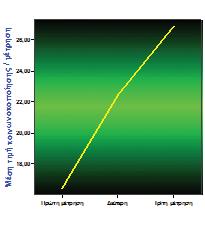
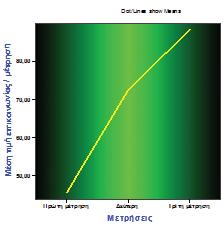
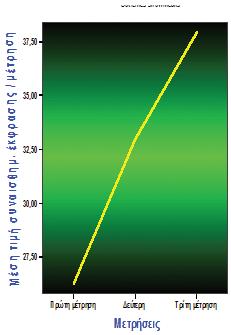
Results: it was found that in the presence of the animal both the socialization and communication but also the emotional expression of children grew gradually from measurement to measurement. The nursery teachers recorded progressively increasing impact of the animal and considered the intervention as very positive regarding the socialization, communication and emotional expression of children.
Conclusion: The implementation of an Animal facilitated activity program in public kindergarten is feasible and effective, giving the children the opportunity of learning, pleasant living and the chance to have a closer contact with nature.
Keywords: companion animal, rabbit, animal facilitated activity, kindergarten
e-mail: loukaki1@otenet.gr
Correspondence:
Katerina Loukaki
Protopapa 29, Helioupolis
16342 Athens
Τel.: +30 2109932295
e-mail: loukaki1@otenet.gr
1. SherpellA.James. Animal - AssistedInterventionsinHistoricalPerspective cited InAnimalAssistedtherapyHandbooktheoreticalfoundationasandGuidelinesforPractice (A.H.Fine, ed) 2ndEdition, 2006 AcademicPressElsevierLondon, pp3-30
2. NimerJ., Lundahl (2006) AnimalAssistedTherapy: Ametanalysis, Anthrozoos, Volume 20, issue3 p.225-238
3. Owens R.&Williams N (1995) A new breed of teachers Pet. Teaching PreK-26, (50-54)
4. BrandleyBays, T., Lighthoot T., Mayer J. (2006) Exotic Pet Behavior: Birds, Reptiles and Small Mammals, Saunders, Elsevier (25-38)
5. Brown-HarcourtFr. (2001) TextbookofRabbitMedicine, AcademicPressVet.R, Butterworth-Heinemann; 1st ed. (45-52)
6. Delta Society. Definitions Development Task Force of the Standards Committee (1992) Generic Terms and Definitions. Handbook for the Animal Assisted Activities and Animal Assisted Therapy, Renton, Delta Society (ed), WA(25-45)
7. Delta Society (2005), Animals in the classroom Handbook (35-55)
8.
2003 (22-48)
9. Melson G.F (2003), Child Development and Human Companion Animal Bond, American Behavioral Scientist, September, vol47, no.1, p.31-39
10. Shalev A., Ben-Mondehai, Dror (1996) Snakes: Interactions with children with disabilities and the elderly-Some psychological consideration, Anthrozoos: volume 9, number 4, pp.182-187
11. Adbill M. N, Juppe D(2000) Pets in Therapy, Ravensdale, Idyll Arbor, Inc., WA, (55-83)
12. Kaminski M., T.Pellino and J.Wish (2002), Children ‘s Health Care, v31, p.321-335
13. Dimitrijevic I (2009) Animal Assisted therapy a new trend in the treatment of children and adults, PsychiatriaDnubina 21(2): 236-41
14. Arken M (1984) There is a real dog in the Classroom. ChildrensEnviromentQualterly 1(3) 23-26
15. ManiI., MaguireJ.H (2009), Small Animal Zoonoses and immunocompromised pet owners. Top Companion Anim. Med 24(4): 164-174
16. Morrison G. (2001) Zoonotic infections from pets. Understanding the risks and treatment. Postgraduate Medicine 110(1): 24-26
17. Condoret A (1983). Speech and Companion Animals: Experiments with normal and disturbed nursery school children, cited in A. Katcher and A.Beck (eds). New Perspectives in our lives with Companion Animals, Philadelphia, PA: University Pennsylvania press (125-185)
18. RudA.G., Beck A.M. (2003) Companioin Animals in Indiana elementary schools, Anthrozoos,16, pp.241-253
19. Arkow P. (1981) Pet Therapy: A study of the use of companion animals in selected therapies. Colorado Springs, CO: The Human Society of the Pikes Peak REGION Colorado Springs, CO 3rd edition (75-98)
20. Kaye D.M. (1984) Animal affection and student behavior. In Anderson, R.K Hart B.L. Hart L.A. (eds): The Pets Connection. Minneapolis, University of Minnesota Center to Study Human Animal Relation ships and Environments. Hawthorne Press (67-97)
domonas sp (15), Klebsiella sp (10), Staphylococcus aureus (12,
(72%)
Hickman / Broviac (91%)
Staphylococcus coagulase negative (32).
Clinical and laboratory characteristics of bloodstream infections in children with cancer. A 7-year experience at a single center
Doganis Dimitrios, Pourtsidis Apostolos, Lempesi Evangelia, Bouhoutsou Despina, Baka Margarita, Varvoutsi Maria, Foustoukou Maria, Kosmidi Helen
Abstract
Background-methods: Pediatric cancer patients have an increased risk of potentially lifethreatening infections such as bloodstream infections (BSI). In this study our aim was to
Doganis Dimitrios
MD
Pourtsidis Apostolos
MD
Lebessi Evangelia*
MD
Bouhoutsou Despina
MD
Baka Margarita
MD
Varvoutsi Maria
MD
Foustoukou Maria*
MD
Kosmidis Helen
MD
Oncology Department, Microbiology Department*, «P & A Kyriakou» Children’s Hospital, Athens
evaluate the laboratory and clinical characteristics of children with cancer and BSI who were treated in our department during 7 years. We recorded demographic characteristics, clinical and laboratory findings, treatment variables as well as the outcome and the complications during these episodes. We also correlated all these factors with the type of underlying malignancy: children treated for leukemia and children treated for lymphoma or solid tumors
Results: We evaluated 138 consecutive BSI detected in 58 children treated for leukemia (90 BSIs) and in 41 children treated for lymphoma or solid tumors (48 BSIs). Twenty six children (21 treated for leukemia and 5 treated for lymphoma or solid tumors, p=0.015) had more than one distinct episodes. In patients suffering from Leukemia we detected more frequently gram negative organisms (57%) whereas in patients suffering from lymphoma or solid tumor the majority of isolated organisms were gram positive (64%). The most common organisms isolated were: Escherichia coli (23 episodes, more frequently in leukemia patients), Pseudomonas sp (15), Klebsiella sp (10), Staphylococcus aureus (12, more frequently in lymphoma / solid tumor patients) and Staphylococcus epidermidis (32). In 99 BSIs (72%), children were neutropenic whereas Hickman / Βroviac type catheters were used in 125 BSI (91%) without differences concerning the disease. The incidence of catheter related infection was 2.53 episodes per 1000 catheter days -2.45 and 2.7 in leukemia patients and lymphoma / solid tumor patients respectively, p=ns. Serious medical complications were present in 29 (21%) episodes -in 22 and 7 BSI in leukemia patients and lymphoma / solid tumor patients respectively, p=ns. No death was attributed to infection alone in this group of patients.
Conclusions: There was increased risk for more than one distinct bloodstream infection episodes in children treated for leukemia. Escherichia coli was isolated more frequently in children suffered from leukemia and Staphylococcus aureus in children with lymphoma or solid tumors. The presence of serious medical complications did not differ significantly between the two groups of patients.
Κey words: children, cancer, blood stream infections
Αλληλογραφία
Δογάνης Δημήτριος
Παιδίατρος Ογκολόγος,
Επιμελητής Ογκολογικό Τμήμα, Νοσοκομείο Παίδων
«Π. & Α. Κυριακού»
Καπετάν Πετρούτσου 12,
Αμπελόκηποι, 11523, Αθήνα
Τηλ.: 210 7707775 (εργασίας) e-mail: doganisd@gmail.com
Correspodence
Doganis Dimitrios
Pediatric Oncologist
Oncology Department, «P & A Kyriakou» Children’s Hospital
12 Kapetan Petroutsou st, 115 23 Athens, Greece
Τel.: +30 210 7707775
e-mail: doganisd@gmail.com
1. Pizzo PA. Management of fever in patients with cancer and treatment-induced neutropenia. N Engl J Med. 1993;328:1323-1332
2. Albano EA, Pizzo PA. Infectious complications in childhood acute leukemias. Pediatr Clin North Am. 1988;35:873-901
3. Walsh T, Roilides E, Groll A, Gonzales C, Pizzo P. Infectious complications in pediatric cancer patients; in Pizzo PA, Poplack DG (eds): Principles and practice of pediatric oncology, ed 5. Philadelphia: Lippincott; 2006. pp 1270-1319
4. Simon A, Bode U, Beutel K. Diagnosis and treatment of catheter related infections in pediatric oncology: an update. Clin Microbiol Infect. 2006;12:606-620
5. Kelly MJ, Vivier PM, Panken TM, Schwartz CL. Bacteremia in febrile non-neutropenic pediatric oncology patients. Pediatric Blood Cancer. 2010;54:83-87
6. Robinson JL, Rennie RP. Outcome of bacteremia and fungemia in pediatric oncology patients. Can J Infect Dis. 2002;13:375-381
7. Lowis S, Goulden N, Oakhill A. Acute complications; in Pinkerton R, Plowman P.N, Pieters R (eds): Pediatric Oncology, ed 3. London: Arnold; 2004. pp 623-649
8. Klastersky J. Febrile neutropenia. Curr Opin Oncol. 1993;5:625-632
9. Pizzo PA, Robichaud KJ, Wesley R. Fever in the pediatric and young adult patient with cancer: A prospective study of 1001 episodes. Medicine. 1982;61:163-165
10. El-Maghraby SM, Moneer MM, Ismail MM, Shalaby LM, El-Mahallawy HA. The diagnostic value of C-reactive protein, interleukin-8, and monocyte chemotactic protein in risk stratification of febrile neutropenic children with hematologic malignancies. J Pediatr Hematol Oncol. 2007;29:131-136
11. Diepold M, Noellke P, Duffner U, Kontny U, Berner R. Performance of Interleukin-6 and Interleukin-8 serum levels in pediatric oncology patients with neutropenia and fever for the assessment of low-risk. BMC Infect Dis. 2008;8:28
12. Santolaya ME, Alvarez AM, Becker A, Cofré J, Enríquez N, O’Ryan M, Payá E, Pilorget J, Salgado C, Tordecilla J, Varas M, Villarroel M, Viviani T, Zubieta M Prospective, multicenter evaluation of risk factors. J Clin Oncol. 2001;19:3415-3421
13. Rondinelli PI, Ribeiro Kde C, de Camargo B. A proposed score for predicting severe infection complications in children with chemotherapy-induced febrile neutropenia. J Pediatr Hematol Oncol. 2006;28:665-670
14. Paganini HR, Aguirre C, Puppa G, Garbini C, Javier RG, Ensinck G, Vrátnica C, Flynn L, Iacono M, Zubizarreta P. A prospective, multicentric scoring system to predict mortality in febrile neutropenic children with cancer. Cancer. 2007;109:2572-2579
15. Goldstein B, Giroir B, Randolph A; International Consensus Conference on Pediatric Sepsis. International pediatric sepsis consensus conference: definitions for sepsis and organ dysfunction in pediatrics. Pediatr Crit Care Med. 2005;6:2-8
16. Castagnola E, Caviglia I, Haupt R. Guidelines for the management of bacterial and fungal infections during chemotherapy for pediatric acute leukemia or solid tumors: what is available in 2010? Pediatr Rep. 2011;24;3:e7
17. Scheinemann K, Ethier MC, Dupuis LL, Richardson SE, Doyle J, Allen U, Sung L. Utility of peripheral blood cultures in bacteremic pediatric cancer patients with a central line. Support Care Cancer. 2010; 18:913-919
18. Jones GR, Konsler GK, Dunaway RP, Pusek SN. Infection risk factors in febrile, neutropenic children and adolescents. Pediatr Hematol Oncol. 1996;13:217-229
19. Lucas KG, Brown AE, Armstrong D, Chapman D, Heller G. The identification of febrile, neutropenic children with neoplastic disease at low risk for bacteremia and complications of sepsis. Cancer. 1996;77:791-798
20. Rackoff WR, Gonin R, Robinson C, Kreissman SG, Breitfeld PB. Predicting the risk of bacteremia in children with fever and neutropenia. J Clin Oncol 1996;14:919–924
21. Klaassen RJ, Goodman TR, Pham B, Doyle JJ. ‘‘Low-risk’’ prediction rule for pediatric oncology patients presenting with fever and neutropenia. J Clin Oncol. 2000;18:1012–1019
22. Freifeld A, Pizzo PA. The outpatient management of febrile neutropenic in cancer patients. Oncology. 1996;10:599–616
23. Hughes WT, Armstrong D, Bodey GP, Brown AE, Edwards JE, Feld R, Pizzo P, Rolston KV, Shenep JL, Young LS. Guidelines for the use of antimicrobial agents in neutropenic patients with unexplained fever. J Infect Dis. 1997;25:551–573
24. Aquino VM, Tkaezewski Y, Buchanan G. Early discharge of low-risk febrile neutropenic children and adolescents with cancer. Clin Infect Dis. 1997;25:74-78
25. Aquino VM, Buchanan GR, Tkaczewsky I, Mustafa MM. Safety of early hospital discharge of selected febrile children and adolescents with cancer with prolonged neutropenia. Med Pediatr Oncol. 1997;28:191-195
26. Kern WV, Cometta A, De Bock R, Langenaeken J, Paesmans M, Gaya H. Oral versus intravenous empirical antimicrobial therapy for fever in patients with granulocytopenia who are receiving cancer chemotherapy. International Antimicrobial Therapy Cooperative Group of the European Organization for Research and Treatment of Cancer. N Engl J Med. 1999;341:312-318
27. American Society of Clinical Oncology. Recommendations for the use of hematopoietic colony stimulating factors: evidence-based, clinical practice guidelines. J Clin Oncol. 1994;12:2471–2508
28. Clark OA, Lyman GH, Castro AA, Clark LG, Djulbegovic B. Colony-stimulating factors for chemotherapy-induced febrile neutropenia: a meta-analysis of randomized controlled trials. J Clin Oncol. 2005;23:4198-4214
29. Sasse EC, Sasse AD, Brandalise S, Clark OA, Richards S. Colony stimulating factors for prevention of myelosupressive therapy induced febrile neutropenia in children with acute lymphoblastic leukemia. Cochrane Database Syst Rev. 2005;3:CD004139
30. Sung L, Nathan PC, Lange B, Beyene J, Buchanan GR. Prophylactic granulocyte colony-stimulating factor and granulocyte-macrophage colony-stimulating factor decrease febrile neutropenia after chemotherapy in children with cancer: a meta-analysis of randomized controlled trials. J Clin Oncol. 2004;22:3350-3356
31. Creutzig U, Zimmermann M, Lehrnbecher T, Graf N, Hermann J, Niemeyer CM, Reiter A, Ritter J, Dworzak M, Stary J, Reinhardt D. Less toxicity by optimizing chemotherapy, but not by addition of granulocyte colony-stimulating factor in children and adolescents with acute myeloid leukemia: results of AML-BFM 98. J Clin Oncol. 2006;24:4499-4506
32. Santolaya ME, Cofre J, Beresi V. C-reactive protein: Valuable aid for the management of febrile children with cancer and neutropenia. Clin Infect Dis. 1994;18:589-595
33. Opilla M. Epidemiology of bloodstream infection associated with parenteral nutrition. Am J Infect Control. 2008;36:S173.e5-8
34. Sutter D, Stagliano D, Braun L, Williams F, Arnold J, Ottolini M, Epstein J. Polymicrobial bloodstream infection in pediatric patients: risk factors, microbiology, and antimicrobial management. Pediatr Infect Dis J. 2008;27:400-405
35. Van Houten MA, Uiterwaal CS, Heesen GJ, Arends JP, Kimpen JL. Does the empiric use of vancomycin in pediatrics increase the risk for Gram-negative bacteremia? Pediatr Infect Dis J. 2001;20:171-177
36. Stamou SC, Maltezou HC, Pourtsidis A, Psaltopoulou T, Skondras C, Aivazoglou T..Hickman-Broviac catheter-related infections in children with malignancies. Mt Sinai J Med. 1999;66:320-326
37. Mermel LA, Allon M, Bouza E, Craven DE, Flynn P, O’Grady NP, Raad II, Rijnders BJ, Sherertz RJ, Warren DK. Clinical practice guidelines for the diagnosis and management of intravascular catheter-related infection: 2009 Update by the Infectious Diseases Society of America. Clin Infect Dis. 2009;49:1-45
38. Dudgale DC, Ramsey PG. Staphylococcus aureus bacteremia in patients with Hickman catheters. Am J Med. 1990;89:137-41
39. Aquino VM, Pappo A, Buchanan GR, Tkaczewski I, Mustafa MM. The changing epidemiology of bacteremia in neutropenic children with cancer. Pediatr Infect Dis J. 1995;14:140-143
40. Harms D, Gortitz I, Lambrecht W, Kabisch H, Erttmannn R, Janka-Schaub G. Infectious risks of Broviac catheters in children with neoplastic diseases: A matched pairs analysis. Pediatr Infect Dis J. 1992;11:1014-1018
41. Aledo A, Heller G, Ren L, Gardner S, Dunkel I, McKay SW, Flombaum C, Brown AE. Septicemia and septic shock in pediatric patients: 140 consecutive cases on a pediatric hematology-oncology service. J Pediatr Hematol Oncol 1998;20:215-221
42. Hakim H, Flynn PM, Knapp KM, Srivastava DK, Gaur AH. Etiology and clinical course of febrile neutropenia in children with cancer. J Pediatr Hematol Oncol. 2009;31:623-629
43. Roilides E, Sidi V, Gompakis N, Tsivitanidou M, Katsaveli A, Koliouskas D. Patterns and outcome of septicemia in neutropenic children with cancer in a Greek hospital. Infection. 1998;26:189-191
44. Rubio M, Palau L, Vivas JR, del Potro E, Diaz-Mediavilla J, Alvarez A, Martinez R, Picazo JJ. Predominance of Gram-positive microorganisms as a cause of septicemia in patients with hematological malignancies. Infect. Control Hosp. Epidemiol. 1994;15:101–104
45. Santolaya ME, Villarroel M, Avendaño LF, Cofré J. Discontinuation of antimicrobial therapy for febrile, neutropenic children with cancer: Prospective study. Clin Infect Dis. 1997;25:92-97
46. Santolaya ME, Alvarez AM, Avilés CL, Becker A, Cofré J, Enríquez N, O’Ryan M, Payá E, Salgado C, Silva P, Tordecilla J, Varas M, Villarroel M, Viviani T, Zubieta M. Prospective evaluation of a model of prediction of invasive bacterial infection risk among children with cancer, fever, and neutropenia. Clin Infect Dis. 2002;35:678–683
47. Gray J, Gossain S, Morris K. Three-year survey of bacteremia and fungemia in a pediatric intensive care unit. Pediatr Infect Dis J. 2001;4:416–421
48. Wisplinghoff H, Seifert H, Tallent SM, Bischoff T, Wenzel RP, Edmond MB. Nosocomial bloodstream infections in pediatric patients in United States hospitals: epidemiology, clinical features and susceptibilities. Pediatr Infect Dis J. 2003;22:686-691
49. Falagas ME, Kazantzi MS, Bliziotis IA. Comparison of utility of blood cultures from intravascular catheters and peripheral veins: a systematic review and decision analysis. J Med Microbiol. 2008;57:1-8
(έτη)
ΠΑΘΟΓΟΝΑ (gram)
(19%)
ΛΕΥΧΑΙΜΙΑ: 58*
ΟΛΛ: 44 ΟΜΛ: 13
1
5 6/12 33:25 21* (36%)
25
(41%)
(43%)
Gram pos 68 (50%)
Gram neg 68 (50%)
Escherichia coli : 23
Pseudomonas sp:15
Klebsiella sp : 10
Str pneumonia : 6
S aureus : 12
CNS: 32
Candida sp : 2
: 24
(0.1-410)
(0-96.4)
(72%)
39 οC
36/90 (40 %)
38/90 (42%)
Gram positive 38 (43%)
Gram negative 51 (57%)
Escherichia coli : 20
Pseudomonas sp:8
Klebsiella sp : 8
Str pneumonia : 5
S aureus : 3
CNS : 19
Candida sp : 1
Άλλο : 17
9
0.7 (0.1-410)
0 (0-95.9)
73 (81%)
64/73 (88%
5 μέρες
7
30 (2-715)
58 (0-598)
2/90 (2%)
ΣΥΜΠΑΓΕΙΣ ΟΓΚΟΙ /ΛΕΜΦΩΜΑΤΑ: 41*
ΝΒΛ: 10
ΛΕΜΦΩΜΑ: 8
(Burkitt 6, Aναπλαστικό 2)
WILMS: 4
EWING: 4
ΟΣΤΕΟΣΑΡΚΩΜΑ: 3
ΡΜΣ: 2
ΟΓΚΟΙ ΚΝΣ: 2
ΑΛΛΟΙ ΤΥΠΟΙ: 8
48 ΕΠΕΙΣΟΔΙΑ
4 8/12 21:20 5* (12%) ΠΡΩΤΗΣ
21/48 (44%)
22/48 (46%)
Gram positive 30 (64%)
Gram negative 17 (36%)
Escherichia coli : 3
Pseudomonas sp:7
Klebsiella sp : 2
Str pneumonia : 1
S aureus : 9
CNS : 13
Candida sp : 1 Άλλο : 7 5 1.35 (0.1-29) 26.1 (0-96.4) 26 (54%) 21/26 (81%) 2.5 μέρες 14.4 106 (7-1000 54 (3-231) 1/48 (2%)
65/138 (47%) 46/90 (51%)
12/138 (9%) 7/90 (8%) 5/48 (10%)
81/138 (59%) 64/90 (71%) 17/48 (35%) 0.000
10/138 (7%) 6/90 (7%) 4/48 (8%)
10/138 (7%) 2/90 (2%) 8/48 (17%) 0.0056
Abstract
Meropi Tzoufi1
Maria Rogalidou1
Ecaterini Drimtzia1
Irini Sionti1
Antigone Siamopoulou-Mavridou1
Depts of Child Health of the University of Ioannina Medical School, Ioannina, Greece
Maria Argyropoulou2 Clinical Radiology
Epameinondas V. Tsianos3 Internal Medicine
Recurrent bacterial infections, Caroli’s Disease
Meropi Tzoufi1, Maria Rogalidou1, Ecaterini Drimtzia1, Irini Sionti1 , Maria Argyropoulou2 , Epameinondas V. Tsianos3 , AntigonSiamopoulou-Mavridou1
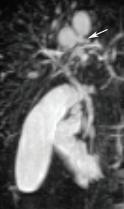
Caroli’s disease is a rare congenital disorder characterized by cystic dilatation of the large intrahepatic bile ducts. The most frequent complications due to biliary stasis are cholelithiasis, cholangitis and sepsis as well as an increased risk of cholangiocarcinoma. The clinical course can be asymptomatic for the first 5-20 years or patients may have a history of intermittent abdominal pain, pruritus and/or symptoms of cholangitis. It is rarely diagnosed in childhood.
A 12-year old boy with isolated Caroli’s disease is described. This child presented since the age of 2 years, 4 episodes of recurrent bacterial infections (interestingly remained in between asymptomatic for over 10 years). The diagnosis was made during the last hospi-
Tηλ: 6944773233
e-mail: rogalidoum@yahoo.com
Correspondence: Maria Rogalidou, Department of Pediatrics, University Hospital of Ioannina, 45500, Greece
Tel +30 6944773233
e-mail: rogalidoum@yahoo.com
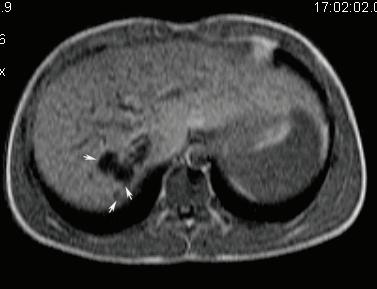
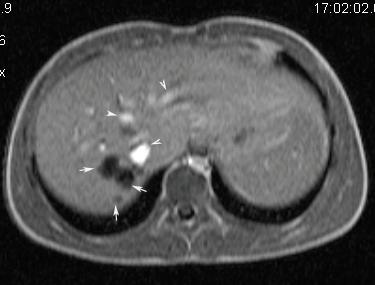
talization, when he presented, during the period of one month, two episodes of fever and slight abdominal pain, symptoms suspected of cholangitis. The diagnosis was made on the base of radiological findings: U/S, CT, MRI and especially with MRCP, in relation with the clinical picture. Since then he has been followed-up systematically for ten years and remains in good clinical condition without further relapses and with unchanged radiological findings. This is particularly rare for the specific disease.
In Conclusion: Caroli’s disease although a rare disease, should be included in differential diagnosis of children with recurrent episodes of fever especially when symptoms from gastrointestinal system and even mild are present. In addition the benign course of the disease is very rare, but not a non-existent development.
Key words: Caroli’s disease, recurrent bacterial infections, childhood
NYHA: New York Heart Association ΜΕΝΝ:
New York Heart Association
WHO: World Health Organization
QP/Qs: pulmonary blood flow\ systemic blood flow
Rp: resistance pulmonary
Φ.Τ.:
(10, 16).
(AST, ALT,
CEA, CA19-9,
1.Caroli JR, Soupault J, Kossakowski L, Plocker M, Paradowska: La dilatation polykystique congenitale des voies biliares intraphepatiques: essai de classification. Semin Hop Paris 1958; 34: 488-95
2.Taylor AC, Palmer KR. Caroli’s disease Eur J Gastroenterol Hepatol 1998; 2: 105-108
3.Veigel MC, Focht JP, Rodriguez MG, Zinati , Shao L, Moore CA et al. Fibrocystic liver disease in children. Ped Radiol 2009;39:317-27
4.Miwala F, Segev D, Thuluvath P. Caroli’s disease and outcomes after liver transplantation. Liver Transplantation 2008;14:11-7
5.Yoshizawa K, Kiyosawa K, Yabu K, Usada S, ShimizuZ, Fujimori Y et al. Caroli’s disease in three siblings. Gastroent Jpn 1992; 27: 780-4
6.Tsuchida Y, Sato T, Sango K, Etoh T, Hata K, Terawaki K et al Evaluation of long- term results of Caroli’s disease: 21 years observation of a family with autosomal “dominant” inheritance, and review of the literature. Hepatogastroenterology 1995; 42:175-181
7.Parada La, Hallen M, Hagestrand I, Tranberg KG, Johansson B. Clonal chromosomal abnormalities in congenital bile duct dilatation (Caroli’s disease). Gut 1999;45:780-2
8.Jung G, Benz-Bohm G, Kugel H, Keller KM, Querfield U. MR cholangiography in children with autosomal recessive polycystic kidney disease. Pediatr Radiol 1999; 29: 463-466
9.Pirson Y, Lannoy N, Peters D, Geubel A, Gigot JF, Breunning M. Isolated polycystic liver disease as a distinct genetic disease, unlinked to polycystic kidney disease 1 and polycystic kidney disease. Hepatology 1996; 23: 249-252
10. Itai Y, Ebihara R, Eguchi N, Saida Y, Kurosaki Y, Minami M. Hepatobiliary cysts in patients with autosomal dominant polycystic kidney disease: prevalence and CT findings. AJR 1995; 164: 339-342
11. Mousson C, Rabec M, Cercueil JP, Viret JS, Hillon P, Rifle G. Caroli’s disease and autosomal dominant polycystic kidney disease: a rare association? Nephrol Dial Transplant 1997; 12: 1481-1483
12. Desmet V. Pathogenesis of ductal plate abnormalities. Mayo Clin Proc 1998; 73: 80-9
13. Summerfield JA, Nagufuchi Y, Sherlock S, Cadafalch J, Scheuer P. Hepatobiliary fibropolycystic diseases. A clinical and histological review of 51 patients. J Hepatol 1986; 2:141-156
14. Bernstine J. What is Caroli’s disease? Gastroenterology 1975; 68: 417-419
15. Gupta AK, Gupta A, et al Caroli’s Disease. Indian Journal of Pediatrics 2006;73:233-5
16. Hussain SZ, Bloom DA, Tolia V: Caroli’s disease diagnosed in a child by MRCP. Clin Imag 2000; 24: 289-291
17. Keramidas D.C, Kapouleas G.P, Sakellaris G. Case Report. Isolated Caroli’s disease presented as an exophytic mass in the liver. Ped Surg Internat 1998; 13: 177-179
18. Fagundes-NetoU, Schettini ST, Wehba J, Pinus J, Patricio FR. Caroli’s disease in childhood: report of two new cases. JPediatr Gastroenterol Nutr 1983 ; 2: 708-711
19. Todani T, Watanabe Y, Narusue M, Tabuchi K, Okajima K. Congenital bile duct cysts: Classification, operative procedures, and review of thirty-seven cases including cancer arising from choledochal cyst. Am J Surg. 1977 ;134 (2):263-9
20. Krausé D, Cercueil JP, Dranssart M, Cognet F, Piard F, Hillon P: MRI for Evaluating Congenital Bile Duct Abnormalities. J Comput Assist Tomogr 2002;24: 541-552
21. Guy F, Cognet F, Dranssart M, Cercueil JP, Conciatori L, Krause D. Caroli’s disease: magnetic resonance imaging features. Eur Radiol 2002;12:2730-6
22. Ros E, Navarro S, Bru C, Gilabert R, Bianchi L, Bruguera M. Ursodeoxycholic acid treatment of primary hepatolithiasis in Caroli’s syndrome. Lancet. 1993;342:404-6
23. Kassahun WT, Kahn T, Wittekind C et al. Caroli’s disease: liver resection and liver transplantation. Experience in 33 patients. Surgery 2005;138:888-98
24. Espinoza R, San Martin S, Court F, et al. hepatic resection in localized Caroli disease.
Rev Med Chil. 2003;131:183-9
25. Mabrut JY, Partensky C, Jaeck D, Oussoultzoglou E, Baulieux J, Boillot O et al Congenital intrahepatic bile duct dilatation is a potentially curable disease: long-term results of a multi-institutional study. Ann Surg.2007;246:236-45
26. Habib S, Shakil O, Couto OF, Demetris AJ, Fung JJ, Marcos A et al. Caroli’s disease and orthotopic liver transplantation. Liver Transpl. 2006;12:416-21
ΤΚΕ mm/1st h
CRP(mg/L)
AST (IU/L)
ALT (IU/L)
γGT (IU/L
Αμυλάση (IU/L)
Χολερυθρίνη / άμεση (mg/dl)
Ουρία (mg/dl)
Κρεατινίνη (mg/dl)
Χρόνοι πήξης (PT, APTT, FIB)
Ανοσοσφαιρίνες, C3, C4, ANA, anti DNA
Αντισώματα για EBV, HIV, CMV, HBV, HCV, HAV, Echo, Coxsakies
Αντισώματα για for Yersinia, Bartonella, Toxoplasma, Yersinia Borellia, Leishmania, Mycoplasma pneumonia, Chlamydia psittaci, echinococcus, entamoeba histolytica, leptospira, rickettsiae
Κ/ες αίματος, ούρων,
CEA, α1AT, CER, aFP, CA19-9
Mantoux:
Ε. Mantadakis
Α. Valsamidis
Α. Hatzimichail
Case report and review of clinical and laboratory evidence of leukemia in children with bone pain
Ε. Mantadakis, Α. Valsamidis, Α. Hatzimichail
The authors present a 5-year-old boy with mild skeletal complaints for a month that was diagnosed with acute lymphoblastic leukemia (ALL) despite a normal physical examination and minimally affected complete blood count (mild anemia and lymphocytosis without blasts). Children with ALL and musculoskeletal complaints may have a deceptively normal physical examination at presentation, absence of circulating blasts, and few if any abnormalities on the initial complete blood count. The relevant medical literature is reviewed and clinical and laboratory pointers to leukemia are discussed. These include bone tenderness or pain, especially if nocturnal and non-articular, anemia of any degree, low-normal leukocytes with relative lymphocytosis, low-normal platelet counts, especially when associated with elevated erythrocyte sedimentation rate and increased serum LDH. Care is needed in the clinical and laboratory evaluation of children with leukemia and skeletal complaints in order not to miss the underlying diagnosis, misdiagnose juvenile arthritis and/or administer corticosteroids.
Key words: Leukemia, juvenile arthritis, skeletal complaints, differential diagnosis
Τηλ.: 25510-74411
Fax: 25510-30340
e-mail: emantada@med.duth.gr
Correspodence:
Elpis Mantadakis, MD
Assistant Professor of Pediatrics Democritus University of Thrace and University General District Hospital of Alexandroupolis 6th Kilometre AlexandroupolisMakris 68 100 Alexandroupolis, Thrace, Greece
Tel: +30 25510-74411
Fax: +30 25510-30340
E-mail: emantada@med.duth.gr
επιχρίσματος
80%
Silverstein
1. Pui CH, Relling MV, Downing JR. Acute lymphoblastic leukemia. N Engl J Med. 2004; 350: 1535-48
2. Smith OP, Hann IM. Clinical features and therapy of lymphoblastic leukemia in Pediatric Hematology (Third edition). Arceci RJ, Hann IM, Smith OP (eds). Blackwell Publishing, 2006, pages 450-81
3. Schaller J. Arthritis as a presenting manifestation of malignancy in children. J Pediatr. 1972; 81: 793-7
4. Bradlow A, Barton C. Arthritic presentation of childhood leukaemia. Postgrad Med J. 1991; 67: 562-4
5. Murray MJ, Tang T, Ryder C, Mabin D, Nicholson JC. Childhood leukaemia masquerading as juvenile idiopathic arthritis. BMJ. 2004; 329: 959-61
6. Andersson Gäre B, Fasth A, Andersson J, Berglund G, Ekström H, Eriksson M, Hammarén L, Holmquist L, Ronge E, Thilen A. Incidence and prevalence of juvenile chronic arthritis: a population survey. Ann Rheum Dis. 1987; 46: 277-81
7. Andersson Gäre B, Fasth A. Epidemiology of juvenile chronic arthritis in Southwestern Sweden: a 5-year prospective population study. Pediatrics 1992; 90: 950-8
8. Kaipiainen-Seppanen O, Savolainen A. Changes in the incidence of juvenile rheumatoid arthritis in Finland. Rheumatology (Oxford) 2001; 40:928-32
9. von Koskull St, Truckenbrodt H, Holle R, Hormann A. Incidence and prevalence of juvenile arthritis in an urban population of southern Germany: a prospective study. Ann Rheum Dis. 2001; 60: 940-5
10. Berntson L, Andersson Gäre B, Fasth A, Herlin T, Kristinsson J, Lahdenne P, Marhaug G, Nielsen S, Pelkonen P, Rygg M; Nordic Study Group. Incidence of juvenile idiopathic arthritis in the Nordic countries. A population based study with special reference to the
validity of the ILAR and EULAR criteria. J Rheumatol. 2003; 30: 2275-82
11. Pruunsild C, Uibo K, Liivamägi H, Tarraste S, Talvik T, Pelkonen P. Incidence of juvenile idiopathic arthritis in children in Estonia: a prospective population-based study. Scand J Rheumatol. 2007; 36: 7-13
12. Riise ØR, Handeland KS, Cvancarova M, Wathne KO, Nakstad B, Abrahamsen TG, Kirkhus E, Flatø B. Incidence and characteristics of arthritis in Norwegian children: a population-based study. Pediatrics. 2008; 121: e299-306
13. Ehrmann Feldman D, Bernatsky S, Houde M. The incidence of juvenile rheumatoid arthritis in Quebec: a population data-based study. Pediatr Rheumatol Online J. 2009 Nov 19; 7: 20
14. Smith MA, Gloeckler Ries LA, Gurney JG, Ross JA. Leukemia: SEER pediatric monograph. In: Ries LAG, Smith MA, Gurney JG, et al. (eds). Cancer incidence and survival among children and adolescents: United States SEER Program 1975-1995, National Cancer Institute, SEER Program. NIH Pub No. 99-4649. Bethesda, MD, 1999
15. Gallagher DJ, Phillips DJ, Heinrich SD. Orthopedic manifestations of acute pediatric leukemia. Orthop Clin North Am. 1996; 27: 635-44
16. Wallendal M, Stork L, Hollister JR. The discriminating value of serum lactate dehydrogenase levels in children with malignant neoplasms presenting as joint pain. Arch Pediatr Adolesc Med. 1996; 150: 70-3
17. Silverstein MN, Kelly PJ. Leukemia with osteoarticular symptoms and signs. Ann Intern Med. 1963; 59: 637-45
18. Chudwin DS, Ammann AJ, Cowan MJ, Wara DW. Significance of a positive antinuclear antibody test in a pediatric population. Am J Dis Child. 1983; 137: 1103-6
19. Jones OY, Spencer CH, Bowyer SL, Dent PB, Gottlieb BS, Rabinovich CE. A multicenter case-control study on predictive factors distinguishing childhood leukemia from juvenile rheumatoid arthritis. Pediatrics. 2006; 117: e840-4
20. Blatt J, Penchansky L, Horn M. Thrombocytosis as a presenting feature of acute lymphoblastic leukemia in childhood. Am J Hematol 1989; 31: 46-9
21. Alter BP, Weiner MA, Harris MB. Erythrocyte characteristics in childhood acute leukemia. Am J Pediatr Hematol Oncol. 1989; 11: 8-15
22. Dallman PR, Siimes MA. Percentile curves for hemoglobin and red cell volume in infancy and childhood. J Pediatr. 1979; 94: 26-31
23. Marwaha RK, Kulkarni KP, Bansal D, Trehan A. Acute lymphoblastic leukemia masquerading as juvenile rheumatoid arthritis: diagnostic pitfall and association with survival. Ann Hematol. 2010; 89: 249-54
24. Jonsson OG, Sartain P, Ducore JM, Buchanan GR. Bone pain as an initial symptom of childhood acute lymphoblastic leukemia: association with nearly normal hematologic indexes. J Pediatr. 1990; 117(2 Pt 1): 233-7
25. Ostrov BE, Goldsmith DP, Athreya BH. Differentiation of systemic juvenile rheumatoid arthritis from acute leukemia near the onset of disease. J Pediatr. 1993; 122: 595-8
26. Cabral DA, Tucker LB. Malignancies in children who initially present with rheumatic complaints. J Pediatr. 1999; 134: 53-7
27. Gaynon PS, Lustig RH. The use of glucocorticoids in acute lymphoblastic leukemia of childhood. Molecular, cellular, and clinical considerations. J Pediatr Hematol Oncol. 1995; 17: 1-12
28. Révész T, Kardos G, Kajtár P, Schuler D. The adverse effect of prolongedprednisolone pretreatment in children with acute lymphoblastic leukemia. Cancer. 1985; 55: 1637-40
Abstract
Haricleia Barbaresou1
Eleni Gaki1
Maria Kazantzi1
T. Xatzis1
Intensive Care Unit “Agia Sofia”
General Children’s Hospital, Athens, Greece
Keywords: infant, pulmonary hypertension, bosentan, sildenafil Xαρίκλεια
Haroula Tsipou2
Doctor
bosentan.
sildenafil
An infant with severe pulmonary arterial hypertension was treated successfully with sildenafil
and bosentan
Haricleia Barbaresou1, Eleni Gaki1, Haroula Tsipou2 , Maria Kazantzi1 , T. Xatzis1
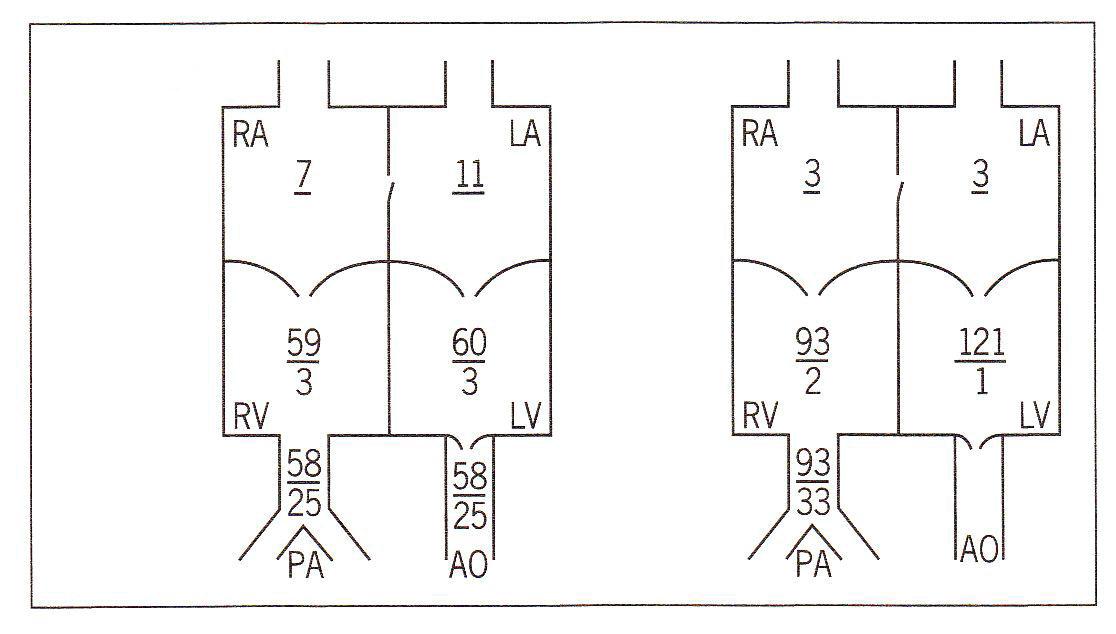
Pulmonary hypertension is a devastating disease for children and adults. Attempting to change the course of this disease various new therapeutic agents have been introduced in the last decade. Dual endothelin receptor antagonist bosentan is one of them, as its efficacy has been shown in many studies carried out in adult patients. Lately, the same results are emerging from studies in children. Here we present the case of an infant with pulmonary hypertension due to congenital heart disease that was successfully treated with administration of sildenafil and bosentan.
Τηλ.: 6972260155
e-mail: haroula_tsipou@yahoo.com ctsipou@med.uoa.gr
Correspondence
Haroula Tsipou
14, Pavlou Mela St., 15343, Agia Paraskevi Tel.: +30 6972260155
e-mail: haroula_tsipou@yahoo.com ctsipou@med.uoa.gr
NYHA: New York Heart Association
ΜΕΝΝ:
NYHA: New York Heart Association
WHO: World Health Organization
QP/Qs: pulmonary blood flow\ systemic blood flow
Rp: resistance pulmonary
Φ.Τ.:
(World Health Organization/New York Heart Association
1.Humbert, M., Morrell NW, Archer SL, Stenmark KR, MacLean MR, Lang IM, et al., Cellular and molecular pathobiology of pulmonary arterial hypertension. J Am Coll Cardiol 2004;43(12 Suppl): S13-S24
2.Jeffery, T.K. and J.C. Wanstall, Pulmonary vascular remodeling: a target for therapeutic intervention in pulmonary hypertension. Pharmacol Ther 2001;92:1-20
3.Barst, R.J., McGoon M, Torbicki A, Sitbon O, Krowka MJ, Olschewski H, et al., Diagnosis and differential assessment of pulmonary arterial hypertension. J Am Coll Cardiol 2004; 43(12 Suppl):S40-S47
4.Channick, R.N., Simonneau G, Sitbon O, Robbins IM, Frost A, Tapson VF,et al., Effects of the dual endothelin-receptor antagonist bosentan in patients with pulmonary hypertension: a randomised placebo-controlled study. Lancet 2001;358(9288):1119-1123
5.Galie, N., Hoeper MM, Humbert M, Torbicki A, Vachiery JL, Barbera JA et al., Guidelines for the diagnosis and treatment of pulmonary hypertension: the Task Force for the Diagnosis and Treatment of Pulmonary Hypertension of the European Society of Cardiology (ESC) and the European Respiratory Society (ERS), endorsed by the International Society of Heart and Lung Transplantation (ISHLT). Eur Heart J 2009;30(20):2493-2537
6.Haworth, S.G., The management of pulmonary hypertension in children. Arch Dis Child 2008;93(7):620-625
7.Maiya, S., Hislop AA, Flynn Y, Haworth SG., Response to bosentan in children with pulmonary hypertension. Heart 2006;92(5):664-670
8.Rosenzweig, E.B., Ivy DD, Widlitz A, Doran A, Claussen LR, Yung D, et al., Effects of long-term bosentan in children with pulmonary arterial hypertension. J Am Coll Cardiol 2005;46(4):697-704
9.Brancaccio, G., Toscano A, Bevilacqua M, Di Chiara L, Parisi F., Bosentan and sildenafil: should the combination therapy be a valid alternative in childhood to prostacyclin infusion? Pediatr Transplant 2007;11(1):110-112
10. van Loon, R.L., Hoendermis ES, Duffels MG, Vonk-Noordegraaf A, Mulder BJ, Hillege HL, et al., Long-term effect of bosentan in adults versus children with pulmonary arterial hypertension associated with systemic-to-pulmonary shunt: does the beneficial effect persist? Am Heart J 2007;154(4):776-782
11. Ivy, D.D., Doran A, Claussen L, Bingaman D, Yetman A., Weaning and discontinuation of epoprostenol in children with idiopathic pulmonary arterial hypertension receiving concomitant bosentan. Am J Cardiol 2004;93(7):943-946
12. Li, A.M., Yu CC, Tsang T, So HK, Wong E, Chan D et al., The six-minute walk test in healthy children: reliability and validity. Eur Respir J 2005;25(6):1057-1060
13. Garofano, R.P. and R.J. Barst, Exercise testing in children with primary pulmonary hypertension. Pediatr Cardiol 1999;20(1):61-64
1
2
2
1
Hypereosinophilic syndrome in a haemodialysis child
M. Mila
Abstract
M. Mila1
A. Mitsioni1
A. Zampetoglou1
K. Stefanidis1
Νephrology Department ”P.&A. Kyriakou” Children’s Hospital, Athens, Greece
M. Baka2
E. Kosmidi2
Oncology Department ”P.&A. Kyriakou”Children’s Hospital, Athens, Greece
Hypereosinophilic syndrome is a rare and heterogeneous group of disorders defined by blood eosinophilia for longer than six months, signs and symptoms of organ involvement, and lack of evidence for known causes of eosinophilia, such as allergic, parasitic or malignant disorders.
A 16-year-old boy with end stage renal insufficiency due to focal segmental glomerulosclerosis is described, who six months after the onset of haemodialysis presented with marked leucocytosis, eosinophilia, and thrombocytopenia, together with cough and fever at the end of each dialysis session. Extensive laboratory investigation including echocardiogram, abdominal ultrasound, immunological tests, serology and myelogram, has been negative. The chest plain radiograph and CT showed bilateral reticular opacities and bronchoalveolar lavage (BAL) specimen examination revealed the presence of more than 80% eosinophils, establishing the diagnosis of acute eosinophilic pneumonia. After a month of treatment with prednizolone dramatical improvement of the clinical, radiological and hematological abnormalities was noted. The patient remained stable on low-dose prednisolone and continued his haemodialysis sessions uneventfully.
1, M. Baka2, A. Mitsioni1, A. Zampetoglou1, E. Kosmidi2, K. Stefanidis1
e-mail: p.n@aglaiakyriakou.gr
Correspodence
Mila Maria
Νephrology Department ”P.&A.
Kyriakou” Children’s Hospital, Livadias 11527, Athens, Greece e-mail: p.n@aglaiakyriakou.gr
Conclusion: Although mild peripheral blood eosinophilia is common among haemodialysis patients, full-blown hypereosinophillic syndrome with organ involvement is rather unusual. Together with appropriate treatment, careful investigation and close follow-up are necessary in such cases, for definite exclusion of clonal haematological disease.
Key words: eosinophilia, dialysis, children
(IgG: 1435mg/dL, IgA: 224mg/dL, IgM: 92mg/dL, C3: 153mg/dL, C4: 47,9mg/dL)
(CD4+: 43%, CD8+: 35,2%,
Παράσιτα (έλμινθες, εχινόκοκκος) Πρωτόζωα (αμοιβάδα, τοξόπλασμα,) Βακτηρίδια (οστρακιά, φυματίωση, Borrelia burgdorferi, χλαμύδια) Μύκητες (κοκκιδιοϊδομύκωση)
Αντισπασμωδικά Αντιβιοτικά Αλλοπουρινόλη Αντι-ρευματικά
Άσθμα Αλλεργικές δερματίτιδες (έκζεμα) Δερματικά φλεγμονώδη νοσήματα (ερπητόμορφος δερματίτιδα, ερυθρά πιτυρίαση)
Ηωσινοφιλική περιτονεϊτιδα (eosinophillic fasciitis, συνδρ. Schulman)
Αντίδραση σε συμπληρώματα διατροφής (συνδρ. ηωσινοφιλίας-μυαλγίας) Αυτοάνοσα νοσήματα
Αγγειίτιδες
Ρευματοειδής αρθρίτιδα
Συστηματικός ερυθηματώδης λύκος Δερματομυοσίτιδα
Σκληροδερμία
Ηπατίτιδα χολοστατική
Φλεγμονώδη νοσήματα εντέρου
Μεταστατικές κακοήθειες
Λέμφωμα Hodgkin
Χρόνιες μυελοϋπερπλαστικές διαταραχές Συμπαγείς όγκοι
Σύνδρομο Wiskott-Aldrich
Υπερ-IgE
IgA
Νόσος Addison Υποϋποφυσισμός
1.Weller PF, Bubley GJ. The idiopathic hypereosinophilic syndrome. Blood 1994; 83: 2759–2779
2.Chusid MJ, Dale DC, West BC, Wolff SM. The hypereosinophilic syndrome: analysis of fourteen cases with review of the literature. Medicine (Baltimore) 1975; 54: 1–27
3.Spry C. Eosinophils. A comprehensive review and guide to the scientific and medical literature: Oxford Medical Publications 1988. Oxford, UK
4.Sheikha J, Weller PF. Advances in diagnosis and treatment of eosinophilia. Current Opinion in Hematology 2009;16:3-8
5.Fauci AS, Harley JB, Roberts WC, Ferrans VJ, Gralnick HR, Bjornson BH. NIH conference. The idiopathic hypereosinophilic syndrome. Clinical, pathophysiologic and therapeutic considerations. Annals of Internal Medicine 1982; 97: 78-92
6.Hoy WE, Cestero RV. Eosinophilia in maintenance hemodialysis patients. J Dial. 1979; 3: 73-87
7.Montoliu J, López-Pedret J, Andreu L, Revert L. Eosinophilia in patients undergoing dialysis. Br Med J 1981;282: 2098
8.Voudiclaris S, Kalmantis T, Virvidakis K, Karafoulidou A, Papaspyrou-Zona A. Eosinophilia in patients undergoing dialysis. Br Med J 1982; 284: 272-273
9.Hertel J, Kimmel PL, Phillips TM, Bosch JP. Eosinophilia and cellular cytokine responsiveness in hemodialysis patients. J Am Soc Nephrol 1992; 3: 1244-1252
10. Backenroth R, Spinowitz BS, Galler M, Golden RA, Rascoff JH, Charytan C. Comparison of eosinophilia in patients undergoing peritoneal dialysis and hemodialysis. Am J Kidney Dis 1986; 8: 186-191
11. Bodner G, Peer G, Zakuth V, Spirer ZH, Aviram A. Dialysis-induced eosinophilia. Nephron 1982; 32: 63-66
12. Higuchi T, Yamazaki T, Ohnishi Y, Matsumoto S, Yabuki M, Kitajima S, et al. A case report of hemodialysis intolerance with eosinophilia. Ther Apher Dial 2007; 11: 70-73
13. Noh H, Lee YK, Kan SW, Choi KH, Ha DS, Lee HY. Acute eosinophilic pneumonia associated with amitriptyline in a hemodialysis patient. Yonsei Med J 2001; 42: 357-359
14. Lee S, Jung SJ, Park SK, Kang KP, Jang KY, Kang MJ, et al. Kimura’s disease involving thoracic and abdominal lymphonodes in a hemodialysis patient. Korean J Intern Med 2005; 20: 159-162
15. Takeda K, Nakamoto M, Nishihara G, Ueno K, Yasunaga C, MatsuoK, et al. Severe eosinophilia related with lansoprazole in a hemodialysis patient. Nephron. 1998; 79:115-6
16. Simon HU, Rothenberg ME, Bochner BS, Weller PF, Wardlaw AJ, Wechsler ME, et al. Refining the definition of hypereosinophilic syndrome. J Allergy ClinImmunol 2010; 126: 45-49
17. Roufosse F. Hypereosinophilic syndrome variants: diagnostic and therapeutic considerations. Haematologica 2009; 94: 1188-1193
18. Tefferi A, Patnaik MM, Pardanani A. Eosinophilia: secondary, clonal and idiopathic. Br J Haematol 2006;133: 468-492
19. Katz HT, Haque SJ, Hsieh FH. Pediatric hypereosinophilic syndrome (HES) differs from adult HES. J Pediatr 2005; 146:134–136.
20. Rives S, Alcorta I, Toll T, et al. Idiopathic hypereosinophilic syndrome in children: report of a 7-year-old boy with FIP1L1-PDGFRA rearrangement. J Pediatr Hematol Oncol 2005; 27:663–665.
21. Tefferi A, Gotlib J, Pardanni A. Hypereosinophilic syndrome and clonal eosinophilia: point-of-care diagnostic algorithm and treatment update. Mayo Clin Proc 2010; 85: 158164
22. Gleich GJ, Leiferman KM. The hypereosinophilic syndromes: current concepts and treatments. Br J Haematol 2009; 145: 271-285
23. Rothenberg ME. Mechanisms of disease: eosinophilia. N Engl J Med 1998; 338: 1592 1600
24. Metzgeroth G, Walz C, Erben P, Popp H, Schmitt-Graeff A, Haferlach C, et al. Safety and efficacy of imatinib in chronic eosinophilic leukaemia and hypereosinophilic syndrome: a phase-II study. Br J Haematol 2008;143:707-71
25. Ueno NT, Anagnostopoulos A, Rondón G, Champlin RE, Mikhailova N, Pankratova OS, et al. Successful non-myeloablative allogeneic transplantation for treatment of idiopathic hypereosinophilic syndrome. Br J Haematol 2002;119:131-134
26. Allen JN, Pacht ER, Gadek JE,et al. Acute eosinophilic pneumonia as a reversible cause of non infectious respiratory failure.N Engl J Med 1989; 321: 569-74
27. Ommen SR, Seward JB, Tajik AJ. Clinical and echocardiographic features of hypereosinophilic syndromes. Am J Cardiol 2000; 86: 110-113
Ε. Papadimitriou
L. Giannopoulou
S. Kouskouvekakis
D. Haniotakis
F. Tsitsopoulos
Ι. Kavaliotis
Pediatric Department
Hospital of Infectious diseases
Thessaloniki
Acute otitis media with intracranial complications
Ε. Papadimitriou, L. Giannopoulou, S. Kouskouvekakis, D. Haniotakis, F. Tsitsopoulos, Ι. Kavaliotis
A 10 year old boy, was admitted to our department for mastoiditis and meningitis, following a 7 day history of acute otitis media. During his hospitalization the patient also developed subdural abscess as well as osteomyelitis of temboral bone. The aim of this case report is to remind the complications of acute otitis media if it is inadequately or improperly treated.
Key words: otitis media, mastoiditis, osteomyelitis
Τηλ.: 2313308719
E-mail: kavagr@hotmail.com
ΟΝΠ:
237/104mg/dl.
Κ/α
Gram
CT
Correspondence
J. Kavaliotis
Pediatric Department
Hospital of Infectious diseases 13 Gr. Lambraki St. 54638 Thessaloniki, Greece
Phone: +30 2313308719
E-mail: kavagr@hotmail.com
Εργαστηριακώς: Αριθμός
12670 κκχ (Π 89%), ΤΚΕ 75, CRP 5,89,
ONΠ: κύτταρα 450 κκχ, (Π 75%), Glu 46, λεύκωμα 93, γαλακτικό οξύ 22,15,
1.Debbie A Eaton, Alan D Murray: Complications of otitis Media. Medscape Aug 10,2007
2.Θ. Ηλιάδης, Ωτολαρυγγολογία,
1996:74-82
3.Mostafa ΒΕ, ΕI Fiky LM, EI Sharnouby MM. Complications of Suppurative Otitis Media: Still a problem in the 21st century, ORL 2009:71:87-92
4.Vasquez E, Cas tellote A, Piqueras J. Imaging of complications of acute mastoiditis in children, Radio Graphics 2003, 23:359-372
5.Devan PP, Donaldson JD: Middle Ear, Mastoiditis. Medscape Mar 19,2008.
6.Leskinen K, Jero J. Complications of acute otitis media in children in southern Finland. Intern J Pediatr Otolaryngol 2004, 68:317-324
7.Dudkiewicz M, Livni G, Kornreich L, Nageris B, Ulanovski D, Raveh E. Acute mastoiditis and osteomyelitis of the temporal bone. Intern J Pediatr Otolaryngol 2005, 69:13991405
8.Bales C, Sobol S, Wetmore R, Elden LM. Lateral sinus thrombosis as a complication of otitis media: 10 year experience at the children’s hospital of Philadelphia. Pediatrics 2009, 123:709-713
9.American Academy of Pediatrics. Diagnosis and management of acute otitis media. Pediatrics 2004, 113:1451-1465
10. Thomson PL, Gilbert RL, Long PF, Saxena S, Sharland M, Wong IC. Effect of antibiotics For Otitis Media on Mastoiditis in Children: a Retrospective Cohort Study Using the United Kingdom General Practice. Pediatrics 2009, 123:424-430
11. Keit M. Pediatric Academic Societies 2009. AAP Guidelines For Acute Otitis Media may Encourage Overtreatment, Medscape May 4,2009
12. Stevanovic T, Komazec Z, Lemajic Komazec S, Jovic R. Acute otitis media: To follow-up or treat? Int J Pediatr Otorhinolaryngol 2010,74(8):930-3
13. Fischer, AJ. Singer, S.Chale.Observation option for acute otitis media in the emergency department.Pediatr.Emerg.Care 25 (September 2009)575-578
14. D.M.Spiro, KY.Tay, D.H.Amold, J.D.Dziura, M.D.Baker, E.D.Shapiro.Wait and see prescription for the treatment of acute otitis media:a randomized controlled trial. JAMA 296 (September 2006)1235-1241
15. Γκέλης
2008:1-44