Conect4children (c4c) and the Greek network of pediatric clinical studies HELPNet Maria Kouti, Vasiliki Toumpoulidou, Elias Iosifidis, Nikos Karantaglis, Varvara Noutsou, Emmanuel Roilides
154
REVIEW ARTICLES
Kingella kingae as a pathogenic agent of pediatric infections
Varlamis Sotirios, Kyriazidi Maria Anna, Mitka Stella, Mavridou Maria, Chatzidimitriou Maria
166
Bone age: A Key Diagnostic Tool in Pediatric Endocrinology
Eugenia Chalari, Sofia Spirakou, Garyfalia Mageira, Iliana Bani, Anastasios Serbis
182
Immunopeptidomics of major histocompatibility complex-MHC in pediatrics
Αlexios Mavroudis
President
A. Constantopoulos
Editorial board
Editor- in- Chief
S. Antoniadis
Members
S. Andronikou
E. Galanakis
A. Evangeliou
L. Thomaidou
M. Kanariou
A. Kapogiannis
S. Kitsiou-Tzeli
E. Mantadakis
P. Panagiotopoulou-Gartagani
A. Papadopoulou
V. Papaevagelou
A. Papathanassiou
A. Siamopoulou-Mavridou
A. Syrigou-Papavasiliou
Manuscript submission
e-mail: grammateia@e-child.gr
Instructions to authors: http://e-child.gr/publications/ instructions-to-authors
Owner Greek Paediatric Society 15, Mpakopoulou st. GR - 15451, Ν. Psychiko Tel.: +302107771140
e-mail: grammateia@e-child.gr
Annual subscription All foreign countries: US$50
192
CASE REPORT
Microprolactinoma presenting as galactorrhea in an adolescent: diagnostic and therapeutic approach
Phenotypic and molecular characterization of Streptococcus pyogenes isolates from pediatric infections using next-generation sequencing
Elizabeth-Barbara Tatsi,
Maria-Myrto Dourdouna, George Paradeisis, Angeliki Stathi, Theano Georgakopoulou, Foteini Koutouzi, Anastassios Doudoulakakis, George Kalogeras, Levantia Zachariadou, Christos Hadjichristodoulou, Athanasios Michos
Abstract
Elizabeth-Barbara Tatsi
Maria-Myrto Dourdouna Foteini Koutouzi
Athanasios Michos
Infectious Diseases and Chemotherapy Research Laboratory, First Department of Pediatrics, Medical School, National and Kapodistrian University of Athens, "Aghia Sophia" Children's Hospital
George Paradeisis
Angeliki Stathi
Levantia Zachariadou
Department of Microbiology, "Aghia Sophia" Children's Hospital
Theano Georgakopoulou
Christos Hadjichristodoulou
National Public Health Organization
Anastassios Doudoulakakis
George Kalogeras
Department of Microbiology, "P. & A. Kyriakou" Children's Hospital
Introduction: An increase in Group A Streptococcus (GAS) infection after the peak of the COVID-19 pandemic raised concerns regarding a potential shift in GAS virulence. The study aimed to assess the phenotypic and molecular characteristics of GAS isolated from Greek children with streptococcal infections.
Methods: GAS isolates were prospectively collected from children aged 0-16 years with invasive GAS (iGAS) and non-iGAS infections in 2023-2024. Antimicrobial susceptibility testing with disk-diffusion method and Etest, emm-typing, and study of virulence factor (VF) and antimicrobial resistance genes with next generation sequencing (NGS) were performed.
Results: This study included 867 isolates collected from children (506/867, 58.4% boys) with median age of 5.7(IQR:3.7-8.0) years. From these isolates, 53/867(6.1%) were iGAS. The most common emm-types were emm1(251/867, 29.0%) and emm12(228/867, 26.3%). Antimicrobial resistance to erythromycin was 9.9%(86/867) and to clindamycin 4.6%(40/867). Emm1 was associated with iGAS(p-value<0.001) and fatal outcome(p-value=0.001). NGS was performed in 53 iGAS και 42 non-iGAS isolates. Τhe majority (30/39, 76.9%) of emm1 isolates belonged to the Μ1UK lineage. Statistically significant differences were noted in the VF genes cpa, sda, SpeA, SpeJ, sic, which were more frequent in iGAS and in prtF2, sfbI/prtF1, sfbII/sof, sfbx, mf2, sdn, enn, mrp, SpeC, ssa, rib, which were more frequent in non-iGAS. ErmB was associated with erythromycin (p-value=0.003) and clindamycin (pvalue=0.021) resistance.
Conclusions: Εmm1 and emm12 are prevalent in our country. Εmm1 has been associated with invasive disease and fatal outcome of GAS infections. The M1UK is the main prevalent genetic subtype, as it has been described in other European countries.
Keywords: Streptococcuspyogenes, Group A Streptococcus, Invasive infection, Next-Generation Sequencing (NGS)
cpa: Collagen binding protein of group A streptococci gene
SPSS 28 (IBM, Νew York, USA). Το επίπεδο στατιστικής σημαντικότητας ορίστηκε στο 0,05 (p-value<0,05).
Αποτελέσματα Κατά την περίοδο 1/1/2023-31/12/2024, συλλέχθηκαν 867 στελέχη GAS τα οποία απομονώθηκαν από παιδιά [506/867 (58,4%) αγόρια, διάμεση (IQR) ηλικία:5,7 (3,7-8,0) έτη] με
(53/867, 6,1%) και μη
(8/53, 15,1%),
(165/814, 20,3%).
(814/867, 93,9%)
(10/867,
(31/53, 58,5%) και
Emm Τυποποίηση
Συνολικά, στα 867 στελέχη ανιχνεύτηκαν 40 διαφορετικοί emm-τύποι. Οι επικρατέστεροι emm-τύποι ήταν ο emm1 (251/867, 29,0%), ο emm12 (228/867, 26,3%), ο emm89 (76/867, 8,8%) και ο emm28 (58/867, 6,7%). Στα διεισδυτικά στελέχη, ανιχνεύτηκαν 11 διαφορετικοί emm-τύποι. Οι συχνότεροι τύποι ήταν οι emm1 (31/53, 58,5%), και emm12 (10/53, 18,9%). Στα μη διεισδυτικά στελέχη, ανιχνεύτηκαν 38 διαφορετικοί emm-τύποι και οι επικρατέστεροι ήταν οι emm1 (220/814, 27,0%), emm12 (218/814, 26,8%) και emm89 (74/814, 9,1%). O emm1 ήταν πιο συχνός στις διεισδυτικές
(31/53, 58,5%),
(220/814, 27,0%) (p-value<0,001). O emm12 δεν συσχετίστηκε με τη διεισδυτικότητα (p-value=0,260).
Οι emm τύποι των στελεχών από τα
emm1 (8/10, 80,0%) και emm12 (2/10, 20,0%). O emm1 συσχετίστηκε με την θανατηφόρο έκβαση (p-value=0,001).
(10/95).
και ermA (n=1/6)]
1. Enkel SL, Wong B, Mikucki A, Ford AJ, O'Brien M, Pallegedara T, et al. The application of environmental health assessment strategies to detect Streptococcus pyogenes in Kimberley school classrooms. Infect Dis Health. 2025;30(2):143-51.
2. Vieira A, Wan Y, Ryan Y, Li HK, Guy RL, Papangeli M, et al. Rapid expansion and international spread of M1(UK) in the post-pandemic UK upsurge of Streptococcus pyogenes. Nat Commun. 2024;15(1):3916.
3. Vrenna G, Rossitto M, Agosta M, Cortazzo V, Fox V, De Luca M, et al. First Evidence of Streptococcus pyogenes M1UK Clone in Pediatric Invasive Infections in Italy by Molecular Surveillance. Pediatr Infect Dis J. 2024;43(11):e421-4.
4. Greenwood D, Slack R, Peutherer J, Barer M. Ιατρική Μικροβιολογία. Δέκατη Εβδομη ed. Αθήνα: Πασχαλίδης; 2010. p. 226.
5. Ekelund K, Darenberg J, Norrby-Teglund A, Hoffmann S, Bang D, Skinhøj P, et al. Variations in emm type among group A streptococcal isolates causing invasive or noninvasive infections in a nationwide study. J Clin Microbiol. 2005;43(7):3101-9.
6. Cinicola BL, Sani I, Pulvirenti F, Capponi M, Leone F, Spalice A, et al. Group A Streptococcus infections in children and adolescents in the post-COVID-19 era: a regional Italian survey. Ital J Pediatr. 2024;50(1):177.
7. Alcolea-Medina A, Snell LB, Alder C, Charalampous T, Williams TGS, Tan MKI, et al. The ongoing Streptococcus pyogenes (Group A Streptococcus) outbreak in London, United Kingdom, in December 2022: a molecular epidemiology study. Clin Microbiol Infect. 2023;29(7):887-90.
8. Centers for Disease Control and Prevention (CDC).
Group A Strep Infection 2024 [cited 2025 April 6, 2025]. Available from: https://www.cdc. gov/group-a-strep/php/ltcf-toolkit/glossary.html.
9. Centers for Disease Control and Prevention. emm Typing Overview and Guidelines [cited 2025 May 01]. Available from: https://www.cdc.gov/strep-lab/php/group-a-strep/ emm-typing.html.
10. Koutouzi F, Tsakris A, Chatzichristou P, Koutouzis E, Daikos GL, Kirikou E, et al. Streptococcus pyogenes emm Types and Clusters during a 7-Year Period (2007 to 2013) in Pharyngeal and Nonpharyngeal Pediatric Isolates. J Clin Microbiol. 2015;53(7):2015-21.
11. Grivea IN, Syrogiannopoulos GA, Michoula AN, Gazeti G, Malli E, Tsilipounidaki K, et al. emm Types and clusters and macrolide resistance of pediatric group A streptococcal isolates in Central Greece during 2011-2017. PLOS ONE. 2020;15(5):e0232777.
12. Bertram R, Itzek A, Marr L, Manzke J, Voigt S, Chapot V, et al. Divergent effects of emm types 1 and 12 on invasive group A streptococcal infections-results of a retrospective cohort study, Germany 2023. J Clin Microbiol. 2024;62(8):e0063724.
13. Ramírez de Arellano E, Saavedra-Lozano J, Villalón P, Jové-Blanco A, Grandioso D, Sotelo J, et al. Clinical, microbiological, and molecular characterization of pediatric invasive infections by Streptococcus pyogenes in Spain in a context of global outbreak. mSphere. 2024;9(3):e0072923.
14. Ladomenou F, Kosmeri C, Siomou E. Host Defense Susceptibility and Invasive Streptococcal Infections. Pediatr Infect Dis J. 2024;43(9):e314-e7.
15. Li HK, Zhi X, Vieira A, Whitwell HJ, Schricker A, Jauneikaite E, et al. Characterization of emergent toxigenic M1(UK) Streptococcus pyogenes and associated sublineages. Microb Genom. 2023;9(4).
16. Lynskey NN, Jauneikaite E, Li HK, Zhi X, Turner CE, Mosavie M, et al. Emergence of dominant toxigenic M1T1 Streptococcus pyogenes clone during increased scarlet fever activity in England: a population-based molecular epidemiological study. Lancet Infect Dis. 2019;19(11):1209-18.
17. Zeppa JJ, Avery EG, Aftanas P, Choi E, Uleckas S, Patel P, et al. Comparison of pharyngeal and invasive isolates of Streptococcus pyogenes by whole-genome sequencing in Toronto, Canada. Microbiol Spectr. 2025:e0214124.
18. Tan LKK, Reglinski M, Teo D, Reza N, Lamb LEM, Nageshwaran V, et al. Vaccine-induced, but not natural immunity, against the Streptococcal inhibitor of complement protects against invasive disease. NPJ Vaccines. 2021;6(1):62.
19. Michos A, Koutouzi FI, Tsakris A, Chatzichristou P, Koutouzis EI, Daikos GL, et al. Molecular analysis of Streptococcus pyogenes macrolide resistance of paediatric isolates during a 7 year period (2007-13). J Antimicrob Chemother. 2016;71(8):2113-7.
20. Michos AG, Bakoula CG, Braoudaki M, Koutouzi FI, Roma ES, Pangalis A, et al. Macrolide resistance in Streptococcus pyogenes: prevalence, resistance determinants, and emm types. Diagn Microbiol Infect Dis. 2009;64(3):295-9.
22. Brouwer S, Rivera-Hernandez T, Curren BF, Harbison-Price N, De Oliveira DMP, Jespersen MG, et al. Pathogenesis, epidemiology and control of Group A Streptococcus infection. Nature Reviews Microbiology. 2023;21(7):431-47.
Το conect4children (c4c)
HELPnet
conect4children Stichting (c4c-S).
Innovative Medicines Initiative 2 (Horizon 2020, Grant Agreement 777389).
Correspondence
Emmanuel Roilides
Konstantinoupoleos 49, 54642 Thessaloniki
Τ. +30 2310 892444
M. +30 6937442644
e-mail: roilides@auth.gr
conect4children (c4c) and the Greek network of pediatric clinical studies HELPNet
Maria Kouti, Vasiliki Toumpoulidou, Elias Iosifidis, Nikos Karantaglis, Varvara Noutsou, Emmanuel Roilides
Abstract
Background: Despite significant legislative progress such as the Pediatric Regulation in the EU and the Pediatric Research Equity Act in the US, almost half of medicines used in children remain off-label. Ethical and methodological challenges, combined with the limited market incentives for pediatric research, continue to hinder the development of safe and effective therapies for the pediatric population.
Objective: To present the European pediatric clinical research network conect4children (c4c) and its Greek National Hub, HELPnet, highlighting their role in strengthening and harmonizing pediatric clinical trials in Europe, as well as the transition to the new sustainable entity conect4children Stichting (c4c-S).
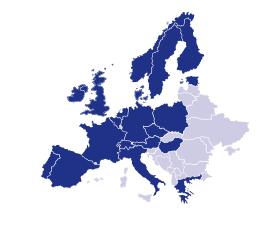
Methods: The c4c initiative, funded by the Innovative Medicines Initiative 2 (Grant Agreement 777389), established a pan-European public–private partnership involving 46 organizations across 21 countries. Through the creation of 20 National Hubs, including HELPnet in Greece, the network connected national pediatric centers with the European central point of contact and provided training, feasibility advice, and data standardization tools.
Results: The project strengthened the conduct of multinational pediatric clinical trials by developing an integrated infrastructure of research centers, expert networks, and harmonized operational processes. Over 450 experts contributed to the Strategic Feasibility Advice service, and a dedicated Training Academy promoted education in pediatric pharmacology and clinical research. The Greek HELPnet enhanced visibility and participation of national research sites in European studies.
Conclusions: The c4c network has transformed pediatric research in Europe into a coordinated, sustainable structure. The establishment of c4c-S ensures long-term continuity, providing a single-entry point for efficient and ethically robust pediatric drug development.
Keywords: Pediatric clinical trials; conect4children Stichting; off-label; European research networks; pediatric drug development
Maria Kouti
Vasiliki Toumpoulidou
Elias Iosifidis
Nikos Karantaglis
Varvara Noutsou
Emmanuel Roilides
Unit of Coordination and Conduct of Clinical Studies, 3rd Department of Pediatrics, Aristotle University of Thessaloniki
το c4c στο conect4children Stichting
(c4c-S)
Βιβλιογραφία
1. Pandolfini C, Bonati M. A literature review on off-label drug use in children. Eur J Pediatr. 2005 Sep;164(9):552-8. doi: 10.1007/s00431-005-1698-8.
2. van der Zanden TM, Smeets NJL, de Hoop-Sommen M, Schwerzel MFT, Huang HJ, Barten LJC, van der Heijden JEM, Freriksen JJM, Horstink AAL, Holsappel IHG, Mooij MG, de Hoog M, de Wildt SN. Off-Label, but on-Evidence? A Review of the Level of Evidence for Pediatric Pharmacotherapy. Clin Pharmacol Ther. 2022 Dec;112(6):1243-1253. doi: 10.1002/ cpt.2736.
3. Koldeweij C, Jans VA, Waitt C, Greupink R, Auweele KLV, Franklin BD, Scheepers HC, de Wildt SN. Striving for balance in decisions on antenatal pharmacotherapy. Lancet. 2024 Nov 2;404(10464):1779-1782. doi: 10.1016/S0140-6736(24)02069-5.
7. Rieder M. If children ruled the pharmaceutical industry: the need for pediatric formulations. Drug News Perspect. 2010 Sep;23(7):458-64. doi: 10.1358/dnp.2010.23.7.1458283.
8. Hoppu K, Anabwani G, Garcia-Bournissen F, Gazarian M, Kearns GL, Nakamura H, Peterson RG, Sri Ranganathan S, de Wildt SN. The status of paediatric medicines initiatives around the world--What has happened and what has not? Eur J Clin Pharmacol. 2012 Jan;68(1):1-10. doi: 10.1007/s00228-011-1089-1.
9. Ursino M, Alberti C, Cambonie G, Kemp R, Vanhecke A, Levoyer L, Diallo A, Hallman M, Rozé JC; TREOCAPA study group. TREOCAPA: prophylactic treatment of the ductus arteriosus in preterm infants by acetaminophen-statistical analysis plan for the randomized phase III group sequential trial. Trials. 2025 Feb 13;26(1):52. doi: 10.1186/s13063-025-08751-8.
10. Eleftheriou D, Moraes YC, Purvis C, Pursell M, Morillas MM, Kahn R, Mossberg M, Kucera F, Tulloh R, Standing JF, Swallow V, McCormack R, Herberg J, Levin M, Wan M, Klein N, Connon R, Walker AS, Brogan P. Multi-centre, randomised, open-label, blinded endpoint assessed, trial of corticosteroids plus intravenous immunoglobulin (IVIG) and aspirin, versus IVIG and aspirin for prevention of coronary artery aneurysms (CAA) in Kawasaki disease (KD): the KD CAA prevention (KD-CAAP) trial protocol. Trials. 2023 Jan 26;24(1):60. doi: 10.1186/s13063-022-07051-9.
11. Owen J, Sen A, Aurich B, Engel C, Cavallaro G, Degraeuwe E, Kalra D, Cornet R, Walsh M, Berkery T, Palmeri A, Mahler F, Malik S, Persijn L, Amadi C, Thuet J, Woodworth S, Nally S, Leary R, Marshall R, Straub V. Development of the CDISC Pediatrics User Guide: a CDISC and conect4children collaboration. Front Med (Lausanne). 2024 Jun 17;11:1370916. doi: 10.3389/fmed.2024.1370916.
Kingella kingae as a pathogenic agent of pediatric infections
Varlamis Sotirios, Kyriazidi Maria Anna, Mitka Stella, Mavridou Maria, Chatzidimitriou Maria
Abstract
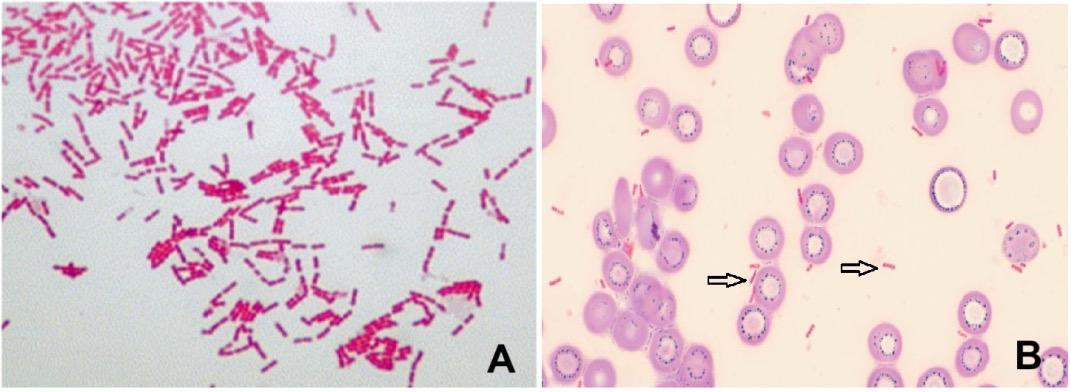
Kingella kingae is increasingly recognized as a significant etiological agent of invasive infections in early childhood, particularly among children aged 6 to 36 months. Once considered a rare pathogen, its identification has markedly improved over recent decades due to the development of advanced culture techniques and the application of sensitive molecular diagnostic methods. K. kingae is a Gram-negative, facultatively anaerobic coccobacillus, classified within the HACEK group, and commonly colonizes the oropharynx of young children. Transmission occurs through respiratory secretions. Today, K. kingae is acknowledged as a leading cause of osteoarticular infections in children. It has also been detected in cases of bacteremia, endocarditis, and, less frequently, in infections of the respiratory tract, central nervous system, and soft tissues. Except for endocarditis, clinical presentations are typically mild, with a moderate inflammatory response, which can complicate diagnosis. Endocarditis caused by K. kingae is characterized by high-grade fever and elevated inflammatory markers. Endocarditis may be complicated by embolic events, posing a risk of serious neurological deficits. Isolation of the pathogen from synovial fluid cultures is enhanced when blood culture bottles are used. Molecular techniques, such as real-time PCR, significantly improve detection rates, particularly in culture-negative cases, and allow for timely therapeutic intervention. Lack of clinical suspicion and failure to apply appropriate diagnostic methods may result in underdiagnosis and delayed treatment.
της K. kingae περιλαμβάνουν τη συμβατική PCR (conventional PCR) (61), τη RealTime PCR (RT-PCR) (62,63) και τη multiplex PCR (64),
K. kingae με
Haldar et al. (64) αναζήτησαν
K.kingae
1. Henriksen SD, Bovre K. Moraxella kingii sp.nov., a haemolytic, saccharolytic species of the genus Moraxella. J Gen Microbiol. 1968 May;51(3):377-85. doi: 10.1099/00221287-51-3377. PMID: 5185818.
2. Henriksen SD, Bøvre K. Transfer of Moraxella kingii Henriksen and Bøvre to the genus Kingella gen. nov. in the family Neisseriaceae. J Syst Bacteriol 1976; 26: 447–50.
3. Yagupsky P, Porsch E, St Geme JW 3rd. Kingella kingae: an emerging pathogen in young children. Pediatrics. 2011 Mar;127(3):557-65. doi: 10.1542/peds.2010-1867. Epub 2011 Feb 14. PMID: 21321033.
4. Principi N, Esposito S. Kingella kingae infections in children. BMC Infect Dis. 2015 Jul 7;15:260. doi: 10.1186/s12879-015-0986-9. PMID: 26148872; PMCID: PMC4494779.
5. Van Erps J, Schmedding E, Naessens A, Keymeulen B. Kingella kingae, a rare cause of bacterial meningitis. Clin Neurol Neurosurg. 1992;94:173–5.
6. Matta M, Wermert D, Podglajen I, Sanchez O, Buu-Hoï A, Gutmann L, et al. Molecular diagnosis of Kingella kingae pericarditis by amplification and sequencing of the 16S rRNA gene. J Clin Microbiol. 2007;45:3133–4.
7. Carden SM, Colville DJ, Gonis G, Gilbert GL. Kingella kingae endophtalmitis in an infant. Aust N Z J Ophthalmol. 1991;19:217–20.
8. Bofinger JJ, Fekete T, Samuel R. Bacterial peritonitis caused by Kingella kingae. J Clin Microbiol. 2007;45:3118–20.
9. El Houmami N, Minodier P, Dubourg G, Mirand A, Jouve JL, Basmaci R, Charrel R, Bonacorsi S, Yagupsky P, Raoult D, Fournier PE. Patterns of Kingella kingae Disease Outbreaks. Pediatr Infect Dis J. 2016 Mar;35(3):340-6. doi: 10.1097/INF.0000000000001010. PMID: 26658382.
10. Khaledi M, Sameni F, Afkhami H, Hemmati J, Asareh Zadegan Dezfuli A, Sanae MJ, Validi M. Infective endocarditis by HACEK: a review. J Cardiothorac Surg. 2022 Aug 19;17(1):185. doi: 10.1186/s13019-022-01932-5. PMID: 35986339; PMCID: PMC9389832.
11. Kaplan JB, Sampathkumar V, Bendaoud M, Giannakakis AK, Lally ET, Balashova NV. In vitro characterization of biofilms formed by Kingella kingae. Mol Oral Microbiol. 2017 Aug;32(4):341-353.
12. Von Graevenitz A, Zbinden R, Mutters R. Actinobacillus, Capnocytophaga, Eikenella, Kingella, Pasteurella, and Other Fastidious or Rarely Encountered Gram-Negative Rods. In: Murray PR, Baron EJ, Jorgensen JH, Pfaller MA, Yolken RH, Eds. Manual of Clinical Microbiology. 8th Ed. Washington, DC: American Society for Microbiology; 2003: 614 – 615.
13. Yagupsky P. Kingella kingae: carriage, transmission, and disease. Clin Microbiol Rev. 2015;28:54–79. doi: 10.1128/CMR.00028-14.
14. Yagupsky P. Kingella kingae: from medical rarity to an emerging paediatric pathogen. Lancet Infect Dis. 2004 Jun;4(6):358-67. doi: 10.1016/S1473-3099(04)01046-1. PMID:
15172344.
15. Ingvarsson L, Lundgren K, Ursing J. The bacterial flora in the nasopharynx in healthy children. Acta Otolaryngol 1982; 386: 94–96.
16. Yagupsky P, Weiss-Salz I, Fluss R, Freedman L, Peled N, Trefler R, et al. Dissemination of Kingella kingae in the community and long-term persistence of invasive clones. Pediatr Infect Dis J. 2009;28:707–10.
17. Yagupsky P, Porat N, Pinco E. Pharyngeal colonization by Kingella kingae in children with invasive disease. Pediatr Infect Dis J. 2009;28:155–7.
18. Kiang KM, Ogunmodede F, Juni BA, Boxrud DJ, Glennen A, Bartkus JM, et al. Outbreak of osteomyelitis/septic arthritis caused by Kingella kingae among child care center attendees. Pediatrics. 2005;116:e206–13.
19. La Scola B, Iorgulescu I, Bollini G. Five cases of Kingella kingae skeletal infection in a French hospital. Eur J Clin Microbiol Infect Dis. 1998;17:512–5.
20. Yagupsky P, Erlich Y, Ariela S, Trefler R, Porat N. Outbreak of Kingella kingae skeletal system infections in children in daycare. Pediatr Infect Dis J. 2006;25:526–32.
21. Bidet P, Collin E, Basmaci R, Courroux C, Prisse V, Dufour V. Investigation of an outbreak of osteoarticular infections caused by Kingella kingae in a childcare center using molecular techniques. Pediatr Infect Dis J. 2013;32:558–60.
22. Syridou G, Giannopoulou P, Charalampaki N, Papaparaskevas J, Korovessi P, Papagianni S, Tsakris A, Trikka-Grafakou E. Invasive infection from Kingella kingae: Not only arthritis. ID Cases. 2020 Feb 24;20:e00732. doi: 10.1016/j.idcr.2020.e00732. PMID: 32274330; PMCID: PMC7132152.
23. Amit U, Porat N, Basmaci R, Bidet P, Bonacorsi S, Dagan R, Yagupsky P. Genotyping of invasive Kingella kingae isolates reveals predominant clones and association with specific clinical syndromes. Clin Infect Dis. 2012 Oct;55(8):1074-9. doi: 10.1093/cid/cis622. Epub 2012 Jul 17. PMID: 22806593.
24. Elyès B, Mehdi G, Kamel BH, Hela Z, Imen BS. 2006. Kingella kingae septic arthritis with endocarditis in an adult. Joint Bone Spine 73:472 473. http://dx.doi.org/10.1016/j.jbspin.2005.10.021.
25. Dubnov-Raz G, Ephros M, Garty BZ, Schlesinger Y, Maayan Metzger A, Hasson J, Kassis I, Schwartz-Harari O, Yagupsky P. 2010. Invasive pediatric Kingella kingae infections: a nationwide collaborative study. Pediatr Infect Dis J 29:639–643. http://dx.doi.org/10.1097 / INF.0b013e3181d57a6c.
26. Dodwell ER. Osteomyelitis and septic arthritis in children: current concepts. Curr Opin Pediatr. 2013;25:58–63.
27. Alvares PA, Mimica MJ. Osteoarticular infections in pediatrics. J Pediatr (Rio J). 2020 Mar-Apr;96 Suppl 1(Suppl 1):58-64. doi: 10.1016/j.jped.2019.10.005. Epub 2019 Nov 26. PMID: 31783013; PMCID: PMC9432004.
28. Williams N, CooperC,CundyP.2014.Kingella kingae septic arthritis in children: recognising an elusive pathogen. J Child Orthop http://dx.doi .org/10.1007/s11832-014-0549-4.
29. Lundy DW, Kehl DK. 1998. Increasing prevalence of Kingella kingae in osteo-articular infections in young children. J Pediatr Orthop 18:262 267.
30. Yagupsky P, Press J. 1997. Use of the Isolator 1.5 Microbial Tube for culture of synovial fluid from patients with septic arthritis. J Clin Micro biol 35:2410–2412.
31. Vásquez MA, Palacián MP, Cruz Villuendas M, Marne C, Paz Ruiz Echarri M, Revillo MJ. 2012. Kingella kingae pediatric septic arthritis. Arch Argent Pediatr 110:e126–e128. http:// dx.doi.org/10.5546/aap .2012.e126.
32. Ceroni D, Belaieff W, Kanavaki A, Della Llana RA, Lascombes P, Dubois-Ferriere V, et al. Possible association of Kingella kingae with infantile spondylodiscitis. Pediatr Infect Dis J. 2013;32:1296–8.
34. Ceroni D, Merlini L, Salvo D, Lascombes P, Dubois-Ferrière V. 2013. Pyogenic flexor synovitis of the finger due to Kingella kingae. Pediatr Infect Dis J 32:702–703. http://dx.doi. org/10.1097/INF.0b013e3182868f17.
35. Moylett EH, Rossmann SN, Epps HR, Demmler GJ. 2000. Importance of Kingella kingae as a paediatric pathogen in the United States. Pediatr Infect Dis J 19:263–265. http://dx.doi.
org/10.1097/00006454-200003000.
36. Bayat A, Pedersen RS. 2011. Pathognomonic presentation of Kingella kingae infection. Ugeskr Laeger 173:359–360.
37. Basmaci R, Ilharreborde B, Doit C, Presedo A, Lorrot M, Alison M, Mazda K, Bidet P, Bonacorsi S. 2013. Two atypical cases of Kingella kingae invasive infection with concomitant human rhinovirus infection. J Clin Microbiol 51:3137–3139. http://dx.doi.org/10.1128/ JCM .01134-13.
38. Goutzmanis JJ, Gonis G, Gilbert GL. Kingella kingae infection in children: ten cases and review of the literature. Pediatr Infect Dis J. 1991;10:677–83.
39. Shanson DC, Gazzard BG. Kingella kingae septicaemia with a clinical presentation resembling disseminated gonococcal infection. BMJ 1984; 289: 730–31.
40. Berbari EF, Cockrill FR III, Steckelberg JM. 1997. Infective endocarditis due to unusual or fastidious microorganisms. Mayo Clin Proc 72: 532–542. http://dx.doi.org/10.4065/72.6.532.
41. Foster MA, Walls T. High rates of complications following Kingella kingae infective endocarditis in children: a case series and review of the literature. Pediatr Infect Dis J. 2014;33:785–6.
42. Kennedy CA, Rosen H. 1988. Kingella kingae bacteraemia and adult epiglottitis in a granulocytopenic host. Am J Med 85:701–702. http://dx .doi.org/10.1016/S0002-9343(88)802432.
43. Gómez-Garcés JL, Oteo J, Garcia G, Alos JI. 2001. Kingella kingae pneumonia: a rare pathology or a pathology rarely diagnosed? Clin Microbiol Newsl 23:192–193. http://dx.doi. org/10.1016/S0196-4399(01)80054-4.
44. Morrison VA, Wagner KF. 1989. Clinical manifestations of Kingella kingae infections: case report and review. Rev Infect Dis 11:76–81.
45. Wells L, Rutter N, Donald F. 2001. Kingella kingae endocarditis in a sixteen-monthold-child. Pediatr Infect Dis J 20:454–455. http://dx.doi .org/10.1097/00006454-20010400000020.
46. Reekmans A, Noppen M, Naessens A, Vincken W. 2000. A rare man ifestation of Kingellakingaeinfection.EurJInternMed11:343–344.http: //dx.doi.org/10.1016/S09536205(00)00115-1.
47. Almeida Borges M, Silva S, Ferreira R, Martins C, Paixão P, Rodrigues V, Farela Neves J. Kingella kingae: An Unlikely Cause of Meningitis. Pediatr Infect Dis J. 2021 Jun 1;40(6):e247e249. doi: 10.1097/INF.0000000000003112. PMID: 33657600.
48. Wolak T, Abu-Shakra M, Flusser D, Liel-Cohen N, Buskila D, Sukenik S. Kingella endocarditis and meningitis in a patient with SLE and associated antiphospholipid syndrome. Lupus. 2000;9:393–6.
49. Carden SM, Colville DJ, Gonis G, Gilbert GL. Kingella kingae endophtalmitis in an infant. Aust N Z J Ophthalmol. 1991;19:217–20.
50. Muñoz-Egea MC, García-Pedrazuela M, González-Pallarés I, Martínez-Perez M, Fernández-Roblas R, Esteban J. 2013. Kingella kingae keratitis. J Clin Microbiol 51:1627–1628. http://dx.doi.org/10.1128/JCM .03426-12.
51. Mollee T, Kelly P, Tilse M. 1992. Isolation of Kingella kingae from a corneal ulcer. J Clin Microbiol 30:2516–2517.
52. Connell PP, Carey B, Kollpiara D, Fenton S. 2006. Kingella kingae orbital cellulitis in a 3-year-old. Eye (Lond) 20:1086–1088. http://dx.doi .org/10.1038/sj.eye.6702119.
53. Solís Gómez B, Gallinas Victoriano F, Bernaola Iturbe E, Baranda Areta V, Garcia Mata L, Torroba Alvarez L. 2004. Septic arthritis due to Kingella kingae: difficulties of diagnosis. An Pediatr (Barc) 61:190–191. http://dx.doi.org/10.1157/13064605.
54. Yagupsky P, Merires M, Bahar J, Dagan R. Evaluation of a novel vancomycin-containing medium for primary isolation of Kingella kingae from upper respiratory tract specimens. J Clin Microbiol 1995; 31: 1426–27.
55. Yagupsky P, Press J. 1997. Use of the Isolator 1.5 Microbial Tube for culture of synovial fluid from patients with septic arthritis. J Clin Micro biol 35:2410–2412.
56. Høst B, Schumacher H, Prag J, Arpi M. 2000. Isolation of Kingella kingae from synovial fluids using four commercial blood culture bottles. Eur J Clin Microbiol Infect Dis 19:608–611. http://dx.doi.org/10.1007 /s100960000324.
57. Pérez A, Herranz M, Padilla E, Ferres F. 2009. Usefulness of synovial fluid inoculation
in blood culture bottles for diagnosing Kingella kingae septic arthritis: state of the question. Enferm Infecc Microbiol Clin 27: 605–606. http://dx.doi.org/10.1016/j.eimc.2008.10.009.
58. Rosey AL, Albachin E, Quesnes G, Cadilhac C, Pejin Z, Glorion C, Berche P, Ferroni A. 2007. Development of a broad-range 16S rDNA real-time PCR for the diagnosis of septic arthritis in children. JMicrobiol Methods 68:88–93. http://dx.doi.org/10.1016/j. mimet.2006.06.010.
59. Lejbkowicz F, Cohn L, Hashman N,Kassis I. 1999. Recovery of Kingella kingae from blood and synovial fluid of two pediatric patients by using the BacT-Alert system. J Clin Microbiol 37:878.
60. Ferroni A. 2007. Epidemiology and bacteriological diagnosis of paediatric acute osteoarticular infections. Arch Paediatr 14 (Suppl2):S91–S96. http://dx.doi.org/10.1016/S0929693X(07)80041-8.
61. Stähelin J, Goledenberger D, Gnehm HE, Altwegg M. 1998. Polymerase chain reaction diagnosis of Kingella kingae arthritis in a young child. Cl in Infect Dis 27:1328–1329.
62. de Knegt VE, Kristiansen GQ, Schønning K. Evaluation of dual target-specific real-time PCR for the detection of Kingella kingae in a Danish paediatric population. Infect Dis (Lond). 2018 Mar;50(3):200-206. doi: 10.1080/23744235.2017.1376254. Epub 2017 Sep 15. PMID: 28914110.
63. Ilhaerreborde B, Bidet P, Lorrot M, Even J, Mariani-Kurkdjian P, Ligouri S, Vitoux C, Lefevre Y, Doit C, Fitoussi F, Pennecot G, Bingen E, Mazda K, Bonacorsi S. 2009. New realtime PCR-based method for Kingella kingae DNA detection: application to samples collected from 89 children with acute arthritis. J Clin Microbiol 47:1837–1841. http://dx .doi. org/10.1128/JCM.00144-09.
64. Haldar M, Butler M, Quinn CD, Stratton CW, Tang YW, Burnham CA. 2014. Evaluation of a real-time PCR assay for simultaneous detection of Kingella kingae and Staphylococcus aureus from synovial fluid in suspected septic arthritis. Ann Lab Med 34:313–316.http:// dx.doi.org/10 .3343/alm.2014.34.4.313.
65. Adebiyi EO, Ayoade F. Kingella Kingae. 2023 Jul 4. In: Stat Pearls [Internet]. Treasure Island (FL): StatPearls Publishing; 2025 Jan–. PMID: 31613470.
66. Pääkkönen M, Peltola H. 2013. Treatment of acute septic arthritis. Pediatr Infect Dis J 32:684–685. http://dx.doi.org/10.1097/INF.0b013e31828e1721.
Correspondence
Anastasios Serbis
Τ. +30 2651099602
Μ. +30 6973303018
e-mail: aserbis@uoi.gr
Eugenia Chalari
Sofia Spirakou
Garyfalia Mageira
Iliana Bani
Anastasios Serbis
Pediatric Clinic, Department of Medicine, University of Ioannina
REVIEW ARTICLES
Bone age: A Key Diagnostic Tool in Pediatric Endocrinology
Eugenia Chalari, Sofia Spirakou, Garyfalia Mageira, Iliana Bani, Anastasios Serbis
Abstract
Introduction: Bone age (BA) assessment is a fundamental tool in the daily practice of Pediatric Endocrinology, used to evaluate skeletal maturation across a wide range of physiological and pathological conditions. Moreover, in recent years, it has found applications beyond the clinical setting. The aim of this review is to provide a concise overview of the physiological and pathological factors influencing BA, the available methods for its assessment, and its contemporary applications in pediatric endocrinology.
Methods: Following a comprehensive review of the relevant literature, the physiological determinants of skeletal maturation and both traditional and novel methods of BA assessment are presented. The clinical advantages and limitations of these methods are also discussed, along with the conditions and disorders associated with delayed or advanced BA. Results: The review highlights the pivotal role of BA assessment in the diagnosis and follow-up of conditions such as precocious and delayed puberty, congenital adrenal hyperplasia, thyroid disorders, obesity, and other endocrine diseases. The use of BA in non-clinical contexts, such as age estimation in migrants or athletes, is accompanied by significant limitations due to the lack of validated methods across diverse populations.
Conclusions: BA remains a key diagnostic and prognostic tool in Pediatric Endocrinology, with its use being expanded by emerging technologies such as artificial intelligence algorithms. However, its application requires caution and critical interpretation, both in clinical and non-clinical settings, due to inherent scientific, technical, and ethical limitations.
Keywords: bone age, pediatric endocrinology, growth, endocrine disorders
Κατάλογος
ACTH: Adrenocorticotropic Hormone
AI: Artificial Intelligence
BA: Bone Age
CASAS: Computer Aided Skeletal Age Scoring
CNNs: Convolutional Neural Networks
GH: Growth hormone
GnRH: Gonadotropin Releasing Hormone
GP: Greulich-Pyle
IGF: Insulin-like Growth Factor
MRI: Magnetic Resonance Imaging
ROIs: Regions of interest
SGA: Small for Gestational Age
TSH: Thyroid Stimulating Hormone
TW: Tanner-Whitehouse
ΟΗ:
1.
2.
Οιστρογόνα
Σ. McCune-Albright
Σ. Sotos
Σ. Beckwith- Wiedemann
Βιβλιογραφία
1. Mora S, Boechat MI, Pietka E, Huang HK, Gilsanz V. Skeletal age determinations in children of European and African descent: applicability of the Greulich and Pyle standards. Pediatr Res 2001;50:624–8.
2. Rogol AD, Roemmich JN, Clark PA. Growth at puberty. J Adolesc Health 2002;31:192-200.
3. Bassett JH, Williams GR. Role of thyroid hormones in skeletal development and bone maintenance. Endocr Rev 2016;37:135–87.
4. Weise M, De-Levi S, Barnes KM, Gafni RI, Abad V, Baron J. Effects of estrogen on growth plate senescence and epiphyseal fusion. Proc Natl Acad Sci U S A 2001 Jun 5;98:6871-6.
5. Weaver CM, Gordon CM, Janz KF, Kalkwarf HJ, Lappe JM, Lewis R, et al. The National Osteoporosis Foundation's position statement on peak bone mass development and lifestyle factors: a systematic review and implementation recommendations. Osteoporos Int 2016;27:1281-1386.
6. Shalitin S, Kiess W. Putative Effects of Obesity on Linear Growth and Puberty. Horm Res Paediatr 2017;88:101-110.
7. Greulich WW, Pyle SI. Radiographic atlas of skeletal development of the hand and wrist. 2nd ed. Stanford, CA: Stanford University Press; 1971
8. Τanner JM, Healy M, Goldstein H, Cameron N. Assessment of skeletal maturity and prediction of adult height (TW3 method). 3rd ed. London: WB Saunders, Harcourt Publishers Ltd; 2001
9. Tanner JM. Growth at Adolescence. 2nd ed. Springfield, IL: Blackwell Scientific Publications; 1962
10. Fishman LS. Radiographic evaluation of skeletal maturation. A clinically oriented method based on hand-wrist films. Angle Orthod 1982;52:88–112.
11. Vignolo M, Naselli A, Magliano P, Di Battista E, Aicardi M, Aicardi G. Use of the new US90 standards for TW-RUS skeletal maturity scores in youths from the Italian population. Horm Res 1999;51:168–72.
12. Mentzel HJ, Vilser C, Eulenstein M, Schwartz T, Vogt S, Bottcher J, et al. Assessment of skeletal age at the wrist in children with a new ultrasound device. Pediatr Radiol 2005;
35:429–33.
13. Khan KM, Miller BS, Hoggard E, Somani A, Sarafoglou K. Application of ultrasound for bone age estimation in clinical practice. J Pediatr 2009;154:243–7.
14. Baş F, Topaloğlu S, Atay Z, Demir K. An overview of bone age assessment. J Clin Res Pediatr Endocrinol 202;13:251–62.
15. van Rijn RR, Lequin MH, Thodberg HH. Automatic determination of Greulich and Pyle bone age in healthy Dutch children. Pediatr Radiol 2009;39:591–7.
16. Crowne EC, Shalet SM, Wallace WH, Eminson DM, Price DA. Final height in boys with untreated constitutional delay in growth and puberty. Arch Dis Child 1990;65:1109–12.
17. Zhang H, Geng N, Wang Y, Tian W, Xue F. Van Wyk and Grumbach syndrome: two case reports and review of the published work. J Obstet Gynaecol Res 2014;40:607–10.
18. Tang C, Zafar Gondal A, Damian M. Delayed Puberty. StatPearls [Internet]. 2025 Jan: Webpage: https://www.ncbi.nlm.nih.gov/books/NBK544322/
19. Martin DD, Wit JM, Hochberg Z, Sävendahl L, van Rijn RR, Fricke O, Cameron N, et al. The use of bone age in clinical practice - part 1. Horm Res Paediatr 2011;76(1):1-9.
20. Cerbone M, Dattani MT. Progression from isolated growth hormone deficiency to combined pituitary hormone deficiency. Growth Horm IGF Res 2017;37:19–25.
21. Darendeliler F, Ranke MB, Bakker B, Lindberg A, Cowell CT, Albertsson-Wikland K, et al. Bone age progression during the first year of growth hormone therapy in pre-pubertal children with idiopathic growth hormone deficiency, Turner syndrome or idiopathic short stature, and in short children born small for gestational age. Horm Res 2005;63:40–7.
22. Jung H, Land C, Nicolay C, De Schepper J, Blum WF, Schoenau E. Growth response to an individualized versus fixed dose GH treatment in short children born small for gestational age: the OPTIMA study. Eur J Endocrinol 2009;160:149.
23. Smith EP, Boyd J, Frank GR, Takahashi H, Cohen RM, Specker B, et al. Estrogen resistance caused by a mutation in the estrogen-receptor gene in a man. N Engl J Med 1994;331:1056.
24. Magiakou MA, Mastorakos G, Oldfield EH, Gomez MT, Doppman JL, Cutler GB, et al. Cushing’s syndrome in children and adolescents: presentation, diagnosis, and therapy. N Engl J Med 1994;331:629–36.
25. Peters CJ, Ahmed ML, Storr HL, Davies KM, Martin LJ, Allgrove J, et al. Factors influencing skeletal maturation at diagnosis of paediatric Cushing’s disease. Horm Res 2007;68:231–5.
26. Acharya SV, Gopal RA, Lila A, Menon PS, Bandgar TR, Shah NS. Bone age and factors affecting skeletal maturation at diagnosis of paediatric Cushing’s disease. Pituitary 2010;13:355–60.
27. Arends NJT, Boonstra VH, Mulder PGH, Odink RJH, Stokvis-Brantsma WH, Rongen Westerlaken C, et al. GH treatment and its effect on bone mineral density, bone maturation and growth in short children born small for gestational age: 3-year results of a randomized, controlled GH trial. Clin Endocrinol 2003;59:779–87.
28. Morla Baez E, Dorantes Alvarez LM, Chavarria Bonequi C. Growth in children with diabetes insipidus. Bol Med Hosp Infant Mex 1980;37:1103–11.
29. Lodish MB, Gourgari E, Sinaii N, Hill S, Libuit L, Mastroyannis S, et al. Skeletal maturation in children with Cushing syndrome is not consistently delayed: the role of corticotropin, obesity, and steroid hormones, and the effect of surgical cure. J Pediatr 2014;164:801–6.
30. Magiakou MA, Mastorakos G, Oldfield EH, Gomez MT, Doppman JL, Cutler GB, et al. Cushing’s syndrome in children and adolescents: presentation, diagnosis, and therapy. N Engl J Med 1994;331:629–36.
31. Peters CJ, Ahmed ML, Storr HL, Davies KM, Martin LJ, Allgrove J, et al. Factors influencing skeletal maturation at diagnosis of paediatric Cushing’s disease. Horm Res 2007;68:231–5.
32. Acharya SV, Gopal RA, Lila A, Menon PS, Bandgar TR, Shah NS. Bone age and factors affecting skeletal maturation at diagnosis of paediatric Cushing’s disease. Pituitary 2010;13:355–60.
33. Arends NJT, Boonstra VH, Mulder PGH, Odink RJH, Stokvis-Brantsma WH, Rongen Westerlaken C, et al. GH treatment and its effect on bone mineral density, bone maturation and growth in short children born small for gestational age: 3-year results of a randomized,
34. Dunkel L. Use of aromatase inhibitors to increase final height. Mol Cell Endocrinol 2006;254:207–16.
35. Shulman DI, Francis GL, Palmert MR, Eugster EA. Use of aromatase inhibitors in children and adolescents with disorders of growth and adolescent development. Pediatr 2008;121:975–83.
36. Diaz-Thomas A, Shulman D. Use of aromatase inhibitors in children and adolescents: what's new? Curr Opin Pediatr 2010;22:501.
37. Fahmy JL, Kaminsky CK, Kaufman F, Nelson MD, Parisi MT. The radiological approach to precocious puberty. Br J Radiol 2000;73:560.
38. Lazar L, Padoa A, Phillip M. Growth pattern and final height after cessation of gonadotropin-suppressive therapy in girls with central sexual precocity. J Clin Endocrinol Metab 2007;92:3483.
39. Carel JC, Roger M, Ispas S, Tondu F, Lahlou N, Blumberg J, et al. Final height after longterm treatment with triptorelin slow release for central precocious puberty: importance of statural growth after interruption of treatment. J Clin Endocrinol Metab 1999;84:1973.
40. Arrigo T, Cisternino M, Galluzzi F, Bertelloni S, Pasquino AM, Antoniazzi F, et al. Analysis of the factors affecting auxological response to GnRH agonist treatment and final height outcome in girls with idiopathic central precocious puberty. Eur J Endocrinol 1999;141:140.
41. Oostdijk W, Rikken B, Schreuder S, Otten B, Odink R, Rouwe C, et al. Final height in central precocious puberty after long term treatment with a slow release GnRH agonist. Arch Dis Child 1996;75:292.
42. Carel JC, Eugster EA, Rogol A, Ghizzoni L, Palmert MR; ESPE-LWPES GnRH Analogs Consensus Conference Group. Consensus statement on the use of gonadotropin-releasing hormone analogs in children. Pediatr 2009;123:e752–e762.
43. Martin DD, Wit JM, Hochberg Z, van Rijn RR, Fricke O, Werther G, et al. The use of bone age in clinical practice - part 2. Horm Res Paediatr 2011;76:10–6.
44. Reiter EO, Mauras N, McCormick K, Kulshreshtha B, Amrhein J, De Luca F, et al. Bicalutamide plus anastrozole for the treatment of gonadotropin-independent precocious puberty in boys with testotoxicosis: a phase II, open-label pilot study (BATT). J Pediatr Endocrinol Metab 2010;23:999–1009.
45. Neyman A, Eugster EA. Treatment of Girls and Boys with McCune-Albright Syndrome with Precocious Puberty - Update 2017. Pediatr Endocrinol Rev 2017;15:136-141.
46. Grandone A, Miraglia del Giudice E, Cirillo G, Santarpia M, Coppola F, Perrone L. Prepubertal gynecomastia in two monozygotic twins with Peutz-Jeghers syndrome: two years’ treatment with anastrozole and genetic study. Horm Res Paediatr 2011;75:374–9.
47. Papadimitriou A, Nicolaidou P, Fretzayas A, Chrousos GP. Clinical review: Constitutional advancement of growth, a.k.a. early growth acceleration, predicts early puberty and childhood obesity. J Clin Endocrinol Metab 2010;95:4535-41.
48. Hochberg Z, Schechter J, Benderly A, Leiberman E, Rosler A. Growth and pubertal development in patients with congenital adrenal hyperplasia due to 11-beta-hydroxylase deficiency. Am J Dis Child 1985;139:771–6.
49. Mayer EIE, Homoki J, Ranke MB. Spontaneous growth and bone age development in a patient with 17[alpha]-hydroxylase deficiency: evidence of the role of sexual steroids in prepubertal bone maturation. J Pediatr 1999;134:371–5.
50. Jääskeläinen J, Voutilainen R. Growth of patients with 21-hydroxylase deficiency: an analysis of the factors influencing adult height. Pediatr Res 1997;41:30–3.
51. Van der Kamp HJ, Otten BJ, Buitenweg N, Muinck Keizer-Schrama SMPF, Oostdijk W, Jansen M, et al. Longitudinal analysis of growth and puberty in 21-hydroxylase deficiency patients. Arch Dis Child 2002;87:139–44.
52. Eugster EA, DiMeglio LA, Wright JC, Freidenberg GR, Seshadri R, Pescovitz OH. Height outcome in congenital adrenal hyperplasia caused by 21-hydroxylase deficiency: a metaanalysis. J Pediatr 2001;138:26–32.
53. Bonfig W, Bechtold S, Schmidt H, Knorr D, Schwarz HP. Reduced final height outcome in congenital adrenal hyperplasia under prednisone treatment: deceleration of growth velocity during puberty. J Clin Endocrinol Metab 2007;92:1635–9.
terns and final height in congenital adrenal hyperplasia due to classical 21-hydroxylase deficiency. Horm Res 2000;55:161–71.
55. White PC, Speiser PW. Congenital adrenal hyperplasia due to 21-hydroxylase deficiency. Endocr Rev 2000;21:245–91.
56. Sopher AB, Jean AM, Zwany SK, et al. Bone age advancement in prepubertal children with obesity and premature adrenarche: possible potentiating factors. Obesity (Silver Spring) 2011;19:1259–6
57. Ostojic SM. Prediction of adult height by Mora-Whitehouse method in young Caucasian male athletes. QJM 2013;106:341–5.
58. Pinhas-Hamiel O, Benary D, Mazor-Aronovich K, et al. Advanced bone age and hyperinsulinemia in overweight and obese children. Endocr Pract 2014;20:62–7.
59. Klein KO, Newfield RS, Hassink SG. Bone maturation along the spectrum from normal weight to obesity: a complex interplay of sex, growth factors and weight gain. J Pediatr Endocrinol Metab 2016;29:311–8.
60. Speiser PW, White PC. Congenital adrenal hyperplasia. N Engl J Med 2003;349:776–88.
61. Kawano A, Kohno H, Miyako K. A retrospective analysis of the growth pattern in patients with salt-wasting 21-hydroxylase deficiency. Clin Pediatr Endocrinol 2014;23:27–34.
62. Nebesio TD, Eugster EA. Growth and reproductive outcomes in congenital adrenal hyperplasia. Int J Pediatr Endocrinol 2010;2010:298937.
63. Schlesinger S, MacGillivray MH, Munschauer RW. Acceleration of growth and bone maturation in childhood thyrotoxicosis. J Pediatr 1973;83:233–6.
64. Creo AL, Schwenk WF. Bone age: a handy tool for pediatric providers. Pediatr 2017;140:e20171486.
65. Henley DV, Lipson N, Korach KS, Bloch CA. Prepubertal gynecomastia linked to lavender and tea tree oils. N Engl J Med 2007;356:479–85.
66. Henley DV, Lipson N, Korach KS, Bloch CA. Prepubertal gynecomastia linked to lavender and tea trt Rev Endocrinol 2010;6:14–5.
67. United Nations Treaty Collection. Human rights: convention on the rights of the child. [Internet]. 1989:
68. Aynsley-Green A, Cole TJ, Crawley H, Lessof N, Boag LR, Wallace RM. Medical, statistical, ethical and human rights considerations in the assessment of age in children and young people subject to immigration control. Br Med Bull 2012;102:17–42.
69. US Immigration and Customs Enforcement, Office of Detention and Removal Operations, US Department of Homeland Security. Age determination procedures for custody decisions. 2004:
70. Office of the United Nations High Commissioner for Refugees. Guidelines on policies and procedures in dealing with unaccompanied children seeking asylum. 1997: Webpage: www.unhcr.org/en-us/publications/legal/3d4f91cf4/guidelines-policies-procedures-dealing-unaccompanied-children-seeking-asylum.html
71. Aissaoui A, Salem NH, Mougou M, Maatouk F, Chadly A. Dental age assessment among Tunisian children using the Demirjian method. J Forensic Dent Sci 2016;8:47–51.
72. Chaillet N, Nyström M, Demirjian A. Comparison of dental maturity in children of different ethnic origins: international maturity curves for clinicians. J Forensic Sci 2005;50:1164–74.
73. Garamendi PM, Landa MI, Ballesteros J, Solano MA. Reliability of the methods applied to assess age minority in living subjects around 18 years old: a survey on a Moroccan origin population. Forensic Sci Int 2005;154:3–12.
74. Patel PS, Chaudhary AR, Dudhia BB, Bhatia PV, Soni NC, Jani YV. Accuracy of two dental and one skeletal age estimation methods in 6–16 year old Gujarati children. J Forensic Dent Sci 2015;7:18–27.
75. The Royal Children’s Hospital Melbourne, Immigrant Health Service. Birth Date Issues. 2009: Webpage: https://www.rch.org.au/immigranthealth/clinical/Birth_date_issues/
76. Cavallo F, Mohn A, Chiarelli F, Giannini C. Evaluation of bone age in children: a minireview. Front Pediatr 2021;9:580314.
77. Garn SM, Rohmann CG. Variability in the order of ossification of the bony centers of the hand and wrist. Am J Phys Anthropol 1960;18:219–30.
78. Tanner JM. Issues and advances in adolescent growth and development. J Adolesc Health Care 1987;8:470–8.
79. Gilsanz V, Kovanlikaya A, Costin G, Roe TF, Sayre J, Kaufman F. Differential effect of gender on the sizes of the bones in the axial and appendicular skeletons. J Clin Endocrinol Metab 1997;82:1603–7.
80. Aicardi G, Vignolo M, Milani S, Naselli A, Magliano P, Garzia P. Assessment of skeletal maturity of the hand-wrist and knee: a comparison among methods. Am J Hum Biol 2000;12:610–5.
81. Buckwalter JA, Einhorn TA, Simon SR. Orthopaedic Basic Science: Biology and Biomechanics of the Musculoskeletal System. 2nd ed. Rosemont, IL: American Academy of Orthopaedic Surgeons; 2000.
82. Nilsson O, Marino R, De Luca F, Phillip M, Baron J. Endocrine regulation of the growth plate. Horm Res 2005;64:157–65.
83. Satoh M, Hasegawa Y. Factors affecting prepubertal and pubertal bone age progression. Front Endocrinol (Lausanne). 2022;13:967711.
(Major Histocompatibility Complex - MHC)
e-mail: alexis.mavroudis@
Correspondence
Alexios Mavroudis
MD,MSc.
Syntagmatarchou Davaki 11 Kallithea 17672
T. +30 6978699611
e-mail: alexis.mavroudis@ yahoo.gr
Immunopeptidomics of major histocompatibility complex-MHC in pediatrics
Alexios Mavroudis
Introduction: The major histocompatibility system is a biological process of antigen recognition and gene expression associated with the body’s defense.
Purpose: Study of the mechanisms of molecular conformation (MHC) at the cellular level and genetic interaction in the manifestation of diseases.
Material: An international literature search was conducted in the electronic databases Google Scholar and PubMed.
Method: The method followed is secondary as it draws on data from research and expert studies highlighting the immunopeptidome of the Major Histocompatibility Complex - MHC) in pediatrics.
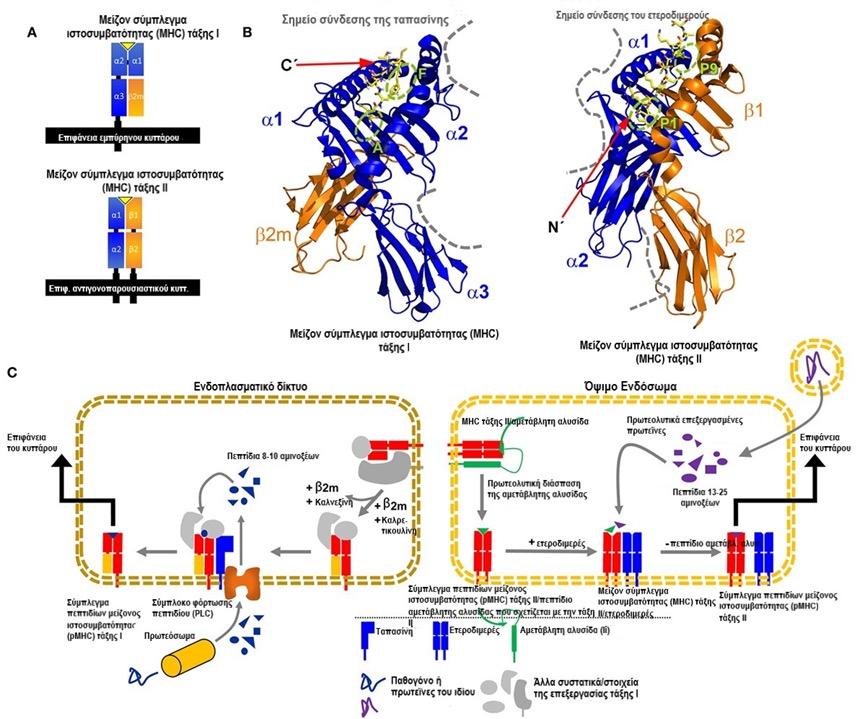
Results: The immune system functions uniquely in each individual, with variations in the quantity and quality of antibodies produced against specific antigens, as well as in the ability to respond to pathogens. This individualization of the immune response is influenced by the genetic diversity of molecules expressed on the surface of cells in each organism. At the same time, separate pathways of expression of class I and II immunopeptides are reported, resulting in the activation of unique reactions in the differential diagnosis of diseases.
Conclusions: Immunopeptidomics is a modern field of disease recognition and progression with a particular function in the molecular identification of diseases according to the standards of personalized medicine.
. Marek Wieczorek, Esam T Abualrous, Jana Sticht, Miguel Álvaro-Benito, Sebastian Stolzenberg, Frank Noé et al.Major Histocompatibility Complex (MHC) Class I and MHC Class II Proteins: Conformational Plasticity in Antigen Presentation. Front Immunol. 2017 Mar 17:8:292. (8)
ΤΑΡ: Τransporter associated with antigen processing
TSA: Τumor Specific Antigens
DQA1*05:01, DQA1*02:01, DQA1*03 και DQB1*03:02
DQB1*0302, DQB1*0201 και DQB1*0602
Αντιγόνα όρχεως/καρκίνου NY-ES01
Αντιγόνα σχετιζόμενα με πρωτεΐνες του θερμικού στρες. HSPPC-96
Αδόκιμη έκφραση σε κύτταρα όγκων. Δεν ευρίσκονται σε φυσιολογικούς, πλήρως διαφοροποιημένους ιστούς
Παθολογικά αναδιπλωμένες πρωτεΐνες
που
(18).
1. Beck S, TJ. The human major histocompatibility complex: lessons from the DNA sequence. Annu Rev Genomics Hum Genet. 2000; 1:117137.
2. Abbas, AK, Lichtman AH, Pillai, S. Basic immunology: functions and disorders of the immune system. 6th Ed. 2020.
3. Χατζηδημητρίου MA. Ανοσοπεπτιδίωμα
Θεσσαλονίκη: Aφοί
2017. p. 43.
4. Zou HY, Zhong YP, Deng ZH. Identification of the novel HLA-B*46:01:33 allele by next generation sequencing in a Chinese individual. HLA. 2023 Feb;101(2):166–167.
5. Andersen JS, Mann M. Functional genomics by mass spectrometry. FEBS Lett. 2000;480:25-31.
6. Βιττωράκη A. Εισαγωγή
Ανοσια. 2021; 17 (1): 42 – 43.
7. Κεραμιτζόγλου Θ. Διασύνδεση
κύτταρα. Aνοσια. 2021; 17 (1): 44 –48.
8. Wieczorek M, Abualrous ET, Sticht J, Álvaro-Benito M, Stolzenberg S, Noé F, et al. Major Histocompatibility Complex (MHC) Class I and MHC Class II Proteins: Conformational Plasticity in Antigen Presentation. Front Immunol. 2017 Mar 17:8:292.
9. Παπακώστα Δ. Κλινική
4η έκδ. Θεσσαλονίκη: University Studio Press; 2021.
10. Anichini G, Gandolfo C, Terrosi C, Fabrizi S, Miceli GB, Gori Savellini G, et al. Antibody response to SARS-CoV-2 in infected patients with different clinical outcome. J Med Virol. 2021 Apr;93(4):2548–52.
11. Hedrick PW. Balancing selection and MHC. Genetica 1998;104(3):207-214.
12. Greenspan NS. A Disquisition on MHC Restriction and T Cell Recognition in Five Acts. Viral Immunol. 2020 Apr;33(3):153-159.
13. Nandakumar KS, Nündel K. Editorial: Systemic lupus erythematosus - predisposition factors, pathogenesis, diagnosis, treatment and disease models. Front Immunol.2022 Dec 16; 13:1118180.
14. Toubai T, Sun Y, Reddy P. GVHD pathophysiology: is acute different from chronic? Best Pract Res Clin Haematol 2008 Jun;21(2):101-117.
15. Βλαχογιαννόπουλος Π. Ειδική Ανοσία. Εξ αποστάσεως εκπαιδευτικό
ΕΚΠΑ. Copyright 2016, Π. Ε. Πετράκης.
16.Grizzle WE, Semmes OJ, Bigbee W, Zhu L, Malik G, Oelschlager DK et al. The Need for Review and Understanding of SELDI/MALDI Mass Spectroscopy.
17. Caron E, Espona L, Kowalewski DJ, Schuster H, Ternette N, Alpizar A, et al. An opensource computational and data resource to analyze
digital maps of immunopeptidomes. Elife. 2015;4. 18. Antón LC, Yewdell JW. Translating DRiPs: MHC class I immunosurveillance of pathogens and tumors. J Leukoc Biol. 2014; 95:551-562.
IV σε μασχάλες-μαστούς-εφήβαιο, ΒΣ = 55,8Kg(50-85η ΕΘ), Υ = 161,3cm(50η ΕΘ)], πλην
Πραγματοποιήθηκε
(PRL): 138ng/ml (0 min), 132ng/ ml (20 min)
Correspondence
Elpis-Athina Vlachopapadopoulou
Thivon & Levadeias, Athens 11527, Greece
T. +30 213 2009851
M. +30 6932247228
e-mail: elpis.vl@gmail.com
Microprolactinoma presenting as galactorrhea in an adolescent: diagnostic and therapeutic approach
Background: Prolactinomas account for more than 50% of anterior pituitary tumors, are usually benign and rare in adolescence (1-10/100,000). Clinically, they present with galactorrhea, delayed puberty, menstrual disturbances and infertility. Diagnosis relies on measurement of prolactin (PRL) levels and pituitary MRI with contrast. First-line treatment is cabergoline.
Methods: We report a 15-year-old girl with a 7-month history of galactorrhea. Menarche occurred at 1110/12 years, with regular menses lasting 4–6 days every 25–28 days. Physical examination was unremarkable [Tanner stage IV for axillae-breasts-pubic area, Weight=55.8 kg(50–85th pc), Height=161.3 cm(50th pc)], except for milky nipple discharge.
Maria-Konstantina
Georgiadou
Anastasia Konidari
2nd Department of Pediatrics, “P. & A. Kyriakou” Children’s Hospital, Athens
Maria-Margarita Rossolatou
Elpis-Athina Vlachopapadopoulou
Department of Endocrinology, “P. & A. Kyriakou” Children’s Hospital, Athens
Nikolaos Siskas
Private Radiologist, “Magnetic Tomography of Lesvos,” Mytilene
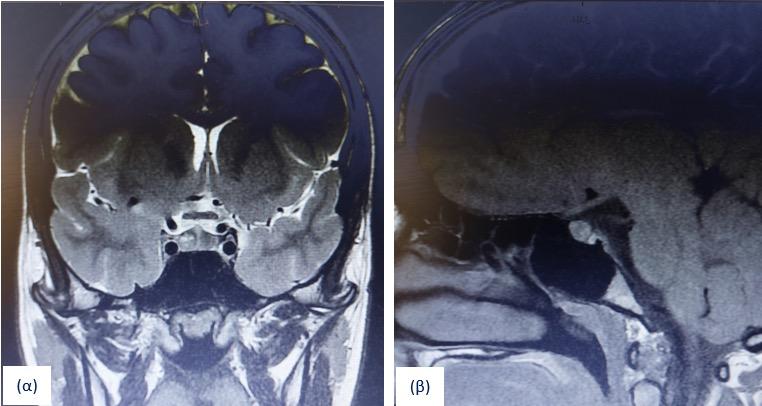
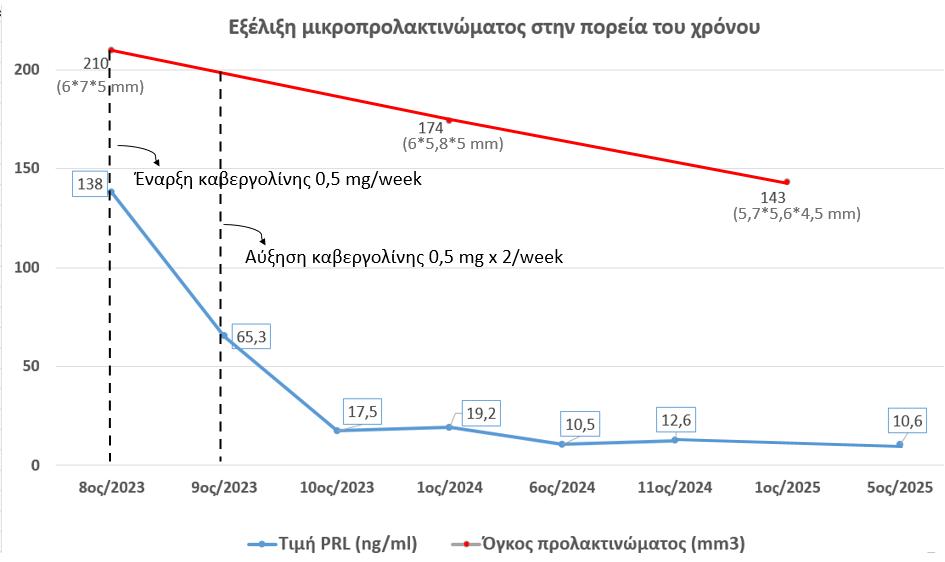
Results: Extensive laboratory evaluation was normal, except for elevated morning levels in two occasions PRL: 138ng/ml (0 min), 132ng/ml (20 min) and repeat 110.5ng/ml (ref. 1.8–29.2ng/ml), confirming hyperprolactinemia. Nipple discharge cytology was negative. Pituitary MRI revealed a hypovascular lesion measuring 6×5×7 mm, consistent with adenoma. The diagnosis of microprolactinoma was established and cabergoline was initiated at 0.5 mg/week. After one month, PRL decreased but remained above normal, while galactorrhea persisted. Consequently, the cabergoline was escalated to 0.5mg twice weekly maintained to date. Over a two-year follow-up period, patient remained asymptomatic, with normal PRL levels and progressive reduction of the microprolactinoma on annual MRI scans. Conclusions: Galactorrhea in adolescence is abnormal requiring endocrinological evaluation. Elevated PRL levels and MRI findings support the diagnosis of prolactinoma. Cabergoline is effective and well-tolerated. Long-term monitoring (PRL, MRI, clinical) is necessary to detect recurrence and assess remission. Prognosis is excellent, especially in microprolactinomas with good compliance.
φυσιολογικά, με ΑΠ = 108/50mmHg και Σφ = 67/min. Στην αντικειμενική
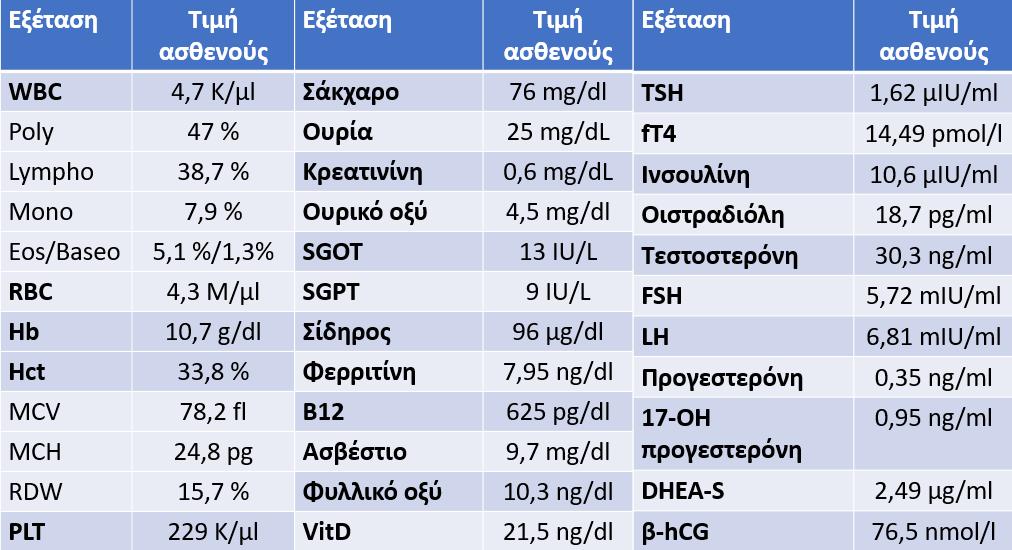
υπήρξαν παθολογικά ευρήματα, πλην γαλακτώδους εκκρίματος θηλών. Πραγματοποιήθηκε εκτενής εργαστηριακός έλεγχος ορού, συμπεριλαμβανομένων ορμονών που ήταν φυσιολογικός (Πίνακας 1), πλην αυξημένων επιπέδων PRL: 138ng/ml (στα 0 min) και 132ng/ml (στα 20 min), η οποία επανελήφθη και ανευρέθη 110,5ng/ml (στα 0 min) (με φ.τ = 1,8-29,2ng/ml), συμβατή με διάγνωση υπερπρολακτιναιμίας. Για τη διερεύνηση
ΕΘ:
Σφ:
FDA:
MRI: Magnetic Resonance
PEG-test: PolyEthylene
Glycol precipitation test
PRL: Prolactin (Προλακτίνη)
1. Petersenn S, Fleseriu M, Casanueva FF, Giustina A, Biermasz N, Biller BMK, et al. Diagnosis and management of prolactin-secreting pituitary adenomas: a Pituitary Society international Consensus Statement. Nat Rev Endocrinol. 2023 Dec 1;19(12):722–40.
2. Korbonits M, Blair JC, Boguslawska A, Ayuk J, Davies JH, Druce MR, et al. Consensus guideline for the diagnosis and management of pituitary adenomas in childhood and adolescence: Part 2, specific diseases. Nat Rev Endocrinol. 2024 May 1;20(5):290–309.
3. Yang Y, Ke X, Duan L, Yang H, Gong F, Pan H, et al. Clinical Characteristics and Outcomes of Prolactinomas in Children and Adolescents: A Large Retrospective Cohort Study. Journal of Clinical Endocrinology and Metabolism. 2024 Sep 1;109(9):e1741–9.
4. Loche S, Cappa M, Ghizzoni L, Maghnie M, Savage MO. Prolactinomas in Children and Adolescents. Vol. 17, Endocr Dev. Basel, Karger. 2010.
5. Alikasifoglu A, Celik NB, Ozon ZA, Gonc EN, Kandemir N. Management of prolactinomas in children and adolescents; which factors define the response to treatment? Pituitary. 2022 Feb 1;25(1):167–79.
6. Auriemma RS, Pirchio R, Pivonello C, Garifalos F, Colao A, Pivonello R. Approach to the
Patient With Prolactinoma. Journal of Clinical Endocrinology and Metabolism. 2023 Sep 1;108(9):2400–23.
7. Marino AC, Taylor DG, Desai B, Jane JA. Surgery for Pediatric Pituitary Adenomas. Vol. 30, Neurosurgery Clinics of North America. W.B. Saunders; 2019. p. 465–71.
8. Abunimer AM, Abou-Al-Shaar H, Azab MA, Karsy M, Guan J, Kestle JR, et al. Transsphenoidal Approaches for Microsurgical Resection of Pituitary Adenomas in Pediatric Patients. World Neurosurg. 2019 Mar 1;123:e186–93.
9. Hoffmann A, Adelmann S, Lohle K, Claviez A, Müller HL. Pediatric prolactinoma: initial presentation, treatment, and long-term prognosis. Eur J Pediatr. 2018 Jan 1;177(1):125–32.
10. Keil MF, Stratakis CA. Pituitary tumors in childhood: Update of diagnosis, treatment and molecular genetics. Vol. 8, Expert Review of Neurotherapeutics. 2008. p. 563–74.
11. Walz PC, Drapeau A, Shaikhouni A, Eide J, Rugino AJ, Mohyeldin A, et al. Pediatric pituitary adenomas. Child’s Nervous System. 2019 Nov 1;35(11):2107–18.
12. Breil T, Lorz C, Choukair D, Mittnacht J, Inta I, Klose D, et al. Clinical Features and Response to Treatment of Prolactinomas in Children and Adolescents: A Retrospective SingleCentre Analysis and Review of the Literature. Horm Res Paediatr. 2018 Apr 1;89(3):157–65.
13. Wildemberg LE, Fialho C, Gadelha MR. Prolactinomas. Vol. 50, Presse Medicale. Elsevier Masson s.r.l.; 2021.
ΣΥΝΑΔΕΛΦΙΚΑ
1.
2.
3. Βραβευμένες
4. Ερευνητικές μελέτες
5.
6.
7. Επίκαιρα θέματα
τραπεζών
8. Θέματα εκπαίδευσης και οργάνωσης υγείας
9. Ενδιαφέρουσες περιπτώσεις
10. Σύντομα νέα
11. Βραχείες δημοσιεύσεις
12. Επιστολές προς τη σύνταξη
13.
14.
•
ted to Biomedical
International Committee of Medical Journal Editors/Uniform Requirements for Manuscripts Submitted to Biomedical Journals, (www.icmje.org και www.icmje.org/icmje.pdf).
Cumulated Index Medicus [List of Journals Indexed in Index Medicus (www.nlm.nih.goν/bsd/ uniform_requirements.html)].
Παραδείγματα βιβλιογραφικών
1999;59:272-279.
Proesmans W. Bartter syndrome and its neonatal νariant. Eur J Pediatr 1997;156:669-679.
Flyvbjerg Α. Role of growth hormone, insulin-like growth factors (IGFs) and IGF-binding proteins in the renal complications of diabetes. Kidney Ιnt 1997;52 (60 Suppl):S12-S19. Χωρίς
National Institutes of Health Consensus Deνelopment Conference. Neurofibromatosis conference statement. Arch Neurol1988;45:575-578.
Προσδιορισμός τύπου άρθρου:
Schreiner GF, Lange L. Ethanol modulation of macrophage influx in glomerulonephritis [Abstract]. J Am Soc Nephrol 1991;2:562.
Should antileukotriene therapies be used instead of inhaled corticosteroids in asthma? [Editorial]. Am J Respir Crit Care Med 1998;158:1697-1701.
Clark AG, Barratt ΤΜ. Steroid-responsiνe nephrotic syndrome. Ιn: Barratt ΤΜ, Arner ED, Harmon WE, editors. Pediatric Nephrology. 4th ed. Baltimore: Lippincott William Wilkins; 1999. p. 742.
Σύγγραμμα ή μονογραφία: Gorlin RJ, Cohen ΜΜ, Leνin LS. Syndromes of the head and neck. 3rd ed. New York: Oxford Uniνersity Press; 1990.
Δημοσίευση
Bauer ΑW. The two definitions of bacterial resistance. In: Smith AJ, Rogers CA, eds. Proceedings of the Third International Congress of Chemotherapy; 1962 May 29-31; New York: International Society of Chemotherapy; 1963. p. 484-500.
Διδακτορική διατριβή: Παπαδόπουλος
Αθηνών; 1979.
Kaplan SJ. Post hospital home health care: the elderly’s access and utilization [dissertation]. St. Louis (Μο): Washington Univ.;1995.
III. CD-ROM
Andersoη SC, Poulsen ΚΒ. Anderson’s electronic atlas of hematology [CD-ROM]. Philadelphia: Lippincott Williams & Wilkins; 2002.
IV. ΣΤΟ ΔΙΑΔΙΚΤΥΟ Άρθρο σε περιοδικό: Abood S. Quality improνement initiatiνe in nursiηg homes: the ΑΝΑ acts in an adνisory role. Am J Nurs [Internet]. 2002 Jun: