Winter to spring — this issue spans the shortening of days, the celebration of a year well spent, and then the regreening beauty of early springtime.
These pages savor the coziness of winter. We look inward, sharing a bit of Livano’s origin story in “Everything Matters” and highlighting some people and pets that make our communities great. Time spent indoors feels all the richer with good food and great company; “On the Rise” and “The Art of the Board” offer inspiration for sharing both.
As the days warm and the trees green, spring invites us to step outside, refreshed and ready to explore. Pack your bags and let curiosity lead you. “The Silver King” speaks to a springtime phenomenon in western Florida, while “North Georgia Uncorked” highlights the emerging winery culture in North Georgia.
No matter the season, we hope Matter adds something meaningful to your days — a spark of inspiration, a moment of joy, or a reason to try something new. Here’s to simple pleasures, new beginnings, and the paths that open when we follow where our curiosity leads.
Welcome to Matter
Robb Crumpton CEO, LIV Development
LIV Development’s biannual publication, Matter, is exclusively published for the residents of Livano. Livano is a collection of dynamic multifamily communities created by LIV Development that are intentionally designed to help residents live richer, deeper, and fuller lives.
For more information about LIV Development, please visit livdev.com.
PHOTOGRAPHY
BRYAN JOHNSON | On the Rise, Art of the Board, Everything Matters
MANDY WHITLEY | Dogs of Livano, Coffee & Community
WORDS
ROSALIND FOURNIER | Everything Matters, Lone Star Strides, The Silver King
KATHERINE GLENN | Editor
ANNA BOWEN | Art Director
LIVANO.COM
LIFE AT LIVANO
Back to School
PARTICIPANTS 10 PROPERTIES 8 STATES
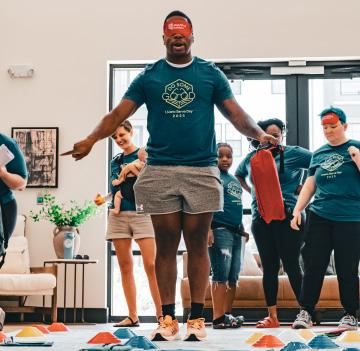
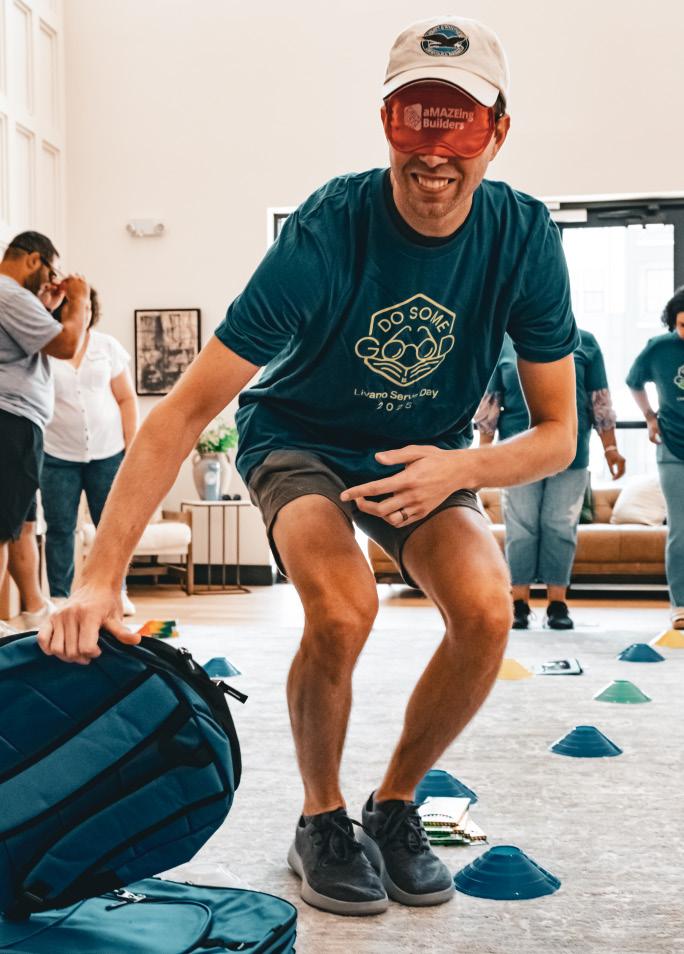
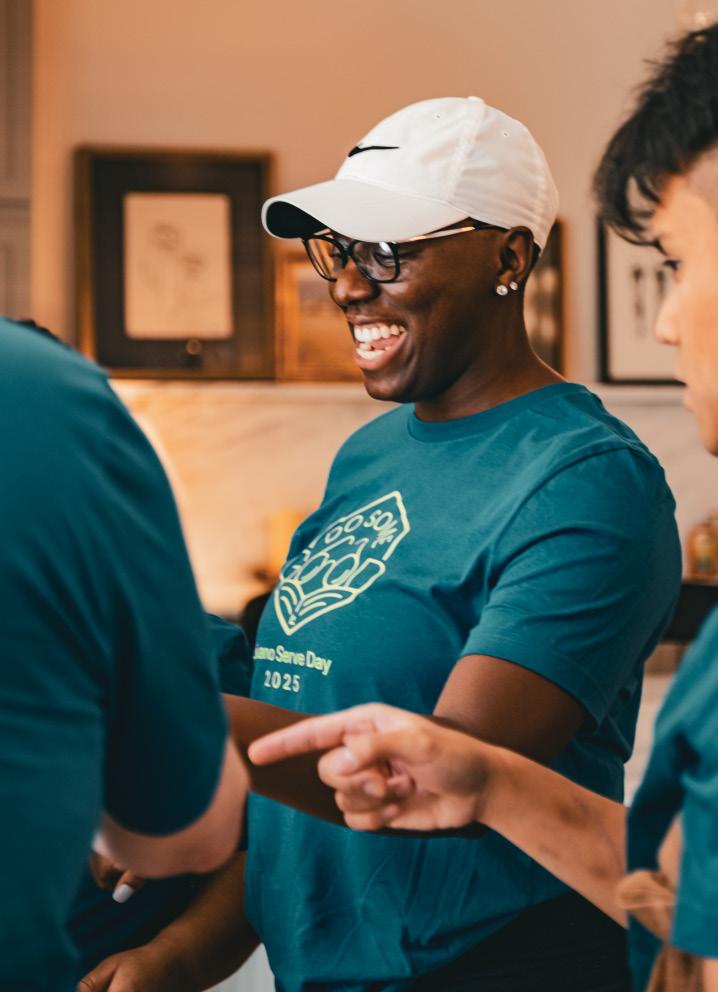
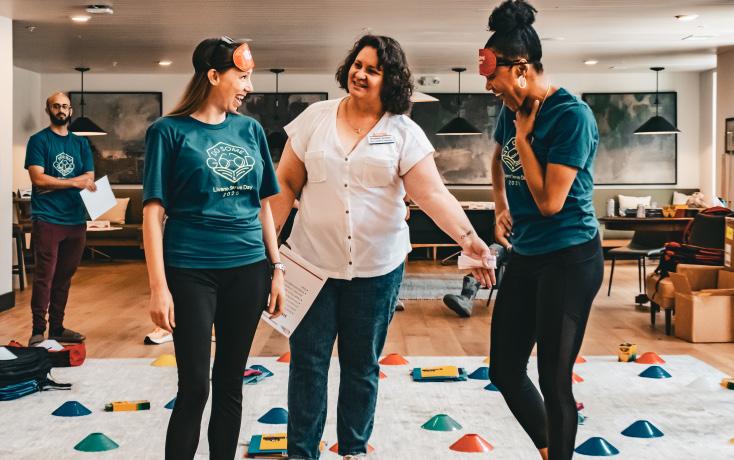
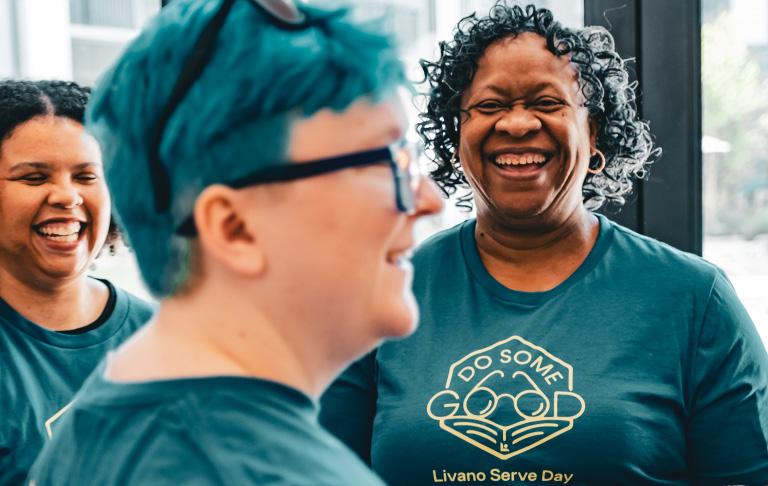
In July, Livano communities across the country came together for the 2nd Annual Livano Serve Day — a day dedicated to connection, compassion, and community spirit. The event brought together nearly 300 participants across 10 Livano properties in eight states, all working toward one heartfelt goal: helping kids start the school year strong.
In partnership with The Leaders Institute, each property hosted an “Amazing Builders” charity team-building event, where residents, staff, and friends of all ages rolled up their sleeves to pack backpacks brimming with fresh school supplies — notebooks, pencils, crayons, and all the little things that make a big difference on the first day of school.
Those backpacks were donated through local organizations near each Livano community, helping nearly 300 children begin the year with the confidence, excitement, and tools they need to succeed.
The day was filled with laughter, teamwork, and a shared sense of purpose, embodying Livano’s mission to be more than a place to live, to be a place that inspires residents to live fully and give generously.
Picture Perfect
Livano Oakwood recently held a resident event that truly captures the spirit of connection, a “Picture Perfect” photo day. Residents enjoyed a professional photo session and were encouraged to bring along friends, family, and even their pets.
For one resident, the event turned into something especially meaningful. Larry and his sweet dog, Lily, are familiar faces around Livano Oakwood — their warmth and friendliness help make the community feel like home. When Larry heard about the event, he saw it as the perfect reason to bring his daughters and their families together, traveling in from South Carolina and across Georgia, for a long-overdue family portrait.
Hosting Larry’s family and capturing joyful moments for so many of our residents was a privilege we don’t take lightly, and a reminder of what makes our Livano communities so special.
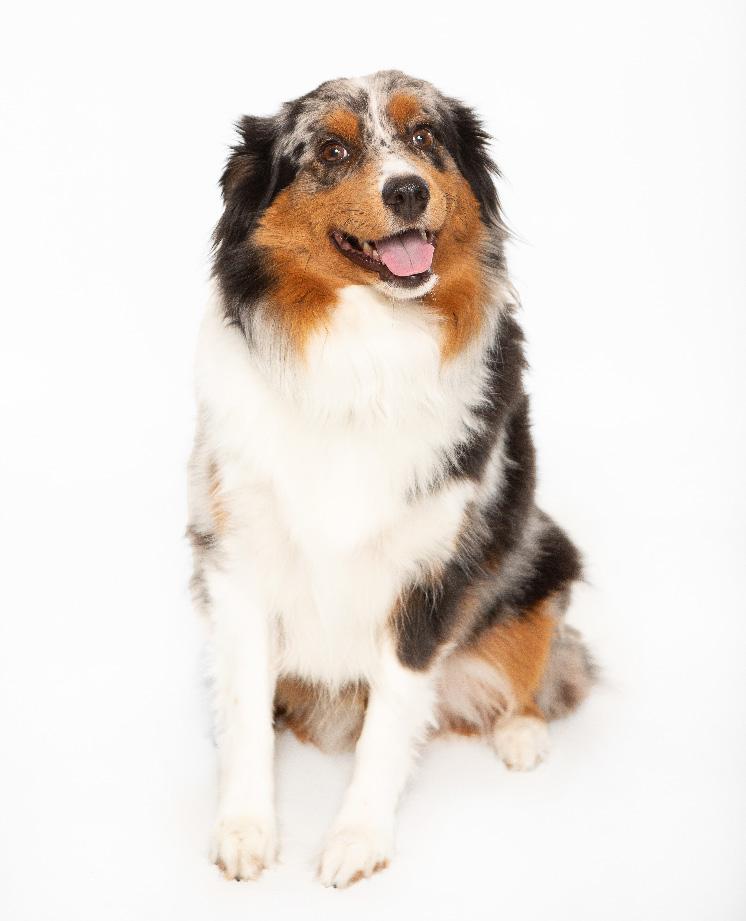
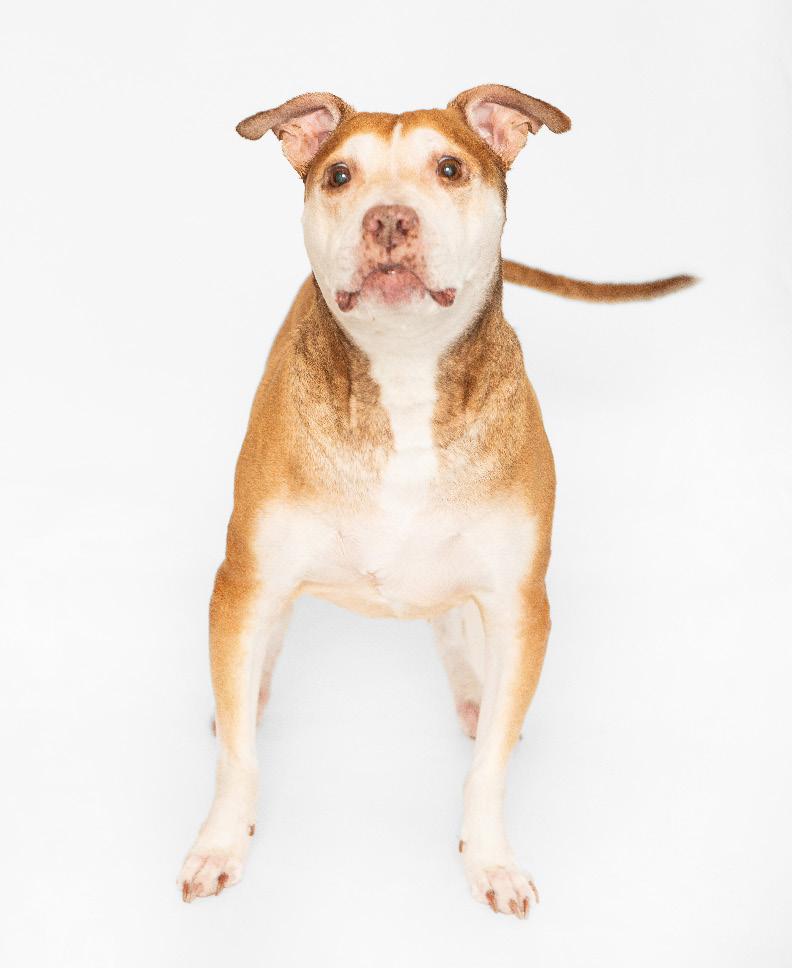
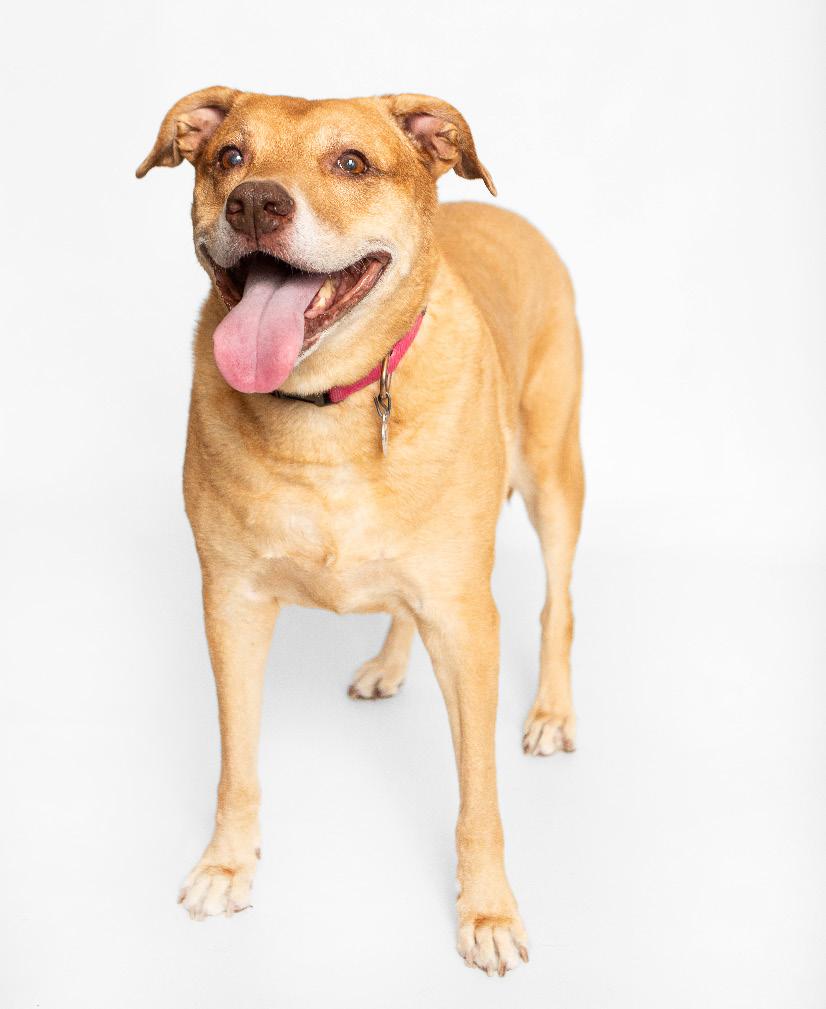
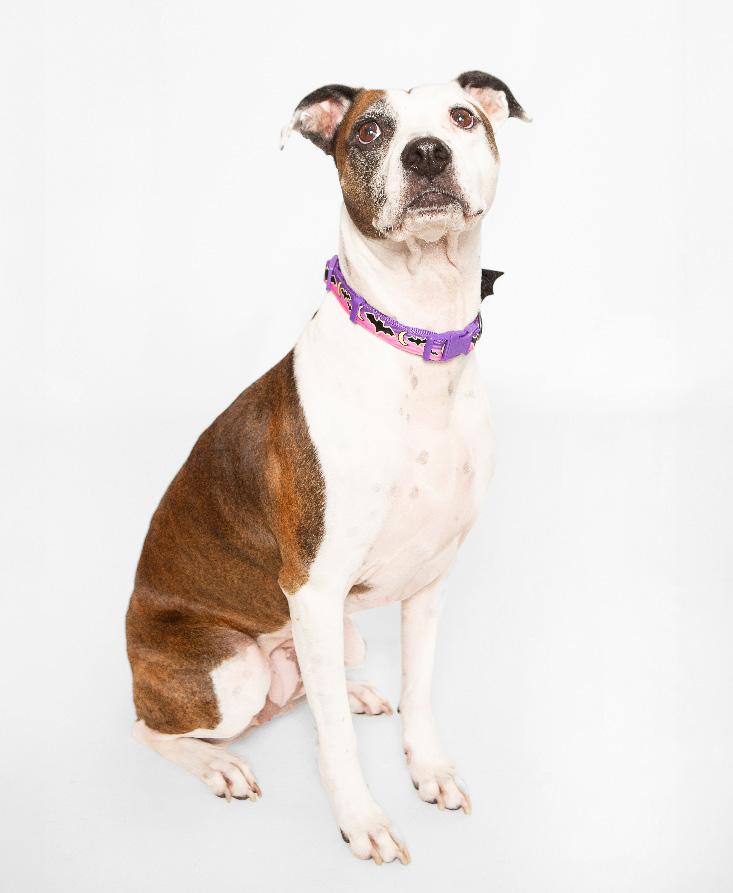
Dogs of Livano
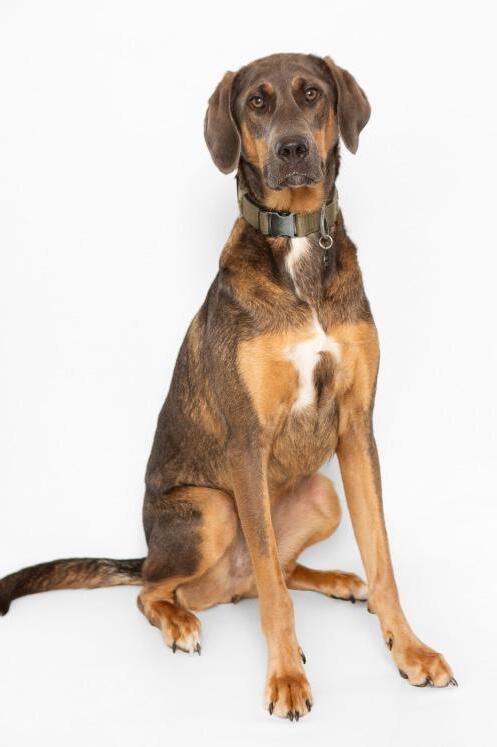
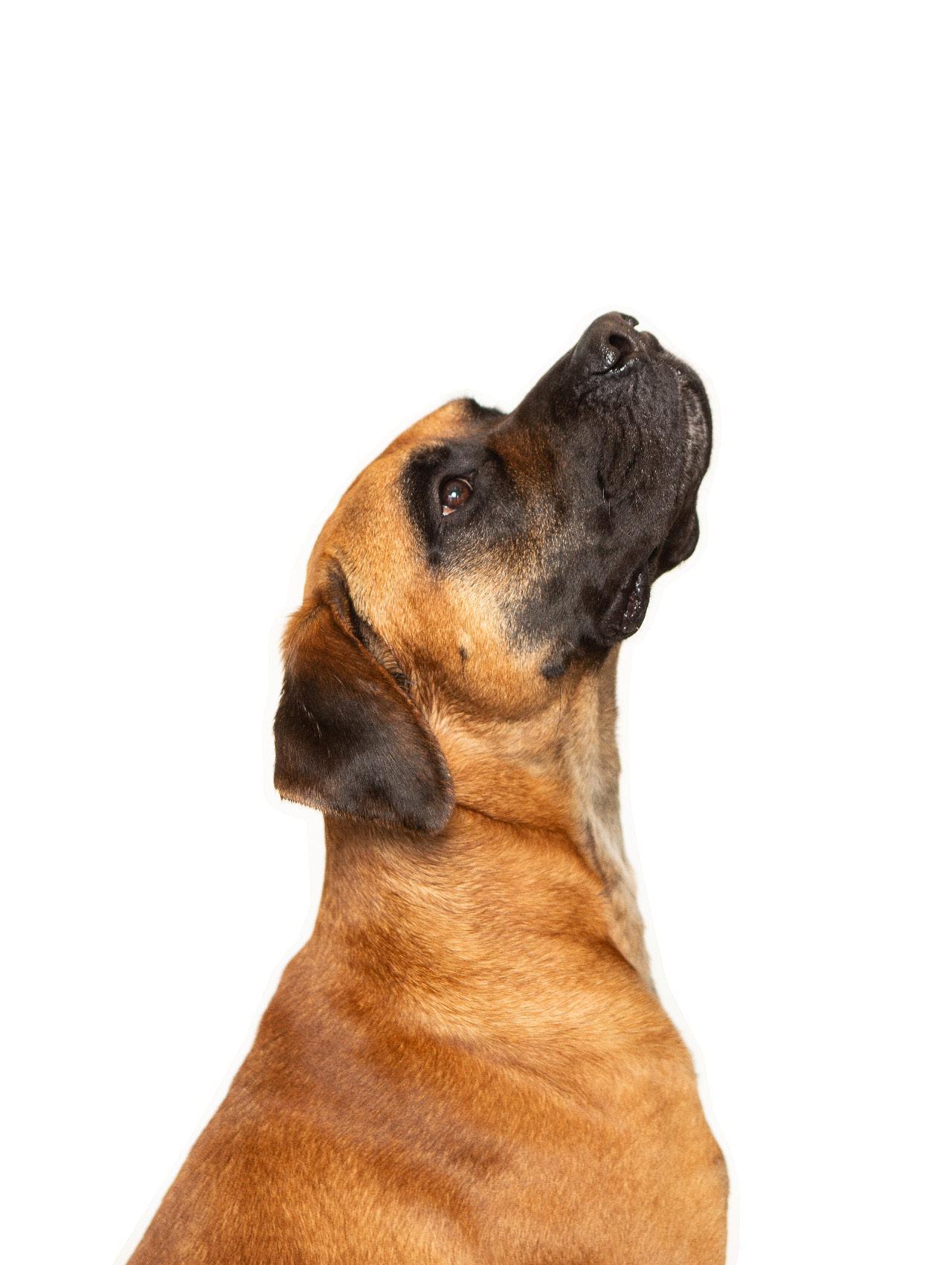
A round of applause is in order for this big baby who just mastered “sit.”
BOONE
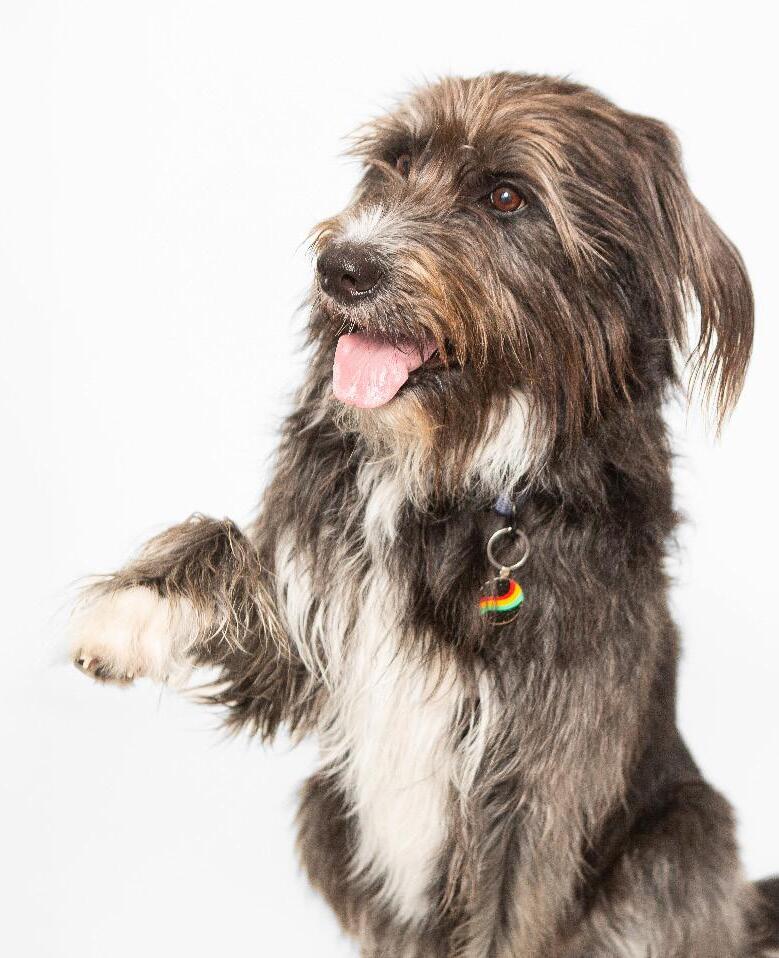
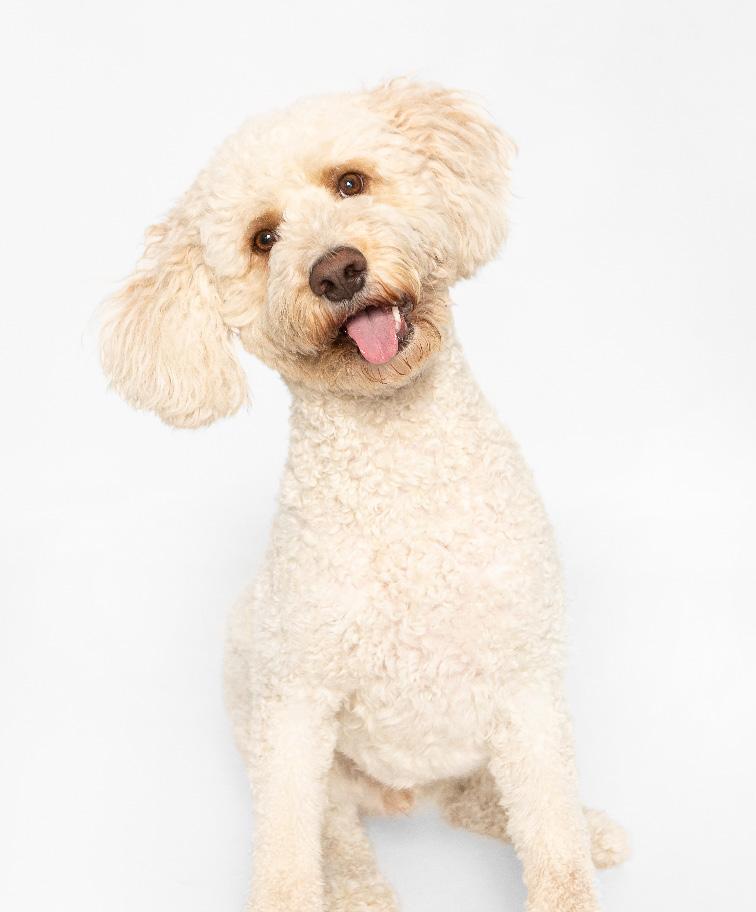
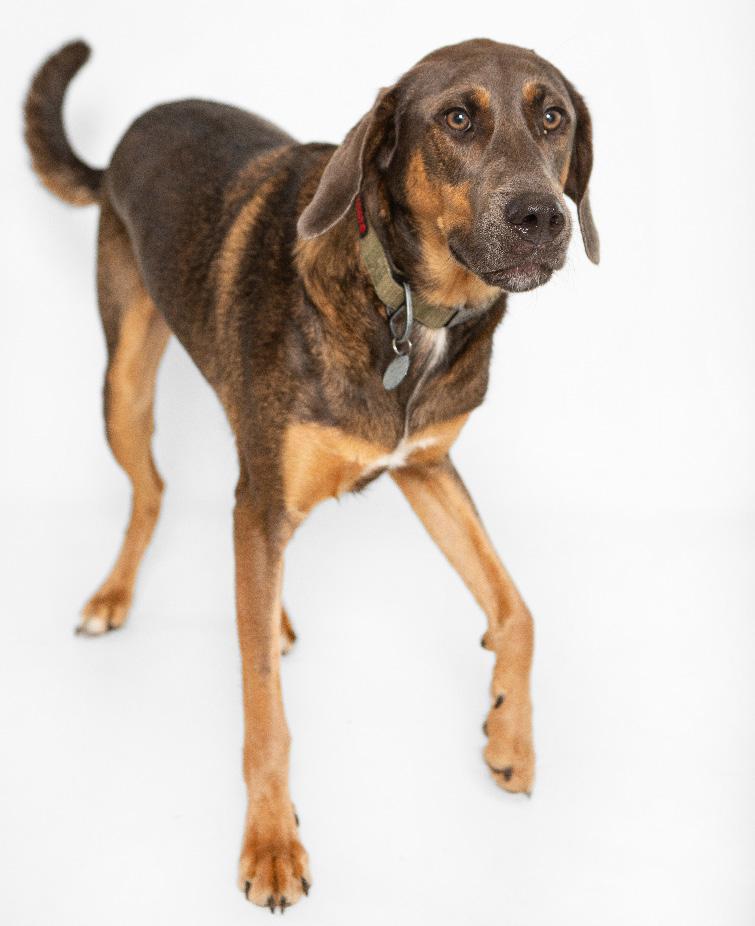
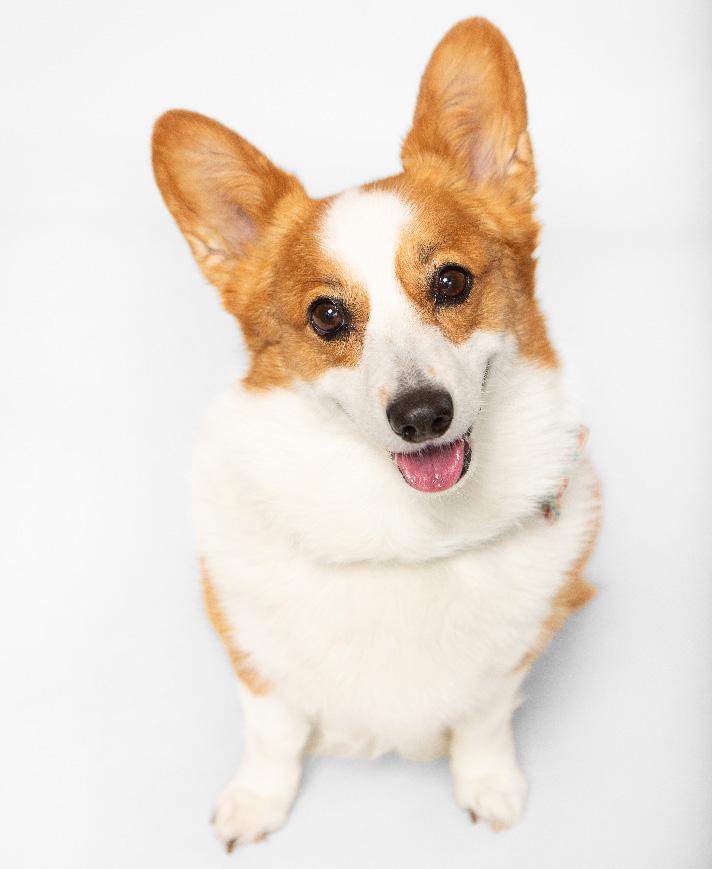
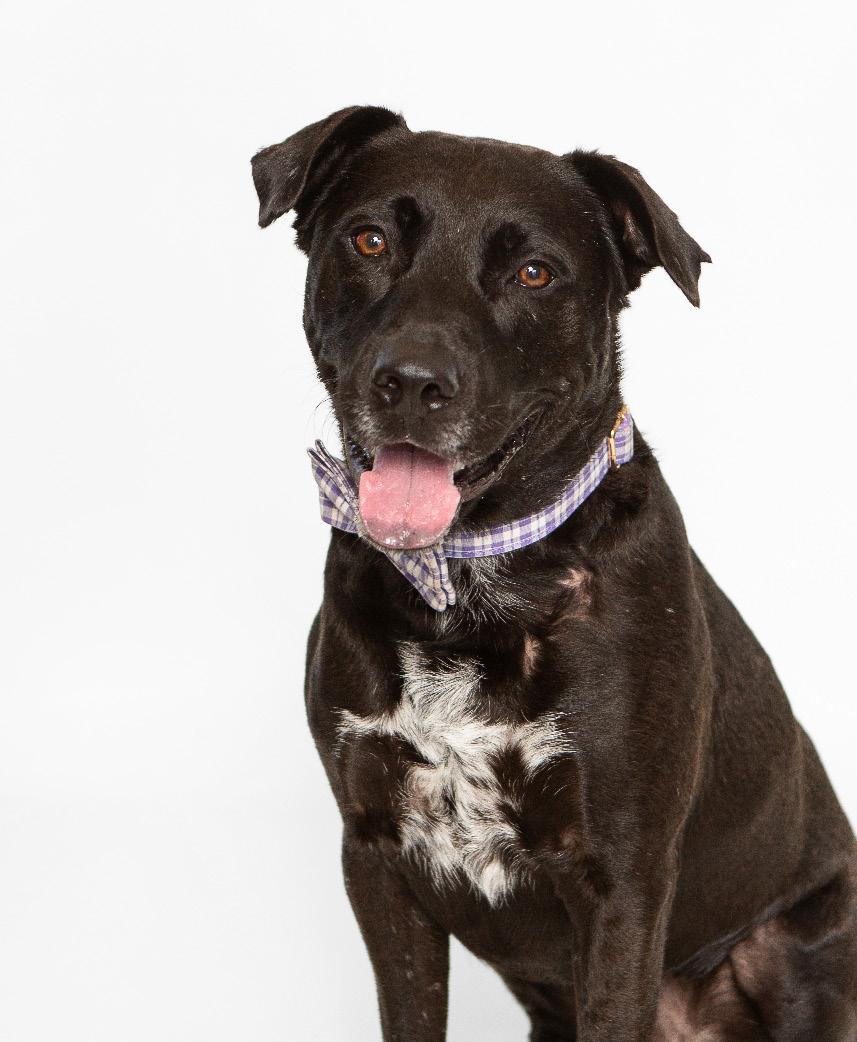
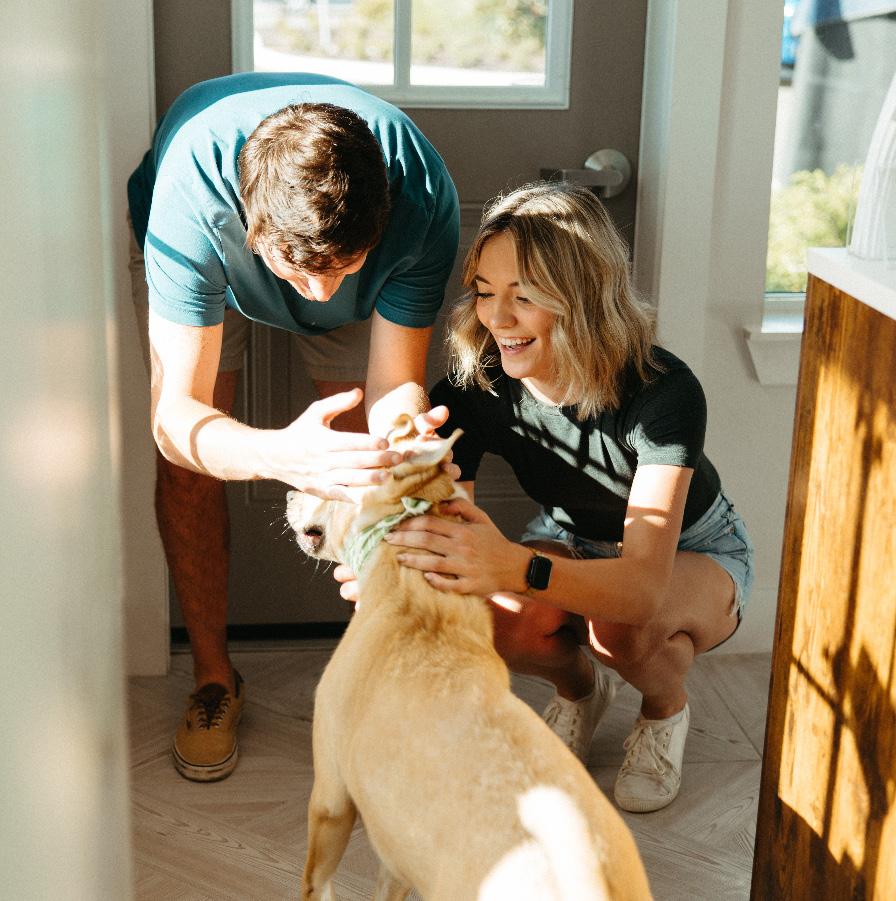
Pets have that special ability to comfort us when we’re down, make us laugh when things get too serious, and show us all what unconditional love looks like. Their unwavering companionship and joy is what makes them part of the family. Meet the furry faces of Livano Nations in Nashville, TN.
Livano communities are designed with pet owners in mind. Livano Pet Centers offer a haven where your furry friends are not just welcome — they’re celebrated. Imagine vibrant areas where pets can socialize and play, fostering a sense of camaraderie among owners as they share stories and tips. Our pet-centric events and amenities make Livano the ultimate destination for pet lovers. Ask your leasing team how you and your four-legged friend can take advantage of everything our Pet Centers have to offer.
Miss Emmy has a refined palate, so it’s no surprise that she loves stopping by
every morning.
EMMYLOU
Trapeze
MILO
SWEETIE
This talkative gal might be the only dog that enjoys vet visits.
JASMINE
Meet
CALI
COCO & CHANEL
Jasmine, Sweetie’s quieter older sister.
We bet Maxie is hanging out with his cat brother, Denver, right now.
With a name like Frog, it’s no wonder that he’s a little goofy and loves to swim.
FROG
NOVA
Don’t let her short stature fool you, for Nova, ball is life.
ENZO
MAXIE
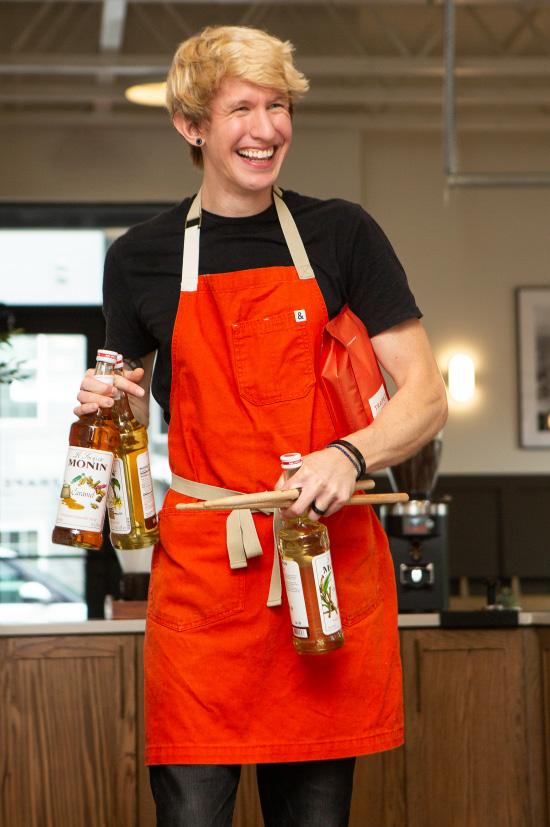
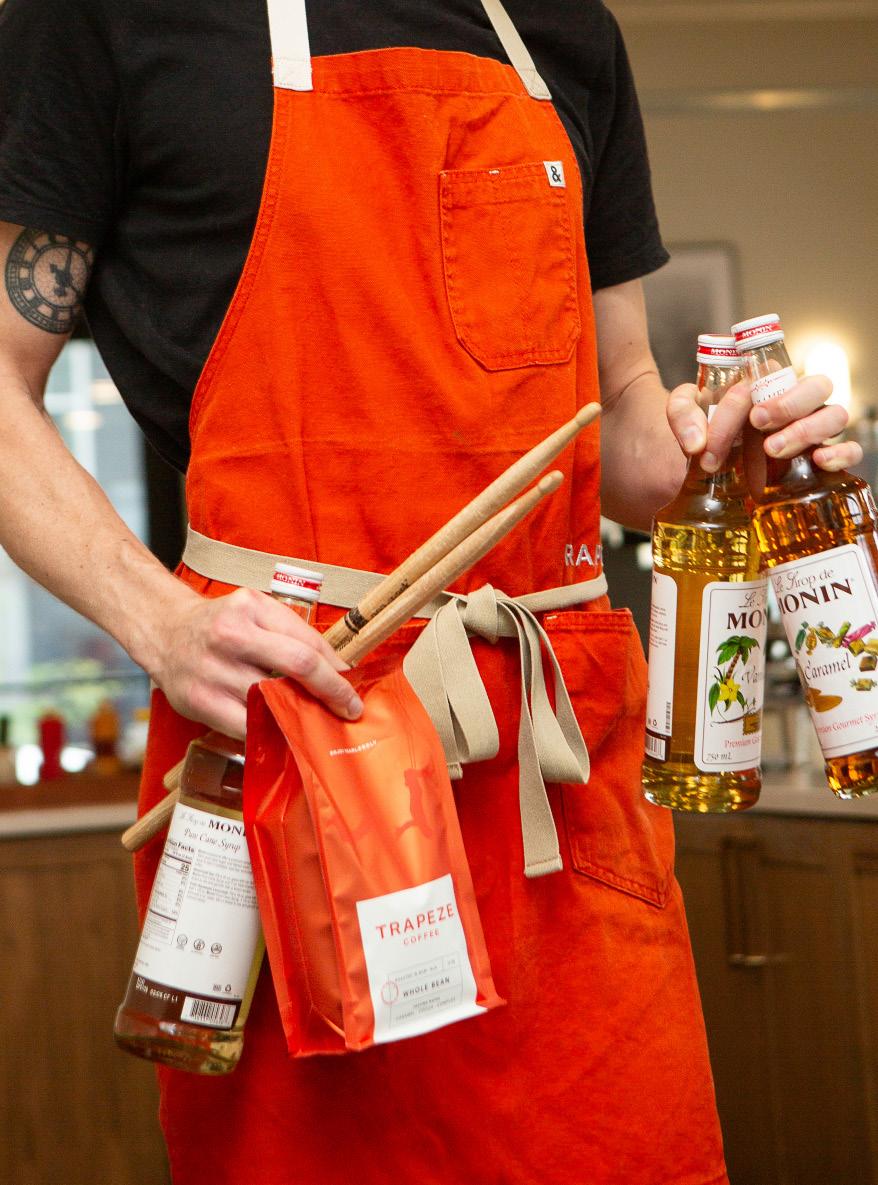
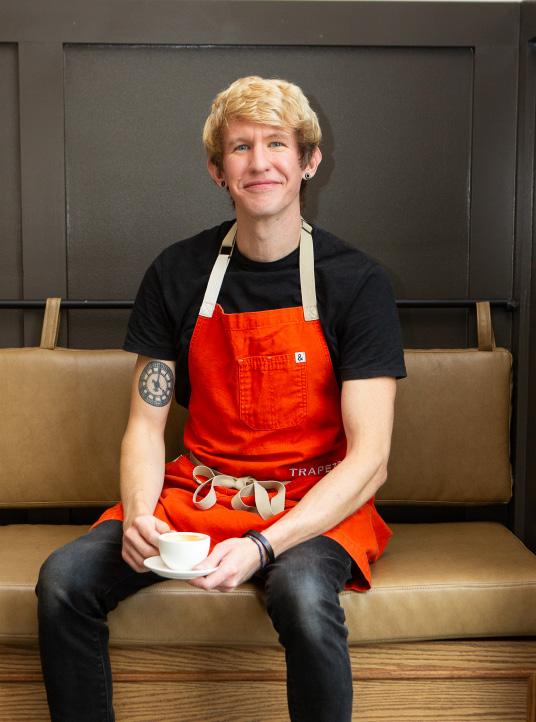
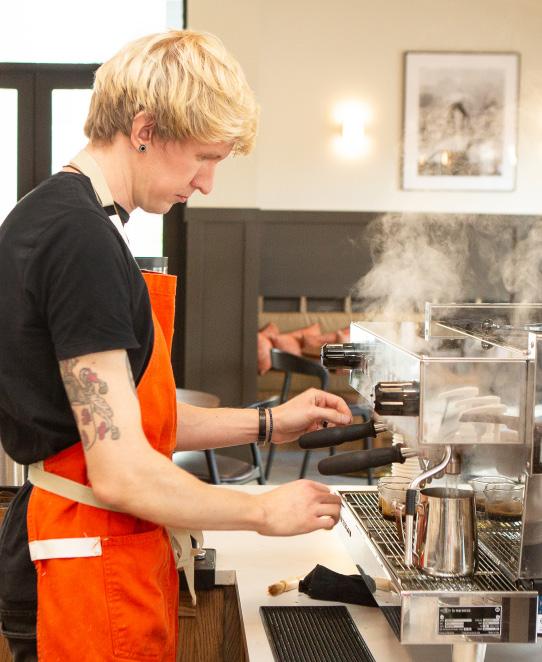
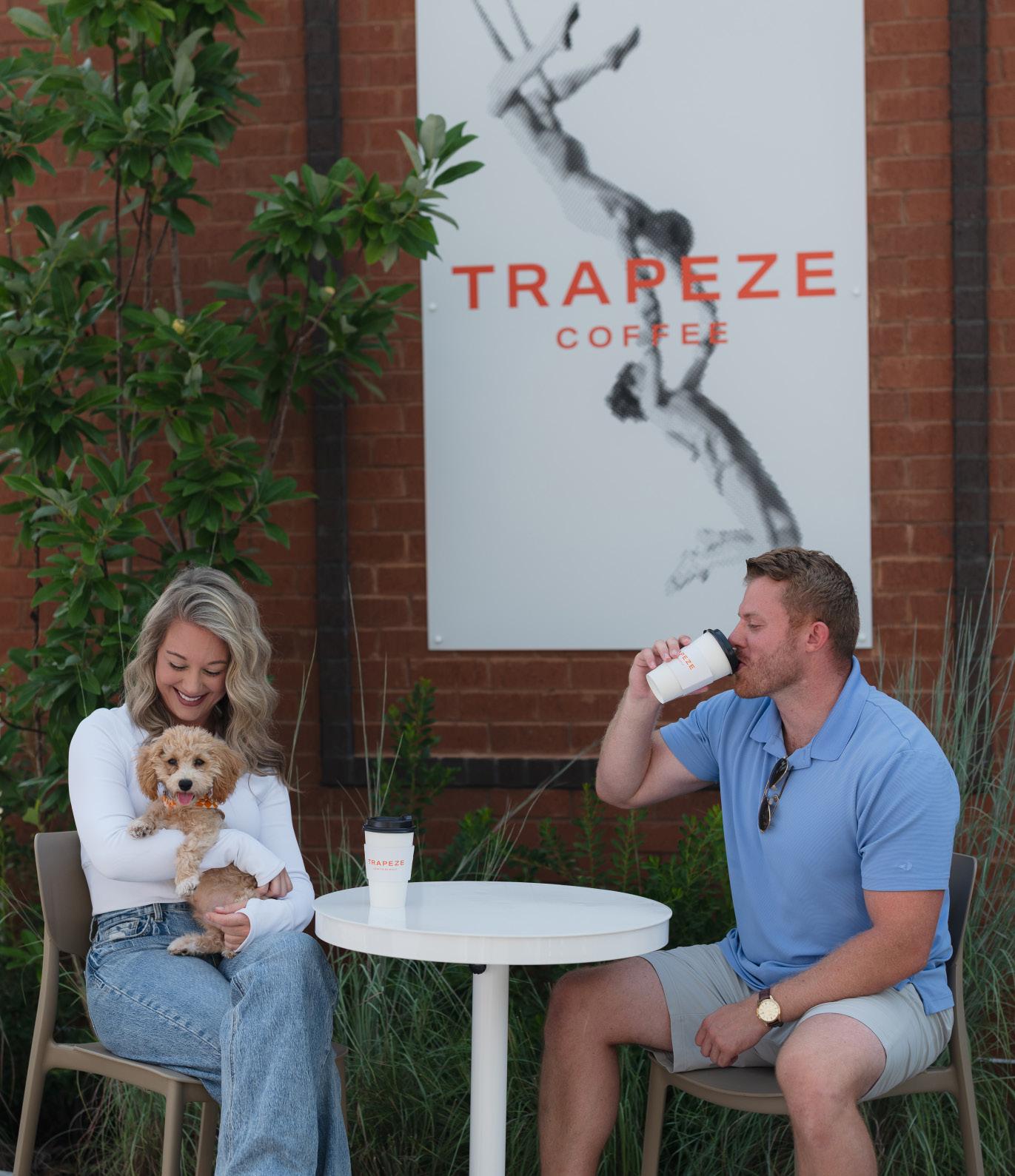
If you’ve ever wandered into Trapeze, at Livano Nations in Nashville, chances are you’ve been greeted by Alex’s easy smile and upbeat energy. He’s not just your barista. He’s also your neighbor, a seasoned musician, and one of the people who helps make Livano feel like home.
“I’ve worked in music for almost 15 years,” Alex says, recalling the winding path that led him from Atlanta to London and back to Nashville. After managing a recording studio overseas, he and his wife returned to the States and chose Nashville for its mix of family ties and creative pulse. “We wanted to be close to the city but still have a little more space and quiet,” he says. “Livano was the perfect fit.”
When Trapeze Coffee opened its doors, Alex was already working as a barista downtown. “It just made more sense to work downstairs in my own community,” he laughs. Soon, he was behind the espresso machine at Trapeze, pulling shots, chatting with residents, and helping foster connection.
“It’s very friendly. It’s very communal,” Alex says of the shop’s vibe. “It’s more of a place for residents to come in, connect, and feel at home — a good anchor point.”
That sense of community is what fuels him. He knows the regulars by name, remembers their dogs, and asks about their trips. “Getting to know people on a personal level, how their weekend went, how their dog’s doing, that’s the best part,” he says. “Sometimes one person overhears another, realizes they’re both from New York or both play guitar, and suddenly there’s a new friendship. I love being part of those connections.”
Outside the café, Alex’s other life hums to a different rhythm. A lifelong drummer and producer, he’s been building his freelance music business in Nashville, recording for artists remotely and collaborating across continents. His current bandmates live in England and France. “It’s kind of an international project,” he says with a grin. “We met up in the UK once to film music videos, but mostly we record remotely. It’s wild, but it works.”
When he’s not behind the counter or behind a drum kit, Alex and his wife love exploring local parks, soccer games, and breweries. They’re still discovering new corners of their adopted city.
“My favorite thing about living and working here is the sense of community,” Alex says. “People genuinely want to get to know each other. It’s not just a place to sleep, it’s a place to belong.”
Apparel and gifts designed with the same quality and care as each Livano community now open at select Livano communities
On the Rise
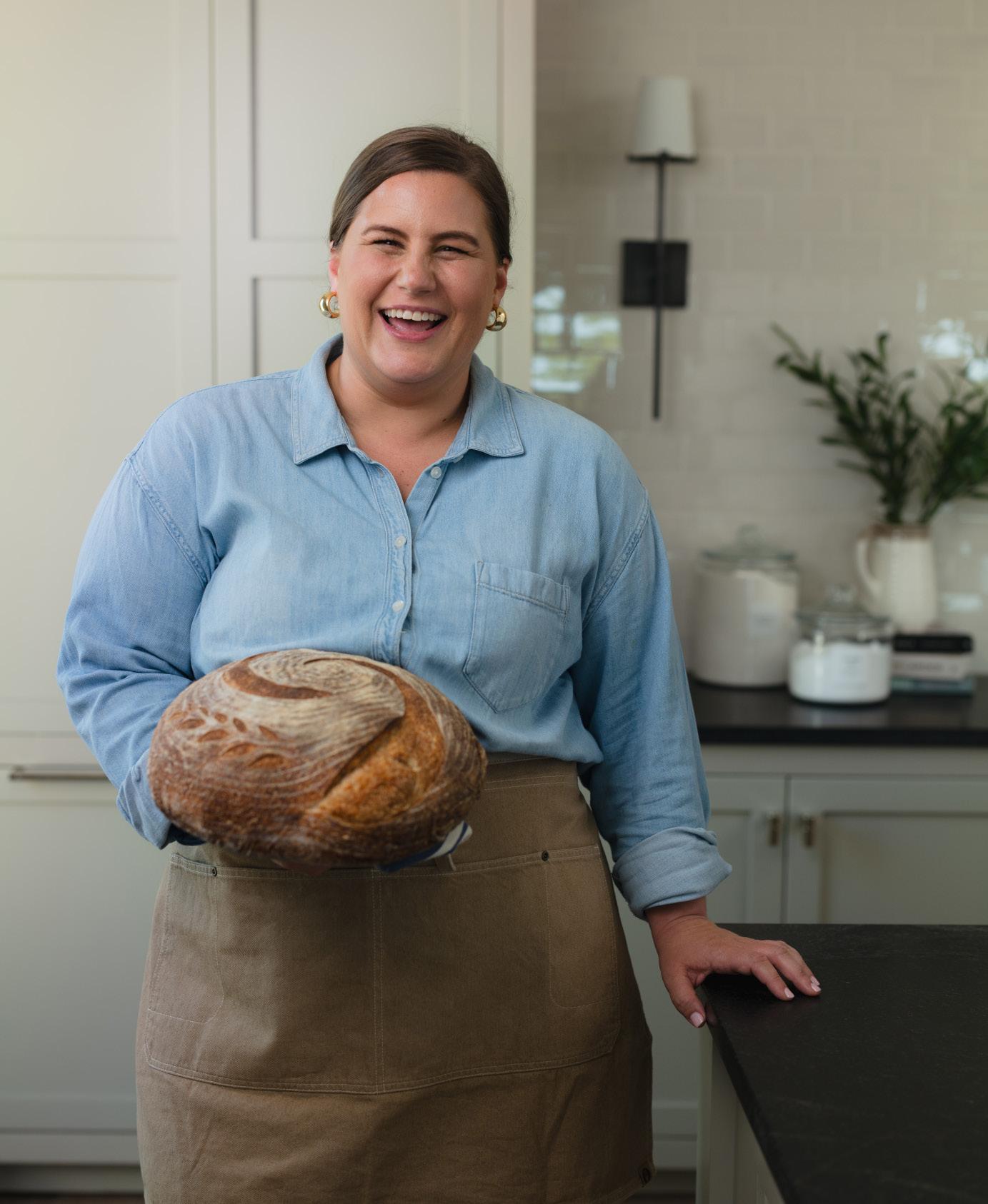
In recent years, sourdough bread has experienced an extraordinary rise in popularity. It started during the pandemic, when home baking became both a comfort and a creative outlet. Sourdough provided a point of connection during an isolating time. But as life returned to its usual pace, sourdough’s appeal endured. It represents a slower, more intentional approach to food — one that emphasizes craft, connection, and the simple satisfaction of transforming flour, water, and salt into something deeply nourishing.
To boil it down: sourdough is bread made through natural fermentation. Instead of commercial yeast, it uses a “starter,” a live culture of flour and water teeming with wild yeasts and lactic acid bacteria. These microorganisms leaven the dough, giving sourdough its signature tang and chewy texture. Because the fermentation is slower and more complex, it develops flavors that are deeper and more nuanced than typical yeast breads. It’s also easier to digest, as the natural acids and bacteria help break down gluten and phytates during the rise.
Sourdough’s enduring appeal comes from this blend of science, tradition, and artistry. Making it is part chemistry experiment, part daily ritual. There’s something deeply satisfying about maintaining a starter — a living thing that can be passed from baker to baker, sometimes over generations. In an increasingly fast-paced world, sourdough invites slowness and patience.
Beginning is simple. To create a starter, combine equal parts flour and water in a clean jar; about half a cup of each is enough to begin. Whole wheat or rye flour ferments more quickly than white, so it’s a good choice for the first few days. Leave the mixture loosely covered at room temperature. Each day, discard about half and “feed” it with fresh flour and water. You can even repurpose your discard in other baked goods. Within five to seven days, you’ll see bubbles in your starter and smell a pleasant, slightly sour aroma — signs that your starter is active and ready to use.
Once your starter is strong, the real fun begins. A classic sourdough loaf involves four ingredients: starter, flour, water, and salt. There are endless recipes and techniques, but the process is the same: mix the ingredients, let the dough rest and ferment, stretch and fold it periodically. Finally, shape it and proof it before scoring and baking in a hot oven.
For beginners, sourdough baking is as much about observation as instruction. Temperature, humidity, and flour type all affect fermentation. The more you bake, the more you’ll learn to read your dough and adjust accordingly.
Sourdough may seem intimidating at first, but with just a little flour, water, and time, you can create something that’s both ancient and entirely your own — a living connection between past and present, and a reminder that good things often take time to rise.
Want to learn more about making sourdough at home? These Instagram accounts are great resources for beginners and well-seasoned bakers, alike. @amybakesbread @sourdough.explained @everything.sourdough @maurizio (The Perfect Loaf) @the.sourdough.lady @theearlyrisebaker
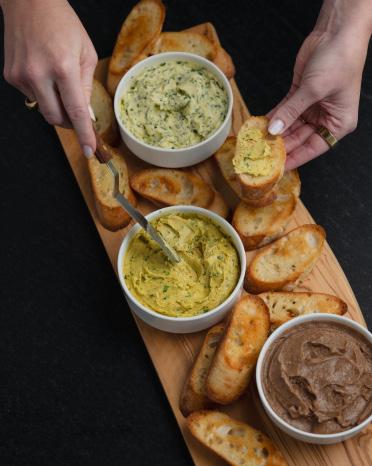
Compound Butters
Aggie Litzler, Livano’s Operations Manager, is an entertainer extraordinaire, and a compound butter is one of her go-to party tricks. A few simple steps can yield a variety of results, all perfect to spread on a warm piece of homemade sourdough.
INSTRUCTIONS
Start with 2 sticks of unsalted butter. Set butter out to soften.
Finely chop ingredients if needed.
Once butter is soft, blend in sweet or savory ingredients. Can be combined in a bowl with a fork or a hand mixer.
LOG SERVING OPTION
Transfer flavored butter to a piece of parchment paper or plastic wrap. Form the butter into a log and wrap it well.
Chill for 2 hours before cutting into pieces for serving.
BOWL SERVING OPTION
Transfer to bowl and serve.
GARLIC & HERB
1 tsp thyme & rosemary
2 tbsp chives & parsley
11/2 tsp minced garlic
1 tsp salt
CINNAMON & SUGAR
11/2 tsp cinnamon
11/2 tbsp brown sugar
11/2 tbsp white sugar
1/4 tsp salt
CURRY
1 tsp minced garlic
11/2 tsp curry powder
1 tbsp cilantro
1 tsp salt
Use a savory butter to saute vegetables, finish meat or fish, or blend into potato and pasta dishes.
Sweet butters are perfect on pancakes, stirred into oatmeal, or spread on a pastry.
The Art of the Board
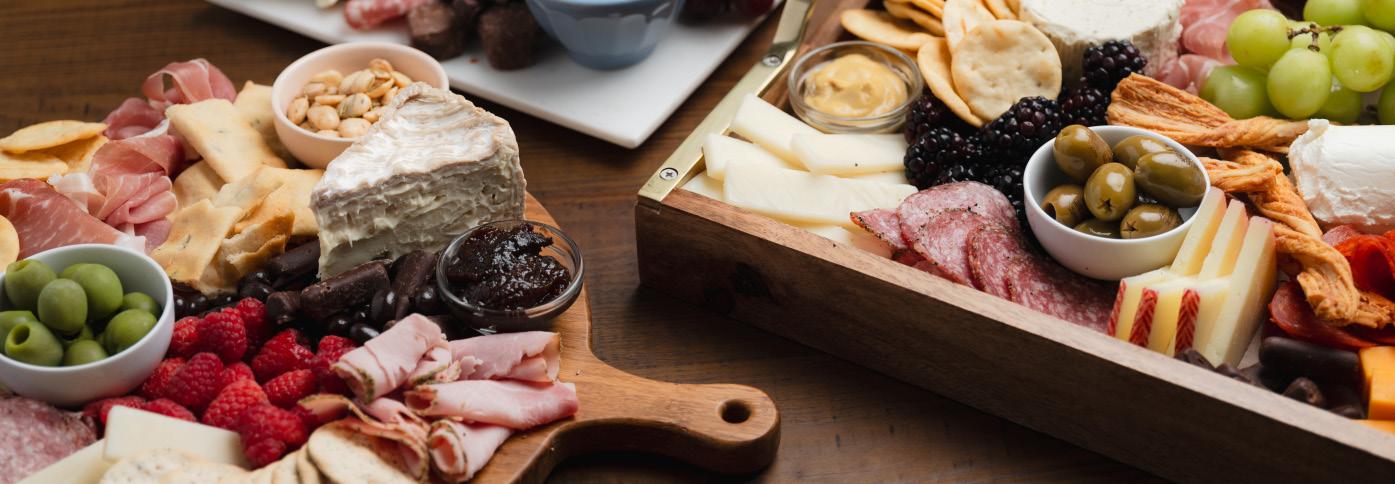
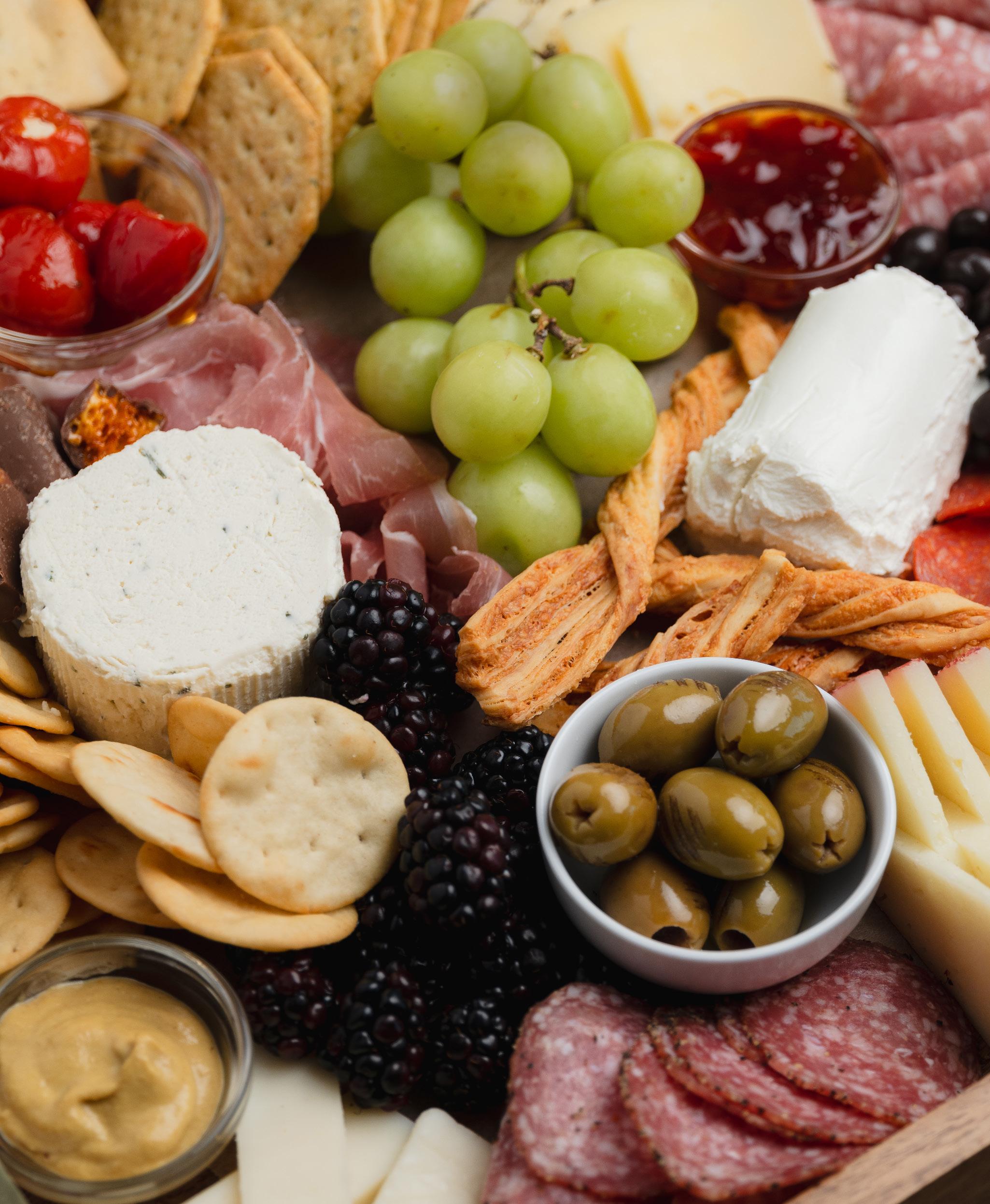
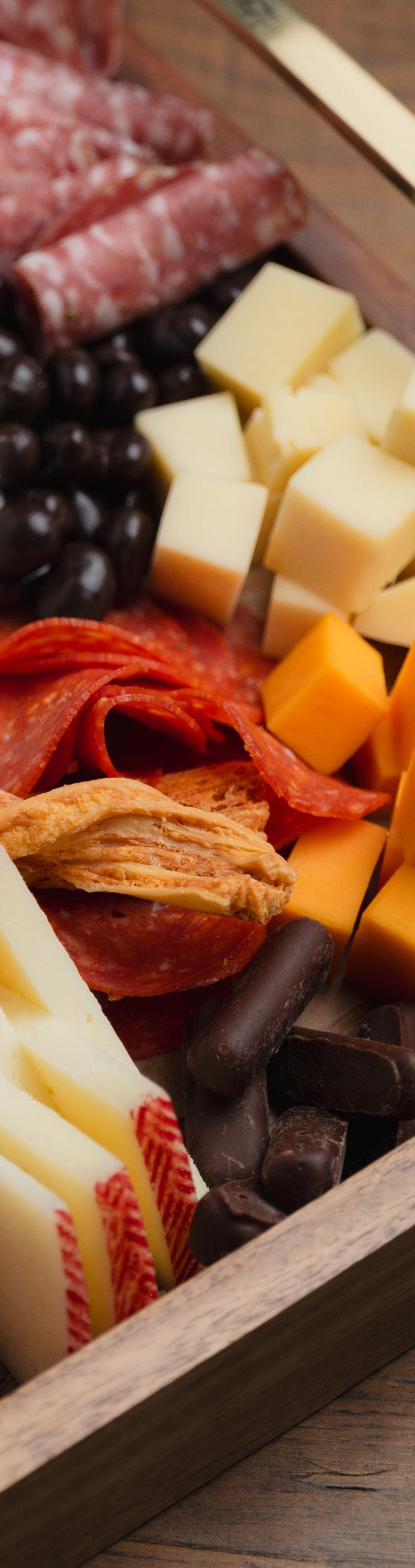
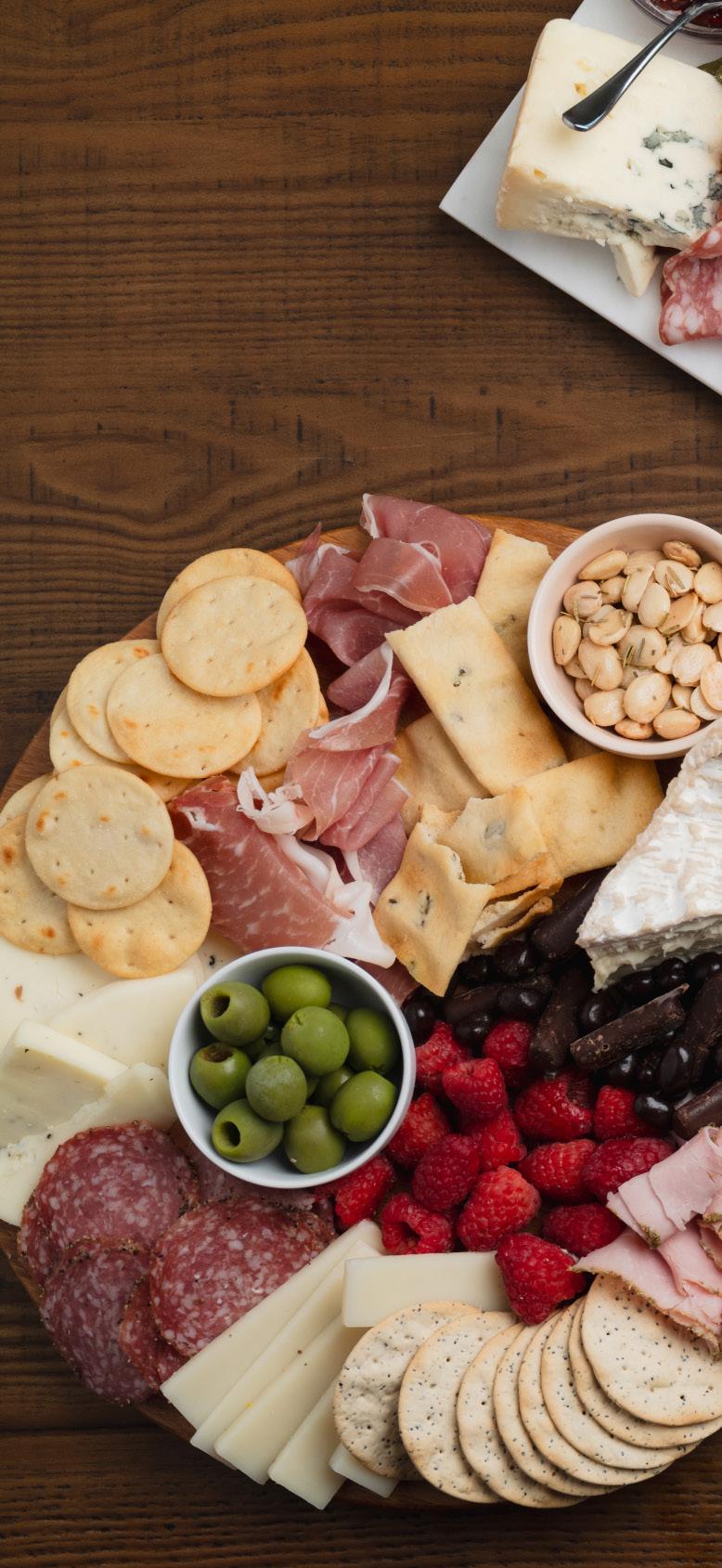
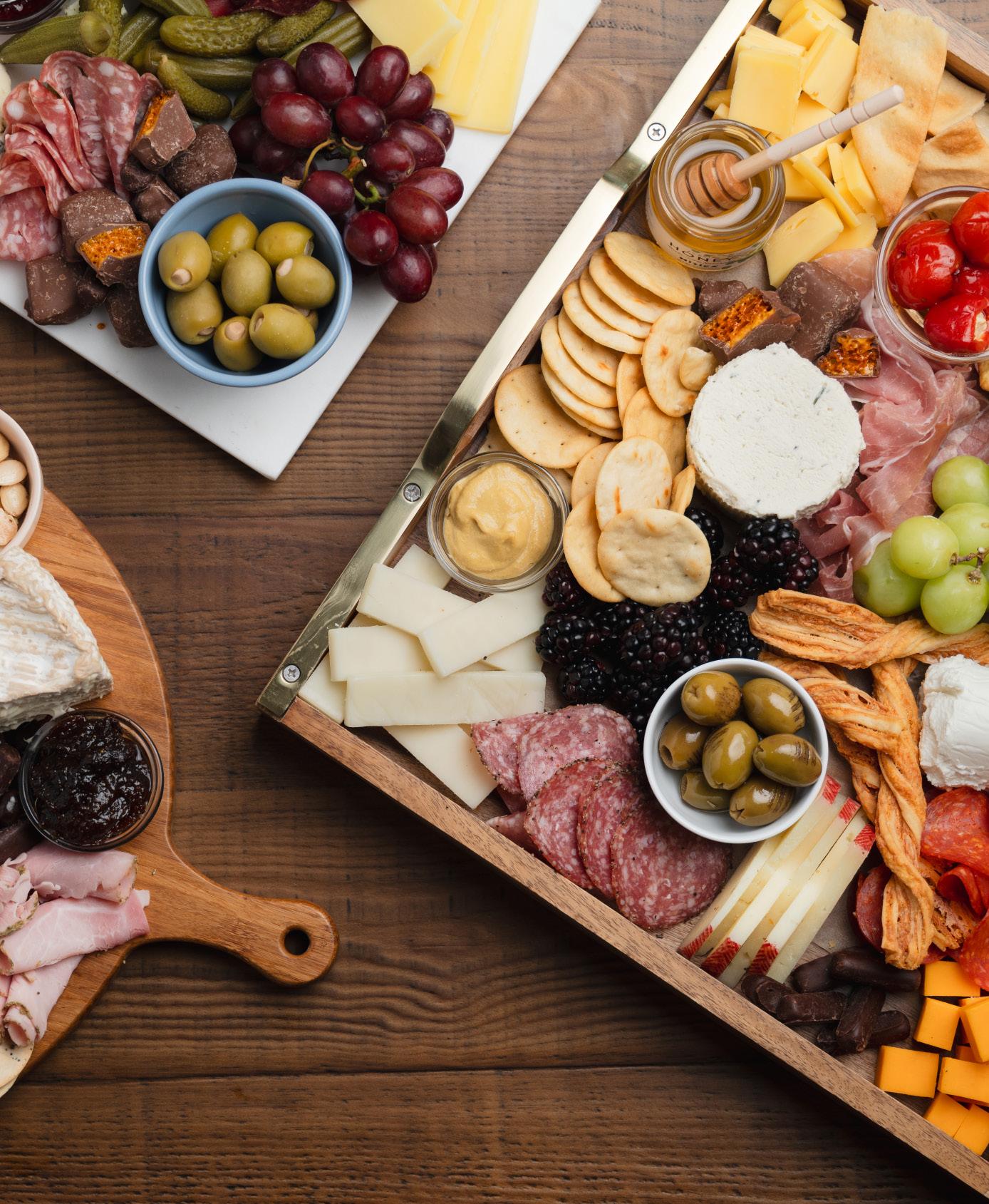
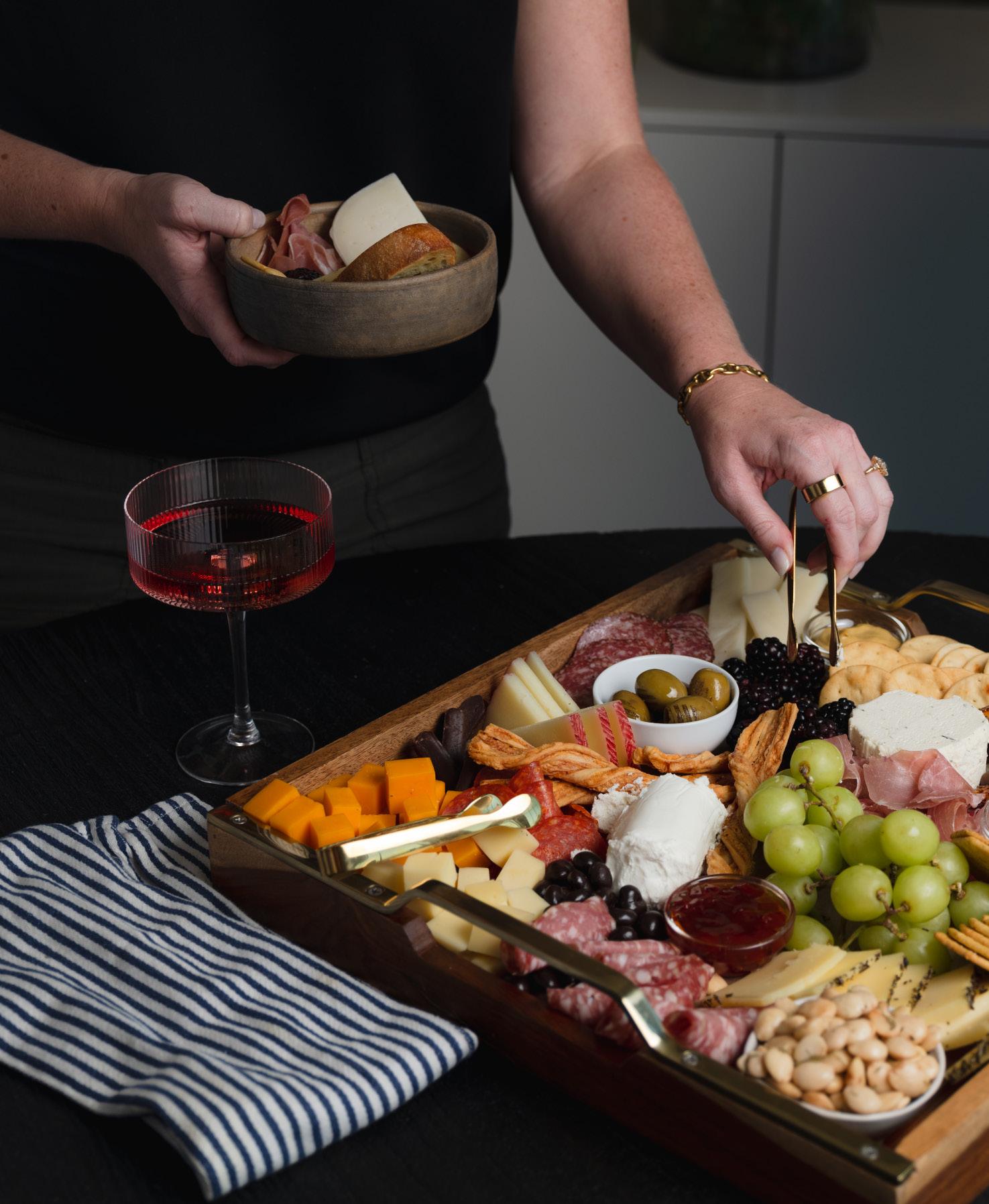
A great charcuterie board is more than an appetizer, it’s an edible work of art. Designed with care and intention, a wellbalanced board delights the eyes as much as the palate. It’s about abundance and contrast: salty and sweet, creamy and crunchy, delicate and bold. A charcuterie board invites people to gather, linger, and explore different flavor combinations at their own pace.
WHAT IS CHARCUTERIE?
The term comes from the French words “chair” (meat) and “cuit” (cooked). Originally, it referred specifically to prepared and preserved meats — think sausages, pâtés, terrines, and cured hams. The practice dates back to 15th-century France, when “charcutiers” were skilled artisans specializing in preserving meat before refrigeration. Over time, charcuterie evolved from a necessity into a celebrated culinary craft, one that highlights the skill of curating and balancing flavors.
Today, the term has expanded well beyond its traditional roots. Modern charcuterie boards include not only cured meats but also an array of cheeses, fruits, nuts, pickles, spreads, and breads. They’ve become a symbol of conviviality and creativity, perfect for dinner parties, picnics, or even casual nights at home. The beauty of a charcuterie board lies in its versatility: there’s no single “correct” way to make one, only guiding principles that help achieve balance and harmony.
BUILDING THE PERFECT BOARD
At the heart of a great charcuterie board is contrast. You want to balance textures and flavors so every bite feels different and interesting. Think of it as conducting a small orchestra — each ingredient should play its part without overpowering the others.
Meats: Choose two or three varieties that vary in texture and flavor, like a thinly sliced prosciutto and a hard salami. Arrange in folds or ribbons so they’re easy to pick up and visually appealing.
Cheese: Aim for variety, one soft (brie, camembert, goat), one firm (aged cheddar, manchego, gruyère), and one bold (gorgonzola, roquefort, truffle). This trio provides a range of textures and intensities. Also play with different milks — goat gouda or sheep milk cheddar add complexity and interest.
Sweet: Fresh and dried fruits — grapes, figs, apple slices, or apricots — offer brightness and visual appeal. Chocolate-covered nuts, honeycomb, or espresso beans bring warmth and richness to the board.
Bitter: Pickles, cornichons, and olives bring acidity and crunch. Think beyond the standard cucumber; pickled okra, green beans, and carrots provide an unexpected bite.
Crunch: Introduce texture through nuts, crackers, and bread. Offer a mix of vehicles for stacking and spreading, like crisp crackers, baguette slices, and even seeded flatbreads.
Spreads and dips: Add a whole-grain mustard for sharpness. Fig jam, olive tapenade, or hummus lend richness. A drizzle of honey or a pepper jelly is a nice touch. Serve them in small bowls to create visual variation and keep things tidy.
PRESENTATION MATTERS
Use a wooden board, marble slab, or large platter as your canvas. Arrange items with a sense of abundance — edges overlapping, colors alternating, shapes repeating. Fill in gaps with nuts or small fruits to make the board feel full and inviting.
SOMETHING FOR EVERYONE
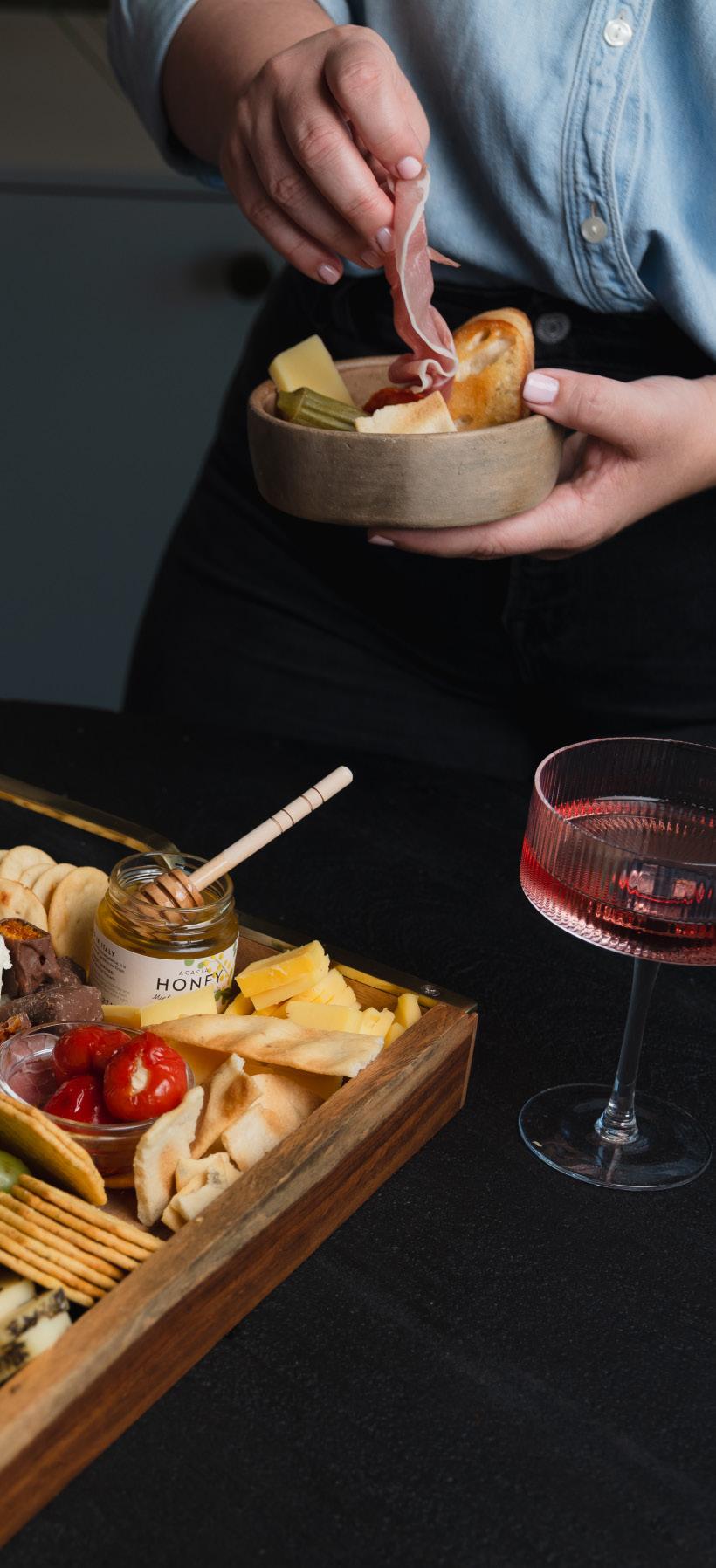
A well-made charcuterie board ensures that every guest finds something to enjoy. It tells a story through flavor, reflecting the season, the company, and even the personality of the host. Whether you’re hosting a party or savoring a quiet evening, the ritual of arranging these elements invites you to slow down, taste intentionally, and appreciate the art of good food shared.
CRAFTING THE PERFECT BITE
The perfect bite can be elusive. Its perfection lies in the contrast between salty and sweet, crunchy and soft. Below, we've given you a cheat sheet of some tried and true bites.
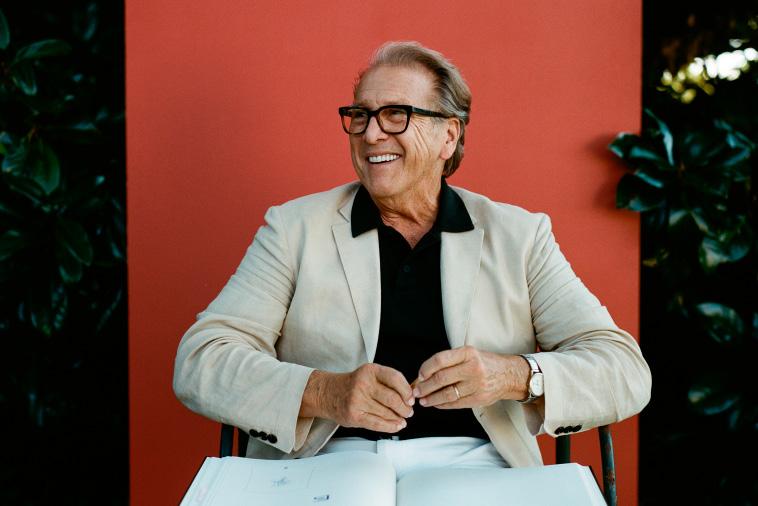
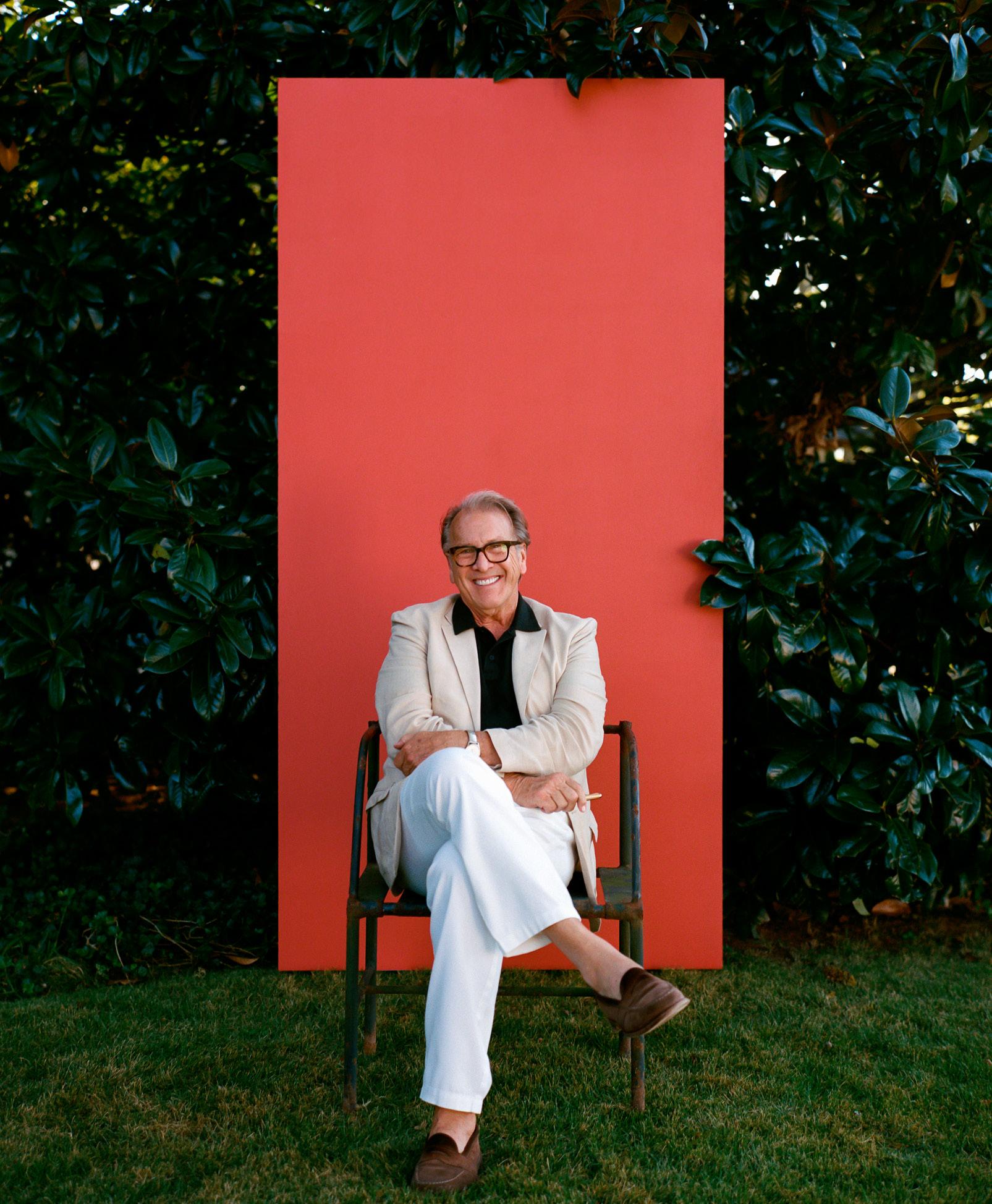
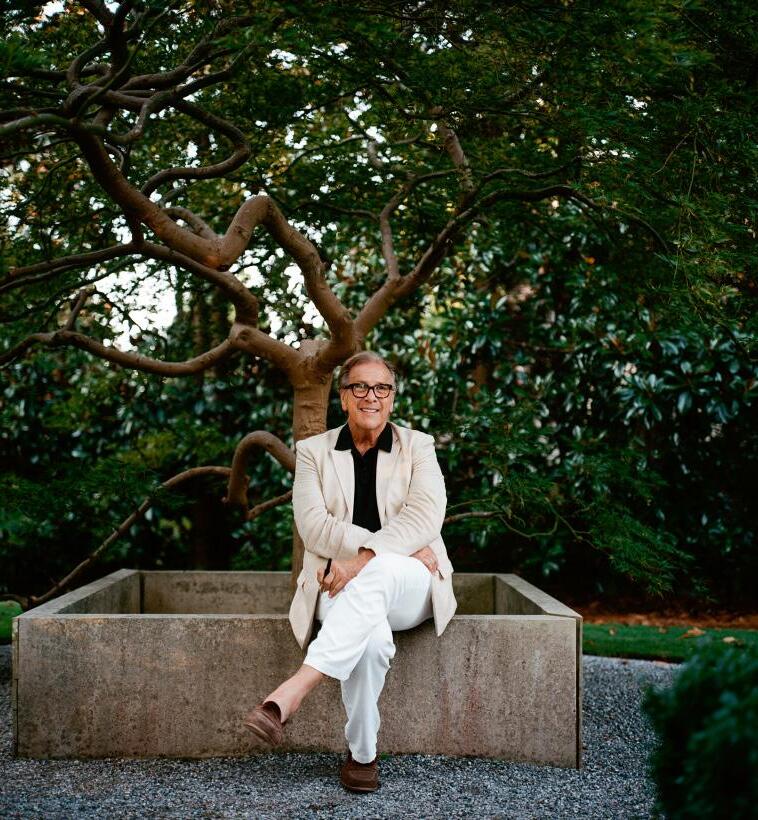
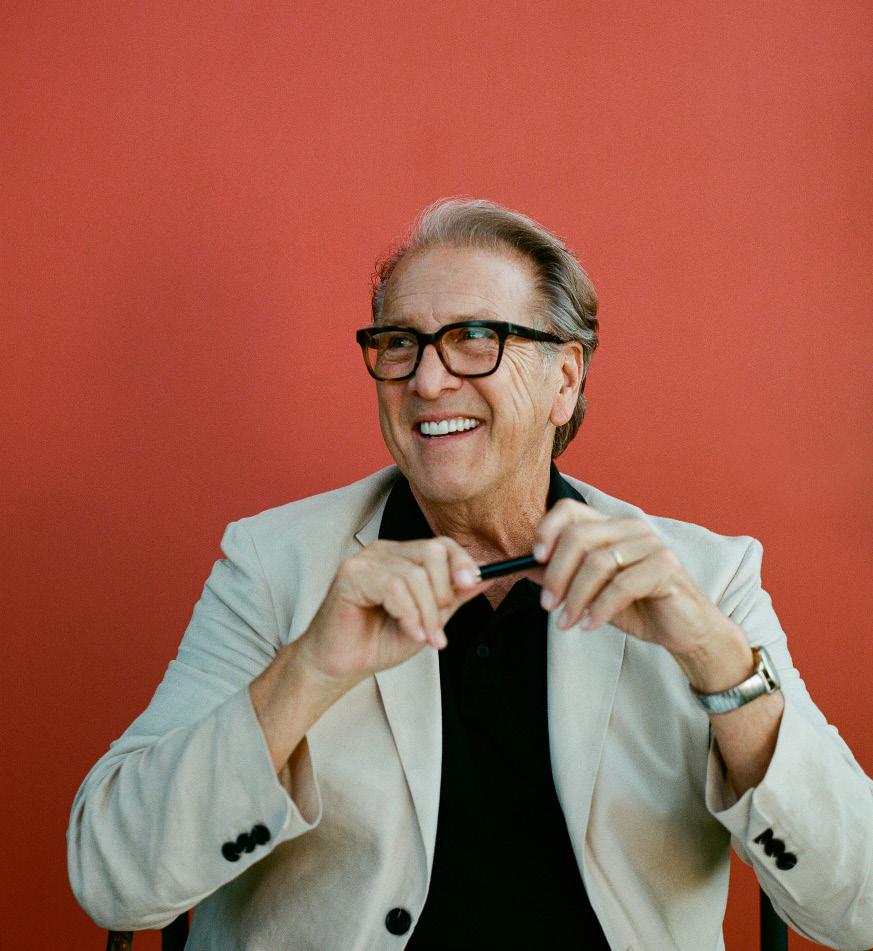
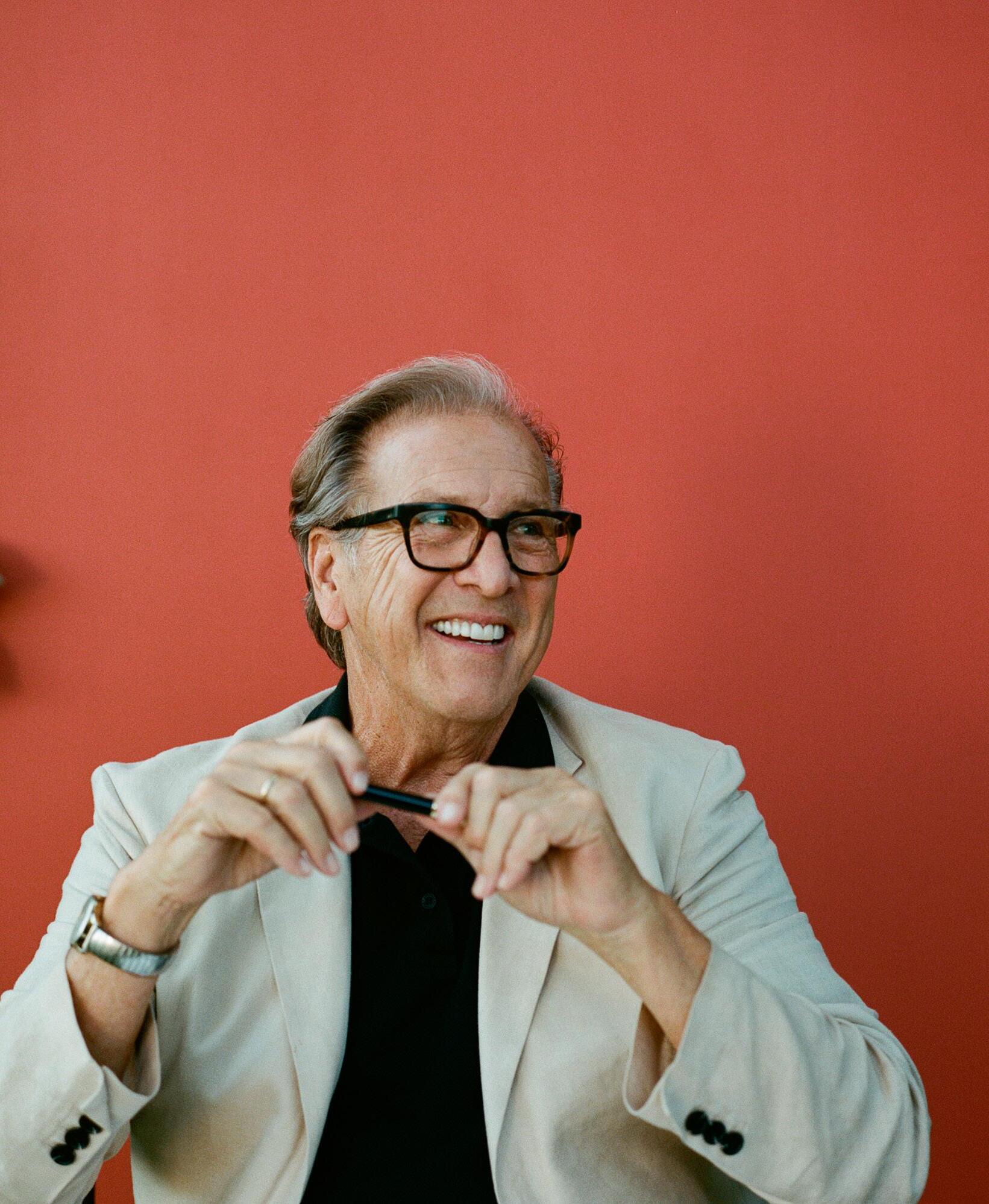
Terry Slaughter defies categories. Writer, designer, painter, retired branding-firm executive — none of those quite captures what he does.
When Terry Slaughter takes on a client, he wants to touch every aspect of the business, not just its image but its reason for being. The result isn’t branding in any conventional sense. It’s making businesses worth caring about.
His work with Livano reflects this philosophy — helping to elevate the resident experience to create not only a sense of home but community, belonging, and beauty.
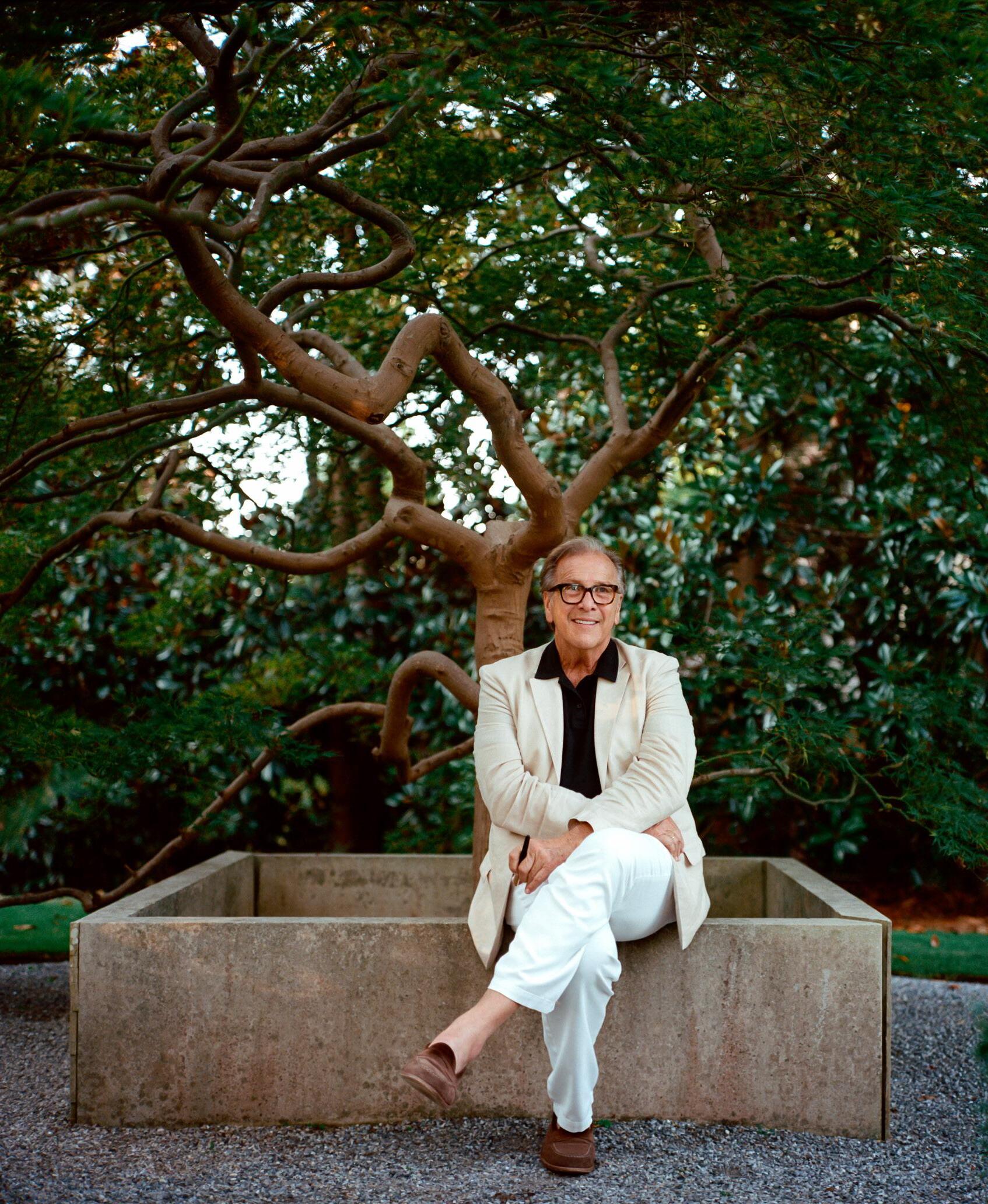
Over his career, Slaughter has earned the trust of prestigious clients, won many awards, and mentored young creatives, often taking risks and following his instincts even when it meant challenging convention. From his garden studio in Birmingham, Ala., Slaughter discusses his career, his philosophy, and taking the road less traveled.
Did you always want to be a designer?
I didn’t know what I wanted to do. My whole life I was always creating things. My parents were very encouraging, but no one said to me, ‘You know, you really ought to be a designer.’ I didn’t know what a designer was; I never thought that was a career.
My mother was active in working with the poor and (nourishing) their faith, and so I was really involved with that, too. She thought I would go into ministry. My dad was in the FBI but had retired from it by the time I went to college and was practicing law. So I thought I would be a lawyer, go home to Dothan, Ala., and practice with my dad. Then, just when I was about to graduate and apply to law school, my best friend said, ‘What are you doing? You don’t need to be a lawyer. You need to be a designer.’ I finally connected all the dots, and I stayed in school for another 18 months taking purely design courses.
Is it true you started your own firm when you were just 23?
There was a little ad agency in Dothan, and they said, ‘Yeah, we’ll hire you.’ That was right out of college, and a little more than three months into it, I said, ‘This is what I want to do for the rest of my life, but I want to control my own destiny.’ I wanted to do a whole bunch of other things. So I just started a firm. I had no vision other than wanting to be the best designer I could possibly be.
How would you describe your work at the time?
I was always interested in so many disciplines. As a boy I loved studying architecture, and I loved gardens, all these different things. So even early in my career, without really realizing it, I was becoming multi-disciplined. I designed a little logo for this little bank, and they said, ‘Well, Terry, can you do the sign too?’ The sign was in a ratty looking space, so I said, ‘We really need to landscape this.’ If I was going to design, I was going to do it holistically. I wanted to touch every single tentacle that came from the brand.
How did you decide to move the firm to Birmingham?
We were growing out of Dothan. We were picking up accounts in Birmingham, and I’d come up and service the accounts; eventually I opened an office here and I would commute. Dothan was my home, and I loved my home. But then AmSouth Bank — which was the biggest account in the state — had seen the work and asked, ‘Can you handle this account?’ And we got it. We kept growing. Eventually we had 100 people.
Did you enjoy heading a firm that size?
I was still very much interested in creating a DNA for the clients to make them better. So I got heavily involved in how their cultures worked and how every aspect worked — the sign, the interiors, and what the fragrances were … sometimes the clients’ eyes would roll, or they’d get excited but say, ‘I’m not sure we can do all this.’ And while I don’t regret it, I realized I had not been successful in backing away from the work myself. I had all these accounts and all these people, but I was still immersed in every detail. I was on the verge of imploding. Physically, emotionally, and even spiritually I was unraveling. We were still winning national awards for creative, and we were doing great work, but I wanted the process to be more contemplative. I wanted it to be more spiritual. I wanted to use design in a way that was going to truly make an impact on the human condition.
Finally, one day, very impulsively, I said, ‘I’m not doing this anymore.’ I started resigning accounts over the period of a month. It was very foolish — not the idea of doing it, but I could have had a better plan.
That’s kind of shocking. What was the plan?
If I had to drive it down to one point, I would say I wanted to use the talents I felt like God had given to me, and I wanted to use design to enliven people’s spirits and to change the way they thought about things and felt about things.
Then one day I was having dinner with someone, and she asked, ‘What are you doing now? I heard you went haywire.’ I told her what I wanted to do. She said, ‘You need to talk to my son. He’s going to be founding this new town down on 30A near Rosemary Beach.’
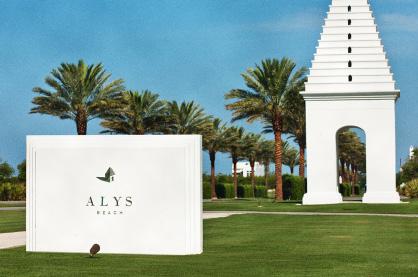
So he called me and said he’d like to talk to me about it. I pontificated about all these things, and told him, ‘If you make this community amazing, if you put your attention towards all the things that will impact the human condition, you won’t have to run an ad at all.’ But he still thought he needed an ad agency, and I said, ‘I’m not your man.’ About three months later he called and said, ‘I’ve talked to ad agencies, and I need what you can do.’ We started a friendship, and it was a blessing from God for both of us. He wanted me to help lay the groundwork for what this community, which became Alys Beach, was going to look like. It became an experience where they let me do everything with the idea of, let’s see how great we can be and not even worry about ‘branding’ yet.
It launched a new chapter of my career. It led to clients who wanted me to come in and shape their cultures, writing down core values and having those values shape everything before anything was drawn on paper. It was all based on this idea of the transcendentals, which are beauty and truth and honor. If you create something based on that, people will naturally be drawn to it.
I noticed in your website archives something that caught my attention: the place settings in a corporate dining room. It made me wonder if you literally designed the china.
The marketing director at Regions Bank, which had merged with AmSouth, called and asked if I would come back (as their agency). I said ‘No, but what I’d love to do is help you shape the core values of what Regions is going to be and to create the visual identity.’ They were used to me thinking that way, and the CEO was embracing a lot of the things that I felt like needed to be done, including this idea that every single thing matters.
One day I said, ‘If everything matters, what about your corporate dining room? You have all these people coming in, and you’re using nice plates, but you could find them anywhere.’ He said, ‘Design them, then.’ If you look at that plate, it’s a subtle nod to the Regions logo, with little triangles that go around the platters. It shows attention to detail. If your attention to detail is on your platter, maybe that’s how you’re going to handle your business.
What has inspired your work with LIV Development, the company behind the Livano brand?
They called me, so I went over and met with them, and they shared with me what they wanted. I knew they had a nonprofit foundation associated with their apartment communites. That told me where their heart was. I felt like they wanted to make an apartment community transcend a place to lie your head at night.
In 2021, LIV Development invited Terry Slaughter to reimagine its corporate branding and also create a unifying brand for its growing portfolio of apartment communities. Design, connection, and care have always been at the core of LIV’s development philosophy, and Slaughter translated those values into a cohesive visual language. The Livano brand was curated to feel both elevated and deeply human.
From the distinctive Livano name and logo to the thoughtful details that shape each community experience, Slaughter’s fingerprints are on many of the unique elements that contribute to the Livano lifestyle — including the very magazine you hold in your hands.
At the same time my oldest son had just gone through a divorce and moved to an apartment complex, and it was nice, but it was just a place to sleep. I thought, not everyone is going through a divorce, but everyone is carrying something in their hearts. If they could create an apartment community that is truly making life better for people at every stage in their lives, I wanted to be a part of that.
You can do it in tangible ways, in how you treat people, but it can also go into the other senses. One of the things I wanted to do with LIV was introduce a scent, so when you walk into any Livano there’s this beautiful fragrance. We also said, ‘Let’s create a coffee shop that is a great brand on its own and not just an afterthought.’ We came up with the name Trapeze. The name says, this is something fresh. They didn’t just get some coffee and put their logo on the cup and on some bags. It’s daring — the daring young man on a flying trapeze.
I wondered if we could end by talking about LIV’s new luxury active-adult development, The Filmont.
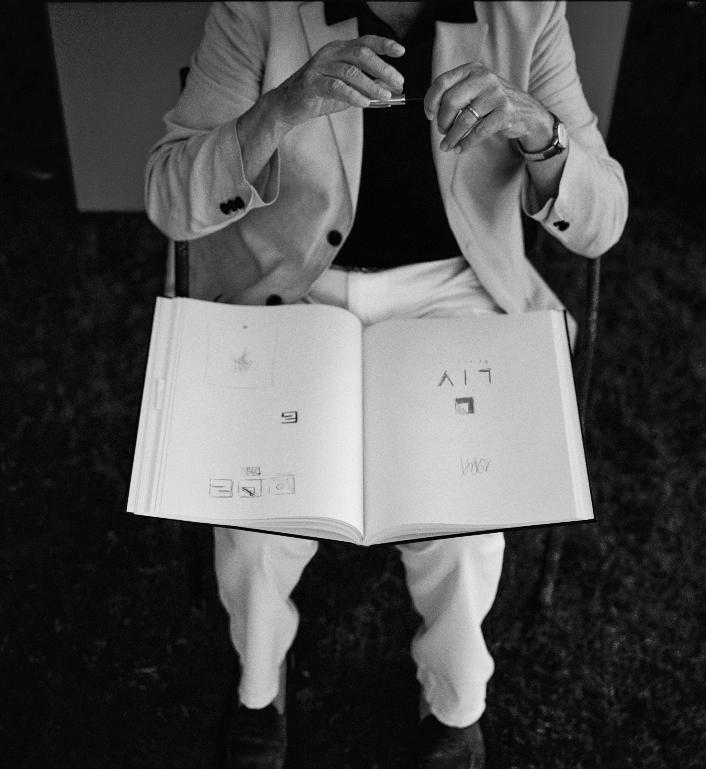
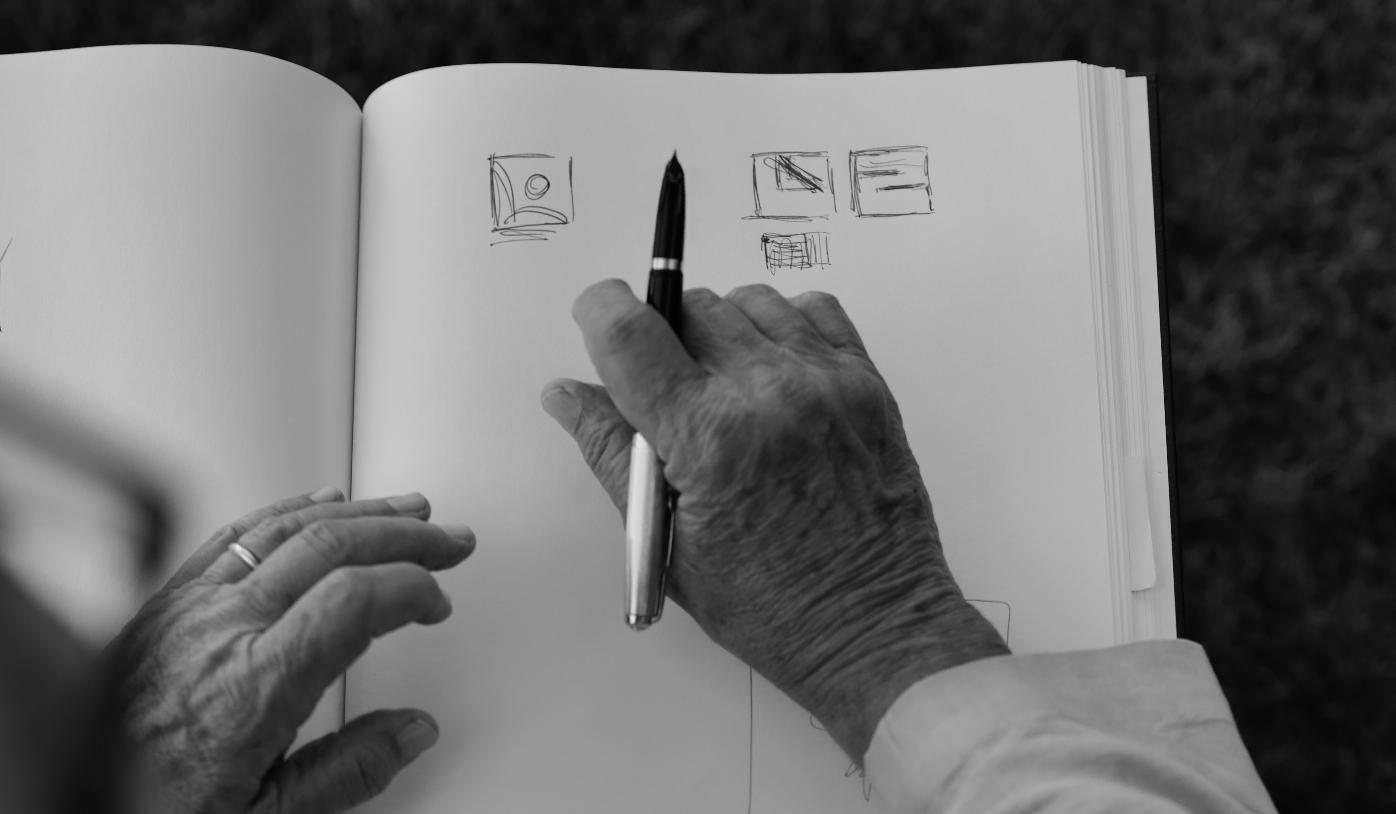
When they said they were going to create a new complex to be marketed to people 55 plus, I showed them sketches and handwritten language starting with the line, ‘My life is a paradox.’ Because it is. I’m old, but I’m young. I’m retired, but I’m still active. We wanted to create a place for people who are older and still vibrant and active and want to do life in an amazing way. When I created that DNA, I said I wanted to create a name that’s the same way: The Filmont. It’s classic but modern — it’s traditional, but phonetically it feels kind of edgy. It’s old, but it’s young.
I did a painting at the Filmont, and the painting has all of this massive material that is dry and cracking like earth void of life. Then it gets a little softer, and there’s a cast bronze pear. It represents the idea that from the outside we can appear to be advanced in our age, but planted in the right place we can still bear beautiful fruit. I think LIV captured that with the Filmont. When you walk in, it doesn’t feel like an apartment building; it’s appointed more like a boutique hotel. If I wanted to go and live in an apartment community, that would be a place I would live, because that’s the whole spirit of it. We believe everyone who is living here is still bearing fruit and trying to do these great things.
North Georgia Uncorked
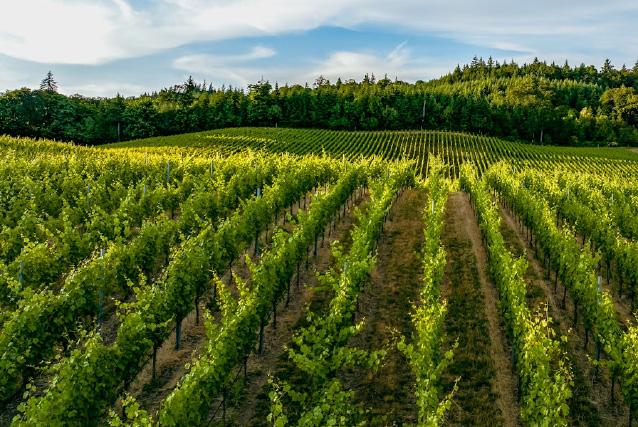
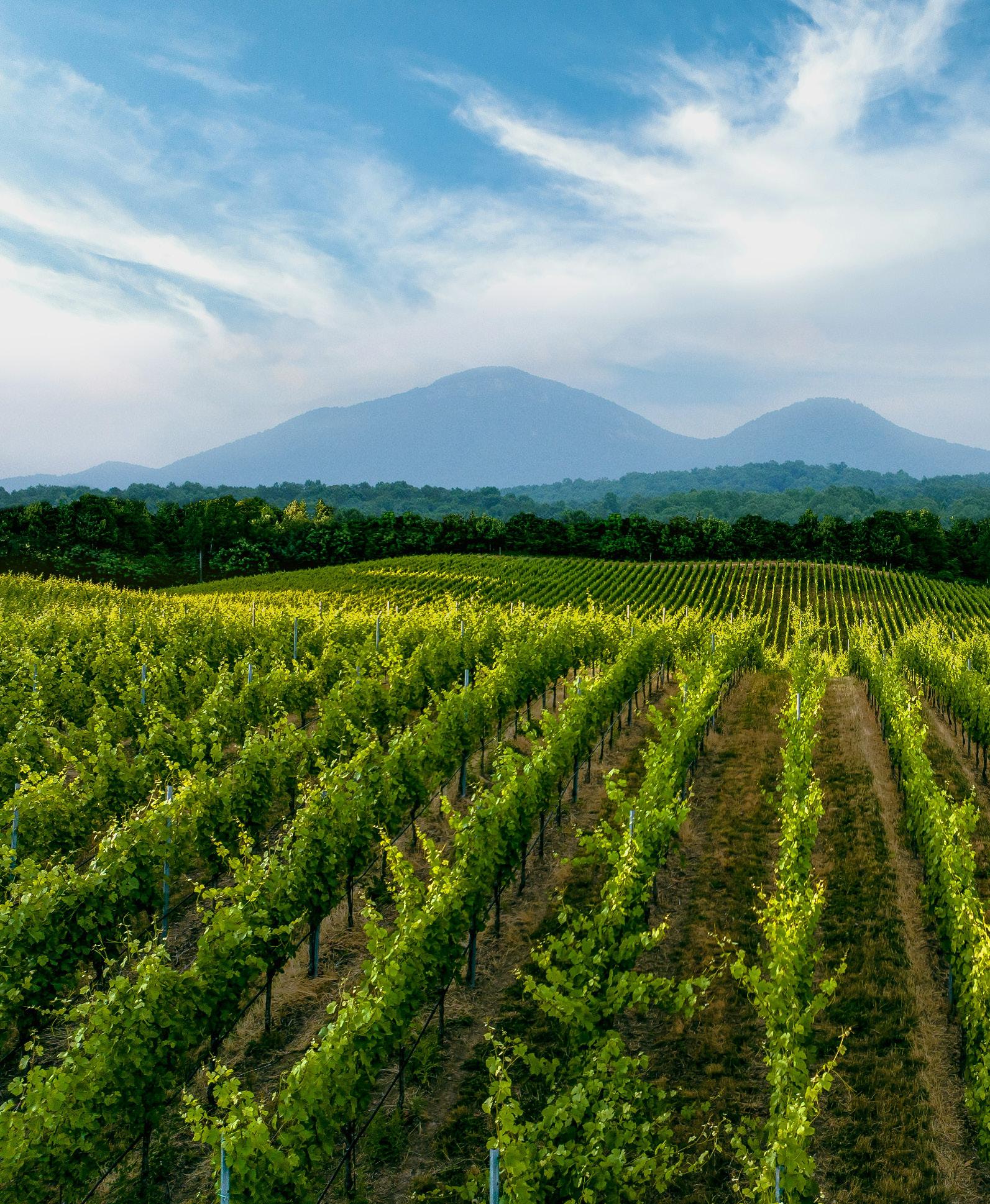
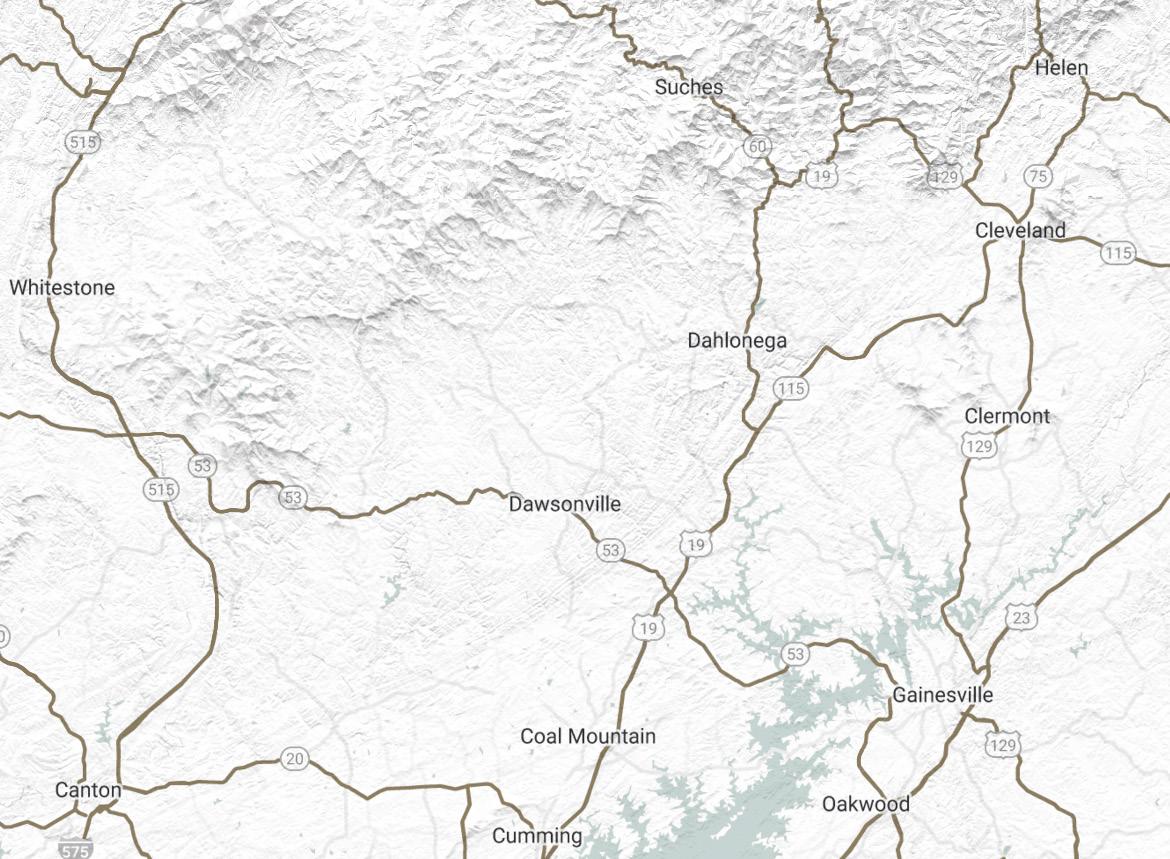
Nestled in the foothills of the Blue Ridge Mountains, the towns of Dahlonega and Helen are quietly reshaping the narrative of Southern wine. Long known for their Appalachian charm, these destinations are now earning recognition as the beating heart of North Georgia’s wine industry, a region many are calling the “Napa of the South.”
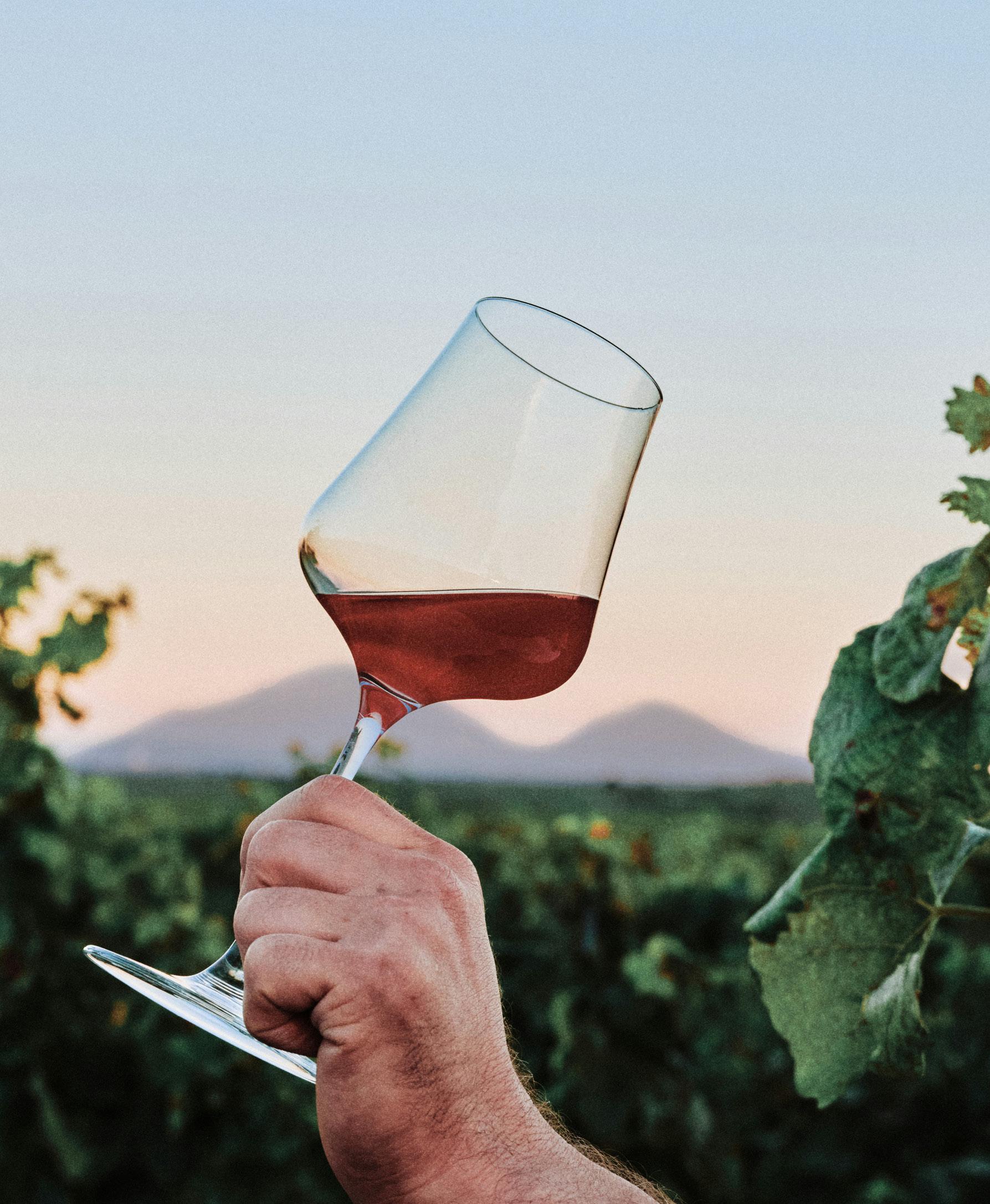
The unique terroir of the North Georgia mountains sets the stage. With elevations that reach nearly 2,000 feet, the climate is cooler than much of the surrounding South. Afternoon breezes and rich, sloping soils help grapes thrive here in ways that surprise first-time visitors. Winemakers have discovered that European varietals — Cabernet Franc, Chardonnay, and Viognier among them — grow particularly well. The result is wines that are sophisticated, complex, and distinctly Georgian.
Dahlonega, in particular, has staked its claim as the epicenter of the state’s wine country. With more than a dozen wineries and tasting rooms within a short drive, it has become both a weekend escape for Atlanta residents and a destination for serious wine enthusiasts. Vineyards like Wolf Mountain and Montaluce pair sweeping mountain views with vintages that consistently win awards beyond the region. The town itself embraces the identity, hosting wine trails, festivals, and an ever-growing culture of artisanal food and hospitality that complement the industry.
Just a winding mountain road away, Helen offers a different but equally alluring experience. This Bavarian-inspired village, with its alpinestyle architecture and festive atmosphere, brings a European flair to Southern winemaking. Wineries surrounding Helen lean into the blend of Old World aesthetics and New South energy, creating experiences that are as memorable for their charm as for their wines.
Together, Dahlonega and Helen are rewriting perceptions of Southern wine. What was once considered a novelty has matured into an industry that is drawing investment, tourism, and talent. The wine economy here supports not just vineyards, but boutique inns, farm-to-table restaurants, and outdoor adventure businesses that thrive on the influx of visitors.
Of course, comparisons to Napa Valley are aspirational, but they are not unfounded. The scale is smaller, but the ambition is big — and so is the pride. For locals, the growth of the wine industry is more than economic; it is cultural. It signals a reclaiming of Georgia’s agricultural identity, pairing the state’s rich farming tradition with a modern pursuit of craft and quality.
As North Georgia continues to pour into glasses across the South, Dahlonega and Helen are proving that world-class wine doesn’t require a flight to California or Europe. Sometimes, it’s just a drive through the mountains, where Southern hospitality meets vintner artistry, and where the future of Southern Wine is unfolding, one glass at a time.
WHY NORTH GEORGIA WORKS FOR WINE
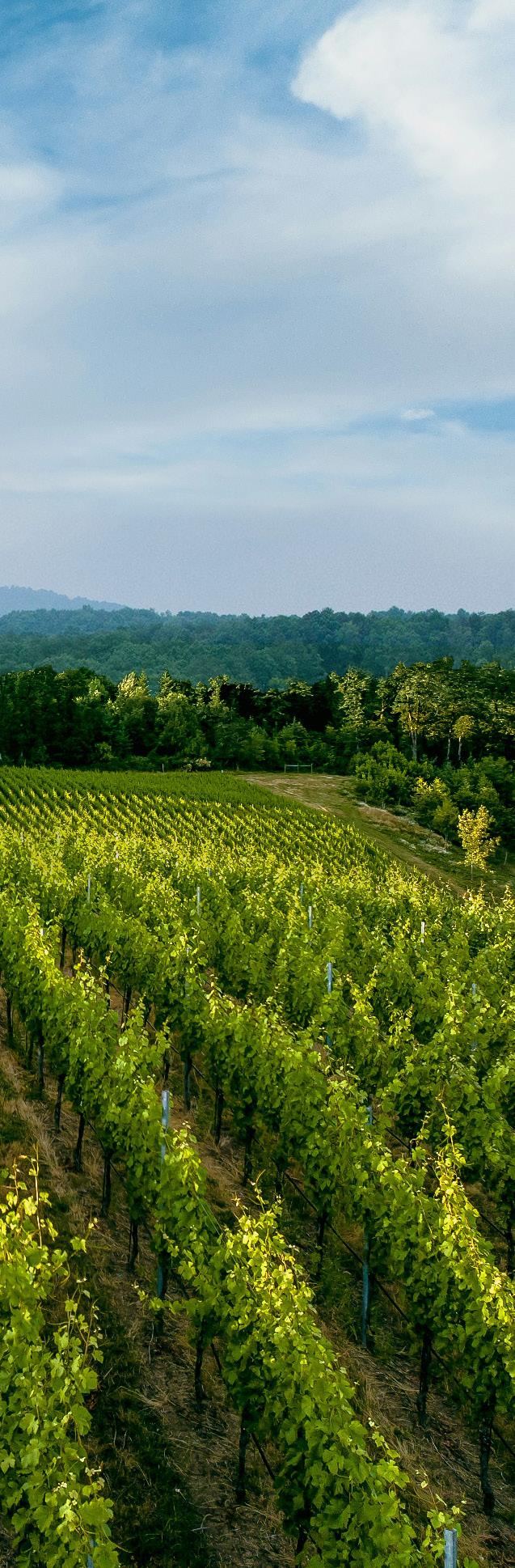
Cool mountain elevations, rich clay soils, and breezy afternoons create a terroir that surprises even seasoned vintners. Varietals like Cabernet Franc, Viognier, and Chardonnay flourish here, producing wines that rival those of better-known regions. The landscape itself — rolling vineyards against a mountain backdrop — doesn’t hurt either.
IF YOU GO
• Best Time to Visit: Fall harvest season (September–November) offers vineyard events, crisp air, and foliage. Spring is also beautiful with new releases and wildflowers.
• Where to Stay: Charming B&Bs in Dahlonega, riverside cabins near Helen, or upscale vineyard villas.
• Insider Tip: Book tastings in advance for weekends — many wineries fill up fast.
MUST-VISIT WINERIES
• Wolf Mountain Vineyards (Dahlonega)
• Montaluce Winery (Dahlonega)
• Kaya Vineyard & Winery (Dahlonega)
• Habersham Winery (Helen)
• Yonah Mountain Vineyards (Helen)
ATLANTA
Lone Star Strides
WHETHER BATTLING SUMMER HEAT OR CHASING PERSONAL BESTS ALONG CITY LAKES AND SCENIC TRAILS, RUNNERS AND TRIATHLETES ALIKE ARE DISCOVERING THAT THE LONE STAR STATE OFFERS BOTH CHALLENGE AND CAMARADERIE IN EQUAL MEASURE.
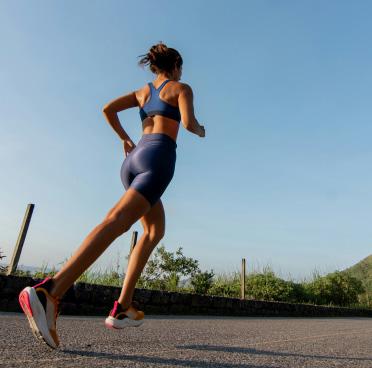
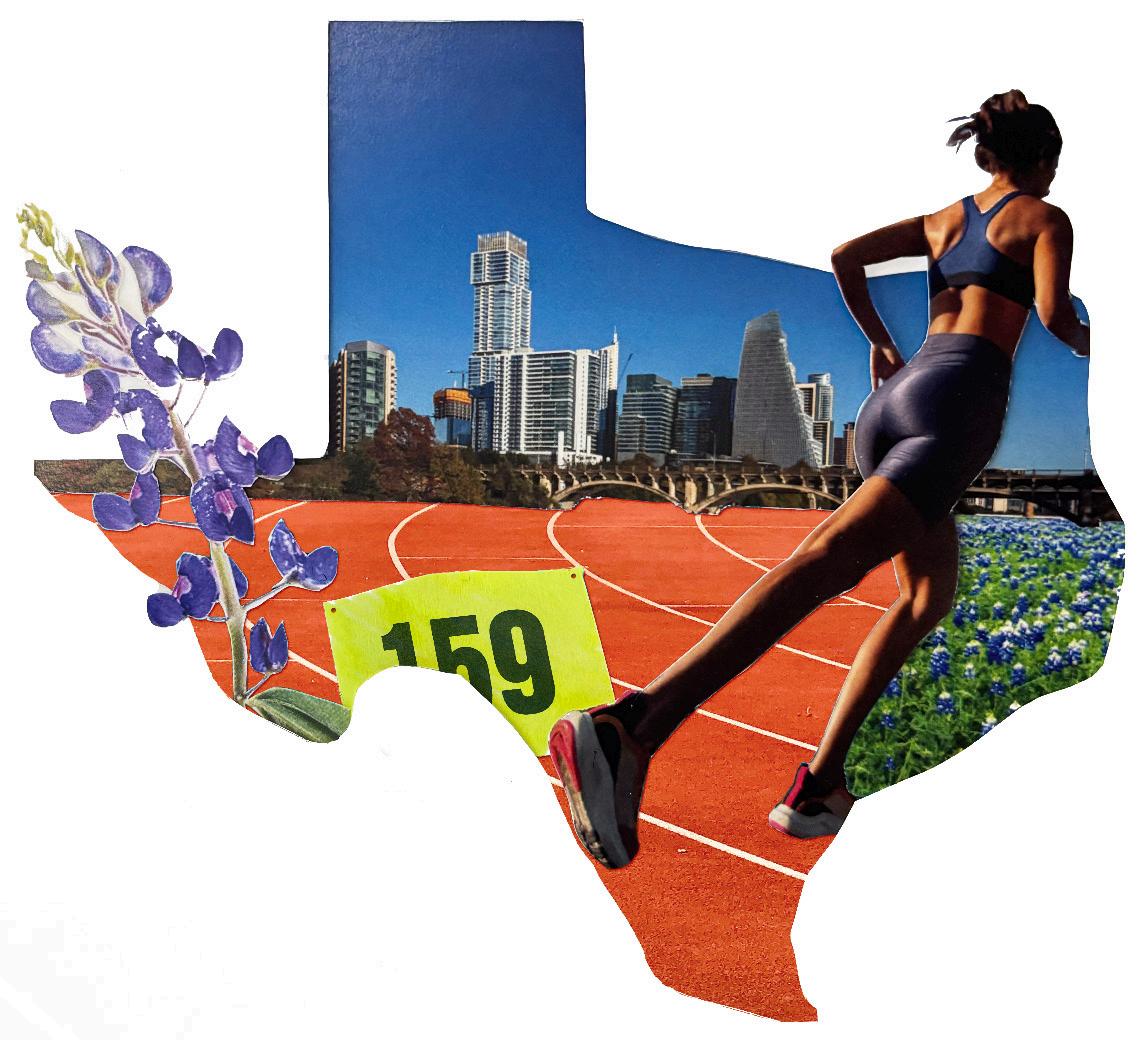
For the uninitiated, Texas often conjures two words: “hot” and “flat”— hardly qualities to attract the endurance athlete looking for a place to train.
It might surprise them to learn that for many runners and triathletes, Texas has become a top-tier training destination. These athletes see the Lone Star State differently. It’s not flat everywhere; Austin features hills with arduous climbs matched only by the compelling scenery. It’s not always hot; October through March tends to be mild, an attractive draw for athletes from colder climates.
Chad Lipka, an Army veteran, runner, and triathlete, is a committed convert. Living in Duluth, Minn., he’s used to brutal cold and says Texas offers a welcome respite.
“The pros of running and triathlon training in Texas far outweigh the cons for dedicated athletes,” Lipka says. “It’s often warm enough to run in a t-shirt in January.” He likes the flatness of runs along Austin’s Lady Bird Lake; the urban-park atmosphere of Katy Trail in Dallas, with its long stretches of shade; and the camaraderie at popular races such as the IRONMAN in the Woodlands north of Houston and Austin’s Capitol 10K. Crowds like that “foster a supportive community that’s boosted my motivation — last year, I shaved eight minutes off my half-marathon PR at the Dallas Rock ’n’ Roll.”
As for those long, brutal Texas summers? Some athletes find the heat to be the secret Texas advantage — as long as they respect it.
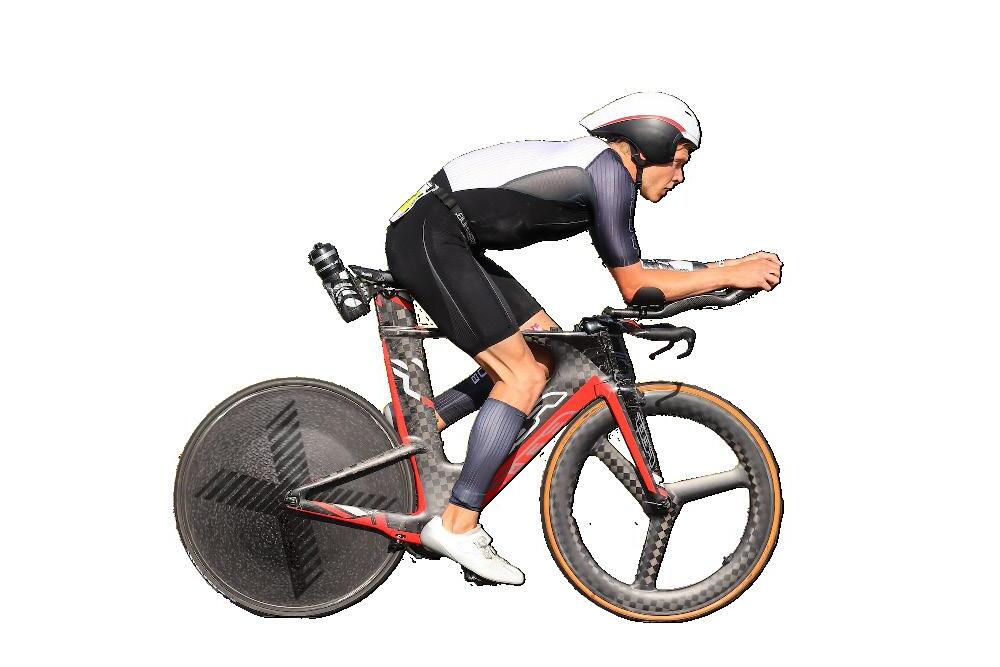
New York-based author and entrepreneur Peter Shankman learned that lesson the hard way when he came to run a summer half-IRONMAN in Buffalo Springs as preparation for a full IRONMAN in Cozumel. After crossing the finish line, he struck up a pleasant conversation with a fellow racer — until a medic led him away for IV fluids. “The medic told me I’d been having an animated conversation with a tree,” Shankman says. “Dehydration in Texas races is a real thing.” Still, the training worked. That November in Cozumel, Shankman completed the full IRONMAN without incident.
It’s a strategy many Texas runners swear by. Runner Matthew Neal, who lives in southeast Texas, calls the heat and equally famous Texas humidity “the poor man’s altitude training,” adding that “training in the summer months has given me a huge boost in fall and winter races.” It can also give Texas runners an advantage when they head northward. Train all summer in 95-degree Texas heat, and running the Chicago Marathon in crisp October weather feels like a gift. That’s often when runners clock their fastest times.
AUSTIN TAKES THE LEAD
While Texas quietly rises on the radar of endurance athletes, Austin has broken away from the pack, receiving well-deserved recognition from national magazines, including a place on Triathlete ’s Top 5 Tri Towns citing its mild winters, “super active population,” and “Austinweird experiences.”
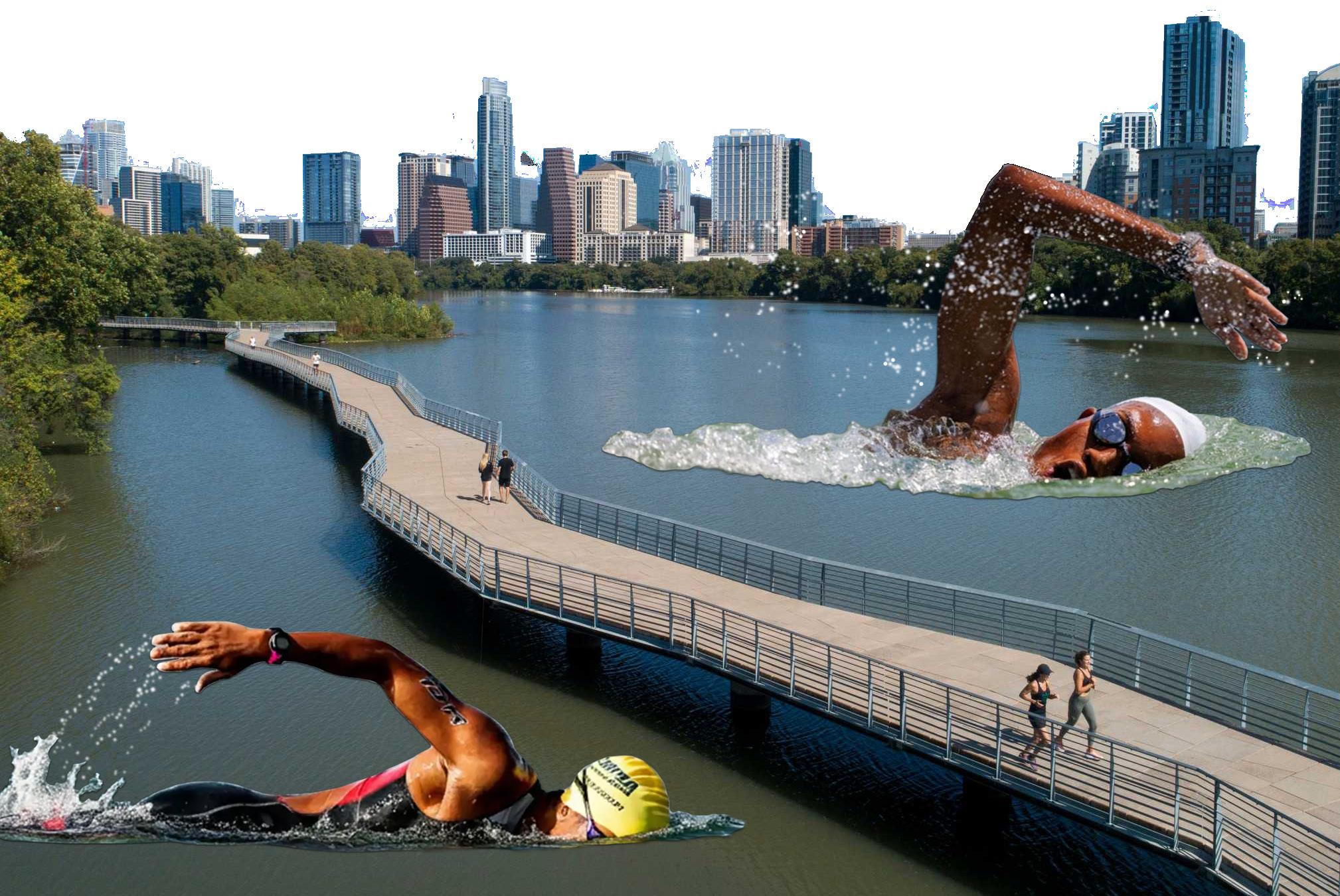
Ryan and Pam Hess, owners of The Loop Running Supply Store, see Austin as a true runner’s mecca. The store takes its name from one of Austin’s most popular trails, which is just a stone’s throw away and known to the locals as “The Loop,” though formally named the Ann and Roy Butler Hike and Bike Trail at Lady Bird Lake.
Hess calls Lady Bird Lake Austin’s version of New York’s Central Park. “It’s a 10-mile stretch in the heart of the city uninhibited by traffic,” he says. “You have cyclists, walkers, hikers, joggers, all converging on that trail.” The park draws an estimated five million visitors each year, making it one of the city’s most beloved outdoor spaces.
The Loop Running Supply organizes three runs out of the shop throughout the week and tries to cater to everyone from beginners to the most serious athletes, mirroring the spirit of the town itself. “Austin has a great running community for the average Joe all the way up to Olympic medalists,” Hess says, referring to Leo Manzano, who grew up in Marble Falls, ran for the University of Texas, and lives and trains in Austin. In 2012, Manzano broke a 44-year Olympic medal drought for the Americans in middle-distance running when he won the silver at the London Olympics. Today, one of Loop Running Supply’s own employees, Cruz Gomez, is an Olympic hopeful.
ACROSS THE STATE
Texas’s capital may be gaining the most prominence for its running and training scene, but it would be a mistake to dismiss the community spirit, competitive events, and uniquely captivating trails found in other parts of the state.
Sandra Gonzales, formerly of Dallas and now living in Austin, first began running and biking at the age of 44, first jogging a trail near her office and working her way up to a full marathon — the Dallas White Rock Marathon, since renamed the BMW Dallas Marathon, which Endurancely.com recently ranked at number three on its list of Best Marathons for Beginners.
She credits the running groups she’s joined with keeping her moving. “There’s definitely a culture,” Gonzeles says. “My running and biking community are basically my whole social group. When you run 16 miles on a Saturday and you’re all suffering the same misery, you learn a lot about one another.”
In Houston, meanwhile, local running coach Tim Neckar describes “a great vibe” for runners. “People just love to run here,” he says. “It used to be that you had to search to find a race, but there are races
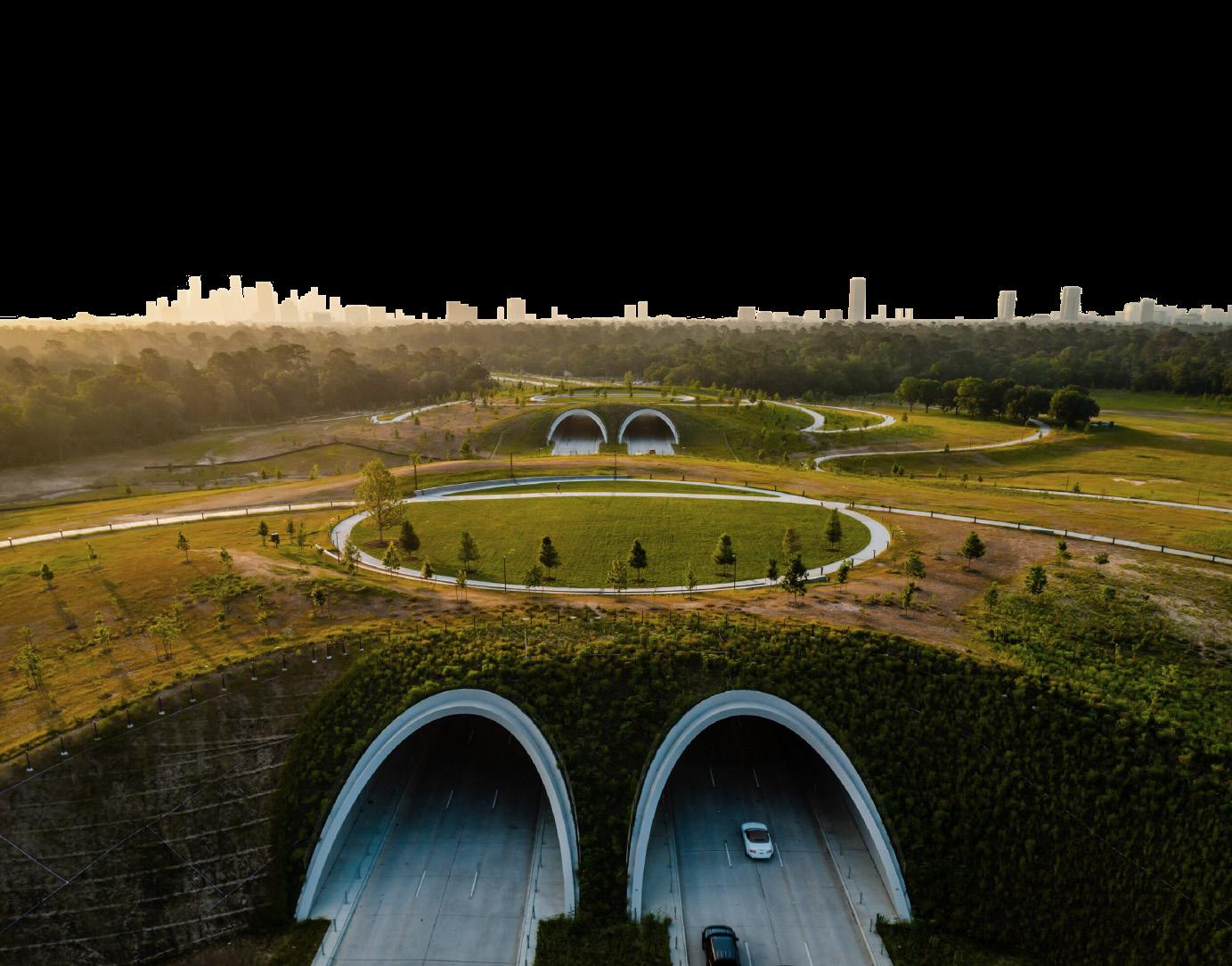
introducing clients to some of Houston’s most-loved running sites, like Memorial Park, with its three-mile running course and adjacent trails that entice athletes looking for varied terrain.
WHEN THE HEAT BREAKS
Throughout all these cities and trails, one factor remains inescapable: the summer heat. The hottest days make for what Neckar calls “character runs, where you’re just trying to get through them. And when you do survive it, you feel good about yourself that you did it in 80-degree weather and 80 percent humidity.”
Then there are those miraculous days when the heat starts to break. “May through August you deal with it,” Neckar said recently from his home on a beautiful September day. “But starting around now, parts of the day it’s in the 60s. So when you wake up in the morning when everyone starts doing their long run, it’s not going to be a sweatfest. The trails are going to be packed.”
And for many, that’s when the real satisfaction comes. Endurance hard-fought-for in heat and humidity, delivers the gift of easy, steady progress when the weather turns.
Ready to race? Check out these upcoming events throughout Texas:
Lake Travis New Year’s Trail Challenge (Marble Falls, TX)
Texas Marathon (Kingwood, TX)
Chevron Houston Marathon (Houston, TX)
Big Bend Ultra (Terlingua, Texas)
Galveston Marathon (Galveston, TX)
Dalmatian Run Fest & Dizzy Dalmatian 101 (Fort
Ascension Seton Austin Marathon (Austin, TX)
The Woodlands Marathon (The Woodlands, TX)
Cowtown Marathon (Fort Worth, TX)
Crazy Desert Trail Race (San Angelo, TX)
IRONMAN 70.3 Dallas-Little Elm Triathalon (Little Elm, TX)
Cal Tri Austin (Austin, TX)
Bluebonnet Trail Run (Marble Falls, TX)
Merus Marathan & Ultra (Claude, TX)
Full Circle Trail Race (Lewisville, TX)
Pineywood Ruck Relay (Lewisville, TX)
Texasman Triathlon (Valley View, TX)
Desert Wolf (Austin, TX)
Ascension Seton CapTex Triathlon (Austin, TX)
Texas Triple (Dallas, TX)
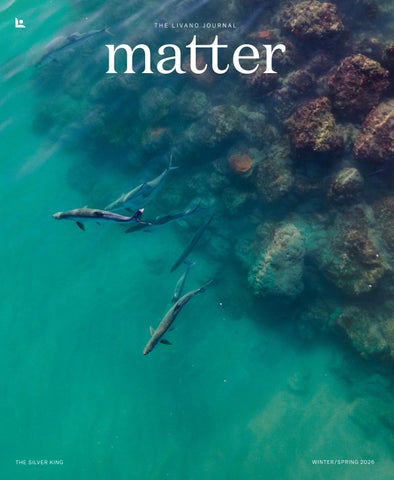
The Silver King
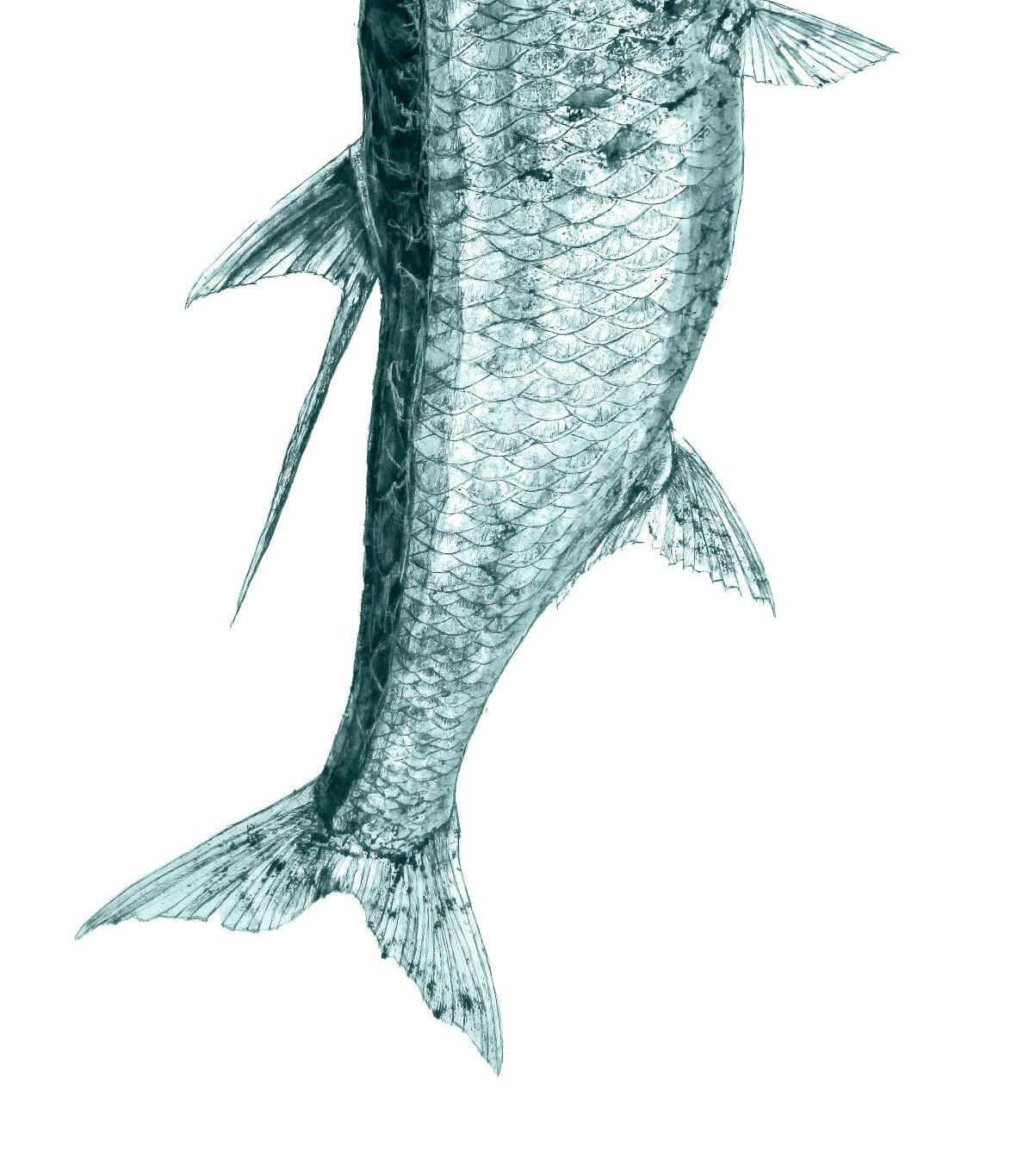
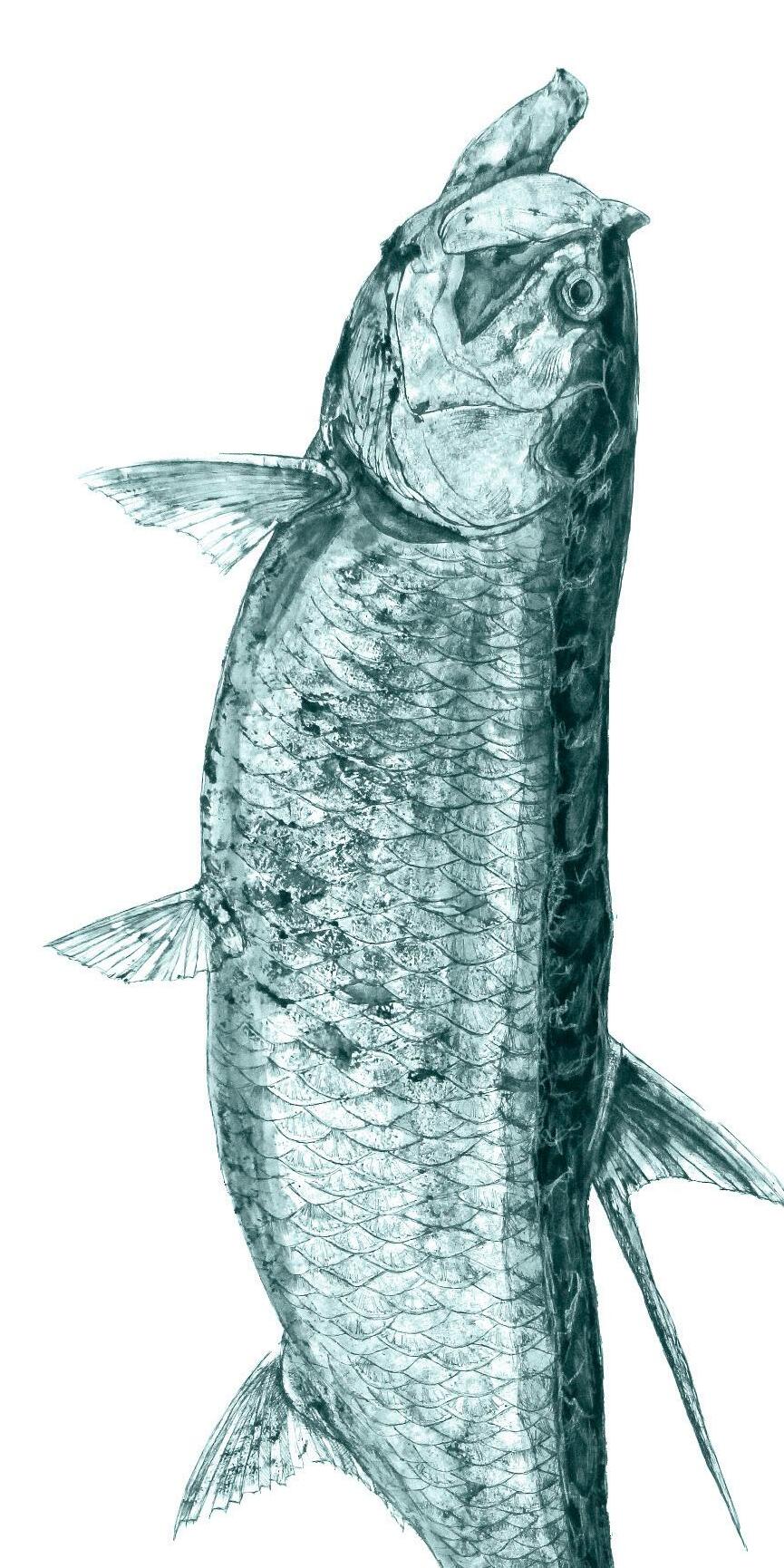
Just 70 miles north of Tampa — a quick day trip from several Livano communities — lies Homosassa, a quiet Gulf Coast town where Florida’s wild spirit and fishing heritage thrive. Here, in the clear, spring-fed waters that define the Nature Coast, generations of anglers have chased one of sport fishing’s most legendary prizes: the tarpon.
While Burke’s book ends in the 1980s, the lure of tarpon fishing in Homosassa hasn’t. Word continues to spread, attracting anglers from all over the world who come for the prime conditions of the area — spring-fed waters that maintain ideal temperatures year-round, predictable migration patterns, and shallow waters.
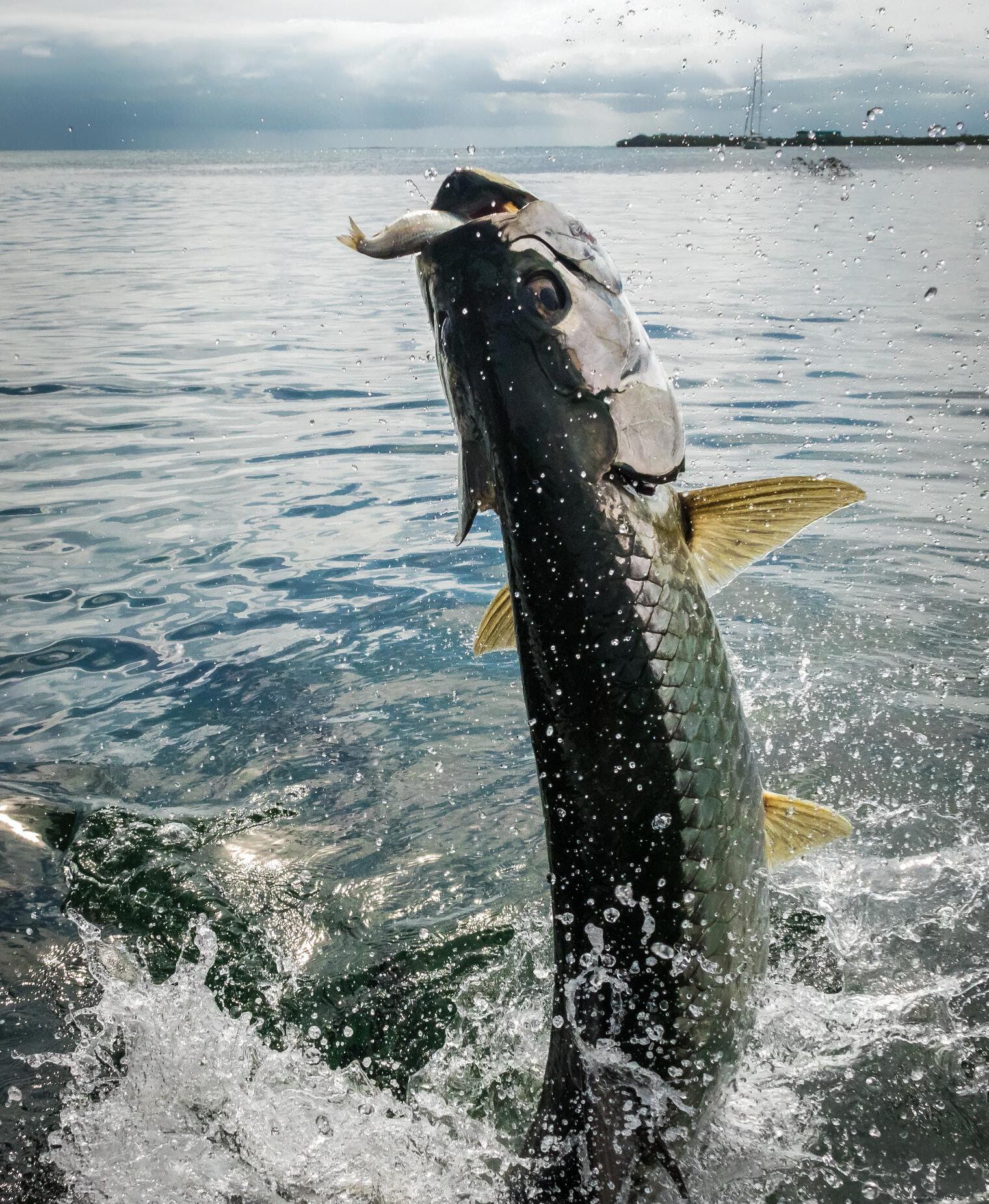
Florida native John Astrab was 14 when he first went tarpon fishing just south of Homosassa. “You see a flash, and all of a sudden your line is taut, and as soon as they’re hooked they usually jump straight up into the air. It’s majestic,” Astrab says. “Usually the reel starts screaming, the fish starts pulling a lot of line, and you let them go on their run until they start to slow down.”
He says an angler might reel it in within 10 to 15 minutes, or “you can fight that fish for an hour or longer” and still lose. Astrab estimates the success rate with an average-sized tarpon to be about 50 percent, but that goes down the bigger the fish. “It’s a battle of wills,” he says.
Captain Greg DeVault is a fourth-generation Florida fisherman and seasoned guide who’s been running fishing charters on Florida’s west coast for more than 20 years. He sees the unique attraction of tarpon fishing here. “It’s like hunting in the water,” DeVault says. “You see the fish, you approach them, you make the cast, and you can see the fish eat your lure or bait because the water in Homosassa is crystal clear and relatively shallow.” He also appreciates the etiquette honored on these waters. “Anglers generally give each other plenty of room, so you often feel like you’re out on your own little island with the fish.”
The quiet, laid-back culture on the water reflects the town itself. Homosassa has a population of 1,876, with a median age of 64. “Except for the fishing, teenagers find it very boring,” jokes Michele Watson, who owns Homosassa Rock and Mulch, a landscaping company, with her husband Chris. But what teenagers find lacking is often what most appeals to the residents, visitors, and people coming from bigger cities to buy fishing cabins or second homes.
The part known as Old Homosassa is removed from any major thoroughfares, and “a lot of people come from Tampa, Clearwater, and further south because they like the quiet of the town, and everybody’s so nice and polite,” Watson says. “There are no big condos or shopping developments.” In her 48 years living here, she’s seen the town grow from one traffic light to a whopping 10, but she says the available land in Homosassa is already spoken for and doesn’t foresee major developers coming in anytime soon. Seafood restaurants, many directly on the water, make up a large portion of business here, including favorites like The Freezer, which literally served as a seafood freezer before being converted to a restaurant; you’ll often see bikers coming in from out of town just for the steamed shrimp.
Nature remains the biggest draw, though. Astrab says even slow days of tarpon fishing are worthwhile for the chance to enjoy a rich variety of other wildlife — manatees, roseate spoonbills, pelicans. In July and August, he enjoys watching people out scalloping on the flats.
That abundance of wildlife is one reason people are protective of these waters, whose ecosystem enjoys protection from Florida’s Nature Coast Aquatic Preserve, which spans more than 700 square miles of coastline, including Homosassa. Anglers tend to be conservation-minded and want to help preserve this one-of-a-kind fishery for generations to come, a feeling that extends to the tarpon. By law and tradition, tarpon can’t be kept. Having wrangled the mighty fish to the side of the boat, anglers take a couple of pictures and then send them on their way.
Burke, the Lord of the Fly author, says he has pictures, because when he’s writing a story there’s usually a photographer with him. On his own, though, he usually leaves the camera behind. “I’ve always taken the Zen route of, be in the now and don’t worry about the photograph,” he says. “You’ll remember it.”
When hooked, tarpon put up a legendary fight, earning the respect of anglers who know they’re in for a battle.
Your community. Your club.
Community is at the heart of everything we do, and we’re excited to announce that Livano Social Clubs have officially launched! Whether you love cooking, walking, reading, or game nights, there’s a club for you to join or start. VISIT THE LIVANO
FULL NAME
Winston
NICKNAMES
Winnie, Weenie Dog Winston
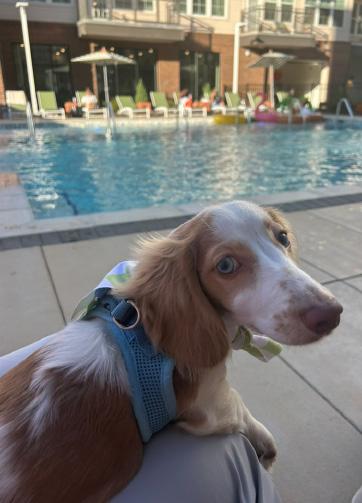
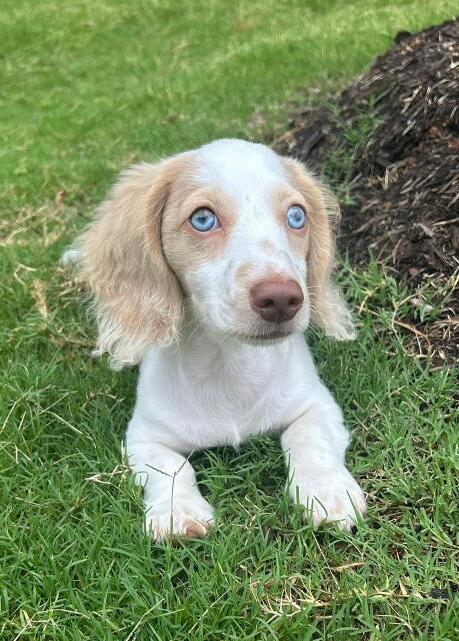
Some love stories begin with a swipe — this one begins with a scroll. While waiting for an airport shuttle after their honeymoon, Maddie and Dylan passed the time browsing Good Dog, an online platform for dog adoption. One look at Winston, a miniature dachshund puppy with soulful eyes, and Maddie was smitten.
The newlyweds met Winston via a FaceTime call with the breeder. Seeing the instant puppy love in his bride’s eyes, Dylan called the breeder back and made the adoption official. He surprised Maddie by hiding a photo of Winston and his “gotcha” date in their car. Maddie responded with her own surprise, by arranging to pick up their new pup a few days early on Father’s Day.
Now settled at Livano Knoxville, Winston has quickly become a local favorite. He’s a social butterfly, happiest when greeting his human and canine friends around the community or taking in the action from his favorite balcony perch. On game days, he soaks up the energy from nearby Neyland Stadium like a true fan.
For Maddie and Dylan, Winston has been the best adventure: a tiny companion who has filled their home, and their new city, with laughter, love, and a whole lot of joy. Hours from home and family, Winston has helped them build connections, make friends, and truly feel at home in Knoxville.
Long-Haired Mini Dachshund
BREED AGE
6 months old
LIKES
DISLIKES
His stuffed goose, lamb, and dinosaur Ice in his water bowl
OUR LIVANO COMMUNITIES ARE DESIGNED WITH PET OWNERS IN MIND
Livano Pet Centers offer a haven where your furry friends are not just welcome — they’re celebrated. Imagine vibrant areas where pets can socialize and play, fostering a sense of camaraderie among owners as they share stories and tips. Our pet-centric events and amenities make Livano the ultimate destination for pet lovers.
How you start your day matters. Trapeze is a vibrant coffee brand exclusive to Livano communities. Residents enjoy handcrafted coffee and espresso drinks served by our Trapeze baristas at no cost.
Bags of Trapeze coffee are also available for purchase. Ask your Livano office team for more information.