
Featuring Rhys Timson Lochlam Bloom
Shiv Rayani
Michael Carver Yvonne Wiecek
Josh King
Kayo Chingonyi
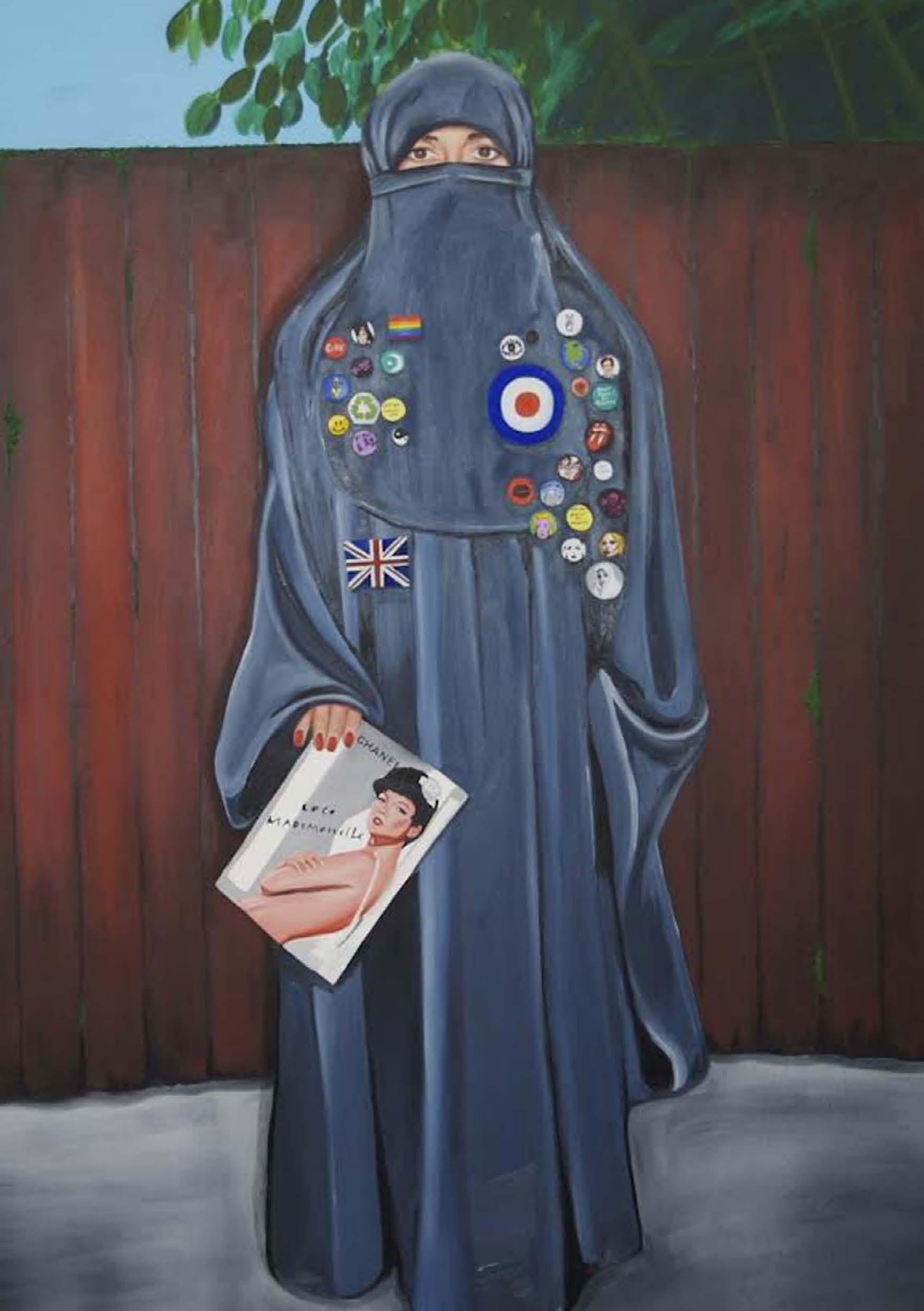
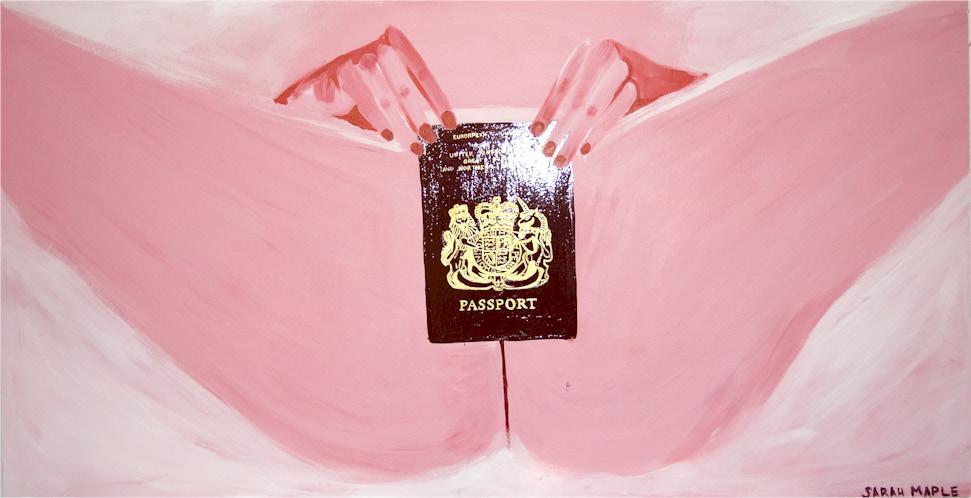
Artwork by Sarah Maple





Editor-in-Chief
Eric Akoto
Online Editor
Arts Editor
Daniel Janes arts@litro.co.uk
Contributing Interviews Editor
Mia Funk interviews@litro.co.uk
Story Sunday Team Member
Tuesday Tales
Essays
Barney Walsh storysunday@litro.co.uk
Hayley Camis tuesdaytales@litro.co.uk
Samuel Dodson essays@litro.co.uk
Contributing Editors at Large
Lead Designer
Laura Hannum
Advertising Manager online@litro.co.uk
Sophie Lewis, Rio, Brazil
+44(0) 203 371 9971 sales@litro.co.uk
Story Sunday onlinefiction@litro.co.uk
General inquiries: contact info@litro.co.uk or call 020 3371 9971.
Litro Magazine believes literary magazines should not just be targeted at writers themselves, or even those with a particular interest in literature, instead Litro believes in reaching the general reader whether they be a commuter, someone browsing in bookshop or in a bar or café to meet a friend.

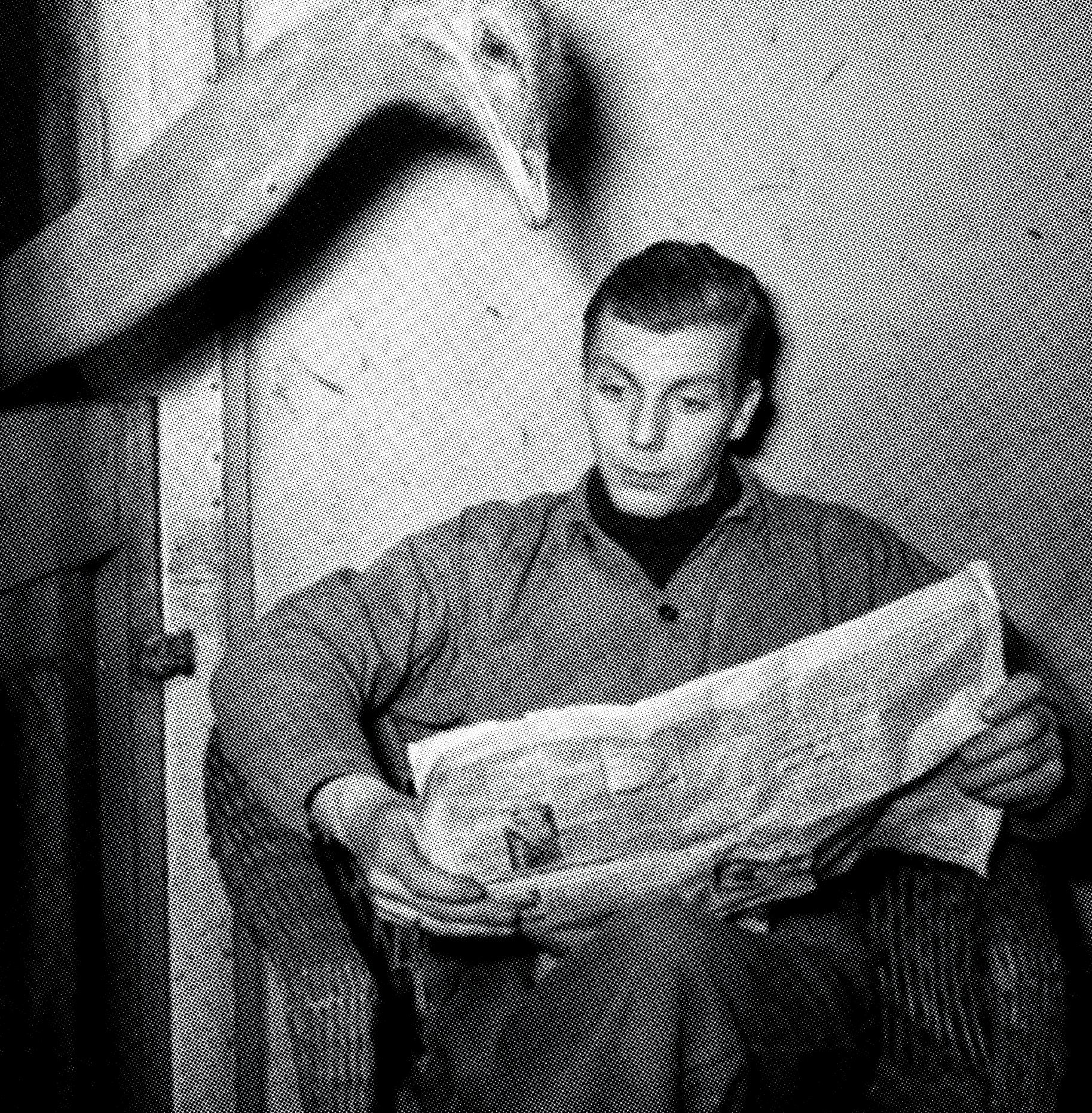

Lochlam Bloom





Lochlan has completed recent projects for BBC Radio Scotland along with Palladium Magazine and Ironbox Films. He will be published in the upcoming issue of Calliope, the official publication of the Writers’ Special Interest Group (SIG) of American Mensa. The BBC Writer’s room describe his writing as ‘unsettling and compelling… vivid, taut and grimly effective work’.

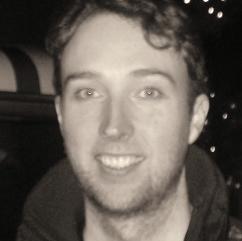



By day, he is a lowly copy-editor, but by night, he is a lowly copy-editor who writes the odd story and hacks away at a novel. He has previously had fiction published by 3:AM Magazine, Opium, and several other places, and was a semi-finalist in Broken Pencil's 2016 Indie Writers' Deathmatch, from which he still bears the scars.
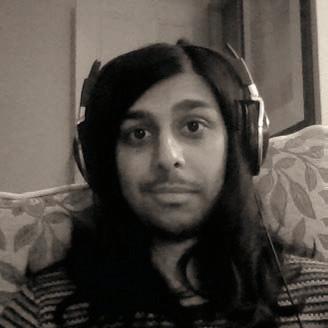
Born and raised in the promiscuous plains of Essex, Shiv now lives in London's sweet maw. He likes his tea hot, his beer cold, his bacon crispy and his pasta al dente. Fan of music. Bit cool.
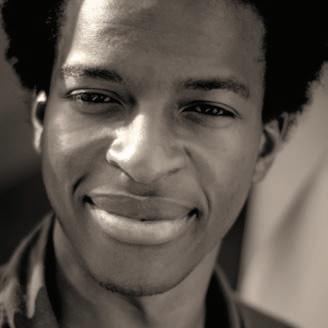
Kayo Chingonyi is Associate Poet at the ICA and author of two poetry pamphlets, Some Bright Elegance (Salt, 2012) and The Colour of James Brown's Scream (Akashic, 2016).
Yvonne Wiecek






Yvonne Wiecek is a writer, printmaker, illustrator and science fiction enthusiast. Born in Poland, currently based in South East London. She's currently working on a number of short stories and a collection of science fiction inspired prints.


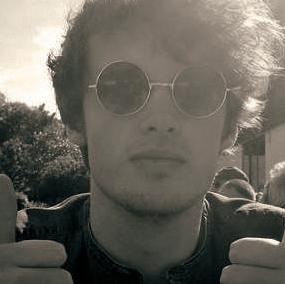



Josh King is currently studying a Creative Writing MFA in New York and lives in Brooklyn. He currently writes for Texas' Newfound Journal and divides his time between fiction writing and commenting on the New York literary scene.


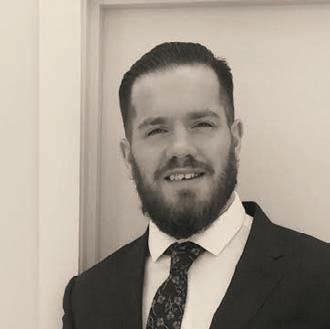



Michael is a senior charge nurse working in a London Accident & Emergency department. He has been writing since 2007 and has intermittently published zines showcasing some of his work. The inspiration from this story came from living above a market in Dalston during the 2011 London riots. He is currently working on his first novel which is about the internet of things and modern police surveillance techniques.
Maple was born in 1986 to an Iranian Muslim mother and English Christian raised father. In 2007 she won the "4 New Sensations" competition, run by Channel 4 in conjunction with the Saatchi Gallery. Much of Maple's inspiration originates from being brought up as a Muslim, with parents of mixed religious and cultural backgrounds. Sarah's aesthetic narrative urges the viewer to challenge traditional notions of religion, identity and the societal role of women.
Dear Reader,
As I write this Britain is in the midst of making a decision seen as the biggest political decision in decades, whether Britain should remain in the EU. Those in the stay campaign would have us believe Britain would be weaker economically and have it’s borders overrun with refugees wanting to take advantage of Britain’s welfare system an exit would mean the French will cease to hold the refugees at bay in Calais—those wanting to leave the EU believe exiting will make Britain great again and re-capture ‘Britishness’. But what is Britishness in 2016? What are British values?
“British values aren't optional,” said Prime Minister David Cameron last year.
In 2007 under a Labour government Gordon Brown’s first act after becoming Prime Minister was to publish, The Governance of Britain (CM7170), an attempt to ‘forge a new relationship between government and citizen’. Part 4 of this paper: ‘Britain’s future: the citizen and the state’, was focused on a set of concerns about what it means to be British, what are the distinctive British values, and what rights and responsibilities people should have as citizens.
Meanwhile only 20% of the population of the UK even describe themselves as British today. Britishness is supposedly synonymous with tolerance and fairness, and yet those refugees seeking asylum, are being routinely
locked up in detention centres such as those in Calais those the stay in EU campaign say will become unlocked where the United Kingdom to leave the EU and demonised in right-wing media. Non-white Brits are still asked “But where are you really from?”
Many people today tend to define themselves as English, Welsh, Scottish or from abroad, while many people’s sense of belonging is increasingly defined through their ethnic background, social media and urban tribes.
Britishness today seems only to be promoted mainly by tourism campaigns—Visit Britain the BBC, royalty and industry, all pursuing different agendas.
As a brand Britishness travels well, you’ve only to look at the global success and appreciation of British talent in the field of film, art, music and fashion—from those sweeping awards at the Oscars—to British Black actors such as Idris Elba—who had to find his success in the States before being embraced by the UK film industry—so why is it that while brand ‘British’ travels well—yet within our own shores there’s confusion, often times a reluctance to embrace/celebrate Britishness?
I am proud to call myself a Londoner— London is a melting pot of cultures, beliefs and peoples which is what makes this city so magical and unpredictable from one day to the next, it’s a city that’s not only attractive as
a destination but also to foreign investment. Like it or not London and the UK as a whole have benefited from this investment—not only in the publishing industry and media— but also in art, theatre and music.
Our cover artist this month is the British, Muslim raised artist, Sarah Maple, Sarah is a recipient of this year’s £30,000 Sky Scholarship award her father is white British, her mother is an Iranian Muslim, and she went to a Catholic school in Eastbourne. Sarah's aesthetic narrative urges the viewer to challenge traditional notions of religion, identity and the societal role of women. She’s smoked in a hijab, worn fetish nappies and not shied away from menstruating in public—you can read an interview with Sarah on page 14.
Our collection of stories opens with Rys Timlinson’ Make Me British. We are transported into a dystopian Britain where refugees are put through gruelling rounds of citizenship competitions in order to win their chance of a new life on these shores.
Shiv Rayani’s memoir, To be a Token, is about, A British Indian growing up in Essex a reminder of the cruel racism faced by nonwhite Brits.
In his response to Britishness the rising star of Verse, Poet, Kayo Chingoyi gives us SelfPortrait as a Garage Emcee—some would say
there’s nothing more British in-sound than the UK underground Garage/Grime scene. We sit down for a chat with Kayo on page 40. Tygrys a story by Yvonne Wiecek, confirms the very London thing of ignoring your fellow commuter confirming that for many the point of living in a city is that you don’t have to talk to anybody.
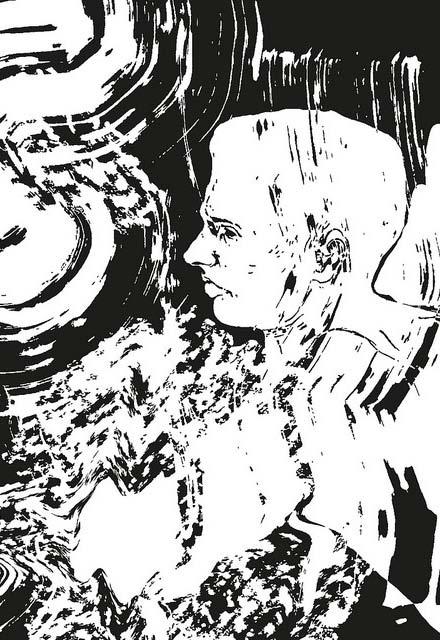
In F/O/X/T/R/O/T a writer is disturbed by local kids attacking an urban fox, whilst London ‘burns’ set during the so called ‘Long hot summer’ of the London riots in August 2011.
In A walk around New York: Oh, so you’re from London? by Josh King, a young English student in New York, provides an insight into the English-person's perspective on everyday New York life revealing how his Britishness is viewed by locals he meets on the streets of New York.
It may not be a representation of what the country as a whole is thinking, but the stories collected for this issue gives us some answers to what is Britishness in 2016?
Eric Akoto Editor in Chief



Lancaster’s Creative Writing MA programme is one of the oldest and most pre stigious in the UK. Its alumni include award-winning poets, short story writers, scriptwriters and novelists. We offer:
– Close and supportive tuition by published prize- winning authors, expert in all major genres
– Masterclasses fom visiting authors, editors and agents
– Inclusion in an exciting international community, immersion in a vibrant writing culture
– A student -centred approach that puts your project at the heart of our teaching
Tutors
Dr Jenn Ashworth
Dr Sarah Corbett
Jane Draycott
Prof Paul Farley
Dr Conor OÕCallaghan
Dr George Green
Dr Zoe Lambert
Sara Maitland
Brian McCabe
Prof Graham Mort
Tom Pow
Dr Eoghan Walls
Michelene Wandor
Visiting Professors
Prof Paul Muldoon
MA Study Options
• On the Lancaster campus with face-to -face workshops and tutorials
• By distance learning with a personal tutor as part of a global community of students
• Through Contemporary Literary Studies – mixing Creative W riting modules with those in English L iterature
Check out our website, including the possibility of bursary suport for early applicants: www.lancs.ac.uk/fass/english/
March 2016 Litro Magazine

Prof Terry Eagleton
Alumni Include
Andrew Miller
Ali Shaw
Monique Roffey
Jacob Polley
Ray Robinson

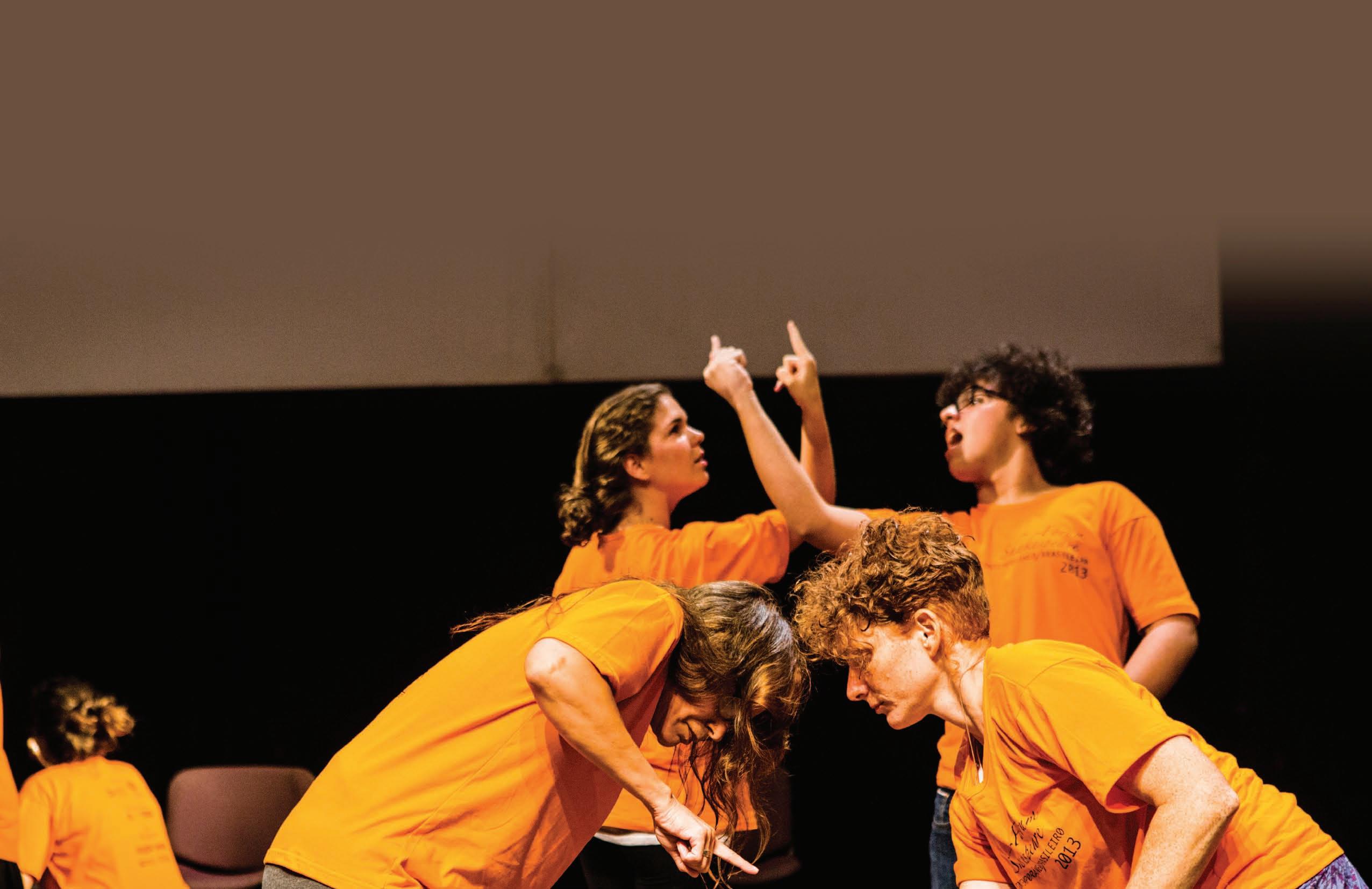
The X-Factor meets The Hunger-Games, a young refugee juggles his way whilst dropping a verb here and there through a series of contests to become British.
by Rhys Timson
Aylan’s talent was juggling. You had to have a talent to get through the third stage. A story will do in the first and second rounds. But if you come with a story and nothing else in the third, you’re screwed. At least, that’s what Chelsea had said. Screwed. He’d repeated the word in his head, imagining himself being spun around and drilled into a hole, fixed in place when he wanted to be free.
Chelsea was his handler. She’d been assigned to him after the first round. “Congratulations on making it through,” she’d said when they met. “But Aylan, now you’re going to need a talent.”
So he’d suggested juggling, and she’d nodded, said that could work. “You don’t sing, though, do you?” Aylan had said no, but she’d pressed him. He’d given her a halting rendition of Bruce Springsteen’s Dancing in the Dark, right there in the visiting room. “Juggling it is then,” she’d said. “But whatever it is you’re throwing up in the air, it better be on fire.”
He burned himself a lot, developing deep red welts on his palms from where he’d caught the wrong ends of the torches. He’d had to keep going though, bandages or no. He had only three weeks to get his act right. “Don’t worry about the scars,” Chelsea had said. “It can only help. We’ll say you were given lashes.”
Chelsea seemed a lot younger than Aylan, even though he was only twenty-three. She used to work in PR, she told him—public relations, she’d said slowly, even though he knew what the abbreviation meant. “Your English is good,” she’d said. “Careful not to make it too good.”
So he’d had to learn to drop a few pronouns and prepositions here and there, to place his verbs where they had no business being. It wounded his pride, but Chelsea said it made him more endearing.
There were twenty other contestants left in his section, and only one place up for grabs. He’d see them sometimes, on his walks around the camp. There was little Ronida, small and alone; Mahmoud, who looked as if he were in a boy band and could sing like it too; and Agid and his mother Sherin—counting as one because of the old woman’s age. “They’ll be first out at the next round,” Chelsea had told him—Agid was mute and Sherin was increasingly infirm. “You’re young and strong,” Chelsea had said. “They need people like you. Pity won’t cut it anymore.”
On the night of the contest, they were bussed out of the compound and up to the arena. Passing through the razor-wire fence, past the sentry towers, between the bulkhead gates and concrete walls, it didn’t feel like freedom. There were soldiers on the bus, armed men on motorbikes flanking them either side. “Some people don’t like what we’re doing for
A
Shiv Rayani
1. Better Get Used To It
Rayne, 1993.
I am trundling back home from my first day at 'big school'. An unspoilt red reading packet flails by my shins. Mum opens the door. She's flipping chippattis with one hand whilst hoovering incense ash with the other.
“How was school, beta?”
She fixes me with that look. The one that wants a premature update on her 5 year-old boy's medicine doctorate. But she knows something's up. Mum's always do.
“They keep calling me a Paki,” I half explain. Her posture slumps. One wafer of slapped dough melts from her palm unto the pristine floor which opens up around me. She falls to her knees, cupping my little face. The stove hisses away unattended. I can't tell if she's angry or sad.
“You are not a bloody Paki … YOU ARE INDIAN!”
Mum puts it down to geographical incompetence. But I know it's more than that. And I'm outnumbered. So I better get used to it.
Fast.
2. Extracurricular Toil
Shalford, 1996.
Woodsy and Fish. They're my friends. They're excitedly unearthing shiny conkers from their prickly cocoons. Those that make
the cutare stuffed straight into their pockets, ready for the playground battles tomorrow.
“Oi, boffin!” Woodsy shouts. “Come here with your bag!”
I don't like being called 'boffin', but it beats all the other names I'm teased with. It started last summer when I devised a master plan to win the duck race. So they call me 'boffin' because I'm the smart one. Smart enough to bring a bag for harvesting conkers, anyway. I dive into the enclave of a horse chestnut tree to find them foraging through autumnal debris. Fish buries handful after handful into my Woolies bag before dragging his grubby palms up his school trousers and sweatshirt. I copy him. I copy everything they do. Because they're my friends.
Woodsy marvels at this one bulky specimen. We crowd around and 'woah' it to death. He places it in my hands. It's that big.
“You can beat Thicky Nicky with this one,” he says. Fish gently concurs. Because they're my best friends. And I love them. ***
Dad opens the front door to see the sun set behind his mudsmeared, grass-stained eldest. It's not his idea of extracurricular toil. He sinks me with that look. The one that transcends trouble from father to son as soon as I walk in.
He has his way with me and then the studying begins. Maths followed by English and then Verbal Reasoning. I have to pass
Tell us about yourself, your background and ethos.
I just had the urge then to describe myself as a ‘female artist’. How ridiculous is that! Actually my work is about this sort of thing, I like to point out these funny things. I was raised as a Muslim with mixed parentage so a lot of my work looks at that identity and is informed by that upbringing. In my work I try to say something about the world around me and convince my viewer to see things in a different light.
Who inspires you?
All the amazing people who have a position of power and actually use it for good. Not only wealthy folk but I love people like comedian Aziz Ansari who has a huge platform and uses it to say so much about the world and in a way that people can relate to. To me that’s what makes great art!
How did you get into Art?
It was a lifelong passion, I love it. I love when I see something and it really gets to me and changes how I see the world. I realized I could paint and draw when I was a child and in my late teens, early twenties I realized I could use it to say something about the things I care about. Art gives me a voice.
Can you tell us a bit about your art—what inspires you to focus paintings on your personal experiences; and how do you feel this has developed you as an artist?
I see my art as a form of activism where I say the things I feel need to be said. I often use humour as it can be so powerful. I also get a kick out of making people laugh!
‘It
was all about tapes, back then’ Darryl McDaniels by
Kayo Chingonyi
If I could navigate the fuzz of traffic reports, dinner table jazz and topical chat Majik FM! is where, in the stillness between last bell and the latch announcing mum’s return to stagnant dishes littering the kitchen sink, I’d rest the red dial of the Sanyo cassette player bought, part-exchange, from a now-defunct branch of Tandy on Wandsworth High St. Hours lost to the underwear section of Littlewoods catalogue gave way to r ‘n’ b on E numbers, hi-hats the hiss of hydraulic pistons, snares like tins dropped on tiled floors. All of it piped in from back room studios, sheds, distant kitchens, haunted by teenage DJs hunched over decks, set up next to microwaves or, in pride of place, on a good table usually reserved for special occasions.
We loved the casual bravado of emcees with forty-a-day voices and too many ladies to big up from last week’s rave; years out of reach but ours to keep on a TDK cassette bought, four in a pack, for a pound. Most days I couldn’t stretch, pocket money spent on pick ‘n’ mix or chipped-in to part ownership of Victor’s dad’s latest copy of Escort, I’d plunder my mum’s cache of cassettes for something she wouldn’t miss or couldn’t bring herself to admit she once loved. Lucky Dubé and Prince were off limits.
Suspicious London commuters confirming that for many, the point of living in a city is that you don't have to talk to anybody by
Yvonne Wiecek
There’sa stranger walking down the street. His skin is plastered with a thick layer of dust and worn out at the knuckles. Like a wild cat, he treads lightly and barefoot on the wet asphalt. When he keeps still, he’s almost invisible, hidden in the thick paper and food waste undergrowth of the city streets shrouded in dense smog and a cloud of bad breath of eight million hungry commuters. He pauses, he breaths in the hot air—it stings the soft tissue of his lungs, like moulten metal. It smells like deep fried fish and chips—thick like oil, salty like the ocean.
He walks a well trodden path on his familiar territory. To the right a bar where people fill ashtrays, empty glasses and their pockets and the contents of their stomachs and where they soak dirty consciences in antibacterial spirits. To the left, a fruit and vegetable stall. Apples, red apples, lovely, rosy-red apples, shouts the vegetable stall trader, opening his mouth so wide, the stranger can count all of his gold fillings—one, two, three, four (and a shredded leaf of lettuce, and a poppy seed and a thick yellow coating on his tongue…). The stranger keeps alert, poised for quick escape. The thick canopy of the city centre is ever-changing, the skyscrapers keep sprouting new shoots, climbing upwards, one floor per year in a desperate fight for light and cool breeze above the city’s skyline. But he’s been spotted. The treacherous river of exhausted commuters flowing down the street gurgles, seethes, overflows the sidewalk banks and spills out on the road. Who is this, they murmur, what is he doing here, where did he come from, where is he going, no, be careful, he can see you, he’s looking at you…Click…click…click, the thunderous rhythm of high heels quickens, clock, clock, clock…Women purse their lips and tighten their grips on the clasps of their leather bags. Keeping their heads high and eyes fixed on the empty space between him and the sky, they grope their pockets for keys (check), wallets (check) and bottles of pills for their nerves (check, and a collective sigh). Who is this, mummy, asks a little one in a white dress and kitten heels with a golden buckle and a ribbon in her hair, tugging at her mothers’ cashmere sleeve. Be quiet, her mother barks, be quiet now, he can hear you, she growls, like an angry sheep dog she ushers the little one and her brother from the same litter in front of her towards the warmth and safety of the nearest well-lit bus stop.
A city man stops in his tracks, sputters and spits with contempt. He is wearing polished black shoes and a crisp white shirt. He has clean cut hair, and clean cut morals. Standing six feet tall, he can watch the stranger from a safe, high- altitude vantage point. He is the hunter, not the prey. He can sense weakness. At a glance, he measures the circumference of the strangers’ arms and thighs, he calculates the volume and air pressure in his chest, and the range of his fists. He shakes his head, and flexes his muscles. Look, just look, this is not a dangerous, exotic wild cat, escaped from the zoo, look, it’s just a stray kitten…! A kitten, exclaims a young girl
A writer is disturbed by local kids attacking an urban fox, whilst London 'burns set during the so called 'Long hot summer' of the London riots in August 2011
by Michael Carver
Thecreator sat at his window ledge smoking the third cigarette in a row. It was his usual solution to a usual problem. The deadline for next week’s cryptic was a few hours away and in time-honoured style he had a good five or six problems to set before sunrise. It didn’t help trying to work around what had been going on outside for the last few days. Kids running about wrecking the place, taking whatever they wanted and smashing anything they didn’t. He couldn’t blame them really. He’d likely have joined in if he was their age. At that moment in time however their hi jinx were proving too much of a distraction to his creative flow.
He unwrapped the next packet of cigarettes as he considered the drama below.
His attention became drawn to a small fox, a virtual lace handkerchief of orange and cream flirting with some bins. The little guy couldn’t have been older than a year—what did you call a baby fox, a cub? A kitten? He looked it up online in a second. The kit was darting about here and there, timid, jumping at ghosts in the alley shadows. Its ears were pinned to the back of its head, reactive to the constant sounds in the distance that carried over the rooftops: flames buffeted by strong winds, sirens and water cannon, helicopters buzzing, car tyres screeching. And the closer sounds too: the chatter of shouting crowds, breaking glass, crunching metal against metal, pounding footsteps closer and closer still. The confused animal would determine a direction only to be put off by one sort of threatening stimuli or another. In the five minutes elapsed it had made virtually no progress down the dim lit street, instead pausing, unsure, sniffing at a bin bag while it weighed its options.
The creator sat in his observatory above the butcher’s shop, working his way through his second pack of the night, interest in finishing his puzzle now a distant concern as his trivial interest was piqued by any opportunity for dramatic tension. Amidst all that had been going on the last week or so he no longer felt invested in the politicking or random outbursts of human violence on the streets. Yet as is often the case he instead felt compelled to empathise with the struggle of this skinny kit trying to get god knows where? Fundamentally, the thing was just dying to find some rest in a world that no longer seemed to make sense to man or beast.
In that moment a large group of boys came out of another alleyway. Any other Sunday night most of these boys would be at home getting ready for work or school the next day. The last few weeks there hadn’t been a great deal of learning or work for anyone. The government and press originally tried to put a positive spin on it, calling it ‘The Long Summer.’ How long this summer was going to be was anyone’s guess but it was certainly unlikely to be over by Christmas. The fox had noticed an approaching clamour and instinctively turned. As bad luck goes, the fox probably couldn’t have picked a worse spot to turn and jump backwards finding itself amidst a heap of crates and boxes, disturbing a stack of glass bottles in the
Tell us about yourself, your background and ethos.
I think that I write to explore musicality in language as well as to tell stories and ask questions. I have lived in the UK for most of my life so that is the lens which colours the way I see the world. That said, my work is also informed by the fact that I was born in Zambia and raised with a knowledge of its traditions and culture.
Who inspires you?
Artists who strive in their work to balance spontaneity and craft tend to influence my work. I love Terrance Hayes’s work for that quality; also, Anthony Joseph is a don. The list is very long but I’ll limit myself for the sake of brevity.
How did you get into Poetry?
Iwas lucky enough to have good English teachers throughout my schooling. Between that and an early fascination with song lyrics and the etymology of words, poetry was always going to appeal to me.
Writing like all art is about communication and expression. How does your work fit within our cultural conversation? And how do ensure the conversation carries on with your work?
I’m not certain I agree with that assertion (the word ‘about’ is somewhat totalizing) but I am interested in my own work in continuing a conversation between work that has gone
before and also potential audiences. I don’t think too much about this in the writing process, though. If I did I probably wouldn’t write anything. In the first instance, writing is a conversation with myself. In publication or performance that conversation opens out to include other people.
What is your guiltiest pleasure?
Grey’s Anatomy, the TV show created by Shonda Rhimes, though I should say I feel no guilt or shame in watching it more in how involved I get in the storylines.
Flash Fiction
by Lochlan Bloom
Itstarts as you are walking home. You see a bird cart-wheeling above the rooftops. It has nothing to do with anything. You used to think everything was connected, that it all meant something, but you have come to realise that things will only join when you are dead. You take your time. London doesn’t care. You don’t want to get back to your place too quickly. The heating does not work that well. It has been cold this winter. Cold for months. There is a gap in your shoe. You think of a line from a Victor Hugo novel. ‘Oh, my pardon. My pardon. Maybe they will pardon me. The King has nothing against me.’ The Last Day of a Condemned Man? Or was that a Bob Dylan song?
You are the only one without a shtreimel on these streets. Dylan left his clan, Dylan left Milkwood for the bars of Soho. You don’t belong to any group. You could not join now. It is too late to sign up. Too late to save your eternal soul. You will have to wait. You will only join with everything else once you’re dead. At least you have that. At least you have that comfort.
It is dry today. The gap in your shoe is nothing more than a thought. The gap between the sole and the welt does not leak dirty water onto your socks today. They will knock this all down and try again. Rebuild this entire street a hundred times. Bring better bus routes. Energy efficiency. Free WiFi. The people who live here will all be forgotten. And their shtreimels. Things will improve. In the future shoes will not leak.

A young English student in New York, provides an insight into the English-person's perspective on everyday New York life- revealing how his Britishness is viewed by locals he meets on the streets of New York
by Josh King
Ihad dreamt of living in New York City ever since I saw the opening scene of Manhattan ten years ago. I could imagine myself wandering up and down the avenues to the tunes of George Gershwin and joining the joggers in their laps around Central Park.
As soon as I arrived, however, I realised that it was not, as Woody Allen might say, my city. This isn’t a criticism, nor is it a compliment. It is simply something of which I am glad, because for it to be mine would be to allow it to become familiar, and the excitement of New York City comes from what springs at you from nowhere. Or, rather, who springs at you.
There are, I’ve found, two types of people in this city more prominent than any other. There are those to whom New York is the centre of the universe, the be all and end all of existence. They holiday in New Jersey because, on a clear night, they can still see the Empire State Building’s brazen light show in the distance. And then there are those who are passing through. There is no shame in being either of these people. Those who see it as the universe itself join the ranks of the determined, street-smart creatures, known to us in the UK, and no doubt everywhere else, as ‘New Yorkers’. A phrase spoken as if the title itself qualifies its holder to some inner-strength of character not available to the rest of us. Those who are passers-through are, I suppose, people like me.
Passers-through walk around and allow the city to happen to them. And, however easy it is to quickly become an expert in the straight-lined streets which lead nowhere but water, they will be constantly reminded of the fact that their level of expertise falls significantly short to a real New Yorker’s. It seems suitable, then, to begin this column by describing some of the people I have come across who took great joy in reminding me of my foreignness.
I am writing this now in Bryant Park, only seven blocks north of where I found myself emerging on my first trip into the city. Back then, when I was living on Long Island, this journey required a forty-minute train ride. Not ideal for a boy from the English countryside with dreams of living amongst the tall towers and screams for taxi-cabs, but it did allow me to acclimatise, like a goldfish, and not become too overexcited. I decided to spend the day as I would any normal day in my hometown, browsing the shops and reading in cafés. If I was going to survive here, I thought, I would need to check my touristic impulses.



PROFESSOR ROGER SCRUTON FBA
A one-year, London-based programme of ten evening seminars and individual research led by Professor Roger Scruton,offering examples of contemporary thinking about the perennial questions, and including lectures by internationally acclaimed philosophers.
Seminar-speakers for 2015/16 include:
• Roger Scruton
• Simon Blackburn
• Sebastian Gardner
• Raymond Tallis
Each seminar takes place in central London and is followed by a dinner during which participants can engage in discussion with the speaker.
The topics to be considered include consciousness, emotion, justice, art, God,
be by a research dissertation on an approved philosophical topic chosen by the student, of around 20,000 words. Guidance and personal supervision will be provided. Others who wish to attend the seminars and dinners without undertaking an MA dissertation can join the Programme at a reduced fee as Associate Students.
Course enquiries and applications:
Ms Claire Prendergast
T: 01280 820204
E: claire.prendergast@buckingham.ac.uk


If you’ve written a book or had an article published, the Authors’ Licensing & Collecting Society (ALCS) could be holding money owed to you.
ALCS collects secondary royalties earned from a number of sources including the photocopying and scanning of books.


Unlock more information about how you could benefit by visiting www.alcs.co.uk