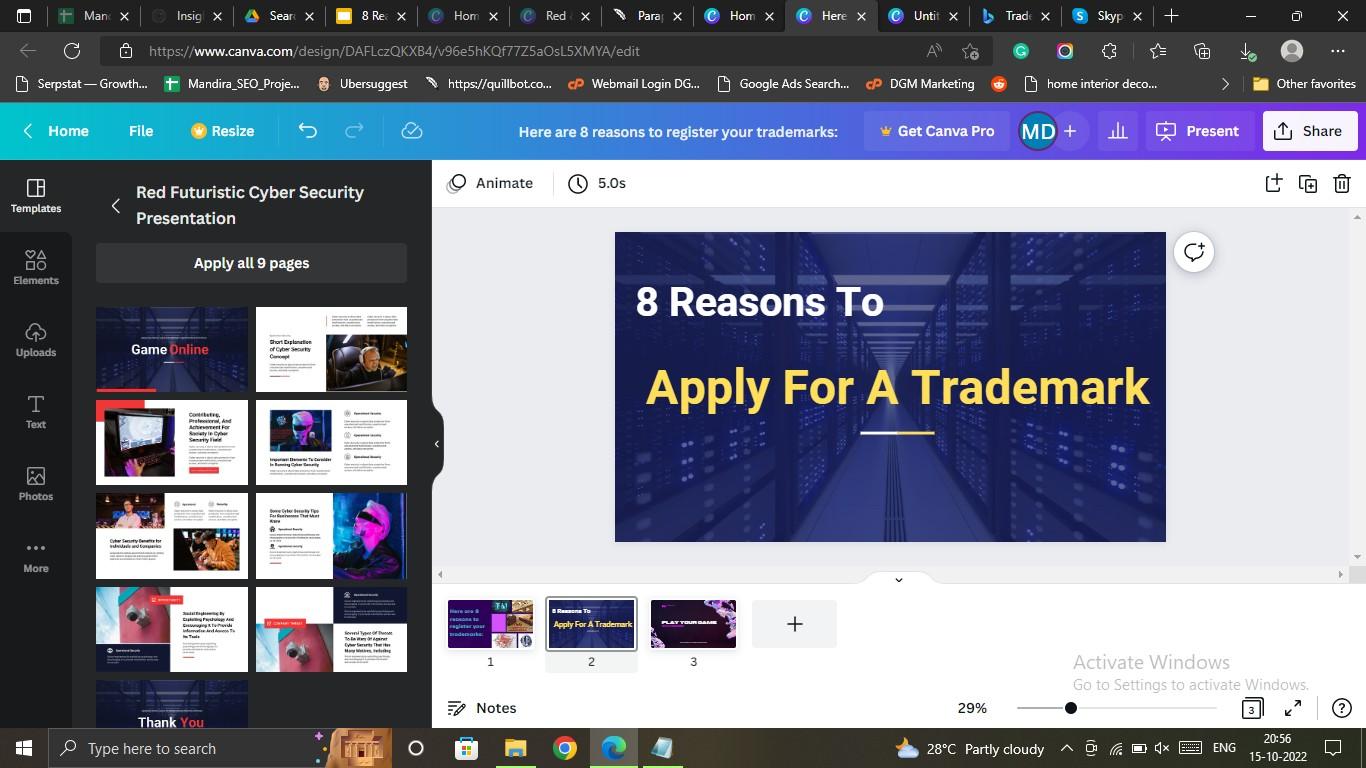
You may not have full proprietary rights to a corporation or business name just by registering the name.
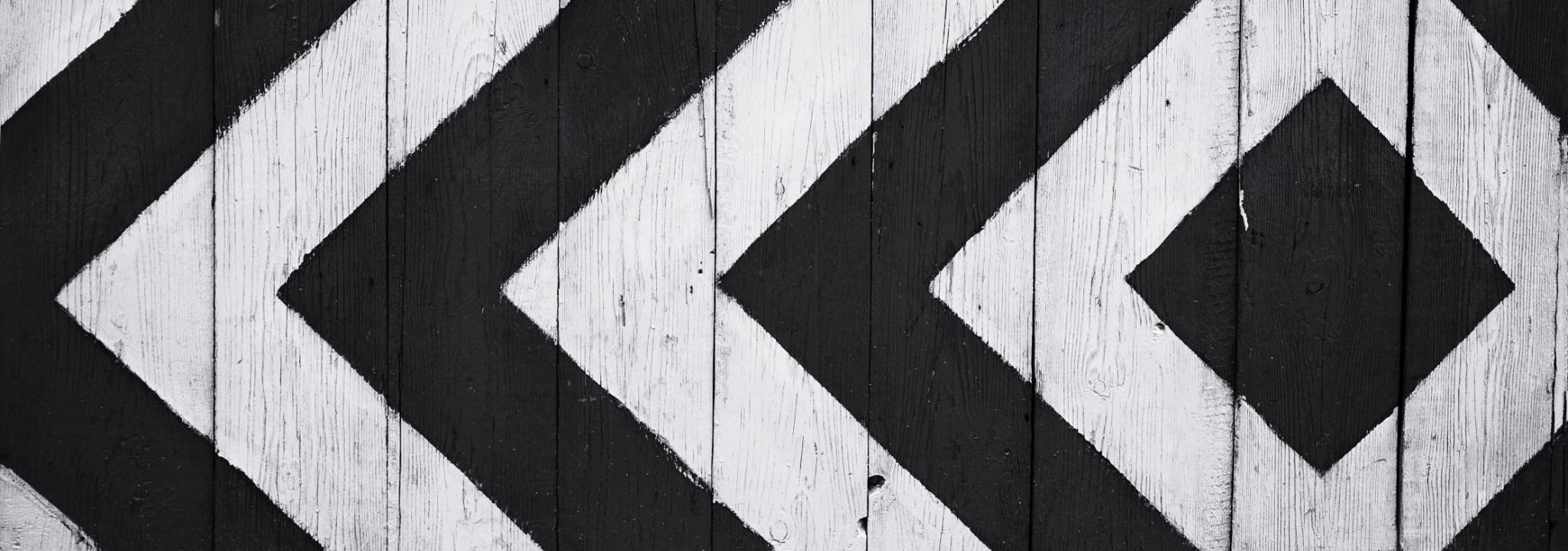
And did you know that in some nations, a third party might register your brand as a trademark and then "squat" on it until you paid for the rights?
You may already have some trademark rights if you have a brand and market goods or services under it. "Unregistered trademark rights" refer to these.
However, there is a catch: unregistered trademark rights are more restricted than registered trademark rights.
Intro
most efficient rights

Apply for a
over a brand. When you get
is the quickest and most cost-effective way to ensure
like getting
reduces the risk of being
by
of title” for the brand. It
from using YOUR brand, name or
only extend to places where you can demonstrate the reputation of the trademark. This means, places where there is market awareness of your business or brand. However, registered trademarks give you legal rights throughout a particular country (such as Australia). Registration also allows you to prevent others from using your trademark in markets where you have not yet used your trademark (i.e. where you can’t demonstrate unregistered rights).
❏ The
:
trademark
legal exclusivity
trademark registration it’s
a “certificate
massively
stopped
logo
other traders. ❏ Better geographical coverage : Unregistered trademark rights
❏ Beat Trademark Squatters : In contrast to Australia, a few other nations award trademark rights to the first party to submit a registration application, even if someone else has been using the trademark in that market. This system permits opportunistic behaviour by third parties—also known as "trademark squatters"— who register another party's trademark and then attempt to sell the registration to the actual owner. While it is occasionally feasible to recover a trademark from a squatter, the process is typically costly, time-consuming, and uncertain. A few nations that use a first-to-file system are the Philippines, Indonesia, South Korea, Thailand, China, Japan, Germany, Spain, and France, among others.
Deter copycats and wannabes
A registered trademark is the best deterrent to others considering using a trademark similar or identical to yours to sell products or services like yours.
Consider these facts:
❏ The ® symbol is only used for identifying registered trademarks, and clearly notifies others of your rights.

❏
Those considering a new brand can easily find an identical or similar brand if it’s a registered trademark, simply by searching the official register of trademarks. This reduces the likelihood that a third party will choose to use a conflicting mark in the first place.
❏
Registered trademarks are a clear obstacle to others seeking to register a conflicting trademark. Existing registered trademarks can be significant obstacles to others trying to register conflicting trademarks.
❏

❏ Faster, cheaper enforcement - Ifsomeoneelseusesaconflictingmark, it’s generally easier, quicker and cheaper to enforce a registered trademark thananunregisteredtrademark.Registeringatrademarkestablishes“prima facie” ownership, whereas the burden of proof falls on you if it’s an unregistered trademark. The first step in the process is always providing evidencethattheunregisteredrightsactuallyexist,whichcanbehardwork, not to mention costly. ❏ Streamlined commercialisation - Registered trademarks can be more simply and effectively licensed for use by thirdparties(suchas franchisees anddistributors).

❏ Freedom to Operate - The Australian Trade Marks Act 1995 provides that a person does not infringe (another) registered mark when they exercise a right giventothemundertheAct(i.e.usetheirownregisteredtrademark). Thisgives the owner of a registered trademark a defence against accusations of infringement of another registered trademark. ❏ Upsized brand value - All these advantages of owning a registered trademark can significantly increase the perceived value of a brand to other parties. This enhances value when you sell or license the trademark, compared with an unregisteredtrademark.
