LION ENgage - User Instruction, Safety and Training Guide
USER INSTRUCTION, SAFETY AND TRAINING GUIDE
Protective
Clothing for Firefighters (EN 469:2020)
DANGER
You MUST read this Guide and all Clothing Safety, Cleaning, and Information labels before wearing. Burns are a function of time and temperature. First degree skin burns can occur when skin reaches a temperature of as low as 48° C (118° F).
Fire burns at temperatures up to 1100° C (2000° F) or higher.
This Clothing provides limited protection against heat and flame in compliance with EN 469:2020. While wearing this Clothing, you may be burned without heat sensation or warning in some circumstances, and without any sign of damage to the Clothing.
C O M M E R C I A L N A M E
Copies of labels used only in EN 469:2020
Protective Clothing for Firefighters
Outer layer: Twin Square
Clothing Liner Attachment Safety Label
In-between: 100% Aramid Water lining: Aramid/Viscose/High Tech P
The Protective Garment shall be identified with the following model numbers: Engage™ Select
• J842* Jacket Red – Coat
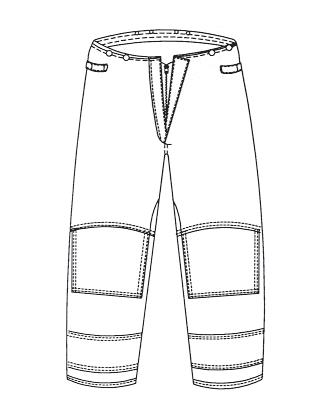
• T842 Pant Black – Trousers
*J842 is intended to be worn with T842
The Protective Garment shall consist of: Engage™ Classic
• J844* Jacket Khaki – Coat
• T844 Pant Khaki – Trousers
*J844 is intended to be worn with T844
The Coat model numbers shall be worn with corresponding Trousers model numbers:
Engage™ Ultra
• J872* Jacket Khaki – Coat
• T872 Pant Khaki – Trousers
*J872 is intended to be worn with T872
1. INTRODUCTION
Your EN 469:2020 Protective Clothing for Firefighters (referred to throughout this Guide as the “EN 469 Compliant Clothing” or “Clothing”) is designed to provide limited protection in structural firefighting operations. LION has designed and manufactured this garment in accordance with the Basic Health and Safety Requirements of the Directive and taking into account EN 469.
This User Instruction, Safety and Training Guide gives important instructions regarding the use, inspection, care, maintenance, storage and retirement of your Clothing. Immediately upon receipt of your Clothing, you should, carefully read, and save this Guide for future reference.
Firefighting is an extremely dangerous profession. The circumstances of each hazardous situation are unique and often impossible to predict. This Guide is a training tool to help you understand your EN 469:2020 Protective Clothing for Firefighters and how to use it in the safest possible manner during dangerous firefighting operations. Please take the time to read it.
For your personal safety be alert for important safety messages in this Guide:
DANGER
DANGER Indicates immediate hazards that will result in serious personal injury or death if not avoided, or if instructions, including recommended precautions, are not followed. The signal word “DANGER” is highlighted in red, both in this Guide and on labels affixed to your Clothing, to indicate the extreme hazard of the situation.
! WARNING
WARNING Indicates potentially hazardous situations that could result in serious personal injury or death if not avoided, or if instructions, including recommended precautions, are not followed. The signal word “WARNING” is highlighted in orange on applicable labels, and in black in this Guide.
CAUTION !
CAUTION Indicates potentially hazardous situations or unsafe practices that could result in minor or moderate personal injury or product or property damage if instructions, including recommended precautions, are not followed. The signal word “CAUTION” is highlighted in gray in this Guide.
2. DEFINITIONS
AFFF – Aqueous Film-Forming Foam agents. A foaming agent capable of forming water-solution films on the surface of flammable hydrocarbon liquids.
Authority Having Jurisdiction – The organization, office, or individual responsible for approving equipment, an installation, or a procedure.
Body Substance Isolation – A concept practiced by emergency response personnel whereby blood and ALL other body fluids are considered a risk for transmission of bloodborne diseases.
Bloodborne Pathogen – Pathogenic microorganisms that are present in human blood and can cause disease in humans. These include, but are not limited to: Hepatitis B, Hepatitis C, HIV and Syphilis.
Body Fluids – Fluids produced by the body including, but not limited to, blood, semen, mucous, feces, urine, vaginal secretions, breast milk, amniotic fluid, cerebrospinal fluid, synovial fluid, and pericardial fluid.
Body Fluids-Borne Pathogen – An infectious bacterium or virus carried in human, animal, or clinical body fluids, organs or tissue.
Clothing – (Also referred to as EN 469 Compliant Clothing.) The term Clothing used throughout this Guide refers ONLY to EN 469:2020 Protective Clothing for Firefighters, which include the coats, trousers or coveralls. Clothings is NOT Entry or Proximity protective clothing. Component – Any material, part or subassembly used in the construction of the EN 469 Compliant Clothing or element of the EN 469 Compliant Clothing.
Composite – The layer or combination of layers of the protective ensemble, or any elements of the protective ensemble, providing the required limited protection.
EN 469:2020 Protective Clothing for Firefighters – Personal Protective Equipment subjected to prototype examination (article 10), and production monitoring (article 11) by a Notified Body, approved by manufacturer declaration and application of the ‘CE’ mark to conform to EN 469 and the Basic Health and Safety Requirements of the PPE Directive, EU 2016/425.
Entry Firefighting – EXTRAORDINARILY specialized firefighting operations that can include the activities of rescue, fire suppression, and property conservation at incidents involving fires producing extreme levels of conductive, convective, and radiant heat; such as aircraft fires, bulk flammable gas fires, and bulk flammable liquid fires. Highly specialized thermal protection from exposure to extreme levels of conductive, convective, and radiant heat is necessary for persons involved in such EXTRAORDINARILY specialized operations and because direct entry into the flames is made EN 469:2020 Protective Clothing for Firefighters are NEVER to be used for entry firefighting or any direct contact with flames or molten metals, and do not provide the required level of protection.
Exposure Incident – Specific contact of the following with blood or O.P.I.M.: 1) eye; 2) mouth or other mucous membranes; 3) non intact skin; or 4) parenteral contact.
Facecloth – Lining fabric that is used to cover inner surfaces.
Flame Resistance – The property of a material whereby the application of a flaming or non-flaming source of ignition and the subsequent removal of the ignition source results in the termination of combustion. Flame resistance can be an inherent property of the material or it can be imparted by specific treatment.
Flame Retardant – A chemical compound that can be incorporated into materials or a textile fiber during manufacture or treatment to reduce its flammability.
Flash Fire – A fire that rapidly spreads through a diffuse fuel, such as a dust, gas, or the vapors of an ignitable liquid, without the production of damaging pressure.
Fluorescence – The process by which radiant flux of certain wavelengths is absorbed and reradiated, nonthermally in other, usually longer, wavelengths.
Fluorescent Trim – Trim that absorbs and re-radiates light of certain wavelengths, making a surface highly visible to the human eye in order to provide daytime visibility.
Guide – Means this User Instruction, Safety and Training Guide
Heat Flux – The thermal intensity indicated by the amount of power per unit area. The heat flow rate through a surface of unit area perpendicular to the direction of heat flow.
Inner Liner – The liner portion of the EN 469 Compliant Clothing consisting of the thermal liner layer and the moisture barrier layer sewn together. The Inner Liner must ALWAYS be attached to the Outer Shell whenever the Clothing is in service.
Interface Area – An area of the body where the protective clothing, helmets, gloves, footwear, or SCBA facepiece meet. i.e., The protective coat--helmet--SCBA facepiece area, the protective coat--protective trouser area, the protective coat--protective glove area, the protective trouser-protective footwear area.
Moisture Barrier – The portion of the Clothing composite designed to prevent the transfer of liquids and achieve water vapor perm.
OPIM – Acronym for Other Potentially Infectious Materials. Includes semen, vaginal secretions, cerebrospinal fluid, synovial fluid, pleural fluid, pericardial fluid, amniotic fluid, and peritoneal fluid.
Outer Shell – The outermost layer of the composite with the exception of trim, hardware, reinforcing material and wristlet material. Also referred to as “shell”.
Parenteral – Piercing through the skin barrier, such as a needlestick injury, human bite or a cut or scrape.
Protective Ensemble (Structural) – Multiple elements of Clothing designed in accordance with the EN 469:2020 Standards to provide a limited degree of protection for firefighters from adverse exposures to the inherent risks of structural firefighting operations and certain other emergency operations. The elements of the protective ensemble are coats, trousers or coveralls.
Protective Element – The parts or items that comprise the protective ensemble. The protective ensemble elements are: coats, trousers, coveralls, helmets, gloves, footwear and interface components.
Proximity Firefighting – Specialized firefighting operations that can include the activities of rescue, fire suppression, and property conservation at incidents involving fires producing very high levels of radiant heat, as well as conductive and convective heat such as aircraft fires, bulk flammable gas fires, and bulk flammable liquid fires. Specialized thermal protection from exposure to high levels of radiant heat, as well as thermal protection from conductive and convective heat, is necessary for persons involved in such operations. Your Structural Firefighting Clothing is NEVER to be used in proximity firefighting and do not provide the required level of protection. Proximity firefighting operations might be combined with structural firefighting operations. Proximity operations are performed close to the actual fire where the high levels of radiant heat as well as the convective and conductive and radiant heat would overcome the thermal protection provided by structural firefighting ensembles and the proximity firefighting protective ensembles provide enhanced protection from these thermal exposures. After the fire and heat have been controlled at a proximity firefighting incident, entry into structure or enclosures by firefighters protected by proximity firefighting ensembles could be made where the incident requires additional operations for control of the incident. The Authority Having Jurisdiction must conduct a risk assessment to determine the proper protective clothing for incidents where both types of firefighting operations occur, or for proximity firefighters who may be required to provide support for structural firefighting operations.
Reinforcement – The addition of extra material for enhanced protection in areas prone to compression or abrasive wear such as knees, elbows and shoulders.
Retroreflection/Retroflective – The reflection of light in which the reflected rays are preferentially returned in the direction close to the opposite of the direction of the incident rays, with this property being maintained over wide variations of the direction of the incident rays.
Retroreflective Markings – A material that reflects and returns a relatively high proportion of light in a direction close to the direction from which it came.
SCBA – Acronym for Self-Contained Breathing Apparatus.
SDS – Acronym for Safety Data Sheets.
Service Provider – A third party utilized by an organization (brigade) to perform any one or any combination of inspection, cleaning or repair services.
Sewn Seam – A series of stitches joining two or more separate pieces of material(s) of planar structure, such as textile fabrics.
Structural Firefighting – The activities of rescue, fire suppression, and property conservation in buildings, enclosed structures, vehicles, marine vessels, or like properties that are involved in a fire or emergency situation.
Thermal Barrier – The portion of the Clothing composite that is designed to provide thermal protection.
Trim – Retroreflective and fluorescent materials attached to the outermost surface of the protective ensemble for visibility enhancement. Retroreflective materials enhance nighttime visibility, and fluorescent materials enhance daytime visibility. "Trim" is also known as "visibility markings".
Useful Life – The period of time that EN 469 Compliant Structural Firefighter Clothing, which have been properly cared for, can be expected to provide reasonable limited protection. Useful life of Clothing can be as little as 3 to 5 years with heavy wear and tear and improper maintenance and/or storage. Useful life can be as long as 7 to 10 years if Clothing have been subject to relatively lower levels of wear and tear and have been consistently maintained in a regular cleaning and maintenance program and stored properly.
UV (Light or Radiation) – Acronym for Ultraviolet Light. A type of radiated electromagnetic energy commonly found in the sun’s rays.
Universal Precautions – Under universal precautions, blood and certain body fluids of all patients are considered potentially infectious for human immunodeficiency virus (HIV), hepatitis B virus (HBV), and other bloodborne pathogens.
3. SAFETY CHECKLIST
Do not use this EN 469:2020 Protective Clothing for Firefighters until you have checked “YES” to the following:
1. Have you completed formal training in structural firefighting compliant with the approved standard recognized by the Authority Having Jurisdiction, and on the proper use of structural firefighting equipment and EN 469:2020 Protective Clothing for Firefighters? Yes No
2. Have you read and understood all the instructions and warnings throughout this Guide as well as all the safety, cleaning and information labels on the Clothing? Yes No
3. Will you regularly inspect your Clothing inside and out for any tears, holes, thin spots, worn areas, color change, dirt, contaminants, leaks, embrittlement, or any other conditions discussed in Section 6 of this Guide? Yes No
4. Have you studied the limitations of your Clothing as described throughout this Guide? Yes No
5. Have you checked to make sure that your Clothing fits you properly in accordance with Section 8 of this Guide? Yes No
6. Have you, your safety officer, or another appropriate person made plans to ensure that your Clothing is used, inspected, maintained, stored, and retired according to instructions in this Guide? Yes No
7. Do you understand that when your skin reaches a temperature as low as 48º C (118º F) you will be burned, and that in some situations you may not feel a heat sensation or pain while wearing your Clothing or receive damage to your Clothing prior to being burned? Yes No
8. Have you read, do you understand, and do you agree to assume the risks and responsibilities listed in the Personal Responsibility Code? See FIG. 1 and back cover of this Guide. Yes No
If you answered NO to any of the questions, DO NOT WEAR THIS CLOTHING until you have read the appropriate sections of this Guide and have been properly trained by qualified instructors.
4. PURPOSE AND LIMITATIONS OF YOUR CLOTHING
This clothing is designed to comply with the requirements of EN 469:2020. The upper and lower body, including neck, arms to the wrists and legs to the ankles, should remain protected during use by this clothing. Other parts of the body will require suitable PPE for the wearer to be protected fully.
The product is not intended to protect against specialized use such as aircraft rescue and fire fighting, hazardous materials emergencies or wildland fire fighting, nor are these garments intended for use as proximity, approach, or entry clothing.
The product is not intended to protect against other hazards, such as chemical, electrical, biological, radiological, nor does it cover the protection for the head, hands or feet. The event of small accidental splashes of chemicals or flammable liquids is covered by this standard.
! DANGER
This firefighter protective clothing rated X2 Y2 Z2 offers the highest protection level in the standard across three areas:
• X2: High protection against contact heat, flames, and radiant heat.
• Y2: Outer fabric is highly water-repellent and long-term waterproof.
• Z2: Low water vapour resistance ensures good breathability and comfort.
Protective properties in a new EN 469 Compliant Clothing will diminish as the product is worn and ages. To reduce the risk of injuries, you MUST follow the recommendations in this Guide for inspection and retirement of your Clothing to ensure that the Clothing is not used past its Useful Life.
5.
CLOTHING
CONSTRUCTION, FEATURES, AND FUNCTION
In order to understand the limits of protection provided by your EN 469 Compliant Clothing, you should study its construction, features, and function.
5.1
OVERVIEW
Your EN 469 Compliant Clothing helps protect the firefighter against heat and flame in three ways. First, it provides limited insulation from temperature extremes by creating air spaces between the layers. Air is the best form of insulation because heat travels through it slower than it does through most solid materials or water. Second, the shell also protects you because it is made of special heat and flame resistant textiles which when exposed to fire, char instead of melt or combust, thereby reducing further injuries that can be caused by the ignition of the materials. Third, the thickness of the fabrics also creates insulation that contributes to the limited protection against heat and flame.
5.2 LAYERED STRUCTURE
Your EN 469 Protective Clothing for Firefighters is made with the following primary layers: an outer shell, a moisture barrier, and a thermal liner. Occasionally, the moisture barrier and thermal liner are sewn together to make up the inner liner. This inner liner may be removable for cleaning, inspection, and decontamination. Clothing should NEVER be worn without the inner liner in place.
5.3 OUTER SHELL
Your Clothing's outer shell fabric is made from self-extinguishing fibers with limited resistance to the effects of heat, flame, and abrasion. In order for the fabric to self-extinguish, you must remove it from the source of ignition. The outer shell fabrics available from different fiber and textile manufacturers have varying durability characteristics and varying resistance to fading.
5.4 INNER LINER
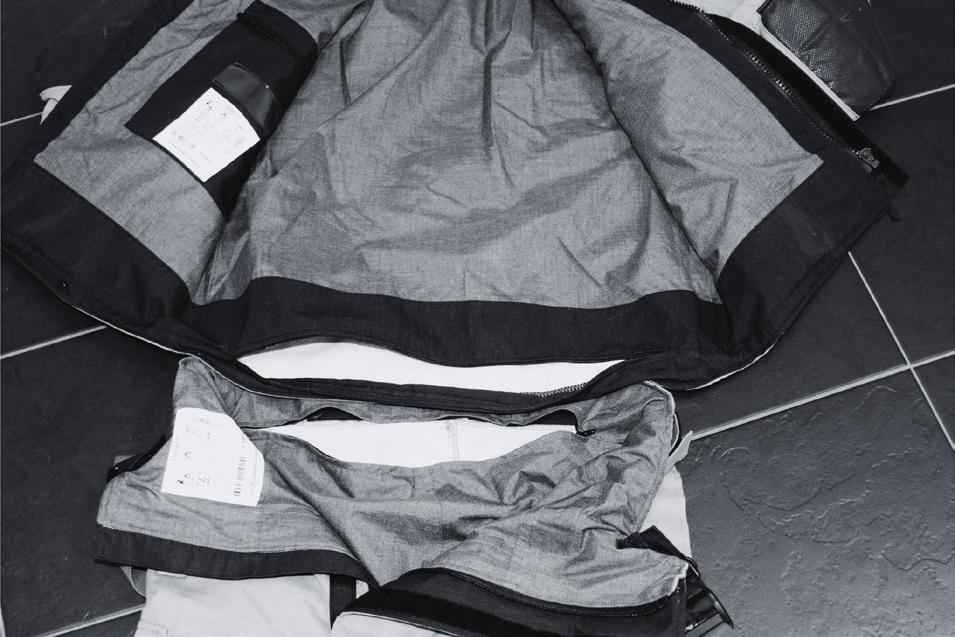
Your Clothing's inner liner consists of a moisture barrier and a thermal barrier that are typically sewn together with the outer shell. In some garments, the inner liner may be fastened into the outer shell and may be removable for cleaning, inspection, and decontamination. Your garment has an inspection system (FIG. 2) to allow easy inspection of the liner's inner surfaces.
Moisture Barrier: Your Clothing's moisture barrier is constructed of moisture-resistant yet breathable film that is laminated to a substrate for stability. It protects you and your Clothing's thermal liner from water, steam, moisture penetration, chemicals and bloodborne pathogens. It also allows the outward passage of moisture vapor so some of your body heat can escape.
Thermal Barrier: Your Clothing's thermal barrier is constructed of layers of flame-resistant, thermally-insulative fabrics. It insulates you from the effects of extreme heat encountered during structural firefighting operations.
5.5 UNDERSTANDING YOUR CLOTHING SPECIFICATIONS
There are many manufacturers of outer shell, thermal liner, moisture barrier and reinforcement fabrics. Each manufacturer offers fabrics of various weights, weaves, coatings, and construction. Your Fire Brigade has selected LION firefighter Clothing with a combination of fabric weaves, weights, finishes, and orientations that provide a balance of EN-compliant performance characteristics for thermal protection, heat stress reduction, and durability. The materials selected by your Fire Brigade may trade breathability for additional thermal protection and durability or vice versa, as compared to another Fire Brigade’s selection. Each Fire Brigade should conduct a risk assessment to guide its selection of an appropriate fabric ensemble that represents its desired balance of thermal protection, breathability, and durability. The labels inside your Clothing provide information about the fabrics your Fire Brigade selected. Regardless of the particular configuration of fabrics, you should understand that all LION Clothing meet EN 469 requirements, and all LION Clothing provide the level of protection, breathability, and durability represented by the Fire Brigade’s combination of fabrics and construction.
FIG. 2: Coat and Trousers Liner Inspection System (located at the bottom hem for the coat and along the waistband for trousers)
If your Coat includes a Drag Rescue Device, Do NOT use the DRD for lifting or lowering a person on a lifeline or emergency escape. Using the DRD for unintended purposes may result in bodily injury or death.
5.6
DRAG RESCUE DEVICE (DRD) (NOT AVAILABLE IN ALL MODELS)
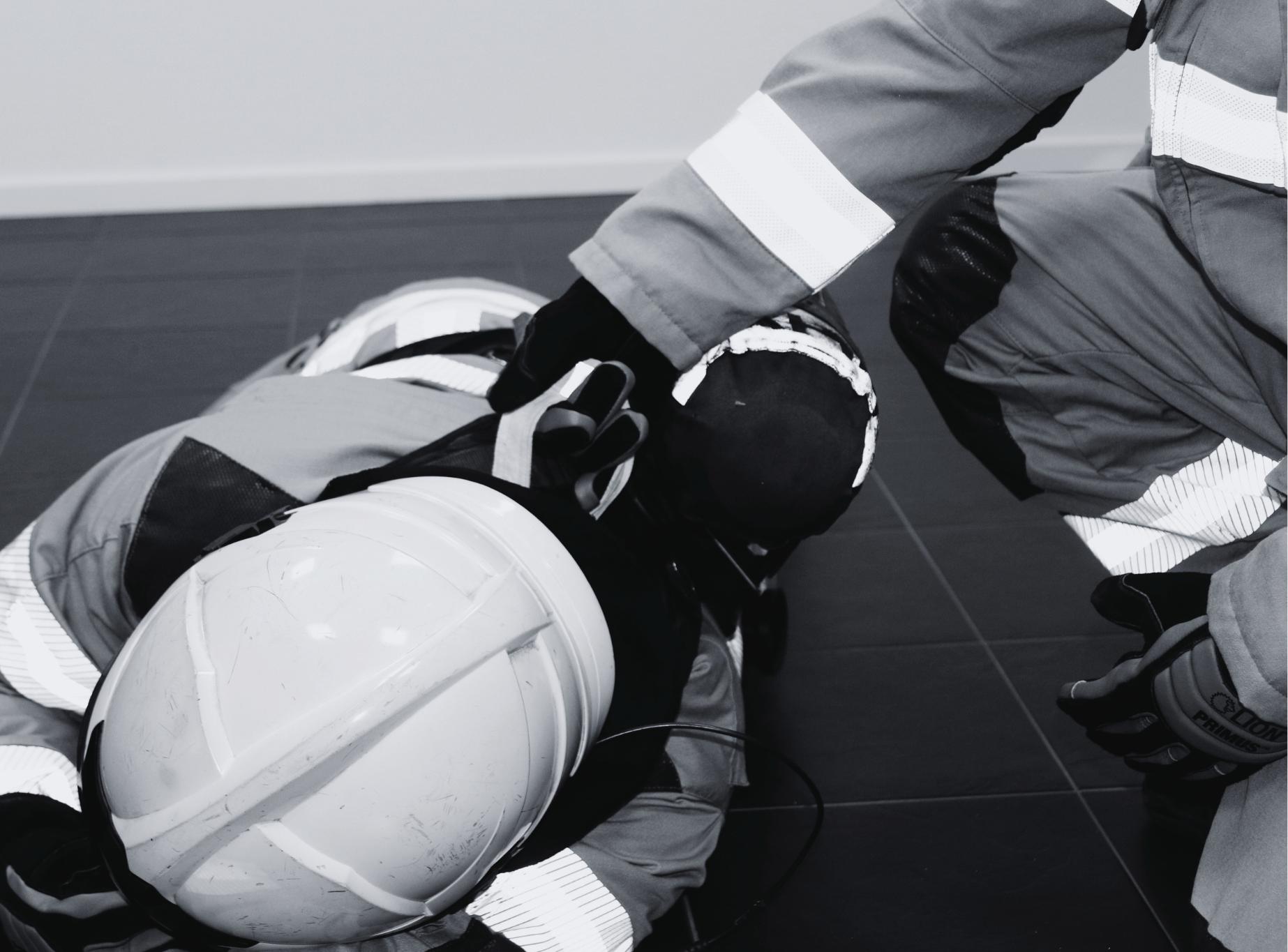
Your turnout coat may include an integrated Drag Rescue Device (DRD) to provide mechanical leverage for someone to drag you from a life-threatening environment in case you become incapacitated on the fire ground. The design enables the rescuer to drag you in line with the axis of your skeletal frame in order to decrease the risk of further injury.
Training should include practice locating and securing the hand loop of the DRD with gloved hands and obscured vision.
PROPER USE OF THE DRD (FIG. 3)
A. Locate hand loop access point, lift flap, and pull out the hand loop.
B. Obtain proper grip by inserting a hand through the hand loop and grasping the webbing below the loop.
C. Drag the downed firefighter across horizontal surfaces to safety.
FIG. 3
Drag Rescue Device (DRD): Proper deployment and use
5.7 OTHER IMPORTANT SAFETY FEATURES (FIG. 4)
Collar: Your coat's collar must be raised up and secured with the hook and loop closure (with the throat tab engaged if your Clothing has a throat tab) in order to provide limited protection from heat, flame, and other hazards.
Closure Systems: On the front of the coat and trousers, when properly fastened, reduce the amount of water that can enter the Clothing and prevent the coat and trousers from coming open during structural firefighting activities.
Retroreflective and Fluorescent Trim: Improves visibility in low-light conditions and daytime. 1 2 3
Reinforcements: Provide important extra limited protection against heat and flame, cuts, and abrasion.
Drag Rescue Device (DRD) (Not available in all models): Provides mechanical leverage for dragging a downed and incapacitated structural firefighter from a life-threatening environment.
Liner Inspection System: Your Clothing's inner liner has an opening through which you can visually inspect the integrity of the thermal barrier or the moisture barrier. On coat models, the system is located along the back hemline of the liner. On pant models, the system is located on the back waist of the liner.
Labels: Important safety, cleaning, and information labels are located inside your coat and trousers. These labels provide critical safety, cleaning, and clothing information, as well as certification markings. The label is located on the inside of the coat on the wearer's left side and on the inside of the trousers in the seat area. Size labels are located inside in the middle of the collar for the coat and inside in the middle of the waist for the trousers.
of these labels are located on page 2 of this Guide.
WARNING
Most performance properties of the Clothing and its components cannot be tested by the user in the field.
6. INSPECTION
Your Clothing should be cleaned, inspected, and repaired in a frequency and manner consistent with your Fire Brigade's protocol.
6.1
PREPARATION
Read all Safety, Cleaning, and Information Labels (See Section 5.7 of this Guide for location). If any of the labels are missing, return the Clothing to the manufacturer immediately.
6.2 FREQUENCY
Routine Inspection:
Inspect your Clothing including its outer shell, liner, DRD and other components at the following times:
• Upon receipt of your new Clothing or replacement component;
• After each use or at least monthly (whichever is greater);
DANGER
If during firefighting operations, you perceive that water is passing through your thermal liner and moisture barrier from the outside, remove the Clothing from service. Have the Clothing inspected by an expert who has been trained by LION or a Service Provider. Passage of outside water through the liner means that the moisture barrier is damaged or deteriorated and must be replaced.
6.3
• After exposure to heat, flames, chemicals, or firefighting agents (including AFFF foam and water);
• After exposure to body fluids (including blood); and
• After washing, repair or decontamination.
Advanced Inspection:
Your clothing should undergo a regular advanced inspection by an expert in the Fire Brigade who has been properly trained by LION or a Service Provider at least annually, or whenever you have a question about whether the Clothing is fit for use.
INSPECTION PROCESS AND CRITERIA
1. Preparation for Inspection
A. Ensure that Clothing is clean. If any have been contaminated by hazardous materials or biological agents, make sure they have been decontaminated. This is important for your safety, and for assurance that potential problems are not masked by incidental residue.
B. Place Clothing on a clean surface in a brightly lighted area.
C. Remove braces. Where applicable, separate shell from inner liner and remove DRD.
Pay close attention to high abrasion areas such as the shoulders, back/waist area, knees, crotch, and seat. Where you see potential damage to the outer shell or thermal liner, examine the corresponding area on the moisture barrier.
2. Inspection of the DRD (If applicable)
A. Thoroughly inspect the DRD for chemical deterioration (discoloration); cuts or holes; pulled stitches; unusual wear; broken or frayed fibers; and burn damage or discoloration from heat.
3. Inspection of the Inner Liner and Outer Shell Attachment System (if Liner is Removable)
A. Locate the zipper and/or snap attachments.
B. Check zipper (if present) for functionality and corrosion.
C. Disconnect and examine snaps for corrosion and make sure their attachments to the clothing are secure.
D. Ensure that all snaps function well.
4. Inspection of the Outer Shell (Routine and Advanced Procedure)
A. Fabric: Examine for dirt, discoloration, thin spots, holes, tears, embrittlement, cracking, burns, abrasions, and worn spots.
a. Discoloration is a sign of overexposure to light or heat.
b. Embrittlement, cracking or burns are a sign that other layers may be worn out or damaged and must be thoroughly inspected.
c. Grasp any part of the fabric that may be damaged or flawed in both hands, and try to push your thumbs through the fabric. (FIG. 5). If the fabric punctures, you must repair the outer shell (if economically practical), replace it, or retire the entire Clothing and dispose of it in accordance with Sections 15 and 16 of this Guide.
B. Closure Systems: Examine for functionality and damage.
a. Hook and Loop – Engage and disengage hook and loop attachments to make sure they function well. Examine for worn, abraded, curled, or melted pieces that require replacement. Check stitching for loose thread that would require repair.
b. Zippers – Examine all zippers for functionality and corrosion that would require replacement. Check stitching for loose threads that would require repair.
c. Hardware – Examine all hardware (i.e., hooks and dees or snaps) for corrosion or other damage that would require replacement. Check that their attachment to the Clothing is secure.
C. Retroreflective and Fluorescent Trim: Inspect Clothing for missing, burned, loose, melted, or torn trim that has lost its retroreflective or fluorescent properties.
a. Damaged trim must be resewn or reapplied.
b. Loose trim that maintains its reflectivity and fluorescence must be resewn or reapplied to the Clothing.
c. The retroreflective properties may be evaluated by performing a flashlight test: hold a bright flashlight at eye level, either next to the temple or on the bridge of the nose, and aim the light beam at the Clothing trim. Stand about 12 meters (40 feet) away. Compare reflected light from the Clothing trim to a sample of new trim. If the reflected light is noticeably less than that reflected by the sample, have the trim repaired or replaced.
FIG. 5
Test fabric strength with thumbs
D. Reinforcements, Pockets, Flashlight Loops, Hanger Loops, Letters, etc: Examine all reinforcements and components to make sure they are securely sewn to the Clothing. Check hook and loop or snap fasteners on pocket flaps for functionality and damage.
E. Accessories: Check all accessory items to ensure that they meet manufacturer’s specifications and approval.
F. Stitching and Seams: Examine all seams for loose threads, breaks, skipped stitches, or weaknesses.
G. Labels: Verify that all Safety, Cleaning, and Information labels are on the Clothing and are legible. See p. 2 and Section 5.7 of this Guide.
5. Routine and Advanced Inspection of the Inner Liner
A. Fabrics: Facecloth, Thermal Liner Layer, Moisture Barrier Layer.
Visually and manually examine each component of your inner liner for these and other signs of possible damage, such as:
• Abrasion
• Broken stitches
• Burns
• Compression
• Cracking
• Dirt
• Discoloration
• Embrittlement
• Fraying
• Holes, cuts, or tears
• Migration of fibers
• Ridges
• Rough spots
• Thin spots
• Worn spots
Give special attention to the shoulder, elbow, and knee areas that are known compression areas.
Conditions you find on any surface of the inner liner could indicate leakage or loss of thermal protection. For example:
a. Discoloration, a possible sign of overexposure to light or heat, could indicate that the fabric has become weak.
b. Embrittlement, cracking or burns on the external, visible side of the inner liner are a sign that the inside thermal liner or moisture barrier layers may no longer resist moisture or thermal loads.
If you see or feel any of signs of damage or detect anything unusual, do the following according to the type of liner that you have:
a. Liners that are completely sewn together (typical construction):
• Ask a trained expert to conduct an advanced inspection which will include a complete liner evaluation.
b. Liners with inspection systems:
• (Standard) Inspection system: (FIG. 8) Reach through the opening and grasp the farthest point (such as the trousers cuff, etc). Gently pull it through the opening to invert the liner.
Examine (what had been) the innermost sides of the two layers for thin spots which indicate wearing away, compression, migration of fibers or other damage. If you see damage on the innermost layers, ask a trained expert to conduct a complete liner inspection.
Damage to the inside layers of the inner liner may not be visible to the user without separating the thermal liner and moisture barrier. The entire inner liner should be opened and inspected only by a trained expert or the manufacturer.
B. Wristlets: Examine protective wristlets for shrinkage, elongation of thumb holes, loss of elasticity, and seam integrity.
C. Stitching and Seams: Examine all seams for loose threads, breaks, skipped stitches, or weakness.
D. Labels: Verify that all Labels are on the Clothing and are legible. See p. 2 and Section 5.7 of this Guide.
FIG. 8: Coat and Trousers Liner Inspection System
If you see damage on the outer surface of the inner liner, it should be inspected by a trained expert, a LION TotalCare® Center, or verified Service Provider to determine whether the inner layers are damaged. In many cases, damage to the inside layers of the inner liner will not be visible to the user without an expert opening the inner liner for inspection. See inner liner advanced inspection procedures, section 6.3
6. Complete Liner Inspection
ONLY A TRAINED EXPERT in your Brigade, LION, or a Service Provider should perform the following:
Preparation:
If you have a sewn-in liner, unzip the inspection opening to access the thermal liner and the moisture barrier. If you have a removable liner, detach the liner from the shell and locate the inspection opening.
A. Thermal Liner Layer : Examine both sides for thin spots which indicate wearing away, damage of material, compression, or migration of fibers.
a. Inspect by running hands across external surface (facecloth) and internal surface (thermal barrier) feeling for thin areas or ridges that indicate breakdown, damage, compression, or migration of fibers. Special attention should be given to the shoulder, elbow, and knee areas that are known compression areas.
B. Moisture Barrier Layer: Inspect both external surface and internal surface for any signs (holes, discoloration, rough spots, cracking, or tears) that could indicate damage or deterioration and leakage.
C. After all testing is completed, close the inspection opening using the zipper and, in the case of a removable liner, reattach to the shell.
6.4 RECORDKEEPING
For manual records, record all inspections and your results on the Inspection, Cleaning, Repair, Retirement, and Disposal Record located in the back of this Guide. Maintain this form unless your organization has provided you with a comparable record keeping method for this purpose.
7. SIZING
LION offers a full range of sizes made to order for heights 162 cm - 206 cm. For coats: Chest 78 cm - 177 cm with various sleeve lengths available. For trousers: Waist 66 cm - 165 with various inseams available.
8. DONNING AND DOFFING YOUR CLOTHING
PREPARATION: Before donning, check to make sure that the inner liner and the outer shell are secured together at the torso, neck, and wrist areas on the coat, and at the torso and ankle areas on the trousers. It is also recommended to don your protective hood prior to coat and trousers. Next, pull your protective hood over your head and pull it entirely down around your neck so that later you can pull it up and cover your head after you don your scba facemask.
NEVER wear the outer shell without installing the correct inner liner; NEVER wear the inner liner without attaching the correct outer shell to it. Neither the outer shell nor the inner liner, when worn alone, provides the limited protection against structural firefighting hazards.
8.1 TROUSERS
Next, don your trousers. With the fly closure unfastened, hold open the trousers with the braces hanging to the side. After pulling the trousers to the waist, fasten the fly closure securely. See (FIG. 9A). Cinch take-up straps, if present, so the trousers are snug at your waist. Pull the braces over your shoulders and adjust them so that the crotch of the trousers is comfortably secure against your crotch. Trousers that hang down too low in the crotch will dangerously restrict your mobility and will wear out prematurely in the crotch seams or in the fabrics of the inner liner. When properly fitted and correctly donned, the cuffs of your trousers should be no less than 5 cm (2 inches) and not more than 12 cm (5 inches) off the floor. Step into your protective boots and, if they are adjustable, zip them up or tie the laces.
8.2 COAT
After your trousers and boots are secured, pull the coat onto your body. See (FIG. 9B). Secure your hands through the knit wristlets and where provided, place your thumbs through the thumb holes. Pull your protective hood halfway over your head so that the bib section is under your coat and your face is exposed. Tighten seals, if present, at the wrists by pulling the draw straps tight and locking them. Engage all fasteners to secure front closure and storm flap all the way to the neck. See (FIG. 9C)
FIG. 9A
FIG. 9B
FIG. 9C
In the event of an accidental splash of chemical or flammable liquids on the PPE, the wearer should immediately withdraw and remove the Garments, which shall then be cleaned or removed from service.
10
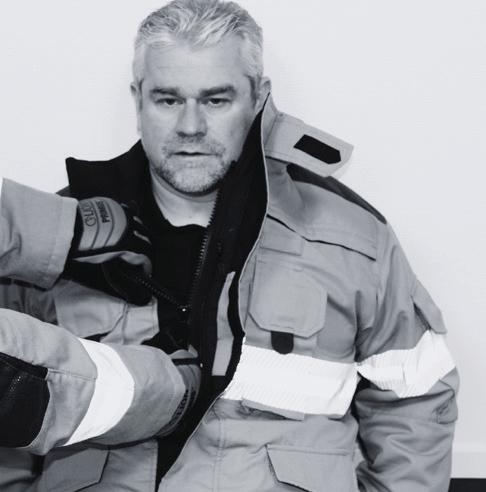
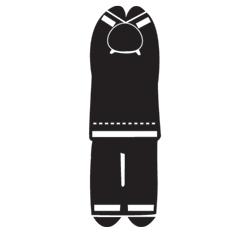
Emergency Doffing: Avoid compressing superheated gear and get assistance to remove it quickly.
WARNING !
Always have a partner make sure that the rear coat hem is not bunched up in the straps of the SCBA. Failure of the rear coat hem to drape loosely across the lower body could prevent the necessary overlap and result in exposure of the lower back area to heat and flame.
8.3
SECURING THE COMPLETE PROTECTIVE ENSEMBLE
A. When you are ready to enter the hazard area, put on your SCBA and facepiece following the manufacturer’s recommended procedures for fastening and use.
B. Pull hood into place around your head and secure the edges of the hood opening over the SCBA face piece. Raise the collar up and secure the hook and loop fastener and throat strap to protect your neck.
C. Place helmet on your head, over the hood, and use the chin strap to secure tightly to your head.
D. Put on protective gloves and make sure that they securely overlap the wristlet extending from the sleeves.
8.4 FINAL INSPECTION BEFORE ENTERING HAZARD AREA
Last and most important, to ensure proper donning before entering a hazard area, you must have a partner inspect your interface areas for proper overlap, check your back to make sure that the rear hem is not dangerously caught in the SCBA straps, and that all closures are secured properly.
8.5 DOFFING (REMOVING) YOUR CLOTHING
A. First, never remove your Clothing until you are certain you are safely removed from the hazard area. Always wear your full protective ensemble during all phases of fire suppression, including overhaul activities.
B. After a strenuous emergency operation is completed, and you are in a safe area, it is important to ventilate your body as quickly as possible in order to cool down.
C. When you are ready to remove your Clothing, you should first remove your helmet, then your SCBA face piece and air pack. Then open coat, remove gloves and remove your coat. Avoid pulling on wristlets, when doffing coat, to prevent stretching of the knit materials.
D. Next, disengage fly closure on trousers and remove them. If you suspect the metal hardware on your fly closure is heated, use a glove to disengage the closure or ask other personnel for assistance. Then step out of boots.
E. If your Clothing is contaminated with hazardous chemicals or flammable liquids, you should remove them, carefully avoiding any contact with contaminated parts. Hose the Clothing down at the scene with a lowpressure setting. Be sure to place the Clothing in plastic bags to allow safe handling by laundry personnel. Clothing exposed to body fluids can be washed and disinfected to reduce the risk of exposure to bloodborne pathogens. See Washing, Decontamination, and Disinfecting Procedures in Section 12 of this Guide.
FIG.
8.6
F. During and after doffing, always look for signs of chemicals, body fluids, or other contamination, and for signs of wear or damage. See Washing, Decontamination, and Disinfecting Procedures, Section 12, and Inspection Procedures, Section 6 of this Guide.
EMERGENCY DOFFING (SEE
FIG. 10)
Be aware of signs of super-heated gear such as:
1. Dye burning off that may appear to be steam or off gassing.
2. Discoloration of any PPE element
! DANGER
Avoid compressing superheated gear. Compressing superheated PPE may cause steam burns. If necessary, hold arms out from your side and have another person “roll” the coat off of your arms to avoid compressing the superheated coat against your arms.
9. PROPER OVERLAP AND FIT
Several different styles of EN 469 Compliant Clothing (coats and trousers) are available from LION and from various other manufacturers. You must make sure that your coat and trousers are compatible. Failure to match the proper styles of coats and trousers could result in severe burns, cuts or abrasions to the lower back and torso area. If you are unsure, contact LION for more information.
9.1 OVERLAP
To ensure proper protection, check that the jacket and trousers maintain an overlap when raising both hands fully above the head and bending forward until the fingertips touch the ground without bending the knees. In an upright position, wrists and ankles should remain covered when wearing the appropriate size. This requirement is verified through a visual inspection following the steps described in this section.
A Firefighter’s Height Affects Overlap
Firefighters who are taller than 1.73 meters (5’8") MUST wear a coat that is 81 cm (32 inches) or GREATER from the back of the neck at the collar down the back to the bottom of the coat hem. Special care should be given to long-bodied firefighters of any size to ensure that overlap requirements are met.
To check overlap, the following tests should be performed while wearing your complete protective ensemble, but without wearing an SCBA:
A. Standard Position A (FIG. 11A). While standing, reach over head as high as possible with your hands together. The inner liner of the coat must overlap the top of the trousers by no less than 5 cm (2 inches).
FIG. 11A EN Position A
B. Standard Position B (FIG. 11B). While standing with your hands together and reaching overhead as far as possible, bend forward to a 90o angle, to the left or right, and backward. The inner liner of the coat must overlap the top of the trousers by no less than 5 cm (2 inches)
C. The lower edges of your trousers must overlap the tops of your boots by 10-15 cm (4-6 inches). Gloves and wristlets must overlap each other by 7.5 cm (3 inches) and leave no gaps where wrists might be exposed.
9.2
CHECKING PROPER FIT
All Clothing must have adequate looseness in the torso, arms, and legs to ensure that insulated air spaces are maintained. If the Clothing bunches at the shoulders or binds in the shoulders, arms, thighs or crotch area, it is probably too small. Clothing also should not be too loose, as this could hinder mobility or dexterity and place stress at the wrong places in the Clothing. Upon receiving new or replacement Clothing, make sure that there is at least a small amount of loose material around the arms and shoulder area. Then test the mobility by climbing stairs and crawling or duck walking.
9.3 CHECKING THE SIZE
Coat. The chest size shown for a coat should NEVER be smaller than the circumference of your own chest, measured under your arms. Coats are designed with an overage for better fit over clothing. The end of the sleeve should reach beyond your wrist when arms are at rest.
Trousers. The waist size shown for a pair of trousers should NEVER be smaller than the circumference of your own waist, measured at your navel. Make sure the lower edges of your trousers overlap the tops of your boots by 10-15 cm (4-6 inches).
If the clothing does not seem to fit properly, you should check the size in the label to make sure it is your size as measured, and to make sure it is your Clothing.
9.4 PROPER FIT OF THE DRAG RESCUE DEVICE (DRD)
! DANGER
Never wear Clothing that fits improperly. If you have a question, or there is a problem with the fit of the Clothing, contact your safety officer for assistance. Wearing Clothing that does not fit properly could reduce protection and result in severe burns, cuts, or abrasions, or dangerously restrict your ability to avoid injuries in an emergency situation.
Before using your DRD, check to make sure that it is installed properly and that it does not bind or constrict your arms or torso or limit your ability to have a full range of motion. If you feel tightness in any way, remove your coat, check for twisting of the webbing between the shell and the inner liner, adjust the DRD, and recheck the fit to assure that the problem has been resolved.
FIG.
10. MARKING CONSIDERATIONS
For marking an individual’s name or other identifying information, an indelible laundry marker may be used. LION recommends the following guidelines:
10.1 Check Existing Labels – Both the jacket and trousers contain a label for individualized markings, such as barcodes, and are also equipped with an RFID tag. Additionally, the CE label in the jacket or trousers may contain personalized information. Before adding any markings, check the Clothing Information Label (which includes a barcode) to see if adequate identifying details are already provided by the manufacturer.
10.2 Recommended Marking Locations – If additional marking is needed, suitable areas include the underside of the coat’s storm flap or the inside facings at the coat front, as these provide good protection. For trousers, the underside of the facing at the fly is recommended. The jacket also features a transparent label holder, where a card with personal information can be inserted.
10.3 Prohibited Marking Areas – Do not apply letters, emblems, trim, or other identification that may penetrate the moisture barrier. Do not write on the outer shell, the moisture barrier, or the textile substrate of the moisture barrier layer, as indelible inks could damage the film or coating.
NEVER MARK ON THE SAFETY, CLEANING, OR INFORMATION LABELS ON YOUR CLOTHING!
11. USING YOUR CLOTHING SAFELY: HOW TO MINIMIZE THE RISK OF INJURY
11.1 PREPARATION Before beginning any emergency operation where there is fire or a threat of fire, your Clothing should be donned according to the procedures in Section 8 of this Guide, and checked by a partner for proper overlap at the interface areas as described in Section 9 of this Guide.
DANGER
Always wear clean and thoroughly dry Clothing used in any structural firefighting operation. Soiled or contaminated Clothing may be combustible, causing serious burns to the wearer.
FIRE CHARACTERISTICS
11.2 Fires are inherently dangerous, unpredictable environments. Temperatures can range upwards to more than 1100o C (2000o F) in a matter of seconds. It is important to understand these conditions in order to maximize your protection and to understand the limited ability of your Clothing to protect you from all hazards that may be present in a fire.
11.3 BURN HAZARDS: TYPES OF HEAT TRANSFER
There are three types of heat transfer in a fire that could cause burns: conduction, convection, and radiation. Conduction is the direct transfer of heat through contact with a hot object. Convection is the transfer of heat through a medium; for example, air. Thermal radiation is the transfer of heat in the form of light energy. Firefighters experience all three types of heat in a fire, and must understand their effects on EN 469 Compliant Clothing.
Conduction: The danger of being burned by conductive heat while wearing EN 469 Compliant Clothing is frequently underestimated. This very real hazard is significantly increased if your Clothing is wet or compressed. Water can provide a conductive bond between surfaces that might not otherwise touch, increasing the chances of heat conduction by displacing insulating air between and within the layers of the Clothing. Water is a very poor insulator; it conducts heat with dangerous and totally unpredictable efficiency!
DANGER
Moisture in Clothing can reduce insulation and lead to scalding burns! Always make sure your Clothing is dry before wearing it in any emergency situation. Dry your Clothing between runs to reduce the risk of serious burn injuries. Inspect your Clothing for holes and other damage, and always secure all the closures to prevent the penetration of moisture from the fire environment. Follow Inspection, Maintenance, Storage, Repair, Retirement, and Disposal Instructions in this Guide to make sure that the moisture barrier is not worn out or in an unsafe condition.
You can be burned by conductive heat when you contact heated surfaces or objects. The risk of serious conductive burns is even higher when you contact hot surfaces or objects while compressing parts of your Clothing and exposing yourself to too much heat. Compression (FIG. 12) brings surfaces closer together and displaces air, resulting in the transfer of heat between outside surfaces and inner layers. For example, burns can occur on knees while crawling on hot surfaces and on shoulders where the SCBA straps have squeezed the surrounding fabric against the skin. Another common compression burn injury occurs, even without contacting a hot object or surface, when the firefighter’s forearm and shoulders are exposed to the heat source while holding a hose.
Convection: Convective heat travels through the air, even if there is no immediate appearance of fire. Convective heat can elevate the temperature of your Clothing to a point at which conductive heat burns can easily occur. Convective air can also travel into your Clothing's interior by entering into gaps at interface areas.
Thermal Radiation: Thermal Radiation is the transfer of heat in the form of light energy into a material, directly from flames or reflected from hot objects. Factors that affect the speed of radiant heat transfer include the temperature difference between two surfaces, their distance from each other, and the reflectivity of each surface. (FIG. 13).
11.4 TACTICS FOR REDUCING THE RISK OF LEG BURNS
One program recently developed to reduce knee and lower leg burns is SWEEP, SWITCH, SQUAT and SHIFT:
Sweep: You should sweep the floor with the hoseline to move debris and reduce the surface temperature of the floor.
Switch: You should shift your weight from knee to knee as you advance the hoseline to reduce contact with heated surfaces.
Squat: By squatting, you are bringing the turnout gear off the floor so that it is not subject to compression burns.
Shift: Shifting your weight from side-to-side, if you are going to be on your knees, will reduce the time your knees will be in contact with the hot surface, thereby reducing the probability that you may get compression burns through your gear.
Another technique is to kneel on your hoseline. This will help your knees off of hot surfaces for prolonged periods.
Squatting for too long can also lead to compression burns. As you squat, your turnout trousers may compress against some areas of your knee and leg. Heat may penetrate faster through these compressed areas than through uncompressed parts of your protective clothing, resulting in burn injury.
! WARNING
Conductive burns can occur when your PPE is pulled tightly across your body, such as when you are kneeling or pulling hoseline, due to compression of the protective layers. It can also occur when your Clothing is wet or damp because moisture can transfer heat much more quickly than air.
Compression collapses the insulating pockets of air in the layers of PPE, thereby accelerating the rate of heat transfer to your body. This is why compression against hot surfaces can cause burns.
FIG. 12
FIG. 13
Radiant heat from hot surfaces and flames can cause burns.
! WARNING
Avoid walking directly over burning objects or heat sources which may penetrate up the hem of the trousers and cause burns.
! WARNING
You should always make sure that the overlap between your boots and trousers is secure while fighting a fire. Prevent your trouser hems from catching on the top of your boots, which could expose your lower legs to injury.
! DANGER
• You may have very little or no warning time from feeling heat or pain before skin begins to burn at 48° C (118° F).
• You need to be constantly aware of the buildup of heat in the surrounding environment and in your Clothing and be ready to escape to a cool area where you can remove hot Clothing quickly to avoid burns.
DANGER !
Minimize compression of your Clothing at all times. Contact with hot objects can severely reduce insulation and result in scalding and burning without heat sensation or warning in some circumstances. If you feel tingling, immediately move to a cooler location. Failure to react immediately could cause you to be burned.
DANGER !
Conducted, Convective or Radiant heat can penetrate quickly into your Clothing. Dangerous levels of heat may be present inside or outside a structure despite the lack of flames, and burns can occur at relatively low temperatures. If you feel thermal radiation burns developing, escape to a cool, safe place immediately and remove Clothing. You may be burned without any warning signals or sustaining any damage to your Clothing.
11.5 BURNS
Burns are a function of time and temperature. The higher the temperature of the heat source and the longer the exposure time, the greater the severity of burns.
FIRST DEGREE BURNS begin when the temperature of skin reaches approximately 48° C (118° F)
SECOND DEGREE BURNS occur when the skin reaches approximately 55° C (131° F).
THIRD DEGREE BURNS occur when skin temperature reaches approximately 67° C (152° F).
In terms of heat flux, unprotected skin will receive a second-degree burn after only a 30-second exposure at .45 watts per square centimeter. Studies have shown that flame temperatures of low intensity wastebasket fires can reach almost 705° C (1300° F), with a heat flux in excess of over four watts per square centimeter, and with air temperatures ranging up to 400° C (750° F). Thus, even small fires can generate several times the level of heat to cause severe burns to firefighters who do not wear ALL their protective ensemble in a secure manner.
DANGER
Prolonged or repeated exposures to heat will increase Clothing temperatures and can cause burns even after the firefighter is no longer exposed to high temperatures. Minimize exposure to heat by using water to cool the environment, or by escaping quickly after a short period of time. Failure to follow these instructions will result in burns beneath your Clothing.
The buildup of heat in EN 469 Compliant Clothing can lead to burns without any sign of damage to the Clothing. Never wait for signs of Clothing damage to warn of imminent burns. Always be aware of your surrounding environment and be ready to escape if you begin to feel tingling or burning sensations.
DANGER !
Firefighters who are exposed to a flashover, backdraft, or other flame and high heat environments are at EXTREME risk for extensive burn injuries and death even while wearing their EN 469 Protective Clothing for Firefighters!
11.6 HEAT STRESS: A SIGNIFICANT CAUSE OF FIREFIGHTER INJURIES
Physical work in a warm or hot environment causes a rise in the temperature inside the body. To protect the body against heat, the heart begins to beat faster so more blood can be moved to the skin surface. Blood vessels near the skin dilate so they can carry more blood. In this way, blood in the interior of the body can be brought out near the body’s surface and cooled. Most importantly, the body produces sweat that evaporates off the skin to provide cooling. Those natural responses do not work very well for any or all of the following conditions: the ambient air temperature is at least 24° C (75° F) or higher, the Clothing’s insulation blocks the transfer of heat away from the body, the Clothing blocks the evaporation of sweat, or the exertion of the muscles produces more heat than the system can remove. When the body temperature gets elevated too high, the results can be heat strain, heat exhaustion, or heat stroke.
WARNING !
Overexertion in hot conditions while wearing EN 469 Compliant Clothing can lead to heat exhaustion, or heat stroke. Symptoms of heat exhaustion are a general feeling of weakness, dizziness, rapid pulse, low blood pressure while standing or sitting, and/or a headache. The skin may feel moist or clammy. If you feel symptoms, get to a cool place, remove your Clothing, and drink fluids. Failure to seek attention could lead to coma or death.
WARNING !
Symptoms of heat stroke are hot, dry skin with no sweating, very high body temperatures, weakness, dizziness, rapid breathing, nausea, unconsciousness, and sometimes mental confusion. If you feel any of the above symptoms at any time, get to a cool area immediately, remove your Clothing, drink fluids and seek medical attention. Failure to seek attention could lead to coma or death. Immediate cooling is essential for survival in heat stroke cases.
11.7 HEART ATTACKS: A RESULT OF OVEREXERTION
During firefighting operations, the heart beats faster because of the need to move more blood to the working muscles. This blood carries more oxygen to the muscles so that they can handle the increased workload.
Another factor in increasing the rate of the heart is the presence of adrenaline, the “fight or flight” hormone, in the firefighter’s body during an emergency. The adrenaline present in your system causes the heart to pump even faster than during normal activity.
All of these stress factors could place too much strain on the heart, leading to a heart attack. The heart simply cannot handle the load placed on it.
You must be physically fit to safely perform strenuous work under stressful conditions. Regular cardiovascular exercise, abstaining from cigarette smoking, proper training, a healthy diet, and avoidance of obesity, can help to reduce the risk of heart attack.
11.8 LIQUID PENETRATION AND HAZARDOUS MATERIALS
LIMITED Protection against liquid penetration
The purpose of the Clothing is to provide limited protection against incidental contact with chemicals encountered during routine operations.
WARNING
Over time, as the clothing is worn and ages, the moisture barrier’s protection against penetration of fireground chemicals will be become more limited. See Useful Life section of this Guide, and EN 469:2020.
No Protection Against Hazardous Materials Exposure
In addition, firefighters face potential exposure to an almost unlimited number of other potentially hazardous chemicals in their operations. Your EN 469 Compliant Clothing is NOT designed to protect against exposures to hazardous material operations. You MUST use appropriate protective equipment in situations involving CBRN, liquid or vapor hazardous materials.
Exposure to smoke particulates produced by combustion may affect cardiovascular health. You must secure all interfaces properly to minimize entry of hazardous fireground contaminants.
If you experience accidental or incidental exposure to a hazardous material, you need to follow the precautions in Section 12 of this Guide regarding Washing and Decontamination, in order to limit exposure to yourself and others.
Your Clothing is NOT designed to protect you against electrocution. When entering a building, you should NEVER touch live wiring, especially if your Clothing is wet. Never allow hoses, nozzles, or other fire equipment you are operating to contact live wiring.
11.10
ADDITIONAL FACTORS AFFECTING SAFETY
The following additional factors may affect the limited protection provided by the Clothing:
• Conditions on the fire ground or other site of emergency operations that are beyond the scope of the limited purposes of this Clothing;
• Unauthorized modifications, repairs or replacement of components of the Clothing not otherwise in compliance with LION’s specifications; and
• The addition of accessories that are not approved by LION as compatible with EN 469 Compliant Clothing. If you have questions about whether accessories will degrade the performance of your Clothing below the EN 469 Standards, contact LION.
12. WASHING, DECONTAMINATION, AND DISINFECTION
12.1 HAZARDS OF DIRTY CLOTHING: WHY WASHING AND DECONTAMINATING IS IMPORTANT
You can be exposed to many hazardous substances on the job. These substances can contaminate your Clothing, and cause harm to you after your body contacts your Clothing. This section tells you how to wash and decontaminate your Clothing to reduce these hazards.
Routine Fireground Contaminants: Many fire combustion products — including hydrocarbons, polynuclear aromatic compounds, metals such as cadmium and chromium, acids and soot — are hazardous to the firefighter. These substances can become embedded in the fibers of your Clothing, penetrate inner layers, and enter the body through ingestion, absorption, inhalation, and parenteral contact. In addition, particulates and other products of combustion can reduce the flame resistance of your Clothing and increase your Clothing's ability to conduct electricity. To reduce the risk of long-term harm from hazardous substances present in the products of fire combustion, or hazardous chemicals, you MUST wash your Clothing.
Hazardous Chemicals: If you experience accidental or incidental exposure to a hazardous chemical, follow all precautions in this Section to limit exposure and risk of harm to yourself and others.
You should hose down contaminated Clothing at the scene to limit further exposure to hazardous chemicals, to reduce exposure to others, and to prevent chemicals from settling into your Clothing.
Your Clothing is not designed for use as a flotation device. Using your Clothing for flotation may lead to serious injury or death.
!
DANGER
Always clean and thoroughly dry Clothing used in any structural firefighting operation. Soiled or contaminated Clothing may be combustible, causing serious burns to the wearer.
! WARNING
To reduce the risk of harm from hazardous substances present in the products of fire combustion, or hazardous chemicals, you MUST wash your Clothing.
Contact LION for additional information about the compatibility of cleaning products with protective clothing.
WARNING
Decontamination of protective clothing and equipment is a complicated process for which there is no guarantee that protective elements are free from contamination. While the purpose of decontamination is to remove all contaminant(s) from the element, decontamination procedures or cleaning processes are not always 100% effective in removing all contamination.
Bloodborne Pathogens: Your Clothing may be exposed to body fluids that may contain bloodborne pathogens. The washing procedures described later in this section will reduce your risk of infection from these hazards.
12.2 FREQUENCY
Clean Clothing at least annually or as soon as possible after contamination or exposure to smoke, blood or body fluids, or hazardous substances.
WARNING
Always wash your Clothing separately from other items. Never wash your Clothing at home or at public laundry facilities to avoid the spread of chemical contamination or hazardous combustion products to other laundry.
WARNING
Never use high velocity power washers or pressure hoses for washing Clothing. These tools can severely damage the raw materials and seams.
12.3
CLEANING PRODUCTS
Routine Washing:
A. Commercially available cleaners. Use commercially available cleaning products with a pH greater than 6.0 and less than 9.5. Many household cleaning products fall within this range.
B. Spot cleaning and pre-treating. Spot cleaners and pre-treatments are available from industrial cleaning product suppliers. Always check SDS and product's instructions before use.
WARNING
Never use chlorine bleach or chlorinated products to clean your Clothing. Even small amounts of chlorine will seriously reduce your Clothing’s protective qualities. Non-chlorinated bleaches are acceptable.
12.4 SPOT CLEANING
A. Use a cleaning product that is safe for use on protective clothing fabrics to clean light spots and stains on Clothing.
B. Apply the cleaner one or two times on soiled areas according to the cleaning product's instructions on dilution and application. See Section 12.3 for guidelines on cleaning products.
C. For outer shells only, use a soft bristle brush (toothbrush or fingernail-type brush dipped in water) to gently scrub the soiled area for 1 or 2 minutes. For inner liner materials, gently rub the fabrics together.
D. Thoroughly and carefully rinse Clothing with cool water.
Do not use petroleum-based solvents to spot clean. These products may reduce the limited protective qualities of the Clothing.
12.5 PRETREATING
A. Apply pretreating product onto the soiled areas according to the pretreating product's instructions on dilution and application.
B. Thoroughly and carefully rinse the Clothing with cool water.
C. Place Clothing into washing machine and follow the wash procedures in this section.
12.6 HEAVILY SOILED AREAS
A. Air dry Clothing before applying cleaning product.
B. Saturate the heavily soiled and surrounding area according to the cleaning product's instructions on dilution and application. Follow the cleaning product instructions for duration of soaking.
C. For outer shells only, use a soft bristle brush (toothbrush or fingernailtype brush dipped in water) to gently scrub the soiled area for 1 or 2 minutes. For inner liner materials, gently rub the fabrics together.
D. Thoroughly and carefully rinse Clothing with cool water.
E. Repeat steps B-D if necessary.
F. Place Clothing into the washing machine as instructed in the wash procedures in this Section.
12.7 MACHINE WASHING
Preparation
Before washing, make sure you comply with all national and local guidelines for handling effluents from utility sinks. ALWAYS wash braces separately to avoid redepositing soil from one component to the other.
A. Remove braces and hand wash with a mild detergent and soft bristle brush, rinse thoroughly, and hang the braces to air dry AWAY FROM DIRECT OR INDIRECT SUNLIGHT, FLUORESCENT LIGHT, OR SHARP OBJECTS. See Section 12.3 for guidelines on cleaning products.
B. Pretreat heavily soiled Clothing following steps in the Spot Cleaning and Pretreating procedures in Sections 12.4-12.6 of this Guide.
C. Fasten all closures or other metal parts and turn the Clothing inside out or place in a large laundry bag that can be tied shut to avoid damage to the Clothing or to the wash tub.
D. Fasten all hook and loop closures to each other to reduce the likelihood of damage to delicate parts of your Clothing.
Machine Settings
Use a front loading extractor or front loading washing machine with a tumbling action for washing. Do not use a top-loading machine, because it will not wash your Clothing as thoroughly, and the agitator may damage the Clothing and reduce its durability and protective value.
Use the following machine settings:
A. Wash temperature should not exceed 60o C (120o F).
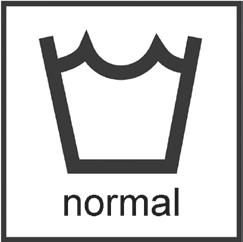
B. Normal Cycle.
C. Use low extractor speeds less than 100 g's.
D. Double Rinse Double rinsing removes residual dirt and insures detergent removal. If your machine will not automatically double rinse, a complete second rinse cycle should be run without adding detergent.
Wash Procedures
A. Load machine with Clothing to be washed. Follow machine manufacturer’s instructions for proper load size. Overloading the machine can lead to incomplete cleaning and other poor cleaning results.
B. Add cleaning product per manufacturer’s instructions. Never use Chlorine bleach; non-chlorine bleach may be used. Ensure accurate measuring tools are used for correct amount of cleaning product. See Section 12.3 for guidelines on cleaning products.
C. Set washing machine on normal cycle and start the wash cycle.
12.8 RE-IMPREGNATION
Water, dirt, and oil-repellent re-impregnation of the protective clothing should occur after 1 wash cycle. If possible, the Outer Shell should be washed separately during the impregnation process. The fluorocarbon is added to the final rinsing cycle after washing. The fluorocarbon is activated by subsequent heat treatment in the dryer. If possible, only the Outer Shell should be mechanically dried during this process of re-impregnation at a temperature of 60o C (140o F) and should otherwise be line dried. Liner layers should always be line dried. Please observe the instructions for use of the impregnation agent. Contact the manufacturer for further instructions and guidance on the proper product to use for re-impregnation.
12.9 DRYING
A. Remove Clothing from washing machine, and if they are not already inside out from washing, turn them inside out to expose the inner surfaces. Dry by hanging in a shaded area that receives good cross ventilation or use a fan to circulate the air.
B. Do not use automatic dryers because the mechanical action and excessive heat may damage or shrink your Clothing.
12.10 DO NOT DRY CLEAN
Never dry-clean your Clothing. Dry-cleaning will damage the Clothing and reduce its protective qualities.
12.11 CONTRACT CLEANING
LION recommends the use of a Service Provider for contract cleaning.
Do not hang Clothing to dry in direct or indirect sunlight, or in fluorescent light. Light will severely reduce the strength of the seams, and will discolor and greatly reduce the strength and protective qualities of the components of the Clothing.
12.12 HAND WASHING IN A UTILITY SINK
LION does NOT RECOMMEND this method for washing your Clothing. However, if no other options are available, hand washing is preferable to no washing.
Preparation: Before washing, make sure you comply with all national guidelines for handling effluents from utility sinks. Wear rubber gloves to protect against exposure to contaminants.
Cleaning Products: Use same cleaning products as used for machine washing.
Procedures: Make sure water temperature does not exceed 40o C (105o F). Using a hand brush, gently scrub surfaces of inner liner and outer shell. Overscrubbing may damage your Clothing’s materials or reduce its useful life.
Drying: See Section 12.9 for drying procedure.
12.13 DO NOT BRUSH WASH ON FLOOR OF STATION
LION does NOT RECOMMEND brush washing your Clothing on the floor of the station because this method is not effective and may damage it.
12.14 DECONTAMINATION AND DISINFECTION
Applicable Standard: You must read and have facilities and procedures in place for a Fire Brigade Infection Control Program.
To reduce risk of harm from hazardous substances present in products of fire combustion, hazardous chemicals, and body fluids, you MUST wash, decontaminate and/or disinfect your Clothing after each exposure to such hazardous substances.
Preparation: Remove contaminated and infected Clothing from wearer and from service before beginning. Clothing should remain out of service until decontaminated and disinfected. Wear protective gloves and appropriate protective clothing and equipment while decontaminating and disinfecting. do
Never Dry-Clean your Clothing. Many Clothing components will not function if dry-cleaned.
WARNING
Only a trained expert in decontamination should attempt to decontaminate Clothing. Contact LION or a Service Provider to seek assistance in determining whether decontamination is possible, and the name of the appropriate organization to perform decontamination.
If you have questions concerning the use of a particular disinfectant, contact LION or a Service Provider.
CAUTION !
Personnel involved in the handling, sorting, bagging, transporting, and laundering of contaminated Clothing must wear utility gloves and appropriate protective clothing to prevent occupational exposure during these activities.
A. Hazardous Substances Present in the Products of Fire Combustion (Soot, Smoke, and Debris).
To reduce the risks associated with exposure to the hazardous substances found in the products of fire combustion, you MUST wash, dry, and store your clothing according to the procedures in this section.
B. Hazardous Chemicals
1. Hose down contaminated Clothing at the scene to limit further exposure to hazardous chemicals, to limit exposure to others, and to limit chemicals from settling into your Clothing.
2. KNOWN MATERIALS: Contact the source of the materials, your local HAZMAT Team, or the Health Department to determine whether the contaminants are hazardous materials. If the contaminant is known, contact LION or a Service Provider to determine the feasibility of decontamination.
3. UNKNOWN MATERIALS: If the contaminant is not known, Clothing should remain out of service until the materials are identified. Always demand SDS information and be prepared to share your findings with LION or a Service Provider to decontaminate the Clothing. If your Clothing cannot be decontaminated, it must be retired and disposed of in accordance with national regulations.
C. Blood and Body Fluids
1. Disinfecting Products You must use disinfectants that are compatible with EN 469 Compliant Clothing.
2. Disinfecting Procedure for Blood and Body Fluids
Small incidental areas: Use spot cleaning procedures described in Section 11.4, and use an appropriate disinfectant available for protective clothing. Always follow the instructions of the manufacturer regarding product usage. Wash Clothing thoroughly after spot cleaning in accordance with procedures in this section.
Large areas: If Clothing has large areas of coverage of blood or body fluids, place and transport Clothing in bags to prevent leakage. Contact a LION or a Service Provider to arrange for disinfection.
12.15 LAUNDRY SAFETY
Laundry and Housekeeping Personnel are considered to be among those at risk to not only hazardous materials, but also to bloodborne pathogens primarily by exposure to sharp objects. Your Fire Brigade should have a Bloodborne Pathogens Written Exposure Control Plan. Part of this plan is decontamination, disinfection, and washing of Clothing, and it should include LAUNDRY ROOM SAFETY PROCEDURES and HOUSEKEEPING SAFETY PROCEDURES. You should follow all appropriate national regulations.
13. REPAIRS
To inquire on whether damaged Clothing including its outer shell, liner, DRD (where present) or other component may be repairable, contact LION or a Service Provider. REPAIRS SHOULD ONLY BE MADE BY LION OR A SERVICE PROVIDER.
WARNING !
Before any repairs are made to your EN 469 Protective Clothing for Firefighters, it must be washed, decontaminated, and disinfected in accordance with this Guide to protect workers who alter or repair Clothing from exposure to soils and contaminates.
All major repairs to Clothing should be done by LION or a Service Provider. Improper repair or adaptation, modification of design, or any other such changes may invalidate the garment warranty and/or the CE certification and render the product non-conforming.
14. STORAGE
Between runs and for longer-term storage, hang your Clothing, including its liner, DRD (where present), and other components, in a dry location out of direct and indirect sunlight and fluorescent light and away from sharp objects that may cause tears or snags in the fabric. (FIG. 14).
Use fans to provide good ventilation to dry Clothing that may have absorbed water or sweat after a run, and to assist in the dissipation of fire ground combustion products that may not have been removed by washing.
To make the thermal liner dry faster, turn your Clothing inside out. Moisture in your thermal liner reduces your insulation, comfort and overall protection during structural firefighting operations.
Failure to dry your Clothing will result in the growth of mildew and bacteria which could lead to skin irritation, rashes, or may affect the protective qualities of the fabrics and moisture barrier materials.
Always wash and dry your Clothing in accordance with the Washing Section of this Guide and before hanging in long-term storage. Clothing should be stored at temperatures between -4° C (40° F) and 80° C (176° F).
Never store your Clothing in direct sunlight, indirect sunlight, or in fluorescent light.
FIG. 14
WARNING !
Avoid storing your Clothing in temperature extremes. Repeated cycles of heating and cooling can reduce the protective qualities and useful life of the Clothing.
WARNING !
NEVER STORE YOUR CLOTHING, INCLUDING THE DRD, IN DIRECT SUNLIGHT, INDIRECT SUNLIGHT, OR IN FLUORESCENT LIGHT (FIG. 14). Exposure to light (particularly light in the sun’s rays and fluorescent light) will severely weaken and damage the components in your Clothing after only A FEW DAYS. Install UV filters on fluorescent lights. Damage caused by exposure to light cannot be repaired, nor will the manufacturer cover such damage in its warranty. See the Warranty Section of this Guide for more information.
! CAUTION
Do not store your Clothing in contact with contaminants such as oils, solvents, acids or alkalis as these can damage the Clothing.
! CAUTION
Do not store Clothing in air tight containers unless the Clothing is new and has not been issued.
! CAUTION
Never store your Clothing in living quarters with personal belongings, or within the passenger compartment of a vehicle. Prolonged exposure to contaminants remaining in the Clothing may increase the risk of cancer or other diseases.
15. RETIREMENT
15.1 USEFUL LIFE AND RETIREMENT
EN 469 performance requirements are based on new, unworn Clothing and composites. Useful life is the period of time that Clothing has been properly cared for can be expected to provide reasonable limited protection. Useful life of Clothing can be as little as 3 to 5 years with heavy wear and tear and improper maintenance and/or storage. Useful life can be as long as 7 to 10 years if Clothing has been subject to relatively lower levels of wear and tear and has been consistently maintained in a regular cleaning and maintenance program and stored properly. The useful life of a Clothing will vary according to the following factors:
• Weight and type of weave of fabric
• Age and frequency of use
• Number and type of previous repairs
• Type of work the wearer performed
• The length of exposure to extreme heat, and the intensity of the heat
• The length of exposure to hazardous chemicals
• The length of exposure to direct or indirect sunlight, or other light sources such as fluorescent light
• Condition of the thermal liner and moisture barrier
• Clothing more than 7 years old
Your Clothing should be assessed by trained professionals at each regular Advanced Inspection to determine whether they have exceeded their useful life and must be retired. Your Clothing must be removed from service when they can no longer be safely used, and when the cost of repair would exceed 50% of the cost of replacement.
Trained professionals with in-depth knowledge of Clothing and their limitations should handle the details of a retirement program. If you have any questions about the useful life and retirement of your Clothing, get assistance before wearing your Clothing into any emergency situation! Contact a trained expert within your brigade, LION, or a Service Provider.
15.2 FABRIC COLOR OR SHADE CHANGES
Clothing textiles normally change color during their useful life as a result of soiling, washing, abrasion, or exposure to fireground conditions or U.V. light. Shade changes could sometimes indicate a compromise in the fabric's protective properties. Whenever you discover any change in color, inspect your Clothing according to Section 6 of this Guide.
16. DISPOSAL
Retired uncontaminated Clothing must be destroyed to prevent their unauthorized or mistaken use. Cut them into several pieces and dispose of properly.
Retired Clothing that is contaminated with blood or body fluids or hazardous chemicals should be placed in a plastic bag and properly disposed of. Follow national regulations governing disposal of contaminated materials.
HOW LONG IS USEFUL LIFE?
• The period of time that EN 469 Protective Clothing for Firefighters, which have been properly cared for, can be expected to provide reasonable limited protection. Useful life of Clothing can be as little as 3 to 5 years with heavy wear and tear and improper maintenance and/or storage.
• Useful life can be as long as 7 to 10 years if Clothing has been subject to relatively lower levels of wear and tear and has been consistently maintained in a regular cleaning and maintenance program and stored properly.
! CAUTION
Most performance properties of the Clothing and its components cannot be tested by the user in the field.
HOW LONG IS USEFUL LIFE?
• The period of time that EN 469 Protective Clothing for Firefighters, which have been properly cared for, can be expected to provide reasonable limited protection. Useful life of Clothing can be as little as 3 to 5 years with heavy wear and tear and improper maintenance and/or storage.
• Useful life can be as long as 7 to 10 years if Clothing has been subject to relatively lower levels of wear and tear and has been consistently maintained in a regular cleaning and maintenance program and stored properly.
17. LIMITED LIFETIME PRODUCT WARRANTY
LION warrants that its firefighter and emergency responder products meet all applicable EN standards in effect at the time of their manufacture and further warrants that such products are free during their useful life from any defect in workmanship or any material defect.
Conditions of use are outside the control of LION. It is the responsibility of the user to inspect and maintain the products to assure they remain fit for their intended purpose. In order to maximize the useful life of these products and maintain the warranty, the products are to be used only by appropriately trained personnel following proper firefighting or emergency response techniques and in accordance with the product’s warning, use, inspection, maintenance, care, storage, and retirement instructions. Failure to do so will void the warranty.
EXCEPT AS SET FORTH ABOVE, LION MAKES NO OTHER WARRANTIES, EXPRESS OR IMPLIED, INCLUDING, BUT NOT LIMITED TO, ANY WARRANTIES OF MERCHANTABILITY OR FITNESS FOR ANY PARTICULAR USE.
Under the above warranties, LION will repair or replace, at its option, any product which does not meet the above warranties. Such repair or replacement will be the purchaser’s sole remedy and LION will not be responsible for any incidental, consequential, or other damages based upon or arising in any way from any breach of the warranties contained herein or the purchaser’s use of such product.
These warranty obligations apply only to any product, part, or component which is returned with prior authorization and proof of purchase, and which LION agrees to be defective as covered by this warranty.
The word “product” includes the product itself and any parts or labor furnished by LION with the sales, delivery, or servicing of the product.
USEFUL LIFE: The period of time that EN 469 Protective Clothing for Firefighters, which have been properly cared for, can be expected to provide reasonable limited protection. Useful life can be as long as 7 to 10 years if Clothing has been subject to relatively lower levels of wear and tear and has been consistently maintained in a regular cleaning and maintenance program
and stored properly.
Useful life of Clothing can be as little as 3 to 5 years with heavy wear and tear and improper maintenance and/or storage. Clothing should be retired when the costs of repair would exceed 50% of the replacement cost.
DEFECTS IN WORKMANSHIP AND MATERIALS:
Defects in Workmanship and Materials means poorly manufactured items including seams, stitching, or components (for example, loose or broken seams; zippers or snaps that fall off or do not function properly); and fabrics or barriers which have such flaws as holes, uneven spots, weak areas, pilling, or other flaws caused by irregularities in their manufacture.
EXCEPTIONS TO LIMITED WARRANTY
This limited warranty does not cover the following items after receipt of product by end user:
A. Claims made after 60 days from the date of shipment for damage to materials;
B. Damage or color change from exposure of materials to direct or indirect sunlight or fluorescent light;
C. Shade variations among textiles used or shade changes to fabrics caused by wear and tear and/or washing;
D. Color loss due to abrasion (creases, folds, pleats, edges, collar points, etc.);
E. Damage caused by improper washing, decontamination, disinfecting or maintenance (for example, use of chlorine or petrochemicals to clean);
F. Damage caused by repair work not performed to factory specification;
G. Damage from routine exposure to common hazards which may cause rips, tears, burn damage, or abrasion;
H. Loss of retroreflectivity of reflective trim due to normal wear or heat exposure;
I. Detachment of reflective trim due to thread abrasion or heat exposure;
J. Replacement of zippers or closures worn partially sealed, or damaged by heavy wear and tear;
K. Loss of buttons, snaps, or cuff hem seams.
18. INSPECTION, CLEANING, REPAIR, RETIREMENT, AND DISPOSAL RECORD
In the spaces below, note the activities performed on your Clothing during its wear life.
Types of activities can include: Routine or Advanced Inspection; Routine or Advanced Cleaning; Decontamination; Repair; Alteration; Removal from Service; Retirement; Disposal, etc.
Inspection/ Cleaning/Repair Site
Description of Repair, Inspection Findings, etc.
Reason for Activity
Type of Activity
Date of Activity
FI-00380 Helsinki
Finland
LION
Europe | Middle East | Asia Rheastraat 14 5047 TL Tilburg, The Netherlands infoEMEA@lionprotects.com
North America | South America 7200 Poe Avenue, Suite 400 Dayton, OH 45414, U.S.A. customersupport@lionprotects.com