LIONEL PEK JIA EN
LANDSCAPE ARCHITECTURE
PORTFOLIO

LIONEL PEK JIA EN
LANDSCAPE ARCHITECTURE
Landscape Designer
Landscape Architecture Student
Lionelpek98@gmail.com
As a landscape architecture student, I look for beauty and quiet poetic meaning in every design, grounding each idea in practicality and purpose. My direction was shaped early on during my diploma in environmental design, when I realised how deeply landscapes influence daily life, often without being noticed. The possibility that something I design could become a space people cherish continues to motivate me, pushing me to create environments that support people, animals and ecological diversity.
I hope to contribute to a profession that bridges ecology and urban living, allowing biodiversity and communities to genuinely co-share space. I am rising to the challenges of ecologically insensitive greenfield development, inequitable access to green space and the need for more interdisciplinary, systems-scale thinking. I aspire to be a designer who listens to landscapes, who brings clarity to complexity and who shapes places where human and non-human life can thrive together. July - Sep. 2017 - 2017
School of Design | Temasek Polytechnic, Singapore
Diploma in Environment Design
- Participated in Sila Student Design Award 2016
- Participated In URA Challange for the Urban Built Environment Competiton 2016
- 2018, Edusave Certification of Academic Achievement
School of Design | Temasek Polytechnic, Singapore
Work-Study Programe
- Specialist Diploma In Lighting Design
University of New South Wales, Austrlia
Bachelor in Landscape Architecture (Hons)
- Dean List Award (2023)
- Dean List Award (2024)
- Recognition of outstanding student design project for Studio 4, Design
Detail: Resolution and Representation
Ramboll Studio Dreiseitl | Internship
- Landscape Design and Proposal
- Greenmark Calculation
- Preparation of material for Presentation
- Hydrology Technical Drawing
- Design Competition
Singapore Institute of Landscape Architect (SILA)
- LA Future Student Leader / Organizer
- LA Friday
- SILA Student Design Competition 2019
- Social Media Management
Esmond Landscape and Horticultural Pte Ltd | Senior Designer
- Singapore Garden Festival, Balcony Competition Silver Award (2021)
- Completed up to 40 project during employment
Yerrabingin | Intern
- Run Colaborative Workshop
- Concept Design Plan
- Planting Palette
Intermediate Profiency
Intermediate Profiency
Intermediate Profiency
Intermediate Profiency
Advanced Profiency
Advanced Profiency
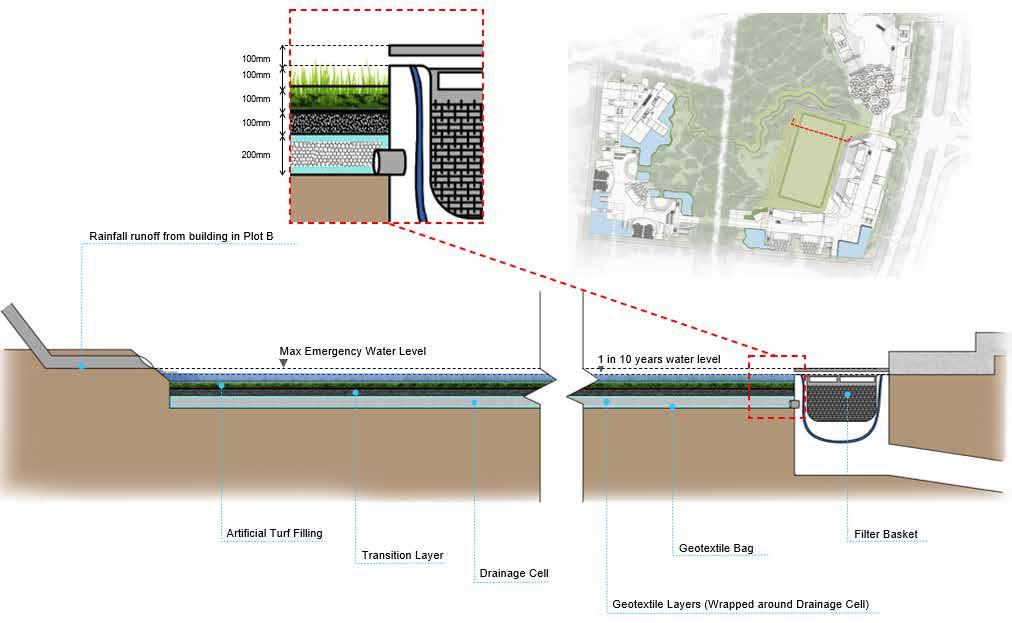
Punggol PDD, Campus Boulevard
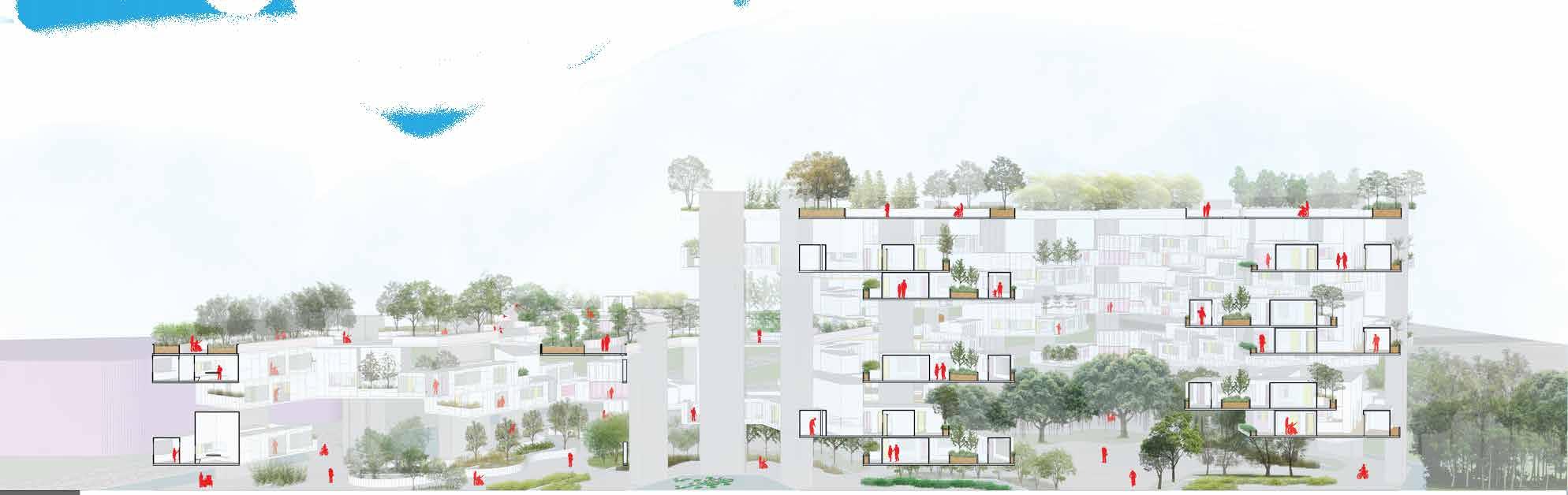
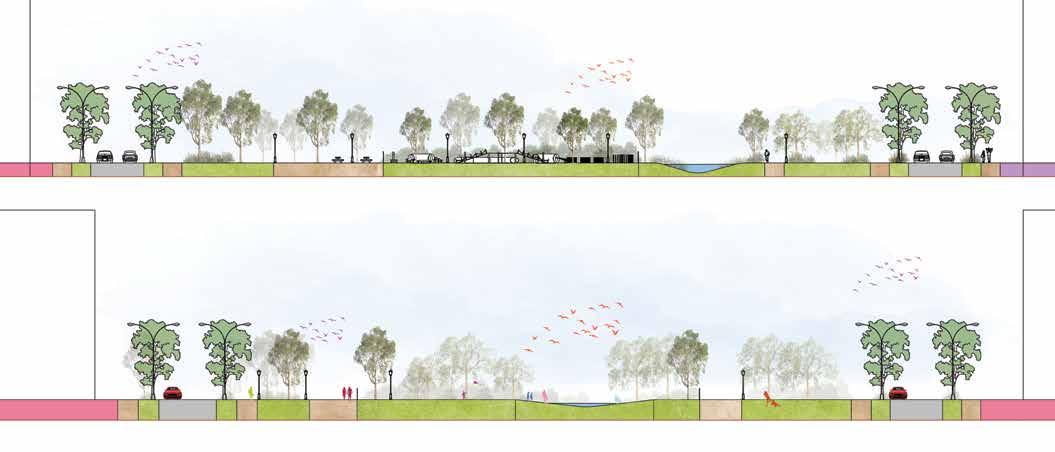
Sections I did during my internship in Ramboll
Studio 6 - Camden Spring Masterplan
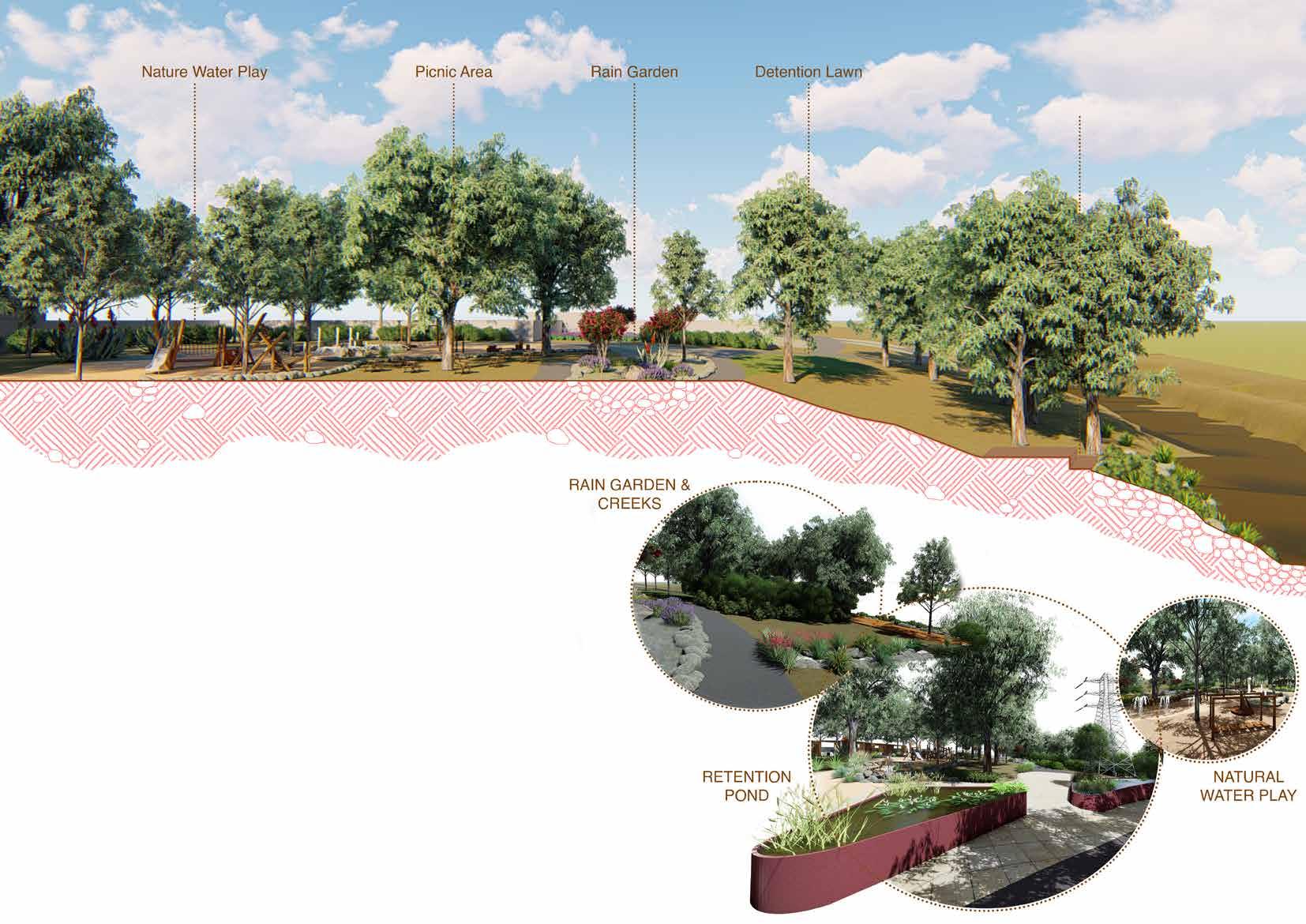
Studio 7 - Cooks Ripple Reserve
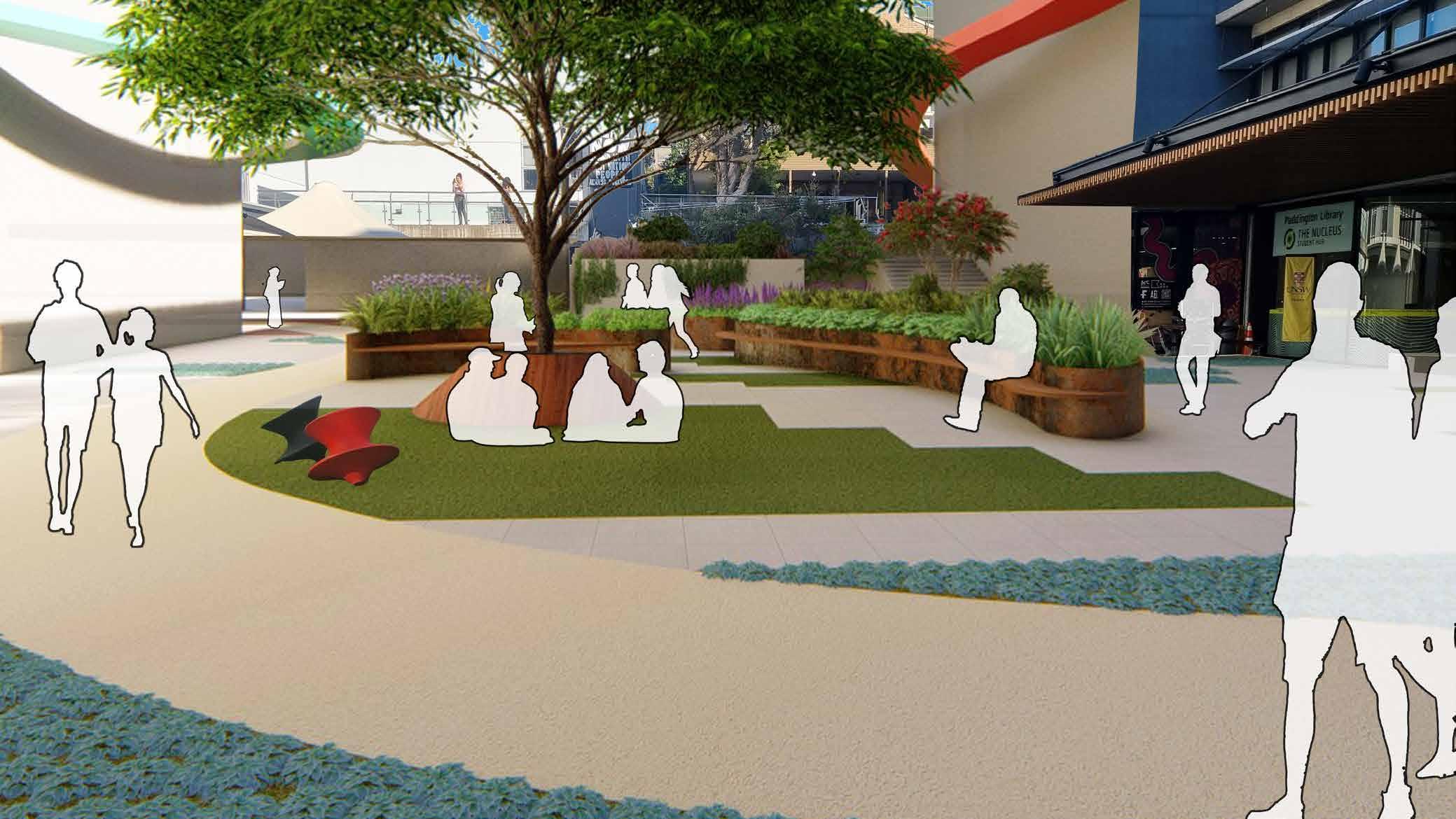
Studio 4 - Paddington Campus Courtyard
Landscape DocumentationPaddington Campus Courtyard
Internship - Yerrabingin, Royal Hospital For Women Roof Terrace
Projects @ Esmond Landscape
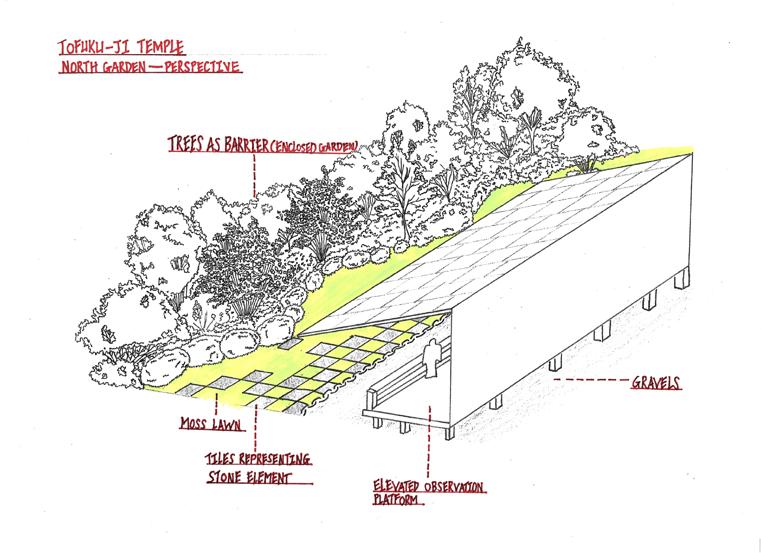
Sketches & Others
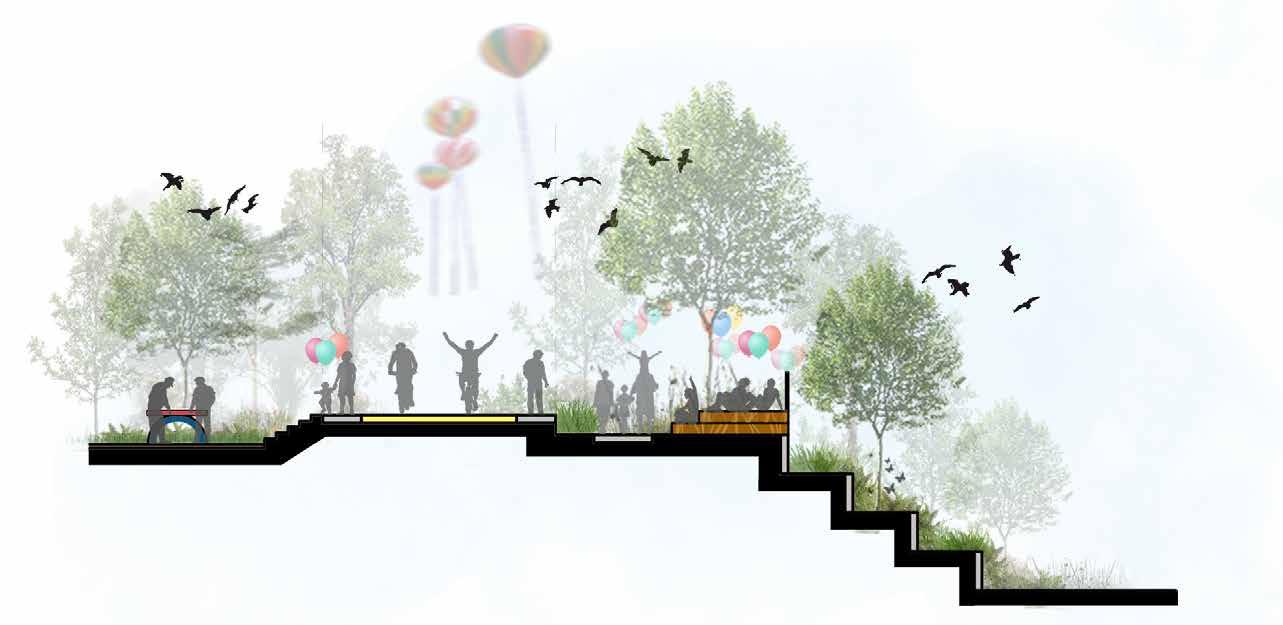
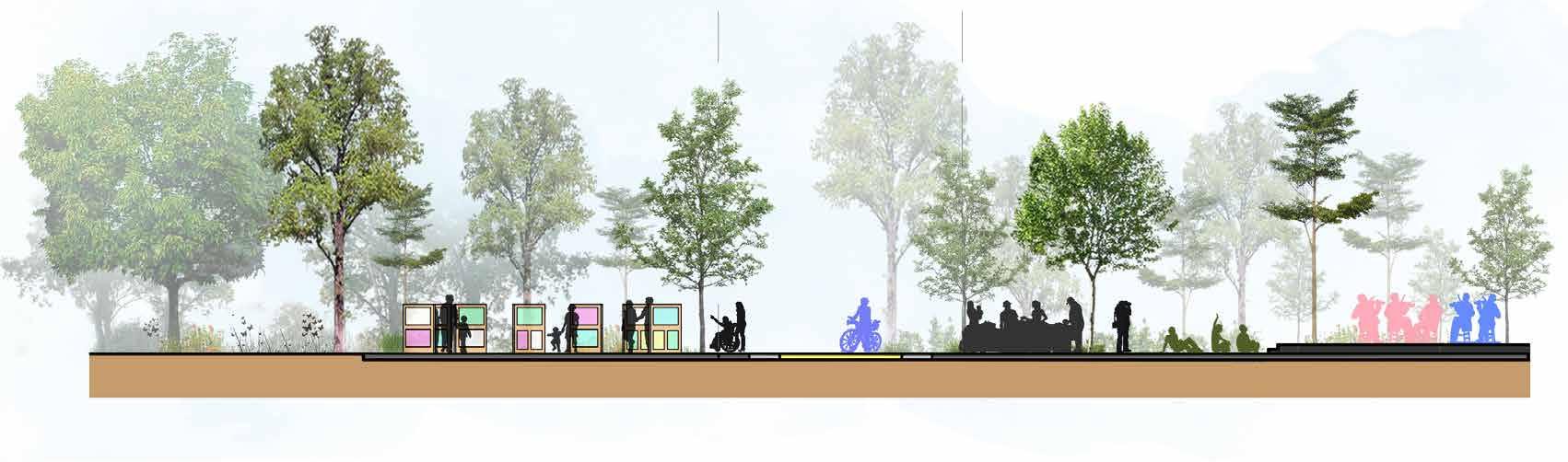
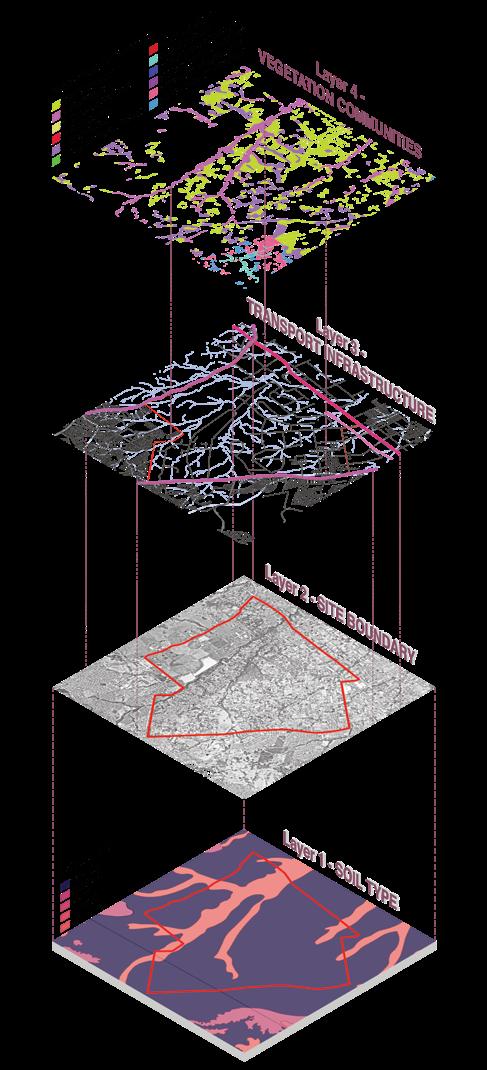
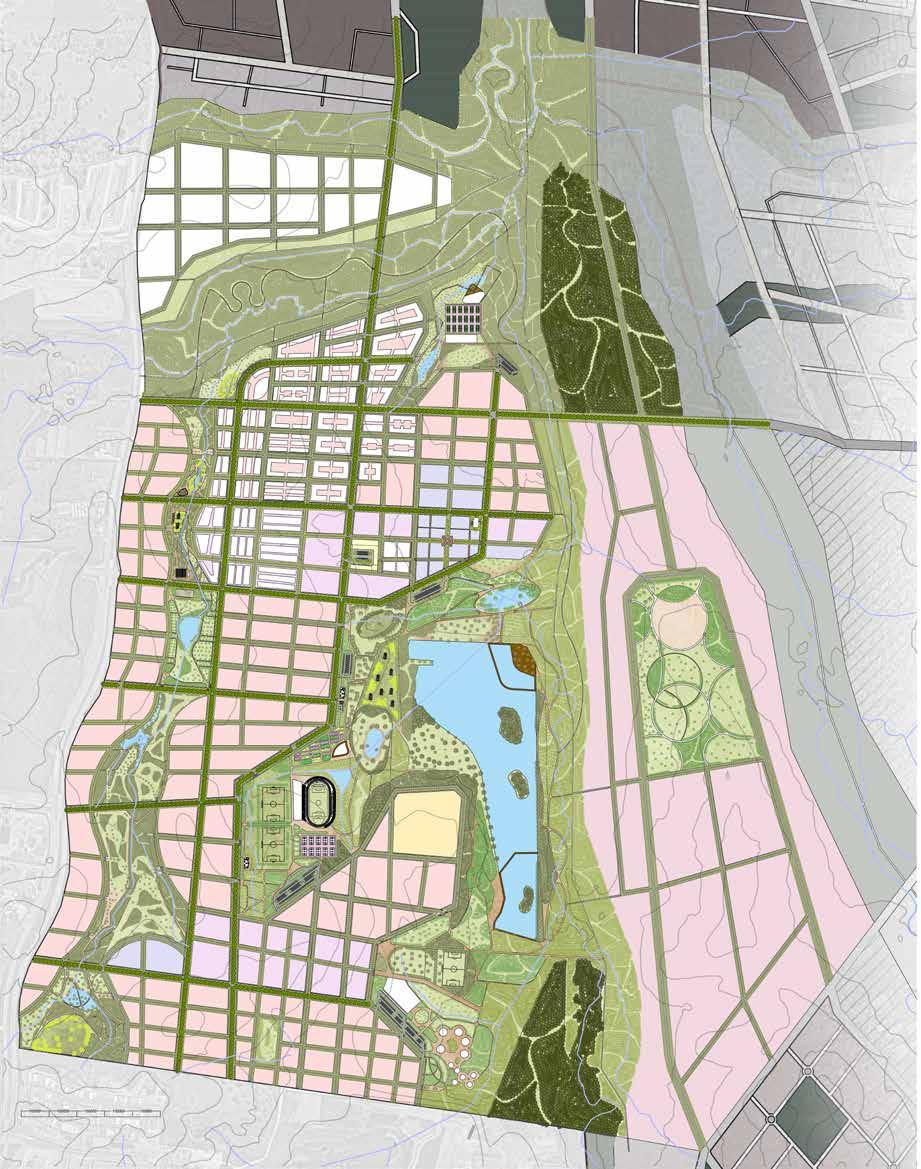
Following our earlier research on Camden and Leppington at a larger scale, and after studying Camden Council’s future plans and the site’s relationship to the new airport north west of the area, our goal is to create a landscape based masterplan that explores future development possibilities for Camden.
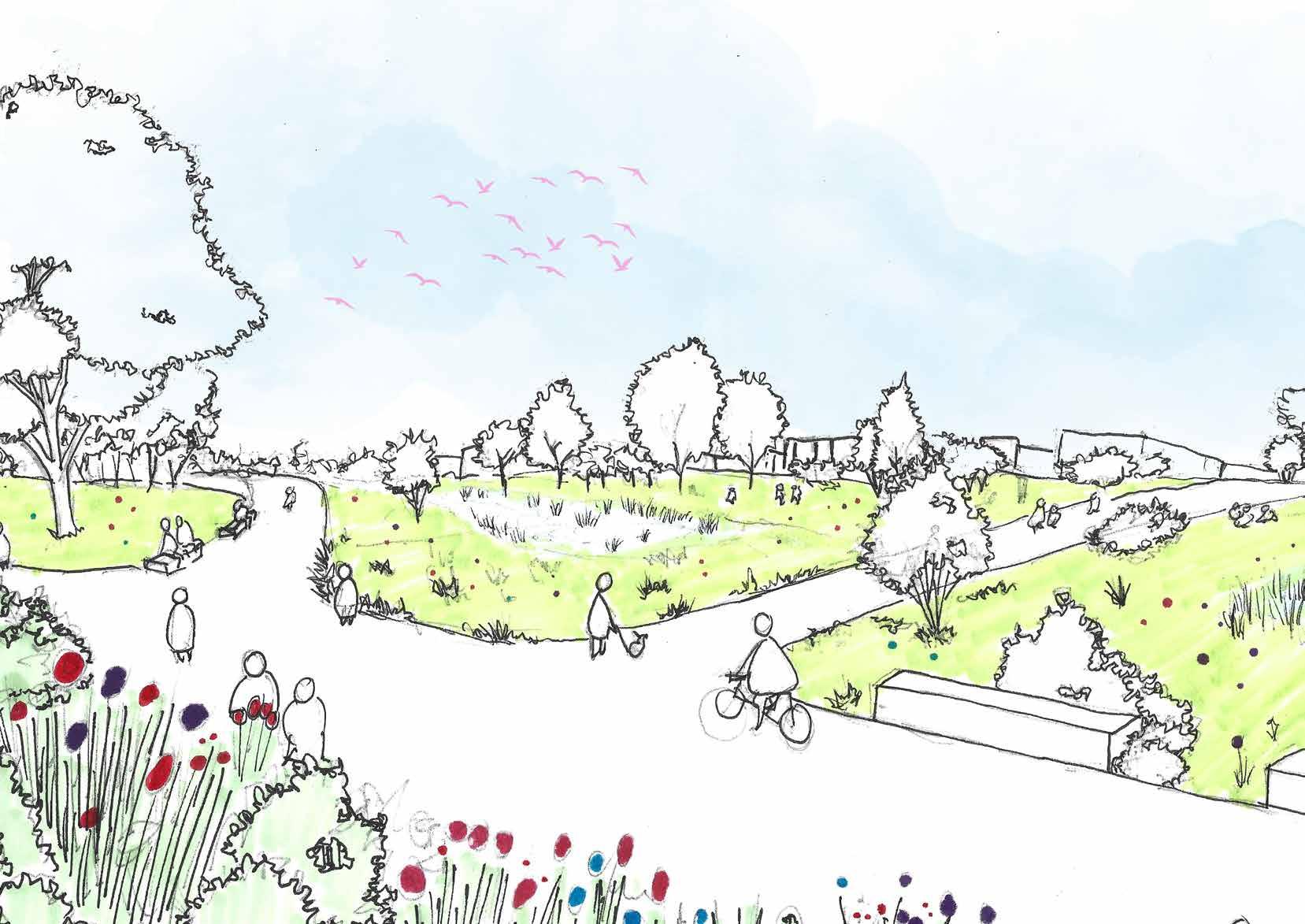
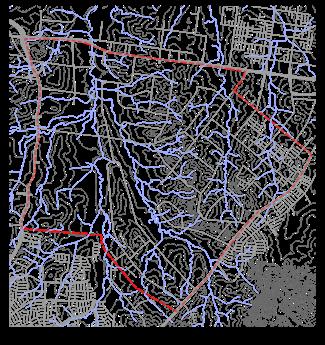
Camden Spring re-imagines Camden as a resilient, liveable, and ecologically integrated metropolitan fringe, guided by a landscape-led approach that embeds climate action, social equity, and environmental justice. Situated at the upper reach of the South Creek catchment, the site plays a critical role in shaping downstream water systems. The plan responds to key site constraints, including probable maximum flooding and bushfire-prone zones, while leveraging the potential of landscape systems to adapt, mitigate, and regenerate urban development.
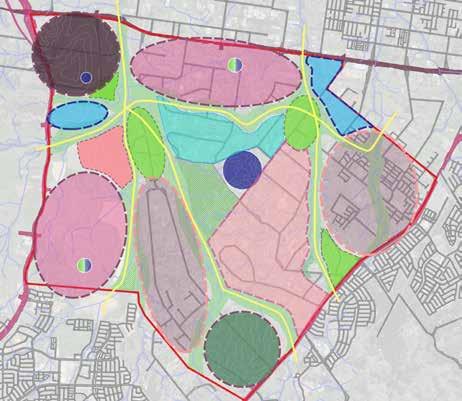
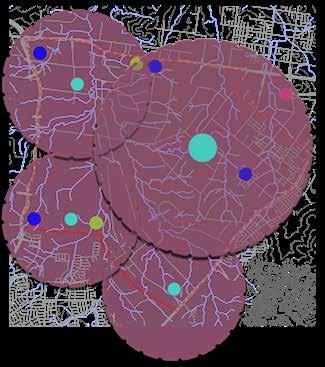
Early bubble Diagram:
The initial bubble diagram, shaped around our core goals and strategies. High-density residential zones are primarily positioned along the site’s edges, offering convenient access to major roads such as Bringelly Road and The Northern Road. A Cultural District is located at the southern end of the site, acknowledging its historical significance to First Nations people as the origin point of the South Creek catchment, Wianamatta Headwaters







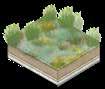
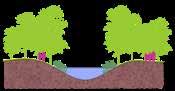



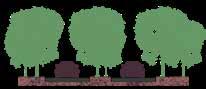
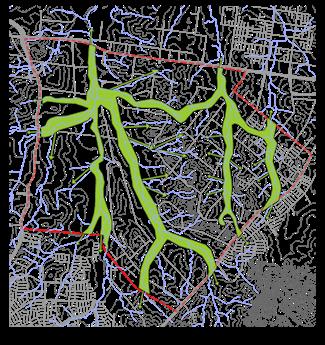
Central Spine serves as the main ecosystem services providing multiple green corridors through the site and branching out to respective zoning via park connectors
Bicycle Highway Runs across the site within the Green Spine to provide residence an alternative transport method to adjacent development via cycling fostering an active lifestyle
Bicycle Highway Runs across the site within the Green Spine to provide residence an alternative transport method to adjacent development via cycling fostering an active lifestyle
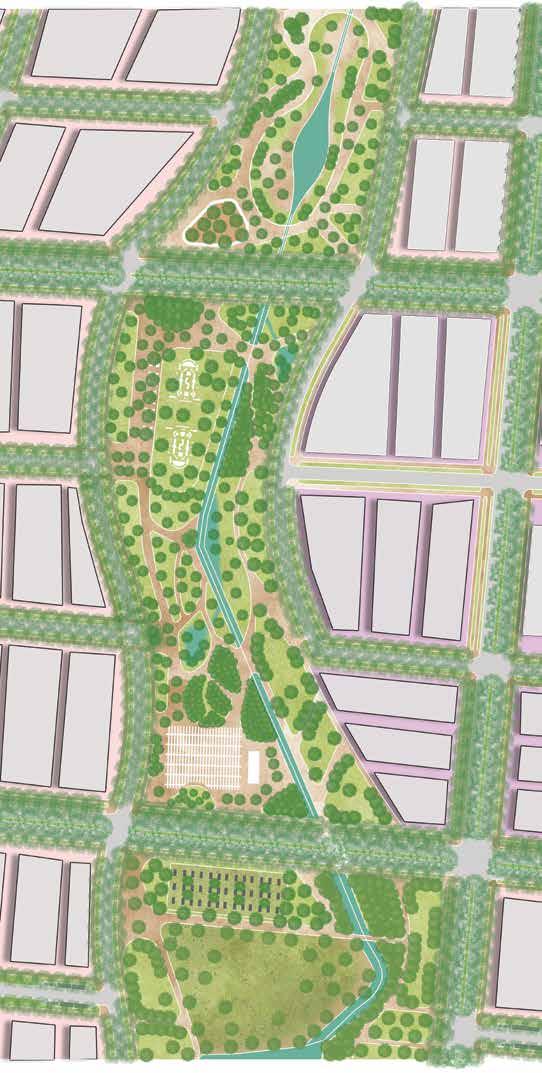
1. Interactive Water Play Area
Gazatted Water Play Area utilize existing creek line and water bodies to create a space for children to play with the flowing water, with water level changing throughout the year.
2. Stage Podium
An elevated podium with trees provide opportunity for events to happen throughout the year.
3. Water Sensitive Urban Design
Green Spaces can be utilize for WSUD to help retain rainwater runoff which will be slowly release into the creek easing the strain acess rainfall have on our creek line, mitigate flooding and treating dirty water.
4. Regional Dog Park
Large Regional Dog Park serves the nearby residences and providing dog owners a safe place for their dog to go off leash.
5. Seamless Parkland Connection
Entrance of the park open up to adjacent road junction with streets planting to create a seamless connection between residential area and parklands.
6. Rentention Lawn Basin
Retention Lawn Basin are flexible lawn that can be used throughout the year except for rainy season, lawn will act as a retention basin.
7. Open Lawn
Open Lawn of various size can cater to different people and different activities, having lawn of different sizes provide option for park users.
8. Cafe Kiosk Pavillion
Sheltered pavillion with a Food Kiosk serve as a quick break for nearby community. pavillion also provides seating for larger gathering with proper shelter.
9. Community Garden
A Community Garden led by the community help foster a sense of ownership to the parklands and also provide education to the community through the community members.
10. Flexible Lawn/ Event Space
Spaces that the residence are able to book to run event such as a weekend market or a carnival or to celebrate festive season.
11. Fitness Corner
Simple outdoor Fitness Corner with standard equipment.
This project is a site-specific landscape design simulation developed for Campsie, responding to a complex urban program and a shared studio vision. Building on fieldwork and adaptive design exercises, the proposal integrates multifunctionality, incremental transformation, and resilience to address spatial, ecological, and cultural conditions of the site. The work communicates a holistic urban landscape strategy across multiple scales, combining analysis, concept development, spatial design, and visual storytelling to propose a sustainable and adaptive future for the neighbourhood.
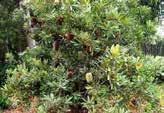
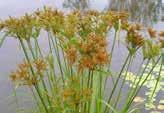
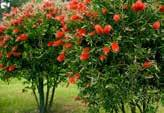
After studying the Campsie Masterplan, Cooks Ripple Reserve becomes a natural continuation of its vision, offering an upgraded recreational landscape that also provides meaningful educational opportunities for the community. The proposal is guided by an incremental design approach that gradually transforms the reserve into a fully developed WSUD educational park where every stage of water treatment is revealed through arranged spaces, pathways and planting. This allows schools to use the park as an outdoor classroom and invites the public to experience water processes in an accessible and engaging way. Because water in the reserve is often ephemeral, the design introduces a palette of seasonal plants that sustain visual interest and create shifting moods throughout the year. This approach keeps the park vibrant, dynamic and closely attuned to natural rhythms, allowing visitors to appreciate the landscape in different times of the year.
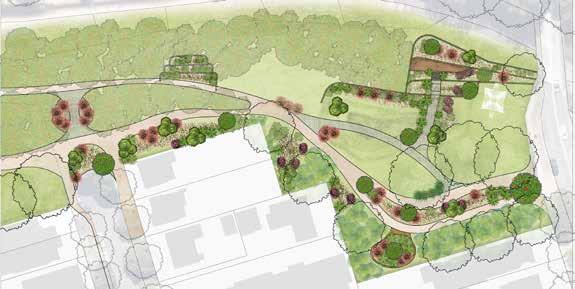
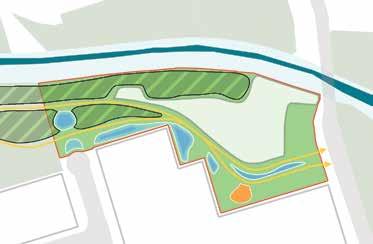
Establishing primary rain gardens kick starting the treatment sequence, as well as Bush regeneration, allowing ecological systems to take root while the park remains fully open to the public. Aamenities shelter is also constructed during this stage to provide comfort and a welcoming point for visitors as the landscape begins its transformation.


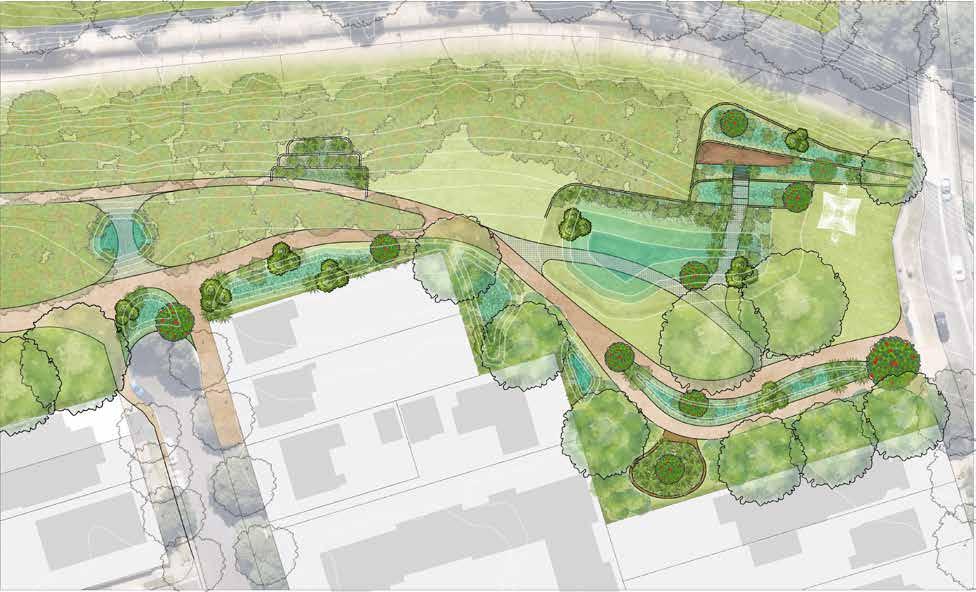

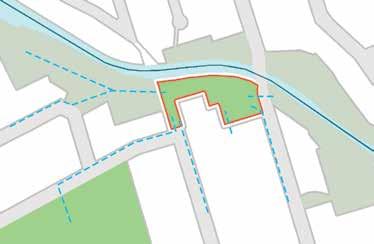
Extending the reach of the reserve by installing new drainage infrastructure that redirects stormwater from naerby parks and developments into the site. As connections expand, the rain gardens begin receiving greater volumes of water, strengthening its functional role. The park remains accessible , allowing visitors to witness the gradual growth of vegetation and the evolving interactions between water and landscape.
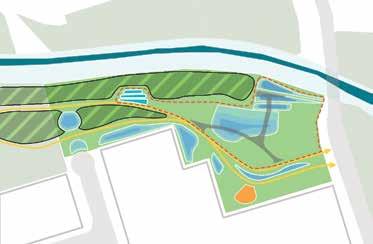
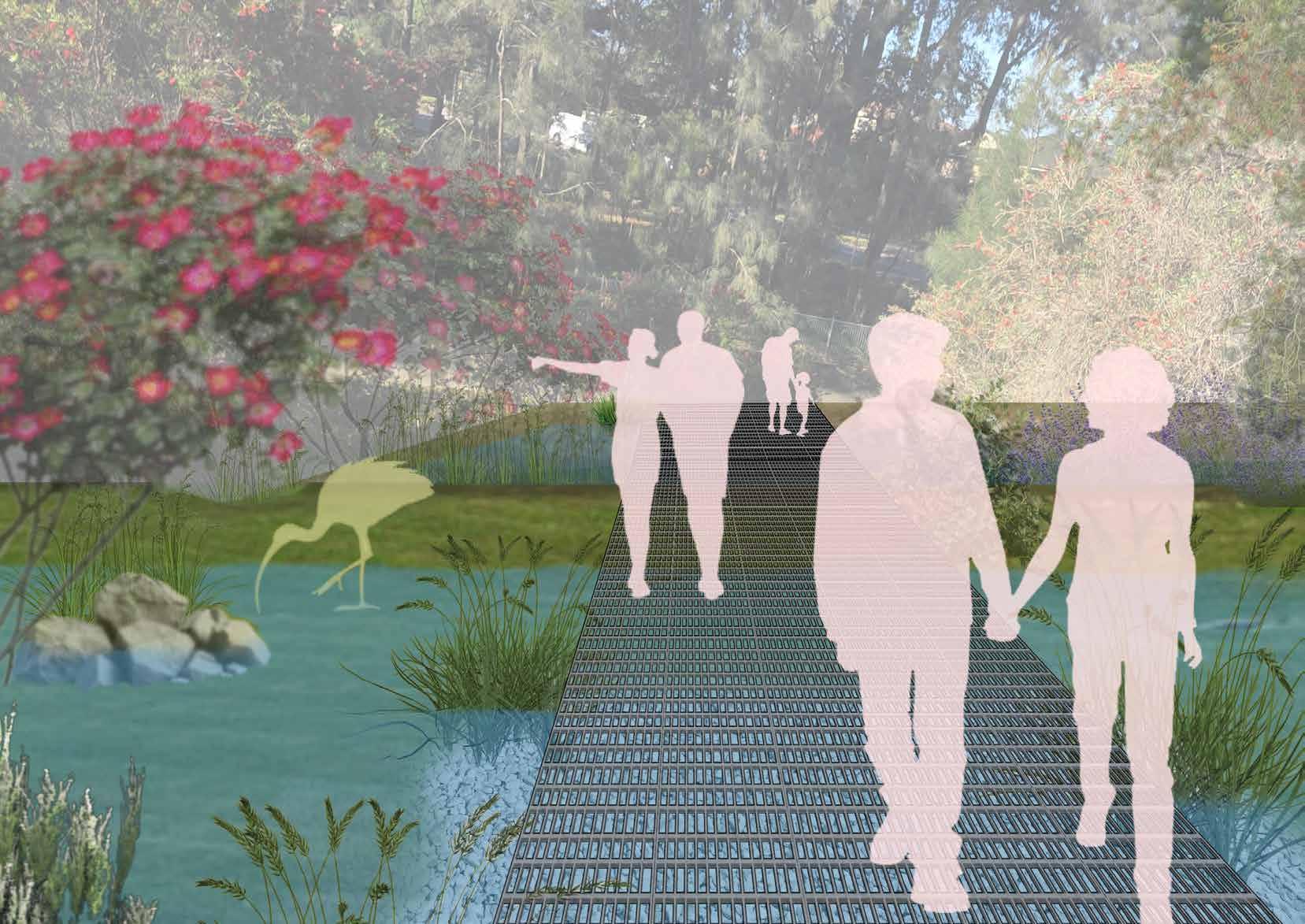
Phase 3 completes the transformation with the construction of terraces, detention lawns and an elevated boardwalk that guide visitors through the site’s full water journey. These elements hold and filter stormwater flows delivered from Phase 2. Temporary closures are required during construction, but the part of Phase 1 remain open When finished, the reserve operates as a fully integrated ecological and educational landscape.
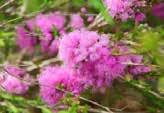
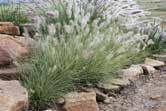
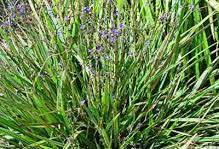
Stage 1:
Water collected from 2nd Ave goes through Sedimentation process before Filtration
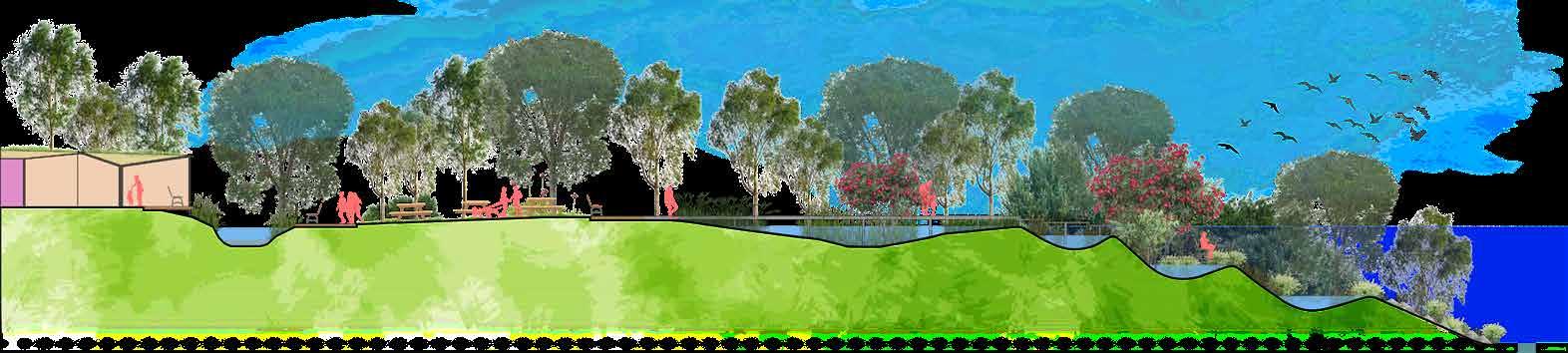
Stage 2:
Detention lawn holds large volume of water and slowly release it back to the river, also allow water to infiltrate the soil
Stage 3:
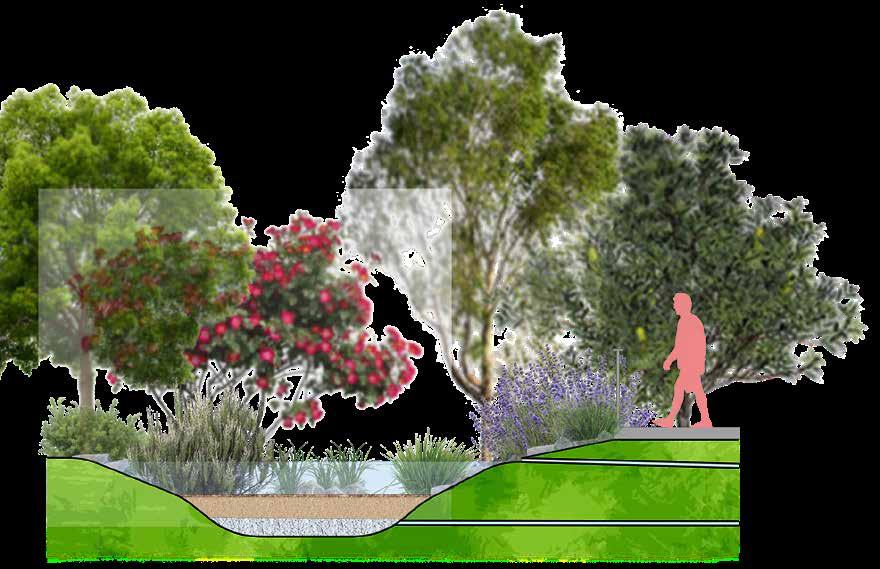
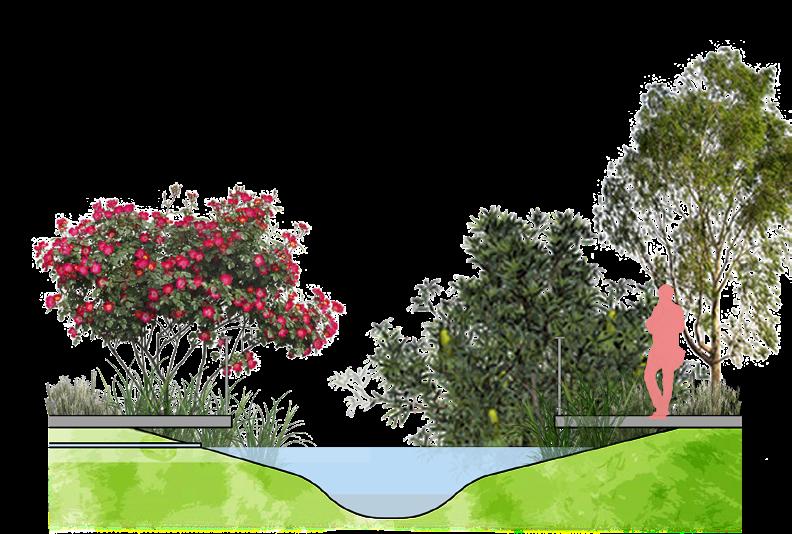
Water then goes through a series of terraces with plants to go through a Phytoremediation process, cleaning it before entering the river
Detention Raingardens has and overflow outlet leading it to Filtration Terrace to prevent flooding during storm weather event
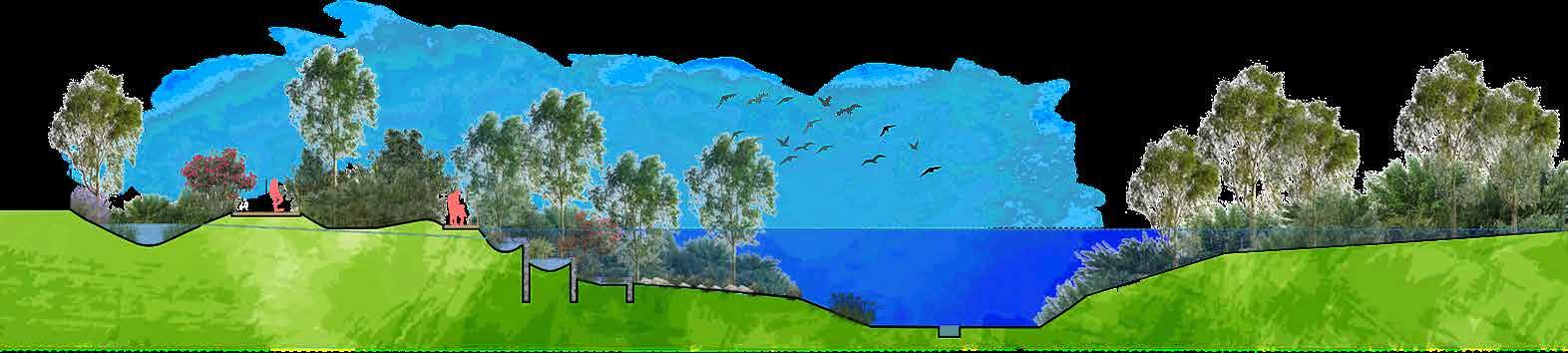
Fast Moving water goes through Filtration Terrace removing gross debris and pollutants
In this project, students are taken through the full landscape design process—from on-site investigation and stakeholder analysis, to developing a strong concept vision and design principles, and finally producing a resolved detailed design presented as a professional DA package. The studio emphasises iterative development, narrative-driven thinking, technical clarity, and high-quality visual communication, teaching students how to analyse a site, test ideas, refine them through plans and sections, and ultimately communicate a compelling and realistic landscape proposal aligned with industry practice.
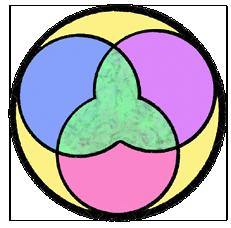
The design should be flexible, able to catered to the needs of its users, being able to facilitate different types of programs within the same space without much configuration.
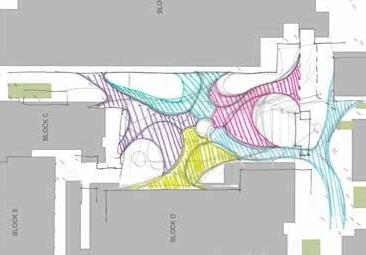
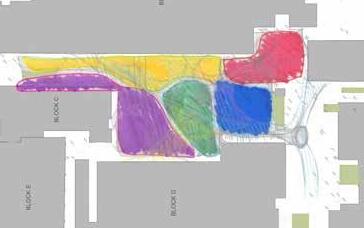

Wayfinding can be incorporated into the design in a creative way, guiding user from one place to the other subconsciously.
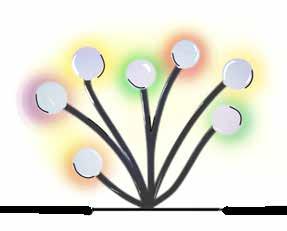
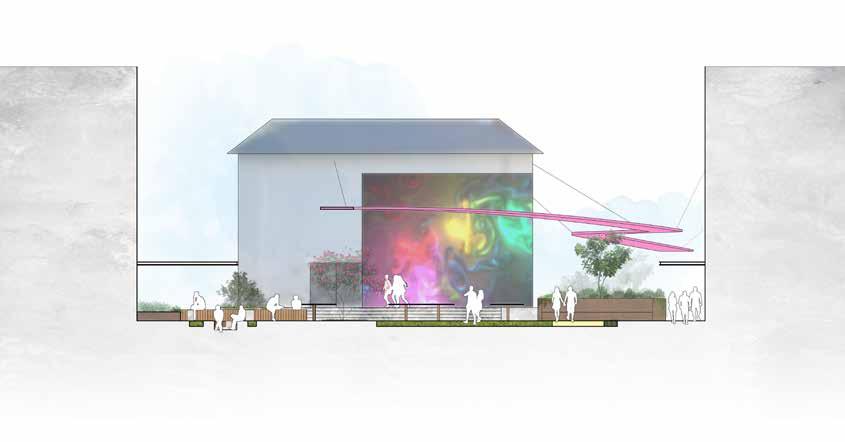
Having an anchoring structure gives the site a signature element and its characters, it can be in the form of sculpture or a large tree.
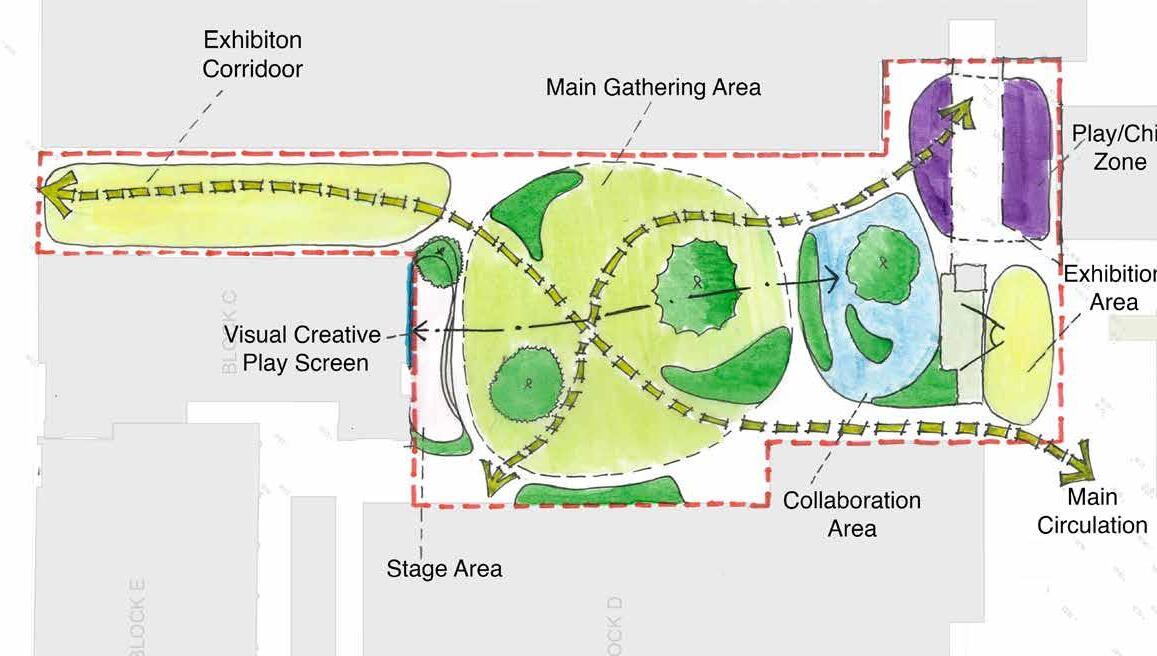
SCALE:
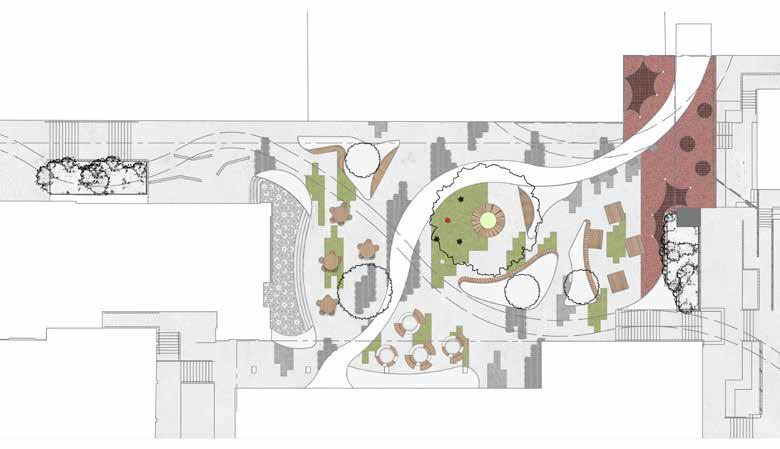
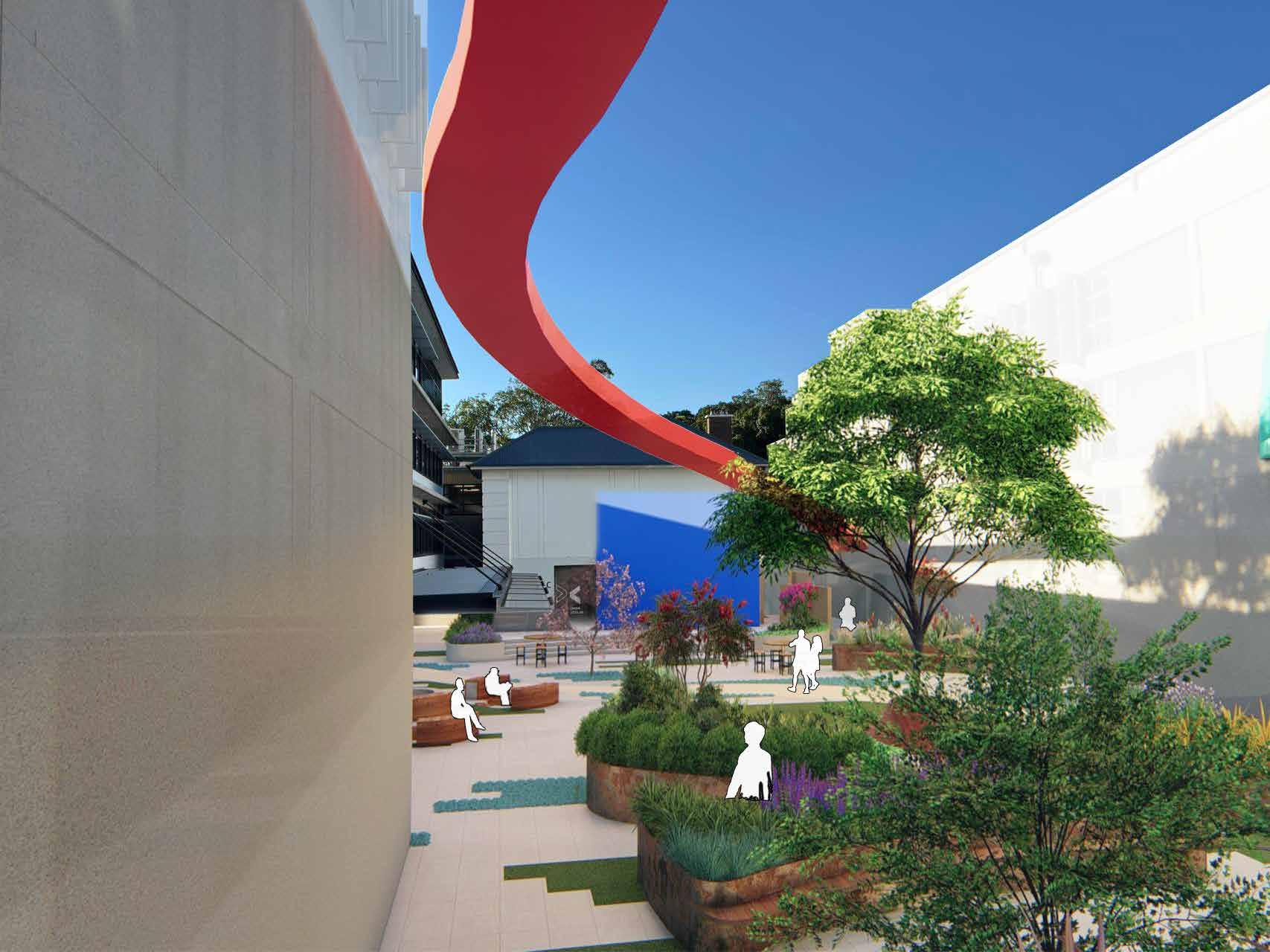
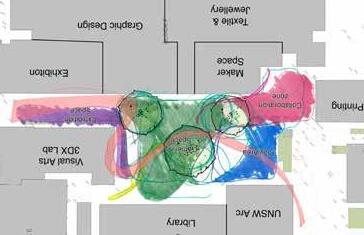
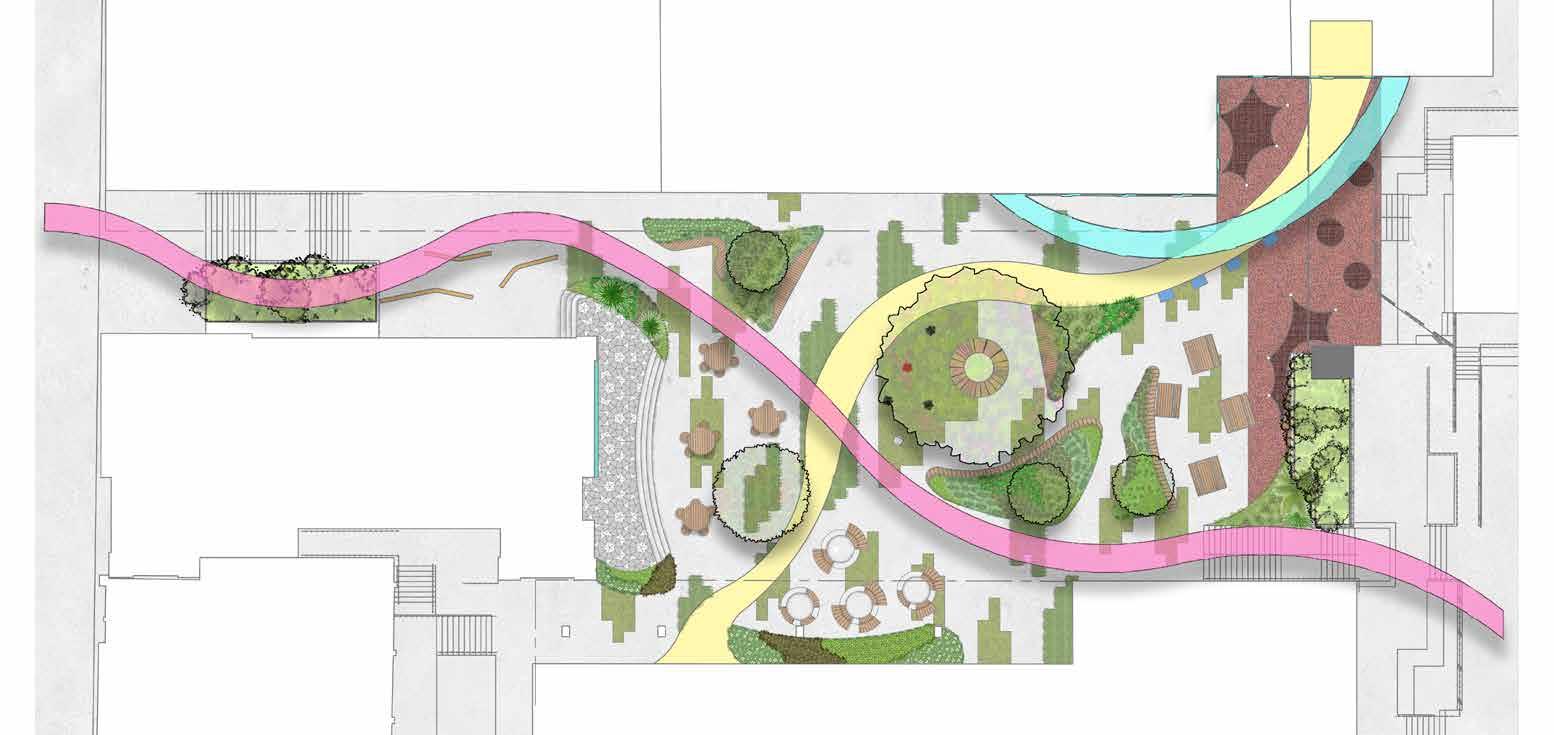
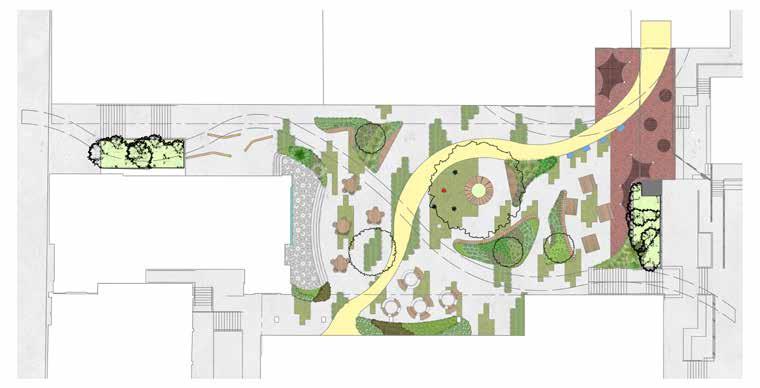
During regular usage the courtyard have multiple pockets of space for students to seat and to gather and work. Spaces are mainly categorise into 2 different category - Informal Collaboration (in Pink) and Gathering Spaces (in Green). Informal Collaboration area are spaces with tables and benches suitable for students to gather in groups to discuss about their assignments. Gathering Spaces is a large open area with lawn cater to groups gathering and meet up spots.
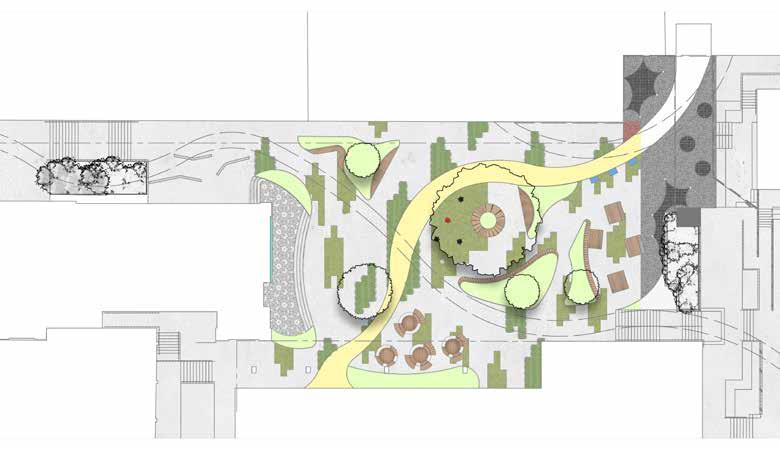
When the schoold require to use the courtyad as an event space tables from the Collaboration spaces can be kept to create more open space for events to be held.
Once kept the entire courtyard revert back into an event space like how it orignally was with more characters and small pockect spaces to gather.
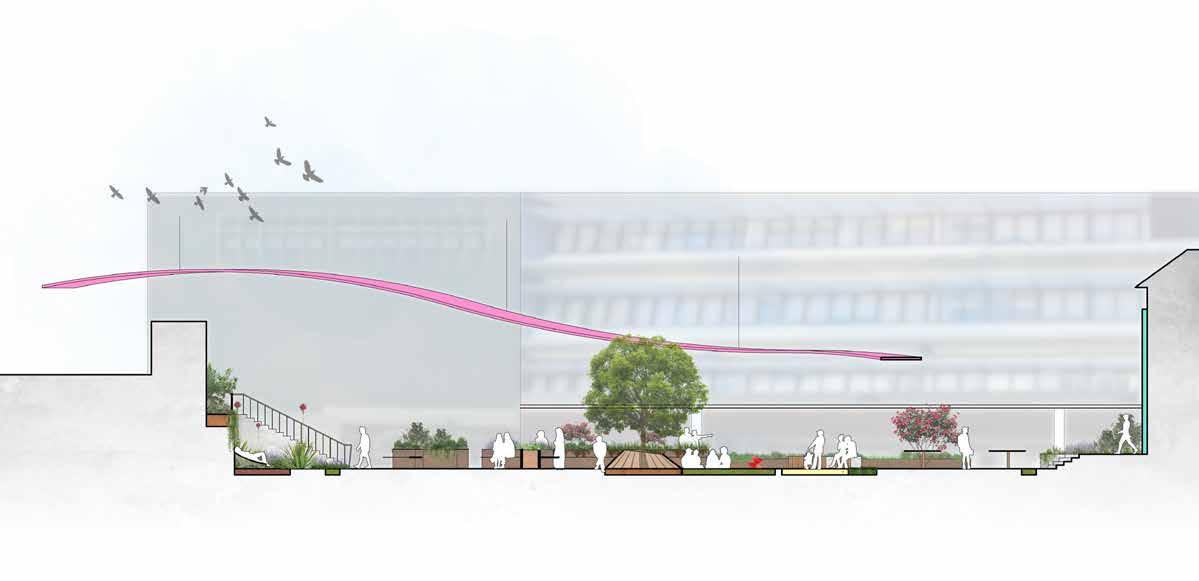
Floating Structure connecting both entrances of campus providing easy way-finding.
Existing plants to be kept as it is with addition of more creeper plants planted on the edge to flow down the concrete wall.
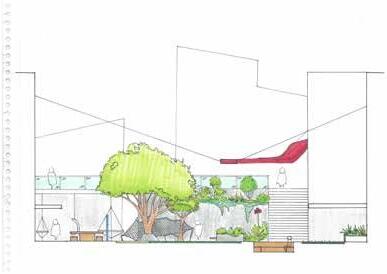
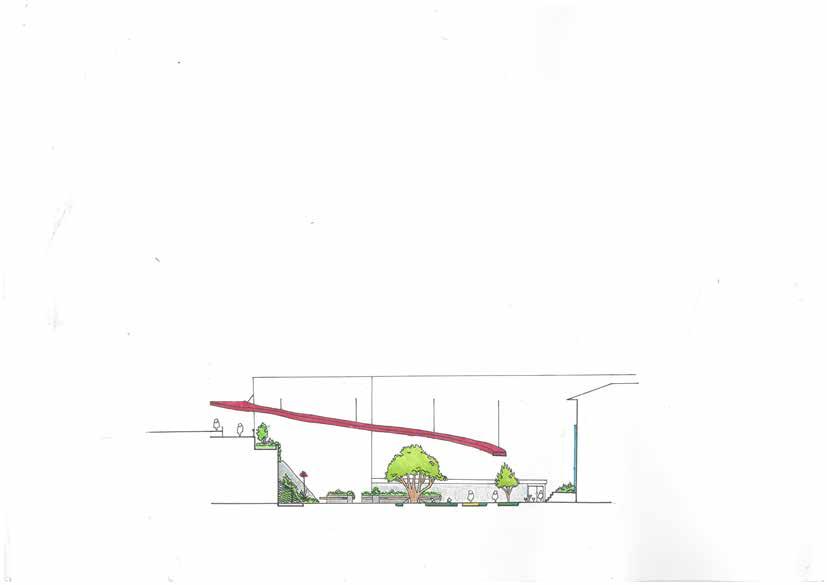
In the final Landscape Plan intention is to blend all the different programing together seamlessly so that it will have a sense of uniformity and cohesiveness. The use of strips planting with ground cover is scattered through the side to merge these spaces accompanied with raise planters roughly shaping the program area without fully separating them. This is done so that adjacent spaces can be utilised based on the users’ needs such as holding large events or having multiple small gatherings at the same time.







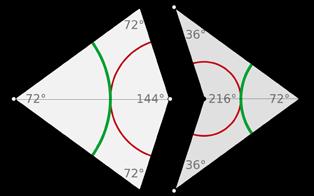
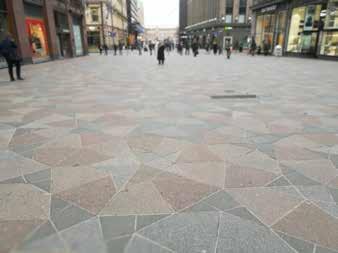
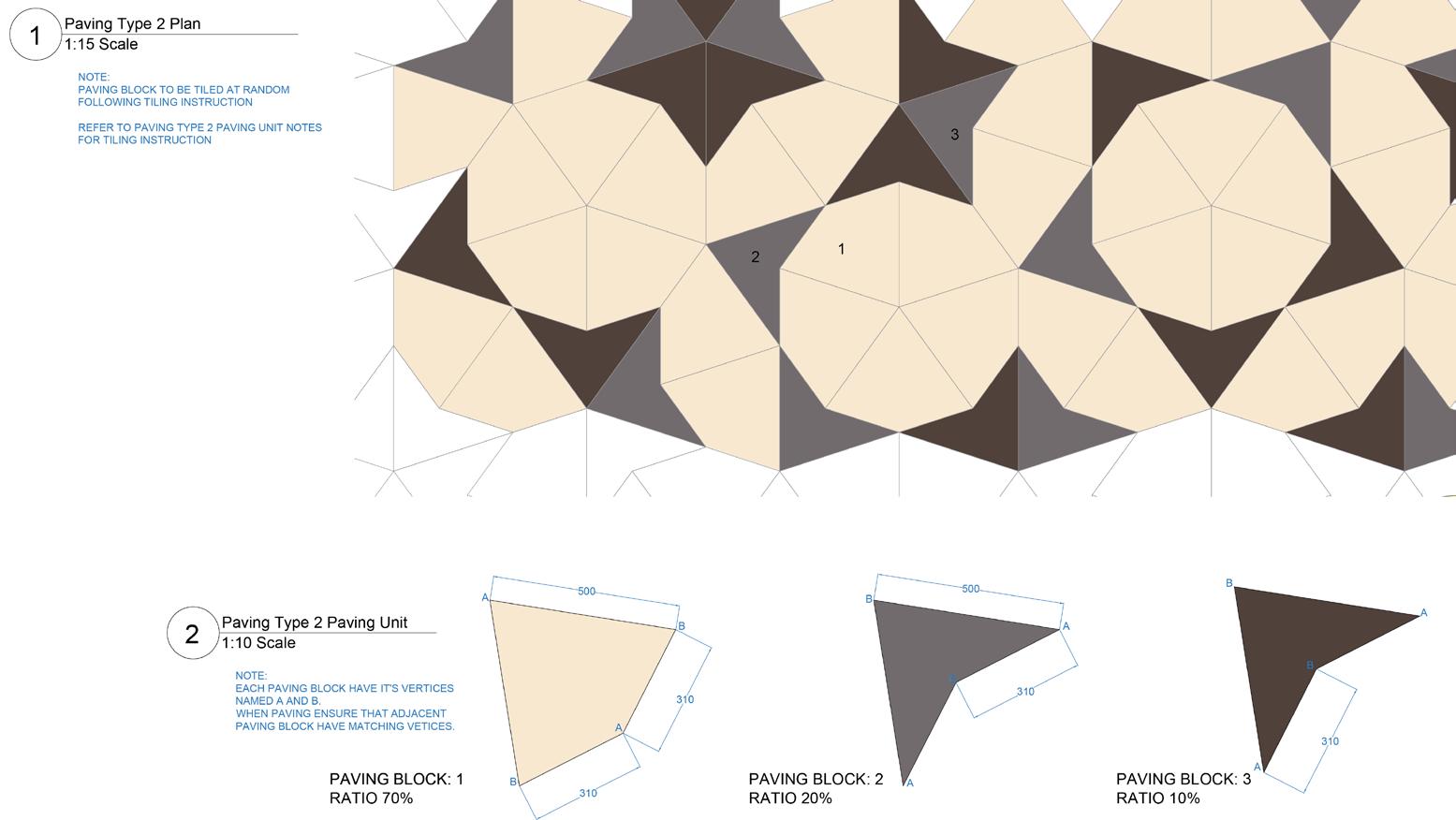
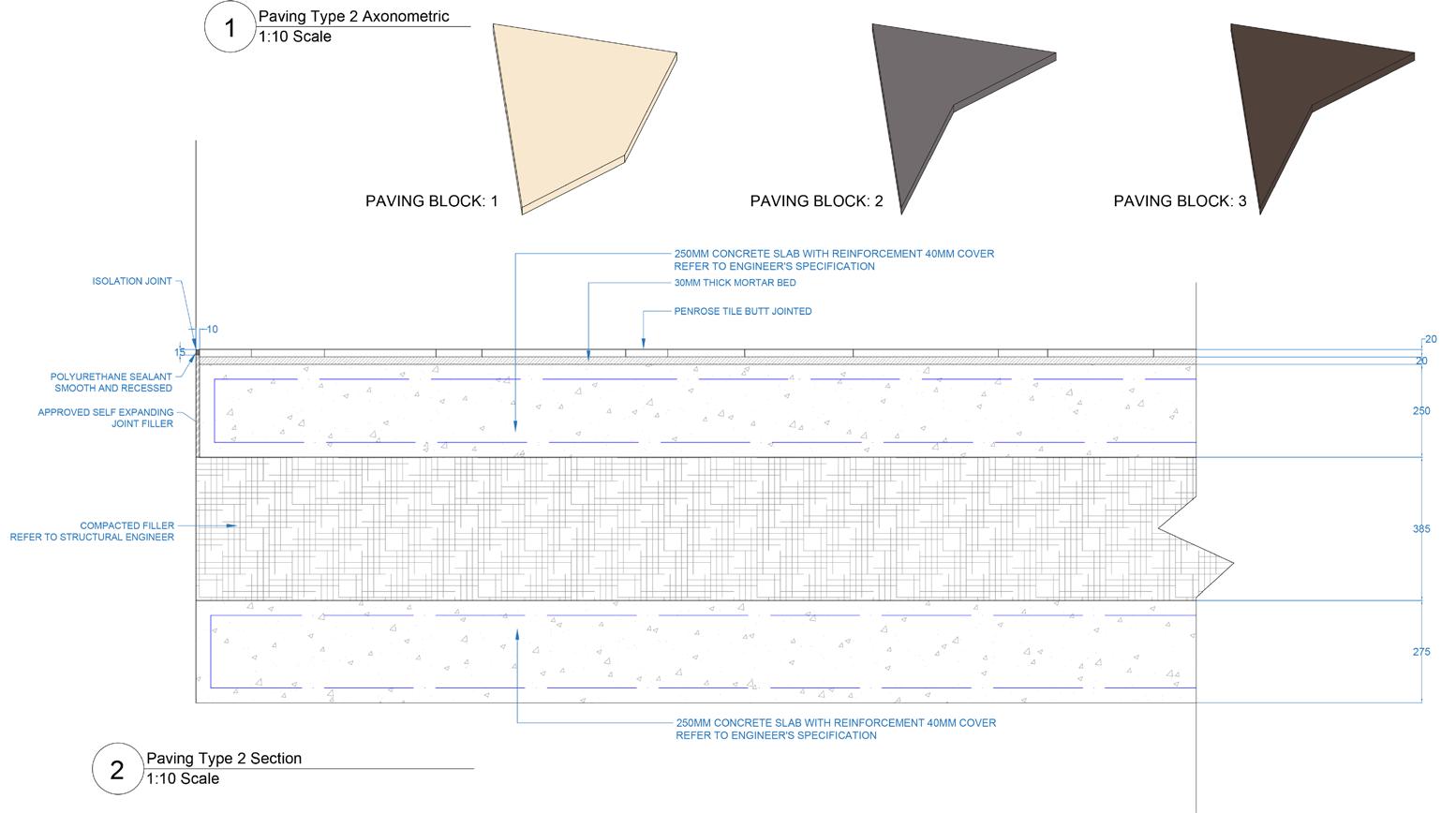
Penrose tiling is a distinctive tiling method that uses two specific patterns to create an aperiodic design. Although it doesn’t form a symmetrical pattern, it gives the impression of symmetry. To achieve Penrose tiling, specific rules must be applied to the vertices of the patterns, and the tiles must be arranged according to these rules. The shapes used in Penrose tiling are closely related to the golden ratio, making this method especially fitting for an art campus like Paddington.


Sunken Lounge Seating Plan 1:15 Scale
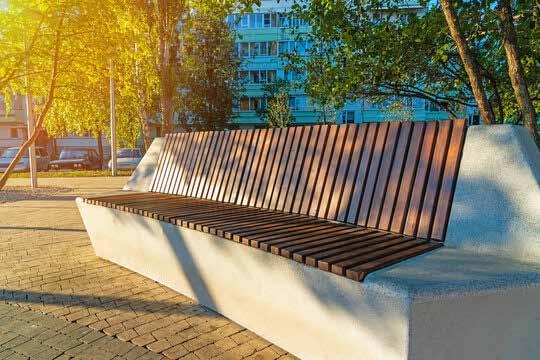
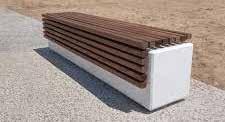
CLASS 1 IN-SITU CONCRETE SEAT 5MM RADIUS CHAMFER ON EXPOSED EDGES
SPOTTED GUM HARDWOOD BATTEN WITH 5MM GAP FIXED TO HIDDEN STEEL FRAME FROM THE BOTTOM 5MM RADIUS CHAMFER ON ALL EXPOSED EDGES REFER TO DETAIL DRAWING FOR MEASUREMENTS
SPOTTED GUM HARDWOOD BATTEN: B

Landscape Plan
1 Fern Garden
Comfortable timber seating amongst shade tolerant ferns and shrubs.
2 Social Grove
Communal tables and BBQ for events and group gatherings under large tree canopies.
3 Community Garden
Moveable seating and tables amongst edible plants species
4 Contemplation Rooms
Intimate and quiet seating area under vertical planters on existing columns. Variety of seating types such as loungers and sun decks.
5 Dining Area
Moveable furniture and tables.
Opportunity to collaborate with artists and fabricators to create a unique suite.
6 Yarning
Creating a comfortable and intimate space for gathering and reflection amongst planting.
Legend
Site boundary
Stage 1


Sandstone gravel
Existing concrete pavers

Raised planters
Timber seating
Emergency fire exits
Public entrance
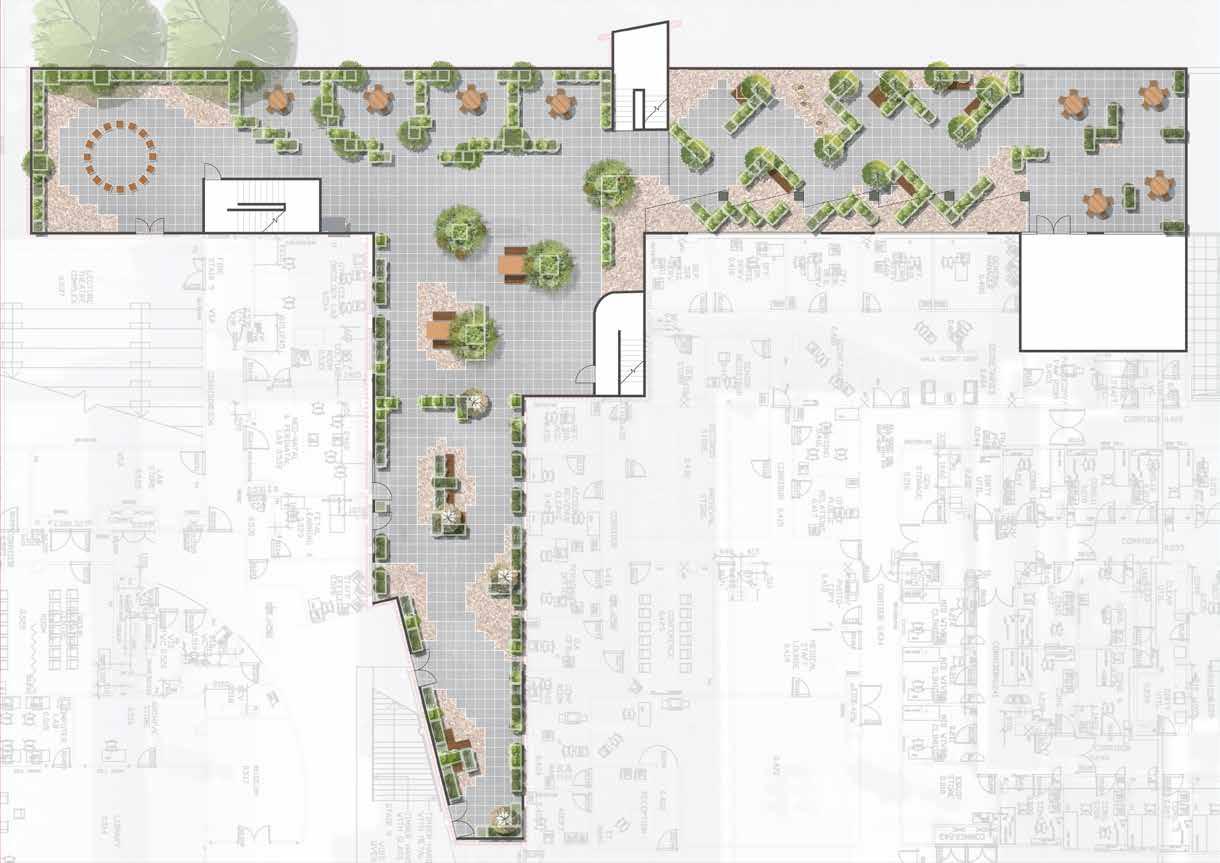
This project showcases a selection of work completed during my internship with Yerrabingin. As part of the internship program, we were tasked with developing a landscape design for the roof terrace at the Royal Hospital for Women in Randwick. Working on a real project with an actual client allowed me to understand client needs, manage expectations, and design carefully within a defined budget. I also had the opportunity to collaborate with hospital staff and First Nations Community Members, listening to their aspirations for the space and exploring design possibilities that reflect cultural values, healing, and everyday use. This experience strengthened my approach to community engagement and taught me how thoughtful landscape design can support both care and connection.
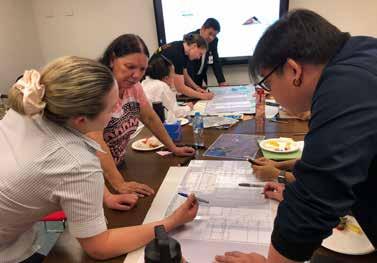


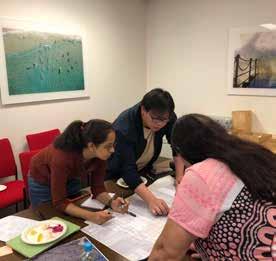
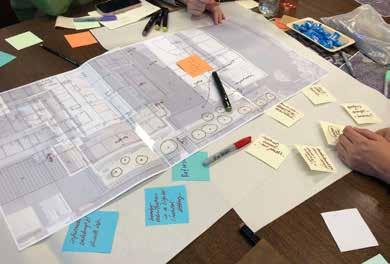
Through the collaborative workshop and survey results, common themes were drawn out. The outcomes had a strong focus on seeing a space that was about healing, replenishing and seeing refuge.
Areas that people can use comfortably in shade, places where privacy can be had, places for that nonhuman kin can be safe.
as healing
Planting that will support restoration for spirit and mood, plants people can use and require little water
Water to hear and see Water as a visual focus, or perhaps just to hear, water as a calming element.
Including spaces for quiet reflection, ‘taking a moment’ and resplenishing energy.
Wanting the terrace to feel like its ‘of’ Bidjigal Country through choices that can also convserve materials on site.
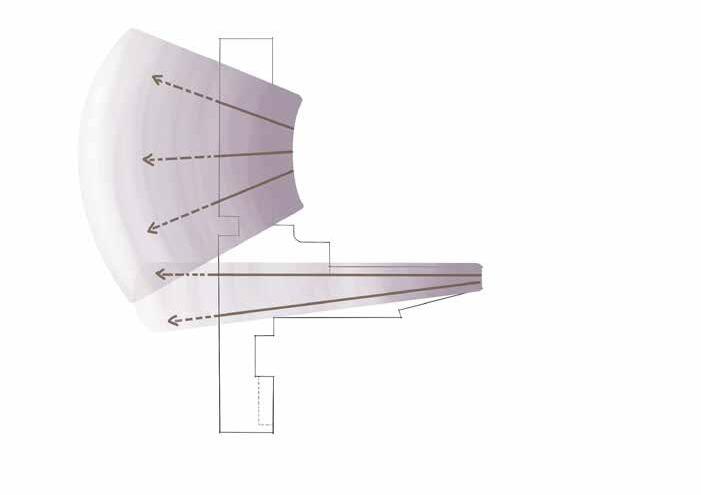
The following design moves guide the landscape design of the Level 0 Terrace.
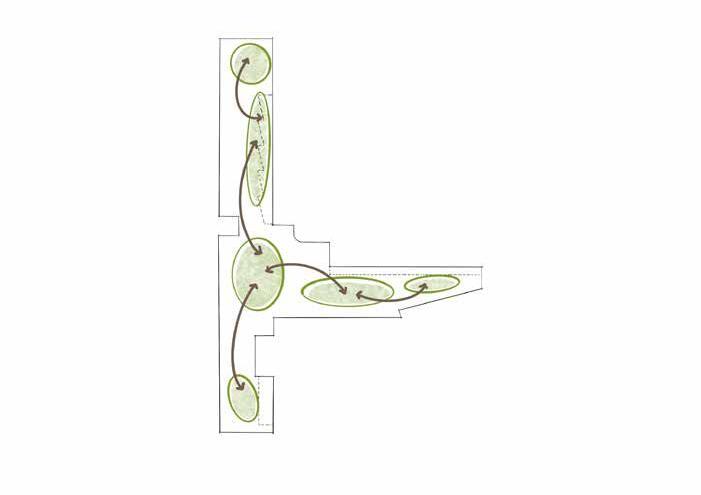
Designing pockets of safety and refuge to support local non-human kin and promote interactions between humans and non-humans.
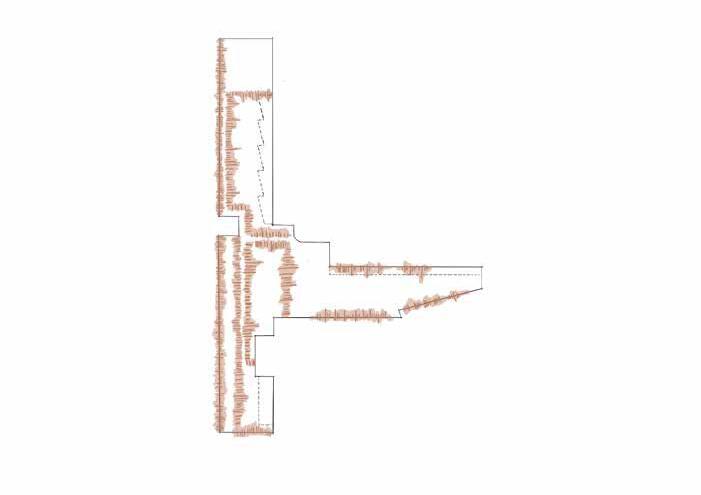
Strategically place landscape elements in places to help frame existing views beyond site.
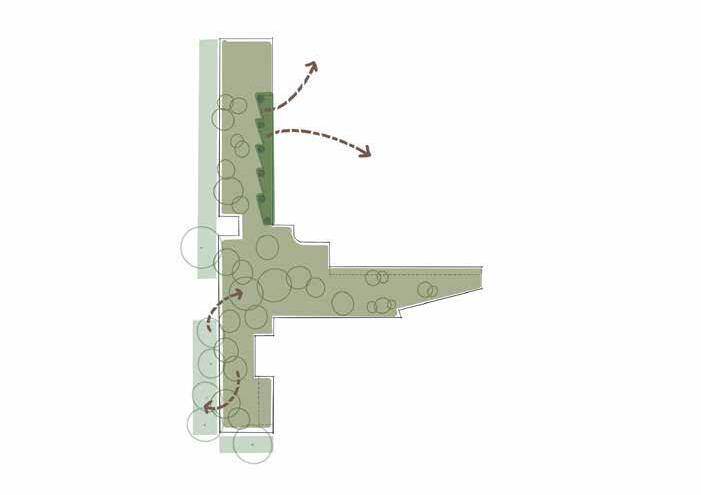
Soften the existing hard edges of site with planmting and or landscape elements that add visual interest.
Linking the various levels of existing, proposed and future landscape works to strengthen ecological ouctomes.


1 Sculptural Art Garden
Interactive sculptures, artworks on adjacent walls and informal small seating.
2 Social Grove
Communal tables and BBQ for events and group gatherings under large tree canopies.
3 Community Garden
Moveable seating and tables amongst edible plants species
4 Quiet Area
Intimate and quiet seating area under vertical planters on existing columns. Variety of seating types such as loungers and sun decks.
5 Breakout Zone
Moveable furniture and tables.
Opportunity to collaborate with artists and fabricators to create a unique suite.
6 Yarning
Creating a comfortable and intimate space for gathering and reflection amongst planting.
Legend
Site boundary
Stage 1
Sandstone gravel
Existing concrete pavers
Raised planters
Timber seating
Interactive sculptures
Emergency fire exits
Public entrance
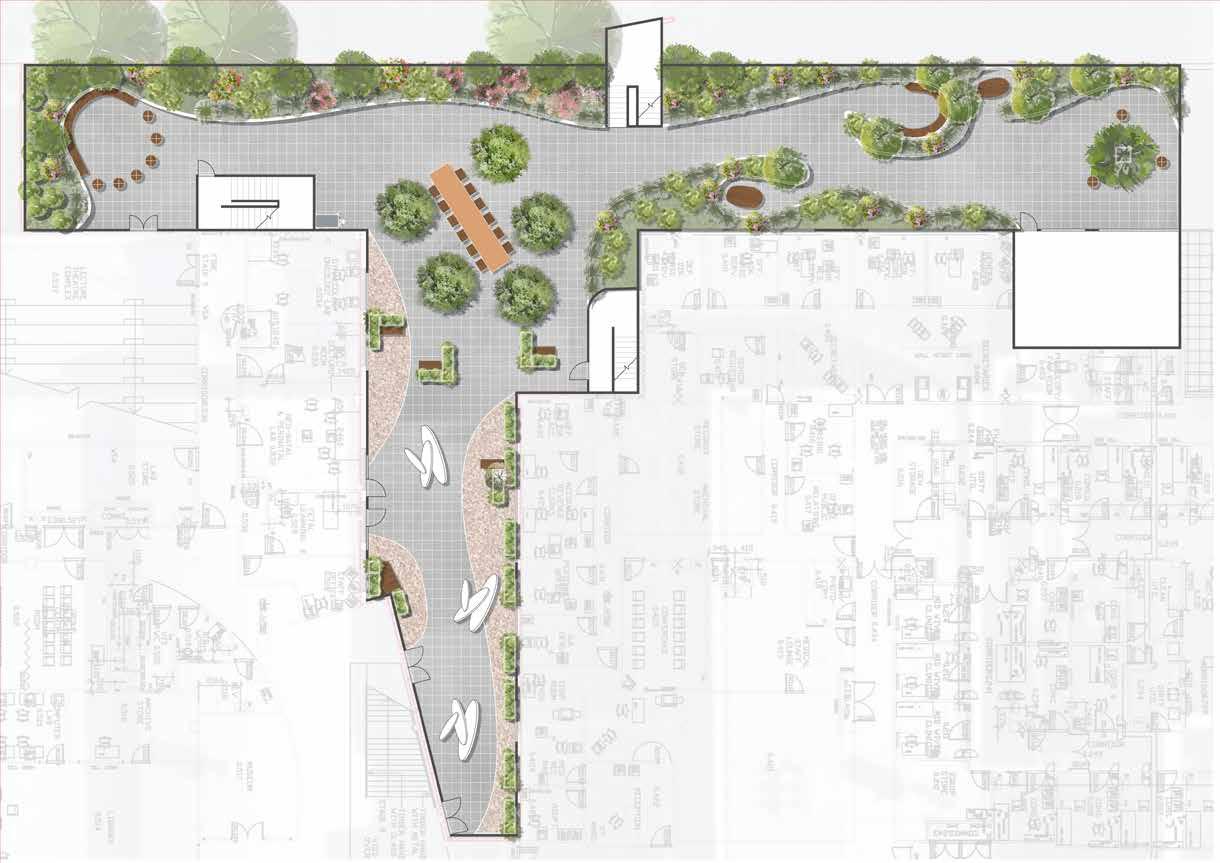
At the end of the Internship we offered the hospital 2 different plan a Base Offer Plan that fit within the client budget and a Add On Offer Plan that is more sophisticated in design however, will request more budget from the client. However, we do note that the Add On Offer Plan be implemented incrementally in the future when the hospital has more budget set aside for the upgrades.
Trevose Crescent
Design Brief
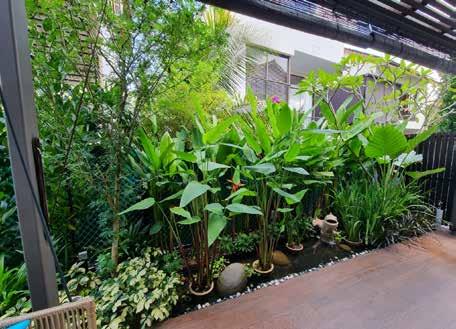
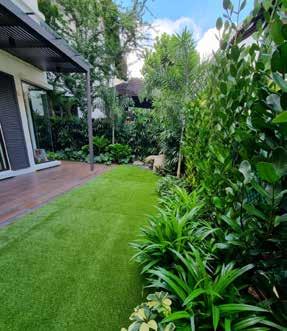
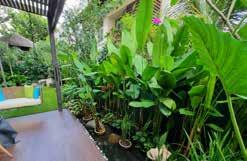
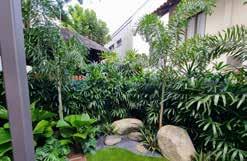
To create a backyard oasis for the family with a pond and water feature to host their pet turtles.
Design Concept
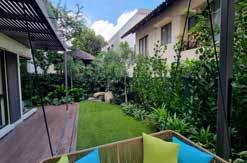
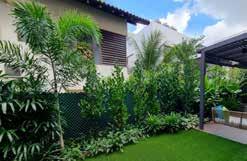
Client want the garden to have a rainforest tropical landscape design concept for the backyard garden, a lawn space for kids to hang around. to create a oasis in their backyard for leisure activites to wind down.
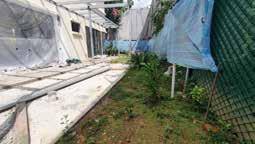
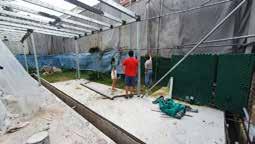
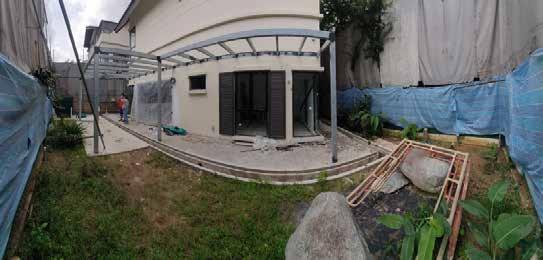
Final Result is a play of layerings and the different texture of the plants to create a nice oasis at the backyard for the family to enjoy and relax.