parks & recreation designing for place
context. culture. collaboration.
We believe in the power of place. Since 1956, we have been deeply embedded in our communities, learning and growing from those around us. As Architects, we ground our practice in the particulars of place, people, and landscape, carrying a strong sense of social purpose
through design. Every project design is a unique response to the history, climate, and culture of a place. Public and culturally sensitive projects, done well, are a balanced combination of head and heart.
liollio architecture 1640 meeting street road suite 202, charleston sc 29405 843.762.2222 liollio.com
jennifer charzewski principal + community design leader 843.513.6855 jennifer@liollio.com
our benchmarks listen first − draw later pursue thoughtful restraint approach issues with optimism strengthen design through engagement create big ideas using less resources design through detail use culture as a guide
liollio's design benchmarks
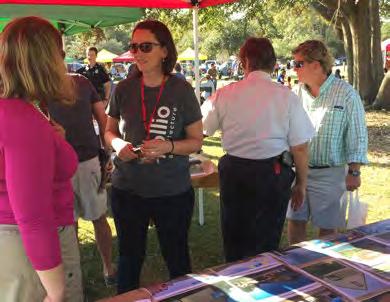
A strong, clear vision defined by a set of guiding principles and endorsed by the client, users, community, and stakeholders is the key for a successful project. We begin each project with personal client conversations and relationship building - relationships that lead into
design translation and the eventual shaping of shared experiences into physical form. We strive to be stewards of our client’s visions, missions, and resources to achieve the best possible outcome as a team.
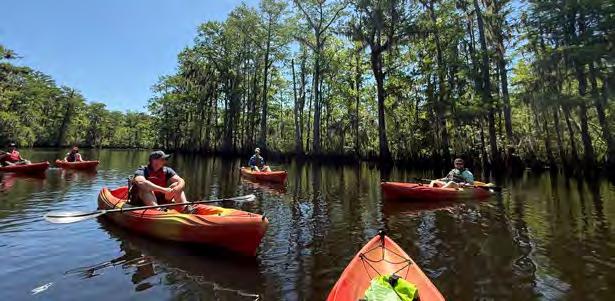
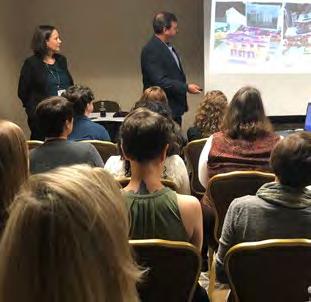
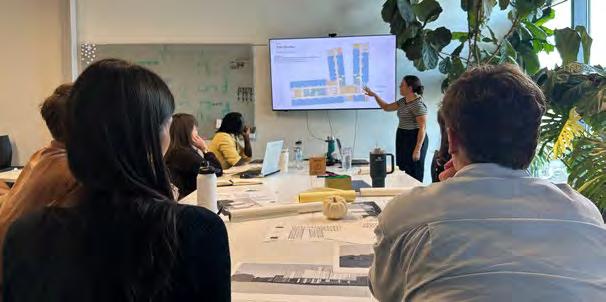
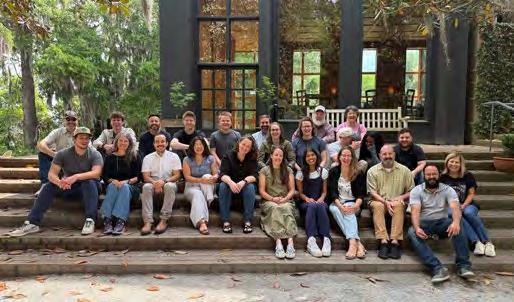
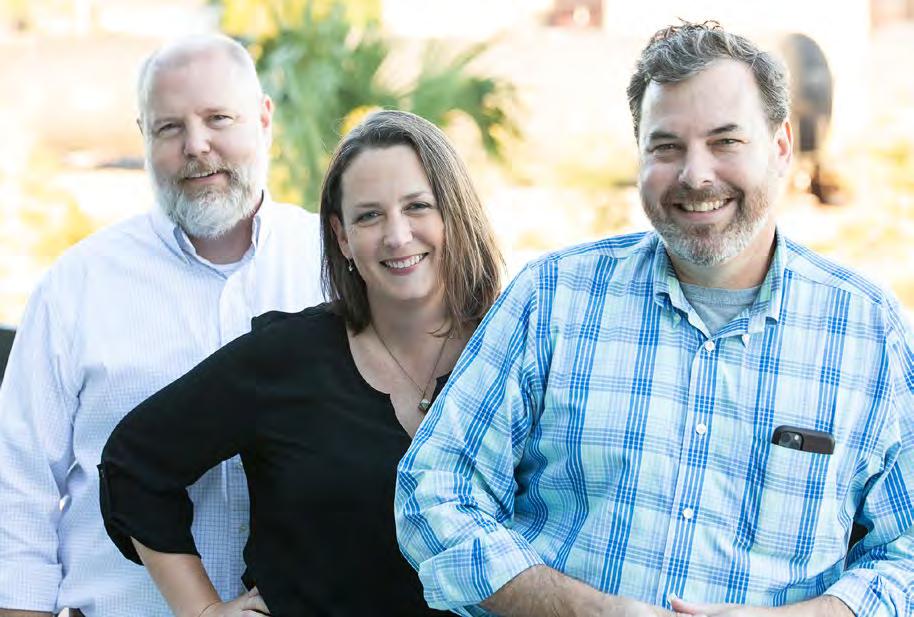
liollio celebrates 3rd generation of leadership.
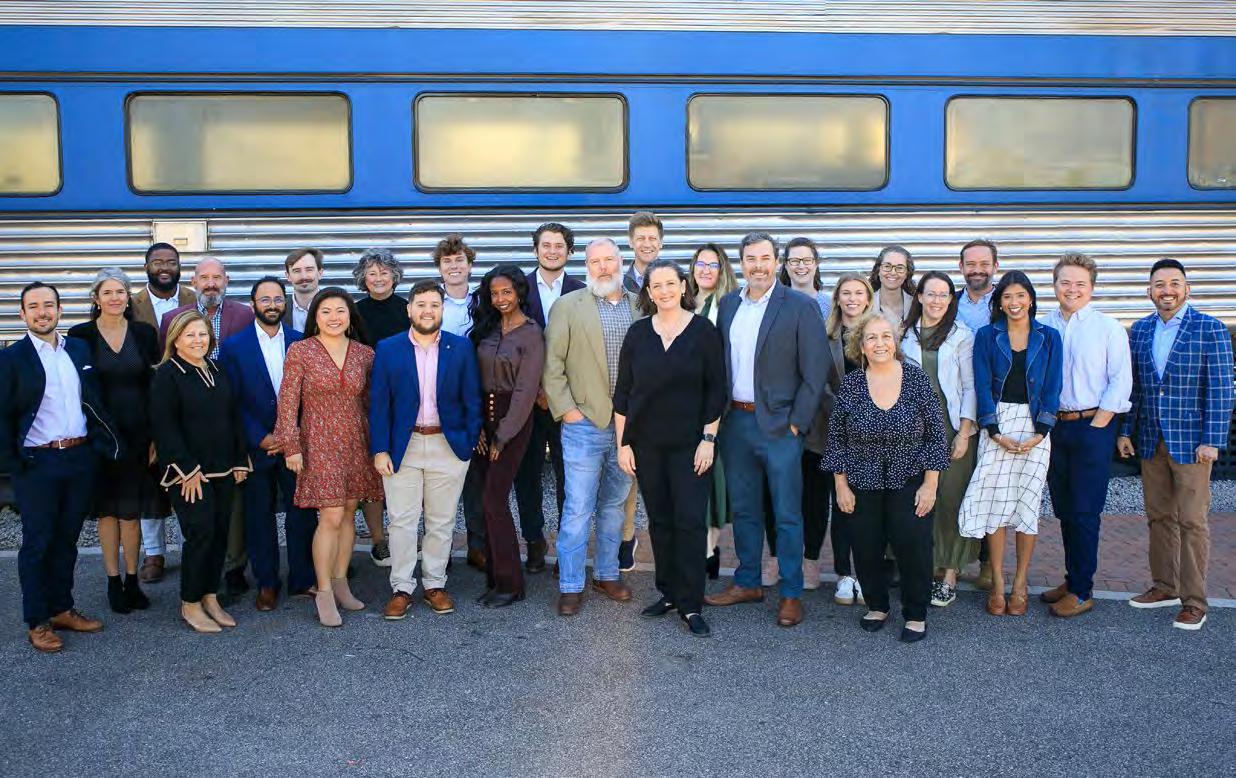
For 70 years, Liollio has quietly grown our influence regionally and nationally. From cutting-edge and brand new to historic and hallowed, our designs are simple and restrained, as well as diverse and detailed - a unique blend of elevated ideas and ideals. The Liollio studio is located at The Refinery in Charleston South Carolina’s Upper Peninsula. This central location is a hub of creative energy reinforcing the firm’s commitment to community-focused design through context, culture, and collaboration.
In 2013, the firm began a 10-year transition plan into the third generation of leadership, with principal architects Jay White, Jennifer Charzewski, and Andy Clark taking the helm in 2021. Their combined experience encompasses preservation, community, and education expertise - and it is here, at the intersection of these diverse areas of expertise, that clients experience the unique benefits of Liollio’s leadership.
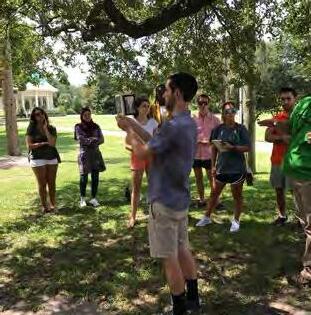
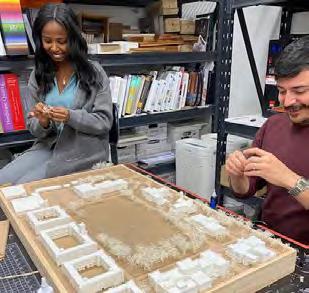
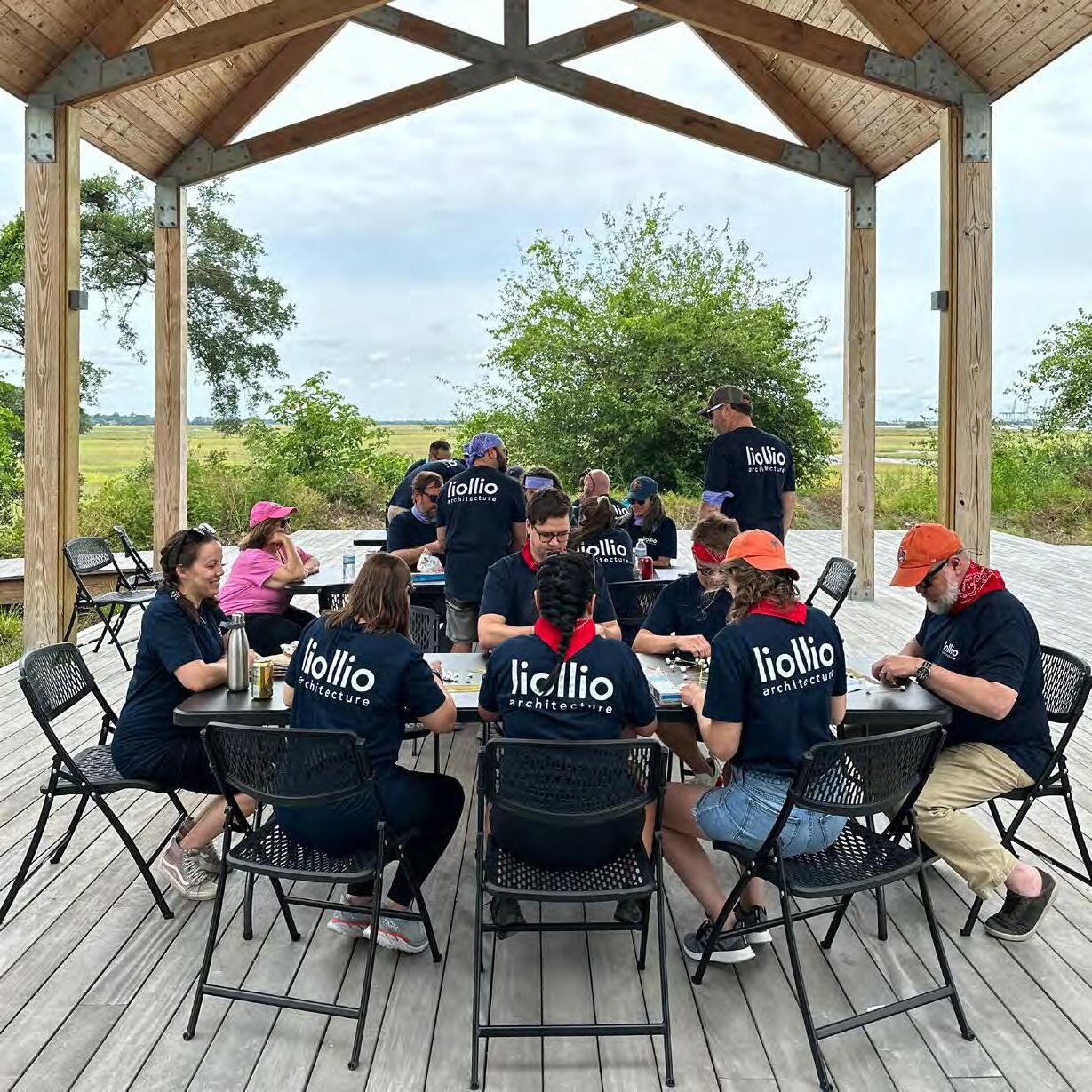
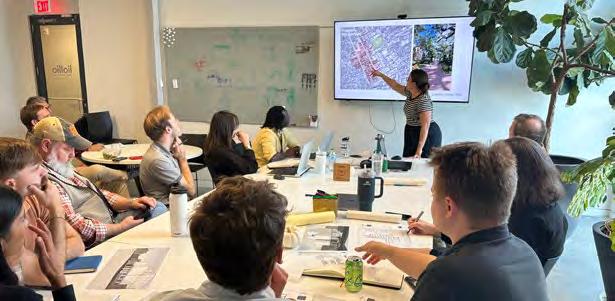
Critical to our success, and one of the best ways to grow our studio for the future, is our core belief in a collaborative, teaching studio that takes cues from academia − a focus on process, inquiry, rigor, curiosity, research, and design discussions. Every member of the studio is a key contributor to the design and development of our projects, and every project goes through a pin-up, or firm-wide presentation and critique at each stage. We find our best projects are those where the origin of any idea can’t be attributed to any one person, as the pinup process allows the diverse perspectives of every member of the studio to inform each project. Through this intentional process, often ideas originating
outside of the core project team change the trajectoryfostering creative energy, innovation, and an innate desire to ask questions. Liollio’s next decade of design promises to be informed by our past, with a goal of growing not just the work but the impact of that work on the next generation of architects and communities.
Liollio has upheld a reputation as an award-winning firm for community-focused architecture, interior design, and preservation. Our projects showcase a commitment to community service, our clients, and our broader communities, and formalize our research and development efforts − at home and abroad. The caliber of our work is a direct reflection of the commitment of our people. Design excellence is more than our aim − it’s our obligation to our industry and our community.
Strong designs come only from strong programs. The best designs use local culture as a guide. Understanding the project's narrative through the eyes and stories of a community creates a deep connection between community and architecture. At its heart, architecture is about people.

“"Our joy in architecture comes from telling a story. Design is about people, and we find inspiration in community, programs, sites, and histories. Developing a project's vision from public engagement brings meaningful clarity and integrity to the work. Liollio is passionate about creating a source of civic pride that represents the entire community."”
− Jennifer Charzewski, Principal, Community Design Leader
“We carry a strong sense of social purpose as we serve our communities through design. Every Liollio project provides a unique response to the history, climate, and culture of a place. It’s an honor to be part of a talented team of designers that take pride in their work and make even the most challenging days fun and rewarding.”
− Andy Clark, Principal, Education Design Leader


“Good architecture is a matter of understanding the history of people and places. A project is never simply about preserving a structure or a site. Rather, our efforts preserve the character and spirit of a place and the people who’ve inhabited it. I’ve committed the past 25 years at Liollio to developing a balance between the preservation of historic buildings and the needs of modern life.”
− Jay White, Principal, Preservation Design Leader
“Every project is shaped by its physical, social, and cultural context; this unique narrative should be the driving force behind any design process. It is a privilege to work with our clients creating places and spaces that serve the community, inspiring people of all walks of life. As a South Carolina native, it is especially meaningful to live and work in the community that shaped me.”
− Elissa Morrison, Associate Principal, Community Design Champion

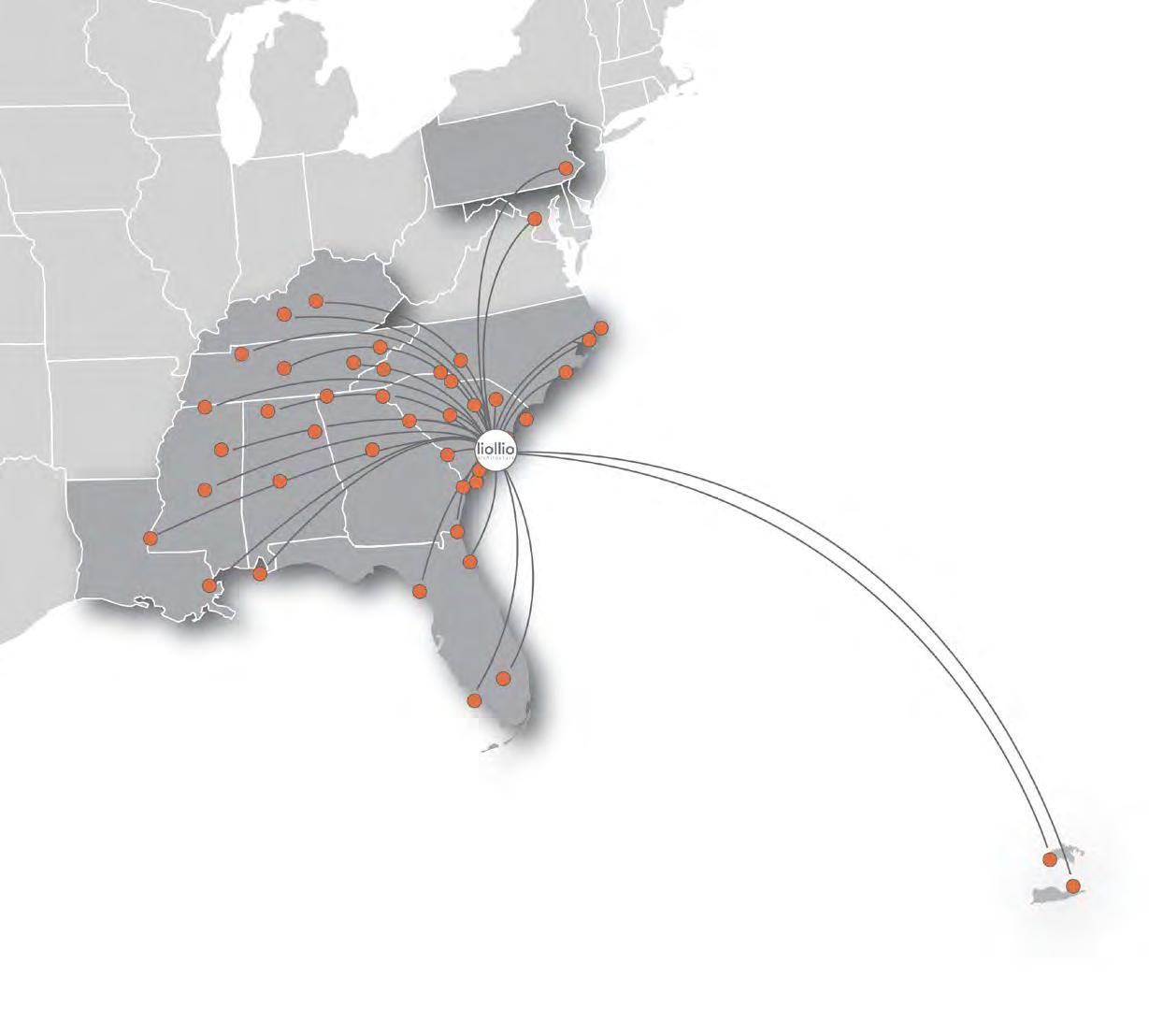
liollio project locations
It is critical to understand the place in which we are working. To do this, Liollio has generated a community engagement toolkit to learn from each stakeholder, and we've invested
in research and development to determine the material and cultural history of each place.
"This is a park that has something for everybody. Whether it's walking trails, or splash pad, playground, fishing pond, large pavilions for picnic shelters or birthday parties. Whether you're 3 years old or 93 years old, there's something for you here."
− Jay Byars, Dorchester County Councilman & Chairman of Dorchester County Parks & Recreation Commission (Local Newspaper Article)
project at a glance client: dorchester county sc in association: seamonwhiteside collaborators: em structural newcomb & boyd location: 200 renken road summerville sc 29485 size: 85-acres
project status: completed 2022 awards: 2024 south carolina american society of landscape architects award of excellence, 2022 aia south atlantic region merit award, 2022 aia south carolina honor award
ashley river park summerville sc
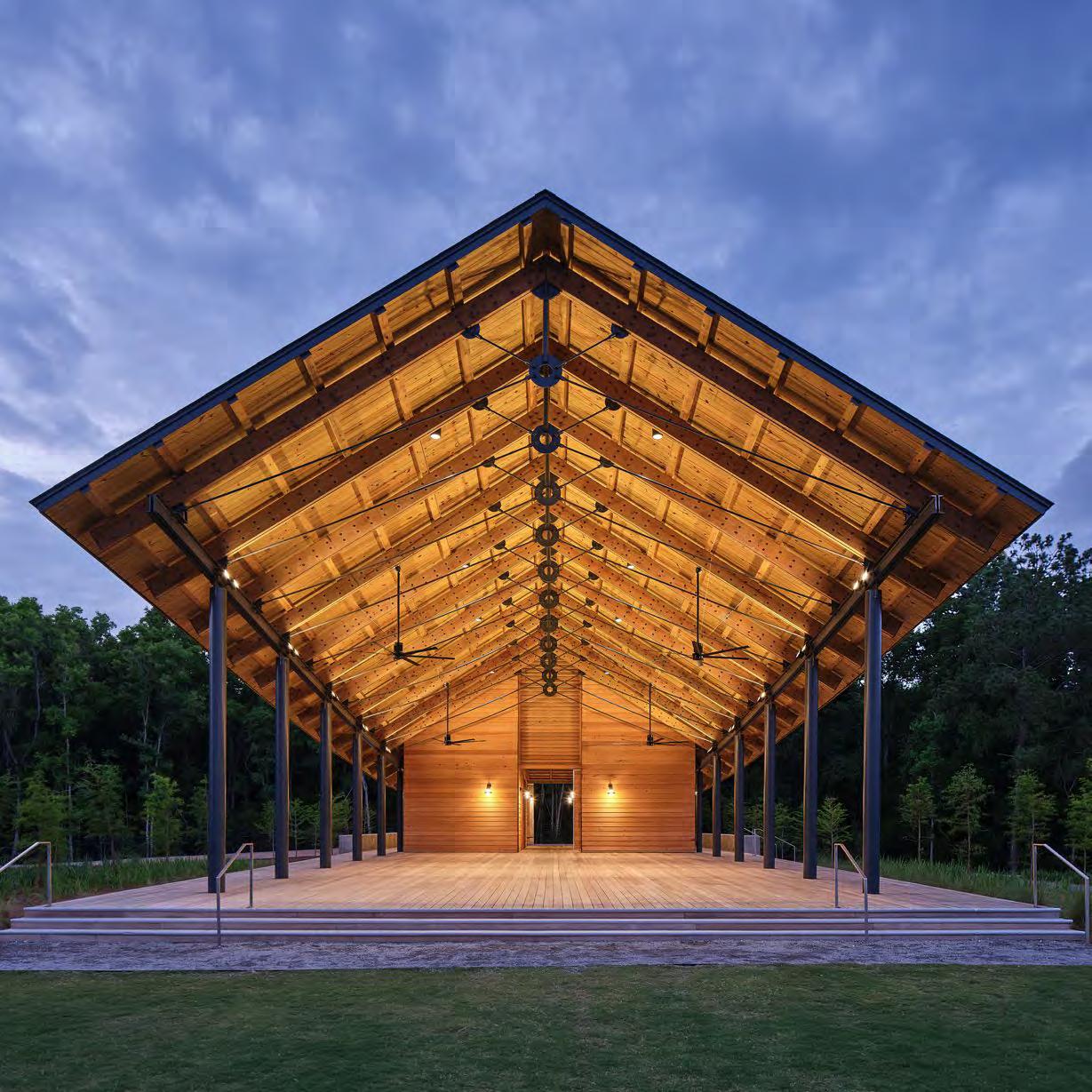
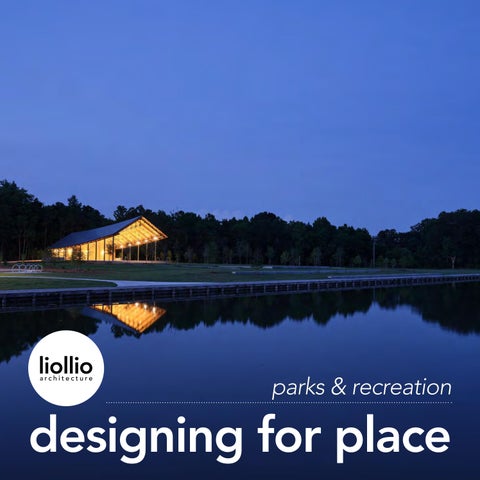
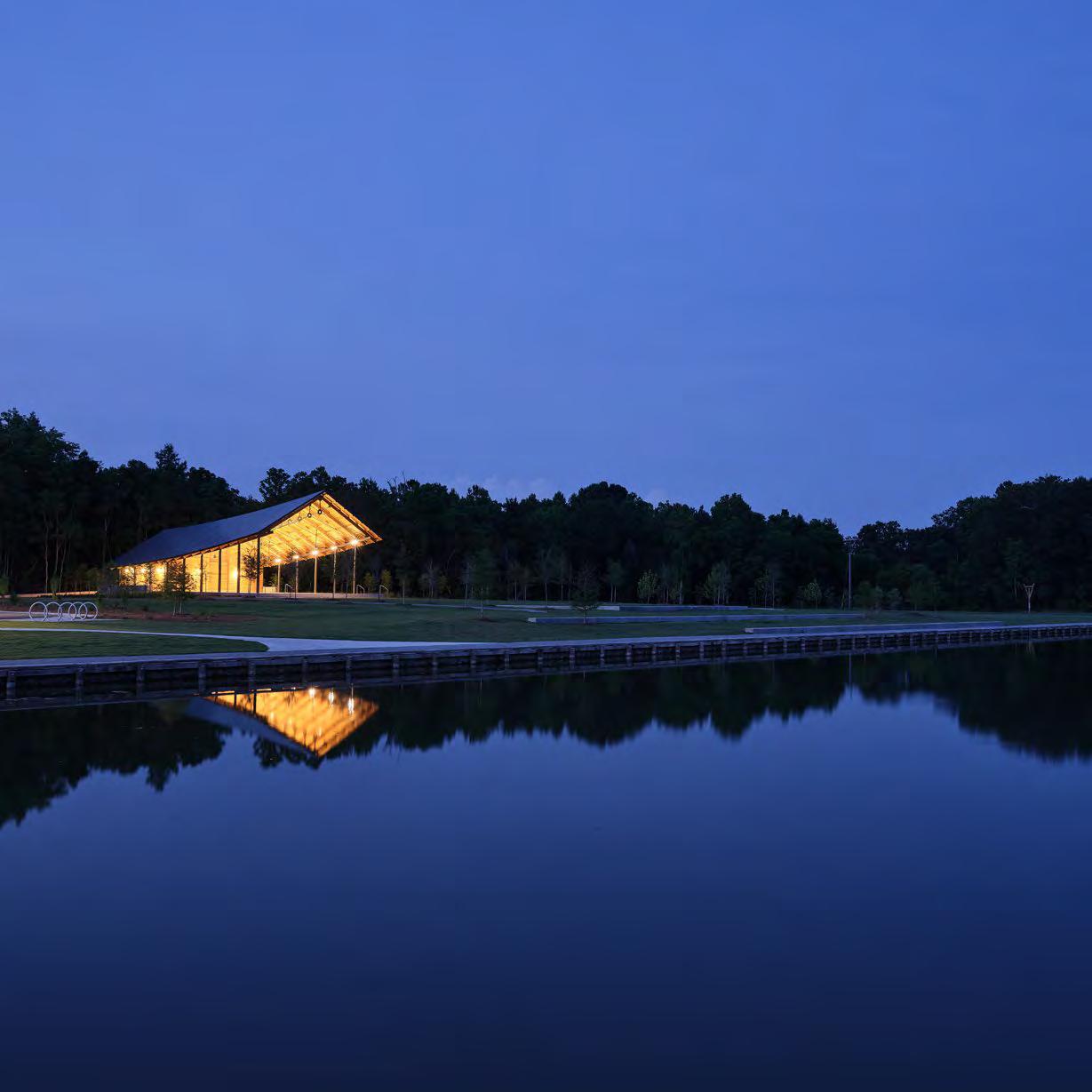
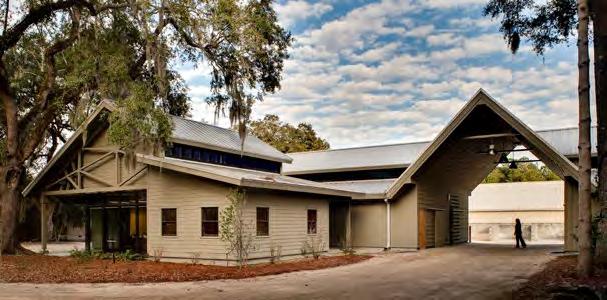
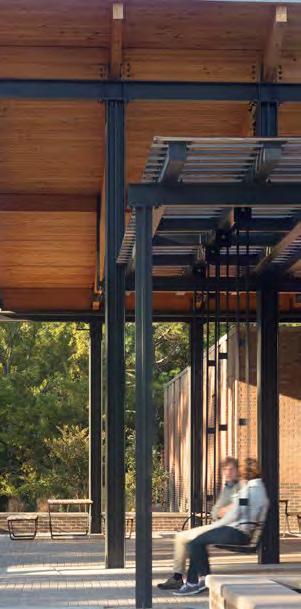
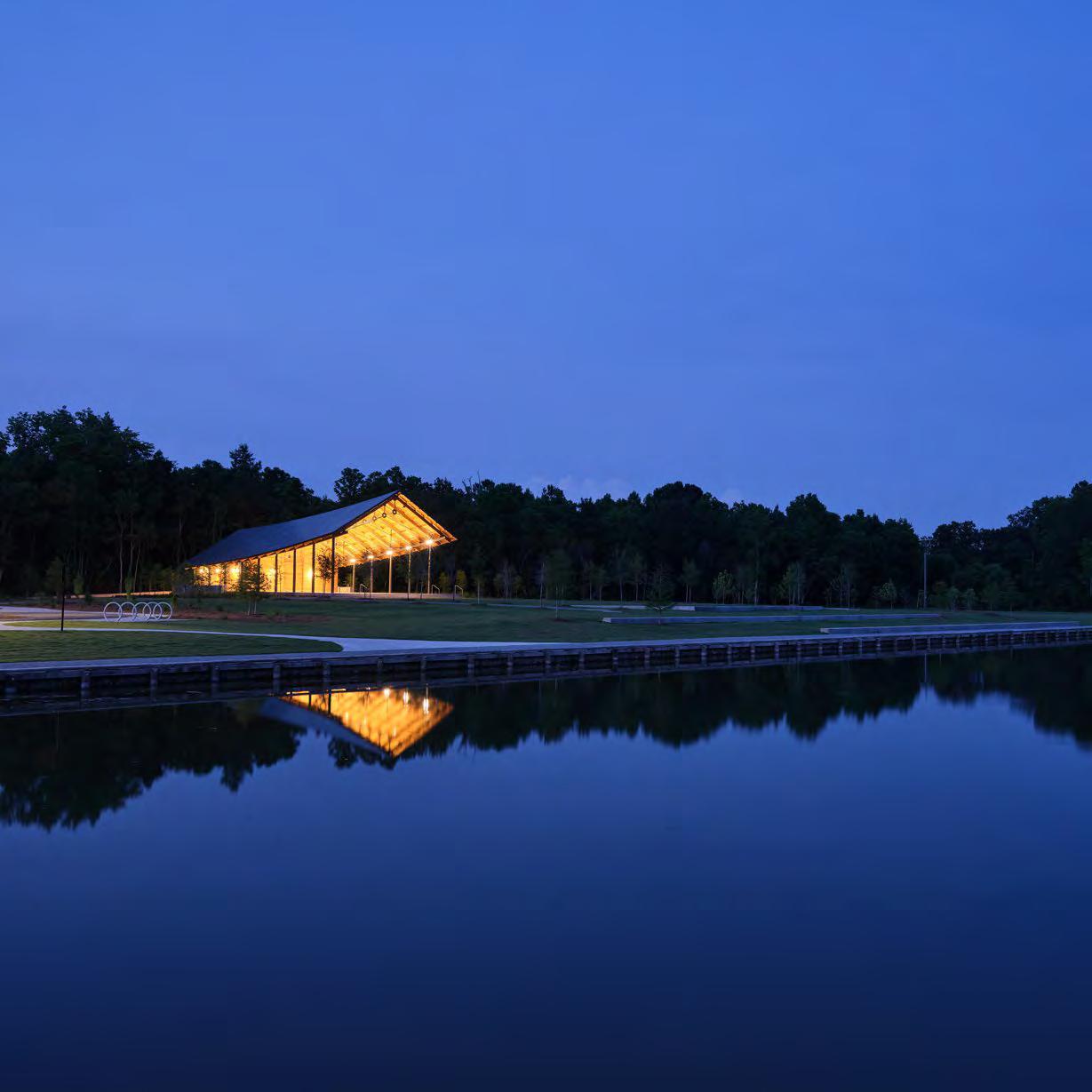
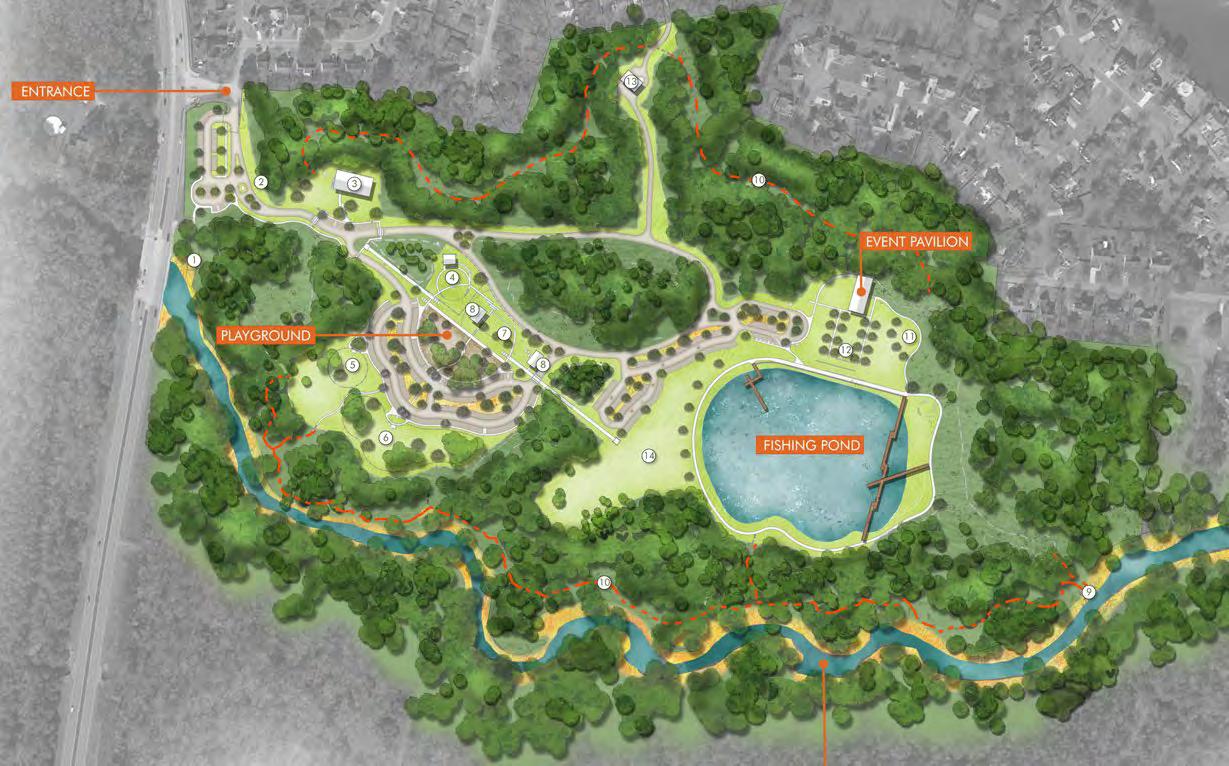
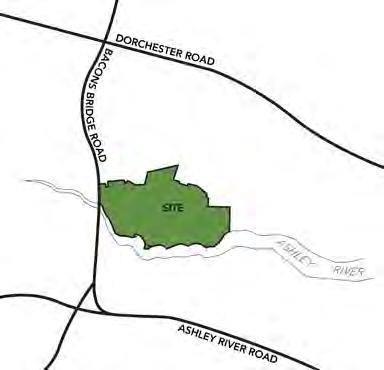
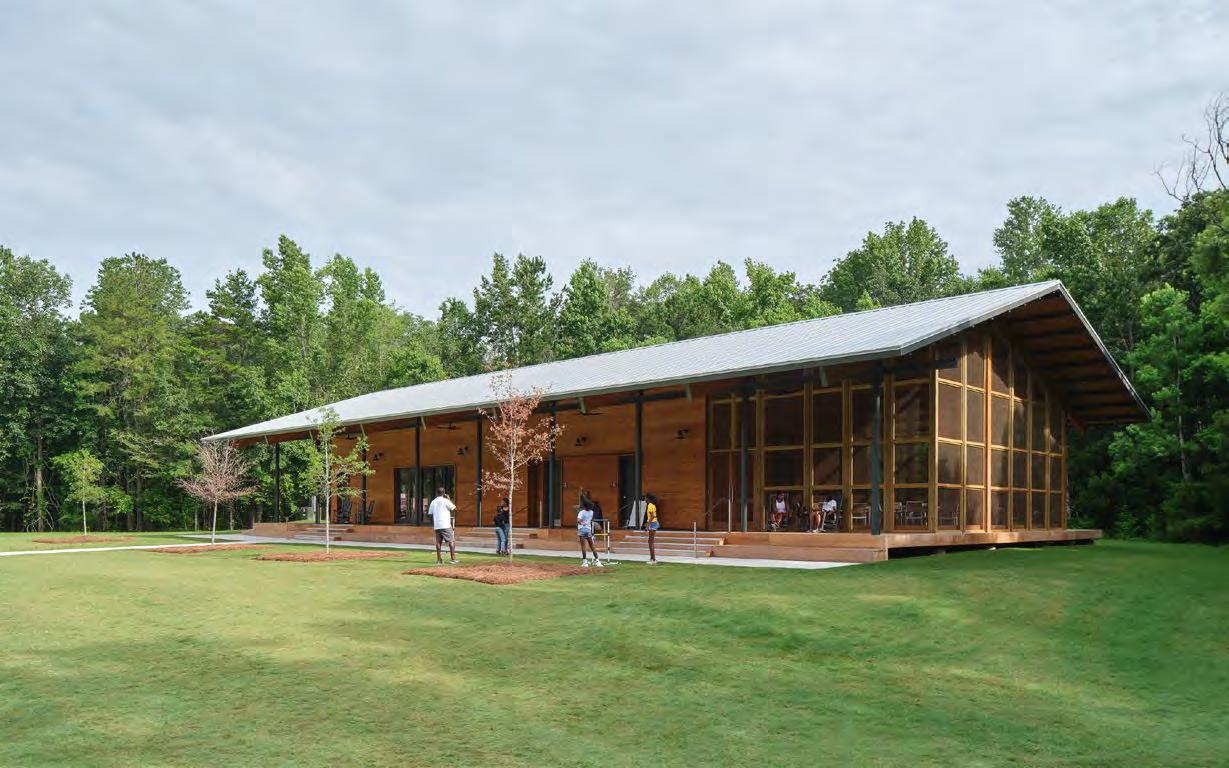
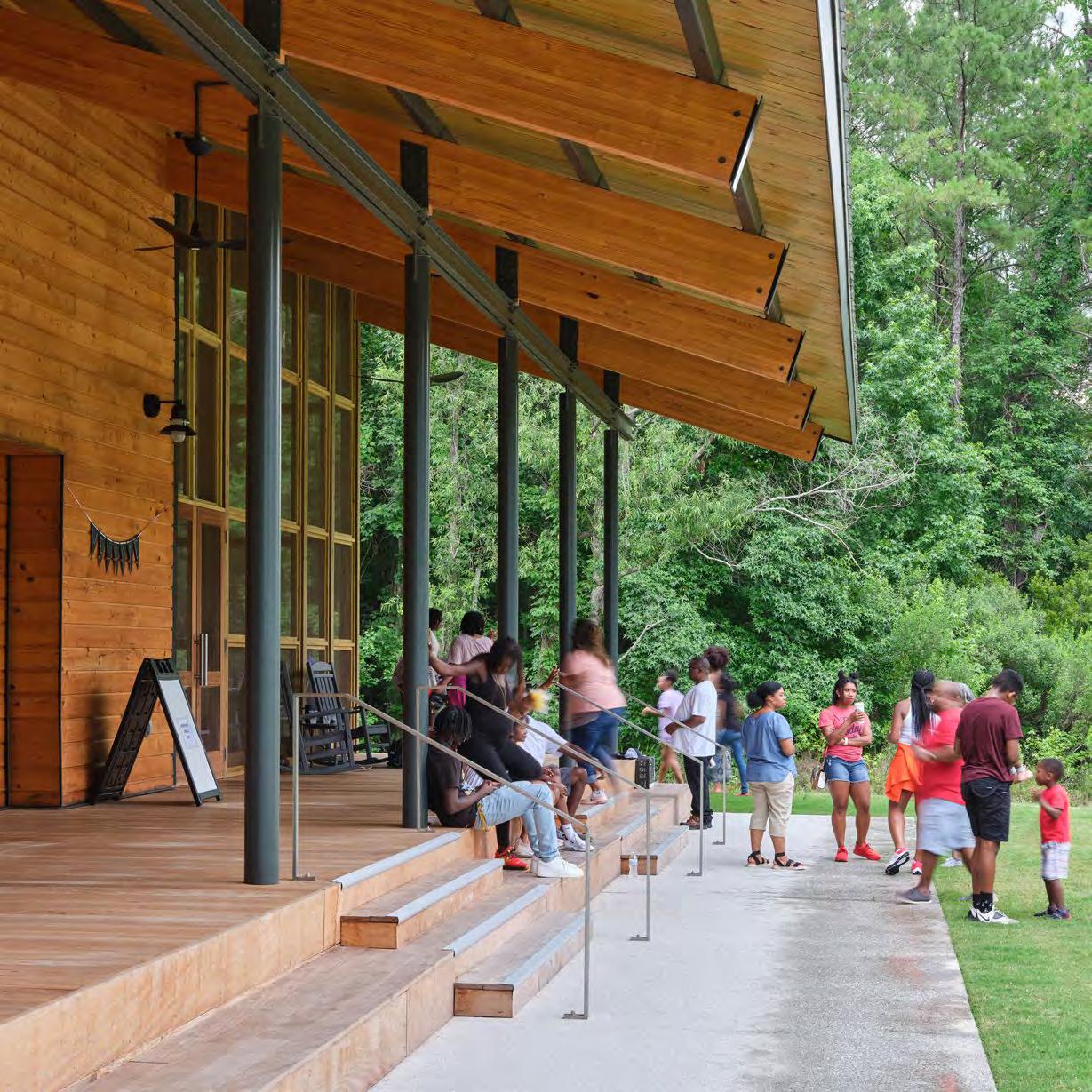
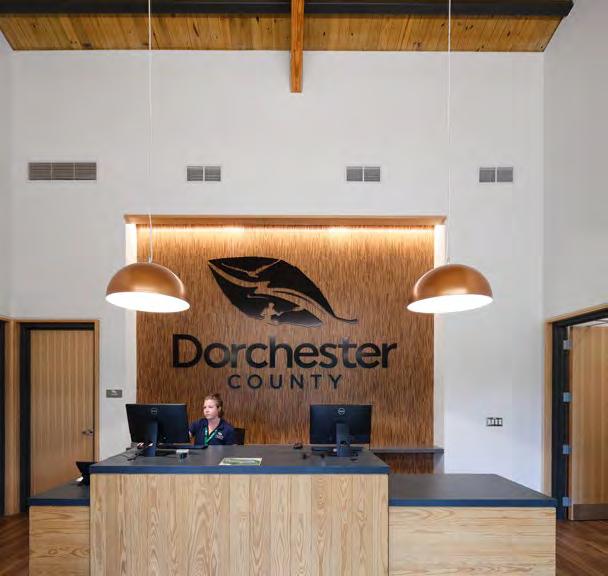
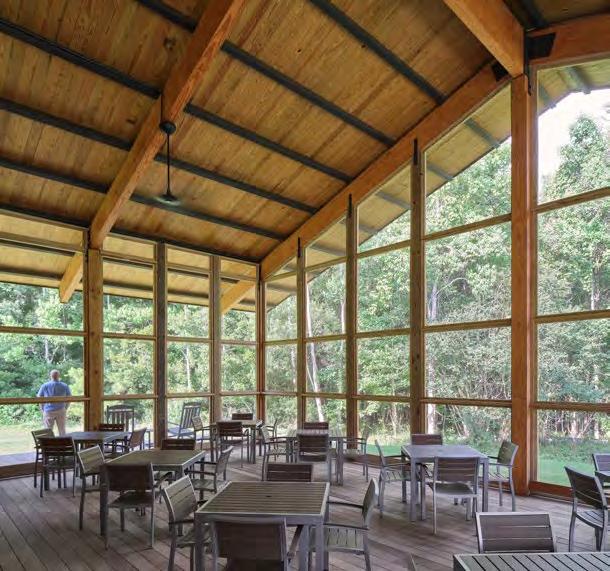
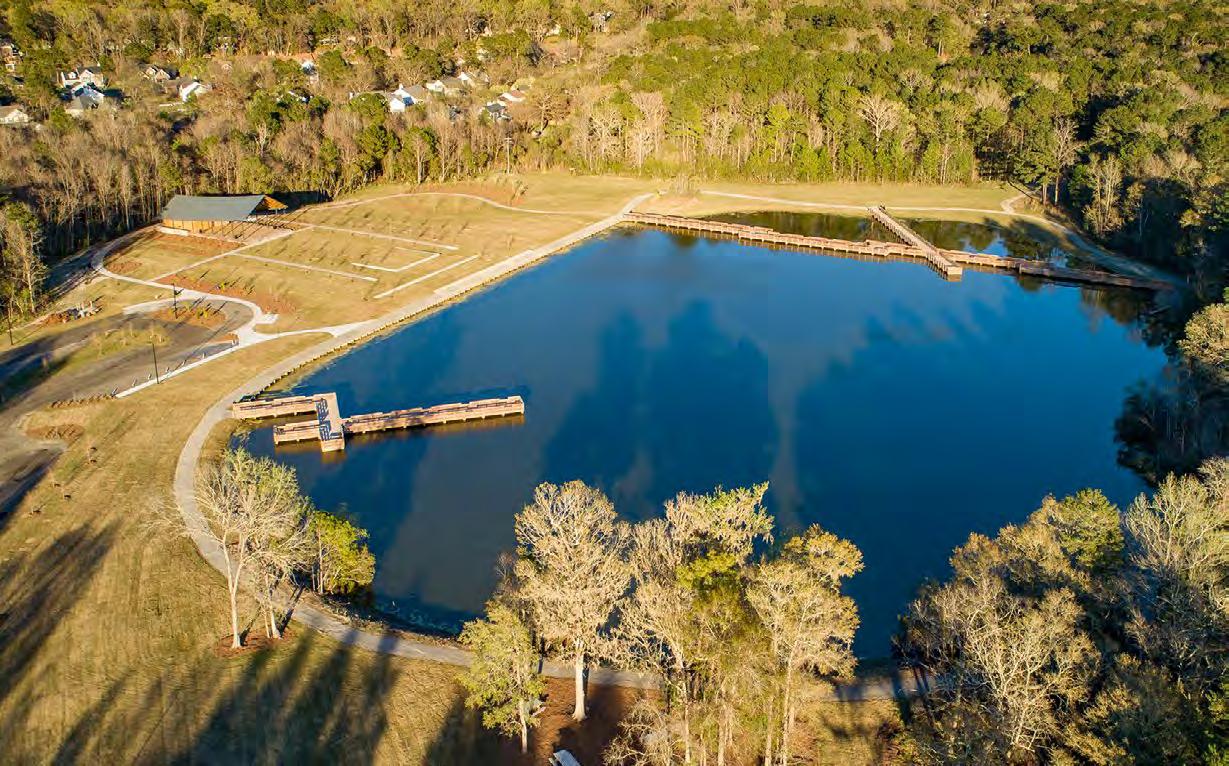
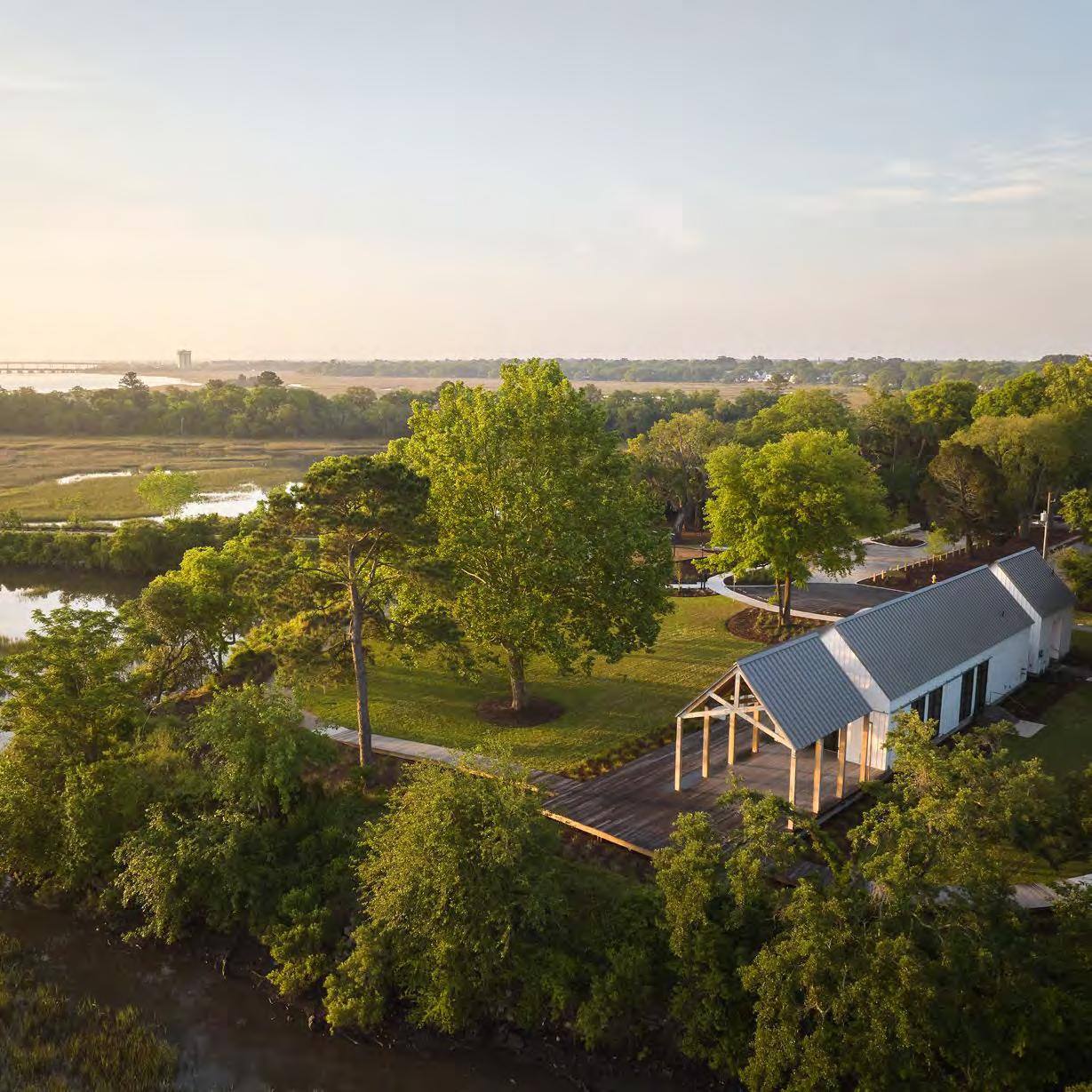
This 85-acre park stretches alongside the headwaters of the Ashley River in Summerville SC, located in Dorchester County. The site is a beautiful, but flood-prone, property in a riverine floodway, now home to the county’s first major investment in parks. Several new buildings support the park’s operations, but the most public of these is an open-air event pavilion, oriented to overlook a festival lawn and a freshwater pond. The park provides a much-needed setting for civic life in a
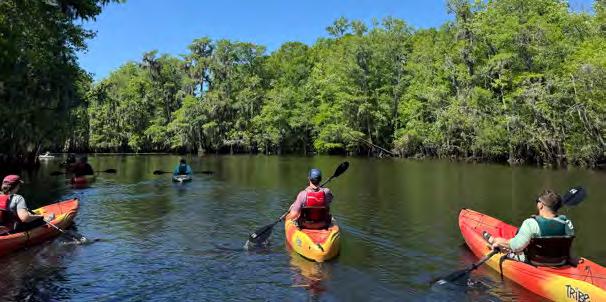
growing, but still rural, part of the state. The park's buildings are designed to be compatible with the region’s ecological needs and respectful of the landscape while celebrating the vernacular. Today the immensely popular park provides opportunities for free river access for kayaking, canoeing, and fishing. Playgrounds and splash pads are popular entertainment for families. The park has plans to complete additional features like climbing walls and zip lines.
outfitters + park offices
This park is situated along the Ashley, a tidal river once vital to transportation and agriculture in the South Carolina Lowcountry. After the decline of rice production in the mid 19th century, the site was strip-mined for phosphates and then left to return to woodlands. The property lay fallow, while a citizen group advocated for the sale of land to the County Parks Commission. Much of the site is in a FEMA
regulatory floodway, which disallows construction that would impede floodwaters and worsen flooding upstream. Citizens saw an opportunity to create the first large-scale public park for a growing, but still rural, part of the state, a use that could be made compatible with the ecological needs of a region beset with flooding. That citizen effort led to a daring public investment in quality of life for the region.
"Everybody loves it. It's really been something that we've been very proud of as the council, but also just as a community. There were a whole lot of people that made this happen and we get a lot of positive feedback. It's really great because this park takes second place to no park in the county. We don't have a beach but what we do have is pretty special. So, we're excited about it."
−
Jay Byars, Dorchester County Councilman & Chairman of Dorchester County Parks & Recreation Commission (Local Newspaper Article)
The project team faced design challenges such as wetlands, limited highland, an underground water tunnel, and periodic flooding. The park showcases a diverse ecological pattern; the Ashley River Park webpage opens with "Looking for the perfect escape?" Since opening in 2022, Ashley River Park
has surpassed expectations, attracting 75,000 visitors within the first 5 months. The park’s success is further underscored by the continued clamor for annual passes and rentals for picnic shelters and the pavilion.
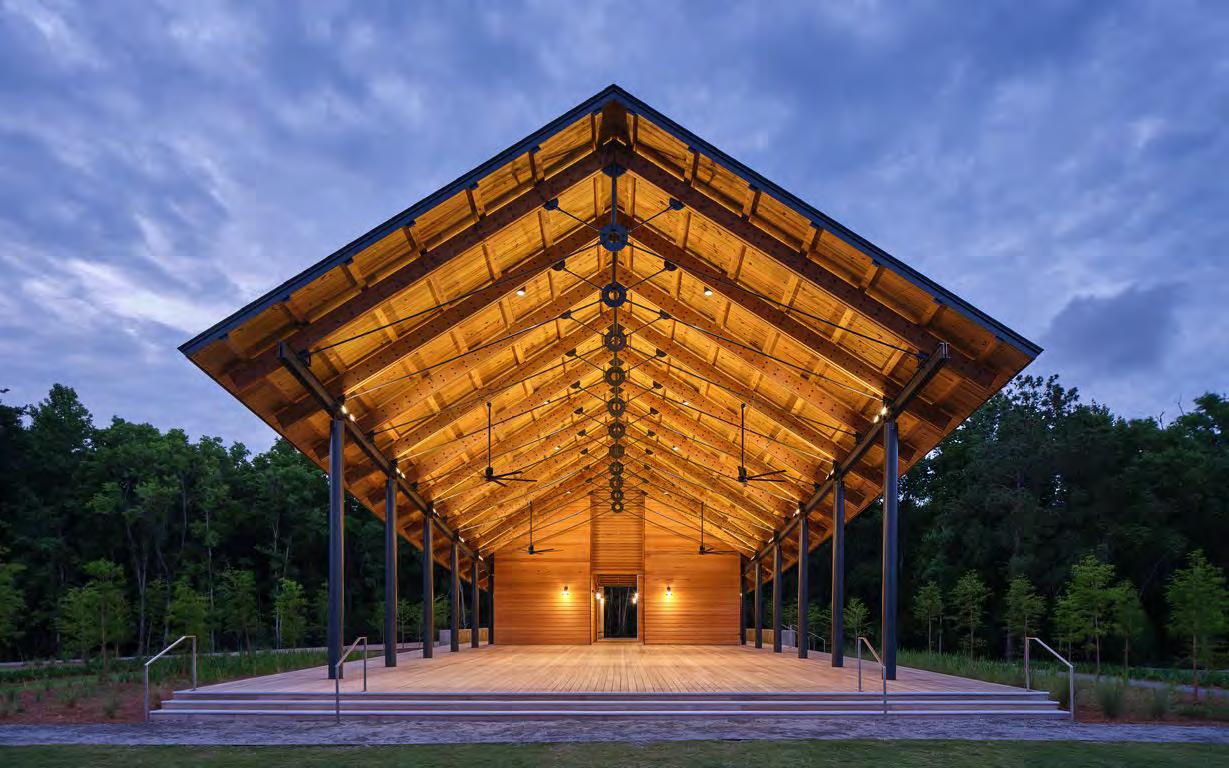
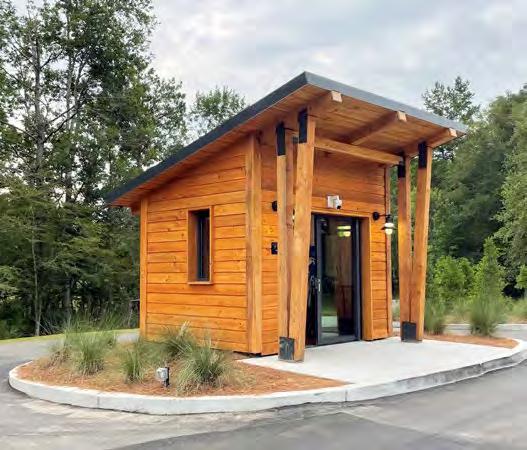
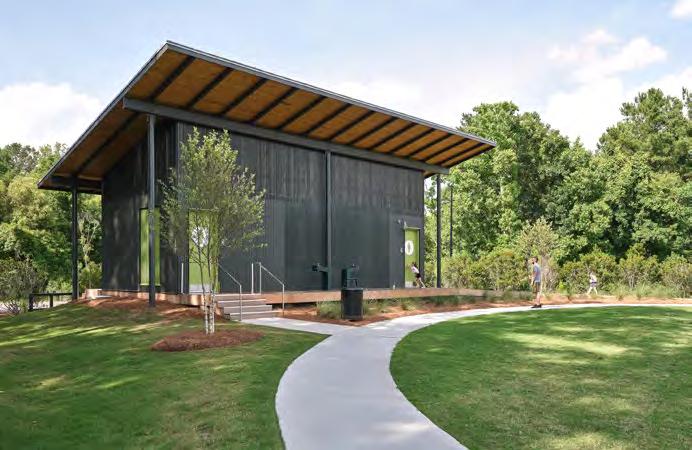

The pavilion design adopts a clear concept, careful orientation, simple materials, and a curious distortion of its vernacular and agricultural precedents. It adopts an abstraction of a vernacular form, through an arcing gable roof which raises toward the pond and event lawn. The roof is clad in flat-seamed zinc panels which scale across the compound
curvatures. The geometry forces the perspective and plays with the observer’s perception of the pavilion’s dimensions. The result is something playful, curious, unexpected, but not superficially garish or distracting. On a more practical level, the roof form is oriented to provide deeper shelter at the restroom doors and more mid-day shade at the picnic area.
event pavilion
“These edge conditions where the marsh meets the land are ecologically the most diverse places on earth. And consequently, they are the most valuable. So they’re not always obtainable to every segment of the population.”
− Jason Kronsberg, City of Charleston (Local Newspaper Article)
project at a glance client: city of charleston sc in association: stantec collaborators: em structural rmf engineering location: 1071 bender street charleston sc 29407 size: 3-acres building area: 4,800 sf project status: completed 2023 awards: 2025 aia charleston merit award, 2024 aia south carolina honor award, 2023 aia south atlantic region citation award
carr-richardson park charleston sc
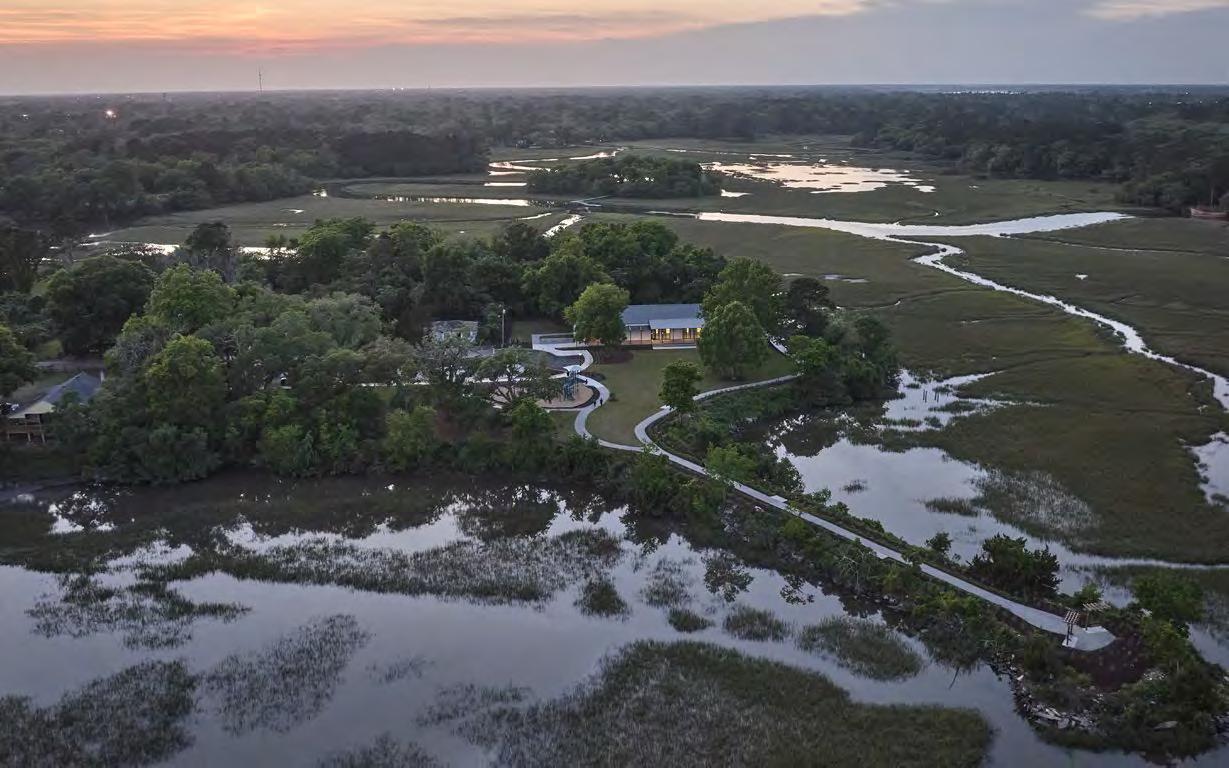
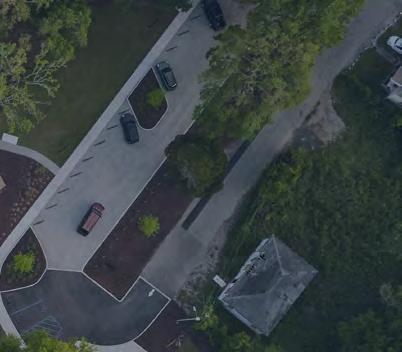
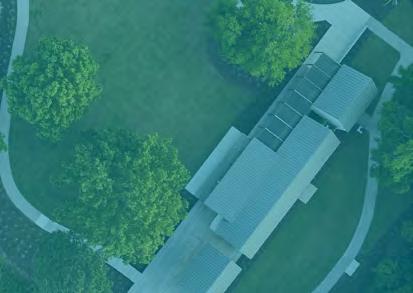
The 3-acre Carr-Richardson Park is situated along the Ashley River in the historic Maryville-Ashleyville neighborhood - within the West Ashley area of Charleston SC. The Town of Maryville, chartered in 1886, was the first town established by its AfricanAmerican residents after the Civil War. The current residents are community proud and are outspoken in local government meetings, pushing for amenities in and around West Ashley to benefit all. This project
converted an abandoned contractor’s yard into a community asset, providing residents with one of the first city waterfront parks in the area. The park provides residents with ample program space in a small footprint, starting with deep porches, a sprawling front lawn and intimate rear lawn, interior event space, and an open-air pavilion. Site orientation allows the building to become a backdrop, not the focus, opening the park to the public and reconnecting the neighborhood to the river.
CIRCULATION












VISUALAXIS

In the 1980s, the plot of land on which the park stands looked far different. Used as an illegal dumping site, loads of concrete, brick, and other masonry were discarded, expanding the area’s footprint and creating a causeway into the Ashley River. The neighbors brought this issue to light and the City investigated the concern and put an end to this practice. With the usefulness of the property ending, the owner put it up for sale. The community lobbied to turn
this eyesore into something that could be an asset for the surrounding neighborhoods. This grassroots effort has turned that dumping ground into a popular new neighborhood park for an underserved community. The neighborhood provided their vision for the park through extensive design charettes, and the program evolved from simple park pavilions to a community gathering space, providing a much appreciated civic center on the banks of the Ashley River.
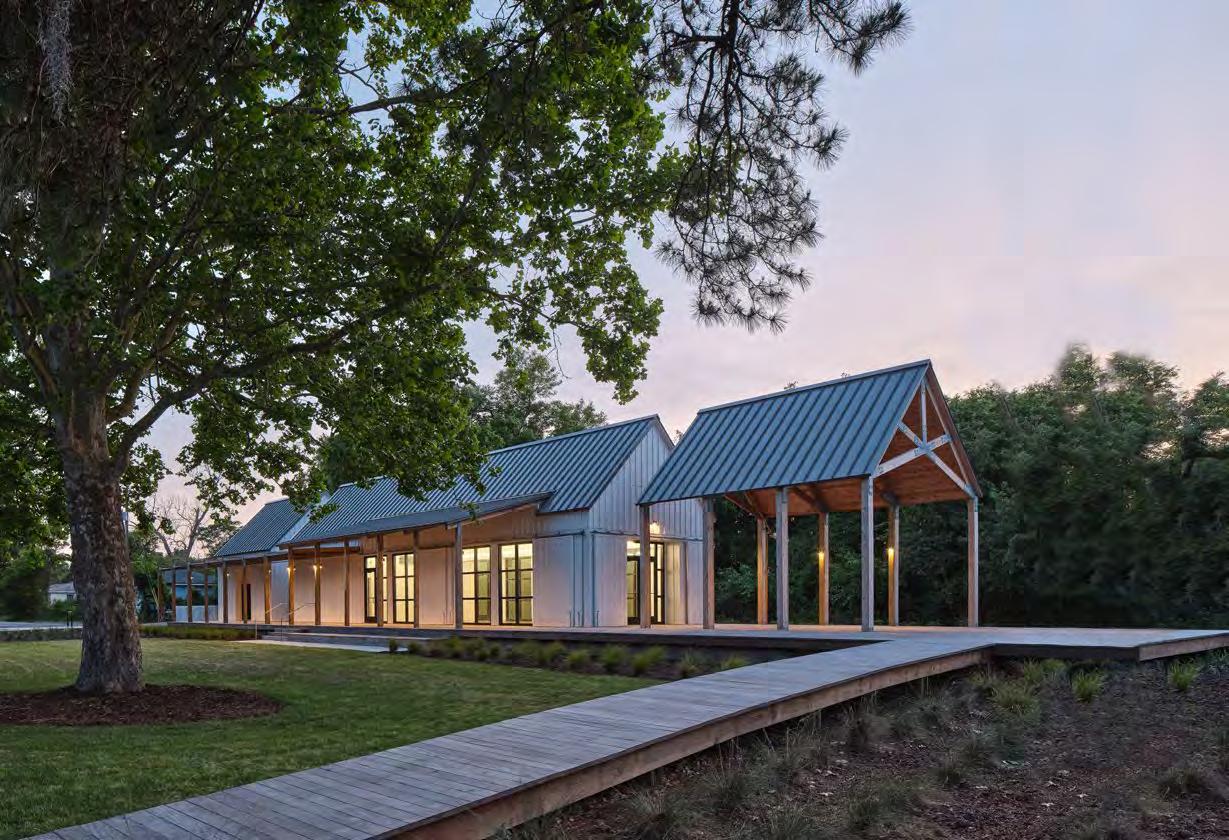
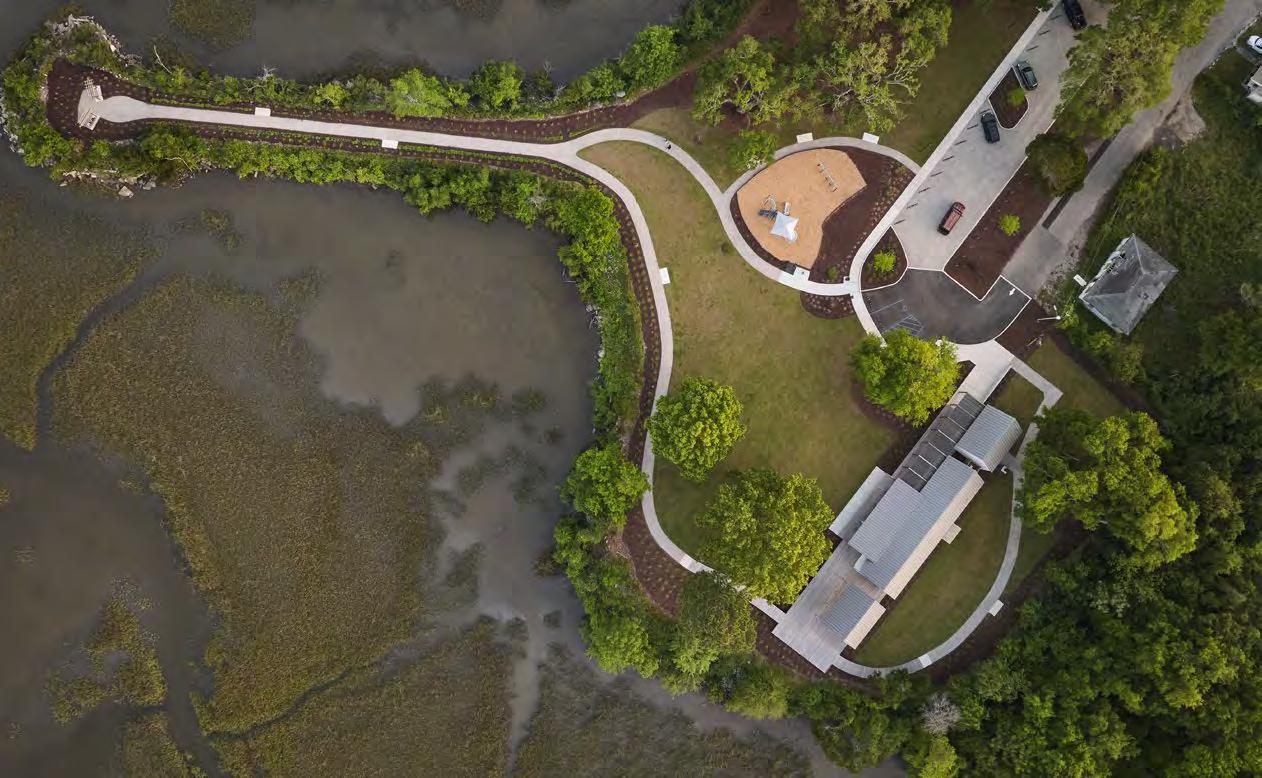
The building is sited to maintain and frame your view towards the marsh from the street entering the park. The building strengthens that view corridor, aligning itself on axis and creating the visual edge. The structure is nestled between existing live oaks and sycamores, preserving the natural shading of grand trees.
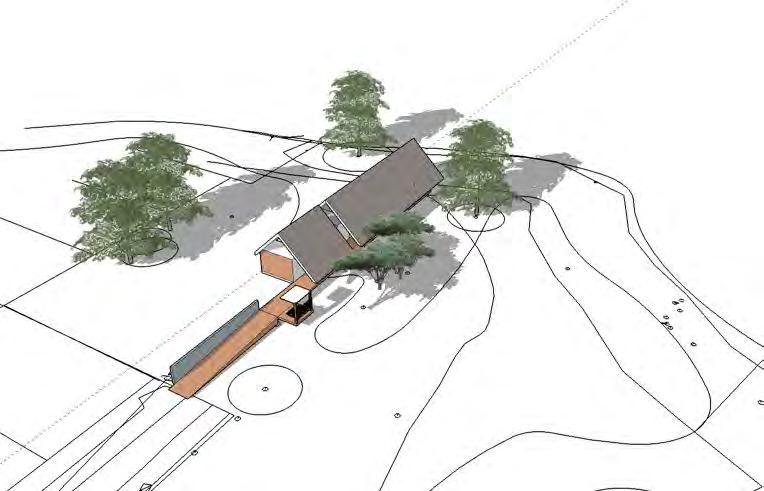
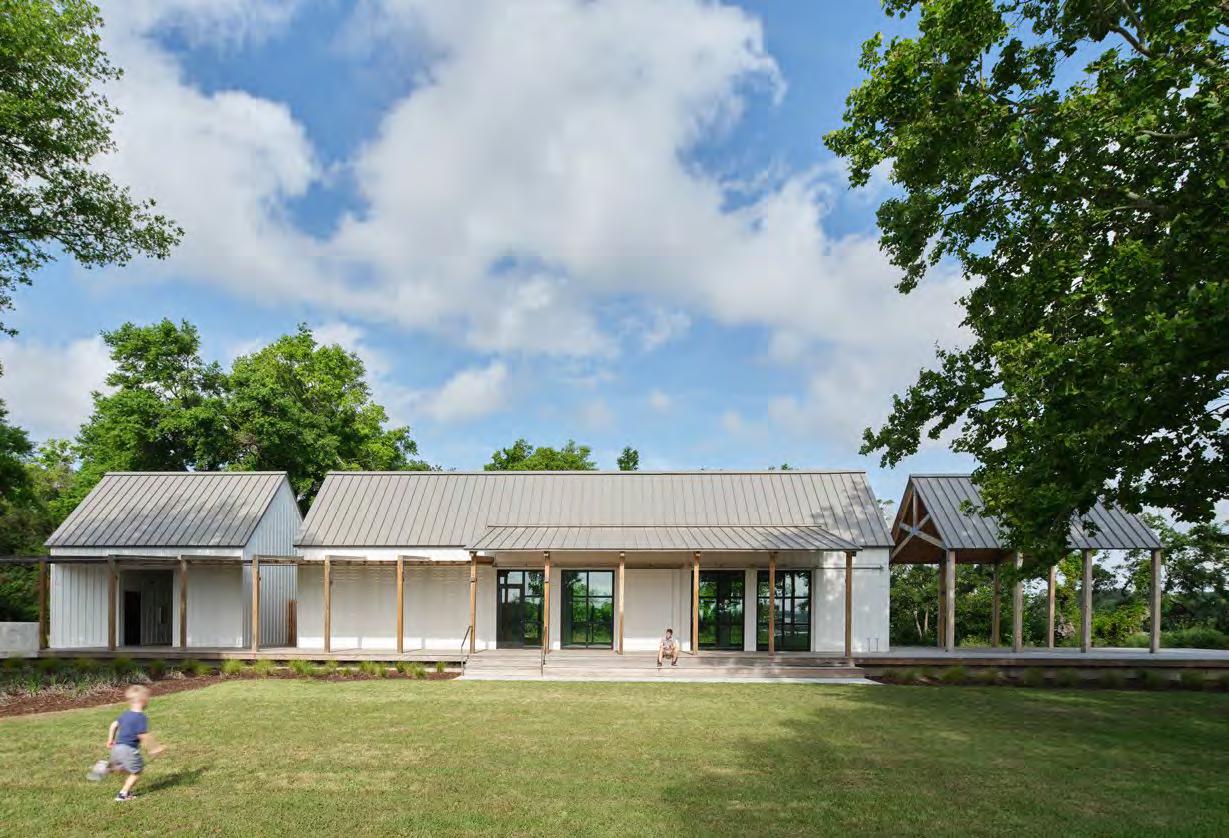
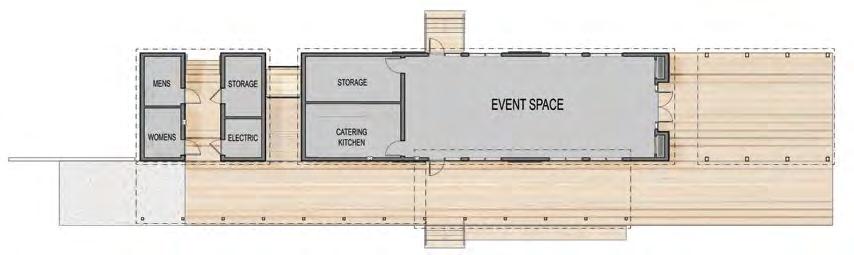
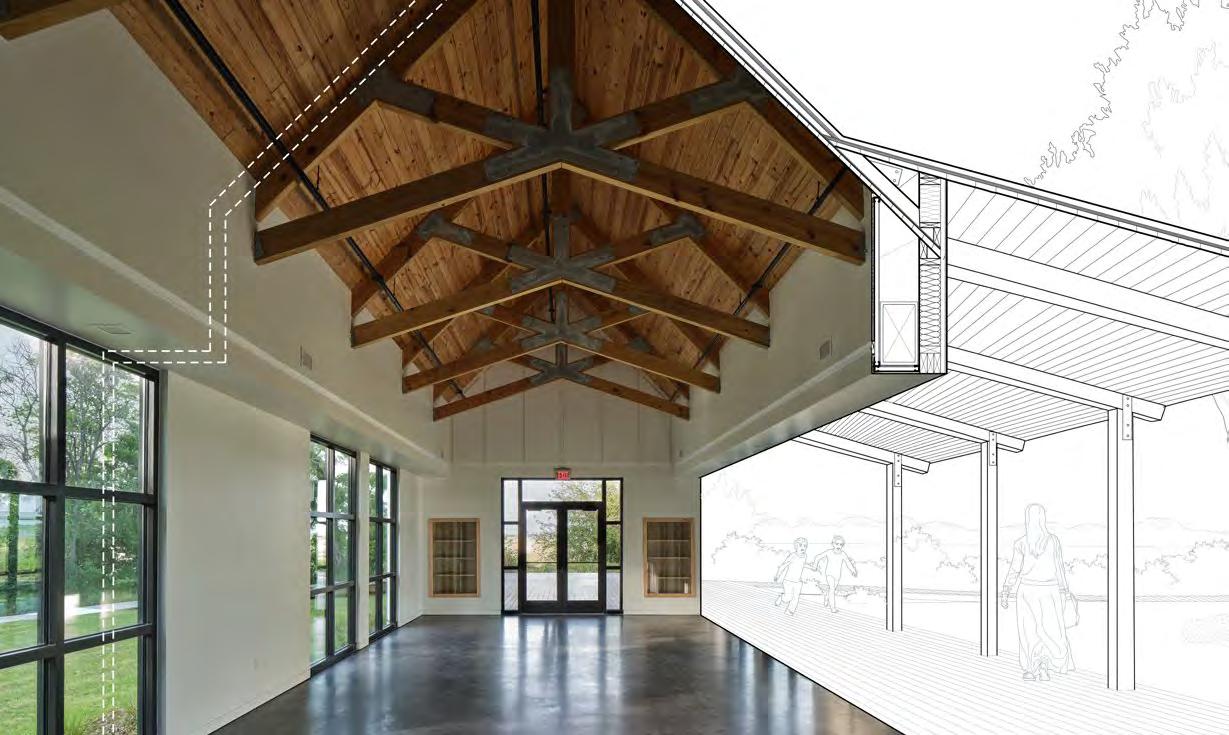
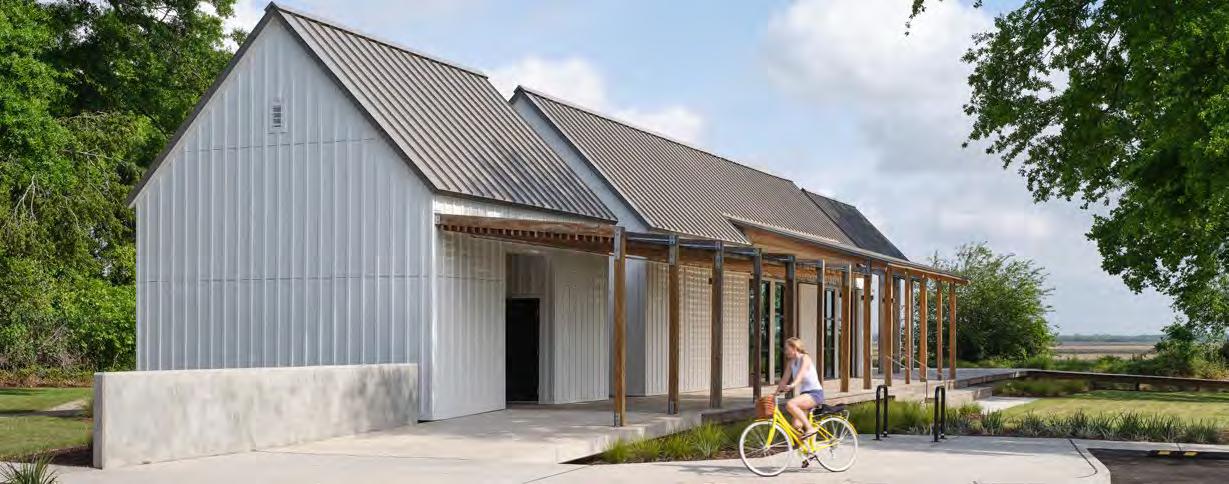
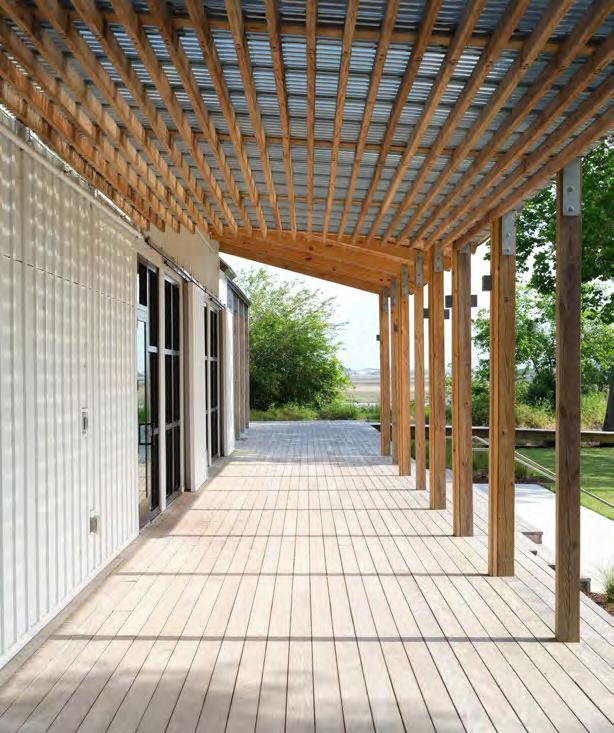
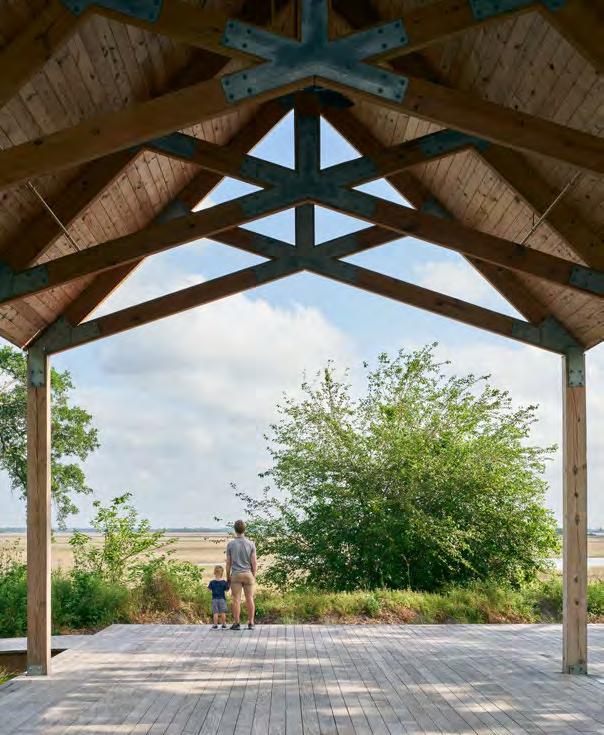
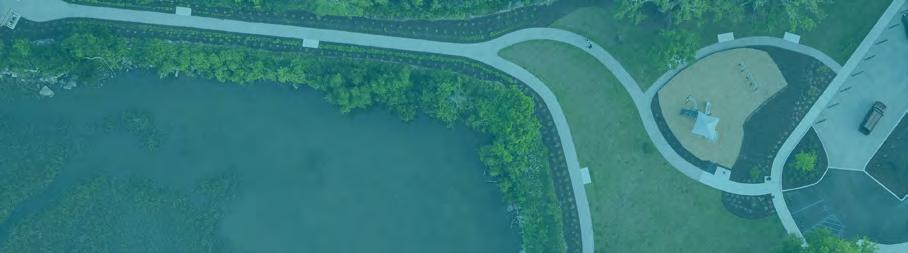
Circulation to the event space creates a sense of connection between site and building. The entrance lifts visitors above the ground plane, rising above the floodplain, and opening views to the river and the city over the top of marsh vegetation. The building lightens toward the riverbank - and the deep porch allows for playful shadows from the pergola in the early morning, then provides shade and protection as it transitions into the afternoon. The investment of the city into this park and community has been a resounding success since
the park opened in 2023. The ribbon cutting, attended by City Council members and hundreds of community members, was a celebration of bringing life to a once barren site. Since then, the community has shifted its monthly MaryvilleAshleyville neighborhood meetings to the site, families are utilizing the adjacent West Ashley bike trail to visit the park, and the city is renting out the event space for parties, corporate events, and celebrations.
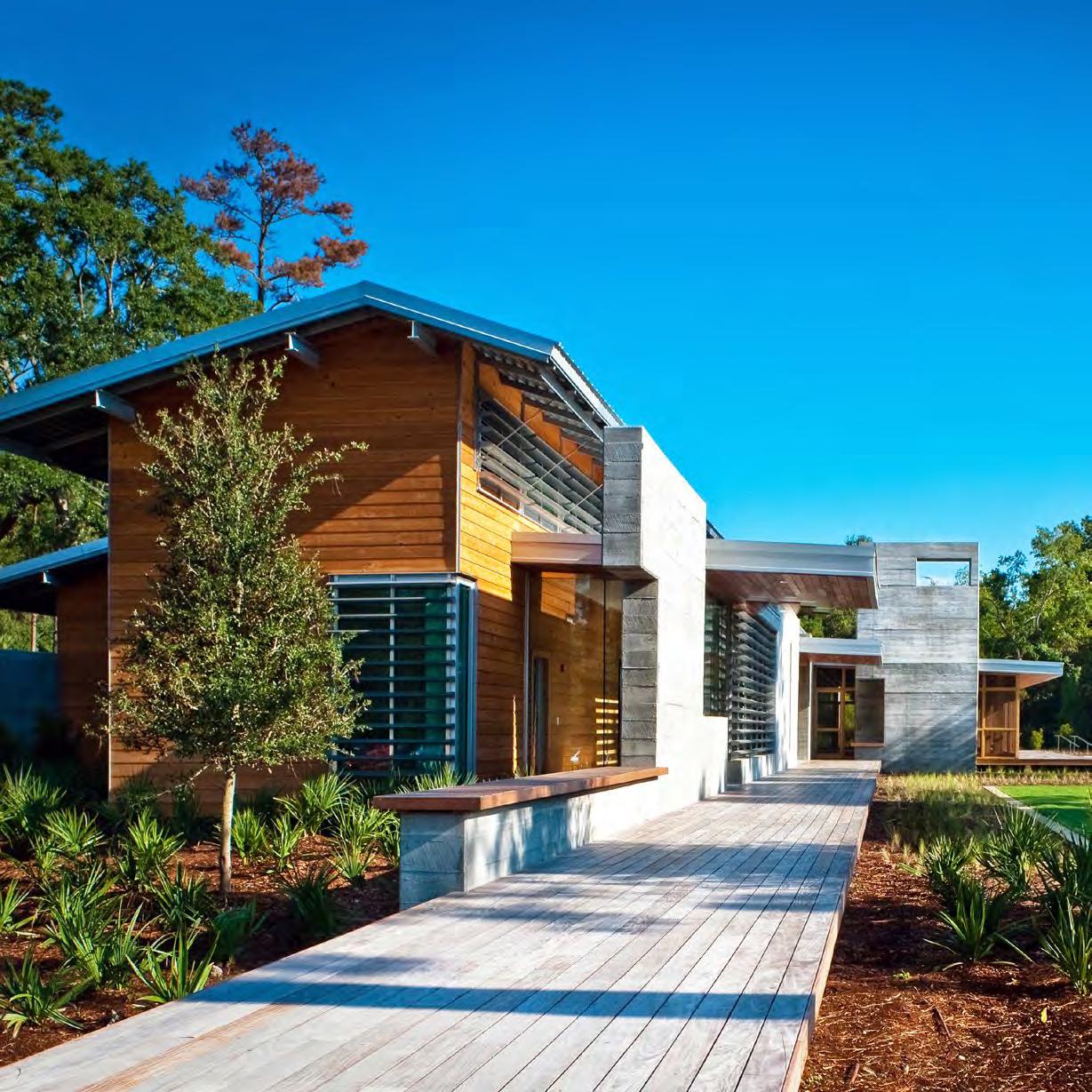
project at a glance
client: sc department of parks, recreation & tourism collaborators: chao & associates
rmf engineering foodesign associates
location: 1500 old towne road
charleston sc 29407 size: 664-acres
building area: 29,000 gsf
visitor center: 12,600 sf
founders hall: 11,000 sf
support center: 4,700 sf
project status: completed 2010 selected awards: 2011 charleston design award for excellence
2010 southeast wood design award
2010 aia south carolina green design award,
2010 aia south carolina merit award
2010 aia charleston honor award registered: usgbc leed® silver
charles towne landing c.1670 charleston sc
Liollio assisted in defining this SC State Park’s mission by completing a master plan, providing a clear focus on the park's mission. The park includes 6 miles of trails for walking, biking, and exploring, a natural habitat zoo, 80-acres of gardens, and outdoor event spaces. Multiple buildings constructed in the park for their 1970 Tri-Centennial celebration were, unfortunately, destructive to historically significant park land and visually dominated the site. Our master plan streamlined interpretation of the site, determined
careful removal of seven non-historic structures, and consolidation of those programs into strong design principles for three new buildings: a 12-room interactive museum and exhibit Visitor Center; Founders Hall event space; and a Support Center to house a veterinary clinic and site specific equipment. The new buildings complement the historic environment, without trying to mimic it; serving functional, modern-day purposes while standing as seamless gateways to South Carolina's first state historic site.
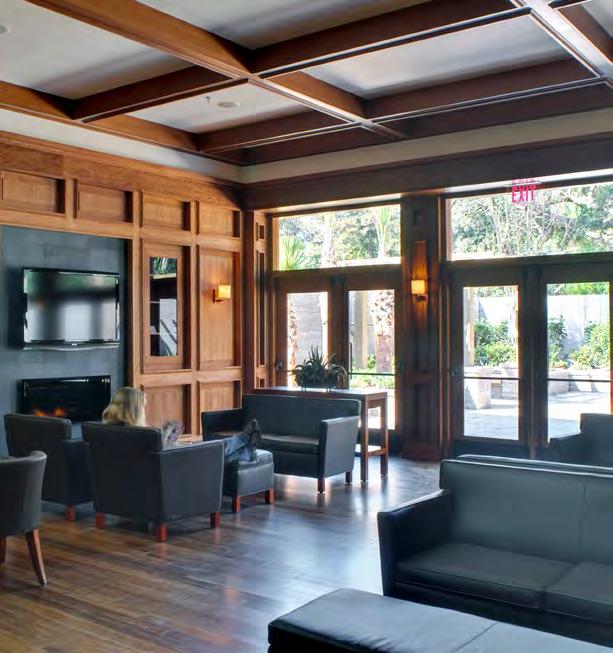
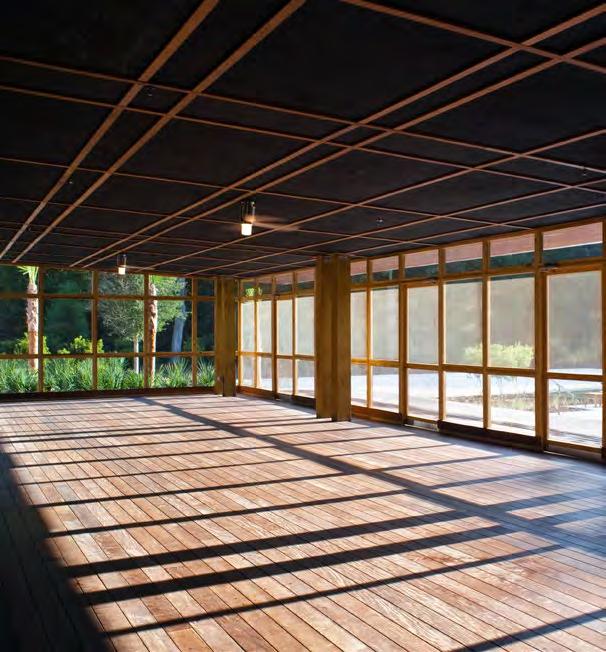
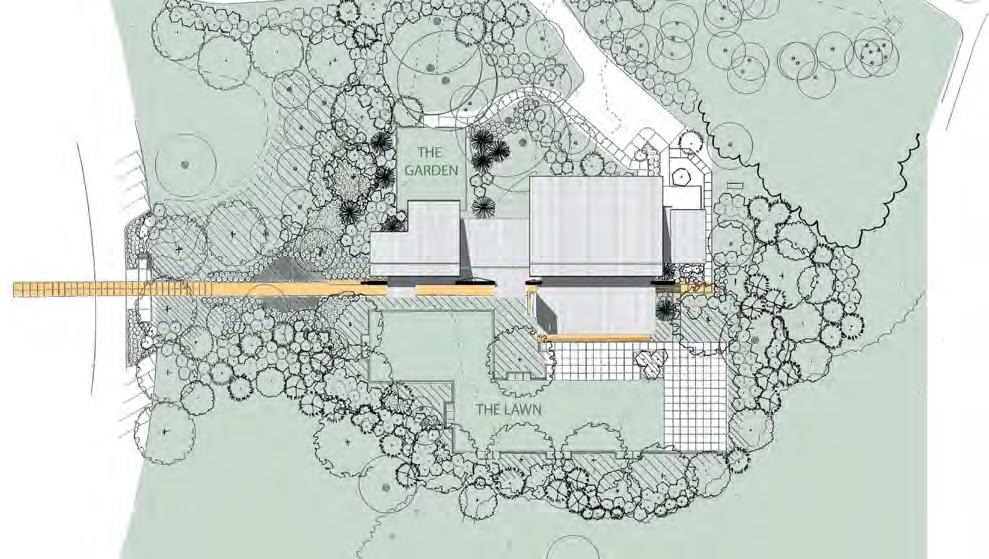
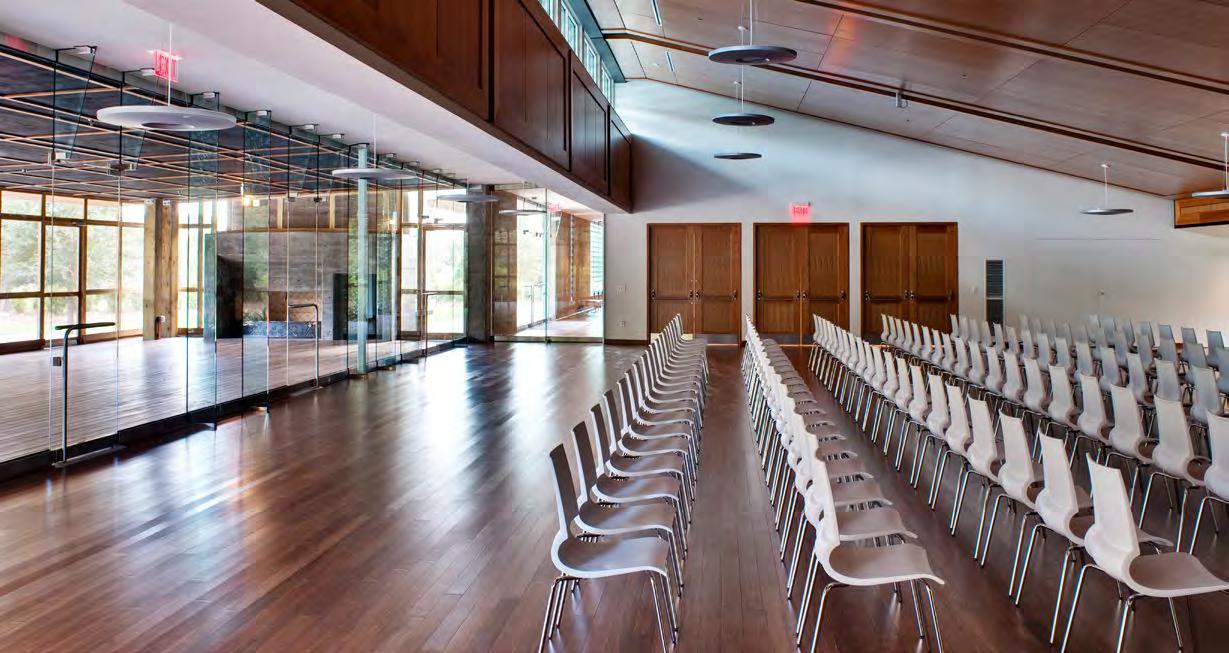
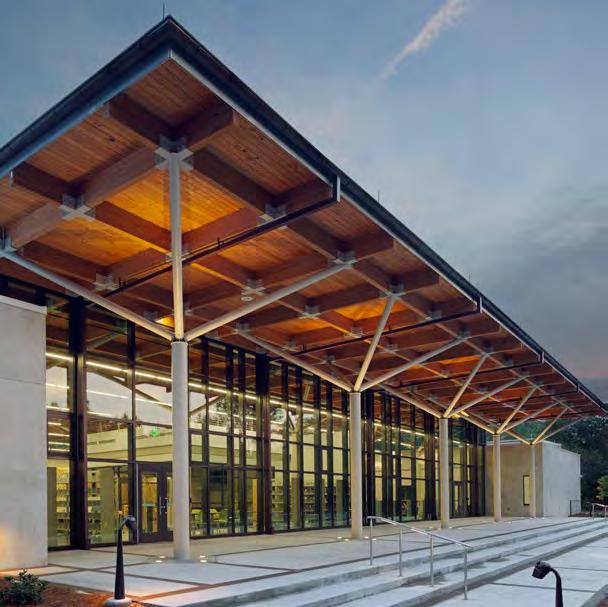
This building for the park's event space explores an architectural language of visual connectivity to its park setting while subtly integrating sustainable design within the anatomy of the building. The design result for Founders Hall was a restrained and sensible structure conveying a graceful interior and exterior tied to a simple linear plan with the Visitor Center. Designed to be transparent, it allows surrounding landscape to dominate visually. Sweeping portal views frame the exterior throughout the interior spaces. Interiors include two flexible meeting spaces: a small executive room suitable for 40 people, and a large event conference hall with a full catering kitchen, sized to accommodate a seated dinner
for 150 attendees. The large event/conference hall offers a perforated wood acoustic wall and ceiling panels to control sound and lend warmth to the space. The small executive room is adorned with wood paneling, doors, and trim finished in a contrasting species of wood with finer grain and warmer tones. Both spaces directly connect to companion outdoor spaces. The executive room leads to an intimate courtyard shaded by live oaks. The conference hall flows to a sizable screened porch, which includes a fireplace, and additional outside patio space as well as a grassy yard allowing for adequate flex space.
founders hall
visitors center
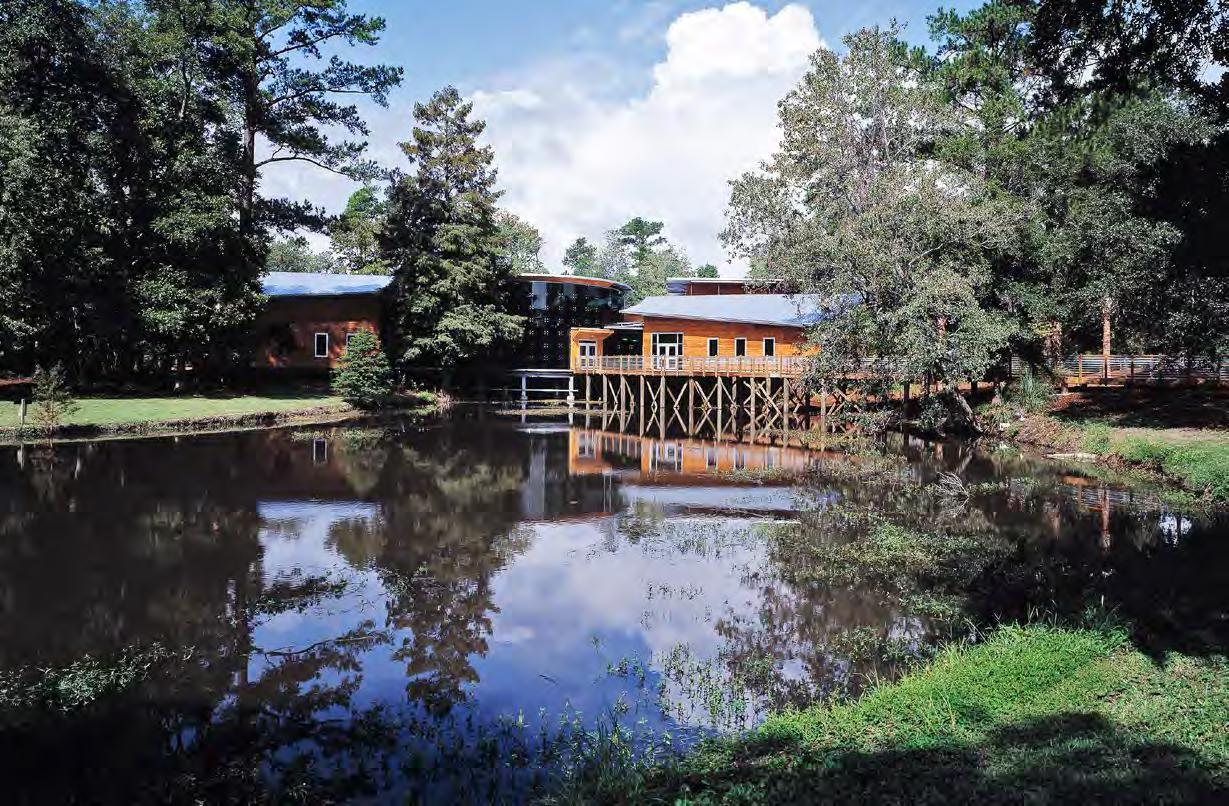
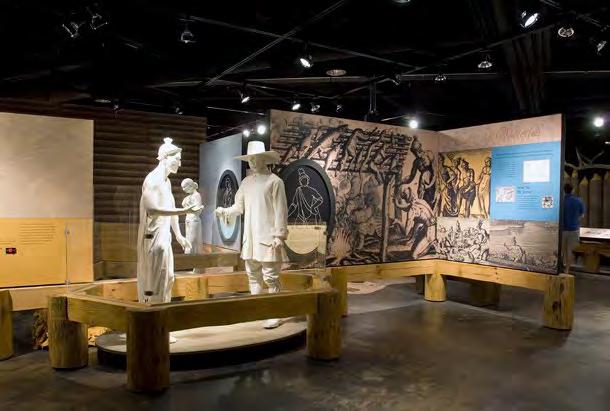
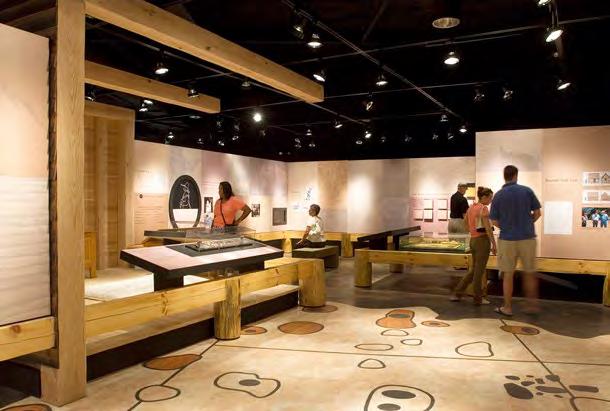
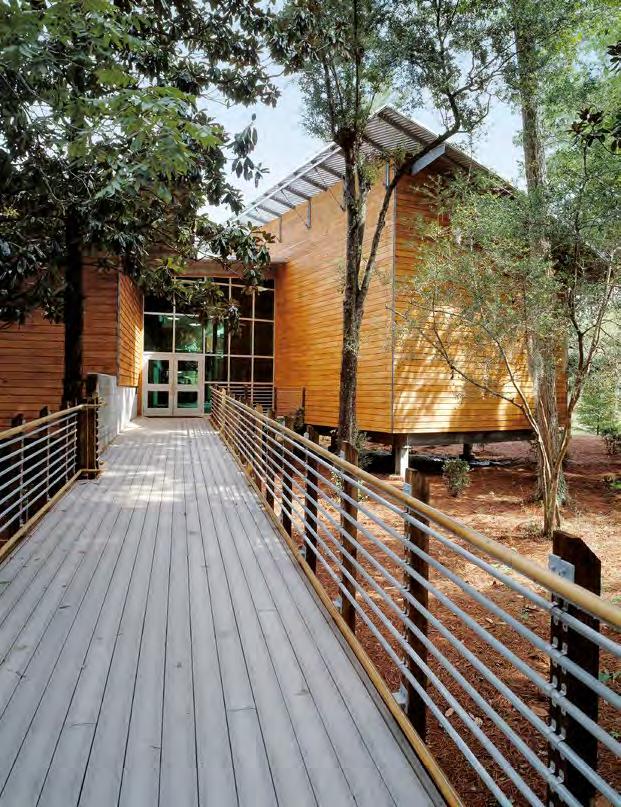
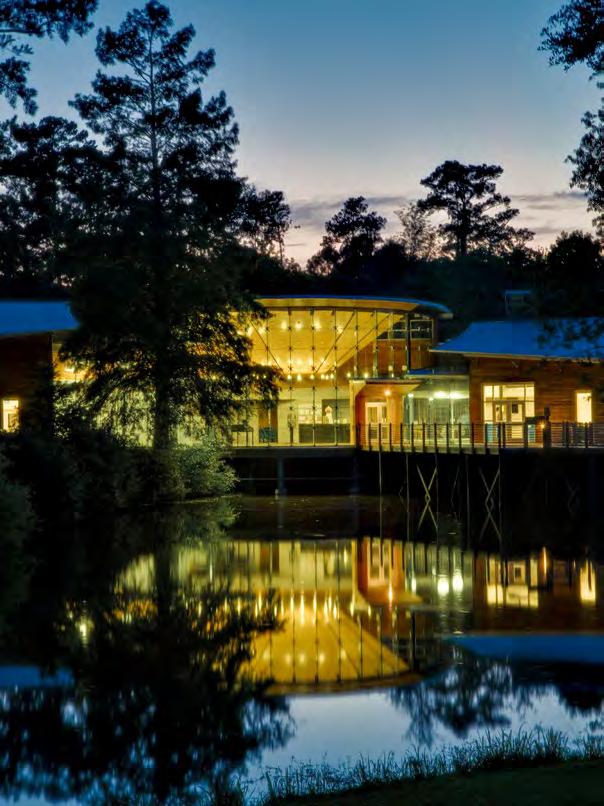
This new building could not visually dominate. It must “float” over the land, and be “transparent”. Once inside, the building serves as a window to the park, orienting the visitor toward the significant historic landmarks within the property. The Visitor Center serves as the park's welcome point, housing exhibits in the lobby that tell the 10-year story of the first permanent settlement in the Carolinas from 1670 to 1680.
Floating over its site, with exterior decks traversing the pond, it also houses a gift shop, meeting room, and park staff offices/support space. Exterior decks are an extension of the interior lobby space, providing gathering spaces or just a point for the visitor to enjoy nature. Site selection was critical. Intensive archaeological analysis was conducted to make sure the building site did not contain historically sensitive artifacts.
design
“The Liollio Team is committed to working with the Town of Mount Pleasant to provide a world-class community park experience on Rifle Range Road for decades to come. Many of our team members call Mount Pleasant home, and we feel a strong sense of stewardship and responsibility for giving back to our community,”
− Andy Clark, Principal,
Liollio Architecture
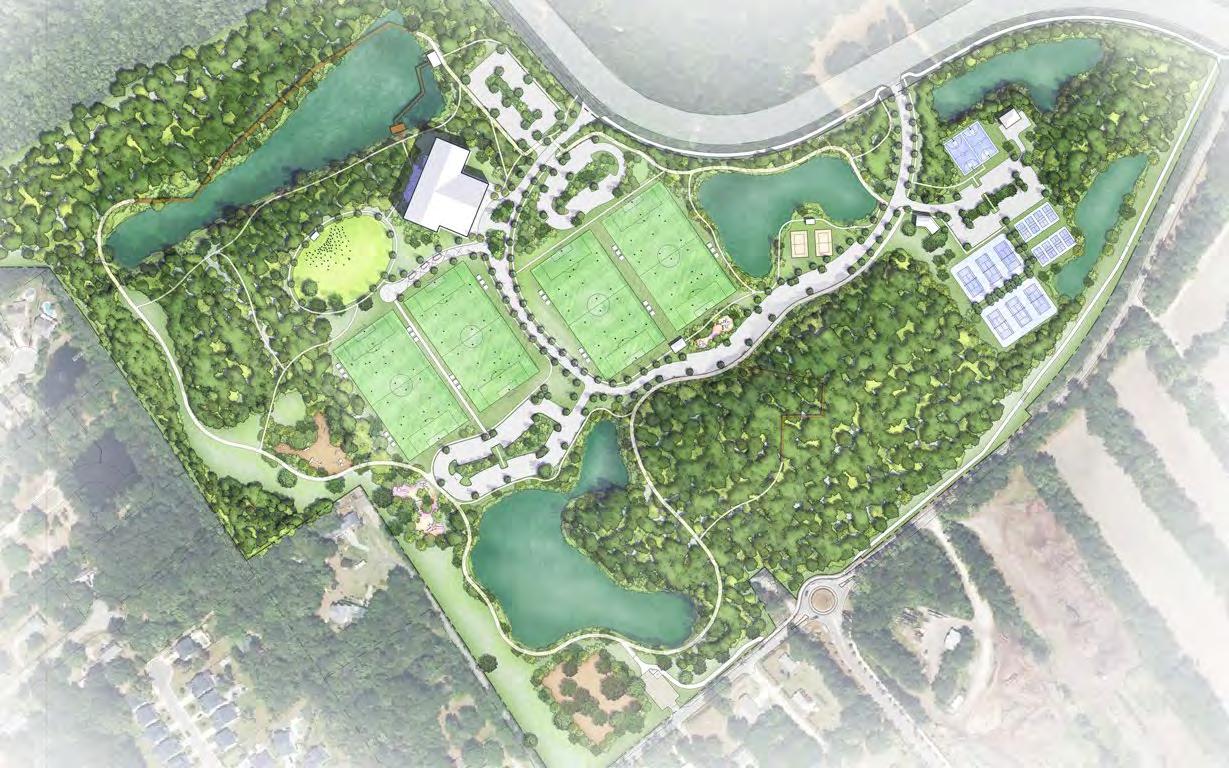
project at a glance client: town of mount pleasant sc collaborators: seamonwhiteside dwg engineering tobias west location: rifle range road mount pleasant sc 29464 size: 100-acres park amenities: 55,000 sf community recreation facility
1 performance stage
2 restroom buildings
3 picnic shelters
1 maintenance facility
4 soccer fields
2 volleyball courts
6 tennis courts
6 pickleball courts
2 playgrounds / 1 dog park walking trails / boardwalks grand event lawn project status: in design
rifle range road park mount pleasant sc
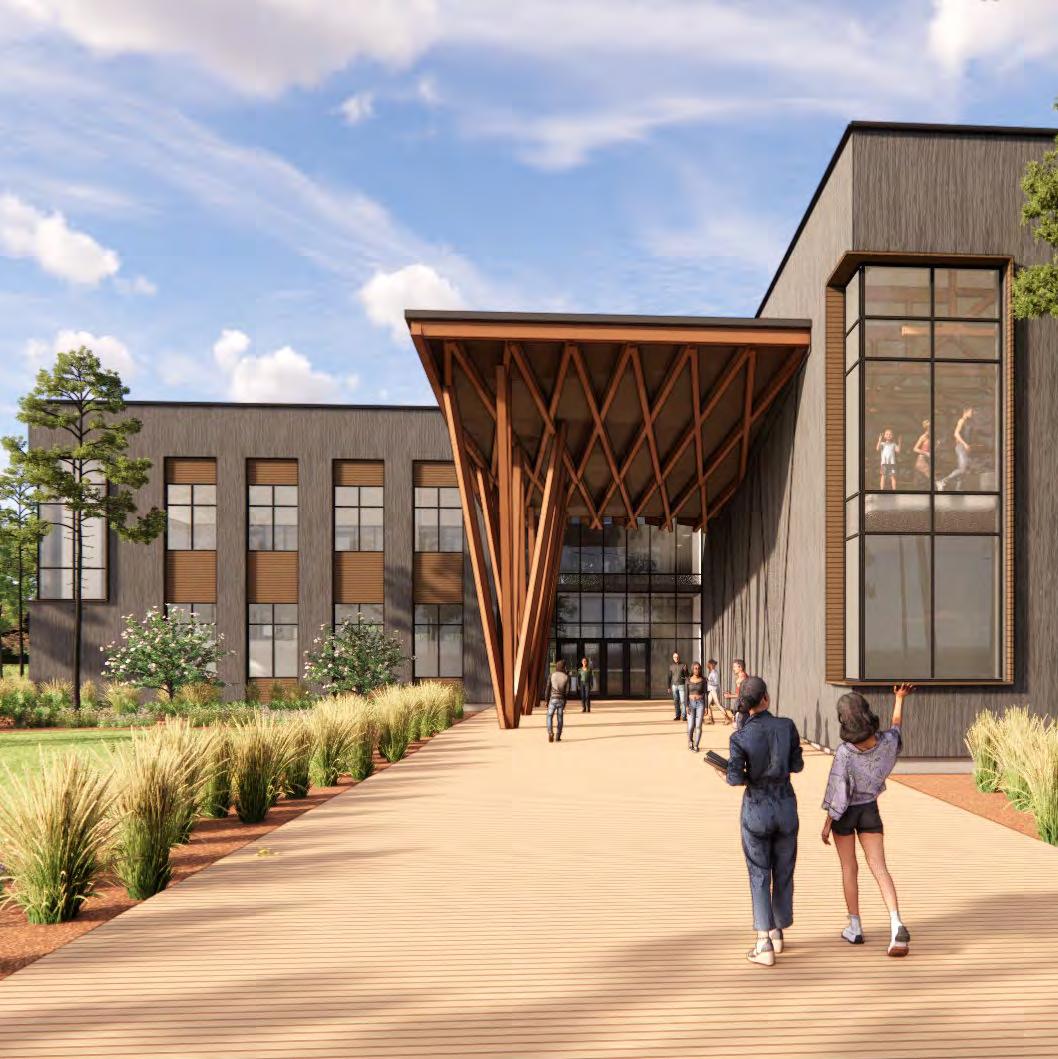
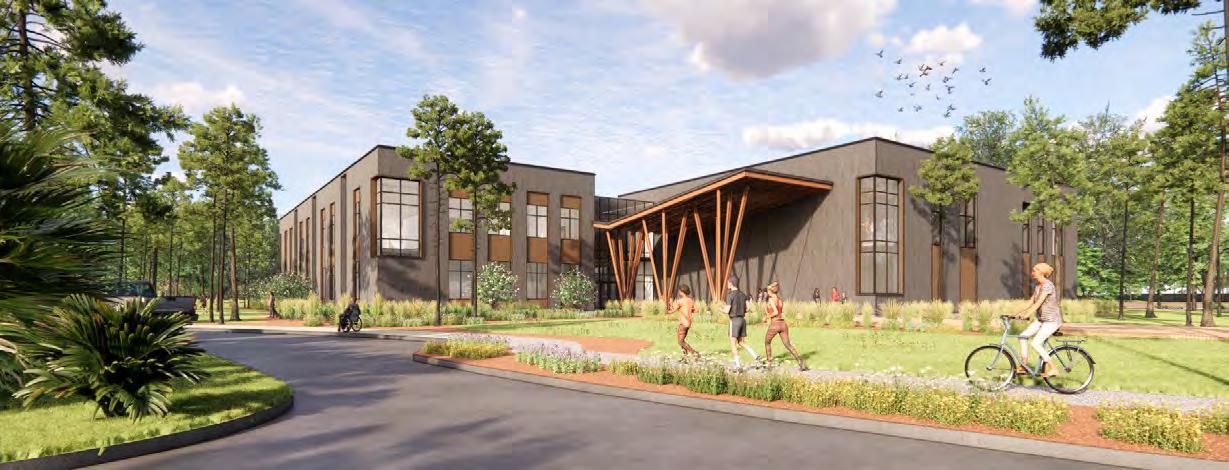
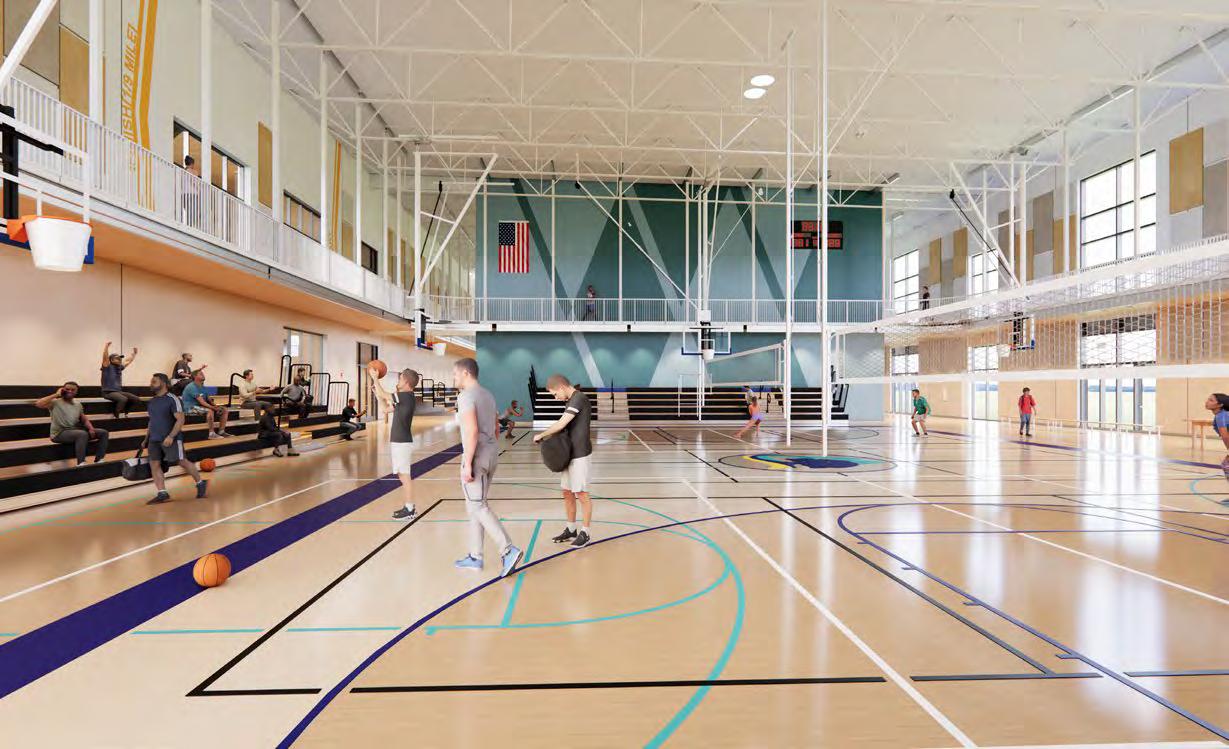
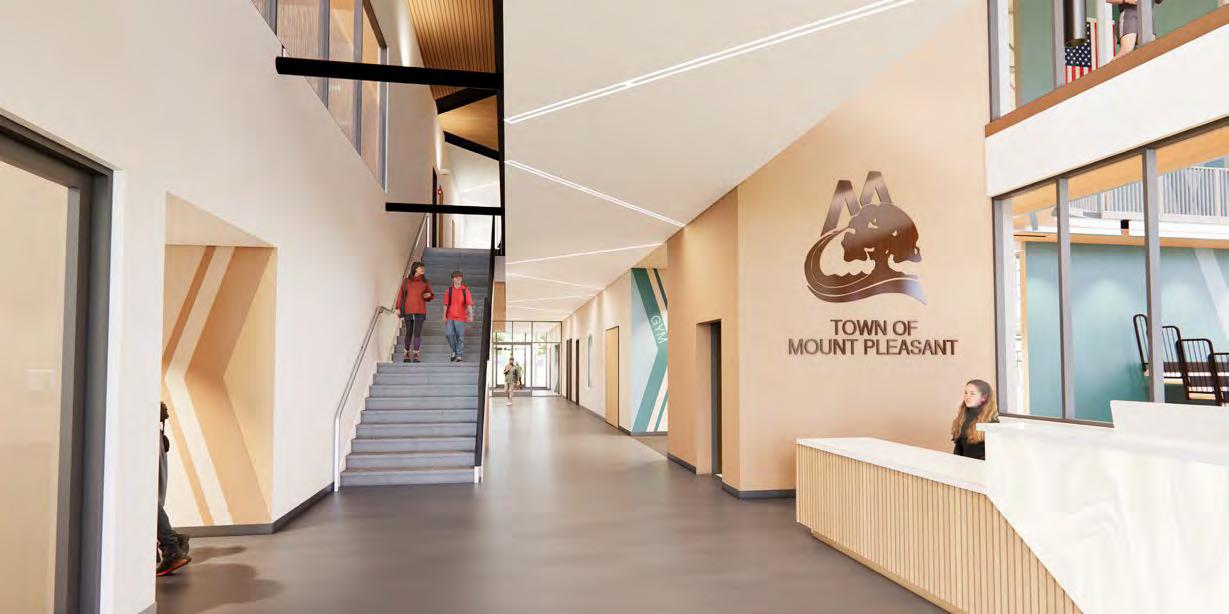
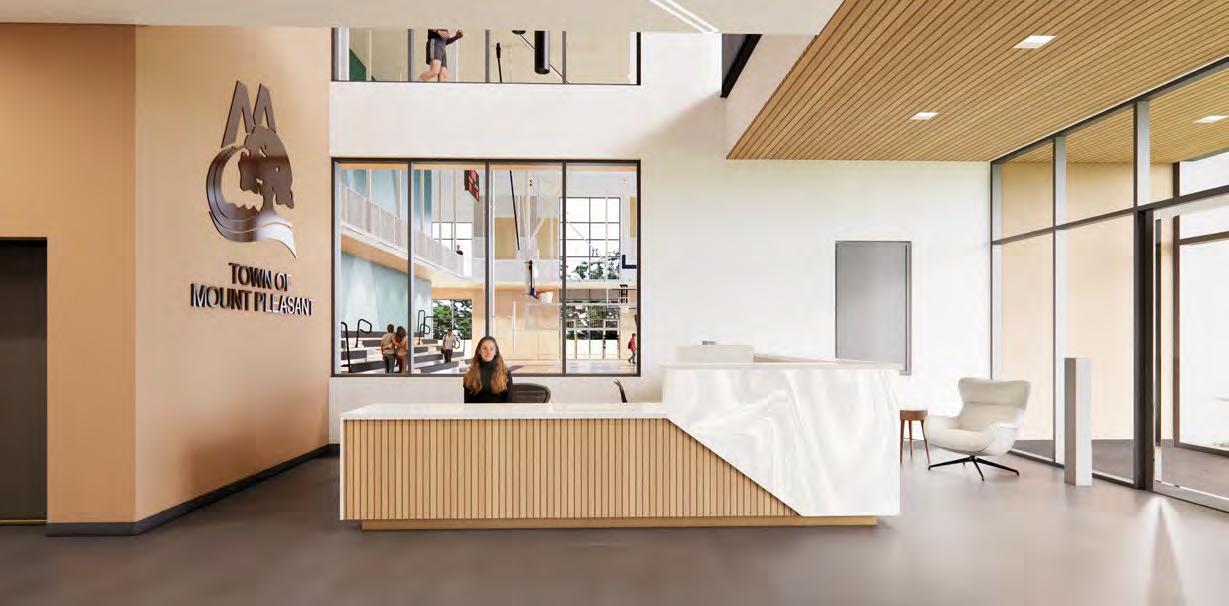
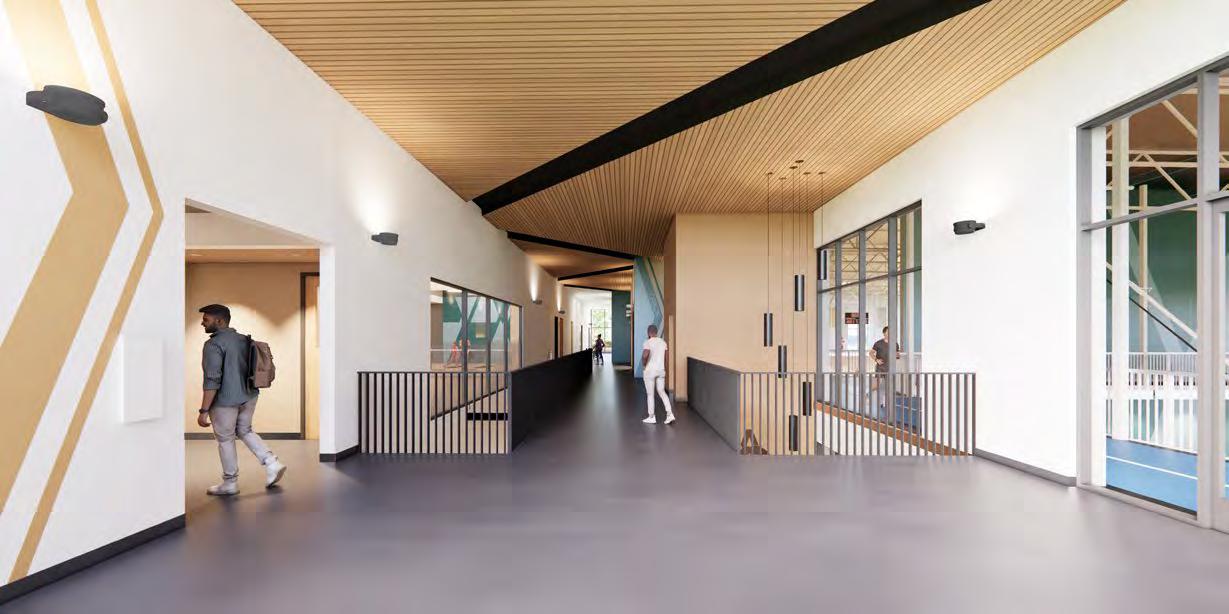
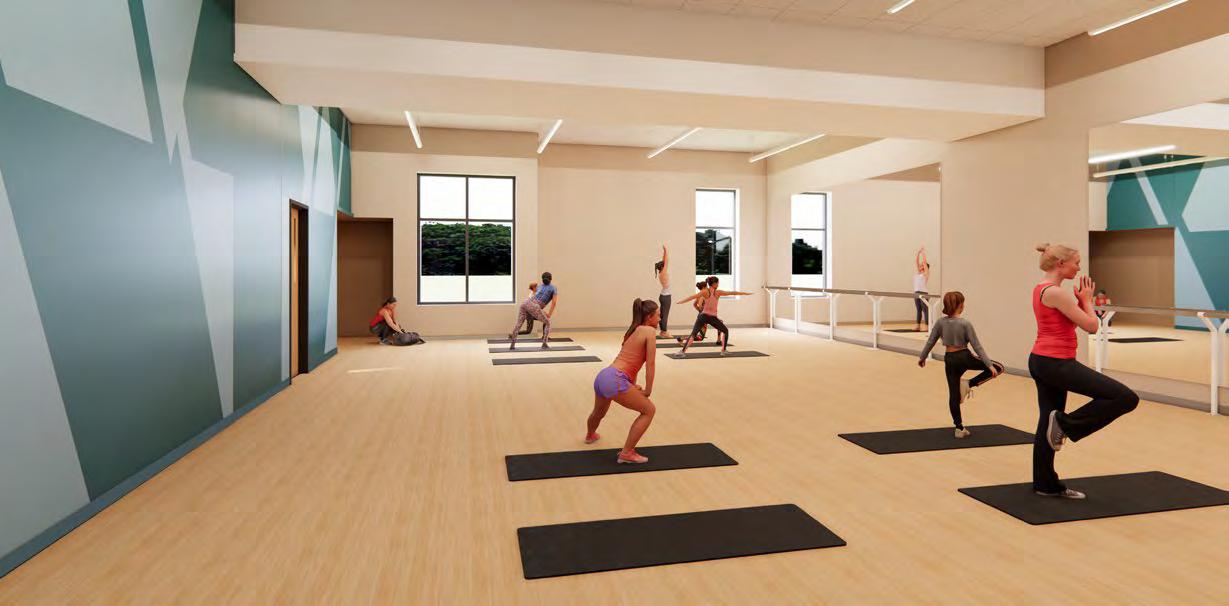
The Liollio team is providing planning, architectural, and engineering services for the newest park in Mount Pleasant SC. Once complete, the hundred-acre park will be an expansive community park for the Town, providing a balance of passive and active spaces, and preserving this natural resource for future generations while also offering recreational amenities for the community. The community recreation building will provide a 2-court basketball
gymnasium, a walking track, and studios for music, art, dance, and camp activities. Rifle Range Road Park will be adjacent to beautiful wetlands and natural areas, allowing residents to enjoy the Lowcountry environment and amenities in a quiet, rural setting. Located within walking distance of many residential communities, this park will provide a central hub to bring the local community together.
conceptual design
conceptual design
conceptual design
conceptual design
"We are proud to break ground on this very special property and look forward to creating a park that will not only be a recreational destination for the Lowcountry, but also a place where visitors can learn about some of West Ashley’s unique history.”
− Kevin Bowie, Executive Director, Charleston County Parks & Recreation Commission (ABC News 4)
project at a glance client: charleston county parks & recreation commission in association: stantec collaborators: em structural newcomb & boyd
location: 1400 old towne road charleston sc 29407 size: 64-acres
learning center: 2,200 sf rain hut: 1,200 sf office: 2,900 sf
event pavilion: 6,500 sf
project status: under construction awards: 2022 american society of landscape architects honor award
old towne creek county park charleston sc
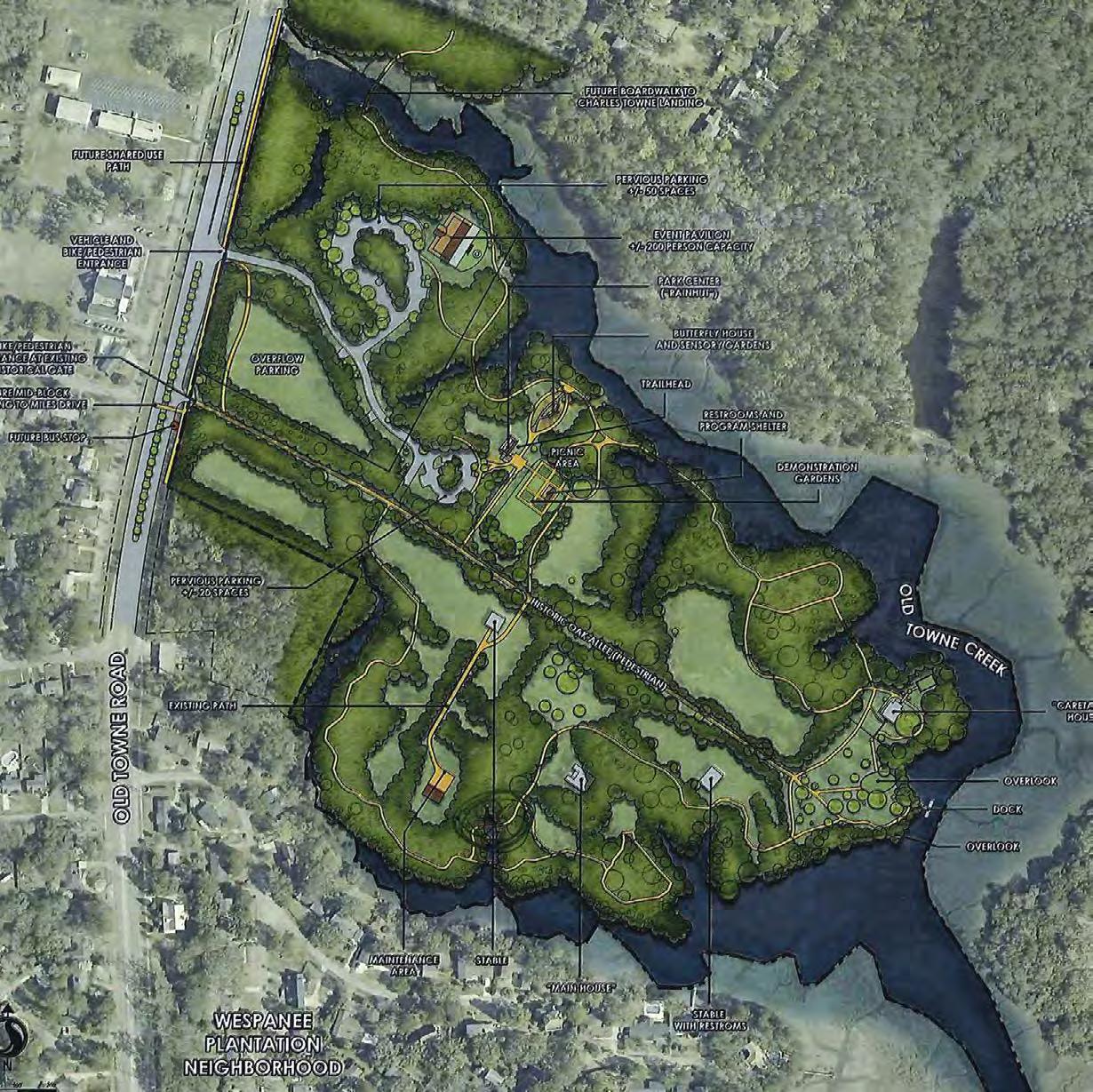
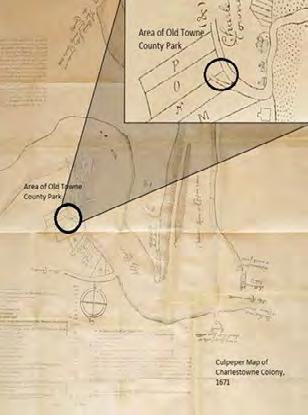
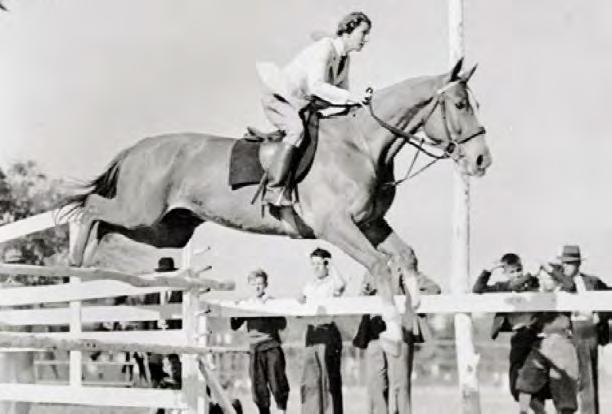
Liollio helped develop a master plan and building package for this 67-acre park adjacent to Charles Towne Landing State Historic Park, located in the West Ashley area of Charleston SC. Originally, the park was private land known as Ashem Farm - a rural horse farm, located only minutes from downtown Charleston SC. The farm remained unchanged for decades even while suburban Charleston slowly encircled it. Now it finds itself in the middle of the city. The owning
family bequeathed it to the public, and so Ashem Farm will be preserved as Old Towne Creek County Park, serving the community through connections to the history of West Ashley and the natural landscape that surrounds it. Liollio helped establish the master plan that preserves character-defining aspects of the landscape and the handful of historic farm buildings upon it.

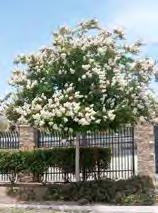

EXISTING TREE CANOPY
NATCHEZ CRAPE
historic ashem farm
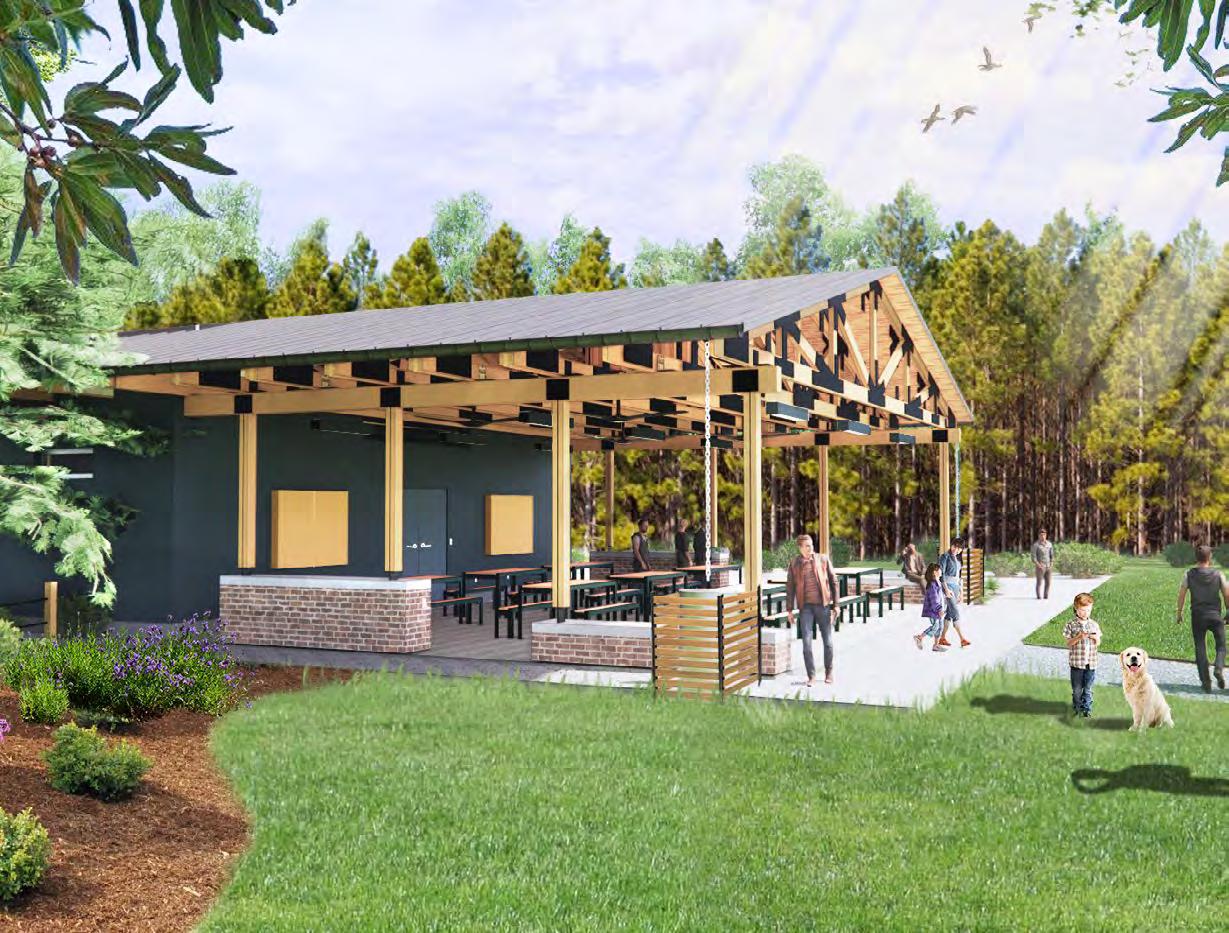
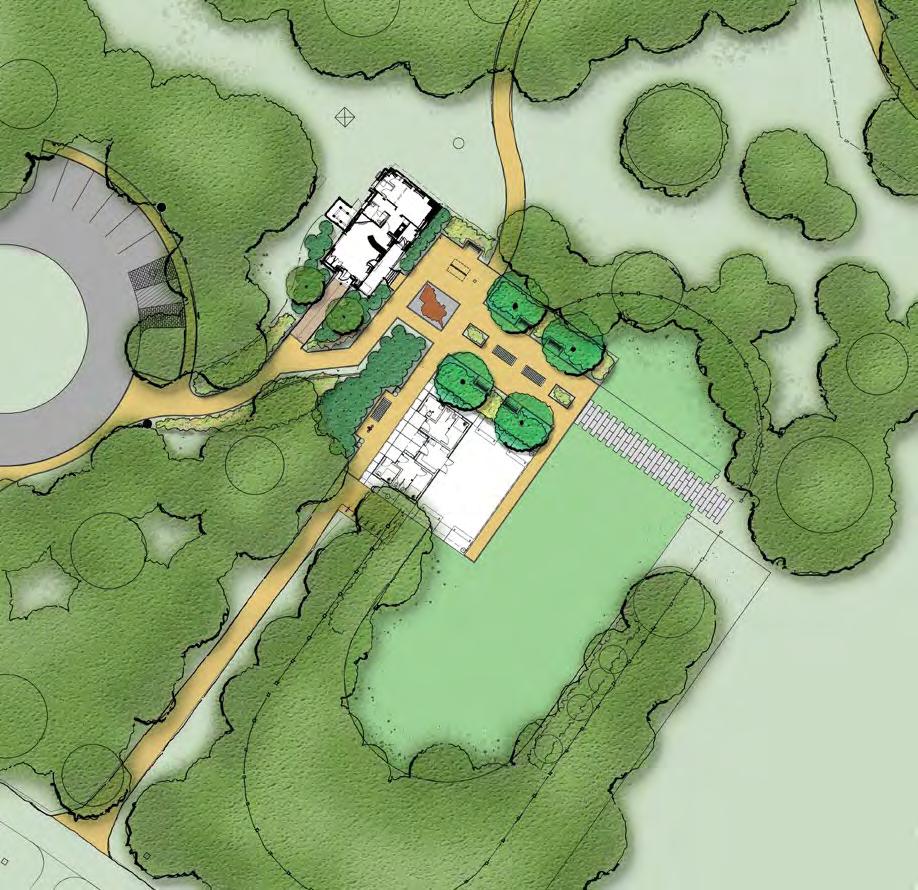
The park's vision is to protect natural and cultural resources while providing public access and community event spaces, as well as maintaining consistency with Charleston County Park’s model of balancing revenue and expenses. Four existing structures from Ashem Farm will remain on site - the Main House, Caretaker’s House, Rain Hut, and Stable. The
Liollio team also provided design for an open-air educational pavilion that will be added to the park space to provide opportunity for children and adults to learn about the history and ecology of a rapidly changing portion of the South Carolina Lowcountry.
“The new Charlotte Museum of Nature will be a treasured institution in our community and its new name underscores our deep ties to Charlotte while honoring our organization’s roots. We’re creating a museum for everyone − one that will inspire joy, wonder and understanding in the heart of our growing city. ”
“Together with our partners in Mecklenburg County, Rodgers Builders, Liollio Architecture, Hood Design Studio and more, we look forward to seeing this nature destination that will offer hands-on learning for generations to come.”
− Catherine Wilson Horne, Discovery Place President and CEO
project at a glance client: discovery place & mecklenburg county nc collaborators: hood design studio stewart engineering stantec optima engineering location: 1658 sterling road charlotte nc size: 29,000 sf project status: currently in construction
charlotte museum of nature charlotte nc
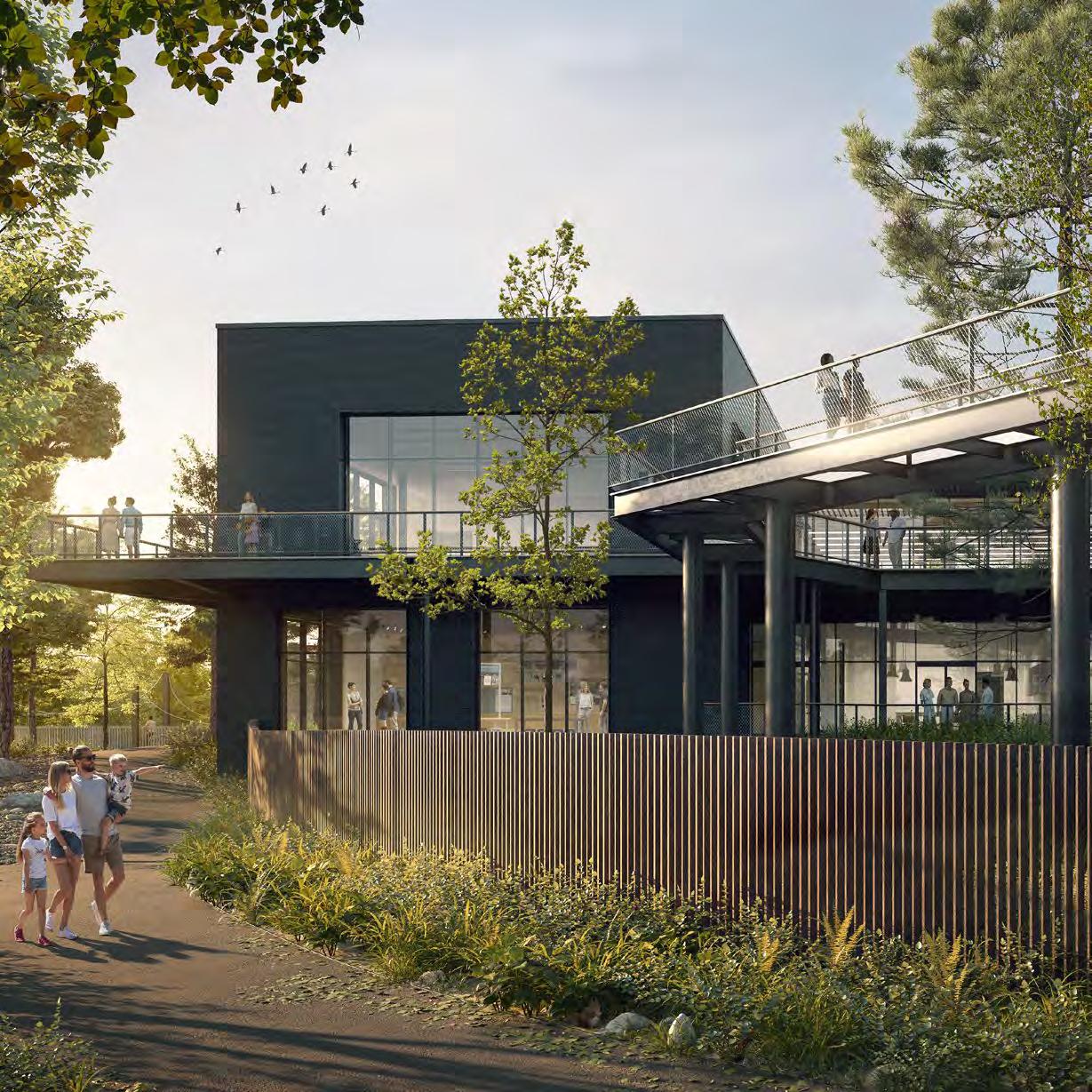
The Liollio team has completed design and is currently administering construction administration services for this new nature museum − a valuable community resource for Mecklenburg County, NC. The new museum will be developed at the 73-year-old facility’s current location, adjacent to Freedom Park in downtown, providing a complete reinvention of Charlotte’s only nature museum. The project is a public-private partnership between Mecklenburg County, who owns the property and facility, and Discovery Place.
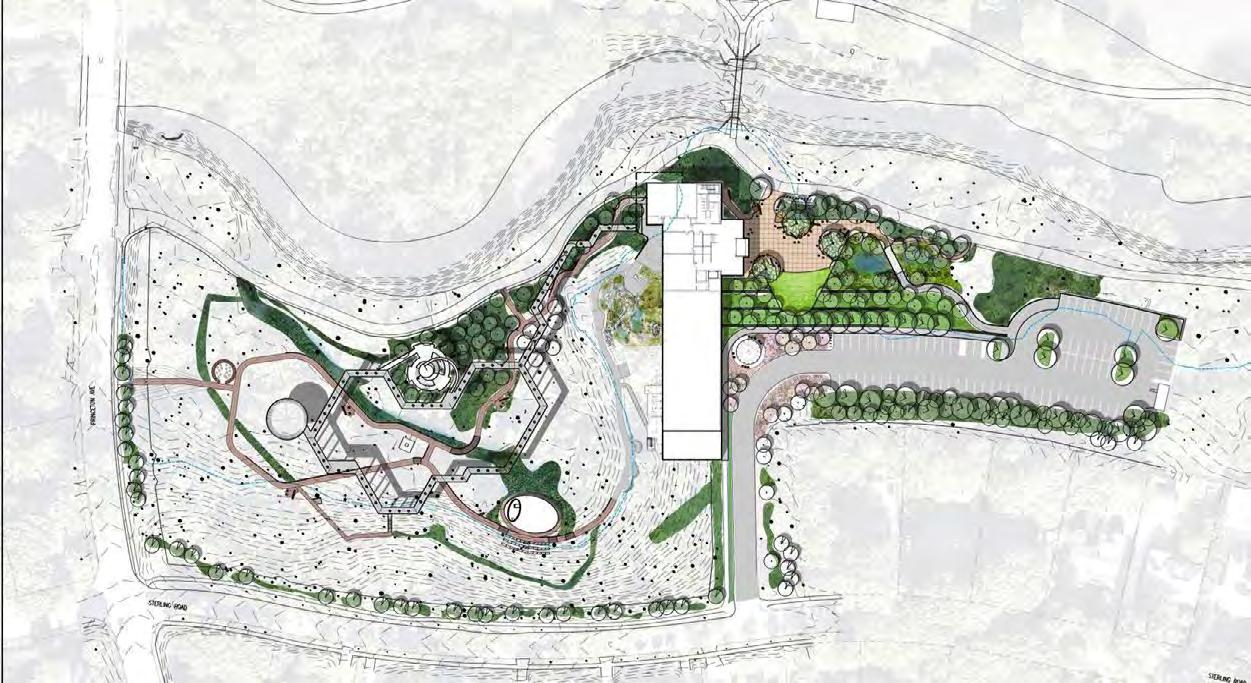
The project scope includes a new (replacement) two-level museum building and eight wooded acres of programmed outdoor experiences. The project scope includes nature trails, an elevated treetop canopy walkway, River Otter Habitat, demonstration pavilions, amphitheater, and creek interactions. An open plaza enhances the public realm and connection to Freedom Park and Little Sugar Creek Greenway, and the museum will have aquatic living collections as well as a collection of Piedmont mammals, an aviary, and an apiary.








"We bring science, nature and design together to create transformative experiences that enable our community to understand, enjoy and apply science to their lives." −
Discovery Place Mission
The site program elements include a public plaza that is free and open to all, a treetop canopy walk, otter habitat, apiary, aviary, frog bog, nature trails, education circle, and much more! Hood Design Studio Principal Paul Peters notes that “the public gardens embody the cultural use of landscape for pollination, stormwater management, performance and
leisure. Elevating the visitor experience is a canopy walk, threading through the forest’s upper layers, featuring two distinctive treehouses that provide transformative interactions with the natural world. The museum will not be so much a place - as it is a portal.”
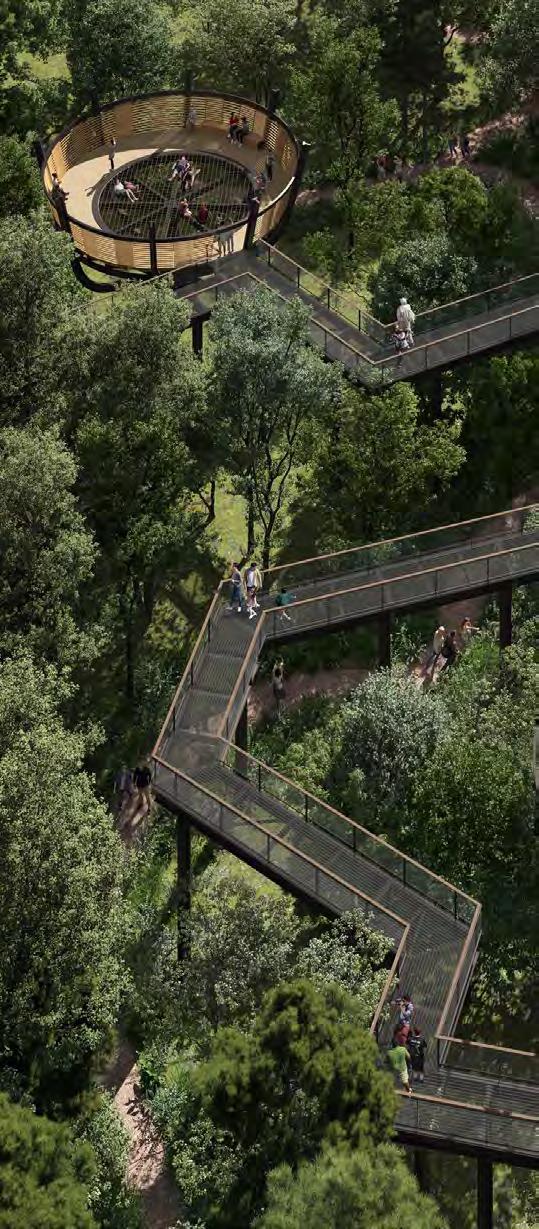
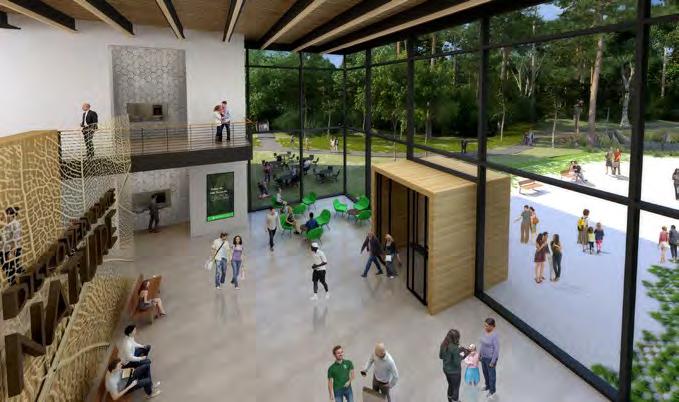
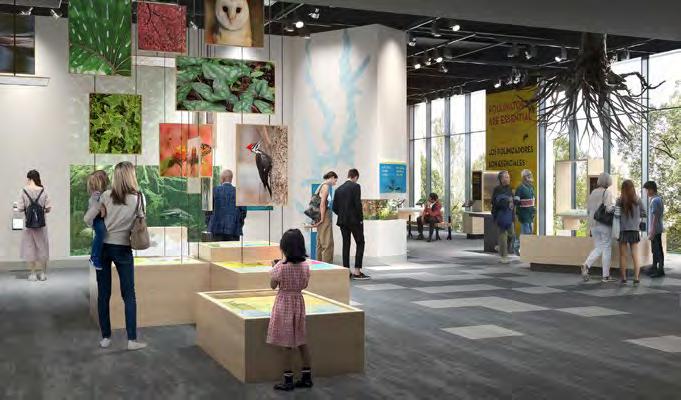
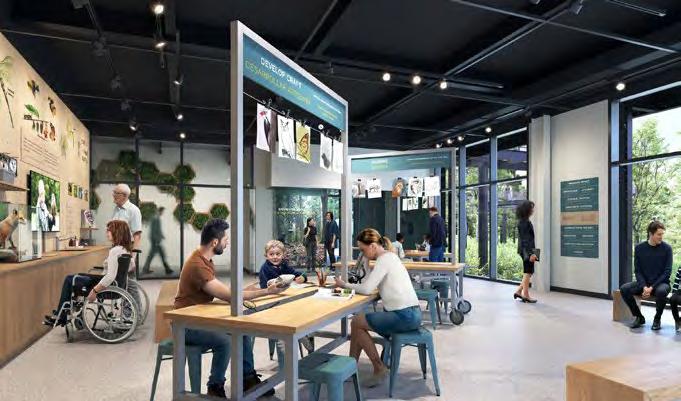
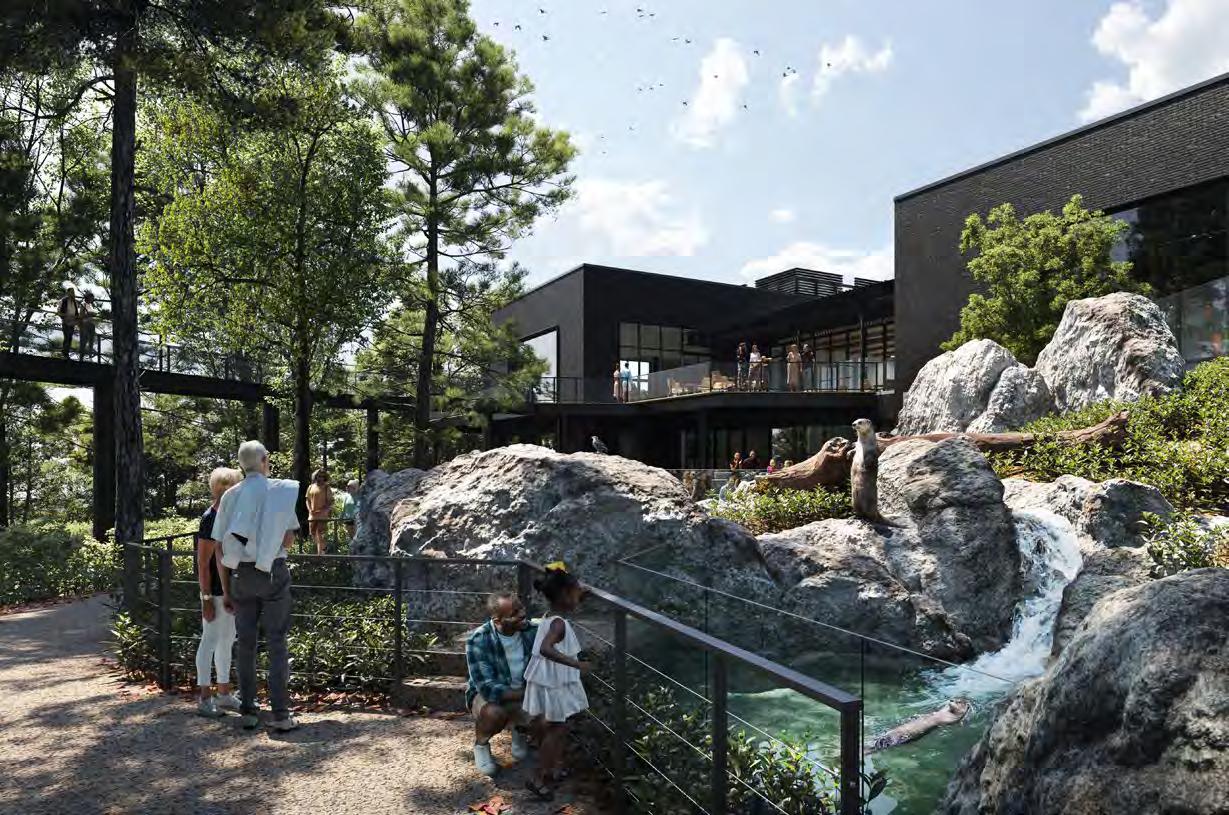
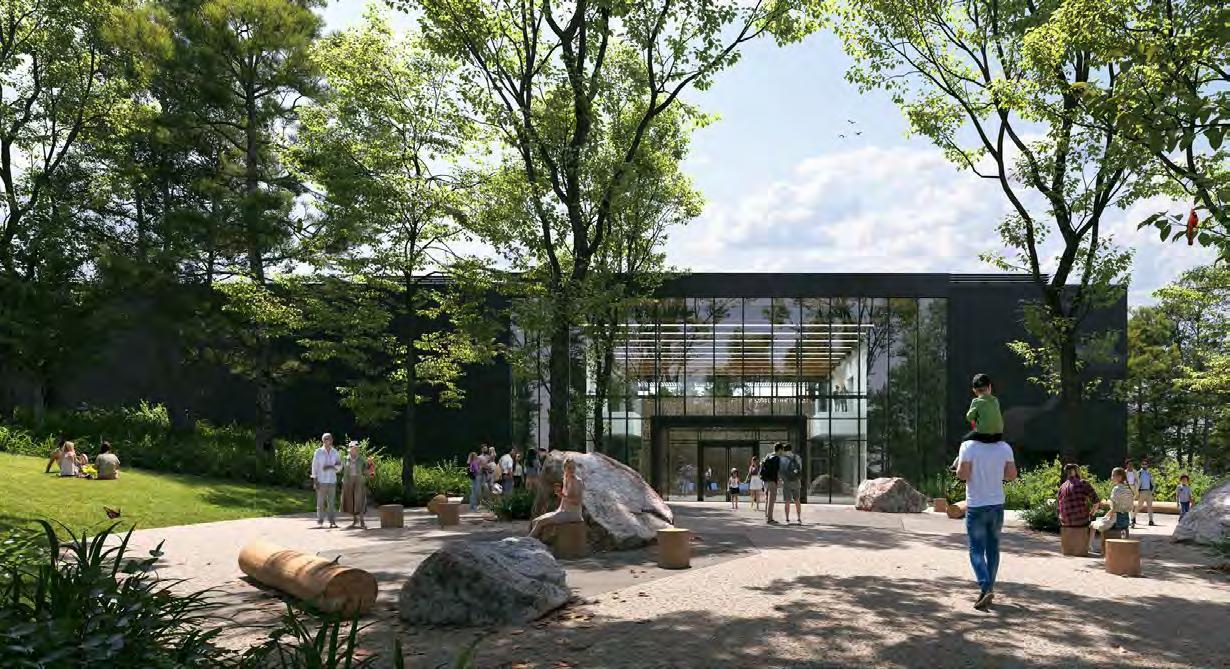
The museum design is intentionally quiet, receding into the site and acting as a canvas for the incredible natural surroundings and exhibits. The entrance faces the City's Little Sugar Creek Greenway, with a free public garden filled with wildlife and native plants that invites the community to connect with and explore the wonders of our natural world.
A double height lobby leads to multiple gallery spaces, designed for all ages, with live animals and interactives
focusing on the Piedmont, along with multiple classrooms and multi-purpose spaces. Bird-safe glass protects the forest residents while allowing multiple visual connection points for the immersive experiences inside and out. Nature trails lead visitors through the forest offering fresh perspectives on the environment through demonstration pavilions, forest moments, creek interactions, and a canopy walk.
"This facility is an incredible space for science to happen, for people to be engaged with the natural and cultural heritage of the islands. This place is for the community (of St. John), we are happy to be able to open it up"
− Penelope Del Bene, Park Superintendent, National Park Service (friendsvinp.org)
project at a glance client: national park service collaborators: em structural stantec dwg engineering location: north shore + lind point road st. john u.s. virgin islands research facility: 10,800 sf housing: 2-bedroom 1,200 sf
3-bedroom 1,500 sf
4-unit group house 2,000 sf project status: completed 2024 awards: 2025 aia south carolina framework for design excellence award, 2025 aia south carolina merit award, 2025 aia charleston citation award
lind point research management science facility & housing st. john usvi
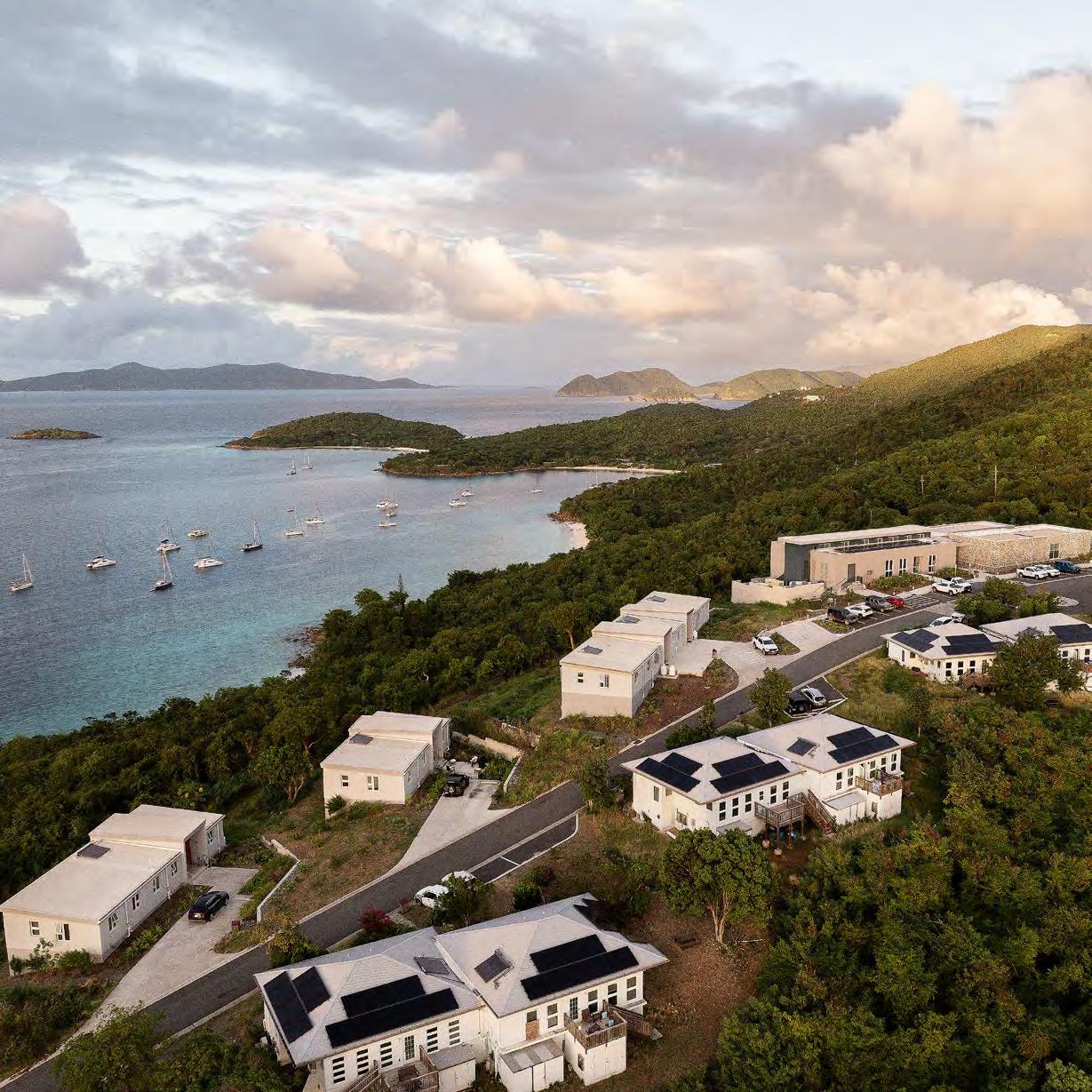
In September of 2017, Category 5 Hurricane Irma had a catastrophic impact on the Caribbean and was immediately followed two weeks later by Category 5 Hurricane Maria. The Virgin Islands National Park, located on the United States Virgin Island of Saint John was not an exception to the storms’ devastation. The National Park is the steward of 60% of the island and the National Monument offshore, inclusive of the underwater environment and reefs surrounding the island. St. John saw damage to a majority of its buildings and the island’s residents, including many park employees, suffered extensive damage to their houses. Federal funding
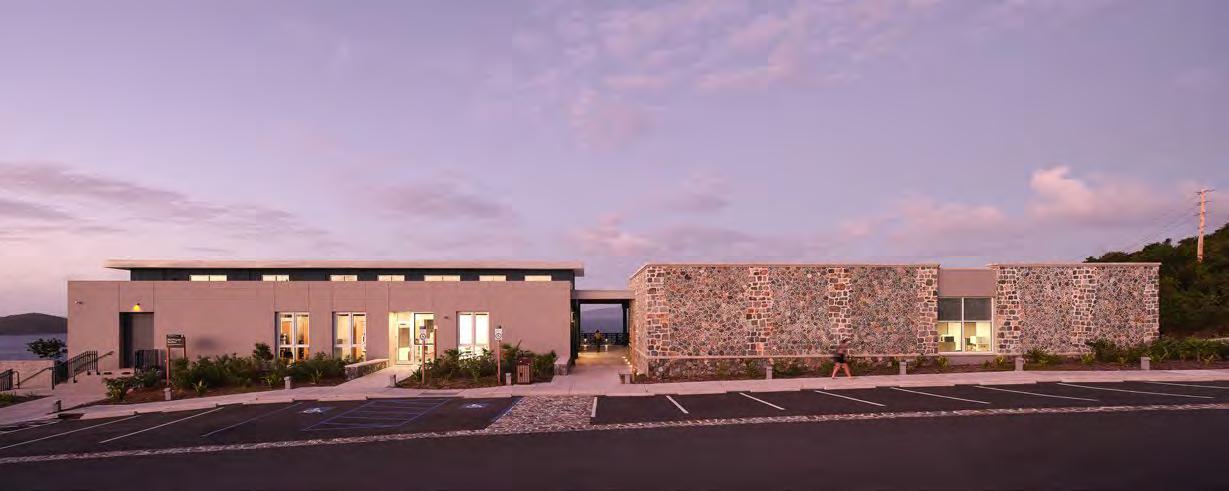
was issued to rebuild the lost resources in the park and to support park housing for its employees. These resources included an administration building, a proper storage building for archaeological artifacts and park records, as well as a study lab, and space to share their cultural research and discoveries. One of the most popular buildings lost to the hurricane was the archaeological warehouse building located on a popular beach. Prior to the storm, the close proximity to tourists and residents allowed for casual interactions and created opportunities for park staff to share their knowledge.
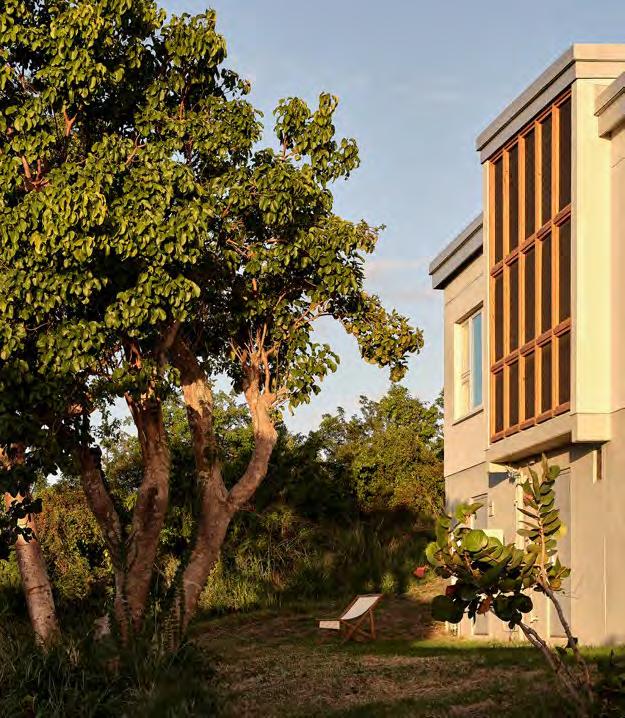
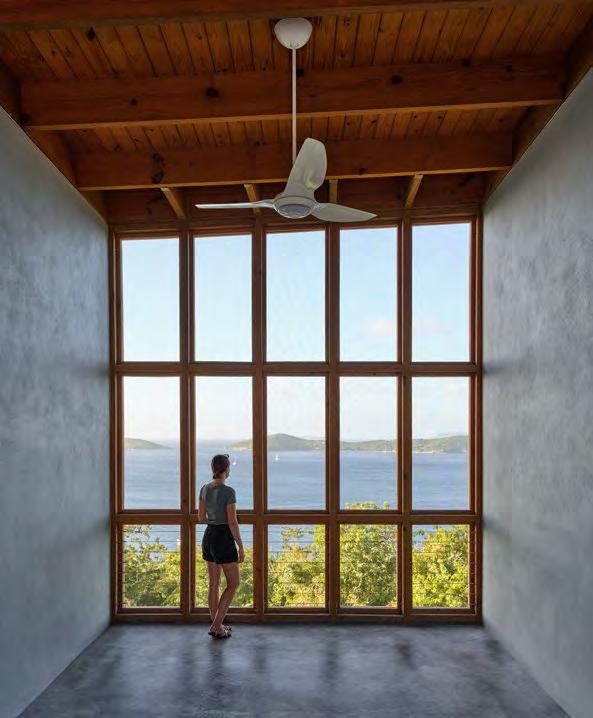
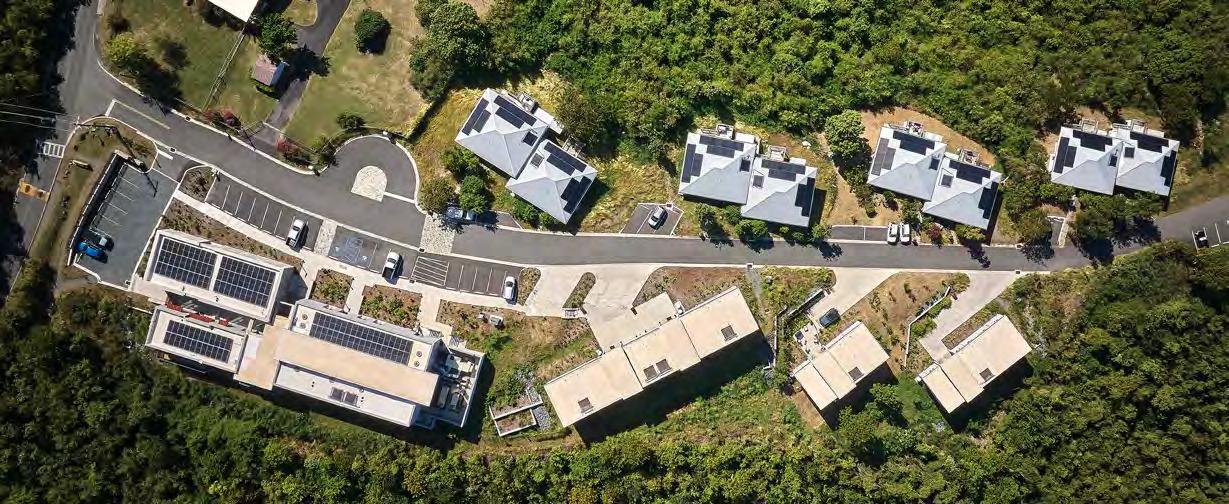
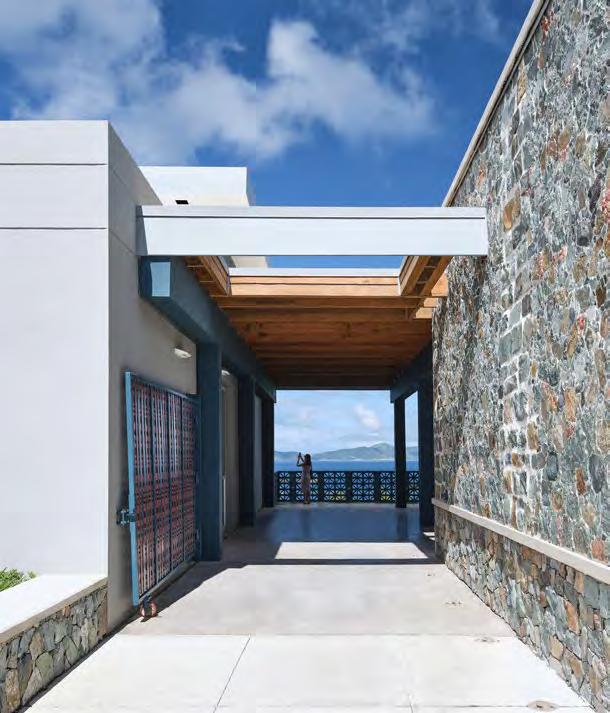
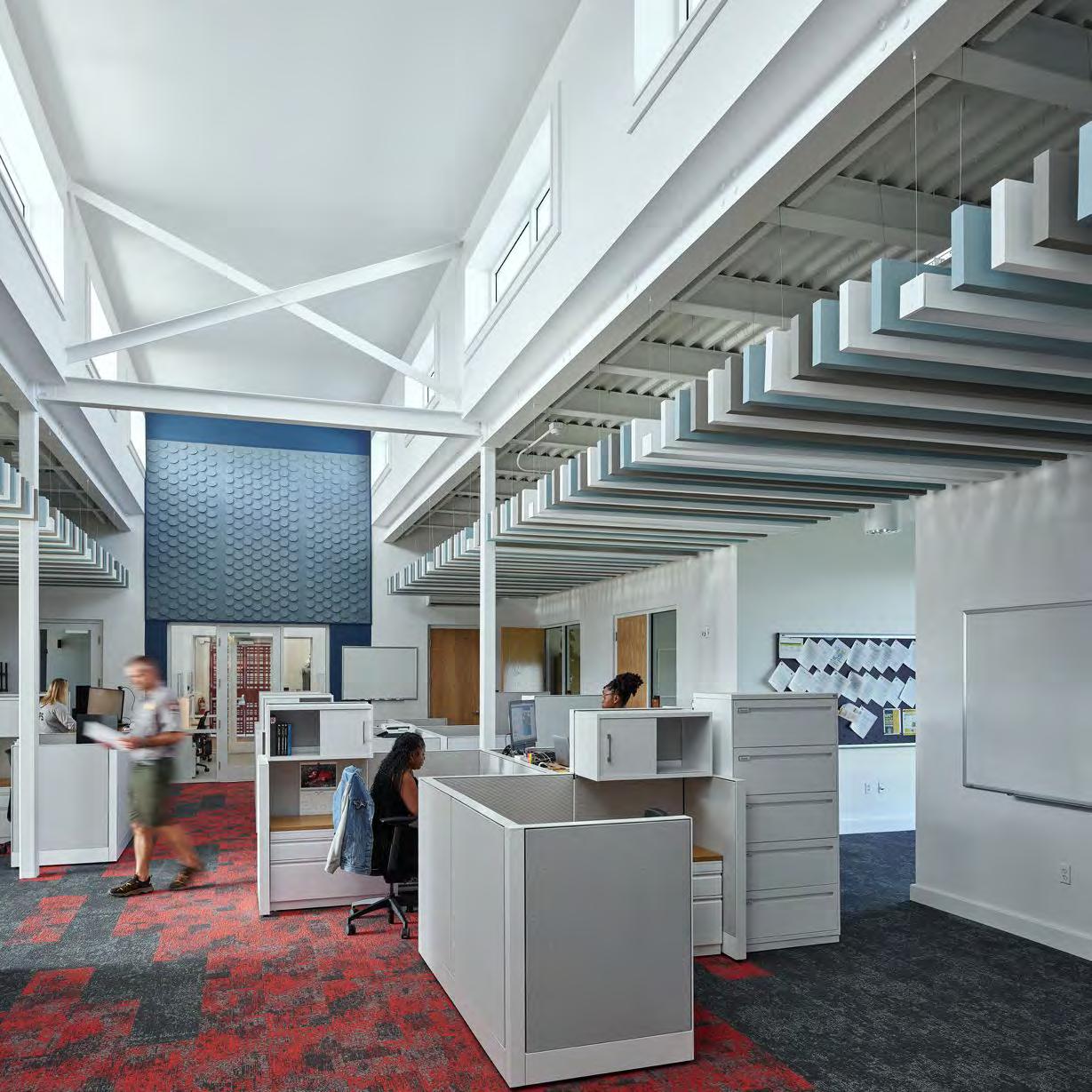
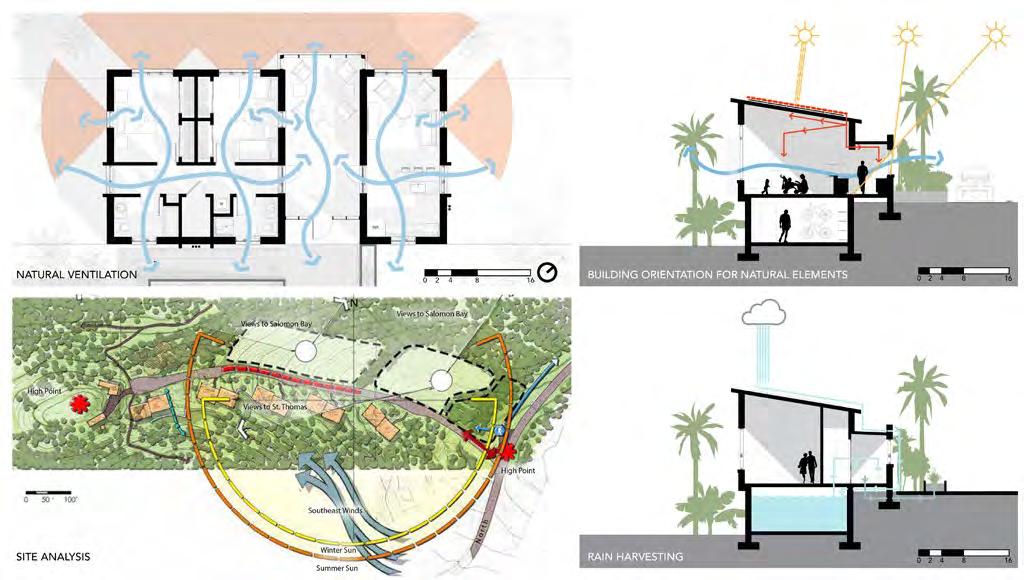
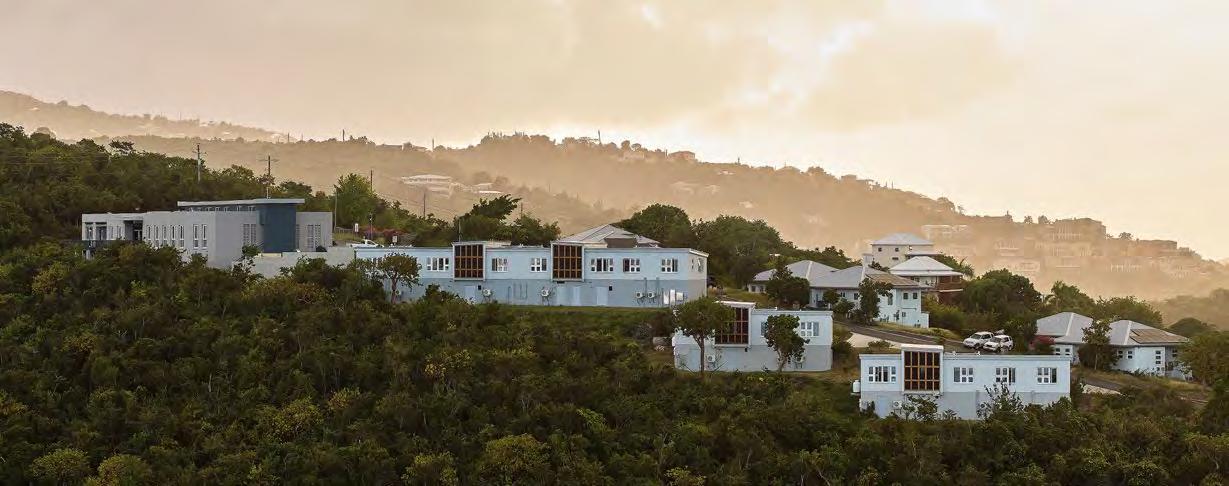
This project replaced 6,000 square feet of existing/damaged facilities with the Administration and Resource Management Facility (RMS) and multiple housing units for National Park Service employees. The design team began by listening to the park employees' needs for their specific tasks and what they needed to support living and working on the island. A 10-point framework to address challenges related to sustainability, resilience, context, and culture was developed. The buildings' designs incorporate unique features specific to the island environment and anticipate needs of the residents
and visitors during, and after, future storms. All buildings use rain capturing cisterns for water, are designed to resist hurricane strength winds, and anticipate needing passive ventilation if power is not available. The project has on-site generators, solar hot water panels on each roof and the RMS building has solar panels. Integrating these resource strategies into the design of the buildings' architecture and systems ultimately results in more efficient structures, which help further the park’s role as a steward of natural and cultural resources on the island.
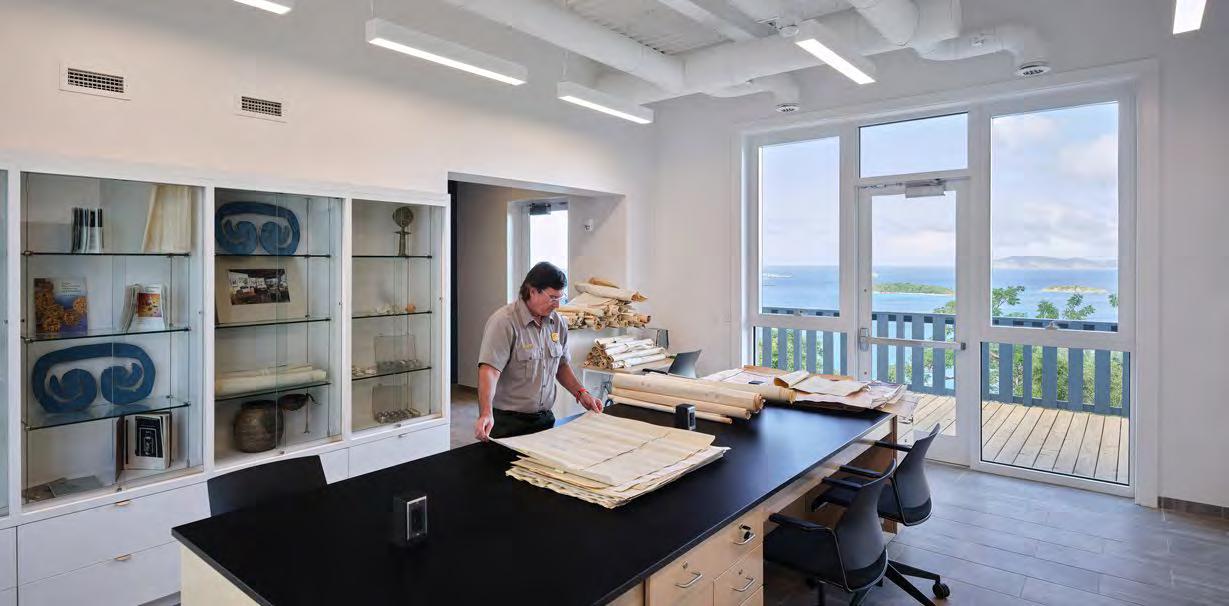
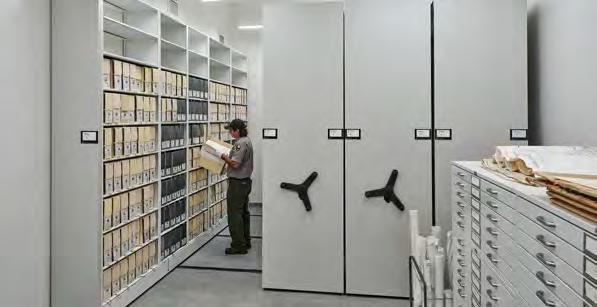
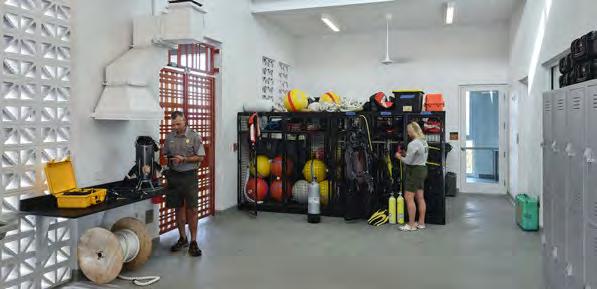
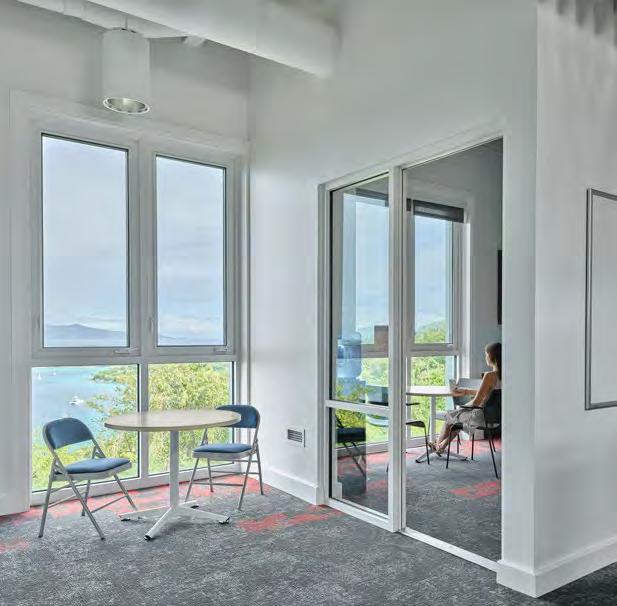
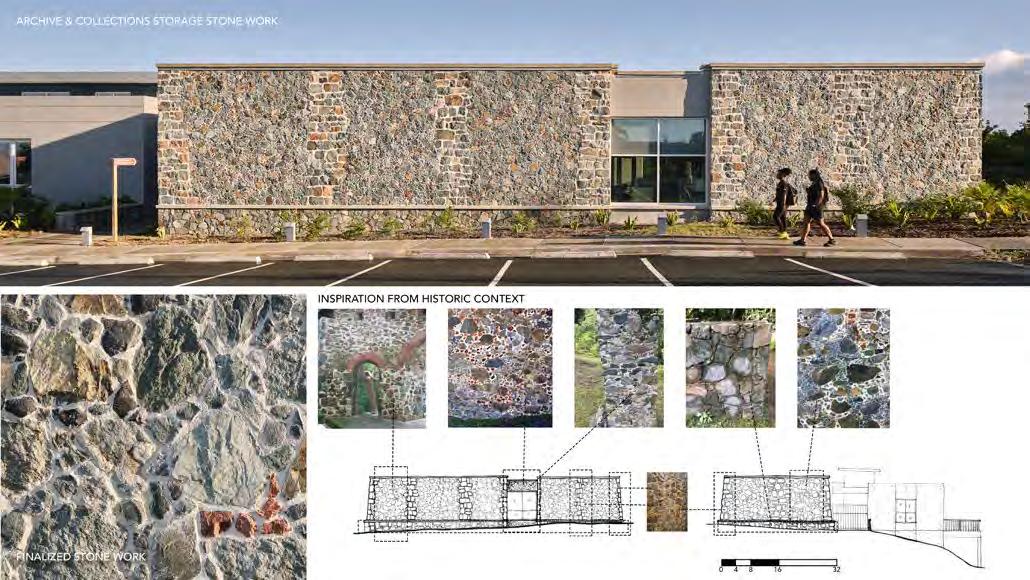
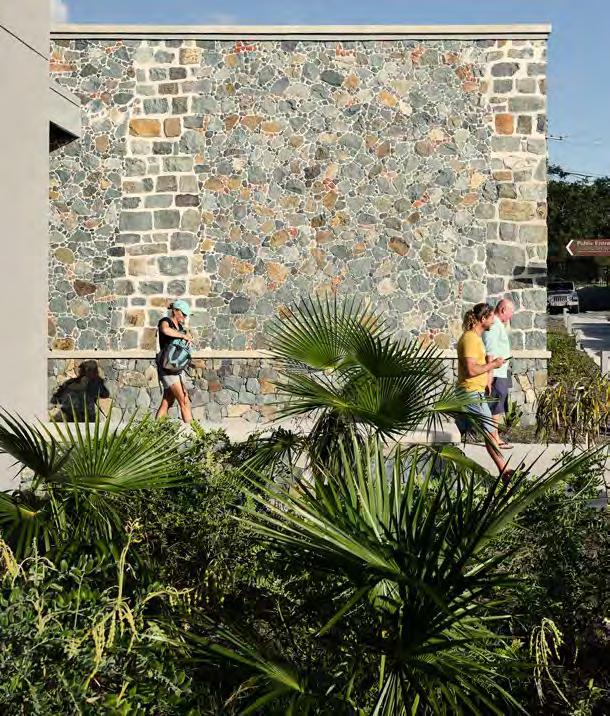
Stone construction is historically and currently popular on the island. The project's stone patterns were derived from St. John's Catherineberg Plantation ruins. Images of the stone from the Plantation were used as guidelines for the stone
work on the storage building. The stone storage building internally protects the island's archaeological artifacts and externally portrays a reflection of the history held inside.
project at a glance client: national park service collaborators: stantec em structural dwg engineering location: route 75 salt river bay christiansted 00820 u.s. virgin islands occupied size: 5,365 sf including exterior gallery & pavilion site development: 8,800 sf inside gate project status: under construction
salt river bay visitor contact station st. croix usvi
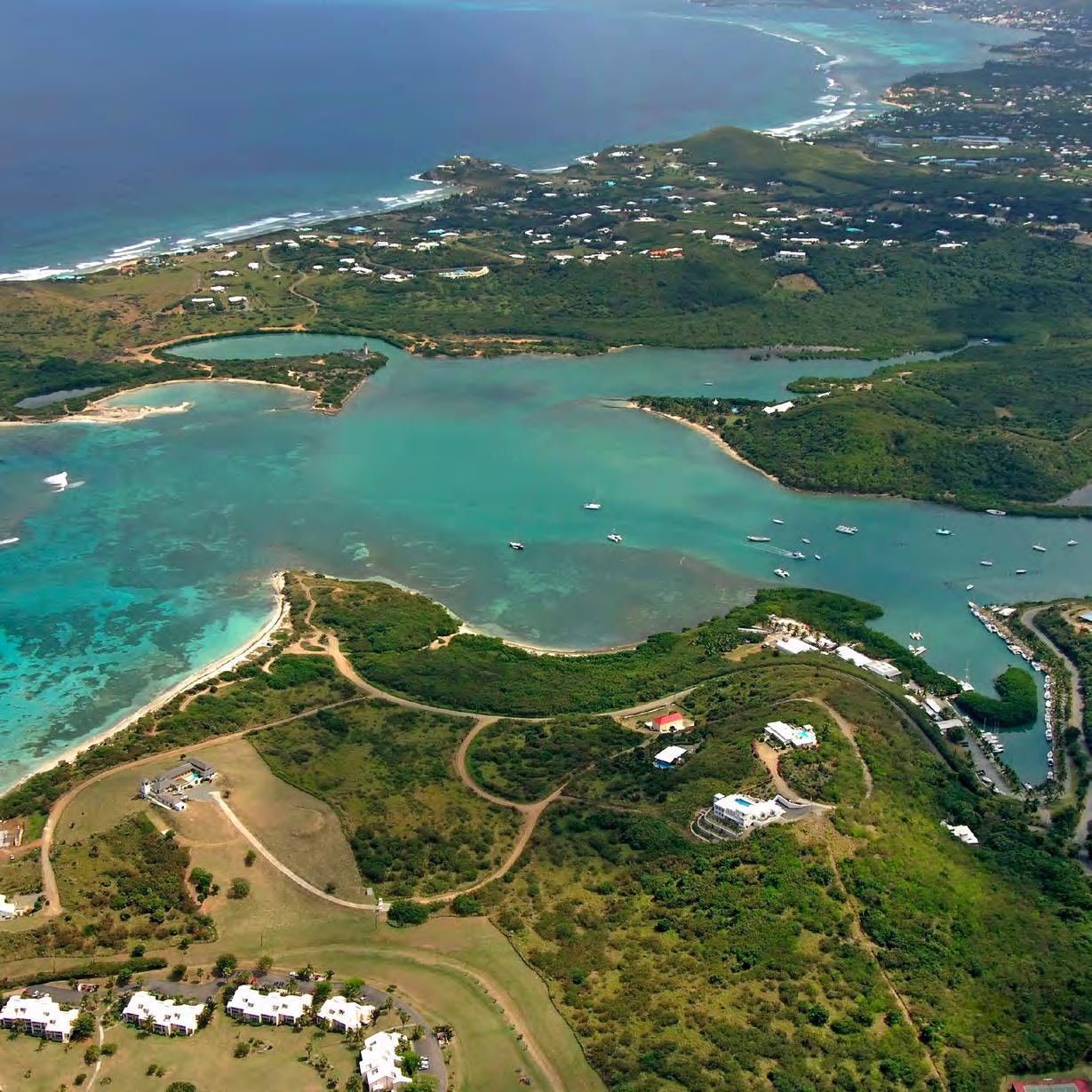
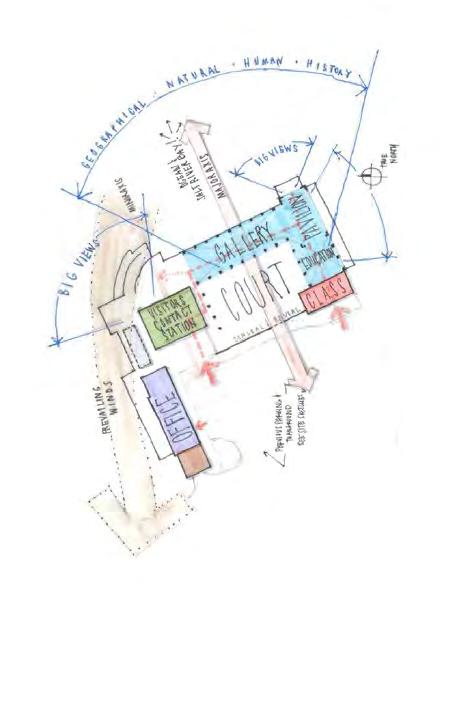
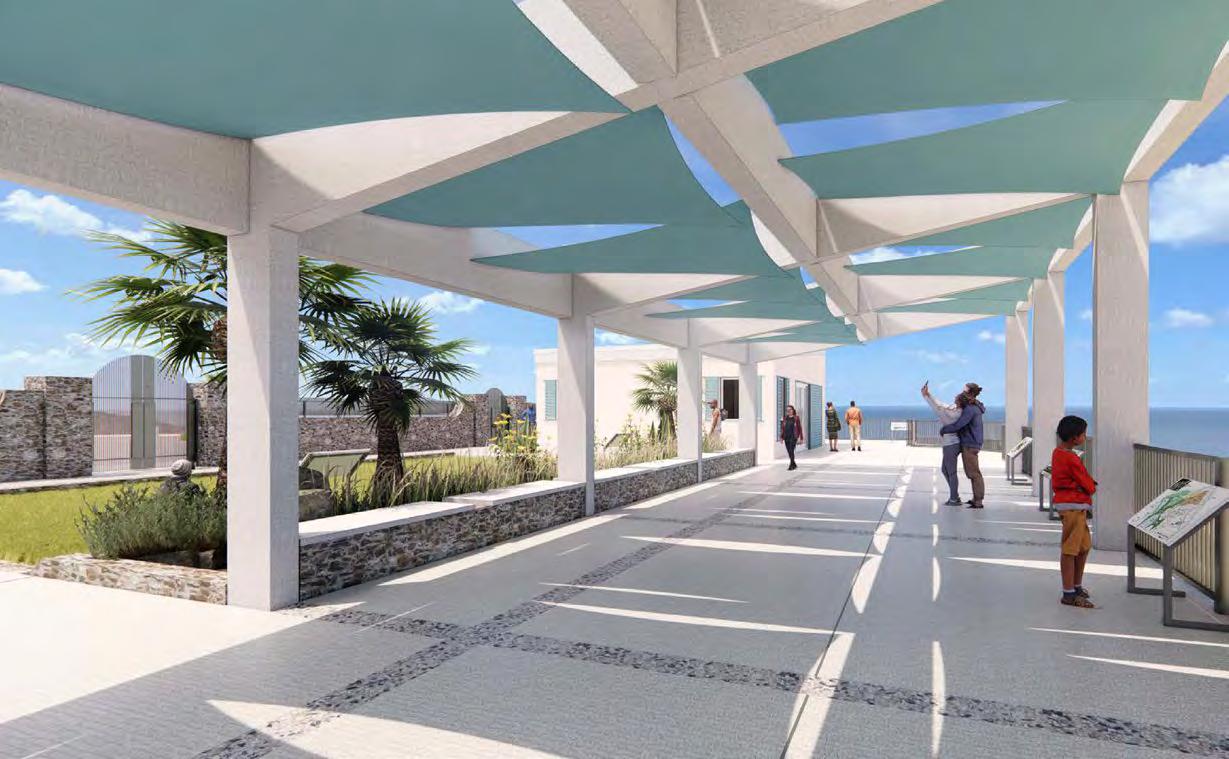
Salt River Bay Visitor Contact Station is located inside of Salt River Bay National Historical Park and Ecological Preserve. Located on the northern tip of St Croix USVII, the Visitor Center is a ground-up renovation to serve the area for visitor information and a new National Park Service hub. The area around the project is part of the historical park and ecological preserve. It is a living museum, featuring prehistoric and colonial era archaeological sites and ruins as well as a variety of unique ecosystems that are unique to the island
and its surrounding waters. Visitors come to the site to get their bearings and learn more about what the park has to offer. When arriving to the site, visitors will be greeted with stonework reminiscent of what is seen in nearby colonial plantations. A central garden featuring native plantings is fringed with a mangrove forest, and is surrounded by the visitor center, conference and education suite, and an outdoor educational gallery which overlooks the bay with its large expanse of seagrass and coral reefs.
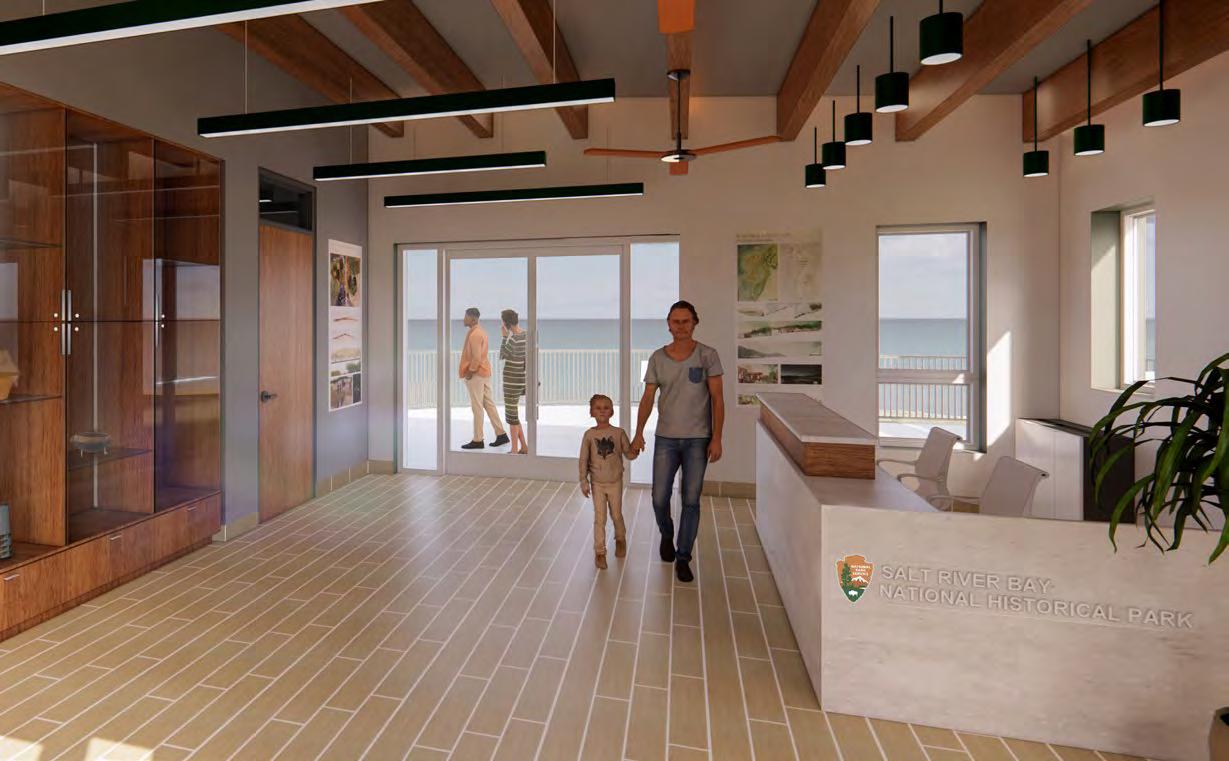
visitor center lobby
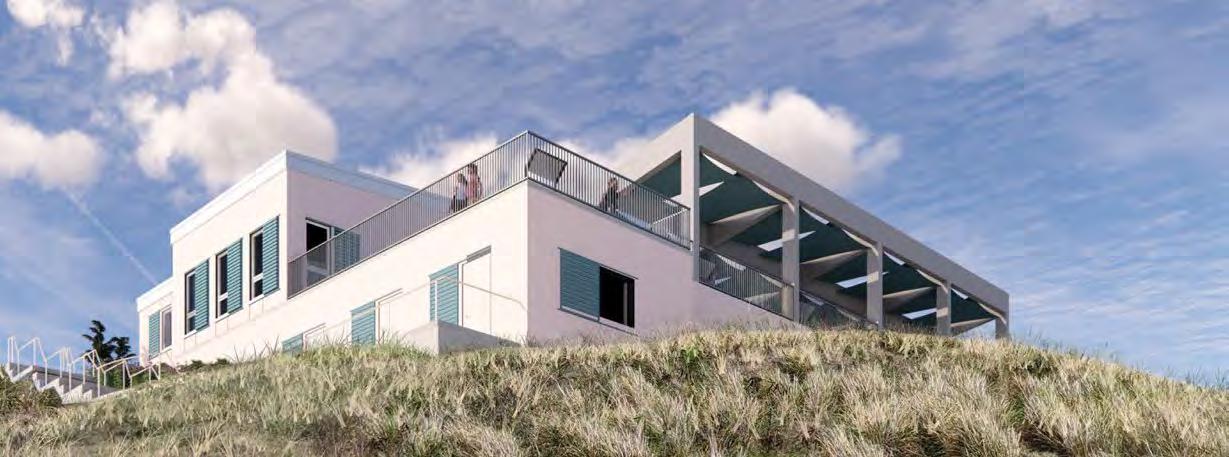
The buildings are new construction from the ground up, located in place of the previous structure which was damaged during Hurricanes Irma and Maria. The new buildings are designed to meet the future needs of the park and to resist the storms to come, featuring hurricane resistant windows and doors, rolling hurricane shutters for protection, concrete walls, and a heavy timber wood roof structure. Due to the project's remote location, water and power service can be inconsistent, if not completely unavailable, for large swaths of time. In order to keep the Visitors Center running through
power inconsistencies, the design utilizes multiple strategies to render the buildings more resilient. The existing facility has three water cisterns, which remain and will collect rainwater from the roofs of our new structures. These cisterns are able to capture and store over 40,000 gallons of water for use. The buildings have also been designed for the future installation of solar panels with battery backup. This system, once in place, will be the primary energy source and will allow for the site to get up and running quickly after future weather events. exhibit space
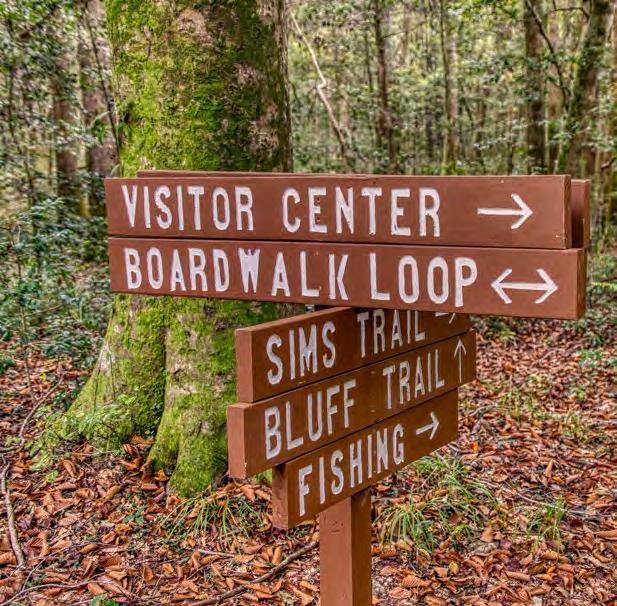
project at a glance client: national park service collaborators: jon guerry taylor dwg s&me parker land surveying aiken cost consultants location: richland county sc size: approximately 6,400 linear feet of non-accessible elevated and low-level boardwalks project status: under construction
congaree national park boardwalks + bridges richland county sc
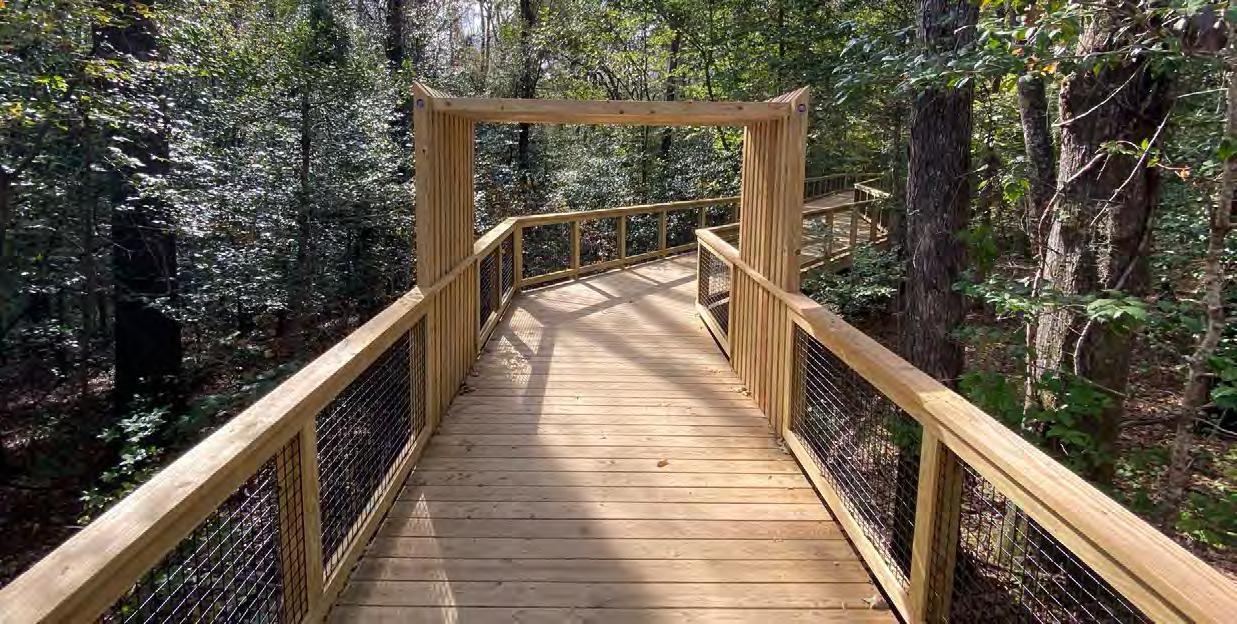
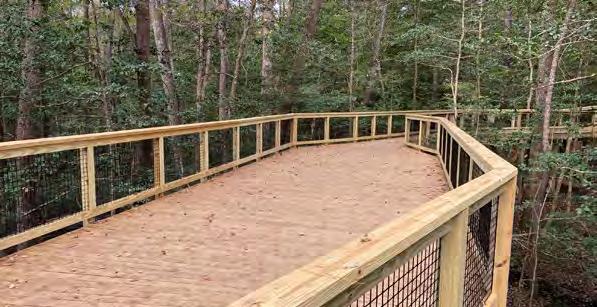
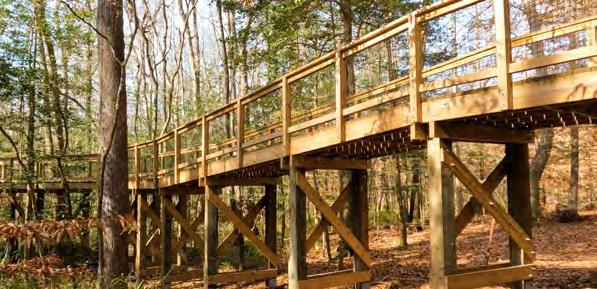
The Liollio team began with pre-design for this park’s boardwalk project in Columbia SC. The design is compliant with the Architectural Barriers Act Accessibility Standard (ABAAS) to include all ramps, walkways, and handrails. Design considerations were also given to material selections to improve ongoing maintenance for the park and to correct/ minimize the existing visitor traffic pinch-points. Project scope included: allowance for replacement of individual
deck boards without having to remove handrails; structural load calculations were used to accommodate the increase in visitors during special events such as the Synchronized Firefly Event; widening areas to accommodate visitor gathering and viewing along the boardwalk, while allowing for continuous visitor flow; and enhanced maintenance features such as ladder access and security gates for visitor restriction.
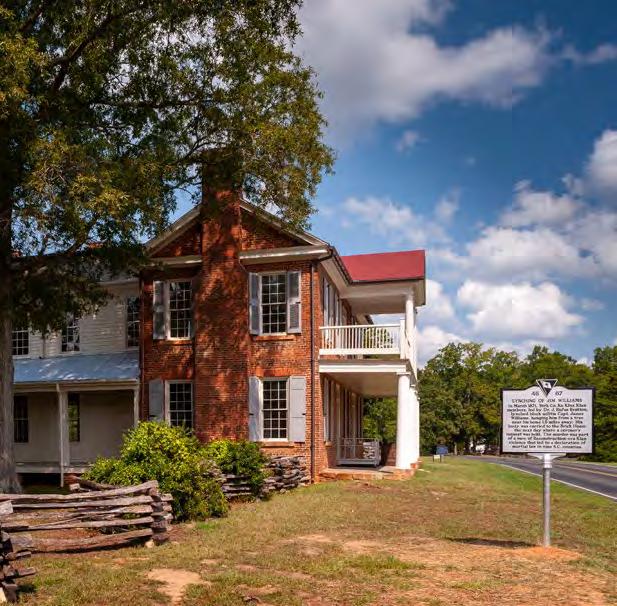
"Featuring more than 30 historic structures from the 1760s to the late 19th century, the site provides visitors with an opportunity to see the evolution of southern culture and architecture in the Carolina Piedmont."
− Cultural Heritage Museums, CHMuseums.org
project at a glance client: york county cultural history museums collaborators: building conservation associates
bennett preservation engineering location: 1444 brattonsville road mcconnells sc 29726 size: 1,900 sf project status: completed 2021 awards: 2022 south carolina historic preservation stewardship award
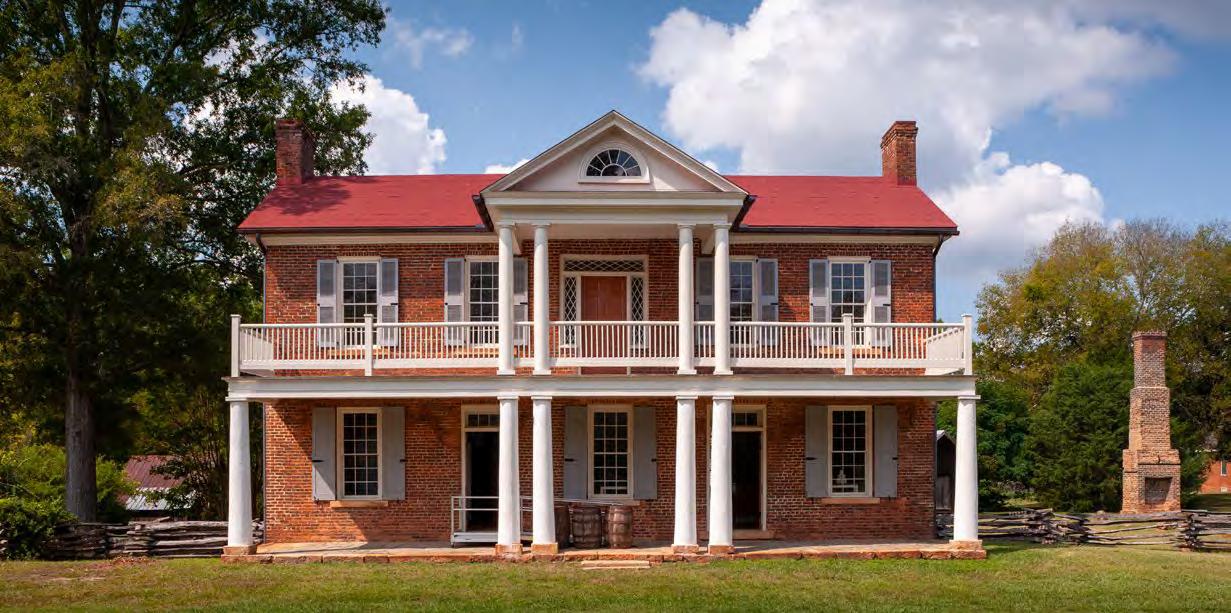
historic brattonsville brick house c.1850-1875 mcconnells sc
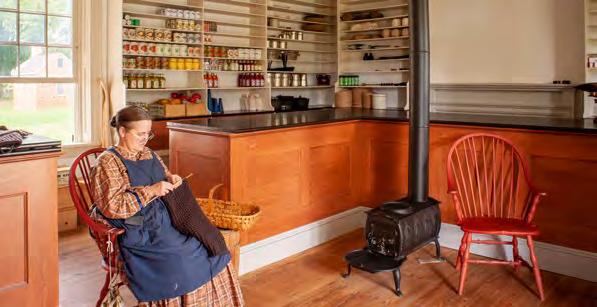
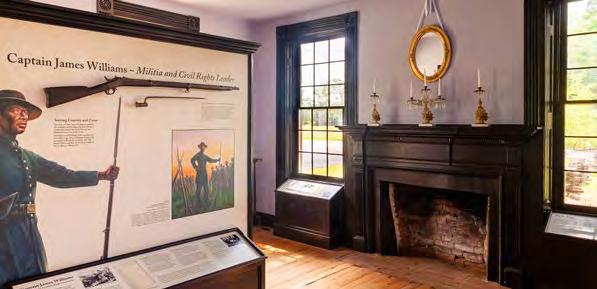
The Brick House is one of three principal structures on the grounds of Historic Brattonsville, an 800-acre open-air living history museum in York County SC, centered around the family compound of the prominent Bratton family. The museum depicts life in the Carolina backcountry in the 18th and 19th centuries. While the Brick House dates to c.1843, the restoration targeted its c.1871 appearance, to serve as the setting for the museum’s depiction of the Reconstruction Era. In that time, the Brick House was not only a home but also a post office and general store. It was also the site of a coroner’s inquest into the murder of Black South Carolina Militia Captain
James Williams in the spring of 1871. The Brick House site is included in the National Park Service’s Reconstruction Era National Network. Restoring the Brick House to its c.1871 appearance required extensive research of written records, as well as a thorough examination of the physical evidence on the building. Trim profiles, wall and door locations, hardware configurations, paint colors, and store millwork designs were developed through careful study, and are not just appropriate for the period, but rather, they are accurate to this house in particular.
"“Liollio really did a great job of paying attention to how the people that work here actually use this area and then incorporated that knowledge into the design. We love our new offices."
− Connie Samford, Former Maintenance Supervisor, Kiawah Island Community Association
project at a glance client: kiawah island community association collaborators: designworks
mitchell construction location: 20 kestrel court
kiawah island sc 29455 size: 3,000 sf
project status: completed 2005 awards: 2007 aia charleston honor award
2006 aia south carolina honor award
2006 palmetto architecture construction + engineering honor award
kiawah island maintenance facility kiawah island sc
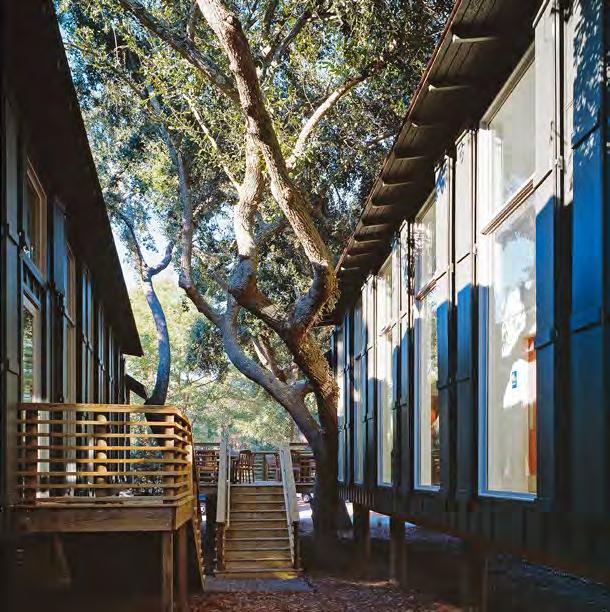
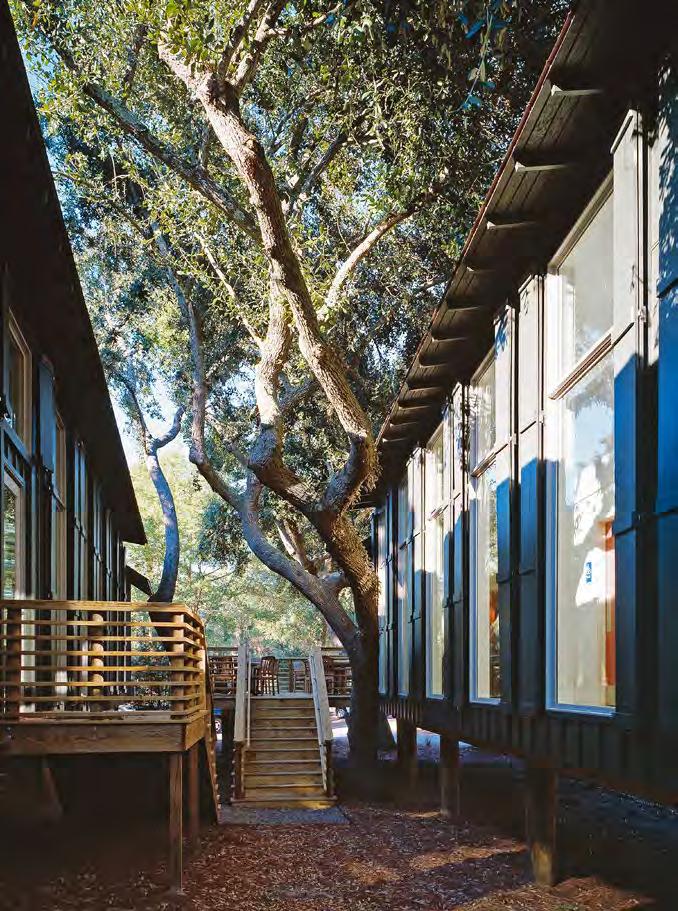
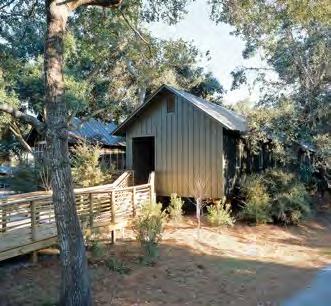
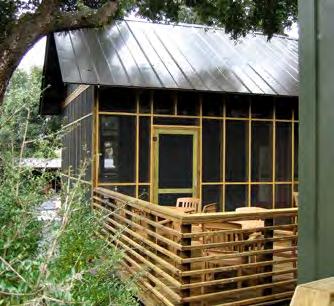
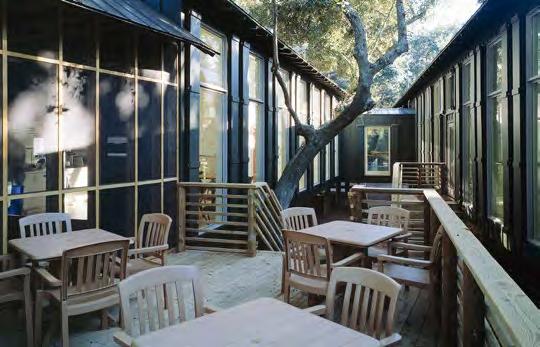
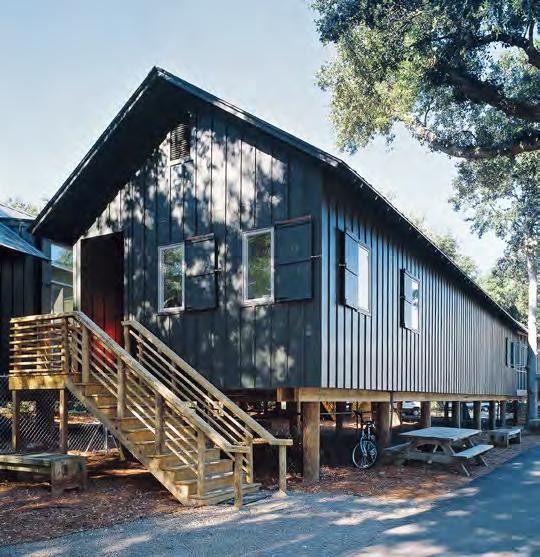
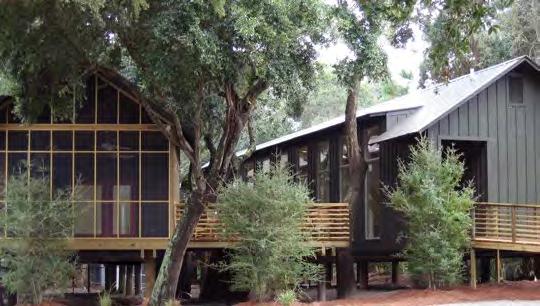
This support facility was initially conceived as a practical matter of simply moving maintenance personnel from 15-yearold construction trailers. The design challenge became how to place a pragmatic use seamlessly into a naturalized development. Liollio committed itself to design simplicity which became the project’s strength. A pair of long thin buildings with simple roofs thread between oaks like needles. A courtyard develops between the two and a hyphen links
one building to the other. The buildings splay at one end creating space for an elevated platform beneath the best tree canopy on site. The buildings are painted deep, deep green to recede into the shadows of the trees and blur the line between architecture and nature. Previously, staff moving from hot humid weather into cool conditioned interiors was uncomfortable. Creating the shaded and screened outdoor decks provided a possibility for transition and cool-down.
project at a glance client: westrock collaborators: seamonwhiteside kennon williams landscape em structural rmf engineering
location: 247 great lawn drive summerville sc 29486 size: 2,000 sf project status: completed 2016 awards:
2019 aia south atlantic region merit award
2019 aia south carolina honor award
brighton park swim club summerville sc
Nexton in Summerville SC is a 4,500 acre master planned community that designates 2,000 of its acres as parks and natural areas. Over 50 miles of walkable and golf-cartable trails, walks and paths connect a series of carefully designed villages and neighborhoods, each with its own distinctive personality. Nexton has 3,000+ homes, over 30 retailers, eateries and office spaces, grocery stores, and a new elementary school and middle school - and is still growing.
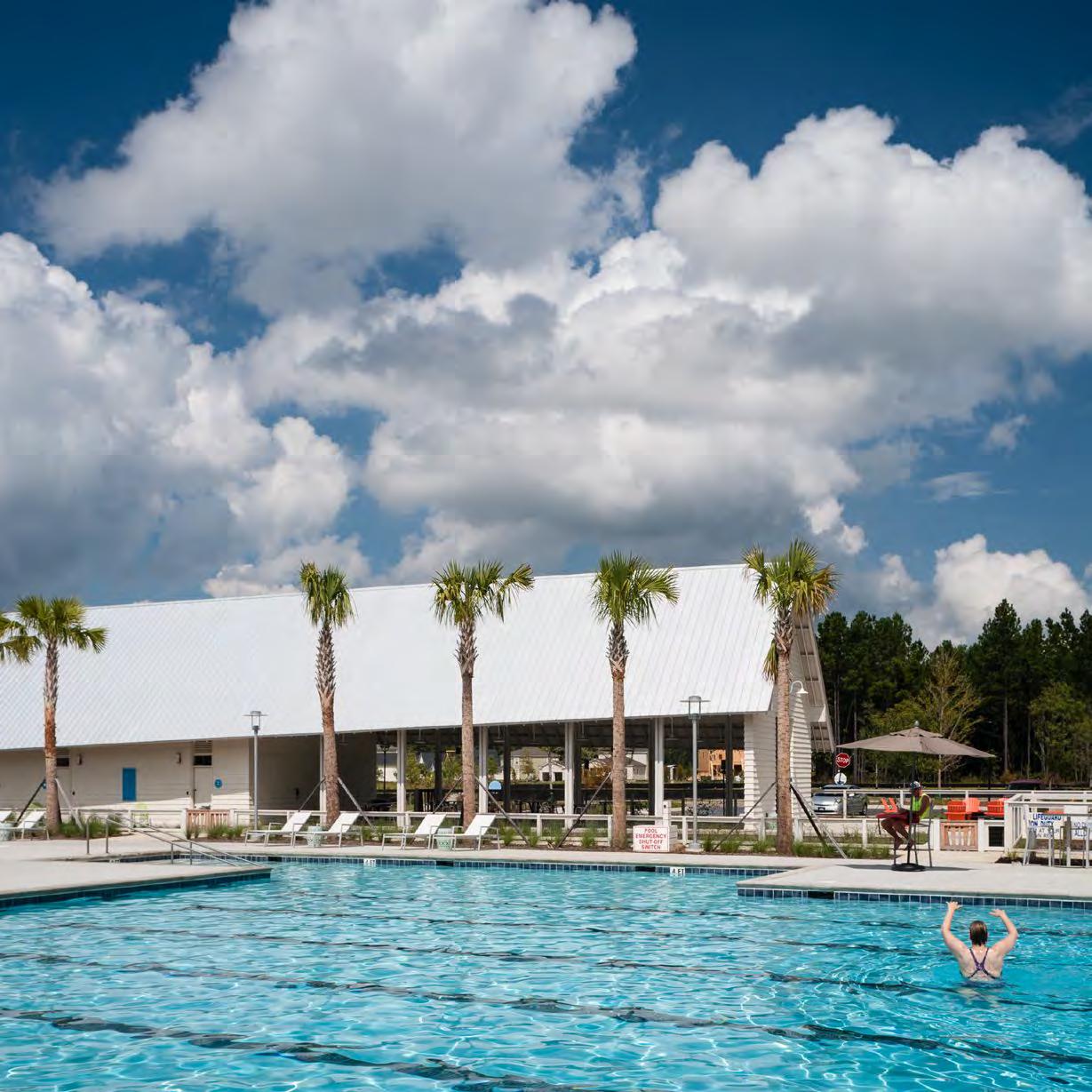
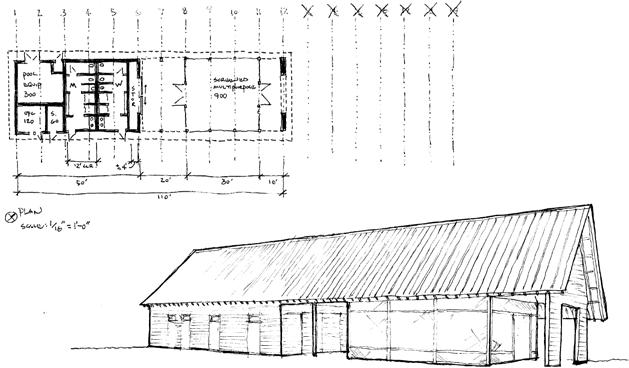
Included in the inaugural phase of this planned community was Brighton Park Village - Nexton’s first primarily residential village that contains a wide array of housing options, parks, civic buildings, shops and restaurants. Brighton Park Swim Club is a community / village amenity that was designed to reflect the vision of Brighton Park as a sustainable, modern and comfortable place for family life.
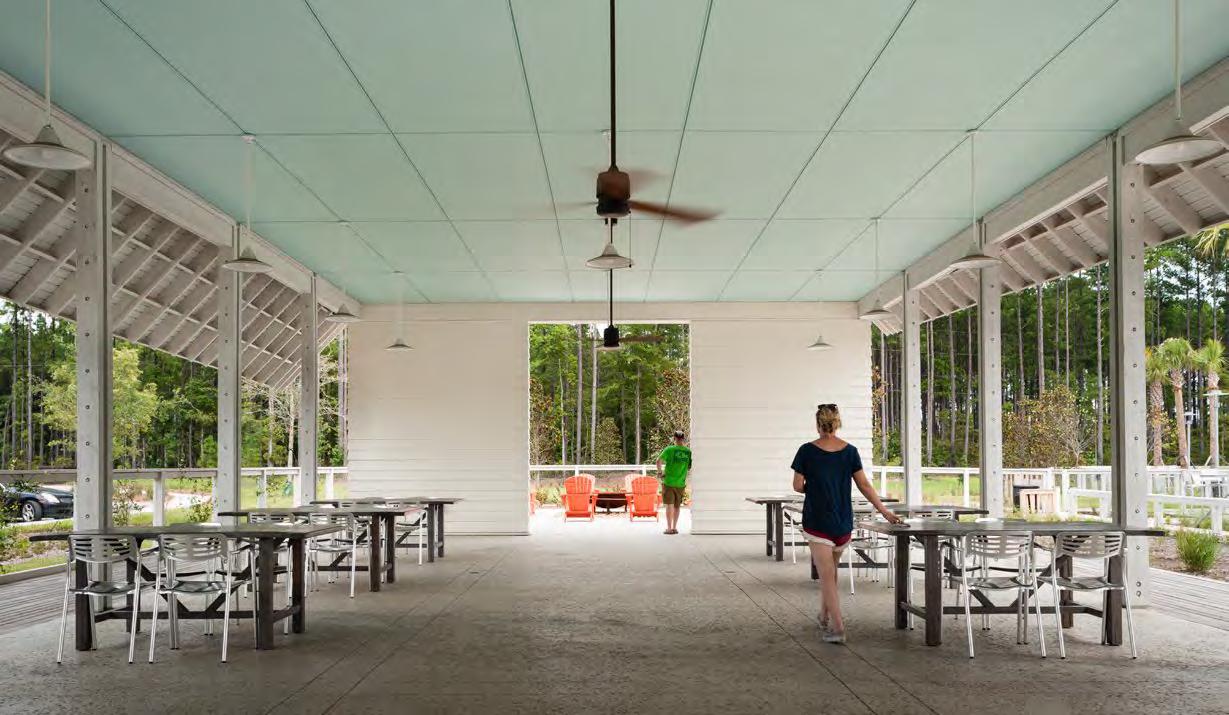
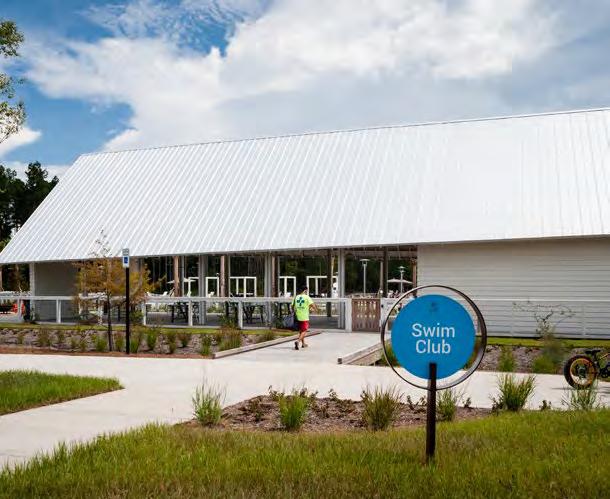
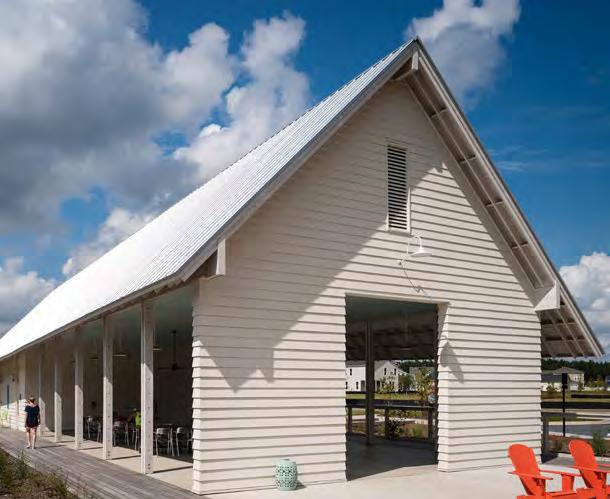
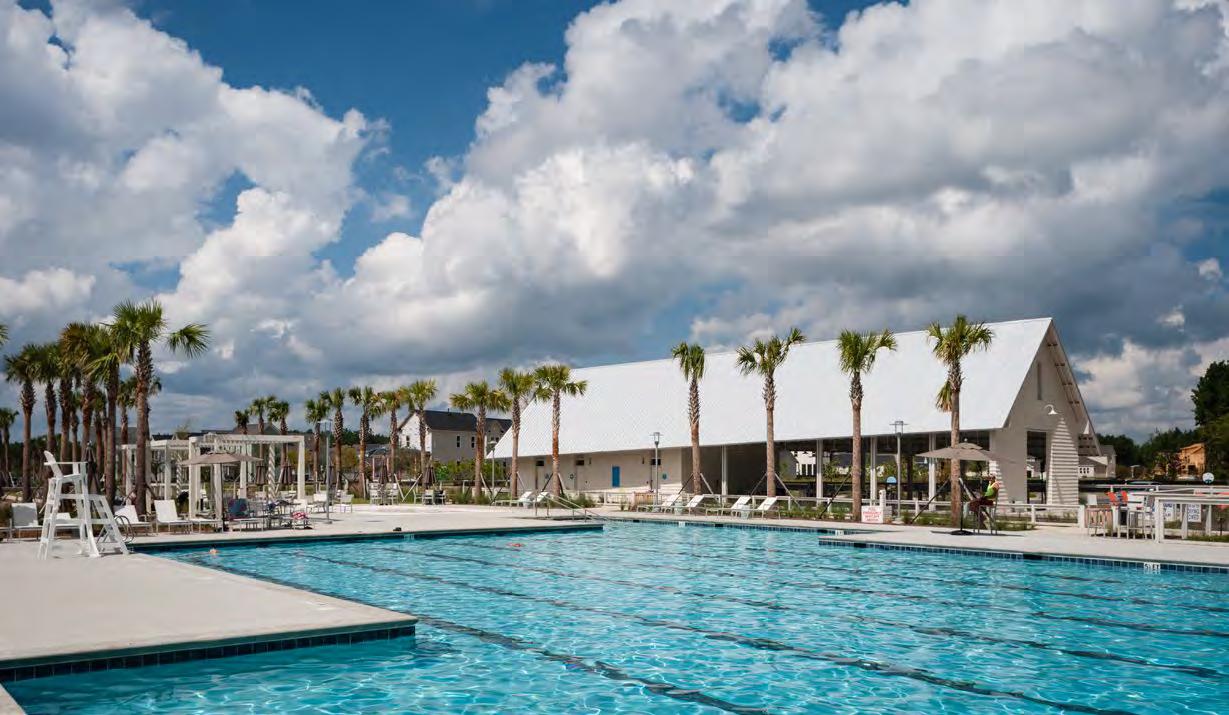
This small pavilion is one of only a handful of structures within Nexton that were commissioned directly by the master developer, and designed and built for more than just function: this project is also intended to express the architectural aspirations of the development's master plan. Envisioned as a pool within a park, the pavilion is small, but is prominently sited on axis with a main avenue of the development linking it to the community meeting house. Its profile is visible at a great distance, which indicates it as a hub for neighborhood
socializing. The pavilion, designed with drooping eaves to provide shelter and shade, houses restrooms and an open, breezy shelter from the sun for poolside picnics and celebrations. The design plays off a vernacular form, through a descending eave height on the east elevation that reverses direction on the west side. The geometry forces the perspective and plays with the observer’s perception of the pavilion’s length.
project at a glance client: sc department of parks, recreation & tourism collaborators: adc engineering rmf engineering em structural
locations: fort mill sc & hardeeville sc size: fort mill (10,000 sf), hardeeville (8,000 sf)
project(s) status: completed 2017
awards: 2021 aia south atlantic region aspire design award
2020 aia south carolina new construction award
2019 aia charleston design jury award
2018 brick in architecture best in class commercial award
2018 aia south carolina new construction citation award
south carolina welcome centers south carolina
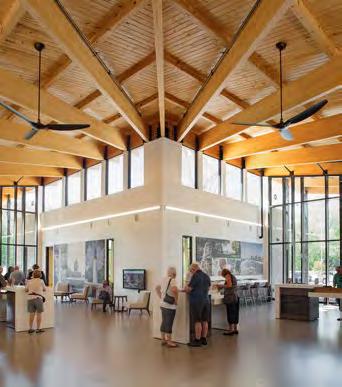
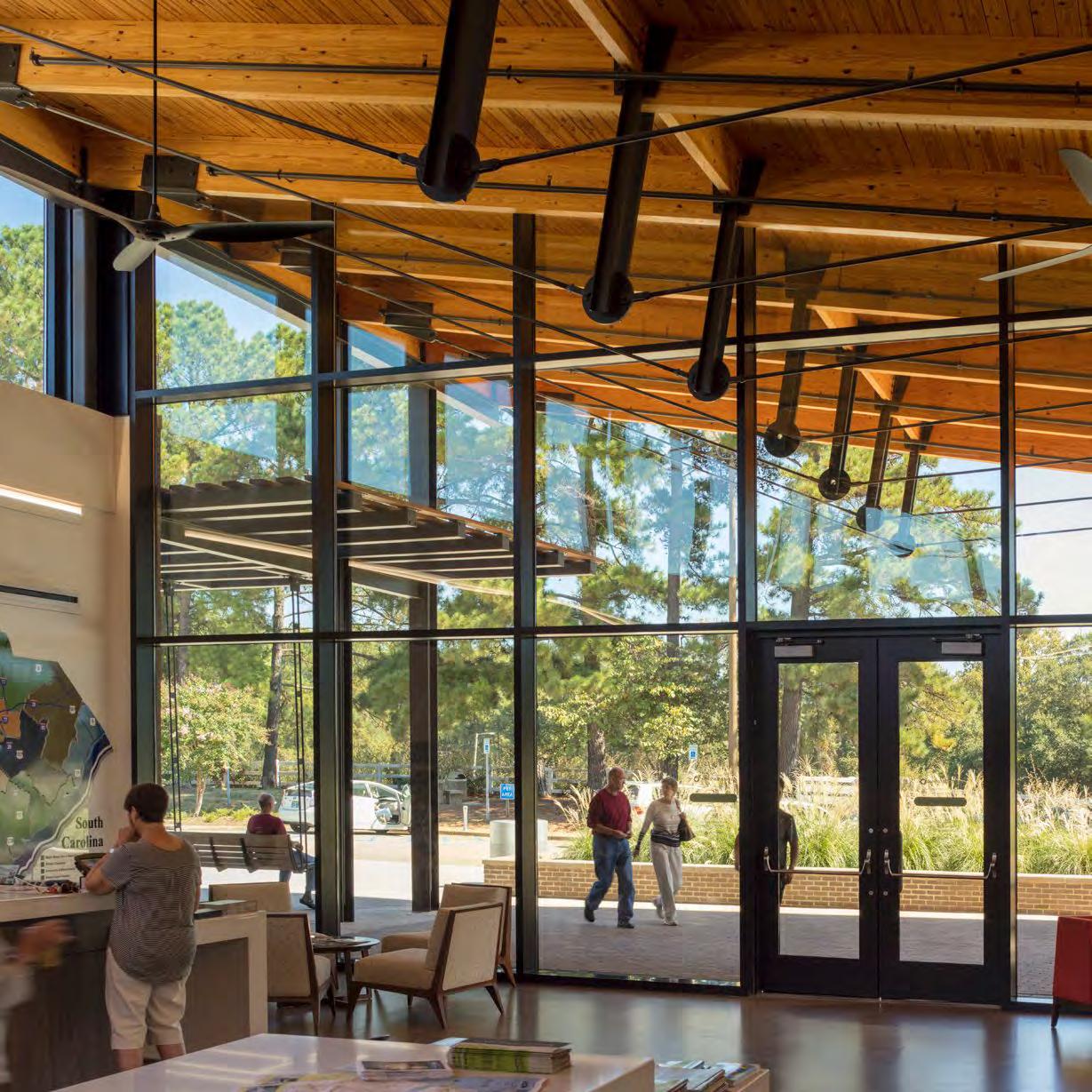
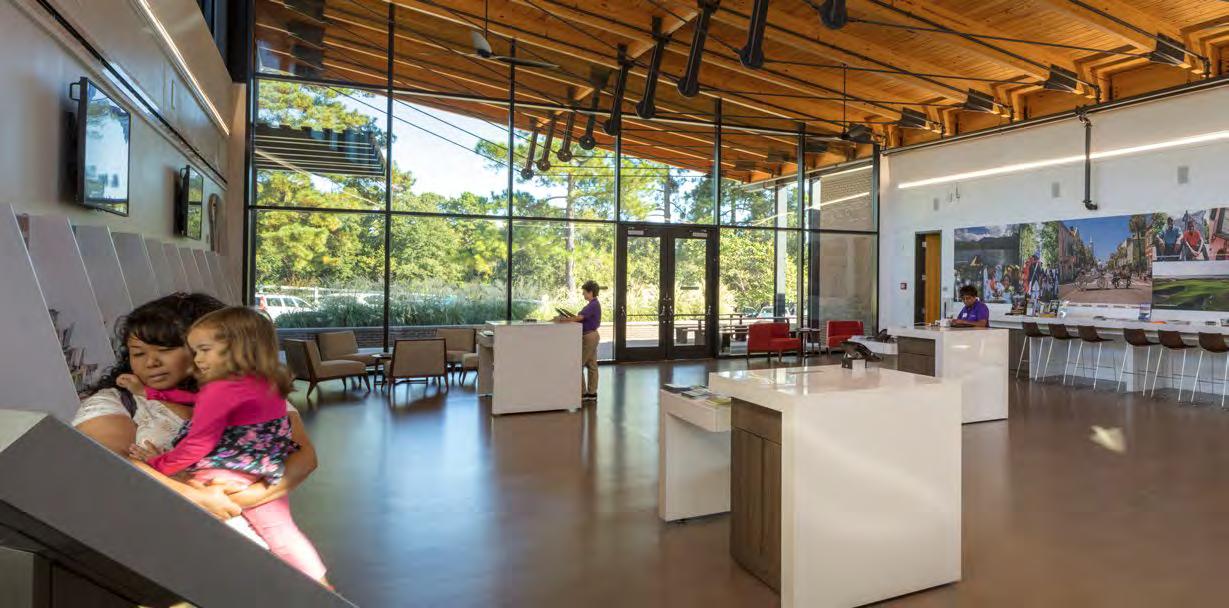
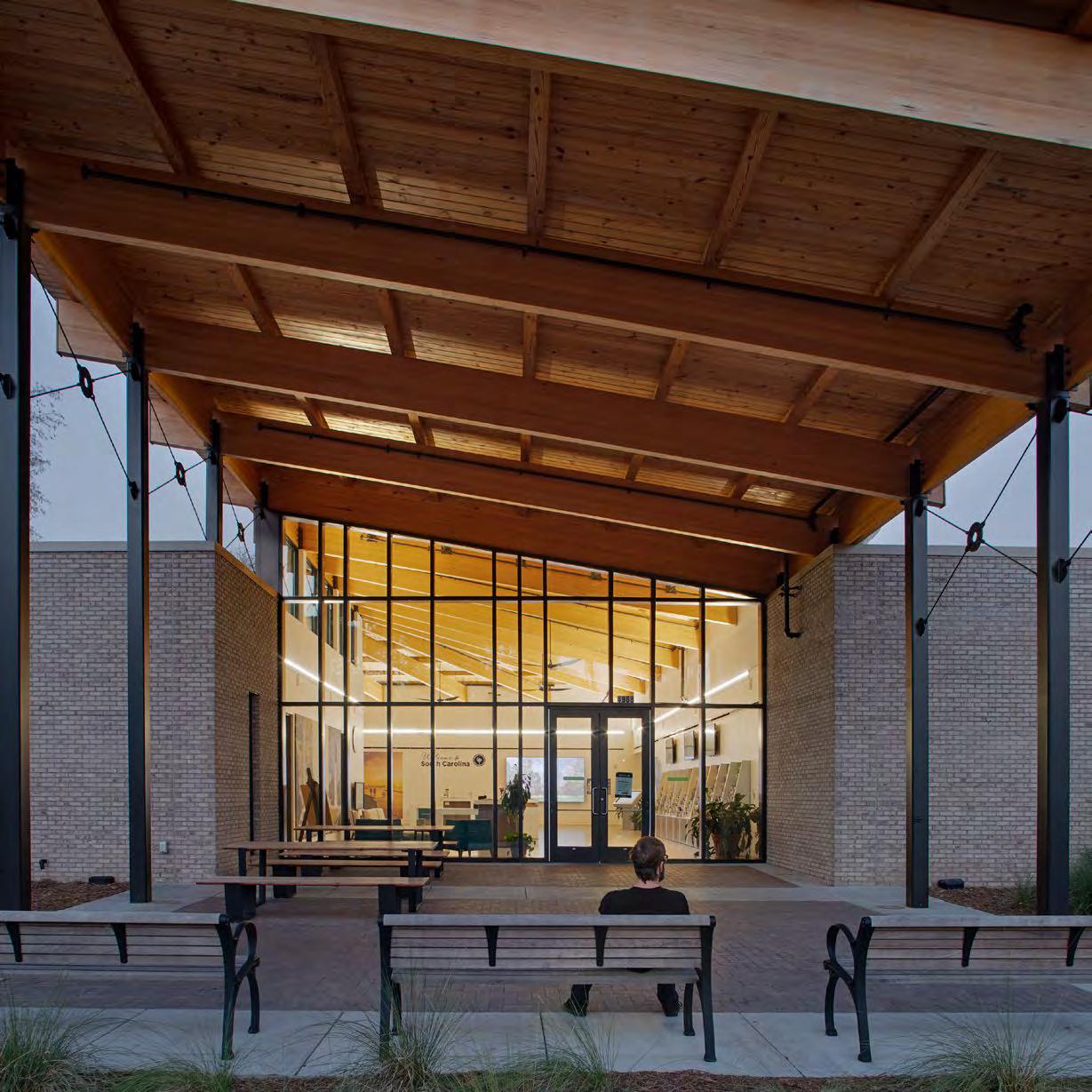
A state welcome center is a surprisingly underestimated trading post, where friendly and hospitable staff warmly greet road-weary travelers. People still crave human interaction, even for booking tours and hotels, and the welcome centers are a driver for state tourism economy. This client’s vision was to embrace the identity of hospitality and create an experience that would invite visitors to sit and stay a while. These new state welcome centers serve as the front porch of the state for visitors entering from a nearby metropolitan center or a long multi-state journey. An inwardly-focused
experience provides respite from mind-numbing interstate travel. On the road, near and distant scenery is blurred by the speed of travel. When you stop, things can slow down, creating opportunity for rejuvenation and reflection. Welcome center designs must respond to the specific flow of traffic at each site, guide people through the lobby during the day, while providing a visible point of entry after hours. Our team's iterative process generated a plan for each center that is directly influenced by entry points on each site, including circulation of cars and trucks – and the flow of visitors.
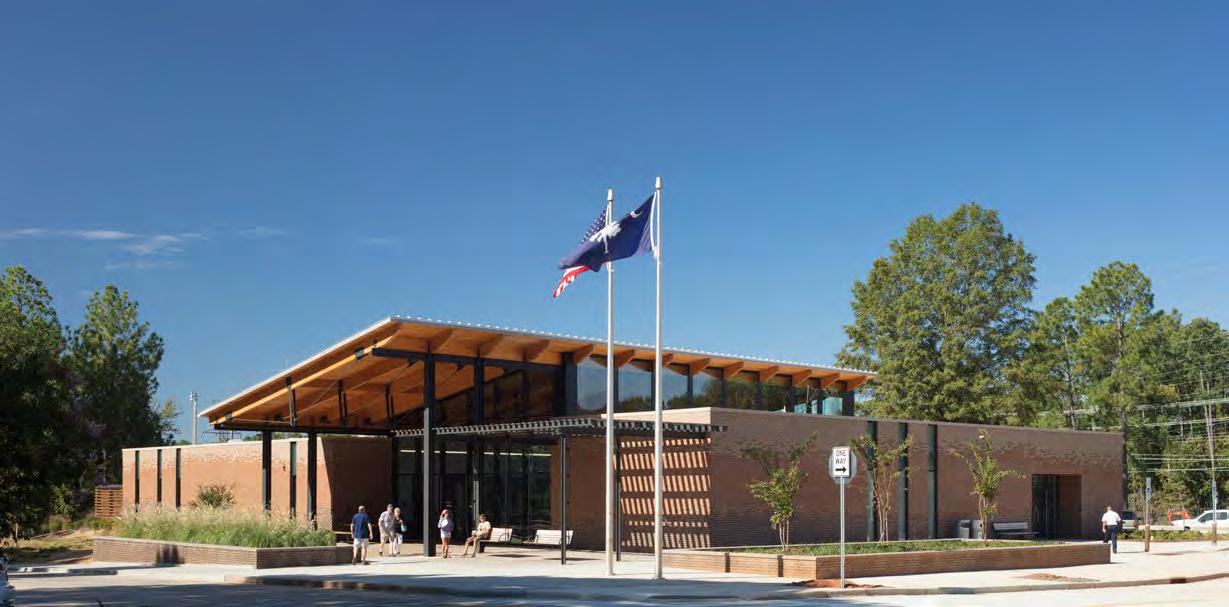
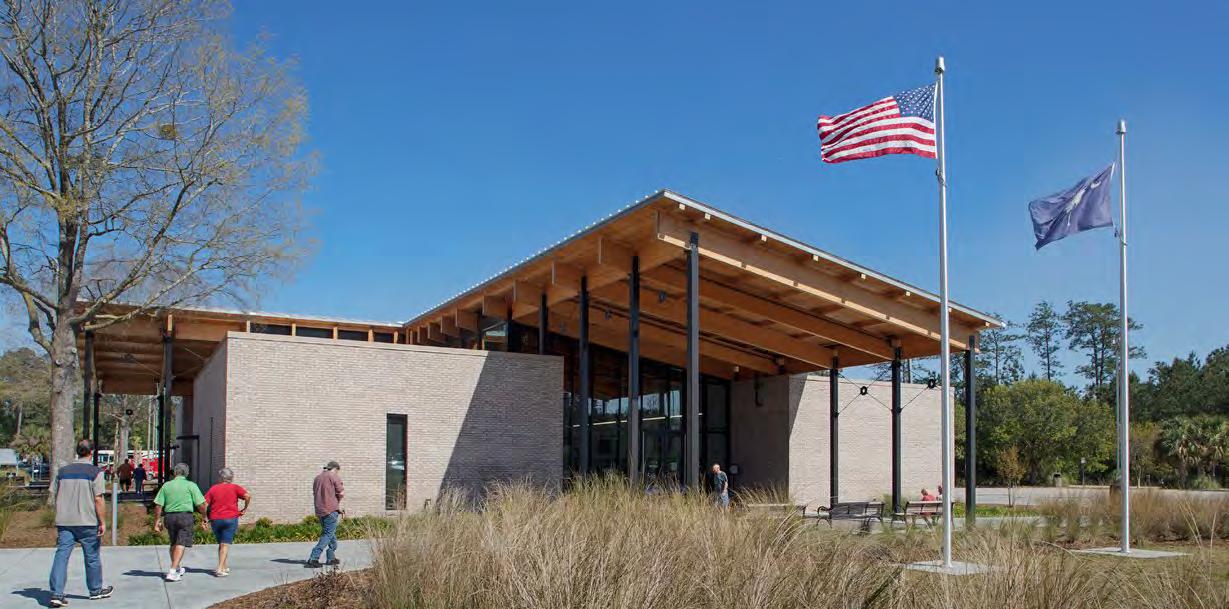
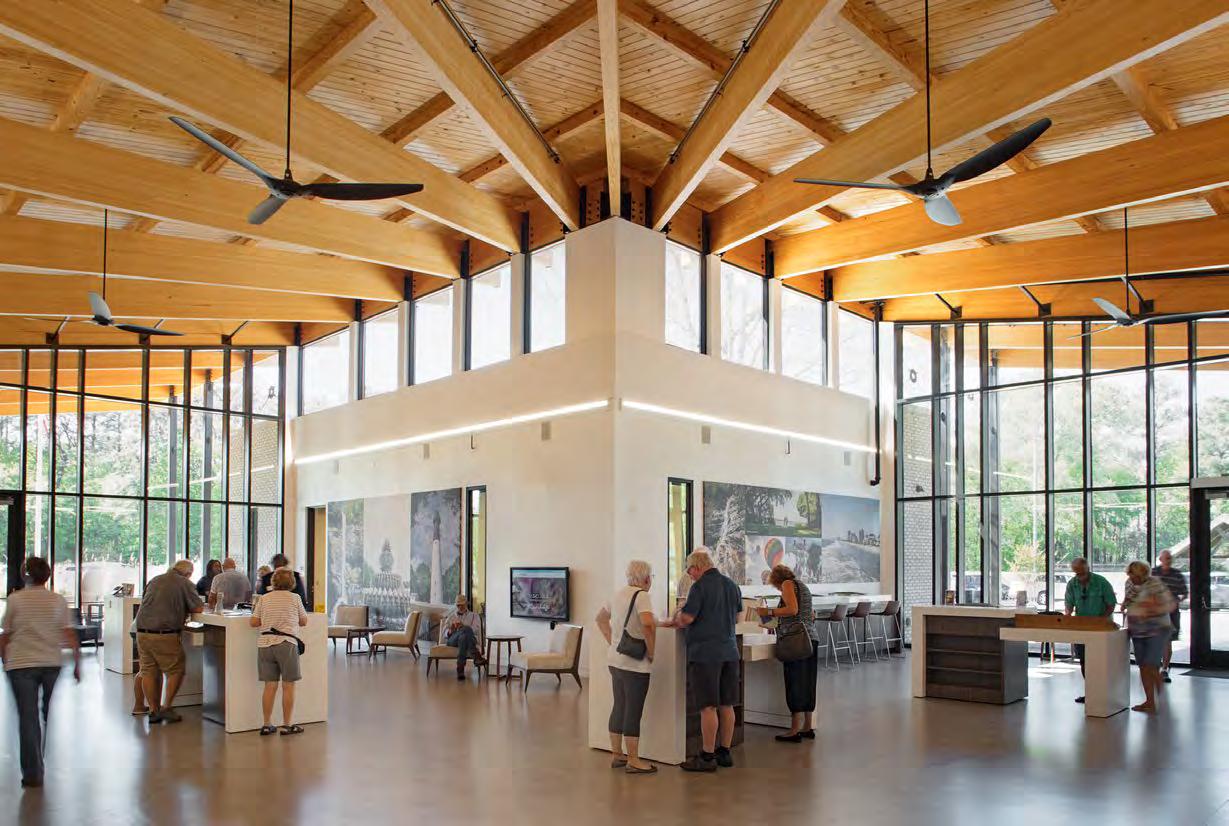
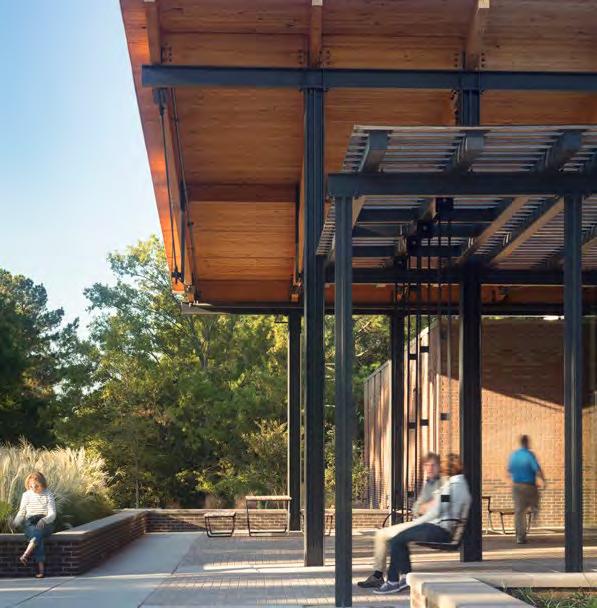
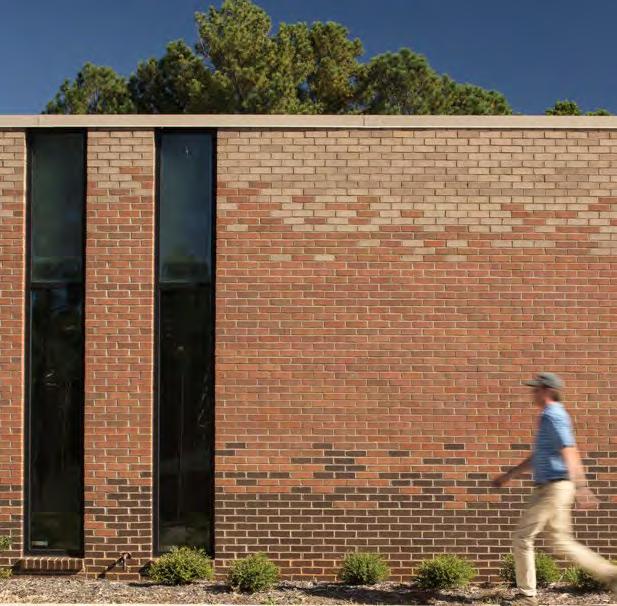
The design for Fort Mill and Hardeeville Welcome Centers focused on establishing the visitor experience and the traveler’s first impressions of the state. For the two completed welcome centers, Liollio developed a floor plan design that worked at both sites, while allowing the expression of each building to respond to its surroundings, culture, location, daylight, and the patterns of visitor movements through the sites. Our goal to create warm and inviting welcome centers was achieved through building materials, form, color, textures, and a front porch element acting as the main entry. For example, at Fort Mill, the visual patterns of the exterior brick relate to the beautiful natural pottery of the Catawba tribe. At Hardeeville, the Lowcountry ironwork, grasses, and sandy soils relate to the building materials and steel detailing. The design for the North Augusta center is currently underway and maintains the same focus on visitor experience and first impressions.
”What sets this firm apart is their ability to navigate the intricacies of a project, such as a public building. As a Town Administrator of a small municipality, I was initially concerned about how much time would be spent managing a project of this scale, all while maintaining the day-to-day functions. My fears were calmed quickly, and I was impressed time and time again by all the staff was able to accomplish. They handled small fires behind the scenes and when items needed my attention, they presented those in a straightforward manner. It's just one of the many reasons our Town and numerous others are repeat clients.”
– Ashley Kellahan,
District Manager, James Island Public Service District
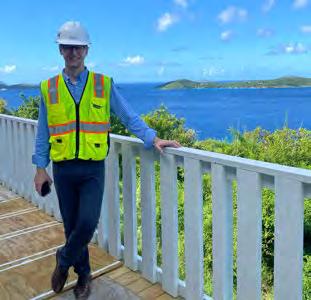

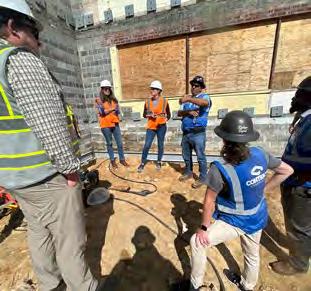
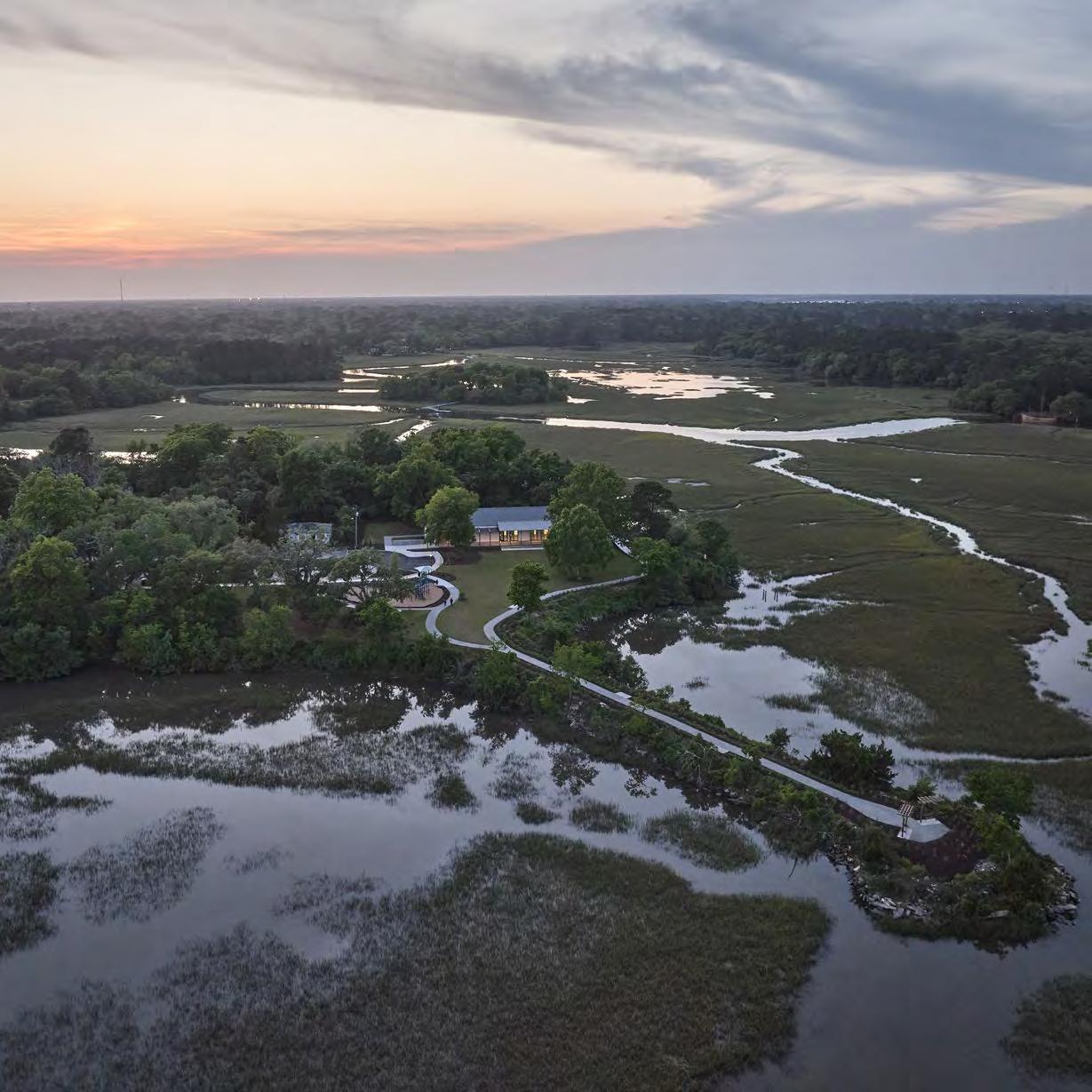
“Liollio listens to owner feedback and concerns, and openly accepts the challenges presented to them to better the project. They take a hands-on approach to project management for schedule and budget. It is very rare yet refreshing to work with a firm like Liollio Architecture who meets all obstacles head-on to facilitate the implementation of wonderful civic and public facilities.”
− Elizabeth Brownlee, RLA, Assistant Director of Capital Projects, City of Charleston SC
We understand the drivers impacting our clients and we strive to deliver projects that move our clients' institutions forward within their budgetary and schedule constraints, while reflecting their identity and mission. While the Liollio team brings our own expertise and knowledge to your project, we recognize that we don't have all of the answers either. Solutions are found best when we listen before we lead.
While our clients all have unique needs, one design goal remains the same - we strive to create environments that provide inspiration to the users. We design for the next generation, with a respect for the past. The best indicator of our performance is our client references and our 93% repeat clientele. We are only as good as our last project and know that we have to deliver to continue our trusted relationships.
liollio architecture
1640 meeting street road, suite 202 charleston sc 29405
843.762.2222
www.liollio.com
principals
jennifer charzewski: jenniferc@liollio.com
andy clark: andy@liollio.com
jay white: jay@liollio.com
associate principal
elissa morrison: elissa@liollio.com