Master of Science in Architecture - Building Architecture
Politecnico di Milano
YU-HENG LIN
BIM Specialist / Architect linkevin114@gmail.com
+39 3339417453
Skills
* indicates advanced proficiency
- BIM Software
Autodesk Revit*
Navisworks*
Autodesk Construction Cloud*
Autodesk BIM 360
Dynamo
Autodesk Recap
- 3D & Graphic
Rhino*
Sketchup*
AutoCAD*
Enscape*
Vray
Twinmotion
Adobe Photoshop*
Adobe Illustrator
Adobe Indesign*
D5 renderer*
Lumion
Blender
- Other
Microsoft Office*
Drone Flying & Filming
QGIS
Hand-made Model
Languages
- Mandarin (Chinese)
Native Speaker
- English
Full Professional proficiency
- Italian A1 certificated, A2 progressing
An experienced BIM Specialist / Architect with a strong foundation in BIM modeling and analysis, architectural graphics, diagramming, and building visualization. Particularly skilled in large-scale projects, including stadiums, residential complexes, and school campuses.
PROFESSIONAL EXPERIENCES
BIM CONSULTANT / SPECIALIST
3-IM, Milan, Italy
• Project Aramco Stadium, Dammam, Saudi Arabia ($1 billion budget):
- LOD 400 modeling on Revit across multiple disipline, including Structure, Architecture, Fit-out. Categories including RC structure, blockwork, finishes, opening, expansion Joint, sub-structure, furniture)
- In charge of over 20 packages of Shop drawing, more than 300 sheets, fully on Revit.
- LOD 400 modeling on Revit across multiple disipline, including Architecture and Fit-out. Categories including blockwork, finishes, furniture)
- Submitted over 15 packages of Shop drawing. Including setting-out, plans, section elevation ,and callout details drawings for all types of residential units.
JUNIOR ARCHITECT
Fieldoffice Architects, Yilan, Taiwan
• Project Guan-Pu Elementary School - Stadium Design ($4.7million budget):
- 3D modeling (rhino,Revit), structure modeling (rhino), IFC drawing(AutoCAD), building visualization, physical working model
- Coordination with Structure, HVAC, and Lighting consultants and other contractors.
• Project Long-Shan Elementary School - QunYing Building Design (site area 23,098 m2, 4 storeys):
- On-site construction manager: construction quality reviewing, responding to issued RFI.
INTERN (FULL-TIME)
Fieldoffice Architects, Yilan, Taiwan
• Project Guan-Pu Elementary School
- Campus design proposal & development
- Physical working model, research of details, IFC drawing making.
AxB Architecture Studio (Chiu, Wen-Chieh Architect), Taipei, Taiwan
• Project Hsinchu City Zoo:
- Physical Model Making, Design proposal & development
EDUCATION
Politecnico di Milano, Milan, Italy
MSc in Architecture - Building Architecure. Final grade: 110/110 (GPA=4.0)
National Cheng Kung University (NCKU) ,Tainan, Taiwan
Bachelor Degree of Architecture
ABOUT AWARDS / CERTIFICATES /PUBLICATION
“Inventing Schools, Una scuola grande come il mondo “, Barbara Coppetti, Elvio Manganaro Team member of the selected project, 2023
IELTS Test, Overall 8.0
Thesis Design Award
National Cheng Kung University (NCKU) ,Tainan, Taiwan
EU Driver’s License, Category A2 & B
Professional experience, Fieldoffice Architects, Taiwan, 2019 - 2020
of Knowledge: A New Idea of BEIC Library in Milan
Thesis project of MSc degree, Politecnico di Milano, 2022 - 2023
On Flow: A Modern Campus for Children
Project of Complex Construction Studio, Politecnico di Milano, 2022
the Past
Preservation Work Project, Politecnico di Milano, 2022
Study With Trees
Long-Shan Elementary School - QunYing Building Design & Construction
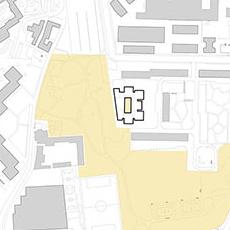
Long-Shan elementary school, a scholl that has a history of almost 100 years, is strongly connected with surrouding community and famous for its incerdible natural landscapes. Hence, the aims of the new Qunying Building design are:
1. Preserving the exsisting old trees on site
2. Ensuring the permeability of the path from the north to south shool gates.
3. Connecting the exsisting two campus buildings on the east and west.
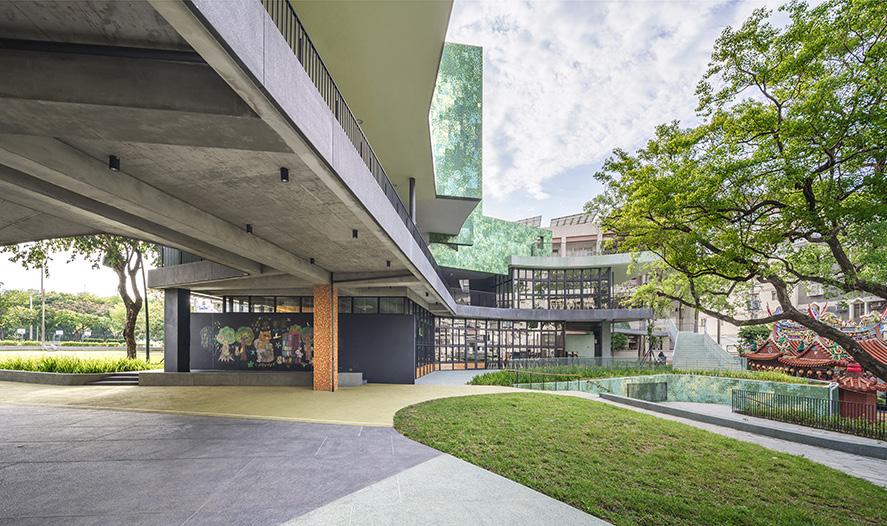
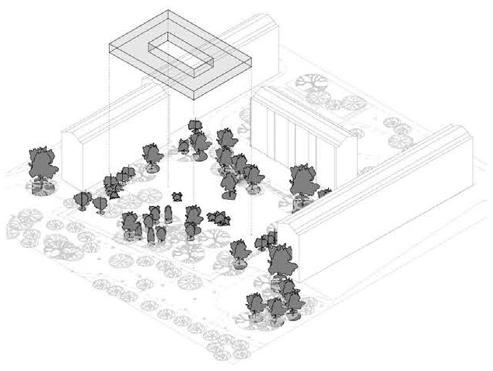
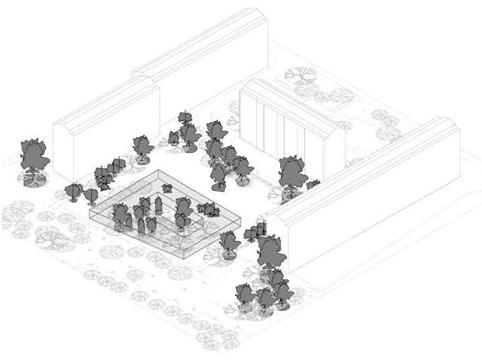
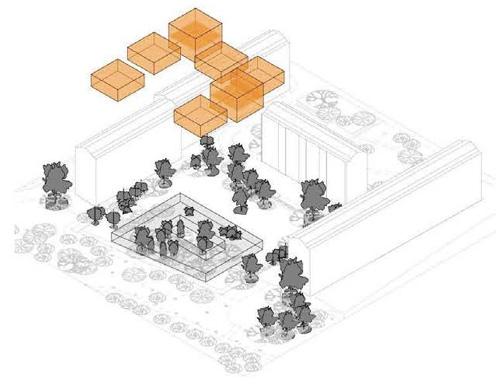
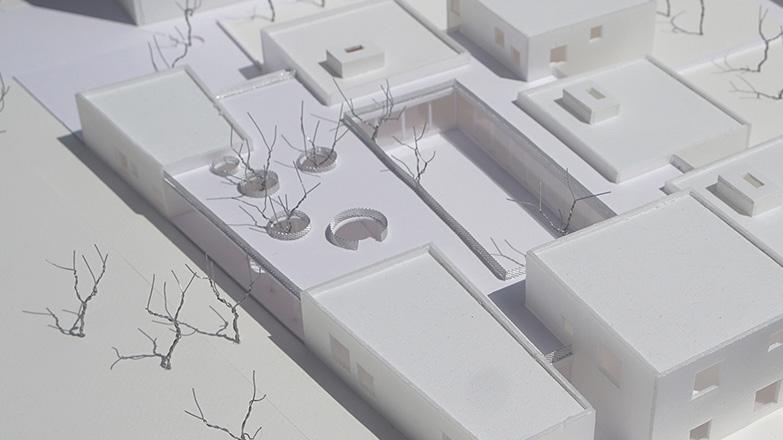
To avoid hitting old trees, the main volume of the new Qunying Building twists itself into some angles, at the same time open up itself for the entrances on the north and south. At the north side, the building directly opens to a school gate, and the newly designed path leads people to a communal temple, where parents can wait for picking up their children after school. An arm-like bridge strechs out on the south side of the building, leads the students directly to the front gate of the school.
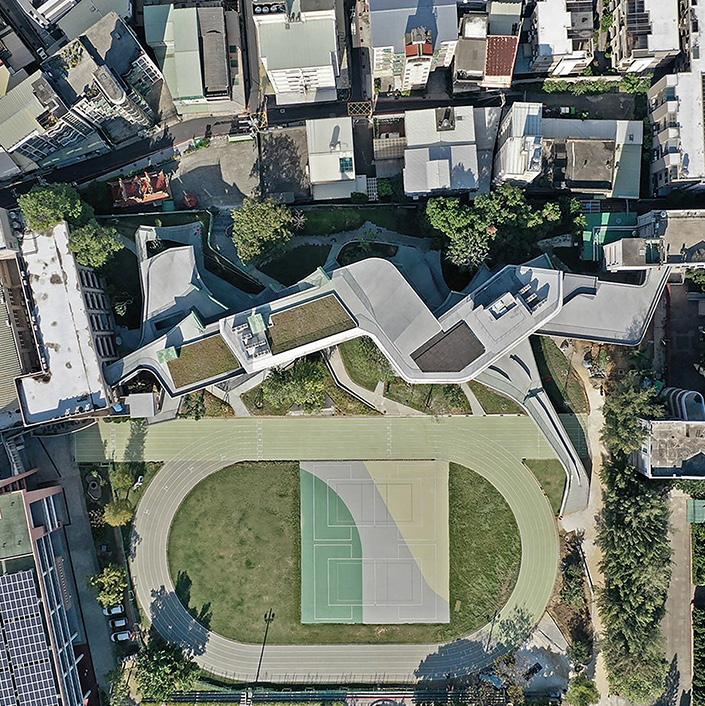
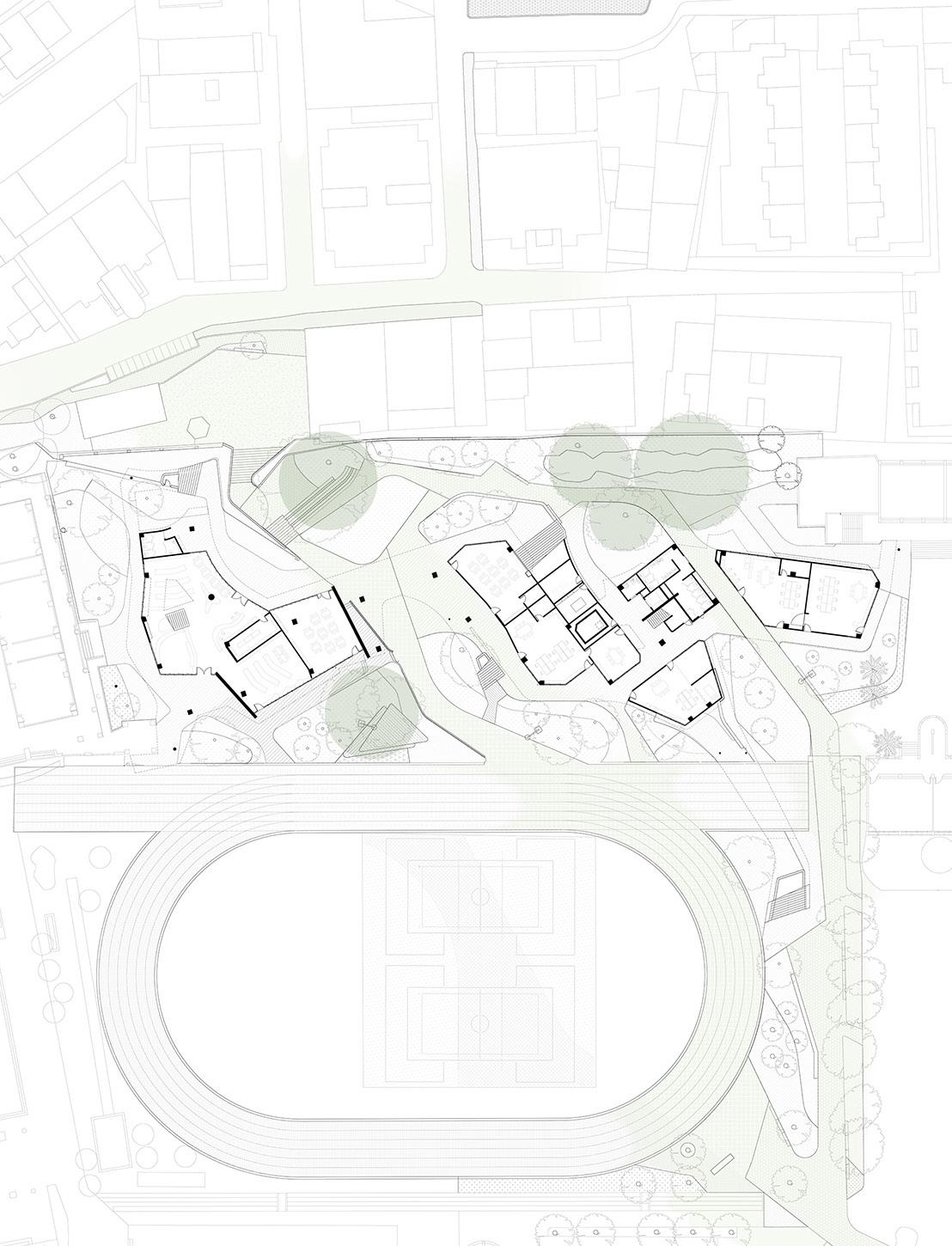
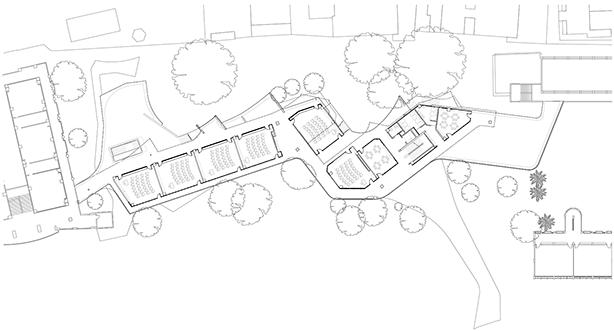
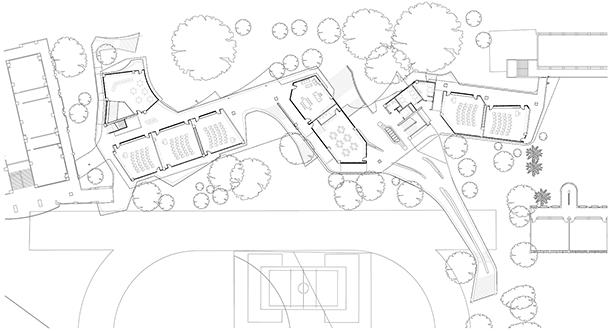
Top view of the new Qunying Building
1. Communal temple
2, School gate & plaza (North)
3. Library
4. Office
5. Classroom
6. Exsisting large old trees
7. Track and field
8. School gate (South)
9. Exsisting campus buildings to be connected
Study within Greenery
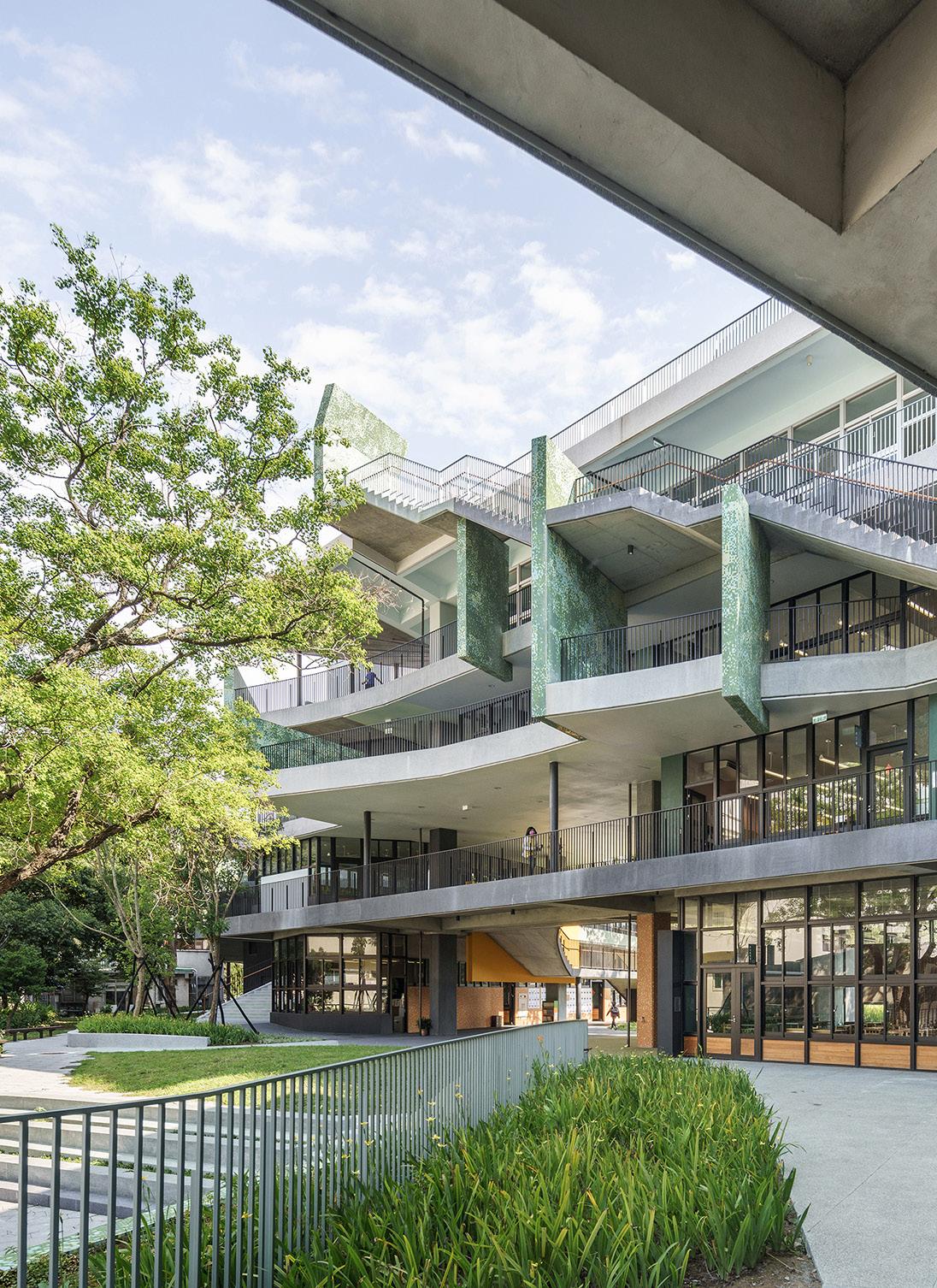
The one main theme of the project is trees and green zone. We believed that only in the natural environment that children can truly grow up happily. Therefore, with the twisted building volume of new Quinying Building, the three main groups of exsisting old trees
are sensible in every corner of the projects. Also, the opened corridors on each floor bring clear views of the sorrounding to the students. While children passing through each path, they can see the greenery, enjoy the natural landscape, and play within it.
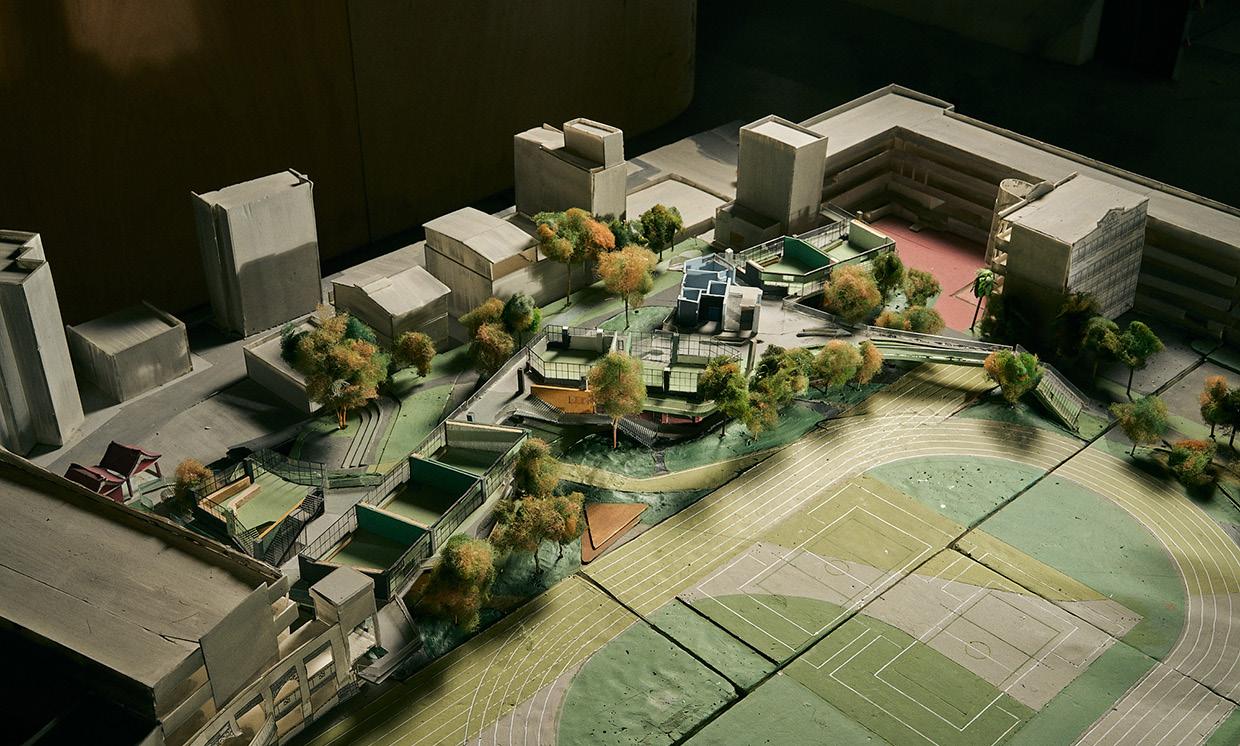
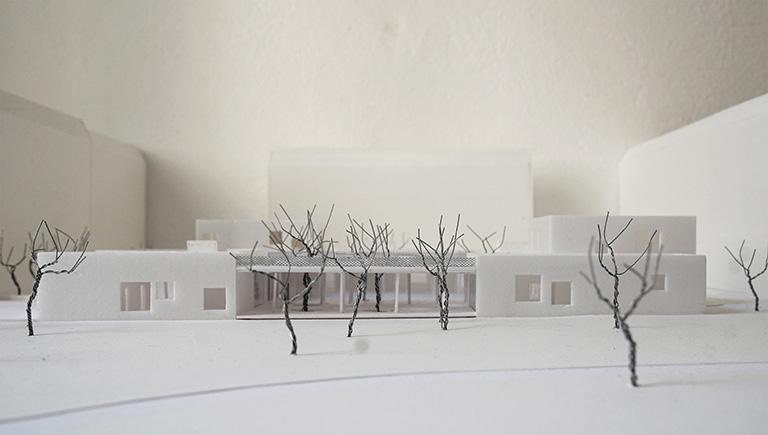
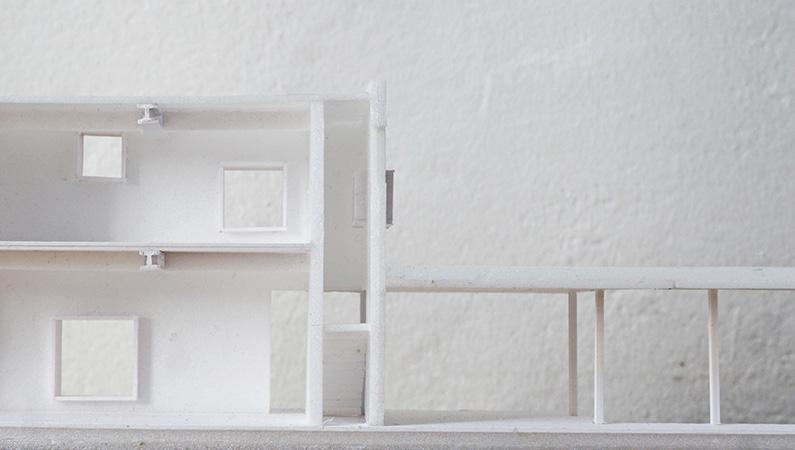
working model of the project (GF)
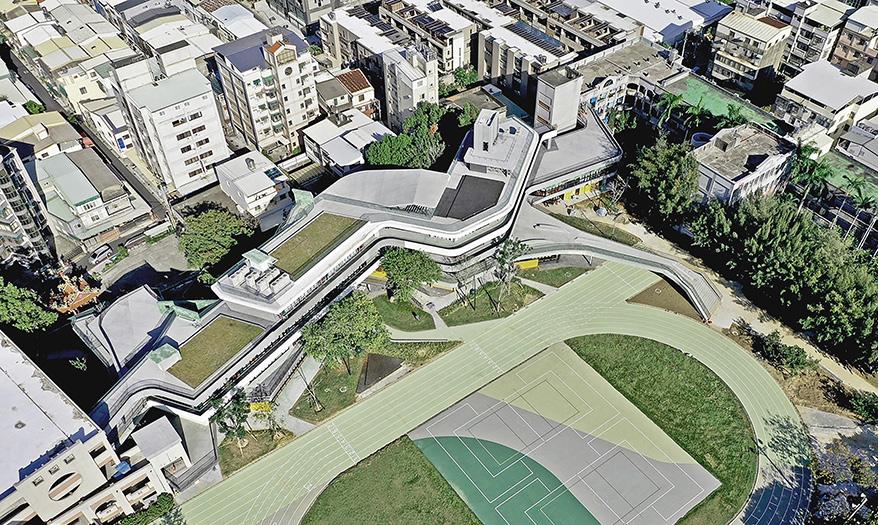
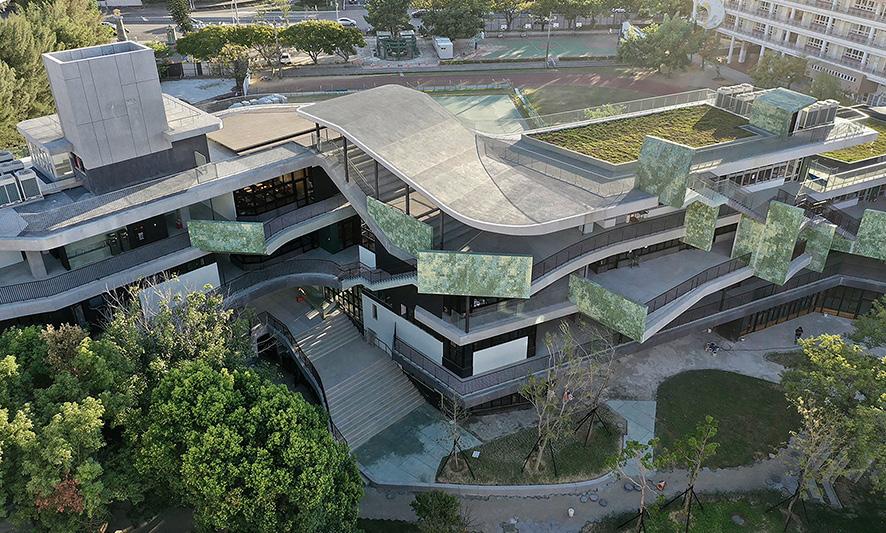
Bird view of the Project (taken by drone)
Another aim of this project is to maintain the transparency of the facade in order to bring in fresh air and enhence the performance the heat transfer. However, Hsinchu, where the project located in, is a city famous of its strong wind. Thus, to provide
necessary shelter for the kids, we develped the human-scaled wind shelting walls on each windy spots. Cladded with mosaic that mimic the tree patterns, the shelting walls creates an interesting rhythm on facade.
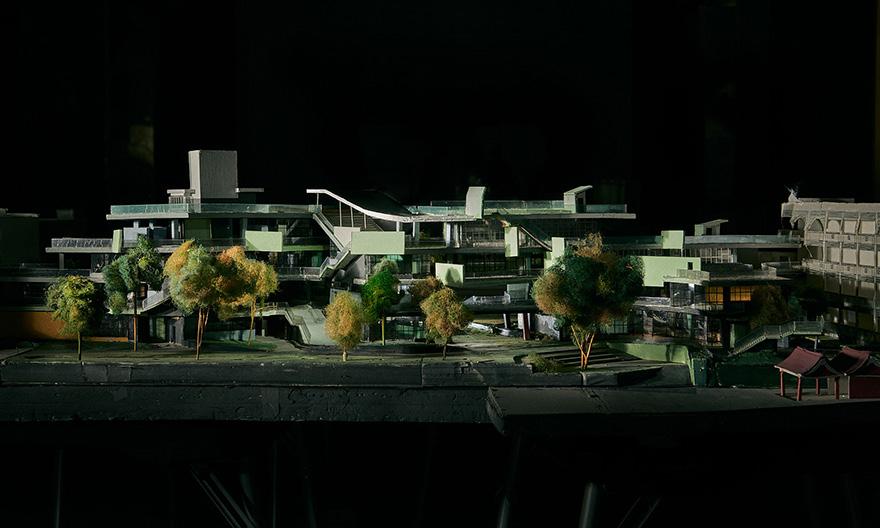
Bird view of the south facade
Working Model. view of the south facade
Flowing with the Wind
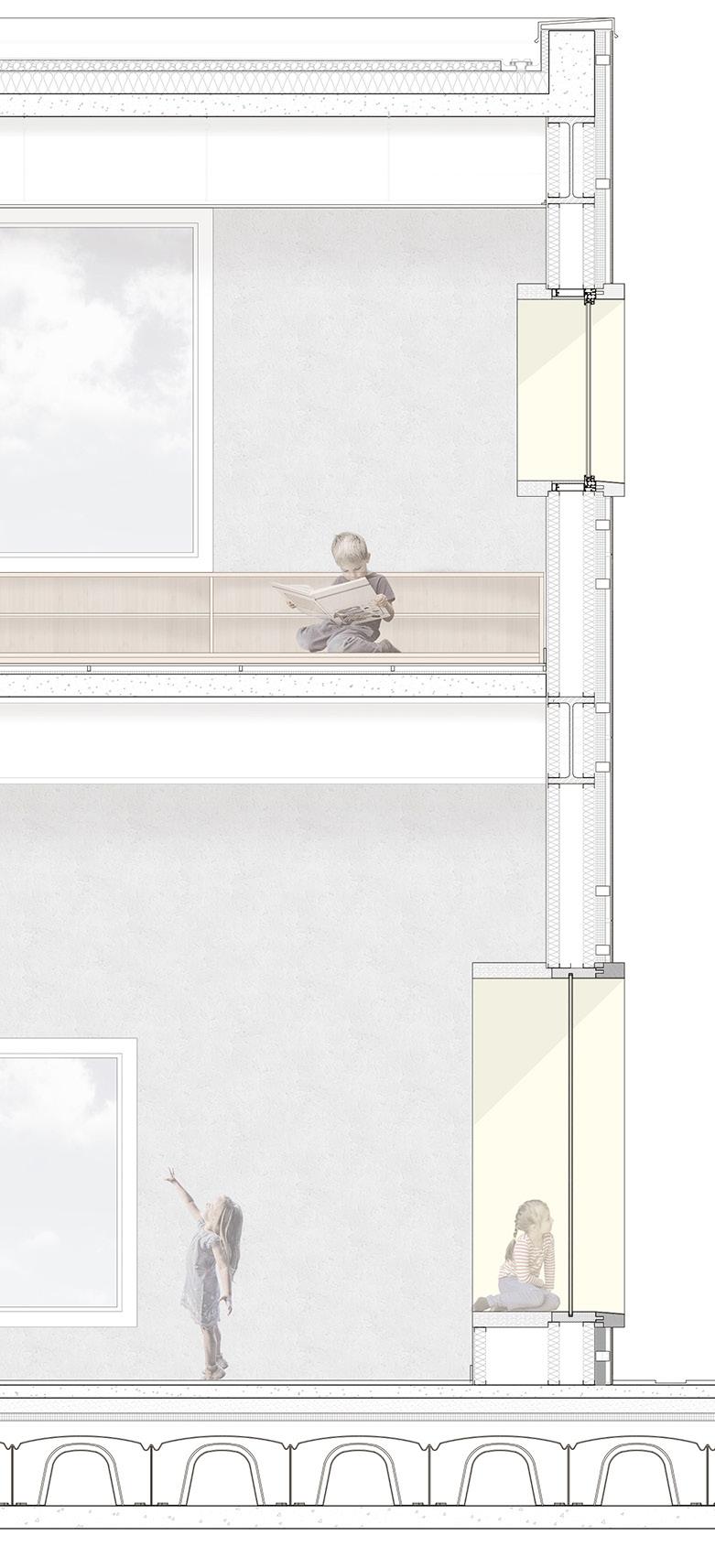
The Grand staircase on terrace is a gathering space for students. The semi-outdoor design enables wind to flow through
The human-scaled green walls serve as wind blocking units. Providing nessecery shlters for students.
AA
BB
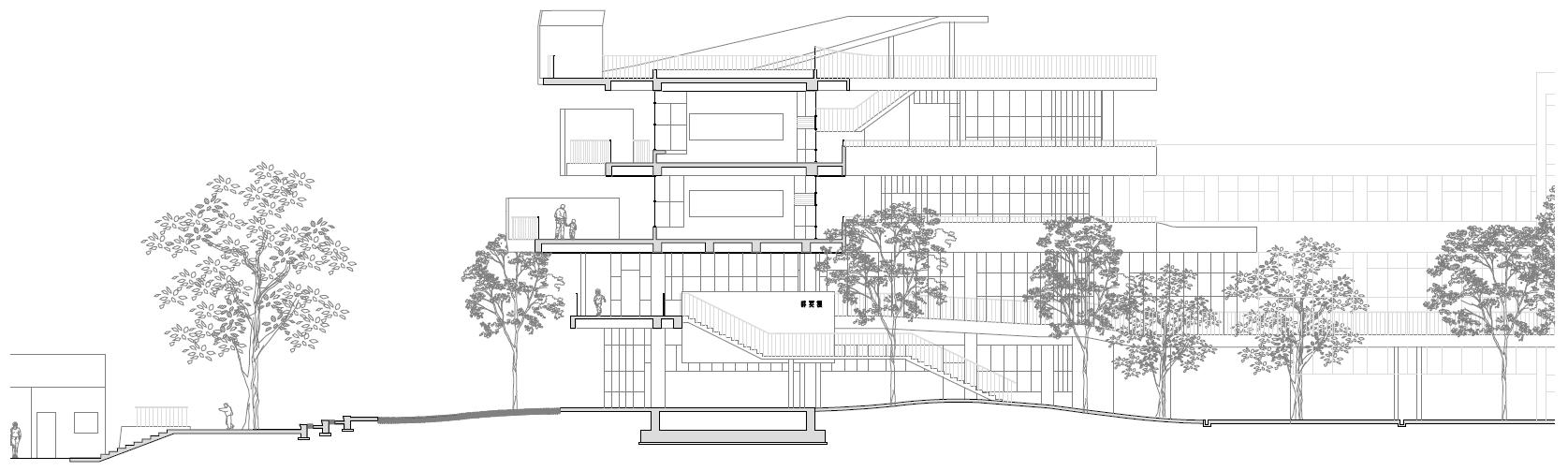
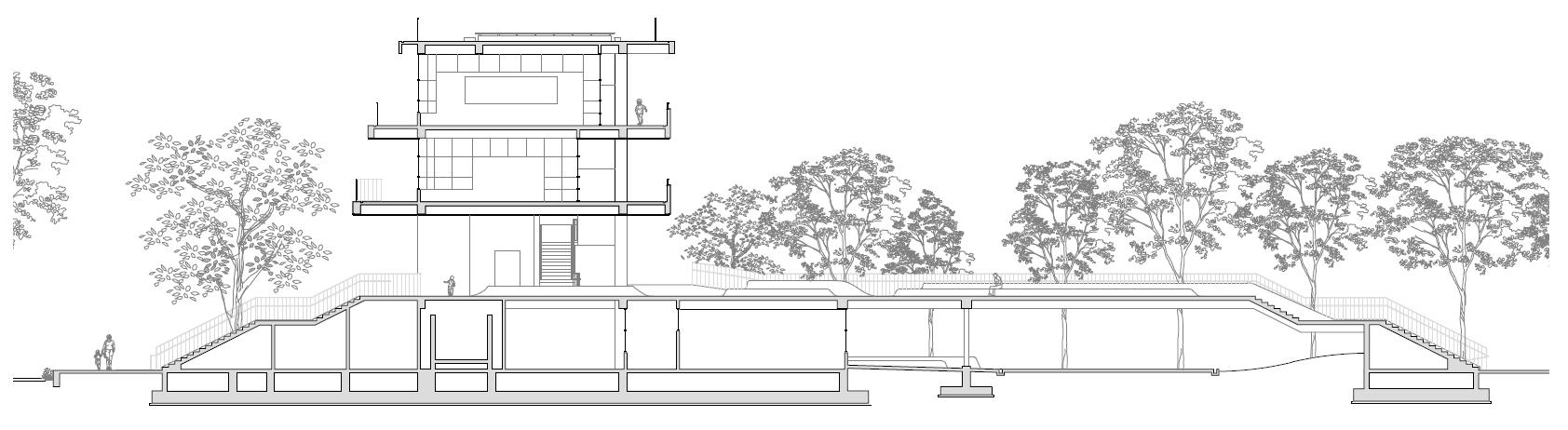
Section
Section
Connection with the Neighborhood
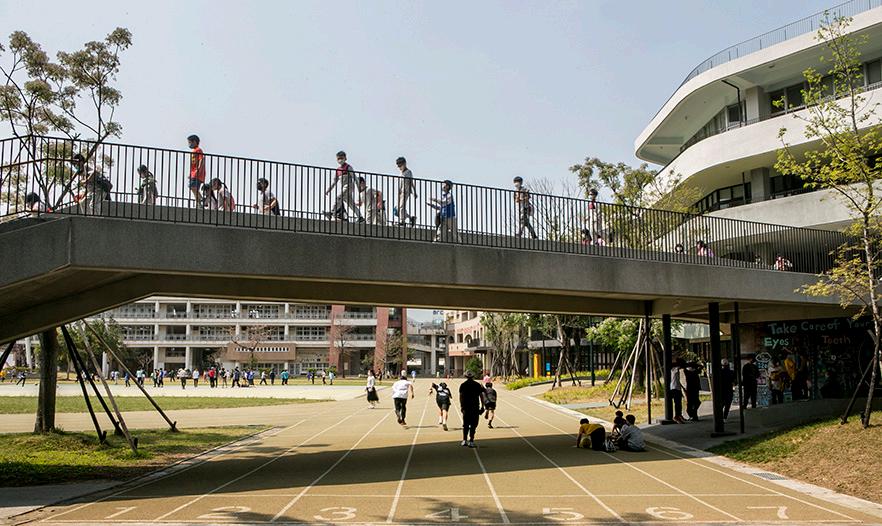
The Quinying building is located next to the north school gate, which is important for students to get home. Hence, to ensure the permeability, we develped a widely-opened ground floor and a directional bridge
to cross the track of sports field on1st floor. With the connection, the main path from south to north can be clearly understand, and students can freely access th building while sport activities happens below.
View of the corridor connecting to the south gate of school
Viewthe of bridge croossing the track
The opened main corridor enable people and wind to freely pass through. The smoothly-decended landscape links the different altitudes.
DD
The main stairs leads people passing by the 1st floor, going through the greenery
Section
Section CC
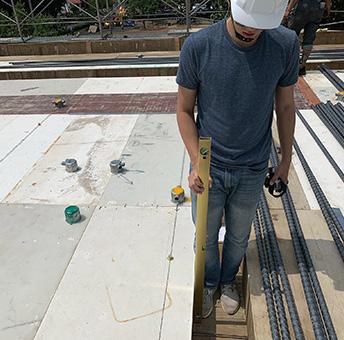
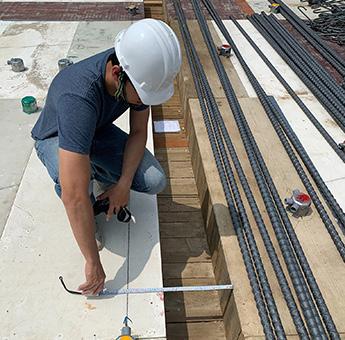
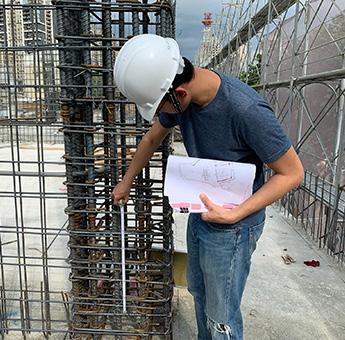
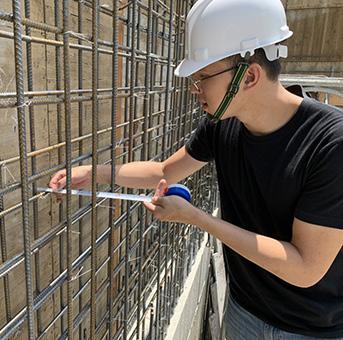
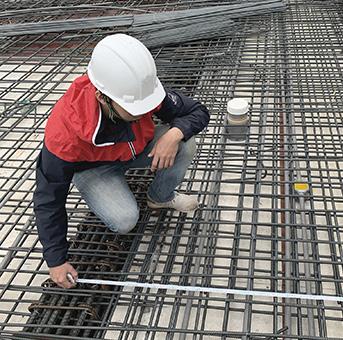
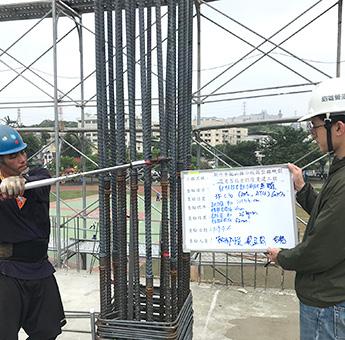
Construction Reviewing & Coordinating
Me checking the concrete cover depth
Me checking the verticality of formworks before concrete casting
Me checking the interval of rebars of floors
Me checking the results of Setting Out
Me checking intervals of rebars of walls
Me reviewing the torsion testing of rebars on columns
Loop of Knowledge
A New Idea of BEIC Library in Milan
Keyword: Library / Public / Sustainable
2023 | Academic Project
Graded with 110/110
Complex Construction Studio 2
Site: Porta Vittoria, Milan, Italy
Teamwork With:
Varshini Mysore Suresh
Ying-Shiu Lin
Instructors:
Maria Grazia Folli
Corrado Pecora
Giovanni Dotelli
Marco Imperadori
Lorenzo Pagliano
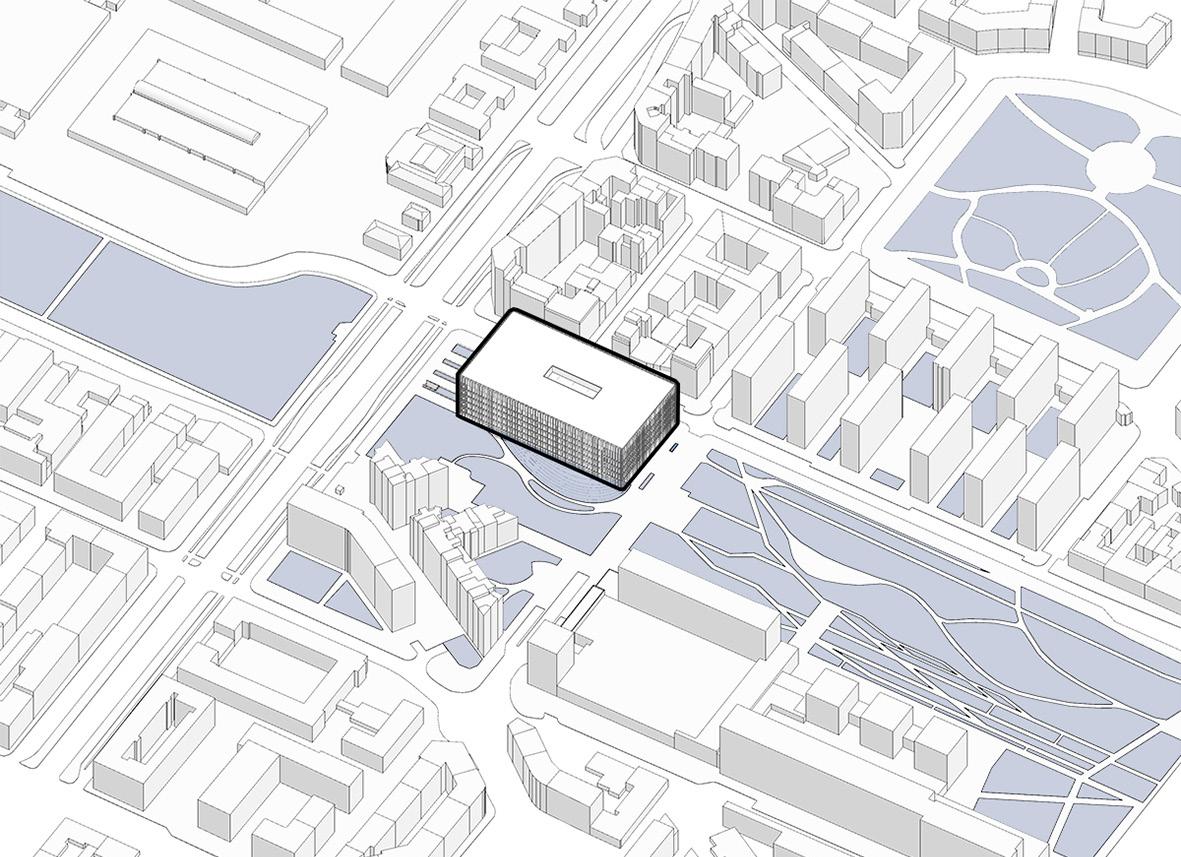
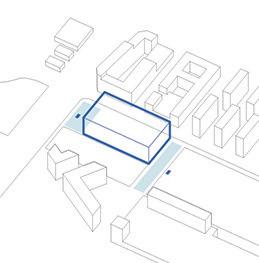
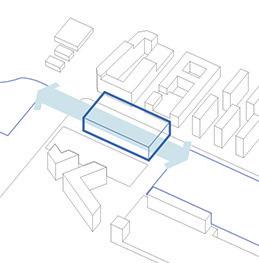
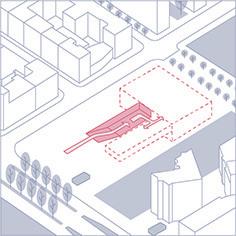
Site Strategy Master Plan
Linear Park
Entrance of Railway Station
Entrance of Railway Station
Linear Park
Step 1 Step 3
Adapting the site horizontally
Step 2 Step 4
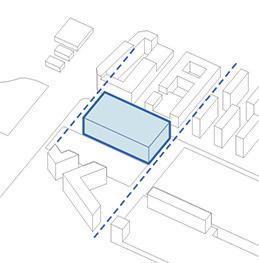
Respecting the surrounding context
Create plazas to connect with underground railway
Preserving the herizontal permeability
Ex-Macello
BEIC library Commercial Center
Design Concept
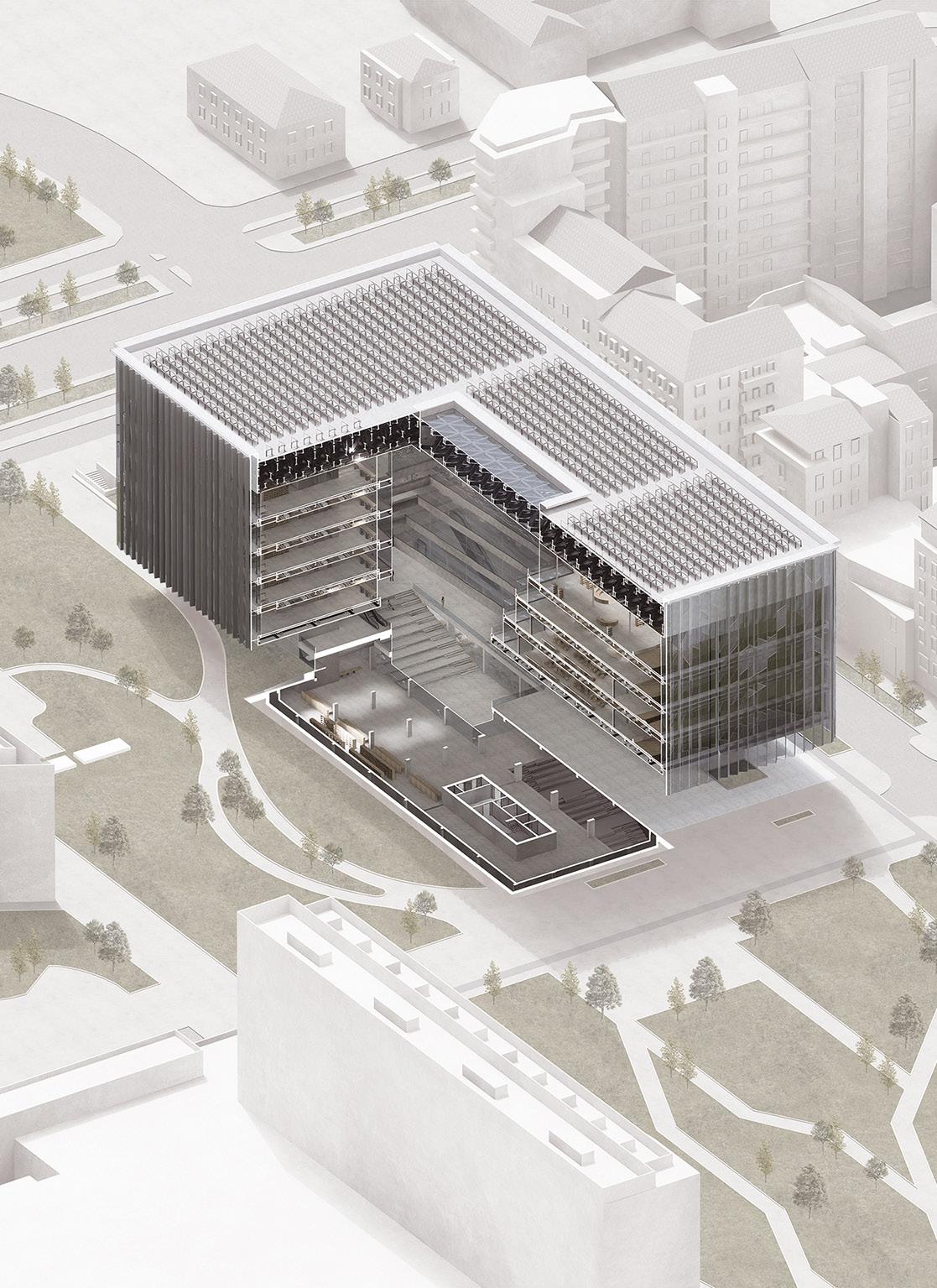
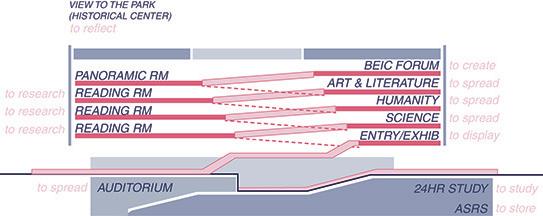
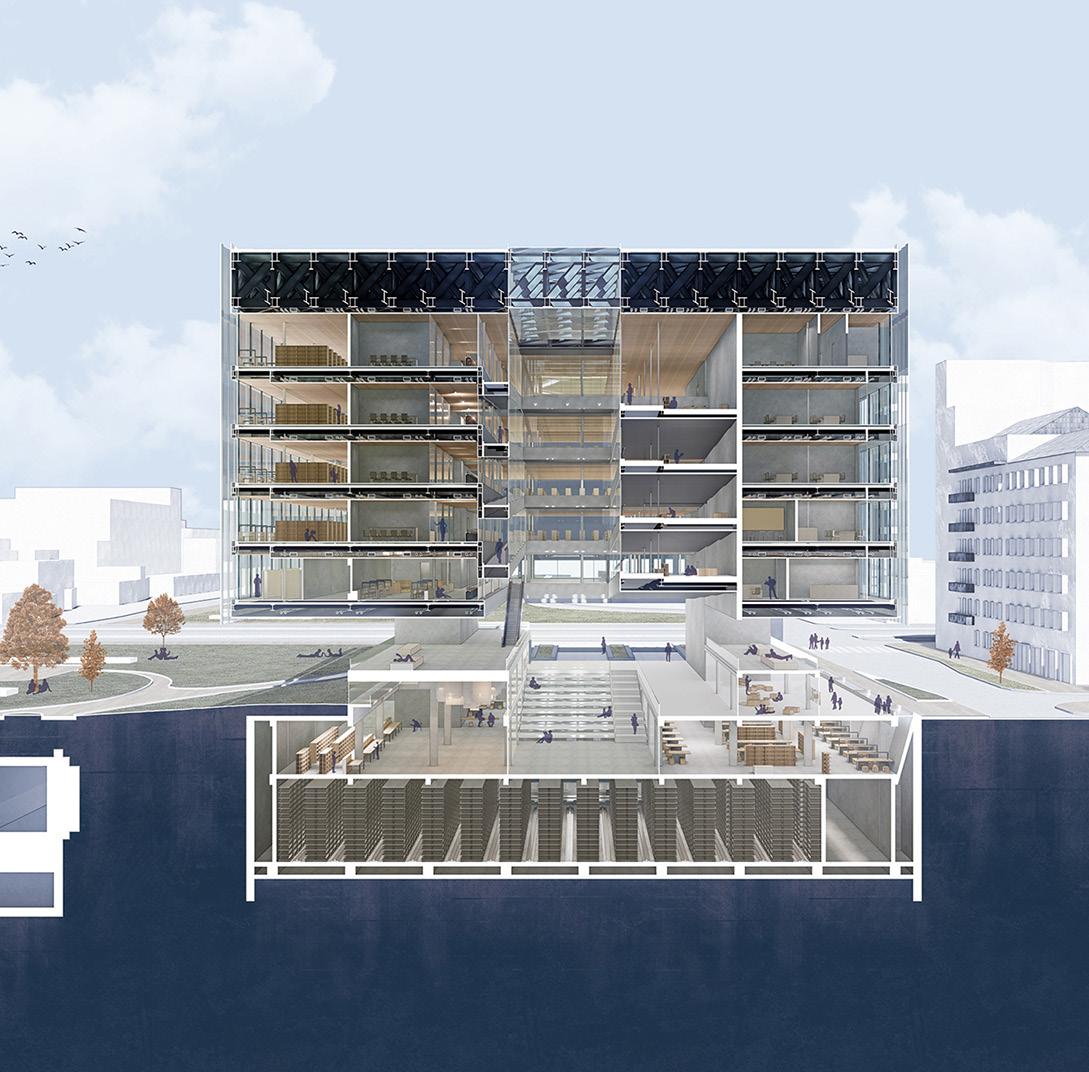
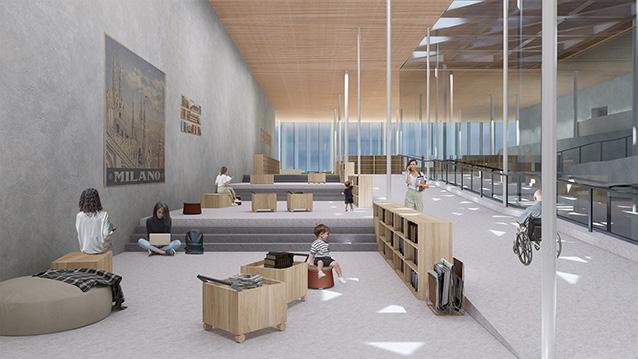
We have developed the idea of the library being a place where knowledge flows from the past to the future. We explored the narrative that the storage of knowledge is in a loop with the generation of new knowledge, which forms one of the major crux of the project.
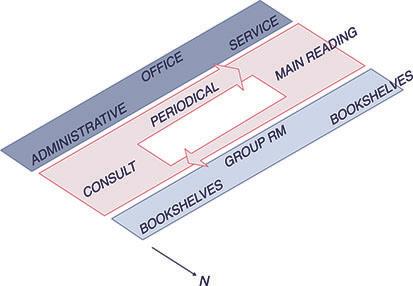
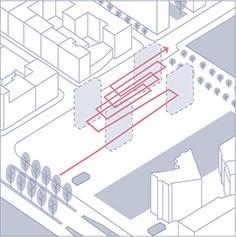
The axis defined in our concept, is emphasized with a main circulation ramp starting from the ground floor and ascending to the panoramic room on the top west end of the building, which strategically inclines the vertical circulation system. This ‘loop of knowledge’ continuously loops from a traditional library floor system
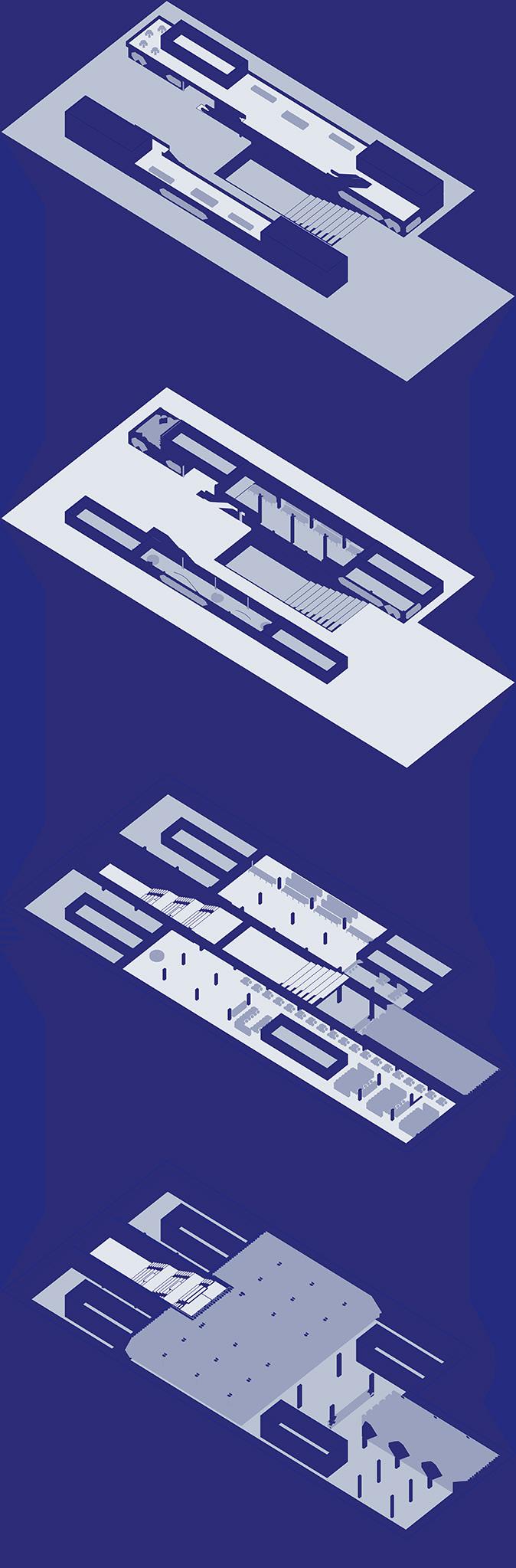
Typical Floor Organization Diagram
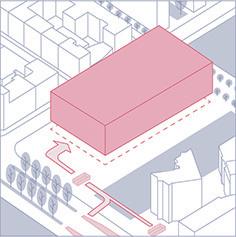
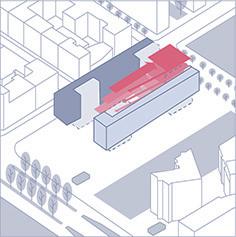
Design Development
Step 1
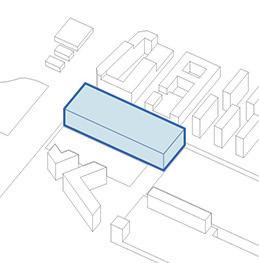
Lifting the main volume to preserve permeability
Step 2
Ground access & the sunken plaza
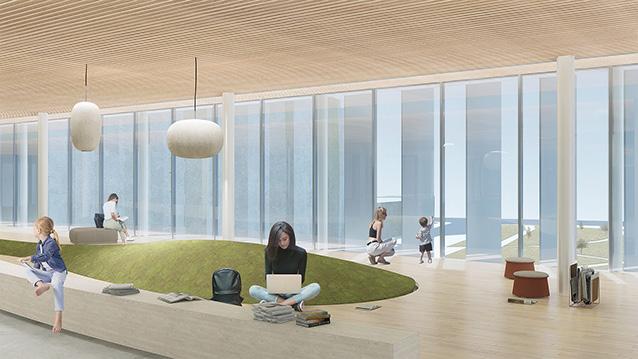
(East) to a more innovative and simulating split floor (West) through this central ramp, which also forms the void in the building. To blur the lines between the interior and exterior, where greenery plays a huge role, we have integrated a continuous landscape mound inside the Northern end of the project into the Ground floor space, encouraging new ideas and enhancing a positive experience.
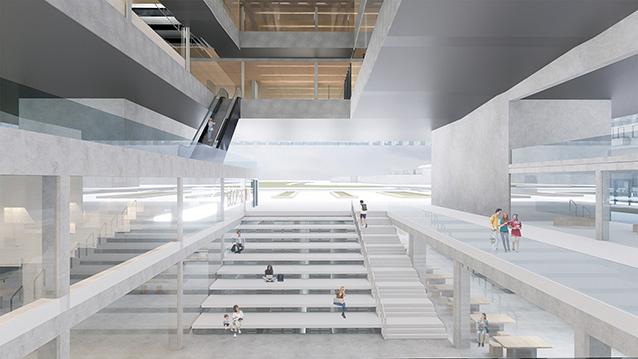
Continuing to have an evocative spatial experience, the visitor is first invited to experience the rich functionality of the ground floor leading to the sunken plaza. It births to a special public space, dividing the library resulting in clear communication to the passerby.
Conceptual Section Diagram “Loop of Knowledge Cycle“
Step 3
Define the cores and the “Loop of Knowledge“ circulation
Step 4
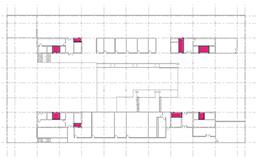
Functionality zoning
1. Viewing Terrace 2. Main Escalator to 2F
Book Shop
Lobby
Sunken Plaza 4. ASRS system (B2)
24hr Study 1. Bar 2. Lobby (B1) 3. 24hr Book Return 4. Sunken Plaza (B1) 5. Immaginarium
1. Auditorium
ASRS System (Central Storage System)
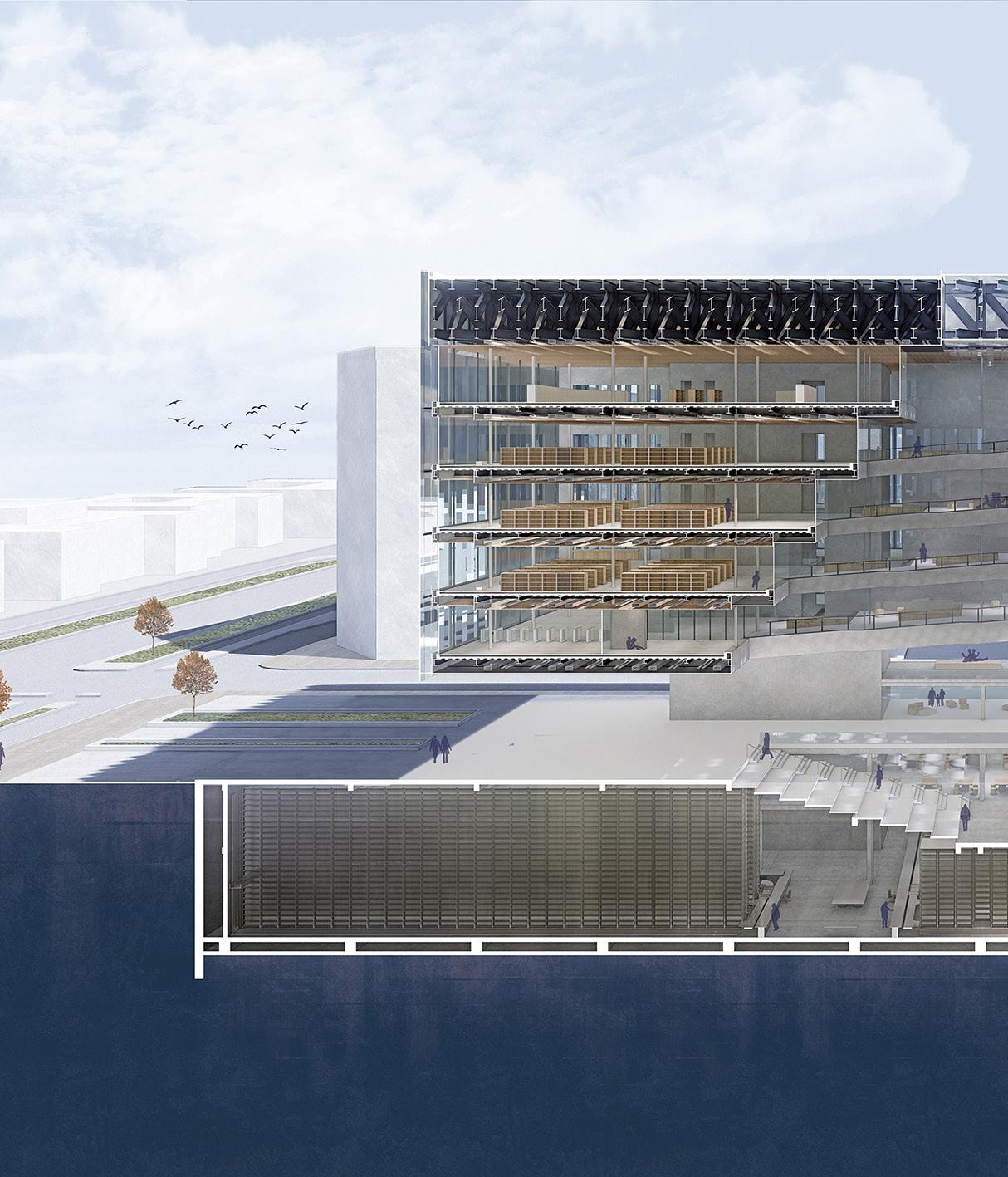
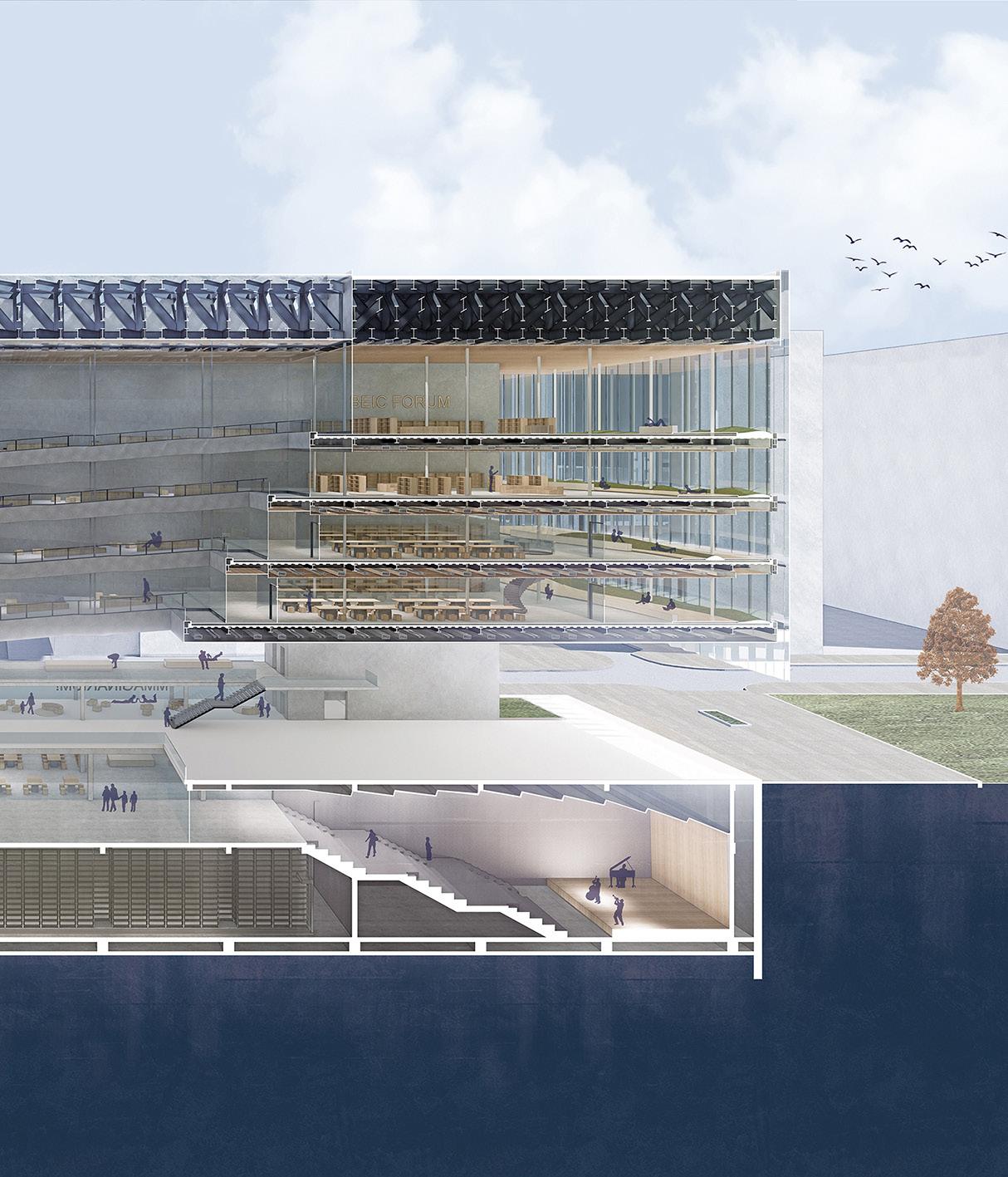
Transversal perspective section
a. Viewing Terrace (Free Study Zone)
b. Group Study Area
a. Interior Lanscape (Free Reading Area)
b. Group Srtudy Area
Individual Offices / Meeting Rooms
BEIC Forum Space Art & Literature Department
Humanities & Socialogy Department
Periodically Display
Document Offices
Interdisciplinary Thematic area
Science&Technology Department
Periodically Display
Digital Department
Interdisciplinary Thematic area
Multifunctional Public Area
Periodically Display
Adminitrative Office
Entrance of Library
Reception
a. Interior Lanscape
b. Silent Reading Hall
a. Interior Lanscape
b. Silent Reading Hall
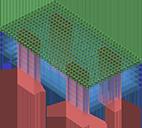
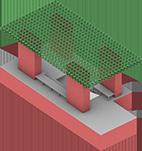
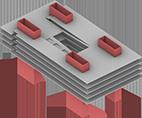
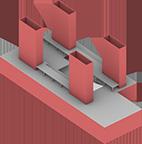
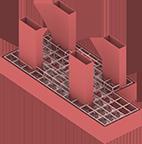
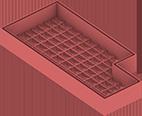
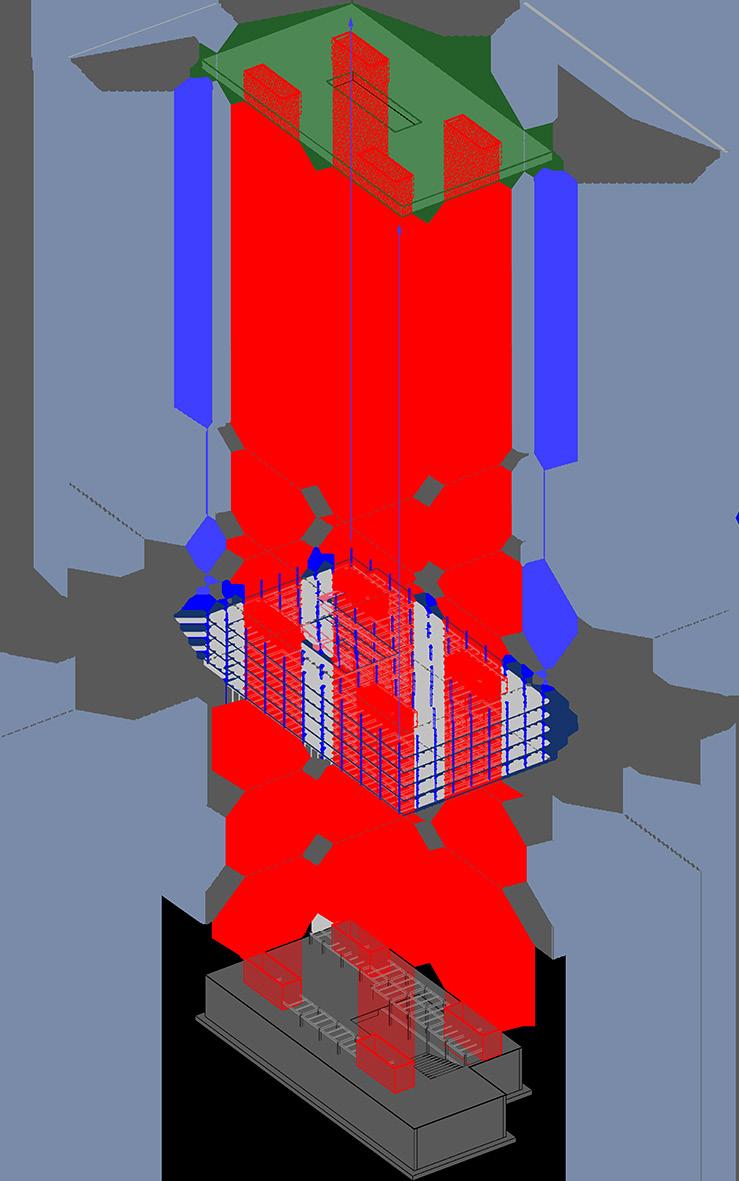
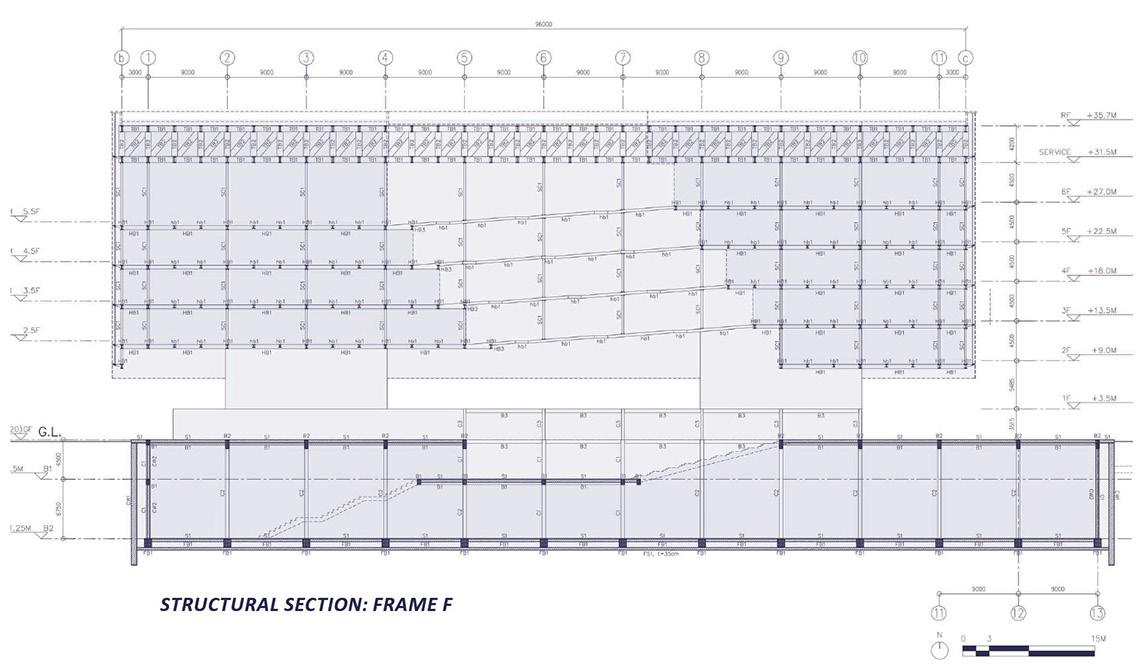
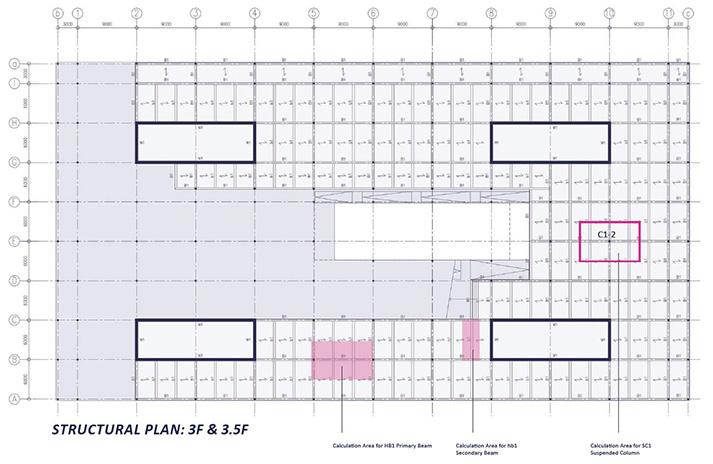
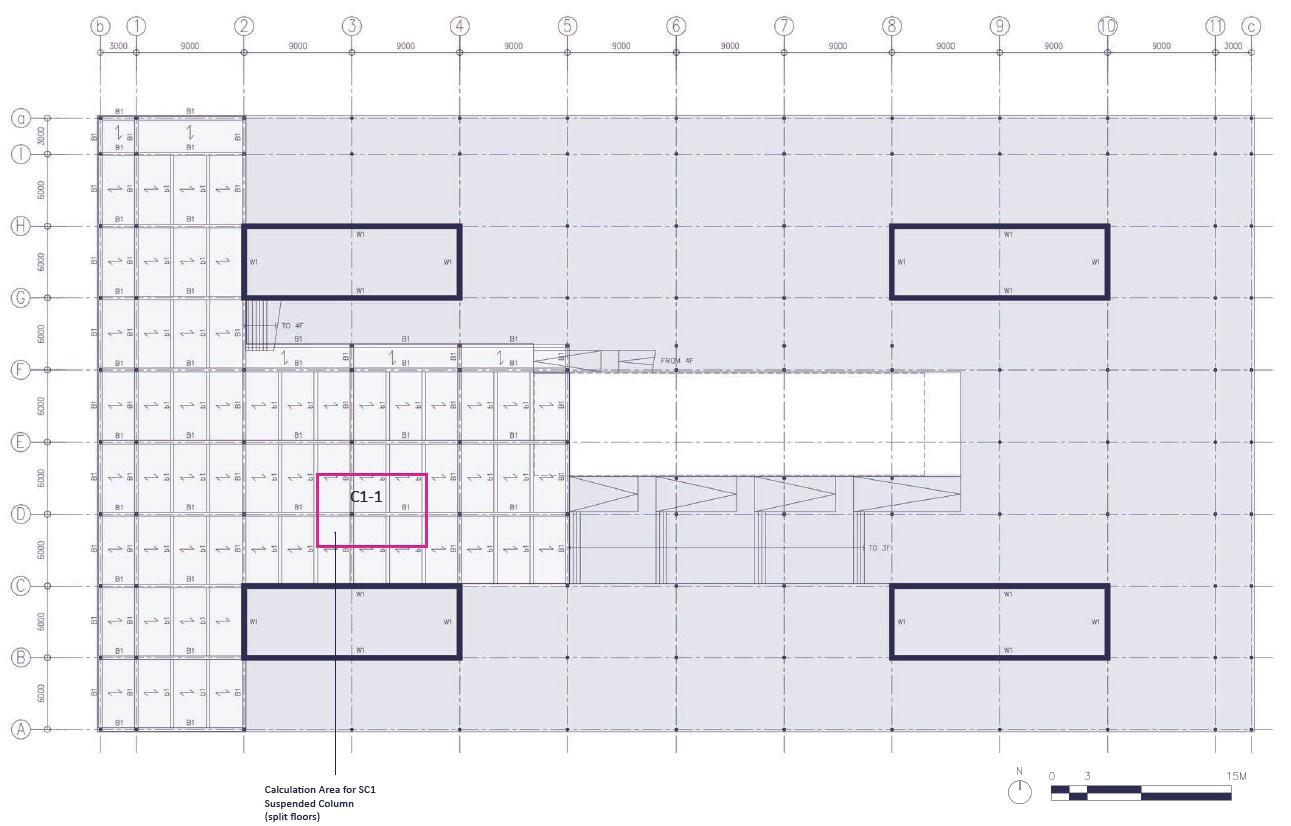
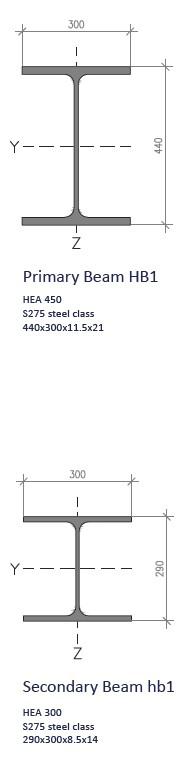
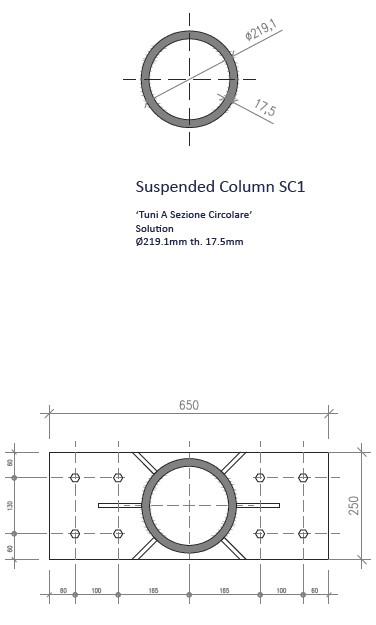
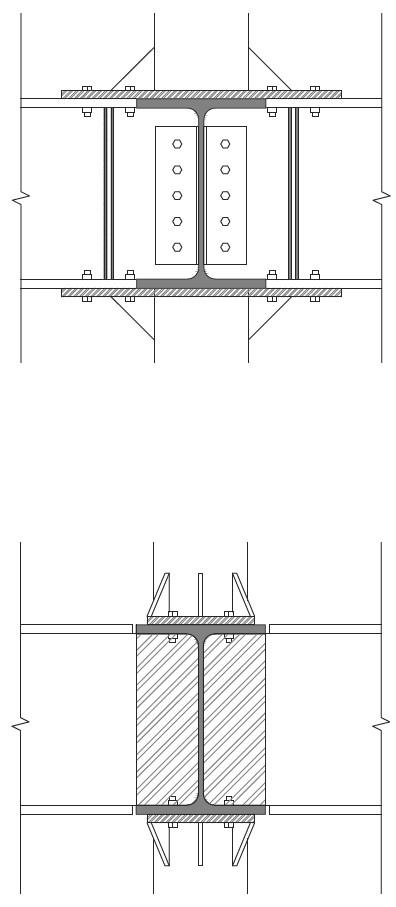
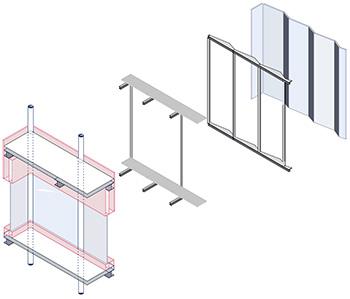
Structure Composition & Analysis
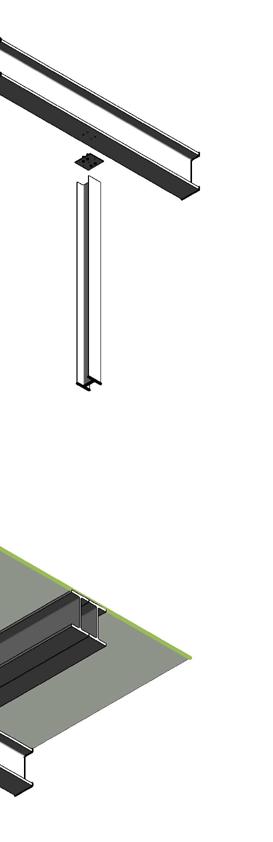
Suspended Columns
Hat Frame Plate
Suspended Floors
Fundation
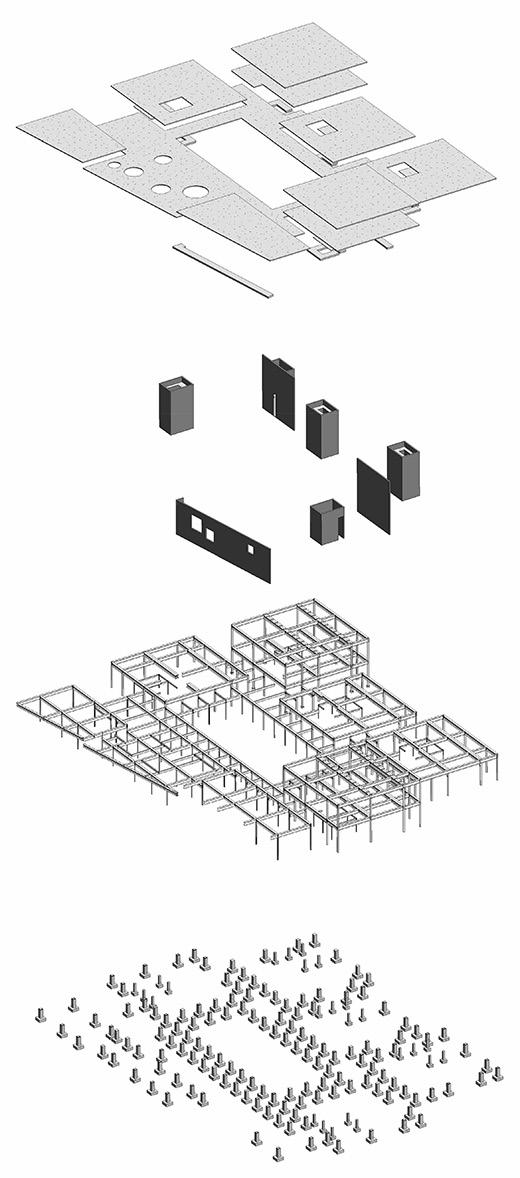
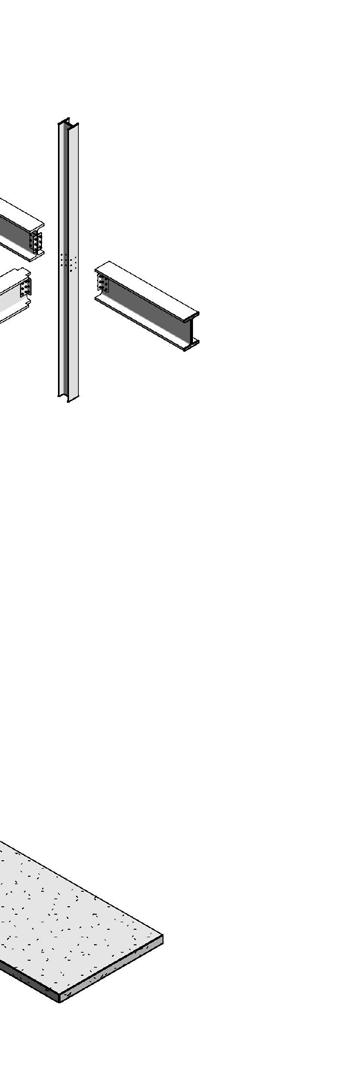
Structure Composition Daigram
Cores
RC
Ground Floor
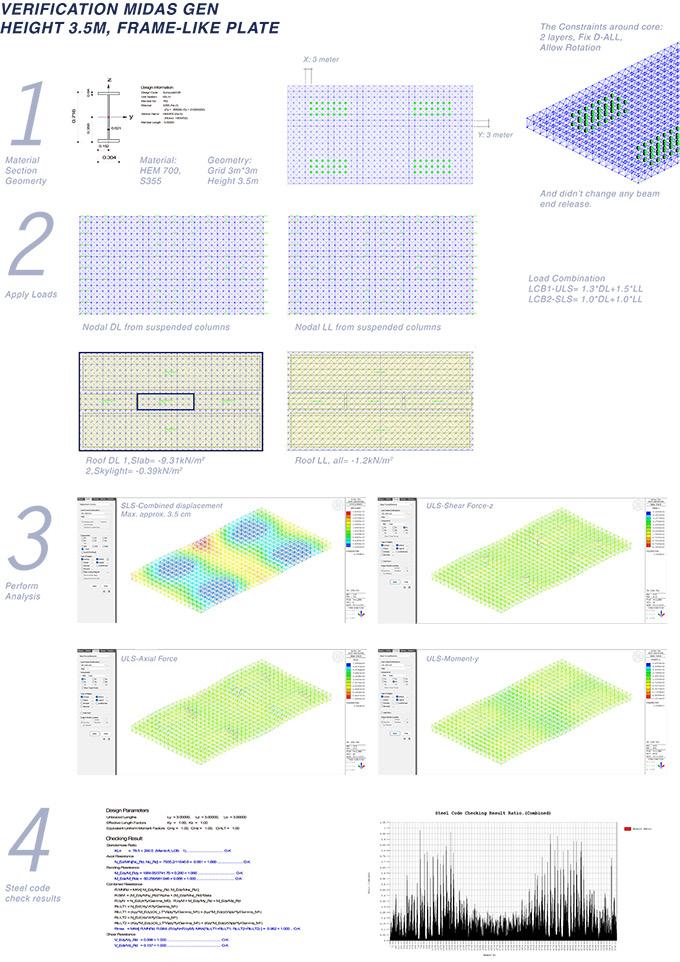
Verification via MidasGen : TheFrame-likePlate(Suspendingtheupperbuildingvolume)
Structural Design - Tecnical Drawings
Facade & Interior Technology
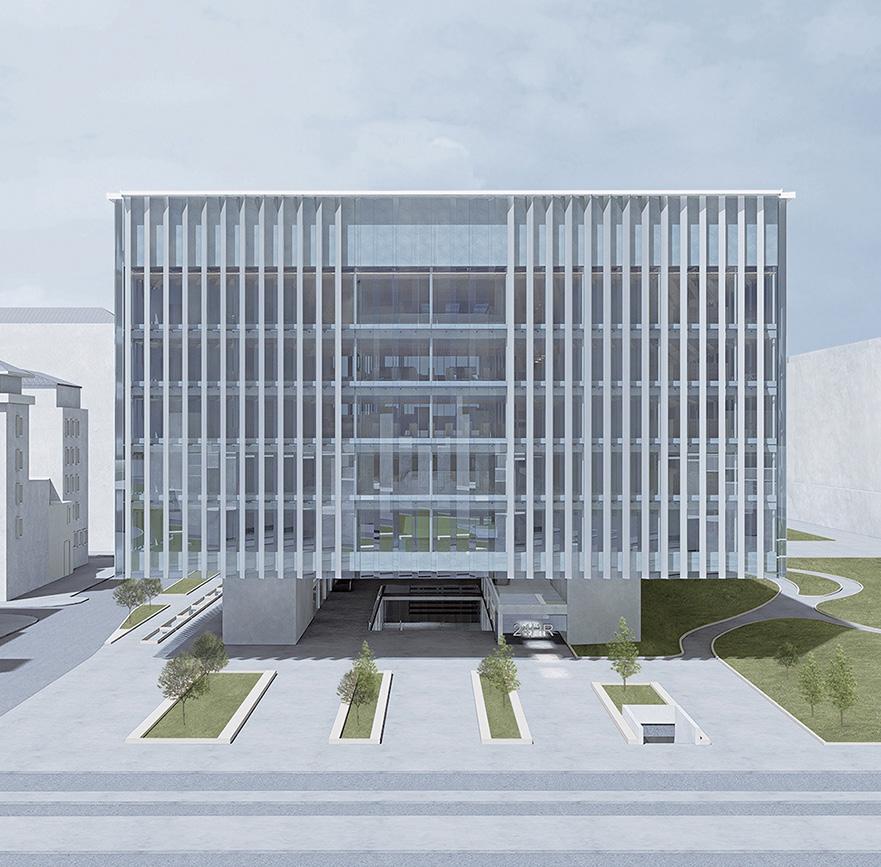
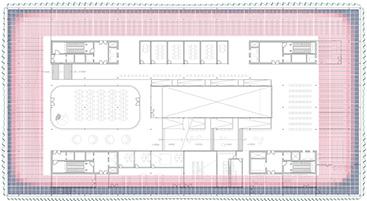
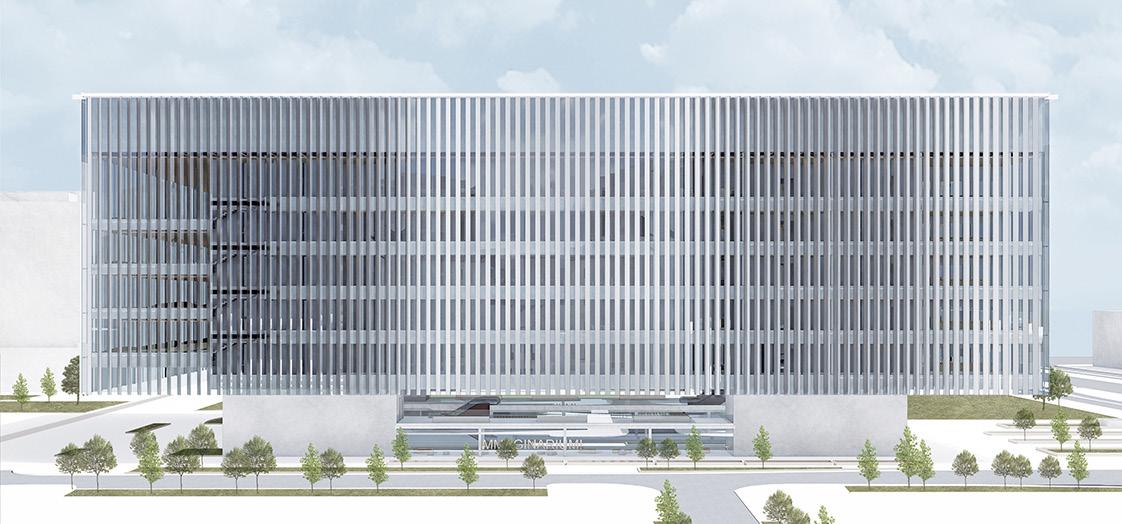
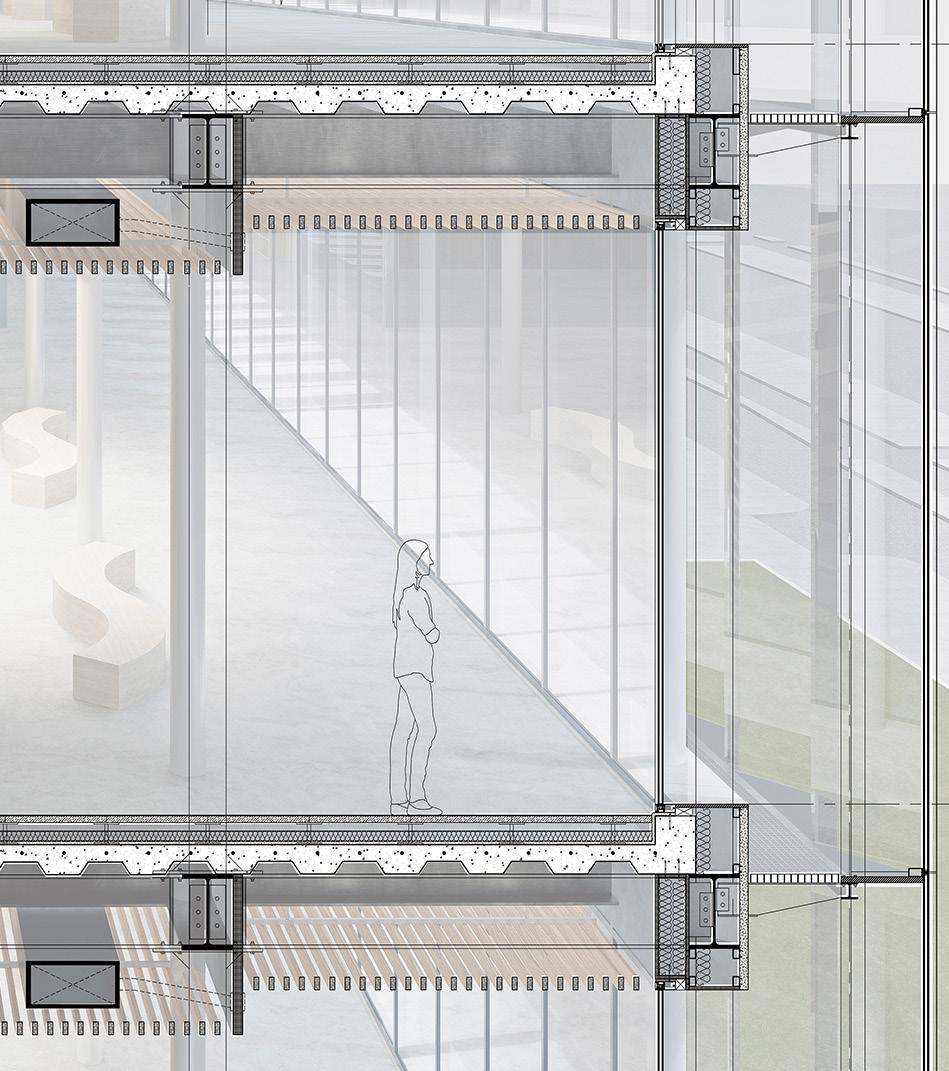
We observe better quality of useful daylight illuminance with the composition of our facade to let in light inside the building. The northen facade is more open to capture maximium sunlight, and people can also looking at green zone clearer. The southern facade is denser to diffuse harsh sunlight during peak hours. On the East-West axis, a transparent section is presented to emphasis the central void area that aligned with the sunken plaza. With
Grasshopper&Rhino, we developed a facade system that presents a wavy elevation. The calculation adapted Sin function to map and find an appropriate pattern according to interior uses. From the analysis diagram below, we can tell that after the facade is applied, a better result of UDI value(Useful Daylight Illuminace) is presented in the inner spaces then those originally on edges of each floor. We consequently adjust the interior function base on this analysis.
Concrete with Recycled Aggregate Low-E Value Glass
Interior Landscape & Casual Study Space
Sunken Plaza & Cetral Atrium
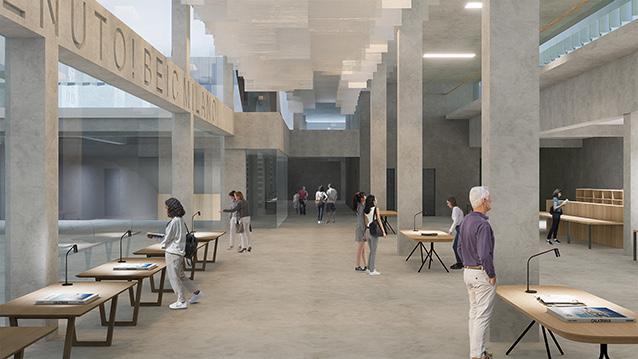
Lobby & Bookstore
Periodically Display Area
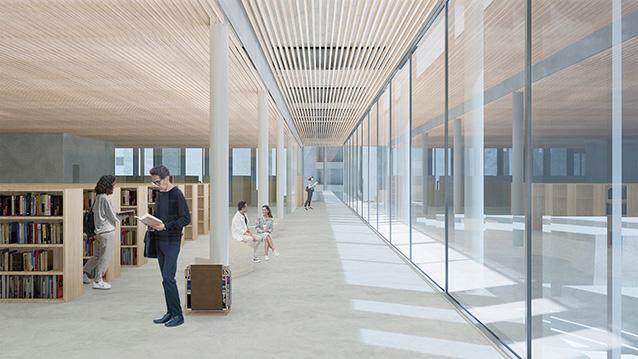
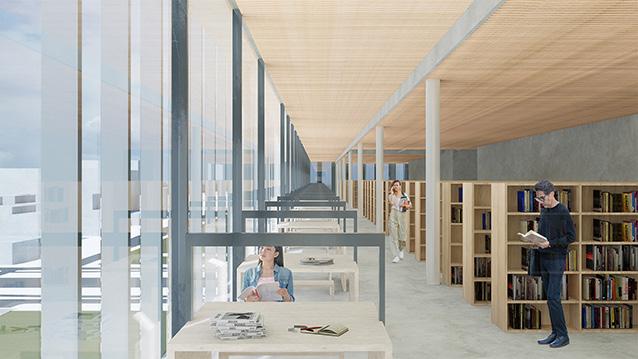
East End Corridor (3-5F)
North Side Corridor (3-6F)
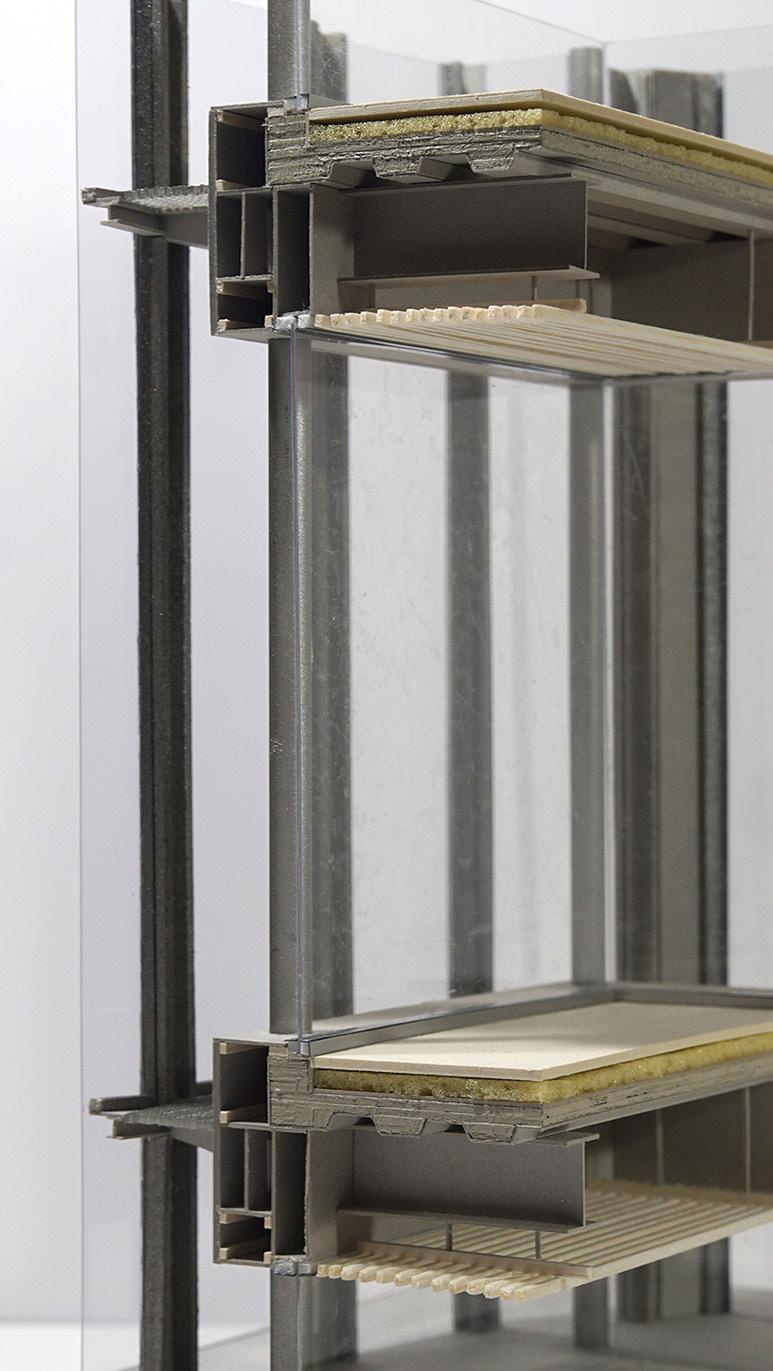
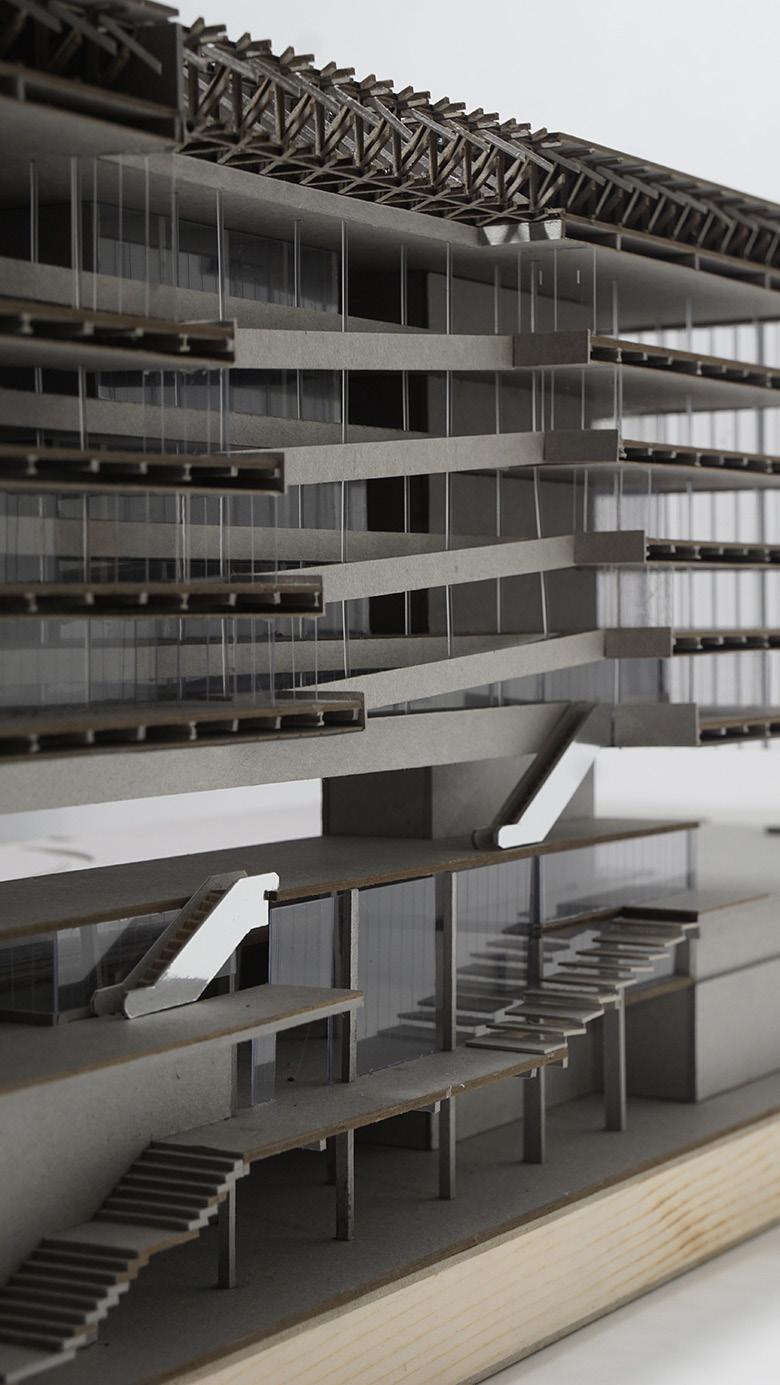
1/50 Detail Section Model
1/200 Section Model
On Flow
A Modern Campus for Children
Keyword: Campus / Park / Sustainable
2022 / Academic Project
Graded 30/30 con Laude
Complex Construction Studio 1
Site: Via Rimini 25/8, Milan, Italy
Teamwork With:
Le-Xuan Lim
Elizabeth Farias
Diana Kuzina
Instructors:
Francesca Claudia Maria Belloni
Grigor Angjeliu
Claudio Mirarchi
The On Flow Project is featured in “Inventing School“ E-book
About Site
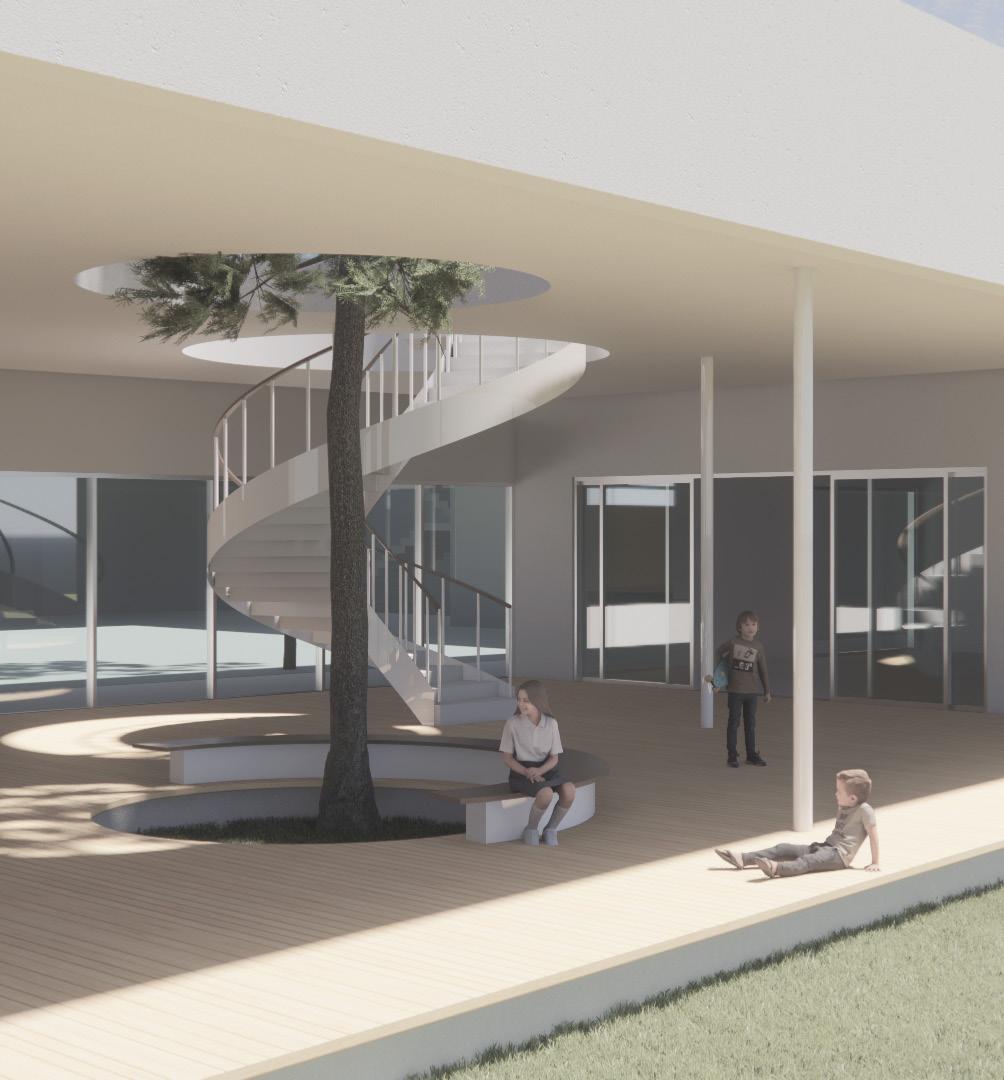
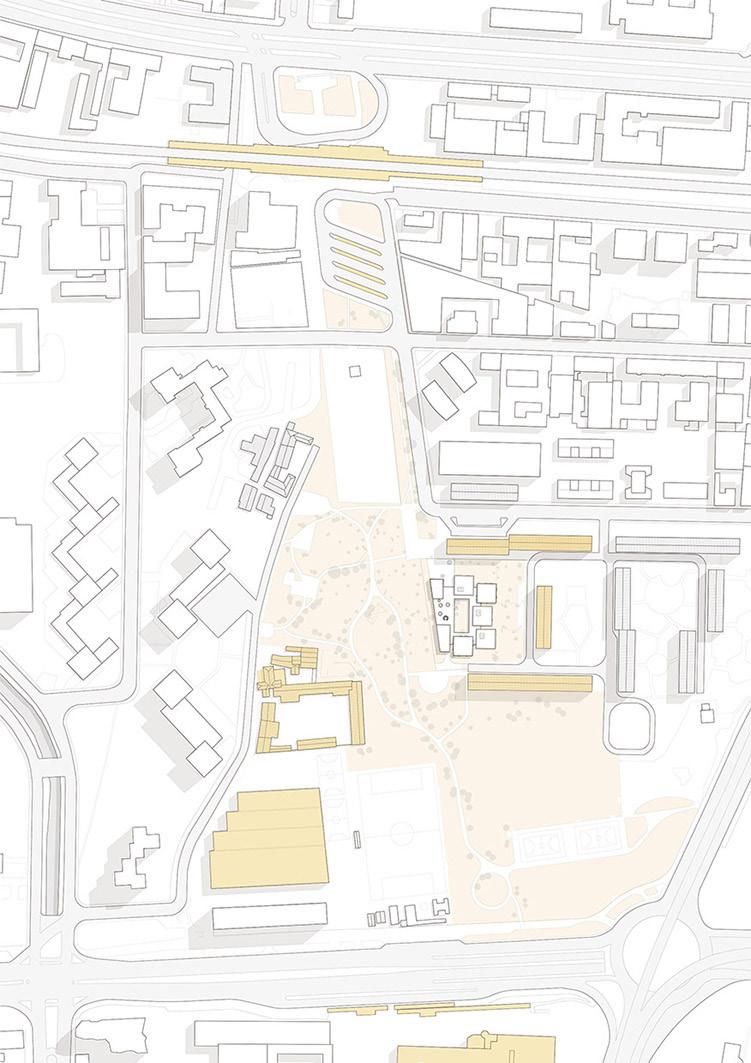
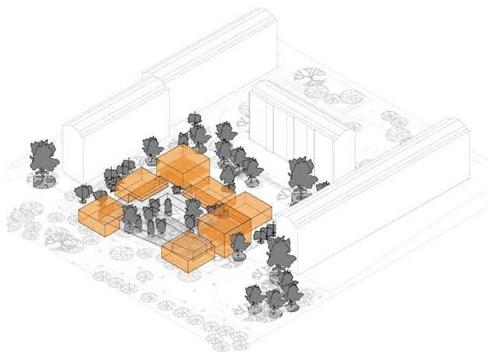
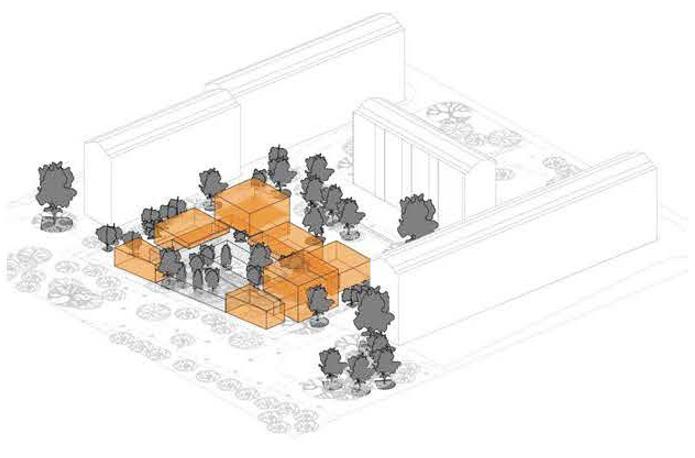
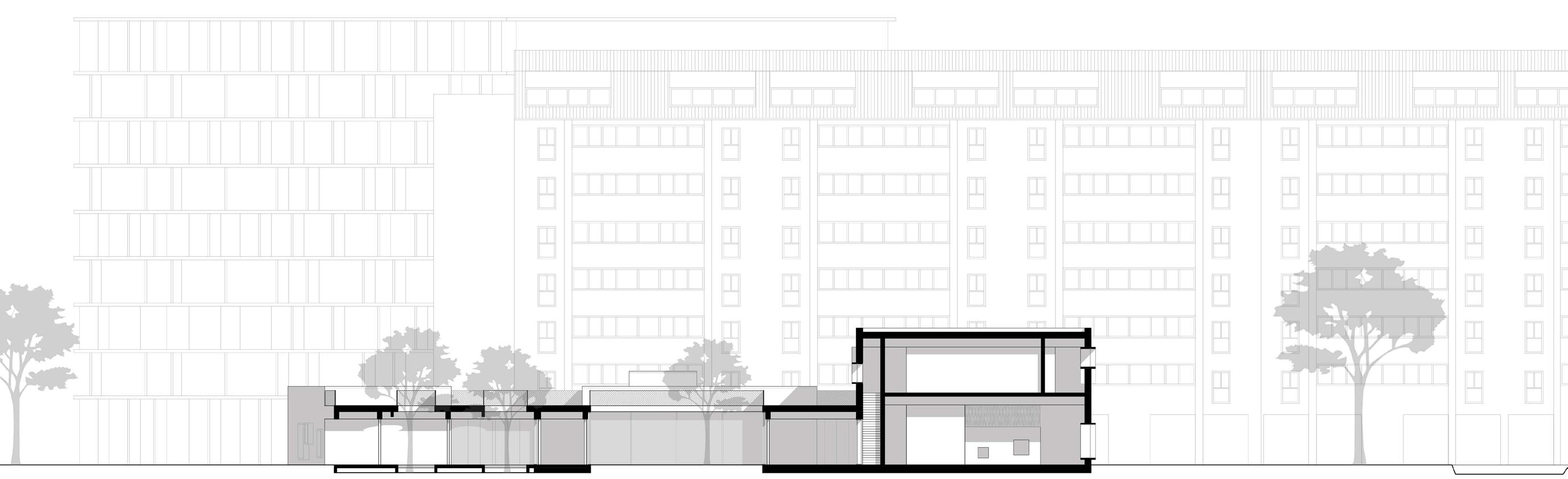
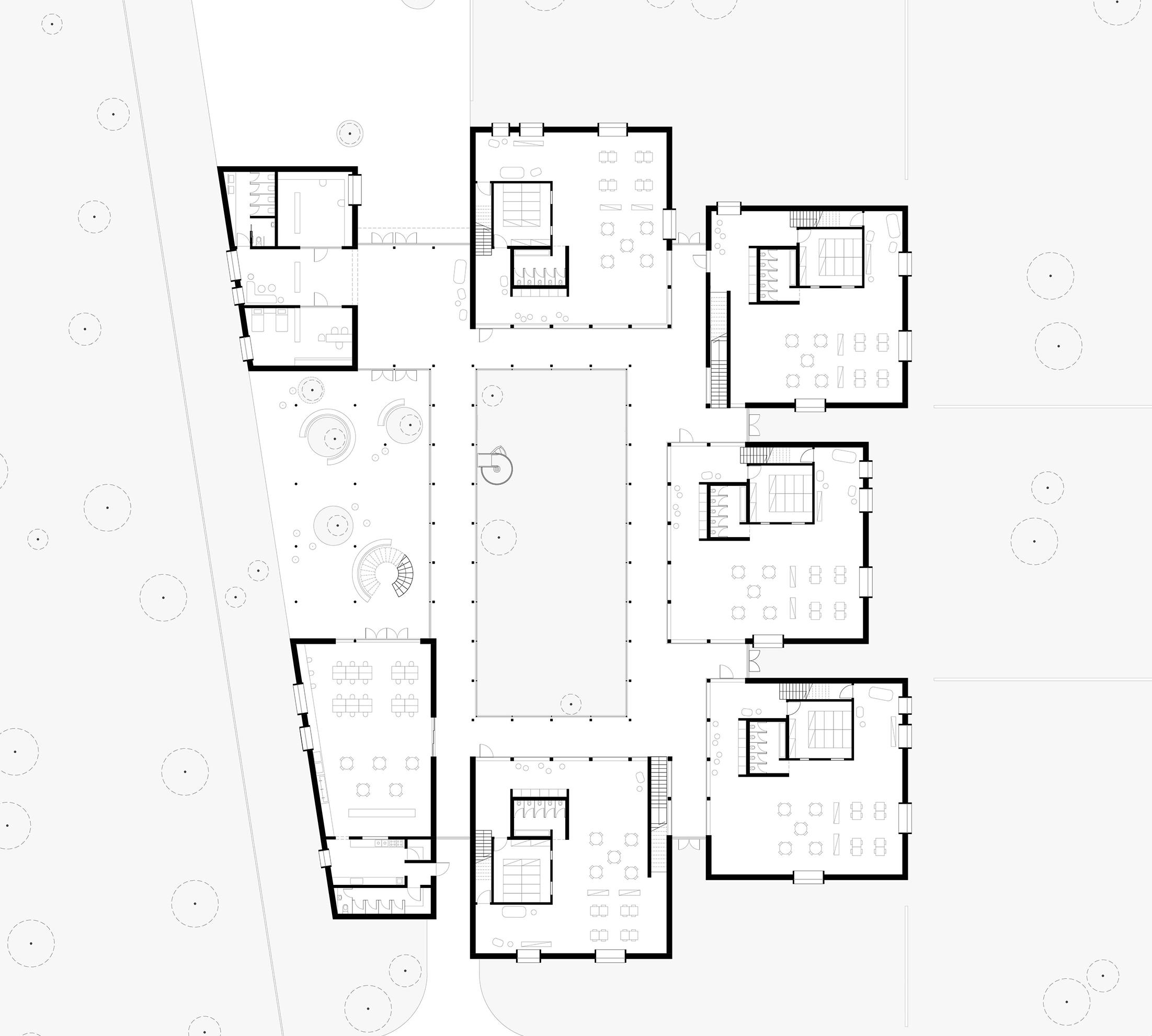
The project site is located inbetween a wide green park and large residental area. Also, it is located in the middle of two metro station. It is clear that the project site is an important transition spot of the surrouding neiborhood. Hence, it is important that how to control the privacy of the schools and domestic zone. The site planning strategy starts with adaptation of the surrouding urban context. Secondly, we redefine the access points and circulation of the park and the new campus in order to clearly define the private and public territory. Lastly, to reflect the large green zone next the site and for edcuational/environmental purposes, an enclosed cetral yard in developed in the project
Adapting the surrouding context
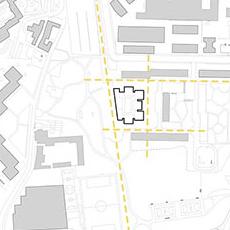
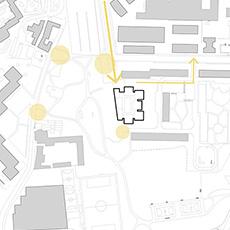
Redefining the entrance&circulaition
Reflecting the green zone
1. Romolo metro station
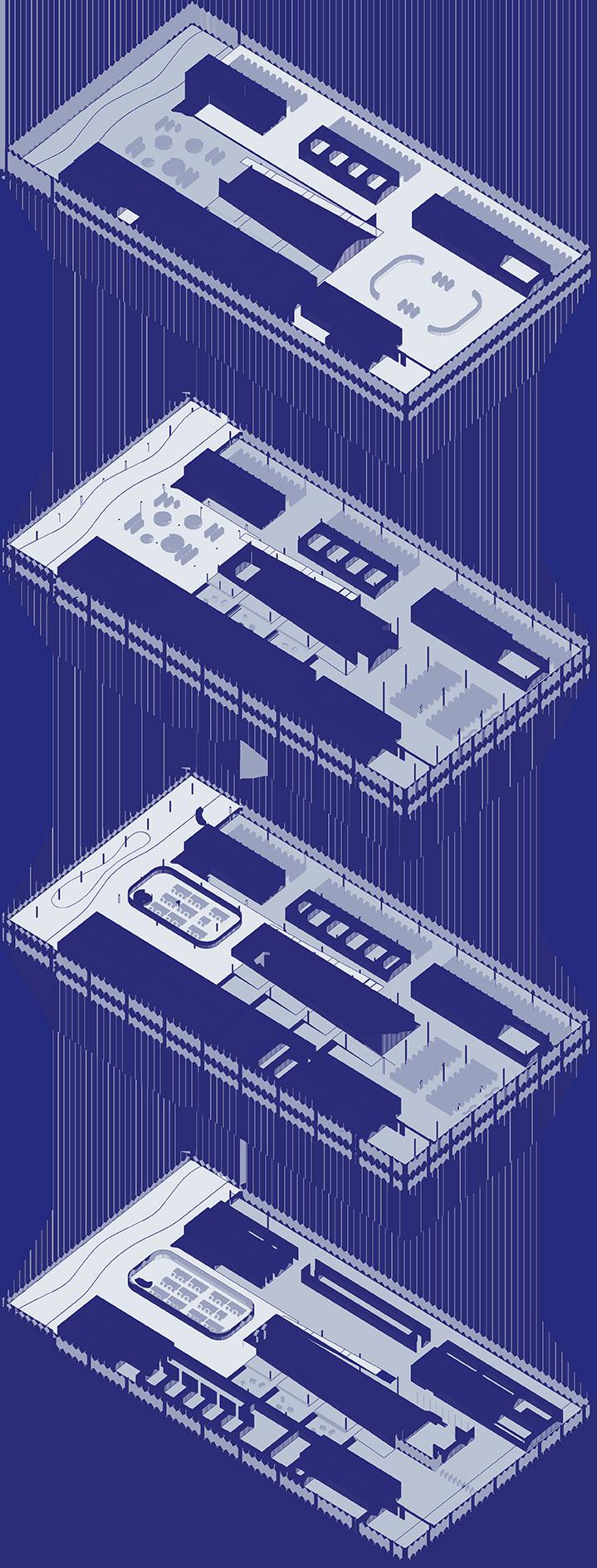
Step 1
Initial form with central yard and basic circulation
Step 2
Adapting the urban context with an angle cutting
Step 3
Define the Functional units
Step 4
Arranging classroom units & preserving exsiting tress
To Survey an Historical Site with Advance Technology
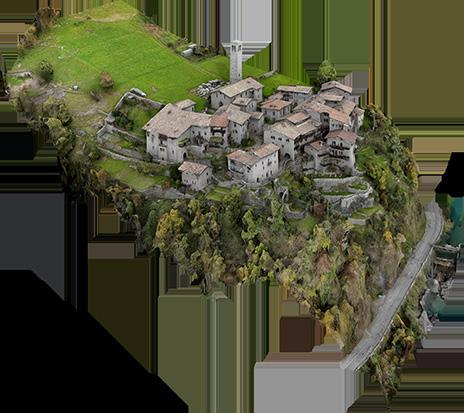
Coernello dei tasso, lacated in Bergamo, a famous middle-age village that once was extremely popular for being on the main trading route in the past. As time goes by, the villagers gradually moved out of the town and left the village isolated in the mountains.
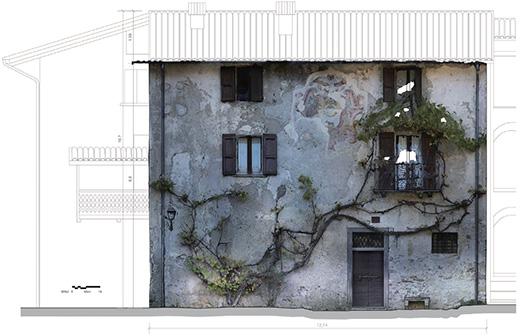
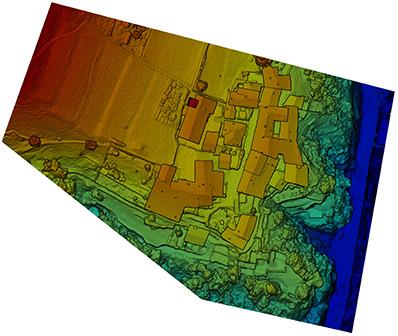
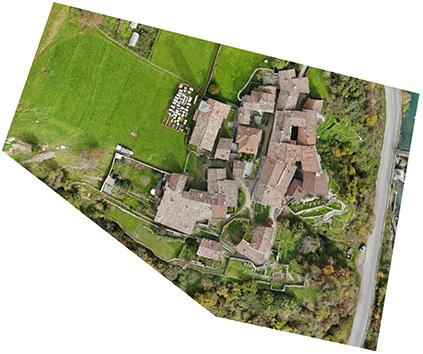
In the preservation studio of Politecnico di Milano, we learned to use advanced analysing techniques to try to inverstigate the built
enviroment of this town. With the help of UAV(drone), we did the photogrammetry of the village and scan the landscape of it. Through the result, we can trace the altitude information and built precise 2D orthomosaic from the top view. Futhermore, we also are able to precisely build the 3D model of the town, to assist the works on preservation and intervention.