DIVERSIFYING LOCAL GOVERNMENT AND ARCHITECTURE
THE IMPORTANCE OF CULTURAL DIVERSITY WITHIN LOCAL GOVERNMENT AND ARCHITECTURE
 Lindita Krasniqi
Introduction
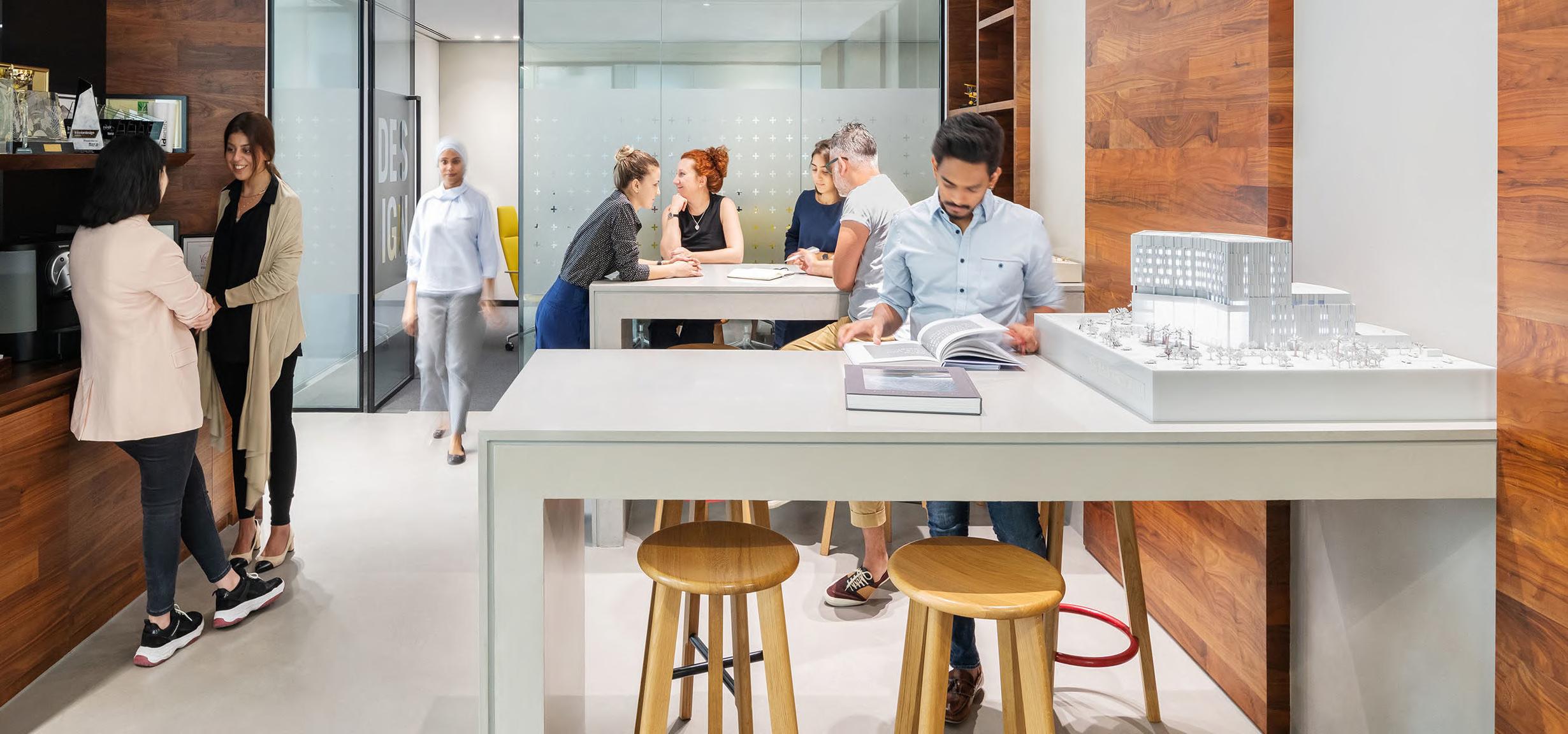
In recent decades, the number of women within local government and architecture has increased, with great efforts to achieve gender equity within both male dominated industries, the increase of female represen tation allows for gender diversity within the workplace. Achieving gender diversity within specific industries is an ongoing pursuit and something that is still being worked towards and can still be improved upon. There have been great advancements made to advo cate and achieve gender equity and equality within local government and architecture, al though I begin to question how the consider able attention directed towards gender equity is equally needed towards achieving greater cultural diversity within both industries and how we can go about achieving and working towards this.
Women in Local Government
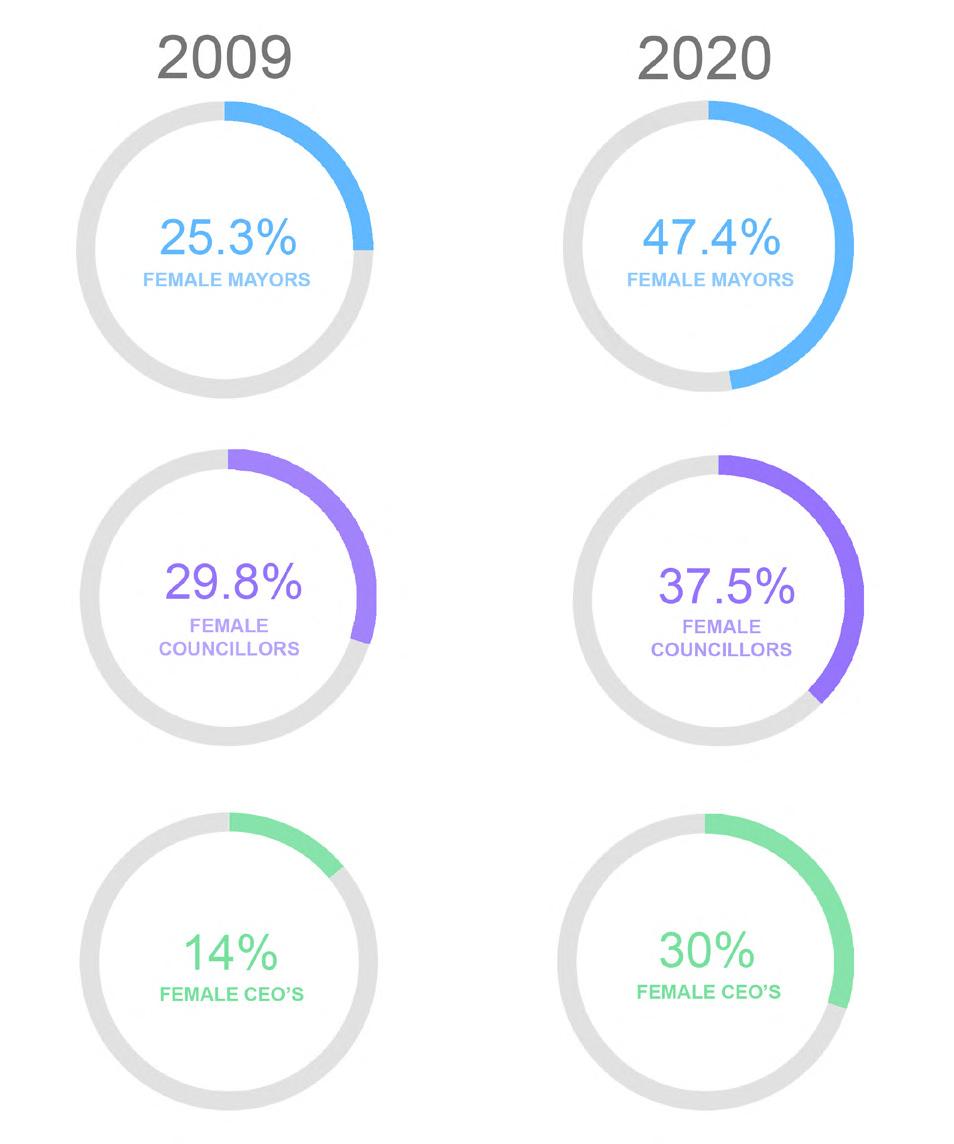
Within local government, Victoria has a re cord high number of females with high lead ership roles in comparison to other states across Australia. According to the percent age diagrams presented in Figure 1, Victo rian women within local government make up 37.5 percent of Councillors, 47.4 percent of Mayors and 30 percent of CEO’s in 2020.1
In contrast to 2009 where Victorian women within local government made up 29.8 per cent of Councillors, 25.3 percent of Mayors and 14 percent CEO’s.2 The increased statistics for women within local government roles for 2020 is commendable and a great indication of achieving balance for the future and hope fully encouraging various Australian states to achieve the same.
Actions
There isn’t one single action that has contrib uted to this positive increase although recent actions by the Victorian Government have enabled and reinforced the desire to improve upon and work towards gender equity and equality within local government. The Victori an government have implemented strategies and practice guides to improve and achieve gender equality and equity within local gov ernment such as the:
1. Victorian Gender Equality Strategy
This Strategy has set targets to achieve fifty fifty balance between genders by 2025, spe
cifically for female mayors and councillors.1 Setting targets for fifty fifty balance highlights the importance of achieving diversity within the workplace and working towards creating a positive environment for the current wom en but also encouraging more women to fulfil these roles in the future.
2. Implementation of practice guides for gen der equity in Victorian local government
This practice guide provides actions and sug gestions on how to improve upon gender equity and equality within local government, some of the key actions and suggestions in clude:
• Promoting leadership development through training workshops and mentoring programs
• Measuring progress and setting achievable targets in collaboration with other local coun cils
• Reaching out to underrepresented and cul turally diverse women to encourage them to be involved in the community as well as run for council or mayor roles
• Celebrate women and their achievements by facilitating events, talks and media com munication.3
Women in Architecture
Similarly, the increase evident for women within local government is reflected within the increase for women in architecture. Accord ing to the percentage diagrams presented in Figure 2, Victorian women within Architecture in 2016 was 33 percent in comparison to 2001
with 23 percent.4 The number of women who are registered architects has increased, with 25 percent in 2016 in comparison to 12 per cent in 2001.4
join, speak, network and listen in on the con versations presented. The salons are hosted in multiple states around Australia and allow greater conversations to be expanded upon as well as increase outreach and awareness of gender inequity within architectural practice.5
parlour guides highlight:
•Enforcing equal pay between genders
•Addressing the toxic long hour’s culture and encouraging part time work
•Suggesting alternative career paths
•Creating a positive culture of accepting ca reer breaks, specifically for women with chil dren
The parlour guides can be used and referred to by individuals within architecture practices and aim to bring awareness to gender ineq uity and how this can be worked towards by all, not just women to create positive change.6
3. Ongoing Research
Parlour have done and continue to do exten sive research on the data surrounding Austra lian Architectural Practice between genders over time, such as:
•Percentage of architectural roles fulfilled
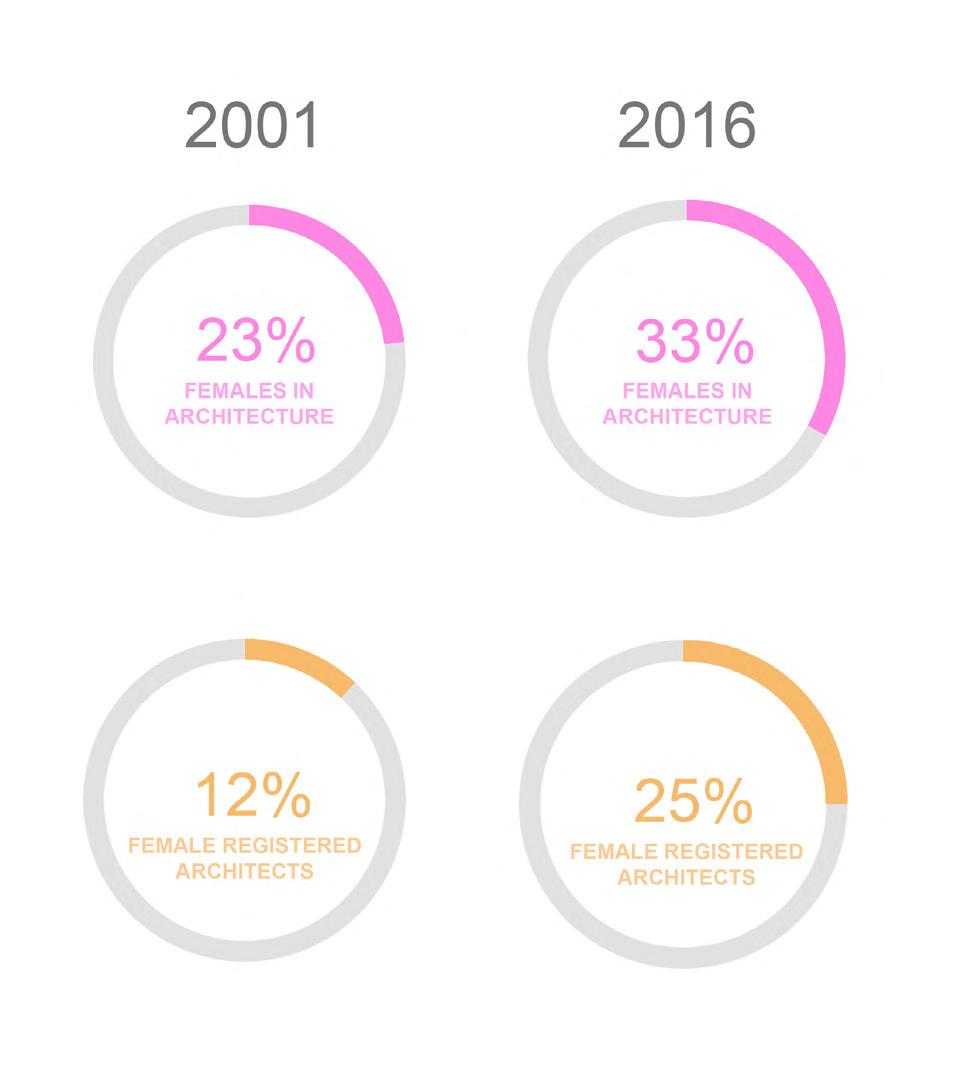
Figure 2. Victorian Women in Architecture Cencus Data
Actions
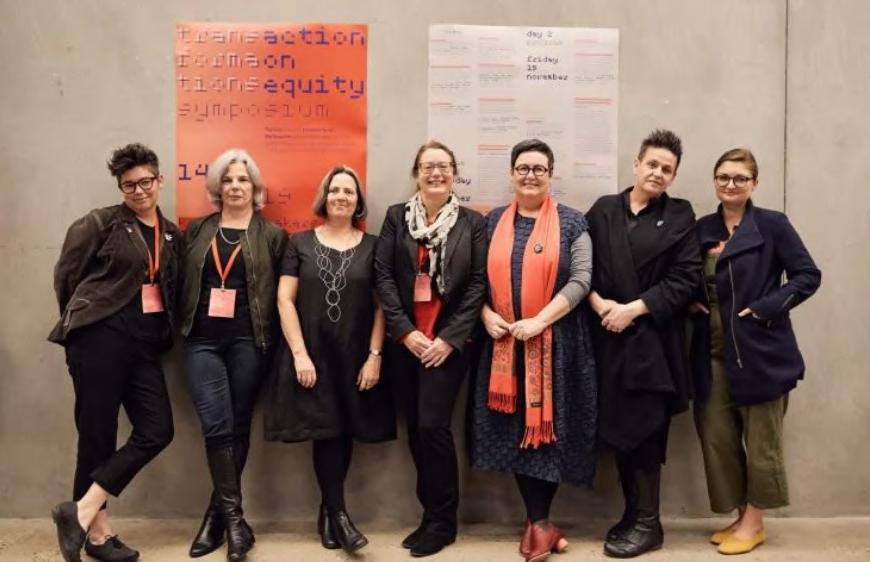
Parlour: women, equity, architecture is a web site and organisation based in Australia and founded by women, focusing on advocating for women’s equity within architectural prac tice. Some of the key approaches used by Par lour is:

1.
Parlour Salons
Parlour’s Salons are public talks and open platforms for conversations about women in the architectural profession. Women of all ar chitectural backgrounds are encouraged to
2. Parlour guides to equitable practice
The parlour guides respond to architectural practice, providing suggestions and current challenges faced by women and how we can facilitate positive change for the future of the profession. Some key issues raised in the
•Median ages
•Pay comparisons between genders and job roles
•Number of registered architects.4
Parlours research identifies key trends, increas es, decreases and what may have contributed to the changes. This research allows the pub lic, specifically individuals within architecture to know where they currently stand and how to work towards improving and creating posi tive change for the future of architecture.4
Importance of Advocacy
With organisations and individuals within government and architecture speaking up and acting upon gender diversity and equity such as the work by Parlour and the Victori an government, which have clearly enforced positive change, reflected in the increased numbers. However, we need to start thinking Intersectionally about diversity, specifically the advancements needed to achieve more cul tural diversity within both local government and architecture.
Learning from Gender diversity and equity
The improvements and progress that has and continues to be made in achieving gender di versity and equity with local government and architectural professions is commendable and a step in the right direction. However, Gender and Cultural diversity within local government and architecture needs equal attention and consideration to enforce positive change.
sented and need more attention. Beginning to think Intersectionally about cultural diver sity within local government and architecture can begin to start the conversation and sug gest actions on how this can be improved and why this is important for our communities.
The importance of Cultural diversity
Australia accepts and reflects diversity as we are a multicultural country with many different nationalities, cultures and religions. Local gov ernment and architecture should be reflecting the diverse communities they are serving and designing for.
who has worked both in architecture and local government throughout her career states that diversity in architecture needs serious atten tion and is at a major loss by not prioritising it.7 Yvonne states that “Diversity offers broader perspectives and lived experiences, and as a result architecture can be more inclusive, ex citing and sensitive.”8
With architecture serving everyone and being such a vital part of our everyday lives, Yvonne questions why the architectural profession isn’t reflecting our diverse communities and cities. 8
Similarly, Alfonso Medina, an architect based in New York and Tijuana, Mexico and founder of T38 Studio, reflects on how not only is the discipline of architecture universal and mul tidimensional, but being able to understand the communities you’re designing for is a cru cial factor for successful architectural design.9

Alfonso states that architecture benefits “when people are from different backgrounds, they are the ones who really understand how their communities work, and how they could make them better.”10
Thinking Intersectionally about diversity
Thinking Intersectionally is about considering how different influences such as age, gender, class, race and sexuality intersect and affect one another in different ways. Thinking Inter sectionally about diversity can allow us to con sider the categories that may be underrepre
The benefits of having cultural diversity within local government and architecture can con tribute to better serving the community and delivering successful architectural outcomes. Although local governments and architects have different job roles they both work to wards improving individuals lives and overall community life.
Architects Insight Yvonne Meng, a current Melbourne based ar chitect and director of Circle Studio Architects,

Gender and cultural diversity need equal attention to enforce positive change.
Local government and architecture should be reflecting the diverse communities they are serving and designing for.
“Diversity offers broader perspectives and lived experiences, and as a result archiecture can be more inclusive, exciting and sensitive”- Yvonne Meng
“When people are from different backgrounds, they are the ones who really understand how their communites work, and how they could make them better” - Alfonso MedinaFigure 5. Yvonne Meng, Director at Circle Studio Architects Figure 6. Alfonso Medina, Founder of T38 Studio
Actions towards diversity
Perkins+Will Architecture firm, prodominantly based in the US and Canada
Gabrielle Bullock, a Los Angeles based archi tect and current director of global diversity at Perkins+Will always recognised that there was a lack of diversity within architectural practice, specifically as she rarely saw or worked with other African American architects. The lack of diversity she was seeing within the architec ture industry inspired her to change this nar rative. 11
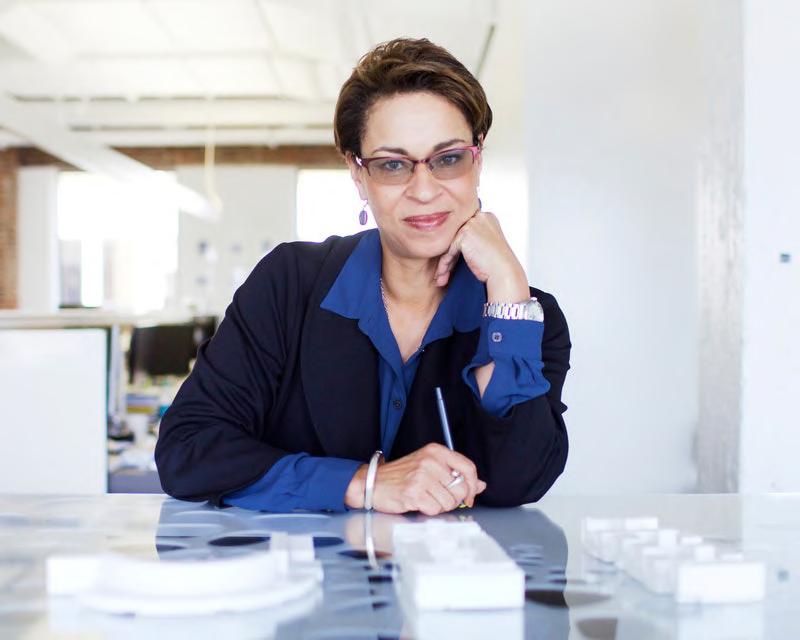
The lack of diversity within the architecture industry inspired her to change this narrative.
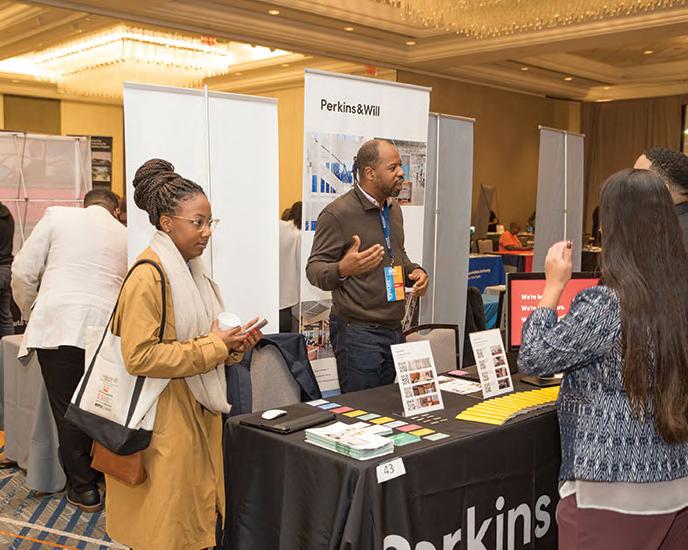
Figure 8. Perkins+Will, Career Fair to reach out to diverse members of different communities
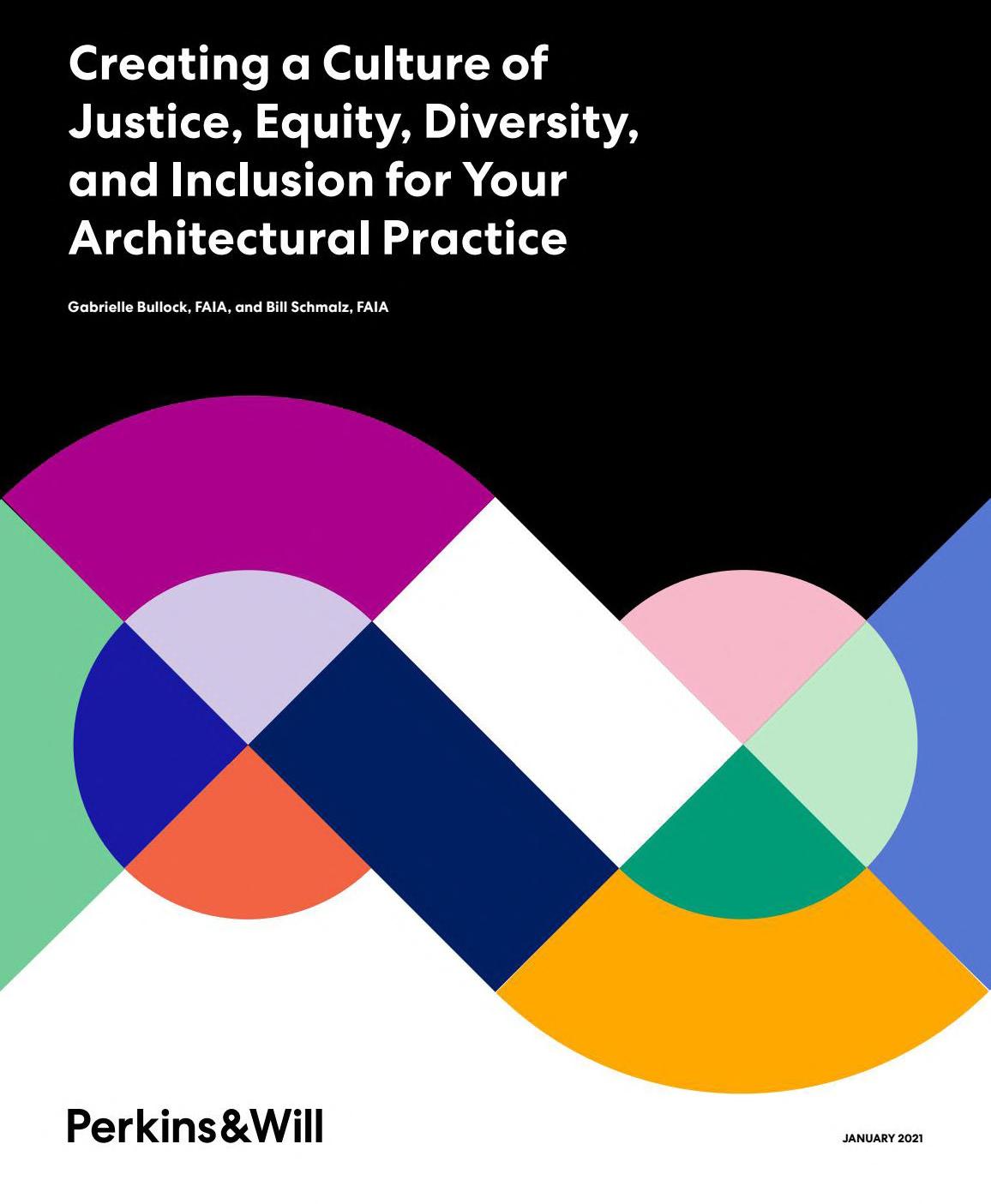
With the help of Gabrielle’s advocacy, in 2013 the creation of a Diversity, Inclusion and En gagement Plan was adopted within the Per kins+Will architecture firm, which now in 2021 has been reclassified as the Justice, Equity, Diversity, and Inclusion (JEDI) Program in col laboration with the American Institute of Ar chitects (AIA).11
What does the Justice, Equity, Diversity, and Inclusion (J.E.D.I) Program do?
•Settings standards and goals to create a di verse firm that reflects the community it serves
•Establishing passionate leaders to lead and use their voice to empower the firm and pro mote a positive workplace culture
•Encouraging firms to create strategic plans which access the level of inclusion and diver sity within their firms
•Collaborating with diversity organisations to
expand knowledge and seek advice
•Encourage a creation of a firm team that encapsulates different roles such as diversi ty council, advocates, human resources and public relations.12
The actions and considerations made by Per kins+Will is a positive approach for the Amer ican Architecture community and something that could be explored and recognised further within the Australian Architecture community.
Now that we have explored the importance and need for cultural diversity in architecture as well as local government to better serve our diverse communities and deliver success ful architectural outcomes. Where do we from here?
Recommendations
1. Criteria for diversity
Implementing a criteria for diversity within ar chitecture firms and local government could be used for future employees as well as cur rent employees, the criteria could include:

• Prioritising having teams of diverse cultural backgrounds
• Larger number of interview panels to allow for more opinions and inclusion
• Identify leaders within teams to advocate on behalf of others to inform a positive work en vironment and change
• Team diversity training
• Setting long and short term goals on im proving upon diversity within the workplace
2. Advocacy
We need more individuals within industries to speak out, whether it be those who feel un derrepresented or individuals who feel others are being underrepresented, by highlighting cultural diversity as something that needs fur ther attention. Actions could include:
•Social Media Campaigning
•Creating personal groups/organisations of culturally diverse individuals
•Speaking to employees and or directors about expanding the diversity in their teams
3. Research
Beginning to prioritise and advocate for re search and data collection of different cultur al backgrounds within the private and public sector. Between both sectors there is a lack of data surrounding cultural diversity. If we can see and understand the numbers we can therefore go about creating solutions and strategies to create positive outcomes for all.
We need more individuals within industries to speak out, whether it be those who feel underrepresented or those who feel others are being underrepresented.
REFERENCES.
ACKNOWLEDGEMENTS.
Images
1. State Government of Victoria. “100 years since first woman councillor elected” Ac cessed May 14, 2021. https://www.delwp.vic. gov.au/media-centre/media-releases/cele brating-women in-local-government.
2. 5050Vision. “Progress 2009 to latest available information: percentage of wom en elected/appointed” Accessed May 27, 2021. https://www.5050vision.com.au/docu ments/40253852/Data%20May%202014.pdf
3. Local Government Victoria. “Best practice guide for gender equity in local govern ment” Accessed May 24, 2021. https://www. localgovernment.vic.gov.au/__data/assets/ pdf_file/0030/329277/Gender-Equity-in-Lo cal-Government-Best-Practice-Guide.pdf
4. Matthewson, Gill. Parlour Census Report 2001–2016: Women in Architecture in Austra lia. Melbourne: Parlour, 2018.
5. Matthewson, Gill. Parlour Census Report 2001–2016: Women in Architecture in Austra lia. Melbourne: Parlour, 2018.
6. Clark, Justine, Stead, Naomi, Ashworth, Susie and Wake, Neph. “Parlour Guides to Equitable Practice.” Parlour, 2014. http://archi parlour.org/parlour-guides.
7. CircleStudio. “About” Accessed June 1, 2021. http://circle.studio/about.
8. Meng, Yvonne. “Cultural diversity in ar chitecture” Parlour, June 8, 2016. https:// archiparlour.org/cultural-diversity-in-archi tecture/?utm_content=buffer91316&utm_me dium=social&utm_source=plus.google. com&utm_campaign=buffer.
9. Medina, Alfonso. “Alfonso Medina” The Architects Newspaper, February 15, 2016. https://www.archpaper.com/2016/02/alfon so-medina/.
10. Stulpin, Chris. “Diversity & Inclusion: The New Approach Needed to Avoid Cultural Irrelevance” Design Intelligence, April 2, 2019. https://www.di.net/articles/diversity-inclu sion-new-approach-needed-avoid-cultur al-irrelevance/.
11. Bullock, Gabrielle. “Hiring an African American woman on your leadership team is a step in the right direction” Dezeen, October 18, 2018. https://www.dezeen. com/2018/10/18/gabrielle-bullock-afri can-american-woman-opinion-diversity-ar chitecture/.
12. Bullock, Gabrielle and Schmalz, Bill. Cre ating a Creating a Culture of Justice, Equity, Diversity, and Inclusion for Your Architectur al Practice. Perkins and Will, December 15, 2020. https://perkinswill.com/creating-a-cul ture-of-justice-equity-diversity-and-inclu sion-for-your-architectural-practice/.
Figure 3: Peter, Bennetts. ParlourFounders. https://archiparlour.org/about/.
Figure 4: Aimee,Crouch. SydneySeasonalSa lon. 2019. https://www.archify.com/id/cox-ar chitecture/updates/detail/parlour-winter-sa lon-at-cox-sydney.
Figure 5: Creativespaces. YvonneMeng. https://www.creativespaces.net.au/communi ty/curated-profile/yvonne-meng.
Figure 6: Medium. AlfonsoMedina. 2018 https://alfonsomedina.medium.com/.
Figure 7: Perkinsandwill. GabrielleBullock. 2020. https://www.architecturaldigest.com/ story/how-perkinsandwills-gabrielle-bull ock-built-a-career-empowering-peo ple-of-color.
Figure 8: NOMA. PerkinsandwillCareer Fair. 2019. https://www.architecturalrecord. com/articles/14780-architecture-firms-be gin-to-grapple-with-discrimination.
Figure 9: Perkinsandwill. 2020. JEDIPractice Guide. https://perkinswill.com/creating-a-cul ture-of-justice-equity-diversity-and-inclu sion-for-your-architectural-practice/.
Figure 10: Perkinsandwill. ArchitectureWork place. https://perkinswill.com/careers/
Figure 11: UrbanVillageProject. Diversecom munity. https://www.urbanvillageproject.com/
Figure 12: DesignLines. Architectureoffice. https://www.designlinesmagazine.com/ doors-open-toronto-architecture-firms/
I would like to acknowledge Parlour: wom en, equity, architecture for inspiring me to explore the topic of gender equity and diversity as well as womens representation between the public and private sector. The work that Parlour has done and continues to do for women in architecture as well as advancing the overall architectural practice is commendable. I feel grateful for the actions being made for myself and other future ar chitects to enable us to make the most out of our future careers so that we can have more positive experiences.