
what why who where
how lilly mavis psc final project may 20, 2021
5 WHY’S

C O N T E N T S WHAT WHY WHERE WHO HOWhappeningis is happeningit is happeningit is affectingit is happeningit





eresting example of a country that has done phenome nally well with flattening the curve is China. The coro navirus surfaced in Wuhan, China, and on January 23, 2020, intense lockdown began. The lockdown lasted for only 76 days, much shorter than most other cities, and when the lockdown was lifted, there was a celebration with riverside parties to acknowledge the courage and resilience of their health care workers (9).
02
As the world begins to resume “normal” some countries are no where near done, second waves are hitting harder than ever - no hospital beds, oxyggen, or vaccines.
Luckily, many countries have managed to find solutions to slow the spread and some have even started the early stages of opening up. In the U.S., the Biden administra tion announced as of May 13, “fully vaccinated people no longer need to wear a mask or physically distance in any setting, except where required by federal, state, local, tribal, or territorial laws, rules, and regulations, including local business and workplace guidance” (1), and in Australia, locals can dine out and for the most part enjoy mask-free settings regularly (2). An int-
As we observe these countries’ successful reforms against the misfortunes of so many others, all we can ask ourselves is why? Why is it that some states are be ginning to flatten the curve for new coronavirus cases daily and are beginning to re-open society while others are reaching their worst numbers yet? In the upcoming articles, I hope to use several political theories to help us better understand why the number of COVID-19 deaths is increasing by the millions each day in one country, while deaths in another have remained stag nant for extended periods.
As the cursed year of 2020 came to a close, we all hoped the wrath of COVID would leave with it. However, as the summer of 2021 approaches us, hospi tal beds remain well-stocked and the virus is still lurk ing. As of May 7, 2021, Brazil has a whopping 60,491.14 daily new confirmed cases and Argentina has 20,110.14 (3). In Brazil, doctors are baffled at the increasing num bers of small children who are dying from the virus and the spread amongst adults shows no sign of slowing down anytime soon. One of the worst resurges is occurring at this very mo ment in India. After an intensely enforced lockdown from September 2020, to mid-February 2021, the Indi an government, led by Prime Minister Narendra Modi, assumed the worst had passed, and therefore, all restric tions were lifted almost immediately (4). They received plenty of warnings for a second wave but no one wanted to listen. The country was joyous for their success and life went back to normal almost instantly; they even be gan distributing their resources to neighboring coun tries who, at the time, needed it more. India increased oxygen exports by over 700% (5) and exported over 60 million vaccine doses to 94 countries as of April 22 (6). It was not until mid-February when the rumors of a second wave started becoming true; cases slowly be gan to increase daily, 100,000 to 150,000, and 150,000 to 200,000 so on and so forth. Massive political rallies and religious pilgrimages are thought to be the catalysts of this surge as millions of unvaccinated people came together soon to be engulfed by the virus (7). On May 11, 2021, India’s daily new confirmed COVID-19 cases totaled 382,279.86 and 16,913.67 million for cumulative confirmed cases (8).
WHAT is happening?
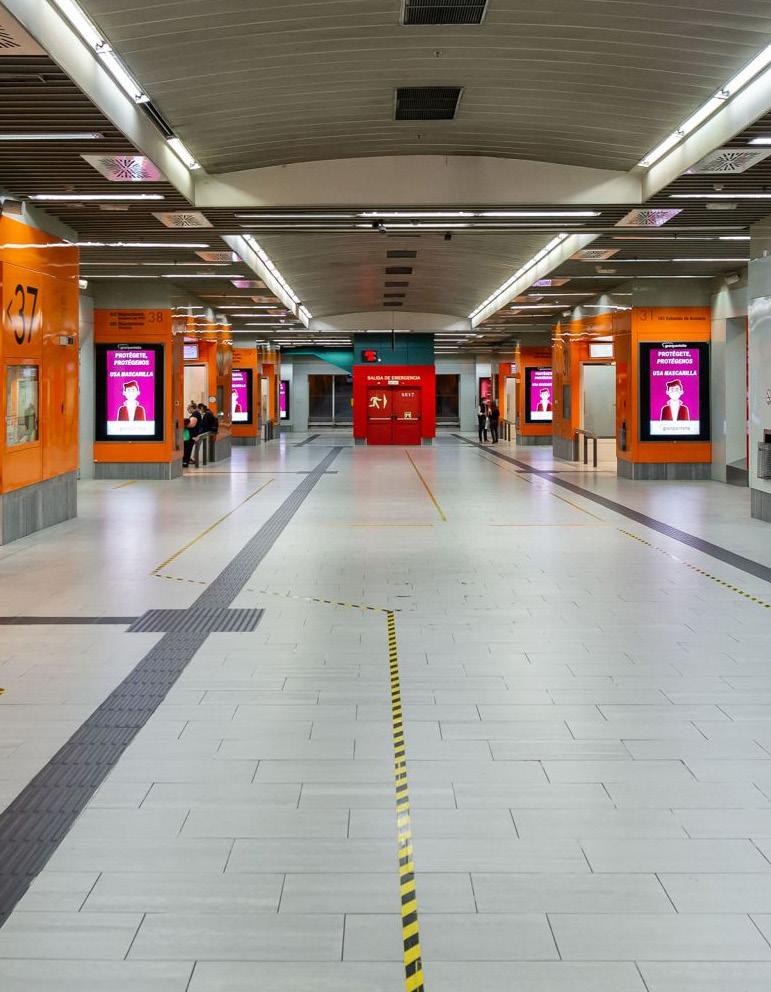
To understand why some countries can celebrate freedom while others are still struggling, we can look at the varying factors that influence a country’s ref ormation process and the theories which cause them. The first factor we will observe is the level of the coun try’s public health system. Is there access to clean hos pitals with functioning supplies? Are there an adequate amount of trained doctors and nurses ready to treat pa tients? And, can said patients be admitted with no fear of leaving with crippling debt for the bill their insurance does not cover? Countries with superior health care sys tems were at an advantage to overcome the pandemic before it even began. But, why is it that some countries have better health care systems than others? We can observe two theories that best explain this ques tion: institutional and structural (geographical). Institu tional theories provide a conceptual framework for how public health systems in different countries function. Strong public health institutions promote the welfare of entire state populations and, therefore, are essential to a functioning society’s success. Additionally, structural theories explain how a country’s geographical location is an exponential factor for a thriving healthcare system. Access to basic needs such as clean water and sanitation is essential for a functioning hospital/medical center, however, in some countries such as Ethiopia and Soum-
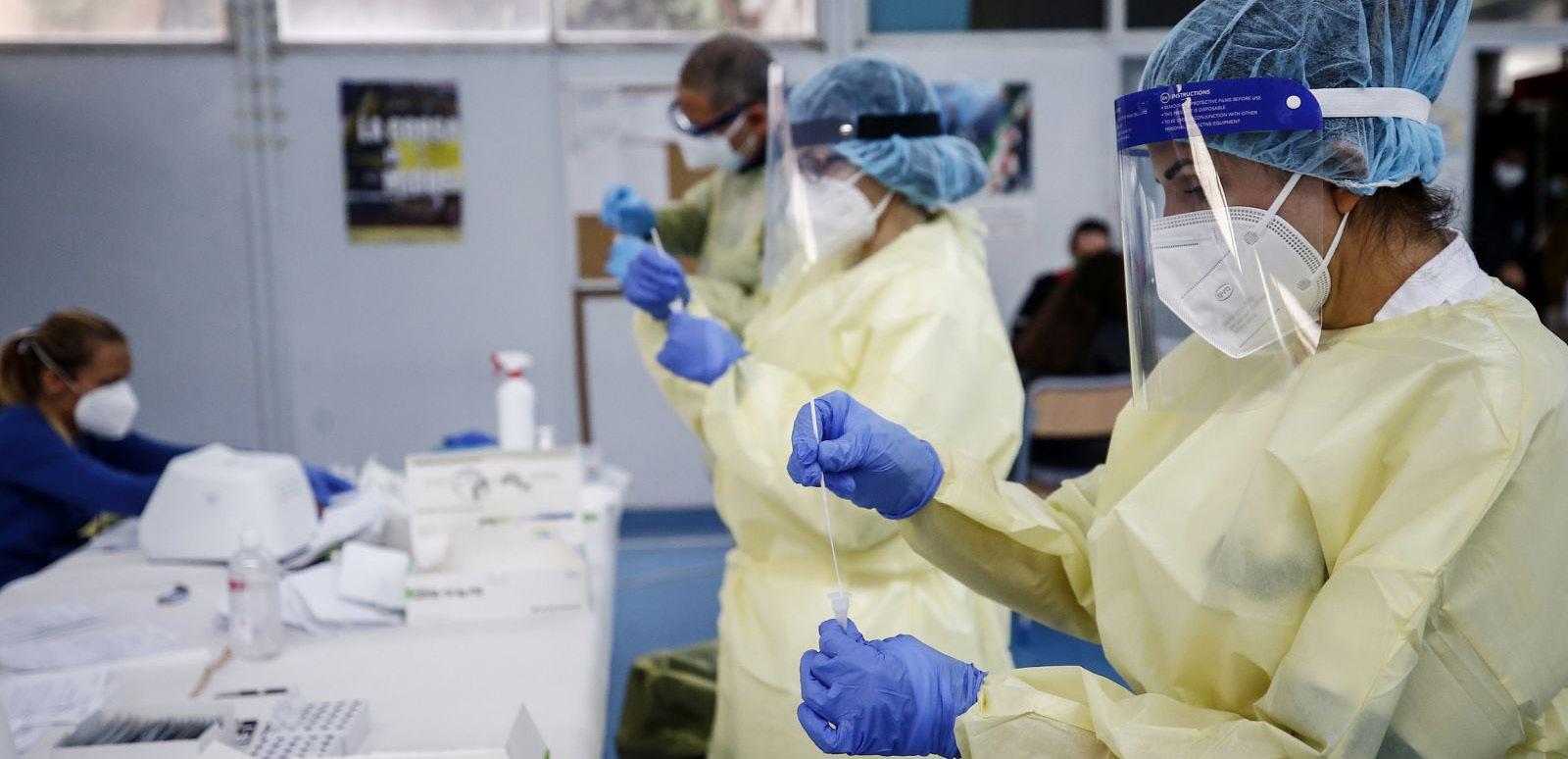
alia, these supplies are limited. Public health systems were, and still are, a massive determinant in how coun tries handled the COVID-19 crisis, but, even countries with exceptional medical accessibility and the best care still struggled to keep up with the incessant inflation of COVID-19 cases. Another defining factor in the battle against the coronavirus is the type of government con trolling each country during this time. Political institu tions have primary control over the rules implemented during the time of the pandemic and the gravity of said decree depends on the type of political institutions in place. Given the rapid rate at which the virus spreads, political leaders and government officials struggled to find ways of maintaining it in the early days. Using institutional theory to observe a country’s political in stitutions, we can assess the types of government and how their control might have impacted the outcome of the COVID-19 outbreak. Authoritarian governments seemed to have a faster response enacting restrictions as their control is more easily enforced, while in dem ocratic countries, the public was less inclined to follow the recommended protocol. Some democratic countries even took inspiration from authoritarianism methods, using surveillance and privacy-invasive apps to report penalties for breaking quarantine, i.e. Italy and South Korea (10).
WHY is it happening?
03
case there was another outbreak, news reports men tioned the prime minister’s delight to see so many peo ple attending political gatherings in West Bengal for the election (7). This is the key difference between the way India and China handled their COVID-19 reforms. Even after maintaining the virus, China was still wary of possibilities for a second wave, and therefore, restric tions remained in place until slowly they were lifted in a calculated process. In India, however, the excitement of freedom took over, and although the government was able to carry through that first lockdown, they did not have enough control or resources to enact a second one causing the virus to run rampant throughout the coun try once again.
W HO HERE& is it affecting?
To better answer the question of “What political theory best explains the difference in countries’ success against the COVID-19 pandemic?” I will delve into a most sim ilar case analysis and I will use China and India as my examples. As of May 14, 2021, India has a cumulative confirmed number of 24.37 million COVID-19 cases, and China only has a total of 102,696. Why? What went wrong for India and how did China manage to come out so strong? As mentioned previously, coronavirus cases in China have remained at absurdly low levels since their first lockdown in February of 2020. Their lockdown consisted of school closures, transport bans, and workplace shutdowns, extremely similar to the rest of the world’s response (11). So this could’ve been a ma jor differentiation between the two countries, however, in the beginning, months, India maintained a similar reaction to the pandemic, and their cases never surged much either. The only major spike in India was during August and September when new cases daily reached a high of 92,890 which was nothing at the time compared to the United States which averaged at 221,072 cases per day for over four months (8). India mandated a very similar lockdown as China in the beginning and Prime Minister Modi ordered no one could leave their home for 21 days. This was the first, and at the time, the most severe lockdown implemented (12). Additional similar ities between the two countries include their massive populations. India’s population totals over 1.3 million people and makes up for 17.7% of the world’s popula tion (13) while China remains ahead by just a little bit totaling around 1.4 million people (15). Additionally, the two countries’ health care systems for the most part are public (India being somewhat private), with access to clean medical care before the COVID-19 pandemic. The second wave of coronavirus in India did not be gin until the middle of March 2021. There were a lot of mixed signals coming from the government after the first wave had lessened. The government was attempt ing to enforce vaccines, however, given India’s demo cratic state, they had no way of forcing anything. Sim ilarly, although the message was to “stay home,” just in
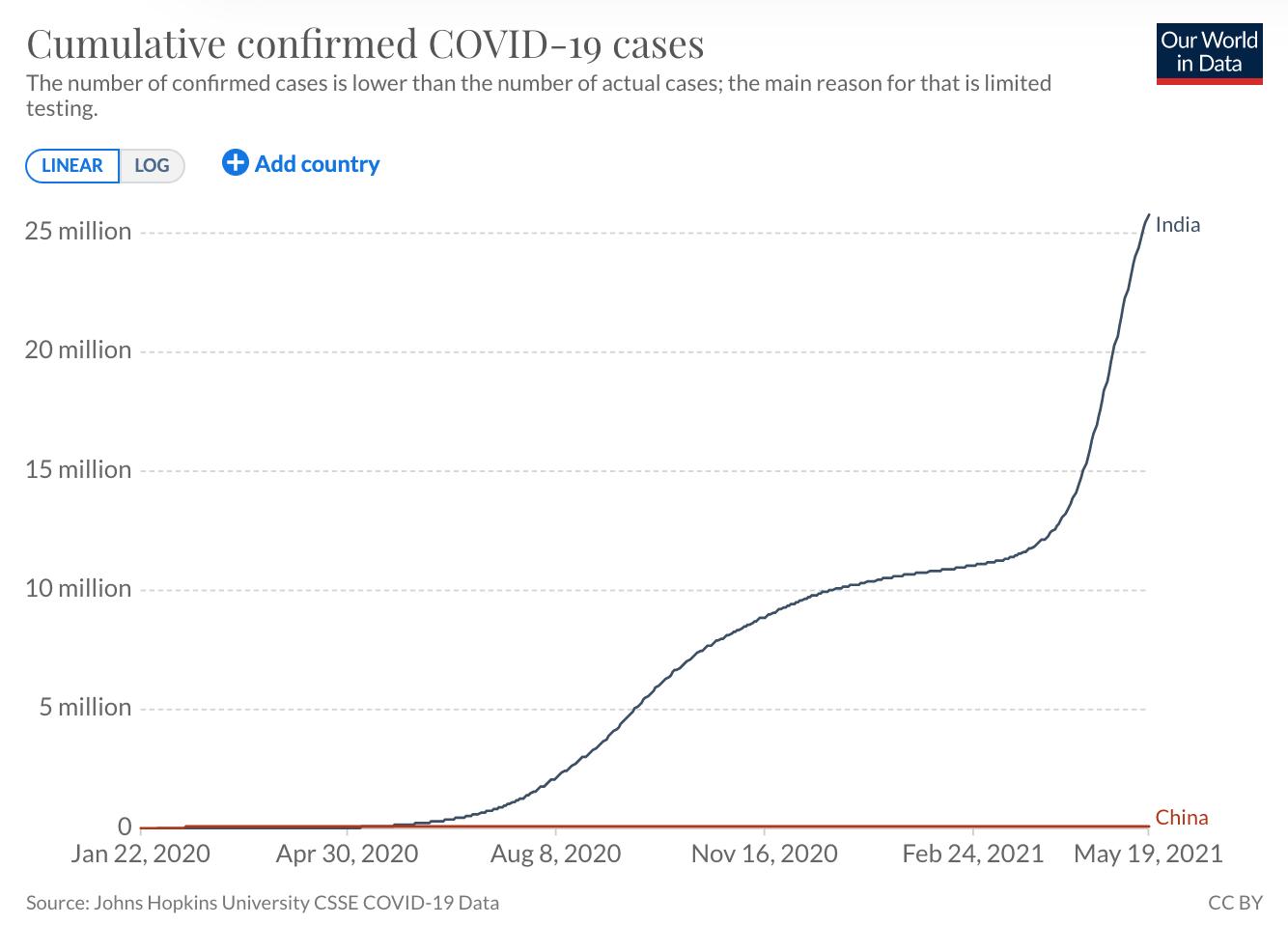
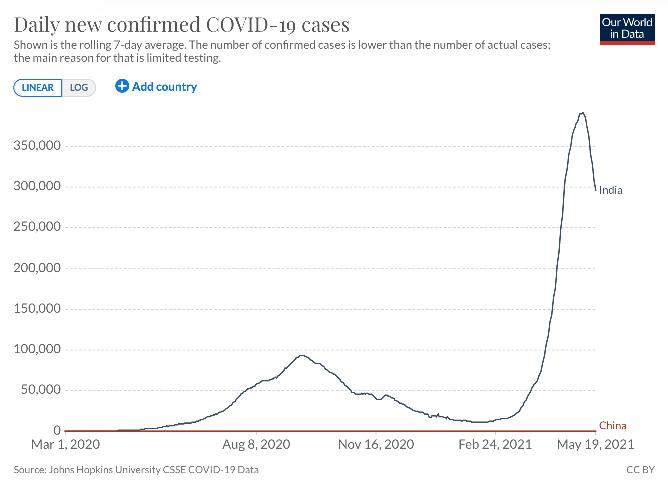
If we look at our theories explained earlier we can an alyze the most similar case between China and India and explain why cases surged in India but not in Chi na. The first theory we introduced was institutional and it touched on the public health systems in a country and the importance strong institutions have in fighting against a pandemic. We could try to apply this theory to our example, however, both India and China had strong healthcare systems before the outbreak of COVID-19. So, while that may have influenced each countries’ abil ity to maintain the virus, it does not help us understand why one was worse than the other. Let’s move on. Our second theory is structural and it touches on the geo graphical location of a country and how that might af fect the resources a medical facility has access to. Once again, both India and China do have access to medi cal resources and this is not a determinant in why cas es spiked so high in India and not in China. So, once again, we want to find a different theory. Our last theory we looked at was institutional and it assessed the differ ence between political institutions of countries and how their control impacts individual freedom during this time. China is an authoritarian regime and, therefore, has full control over all decisions, while in India, al though the government does have a massive influence, they have a much harder time maintaining each indi vidual and for that reason, are having a much harder time controlling this second outbreak. By observing the
05
All in all, the COVID-19 pandemic has stripped all of us from many monumental moments over the last year. From graduations to birthdays to the United States 2021 inauguration, we all lost something because of the virus. Economies reached devastating levels and millions of people lost their jobs, homes, and even their lives. As we move forward in the fight for freedom, it is essential to remember this virus is not over. If we can learn any thing from India’s second wave, it is don’t be impatient too fast. India, for good reason, assumed the virus had passed, and began their lives once again, however, we never know what will happen. Regardless of the theo ries that might explain why this virus is worse in some places, it is important to note the different strands that do exist. P.1 is a strand found in January 2021 and it took its first victim in the U.K. B.1.351 was discovered lurking around South Africa in late 2020, and B.1.427 and B.1.429 are two new variants discovered in Califor nia (15). It is unknown how fast these variants spread or even how they are transmitted so, regardless of good vaccine news and dropping numbers, it is always im portant to have precaution and follow the protective measures recommended. I hope this zine provided you with useful knowledge in regards to the COVID-19 virus, and you learned something you might not have known before! Keep a lookout for upcoming issues, and don’t forget to follow us on social media.
HOW is it happening?
06



(1) Centers for Disease Control and Prevention. 2019. “Interim Public Health Recommendations for Fully Vacci nated People.” www.cdc.gov/coronavirus/2019-ncov/vaccines/fully-vaccinated-guidance.html (May 13, 2021).
(2) Haseltine, William. 2021. “What Can We Learn From Australia’s Covid-19 Response?” Forbes, March 24. (3)(2)(1)www.cdc.gov/coronavirus/2019-ncov/transmission/variant.html(15)tion(14)17,tion/#:~:text=The%20current%20population%20of%20India,the%20latest%20United%20Nations%20data(13)2021).Times,(12)public,over%20the%20long%20termshows-covid-19-responses-must-be-tailored-to-the-local-context#:~:text=China’s%20first%20phase%20of%20text.”(11)cratic-countries-handle-pandemics-better-pub-81404Endowment(10)cle/pandemics-wuhan-china-coronavirus-pandemic-e6147ec0ff88affb99c811149424239d(9)Associatedcountry/india?country=~IND#what-is-the-daily-number-of-confirmed-cases(8)(Aprilwww.nytimes.com/2021/04/28/podcasts/the-daily/india-coronavirus-outbreak-modi.html?showTranscript=1(7)dia-covid-vaccine-manufacturing-capacity-shortage/cines.”(6)amid-pandemic-2418461NDTV,(5)covid-19-surge-in-the-worldGeographic,(4)country/brazil#what-is-the-daily-number-of-confirmed-cases(3)se/?sh=20e047ef3a01www.forbes.com/sites/williamhaseltine/2021/03/24/what-can-we-learn-from-australias-covid-19-respon(March24,2021).OurWorldinData.2020.“Brazil:CoronavirusPandemicCountryProfile.”ourworldindata.org/coronavirus/(May7,2021).Bhowmick,Nilanjana.2021.“WhyIndia’sMassiveCOVID-19SurgeIsBreakingTragicRecords.”NationalMay4.www.nationalgeographic.com/science/article/how-indias-second-wave-became-the-worst-(May4,2021).Gunasekar,Arvind.2021.“IndiaOxygenExportRoseOver700%InJanuary2021vs2020AmidPandemic.”April21.www.ndtv.com/india-news/india-oxygen-export-rose-over-700-in-january-2021-vs-2020-(April21,2021).Sanghi,Neeta.2021.“HowtheModiGovernmentOverestimatedIndia’sCapacitytoMakeCOVIDVacTheWireScience,April23.science.thewire.in/health/narendra-modi-government-overestimated-in(April23,2021).Barbaro,Michael.2021.“FearandLoss:InsideIndia’sCoronavirusCrisis.”TheNewYorkTimes,April28.28,2021).OurWorldinData.2020.“India:CoronavirusPandemicCountryProfile.”ourworldindata.org/coronavirus/(May11,2021).Press.2021.“Timeline:China’sCOVID-19OutbreakandLockdownofWuhan.”apnews.com/arti(January22,2021).Kleinfeld,Rachel.2020.“DoAuthoritarianorDemocraticCountriesHandlePandemicsBetter?”CarnegieforInternationalPeace,March31.carnegieendowment.org/2020/03/31/do-authoritarian-or-demo(March31,2020).WorldHealthOrganization.2020.“ChinaShowsCOVID-19ResponsesMustBeTailoredtotheLocalConwww.euro.who.int/en/health-topics/health-emergencies/coronavirus-covid-19/news/news/2020/4/china-(March4,2020).Gettleman,Jeffrey.2020.“ModiOrders3-WeekTotalLockdownforAll1.3BillionIndians.”TheNewYorkMarch24.www.nytimes.com/2020/03/24/world/asia/india-coronavirus-lockdown.html(March24,Worldometer.2021.“IndiaPopulation(LIVE).”www.worldometers.info/world-population/india-popula(May2021).Worldometer.2021.“ChinaPopulation(LIVE).”www.worldometers.info/world-population/china-popula(May17,2021).CentersforDiseaseControlandPrevention.2021.“AboutVariantsoftheVirusThatCausesCOVID-19.”(April2,2021).PhotoLinkshttps://www.cnn.com/2020/03/19/world/gallery/novel-coronavirus-outbreak/index.htmlhttps://www.businessinsider.com/coronavirus-pandemic-in-photos-one-year-2020-12https://www.nytimes.com/interactive/2020/world/year-in-pictures.html
Citations