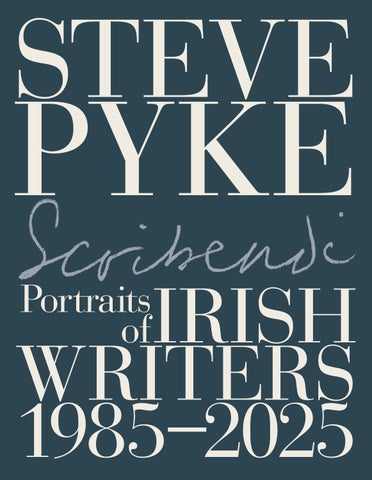
Steve Pyke IrISh WrIterS 1985–2025
Portraits of
I asked each of the writers in this book three questions. I also asked them to choose a text, theirs or another’s, to represent them. Their replies appear next to their pictures. To avoid repetition, I’ve left the questions out, except where necessary for clarity.

beginnings
When were you aware that writing was something for you?
belief
When were you first able to believe in something you’d written?
Direction
Where do you hope your work will lead?
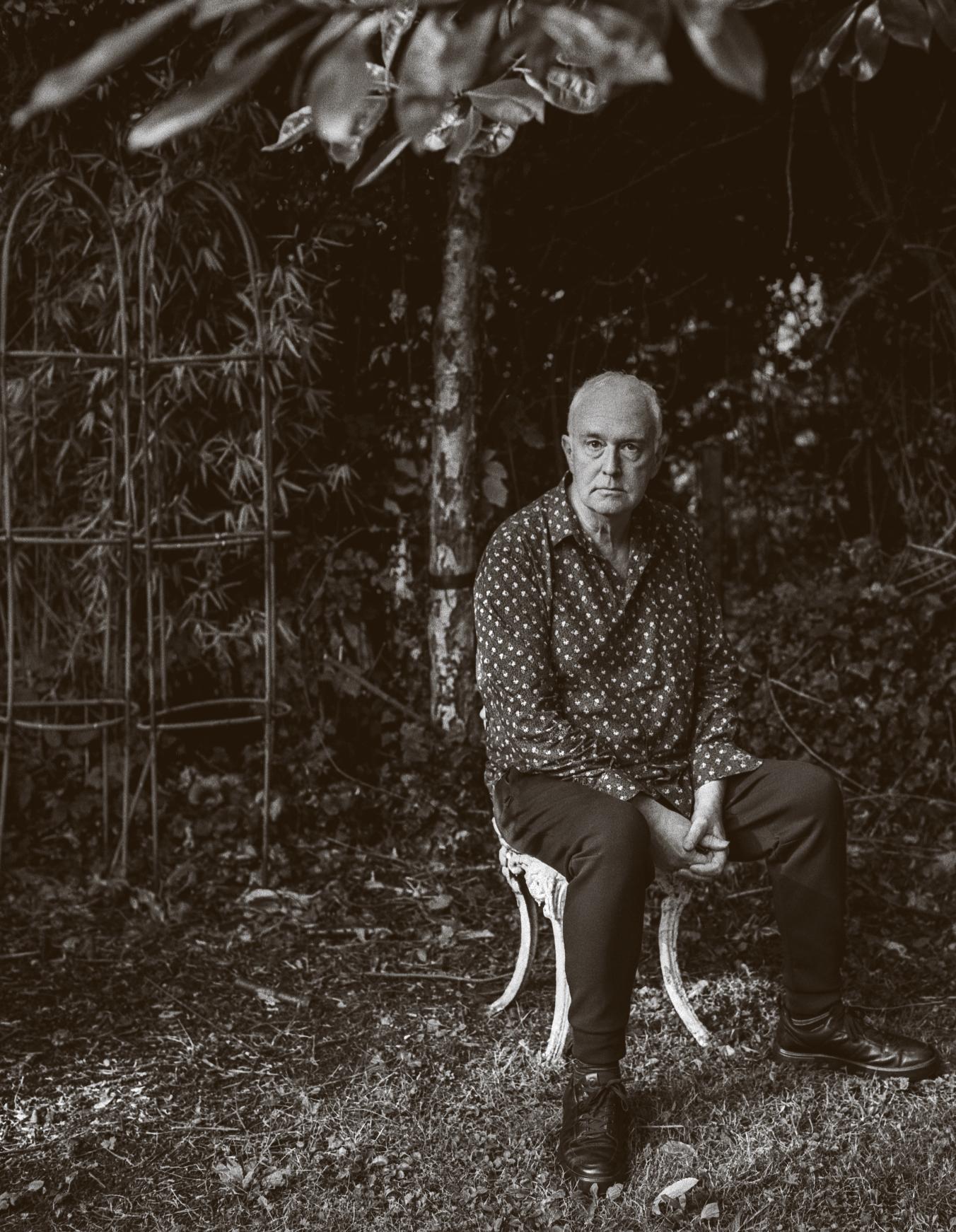
Joseph O’Connor
D ublin , 2024
Beginnings
Like most children I liked writing stories. As a young teenager I noticed everyone else had stopped.
Belief
It wasn’t until my early twenties that I found a number of ways of writing that would work for me. I’ve been moving among those ever since and finding some new ones.
Direction Malibu.
All night long he would walk the ship, from bow to stern, from dusk to quarterlight, that sticklike, limping man from Connemara, with the dusty shoulders and the ash-coloured clothes. The sailors, the watchmen, the lurkers near the wheelhouse would turn from their conversations or their solitary work and see him shifting slowly through the vaporous darkness, cautiously, curiously, always alone.
Opening lines of Star of the Sea by Joseph O’Connor
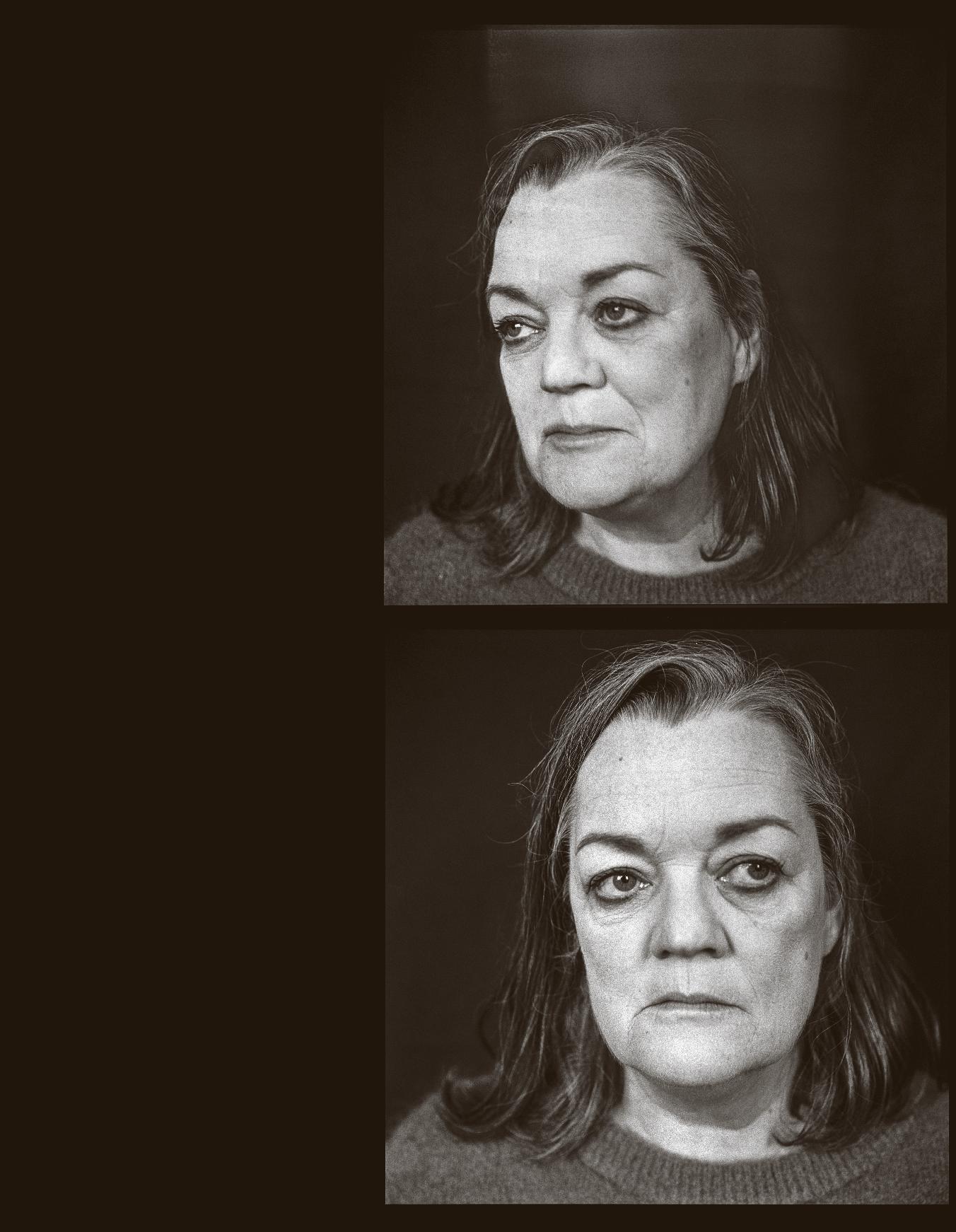
Louise Kennedy
S li GO, 2024
Beginnings
I came to it by accident, at the age of forty-seven, when a friend kind of bundled me into her car to join a writing group. After the excruciating first night I went home and began working on what I hoped was a short story. Within a couple of lines I didn’t want to do anything else.
Belief
The year after I started trying to write I had a story published in Ambit, one of the oldest and coolest London literary journals. I dared to think that it wasn’t insane for me to keep going.
Direction
Every time I sit at my desk to write I learn something new. I hope this work will always give me that.
She exited the station and walked along the esplanade, turning right at the end to go through the tunnel to the pub. Its walls were dabbed with words sacred and profane. FUCK THE POPE AND THE VIRGIN MARY. FOR GOD AND ULSTER. MARTY LOVES
DIRTY TITS . Cushla wondered if Dirty Tits was a girl, or if Marty loved tits that were dirty.
From Trespasses by Louise Kennedy
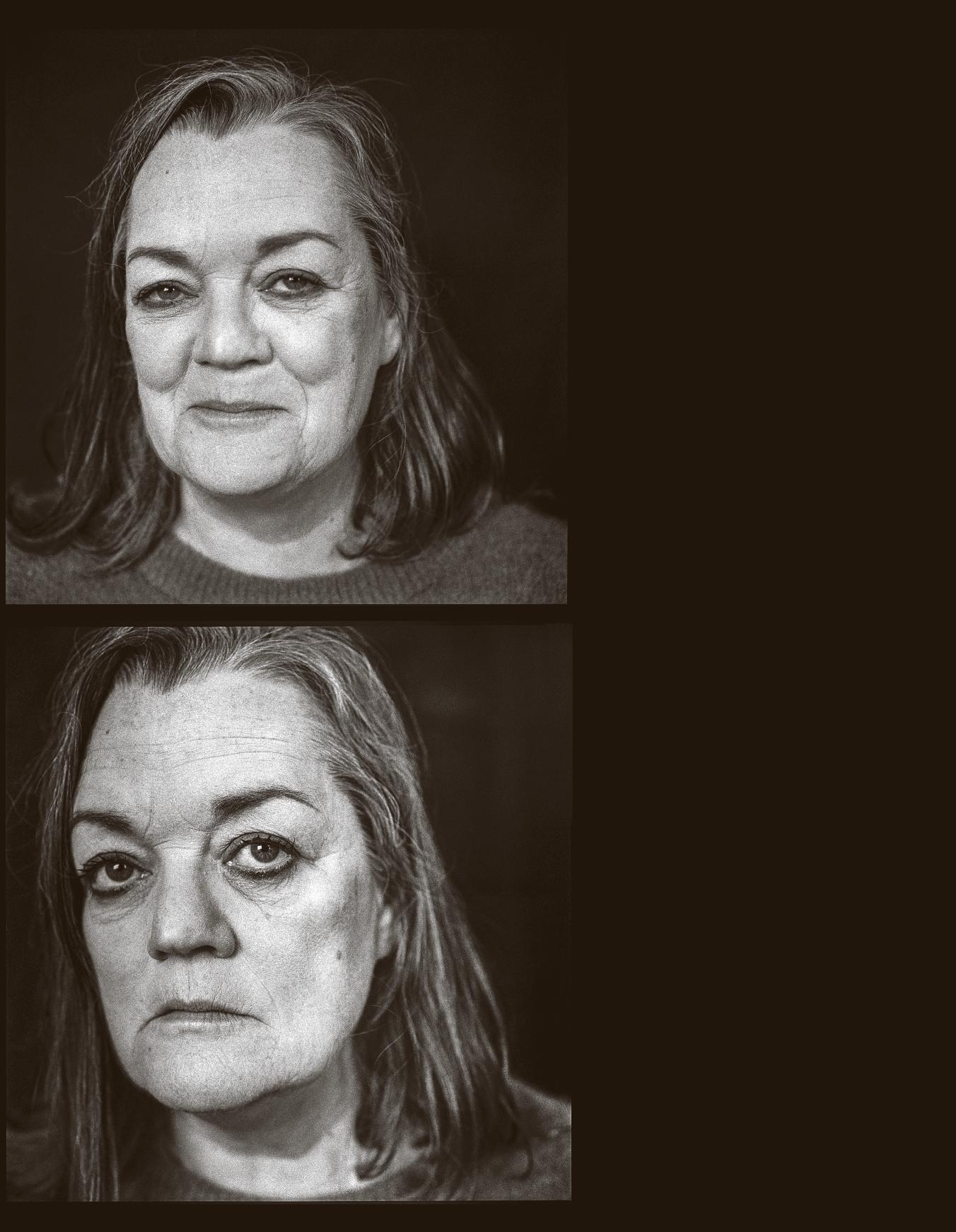
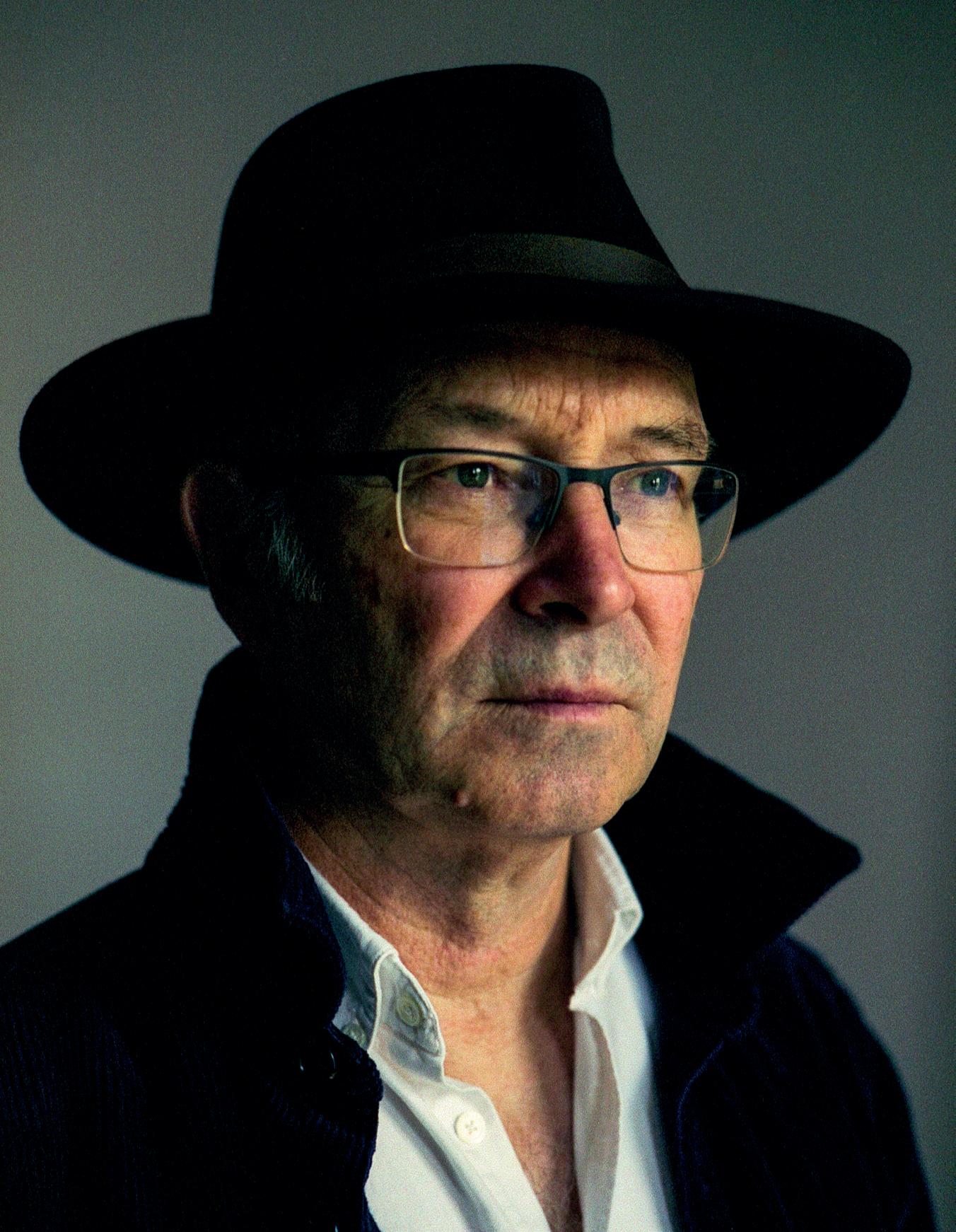
Mike McCormack
D ublin , 2025
Beginnings
In my early to mid-twenties, I had a small bedsit in Lower Salthill, Galway city. It was a wonderful place to live, over a pub in which there was a daily gathering of men and women and characters from all sorts of backgrounds. At the time I was struggling with academic writing – Philosophy and Lit Crit – really knotted, thorny stuff that had me going round in circles. So often my mind and pen kept drifting away to a couple of fictional sketches I had started to write. There seemed to me a lot more life and purpose in those pieces than there was in my academic work, more vitality and an opening sense of what was really possible with writing.
I distinctly remember one morning sitting at the desk which looked out over the street below. And once again I had set aside whatever it was I should have been doing and was concentrating instead on developing the narrative arc of a newly begun short story. I remember thinking, ‘I’m a lot better at this fiction writing than I am at scholarly work. Not only am I better at it but it gives me a greater sense of fulfilment.’ If I said to you that the sun shone on my head and that the heavens opened with choirs of angels in full voice I would be overselling the moment. Nevertheless, I do remember that quiet acknowledgement as the beginning of my life as a writer. There was no going back from that moment.
… and it was a beautiful day
with the sun high in the sky as the road ahead ploughed through the blue air …
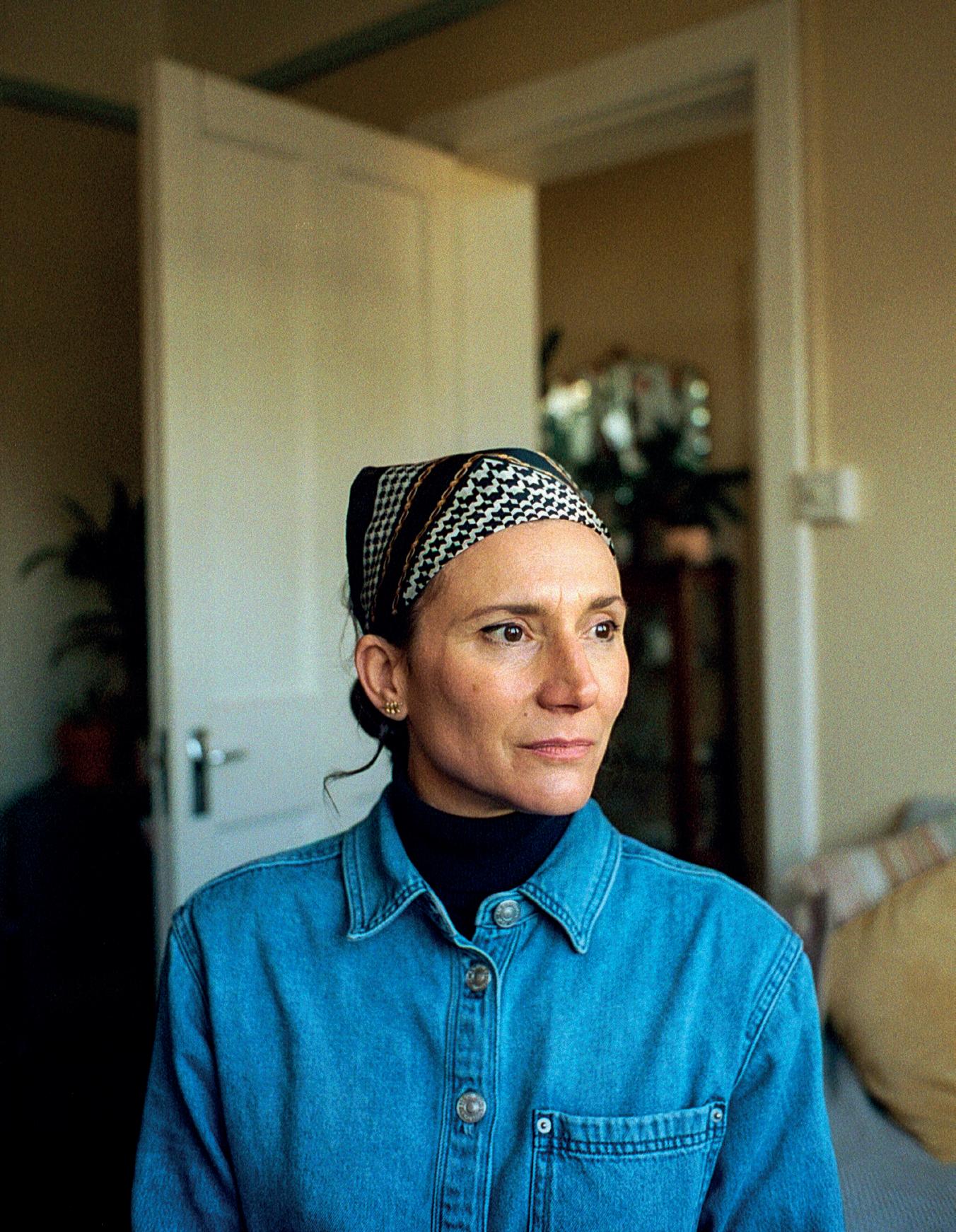
Claire
Louise Bennett
A T hen RY , 2025
Beginnings
I’ve always been aware of it being something for me. It took a while longer to see that it might also be for someone else.
Belief
When I allowed in what I felt.
Direction
To the very end of me.
The forms are many in which the unchanging seeks relief from its formlessness.
From