



PORTFOLIO | Lilian Juma Selected Work 2019 - 2022


CONTENTS Highline Living 01 Harlem Nexus 02 Repurposing Resources 03 Fungalscapes 04

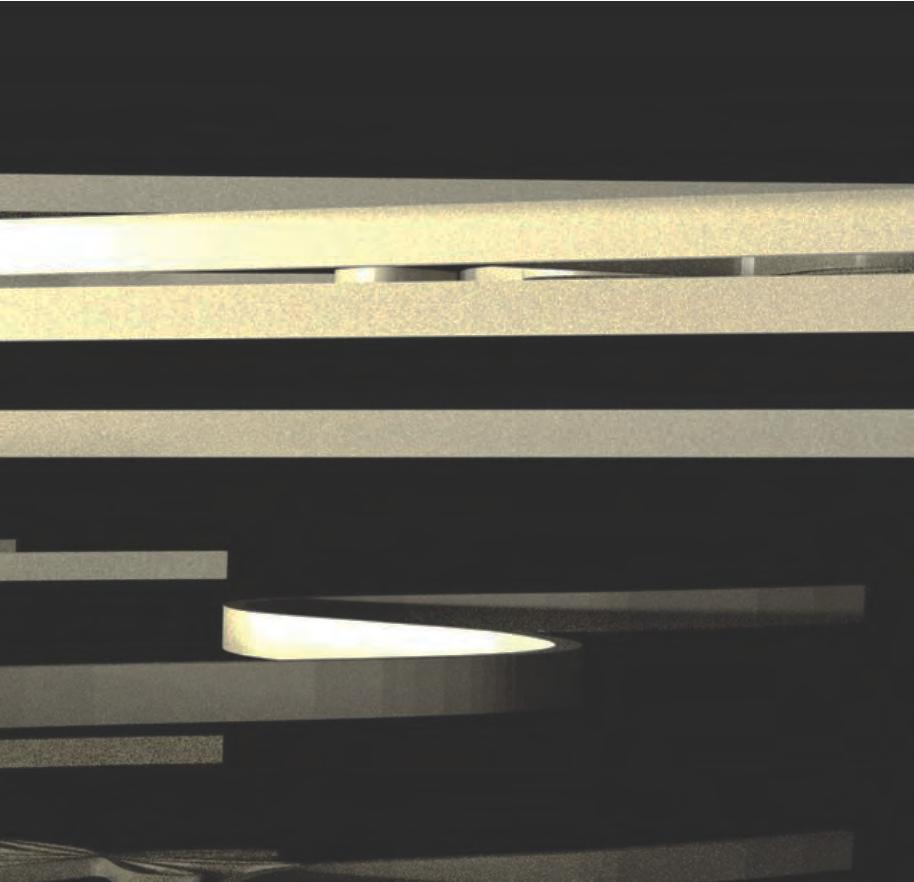
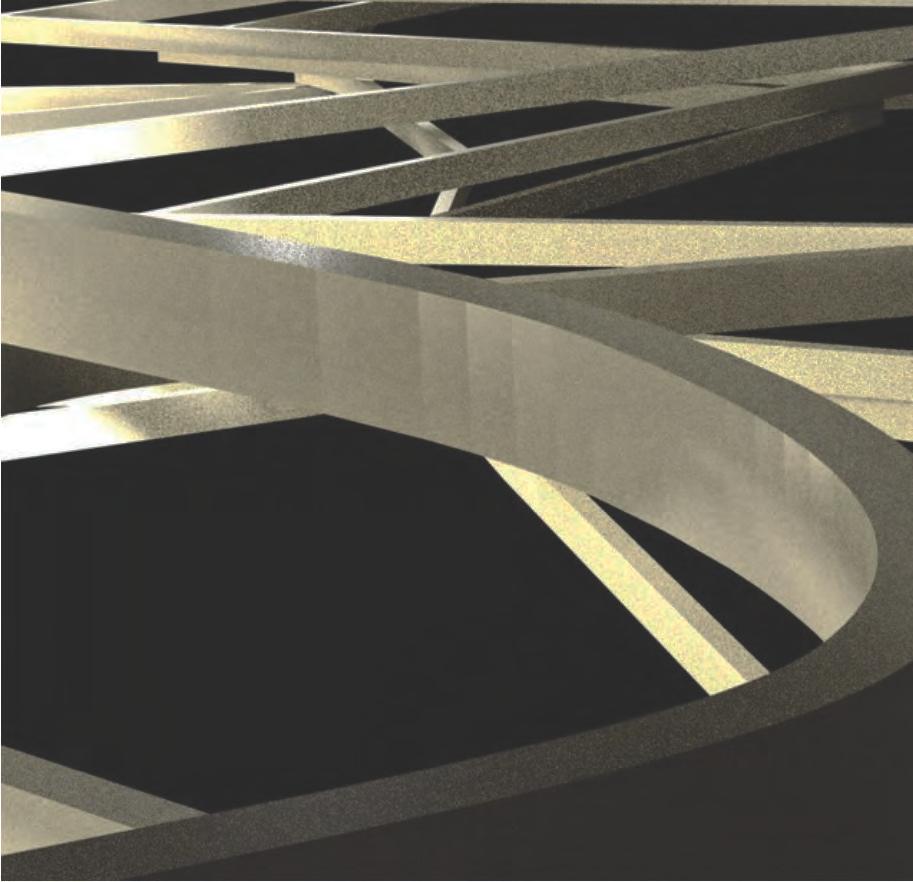
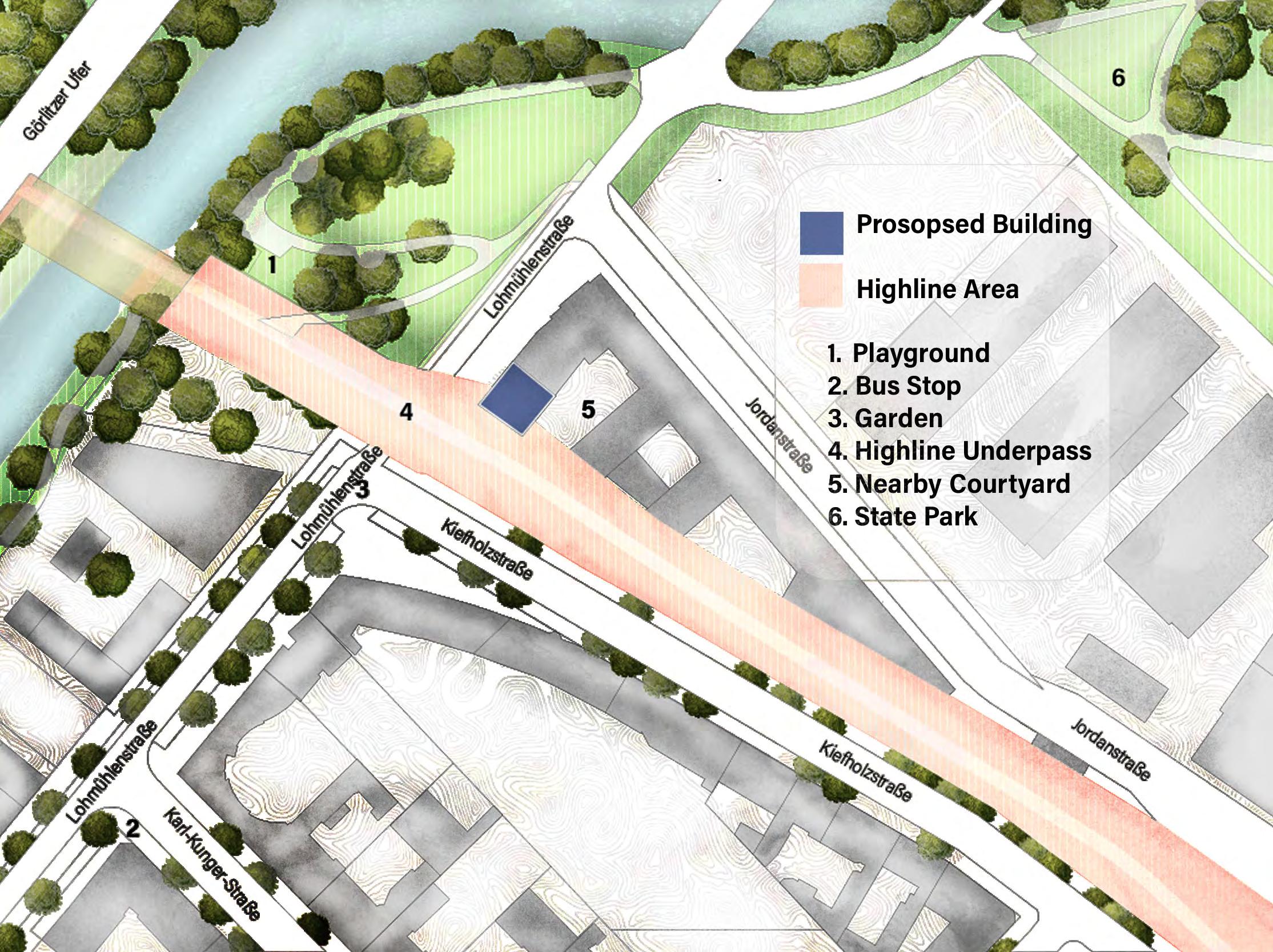
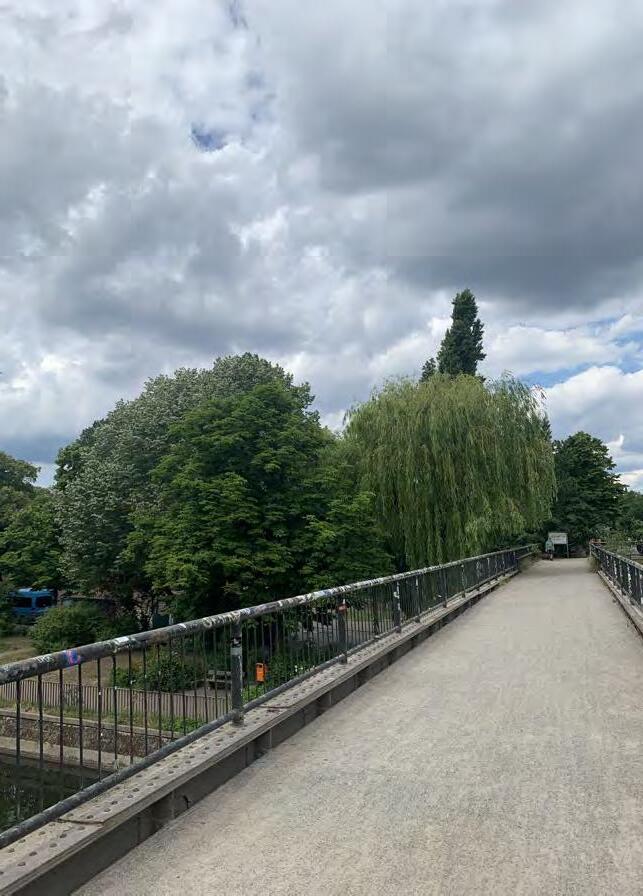
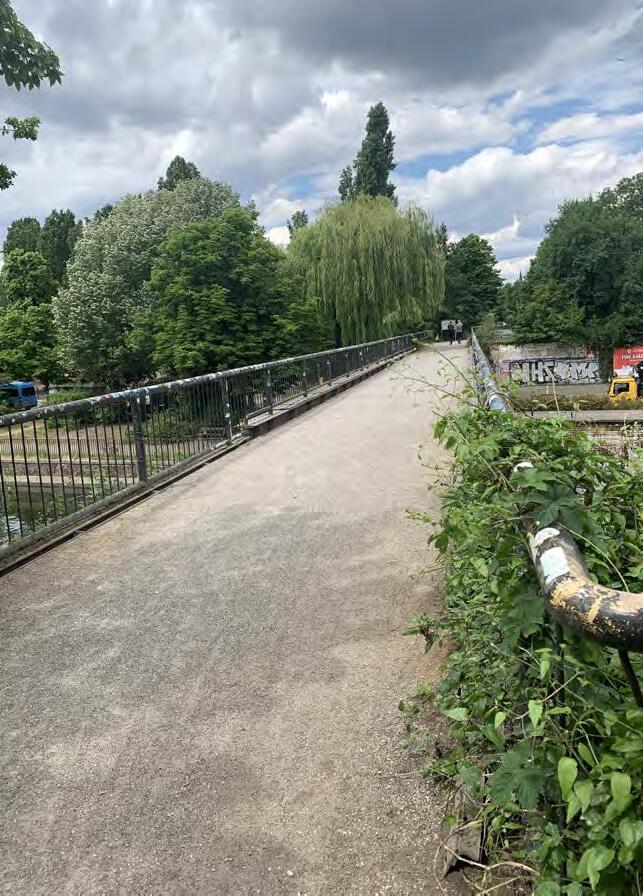
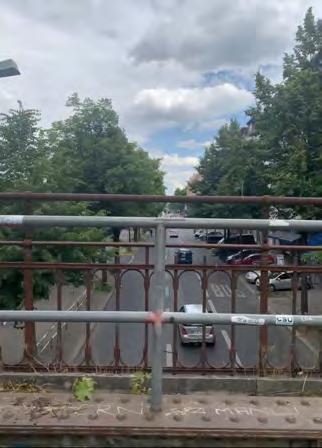
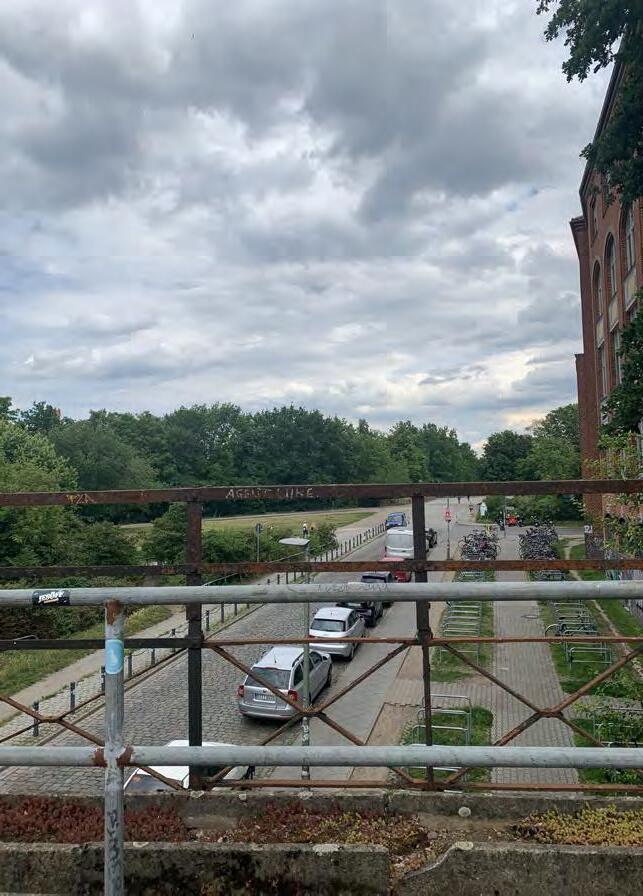
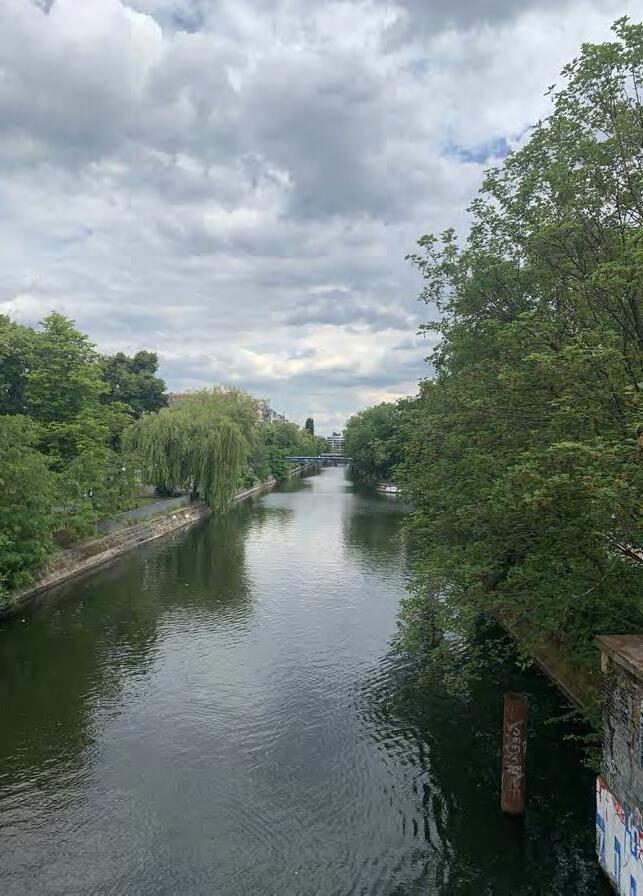
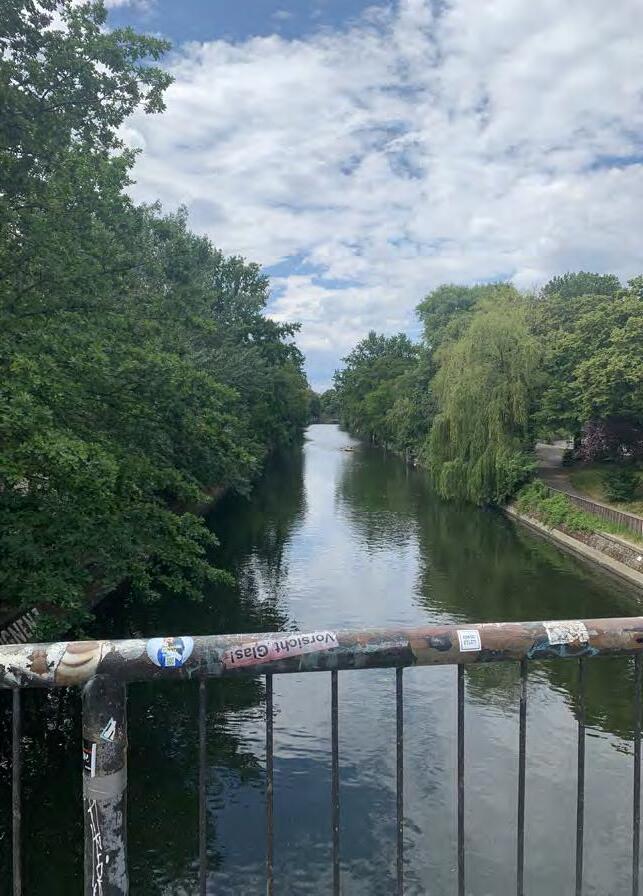
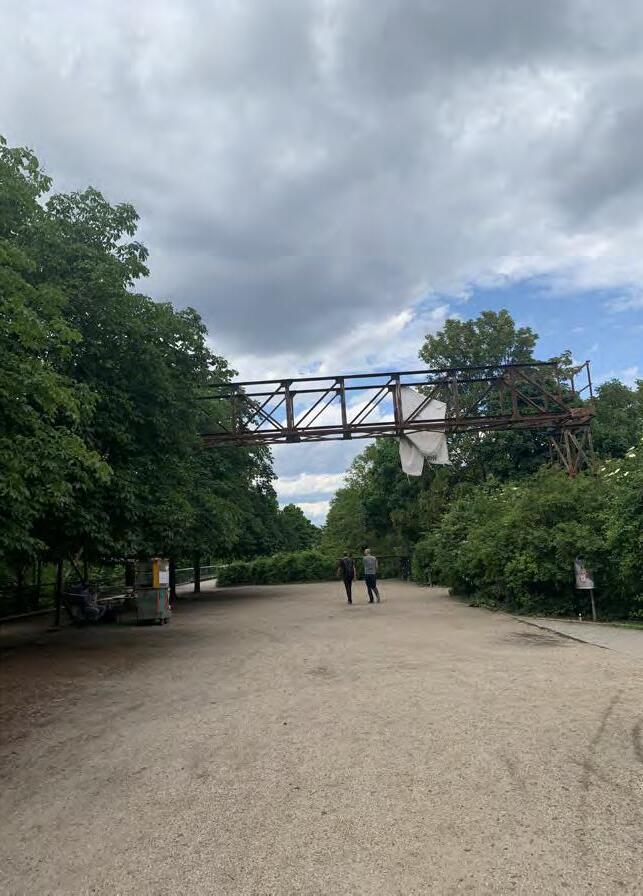
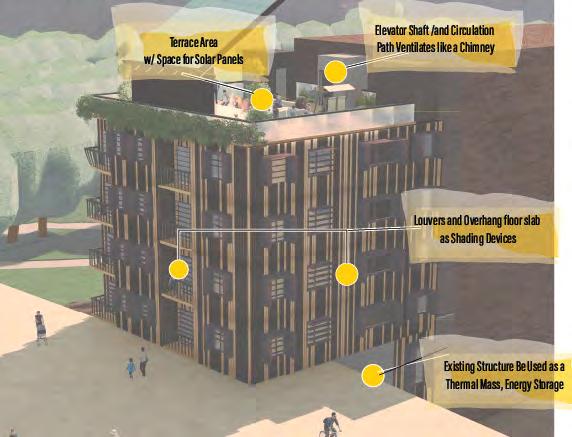
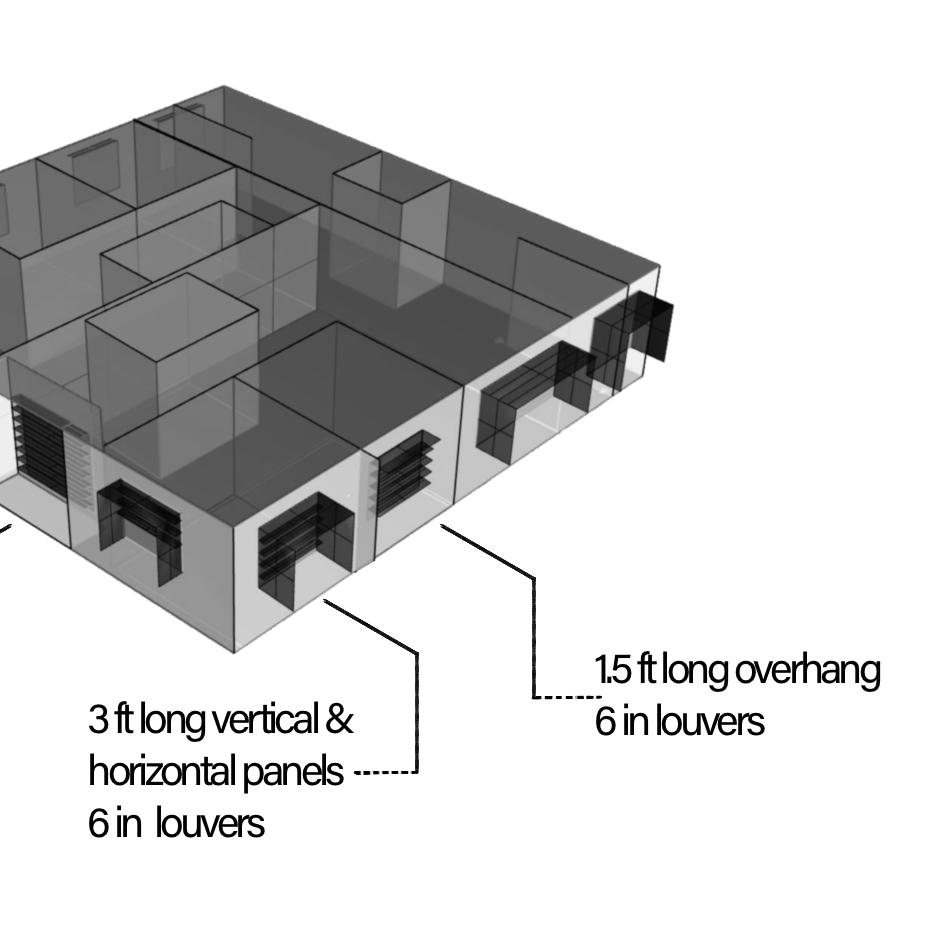
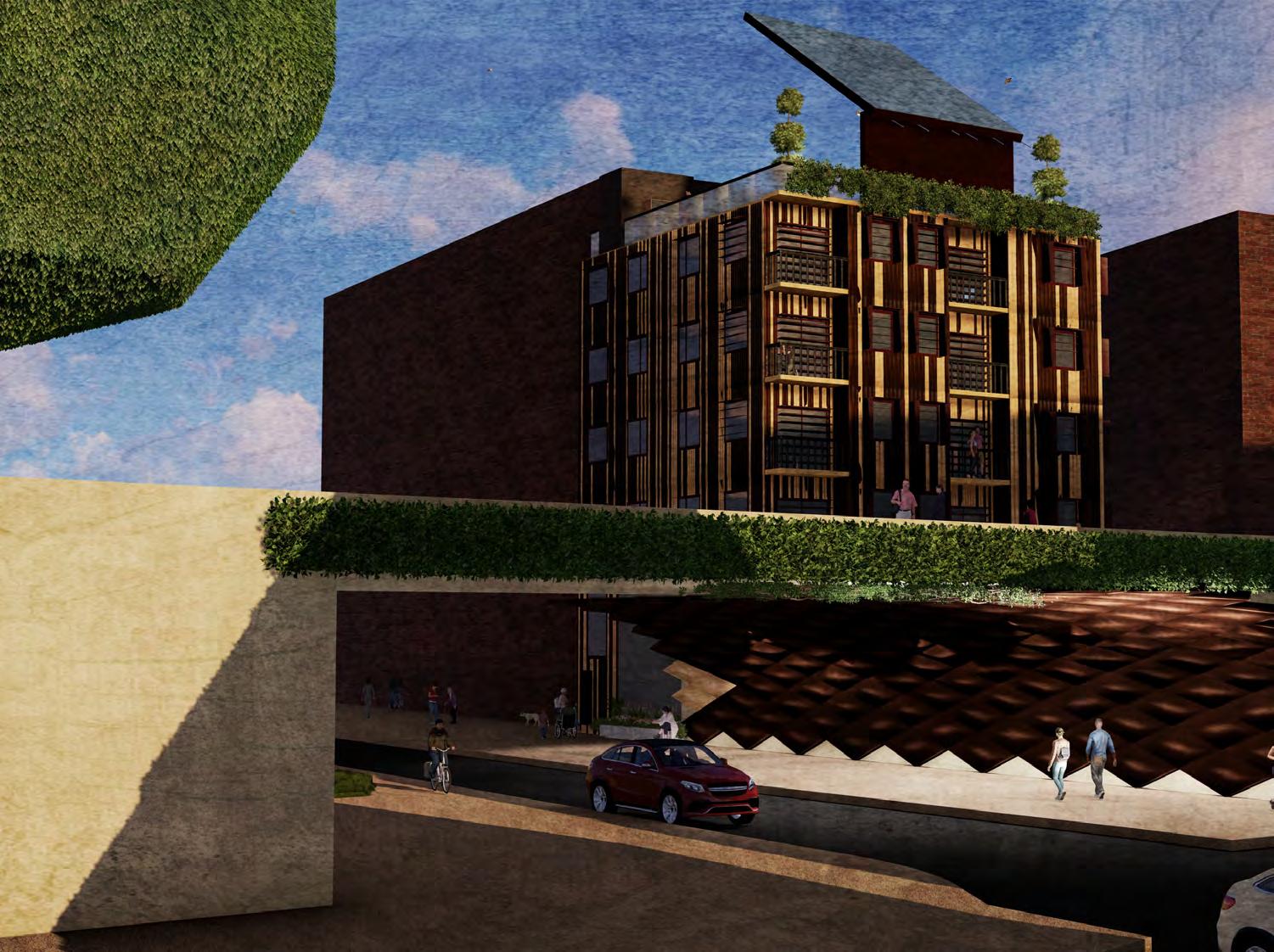
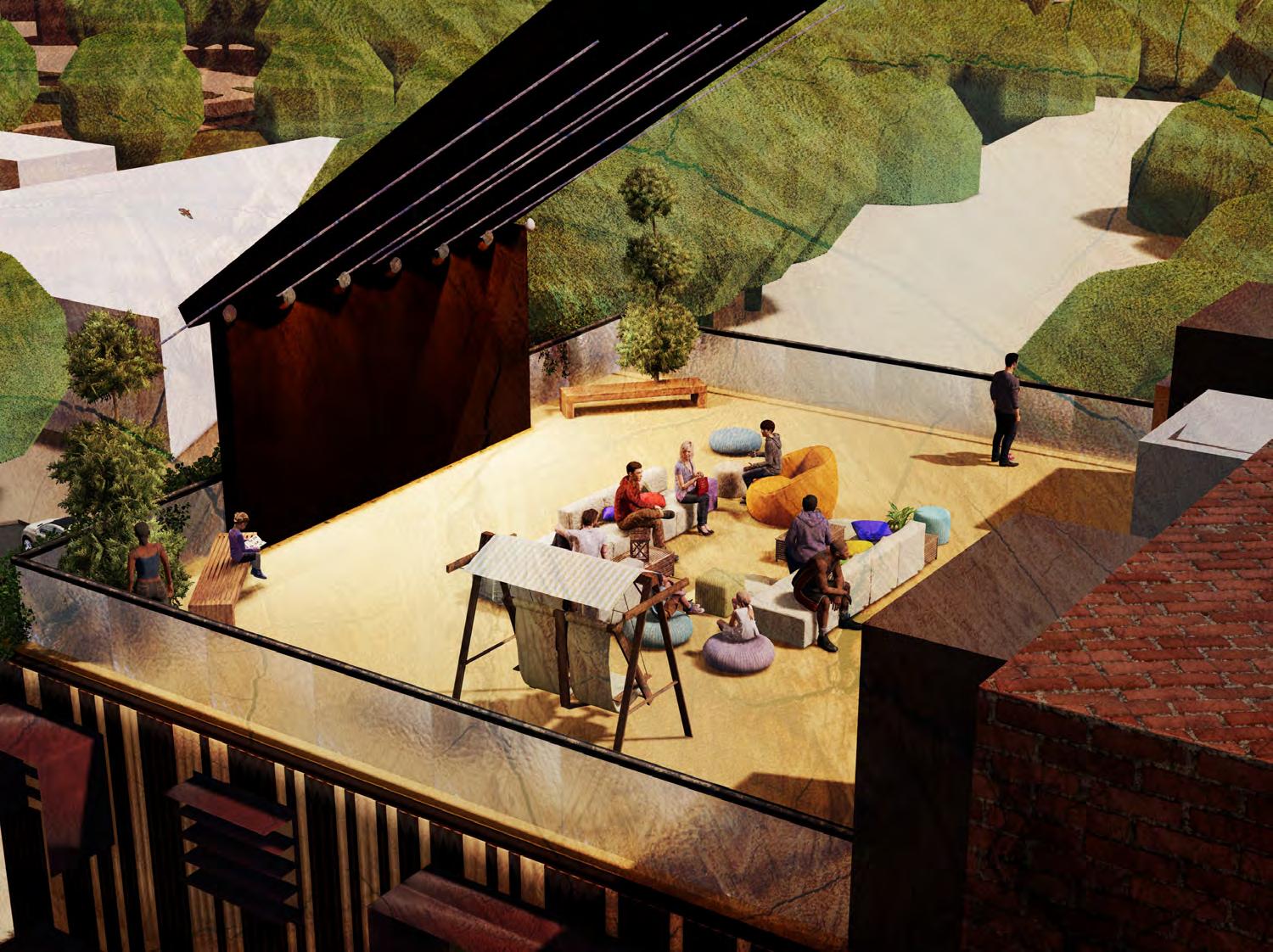
There is a growing need in Berlin for affordable housing, especially with recent events in the global climate and with climate change also a need housing that is energy sufficent as well as sustainable. I designed housing that would make use of a portion of the hightling that is not currently active to place smaller families in the center of East Berlin. The location I chose was significant due to its proximity transit and other amenites and the fact that it posed the question how do we utilize what space is already availble for construction and live together. The adjoining building is a private uni veristy so the circulation Corrider was also a noise buffer. There were also plenty of oppertunties for solar power without disrupting access to sun and light for existing buildings.
Techniques Used: Rhino, Grasshopper, Climatestudio, Revit, Illustrator, Photoshop, Procreate, Lumion
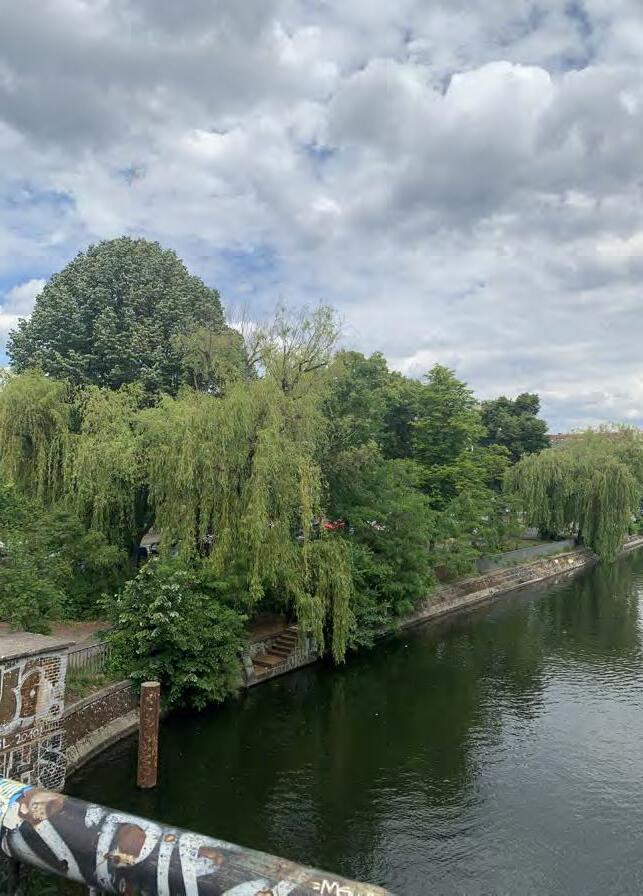
Exterior Perspecative: Along the Highline
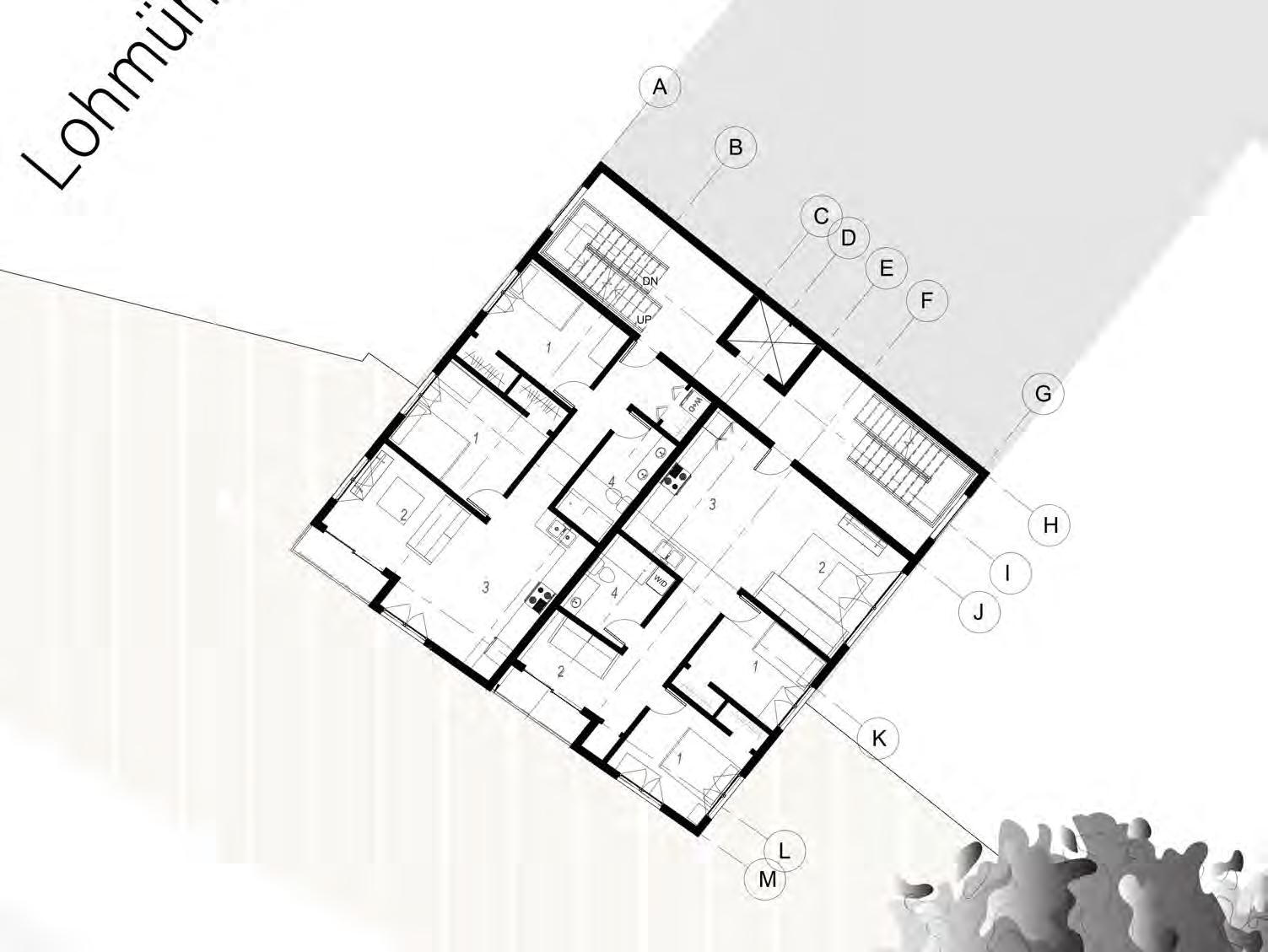 1. BEDROOM
2. LIVING ROOMS
3. KITCHEN
4. BATHROOM
1. BEDROOM
2. LIVING ROOMS
3. KITCHEN
4. BATHROOM
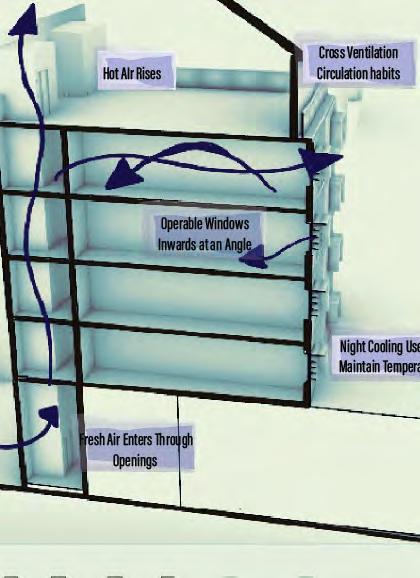
Environmental Stratiegies: Ventilation
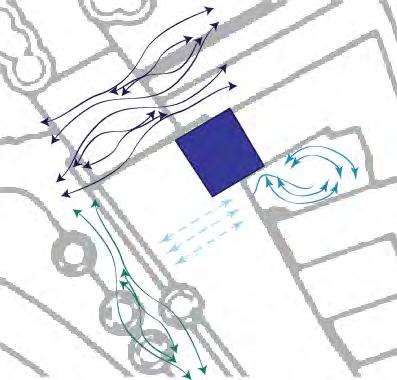
Wind circulating under Bridge
Wind from nearby road
Circular wind from Courtyard
Wind pulled under Highline to and from the courtyard
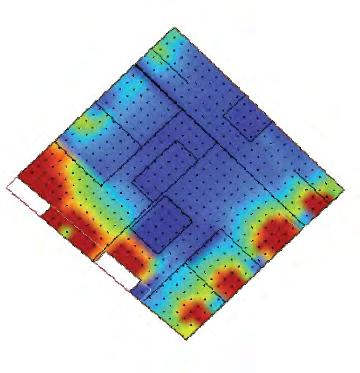
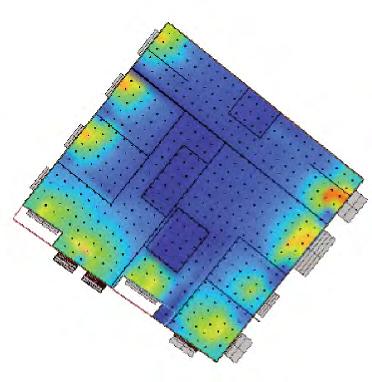
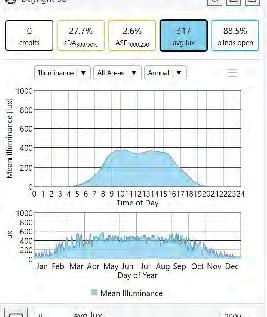
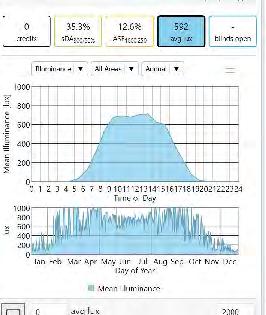
12 -16hrs
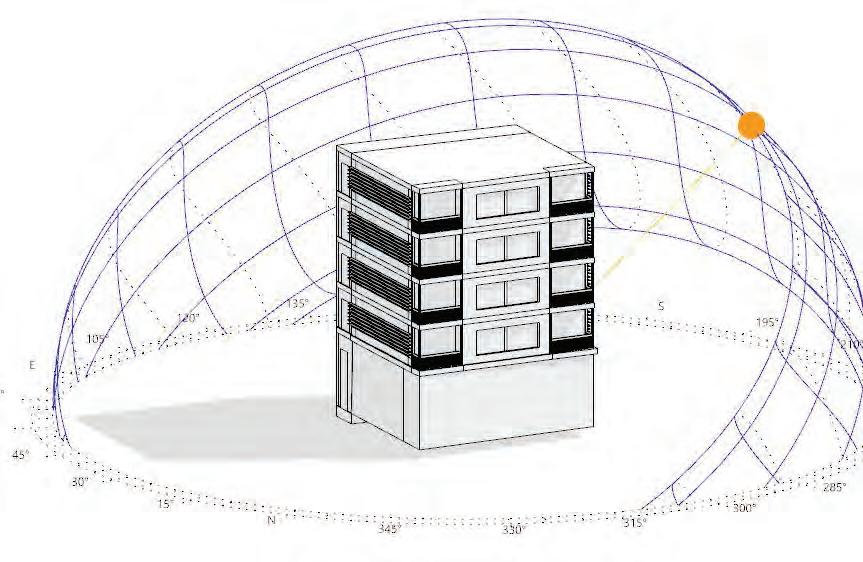
daylight in the summer
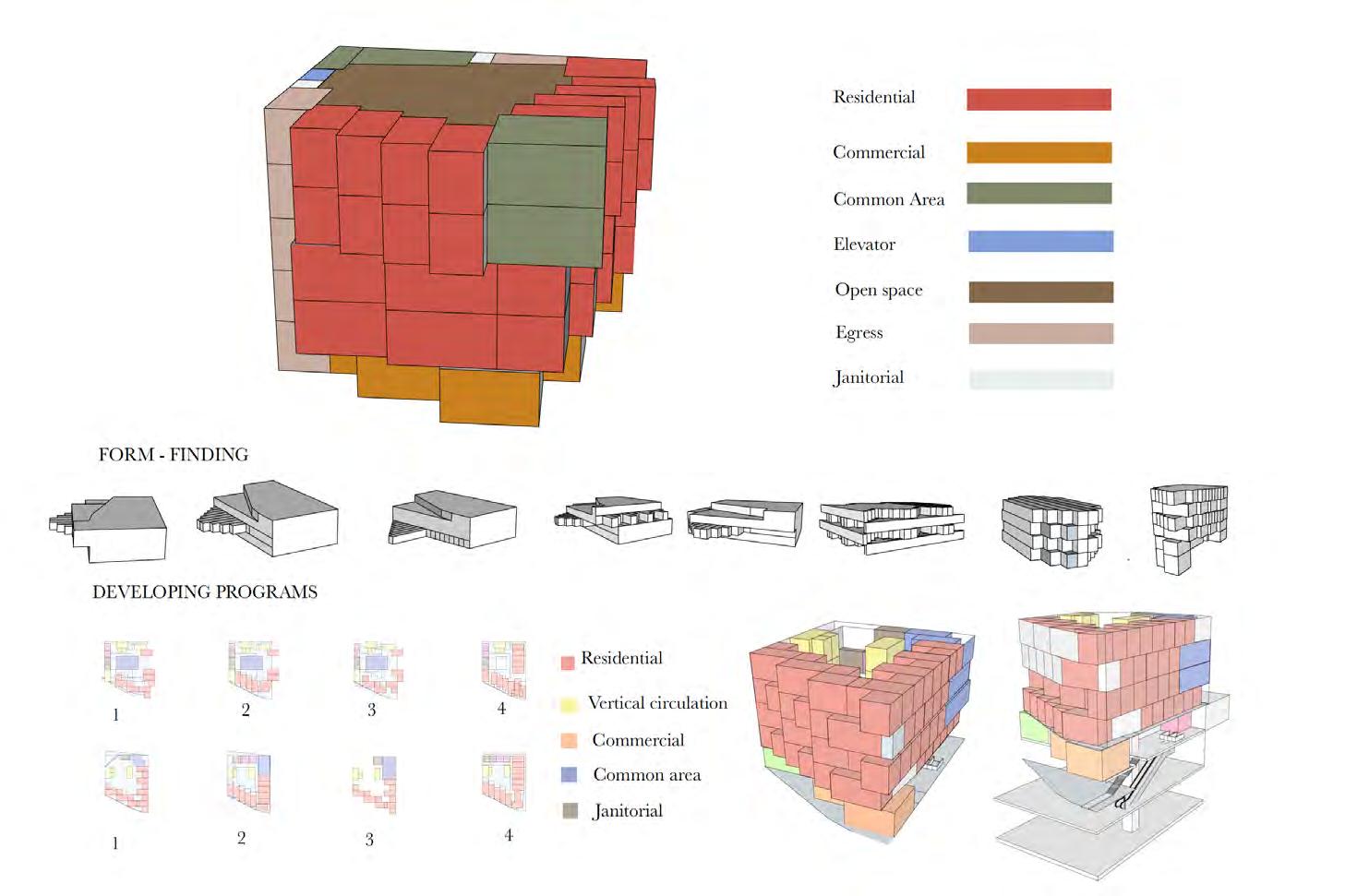
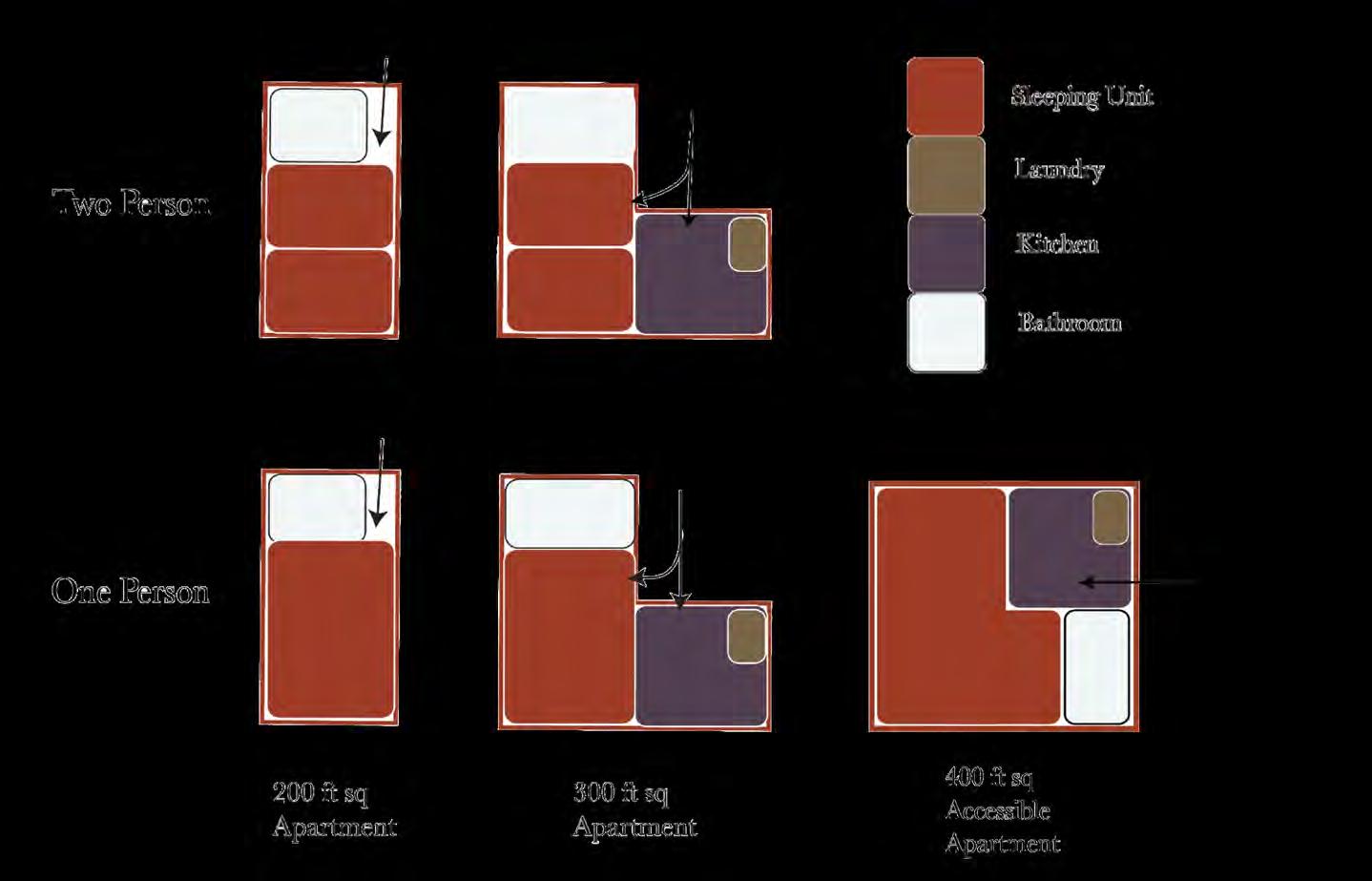
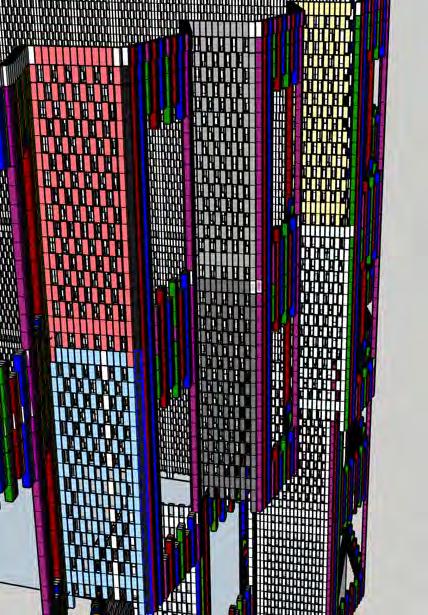
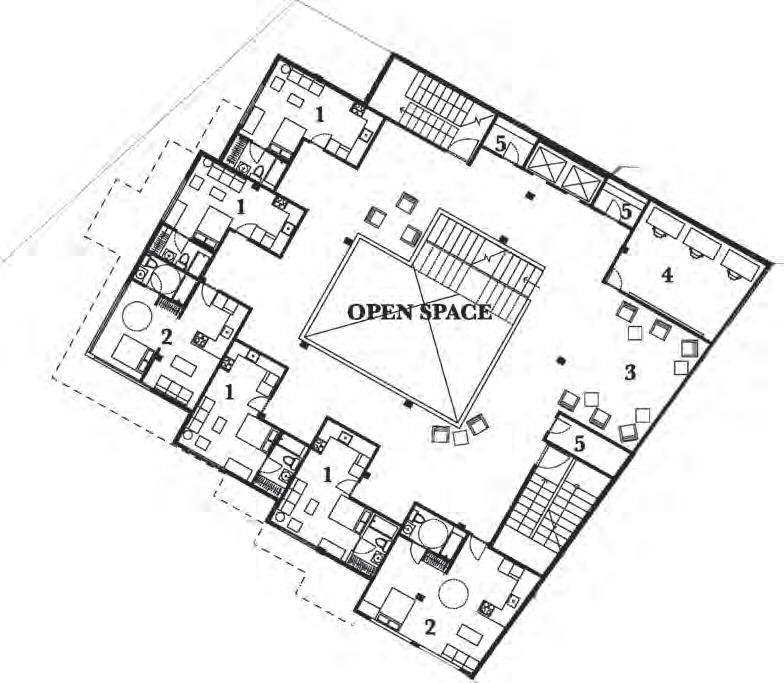
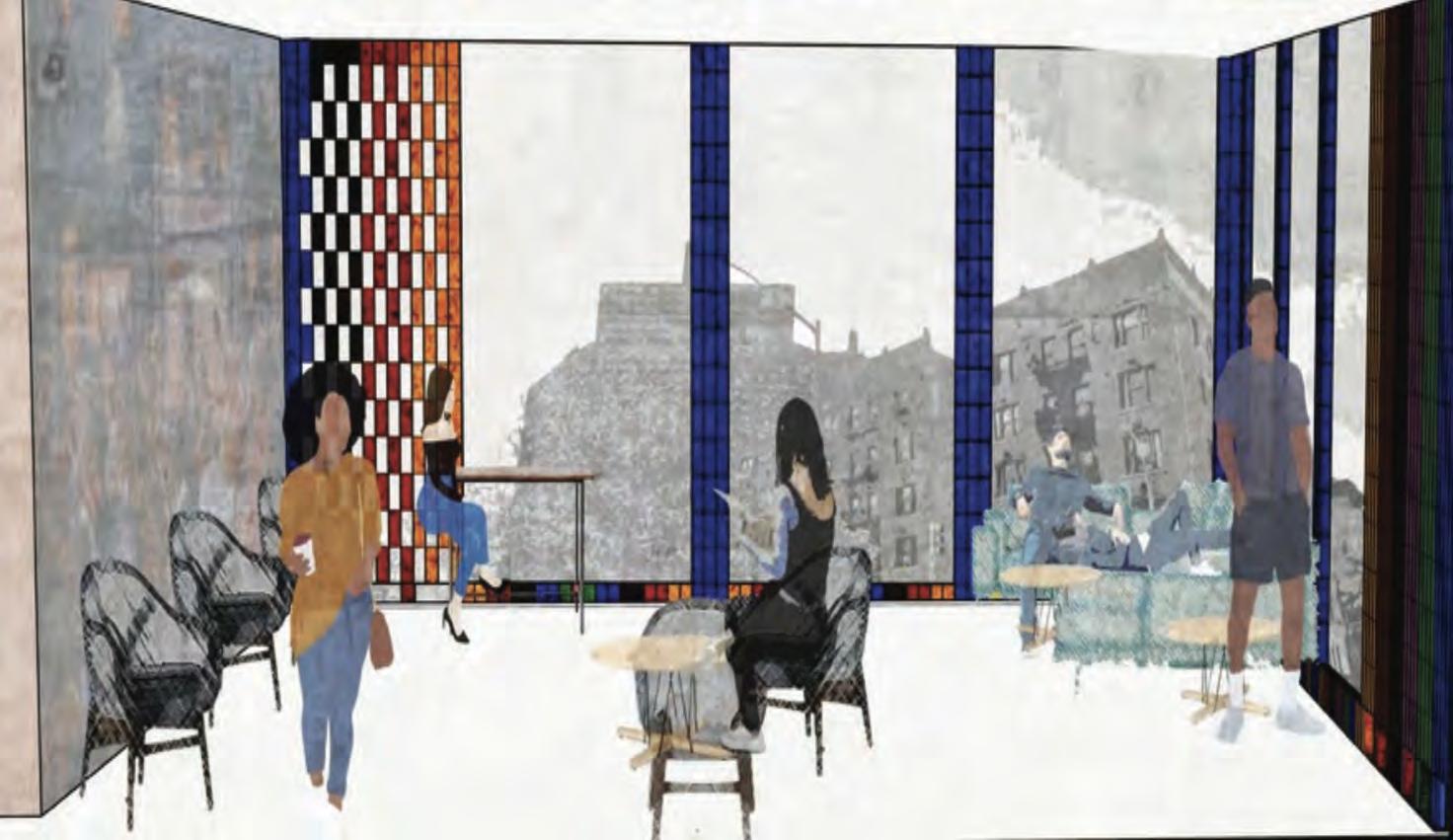
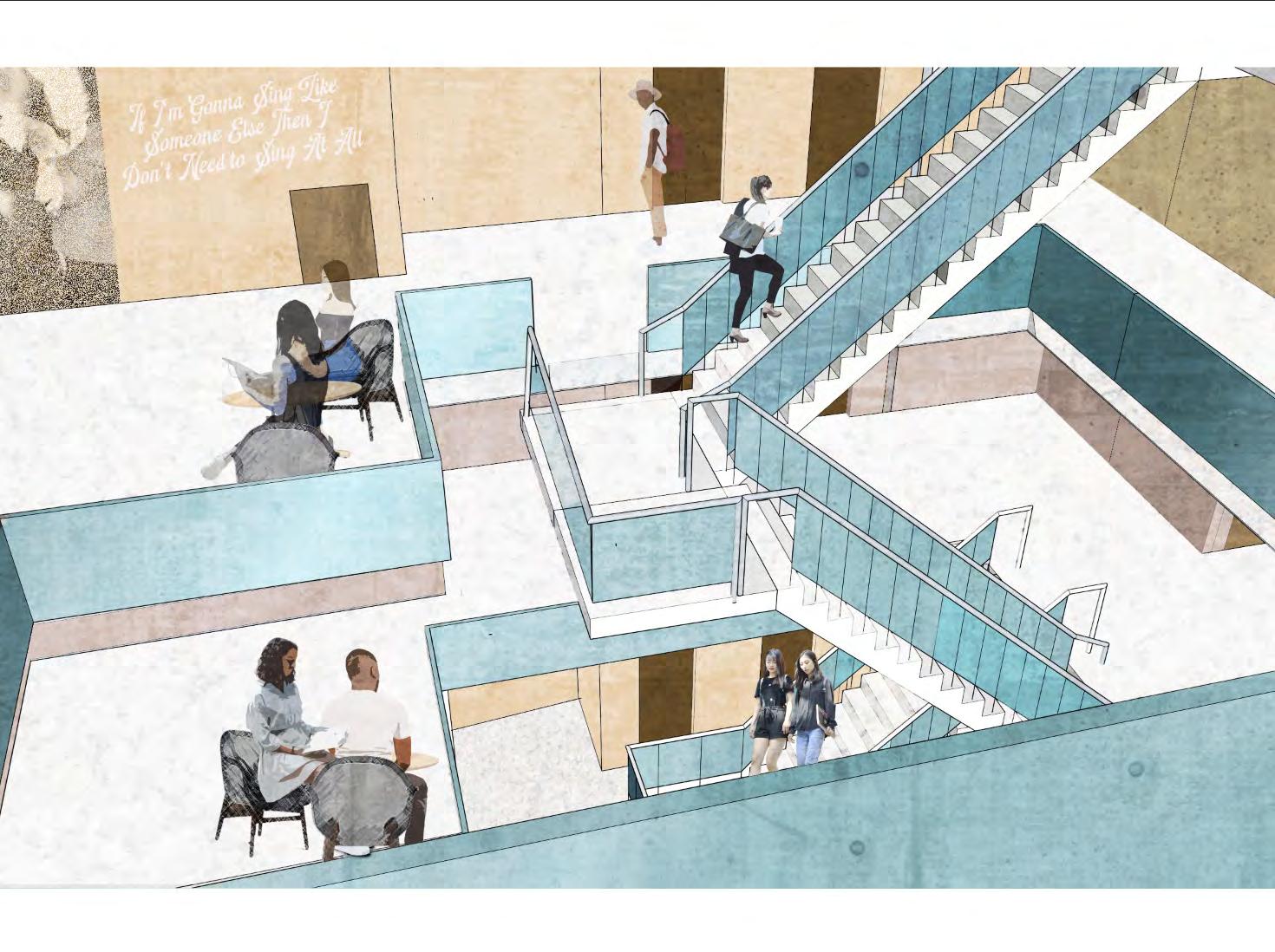
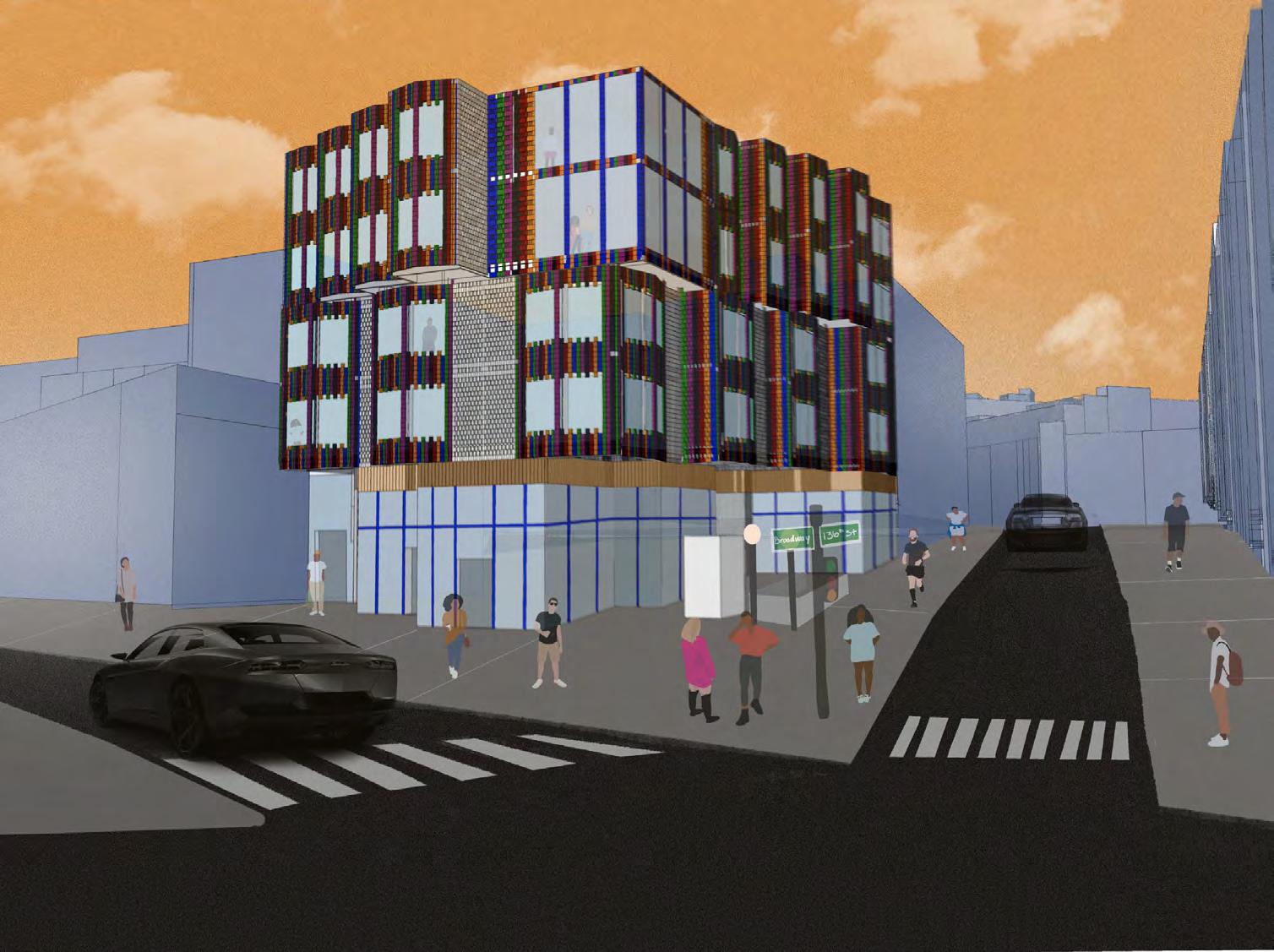
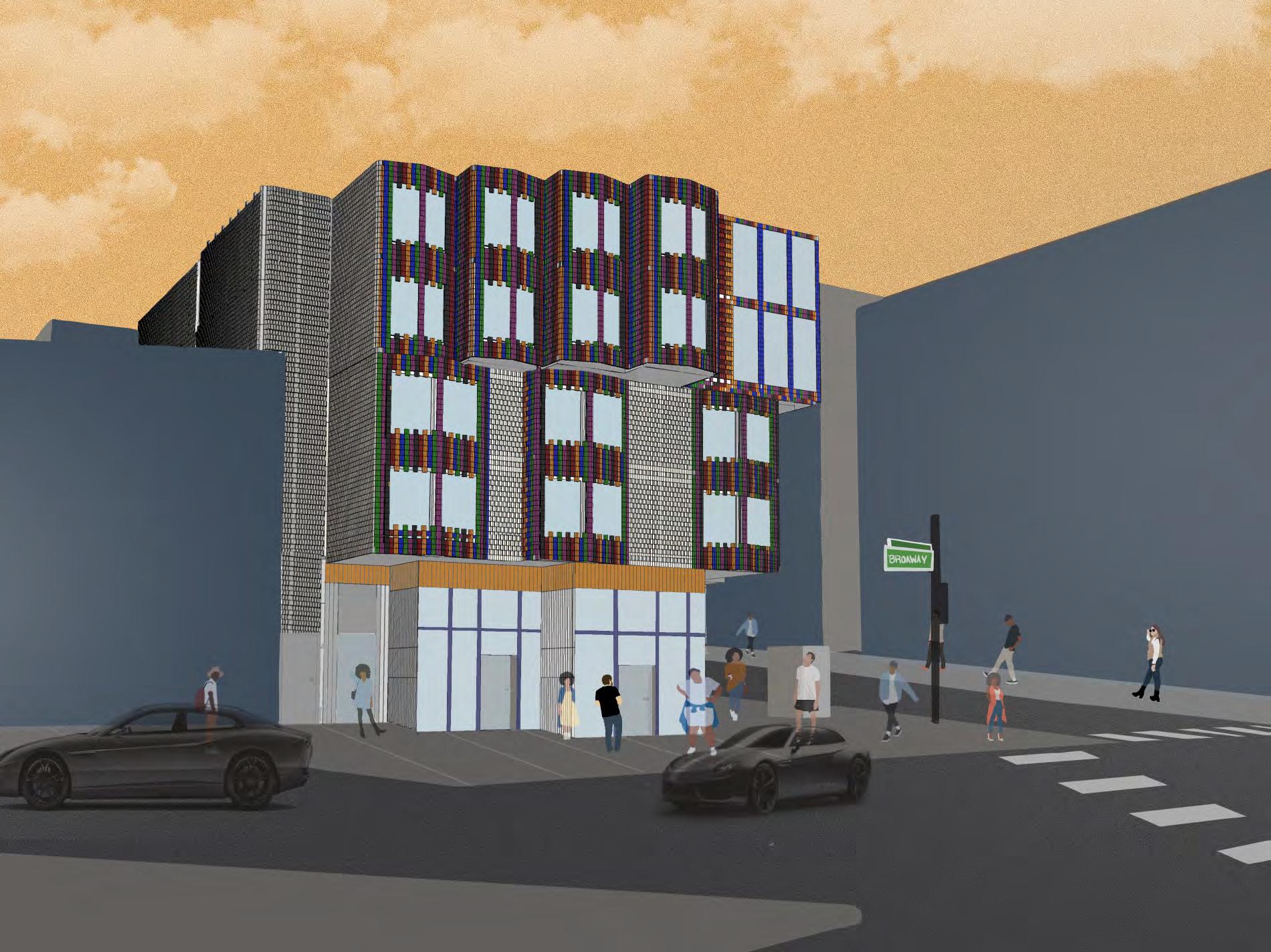
A mixed-use building meant to house college students at CUNY.Throughout this project, we used the aesthetic as well as the programming of our building to pay homage to the spirit of the Harlem Renaissance.We incorporated more access to the existing subway train. Our ground floor also contains retail like a thrift store and food pantry and rentable office space. We also had multiple floor plan options for various student needs.We let the shape of our apartments influnece the shape of our builidng.
In collaboration with Mercedes Cooper - Spring 2021
Techniques Used: Sketchup, Illustrator, Photoshop, Autocad
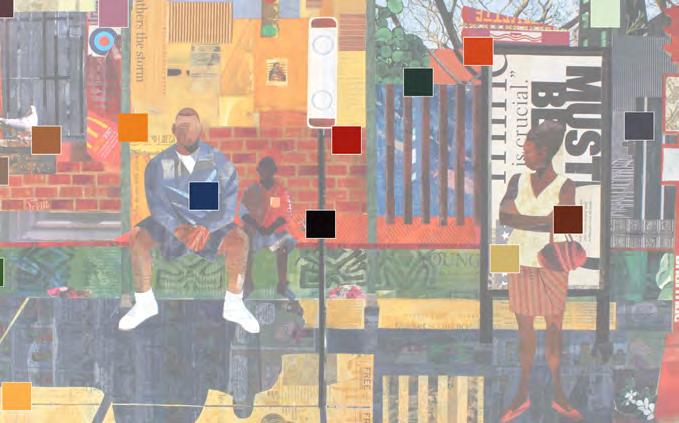
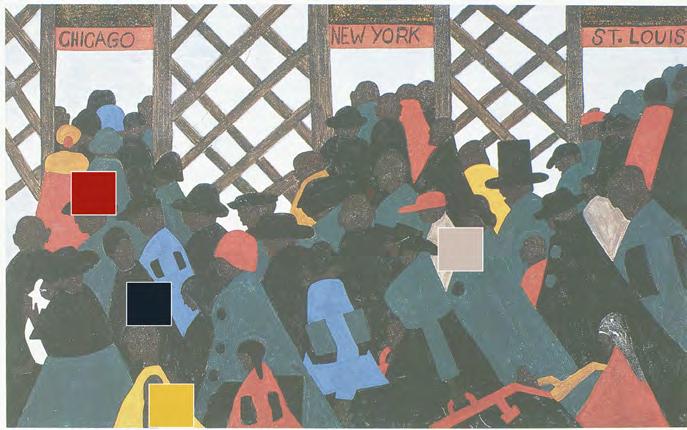

 Bus Stop - Ekua Holmes
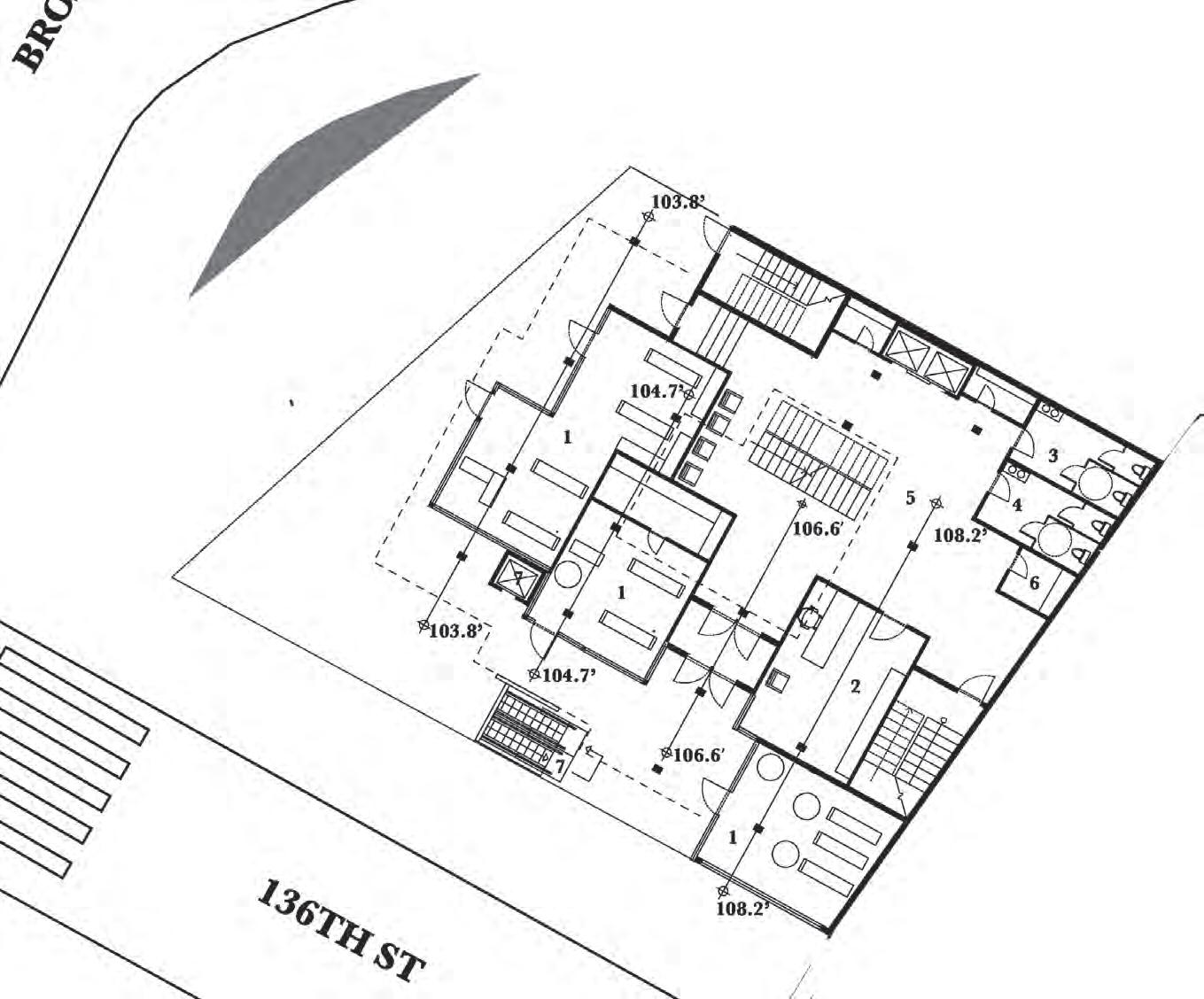
1. RETAIL
2. OFFICE
3. WOMEN’S RESTROOM
4. MEN’S RESTROOM
5. LOBBY
6. JANITORIAL/MAINTENENCE ROOM
7. ACCESS TO TRAIN MEZZANINE
FIRST/SECOND FLOOR
1. RESIDENTIAL UNITS
2. ACCESSIBLE UNITS
3. COMMON AREA
4. STUDY ROOM
5. JANITORIAL/MAINTENECE ROOM
THIRD/FOURTH FLOOR
1. RESIDENTIAL UNITS
2. ACCESSIBLE UNITS
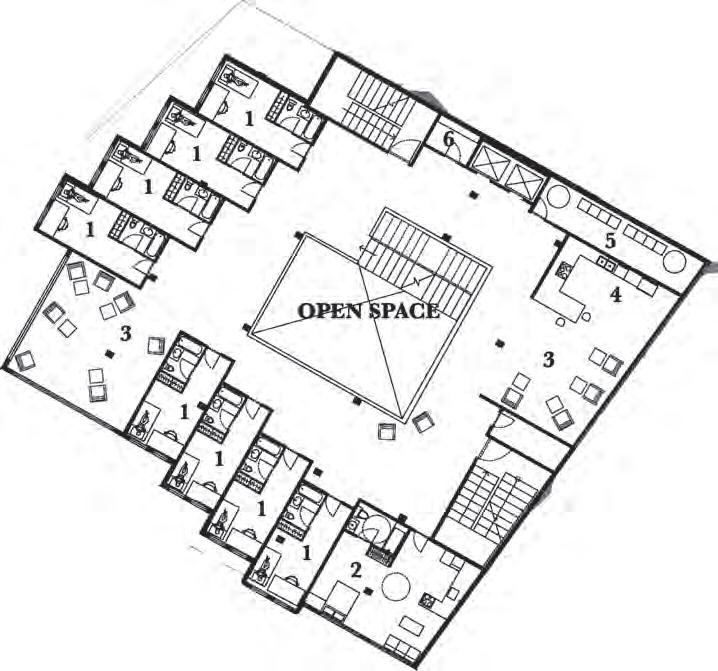
3. COMMON AREA
4. KITCHEN
5. LAUNDRY
6. JANITORIAL/MAINTENCE ROOM
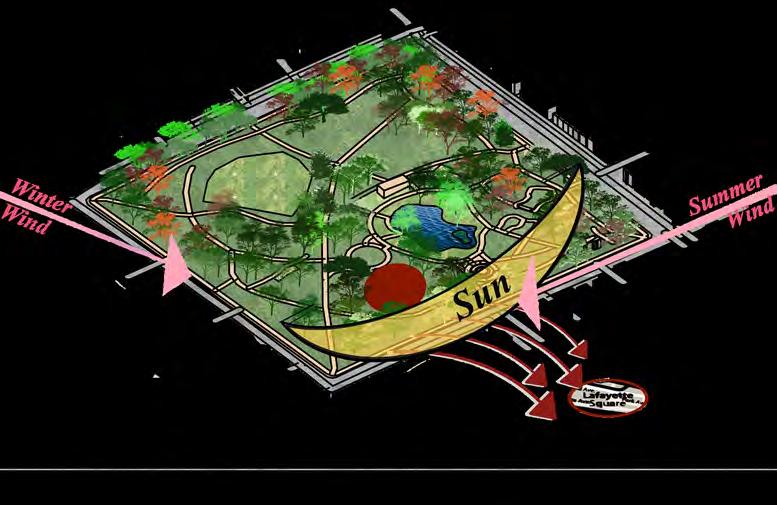
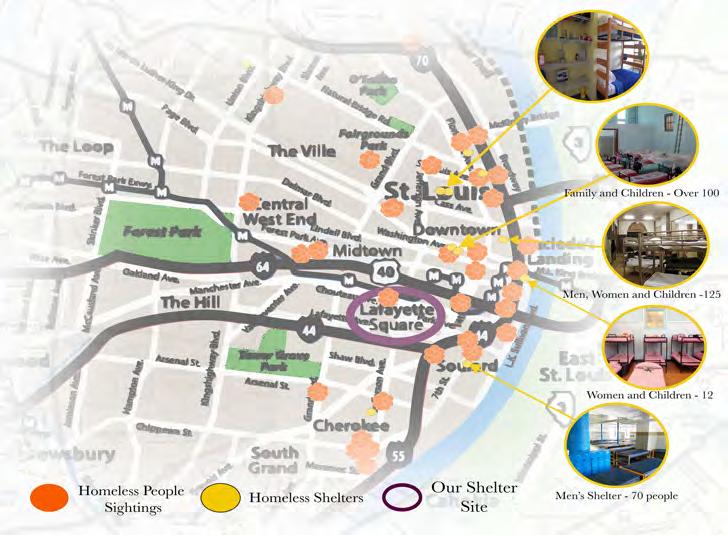
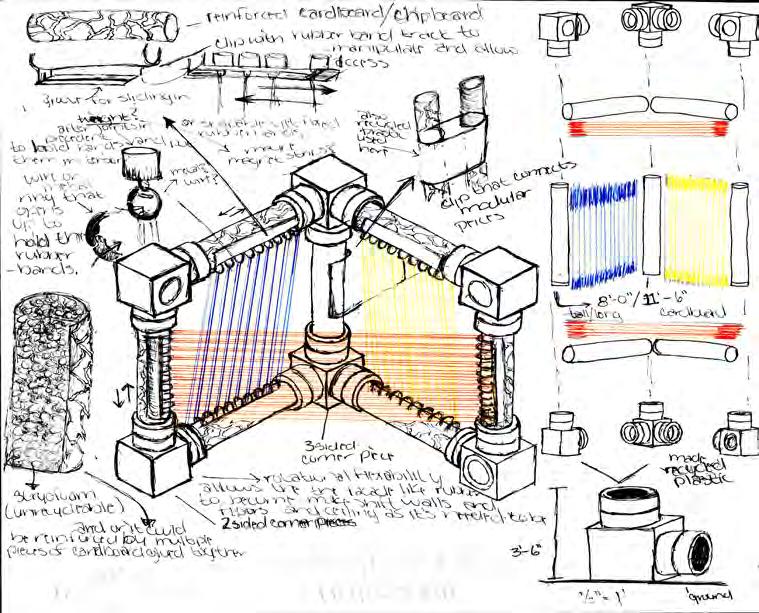
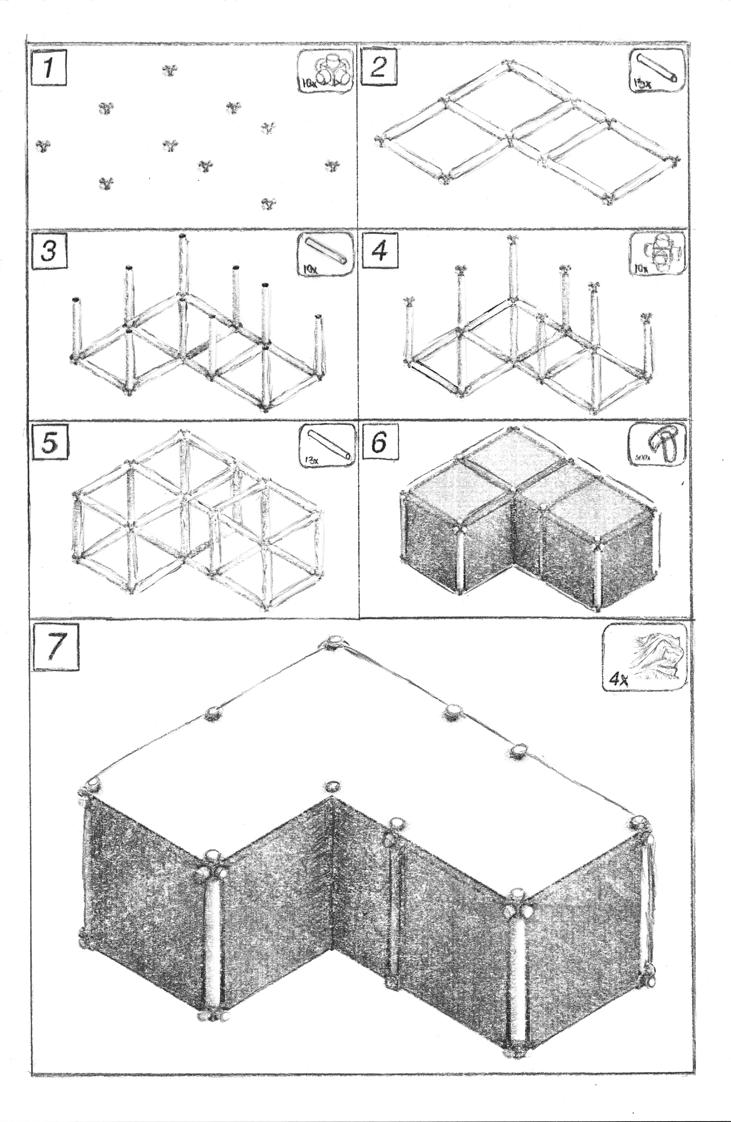
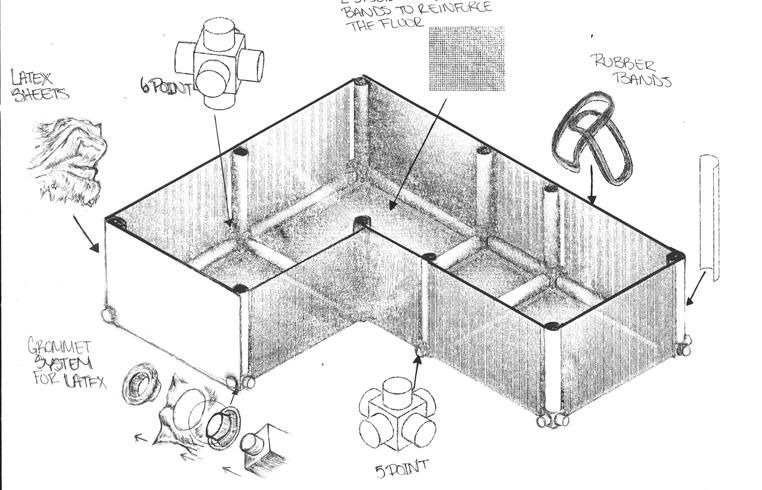
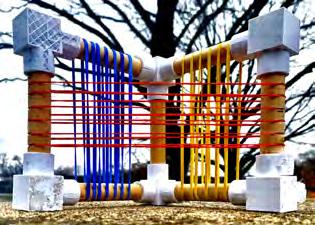
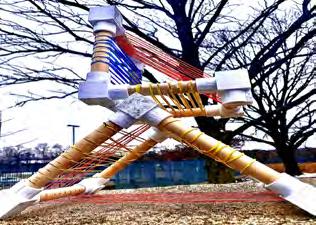
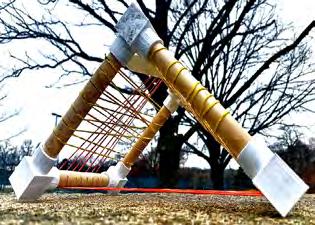
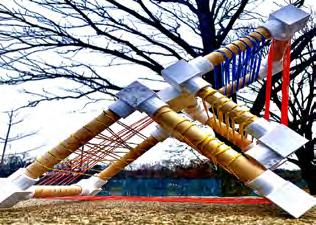
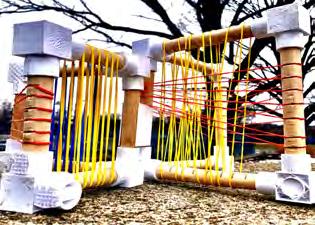
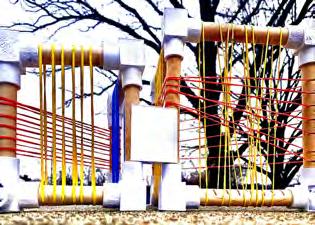
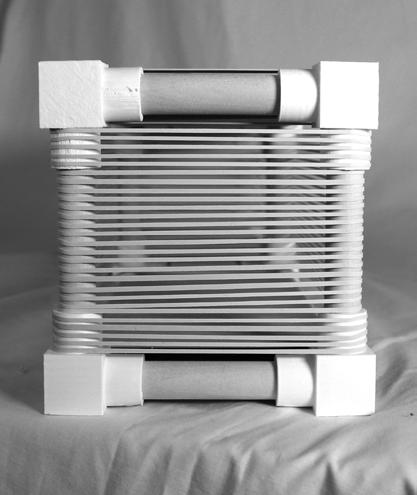
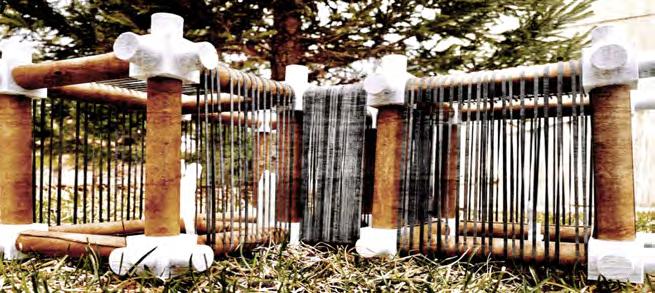
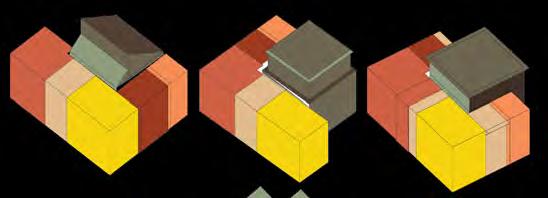
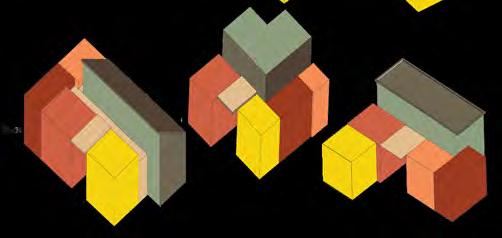
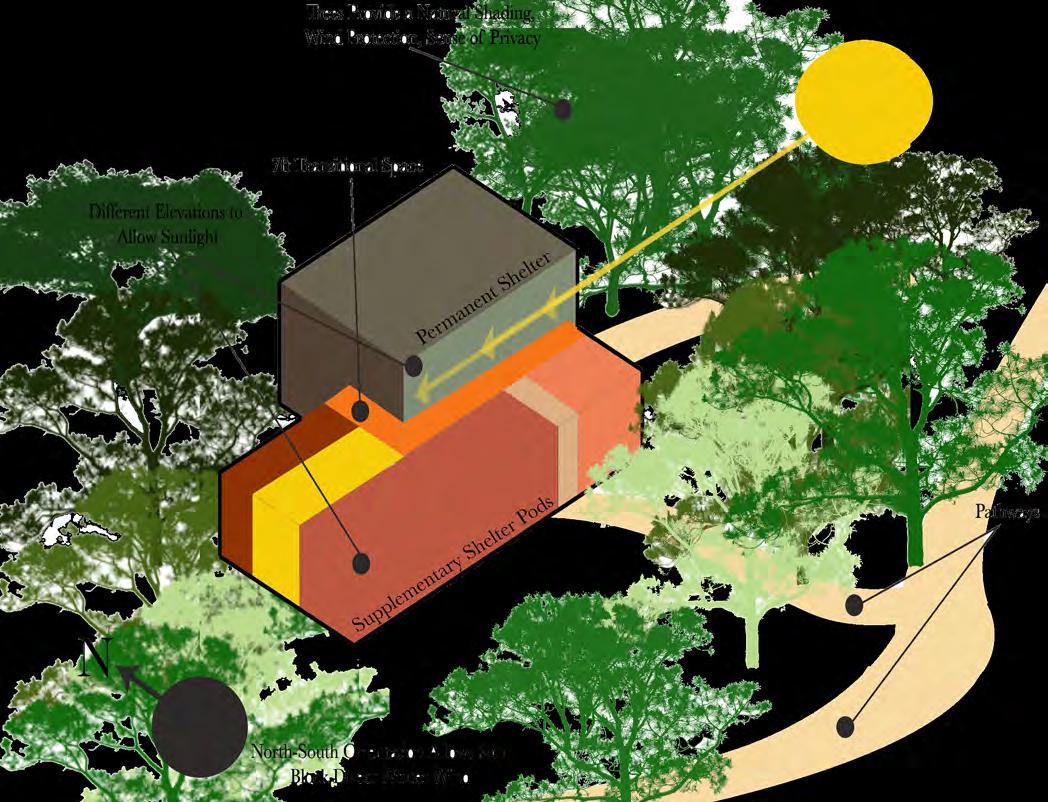
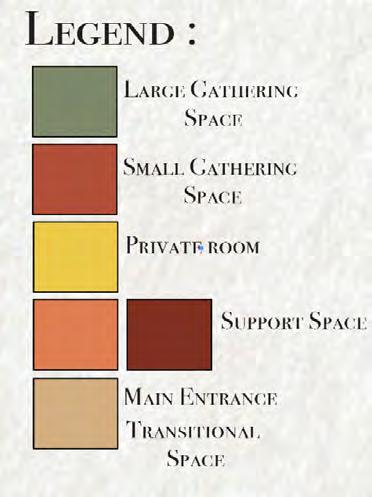
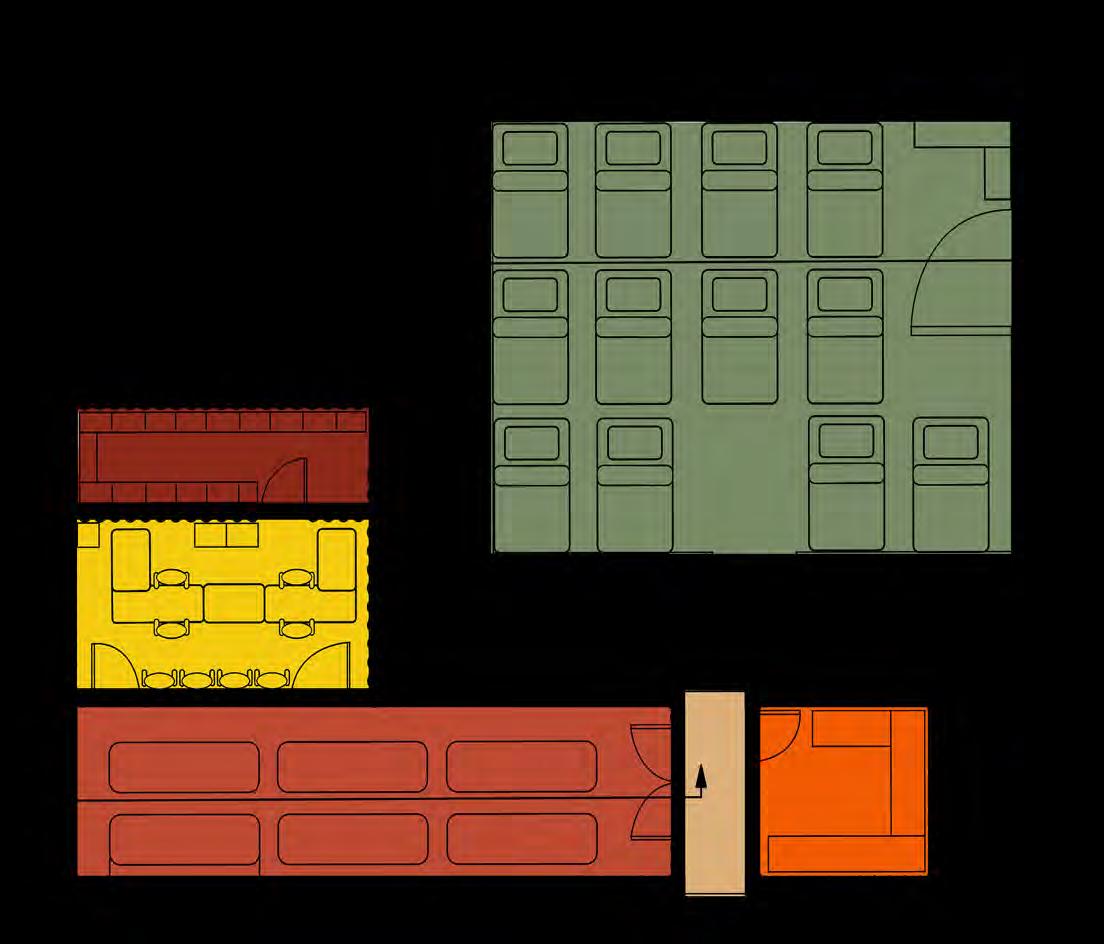
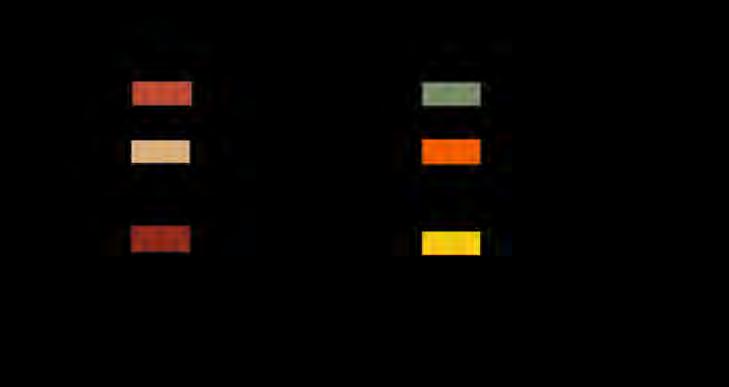
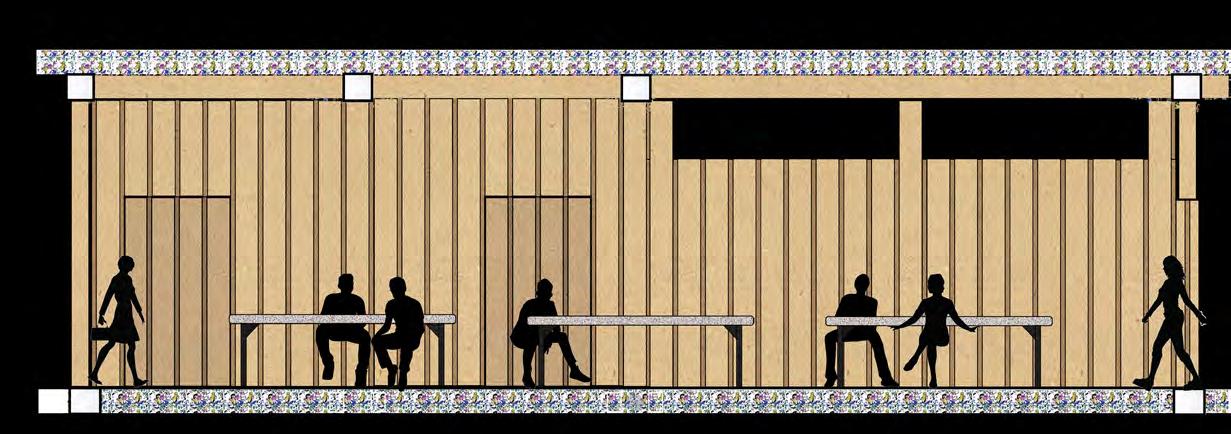
Homeless Shelter and Modular Shelter Pods, We were heavily influenced by Shiguru bans use of cardboard in his shelters to use recycled materials for our building. We wanted to domore then offer a temporary bed and decided to design supplementary shelter pods. We imagined that the collapsibility and materiality of these pods would allow them to be recreated and reformed around the city to other shelters as needed. These spaces would contain storage for basic hygiene and food supplies as well as host group seminars and counseling to guide people on how to obtain more permanent housing options. When the permanent shelter building is not in use it would double as a community center in the park.
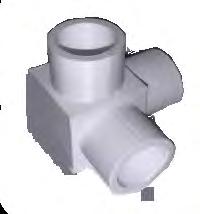
In collaboration with Ryan Piloni - Spring 2020 Techniques Used: Rhino6, Lumion, Illustrator, Photoshop, Autocad, Physical Modeling, 3D Printing, Powertools


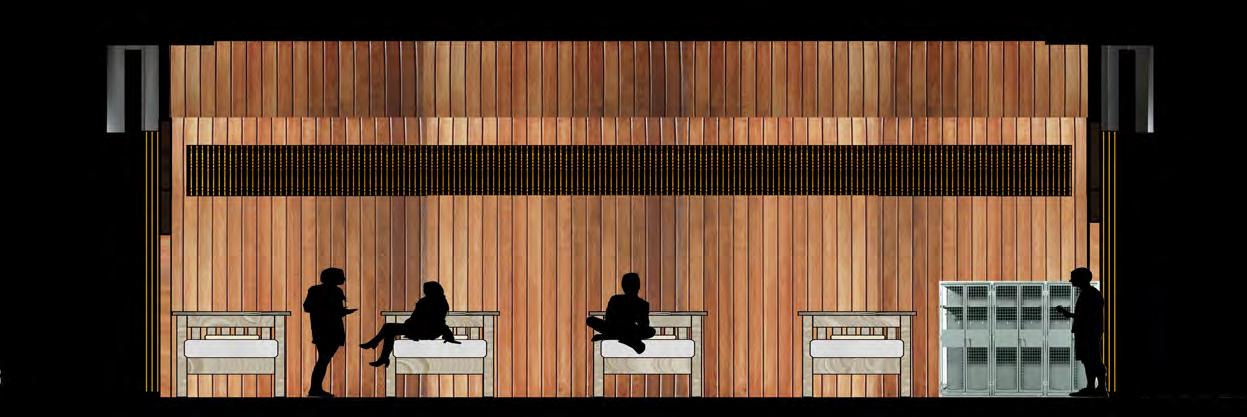 Section of Temporary Shelter
Section of Mess Hall in Temporary Shelter Pod
Section of Temporary Shelter
Section of Mess Hall in Temporary Shelter Pod
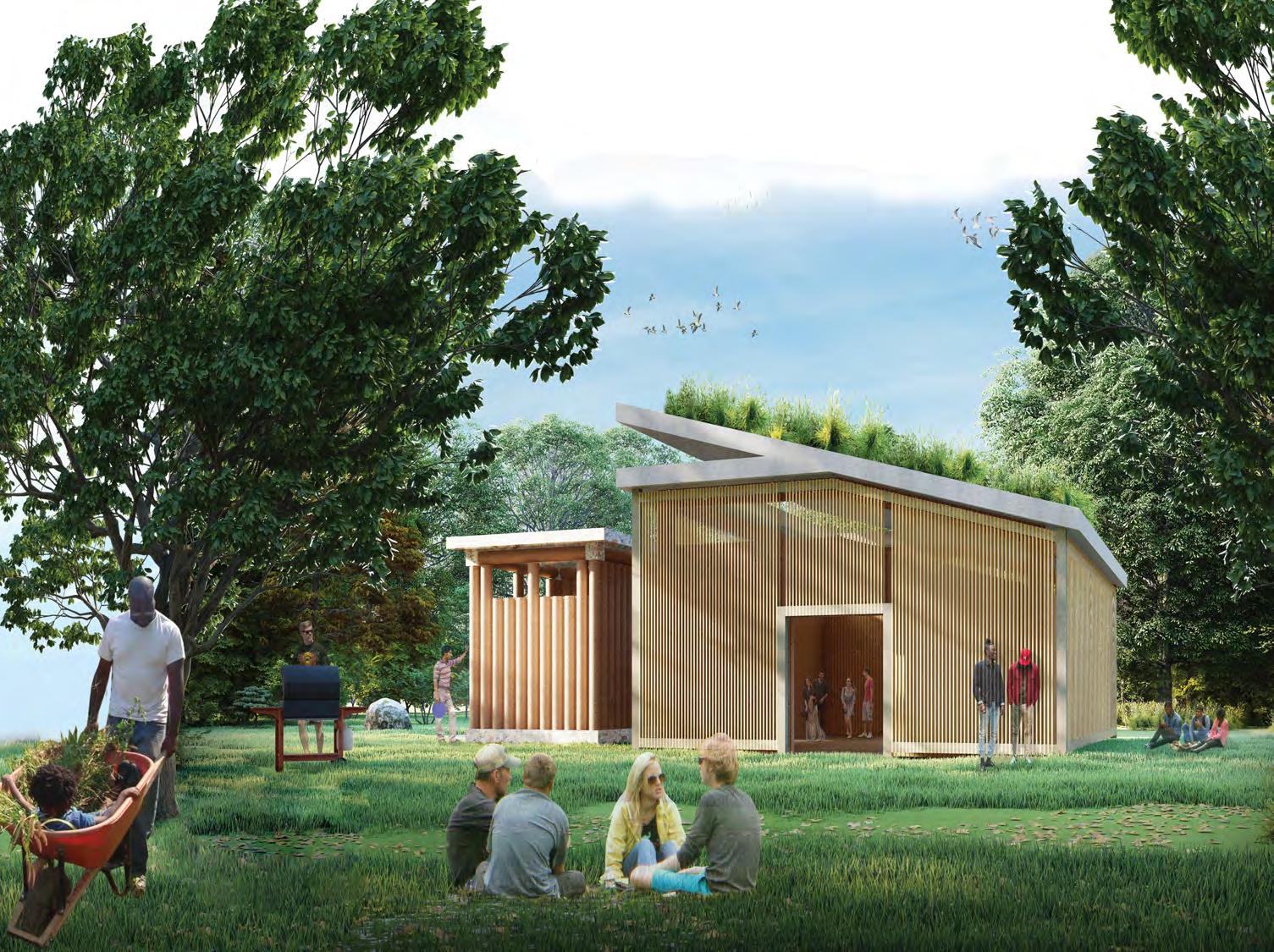
Shiguru Ban’s Kenya Project Inspired Facade and Openings
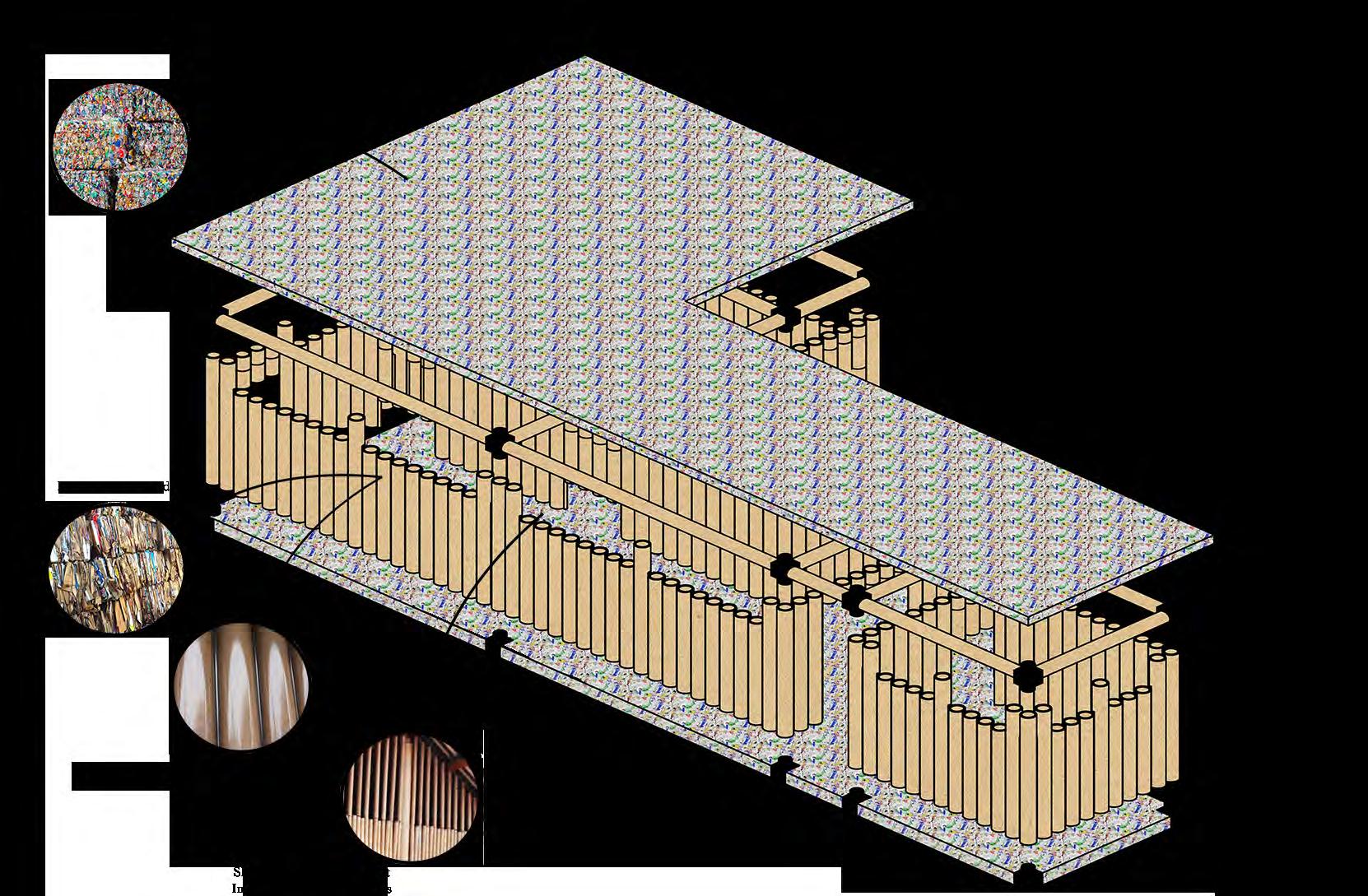 Recycled Plastic
Recycled Cardboard
Cardboard Coated with Fiberglass Resin to Waterproof
Recycled Plastic
Recycled Cardboard
Cardboard Coated with Fiberglass Resin to Waterproof
Wood
Rubberbands
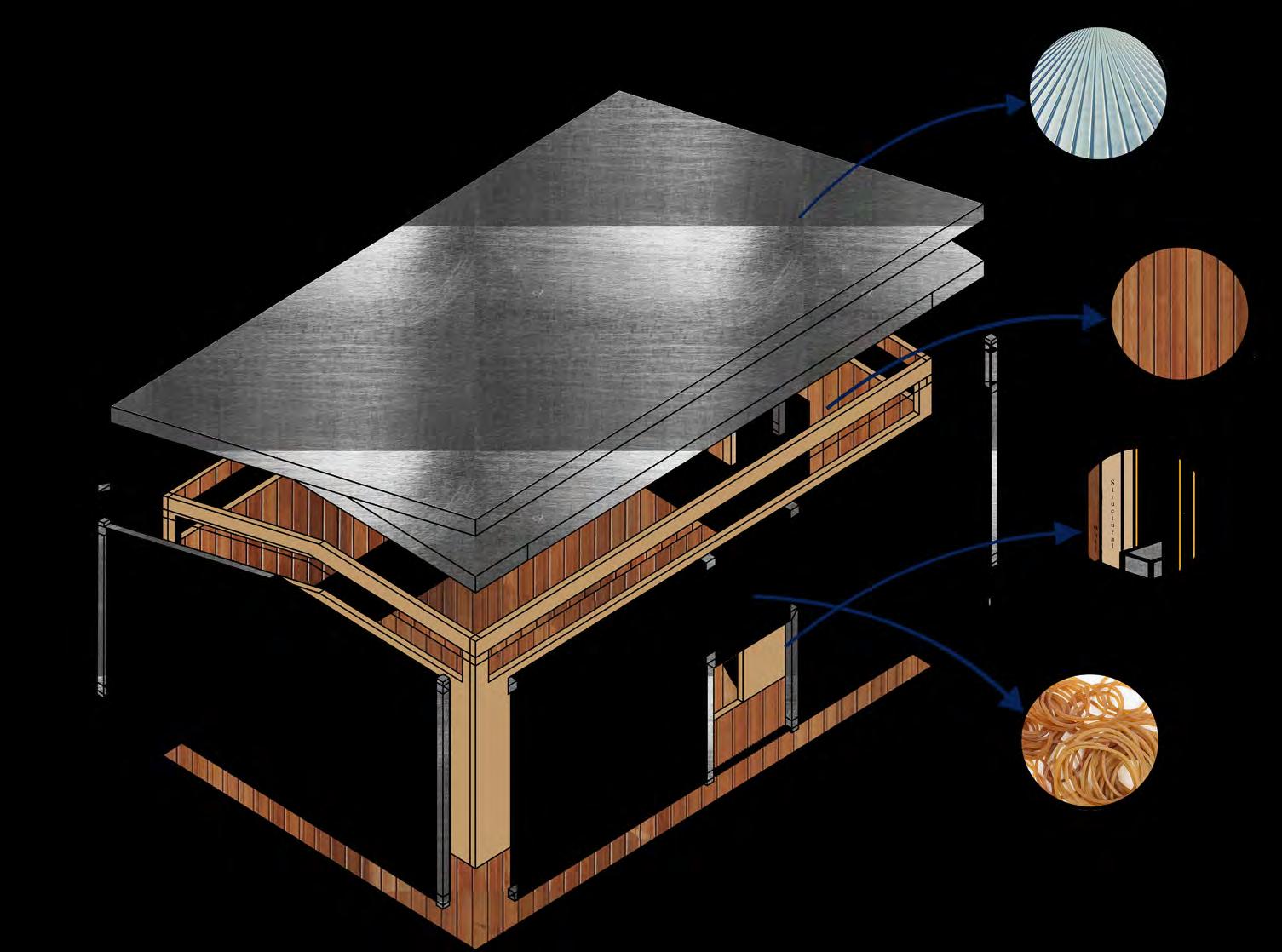 Aluminum Roof Panels
Panels as Int. Walls and Floor Finish
Double-skinned Wall System
Aluminum Roof Panels
Panels as Int. Walls and Floor Finish
Double-skinned Wall System
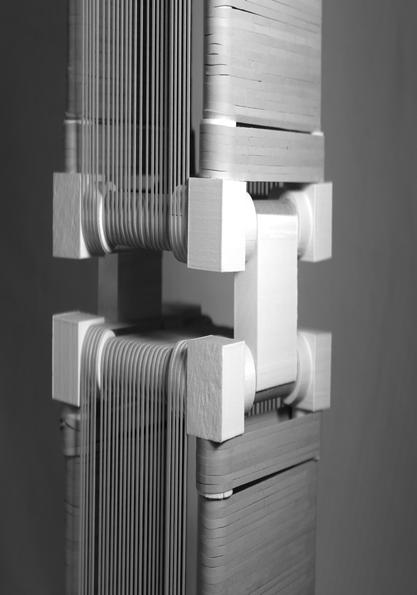
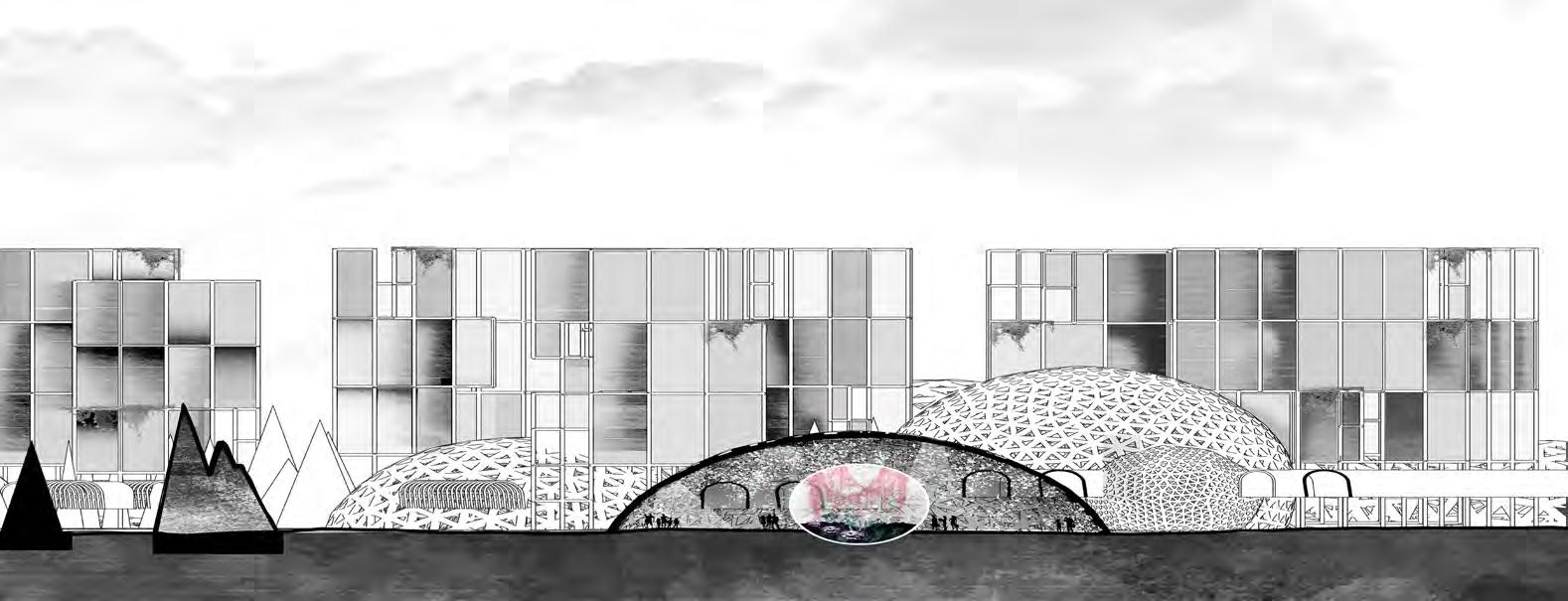
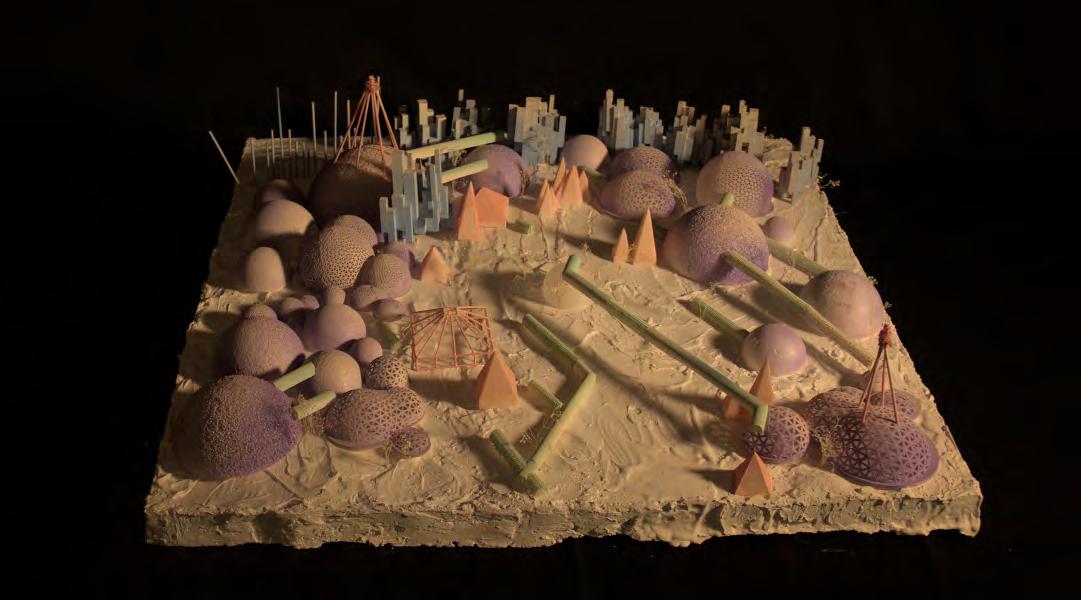
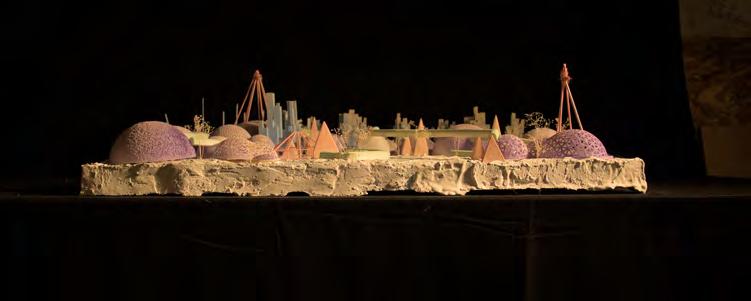
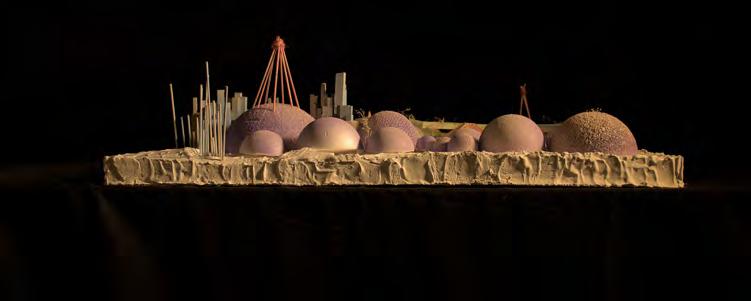
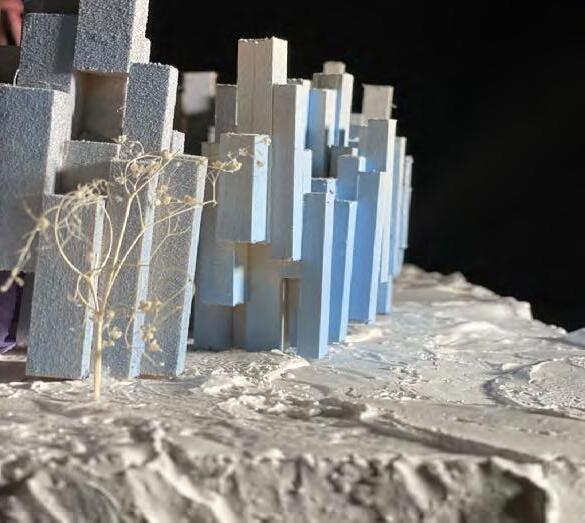
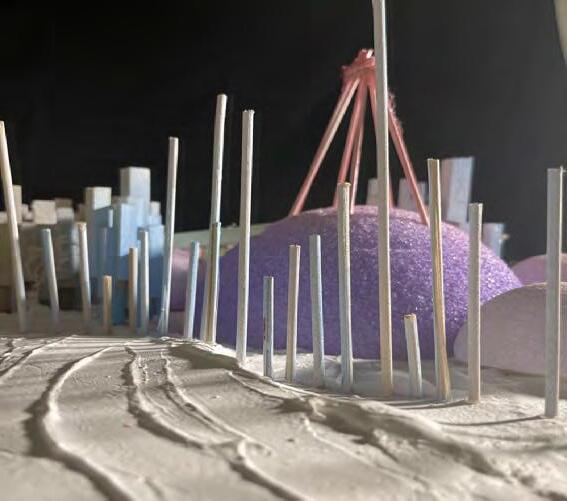
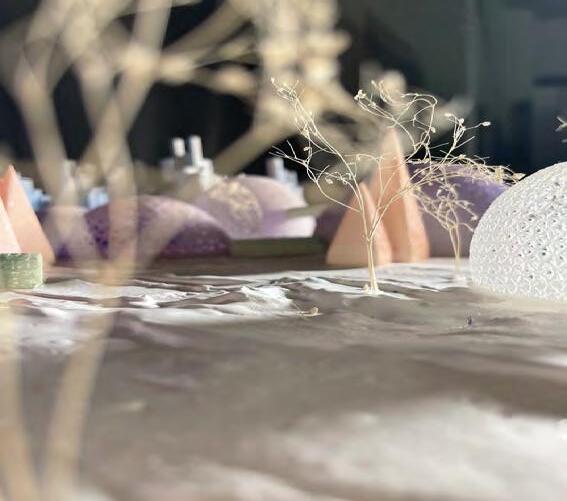
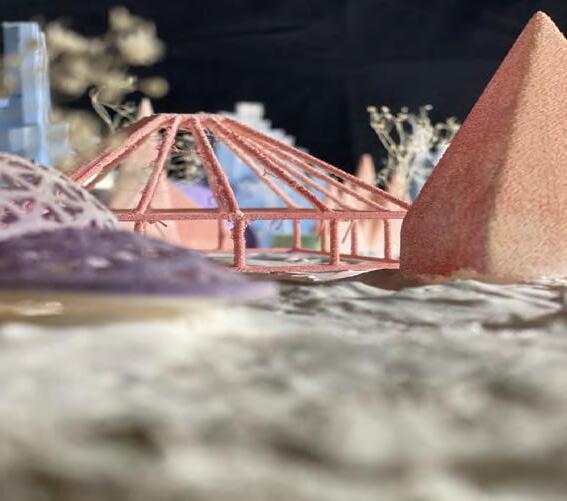
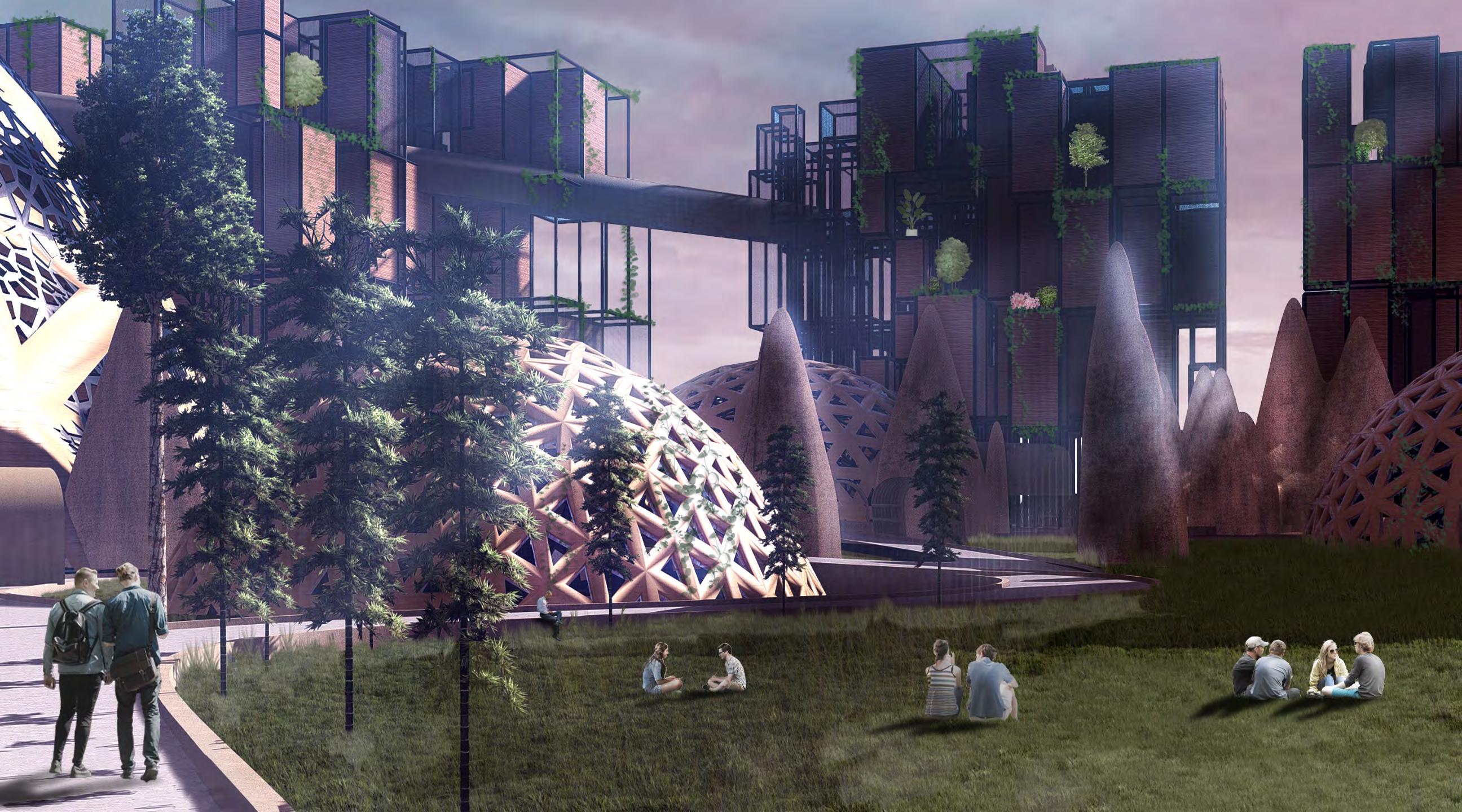
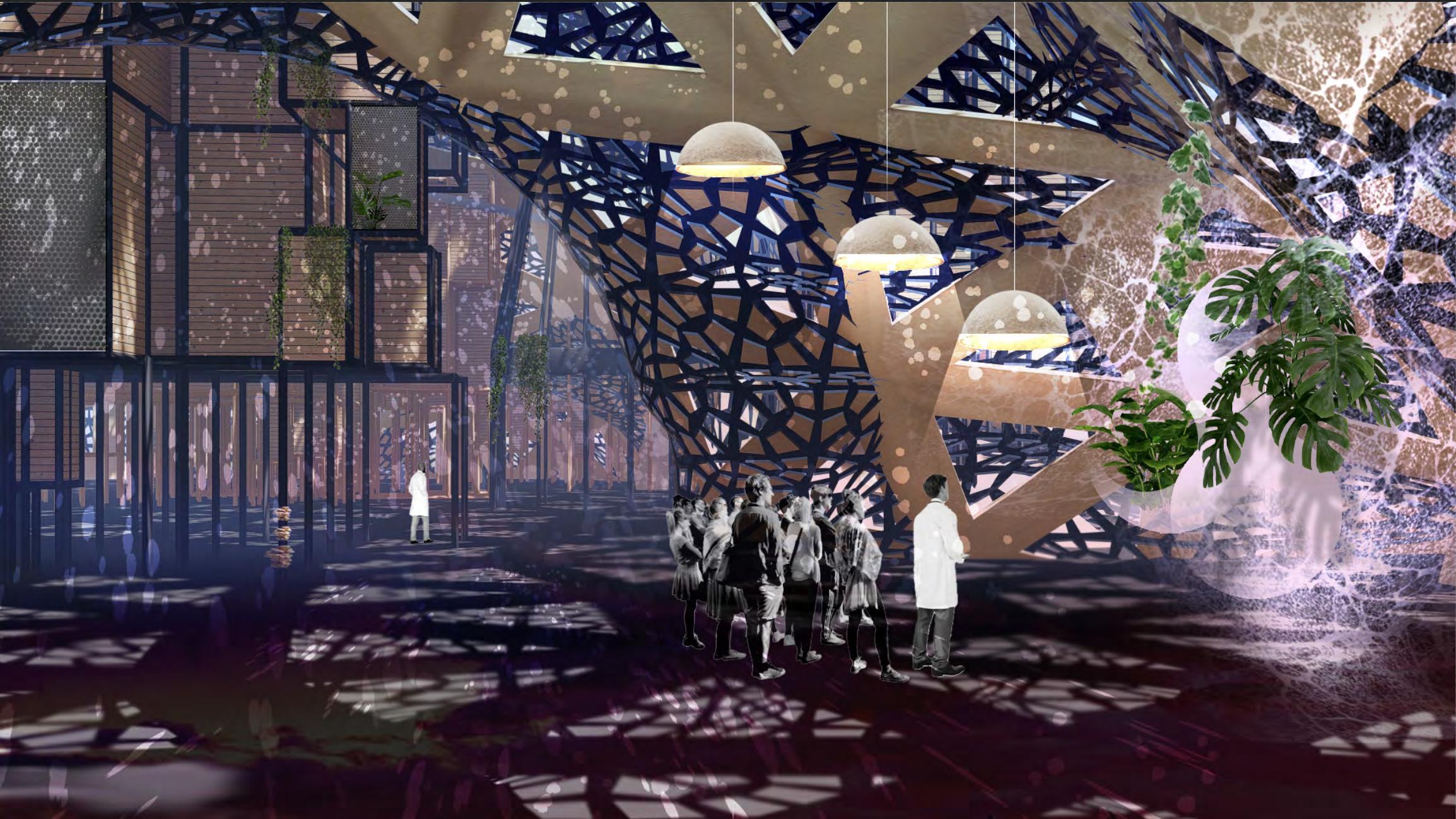
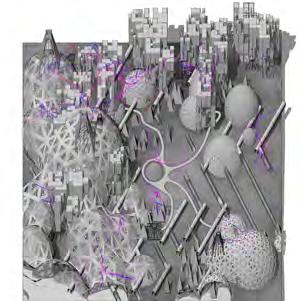
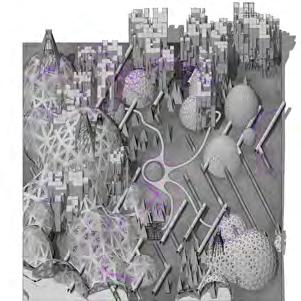
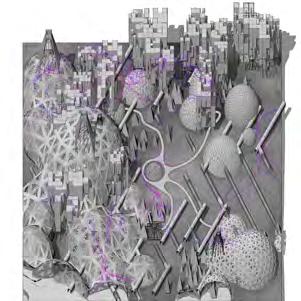
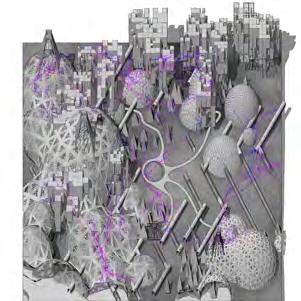
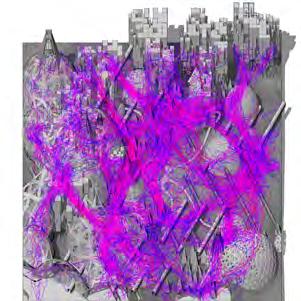
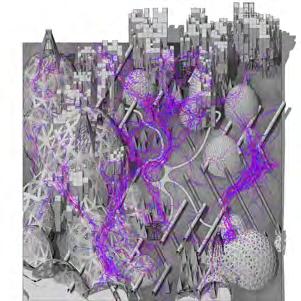
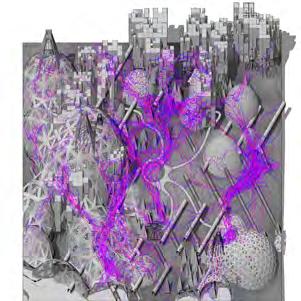
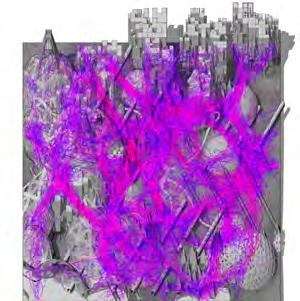
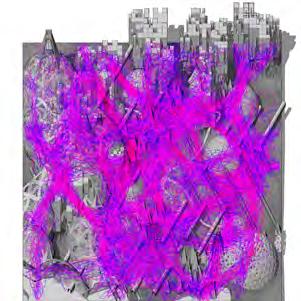
This project reframes the spread of biological disasters which is often optically invisible but haptically inevitable. We called the moment where disease is sensed but not yet seen Haptic; and seen in its entirety, optic. By studying the spread of microscopic organisms such as spores, viruses and locusts we have used an architectural lens to understand the different scales and scope of disease. In order to accommodate the unavoidable presence of organisms like fungus we proposed a zoned city that is pro and antifungal; promoting growth and cultivation of fungus within some spaces and avoiding fungus in the others.
In collaboration with Hiba Salih, Utsav Rathi - Fall 2022
Techniques Used: Physical Modeling, Grasshopper, Indesign, Rhino 7, Sketching, Research
Architecture 403 Prize Finalist

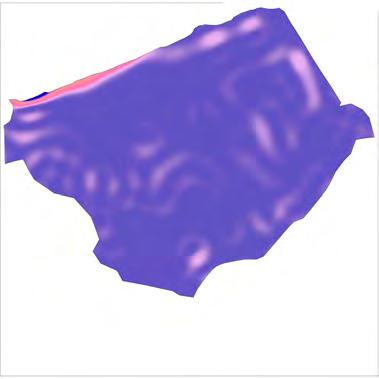
This earth map of Louisville showcases the changes in topography and radiation
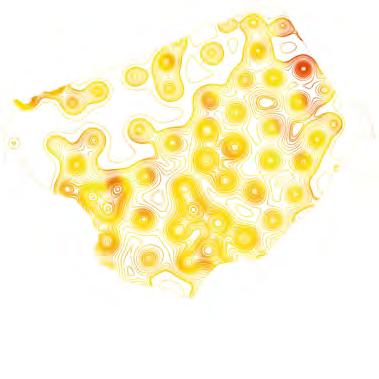
This fire map of Louisville showcases central points and contour lines. Each point is from the radiation simulation w there are points of higher and lower radiation behaving like electromagnetic fields
The water map of Louisville showcases the annual rainfall and where the rainfall gathers according to the bumpy texture of the land.
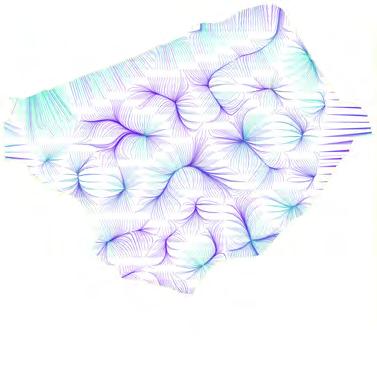
The air map of Louisville shows how air moves across the site The air flow is constant and largely uninterrupted due to the flatness of the land
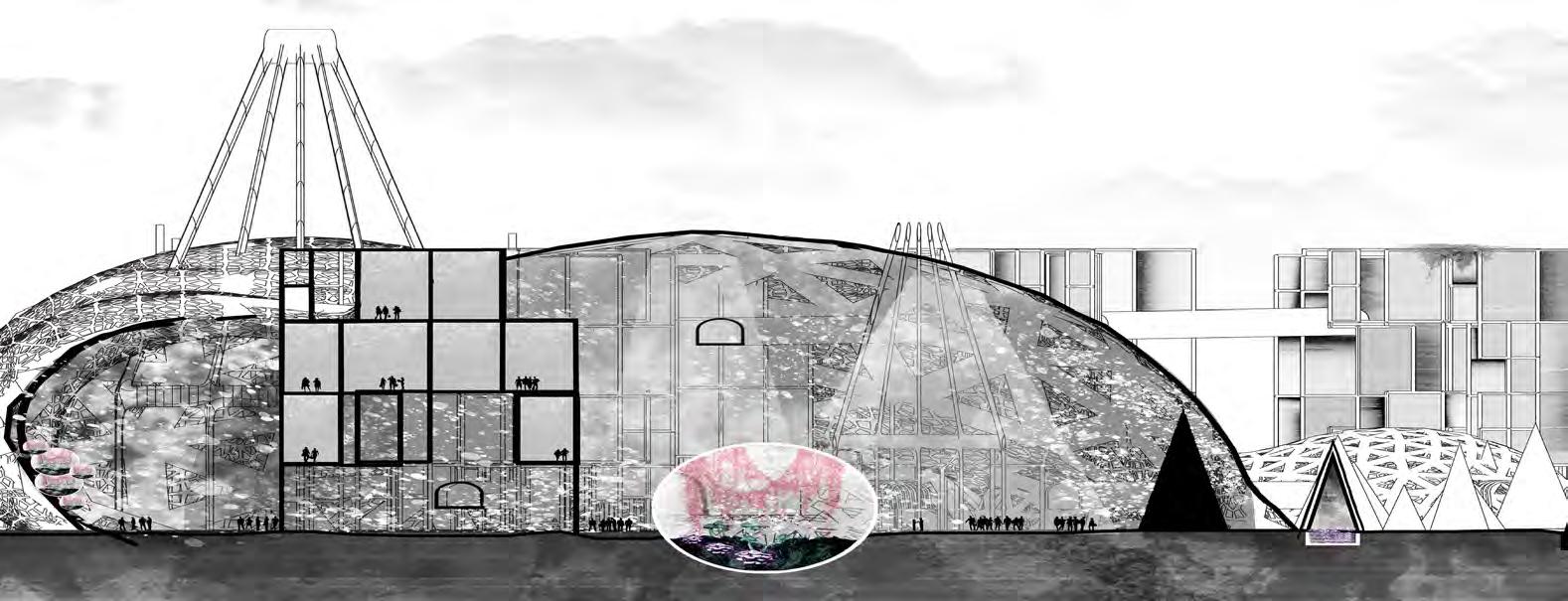
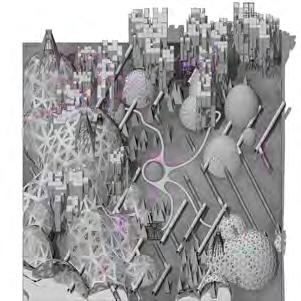
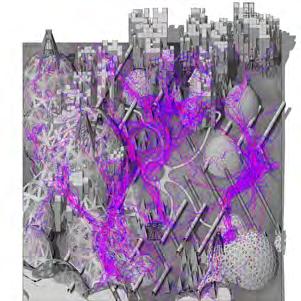
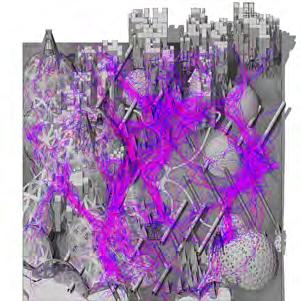
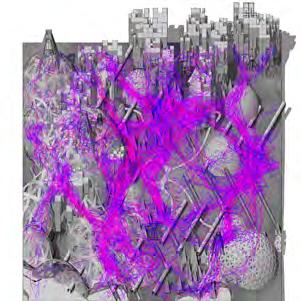
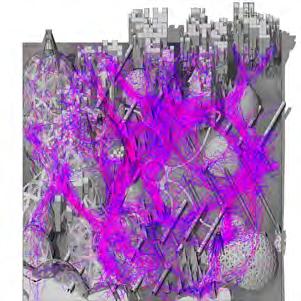
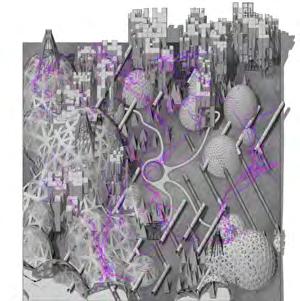
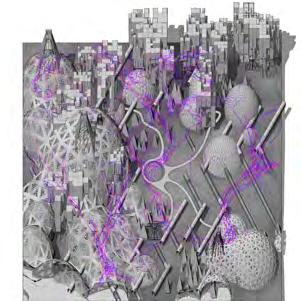
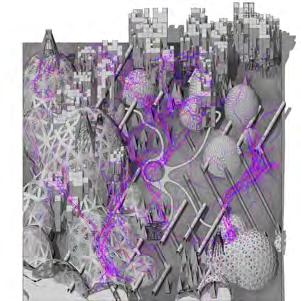
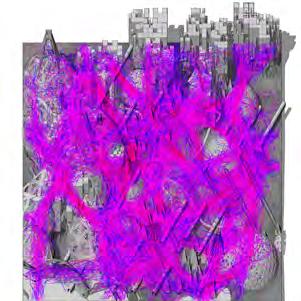
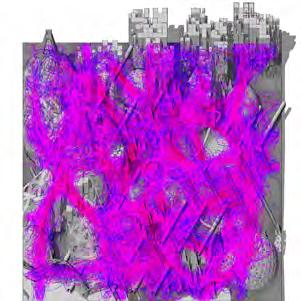
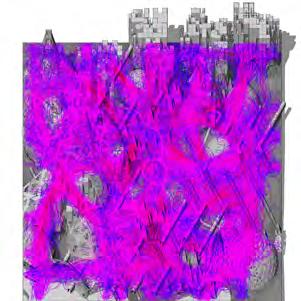
This is a collage of all the different strata maps earth, fire, water and air as well as the 1:10000 map showcasing the movement of the spores across the site.
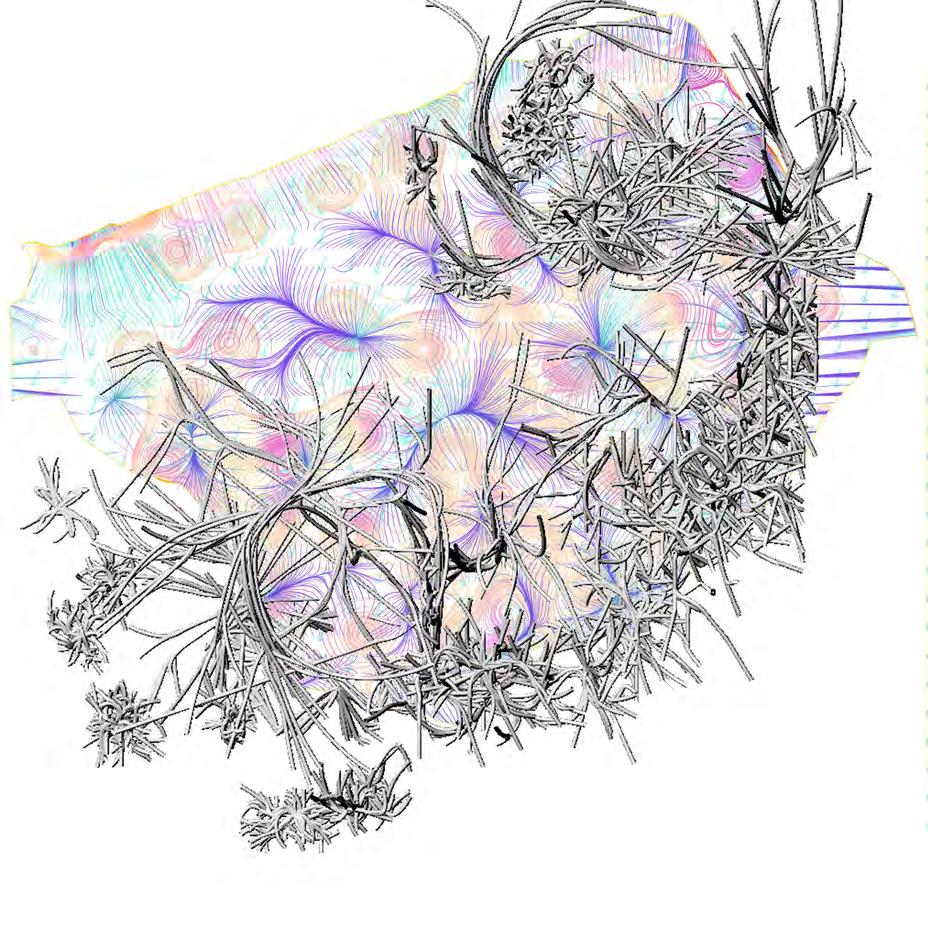
The earth organism is made up of two meshes and serves as canopies and public spaces on the site that are these fungalscapes. It is liken to a microclimate that allows people and fungus to engage side by side.
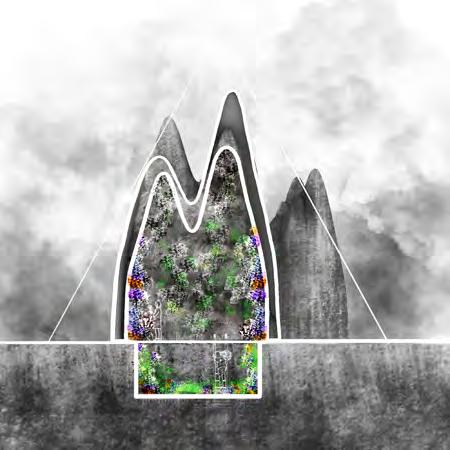
The fire organism functions as pro-fungal spaces that contain fungus that are stored in the dark and cool clay interior then cultivated as needed.
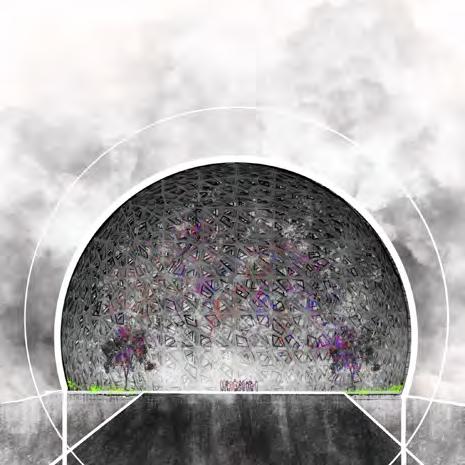
The water organisms function as both offices and labs to research fungus and alternatively housing for the site. The boxes also create overhangs that form dark and wet spaces for spores to grow.
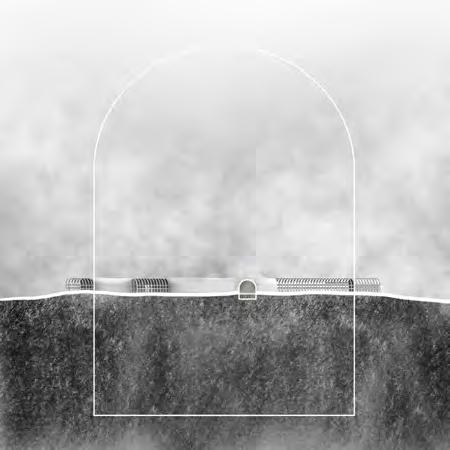
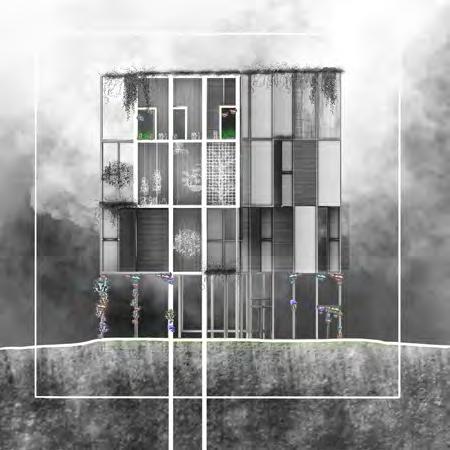
The air organisms are wind tunnels whereas the ones in the air work as bridges and skywalks around the campus and into the other organisms.



lilianjjuma@gmail.com (816)668-4003
Iowa State University - Fall 2022
Professional Bachelor’s in Architecture (BARCH)
History Minor
GPA – 3.45/4.00
Wearable Design
Showcase • 2022
Ames Public Library • Mar 2018 – Feb
2019
Sudanese Community Church
Graphic Designer
Rhino
Sketchup
Autocad
Procreate
Photoshop
Illustator
Indesign
Climate Studio
Lumion
Microsoft Office
Kimberly Zarecor, Ph.D.
Professor of Architecture
Jordan W. Brooks
Assistant Dean of Students for Intercultural Initiatives & Resource Centers, Director of Multicultural Student Affairs
Rami Mannan
Assistant Professor of Architecture
More Available Upon Request
August 2021 – May 2022
Research Assistant • LSAMP Scholar

Worked in a multidisciplinary, NSF-funded project to develop interest in STEM career paths using XR-enabled educational delivery models
Advise on co-design strategies for collaboration with migrant and refugee families, met with families and youth in Storm Lake, and participate in team events in Storm Lake and Ames
Aug 2021 –May 2022

BUILD Peer Mentor • College of Design Learning Community
Mentored incoming Freshman in college of design who were part of marginalized identities, gave critique on work and advice on maintain a work life balance
Jan 2021 – May 2022
Peer Mentor/Teacher’s Assistant• Course DSN 102
Facilitated discussions, hosted workshops, gave critiques at final reviews, mentored underclassmen and collaborated with faculty
April 2018 – April 2019
Director of Diversity and Inclusion • Student Government
Attended multiple meetings, created a committee facilitate discussions, and worked with various organizations and administrators to enhance inclusivity and bring awareness to diversity on campus
Nov 2017 – Aug 2018
Inter Residence Hall Association Senator • Student Government
Attended weekly meetings representing IRHA, advocated for diversity and inclusion on campus, created and passed legislation, advocated for civic engagement on campus, debated legislation and campus conditions
Arch 403 Architecture Prize Finalist – Fall 2022
Partnered w/US Embassy in Rome Historical Preservation – Summer 2022
Phyllis Holland Recipient for Berlin Academy – Summer 2022
Jeffrey J Pilling Architecture Recipient – Spring 2022
Dean’s List – Fall 2019, Spring 2020, Fall 2020, Spring 2021, Spring 2022, Fall 2022
BWBR Architecture Prize Finalist – Spring 2021
Best in Show – Wearable Design Show 2019
3rd Place Poet in Sketch Poetry Slam – Spring 2018
Featured in Sketch Literary Journal – Spring 2018
George Washington Carver Scholar – 2017 –2021
Apex Scholar Summer 2017