ARCHITECTURE PORTFOLIO

 Liliane Poulin-Dubé

Liliane Poulin-Dubé




 Seeds of Knowledge
The Thresholds
ReeFest
01
04
02
The Living Patrie
05
ACADEMIC
La rue de la ligne
03
Seeds of Knowledge
The Thresholds
ReeFest
01
04
02
The Living Patrie
05
ACADEMIC
La rue de la ligne
03
 Photography La serre
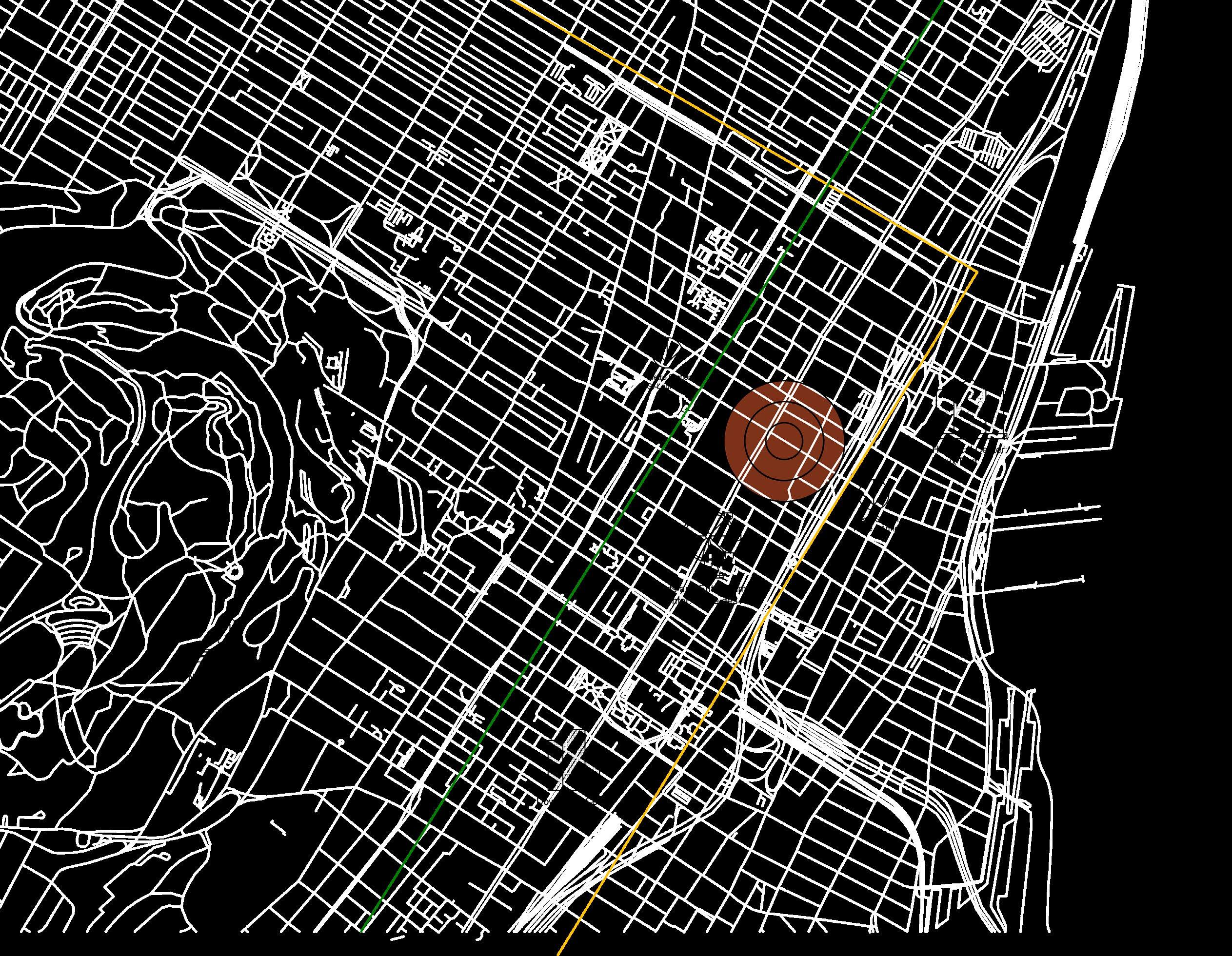
Location: 1075 St-Laurent Blvd, Montréal, Qc
Typology: Public Library
Level: Year 3 Fall Studio
Softwares: Rhino, Ladybug, Honeybee, Sketchup, Enscape, Photoshop, and Illustrator
Participation: Teamwork (Natalie Qiu and Jiashu Sun)
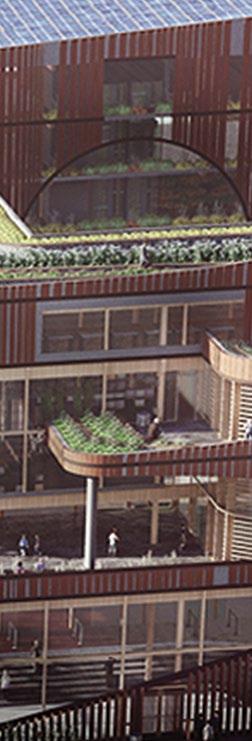
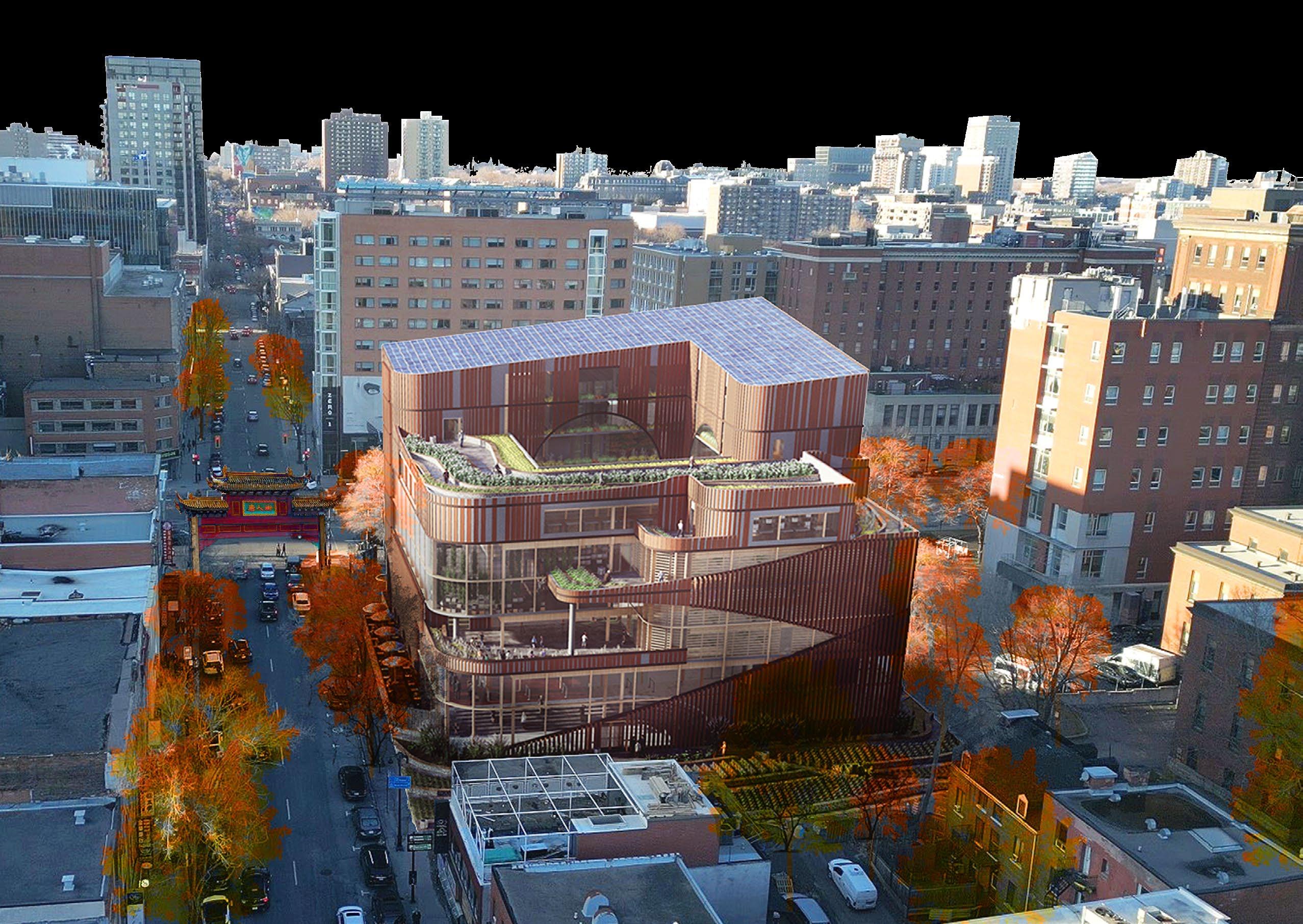
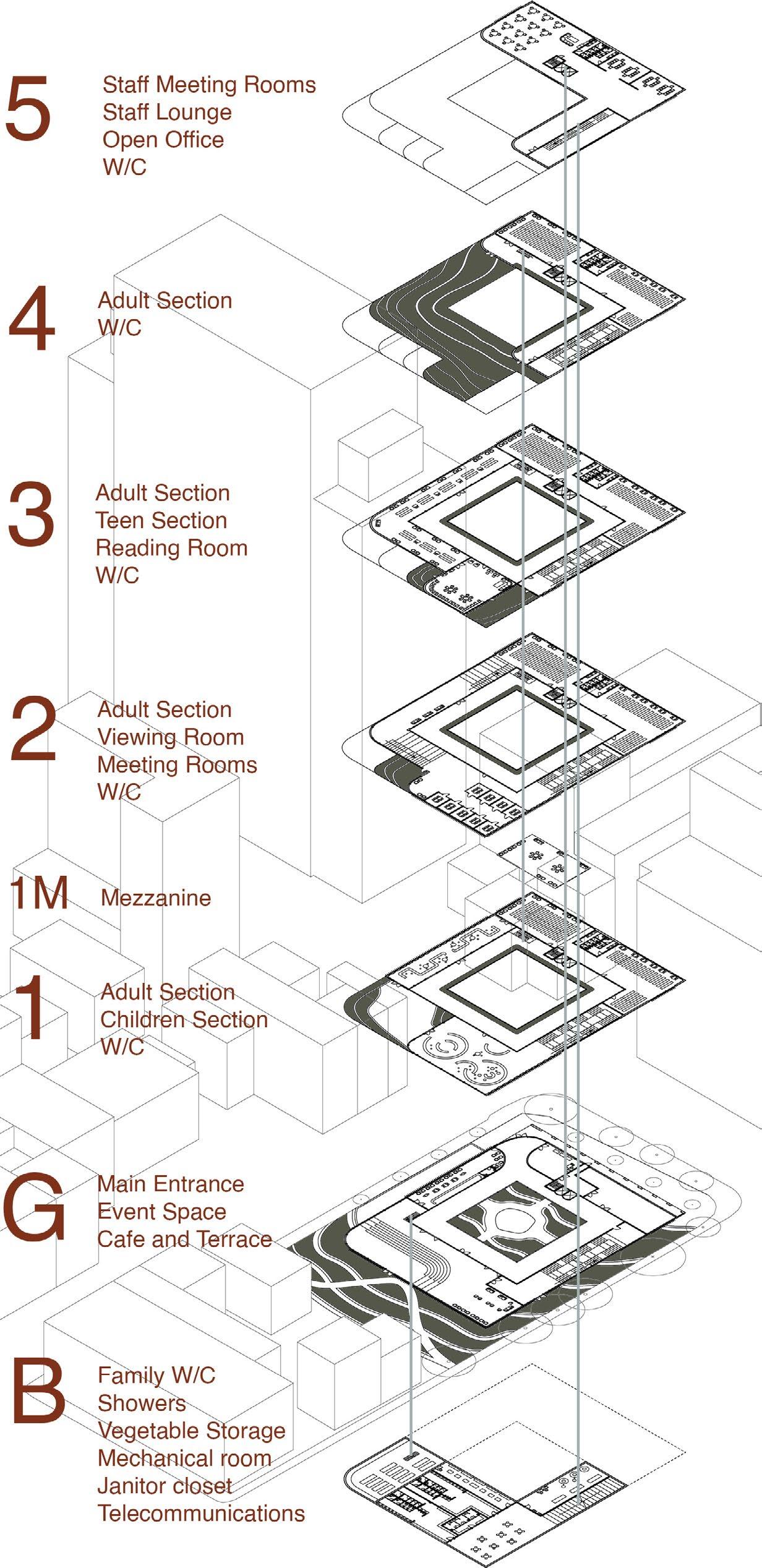
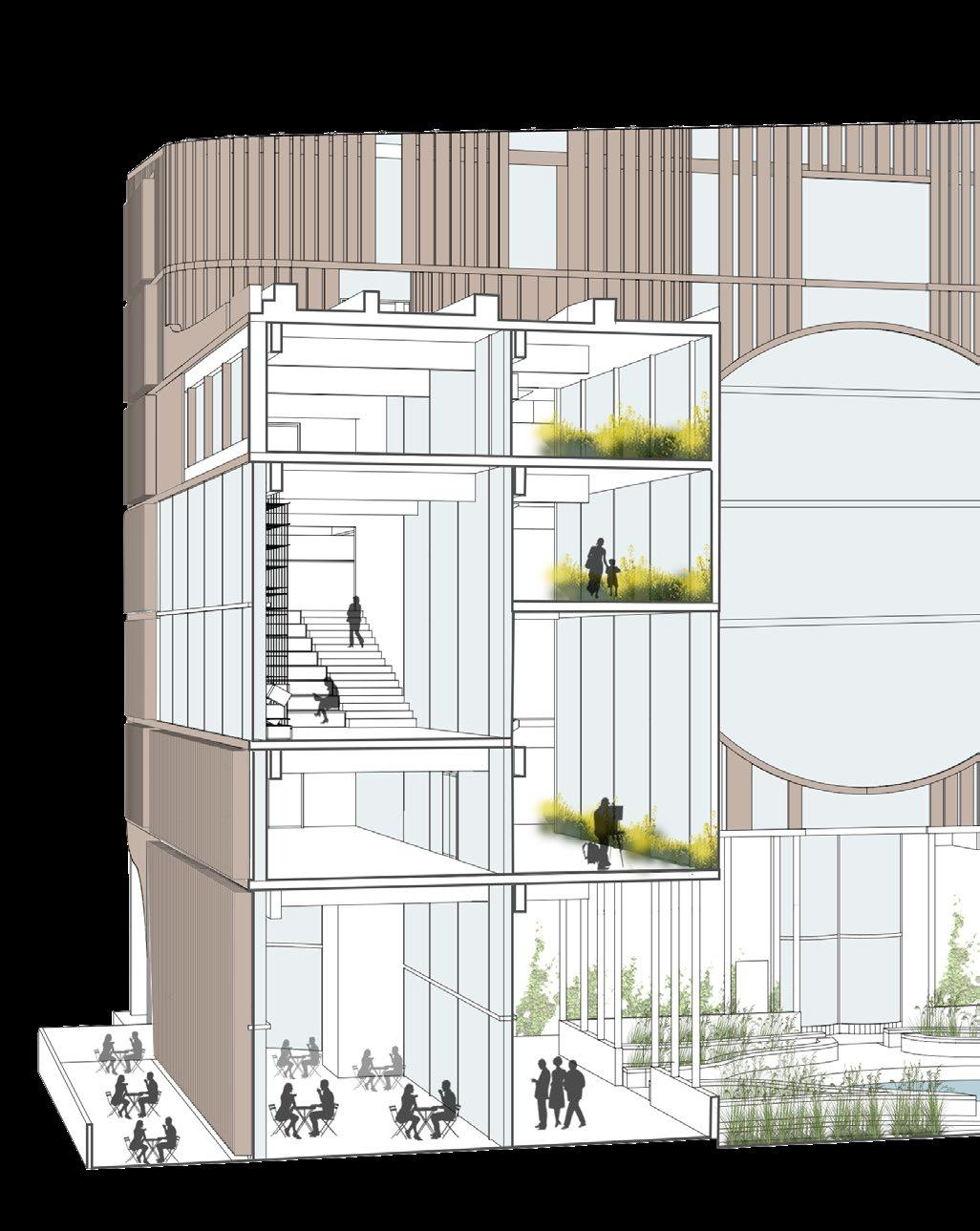
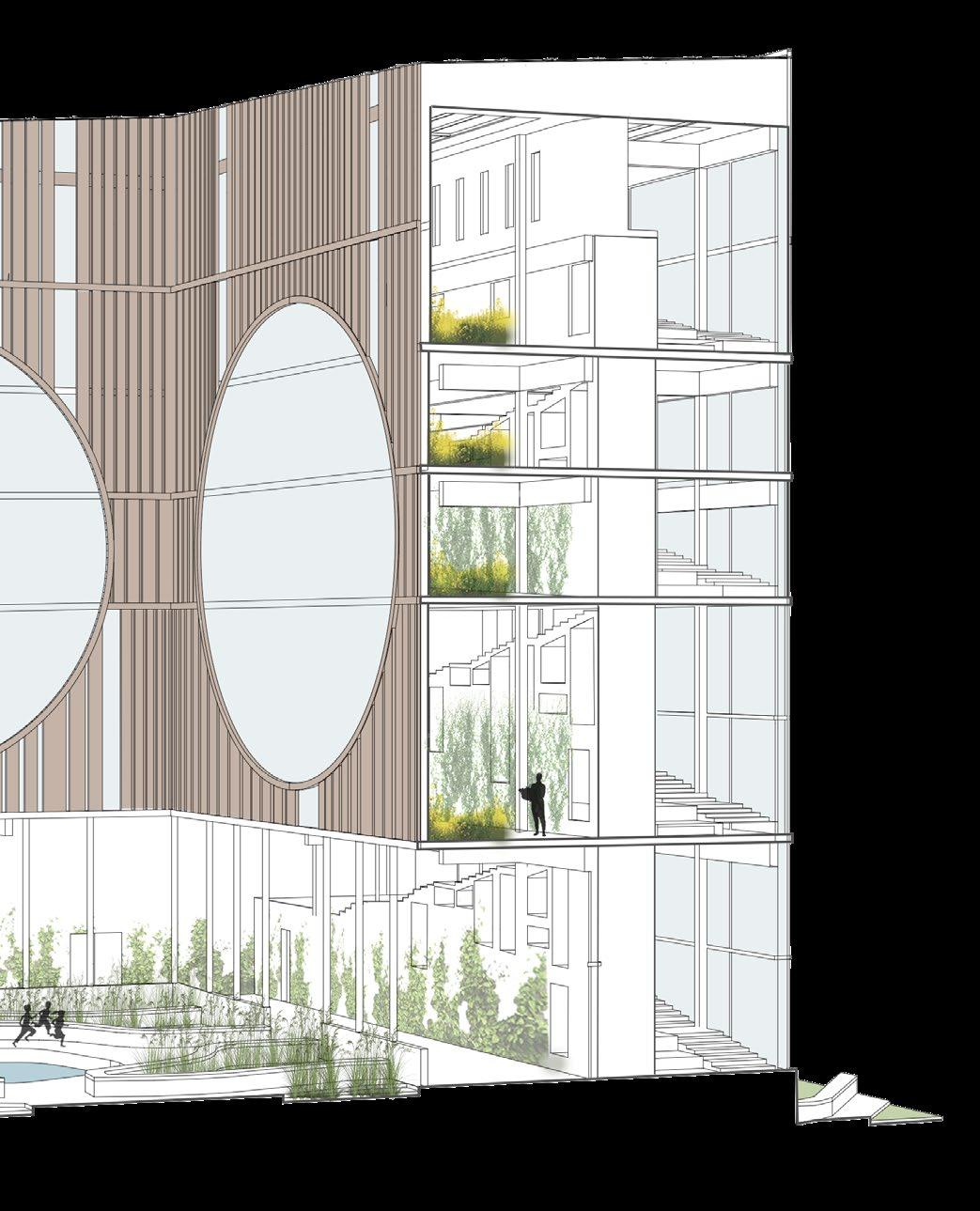
Public green spaces and farming lands are limited due to urban growing population, urging a shift towards creating spaces for local urban farming. This proposal for a library of the 21st Century is an urban oasis for the community of Chinatown in downtown Montréal. The project design was guided by 10 measures: Economy, Equity, Ecology, Energy, Well-being, Resources, Water, Integration, Change, and Discovery. The library typology is a place of collective memory for the continuity of a community’s culture. This project focuses on urban farming of traditional Chinese vegetables, as food is a key shared knowledge of Chinatown.

Chinatown restaurant accomodates 30 people per day
Each serving uses on average 0.5 pounds of vegetables per kind
TON of each vegetable PER
Chinatown restaurants use 6 pounds of each kind of vegetable per day
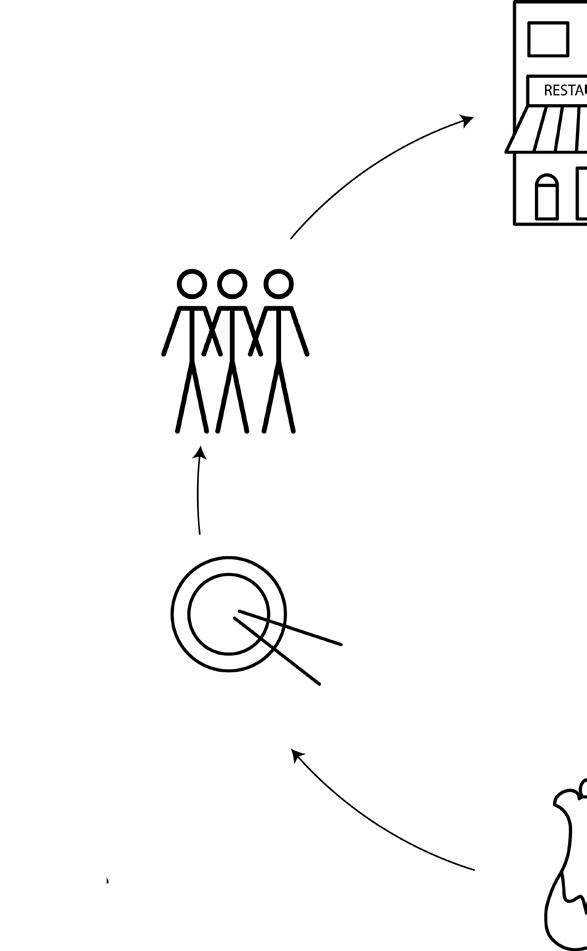

Food waste from the chinese restaurants is composted
TON vegetable kind
YEAR
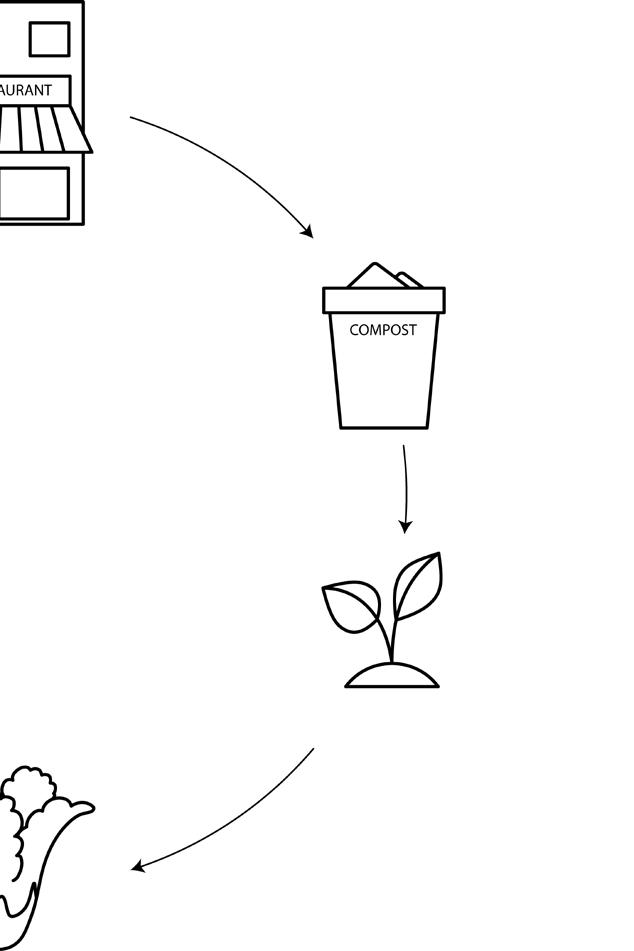
Growing vegetables in the library are fertilized with compost
Vegetables of the library are harvested by the community
Chinese vegetables grown in the library support the local economy by supplying vegetables to nearby restaurants. The café provides job opportunities linked with the management of the vegetables. Vegetable farming funds future community projects in the library.
Local materials like glulam, CLT wood, hemp insulation, and recycled brick reduce costs and contribute to a lower carbon footprint. These materials are also reusable. The use of structurally engineered wood allows for carbon sequestration.

Glulam beam with integrated bucket bracket
Glulam column with integrated knife plate

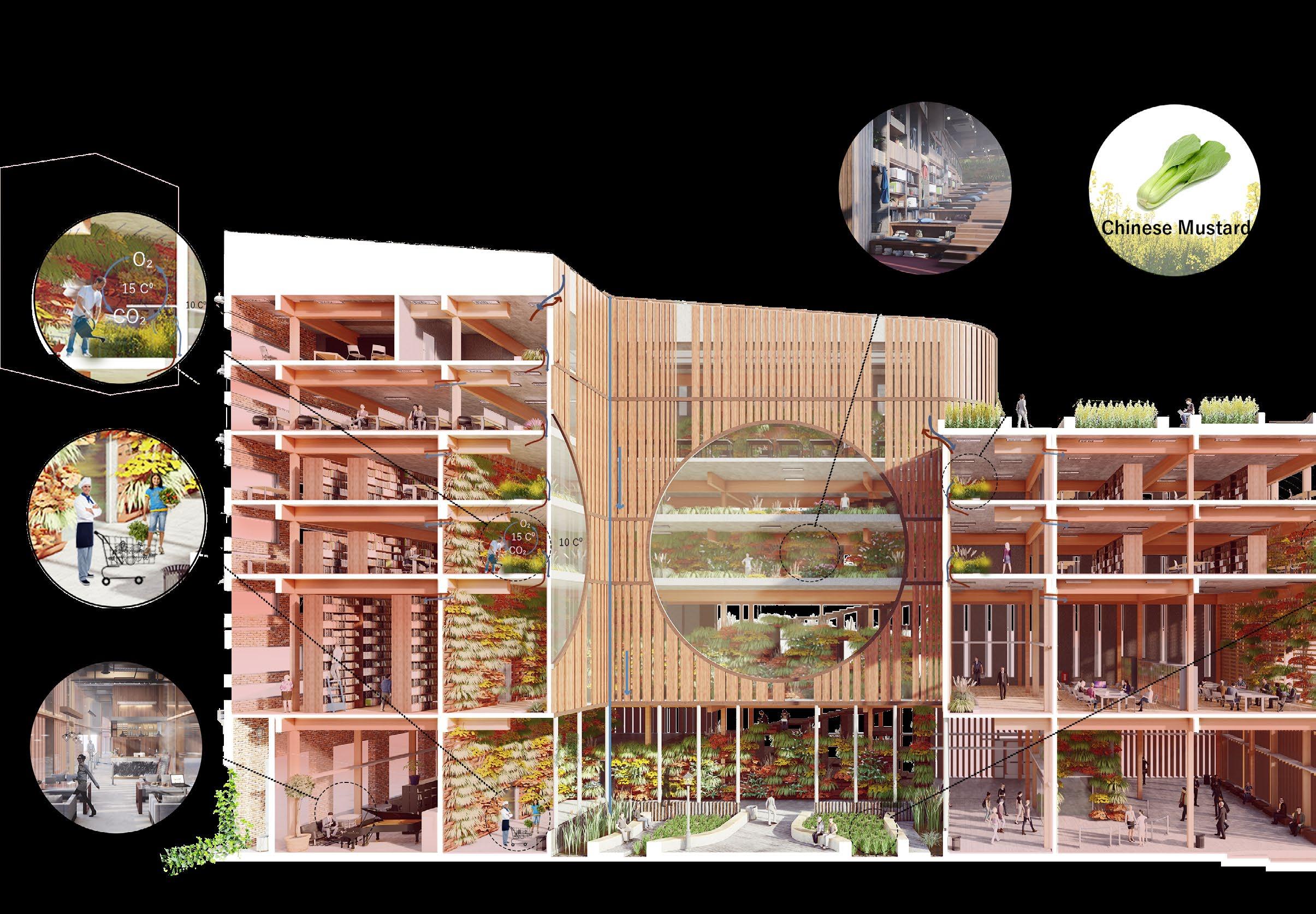
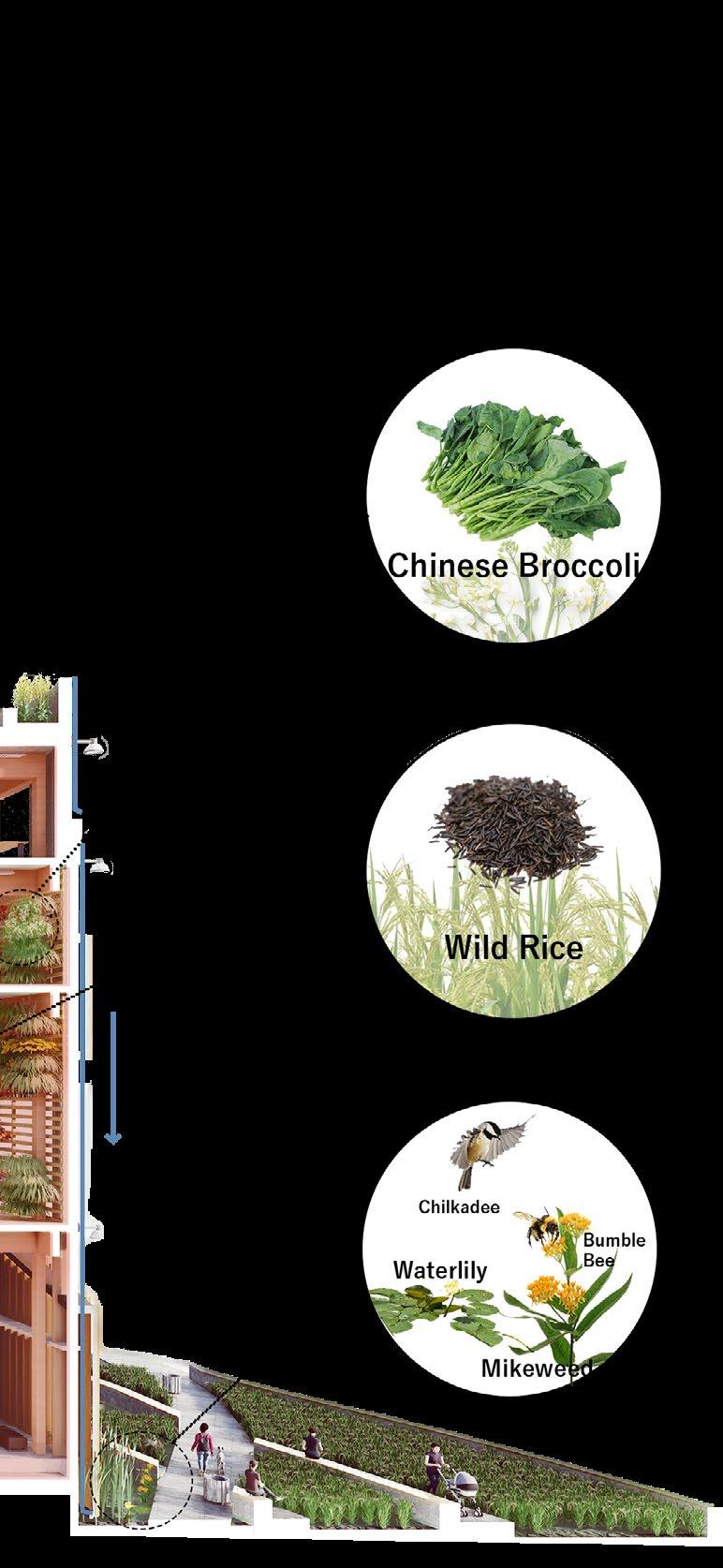
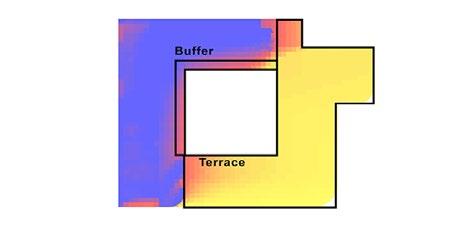
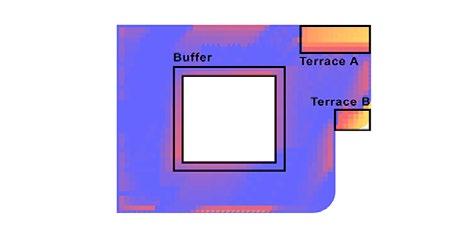
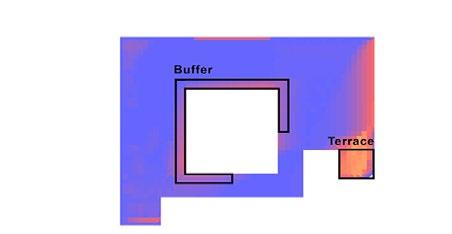
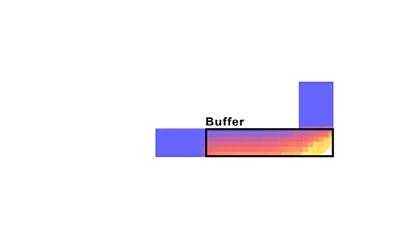
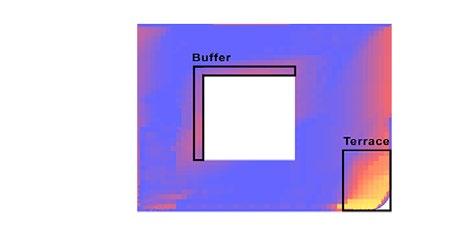
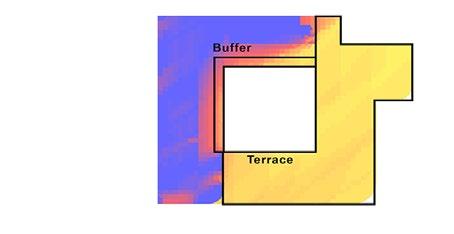
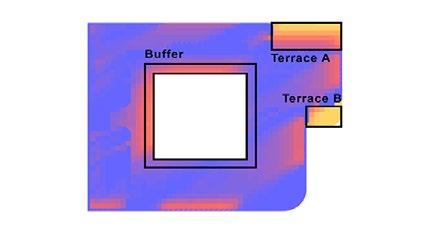
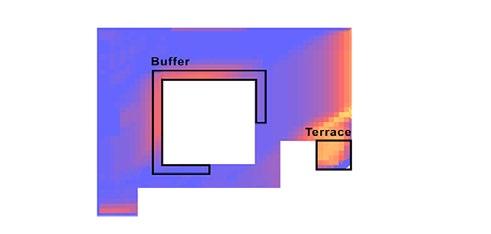
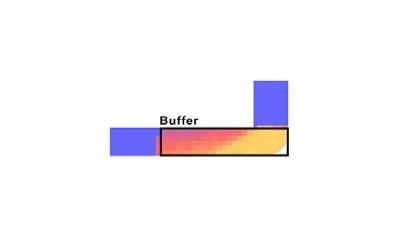
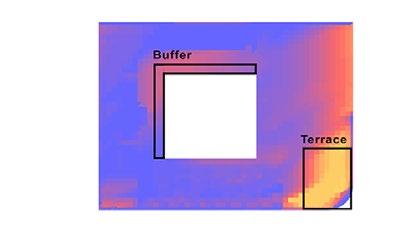
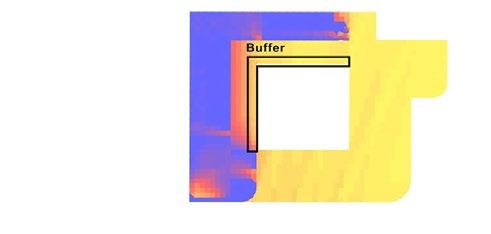
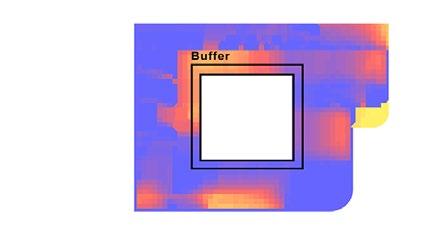
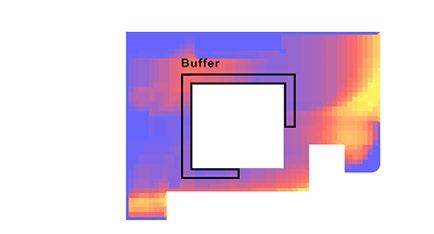
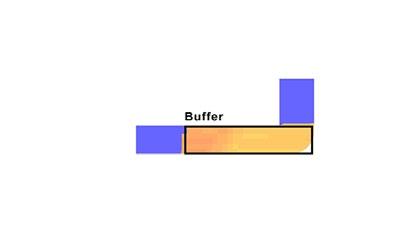
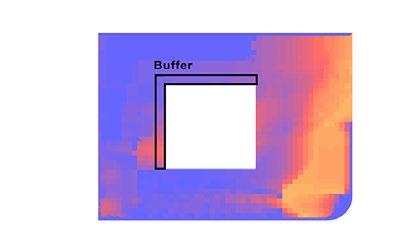
A variety of Chinese vegetables are grown inside the library in a buffer zone looking into the courtyard. The buffer zone acts as a greenhouse during the winter months. The exterior landscape of the library is inspired by traditional Chinese rice terraces, where Canadian wild rice is cultivated.
Communities gather to interact with nature while reading, chatting, and playing. The presence of plants enhances air quality in the urban neighborhood. The greenery also mitigates the heat island effect. The landscape design promotes physical activities, benefiting the health of visitors.
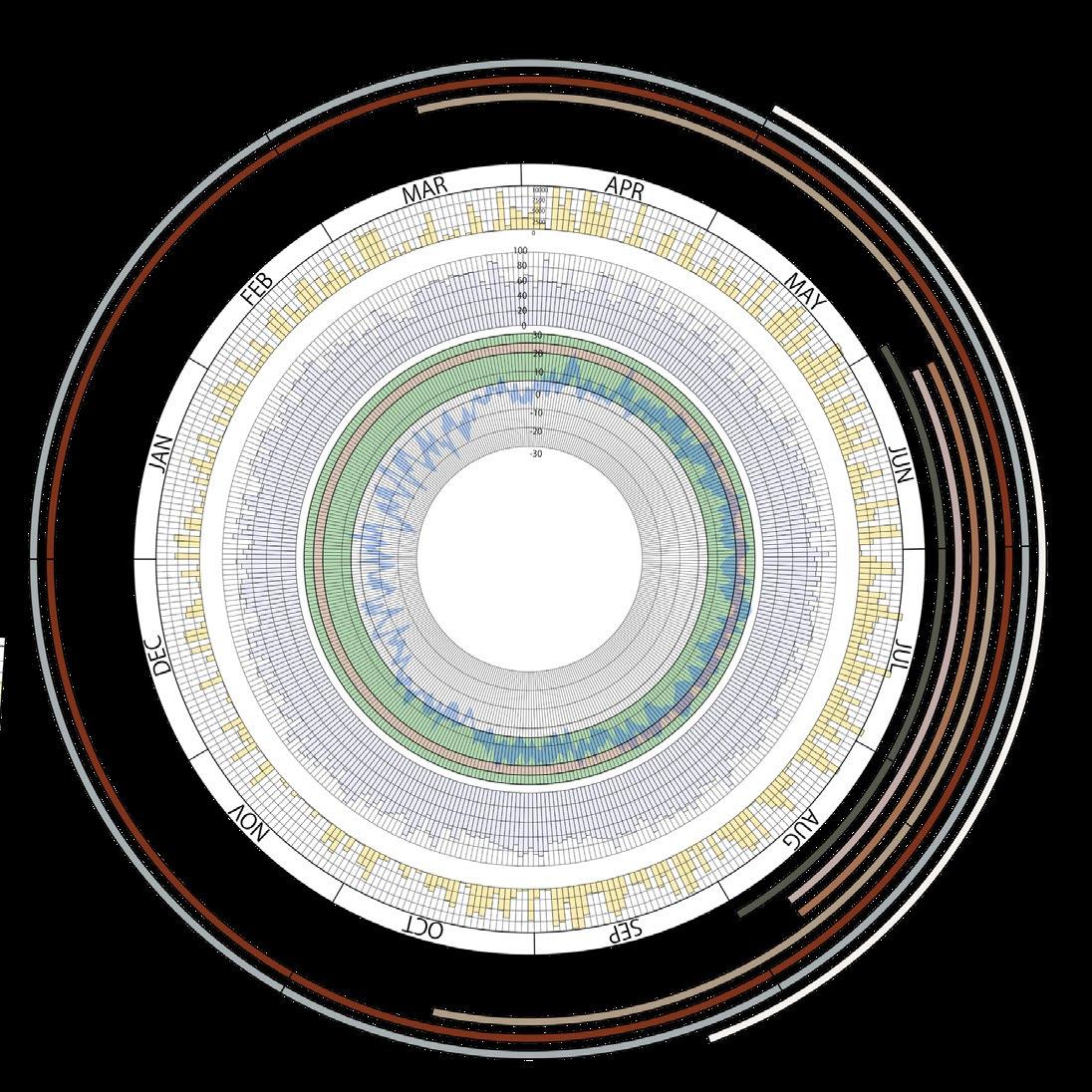
Harvest + Climate
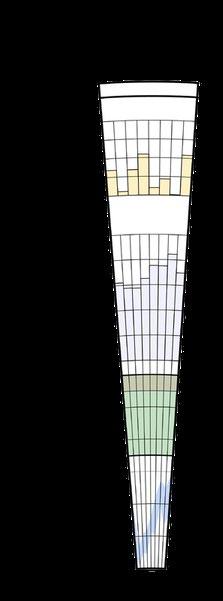
Month
Solar Radiation
Humidity
Human comfort
Plant comfort
Drybulb Temp.
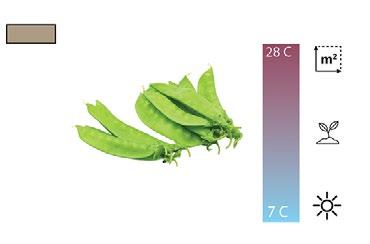
10 m2
6”soil depth
Full sun

Maturity: 70 days
Supplies 12 restaurants/year
200 m2
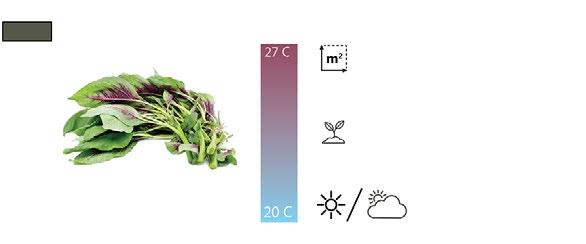
Maturity: 30 days
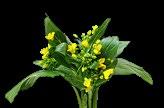
6”soil depth
Full sun
Supplies 6 restaurants/year
330 m2
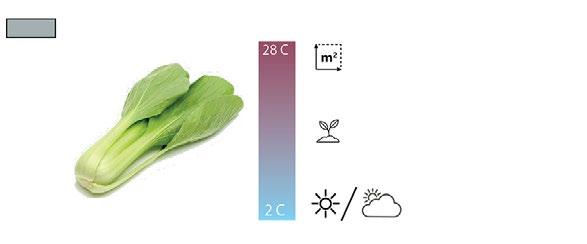
Maturity: 60 days
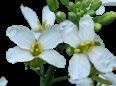
6”soil depth
Full sun/ Part sun
Supplies 6 restaurants/year
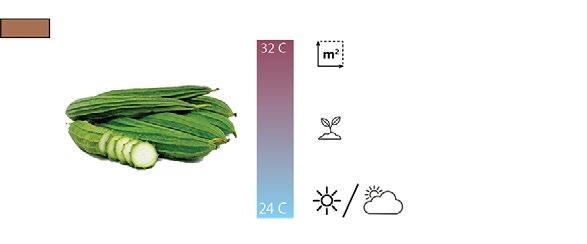
240 m2
6”soil depth

Full sun/ Part sun
Maturity: 80 days
Supplies 2 restaurants/year
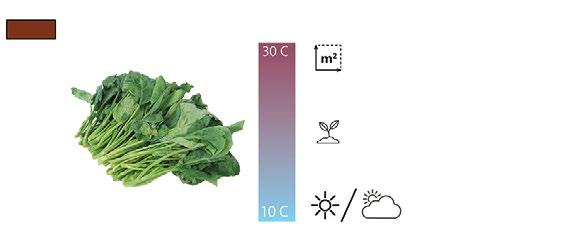
150 m2
6”soil depth

Full sun/ Part sun
Maturity: 60 days
Supplies 24 restaurants/year
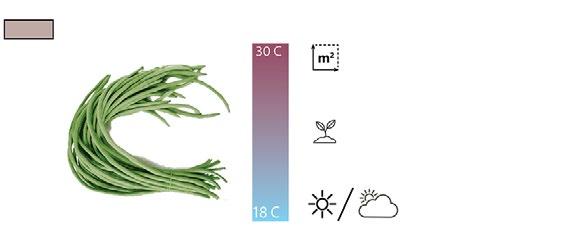
150 m2
6”soil depth
Maturity: 80 days

Full sun/ Part sun
Supplies 11 restaurants/year
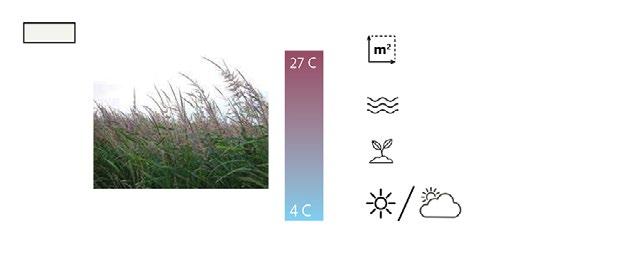
Maturity: 130 days
Supplies 1 restaurant/year
150 m2
6”soil depth

Full sun/ Part sun
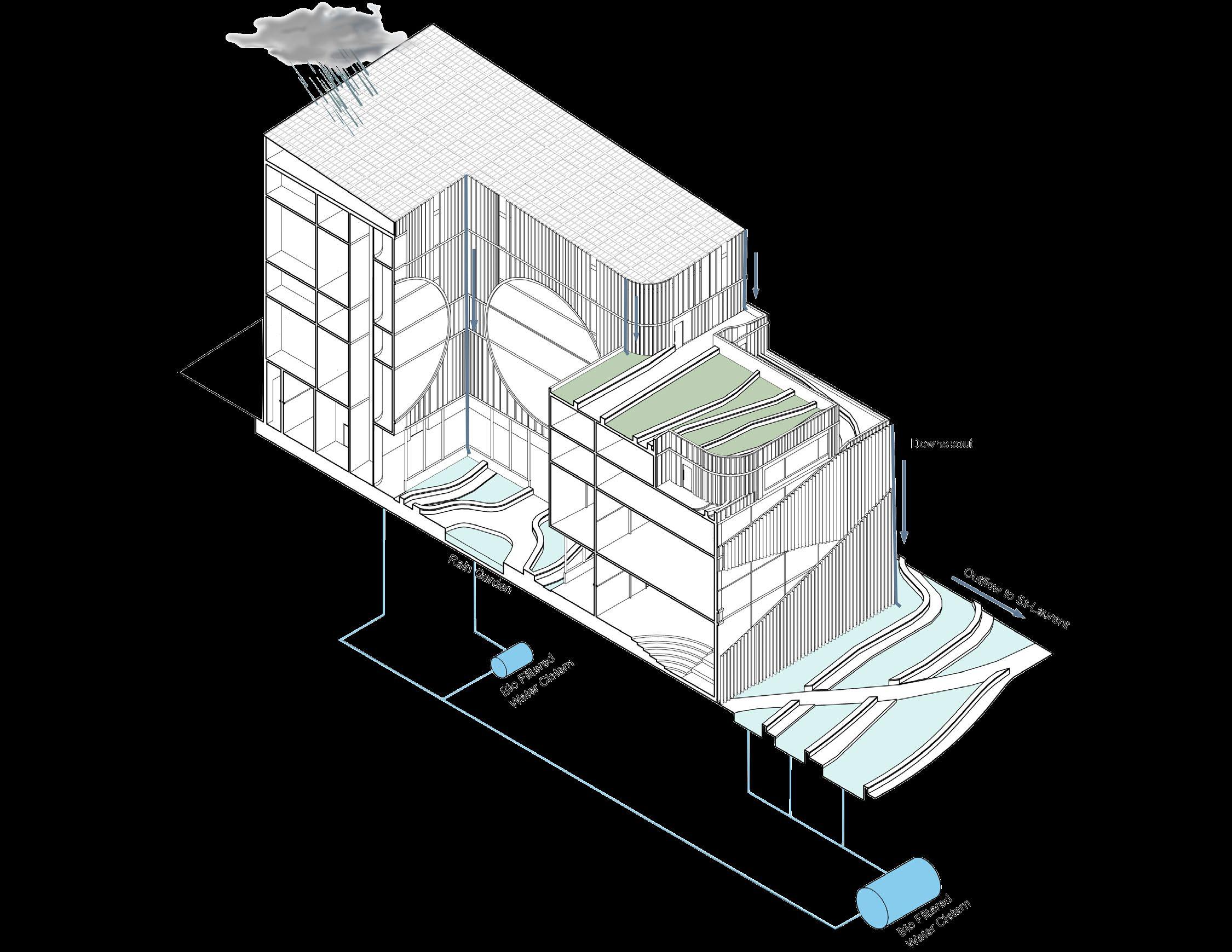
Roof water runoff is collected in downspouts, nourishing the Chinese vegetables on outdoor terraces, and eventually reaching the rain gardens. Cisterns hold bio-filtered water from the gardens. The water is then redistributed to the building’s plants, bathrooms, and showers.
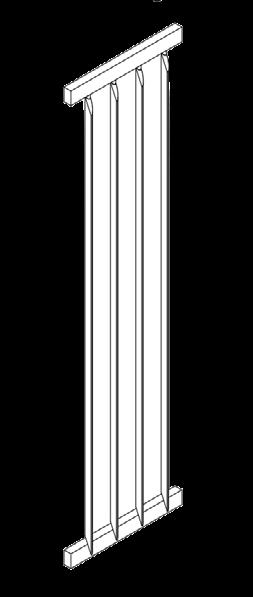
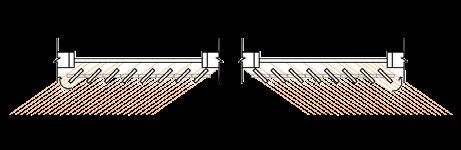
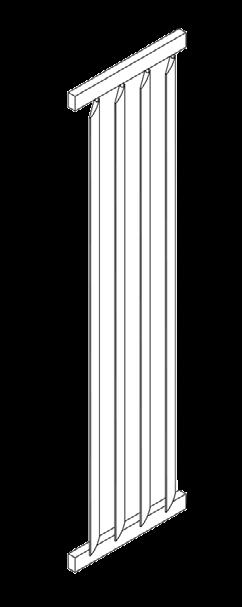
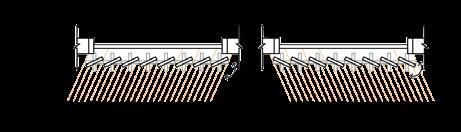
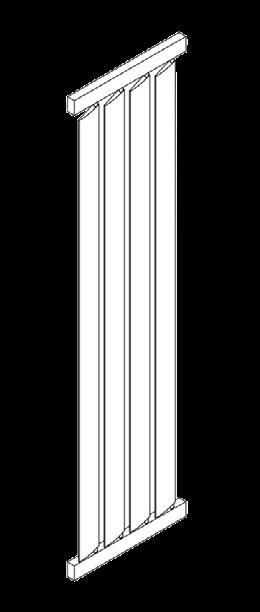
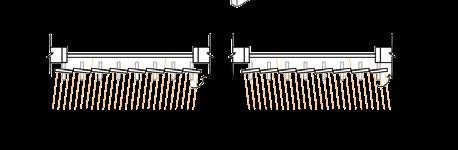
Wood panel louvers change their angles to adapt to seasons, regulating sunlight intake. The buffer zone not only serves for plant growth but also allows for mixed-mode ventilation, curbing energy use for heating and cooling. The roof’s solar panels generate clean energy.
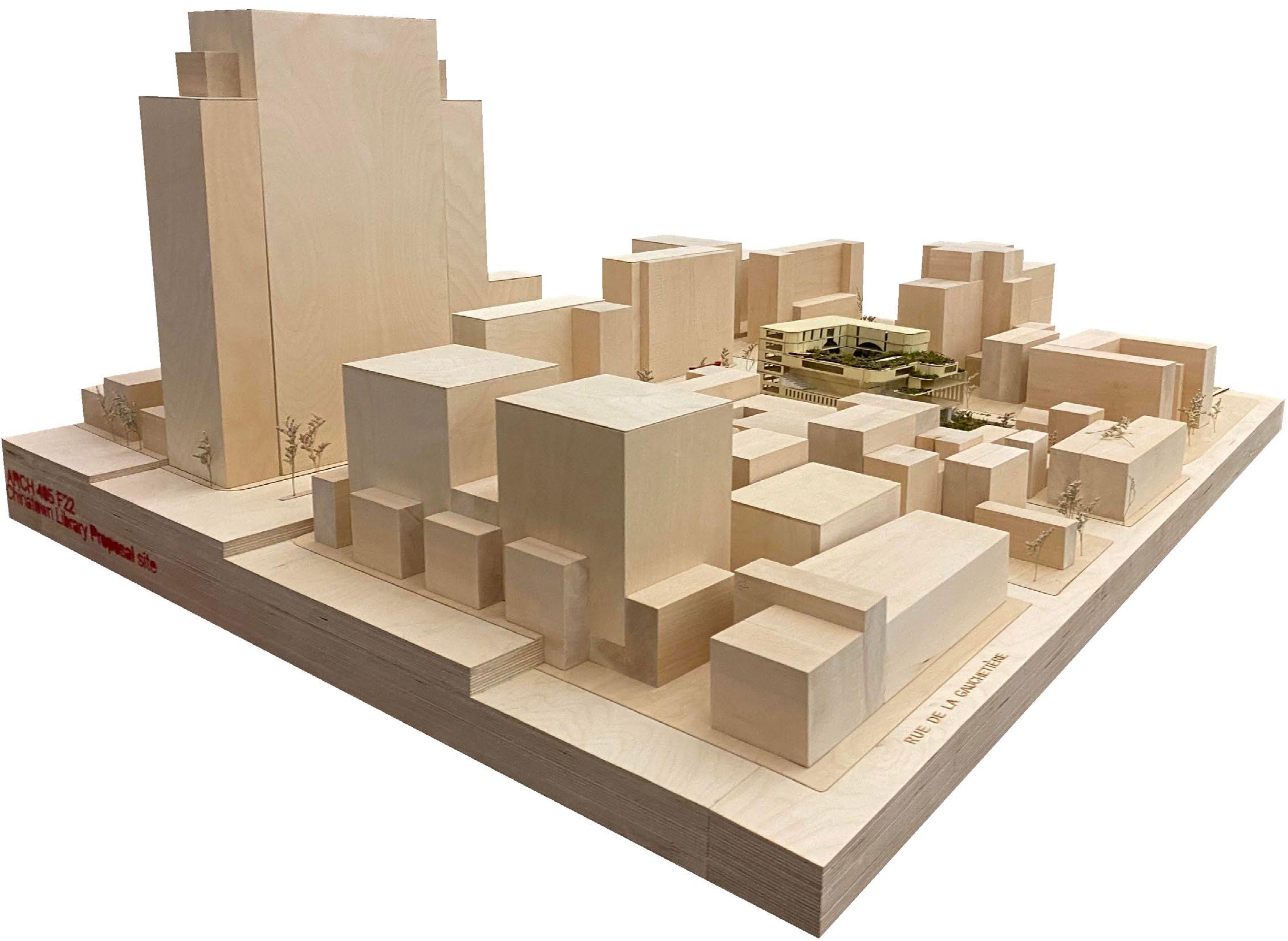
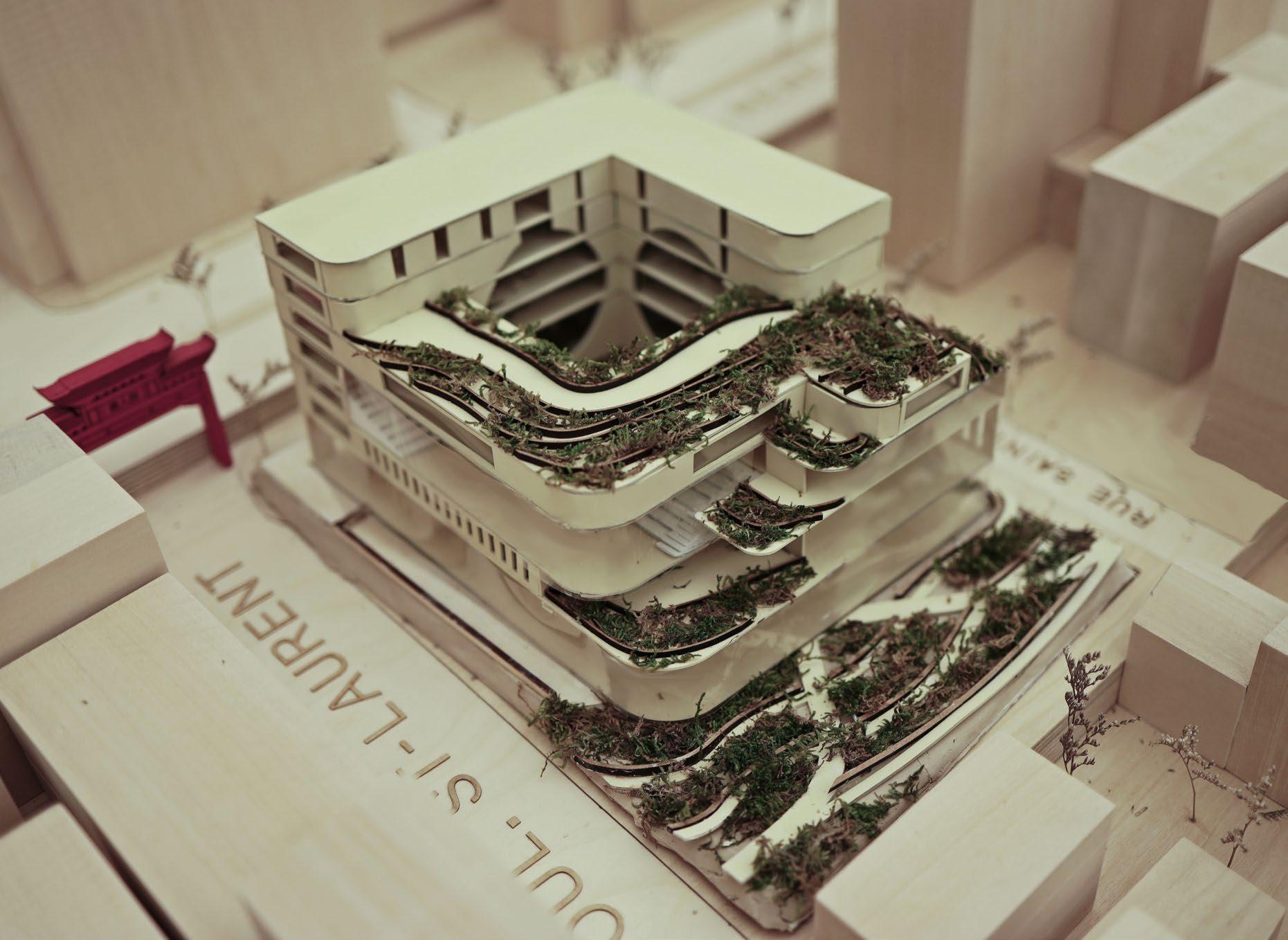
The library is a space for all, including the growing homeless population in the neighborhood. It strengthens community ties through volunteer urban farming initiatives. Accessible public transportation connects the library to the wider Montreal community.
The synergy of the Library typology and urban farming typology allows for resilient spaces. Similar future proposals can investigate these approaches in various climate zones.
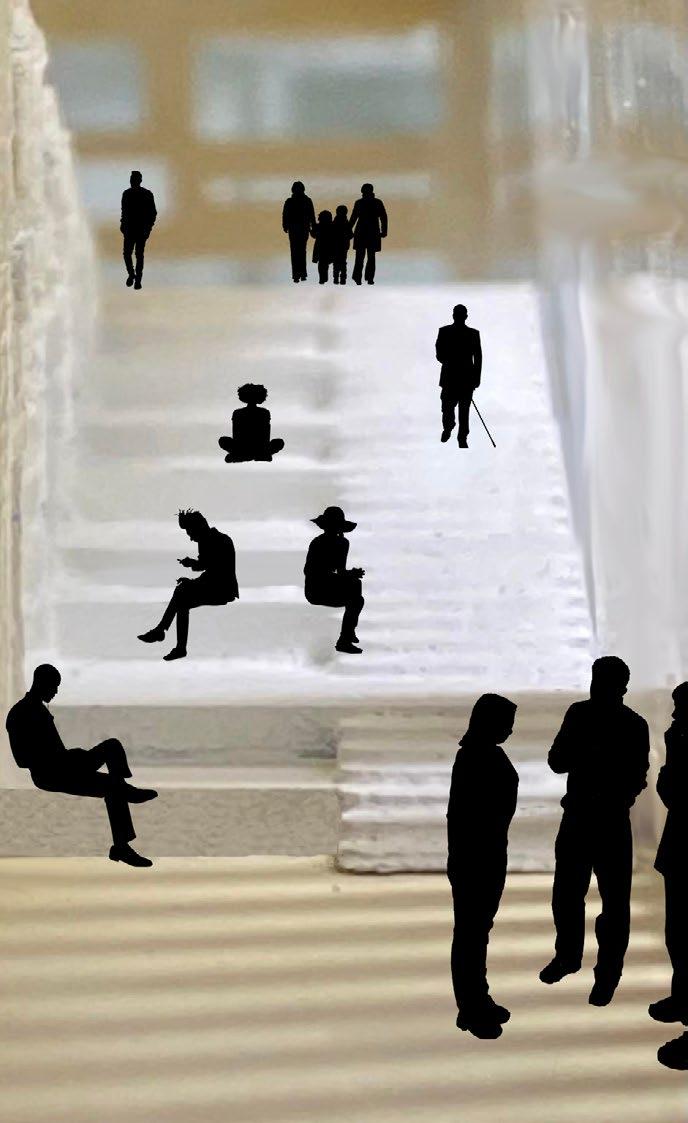
Location: Unspecified location in California
Typology: Laboratories and landscape design
Level: Year 2 Fall Studio
Softwares: Rhino, Grasshopper, Vray, Photoshop, and Illustrator
Participation: Individual
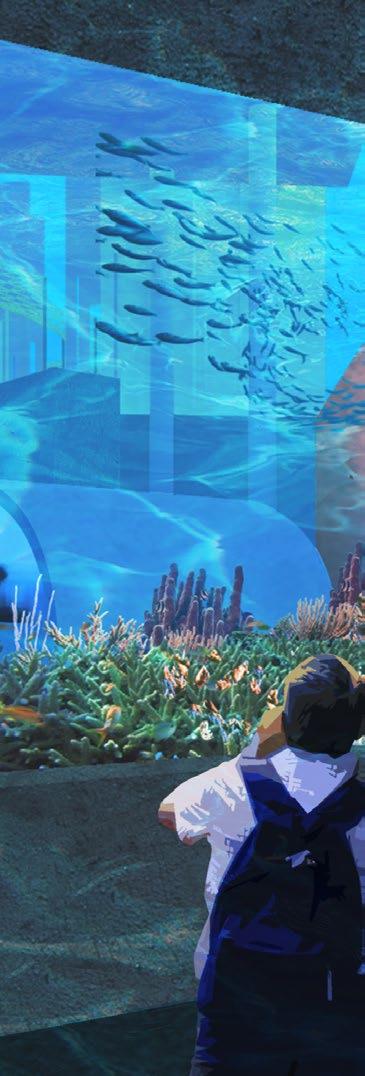
Reefs around the world have been decaying from exposure to bleaching due to human activities. ReeFest is the exploration of imaginaries to rehabilitate reefs. The place of gathering of ReeFest is a landscape craved to adapt to the reefs’ needs as well as a laboratory for research. The coral artifact, the fractal component of the reef, is the basis of the formal system of the landscape and architectural intervention. The project envisions an event called ReeFest, which occurs annually on the site, welcoming visitors to the experimental underwater ecosystem, to feel the importance of this quasi-alien world.
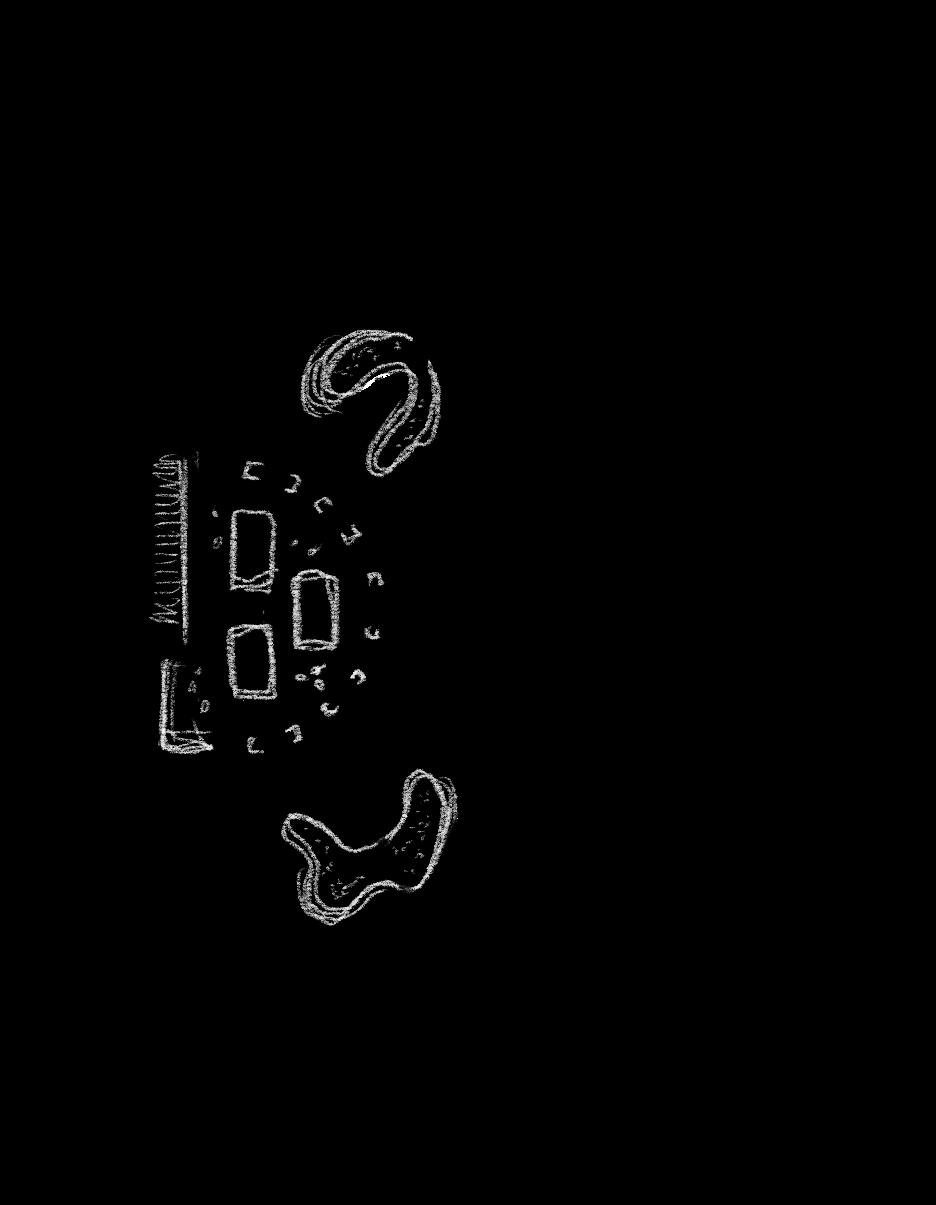
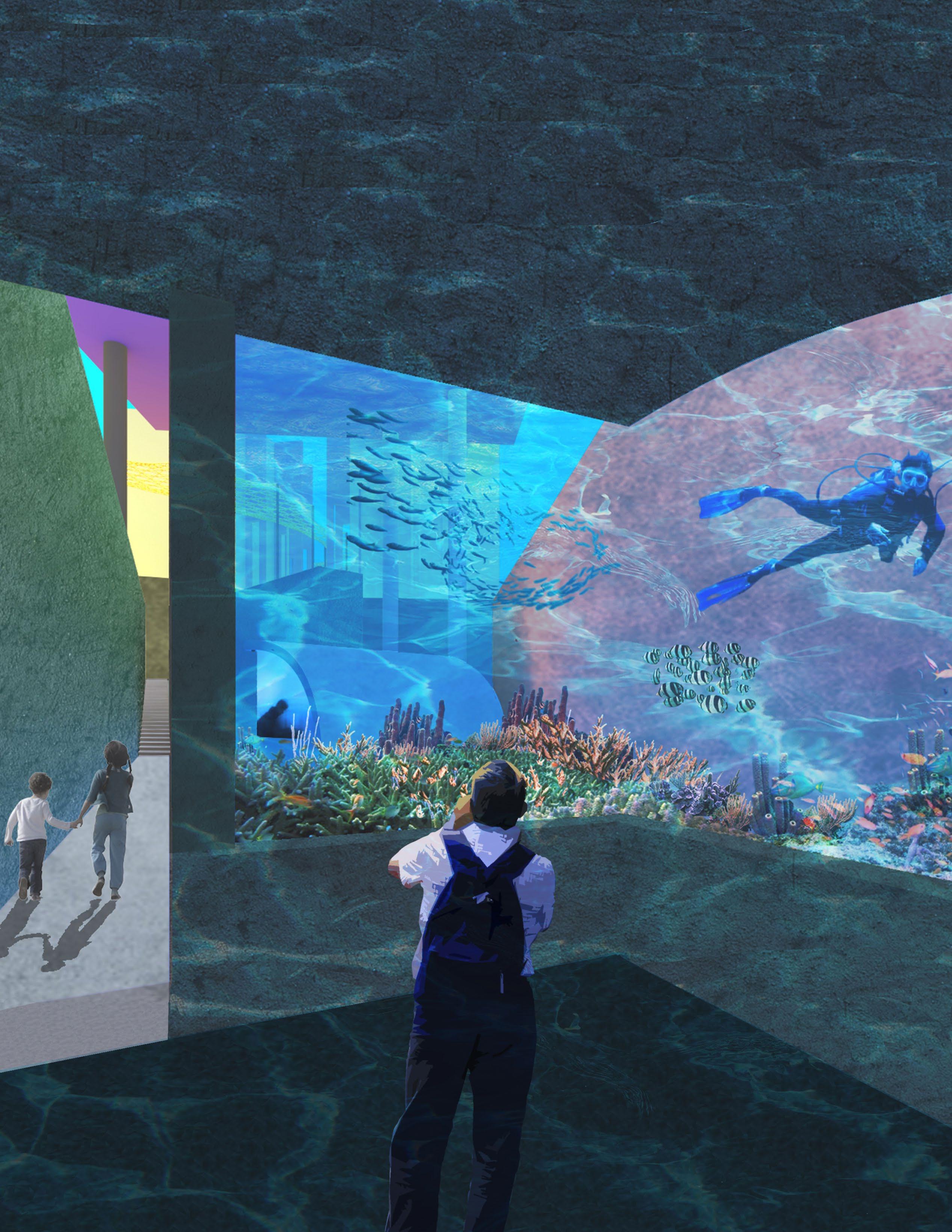
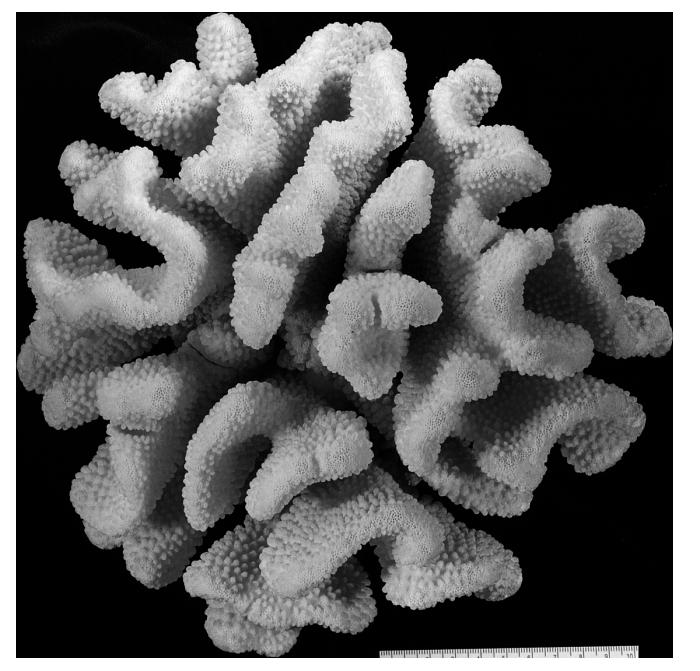
The Reefest project is based on the analysis of an artifact in order to develop a formal system. The coral is an artifact from a strange world. Underwater, coral reefs have grown over thousands of years, outlasting empires. Nature has intricately woven the organic limestone skeleton of the coral into an underwater landscape, providing shelter for other species.
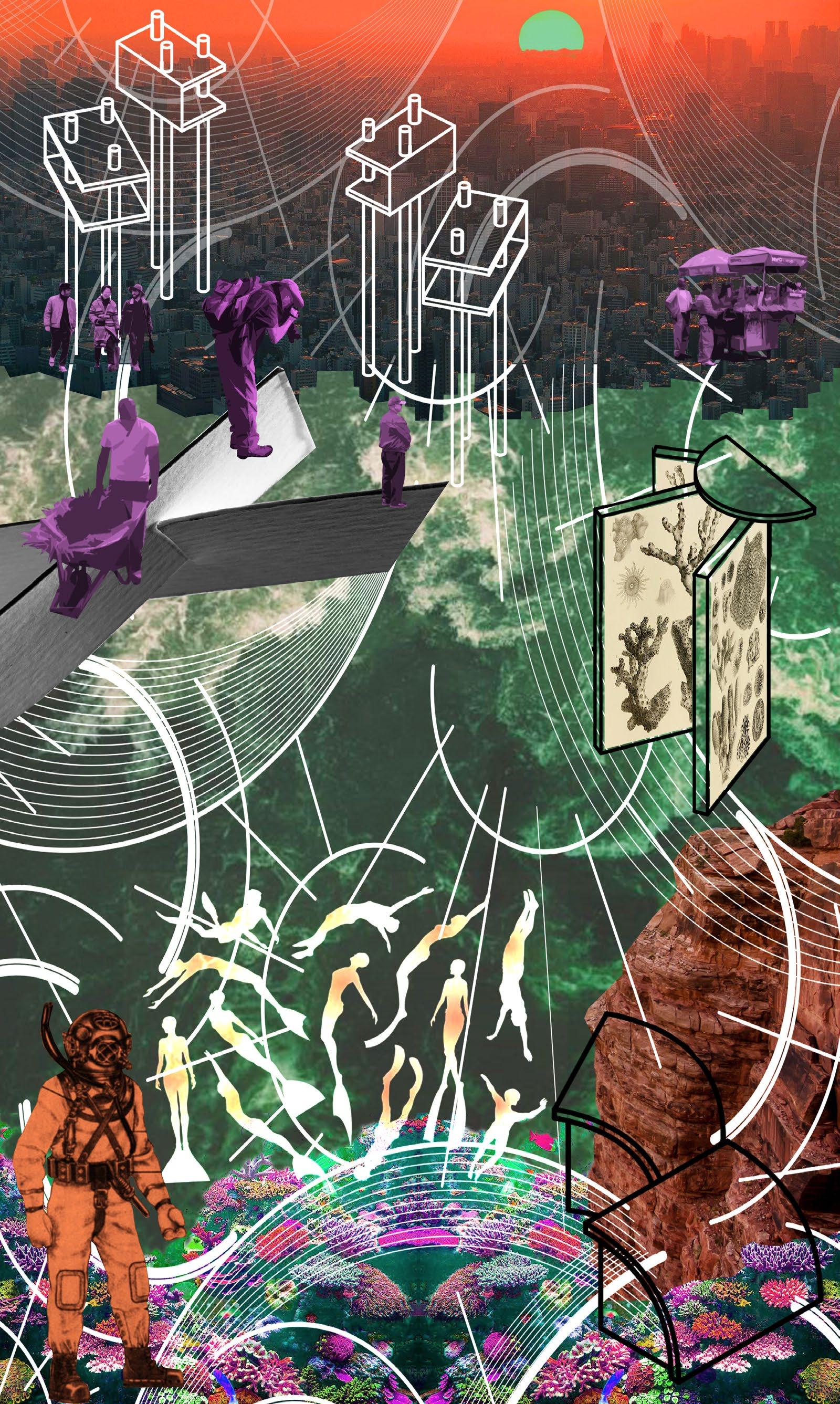
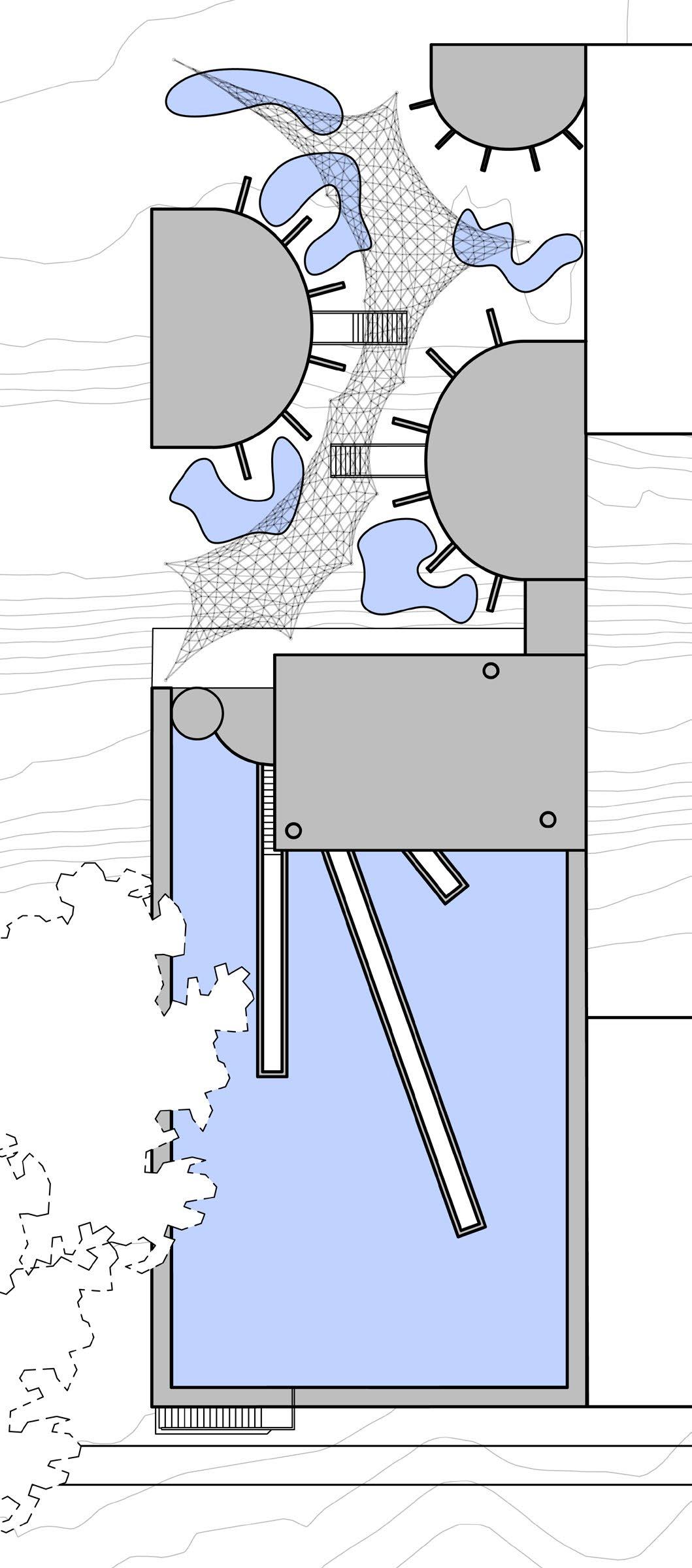
The coral can be envisioned as a fractal component of the reef. Coral reefs are crucial to the ecosystems of Earth's oceans. They also play a vital role in enhancing resilience against coastal storms and erosion. Reefest is a transformation of a given site for the purpose of celebrating reefs. The site is designed to foster the relationship between the reefs and humans. The main program of the site consists of laboratories that aid in rehabilitating reefs exposed to bleaching.
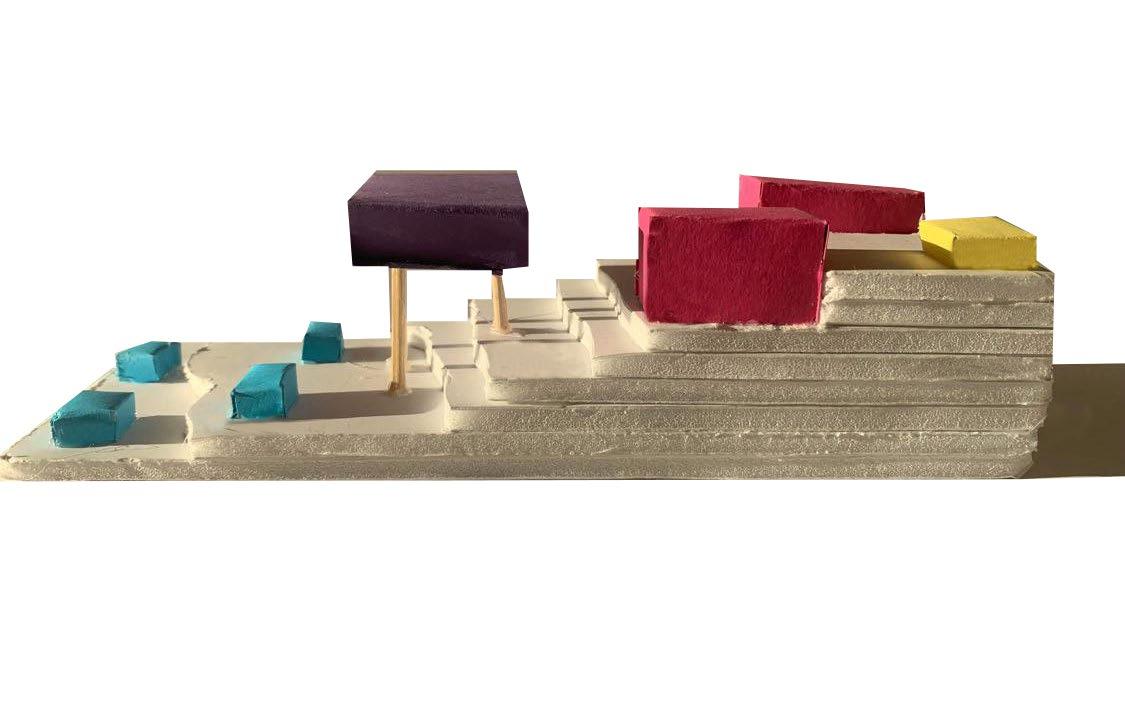
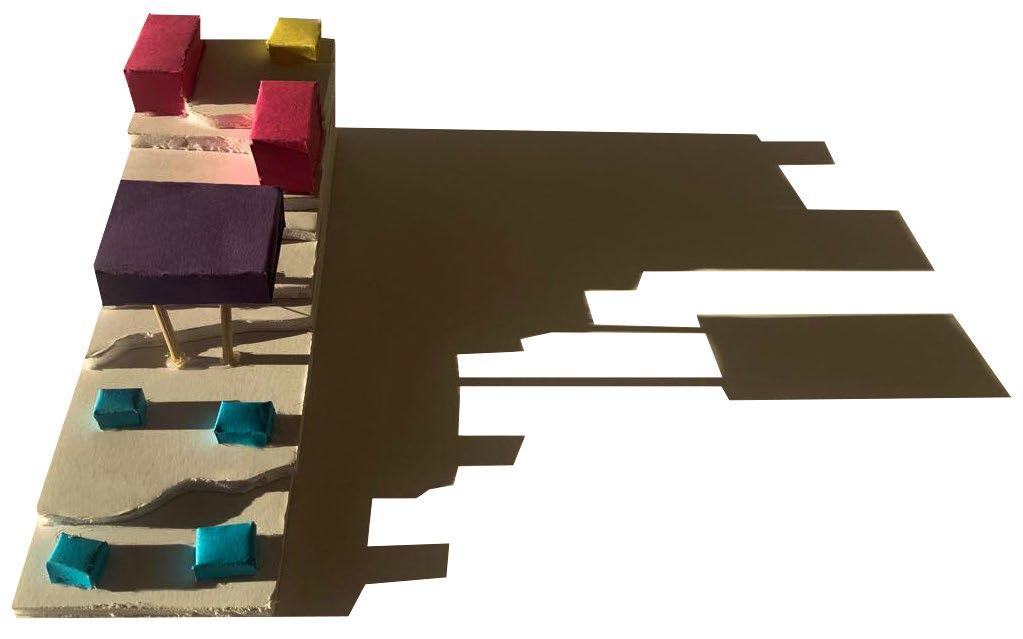
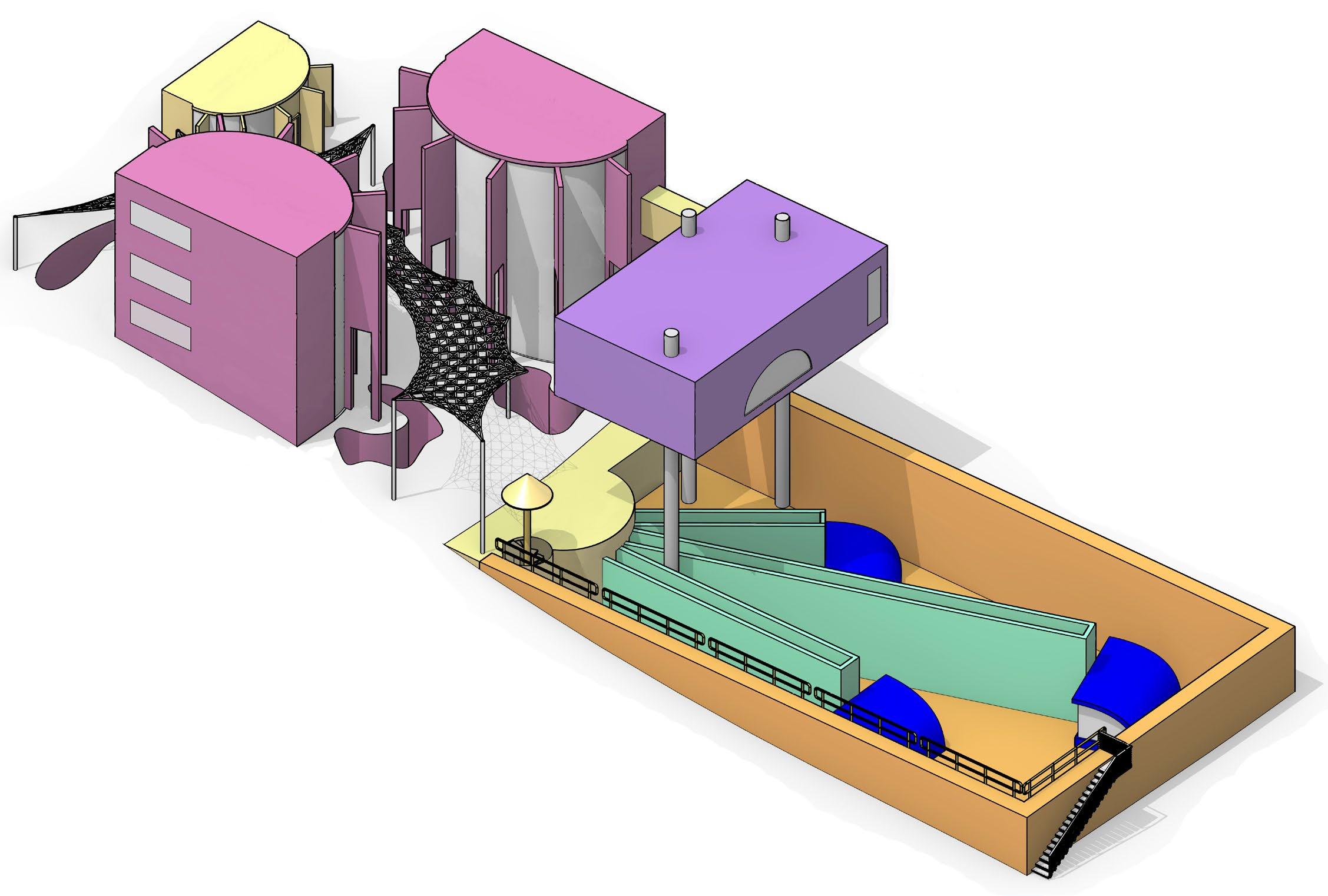
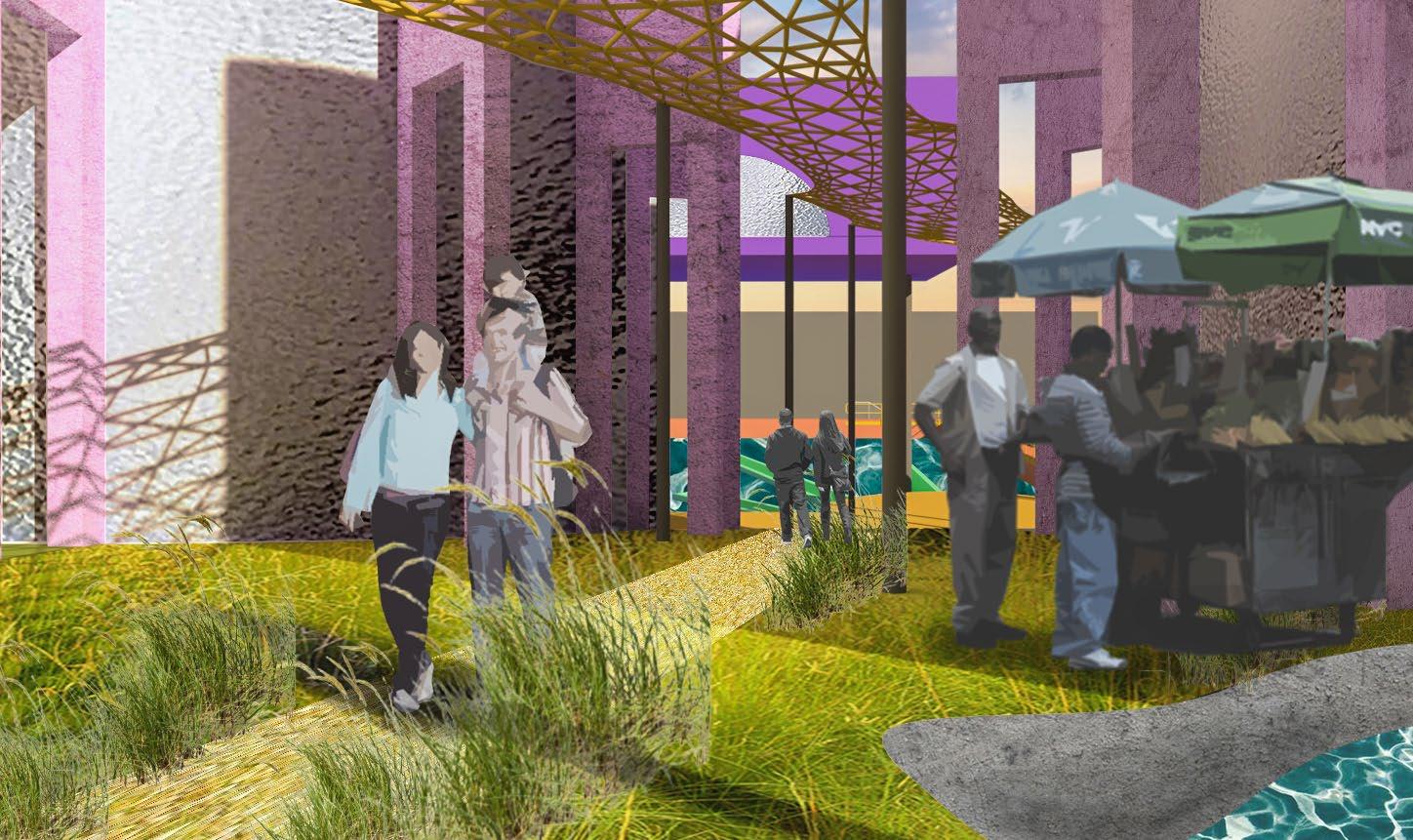
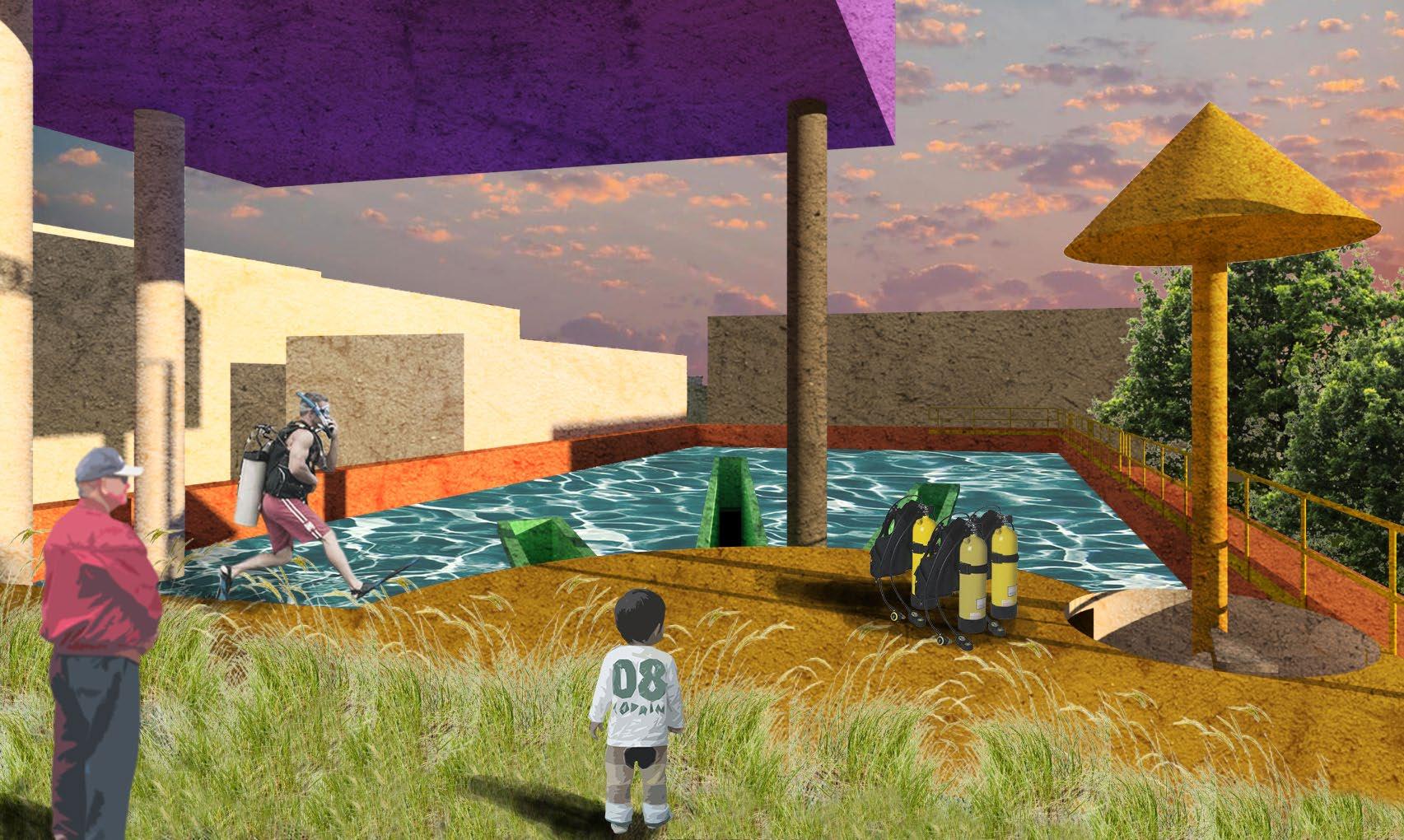
Reefest is an imagined event in celebration of the world of coral reefs. A moment for humans and reefs to coexist. At sunrise, swarms of humans enter the site to admire the reefs living in the deep pools of water. As darkness falls, the coral reefs glow in various colors, captivating the onlookers. A group of humans bravely joins the coral reefs in an underwater dance.
Location: 1221 Rue Guy, Montréal, Qc
Typology: Adaptive re-use and Age in Place Collective Housing
Level: Year 2 Winter Studio
Softwares: Rhino, Lumion, Photoshop, and Illustrator
Participation: Teamwork (Eliza Mihali)
In recent years, the way we live in our built environment has drastically changed, particularly due to global challenges like the pandemic and climate change. The Thresholds project emerges as a response to accommodate our evolving contemporary society. Intentionally situated at the site of the former Fulford residence in downtown Montréal, originally a home for senior women that ceased operations during the pandemic, this project aims to address two critical issues: the dilemmas posed by an aging population and the ongoing housing crisis. By repurposing the existing building, Thresholds seeks to create a conducive environment for aging in place while utilizing adaptive reuse strategies.
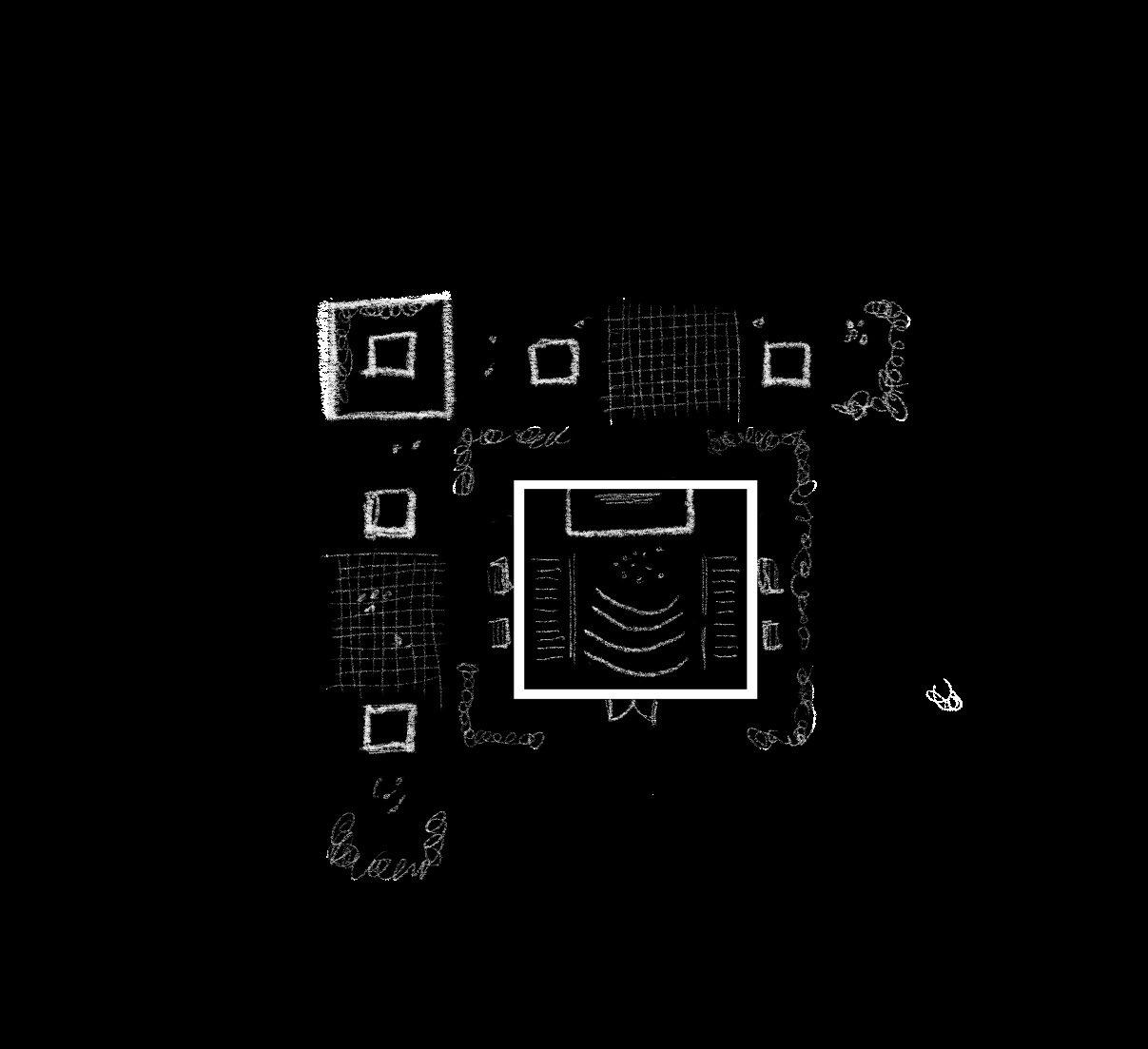
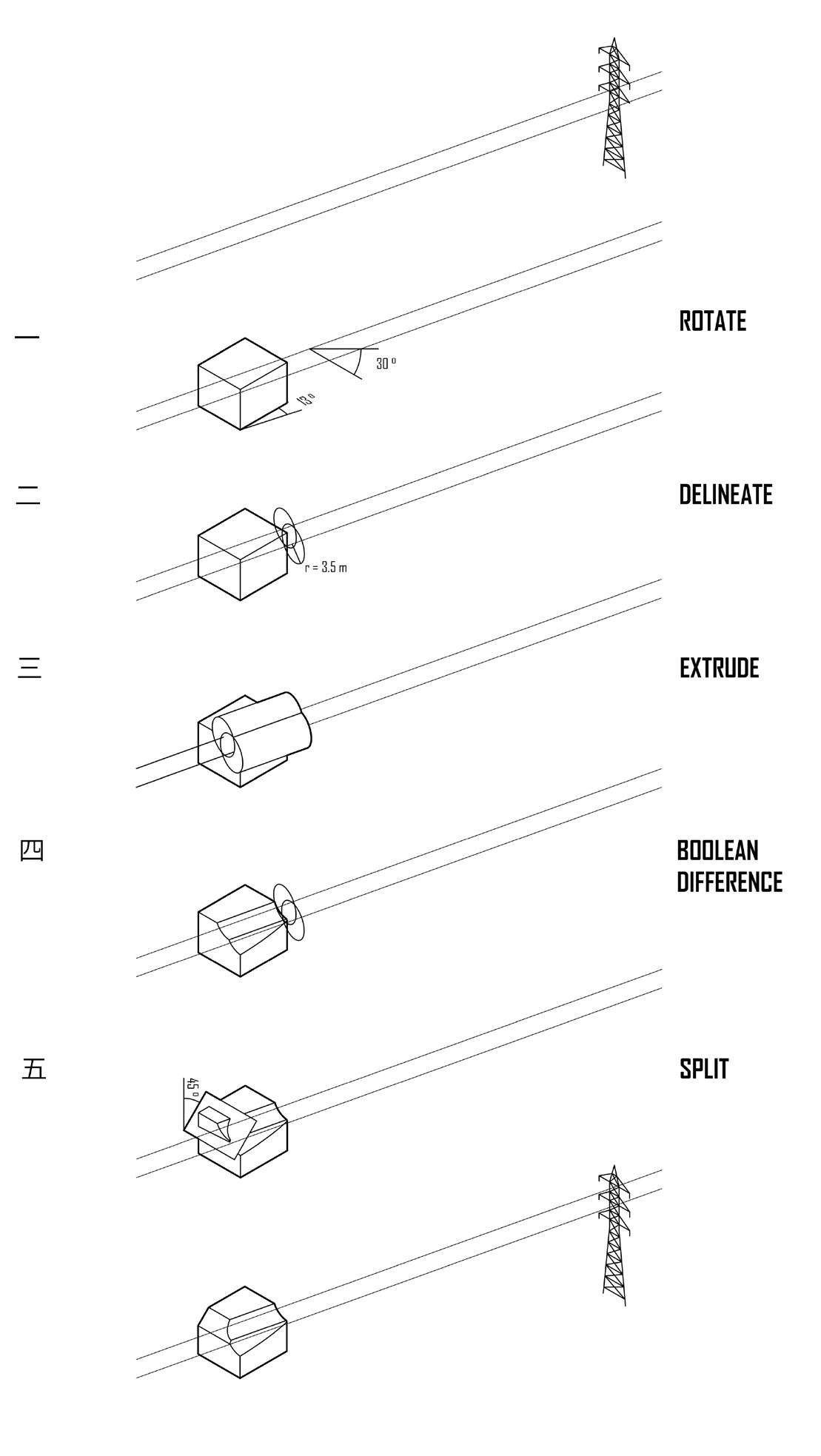
Studying a single-family house illustrates the underlying codes that govern its formation. A series of diagrams are rendered to show the fundamental elements of the house under high voltage by Kazuo Shinohara, completed in 1981 in Tokyo, Japan. The project is an archetypal example of a single-family house formed by navigating the in-between gaps of free space in the clustered and dense chaotic cityscape. Positioned beneath high-voltage power lines, the house is compelled to adapt its traditional facade, program, and structure.
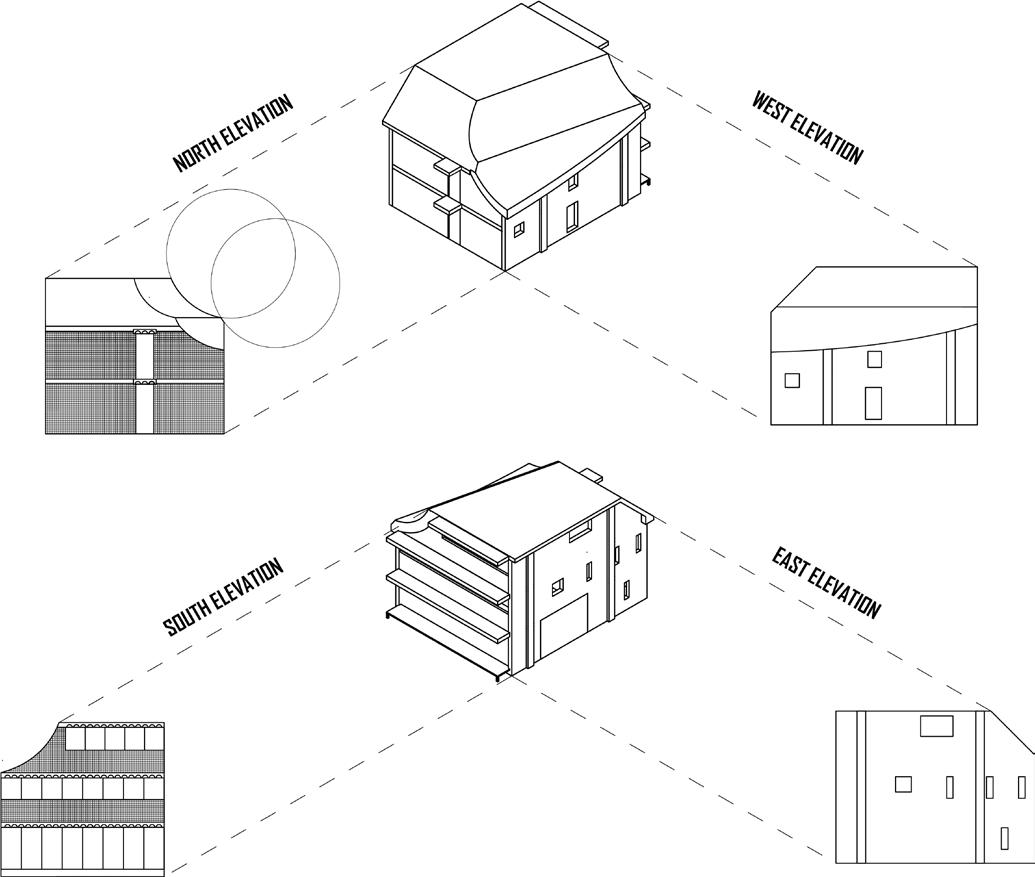
The project is an archetypal example of a single-family house formed by navigating the in-between gaps of free space in the clustered and dense chaotic cityscape. Positioned beneath high-voltage power lines, the house is compelled to adapt its traditional facade, program, and structure.
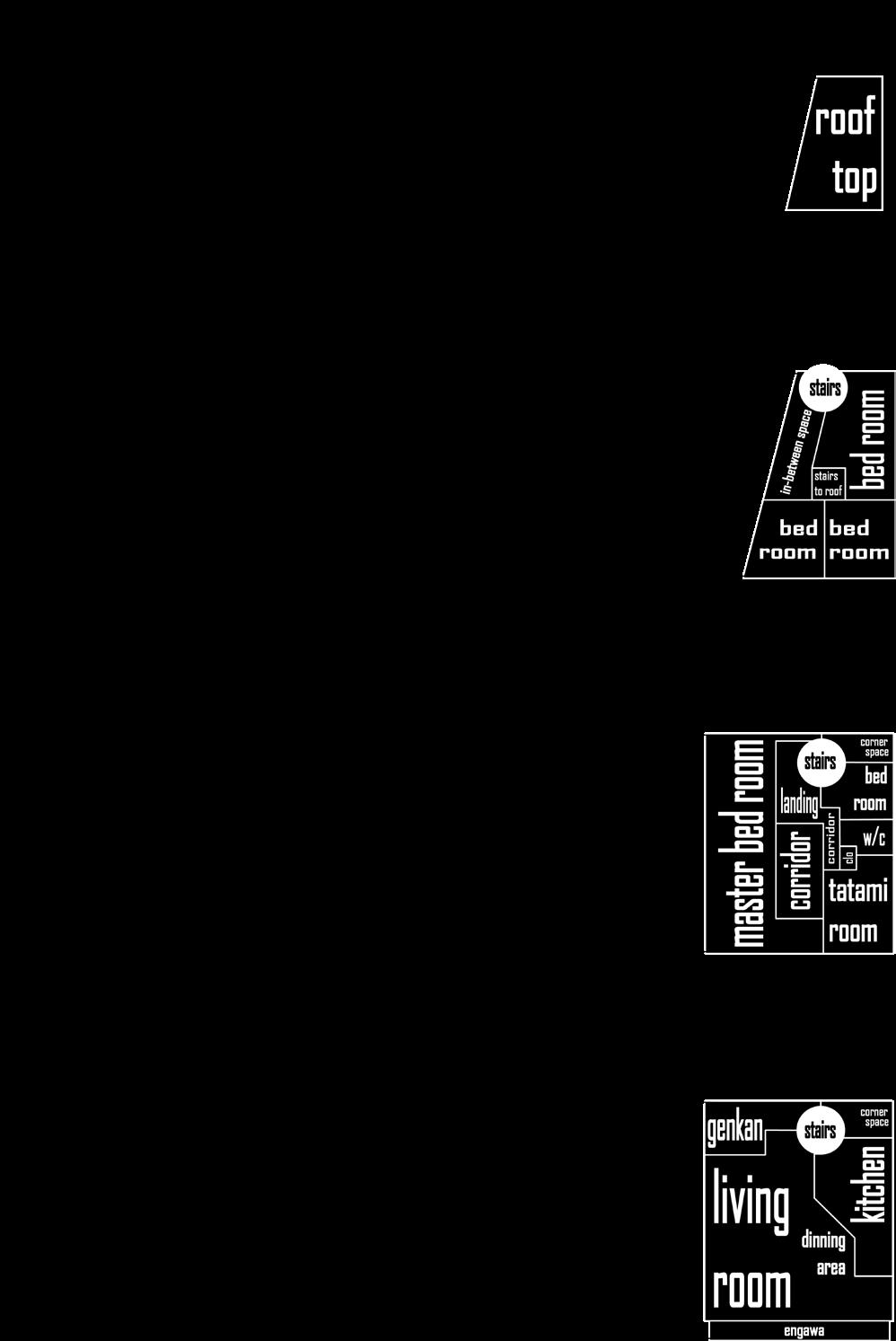
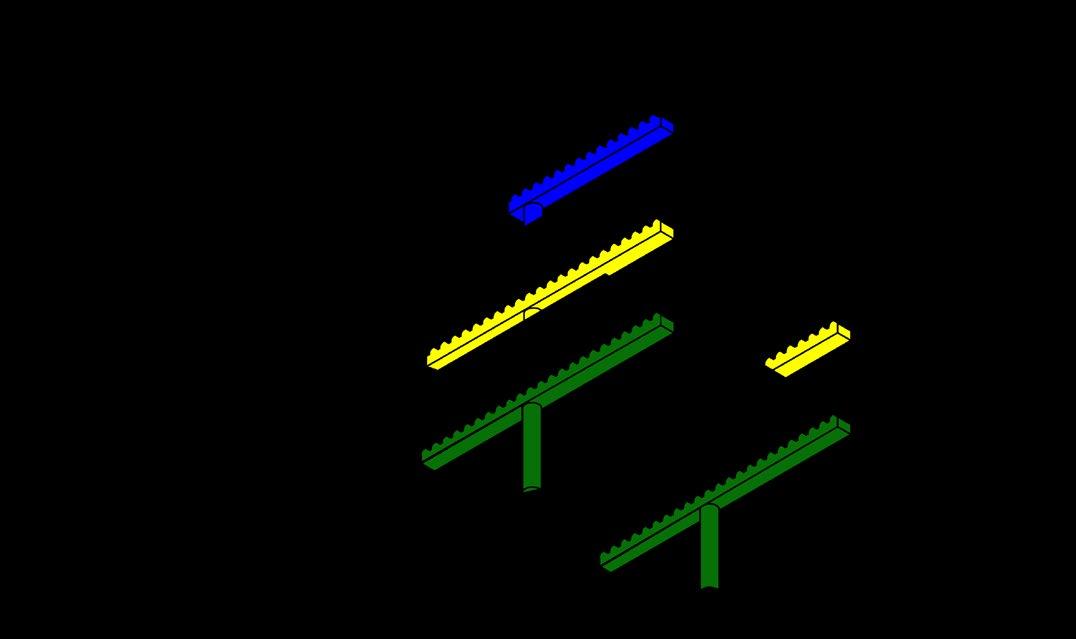
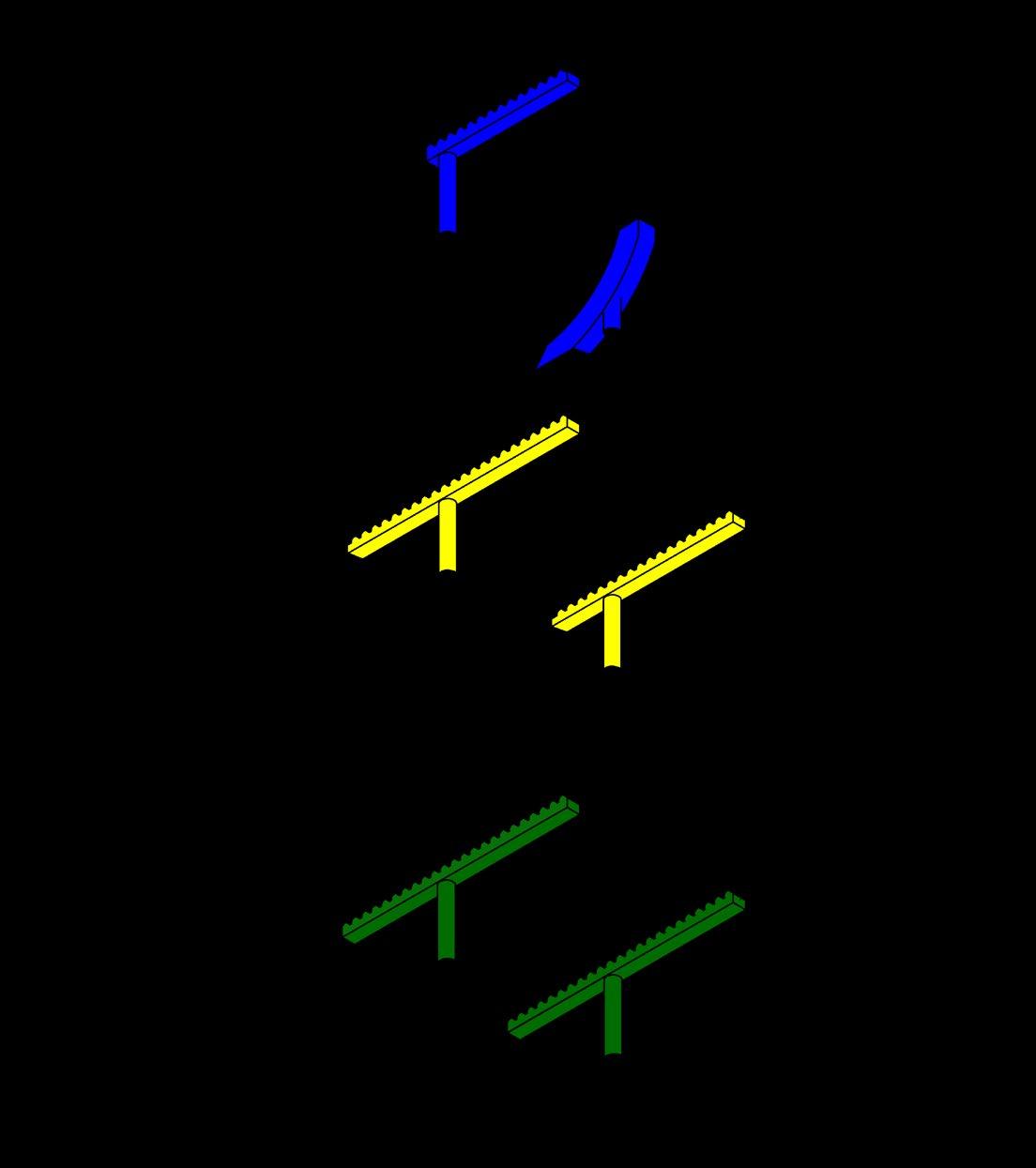
By uncovering the principles that underlie the architecture of the nuclear family household, codes for a new typology of age-in-place collective living can be devised. These illustrated codes are created to demonstrate the metrics and relationships of the age-in-place collective housing proposal. The codes focused on the design of a vertical hierarchy of interconnected spaces as well as the inclusion of semi-private zones, and in-between spaces.
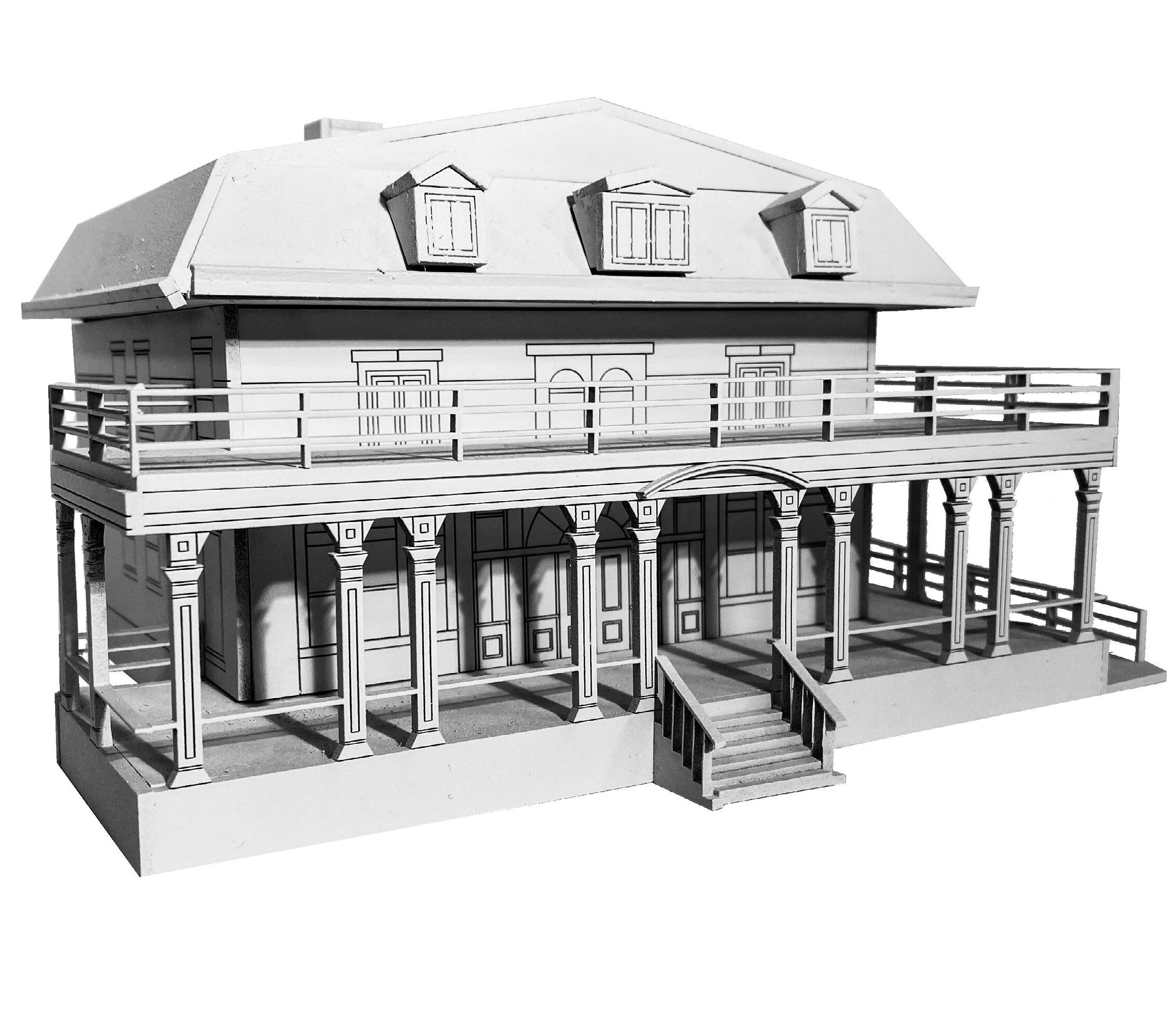
Physical model 1:100
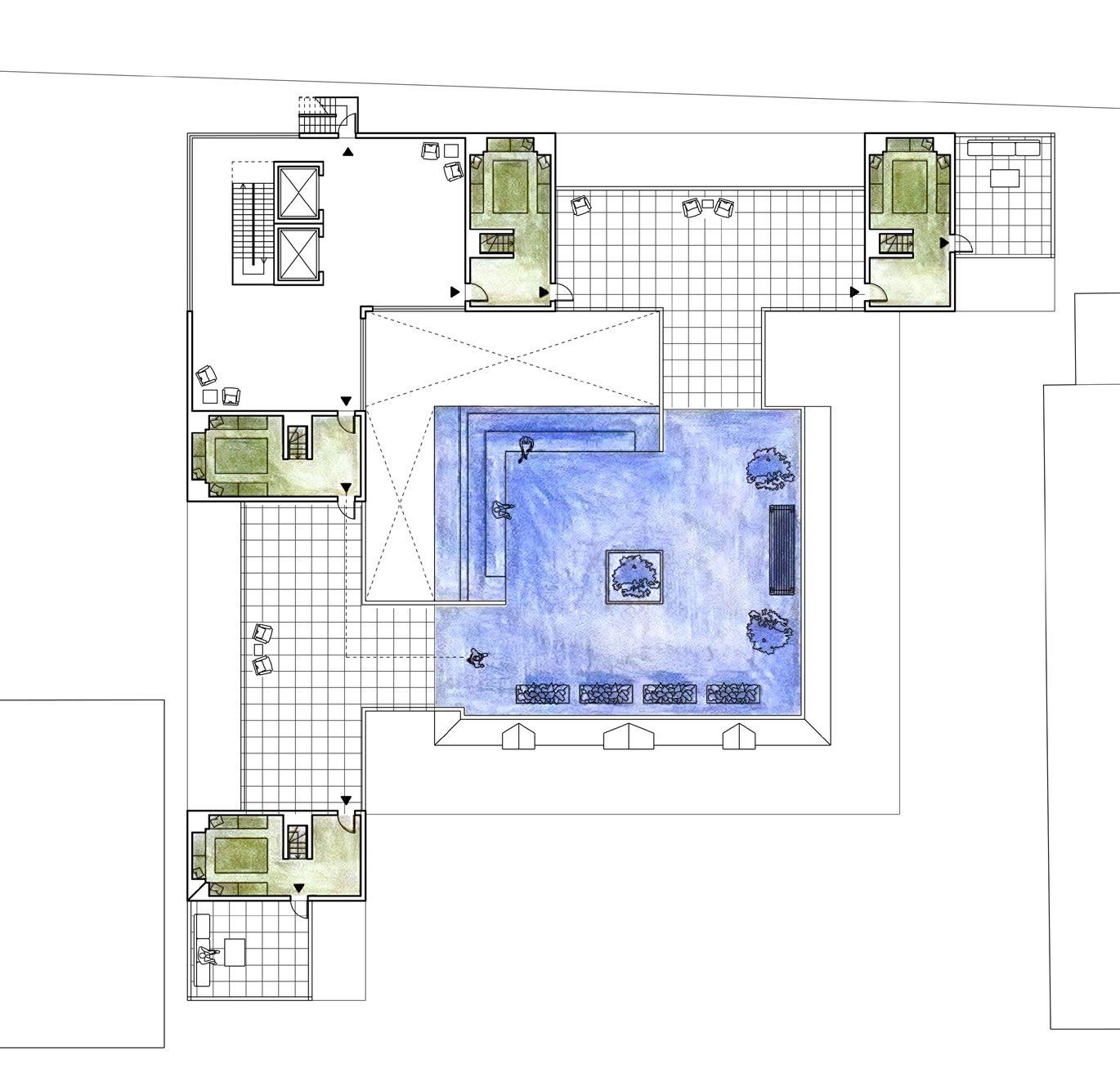
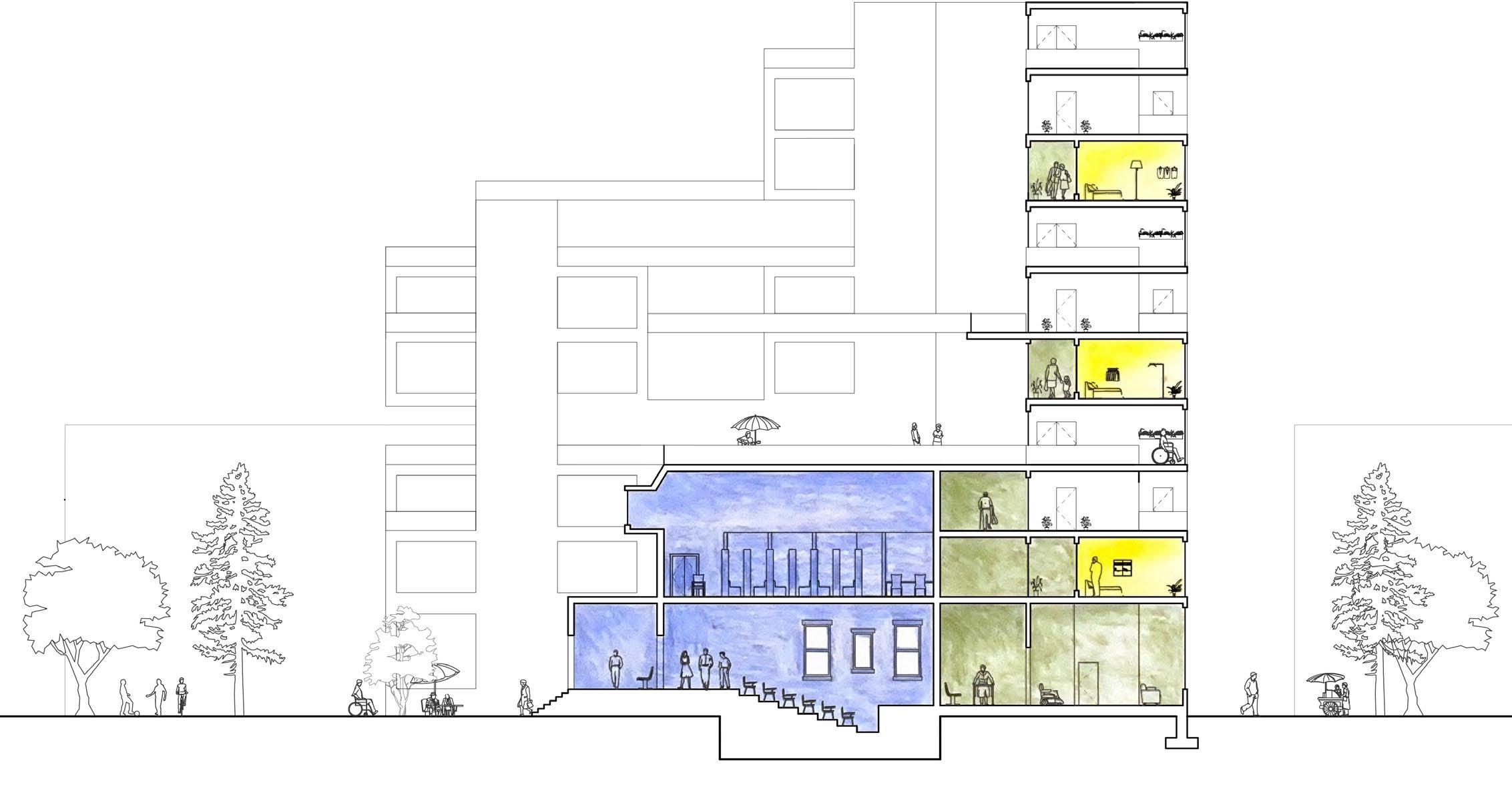
Thresholds envisions an age-in-place extension for the recently closed Fulford Residence. Guided by illustrated codes for collective age-in-place living, our proposal emphasizes the potential of in-between spaces. These transitional areas, found at the convergences of programmatic functions, blend new with the old and large scale with smaller scale, activating thresholds for community engagement.
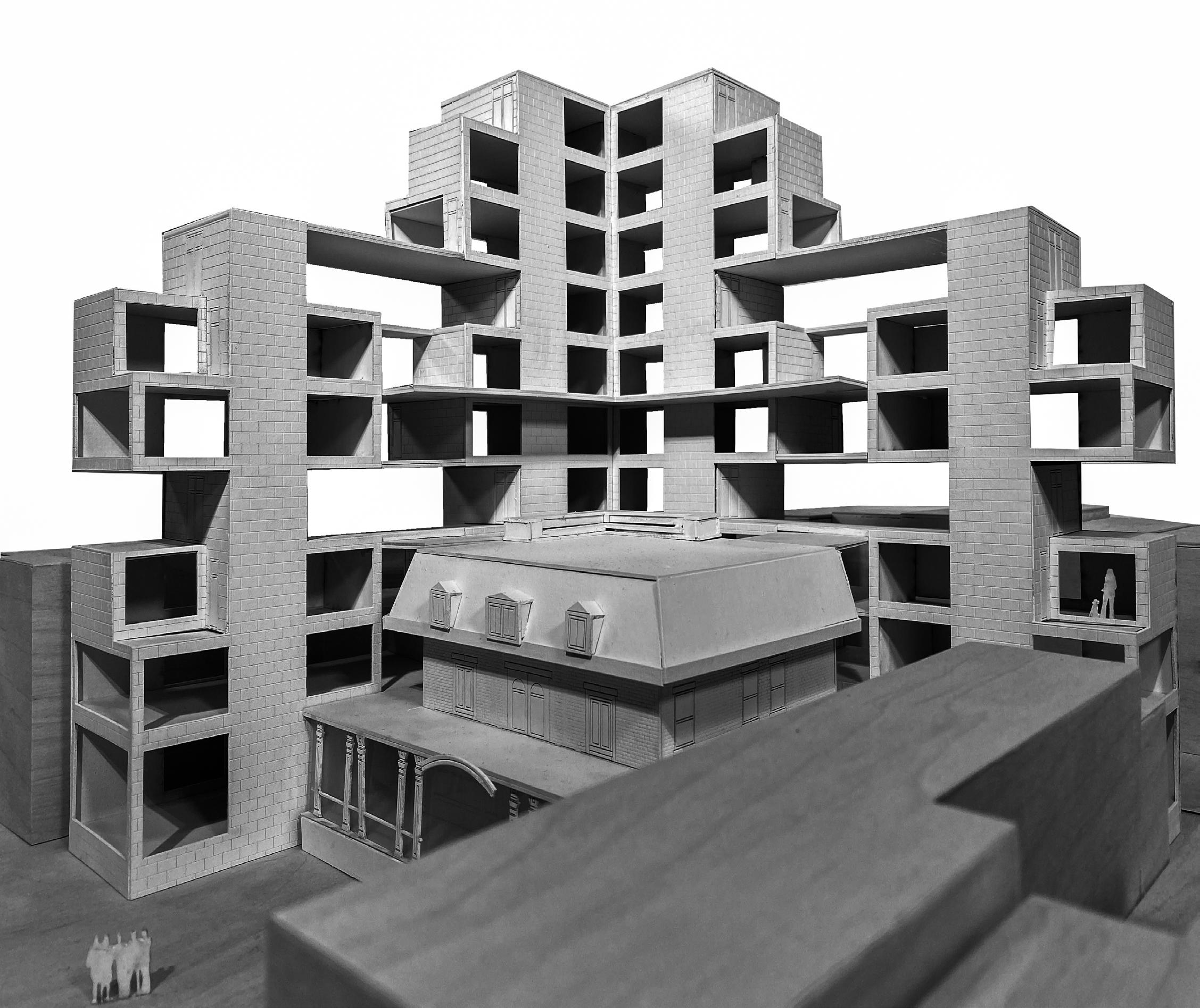
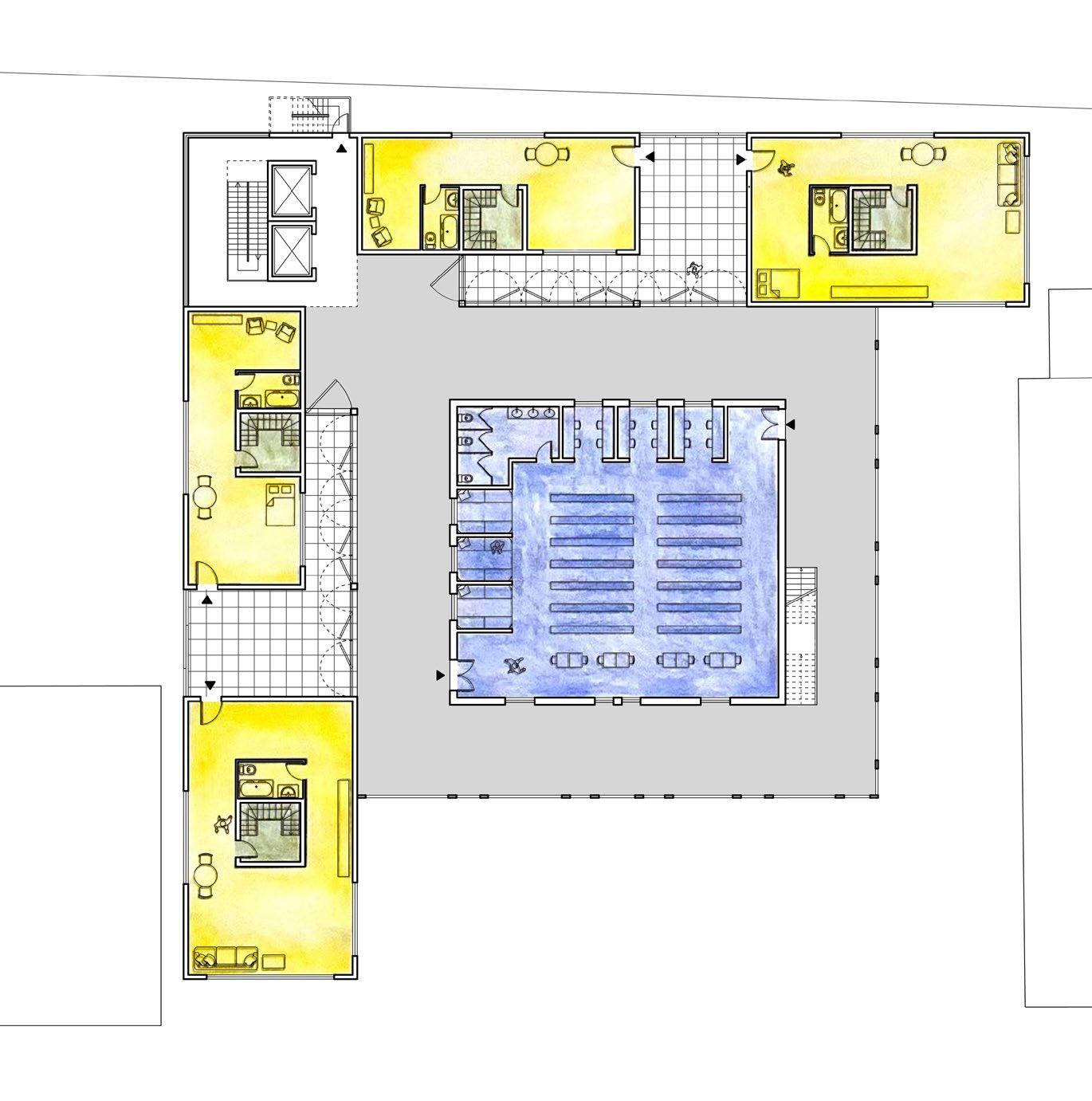
Private and communal spaces are dispersed throughout the project so residents can enjoy a sense of community all the while having the intimacy of personal space.
In-between spaces, mediate the transition from personal private spaces to public communal ones. Simultaneously these areas act as buffer zones for the harsh winter weather of Montréal.
Location: City of Montréal, Qc
Typology: Urban installation
Level: CCA Charrette 2023 (awarded honourable mention)
Softwares: Rhino, Enscape, Photoshop, and Illustrator
Participation: Teamwork (Clara Cartault, Sophie Howard, Lauren Kim and Anne-Marie Prenevost)
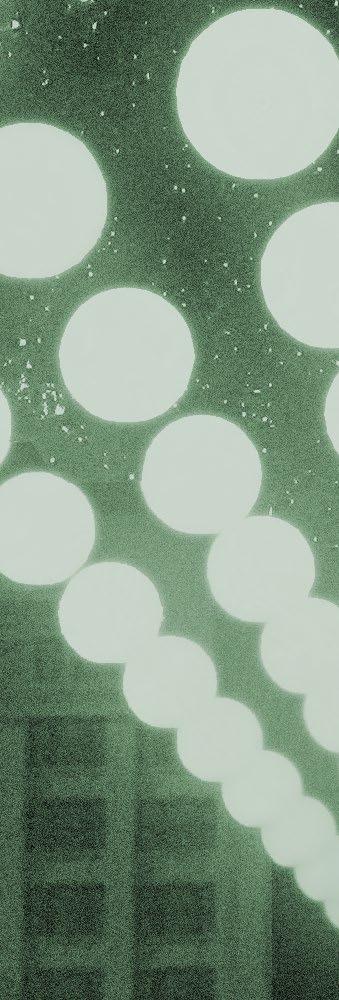
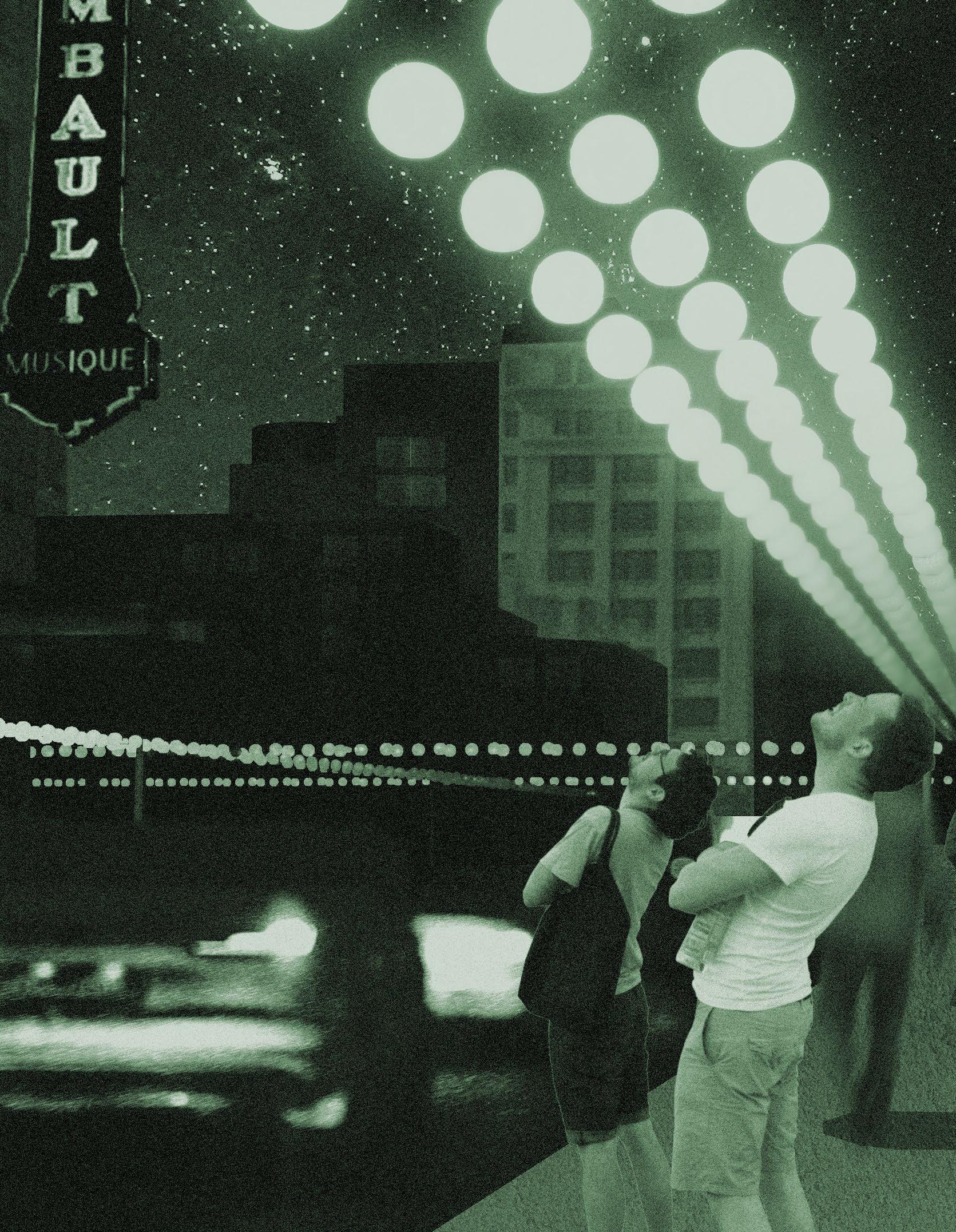
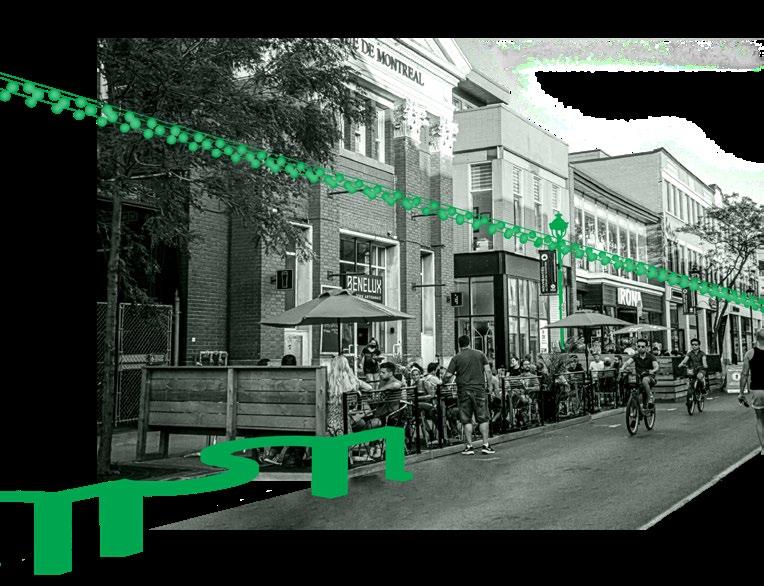
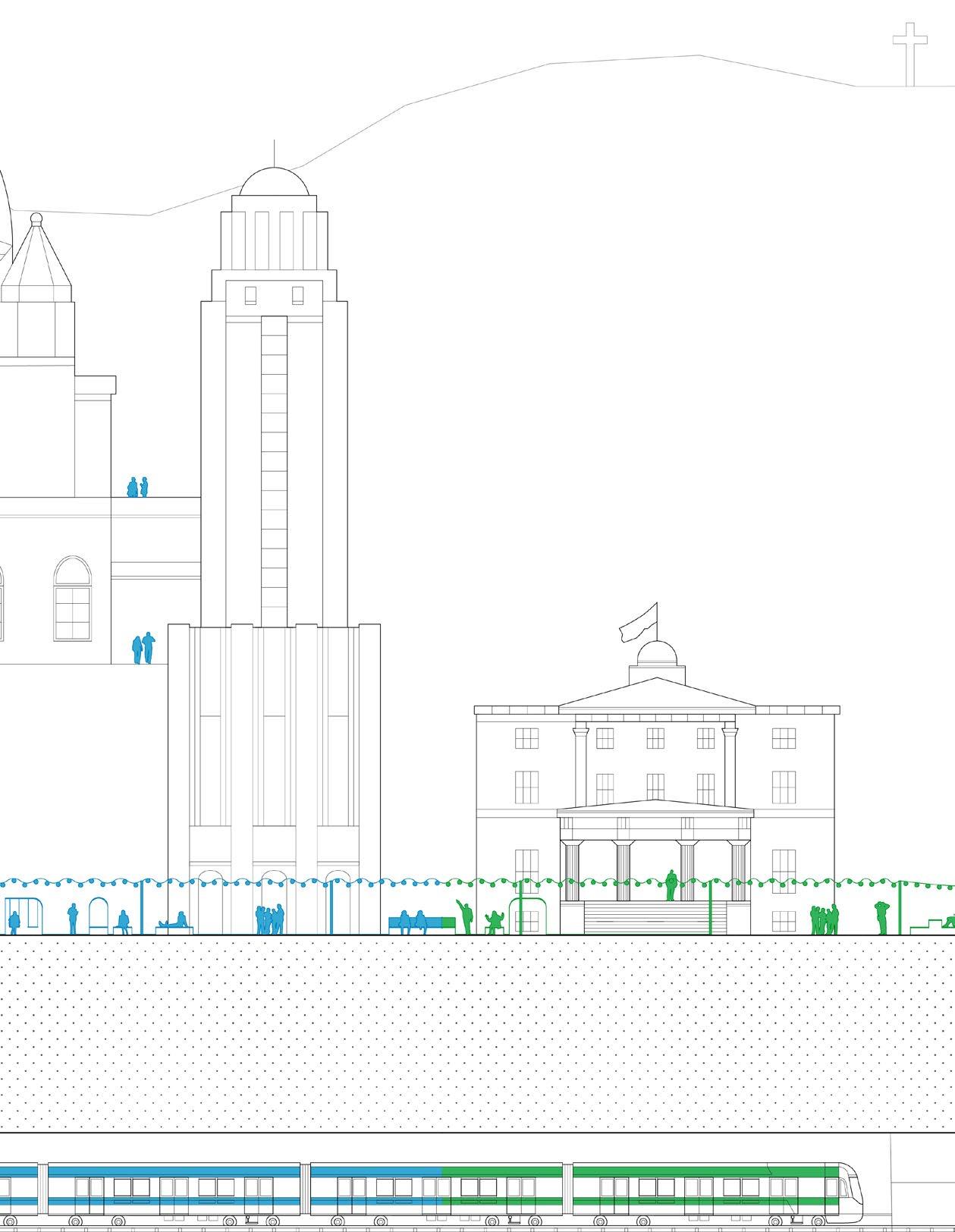
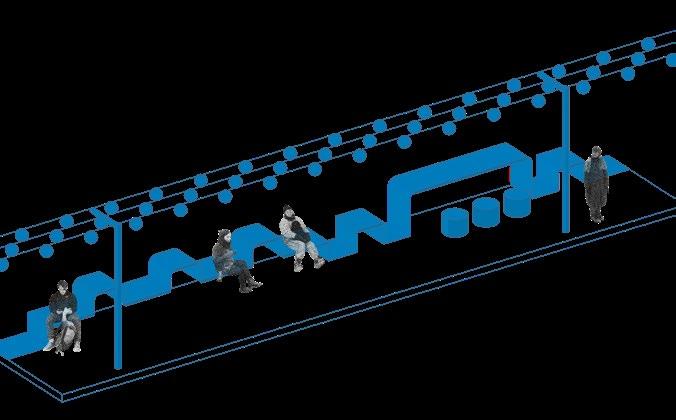
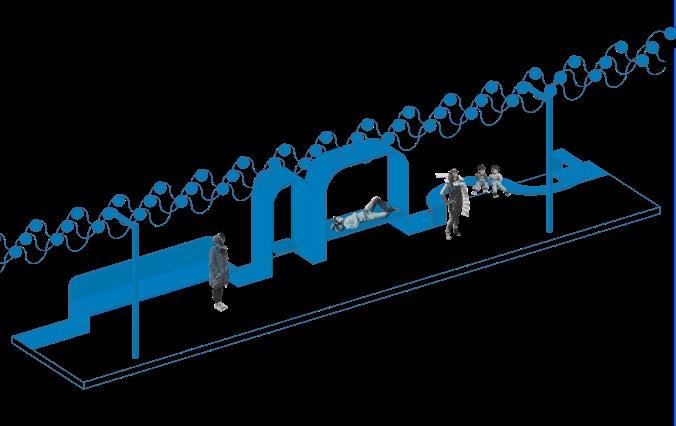
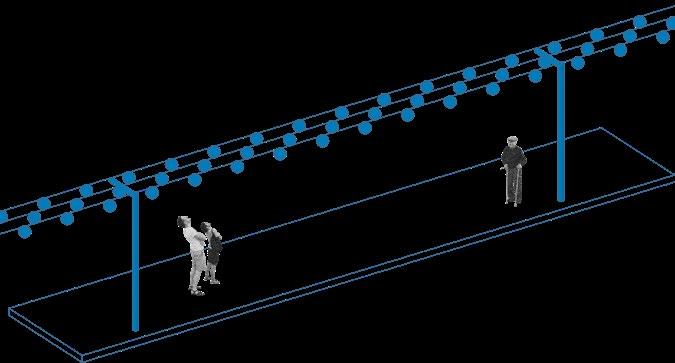
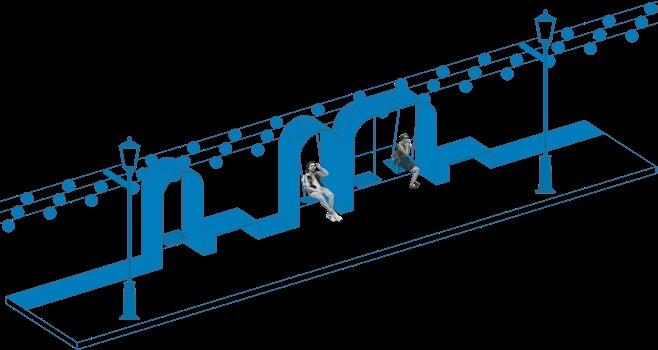
The expansion of cities and the need to decarbonize our lifestyles has rendered public transport crucial in our daily routines. La rue de la ligne proposes a reimagining of Montreal's iconic public transportation infrastructure: the metro system. The metro’s path is transposed aboveground with its iconic color-coding through a dynamic installation of light fixtures and modular furniture. The furniture provides public spaces for interaction along the metro’s route. As the train passes below, the lines of orbs light up and playfully oscillate, embodying the visceral sensation of the metro rushing past. La rue de la ligne revitalizes the wonder of public infrastructure in the collective imagination.

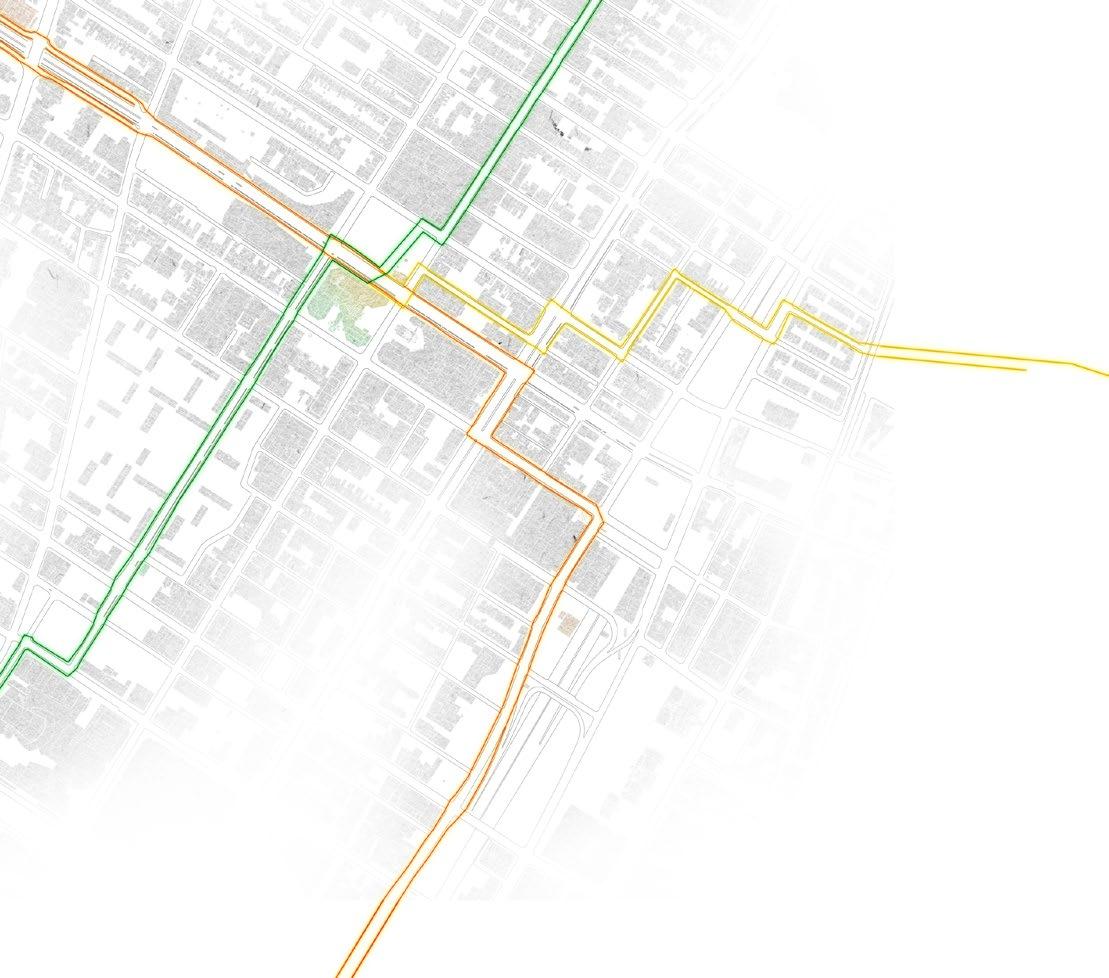
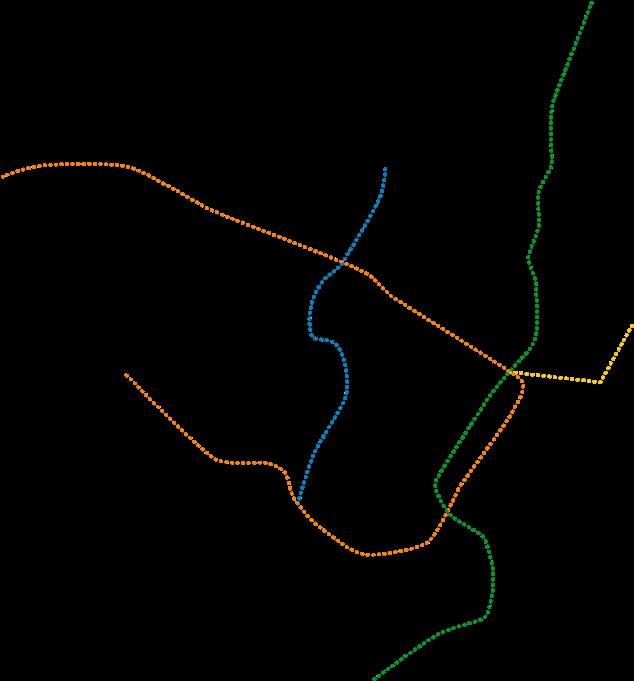
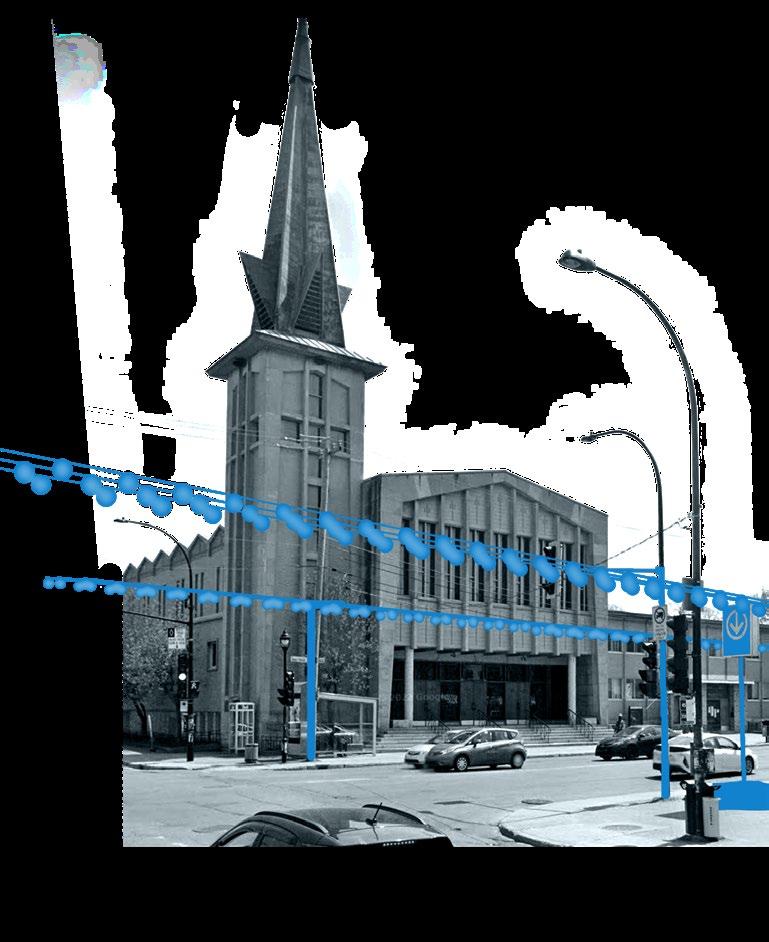
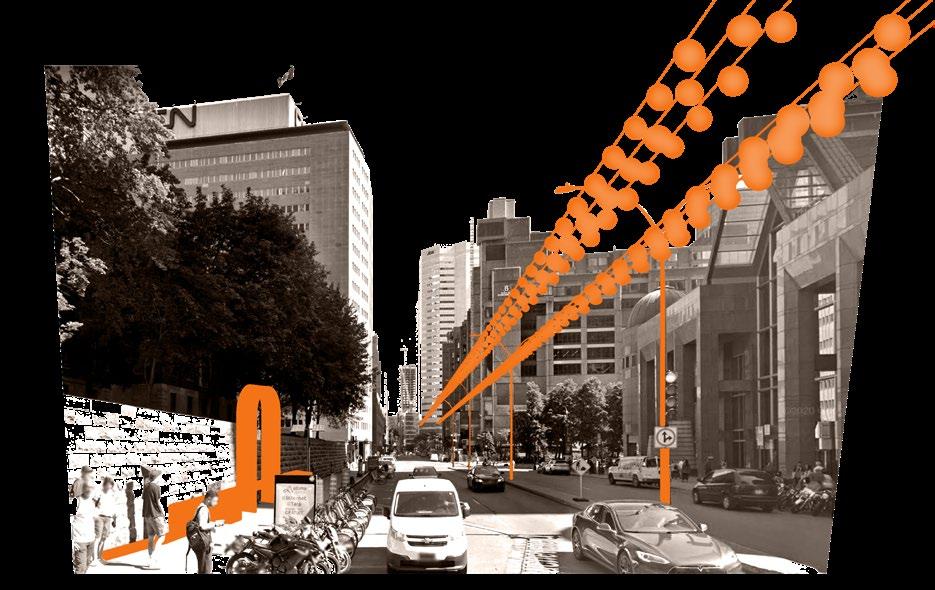
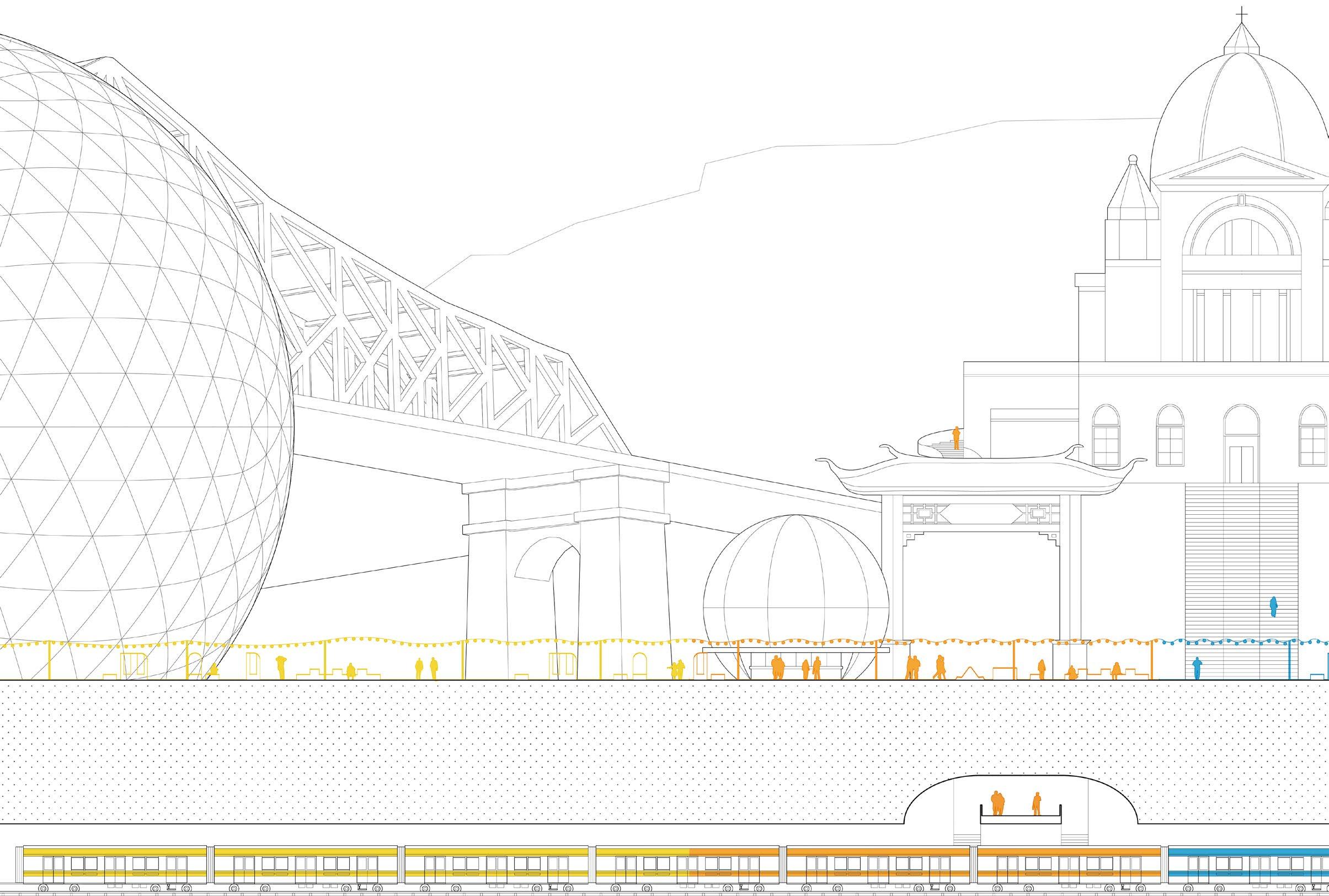
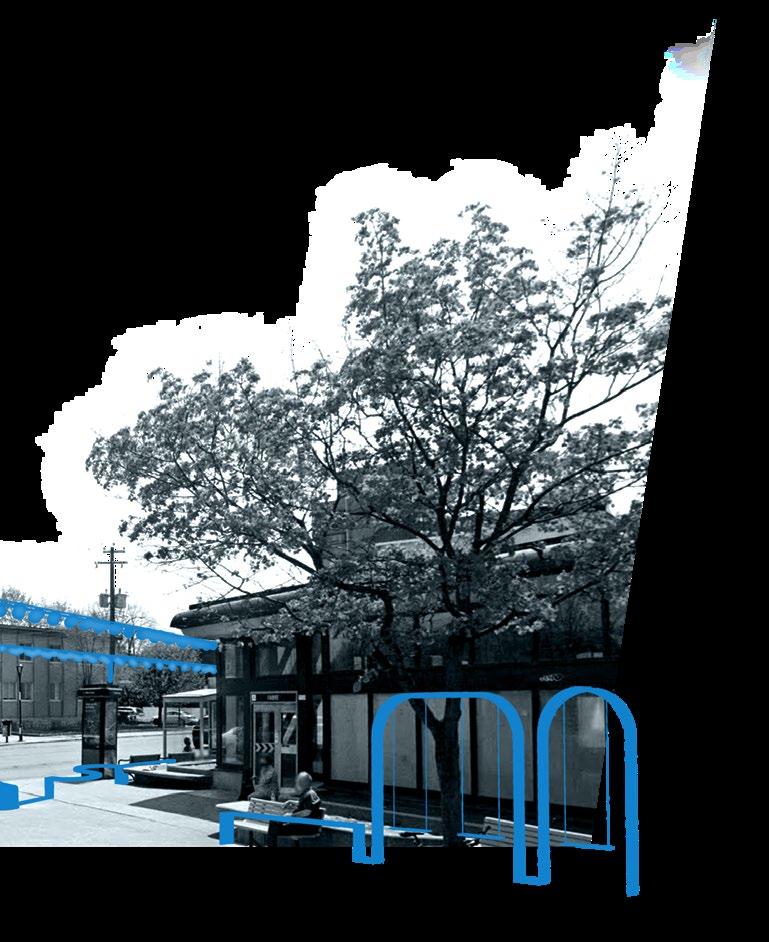
La rue de la ligne’s placement above the existing tunnels acts as a form of wayfinding to stations and orientates the metro’s vast and complex system in relation to Montréal’s above-grade built environment.
The installation encourages the public to reconsider the use of automobiles in favor of taking the metro. Beams of light rush over cars idling in traffic and offer a way to collectively reimagine public transportation.
Location: Rosemont–La Petite-Patrie, Montréal, Qc
Typology: Cooperative Housing
Level: Year 3 Winter Studio
Softwares: Rhino, Revit, Ladybug, Lumion, Enscape, Photoshop, and Illustrator
Participation: Teamwork (Fanny Candris and Ziyue Jiang)
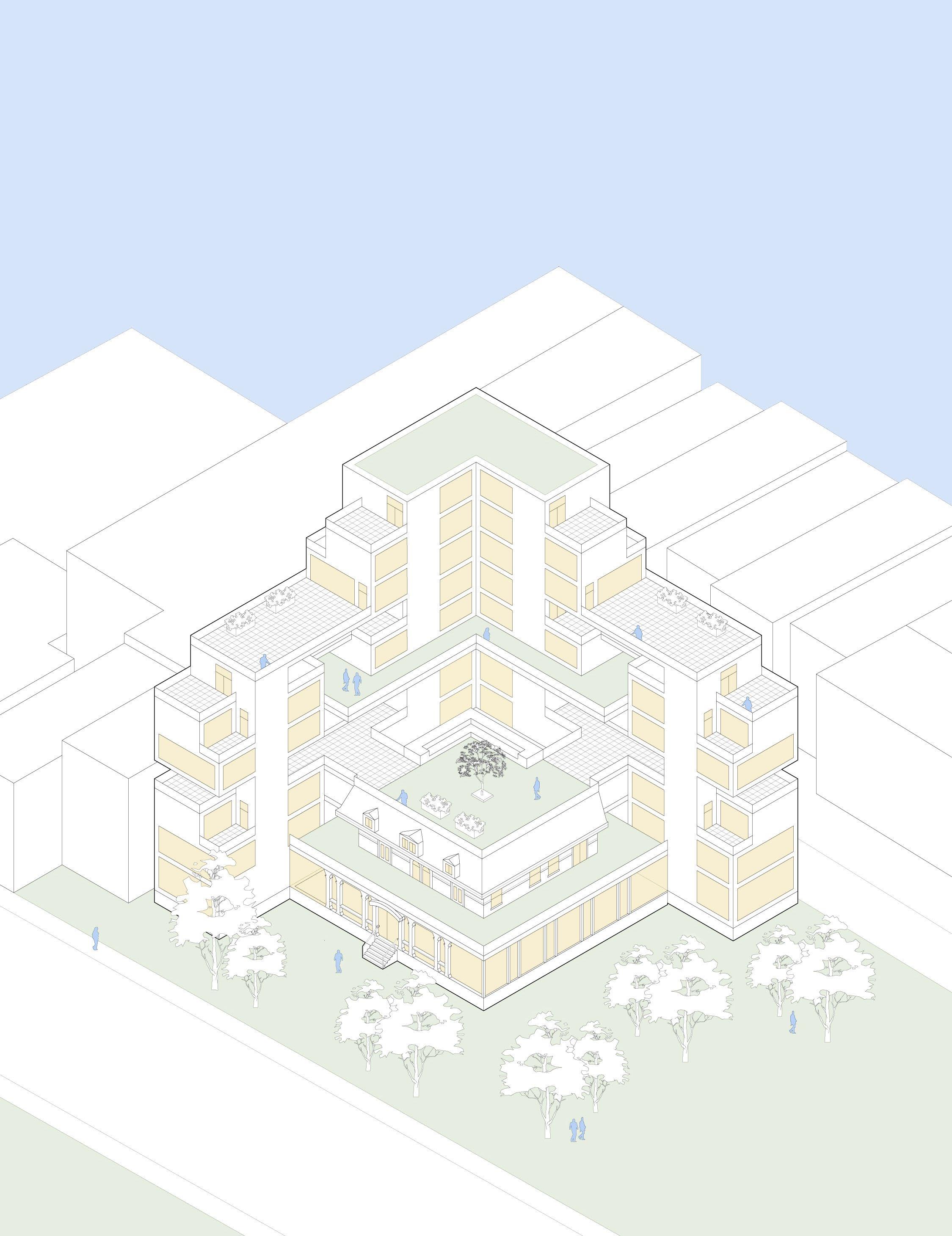
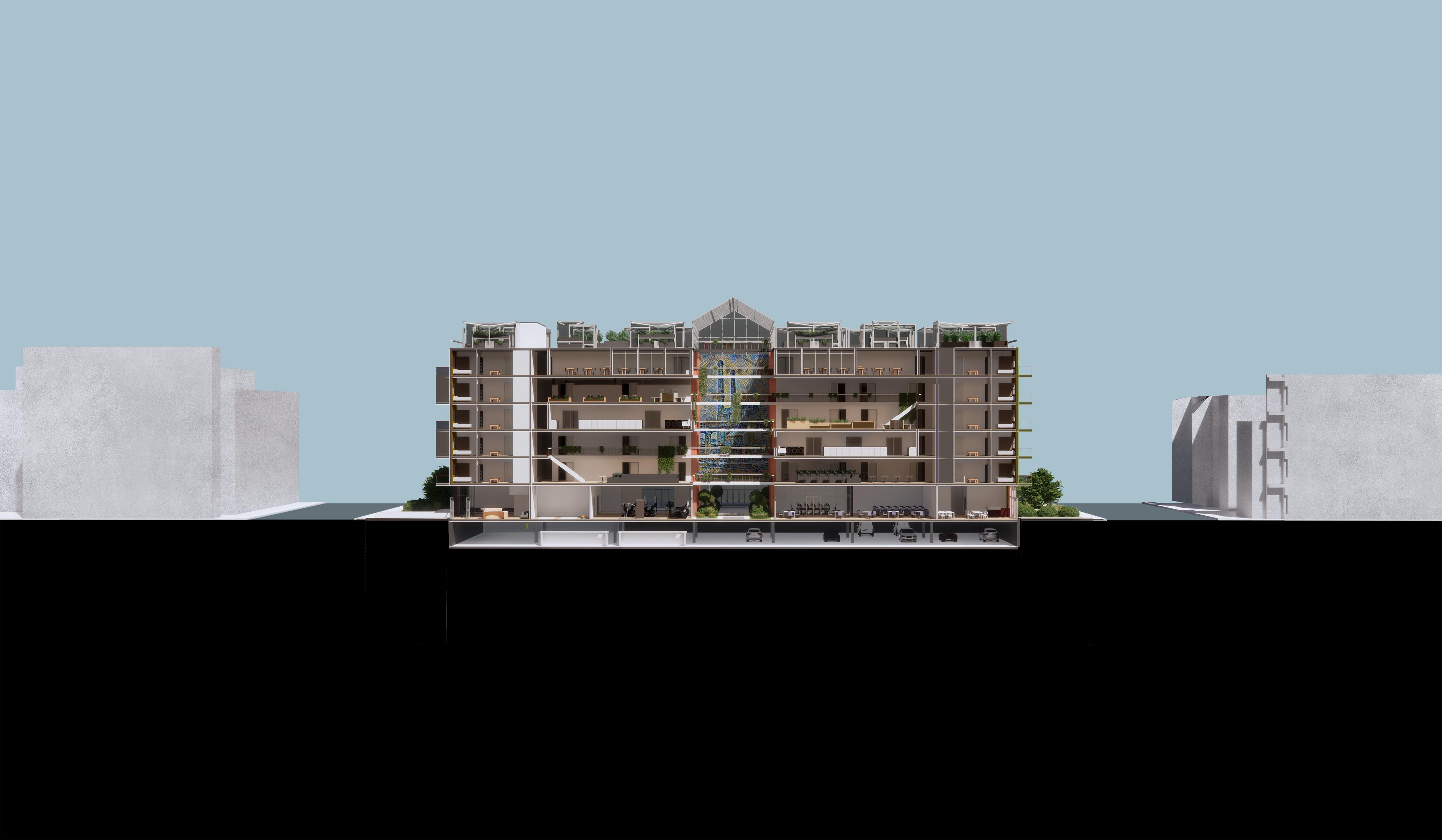
In a capital-driven society, issues surrounding space ownership have led to an affordability crisis, a lack of social infrastructure, and insufficient biodiversity in the housing market. The Living Patrie is a cooperative housing community that focuses on three primary approaches: Nature, Community and Economy. The vision of The Living Patrie arises from offering an alternative to the ongoing trend of condominium developments that are gentrifying La Petite-Patrie, a historically industrial area and a neighborhood traditionally inhabited by the working class. The project enables a broader range of residents to engage in creating a lively and sustainable community within a shared land development.
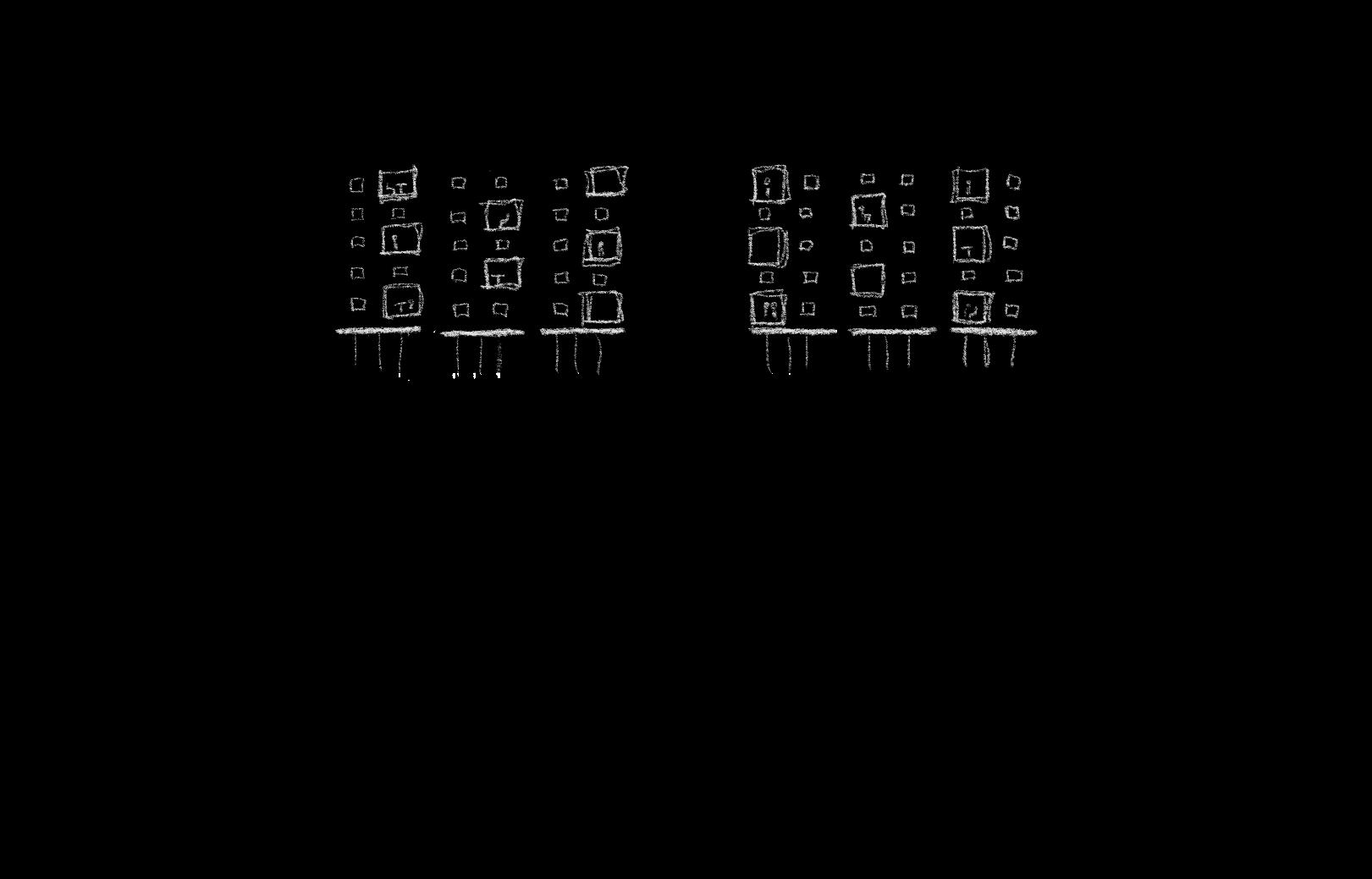
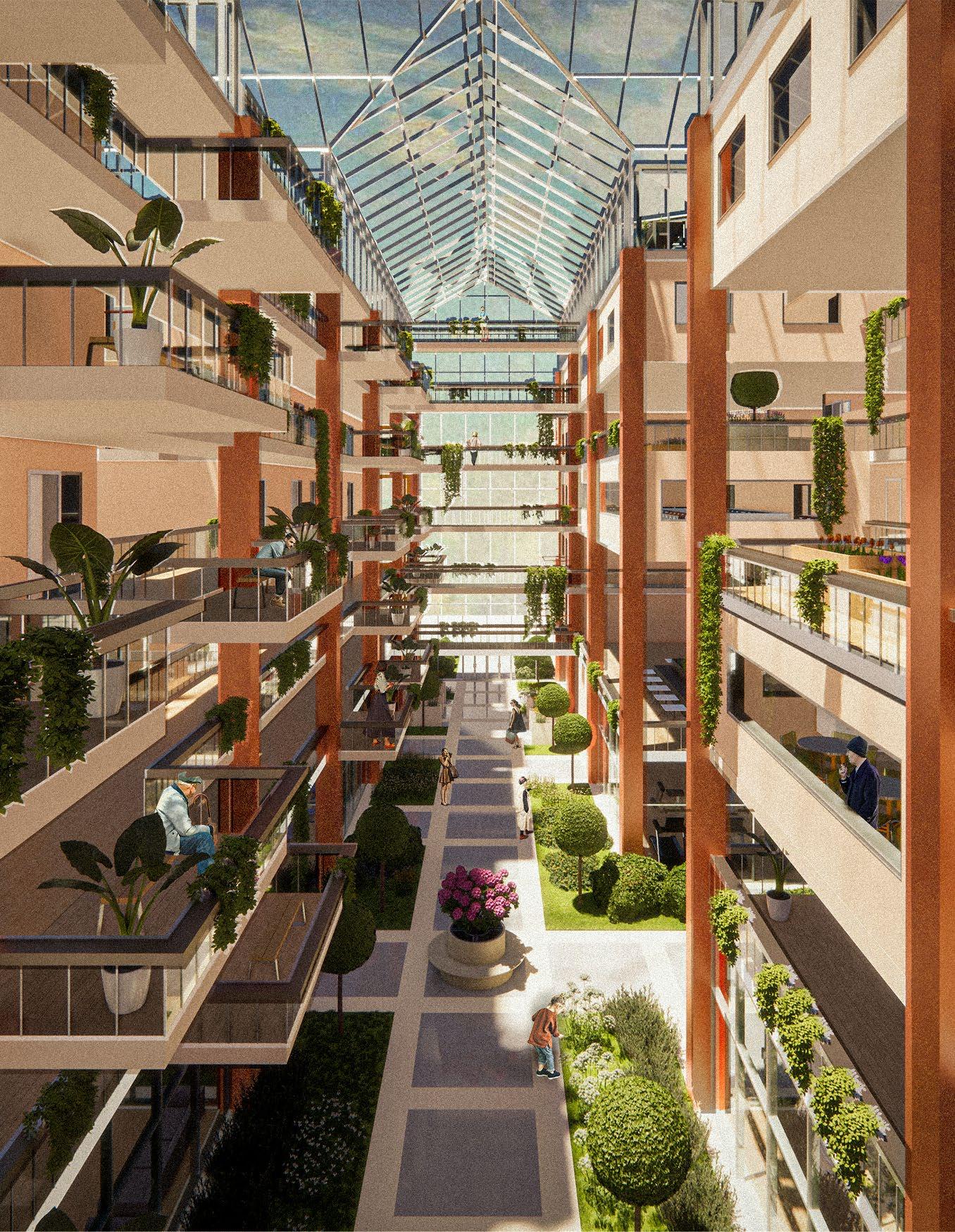
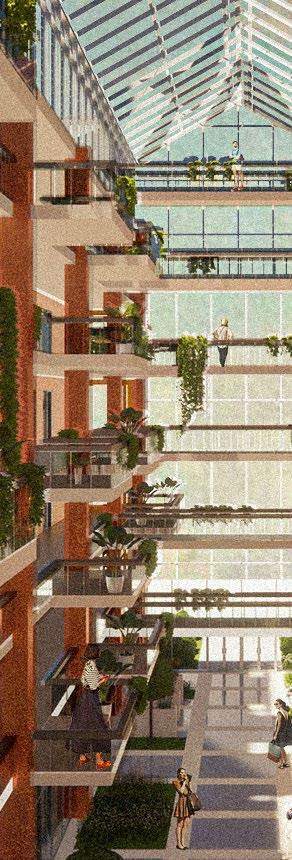
The project is based off three key concepts: Nature, Community and Economy. The environmental strategy prioritizes sustainability, incorporating urban farming, water harvesting, and natural ventilation. Communal spaces allow for everyday social interactions and foster long-term community. The economic approach focuses on the ground floor generating revenue by accommodating local businesses, providing services, and employment.
ENVIRONMENT

ENVIRONMENT
NATURE
COMMUNITY
SOCIAL
ENVIRONMENT


ENVIRONMENT
ENVIRONMENT
SOCIAL
ECONOMIC

SOCIAL
ENVIRONMENT

SOCIAL
ECONOMIC

ECONOMY
Productive Roof Urban Farming
Passive Gain
Solar Farm
Productive Roof
Urban Farming
ROOF:
Productive Roof Urban Farming
Passive Gain
Solar Farm
Passive Gain
Green Spaces
Communal Project
Solar Farm
Connectedness
Urban Farming
Solar Farming
Water Harvesting
Playfulness Well-being
Productive Roof Urban Farming
Passive Gain
Solar Farm
Productive Roof Urban Farming
Passive Gain
Solar Farm
Green Spaces
Green Spaces
Connectedness
Connectedness
Playfulness Well-being
Playfulness Well-being
Circular economy
Affordability
Green Spaces
Prefabrication
Shared
Connectedness
Modularity Mixed-use
Productive Roof Urban Farming
Playfulness Well-being
Connectivity
Chance Encounters
Passive Gain
Solar Farm
Green Spaces
Connectedness
Playfulness Well-being
Circular economy
Affordability
Circular economy
Prefabrication
Affordability
ECONOMIC
SOCIAL
ECONOMIC
Modularity Mixed-use
Prefabrication
Modularity Mixed-use
Circular economy
Affordability
Prefabrication
Modularity Mixed-use
Green Spaces
GROUND FLOOR:
Connectedness
Circular economy
Affordability
Playfulness Well-being
Mixed Use
Prefabrication
Local Businesses
Modularity
Mixed-use
Circular Economy
Utilization of the entire site
utilizing the entire site

Angling the form to conform tozoning by laws

Craving into the mass to create more communal spaces and additonal daylight
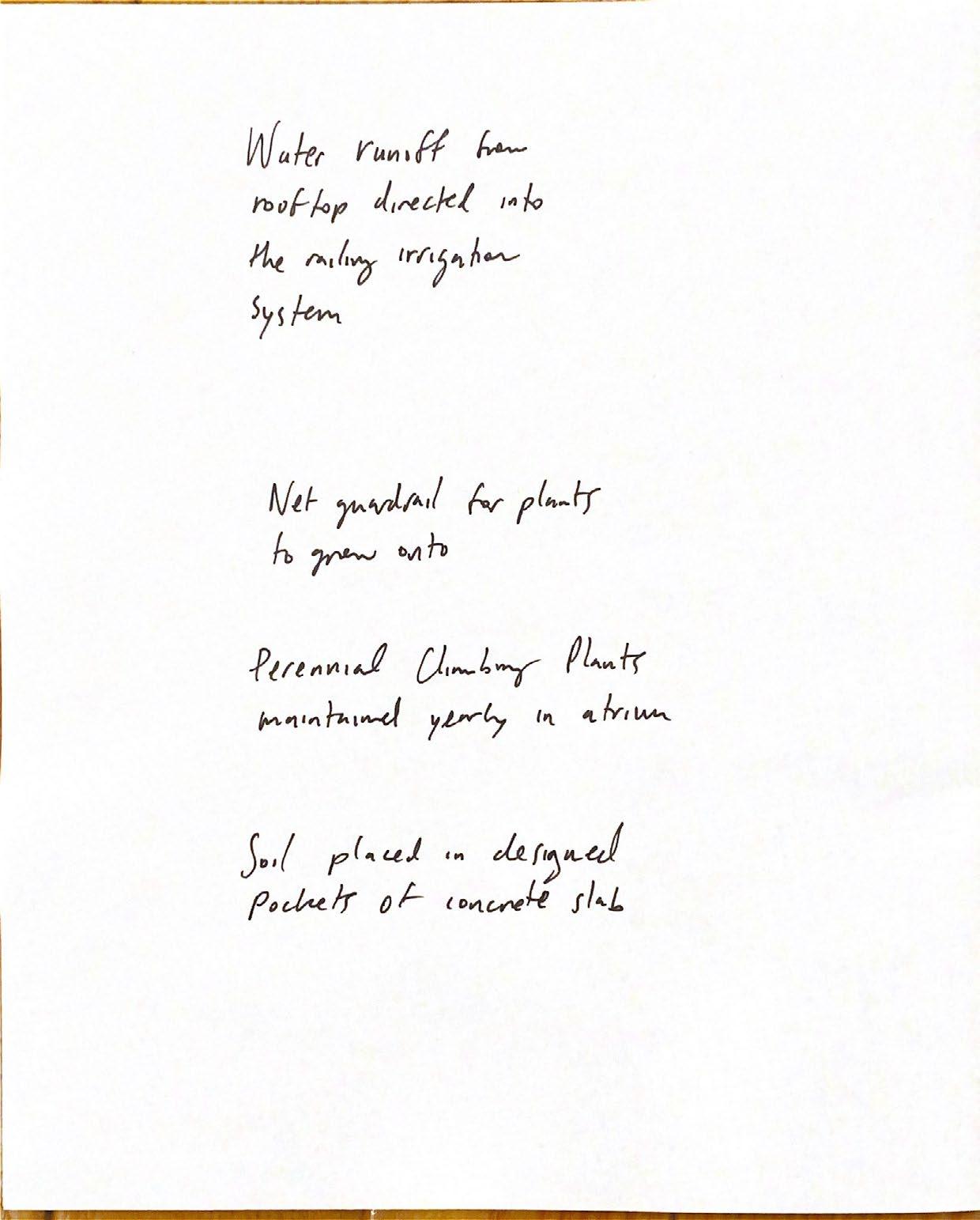
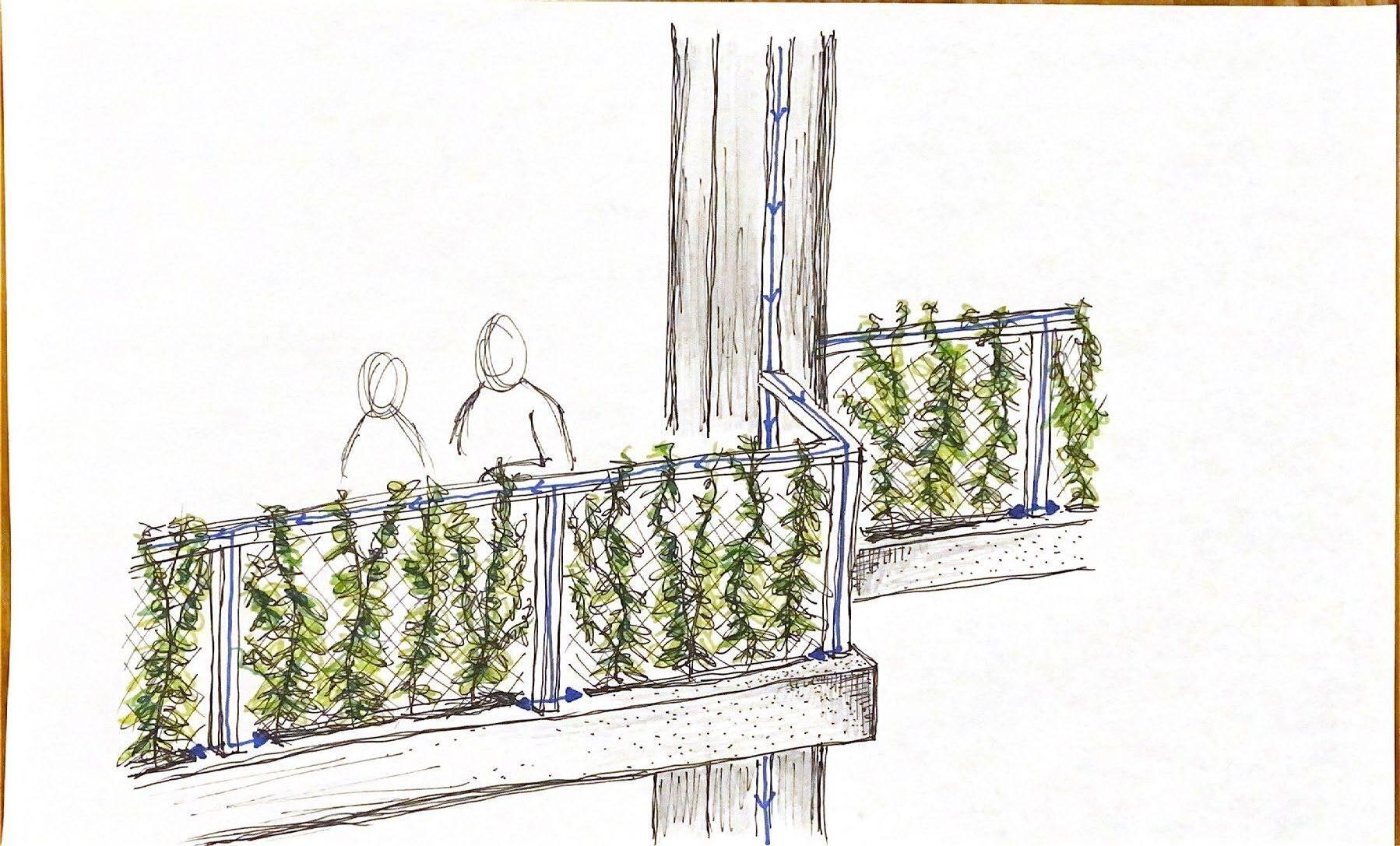
To foster a sense of togetherness, the building's circulation system consists of single-loaded corridors. This design enhances exposure to natural light and provides viewpoints onto the atrium, where residents can access a multitude of communal spaces.
Apartments are intentionally ate more intimate tion of space to a row layout encourages
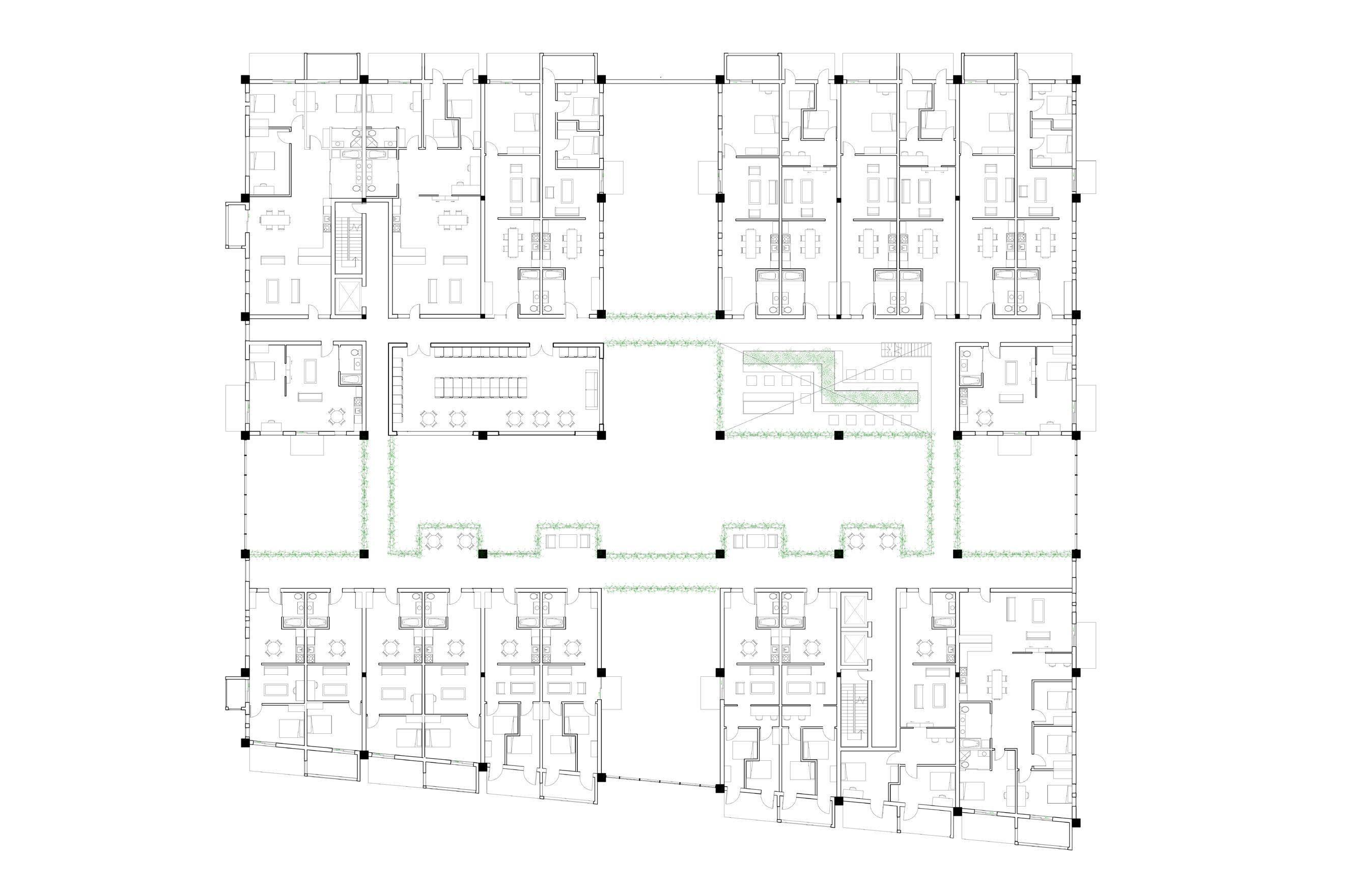
intentionally designed to be narrow, aiming to creprivate spaces. This allows for a greater allocaa diverse range of quality shared areas. The narencourages efficient and innovative utilization of space.
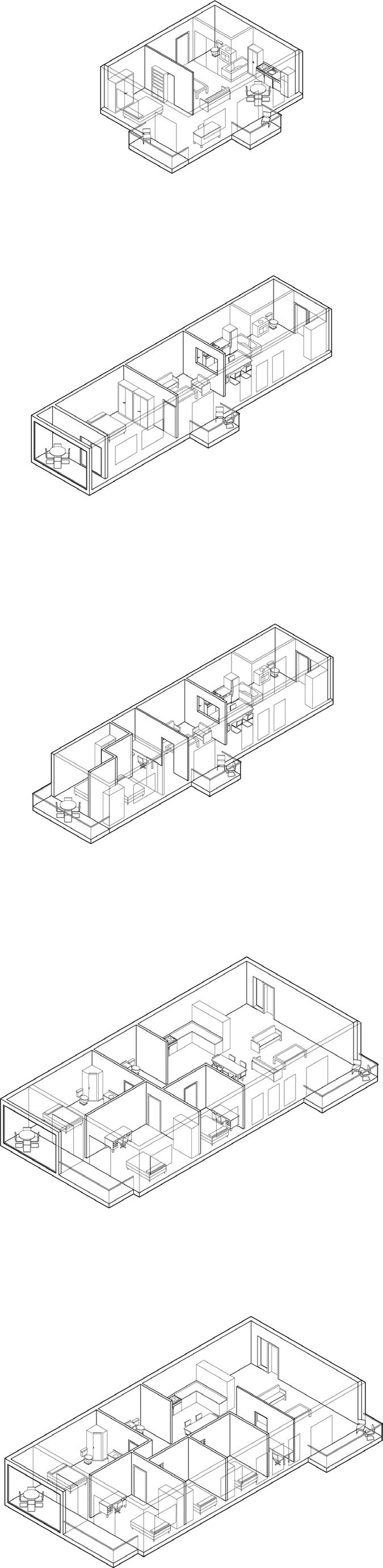
The facades and the floor system of the project consist of precast concrete, showcasing the innovative and aesthetic quality of more affordable technology. The facade's precast concrete is colored to harmonize with the red and orange-tinted brick prevalent in the Petit Patrie Rosemont neighborhood. Residents are encouraged to personalize their apartments by modifying their interiors, front entrances, and balcony spaces, expressing their own sense of home.
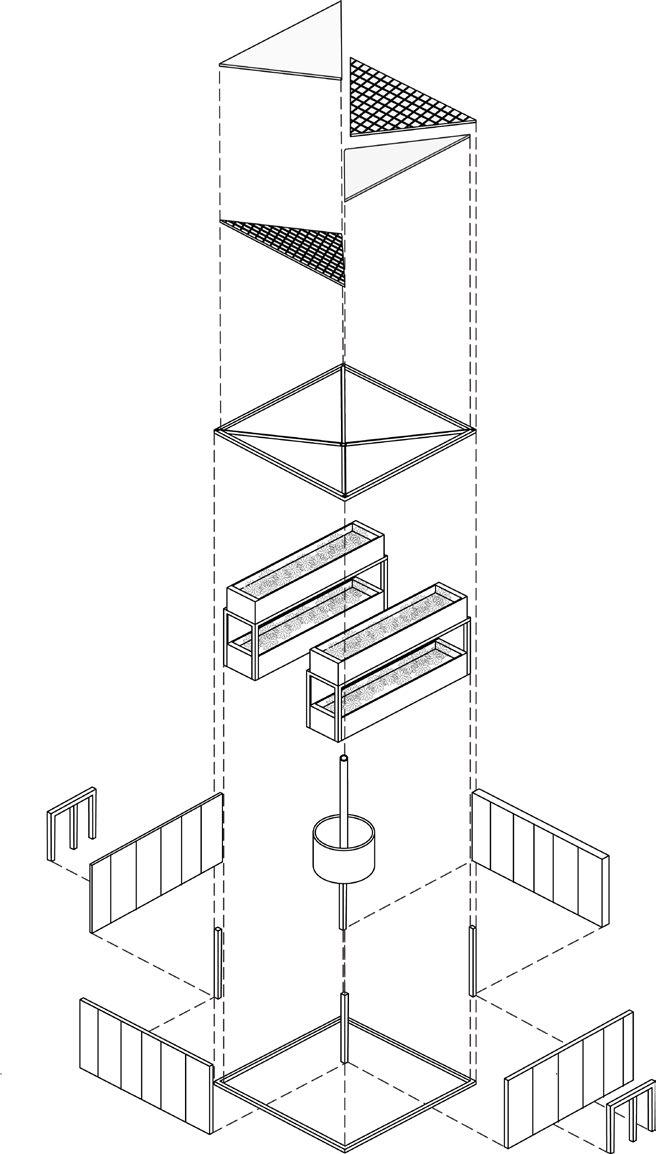
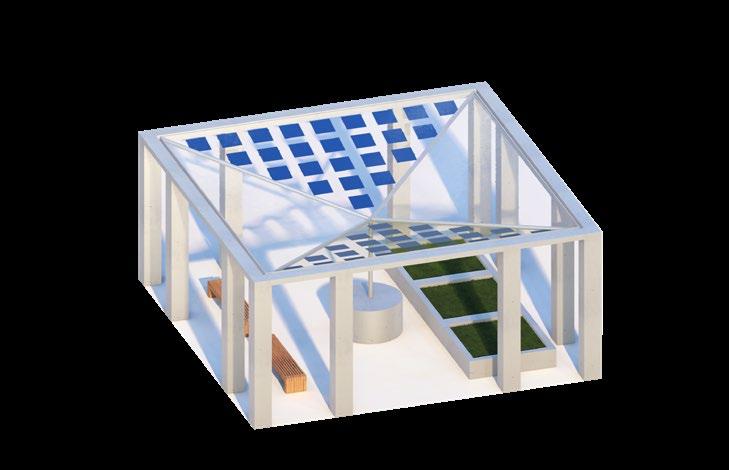
Urban Farm Module
Solar Panels
Water harvesting System
Green house
made with recycled steel


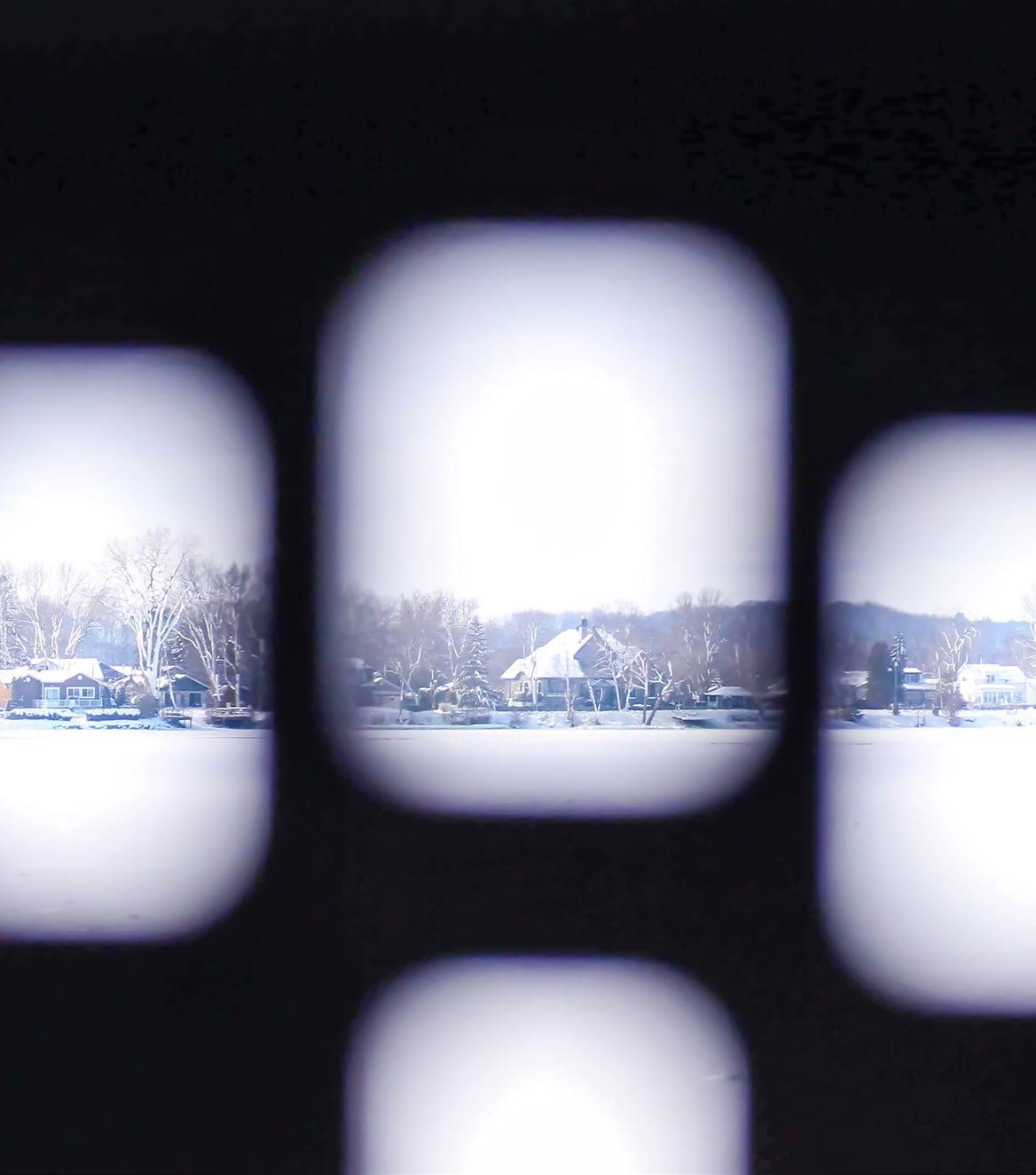
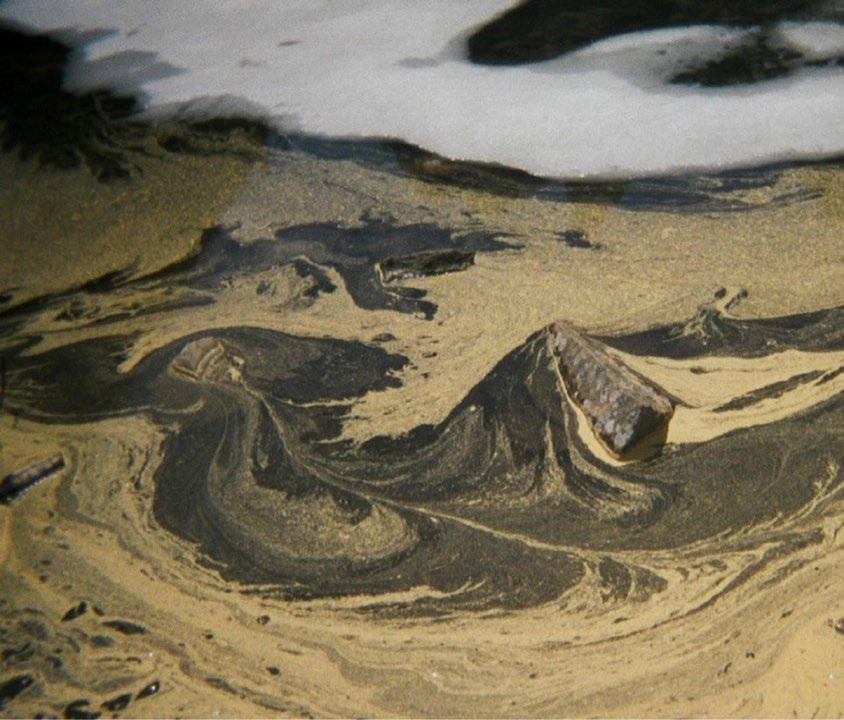
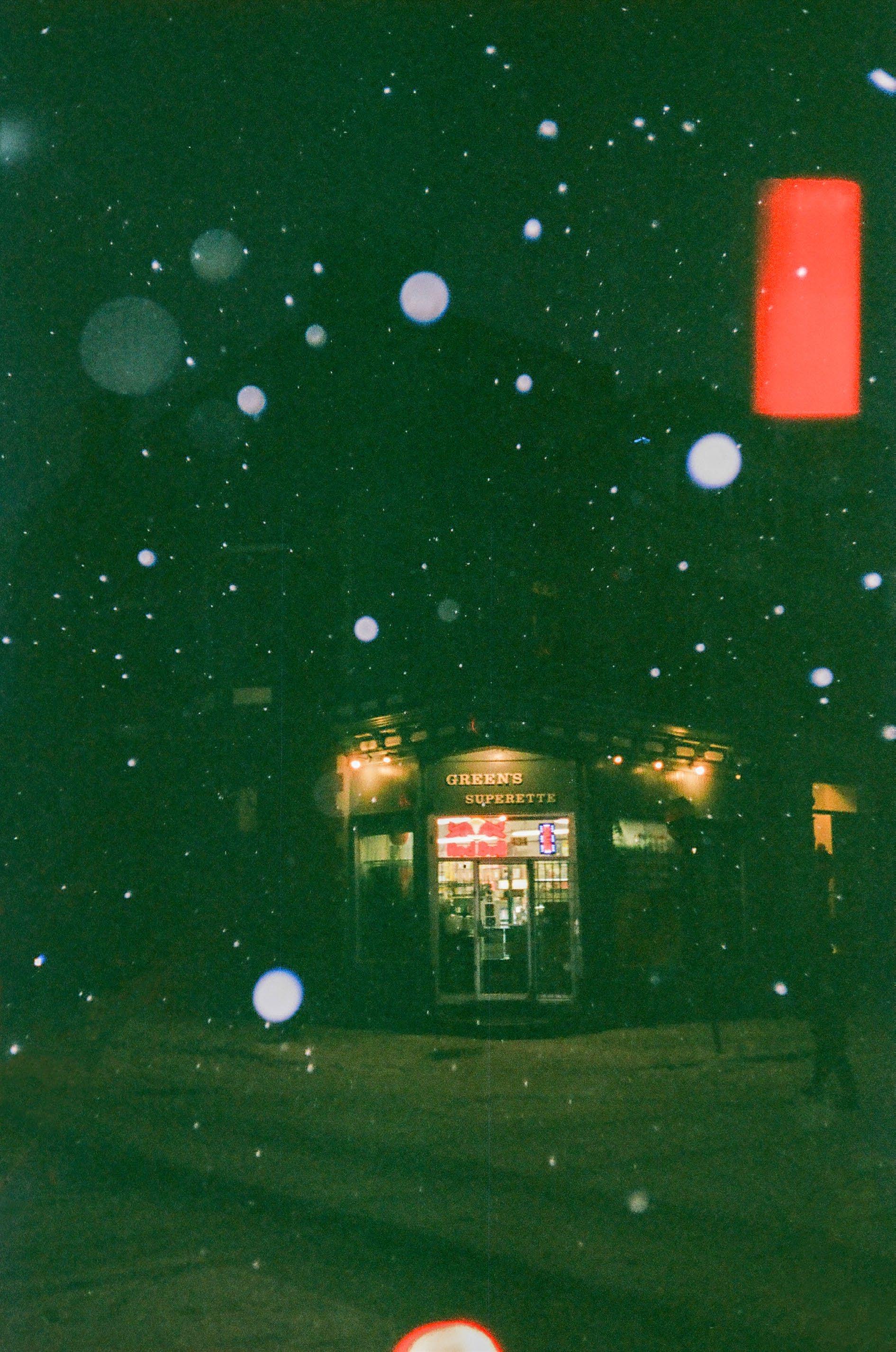
...the moment is transformed into something unexpected. The image creates a new meaning, carrying infinite potential.
Every second is different than the one before and the one after. By capturing an instant of everyday life through a lens...
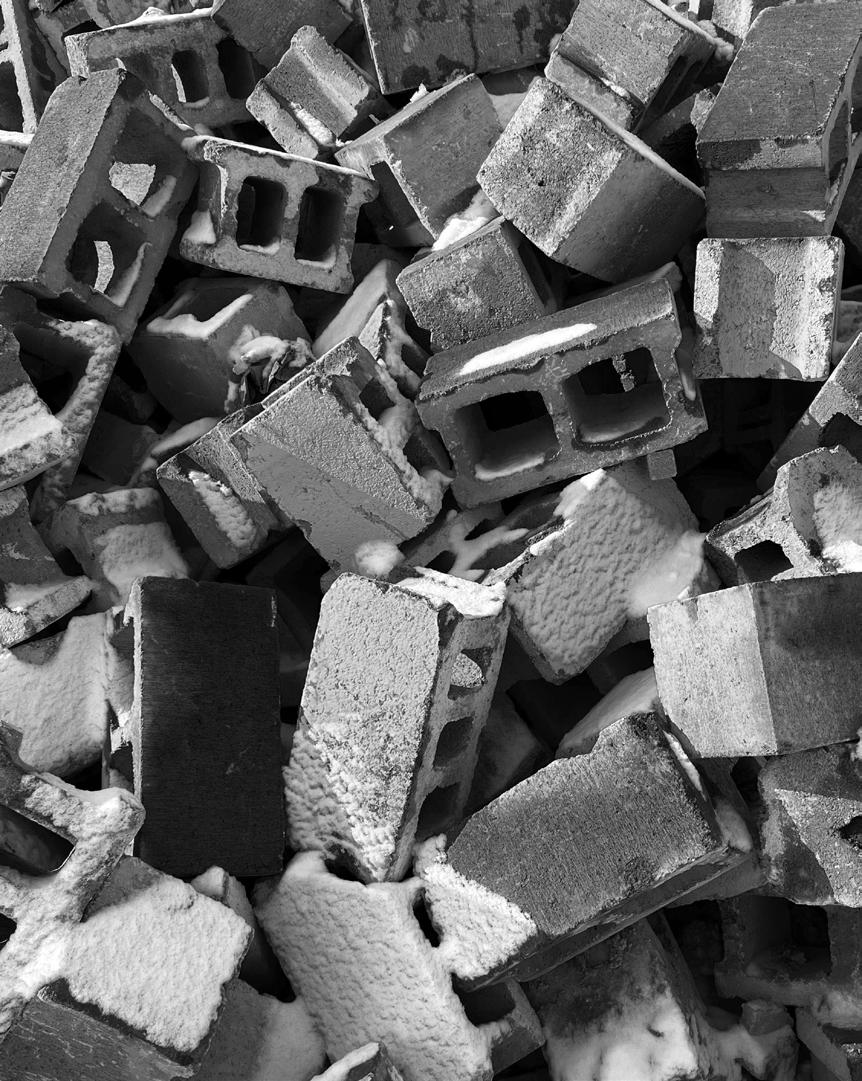
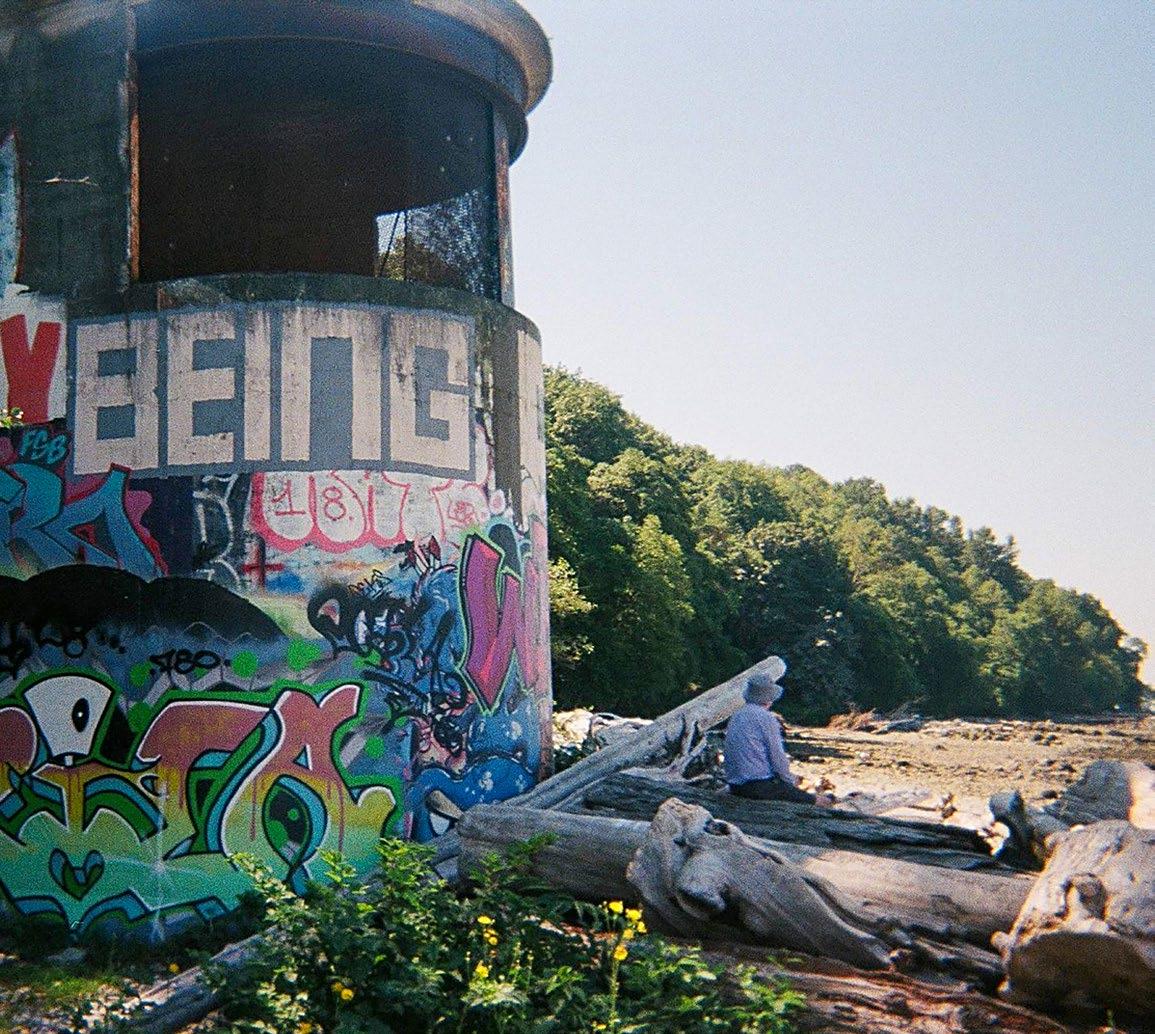
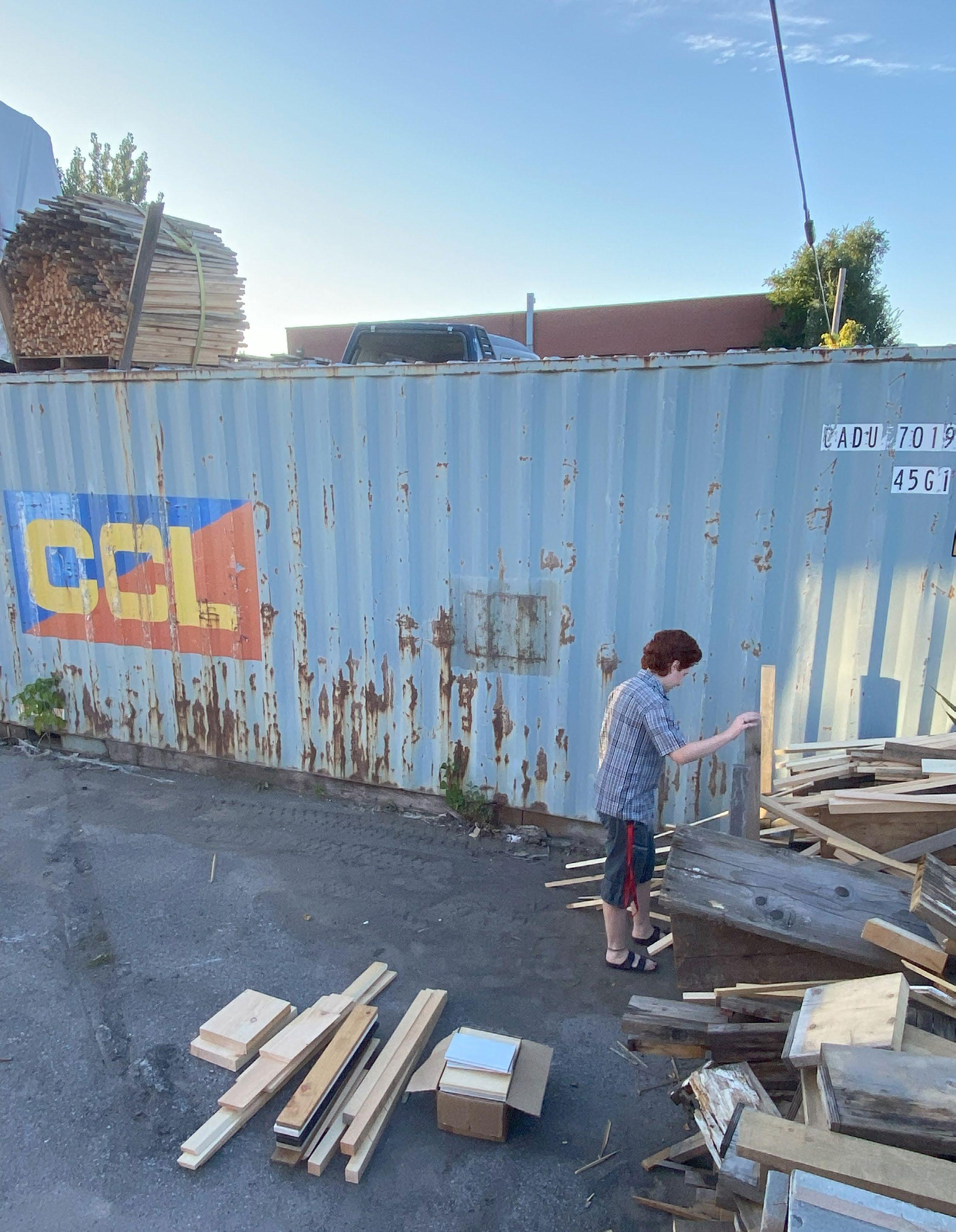
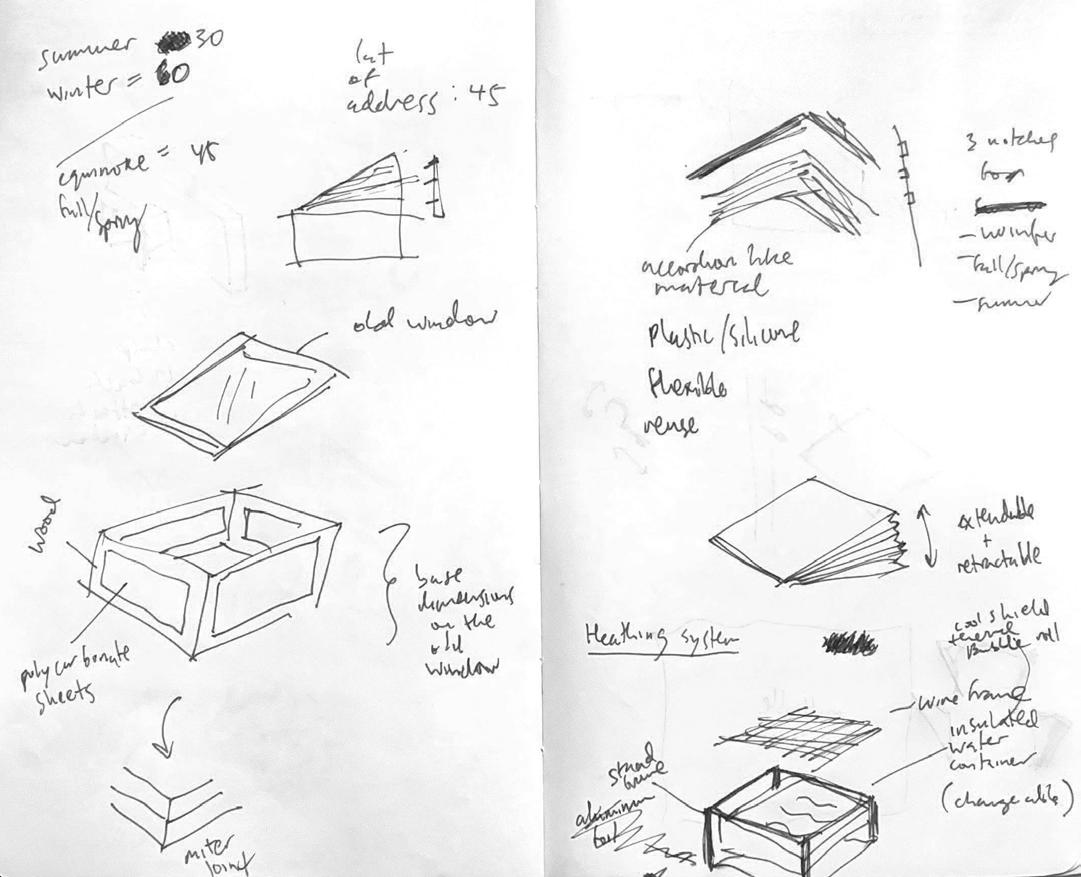
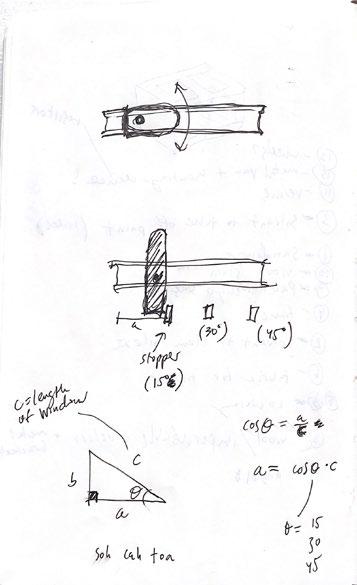
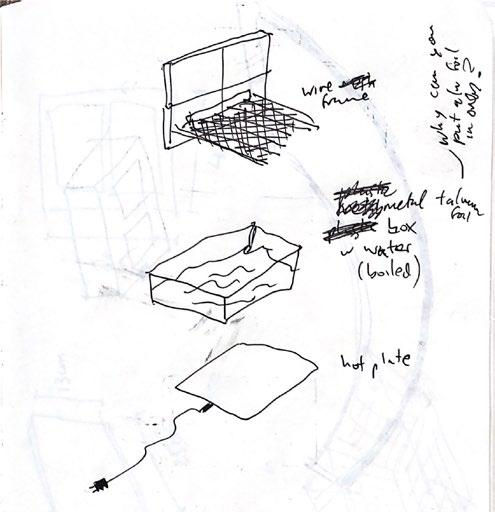
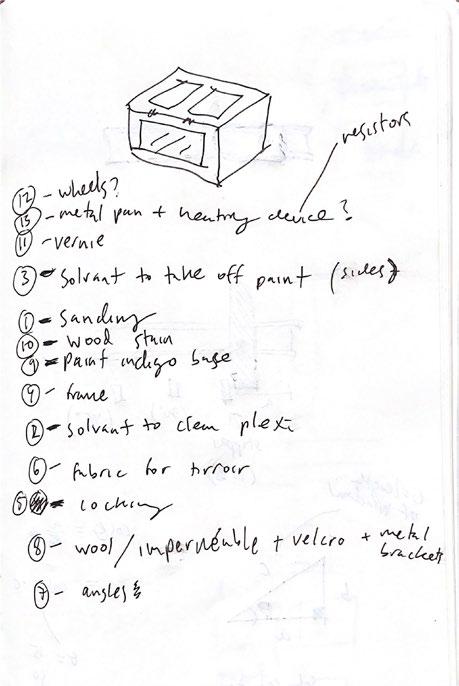
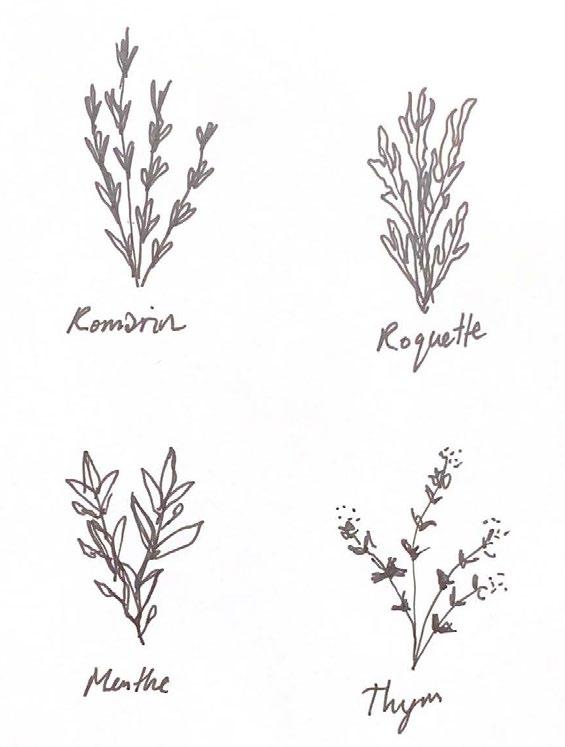
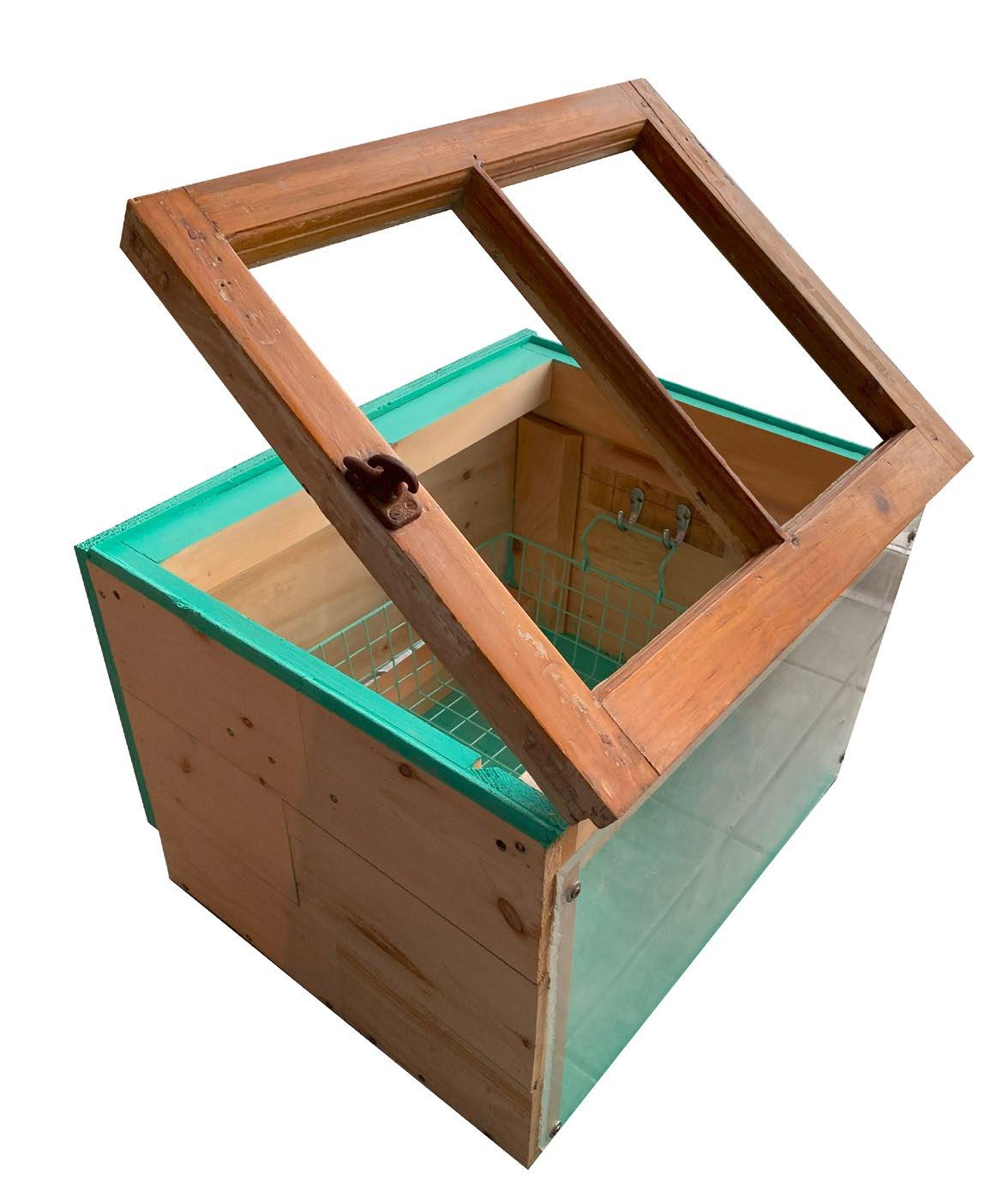
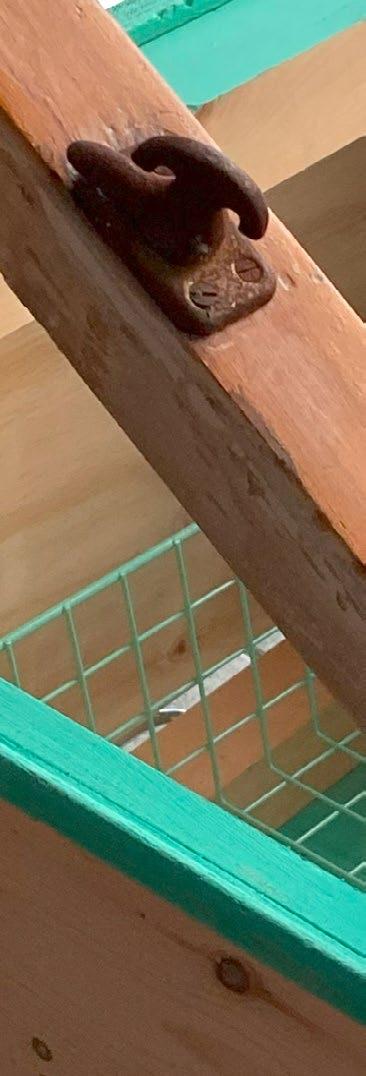
Sketching ideas for a small and movable green house suited for apartment living.
Searching for recycled or reused materials to make the greenhouse, from wood to paint.
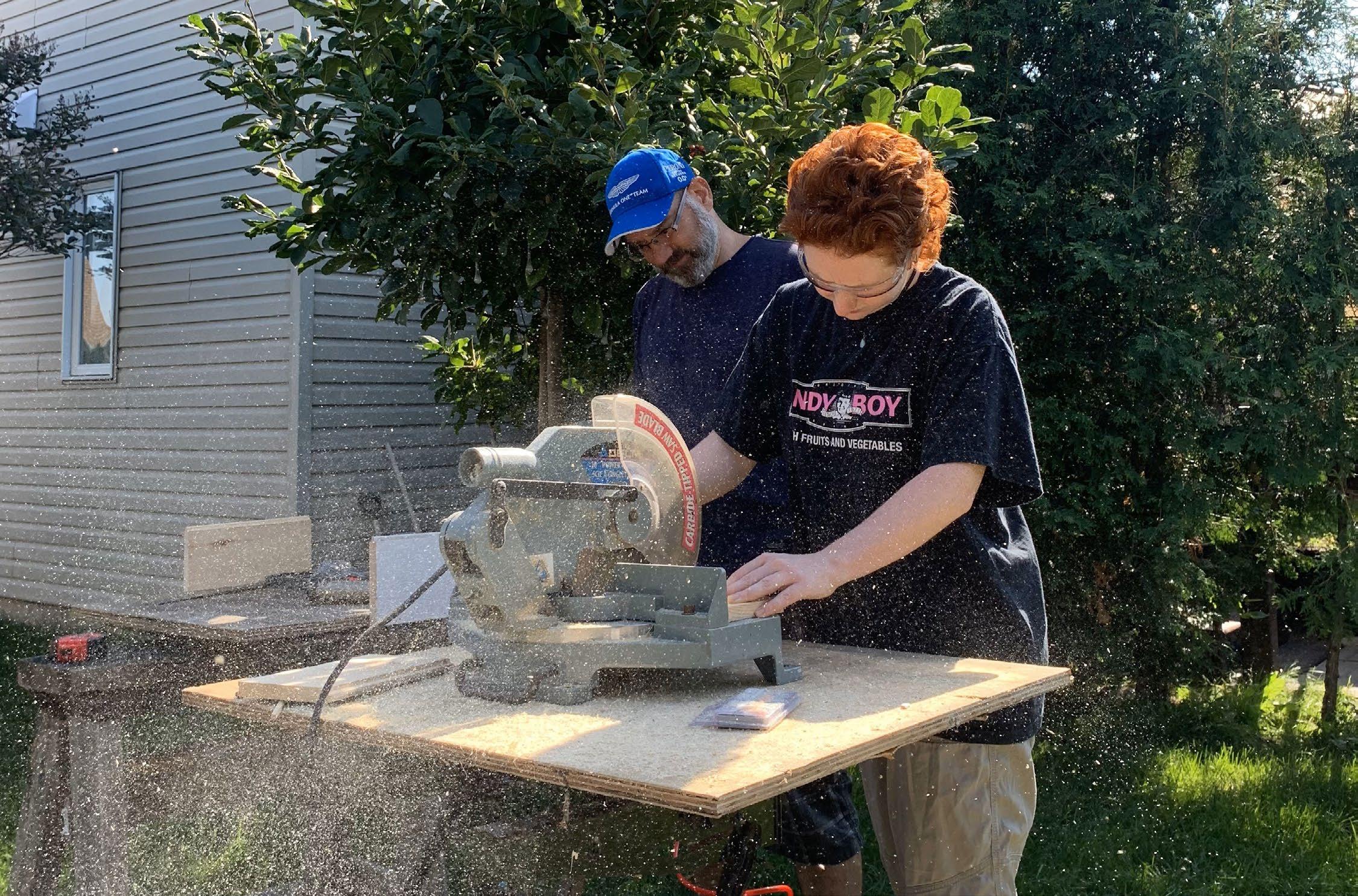
Using the limited amount of materials and tools to guide the design process allows for moments of experimentation.
Imagining further srategies for insulation, energy efficiency and passive design.