LILIANA HUNT AMÉ ZQUITA
PORTFOLIO 2024
Hello!
My name is Liliana Hunt Amézquita and I am a creator. California is my home; I was raised in San Diego and attended university in San Luis Obispo. My hobbies include making ceramics, hiking, learning new languages, cooking, and reading. I also enjoy traveling and interacting with new cultures as ways to influence my creativity and expand my knowledge of the environmentbuilt and natural. I am constantly looking for new experiences where I can grow professionally and personally. I am specifically interested in sustainable architecture that responds to local environments.
TABLE OF CONTENTS
WATCHING, WANDERING, WONDERING_1
CONVERGE_23
LEGATO_13
JUNCTION_27
SPARE TIME_29
WATCHING, WANDERING, WONDERING: BORDER COMMONING THROUGH COLLAGE
Walls Promoting Exchange in a Lab and Chapel Fusion
San Diego, CA
‘Opposites’ merging at edges
Exploration of chapel and lab programs in combined space
5th Year Thesis Research and Project Professor Brian Osborn / Fall 2023 - Spring 2024
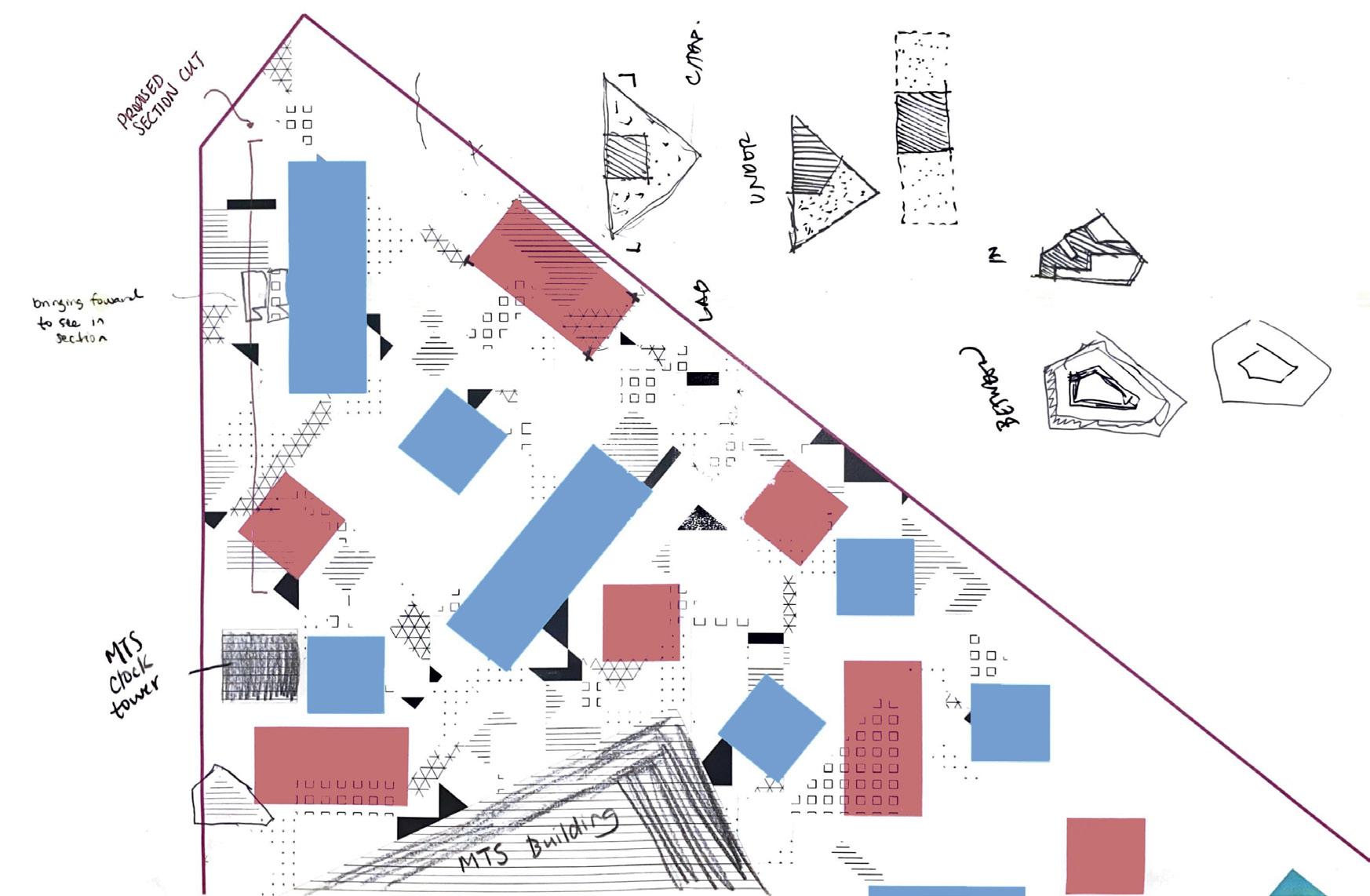
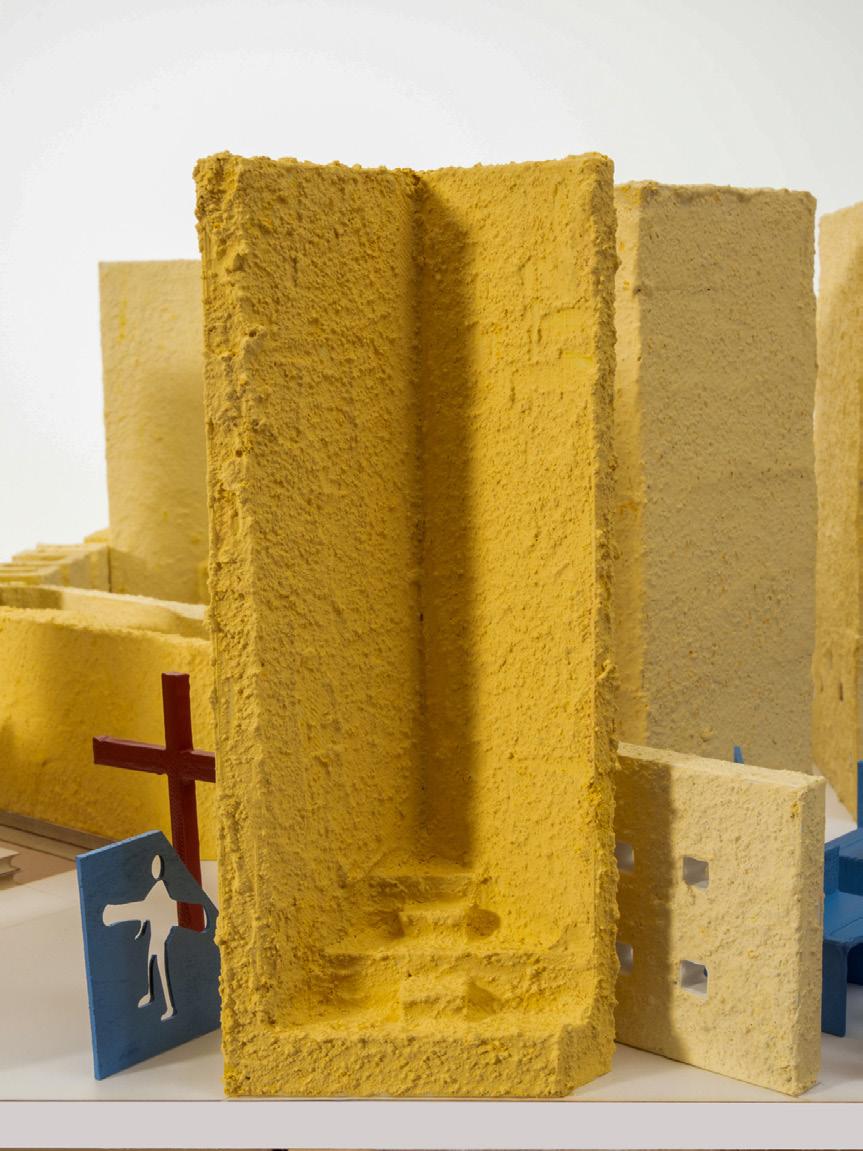
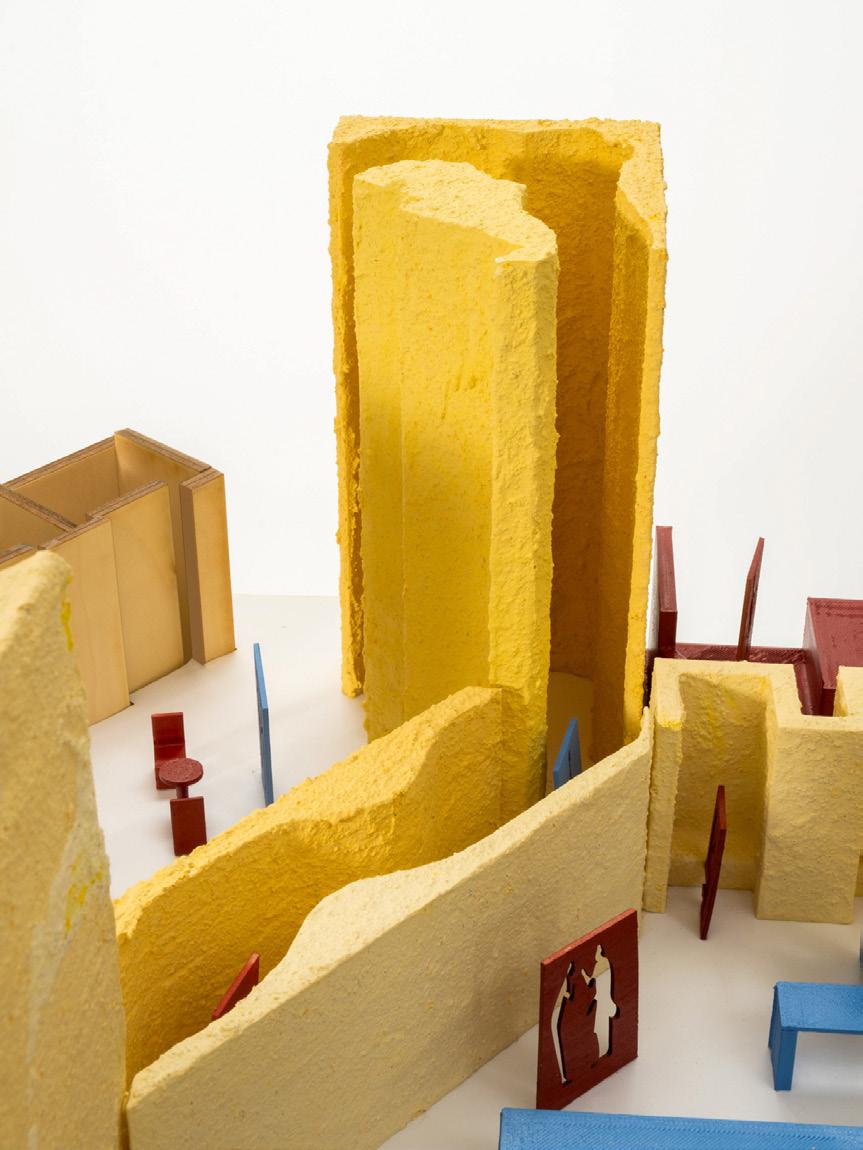
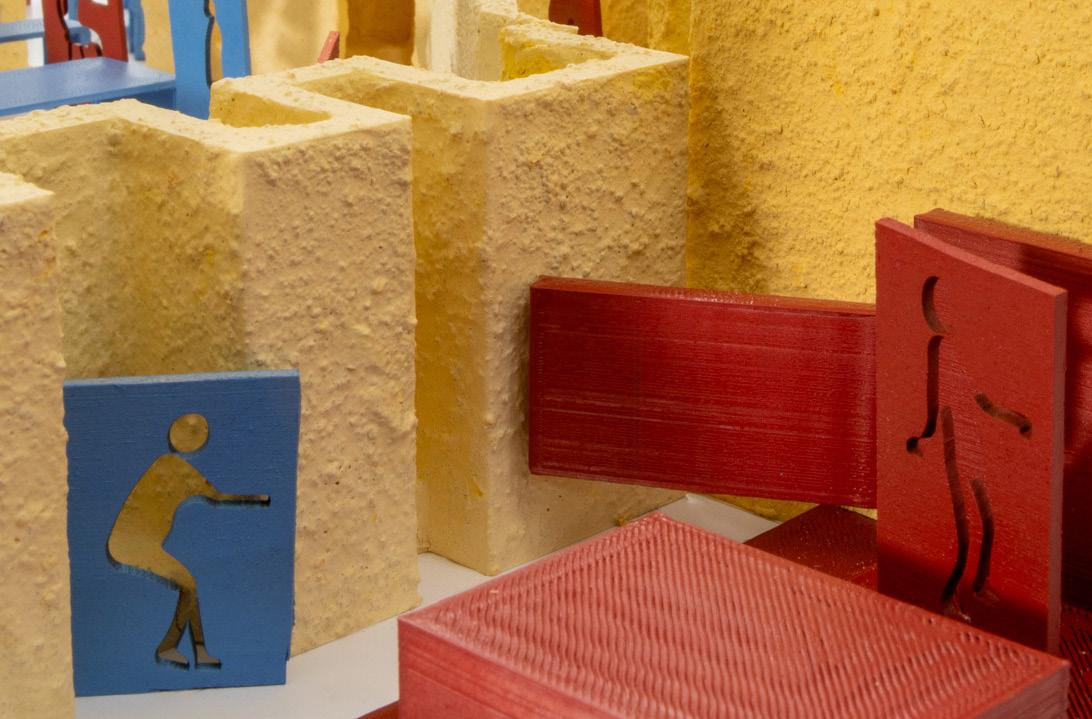
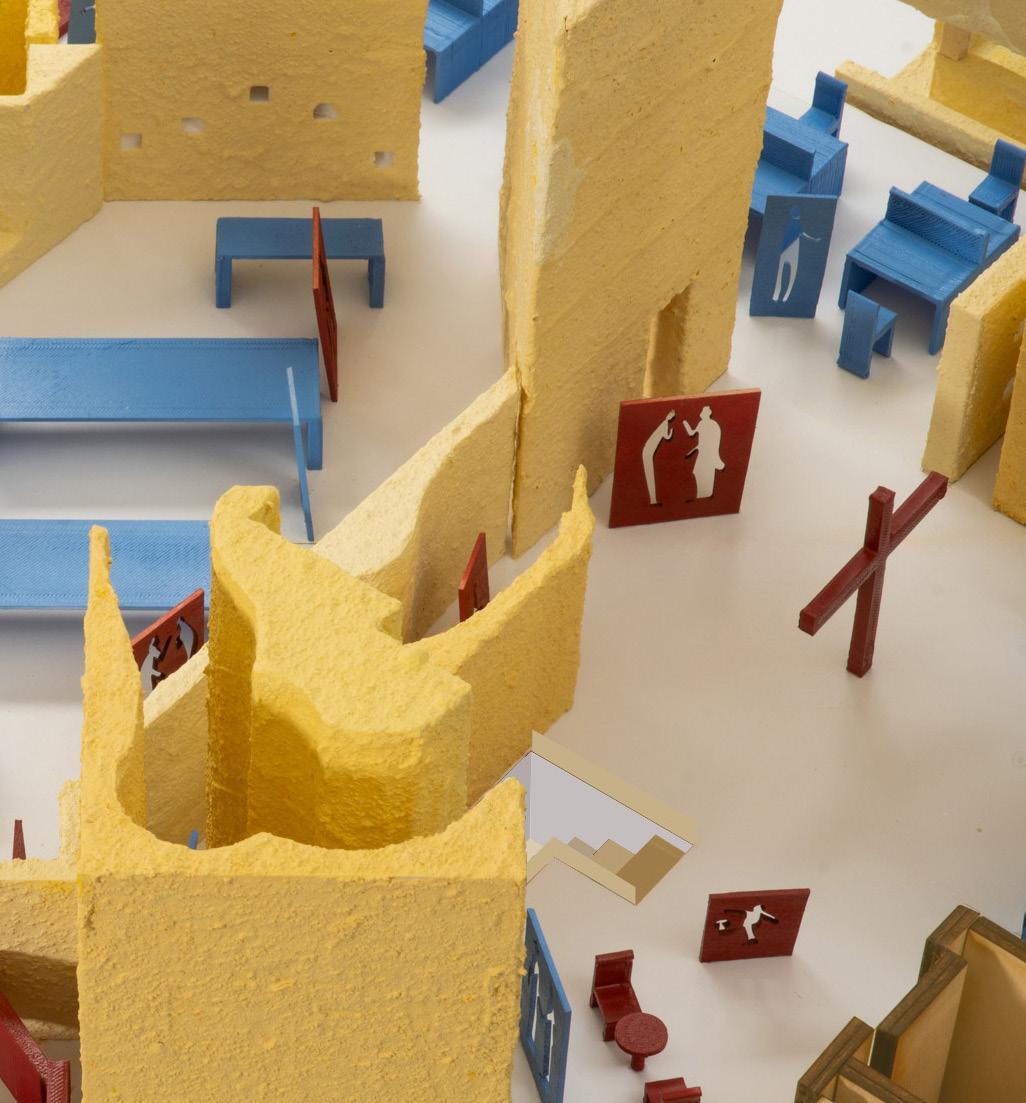
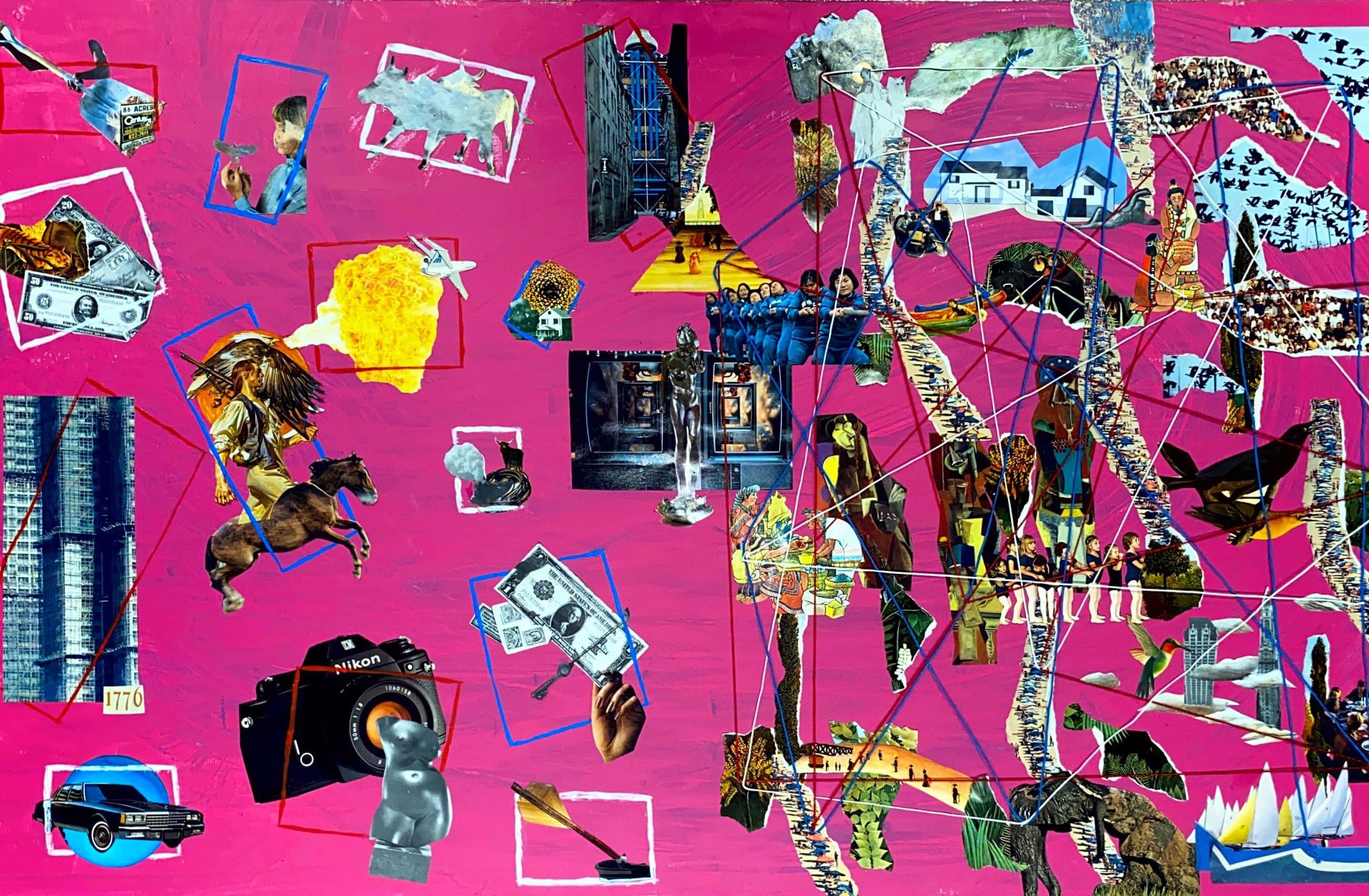
Responding to America’s hyperindividualistic culture, this thesis provides the first steps towards integrating with people we do not identify with in order to create a new culture based in care. A radical transformation from lifeless boundaries into porous borders occurs, where differences need to be negotiated and confronted between two opposing groups of people.
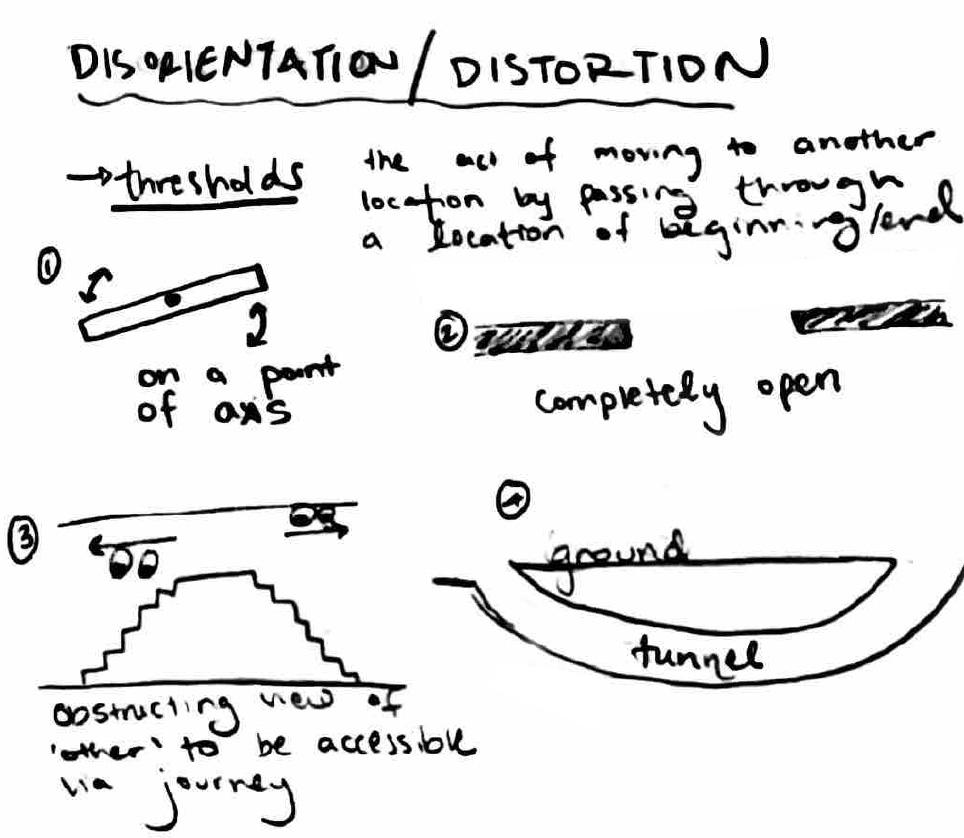
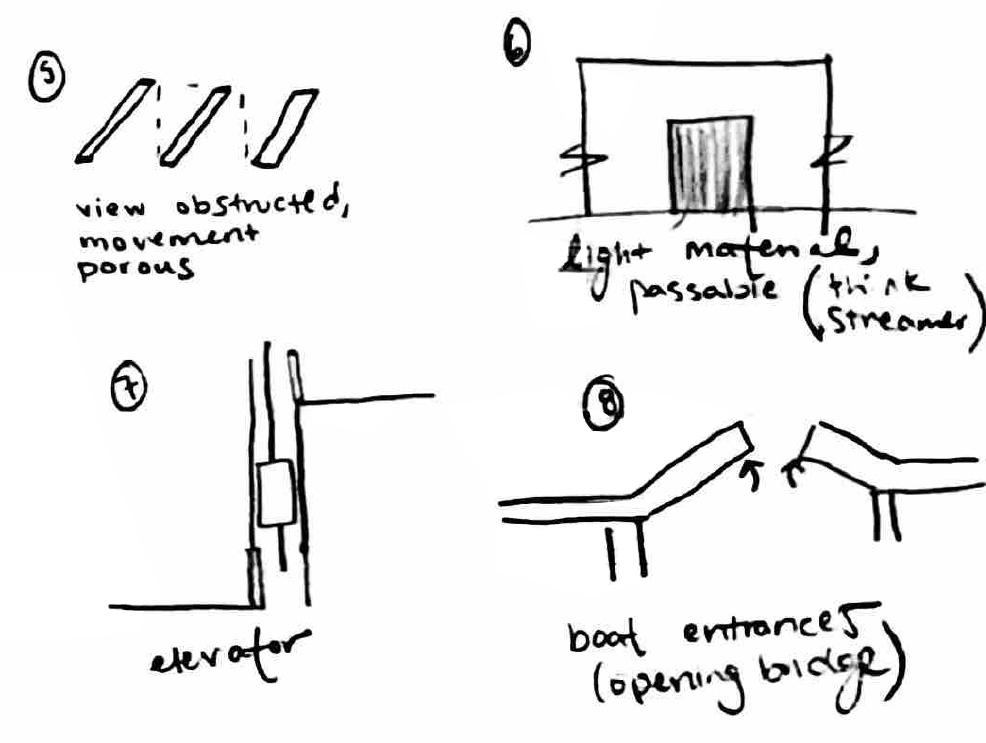
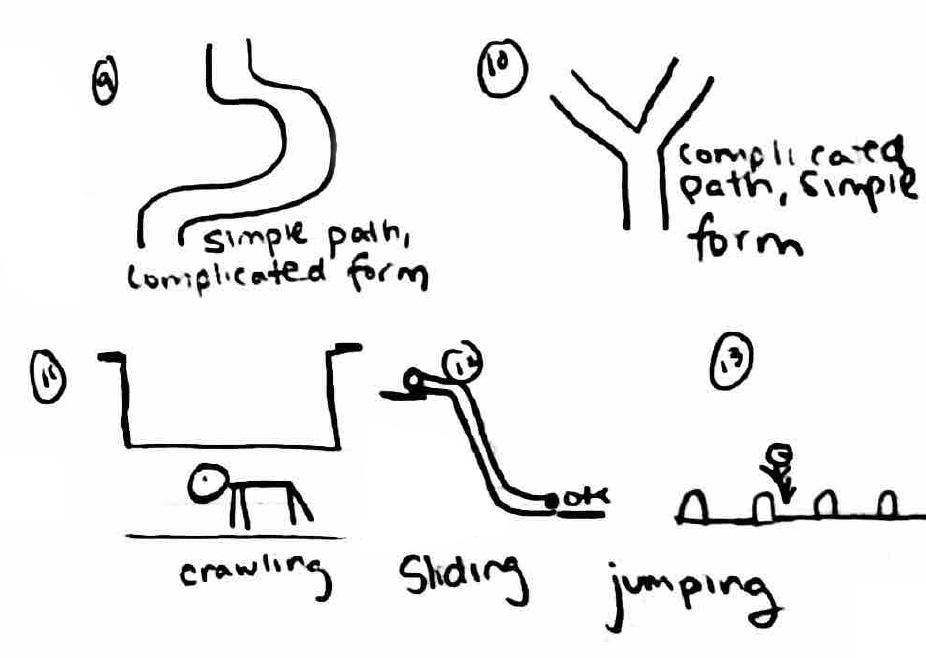
Visual possibilities of navigable thresholds
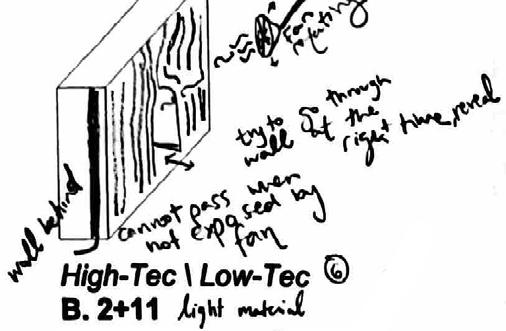
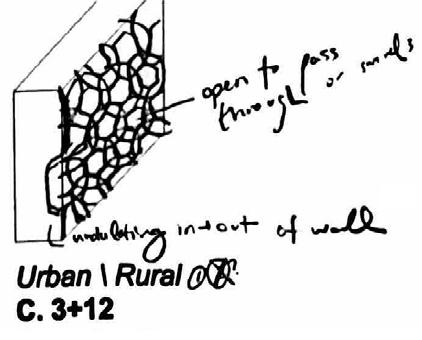
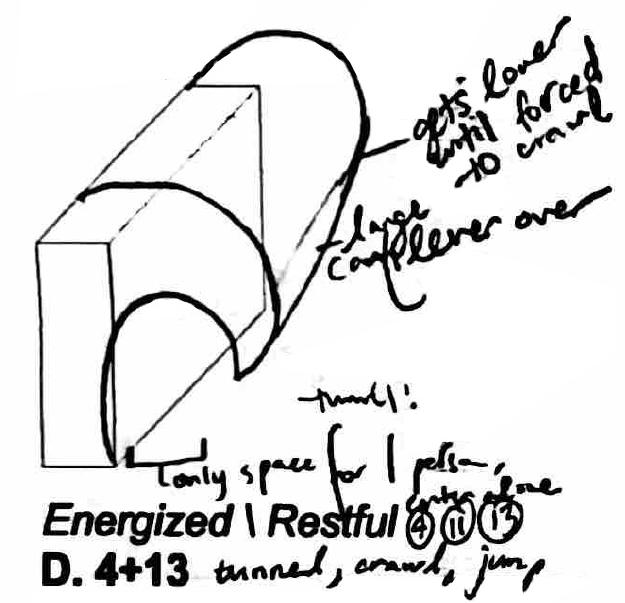
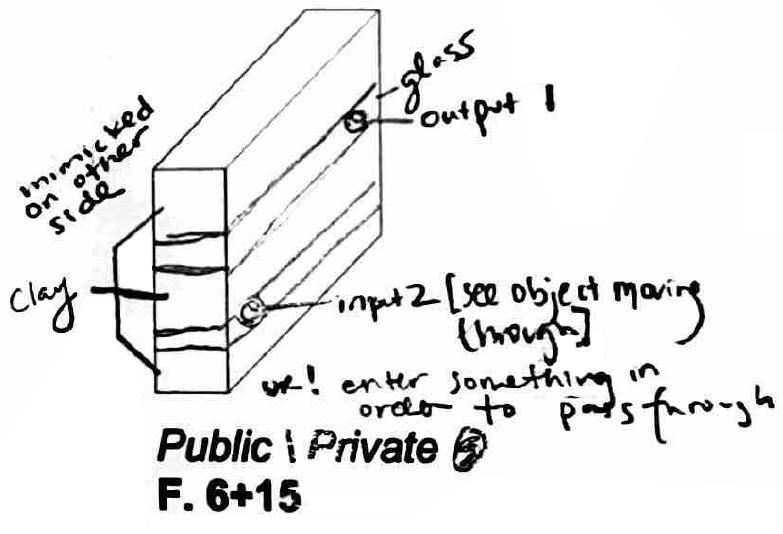
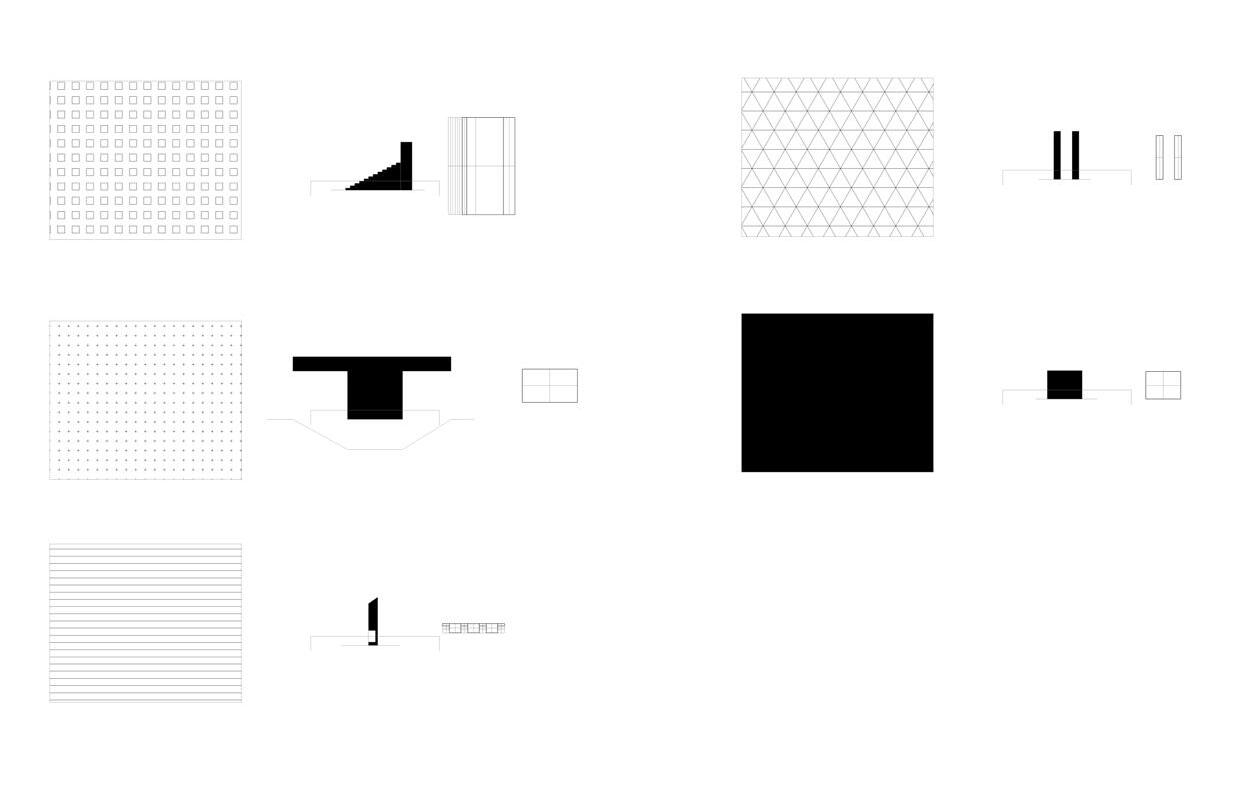
Identification of different wall types that are porous
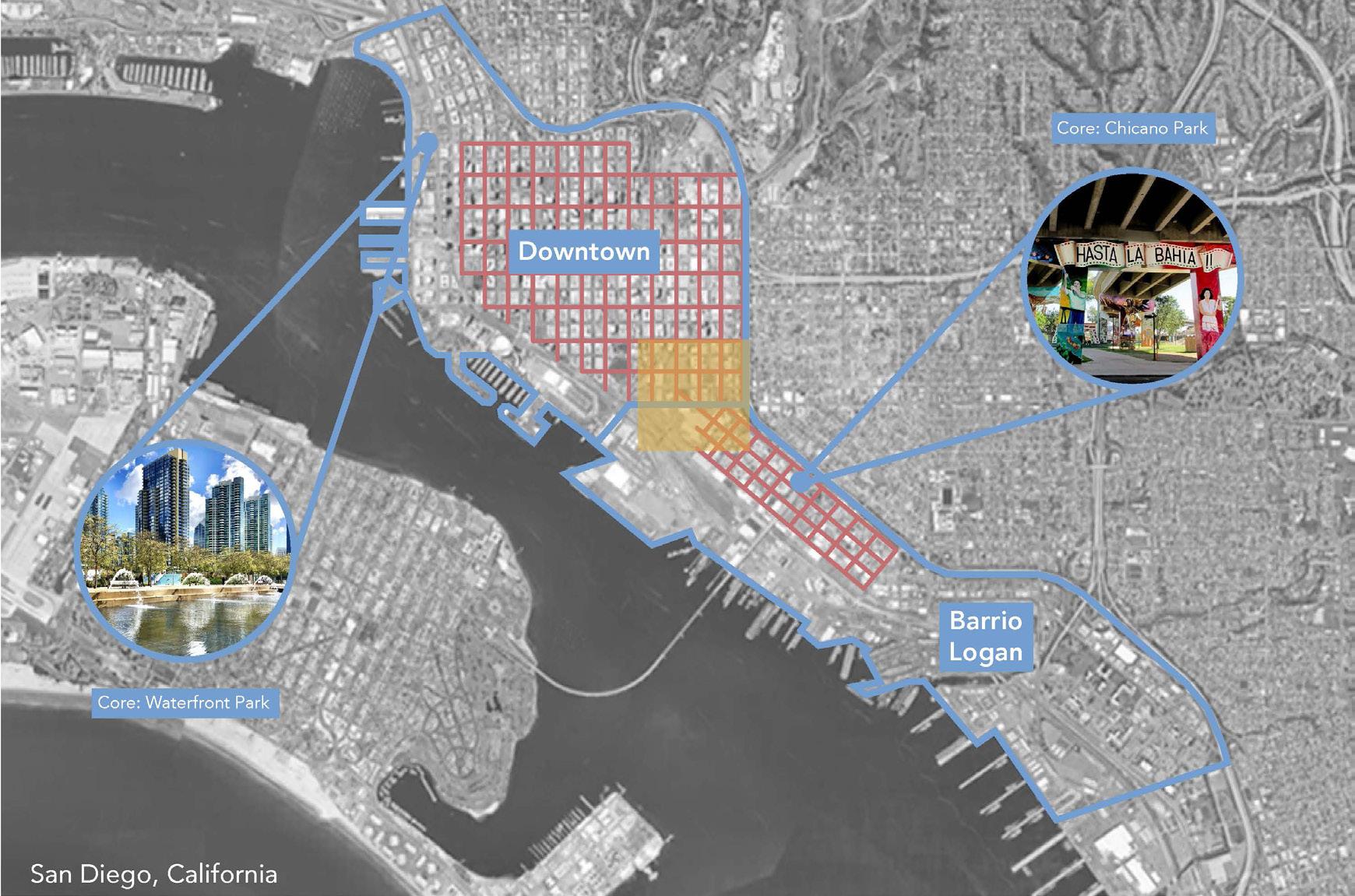
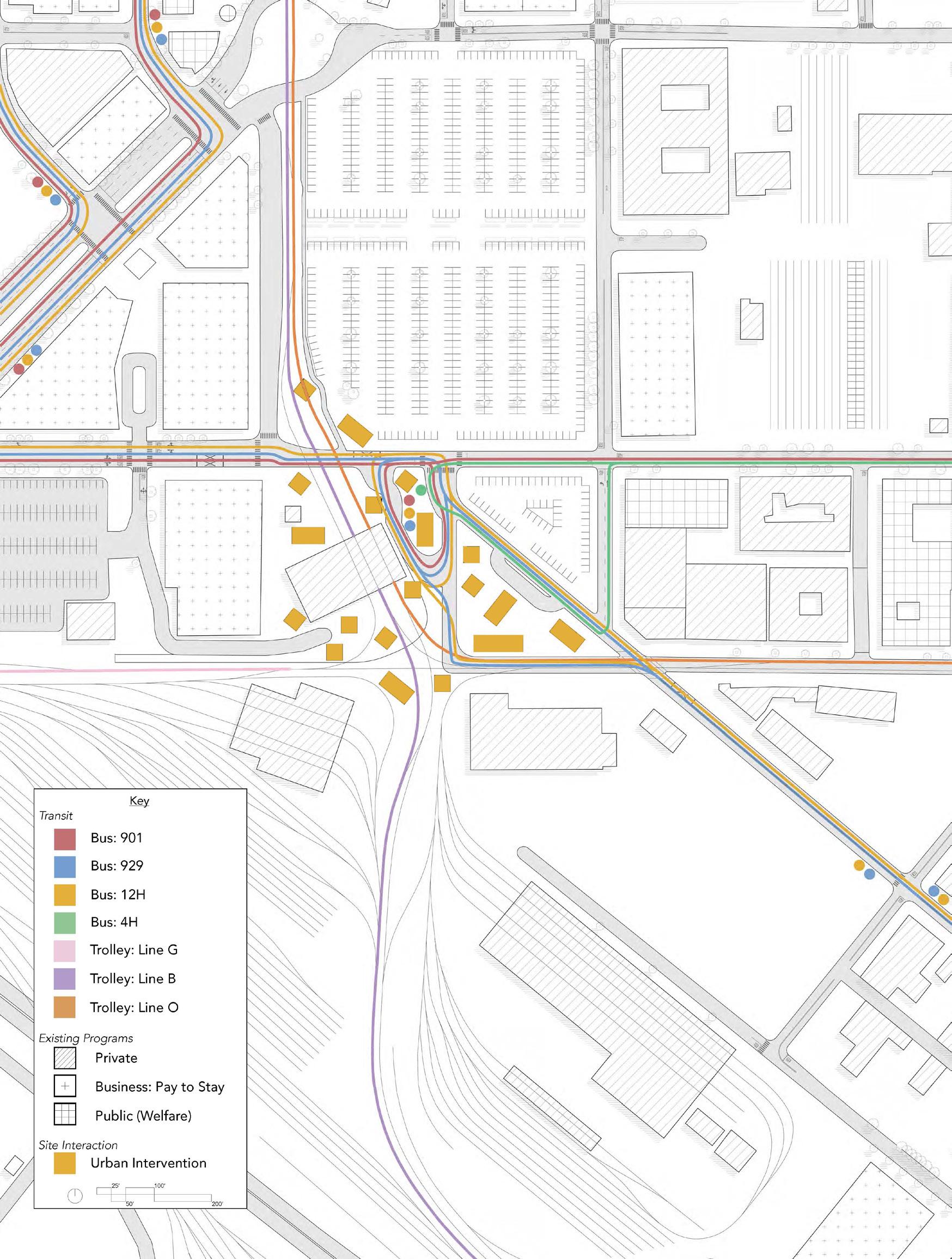
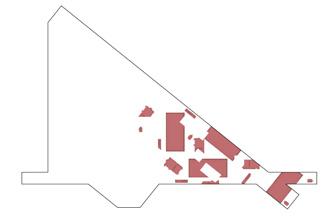
Neighborhood context of cores and grid systems. Site is identified by yellow
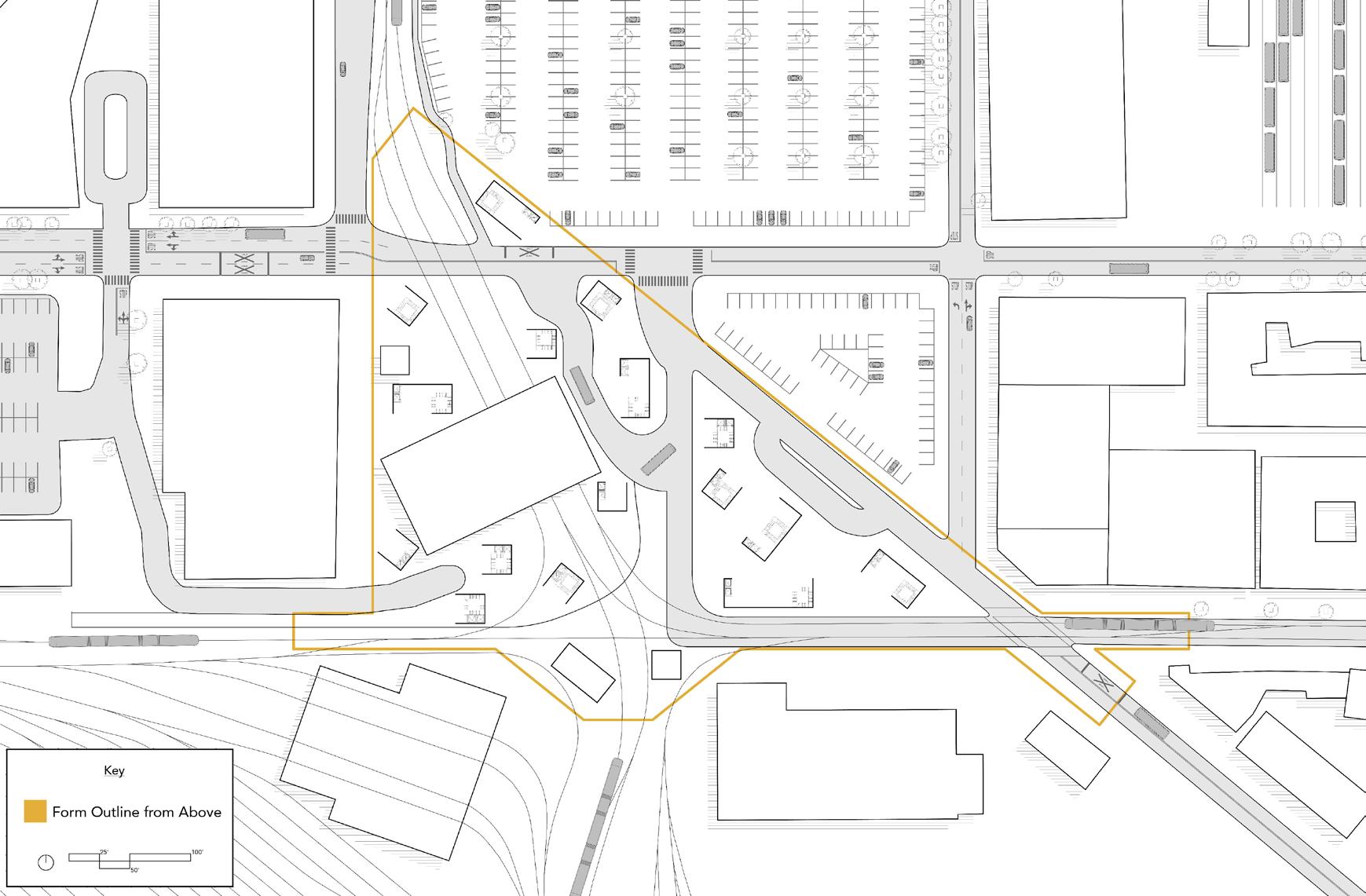
Detailed site plan: ground floor circulation access and building shadow
Site analysis: transit, programs, and general site plan
Layer 1: Vertical circulation to main floor added
Layer 2: Apertures subtract from area for light below
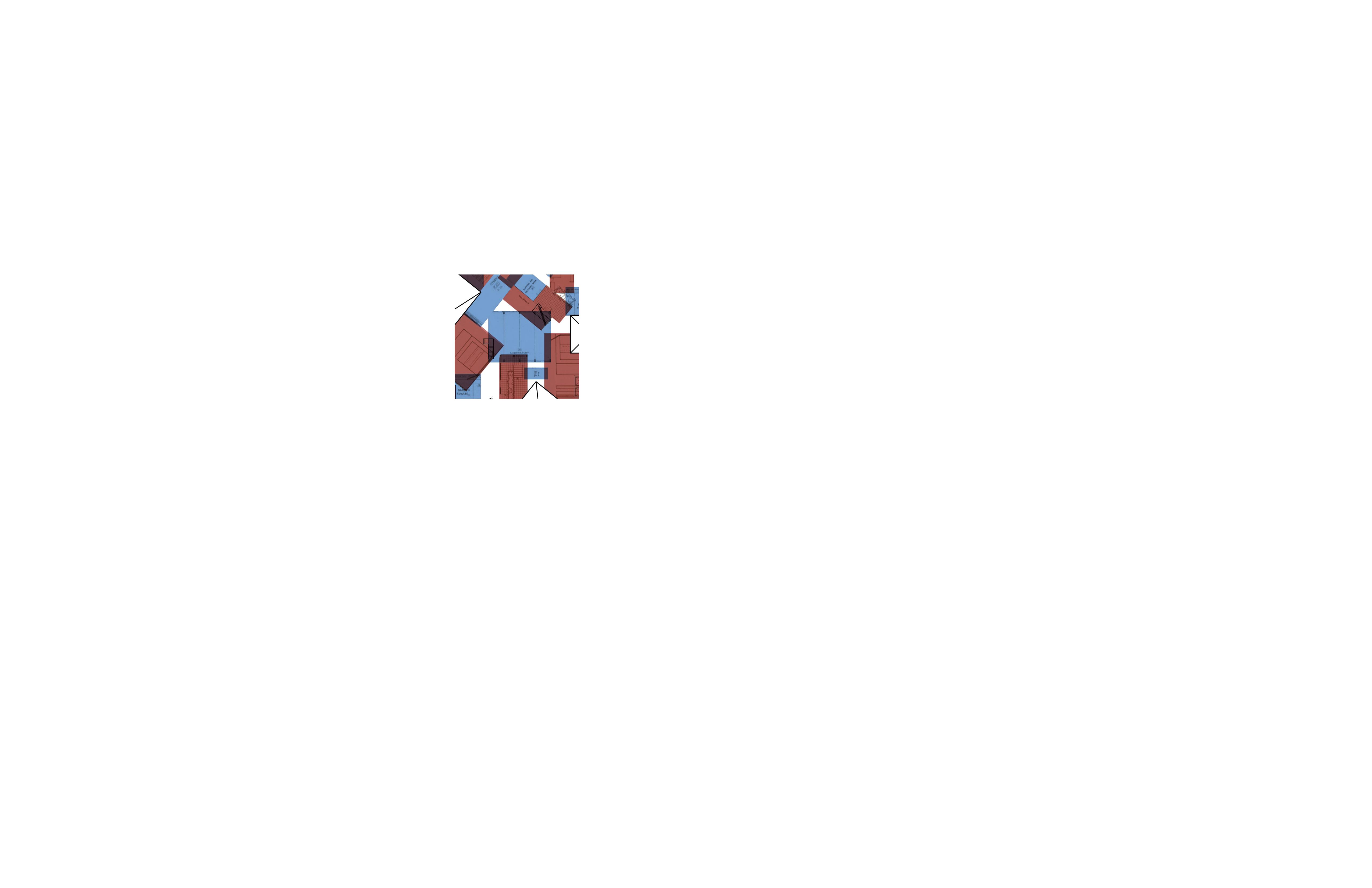
Layer 3c: Precedents are added and overlapped
Area A
Area B
Area C
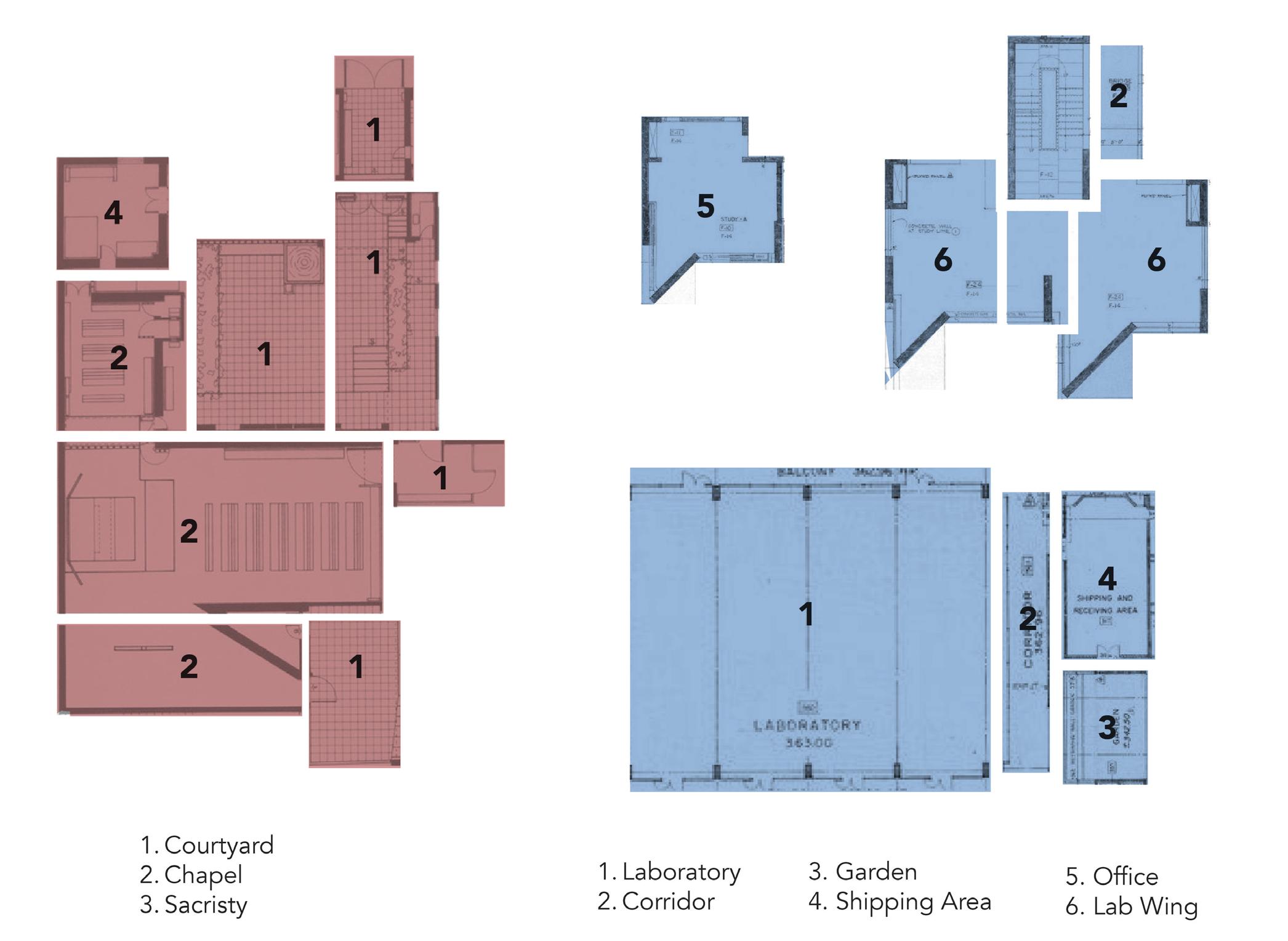
Layer 3a: Existing architectural precedents are identified.
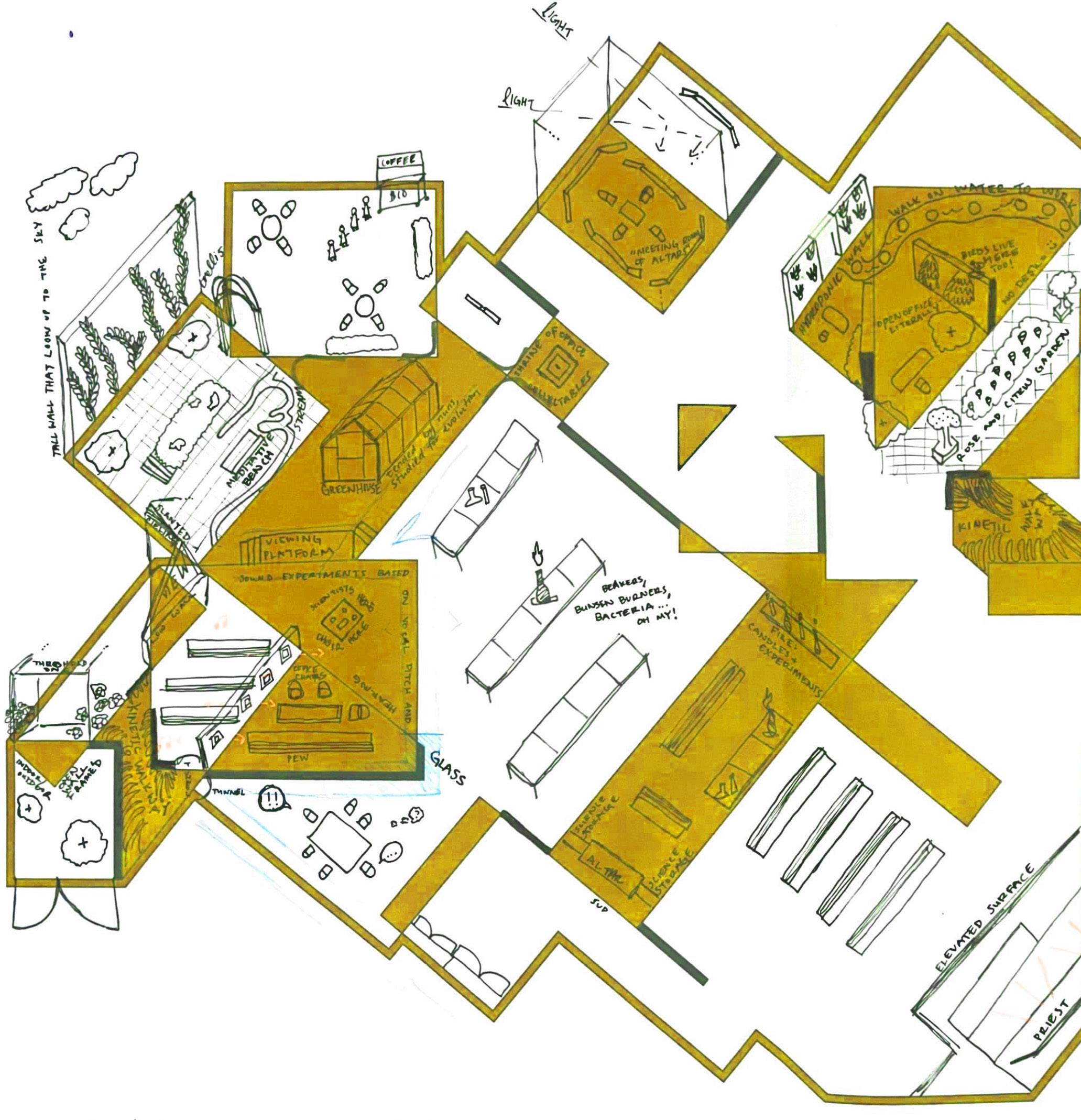
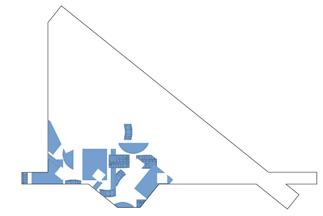
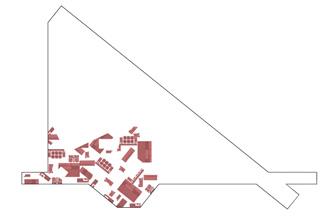
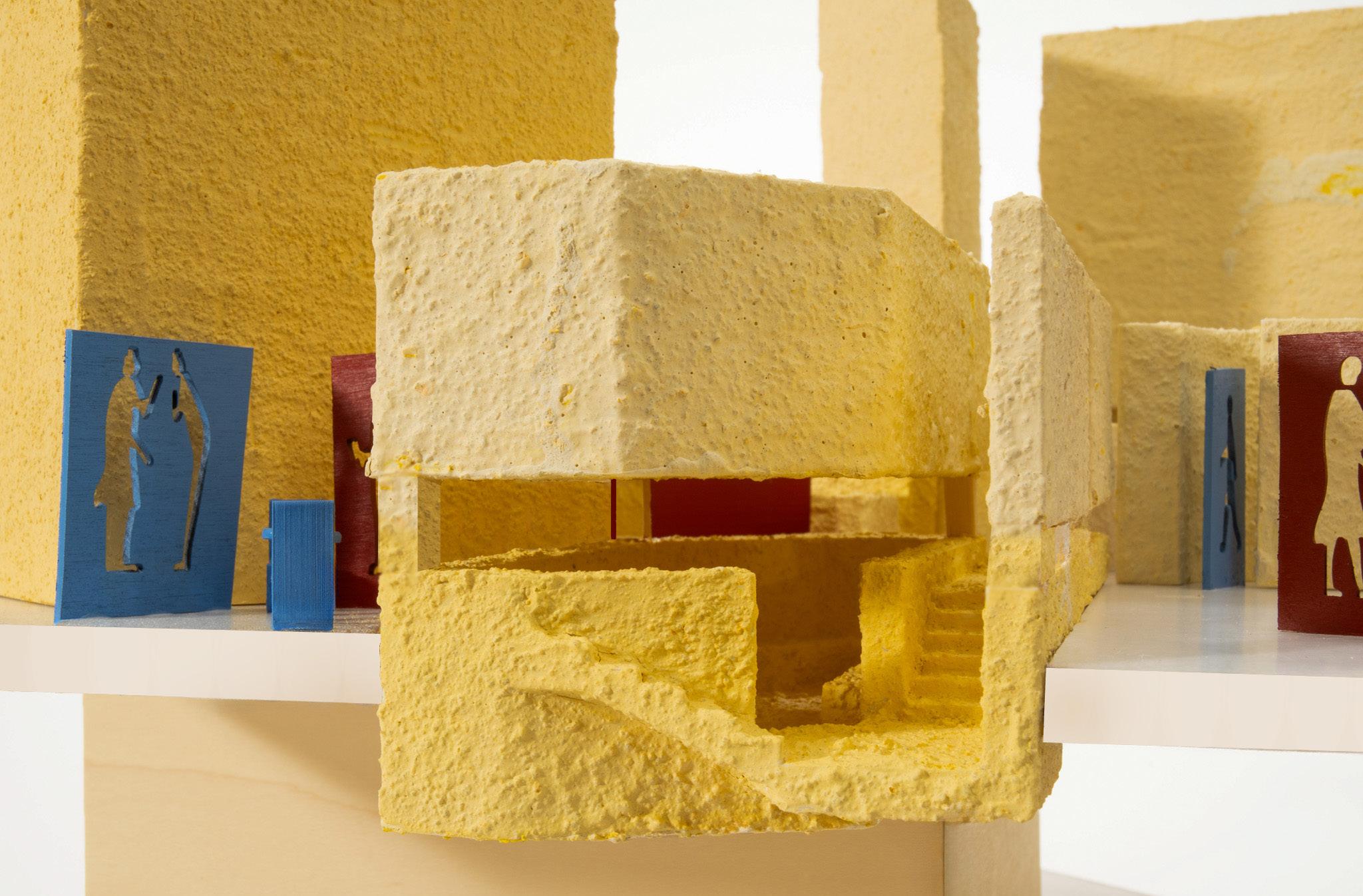
Area A: Science (Lab) & Religion (Chapel) [parts shown above]
Blue - Salk Institute by Louis Kahn
Red - Capilla De Las Capuchinas by Luis Barragan
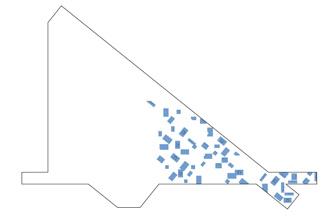
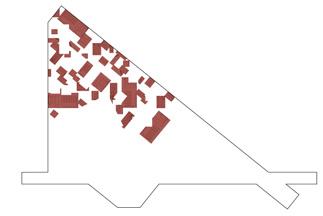
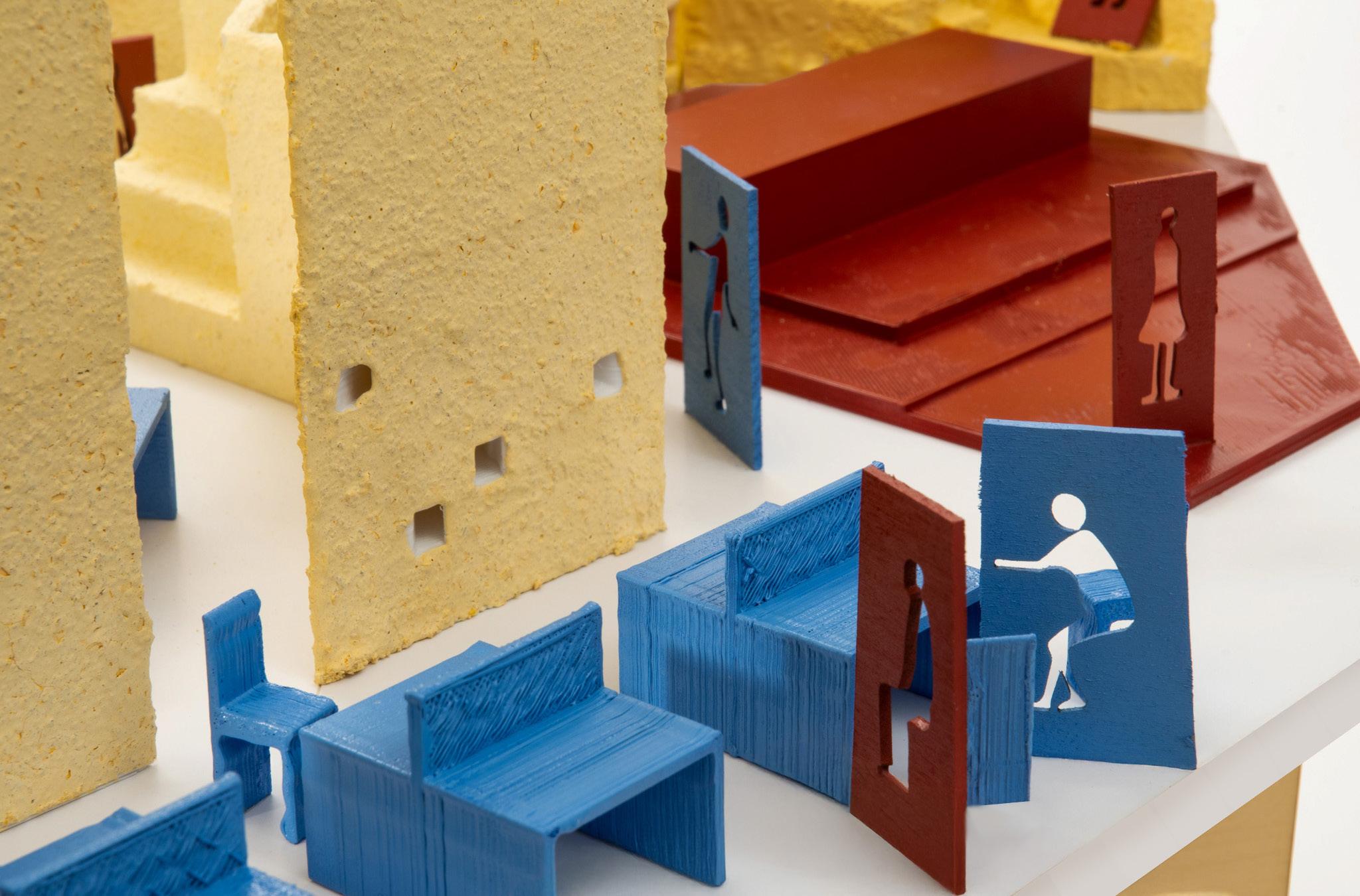
Area B: Energized (Stadium) & Relaxed (Baths)
Blue - Bird’s Nest by Herzog and De Meuron
Red - The Therme Vals by Peter Zumthor
Area C: Rural (Barn) & Urban (Office)
Blue - Office Nomura-Sanko by note architects
Red - Black Barn by ERNST
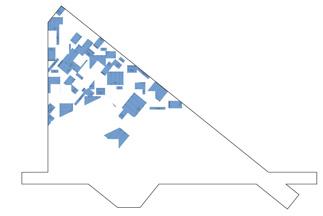
Layer 3b: Opposite ideas are paired through architectural programs
Layer 4: Walls are created in both the overlap and void of opposing programs
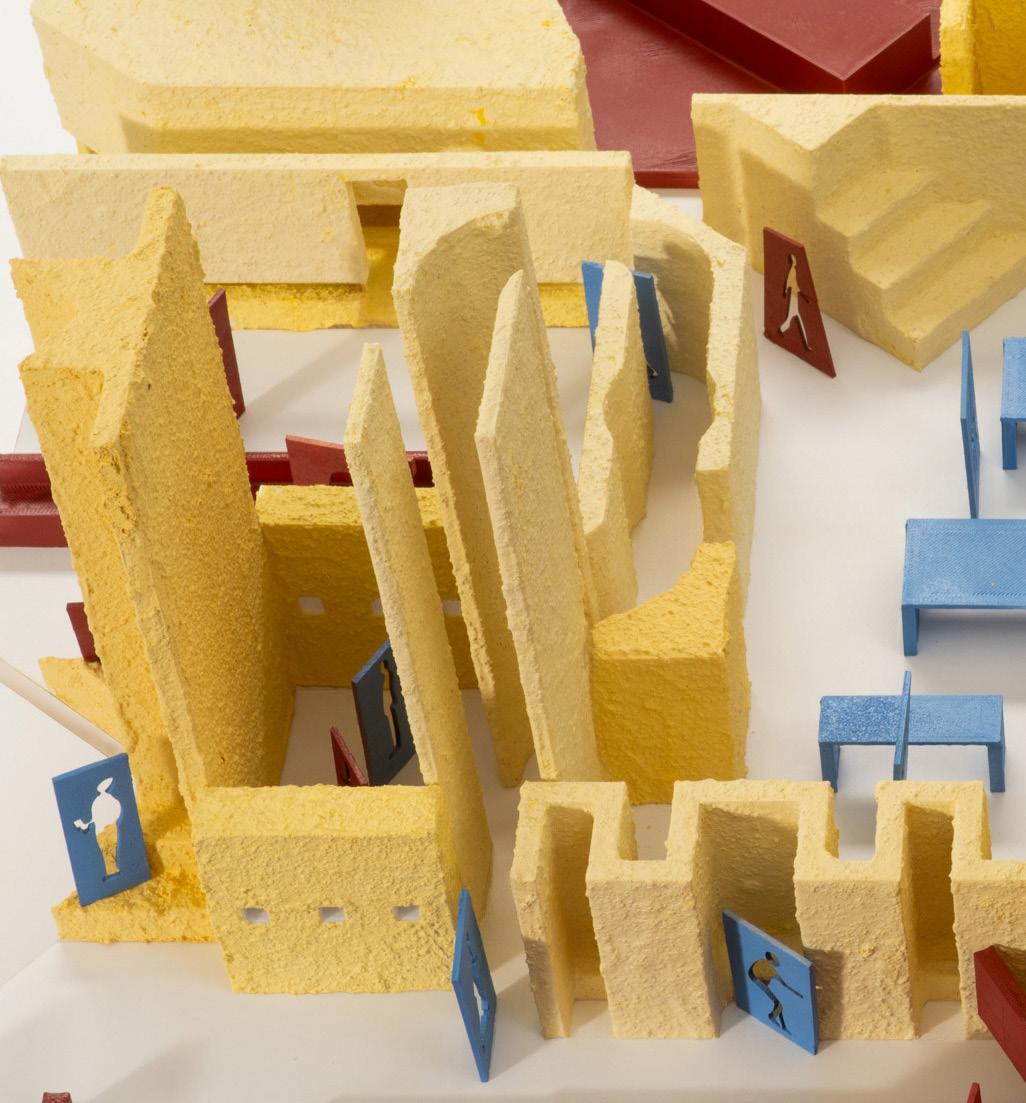
Chunk of proposal chosen to analysize five wall types present
Liliana Hunt
Wall 3: In
Wall 1: On
Wall 2: Between
Wall 5: Near
Liliana
Wall 4: Under
As the lab and the chapel programs are mixed, users must interact with the opposing group, whether passively
passively or actively. Borders in the form of walls provide spaces of non-group identity to interact on a personal level
Liliana Hunt Amézquita
LEGATO
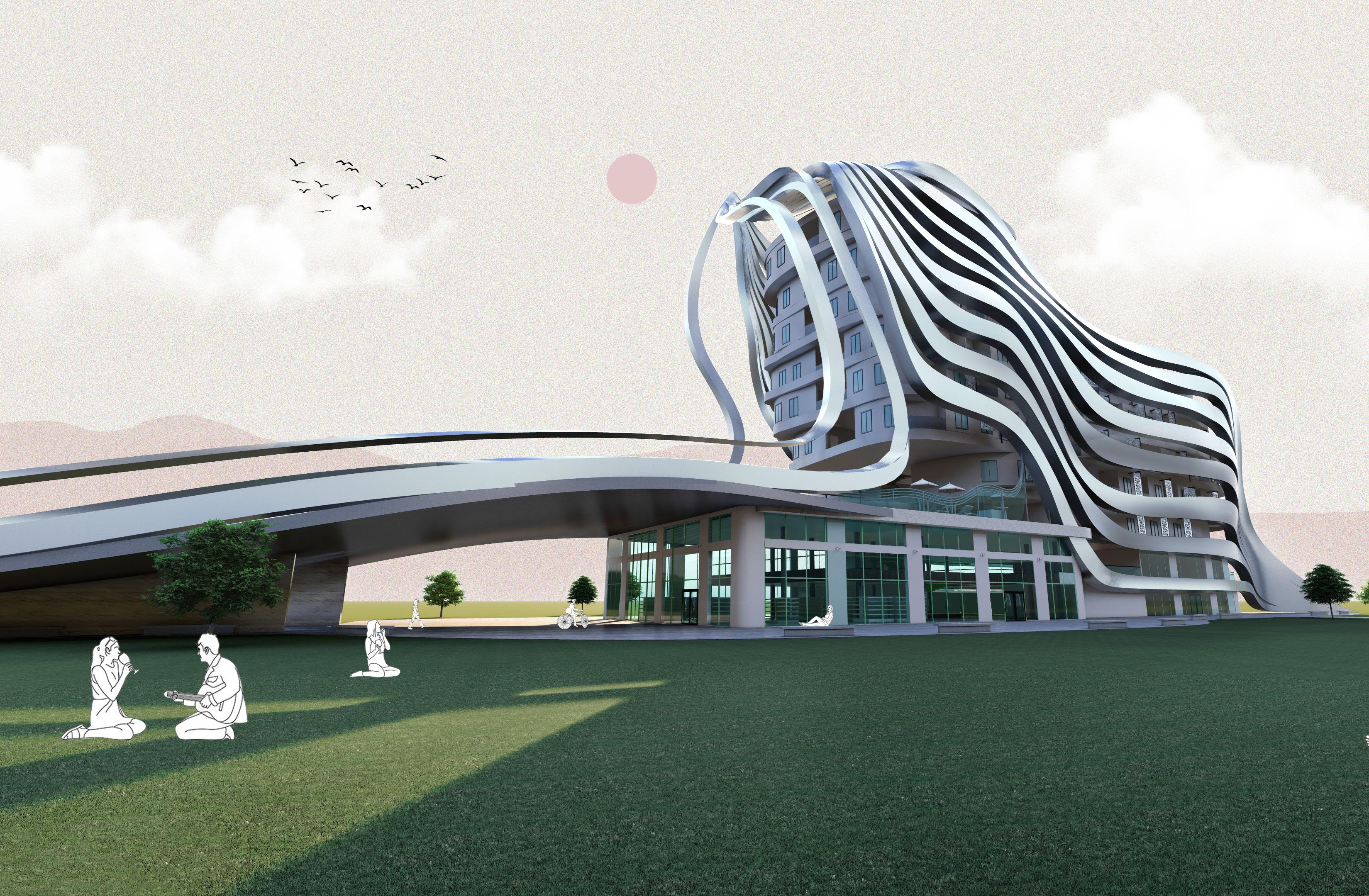
Mixed-Use Housing in 2070 Arts District, Los Angeles, CA
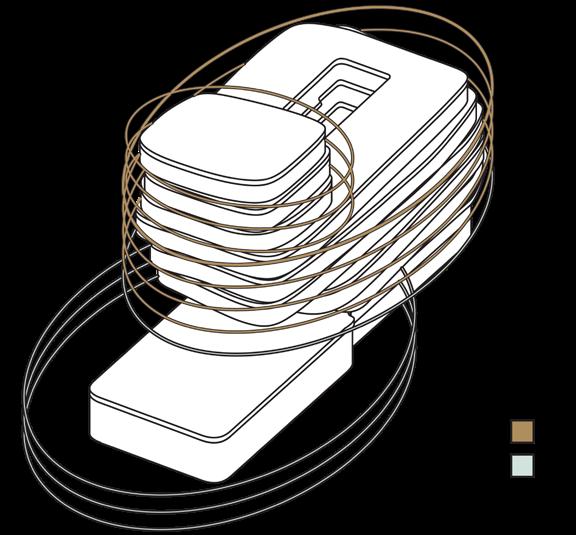
Private v. Public Quiet v. Loud Site Interaction
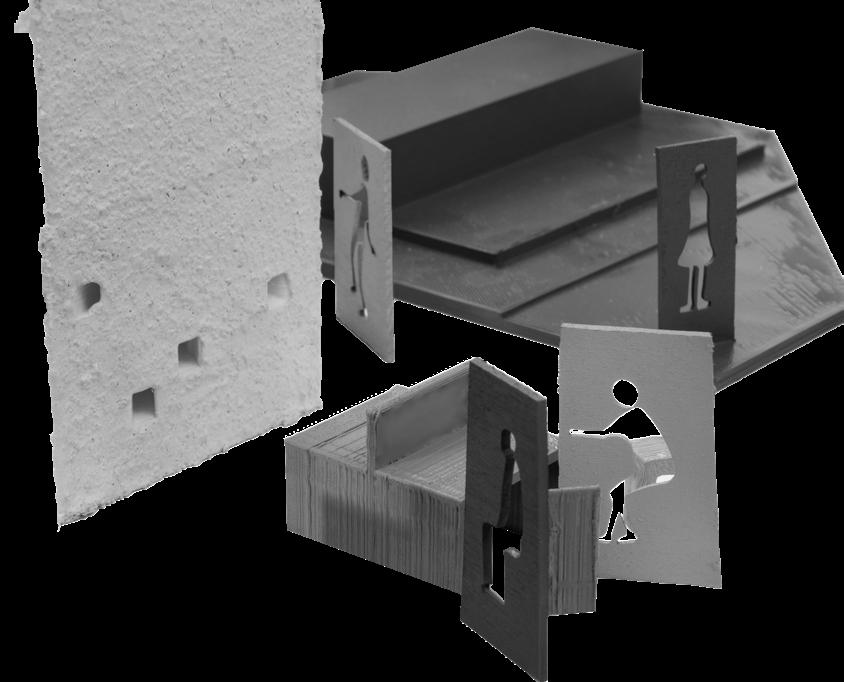
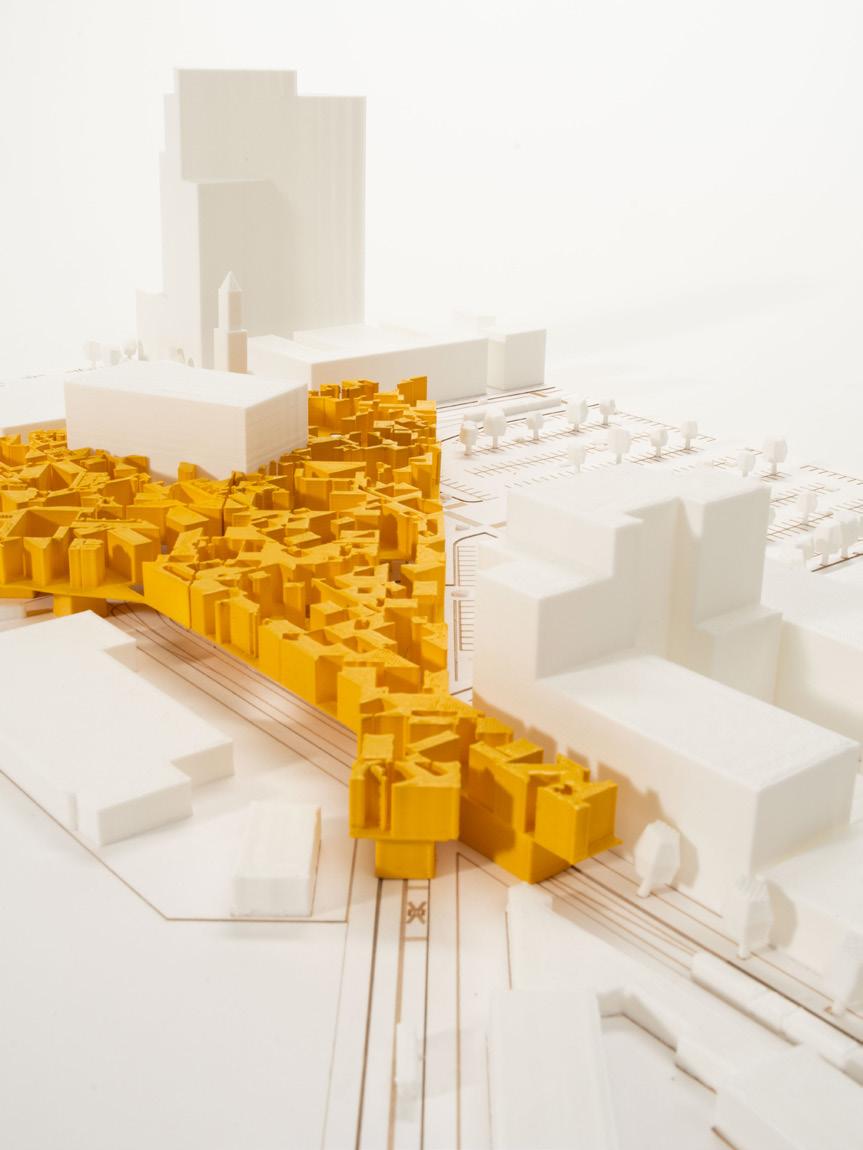
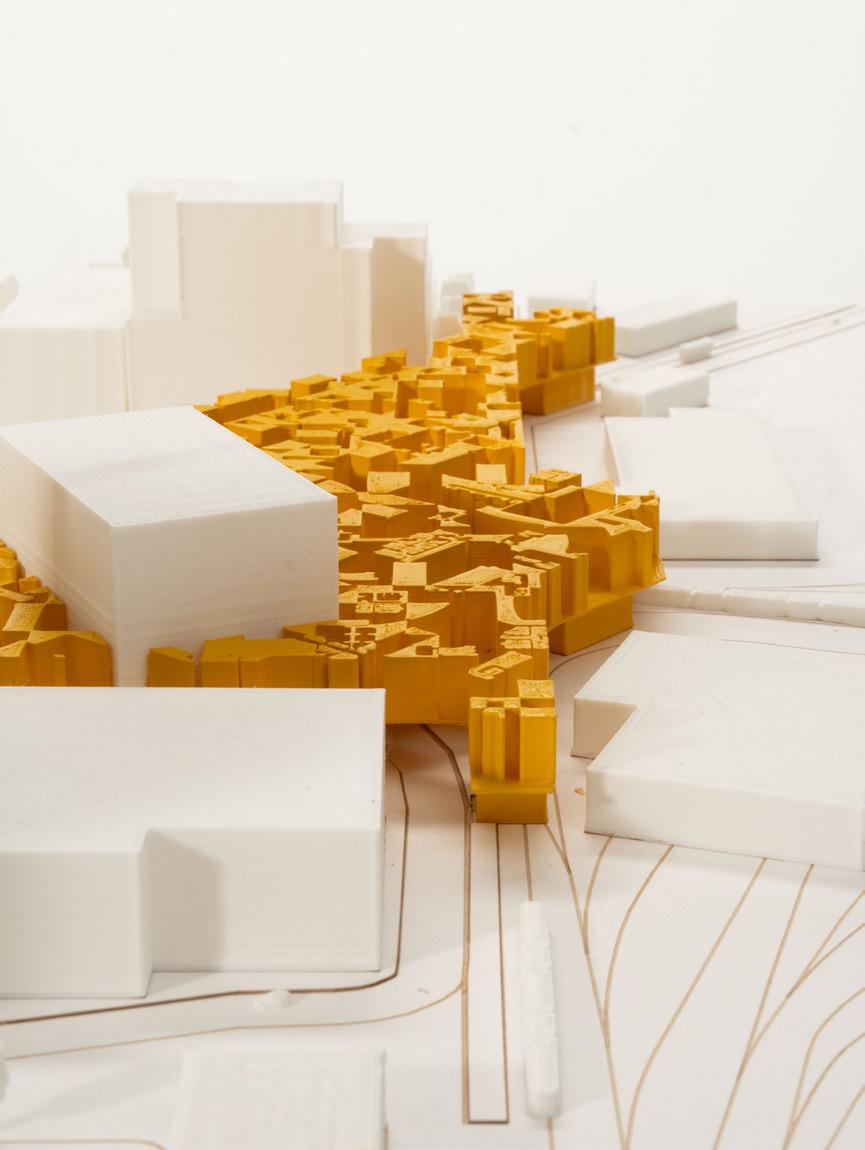
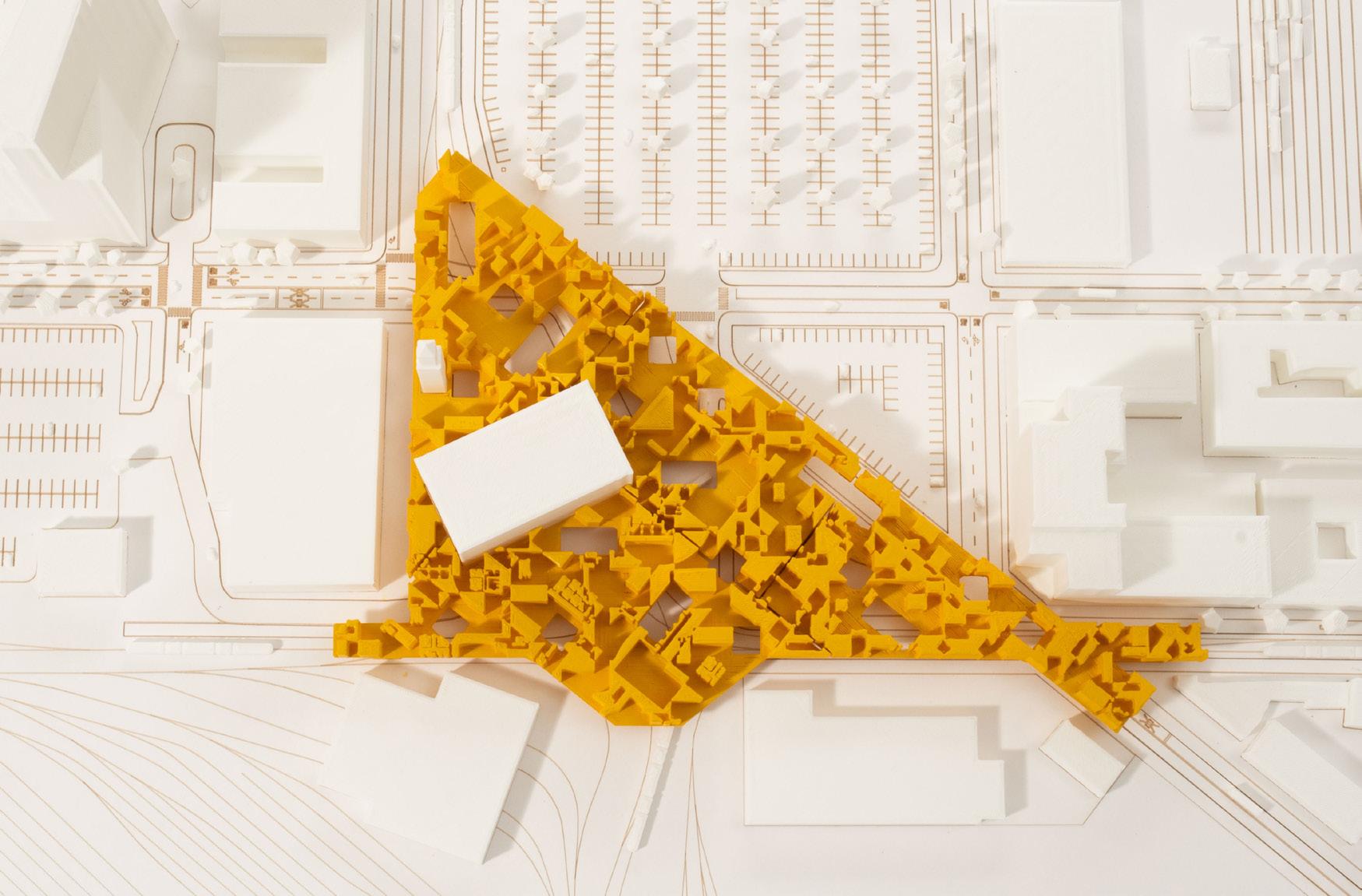
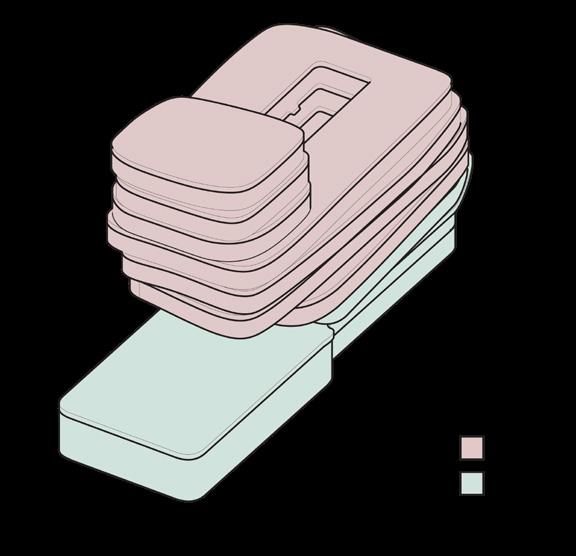
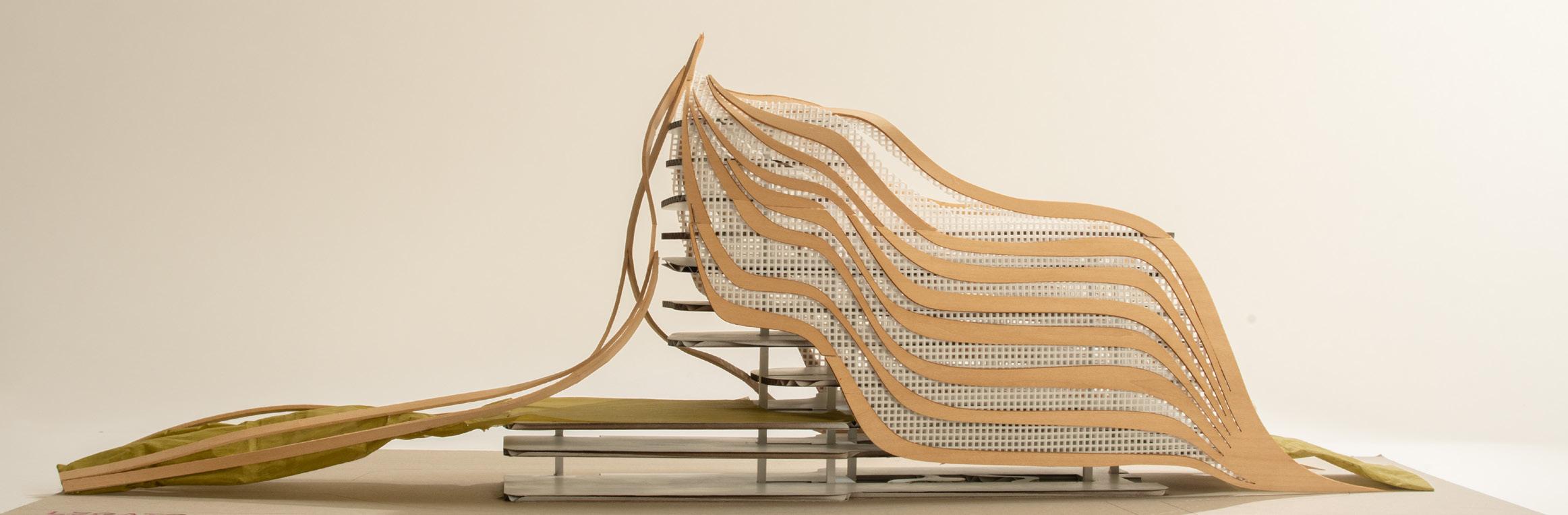
1/32”=1’0” Model: Form and Facade
Designed in collaboration with Annabelle Dovinh Professor Andrew Goodwin / Winter-Spring 2022
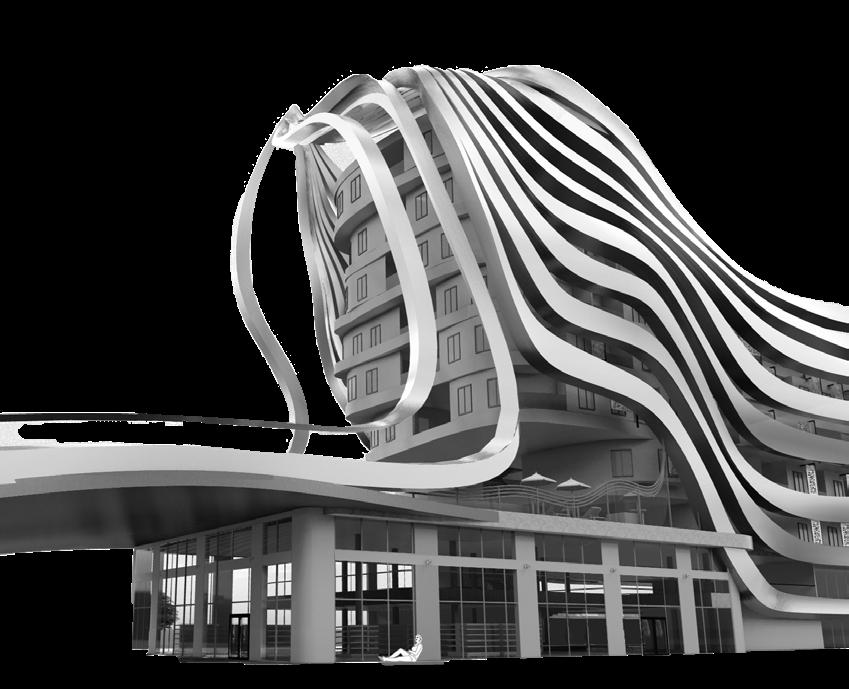
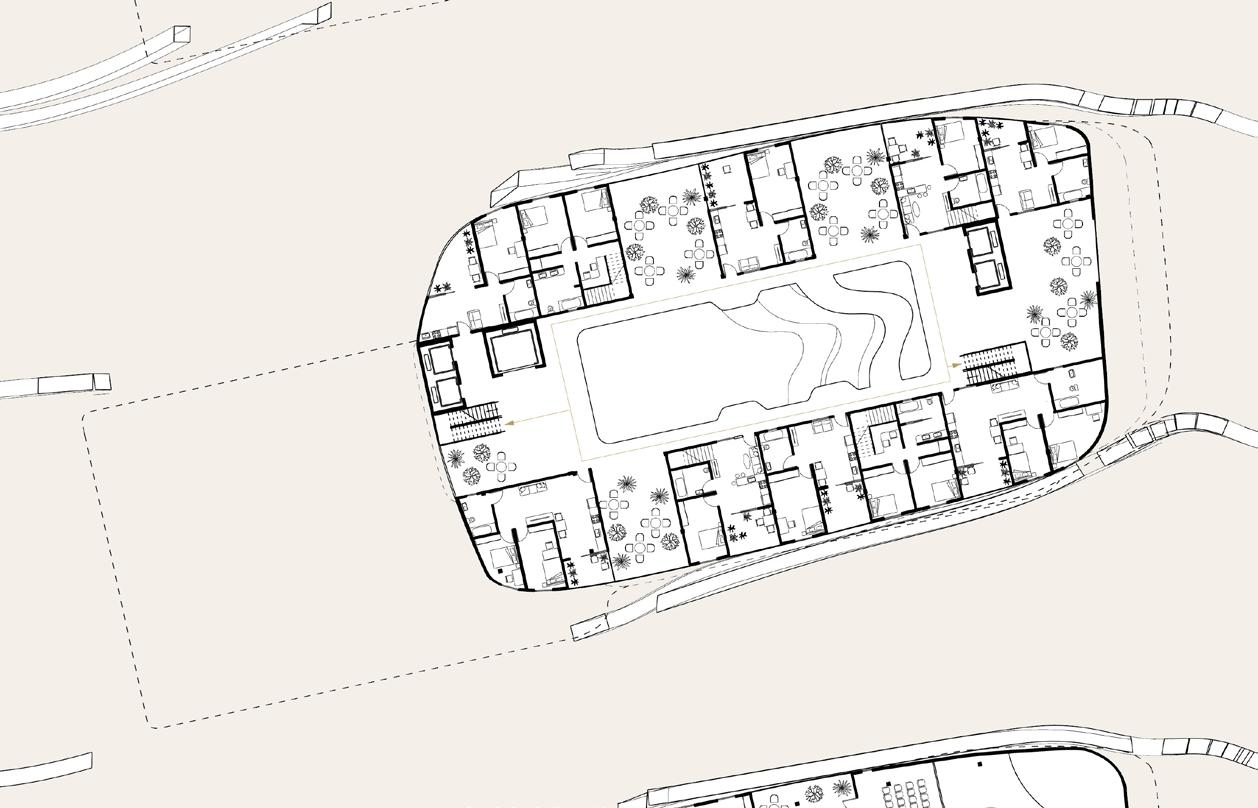
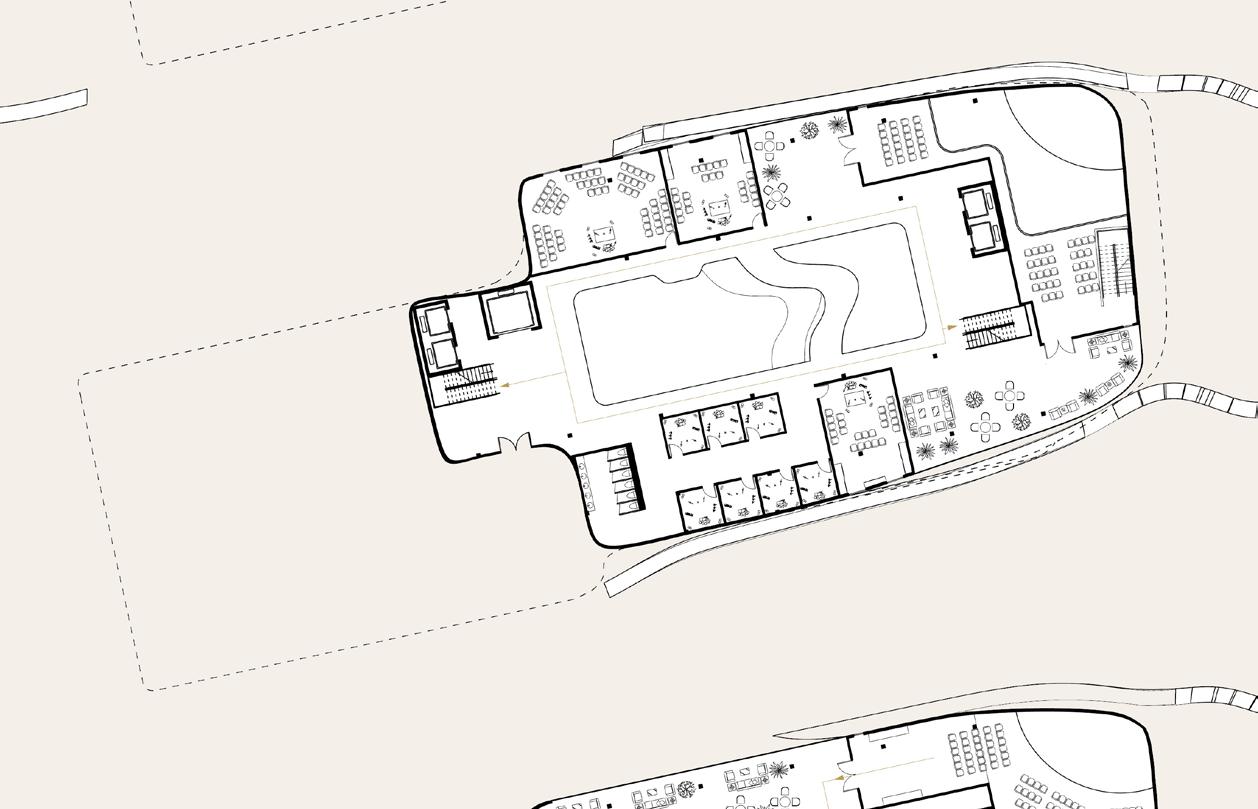
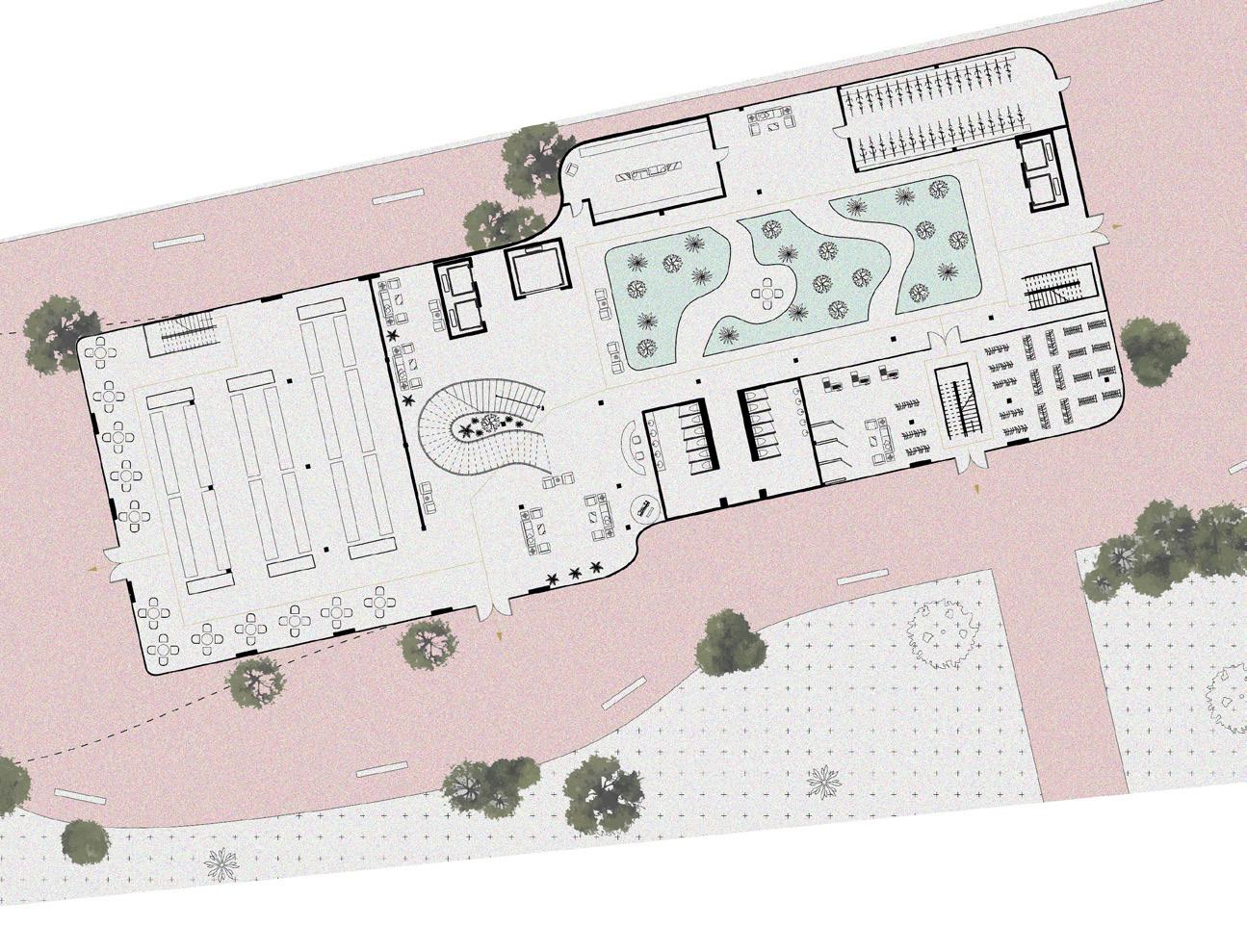
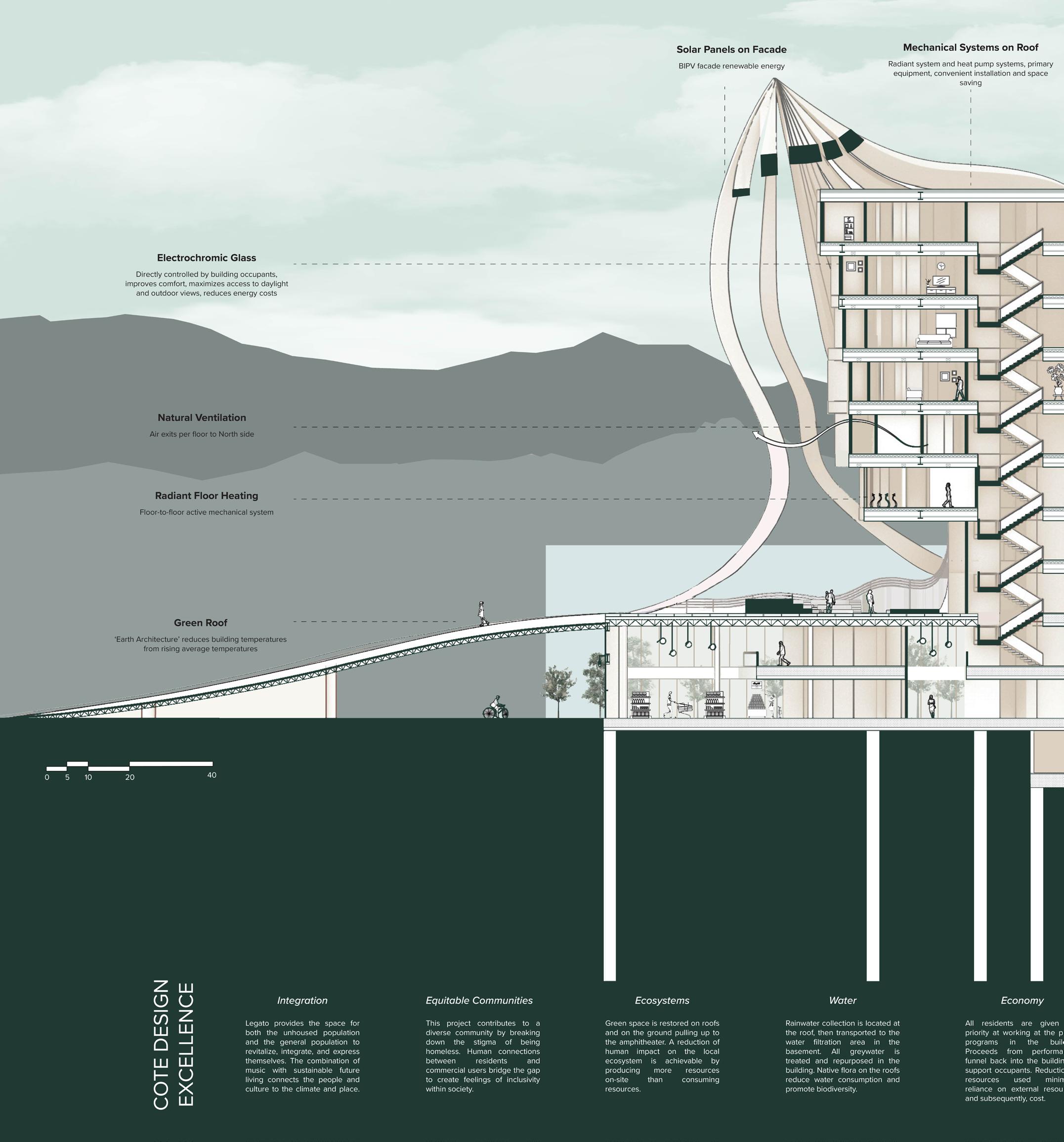
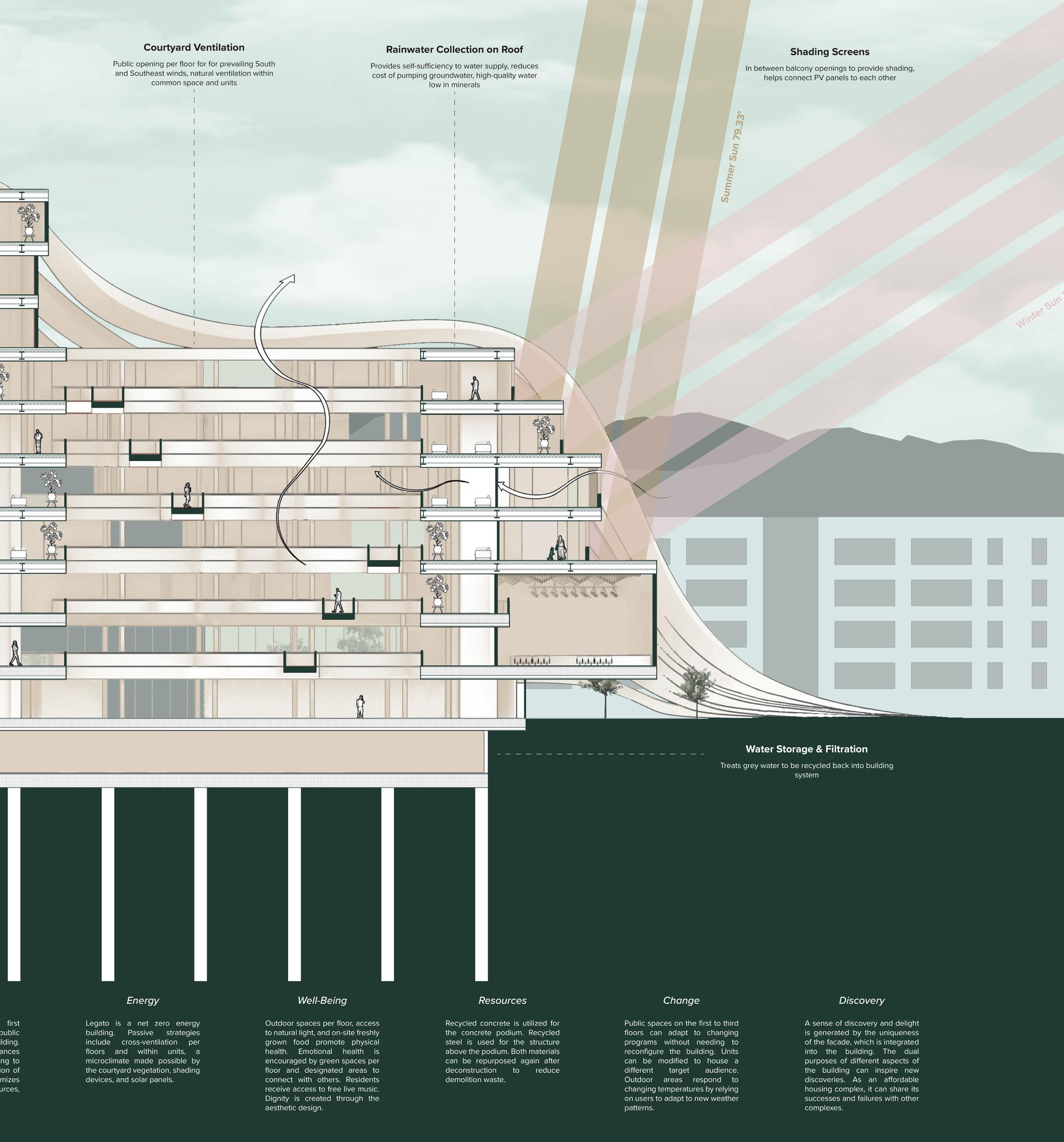
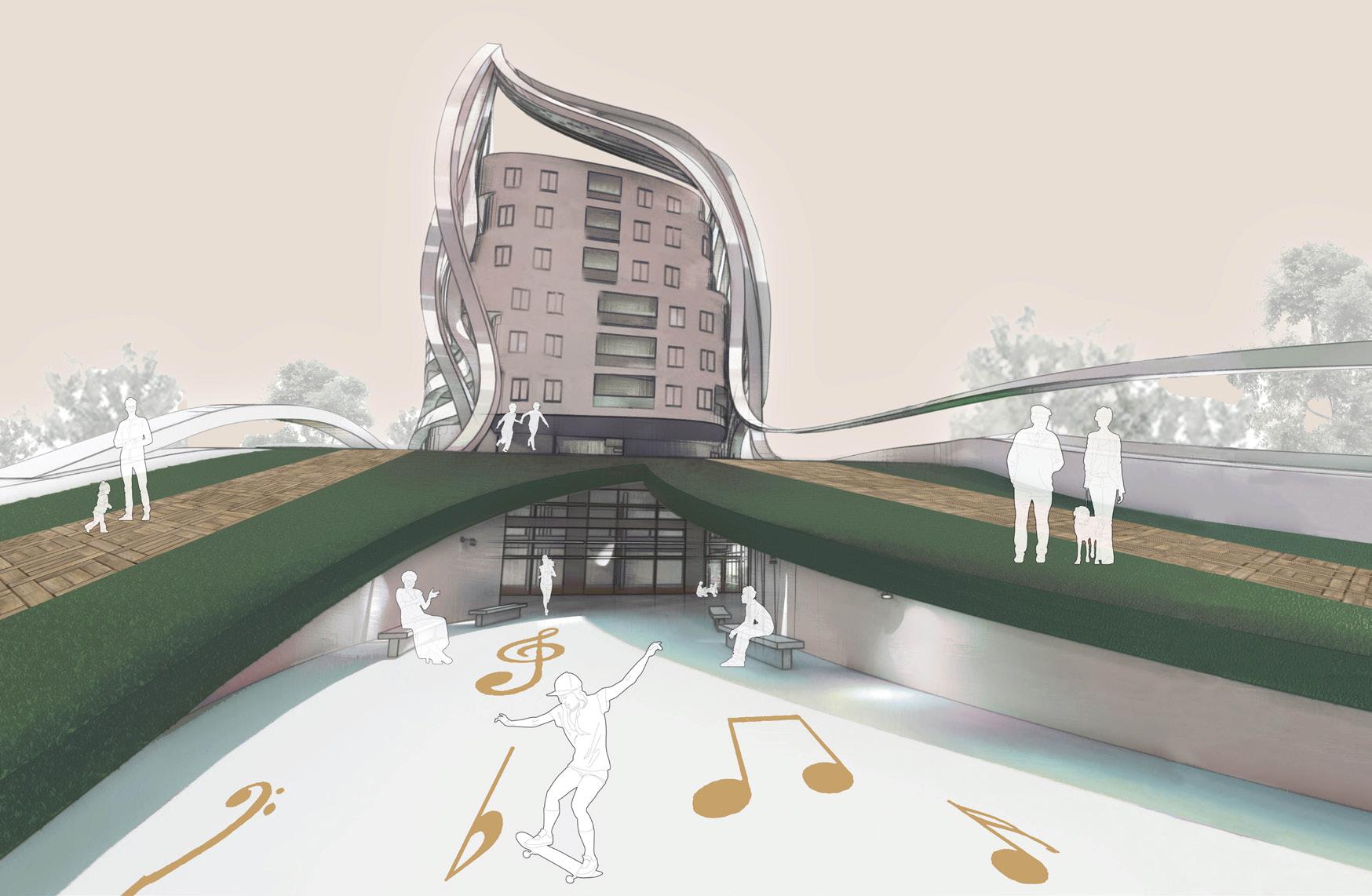
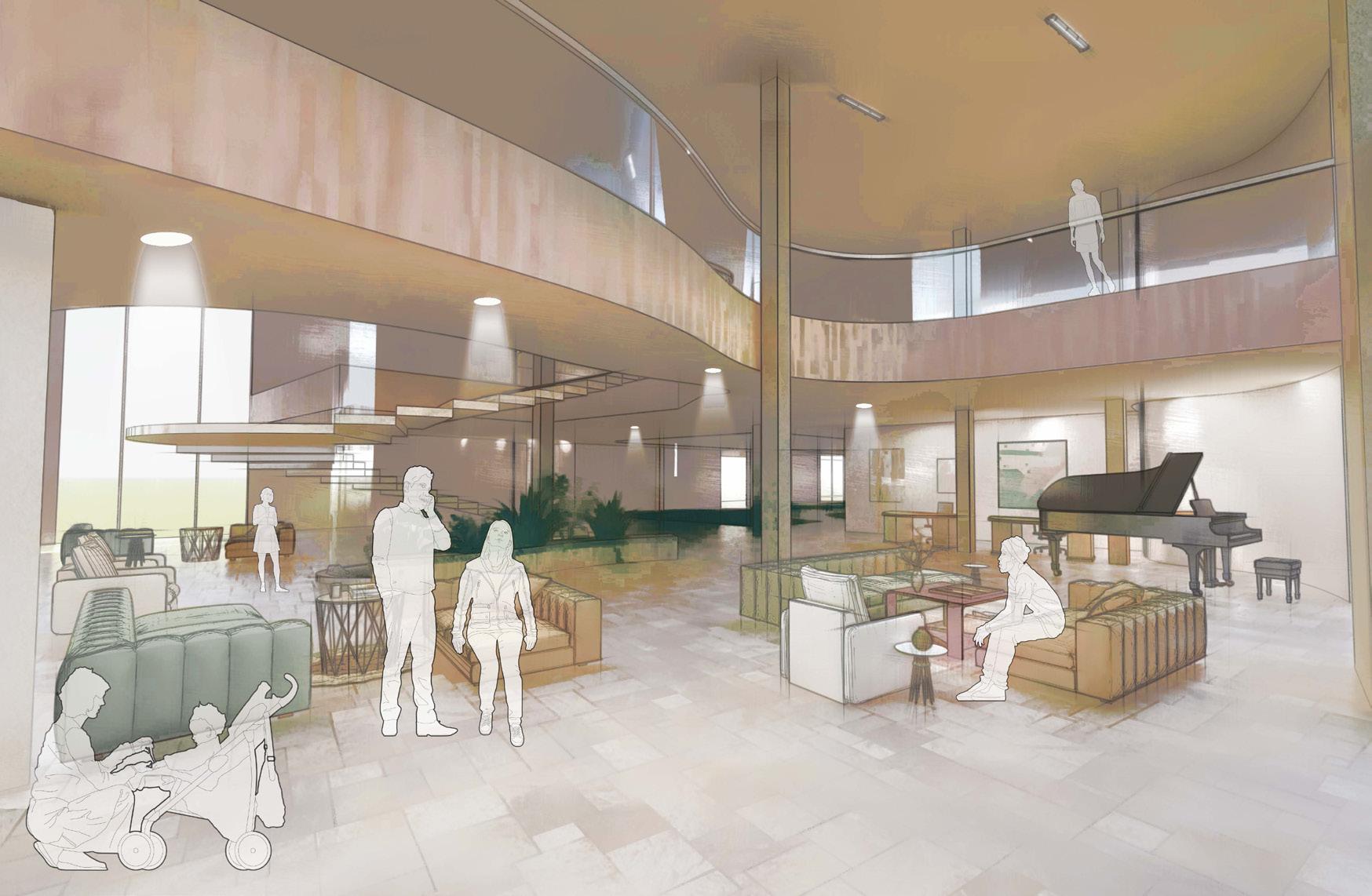
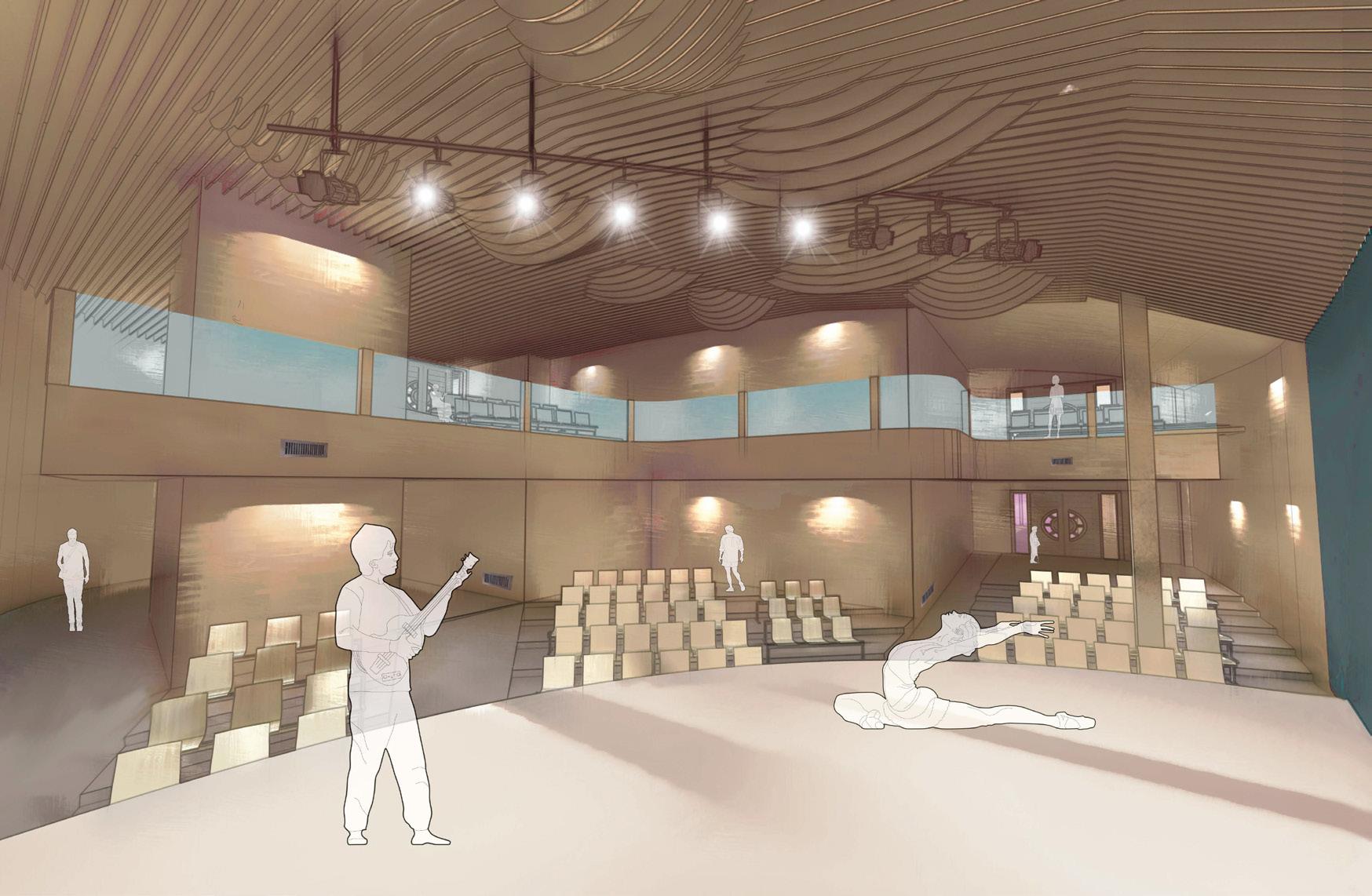
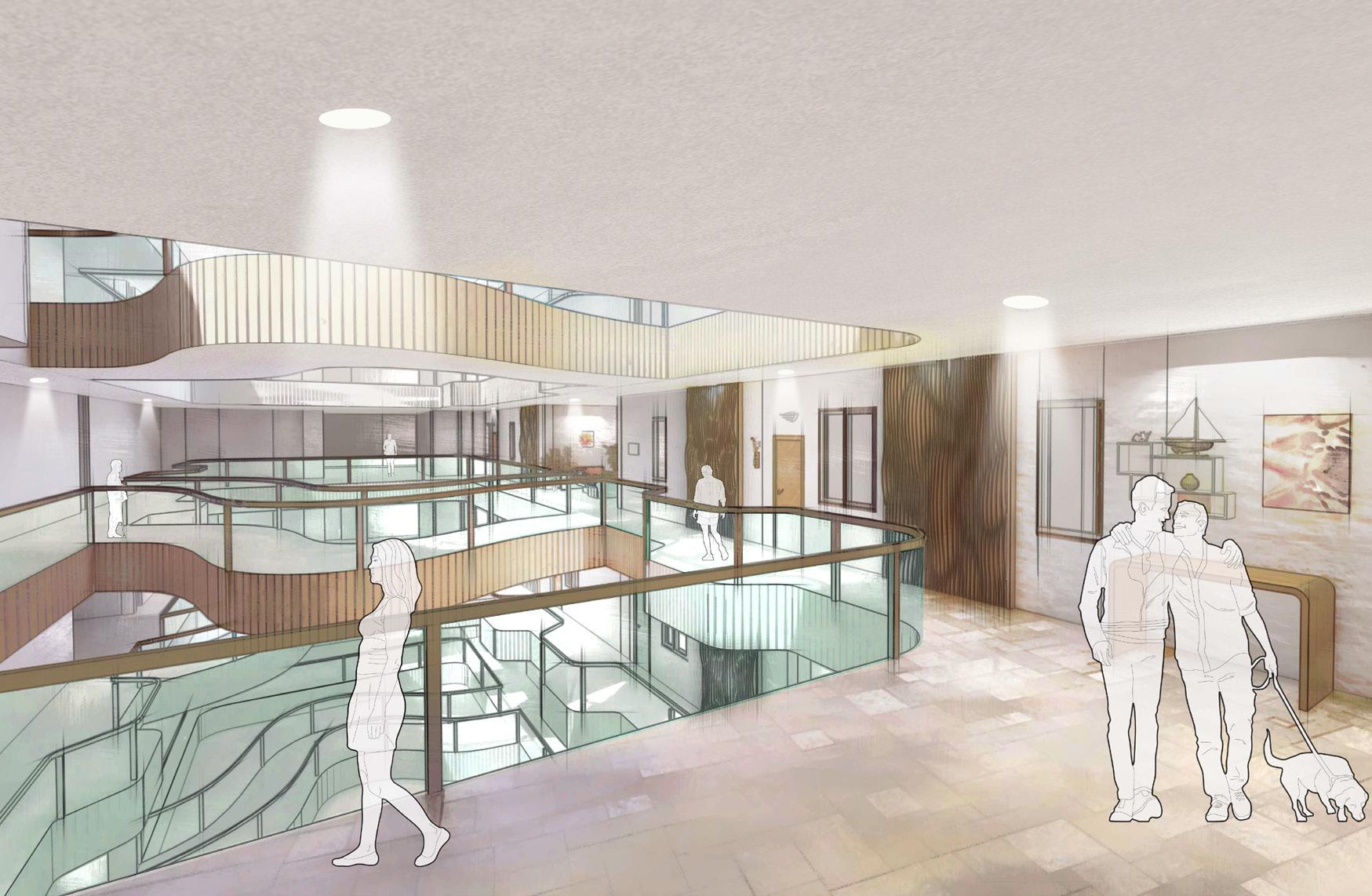
Prioritizing the wellbeing and personal development of the resident users, this project encourages musical expression and community building with integrated performance spaces and housing programs. There is an emphasis on creating and living in a sustainable environment - a vital component of future living.
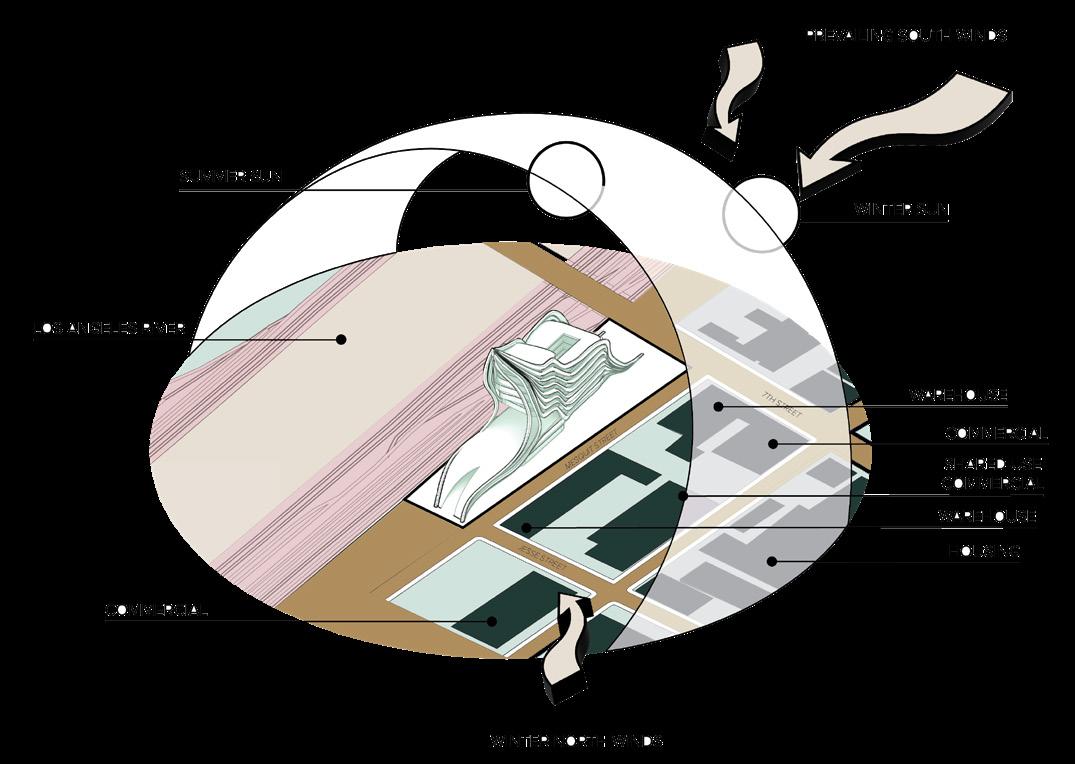
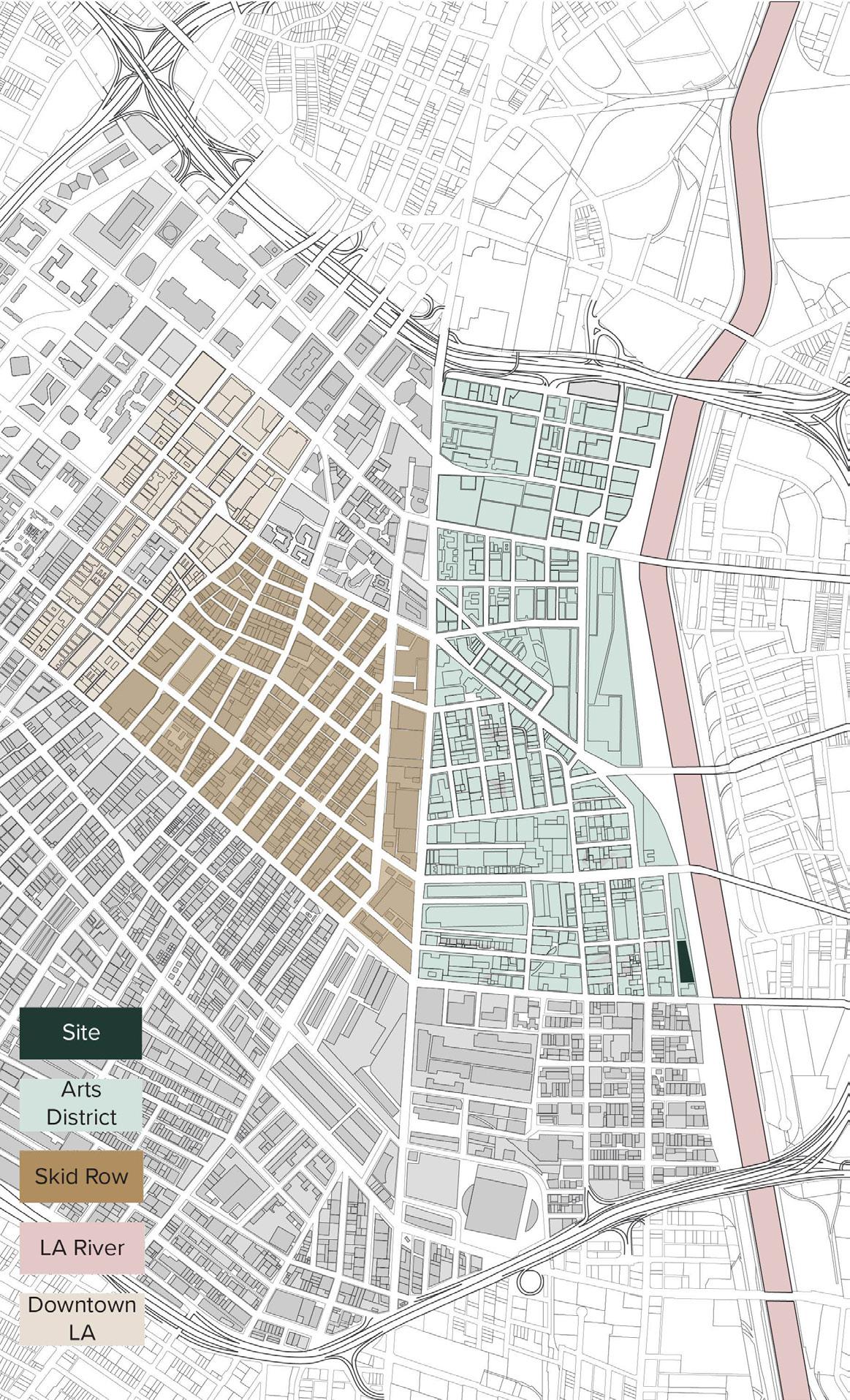
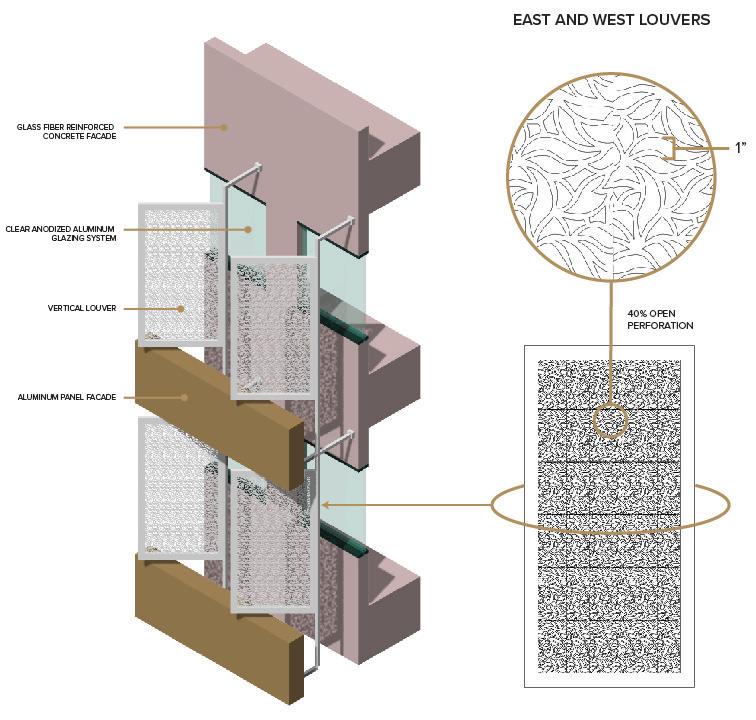
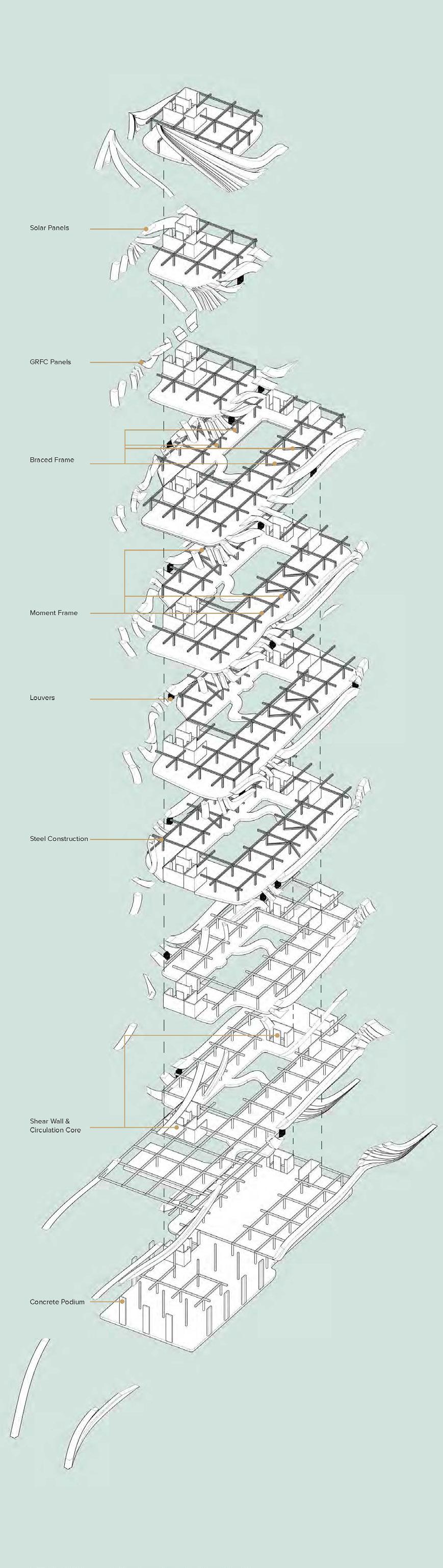
Liliana Hunt Amézquita: Diagrams (Public v. Private, Noise), 1/32” = 1’0” Full Building Model, Photoshop on Renders, 1/8” = 1’0” Sectional Model, LA Site Analysis, Site Plan, Floor Plans, Structural Axonometric, Detailed Wall Section, COTE & Passive Systems & Active Systems Written Analysis on Section
4th Floor
3rd Floor
Liliana Hunt Amézquita
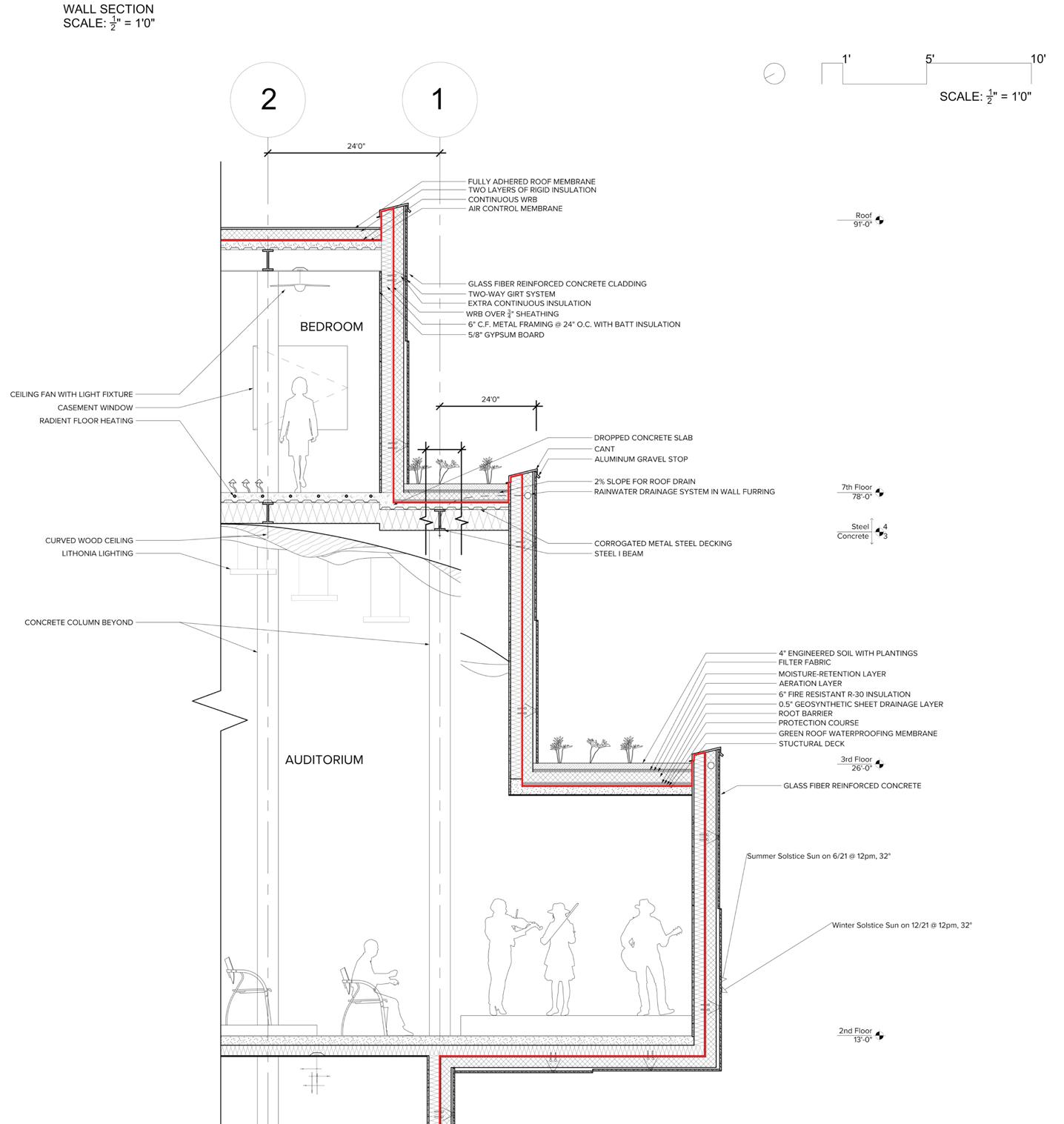
Detailed Wall Section
Liliana Hunt Amézquita
Section with COTE Design Analysis & Environmental Impact Analysis
Analysis via Systems (Active & Passive) Integrated into the Building
Liliana Hunt
Liliana Hunt
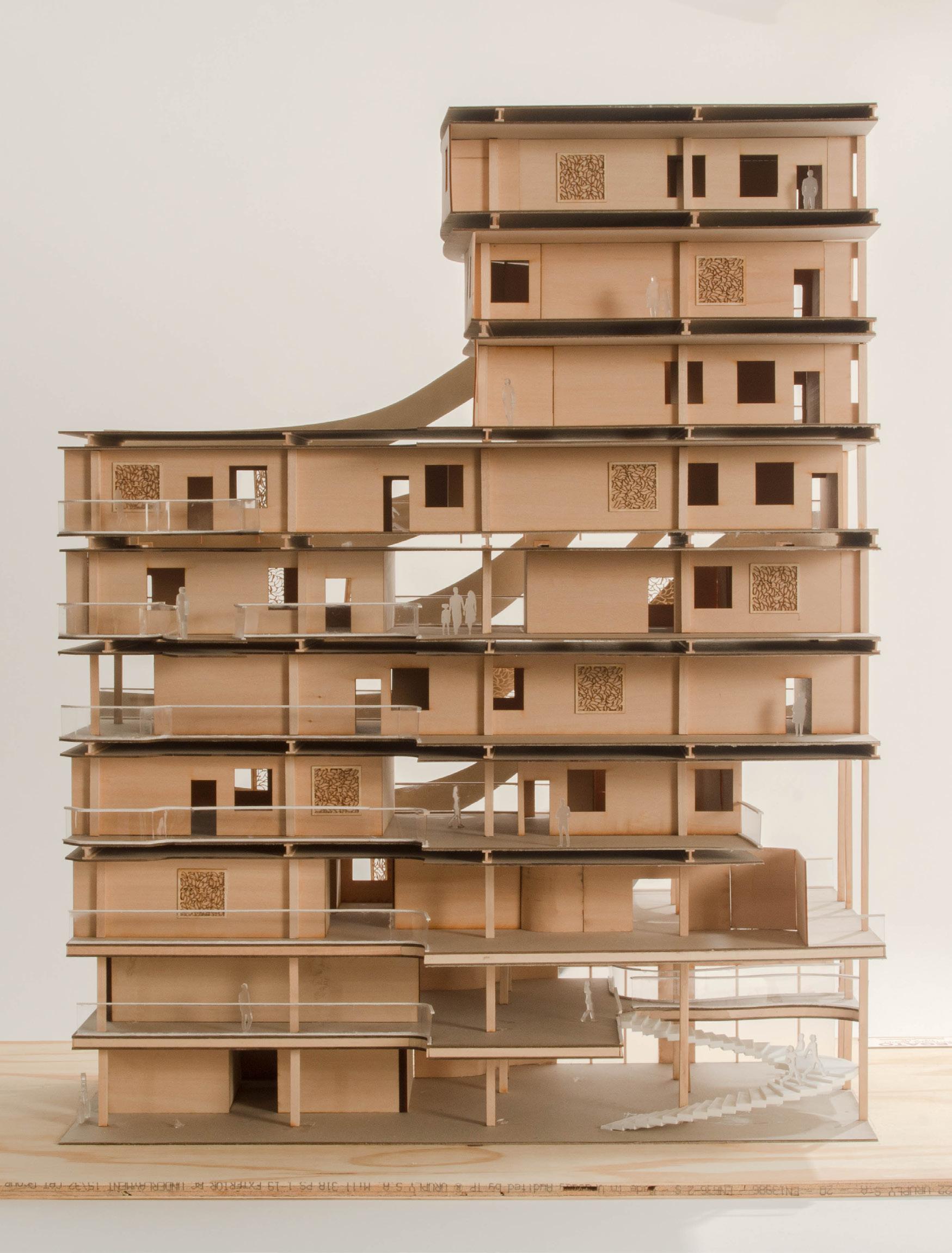
1/8”=1’0” Sectional Model: Interior View
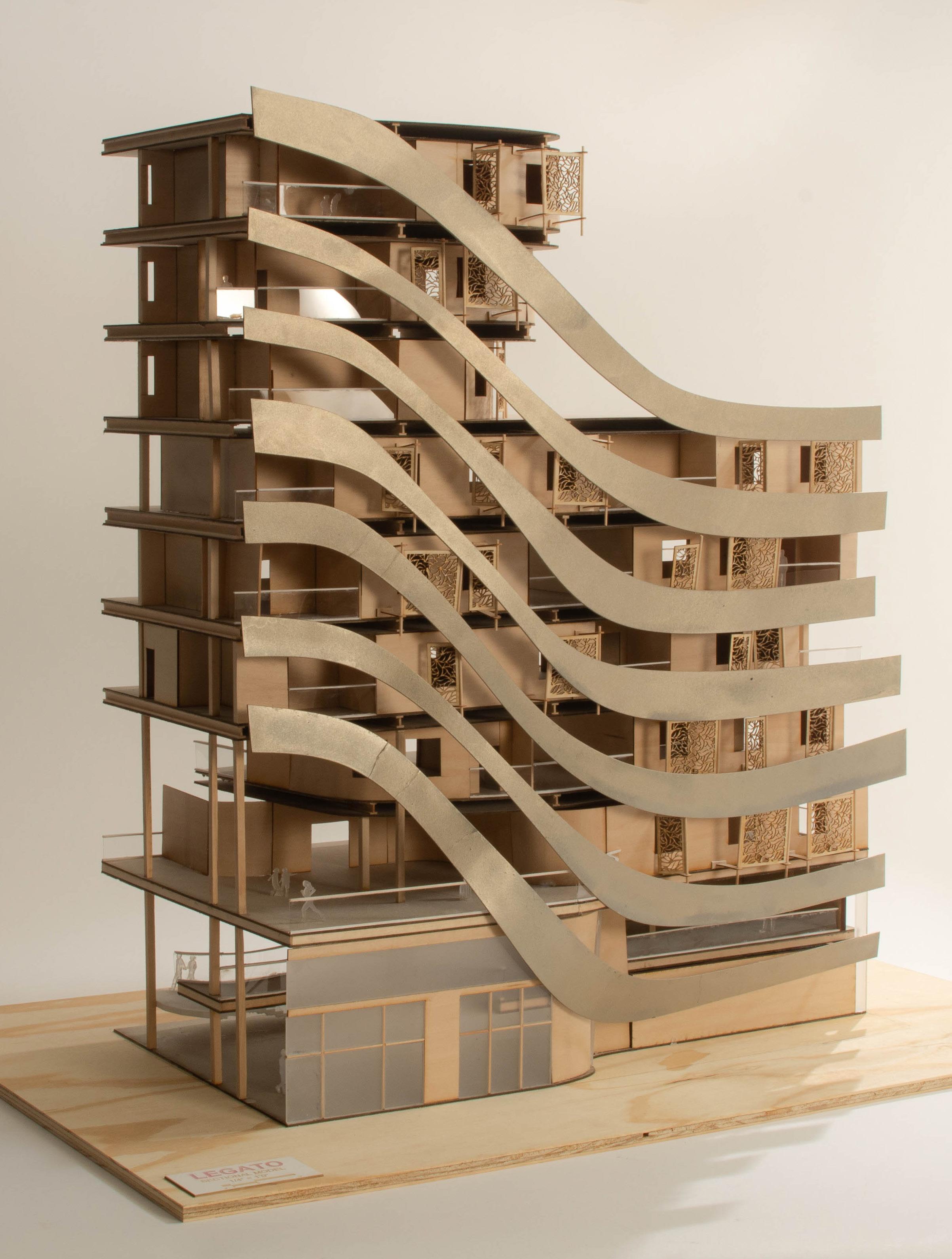
1/8”=1’0” Sectional Model: Exterior View
Liliana Hunt Amézquita
CONVERGE
Community Food Center
Mission Distict, San Francisco, CA
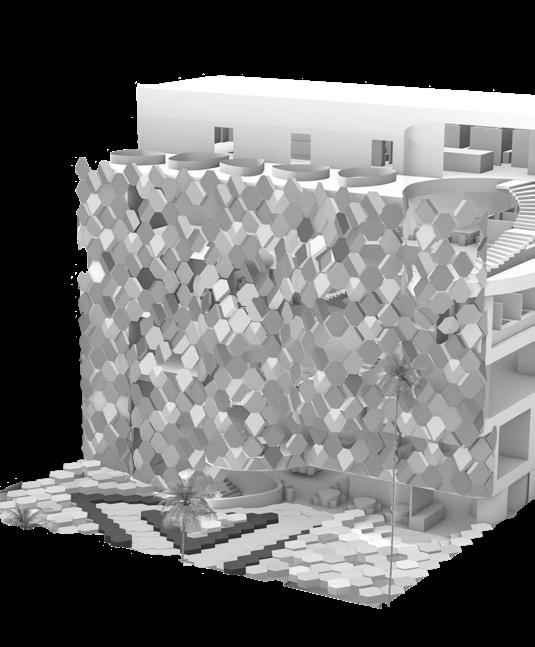
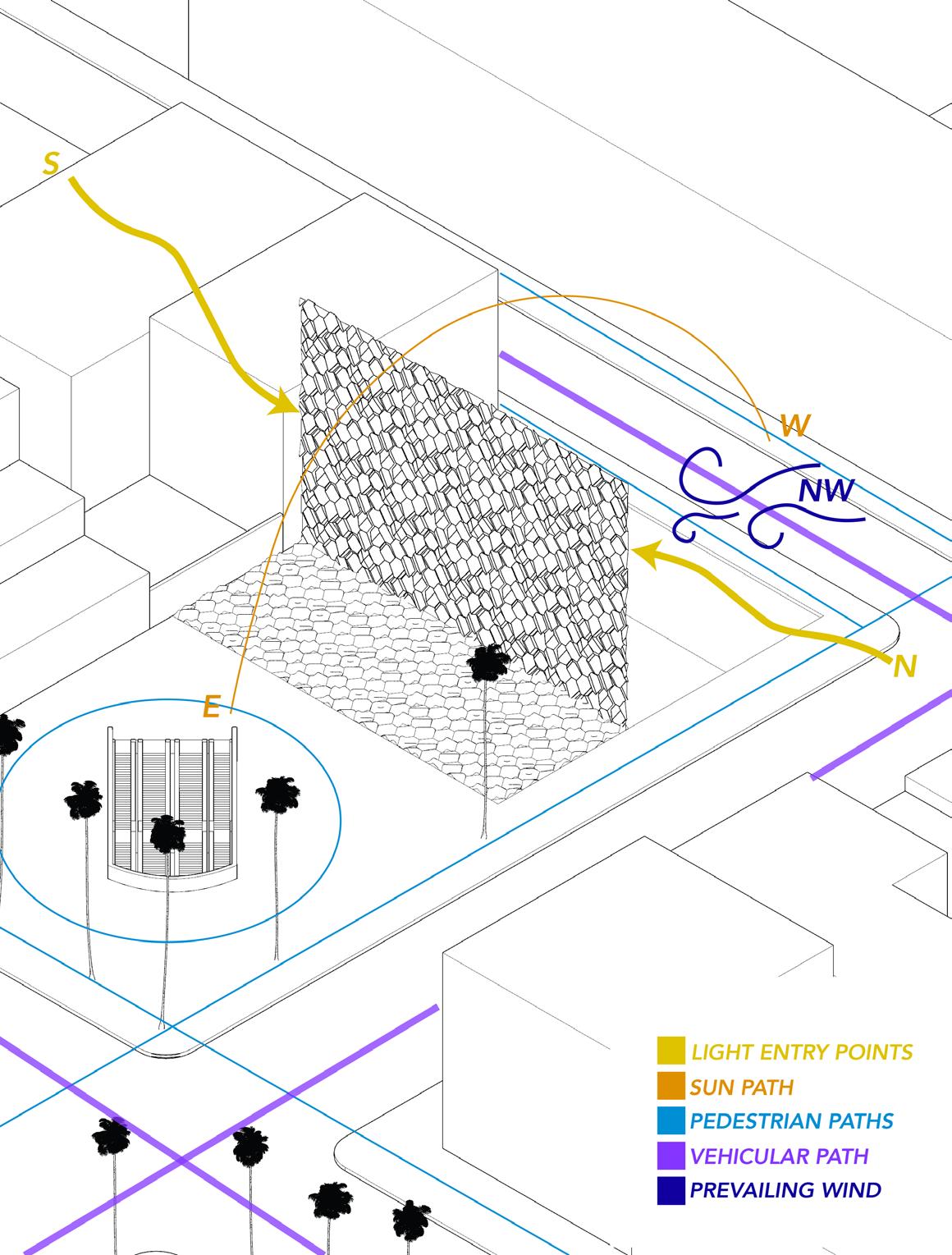
Facade Response to Site
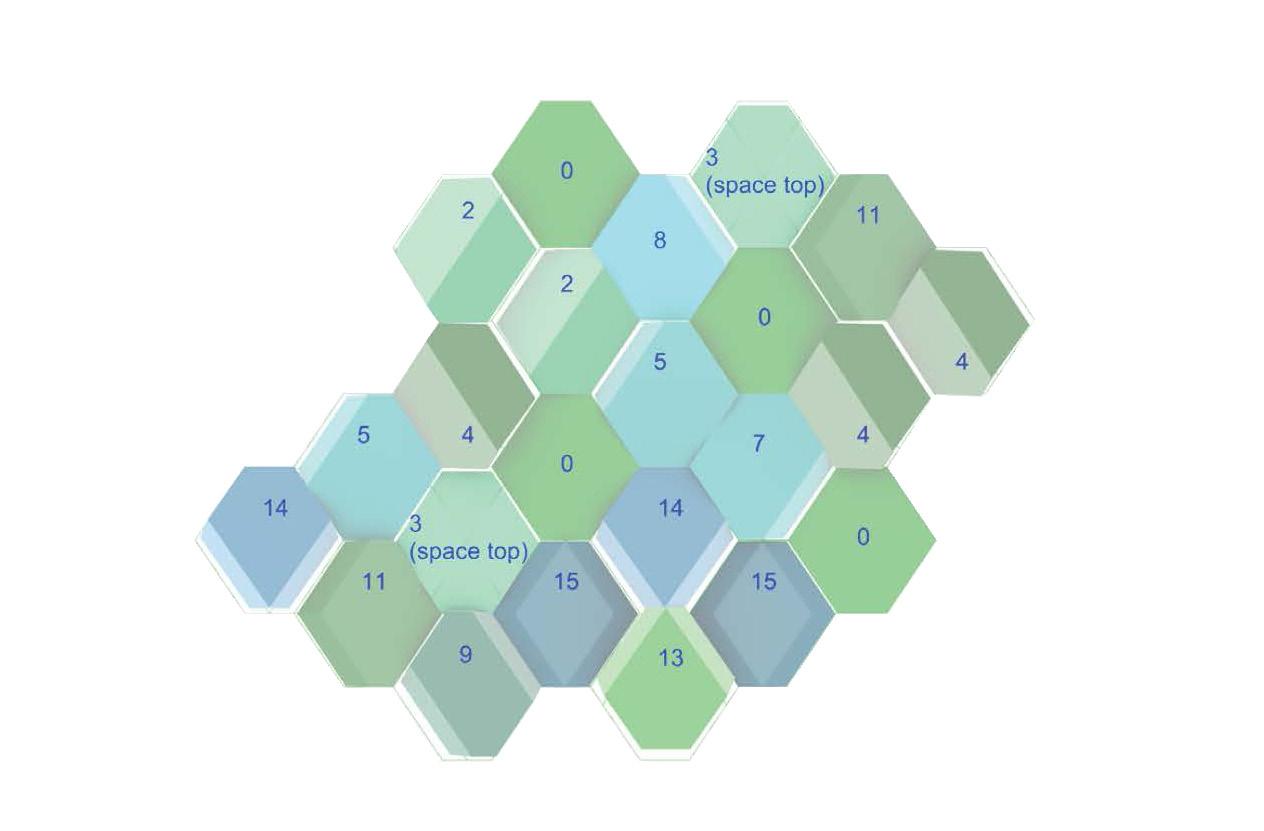
Repeated Clusters in Facade
Focus on materiality, form, and skin through parametric means Professor Jeff Ponitz / Fall 2021
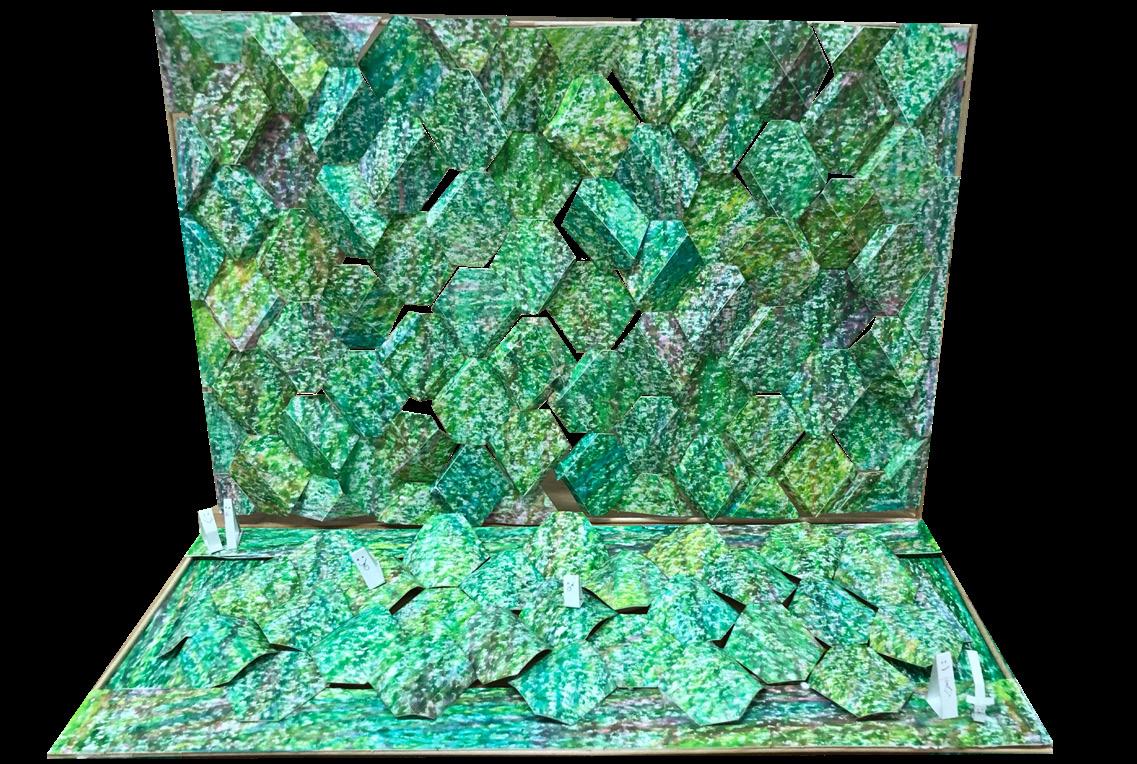
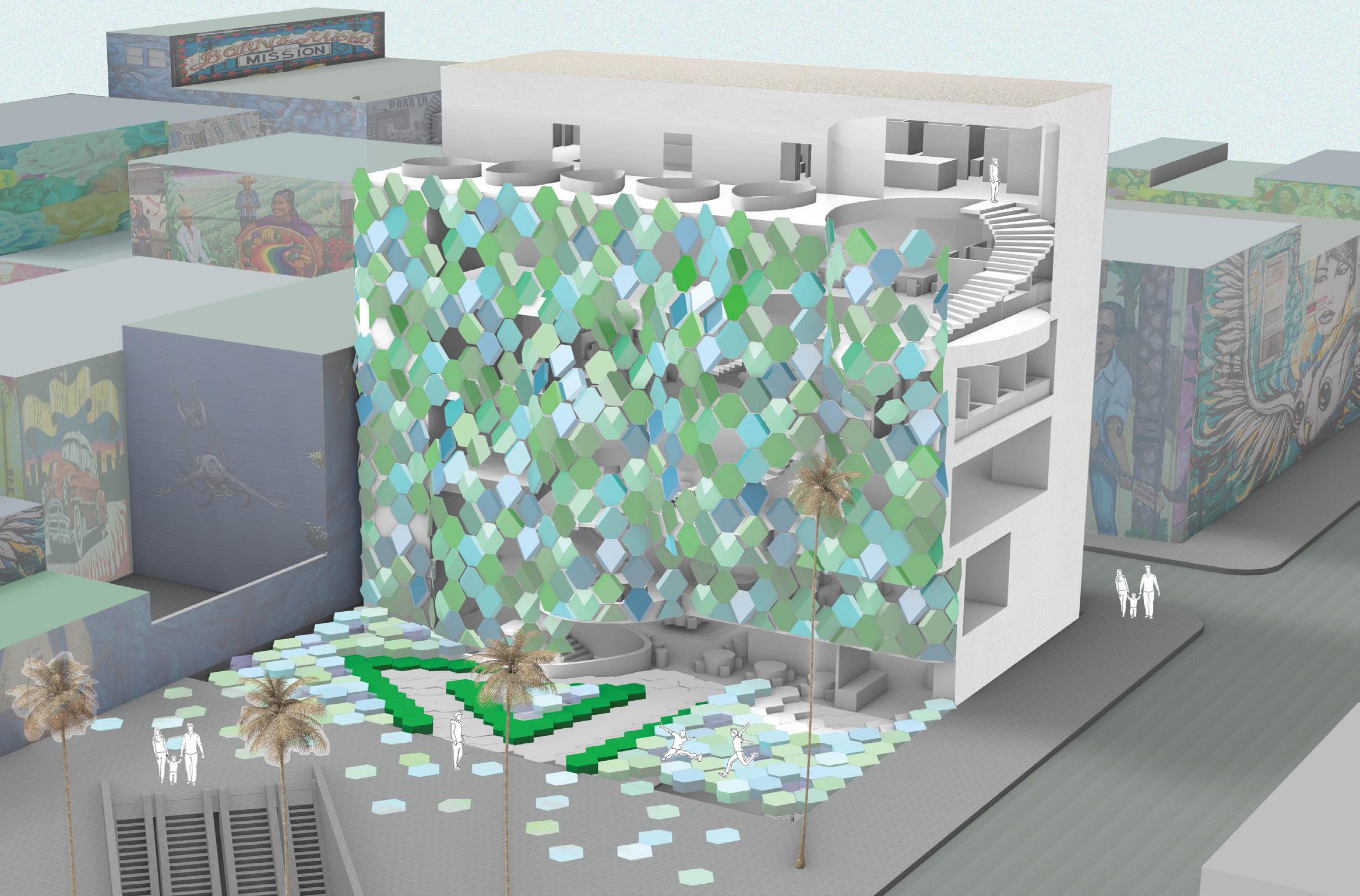
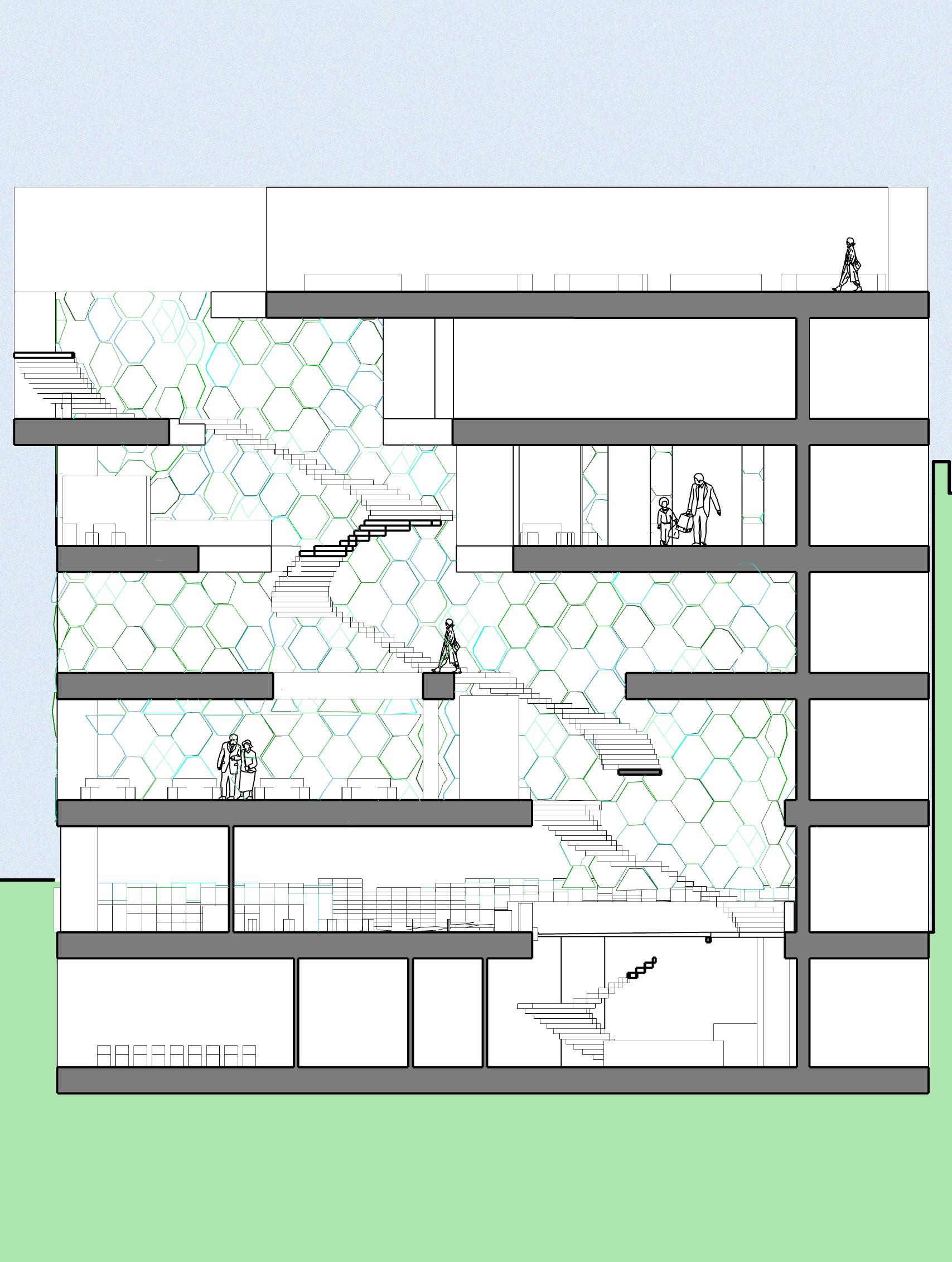
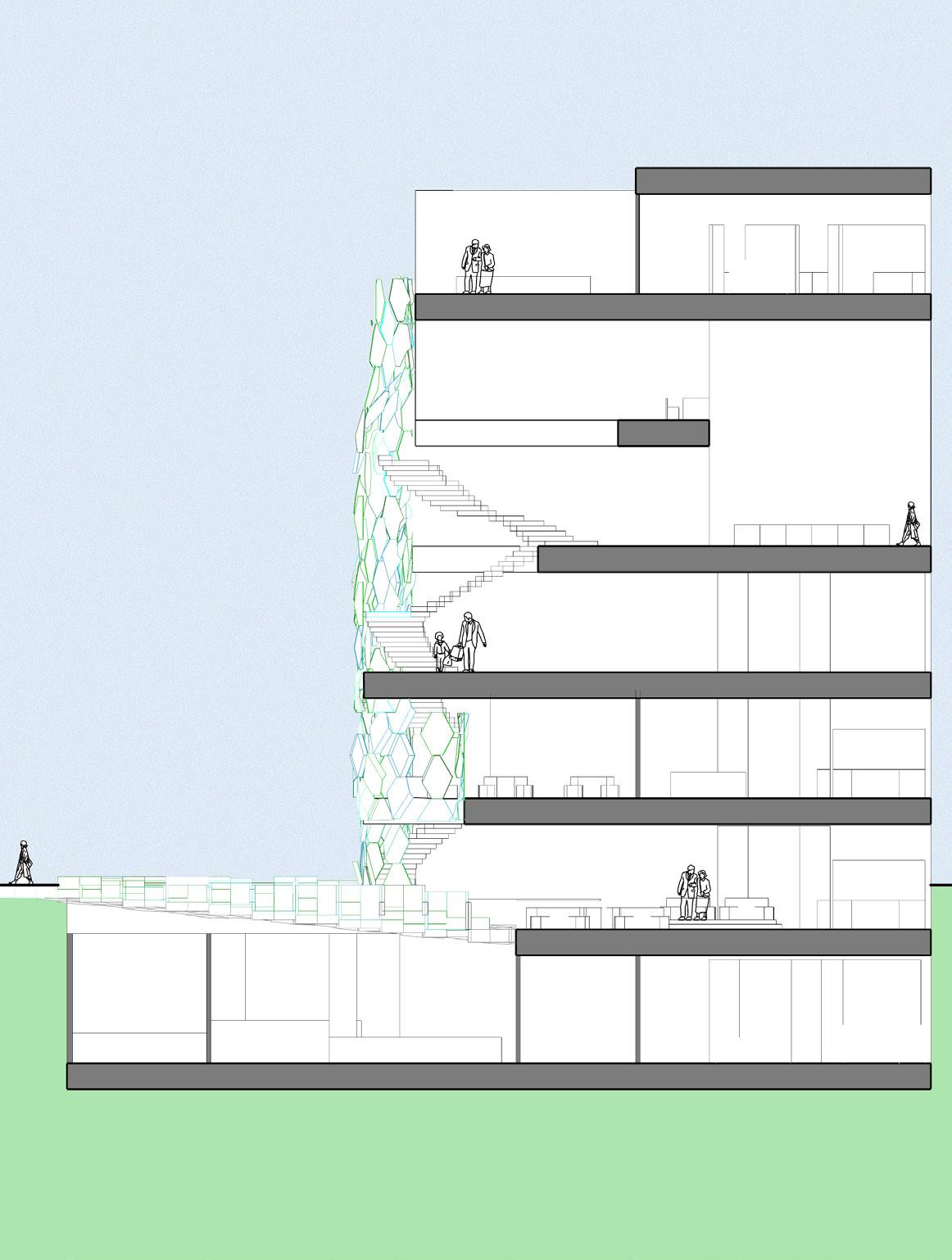
Inspired by local art, the facade consists of ceramic hexagons (oriented in a pattern due to their folds) responding to wind and sun. A staggered atrium pushes on the facade form while creating more views inside. An experiential staircase bridges the two together, creating close interaction of both.
Liliana Hunt
Neighborhood Integration
Longitudinal Section
Transverse Section
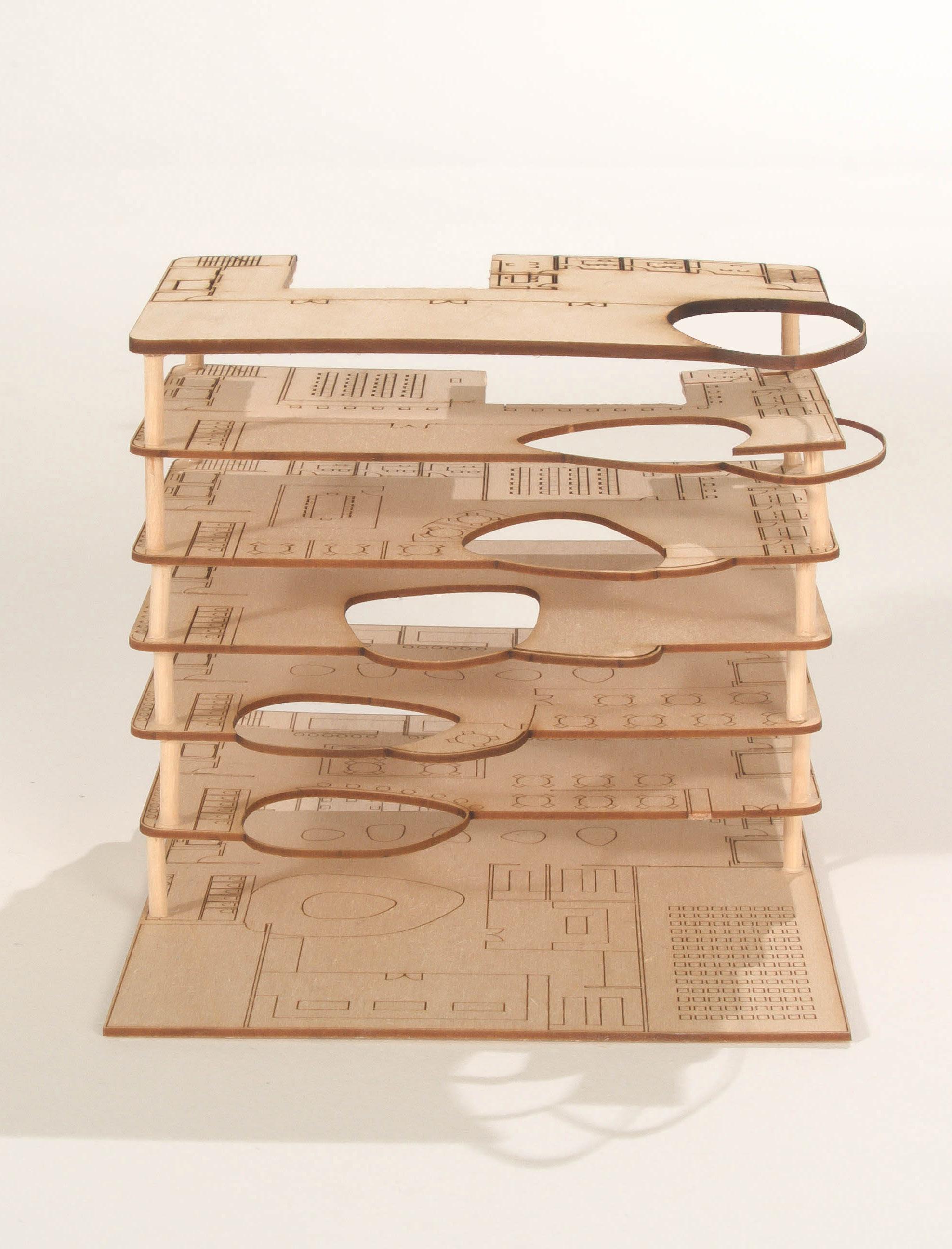
1/32”=1’0” Model with Plans Inscribed
Liliana Hunt Amézquita