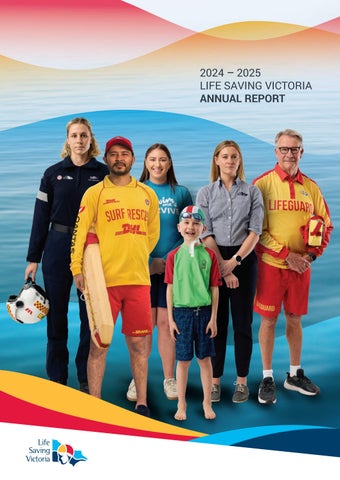
2024 – 2025 LIFE SAVING VICTORIA ANNUAL REPORT




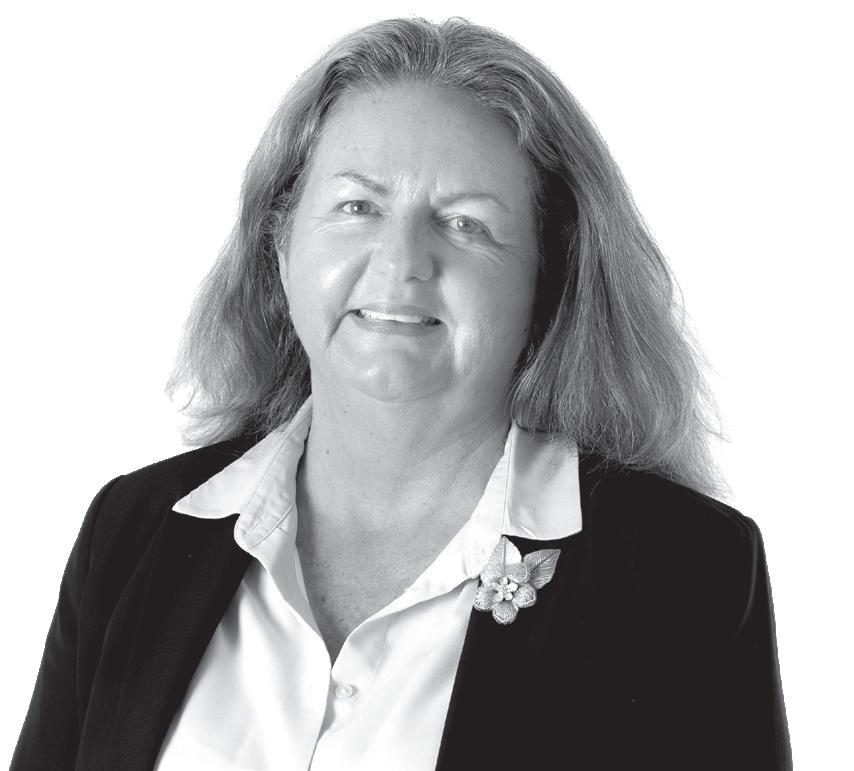
Susan Wolff
The team at Life Saving Victoria (LSV) and all involved in the lifesaving movement have once again demonstrated the utmost standards of skill, dedication and selflessness in their efforts over the past year.
Our volunteer lifesavers and paid lifeguards, LSV personnel, partners and stakeholders have all worked in concert to save lives and empower communities to safely enjoy water, and achieved so many outstanding results.
I thank and commend each and every one of you for the incredible contribution you make to the Victorian community.
Water safety and drowning prevention sit at the very core of all we do. Every drowning has wide-ranging impacts that go far beyond the tragic consequences for those who lose their lives. These incidents leave many families, friends and communities with the anguish and heartache of losing a loved one. They also affect our members and personnel, who so often are first on scene as these tragic events unfold.
These incidents challenge all of us, and through them we learn and grow, gaining new insights we can use to prevent future incidents occurring.
Our view at Life Saving Victoria is that a single drowning is one too many, and we will continue to work with firm resolve to keep our community safe in, on and around water.
While this is the primary role of LSV and the lifesaving movement, what our people and our partners contribute is so much more.
They may be volunteer lifesavers, paid lifeguards, swim instructors or water safety educators, pool operators, Nipper Age Managers, club administrators, competitors or supporters of lifesaving sport. They all stand as great bastions of volunteerism and the ethos of public service.
Regardless of their role, each and every one has helped to create a space, not only where we can drive the cause of water safety forward, but where anyone, regardless of their circumstance, can find a sense of place, of purpose and of belonging.
At a time when we see so much division and discord around the world, we can all stand tall as a community that projects unity, tolerance, compassion and acceptance.
We firmly believe that, regardless of background, age, gender, ability, sexual identity or socio-economic status, everyone should have the opportunity to safely access aquatic environments and participate fully alongside their fellow Victorians.
Everyone involved in our movement should feel great pride in their contribution to the safe, open, welcoming and inclusive environment that has been created to serve the Victorian community.

SUSAN WOLFF President
There are so many great achievements to celebrate and challenges ahead to focus on for Life Saving Victoria as we reflect on the year that was 2024–25.
As always, we’re reminded that the greatest assets of our organisation and the lifesaving movement are our people – and it is with immense pride that we showcase the amazing achievements of our people in this annual report.
Our volunteer lifesavers, paid lifeguards and LSV personnel working in collaboration with our aquatic industry partners and stakeholders have all demonstrated outstanding skill, dedication and selflessness in their efforts to save lives and empower communities to safely enjoy water.
LSV’s patrolling members performed an incredible 1,011 rescues – the highest number in 20 years – as well as 1,593 first-aid interventions and 355,994 preventative actions.
With rescue numbers at record highs, we’re glad to see our membership continue to grow year-on-year, with 45,265 memberships recorded for 2024–25.
Our Education team has run lifesaving education programs at beaches, inland waterways and classrooms for primary and secondary students, reaching 30,968 children and young people from 206 schools. These are incredible and inspiring numbers, though we cannot shy away from the fact that nearly 50% of Year 6 children across Australia cannot swim 50 metres and tread water for 2 minutes.
Our Diversity and Inclusion team continued to break down barriers that prevent too many Victorians from accessing safe aquatic environments and gaining water safety skills and knowledge.
Our D&I team delivered tailored programs to 31,597 people from multicultural communities, seniors and people with disabilities, our biggest attendance of these initiatives in 18 years.

We’ve also seen our Aquatic Industry Services team continue to work in partnership with the aquatic industry, engaging 994 people in industry development initiatives and conducting 170 pool safety assessments.
These efforts help provide places where the community can safely engage with water and vital water safety education opportunities. This is a crucial part of drowning prevention and essential to avoiding emergency situations.
On top of our rescue and education efforts, LSV has been developing new and exciting innovations to improve water safety, and our Research and Health Promotion team had a major breakthrough with the trial of Public Rescue Equipment (PRE) stations, in partnership with Venus Bay Surf Life Saving Club (SLSC).
These stations, equipped with an emergency two-way call button to Triple Zero (000), lifesaving rescue tube, instructional signage, official emergency markers, and a QR code for language support, were installed at Venus Bay in the state’s southeast in December 2024.
Barely a week after being launched, the stations were activated in two major incidents, saving six lives. This trial has proven the value of PRE stations in protecting communities and makes a solid case for the rollout of further PRE stations on waterways across the state.
Despite these many incredible efforts by our people, 52 people fatally drowned in the past financial year, 23 of which occurred over summer.
These numbers are down on the record figures we’ve seen in recent years, and it’s our hope that we will continue to see these numbers reduce in years to come.
One drowning is one too many, and as we develop our 2030 strategic plan, our focus is firmly on risk-based strategies to continue driving these numbers down.
The LSV team has been continuing its work on back-of-house reforms that play a key role in drowning prevention
through supporting our volunteers to be rescue-ready, optimising member experience and improving access to information for our volunteers, partners, stakeholders and the general public.
Continued implementation of LSV’s governance review; development of our first sports strategy and volunteer capability framework; improvements to our finance and people management systems; and our new website containing key water safety information will support our combined drowning prevention and water safety efforts.
By working with our community, our partners, and stakeholders, it is our hope in the coming years that, together, we can bring about a substantial and sustained reduction in the number of drownings that occur across the state.
Zero drownings will always be our aim, and while we are under no illusions that this is an ambitious and elusive goal, it is one that LSV and the lifesaving community will always strive for.
Finally, I must thank and commend everyone who has contributed to the water safety cause in Victoria during the year. Our volunteers, staff, aquatic industry professionals, educators, partner organisations, stakeholders and leaders at every level of government all play an integral role in achieving our purpose of saving lives and empowering communities to safely enjoy water.
I am confident that by working together, we will continue to drive and support positive outcomes for water safety and love of water here in Victoria.
CATHERINE GREAVES Chief Executive Officer
BCOMM, FCPA, FGIA, GAICD
LSV President and Board Chair
Appointed: November 2024
Susan is Executive Director – Business Services for Philanthropy Australia. She is an experienced chief financial officer, governance and operations manager with a career spanning 30 years working in the financial services industry.
Susan has been actively involved in the development and implementation of compliance, governance and risk frameworks across trustee, funds management and financial planning licensees.
Susan is a member of Altona Life Saving Club (LSC) and has previously held the position of Treasurer. She is also an independent director of Stawell Gift Event Management.
Susan previously held a board-appointed position as chair of the LSV Governance Committee and member of the LSV Performance and Remuneration Subcommittee.

Grad Cert Management, Assoc Dip Health Science (Ambulance), Cert Aquatic Leadership, Education and Practice, MAICD
LSV President and Board Chair
Appointed: November 2018
Tenure Ended: November 2024
Paul is an area manager in Gippsland for Ambulance Victoria (AV), where he is responsible for the provision of quality emergency ambulance operations. Paul is a registered Ambulance Paramedic and has received an ASM, National Emergency Medal, Defence Medal and National Medal.
Paul has contributed as a member of AV’s medical standards committee, has been a national councillor on the Australian Resuscitation Council and held numerous national directorships for Royal Life Saving Australia (RLSA).
Paul has been actively involved in lifesaving for more than 45 years and is still a patrolling member and life member at Hampton LSC. He has been a club president on two occasions and currently is a director of Surf Life Saving Australia (SLSA) and a member of the SLSA Foundation. Paul was awarded an RLSA 125th Anniversary Certificate of Merit by HRH Prince Michael of Kent in recognition of his contributions to lifesaving.
of VET

Director Training and Assessment
Appointed: November 2020
Katrina works for the Future Skills Organisation, an organisation that fast-tracks innovative vocational training solutions to meet the demand for the most important finance, technology, and business skills.
Before joining the Future Skills Organisation, Katrina was at WorkSafe Victoria, where she led a team of auditors who oversee registered training organisations and assessors for high-risk work licences in Victoria.
Katrina is a member of Mildura, Portland, and Ocean Grove SLSCs and is an active patrolling member. She has held numerous positions at club and state levels and has been a member of the Lifesaving Operations Council for 15 years. Katrina continues to be involved with surf sports as a senior official and Safety Emergency Management Coordinator at state, national, and world championships.
Katrina is the Chair of the Honours and Awards Committee.

BBus, MBA, FAMI (CPM), FAICD
Director Council of Life
Saving Clubs
Appointed: November 2019
Tenure Ended: March 2025
Adam has more than 20 years of banking experience, most notably as the Chief Strategy and Marketing Officer of a customer-owned bank.
He has more than 20 years of active service at Woolamai Beach SLSC, during which time he held the positions of Vice President, Chief Instructor and Patrol Captain while also working as a professional lifeguard.
Adam is a member of Mornington LSC, where his children participate in nippers, and for two and a half years, was a member of LSV’s Finance, Risk and Audit Committee.
Adam completed his Master of Business Administration at Melbourne Business School and is a fellow of the Australian Marketing Institute and the Australian Institute of Company Directors.
LLB (Hons), BA, GAICD

Director and Chair of Governance Committee
Appointed: January 2021
Liza is Principal at Collaborative Consulting Co. and has more than 20 years of experience collaborating with all tiers of the public sector and engaging with communities. With a philosophy of connecting research, policy and practice, Liza is passionate about strengthening sector and community resilience to mitigate the impact of natural hazards. She has led projects of national and state significance for the emergency management sector.
Liza is a nipper parent and former Age Manager at Anglesea SLSC, Chair of the Governance Committee and a member of LSV’s Finance, Risk and Audit Committee.

Diploma in Operations and Facilities Management
Director Aquatic Sports
Appointed: November 2021
Aaron has worked in senior property roles for the past 25 years and is currently the Head of Property for the Medibank Group. Aaron leads all property activities, including property strategy, leasing, design, construction, facilities management and accommodation planning.
Aaron currently holds the position of President (Chair) of the Geelong Try Boys Brigade, a youth organisation in the Greater Geelong region. He has previously held a board position as Vice President of Basketball Geelong. Aaron is a member of Jan Juc SLSC and has previously been President of the club. Aaron is also a member of the SLSA Sport Advisory Committee.

Grad. Dip. Marketing and Business Management Director Council of Life Saving Clubs
Appointed: November 2024
Paul has been involved in executive recruitment, and consulting to business on people strategy both nationally and internationally in the health and community care sectors since 1997. He has been a Company Director in this industry since 2002. Paul was initially involved in Surf Lifesaving as a junior in Cape Town, South Africa where he grew up. Over the last 11 years, he has been an active patrolling member of the Venus Bay Surf Life Saving Club. Since joining the Venus Bay SLSC, Paul has held the role of Committee Member for a year, Secretary for 2 years and Club President for 3 years.
During his tenure on the Venus Bay SLSC Club Executive, the club won the Victorian Lifesaving Club of the Year Award on three occasions and Australian Lifesaving Club of the Year once.
In addition, Paul competes in Lifesaving Masters events and he is a drone pilot with the LSV RPAS Service. Outside of lifesaving, Paul is a marathon swimming enthusiast having completed numerous marathon swims internationally and locally (including a solo English Channel crossing). He is a junior basketball coach at domestic and representative level and he is an active member of his local State Emergency Service

Director Council of Life Saving Clubs
Appointed: May 2025
Nicola combines over a decade of lifesaving leadership with extensive business expertise. As President of Black Rock Life Saving Club for five terms, she successfully guided the club through transformative challenges including COVID-19 response, facility redevelopment, and achieving Victorian Club of the Year recognition. Her lifesaving involvement spans multiple disciplines as an active beach, pool, and IRB competitor, official, former Age Manager, and Vice Patrol Captain. As a CLC member, she maintains deep understanding of challenges facing Victorian clubs. Professionally, Nicola is a Certified Management Consultant (CMC) and Graduate of the Australian Institute of Company Directors (GAICD). As Director of Hourglass Business Analytics, she has delivered substantial business improvements across mining, manufacturing, and agriculture sectors through complex transformation programs. Her expertise includes strategic planning, financial management, risk assessment, stakeholder engagement, project, change and program management - capabilities she has successfully applied at both club and corporate levels through system implementations, governance improvements, and transformational change initiatives. Nicola holds a Bachelor of Business (Accounting) from Monash University and brings analytical rigor, collaborative leadership, and unwavering commitment to LSV's mission of saving lives and empowering communities to safely enjoy water.
BBM, JD, GAICD

Director Membership and Leadership Development
Appointed: November 2021
Rebecca is a qualified lawyer, Partner of Investment Leverage and Portfolio Management at Firemark Ventures, and the former Chief Executive Officer of FinTech Australia. She has been appointed to three government boards and is now a director on a number of IAGFV Portfolio Companies. Rebecca is a current member of Jan Juc SLSC, where she held a variety of leadership positions, including South Barwon Training and Assessment Officer, Chief Instructor, Lifeguard, Patrol Captain and Age Manager.

Independent Director
Appointed: May 2024
Amy is an accomplished executive in sport, major events and recreation sectors with experience and capabilities in strategy, leadership, enterprise risk and complex operations. She spreads her time across businesses and roles, including Co-Founder and Director of Podium Global Advisory, Principal Advisor at Starling Advisory, Co-owner and Director of Simplify Systems and Co-Founder and Owner of Norte Wear.
Amy has extensive experience in the aquatics and leisure industry, previously serving as YMCA Victoria Group Manager, Y Australia Group Chief Operating Officer and Y Safeguarding Executive Director.
She was also General Manager of Operations at the Australian Grand Prix Corporation, responsible for the delivery of the Formula 1 Australian Grand Prix and the MotoGP Australian Motorcycle Grand Prix.

BAppSci, MBA, MAICD
Director Aquatic Education and Industry Engagement
Appointed: August 2022
Kara is a dynamic professional with more than 20 years of experience in leadership roles within the leisure industry across both local government and the private sector. Currently serving as the State Manager of Victoria and Tasmania at Belgravia Leisure, Kara oversees a diverse portfolio of facilities. Her responsibilities include the management of award-winning leisure centres, seasonal pools, river pools, golf courses, accommodation, and wellness establishments.
Beyond her role at Belgravia Leisure, Kara actively participates in industry associations and councils. She serves as a valued representative on the Aquatic Education and Industry Engagement Council (AEIEC) and is a member of the Governance Committee.
Kara's passion for the water extends beyond her professional pursuits. She is a former member and competitor at Williamston S&LSC, proudly supports the Wye River SLSC as a dedicated Nipper mum and is a member of the governance committee.

Director Lifesaving Services
Appointed: November 2019
Kane has been a member of Victoria Police for the past eight years and holds the rank of Detective Leading Senior Constable. He is currently posted to a specialist investigation unit and is a graduate of the Victoria Police Detective Training School.
Kane also undertakes work in risk consultancy, where he provides advice around risk, safety and crisis management to clients in both the public and private sectors. A key focus of Kane’s work has been in and around more high-risk aspects of film and television production both in Australia and overseas.
Kane is a long-time member of Williamstown S&LSC, a former Secretary and Board member, and a former Australian Champion. Kane has worked as a professional lifeguard and is an active crew member on the Westpac Lifesaver Rescue Helicopter. In addition to his role at LSV, Kane is on the board of directors at Urban Camp and a member of Ambulance Victoria’s Community Advisory Committee and their Quality and Safety Committee.

BEd, FRSCA, MAICD
Director Council of Life
Saving Clubs
Appointed: November 2022
Tenure Ended: November 2024
Craig has been involved at a global level with business strategy, training and diversity, and equity and inclusion initiatives for more than 25 years.
Craig has been part of Venus Bay SLSC for more than 30 years, where he is a life member and has held positions of President, Secretary, Competition Manager, Patrol Captain and Senior Lifeguard. Craig has received two separate Meritorious Commendations for rescues.
Craig has a Master of Professional Education and Training and has consulted to international businesses on business strategy and diversity, equity and inclusion best practice.

BParamedStud, GradCertAppMgt, GradDipEmrgHth (MICA), MEd, MAICD, FACPara
Independent Director and Chair Finance, Risk and Audit Committee
Appointed: April 2024
Tony has nearly four decades of experience in ambulance and emergency medical care.
A registered paramedic, Tony is the former CEO of Ambulance Victoria, a fellow of the Australasian College of Paramedicine, Vice Chancellor’s Strategic Fellow at Victoria University, and Adjunct Professor at Monash University.
Tony is a member of the Australian Institute of Company Directors and Non-Executive Director of the Prostate Cancer Foundation of Australia, and TLC for Kids. (Tony concluded his term as Non-Executive Director on the Emergency Services Foundation in December 2024.)
Life Saving Victoria Limited (LSV) is a public company limited by guarantee and was formed in 2002 through the merger of Surf Life Saving Victoria and the Royal Life Saving Society Australia – Victoria Branch
As the Victorian peak body for water safety, LSV is also:
• a support agency of Emergency Management Victoria under the State Emergency Management Plan
• a registered charity with the Australian Charities and Not-for-profits Commission
• a registered training organisation with the Australian Skills Quality Authority
• a state sporting association
• endorsed for deductible gift recipient status with the Australian Taxation Office.
LSV’s purpose is to save lives and empower communities to safely enjoy water. More information about our governance framework is available at lsv.com.au/about/governance
As a member-based organisation, the LSV Constitution sets out the various classes of membership.
We have 57 affiliated lifesaving clubs, and finished the season with 45,265 individual members, reflecting a 0.66% per cent increase from the previous year. Members are entitled to the benefits, advantages, privileges and services relevant to their membership.
In addition, by becoming a member of LSV, each member has acknowledged and agreed to comply with the LSV Constitution, By Laws and any determination, resolution or policy of the company (which includes LSV’s values and code of conduct) and contribute to LSV achieving its purpose.
Membership must be renewed or re-applied for each year. LSV has the discretion to accept or reject an application and is not required or compelled to provide any reason for such acceptance or rejection of members.
The LSV governance structure consists of a voluntary Board of Directors, supported by:
• five councils: the role, composition and structure of which are set out in the Constitution.
• five committees: the charter, composition and reporting obligations (also referred to as the operating brief) of which are set out in the By Laws.
The board also constituted one temporary subcommittee in 2024 – 25. These are summarised in the ‘our committees’ section below.
The board, each council and each committee consist of volunteers supported by management.
The following board movements occurred in 2024 - 25:
1 Katrina Antony was re-appointed Ordinary Director (Life Saving Operations Council) for a two-year term, effective 17 August 2024.
2 Paul Hoffman was elected Ordinary Director (Council of Life Saving Clubs) for a two-year term, effective 17 August 2024.
3 Craig Watson resigned from the position of Ordinary Director (Council of Life Saving Clubs), effective 17 August 2024.
4 Paul James ASM finished his tenure as President (and Chair of the Board of Directors), effective 16 November 2024.
5 Susan Wolff was elected President (and Chair of the Board of Directors) for a two year term, effective 16 November 2024.
6 Liza Gelt was re-appointed as an Independent Director (and Governance Committee Chair) for a two-year term, effective 1January 2025.
7 Kate Simpson completed her term as Interim Company Secretary on 11 December 2024.
8 Nicole Pantalleresco was appointed Company Secretary via board resolution effective 11 December 2024.
9 Adam Alsbury resigned from the position of Ordinary Director (Council of Life Saving Clubs), effective 7 March 2025.
10 Nicola Harrop was appointed to the position of Ordinary Director (Council of Life Saving Clubs), effective 16 May 2025.
LSV is required to maintain the following standing committees:
• LSV Finance, Risk and Audit Committee
• LSV Governance Committee
• LSV Honours and Awards Committee
• LSV Grievance and Judiciary Committee (meets only as required)
• LSV Facilities Committee (meets only as required)
The Board has also established the Performance and Remuneration Subcommittee.
The operating brief, composition and reporting obligations of each committee are set out in the By Laws.
In 2024 — 25, the board also constituted the following temporary subcommittees to help it carry out its duties:
• Nominations Subcommittee for the appointment of a new AEIEC Council Representative (February – March 2025)
• Nominations Subcommittee for the appointment of a new Finance, Risk and Audit Committee member (AprilMay 2025)
The Future Governance Working Group, appointed by the Board in 2023 – 24, was retained throughout 2024 – 25.
This working group, comprised of diverse representative stakeholders, was established to assist with the implementation of the LSV Governance Review project.
The LSV Constitution mandates the establishment of five councils:
• Aquatic Education and Industry Engagement Council
• Aquatic Sports Council
• Council of Life Saving Clubs
• Life Saving Operations Council
• Membership and Leadership Development Council
The role, composition and structure of each council is set out in LSV’s Constitution, and the procedures governing the operation of each council are set out in the By Laws.
While the composition of each council differs, councils generally consist of delegates from life saving clubs, associate members, service members, and other aquatic industry, educational or community group members.
LSV is committed to high standards of ethical conduct and accordingly places great importance on identifying, disclosing and managing conflicts of interest.
In line with the policy requirements, a review of the LSV Conflicts of Interest Policy occurred in October 2024, and LSV continues to utilise an accessible digital form to manage the declaration of interests and the management of conflicts across the organisation.
All board directors, council officers and committee members, the executive and staff in nominated positions must declare their interest in any contractual, disciplinary or other financial matter in which a conflict of interest arises, may arise, or may be perceived to arise.
Unless otherwise determined, if a conflict arises, the person must recuse themselves from discussion of such matter and is not entitled to vote on the matter.
To assist in governing the diverse activities and operations of LSV, the Board has adopted By Laws, policies and other resolutions.
LSV also adopts Surf Life Saving Australia and Royal Life Saving Australia policies, as applicable.
LSV’s day-to-day management is under the supervision of the chief executive officer (CEO). The CEO is supported by an executive management team and staff.
82 members completed the online LSV Club Governance training, with another approx. 85 further participants completing Governance 101 workshops with LSV's general counsel at the
Preseason Forum, Presidents' Program and the Club Insights and Discussion series this year (with a focus on running successful club Annual General Meetings).
Life Saving Victoria’s Governance Scholarship Program was reinstated in 2024 – 25, with 26 full and two partial scholarships funded.
With the purpose to save lives and empower communities to safely enjoy water, a dedicated cohort of volunteers, employees and partner organisations is central to supporting this goal.
Each and every one of our people, volunteers, clubs, and partners plays a vital role in creating safe swimming environments and developing Victorians with vital water safety knowledge and skills.
With the purpose to save lives and empower communities to safely enjoy water, a dedicated cohort of volunteers, employees and partner organisations is central to supporting this goal. Each and every one of our people, volunteers, clubs, and partners plays a vital role in creating safe swimming environments and developing Victorians with vital water safety knowledge and skills.
11 Board Of Directors (Volunteers)
57
45,265 Volunteer Members LSV STAFF (as of 30 June 2025) 95 Full-Time
LSV’s operating financial result was a deficit of $358,840
Financial outcomes for the 2024–25 period remained stable, aligning with expectations set at the beginning of the year.
Following a mid-year review that indicated performance slightly ahead of budget forecasts, the Board strategically advanced a number of key initiatives designed to strengthen the organisation’s foundations for sustainable growth. These measures, coupled with a realignment of organisational structure, contributed to a prudent and deliberately managed operating deficit. In addition, a bequest of $1.03 million from the Estate of the late Peter Francis Fleming will support significant public initiatives aimed at drowning prevention in Victoria.
Key influences on the result:
• Funding totalling $12 million from the Department of Justice and Community Safety, with the support of Emergency Management Victoria, played a crucial role in sustaining essential public safety services throughout Victoria. This investment ensured the continued operation of lifeguard services, rescue water craft services, helicopter and drone capabilities, and public messaging initiatives. These services remain vital in protecting the Victorian community and responding effectively to emergencies.
Beyond frontline rescue operations, this funding also supports safety measures at public pools, enabling the ongoing delivery of lifesaving education programs. Multicultural water safety initiatives have benefited, helping to reach diverse communities across the state. Volunteer-based programs and services, which are delivered through 57 clubs, receive ongoing support, ensuring their ability to serve local communities. In addition, the funding contributes to community awareness campaigns and research activities, further strengthening Victoria’s commitment to water safety and drowning prevention.
• Ongoing funding from the Department of Education, provided through the Public Water Safety Initiative, ensures that all students are given opportunities to develop essential swimming and water safety skills, as well as the necessary knowledge to stay safe around water. By investing in these programs, the initiative helps embed water safety as a core component of education, fostering lifelong skills and awareness among young people across Victoria.
• National body funding from Surf Life Saving Australia and Royal Life Saving Australia totalled $1.3M in 2024 - 25.
• Social enterprise revenue increased by 3 per cent in 2024 - 25 with this revenue source making up 34 per cent of total income.
LSV works with thousands of program partners across the state to deliver lifesaving services, water safety education and drowning prevention programs.
Life saving clubs, the Victorian Westpac Lifesaver Rescue Helicopter Service, rescue water craft (RWC) and remotely piloted aircraft system (drone) services, local marine search and rescue services, local government authorities, emergency services organisations, and/or land managers that engage paid lifeguard services.
Swim schools, aquatic facilities and schools that deliver the Royal Life Saving Swim and Survive learn-to-swim program.
Schools and community organisations that host LSV water safety education programs and utilise LSV online water safety education resources.
Community organisations that partner with LSV to deliver water safety education programs to multicultural communities, seniors and people with disabilities.
Aquatic facilities that are part of LSV’s Watch Around Water and/or SwimSafe public education campaigns, as well as facilities that are part of LSV’s platinum pools program for aquatic safety and risk management.
LSV service members and licensees of our Registered Training Organisation (RTO) that deliver aquatic and first aid training across the state, as well as partner training venues.
Partner agencies of the Play it Safe by the Water community/government partnership, aquatic facilities that participate in Water Safety Month and education institutions that partner in research projects.
Event partners and clients of LSV’s function centre, The Views.
In alignment with our Strategic Plan 2021 — 25, we have maintained momentum in launching and executing several diverse services and programs. This section of the annual report provides an overview of the opportunities and challenges in delivering activities throughout 2024 — 25 in our community, aquatic environments and organisation.
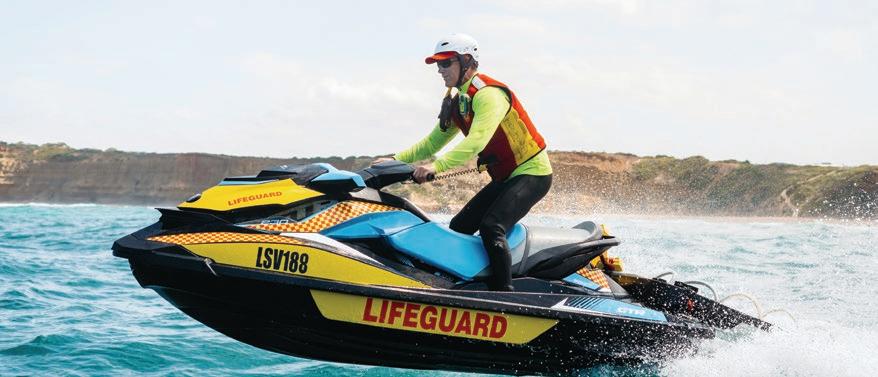
The number of drowning incidents across the state has remained persistently high, despite Life Saving Victoria, the aquatic industry and the lifesaving movement working harder than ever to protect the community.
A total of 1,011 rescues were performed by our volunteer lifesavers and paid lifeguards during the 2024-25 Summer Patrol Season, the highest number in 20 years.
Despite this incredible effort from volunteers and paid personnel, Victoria recorded 52 drownings over the financial year, 23 of which were over summer.
While we’ve seen fewer incidents than record numbers in recent years, these figures remain higher than both five and ten-year averages.
This result emphasises the ongoing need for a concerted whole-of-community effort to bring about sustained reductions in drowning across the state.
LSV has been proud to work with a number of local community groups and government agencies to improve water safety.
Our Aquatic Capability and Research team supported the development of the Bass Coast and Mornington Peninsula Cross Council Working Group Water Safety Framework which brought together local councils, emergency services, land managers, community networks and aquatic industry operators with a shared commitment to reducing the region’s alarmingly high drowning toll.
Our Aquatic Capability and Research teams also worked with Manningham Council in northeast Melbourne to create Victoria’s first Local Water Safety Plan. This initiative will support the local council and community in managing water safety risks, particularly at sites on the Yarra River within Council’s boundaries.
These initiatives are a template for councils and communities in other areas across Victoria to collaborate with LSV on drowning prevention and community water safety.
Life Saving Victoria continued to work with our many partners and stakeholders, providing a host of opportunities to collaborate on initiatives to save lives and empower communities to safely enjoy water. Our Emergency Management Capability and Response (EMCaR) team has substantially increased engagement with a range of partner organisations and agencies. This includes an increased presence on Municipal Emergency Management Planning Committees in both metropolitan and regional jurisdictions, allowing us to be at the epicentre of local risk awareness and decision making around managing and responding to emergency scenarios.
Our partnership with the Victorian Government through the Department of Justice and Community Safety (and EMV) has continued to provide vital support for our ongoing emergency preparedness and response operations. Funding provided by both state and The Victorian Department of Education also continues to provide vital support through the finalisation of the Public Water Safety Initiative, and the
establishment of the Water Safety in Schools initiative. Both have been integral to building swimming and water safety capabilities to address current and emerging water safety risks within Victorian communities.
Our ongoing engagement with our aquatic industry partners has also continued to grow and flourish. Initiatives such as the Victorian Aquatics and Recreation Industry Conference and AquaTactics training sessions for swimming instructors have helped forge strong relationships with those who work in aquatics as key allies in improving water safety outcomes.
Victoria’s population is rapidly growing, ageing and becoming increasingly diverse, creating new challenges and opportunities for water safety and stretching available resources.
A key priority for LSV is reaching out to multicultural communities, which face a range of unique barriers to gaining water safety skills such as language and cultural barriers, access to safe aquatic environments and a lack of community role models. LSV has built a partnership network across multicultural organisations and delivered supporting
initiatives aimed at driving down drowning numbers in these communities. Melbourne’s Sikh community in particular has shown outstanding leadership in this space, working with LSV to develop an adult water safety education program targeting multicultural Victorians.
Our Diversity and Inclusion team’s efforts to reach and educate at-risk Victorians broke records this financial year, with tailored programs reaching 31,597 participants from multicultural backgrounds, seniors and people with a disability, an 18-year high.
The disruption, evolution and change within the modern media and digital landscapes continues to be both a challenge and an opportunity to LSV in getting water safety messaging out to the public. In the past financial year, LSV has taken on a number of projects to maximise our effectiveness in this space:
• Communications Review LSV conducted a comprehensive review of its communications strategy to ensure finite resources were being utilised to the greatest benefit. The review covered internal and external communications
Life Saving Victoria has been involved in a number exciting water safety innovations. A trial of Public Rescue Equipment (PRE) stations was launched on beaches at Venus Bay in December.
The five stations are fitted with an emergency two-way call button to Triple Zero (000), a lifesaving rescue tube, instructional signage, emergency markers and a QR code for language support. The stations are set up to assist bystanders to safely assist people in distress and enhance emergency response times.
The stations are the first of their kind in the state, and were co-designed with the local community at Venus Bay.
Within a fortnight of being launched, the stations were activated to assist in two major incidents, saving six lives. This project will be used as a precedent for implementing PRE at other high-risk
locations in Victoria.The PRE trial is a partnership between LSV and Venus Bay Surf Life Saving Club.
A new interactive water safety sign was installed at the popular tourist destination of Lorne. The Victorian-first installation comprises an electronic touchscreen with region-specific advice on weather conditions, hazards, activity-related safety risks and when volunteer lifesavers and paid lifeguards are patrolling local beaches.
Based at the town’s visitor centre, the interactive sign can provide multilingual information to keep beachgoers safe. This initiative is the result of collaboration between Life Saving Victoria and Surf Coast Shire Council These projects both offer great possibilities for improving water safety across Victoria. Both initiatives received Australian Government funding through Surf Life Saving Australia’s Blackspot Program.
channels, engagement with traditional and digital media and new opportunities for LSV to pursue.
• Website Redevelopment Partnering with Bright Labs, LSV has conducted a complete strategic overhaul of its website. This included user experience planning, content coordination, and persona-led design improvements to enhance navigation, accessibility, and user engagement.
• Social Media Strategy The team facilitated planning sessions across portfolios, including Aquatic Sport and Aquatic Capability—to improve alignment, optimise reach, and ensure consistent brand messaging across platforms.
• Media Operations Enhancements Improvements included refining the media on-call roster, updating spokesperson protocols, and supporting media logistics for helicopter promotions and high-level caucus meetings.
• Strategic Projects Contributed to the LSV Communications Review, which analysed existing communications practices with the aim of improving connections with internal and external stakeholders.
Improving water safety in rural and regional Victoria, particularly on inland waterways, has been an ongoing concern for LSV. There was a marked increase in requests for support to improve water safety outcomes in rural and regional communities during 2024–25.
LSV provided advisory and consultancy services to a growing number of local councils and land and waterway managers to address aquatic risks. The number of engagements reflects a rising demand for specialist services in this area and highlights importance of scaling internal capacity to respond. LSV also convened the fourth annual Inland Waterways Forum in Bendigo, bringing together government agencies, community leaders, industry partners safety and emergency management experts to identify shared priorities and advance water safety outcomes across inland regions.
Increasingly frequent and severe weather events continue to impact our beaches, coastline and club infrastructure, underscoring the need for strategic, long-term resilience planning for our lifesaving clubs. This can be seen by the significant erosion events which impacted infrastructure at Inverloch SLSC, Pt Lonsdale SLSC, Torquay SLSC, and Gunnamatta SLSC beaches.
Stringent planning, building and environmental approval requirements, though necessary, are significantly increasing the cost and duration of lifesaving club redevelopment projects. Rising construction costs, coupled with reduced government funding, are making it increasingly difficult and time-consuming to secure the resources needed for club
Our 45,265 members put in extraordinary amounts of time, effort and energy to keep our community safe in the water, and we have been actively working with them to provide the resources and support they need.
Our skills maintenance app has now been rolled out across Victoria. A core objective of this was to reduce the workload on our volunteers who process training awards. Before the app was rolled out, members were putting hundreds of hours into skills maintenance administration, dealing with thousands of paper-based records. This administrative burden has now been eliminated.
The app has also proven a great success for members undergoing training, with course participants completing more than 15,000 e-learning modules through the app, the highest uptake ever of our digital training opportunities.
On top of the app rollout, LSV is developing its new Volunteer Capability Framework to support our current and future club leaders.
The framework is intended to support our clubs to attract, retain and develop their leaders by driving a consistent statewide
refurbishments and redevelopments. Despite these challenges, new club facilities were opened at Brighton LSC and Black Rock LSC, which were terrific achievements for club members working with support from Bayside Council and the Victorian Government.
LSV has been actively collaborating with the Department of Justice and Community Safety to ensure lifesaving facilities are incorporated in the Victorian Government’s Justice Asset Infrastructure plan, which will allow for coordinated planning of facility renewal and assist the government making decisions on funding priorities.
A Comprehensive Inland and Coastal Waterway Risk Model for Victoria project is a collaborative initiative being led by Life Saving Victoria in partnership with Parks Victoria. The project addresses the significant increase in drowning incidents
in Victoria in more recent years, exacerbated by extreme weather events. The aim is to develop a comprehensive risk exposure model integrating multiple statewide exposure indicators, providing geographic insights into drowning emergencies.
The model will provide essential information to emergency management agencies and land managers, enabling them to prioritise mitigation strategies for high-risk water bodies.
Extensive stakeholder engagement occurred this year with over 70 participants across two workshops, leading to the development of the first version of the model. A refined model will be developed in 2025-26 following further stakeholder consultation. The project is funded by the Australian Government in partnership with the States and Territories under the National Partnership Agreement for Disaster Risk Reduction.
approach to lifesaving activities, providing clarity around different volunteer roles and managing succession planning. This will support our volunteers to take on leadership roles by presenting a defined leadership development pathway and will be an important resource to help manage the workload involved in leadership roles.
Keeping young people engaged with the lifesaving movement is also vital for the long-term sustainability of our clubs and volunteer membership. To meet this challenge, LSV has established a range of initiatives.
A record number of young members joined our LSVj committee in the last year, with 37 members from 25 clubs becoming part of the junior representative body. New leadership programs were also established to keep young members engaged, and enhanced training was provided to junior program leaders so they can better support our young lifesavers.
Life Saving Victoria has implemented a number of reforms and measures to support good governance within our clubs and across our organisation.
Our Governance Review project continued throughout 2024 – 25 as we work towards building a modern governance structure to serve our organisation and our community into the future.
The continued efforts in this space will ensure LSV is equipped with a governance framework that remains robust, inclusive, and fit for purpose, and aligns with our purpose.
Our Governance Scholarship Program was relaunched in 2024 – 25, providing full and partial funding for our members and partners to undertake courses in good governance practices. Governance training workshops have also been delivered to club leaders and committee members through a range of in-person and online training opportunities.
LSV has established a new Integrity unit to ensure a strong, sustained focus on LSV and the lifesaving movement remaining safe, fair and inclusive environments for all members.
This will provide clear, accessible policies and guidelines to protect lifesaving activities and members, provide education to support a strong culture of integrity, and provide clear and consistent investigation, disciplinary and support processes.
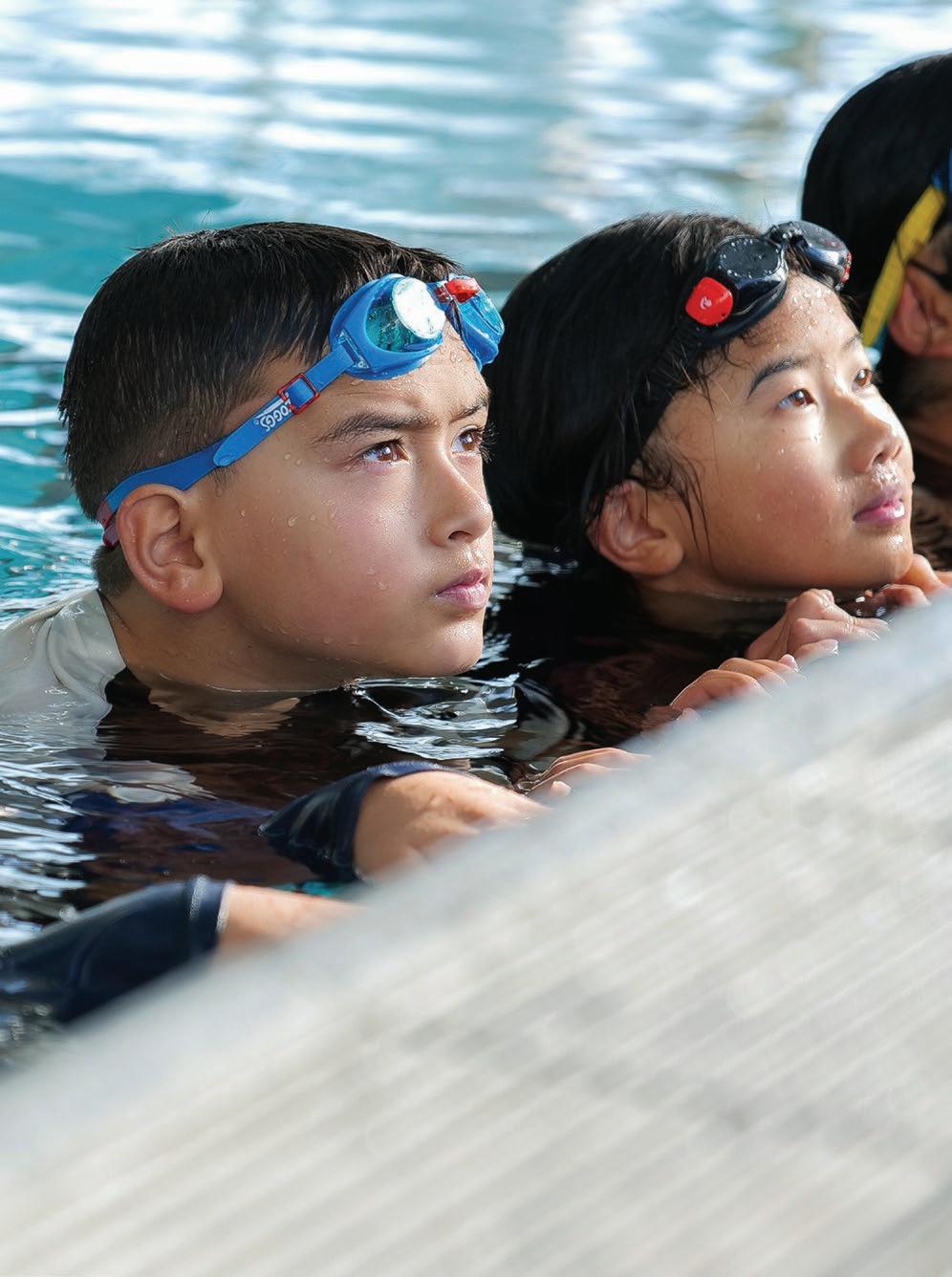
Victoria’s growing diversity brings both challenges and opportunities. LSV is focused on breaking down the barriers to participation faced by multicultural communities to ensure everyone can access vital water safety education and feel confident around water.
DAVID HOLLAND Strategic Advisor Diversity & Inclusion, Community Outreach
In December 2021, we introduced LSV’s Strategic Plan 2021 – 2025.
The underpinning strategic framework consists of four layers. Our mission and vision set the original foundation upon which our three goals were built and expanded into our nine areas of focus that connect to our actions.
LSV has transitioned away from the mission and vision statements that were
adopted in 2002 and - following a series of Board and Executive workshops and an agreement by the Board - has introduced a single purpose statement that is aligned with all elements and aspirations detailed in LSV's Strategic Plan 2021 — 25.
It is important that every person and team in our organisation understands our purpose and how they contribute to it.
Our strategic framework is designed to promote this understanding by enabling our actions to connect with our purpose through at least one of our goals and focus areas.
This means that whether we are providing lifesaving services at the beach or processing a training course enrolment in the office, we are all connected to delivering our purpose.
Increase the rescue readiness of our workforce of volunteers, partners and staff
Foster greater diversity in our people and in community participation in water safety
Strengthen our governance, people, and financial foundations
continuous improvement through research, evaluation and innovation
more environmentally responsible organisation and positively influence others
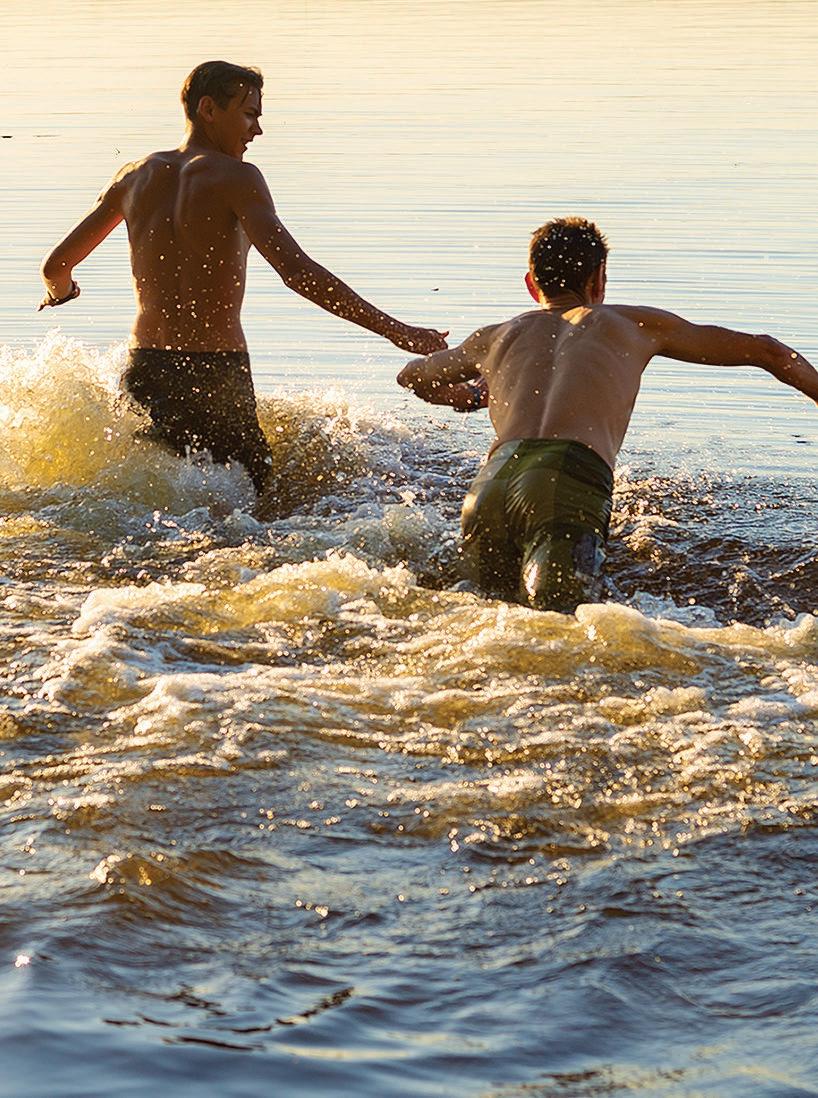
Drowning Deaths in Victoria 2014 – 15 to 2024 – 25
In 2024 – 25, 52 lives were lost to drowning, 38 males and 14 females.
This is three more than the average number of drowning incidents in Victoria over the past 10 years, and represents a 1 per cent increase in the drowning rate (per 100,000 population).
5
children aged 0-14 years drowned in 2024 – 25, equal to the 10-year average.
48% of people who drowned this year were males aged 2564 years old.
20% increase in the drowning rate of 15-24 year olds compared to the 10year average: 7 fatal drownings were recorded this year in this cohort.
14
females drowned a 21% increase on the 10-year average. 20 coastal waterway fatalities. The most incidents recorded in 2024 – 25, only 1 more than the 10-year average This is in comparison to 15 fatalities in inland settings and 17 in home/other environments.
27% of all incidents were swimming and wading. It was the leading activity associated with fatal drowning in 2024 – 25.
Increases were seen in fatal drowning resulting from craft riding (such as kayak, SUP and surfing) and non-aquatic transport.
Drownings relating to fishing and boating reduced by a third compared to the 10-year average.
2 people fatally drown each year as a result of extreme weather (heatwaves or floods).
1.5x more likely to fatally drown are regional residents, more than metropolitan residents.
37% of people drowned in the past decade were from multicultural communities
31,597 diversity and inclusion program participants, an 18-year record 389 swim teacher professional development participants
20,553 people trained in public courses 115 Swim and Survive partners 730
CALD community participants placed in a total of 7,300 swimming lessons
8,516
students attained the Victorian Water Safety Certificate
11,375 participants played Swim City, an online water safety game
30,968
students from 206 schools participated in Lifesaving Education Programs.
52,029
School Swimming and Water Safety Toolkit page views

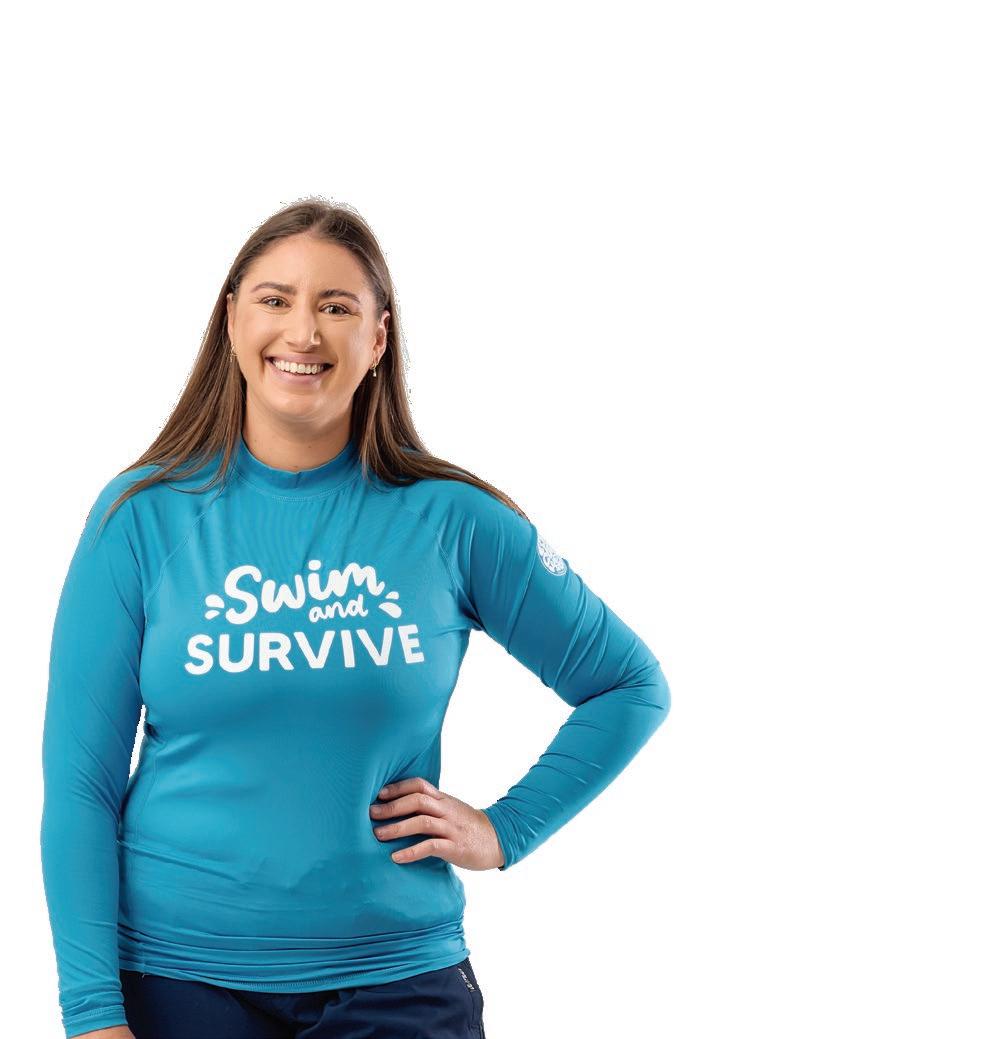
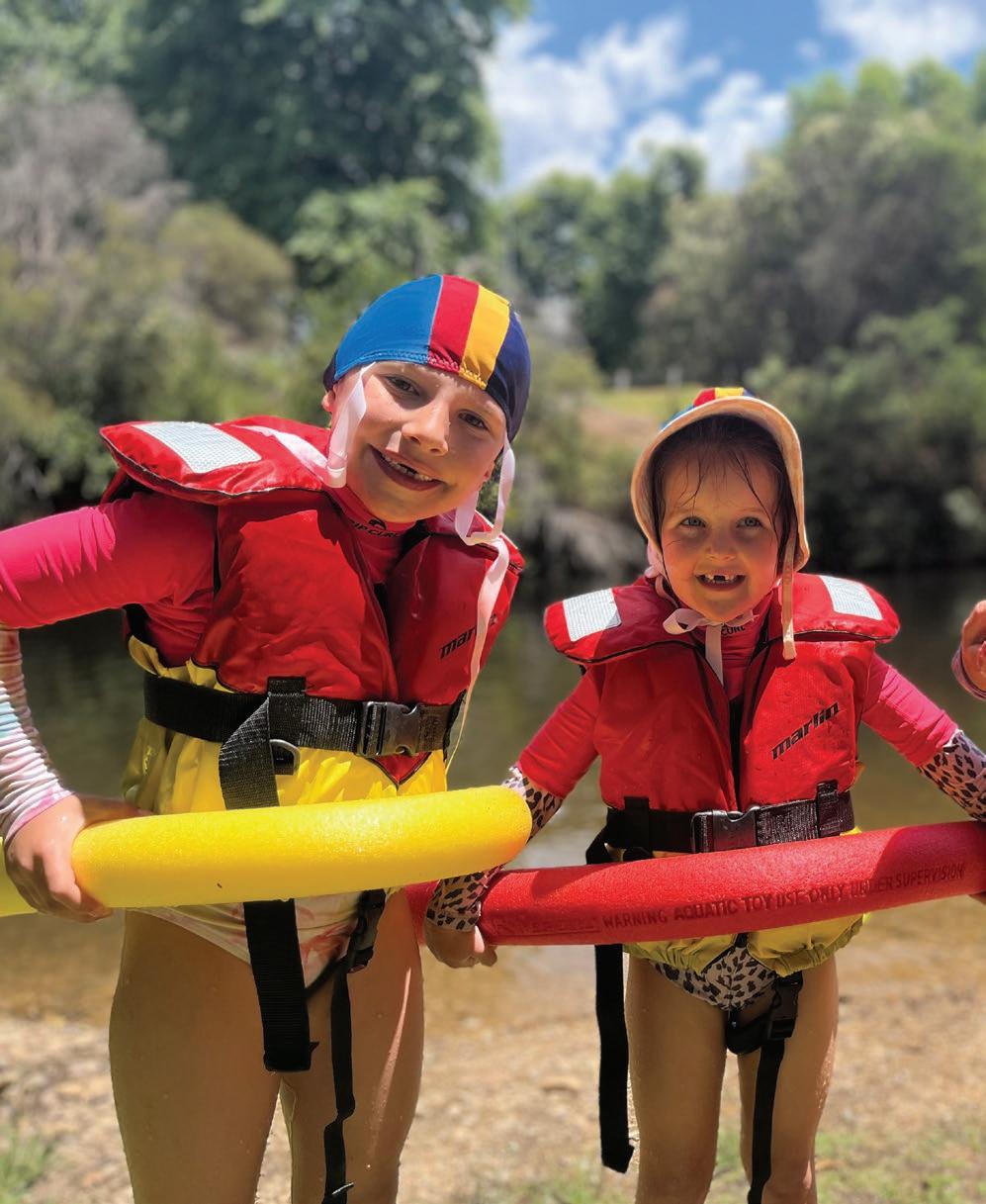
"We want to ensure our community has access to safe and welcoming aquatic environments, and that people of all walks of life are supported to develop their swimming and water safety skills. These goals sit at the very core of Life Saving Victoria's purpose to save lives and empower communities to safely enjoy water."
CATH GREAVES Chief Executive Officer
1 Learning to swim is not only a foundational World Health Organization drowning prevention strategy but also creates opportunities for lifelong aquatic-related health, wellbeing, recreational and sporting engagement
2 The Victorian Department of Education (DE) actively supports and reinforces the importance of swimming and water safety in the Victorian Curriculum F – 10 and invests significantly in swimming and water safety education through the Swimming in Schools Initiative and the Public Water Safety Initiative (PWSI). LSV is recognised as a key partner of the PWSI by supporting the education sector and aquatic industry to deliver best-practice swimming and water safety education.
3 LSV is a primary Victorian stakeholder in the National Swimming and Water Safety Framework and is responsible for administering the state government's Victorian Water Safety Certificate (VWSC) initiative.
The Victorian Water Safety Certificate (VWSC) is the Victorian Government’s key measure of children's swimming and water safety competency levels by the time they leave primary school at the age of 12.
The VWSC aligns directly to the National Swimming and Water Safety Framework and is designed to supplement existing swimming and water safety programs delivered by schools and learn-to-swim providers.
This financial year, the VWSC has been actively accessed by 303 schools and 104 aquatic facilities, with a total of 8,516 Victorian children achieving their VWSC from a total of 25,532 reported participants.
The first meeting of Victoria’s Water Safety Coordination Forum was held in October 2024, bringing a range of organisations and people together to drive whole-of-government efforts in combating drowning and improving water safety.
Chaired by EMV, the forum has been created to coordinate cross-government water safety efforts, planning and policy development, with the aim of providing advice to the Victorian State Government on preventing drowning and waterrelated injury, identifying risks, supporting development of long-term strategies and driving delivery of high-priority initiatives. The forum will also lead the review and delivery of the Victorian Water Safety Strategy.
The forum is made up of 21 member organisations from across the state’s government and emergency services landscape including Life Saving Victoria, Ambulance Victoria, Victoria Police, the Department of Education, Triple Zero Victoria, the Victorian Multicultural Commission and the Victorian Fisheries Authority.
Collaboration with member organisations has had a number of positive outcomes, including the creation of a new high-risk weather season preparedness document which has been shared across government agencies and departments to assist in protecting assets and people from extreme weather events.
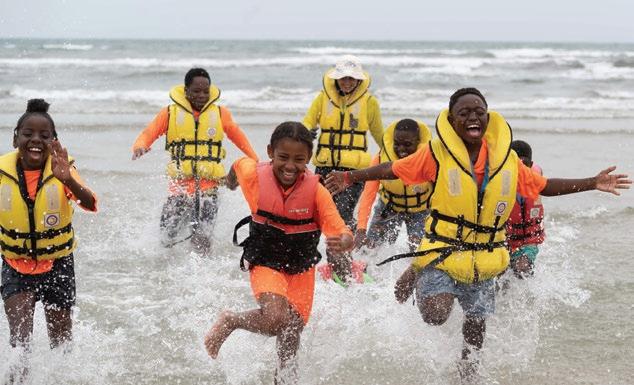
Life Saving Victoria’s Diversity and Inclusion Department engaged a record 31,597 participants in swimming and water safety programs tailored to culturally and linguistically diverse communities, seniors and people with disability.
This is the highest number people to take part in LSV’s D&I programs in nearly two decades.
This was achieved through the deployment of beach, pool and classroom-based educational opportunities, which were specifically designed to meet the specific needs of those taking part.
On top of these record attendance numbers, the D&I team was able to identify 80 people among their multicultural and seniors program participants who were empowered to embark on further aquatic training in areas including swim teaching, first-aid, pool lifeguarding and volunteer lifesaving.
This has led to a number of individuals gaining employment within the aquatic industry and taking on volunteer roles at local lifesaving clubs.
This demonstrates the wide-ranging and profound impact LSV’s education and training opportunities can have on those who take part, both in empowering people to enjoy the water safely and opening up new pathways to worthwhile careers, public service and social connection.
In 2024–25, participation in LSV Watch Around Water and SwimSafe campaigns continued to increase.
A total of 258 facilities were accredited under the Watch Around Water campaign, up from 252 in the previous year.
SwimSafe participation also increased, with 160 facilities accredited in 2024–25, up from 152 in 2023–24 and representing a 72 per cent increase on 2021–22 levels.
This consistent growth reflects the industry’s ongoing commitment to structured supervision standards and proactive water safety education at public aquatic venues.
Life Saving Victoria’s Emergency Management Capability and Response (EMCaR) team underwent a restructure in 2024-2025.
The aim of the restructure is to give LSV’s emergency response assets the ability to more easily and effectively engage with partner agences in Victoria’s emergency management ecosystem.
This has the potential to lead to new partnerships, improve operational understanding and cooperation among agencies and support access to funding and resources, which will be an increasing focus of EMCaR in future.
Volunteer club members stepped up in a big way to support club Nipper programs, with all across the state delivering junior water safety and lifesaving skills sessions over the summer season.
This is the first time in close to 20 years that all clubs have run a program, pointing to increased community interest in Nippers and a significant effort by club volunteers to support our young lifesavers.
A total of 12,736 part in Nippers, with more than club volunteers supporting the program, the highest numbers seen in a decade.
LSV provided increased support for Nippers programs with advanced training opportunities for volunteer Nipper educators in areas including how to take on age manager and assistant roles, technical skills development and use of online resources such as the Nipper administration app and Nipper-specific uses for the Lifesaving Incident Management System and Operations Console (LIMSOC). A new 15-page Nipper flipchart was also developed and delivered to assist volunteer educators and provide useful visual aids for Nipper sessions.
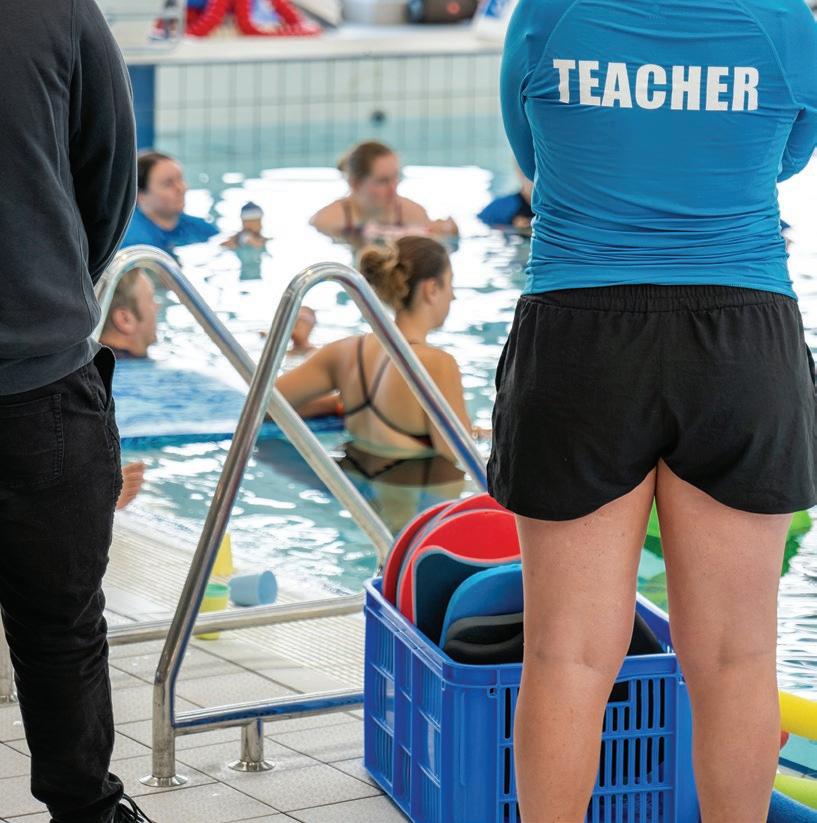
Life Saving Victoria was acknowledged as a world leader in diversity and inclusion initiatives for public pools, being showcased at the Pool Horizons annual forum held in January in Atlantic City, USA.
Pool Horizons is an international coalition of public pool operators that aims to maximise the social benefits provided by their facilities.
LSV’s 2023–24 initiatives were recognised for providing swimming and water safety education to over 30,000 people a year within Victoria’s multicultural communities, as well as promoting social cohesion and fostering a sense of belonging among participants.
Pool Horizons sought out LSV’s activities while in Australia to document “best-inclass” projects to be presented at their annual forum, which brought together operators and industry stakeholders from around the world to collaborate and share knowledge on enhancing services that public pools provide to their communities.
Our Emergency Management Capabilty and Response (EMCaR) team has expanded its footprint and presence in local communities by increasing involvement with local Emergency Management Planning Committees.
These committees are made up of local councils, emergency response agencies and relevant government departments and aim of providing a coordinated approach to preparing for emergency situations that is tailored to a specific local area.
EMCaR is now attending 32 metropolitan and regional committees, which cover both coastal and inland waterway environments.
LSV has also been included in six Community Emergency Risk Assessments, which are used to identify, analyse and prioritise risks to local communities.
Engaging with local government agencies on these emergency management
In alignment with our strategic plan to develop more effective and efficient learning pathways by linking service offerings, improving the user experience, efficiency and reach of our education and training services, and exploring innovative and emerging methods for delivering education and training programs, we are actively pursuing several projects to drive outcomes, including:
X Continue reaching out to at-risk multicultural communities utilising a range of initiatives through cultural events and places of worship.
X Deepening engagement with our partners and stakeholders including our volunteers, clubs, the aquatic industry and land managers to drive improved water safety.
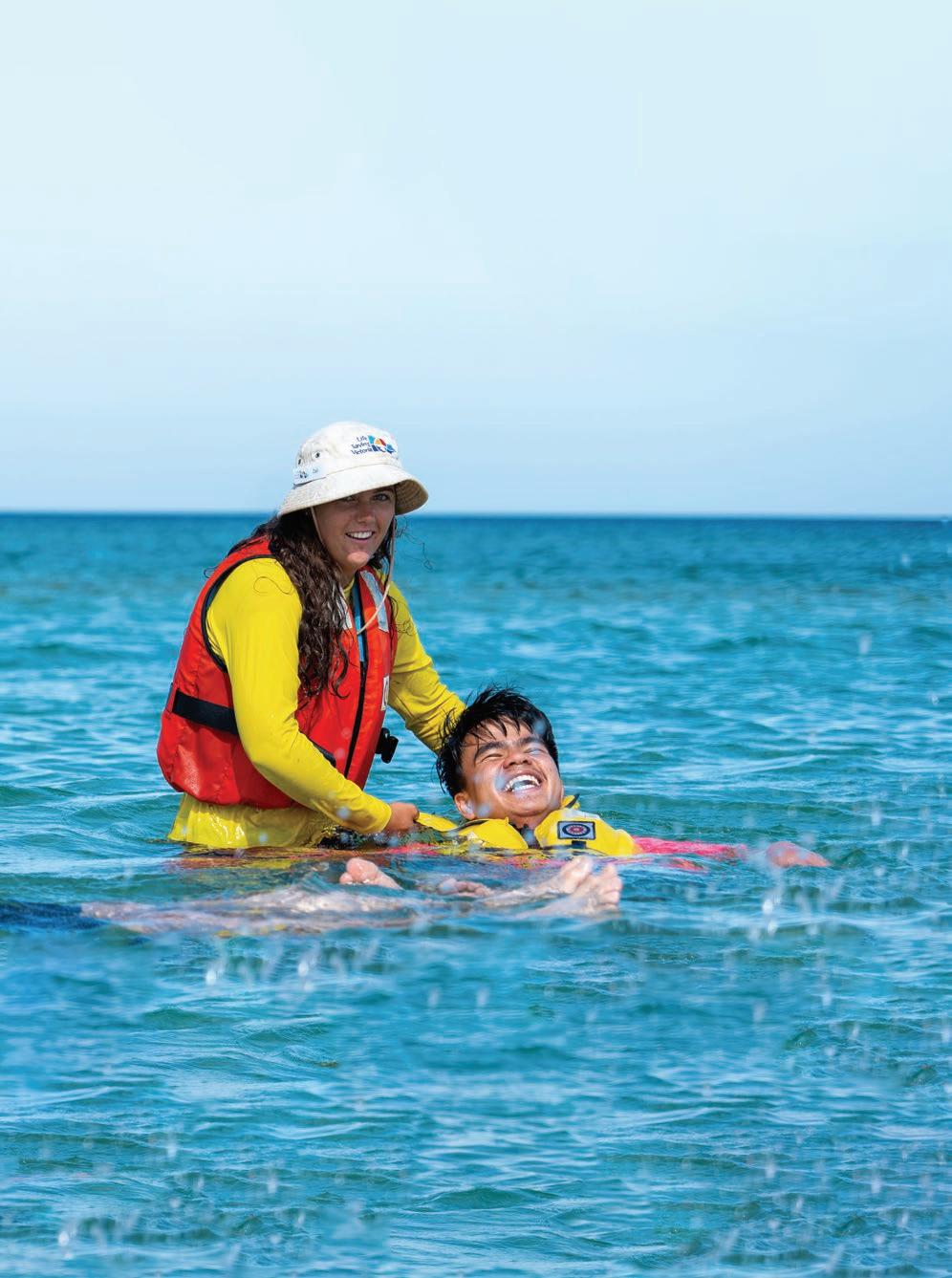
"Education and training are integral to ensuring everyone can safely enjoy the water, and represent two of the most effective drowning prevention strategies. We must constantly adapt to the evolving needs of our communities, in developing the best possible swimming and water safety programs.”
ANDY DENNIS General Manager Aquatic Capability
Why this area of focus is important to us:
1 Education and training are vital, proven drowning prevention strategies. They are featured in the World Health Organization's 10 actions to prevent drowning and are supported by the International Life Saving Federation.
2 LSV’s education and training pathways help people enjoy waterways safely and provide access to multiple career and settlement opportunities.
3 Education and training programs deliver water safety skills and knowledge that link with broader school curriculum and vocational training outcomes. Where these programs generate income streams, they assist LSV to be financially stable, which allows continued support for Victorian communities.
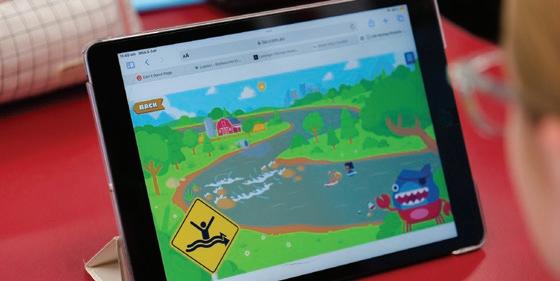
Swim City is an e-learning platform aimed at teaching primary school-aged children swimming and water safety knowledge. It comprises a series of “gamified” learning exercises across different environments, looking at water safety hazards specific to these settings.
This year, a farm location module was added, covering important water safety knowledge targeting kids in rural environments, and was supported by KidSafe Victoria. Since its launch in 2021, Swim City has had more than 25,000 online engagements, demonstrating strong uptake and use of this platform.
The Victorian State Government has made a $73.4 million commitment to swimming and water safety education, reflecting the greater emphasis placed on this important activity in the recently updated Victorian Curriculum.
This funding will be delivered through two funding streams: Swimming in Schools and Water Safety in Schools (WSiS).
The Department of Education has acknowledged LSV as the WSiS principal partner and the initiative will aim to continue increasing the capacity of the education sector and aquatic industry to deliver quality swimming and water safety education.
Early intervention is vital to supporting students at risk of not meeting the requirements of the Victorian Water Safety Certificate. A trial initiative to deliver swimming and water safety programs to at-risk children continued to be rolled out across the state.
The Top-Up Swimming initiative was aimed at supporting students who are struggling with swimming and water safety skills to not fall behind. The project identified children from low socio-economic backgrounds to be most at-risk of having inadequate swimming and water safety skills, and that frequent participation in swimming and water safety education, whether in open waterways or swimming pools, was strongly associated with greater achievement of aquatic benchmark skills. Accordingly, LSV recommends a focus on providing more frequent opportunities for swimming and water safety education to children from low socio-economic backgrounds.
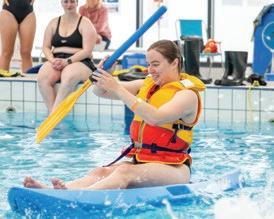
LSV has also released the Victorian Safer Swimmer Certificate, an assessment framework supporting students with
disabilities in learning swimming and water safety skills. The certificate was developed in partnership with specialist school teachers, swim teachers and aquatic industry professionals.
LSV launched several key improvements to support Swim Teacher Course candidates, aimed at improving the learning experience and streamlining the training process. Changes include upgraded e-learning content, enhanced lesson plans, new case studies and simplified assessment requirements. These enhancements will ensure swim teacher candidates are better equipped to deliver high-quality swim lessons.
Swim teachers from across Victoria gathered at Caulfield Aquatics in April for AquaTactics 2025, a professional development day featuring practical in-water sessions, and insightful workshops and presentations.
Attendees left the day with new skills and ideas to enhance their teaching, while also gaining a new sense of community amongst their aquatic industry peers. The event was a sell-out success with 120 swim teachers taking part, highlighting a readiness and enthusiasm within the swim teaching community for future advancements LSV can offer these dedicated professionals.
The Seals Program is an initiative of Woolamai Beach Surf Life Saving Club, which provides intensive training to young volunteer patrol members. Participants have the opportunity to build their skills in a range of areas including search and rescue, navigating large surf, communication and leadership. The program aims to equip participants to be elite patrollers and leaders in their clubs.
The initiative is supported by LSV through the provision of coaching clinics to ensure the members running the program are well trained and prepared.
A major priority for LSV has been reaching out to multicultural communities, who face a range of specific hurdles such as language and cultural barriers, access to safe aquatic environments and a lack of aquatic role models. These lead to poor levels of water safety skills and knowledge, which can have tragic consequences.
LSV has built a partnership with Melbourne’s Sikh community, which has taken significant leadership in driving water safety action among multicultural Victorians.
This has included developing a program in partnership with LSV providing both swimming lessons and water safety education sessions targeted at multicultural communities. In 2024/25 this innovative project has seen 233 Sikh adults learn to swim and become safer around water.
LSV has also increased its reach to Melbourne’s international student population through a funding partnership with Study Melbourne, which will enable us to deliver water safety education to more than 2,300 international students currently studying at Melbourne’s universities, TAFEs and language schools.
LSV has made several improvements to its
Aquatic Technical Operator course, creating a more streamlined assessment process which prioritises foundational knowledge and practical skills within a more structured learning environment.
This course provides vital knowledge to ensure the effective running of aquatic facilities and adherence to Department of Health and industry guidelines. These changes are key to ensuring continued strong uptake of this important training opportunity.
LSV has developed a new aquatic inflatables course to address a growing need in aquatic risk management. With inflatable play equipment becoming increasingly common in pools and open water venues, this course allowed LSV to proactively support facilities in ensuring staff are trained to monitor, maintain and manage these environments safely.
The course strengthened our position as a leader in aquatic safety education and responded directly to industry demand, helping facilities reduce incident risk while supporting engaging, supervised aquatic recreation.
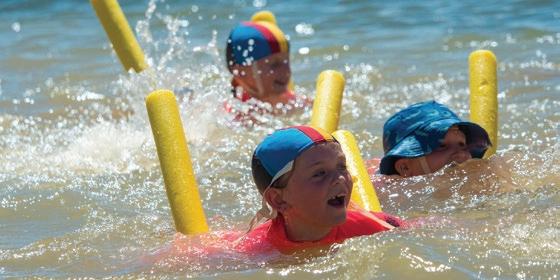
In 2024/25, our valued partners made waves in lifesaving education, reaching 4,824 students across Victoria, a 27% increase in participation from last year across both Bush Nippers and Lifesaving Education Programs.
A highlight was Bush Nippers, an inland adaptation on the traditional beach nippers program, which was delivered to 419 children during the January school holidays. This program gives regional and remote kids the chance to build water safety and lifesaving skills in their own community.
Bush Nippers ran in seven communities: Narrawong, Beechworth, Cobram, Bright, Echuca, Wangaratta, and Lake Dewar — a brand-new location for 2024/25.
Alongside this, our partners brought Lifesaving Education Programs to 4,405 school students, ensuring more young Victorians have the skills to stay safe in and around water.
Throughout the year, LSV was proud to represent and connect with communities across Victoria through a wide range of events, activations and conferences. From big stages like the Avalon Airshow, Melbourne Boat Show and Government House, to local favourites including the Frankston Waterfront Festival, Dandenong Market Sports Day and Mambourin Fair, we were out connecting with Victorians sharing vital water safety messages.
We also joined forces with our emergency services partners at events such as Southland’s Emergency Services Day, the Merri-bek Safety Expo and Boroondara’s Family Fun Day, while also taking part in leading education conferences including ACHPER and the National Outdoor Education Conference. Each event was an opportunity to share vital water safety messages, showcase our programs and strengthen community connections.
Life Saving Victoria’s industry-leading online professional development learning modules were accessed more than 1,600 times, helping individuals strengthen their skills and knowledge across the aquatic and recreation sector.
These resources support lifeguards, swim teachers, trainers, and other industry professionals in maintaining best practice and staying up to date with evolving safety standards.
Several modules were developed in partnership with Royal Life Saving Australia, ensuring nationally consistent training
content and reinforcing our commitment to professional growth and sector-wide excellence. LSV-trained pool lifeguards and swim teachers receive free access to a wide range of eLearning courses covering both industry-specific and soft skills.
Extensive preparation was undertaken ahead of the release of the new RTO training standards implemented by the Federal Government from July 2025. These presented a challenge in ensuring that LSV delivery and compliance practices continue to meet the new requirements. The transition has required a review of training and assessment strategies, validation processes, and record-keeping systems.
In alignment with our strategic plan to develop more effective and efficient learning pathways by linking service offerings, improving the user experience, efficiency and reach of our education and training services, and exploring innovative and emerging methods for delivering education and training programs, we are actively pursuing several projects to drive outcomes, including:
X Increasing the capability and capacity of education and aquatic sectors to deliver quality swimming and water safety education through provision of resources, professional development and research.
X Redevelopment of LSV’s Trainer App to improve functionality, user experience and overall performance. This will streamline key processes including course delivery, attendance marking and assessment submissions.
“We need to constantly engage the community in discussion about drowning prevention. LSV drives this conversation by spreading our water safety messaging through print, digital and social media platforms, and targeted programs and campaigns, to focus attention on this important issue. With evidence-based research at the foundation of everything we do, we can pinpoint areas of concern for community water safety, uncover underlying factors and bring about effective solutions to improve public water safety.”
KATE SIMPSON General Manager Strategic Advisory
1 Increasing water safety awareness potentially holds the widest-reaching impact in preventing drowning and enabling people to safely enjoy aquatic environments.
2 As the state's peak water safety agency, LSV is responsible for developing key water safety messages used by government, industry, agencies, and community organisations.
3 Water safety receives significant media and community attention, particularly during summer. Timely, consistent and accurate information needs to be provided before, during and after emergencies to maximise impact and minimise risk.
Victoria recorded 23 drowning fatalities during the summer of 2023 – 24.
While this was a welcome reduction from record drowning numbers in previous summer seasons, drowning numbers remained above five and ten-year averages.
Volunteer lifesavers and paid lifeguards also recorded the highest number of rescues in two decades, pointing to a persistent need to drive the conversation on water safety within the community.
These incidents invariably gain the attention of media outlets, and LSV was able to leverage media interest to drive water safety messaging out to the community.
This was achieved through:
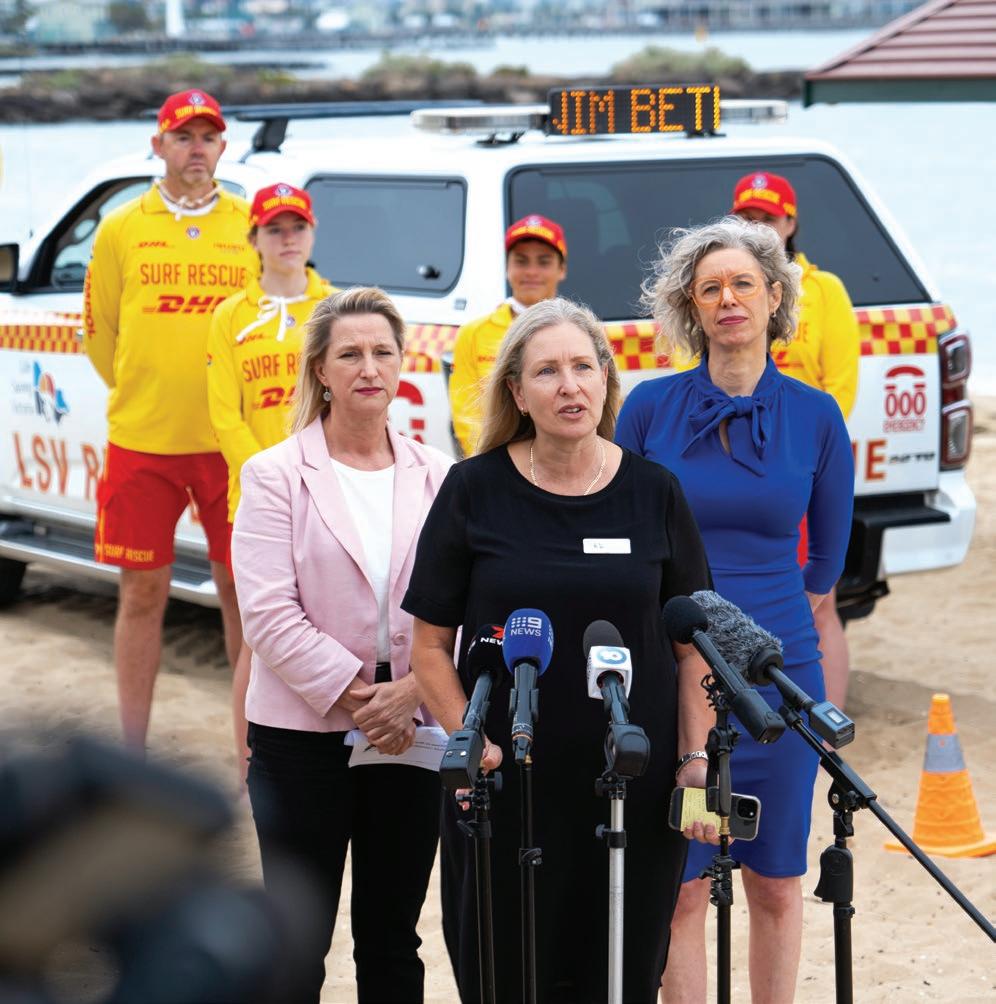
• Live press conferences following major incidents.
• Targeted media releases and interviews.
• Real-time social media campaigns urging the public to swim between the flags where possible, supervise children, avoid alcohol, never swim alone and wear a lifejacket.
• Engagement and collaboration with other emergency service agencies and the Minister for Emergency services.
LSV was able to mobilise rapidly to respond to these incidents and deliver clear, consistent water safety messaging across multiple channels during peak risk periods.
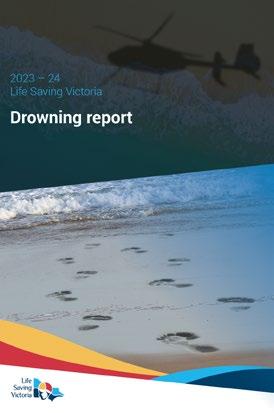
Life Saving Victoria launched its annual Drowning Report in November, providing an insight into drowning incidents across the state. The 2023–24 report revealed an increase in residential drowning incidents and a concerning spike in drownings linked to extreme weather events, which was double the long-term average.
The launch of the report at the beginning of the summer patrol season was a prime opportunity to put water safety front-of-mind in the community, and the Media, Marketing and Communications team ran an all-in media standup to garner media interest. A digital eBook, media kits and speaking notes for press conference participants within LSV and the wider community were also built to maximise the media effectiveness of the report launch.
Insights from the report also guided LSV’s Water Safety Month Campaign in December, which put particular focus on improving water safety awareness for:
• Culturally and linguistically diverse communities
• Inland waterway users
• Individuals recreating near home or in dynamic environments
Messaging focused on rip awareness, lifejacket use, avoiding alcohol around water and safety when taking “selfies” at potentially dangerous locations.
The campaign achieved a media reach of 122 million and social media reach of 52,505 impressions.
LSV’s Media, Marketing and Communications team delivered the region-specific Make the Right Call campaign to target inland waterway safety risks in the Loddon Mallee in the northwest of Victoria.
The campaign ran through April and May 2025 and was created to specifically target men in the Greater Bendigo region, who are most at risk of fatal drowning incidents involving unintended entry and immersion (slips, trips and falls) into water. It was supported by the statewide Play It Safe By the Water initiative.
Local data on drowning incidents was utilised to ensure the effectiveness of the campaign.
Make the Right Call contained messaging around alcohol risks, the importance of wearing a lifejacket and watching your footing around water. This was disseminated to the community though paid digital, radio and print media advertisements, convenience venue signage and a dedicated web landing page with a downloadable media kit.
The campaign achieved an audience reach of 145,245 through its out of home venue advertising alone and more than 1 million social media impressions.

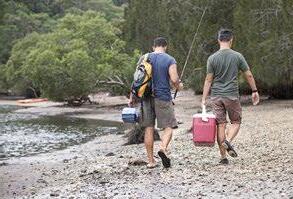



LSV expanded its presence through national and regional media platforms by driving coverage of a number of worthy LSV initiatives.
Throughout 2024 - 25, the Media, Marketing and Communications team remained agile and forward-focused, balancing real-time crisis responses with long-term education and awareness planning. By aligning research, innovation and community voice, the team positioned Life Saving Victoria as a trusted authority in drowning prevention and public safety communications.
Key collaborations included:
• World Drowning Prevention Day (25 July 2024): Landmarks across Victoria, including Melbourne Town Hall, were lit in blue to support the global campaign. LSV amplified the day’s international message of “Anyone can drown, no one should” across digital channels, focusing on inland and domestic risks.
• Public Rescue Equipment (PRE) Trial (22 December 2024): PRE stations were launched at Venus Bay to improve water safety at this notoriously dangerous stretch of beach. Within days of their launch, the stations were used to support the rescue of multiple swimmers. LSV worked with Venus Bay SLSC to generate significant media coverage of the rescues, with the aim of promoting the initiative and garnering support from decision makers for a further statewide rollout of the stations.
The initiative gained 88,405 organic social media views, 493,458 paid social media impressions and 1,838 website visits.
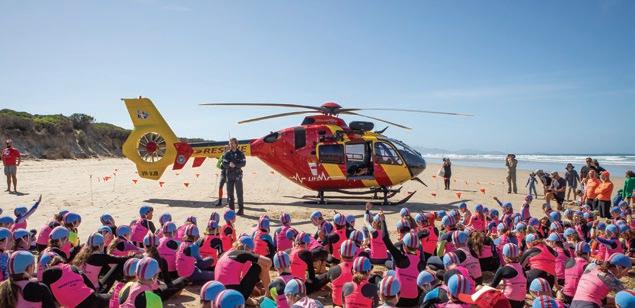
• Westpac Lifesaver Rescue Helicopter School Landing Program (3 December & 18-28 February 2025): The Westpac Lifesaver Rescue
Helicopter landed at schools in Shepparton, Mooroopna, Bendigo and Newport, engaging students on water safety. The program provided interactive Q &As with crew members providing a hands-on learning experience on emergency management and response. The Media, Marketing and Communications team collaborated with the Westpac Lifesaver Rescue Helicopter Service, the LSV Education team and participating schools to gain significant media coverage for the visits.
• Wieland Shield (1 June 2025): A team of Victorian lifesavers went to the US to compete against Los Angeles County Lifeguards in friendly sporting competition. LSV collaborated with club members taking part in the competition to gain strong media coverage.
LSV presented its drowning prevention strategy to regional emergency committees and provided communications support for state government announcements of Victorian Emergency Services Equipment Program grants. These were among a whole range of engagements organised with the new Emergency Services Minister.
A new interactive water safety sign was installed at the Lorne Visitor Information Centre, capable of providing up-to-the-minute information to keep beachgoers safe.
The innovative Victorian-first trial comprises an electronic touchscreen with region-specific advice on weather conditions, hazards, activity-related safety risks and when volunteer lifesavers and paid lifeguards are patrolling local beaches.
The sign is also capable of providing information in multiple languages, ensuring all visitors to the popular coastal destination of Lorne can access the sign’s content to help keep them safe in the water.
The initiative is the result of collaboration between Life Saving Victoria and Surf Coast Shire Council, receiving Australian Government funding through Surf Life Saving Australia’s Blackspot Program.
The sign will be assessed as a potential water safety solution across Victoria.
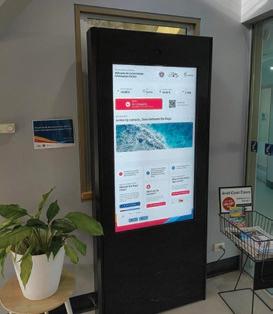
In alignment with our strategic plan to develop more effective and efficient learning pathways by linking service offerings, improving the user experience, efficiency and reach of our education and training services, and exploring innovative and emerging methods for delivering education and training programs, we are actively pursuing several projects to drive outcomes, including:
X Increased focus on targeted awareness campaigns for at-risk groups in the community, particularly seniors.
X Using virtual reality to trial water safety signage for blackspot beaches.
250,000+
total member patrol hours 130+ delegates at the Inland Waterways Forum
12,736 nippers
7,856 lifesaving awards achieved 5,954 participants in member development programs
1,011 rescues during the summer season (highest number in more than 20 years)
1,593 total first aid cases
894 accredited Nipper Age Managers
170 pool safety assessments conducted 152 facilities with a Gold, Silver or Bronze Endorsement
1 lifesaving facility redeveloped, 1 in construction and 10 in planning
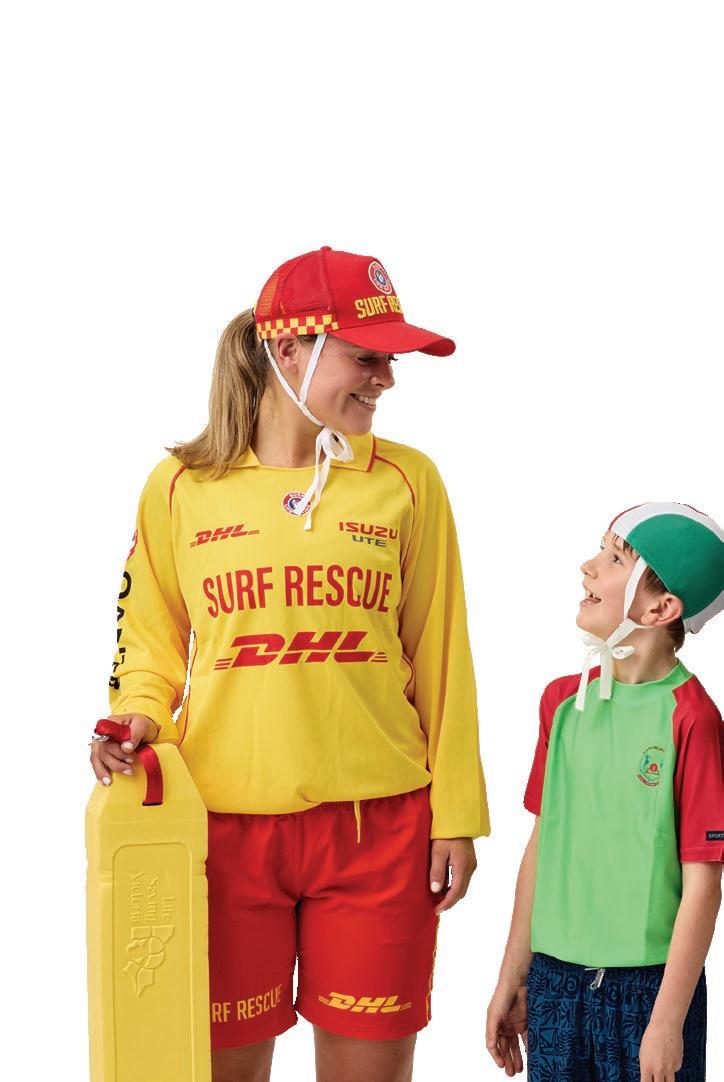
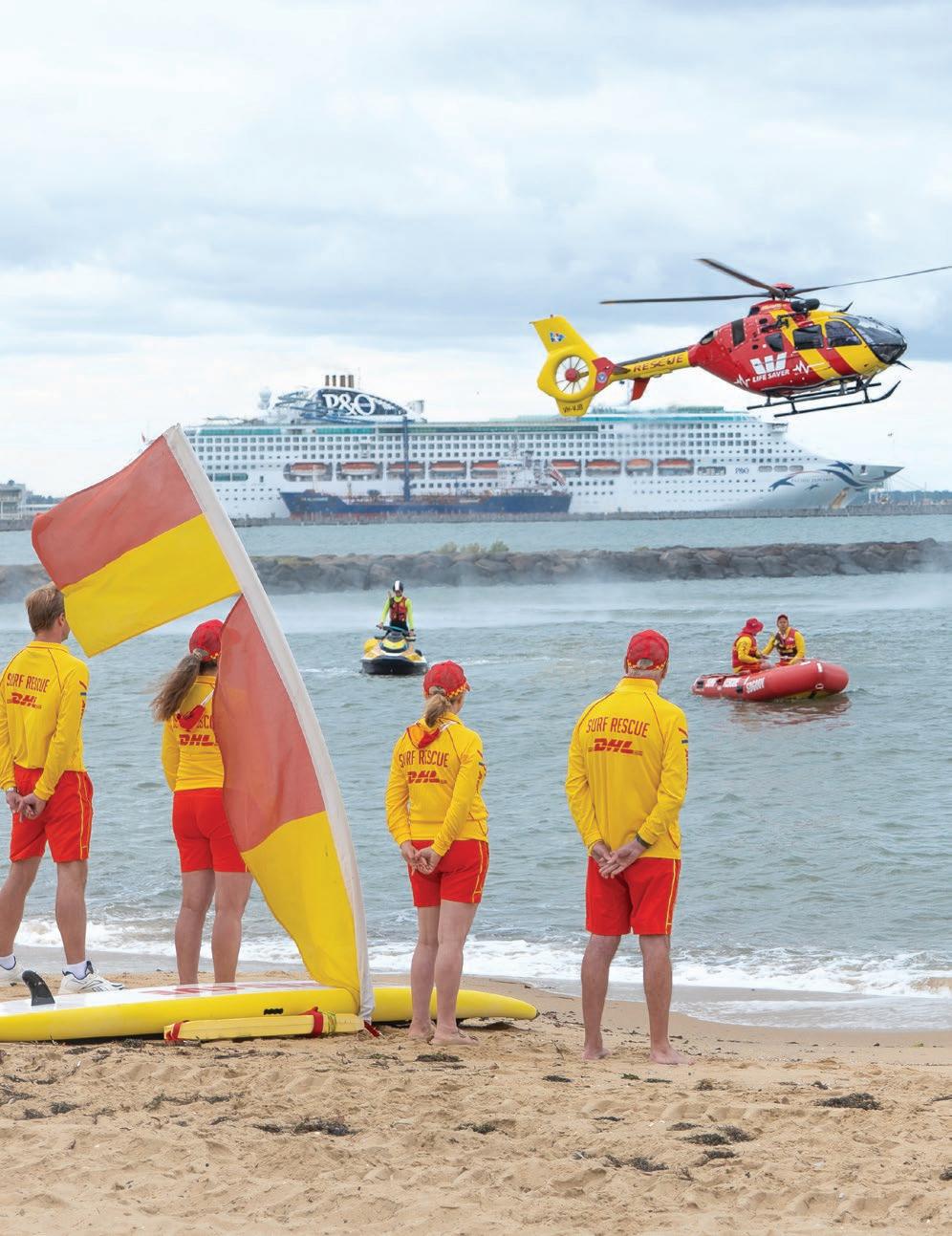
“Our volunteer lifesavers, paid lifeguards and LSV personnel work around the clock to ensure the community can safely enjoy Victoria’s beautiful coastal settings. LSV works to ensure our people have the resources and support they need to carry out their vital work.”
KIRSTY ROBERTSON Chief Operations Officer
Emergency Management Capability and Response
1 From the beaches in Port Phillip Bay to the 811 kilometres of coastline between Portland and Mallacoota, Victoria is home to 692 beaches that welcome over 175 million visitors each year.
2 Beaches are easily accessible destinations that support wellbeing, enjoyment and the economy.
3 On average, over one-third of drownings each year occur at beaches, making coastal water safety services essential to help prevent aquatic-related death and injury.
Volunteer lifesavers and paid lifeguards performed an astounding 1,011 rescues over the Summer Patrol Season - the highest number recorded in 20 years1,593 first-aid interventions and 355,994 preventative actions.
These figures are a testament to the skill, dedication and selflessness of our volunteer members and paid personnel. It also points to significant additional pressure being put on our people and resources, and a need for greater support in the future to ensure we can continue our vital work protecting the community.
Ensuring our volunteer lifesavers and paid lifeguards have the best possible facilities and resources available to them is a key part of supporting them in keeping the community safe in the water.
Brighton Life Saving Club completed its $12 million clubhouse redevelopment in July 2024. The project was a joint effort between Bayside City Council, the Victorian Government and Brighton LSC.
Construction also commenced on the Mallacoota Emergency Services Hub (MESH), a new shared facility for Mallacoota Surf Life Saving Club, the Victorian State Emergency Service and Marine Search and Rescue. The hub is due for completion in March 2026.
A Victorian-first trial of Public Rescue Equipment (PRE) stations was launched in December, aimed at evaluating their effectiveness and reducing drownings at high-risk waterways.
Five stations were installed across Venus Bay beaches, a notoriously dangerous coastal area in the state’s southeast. Each station is fitted with an emergency two-way call button to Triple Zero (000), lifesaving rescue tube, instructional signage, official emergency marker, and a QR code for language support.
The PRE stations are designed to support bystanders to safely assist in an emergency and improve emergency response times, in a bid to prevent fatal drownings at these black spot beaches.
The stations have helped save multiple lives to date, including six people across two major incidents between the 2024 –25 Christmas and New Year period.
The initiative is a partnership between Venus Bay Surf Life Saving Club and Life Saving Victoria, as part of the Surf Life Saving Australia Beach Drowning Blackspot Reduction Program, funded by the Australian Government.
The success of this trial to date underscores the important role PRE plays in drowning prevention and serves as a critical model for installing PRE at high-risk waterways across the state.
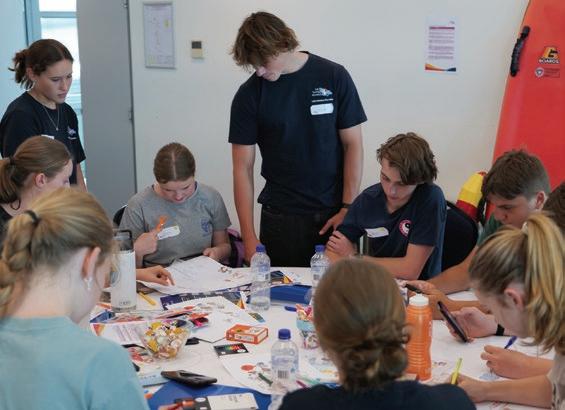
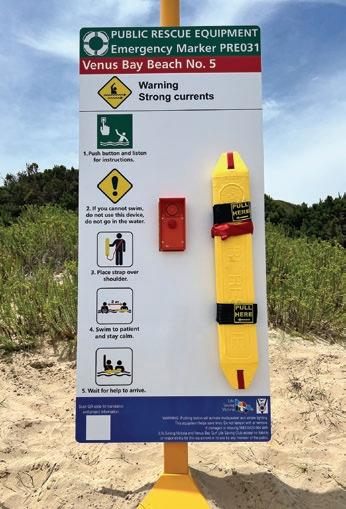
Surf Life Saving Australia has provided $84,855 in Blackspot funding to support a Remote Piloted Aerial Systems (drone) pilot project, aimed at measuring beach attendance at high-risk locations.
The project will deploy drones to gather data on the number of visitors to beaches across the state, which will be used to determine the deployment of resources to maximise community safety.
Seed funding provided in 2024 – 25 will be continued in 2025-26 to support a full operational trial of the project.
A record number of young lifesaving club members joined our LSVj committee in the last year, with 37 members from 25 clubs becoming part of the junior representative body.
The committee, which is open to members aged 13 to 17, is an opportunity for young members to have their say on what’s important to them in lifesaving and influence the direction of Life Saving Victoria and the lifesaving movement. Enhanced training was also provided to junior program leaders so they can better support our young lifesavers. This included collaborations with Headspace on key welfare matters and the Australian Council of Health, Physical Education and Recreation Victoria (ACHPER) on building leader capabilities to facilitate youth activities such as camps.
The Victorian Government’s Volunteer Emergency Services Equipment Program (VESEP) provided $879,767 to clubs and statewide services for critical operational equipment such as Inflatable Rescue Boats (IRBs), Side-by-Side vehicles (SSV), 4WD vehicles, rescue boards and tubes, defibrillators and first-aid kits.
These grants are vital to ensure our volunteers and paid personnel have the resources they need to keep the community safe in the water.
Victoria’s 57 lifesaving clubs received a total of $570,000 (10k per club) through the Federal Government's Beach Safety Equipment Fund (BSEF). This funding has been deployed to provide clubs with key first-aid and rescue equipment to ensure ongoing effective operations on our beaches.
The Victorian Government Department of Justice and Community Safety (DJCS) plays an integral role in enabling Life Saving Victoria to deliver a comprehensive suite of emergency services across the state.
Funding provided by DJCS underpins the operational capacity of LSV to respond effectively to emergencies and support public safety, particularly in challenging and high-risk environments.
This funding partly allows for deployment of the Westpac Lifesaver Rescue Helicopter Service providing rapid response capabilities across Victoria’s waterways.
The aircraft are equipped for search-andrescue, medical evacuations, and surveillance, significantly reducing response times in critical incidents.
DJCS funding also supports the purchase, maintenance, and deployment of Rescue Water Craft (jet skis). Highly manoeuvrable and swift, RWCs are essential for lifesaving operations, enabling LSV personnel to reach swimmers and boaters in distress, operate in surf zones, and provide effective coverage during peak periods.
These capabilities enhance LSV’s rapid response to critical incidents and emergencies across Victoria’s beaches, waterways, and coastal areas; increase our ability to prevent drownings; and mitigate the effects of hazardous conditions through proactive surveillance and intervention.
The continued partnership and funding support from DJCS directly contributes to LSV’s mission of saving lives and empowering communities to safely enjoy water. By investing in helicopters, RPAS, and RWCs, DJCS ensures LSV can maintain world-class emergency response capabilities that benefit all Victorians.
LSV delivered 118 specialist water safety assessments in 2024–25, spanning coastal, inland, and pool environments. A total of nine assessments were undertaken at coastal locations, focusing on beach risk assessments and signage audits. These inform safer public access and underpin coastal risk and safety strategies.
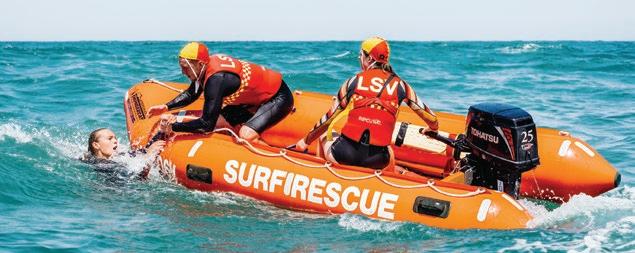
Launched on 5 March at Portsea Surf Life Saving Club, this first-of-its-kind regional framework brought together Bass Coast Shire Council, Mornington Peninsula Shire Council, City of Casey, Cardinia Shire Council, and City of Greater Dandenong in a coordinated response to local drowning risk.
With over 100 fatalities recorded across the region in the past decade, the framework delivers a unified approach to signage improvements, environmental risk assessments, and community engagement.
The Victoria-first initiative is supported by Life Saving Victoria, Belgravia Leisure and the Back Beach Collective community group.
It sets a precedent for regional collaboration on water safety and establishes the foundation for tailored Local Water Safety Plans to be developed by each council in the coming years.
In alignment with our strategic plan to develop more effective and efficient learning pathways by linking service offerings, improving the user experience, efficiency and reach of our education and training services, and exploring innovative and emerging methods for delivering education and training programs, we are actively pursuing several projects to drive outcomes, including:
X Continuous improvement and enhancement of our emergency response capability involving our volunteer lifesavers, paid lifeguards, aerial and marine search and rescue services.
X Creating more commercial contracts with our Emergency Management Capability and Response team to ensure services provided are sustainable into the future.
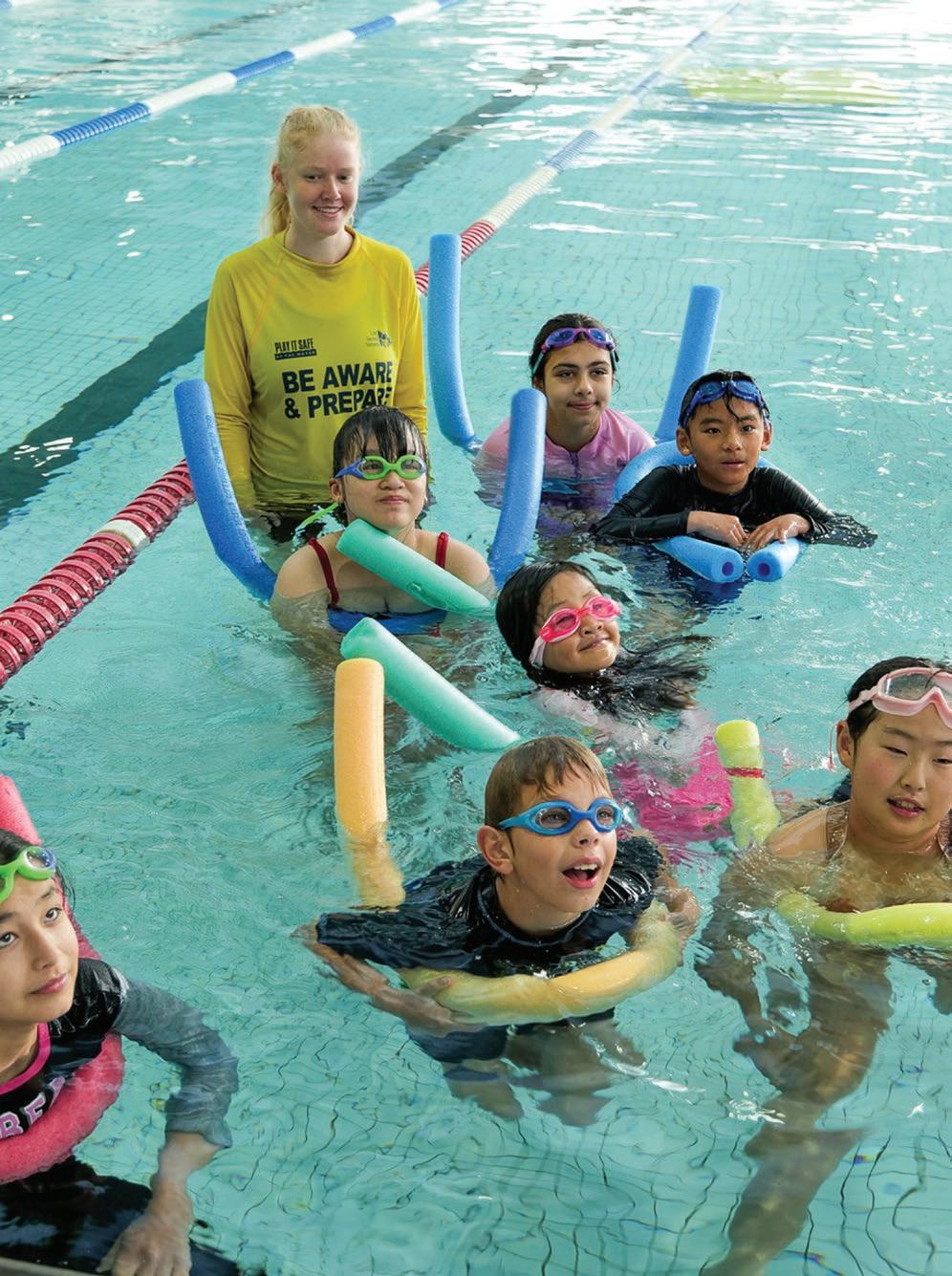
"Victoria’s public swimming pools are a community cornerstone, providing access to safe aquatic environments. They are the safest place for everyone to enjoy the water and a critical enabler for key activities such as swimming lessons. These venues offer extensive social, health and wellbeing benefits and LSV is determined to continue to partner with the aquatic industry to provide the safest possible facilities to the public.”
ANDY DENNIS General Manager Aquatic Capability
1 In Victoria, there are more than 600 public swimming pools that are considered community assets, and more than 220,000 home and private pools visited and enjoyed by millions of people each year for recreation, sport, health and wellbeing.
2 While many swimming pools have robust water safety measures in place, there is a need to maintain these systems and actively engage with pool owners and operators that fall short on safety measures and compliance with recognised standards
3 The aquatic industry across Victoria employs a large and transient workforce of 40,000 people, who are employed as pool lifeguards, swim teachers, administrators and managers, and need ongoing upskilling and in-service training
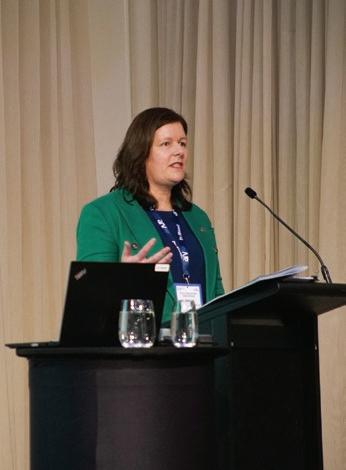
LSV strengthened sector engagement across multiple channels.
Readership of the Safer Pools Newsletter and Swimming and Water Safety Newsletter continued to grow, reaching 44,454 and 31,915 engagements respectively. Engagement via the Aquatic Industry LinkedIn channel also climbed, nearly doubling over the past two years to 4,897 interactions.
The State of the Sector Report was accessed online 1,475 times in 2024–25, nearly tripling the previous year’s readership. Similarly, views of the Safer Public Pools Register remained steady
with 3,945 visits, demonstrating continued interest in transparency and endorsement outcomes.
Technology-enhanced engagement for partners also increased, with over 1,100 logins to the Watch Around Water portal and 653 to the SwimSafe portal, reinforcing the importance of digital access to industry resources and program materials.
LSV delivered 74 assessments to support aquatic facility safety and compliance.
These included supervision plans, emergency management reviews, design audits, and critical incident system reviews. The continued uptake reflects the sector’s commitment to continuous improvement and best practice.
These were among a total of 118 specialist assessments in 2024–25, spanning coastal, inland, and pool environments.
In July 2024, LSV released Version 3 of the Safer Public Pools – Code of Practice
The revised code provides practical guidance for Victorian public pool operators, aligning with the Occupational Health and Safety Act and Regulations.
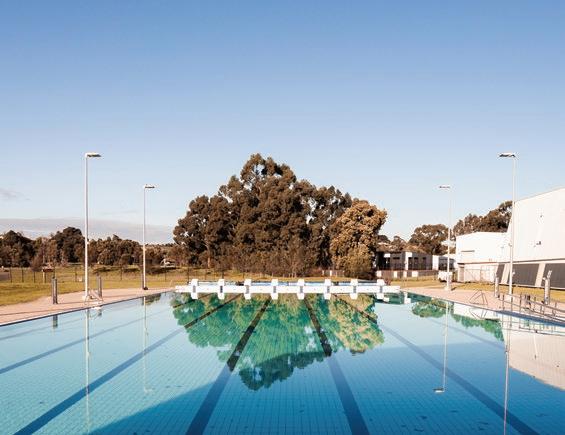
Key updates include clearer definitions of operator roles and responsibilities, updated training and qualification requirements, and enhanced guidance on supervision and incident reporting.
The code continues to serve as a cornerstone of LSV’s safety framework, supporting consistency across facilities and reinforcing the sector’s commitment to risk management and continuous improvement.
Mystery Guest Visits are designed to assess lifeguard deployment and the effectiveness of real-time supervision practices at public aquatic facilities.
In 2024–25, LSV conducted 156 visits— up from 130 the previous year.
These unannounced visits provide objective observations of frontline operations and remain a vital quality assurance tool to support industry improvement and compliance with the Safer Public Pools – Code of Practice.
In 2024–25, 48 aquatic facilities received endorsement through the LSV Platinum Pool Program.
Growth in participation was observed among school and university-operated facilities, with several new facilities from the government and independent education sectors achieving endorsement. The number of facilities in the public aquatic facility category remained consistent with previous years.
This growth reflects broader engagement with the program’s safety and supervision standards.
Endorsement is granted by invitation only and is contingent on facilities meeting defined criteria including a current Pool Safety Assessment with 100% compliance and 95% safety scores, completion of two independent mystery guest visits, and active involvement in both the Watch Around Water and SwimSafe programs.
The Platinum Pool Program continues to provide a robust framework for recognising and promoting best practice in aquatic safety and operations across Victoria.
In 2024–25, LSV conducted Pool Safety Assessments at 168 aquatic facilities across the state. While participation is voluntary, the Safer Public Pools – Code
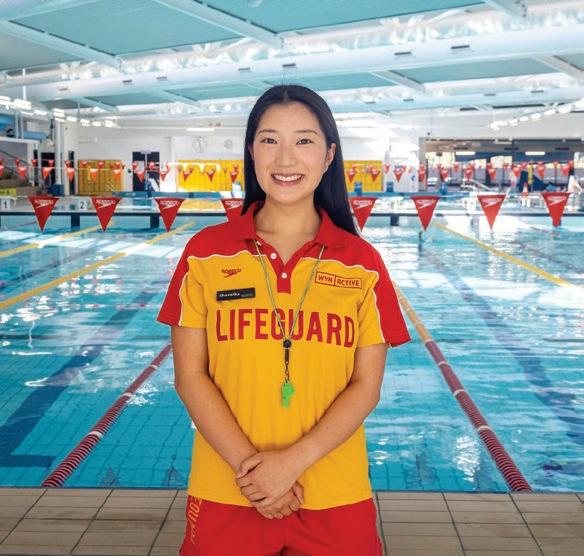
of Practice outlines expectations for assessments to be undertaken on a scheduled one, two or three-year cycle.
The average compliance score in 2024–25 was 90.6 per cent, and the average safety score was 89.8 per cent—both broadly consistent with 2023–24 levels, and significantly improved on the 2021–22 and 2022–23 averages. Improvements were observed in supervision, plant and chemical management, and first-aid systems.
Assessment outcomes determine eligibility for endorsement through the Victorian Public Pools Register. In 2024–25, 152 facilities achieved gold, silver, or bronze endorsement, demonstrating high levels of performance and receiving sectorwide recognition
In alignment with our strategic plan to develop more effective and efficient learning pathways by linking service offerings, improving the user experience, efficiency and reach of our education and training services, and exploring innovative and emerging methods for delivering education and training programs, we are actively pursuing several projects to drive outcomes, including:
X Expanded engagement with the public pools sector, utilising key partnerships and initiatives including the Aquatics and Recreation Industry Conference.
X Support the continued creation of local water safety plans, which empower local government authorities and land managers to more effectively manage water safety in their local communities.
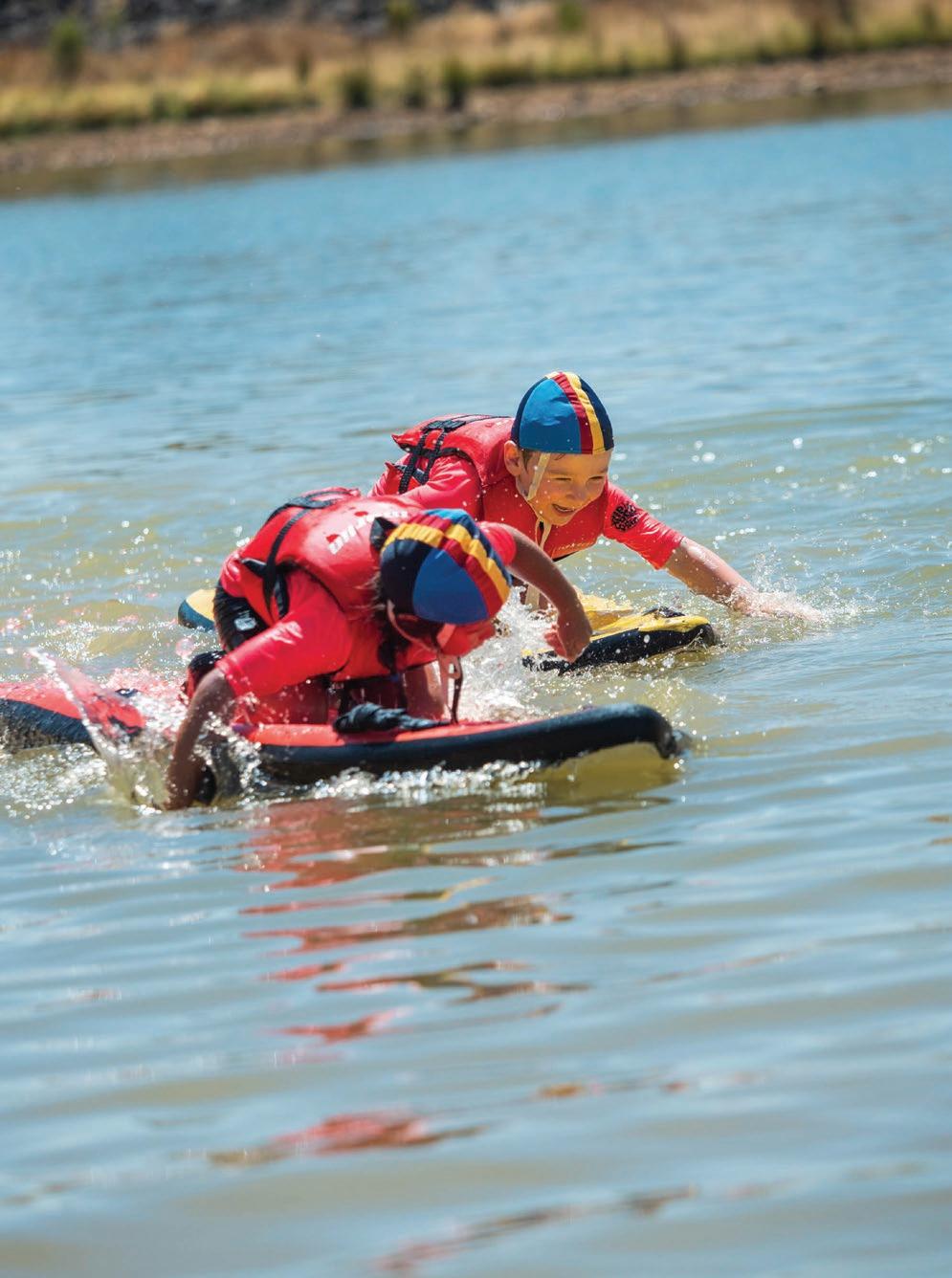
"Rivers, lakes and creeks are places of great natural beauty and popular spots for holidays and recreation. They do, however, have hidden dangers that can lead to tragic consequences. LSV will continue to advocate the importance of a coordinated focus on inland waterway safety, and support the implementation of evidencebased solutions to prevent drowning and ensure everyone comes home after a day on the water.”
ALEK OLSZEWSKI Senior Manager Aquatic Industry Services
1 There are myriad inland waterways across Victoria, with varying conditions, usability, signage, visitation, and remoteness, that present a broad array of hazards.
2 On average, 39 per cent of drownings each year occur at inland waterways, making inland waterway safety essential to prevent aquatic-related death and injury.
3 Spurred on by COVID-19-related travel trends and people making tree or sea changes, the current number of inland waterway visits each year is expected to increase, further boosting economic activity for regional destinations.
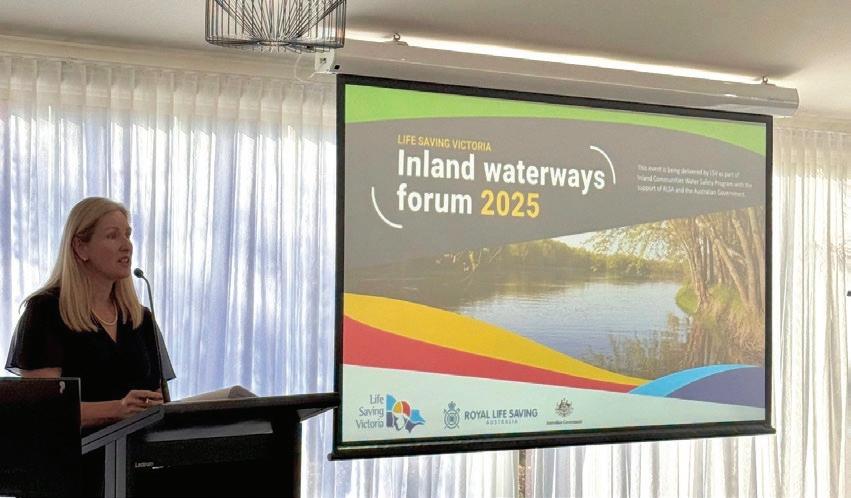
LSV ran the fourth annual Inland Waterways Forum in Bendigo in late May.
The purpose of the forum was to bring focus to drowning prevention activities specifically for rivers, lakes, and other inland waterways across Victoria.
The event brought together more than 130 delegates representing government agencies, land and waterway managers, emergency service organisations, the aquatic industry, support agencies and associated sectors such as tourism.
Delegates gained insights into the concerningly high drowning rates involving inland waterways, and had an opportunity to collaborate and share knowledge on this important issue, particularly for Victoria’s rural and regional communities.
The forum aims to support a whole-ofcommunity approach to address the factors that contribute to inland waterway drownings, and build a targeted and collaborative solutions-based approach. The forum continues to be successful in bringing community focus and engagement to inland waterway safety.
This event is run as part of the Inland Communities Water Safety Program with the support of the Royal Life Saving Australia and the Australian Government’s Inland Communities Water Safety Program.
Melbourne Water is responsible for 25,000km of Victoria’s rivers, creeks and catchments that service the city.
Life Saving Victoria’s expertise was sought to assist efforts to reduce the risk of drowning at natural and built assets managed by Melbourne Water as part of its Healthy Waterways Strategy.
Our Aquatic Industry Services team worked with Melbourne Water to review their Standards of Drowning Prevention for the essential services provider, which
covered natural assets and built facilities involved in water storage, treatment and sewage management.
A detailed literature review was also carried out on documents related to Melbourne Water’s assets to support improved management of associated drowning risks.
These combined efforts aim to support Melbourne Water to bring industry best practice in water safety into its vast, diverse network of assets.
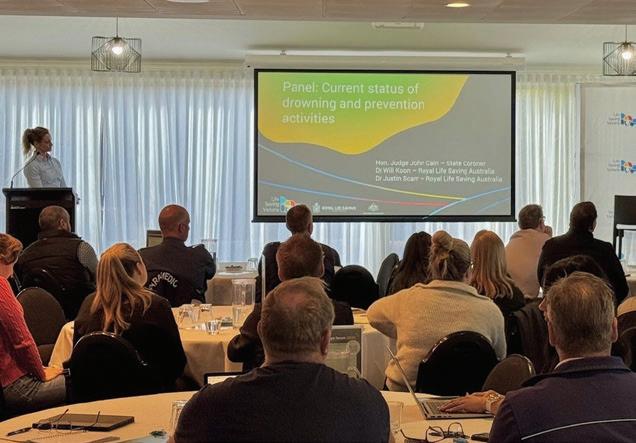
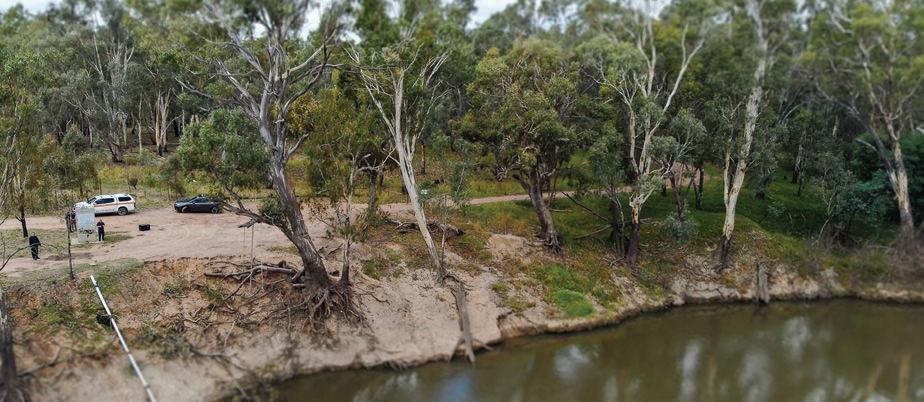
LSV’s Aquatic Industry Services team was tasked with providing a series of comprehensive risk and signage assessments for seven inland waterway recreation areas in northwest Victoria.
The team was engaged by Goulburn Murray Water, the statutory body charged with managing and operating water-related assets over an area of 68,000 square kilometres along the Murray River and related catchments.
The assessments included Lake Eildon, Lake Eppalock, Laanecoorie Reservoir, Yarrawonga, Waranga Basin, Lake Hume and Lake Buffalo with the team conducting site visits and evaluating aquatic risks.
Recommendations to bolster water safety in line with national and international drowning prevention strategies were provided as part of the risk assessments.
The project delivery was aligned to the introduction of the Water (Recreational Area) Regulations 2023, which have been introduced to safeguard water quality, environmental values and Aboriginal cultural heritage, while supporting safe access to recreational areas and acknowledging the social, health and wellbeing values these unique locations offer.
This project is a demonstration of LSV’s expertise in inland waterway safety, delivering evidence-based water safety advice and solutions to key water authorities across the state.
This project will play an important role in supporting the safe use and enjoyment of these valuable community assets.
Manningham Council has partnered with Life Saving Victoria to develop the state’s first local water safety plan.
Based in Melbourne’s northeast, Manningham engaged LSV to help proactively manage safety and access across rivers, lakes and urban waterways within its council boundaries.
A number of areas within Manningham gain significant visitation from the public, particularly around Warrandyte, such as Pound Bend on the Yarra River, and Council sought to ensure it properly understood risks and treatment strategies related to these locations.
The draft plan has been developed through the creation of site-based risk assessments, community consultation and collaboration with Council, local stakeholders and related support agencies.
The project received Federal Government funding through its National Partnerships Program.
LSV delivered 118 specialist assessments in 2024–25, spanning coastal, inland, and pool environments. A total of 35 assessments were completed across rivers, lakes and other inland waterway settings.
These included tailored risk assessments, supervision planning, and signage reviews—supporting councils and land and waterway managers to develop and implement local improvement strategies.
In alignment with our strategic plan to develop more effective and efficient learning pathways by linking service offerings, improving the user experience, efficiency and reach of our education and training services, and exploring innovative and emerging methods for delivering education and training programs, we are actively pursuing several projects to drive outcomes, including:
X Drive further action on inland waterways safety through engagement with local communities and events such as the Inland Waterways Forum.
X Find new opportunities to reach out to local communities who would benefit from water safety skills and knowledge specific to inland waterways, particularly rural and regional communities.
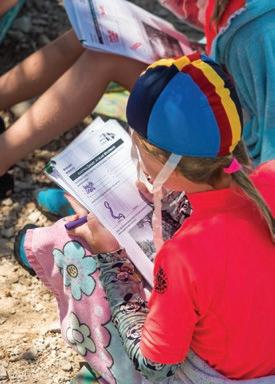
45,265
total lifesaving club memberships
7,798 total sports events entries across the 2024 – 25 summer season.
2,148 entries in championship sport events
37
clubs participated in senior carnivals, 29 clubs in junior carnivals and 27 clubs in masters carnivals.
2,638
carnival entries by individual athletes
105
lifeguards competed in the largest-ever professional pool lifeguard challenge
167
club participants in Governance 101 training (online and in-person)
50
participants the 2024 Presidents' Program
3,228 research and evaluation participants

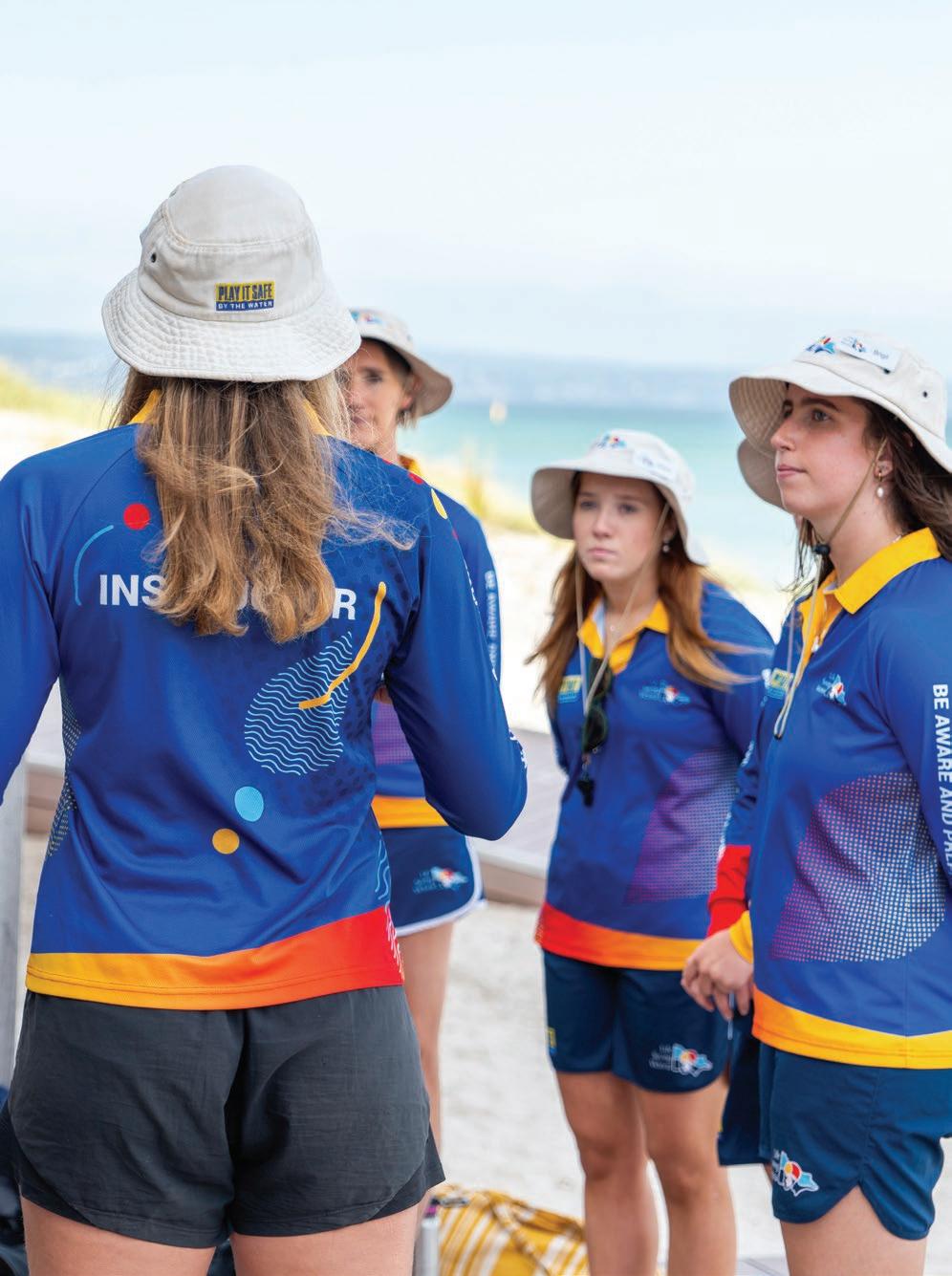
"Our people are our most valuable asset, and it's vital we equip them with the skills and knowledge they need to perform their many and varied roles effectively. We will continue to ensure that our organisation and the lifesaving movement engages and empowers those who work to keep our community safe in the water.”
EMMA ATKINS General Manager Member Engagement
1 Combined with our volunteer life saving clubs, we bring together a diverse team of people to deliver services under the umbrella of LSV, including lifesavers, club administrators, paid lifeguards, employees, sport coaches and officials, trainers and educators.
2 Our people span the whole of Victoria, are aged from five to 75-plus years, and have varying interests, skills, motivations, time commitments, qualifications and life experiences.
3 The breadth of activities our people cover calls for unique and varied skills, including lifesaving, emergency management, sport, leadership, teaching, governance, business, resilience and people management.
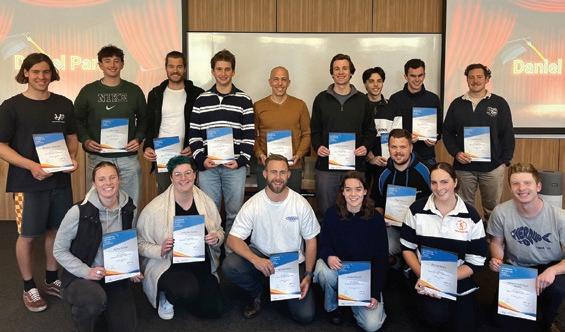
Our new Leadership Beyond the Flags program, aimed at 18 to 30-year-olds, was launched during the 2024 – 25 summer season.
The program is an opportunity for members to engage with key leaders in the lifesaving movement and across Victoria’s emergency services ecosystem to develop their leadership skills and strategies to take with them into the lifesaving world and beyond.
The program aims to engage members in an age group that has historically proven the most challenging to retain within lifesaving, and has seen early success with 21 young members taking part.
In 2024–25, Life Saving Victoria developed Stronger Together: The LSV Sport Strategy 2025–2029, our first-ever strategic plan for sport.
Informed by extensive consultation and developed in partnership with RMIT, the strategy sets a bold direction across participation, delivery and development. It aims to broaden engagement, foster innovation in event delivery, and strengthen people and systems to enhance the sport experience, grow participation, and support a sustainable future for sport and its connection to lifesaving.
LSV looks forward to sharing and bringing this strategy to life in the 2025–26 season.
LSV has continued to drive efforts to make our organisation and the lifesaving movement a safe, open and welcoming environment for everyone. The launch of our new inclusion panel is a key step in these efforts. The panel is made up of five members and is charged with finding new opportunities to break down barriers to engagement and participation in lifesaving.
Victorian athletes delivered a standout performance at the 2025 Aussie Championships, securing an impressive 55 medals, including 17 gold. One of these gold medals was proudly won by the Williamstown WAPS in the U23 Female Surfboat event which was the first gold surfboat medal won by a Victorian club in over 25 years at the Australian Championships.
Representing 22 clubs across the state, a total of 464 Victorian competitors took part in the national event, showcasing the depth of talent and dedication within the Victorian lifesaving community.
Life Saving Victoria’s introduction of adaptive sport to its state carnivals has been an incredible success, with 23 competitors taking part in adaptive events over the summer season.
Adaptive events are tailored for the participation of members with disability, creating a truly inclusive environment at sporting carnivals.
Adaptive events were run at carnivals run by Mt Martha, South Melbourne and Ocean Grove with events including sprints, distance running, wading, swimming, board races and beach flags.
Pool lifesaving has seen impressive growth with increased member participation in pool carnivals over the 2025 winter season.
This has allowed clubs to increase their involvement and enabled pool-based competition disciplines to be promoted to members.
Volunteer club members who take on Age Manager roles are the backbone of Nipper activities for young club members. This makes them a key part of teaching and developing young athletes in lifesaving sport.
A pilot coaching program has been established to provide Age Managers with valuable coaching skills and techniques so they are equipped to support young members to hone their abilities in lifesaving sport.
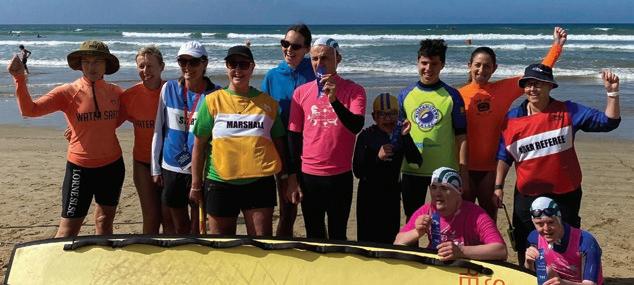
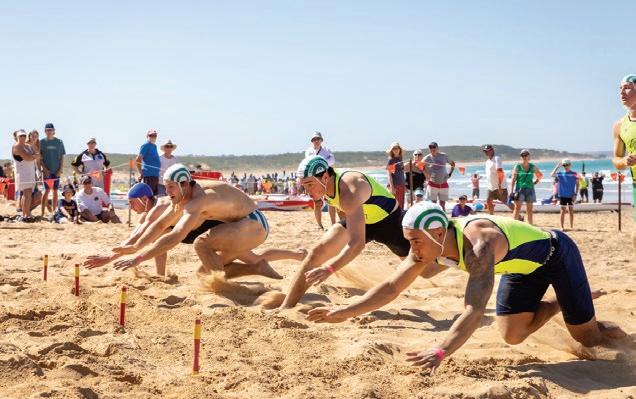
The Youth/Senior Victorian State Championships were hosted by Warrnambool SLSC, featuring 625 entries from 24 clubs across the state.
The competition was fierce, with Anglesea claiming the overall point score title. Mordialloc secured second place, with Mentone rounding out the top three, capping off a strong showing of talent and determination from Victoria’s youth and senior surf lifesaving athletes across Water, Beach, Surfboats and March Past events.
The Junior Victorian State Championships took place at Point Leo SLSC, drawing a strong turnout of 870 competitors from 27 clubs across the state.
It was a highly competitive carnival throughout each event and also included the Junior March Past event. Torquay emerged as the overall point score winner, closely followed by Mornington in second place and Ocean Grove in third.
The championships highlighted the strength and enthusiasm of Victoria’s next generation of surf lifesavers.
Congratulations to Victorian athlete Jemma Holt from Mordialloc, who proudly represented Australia at the Lifesaving World Championships, delivering an outstanding performance by winning eight medals, including five gold. Her incredible achievement is a testament to her dedication and talent on the world stage. A special congratulations also goes to Natalie Hood from Portsea, who played a vital role as the national team doctor, contributing to the success and wellbeing of the Australian team.
In the club competition at the World Championships, 211 Victorian athletes from 23 clubs proudly took to the international stage, showcasing the strength of surf lifesaving in the state. Congratulations to all athletes and clubs involved on an exceptional international showing, and taking part in an amazing international event.
The 2024 Senior Victorian Pool Championships concluded with Mordialloc taking out the overall title thanks to a strong and consistent showing from their team of lifesavers. Mentone secured second place with a solid all-round performance, while Black Rock finished third, rounding out the podium.
Congratulations to all lifesavers and clubs involved in making this year’s championships a successful and memorable event.
The Victorian IRB Open Championships wrapped up at Anglesea SLSC with an impressive overall victory by Hampton, showcasing their strength and consistency across the competition.
Barwon Heads 13th Beach claimed second place, followed closely by Black Rock in third. The event brought together 265 athletes from 18 clubs, showcasing the broad talent and camaraderie within the lifesaving community. It was a thrilling weekend of racing, teamwork, and sportsmanship that celebrated the spirit and skill of IRB competition.
The U23 & Masters IRB Championships were held at Warrnambool, bringing together 198 athletes from 17 clubs in another exciting weekend of racing. In the U23 competition, Hampton once again led the way to take out the overall point score, with Venus Bay finishing second and Ocean Grove rounding out the top three. In the Masters division, it was Williamstown Swimming & Life Saving Club who claimed top honours, followed by strong performances from Ocean Grove and Barwon Heads 13th Beach.
The event highlighted both the experience and emerging talent across all age groups, with great sportsmanship on display throughout.
The 2025 Victorian Masters Championships were held at Lorne SLSC, drawing a turnout of 357 competitors from 27 clubs across the state.
In a highly competitive event, Point Leo emerged as the overall point score winners, demonstrating consistency across multiple disciplines. Mordialloc secured second place with a solid all-round performance, while Black Rock finished third to round out the podium.
The championships celebrated the passion, experience, and camaraderie of Masters athletes, with impressive performances and a strong community spirit on display throughout the weekend.
The 2025 Victorian Lifesaving Events Championships featured some great results and performances throughout the year.
The 2025 Victorian Champion Lifesaver Event was held at South Melbourne LSC, where Mentone took out the overall first place, followed by South Melbourne and Black Rock on the podium with 8 clubs in attendance for the event.
The 2025 Victorian First Aid Championships were also held at the South Melbourne LSC which saw Waratah Beach finish in first place, Bancoora in second place and Point Leo finishing third.
It was inspiring to see the skill of our lifesavers on display in these events across the season.
The 2025 Junior Victorian Pool Championships came to a close, with Mordialloc finishing on top, claiming the overall title after a strong showing from their junior lifesavers. Mentone followed in second place, while Altona delivered an impressive performance to secure third. Well done to all junior athletes and clubs for a fantastic championship filled with talent, teamwork, and determination.
The Australian Pool Lifesaving Championships (APLSC) 2025 saw an outstanding performance from the Victorian State Team, securing an impressive haul of 16 gold, 15 silver, and 20 bronze medals.
In the club competition, Victoria’s clubs also made their mark, collecting 6 gold, 5 silver, and 4 bronze medals.
The results reflect the dedication, skill, and teamwork of all athletes involved, rounding out another successful year of high-level pool lifesaving competition.
At the Australian IRB Championships in July 2024, Victoria delivered a strong performance, finishing 2nd overall in the interstate competition and claiming victory in 4 events.
In the fiercely contested club competition, Victorian teams secured 7 podium finishes, including 1 gold, 2 silver, and 4 bronze medals. The results are a testament to the determination, skill, and teamwork of Victoria’s IRB athletes, capping off a thrilling and competitive championship campaign.
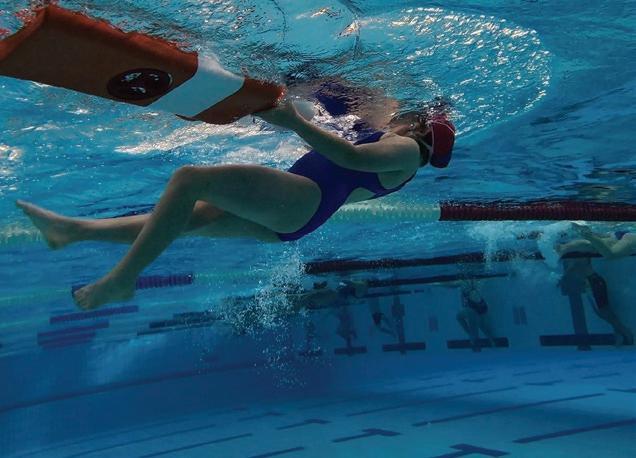
The Victorian Surf Rowers League (VSRL) season featured a dynamic series of seven carnivals, including the VSRL Open at Anglesea SLSC.
Throughout the season, crews from across the state displayed impressive skill, teamwork, and determination in both racing and lifesaving.
The series provided a fantastic platform for athletes of all levels to develop and showcase their abilities, fostering strong camaraderie within the surf rowing community. The season was marked by competitive spirit, exciting finishes, and a shared commitment to excellence.
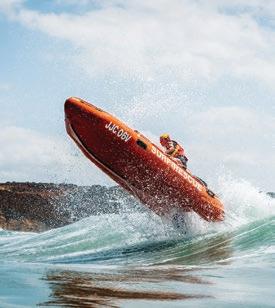
Things we plan to advance
In alignment with our strategic plan to develop more effective and efficient learning pathways by linking service offerings, improving the user experience, efficiency and reach of our education and training services, and exploring innovative and emerging methods for delivering education and training programs, we are actively pursuing several projects to drive outcomes, including:
X Continue to develop and drive LSV’s new Sport Strategy to encourage volunteer members to engage with lifesaving sport.
X Foster further engagement from our volunteer members and club leaders through initiatives such as the Preseason Forum and Presidents Program.
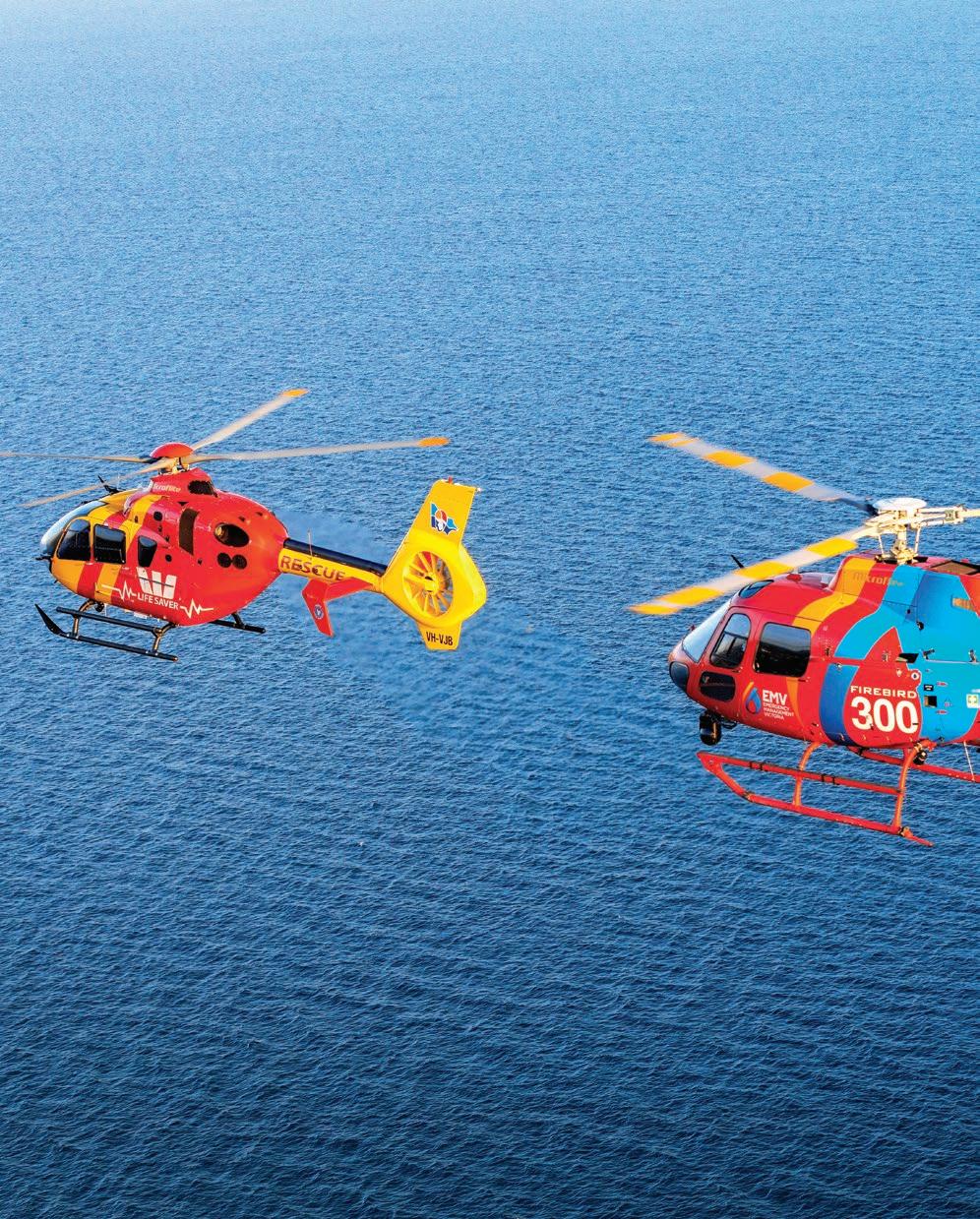
“Water safety and drowning prevention is a whole-ofcommunity endeavour, with collaboration and cooperation vital to success. LSV works with a vast network of partners and stakeholders in government, industry and the community towards the common cause of community safety. Together, we can save lives and empower communities to safely enjoy water.”
PAUL SHANNON Executive Advisor Government and Industry Relations
1 Being a lean organisation relative to the breadth and scope of our activities, we rely heavily on relationships and partnerships to deliver our services.
2 The entities we engage span from microenterprises, which operate under our training umbrella as franchisees, to entire sectors such as emergency management organisations, local government, education, sport and the aquatic and recreation industries
3 The sheer volume of connections we need to source and maintain to deliver our services requires us to be appropriately resourced, and efficient and effective to partner and collaborate
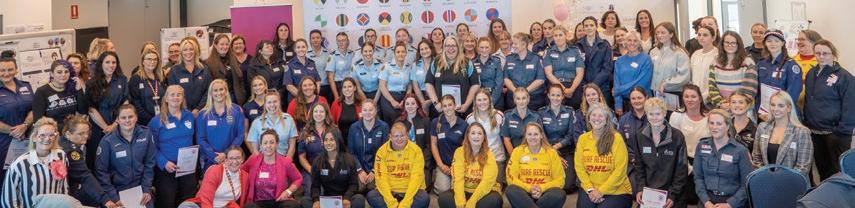
LSV’s Ready to Lead Program supports women to take up leadership positions in lifesaving, the aquatic industry and across Victoria’s emergency services network.
A record 88 women took part in the program over the past year, with representatives from agencies including the Country Fire Authority, Victoria State Emergency Service, Fire and Rescue Victoria, Ambulance Victoria and Emergency Management Victoria.
The program is tailored to support women who are both emerging as leaders, and those who are established in leadership positions.
The program has also helped LSV build strong reciprocal relationships with emergency services agencies, giving our members access to programs including incident management readiness training run by VICSES and the CFA’s Emerging Leaders Mentor Program.
Life Saving Victoria’s Valuing Volunteers Event, held on 1 June 2025 following Volunteers Week, formally recognised volunteers from 57 clubs statewide.
The program featured awards for outstanding contributions as well as youth achievement honours. Over 80 certificates acknowledging significant contributions were acknowledged, highlighting both individual and group accomplishments.
The event included personal testimonials, guest tributes, and new recognition initiatives, fostering an atmosphere of appreciation and reinforcing the value and impact of each volunteer within the lifesaving community.
This program was made possible with by support from the Victorian Government's Valuing Volunteers Program.
Life Saving Victoria is working in partnership with GippSport to deliver the Gippsland Sports Hub project. This strategic regional initiative has been established to build sustainable sporting and volunteer pathways across Gippsland and the Bass Coast.
Two regional sport hubs will be built as part of the project, which will support collaborations with local sporting clubs to deliver a range of activities including sport programs, training sessions, come-and-try events and upskilling programs for volunteers and officials.
LSV successfully secured a grant from Sport and Recreation Victoria’s Strengthening Regional Community Sport Program, which will provide funding for the project over three years.
The initiative directly responds to the objectives of LSV’s Stronger Together: Sport Participation Strategy 2025-2028 to empower local clubs, foster inclusion and increase sport participation in regional areas across Victoria.
This project is a demonstration of LSV’s commitment to supporting opportunities across Victoria to participate in lifesaving sport. The Sports Hub initiative will help LSV in this objective by strengthening our delivery of support and resources in this key regional area, and creating pathways to participation that are inclusive, sustainable and accessible.
Life Saving Victoria was proud to sponsor and support a new research paper into improving multi-stakeholder governance of water safety and drowning prevention in Victoria.
The Australian and New Zealand School of Government paper entitled Strong Partnerships, Safe Waters was released in November last year, making key recommendations around reporting drowning data, drowning prevention collaboration with external stakeholders, governance structures and accountability mechanisms to bring about improved water safety outcomes.
LSV has secured a new training agreement with the Victoria Water Police Unit to deliver a bespoke version of our First Aid course.
This tailored program will include scenario-based training designed specifically around the unique operational environments and challenges faced by Water Police personnel.
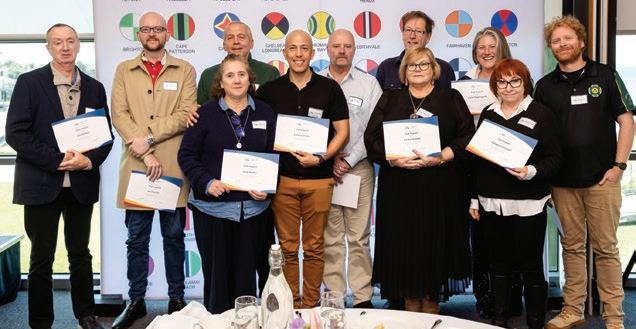
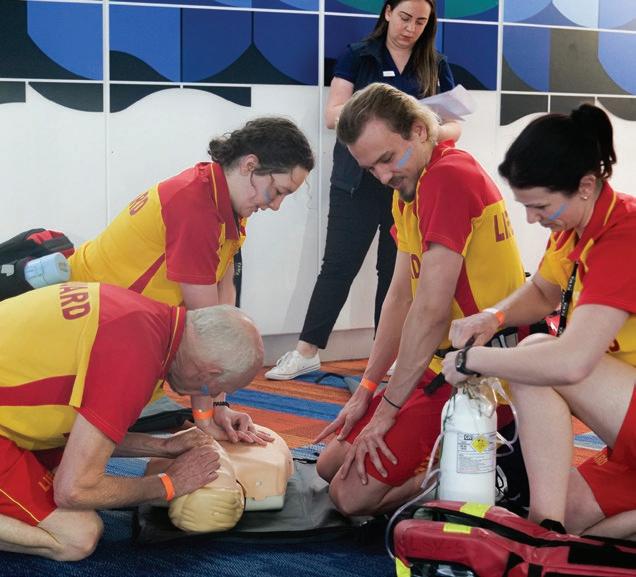
The Public Training team secured a new partnership with Independence Australia, a not-for-profit social enterprise that provides disability and personal care support services to people across Victoria.
Through this contract, we are delivering CPR and First Aid training to their staff, ensuring they are equipped with the essential skills to respond confidently in emergencies and provide safe, quality care to the community.
This partnership not only strengthens our role in supporting the disability sector but also reflects our commitment to building safer, more resilient workplaces.
LSV has collaborated with Royal Life Saving Australia as well as state and territory members to successfully secure a national training agreement with the Royal Australian Navy to provide CPR, First-Aid and Pool Lifeguard training.
The agreement will include the delivery of training to over 2,500 defence force personnel across the country.
As part of our growth in the training sector, we welcomed three new thirdparty providers: Peninsula Leisure, Gleneagles Secondary College, and Maryborough Education Centre. Third party providers deliver accredited LSV training on our behalf, extending our reach into local communities while maintaining the quality and compliance standards of our Registered Training Organisation.
By partnering with organisations across education, leisure, and community services, we are able to increase access to vital qualifications such as First Aid, CPR, Pool Lifeguard, and Swim Teacher training, ensuring more Victorians have the knowledge and skills to keep their communities safe.
In line with our strategic plan, we are working to create more effective and efficient learning pathways by connecting our services, improving the user experience, expanding our reach, and exploring innovative ways to deliver education and training. To support this, we are actively progressing several key projects, including:
X Member development workshops tailored to the needs of volunteers and their clubs.
X Strengthen relationships with government and industry partners to collaborate on driving water safety outcomes.
The 2024 LSV Pool Lifeguard Challenge was held at Melbourne Sports and Aquatic Centre and attracted a record 21 teams from across Victoria.
Designed to simulate real-world emergencies, the challenge tested lifeguards’ abilities in rescue response, CPR, teamwork and communication under pressure.
Glen Eira Sports and Aquatic Centre claimed top honours on the day, with strong performances across all scenarios.
The event highlighted the vital role lifeguards play in aquatic safety and provided a valuable opportunity for skill development and peer learning.
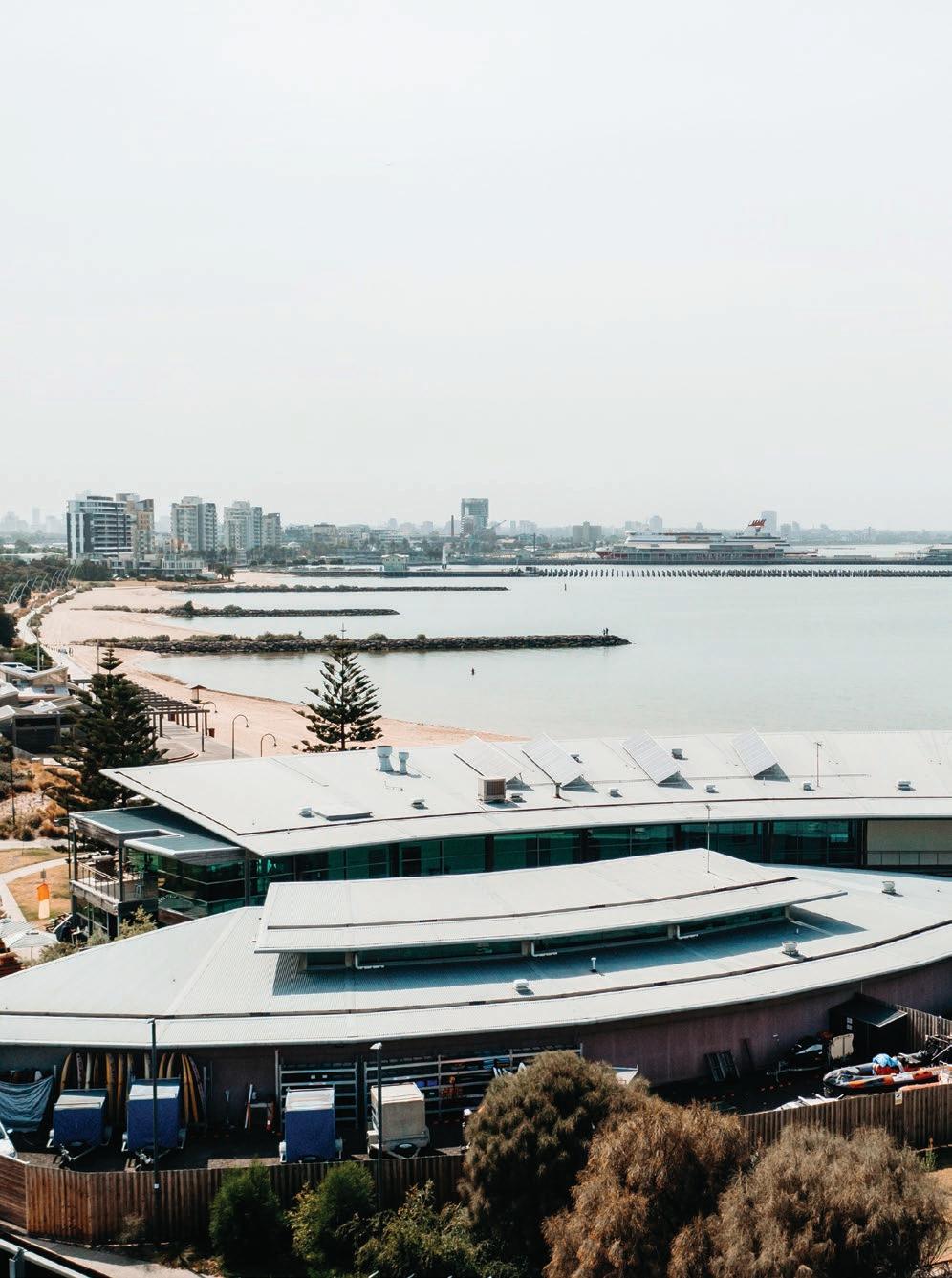
"Strong governance and financial management are key to ensuring Life Saving Victoria has the resources it needs to keep the community safe in the water. Our team works to ensure that our funding, facilities and assets are utilitised to the full benefit of our people and our community.”
JAMES CARDONA General Manager Shared Services
Why this area of focus is important to us:
1 Combined with our people, LSV's governance and business functions are fundamental to our existence and operations.
2 LSV is a complex, multifaceted business that requires robust support systems, leadership, governance, and infrastructure to enable the delivery of our broad range of services and programs.
3 The extensive variety of our activities, combined with our predominantly volunteer and casual workforce, means we need to develop and maintain accessible, streamlined systems and practices to ensure quality and timely delivery of our services
The implementation of Life Saving Victoria’s Governance Review project continued throughout 2024 – 25 as we work towards building a modern governance structure to serve our organisation and our community into the future.
Significant steps forward were made on the 15 recommendations made in the Governance Review’s final report. These included a change to LSV’s voting membership which was approved at a Special General Meeting (SGM) in March 2025.
The SGM was the first formal step in implementing changes arising from the review, initiated by the LSV Board in 2022 to ensure LSV is equipped with a governance framework that remains robust, inclusive, and fit for purpose, and aligns with our purpose.
This change has been made in anticipation of further reform being progressed in the coming months.
Life Saving Victoria’s Governance Scholarship Program was reinstated in 2024 – 25 after the project was paused in the previous financial year due to reduced funding.
The program provides full and partial funding for our members and aquatic industry partners to undertake courses in good governance practices. This year the program funded a total of 26 full and two partial scholarships.
LSV has also continued to deliver governance training workshops to club leaders and committee members, including through our online governance training module, at our Preseason Forum and as part of our Presidents Program.
Education in good governance allows our organisation to operate effectively and with integrity for the benefit of our clubs, leadership structure and, most importantly, our members and aquatic industry partners.
Development of Life Saving Victoria’s Strategic Plan for 2026 and beyond is underway.
Now in the final year of our 2021-25 Strategic Plan, LSV is in the process of engaging with partners and stakeholders to set out the future direction for our organisation.
Following our engagement process over the next few months, a draft strategic plan will be created for review by the LSV Executive and Board. The final plan will then be launched at our 2025 Annual General Meeting.
Life Saving Victoria launched its new organisational values, aimed at providing a foundation for our people to support a positive, inclusive and purpose-driven culture within LSV and the lifesaving movement.
Five core values were finalised by the LSV Board, following an extensive engagement and feedback process involving our members and staff. These values are grounded in LSV’s purpose to save lives and empower communities to safely enjoy water, and will shape the decision-making and actions of our organisation now and into the future.
Together, they form a statement of the central ethos that drives our organisation, giving our people a set of guiding principles that are clear, consistent and actionable. They reflect the diverse voices and shared goals of the lifesaving movement, as well as the evolving role of LSV as a trusted leader in community water safety across Victoria.
The new values have been embedded throughout LSV’s operations with communications, training resources and supporting visual materials rolling out in the lead-up to the 2025–26 season.
LSV established its new Integrity unit as part of an organisational realignment in August 2024. The new stand-alone unit has been set up to enable a strong, sustained focus on ensuring LSV and the lifesaving movement remain safe, fair and inclusive environments for all members.
This will involve taking responsibility for matters including member protection, complaints handling, child safeguarding, drug-related issues, competition manipulation and sports gambling.
The unit will produce clear, accessible policies and guidelines to protect lifesaving activities and members; support and advise members on integrity matters; provide education to support a strong culture of integrity; and provide clear and consistent investigation and disciplinary processes.
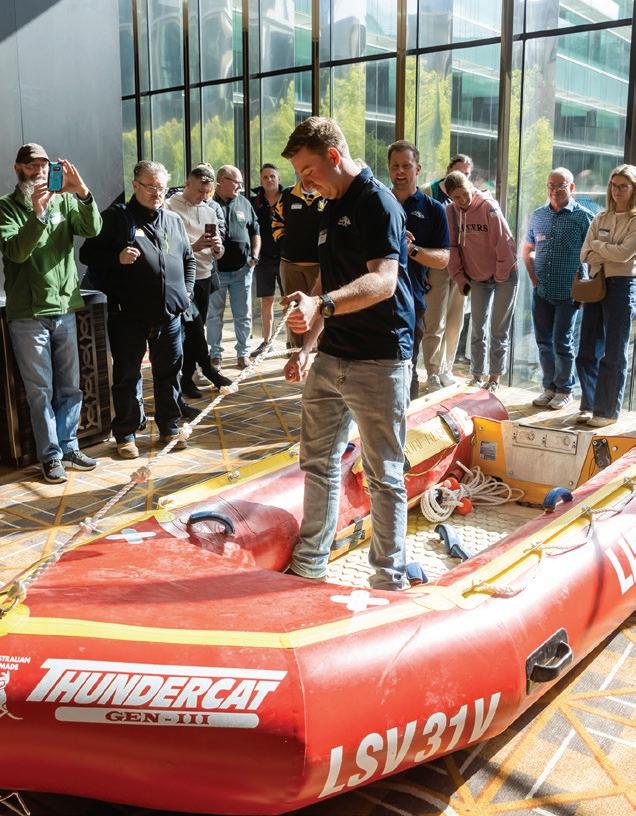
Our volunteers put in an extraordinary amount of time, effort and energy to keep Victoria’s 57 lifesaving clubs running throughout the year, and it’s vital that Life Saving Victoria provides them with the support they need.
This is particularly true for volunteers who take on leadership roles, which can carry a range of specific challenges and complexities.
LSV’s Club Support team has established a series of club leadership networking forums, which provide club leaders with an opportunity to share knowledge and insights. With decades of combined experience among our club leaders, this is an invaluable source of information and support. The forums are also an opportunity for clubs to inform LSV when they require assistance.
Other initiatives to support club leadership and members have included ongoing consultation with club administrators on where they need additional support include; LSV’s regular Preseason Forum and Presidents Program; and the creation of “video walkthroughs” of newly developed lifesaving clubs to support clubs considering major club facility redevelopments.
Our new expense management platform ProSpend was launched in December 2024. The new system allows employees to manage and track their expenses and credit card transactions. It also ensures expense approvals follow the organisation’s delegations of authority policy.
The platform also offers the opportunity to streamline and automate purchase orders, particularly for large purchases.
Lifesaving clubs require a range of equipment for their day-to-day operations. Purchasing these items can often involve large and complex orders that can create a range of difficulties, particularly for volunteer club administrators.
To make these purchases easier to manage, LSV’s Supply Chain team has set up the LSV Shop, an online purchasing resource that aims to reduce the administrative workload that equipment orders can tend to create.
The LSV Shop offers support for clubs including options for bulk purchases and 30-day credit terms, all aimed at freeing the time and energy of club volunteers.
In addition to the LSV Shop, the Supply Chain team has set up a range of valuable club support measures such as a rental and refill for oxygen bottles, a key piece of equipment for club rescue operations, and options for club vehicles to be insured via LSVs insurance provider Marsh.
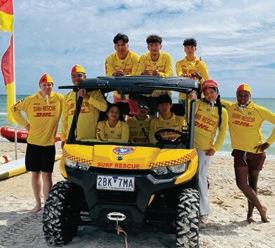
As part of our strategic plan, we are focused on developing more effective and efficient learning pathways by better integrating our service offerings, enhancing the user experience, increasing the reach and impact of our education and training programs, and exploring innovative delivery methods. To achieve this, we are actively progressing several key projects, including:
X Continued implementation of Governance Review recommendations.
LSV’s annual Awards of Excellence evening celebrated the best in Victorian lifesaving, by recognising the outstanding achievements and contributions of lifesaving volunteers, members and those working across the aquatic industry.
LSV volunteers, staff, aquatic industry colleagues and sponsors came together to celebrate the achievements of the 2024 – 25 year at the Sofitel, Melbourne on Saturday, 9 August 2025.
Beaurepaire Shield for Club of the Year, supported by Marsh Warrnambool SLSC
John Wishart Memorial Medal for Lifesaver of the Year
Sas McNamara, Portsea SLSC
Graeme Long Memorial Medal for Volunteer of the Year
David Marsh, Anglesea SLSC
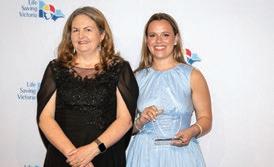
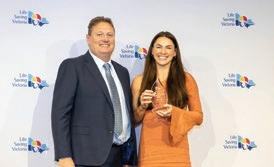
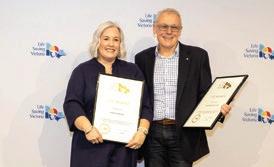
Dr Nigel Taylor ESM Innovation Award Community-led Public Rescue Equipment at Venus Bay, Venus Bay SLSC
Janet Jones OAM Inclusion Award
Sunday Community Swim, Sandringham SLSC

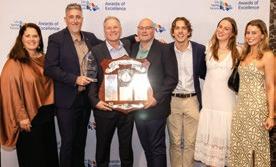
Ross and Andrew Powell Rescue Recognition Award
Mornington Peninsula RWC Multiple Rescues – Australian Lifeguard Service
Ocean Grove Overturned Vessel Rescue – Ocean Grove SLSC
Port Phillip Heads Mass Rescue –Point Lonsdale SLSC
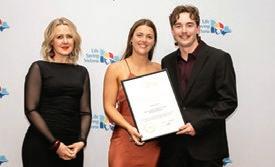
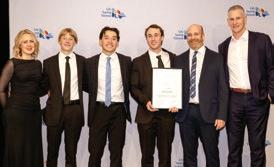
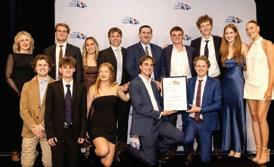
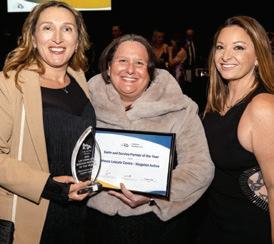
Mike Martin AM Championship Junior Lifesaver Awards
Alexander Morina, Aspendale LSC
Nipper Program Achievement of the Year
Lorne Nippers Program, Lorne SLSC
Community Education Achievement Award
Schools Program, Mornington LSC
Fred Westfield Medal
Eden Benton, Mentone LSC
Maurie Rayner Scholarship
Will Richards, Jan Juc SLSC
Jemma Holt, Mordialloc LSC
Official of the Year
Mary Collins, South Melbourne LSC
Emerging Official of the Year
Stacey Barrand, Altona LSC
Coach of the Year
Sonia Kinsey, Ocean Grove SLSC
Victorian Champs Point Score Winner Mordialloc LSC
Team of the Year (U14 and 15)
U14 Girls Beach Relay Team, Mordialloc LSC
Team of the Year (U17 to Open)
U23 Female Surfboat Team, Williamstown S&LSC
Team of the Year (Masters)
Male 4 x 24m Manikin Carry Team, Mordialloc LSC
Athlete of the Year (14 - 15 years)
Grayson Hyde, Ocean Grove SLSC

Aquatics and Recreation Victoria – Pool Lifeguard of the Year
Shaneika Diec
Athlete of the Year (U17 - U19)
Jemma Holt, Mordialloc LSC
Athlete of the Year (Open)
Julia Phillips, Anglesea SLSC
Athlete of the Year (Masters)
Michael Barrand, Wye River SLSC
LSV Public Training & Pool Safety Trainer of the Year
Jack Corcoran
LSV Public Training & Pool Safety Service Member of the Year
Ivan Key
LSV Public Training & Pool Safety Licensee of the Year
First Aid & Corporate Training Services
LSV Swim and Survive Partner of the Year
Waves Leisure Centre – Kingston Active
Education Instructor of the Year
Connor Brooks
Aquatics and Recreation Victoria –Pool Lifeguard of the Year (supported by LSV)
Shaneika Diec, Aquapulse - WynActive
Aquatics and Recreation VictoriaWatch Around Water Facility of the Year (supported by LSV)
Northcote Aquatic and Recreation Centre – Clublinks (Presented at ARV)
Aquatics and Recreation Victoria –Sir Frank Beaurepaire Award (most outstanding contribution to the Aquatic Industry)
Jim Corbett
Volunteer Assessor of the Year
Poppy Morrison, Fairhaven SLSC
Volunteer Trainer of the Year
James Betson, Anglesea SLSC
Administrator of the Year, supported by Marsh
Daniel Rosendahl, Mildura LSC
Beach Lifeguard of the Year
Michael Garbelotto, Lorne SLSC (pictured below)
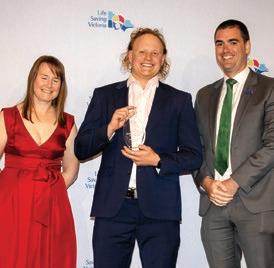
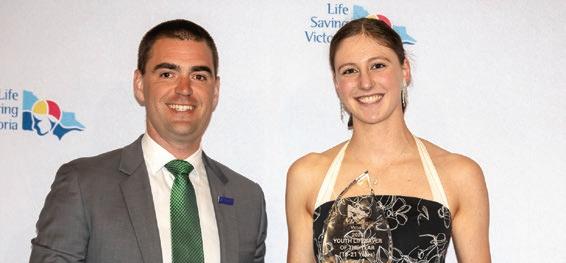
Youth Lifesaver of the Year (18 to 21)
Susanna Ryan, Port Campbell SLSC
Junior Youth Lifesaver of the Year (14 to 17)
Angus Liddell, Mentone LSC
Barry Hunt – Bancoora Young Guns Program, Bancoora SLSC
President’s Certificate
Michael Sullivan, Daniel Sullivan and Mark Scotland – Advanced Lifesaving Camp
Gurdwara Siri Guru Nanak Darbar Officer - Safely Engaging with Water Program
Emergency Services Foundation –Mental Health Initiatives Partnership Coroners Prevention Unit – Long-Term Drowning Prevention Partnership
Colin Ellicott – Outstanding Service and Leadership in Lifesaving
(pictured below, clockwise from top left)
Angela Malan
Tom Mollenkopf AO
Royal Life Saving Society
Commonwealth Council
Royal Life Saving Society
Commonwealth Service Order
Kate Simpson
Andy Dennis
Australia Day Honours
Emergency Service Medal Dr Anthony Hodder, Point Lonsdale SLSC
King’s Birthday Honours
Member of the Order of Australia (AM)
General Division
Debra Ellen O’Connor, Wye River SLSC
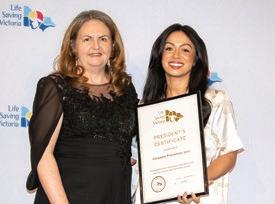
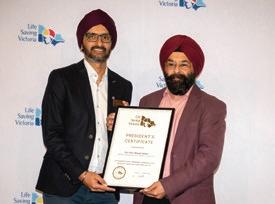
Surf Life Saving Australia Service Awards
National Medal
2nd clasp 35 years
Michael Bell, Frankston LSC
1st clasp 25 years
Michael Martin AM, Anglesea SLSC
John Takac ESM, Lorne SLSC
Jerry Vochteloo, Ocean Grove SLSC 15 years
Thomas Cullen, Anglesea SLSC
Andrew Rechtman, Anglesea SLSC
Dylan Griffiths, Black Rock LSC
Riley Manks, Cape Paterson SLSC
Wesley Hosking, Elwood LSC
Oliver Bliem, Fairhaven SLSC
Andrew Thomas, Fairhaven SLSC
Vanessa Lewanski, Fairhaven SLSC
Laura Buckley, Fairhaven SLSC
Jill Douglas, Gunnamatta SLSC
Angela Malan, Inverloch SLSC
Robert O’Neill, Inverloch SLSC
Vincent Sheehan, Jan Juc SLSC
Kenneth Woodward, Lakes Entrance SLSC
Jarred McCombe, Lorne SLSC
Jessica Sincock, Lorne SLSC
Lincoln Wymer, Lorne SLSC
Andrew Griffiths, Lorne SLSC
Samuel Brooker, Lorne SLSC
Nick Murnane, Lorne SLSC
James Terrance, Ocean Grove SLSC
Katrina Antony, Ocean Grove SLSC
James Coutie, Point Lonsdale SLSC
Brett Armstrong, Port Melbourne LSC
Simonetta Seri, Venus Bay SLSC
Paul Malone, Wye River SLSC
Markham Downer, Wye River SLSC
Life Saving Victoria held its annual Valuing Volunteers event on Sunday, June 1. More than 80 members were formally recognised for significant contributions to lifesaving from across the state’s 57 clubs.
This annual event aims to foster appreciation for our volunteer lifesavers, and reinforce the impact they have on their communities. The event was supported by the Victorian Government’s Valuing Volunteers Program.
Alex Shackleton
Alexander Morina
Alison Porter
Amelia Toogood
Amenah McDonald
Angela Malan
Angus Liddell
Armando Breton
Barbara Morgan
Barry Harrison
Benjamin Smith
Benjamin Dwyer
Brendan Van Dam
Brian Kirk
Bruce Honey
Calden Lyons
Carol Fox
Catherine Paulsen
Charles Tuchtan
Chris Campbell
Christine Cardwell
Clive Patrickson
Darcy Tribe
David Marsh
Davina Jackson
Dean Sibun
Ellie Ryan
Erin Reed
Evelyn Lyons
Farley Griffin
Flynn Thompson
Hamish McKay
Ian Churchill
Ingrid Magtengaard
Jaci Chin-Jewson
Jackson Comrie
Jackson Slykhuis
James Quine
Jess English
Jessica Woodward
Jonathan Griffiths
Joseph Murphy
Josephine McDowall
Josh Smith
Julia Hay
Kevin Larkins
Kirsten Cleland
Laura Goudie
Leigh Reither
Leonie Short
Liam Smith
Lucy Tate
Lyndie Freestone
Mali Romanis
Margaret O’Connell
Michael Kennedy
Michael Martin
Mohammad Baqir Karimi
Nancy Joseph
Nathan Waddell
Nick Wood
Nick Giblin
Paul Minahan
Paul Hoffman
Petter Van Deuren
Rachael Rylance
Ramzi Ali Hussaini
Rebecca Schot-Guppy
Rebecca Cameron
Robert Madeley
Sai Dale
Sam Dwyer
Samuel Marcus
Sandra Madeley
Sharm Yeldon
Simon Wilson
Sue-Ellen Jackson
Susan O’Rourke
Tamara Brawn
Tim Barbour
Tim Norman
Tom Mollenkopf AO
Tonina Morgan
Veronica Treloar
Warren Clarke
Wayne Cartwright
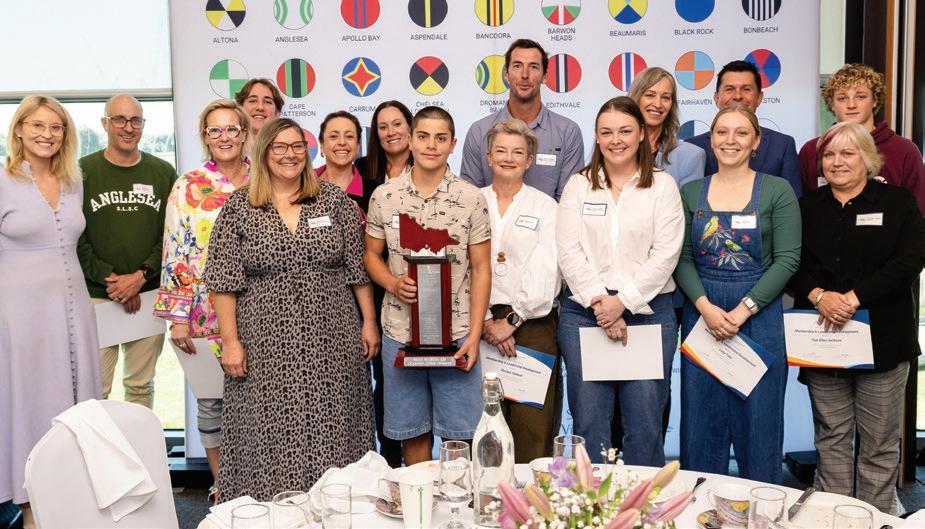
Aquatic Education and Industry Engagement Council
Kara Monaghan Director
John Summers Chair (ceased Aug 2024)
Katherine Thom
Council member (ceased Aug 2024) / Chair (effective Aug 2024)
Fiona Preston Specialist Officer (effective Aug 2024 – Jan 2025) / Council Representative (effective Jan 2025)
Sonya Dalgleish
Council Representative (effective Aug 2024 – Jan 2025)
Barry Harrison
Council Representative
Aquatic Sports Council
Aaron Green Director
Karl Russell Chair (ceased Aug 2024)
Leonie Newey Chair (effective Aug 2024)
Tamara Brawn
Council Representative
David Laws Chief Referee
Kylie Clark Junior Referee
James Carew
IRB Competition Coordinator
Jonathan Holt
Aquatic Sports Development Coordinator
Joanne Teagle
Pool Competition Coordinator (Ceased Aug 2024)
Aaron McGregor
Pool Competition Coordinator (effective Sept 2024)
Brent Enticott Board and Ski Representative
Kate Walker
Beach Representative
Natalie Hood
Swim Representative (effective Sept 2024)
Dinah Boswell ESM
Lifesaving Events and Rescue and Resuscitation Coordinator
Barry Hill
Surf Boat Representative – VSRL (ceased Aug 2024)
Aaron Tannahill
Surf Boat Representative – VSRL (effective Aug 2024 – ceased June 2025
Adam Alsbury Director (ceased March 2025)
Craig Watson Director (ceased Nov 2024)
Paul Hoffman Director (effective Nov 2024)
Nicola Harrop Director (effective June 2025)
Ian Fullagar Chair
David Pavia
Council Representative
David Marsh
Council Representative
Lifesaving Operations Council
Katrina Antony Director (Training and Assessment)
Kane Treloar Director (Life Saving Services)
Vincent Sheehan Chair
Simon Wilson
Council Representative
Nicholas Giblin
Council Representative
Peter McDonell
Lifesaving Services Representative
Alexander Walton
Lifesaving Services Representative
Grace Lightfoot
State Emergency Management Officer
James Quine
State Lifesaving Communications Officer (ceased Jan 2025)
Nicholas Wood
State Lifesaving Communications Officer (effective Apr 2025)
Davina Jackson
State Training and Assessment Resource Officer
Alexandra Fletcher (effective Sept 2024)
State Training and Assessment Systems and Technology Officer
James Quine (ceased Jan 25)
State Training and Assessment Development Officer
Liam Smith (effective May 25)
State Training and Assessment Development Officer
Catherine Paulsen
State Training and Assessment Supervisor
Flynn Thompson State Powercraft Officer
Peter McDonnell
State Service Efficiency and Standards Officer
Ashley Baxter State Gear and Equipment Officer
Area Training and Assessment Officers
Jameson Trainor (ceased Aug 2024)
Training and Assessment Officer - Bass
Liam Marangio (effective Sept 2024)
Training and Assessment Officer - Bass
Mark Pratt
Training and Assessment Officer - Bayside
Phillip Hughes (ceased Oct 2024)
Training and Assessment Officer - Geelong
Joshua Smith
Training and Assessment OfficerGippsland
Craig Stoodley (effective Sept 2024)
Training and Assessment OfficerKingston
Alexandra Fletcher (ceased Aug 2024)
Training and Assessment Officer - Otway
Evelyn Lyons (effective Aug 2024)
Training and Assessment Officer - Otway
Andrew Kiss (Henry)
Training and Assessment OfficerPeninsula
Sebastian (Zeb) Phoenix (ceased Sept 2024)
Training and Assessment Officer - Port
Phillip
Jasmine Lawrence (effective Sept 2024)
Training and Assessment Officer - Port
Phillip
Julia Clarke (ceased Aug 2024)
Training and Assessment Officer - Surf Coast
Davina Jackson (effective Oct 2024)
Training and Assessment Officer - Surf Coast
Darryl Paterson (ceased Aug 2024)
Training and Assessment OfficerWestern
Area Lifesaving Operations Officers
Sarah Seddon
Lifesaving Operations Officer - Bass
Alexander Walton
Lifesaving Operations Officer - Bayside
Nicholas Giblin
Lifesaving Operations Officer - Geelong
Murray Colvin
Lifesaving Operations Officer - Gippsland
Darren McLeod ESM
Lifesaving Operations Officer - Kingston
Calden Lyons
Lifesaving Operations Officer - Otway
Jack White
Lifesaving Operations Officer - Peninsula
Nicholas Vouk
Lifesaving Operations Officer - Port
Phillip
Alex Buckley
Lifesaving Operations Officer - Surf Coast
Josephine McDowall
Lifesaving Operations Officer - Western
Membership and Leadership Development Council
Rebecca Schot-Guppy Director
Robyn Kaye (ceased Aug 2024) Chair
Samuel Marcus (effective Aug 2024) Chair
Sophie Carne (effective Sept 2024)
Council Representative
Samuel Marcus (ceased Aug 2024)
Council Representative
Sophie Carne (effective Sept 2024)
Council Representative
Jessica Sincock
Senior Development Programs
Coordinator
Tarryn Thom (ceased Aug 2024)
Junior Development Programs Coordinator
Jess Woodward (effective Aug 2024)
Junior Development Programs Coordinator
Amy Derksen
Diversity and Inclusion Coordinator (effective Aug 2024)
Sam Dwyer
Masters Development Programs Coordinator
Charles Tuchtan
Member Wellbeing Coordinator
Aaron Hunt
Junior Activities Coordinator (effective Sept 2024)
Rachel Engelhardt
Female Leadership Network Coordinator (effective Aug 2024)
Finance, Risk and Audit Committee
Tony Walker ASM (Chair)
Sam Dimopoulos
Liza Gelt
Jude Lau
Alex Buckley
Ashley Wolff (ceased June 2025)
Nicky Konstantinou (effective May 2025)
Governance Committee
Liza Gelt (Chair)
Kara Monaghan
Angela Malan
Anthony Neal
Rachael Rylance
Vincent Sheehan
Grievance and Judiciary Committee
Tom Mollenkopf AO (Chair) (LSV Complaints Manager)
Tamara Brawn
Graeme Eddiehausen
Allan Holmes OAM (Secretary)
Catherine McCraith
Neil Morarty OAM
Bridget Pardy
Richard Symon
Honours and Awards Committee
Katrina Antony (Chair)
Frances Evans OAM
Angela Malan
Darren Mcleod ESM
Jessica Robinson
Patrick Spinazola
Catherine Tisdale
Darcy Tribe
Craig Watson
Future Governance Working Group
Rebecca Schot-Guppy (Co-Chair)
Craig Watson (Co-Chair) (ceased Oct 2024)
Paul Hoffman (Co-Chair) (effective Oct 2024)
Barry Harrison
Nicholas Giblin
Sam Dwyer
Samuel Marcus
Lyndie Freestone
Alison Porter
Josephine McDowall
Simon Wilson
Tom Mollenkopf AO
Kevin Larkins
Michael Kennedy OAM
Clive Patrickson
Tamara Brawn
Michael Martin AM
Please refer to page 8 for subcommittees.
Chief Executive Officer
Catherine Greaves
Chief Operations Officer
Kirsty Robertson
General Manager - Shared Services
James Cardona
General Manager – Strategic Advisory
Kate Simpson
General Manager - Member
Engagement
Emma Atkins
General Manager – Aquatic Capability
Andy Dennis
R Anthony
H G Ashworth
BH E Baker
A J Barnes
S Barnes
N Bayles
M J Bell
A Bellotti
P I Bennett
W Birkenhead
A Birt
R W Blackney
R O Blackwood
SSC Blanks BEM
D L Boswell ESM
W D Boulton
B H Bowman
R K Boyce
H Brereton
H F Brockhoff
M M Brodie
W Brodie
K Brooks
A S Buchannan
Q L Burke
J Burrowes OAM
CW Cartwright
G W Cato OAM
R Charrett
F M Clayton
M R Collins
I Collum
R B Cook
A Cooper
L Cooper
A Coulson
W Coyte BEM
Sir G Cuscaden
DR W Dale
G L Dann
L Darbyshire
A Davies
A G Dell
J L Dobson
T Donnett
O Douglass
E Doull
J Duthie
B Edmonds
C P Ellicott
N L Emselle
L Errey
F M Evans OAM
W Everard
F J Farmer
N H Farmer AM ESM
F J Fegan
C G Fitzgerald OAM
E Fitzsimmons
A F Forster
A R Frost BEM
E Fry
G Fry
J Furmedge
GC Gadd
J Gale
K J Galloway
A W Goetz
D R Grant OAM
A Gray
B Gray
J S Gregson
H
N G Hall
E Handley
E J Harris
D E Heathcote AM
J B Heily
K R Hodgson
J A Hogan
A M Holmes OAM
N A Hood ESM
D R Hopkins
M J Horne
S L Horton
P Hughes
W M Hull
F A Hunting
G C Hurrell
R J Hussey
R Hutchings I
F Inness
S Ivey
JJ Jackson
N R Joseph
L Johnson
C C Kelly
H G Kelly
A R Kennedy BEM
M J Kennedy OAM
T R Kennedy
W Keys
E G Kidd
H J Klauer
J Knight
A M Laughton
A Laven
T G Leary
J Lee
G M Lehmann
M F Leiper
A R Lester
W Lievesley
J M Lippmann OAM
J J Liston
R Lloyd
M A Lumley
P Lunny ESM
C R Lyne AM
S Mackinnon
J J Maclean
A J Malan
Sir W Manifold
R W Markillie
L R Marsh
W E Martin
M J Martin AM
W C McBeath
M O McCutcheon
L R McDonald
E J McGee
W H McLear
D M McLeod ESM
J G Meehan
O G Merritt
J H Millett
R Millett MBE
R A Mitchell OAM
T M Mollenkopf AO
D G Montalto ESM
N W Morarty OAM
J I Morgan
B A Morgan OAM
D G Morland
F L Muir
B Murray
M M Napthine
R Neate
H A Norris
G Nutbean
H O’Connor
J Olson
R J O’Brien
P J O’Rorke OAM
B G Owen
W C Patrickson
M E Pearce
F Pebbles
F Perrin
V Petersen
T K Peterson OAM
J E Pettigrove
H M Pierce OAM
H Pittard
E A Pleasents
F Pollard
M Portingale BEM
F J Ramsay
F D Reid
A Renfrew
J F Revell
M P Ricca
R Ricca
P E Rice OAM
B B Richards
A Robbie
K Roderick AFSM
N Rose
A Rosen
M R Scott ESM
A W Seals
M S Sharman
I D Shephard
K J Shields
A H Short
J B Silom
C Simpson
W Slater
B J Smith OAM
W A Spunner
T W Stanford
H Stephenson
S G Stevens
P M Stevens BEM
D Stewart
M P Straford
T G Strahan OAM
C L Swyer
Sir G A Syme
J Takac ESM
S R Tannahill
B Tayler
P F Taylor OAM
L R Thomas
M H Thompson OAM
L H S Thompson AO
CMG
G A Thompstone
J Thomson
A Thorburn
G Titter
R H Tyas
F R Tyler
P F Van Deuren
S L Vander Pal
T E Varley
R S Veale CMG
A W Walker OBE
B Walklate
J F Wall
M G Walsh
G W Waters
J M Waters
B J Webb
P J Weber
J C Williams
A Williamson
H C Windmill
R S Wood ESM
J G Worrell OAM
A E Wright
A Wynne
B J Young
Government





National Organisations

Supporters and Sponsors











Major National Sponsors