Undergraduate Teaching Assistant: Professional Practices
Indiana University SoAAD | Bloomington, Indiana
AutoCAD | Rhinocerous 3D + Grasshopper, Climate Studio
Enscape | Twin Motion | V-Ray | AGI32
Docs
Lia is an architecture student with an undergraduate degree in interior design, with special interest in lighting design. Her work centers on the symbiosis between exterior and interior elements to optimize building system efficiency and sustainability. With professional experience on integrated design teams and as a draftsman for a structural engineering firm, Lia is cultivating a comprehensive awareness of the built environment. She gained hands-on experience in construction processes through woodworking projects and volunteering with Habitat for Humanity. Now expanding into design technology, Lia remains passionate about both manual fabrication and exploring digital and automated fabrication techniques
GRADUATE
University of Houston
Gerald D. Hines College of Architecture and Design
Year 08.2023 - 05.2026
Location Houston, Texas Phase Semester 4/7
Program Master of Architecture +3
During my Master of Architecture studies, I explored the intersection of lighting, building systems, and environmental psychology to inform human-centered design. These projects highlight my ability to merge technical expertise with aesthetic considerations, leveraging lighting strategies to enhance spatial experiences while addressing energy efficiency and environmental impact.
RE:FORM STUDIO
Graduate Contextualization Studio
University of Houston
Professor Matthew Johnson
Year 2024
Location Strand Historic District Galveston, Texas
Area 30,000 ft2
Phase PD | SD | DD
Program Recycling Center & Maker Space Hybrid
Left: Galveston, Texas Island
Right: Strand Historic District Vicinity
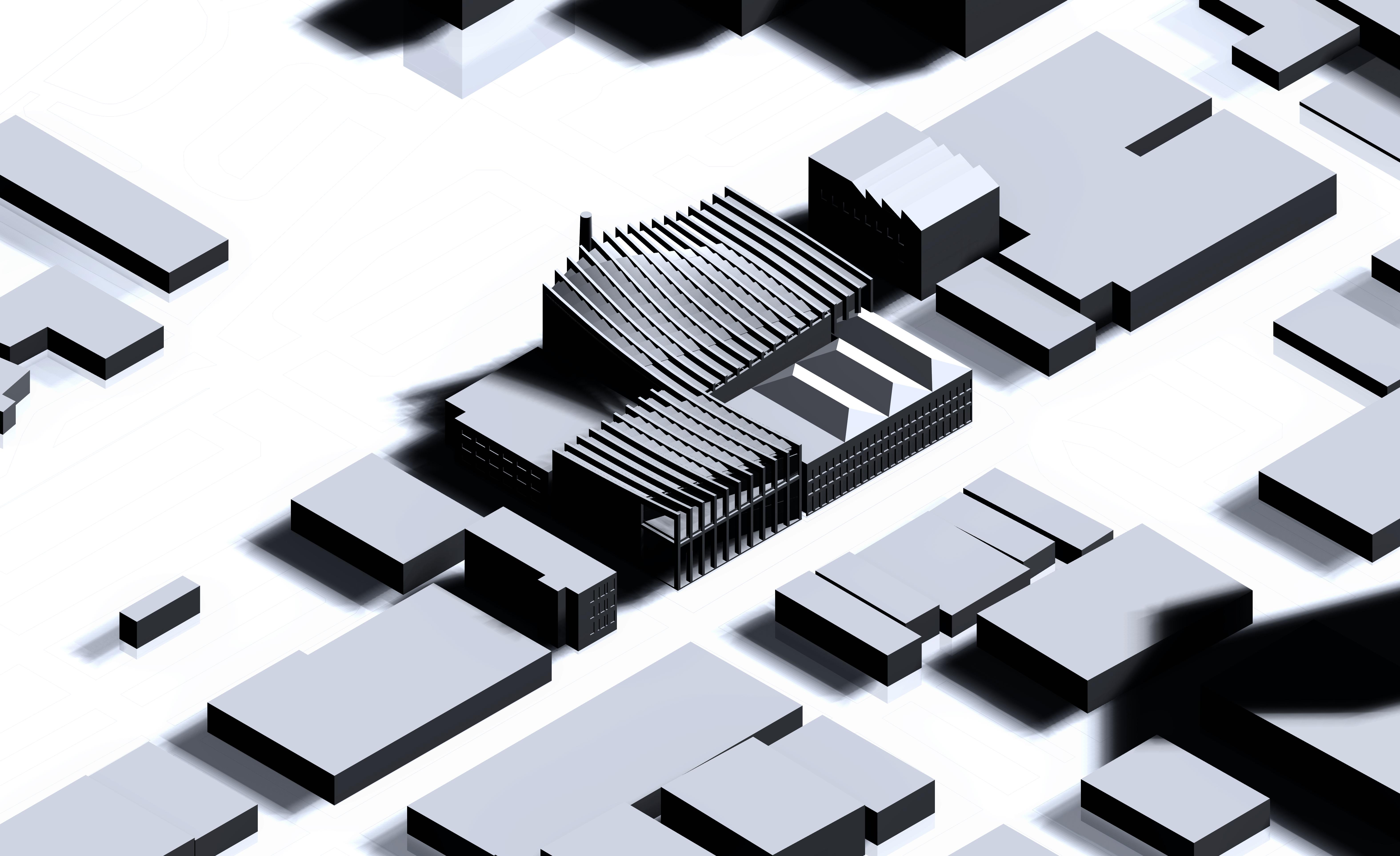
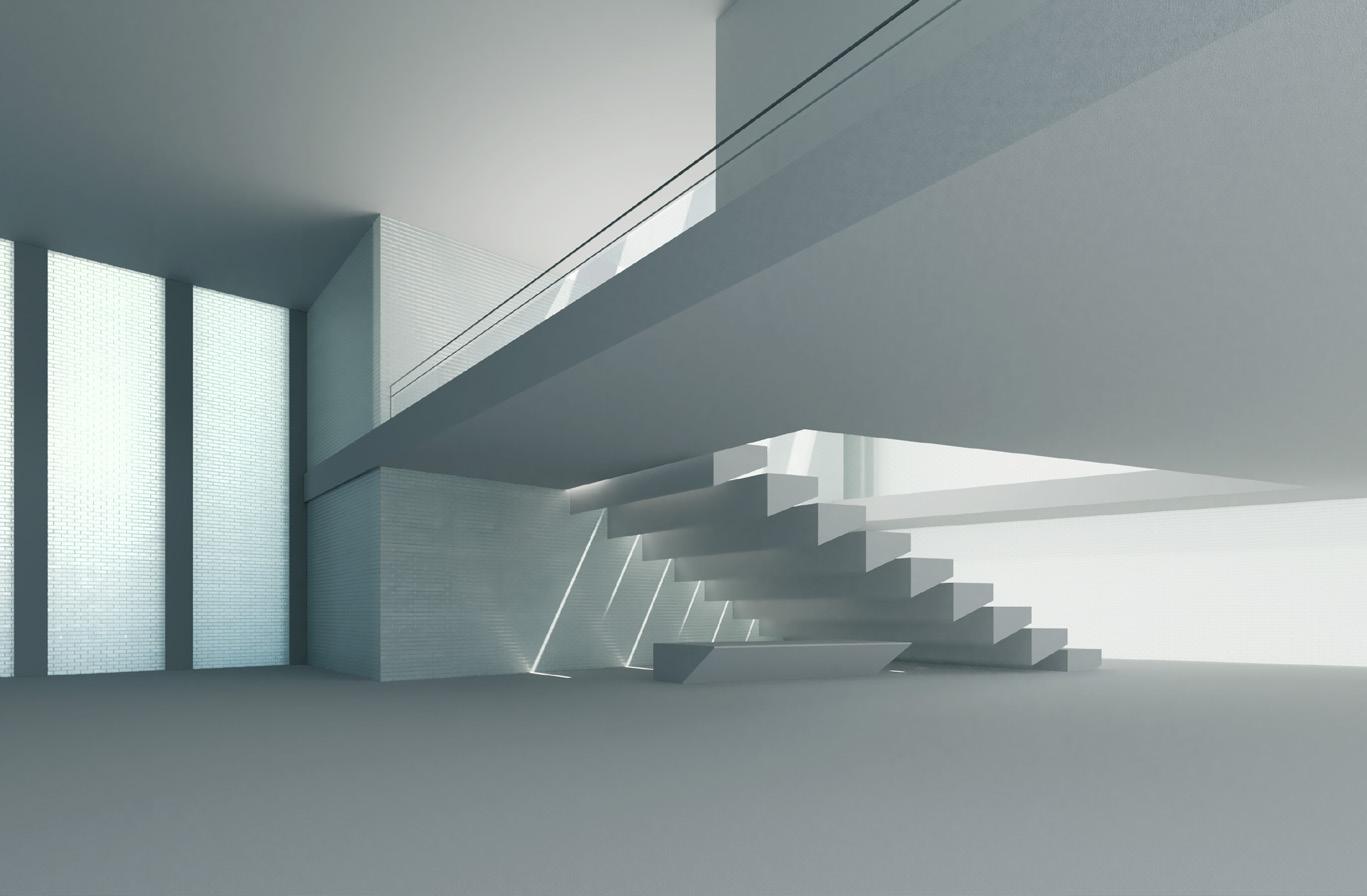
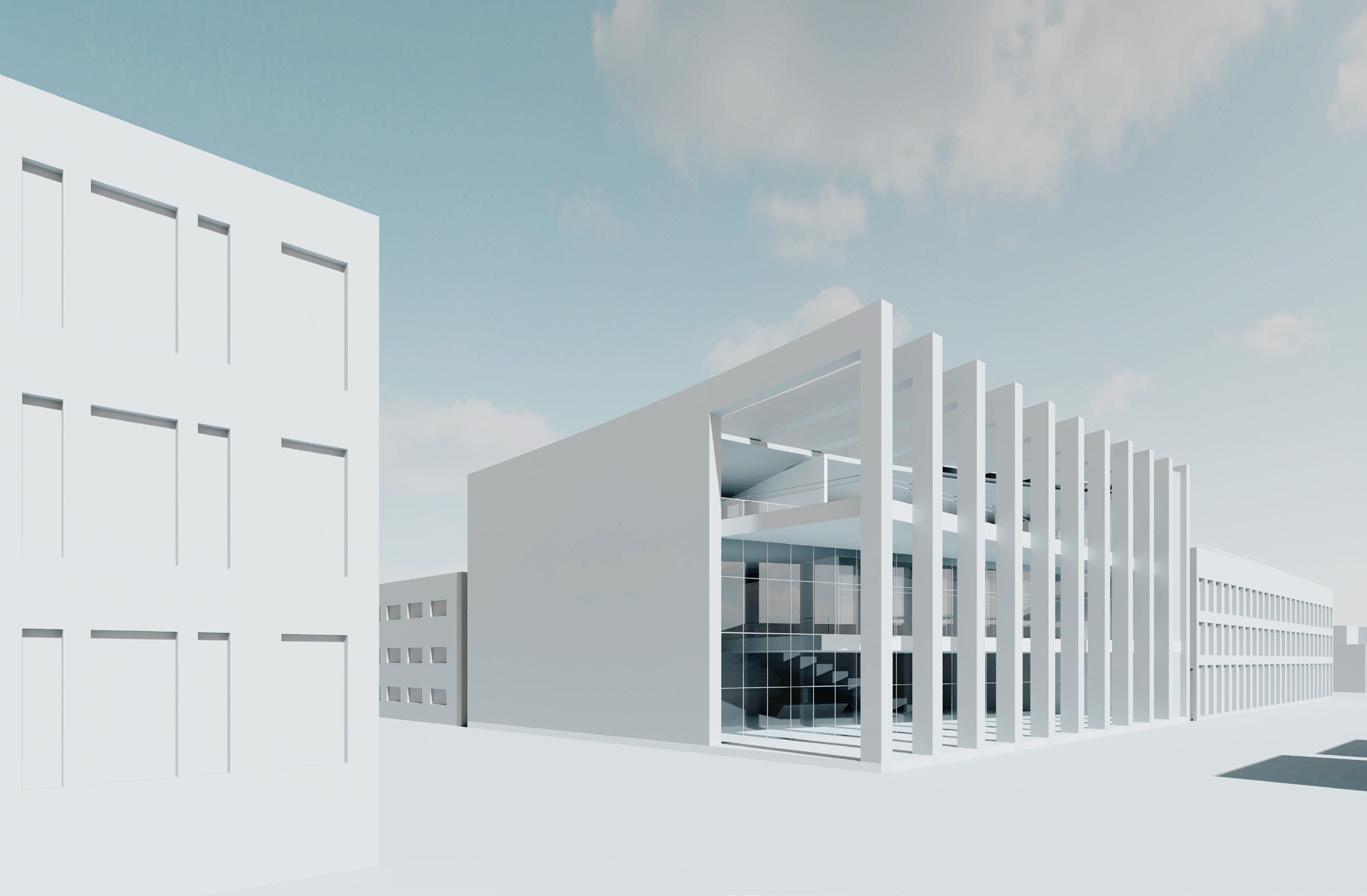
RE:FORM STUDIO connects and enhances both tourism and the local community by integrating makerspace and recycling center programs into a cohesive educational and accessible facility. Featuring two atriums, the design creates transparency between the programs, fostering engagement for diverse users, including students, residents, tourists, and seafarers. The center promotes resilience, self-sufficiency, and sustainability through hands-on workshops and visible recycling processes. Using vernacular concept brick, industrial steel, and glass, the design merges historical context with a futuristic ethos. Systems for daylighting, passive ventilation, solar energy, and water recycling emphasize eco-consciousness, while the flexible spaces accommodate events, educational initiatives, and day-today community use.
MOODY21ST ST
20TH ST
HARBORSIDE DR
STRAND ST
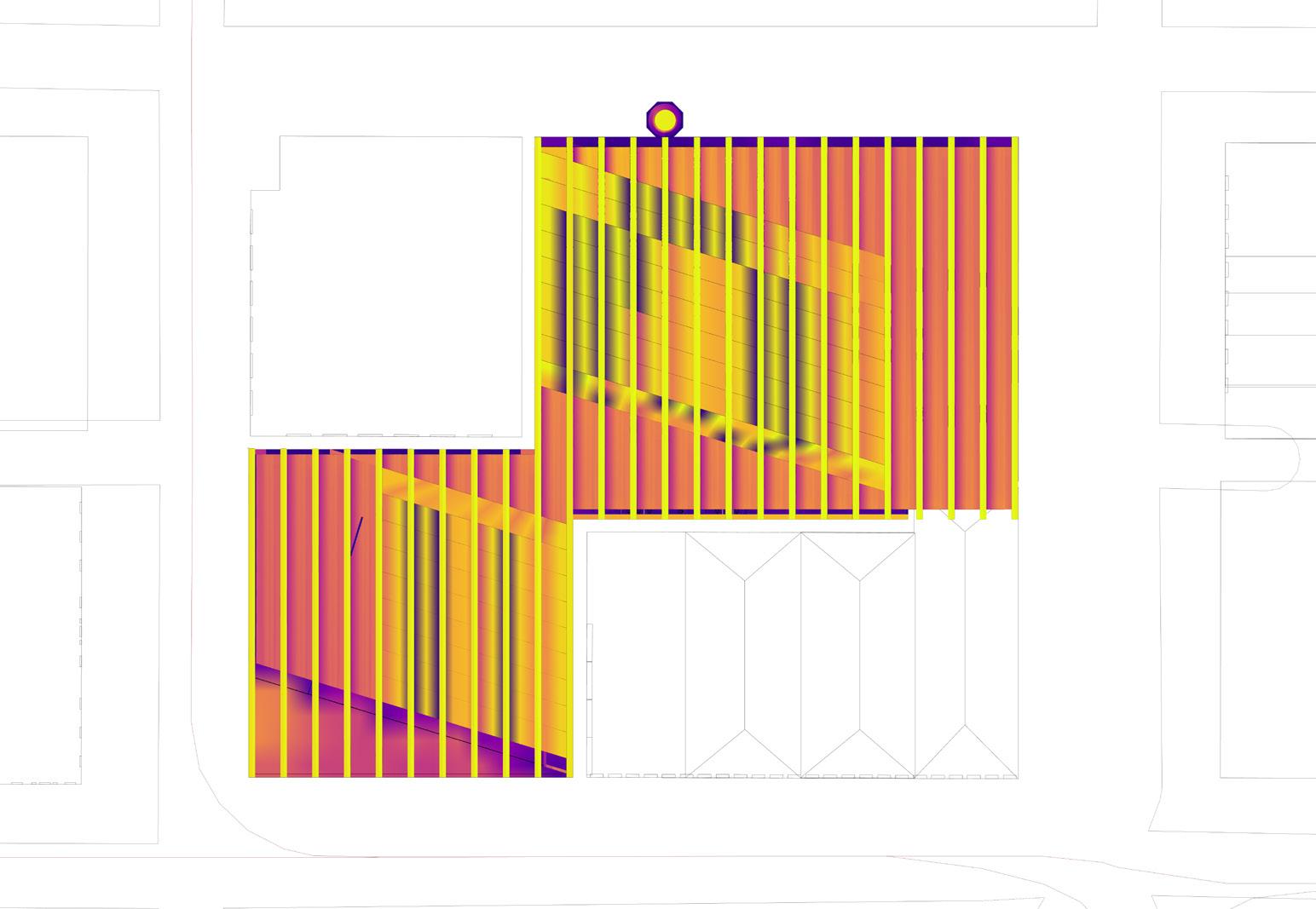
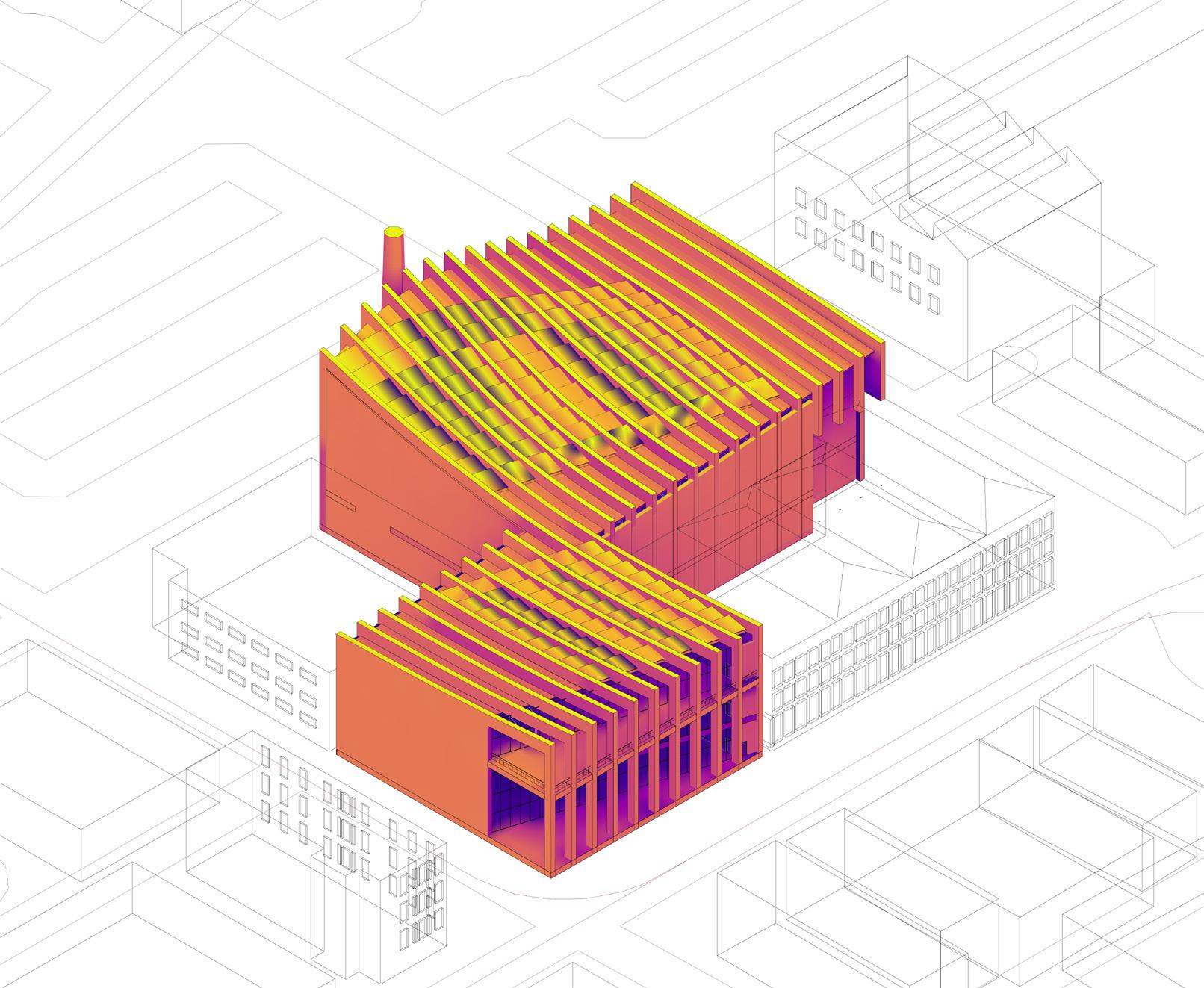
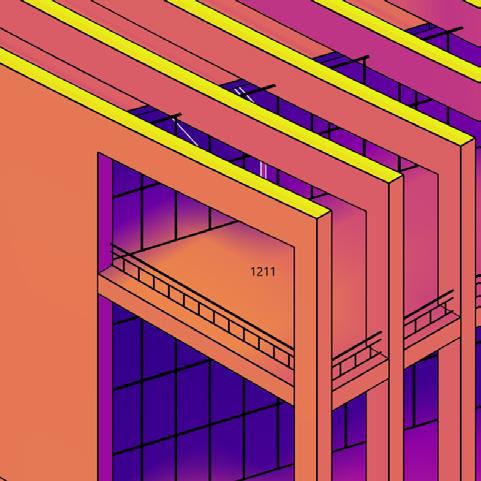
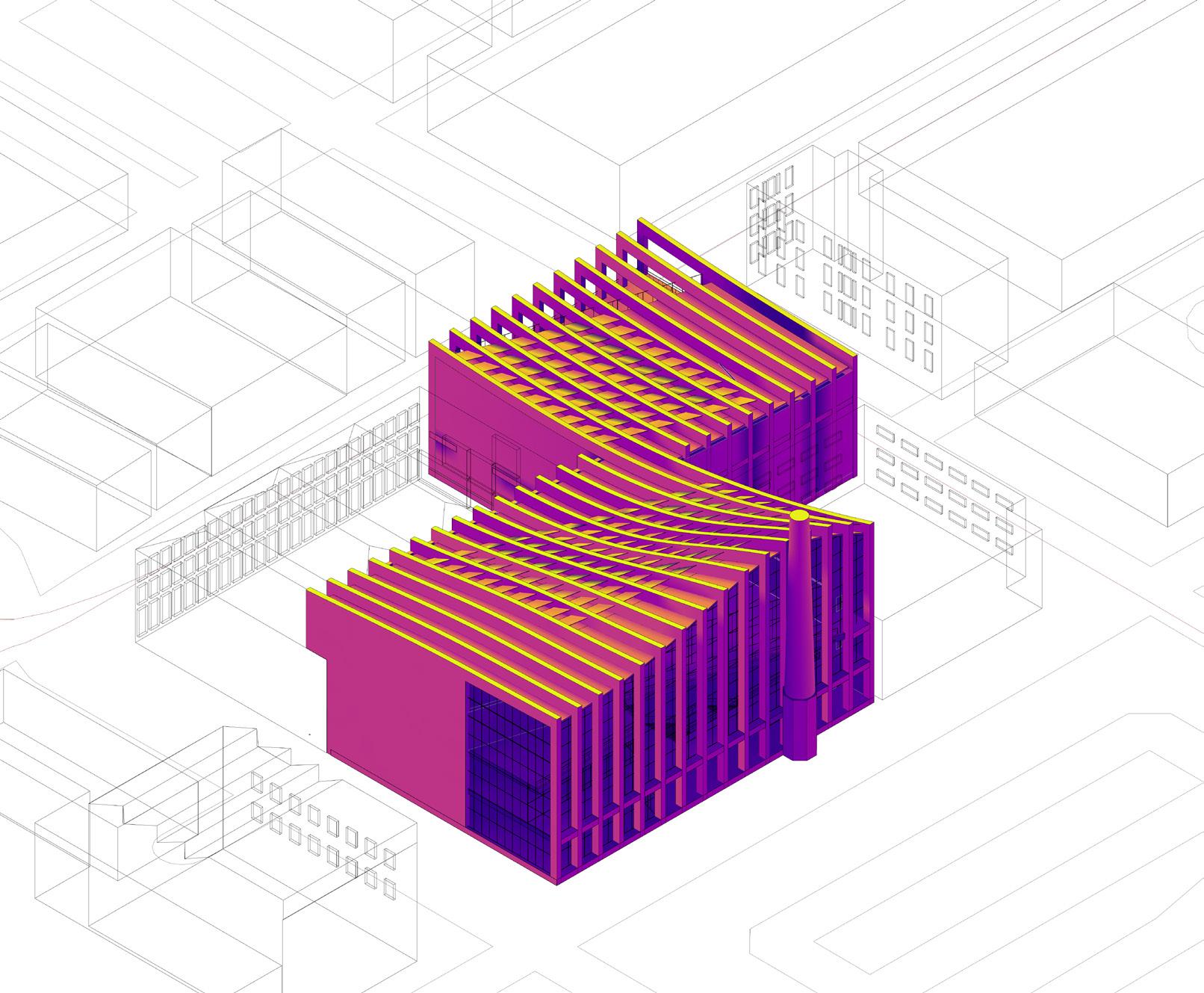
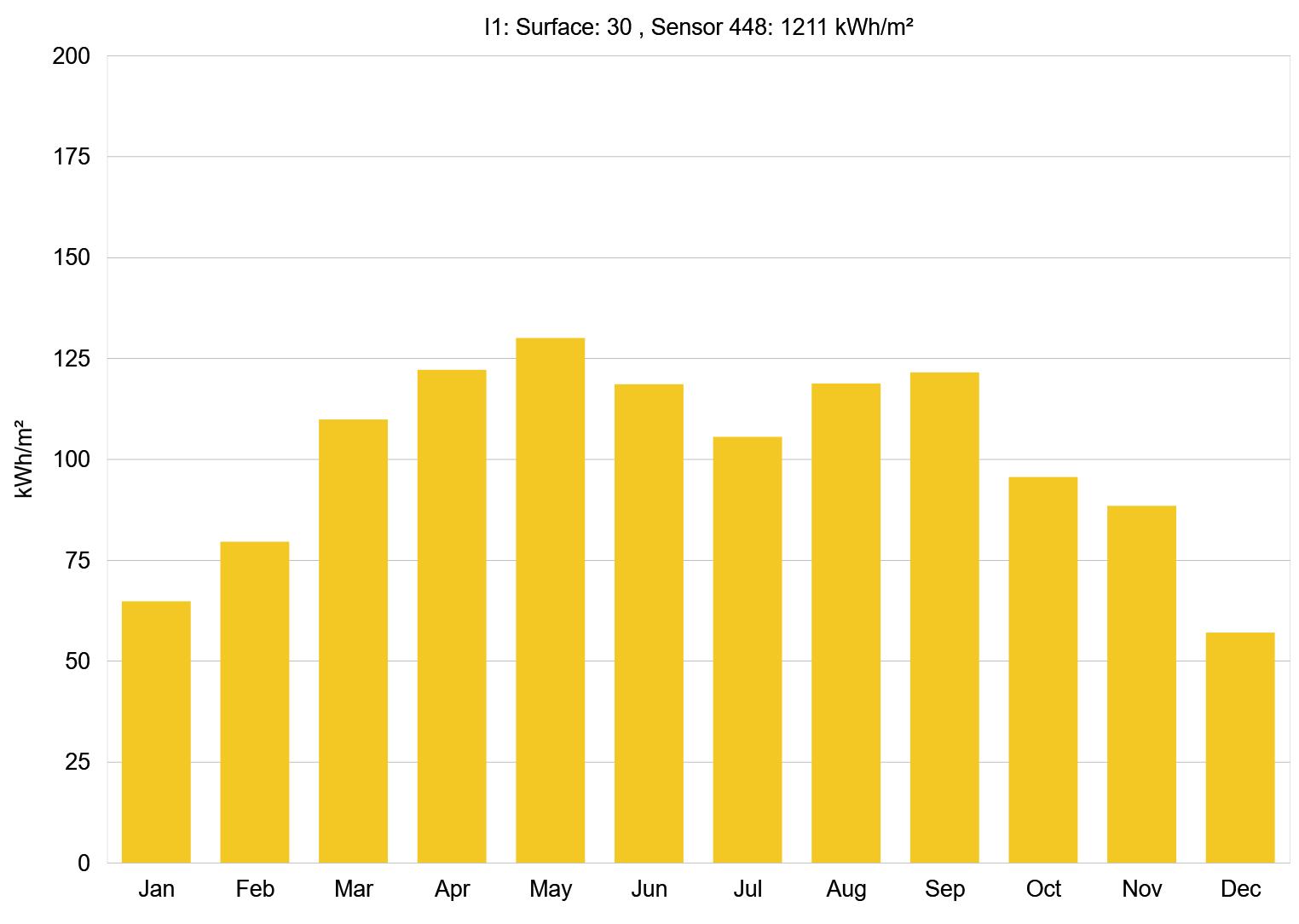
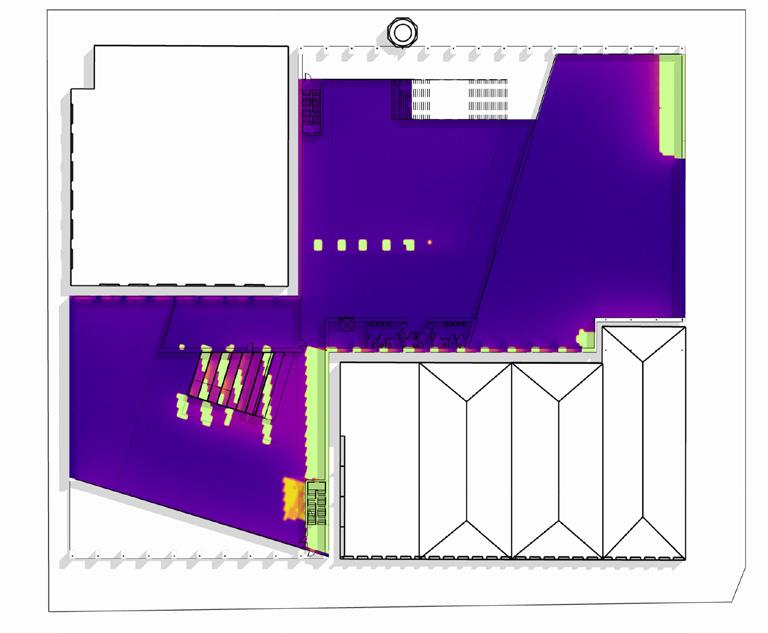
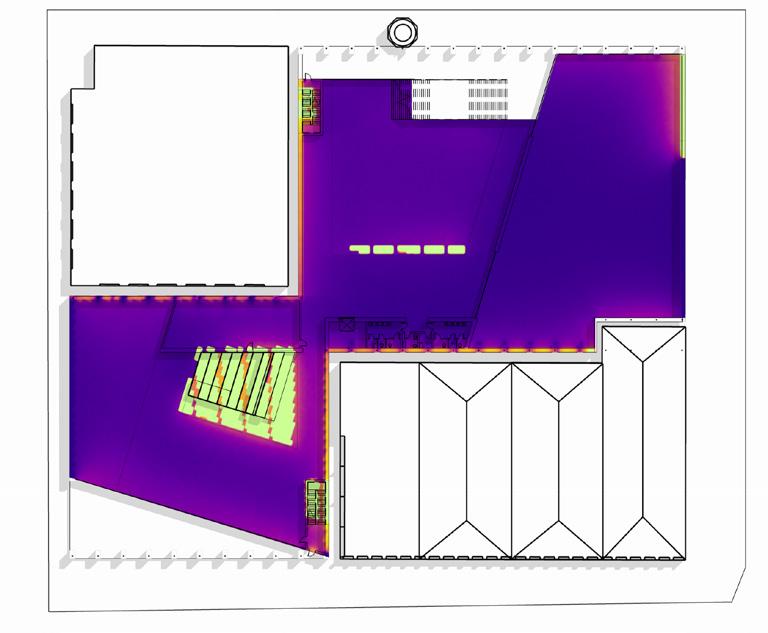
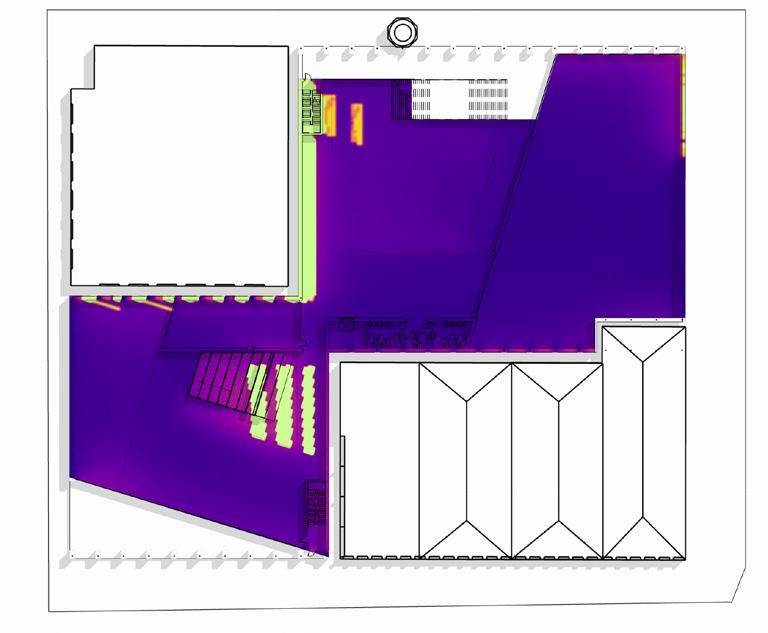
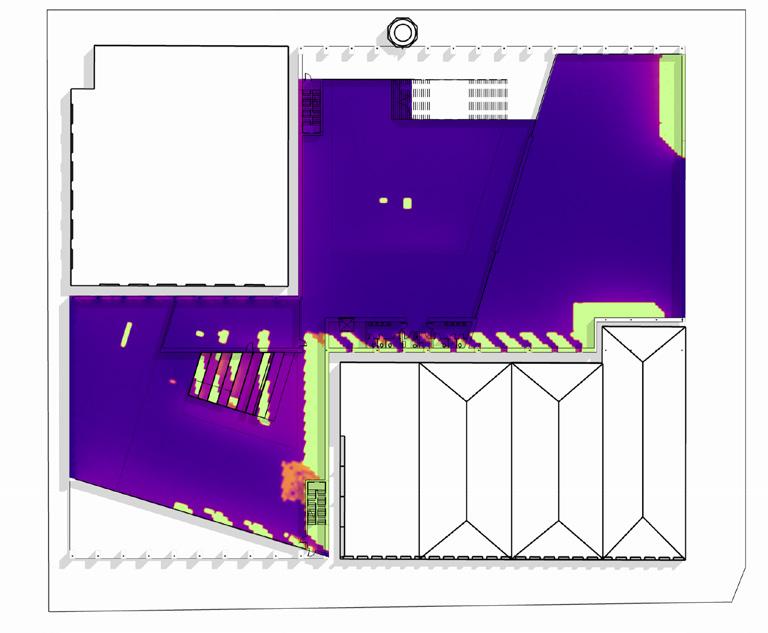
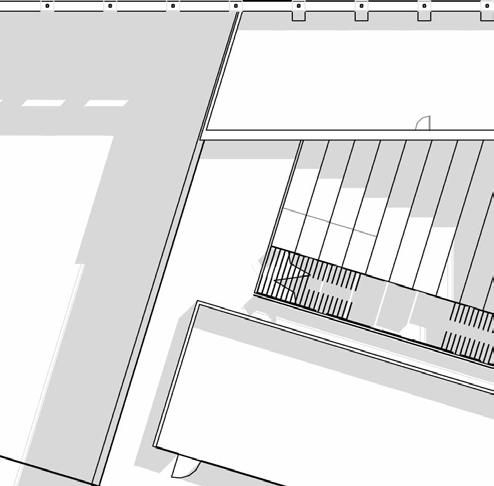
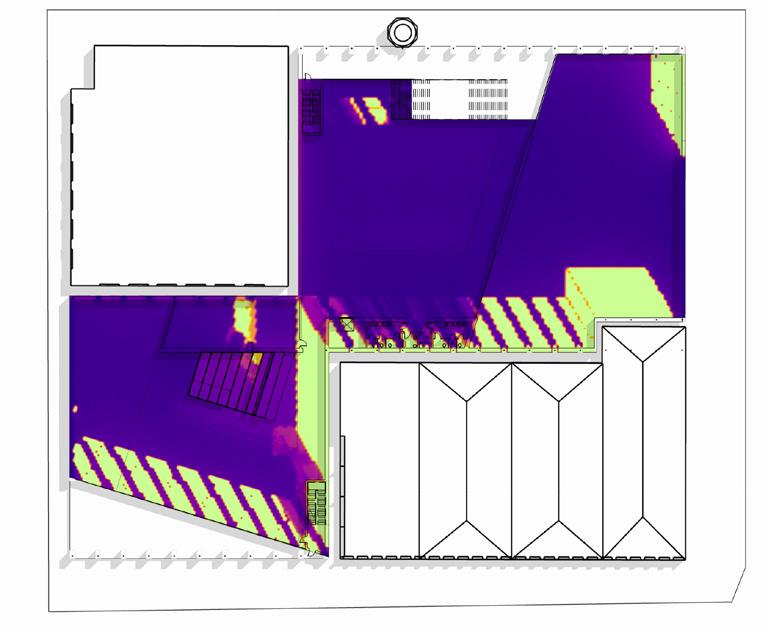
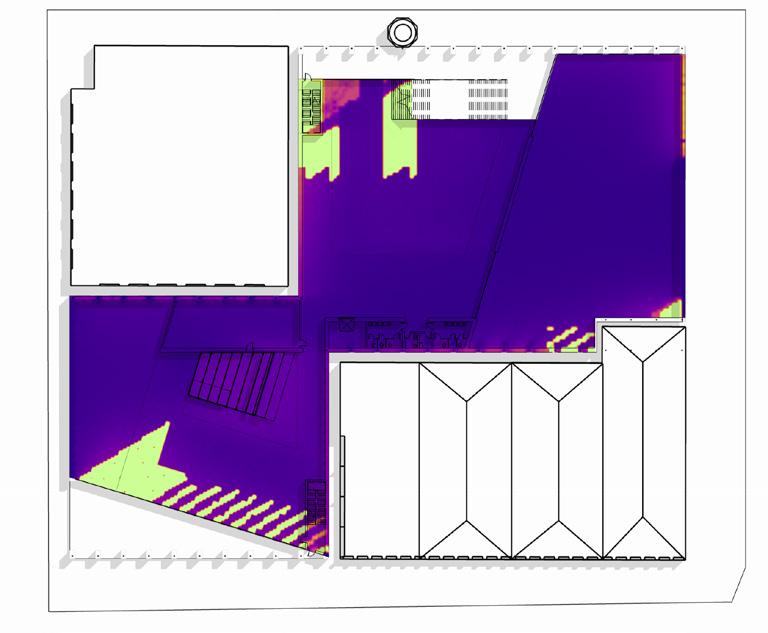
The Strand provides insight into solar exposure and shading dynamics throughout the year. The analysis highlights periods of intense solar impact, particularly during summer months, emphasizing need for a shading solution to enhance comfort and usability. A brise soleil is proposed as a fixed shading solution. Positioned to intercept high-angle summer sunlight, it effectively reduces heat gain while allowing diffused light to illuminate the balcony. Materials such as perforated metal or spaced are recommended for their aesthetic and functional properties. Another option, such as a green trellis system or climbing plants can provide additional shading. This approach not only mitigates heat gain but also introduces a cooling effect by enhancing the microclimate of the balcony space.
Above: Solar Radiance Simulation
Southwest Isometric
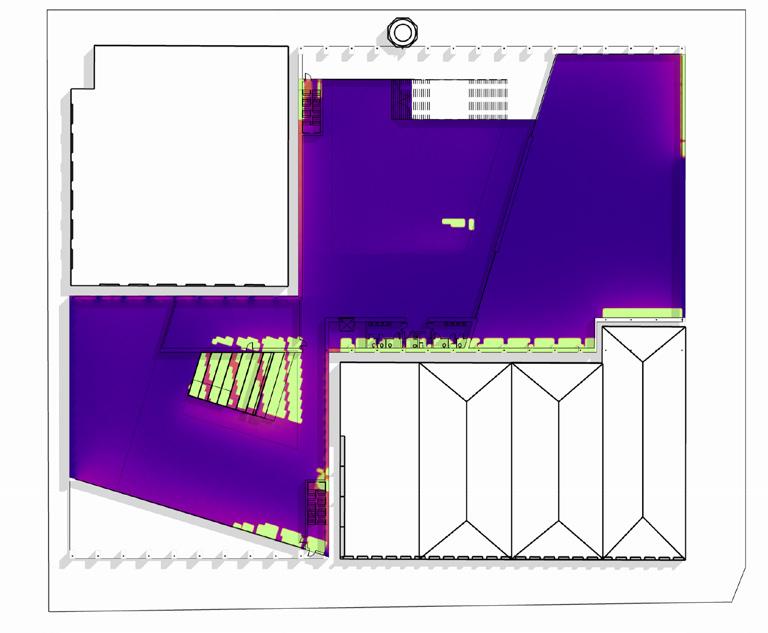
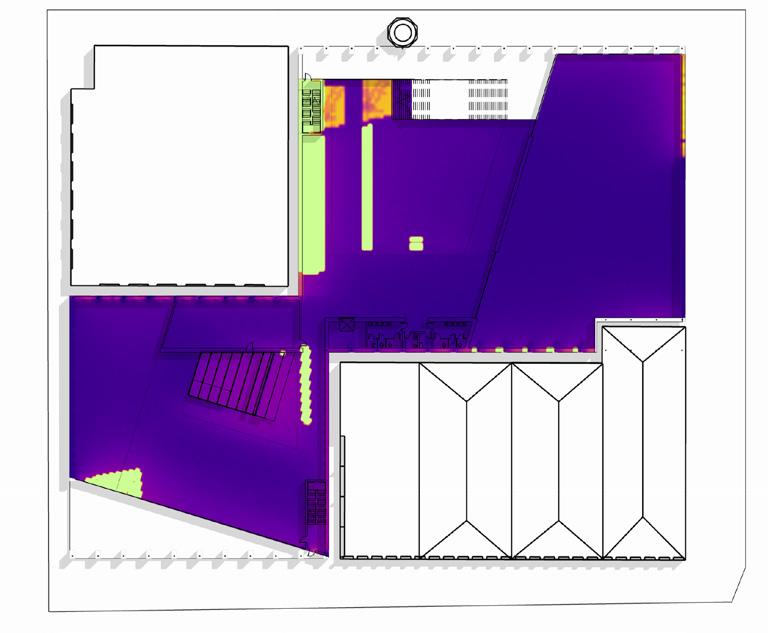
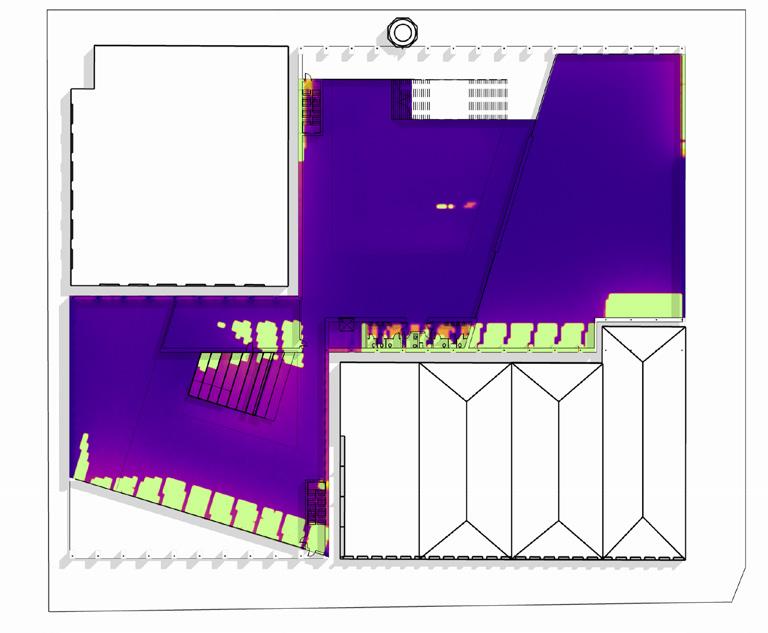
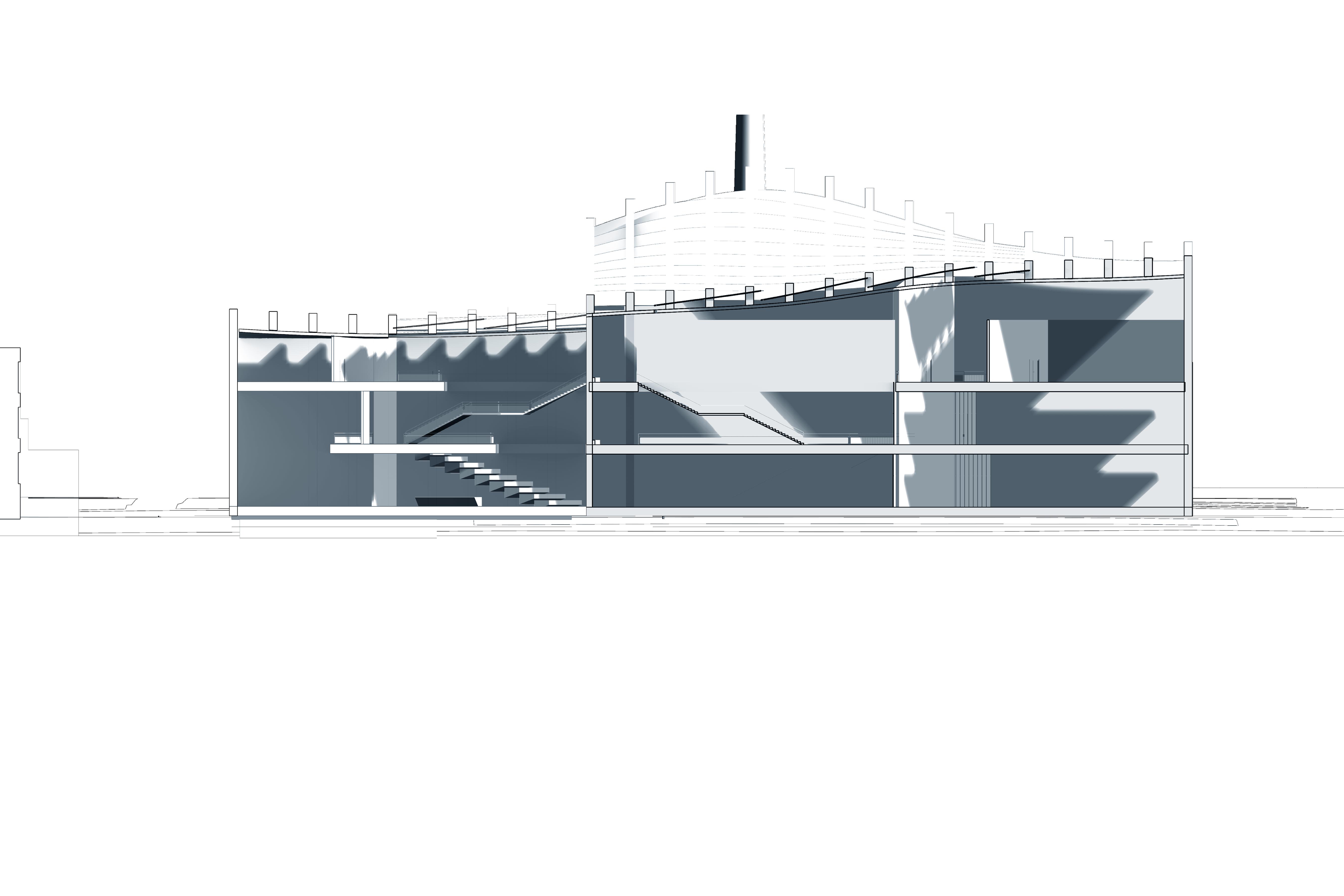
The daylight analysis of the two atriums reveals that the skylights effectively provide ample daylight, reducing artificial lighting needs. However, the south atrium risks overexposure near the summer solstice, potentially causing excessive heat gain and discomfort during presentations or lectures on the discovery stair. A few solutions could be:
Reassess Skylight Geometry
Operable Skylights - Introduce dynamic skylights capable of tilting or transitioning to an opaque state, providing precise daylight control and mitigating thermal gain.
Diffuse Daylighting - Use frosted or prismatic glazing to evenly scatter light, reducing glare and direct solar intensity while maintaining ambient illumination.
Automated Controls - Implement sensordriven systems to adjust the skylights based on daylight levels and thermal conditions, ensuring consistent comfort and energy efficiency.
Thermal Optimization - Skylights with advanced glazing (e.g., low-emissivity or spectrally selective glass) to minimize heat transmission without sacrificing daylight quality.
Above: Split Section through Welcome and Recycling Atriums
Left: Welcome and Social Stair
Right: Southwest Entry to Welcome Atrium
TEACHING MOMENTS
Graduate Design-Build Studio University of Houston
Professor Patrick Peters
Team Emiliano Fresnillo, Brian Frey, Ciara Gordillo, Rickie Lindemann, Claudia Otalvaro, Ziyan Prasla, Diana Smook, Anna Wallace
Year 2024
Location La Marque, Texas
Area 1,200 ft2
Phase PD | SD | DD | CD | FD | CA & Build
Program Outdoor Classroom Pavillion
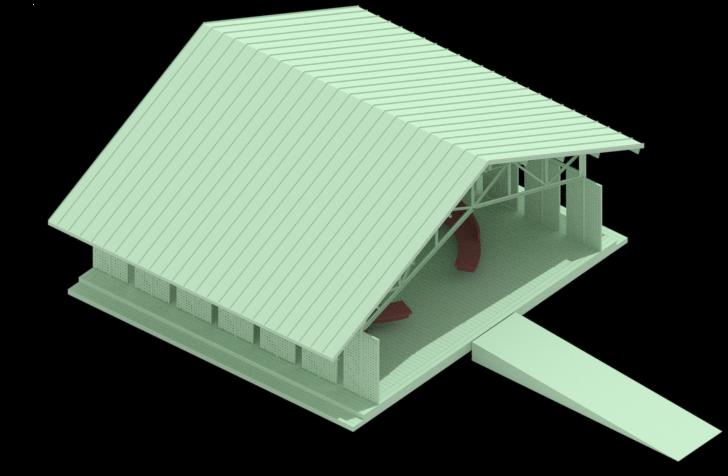
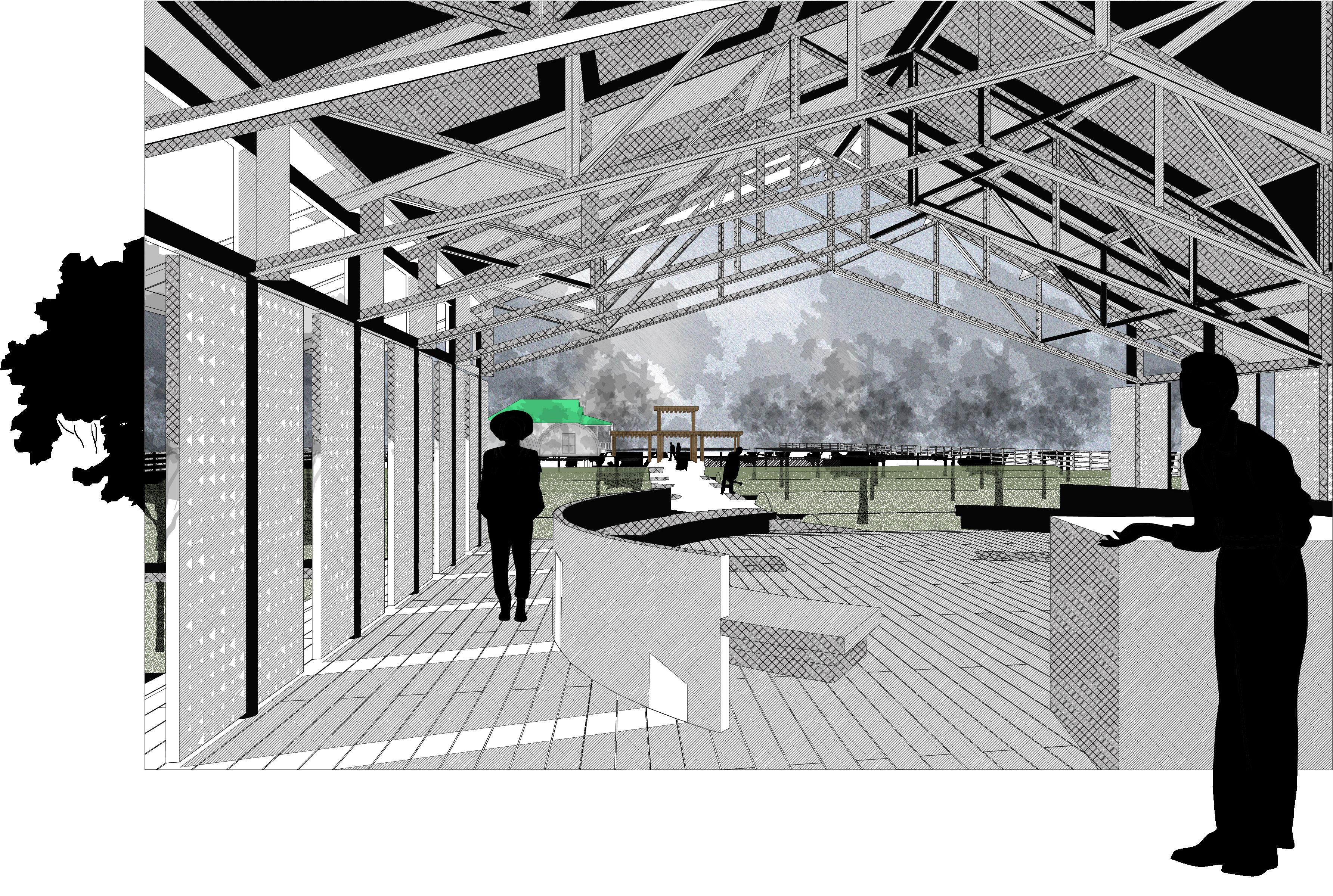
Teaching Moments is an innovative design-build project led by nine dedicated students, transforming an underutilized area within the Galveston County Master Gardeners’ Garden into a dynamic outdoor classroom. This multifunctional space fosters learning, promotes environmental stewardship, and enhances community engagement. Our vision
encompasses a versatile environment supporting a range of activities including hands-on gardening workshops, community events, and study seminars. It features adaptable learning areas, shade structures, and integrated tool storage to enhance organization and efficiency. This ambitious project is supported by generous sponsors contributing labor
and materials, highlighting the essential role of collaboration to reach more together. By creating detailed construction plans with vibrant renderings, we ensure a comprehensive and precise approach from conception to completion. Teaching Moments transcends the concept of an outdoor classroom; it’s a catalyst for community
enrichment. By offering gardening education and food production, it significantly impacts the community and surrounding areas. This profound impact would not be achievable by our small group alone; it is the collaborative effort with community donors and partners that enables us to amplify the garden’s reach and impact.
Left Above: Roof
Left Below: Gather (Seating)
Right Above: Shade Panels
Right Below: Circulation - Operable Panels
Roof
Shade
Gather
Circulate
Perforated Operable Panels
Steel Helical Piles
Cumaru Floor
Stabilizing Trusses
Standing Seam Roof
Left: Southwest Exploded
View From Interior
INFILL BENCH
Graduate Design Media & Digital Fabrication
University of Houston
Professor Joaquin Tobar Martinez
Design Lia Ragle, Tessa Daines, Cole McDowell, Fernando Mata
Nozzle Stephen Brodnan Simon Chiquito, Jeffery Moisant, Ezequiel Alvarenga
Logistics Elena Wolf, Emannuella Pereira, Deena Cuatete, Alonso Villela Alverde
Media Madeleine Price, Orlando Gomez, Elizabeth Ramos, Esmeralda Patlan
Year 2024
Location Houston, Texas
Area 4 ft3 - 12ft3 per unit
Phase PD | SD | DD | Build
Program Outdoor Seating
Left: Process Video
18”
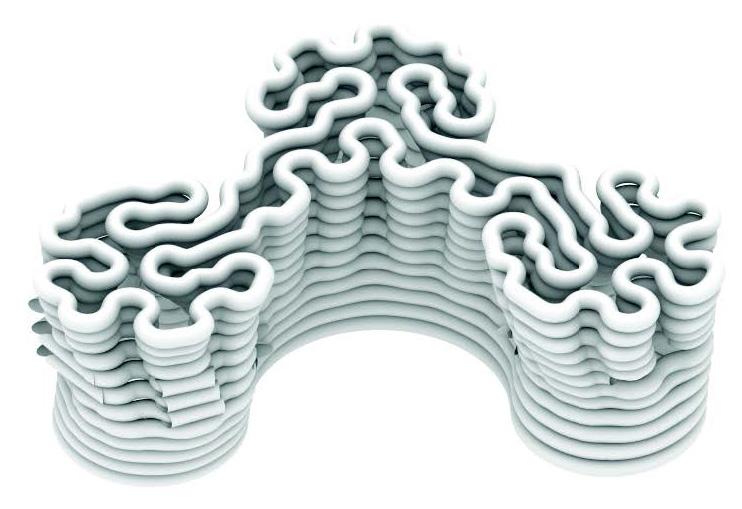
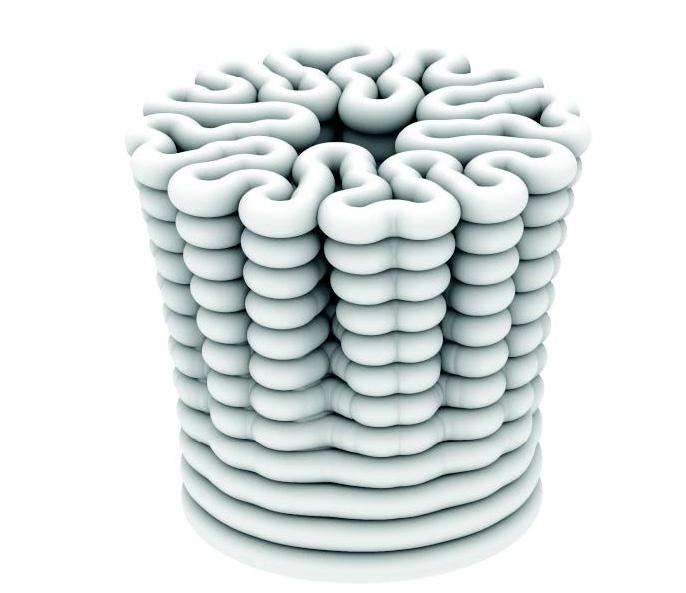
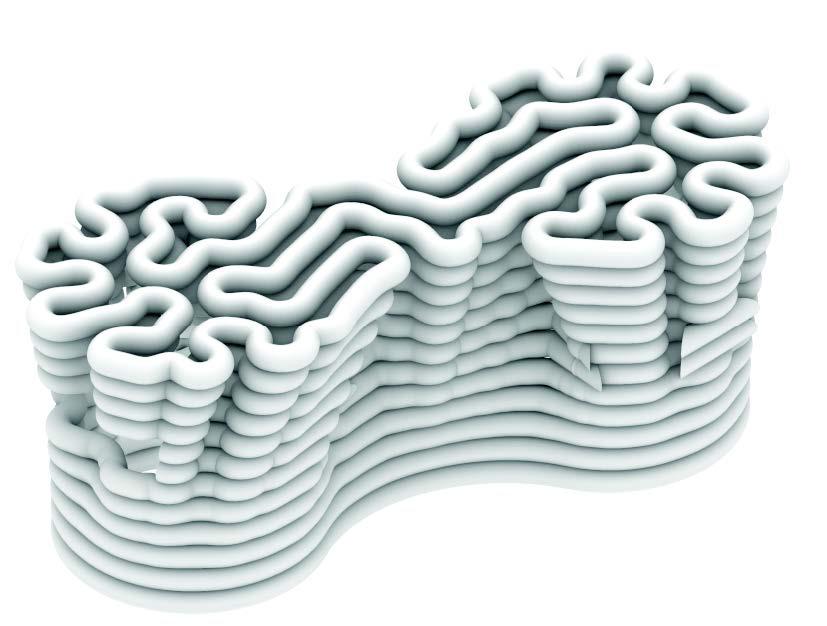
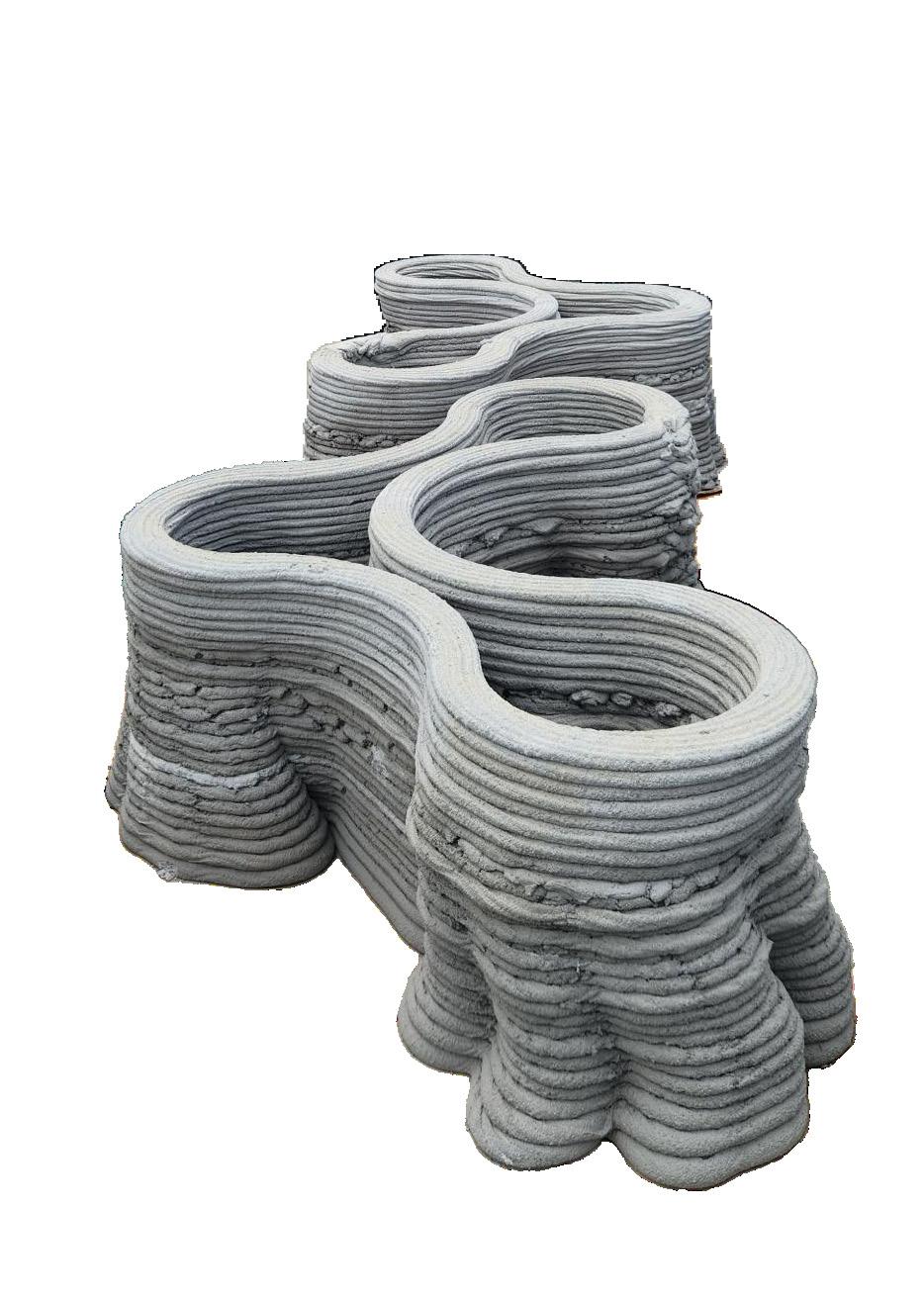
The Infill Bench project is driven by the concept of infill as a design element rather than only a structural necessity filling a shell. Our goal was to maximize material efficiency and celebrate the medium of the bench through its form.
We arrived at the objective to integrate the infill into the design process, allowing it to inform the bench’s overall form and functionality.
To achieve this, we created a growth curve algorithm within Grasshopper for Rhino This algorithm generates a continuous curve within predefined boundaries optimized for both ergonomic seating and site integration Instead of extruding the curve vertically, the vertical expression of the bench is a gradient, with its base representing the boundary and its apex representing the final form of the bench.
Left: Bench
Grasshopper Script
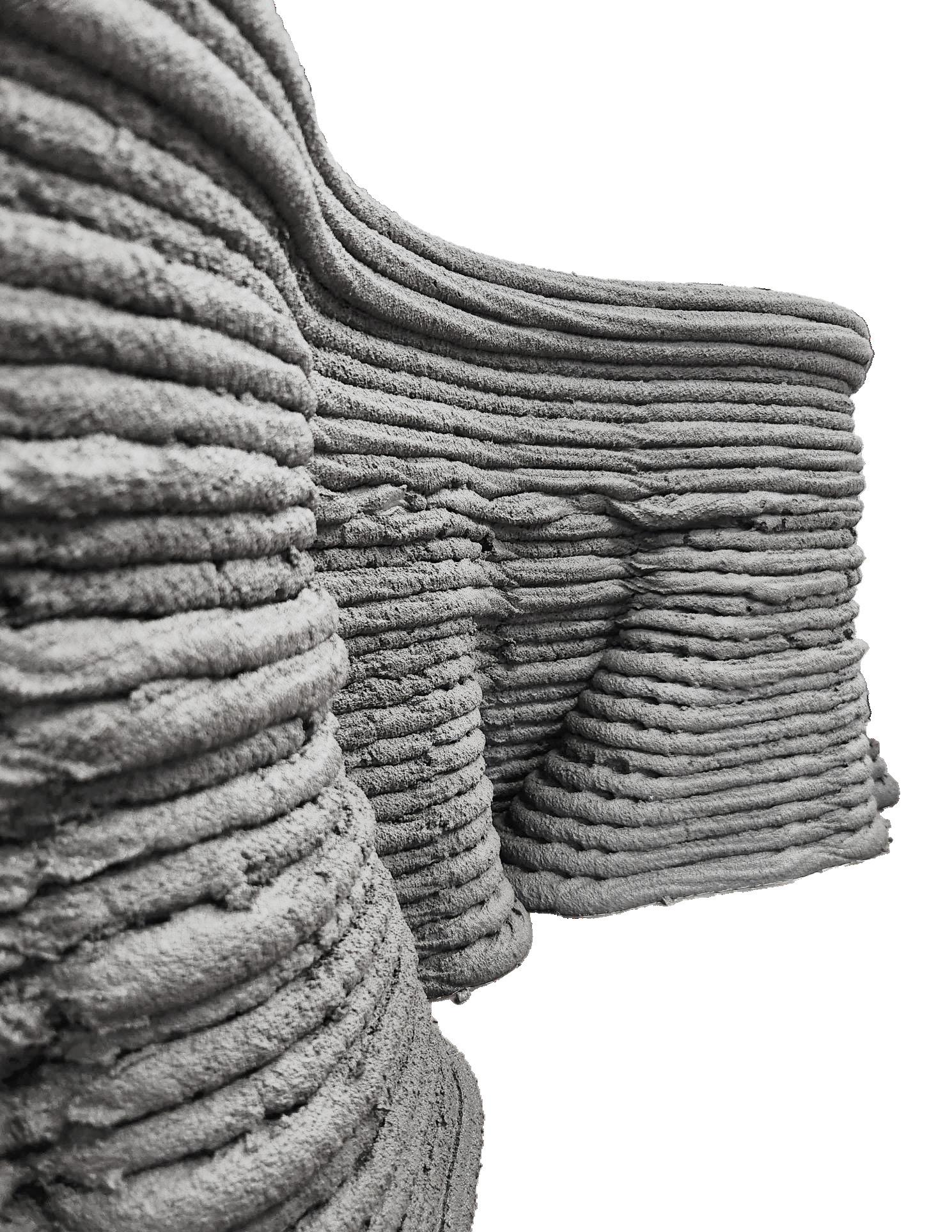
Left: Freshly Printed Bench - Inverted Right: Hardened And Post Processed Bench - Inverted
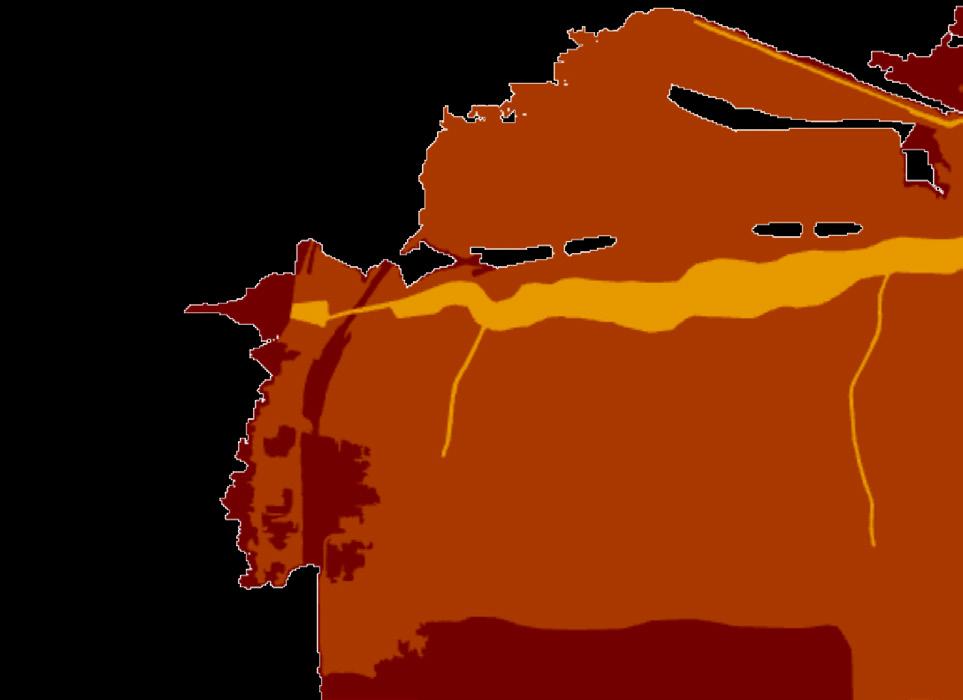
Left: Super Neighborhood No. 48, Houston Gardens FEMA, Houston Gardens Land Use Right: Southwest Perspective
West Street Recovery (WSR) is a grassroots organization using disaster recovery to build community power. They focus on shifting resources and decision-making power to those most affected by storms. WSR provides essential services like home repair, financial assistance, and case management, helping marginalized communities by connecting them with resources to recover and build resilience against future disasters.
The Houston Gardens neighborhood, part of the Kashmere/Trinity Gardens area, was originally a subsistence farming community established during the New Deal era. Today, it is an underserved food desert with limited access to fresh, nutritious food. By reintroducing agricultural provision and offering educational programs on sustainable construction, WSR operations revitalize this area to foster a healthier, more resilient community.
The West Street Recovery Team requires versatile spaces for offices, educational demonstrations, and warehouse facilities to support their Hub House development.
The design, inspired by the harmony of navigating storms, prioritizes functionality, flexibility, and sustainability to create a space that adapts and endures. Organized by a modular grid system, the mass timber structure allows for scalability as the organization grows. The roof features a thin shell membrane which captures rainwater, feeding hydroponic gardens along the south and west facades. These gardens provide food, filter sunlight, and introduce biophilia into the workspace, embodying West Street Recovery’s core
values of resilience, functionality, and sustainability.
This project has been transformative, integrating interior design background with expanding architectural skills.
Exploring visual scripting with Grasshopper has expanded 3D modeling capabilities, improving efficiency and allowing rapid iteration. Incorporating sustainable elements such as rainwater collection, hydroponic gardens, and mass timber construction reflects a commitment to environmental stewardship. By creating a flexible and adaptable space, the center can grow with West Street Recovery, continuing to serve and strengthen the community.
REDRAW VILLA SAVOYE
Graduate Visual Studies II University of Houston
Professor Asmaa Olwi
Year 2024
Location Poissy, France
Area 5,100 ft2
Program Residential Promenade
The Re-Draw Villa Savoye competition aims to develop one drawing to ‘represent’ an iconic architectural piece. The participants are asked to draft one image, with absolute freedom of scale, technique, and level of abstraction. The drawing can highlight functional aspects of the building, showing a deep understanding of one or more design aspects.
Left: Solid/Void, Public/Private, Horizontal Circulation, Vertical Circulation, Movement Pathways Right: Unrolled Elevation & Section with Plan Oblique Composition Displaying Promenade Progression
BACKYARD COMMUNITY
Graduate Conceptualization Studio University of Houston
Professor Jason Logan Year 2023
Location Houston, Texas
Area 900 ft2 per Accessory Dwelling Unit Phase PD | SD | DD
Program Outdoor Gathering Space, Public And Private Residential
The Menil family’s vision for their collection was to celebrate cultural diversity and create a personal art experience for all.
Collaborating with Renzo Piano, they sought to ensure the museums coexisted harmoniously with the community, leveraging innovative use of light to enhance sustainability and design. In Houston, Accessory Dwelling Units (ADUs) hold particular significance due to the city’s history of single-family home classifications.
ADUs offer a way to utilize land development more efficiently, fostering
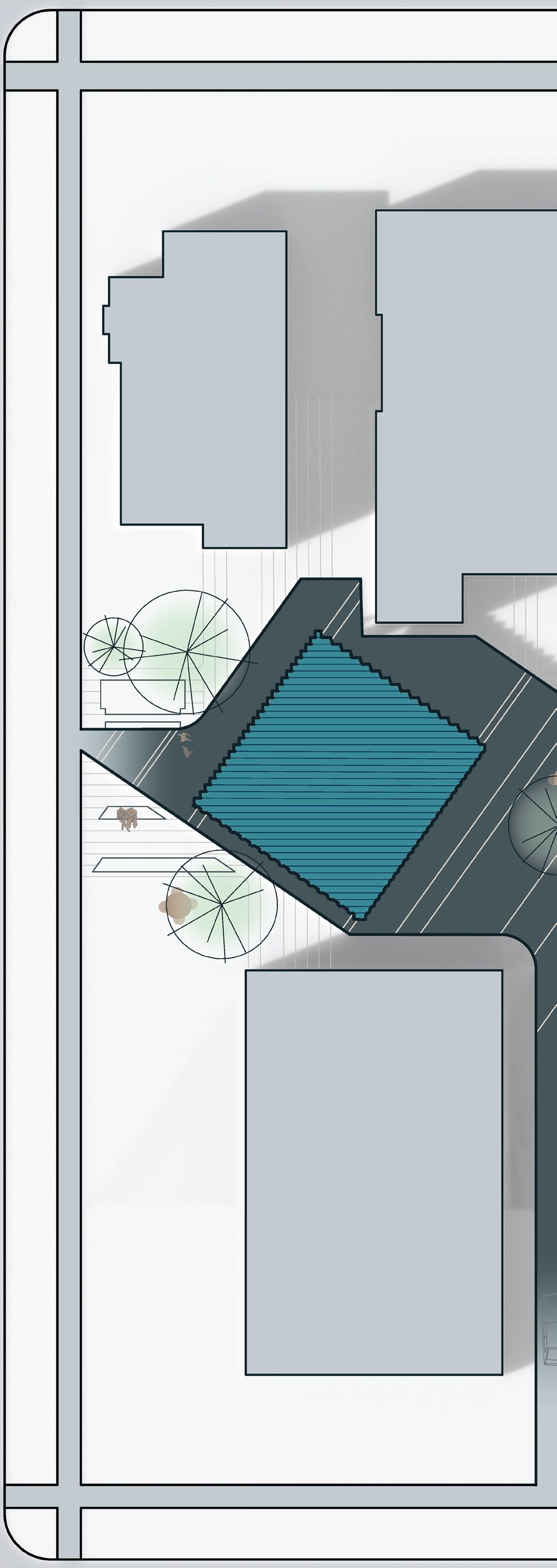
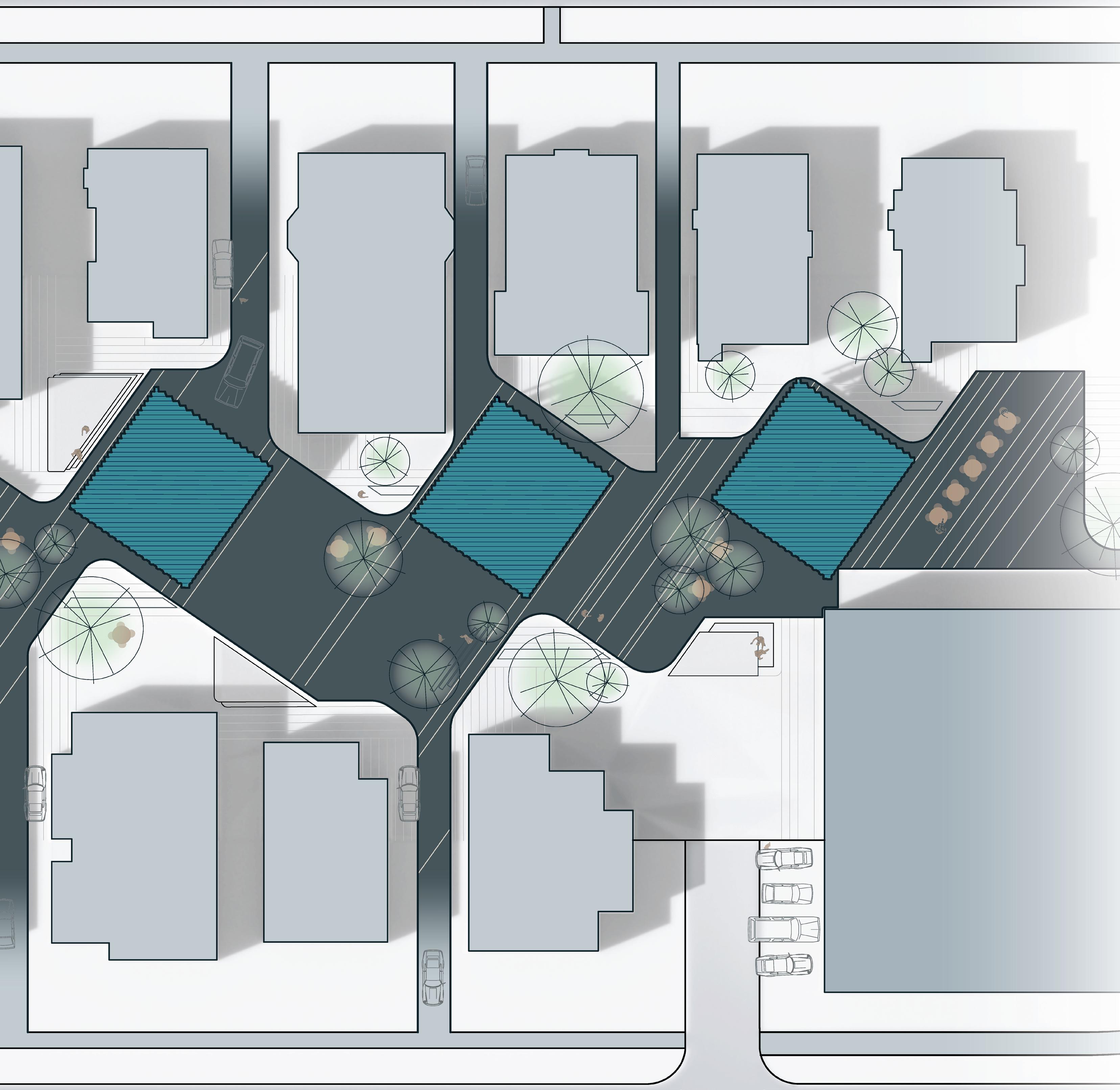
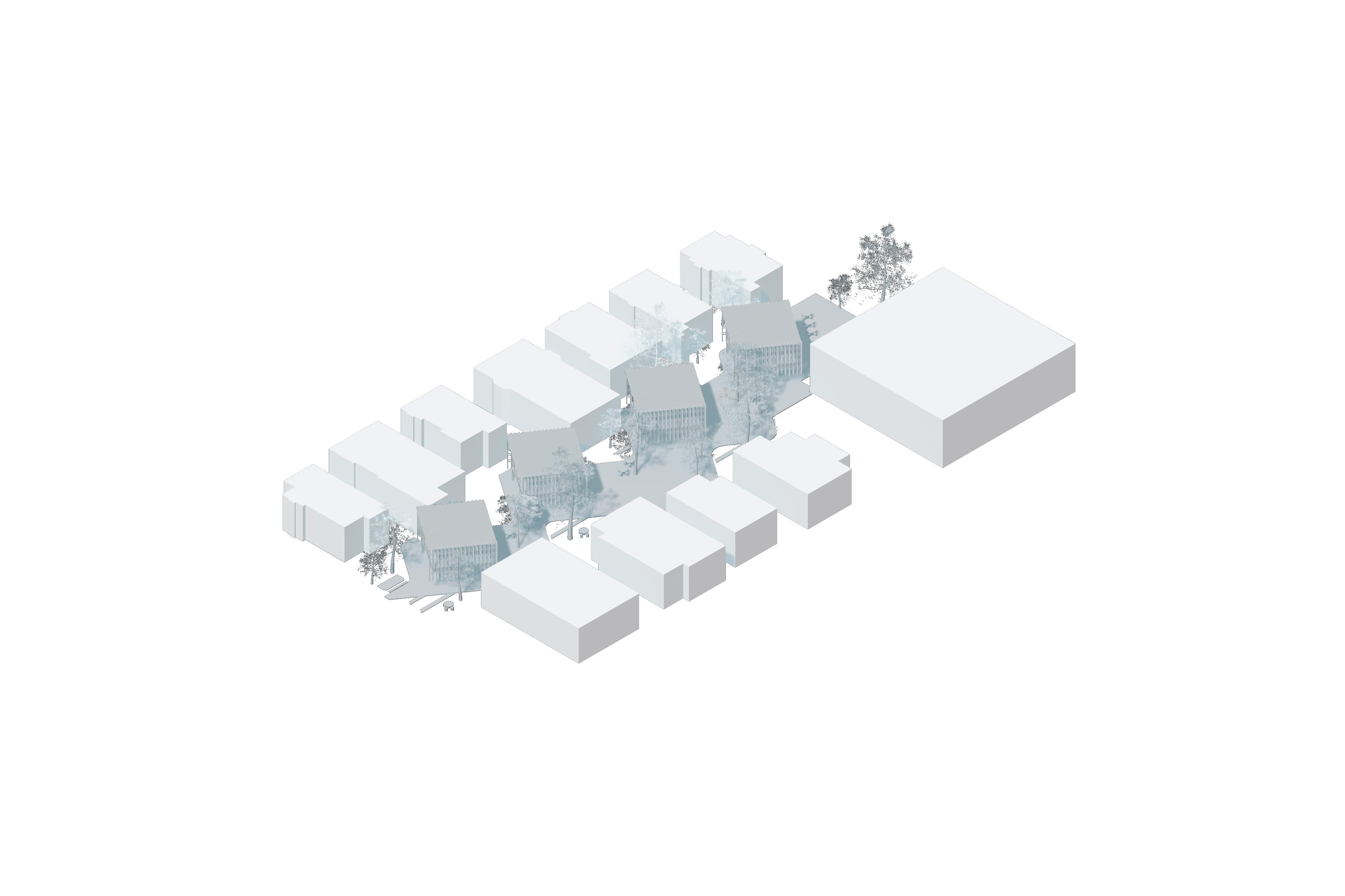
small communities that share backyard spaces and enhancing urban density without compromising cultural heritage. Houston’s street grid layout, strategically aligned parallel to the Buffalo Bayou, fosters commerce and trade while honoring the surrounding site conditions. This unique grid has evolved into a city known for cultural diversity and growth. The design responds to both Houston’s grid and the more common north-south grid, integrating features to address the local climate and daylighting conditions.
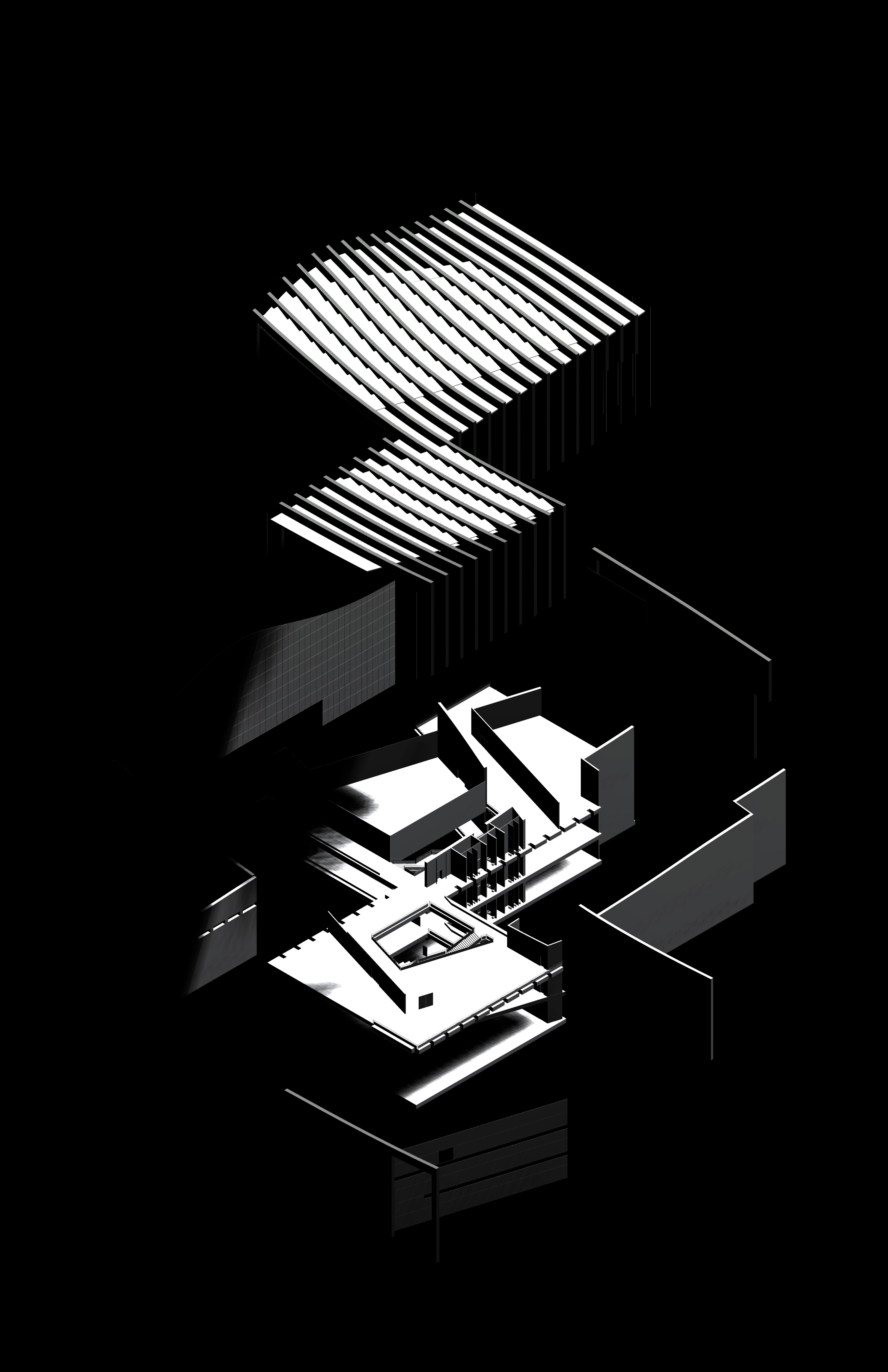
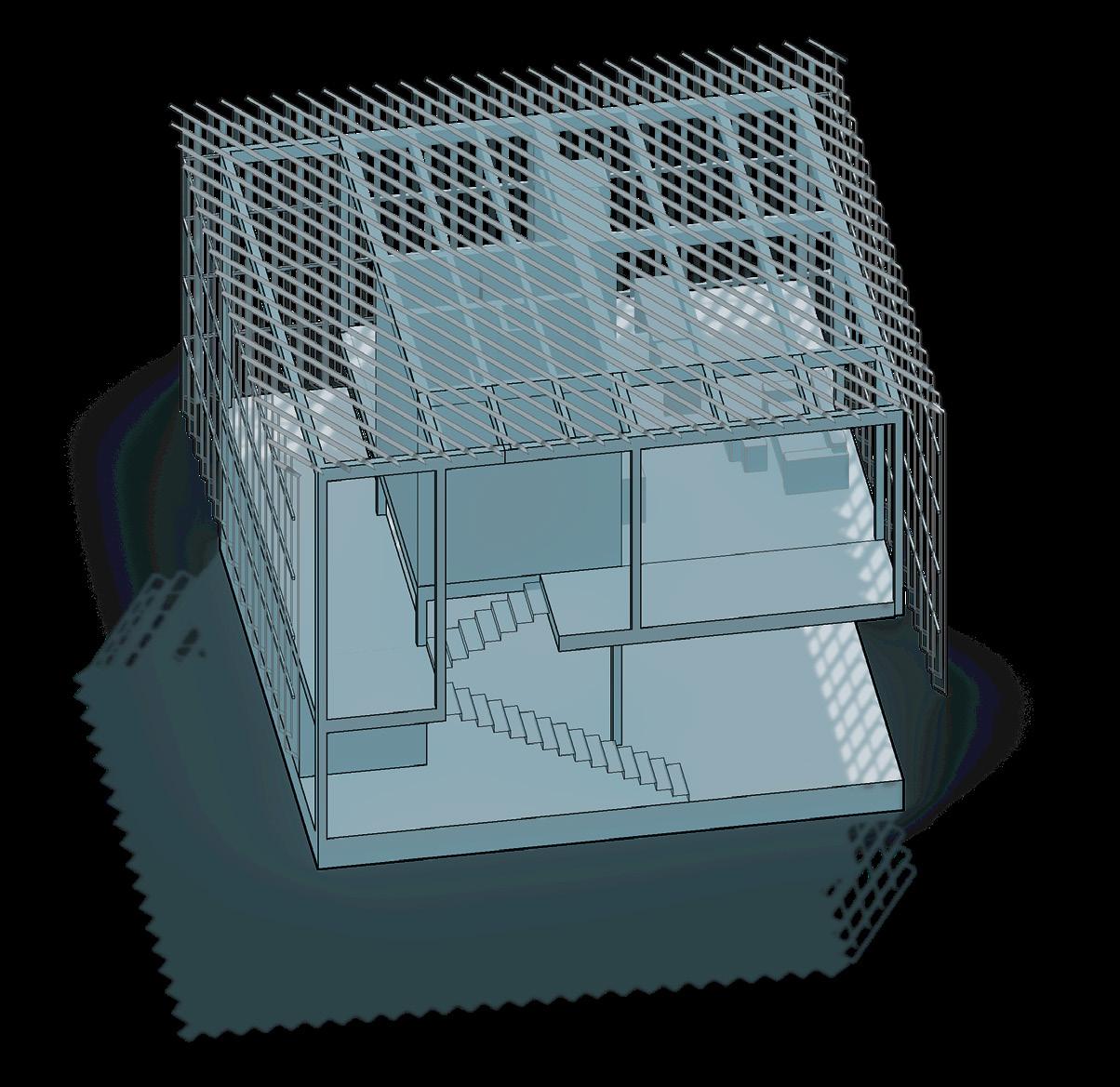
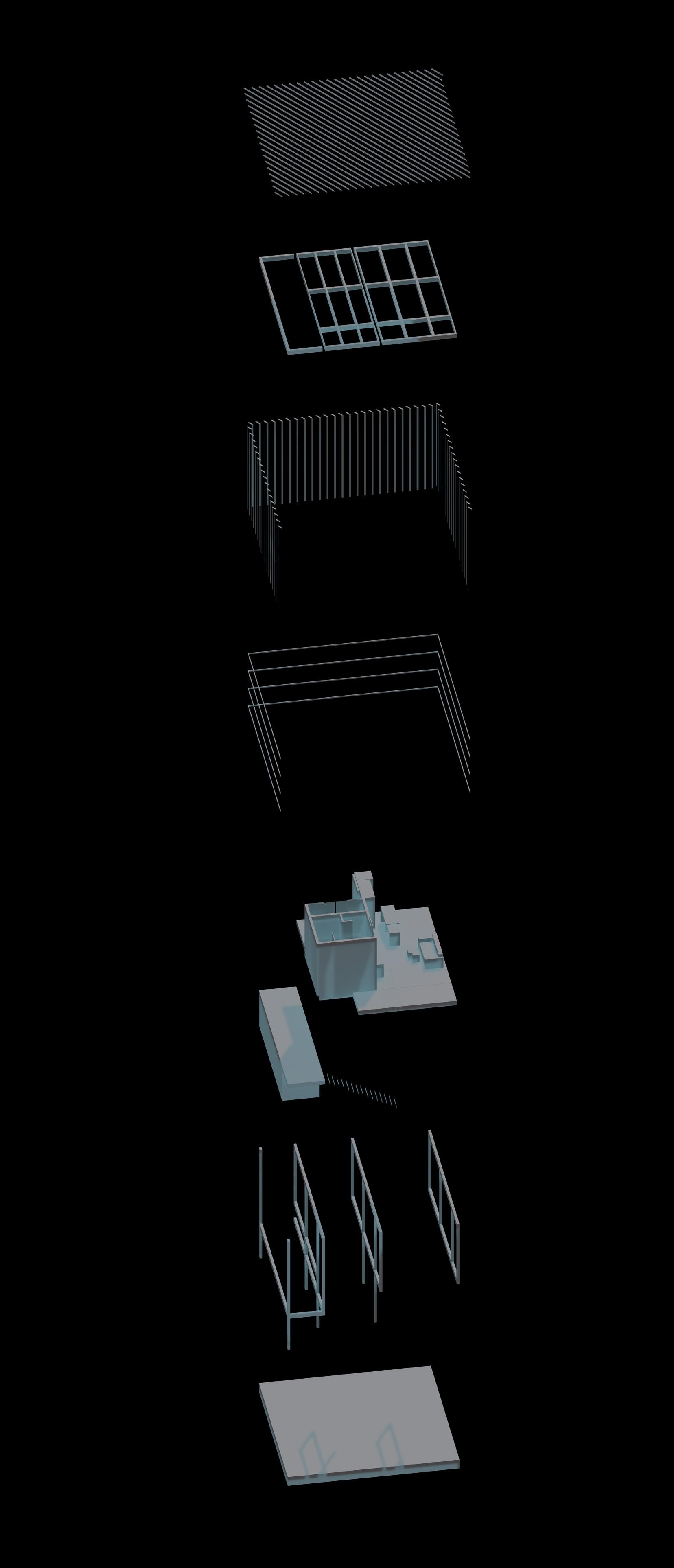
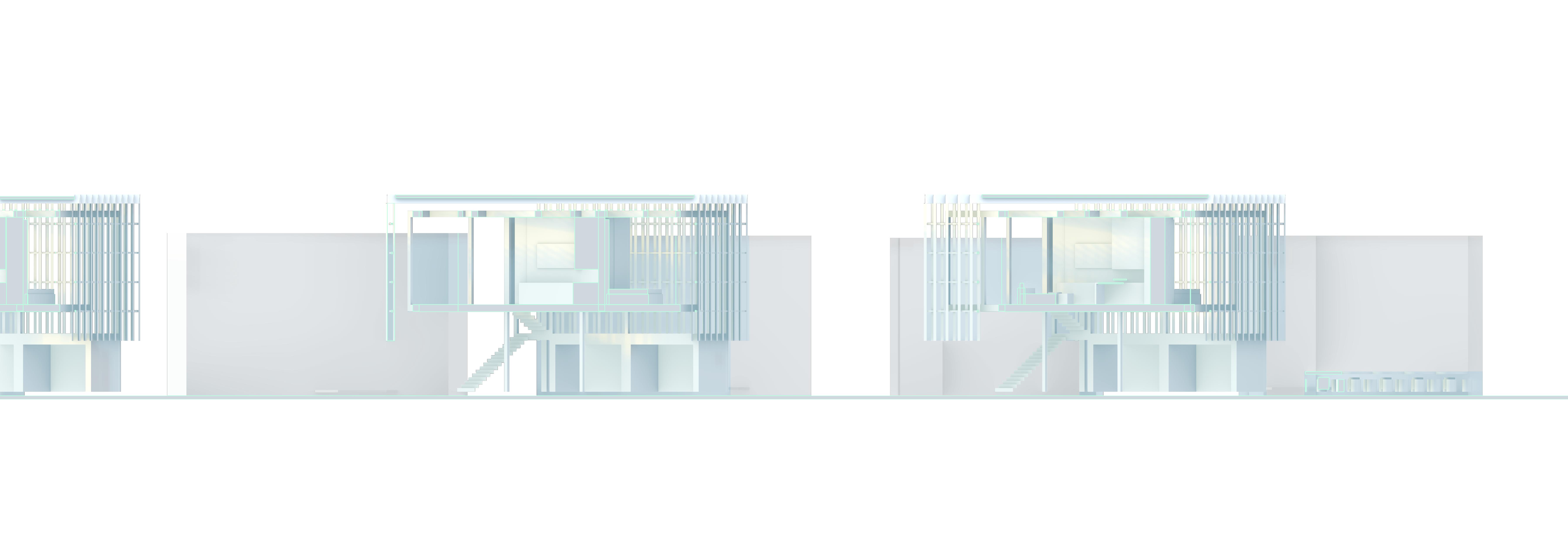
Exploded Exterior Glazing & Interior Walls
Louvres
Roof Structural Support
Shading Facade
Louvre Supports
Structural Steel Frame
Foundation
Semi-Private Patio
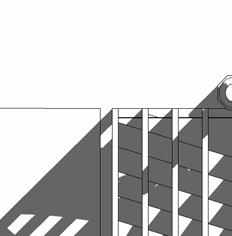
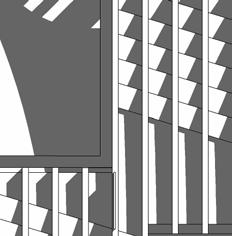
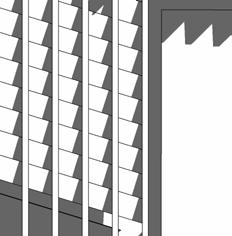
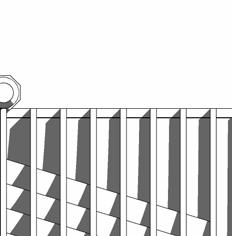
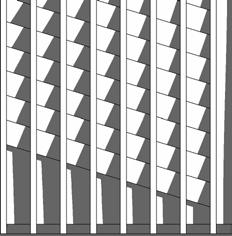
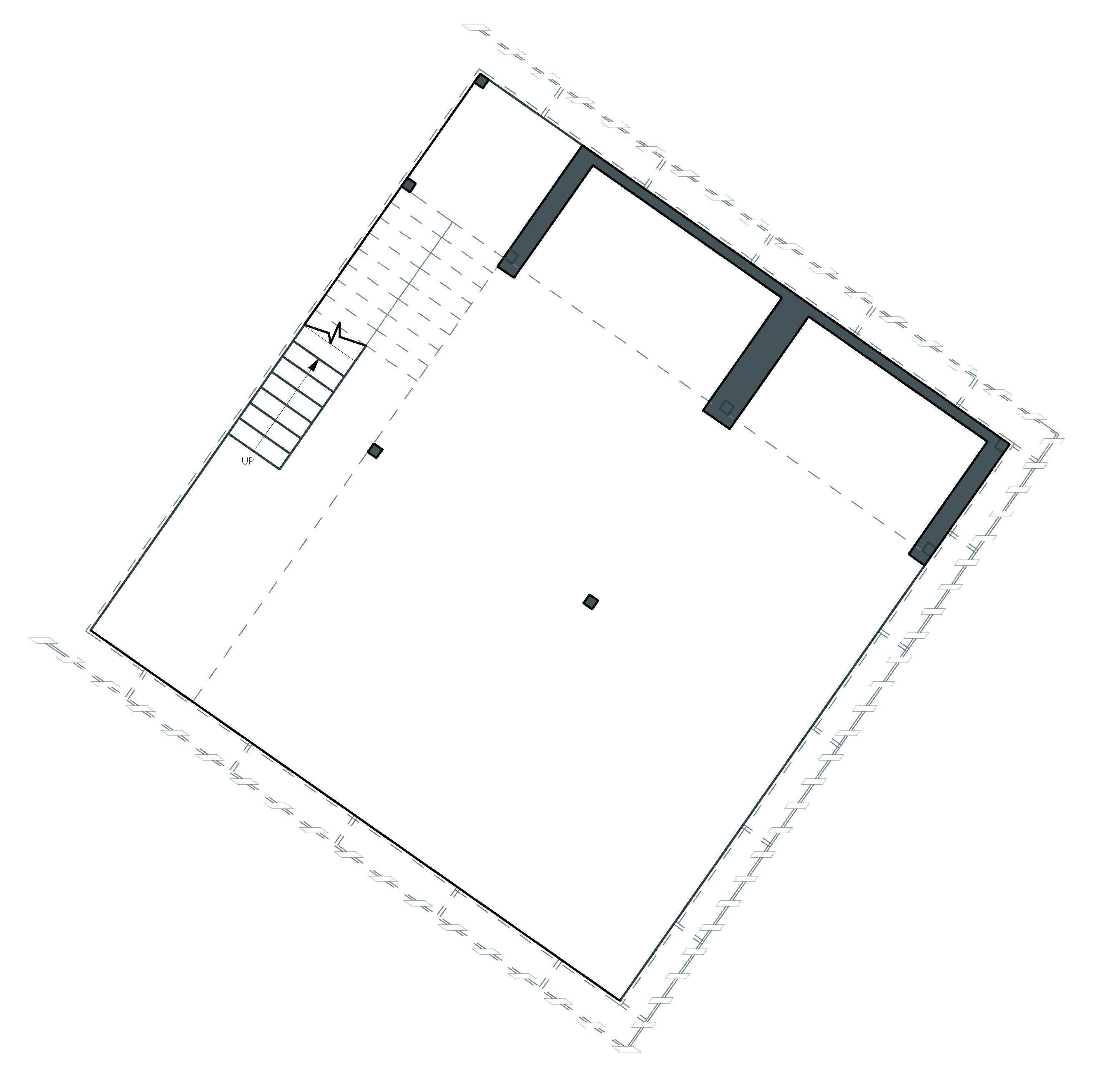
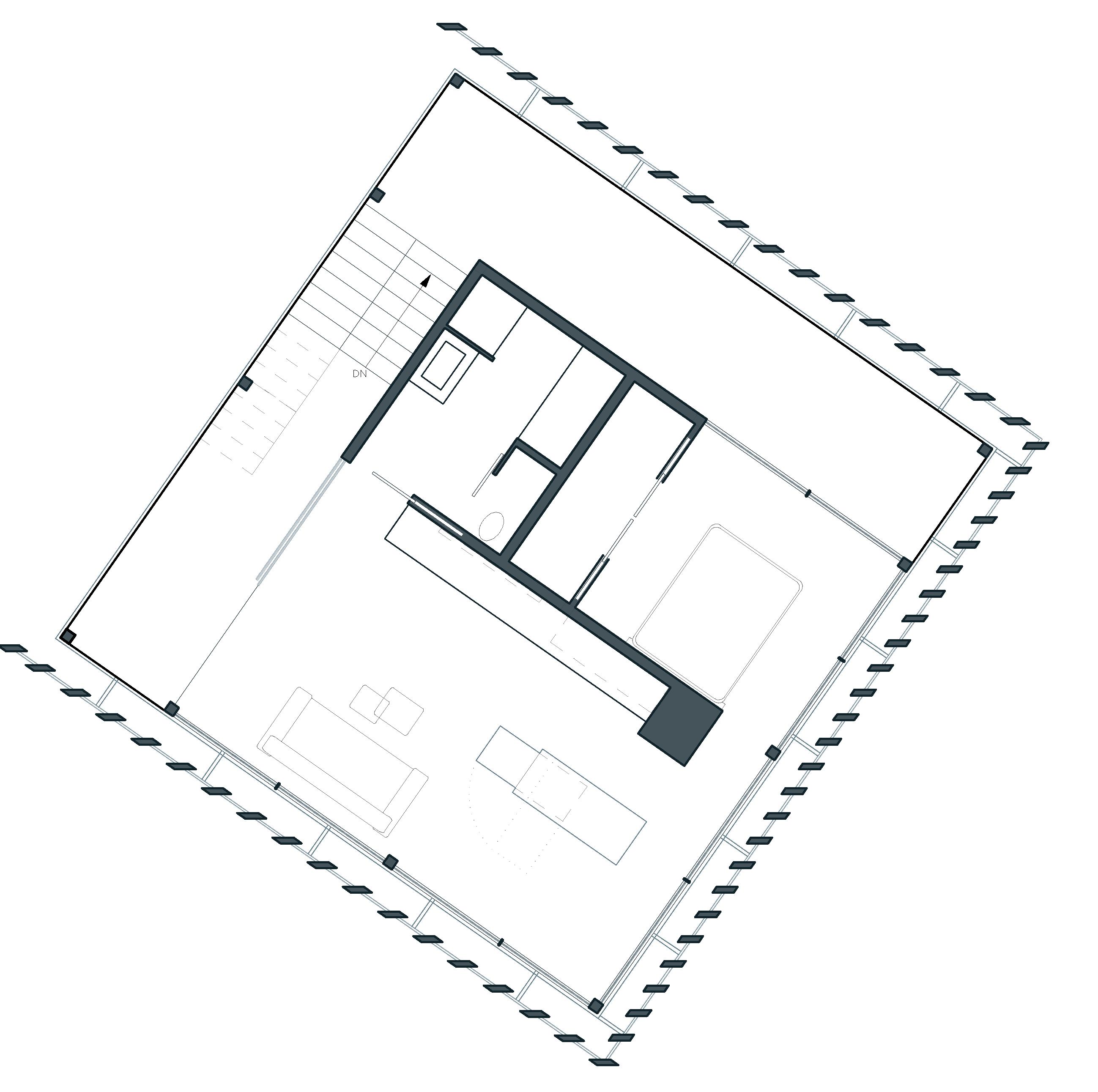
Drawing inspiration from Renzo Piano’s appreciation for lighting, the ADU design utilizes louvres to filter southern sun and reduce solar heat gain, while allowing northern sunlight to pass through. The plan incorporates a nine-square grid, emphasizing modularity and efficiency. Passive ventilation cools living spaces and provides shaded street-level areas for community use. The design also explores varying levels of public and private space in section, ensuring a balance between communal and personal areas.
Studying the relationship between the Menil Collection and the Montrose community deepened my passion for regionalism, site- specific studies, and evidence-based design. This prioritizes human experience, adaptability, and versatility, mirroing the integration of architecture, light, and culture seen in the Menil Collection structures. The design aims to foster connections with the community and environment, enhancing the urban experience.
UNDERGRADUATE
Indiana University Eskenazi School of Art, Architecture, and Design
Year 08.2019 - 05.2023
Location Bloomington, Indiana
Phase Complete
Program Bachelor of Science Interior Design
My undergraduate studies in Interior Design laid a foundation of technical precision and creative exploration, emphasizing the interplay between lighting, building systems, and user experience. These projects reflect a commitment to designing interiors that seamlessly combine functionality with human connection. Through a deep understanding of environmental psychology and spatial dynamics, my work prioritizes empathetic, people-centered solutions that enhance the way spaces are used and experienced.
NEXUS LIBRARY
Undergraduate Capstone Studio Indiana University
Director Bryan Orthel Year 2023
Location Indianapolis, Indiana
Area 7,500 ft2
Phase PD | SD | DD | CD
Program Auditorium, Cafe, Gallery, Maker Studio, Community Repair
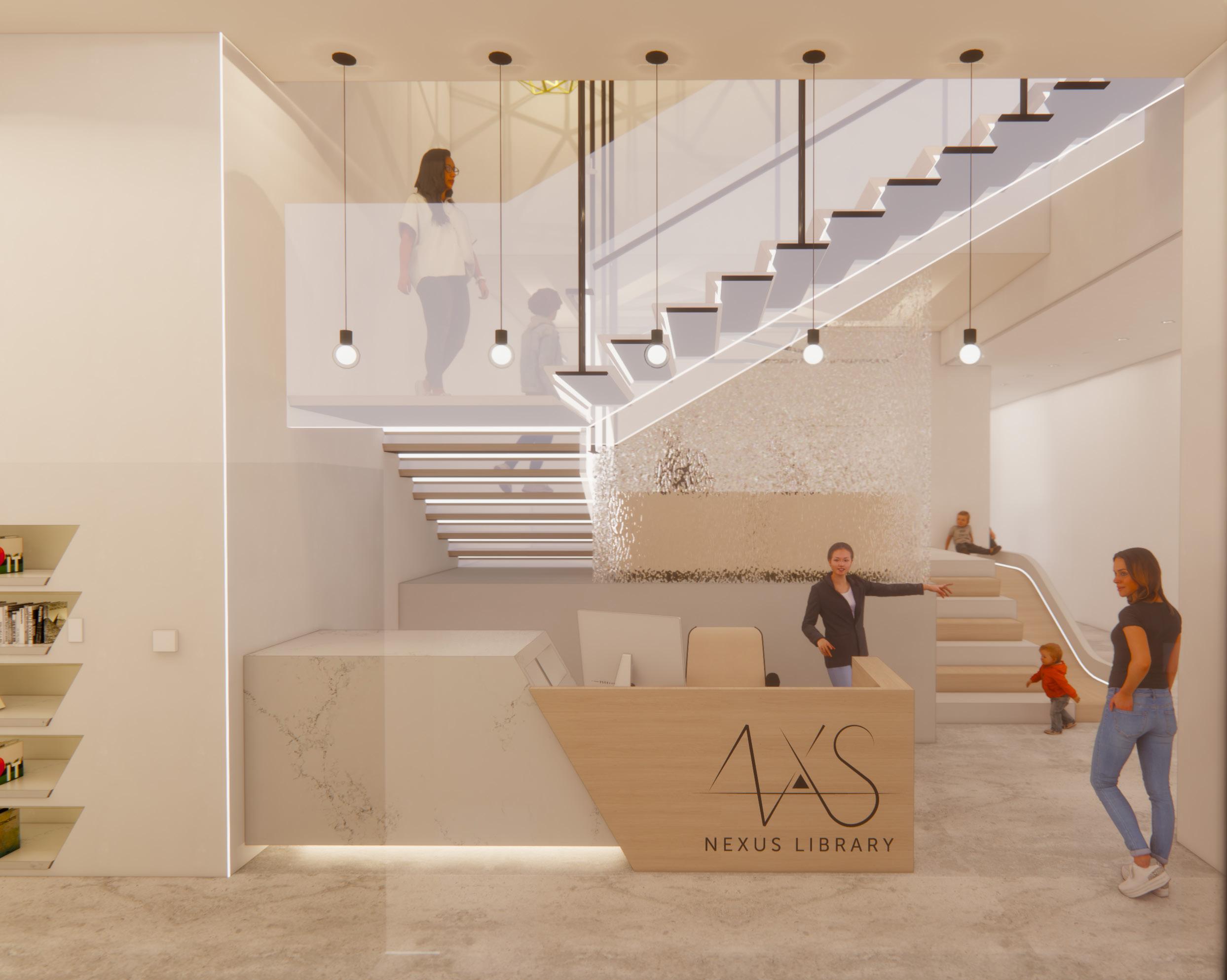
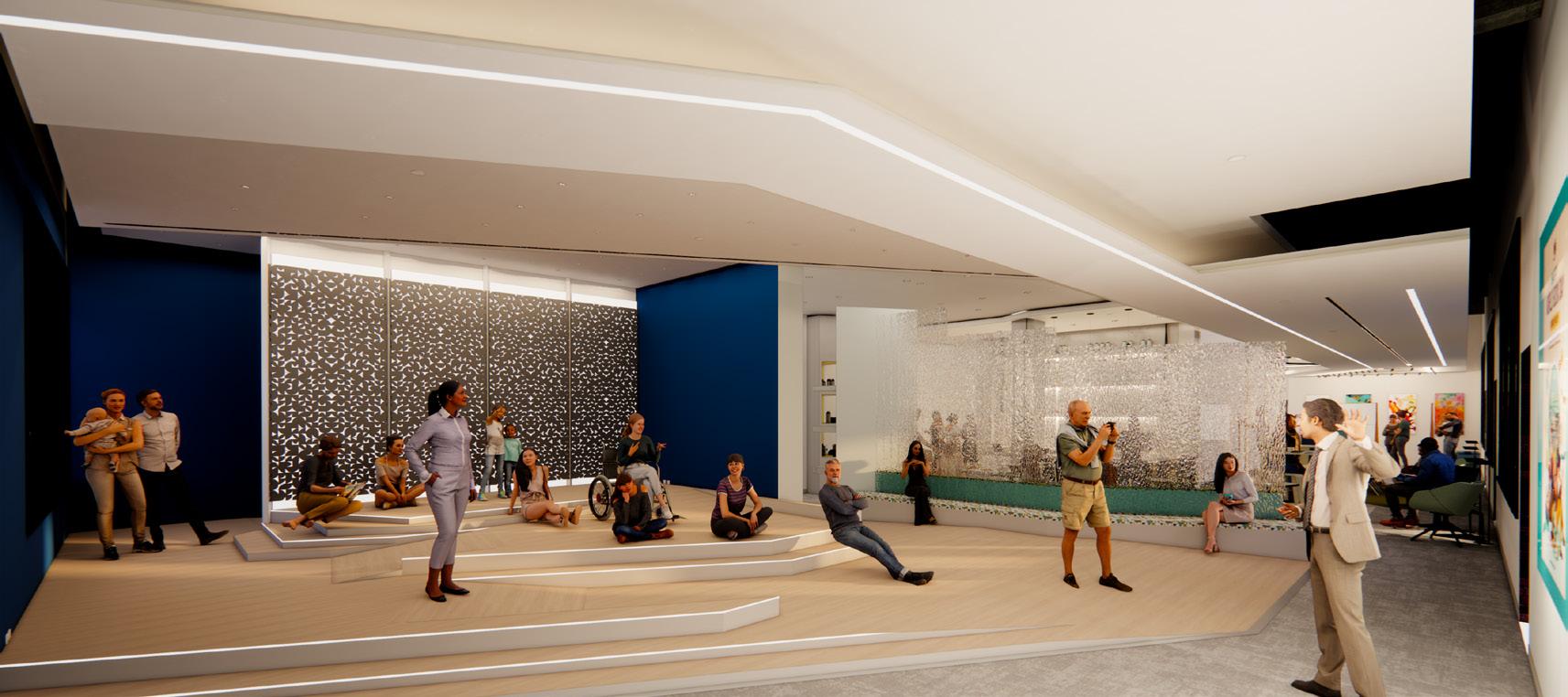
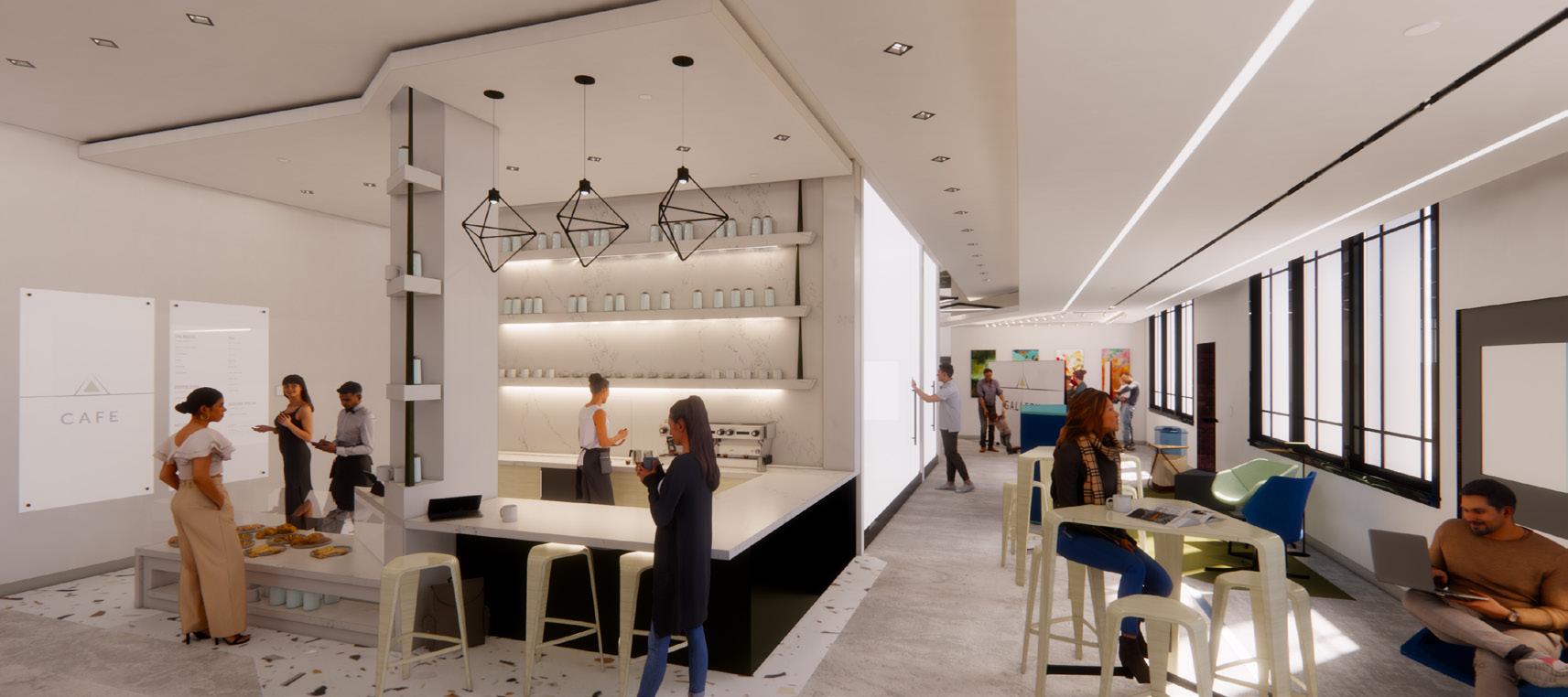
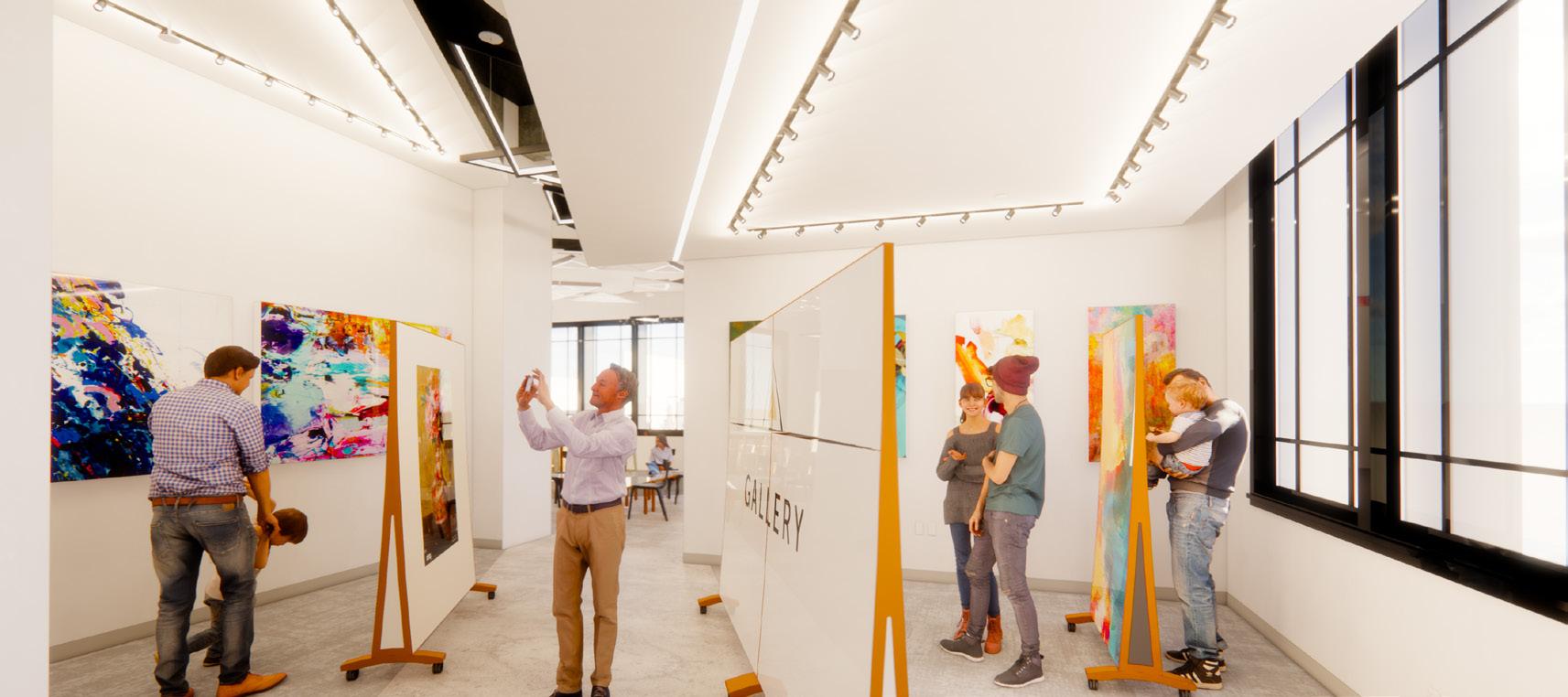
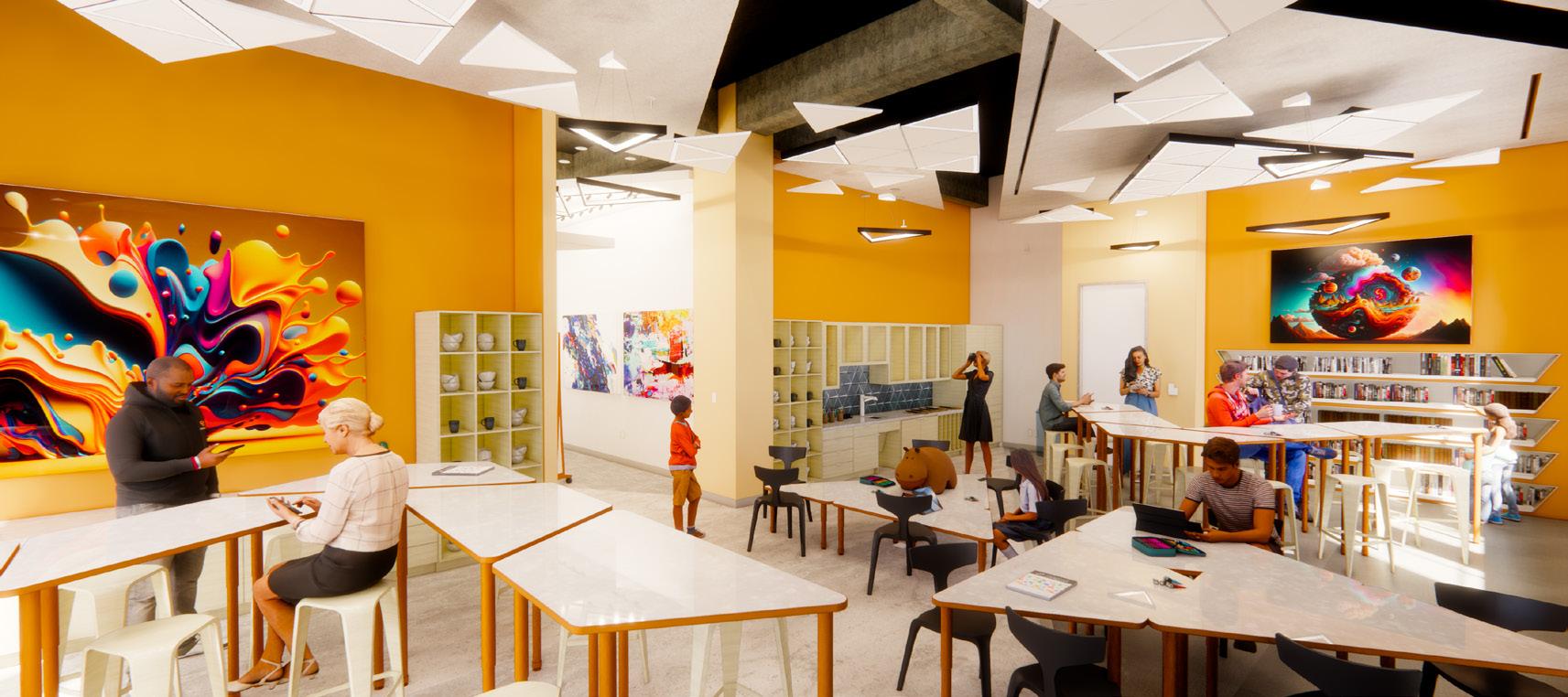
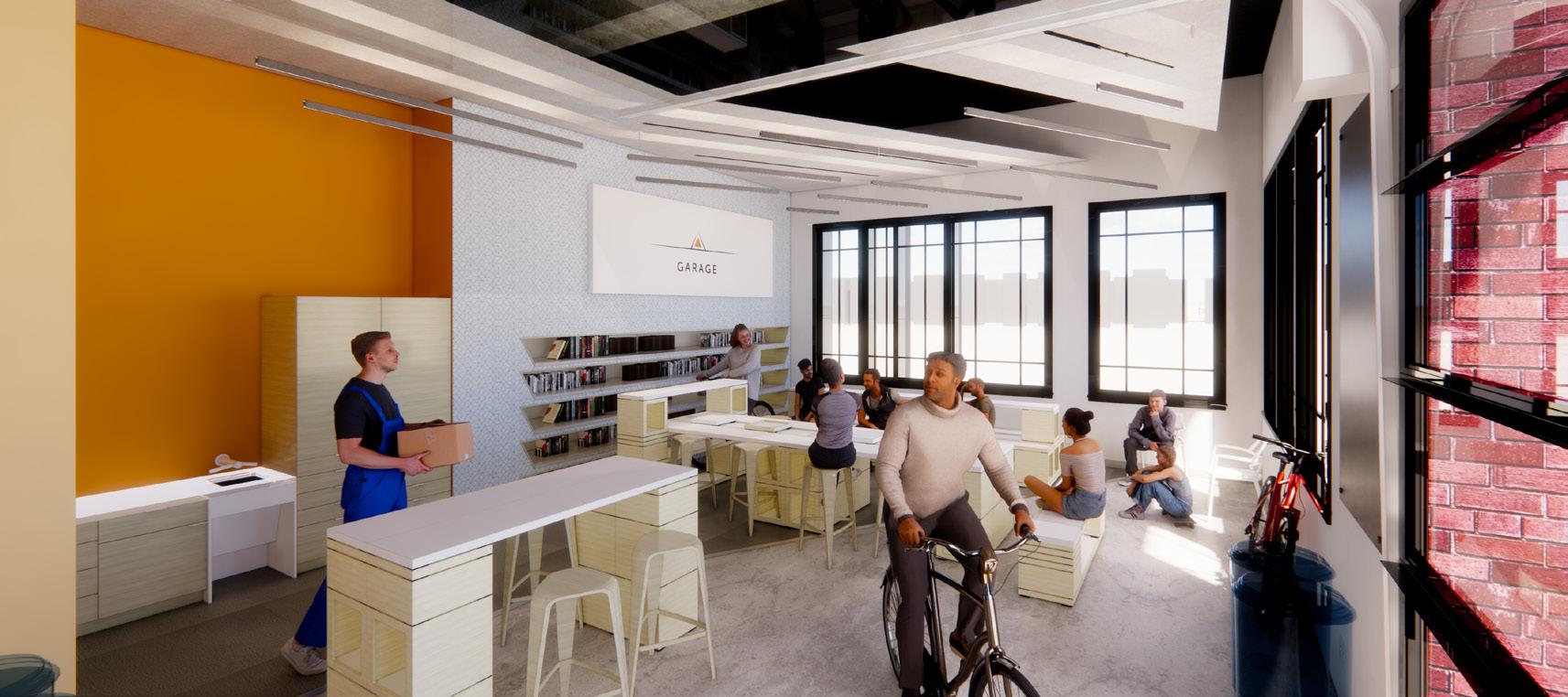
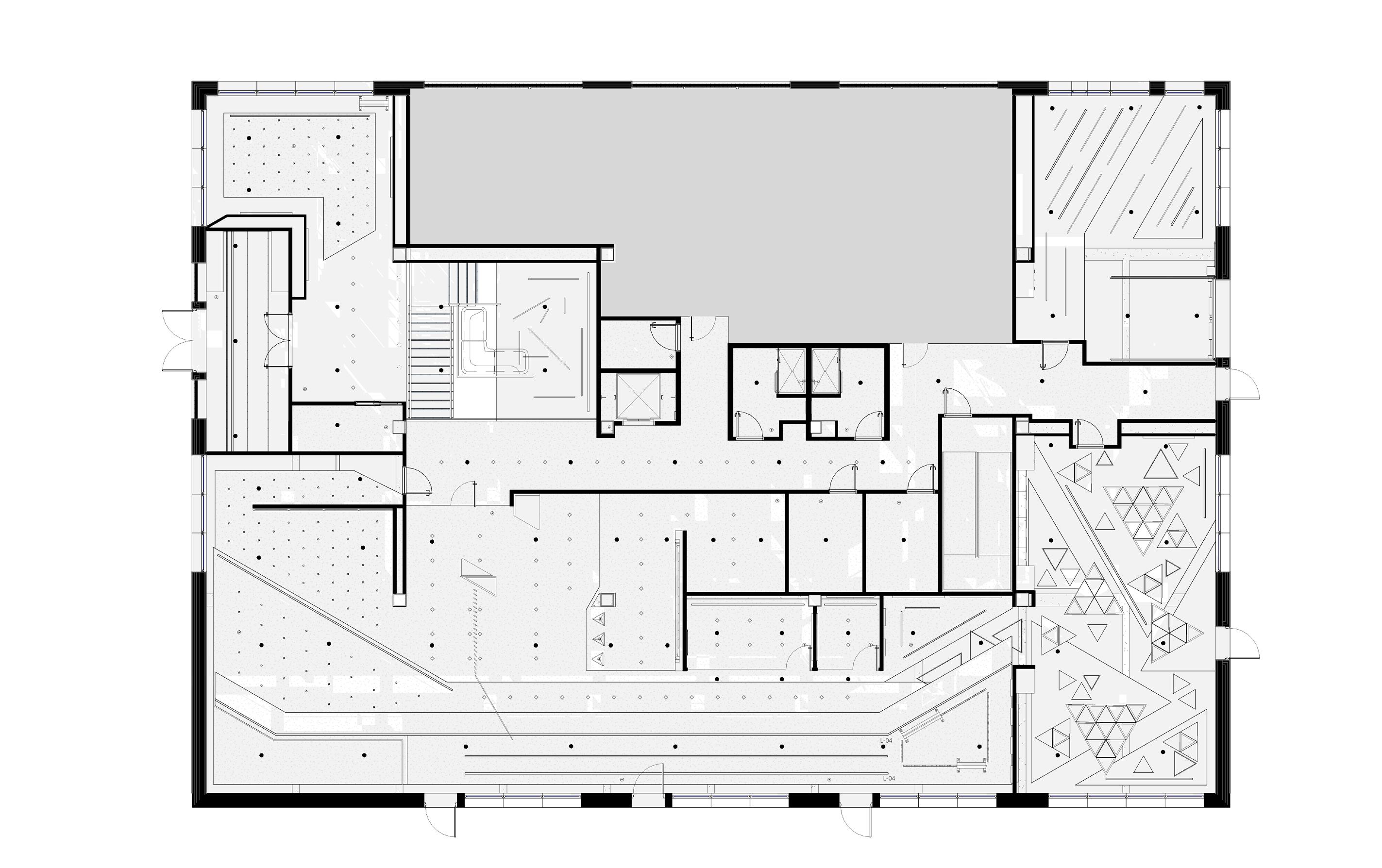
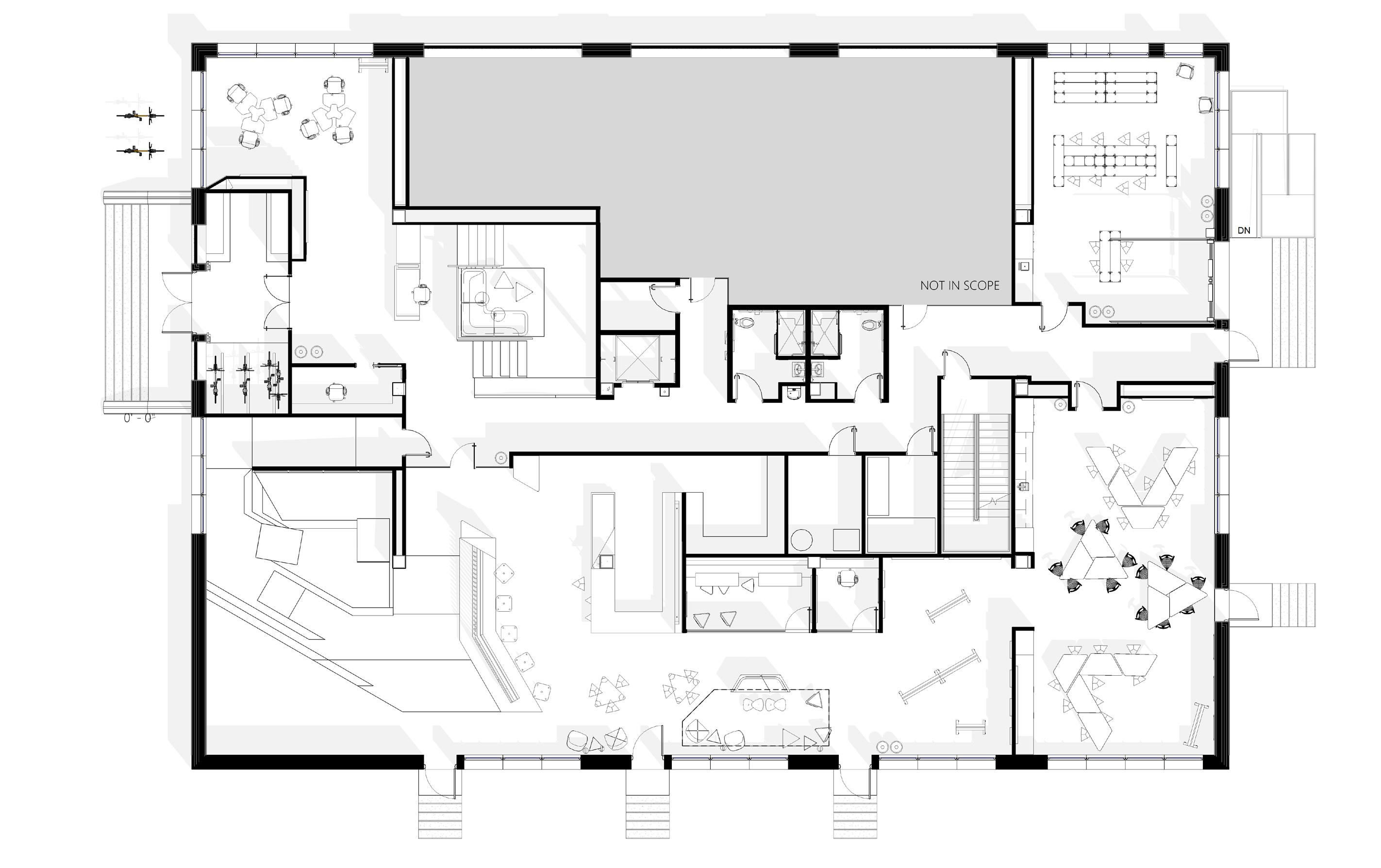
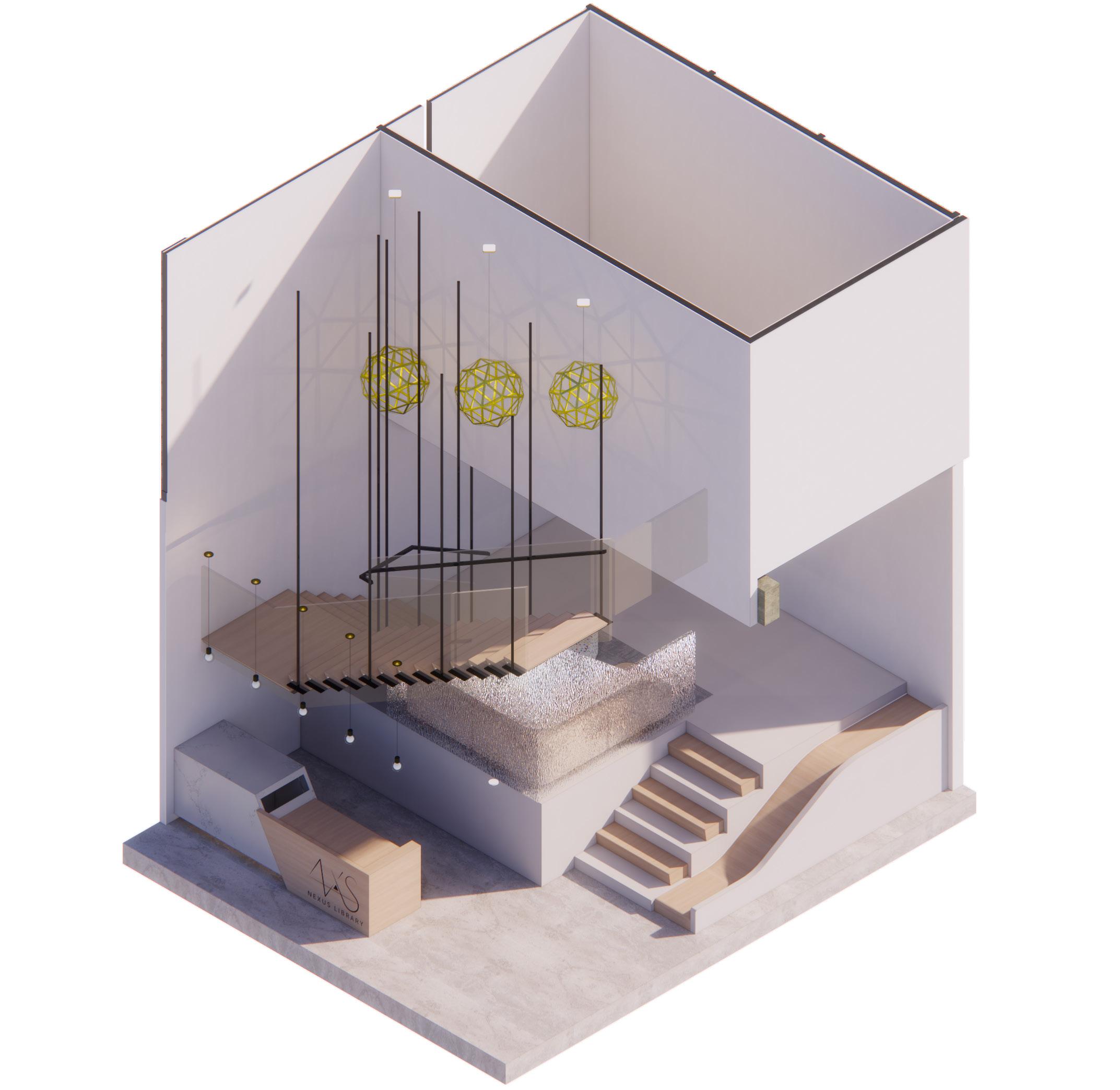
Inspired by studies on emotional intelligence and environmental psychology, the interior environment encourages discovery and exploration by stimulating the five senses through color, materials, and strategic design elements within interactive amenities to create an atmosphere that sparks joy, curiosity, and learning. The library is designed to engage all five senses, providing an immersive environment for reflection, exploration, and growth. By fostering a vibrant and engaged community, Nexus Library creates a link between knowledge, creativity, and connection. It is a hub of energy and inspiration that inspires, educates, and empowers individuals and communities to come together to create a stronger, just, and global society.
Left: Circulating
NEXUS
CORE
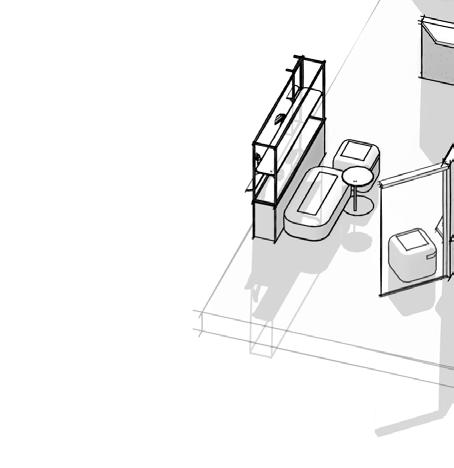
LGBTQ+ HOUSING
PUBLIC BATHING
DREAM SPACE
GHOST KITCHEN
LIBRARY
Environmental psychology studies a diverse range of topics related to how environments affect humans. Designers take these into consideration as we shape space people inhabit. Examining physical attributes such as lighting, acoustics, finish materials, and programmatic organization is key in the design process By understanding how the brain obtains, interprets, and reacts to stimuli, we can enhance the experience of the built environment through evidencebased design.
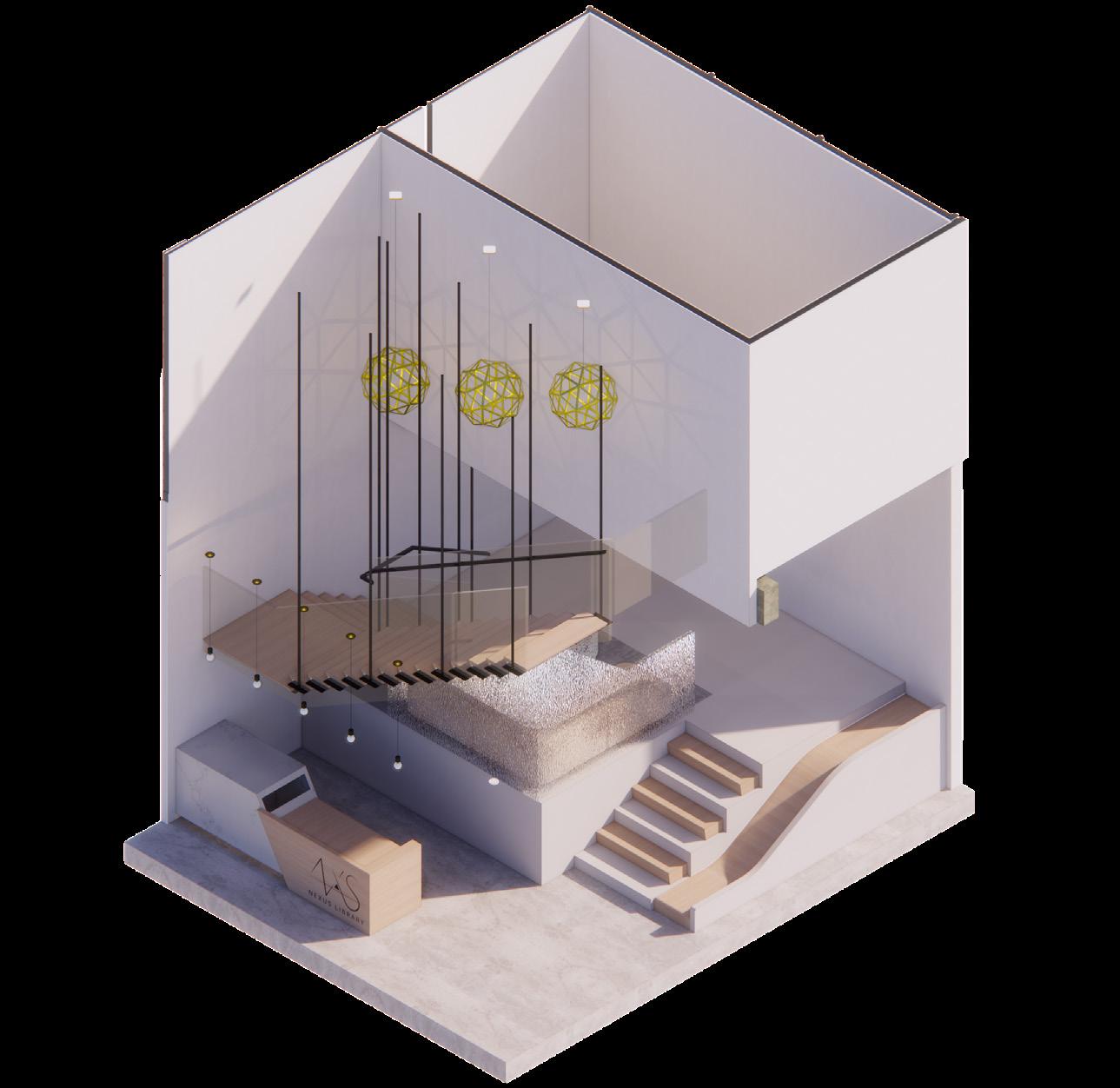
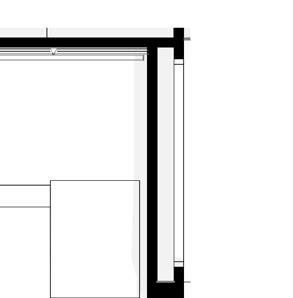
Left: Construction Drawings for Stairs, Welcome Desk, and Banquette located in Auditorium and Cafe Right: Circulating Suspended Stair at Welcome Area Axonometric
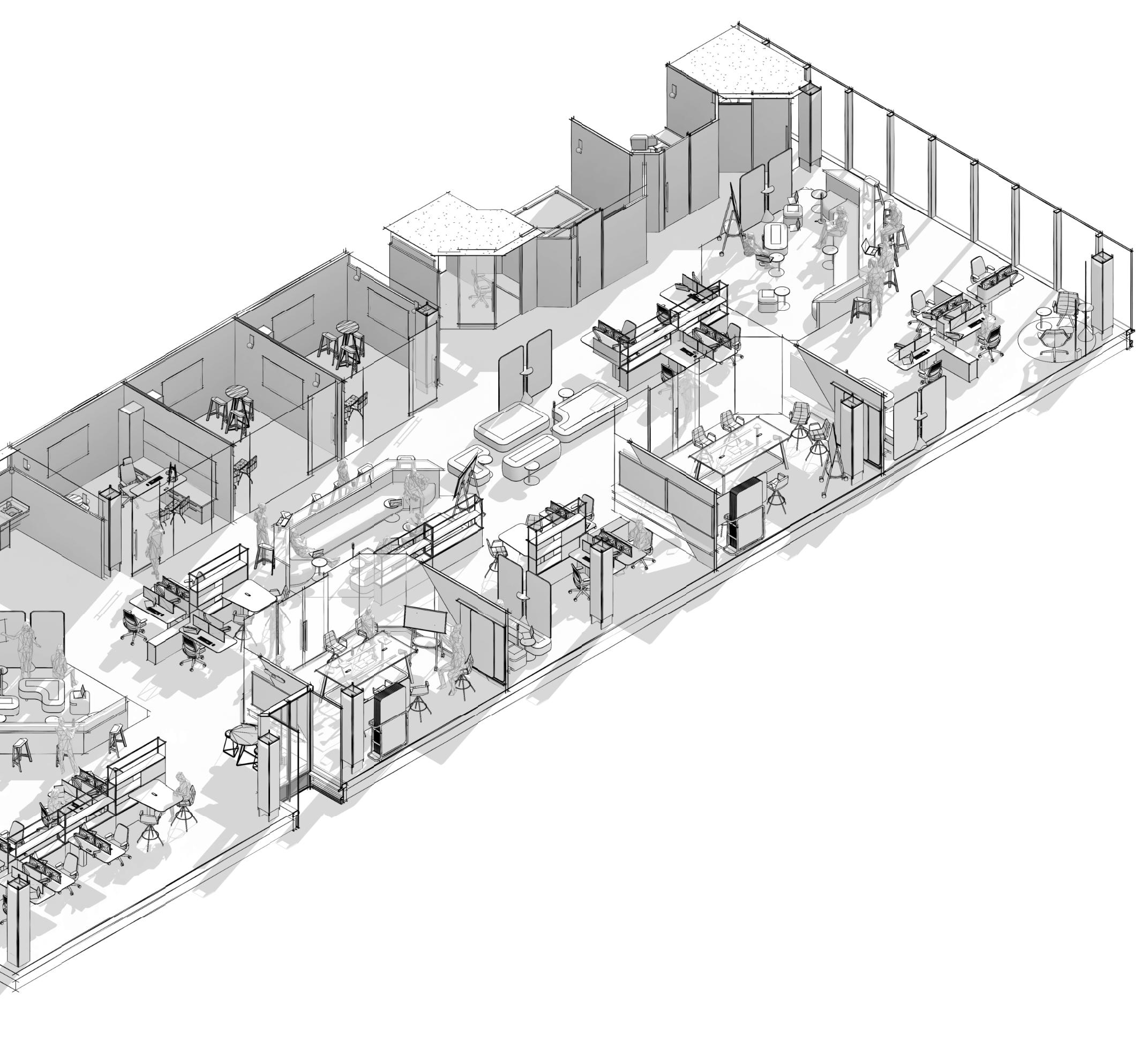
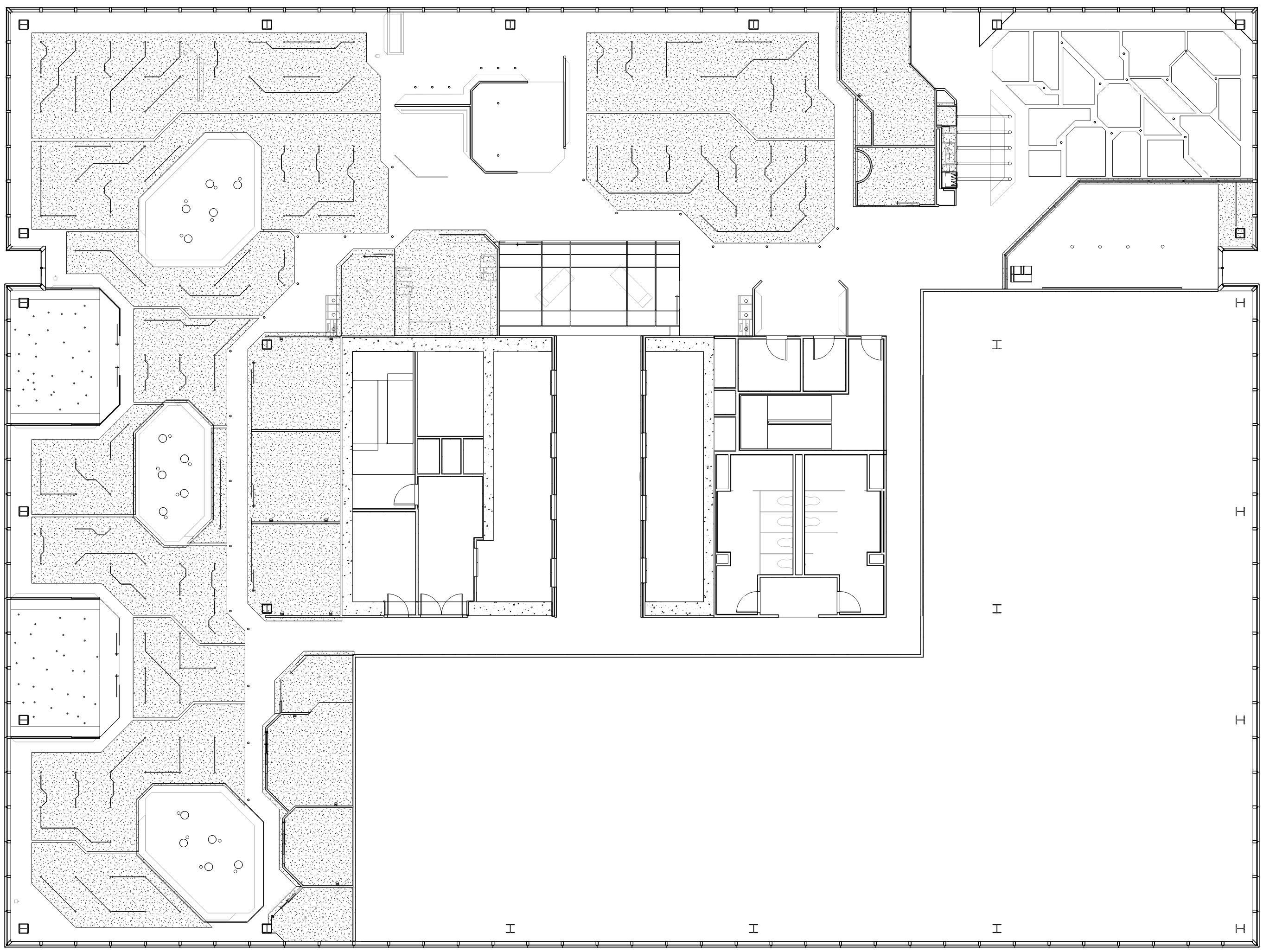
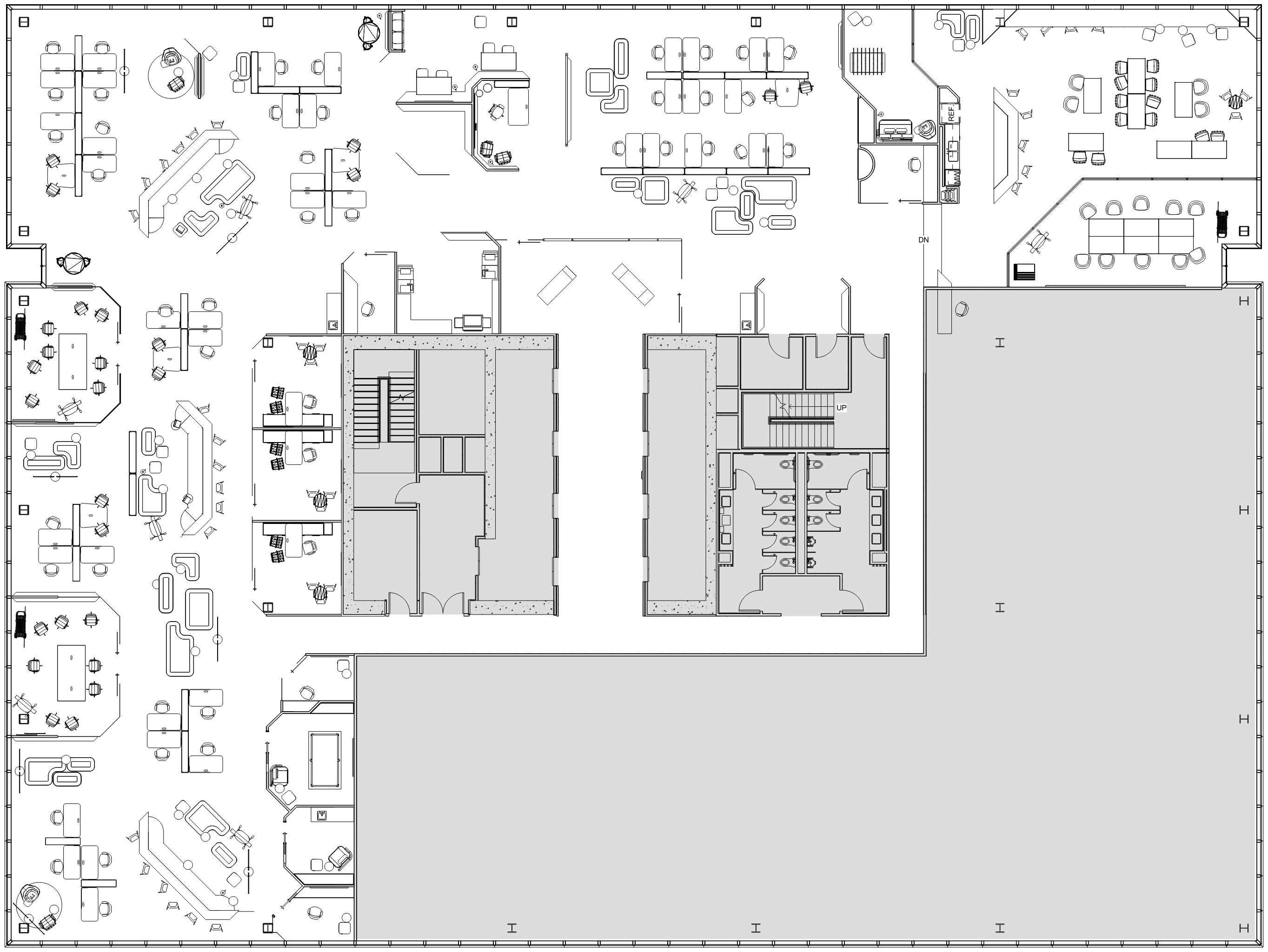
STEELCASE NEXT
Undergraduate Vertical Studio Indiana University
Professor Dorian Bybee
Year 2022
Location Boston, Massachusetts
Area 20,000 ft2
Phase PD | SD | DD
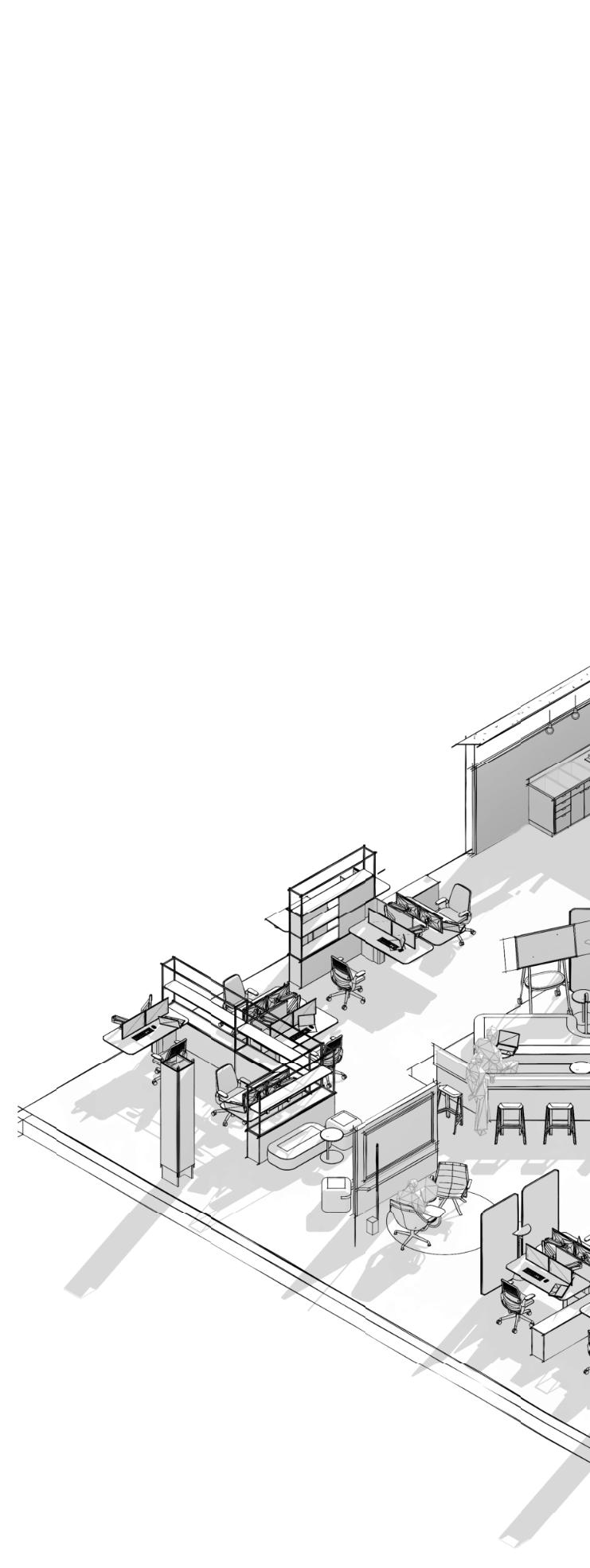
Program Desking, Collaboration Space, Cafe, Retail, Technology Maker Space
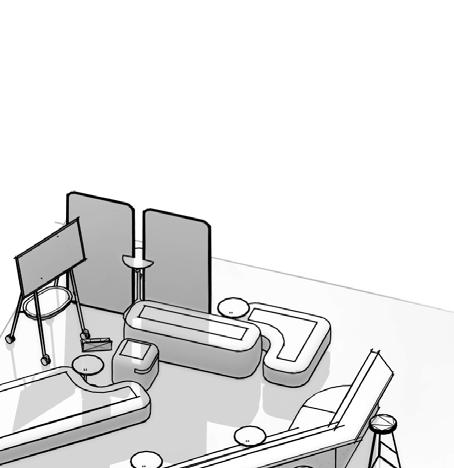
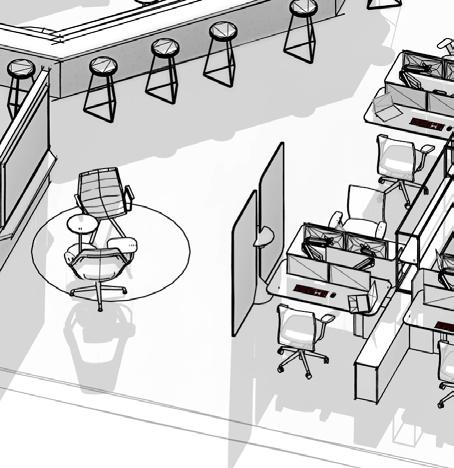
Left: Rendered
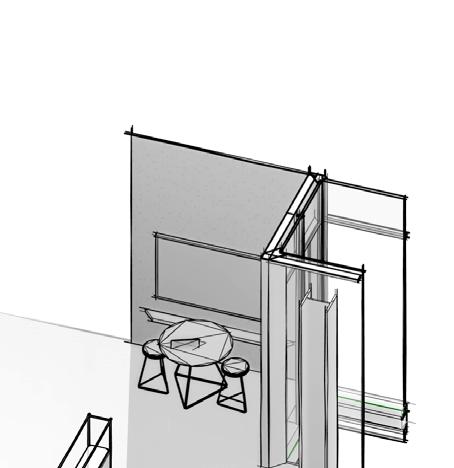
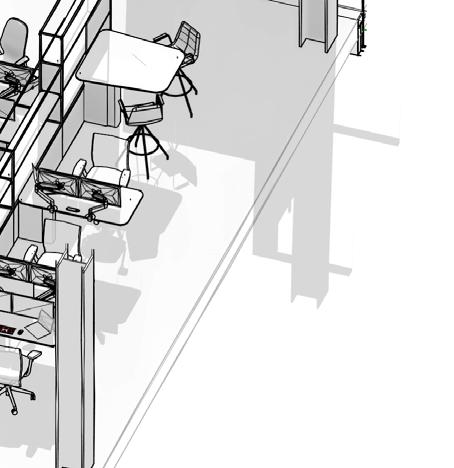
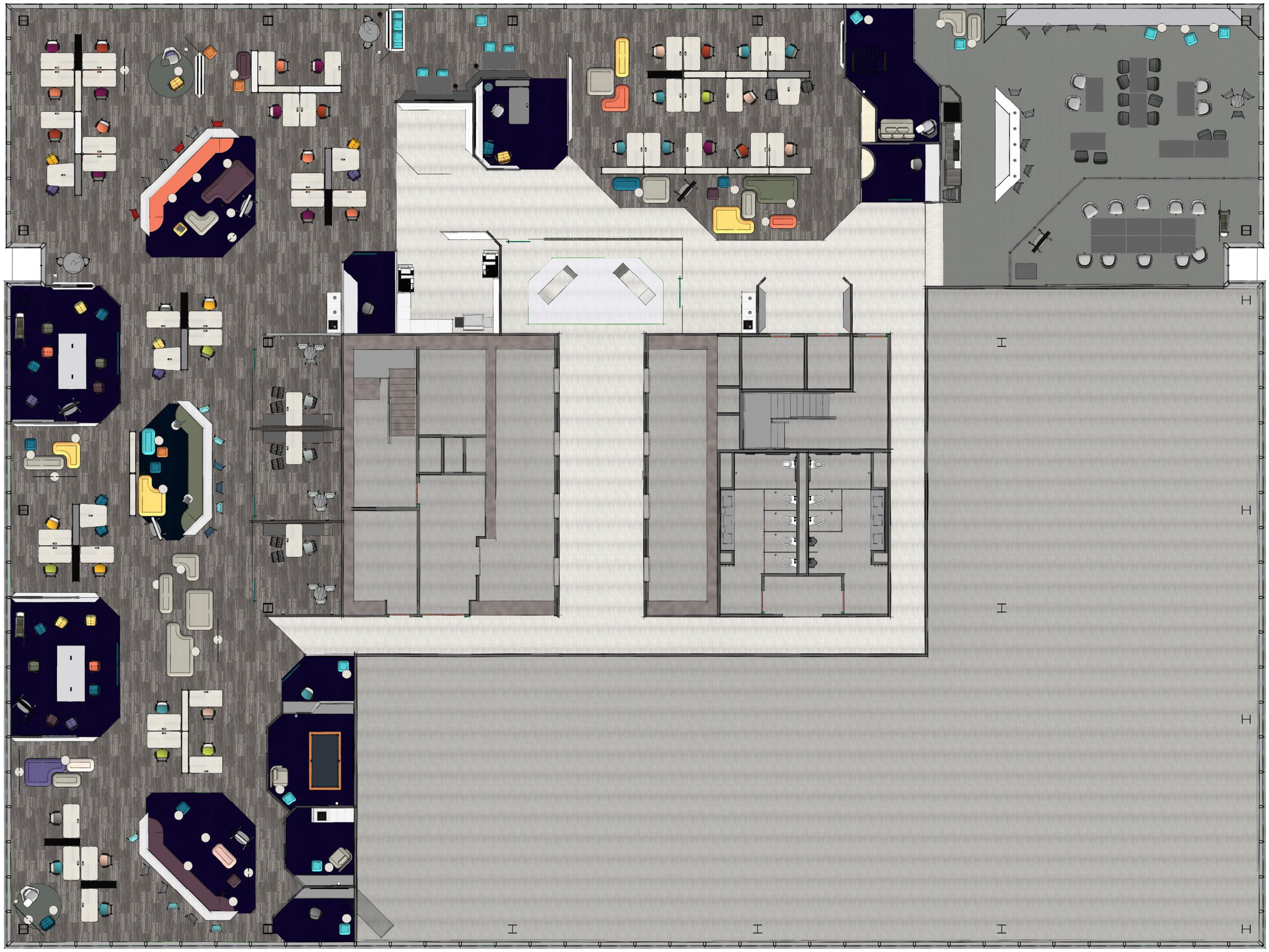
Right: Northwest Axonometric (Featuring: Three Team Zones, Two Enclosed Collaboration, Three Executive Suites)
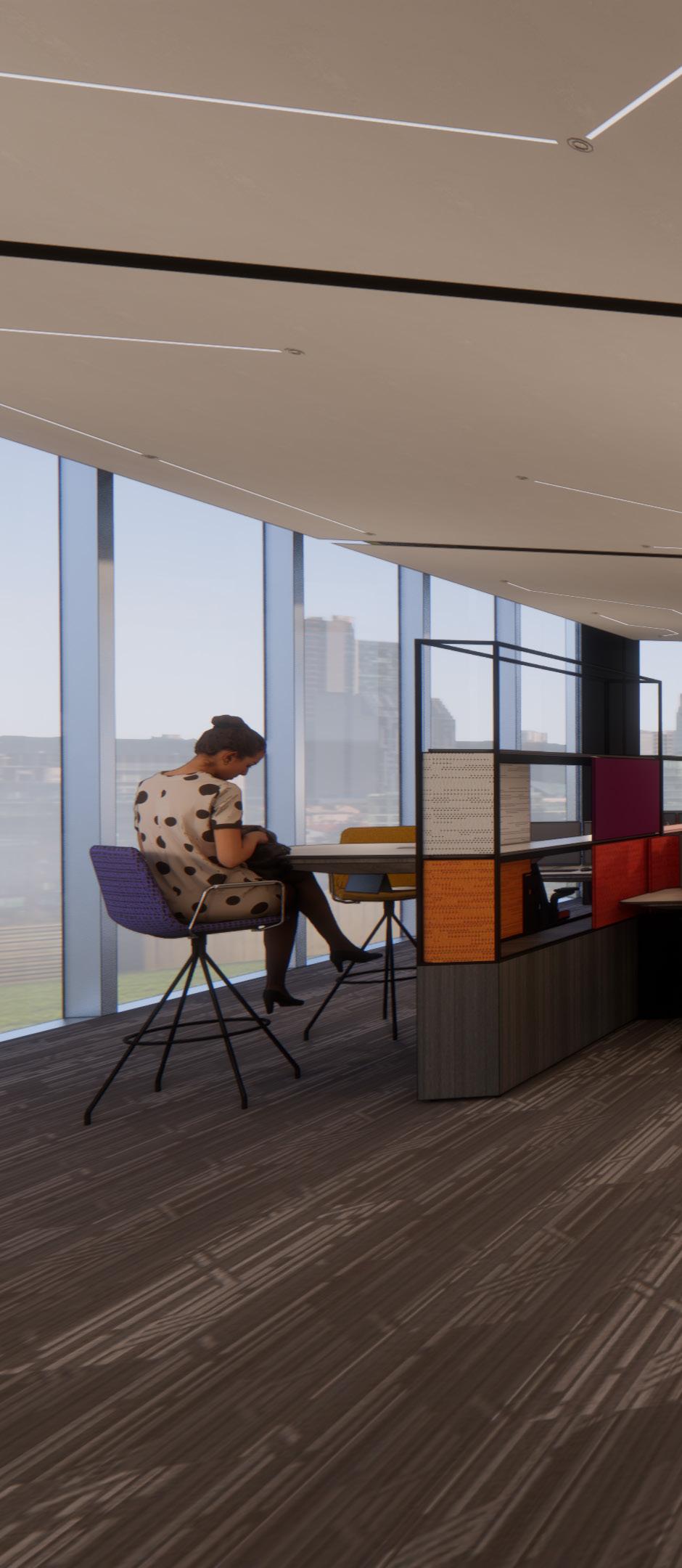
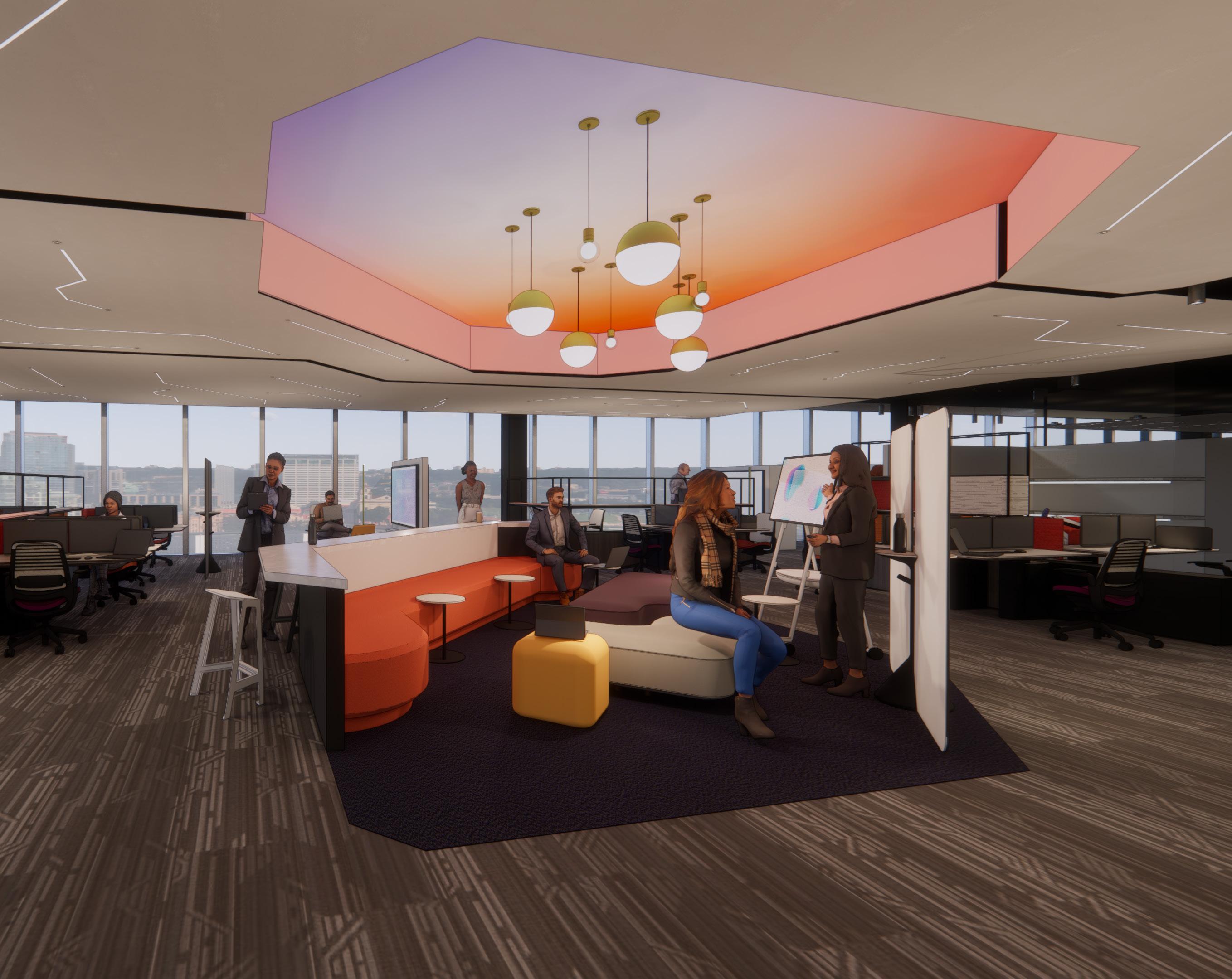
Paths are unique to individual experience and perception; while each varies daily, NEXTERs utilize their workplace to facilitate personal, educational, collaborative, and social growth and interaction. The built environment of the office functions as an automated aid to NEXTERs as well as the company research and development environment which is represented through the design’s resemblance to a robotic program, teams’ functions throughout design phases parallel to an algorithmic
function, references to robotic behavior via occupancy sensors to contribute to reducing carbon footprint, and lastly shared sustainable materiality. By considering and developing multiple levels of the pathways and what they do, these can be used to welcome NEXT teammates to be included and interactive in the office regardless of their geographic location. NEXT strives to express appreciation and to provide sense of belonging, pride, and ownership to each of the teammates along with a need for their skills and specialties.
PROFESSIONAL
DLR Group
Architecture & Interior Design Intern
Year 06.2022 - 01.2024
Location Dallas & Houston, Texas
During my internship with DLR Group, I contributed to 3D modeling, presentation materials, construction documents, and furniture and finish specifications. I conducted field verifications, participated in client meetings, and took a leading role in coordinating and facilitating client engagement sessions. Additionally, I spearheaded the transition of the Houston office resource library to a Red List Free standard and collaborated with the Mindful Materials A&D working group to advance sustainable design practices.
Hurley Frey Structural Engineering
Revit Design & Construction Documentation
Year 05.2024 - present
Location Houston, Texas
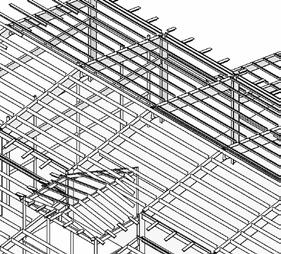
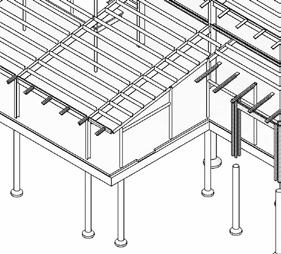
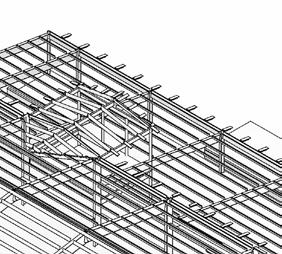
As a Revit Designer at Hurley Frey Structural Engineers, I model structural systems under the guidance of a structural engineer and contribute to the development of construction documentation. I also assist in updating and managing BIM models, collaborating live with architectural teams to ensure seamless integration across disciplines. This collaborative experience has enhanced my technical skills and broadened my perspective on architecture and design, reinforcing the importance of interdisciplinary teamwork in delivering successful projects.
TOMBALL ISD EARLY EXCELLENCE ACADEMY PRE-K
DLR Group
Year 2022
Location Tomball, Texas
Status Realized
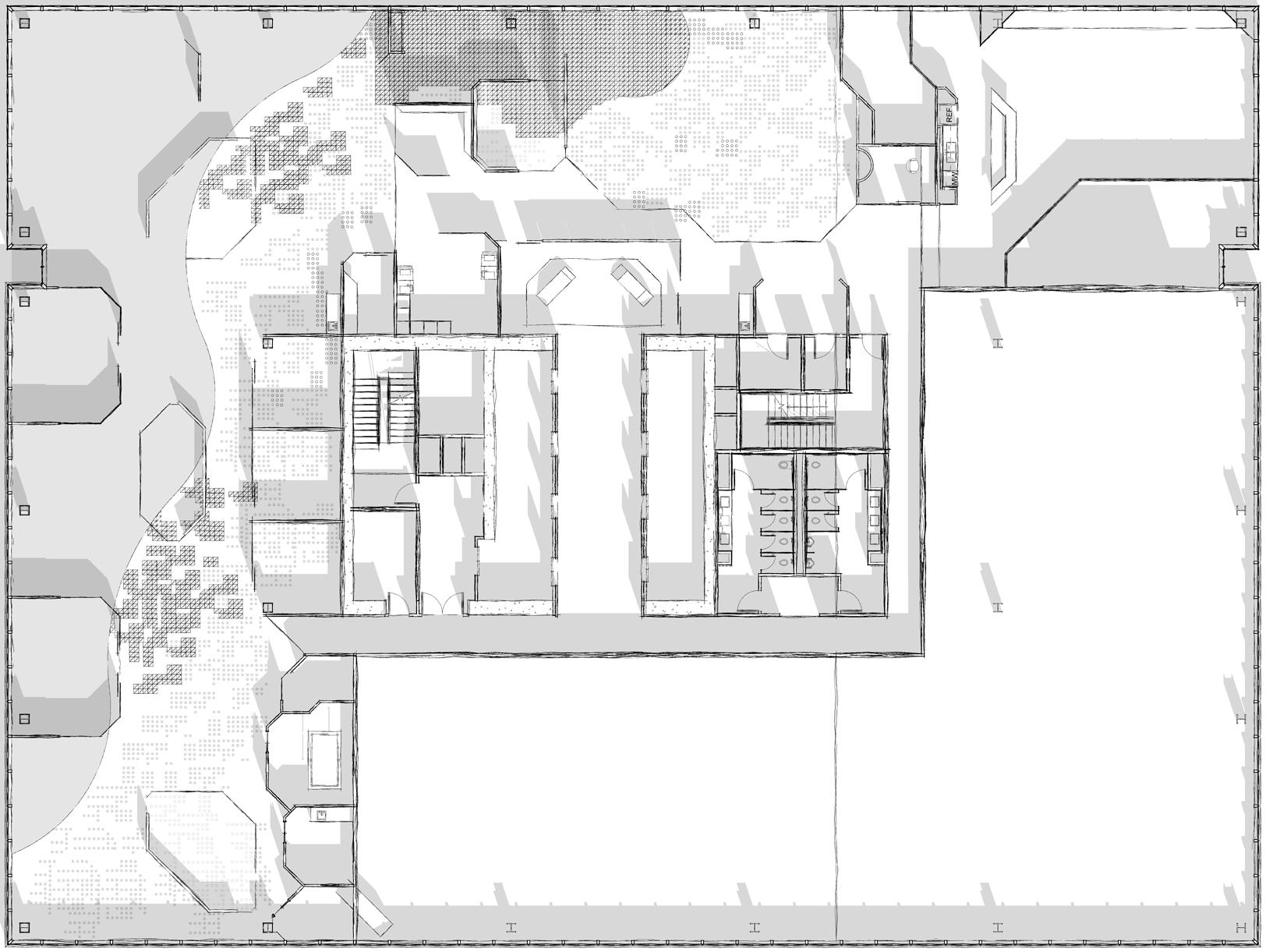
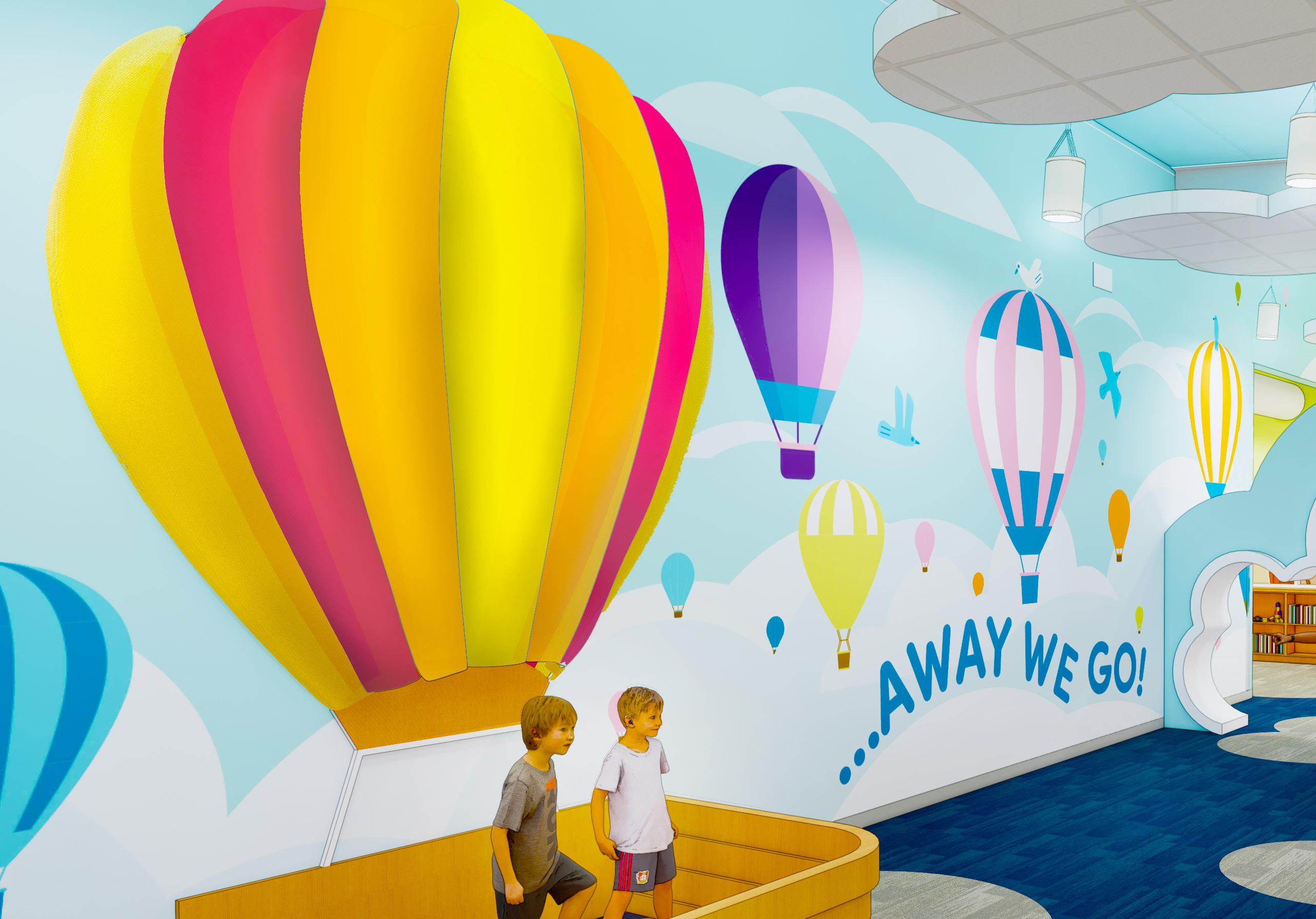
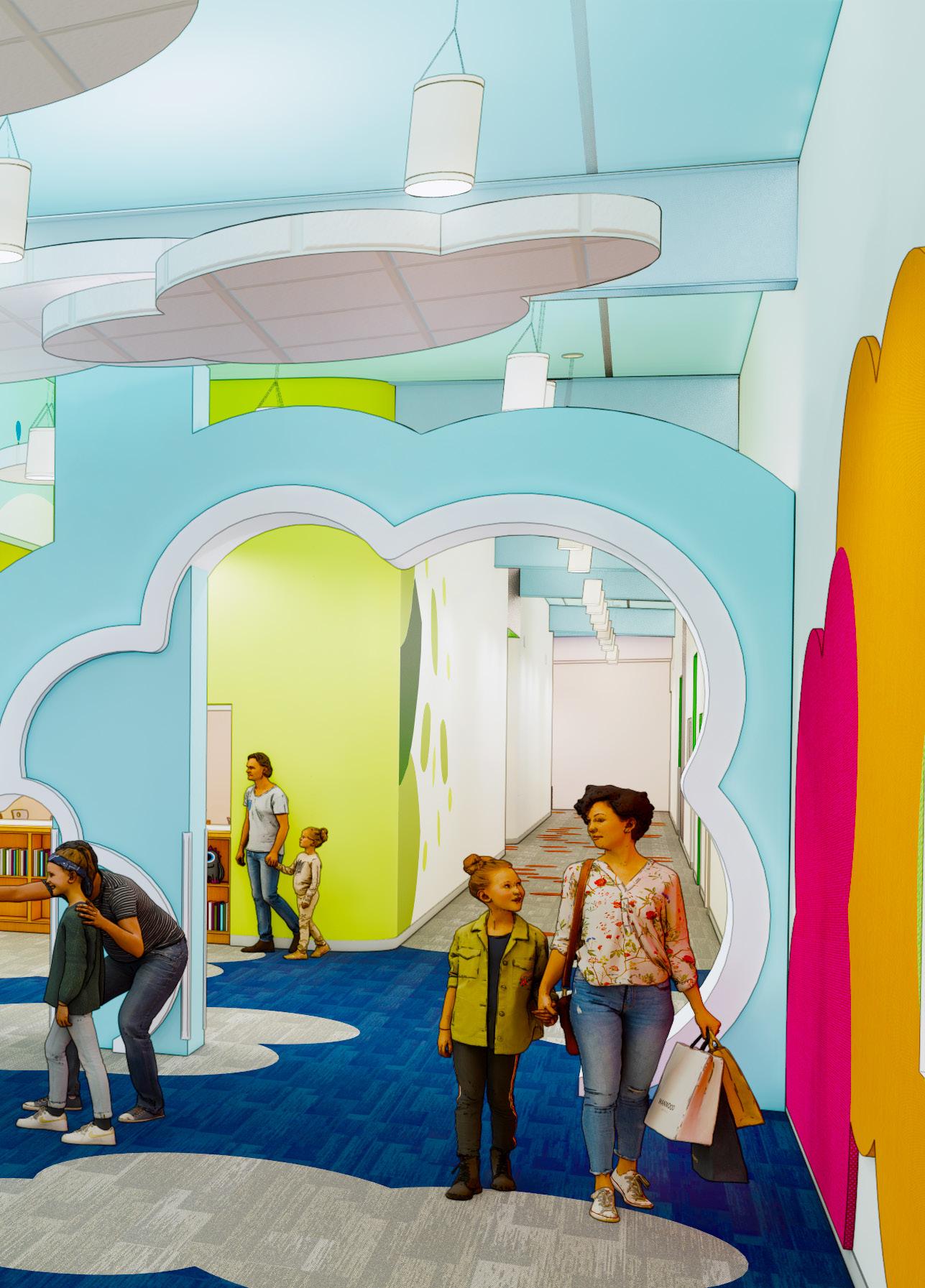
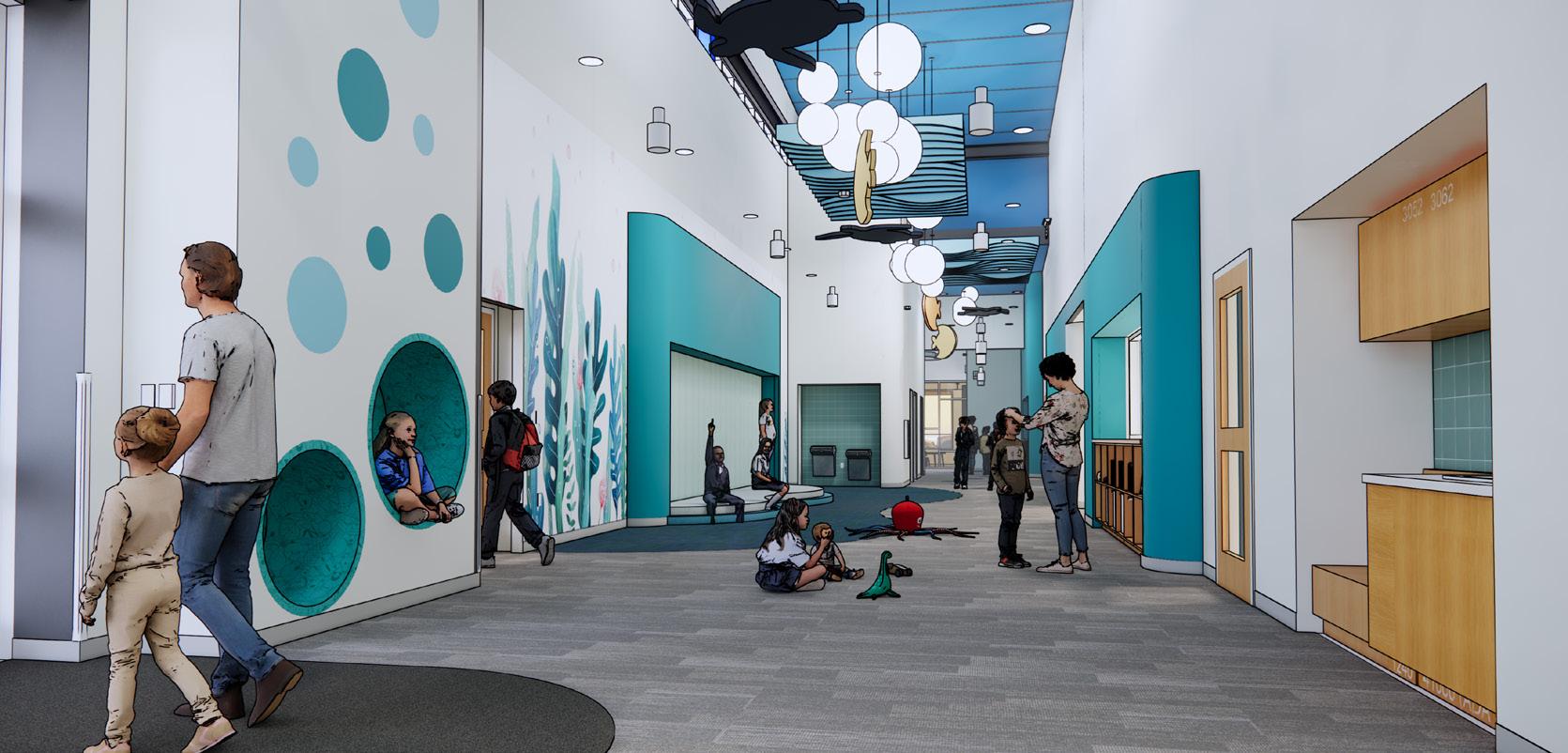
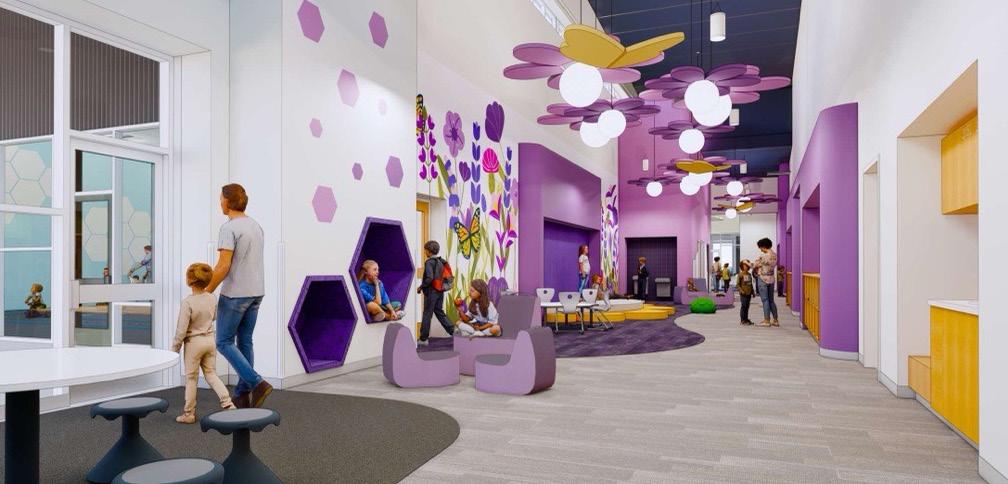
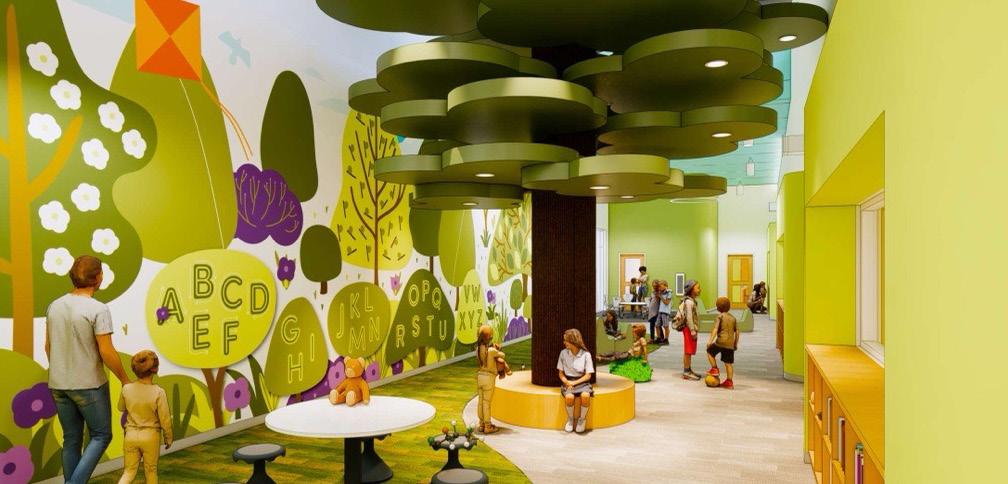
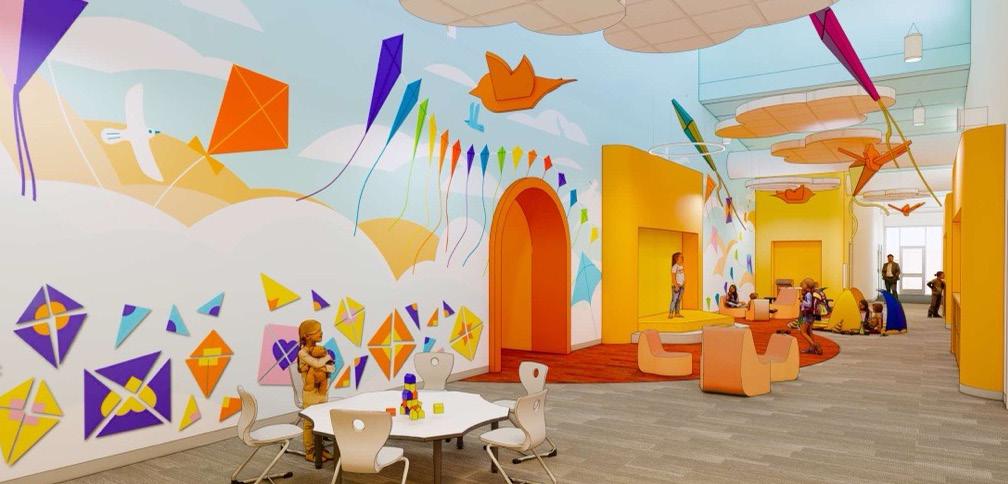
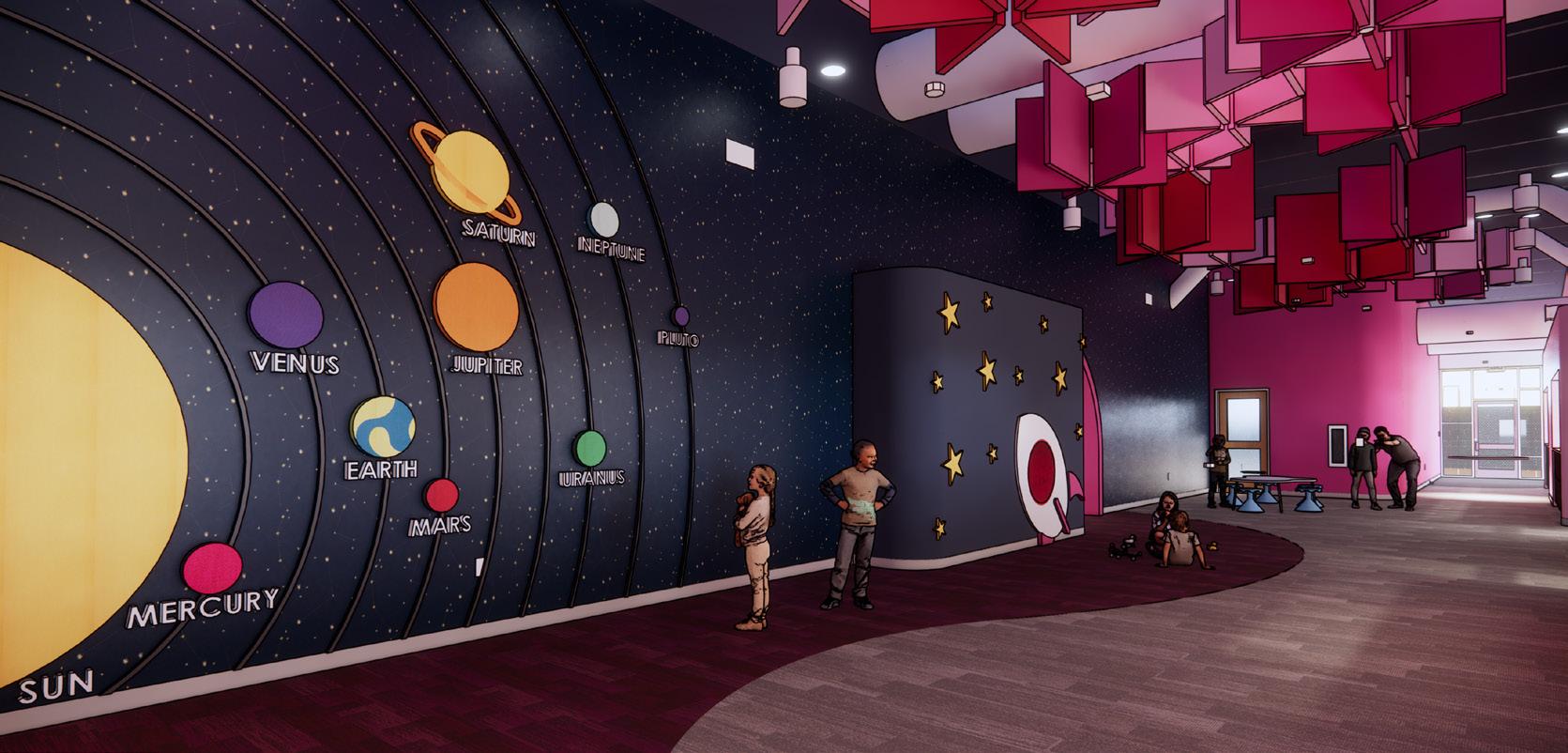
For the Tomball ISD Early Excellence Academy Pre-K project, I contributed to 3D modeling and Revit updates throughout design development and construction documentation under lead design guidance. My role included modeling furniture, specifying FF&E, and rendering key spaces, including the five commons areas and the welcoming entry. We ensured precision by applying all specifications directly to the Revit model, rendering accurately in Enscape with final refinements in Photoshop. I also supported the project by assisting with contractor submittals of finishes and creating finish boards to facilitate clear communication on-site. It’s incredibly rewarding to see the completed project filled with life, where thoughtfully designed spaces positively impact children and their learning experiences.
Left: Welcome Entry
Right: Learning Pods top to bottom: Under the Sea Ant’s Perspective In the Trees High in the Sky Outer Space
COMMERCIAL REAL ESTATE WORKPLACE
DLR Group
Year 2022
Location Fort Worth, Texas
Status Realized
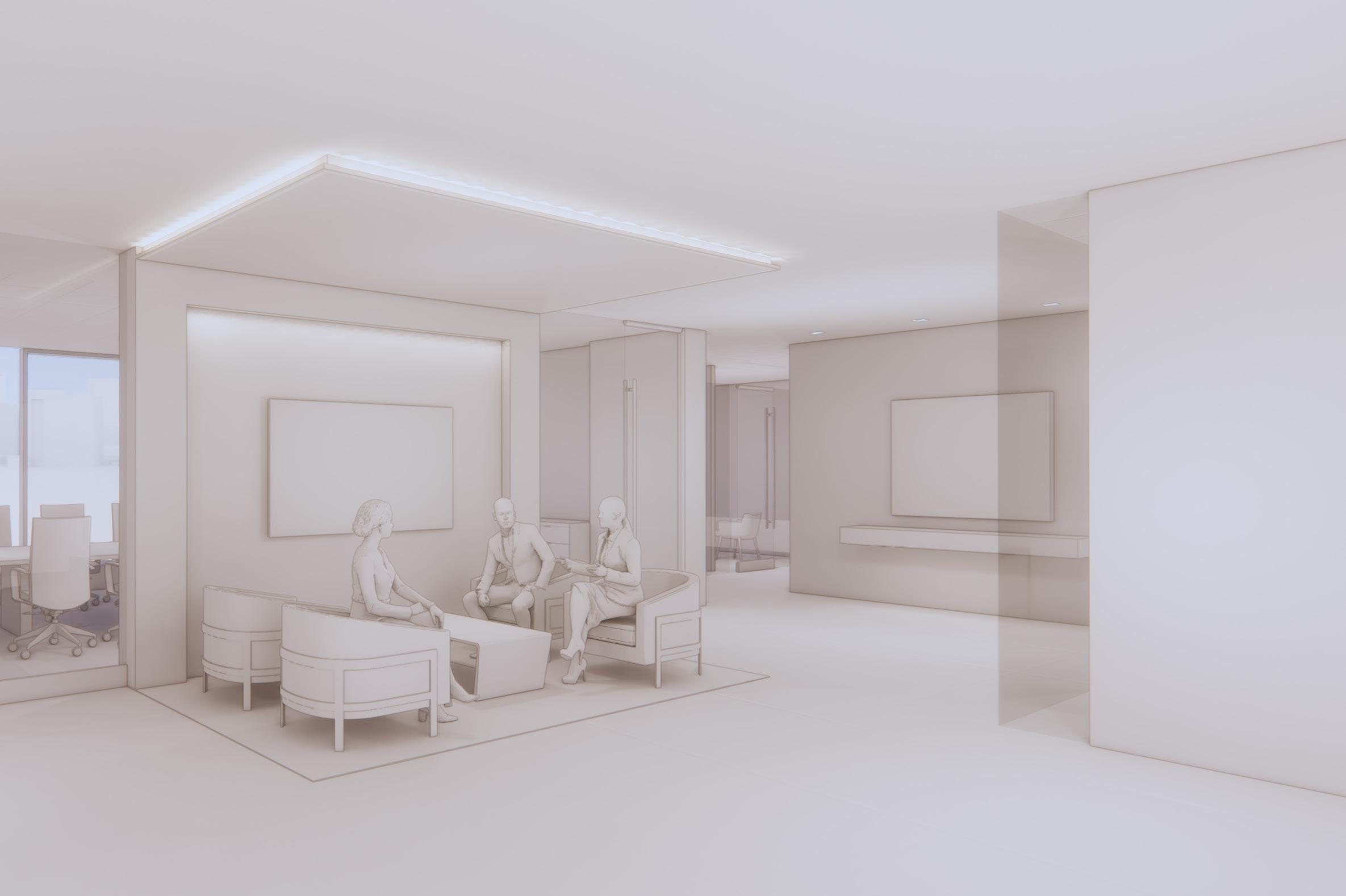
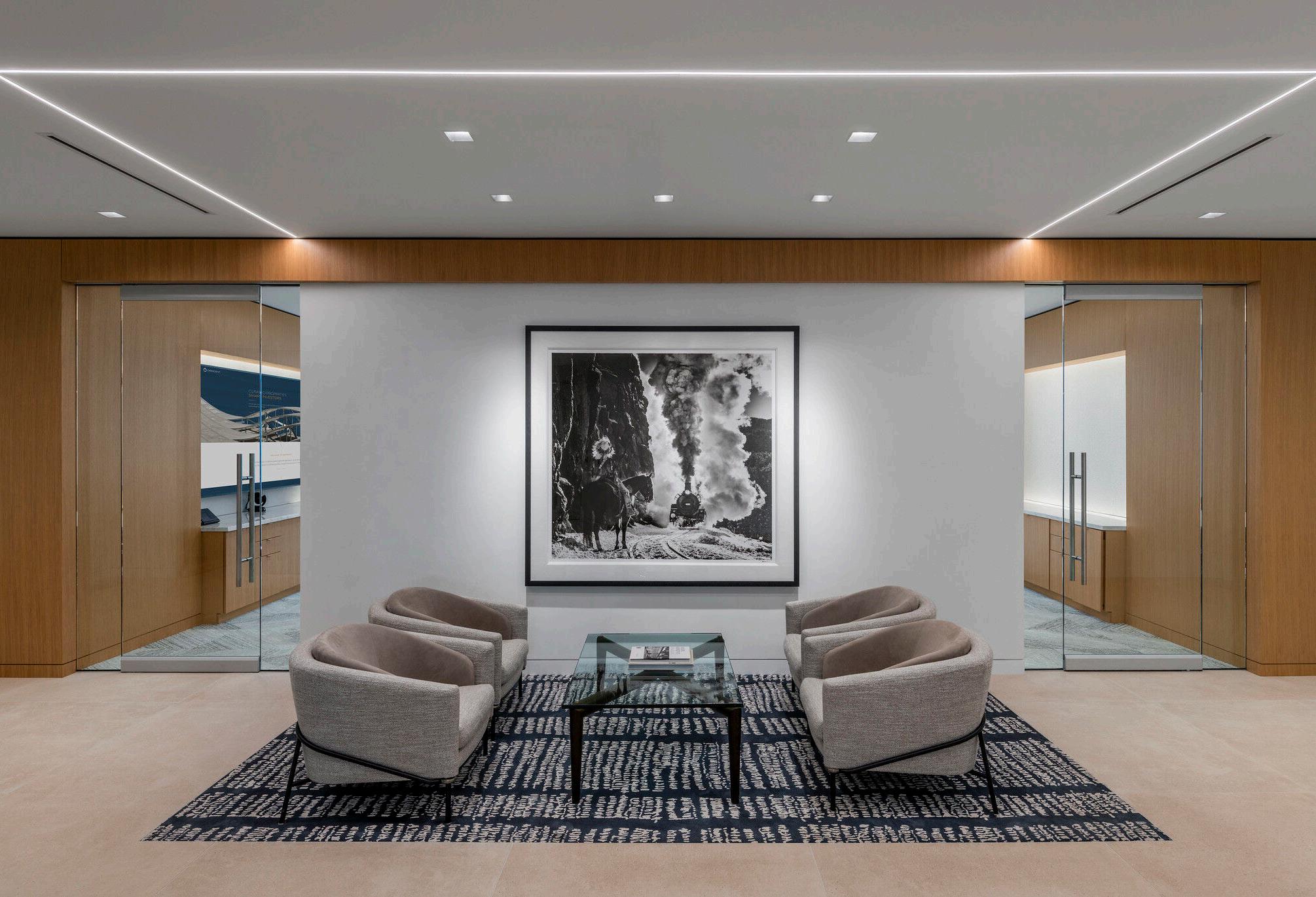
For a Commercial Real Estate Workplace project, I developed and rendered detailed lighting concepts to help clients visualize the design intent during presentations. This rendering is paired with an image of the completed project below, demonstrating the seamless translation of concept to reality. Alongside visualization efforts, I contributed to construction documentation, ensuring the technical accuracy and clarity needed for successful implementation. Seeing the finished space reflect both functionality and thoughtful design was a rewarding testament to the power of collaboration and precision.
SPORTS & ENTERTAINMENT MANAGEMENT & MARKETING WORKPLACE
DLR Group
Year 2023
Location Stamford, Connecticut
Status Unrealized
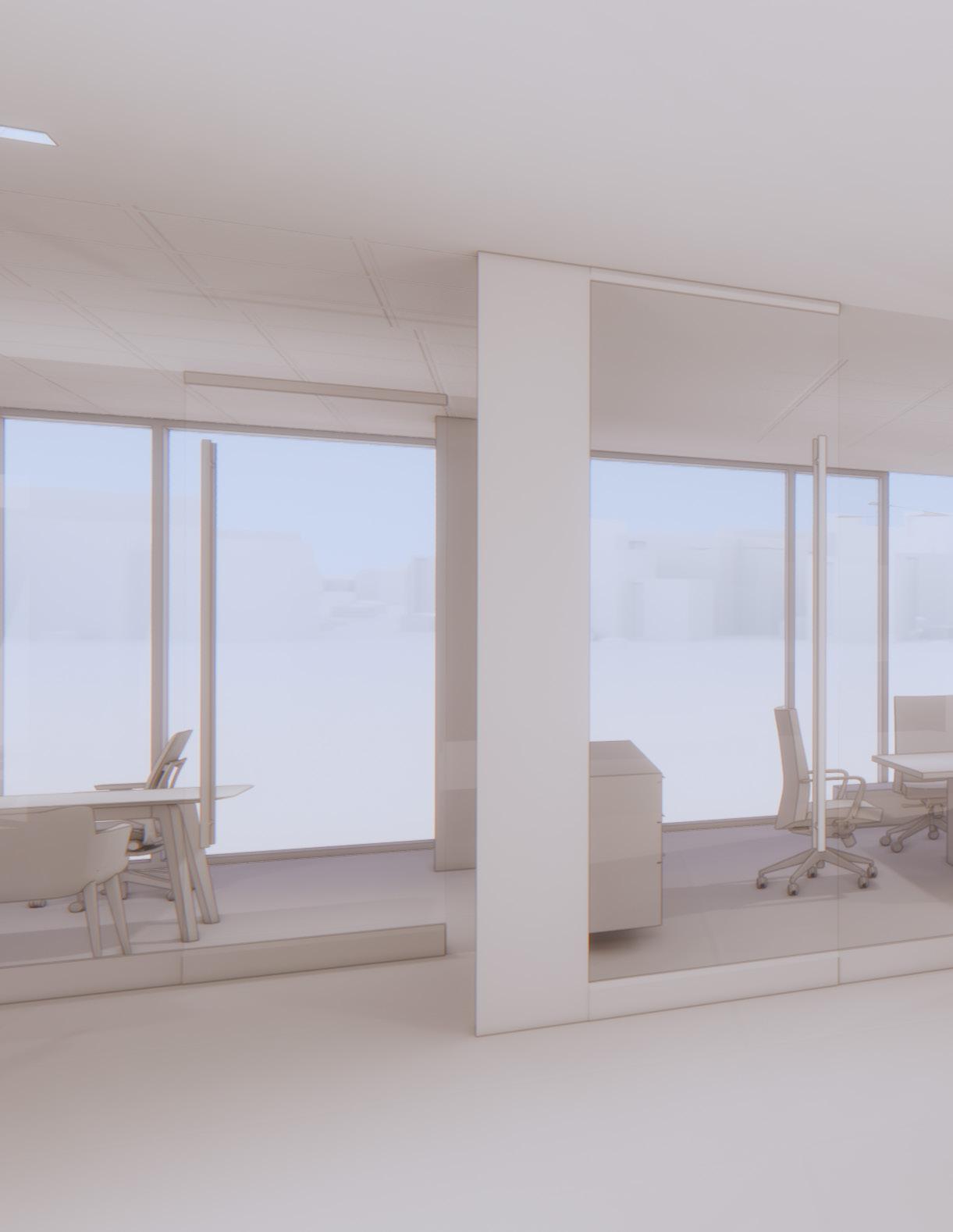
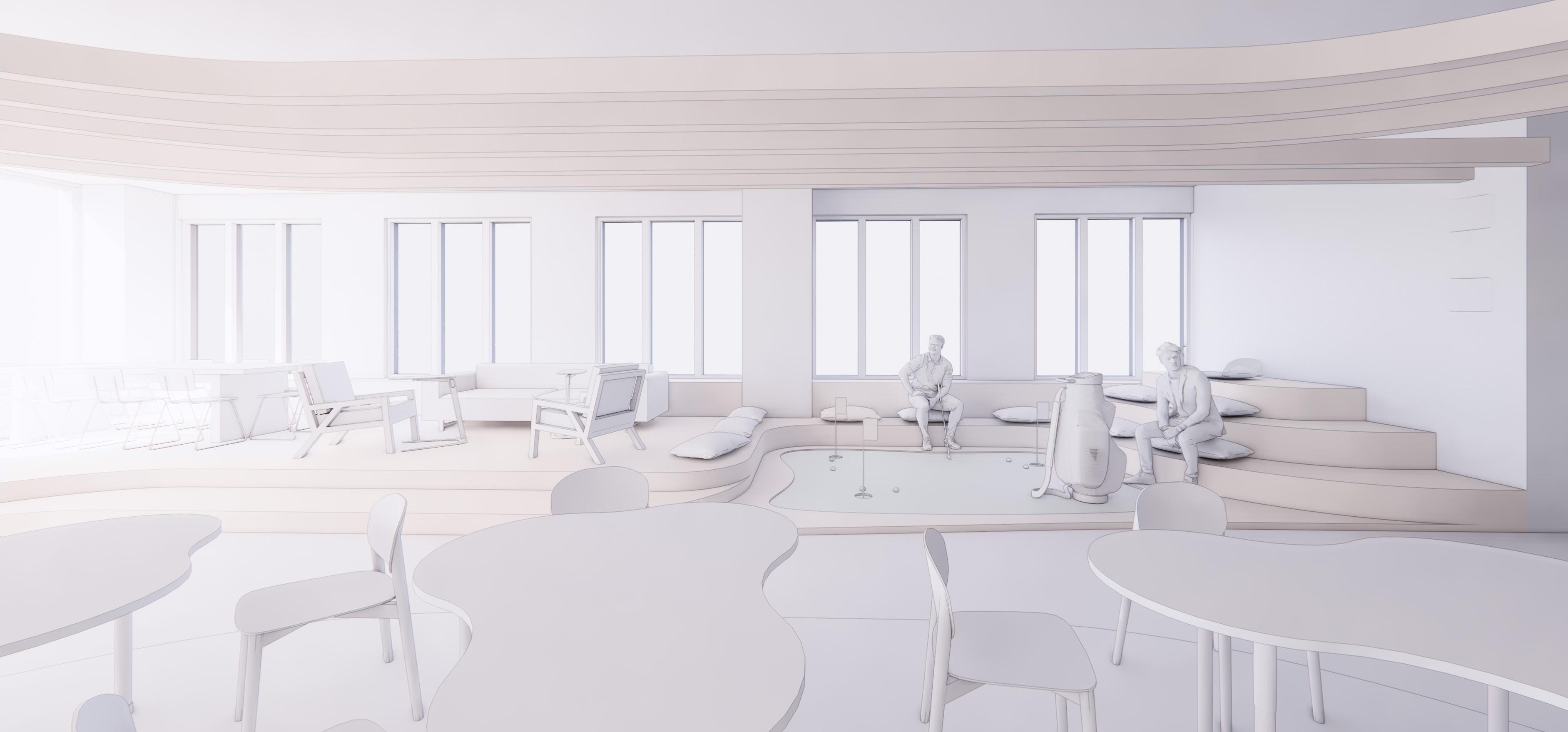
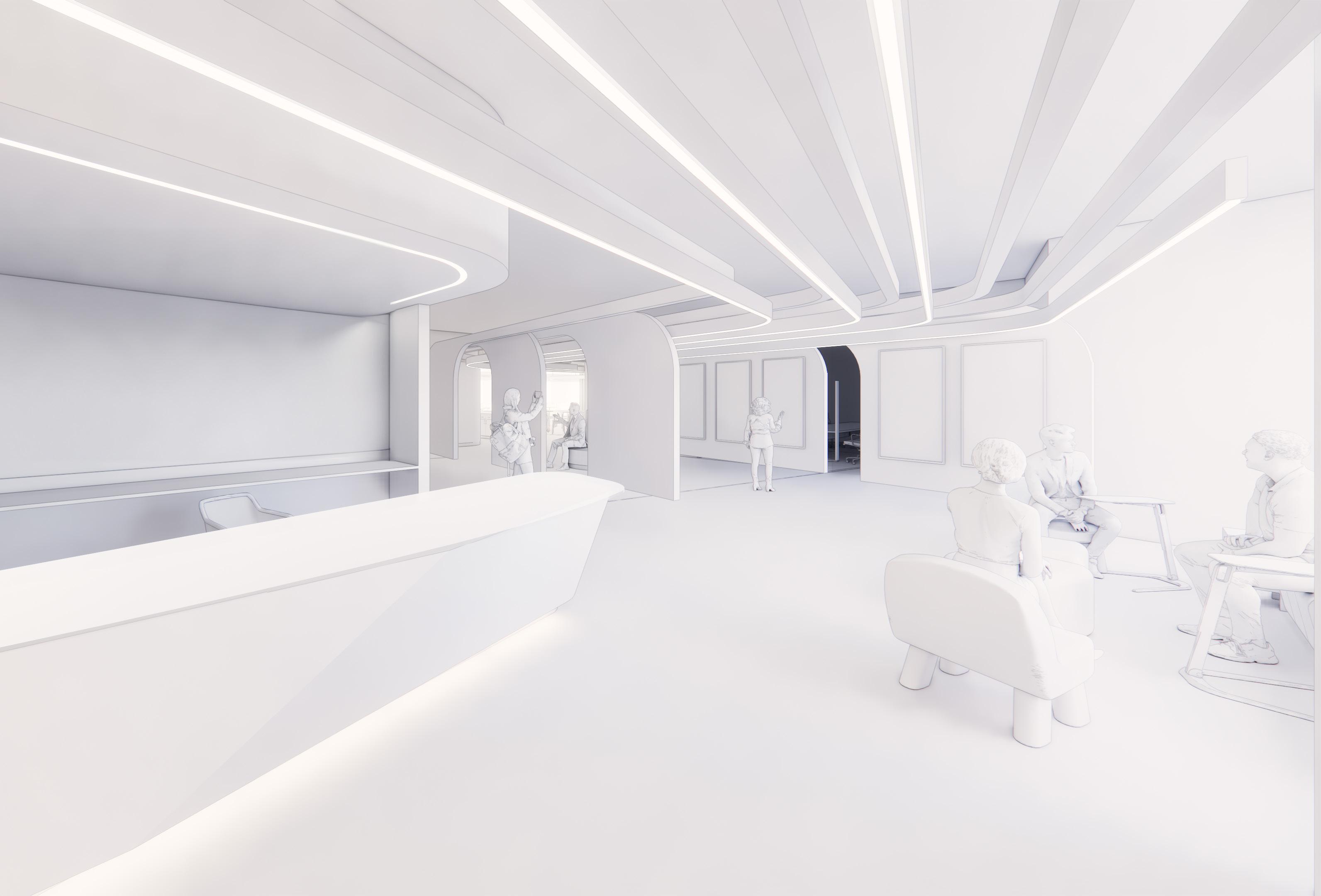
For a Sports & Entertainment Management & Marketing Workplace project, I contributed to schematic design, space plan development, and programming while modeling and refining design concepts. A key aspect of my role was coordinating and leading client and stakeholder engagement sessions to understand their vision for how the space should look and feel. These insights directly informed furniture and finish specifications, ensuring the final design aligned with both functional needs and the client’s brand identity. This collaborative process was integral to shaping a dynamic and inspiring workplace environment.
MONTGOMERY CO. PRECINT 1 COMMUNITY CENTER
Hurley Frey Structural Engineers
Year 2024
Location Houston, Texas
Status Permit Pending
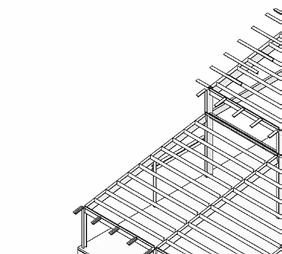
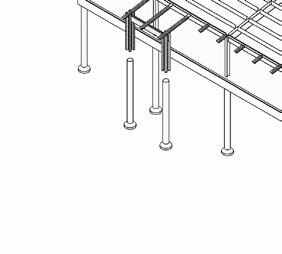
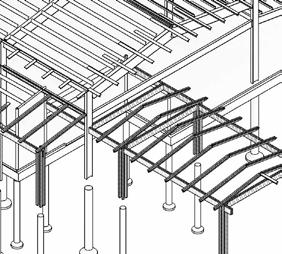
For the Montgomery County Precinct 1 Community Center project, I modeled structural systems in Revit and contributed to creating detailed construction documentation under the guidance of a structural engineer. Working with a live, collaboratively managed Revit model allowed me to see how even small design changes significantly impact the structure. This experience deepened my understanding of structural processes and taught me to approach design with greater sensitivity to interdisciplinary considerations. Contributing to a project that directly serves the community was both professionally enriching and personally rewarding.