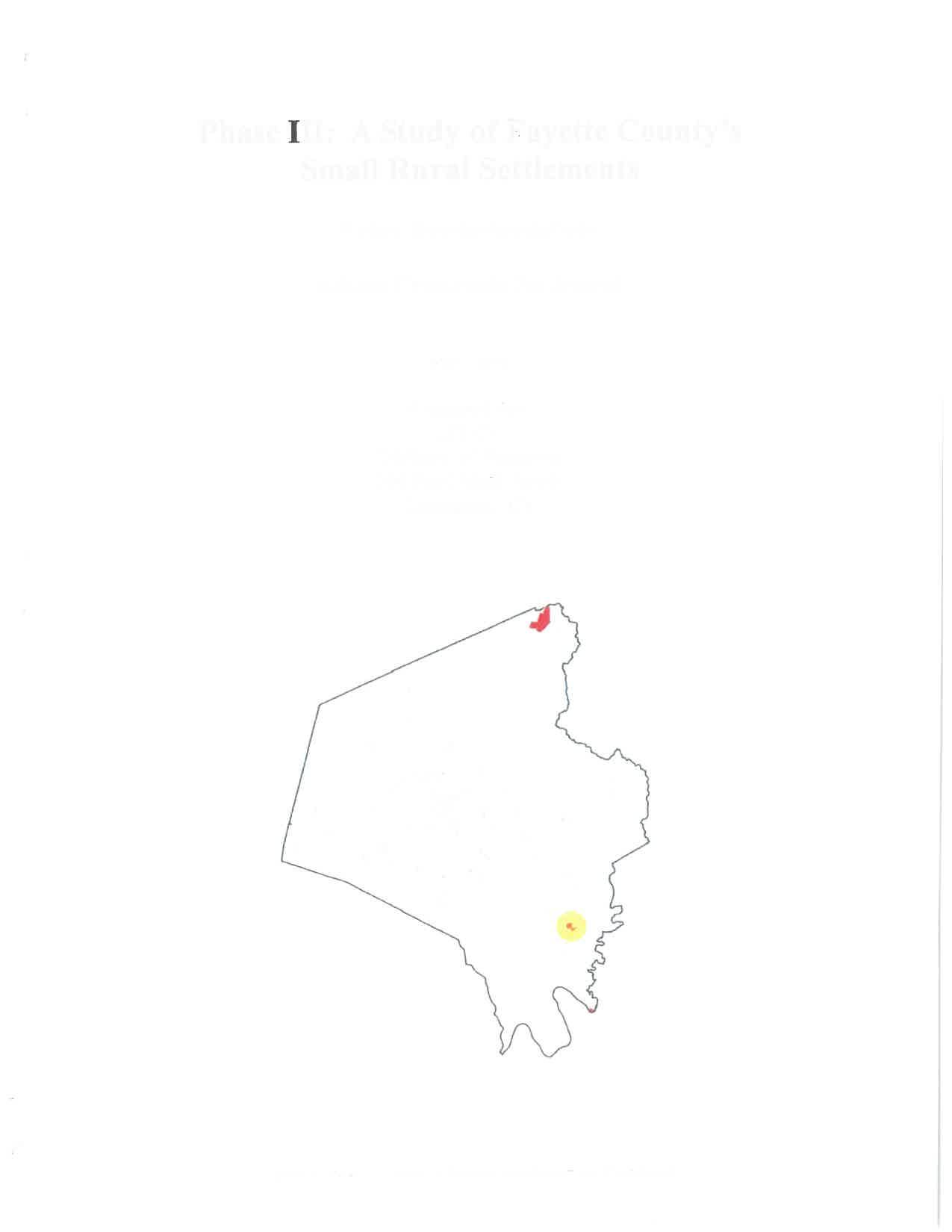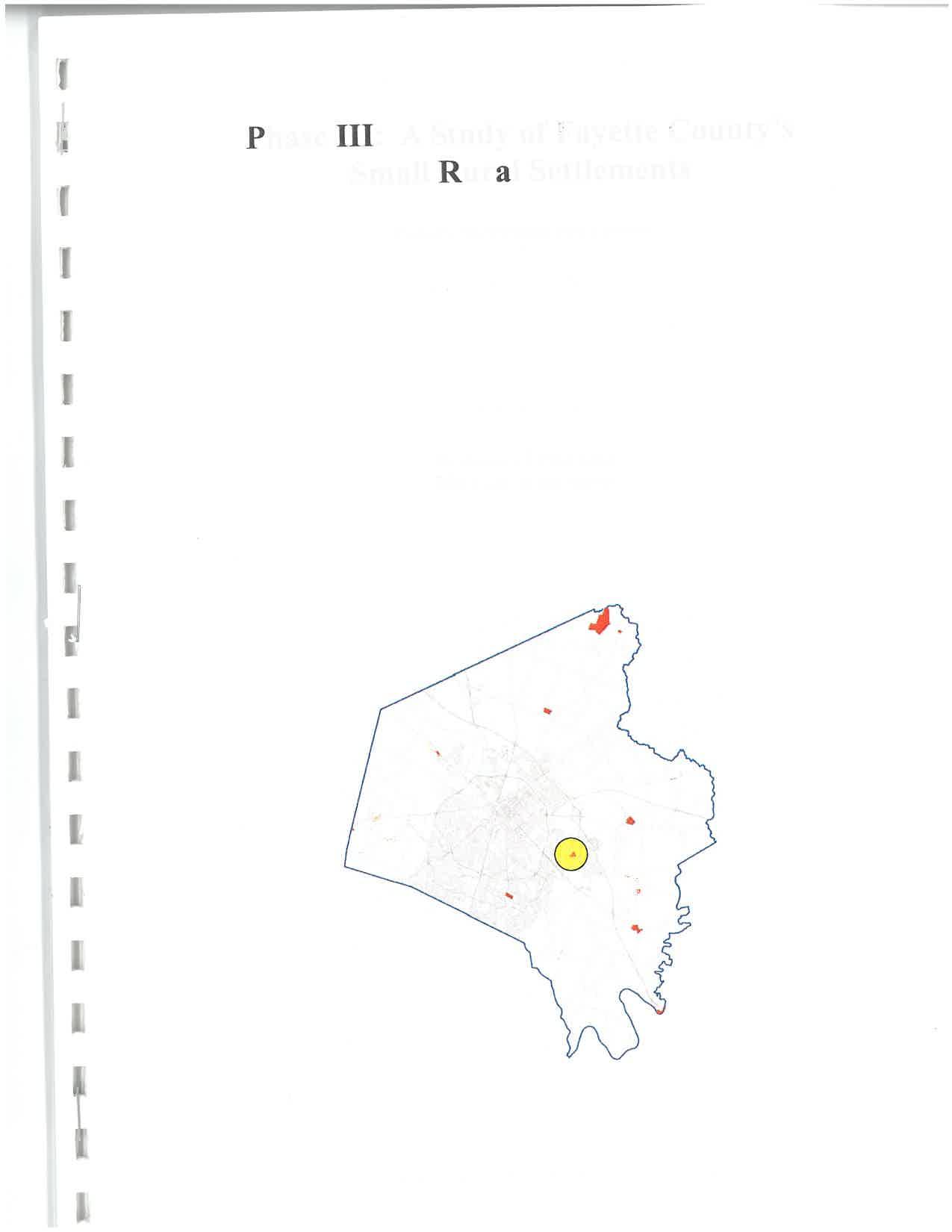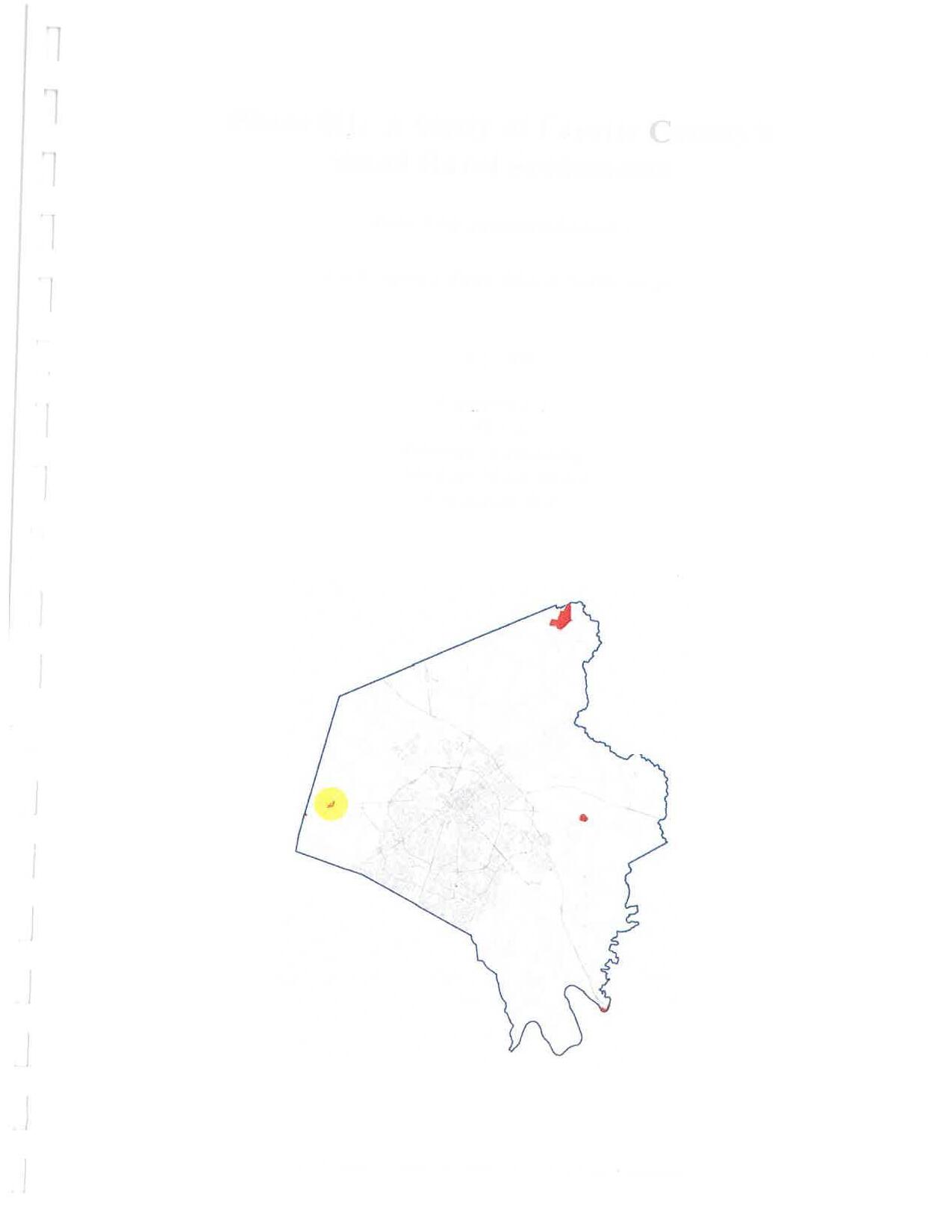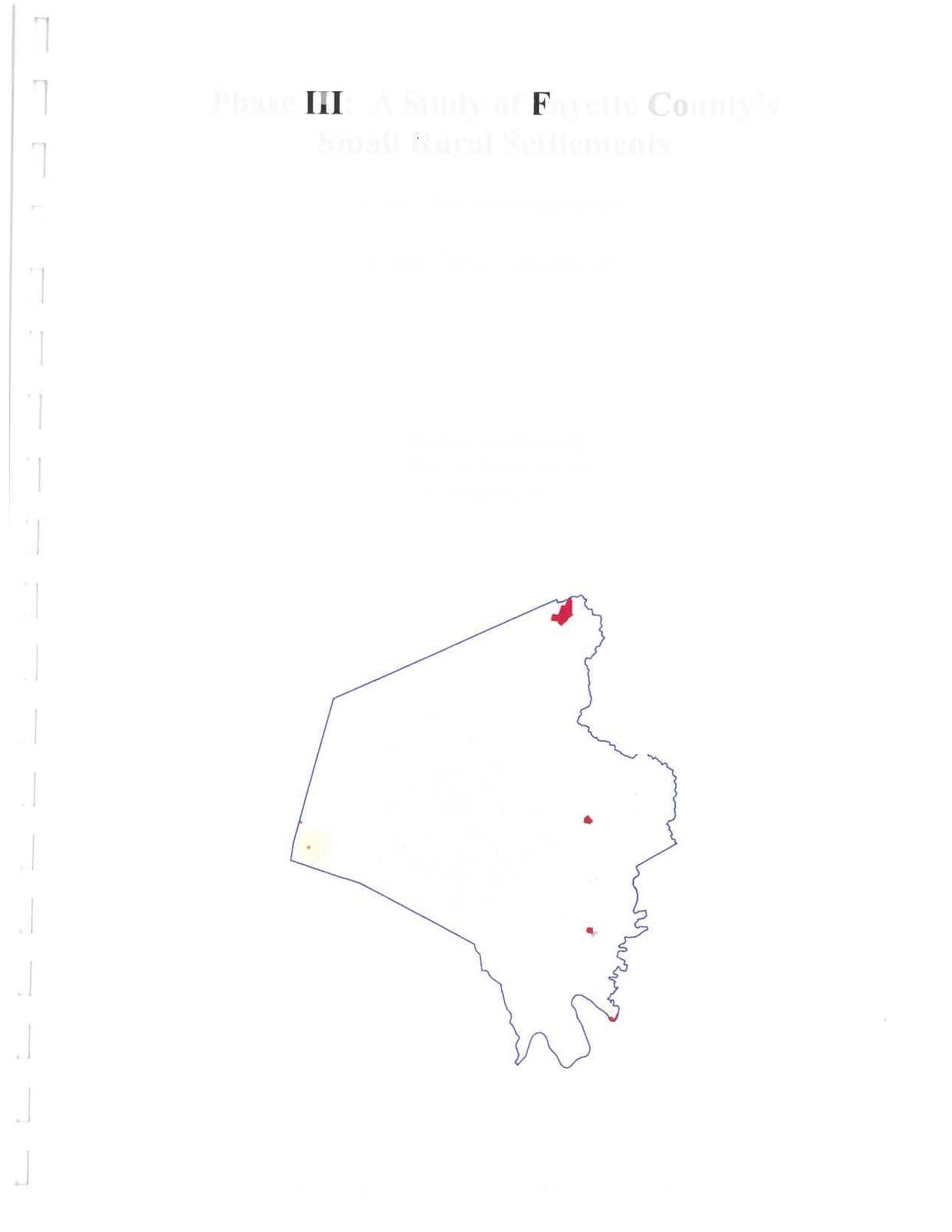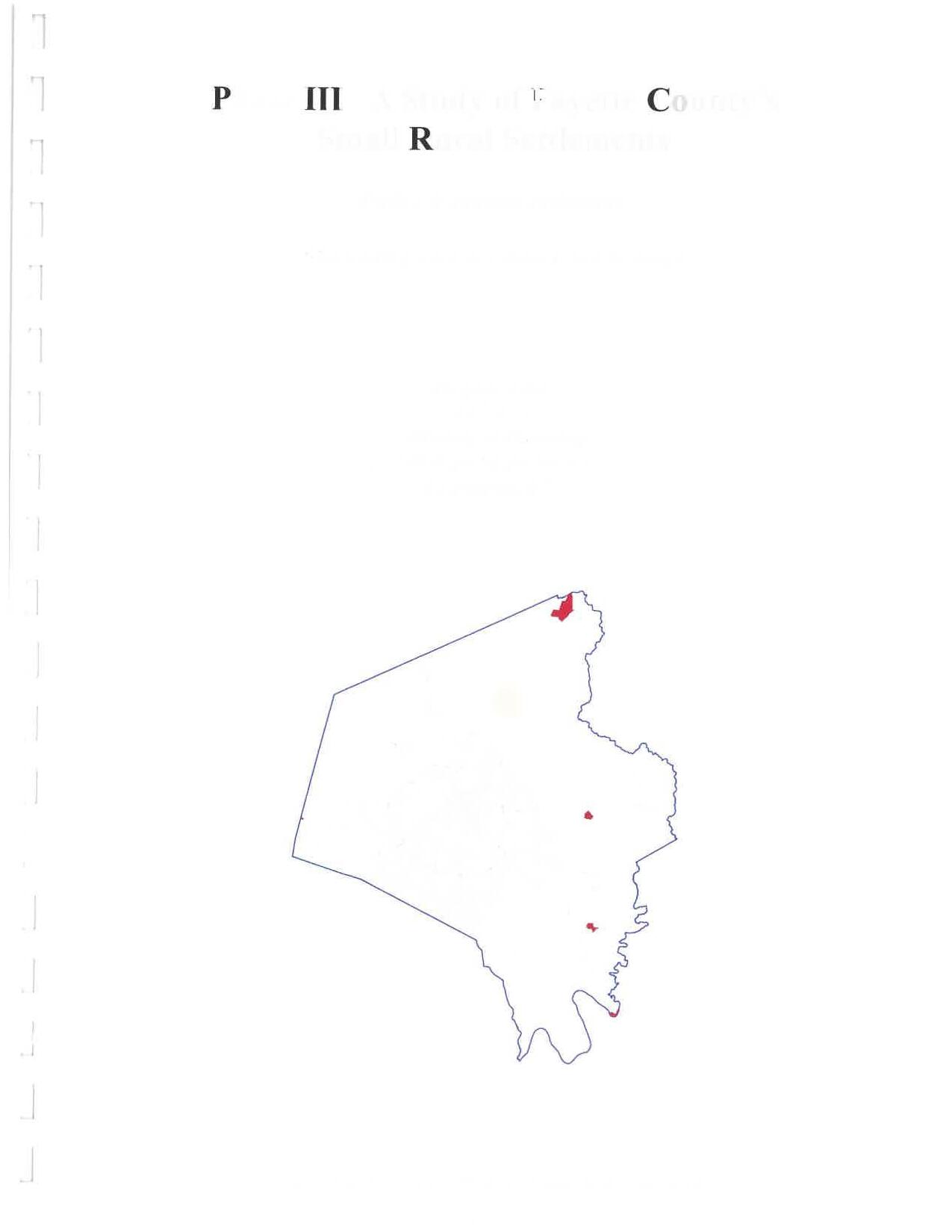
A STUDY OF FAYETTE COUNTY’S SMALL RURAL COMMUNITIES
PHASE III
SUMMARY POLICY RECOMMENDATIONS
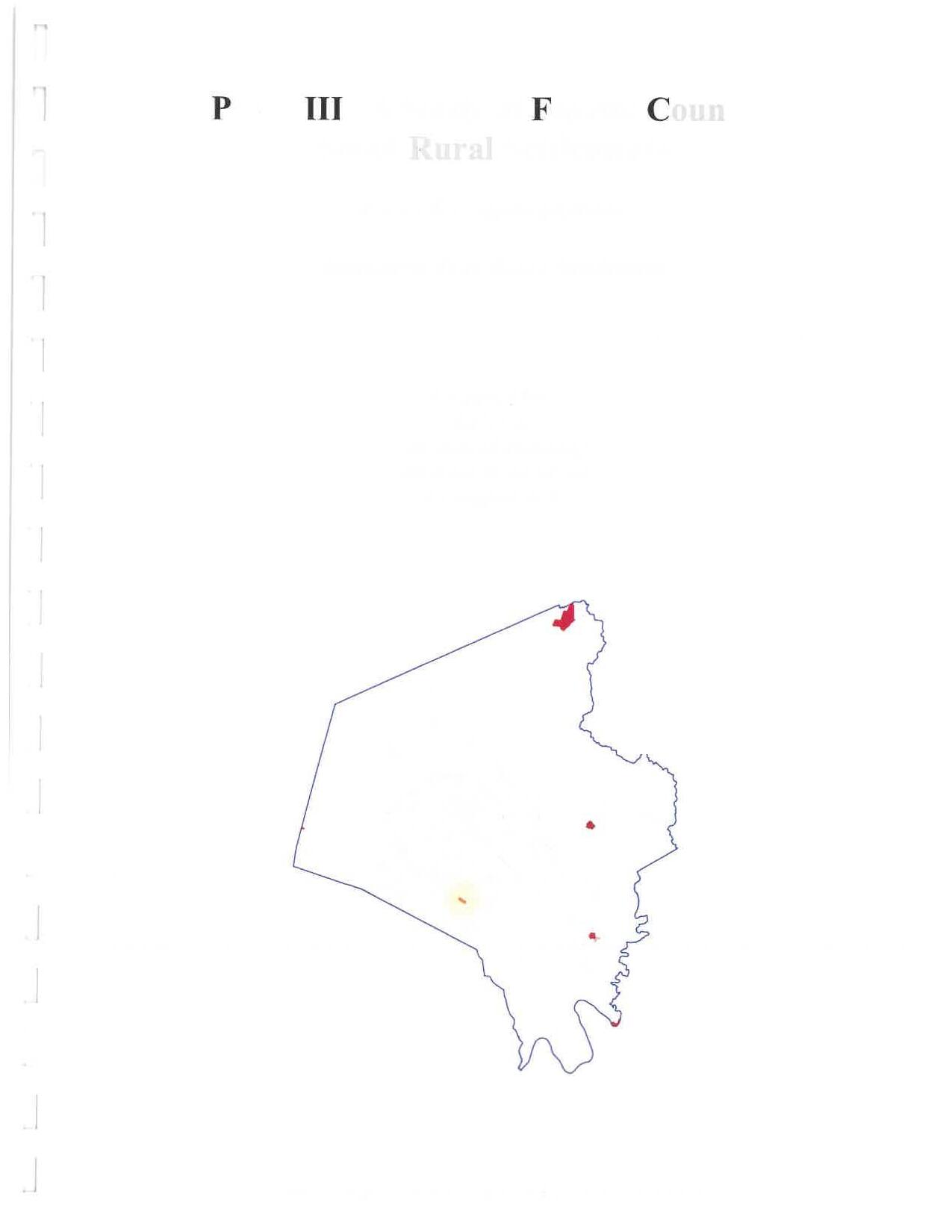
These policy recommendations build upon a three-year study of Fayette County’s small rural communities and conversations with their residents. Begun in 2002, the study involved the University of Kentucky’s Center for Historic Architecture and Preservation (CHAP) as a consultant to the Urban/County Council, Division of Planning and the Rural Settlement Alliance Committee. These groups intended the study to implement the recommendations of LFUCG’s 1998 Rural Land Management Plan and 2001 Comprehensive Plan Update, each of which recognized the special characters of the rural settlements and expressed concerns about their futures. The goals of the three-phase study included: 1) developing good communication with community residents; 2) gaining better understanding the communities, both as historic places and in terms of their current issues and needs; and 3) making recommendations grounded within such understanding for their continued survival and enhancement.
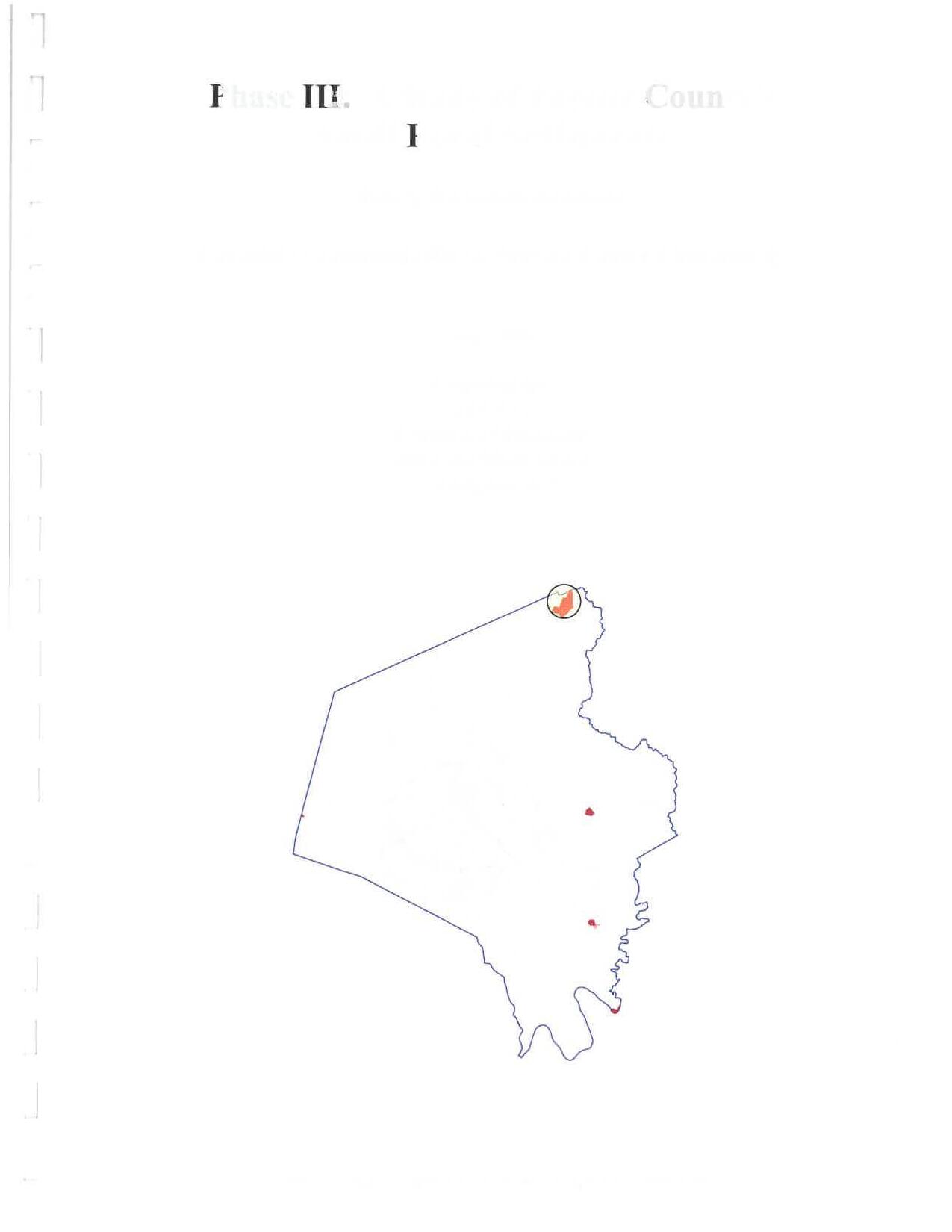
Working closely with the Division of Planning and the Rural Settlement Alliance, during phase I of the study CHAP mapped important features within each of 14 rural communities within the Rural Service Area, and three – Cadentown, Bracktown and Jonestown within the Urban Service Area This data-gathering phase involved beginning research on the communities’ histories and documenting the character and condition of the buildings within them. Phase II continued this research, assessed the eligibility of the communities’ buildings and landscapes for listing in the National Register of Historic Places, and considering general directions for planning and protection policy In Phase III, the project partners developed planning recommendations for each community. This document is a summary of the major recommendations or “action items” of Phase III. The full reports for each phase of the project are on file with LFUCG’s Division of Planning.
Abstract
The residents of Fayette County’s small rural communities are more interested in community character, setting, and enhancement than in preserving architectural or other design details. While they recognize and appreciate the historic significance of their communities, they are less interested in living in historic districts than in sustainable and vital communities that maintain the characteristics that drew them there. High among these characteristics are affordable housing and rural setting. Though an H-1 zoning overlay protects Cadentown, this traditional preservation mechanism is not discouraging adjacent development that residents find undesirable. While the ND-1 zoning overlay is more flexible with regard to its regulation of architectural detail and thus in some ways better meets communities’ needs, it applies only to residentially zoned parcels whereas many of the communities also contain business and/or agricultural zones. Like any zoning strategy, both H-1 and ND-1 apply only to the parcels they overlay, and cannot protect community setting. The best strategy for protecting the characters and settings of Fayette County’s small rural communities will need to involve a combination of strategies to meet both goals. Thus, the study specifically recommends that current planning and protection mechanisms such as the Purchase of Development Rights Program and perhaps
the ND-1 zone be adapted to enhance their ability to protect Fayette County’s small rural communities. Better than adapting the ND-1 zone, however, would be the development of a new zoning overlay tailored to the needs of these communities.
Recommendation #1: Recognize that Fayette County’s small rural communities are threatened.
LFUCG’s 1998 Rural Land Management Plan and the 2001 Comprehensive Plan Update each noted the significance of Fayette County’s small rural communities and expressed concern about their continued survival. In fact, these small rural communities and the buildings within them are among the most vulnerable historic places within the jurisdiction.
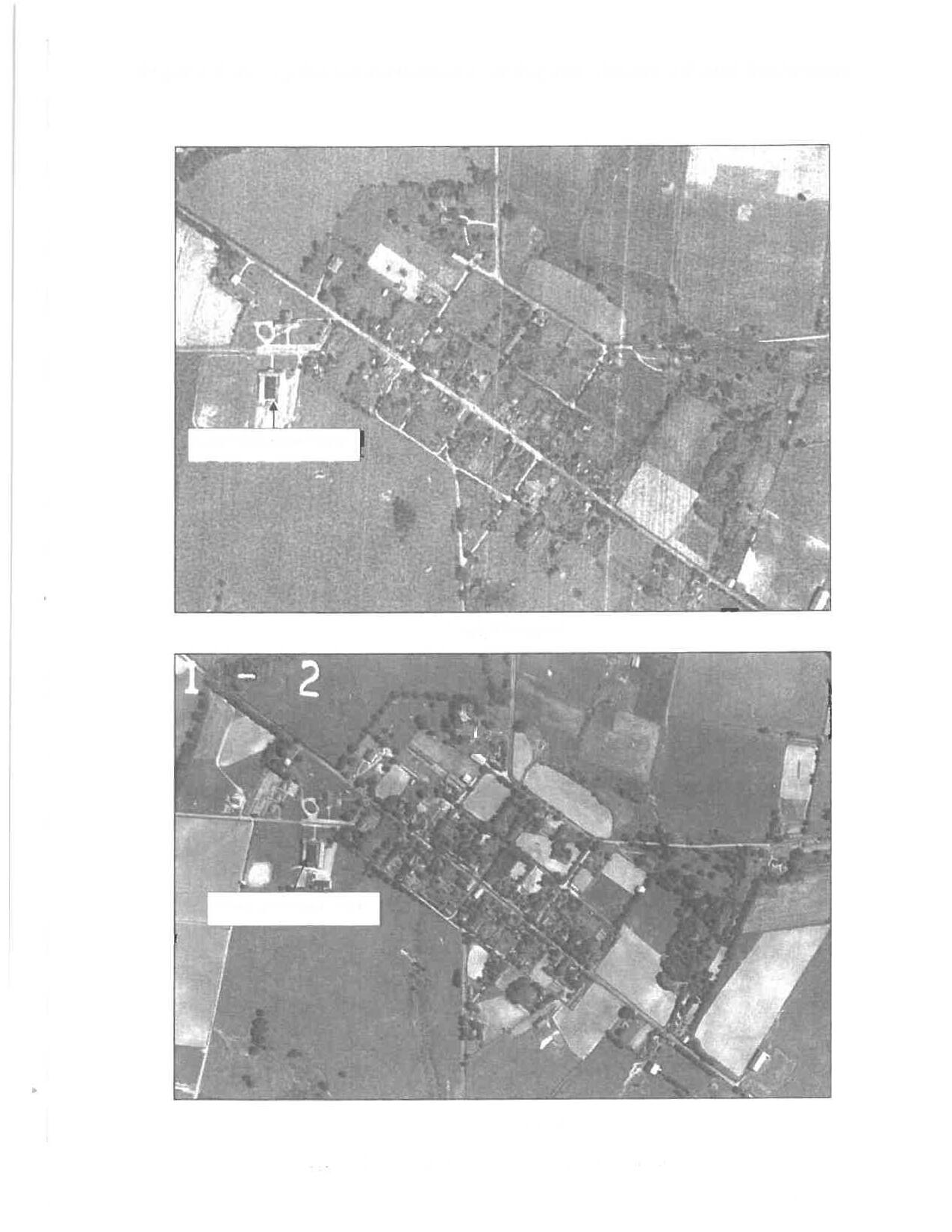
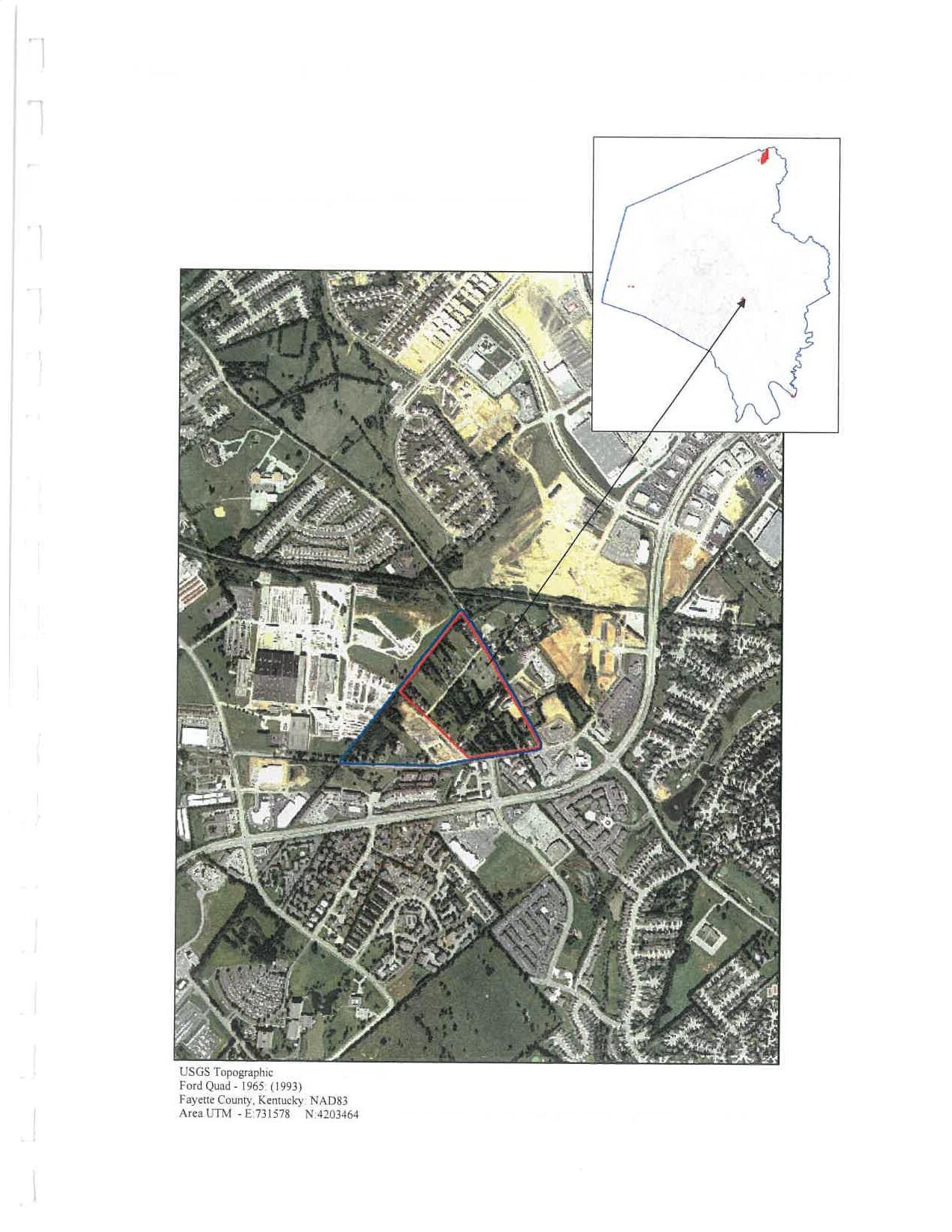
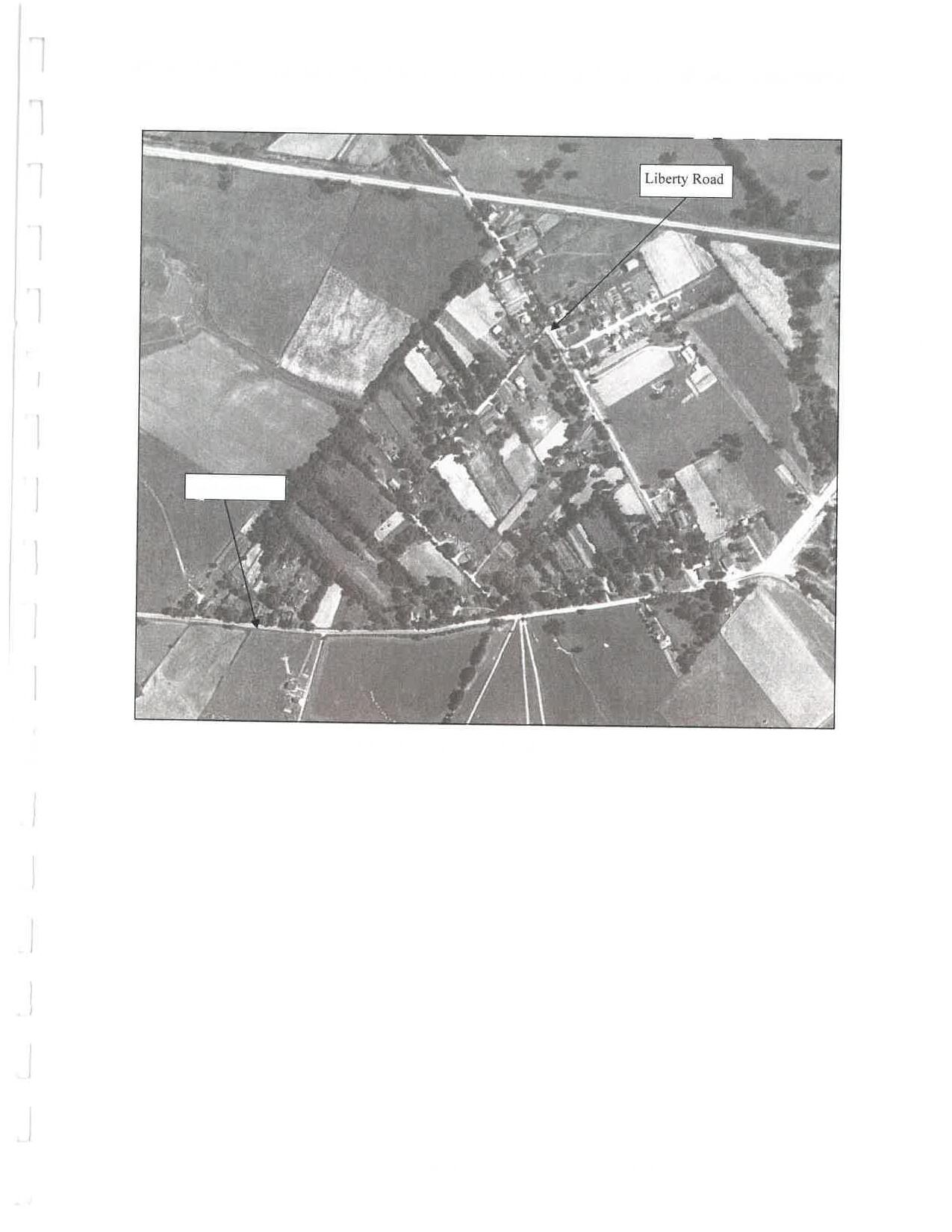
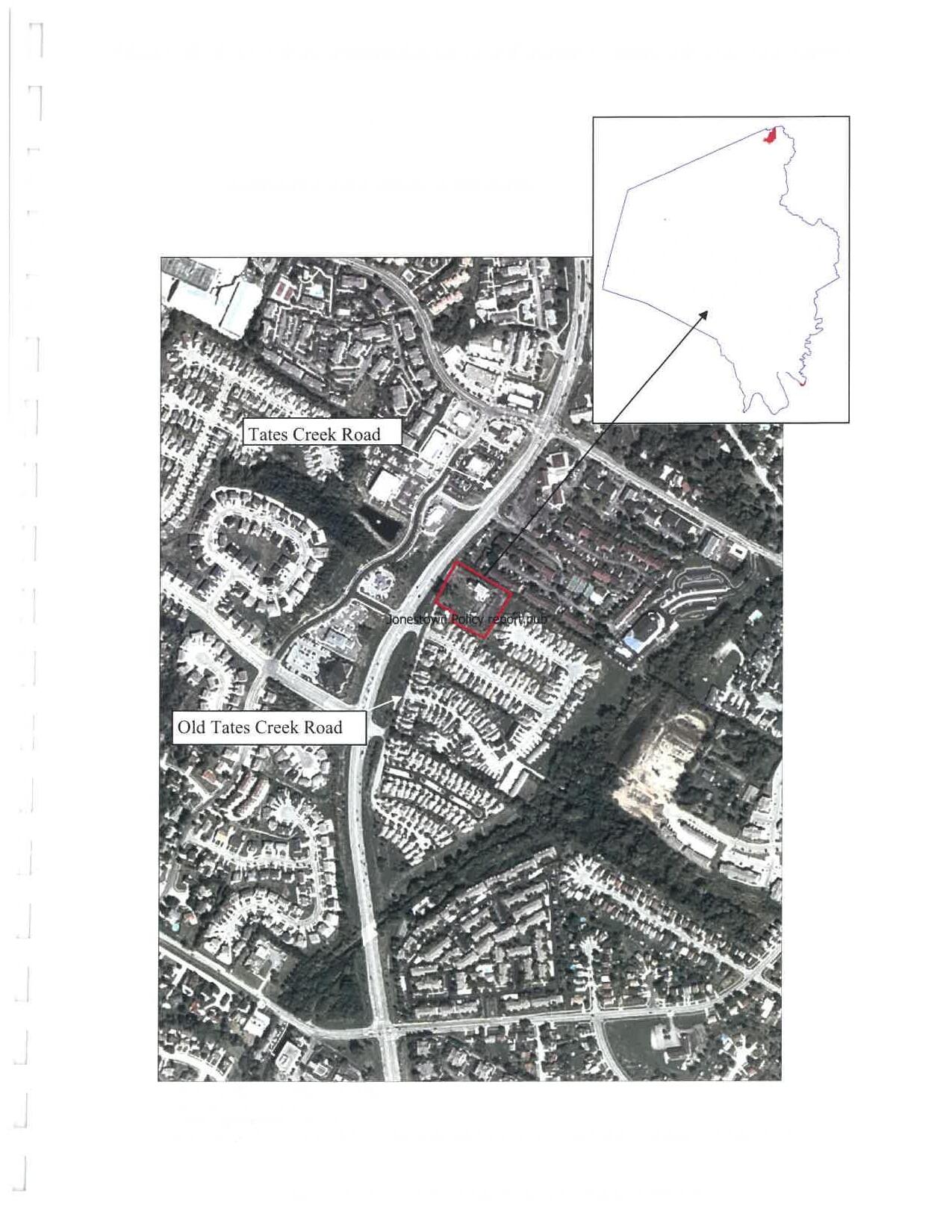
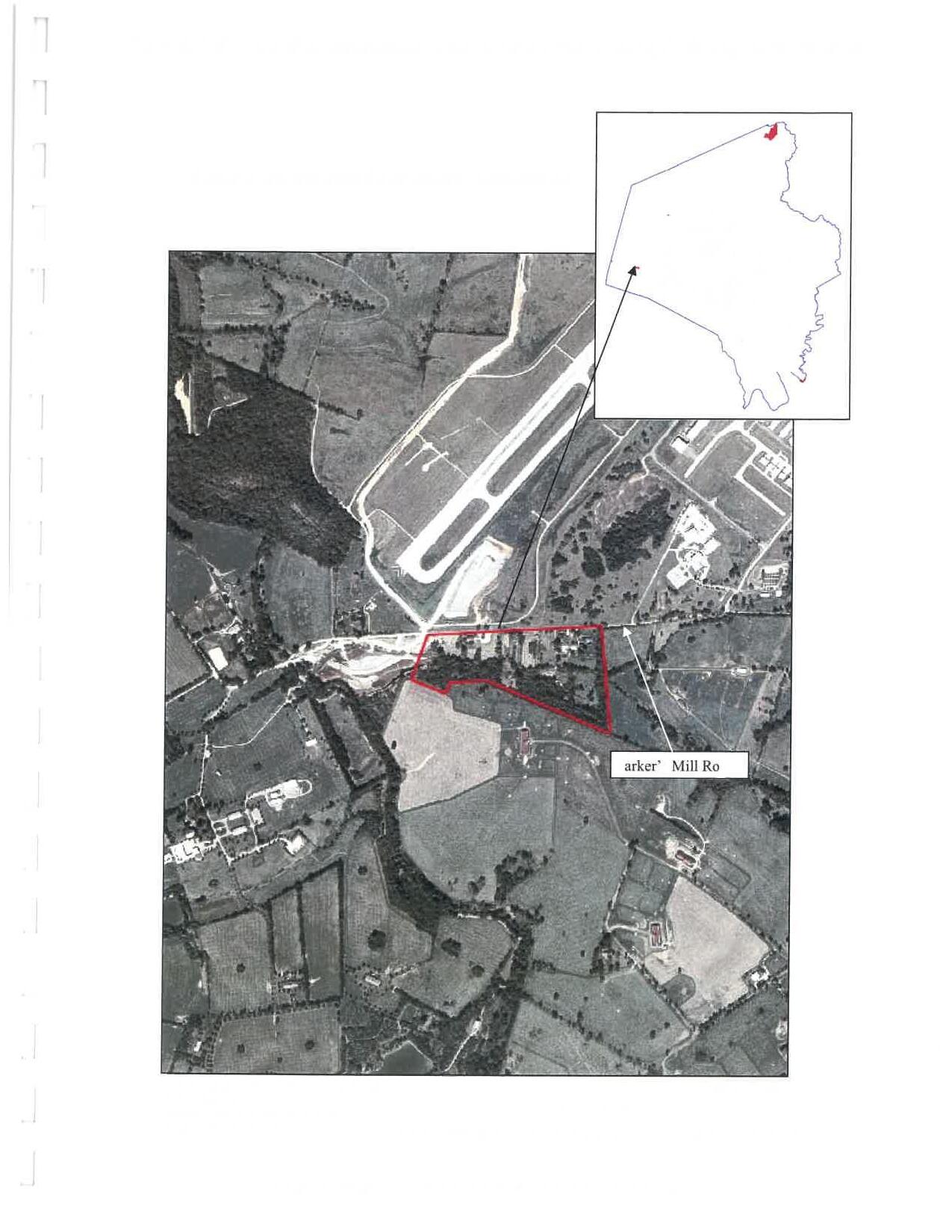
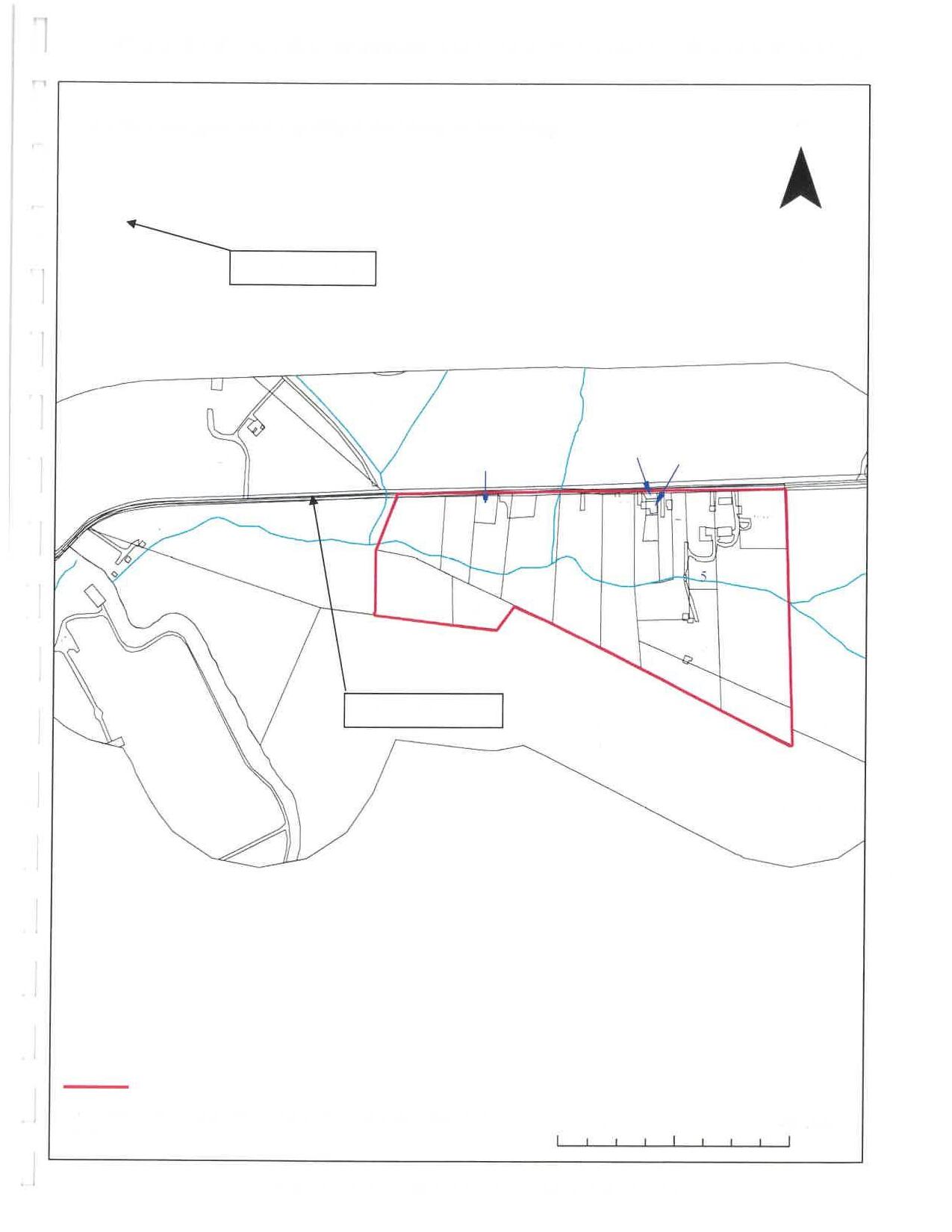
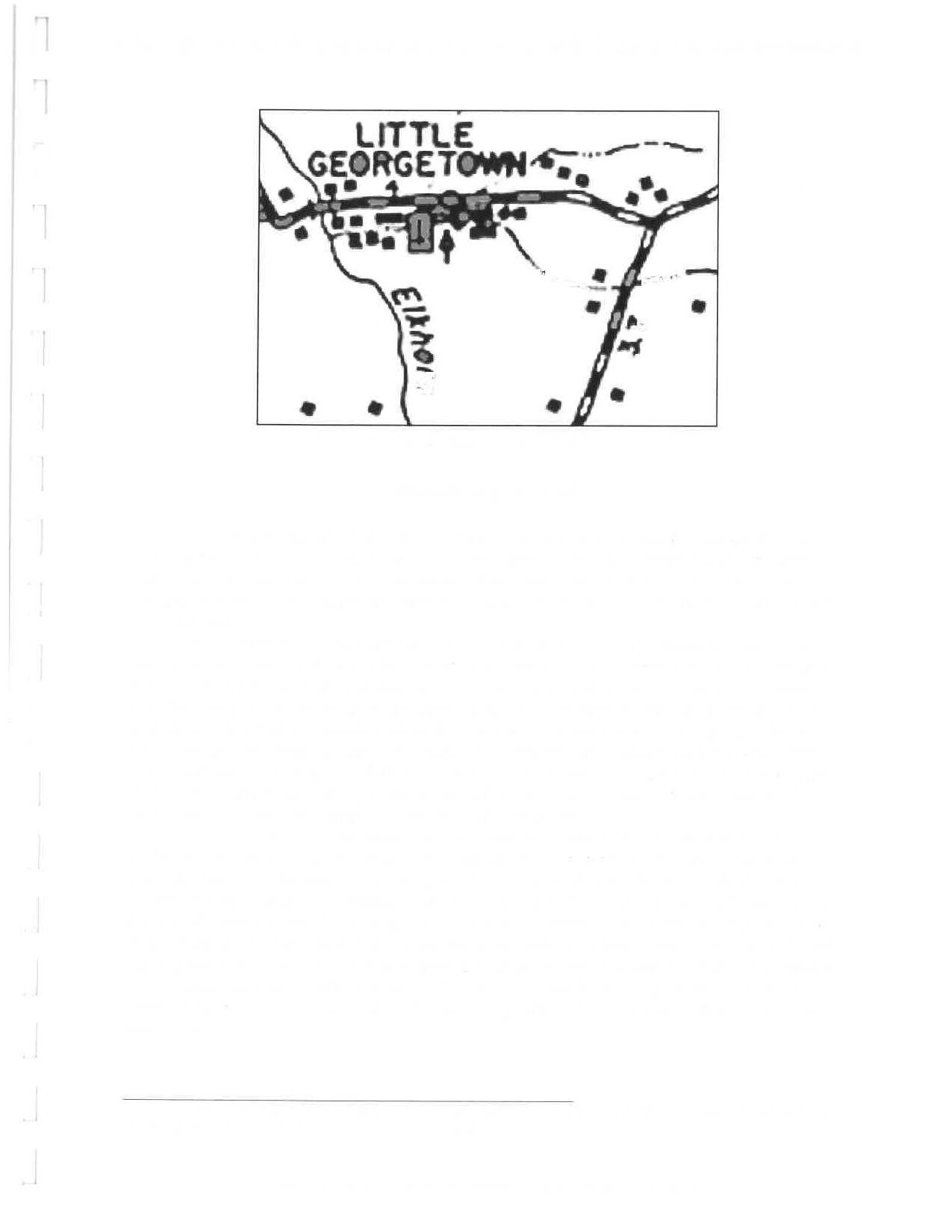
While some of Fayette County’s rural communities are threatened by Lexington’s urban growth (or potential expansion of the Urban Services Area); others have experienced population loss and the attendant decay and/or abandonment of buildings. Over the past 15 years, development along Tates Creek Road has all but obliterated Jonestown, and Lexington’s southeasterly growth has likewise hidden Cadentown within a blanket of strip malls and new housing. New residential development along the Leestown Road corridor has likewise changed the setting of Bracktown. Almost nothing remains of Frogtown, a rural community once at the border of Fayette and Woodford Counties, while Fort Springs contains a fraction of its former population, as well as a number of abandoned and rapidly deteriorating historic buildings. The character of even vital communities such as Little Georgetown is fragile. This community has seen extensive rebuilding so that it no longer contains the sorts of historic buildings characteristic of the free black community type – rather, it is a series of intact historic lots containing recent ranch-type dwellings. Perhaps more importantly, the construction of Bluegrass Field seriously compromised the integrity of its rural setting
Laid out long ago, small rural communities are not subject to Fayette County’s 40-acre minimum rural lot size requirement. As the available land within Fayette County’s Urban Service Area (USA) is increasingly filled in and redeveloped, requests to expand it will continue to press these small communities and their rural settings. Moreover, they could well themselves become the focus proposals for redevelopment, as reported by residents of Uttingertown and Columbus, communities adjacent to the Winchester Road parcels that are currently rural but proposed for inclusion within the USA. Should infill, subdivision or other redevelopment take place without the intervention of LFUCG and without the guidance of community residents, it is likely to be inappropriate, with designs privileging profit over community character. Such a trend would not only destroy significant historic resources, but could also make Fayette County’s small rural communities undesirable for many current residents, and perhaps even “gentrify” them, rendering them unaffordable for their current residents.
The greatest threat to Fayette County’s small rural communities, however, is that they are largely uncelebrated. Citizens, along with many policy makers, historic preservationists, the local tourism industry, and the media have long focused their attention on the area’s horse farms, rock fences and manicured rural landscapes while the landscapes of labor that supported and continue to support the Bluegrass’ scenic and historic resources have received less attention until recently.
Recommendation #2: The LFUCG Council, Planning Commission and appropriate staff should commit to proactive and ongoing communication with community residents and participate in a continued Rural Settlements Committee.
One of the most important goals of the three-year funded study of Fayette County’s small rural communities was creating and maintaining open communications with community residents about the current conditions within and future goals for the communities. The creation of the Historic Hamlet Alliance Committee, later renamed the Rural Settlements Alliance, has been one of the most important initiatives for achieving this goal
It is critical for the future of these communities that LFUCG maintain this sort and level of communication Local government can achieve this in part by participating in a continued committee to advise it about matters related to the communities. Sandy Shafer recommended the formation of such a committee, also outlining its composition and purposes, in a November 21, 2006 memorandum to Bill Farmer, Chair of the Council’s Planning Committee. The Planning Committee approved Shafer’s recommendation on November 14 and the Council accepted the memorandum on November 21.
As this document’s suggested committee composition implies, it is important that community representatives have a strong presence on the committee so that they can bring to local government’s attention any problems or issues that arise. While mechanisms for protecting the communities’ characters are, and should remain community-driven, LFUCG staff should not wait for residents to come to them for information and with problems and suggestions, but proactively maintain contact with them to ensure that community residents are aware of their options and informed about and pending proposals that might affect the characters of the communities
Recommendation #3: Recognize that Fayette County’s small rural communities are historically and symbolically significant, yet different in many ways from its historic urban neighborhoods.
While the 1998 Rural Land Management Plan and 2001 Comprehensive Plan Update suggest that Fayette County’s small rural communities are significant features of the area’s landscape, they do not detail their types of significance. The three-year study of these communities documented their historical significance within the local themes of settlement, agriculture, commerce, community development, transportation, and African American heritage. These communities connect Lexington and the surrounding countryside spatially and functionally, often linking the region’s center with its rural Bluegrass “hinterland” beyond the county’s borders. Those communities settled and occupied by free black citizens are especially important because they were (and in many cases remain) nodes in the social and spatial networks of Fayette County’s African American citizens.
Moreover, people’s tendency to focus upon the county’s distinctive equine landscape often results in overlooking its small rural communities. In fact, there were strong relationships between local agriculture in general, the thoroughbred industry specifically, and the people who provided much of the labor in these economies. The cultural landscape of Fayette County and the larger Bluegrass Region includes urban, small town and rural contexts, as well as agricultural
economies in addition to thoroughbred, along with the physical expressions of the labor that supported these systems.
Fayette County’s small rural communities are important to local people’s identities and sense of place, and this especially true of those associated with the histories of the area’s African American residents.
Fayette County’s citizens, policy-makers and historic preservationists do not necessarily recognize the special characters and significance their small rural communities. These places are not Lexington neighborhoods of antebellum side passage houses, Victorian dwellings, cottages and bungalows. Nor do they have downtown commercial districts that could benefit from established historic preservation/economic developments programs such as Main Street and Renaissance Kentucky. The county’s small rural communities are not “gentleman” or horse farms, or even ”open” or “green” space. Rather, they are integral parts of large-scale Fayette County and Bluegrass landscapes, which as discrete landscape components, mix residential, commercial, and community uses in ways unique to small rural settlements.
In the majority of Fayette County’s small rural communities, landscape features such as layout, density and general composition has remained relatively intact over time, while most residential lots have experienced alteration or replacement of their dwellings at least once, if not two or three times. Except for buildings that serve as sites of assembly, meeting and worship such as churches, schools and lodges, community residents are in general more concerned with the communities as sustainable places than with the character of individual buildings as architectural monuments.
Discussion under recommendations 6, 7 and 8 below clarifies the advantages and disadvantages of various preservation, protection and enhancement mechanisms, and suggests which are appropriate for which communities.
Recommendation #4: Recognize the variety of Fayette County’s small rural community types.
While the existing Comprehensive and Rural Land Management Plans identify Fayette County’s small rural communities as significant resources worthy of further study and special consideration in planning endeavors, they refer to them as a group.
The three-year study of these communities recently conducted by the University of Kentucky’s Center for Historic Architecture and Preservation for LFUCG’s Division of Planning identified several different types of small rural communities in Fayette County, reflecting their various histories, geographical situations and development over time. Each community represents at least one of four small rural community types. At the same time, any individual community may exhibit features of more than one type because many communities experienced ongoing development or redevelopment after their initial organization.
It is important to recognize these distinct small community types since they often indicate differences in physical character that could be significant in planning for the communities’ preservation and sustained survival Singly or in combination, variations in the relationship(s) between communities and transportation networks, lot size, building form and housing types,
and whether communities contain residential buildings alone or a mix of buildings including residential, commercial, agricultural, educational, religious and/or social functions both assist in defining and expressing community type.
Crossroads Communities
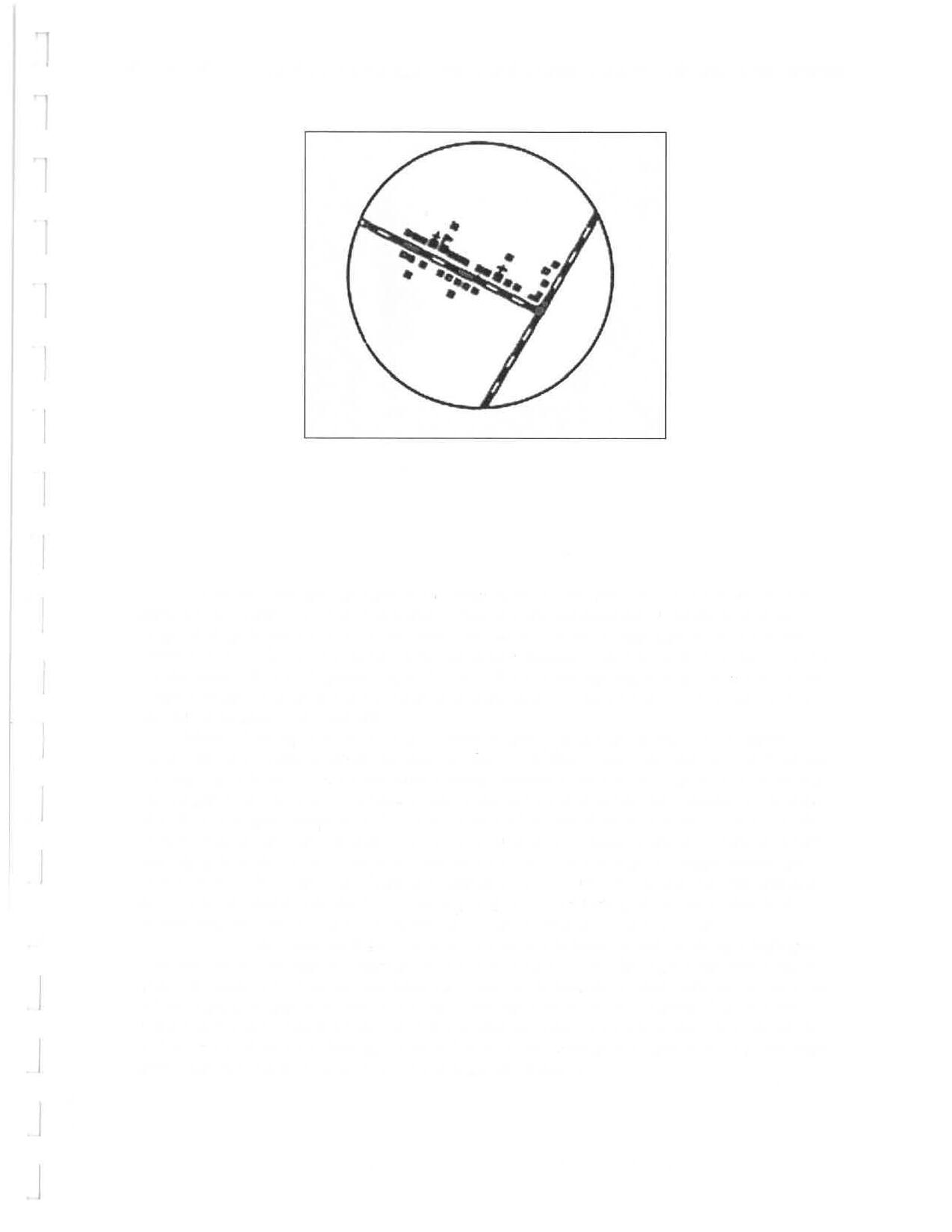
These small rural communities developed around the intersection of two or more transportation arteries. Many originated during the late 18th or early 19th centuries to provide services to travelers. Most were commercial centers as well, containing establishments providing services to residents of the surrounding countryside and allowing them to conduct some business locally. Aside from the prominent location of a major intersection, Fayette County crossroads communities do not share particular features of layout. However, they do contain commercial buildings as well as residential ones, often one or more churches, and sometimes a school as well.
Fayette County’s crossroads communities include Athens and Little Texas. Both Fort Spring and Loradale originated as crossroads communities (and rural service centers), but redeveloped as a free black community and a rural subdivision, respectively.
Rural Service Centers
Like crossroads communities, rural service centers provided foci for a dispersed rural population. While they included many of the same functions, they were not travel oriented and not necessarily located at a crossroads. Rather, they were located with respect to other communities, approximately equidistant from them and along routes connecting them. Many of Fayette County’s rural service centers were the hearts of 19th-century magisterial units known as precincts At the same time these precincts defined judicial/administrative areas within counties, the precinct center provided rural postal and other services. Rural service centers do not exhibit distinctive features of community layout or design. Some developed after being formally platted and laid out, while others developed more organically, in linear fashion along an arterial route.
Small rural communities in Fayette County with rural service characteristics include Athens, Avon, Bracktown, Fort Spring, Jimtown, Loradale, and Nihizertown/Pricetown. Of these, only Avon and Loradale are not also free black communities; rather, both these villages experienced redevelopment characteristic of mid-20th -century rural subdivisions. Both Athens and Fort Spring were 19th-century precinct centers, and each contained a post office at one time.
Free Black Communities
Fayette County’s free black communities are rural residential centers for African Americans. While most originated shortly after the Civil War as large numbers of newly emancipated people sought employment as wage laborers, individuals free or manumitted before the war established Coletown and Fort Spring.
Free black communities occupy between 10 and 50 acres. In some cases, a white sponsor or African American community leader planned, platted and formally laid out these towns; in others, the community organized informally over time. Lots are generally between one-half
acre and five acres in size, but may vary in size within any given community. Residential buildings are generally small, and the majority of those surviving date to the early 20th century and are built of frame. Most free black communities contain at least one church, and the larger ones have or had a fraternal lodge or school, and perhaps also commercial enterprises and/or a post office. In close proximity to one another, Centerville, Nihizertown and Pricetown divided these facilities among themselves.
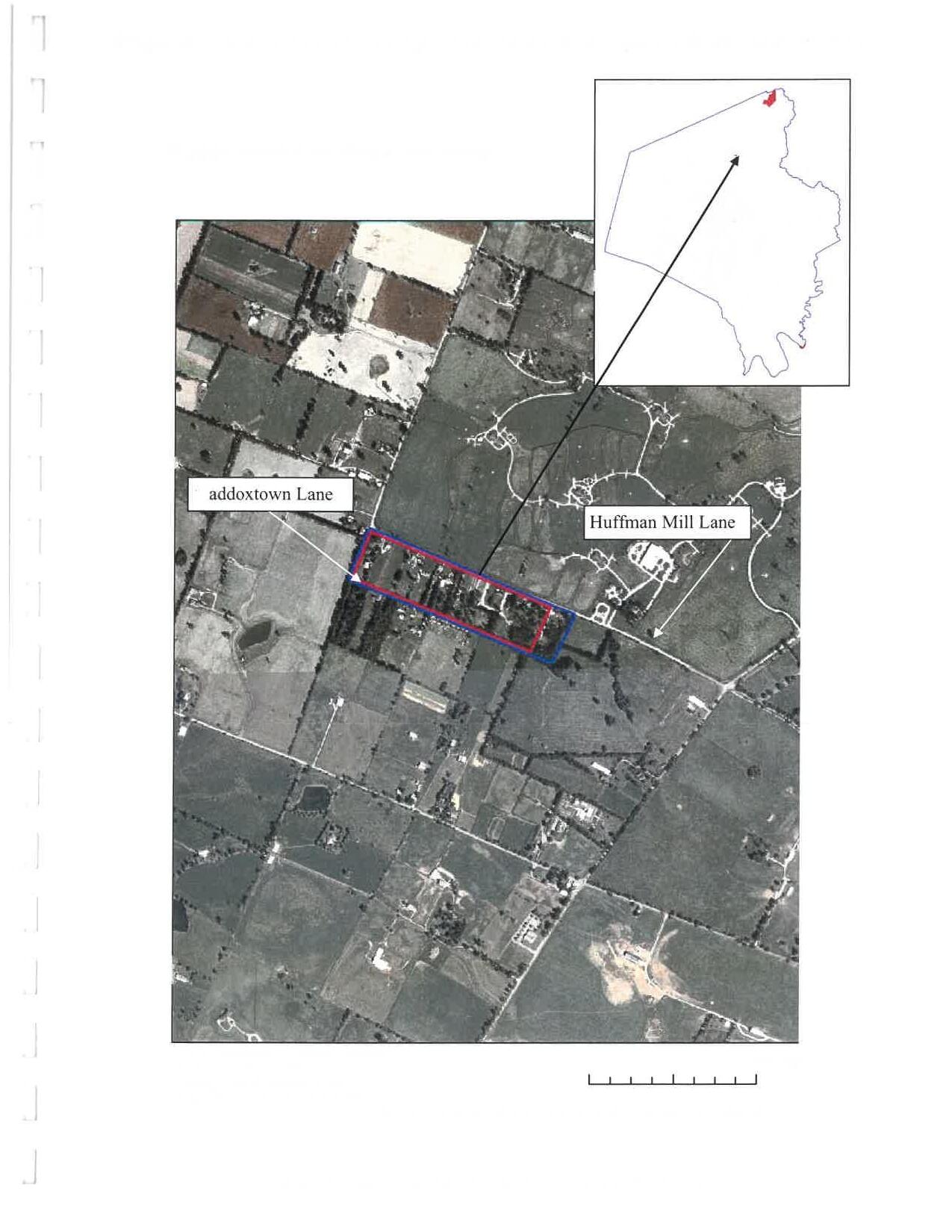
Free black communities within Fayette County include Bracktown, Cadentown, Centerville, Coletown, Fort Spring, Jimtown, Little Georgetown, Maddoxtown, Nihizertown, Pricetown and Uttingertown/Columbus. African American residents of Fayette County remember several other free black communities that, abandoned and decayed or overtaken by Lexington’s growth, no longer exist. Frogtown and Jonestown are among these. While Willa (Willow) Lane (Stevenson Subdivision) was platted and occupied by African Americans, it developed entirely within the 20th century and is therefore a rural subdivision.
Rural (residential) Subdivisions
Rural “subdivisions” originated in Fayette County around the same time the pace of suburbanization picked up within Lexington during the first half of the 20th century. All these small “communities” developed according to formal plats. With the exception of Avon, they contain predominantly residential buildings. Other rural subdivisions include Willa (Willow) Lane, originally platted as Stevenson Subdivision, and Clays Ferry. In addition, a few previously exisiting small rural communities were expanded or redeveloped with rural subdivision characteristics around the same time. The Leestown Heights Subdivision addition to Bracktown and the redevelopment of the crossroads community of Loradale are examples.
Recommendation #5: Commit to context-sensitive solutions in planning and design within Fayette County’s small rural communities, recognizing that preservation, protection and enhancement strategies must be appropriate to their special characters.
“Context-sensitive solutions” refers to a theoretical and practical approach to decision-making and design that takes into consideration the communities and land (the “context”) about which decisions will be made. Closely related to but broader than “context-sensitive design,” the term asserts that not just the designed product but the entire process of planning, development and/or design, operationalization, and maintenance should take context and stakeholders into consideration.
Characteristics of a context-sensitive process include:
• Early, open, honest and continuous communication with all stakeholders
• Project teams established early, with participants chosen as appropriate to the problem at hand
• Project scope and purposes are clearly defined with input from all stakeholders and consensus forged before proceeding
• Project development examines multiple alternatives that will result in a consensus of approach methods
• Local leaders commit to the process
• The community, landscape, buildings and other resources are understood before project development, and especially design, begins
A context-sensitive solution:
• Satisfies the purpose and needs as agreed to by a full range of stakeholders
• Forged in the earliest phase of the project, this agreement is amended as warranted as the project develops
• The project is a win-win solution for both users and the community
• The project is in harmony with the community, preserving environmental, scenic, aesthetic, historic, and natural resources and values of the area
• The project involves efficient and effective use of the resources (time, budget, community) of all involved parties
• The project achieves a level of excellence in people’s minds
• The project is developed and executed with minimal disruption to the community
• The project is seen as having added lasting value to the community
With respect to Fayette County’s small rural communities, context-sensitive should not only characterize the approach to planning for their futures, but suggests that the mechanisms for their protection and enhancement should be tailored to meet their distinctive and various needs. A context-sensitive philosophy has distinguished the Rural Settlements Alliance committee and the three-phase study it advised, and is at the heart of the recommendations within this document.
Recommendation #6: Utilize existing mechanisms for recognition and protection as appropriate in individual communities
Existing mechanisms for recognition and protection that may be employed without adaptation include:
A) Listing in the National Register of Historic Places
The National Register of Historic Places is an official list of those historic buildings, sites, structures and objects worthy of preservation because they are both significant at a local, state or national level and intact enough to convey that significance. Eligibility for or listing in the National Register conveys some protection from Federally funded, licensed or permitted undertakings under Section 106 of the National Historic Preservation Act, which it requires that the impact of such Federal undertaking must be assessed. National Register listed or eligible properties thus receive greater consideration in Federal projects than others do, and the existence of Federal law protecting them often encourages those involved in Federal undertakings to avoid them if possible. National Register listing does not obligate a property owner in any way and cannot take place without his or her consent In the case of proposed National Register historic districts, a majority of property owners within the district must consent to listing.
1) In most of Fayette Counties’ small rural communities, at least one individual building is potentially eligible for individual nomination and listing. While some of these buildings
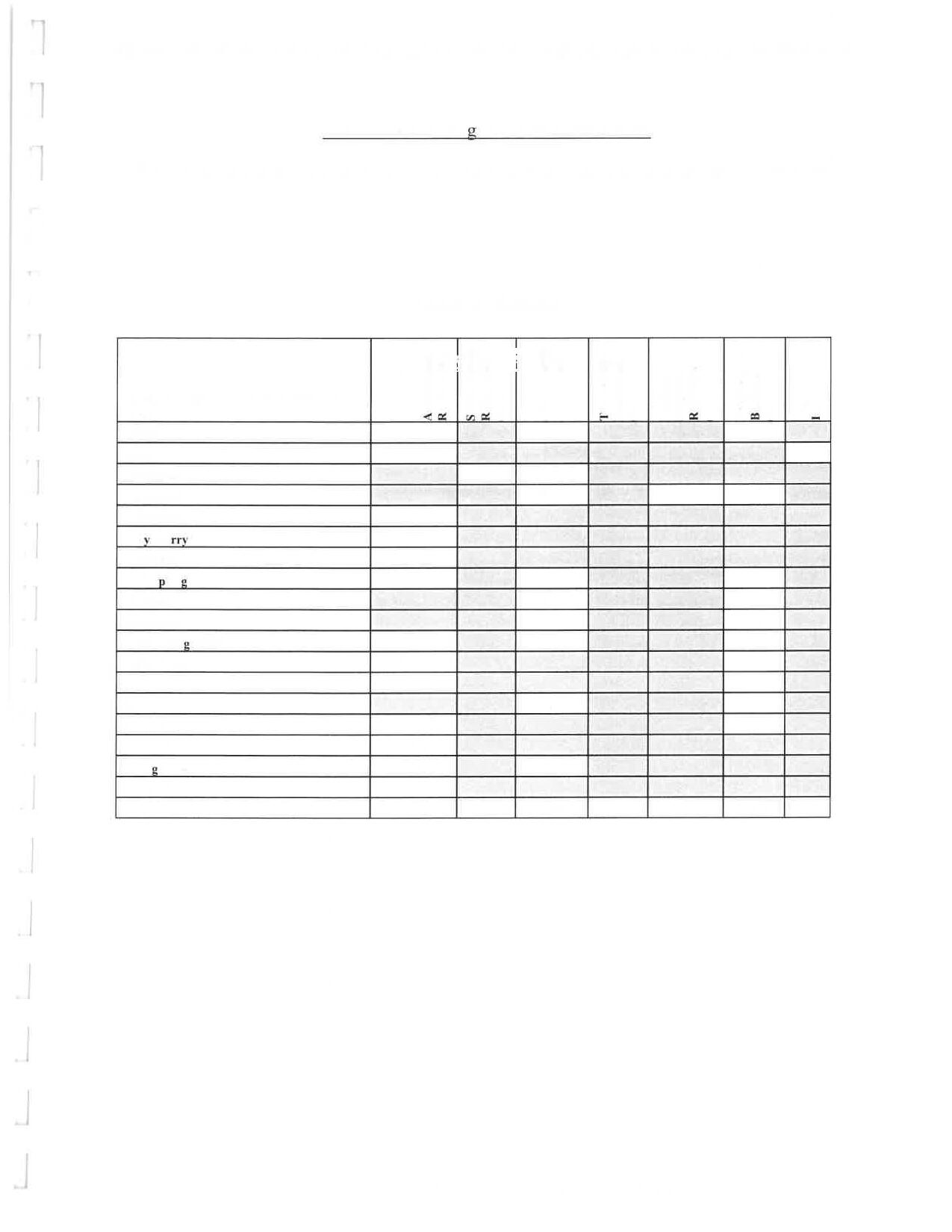
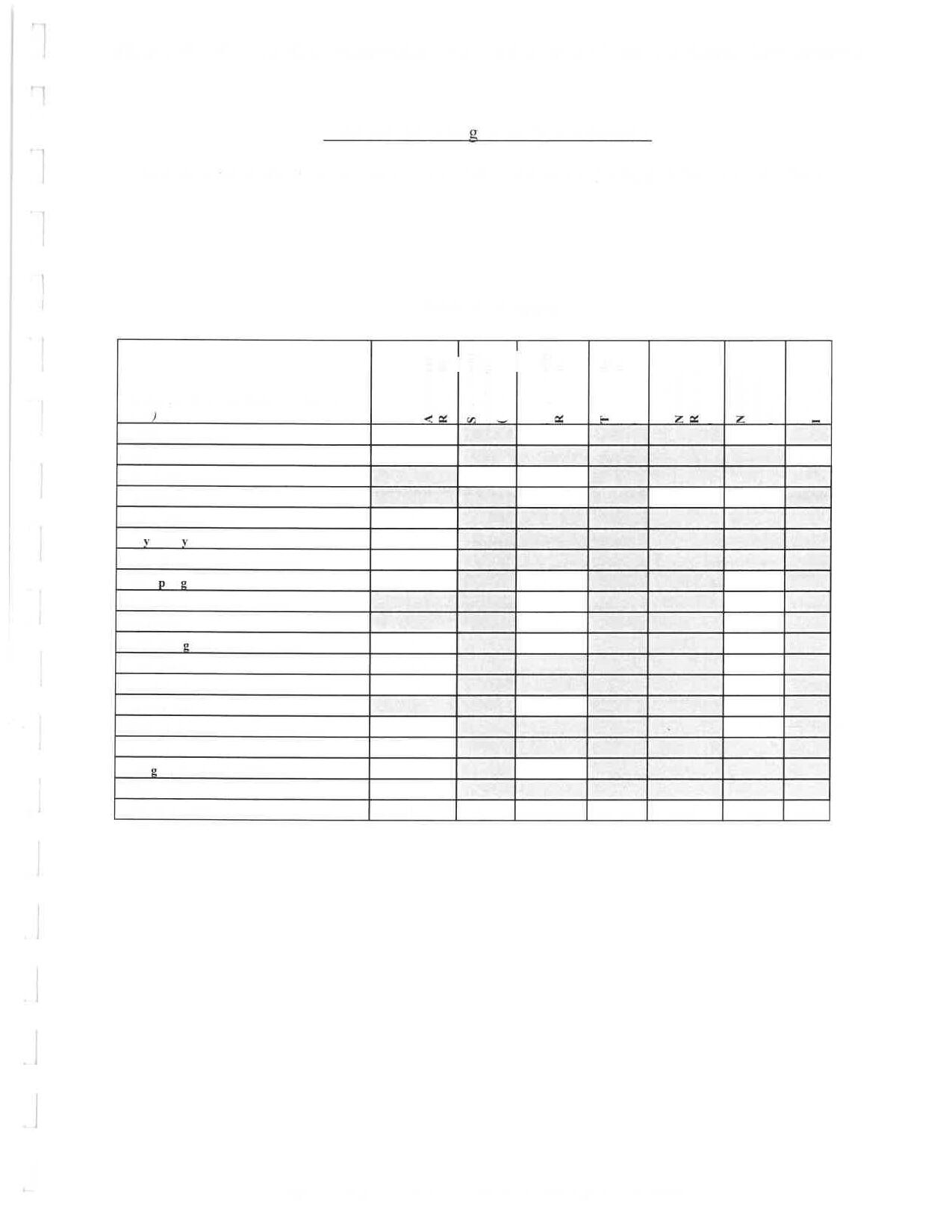
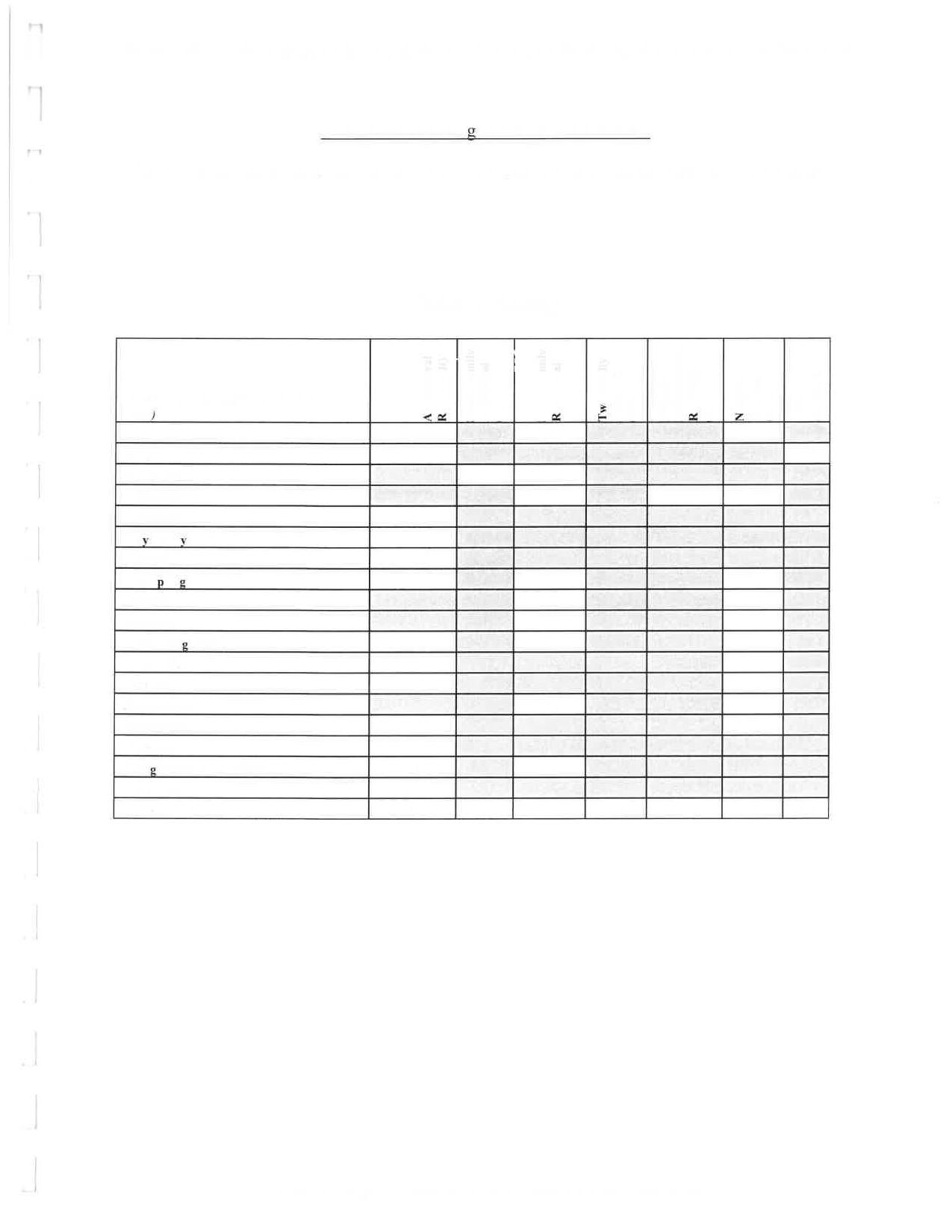
(churches and a lodge) are not yet 50 years old, the exceptional significance of these institutions to African American life in Fayette County means that an argument for their eligibility can potentially be successfully made. As enumerated by community, the potentially National Register eligible individual buildings include:
Athens:
• Christian Church
• Second Missionary Baptist Church
• Athens Elementary School
Avon:
• Bluegrass Army Depot
Bracktown:
• Bracktown Baptist Church
• UBS Lodge No. 47 (3150 Bracktown Road)
• Frederick Braxton House (FA-909, 3128 Bracktown Road)
Cadentown:
• Cadentown Baptist Church
• Haven United Methodist Church
• Cadentown Rosenwald School
• UBS Lodge No. 7
Centerville:
• UBS Lodge No. 8 (1206 Centerville Lane)*
Clay’s Ferry
• Site of Clays Ferry
• Clays Ferry Bridge
• Clays Ferry Tavern
Fort Spring:
• New Vine Baptist Church*
• O’Neal Tavern (FA-290) (already listed in the NRHP)
• FA-291, house at 5002 Old Versailles Road
• FA-886, house at 5122 Old Versailles Road
Jimtown
• Jimtown Baptist Church*
• Duncan Chapel United Methodist Church*
• Former store at 2284 Jimtown Lane
Jonestown:
• Bethesda Baptist Church (FA-229, 3700 Tates Creek Road)
Little Texas
• Little Texas Community Church*
• Potential lodge at the corner of Military Pike and Fort Springs Road
Loradale:
• Old Union Christian Church and cemetery
• House at 7183 Russell Cave Pike
• House at 7090 Russell Cave Pike
Maddoxtown:
• Maddoxtown Baptist Church
Nihizertown
• Cummin’s Wholesale, corner of Todds and Sulphur Roads Pricetown
• Mount Calvary Missionary Baptist Church*
Uttingertown/Columbus
• Uttingertown Baptist Church (FA-983, 2995 Royster Road)
• UBS Lodge No. 28
Willa Lane
• House at 4013 Willa (Willow) Lane
Properties marked with an asterisk either are less than 50 years old or have experienced changes that makes their architectural integrity marginal. However, all are churches or lodges, the most significant social centers in Fayette County’s African American communities, and arguments for their eligibility might be successfully made, especially if they are nominated in thematic groups (see 6A3 below).
2) Several communities contain potentially eligible National Register historic districts. In some cases, further research is necessary to document suspected relationships between community landscapes and buildings and historical events or the trends of the community’s development. Potential small rural community historic districts include:
Athens:
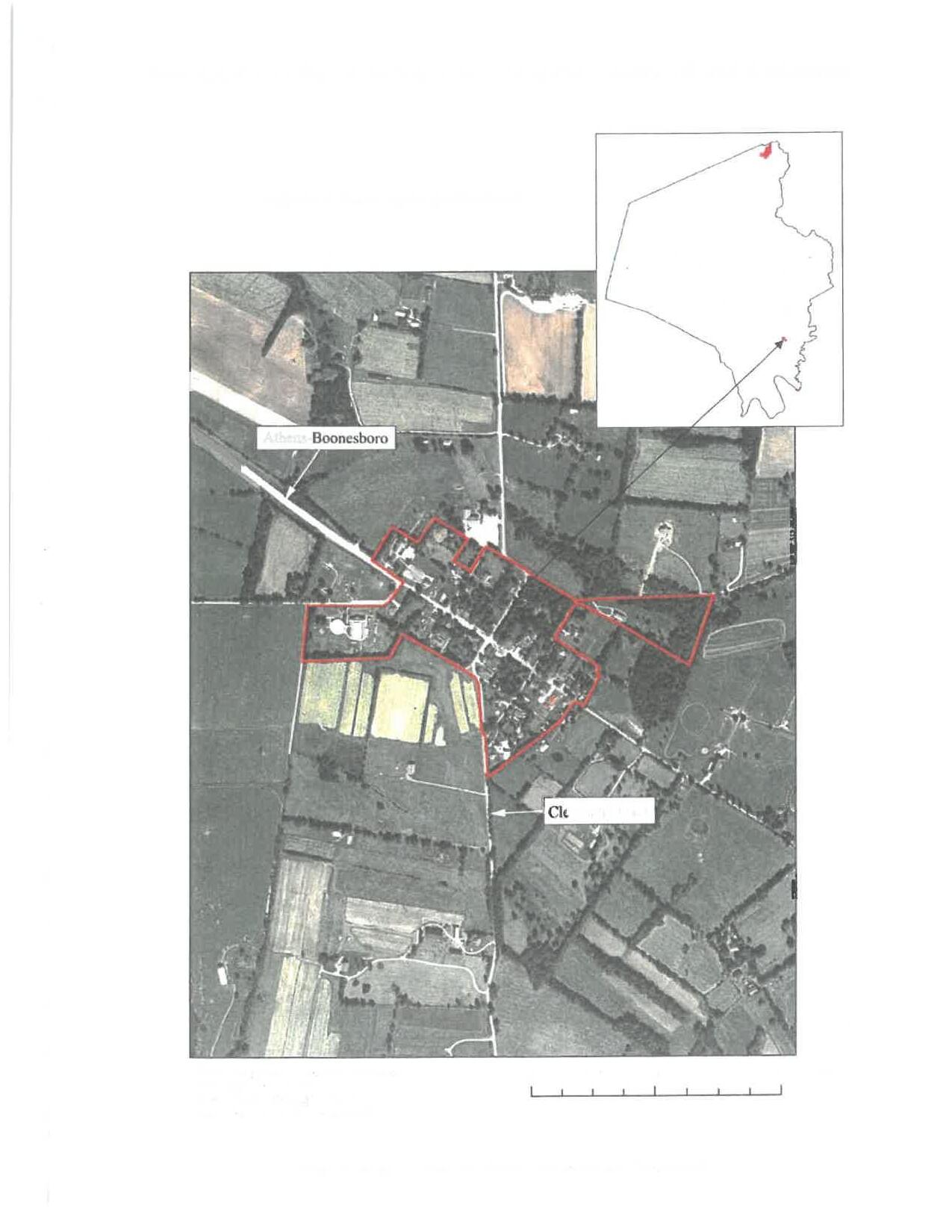
The existing National Register historic district, which encompasses 6 contributing buildings and surrounds the intersection of Athens-Boonesboro and Cleveland Roads, should be expanded to encompass the majority of the community.
Avon:
Further research is recommended to better understand the relationships of residential buildings in Avon to local industry, such as the Kentucky Prestressed Concrete Company, established in 1957, and the Bluegrass Army Depot, established in 1941.
Bracktown:
The entire community of Bracktown might comprise a National Register historic district. Careful consideration should be given to whether such a district would incorporate properties in the former Leestown Acres, and those between Bradley Lane and Betty Hope Lane.
Cadentown:
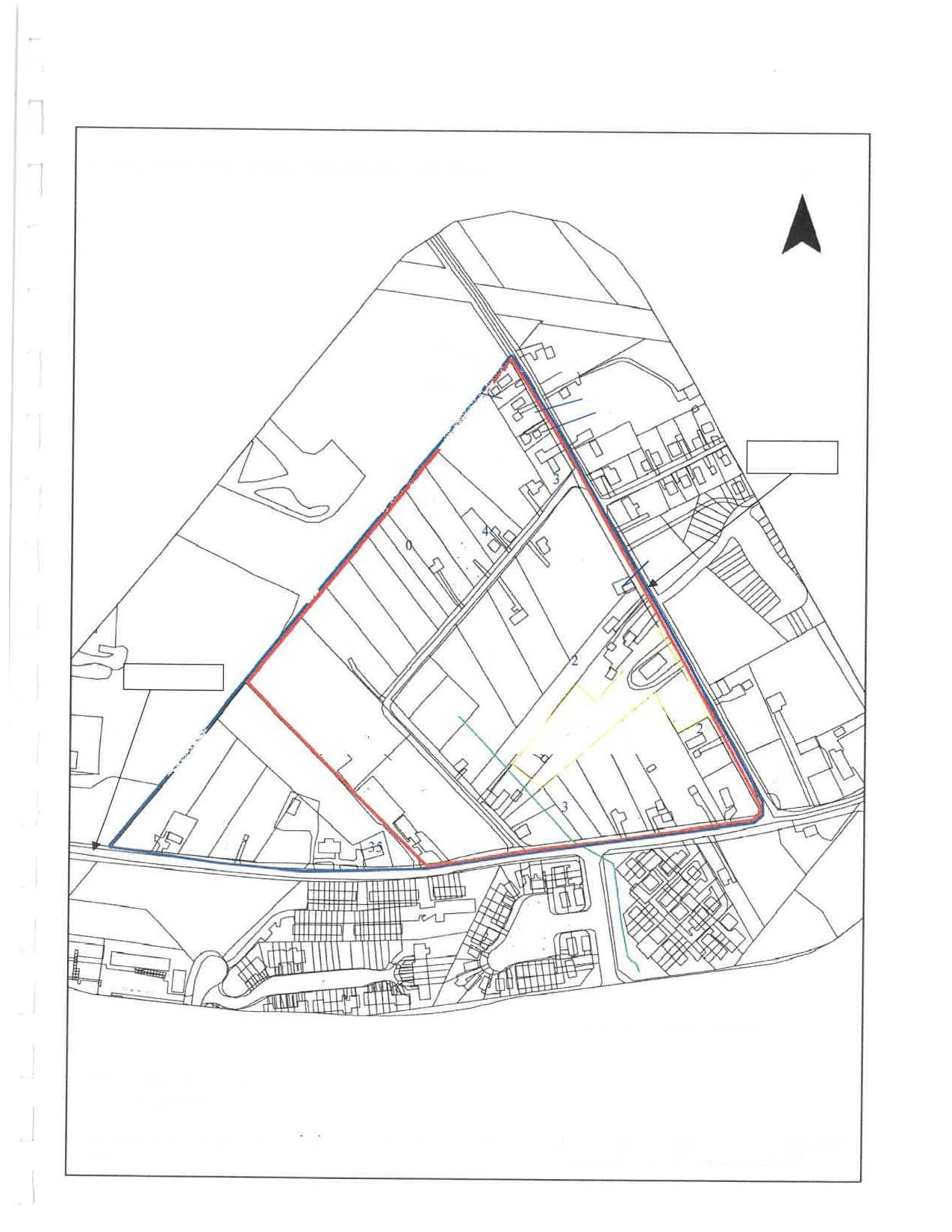
While the community of Cadentown currently bears an H1 zoning overlay, it is not listed in the National Register of Historic Places as an historic district. The boundaries of such a district should coincide with the H1 area.
Clays Ferry:
Clays Ferry is potentially an historic district, significant as a subdivision laid out in the early to mid twentieth century near a place important in connection with nineteenthcentury transportation.
Little Texas:
The entire community of Little Texas is potentially a National Register Historic District.
Loradale:
Since Loradale appears to have been “redeveloped” in the mid 20th century, it does not currently appear to be eligible as a National Register historic district. Additional research into its redevelopment, and its possible relationships to other small rural communities such as Clays Ferry and Willa Lane, which are also 20th century rural “subdivisions,” may reveal significance not apparent at this time.
Maddoxtown:
The entire community of Maddoxtown, as historically platted, comprises a potentially eligible National Register historic district.
Nihizertown:
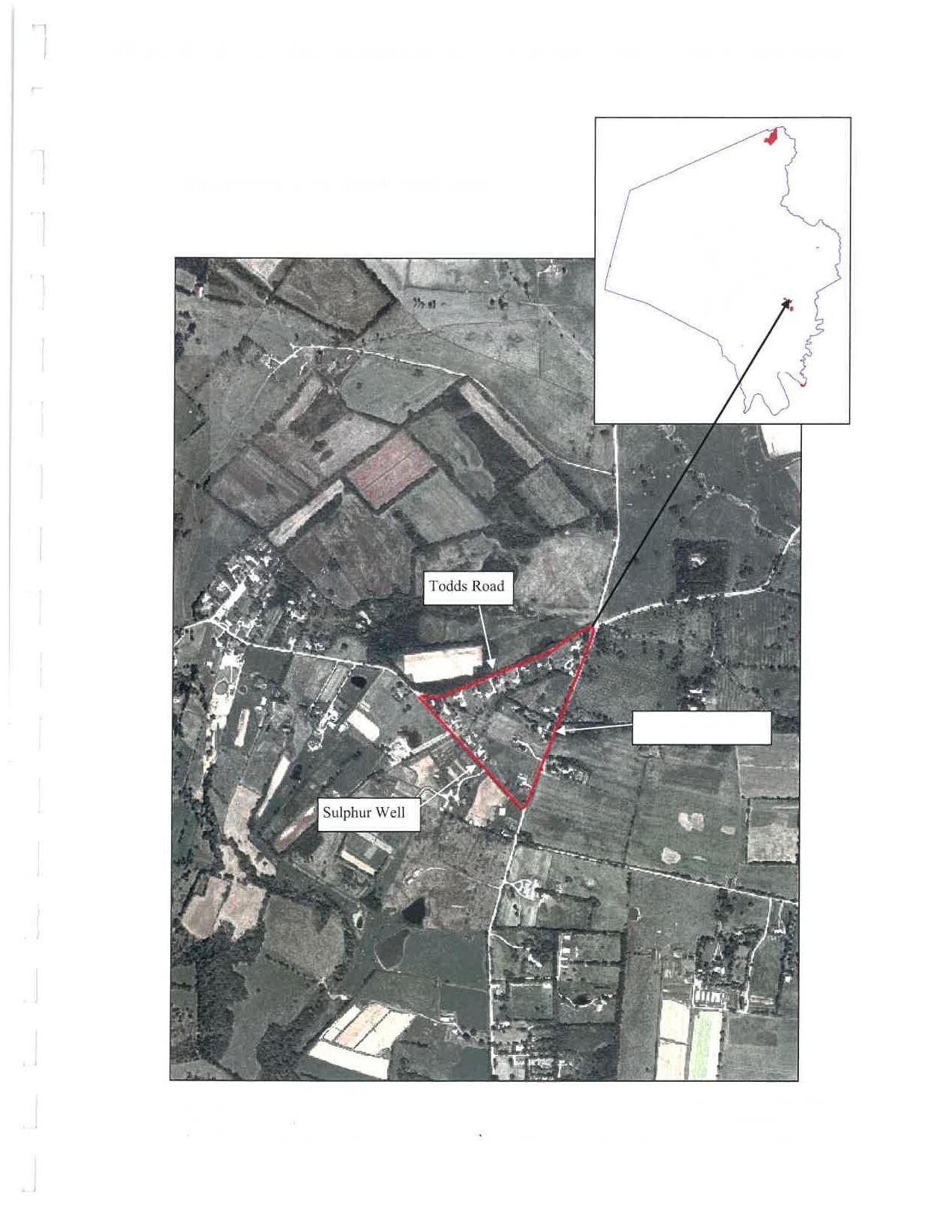
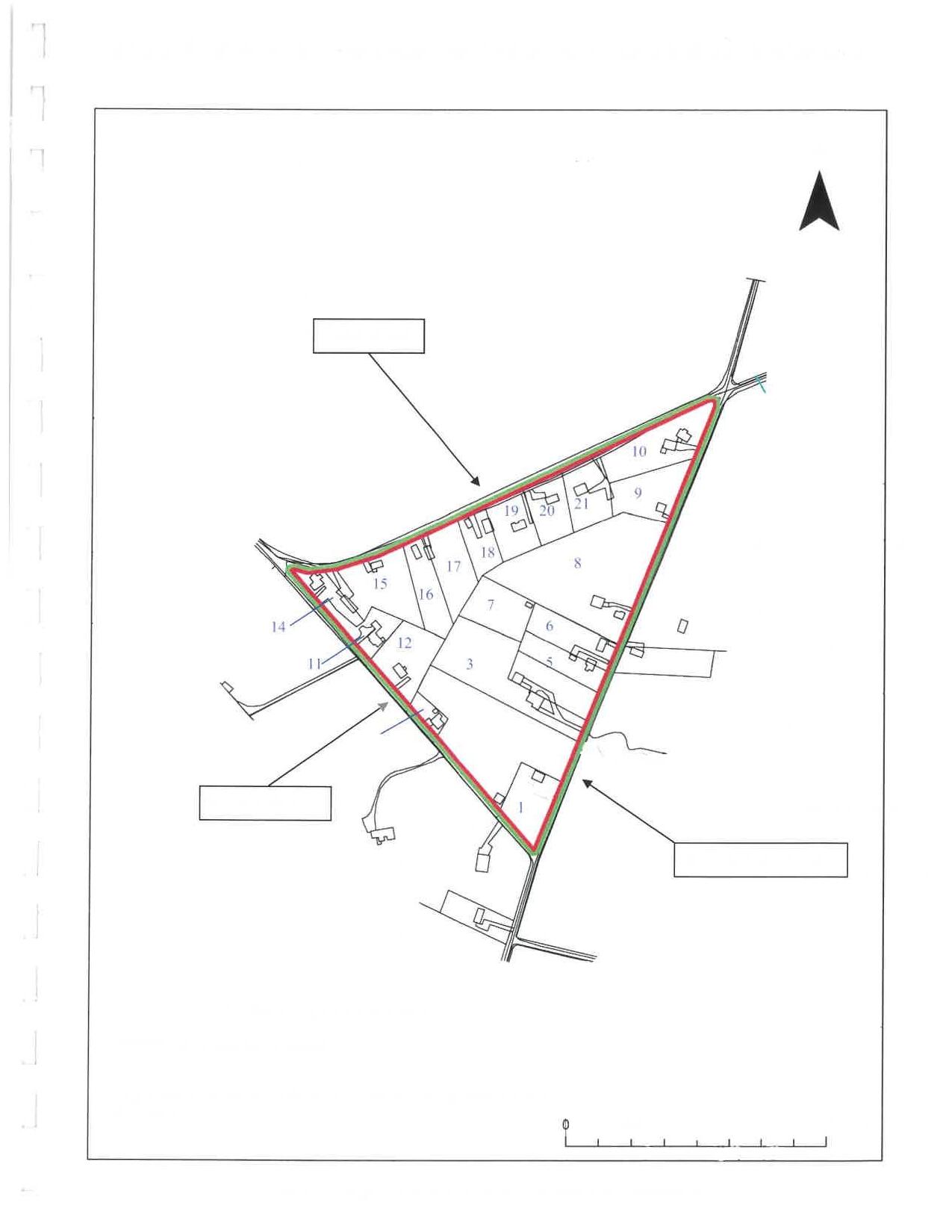
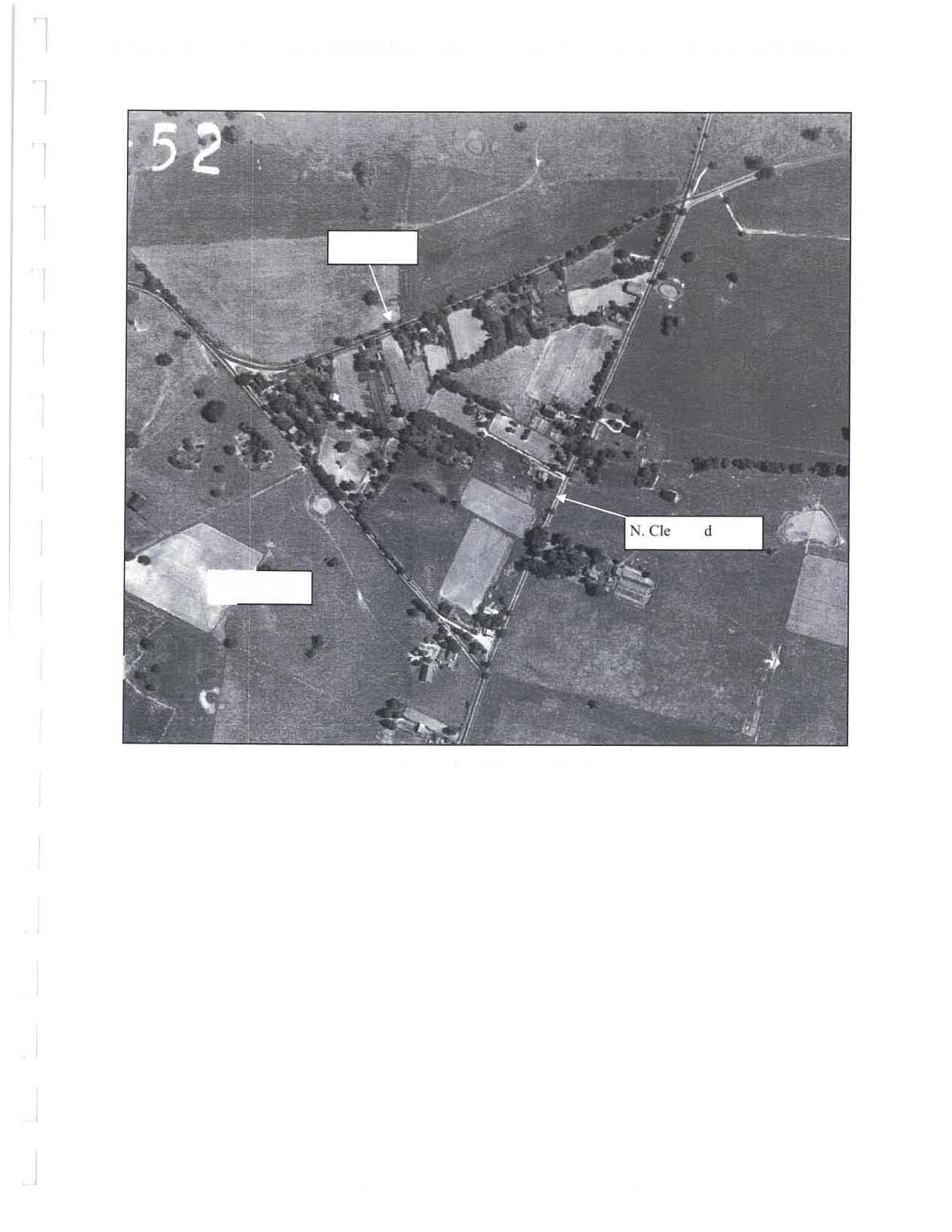
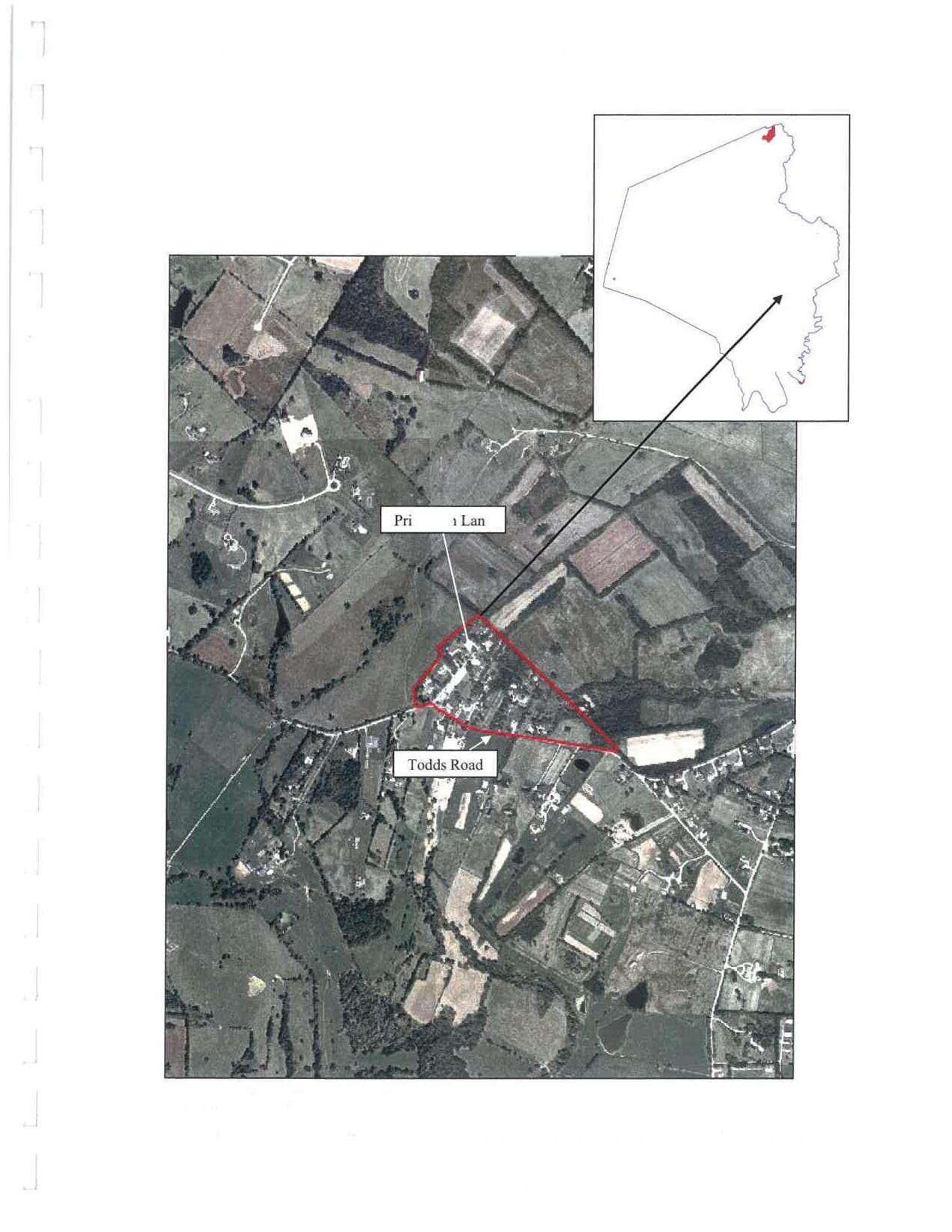
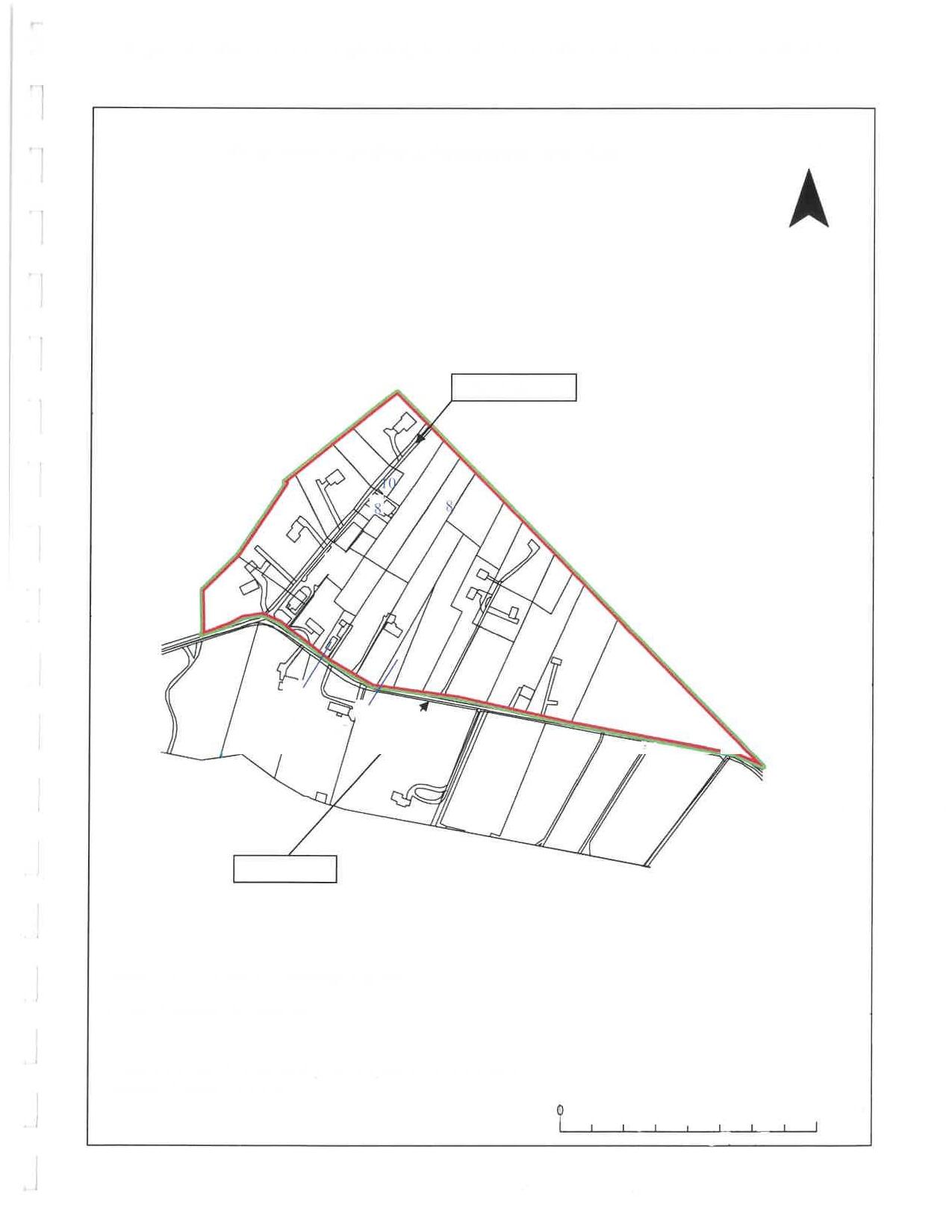
This community, which occupies a triangle of land outlined by Todds, North Cleveland and Sulphur Well Roads, is a potential National Register historic district.
3) An alternative approach to pursuing National Register listing is the simultaneous nomination of several individual buildings or community historic districts through a multiple property submission that groups similar historic property types thematically. This approach is often successful in securing National Register listing for properties marginally eligible due to recent age or loss of integrity because their significance is enhanced by grouping them with older, intact properties of similar type. The following thematic groupings would be appropriate for multiple property nominations in Fayette County’s small rural communities:
• The theme “small rural communities in Fayette County” would cover nomination of communities’ historic districts as a group. Alternatively, each community type – crossroads communities, rural service centers, free black communities and rural subdivisions – could be nominated within distinct thematic groups.
• The themes “buildings of assembly in Fayette County’s small rural communities” would cover nomination of schools, churches and lodges. Alternatively, each building type could be nominated within a distinct thematic group. Another possible thematic group nomination of individual buildings is “African American churches and lodges within Fayette County’s small rural communities.”
B) H-1 Historic District Zoning Overlay
Article 13 of LFUCG’s zoning ordinances established an H-1 zoning overlay that offers a high level of protection to historic resources by mandating design review before any significant exterior changes can be made to any building within the zone. The ordinance’s definition of the areas, neighborhoods, places, buildings, structures, and sites qualified to receive this zoning overlay is quite broad and inclusive, and employs language similar to that used in the National Register of Historic Places’ discussions of significance. However, the design review it mandates effectively focuses on architectural integrity. This means that H-1 zoning can be problematic in terms of both “political will” and in application unless the building(s) or district in question has easily recognizable architectural importance. A distinct disadvantage of the H-1 or any zoning overlay is that its protection applies only to the parcels under the zone. It cannot therefore provide any protection for communities’ larger rural settings; something of importance to a number of their residents.
For this reason, the H-1 overlay is not recommended for Fayette County’s small rural communities. In theory, it could potentially be useful in protecting the majority of the National Register-eligible individual buildings and districts listed above. However, the majority of Fayette County’s small rural communities are historically intact at a landscape scale, maintaining the spatial relationships of setting, roads, lots and buildings on lots created at their inception. In most, the buildings themselves have either been replaced a number of times or altered in ways that have not maintained their historic architectural materials and features. Many individual buildings within the communities are therefore only marginally eligible for the National Register, being less than 50 years old and/or with borderline architectural integrity Further, most of the districts in these communities potentially eligible for National Register listing include a number of individual buildings that do not contribute to their significance by virtue of young age and/or reduced integrity.
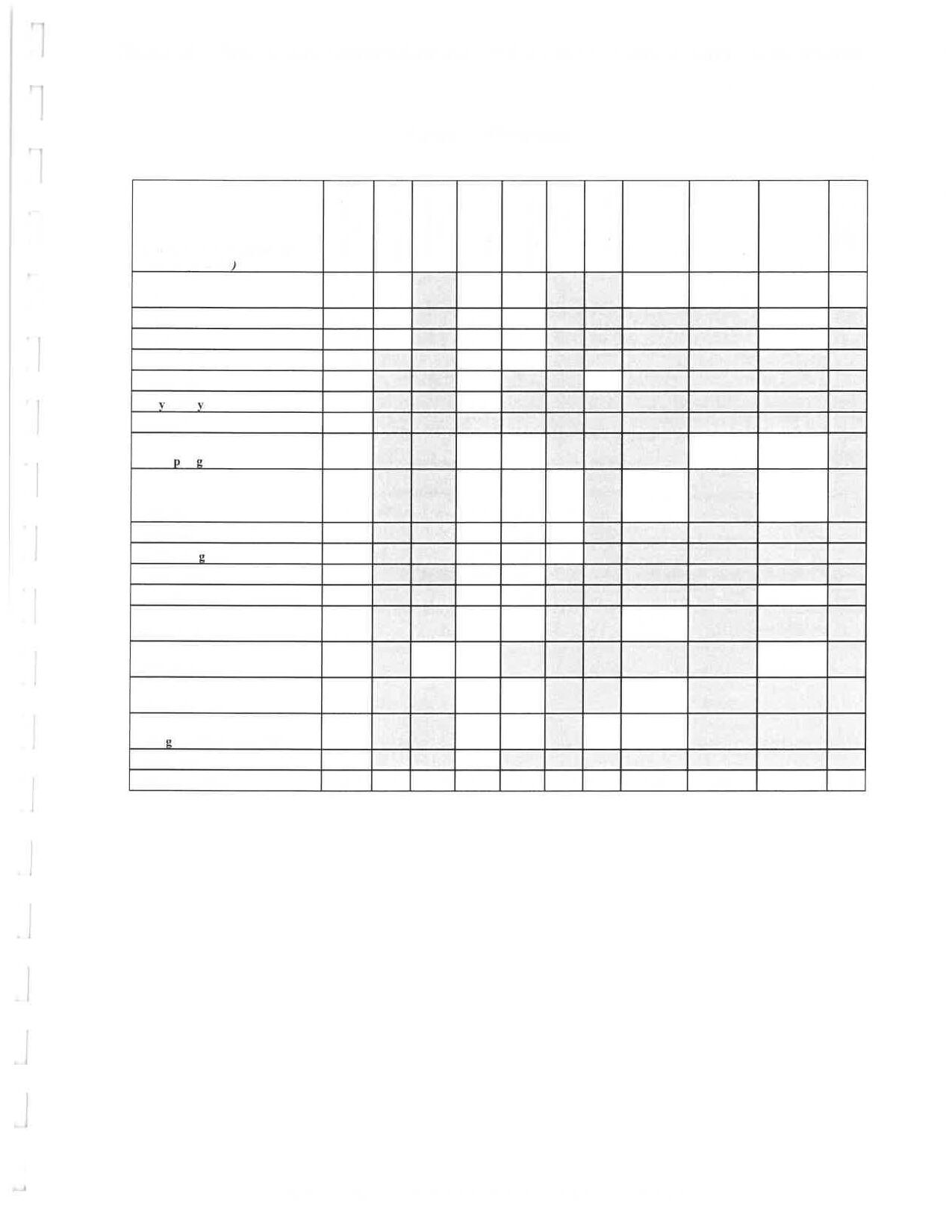
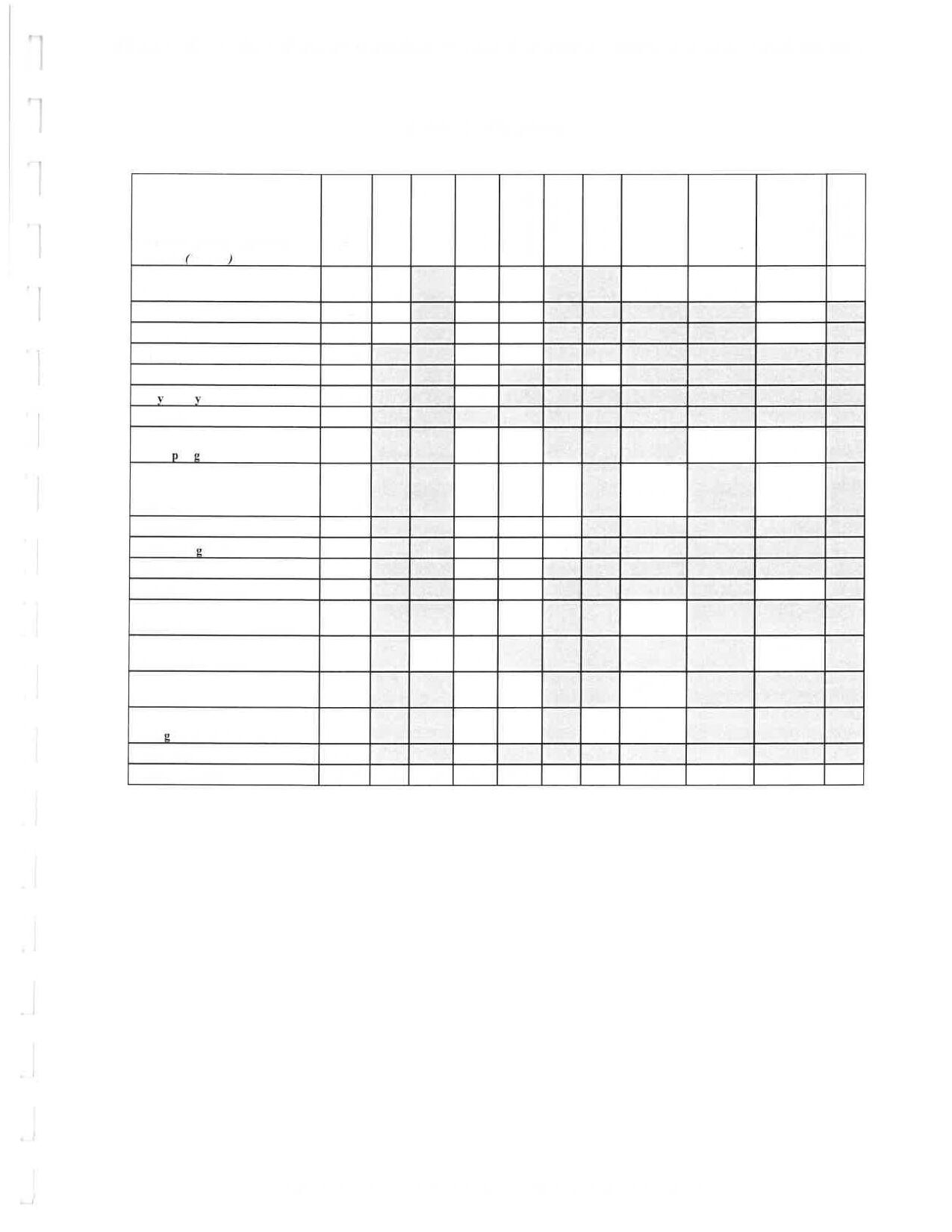
Should community residents desire the zone’s strong protection and thorough architectural design review, the H-1 zoning overlay could be a possible means of protection in those districts and individual buildings with easily understandable architectural and/or historical significance. A smaller number than those potentially eligible for listing in the National Register of historic places, those districts and buildings include:
• Athens
• Bracktown
• Clays Ferry
• Maddoxtown
• Uttingertown/Columbus
• Centerville UBS Lodge
• O’Neil Tavern (Fort Srping)
• Jimtown Baptist Church
• 2284 Jimtown Lane
• Duncan Chapel United Methodist Church
• Bethesda Baptist Church (Jonestown)
• Old Union Christian Church (Loradale)
• Cummins Wholesale (Nihizertown)
• 4013 Willa Lane
The high level of protection and design oversight offered by the H-1 zoning overlay will ensure that the intact districts and individual buildings within the communities will not lose their character-defining features. If the communities recommended for H-1 districts do not opt to pursue this protective mechanism, the overlay might be sought for those individual buildings considered “landmarks.” This category includes the majority of churches and the surviving lodges, as well as buildings associated with founders such as Fredrick Braxton’s house in Bracktown. Applications for the H-1 overlay require the professional involvement of the staff within LFUCG’s Division of Historic Preservation. Their perspective is all the more important in the event that the H-1 overlay is considered for any district or building within the communities because they have already gained experience with its application in Cadentown.
C) ND-1 Zoning Overlay
Article 29 of Lexington/Fayette County’s zoning ordinances established an ND-1 (neighborhood design character) zoning overlay intended to provide the residents of neighborhoods the ability to adopt design standards that protect the character of their neighborhoods. The overlay allows residents to select design characteristics for regulation from a menu including:
• Exterior building materials
• Roof lines and shape
• Repeating elements
• Landscaping requirements
• Minimum window and door openings
• Front building features
• Garage doors
• Lot widths
• Building orientation
• Building heights
• Building setbacks
• Rear yard building setbacks
• Bulk plane (main face of the building)
• Off street parking design
The ND-1 overlay zone is considered less restrictive than the H-1 because it does not incorporate the same sort of overarching architectural design guidelines. Rather, neighborhood residents choose the neighborhood design characteristics they wish to regulate. Further, whereas a board of architectural review adjudicates changes to buildings within H-1 zones, the ND-1 zone is administered through the building permit process.
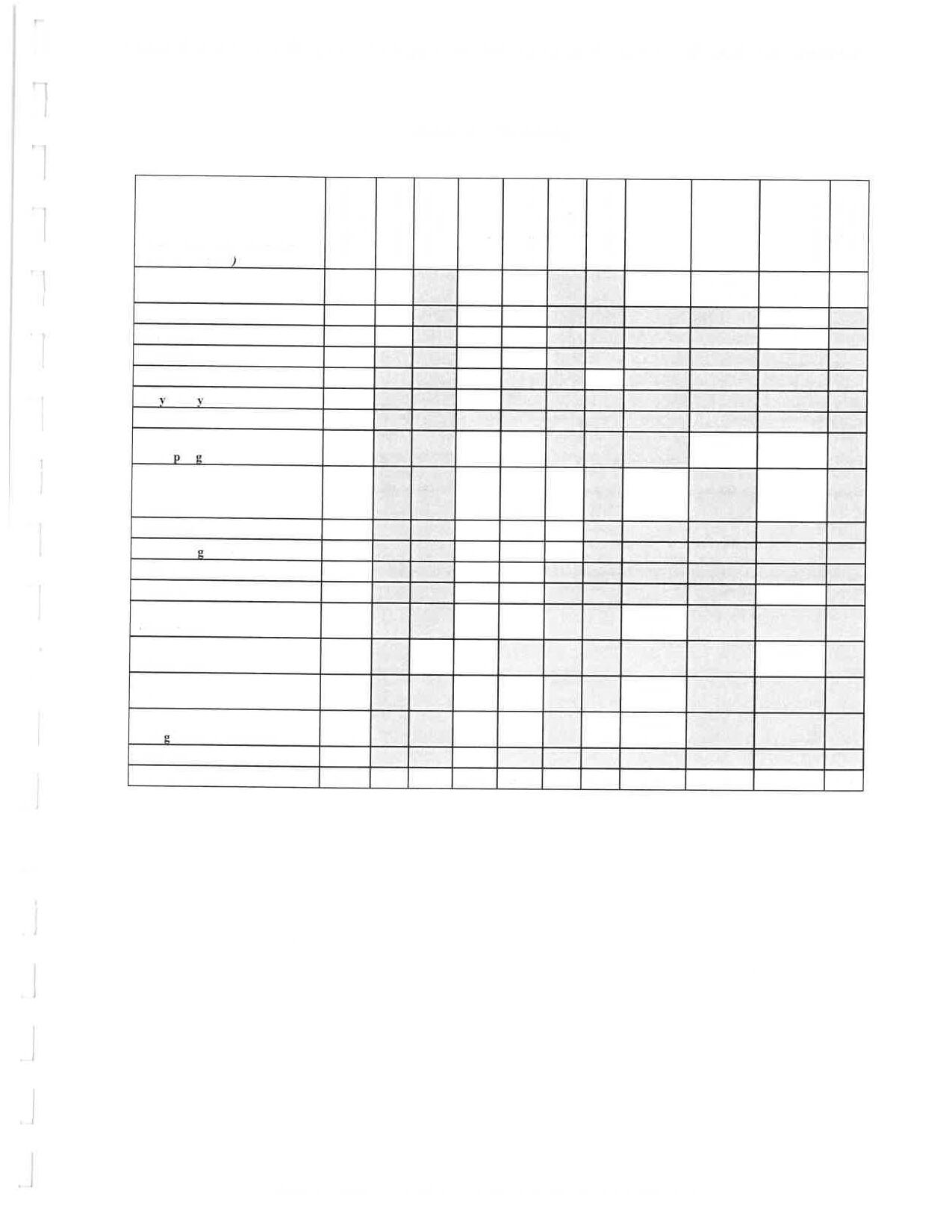
While the ND-1 zoning overlay could potentially assist in protecting the character of some of Fayette County’s small rural communities, as currently written, it has limitations for this use. First, the overlay was conceived for application in neighborhoods platted, laid out and built with a cohesive vision that engendered consistent design characteristics. While the rural residential subdivisions of Avon, Clays Mill and Willa (Willow) Lane developed in this way, most of the small rural communities experienced development that occurred over time and resulted in greater variation in design. Second, by definition, ND-1 is a zone that can overlay only residential “base” zones. The majority of the communities contain neighborhood business (B-1) and/or agricultural rural (A-R) zones as well as residential ones. Commercial uses and zones should remain in those communities that have them, despite the fact that in many of the communities’ commercial properties are vacant and businesses struggling. Reinvigorating these businesses would be one possible means of enhancing community vitality. Perhaps most importantly, however, while the menu of characteristics potentially regulated by the ND-1 zone includes some of the design features important in Fayette County’s small rural communities, they address the building scale as much, if not more so, than landscape scale. The current ND-1 “menu” thus would permit regulation of some of the important character-defining features of the communities’ historic buildings and landscapes – such as roof lines and shapes, building orientation, height and setback – but would not allow control of others, such as lot size, building size and the placement of the house within the lot and relative to the street.
In Fayette County’s small rural communities, the ND-1 overlay zone is most appropriate for those communities in which the majority of the zoning is residential. These include:
• Bracktown
• Little Texas
• Loradale
• Maddoxtown
• Nihizertown
• Pricetown
• Uttingertown/Columbus
• Willa Lane
Recommendation #7: Adapt the Purchase of Development Rights program to enhance its utility for protecting the rural settings of Fayette County’s small rural communities
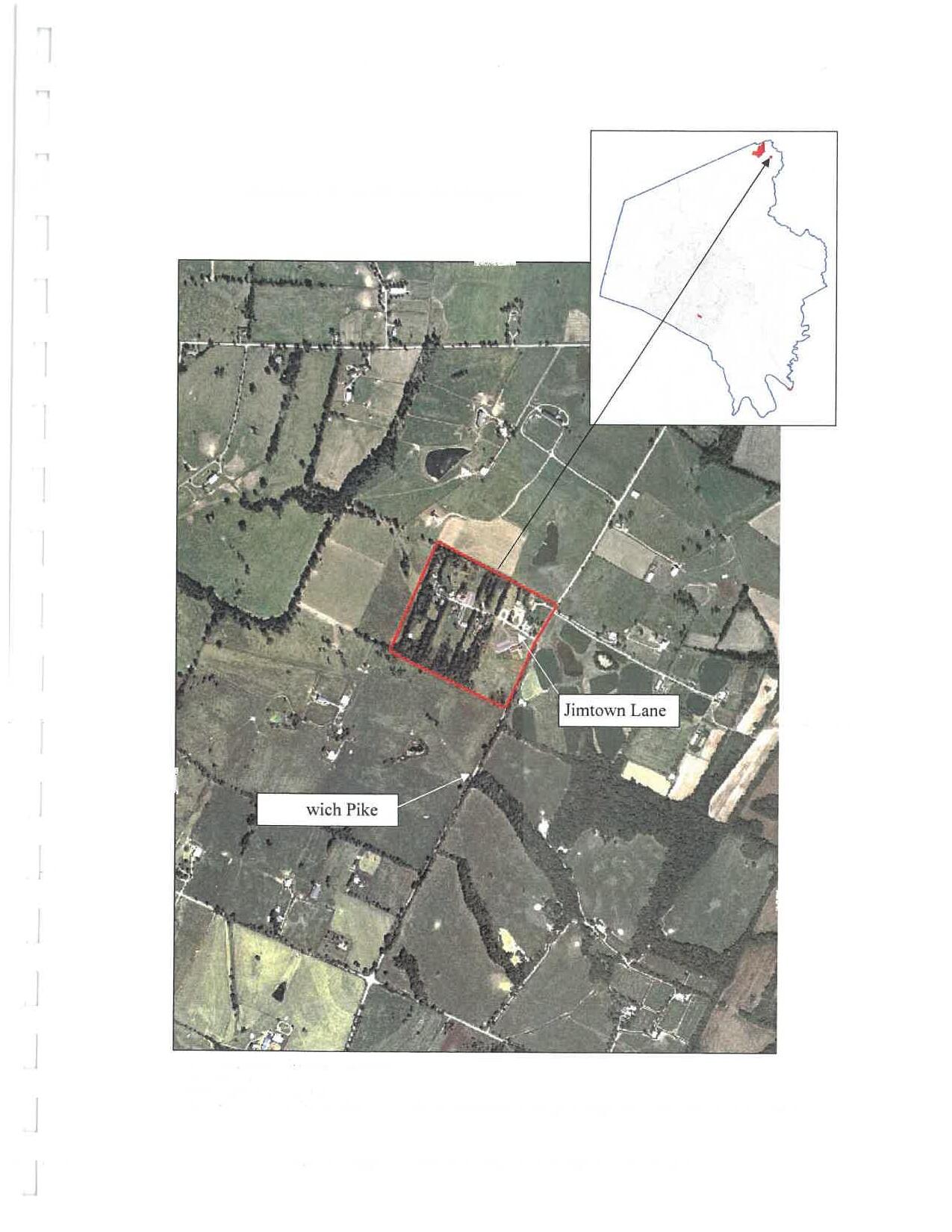
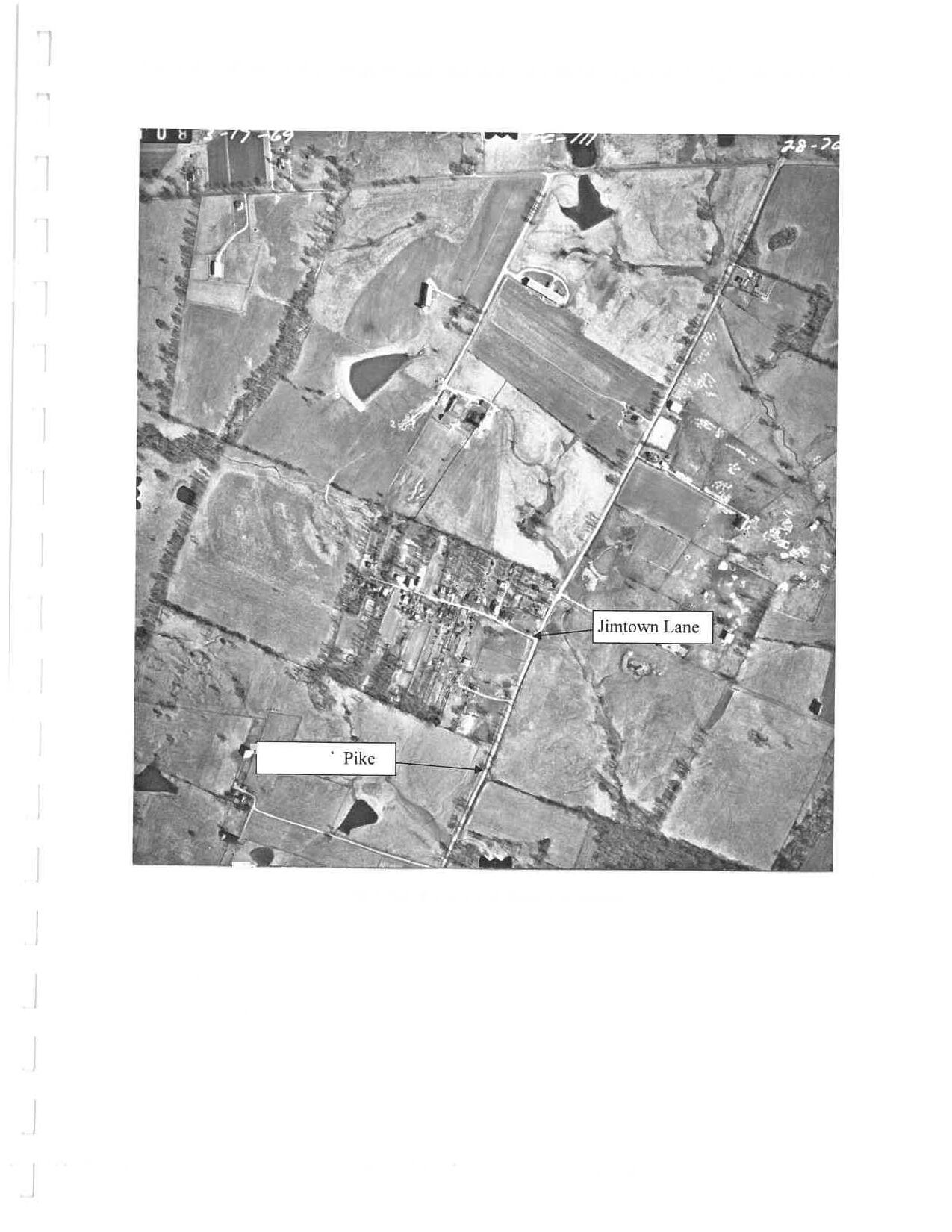
LFUCG’s Municipal Code of Ordinances, Chapter 26, “Rural Land Management,” established the Purchase of Development Rights (PDR) Program in response to a recommendation of the 1999 Rural Service Area Land Management plan. Intended to protect large tracts of Fayette County’s rural landscape, the program could assist in maintaining the rural character of the settlements. With the majority of farms surrounding Jimtown currently under conservation easements, the program has already buffered Jimtown’s setting from inappropriate development.
At the same time, while the Ordinance explicitly mentions Fayette County’s historic rural settlements as part of the rural landscape lending the jurisdiction a unique character, several of its minimum criteria for properties eligible for the program eliminate the rural settlements from consideration. Specifically, criterion 2 c states: “The site of any non-conforming or nonagricultural use shall be excluded from the parcel of land upon which the Conservation Easement is proposed to be imposed;” and criterion 2 d states that “The parcel of land in question must be at least twenty (20) acres in size….”
Moreover, the current point system for staff’s evaluation of applications to the program biases it in ways that discourage its use as a protective mechanism for the county’s rural communities. For example, an application may lose significant points in the evaluation process if it is in proximity to the Urban Service area. This evaluative criterion would penalize farms adjacent to several of the most threatened or fragile rural communities (Uttingertown/Columbus, Centerville, Nihizertown and Pricetown). The “sewerability” criterion is also a concern, since it effectively places the communities’ need for infrastructure at odds with the importance of their rural settings to their unique characters.
Reconsideration of and adaptation of the program’s operational mechanisms to enhance their ability to protect Fayette County’s rural settlements is highly recommended and is of critical importance in preserving the communities’ rural settings. While the Rural Land Management Board and PDR program staff will need to consider the best ways of amending the existing ordinance, adjustment of the evaluative point system so that farmland adjacent to the settlements is highly valued, is one possible means of meeting this goal.
Recommendation #8: Adapt existing and develop new mechanisms for the protection of Fayette County’s small rural communities
A) Adjust the ND-1 zone to allow potential protection of additional landscape scale characteristics
The ND-1 zone might be of greater utility in Fayette County’s small rural communities if its menu of design characteristics potentially protected was expanded to include additional characteristics. For greatest applicability within the communities, these should focus upon a landscape scale to address the communities’ most important character-defining features
These important features of the traditional landscapes in Fayette County’s small rural communities include:
• Lot size: Most lots are between 1/3 and 1 acre in size
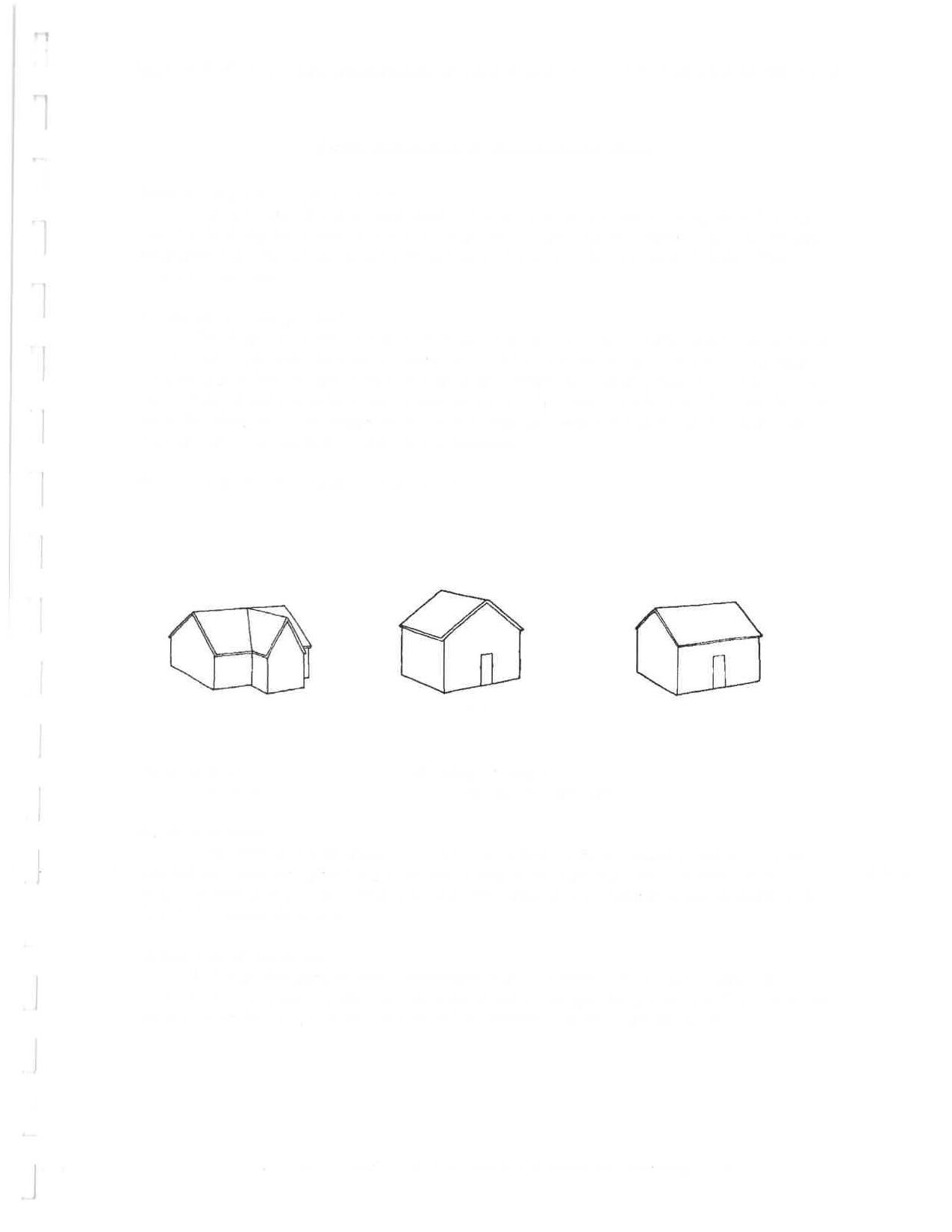
• House size: Dwellings are relatively small; most are a single story or 1½ stories in height, with an occasional two-story dwelling in some of the communities. The houses in Athens and especially Clays Ferry are on average larger than those in other communities.
• Density: Large lots built with relatively small houses means low density. Lots are sparsely built and buildings well separated to present a general feeling of openness.
• Vegetation: Most communities contain numerous mature trees and vegetation that defines property lines as well as the limits of the historic community.
• Setting: Communities historically had rural settings
B) ND-2 Zoning Overlay
LFUCG’s Division of planning has been discussing the development of an ND-2 zoning overlay, which would be similar in concept to the ND-1 zone, but apply to commercial properties. Employed in combination with the ND-1 zone, an ND-2 overlay could assist in protecting the non-residential parcels within Fayette County’s small rural communities. Some, however contain parcels with agricultural “base” zones and, unless these contain a house, neither ND zone could apply.
C) Rural Community Zoning Overlay
The best solution to protecting the character of Fayette County’s small rural communities is developing a zoning overlay tailored to their specific needs. In general, this zone should target preservation of the communities’ historic landscapes. It should also contain sufficient attention to the building scale that greater density does not compromise their relatively open character. Building size, scale, overall massing, orientation and setback are more important than materials and architectural detail.
While like the ND-1 or proposed ND-2 zones, a new rural community zone ought to protect community character, the “context-sensitive” approach recommended for planning the futures of the communities suggests that “one size” will not “fit all.” This means that review of residents’ compliance with the requirements of such a zone should maintain a degree of adaptability and flexibility. The landscape and building characteristics the zone regulates should not be specified in the quantifiable manner necessary for building inspection’s administration of
the ND-1 zone, but rather should be worded, and the zone administered, in a manner that allows consideration of regulated issues on a case-by-case basis.
Like the ND-1 zone, the new overlay should allow community residents to choose those design characteristics they wish to protect so long as the spatial relationships of their landscapes are maintained. Landscape-scale considerations for a new zoning overlay include the following:
• Relatively large residential lots not be subdivided or small ones combined
• Street widening be avoided if at all possible without compromising safety considerations
• The burials at the back of lots be maintained rather than moved to large cemeteries
• Traditional patterns including small outbuildings and sheds on residential lots be allowed to persist
• Mature vegetation, especially that defining the edges of individual parcels and of the community, be preserved
• Commercial, public and minor agricultural uses be permitted
• Existing densities should be maintained
The relatively low density of Fayette County’s small rural communities is a function of building size, scale, massing, orientation and setback as well as one of rural setting and relatively large lot sizes. The maintenance of historic patterns of placing certain types and sizes buildings on their landscapes contributes to the integrity of their cultural landscapes. A new rural community zoning overlay should thus include some consideration of building design, but at the larger scale of general type and size rather than material and detail as is typical in the H-1 zone. While architectural design review is less important to community residents than their landscapes, building-scale characteristics that important in community character and might be considered for protection by the new zone include:
• Building setbacks
• Building heights
• Building orientation
• Building size, expressed in square footage or percentage of lot covered by buildings
• Roof lines and shape
• Dwelling types and massing
Most importantly, new construction within the communities should follow certain guidelines, so that relatively low densities and characters are not compromised by development insensitive to the communities’ contexts. Infill or replacement buildings, as well as new additions and alterations should be a product of the present, yet compatible with traditional community design characteristics in terms of size, scale, proportion and massing.
Recommendation #9: Adopt the protection, sustenance and enhancement of Fayette County’s small rural communities within the comprehensive planning process, as well as within any future rural land management plans.