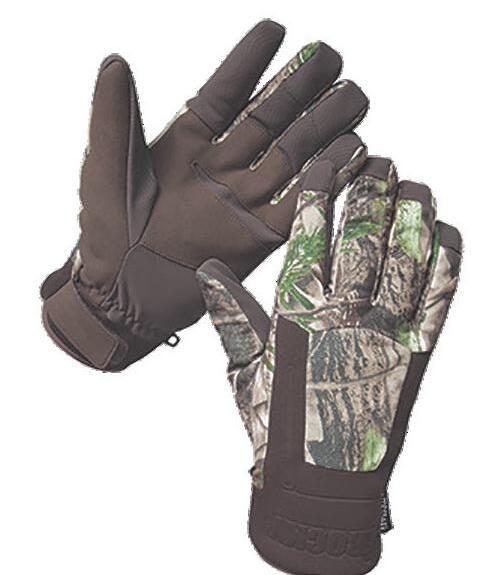
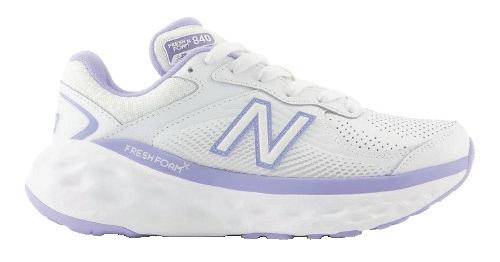
Ladies age 16 years and older will receive a FREE $20 mgift card netween 4 pm and 8 pm, December 11th
*with purchase of $100 or more
December 18TH | 4pm - 8pm
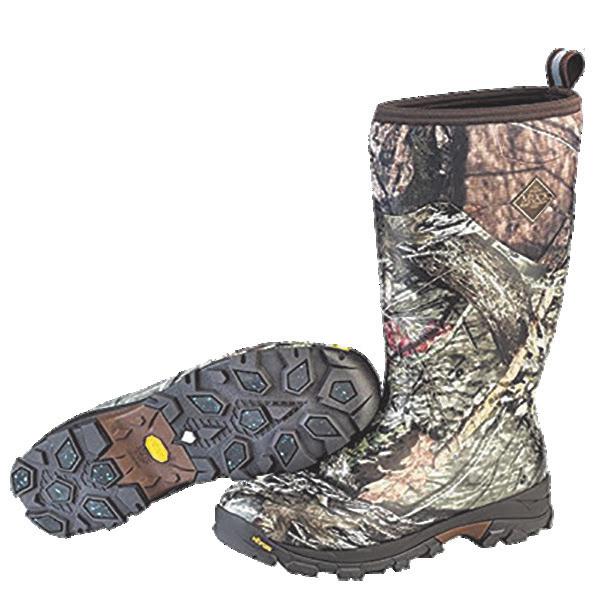
Men age 16 years and older will receive a FREE $20 mgift card netween 4 pm and 8 pm, December 18th *with purchase of $100 or more
A homeowners’ guide to ice dams
Cold weather contributes to many different conditions that can affect homes.When winds are blowing fercely, homeowners may soon discover defcits in insulation or in caulking around windows and doors. Icy conditions can cause walkways and stairs to become slick.
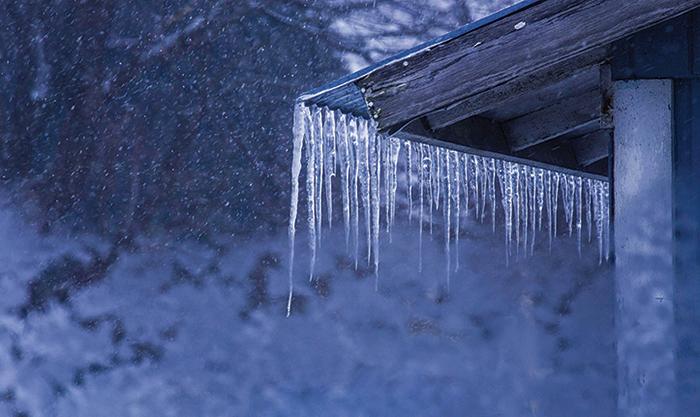
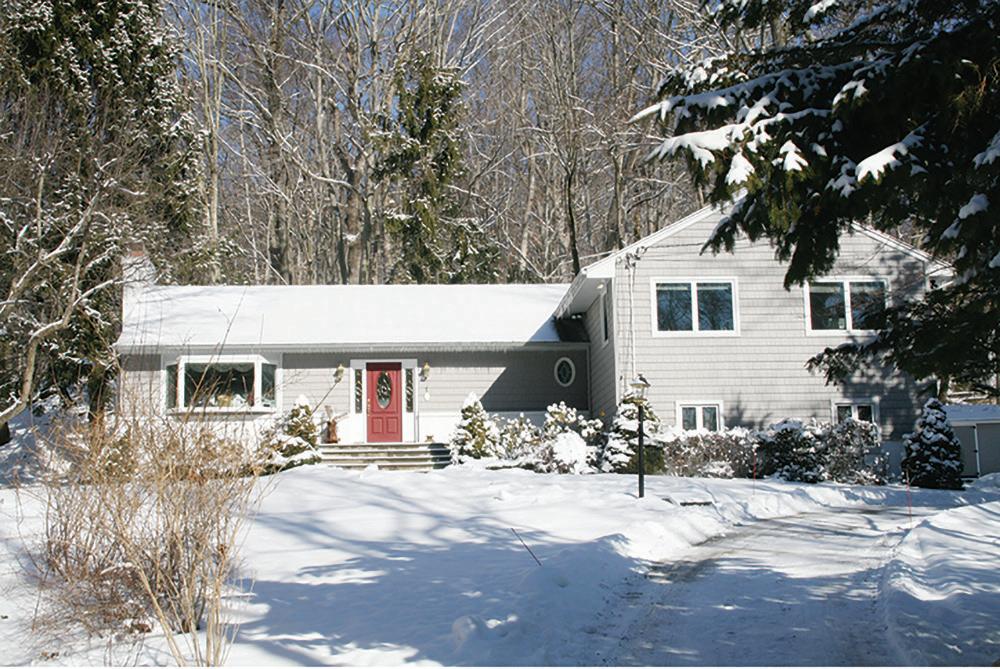
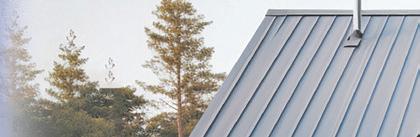
One winter condition can cause extensive headaches and damage and could be a mystery to many homeowners. Ice dams occur when warm air in the attic heats up the roof and melts accumulated snow. Water from this melt runs down the roof and refreezes when it reaches the colder roof edge. A mound of ice forms at the lower edge of the roofine as a result.
Ice dams may help create a picturesque winter
vista, with icicles hanging and glinting in the sunlight, but they can cause signifcant damage. According to experts, ice dams can weigh hundreds of pounds if they get large enough, potentially affecting the structural integrity of roof eaves. In addition, ice dams can cause melted runoff to back up under roof shingles. This water can eventually make its way inside, ruining ceilings and walls. The roof, gutters, insulation, interior drywall, and other home surfaces can be damaged if ice dams are left unchecked.
The following are some conditions that make a home vulnerable to ice dam formation:
1. The presence of snow on the roof.
2. An average outdoor temperature that is 32 F or lower.
3. A roof surface temperature above 32 F at its higher points and below 32 F at the lower end.
4. Indoor heat making its way to the underside of the roof.
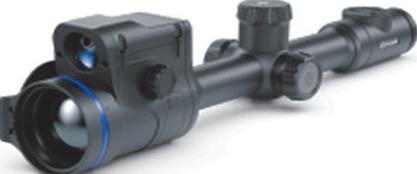
Homeowners should take a few steps to address ice dams. The frst is preventing future ice dams from forming. According to First American Roofng and Siding, LLC, improving insulation in the ceiling below the attic and addressing any ineffciencies in the home is necessary. A professional can do a blower door test, which works by depressurizing the home and
using a thermal camera to fnd areas where insulation is poor. In addition, adequate ventilation under the roof deck is necessary so cold air can circulate and prevent the attic from getting so warm that it will melt the snow on
the roof. The next step is to remove excess snow from the roof with a roof rake and keeping gutters clear.
If ice dams have already formed, hire a professional to remove them, as it can be dangerous to do it
oneself.
Snow-covered roofs and landscapes can be beautiful, but also dangerous if conditions that cause ice dams to form are not addressed.
How to care for winter birds that visit your yard
The pristine, white backdrop of a snowy winter day can be a wonder to behold. While fresh snow on the ground can make for awe-inspiring landscapes, the absence of greenery amid the starkness of winter poses challenges for animals that do not ride out winter in a state of hibernation.
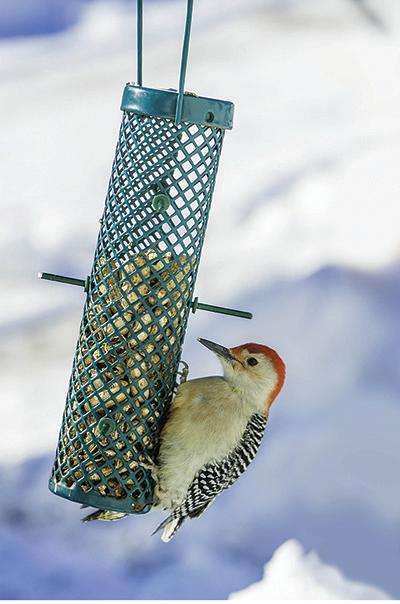
Several bird species stay in colder climates over the winter. Redwinged crossbills, snow buntings, bohemian waxwings, evening grosbeaks, and cardinals are just some of the birds one may fnd while gazing outside on a chilly winter’s day. Birding in the winter can be a rewarding hobby because, despite the chilly conditions, birds tend to be easy to fnd in bare trees. Furthermore, the colder temperatures may keep many people
inside, meaning neighborhoods, trails and parks can be very quiet, making it easier for those who brave the cold to see birds.
The Royal Society for the Protection of Birds indicates that winter is a diffcult time of year for birds due to the weather and the scarcity of food.
Furthermore, birds must consume a lot of food in a short amount of time to have the energy and body warmth to survive each day. Even birds that store food in caches or have developed special scavenging strategies to fnd as much food as possible can beneft from a little wintertime help. Penn State Extension suggests providing a variety of foods to attract the greatest number of species. Small, black-oil sunfower seeds are preferred by many smaller species of bird and have a high oil content that is nutritionally important for birds. Other sunfower seeds will be appropriate for blue jays and cardinals. Some other popular foods include white proso millet, thistle seed, niger seed, and peanuts. Consult a wild bird
store, which likely sells a birdseed mix that enables you to place a variety of seed into one feeder. In addition to seed, suet, which is made from high-quality animal fat, is crucial for birds in the winter. Families can get crafty by spreading peanut but-
ter onto pine cones and sprinkling seed on top. Hang the pine cones tied to pieces of string from tree branches for homemade feeders. Birds likely need a little help surviving the winter, when conditions can be bleak. Offering food and
observing backyard visitors can be a great way to unwind on winter afternoons.
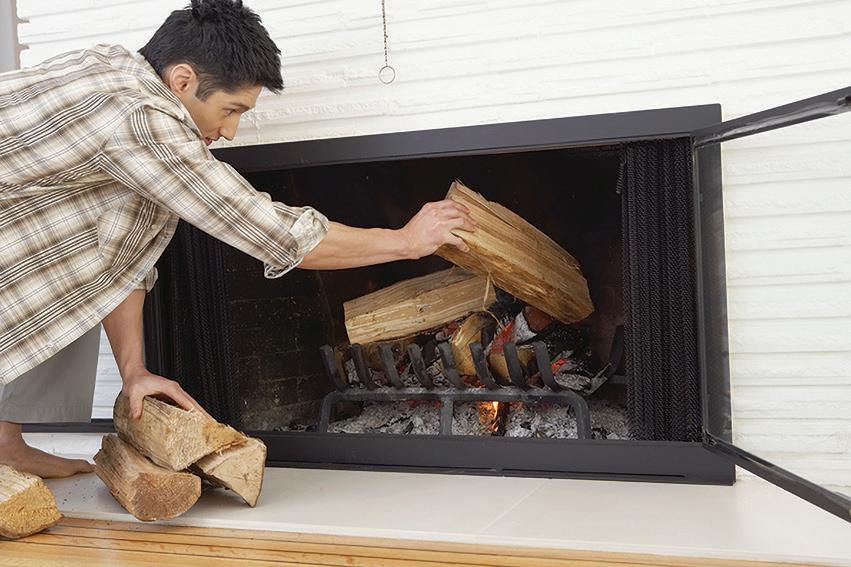
How to prepare a fireplace for the winter
As hours of daylight shorten and fall gives way to winter, thoughts shift from fall foliage to spending time cuddling under warm blankets and being cozy indoors. A freplace can improve the ambiance of any room and help to create a warm and welcoming gathering spot. Home freplaces typically are wood-burning or gas. Though maintenance for these freplaces differs, certain preparatory steps must be taken to prepare a freplace for winter.
Clear the clutter
Items can accumulate in areas that are not in use, and a freplace is no exception. Take a few hours to remove any belongings from in front of the freplace and clean the mantle thoroughly.
Have the chimney cleaned
Hire a professional chimney cleaning compa-
ny to inspect the chimney and clean it thoroughly before winter. According to BobVila.com, a chimney should be cleaned
That’s due to creosote, a highly fammable residue that builds up in the fue that lines the chimney.
make any repairs, as special materials are needed to withstand the heat of fres.
once a year, or after about every 80 fres. The National Fire Protection Association says failure to properly clean chimneys is one of the leading contributors to home fres.
Inspect the interior
The interior of a wood-burning freplace is likely lined with fre bricks. Check for cracks and loose joints. Hire a professional mason to
Install a chimney cap and screen
According to Family Handyman, a chimney cap is a protective covering that goes over the top of the chimney. It is made
of steel or copper mesh with a cap on top. This protects the chimney from rain and downdrafts and keeps animals and debris from getting into the chimney.
Prune overhanging branches
If there are trees close to the home and the chimney, cut them back, as they can be a fre hazard. Branches and leaves also can restrict the proper draft of the chimney.
Assess the outdoor vent Gas freplaces typically emit exhaust through a vent in the home. Remove any blockages from the vent, including leaves, cobwebs and debris.
Check glass or other coverings
The glass or face of the freplace helps regulate carbon monoxide exposure and protects people from the fames. Be sure the glass covering is intact.
Clean ceramic logs Gas freplaces use ceramic logs, rocks or beads that can become dusty. Clean them prior to use.
Dirty ceramic logs can be a fre hazard and produce an unpleasant burning smell.
Check the blower and pilot If the freplace has an electric blower, clean and dust it so it doesn’t become clogged. Inspect the pilot light for any wear and tear that includes wiring or structural issues. It takes several steps to prepare freplaces for cold weather seasons when they’re most likely to be used with frequency.
Tips for winterizing exterior living areas
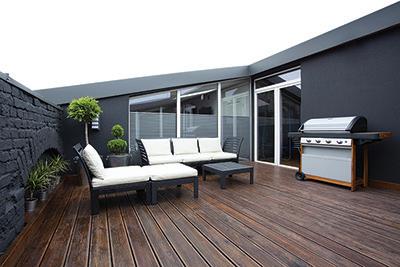
When the summer entertaining season draws to a close, homeowners need to ensure their outdoor living areas can handle weather that’s right around the corner. Although outdoor furniture and other items tend to be durable, the impact snow, wind and ice can have on them may lead to damage over time. That is why many homeowners
take steps to winterize their outdoor spaces and protect their belongings. Here’s a look at how to prepare for the winter to come.
• Furniture: Cover or store furniture to protect it from the elements. Covering it with weather-proof covers can be adequate if storing items indoors is not possible.
• Deep clean: Items that
will be covered or stored should be thoroughly cleaned prior to being removed from spaces for the season. Lingering dirt and moisture can cause damage.
• Insulate and drain: Don’t risk damage to pipes, which can freeze and crack in the cold. Shut off the water supply to exterior faucets and drain water lines to prevent pipes from freezing and bursting. Use foam pipe insulation to prevent freezing and cover any exposed pipes.
• Apply mulch: After cleaning up garden debris, think about applying mulch to garden beds and cover tender plants to protect them from the weather.
• Check gutters: Be sure that gutters and downspouts are clear of leaves and any additional debris. If gutters and downspouts are not cleaned, ice dams may form on the roof and cause water damage.
• Inspect and repair: Inspect walkways and driveways for any damage and make repairs now so water will not seep in and cause further issues with freeze-thaw cycles. Consider applying a sealant to protect surfaces from snow and ice.
• Pools and spas: It’s essential to follow the industry or manufacturer recommendations for closing down swimming pools and spas for the season. While covers may
not be essential in all climates, covering can help prevent leaves and other debris from getting in the water. Water should be expelled from pipes and tubing to prevent freezing and bursting. If space allows, consider moving the pool pump indoors to prolong its longevity. Turn off the electricity to
the outlet where the flter is plugged in. There may be additional, region-specifc steps to winterize a property, but these pointers are a good starting point to protect outdoor spaces.
There are many reasons to welcome the arrival of winter each year. The holiday season, recreational activities like skiing and snowboarding, and the undeniable beauty of snow-covered landscapes are just some of the reasons to look forward to winter.
Winter certainly has its positive attributes, but some may shudder at the thought of colder temperatures and shorter hours of daylight. In fact, some people dislike the cold so much they take to the road each winter and make for locales noted for their mild temperatures. Snowbird is a term used to refer to individuals who depart their homes around the beginning of winter so they can spend the ensuing months in warm climates. Snowbirds often are retirees, but the fexibility of remote working has enabled more and more working professionals to become snowbirds, too.
Those considering a pivot to the snowbird lifestyle can consider these tips to
Snowbird survival guide
make that transition successful.
• Find the right locale. Those new to the snowbird lifestyle might assume anywhere that isn’t cold will ft the bill, but warm weather isn’t the only variable to consider when choosing where to spend your winters.
Many snowbirds spend several months at their winter destinations, so you will want somewhere that can accommodate the lifestyle you’ve grown accustomed to. First identify your priorities and then consider variables like the accessibility of nightlife, the availability of recreational activities and opportunities to socialize. A warm but especially remote location might appeal to some, but those who like to get out might do best spending their winters in a more vibrant locale.
• Get a frm idea of the cost. Though there’s ways to save on the snowbird lifestyle, it can be costly. Whether you plan to rent a winter home or purchase a second home, there’s no-
table costs that come with each approach. The costs of renting might seem more straightforward, as renters may think a deposit and monthly rent is all the added expense. But snowbirds who plan to work during the winter will need to consider the tax implications if they will be living and working in a different state or province. Buying a second home also comes with its own tax implications, so it might be best for aspiring snowbirds to work with a certifed fnancial professional who can help them navigate those costs. Certain locales may be tax-friendly for retirees, who also can work with a fnancial professional to identify locations where the fnancial implications of snowbirding might not be too signifcant.
• Don’t forget your pets. Pets merit consideration when pondering the feasibility of the snowbird lifestyle. If you plan to rent lodgings for the winter, you must fnd a pet-friendly option,
which can prove diffcult depending on the type and size of your pet(s). Pets’ comfort also merits consideration. If you have a dog, a winter residence with access to a yard or nearby dog park should be a priority. And some complexes that specialize in offering winter lodgings may restrict pets or charge hefty fees to allow them.
• Don’t forget your current home. Snowbirds also need to arrange for the homes they live in most of the year to be looked after. If you plan to rent your primary home over the winter, that might come with hefty tax implications. If not, someone will need to look after the home while you’re gone. Snow removal and security are
two notable components of winter home care that will need to be arranged before you head for warmer locales.
The snowbird lifestyle is tailor-made for people who prefer year-round warm weather. But several variables merit consideration before adults can commit to the snowbird lifestyle.
Protect landscapes from wildlife and more over the winter
Landscapes are vulnerable to the elements during the cold weather months. Everything from de-icing products to hungry animals to the weight of snow can affect trees, shrubs and other plants.
Just because certain greenery will go dormant during the winter doesn’t mean landscape maintenance ends when the mercury dips. Homeowners can take certain actions to winterproof their properties and safeguard landscapes so they recover more readily when spring arrives.
Utilize barriers and deterrents
When resources are scarce, animals will be on the hunt for anything that’s edible, and that includes whatever greenery is growing on a landscape.
Physical barriers in garden beds and around trees can help prevent damage caused by moles, voles and deer. Line the bottom and sides of garden beds with garden cloth to prevent ground-burrowing animals from getting in from beneath, suggests the gardening resource I Must Garden. Wrapping shrubs in burlap or covering them in temporary netting can deter deer, who will seek accessible food sources over the winter. Erect fencing around new trees to keep deer away from the bark and lower branches. Make the yard less attractive to deer and burrowers by opting for fatbased suet cakes to feed birds rather than loose seeds and berries in feeders, which herbivores will
enjoy. Also, don’t overwater or mulch landscapes too early. The loose soil and warmth of the mulch may entice moles and voles and other rodents to stick around in those areas and feed on plants.
Use a safer melting product
Investigate options in snowmelt products, as traditional rock salt can injure buds and branches and kill lawns. In addition, avoid piling salted snow in one area of the landscape, as it will concentrate the salt in that spot. Spread out snow piles to help minimize the damage to delicate plants.
Secure saplings and juvenile plants
Harsh winds and battering snow can damage young plants. Use stakes
and lattices to secure them so they’ll be better able to withstand the weather, suggests Total Landscape Management, a commercial and residential landscaping company.
Promptly remove snow from branches to help trees and shrubs; otherwise, the weight of ice and snow can break off branches and cause irreparable damage.
Erect a snow barrier Prior observation tends to educate homeowners
about which areas of the landscape are most vulnerable to snow drifts and blustery winds. During the winter, winds often blow in from a northeasterly direction, but each homeowner can make his or her own assessment.
Put up a tarp between two stakes to serve as a “snow fence” that protects vulnerable areas of the landscape from blowing snow.
Keep plants cozy Wrap plants in burlap, garden blankets and plant domes to insulate them
from cold weather and some animals. Move container plants into a garage or shielded area for the winter. Winter can place landscapes in peril. A few strategies can provide protection.