Your resource for tips, ideas, and enjoying life in the Inland Northwest
SPRING 2026
AWESOME UNIQUE PRODUCTS:
Black Riffle Coffee, apparel & drink ware Dr. Sqautch Soaps • Lego • Cobble Hill
Nostalgic Candy • Taffy Town Taffy
Yankee & Woodwick Candles
Puzzles • SearPro & MORE!
WELL-LOVED BRANDS:
Yeti • Stanley • Craftsman Tools • DeWalt
Ego Outdoor Power • Traeger, Weber, Blackstone, Oklahoma Joe Grills • “Huge Selection of BBQ Rubs and Sauces”
Nominate Us!
SERVICES INCLUDE:
Rewards Program
• Instant Savings
• Business 2 Business
Extensive Paint & Sundries selection
• Helpful Customer Service
Blade Sharpening • Key Cutting
• Special Orders on over 65,000 products
Thinking about buying your first property? Discover tiny homes!
Buying your first home can be a challenge. The prospect of saving enough money for a down payment and securing a mortgage can be discouraging for many first-time buyers. A tiny home could be an appealing alternative. Here’s what you need to know.
WHAT’S A TINY HOME?
As the name suggests, a tiny home is a small dwelling. Generally ranging in size from 30 to 55 square metres, it’s designed to maximize all usable space while emphasizing functionality. Some tiny homes are built with foundations, and others are mounted on wheels for mobility.
WHAT ARE THE ADVANTAGES?
Affordability is the primary draw. Depending on various factors, such as the home’s size, complexity and location, the cost could range from about $40,000 to $150,000. This price difference largely sets tiny homes apart from traditional single-family dwellings. For firsttime buyers, it can be a particularly wise
Because they’re smaller, tiny homes consume less energy, helping residents reduce their carbon footprint. Many owners also choose recycled or reclaimed materials for the construction, further minimizing their environmental footprint.
WHAT SHOULD YOU CONSIDER?
If you’re used to larger spaces, living in a tiny home may require some lifestyle adjustments. For instance, hosting large gatherings and sharing your personal space can be more difficult. You may also encounter complications if you live in a municipality that doesn’t yet allow tiny home construction.
In any case, a tiny home can be a smart step to homeownership. Would you like to learn more and explore your options? Consult a real estate professional in your area.
Wood floor finishing: which product should you choose?
Haveyou recently started renovations and stripped your beautiful wood flooring to bring back its shine? Applying the right finishing product is key. Which one should you choose? Here are a few suggestions.
STAINS
Stains are affordable, easy to find and great for restoring your floor’s timeless charm. Keep these points in mind when choosing between a water- or oil-based stain:
• Water-based stains contain minimal volatile organic compounds (VOCs), making them an environmentally friendly choice. They dry fairly quickly, but they can make scratches more visible, especially the higher-gloss formulations.
• Oil-based stains are extremely moisture-resistant and easy to maintain. However, they contain more VOCs and are flammable, which is a significant consideration.
FINISHING OILS
These products are attractive because they come from natural sources. Linseed oil and tung oil, for example, require very little energy to produce. However, they release VOCs when applied, so the room must be well ventilated during the finishing process.
An interesting fact: finishing oils penetrate deeply into the wood, providing long-lasting protection. Unlike varnishes, which aren’t very environmentally friendly, you can touch up oils only in the necessary spots without having to strip the entire floor.
Are you wondering which product would be best for your wood floor? Consult a flooring professional near you.
“Help, my shed is a TOTAL mess!”
Summer is approaching, along with daydreams of gardening, barbecues and poolside fun with the family. That is, until you remember the state of your garden shed, which contains all your summer essentials. Is your shed so untidy that it makes the search for even the smallest item a perilous task?
Use these tips to bring it into a much more workable order.
EMPTY IT COMPLETELY
Wait for a day without rain in the forecast. Clear everything out of the shed, ideally with the help of your family and friends. This essential step will allow you to discover—or rediscover—things that have been hidden in there for years, which you couldn’t see amid the chaos.
CLEAN THE SURFACES
Your shed is probably dusty and full of cobwebs! A quick sweep or vacuum, followed by a good wipe-down with water and mild soap, will make the organizing process far more pleasant. While you’re in cleaning mode, take the opportunity to wash the exterior as well.
SORT THROUGH YOUR BELONGINGS
Chances are, you’ve accumulated a lot of broken items or outdated products. Throw away anything that can’t be repaired. Take any hazardous household waste to an authorized drop-off point in your local area. Finally, give away or sell anything that’s still in good condition but no longer serves you.
THINK ABOUT THE LAYOUT
Look at the items you’re keeping and decide how to arrange them. Consider your needs based on each season. For example, summer essentials should be stored together within easy reach, and winter items like shovels can go toward the back.
USE PRACTICAL STORAGE ACCESSORIES
Use all the potential storage space in your shed, not just the floor. After all, you need to be able to move around! Install wall shelves, hooks and hanging racks. Invest in cabinets or storage bins. Label everything clearly so you can find items quickly.
With a well-organized shed, all your barbecue accessories, tools, pool toys and garden furniture will finally have a spot that’s easily accessible when summer comes.
Give your meals a touch of sophistication with microgreens
Microgreens add an appealing flair to any meal, whether you include them in your sandwiches, soups or salads. Take a closer look at these tiny plants.
WHICH VARIETIES WILL YOU CHOOSE?
Like mature vegetables, legumes, grains and herbs, microgreens come in a variety of colours and textures. As for flavour, you can choose from mild, peppery, sweet and more. Which ones you choose will depend on your taste preferences. Here are some varieties to try:
• Broccoli
• Carrot
• Wheatgrass
• Cauliflower
• Spinach
• Cilantro
• Kale
• Corn
• Pea
• Sunflower
HOW TO GROW MICROGREENS
Do you want to grow tasty microgreens in your own home? It takes only a few easy steps. Here’s how.
1. Purchase microgreen seeds. If possible, opt for organic varieties.
2. In a container with small drainage holes, place about three centimetres of moist, all-purpose potting soil. Place the container in a tray.
3. Arrange the seeds on top of the soil. Leave a few millimetres of space between seeds.
4. If the seed packet advises, cover the seeds with a thin layer of potting soil. Mist them lightly with water.
5. Once you can see that the seeds have germinated, position the container near a light source. A window or grow light should work.
6. Water the microgreens regularly, either by spraying them or pouring water into the bottom tray for gradual absorption.
7. When they reach a height of about five to 10 centimetres, go ahead and harvest your microgreens.
BON APPETIT!
In addition to being tasty, microgreens are good for you. Many varieties have higher nutrient counts than their mature vegetable versions!
EvenCommon vegetable diseases and how to prevent them
well-tended vegetable gardens can fall victim to plant diseases. Here are three diseases you’re likely to encounter, plus tips for protecting your plants.
POWDERY MILDEW
This fungal disease resembles a dusting of white powder on leaves, stems and fruit. It thrives in warm, humid weather and often appears on vegetables like cucumbers, squash, tomatoes and peas. You can help prevent it by giving your plants enough space for air to circulate. Choosing resistant varieties and watering at the base of your plants can also help.
COMMON SCAB
Common scab causes rough, corky patches on the skin of tubers like potatoes. Although the damage is mostly cosmetic, it can affect storage quality and crop yield. Scab thrives in dry, alkaline soil, so keep your soil evenly moist. Planting resistant varieties and moving your potatoes to a new spot in
the garden every year can also reduce the likelihood of scab.
VERTICILLIUM AND FUSARIUM WILT
These soil-borne fungal diseases cause plants to wilt, yellow and eventually die, often starting on one side of the plant. Tomatoes, peppers, cucumbers and melons are frequent targets. Rotate your crops regularly, improve soil health with compost and choose wilt-resistant varieties whenever possible to reduce your risk.
Take these simple steps to protect your garden and enjoy healthier, more abundant harvests.
4 common watering mistakes to avoid
Watering
1. UNDERWATERING OR OVERWATERING
Underwatered plants can wilt, grow slowly and produce small harvests. Overwatered plants may develop root rot, yellowing leaves and fungal issues. Instead of sticking to a rigid schedule, keep an eye on your soil. If the top inch is dry, it’s time to water.
2. WATERING DURING THE HEAT OF THE DAY
If you water your plants at midday, the sun and heat cause the water to evaporate before the plants benefit from it. The best time to water is early morning, when temperatures are cooler. Your plants will have time to absorb the moisture before the sun gets too strong.
3. SPLASHING WATER OR SOIL ONTO THE LEAVES
Wet leaves create the perfect environment for diseases like blight and powdery mildew. Aim your water at the base of the plant, not the foliage. Soaker hoses and drip irrigation systems are especially helpful for keeping leaves dry while delivering moisture to the roots.
4. LETTING RAINWATER GO TO WASTE
Rainwater is free, eco-friendly, naturally soft and often better for plants than hose water. This makes it ideal for vegetable gardens. Collect it in barrels or containers; it’ll reduce your water bill and ensure you have a supply during dry spells.
By implementing these watering techniques, you can grow healthier plants and have a more productive harvest
Get the right cleaner for the right surface
If you want a home that’s sparkling clean from top to bottom, you’ll need targeted cleaning products. Use this guide to find simple, affordable solutions that, according to the experts, really get the job done.
• Hardwood. A little dish soap and water will remove most dirt from a varnished floor. However, avoid using large amounts of water or steam when cleaning.
• Ceramic. You can eliminate marks from tiles and grout using a solution of bak ing soda, hydrogen peroxide and white vinegar.
• Paint. A solution of water and mild soap removes most dirt from painted surfaces. Rubbing alcohol can be used to remove stubborn stains, but only as a last resort.
• Glass and mirrors. Give your glass surfaces maximum shine by spraying them with a mixture of white vinegar and water.
• Chrome. To restore the shine on your faucets and fixtures, a paste made of lemon juice, whitening toothpaste, baking soda and water will work wonders.
In addition to these homemade solutions, you can find a wide variety of cleaning products specifically formulated for different sur face types. Look for them in your local stores. Plus, keep an eye out for environmentally friendly options!
It’s spring-cleaning time!
Follow these tips to optimize your efforts.
• Make a list of all the tasks you need to complete. It’ll give you a little shot of sat isfaction every time you check off another item.
• Get your supplies in order, including cleaning products, rubber gloves, cloths and sponges.
• Dispose of any items you no longer use. Sell or donate the pieces that are still in good condition.
• Start by cleaning the places you dread doing the most, so you save the eas iest tasks for last.
• Tackle one room at a time. You don’t have to finish everything in a single day.
• Organize your storage as you clean. Put off-season items in transparent bins with easy-toread labels.
• Put the finishing touch on your spring cleaning by washing the floors. If you do it before completing other chores, you’re sure to get them dirty again!
Visit your local stores to stock up on the products, equipment and accessories you’ll need to get the job done quickly and thoroughly.
> edwardjones.com | Member SIPC
As your needs evolve throughout your life, we’ll strive to provide the products, solutions and experiences to help you achieve what’s important to you.
We’re ready when you are. Contact us today.
Jessica Riehle Financial Advisor
919 Highland Ave Ste B Clarkston, WA 99403 509-254-5779
Mini quiches with ham and Swiss cheese
These delicious mini quiches are easy to prepare and will most definitely steal the show on your Easter brunch table.
INGREDIENTS / Servings: 8
• 6 eggs
• 100 grams cooked ham, finely diced
• 100 grams Swiss cheese, finely diced
• 1/2 cup 35% heavy whipping cream
• Salt and pepper, to taste
• 1 package of 8 puff pastry tart shells
• A few sprigs of fresh thyme
DIRECTIONS
1. Preheat the oven to 400 F.
2. In a large bowl, crack the eggs and whisk them lightly. Add the ham, cheese, cream, salt and pepper. Mix well.
3. Pour the egg mixture into the tart shells, filling them about three-quarters full.
4. Bake for 18 to 22 minutes or until the pastry is golden brown and the egg filling is lightly browned.
5. Sprinkle with fresh thyme before serving.
Call now to schedule a complimentary consultation with one of our
and learn more about our full service partnership
CALL FOR SEASONAL DISCOUNTS TRANSFORM
208-944-0793 or 509-824-6708
www.budgetblinds.com/lewiston-moscow-pullman
Welcoming spring into your home: a how-to guide
Are you tired of staying indoors to escape the winter cold? Is the grey landscape getting you down? Hang in there, because spring is just around the corner! While you wait for the warm weather to return, why not add a few springtime touches to your interior decor? Here’s a handful of ideas to inspire you.
TRENDY COLOURS
According to interior design experts, the following colours will be everywhere in homes in spring 2026:
• Peach pink
• Powder pink
• Mint green
• Sage green
• Soft blue-grey
• Blue-green
• Chocolate brown
That said, a host of other colours are also ideal for the season of renewal, including soft beiges and pastels. Use these shades on accent walls, textiles, decorative items and furniture to refresh your home from floor to ceiling.
SPRING TEXTILES
Swap your winter duvets, curtains, throws, cushion covers and other wintery items for lighter textiles. Choose fabrics with soft colours and springtime patterns like florals or playful motifs like woodland animals. A breath of fresh air, guaranteed!
FRAGRANT AMBIANCE
Say “see you next year” to indoor spaces scented with notes of cinnamon, pine and cranberry. Time to switch to fruity and floral scents for your room sprays, reed diffusers and scented candles. Welcome scents of lemon, pear, lilac, lily of the valley and rose. It’s starting to smell like spring!
WOVEN MATERIALS
Rattan, wicker and water hyacinth add texture and natural charm to any room. Choose baskets, trays or planters made of these organic materials to effortlessly enhance your decor.
GREENERY GALORE
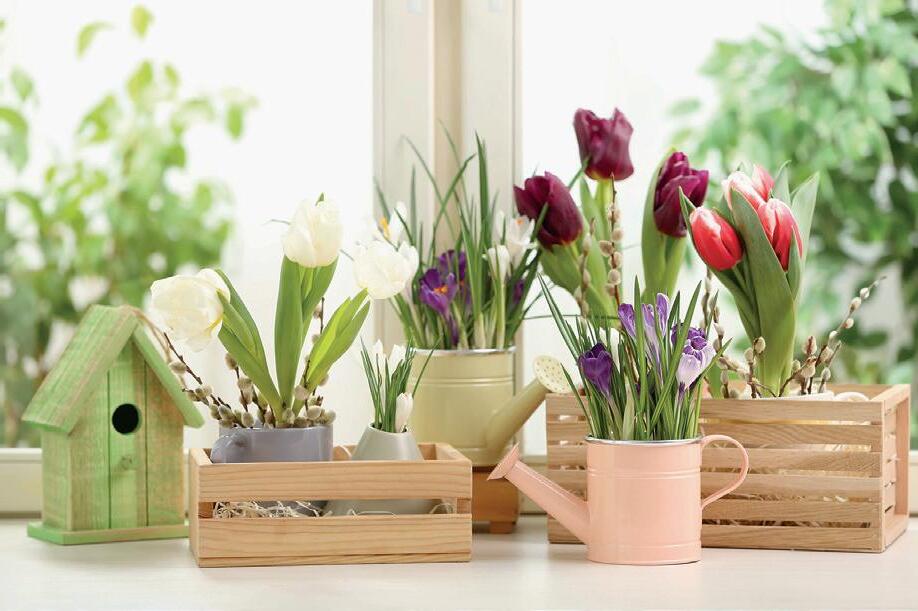
Plants are more than decorative; they also help bring the outdoors in. Give your home that springtime feel by adding lots of plants in planters, colourful pots or even terrariums throughout your home.
When you think of spring, you likely envision flowers. Choose real flowers, if they’re available, but artificial ones will also do the job. Display them in pretty vases on your
dining room table, kitchen island, mantelpiece or entryway table. Spring classics, such as tulips, lilacs, lilies, peonies, hyacinths, daisies and apple blossoms, bring instant spring vibes.
Do you have a green thumb? If you love gardening, you can start dreaming of your well-stocked vegetable garden as you plant your seedlings. Watching them sprout is a sure sign of the arrival of warmer days.
As you can see, it’s not hard to invite spring into your home. Visit your local home decor, furniture and paint retailers to find everything you need to make your decorating project a success.
Not confident in your decorating skills? Don’t have time in your busy schedule? No worry! Hire an interior designer to create a spring-inspired look that will exceed your expectations.
“What window coverings should I use in the kitchen?”
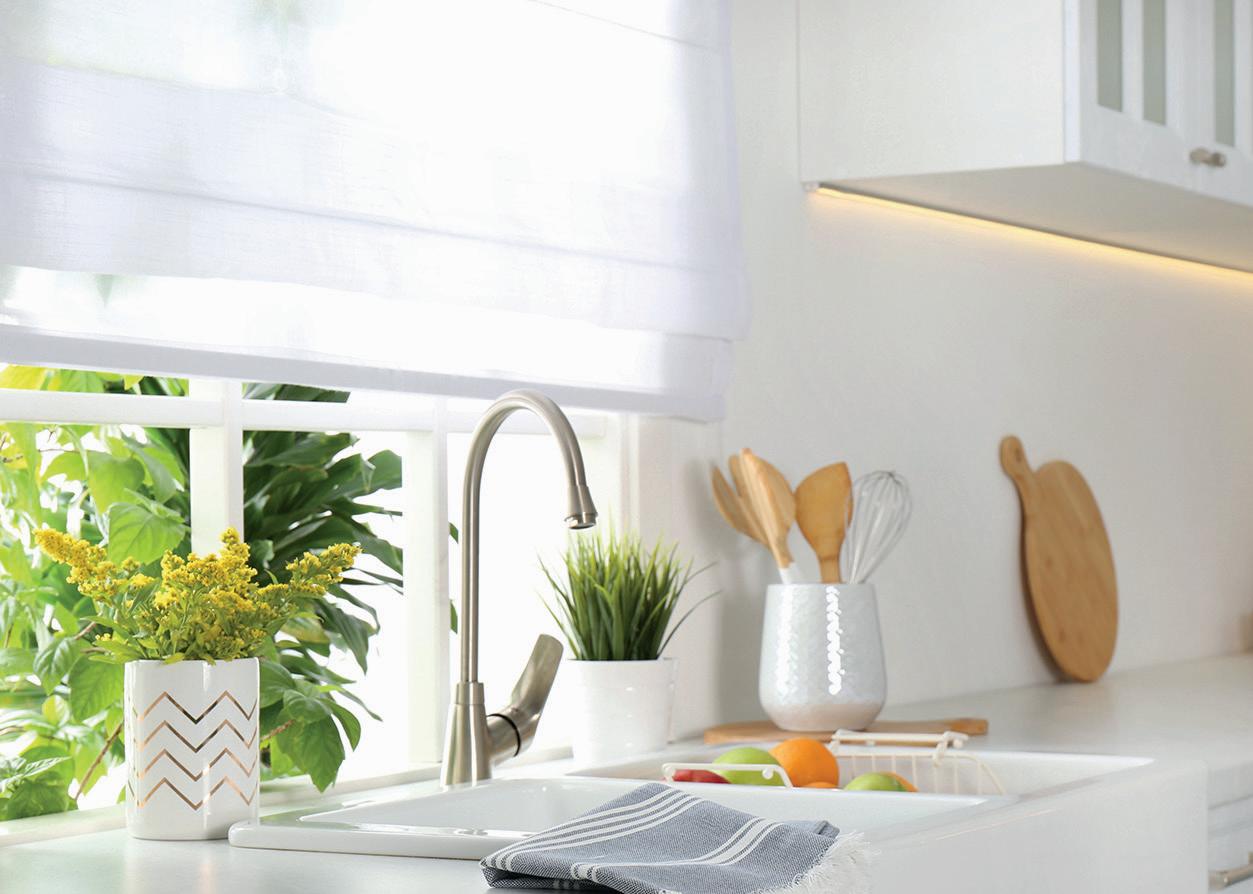
As one of the most-used rooms in the home, your kitchen deserves thoughtful attention to both functionality and style. One detail that often gets overlooked is the window coverings. Here are some ideas to consider.
CONSIDER YOUR COOKING HABITS
Do you love spending time in the kitchen whipping up a variety of dishes? If so, you know that kitchens get dirty fast. Grease particles and splatters will sooner or later end up on your window coverings. For avid cooks, vertical blinds made of wood or synthetic materials are ideal because they’re
quick and easy to clean.
Do you prefer simple or no-cook meals? Are your windows located far away from your appliances? If so, fabric curtains can be a great choice. They match any decor and are perfect for large windows when you’re looking for a stylish yet affordable option.
THINK ABOUT THE ATMOSPHERE YOU WANT TO CREATE
Depending on the amount of sunlight in the room and the colours of your furniture or flooring, your choice of window covering can influence the mood in your kitchen. White-washed shutters paired with light wood flooring create a bright, clean look. Canvas solar shades and warm-toned cabinets provide a softer, more intimate vibe.
Your kitchen window coverings should reflect how you use the space and the atmosphere you want to create every time you walk in.
Visit your local shops to find the perfect window coverings.
Want to use paint to give your staircase a budget-friendly transformation?
Stairs have many distinct elements, including risers, treads and banisters. These features make your staircase the perfect place in your home to indulge your creativity. Here are a few ideas to inspire you.
• Monochrome decor. Create depth by using the same colour, or several shades of it, on both the walls and the stairs. The result will be quite striking!
• Bold contrast. Give your staircase a look that’s dramatic yet refined with dark tones like black or indigo on the risers and banister. You could also break up the monotony and add visual interest by choosing a colour that contrasts with your walls.
• Riser spotlight. Paint the risers white to give your space a bright and airy look, or use a bold colour to liven it up and attract attention. For a playful touch, alternate between two complementary shades.
Grab your paintbrushes and let your creativity flow!