PORTFOLIO
LETICIA OLIVEIRA
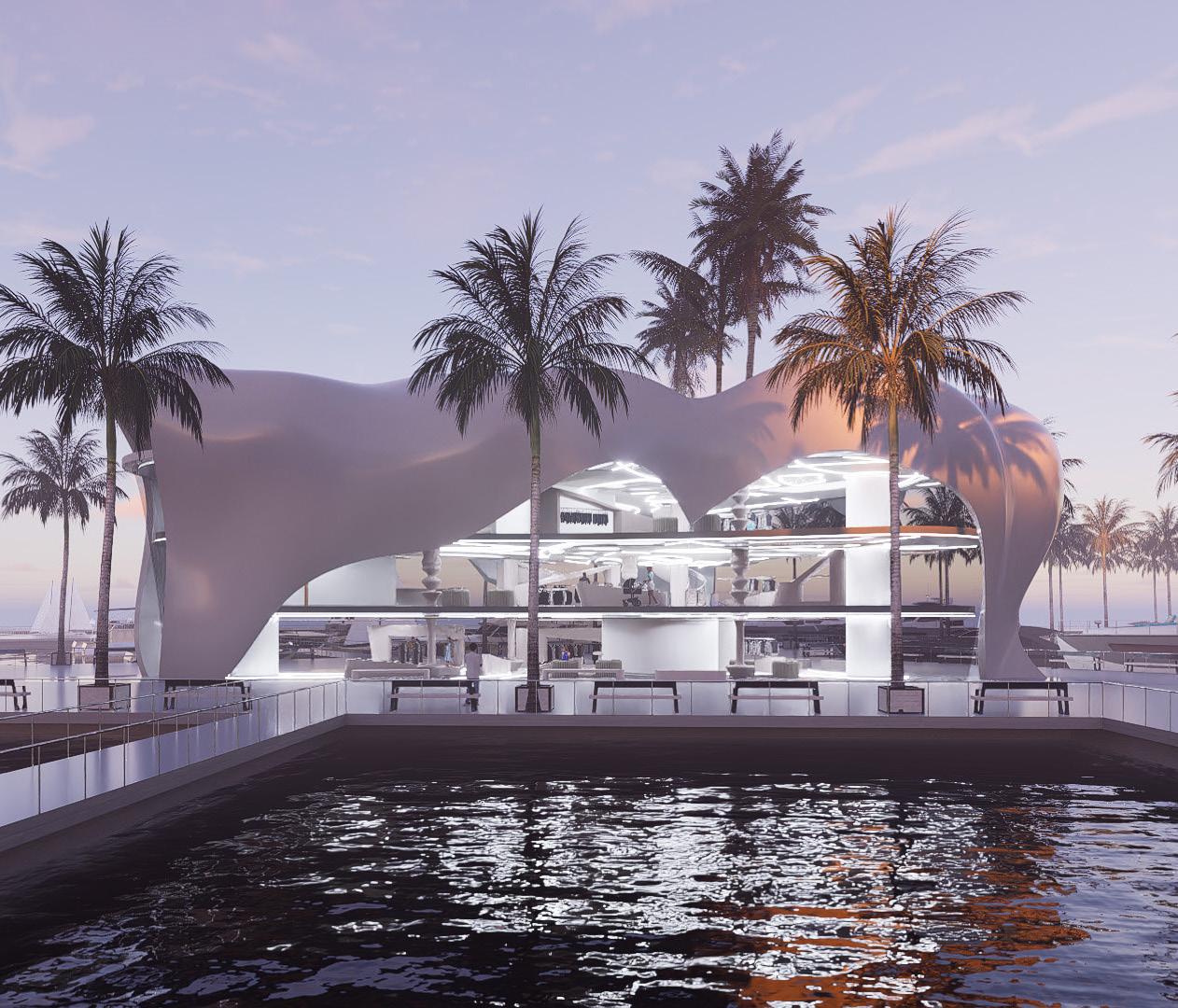
TABLE OF CONTENT 01 02 03 04 ABOUT ME SOCIAL MEDIA REHABILITATION AND REFORMS HARBOUR
01. ABOUT ME
02 . SOCIAL MEDIA
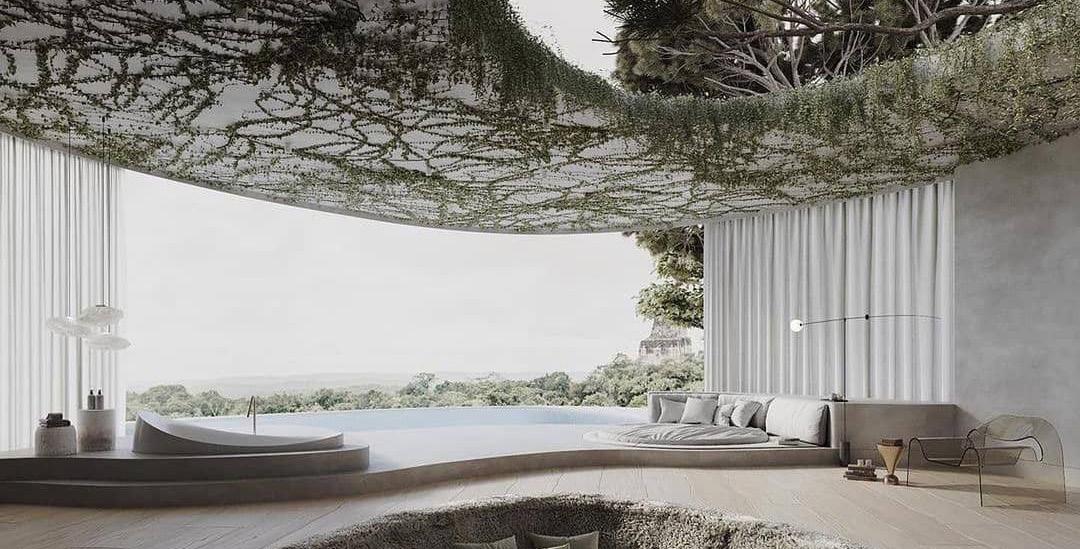
Develop a Design solution for a building changing it´s destination with original approach by applying the methodology of intervention related to sustainable recovery and reuse of the building according to an innovative approach of Biomimicry and Biophilic Design. The Building chosen for this project is located in Coin, Malaga.
Coin is a town located 210 meters above sea level and around 36 kilometers west of the provincial capital, Málaga, and 30 kilometers north of Marbella. The officialpopulation of the town is 22,673 (2020) people with foreigners currently makingup a significant percentage of the town’s population.
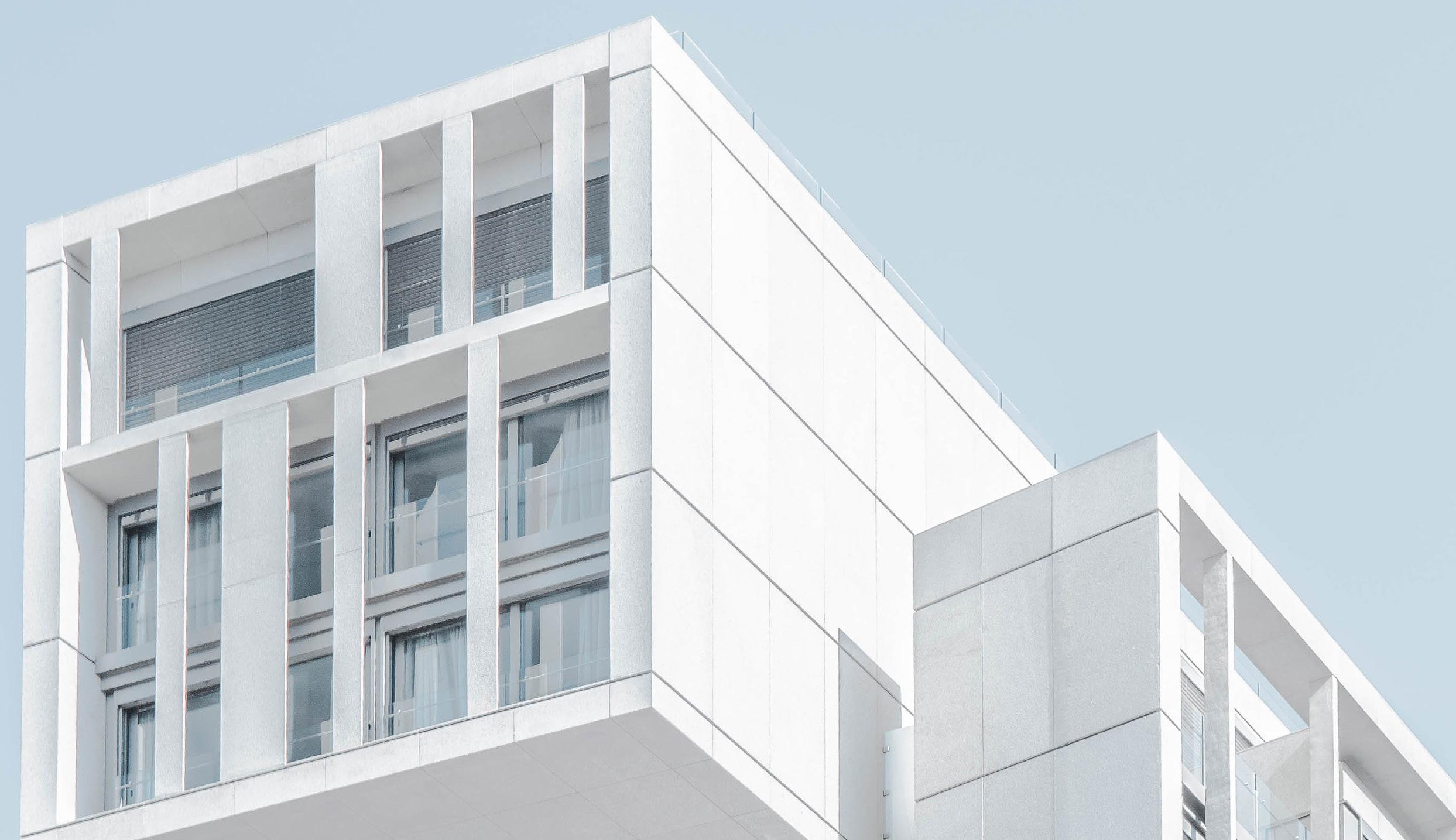
Renovation architecture and design includes projects that transform, maintain, restore and/or preserve elements of existing constructions. here, architects and designers give new life to historic buildings, forgotten properties and other outdated spaces.
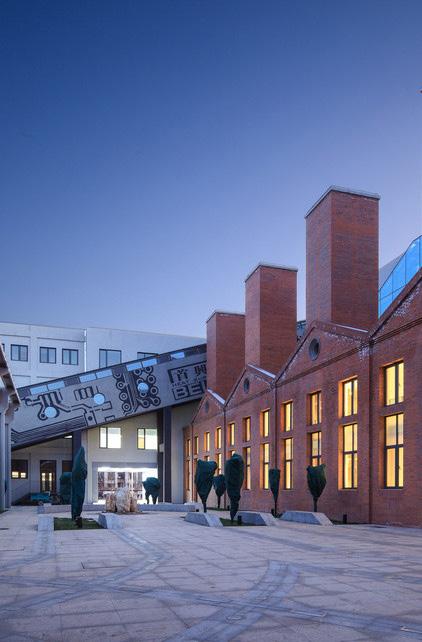
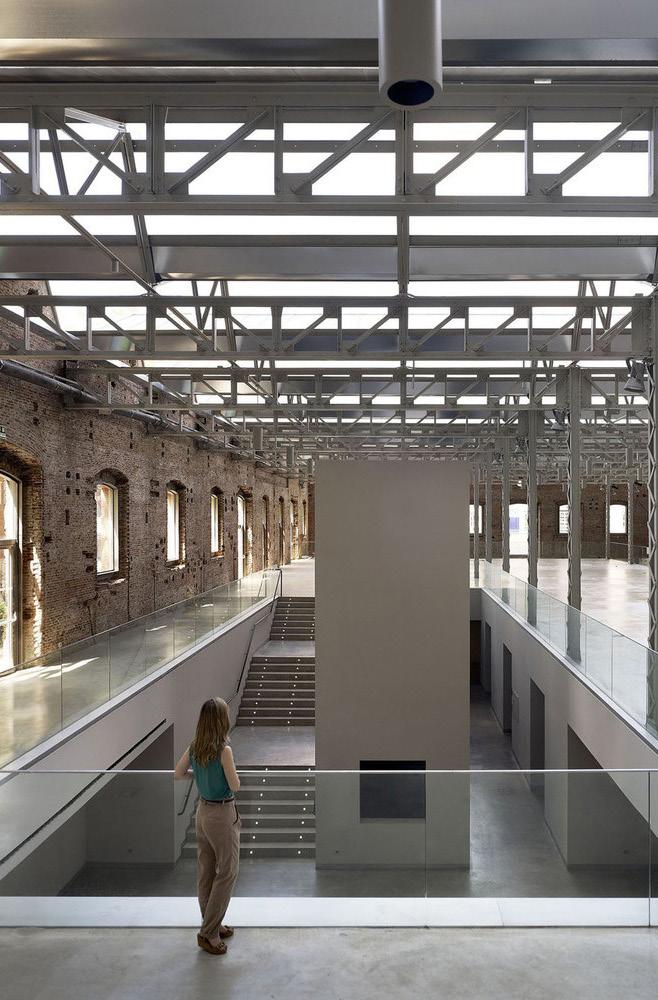
Most buildings are resilient. They can accommodate change, they can evolve, expand, contract; they can adapt as the needs and priorities of those who occupythem become different.
Places that are adaptable can generate associations with the past and with the future; they create interconnections through time and space. They retain a sense of their previous existence while also providing an opportunity for the next.
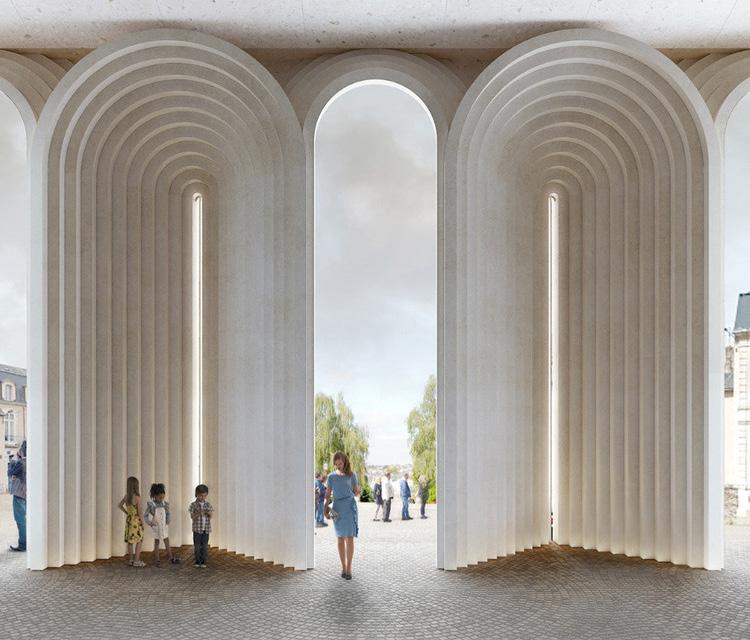
When working with an existing structure, the approach developed is basedon the current condition as well as the needs of the new users. Betweenthe old and the new, a bond is formed.Architects or designers can use three diferent strategies when reformingand rehabilitating. Intervention, Insertion and Installation are thestrategies and the one chosen will generate the final design.
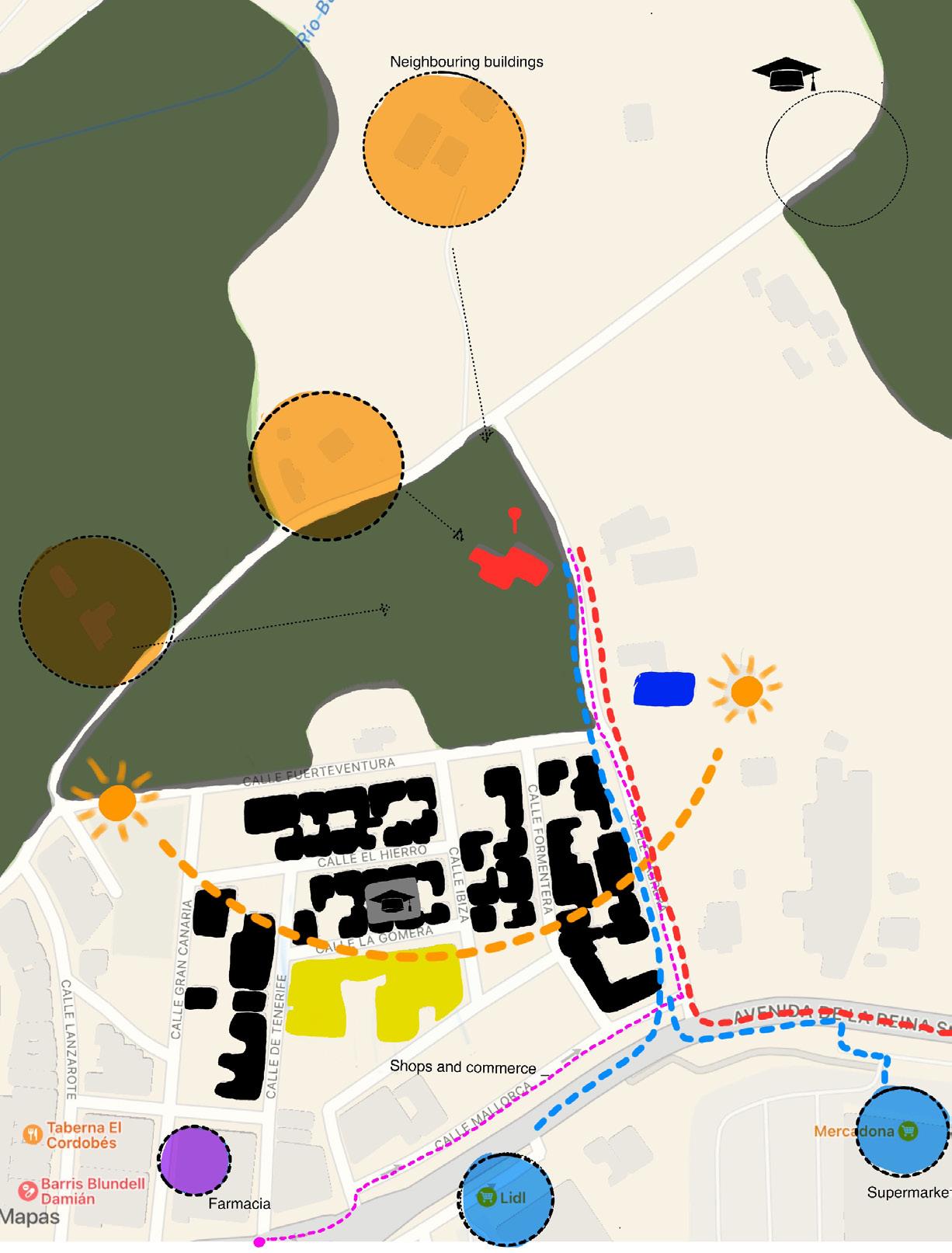
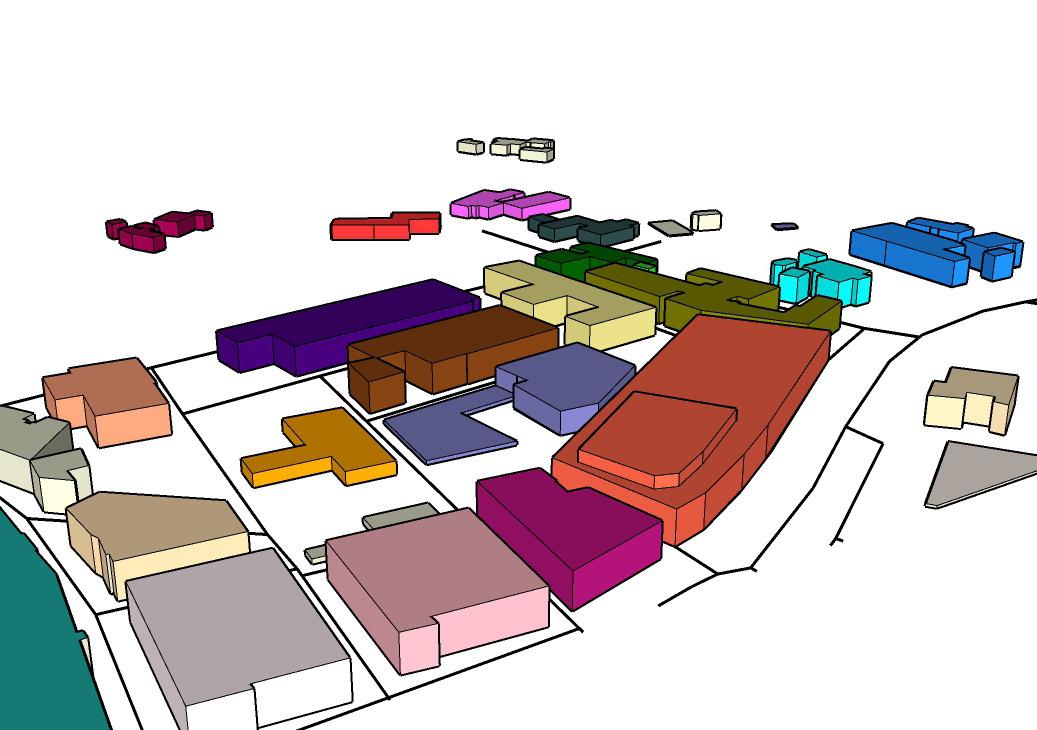
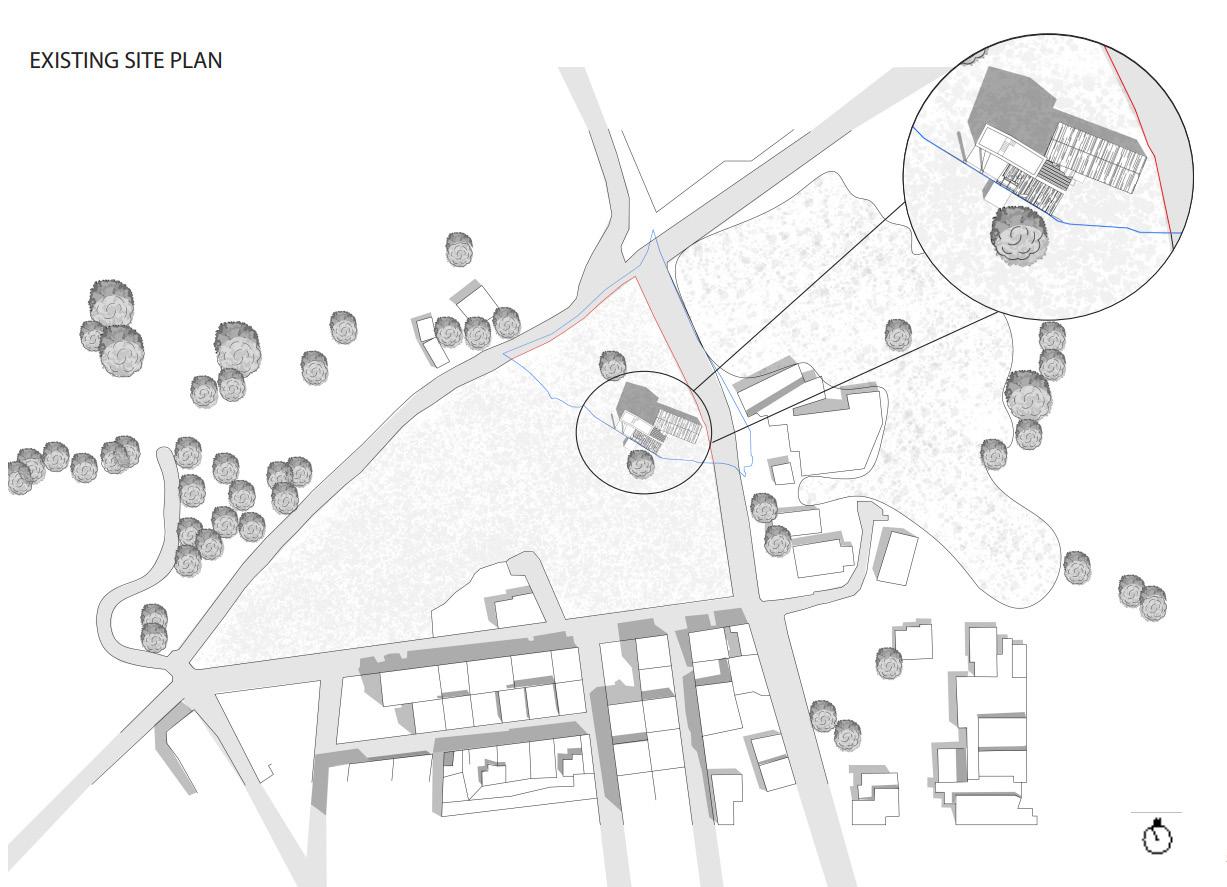
The location is located in a devoloped area where schools, residential and retail stores takes space. It also has easy connections to otheer municipalities by car or by bus.
PHARMACY
VET
NEIGBOURING BUILDINGS
RESTAURANTS & CAFES
Terreno SUP.R.16, 114, 29100 (Coín Malaga)
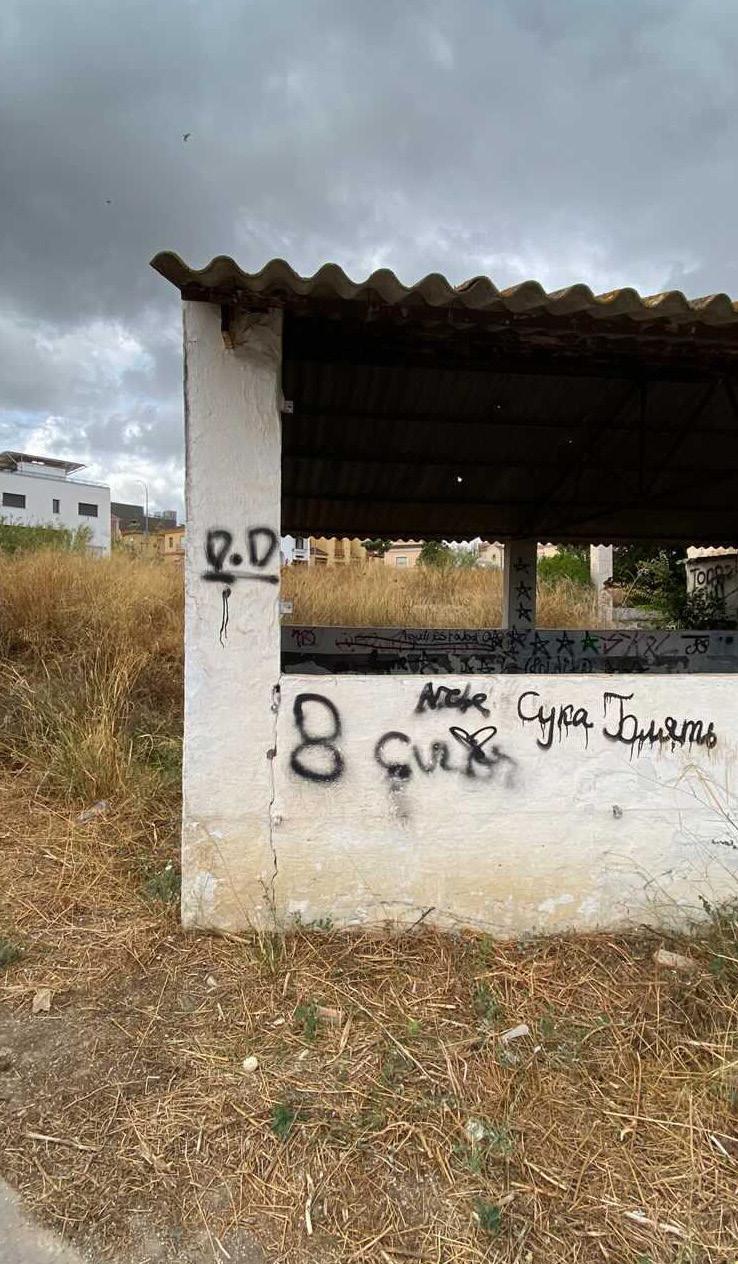
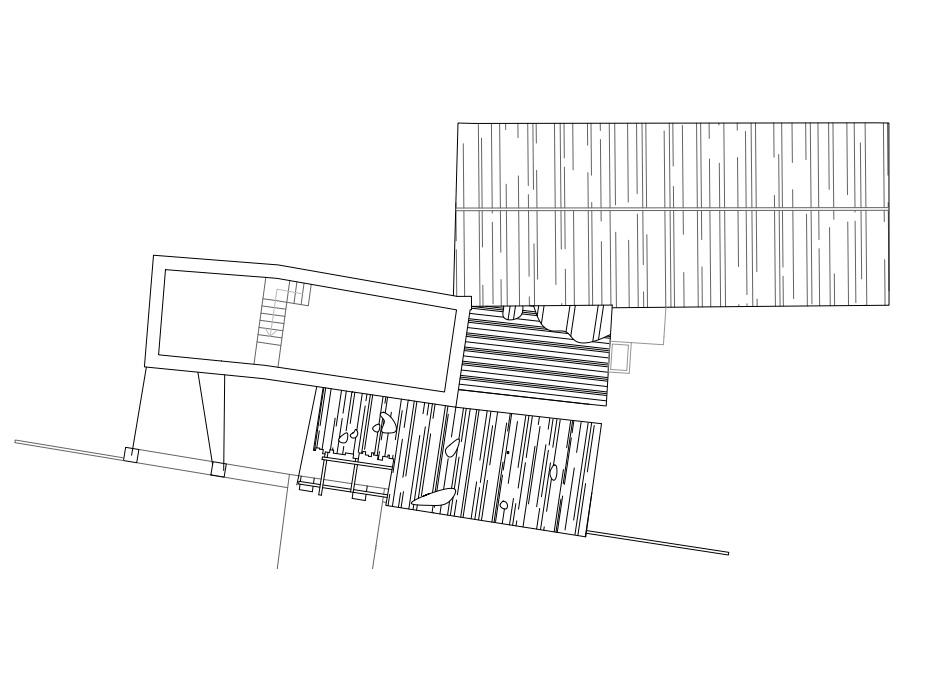
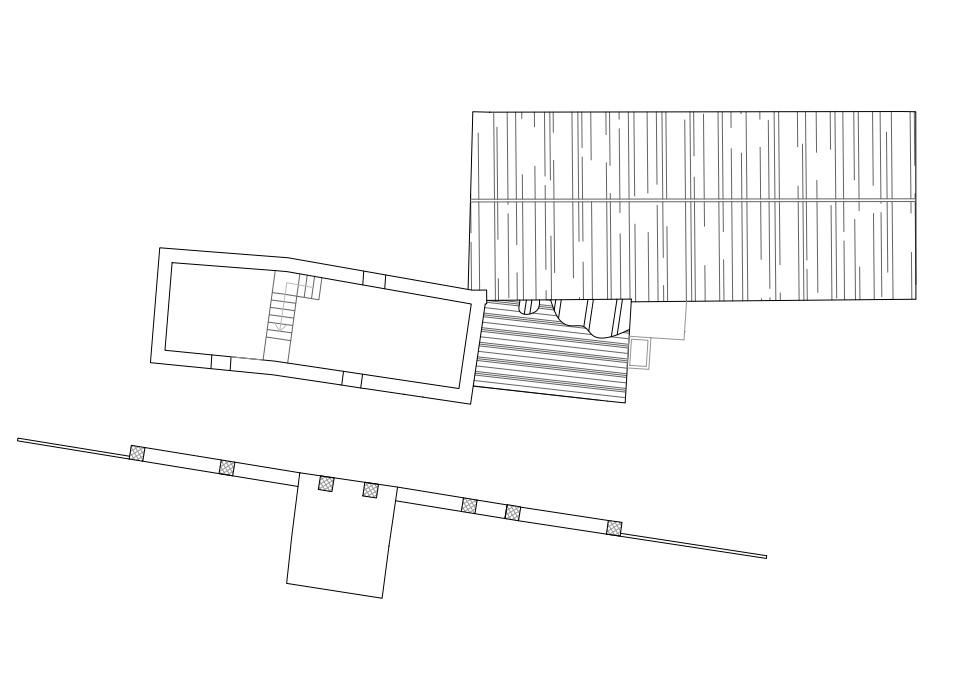
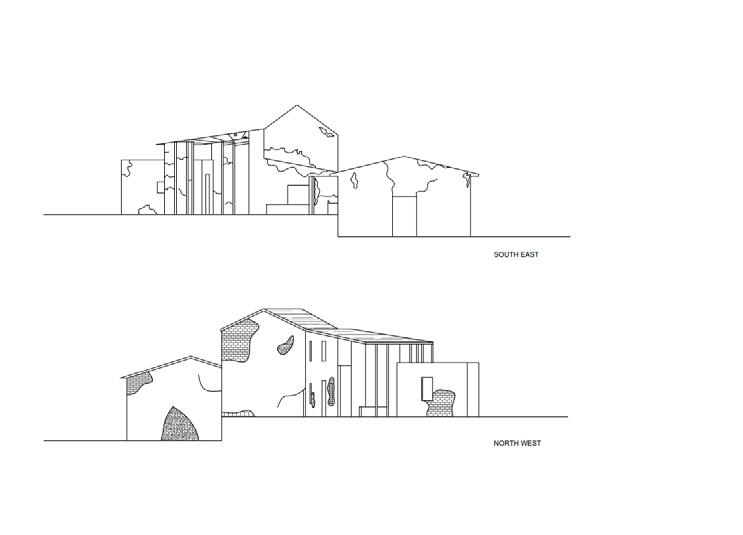
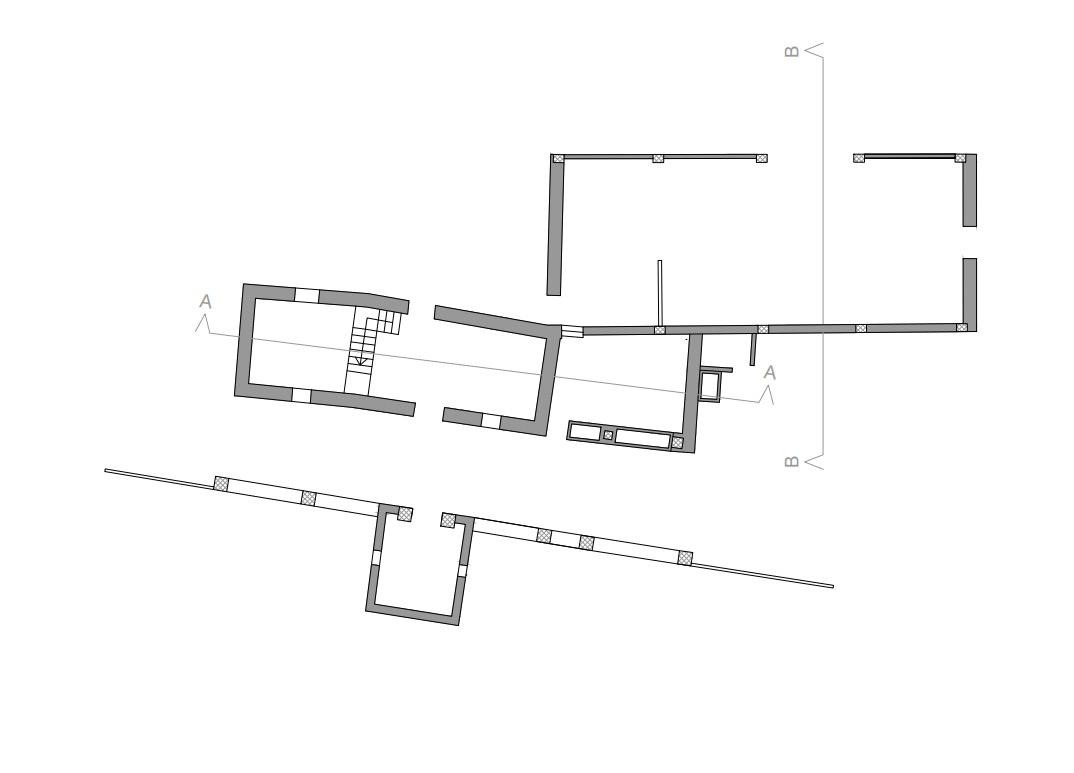
The structure was built in 2000 and is standing on a plot of 2.802 square meters and has a total area of 326 square meters, divided into a storage room of 142 square meters, a ground floor of 133 square meters, and the first floor of 51 square meters.
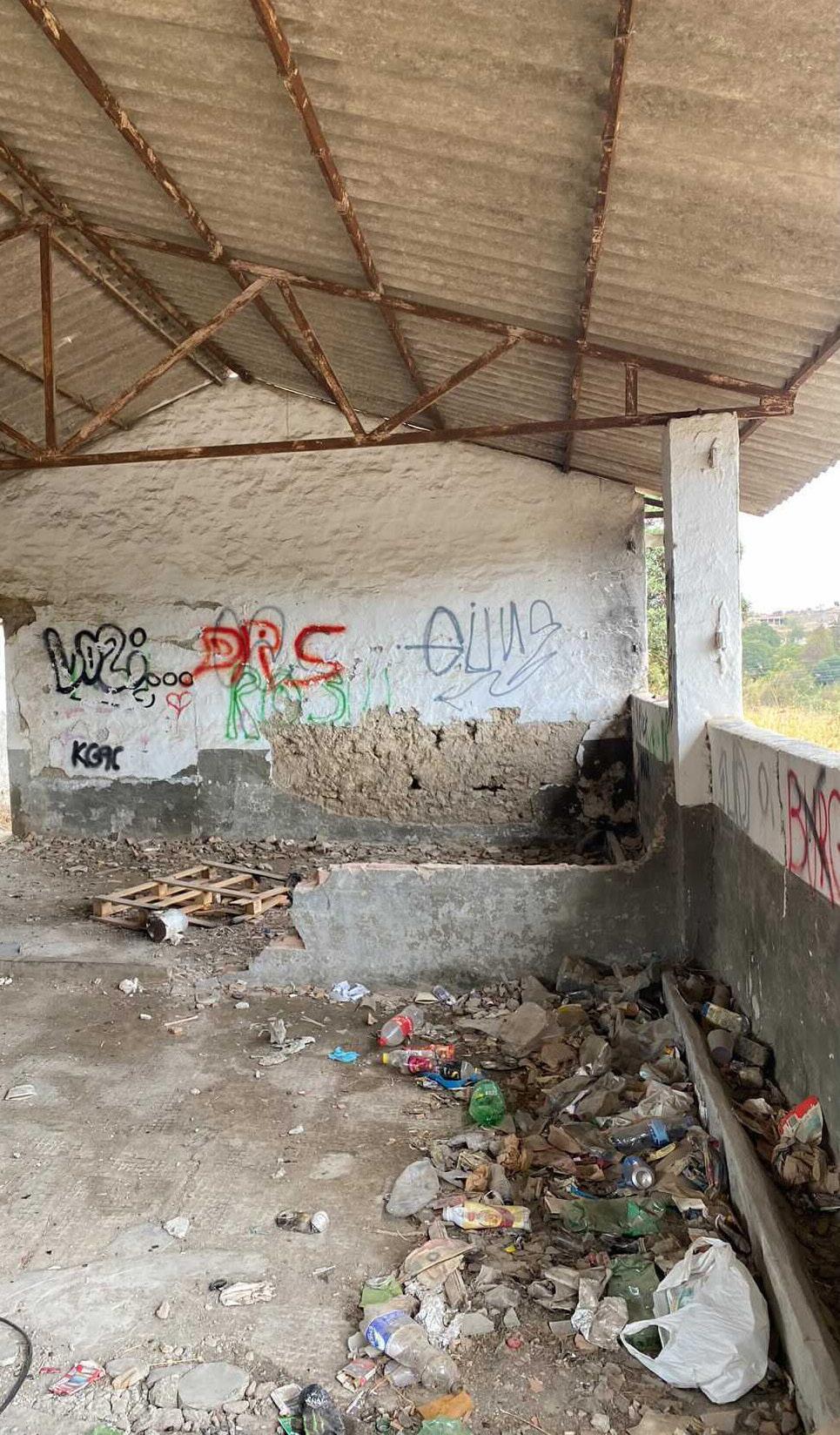
The building is in a poor condition and the main material used is red bricks. In some part of the building,
The bricks were damaged but the structure still managedto stay stable.
The materials for the ground is concrete but as shown in the pictures it is damaged on multiple places.
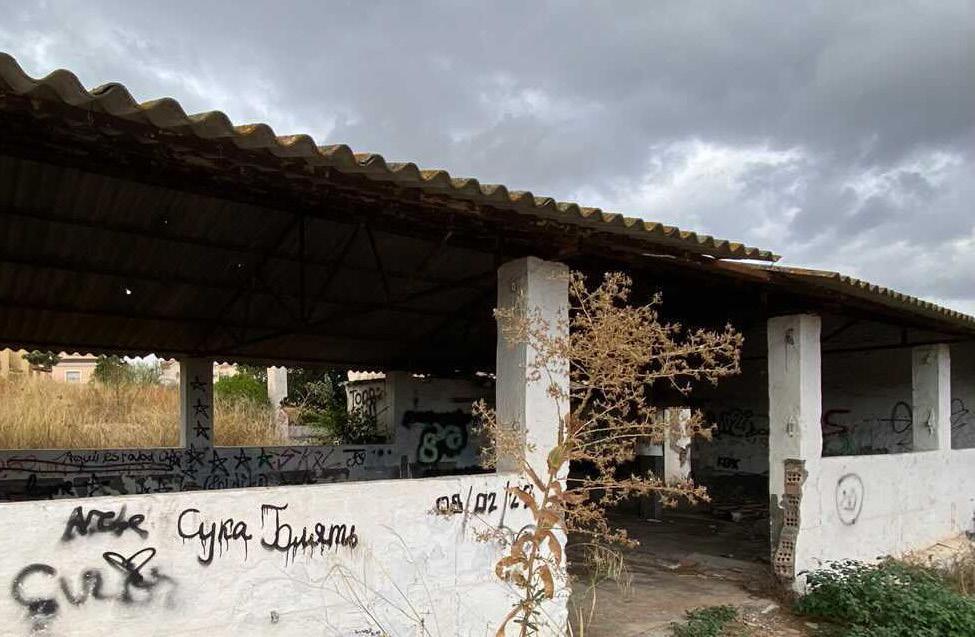
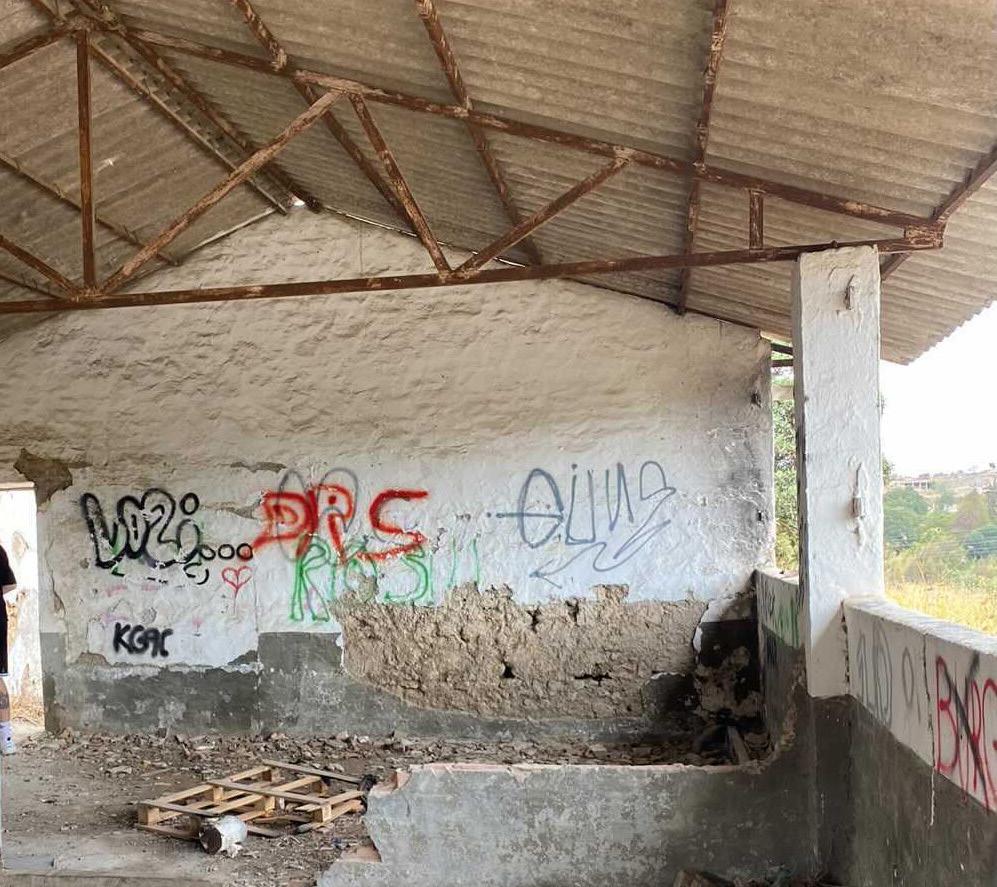
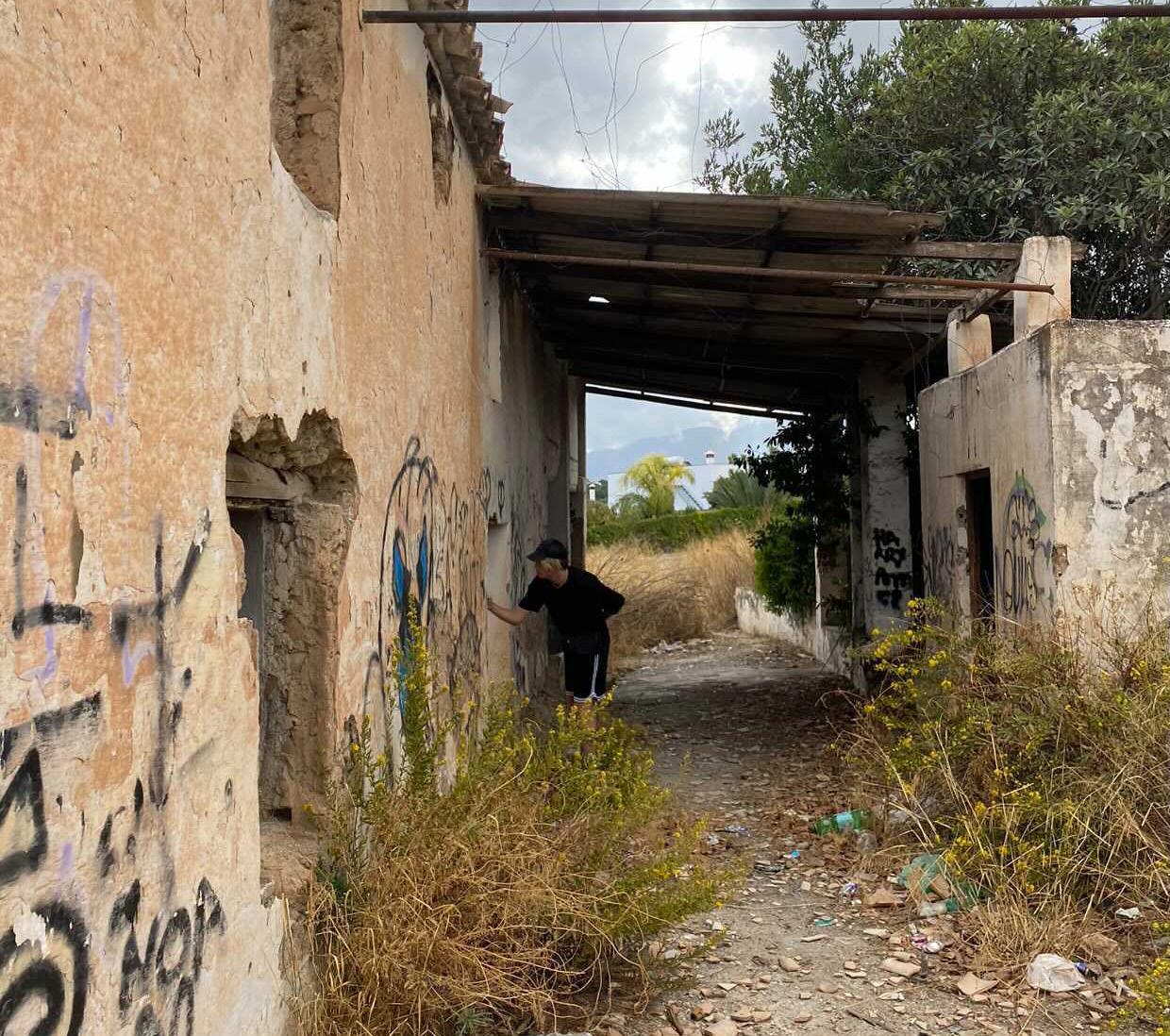
The roof material included metal as the skeleton which was rusty and tin as the skin.
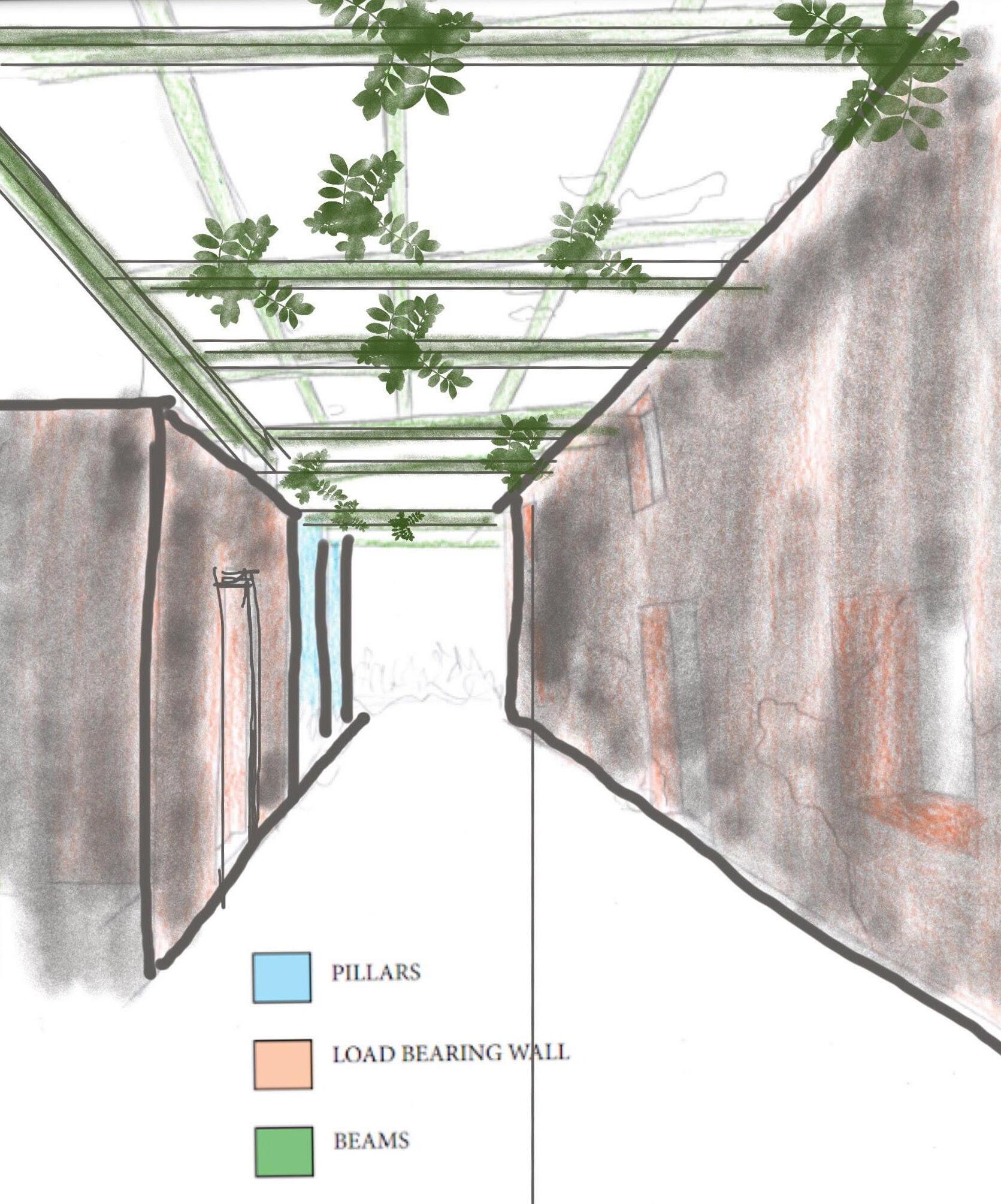
The building has several pillars to be taken in consideration
Location
Space
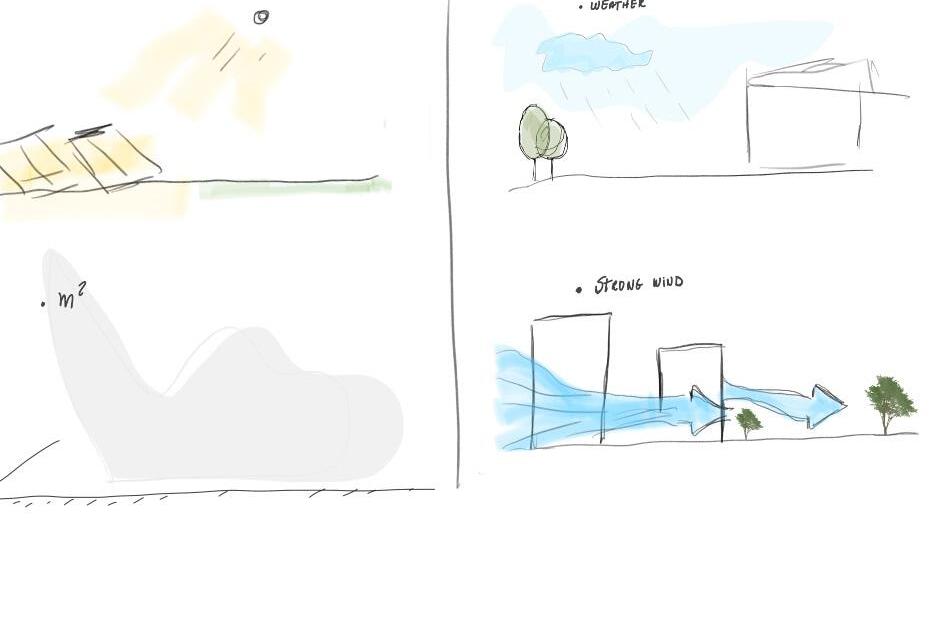
Weather
Nature
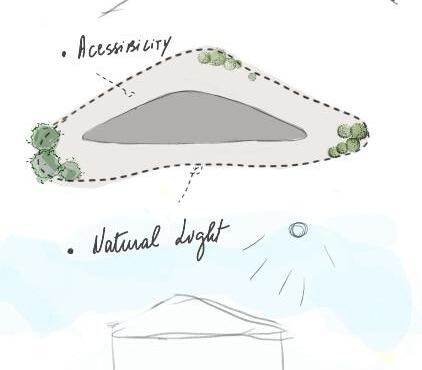
Accessibility
Circulation Open Plot
International neighbours.
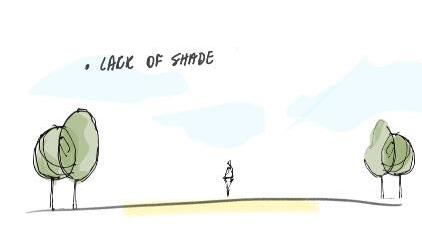
No shade fom other buildings or trees
Lacking greenery areas
No water resources
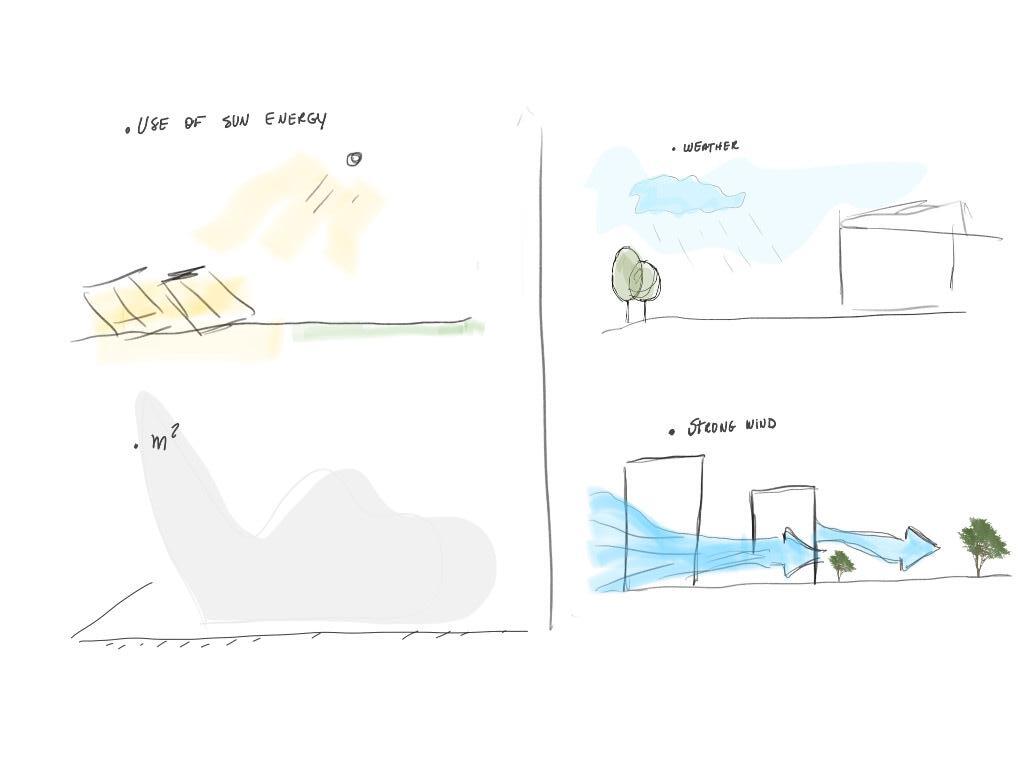
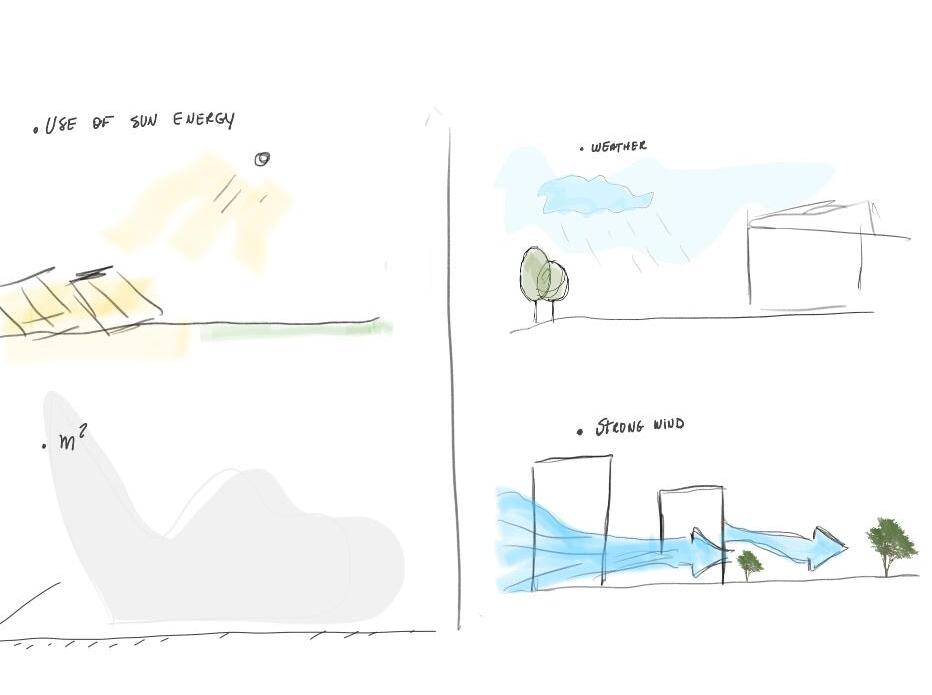
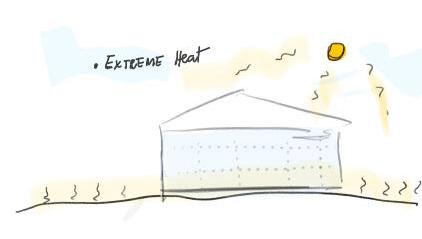
Cimate - extreme hot and cold
Make the area more developed
Improve the user´s physical health
Connect people to nature
Enhance meaninfull life and consious living
Plot level
Building´s structure conditions
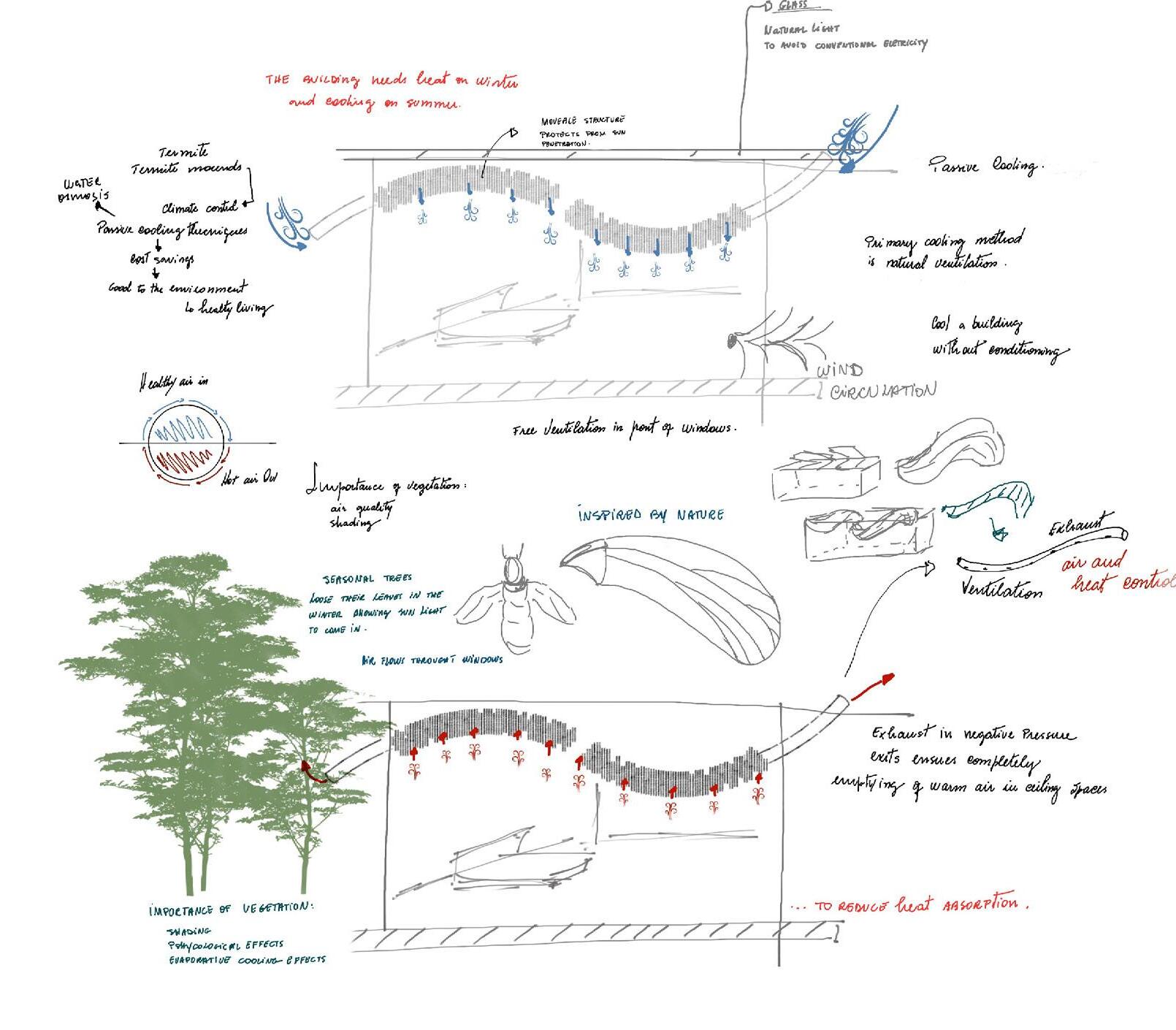
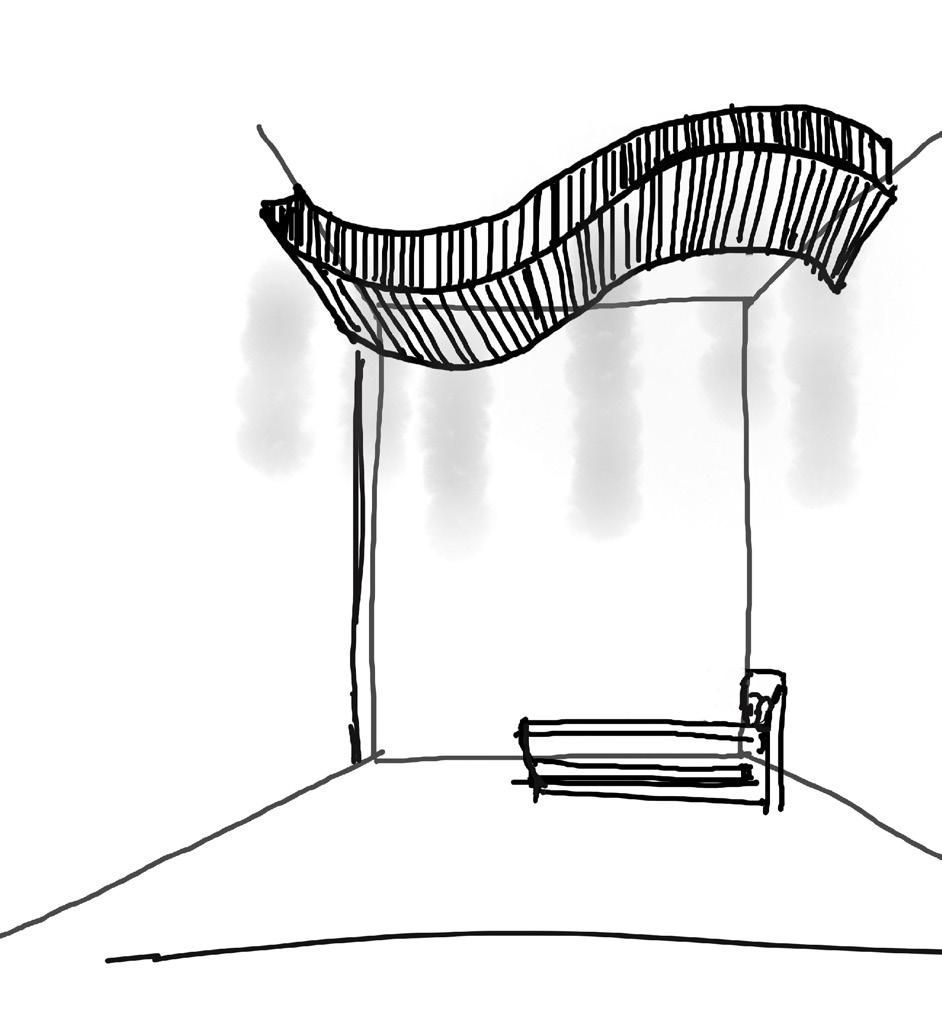
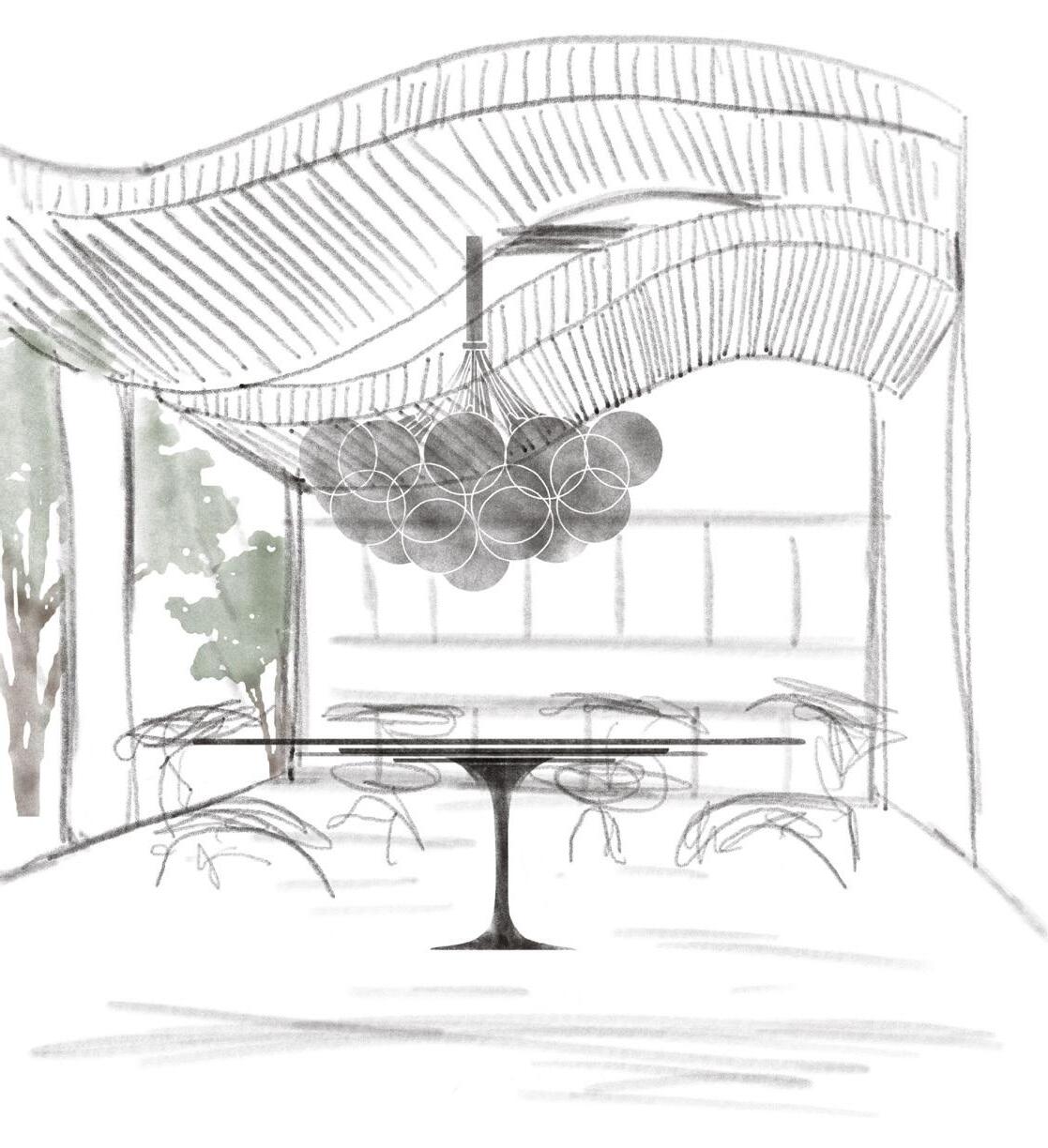
The initial consideration of this project was based on the needs of the place.In Coín it is very hot in summer and sensitively cold in winter.
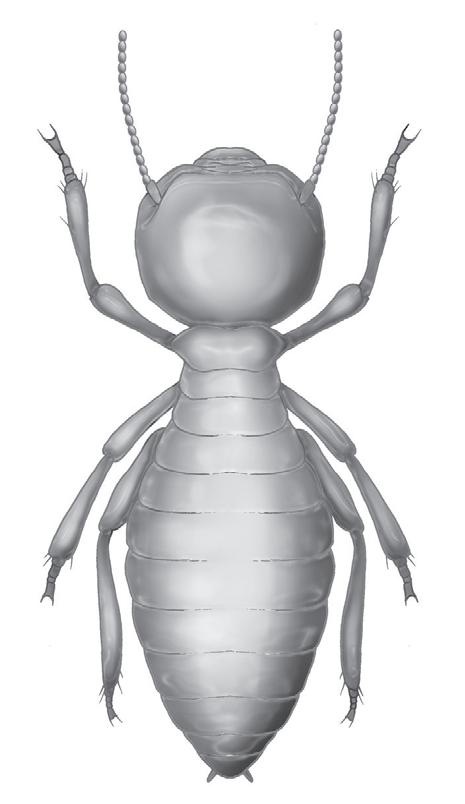
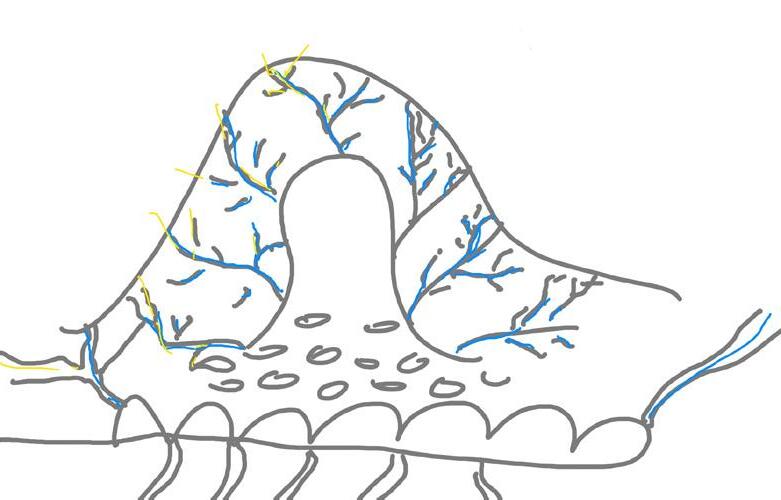
While researching how organisms interact with nature through biomimicry research, I learned how termites live and how they affect nature.
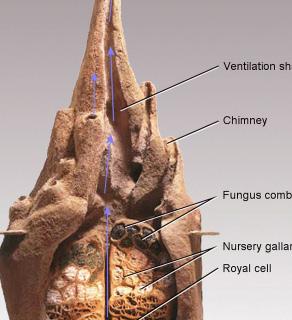
These insects live in mounds, their underground and aboveground dwellings that they build using biological passive cooling techniques.
They create strategically placed internal tunnels for air and water to enter. This natural air conditioning keeps them cool in the summer and creates a type of irrigation system.
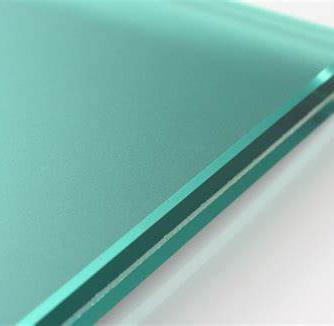

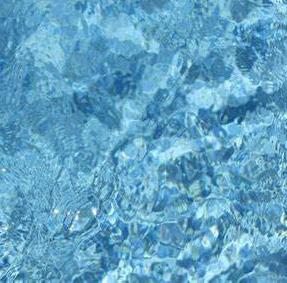
One of the important techniques is the use of natural materials. The diversity of natural building materials, its uniqueness in terms of both physical and decorative properties, environmental friendliness, ease of use are undeniable advantages for the formation of sustainable architecture.
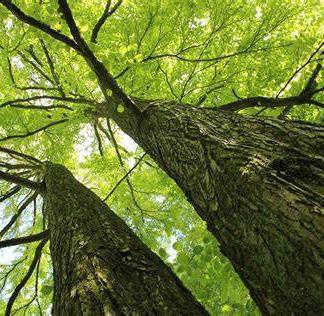

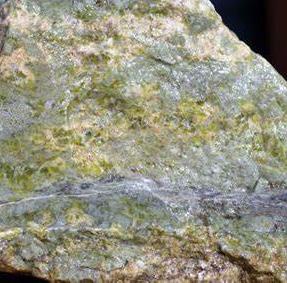
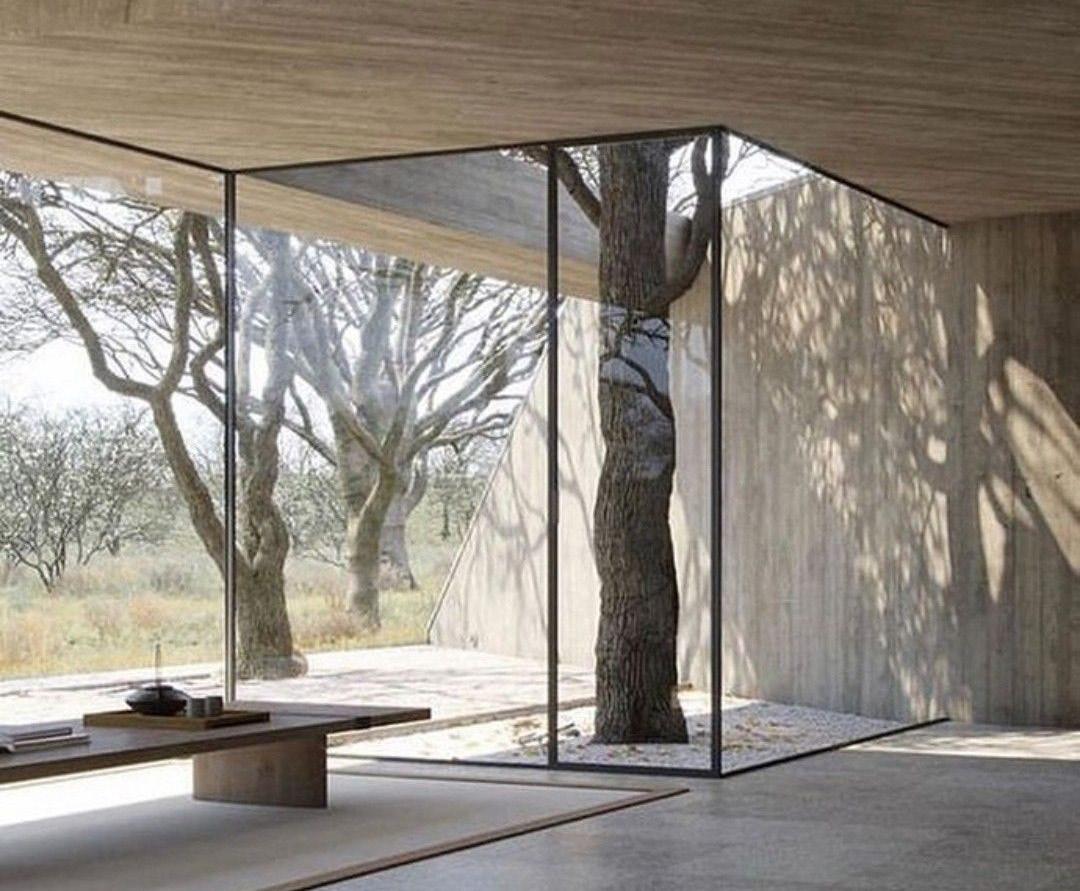
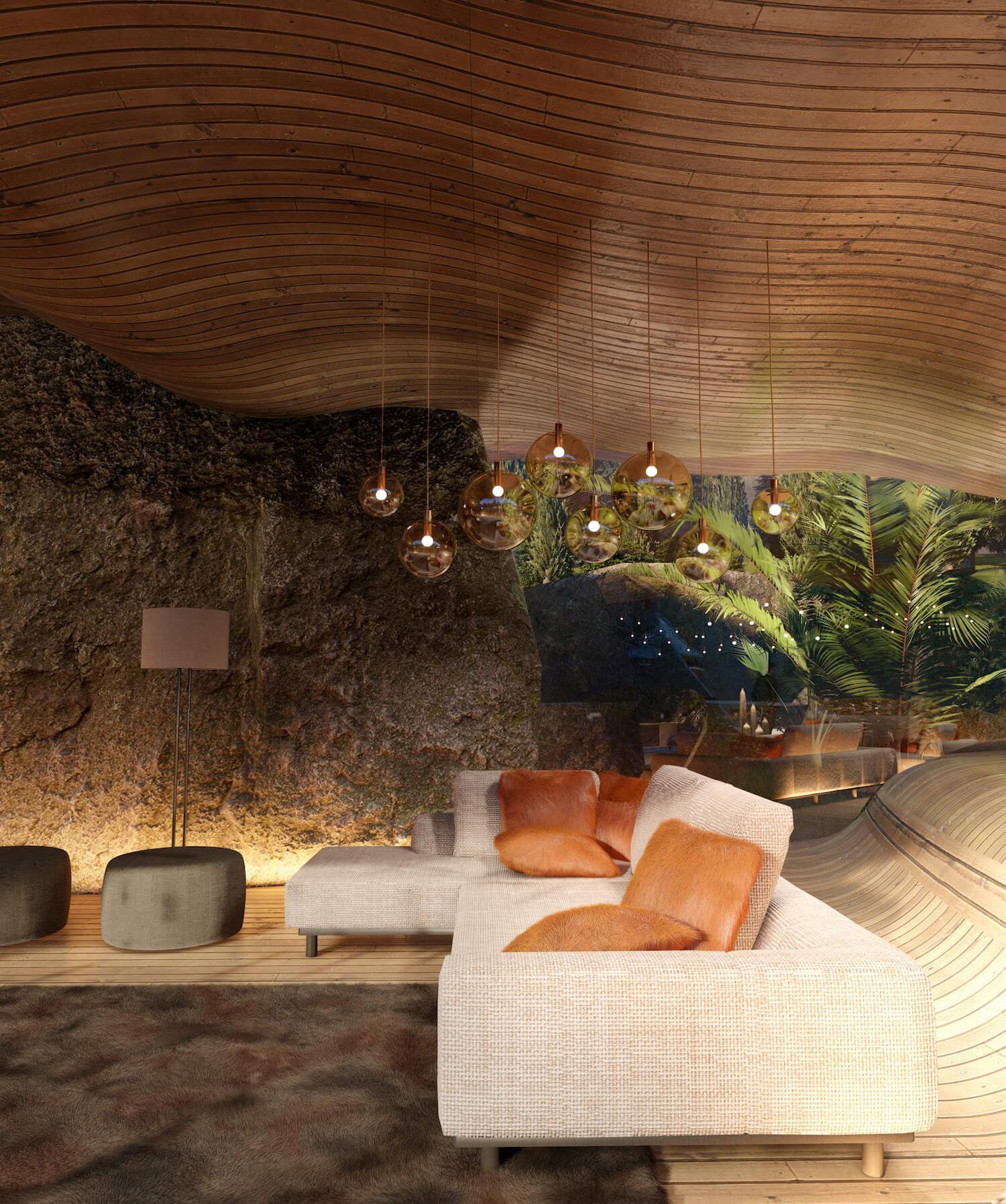 Stone Wood Water Steel Ceramic Glass Plants
Keywords :
Sustainability, Natural cooling, Climate control, Ecosystem, Vegetation, Water, Air, Environment,Thermodynamic, Cost saving, Healthy living
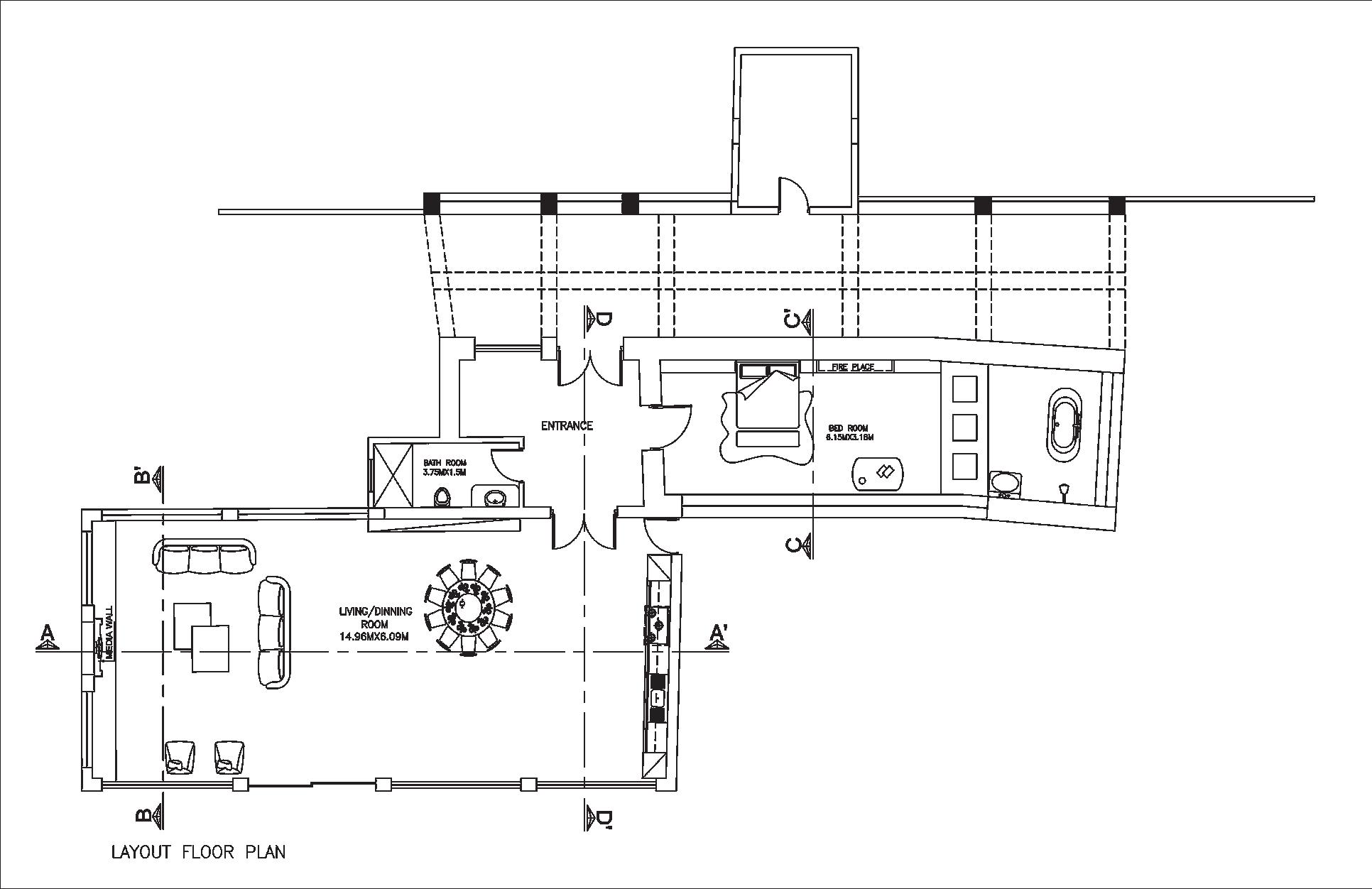


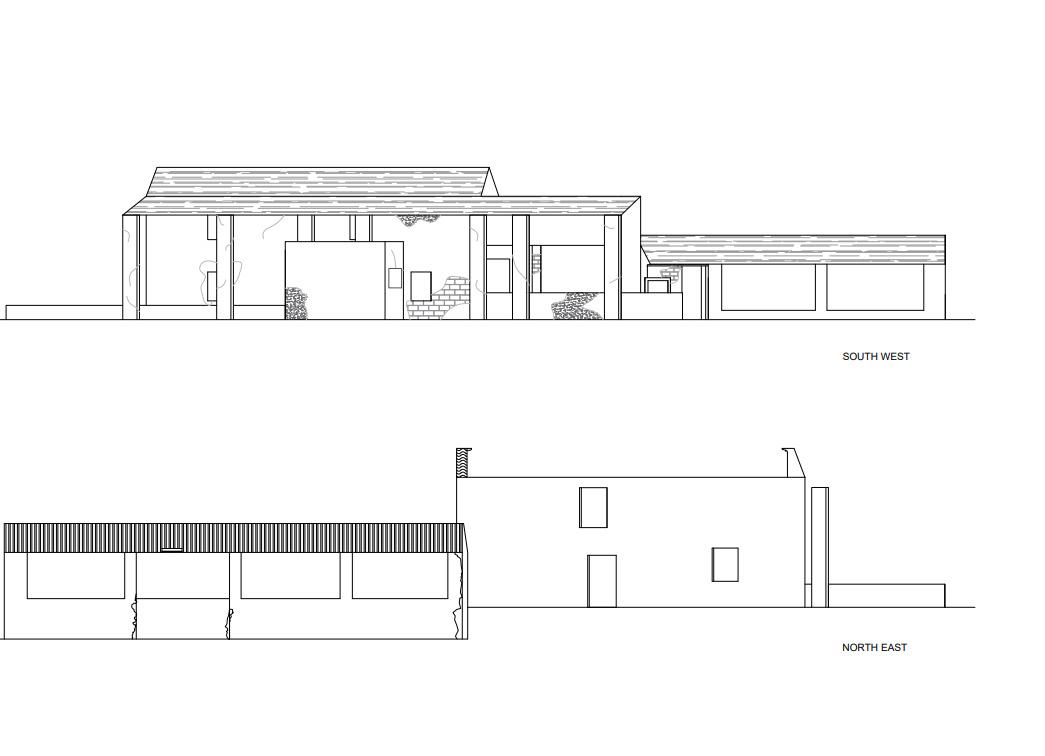
FRONT ELEVATION OF LIVING
LEFTSIDE ELEVATION




RIGHTSIDE ELEVATION
FRONT ELEVATION OF BED





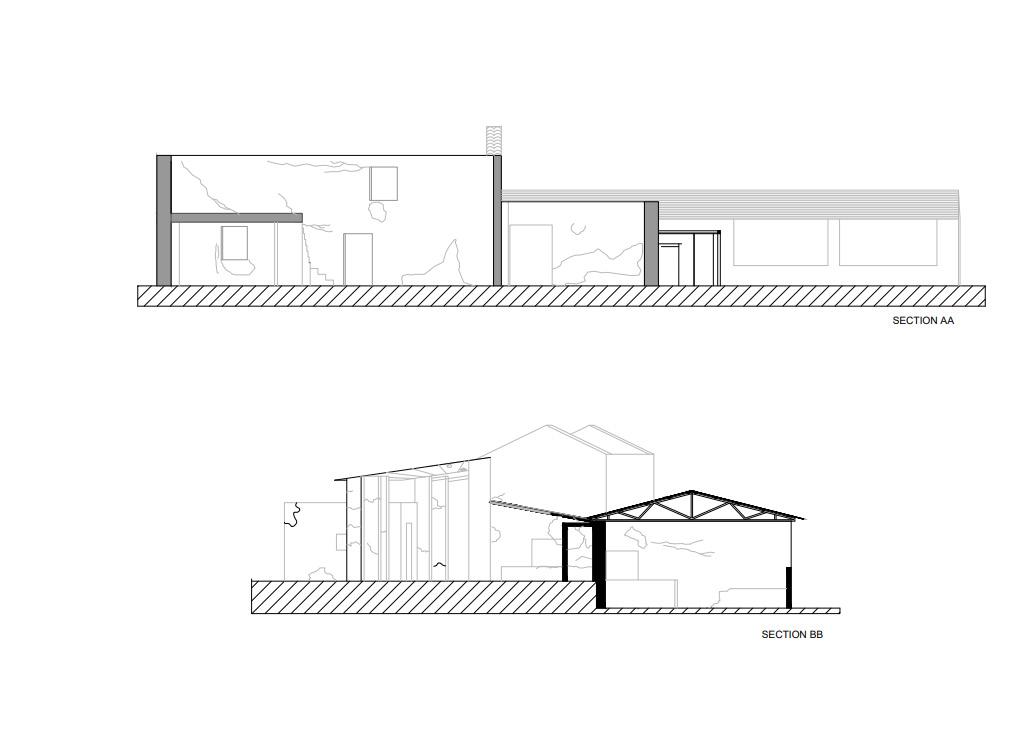
 SECTION AA
SECTION DD
SECTION BB SECTION CC
SECTION AA
SECTION DD
SECTION BB SECTION CC
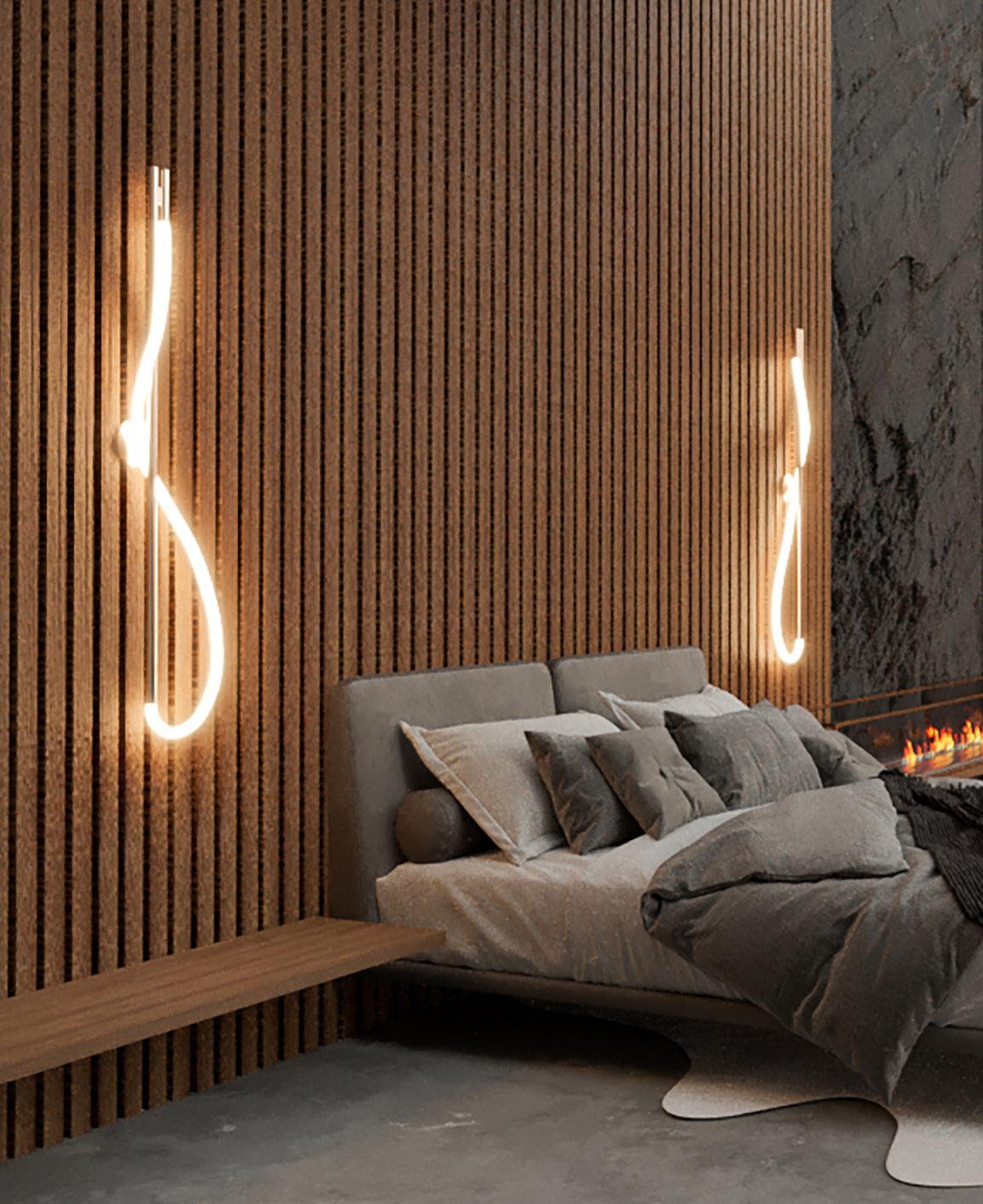
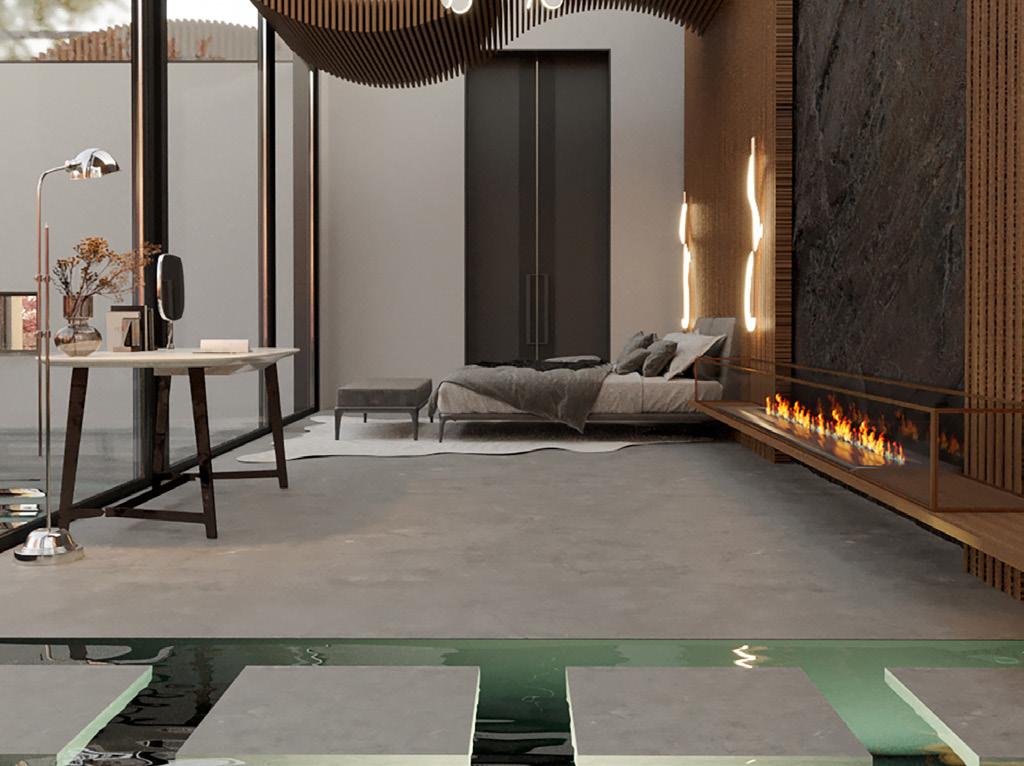
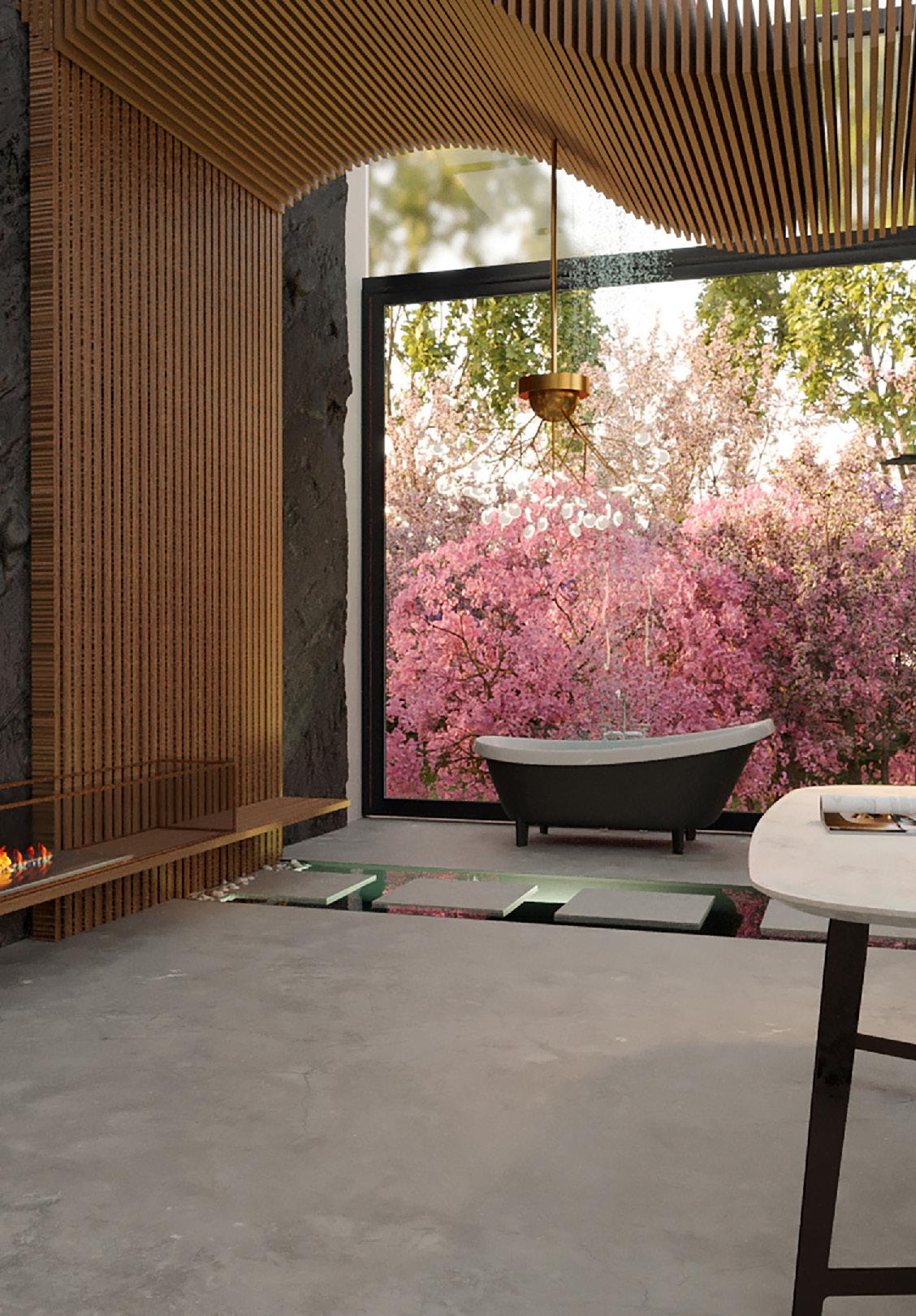
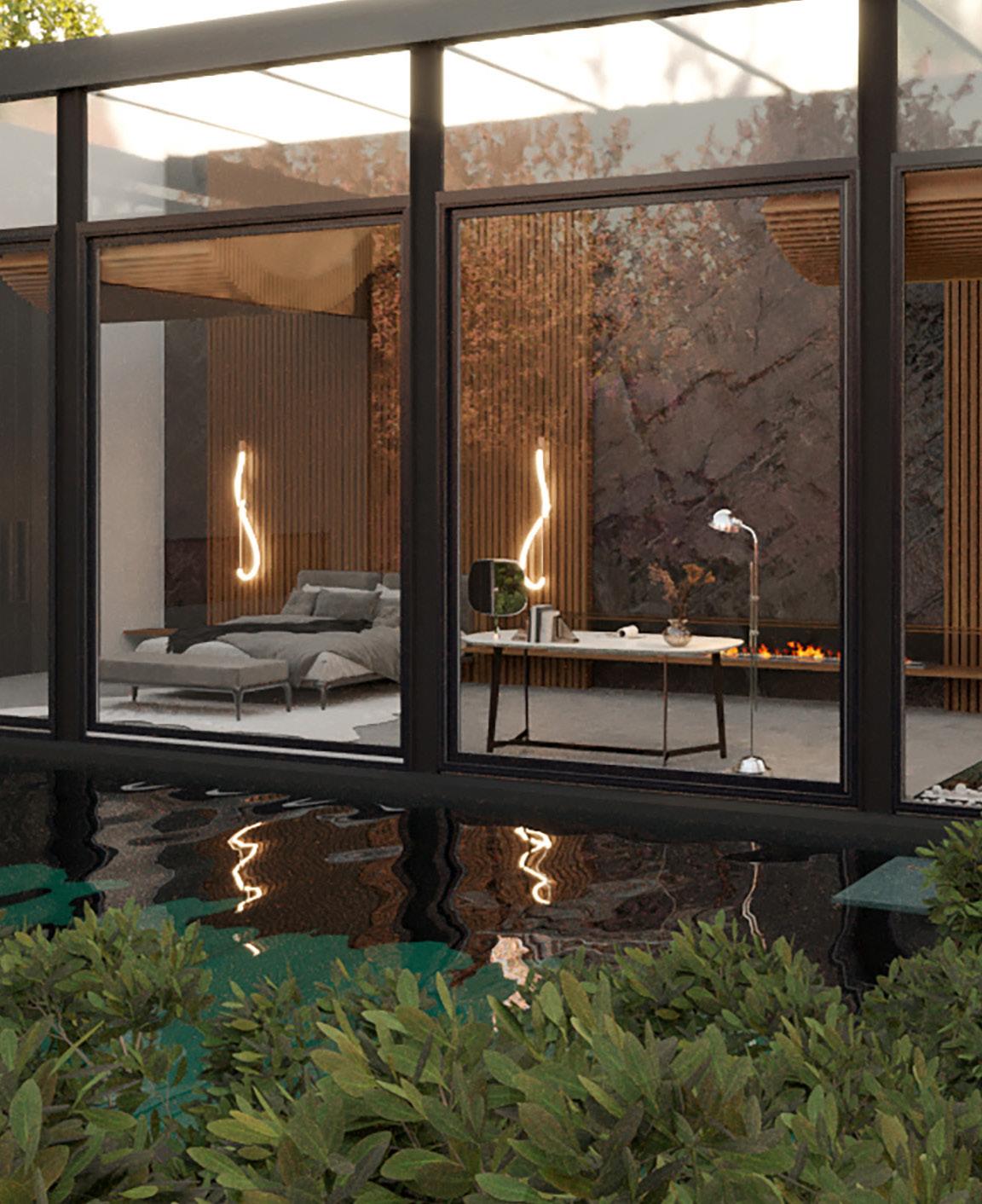
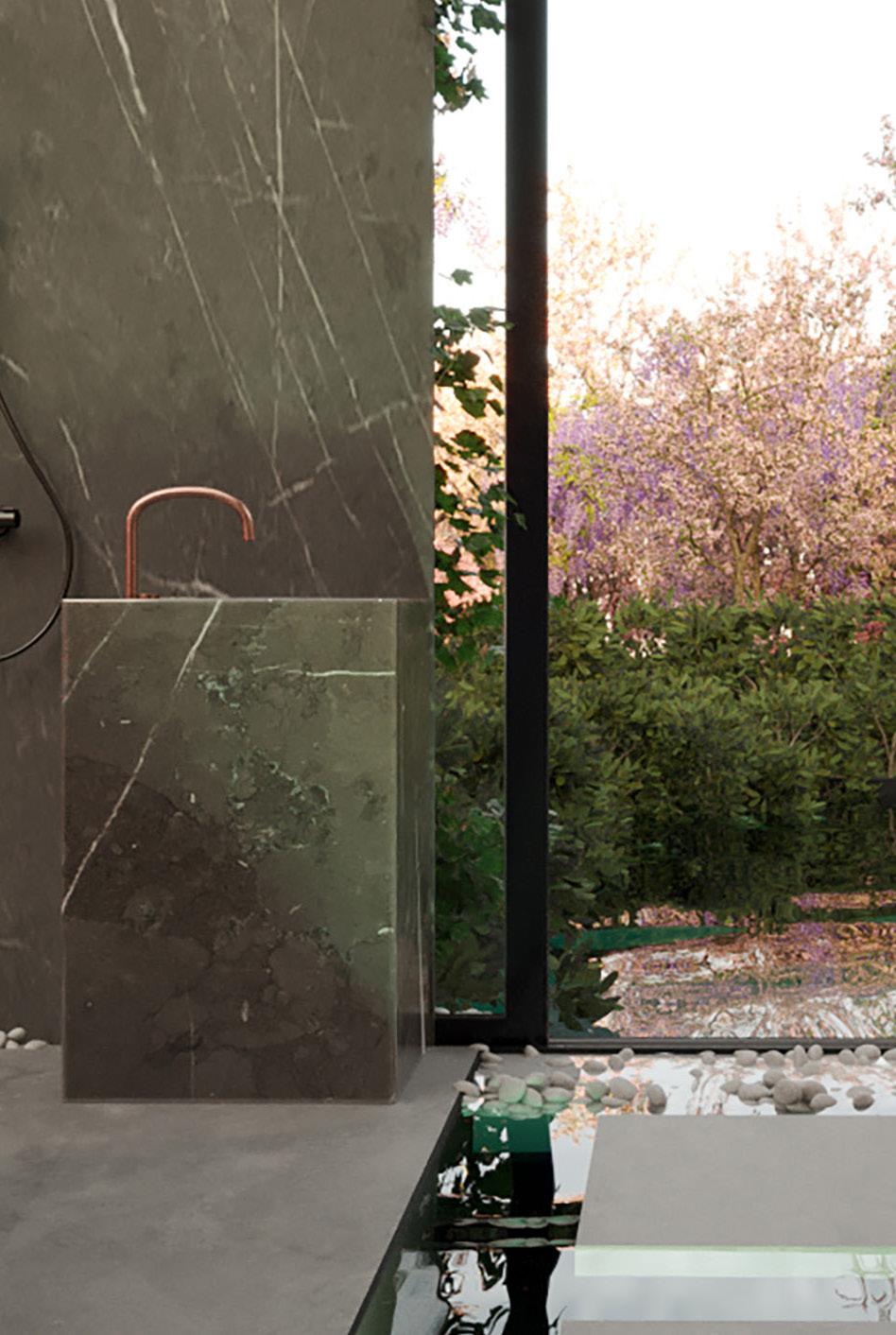
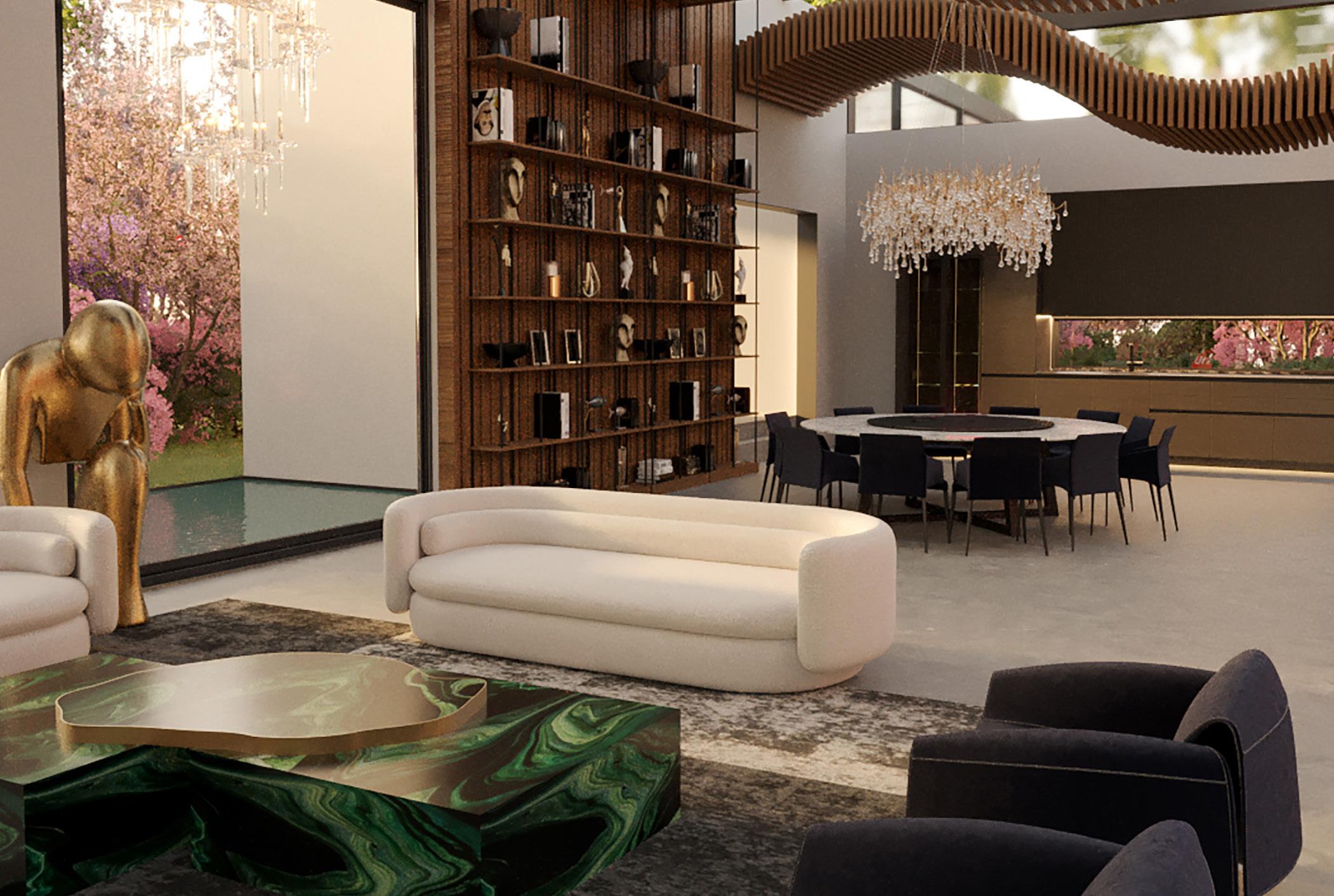
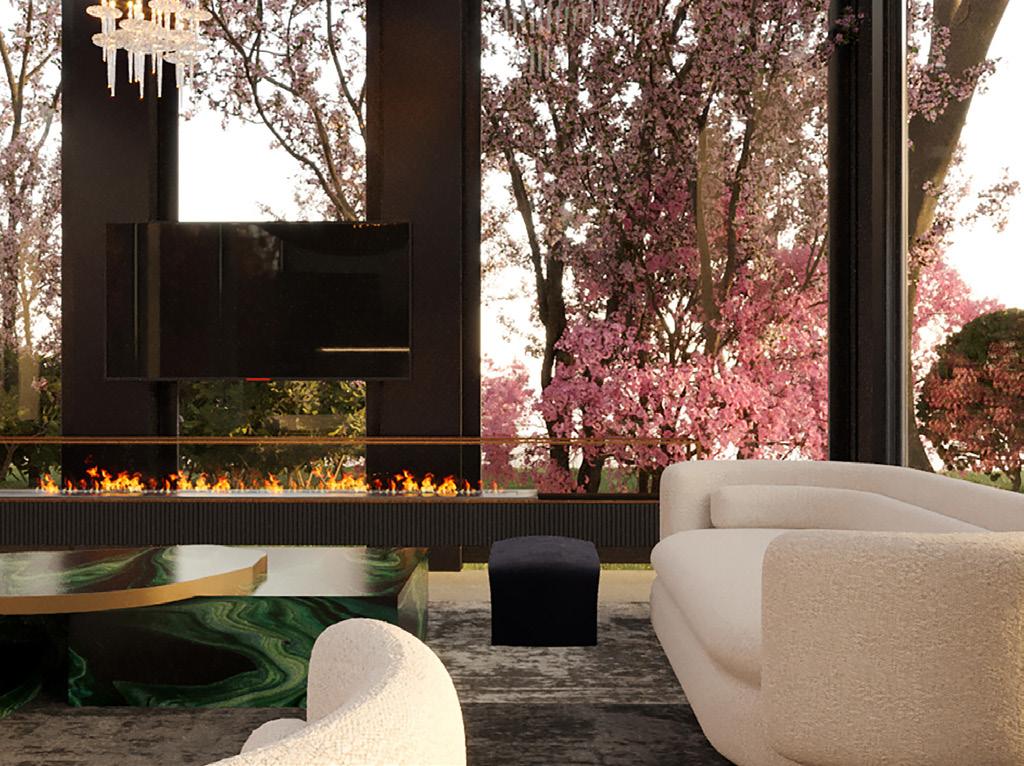
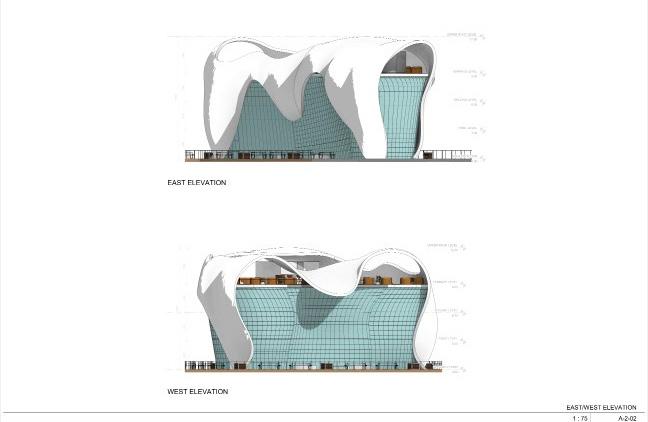
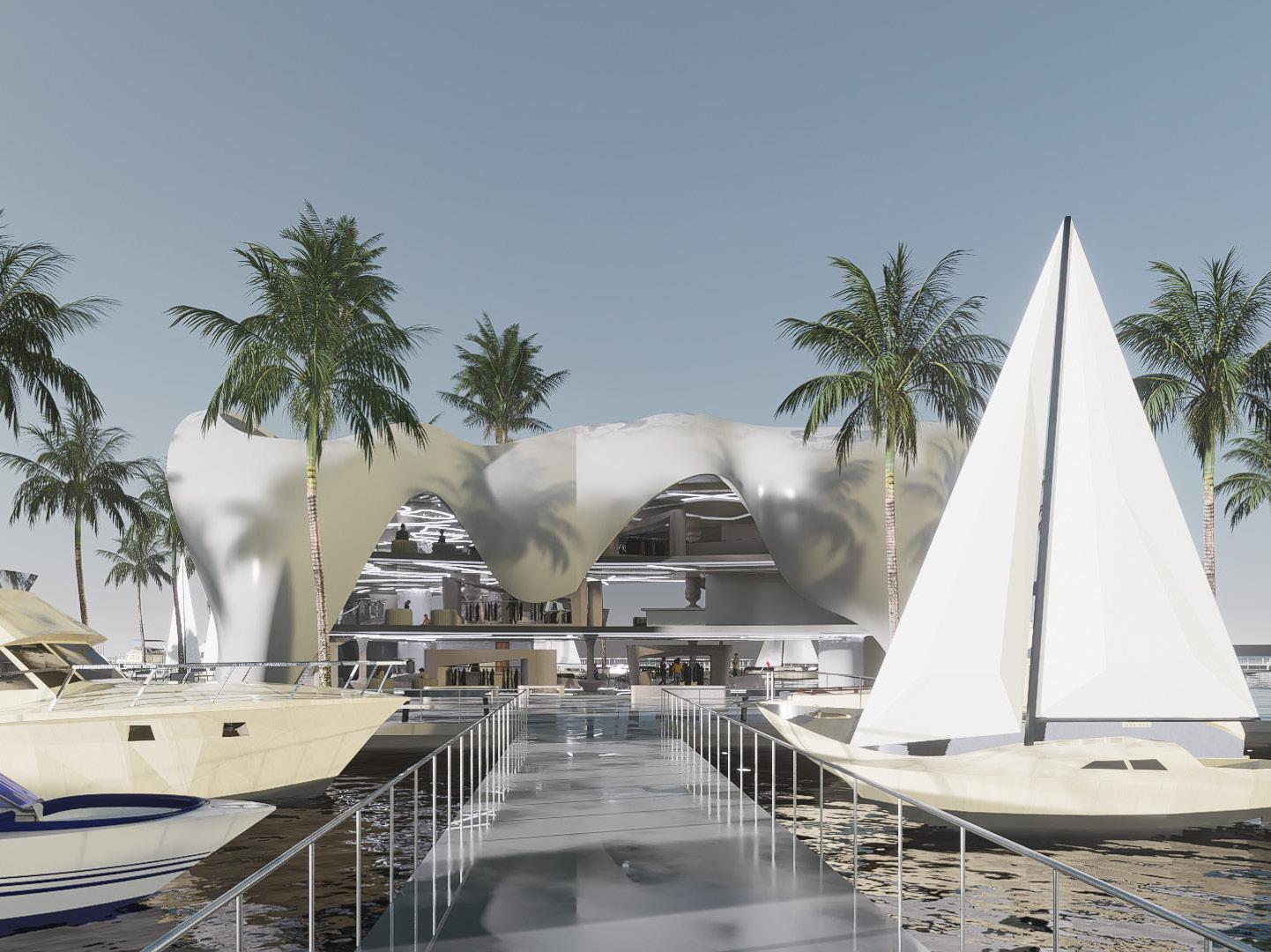
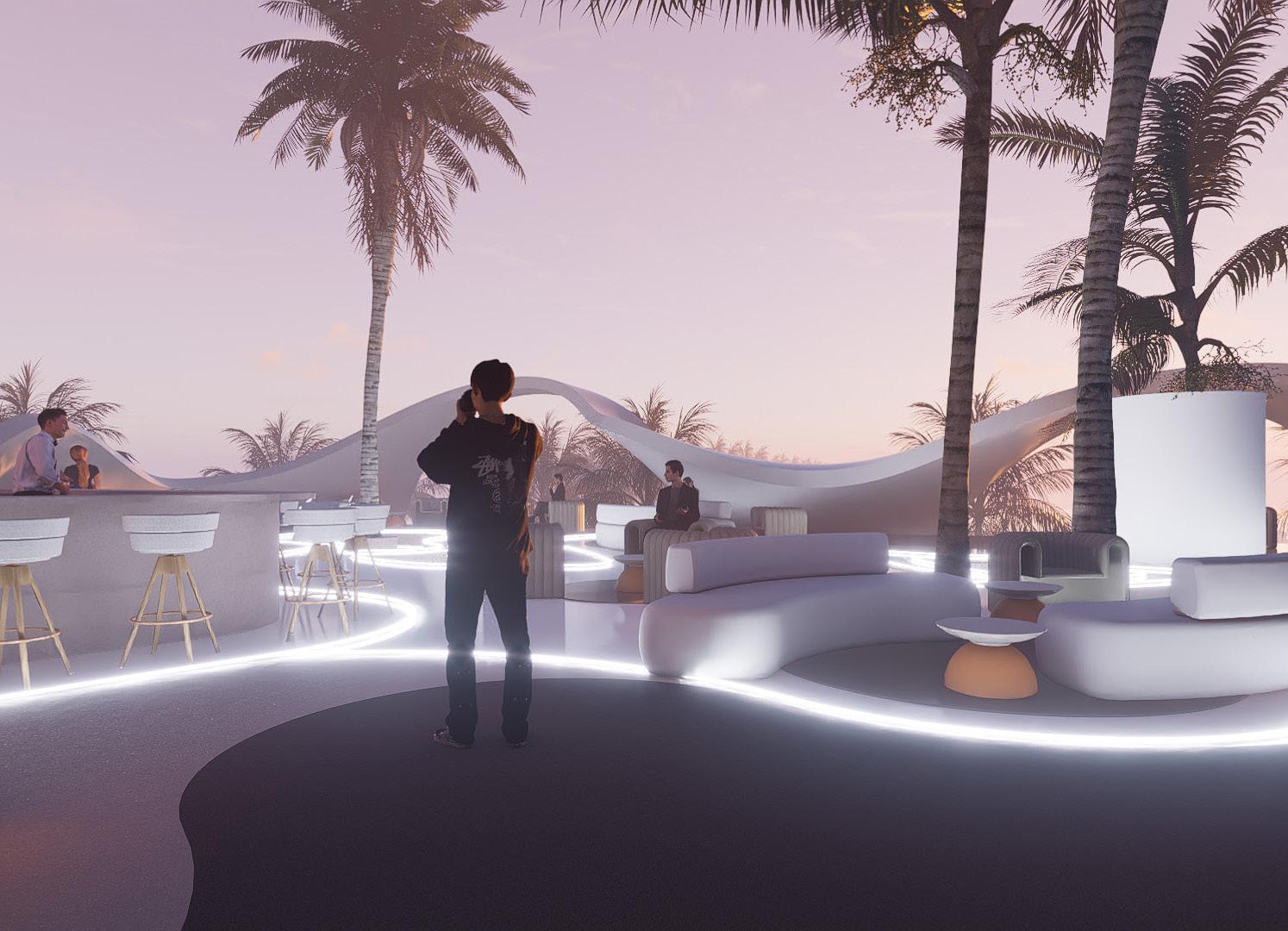
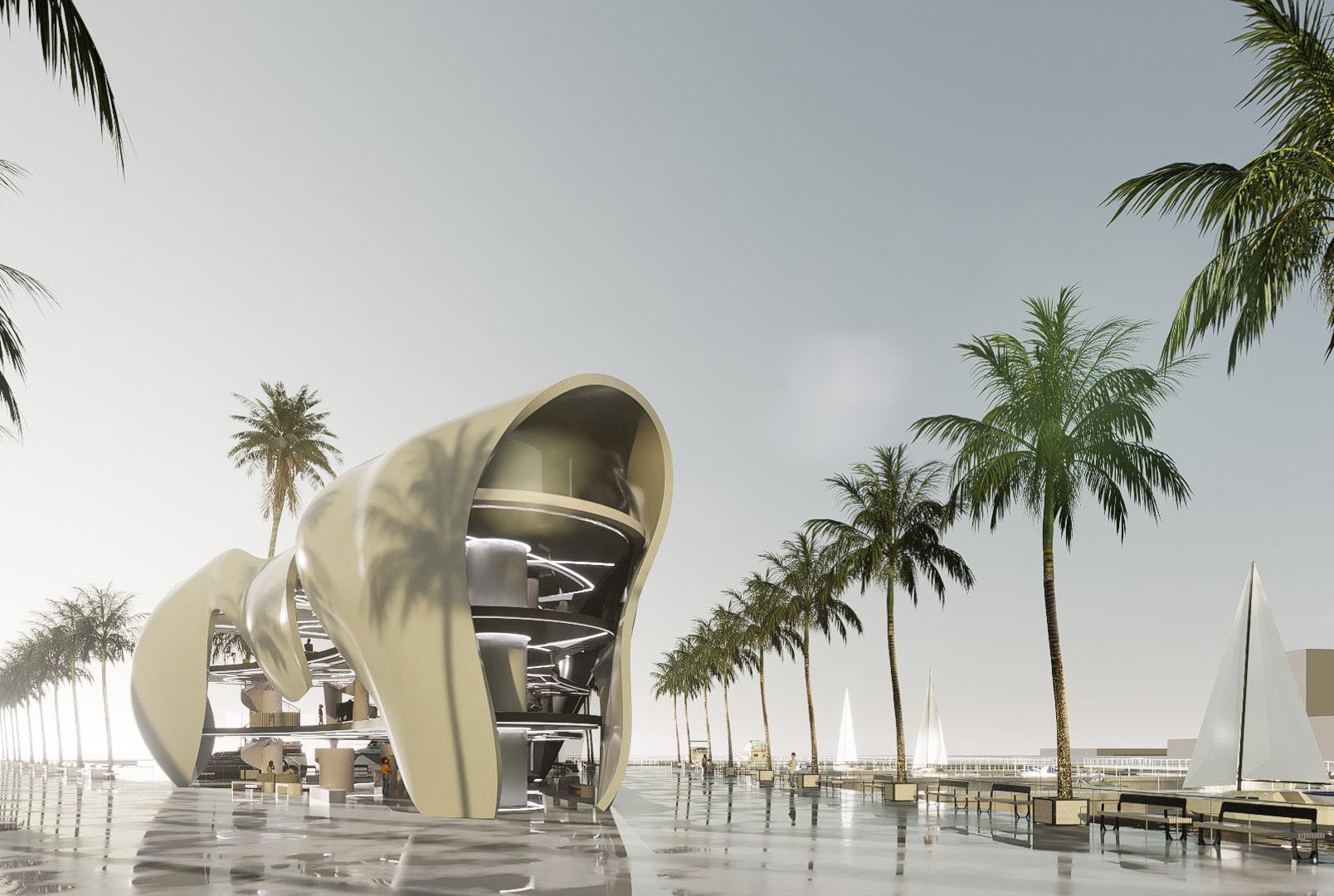
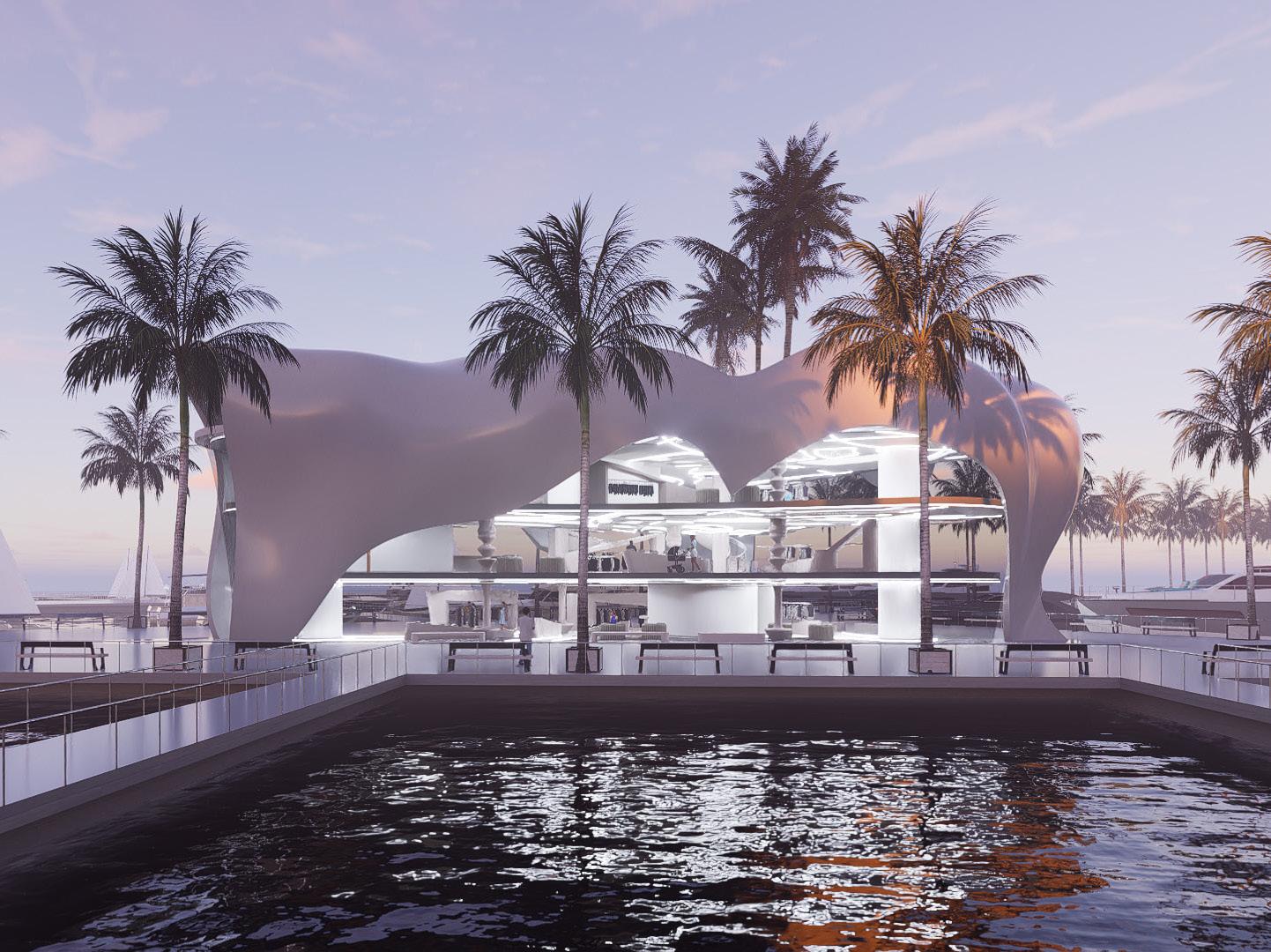
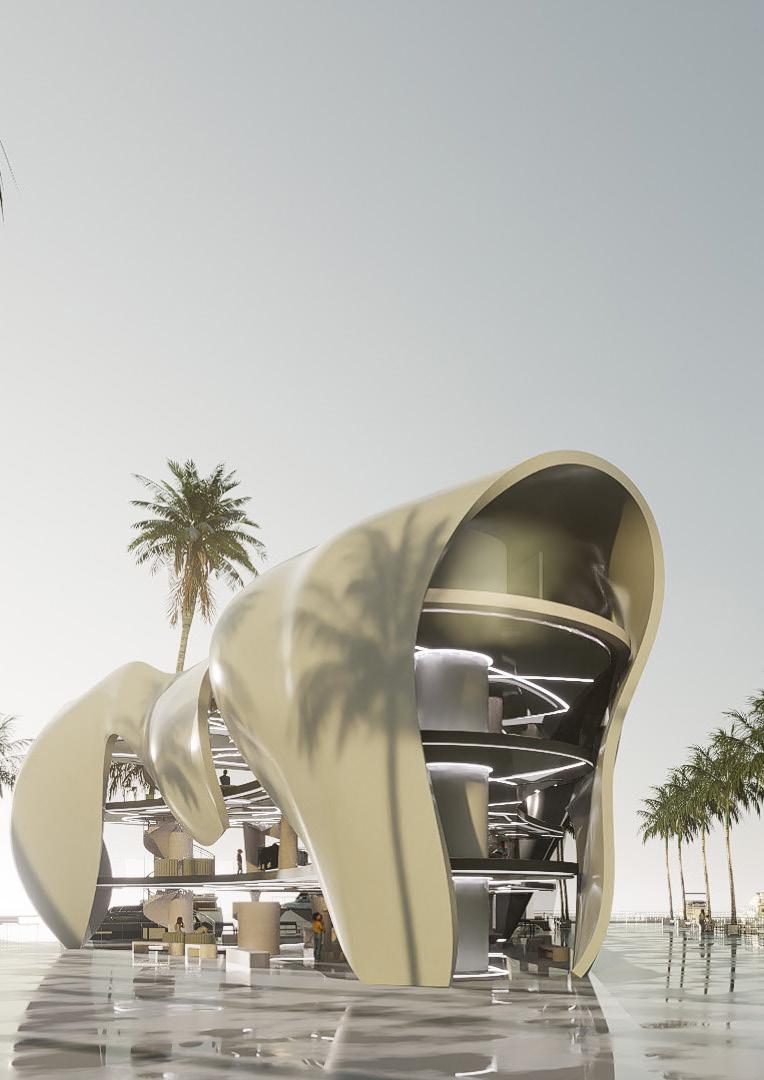
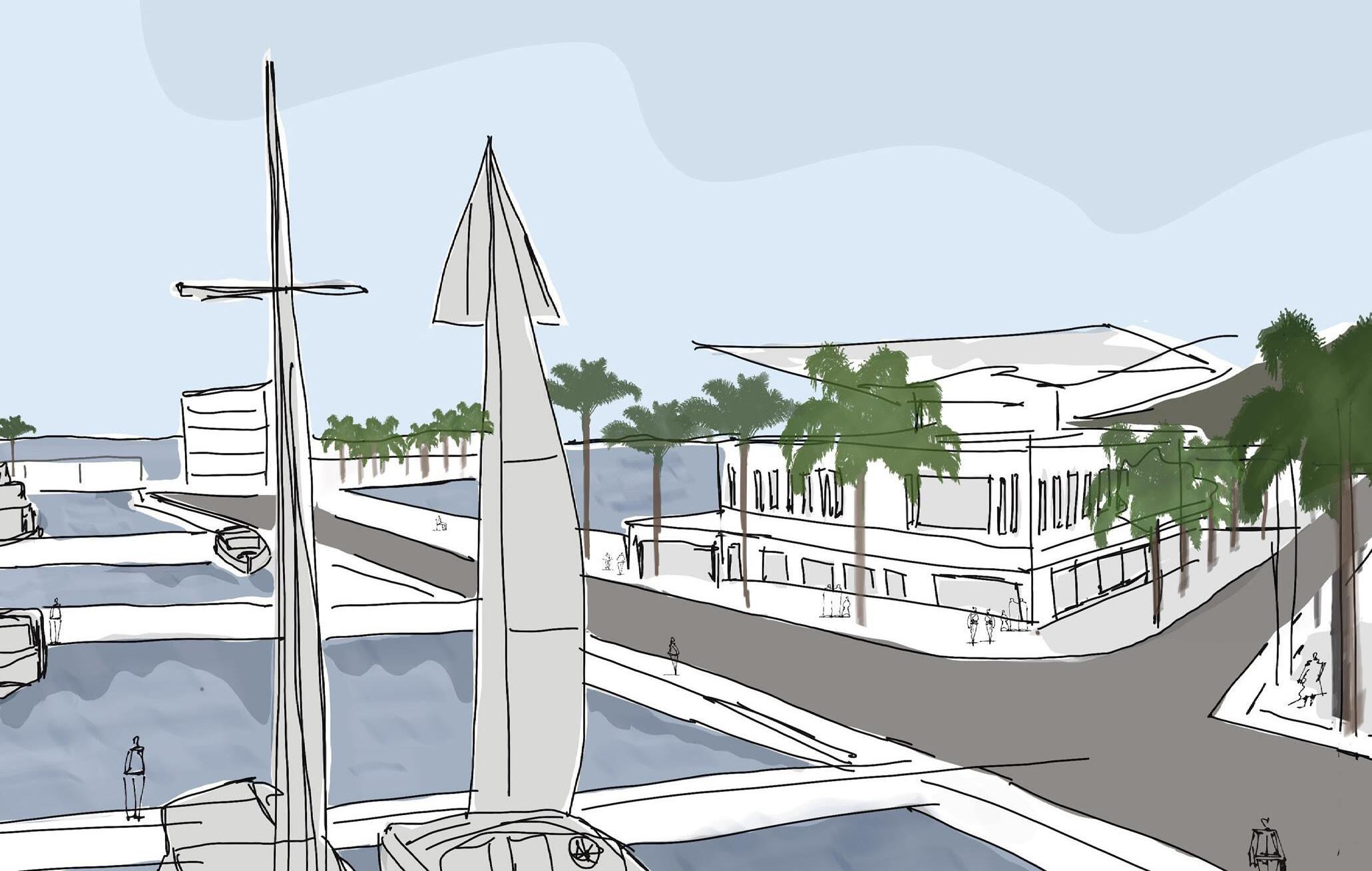
The development is designed to be a modern and stylish complex that complements the surrounding environment.
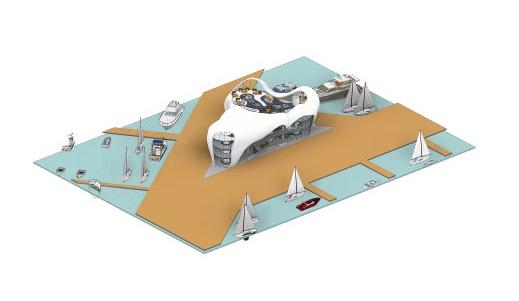
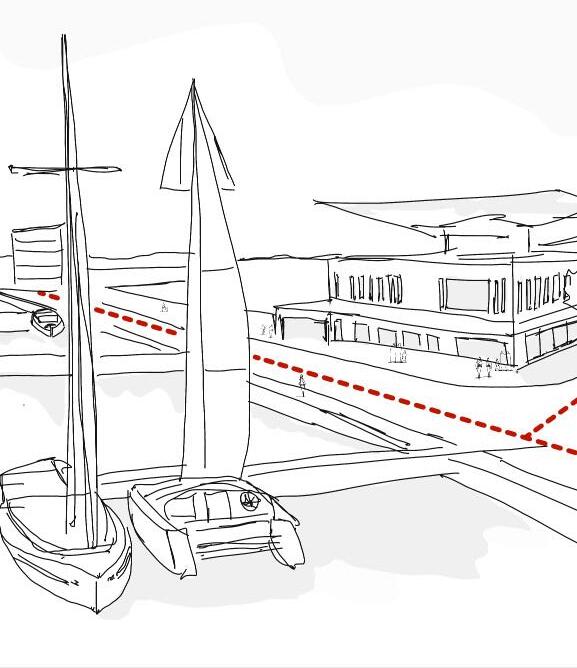
The aim of this project is to create an architectural design that complements the brand-new Harbur development, while meeting the needs of the residents and visitors.
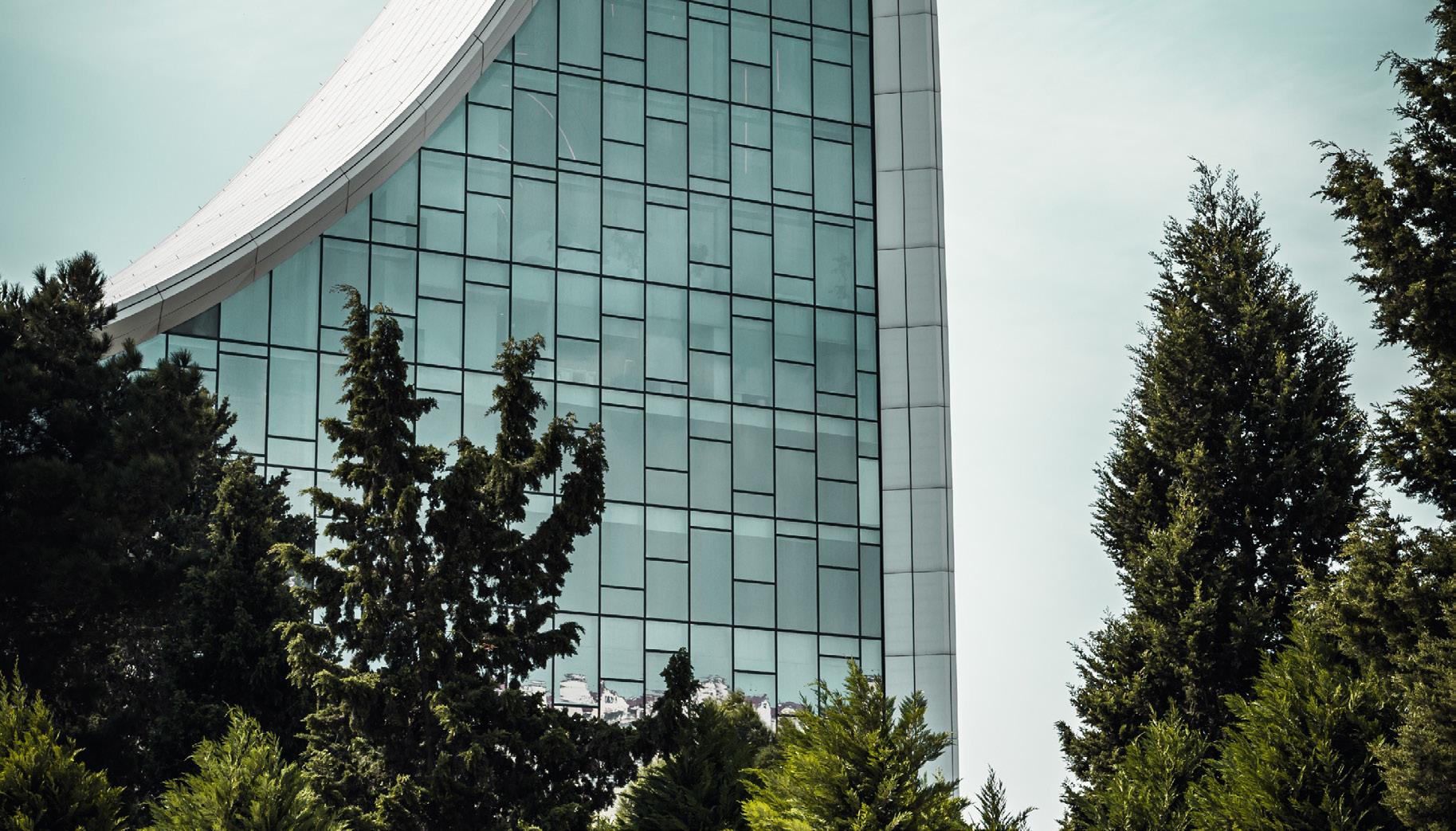
Bajadilla Harbor is a beautiful marina located in the Bajadilla neighborhood of Marbella, Andalusia, Spain. The harbor is situated at the eastern end of the beach, adjacent to the fishing port of Marbella.
The harbor has been in operation for several decades, but it has recently undergone a significant renovation to modernize its facilities and enhance its overall appeal. Today, the harbor is one of the most popular marinas in Marbella, attracting visitors from all over the world.
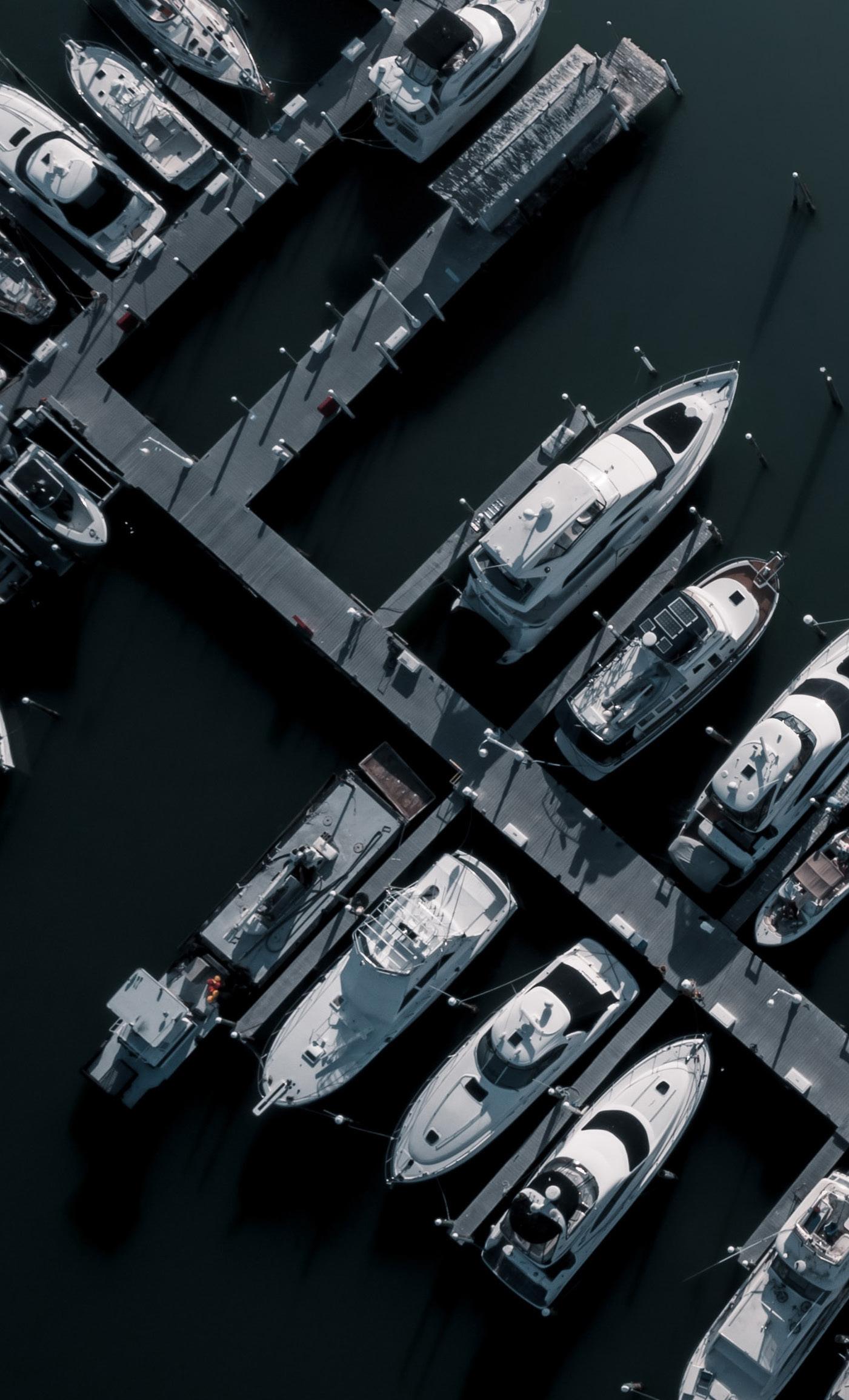
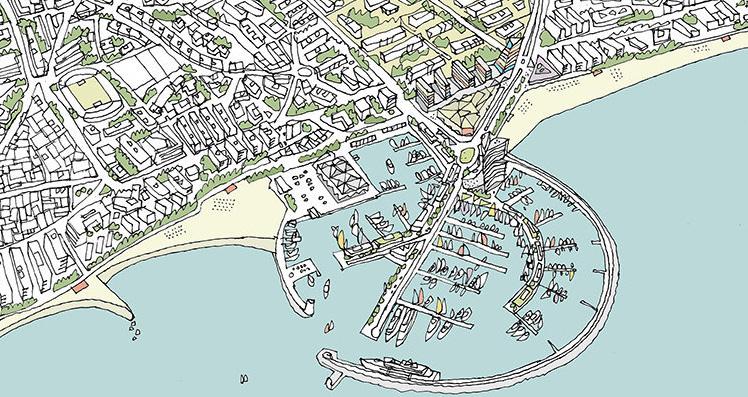
The harbor is surrounded by a promenade lined with restaurants, bars, and shops, making it a popular destination for tourists and locals alike. The promenade offers stunning views of the Mediterranean Sea and the surrounding coastline, providing a perfect setting for a leisurely stroll or an evening out.
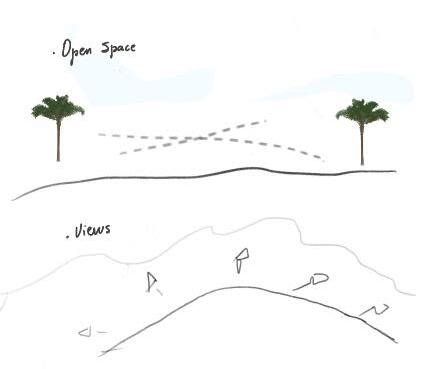

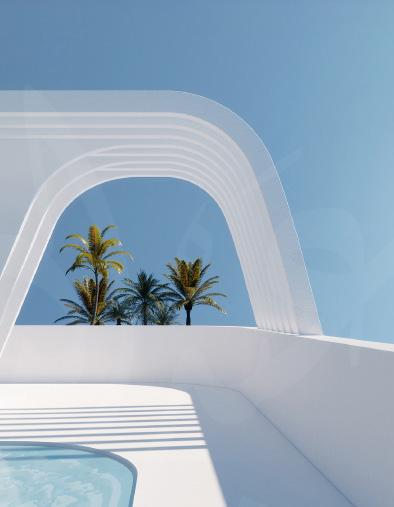
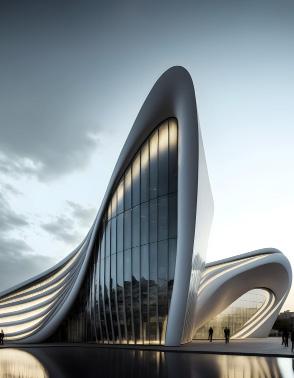
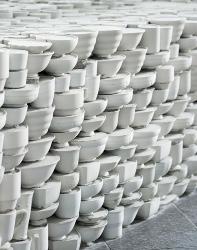
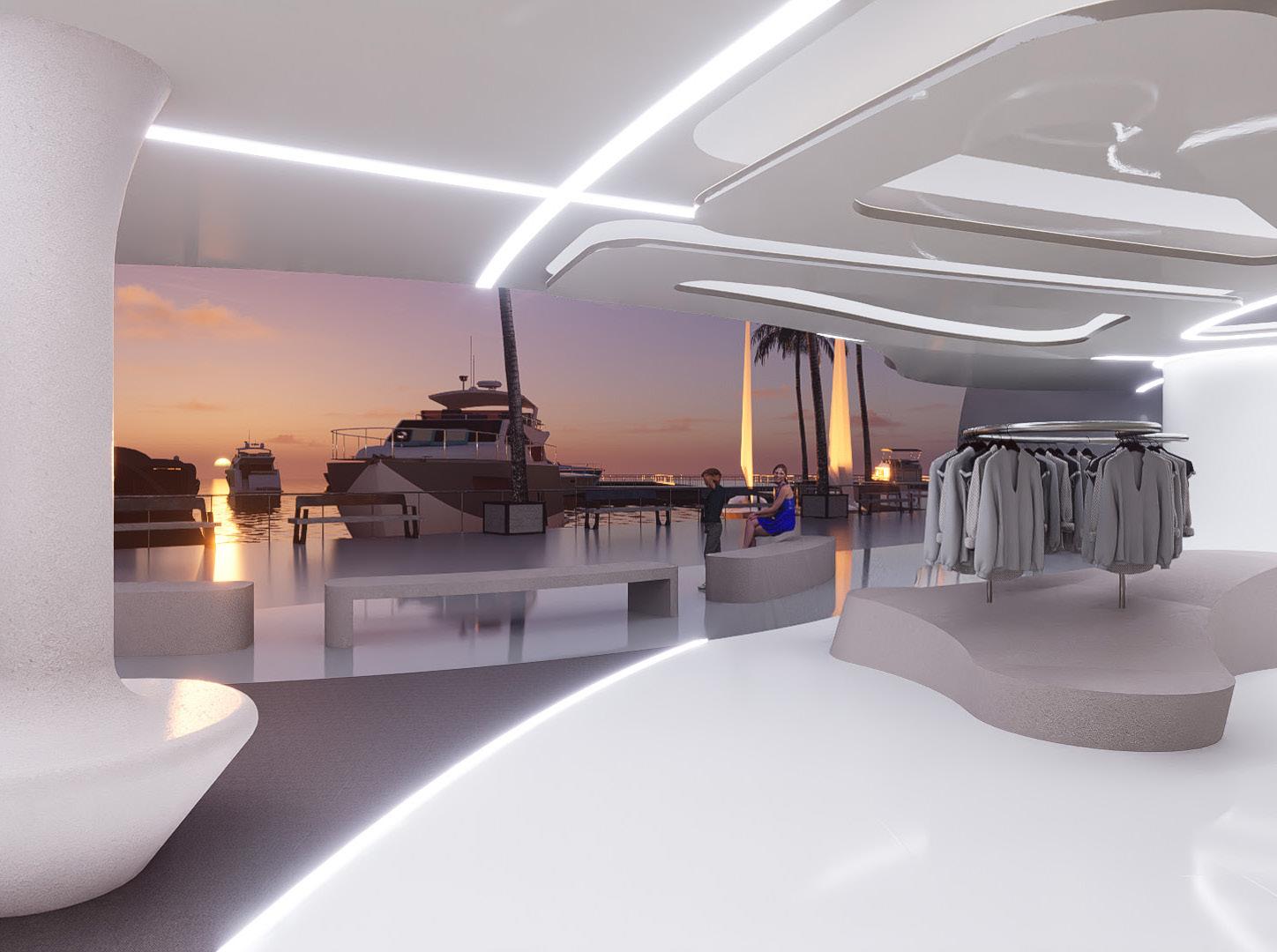
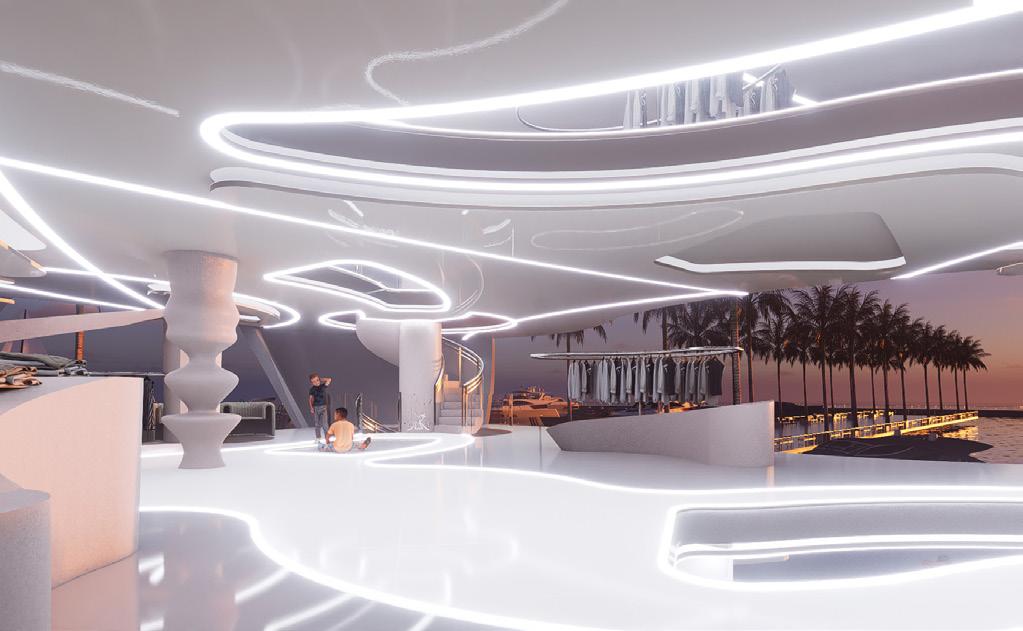
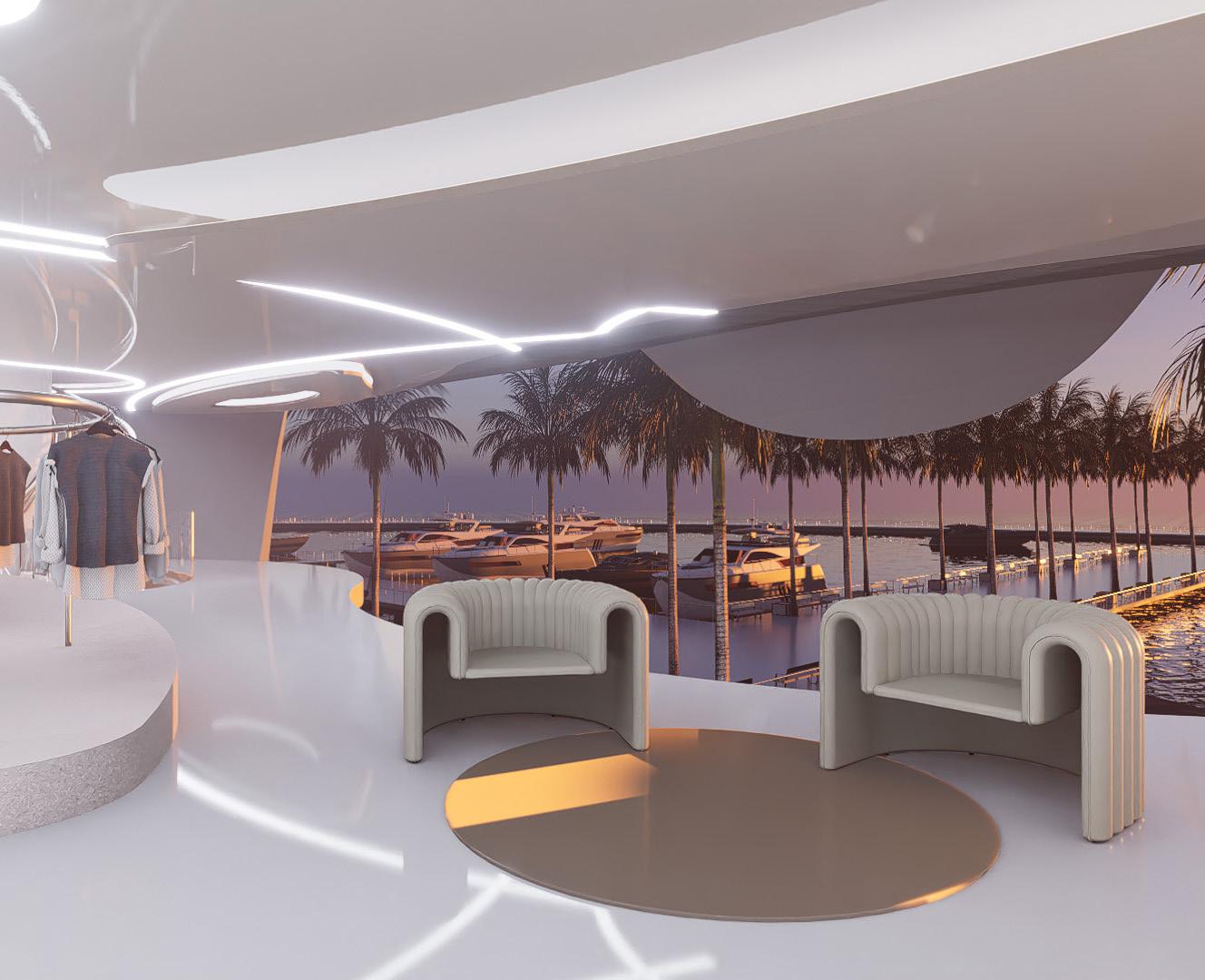
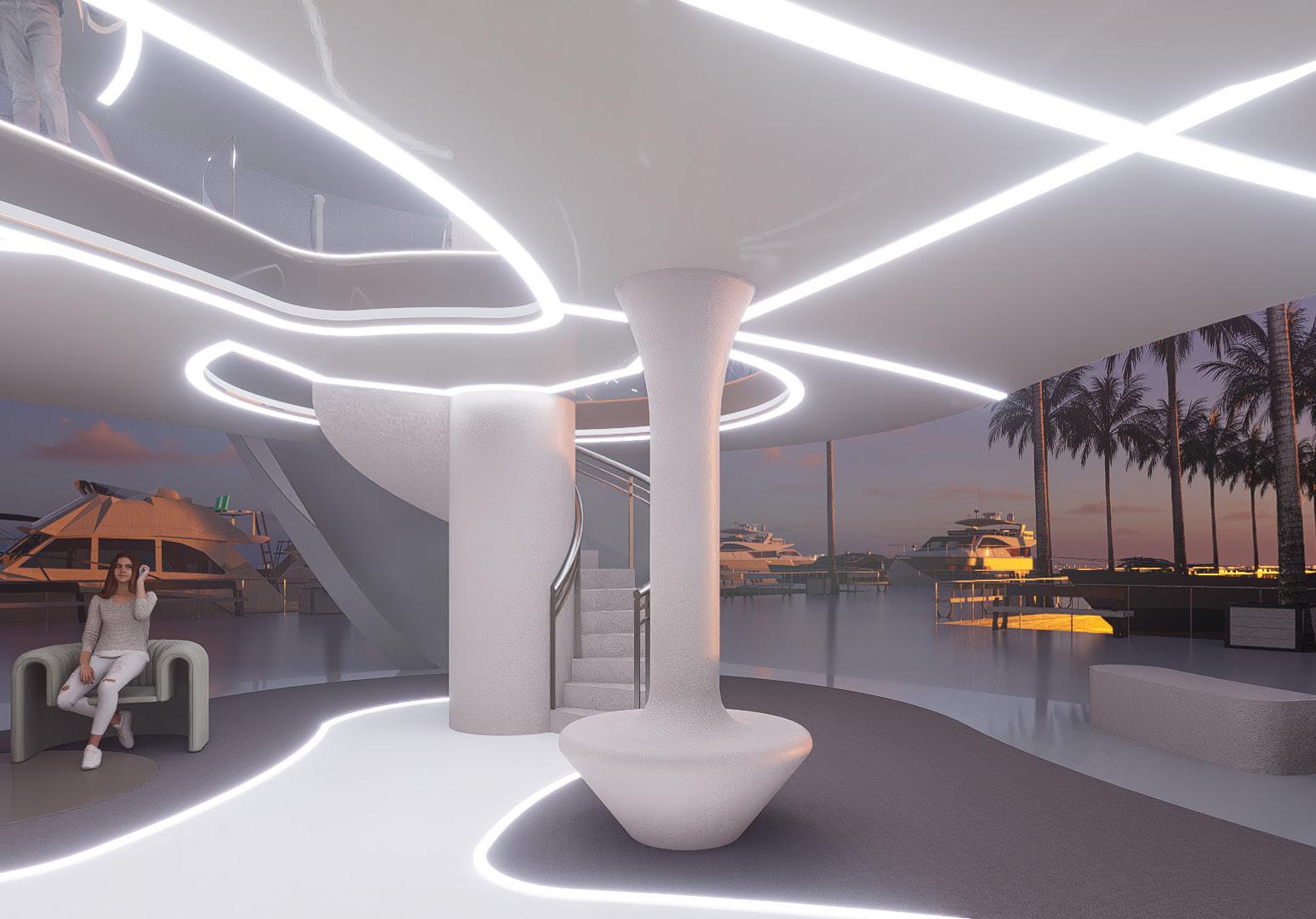
Yacht inspired Luxury gallery
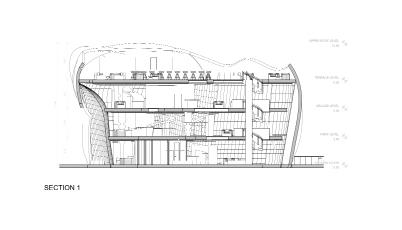
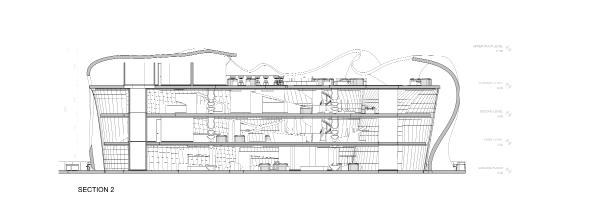
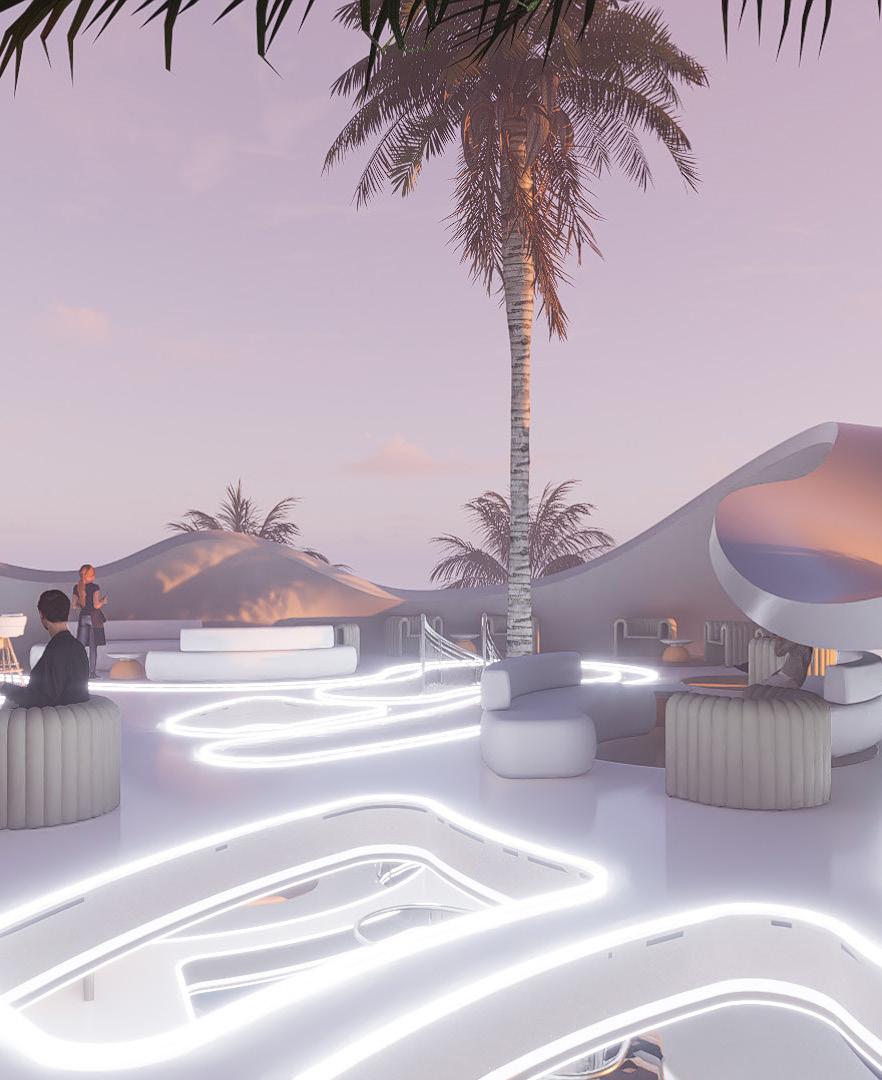
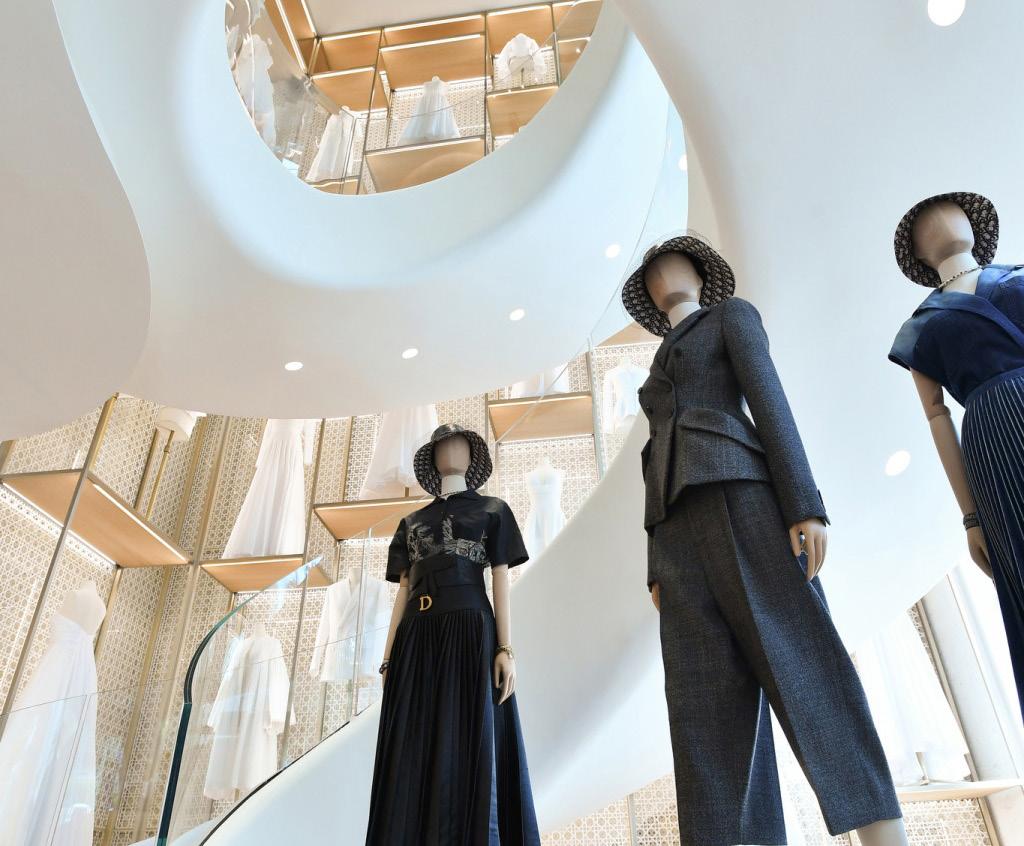
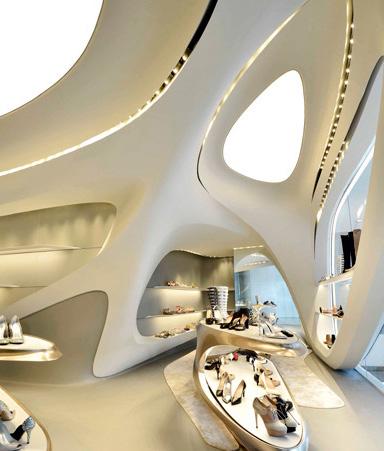
The yacht-inspired luxury gallery is a unique and luxurious space that celebrates the coastal lifestyle, the ocean, and the world of yachts.
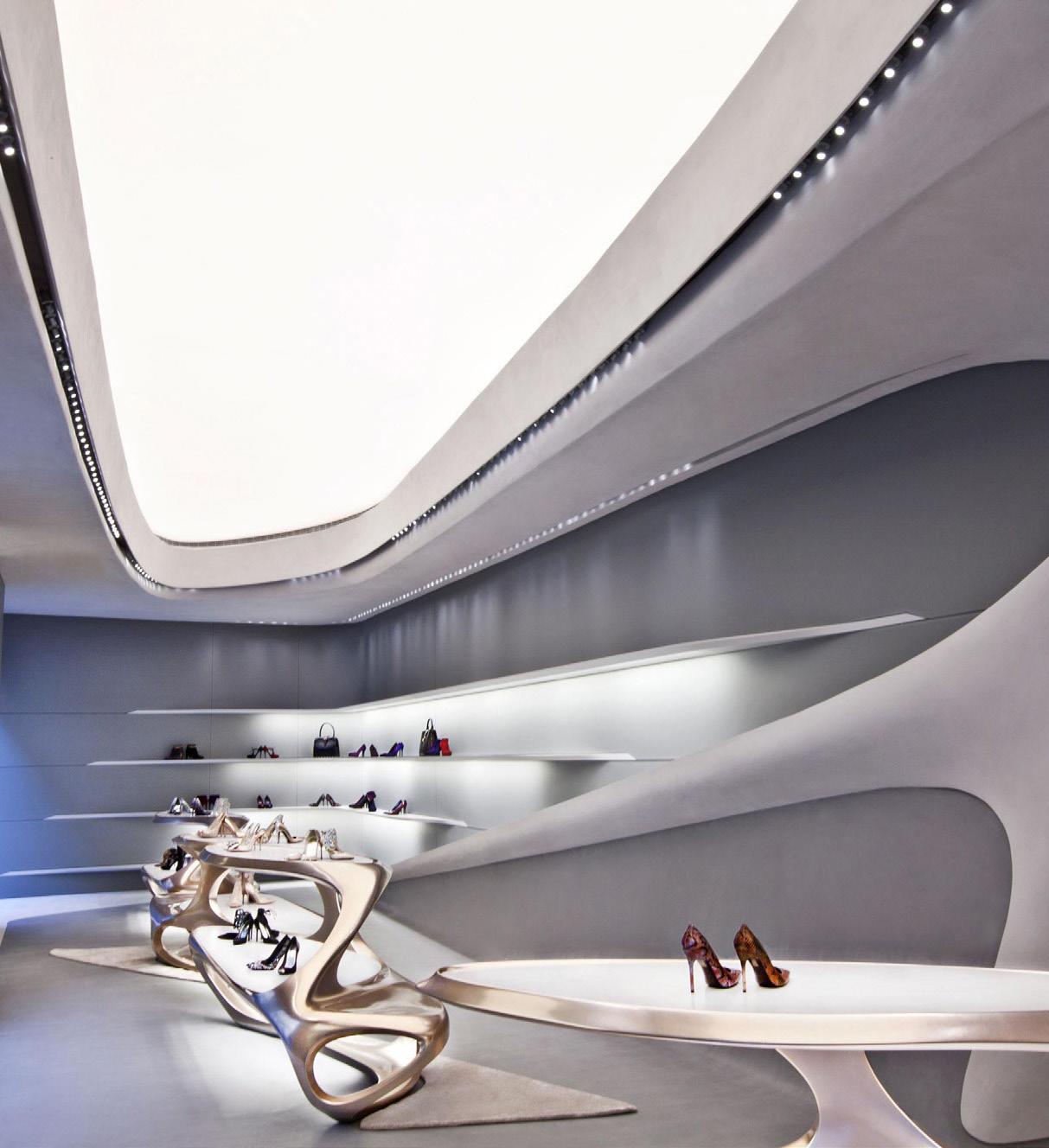
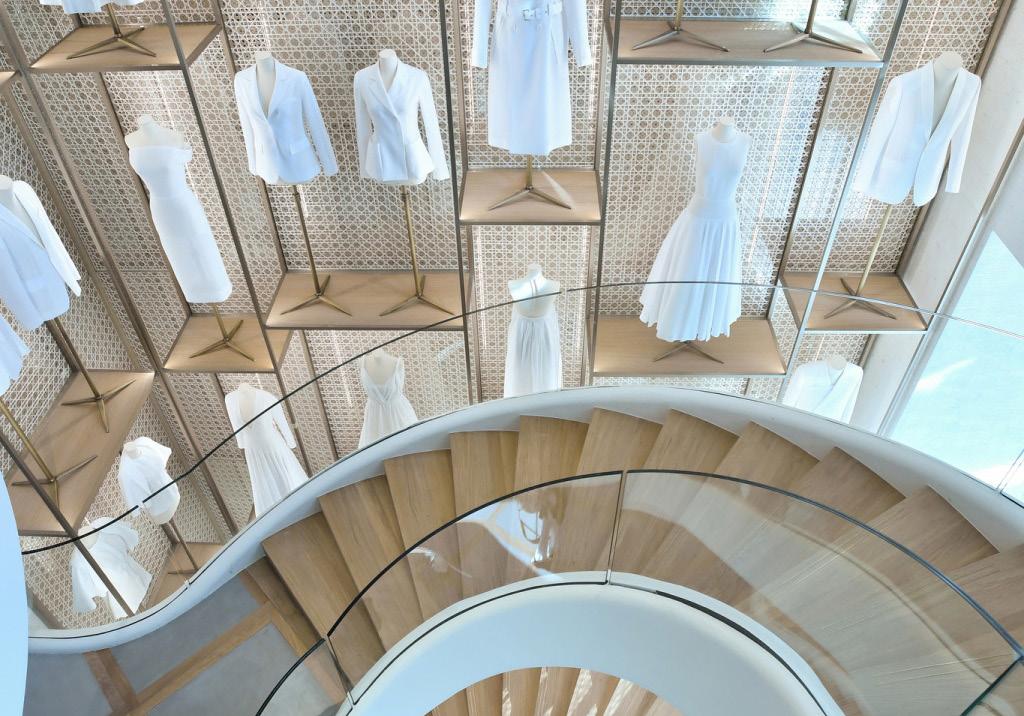
The gallery will feature a curated collection of art, design, and fashion pieces that embody the essence of the sea and the coastal lifestyle, and will be designed to resemble the interior of a luxury yacht.
The space will be functional, comfortable, and eco-friendly, while creating a sense of exclusivity and luxury for visitors. Overall, the yacht-inspired luxury gallery will be a high-end destination that appeals to those who appreciate art, design, and the coastal lifestyle.
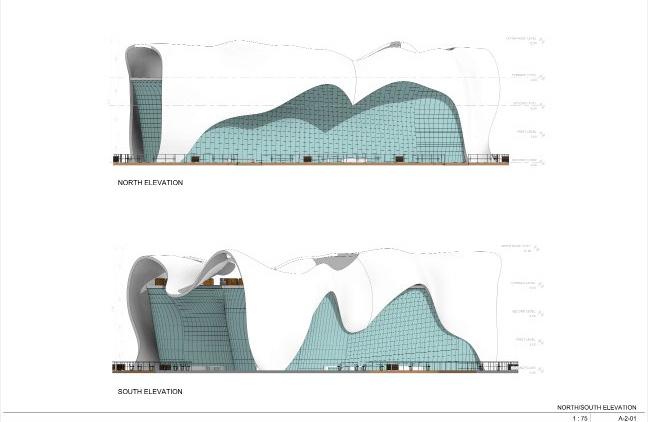
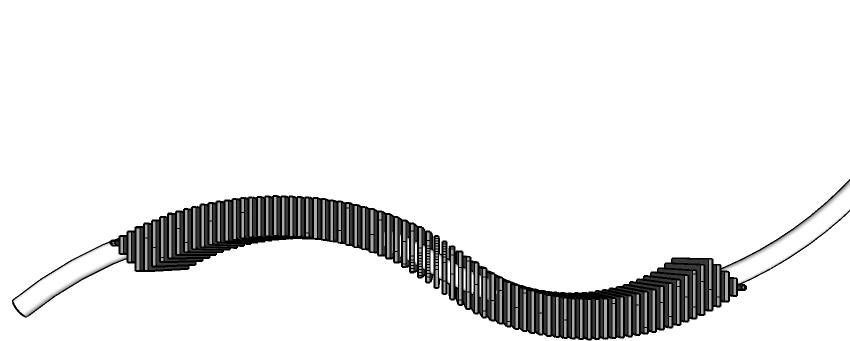
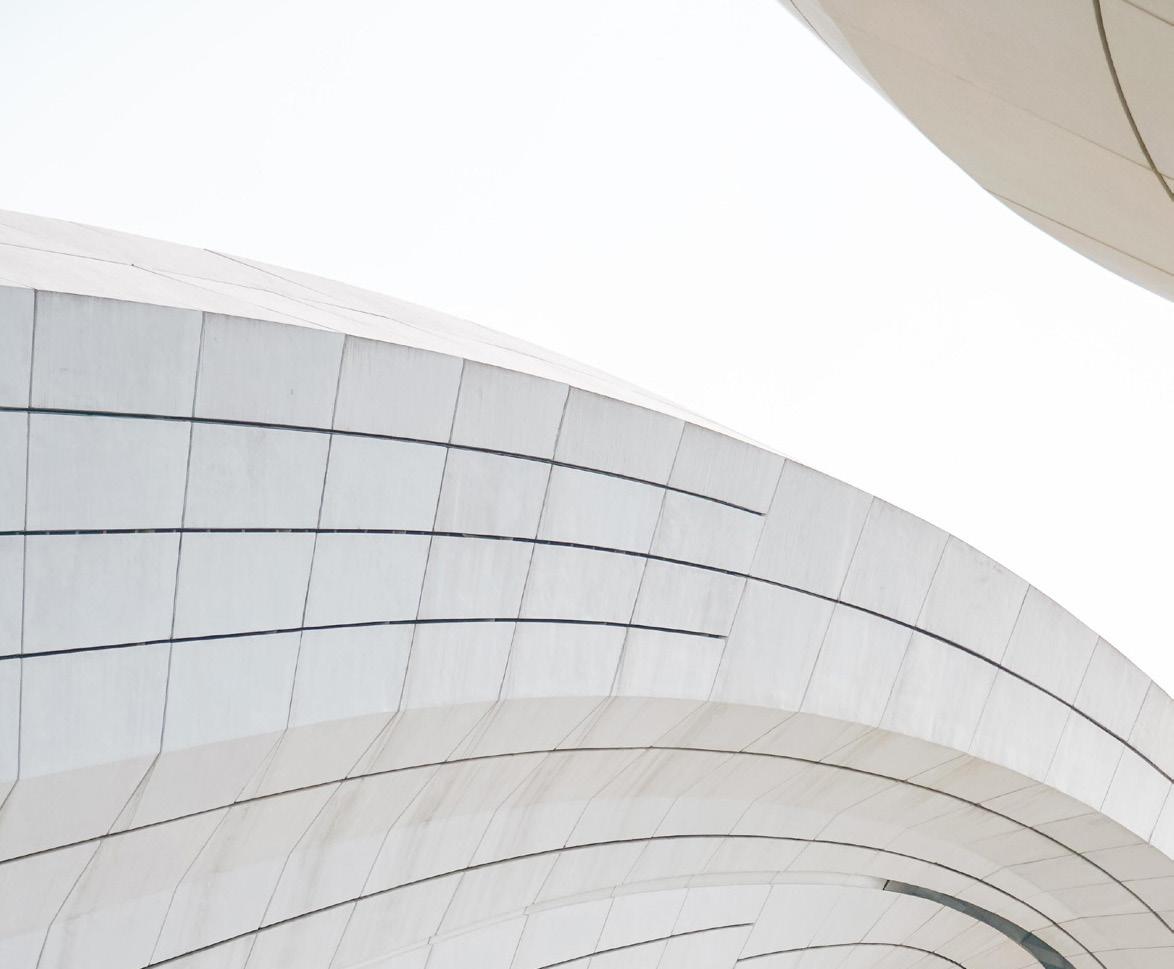
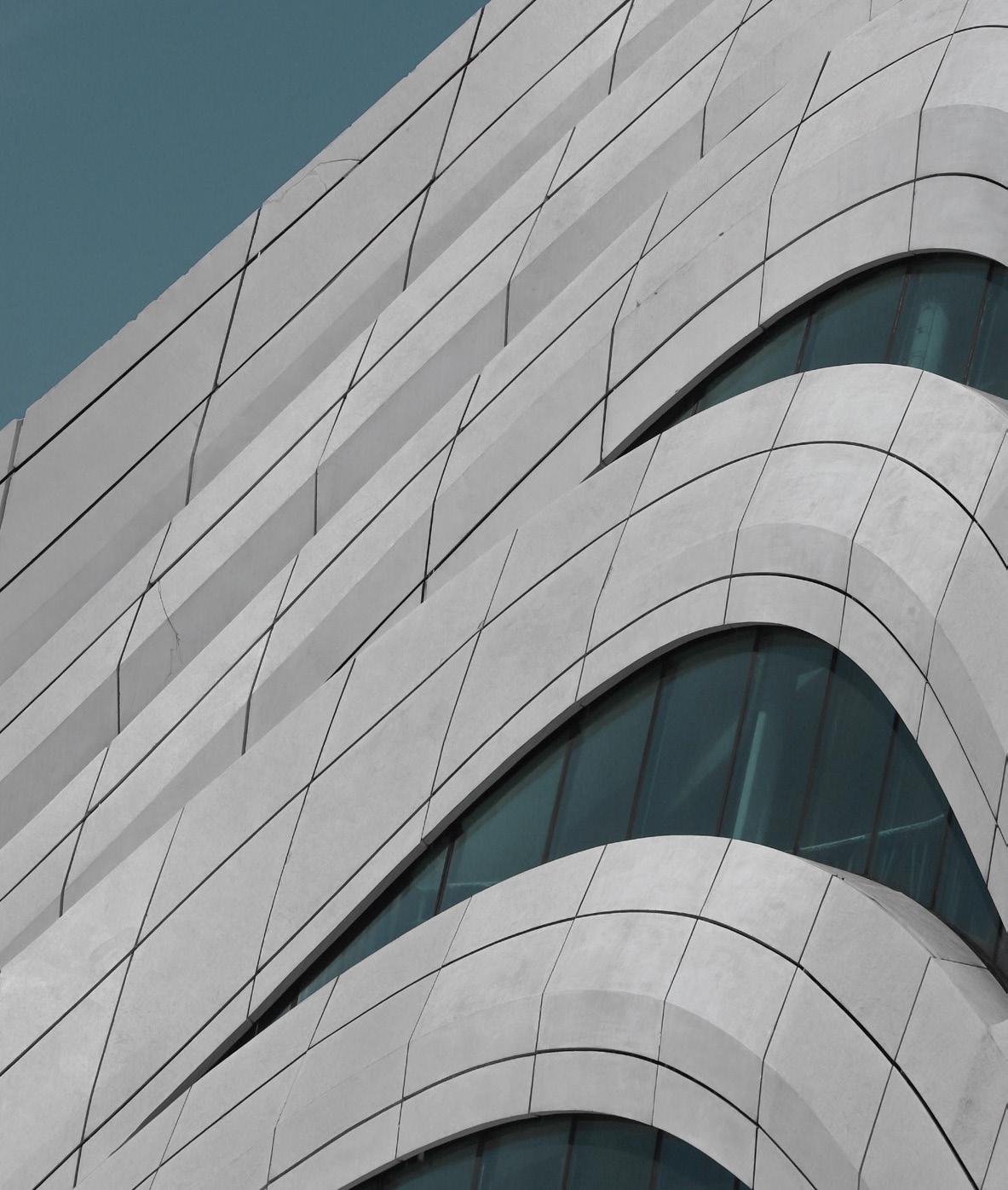
Flow
Like the ocean waves,Sculpted by wind and water Natural lines, Sustainable materials, Bright colors, Ocean, Fluid forms
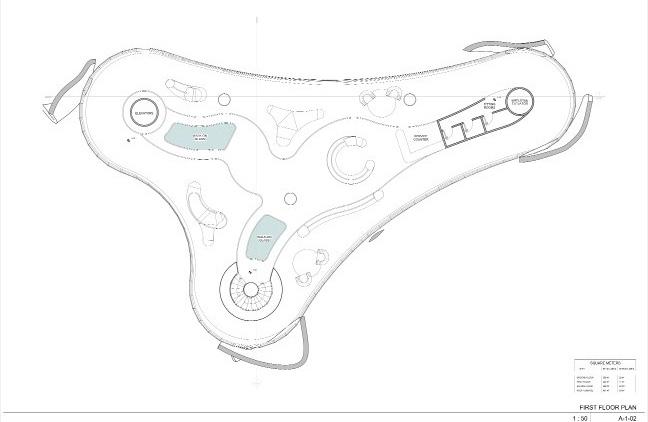
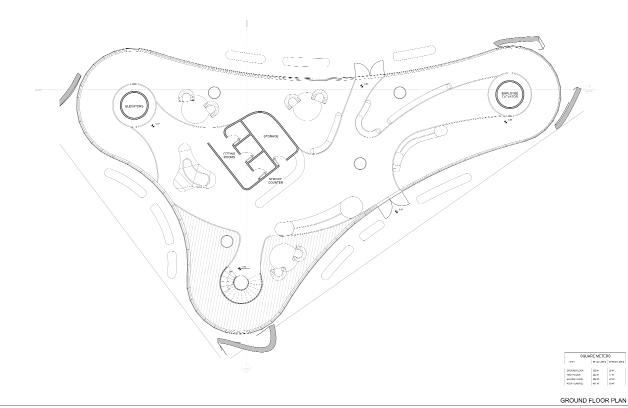
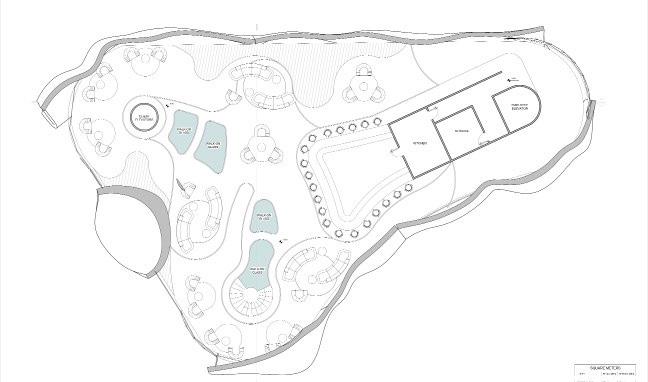
FIRST FLOOR PLAN
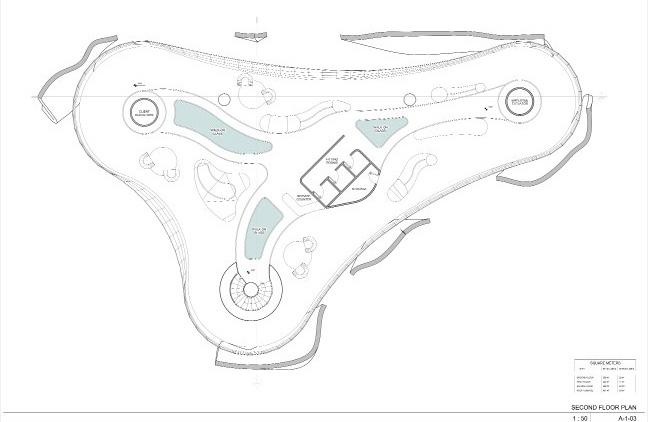
ROOF TERRACE FLOOR PLAN
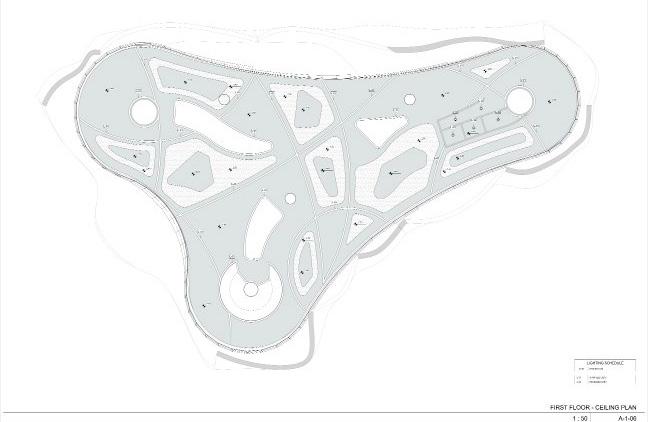
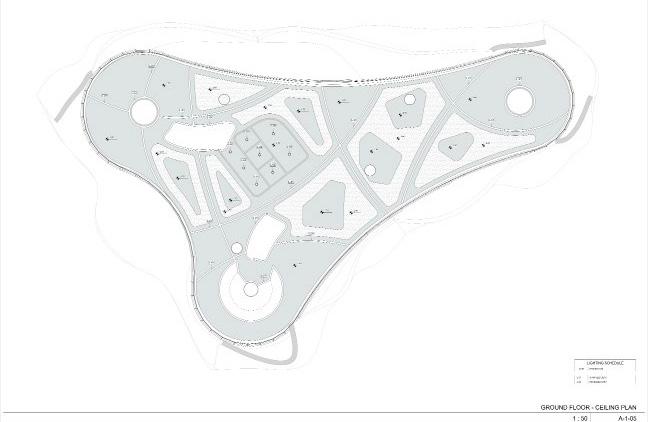
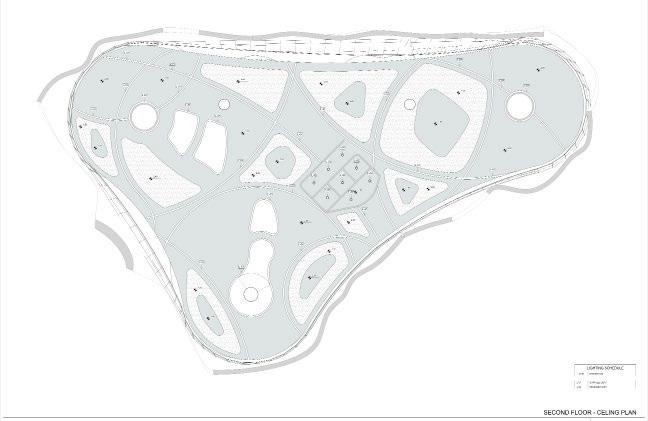
FIRST FLOOR-CEILING PLAN