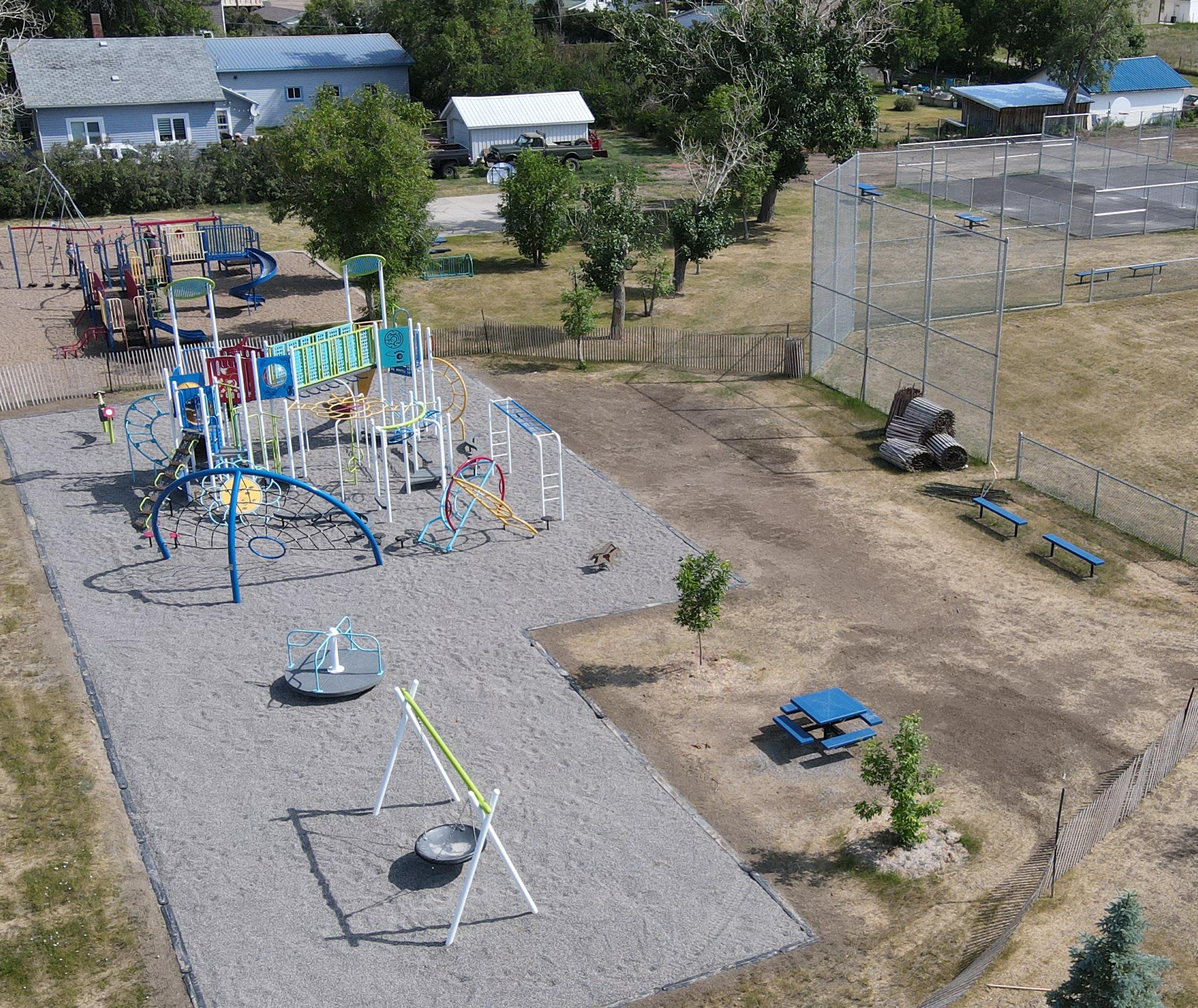
Ag Services organized a playground and court upgrade in Turin.
This improved recreation opportunities for Turin & area.
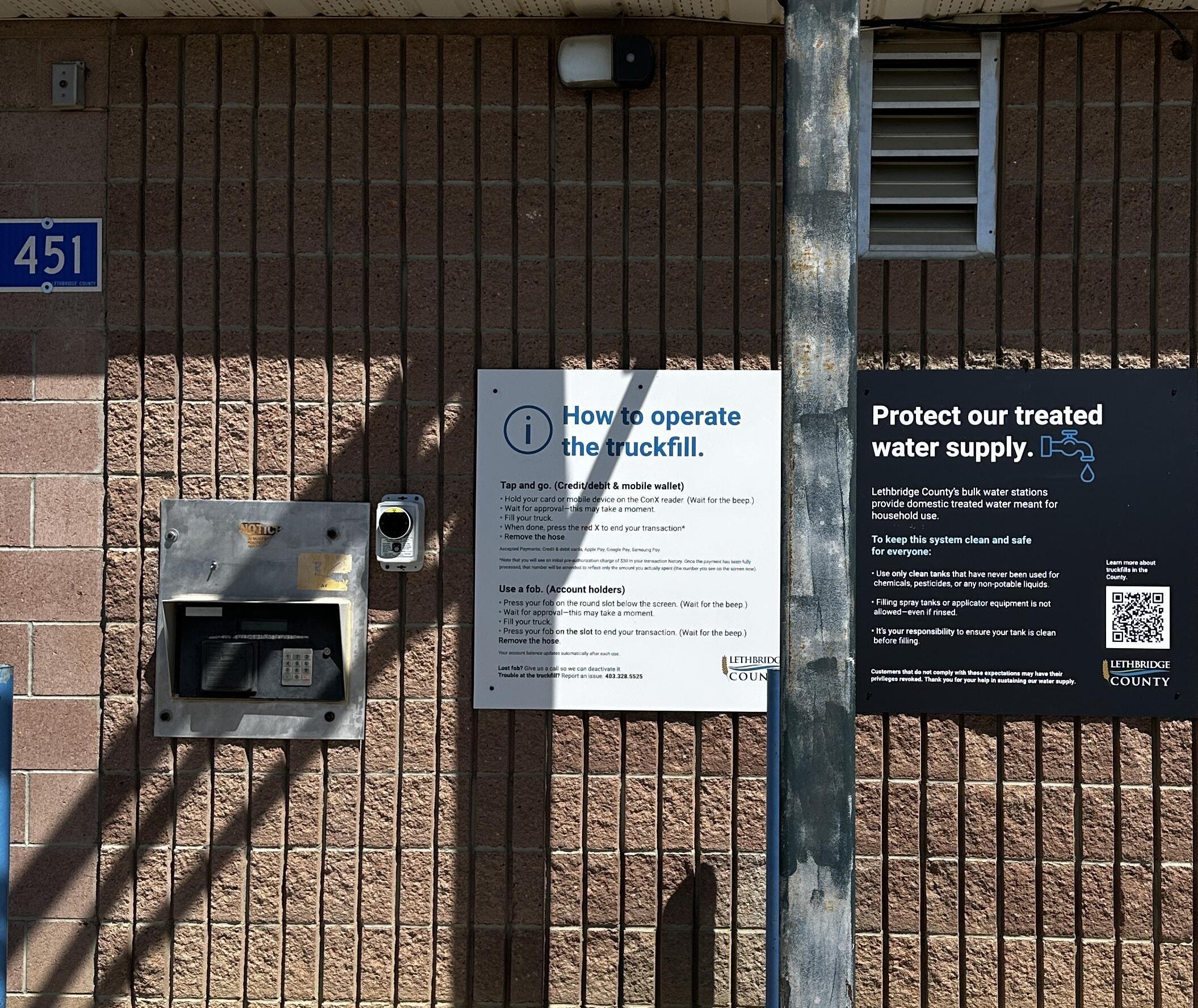
The Finance & Admin Team migrated the truckfills to a modernized self-managed system (ConX).
This provides payment options, customer access to usage data, and reduces administrative time spent managing truckfill accounts.
The Infrastructure, Utilities and Communications & Marketing Teams were also instrumental in this implementation. This joint effort identified customer and employee needs to ensure a smooth transition to the new payment system with minimal user issues or concerns.
The Communications & Marketing (C&M) Team facilitated the rollout of our employee Core Values.
This included in-person sessions, providing resources to supervisors and assisting in the development of a new recognition program. By ensuring all employees understand our Core Values, we can ensure an organizationwide commitment to living these values in our daily work.
People & Culture led the development and rollout of the new employee recognition program.
This new program is directly linked to our organizational Core Values and allows us to celebrate the hard work and contributions of our teams throughout the year in an informal, yet impactful way (Values in Action), and formally at the ERN, all while still honouring long serving employees.
The Utilities Team assisted the Alberta Government with lead management, sampled 60 homes for lead.
The team developed and implemented the Lethbridge County Lead Management Plan under the direction of Alberta Environment & Protected Areas (AEP). The Utilities Team sampled 60 homes within our Hamlets, all samples were lead free.
The Strategic Initiatives Team deployed Questica budget software to improve processes.
This was a key component of the broader modernization strategy, aimed at strengthening accuracy, collaboration, and accountability in budgeting and financial management.
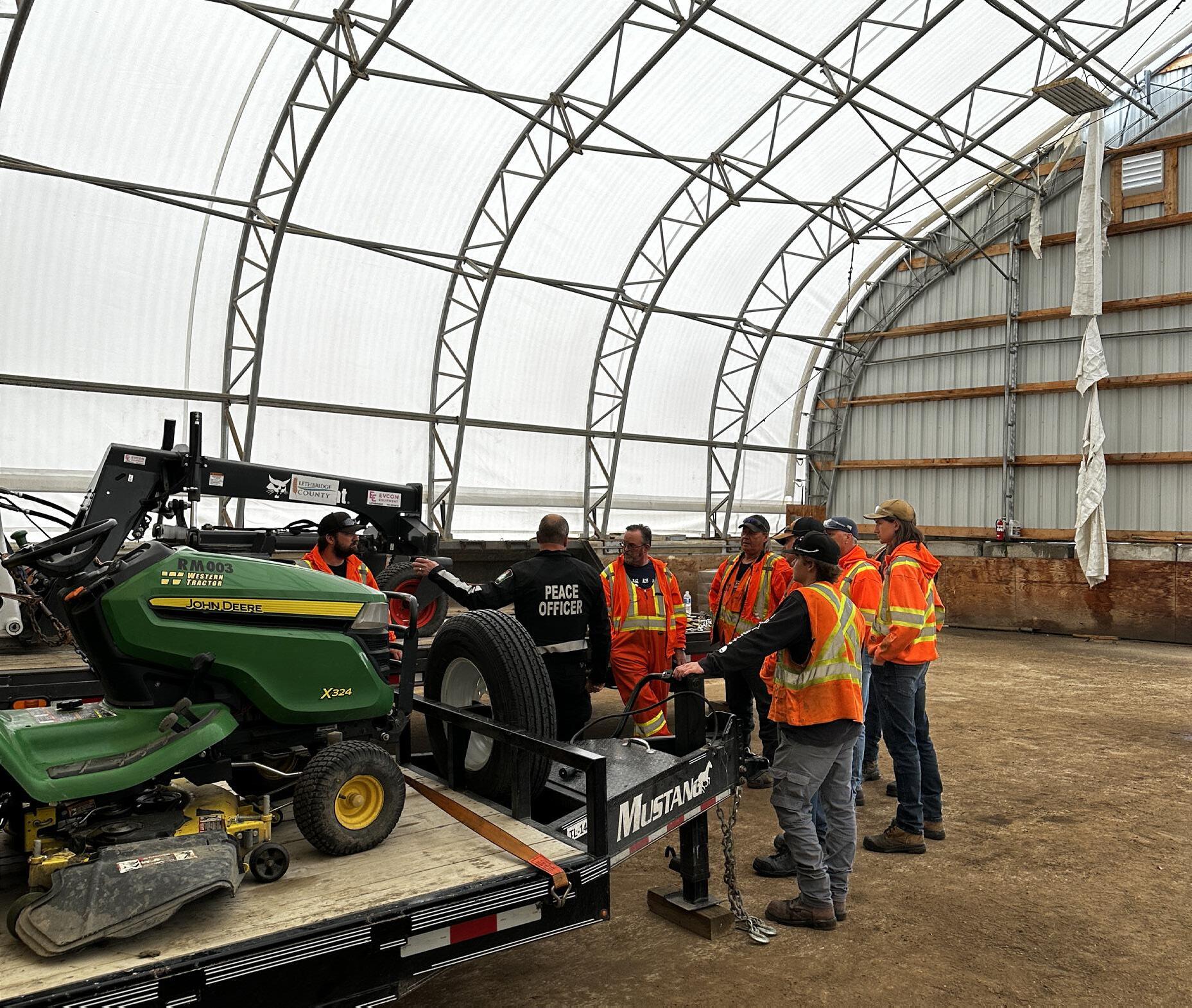
Our CPO provided load securement training to employees as part of the Safety BBQ.
This reinforces safe work practices, reduces the risk of load-related incidents, and supports compliance with transportation safety regulations.
The BBQ (organized by Safety) allows us to bring all the County staff together for some camaradrie as well as meeting requirements under Alberta OH&S by reviewing safety topics.
The P&D Team streamlined Development Permit Application processing through the use of eSITE.
Automation of Development Permit forms, completely eliminating the tedious task of manually writing each Permit. Forms include but not limited to Notices of Decision, Development Permits, Information Requests and Updates, etc.
The Strategic Initiatives Team led the launch and coordination of FARMER forms.
Successfully launched the first Government Frameworks FARMER form for Dust Control, marking a significant step toward digital service modernization. This initiative demonstrated the power of cross-functional collaboration in delivering high-quality customer service and greater convenience for residents.
2025
A regional water supply and irrigation study was approved under the Alberta Community Partnership (ACP).
This study will evaluate regional irrigation and water supply infrastructure to identify improvement opportunities that support sustainable growth and economically diverse development within the Southern Alberta Food Corridor.
Irrigation is critical to the economic success of the region, and collaborating with these key partners will help ensure we continue to have a sustainable and reliable water supply for our ag industry.
The Grants department and Infrastructure Team have partnered with LNID & SMRID for this study.
Let’s celebrate Us! Regional
EMERGENC Y MANAGEMENT
Emergency Management developed the Regional Emergency Management Plan (REMP) with municipal partners.
This improves the regional coordination by bringing our municipal partners together to better respond to disasters in our region under one framework, ensuring faster, clearer, and more unified action when emergencies happen.
The IT Team speedily deployed Microsoft Multifactor Authentication (MFA) to enhance security.
Implemented MFA across all users in under 48 hours in response to urgent security changes. This provided necessary protection to organizational cyber security.
The P&D Team updated the suite of Development Permit Application forms.
The updates to six Development Permit Application forms reflected citizen feedback, with an emphasis on clearer application requirements and better identification of Farm Buildings.
Safety and Legislative Services completed the yearly COR Audit.
By doing a yearly internal or external COR Audit on the County’s Health and Safety program it ensures that we are compliant with regulations and providing our employees with a safe work environment. Doing well on a COR audit also provides a reduction in the WCB rate for the County.
Emergency Services department partnered with Ag Services and C&M Team to deliver harvest fire prevention messaging.
These messages promote insurance readiness, and improve on-farm access and water supply for firefighting efforts.
Results were increased farmer awareness and preparedness and reduced fire risk, protecting agricultural operations and Lethbridge County resources as well as increasing life safety throughout the region.
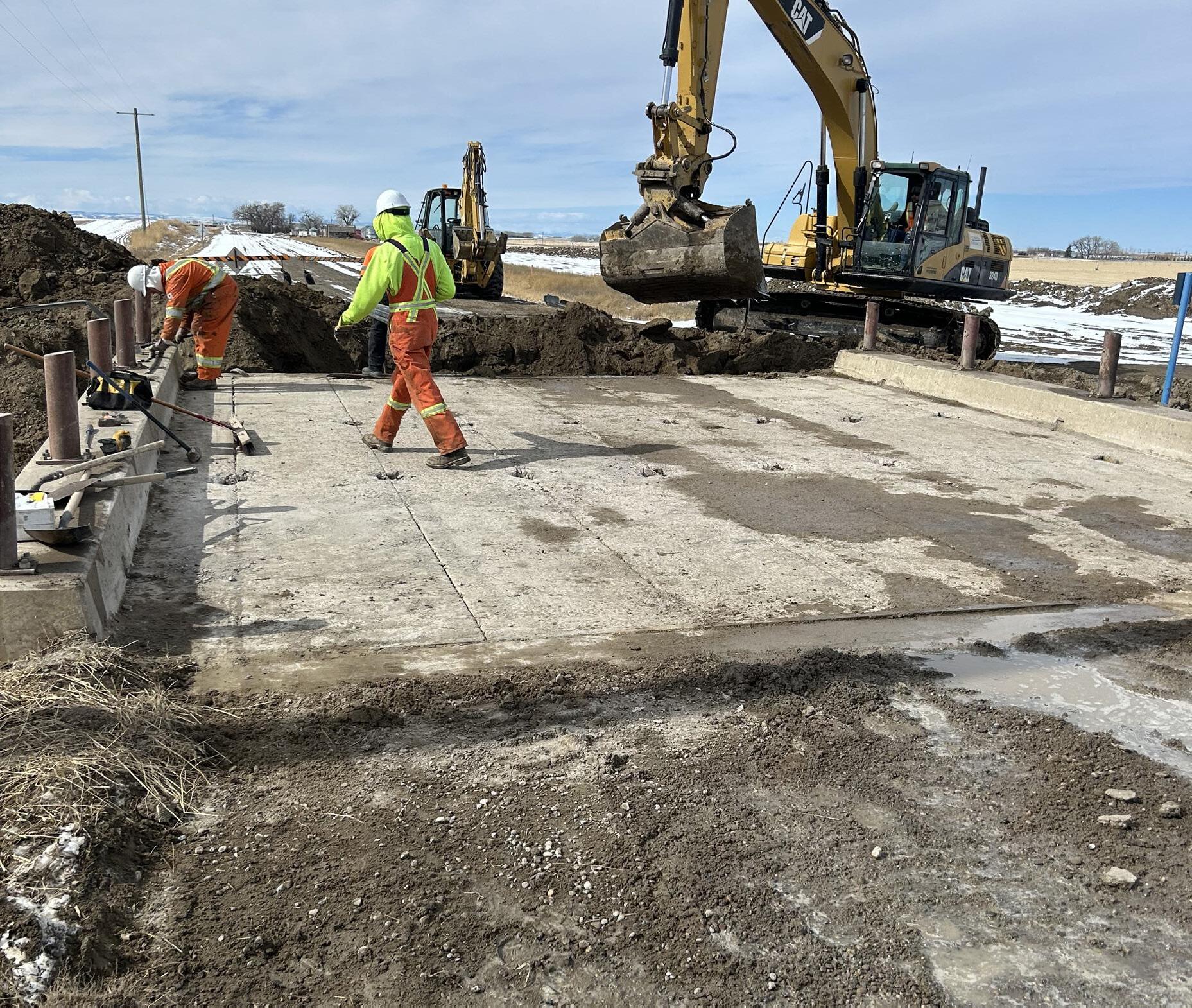
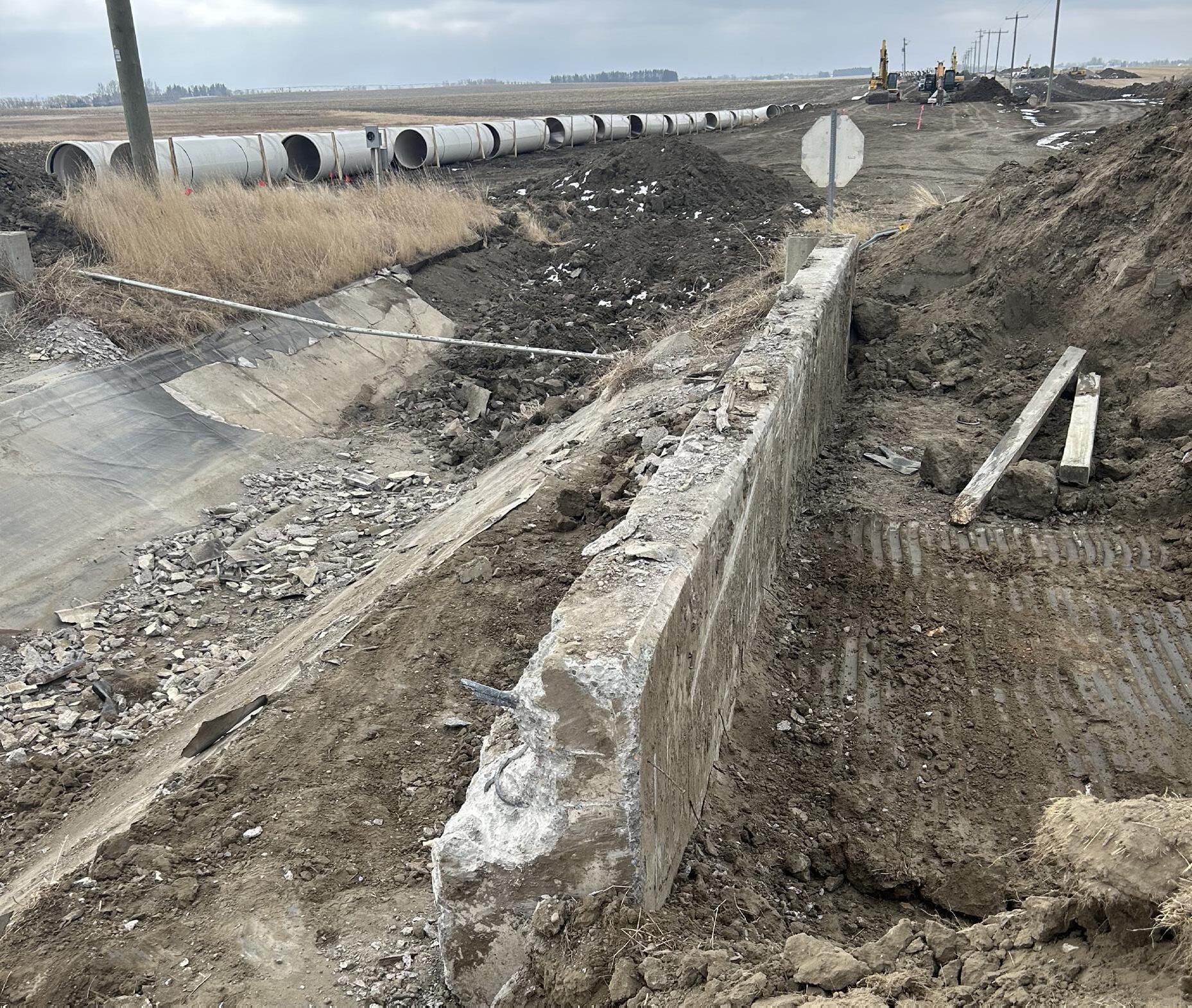
In March, operations crews successfully removed an old canal bridge to allow LNID to install a new water pipeline.
This allowed a seamless transition from old canal to pipeline. The project served to strengthen our relationship with LNID and minimized the traffic interruptions on the road by doing both projects simultaneously.
People & Culture updated old and developed new directives and policies.
This ensures employees have access to the required information to be successful at Lethbridge County as it relates to their employment. These documents provide clarity, guidance and certainty to all levels of the organization.
Let’s celebrate Us! 2025
The 2025 Operating Budget was successfully completed through collective team effort, underpinned by Finance & Admin and Strategic Initiatives teams.
This represents a true team effort and a strong commitment to responsible financial stewardship. Operating budgets are essential tools that reflect Council’s priorities, guiding the County’s service delivery with transparency and fiscal prudence.
The IT Team has been busy integrating cybersecurity and AI-enhanced security tools.
This has strengthened organizational resilience by rapidly adopting AI-driven security tools that detect and mitigate threats faster and more accurately.
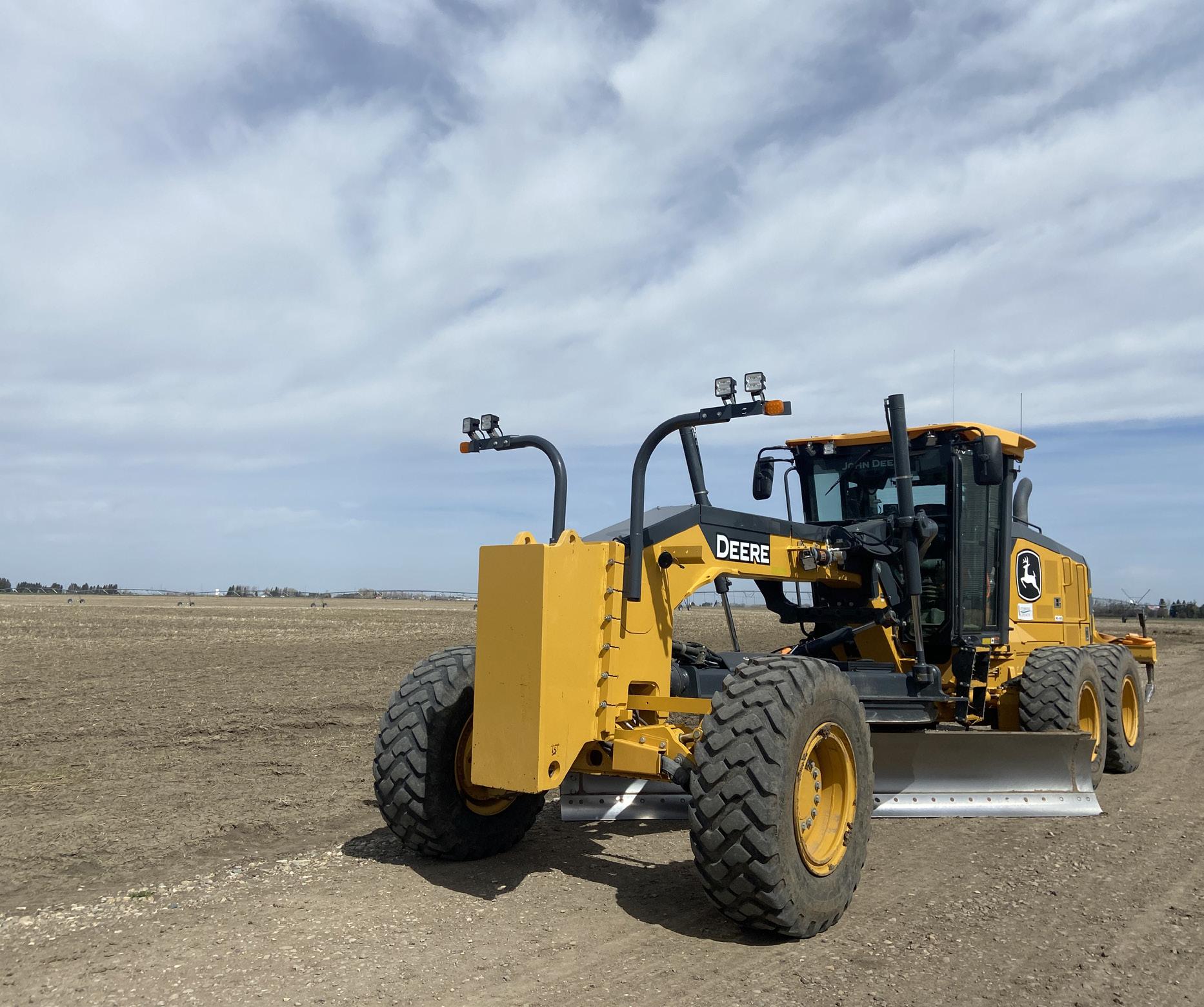
Grader operators are prioritizing quality over quantity, leading to better roads for the community.
This means better crowned roads and a smoother gravel surface. 6,180 miles of gravel roads have been graded between February and end of September this year.
The Technical Services Team completely revamped the GIS structure to lower maintenance and increase sustainability.
FME automation was integrated into the maintenance workflows, greatly reducing the workload for the GIS Coordinator and improving overall efficiency. In addition, the GIS server was successfully upgraded, ensuring long-term scalability and reliability while minimizing any disruptions to service.
More than 507 County signs were installed, repaired or replaced by the sign program.
This contributes to the overall maintenance of the County, ensuring adequate, informative and current signage for the community.
The Fleet Team prioritized strengthening vendor relationships to improve cost efficiency and procurement support.
This often means lower parts and filter costs, improved availability, and reduced equipment downtime, contributing to overall operational efficiency.
The C&M Team reached new heights of digital engagement with community members.
By posting quality, relevant and engaging content our citizens and businesses are viewing our content more. This helps them be informed on the projects, initiatives and activities that impact them. We surpassed 1,000 Instagram followers within our account’s first year (a major feat for a municipality like ours) and have several videos that have reached tens of thousands of viewers.
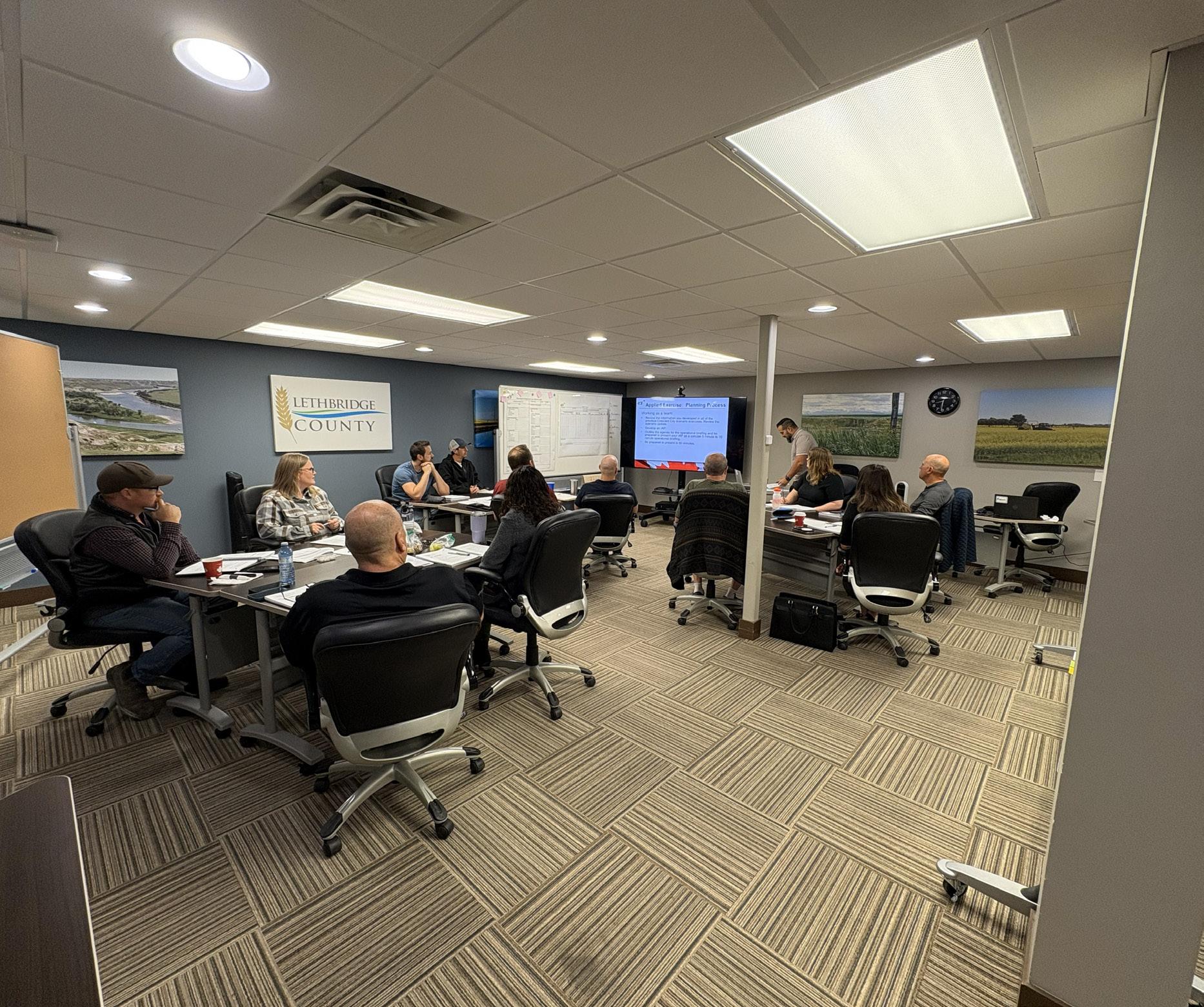
Incident Command System (ICS) trained staff increased by 60%.
Having more ICS–trained personnel means more people can step into leadership and coordination roles during emergencies, improving decision-making and response times. ICS training ensures everyone speaks the same operational language, leading to smoother collaboration between departments, municipalities, and partner agencies when it matters most.
Intentional,
strategic collaboration by the Technical Services Team benefits us all.
The GIS team has collaborated with multiple departments to enhance planning and efficiency throughout the organization. Mapping projects this year include Grader Divisions, Dust Control Mapping, Flood Mitigation, and Fire Rescue Services. This helps support informed decision-making and effective service delivery.
Ag Extension met with 95% of participating producers to build connections and provide assistance with Environmental Farm Plans (EFPs).
With the program changes, a lot more producers needed Environmental Farm Plans this year. Even with the uptick, was still able to meet with over 95% of participating producers in person. In-person meetings are valuable in keeping strong connections with our producers and the community.
Let’s celebrate Us! 2025
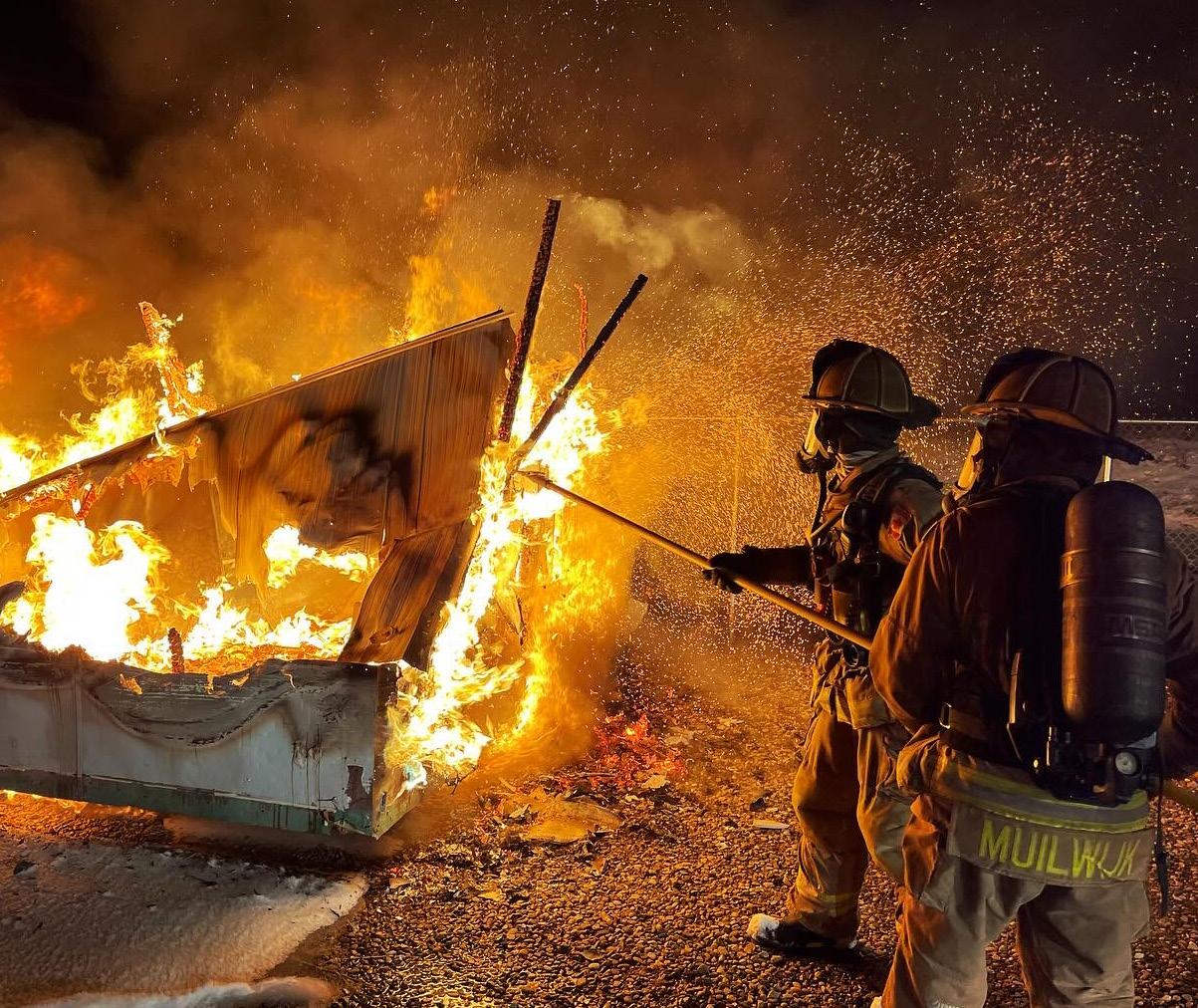
Emergency Services and the CPO worked with RCMP to investigate a major grass fire.
The group were able to identify the origin, and recover fire service costs. This reinforced accountability for preventable incidents, reduced financial loss to Lethbridge County, and highlighted the value of inter-agency cooperation in fire investigations.
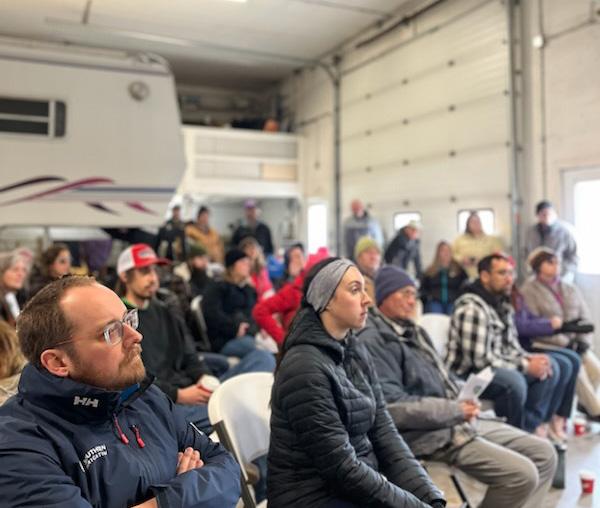
Ag Extension built connections and supported community learning through interactive workshops for producers.
Workshops play a huge role in keeping producers connected and learning. We’ve been offering a good mix of sessions, and the number of attendees continues to grow. One highlight is the Nutrient Management Webinar Series. For the past three years, we saw 120 individual’s sign-up. This year improved to 330, meaning producers and those in the agriculture community see value in the information we are providing and trust us as a resource.
The Fleet Team focused on preventative maintenance instead of reactionary repairs.
This reduces unexpected breakdowns, lowers repair costs, extends equipment life, and keeps equipment in service longer, which helps us maintain productivity and efficiency in our road maintenance and other activities.
The sign program utilized the County’s mobile crane for the big jobs.
The crane was used to load equipment for delivery to auction and installed then removed seasonal fuel tanks and concrete barricades at the temporary Stewart Siding grader camp.
Operations has completed over 169 miles of spray patching (and many more of spot repair!) so far this year.
This helps extend the life of the road, keeping it safe and reliable for drivers.
The Grants department and Technical Services Team brought new light to the Lethbridge office.
The Grants department acquired funding to retrofit LED lighting in the Lethbridge administration office, enhancing our energy efficiency and sustainability. Technical Services then orchestrated the project management and installation.
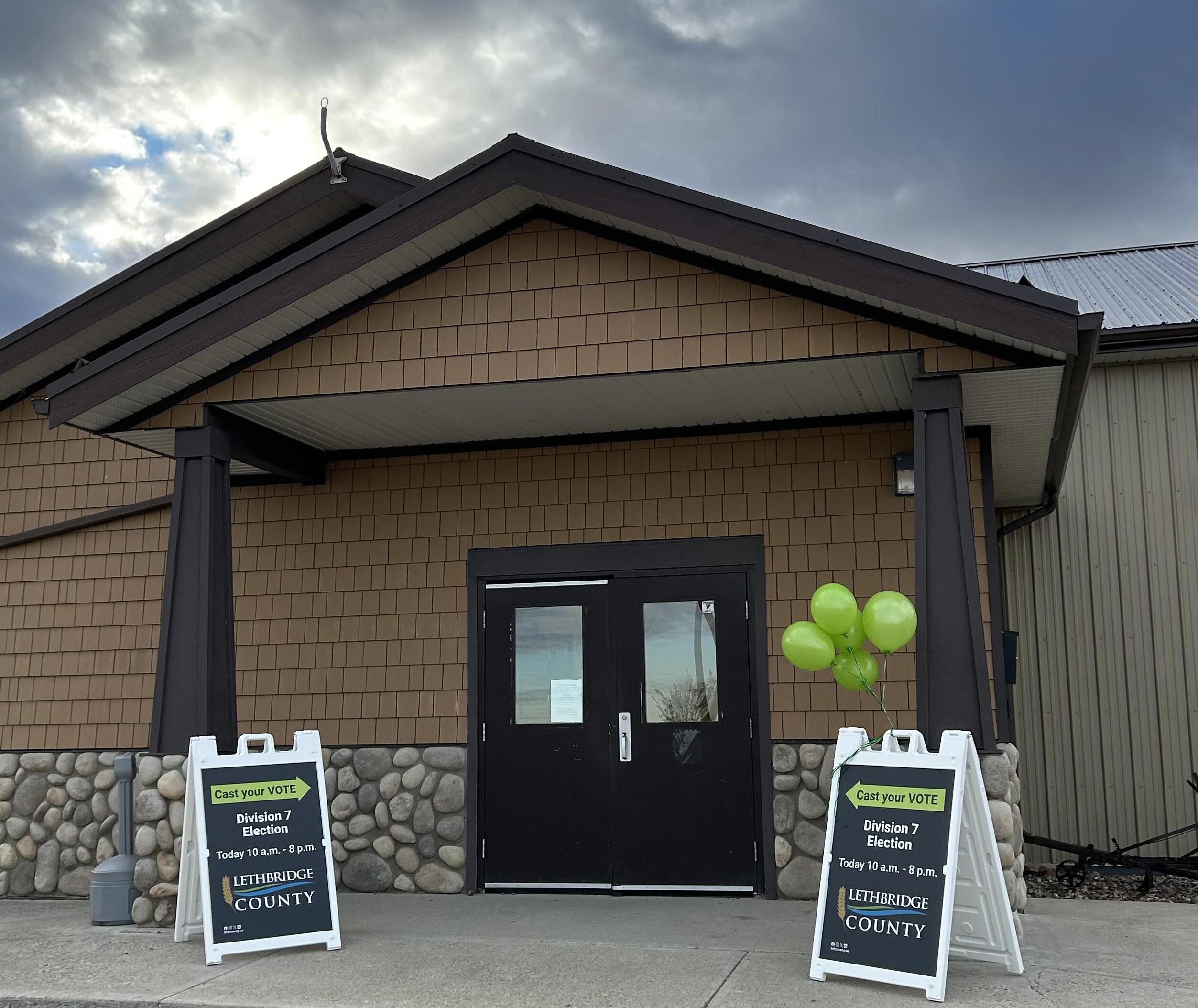
The Legislative Services Team facilitated the election in Lethbridge County.
This included adhering to provincial legislation to ensure a fair, accessible, and transparent election process.
Ag Extension and the C&M Team worked together to transform the Rural Living newsletter into a magazine.
Enhanced quality of information shared with producers and rural residents strengthens community engagement and expands our overall reach. The new format further upgrades the publication and changes in delivery mechanisms mean better access for readers.
Operations crews removed high shoulders on Haul Routes for better roads.
This allows water to run off the road, improving the driving surface. Grader operators also increased the crown on these roads to decrease the amount of trapped moisture for a better driving surface.
The CPO worked diligently to uphold community standards through public education and enforcement when needed.
These include addressing concerns like speeding, overweight commercial vehicles and inspecting commercial vehicles for safety. Enforcement and education of these bylaws and provincial regulations help protect community infrastructure, promote public safety, and preserve the overall quality of life within the County.
More permanent team members brought benefits for Operations.
Operations adjusted full-time, permanent staffing levels to improve service delivery to our ratepayers. Benefits include improved productivity, service continuity, safety, and quality of work.
The Technical Services Team reintroduced the Asset Management Team to plan for the future.
An updated team, strategic plans and the Asset Management Policy ensure the County’s infrastructure remains maintained, resilient, and strong for the future.
Let’s celebrate Us! 2025
The Planning & Development (P&D) Team completed Hamlet Growth Study Reviews.
These ensure Council is up-to-date on development statistics in Monarch, Iron Springs and Turin to monitor growth and investment in our hamlets.
The MyCounty online customer portal launched in October, led by the Finance & Admin Team.
MyCounty allows residents to pay, manage, and access County services online 24/7. The platform reduces service requests as well as administrative time spent on paperwork. It also provides more efficiency and accuracy for customer accounts.
With input from Operations team members, Safety automated the FLHA process by building the form into TitanGPS.
This allows for FLHAs to be completed more efficiently, with greater visibility as all employees can review approved FLHAs, and no requirement to have printed copies available to fill in or review.
A successful grant application enabled the Shaughnessy wastewater lagoon upgrades under the Alberta Municipal Wastewater Partnership (AMWWP).
This project addresses several serious issues identified within the Shaughnessy wastewater lagoon system, preventing potential critical failures and ensuring the continuous and safe operation of the wastewater treatment process for the hamlet.
Emergency Services department finalized and signed new fire service agreements with 4 neighbouring municipalities.
These agreements strengthen regional collaboration, provide consistent, coordinated fire protection and emergency response for all residents throughout Lethbridge County.
The gravel program has completed over 300 miles of gravelling so far this year.
This ensures a safe and consistent surface for motorists and our grader operators.
Proactive implementations by the IT Team meant smoother sailing for the rest of us.
The IT department proactively updated software on all County technology to ensure system security, compliance, and performance.
The Utilities Team works with Alberta One Call to locate underground utility lines.
To date the Utilities Team has responded to total of 2550 Alberta One Call locate requests. They do the locates for Lethbridge County, County of Lethbridge Rural Water Association and Lethbridge North County Potable Water Co-op.
Years of service deserve recognition.
Thank you for your commitment to the County!
5 year milestone
• Candice Robison
• Garrett Ross
•
10 year milestone
• Brian Johansen
• Lee Martin
• Reese McIntosh
• Troy Nevil
20 year milestone
• Donna Irwin
This year marked the introduction of Values in Action awards, an informal way for supervisors to recognize team members exemplifying County Core Values.