LepraNews

For our first issue of 2026, LEPRA Society’s Head of Programmes, Resource Mobilisation & Communications, Arun Kumar Kandukuri introduces our special World Leprosy Day edition.

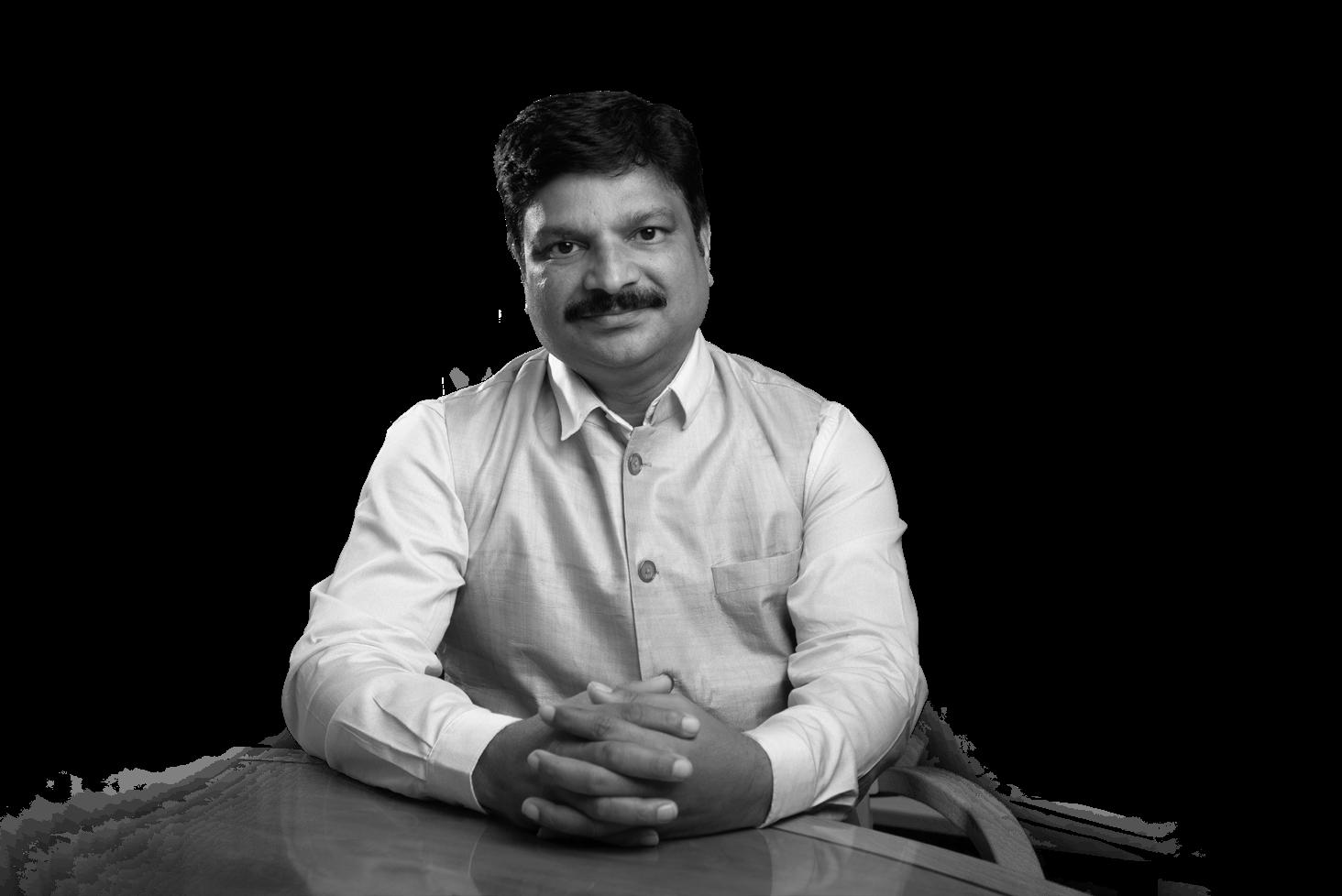
iArun is a senior public health and development professional with over 25 years of experience across government and international non-governmental organisations. With academic training in Public Health (MPH) and Social Work (MSW), he has led over 40+ large-scale public and community health initiatives from proposal to implementation and measurable impact. He has authored over 20 research abstracts, facilitated national health communication strategies, and driven organisational growth through strategic resource mobilisation.
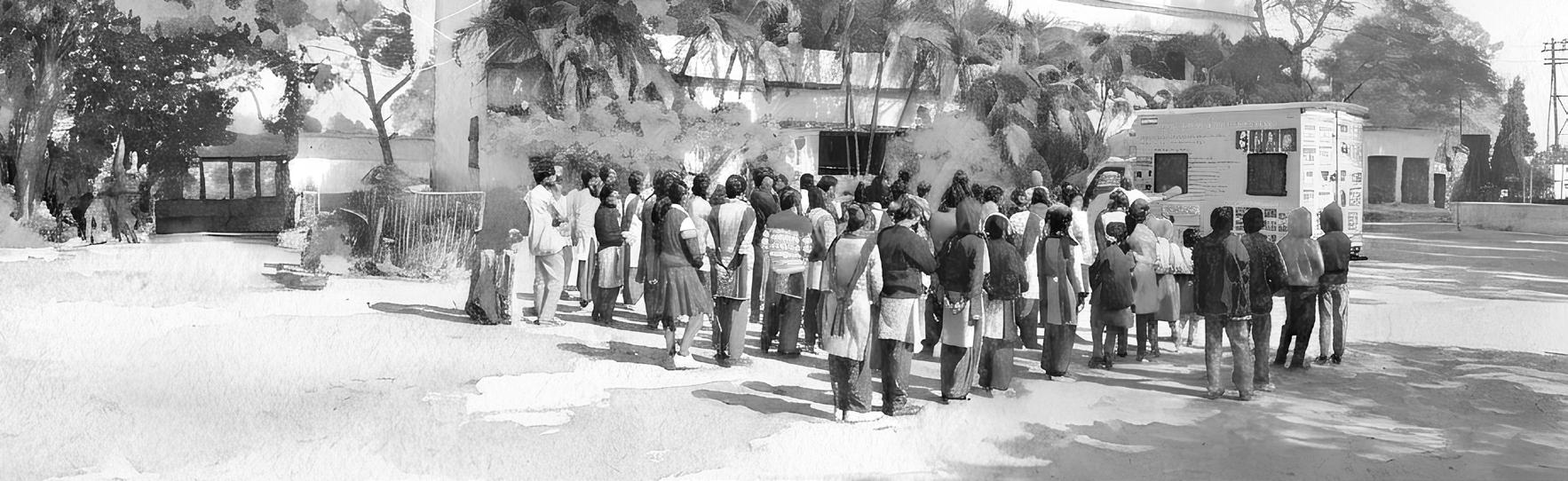
Each year, around 1,600 persons affected by leprosy are linked to government pension and socioeconomic support schemes, over 15,000 people affected receive customised protective footwear, selfcare kits, and assistive devices, and approximately 500 reconstructive surgeries are facilitated.
World Leprosy Day and India’s Anti-Leprosy Fortnight are critical platforms for strengthening IEC efforts. These observances help amplify correct information, humanise leprosy, and give visibility to voices that are often silenced.
In the Indian context, where leprosy disproportionately affects marginalised communities, these campaigns reinforce the message that stigma has no scientific basis.
For Lepra and LEPRA Society, World Leprosy Day is a reminder of an unfinished mission. Controlling leprosy means ending stigma, and IEC and community health initiatives remain the bridge that makes a leprosy-free, inclusive India possible.
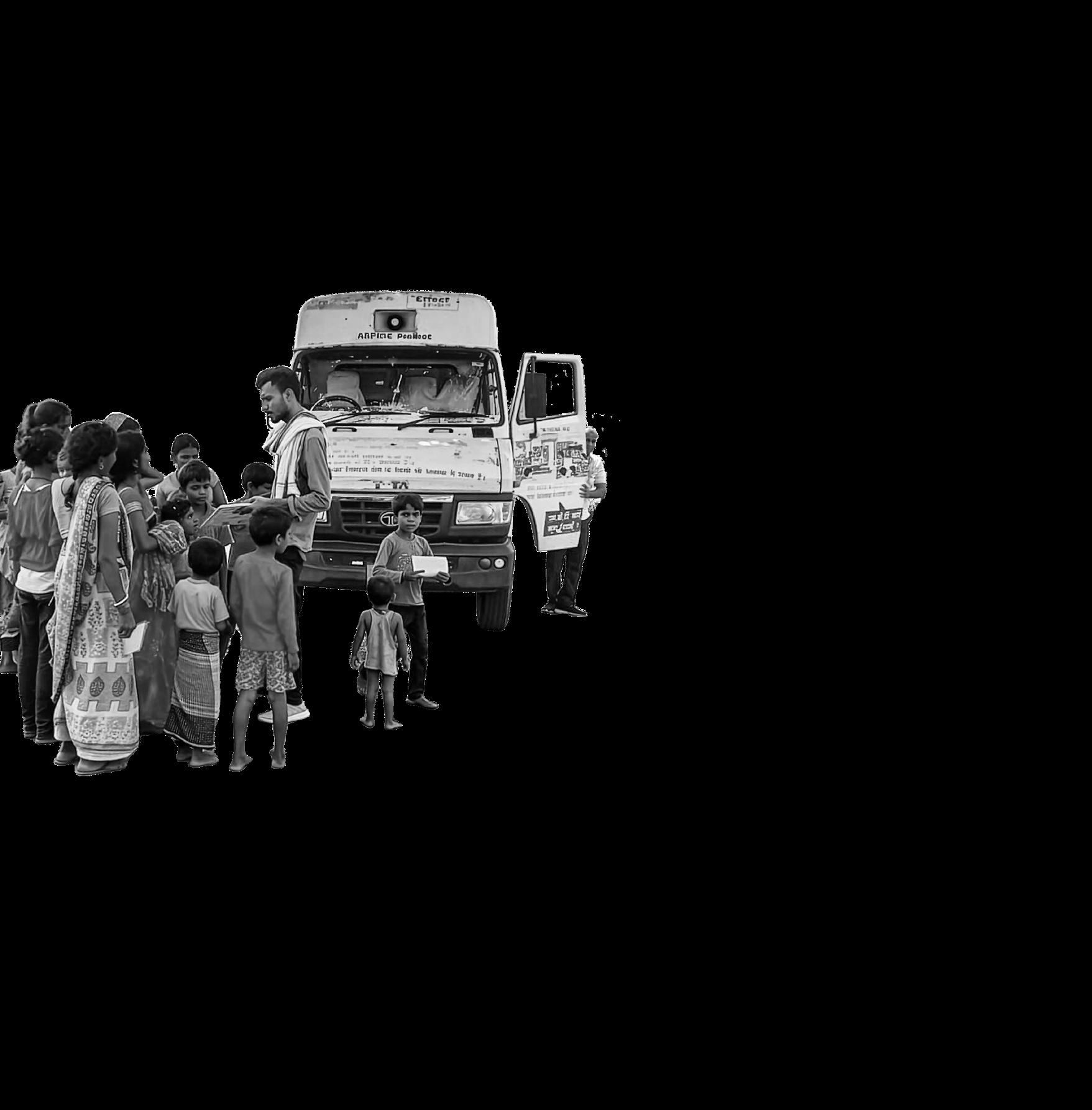

When information moves, prevention follows: The role of educational mobile units in tackling leprosy related stigma and discrimination.
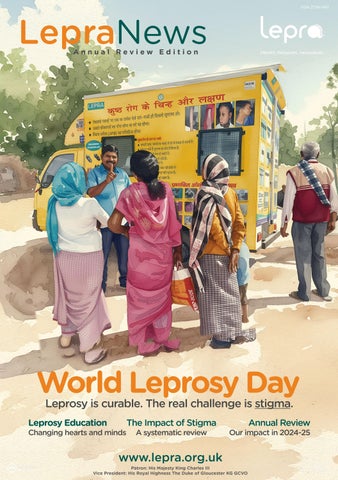
For World Leprosy Day 2026, Lepra is highlighting the work of its Information, Education and Communication (IEC) mobile units in India.
Due to misconceptions and myths surrounding the disease, people affected by leprosy can experience significant stigma and discrimination which causes barriers to seeking treatment. Afraid of rejection, many people hide their symptoms even from family members, isolating themselves from their community. But leprosy is curable and the sooner it is diagnosed and treated, transmission is no longer possible, and lasting disabilities can be prevented.
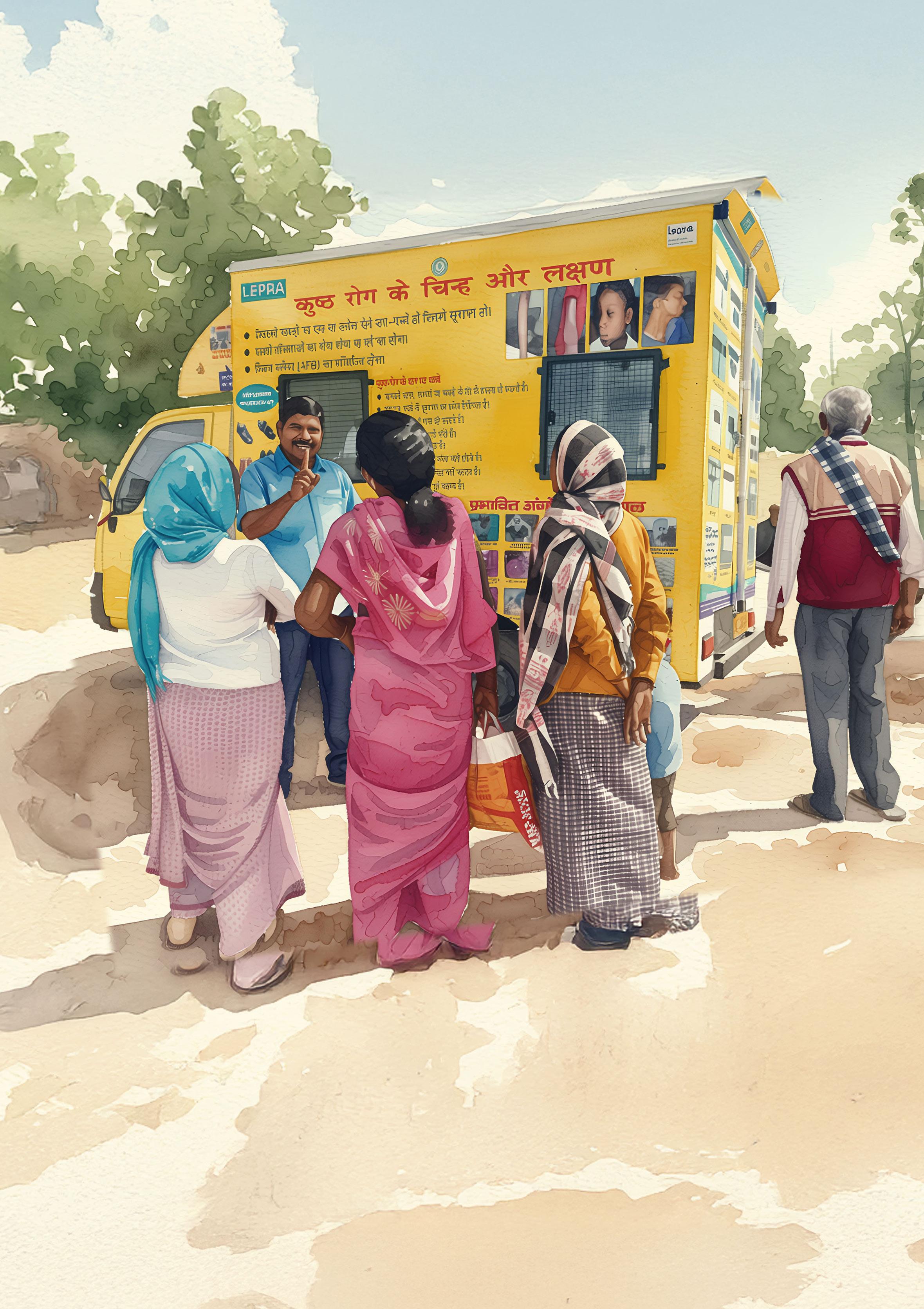
IEC mobile units were developed to address these barriers by taking accurate, accessible health information directly into communities, rather than waiting for communities to come to health facilities.
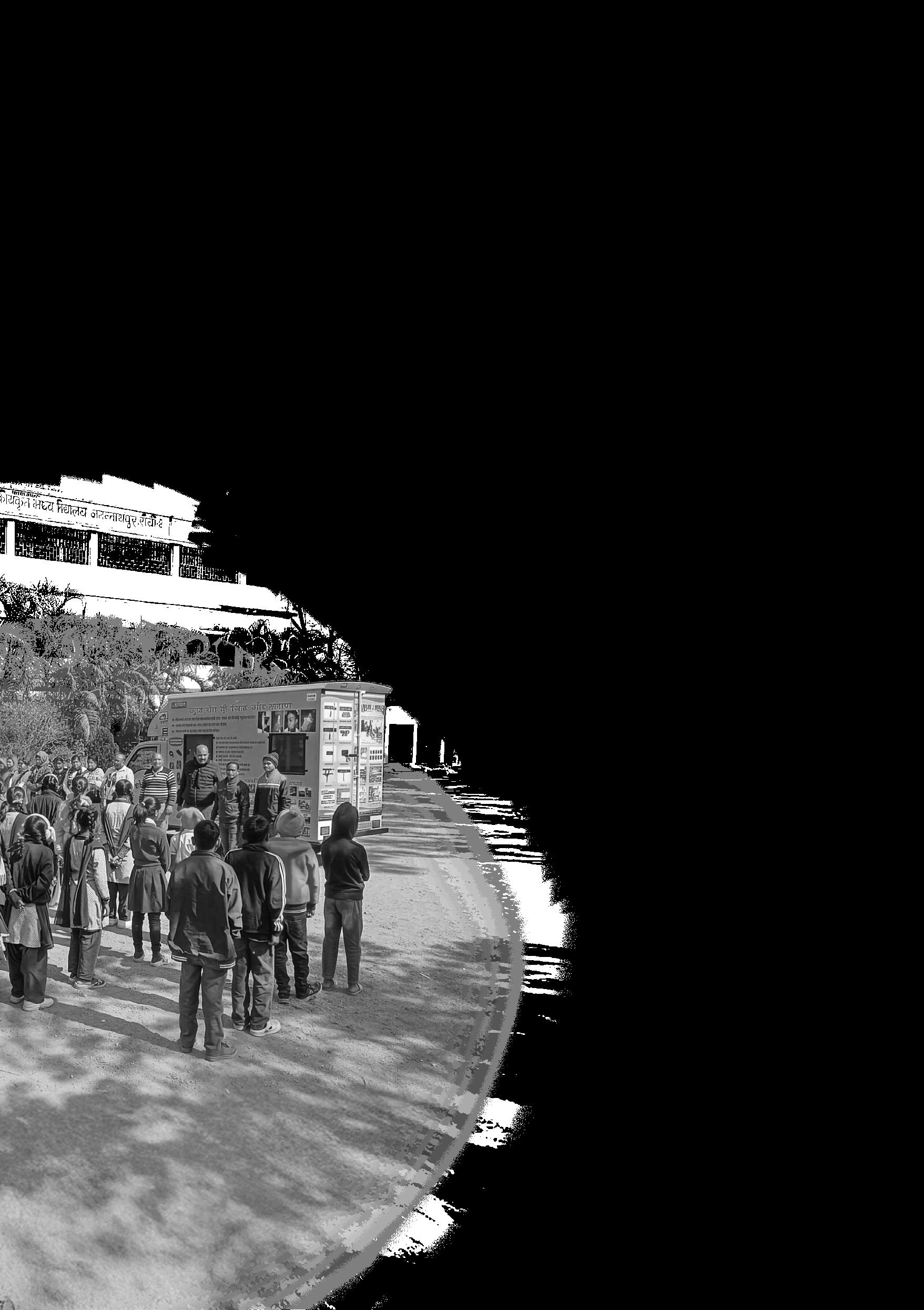
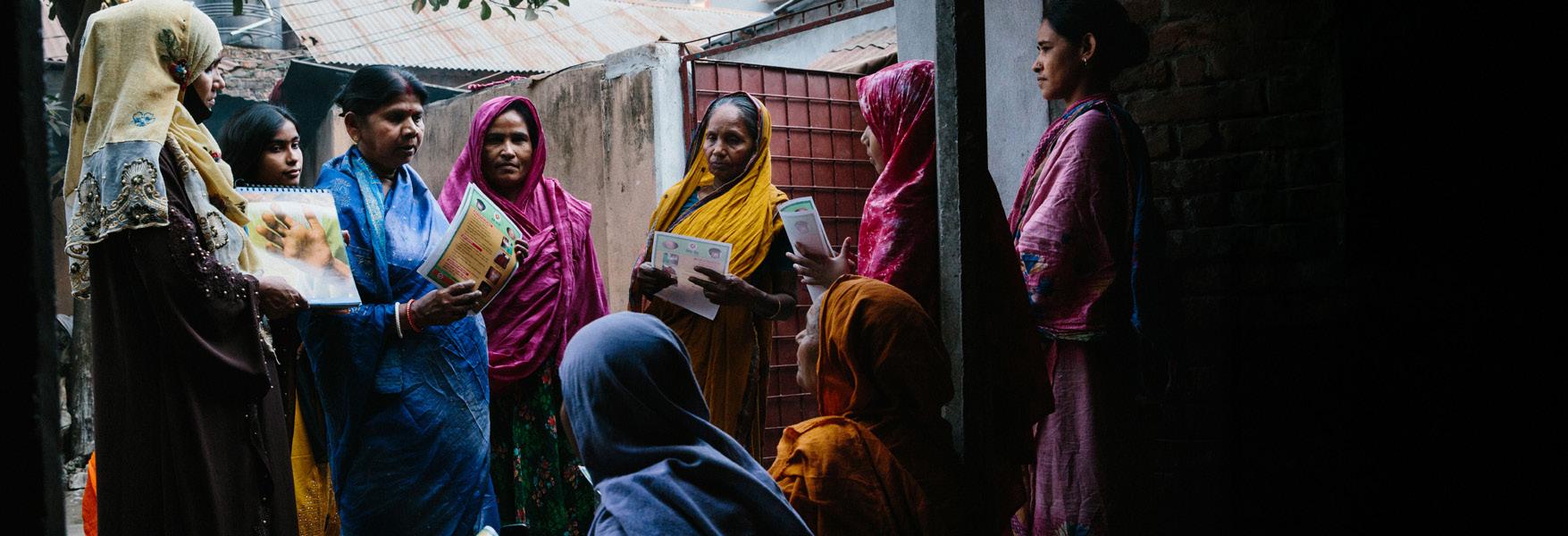
During the past year, Lepra’s new IEC mobile unit in Jharkhand, India, funded by The Hodge Foundation, has become a vital source of health information on leprosy for thousands of school students and remote endemic communities. Travelling village to

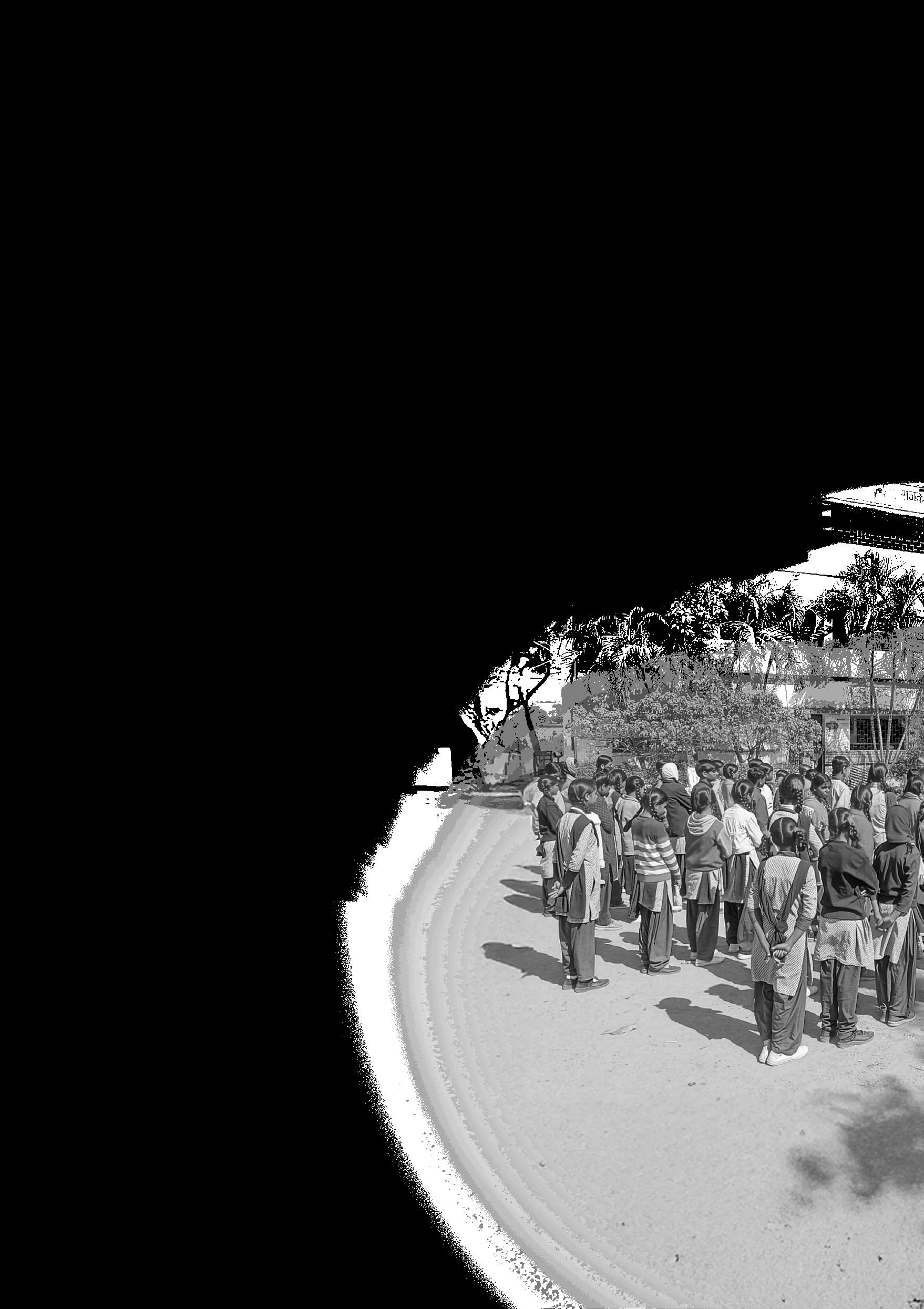

village, school to school, and block to block, the unit has carried information, hope and the promise of early diagnosis for communities that are too often left behind.
Reaching young people with knowledge, confidence and reassurance
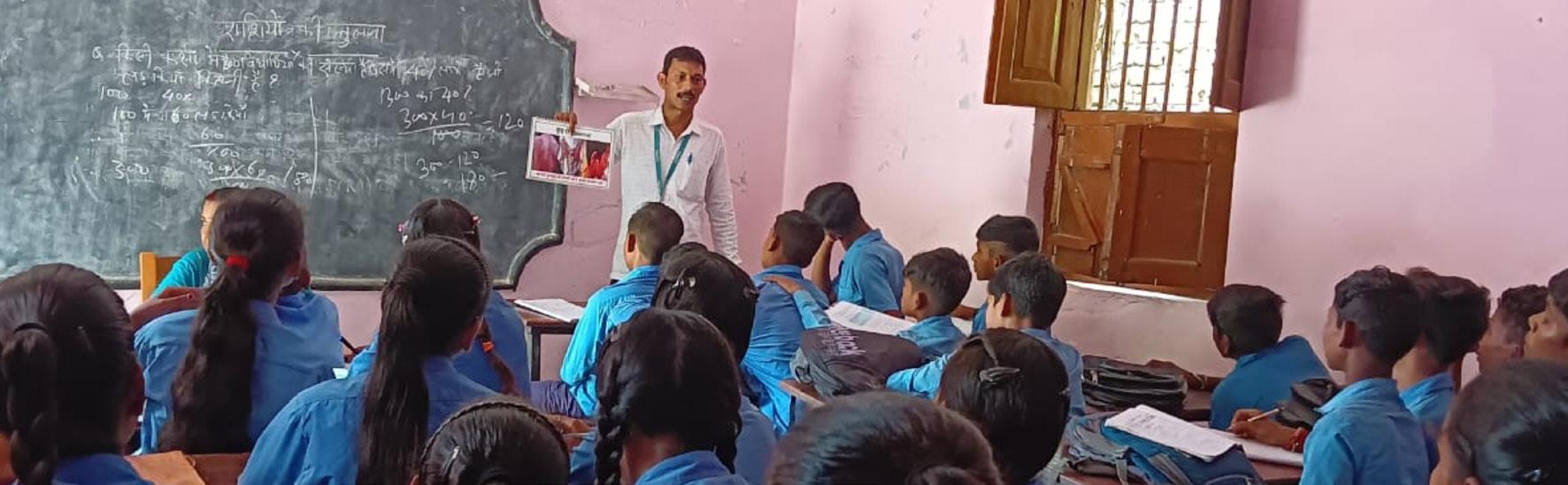
During school visits, the Jharkhand IEC mobile unit has helped students to learn about the reality of leprosy. The outreach teams also trained teachers to identify symptoms and encouraged children to be more accepting of their classmates who are affected by leprosy.
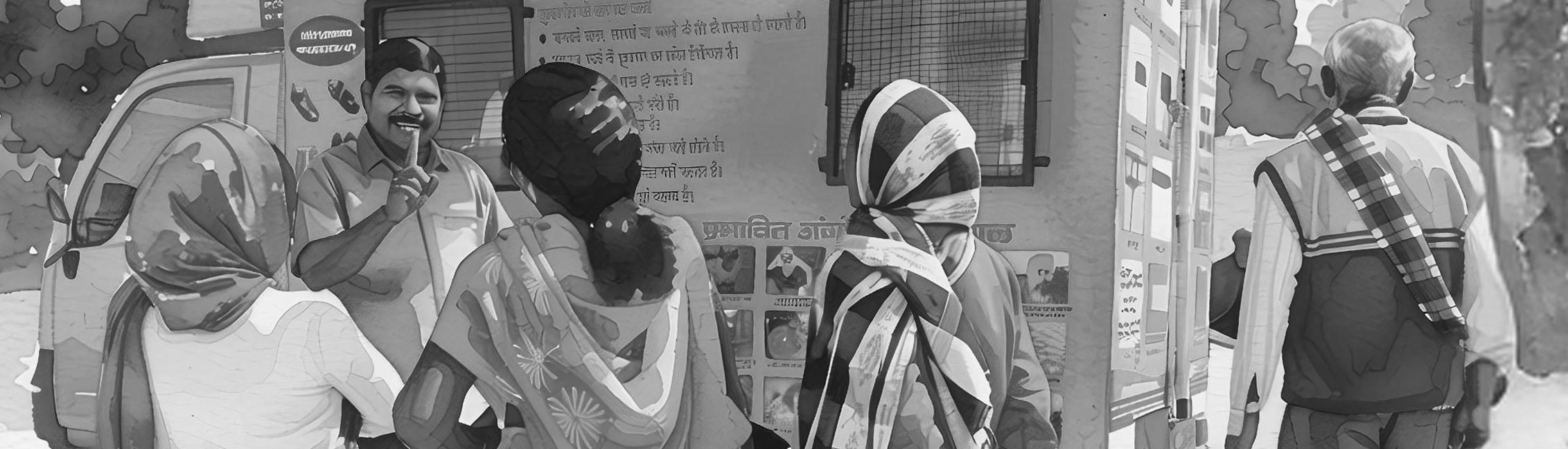
• 4,000 young people were reached each month by the new IEC unit
• 200 young people took part in awareness activities every day
• 40 school and community sessions were conducted each month
For many students, this was their first time learning that leprosy is curable and if diagnosed and treated early enough, lasting disabilities can be avoided. Teachers often reported that the mobile unit’s presence lifted the weight of stigma not only from classrooms, but from families and the wider communities.
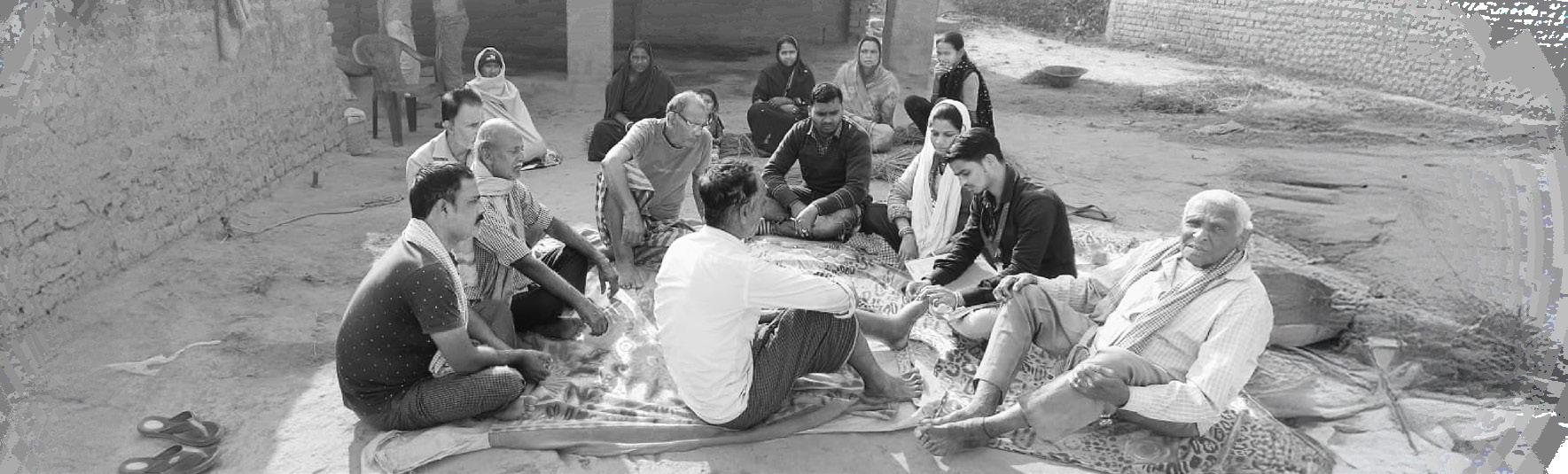
IEC mobile units are a key component of Lepra’s early detection strategy, which is helping to find and treat people living with leprosy but out of reach of traditional health services. Prior to door-to-door ‘active-case finding’ surveys, the presence of the mobile units help to earn trust and improve engagement within endemic populations.
Through graphics, films and talks from health professionals, the unit is able to reframe leprosy as a disease which can be easily treated and need not be feared.
Communities are taught to spot the early signs of the disease and people are reassured that multidrug therapy treatment is free, highly effective and will prevent ongoing transmission.
With this knowledge, attitudes towards people affected are gradually changing, as fear dissipates, hope emerges for a future free from the physical, social and emotional impact of leprosy.
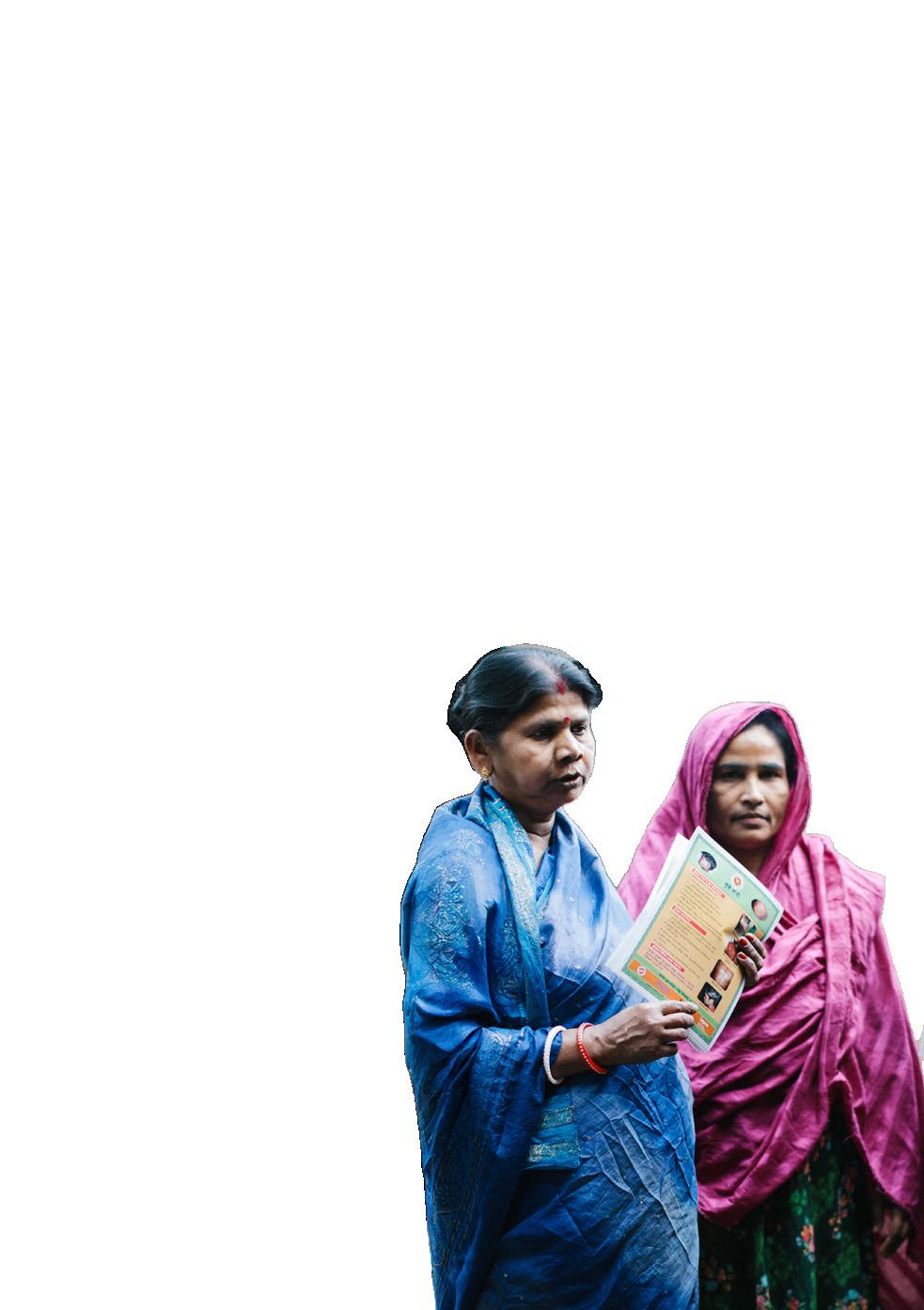
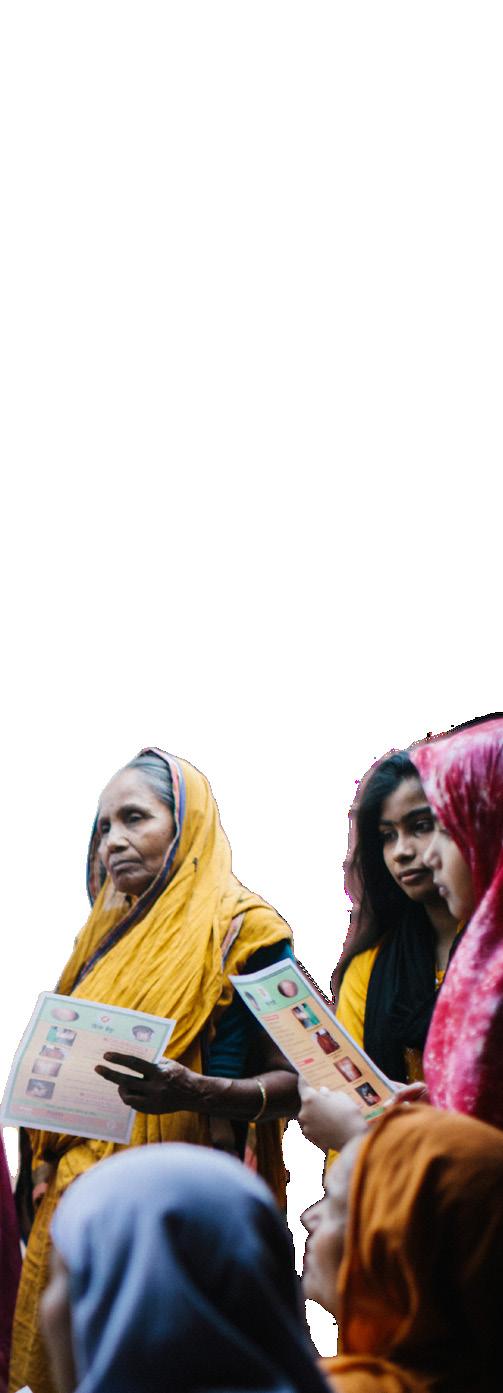

To mark our World Leprosy Day focus on stigma and discrimination, we are celebrating the countless volunteers who have overcome their own diagnosis and now help provide vital health information and reassurance to others in their community.
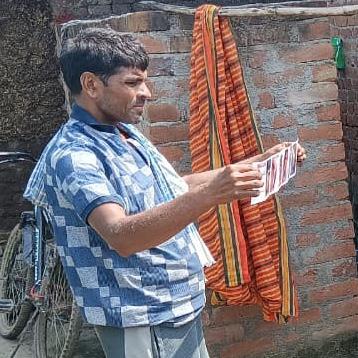
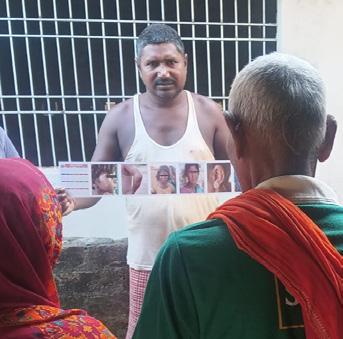
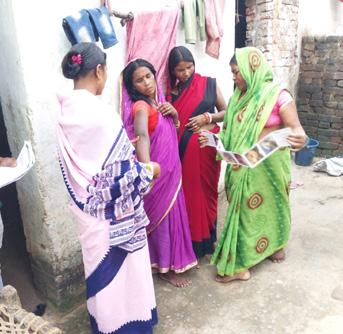
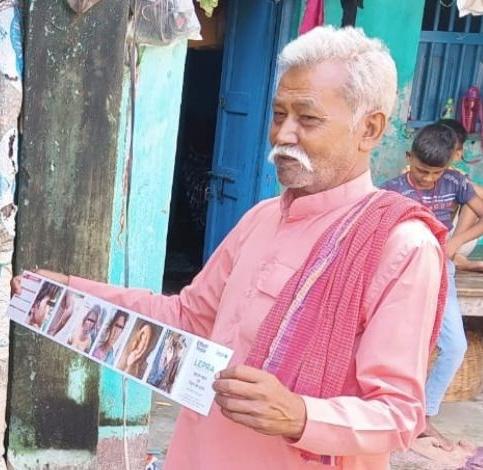
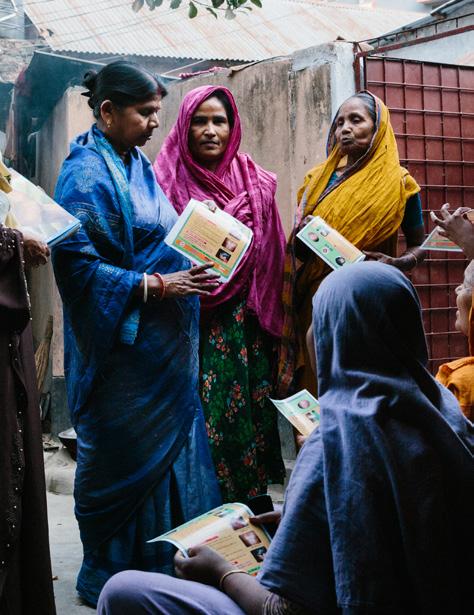
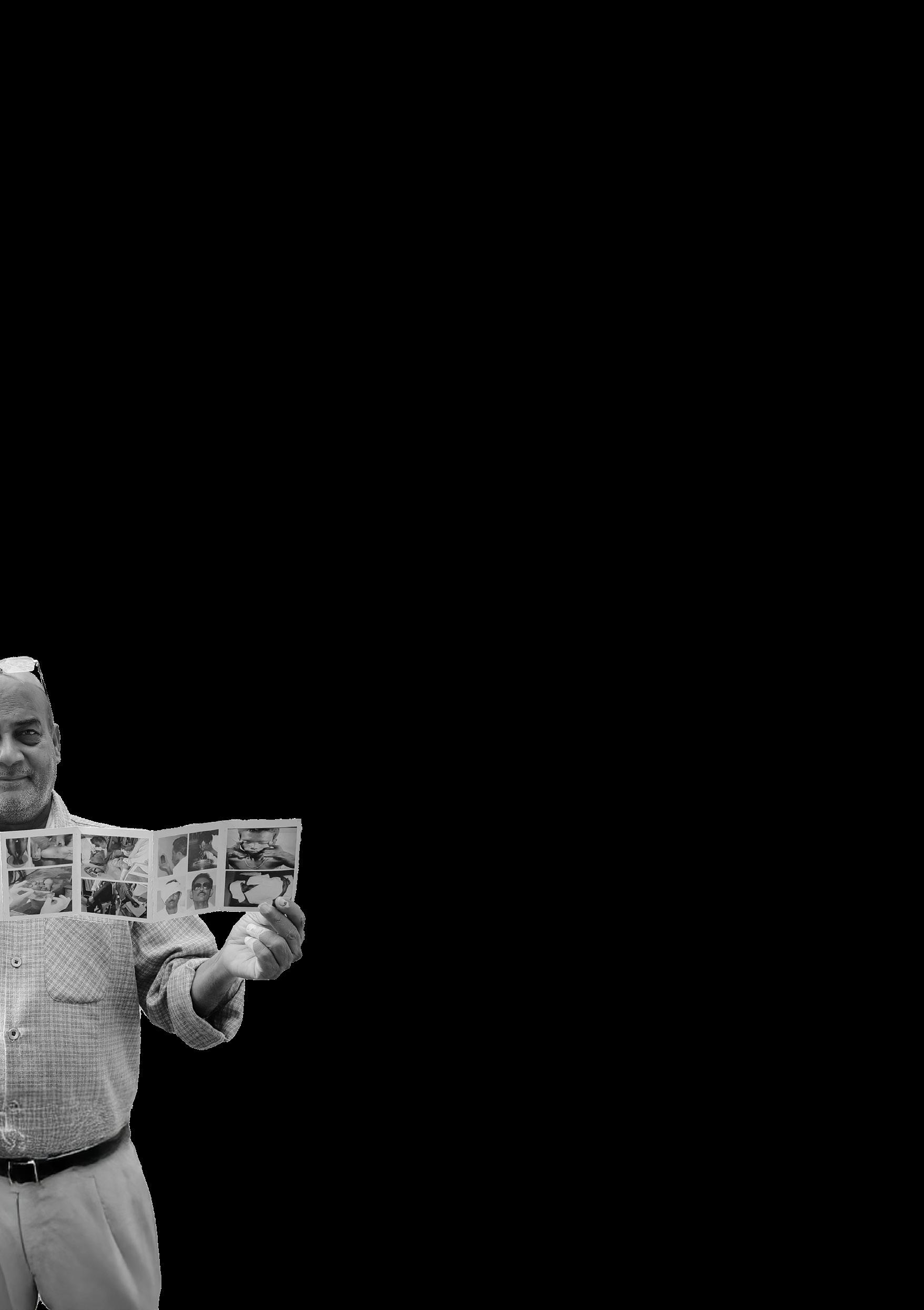
In recent months, Lepra has developed new health education cards, which contain key information on leprosy symptoms. The newly developed cards are a valuable tool for Lepra’s community volunteers in Bihar, who have been piloting their use.
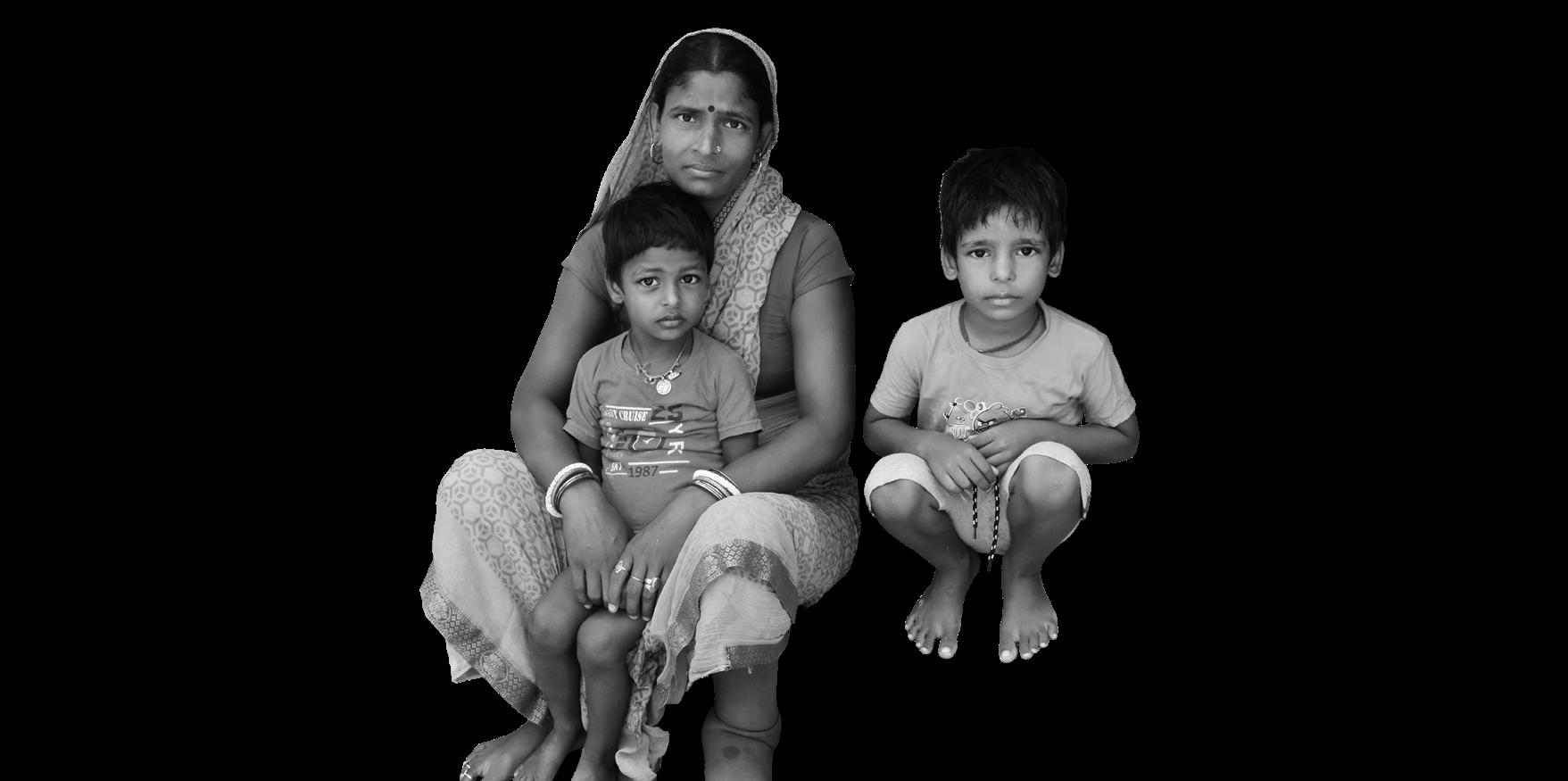
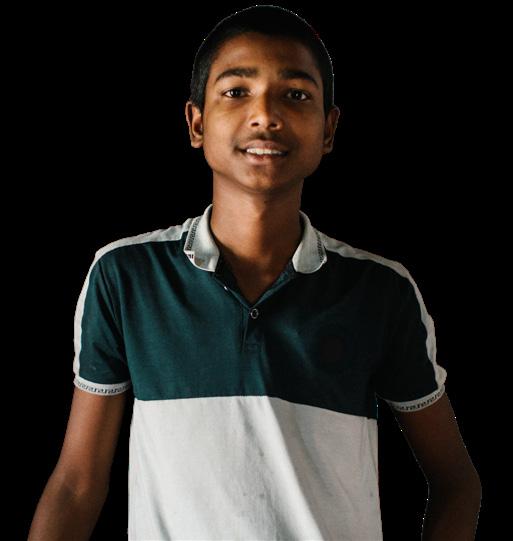
A special thank you to Pawan, Sarwan, Rekha and Ghanshyam who have shared their reallife stories for World Leprosy Day.
Please visit our website to learn more about their extraordinary journey from diagnosis, treatment and recovery, and to find out more about the impact of their IEC work in Bihar. www.lepra.org.uk/real-life-stories

During 2024-25, Lepra’s work in India and Bangladesh continued to be guided by our strategic pillars of Health, Inclusion and Innovation.
Throughout the year, our focus remained on improving access to quality health services, reducing disability, and supporting lasting improvements in the lives of people affected by leprosy and lymphatic filariasis.
Central to this work was a clear commitment to government-led programming and community ownership, recognising that sustainable progress depends on strong public systems and engaged communities.
The data presented in this annual review reflects a year of programme delivery in partnership with government health authorities, frontline health workers and community leaders.
Across settings, Lepra worked to strengthen existing health systems so that services could reach people living in remote and underserved areas. This collaborative approach reflects our belief that lasting change is most effective
when public institutions are supported to lead, and communities are actively involved in shaping and using services.
Under the Health pillar, 2024-25 activities focused on prevention, early detection and continuity of care. Active case detection, support for completion of multidrug therapy, and health education to strengthen self-care were central across programmes.
In India, Neglected Tropical Disease Resource Unit (NTDRU) projects placed strong emphasis on building the capacity of local healthcare staff and strengthening complication management services, including physiotherapy and protective footwear, delivered through government-linked referral centres.
These efforts were designed to complement national programmes and reinforce routine service delivery, rather than create parallel systems. In Bangladesh, 2025 marked the
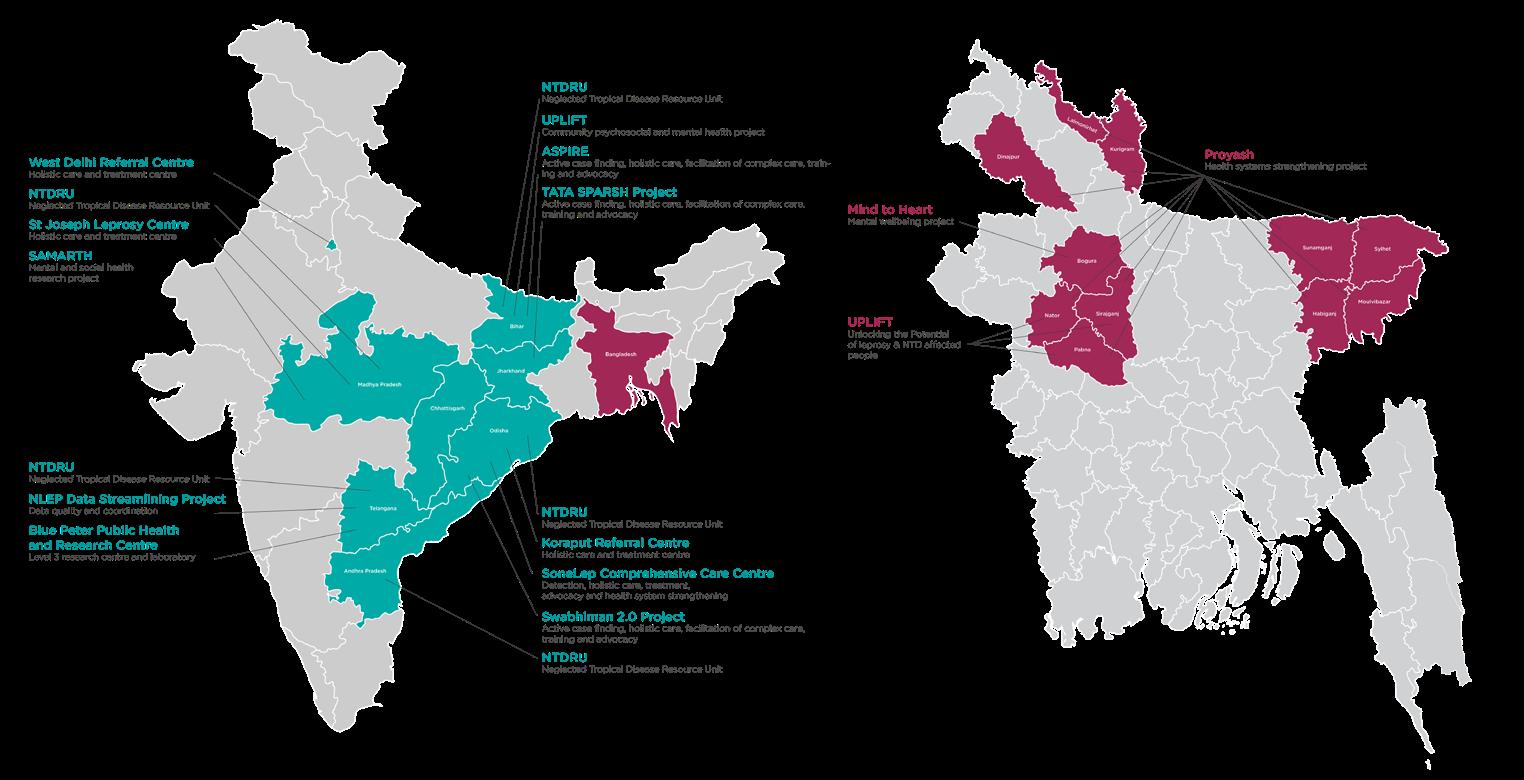
Bangladesh 2024-2025


completion of Proyash, a 12-year health system strengthening programme implemented in partnership with The Leprosy Mission Bangladesh and Effect Hope.
The conclusion of this long-term initiative highlights the impact of sustained investment in government capacity, while also underlining the ongoing need for integrated approaches that link health services with community support.
Inclusion remained a core focus throughout the year. Lepra’s programmes recognise that health outcomes are closely linked to social, economic and rights-based challenges. Initiatives such as UPLIFT and Mind to Heart addressed stigma, social isolation and barriers to participation faced by people affected by NTDs.
Community-based groups played an increasingly important role in 202425, supporting peer networks,
Innovation continued to support programme delivery by helping teams work more effectively and respond to local needs. Greater use of project data, mapping and operational research informed decision-making and helped target interventions more precisely.
A key highlight was continued progress on the ASPIRE project (delivered in partnership with Canadian global health organisation Effect Hope), an integrated model for screening, treatment and long-term management of five skinrelated NTDs, including leprosy. By addressing multiple conditions together, ASPIRE offers a practical and personcentred approach that aligns with WHO recommendations and national priorities.
In 2025, the model was presented at the 2nd World Health Organization Global Skin-NTD Meeting in Geneva, where it was recognised as an example of effective, integrated programming.
Together, the 2024-25 data shows how


2024-25
With your kindness and support, Lepra’s programmes in India and Bangladesh have continued to reach thousands of the world’s most vulnerable people.

5,068

We have supported national health systems to detect 5,068 new cases of leprosy through active case-finding and community detection activities.
3,379
We supported 3,379 self-support groups, helping to provide practical and social support within the community.

8,354
58,052
We provided 8,354 people in India with physiotherapy, helping people to regain nerve function and mobility of their hands.
18,752
We provided 18,752 people with specialist health education to help maintain selfcare practice and aid recovery from leprosy and LF.
10,639
We provided selfcare kits to 10,639 people, including vital personal care products to promote healing and prevent further infection.
We issued 20,903 pairs of protective footwear, helping to restore people’s hope, dignity and independence.
20,903
58,052 children reached with health education and awareness-raising school visits in India and Bangladesh.
We reached a total of 1,169,688 people in endemic communities through health education, and awareness campaigns.
1,169,688
22,043 people took part in meetings to advocate for their rights and inclusion in society.

876
10,670
We trained 10,670 government health staff, helping to strengthen local, regional and national health systems and provide early diagnosis and treatment.
We facilitated 876 lifechanging hydrocele operations for men affected by LF.
2,463
We helped 2,463 people with leprosy and LF access government grants and support for the first time.


171
We trained 1,798 community volunteers to provide emotional health support for people coming to terms with their diagnosis.
171 people affected by leprosy received reconstructive surgery to restore the movement and appearance of their hands and feet.

91p in every pound donated to Lepra, goes directly to funding our research, treatment and advocacy services.
The remaining 9p helps us raise the next pound!


For World NTD Day (30 January 2026), Lepra reminded the world that investing in Neglected Tropical Diseases (NTDs) is a global imperative.

Rajni is a development professional with over 20 years’ experience. He is a graduate in science with specialisation in physiotherapy from Hind Kush Nivaran Sangh (HKNS), New Delhi. Rajni, in collaboration with TATA Steel was also instrumental in initiating the operations in the state of Jharkhand. He is an expert in interventions on community health programmes in the areas of lymphatic filariasis and leprosy, TB, HIV/AIDS and vector-borne diseases.

To read Rajni’s full article on World NTD Day 2026, please visit our news page by scanning the QR code, or visit www.lepra.org.uk/news

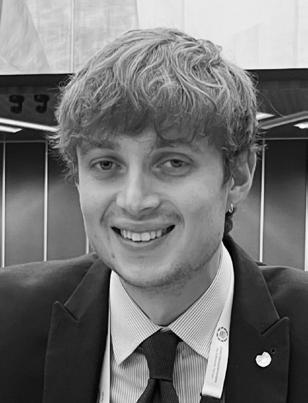
Lepra’s Research Intern, Chris Cecil previews an important new research project focused on providing a better understanding of the stigma faced by children affected by leprosy.
Evidence from Lepra colleagues, health practitioners and individuals with lived experience indicate that disrespect and exclusion continue to mar the lives of children living with leprosy. However, due to leprosy’s neglect, knowledge on this topic is fragmented and limited.
In Lepra’s research team, we have sought to tackle this problem by completing a systematic review. We have analysed the literature for evidence on which domains of life children experience discrimination in, the types of stigma that they are subject to and children’s subsequent mental health responses. Our review also captures the factors that moderate levels of stigma and discrimination and the impacts on children’s mental health.
Whilst we await publication in a peer-reviewed journal, we discussed the high-level findings with Lepra and LEPRA Society colleagues through a learning forum. At the event, Jayashree PK, Lepra Society General Body Member, gave a presentation on how these findings could inform the work of charities, schools and health officials.
Through this collaborative process, four key themes emerged for how to support children with leprosy: applying a disability and inclusion lens to leprosy support, moving to Behaviour Change Campaigns (BCCs), the benefits of a whole-family approach and that schools should be used for interventions.
To read Chris’ blog in full and to find out more about the project, please visit: www.lepra.org.uk/news
Published in Leprosy Review, Professor Diana Lockwood, Lepra UK Trustee-Observer, writes a poignant review of the book ‘The Living Death: The Struggle with a long-forgotten disease. A diary from today’s Berlin’ by Evelyne Leandro.
The book is a powerful memoir, providing a rare, 21st-century perspective on a leprosy diagnosis, a disease many believe is confined to the history books.
Evelyne is a Brazilian woman living in Berlin. Her journey starts in 2011 when a skin biopsy shattered her high-energy life at only just 30 years-old. The book, compiled from her raw and honest diary entries, tracks her treatment journey from 2012 to 2013.
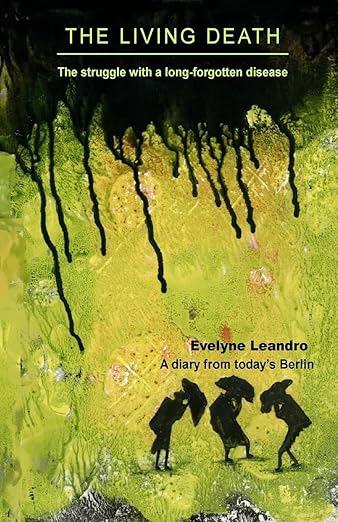
Facing a disease that even her Berlin doctors had little experience treating, Evelyne writes
icandidly about the physical toll, noting her reaction to the antibiotic Clofazimine, and the exhaustion of taking a regime of medications to help manage the symptoms of the disease.
Professor Lockwood shares how Evelyne is a powerful advocate for better diagnosis and reducing stigma. Her story is an essential read for anyone interested in leprosy in the 21st century. Available at Amazon and other good book retailers.
Read Diana’s review: https://leprosyreview. org/article/96/4/20-25041
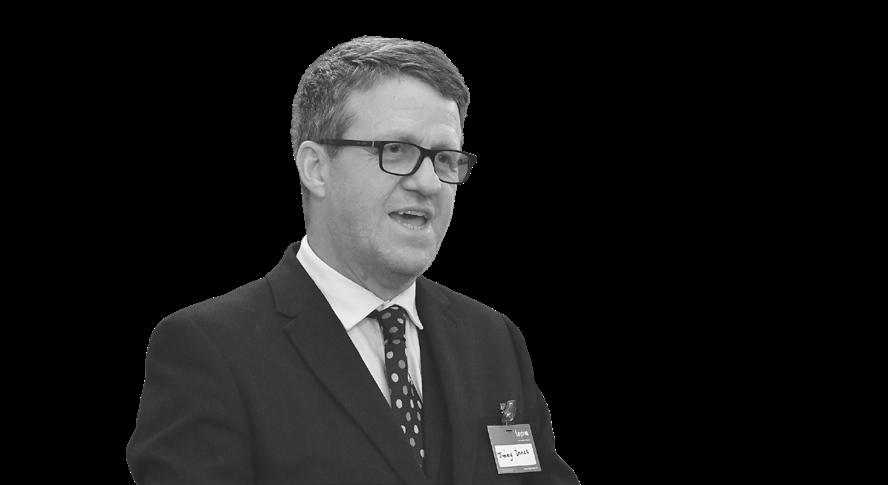
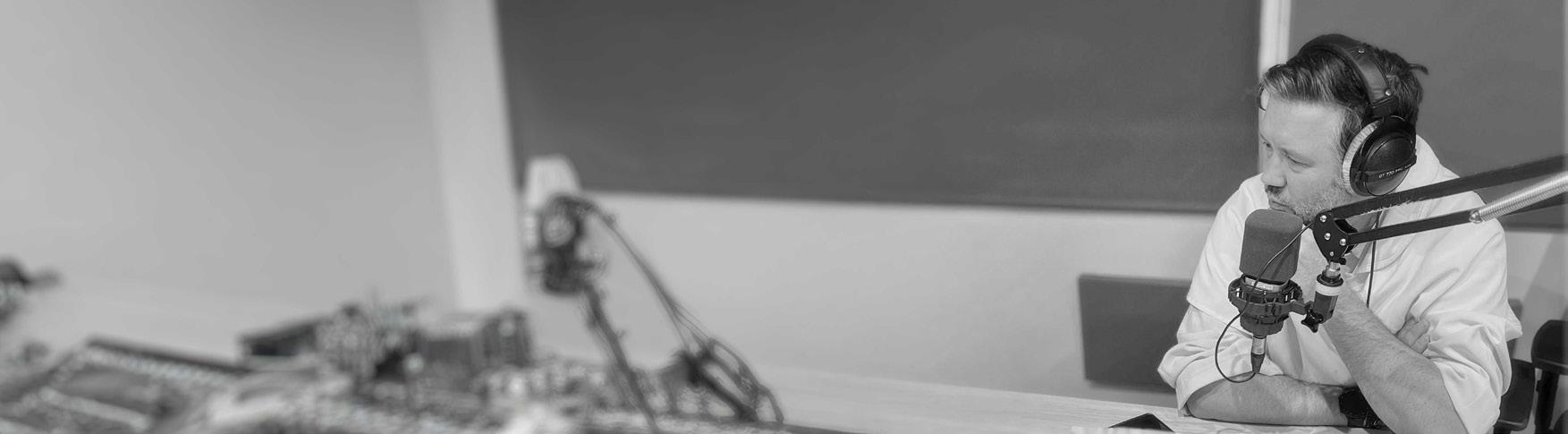
CEO Jimmy Innes interviewed by Father Toby Lees on Radio Maria for World Leprosy Day 2026

In my role as Assistant Manager for Faith Partnerships at Lepra, I was delighted to discover the 24-hour Catholic Radio Station – Radio Maria, which is part of a network of 79 radio stations across five continents with 500 million listeners worldwide.
I first spoke to Father Toby Lees – the Priest Director of Radio Maria England, three years ago when discussing World Leprosy Day, which is held at the end of January each year, and serves as a global call to action, urging unity to end the discrimination and stigma associated with leprosy.
To help raise awareness of the disease and the work of Lepra, Father Toby kindly offered to host our CEO Jimmy Innes on one of the stations’ Just Life morning slots ahead of World Leprosy Day.
We were told that the interview garnered great interest among many listeners, who were surprised to learn that leprosy still existed, and that today, three million people are
living with undiagnosed leprosy. Despite being curable, fear of discrimination and exclusion often prevents people from coming forward for diagnosis and treatment.
Father Toby was interested to hear of Jimmy’s many visits to India and the beneficiaries he has met, relaying the stories they have told. Jimmy was invited to speak on Just Life on Thursday 22 January with an update on Lepra’s work and achievements in the past year and our vision for the future.
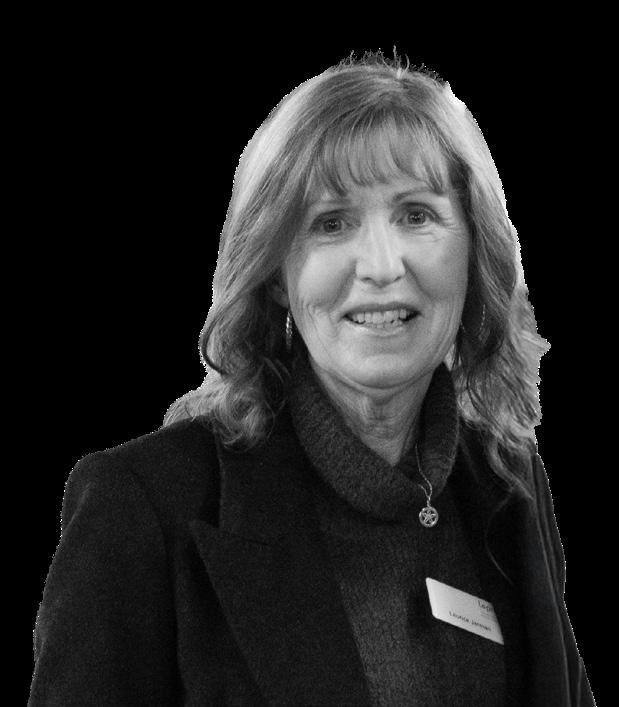
Lepra has received wonderful support from faith organisations for over 50 years and the support is greatly respected and valued, helping us to reach more people and change more lives. If you would like to support Lepra through your faith organisation please contact me by email.
Thank you
Radio Maria (RM) started in Italy in 1983. Initially a parish radio that appeared in Arcellasco
During the 3 minutes it takes to boil a kettle, another person will be diagnosed.
All you have to do is keep the hot drinks flowing, ensure you bake or buy lots of tasty treats like scones and cakes for all of your guests, and simply ask for a donation in return. You will have a lovely time and the icing on the cake is that the funds you raise will help to diagnose, treat and care for more vulnerable people
Sign up today to receive your free fundraising pack!
Help us support some of
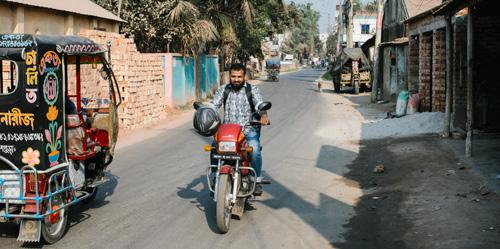
£25 keeps a field specialist on the road for a week. This covers fuel and maintenance for their motorbike, helping them reach isolated communities to deliver vital treatment and care.
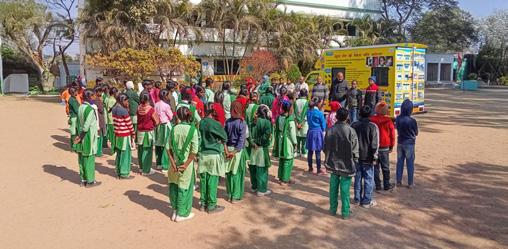
£50 funds a school screening for 1,000 students. This helps detect leprosy early, ensuring children receive timely treatment before life-changing complications develop.

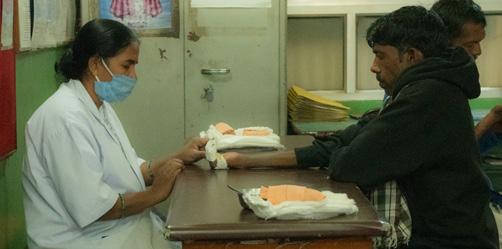
£175 pays a nurse for two weeks as they care for people affected by leprosy and LF. Your gift ensures people receive the continuous, high-quality care they need to recover.
Help people and their families affected by leprosy and LF to receive the right care, at the right time and in the right place.
Help us plan future projects in the areas which need it most.
Spread your giving across the year, and change or stop payments at any time.
Help keep our administration costs low.
Stay informed through regular newsletters and progress updates.