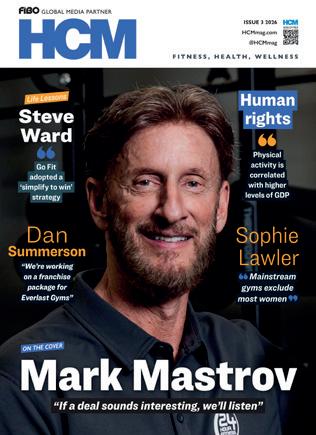
Go Fit adopted a ‘simplify to win’ strategy
Dan Summerson
“We invested in Everlast, then moved the price point”
Physical activity is correlated with GDP

Go Fit adopted a ‘simplify to win’ strategy
“We invested in Everlast, then moved the price point”
Physical activity is correlated with GDP
“If a deal sounds interesting, we’ll listen”


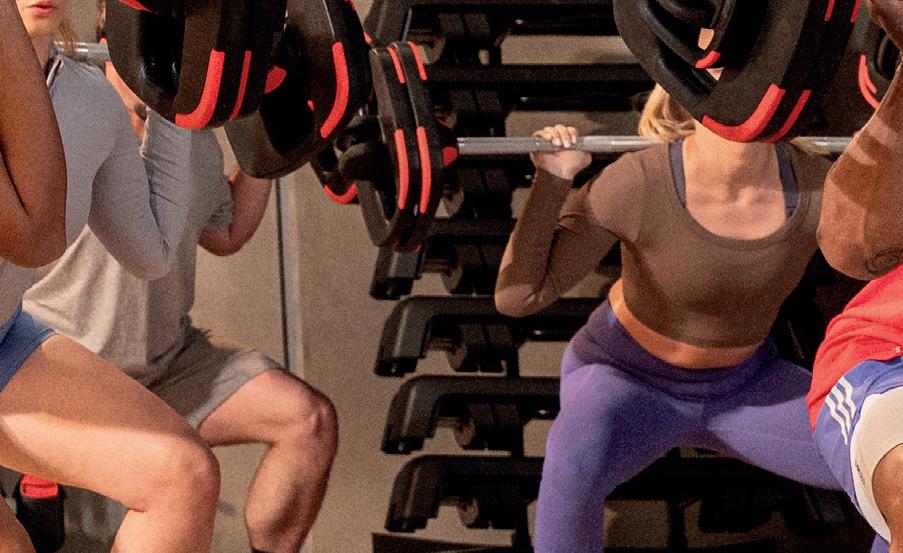
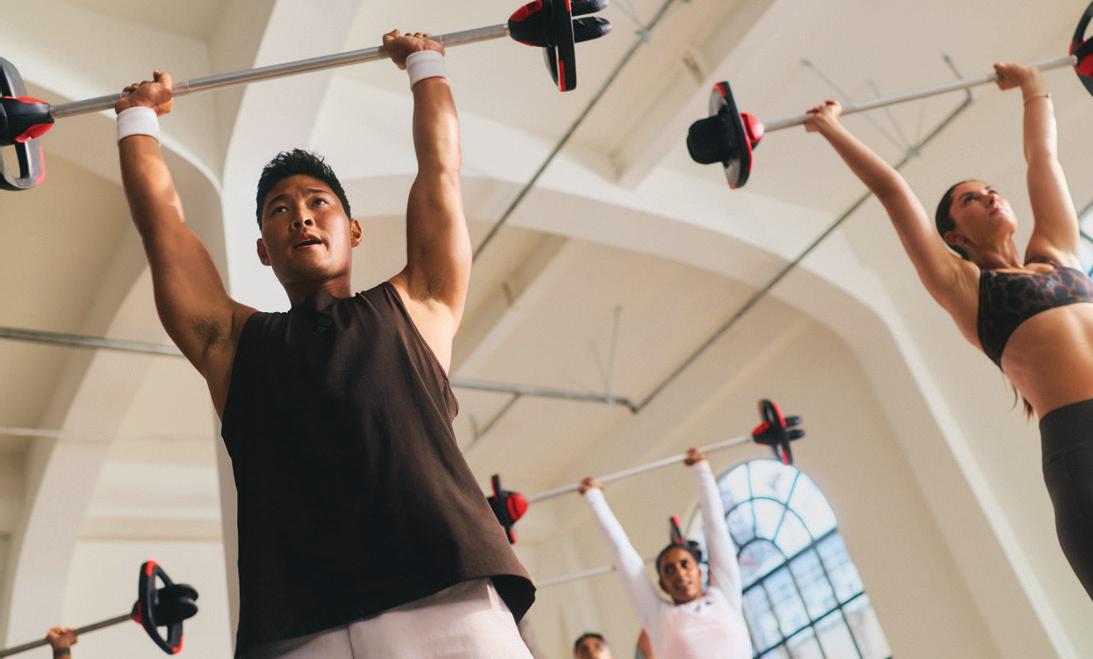
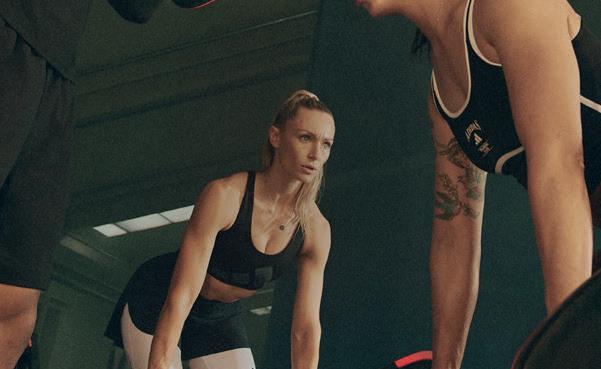
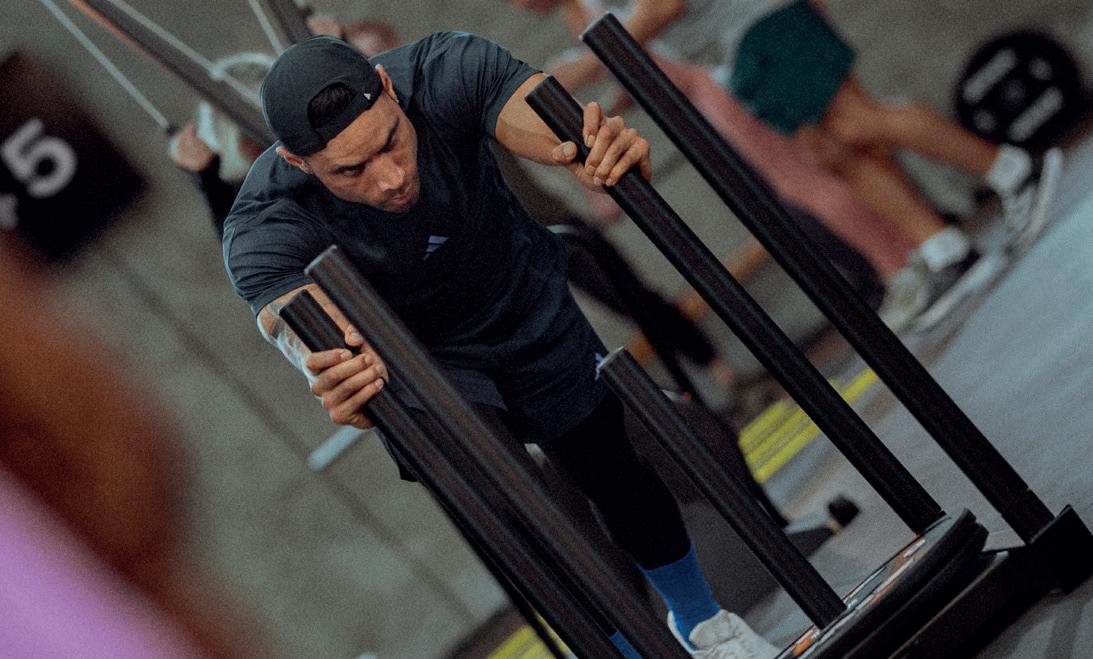



STRENGTH



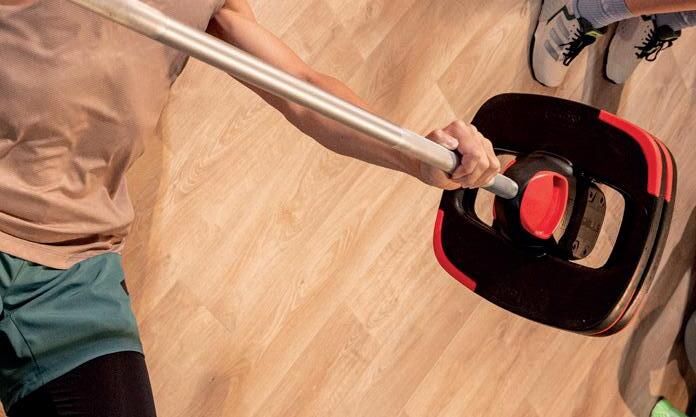

CYCLE
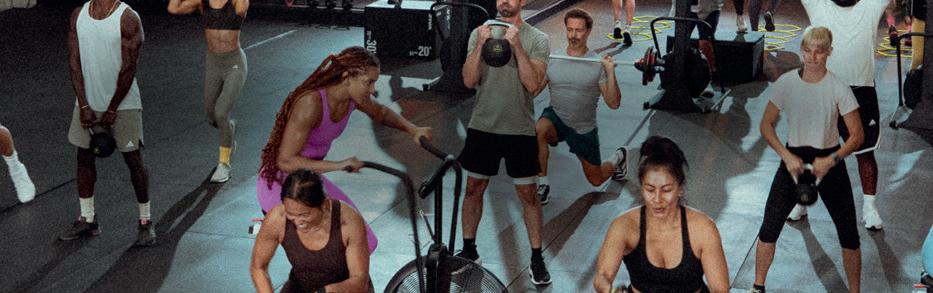
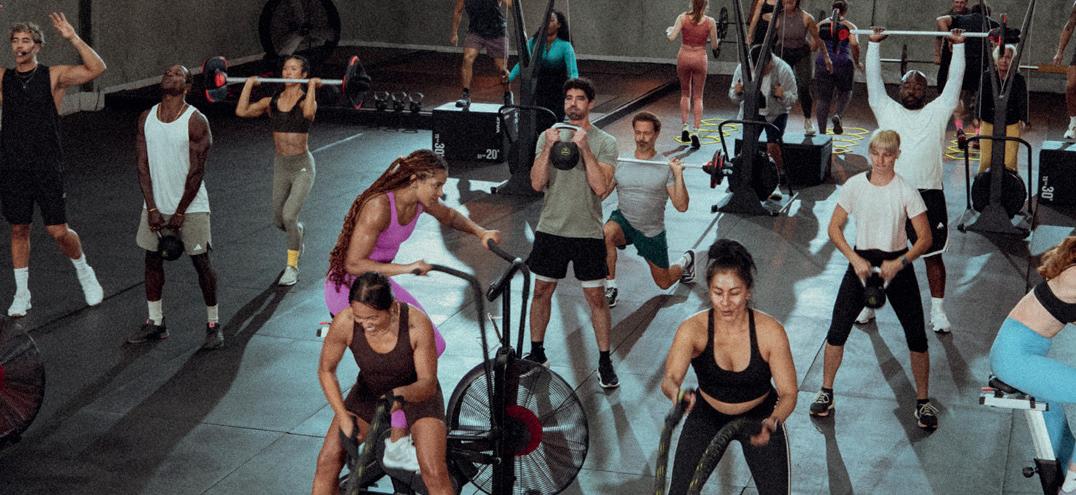
CIRCUIT/HYBRID/ HYROX
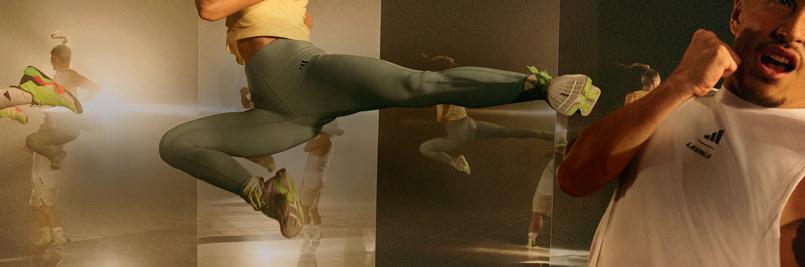
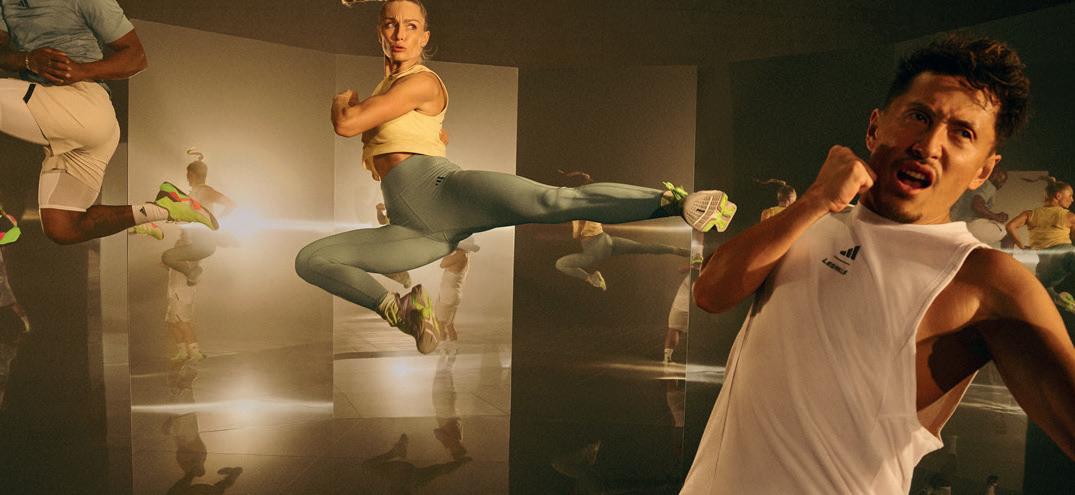
BOXING/ MARTIAL ARTS

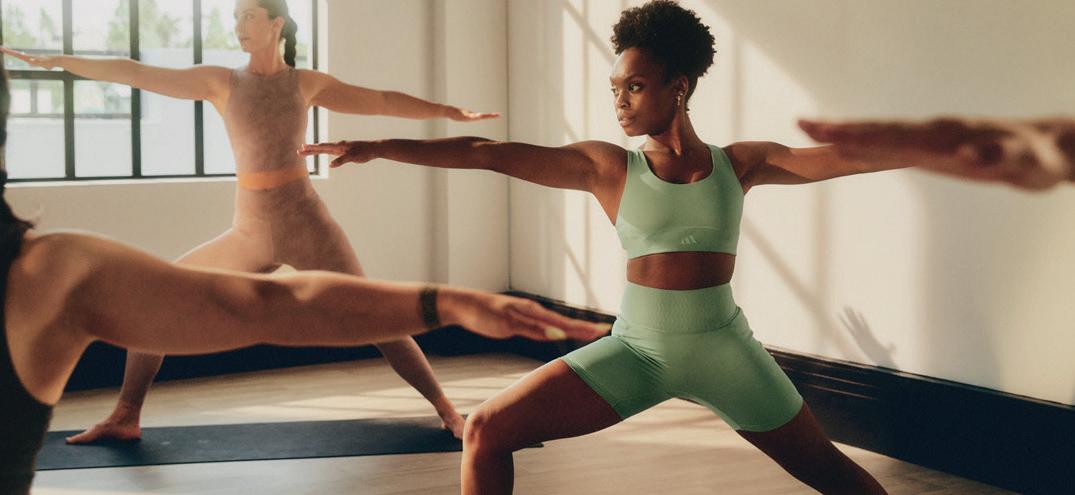
CORE/SCULPT/ PILATES
DANCE


CARDIO/HIIT

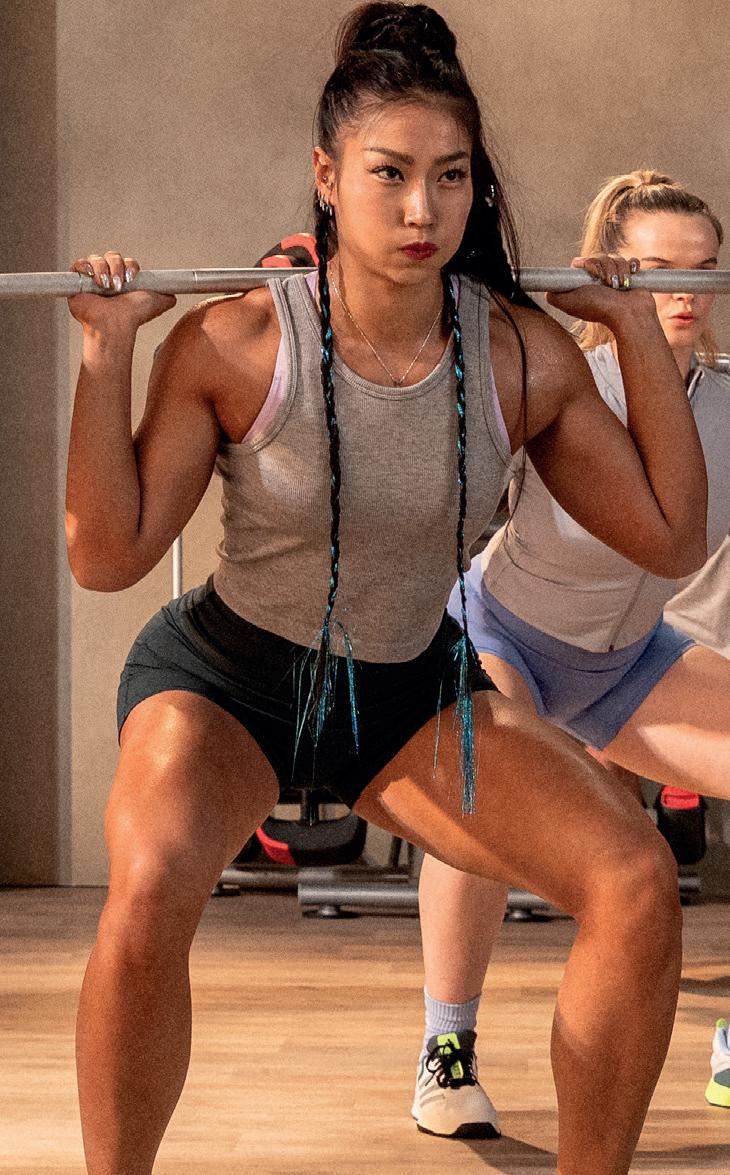
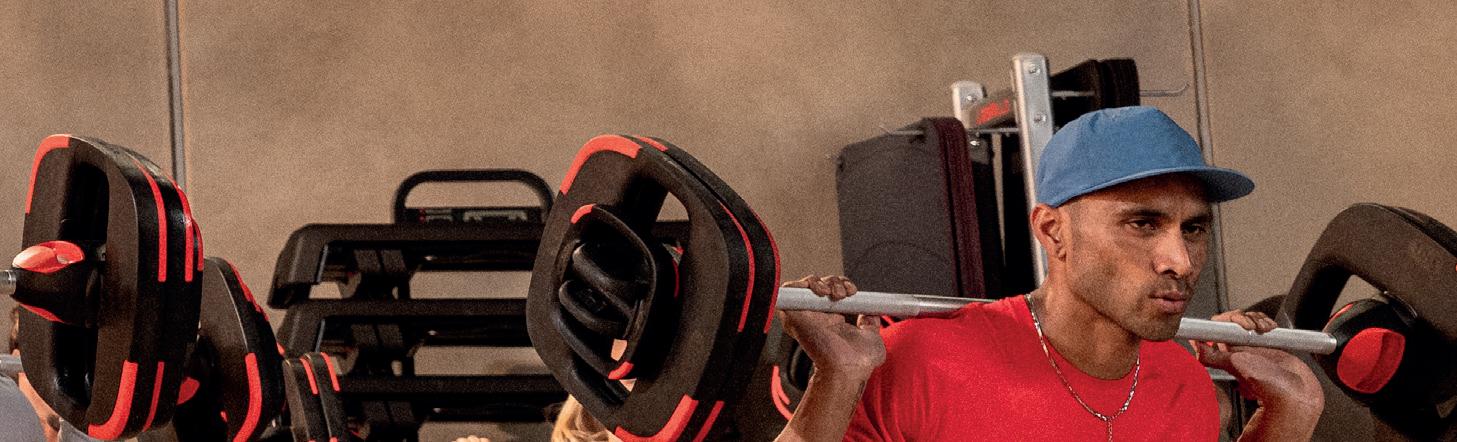
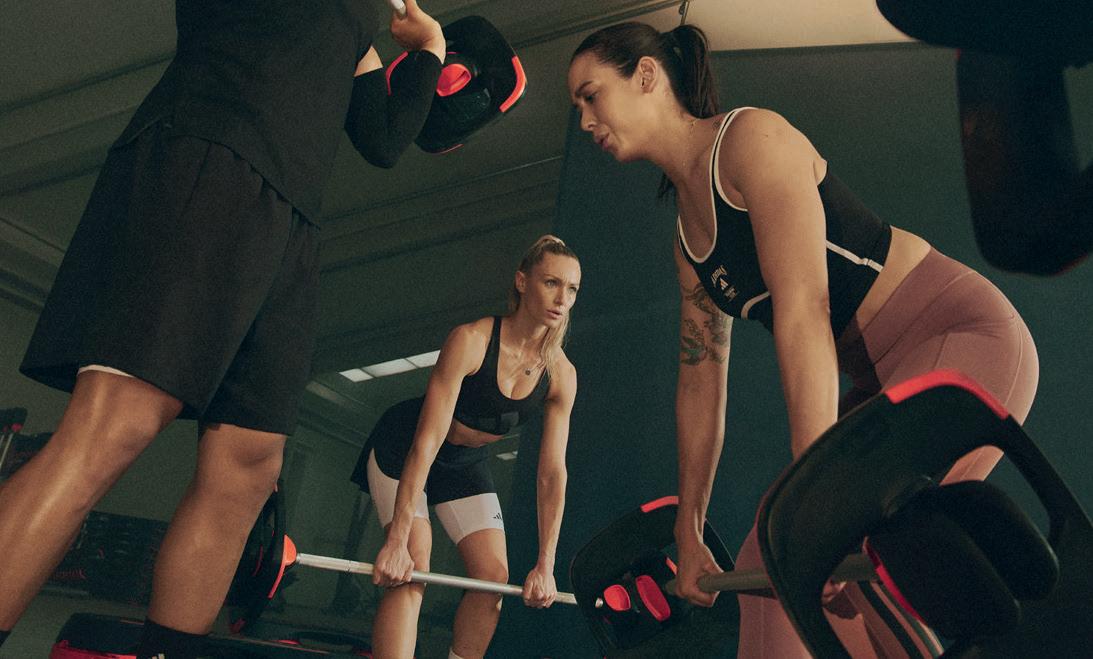
Attract thousands of members by offering the best in each group training category

A new white paper and research study from Total Fitness and CIL suggests that designing for women could be the catalyst for the sector’s next major phase of growth
his month in HCM , we’re bringing you the second consumer insight report commissioned by Total Fitness CEO Sophie Lawler – a white paper called Women and the Gym: un-met needs and the role of women-only spaces , which was undertaken with CIL (page 76).
It looks in depth at women’s experience of health clubs and gyms, revealing a significant untapped market among the female population.
As a topline number, researchers found that 64 per cent of women in the UK are not members of a health club, yet two-thirds of these non-members are open to joining if the offering meets their needs – something the sector routinely fails to do, according to the white paper.
Current offerings need to evolve if they are to align with the needs of women in areas as diverse as facilities, equipment, pricing, staffing, programming and marketing.
Operators must rethink memberships, because women’s use of clubs tends to be ‘episodic’, while the creation of flexible, re-entry-friendly pathways is essential.
Design and atmosphere need to be more nuanced and avoid things such as poor sightlines and lack of privacy.
Ultimately, the majority of women are motivated to join a gym for health, function and feeling well, says the white paper, yet much of the industry continues to focus on aesthetics and performance.
Lawler says: “The mainstream gym environment, its membership structures and much of its equipment, have been designed in ways that silently exclude most women – their emotional needs are written out, unconsciously and unintentionally.”
With a view to better meeting the needs of women, Lawler and her team launched a new brand – The Women’s Gym – in 2024 and the white paper reports that nearly half its members (48 per cent) didn’t have an active membership immediately prior to joining.
In addition, in the group of members who had previously belonged to a gym, 31 per cent had been out of the system for more than five years, indicating
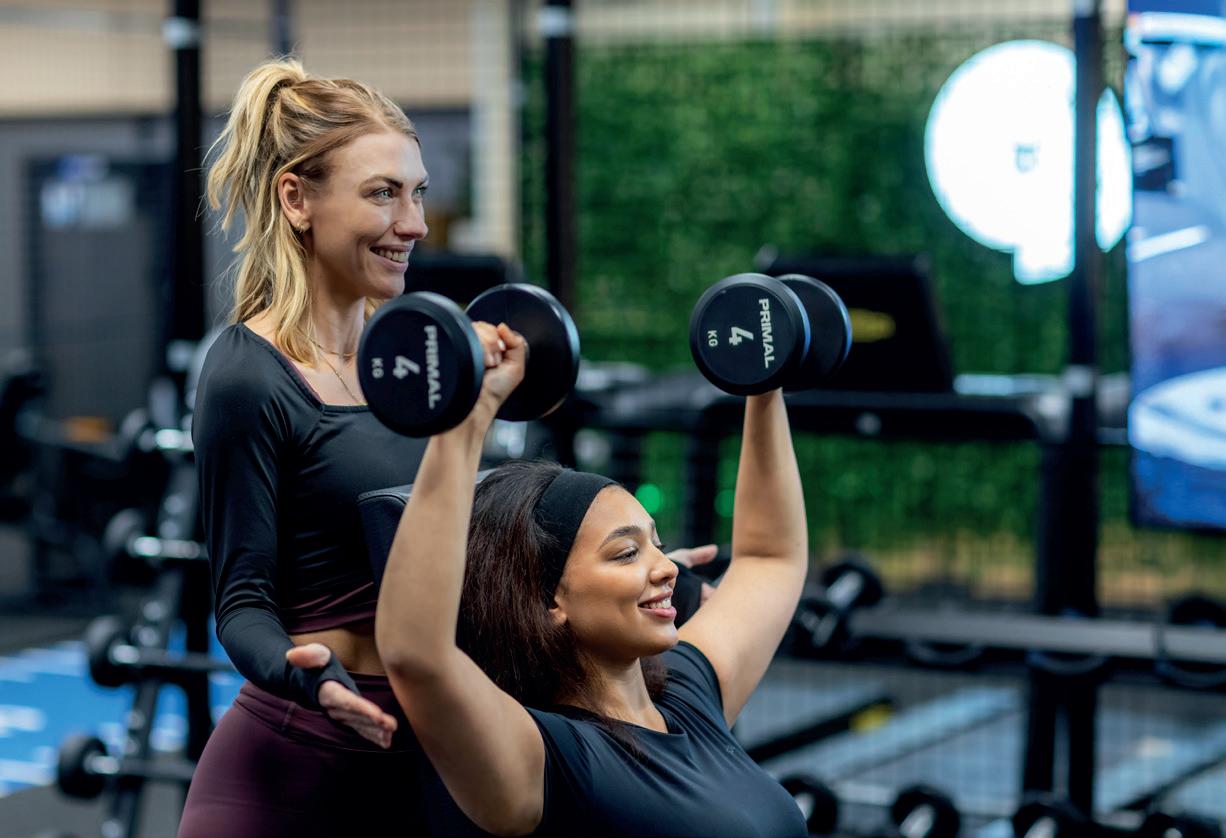
Designing more e ectively for women at all life stages could deliver a step-change in the size of the market
that the concept is not simply redistributing existing users, it’s growing the market and creating demand.
We’ve seen this dynamic before. When budget gyms emerged, they unlocked latent demand by removing barriers around price, contracts and accessibility. The result was a step-change in the size of the market and the creation of momentum that’s still impacting the sector today.
Designing more effectively for women at all life stages – in both women-only and mixed-sex health clubs – could represent a similar inflection point.
Liz Terry, editor lizterry@leisuremedia.com
05 Editor’s Letter
A new white paper from Total Fitness reveals the potential of the women’s gym market to grow the sector, says Liz Terry
12 HCM Zeitgeist
Movementum does medical tie-up, Virgin Active trains young athletes and EuropeActive launches next level leaders
16 HCM news
LifeFit Group acquires Just Fit, David Lloyd confirms Aspria purchase and UK Active announces new CEO
22 Fit Tech news
Ōura pilots AI women’s health resource and the first ‘brain wearable’ launches
24 HCM Buzz
Renessence in Amsterdam branches into mental health support, Jetts readies for India debut and Revolution Lifestyle launches wellness membership
30 HCM Collabs
Two legacy fitness brands – Les Mills and Life Fitness/Hammer Strength – tie up and F45 is new Hyrox partner with extensive agreement
36 HCM people
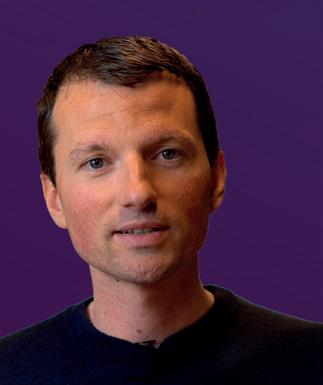
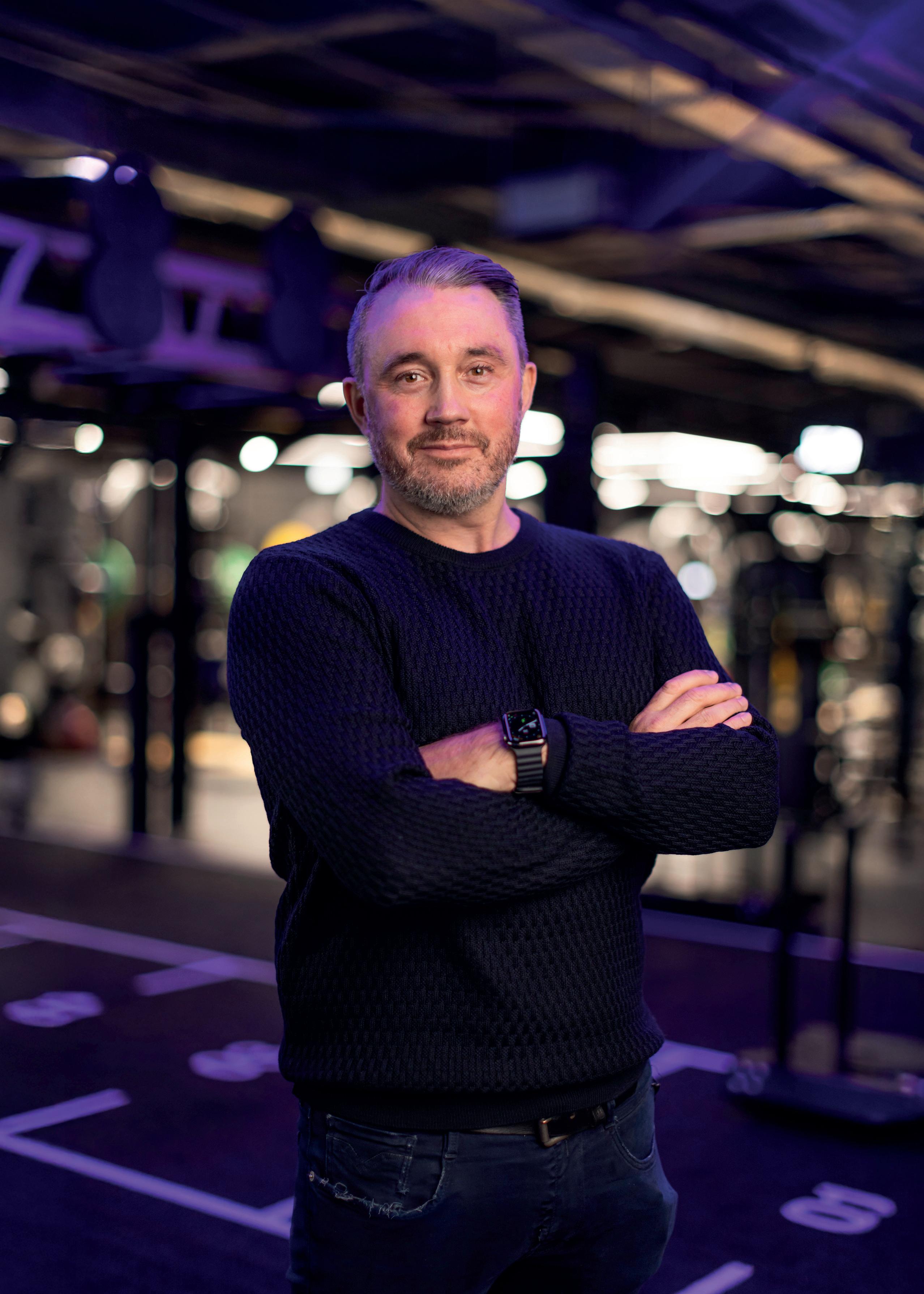
Dan Summerson
The MD of Everlast Gyms talks to Kath Hudson about the brand’s investment in a premium club concept and latest partnerships
48 Mark Mastrov on re-acquiring 24 Hour Fitness

42 HCM people
Ivan Horsfall Turner
The CEO of Freedom Leisure on the trust’s work with its 30 local authority partners and what developments lie ahead
48 Interview
Mark Mastrov
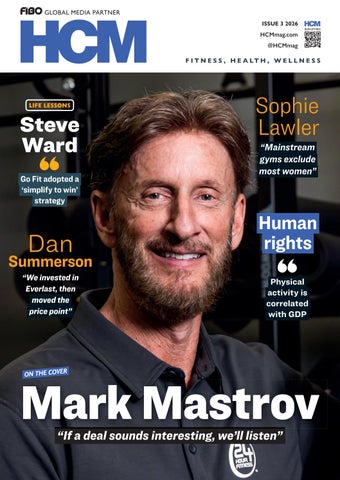
Having invested in a wealth of health and fitness businesses, Mastrov tells Liz Terry why he’s bought back the company he launched in 1983 – 24 Hour Fitness
62 Everyone’s talking about Elite recovery
Kath Hudson asks the experts what approaches in elite sports recovery could be successfully brought to the gym floor


76 What women want
A white paper on women’s fitness, commissioned by Total Fitness, is a call to action, says Liz Terry
86 Recognising human rights
Tony Veal and Atara Sivan on why access to leisure needs more focus from leaders
96 Life Lessons
Steve Ward
Go Fit’s chief transformation officer tells of the surprising lessons that came from having to pull the plug on a UK launch
104 Getting flexible
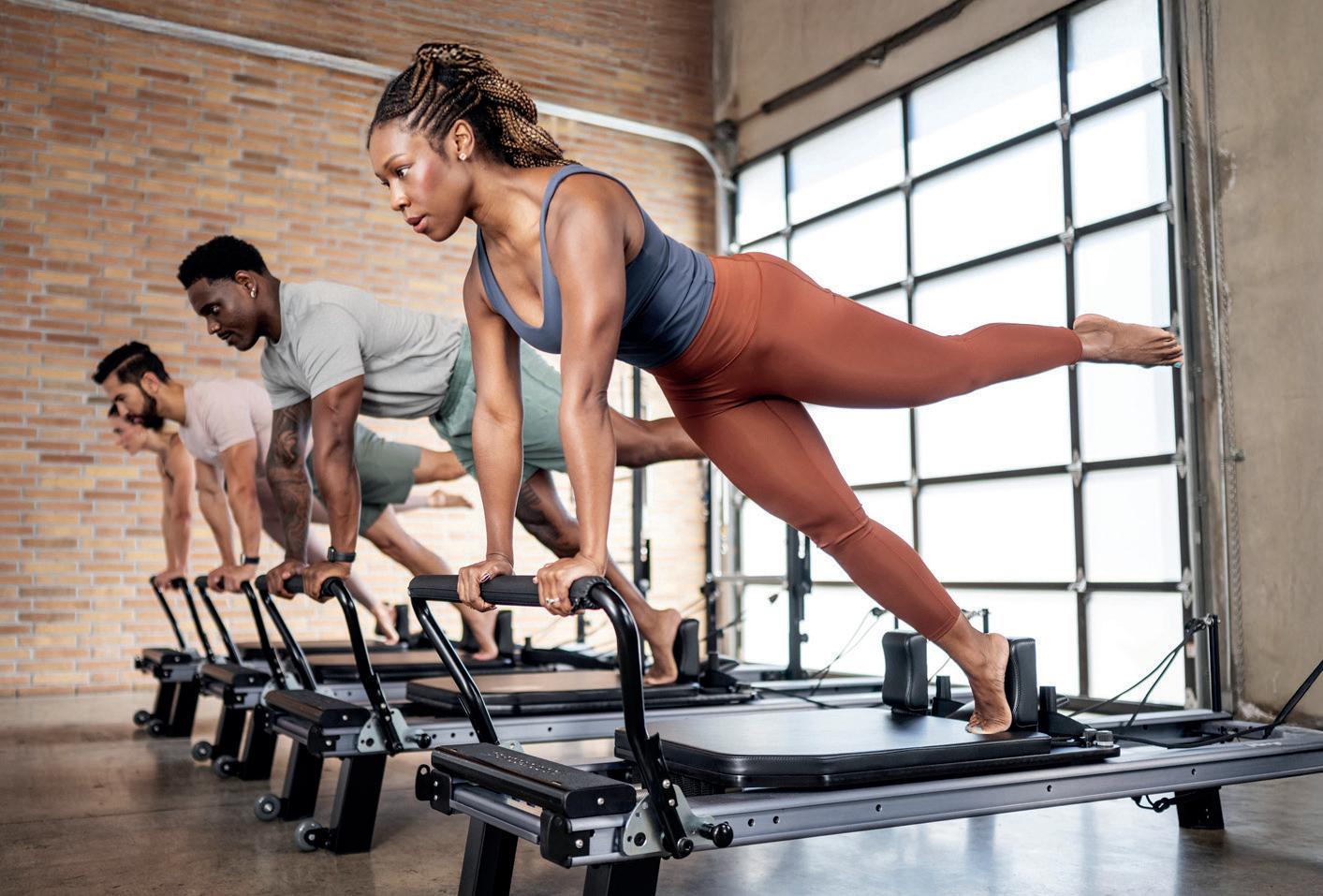
The latest Pilates kit, programmes and contracts as told to Julie Cramer
116 Recovery heroes
Recovery is now a key part of the wellness journey. Suppliers discuss their hero products and reveal what’s next
126 Product innovations
We take a look at the latest fitness, health and wellness equipment
128 HCM Directory
The HCM Directory is part of a network of resources that includes www.HCMmag.com/CompanyProfiles
130 Research
Muscle matters
New research casts doubt on the effects of collagen on muscle-building




theteam@leisuremedia.com
Editor
Liz Terry
+44 (0)1462 431385

Managing editor
Julie Cramer
+44 (0)1462 431385
Editor-at-large
Magali Robathan
+44 (0)1462 431385
Publisher Jan Williams
+44 (0)1462 471909

Head of news
Kath Hudson
+44 (0)1462 431385

Assistant editor Helen Andrews
+44 (0)1462 431385
Email us:
Customer service
+44 (0)1462 471901
Advertising
+44 (0)1462 431385
Subscriptions
+44 (0)1462 471910
Circulation
+44 (0)1462 471932
Finance
+44 (0)1462 471930
Credit control
+44 (0)1462 733477
Choose how you read
HCM digital
Read free online and enjoy extra links and searchability www.HCMmag.com/digital
HCM magazine is available in print from www.leisuresubs.com
A PDF edition is available to read offline at: www.HCMmag.com/pdf
Other resources from
Fit Tech magazine www.fittechglobal.com www.fittechglobal.com/archive
HCM Handbook www.HCMhandbook.com www.HCMhandbook.com/pdf
HCM Online library www.HCMmag.com/archive
HCM newsletter & Instant news www.leisuremedia.com/signup
Leisure Opportunities news www.leisureopportunities.co.uk
Buyer Search Engine www.fitness-kit.net





To subscribe to HCM in print (Health Club Management): log on to www.leisuresubs.com , email subs@leisuremedia.com or call +44 (0)1462 471930.
Annual subscriptions: UK £45, Europe £57, rest of world £80, students (UK) £22.
Style: HCM follows an editorial house style which precludes the use of marketing devices in body text and headlines when it comes to company names and registered trademarks. CamelCase and logical capitals are allowed. Contact the editor for more details – lizterry@leisuremedia.com.
Copyright details: HCM (Health Club Management) is published 12 times a year by Leisure Media, PO Box 424, Hitchin, SG5 9GF, UK. The views expressed in this publication are those of the authors and do not necessarily represent those of the publisher. All rights reserved. No part of this publication may be reproduced, stored in a retrieval system or transmitted in any form or by means, electronic, mechanical, photocopying, recorded or otherwise, without the prior permission of the copyright holder, Cybertrek Ltd 2026. Print and distribution Printed by The Manson Group Ltd. Distributed by Royal Mail Group Ltd and Whistl Ltd in the UK and Total Mail Ltd globally. ©Cybertrek Ltd 2026 ISSN 1361-3510 (print) / 2397-2351 (online)

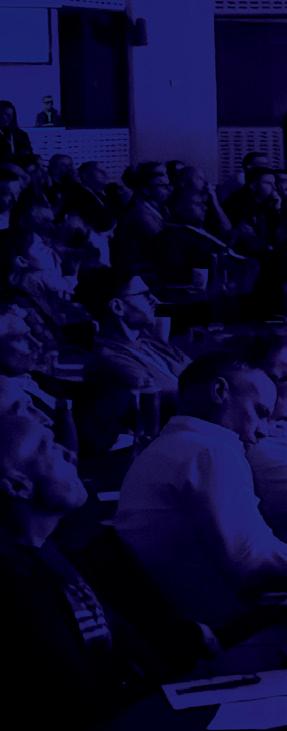


Queen Elizabeth II Conference Centre, London








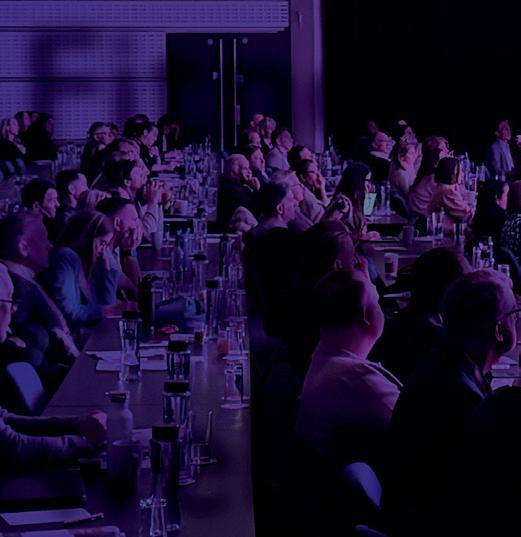



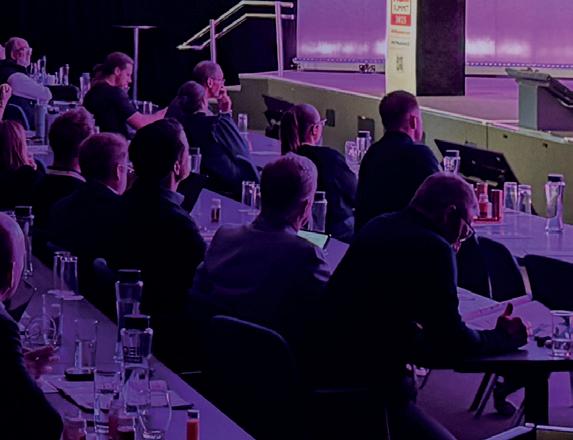
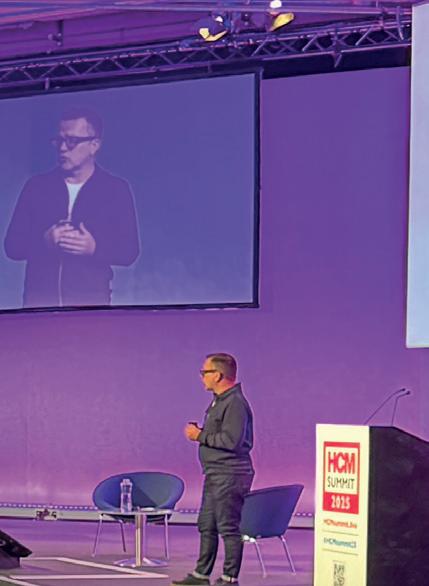
The event will bring together a powerful lineup of speakers to share insights and experience, with a focus on business success and innovation.
You’ll go away inspired and informed, with ideas to implement in your professional life, as well as valuable contacts and access to best practice to drive your success as we head into 2027.

































Excitement is building for the new all-keynote HCM Summit 2026 from HCM magazine and Spa Business magazine.



In addition to the summit talks, a carefully curated exhibition will showcase the latest innovations, while summit networking events, including the After Party, hosted by Les Mills, will give the opportunity to make new contacts and do business.
All this, along with product sampling, book signings and activations make the summit a powerful and useful event for the sector.



























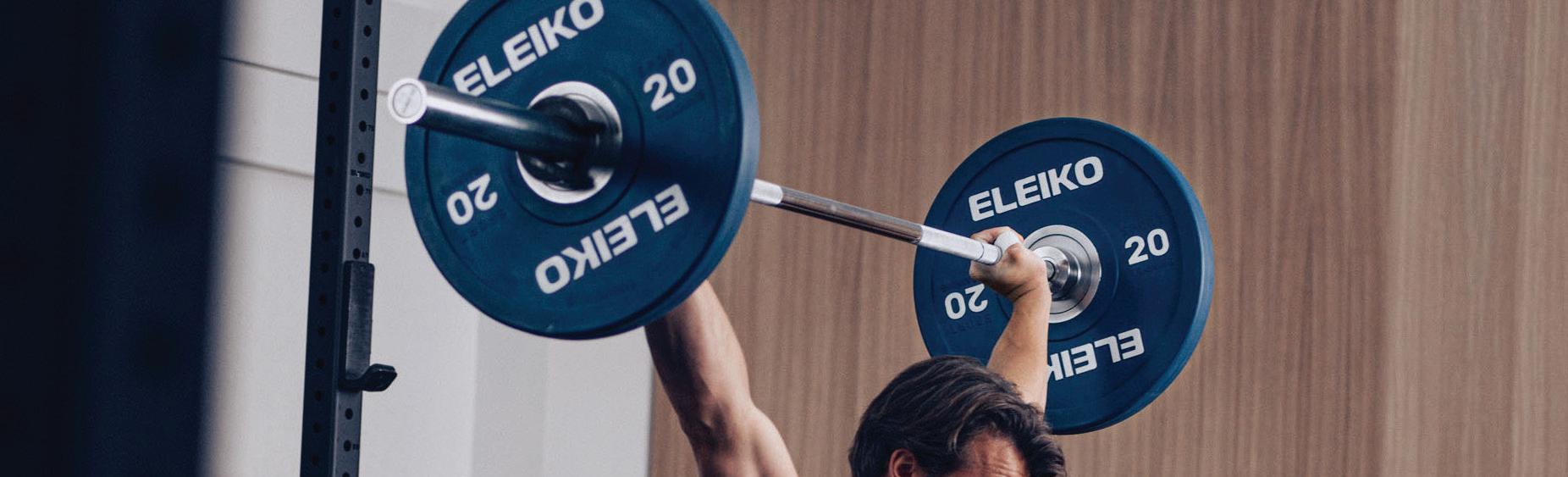

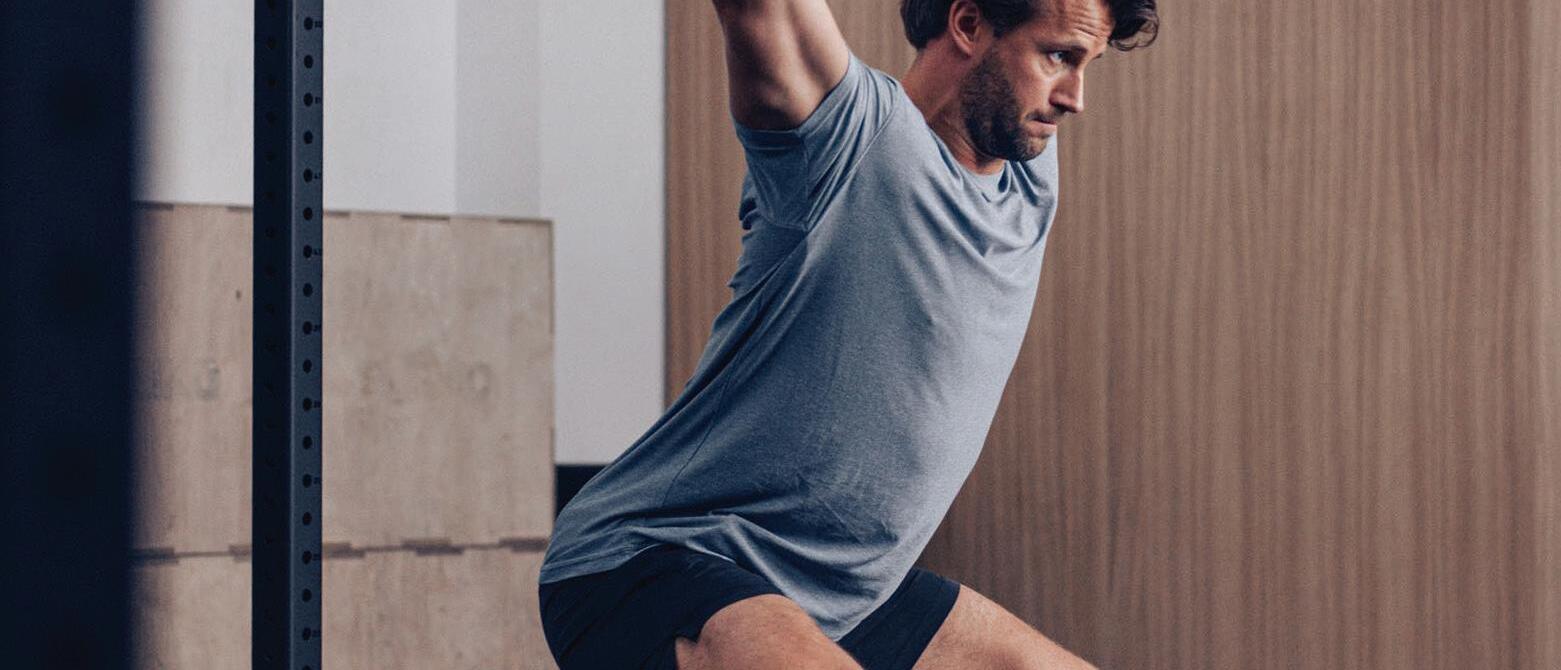
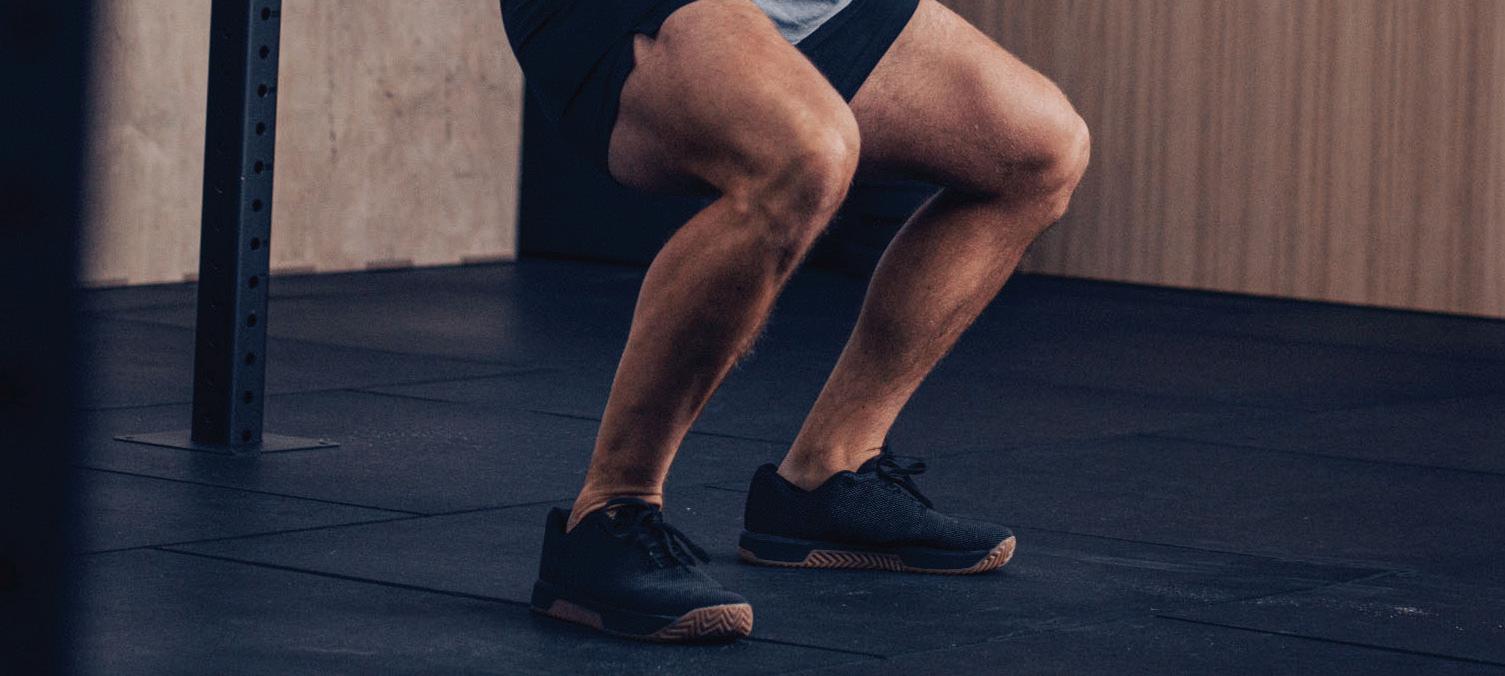
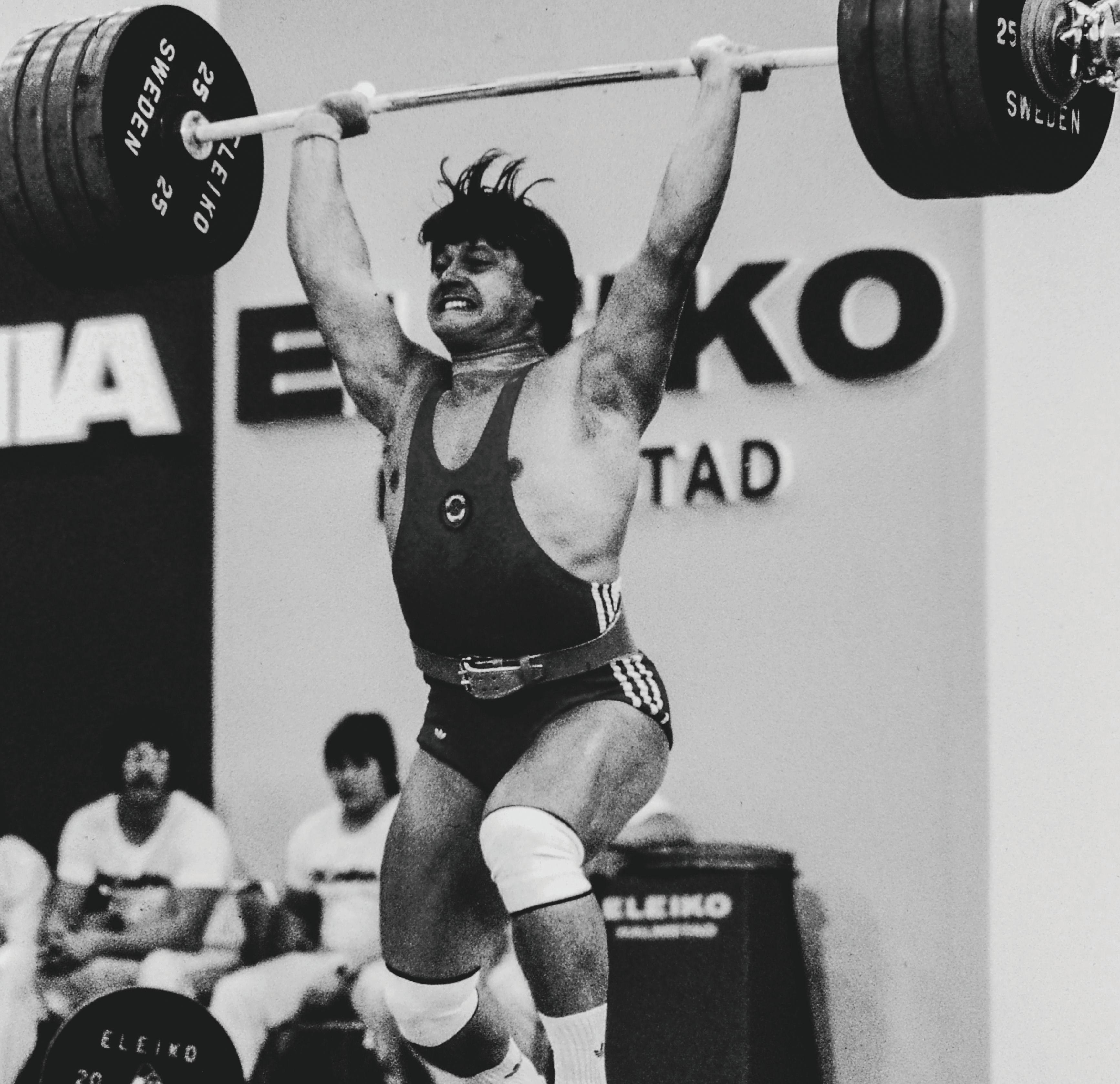
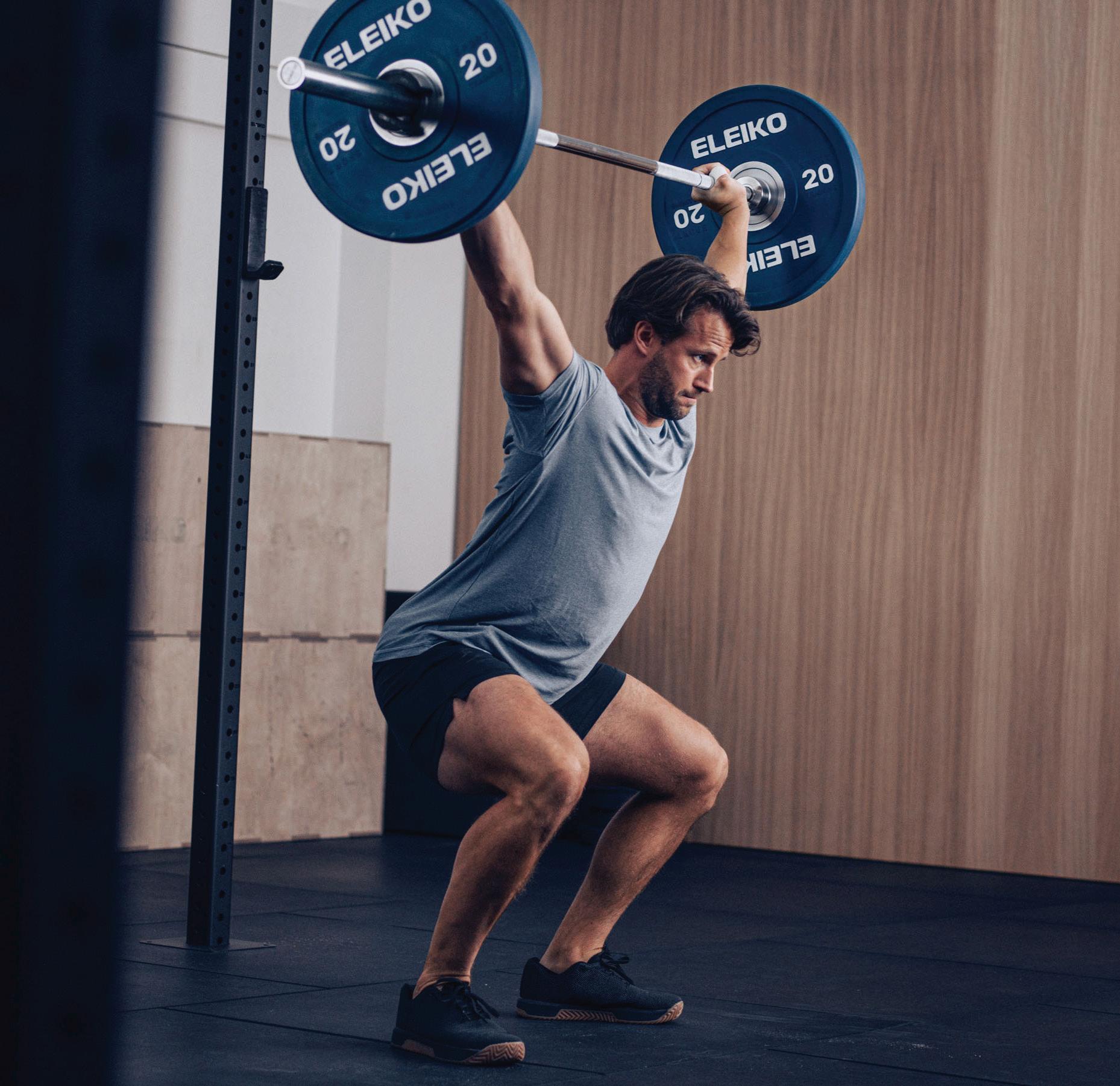
It started in 1957 with a dream of the perfect barbell. Back then bars used to bend and break. The Eleiko bar was the first to endure an entire weightlifting competition, setting a new standard for quality. Six decades, numerous innovations and thousands of world records later, our commitment to engineering excellence and the pursuit of the ultimate lifting experience continues.
Leading facilities worldwide rely on Eleiko’s flexible strength system of racks, rigs, cables and free weights — each piece crafted with the same meticulous attention to detail that make our bars legendary.




Since 1957 Since 1957






Kath Hudson distills the essence of the latest HCM news to tap the trends driving the direction of the sector
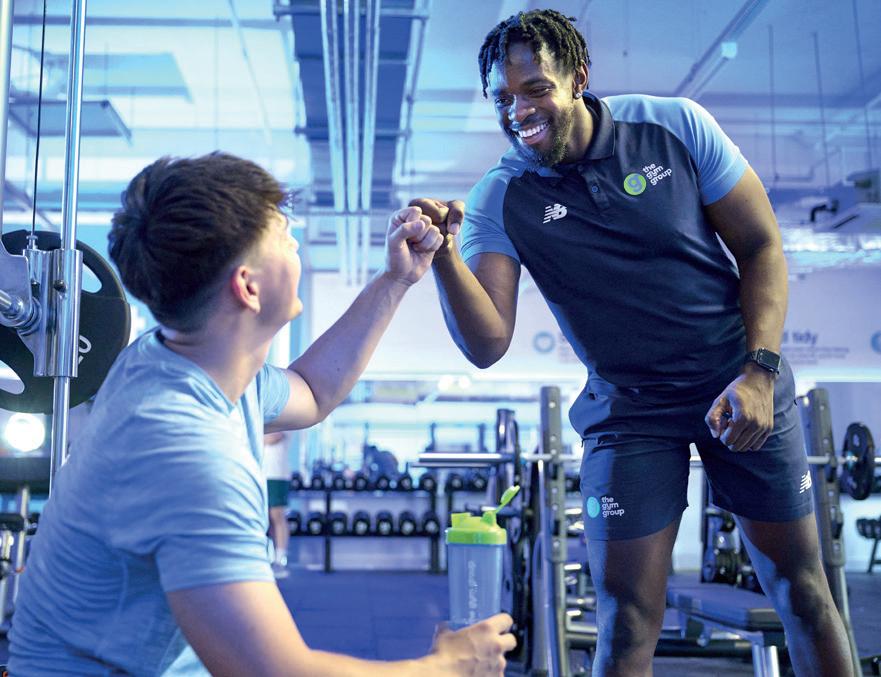
The Gym Group has signed up to the EuropeActive Next Level Leaders programme

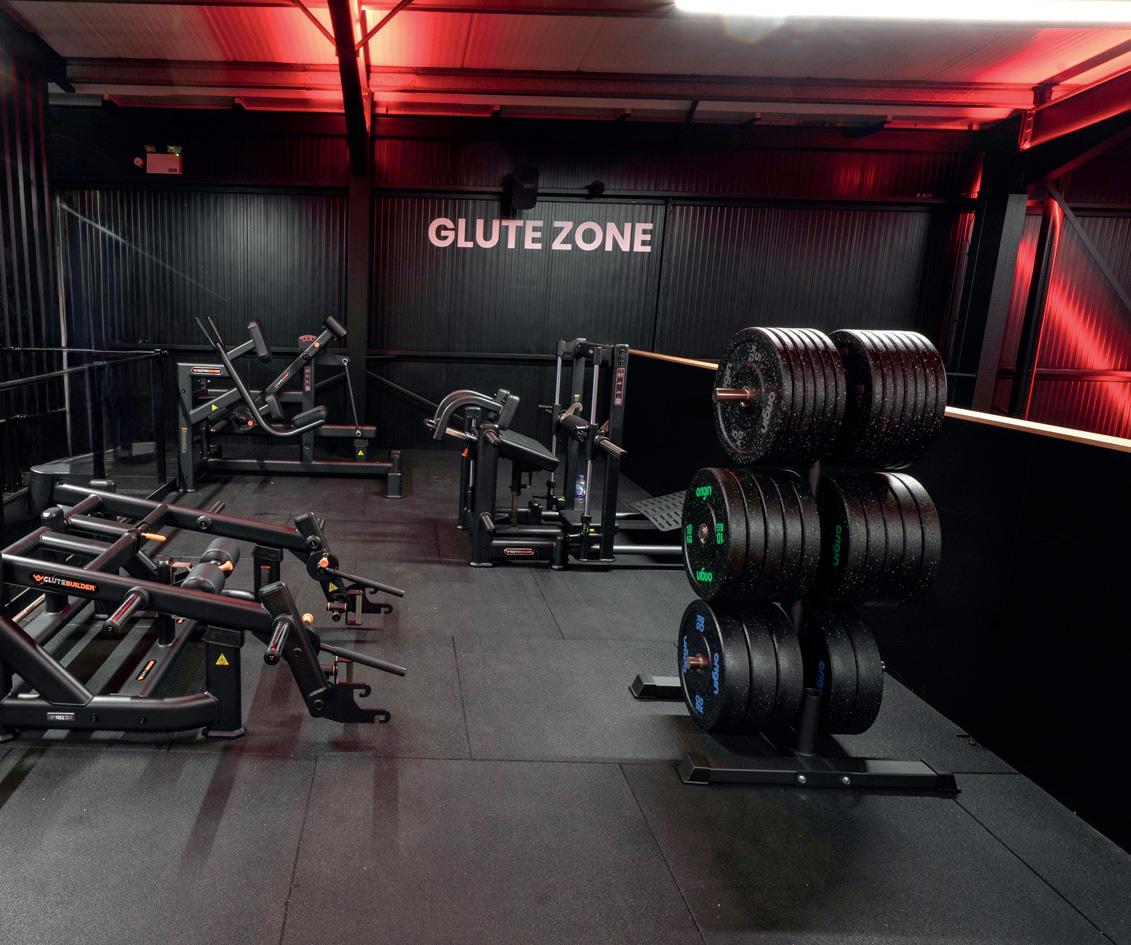
UK independent operator, Fitness Worx Gyms, is rolling out glute zones across its estate, with the latest launch at its Leamington gym. Founder, Jack Gibson, said that on a fact-finding trip to LA, trainers said the spaces attract a new demographic and enhance the experience for members. He says: “We’ve noticed the same, they’ve been one of the best additions we’ve made.”
EuropeActive has launched the Next Level Leaders executive development programme to prepare the next generation of globally-minded leaders. Already on board are Go Fit, David Lloyd Clubs, RSG Group and The Gym Group. Marcel Boots, EuropeActive’s president, says the sector is at a “pivotal moment” that requires leaders “who can not only read the future, but shape it”.
http://lei.sr/Q8M9K_H
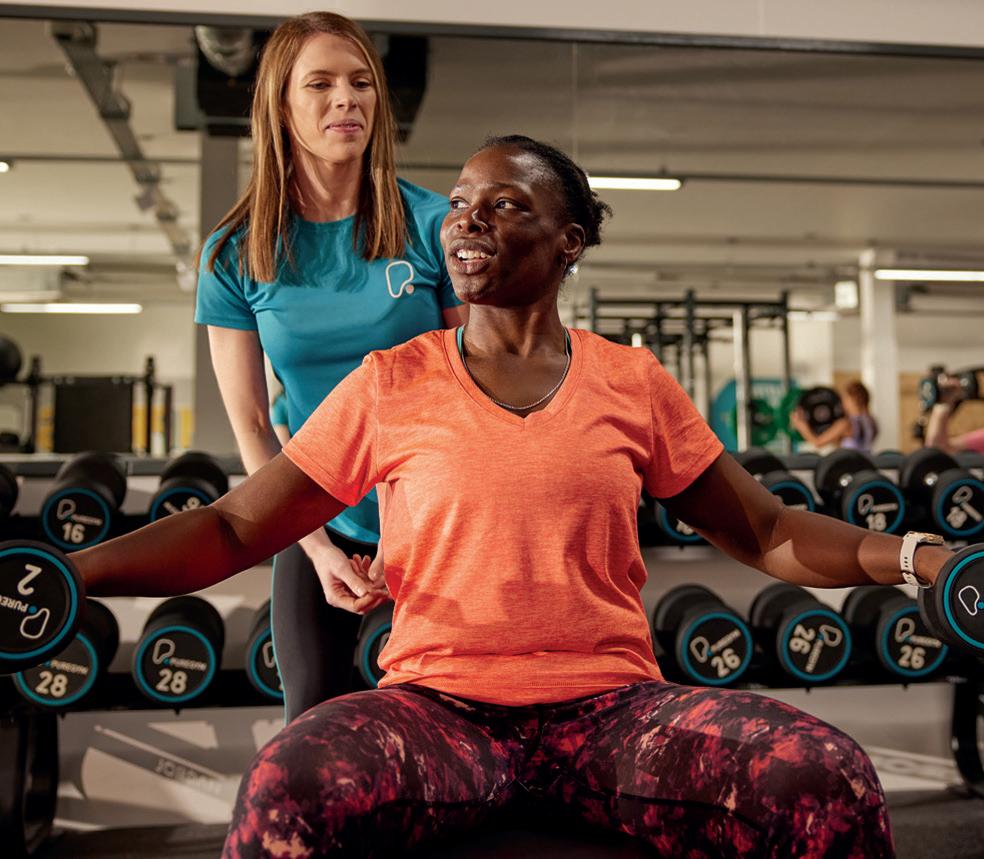
has achieved the highest FitCert accreditation
Almost 500 PureGym gyms in the UK and Switzerland have achieved FitCert Level 4, the European benchmark for best practice.
“Working to a recognised European standard supports our duty of care and ambition to maintain world-class facilities,” says COO, Rebecca Passmore.
http://lei.sr/D6k3v_H

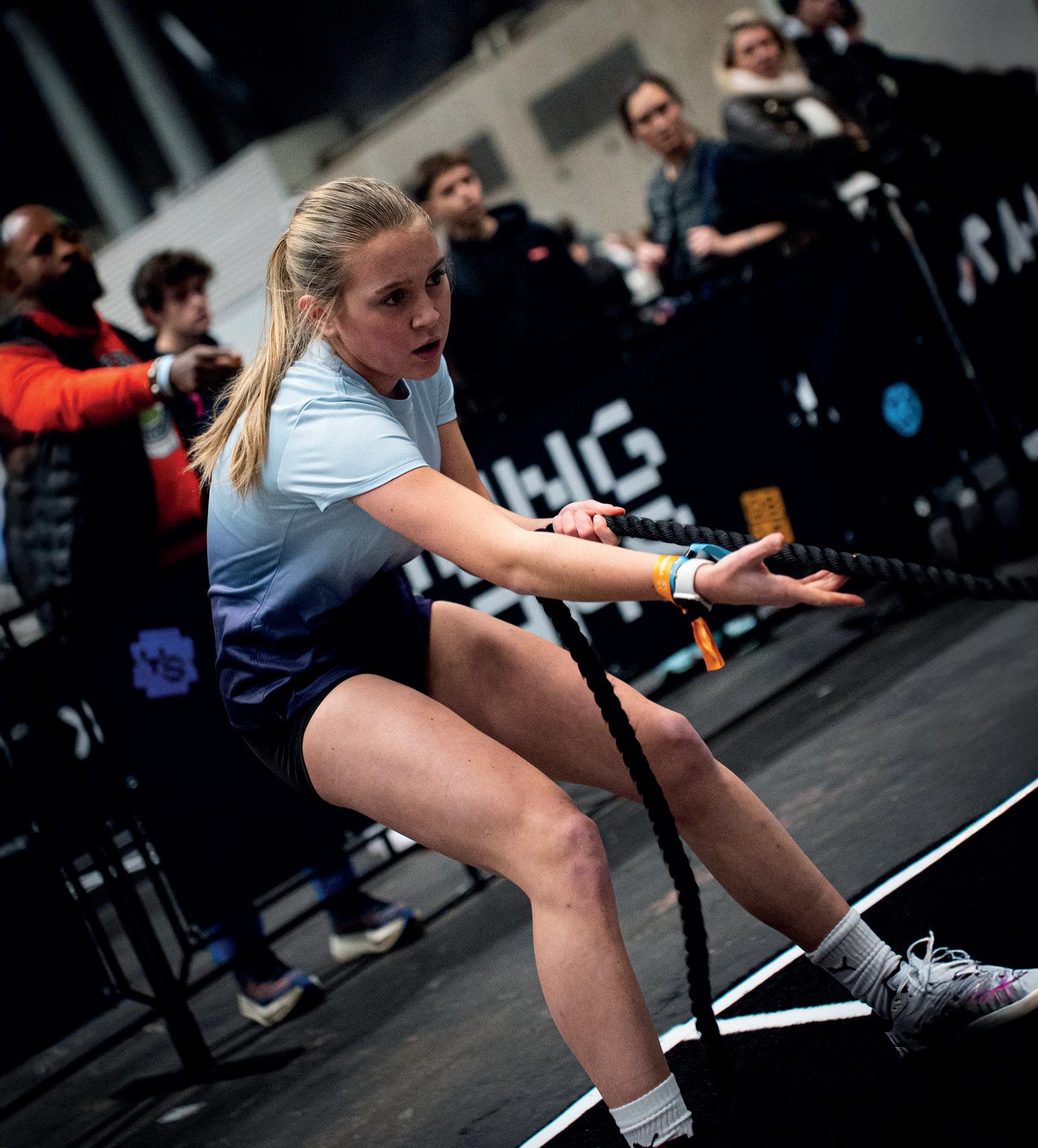
Virgin Active is running a tailored five-week training programme for 10- to 15-year-olds to get them race ready for Hyrox Youngstars. The first competition runs in London at the end of March, offering the same race structure as the adult race but adapted for a young audience.
“This gives young people a broad athletic based that supports them for years, because it develops core, repeatable movement patterns like running and functional movements,” says Virgin’s head of family experience, Colleen Rahilly.
UK trust, Trafford Leisure, is piloting Hydrohex as a way of addressing the shortage of aquatic instructors. The Finnish virtual aqua fitness system has more than 100 workouts suitable for all demographics.
“‘I’ll never have to cancel a class again,” says Stretford Leisure Centre general manager, Fran Cunliffe.

http://lei.sr/y8g3Q_H
UK independent operator, NR Health Clubs, is launching its biggest site to date in Dereham. The extra space is allowing the operator to introduce several new branded concepts, including a boxing concept, a Hyrox training area, contrast therapy, a cafe and reformer Pilates. The same low-cost membership price will remain for the gym, but a premium membership will be also be introduced for the other modalities.

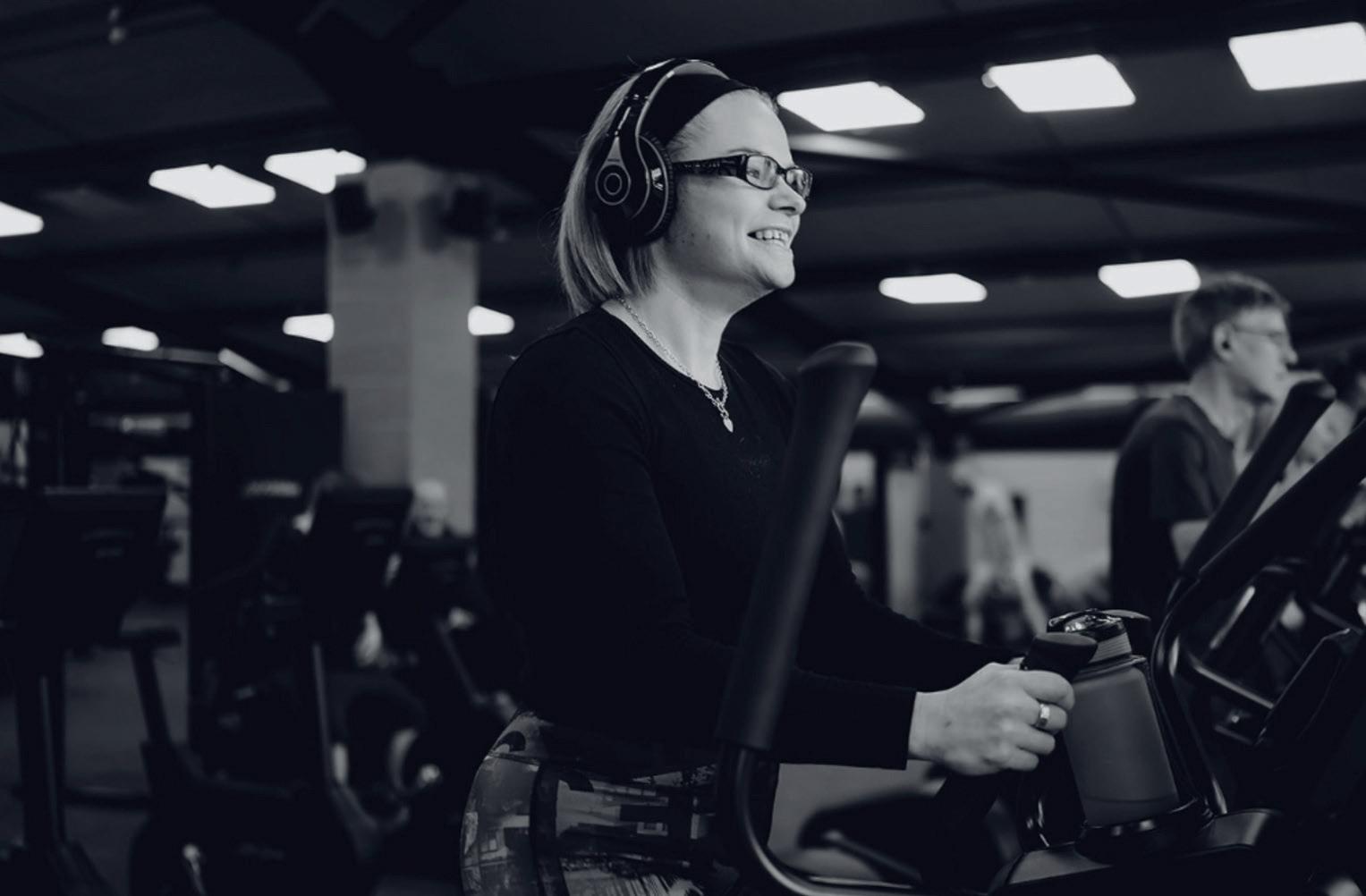
NR Health Clubs is proud of its inclusive offering

Inclusive physical activity provider, Beat the Street, has announced it’s launching in four new UK towns this spring. The service gamifies active travel, encouraging people to clock up points by walking and cycling around their communities. An analysis of the programme showed that 40 per cent of registered participants comes from the 20 per cent most deprived communities and the social value is £321.80 per adult participant.

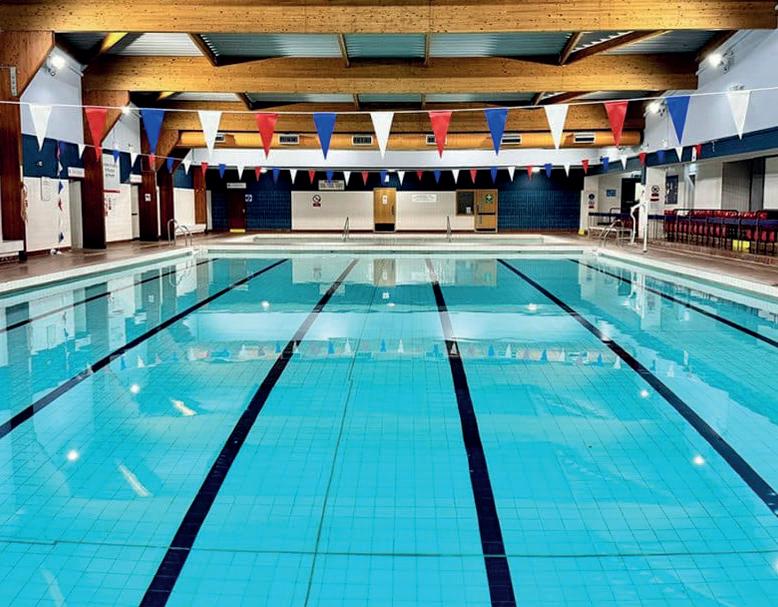
Charitable trust, KA Leisure, is investing more than £1.2m in the upgrade of four leisure centres. Gym kit that’s being replaced will be redeployed to create new satellite gyms and contribute to community wellbeing initiatives. Chief executive, Malcolm McPhail, says: “This substantial improvement highlights our long-term commitment to providing modern, inspiring and community-focused leisure facilities across North Ayrshire.”
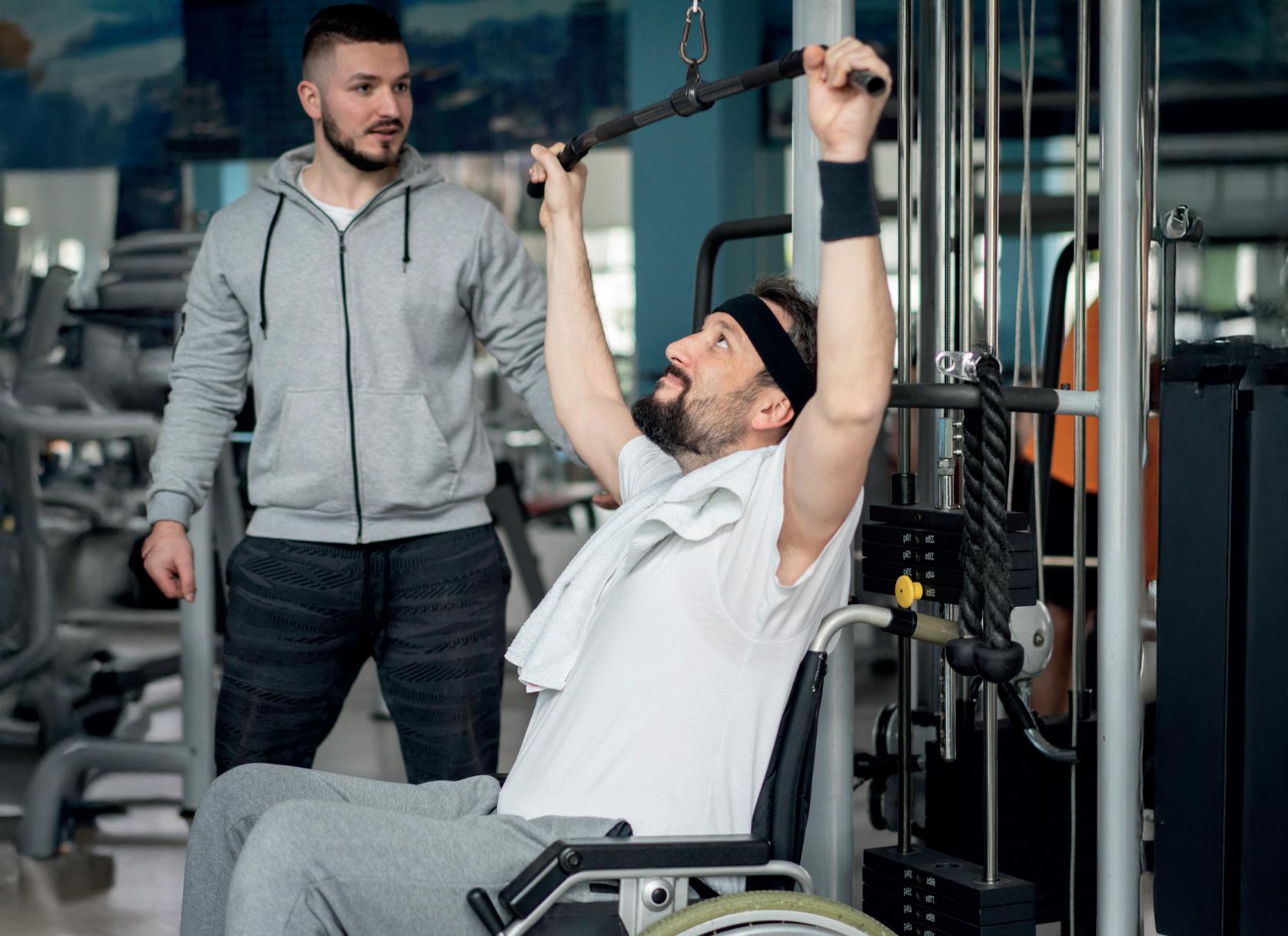

Specialist wellbeing company, Movementum, has teamed up with the UK’s first National Rehabilitation Centre – opening later this year in the UK – to create post-rehab programmes for patients when they leave hospital after experiencing life-changing illnesses or accidents.
Movementum founder, Stephen Price, says this bridges the gap between acute clinical care and long-term health.

Feeling safe is key to tackling the gender participation gap

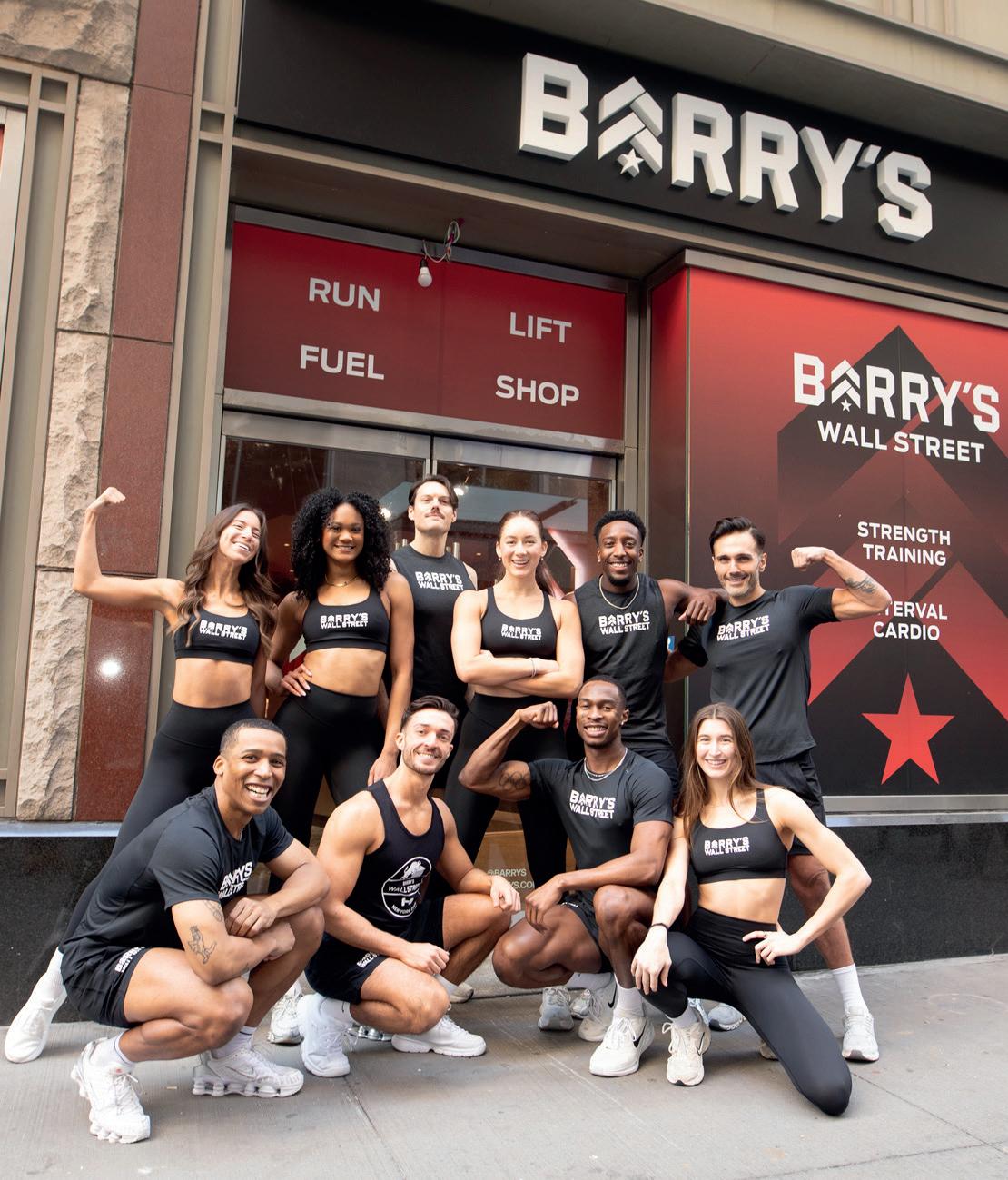
The original bootcamp, Barry’s, has celebrated a milestone with the launch of its 100th site, on Wall Street in New York. The iconic brand, which started in West Hollywood, is now 27-years-old and operational in 19 countries. Having launched its first site in Ireland last year, the brand is now gearing up to break further new territories, including Greece.
http://lei.sr/y8J7a_H
As part of its ongoing mission to make gyms safer spaces for females, UK Active has collaborated with This Girl Can on new policy guidance to educate operators on communicating that sexual harassment and intimidation are not tolerated in facilities. Head of campaign activation at This Girl Can, Claire Edwards, says making women and girls feel safe in gyms is key to tackling the gender participation gap.

Research shows that people can get obsessed with wearable data

A new study published in PLOS Digital Health has found that wearable activity trackers can cause mental anguish for some people. Although trackers can motivate people to move more, the researchers found that in some people wearables can trigger unhealthy behaviours, such as avoiding activity if they forget their device, losing touch with their intuition or getting stressed about their data.
http://lei.sr/3u9b6_H
Planet Fitness lifted revenues and memberships last year, yet shares have been dipping because of analysts’ perception of the outlook.
The US franchising giant reported revenues up by 10.5 per cent in the fourth quarter of 2025 to US$376.3 million. For the full fiscal year, revenue increased by 12.1 per cent to US$1.3 billion.
A total of 181 clubs opened in the year – 104 in the fourth quarter – bringing the number of members to 20.8 million.
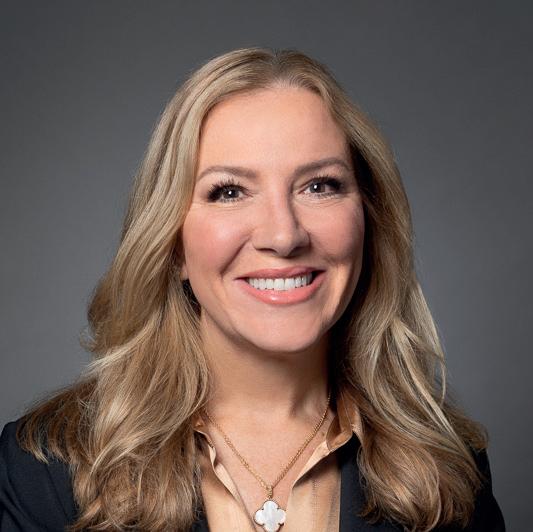
“ We’re pleased with our strong performance in 2025 that was the result of our unwavering focus on our four strategic imperatives ”
Colleen Keating
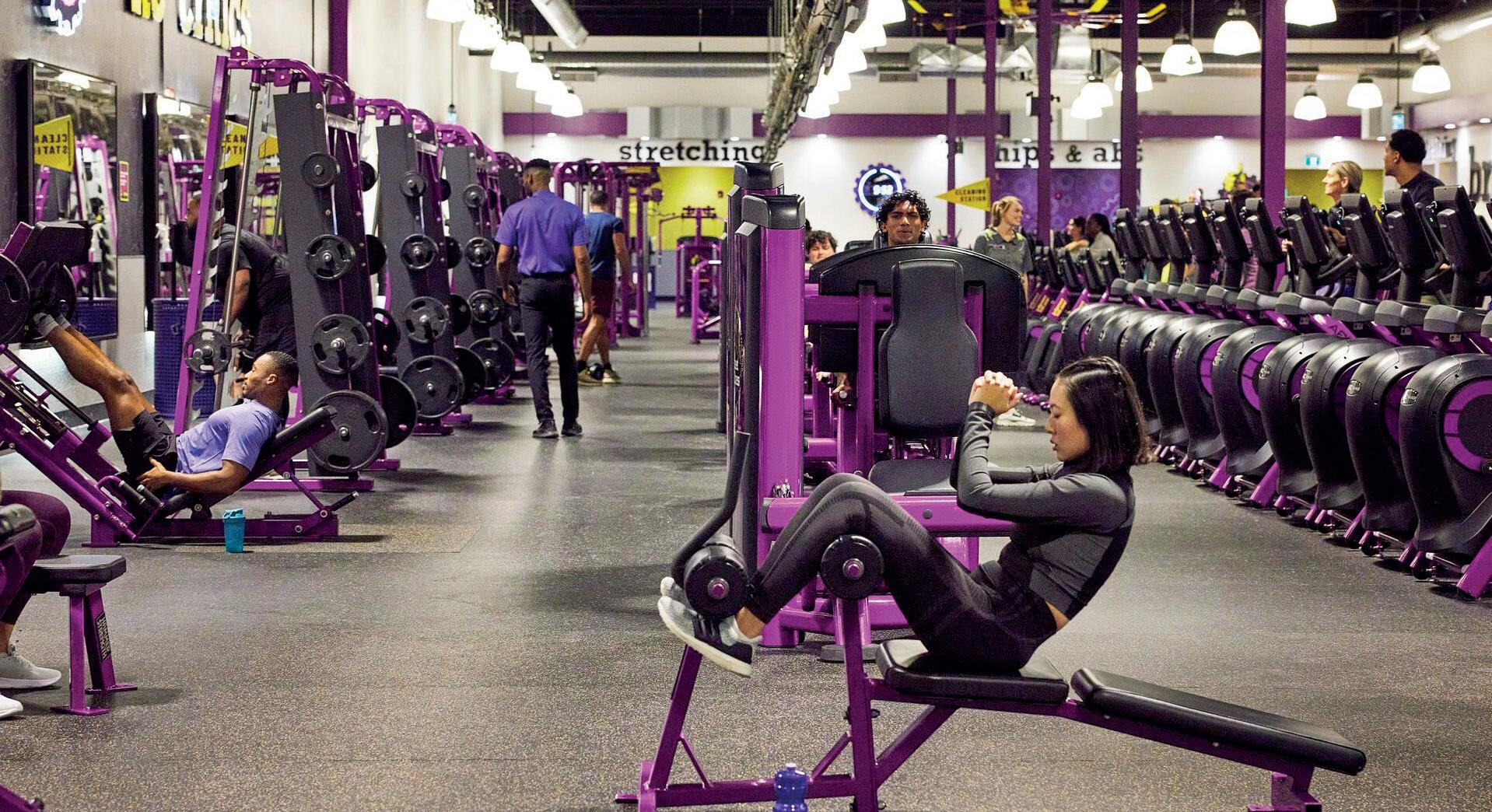
Planet Fitness prides itself on being inclusive
“We’re pleased with our strong performance in 2025 that was the result of our unwavering focus on our four strategic imperatives,” says CEO, Colleen Keating.
“We ended the year with approximately 20.8 million members, and a global footprint of nearly 2,900 clubs, reinforcing the quality of our member experience and
our core conviction that anyone can get a great workout at Planet Fitness for an incredible value.
“Adding approximately 1.1 million net new members in 2025 – the first full-year of our 50 per cent price increase for new Classic Card members – highlights the demand for our brand.”
Xponential Fitness has settled two major cases out of court as it seeks to wipe the slate clean, following several years facing litigation from multiple US agencies.
The boutique franchisor believes these resolutions and payments, totalling US$39.75 million, will substantially reduce regulatory and legal uncertainty.
The first lawsuit, with the United States Federal Trade Commission, will see Xponential pay a US$17 million civil penalty and compliance settlement over a 12 month period.
The negotiated settlement did not involve any admissions of liability by Xponential, which had been accused of misleading franchisees in relation to financial projections and studio profitability.
The threat of legal action will be removed as soon as the agreement has been signed by FTC Commissioners and the federal court has entered the consent order – thought to be technicalities.
As part of the agreement, Xponential has undertaken to change its working practices and the agreement will see the company following clear rules when making franchise earnings claims, limiting sales practices used to recruit franchisees and adopting enhanced disclosure and compliance monitoring processes.
The company has also finalised a US$22.75 million civil litigation suit with over 500 current and former franchisees who allege misselling.
Dr Jobst Müller-Trimbusch has been dismissed from his role as co-CEO of RSG Group.
Müller-Trimbusch was appointed co-CEO in December 2022, along with Hagen Wingertszahn, following the untimely death of founder, Rainer Schaller.
The independently-owned business was inherited by Schaller’s brother, Gerd Schaller, a renowned conductor who also came on board as a third CEO in January 2025, to look after human resources and brand strategy as well as actively reshape the future of the group.
It’s understood that the Schaller family has decided to ‘take greater control’ of the business.
Müller-Trimbusch has confirmed industry rumours of his departure
“I am grateful for every single day and grateful for the three years I spent with Rainer” Dr Jobst Müller-Trimbusch
in a statement addressed to business partners and friends, saying: “Last week the heirs of Rainer Schaller’s business decided that I no longer fit the company or their plans for the future.
“This brings my almost seven-year journey with the RSG Group to an end and I am grateful for every single day.
“Grateful for the three years I was able to spend with Rainer, during which I learned a great deal, was challenged, and which shaped me profoundly.”
http://lei.sr/B9e5x_H
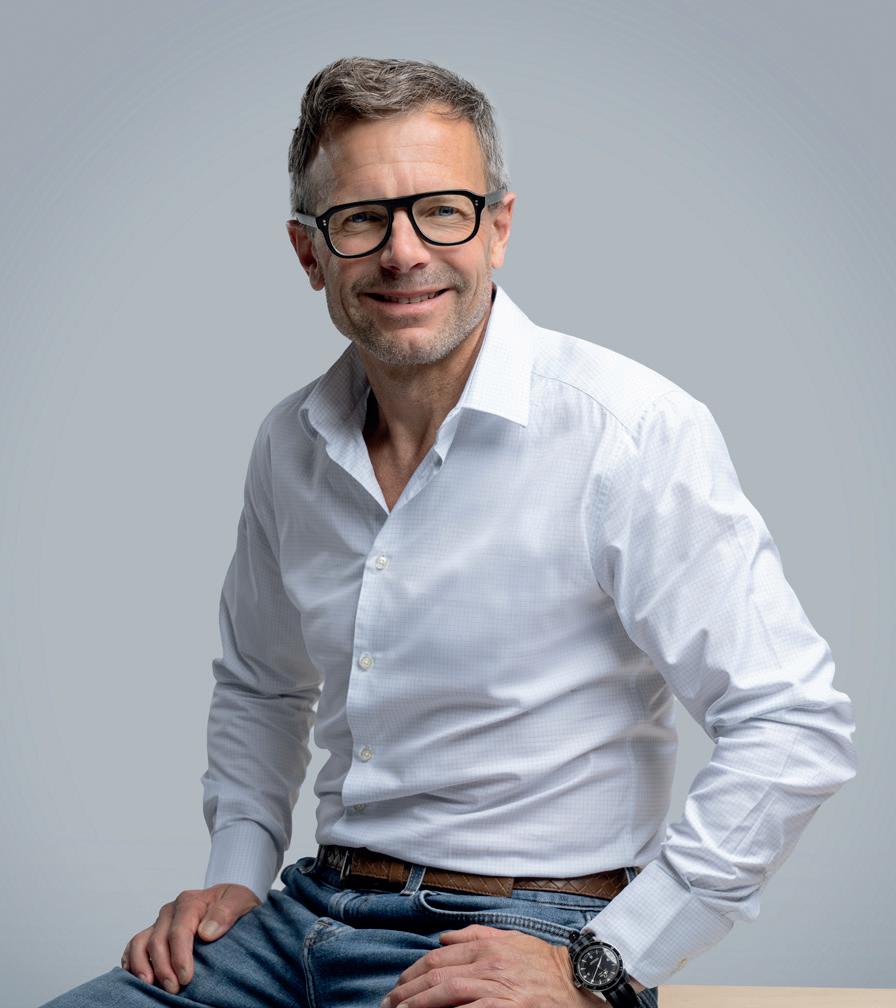
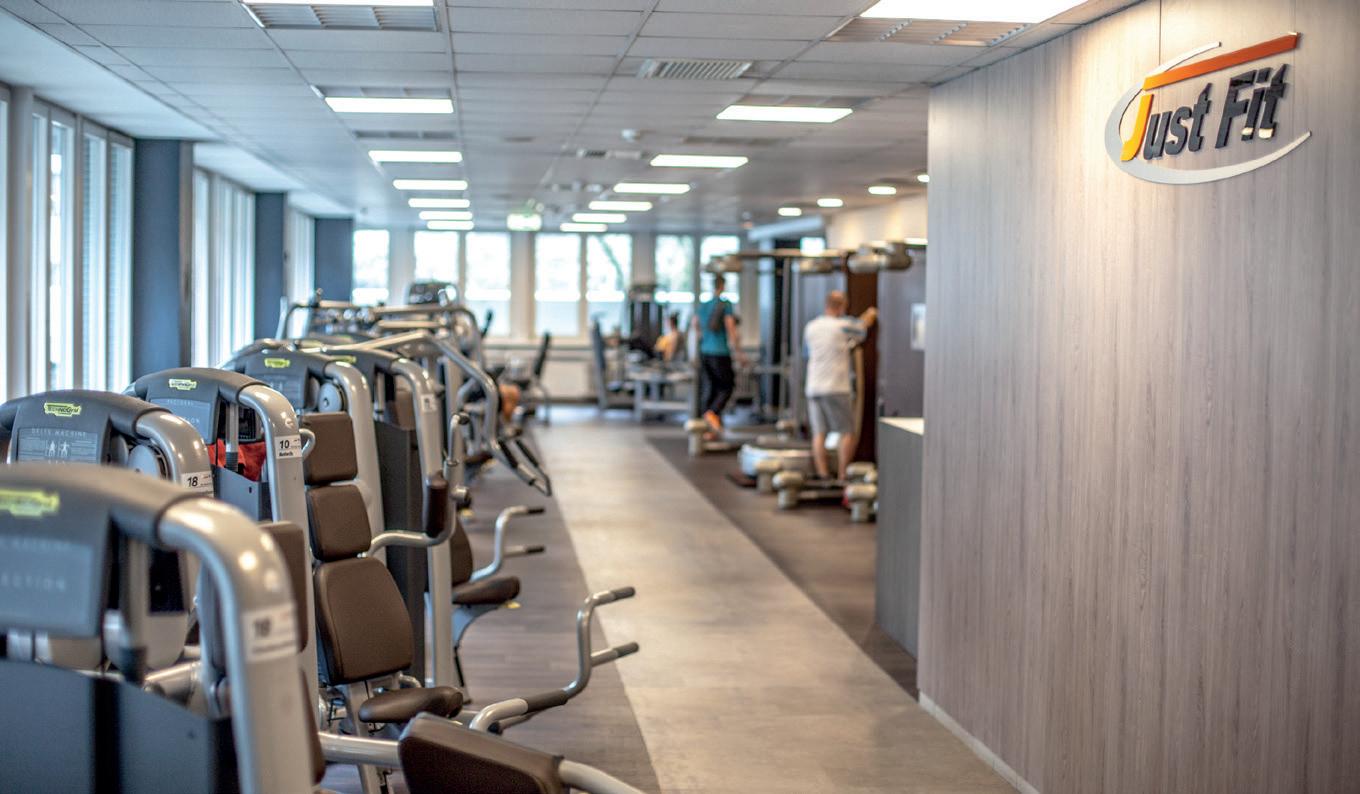
LifeFit Group continues its buy-andbuild strategy with the acquisition of Just Fit, which has 20 studios in the Cologne metropolitan area and one in Moenchengladbach.
This brings LifeFit’s portfolio to more than 230 clubs across Germany and Austria with in excess of 720,000 members. The majority of the clubs will be integrated and rebranded as Fitness First Red clubs which offer attractive modular pricing choices, while the Just Fit Premium Club will be integrated into the higher end Fitness First Black segment.
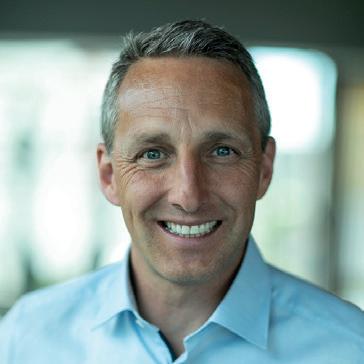
“ If you work in the fitness industry, you know the pioneer Frank Boehme” Martin Seibold
Martin Seibold, CEO of the LifeFit Group, paid tribute to the company’s founder: “If you work in the fitness industry, you know the pioneer Frank Boehme.
“He has shaped the industry like few others and with Just Fit, created a company that helps people stay active. Taking over the life’s work
of the four shareholders of Just Fit means taking responsibility for their employees, members and studios.
“We’re committed to this task, will integrate the facilities step by step and develop the studios with new ideas while preserving the best of what they offer.”
http://lei.sr/q3B6n_H
David Lloyd Leisure is significantly boosting its European presence, with the acquisition of health and wellness group, Aspria.
With both companies being premium and aimed at the family market, it’s an ideal fit. Aspria has 51,000 members, with 7,000 being children. The average member age is 50.
Currently going through the German anti-competition process, the deal is expected to complete by April latest.
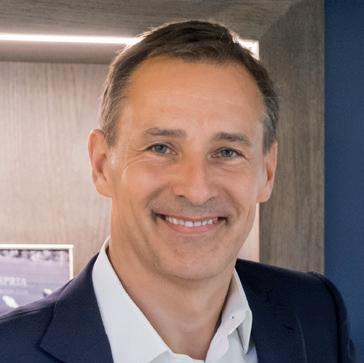
“I’ve been impressed by the extensive premiumisation of the David Lloyd clubs”
Brian Morris
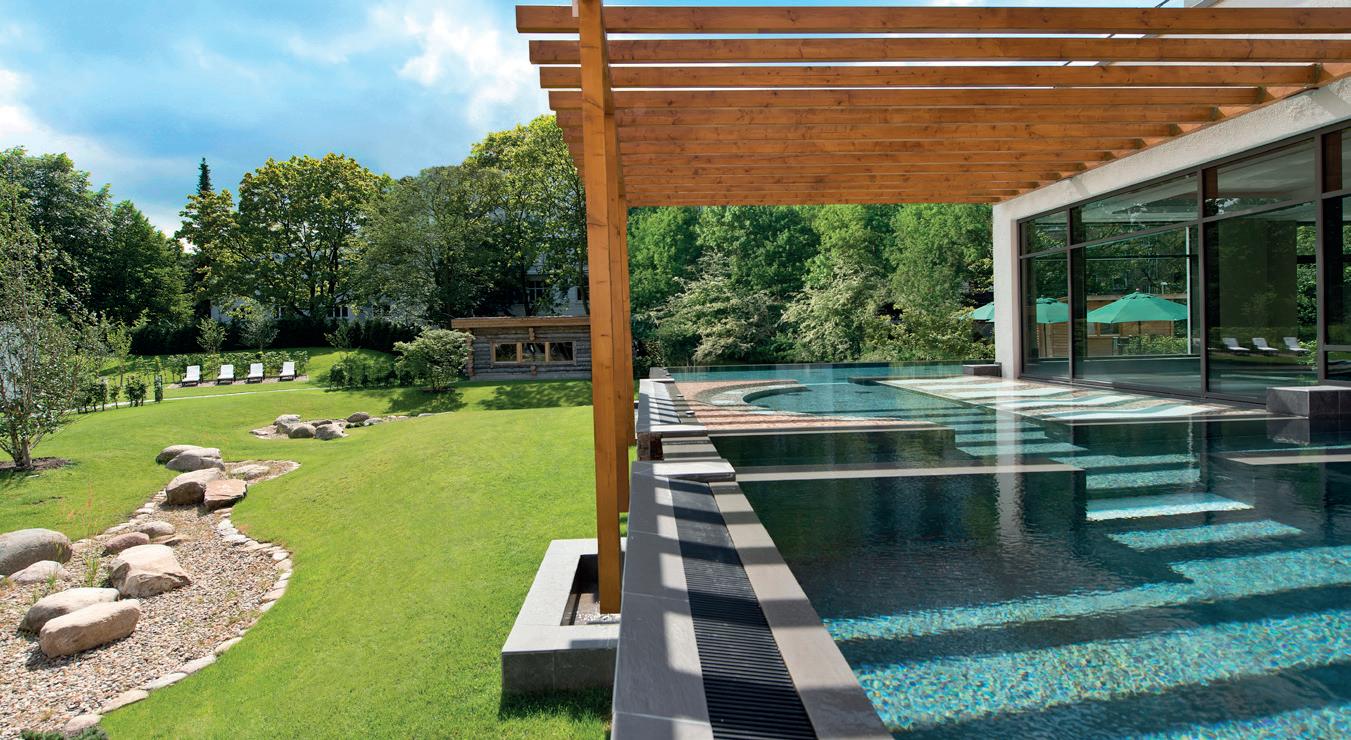
Aspria has 10 sites across two brands – eight full-service, high-end Aspria sites across Germany, Italy and Belgium, including a 17,000 square metre club in Berlin. An additional club in Brussels is on-site and will open later in 2026. Aspria also has two higher-volume, lower-price Aspresso sites in Spain and Italy, with a third club under development.
The founder of Aspria, Brian Morris, will remain in an advisory capacity. “I have been impressed by the extensive premiumisation the David Lloyd clubs have undergone under TDR Capital’s ownership,” he says.
“This agreement is a natural evolution for the two businesses.”

The UK’s trade body for the physical activity sector, UK Active has announced that Cameron Saunders will take over from Huw Edwards as CEO in April.
A senior leader with more than 20 years’ experience running complex, high-profile organisations across entertainment, media and public-interest sectors, Saunders’ previous appointments include being managing director of 20th Century Fox UK, as well as senior positions at Sky, Paramount, Showmax Africa and Channel 4.
He also has trade association experience, having served on the Board of Cinema First, the UK’s trade body for the film industry, where he played a lead role aligning rival cinema operators and film
“ Physical activity is one of the most powerful and most underinvested tools we have for improving national health, productivity and wellbeing ” Cameron Saunders
studios around shared priorities and convening roundtables.
Saunders says: “Physical activity is one of the most powerful and underinvested tools we have for improving national health, productivity and wellbeing, and UK Active is uniquely placed to make that case. With access to expertise across the sector, there’s a real opportunity for UK Active to act as a trusted convenor, catalyst and national voice.”
EGYM has launched the Smart Strength Series 3, which unites training, technology and gym management to deliver personalised, data-led training.
“We aren’t just building more tech for technology’s sake, we’re building the operating system that makes progress a permanent reality,” says Philipp RoeschSchlanderer, CEO of EGYM.
Hardware and software now work seamlessly as one, allowing the machines to respond in real-time to individual plans, automatically adjusting resistance and executing specific training methods. The EGYM Ecosystem functions as a comprehensive Operating System for fitness and wellbeing, to unlock new demographics and revenue streams.
“We’re building the operating system that makes progress a permanent reality” Philipp Roesch-Schlanderer
“With the launch of the new Smart Strength line and the latest evolution of the EGYM Ecosystem, we are marking a strategic turning point,” says Roesch-Schlanderer.
“In a competitive market, the advantage has shifted from individual products to integrated systems that connect the member, the workout, and the business. Products can be copied, an integrated, learning system built over years of data cannot. EGYM is the essential infrastructure for the modern health provider.”
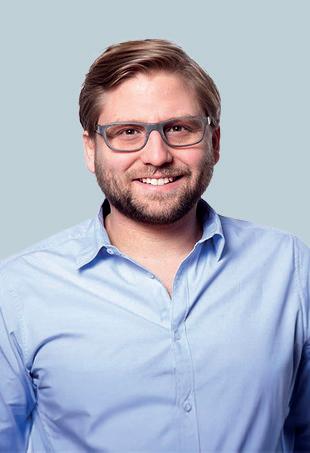
Philipp Roesch-Schlanderer says the new Smart Series is a turning point
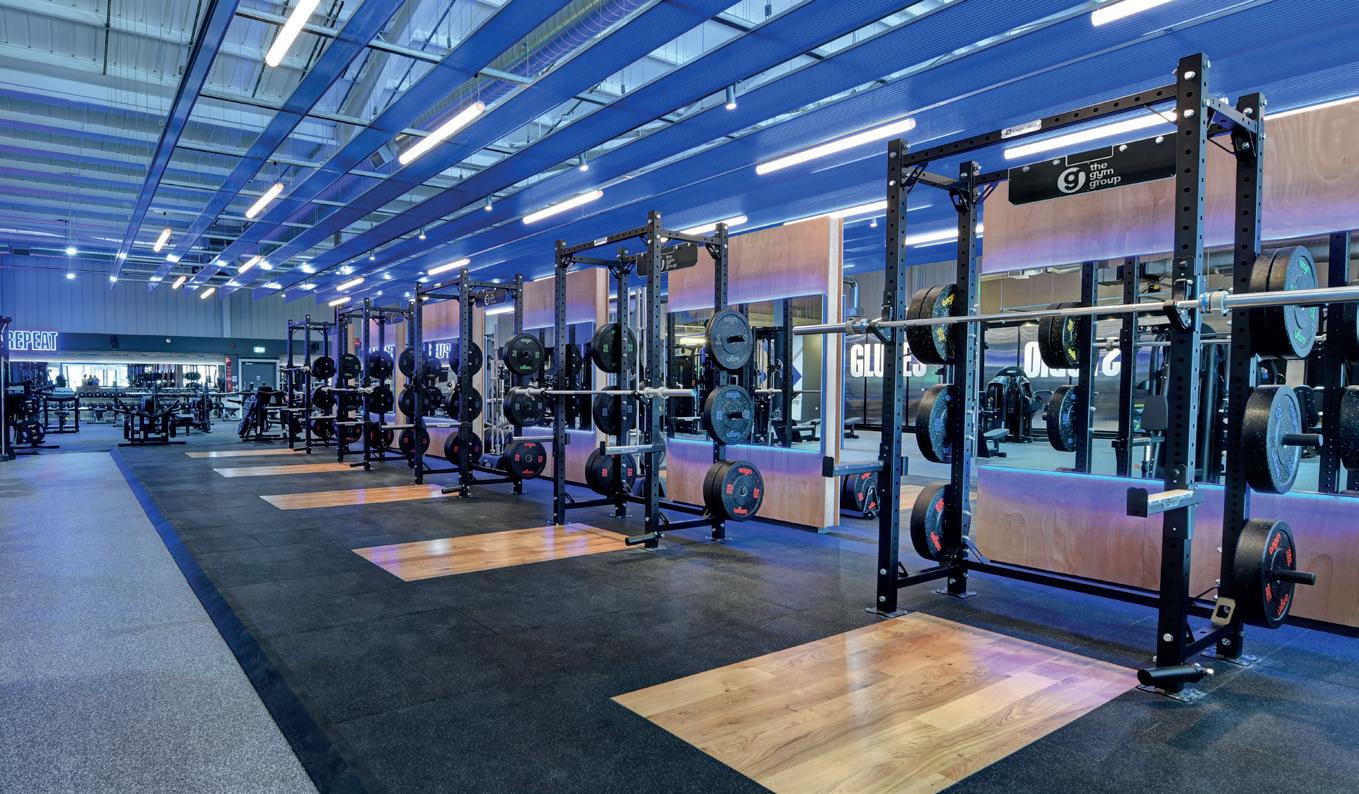
The Gym Group has exceeded expectations with its 2025 results and upgraded the outlook, with 20 gyms planned for this year and 75 over the next three.
Adjusted profit before tax was up 194 per cent to £10.6 million. Revenue for the year was up 8 per cent to £244.9 million.
The 16 sites opened last year were all funded by free cashflow, as were the enhancements to existing sites and continued technology investment around member management and payment.
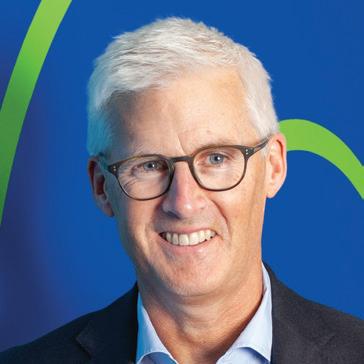
“ In 2025 we grew members, we grew revenue, and we improved the returns on the existing estate” Will Orr
Membership satisfaction continues to be high, with 94 per cent of members rating it either four or five out of five. The nine out of 10 score for employee engagement has also been maintained.
CEO, Will Orr, told HCM: “In 2025 we grew members, we grew revenue, and we improved the
returns on the existing estate. We also upped the profit guidance for 2026, which we’ve done for six of the last seven reporting cycles.”
The Gym Group is also looking at how recovery could be incorporated while remaining in the high value space.
http://lei.sr/B3g2W_H





Finnish smart ring company, Ōura, has announced a proprietary AI model focused on women’s health.
The company already has an AI-powered health resource, Ōura Advisor, and says this new feature is a significant evolution in its use of AI, shifting from general-purpose tools towards a more personal, empathetic and clinically-informed conversation for specific health use.
Supporting questions across the broad spectrum of women’s health, the tool has been designed to translate complex science into clear, compassionate guidance and connects what women are feeling with their data. It also integrates biometric and long-term trends to deliver personalised, evidence-based guidance.
Chief medical officer at Ōura, Ricky Bloomfield, says: “Women’s health is too complex and too often overlooked to rely on one-size-fitsall systems. By designing a model

specifically for women and grounding it in trusted clinical science and real-world biometric data, we’re setting the standard for how responsible intelligence should be built and expanded across more areas of health, pairing rigorous science
with the lived, longitudinal data that makes Oura uniquely powerful.”
It is designed to be reassuring and supportive to better equip women for conversations with clinicians.

Indian billionaire, Deepinder Goyal, is working on a device called Temple that aims to track blood flow to the brain.
The device, which is under development, would sit on the side of the head near the temple, and continuously monitor how much blood is reaching different parts of the brain, which could give an indication of how well the mind is coping with stress.
As wearable device usage becomes ever more common and interest builds around brain health and its impact on longevity, this is one of the first times the brain has been the focus of the wearable market. Goyal says Temple will measure metrics that existing wearables cannot and will initially be aimed http://lei.sr/6z5r3_H
at elite athletes, who need deeper insight into performance.
He explained: “We’re building the ultimate wearable for elite performance athletes.
“A device that measures what no other wearable in the world measures, with a level of precision that doesn’t yet exist. We’re building for people who push their bodies to the edge.”
Goyal, who founded the food delivery giant, Zomato, has raised US$54 million from family, friends and employees, giving the company a valuation of $190 million.
However, some experts have questioned whether it’s possible to measure deep-brain signals with a skin-mounted sensor.
http://lei.sr/4h5C6_H

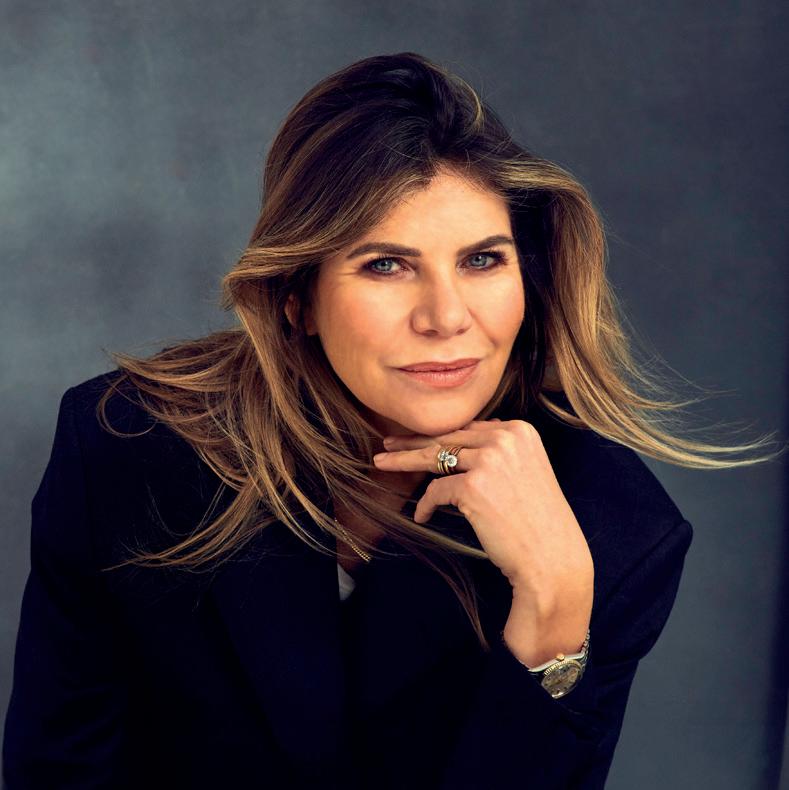
Amsterdam social wellness and recovery club, Renessence has reopened after an extensive upgrade, including the addition of a gym.
Imagined by Urban Gym Group co-founder, Marjolijn Meijer, during the pandemic, Renessence opened in the financial district when a previous gym closed due to the lack of footfall. “I was inspired by various social wellness concepts in the US and wanted to create a place for wellness and relaxation. Somewhere people could be completely themselves,” Meijer told HCM.
Originally Renessence offered a suite of longevity modalities – including yoga, meditation and breathwork, cryotherapy, infrared saunas, flotation tanks, infusions and oxygen-hyroxy therapy.
The ice baths, cryotherapy and open float have been replaced with a gym, Red Light Therapy, additional treatment rooms and a meeting room. The entrance has also been moved to the middle of the building.
“Some treatments required a great deal of maintenance, were labour-intensive and incurred high energy costs,” says Meijer. “Now that the entrance is in the middle, we can use the front area of Renessence for events and the wellness centre can remain open as usual.
“I’m truly enjoying the transformation and everything that is starting to take shape, and proud to see Renessence becoming a place where performance, wellbeing and connection come together.
“What started as a vision has become a place where people gather, connect and create. Seeing conversations happen, ideas form, and people take a moment away from the rush of everyday life is exactly why Renessence exists.
“One of my personal favourite spaces is our Creative Space. An intimate, carefully-designed room for up to eight people. Perfect for strategy sessions, leadership

“ Some treatments required a great deal of maintenance, were labour-intensive and incurred high energy costs ”
Marjolijn Meijer,
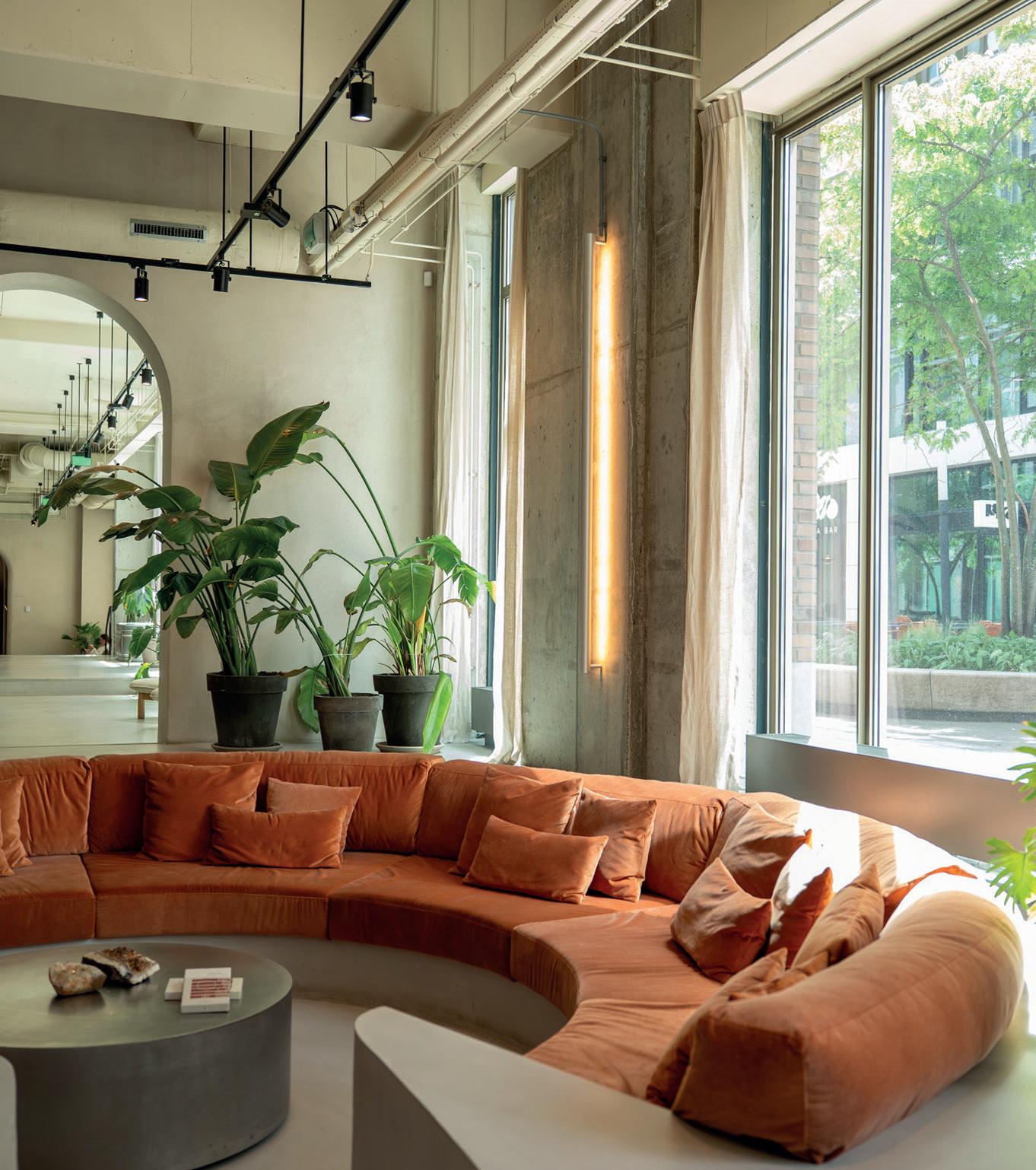
meetings, coaching or creative off-sites. Calm, refined and filled with natural light, it naturally creates the focus and atmosphere for meaningful conversations and new ideas.
Meijer continues: “What makes it even more unique is that your meeting doesn’t have to end at the table. Guests can combine their session with a visit to our gym or one of our tech treatments, such as hyperbaric oxygen therapy or red light therapy, creating a moment to reset both mind and body.”
The membership price has remained virtually the same, but Meijer says that the addition of a gym has made it more attractive.
Three membership options are offered. Firstly, there’s a flexible monthly membership giving access to the
gym and unlimited recovery treatments, costing €500 a month. Secondly, a three month membership, which also offers one PT session at the start, costs €450 a month.
And finally, if a member commits to a full year, this brings the membership price down to €400 a month, or €4,500 if paid in full up front. This level of membership also includes a personal training session, a floating session, and four hours use of the Creative Room, along with lunch and 10 day gym passes. If people are away for two weeks then the membership can be transferred to another person.
Meijer has also bought the Renessence club out of UGG to run as a separate business.
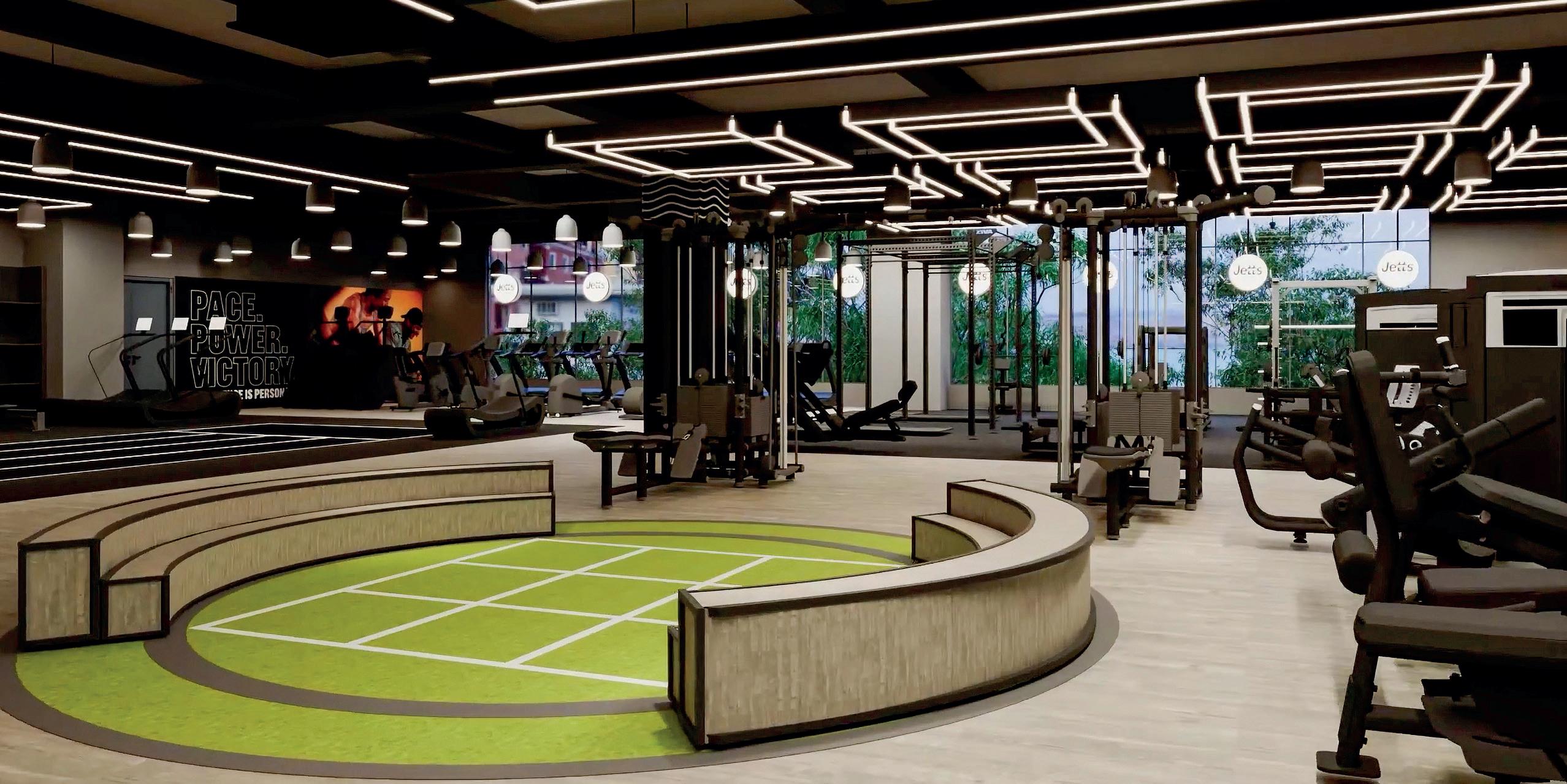
The first Jetts Fitness in India will open its doors on 28 March in New Delhi, with six more clubs in the pipeline.
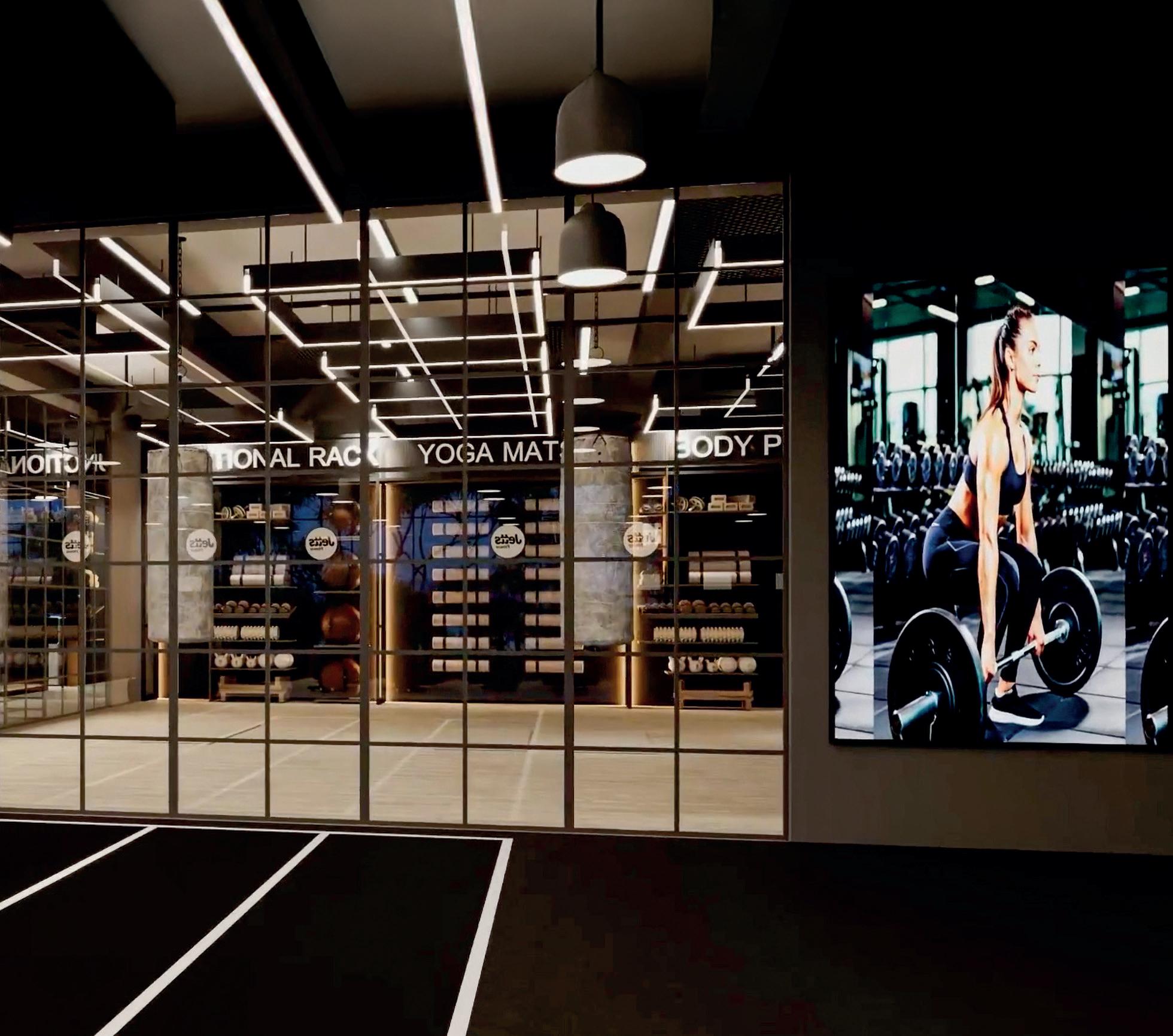
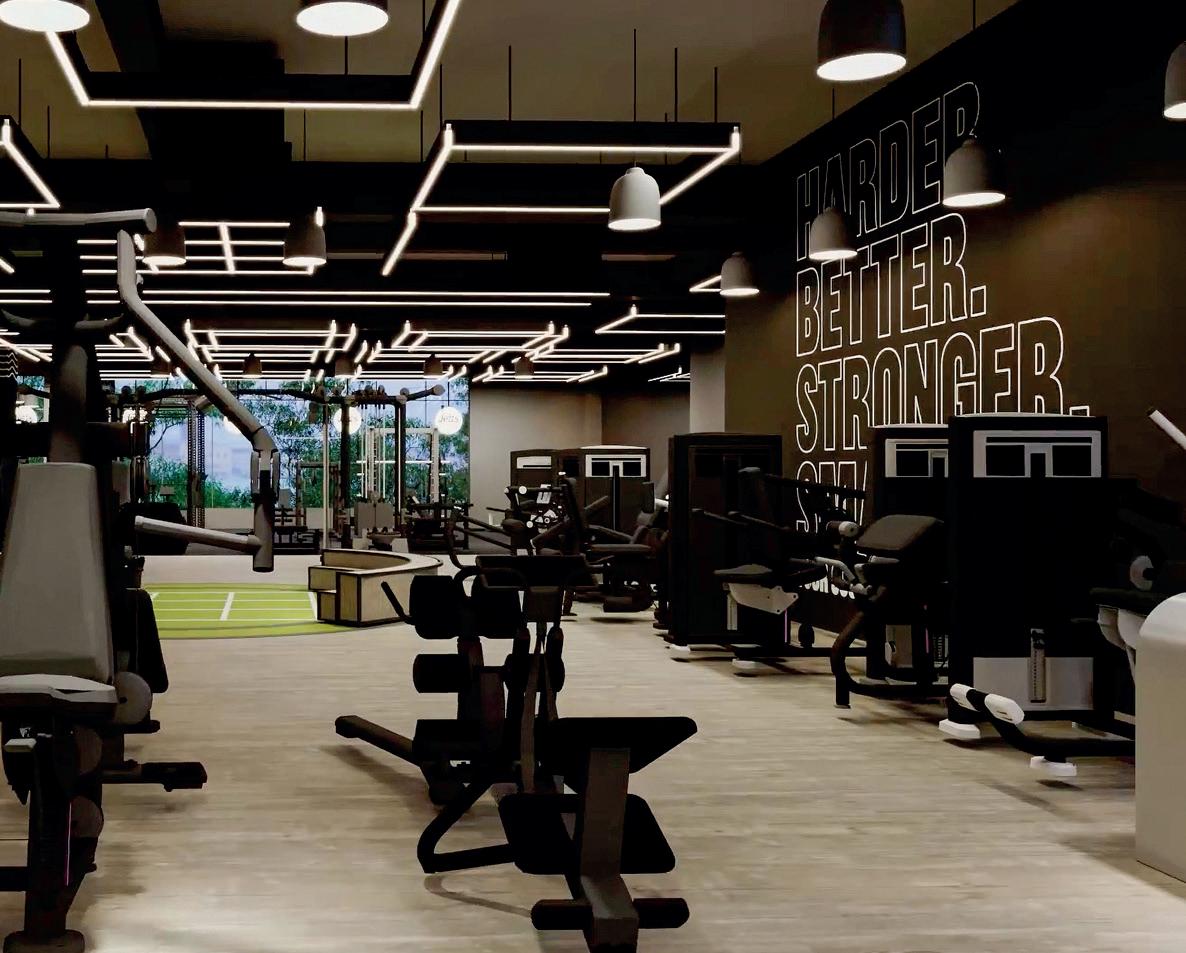
Jetts Fitness Vasant Kunj will span 10,000 square foot and have a comprehensive offering of strength and resistance equipment, a Cardio Zone and a functional/Hyrox training zone.
The group exercise programme will include Les Mills, Zumba, yoga and boxing classes. PT will be available as well as 3D fitness assessments.
Reformer Pilates and indoor cycling are part of the mix and the recovery facilities include steamroom and chilled shower, recovery classes and sound healing. There is also a members’ lounge for socialising.
Equipment brand partners are Precor, Concept 2, Ziva, Assault, Hyperice and Stages.
Elaine Jobson, Jetts Fitness CEO and managing director, says: “The launch of our first club in India marks a significant strategic milestone for Jetts Fitness and a testament to the operational powerhouse of BeWell Brands.
“As a leading house of franchise brands, BeWell provides the global framework that allows us to scale rapidly while maintaining the high quality
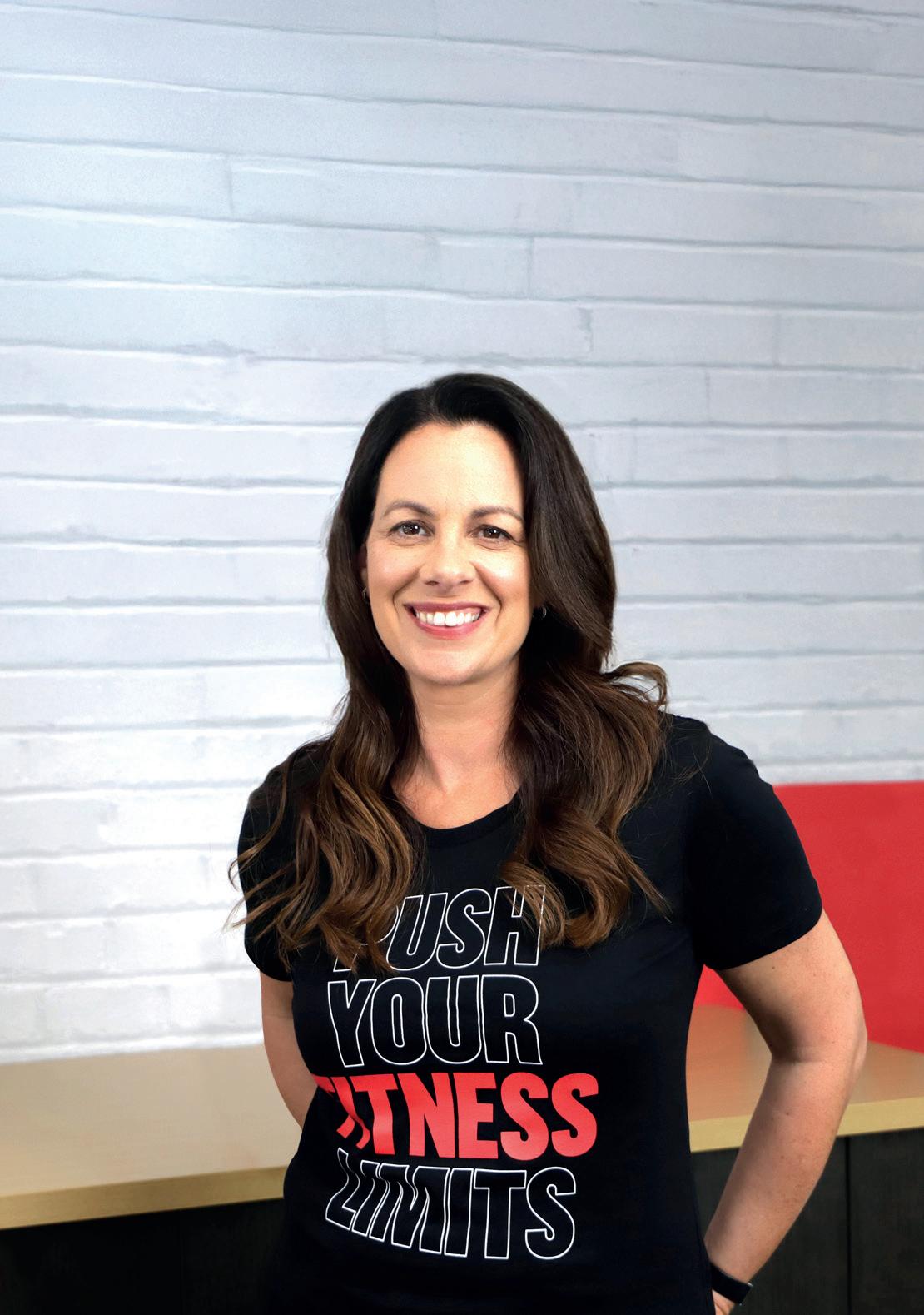
“ The launch of our first club in India marks a significant strategic milestone for Jetts Fitness and a testament to the operational powerhouse of BeWell Brands”
Elaine Jobson
standards of the Jetts brand. I want to recognise the dedication of our India country partners –Rahull Raghuvanshi, Nishant Singh, and Ashish Malik – who have successfully established our master franchise footprint in this key market.
“Their robust pipeline of upcoming locations highlights the strength of our master franchising model and our commitment to making fitness more available across the globe. India represents a tremendous growth opportunity and this expansion is a critical step toward realising our vision of becoming the world’s most loved training gym.”
Raghuvanshii, Jetts India managing director, describes the launch as an exciting milestone, saying: “With six additional clubs set to open across Delhi NCR this year, we’re eager to bring the signature Jetts global fitness experience to even more members, empowering communities to live stronger, healthier and more active lives.”
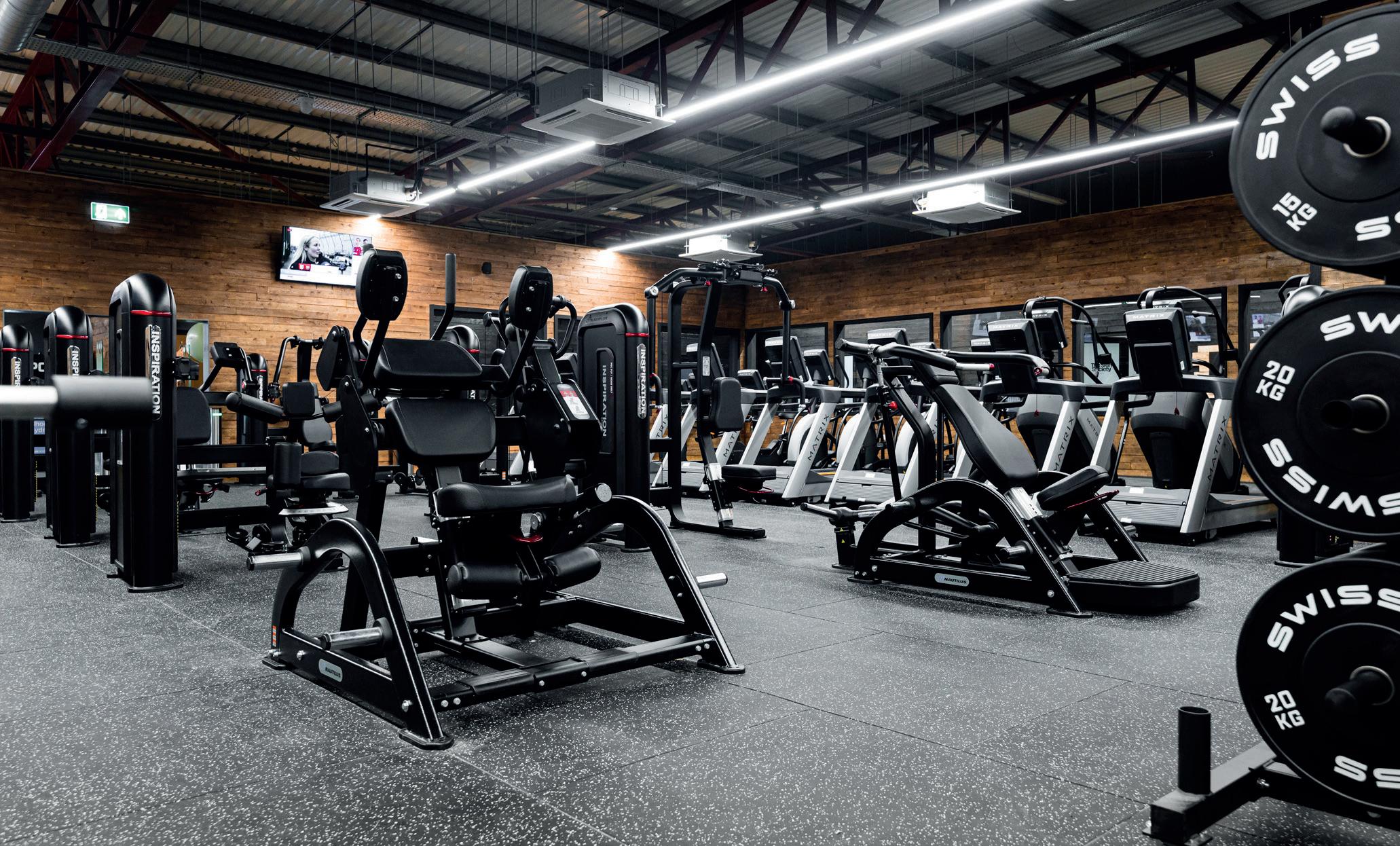
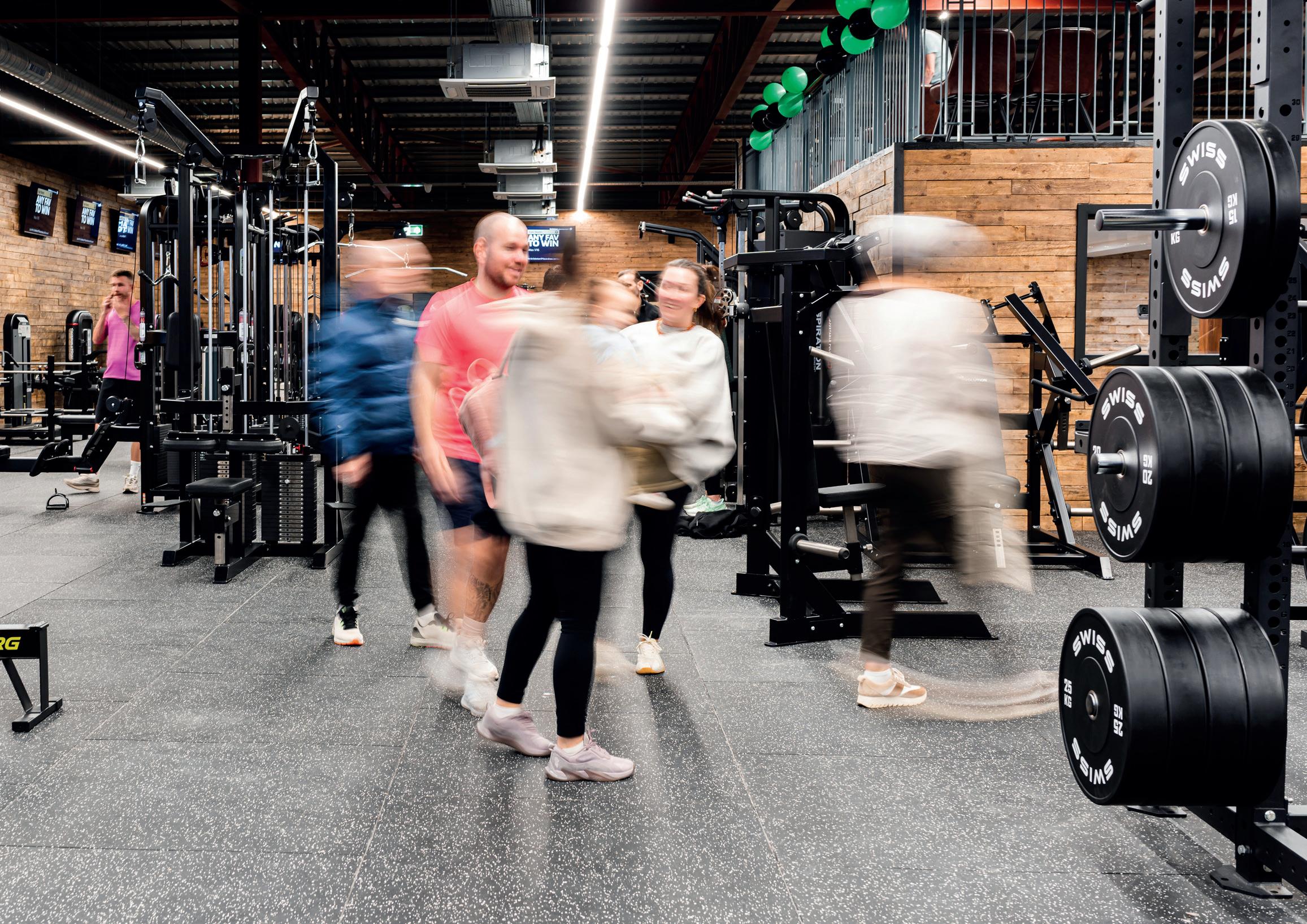
Irish operator, Revolution Fitness, which has a location in Newtownabbey, Northern Ireland, has opened the Revolution Lifestyle health club in Bangor.
The premium health and wellness facility brings together fitness, recovery and social connection to enable people to transform their lifestyles.
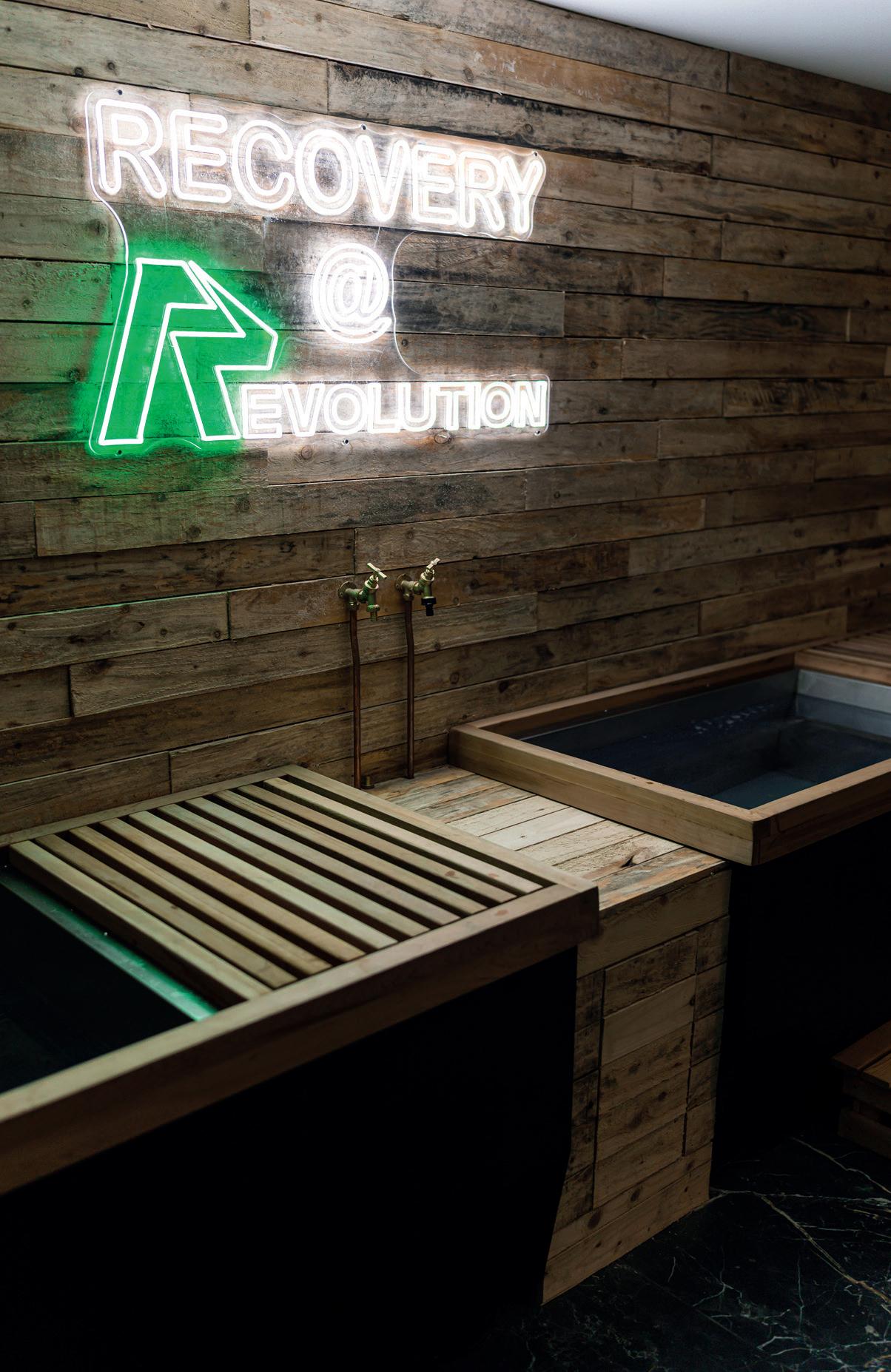
The 24-hour, Hyrox-affiliated gym has a recovery hub with hot and cold baths and a sauna and a ‘nutritionally-focused’ café where people can socialise or work.
Pilates, indoor cycling and a golf simulator are also offered.
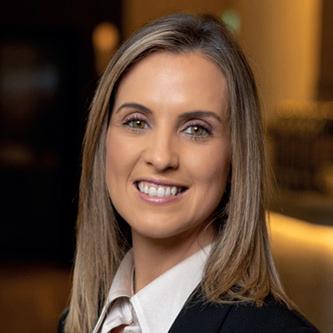
“ The Revolution Lifestyle model is a game-changer for the local fitness community ”
Revolution’s Rebecca Hughes, says: “Our ambition is to create a welcoming space that goes beyond the traditional gym experience, somewhere people at every stage of their fitness journey feel comfortable, supported and inspired to prioritise their health and wellbeing.
Una Warnock
“While we’re committed to high standards and expert guidance, this facility is ultimately about bringing people
together. We want to build a positive, inclusive environment where members can train, connect and grow as part of a strong local community.
“Revolution Lifestyle has been built with community at its core,” she concluded.
The £1.5m facility received £450,000 from the Investment Fund for Northern Ireland, managed by Whiterock, which offers a range of commercial finance options to support businesses from all sectors in Northern Ireland at different growth stages.
Una Warnock, investment director at Whiterock, says: “The Revolution Lifestyle model is a game-changer for the local fitness community in Bangor.
“The luxury fitness market is growing, with many making their physical and mental wellbeing a priority and wishing to train in a premium environment with access to amenities that go far beyond those offered in a regular gym.”
Parkinson’s UK has announced a new partnership with the British Wheel of Yoga (BWY), to help more people access yoga classes throughout the UK.
The partnership aims to deliver more accessible yoga classes and wellbeing support for people living with Parkinson’s, as well as their relatives and carers. Training and coaching for yoga instructors will be offered as part of the collaboration to help teachers better understand Parkinson’s as a condition.
Currently there is no cure for this degenerative brain condition and the number of people living with it worldwide will double to 25 million by 2050. Someone is diagnosed every 20 minutes in the UK.
The disease has around 40 symptoms and yoga can help with some of them. It improves balance and flexibility which helps to address the risk of falls. Yoga breathing and relaxing techniques
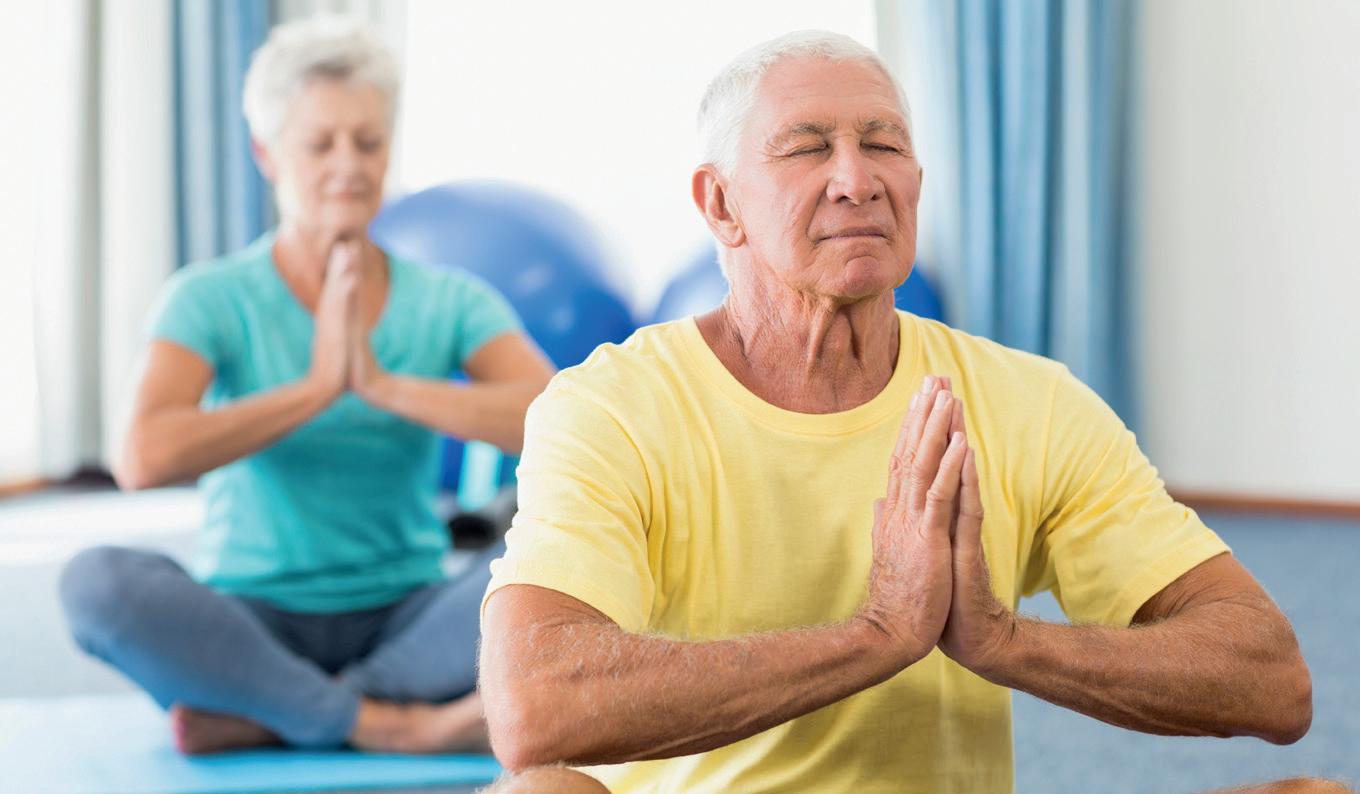
Yoga’s relaxation techniques can help symptoms of depression and anxiety
can lower stress, anxiety and depression and the exercises can help stimulate brain neuroplasticity.
Jed Parsons, physical activity programme manager at Parkinson’s UK, says: “Yoga is shown to have many benefits for a person’s physical and mental wellbeing when they live with Parkinson’s
and it can be a very accessible and adaptable way to live well with a long term health condition.”
BWY will host a free online yoga taster session for anyone with a connection to Parkinson’s on Friday 10 April, World Parkinson’s Day.
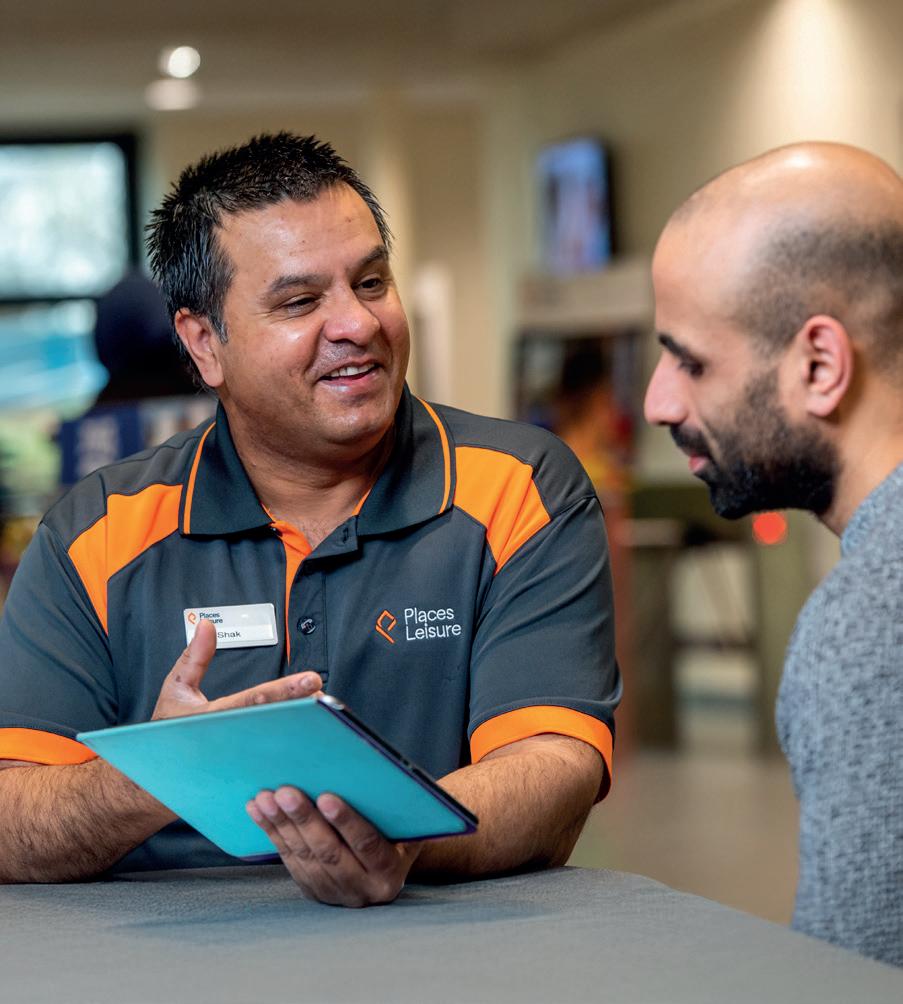
Places Leisure has announced a new strategic partnership with COPA as the preferred apprenticeship delivery partner for its leisure centres, following a six-month pilot.
COPA will support Places Leisure to support displaced learners, build sustainable talent pipelines, develop internal capability and invest in its people to create sustainable career routes across active leisure. Places Leisure is a subsidiary of social enterprise, Places for People, which set up PfP Thrive in October 2024 to tackle skills shortages across the sectors it operates in.
“Developing our people is central to the success of Places Leisure,” says PfP Thrive spokesperson, Tom Arey. “Working with COPA as a
preferred apprenticeship partner enables us to strengthen skills across our 109 leisure centres, support progression from within, and ensure our workforce is equipped for the future of active leisure, wellbeing, and sustainable operations”
The partnership will focus on developing apprenticeship pathways, which are responsive to the evolving needs of the leisure sector.
Gareth James, managing director, COPA said: “We’re delighted to formalise our partnership with Places Leisure. This strategic relationship allows us to support displaced learners while building the skills and capability needed across fitness, wellbeing, health, and energy apprenticeships.”

































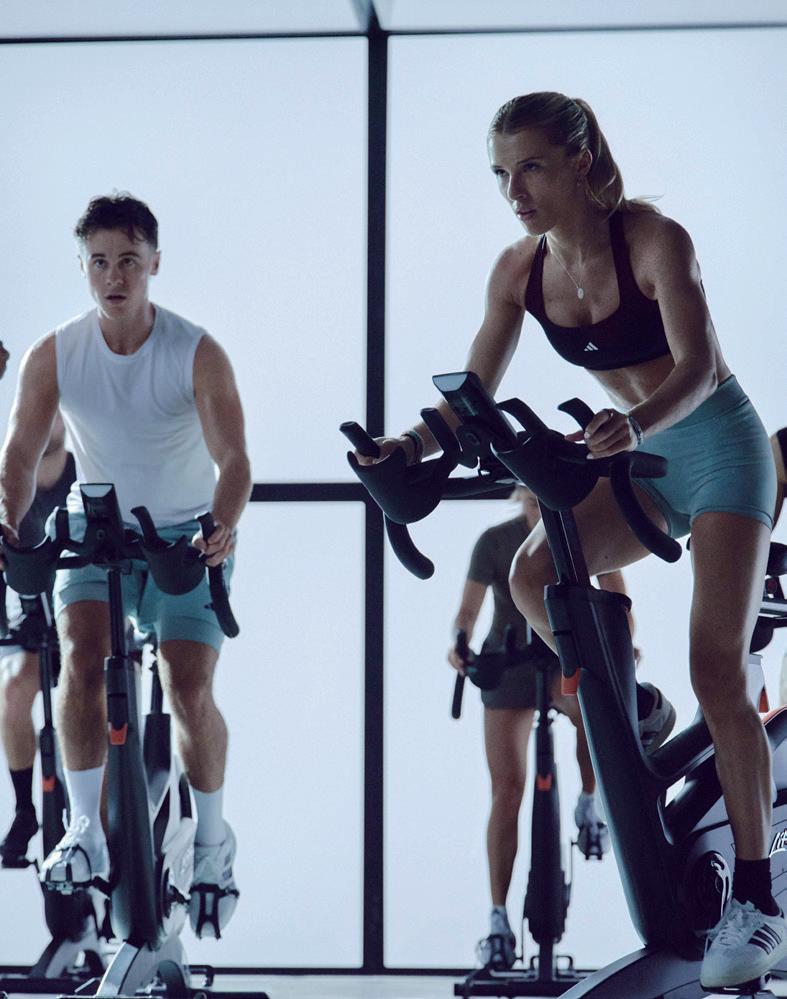
Les Mills and Life Fitness / Hammer Strength have announced a new strategic partnership which will enable operators to deliver more connected, motivating, high-quality fitness experiences at scale.
The collaboration promises exciting new products, live events and connected fitness experiences.
Les Mills is the Official Cycle Content Partner of Life Fitness, while Life Fitness will serve as the Official Bike Partner of Les Mills for its cycle programmes.
Phillip Mills, Les Mills’ MD, says the two brands have stood the test of time: “Together, we’re building a foundation for the future, rooted in shared values, proven expertise and a long-term vision to elevate the role fitness plays in people’s lives.”
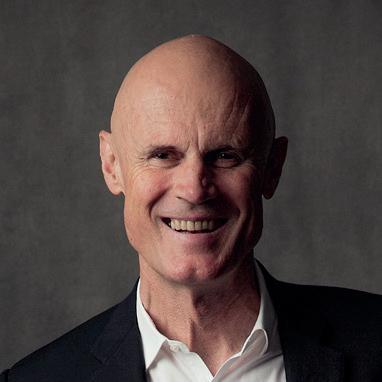
Jim Pisani, CEO of Life Fitness / Hammer Strength, says: “Our alignment with Les Mills is rooted in shared values and a deep belief in performance, science, and quality. We have a unique opportunity to elevate the training experience by working together.”
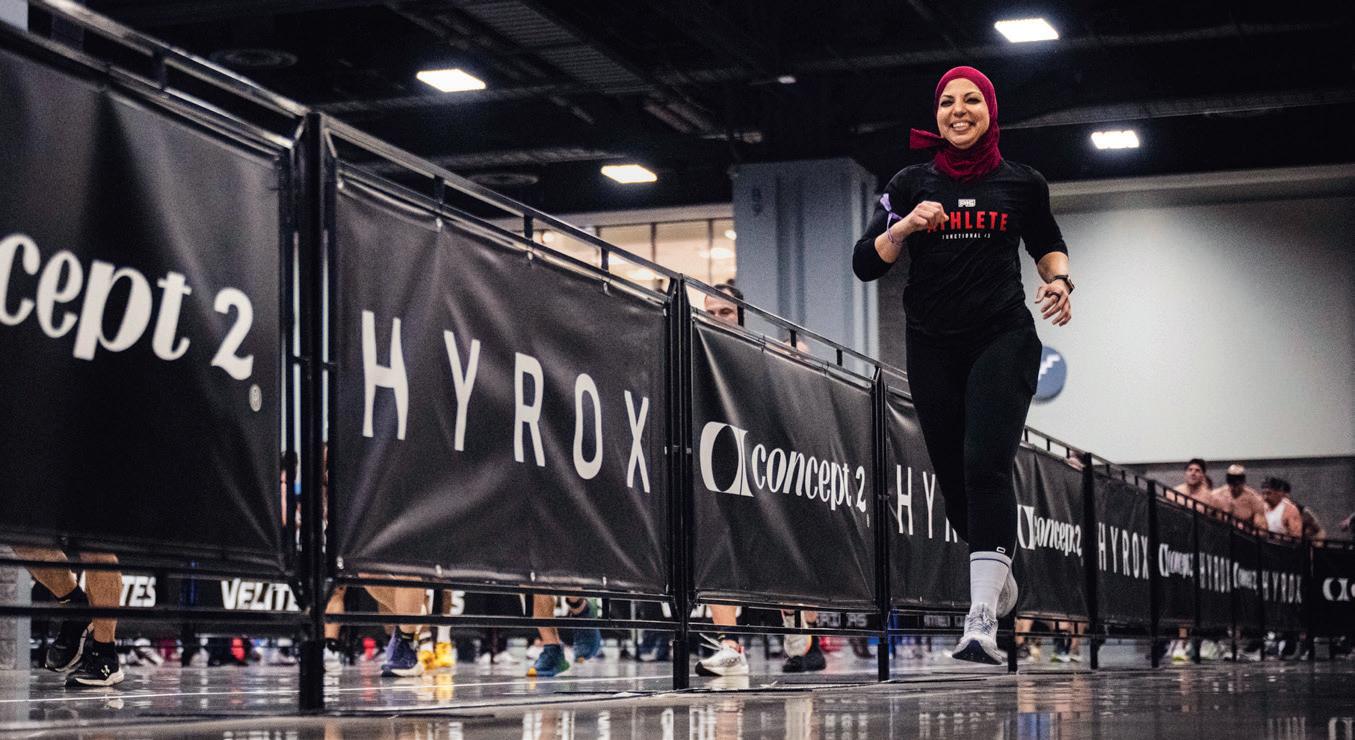
F45 Training, from FIT House of Brands has become the official global gym partner of fitness racing company, Hyrox.
The collaboration will span 12 Hyrox events across four continents in 2026, including the London event in April. The partnership will include co-branded training content, member activation programmes at F45 studios and on-site programming at Hyrox events.
Douglas Gremmen, chief growth officer at Hyrox, says: “Together, we’re creating a pathway for
millions of F45 Training members to experience the energy and challenge of Hyrox competition.”
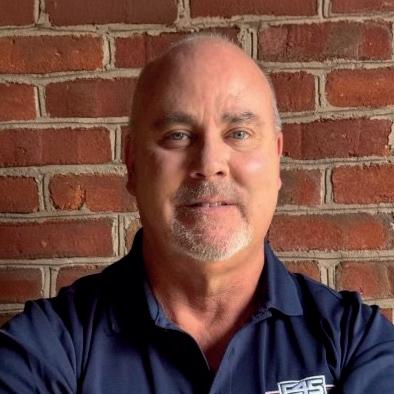
Tom Dowd, CEO of FIT House of Brands, says: “Hyrox represents the ultimate test of everything our members train for – functional strength, cardiovascular endurance, and the mental toughness to push through. Partnering with HYROX on



a global scale is a powerful statement about where F45 is headed.”
As the partner for the Americas Regional Championships in Washington DC this month, F45 hosted a 5k community run and F45 recovery space for competitors. More: Tom Dowd profiled www.HCMmag.com/TD


As the fi tness and physical activity sector adapts to evolving industry demands, Active IQ has introduced a comprehensive suite of 11 Level 2 and Level 3 technical qualifications as part of the post-16 qualification reforms.
Supporting progression onto a variety of career pathways
Launched in August 2025, these funded qualifications equip learners with industry recognised skills across a broad range of fi tness and wellbeing specialisms, aligned with employer expectations and clear progression routes.
The Level 2 and Level 3 reformed qualification suite covers:
• Fitness coaching
• Personal training
• Circuit training
• Kettlebell training
• Studio cycling
• Water based exercise
• Physical activity for children and adolescents
• Antenatal and postnatal physical activity
• Training for the ageing client
• Sports massage therapy

Visit our interactive resource demo page to see samples of our eLearning, eManuals and detailed qualification specifications.




















We made a clean strategy to reinvest, add more value, then move the price point
Dan Summerson MD, Everlast Gyms
Tell us about Everlast Gyms+, the new upgraded concept
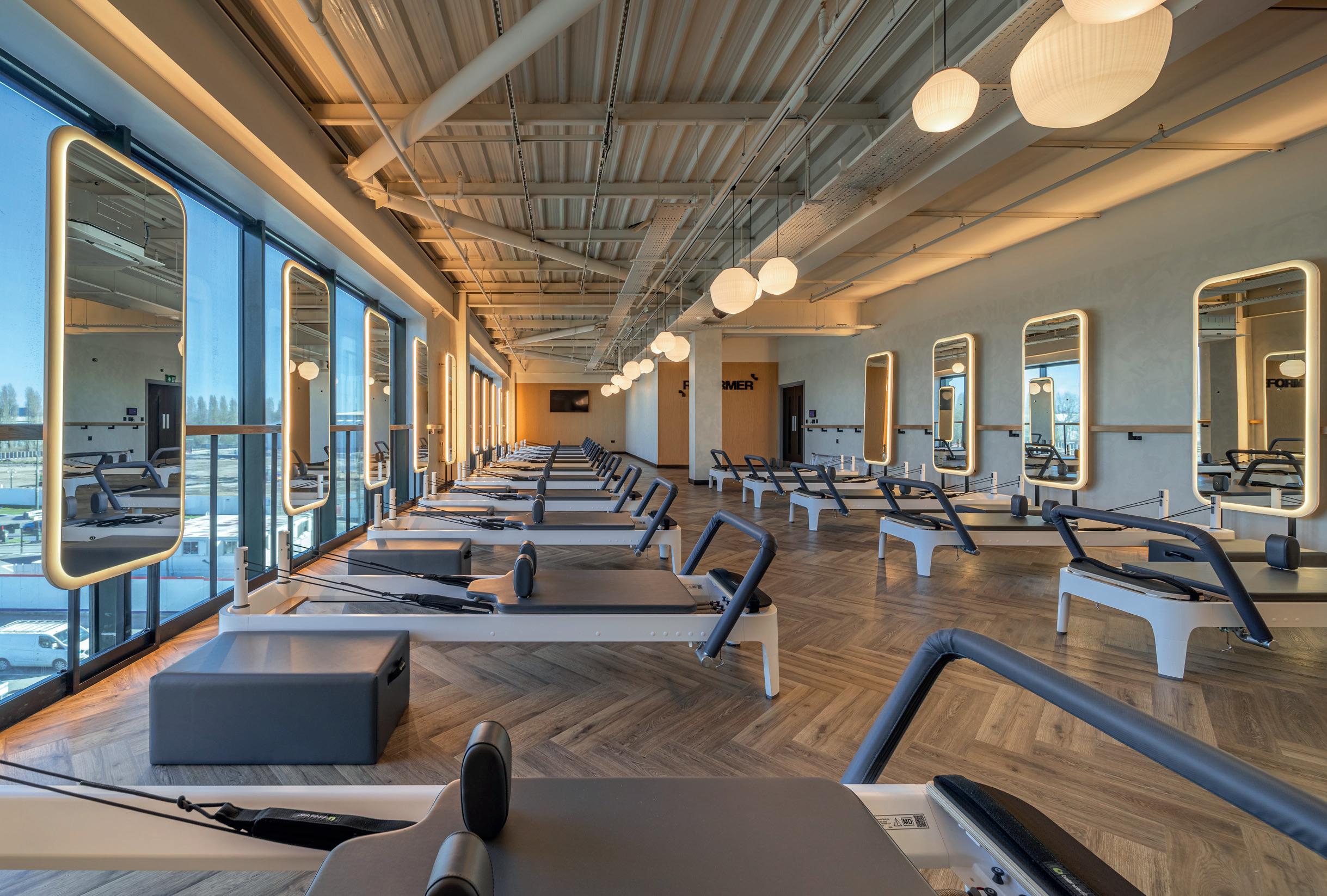
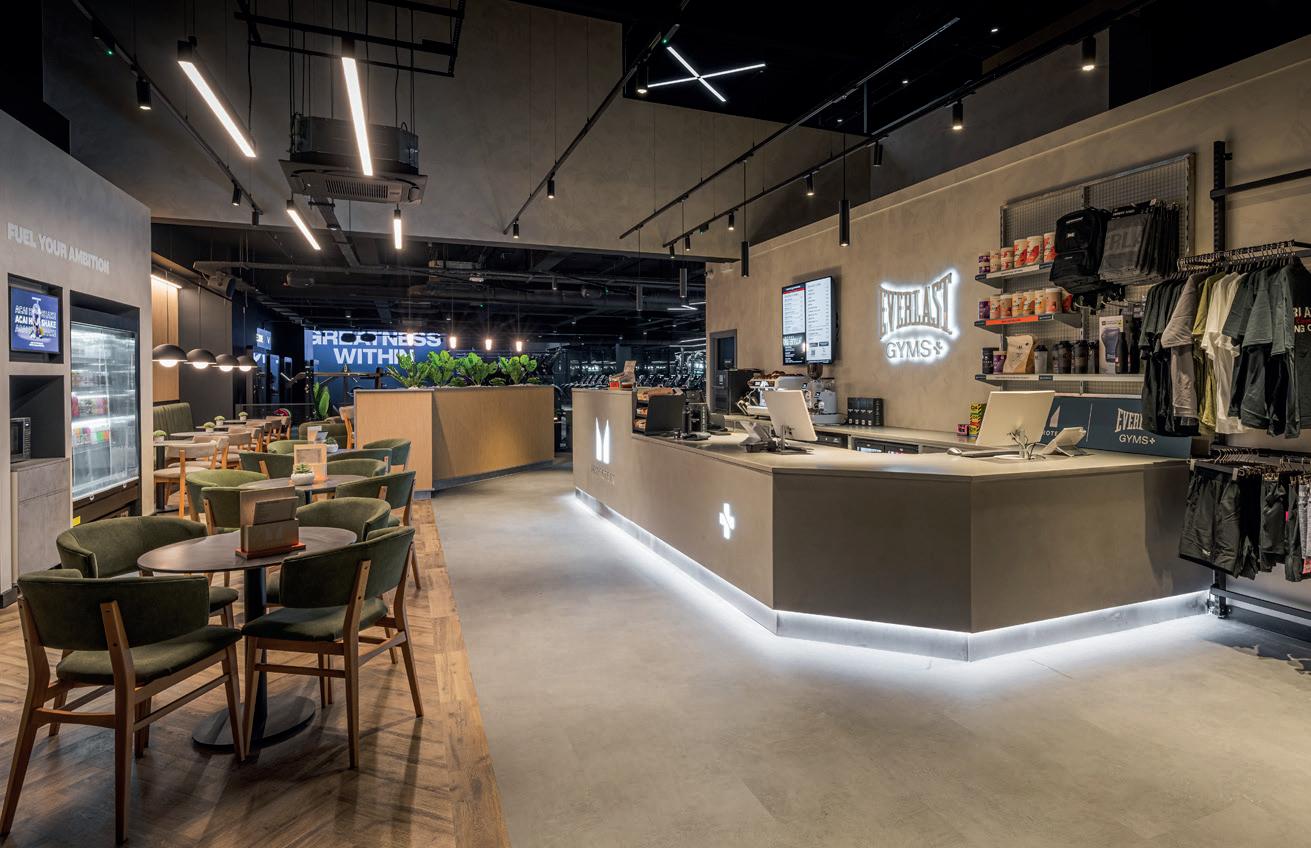
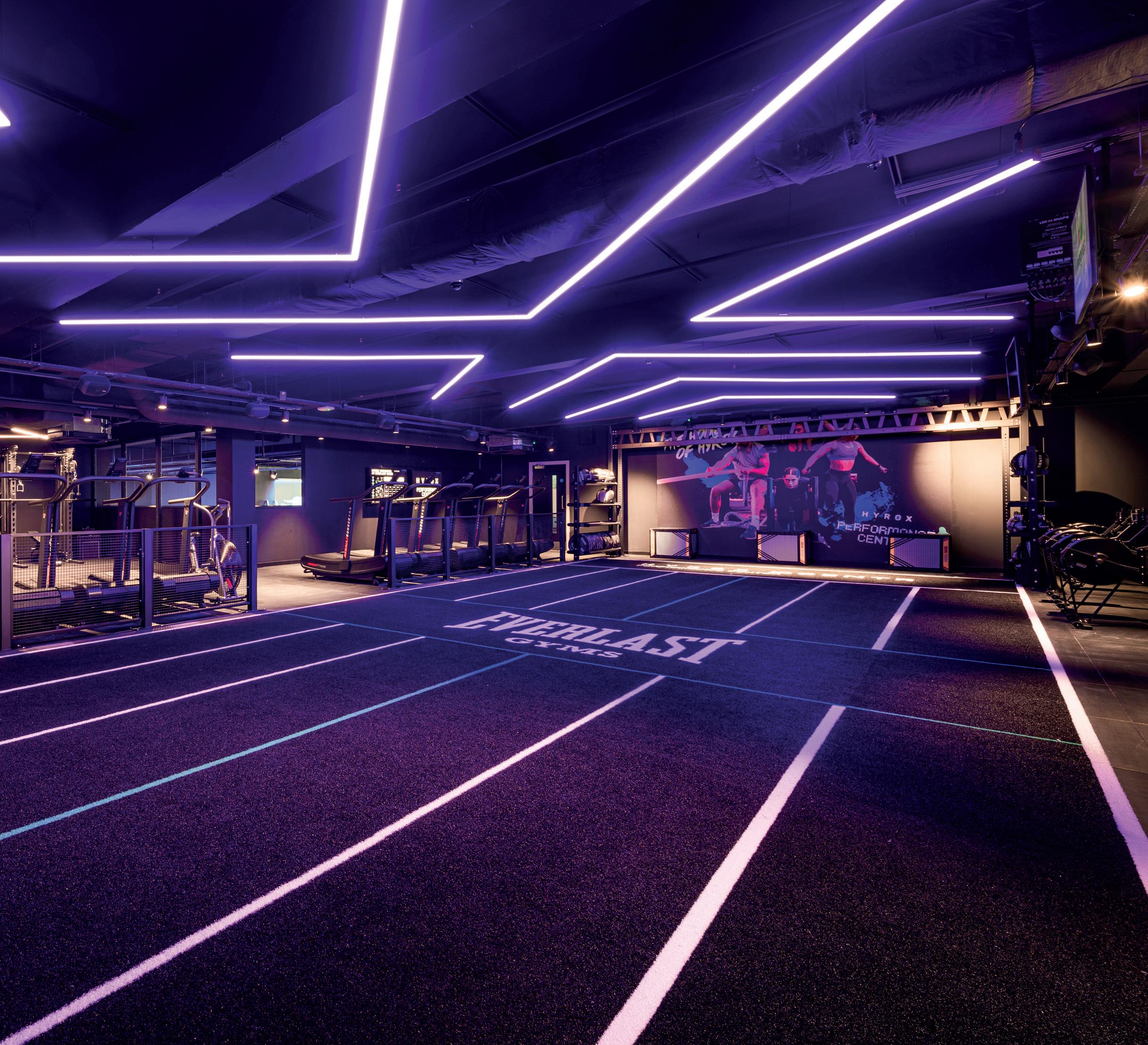
We’ve been elevating the estate with gym refurbishments and the addition of Hyrox Performance Centers, Myprotein Kitchens, recovery areas and reformer Pilates studios.
Currently we’ve completed 26 of our 60 gyms and by the end of April we should have another four finished to bring us to the halfway mark. Our target is to get the whole estate elevated within the next two years.
We’ve noticed that people want value and are willing to pay that bit extra for a good product. Our old Everlast and DW sites were more budget-led but we’re continuing to shift away from that. Rather than mid-market, I like the description of full service, best price.
Our memberships range from £35 a month – where members get access to the gym – to £60 for the Champion+ membership, which provides unlimited use of the recovery areas, Hyrox classes and between five and 10 reformer Pilates sessions, depending on location.
We’ve been really careful about increasing the price to ensure the offering justified this – we made a clean strategy to reinvest, add more value with
quality products and partners and then move the price points. Going forward, we’ll be monitoring how long people stay on those memberships and whether it extends the member lifespan.
Interest in gyms has never been stronger and people are joining for numerous reasons. Our lifting zones are now full of a really diverse demographic – both sexes, all ages. It’s such a mix and such a wide variety of people which is fantastic to see.
What impact have recovery and reformer Pilates had?
There is a huge amount of interest in both, and they proved to be extremely popular when we first started offering them at the Metrocentre in Gateshead as part of the standard membership.
Membership options range from £35 to £60 per month
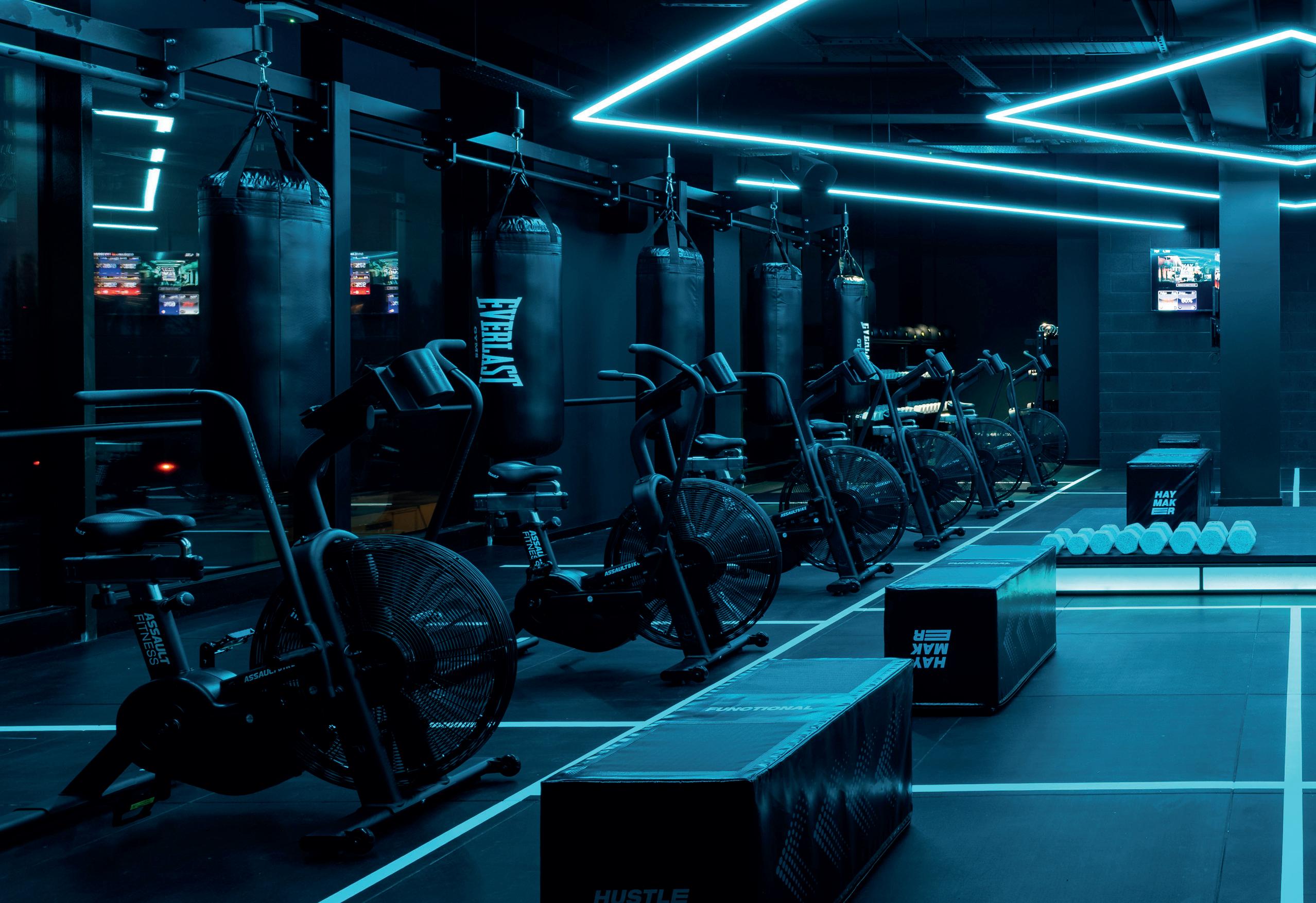
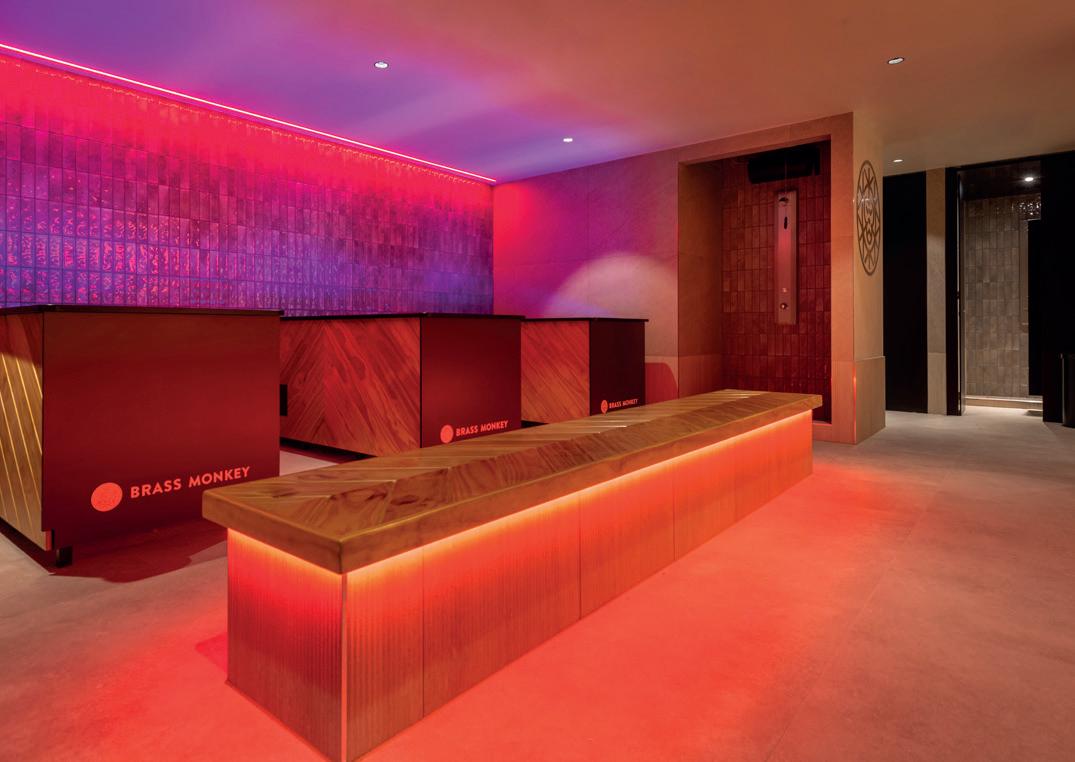
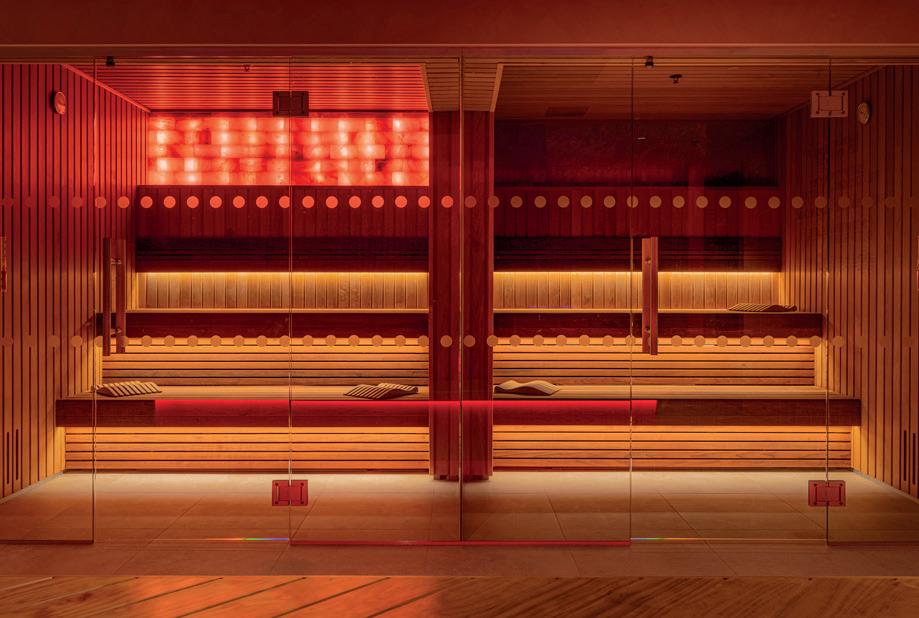
When we opened Liverpool Central, we had a rethink about how this offering was presented to ensure it could be managed and maintained efficiently. We created a separate area with a herbal sauna and a salt sauna and four ice baths – two are set at seven degrees and two at three degrees. This is offered as part of the upgraded Champion+ membership and a book-in only basis. It has worked really well and members that are paying for it really respect it.
Demand for Reformer Pilates is unbelievable and it adds proper value to the Everlast Gyms+ proposition. People understand it’s an expensive hobby and impossible to get on the cheap, so while we can’t offer unlimited classes, in the way we can to the Hyrox classes, members can purchase additional credits when they use up their session quota, which works well.
Partnerships seem to be the way forward. What is the thinking?
As part of Frasers Group, Everlast has good exposure to brands and now we’ve become more established in the market we’re attracting some fantastic interest. Hyrox and Myprotein felt like the right connections for us and there’s a really nice synergy between all three brands. Both partnerships are bringing members to the table and attracting a new clientele.
These are the right partners for us – Nike with strength, Hyrox with functional and Myprotein from a nutritional point of view
By upgrading our F&B offering to Myprotein Kitchens with its own products on-site, our secondary spend increases so it’s a very good relationship and one we’ll certainly continue to build on.
The Hyrox partnership is also doing well, especially at the sites where the team drive it. The Hyrox Performance Center roadshow was a national Everlast Gyms initiative designed to deliver a premium, standardised Hyrox-aligned training across selected clubs. This kicked off at the Liverpool Central site which was packed out, with three workouts and 30 plus people in each.
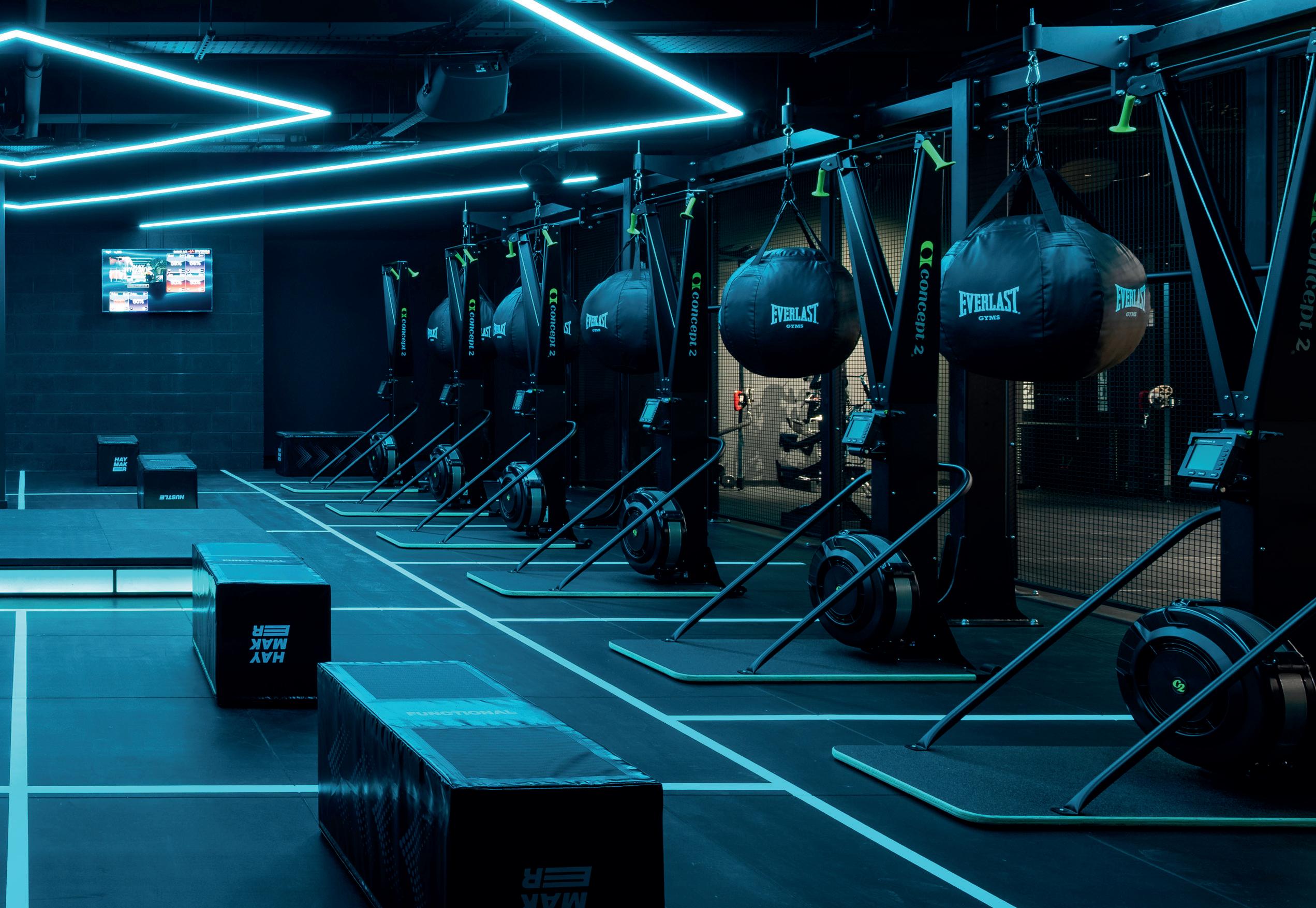
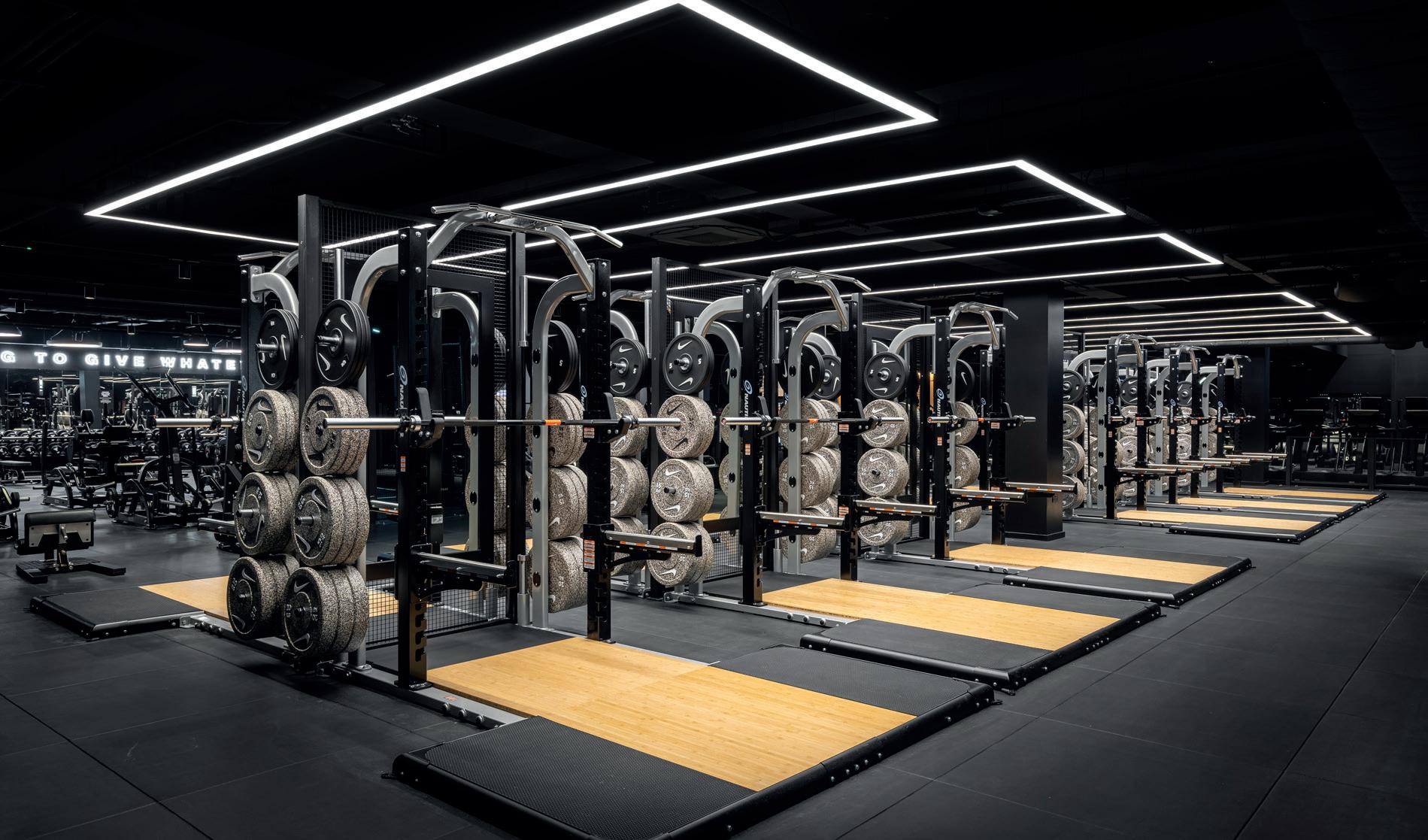
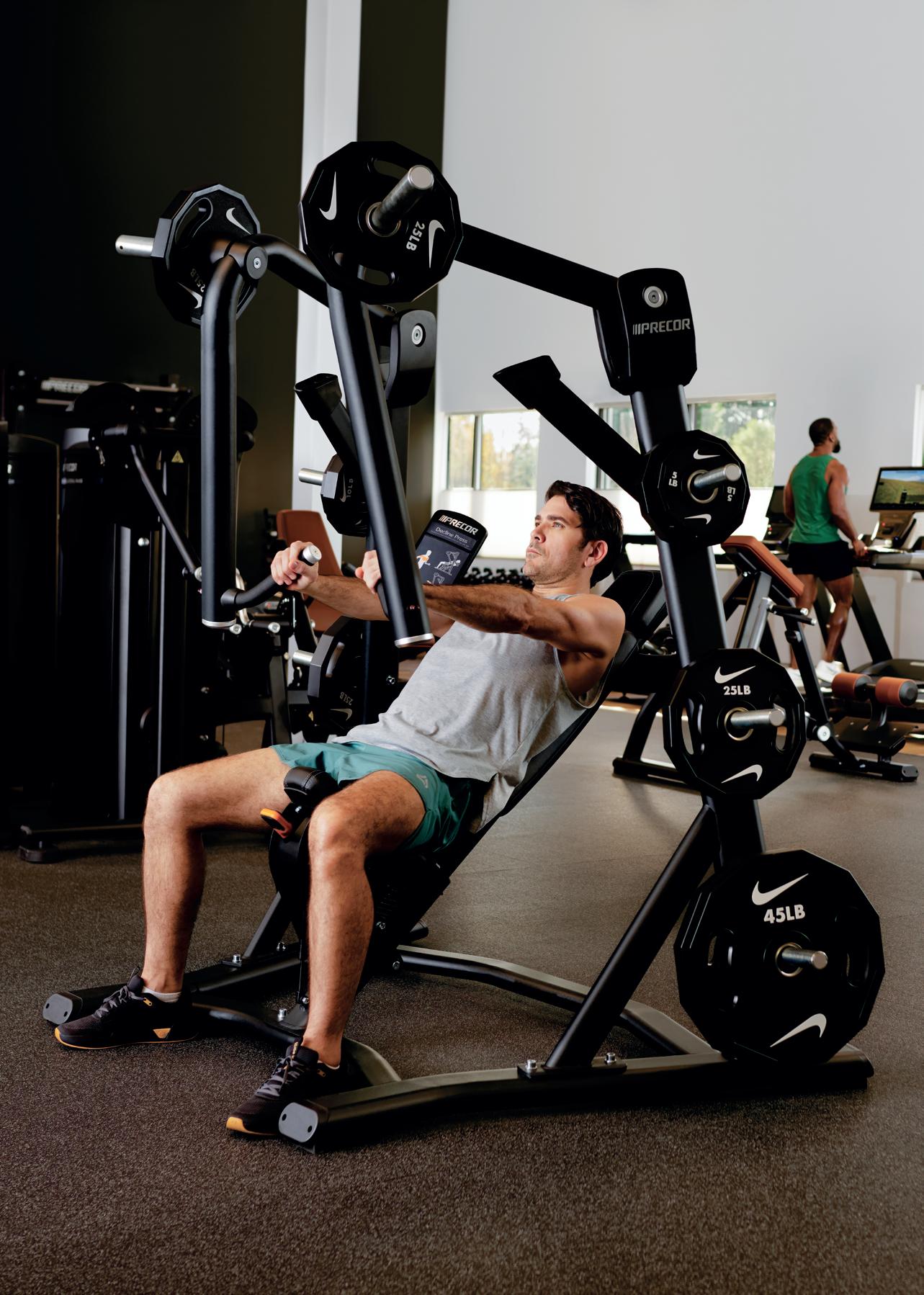
Our most recent partnership with Nike Strength is also a big one. On top of installing Nike’s signature Grind kit – which is made out of recycled end-of-life trainers and waste materials – into our sites, we’re working with them to build integrated class programming, so for instance the equipment will be used in our iconic Hustle (HIIT) studios and we’re rebranding the lifting areas as Lifting Club powered by Nike Strength. This partnership is about more than just equipment, it’s about bringing two brands with the same values together to create the very best strength offering on the market.
These are the right partners for us, they each make us stronger in different departments –Nike with strength, Hyrox with functional and Myprotein from a nutritional point of view –they all have strategic points and purpose.
We’re always looking at how we can expand our national footprint and have already had some significant launches this year. In February we opened our flagship Everlast Gym+ in Chiswick, London, which showcases all of our partnerships – followed
We’ll be looking at opening a site that includes gym and padel together – we see a lot of potential in this area
by Manchester Trafford in March. We also have a few more in the pipeline across the UK.
Our first European site opens in Dublin in the spring, which will be situated above an all-new Sports Direct flagship store, much like our flagship Liverpool Central location.
We also have exciting plans in the works for padel, we want to cement Slazenger Padel as the leading name in one of the UK’s fastest growing sports. We’ve got three Slazenger Padel sites open, with the most recent launch in Blackburn in February and we’re planning 10 more this year.
This year we’ll also be looking at opening a site that includes gym and padel together – we see a lot of potential in this area.
Going forward, we’ve got a strong ambition to go abroad. Frasers has a lot of retail partners around the world – Europe, Australia and South Africa – so we will be taking advantage of that. l
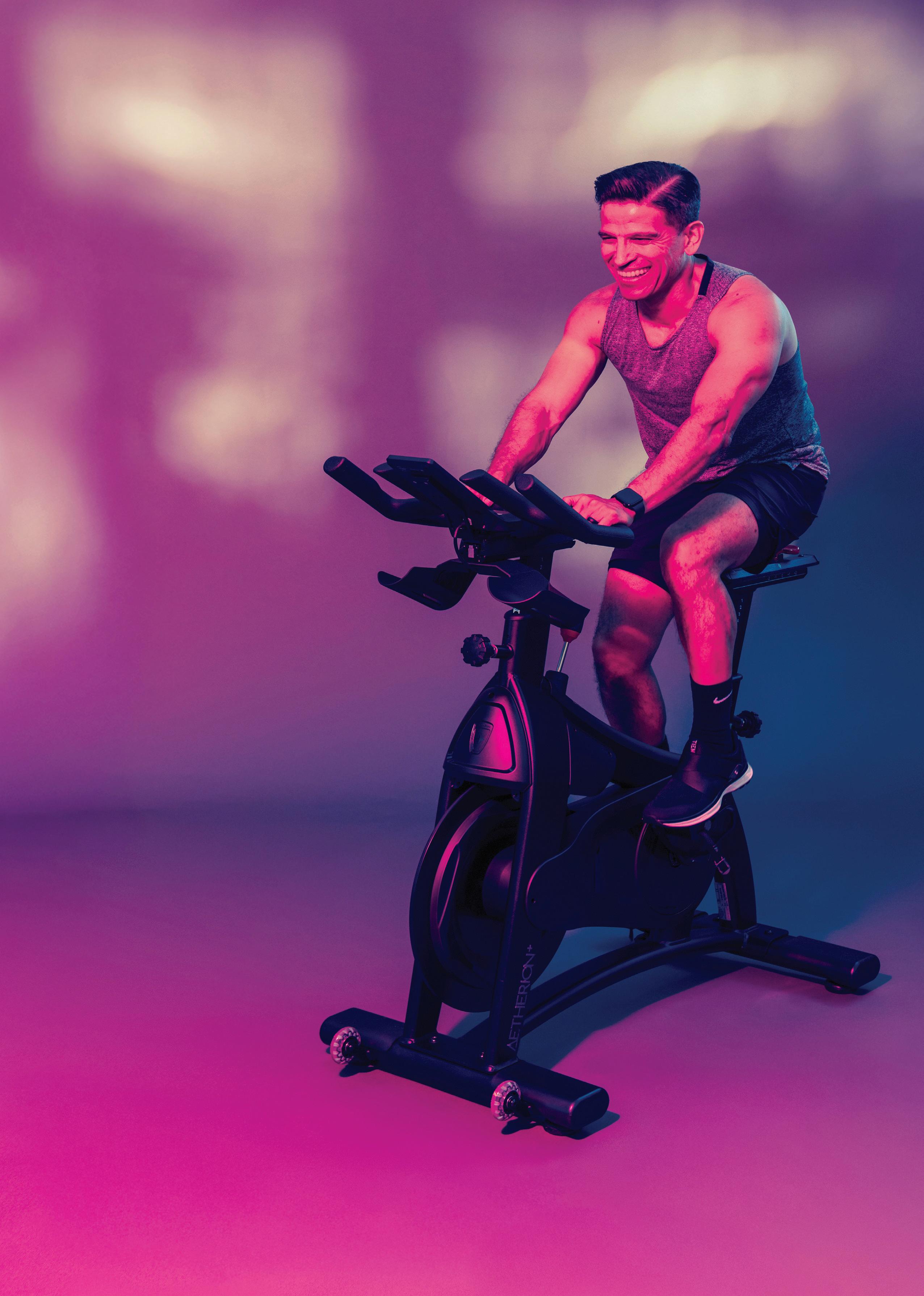








Built for studios that thrive on energy and connection, the Schwinn Aetherion delivers a pure, instructorled cycling experience. No screens. No distractions. Just a natural, responsive ride that fuels endorphins and unites the room. With durable construction and low-maintenance design, Aetherion keeps classes consistent, immersive, and full.
Key Features:
• Match your studio’s style with a quiet, fluid ride or outdoor-inspired feel
• Multi-position handlebars support rhythm rides, climbs, and sprints
• Wider base for a steadier, more confident ride












When we began in 2002 the service cost the council £1m per year. Today we pay the council
CEO, Freedom Leisure
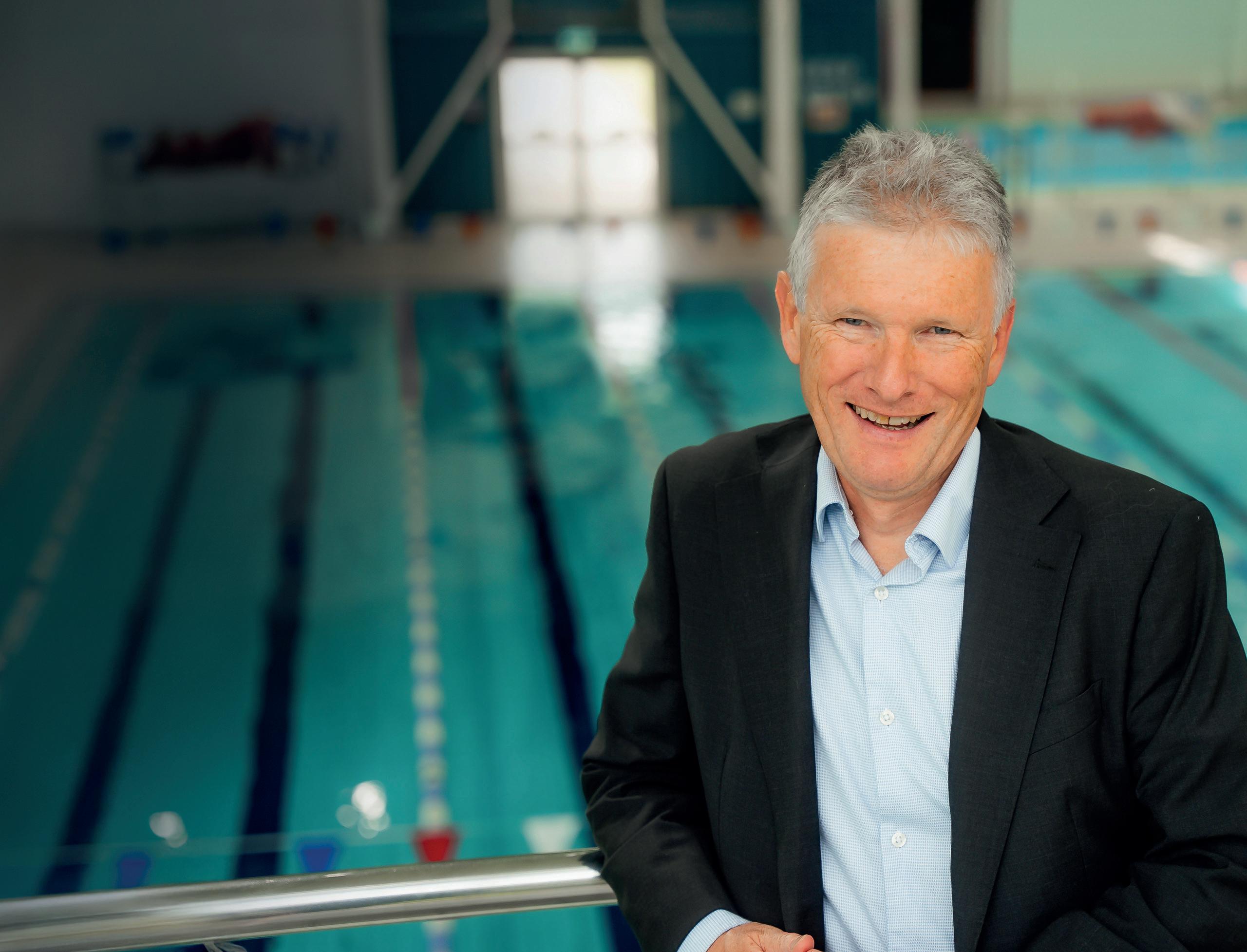
What’s the story of Freedom Leisure?
I was first inspired by the trust concept in 1995, when I went to a seminar run by Mark Sesnan who had just set up GLL. I came away convinced it offered a better way of managing local authority services by protecting them from some of the cost pressures and processes of direct council management.
It took us seven years for that idea to become a reality. In 2002, we formed Wealden Leisure Limited, trading as Freedom Leisure and on 1 April that year we began managing four leisure centres on behalf of Wealden District Council.
From the outset we recognised that in order to create economies of scale we needed to grow beyond a single district. In 2005 we secured our second contract in Hastings and we’ve continued to expand ever since.
Today we work with 30 local authority partners, operating 136 leisure centres across England and Wales and some cultural facilities as well. Our geographical spread runs from North Wales, through the Derbyshire Dales across to Great Yarmouth on the east coast. We remain strong in
the Kent and Sussex area, where we began, and operate as far west as Somerset and Dorset.
Our portfolio is mainly rural, although we do work in cities including Brighton and Hove. Each location presents different demographics and challenges. Some areas may appear affluent, but within them there are often significant pockets of deprivation and clear health and wellbeing needs.
Our mission is improving lives through leisure, and that genuinely defines our purpose. We have no shareholders and pay no dividends. Everything we do is about delivering services for our communities. There's nothing more motivating than visiting a centre and seeing our programmes in place, with participants excited to be taking part in physical activity.
Every partnership is about the priorities for that partnership. We have a mantra about being bespoke and local, we don't come in with a templated approach.
Councils are under significant financial pressure and so cost will always be a factor in procurement.

However, our partners care deeply about the outcomes for their communities. Decisions can’t be based purely on the lowest price. A community leisure service must consider who’s excluded by the private sector and who requires concessions or targeted programming to live a more active life.
Tackling inequalities is fundamental to what we do. Our concessionary schemes, extensive health programmes and long track record in supporting under-represented groups are central to our offer. In each area we look closely at diversity and inclusion priorities and develop initiatives that respond to local needs.
One example is our Strength in Mind programme, in Kent, which was a finalist at the UK Active awards last year. A group of Olympians volunteered their time to speak with 15- and 16-year-olds about mental health and the part that physical activity can play in giving them good outcomes.
We also offer Neurological Box Fit at Tandridge Leisure Centre in Surrey for people living with Parkinson’s, multiple sclerosis or the effects of stroke. Sessions focus on balance, strength and
We have a dedicated sustainability and environmental team driving both utility reduction and carbon reduction
We also offer Neurological Box Fit for people living with Parkinson’s, multiple sclerosis or the effects of stroke
flexibility, followed by an opportunity for social interaction over coffee. These programmes demonstrate how leisure centres can be hubs for both physical and social wellbeing.
Financial pressure is a constant challenge. Staffing costs continue to rise and increases in the national minimum wage have a significant impact across the sector. The energy crisis had an unprecedented effect on our business. When our three-year fixed gas and electricity contracts expired, costs effectively trebled overnight. Our annual utility
bill rose from £8m to £24m. We received valued support from local authority partners and central government, but there was an immediate need to implement mitigation measures.
That experience sharpened our focus on energy management, which is now core to our strategy. We’ve invested heavily in solar panels, air source and ground source heat pumps and pool covers. We’re also exploring innovative solutions, such as using server banks to heat pools, harnessing the heat generated by on-site data facilities. We have a dedicated sustainability and environmental team driving both utility reduction and carbon reduction, which is increasingly important to partners, customers and colleagues.
Although energy prices have fallen from their peak, they remain roughly double pre-crisis levels. Managing
those ongoing costs while maintaining affordability and inclusivity is a delicate balance. We’re determined that price should not become a barrier to participation. This is perhaps the challenge I feel most acutely.
When we began in Wealden in 2002 the service cost the council £1m per year. Today we pay the council. That transformation has been achieved through growth, innovation and continual reinvestment. However, local government reform may intensify pressure on discretionary services such as leisure and we will need to continue adapting.
Despite the challenges, the sector has proved resilient. There’s strong collaboration through Community Leisure UK, with trusts sharing knowledge and best practice. Health and wellbeing have never been higher on the national agenda and there’s significant opportunity for deeper partnership with the health service.
Are you making investments?
Investment remains a priority. As we mark our 25th year in Wealden we’re developing several exciting schemes that will be announced later this year.
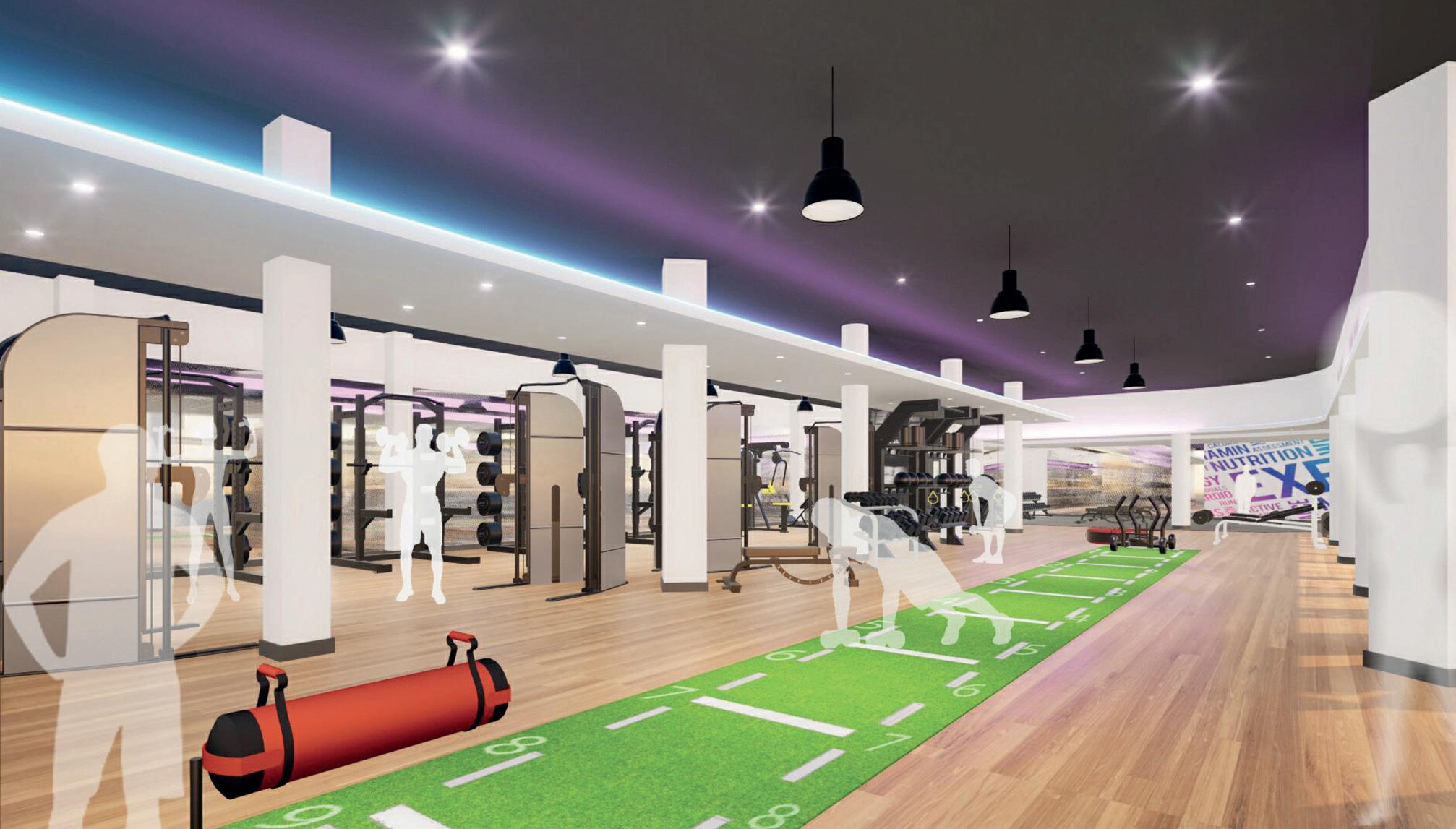
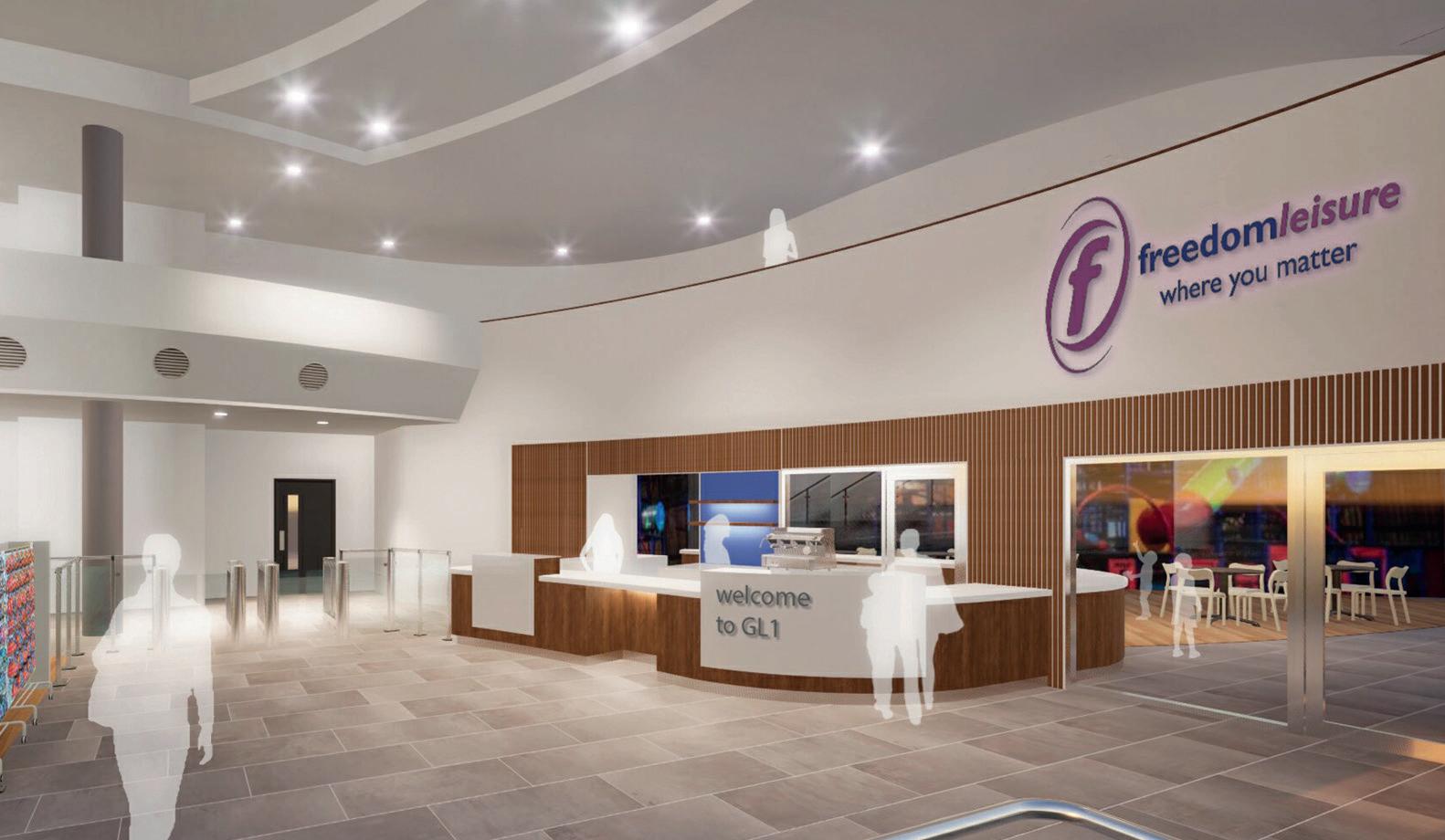
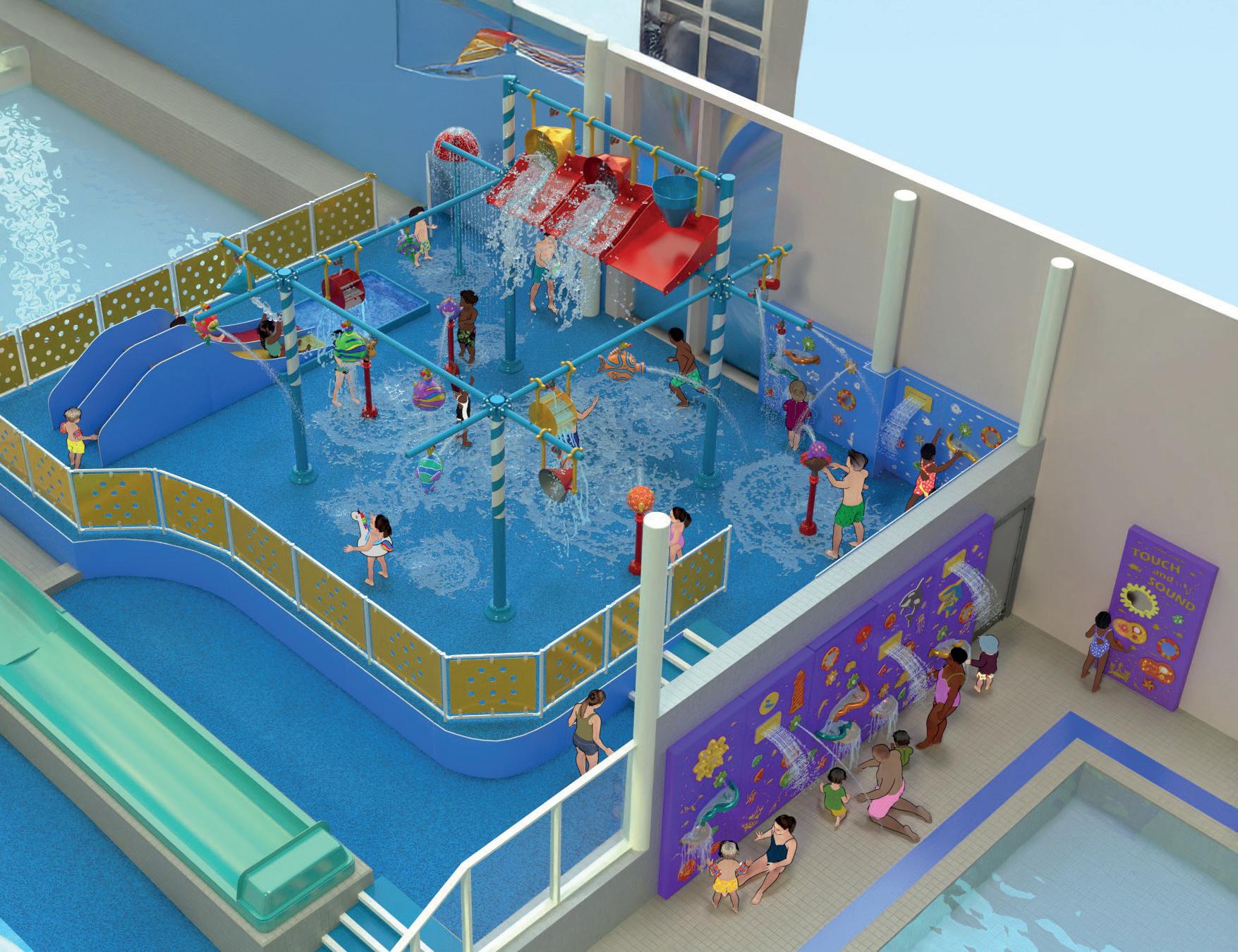
In Ashford we’re delivering a £2m project at Tenterden Leisure Centre, adding soft play, a new café and an upgraded reception area. In Gloucester a £6m redevelopment will significantly expand the
We’re determined that price should not become a barrier to participation. This is the challenge I feel most acutely
fitness facilities and introduce new children’s and family attractions including soft play, a climbing wall and interactive features within the swimming areas.
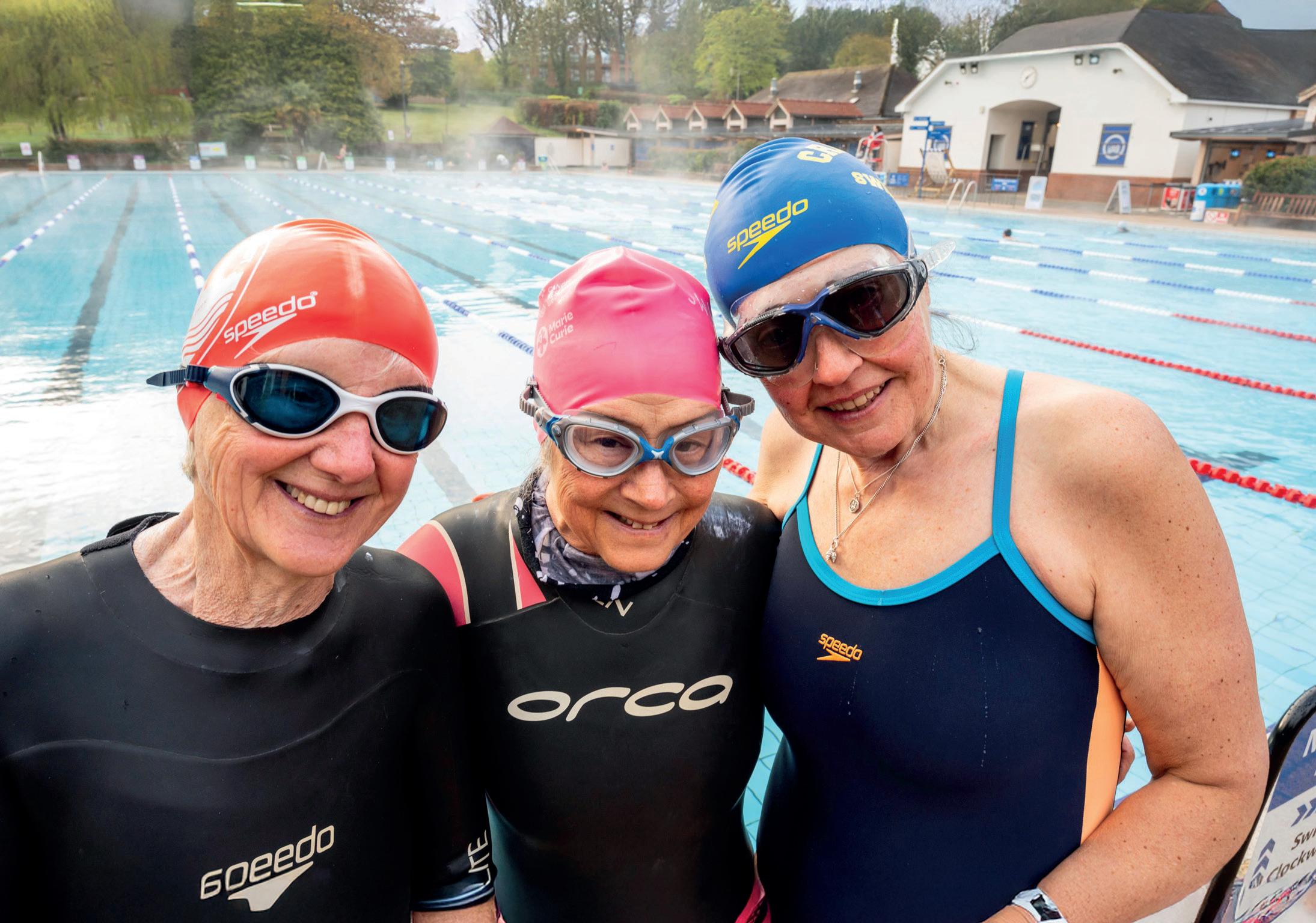
One of our most ambitious projects is a £10m scheme with Guildford Borough Council to modernise Guildford Spectrum and Guildford Lido. This winter we took the decision to keep the Lido open and heated all year round in response to demand for open water swimming and the response has been extremely positive. Next winter we’ll add a poolside sauna and ice baths, a Reformer Pilates studio and padel courts. The transformation will be substantial and we expect usage to grow even further as a result. l
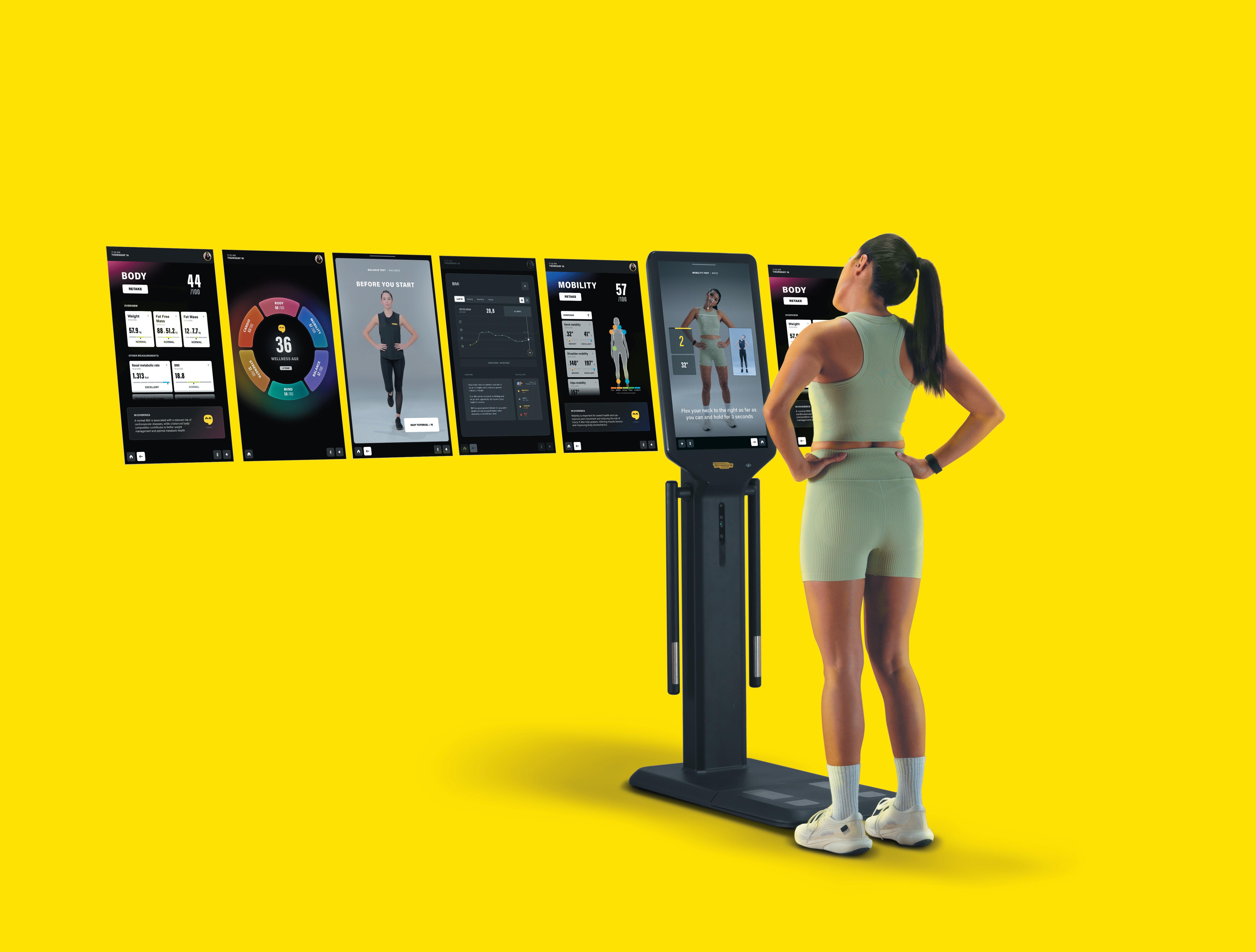
Technogym
PHYSICAL AND COGNITIVE ASSESSMENT:
MIND
MOBILITY
BALANCE
STRENGTH
CARDIO
I’m a pretty aggressive, fast-paced human being. I like to get after things very quickly, so I expect we’ll be pushing hard
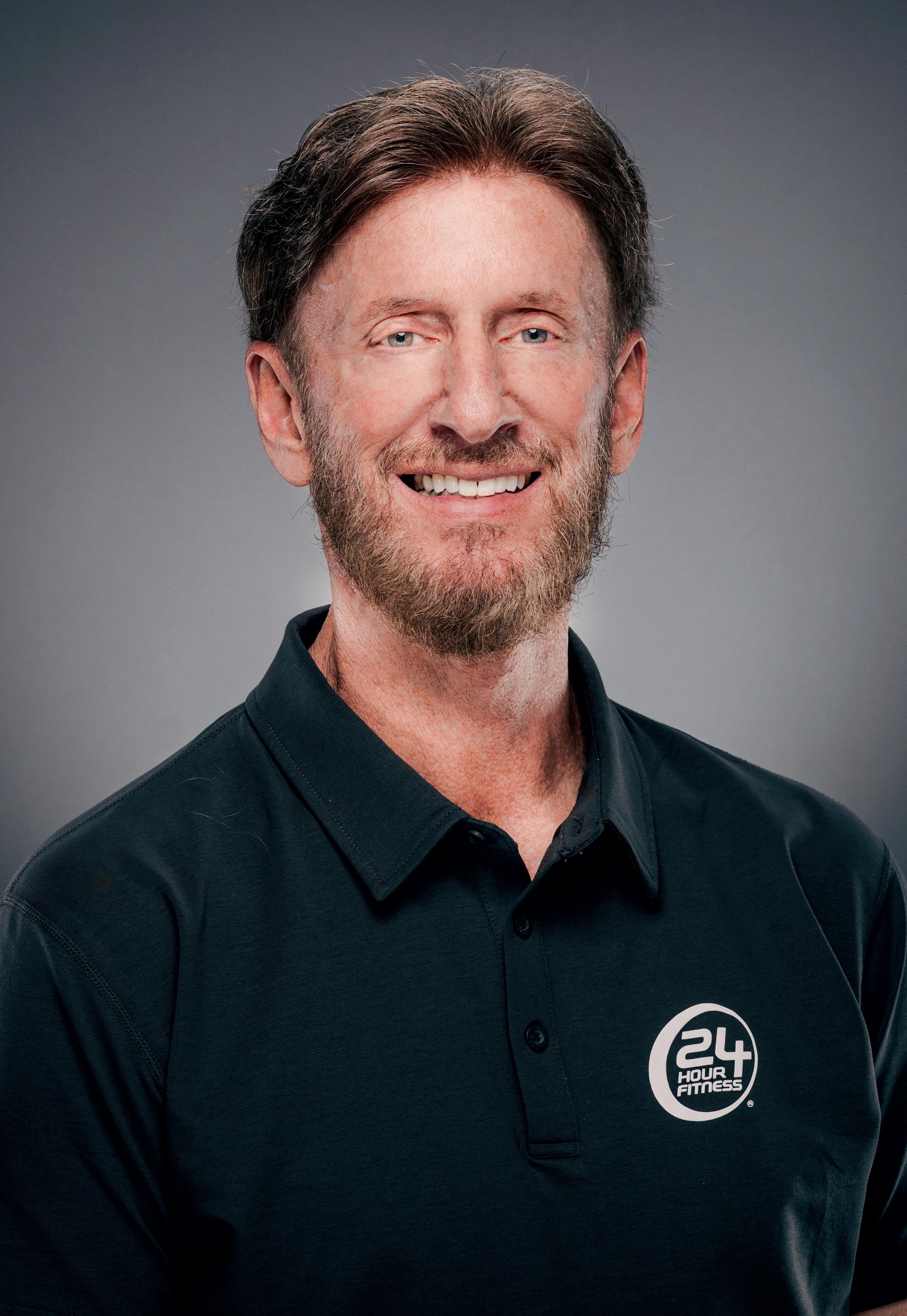
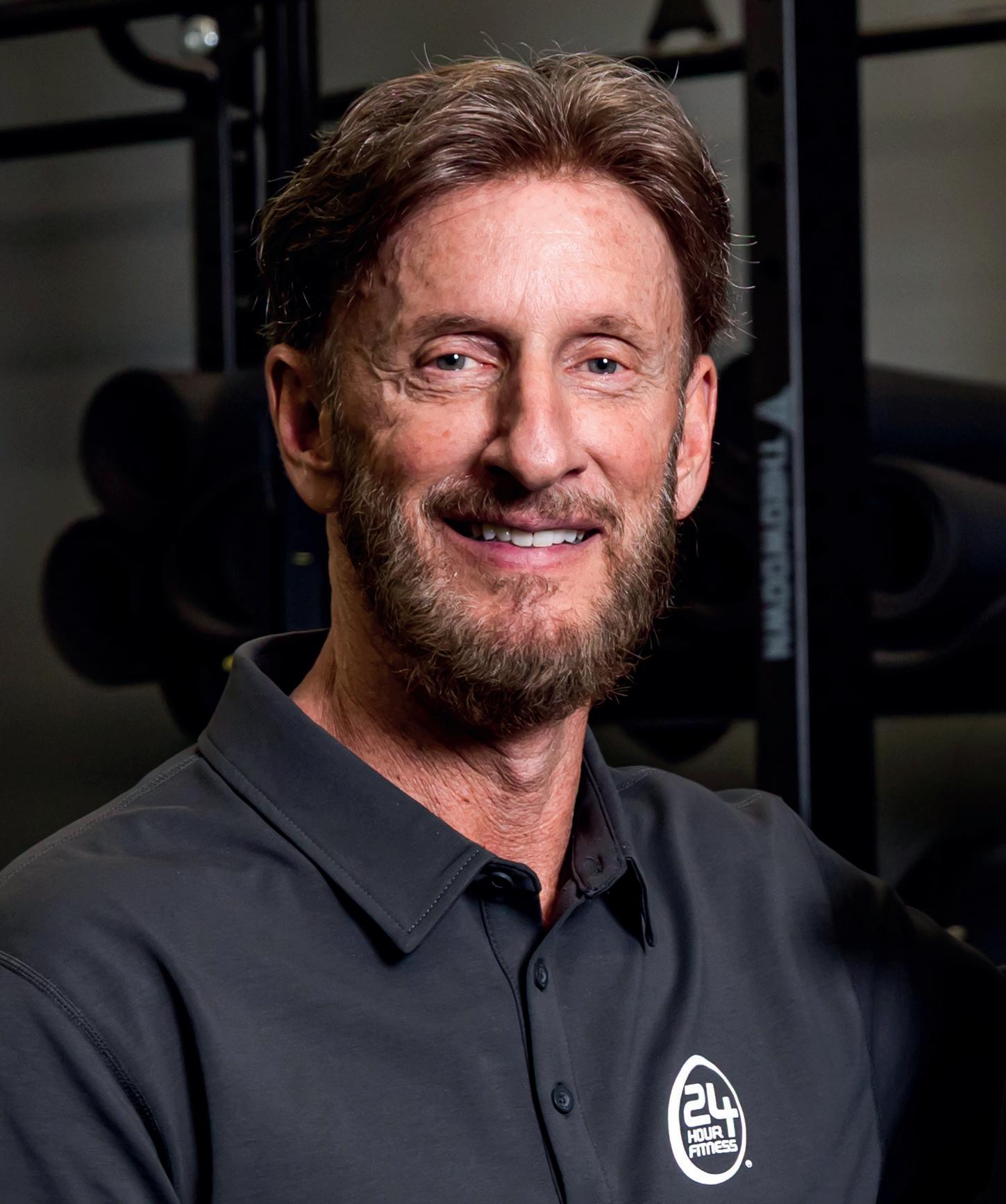
Mark Mastrov has invested in more health and fitness businesses than anyone else on the planet. Now he’s bought back 24 Hour Fitness, the company he started in 1983. He talks to Liz Terry
You've bought back 24 Hour Fitness. What’s taking up most of your time?
I love to get my hands around everything, getting out into the clubs, talking to the teams, going up and down the ladder in all areas.
I've got ideas for things I’d like to see us change, but I don’t want to make assumptions or decisions until I get a feel for everything. It’s like changing the tyres while the car is going around the race track. It's not easy.
So a time to assess and validate?
Absolutely. We're sitting on a really nice portfolio of clubs that are performing well and we just need to improve and enhance them and then infill around them a little.
I put together a plan, which I shared with the team when we got the deal done, so that’s in place and now I’m looking at any adjustments I
we need to make to the business. It’s turning out to be pretty close to my original assessment.
How is the industry doing in your view?
We’re enjoying a period of robust growth where ordinary people are gravitating to us, whether because of GLP-1s – where they need to do resistance training as they lose weight – or because younger people understand that longevity has to be built through health and fitness early on.
What's your take on the competition?
I’m excited by what other operators in the US are doing too. I love Crunch – I helped build that business and it’s doing extremely well. Obviously I admire Bahram Akradi at Lifetime and I also had stock in his company, which is exceptional. He’s crushing it.
24 Hour Fitness went through a tough time due to the bankruptcy. Karl Sanft went in as CEO and he's done a great job stabilising the business
There are so many cool brands out there growing well. Rich Drengberg at EOS and Amp Fitness, which is doing really good work, then you’ve got VASA in the Midwest. I’m excited to watch everybody grow.
We compete as friends. Some people look at competition differently. I look at it as everybody being my friend and all of us having room to do well. If we don’t do well in one market, it’s purely because we’re not executing.
Will you open more clubs?
The company hasn’t grown in quite some time, so we're actively looking at locations to lease. Opening a new club takes 12 months, so there won't be a lot of visible activity immediately, but it’ll keep us busy.
Talk me through the growth strategy. Will you cluster?
We’ll study the marketplace, see where the holes are and try to fill them. The company lost a number of locations during the pandemic, so we’ve got to get back into some markets we once served and fill back in. Then we have to look at new markets we’ve never serviced that fit well. We’ll formulate our plan over the next few months, then get after it, but nothing’s set in stone just yet.
What opening rate do you anticipate?
We’re already making offers – we’ll find good real estate and start to open some boxes. Maybe it’ll be one a month, then maybe two a month and eventually one a week. It’ll take some time to get there.
We're also looking at M&A. There's an opportunity to acquire and infill and grow. It isn't urgent right now – we're not in a hurry – but there are opportunities we’re looking at and people have approached us with portfolios.
What's the timeline for this?
I’m a pretty aggressive, fast-paced human being. I like to get after things very quickly, as I’m sure you know, so I expect we’ll be pushing pretty hard here. The whole team is the same way, and they’re excited. We want to keep the momentum going.
Might you buy back your old sites?
Most of them have been repurposed by other brands so I don’t think so.
What will you do to elevate the existing portfolio?
The company went through a tough time, due to the bankruptcy. Karl Sanft went in as CEO, which was a big move and he’s done a great job stabilising the business and returning it to profit.
He's also remodelled a number of clubs, but not all of them, so some still need to be updated.
We have to put capital back to work –we’ve started putting in new equipment and amenities and updating the clubs.
Tell us about the upgrades to date We've had a company doing the remodels. They’ve gone into a number of the clubs and followed a template, which is solid – I like it.
Once complete, they measured the performance in those clubs, looking at how well they operate post-remodel. So far they’ve got strong returns – the impact of the investment sees improvements in both attrition and reactivation, so the formula is working well already.
The full-service clubs are big at 40,000sq ft plus
Will you be enhancing the clubs?
Yes, we’ll add additional amenities, mostly around recovery, to enhance the member experience. This is the one area the team hasn't been able to invest in as aggressively as they wanted.
How will you accommodate recovery?
We have huge clubs – existing locations are 40,000sq ft and larger – so there's room.
Back in the day when Mike Feeney and I were growing the company, we had a philosophy that our clubs would be built to stand the test of time.
They’ve got a lot of square footage to move things around. We compartmentalised the clubs, with basketball, pools, group exercise studios, kids’ clubs and so on.
As I walk back into these clubs, they're exactly the way they looked when we built them 20 years ago. The locker rooms, lockers and flooring have all held up and now it’s basically about replacing, refreshing and improving.
Kids’ clubs have faded in some locations as fewer parents bring their kids, so some clubs have removed them. Ultimately, there’s a lot of space inside every club and we can bring in new and fresh ideas and amenities that make the member base excited.
When it comes to equipment, we listen to our members – what are they looking for? What do they enjoy?
A programme of new openings is planned, to rebuild the portfolio
Will you add Pilates?
Yes, we plan to. There are a lot of Pilates studios around, so while consumers may want to come into the gym and take Pilates, they also want the full boutique experience.
There are some great companies out there, such as Solidcore, that are crushing it with a very difficult workout that attracts young people. So I think there’s space in gyms for us to do Pilates, but I also think there’s space for the boutiques and I really like the boutiques, so we'll have to think that through.
What else will you be investing in?
We’re going to be buying a ton of equipment. I know the industry is going to be excited, because we’ll be spending a lot of money with the distributors that are all lining up.
Do you favour any one supplier?
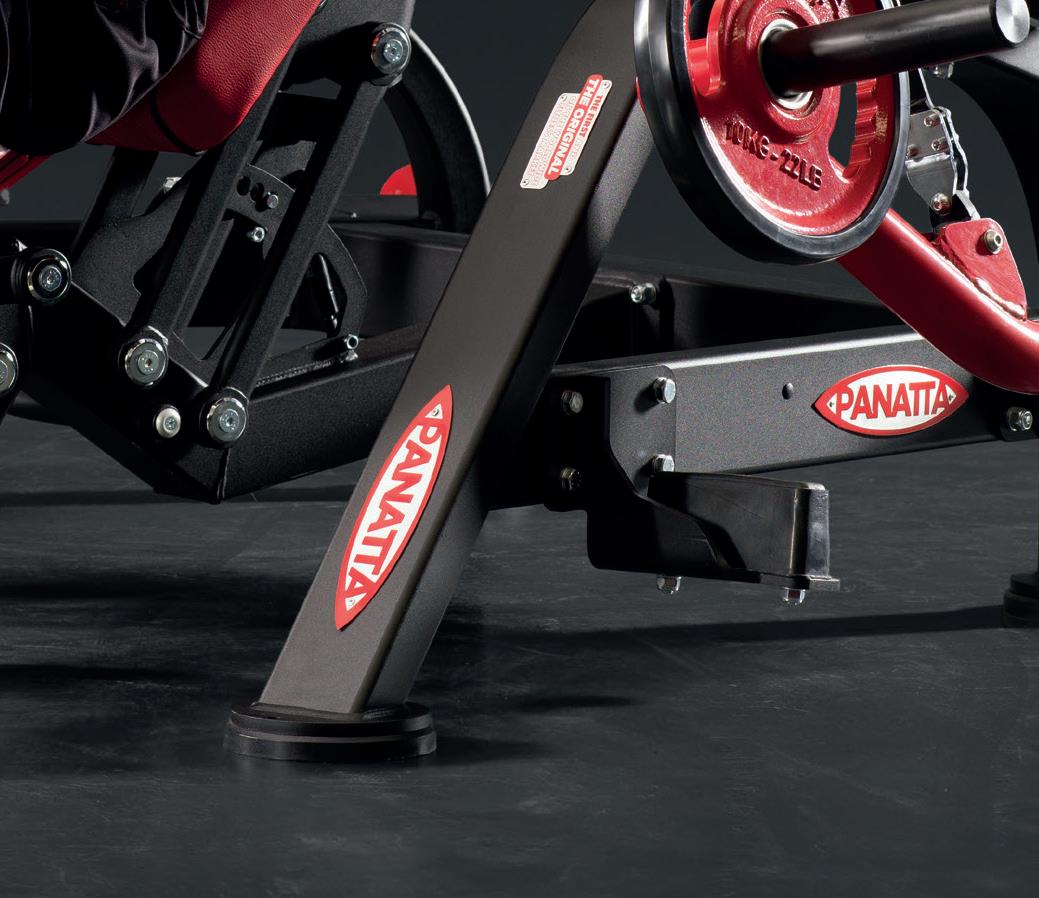
No, I love everybody and there’s so much cool equipment right now all over the globe. I’ve been a Michael Bruno guy for years with Core. I also love the Johnson Fitness Matrix guys, as well as Panatta and Gym80. I like the Skelcore range. We work with everybody and don’t favour anyone, We get the best products at the best price, with the best warranty, then we put it to work,
maintain it and service it well. We also listen to our members. What are they looking for? What do they enjoy? And we get after that.
Will new clubs be on the same scale?
It depends what we find in terms of real estate. It’s hard to find big spaces – you’re talking about higher rent and build costs – it’s not cheap any more. It’s also getting more costly with tariffs and everything else that’s going on in the world.
What are the timescales?
We have to figure out exactly what the model looks like in different locations – what people want in Denver is different from San Diego. I think in the next 24 months we’ll pretty much have all the remodels done. We’ll then reinvest every five to seven years.
What else is needed to fill out the offering?
When I ran the company back in the day, we had a strong ancillary programme – personal training, nutrition, drinks, foodservice, retail and so on. That area has reduced from what I’m used to seeing. So we’ll reinvigorate that to give members more options and improve retention and reduce attrition as we go forward.
Is your pricing optimal?
Our pricing is solid. We’re not planning to reduce prices – we're more likely to increase them.
We’ll continue to enhance our amenities and provide greater value, so members are willing to spend a little more.
If someone is going to a club which has 10,000 to 15,000 members doing 2,000 to 3,000 workouts a day and it’s hard to get on equipment, I think they'll be prepared to pay a little more when they see our clubs – where we have bigger spaces and more amenities.
People today are rarely members of just one club. They might use 24 Hour Fitness to play basketball, go to another club to lift weights and go to UFC Gym to do Brazilian Jiujitsu. They belong to multiple locations because it’s not super-expensive. Often they're paying less than US$1 a day for access to a facility.
How are you financing your deals?
We’re structured well and very conservatively, which is how I like it.
We put a bunch of cash on the balance sheet and we’ve got excess cashflow from
profitability each year, so we’ve got plenty of firepower, as well as more borrowing power.
We didn’t leverage the company very highly, but put in a lot of equity, so we have a low level of debt.
We’ll take our time to grow and do the right things. We’ll put money back into our business. We’re not going to put it in our pockets. I don’t like taking dividends – I put it back to work. Long Range Capital is our partner and the team there is excited about the journey we’re embarking on. We’ll do the right thing by the company and by the industry. I think we’ll be a good, fair competitor in our marketplaces and we’ll complement everybody out there.
What are the plans for globalisation?
I’ve personally built and developed in close to 60 countries, so I’ve got pretty good international experience and connections. We just have to decide when we want to get there.
It’s not something we’re going to tackle today, it’s a little further down the road, but if a phone call comes in and a deal sounds interesting, we’ll listen.
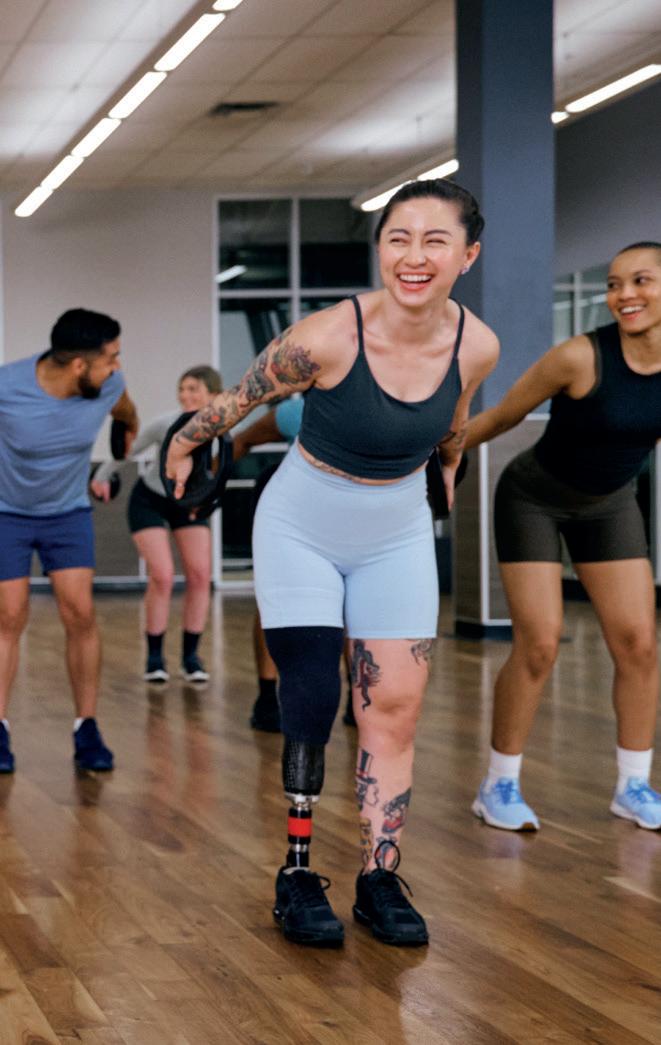
Will you build or acquire globally?
Globally it will be more about M&A activity, because markets need to be led by people who live and operate there and know the marketplace.
It’s tough to pop in from the US and start to build without knowing what’s going on, so if you can find good partners and get behind them and help them with systems and things we do well in the US that they’re not yet strong at, then we'd have a win-win situation.
What type of businesses would fit the portfolio?
It depends on the market. As an example, we developed SATS in the Nordic region by buying some clubs in Sweden, partnering with Bjørn Johansen and Vegard Liven and acquiring SATS. Over three years we grew it to 165 owned and franchised locations in the Nordic region and eventually sold it to Nordic Capital.
But the clubs in those markets were smaller, generally 15,000sq ft to 25,000sq ft, so not suitable for 24 Hour Fitness. Only occasionally would you find a bigger box, so the long answer is that it depends on the marketplace.
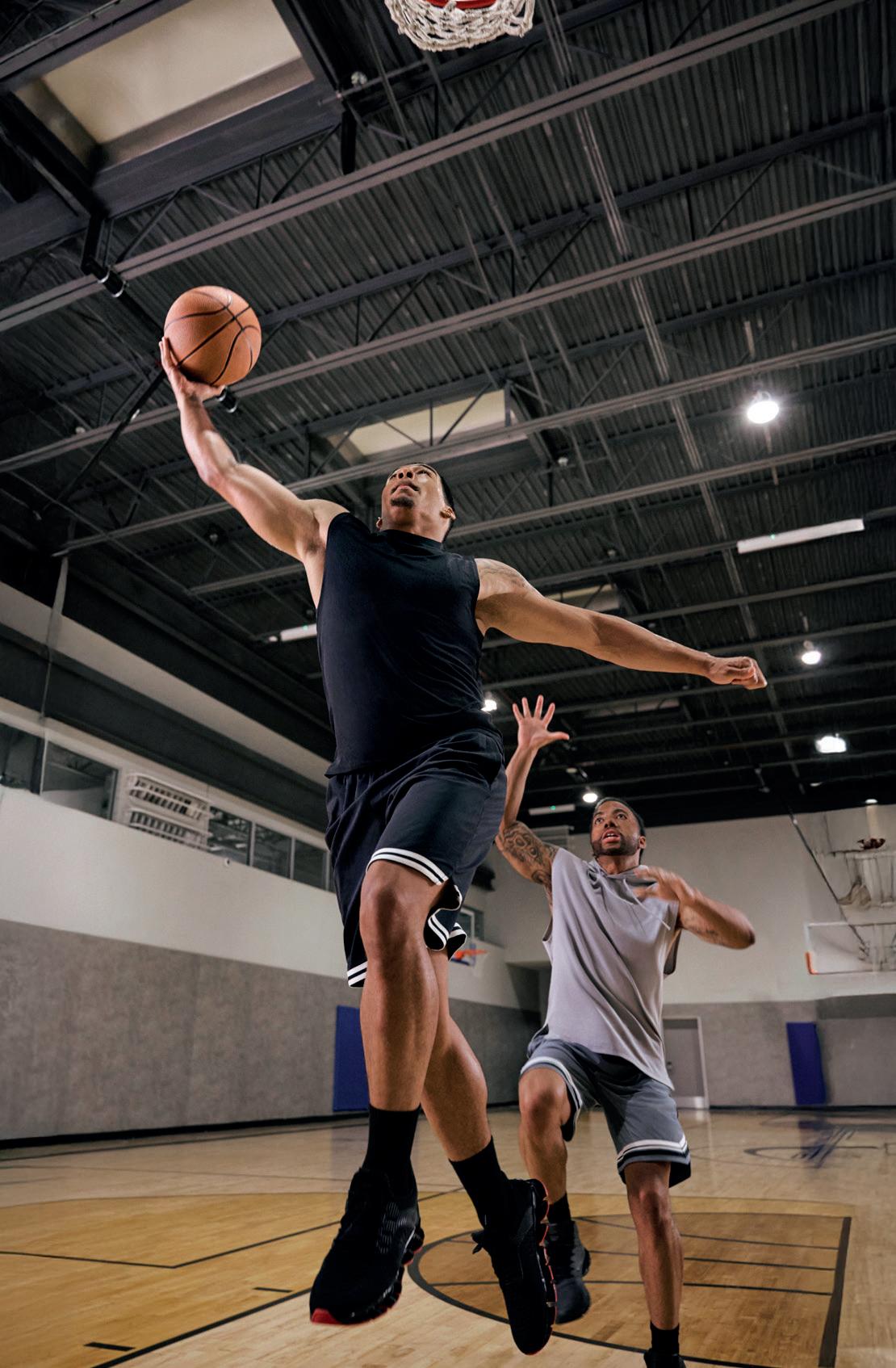
I've built and developed in close to 60 countries and if a deal sounds interesting, we'll listen
Every market has to be built based on rents, infrastructure costs, power and so on. Once you build your model in an overseas market, you start to understand it, which is why I say you have to have local people who know the markets well, because there are so many things you have to navigate.
You’re discreet about your investments... We’ve built clubs all over the world on just about every continent, but I keep it quiet unless the brand in question wants something said.
A lot of the time I’m a capital partner, backing a management team I really love. It depends on the situation, as each market is a little different. Take Australia as an example. We’ve been working there for a long time with partners Selena and Lusiano Afeaki who've done phenomenal work growing Crunch Fitness. They’re great leaders and I enjoy working with them.
What are your other immediate priorities?
The next step is staffing. After the bankruptcy, staffing levels were reduced to maintain the cost structure and we’ve been more focused on what we can do versus what we could do. We're going to get staffing levels up and reward the team in different ways to motivate them to excel – as we have in our other businesses.
Ray Wilson always said that if he put his best team in his worst club, it became his best club the next day
Some operators are reducing staffing levels...
If you look at the HVLP market the model works because you don’t need as many staff. The price points work, people join pretty easily and the clubs are smaller on average. That's the formula.
If you get into the mid-market and want to upgrade and bring your pricing up, you’ve got to give more service. People expect it.
We want to take care of our members and we want our staff to be excited by their work and by the standards we set as a company.
As Ray Wilson, one of the legends of this industry, used to say: it’s never the location, it’s always the team. His philosophy was that if he put his best team in his worst club, it became his best club the next day.
We’ve always found that to be right. We can take an underperforming club, put in a phenomenal team and turn it around. So pay your people well, motivate them well, execute properly and create loyalty and you’ll have something special in your secret sauce.
Where do your pay scales sit?
If you’re looking at HVLP, we’re equal to or greater than. If you’re looking at the midmarket, we’re probably less than. Looking at the high-end market, we’re probably less than.
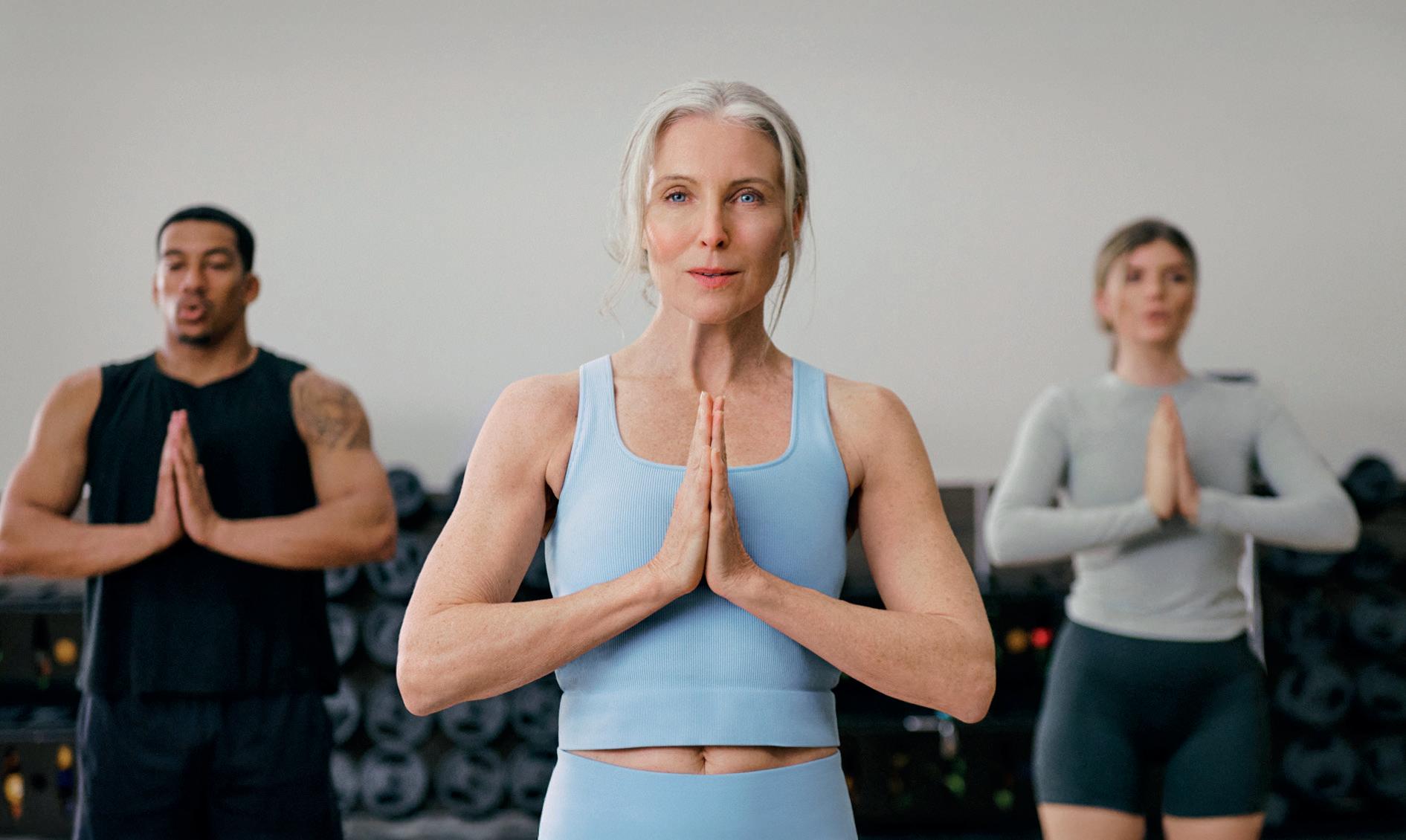
Yoga is available in-club and also on the 24GO app for home use

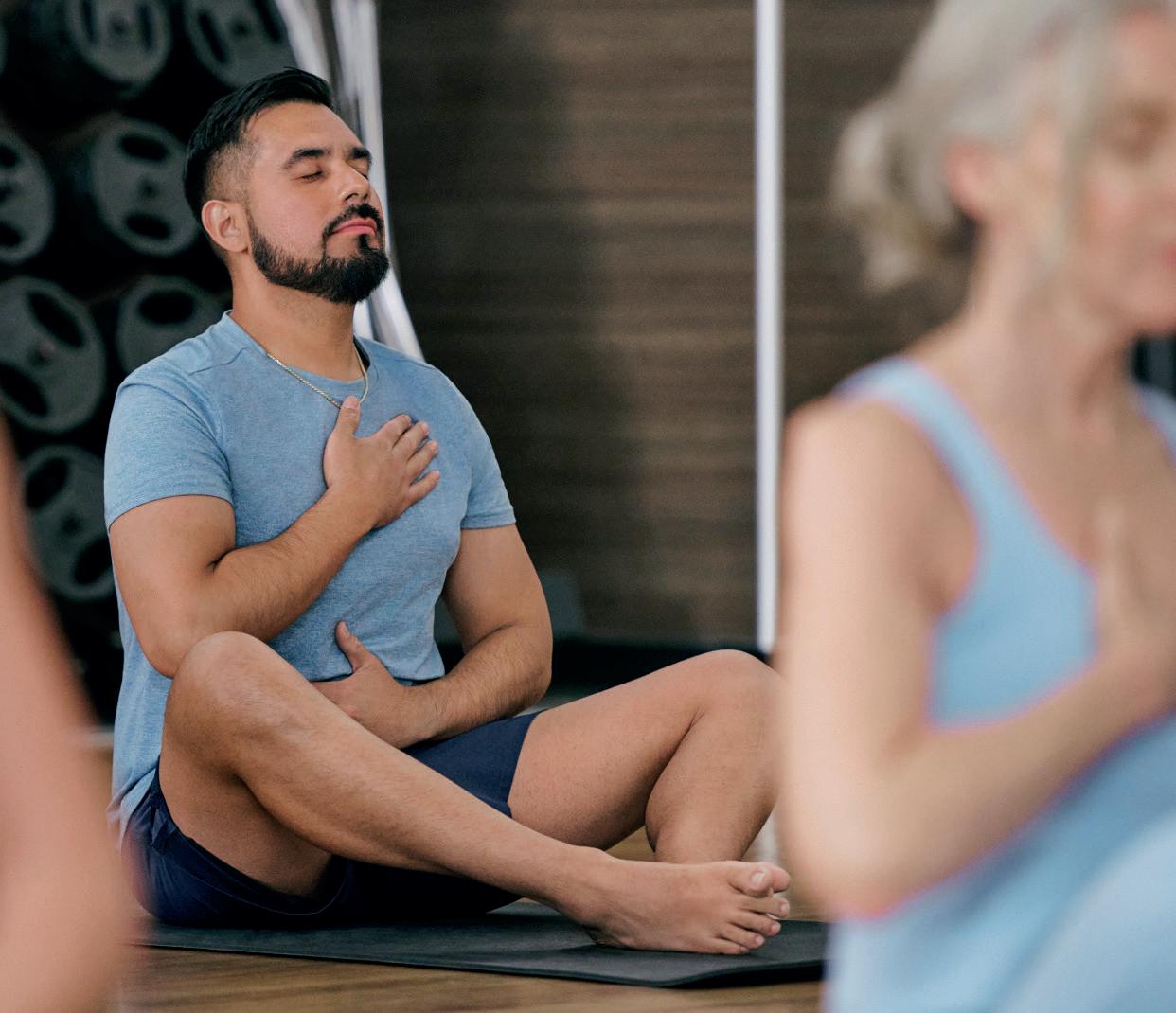
What can people earn in the fitness industry in the US?
The major operators are probably paying US$175,000 to US$225,000 a year, because their managers run very big, challenging businesses, so they have to be pretty sharp at what they do.
Step back down into the regular gym space and – depending on the incentive programmes – somewhere between US$125,000 and US$175,000 is probably what people are looking to make. Then in the lower segment, it’s around US$75,000.
Turning to the tech, what are the plans?
I started off in this industry as a PT and when I first became a gym manager, I spent the first couple of years helping build a software program.
I’ve been involved in enough software and IT developments over my career, in countries all over the world, to have a pretty good feel for it.
I’ve got my finger on the pulse and I think we’re going to be able to do some really cool stuff.

Our IT team at 24 Hour Fitness is really strong, with a great leader. Our platform is owned by us, it’s not third-party, so it has a lot of flexibility and gives us room to improve what we do.
I’m all about simplification. I want the system to be easy to use, for compensation packages to be easy to see and understand and easy to administer through payroll. So we have to get all that into alignment.
The industry is well served by third-party software groups that help clubs perform, but I like the fact we own our own and can develop it, move quickly and make changes as needed.
How about customer-facing tech?
24 Hour Fitness has a fantastic interface with its app and web platform. It’s easy to join, easy to learn and easy to find things, so the technology is really strong. The team has done great work from a member-experience standpoint.
If members need an answer and want to go online – whether it’s to find information on their
membership, whether they missed a payment, for example, or they're leaving town and want to cancel – we make it as easy as possible. Consumers don’t have a lot of time. We’ve got everything on the app they want: exercise programmes, group exercise, classes, everything.
Are you integrating AI into your consumer-facing tech?
It’s coming. Everybody’s trying to figure out how to use it to enhance the customer experience, but I don’t think there’s a distinct answer yet.
On the marketing side it’s being used by thirdparty marketing groups and media buyers to navigate the ever-growing challenge of getting the attention of consumers – some of these challenges are law-related, as texting and email legislation is making it harder to contact people.
I think AI will come into play and enhance these capabilities, but it’s very early days.
Which human touchpoints do you think are most meaningful for members?
A lot is delivered via PT on the gym floor and by talking and interacting with members. Some want to sit and chat. Some just want to get in and out. Some don’t want anyone bothering them. They just want to put their
headphones in and get on with their workout. Some want loud music. You have to adjust.
When I ran a club, I felt as though I had to be the 'mayor', so I'd spend a lot of time stopping, talking to members and getting known and building up great relationships with my members.
That’s what I want us to get back to. I still want people to be able to come in and get out, but we also want them to get to know us a little and feel as though this is home.
As we’ve always said, fitness is the third place. You’ve got home, work and the gym. Howard Schultz would say it's Starbucks, but I’d say not any more, these days the third place is fitness. People come to the gym before Starbucks.
The better we know our members, and the better the interaction with our staff and team, the more we'll thrive
There are so many things in our industry that make it cool and make us a hub in the community for those who operate well.
People want to go to a place where they're comfortable, so it has to be well maintained, clean and serviced. There must be people who engage with you, if you’re open to that – saying hello, hanging out for a second or two.
There are so many levers you can pull to engage with your audience, from equipment to great classes that are pumping out energy. You have to understand what people are looking for.
If you look at the younger market, for example, they want what’s new and price may be an issue, so they might go to Crunch, Planet or EOS because they can get in for US$10 to US$20 a month, but then when they get to the stage that they want to move to a club with better amenities, that will come down to if your offering is a fit for them.
Our view is that fitness is for all, so we welcome everybody, with a focus on community.
What’s your own workout routine?
I do 45 minutes of cardio and full-body strength a couple of times a week and then split training the rest of the week. It’s old school: chest and arms one day, legs and glutes another.
I’ll play golf, pickleball, tennis, padel, basketball. I’m active with whoever I’m with. My wife loves to run and we’re out for a three- or four-mile walk every morning.
I’m active five to six days a week, sometimes seven, to get my engine started. I’m always exercising, just trying to stay lean, healthy and fit. l
I think we’ll be a good, fair competitor in our marketplaces and we’ll complement everybody out there
The Technogym equipment has become one of the club’s key commercial drivers
New launch, Salus House, elevates boutique wellness with high service levels and a partnership with Technogym
Offering advanced training, recovery experiences and a strong community, Salus House is a premium facility centred around exceptional member experience.
The inspiration for Salus House came from watching global wellness trends emerge in destinations like Australia and Bali and studying the hospitality-forward approach of London wellness icons.
“I’ve always kept an eye on the spaces that get member experience right,” says founder Louie Langley. “I felt there was a gap in the market outside London for a wellness-meets-members’club experience that was premium and personal.”
Salus House was designed to blend boutique fitness, wellness facilities and members’ club culture under one roof. Langley wanted to bring that same
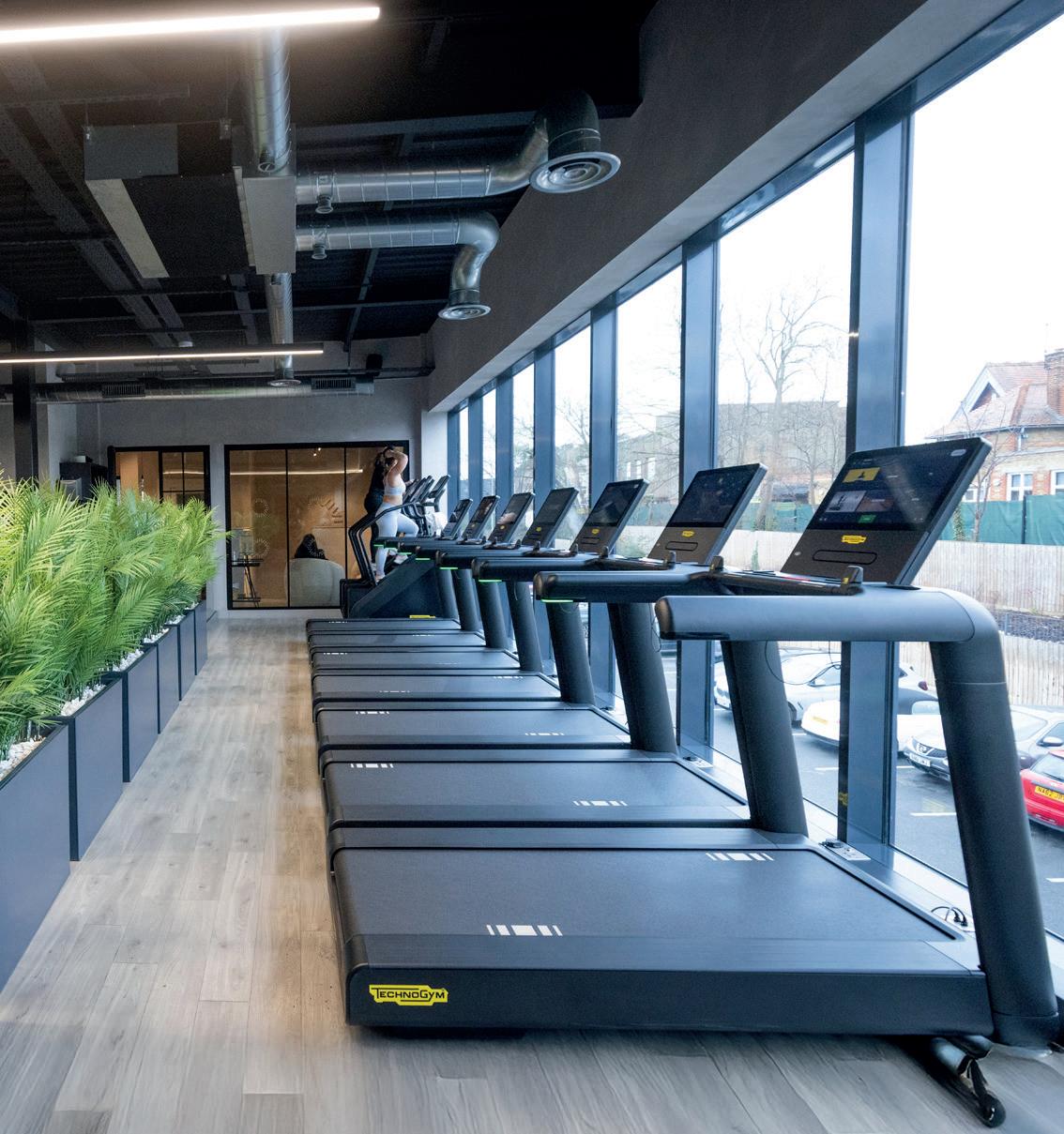
standard to Sidcup, with a focus on hospitality, sensory detail and with a level of care that makes every visit feel elevated, personal, and memorable.
Alongside a Technogym-equipped gym and hybrid training room, Salus House offers reformer Pilates, yoga, mat Pilates, functional training, sound baths, sauna, steam and ice baths, a run club and community events. The club offers one premium experience at one price with no tiers and no differences in status.
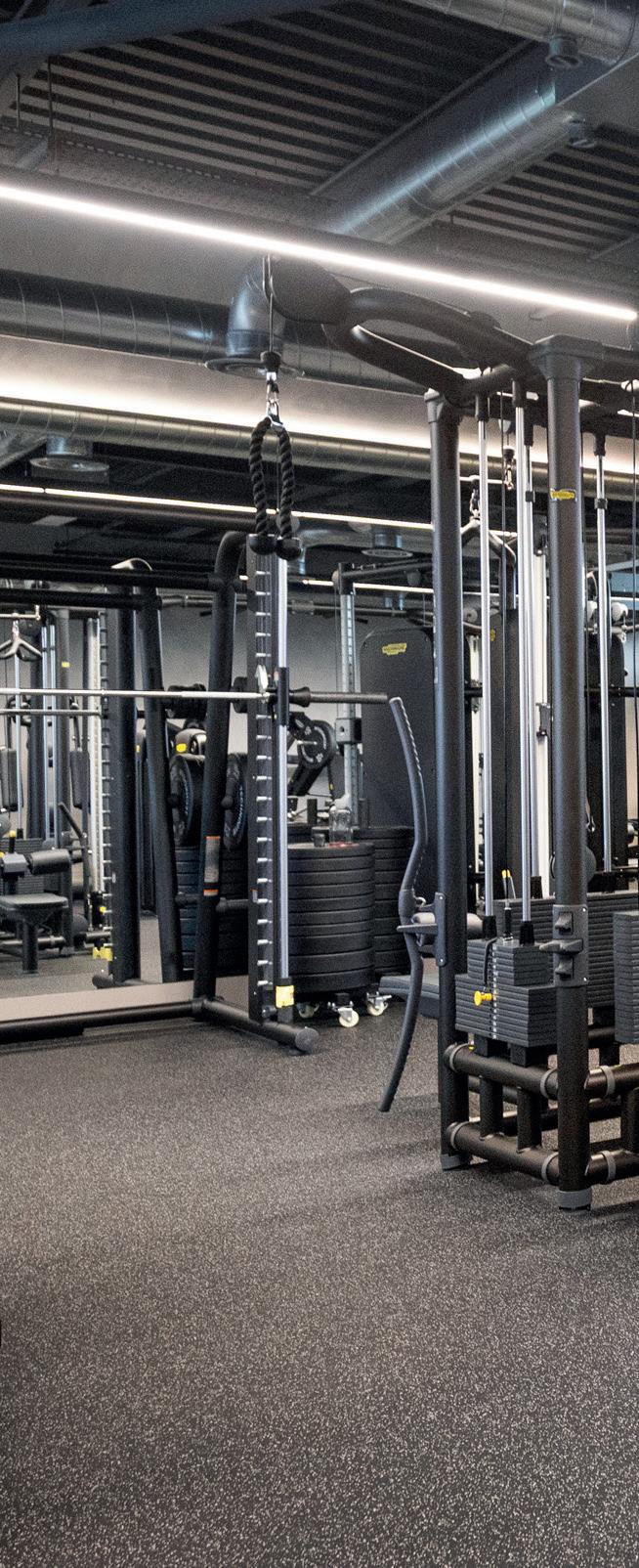
Premium wellness with strong community Membership of the 6,000sq ft space is intentionally capped to maintain experience quality, and within two months of opening, Salus House is already close to capacity, with 98 per cent of members actively engaged with the club.
By focusing on depth of experience rather than volume of members, Salus House creates an environment where people feel part of something meaningful. This philosophy guides everything from the physical spaces and professional partnerships, to the community events.
For Langley, choosing Technogym was a strategic move to elevate the space visually and functionally, offering a familiar, premium brand and helping deliver a membership experience comparable to big-city boutiques.
“Wherever you go around the world, the best gyms and hotels have Technogym,” Langley says. “If you want to compete with the best, you have to have the best. I wasn’t going to settle for anything else.”
For Langley, Technogym represents design, performance, durability and aesthetic excellence
Salus House is a blueprint for a new collection of premium, wellnessled member clubs
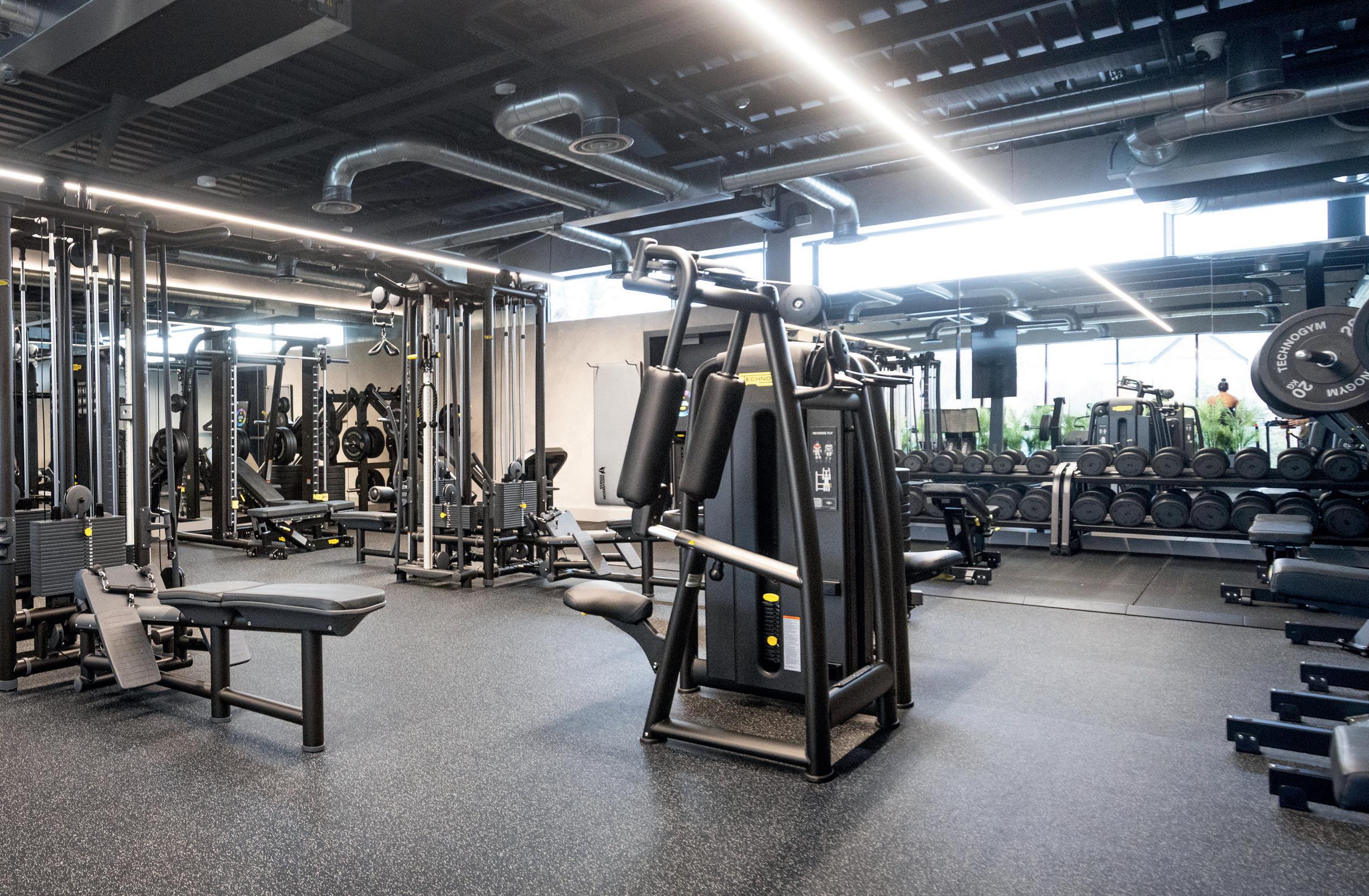
– elements that are all essential to creating the premium look and feel at Salus House. The team promoted the Technogym partnership during pre-launch marketing and the collaboration has become a key part of the identity of Salus House.
Technogym supported the planning of the main gym and the hybrid training room, advising on the ideal selection of cardio and strength solutions based on Langley’s programming vision, which includes functional circuits, signature Skillrun sessions, hybrid training and running classes.
Equipment to enhance the member experience

We’ll continue to lean on Technogym’s expertise to shape what Salus House can become
Technogym Pure, Selection and Excite were chosen to deliver the performance and visual impact Langley wanted for the space.
The gym’s strength area features Technogym Pure plate-loaded equipment, a premium and ergonomic choice that’s proving popular with all members. The Instagrammable black-and-steel aesthetic supports Salus House’s boutique design language.
Louie Langley
Technogym Skillrun is a standout success, offering speed, power and resistance modes that elevate group classes and individual training sessions. Salus House has six Skillrun treadmills to support its signature classes and hybrid training inspired sessions.
Technogym’s Excite cardio line completes the experience, bringing immersive, content-rich
workouts into the space. The combination of Pure, Selection, Excite, and Skillrun allows Salus House to maintain a strong, design-led identity that attracts members. The Technogym equipment has become one of the club’s key commercial drivers, impressing prospective members and playing a tangible role in membership conversions.
The team also uses the Technogym App, co-branded content and marketing assets from Technogym to elevate the member journey and support the club’s digital communications.
Salus House is Langley’s blueprint for a new collection of premium, wellness-led member clubs outside the capital. He and his partners have plans for more locations, with larger sites to include even more Technogym solutions, including advanced digital tools, Technogym Checkup and Biostrength.
“The Technogym team have become like colleagues,” says Langley, “they’re supportive, proactive, and so easy to work with. As we grow, we’ll continue to lean on their expertise to shape what Salus House can become.” l l More: www.technogym.com
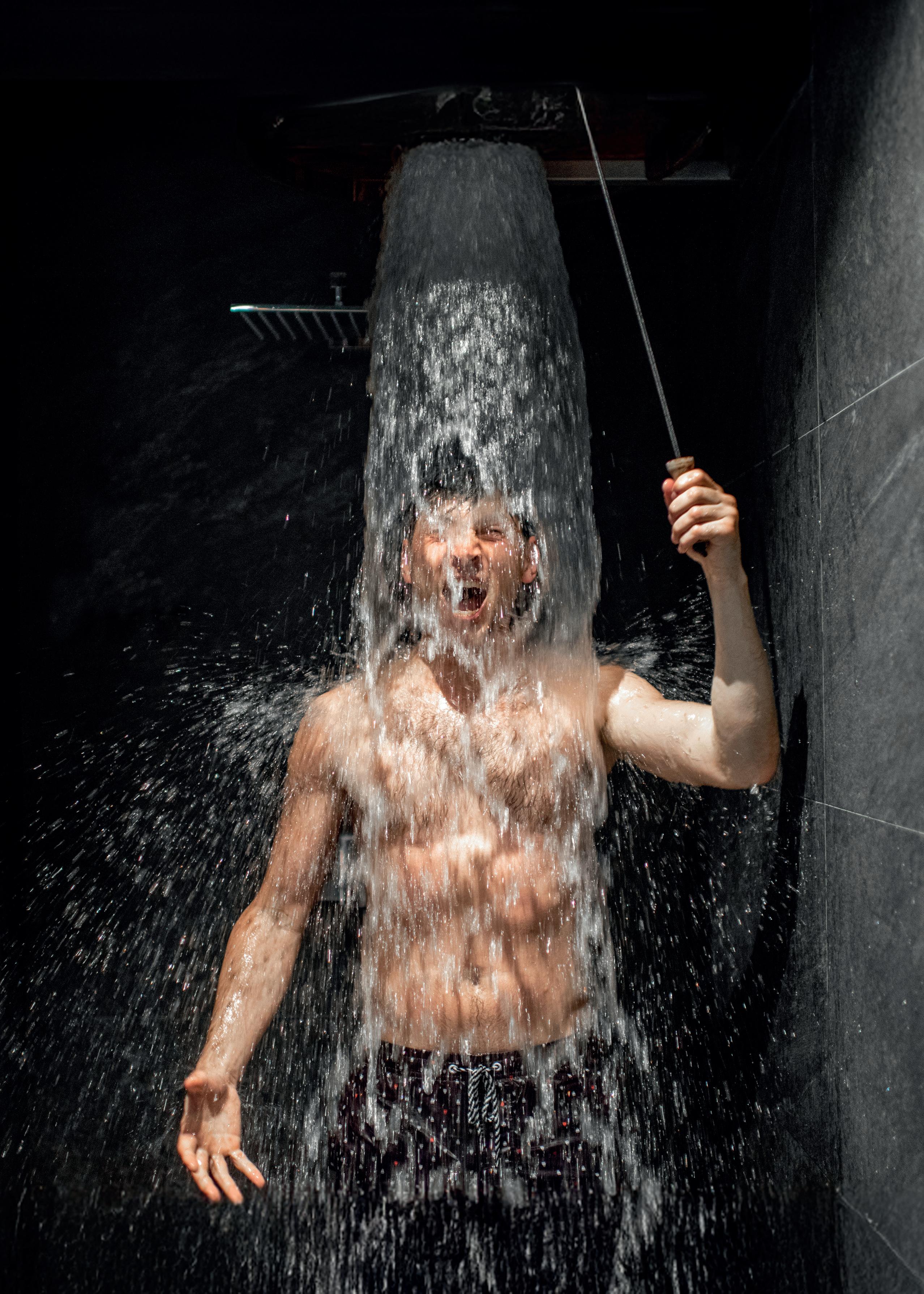
Gains are made in recovery and more training doesn’t necessarily mean better results. Kath Hudson asks what’s happening in elite sport that could be brought to the gym floor

Co Founder Pillar Wellbeing



Gyms are already using a lot of the techniques that we see in elite sport, such as hot and cold therapy, percussion and compression. However, one modality I expect to see more of in mainstream health clubs is the use of hyperbarics.



Breathing 96-97 per cent oxygen in a pressurised environment is increasingly being used to reduce inflammation and accelerate recovery. We’ve seen hyperbarics move out of the scuba diving community – where it’s a way of helping someone recover from accelerated return to surface where they’d get the bends – to being used in advanced head injury clinics, to being used in bone and wound healing and with ever more intelligent soft shell units at a lower price point, there’s now an opportunity for mainstream gyms.
The single biggest



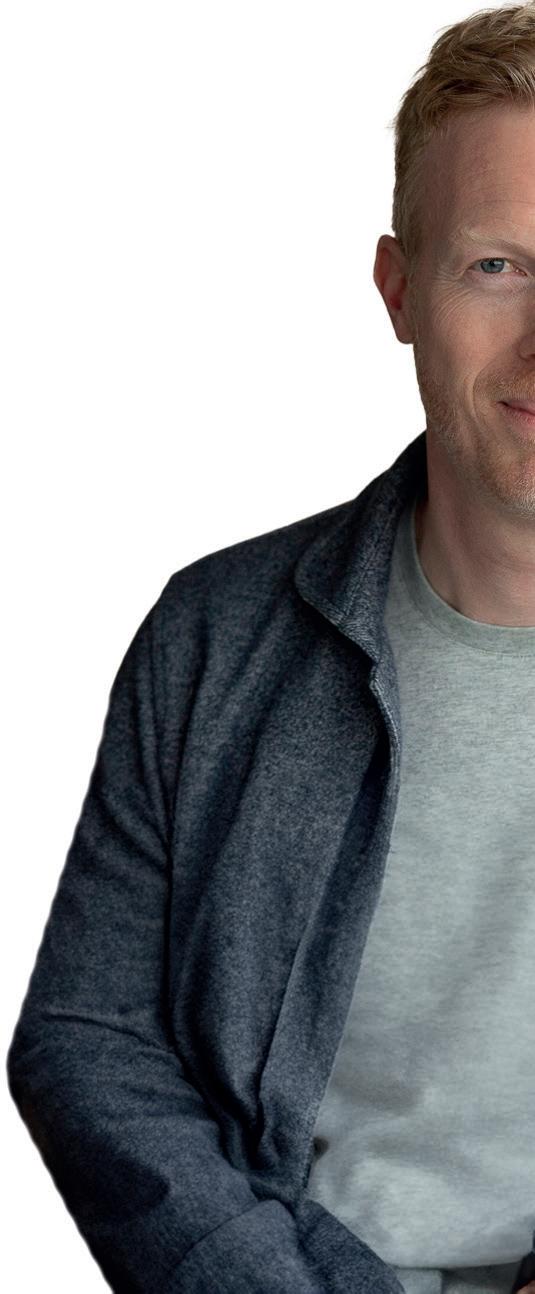
One modality I expect to see more of in mainstream health clubs is the use of hyperbarics




opportunity to recover is sleep and gyms can support this, either with services, such as sleep coaching and sleep optimisation programmes, or products, such as eye masks, magnesium supplementation and aromatherapy oils, for example.






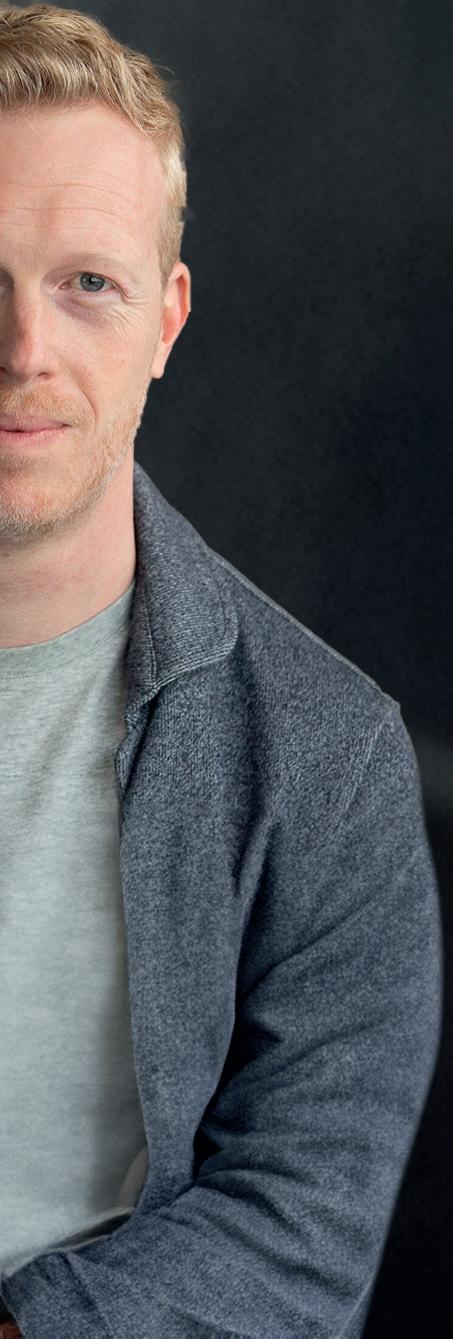
Red light therapy and infrared sauna will continue to grow in popularity as recovery modalities. They offer a more accessible thermal experience to engage people who’ve historically not enjoyed the sheer dry heat of the sauna at 80 degrees plus.
If I was going to a modern health club that looked like an elite performance centre, it might have a hyperbaric chamber, an infrared sauna, compression and percussion and it would be educating me on sleep, with products that encourage the behaviours we know sit at the bedrock of good, physical recovery.
The most effective recovery strategies are embedded in the session design

Research Fellow AUT University
Recovery is both a performance tool and a business strategy.
For gym members, the benefits of good recovery are tangible – more consistent attendance, better session-to-session performance, improved sleep and better mood regulation. For a health club operator, recovery is a retention lever. Members are far more likely to stay with a facility when they consistently feel energised rather than chronically drained.
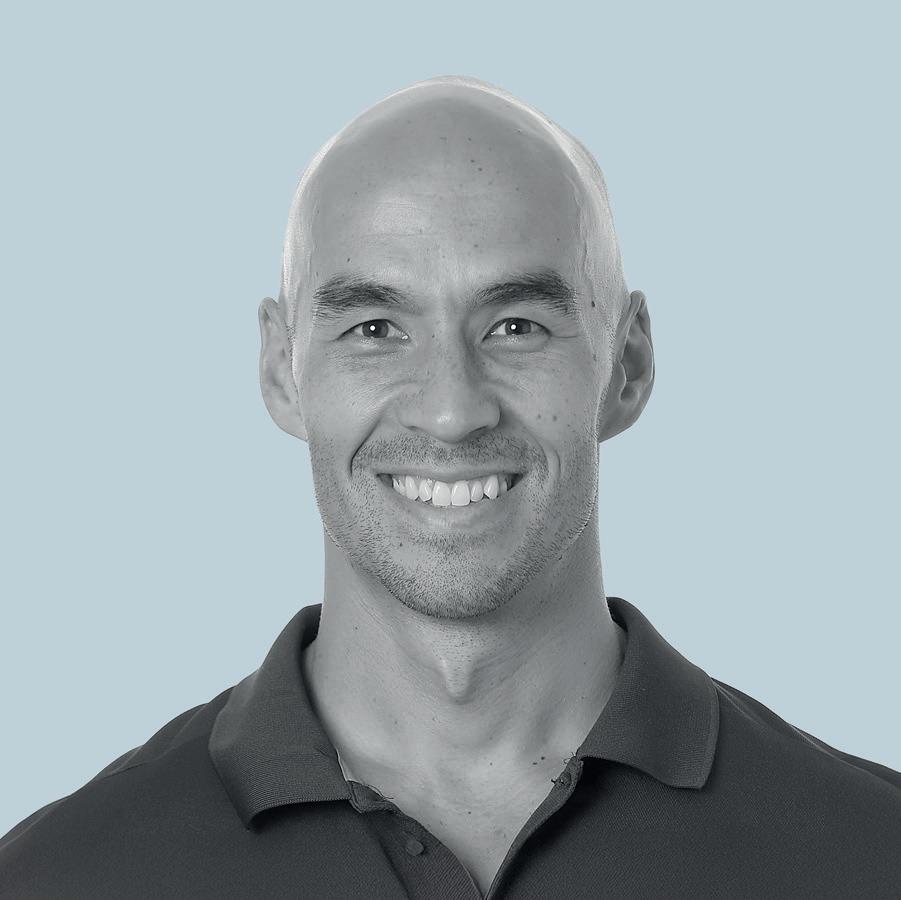
Heat can support relaxation, cardiovascular adaptations and parasympathetic activation, so for general members, a sauna session combined with hydration and breathwork may provide an accessible and highly effective recovery option.
Protein is the foundation for recovery, because it provides the building blocks for the repairing and remodelling muscle tissue after training. For general gym members training two to three times per week, a target of around 1.4–1.6 grams per kilo of bodyweight per day is typically sufficient.
In high-performance environments, we define recovery as restoring readiness across three domains. Physiologically, you’re restoring muscle tissue, replenishing glycogen, managing inflammation and shifting the nervous system from the sympathetic – fight or flight – state back toward parasympathetic dominance, which is critical after high-intensity or hybrid training.
Neural recovery allows the consolidation of coordination, motor learning and movement efficiency. Sleep plays a major role here.
And psychological recovery: managing stress, emotional load and perceived fatigue. Most gym members carry significant life stress before they even start training and if we don’t address that, we’re only solving half the problem.
One key principle we use in elite sporting environments is matching the recovery modality to the objective. If the goal is rapid readiness for another session tomorrow, cold water immersion can help reduce soreness and perceived fatigue.
However, if the goal is long-term adaptation, such as strength development, cold plunging can slow progress.
For those lifting heavier loads, training at higher volumes, or combining strength and conditioning work, intake may be better placed closer to 1.6–2.2 grams per kilo each day, distributed across multiple meals throughout the day.
Sessions should have an on-ramp and off-ramp, as the most effective recovery strategies are embedded in the session design. If a class finishes with participants highly stimulated and they immediately transition to work stress, screens and caffeine, recovery never truly begins. What’s needed are structured cooldowns, low-intensity aerobic flush work, mobility and two to five minutes of guided slow breathing at the end of high-intensity classes.
Alternating high-demand days with lower-demand sessions across the week is also a form of programmed recovery. When recovery is integrated into the architecture of training, rather than positioned as an optional add-on, outcomes improve and compliance increases. Finally, recovery is not one-size-fits-all and one of the most effective ways to quantify readiness for higher stress training is to track heart rate variability.
Dr Adam Storey is a research fellow at the Sports Performance Research Institute New Zealand at AUT University and a Hyrox Sports Science Advisory Council Member
Heat
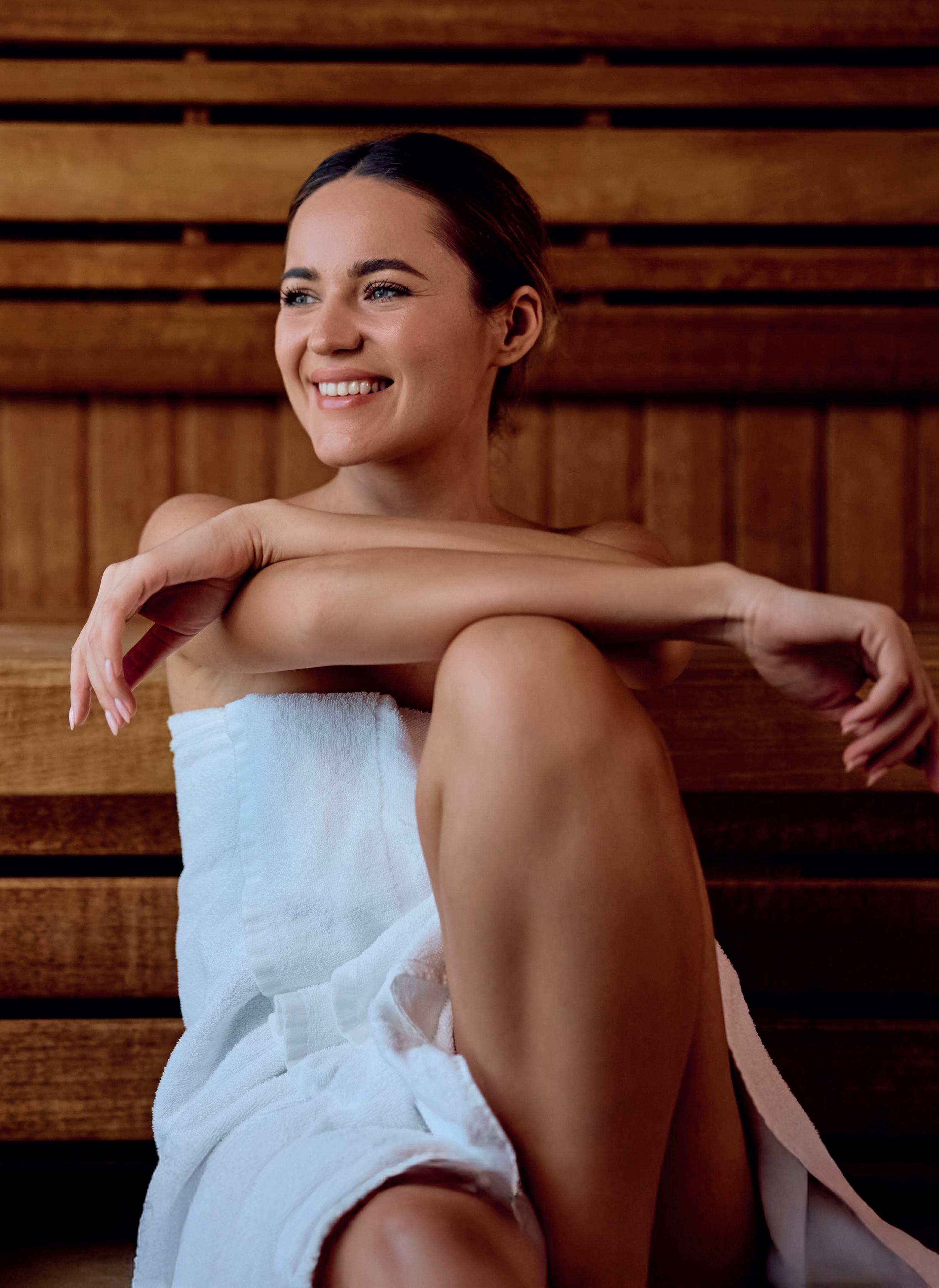
Elite teams also use tissue-level recovery modalities, including shockwave therapy, laser and electromagnetic therapies
Lou Nicholettos
Director Cornwall Physio
Training is a stressor and recovery is where adaptation happens. When recovery is inadequate, the body doesn’t respond to the training load and instead of becoming stronger and more resilient, tissues become irritated, the nervous system remains in a heightened state and performance plateaus or declines.
Clinically, this often presents as tendon pain, joint irritation, poor sleep, reduced motivation or a sense that the body ‘isn’t responding like it used to’. Elite sport recognised this shift years ago and now treats recovery as being just as important as training itself and approaches it systematically.
Recovery is not a single process, being the interaction between multiple systems. At tissue level, recovery relies on inflammation control, bloodflow and cellular repair. At a nervous system level, it depends on the ability to shift out of a constant state of high alert into a parasympathetic, restorative mode. Sleep quality, stress exposure and overall health influence how effectively this happens.
Within musculoskeletal practice there’s been a shift towards understanding pain, injury and performance holistically. Recovery, sleep, nervous system regulation and overall load are now recognised as primary factors, rather than secondary considerations.
A major focus in elite sport is nervous system regulation, using breathwork, sleep optimisation and neuromodulation technologies to support parasympathetic recovery and improve sleep quality. Elite teams also use tissue-level recovery modalities, including shockwave therapy, laser and electromagnetic therapies, to enhance healing at a cellular level, reduce inflammation and manage load across joints and tendons. These tools are not only used after injury, but also to support recovery during intense training periods.
This recovery-first mindset is increasingly reflected in progressive clinical practice. In my own clinic,
we integrate tissue-based recovery modalities alongside physiotherapy and in the last year we’ve introduced Nesa X-Signal neuromodulation to support sleep, recovery and nervous system regulation. These approaches benefit people managing pain or injury, as well as high-performing individuals who want to train consistently, avoid breakdown and perform at their best.
One of the biggest opportunities for health clubs lies in how recovery is programmed. This may include delivering recovery and relaxation classes, such as stretching, breathwork, mobility and restorative sessions; the creation of recovery-focused spaces and encouraging members to pay attention to sleep, stress and readiness, rather than simply training harder.
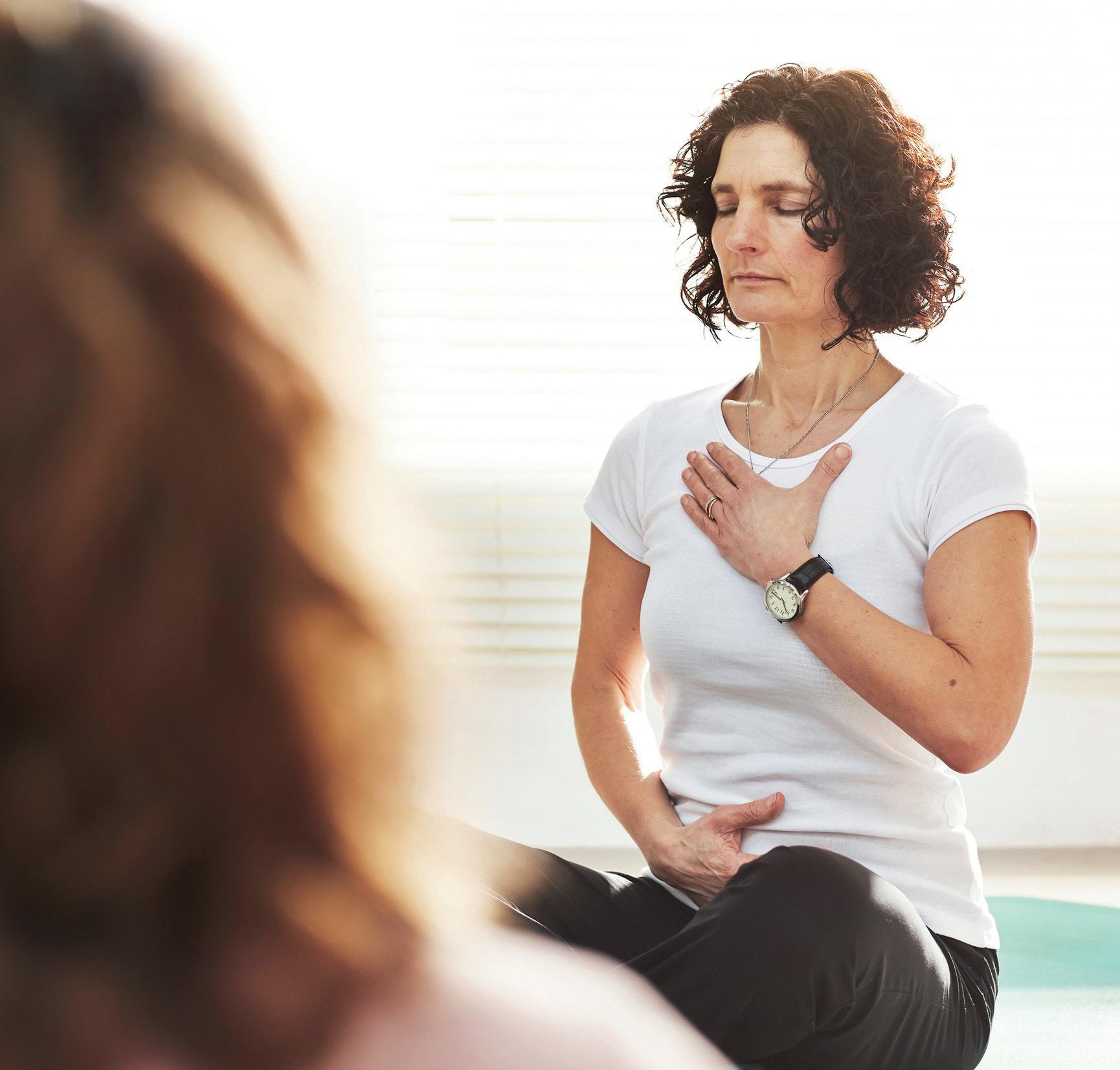
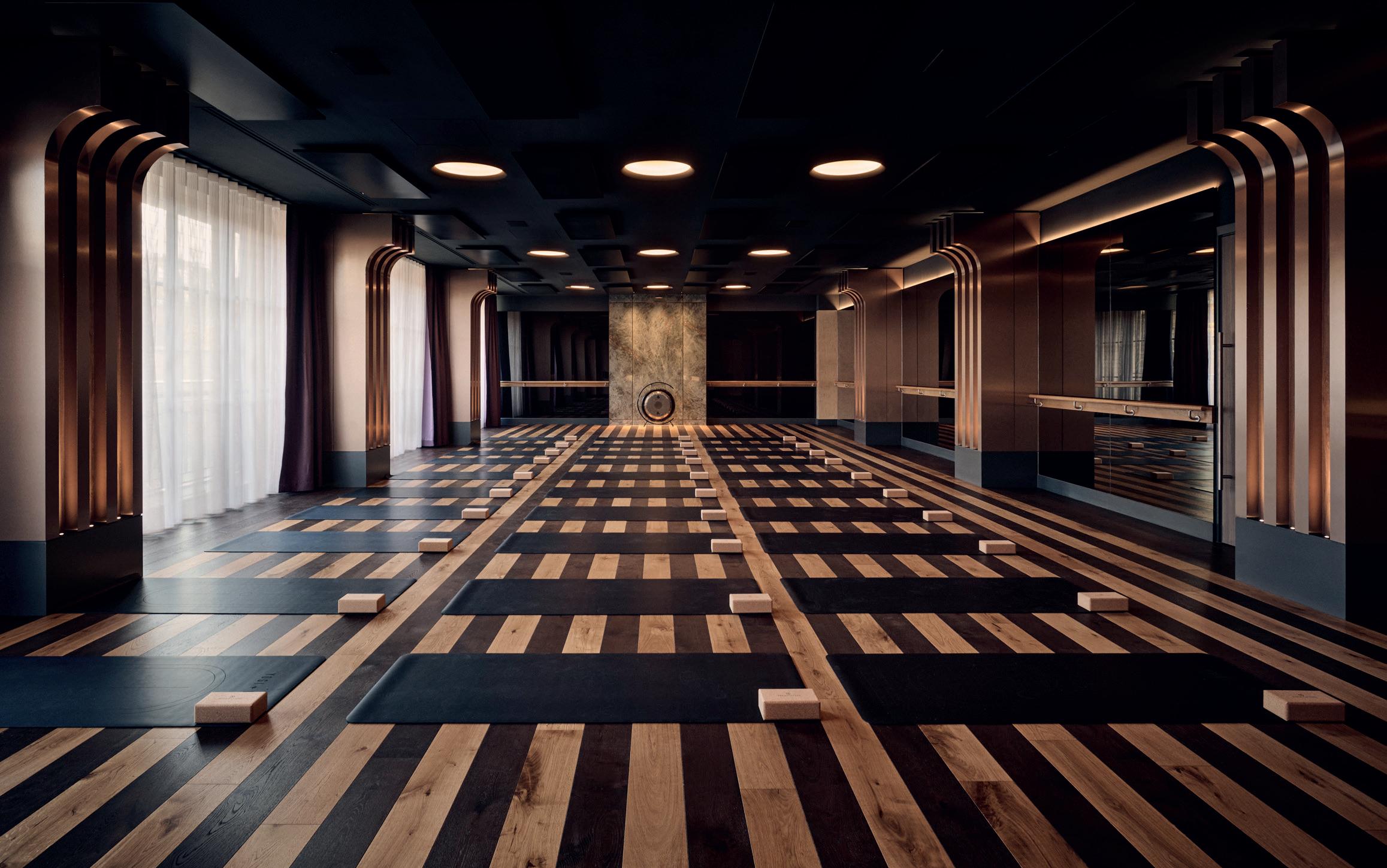
Health and fitness director
Third Space
Recovery isn’t the absence of training, it’s the phase in which training adaptations occur. Without adequate recovery, the stimulus from exercise can’t translate into improvements in strength, fitness, health or performance. For our members, recovery is what enables them to train frequently, safely and progressively over years and is also a key element in strong psychological wellbeing and health.
We’ve introduced multiple modalities that enable recovery. All our clubs offer Normatec compression for legs, hips and arms and Hyperice percussion and motorised myofascial release on our gym floors. We also have extensive sauna and steam, as well as hydrotherapy pools, all of which speed up recovery.
At the Recovery Spas at Canary Wharf, The Whiteley, and soon our new club in Chelsea, we also have red light beds, cryotherapy and vibracoustic beds.
It is important that our PTs understand when a recovery modality is appropriate, versus when it’s unnecessary or counterproductive. This demands strong foundations in exercise physiology, load management, coaching communication and behaviour change coaching.
Our world-class, three-year education pathway covers performance and physiology and in collaboration with physiologist, Oli Patrick, we also deliver education around sleep science, stress resilience and breathwork.
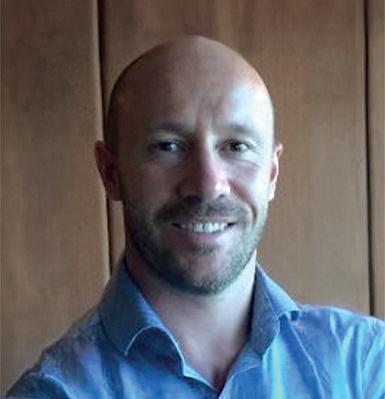
Sleep, training quality and nutrition must come first, with modalities second
The interest in recovery is evident in the increasing demand from our members for information and facilities that allow them to weave this element into their life. The biggest risk in the recovery space is an over-emphasis on modalities at the expense of the fundamentals. Sleep, training quality and nutrition must come first, with modalities second. This approach protects credibility, aligns with scientific rigour and reinforces our positioning as a brand that prioritises results and longevity, not trends.
Tristan Rice
Director of methodology and training systems
Exos
Ultimately, recovery works on a number of levels – the nervous system, the musculoskeletal system, the cardio and respiratory system, as well as psychological and emotional states – so different recovery methods need to be used.
This means that if we’re looking to improve physical health, coaches and trainers need to address the role that other stressors play as well.
If someone has had back-to-back meetings all day, for example, their psychological functional state is likely to be depressed, so we’ll use methods to re-establish a homeostatic rhythm in the psychological systems, such as breathwork, meditation or journaling. These are all modalities which have been shown to be effective at reducing stress.



A two-minute conversation at the start of a workout to outline the path ahead gives clients permission to drop whatever’s going on for them outside of the gym
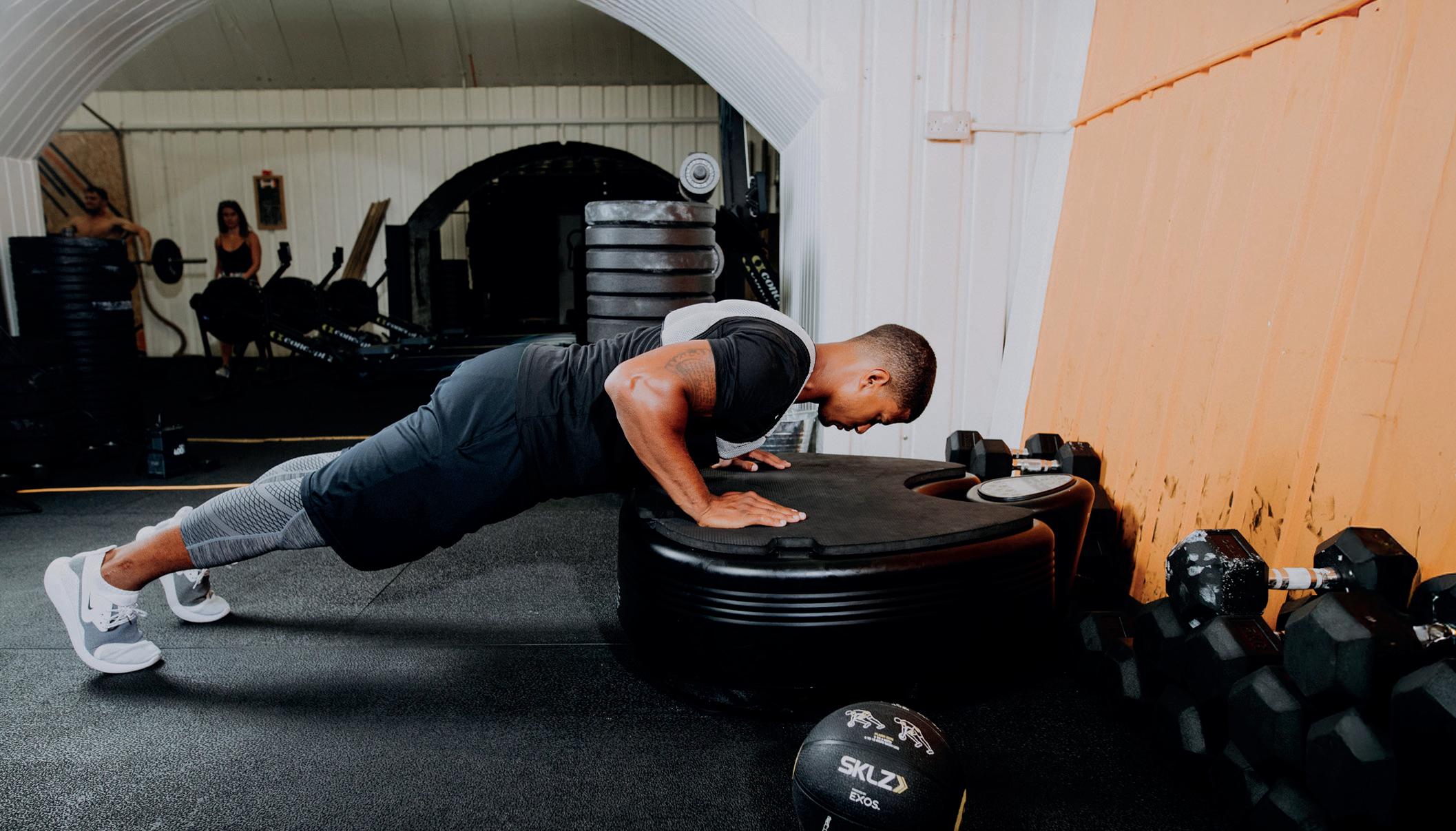
We also work with Power Plate’s whole body vibration platforms, which is a versatile recovery tool. There’s been a lot of research on the effect of harmonic whole body vibration and the way the body responds to it. In lower training ages and in populations that have lower levels of bone mineral density, vibration can have really positive effects on strength, speed, power and bone mineral density.
We’ve found Power Plate is one of the most versatile tools for recovery in functional state across the neural, mechanical and metabolic systems.
Whole body vibration platforms are versatile for recovery as start and

A two-minute conversation at the start of a workout to outline the path ahead gives clients permission to drop whatever’s going on for them outside of the gym and lays a foundation for them to be more present. At the end, we also use breathwork to get them ready to re-engage with daily life.







Although there are dozens of tools and methods to help recovery, the number one place where adaptation happens is while sleeping and second to that is fuelling. Making sure that people have consistent access to sleep and good nutrition that supports anti-inflammatory processes and recovery are the first places that we go.



The plate can help stimulate a reflexive relaxation of muscles when doing static stretching and elicit deeper levels of activation during a resistance type exercise, such as a push-up or a bodyweight squat. Stretching on it helps to extend the range of motion and lying on it feels like a big massage gun.
Cold tubs also increase parasympathetic nervous system activity and decrease blood markers of inflammation and perceptions of soreness. However, cold limits the adaptations you get from strength or cardiovascular training, so you have to be selective about when you use it.











Hot tubs feel good and activate heat shock proteins that have cascading effects down the line. but they don’t provide the same recovery stimulus as cold.

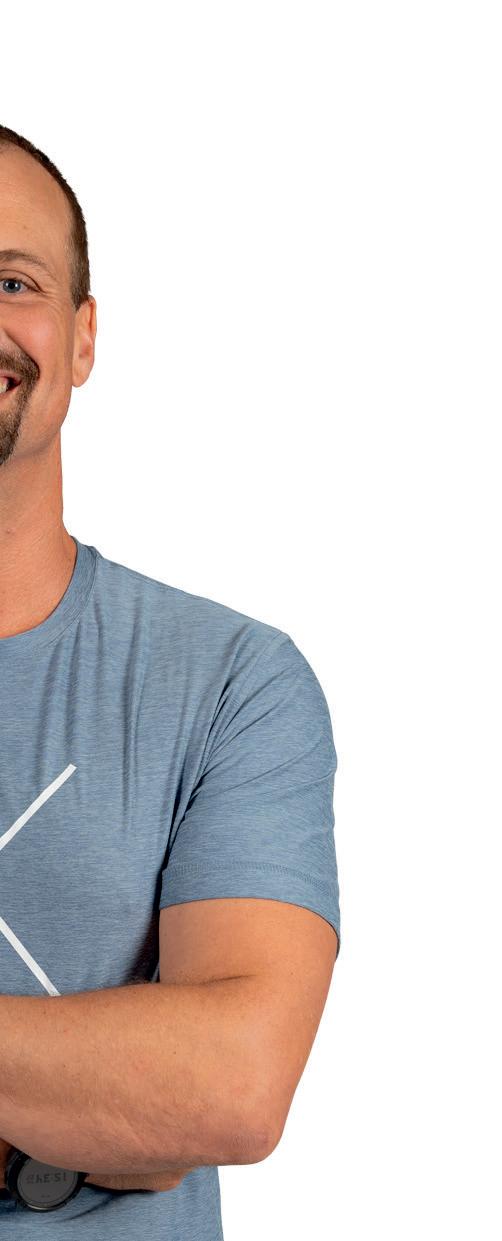
More on Exos and Power Plate www.hcmmag.com/Exospp


There are many ways to activate the vagus nerve, including breath work, meditation, cold plunge, gargling and even singing
Clinical Wellbeing Lead yōjō
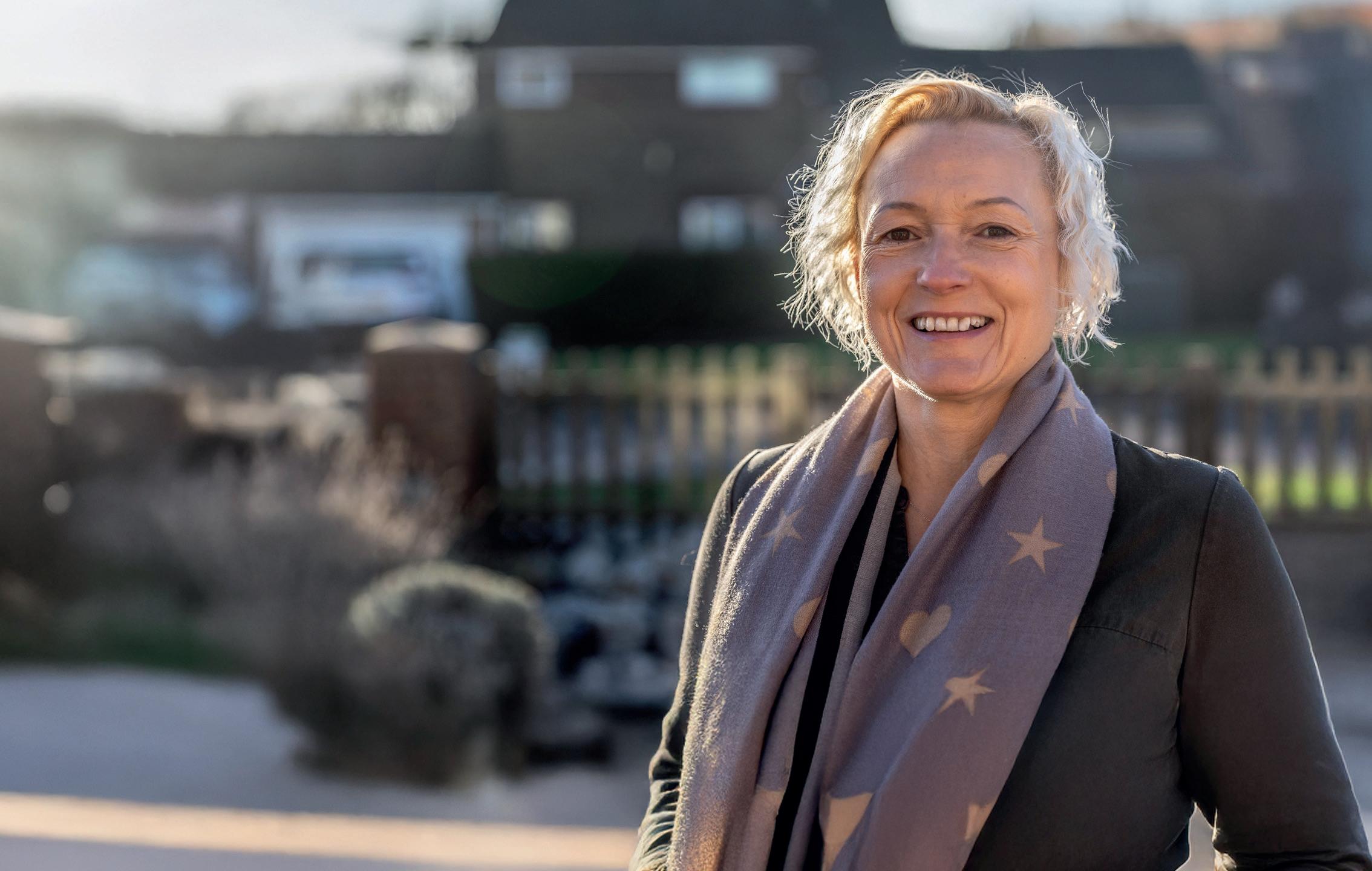
Many of the most decorated athletes of recent times, including Simone Biles, Allyson Felix and Roger Federer have accredited their sustained success to placing significant emphasis on recovery.
After the stress of training, recovery is the process of repairing the damage and it requires adequate rest, sleep, fuel and nutrients, which takes 24-72 hours, depending on the intensity of exercise. When recovery is inadequate –often from repeating high intensity sessions without sufficient time in between – maladaptive responses are produced, including decreases in performance, preservation rather than loss of fat stores, low mood and increased risk of injury.
One of the most exciting emerging areas in recovery is nervous system regulation. While competition and challenging training sessions require effective sympathetic – fight or flight – activation, the sooner and more sustained an athlete can achieve parasympathetic – rest and digest mode –the faster they will recover and be able to take on the next challenge. As the vagus nerve controls the parasympathetic nervous system, vagus nerve stimulation (VNS) is increasingly being used by athletes looking to gain a performance edge.
Although the science is still developing, there is evidence for a number of ways that VNS can support athletic performance. These include faster recovery from exertion, including reduced lactic acid and fatigue and normalisation of heart rate and blood pressure: improved regulation of the inflammatory response, reducing chronic or excessive inflammation which can lead to injury and impair muscle regeneration: improved sleep quality, enhanced cognitive performance and potential mitigation of travel fatigue.
There are many ways to activate the vagus nerve, including breath work, meditation, cold
plunge, gargling and even singing. Non-invasive VNS devices, like yojo.health, are set to be the next big wearable health device because they can be used passively and fit around daily life.
Recovery sessions – such as zone 1-2 cardio, or yoga – should be part of a training schedule and recovery also needs to be built into the sessions, for example between five and 20 minutes of low intensity cardio, flexibility and mobility work, and breathing exercises at the end of every hard workout.
One of the biggest challenges that PTs face is that clients often equate the value of a PT session with leaving the session feeling exhausted, or euphoric, from pushing beyond what they would do on their own, and many clients are unfamiliar with and unmotivated towards recovery-focused activities. I would encourage PTs to familiarise themselves with the science of nervous system balance so they can share some simple VNS techniques.
Also wearables that measure heart rate variability (HRV) can provide an indicator of the client’s physical readiness for their workout, but this always needs to be balanced with how the client feels, and adapted. ●







All new body composition analyser from TANITA Showcased for the first time at FIBO 2026 (Hall 6) tanita.eu




Matrix doesn’t just manufacture equipment - we craft strength training innovations that evolve with your fitness facility and your lifters. We listen to owners, trainers and users to put real-world insights at the heart of our designs, captivating a new generation and delivering innovation that outperforms the ordinary in better, smarter ways.
Dis cov er m oreat Ma trix Fi tne ss.com


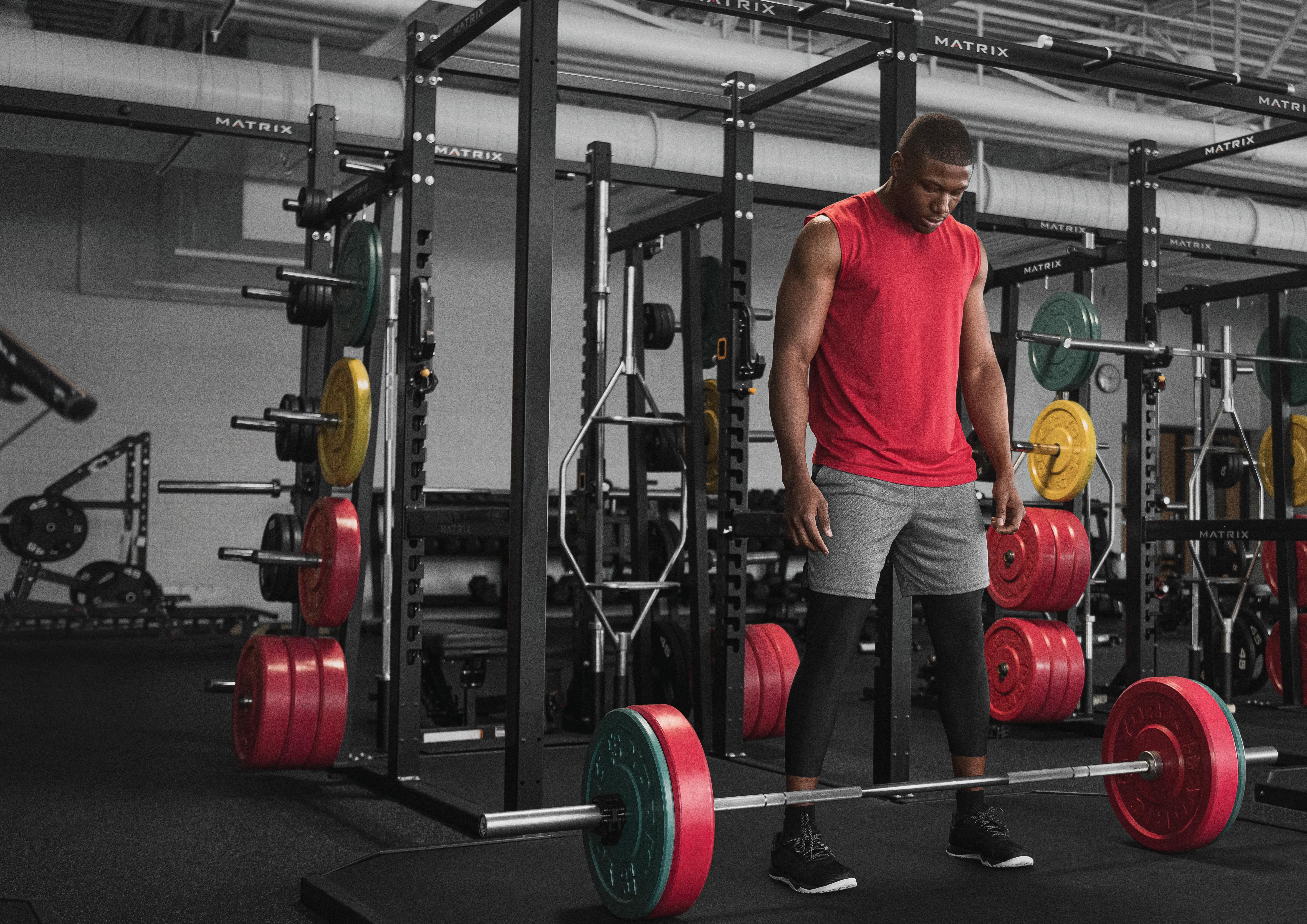










The industry is embracing consumer-facing tech. Now it’s time to streamline back-of-house systems with Orbit4, says Daniel Jones
The fitness industry has invested heavily in front-of-house technology with things such as member apps, access control, wearable integrations and real-time performance tracking being deployed as standard, yet behind the scenes, many operators still manage their operations using less than optimal, low-tech systems.
Vital areas of the operation, such as asset management, service workflows and supplier communications are too often managed using spreadsheets, email threads and disconnected systems.
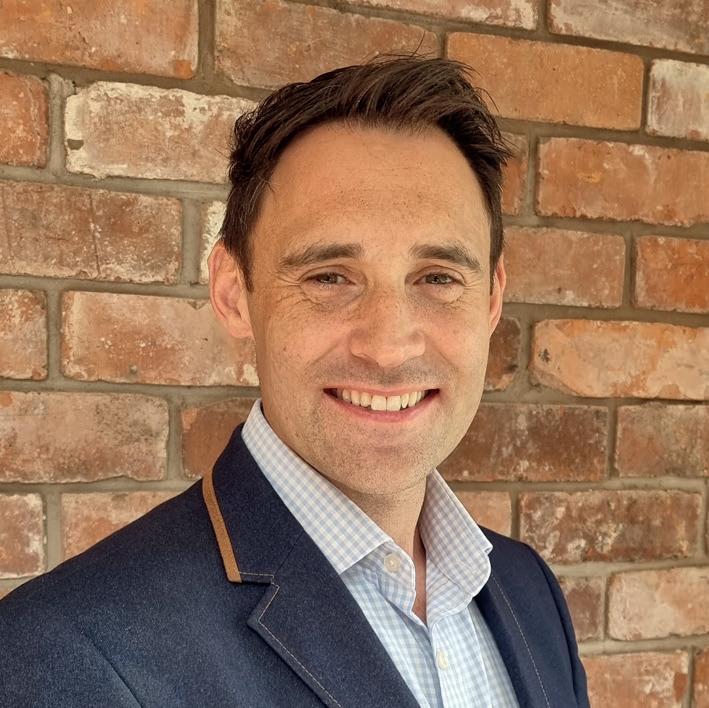
As the industry grows and operational complexity increases, things such as equipment performance
Greater connectivity behind the scenes is as important as customer-facing systems in supporting performance and resilience
Daniel Jones, CEO, Orbit4
and service delivery, warranty tracking, parts allocation and capex planning are all generating valuable data, but too often this information sits in silos and is not optimised to drive the success of the operation.
Superconnected with Orbit4
Orbit4 was developed to address this gap. Built as an open digital platform, it connects operators, suppliers and enterprise systems into a single operational environment, providing structured oversight across the entire lifecycle of health club assets, such as equipment and fixtures and fittings.
The Orbit4 platform integrates with leading fitness equipment suppliers and service partners, giving visibility to assets and the opportunity to view service history and warranty status in real-time. This supports faster issue resolution and more informed maintenance planning.
Connectivity extends further through integrations with niche fitness technology
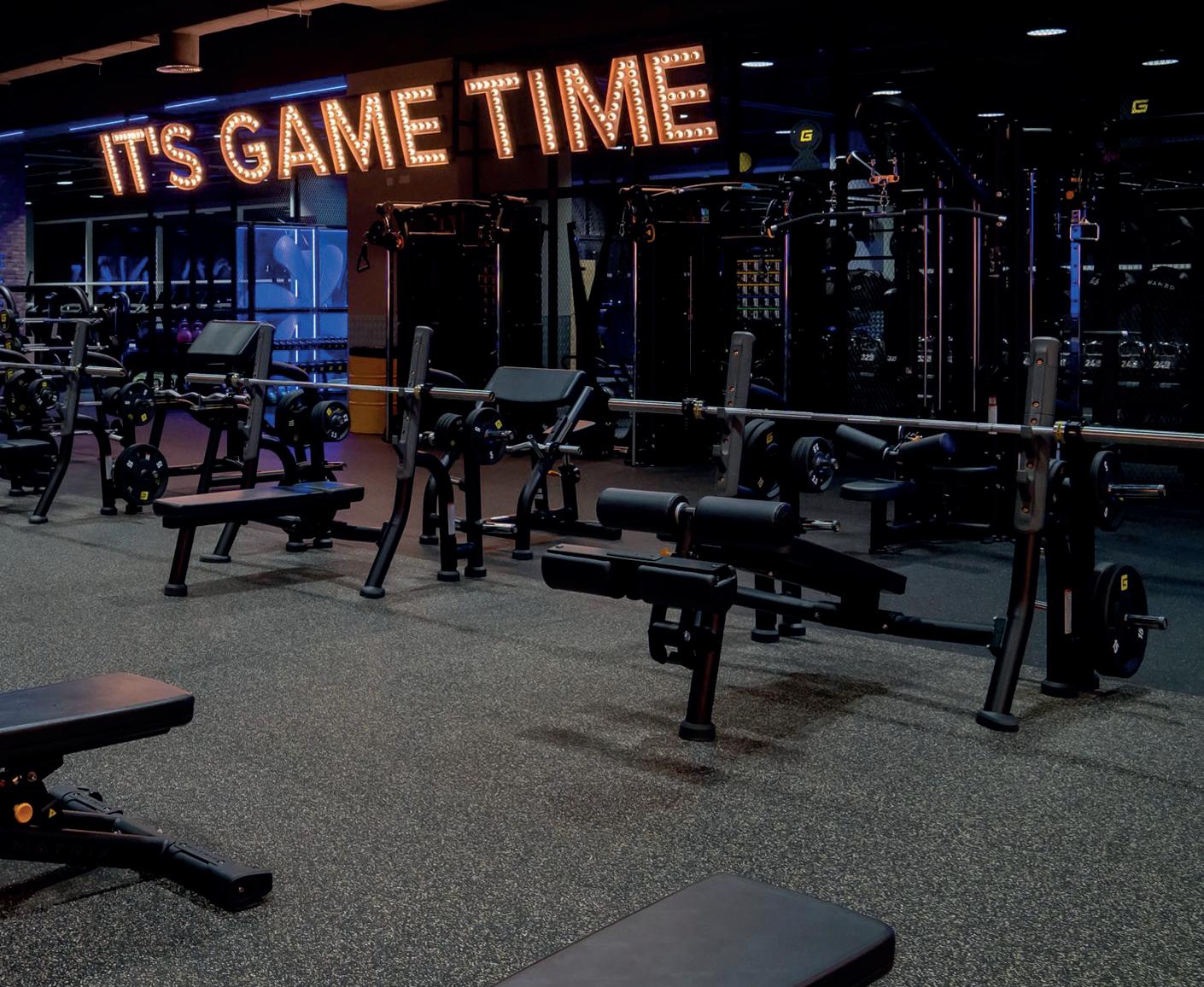










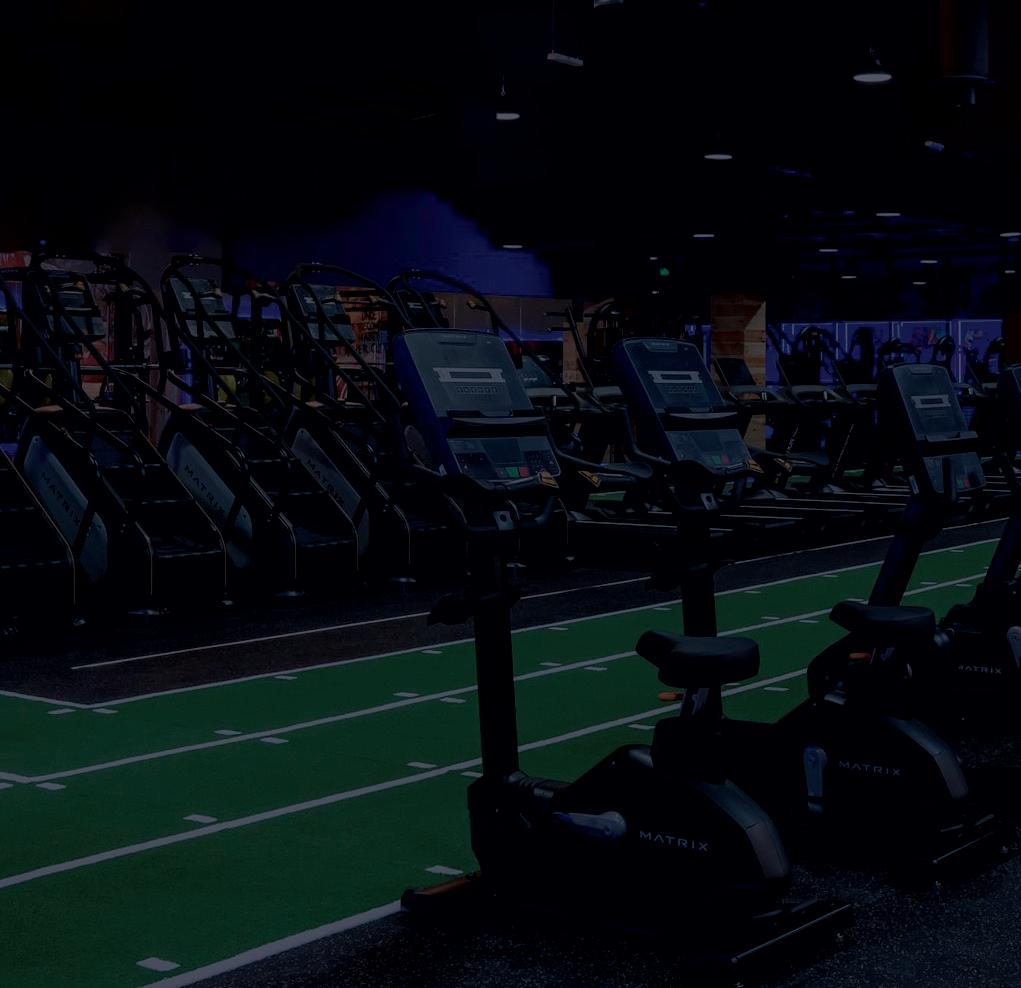











providers, such as Cyclops and Ecofit for asset usage tracking. Orbit4 also has an integration with FitnessKPI, the data aggregation platform. Bringing utilisation and performance data into the same operational framework allows operators to identify usage patterns, to anticipate wear and tear and to make more informed investment decisions. Capex planning also becomes data-led, rather than reactive.
In addition, Orbit4 integrates with enterprise systems, such as Salesforce, Topdesk, SAP, Oracle, Microsoft, Xero and Zendesk, so service tickets can also be synchronised across platforms, while inventory and ‘parts workflows’ can be automated.
Financial processes – including invoicing and reconciliation – can connect directly into ERP and accounting systems and the result is reduced duplication, clearer accountability and a more consistent flow of data between operators and vendors. Because the platform is built on open architecture, operators and partners retain control of their data while enabling it to move securely between systems. As the industry continues to digitise and elevate the member experience, attention is turning to operational infrastructure and greater connectivity behind the scenes – such as that provided by Orbit4 –is proving just as important as customer-facing systems in supporting long-term performance and resilience.
More: www.orbit4.com
The study found that 67 per cent of women aged 25-34 are members of a gym
It’s time to start talking about women and gyms well beyond the context of training modalities, glute builders and life-stage education


Anew white paper from Total Fitness
– Women and the Gym: un-met needs and the role of women only spaces , casts light on the challenges and opportunities for operators when it comes to providing for and interacting with female members.
For all the growth, polish and sophistication of the UK fitness sector, one inconvenient truth remains: large parts of the mainstream gym model still do not fit the realities of many women’s lives.
This is not because women lack interest in health, exercise or wellbeing. Quite the opposite. Women are often the primary health decision-makers in households, they engage heavily with fitness content, invest in wearables and participate in informal exercise in large numbers. The problem is not motivation. It is the relationship between women and a particular kind of space.
The insight work was commissioned by Total Fitness’ CEO, Sophie Lawler, who says: “It’s time to start talking about women and gyms well beyond the context of training modalities, glute builders and life-stage education.
“There is a tough truth here: The mainstream gym environment, its membership structures and its equipment, have been designed in a way that silently excludes most women – their emotional needs are written out, unconsciously and unintentionally.”

A white paper on women’s fi tness, commissioned by Sophie Lawler, CEO of Total Fitness, is a call to action, as Liz Terry reports
The scope of the research
The research polled 5,091 UK adults in 2025, finding that 64 per cent of women are not currently members of a gym or health club. Membership peaks among women aged 25 to 34, during which time 67 per cent report being members, before declining with age, until by 65, only 13 per cent remain members.
Male participation also falls with age, but women start from a lower base and drop below the 30 per cent membership rate much earlier. Among those 45- to 54-years-of-age, 29 per cent of women are members, compared with 38 per cent of men.
The white paper argues that there is not one universal female experience, nor does it deny that many women thrive in traditional gym environments, feeling confident, capable and entirely at ease. Plenty lift weights, train hard and experience gyms as positive, empowering spaces. It doesn’t question or diminish these experiences.
But the numbers show recurring participation patterns that suggest a significant number of women experience gyms differently, at particular life stages.
That matters, because it shifts the conversation away from personal preference and towards design. When a pattern repeats across age groups, participation styles and membership histories, it becomes reasonable to ask whether the product has been built around only part of the market.
Needs change over time and women who once trained intensively may later attend less frequently. Those who once prioritised performance may later prioritise wellbeing
One of the paper’s clearest findings is that gym participation for women is often episodic rather than continuous. The industry tends to talk in the language of habit, consistency, transformation and long-term progression. Membership models are designed around monthly renewal and annual retention. Yet for many women, real life does not follow that neat trajectory.
Among women who aren’t gym members, 50 per cent have previously held a membership. So nonmembership doesn’t necessarily mean disinterest or inexperience. In many cases, it means a pause. Even among current women gym members, only 19 per cent say they have had no breaks in membership over the past 10 years. In other words, 81 per cent have experienced interruption. Among women who are not currently members, 41 per cent report having taken multiple breaks over the past decade, compared with 34 per cent of men. The reasons for interruption are rarely dramatic or singular. Often they reflect an accumulation of pressures, with illness and injury playing a role and 20 per cent of current women gym members report having taken a break for this reason.
But health is only part of the story and the report points to the familiar mid-life squeeze. Participation begins to decline in women’s 30s and falls sharply in their 40s, when work and family pressures often intensify. Women are more likely to carry unpaid care responsibilities, while menopause and other life stages can affect energy, wellbeing and routine. Fitness in a structured setting requires more than good intentions. It requires time, energy,
mental space and, often, permission to prioritise oneself. For many women, that permission does not come easily and they may feel guilt about taking time for personal wellbeing
“When participation peaks sharply at one life stage and then declines, it raises a question. ‘Is the environment designed in a way that remains relevant as women move through different phases of life?’” asks the white paper, ‘or is it designed for a narrower period in life, when time, confidence and stability are easier to sustain?’”
Needs change over time and women who once trained intensively may later attend less frequently. Those who once prioritised performance may later prioritise wellbeing.
Gyms are not responsible for wider societal inequalities, it says, but they operate within that context and if women’s lives are shaped by
Gym participation for women is often episodic rather than continuous, the research finds
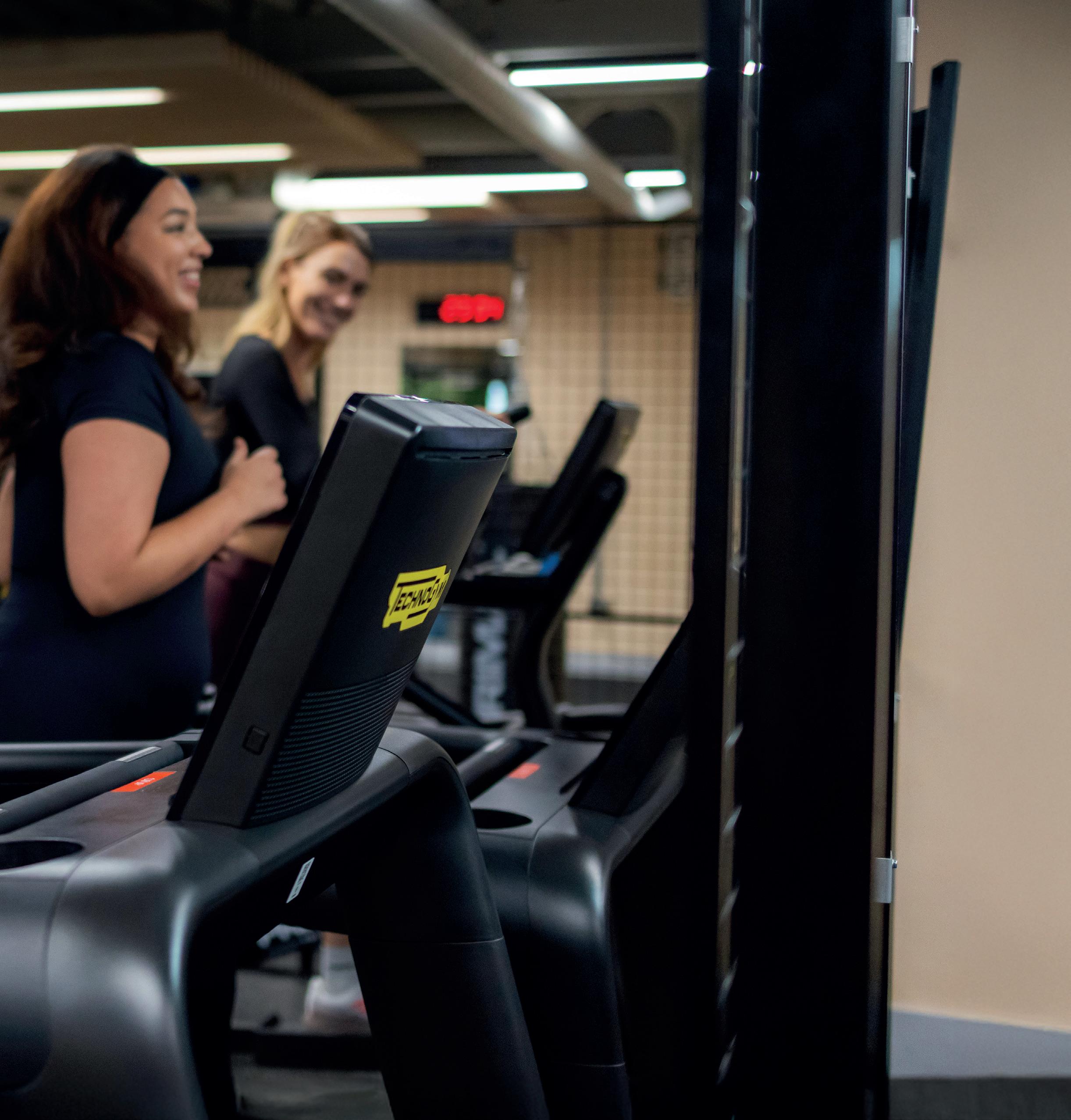
fluctuating demands and competing priorities, then fitness environments built around consistent attendance do not always match the realities of life.
A key weakness in many traditional gym and health club models is the assumption that returning members can simply resume where they left off. The report suggests that is rarely true, especially for women.
A woman rejoining after pregnancy, illness, menopause or a prolonged spell of inactivity is not returning to the same baseline, physically or psychologically. She may need to rebuild strength, relearn equipment, reset expectations and overcome self-consciousness about perceived regression. What was once familiar can suddenly feel alien.
This is where design starts to matter. If the sector is built around forward progression, rather than interruption and re-entry, it risks failing women at the very point when support is most needed.
The same tension appears in how women outside the gym talk about joining. Only 34 per cent of women non-members say they have no interest in joining a gym. That means two thirds are at least open to the idea. Non-membership, then, is not the same as rejection.
Cost matters, of course. Some 42 per cent say ‘money would have to be different’ before they joined. But the paper is clear that this is not the whole story. Some 17 per cent say they would need to overcome injury or illness. Another 12 per cent say they would need to ‘feel better’ before joining. A further 9 per cent say they would need a gym environment with other users who feel as though they are ‘people like them’.
Taken together, these are not trivial objections. They point to a perceived barrier. If women feel they need to be fitter, more confident or more comfortable before even entering a gym, This suggests the gym is too often perceived as a place that requires readiness, rather than one that builds it.
members face friction
Another misconception challenged by the report is that once women join, the major barriers have been overcome, however, having a membership does not automatically equal comfort. Among current members, 39 per cent say their gym is often overcrowded, affecting privacy, ease of movement and willingness to try new equipment.
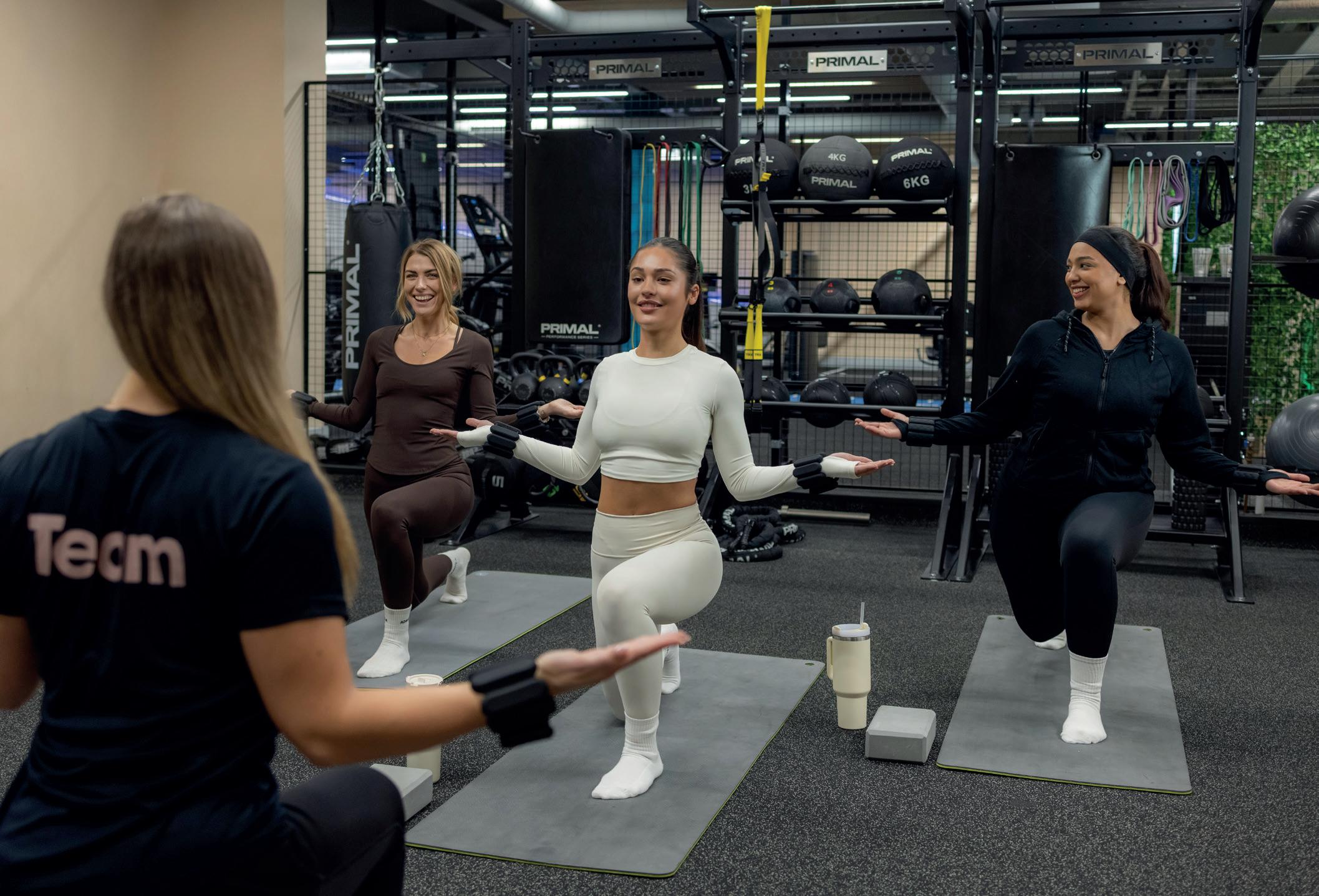
The same applies to staffing and atmosphere.
Half of current women members – 50 per cent – rate staff presence on the gym floor for safety and comfort as ‘very’ or ‘extremely’ important. Cleanliness matters even more, with 62 per cent rating it ‘very’ or ‘extremely’ important. Some 39 per cent say staff presence for setting atmosphere is ‘very’ or ‘extremely’ important, compared with 35 per cent who say the same about staff presence when it comes to getting ‘fitness advice’.
This suggests women often value reassurance, tone and emotional ease more than technical coaching.
This idea of emotional infrastructure runs through the whole paper. A gym experience is shaped not just by equipment and programming, but by sightlines, density, mirrors, acoustics, layout, staff visibility and the general feeling of the space. Policy statements about inclusion matter, but lived experience is determined on the gym floor.
A mong current women gym members, 34 per cent say improving or maintaining overall fitness is their top reason for membership. By contrast, only 16 per cent say wanting to look better is their primary motivation. Another 14 per cent say feeling better about themselves is their main driver. So appearance matters, but the bigger motivations are health, function, confidence and long-term wellbeing.
For many, the gym isn’t chosen for social status or because it’s a place to compete, it’s simply a functional environment that supports personal health, capacity and wellbeing.
This is important because the industry still too often frames women’s fitness through aesthetics, transformation and image. Yet if the core reasons for joining are sustainability and feeling well, then environments dominated by comparison, intensity or ‘performance-signalling’ may feel out of step with what many women actually want.
The paper doesn’t reject performance-led training, but argues that for many women it’s not the primary draw. Many are not looking to compete or for ‘lifestyle badges’, they’re looking for a workable environment that supports their health.
Against this backdrop, the paper explores the role of women-only health clubs and gyms. It argues that such spaces should not be seen as divisive or as a gimmick, but as one evidence-based response to a recurring participation challenge.
“Women-only spaces are not a step back from inclusion,” it says, “they’re one way of putting it into practice. They’re not a replacement for mixed gyms, but an option that can lower self-consciousness and reduce the threshold for entry for some users.”
The practical example here is The Women’s Gym, a purpose-built women-only concept
Among current women members, 39 per cent say their gym is often overcrowded, affecting privacy, ease of movement and willingness to try unfamiliar equipment
launched by Total Fitness in Whitefield in January 2024, followed by Wilmslow in September the same year. The initiative was developed following structured consultation with more than 150 women, alongside wider research.
The findings are notable. Nearly half – 48 per cent – of The Women’s Gym members were not active gym members immediately before joining. Among those who had previously belonged to a gym, 31 per cent had been out of the system for more than five years. Meanwhile, 20 per cent had never previously belonged to a gym or health club at all.
That means the concept appears both to be reactivating lapsed users and attracting first-timers.
When asked why they joined, 76 per cent cited comfort, while safety or harassment concerns were mentioned by 23 per cent and religious or cultural reasons by 22 per cent.
The behavioural changes were striking. Before joining The Women’s Gym, 22 per cent of
members reported doing no physical activity over the prior four-week period. After joining, that figure fell to 1 per cent. Prior to joining, only 14 per cent exercised nine or more times per month. After joining, 48 per cent did so.
The Women’s Gym Whitefield site later reached its deliberately capped membership limit and introduced a waiting list. That decision to cap numbers matters, because it reflects one of the report’s broader conclusions: that atmosphere and usability can quickly be eroded if overcrowding is allowed to undermine the very conditions that made the space appealing to women in the first place.
The wider lesson here is not that every operator should copy the same format, but that the sector should take design-led adaptation more seriously. Participation is shaped by context and if operators want to support women consistently
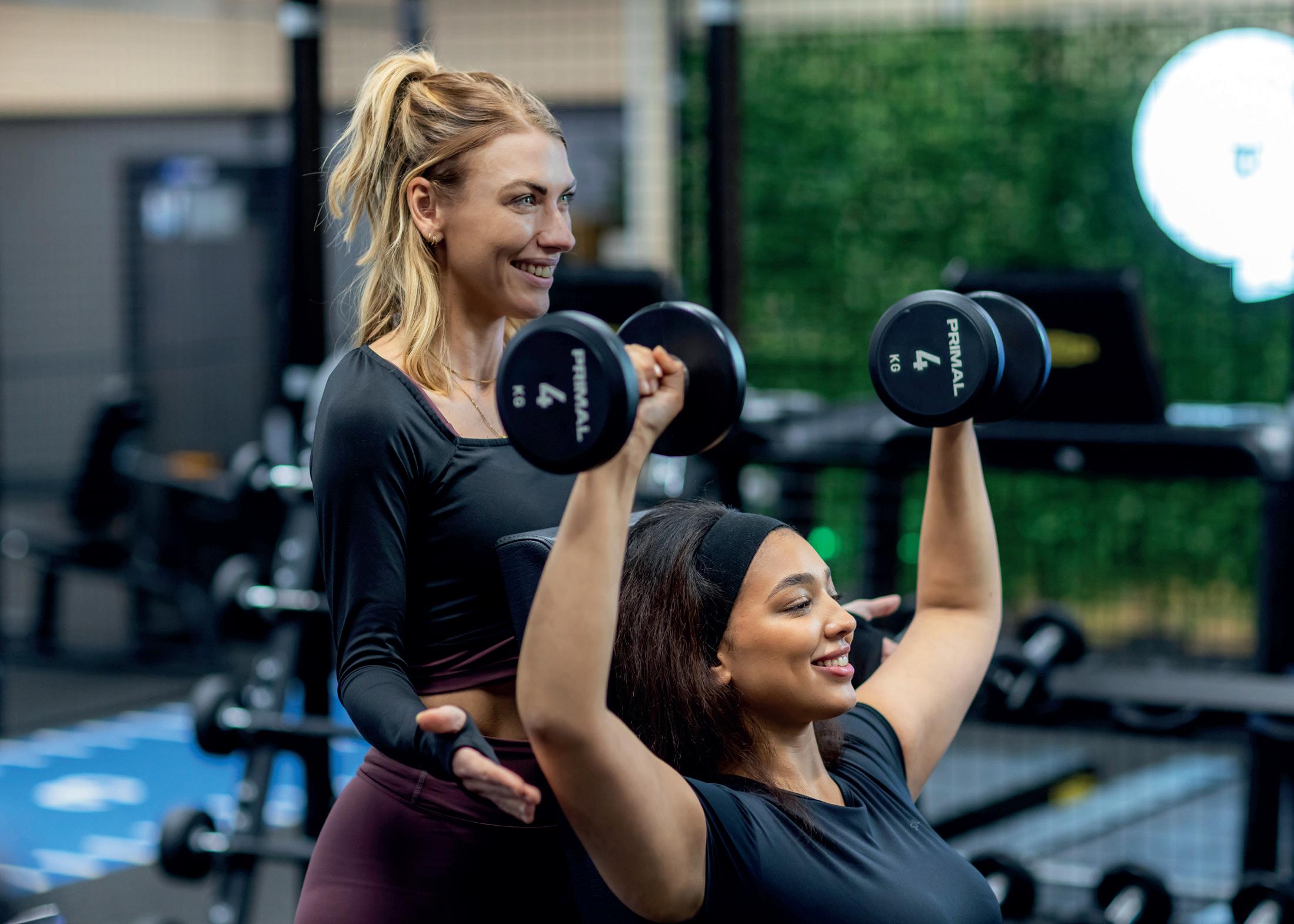
across life stages, they have to do more than offer access. They have to offer alignment that considers layout, staffing, atmosphere and programming, as well as how women move through space, where they feel most exposed and how progression can be supported without pressure.
In addition, the equipment offered is not yet optimal: The paper notes that much gym equipment has historically been designed around male body dimensions, affecting comfort, grip and usability for some women.
Action can take many forms: better capacity management, more thoughtful layouts, stronger staff presence, more flexible membership structures, re-entry pathways for returning members, better recognition of women’s life stages and – in some cases – women-only provision.
Kerry Curtis, CCO of Total Fitness, says: “If women feel they need to be ‘ready’ before they walk through the door, then we haven’t designed environments that truly support them. This is not a motivation gap, it’s a design challenge, and one we have a responsibility to solve.
“For our Women’s Gyms that shows up in my ways such as familiar pieces of kit as soon as they walk through the door, calming colours and materials, mirror-free workout areas, subtle privacy and staff as and when you need them.”
The most persuasive argument in this white paper is not ideological, it’s practical. For a
The sector has evolved significantly over the past decade and the next stage of evolution will be as much about experience as it is about equipment
sector that prides itself on helping people build healthier lives, these seem less like niche issues and more like a call to action for the industry.
The UK fitness sector has evolved significantly over the past decade, says the white paper, and the next stage of evolution will be as much about experience as it is about equipment.
Ultimately, the conversation about women-only spaces invites a broader reflection on how clubs are designed, who they’re optimised for and how adaptable they are to women’s changing life stages.
More: www.HCMmag.com/TFWomenWP


64% of women are not members of a gym or health club
50% of female non-members have previously held a gym membership
81% of women have had breaks in memberships in the last 10 years
41% of women non-members report multiple membership breaks over the past decade, compared with 34% of men
Age profiles
67% aged 25 to 34 are gym members
13% aged 65 and over are gym members
29% of women are members between 45 to 54, compared with 38% of men

42% of non-members say money is a barrier 17% say injury or illness are barriers
12% need to ‘feel better’ before joining
9% would need a gym environment with people “like them”
50% rate staff presence for safety and comfort as ‘very’ or ‘extremely’ important
76% of The Women’s Gym members say comfort was the main reason they joined
39% of women members say their gym is often overcrowded

62% rate cleanliness as ‘very’ or ‘extremely’ important
48% of The Women’s Gym members were not active gym members before joining 20% of The Women’s Gym members had never previously belonged to a gym or health club
22% of members reported doing no physical activity over four weeks before joining The Women’s Gym; after joining, this fell to 1%
14% exercised nine or more times a month before joining; after joining, 48% did so

































































Access to leisure is a basic human right and needs a greater focus from both the industry and governments, say Tony Veal and Atara Sivan



Access to leisure was declared to be a basic human right by the United Nations in 1948



Access to leisure in its many forms was declared to be a basic human right in the Universal Declaration of Human Rights , which was adopted by the General Assembly of the United Nations in 1948.
It’s widely known that the Universal Declaration covers a wide range of rights, including such matters as the right to life, freedom from torture, fair treatment in the justice system, freedom of speech, democratic rights and the right to social security.
Less widely known is that it also includes the rights to: rest; leisure time; reasonable limitation of working hours; holidays with pay; and participation in the cultural life of the community. These rights are endorsed, and expanded upon, by the World Leisure Organization’s Charter for Leisure (www.worldleisure.org/charter).
The UN has declared all the rights set out in the Universal Declaration to be ‘universal, indivisible and interdependent and interrelated’ and for the individual to live a life of freedom and dignity, all the rights set out in the declaration – including leisure rights, must be recognised.
Regarding the right to time for rest and leisure: it would clearly be inhumane to require people to work such long hours that it becomes injurious to health. However, there is research evidence to show that, for example, work-related fatigue is still a very present problem, even in wealthy countries.
When it comes to participation in the cultural life of the community, this refers not only to culture in the sense of the arts but also to general social functioning, including all forms of leisure activity.
The Universal Declaration states that everyone is entitled to all the rights and freedoms set out in the Declaration “without distinction of any kind, such as race, colour, sex, language, religion, political or other opinion, national or social origin, property, birth or other status”. Excluding people from the life of the community on any of these grounds is therefore a violation of their human rights.
While there’s a mass of evidence on the beneficial effects of leisure activity on individuals’ physical and mental health, little of this evidence refers to the human rights dimension of leisure.

Greater amounts of leisure time and levels of participation in physical activity and the arts are associated with higher levels of GDP per head
Early research arising from the work of the World Leisure Organization Human Rights Group indicates that, cross-nationally, greater amounts of leisure time and levels of participation in sport, physical recreation and arts/cultural activity are associated with higher levels of income in terms of GDP per head. The direction of causality has, however, not been determined. Do higher levels of wealth enable countries’ residents to enjoy increased leisure rights or do countries which respect leisure rights (along with other human rights) achieve higher levels of wealth? This requires further research.
When it comes to lobbying governments on leisure rights, the industry should firstly itself recognise leisure as a human right and consider its implications for such matters as human resources management, Corporate Social Responsibility (CSR) and Environmental, Social and Governance (ESG).
Tony (AJ) Veal is adjunct professor at University of Technology Sydney, Business School. Atara Sivan is visiting professor in the department of education and psychology at Hong Kong Baptist University. They co-chair the WLO’s special interest group on leisure and human rights: www.hcmmag.com/humanrights
Email: Tony.Veal@uts.edu.au and atarasiv@hkbu.edu.hk.
The WLO’s Charter for Leisure would be a good starting point for this consideration, together with its associated non-line educational and policyrelated materials. Of course, industry outlets, such as Leisure Media, could play a significant part in communicating the proposition.
Secondly, it should be drawn to the attention of governments that most of them (171 in all) have ratified UN international treaties which recognise leisure rights and – in so doing – have already formally undertaken to respect, protect and fulfil the rights which they contain.
Leisure rights – treaty obligations
The main treaty concerned is the International Covenant on Economic, Social and Cultural Rights (ICESCR), which reiterates the economic, social and cultural rights in the Universal Declaration. This is a treaty in international law, similar to the climate change treaties (but attracting much less publicity).
Ratifying states must send periodic reports to the UN setting out their progress in implementing the provisions of the treaty. These should include references to leisure rights, but WLO Human Rights Group-associated research indicates that – to date – leisure rights have been grossly neglected in this reporting process.
In addition to the International Covenant on Economic, Social and Cultural Rights, a number of other human rights treaties, which have a similar legal status, reiterate leisure rights as they apply to particular social groups. These include: the Convention on Elimination of Discrimination Against Women; the Convention on the Rights of the Child; and the Convention on the Rights of People with Disabilities.
Obligations relating to leisure rights are legally binding in 171 countries

When it comes to lobbying governments, the industry should itself recognise leisure as a human right
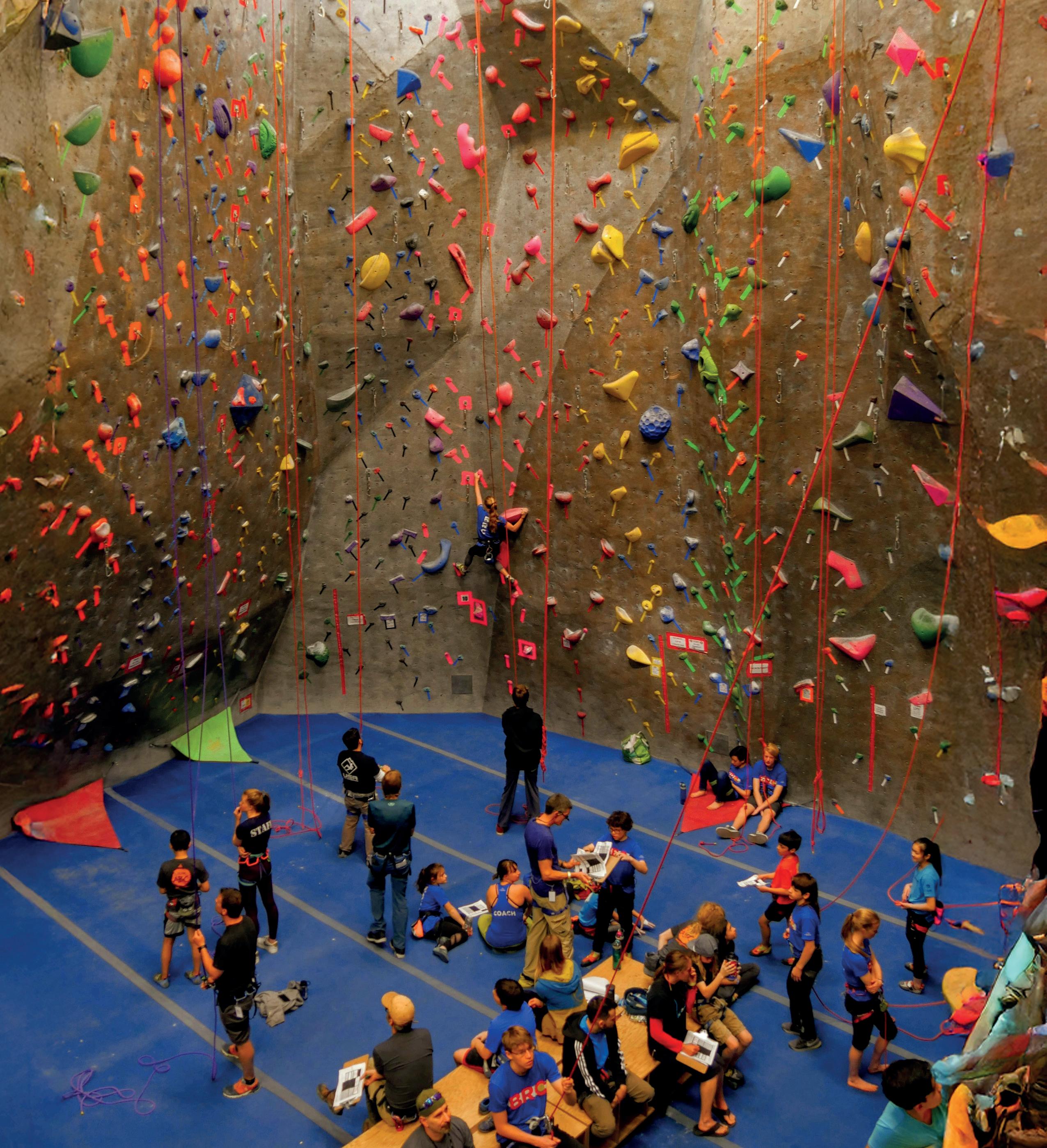
Few governments appear to have taken their leisure rights treaty obligations seriously. An initial first step has, however, been taken by the UK’s Equality and Human Rights Commission which, in 2017, developed a Measurement Framework for Equality and Human Rights , with a series of ‘core indicators’ to assess the country’s performance in regard to matters such as education, living standards and health. Unusually, two indicators for leisure are also included, referring to the level of participation
in sport or exercise and use of the internet. However, in its subsequent reports on human rights performance to the UK parliament, these indicators were not mentioned. There is, therefore, a long way to go before leisure rights will be fully recognised and implemented by governments. ●
● The World Leisure Organization (World Leisure) is an NGO in consultative status with the Economic and Social Council of the United Nations (UN ECOSOC). Leisure Media has been a global media partner of World Leisure since 1990.
BLK BOX has been reimagining elite performance spaces for more than a decade. Founder and former athlete, Greg Bradley, tells us what it takes
From small beginnings in Belfast in 2012, BLK BOX fitness equipment installations can now be found around the world across a diverse range of sectors, from corporate gyms and educational institutions through to fitness clubs, luxury hotels and wellness centres. But there’s one particular sector where BLK BOX is capturing the market with its specialised and bespoke strength and conditioning equipment and sophisticated gym layouts and installations –the world of elite sport and athletic training.
BLK BOX founder Greg Bradley – himself a former Gaelic Football player – says serving elite athletes is embedded in the DNA of the company.
“I spotted a gap in the market 14 years ago, when a new gym at my club – funded by a government grant – resulted in an underwhelming result,” Bradley says.
“That’s what planted the seed for me. I couldn’t find the right equipment to train with myself and I knew many other clubs were facing the same problem.”

Since then BLK BOX – operating from a world class HQ and manufacturing base in Belfast – has become a go-to supplier for elite teams around the world.
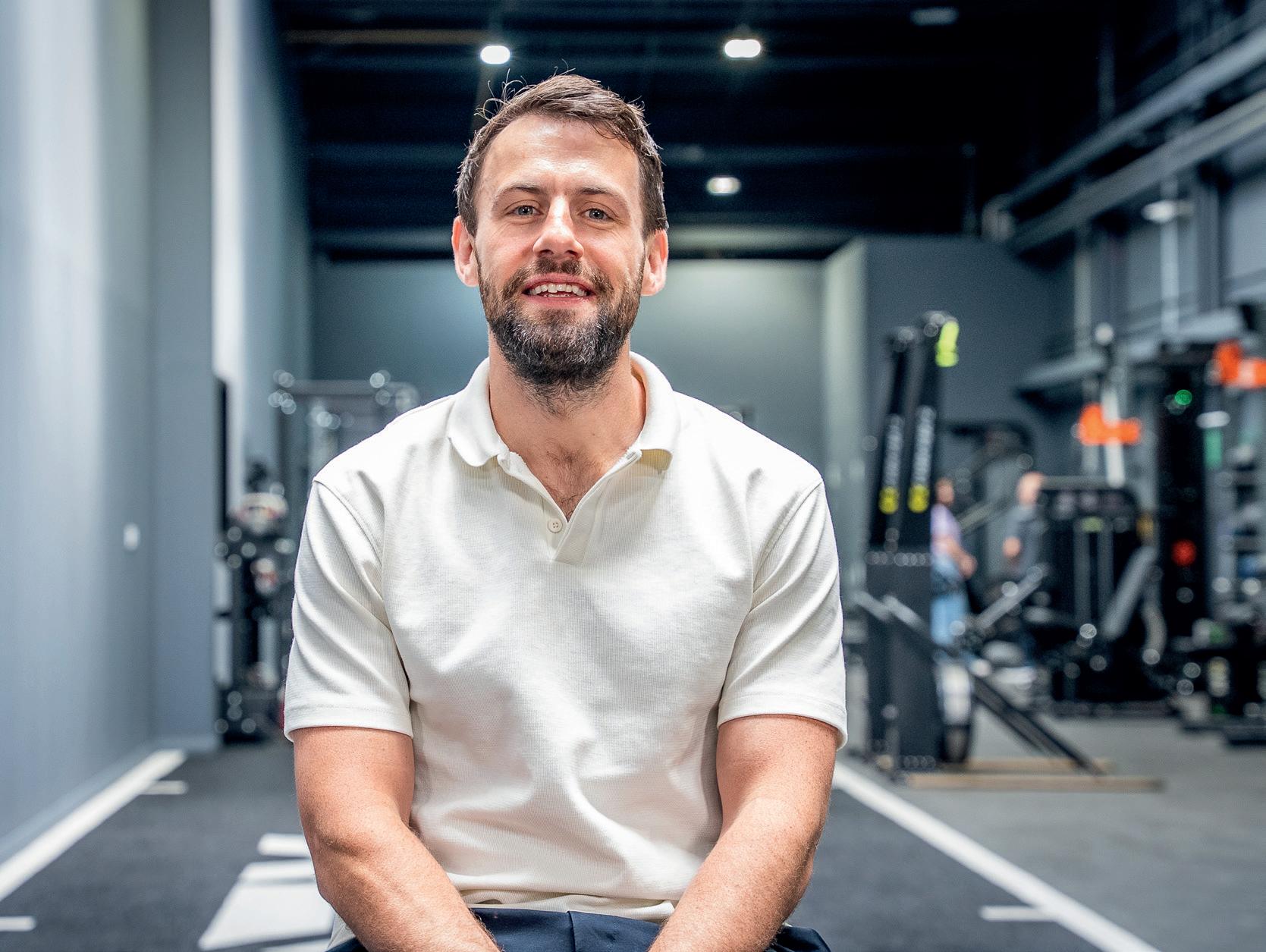
Its first big contract came in 2014 for Brighton and Hove Albion FC, which has been a returning customer ever since. A foothold in professional Irish rugby came around the same time, with the past decade bringing expansion to a diverse range of sports, such as cricket, golf, rowing and hockey.
BLK BOX can now say it’s worked with around 90 per cent of English Premier League
Greg Bradley, BLK BOX
clubs and with its customisation capabilities and personalised approach, every fit-out is unique.
Bradley says: “The process of working with a club starts with us listening closely and asking questions. We gather as much information as we can, speaking not only to managers and coaches, but also to physios and other specialist staff. We need to know the pain points before we design and build.
“For example, if we saw a high degree of a certain type of injury, this could affect the flooring we’d recommend.”
The fact that BLK BOX provides a custombranded end-to-end solution from design through to manufacture and installation puts it in a strong position when dealing with tight timescales and restricted spaces.
“Many installations need to be done in the off-season, which means a turnaround of just a few weeks. Clubs have the confidence we can deliver, so that there’s no disruption to their pre-season training,” says Bradley.
“In addition, our customisation capabilities result in a distinct look and feel and we always maximise the use of available space, which comes at a premium in many sports facilities.”


BLK BOX also works with a select number of specialist equipment suppliers, such as Concept 2, Woodway and Wattbike, to ensure clubs get the best equipment for their needs.
“It’s important to acknowledge that no single company can be best-in-class for all equipment, and our clients trust us to assemble exactly what they need, whether that’s our equipment, or kit from another leading brand,” says Bradley
BLK BOX’s work with elite sport is looking as busy as ever, with recent fit-outs for Red Bull’s Athlete Performance Centre in Austria and its satellite facility in Cortina, Italy. Projects for Rangers, Manchester United and Liverpool FC have also recently been completed.
Outside elite sports, Bradley is encouraged by the rise in demand for more athletefocused fit-outs in health and fitness clubs.
“With the growth in popularity of competitive fitness events such as Hyrox and ATHX, the equipment and space needs of health clubs are changing,” he says. “With its elite sports insights, BLK BOX is perfectly placed to deliver these athlete-focused installations.” ● More: www.blkboxfitness.com
Training, recovery and longevity are merging into a single wellness continuum and Power Plate is the base layer
Performance
Health Systems, manufacturer of Power Plate, has
a new CEO, with an ambitious vision for the company
How does your appointment support Power Plate’s broader ambitions?
This appointment comes at a pivotal moment. Power Plate has already proven three essential truths: whole body vibration works – with this fact supported by 25 years of research – the product scales globally; and demand extends far beyond elite athletes.
After seven years as a board member and having had deeper operational involvement over the past year, I see clearly that we’re not simply a product company, we’re building a platform.
With the integration of technology, agentic AI, data, content and community, Power Plate can evolve beyond equipment into a pervasive wellness system.
The market is shifting rapidly, with consumers no longer separating fitness,
Power Plate is a transformative technology that contributes to a longer, healthier lifespan


longevity, recovery and musculoskeletal health, but seeking total wellness solutions.
Aligned with this trend, Power Plate delivers automated biological stimuli that enhance bone density, circulation, neuromuscular activation, hormonal response, strength, and functional health. This is not just fitness equipment – it’s wellness infrastructure. The opportunity ahead is category expansion and leadership, not incremental growth.
I bring a platform perspective:
■ Shifting from fitness positioning to activation positioning.
■ Integrating into daily life – from gym to home, clinic to workplace.
Power Plate can become woven into how people live, work and perform.
What does Power Plate do exceptionally well and where is it differentiated?

Power Plate is fundamentally different by design. Traditional equipment relies on voluntary exertion. Power Plate delivers automated biological stimuli through precise, multidirectional vibration. The platform delivers the stimuli; the body adapts reflexively.
Practically, this enables:
■ Rapid muscle fibre recruitment in seconds.
■ Increased circulation without high impact.
■ Simultaneous performance, conditioning and recovery.
■ Accessibility across populations – from elite athletes to active ageing and from rehabilitation patients to busy professionals.
Differentiation rests in three areas:

The next generation of operators will not sell more intensity. They will deliver intelligent, research-backed solutions that fit into real life.

Challenges

■ Rising consumer expectations around wellness and longevity.
■ Digital and boutique competition.
■ Commoditisation in fitness.
■ Macroeconomic pressure on discretionary spending.


Opportunities
■ Ageing populations seeking non-pharmaceutical interventions.
■ Employers investing in productivity and resilience.
■ Integration with measurable biomarkers.

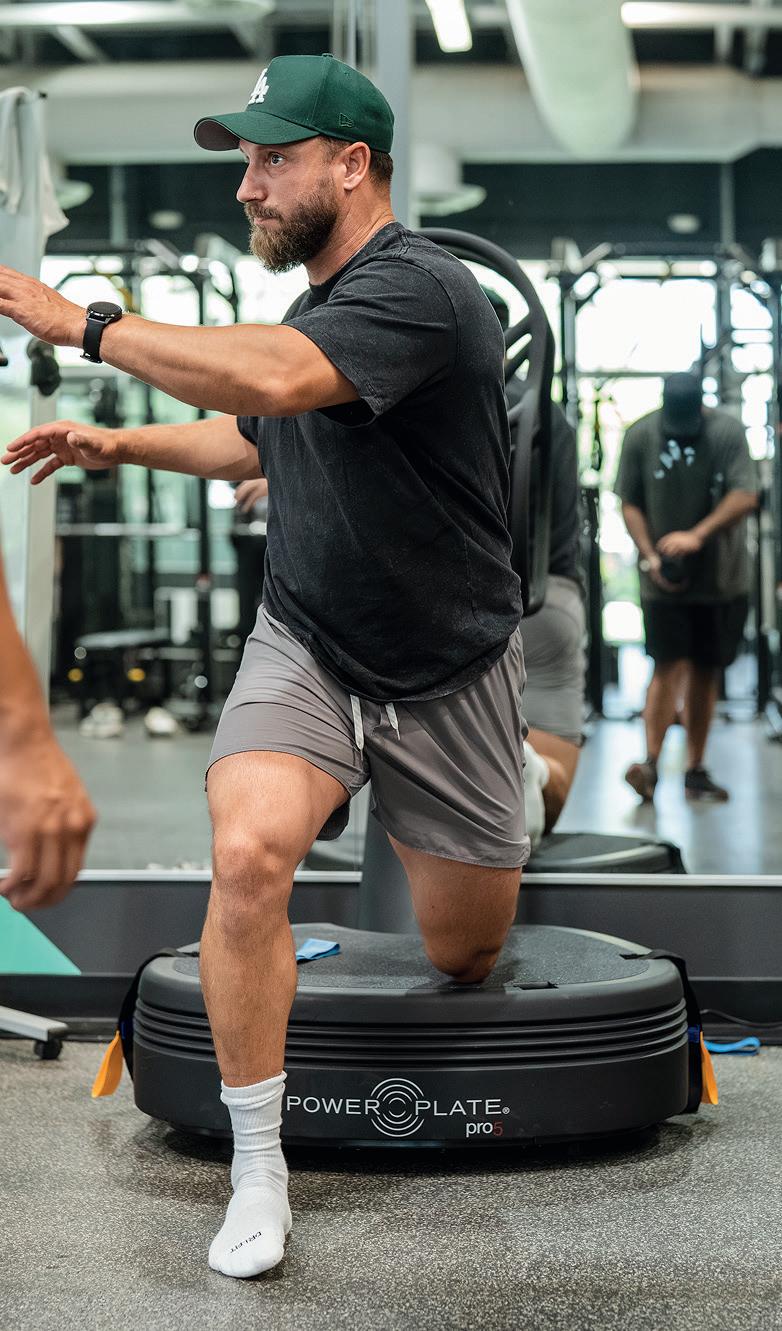

■ Expansion beyond ‘exercise’ into daily conditioning.

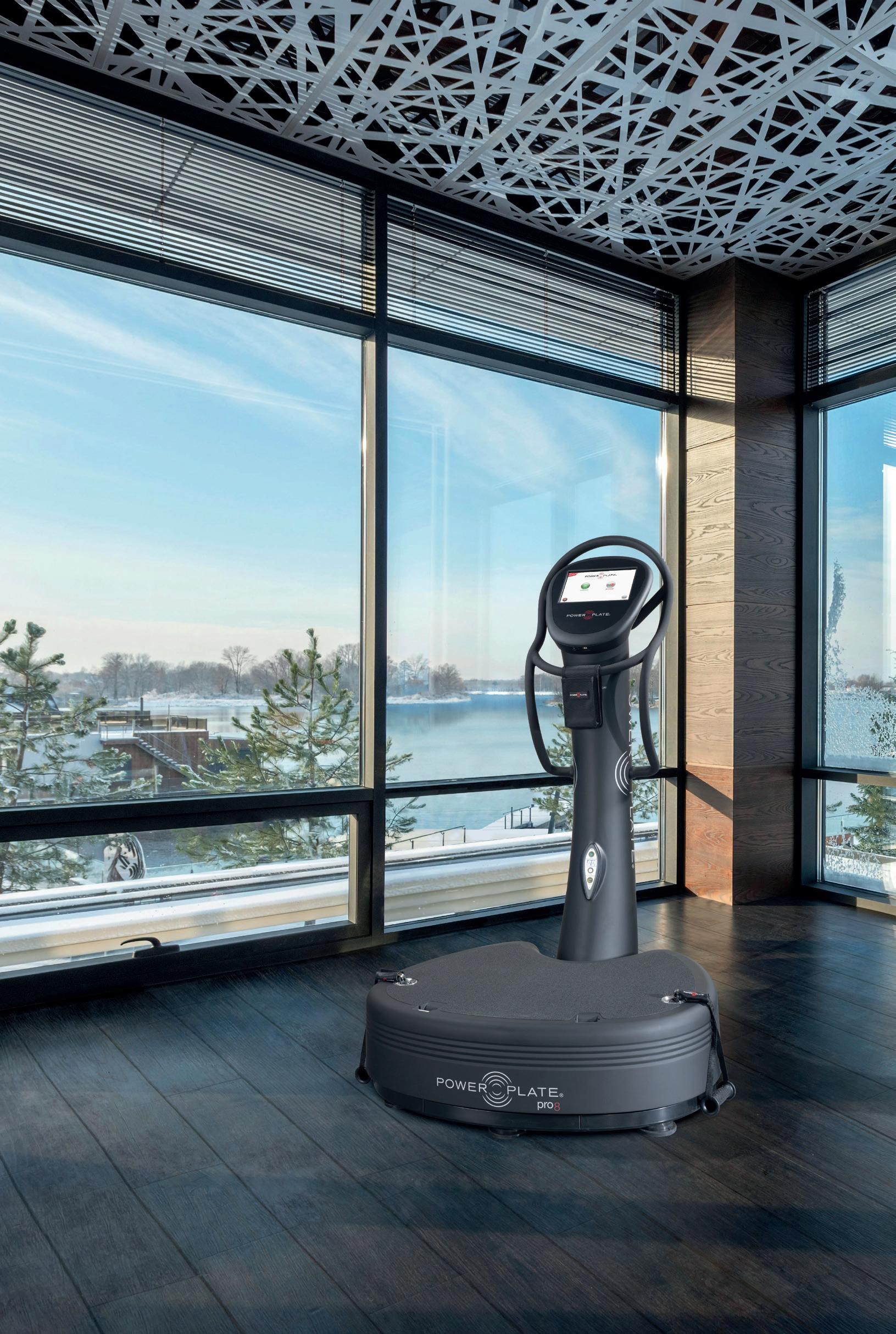
■ Automation versus effort – Power Plate stimuli are delivered by physics.
■ Speed of effect – measurable change in minutes.
■ Breadth of application – performance, rehabilitation, bone density, circulation, and productivity. While treadmills, bikes, and wearables rely on effort or measurement, Power Plate triggers adaptive biological response. Wearables measure. We activate. That distinction is powerful.
How does Power Plate evolve as fitness and healthcare converge?
Training, recovery, longevity and mental clarity are merging into a single wellness continuum. Power Plate becomes the base layer of that continuum, integrated across health clubs, homes, offices, clinics and hospitality environments.
Power Plate has a global partnership with EXOS. (Below) The latest model, the Power Plate pro8
Power Plate holds a premium niche with strong clinical credibility and elite heritage. The opportunity is to broaden perception beyond performance into everyday wellness. The shift is from gym equipment to pervasive daily stimuli infrastructure.
We will strengthen:
■ Consumer education around automated biological stimuli.
■ Partnerships in medical and longevity verticals.
■ Distribution depth in high-value markets.
■ Brand storytelling around physics-driven activation.
Acceleration will come from clarity and expanded application – not by simply adding products. The aims are to:
■ Clarify the category narrative: activation through automated biological stimuli.
■ Strengthen global distribution and regional leadership.
■ Expand commercial verticals –corporate, clinical, hospitality.
■ Layer digital education and services onto hardware.
■ Align global messaging around everyday integration.
Over the next three to five years, major opportunities include:
■ The longevity and healthy ageing markets.
■ Corporate performance environments.
■ Boutique medical and recovery clinics.
■ Premium home optimisation.
■ Digital ecosystems layered onto hardware.
■ Expanded integration in traditional fitness. As daily life grows more sedentary, automated biological stimuli become increasingly valuable in delivering baseline conditioning.
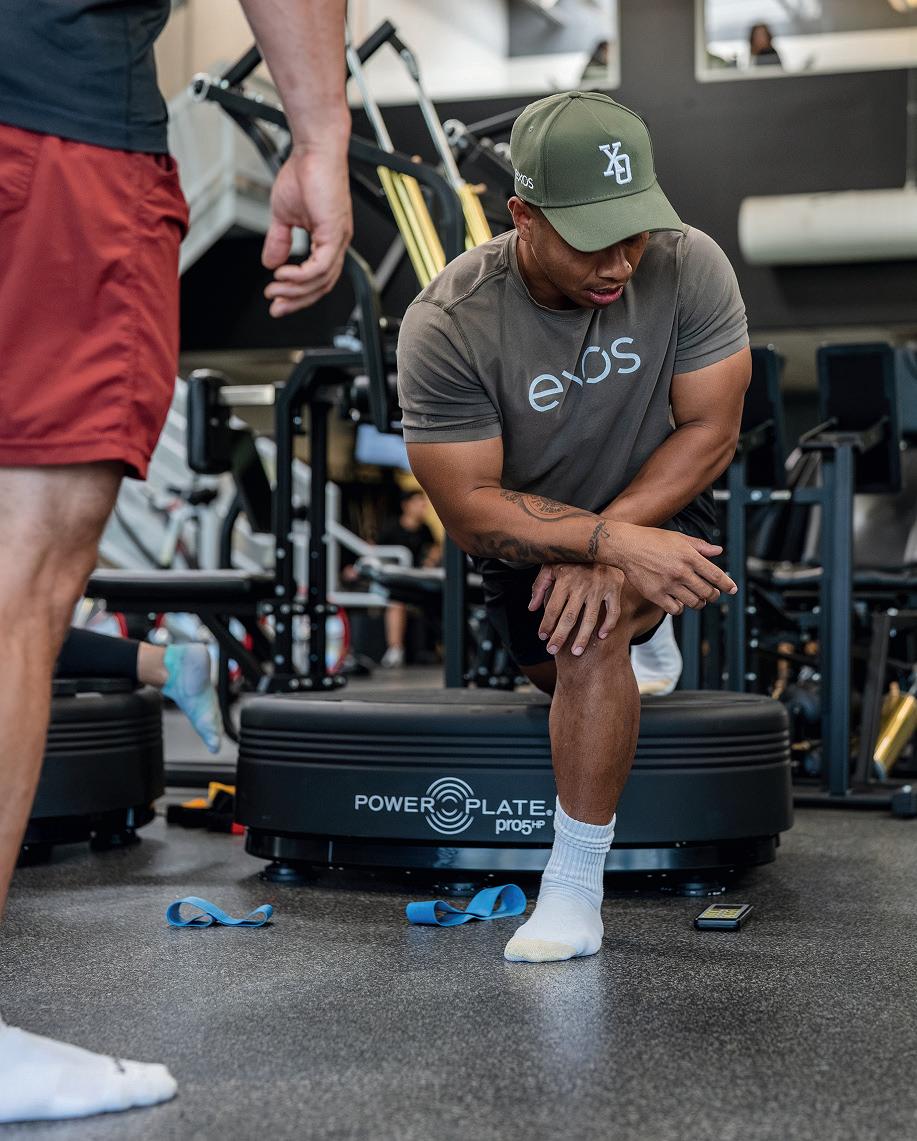
Tell us about your executive positioning Power Plate is not competing in connected fitness. It’s redefining baseline human functionality. Where others measure steps and heart rate, Power Plate influences circulation, neuromuscular activation and cellular signalling. As the global market shifts toward longevity, prevention and resilience, that positioning becomes not just differentiated, but essential. More: www.powerplate.com

Power Plate has 25 years of research into the effi cacy of vibration training

Priority verticals include longevity clinics, corporate headquarters, luxury residential developments, physiotherapy studios, hospitality environments and progressive health clubs. The unifying theme is integration – moving from scheduled workouts to daily automated biological stimuli embedded in life.


Former CEO of UK Active, Steve Ward left the trade association to join Go Fit as chief transformation officer and bring the brand to the UK. He talks to Kath Hudson about how having to pull the plug on these plans yielded surprising benefits
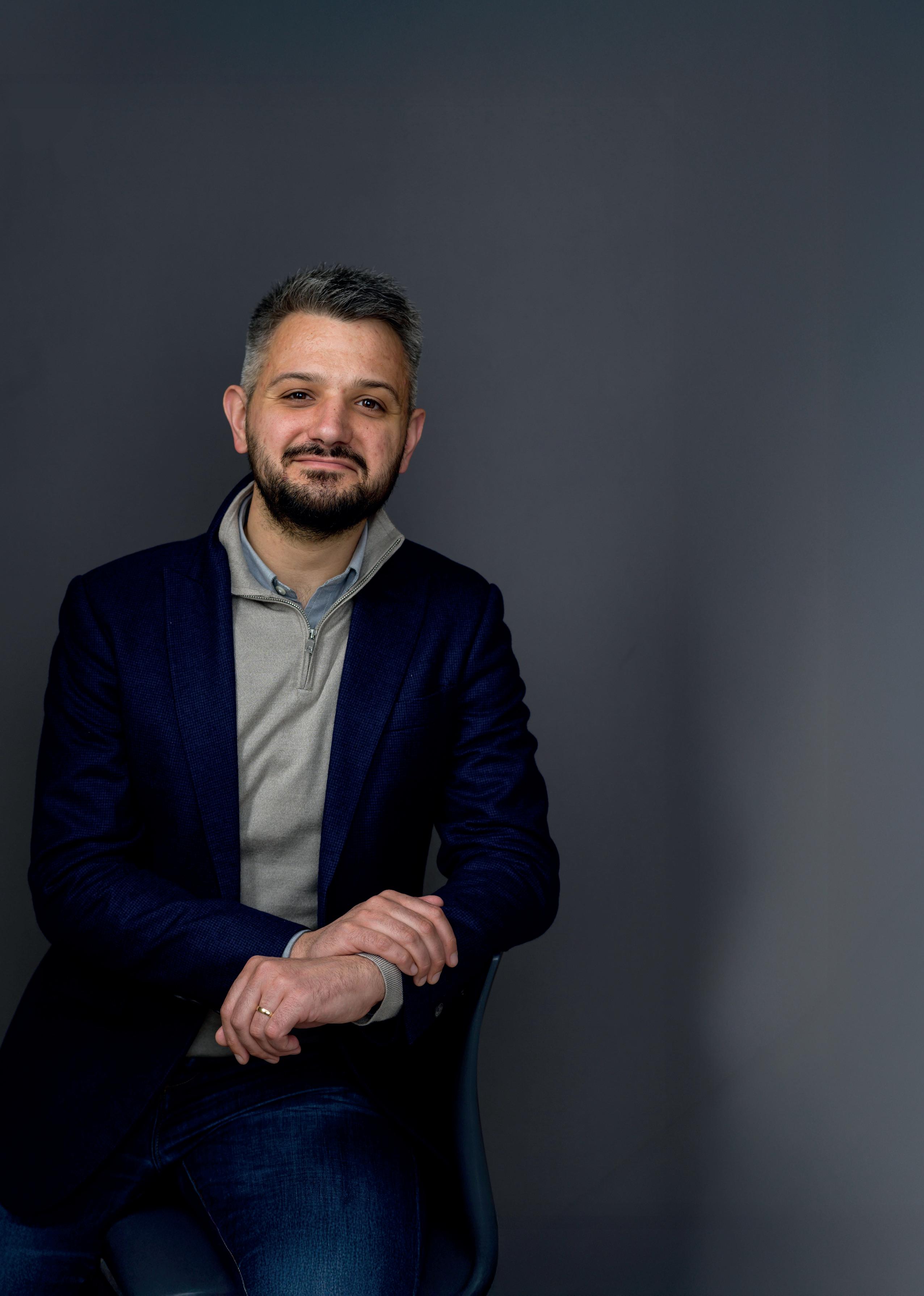
We adopted a ‘simplify to win’ strategy, defining what it means to win and focusing on that
Recent investments brought the Go Fit estate to 30 sites
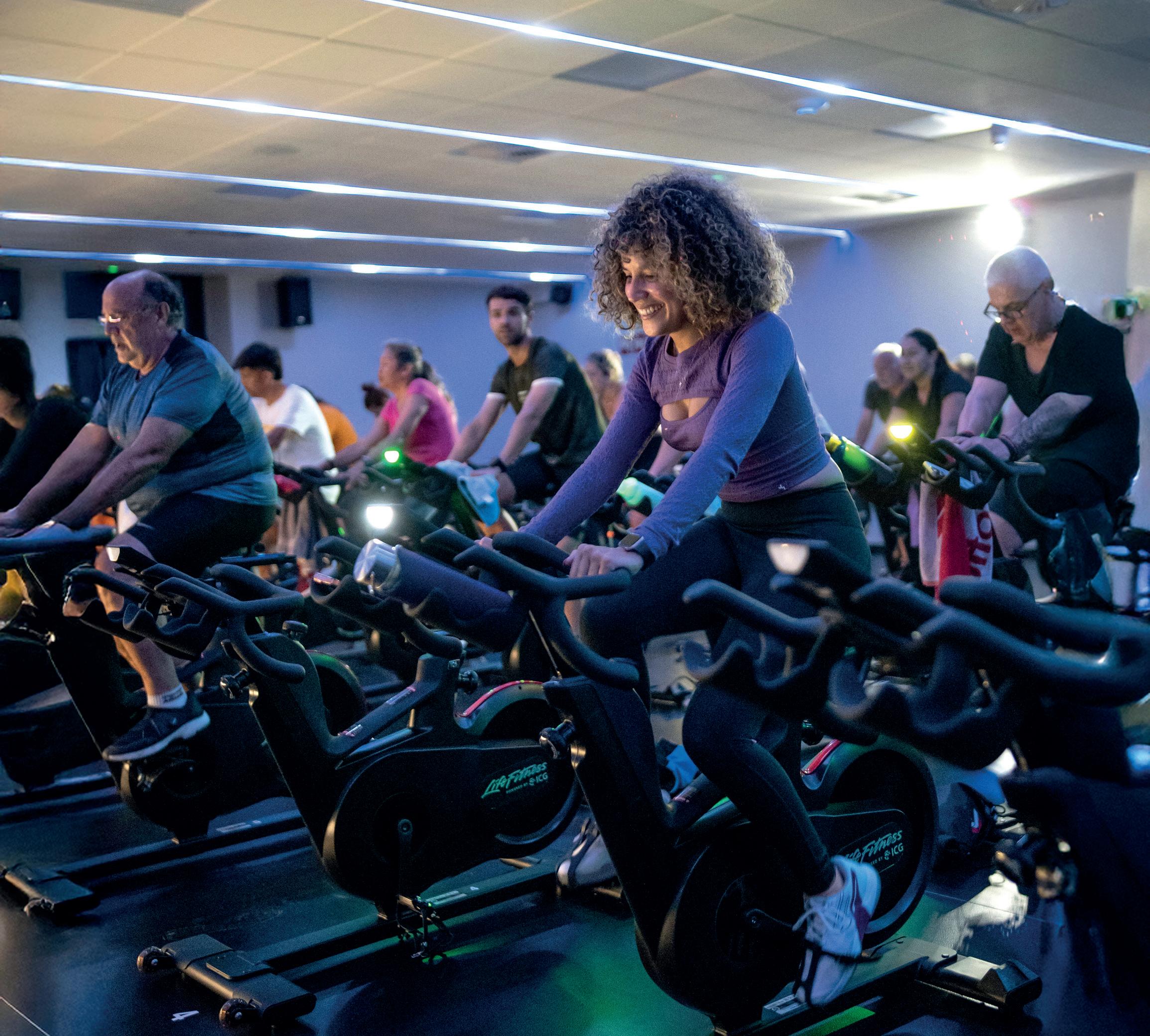
Ijoined Go Fit in 2019 with two objectives. One was supporting the transformation of the company from an energetic start-up environment to a multinational professional organisation with more strategic rigour.
The second part was to drive our entry into the UK market, where we see a tremendous opportunity for our model – a public sector desperate for a new way of doing things presenting a clear gap for us to be really successful.
The pandemic arrived shortly after my onboarding, yet the opportunity remained clear for us in the UK and we were still actively pursuing it.
We got really close – we were just a lettuce leaf away from investing in the UK when Liz Truss’s mini-budget caused our main shareholder to say “we can't do this”.
The UK had had a challenging time from an international investor’s perspective – the uncertainty around Brexit, the pandemic and the cost of utilities –however, we were still prepared to go ahead because Go Fit is a long-term business, thinking in 40-year time frames. However, the additional layer of government collapse was the straw that broke the camel's back. The margin for error had become too small with what was going on around interest rates and inflation.
Under Liz Truss, the UK represented itself as an uninvestible basket case
It was a painful decision, because we’d ploughed a lot of time and money into the project which was the fruit of an enormous amount of collaboration with a huge number of people outside the company. We weren't alone in having to make some painful decisions at that time relating to the UK. It's a very sad state of affairs when the sixth largest economy in the world with the largest fitness market in Europe, a vibrant consumer market,
Go Fit will invest €150m in eight sites from 2026 to 2028
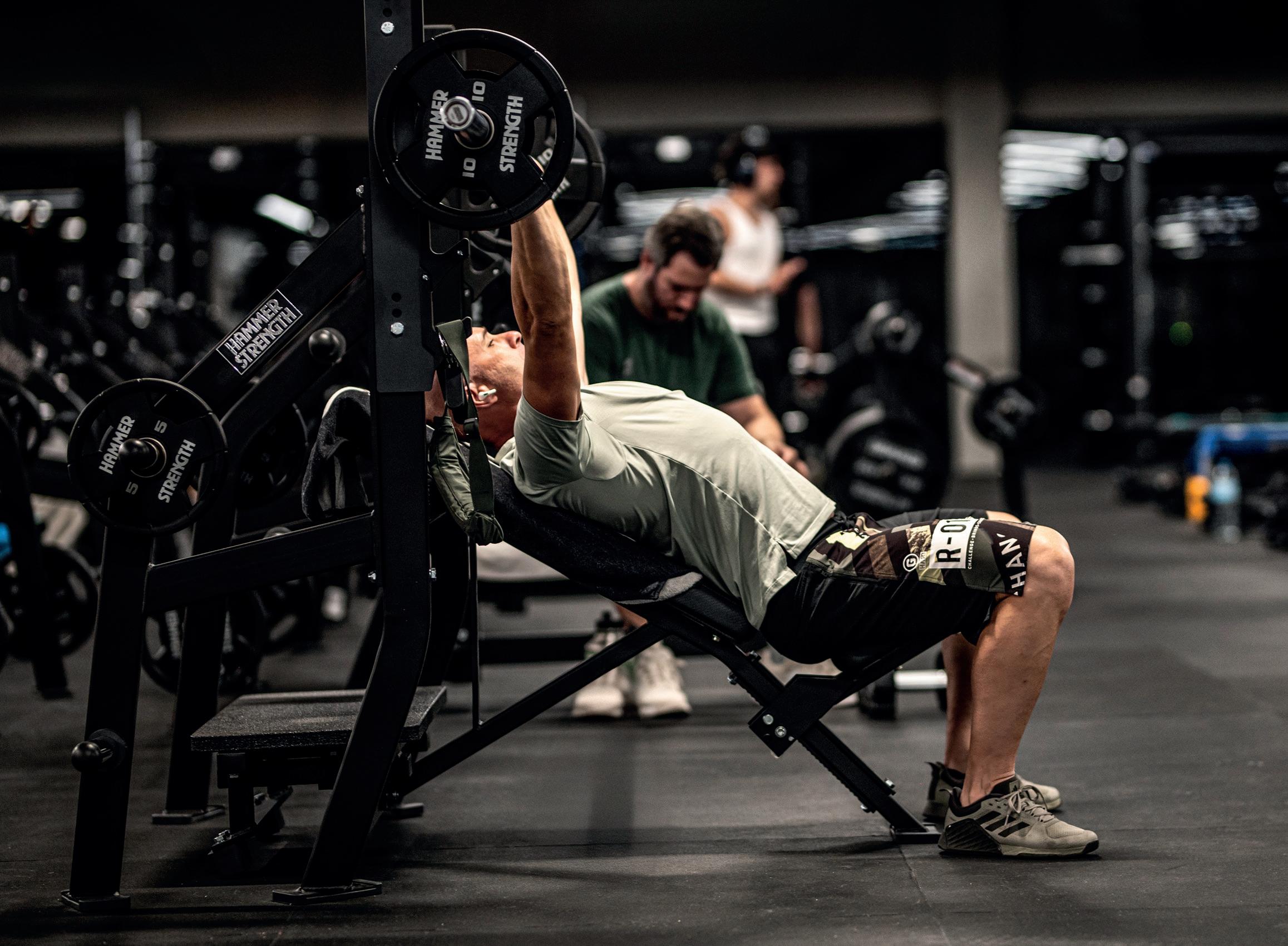
a highly-educated population and a strong commitment to wellbeing across all stakeholders represented itself internationally as an uninvestable basket case. Unfortunately, that was the perception of the UK among international investors at that time.
When the context changes so dramatically in a way you can’t control, you have to make the best of the situation and focus on what you can control. I love Go Fit and believe in its uniqueness and the team, so I decided to pour my full energy into making sure that the first part of my mission – to transition it into a multinational, data-driven company – was successful. We were having a transition in CEO from the original founder – an incredibly visionary guy who came up with the concept – to a new CEO who was part of the drive towards internationalisation and new levels of professionalisation. It was immediately clear that my opportunity was to facilitate that transition and work with him. It also reinforced the cultural shift that we were making by adopting a ‘simplify to win’ strategy – defining what it means to win and focusing on that. You go through different phases in your career and it has a natural rhythm and evolution. In time you start
Not going to the UK allowed us to have an outstanding execution of our plan for Italy
to view it as impossible to sprint your entire career. This truly is a marathon and anyone who’s done one knows there are some very challenging sections. It's about finding a sustainable model of leadership for yourself and for the organisation you're part of, regulating your pace and deciding when to push and when to not. Sometimes you have to force yourself to take a step back, prioritise and say no. This is a personal trait I've had to develop over many years. My colleagues at UK Active would probably say I was like a pitbull when I had something I wanted to get done, and maybe only later realised that it wasn't the best thing to have such tunnel vision. Now I think I'm quite calm in deciding when
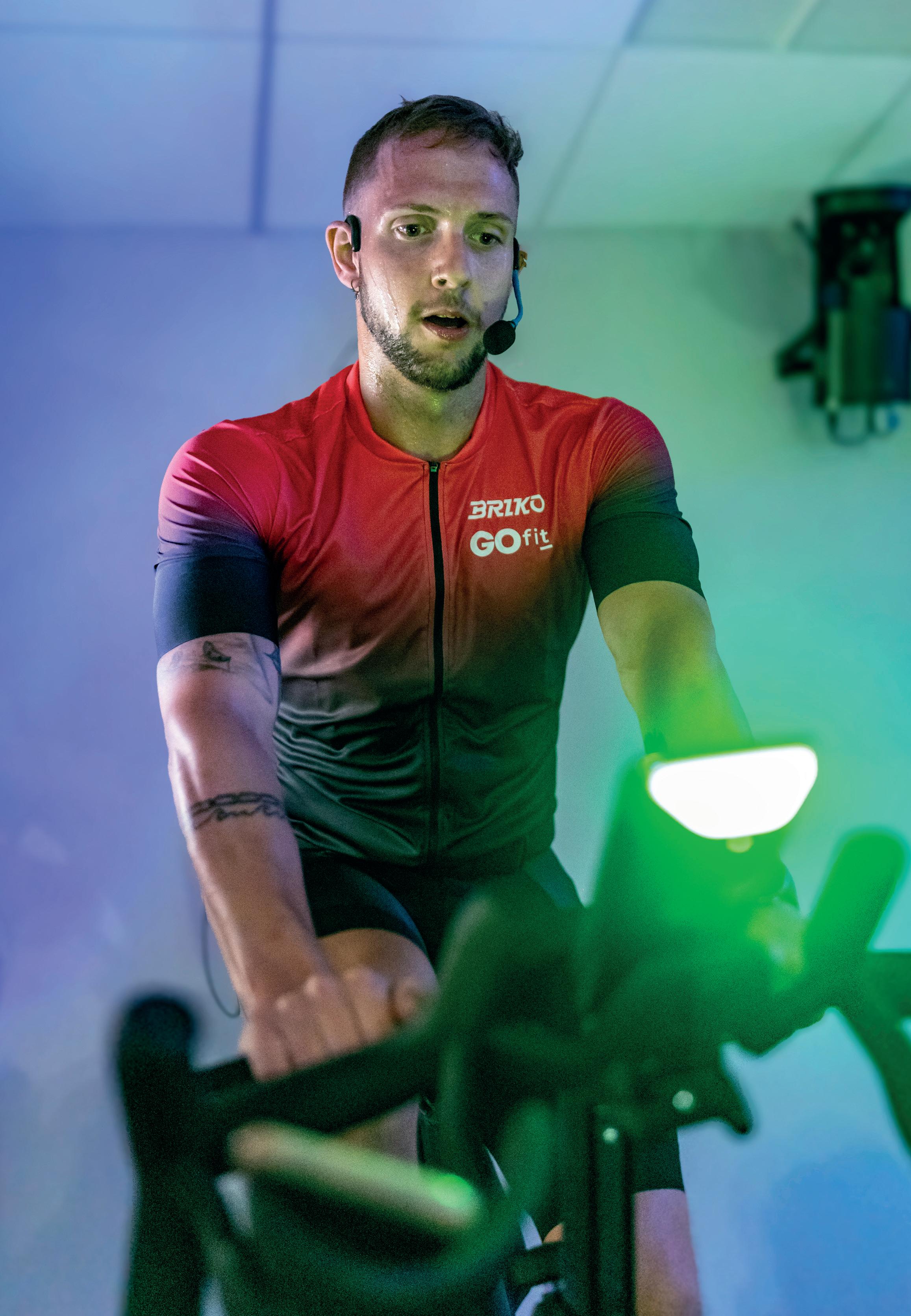
The opportunity for Go Fit in the UK will only get bigger. We don’t have to rush
to surf the wave and which ones to let pass.
Instead of going to the UK, we put our focus on Italy. Not going to the UK allowed us to have an outstanding execution of our plan there in this cycle between 2023 and 2028. Now we're much better placed for success and have learned lessons we can take to the UK in the future.
We see a lot of opportunity in the years ahead. Our current strategic plan goes until 2028 and we're also starting to put specific things down for 2029 onwards. We're a much stronger company because of this cultural change.
On reflection, it was absolutely the right decision to not proceed to the UK at that time. If we had we wouldn’t be doing what we’re now doing in Italy. It would have been hard to have such success in two different directions.
The opportunity for a high quality concept such as Go Fit in the UK is a long-term opportunity that will only get more attractive. We don’t have to rush. l
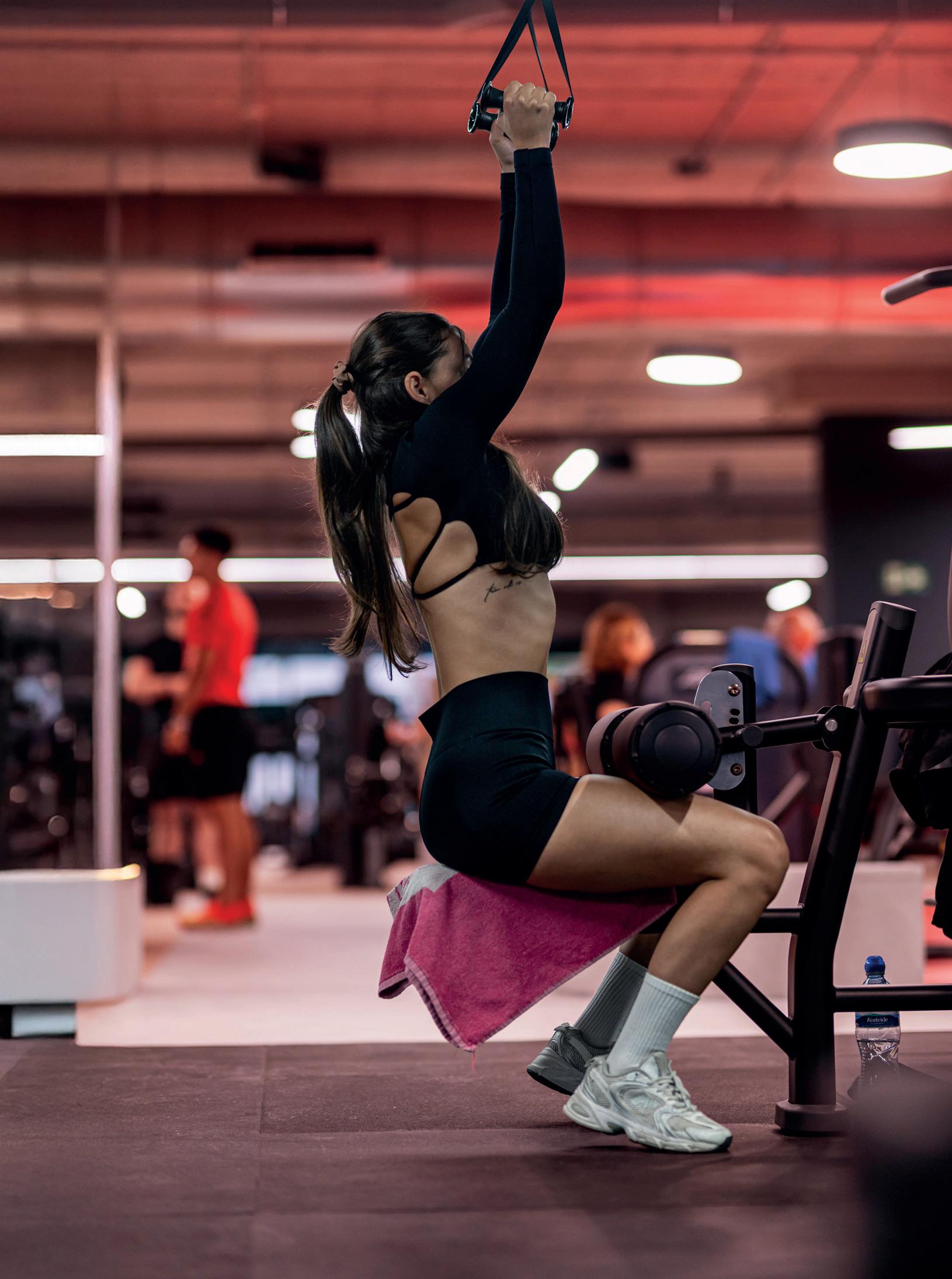
Go Fit has a unique model of bidding for long-term contracts to design, build, operate and manage facilities on public land, which the company working mainly with city councils. This public-private partnership approach has been recognised by the United Nations Economic Commission for Europe as delivering best practice in collaboration.
The company has a mission of getting all generations active,
sustainability and employing local people. While memberships for the clubs, with their extensive offerings, are €37 a month, children are given free entry and there are concessions for the economically disadvantaged.
The company’s social value in Spain has been calculated at €300m.
Go Fit launched its first fitness club in Italy in October 2025. Located at Turin’s former flower market, Mercato dei
Fiori, the 14,000 square metre facility plays host to more than 150 weekly activities.
The company is now working on two more health and fitness projects in Milan and Bologna
Last year, Go Fit also launched a €20m sports centre in Sant Cruz, Tenerife and will be investing a further €150m in eight more clubs between 2026 and 2028, bringing its total estate to 30 properties. l









Define your strength, fitness and functional training zones with one of our anti-slip rubber floor coverings or maybe utilise our bespoke, seamless polyurethane surfaces to transform your health and wellbeing spaces. Whatever your flooring requirements are we can help to create exceptional training environments for your members.



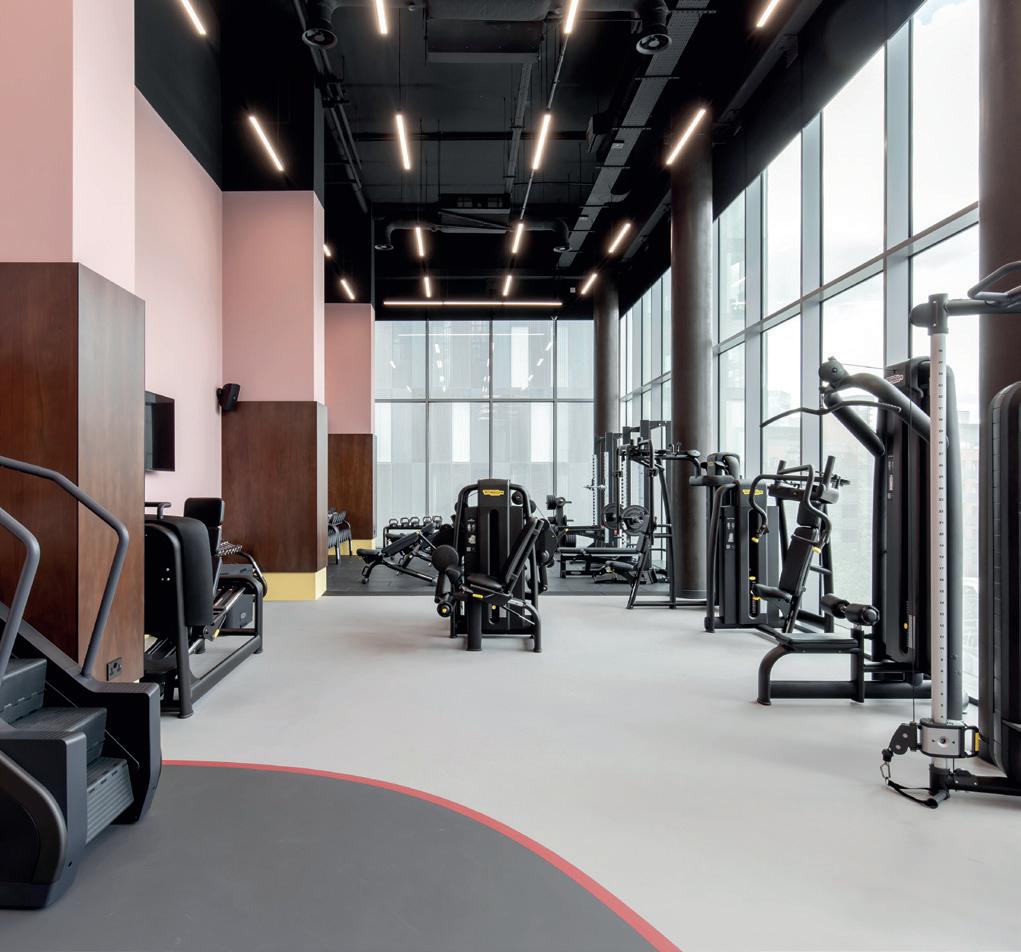










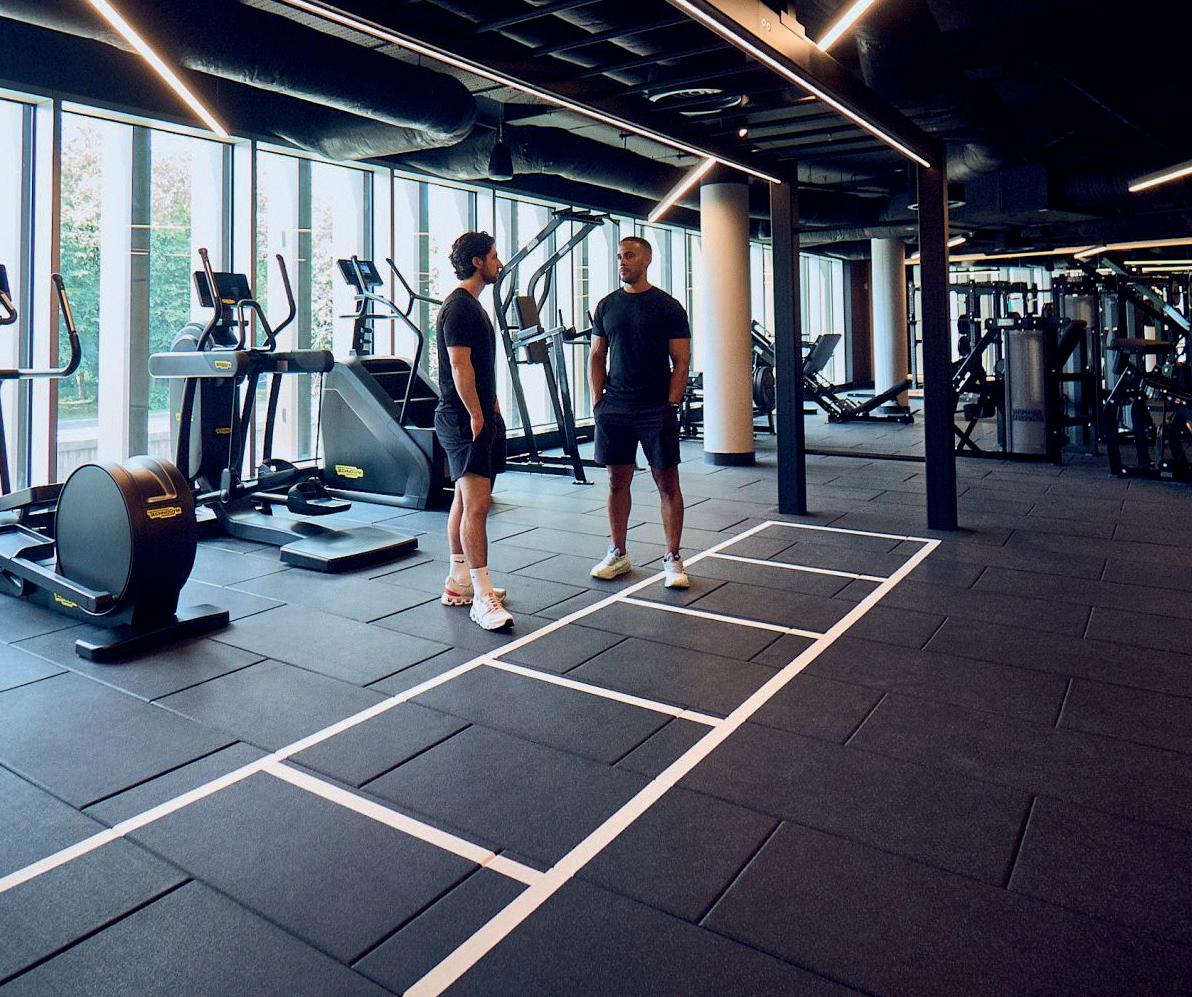




























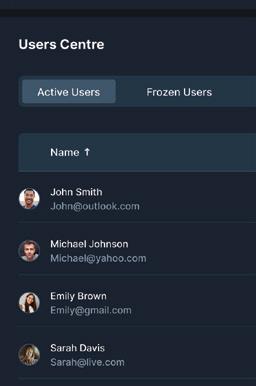



















































Pulse
Pulse Fitness has partnered with the team at Balance Health Nottingham to help bring an impressive new fitness facility to life.
As a result of the transformation, the gym delivers a modern, technology-led training environment designed to support members at every stage of their health and fitness journey.
At the heart of the facility is a thoughtfully-designed training floor, featuring dedicated zones for cardio, strength and functional training. This structured layout allows members to move seamlessly between different workout styles, whether they’re following guided programmes, training independently or working with a personal trainer.
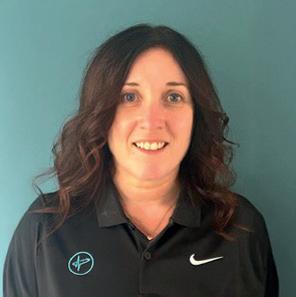
“The gym delivers a truly connected training experience that supports members with personalised, efficient and engaging workouts”
Marie Benny, Pulse Fitness
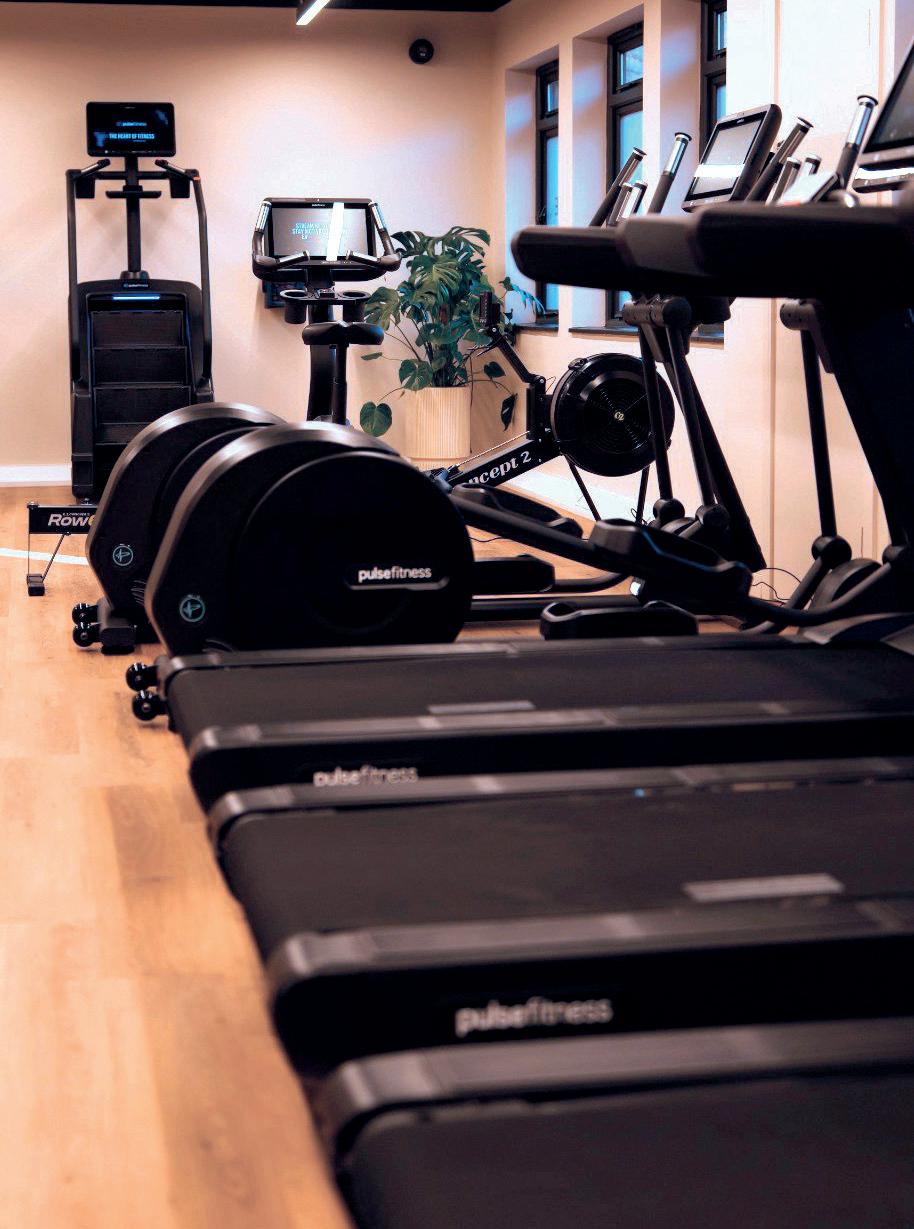
Beyond the main gym floor, Balance Health Nottingham also offers a range of additional experiences including studio classes, Reformer Pilates and specialist training spaces. These elements create a versatile and welcoming environment that caters to a wide spectrum of fitness levels, goals and preferences.
Pulse Fitness equipment plays a key role in shaping the facility, offering high-performance machines that complement the gym’s modern design and operational vision.
Marie Benny, regional sales manager at Pulse Fitness, says: “We’re proud to have partnered with the team at Balance Health Nottingham to help bring their incredible new facility to life. With our durable equipment and smart integrations, the gym delivers a truly connected training experience that supports

members with personalised, efficient and engaging workouts.”
Function and aesthetics
From equipment specification through to installation, Pulse worked closely with the team to ensure the space delivered both functionality and visual impact. The result is a contemporary facility designed to support performance, wellbeing and long-term member engagement.
Balance Health Nottingham is a pioneering integrated health and fitness ecosystem, and an example of how quality equipment, smart technology and thoughtful gym design can come together to create a modern fitness destination. ●
More: www.pulsefitness.co.uk
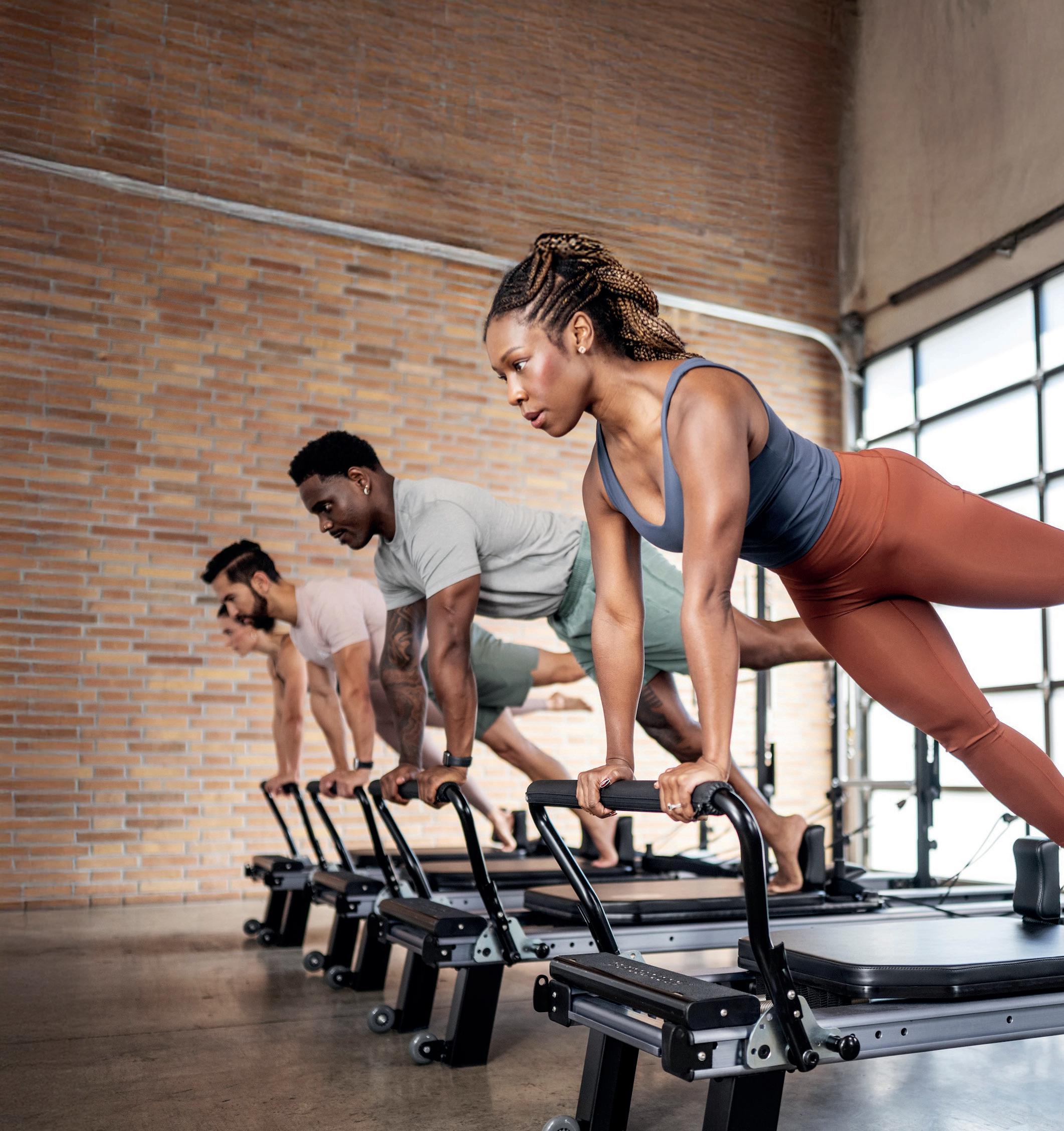
With Pilates offerings constantly evolving, what can suppliers offer health clubs wanting to leverage this popular segment of the wellness market? Julie Cramer reports
Ken Endelman Founder and CEO Balanced Body
Balanced Body has been committed to continuous innovation for more than 50 years, and now has over 300 Pilates equipment patents worldwide.
What sets our reformers apart are the two elements that matter most: patented Signature Springs and a smooth carriage ride. Each nickel-plated spring is tested ahead of shipping, ensuring precision resistance and long-term durability. Our proprietary wheel system and precision-engineered rails deliver an exceptionally quiet, fluid glide that professionals immediately notice. Select models, including the Allegro 2 Reformer and Metro IQ Reformer, feature integrated transport and storage wheels for mobility and space efficiency. Beyond equipment, clients benefit from real-person technical support and the online Balanced Body Garage video library for maintenance guidance. We also offer customised instructor training and digital programming support, helping studios deliver measurable results and an elevated client experience. More: www.pilates.com
Our proprietary wheel system delivers an exceptionally quiet, fl uid glide
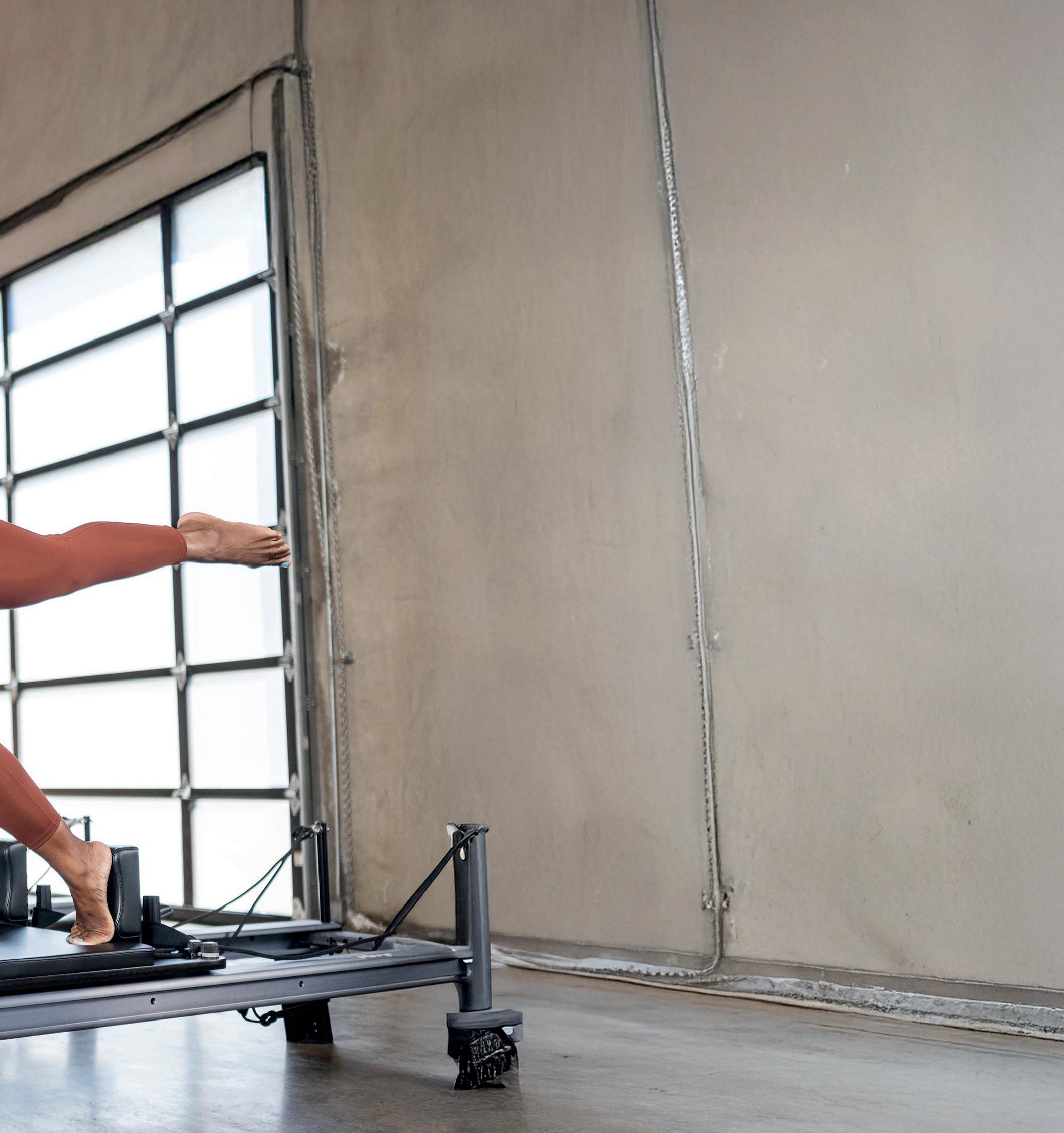
In partnership with Balanced Body, the University of Nottingham in the UK has strengthened its reputation in university sport and wellbeing with the launch of a purpose-built reformer Pilates studio at the David Ross Sports Village.
Equipped with 11 Allegro 2 Reformer units with Towers and Plank Bars and five Combo Chairs, the dedicated studio is a first for UK higher education.
Designed to accommodate students, as well as members of the surrounding community and competitive athletes, the studio supports performance, rehabilitation and wellbeing, complementing physiotherapy services, athlete development and sports injury programmes.
Balanced Body collaborated on the layout, bespoke finishes and on-site education, with training delivered to both fitness professionals and physiotherapists.

Now embedded in the group exercise programme, the studio offers classes, specialist sessions and one-to-one rehabilitation, while creating commercial opportunities through partnerships and corporate wellness.
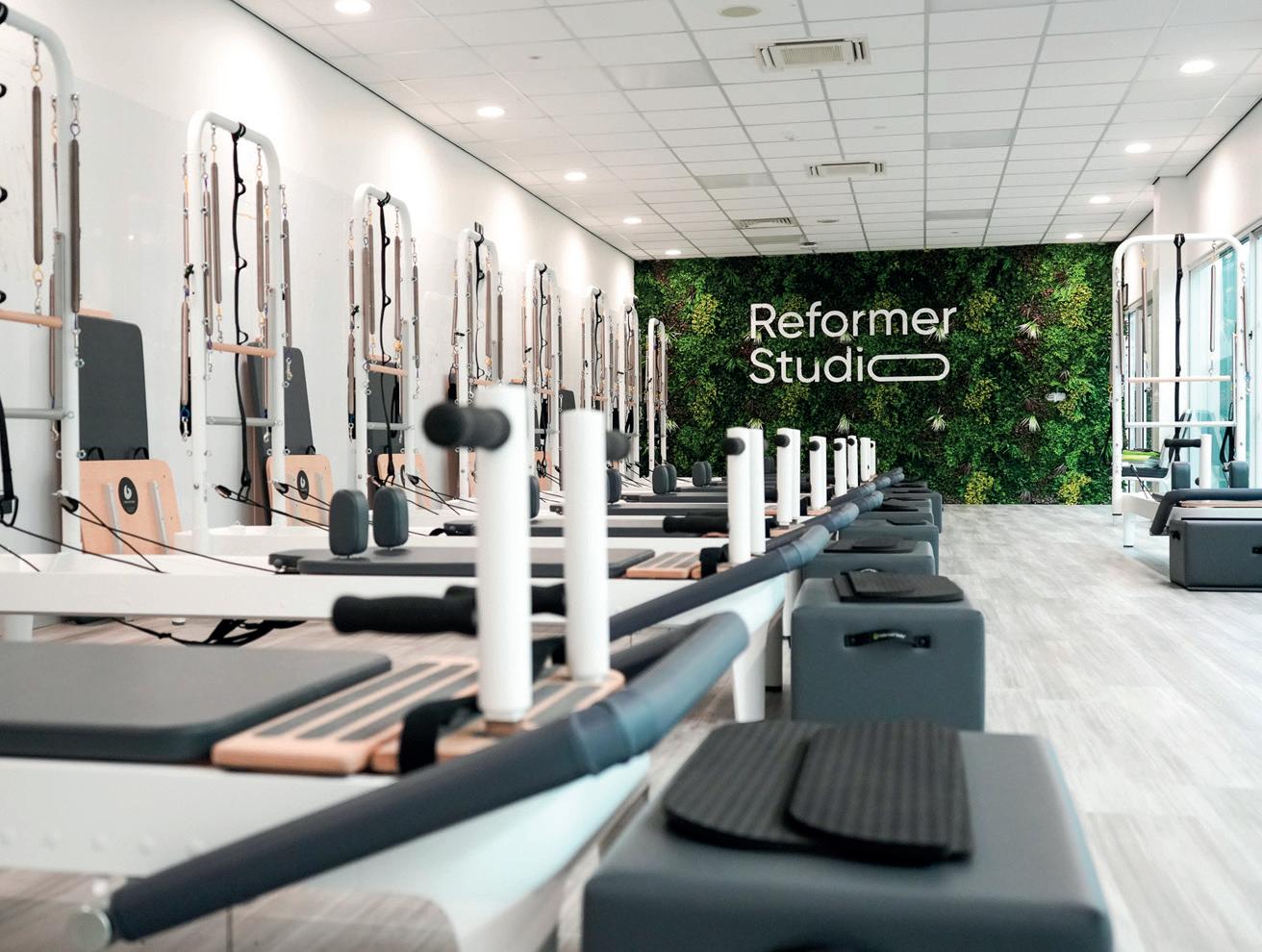

Physical is the sole UK reseller of Merrithew, a brand that’s shaped Pilates for over 35 years. Every reformer is a product of decades of innovation, refinement and real-world studio experience. Every box ticked, every question answered, these are bulletproof commercial-grade products with unmatched quality and heritage.
Merrithew’s SPX Max reformers are designed for modern, multi-discipline studios: they can be stacked or stored upright, maximising space without compromising performance.
Add-ons such as vertical frames and Cardio-Tramp Rebounders enable class formats to expand into cadillac classes or dynamic, cardio-driven workouts, supporting the versatility that today’s studios demand.
Meanwhile, Merrithew Connect brings the brand’s Stott Pilates education and class content into one app, giving instructors tools to plan workouts and allowing end-users to stream reformer workouts. More: www.physicalcompany.co.uk
When superfood retailer Acai Berry opened its flagship in London’s Shoreditch, it saw an opportunity to expand the offering to its fitness-focused clientele by introducing Pilates. Eyeing an in-store studio, Acai Berry placed its order. The next day, Physical delivered 10 SPX Max Onyx reformers, CardioTramp rebounders and accessories, helping optimise the opportunity to broaden Acai Berry’s customer relationship. The all-black reformers complement the store’s monochrome, Copacabana-inspired design, creating a space that’s on-brand. The low-profile reformer design ensures safe use during fast-paced classes, while cardio-tramps support the high-tempo sessions Acai Berry’s clientele enjoy. By combining professional-grade equipment, space planning and programming, the studio brings movement alongside nutrition to create a premium experience, elevating Acai Berry beyond a superfood destination, creating a wider wellbeing experience that resonates with its audience.
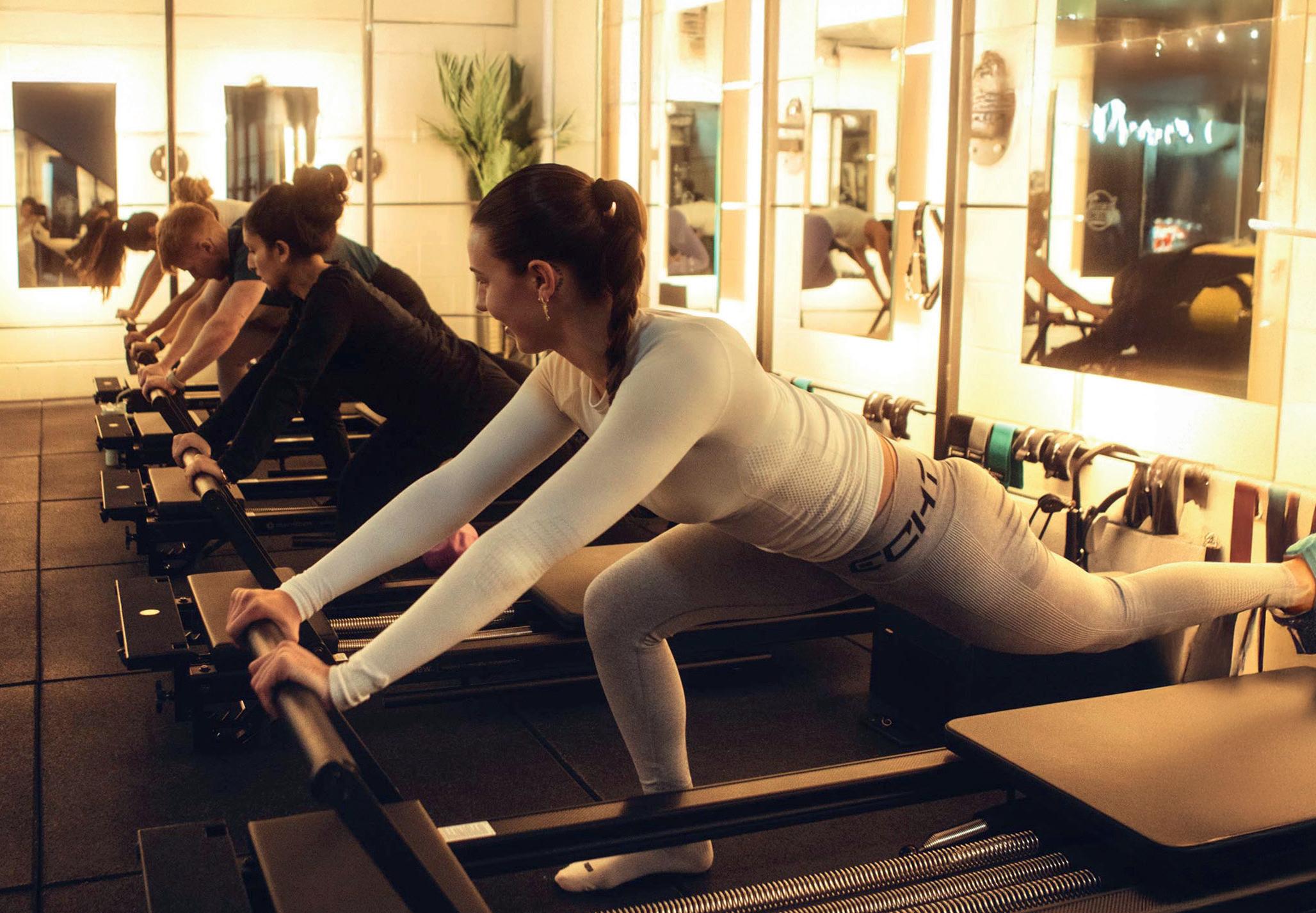

Optimal
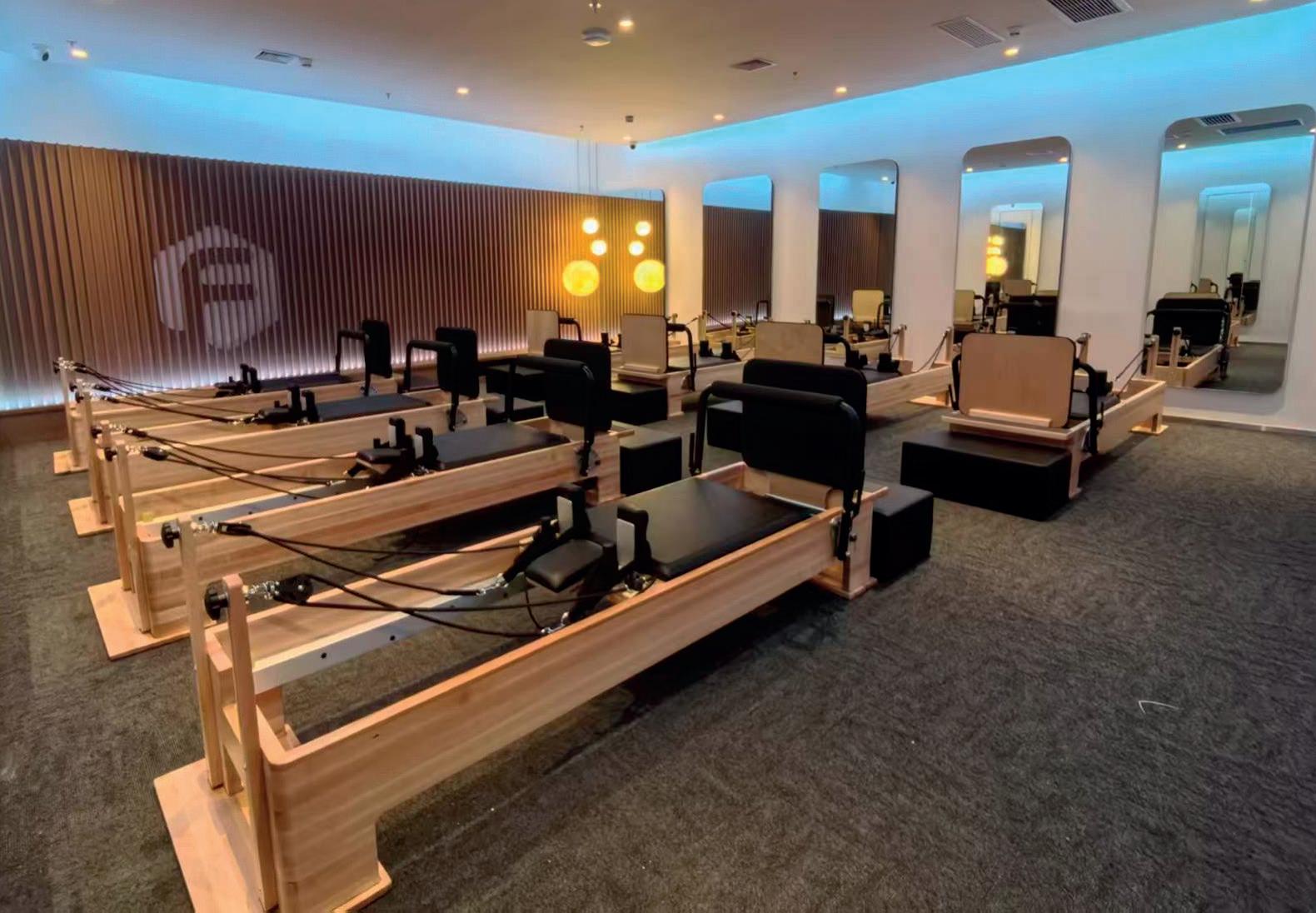
Ella Verhees Product director Core Health and Fitness

Our Pilates reformer range is designed specifically for commercial fitness environments across the UK and Europe, combining studio-quality performance with the durability required for high-traffic facilities. Crafted with a premium maple wood frame and a smooth, precision-guided carriage, it delivers a quiet, stable ride suited to everything from rehabilitation and beginners’ sessions to dynamic strength-led classes.
What sets us apart is ease of use in group settings. Adjustable springs, clear settings and ergonomic shoulder rests allow instructors to adapt sessions quickly, keeping classes flowing and accessible to all abilities. The robust build supports consistent, heavy usage without compromising comfort.
From an operational perspective, the streamlined frame design supports efficient studio layouts, while our wider ecosystem of training and programming resources helps operators launch and scale successful reformer programmes, driving engagement, retention and long-term member value. More: www.corehandf.com
What sets us apart is ease of use in group settings
We recently supported Fitmula Pilates in the APAC region in upgrading their Pilates studio by installing a suite of our reformers and accessories to replace ageing equipment and expand class capacity. The operator wanted to elevate the member experience while making the space more functional and safe.
We worked closely with them from design to delivery, advising on optimal equipment layout to improve traffic flow, sight lines and instructor access. By selecting durable, low-maintenance reformers and integrating clear instructional signage, we helped reduce setup time between classes and improve user confidence.
A key challenge was fitting multiple reformers into a compact studio without reducing comfort or accessibility. We overcame this through careful spacing, operator training and staggered classes, ensuring equipment was approachable for all abilities. The result was a more enjoyable studio that boosted bookings and member satisfaction.
Howard Braband MD
As one of the original US manufacturers of Pilates apparatus, Peak Pilates is recognised globally for its range of premium metal and handcrafted wooden reformers, engineered for precision, longevity and smooth, quiet performance.
Peak Pilates equipment with guided, on-screen sessions, making it possible to operate a premium Pilates studio 24/7/365 days.
The Fit Reformer remains one of the most popular choices for studios in the UK, thanks to its versatility, robust construction and user-focused adjustability. Its design options of both vertical and stackable storage also support efficiencies in busy studio environments.
Our latest innovation, Pilates StudioConnect is a professional-grade Pilates system that combines
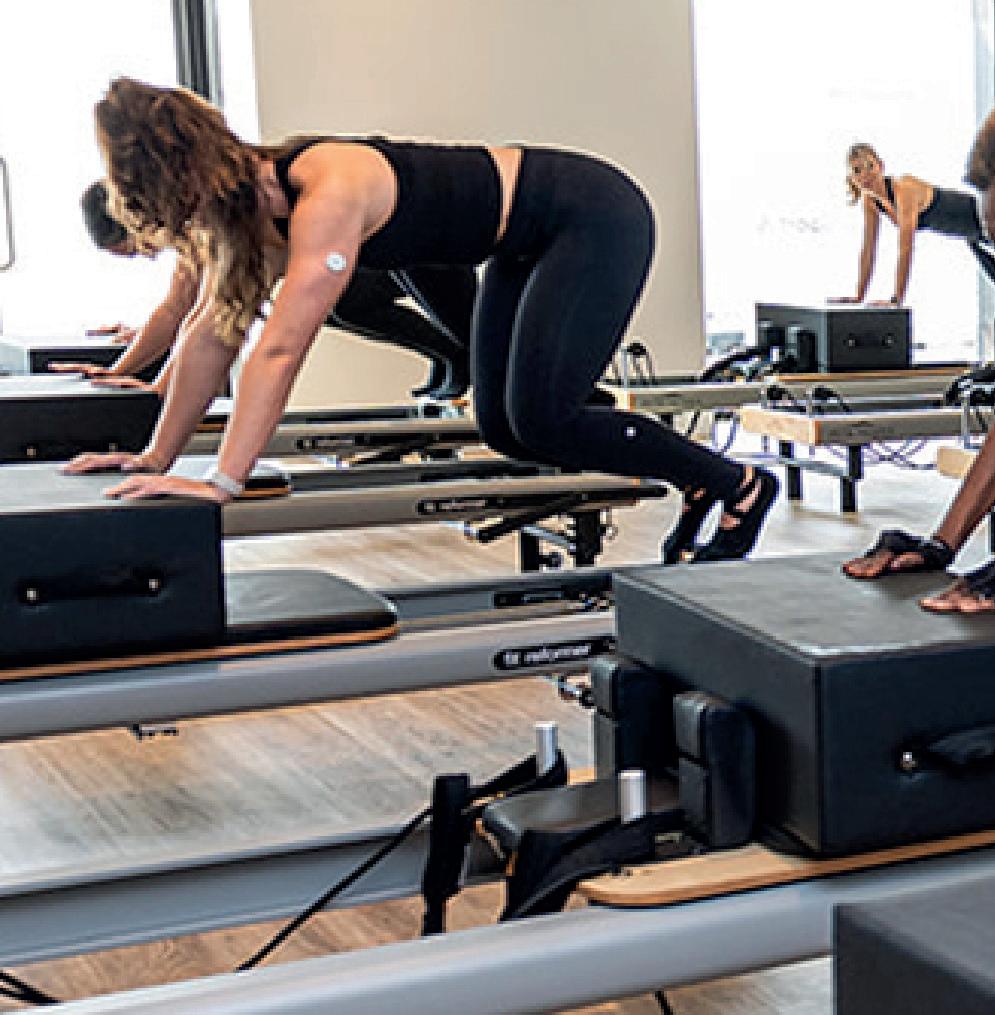
At Peak Pilates UK, we support operators beyond installation.
With a showroom and working reformer studio demonstrating proven concepts, alongside design and fit-out guidance, launch and marketing support and industry-leading FitCore group reformer instructor education. UK-based stock, with good supply, employed engineers and dedicated parts availability ensure long-term reliability of the brand, helping health clubs introduce and sustain a high-quality Pilates offering with confidence.
Gymkit UK is a distributor of Peak Pilates.
More: www.peakpilates.co.uk
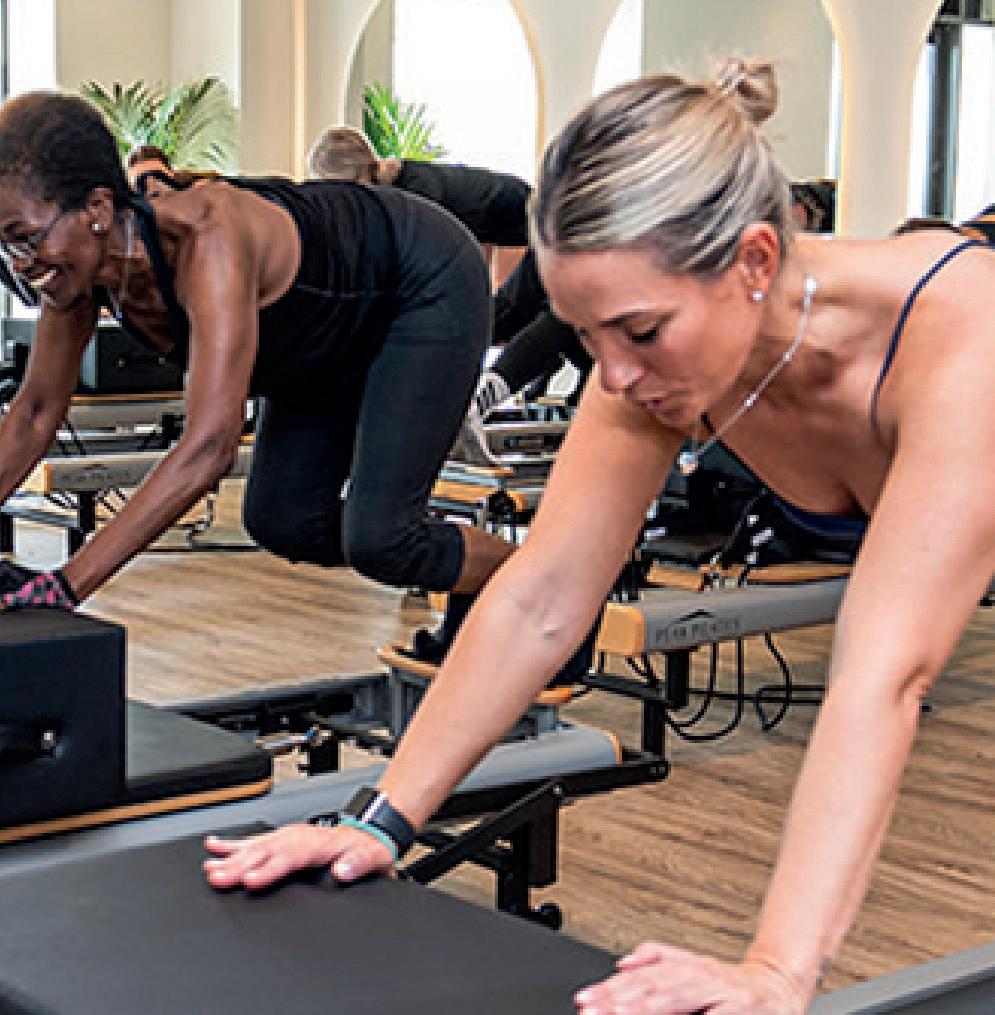
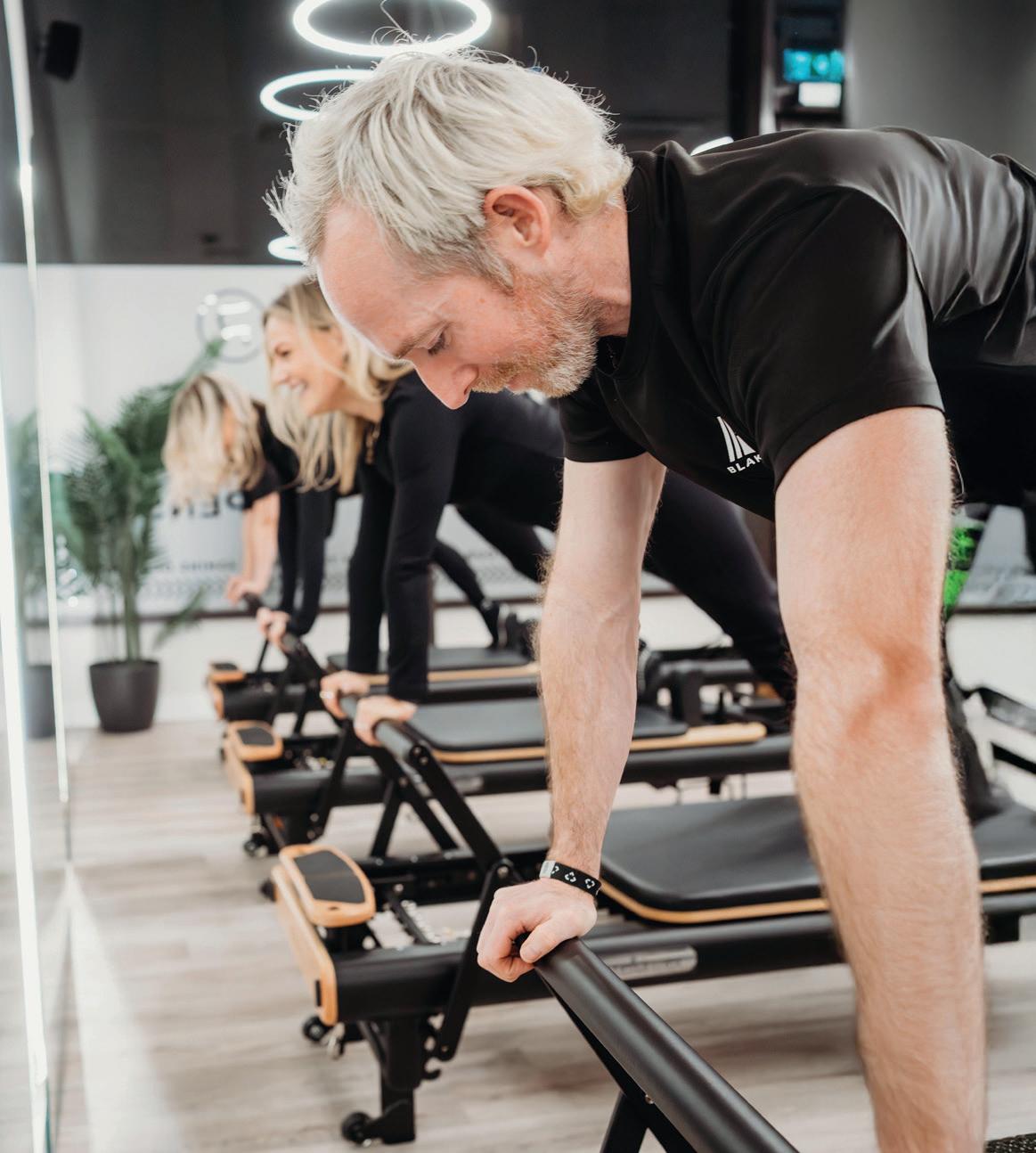
Our latest innovation combines equipment with guided, on-screen sessions
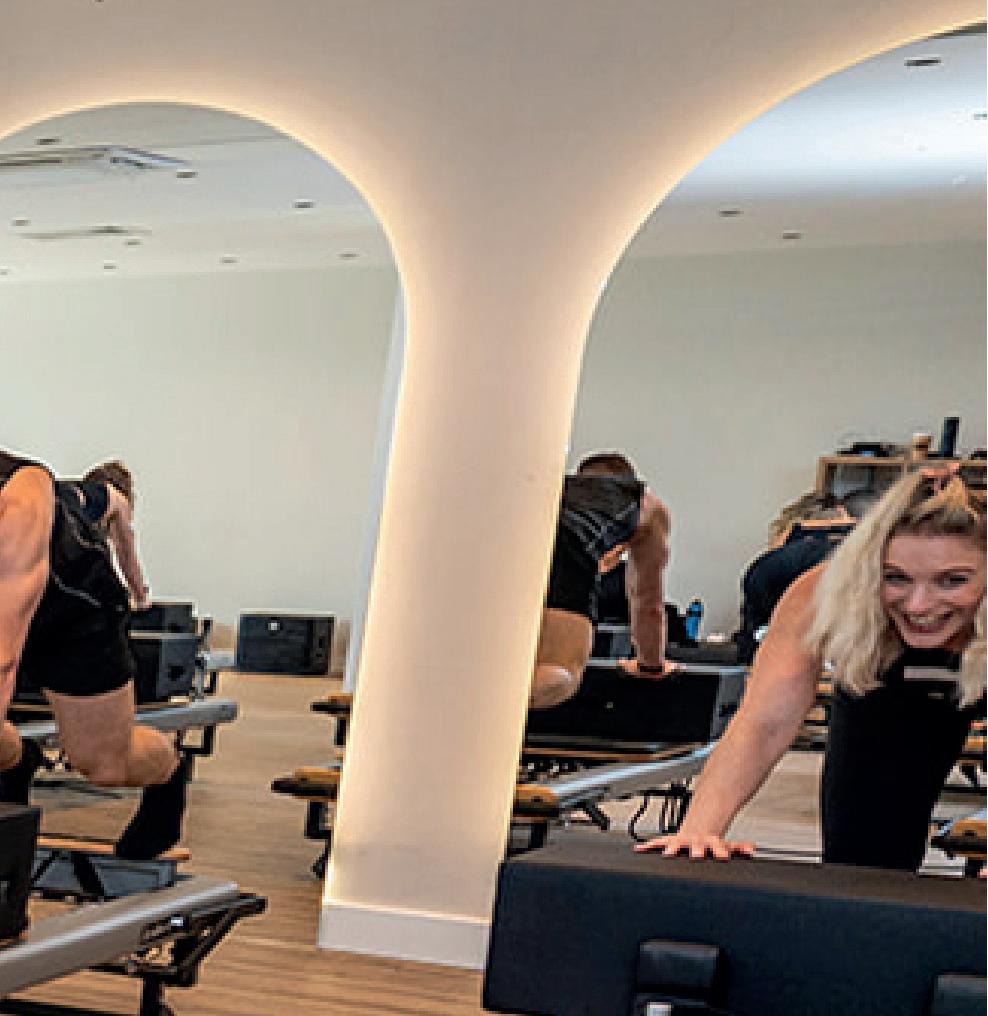

Peak Pilates UK partnered with Balance Health Nottingham to deliver a 10-bed reformer studio. Founded and funded by a group of 20 local clinicians and leaders and a healthcare building expert, Balance Health Nottingham brings together medical health, fitness and wellbeing under one roof, aiming to make health interventions feel connected, supportive and empowering for everyone, at any stage of their journey.
Peak’s Fit Reformers were specified, combining aesthetics with functional performance in a space that complements Balance Health Nottingham’s uplifting vision. Each reformer is fitted with padded extenders, enhancing comfort and accessibility for beginners, rehabilitation clients and advanced practitioners.
A key challenge was fitting 10 beds within a configuration that maintains safe circulation, clinical consideration and intuitive class flow. Through layout planning and instructor workflow mapping, we delivered a spacious, safe and enjoyable studio. We are also delivering FitCore Group Reformer instructor education to ensure confident instruction and a sustainable launch.

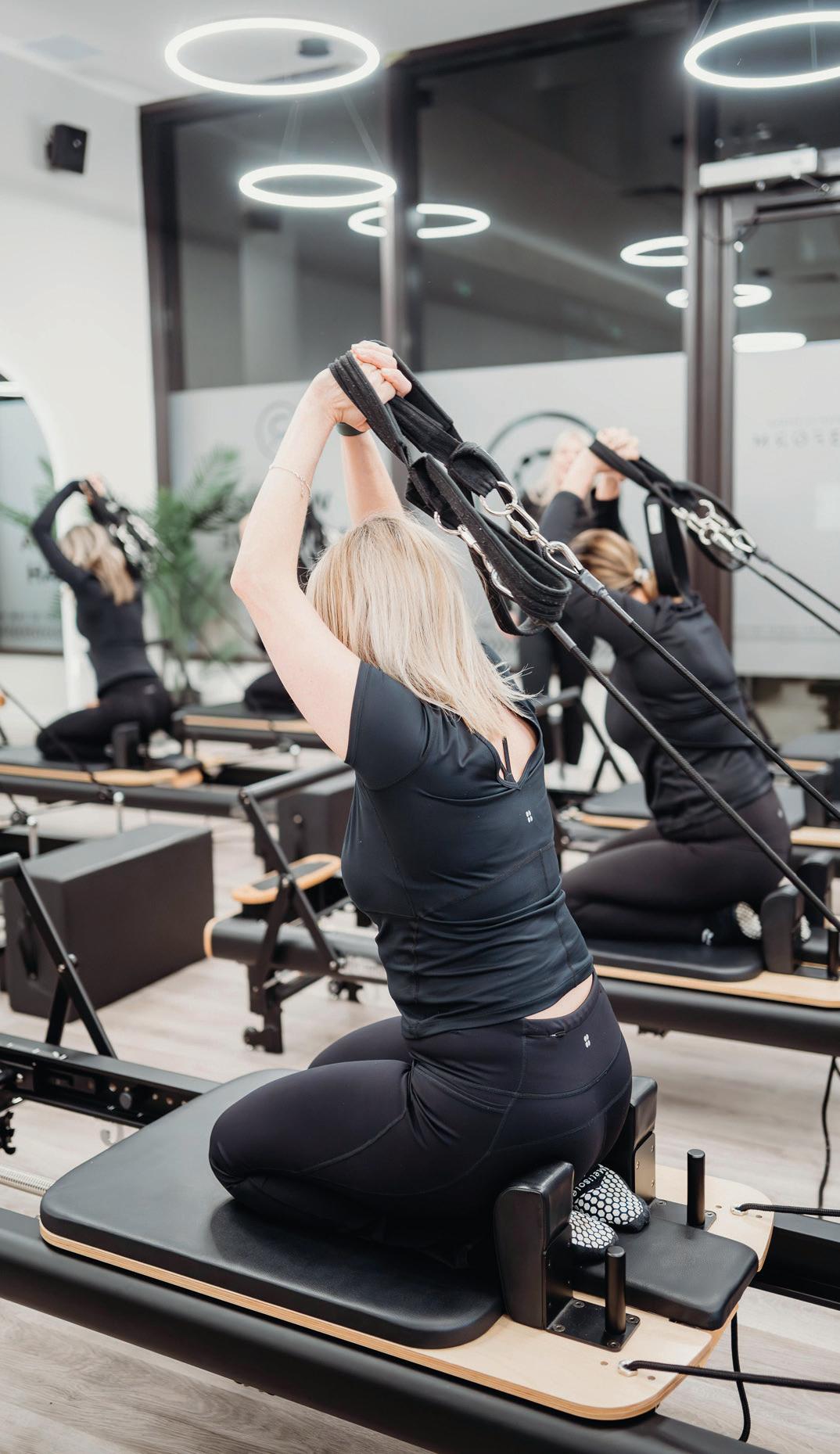
Melissa Sahed CEO Corevais Pilates

We offer a wide range of reformers designed to suit different needs and aesthetics. What makes our range distinctive is the level of customisation available. Each reformer can be finished to suit its environment, whether that’s a dedicated studio or a hotel wellness space.
Our most popular model is a foldable reformer with a semi-automatic mechanism that allows one-hand opening and closing, making it practical for spaces where flexibility and storage matter.
We also support consulting around brand identity, strategic layout and concept development, ensuring the reformers align with the vision.
Our showroom plays an important role in this process. We invite clients to experience the machines first-hand, explore materials and finishes and shape the project with us. We want it to feel immersive and collaborative. More: www.corevais.com
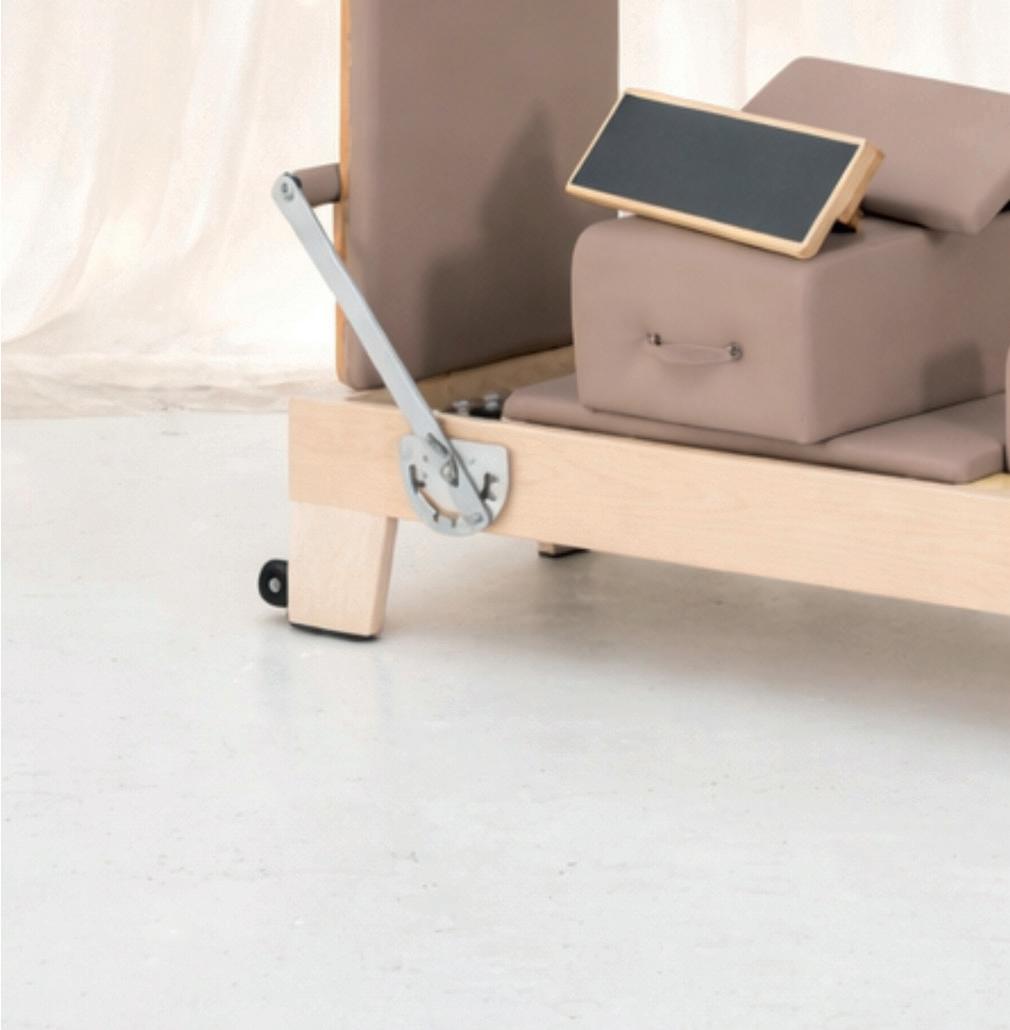




We recently worked with Hotel Dame des Arts, a modern, wellness-focused hotel in Paris. The gym is an important part of the hotel’s appeal, especially for guests who prioritise wellness and the hotel wanted to enhance its fitness space by adding a Pilates bed.
We worked with the team to customise a reformer to sit naturally within the existing design, adapting finishes to match the space and ensuring the proportions, materials and positioning were considered so the machine felt integrated into the environment.

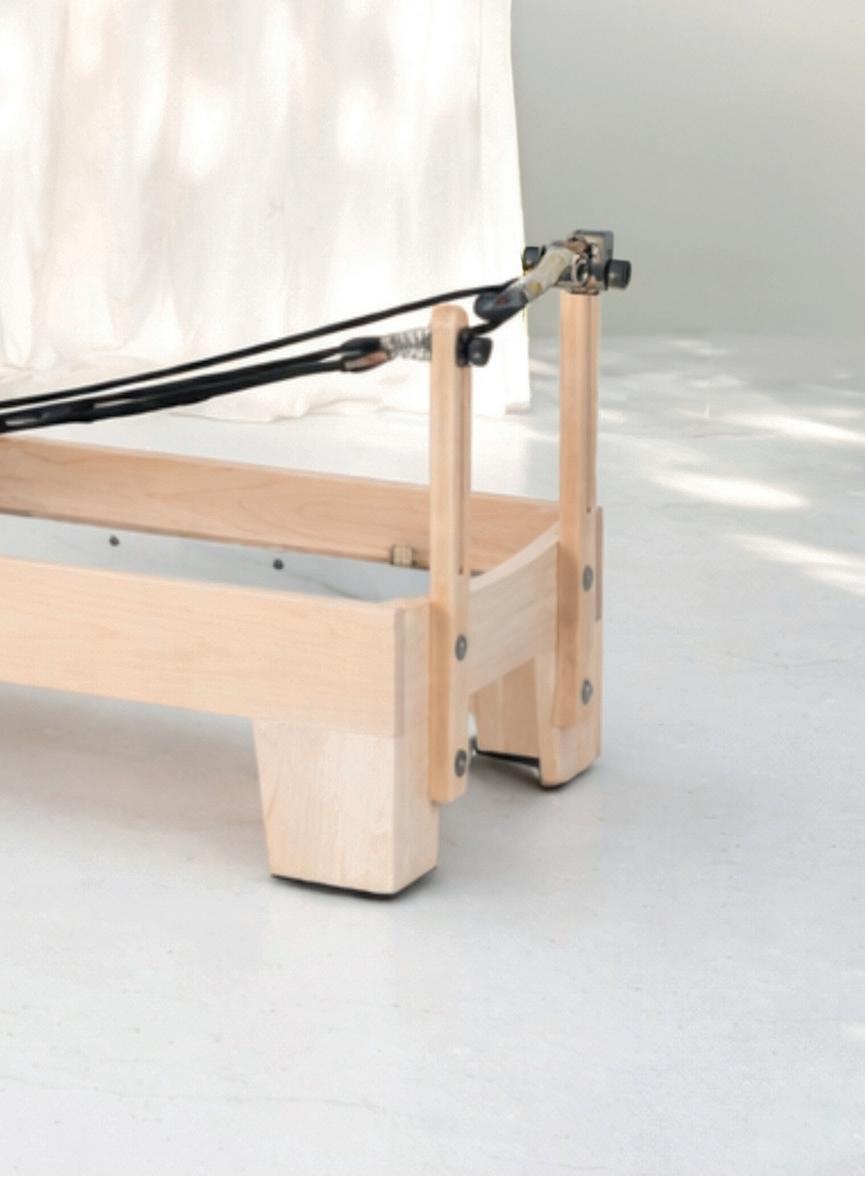
A
patent-pending Easi-Fold system helps create fl exible spaces
Tom McClelland co-founder
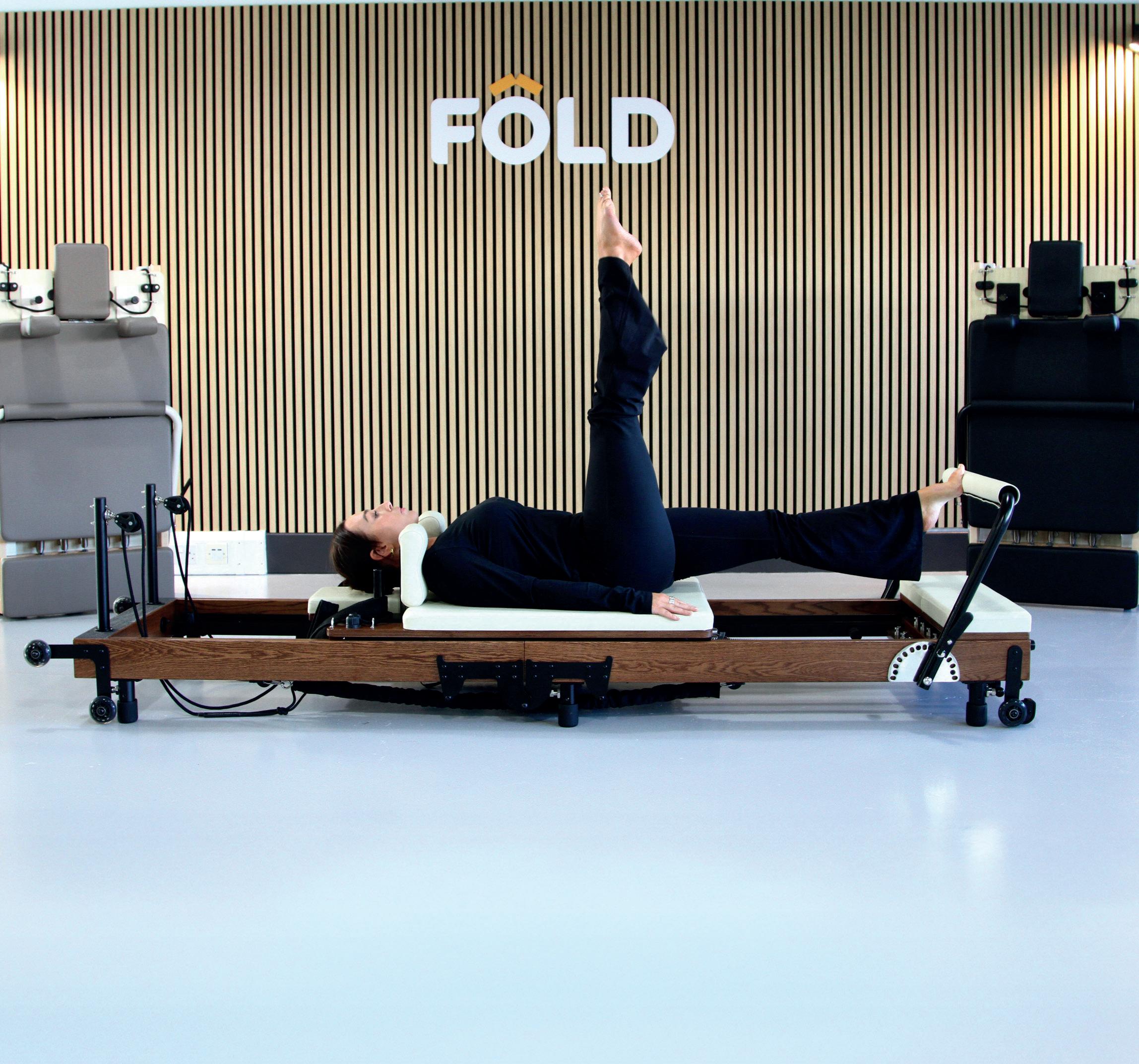
We’re best known for our Original Fold reformer, which was introduced to the UK market in 2024. From the outset, our goal was to challenge the assumption that premium performance and space efficiency couldn’t coexist.
Working with UK-based industrial product designers, we developed the patent-pending Easi-Fold system, which has been engineered to allow operators to optimise space without compromising on the feel of a studio-grade reformer. Since launching Fold, we’ve supported 200 studios across the UK and Europe in introducing or upgrading reformer Pilates spaces.
What sets Fold apart, is that we’re building beyond equipment, developing a connected Fold ecosystem that combines intelligent product design with digital programming via the Fold App, instructor education through the Fold Academy and an engaged community both online and in person. Fold is not just a reformer, it’s an integrated Pilates platform. More: www.foldreformer.com
We’re building beyond equipment with digital programming, instructor education and an engaged community
Energie Fitness selected Fold to launch its first dedicated reformer studio with a view to potentially offering it as part of the franchise. The opportunity was to create a premium, high-performing Pilates environment within a mainstream gym footprint, maximising space efficiency while maintaining studio-grade quality. Key challenges were ensuring operational flexibility without compromising safety or aesthetics using Easi-Fold reformers to allow for efficient transitions between class formats. The result is a commercially-strong, adaptable space that positions reformer Pilates as a core growth driver within Energie’s fitness model.
David Bulcock director Gym Gear
At Gym Gear we focus on designing Pilates equipment that works well in real studio environments, where durability, comfort and flexibility all matter. Our reformers are built using solid oak frames and commercial grade components to provide the strength and stability needed for busy studios, while still maintaining a clean aesthetic that suits modern wellness spaces.
Pilates studios often need to balance a premium training environment with efficient use of space, so some of our reformers feature foldable designs with integrated wheels. This allows equipment to be stored easily when a room needs to be used for workshops or other classes.
User comfort and support are central to the design. Adjustable spring resistance allows instructors to adapt sessions to different ability levels, while padded upholstery and smooth carriage movement create a controlled and supportive exercise experience.
More: www.gymgear.com
Pilates reformers require more circulation space than traditional gym equipment
Gym Gear recently worked with Unity gym in Embsay, Skipton, which wanted to introduce a dedicated Pilates studio within an existing fitness facility. The room had previously been used for general group exercise classes, so the challenge was to create an environment that felt calm and purpose-built while still working within the existing space.
We began by planning a layout that allowed instructors to move freely around participants while maintaining clear sightlines during sessions. Pilates reformers require more circulation space than traditional gym equipment, so careful spacing was needed to balance class capacity with comfort and safety. Another priority for the client was flexibility. The room still needed to host occasional workshops and smaller training sessions, so we installed reformers that can be folded and moved using built in wheels. This allows the space to be cleared quickly when required.

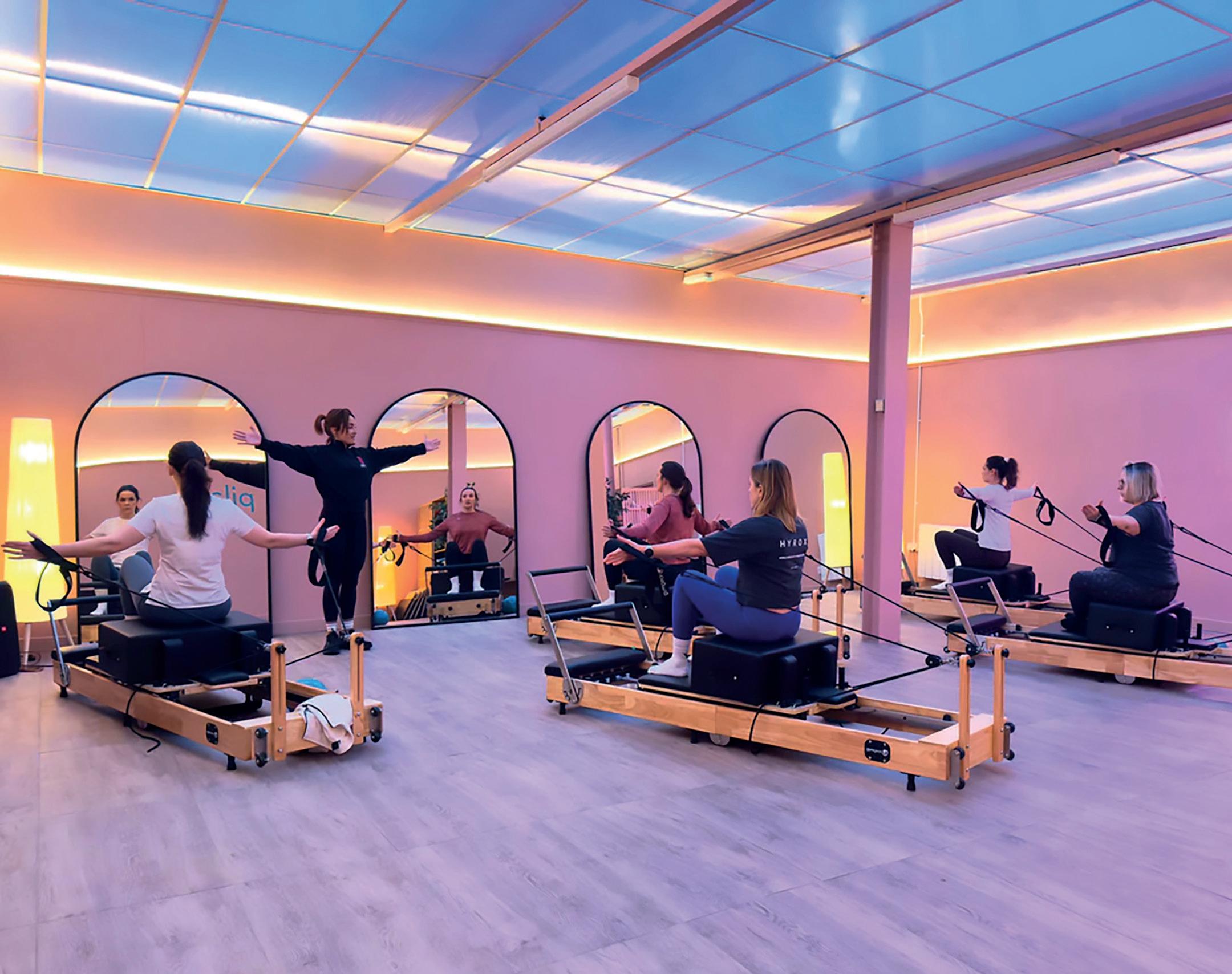
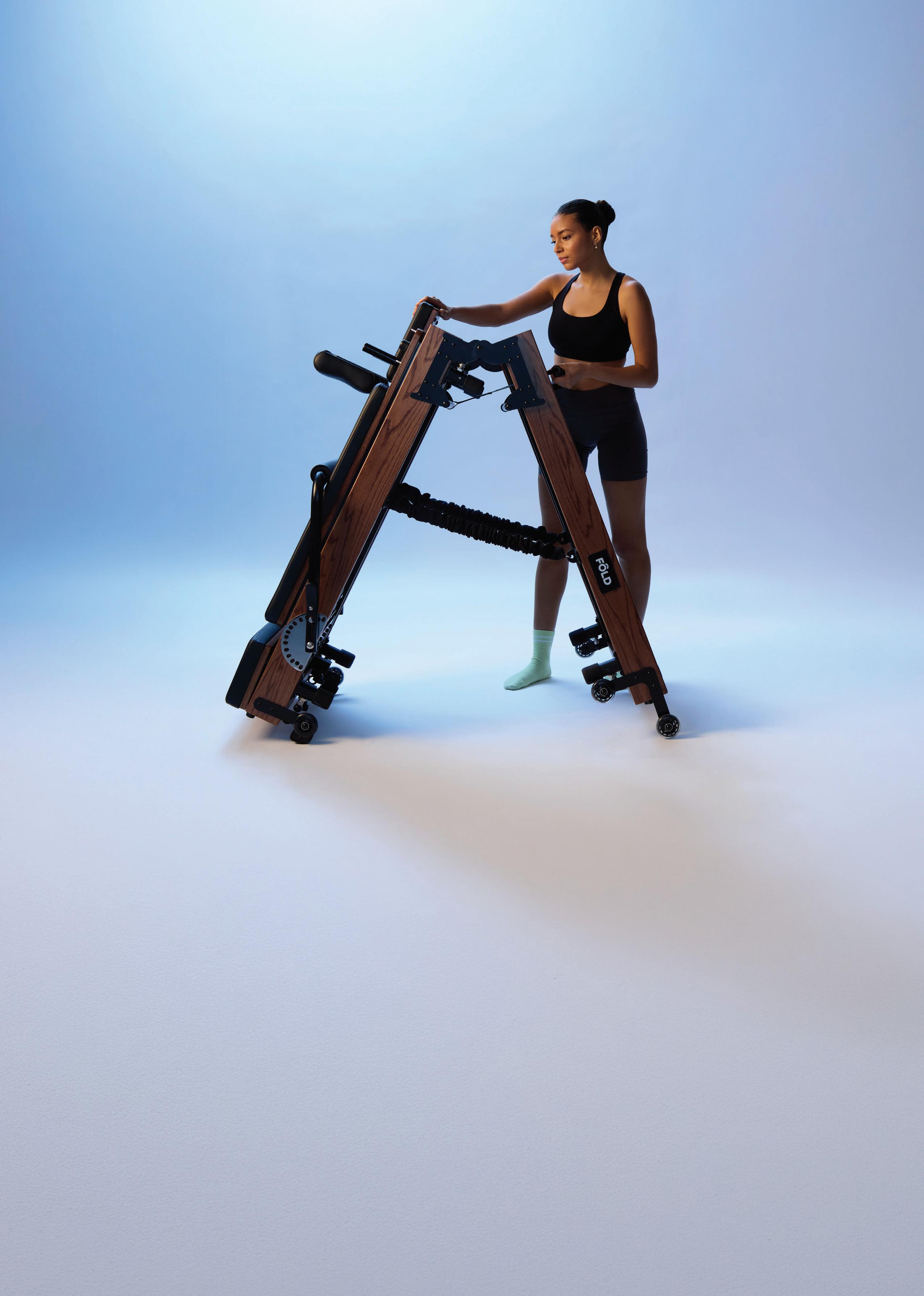

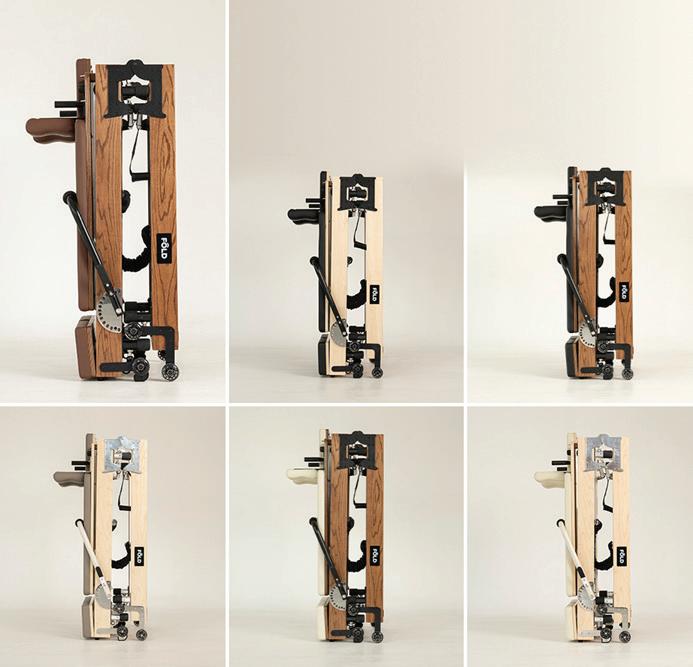
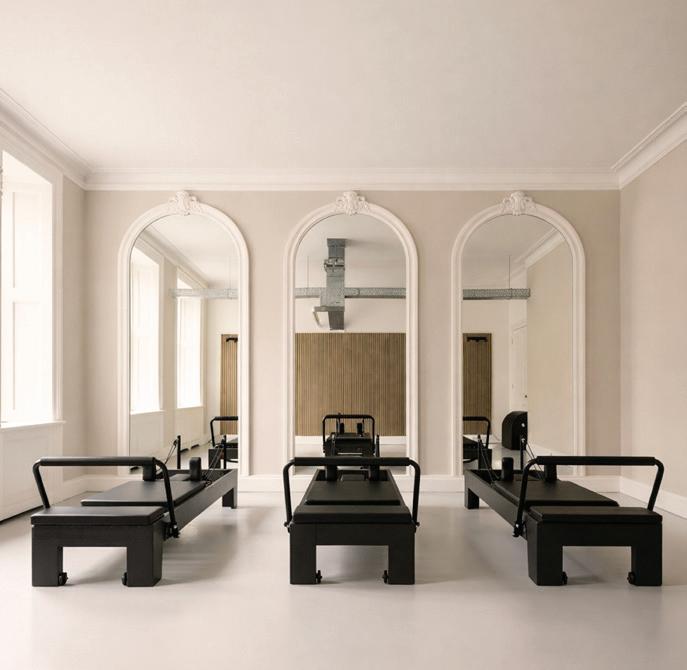








Active IQ is calling for greater accountability in online fitness advice with the launch of a new trustmark
From viral workouts to dramatic diet
‘hacks’, social media has become one of the most powerful influences on how people approach their health and fitness. But as the volume of content grows, so too do concerns about its credibility, accuracy and the potential consequences.
A recent study has found that almost 90 per cent of fitness and nutrition influencers on platforms such as TikTok and Instagram fail to sufficiently signpost potential risks behind the advice they share. This lack of transparency is fuelling the spread of misleading and potentially harmful information, often presented as quick fixes or life-changing transformations.
In response, leading awarding organisation for the physical activity sector, Active IQ, has launched a new industry-wide initiative called Trust Your Trainer. At the heart of the campaign is a manifesto urging social media companies to take greater responsibility for the role they play in shaping public health behaviours.
The scale of the problem is significant. Research into so-called fitspiration videos on TikTok found most diet and exercise content is either misleading, inaccurate or promotes an unbalanced view of health.
In many cases, influencers with no recognised training are presenting complex physiological advice to millions of users, with no accountability, safeguards or evidence base.
Active IQ’s manifesto challenges this status quo by proposing a simple but powerful solution:

a digital trustmark. This would allow users to clearly identify whether the person giving fitness advice holds a professional qualification. In an environment where anyone can position themselves as an ‘expert’, the trustmark aims to restore clarity, credibility and consumer confidence.
The initiative has already gained strong momentum across the sector, supported by industry leaders such as Active IQ Consultant and UK Active chair, David Stalker, who brings more than 35 years’ experience in the physical activity industry. His backing reflects growing concern among operators, trainers, and educators who see first-hand the impact of misinformation on clients’ physical and mental wellbeing.
Championing the campaign is Robyn Drummond, personal trainer, who has experienced first-hand how much harm misinformation can cause.
Drummond says: “Early in my career I learned just how damaging misleading online fitness advice can be. After following advice from influencers without proper qualifications, I developed an eating disorder and saw first-hand how easily people can be misled. Trust Your Trainer is a vital step for our industry, helping to ensure anyone seeking guidance can have confidence in the expertise behind it, not just the number of followers.”
For health club operators and fitness professionals, the campaign strikes at a critical issue. Members increasingly arrive with expectations shaped by social media trends, from extreme training regimes to unproven supplements.

Active IQ is lobbying consumers to support trainers with the ‘Trust your Trainer’ campaign
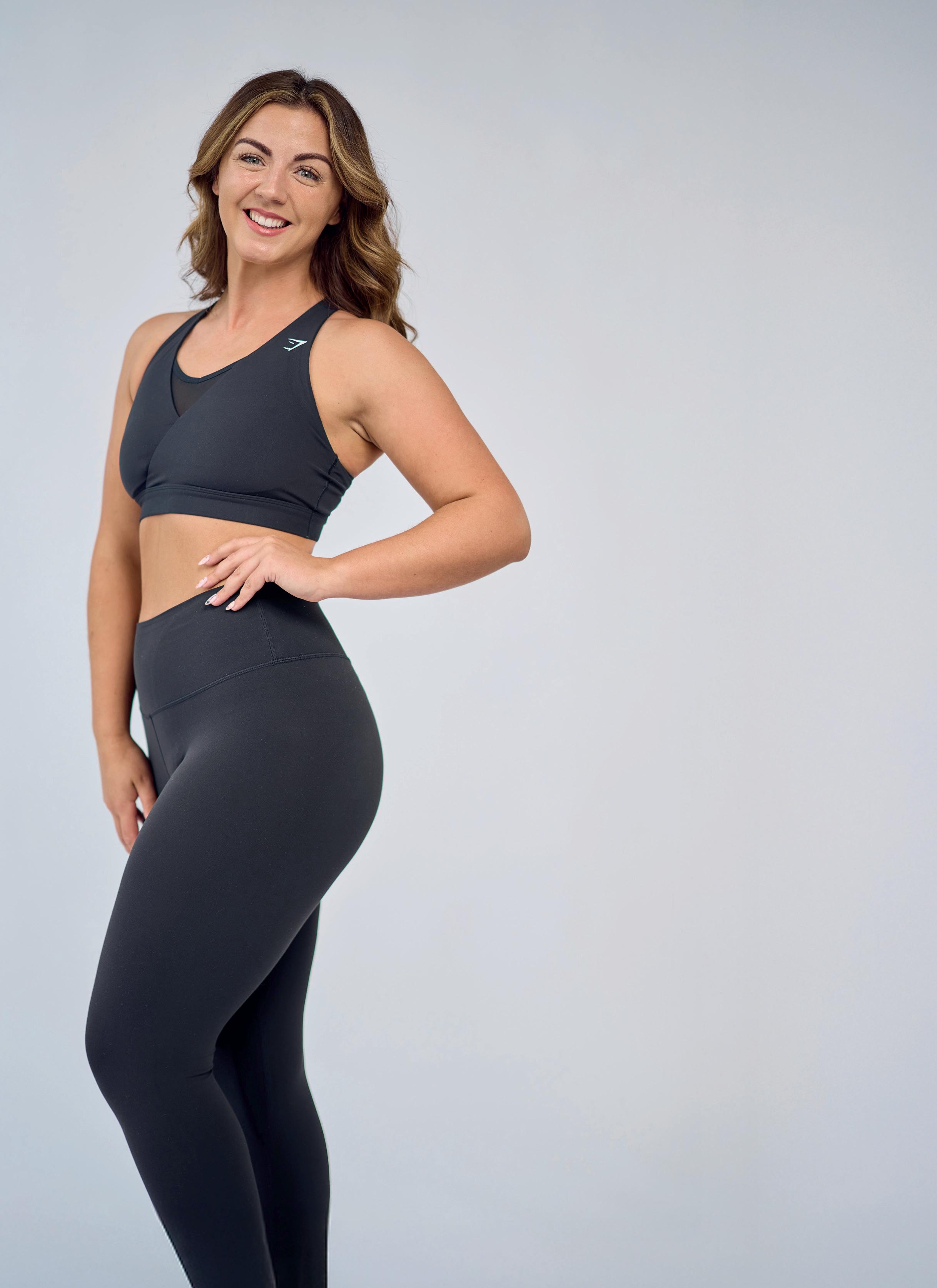



Active IQ’s call for a trustmark represents a practical step towards protecting consumers and strengthening the long-term credibility of the fitness industry
This can place professionals in the difficult position of having to help people ‘unlearn’ harmful advice before meaningful progress can begin.
By championing qualified expertise, the Trust Your Trainer campaign reinforces the value of regulated training pathways and professional standards. It also offers a potential turning point in how digital fitness content is regulated, moving the conversation from popularity to professionalism.
The message is not about silencing social media, but about making it safer and more transparent.
In a world where algorithms often reward the loudest voices rather than the most informed, Active IQ’s call for a trustmark represents a practical step towards protecting consumers and strengthening the longterm credibility of the fitness industry.
As public reliance on online health content continues to grow, one thing is becoming clear. When it comes to fitness advice, expertise should matter more than followers. The future of digital wellbeing may well depend on learning to trust the trainer, not the trend. ●
More: www.activeiq.co.uk
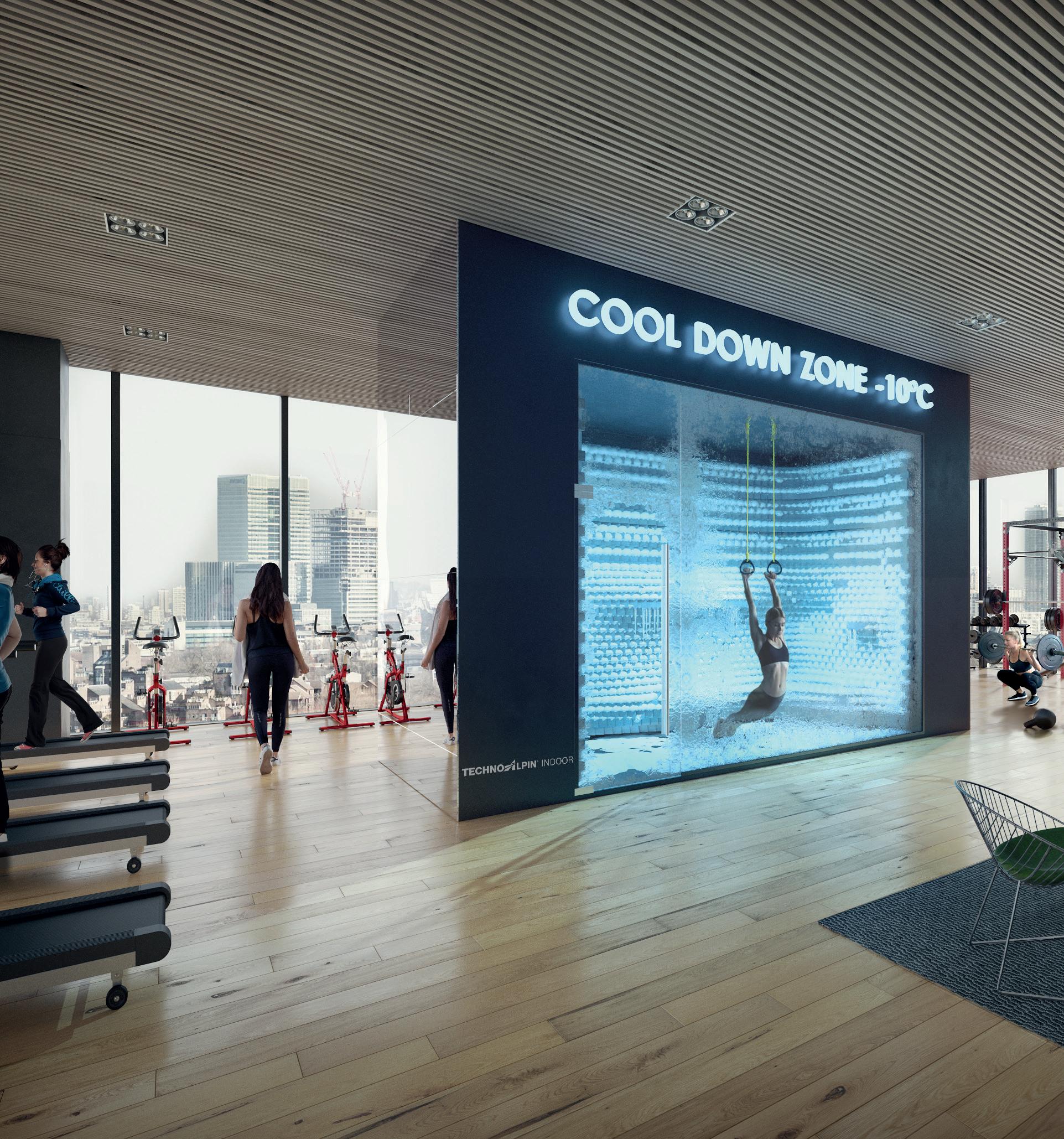
Tech-driven recovery is an essential part of the wellness journey. Suppliers talk to Julie Cramer about hero products and what’s coming next
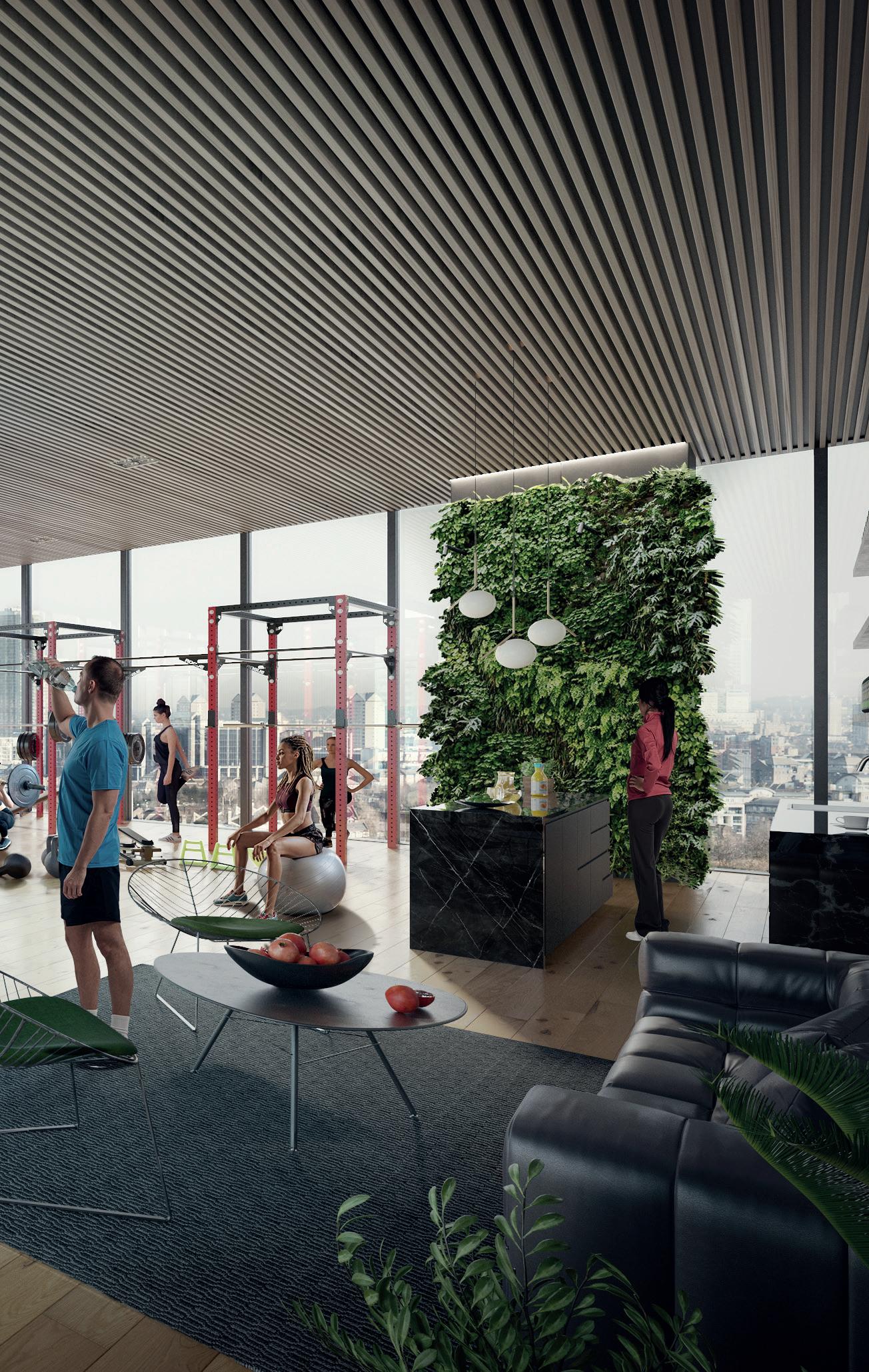

Snowroom introduces a new approach to sports recovery by using real snow

























TechnoAlpin Indoor’s Snowroom introduces a new approach to recovery by using real snow as a gentle and engaging cooling environment after exercise. Unlike ice baths or cryotherapy chambers, the snowroom provides gradual cooling that supports recovery while creating a relaxing multisensory experience.
Cold exposure helps reduce inflammation, limit muscle damage and preserve neuromuscular function after intense activity, and studies reviewed by the Universities of Trento and Verona confirm that cryotherapy can support post-exercise recovery and reduce soreness.
Snow offers an accessible alternative that cools the body evenly without the shock of cold water immersion. Beyond physical recovery, the environment also promotes mental regeneration, supporting relaxation, sleep quality and emotional balance.
Our snowrooms are individually designed and adapted to each customer’s concept, space and operational needs.
Who’s using it?
High-performance sports centres, and health and wellness clubs – for example at the Texas Christian University (TCU) College Recovery Center. More: www.indoor.technoalpin.com


With a stainless steel interior, cedar cladding and a marble-style top, Glacier Ice is our most popular ice bath. It can also be manufactured for indoor or outdoor use.
The Glacier Ice measures 1.55 x 0.79 x 0.75m and the low profile makes it easy to get in and out. The high performance chiller offers a reliable, consistent cold water immersion experience as low as 1 degree. The bath delivers exceptional hygiene standards in line with industry guidance, supporting high daily bather loads.
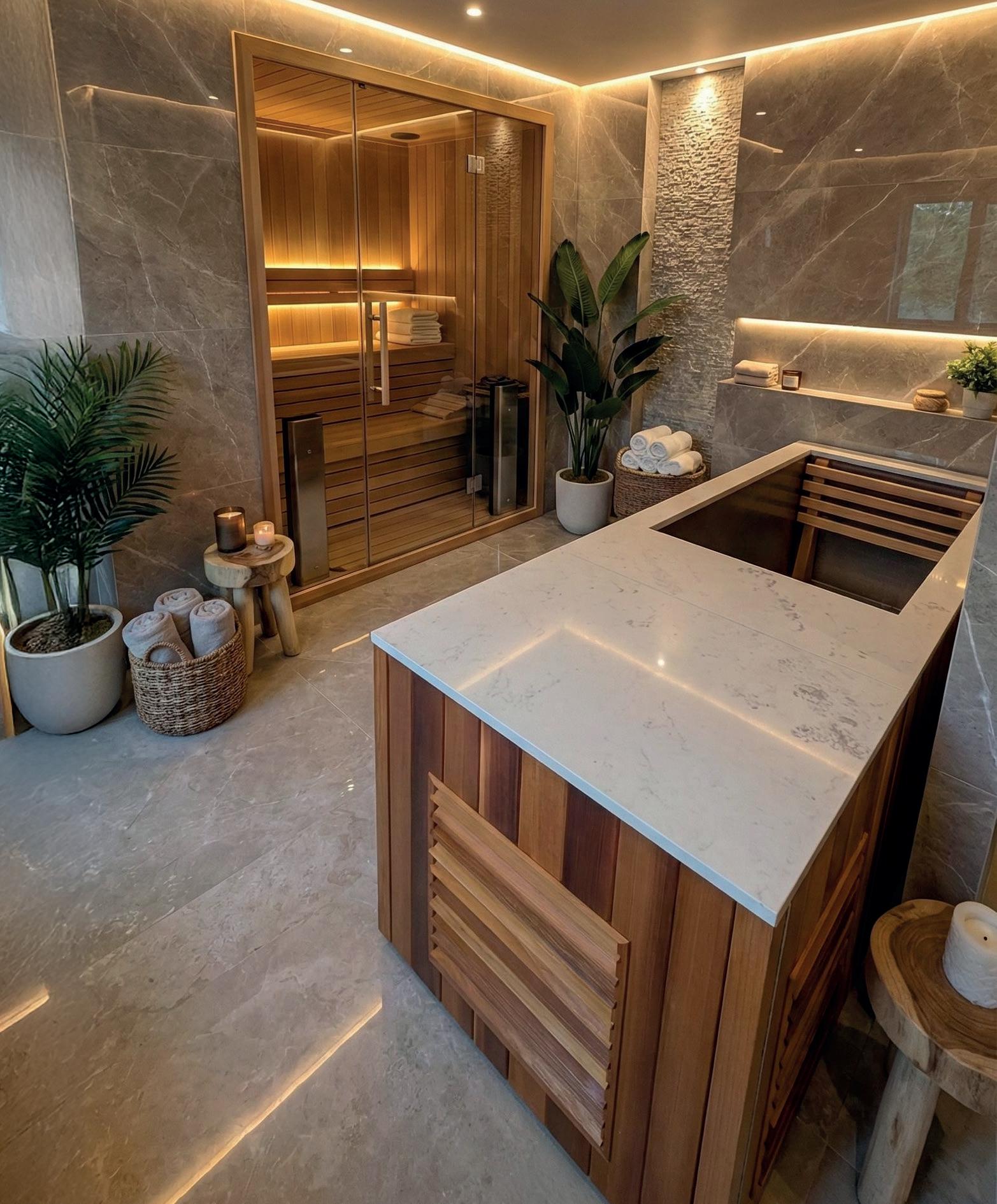
Featuring a 50sq ft skim filtration system as standard, with optional sand filtration, operators can choose from manual or fully automated digital dosing systems, with remote access and smart controls. The price is £15,000.
Who’s using it?
Notable operators include V London, Everyone Active, JAB Boxing, Roehampton Club and Oren Wellness.
What’s new?
We’re launching CryoSpa Serena this spring: a high-performance ice bath that pairs patented jet technology for deeper, more penetrating cold with hydrostatic pressure depth, a stainless-steel interior and a refined luxury wood exterior. More: www.cetcryospas.com
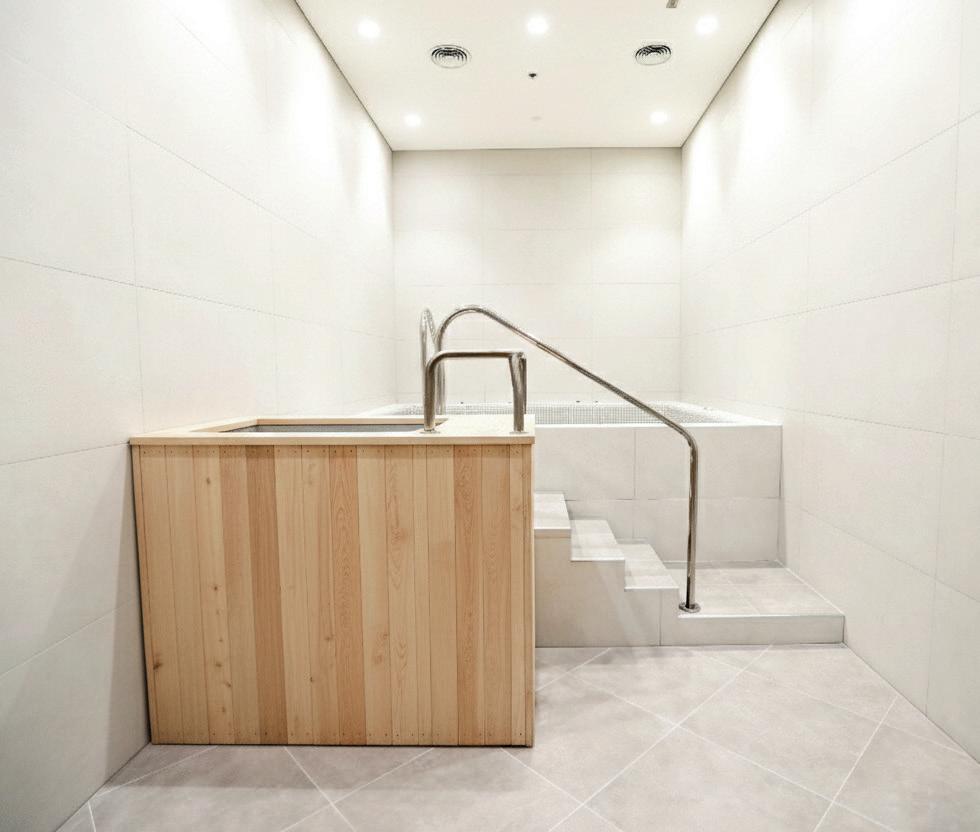
The Henshaw Hyperbaric Chamber is our hero recovery solution. It increases oxygen delivery to support recovery, reduce fatigue and improve wellbeing.
For health clubs, it creates a premium, bookable service that attracts new members, increases retention and generates additional revenue through paid sessions or tiered memberships.
Our Monozen chamber is popular due to its design and features. It measures W x L, 199cm (78”) by 137cm (54”), with an air compressor, O2 concentrator and dehumidifier and 2 ATA pressure.
We offer support from site surveys, installation, training, servicing to business support such as marketing guidance and advice, risk assessments and safety screenings. The Monozen list price is £99,000+vat and finance options are available.
Who’s using it?
Battersea Park Clinic has the Monozen chamber. Other Premier League Football clubs have other other models. We also have professional rugby clubs that use our soft shell chambers, as they’re portable and easy to move around facilities or take on tour.
What’s new?
We’re adding Intermittent Hypoxic–Hyperoxic Training (IHHT) to our integrated recovery suites. IHHT is fantastic for long-term performance, energy and resilience.
More: www.thewellnesstreegroup.co.uk
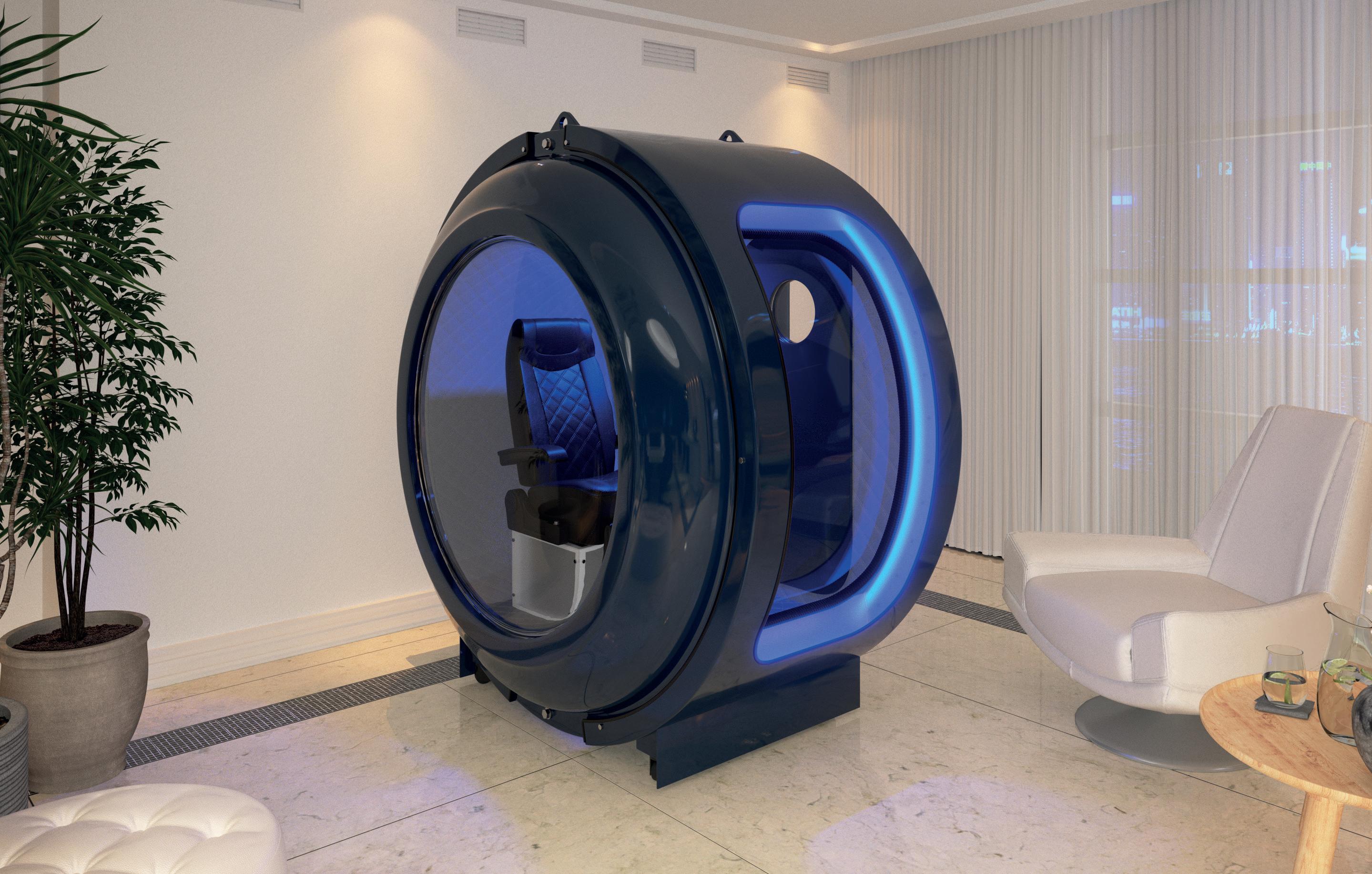
Monozen chamber gives clubs a premium bookable service
The cabin requires around 3-4sq m of interior space
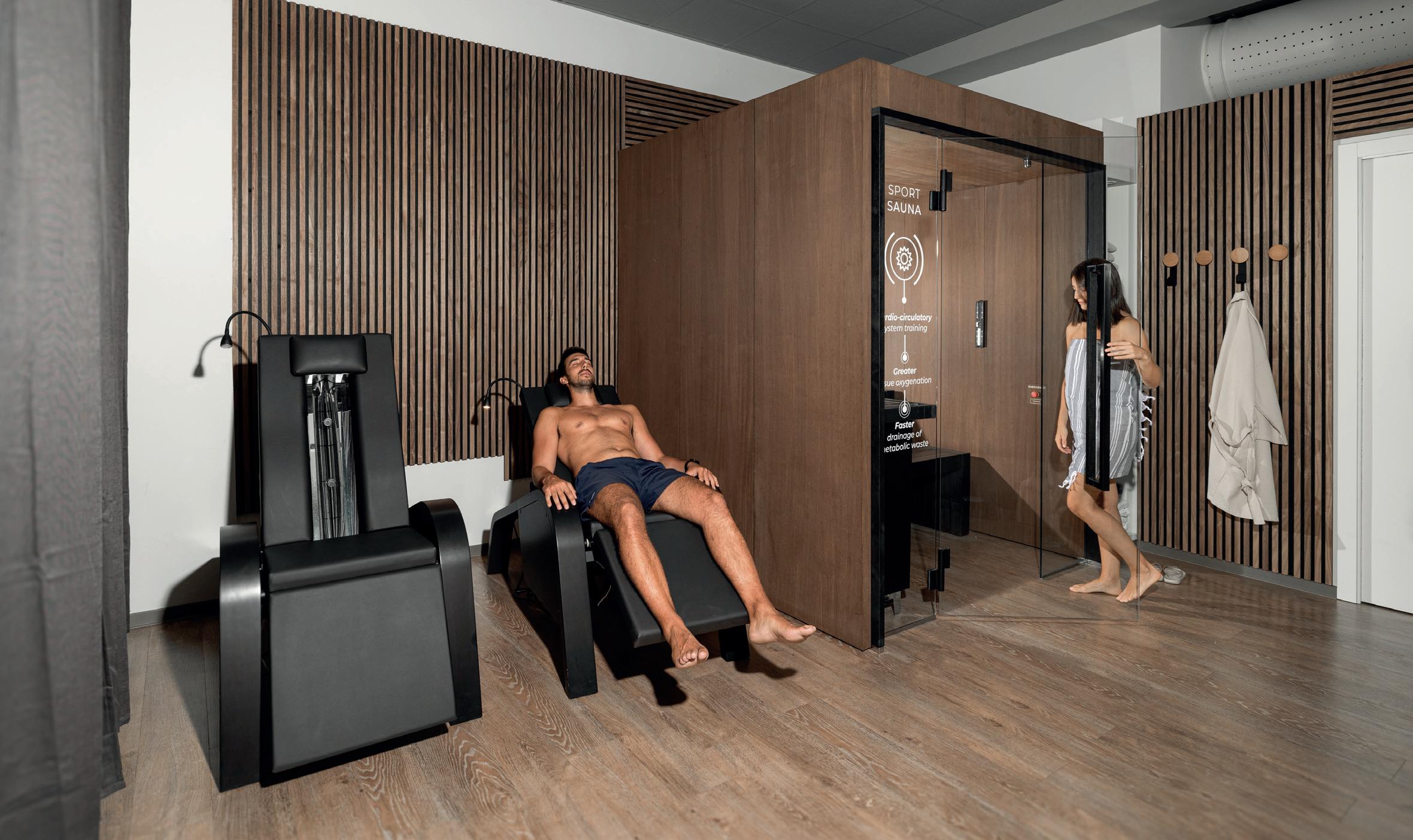
Starpool
Infrared Therapy is available in several configurations designed for the fitness sector, including our Sport Infrared Cabin and Infrared Lounger. This technology uses infrared radiation to generate deep, controlled heat that penetrates the tissues, promoting muscle relaxation, improving circulation and stimulating gradual perspiration. The result is effective support both in the preparation phase before training and in post-activity recovery.
Turri says recovery areas increase retention
For health club operators, integrating recovery technologies means enriching the member experience beyond the workout. Dedicated recovery areas increase the perceived value of memberships and encourage members to visit the club even on rest days, improving retention and engagement.
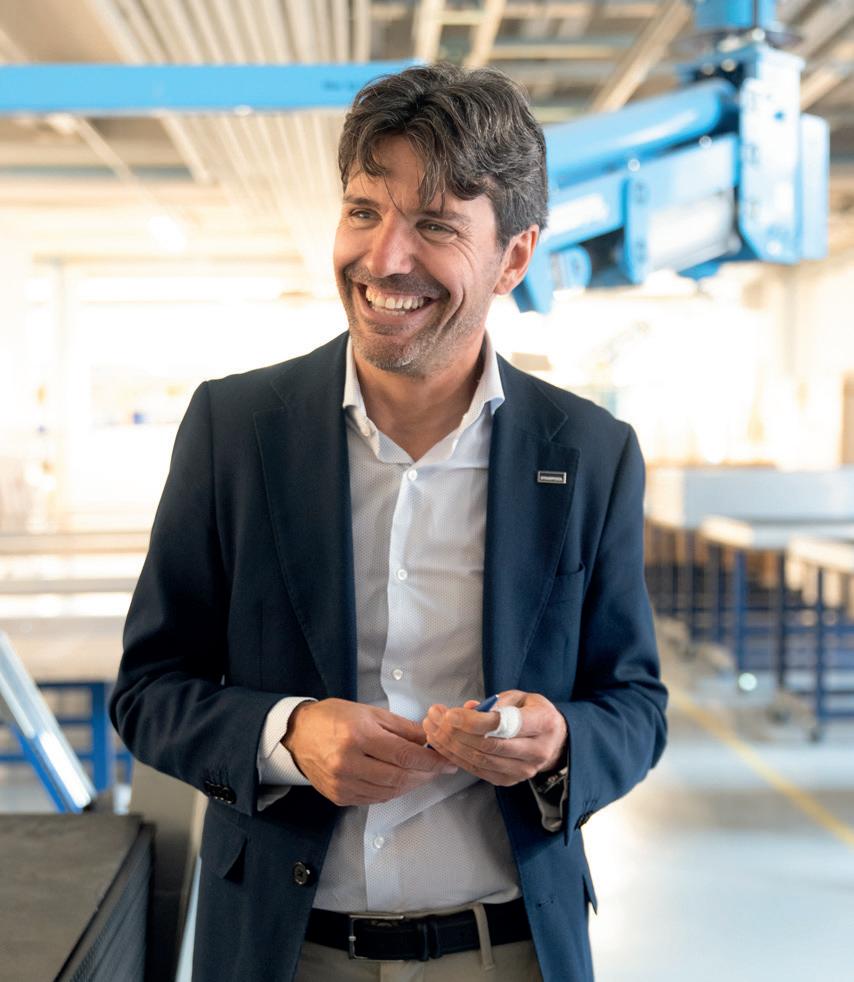
Sport Infrared Cabin operates at moderate temperatures (around 35 – 40°C) using a combined system of electric heater and infrared lamps that directly irradiate the back area. The cabin requires approximately 3-4sq m of space and a three-phase power supply, with energy requirements varying depending on the configuration.
For more flexible environments, Infrared Lounger offers an ergonomic single-seat solution that allows operators to create modular recovery areas.
International clubs such as Virgin Active and professional sports teams such as the Bolzano Foxes hockey team. More: www.starpool.com
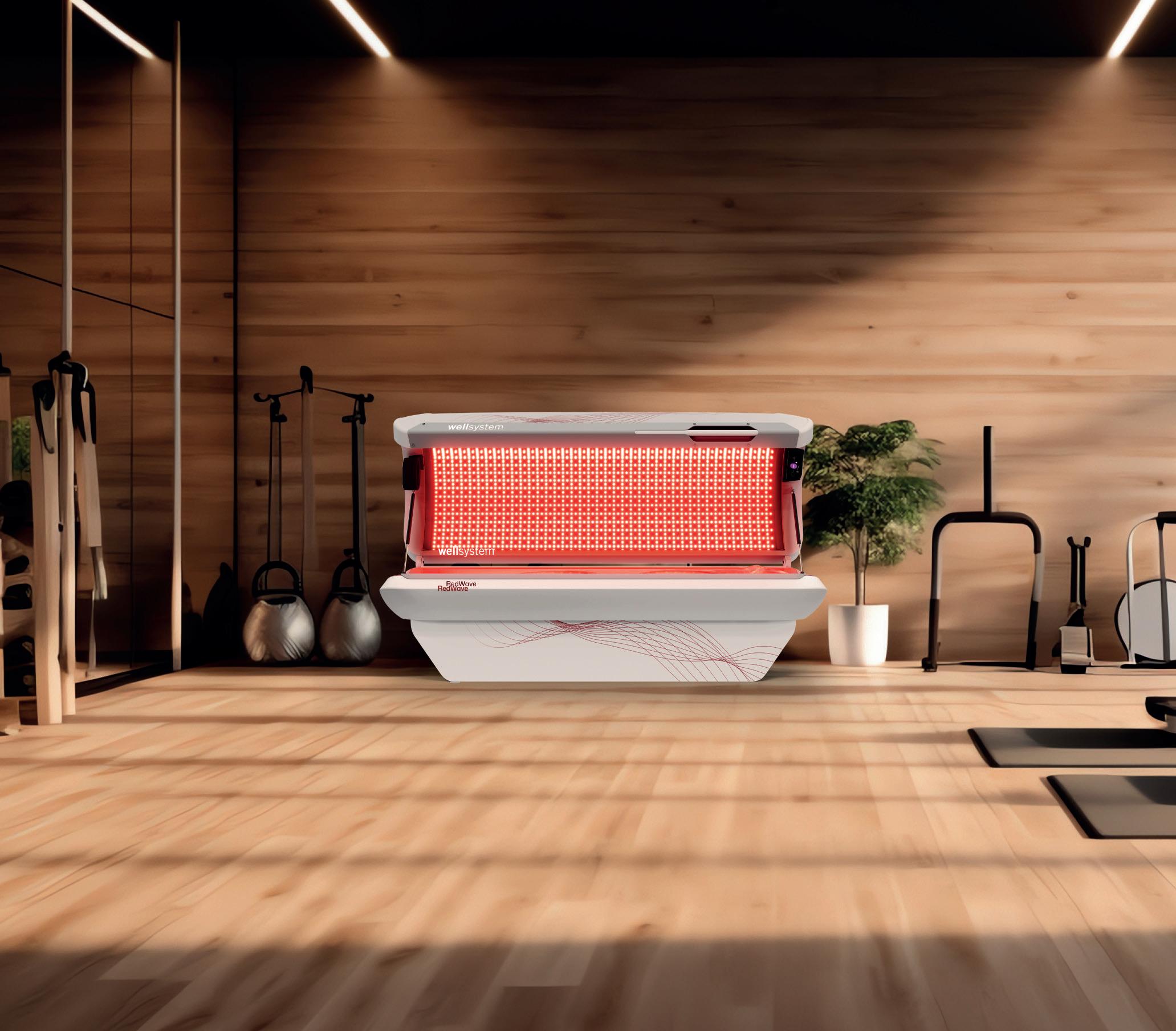
Red light therapy helps accelerate the body’s natural recovery process, allowing members to train harder and recover faster
With 4,400 high-performance LEDs delivering powerful red light (630nm660nm) and near-infrared (850nm) for an effective full-body recovery experience, our wellsystem RedWave is our hero product. For sustainable training and workout success, recovery and regeneration are just as important as the workout itself.

Wellsystem RedWave harnesses the effects of photobiomodulation – the interaction of red light and deep-penetrating near-infrared with the body’s cells. It shortens recovery time so members can get back to training sooner; supports lactate breakdown to reduce post-workout fatigue; boosts cellular energy production for enhanced performance; promotes
blood circulation for improved nutrient delivery and stimulates cellular activity to support natural regeneration.
RedWave’s measurements are L x W x H (in cm): 216 x 93 x 97 closed, and 216 x 112 x 124 open, with a maximum power consumption of 1.4 kW (230 V).
Who’s using it?
Third Space, Gym Box and CPASE are among our RedWave customers.
What’s new?
Our Wellsystem HydroWave Pure – a Hydrojet massage system – combines the positive effects of water, heat and massage. It has an integrated cooling system and no plumbing is required. More: www.wellsystem.com
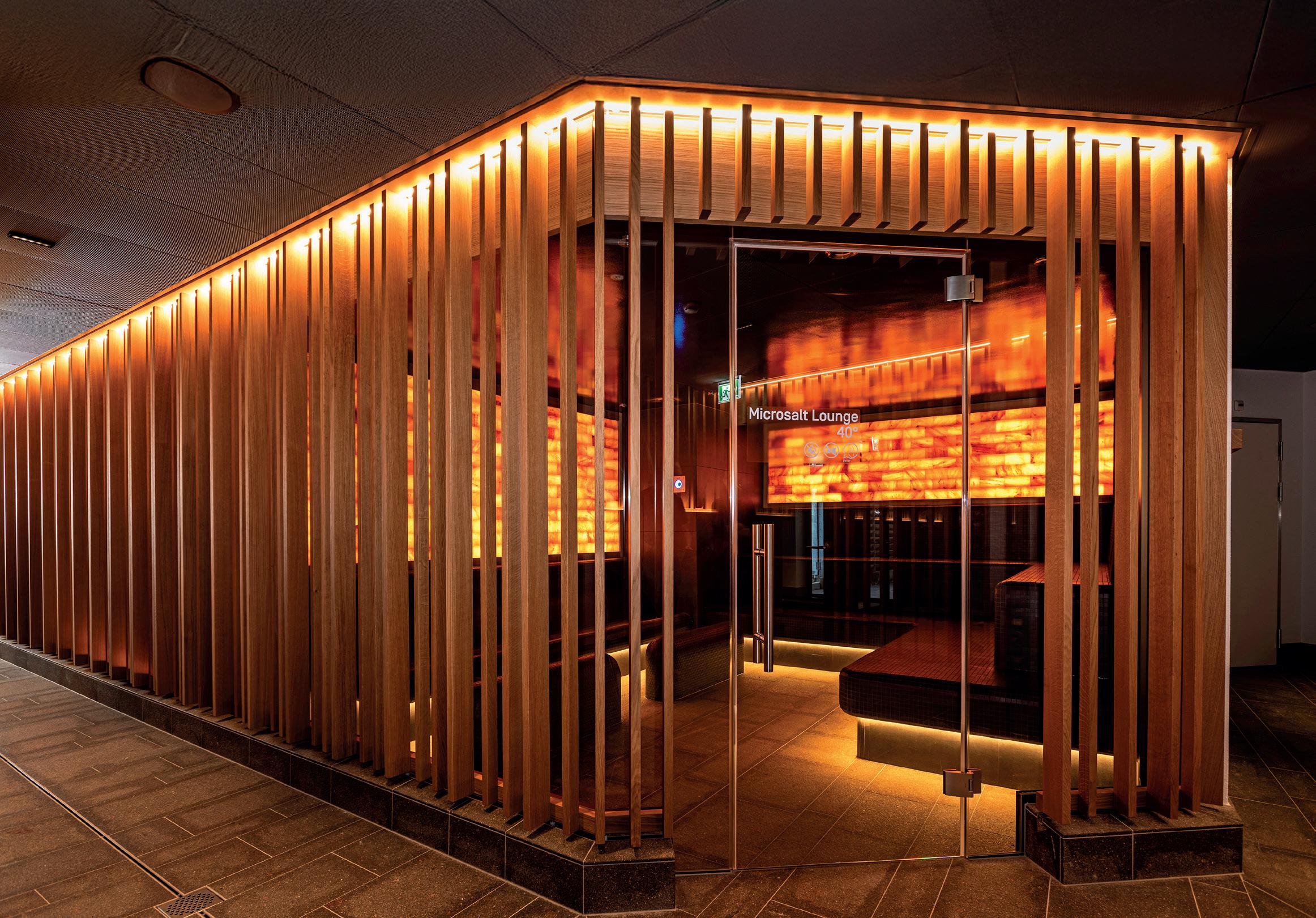
One of our most popular solutions for commercial wellness projects is the Profi Sauna, which offers nearly unlimited design possibilities, allowing for the creation of bespoke spa designs that have a unique style, while also providing a special moment of relaxation and regeneration.
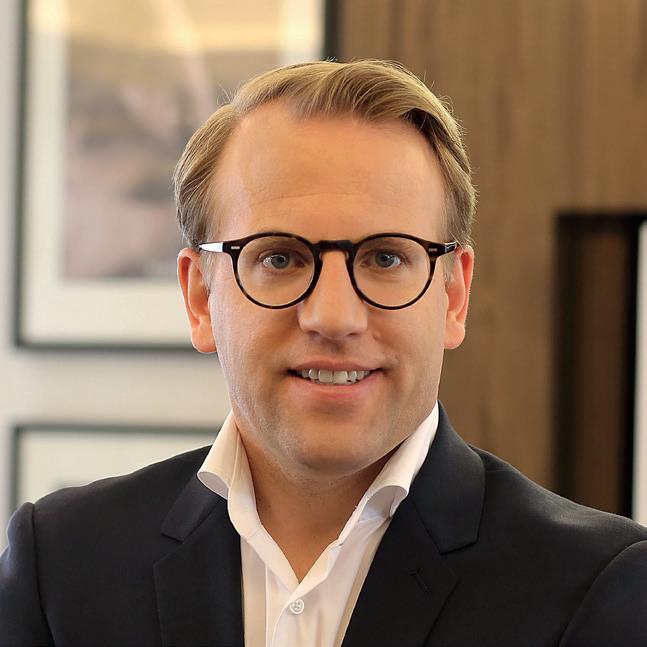
Innovations can maximise the health benefits of sauna. For example, Vitality Boost is a fully-automatic infusion system that targets intense heat stimuli on the body. Operators can offer this effective sauna experience without the need for additional staff.
The offering is further enhanced by exclusive applications such as the Frimas Ice Steam Room and
the Espuro Foam Steam Bath –both concepts that can deliver unique, multisensory wellness experiences. These innovations support regeneration and enhance guest wellbeing.
Who’s using it?
Our customers include Holmes Place, Germany, RSG Group (John Reed) and Säntispark in Abtwil, Switzerland, as well as Surrenne Spa and Health Club, London, Remedy Place in Boston, USA, Fortyseven Spa in Switzerland and Corinthia Brussels in Belgium.
What’s new?
We launched two new products at the end of 2025. Our wellness lounger Somra offers an optional integrated full-surface heating function and matching side table.
Meanwhile our Espuro CloudSpa device fills a shower or bathtub with soft velvety foam – up to 400 litres per minute – while merging LED lighting with a delicate fragrance to create a multi-sensory experience. More: www.prismlightpod.com
Our hero product is HydroMassage, a self-guided warm water experience designed for busy health club environments. Members remain fully clothed while receiving a personalised warm water relaxation experience where heated water jets move along the body.
The experience helps promote relaxation and provides a soothing experience after exercise, making it an easy and enjoyable way to take a short break and unwind. Many members incorporate HydroMassage into their club visit, as it only takes 10 minutes and because it feels amazing after any form of activity.
For operators, it enhances the member experience without adding staffing complexity, and can be incorporated into premium tiers.
Who’s using it?
HydroMassage is currently in use at health clubs including Planet Fitness, Crunch, Life Time, David Lloyd Clubs, Fitness Park, Virgin Active, PureGym, Trainmore, Gym Box, XTRAFIT and many more.
What’s new?
Our newest additions are PolarWave Dry Plunge – a cold plunge experience without getting wet – and the RedZone Sauna, which combines red light and infrared heat. More: www.wellnessspace.com
HydroMassage enhances the member experience without adding staffing complexity
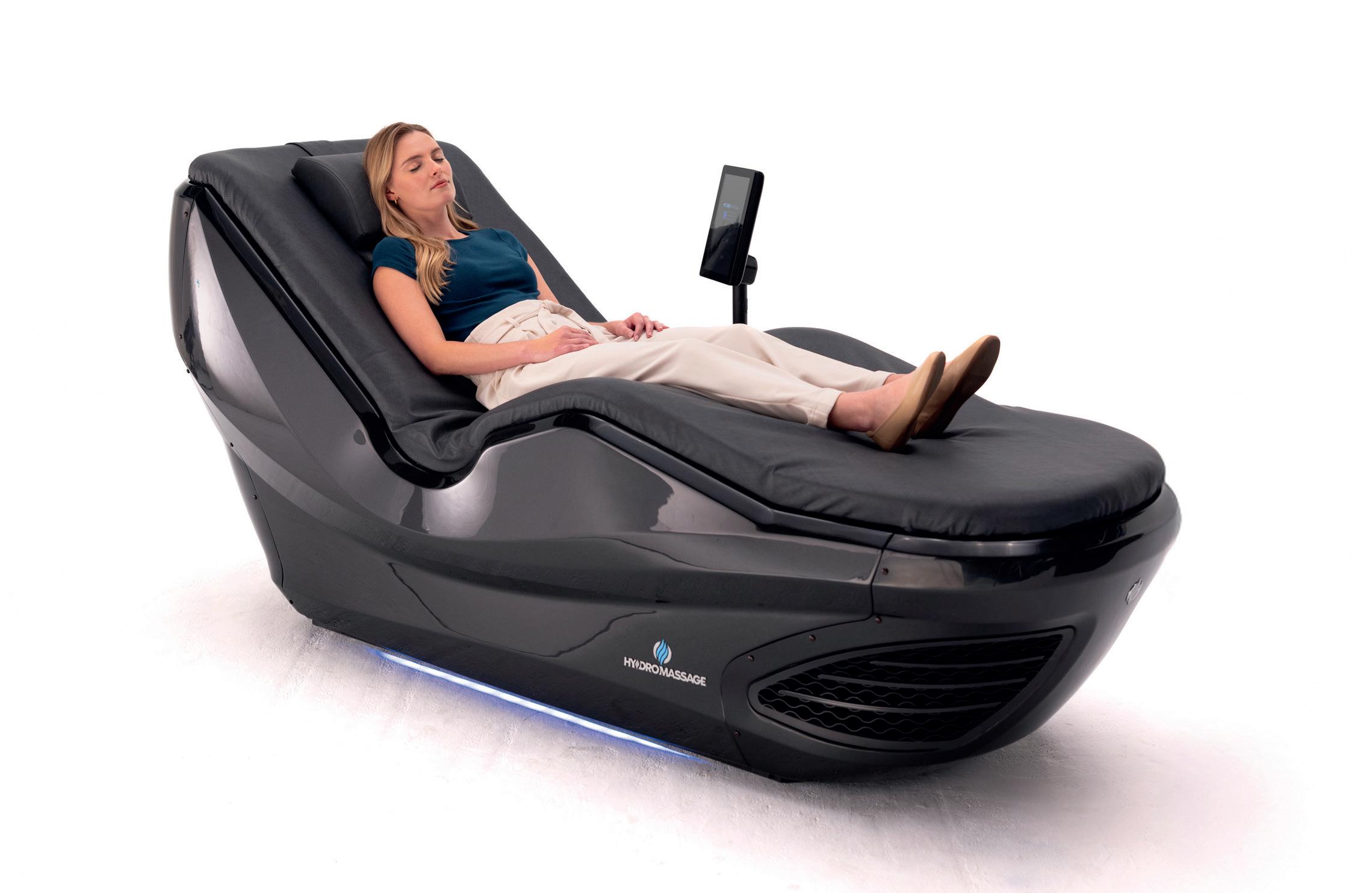
Members remain clothed while enjoying the HydroMassage
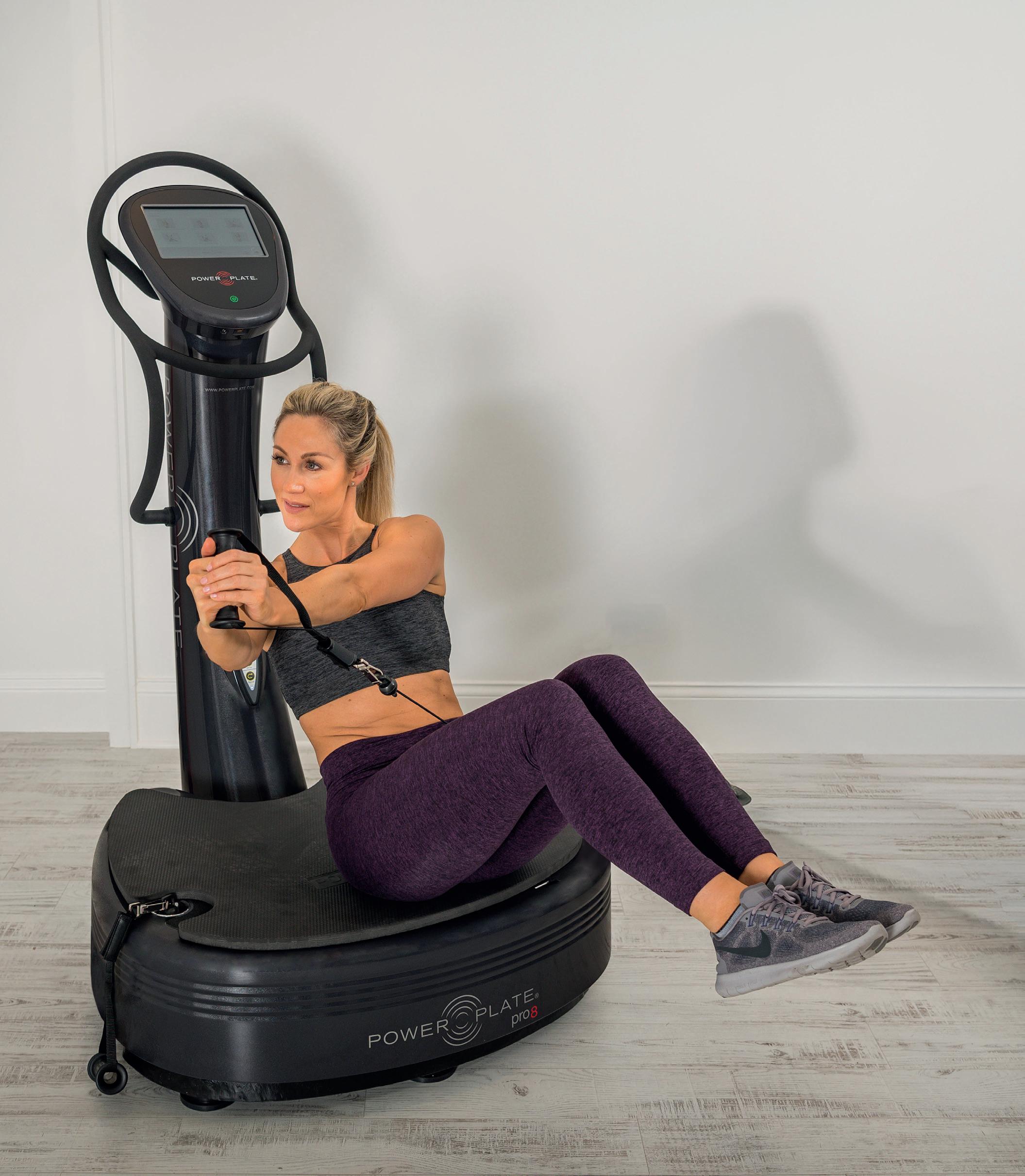
Our hero product is Power Plate Pro8 – the largest, most advanced model in our portfolio. Features include embedded exercise videos and an integrated LCD touchscreen, as well as electronicallycontrolled Promotion resistance cables.
Power Plate Pro8 delivers whole-body vibration that increases muscle activation, improving strength and balance. It also enhances circulation and lymphatic drainage, supporting recovery and reducing stiffness. Vibration boosts flexibility and range of motion, and can stimulate improvements in bone density through mechanical loading. These benefits make it valuable for strength, mobility, recovery and healthy ageing
Clubs can create dedicated recovery zones with short guided sessions and offer post-workout demos so members experience immediate relief.
They can also emphasise the benefits for all ages, including improved mobility and healthy ageing, supported by whole-body vibration research.
More: www.hcmmag.com/PowerPlate

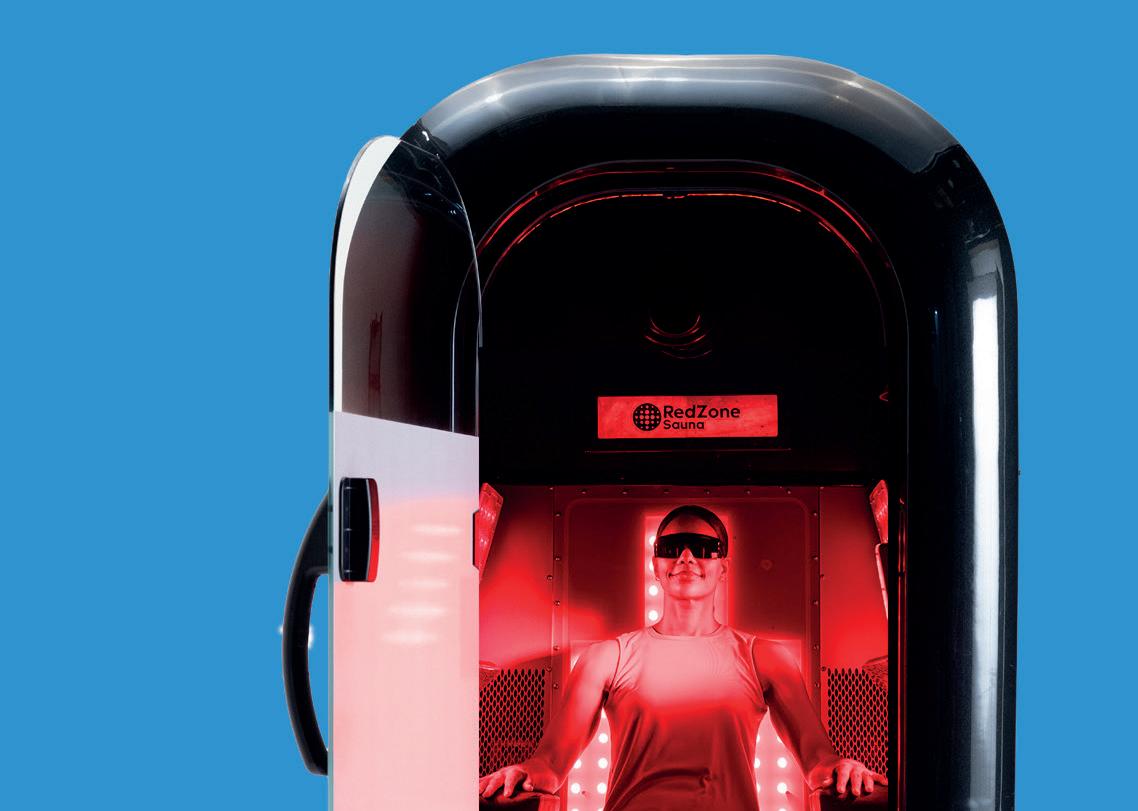



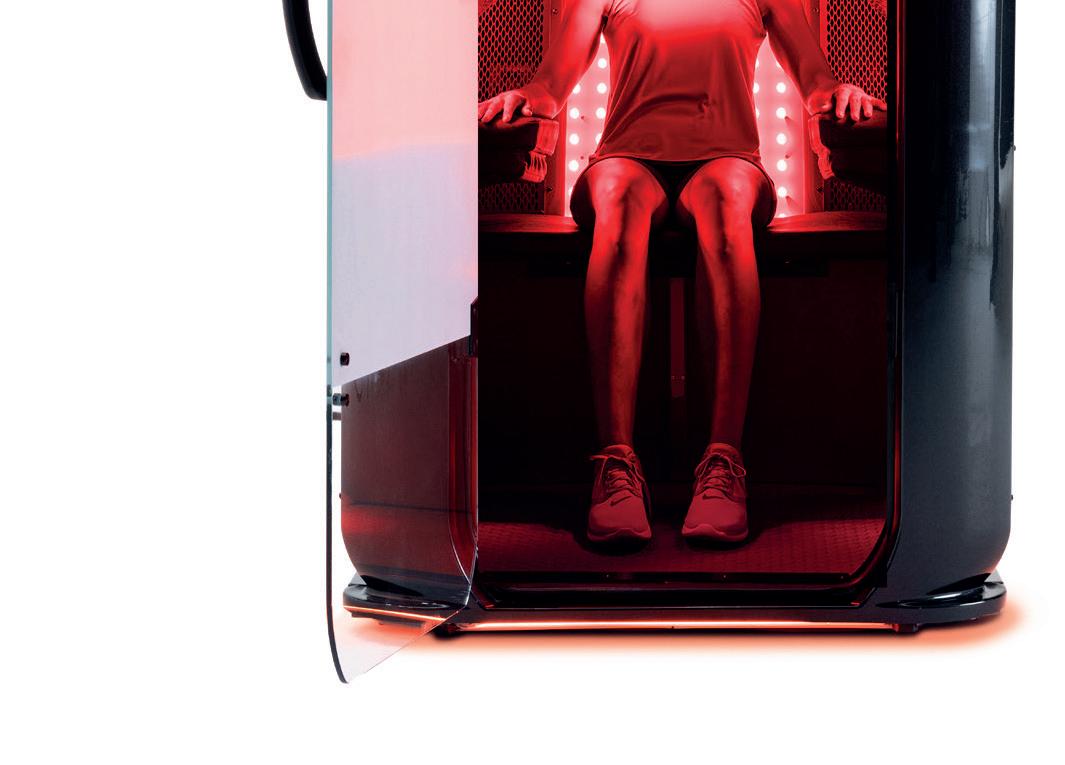


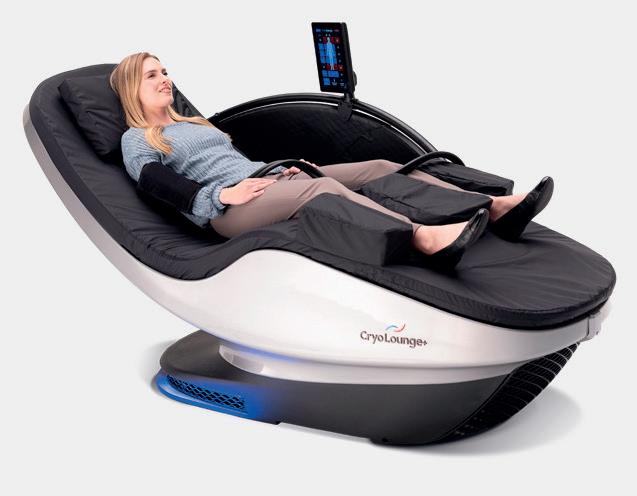



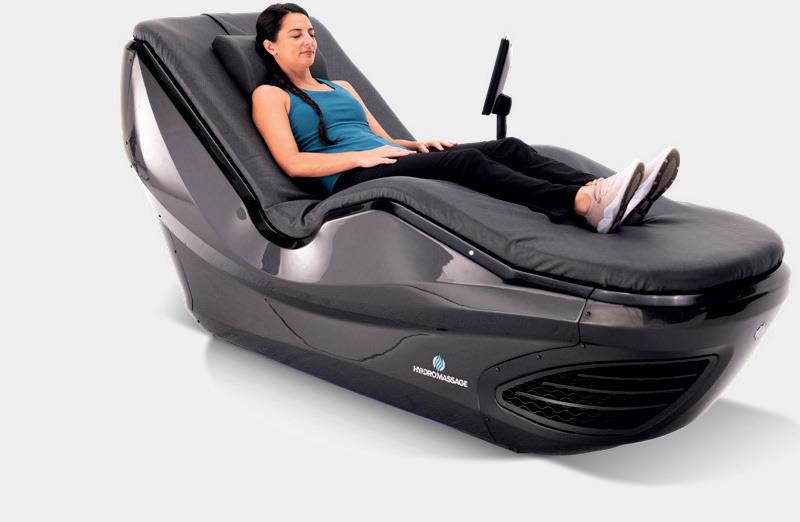







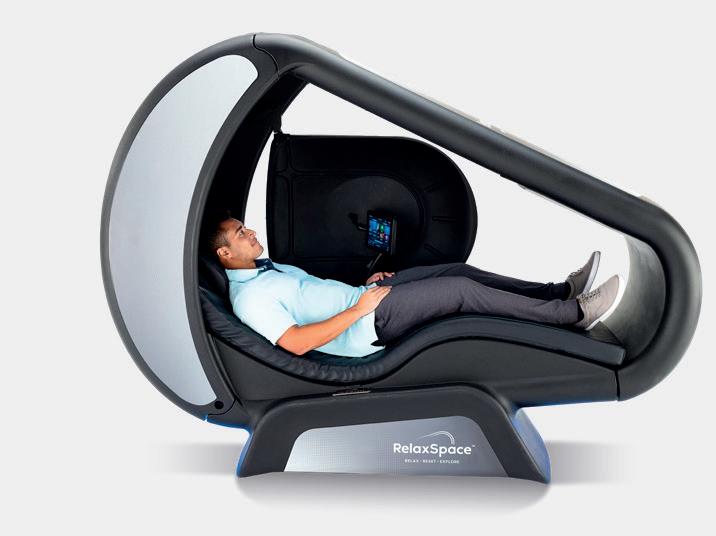
For more insight, or to get in touch with the companies featured, visit www.fitness-kit.net and type in their keyword
Cramer rounds up the latest health,
The Morozko Mineral Bath with Hydrogen offers a plunge experience in an elliptical stainless steel tub with an exterior comprising cedar staves, secured with stainless steel hoops.

“Ozone
replaces chlorine and other added chemicals”
Thomas Seager
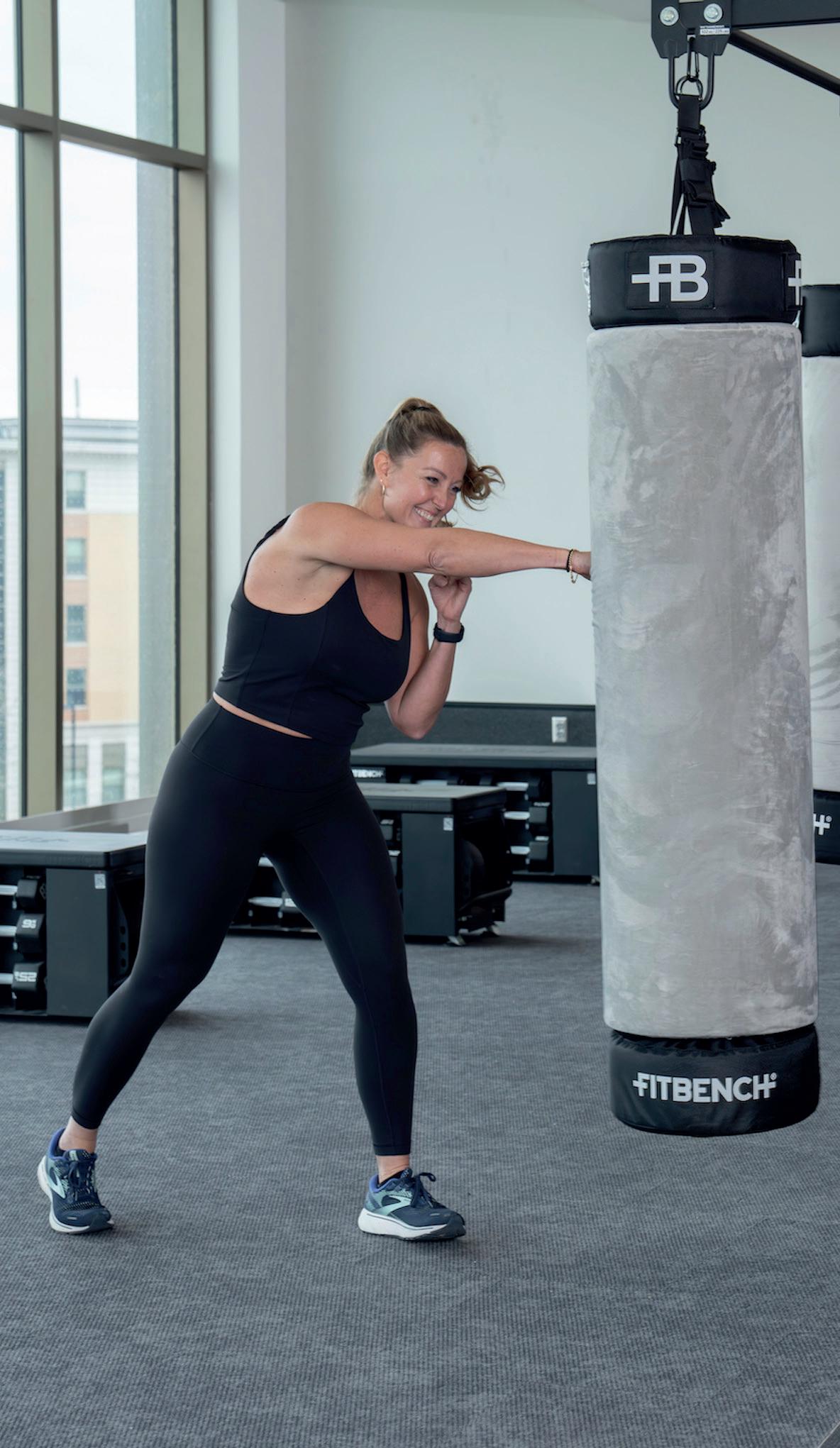
A hydrogen cycle is provided by the Echo Hydrogen Revive. Hydrogen relieves symptoms of oxidative stress by its transdermal absorption into the body, helping symptoms of joint pain and inflammation.
The bath is electrically grounded and allows for minerals, such as Epsom Salts (magnesium) to be added. It also has massage jets and runs with ozone rather than chlorine or other added chemicals.
The Morozko Mineral Bath stands at 36” high, 120” long and 43” wide and comes with an

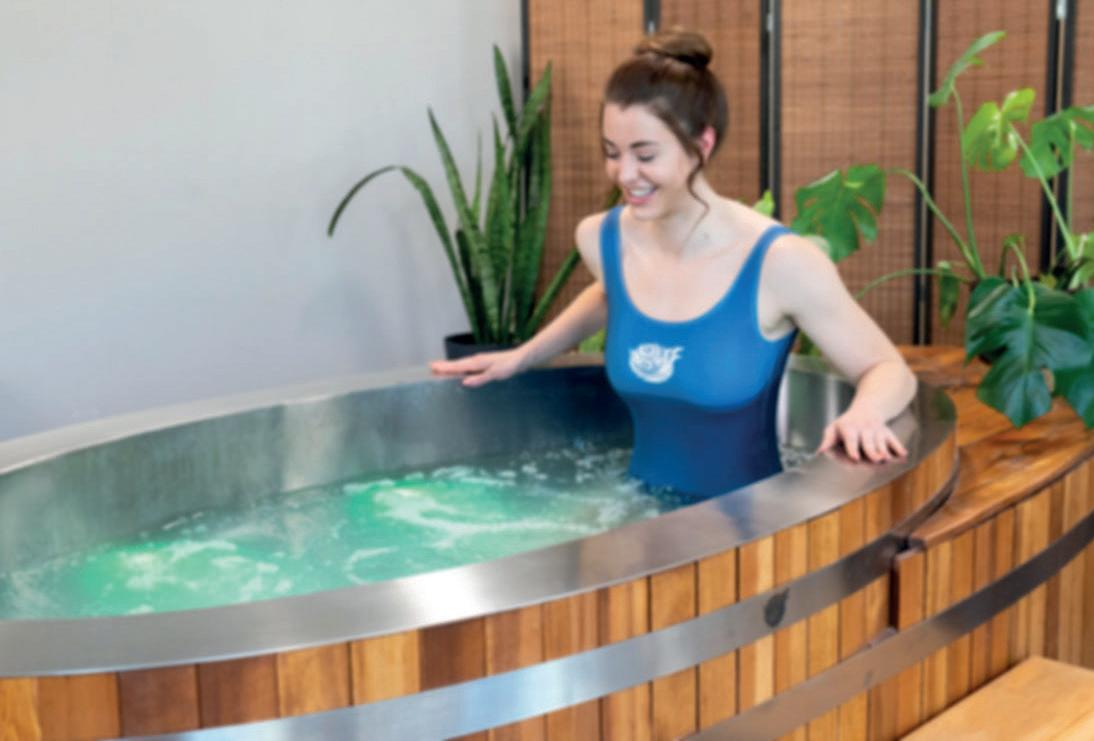
different minerals and also with Hydrogen
insulated lid. It has been specified for the health club at new wellness hotel, Santa Monica Proper.
fitness-kit.net keywords
Morozko Forge
Fitbag reduces the operating costs associated with boxing gloves, says Tyler Danen
Fitbench has launched Fitbag, a gloveless boxing bag which has been designed to replace traditional boxing bags, both on the gym floor and in group training environments.
“Fitbag came directly out of conversations with gym owners and coaches,” says Tyler Danen, founder of Fitbench. “Everyone sees the same problems with boxing gloves – cost, hygiene, storage and delays to classes – but they’ve been accepted as ‘just part of boxing.’”
Fitbag features a gloveless striking surface with multi-density foam construction and a washable cover that can be replaced. There
“Fitbag came directly out of conversations with gym owners and coaches”
Tyler Danen
are no shared gloves, no sanitation stations and no transition delays, so members can move from strength to conditioning to striking. Available in two sizes and with customisable branded skins, the product is suitable for open gym floors, functional training areas and group training studios.
fitness-kit.net keyword
Fitbench
Sona measures HRV in real time and tailors stimulation, says Jan Ollis
Sona is an AI-powered vagus nerve stimulator designed to address stress and burnout.
Spearheaded by Jane Ollis, a former NHS leader in the UK, and a team of neuroscientists and engineers, the ear-worn
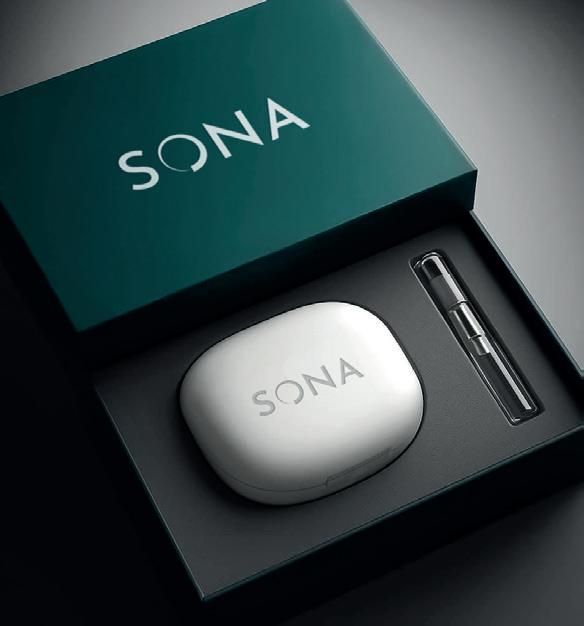
device uses adaptive AI to deliver personalised nervous system support, to help users stay calm, focused and resilient.
“I saw people leaving hospital with treatment plans for their condition, but nothing for the stress, fear and isolation they’d face at home,” says Ollis. “It wasn’t right and it stayed with me,” she says.
Sona uses breath-synced pulses to target the vagus nerve and routines can be enhanced with sounds, breathwork or VR. It measures heart rate variability (HRV) in real time and tailors stimulation to the current state of the user’s nervous system.
fitness-kit.net KEYWORD
Sona
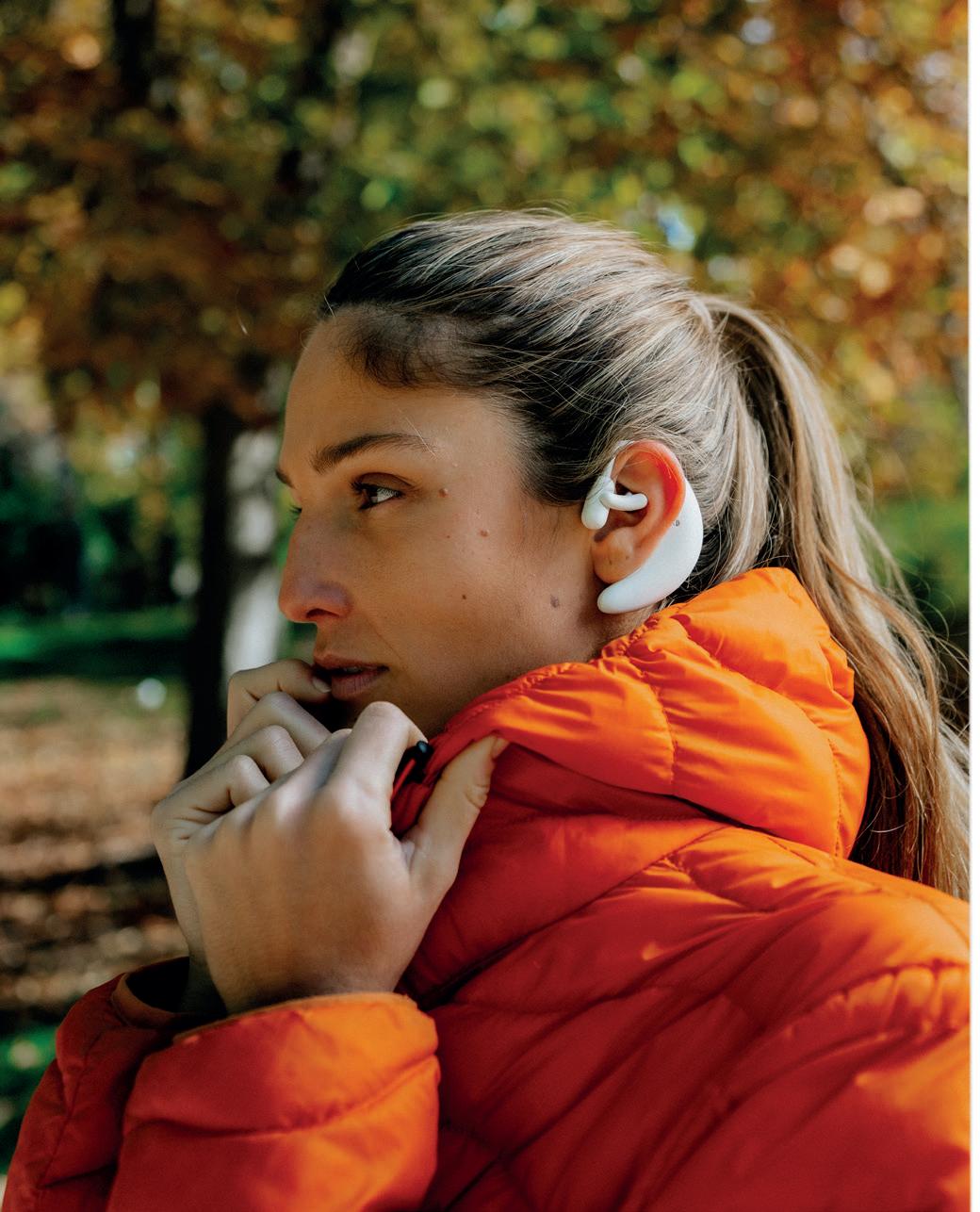









“The device delivers personalised nervous system support”
Jan Ollis
Cryo-Fall o ers cold therapy in a convenient and hygienic way, says Rainer Rieger
A waterfall massage jet shower by Werner Dosiertechnik (WDT) enables operators to deliver cold therapy or contrast bathing. The German wet area specialist has launched Cryo-Fall as a ceiling-mounted system that rinses before use and fills with
“Cryo-Fall was inspired by traditional bucket showers”
Rainer Rieger
cold water, while it releases a short, adjustable jet at the push of a button. After use, the tank empties to maintain hygiene.
Cryo-Fall can be combined with mist or rain showers of various temperatures to create layered, multisensory experiences.
“Cold wellness treatments are a mega trend,” says MD Rainer Rieger. “The positive effect of cold water treatment is medically undisputed and has a long tradition.” Rieger adds that Cryo-Fall was inspired by traditional bucket showers and has been designed to offer cold therapy in a convenient and hygienic way.
fitness-kit.net KEYWORDS
Werner Dosiertechnik
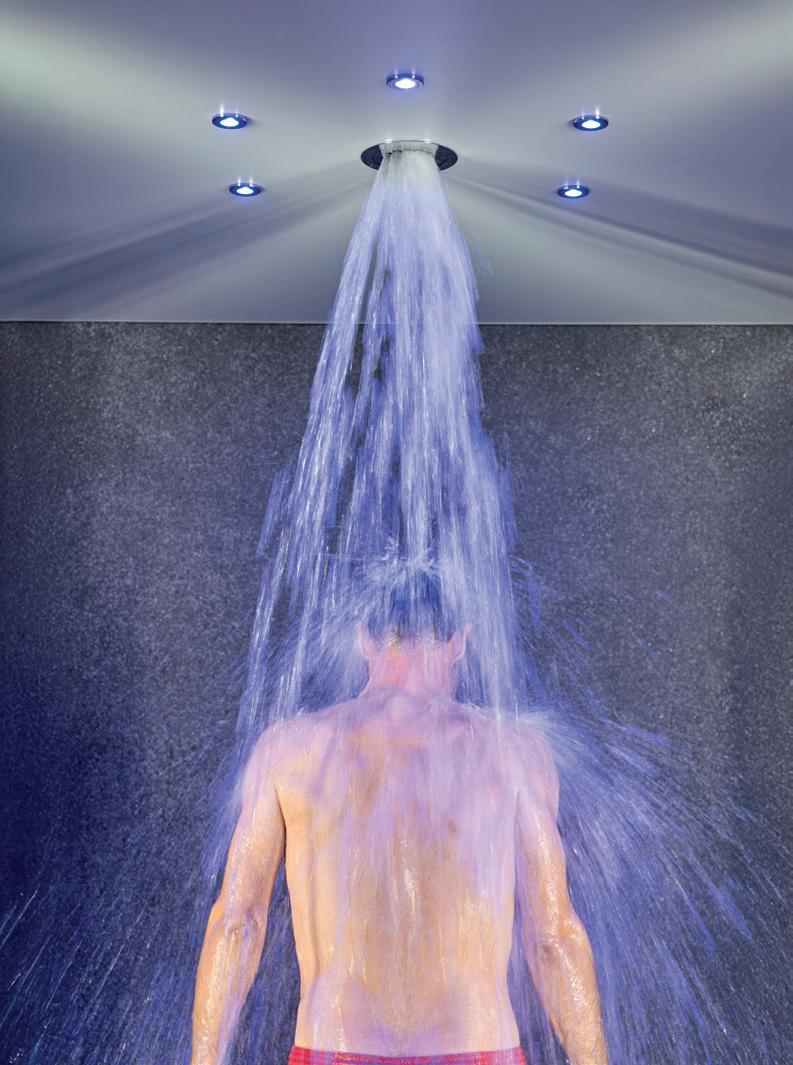


Tap into HCM ’s comprehensive supplier directory and profiles to get in touch with the industry’s leading suppliers of products and services to power your business

CLICK HERE to search for a supplier on HCM’s Company Profiles Hub










CLICK HERE to visit the HCM Handbook Company Profiles




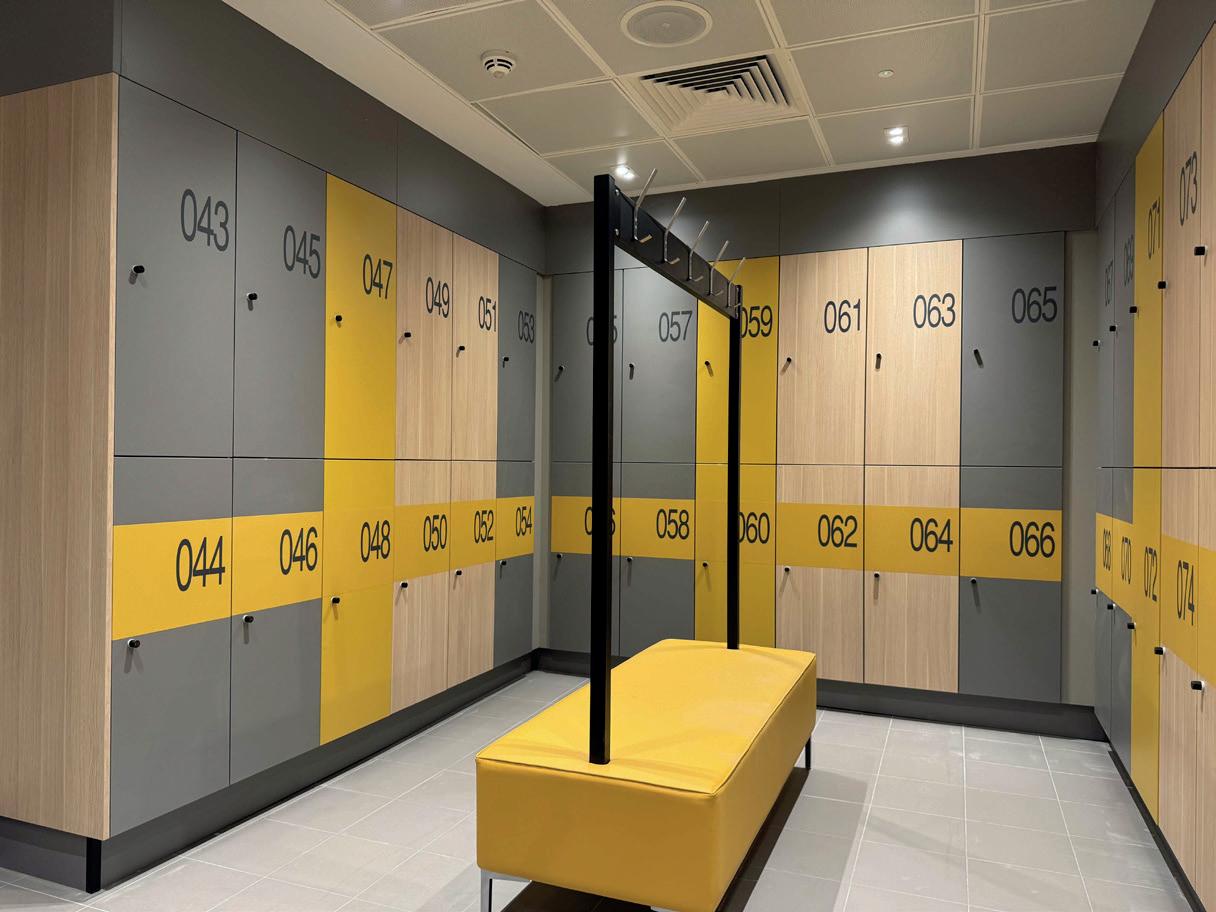










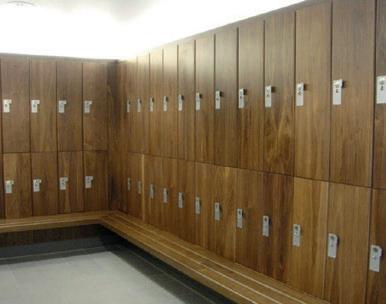





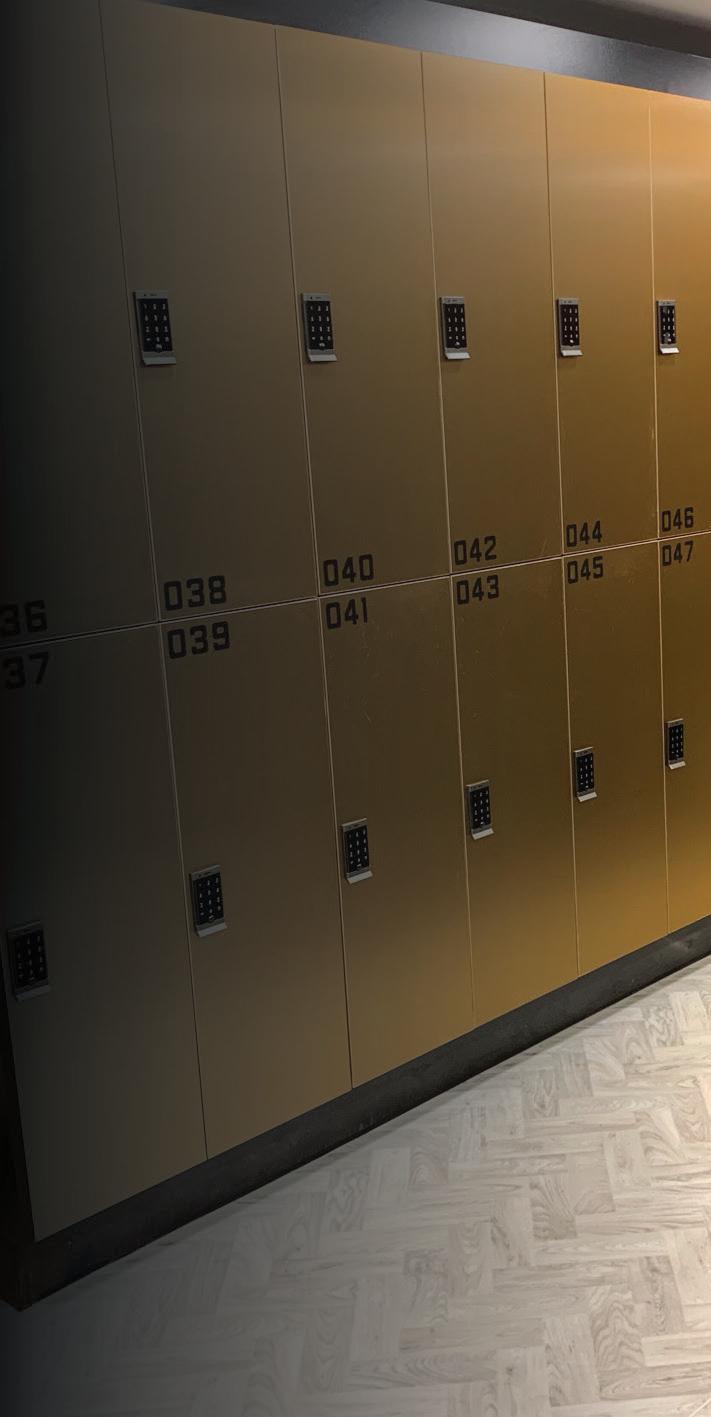

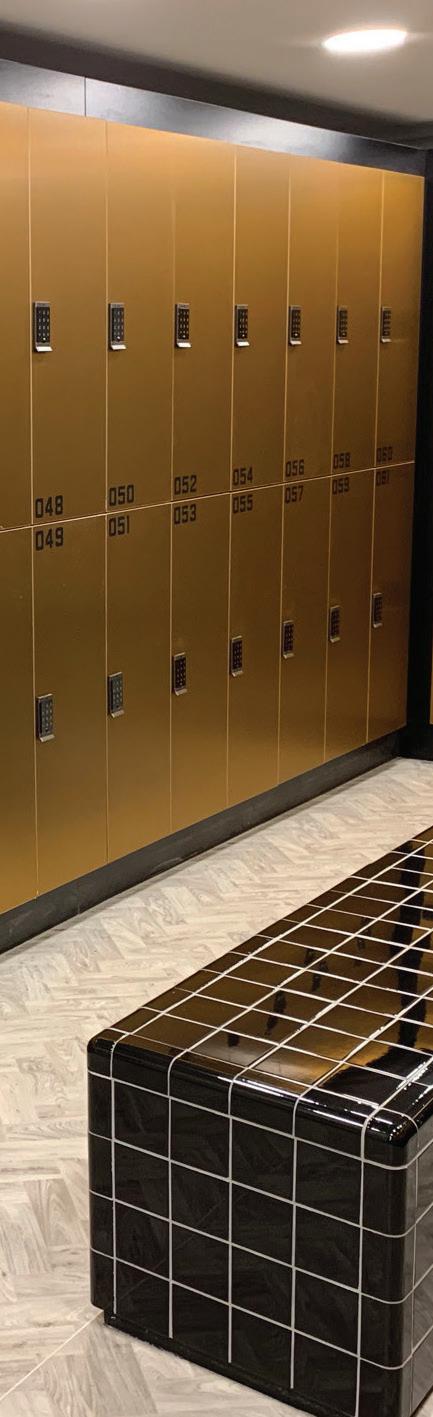
Demand for collagen is surging, but new research casts doubt on the impact it has on muscle-building
Acomprehensive study into the health effects of collagen supplements found benefits for skin health and significant relief from osteoarthritis symptoms, but no meaningful improvements in sports performance.
The umbrella review, by a team at Anglia Ruskin University in the UK (ARU), collated evidence from 16 systematic reviews, 113 randomised controlled trials and around 8,000 participants from around the world, with the study published in the Aesthetic Surgery Journal Open Forum.
The research team identified dose-dependent and duration-dependent effects, finding that taking collagen for longer is linked with greater improvements in skin elasticity and hydration, as well as better osteoarthritis outcomes, including reduced pain and stiffness.
Researchers identified modest benefits in terms of gains in muscle mass and improvements in muscle architecture and tendon structure, reinforcing the benefits of collagen to healthy ageing, however, they found no meaningful improvements in post-exercise muscle recovery, soreness or the mechanical properties of tendons, suggesting collagen should not be viewed as a fast-acting sports performance supplement.
Researchers found no meaningful improvements in post-exercise muscle recovery, soreness or the mechanical properties of tendons
Lee Smith, professor of public health at ARU and co author of the study, said: “Collagen is not a cure all, but it does have credible benefits when used consistently over time, particularly for skin and osteoarthritis. Our findings show clear benefits in key areas of healthy ageing, while also dispelling some of the myths surrounding its use.
“This study marks an important step towards more informed public guidance and better designed future research. We need more high-quality clinical trials, including research examining long-term health outcomes, optimal dosing and differences between collagen sources.”
The researchers also examined evidence relating to cardiometabolic indicators, such as cholesterol, blood pressure and blood sugar. In these areas, results were mixed or inconclusive, with little strong evidence that collagen meaningfully improves metabolic health.
The study also found improvements in formulation are making products more efficacious.
More: www.HCMmag.com/collagen