







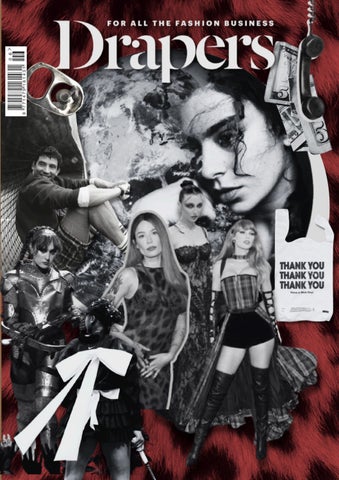

Editor here! this issue of drapers mag will breaking down the good, the bad and the ugly of the industry, addressing all the major topics no one wants the think about, and establishing what you, the buyer, can do to combat these. this issue is in partnership with White Rose to influence the average reader to try and keep in mind sustainability and overconsumption to have a more mindful shopping experience.
Leila Ashard
Leila Ashard
Marianne Floyd
Ben Branson

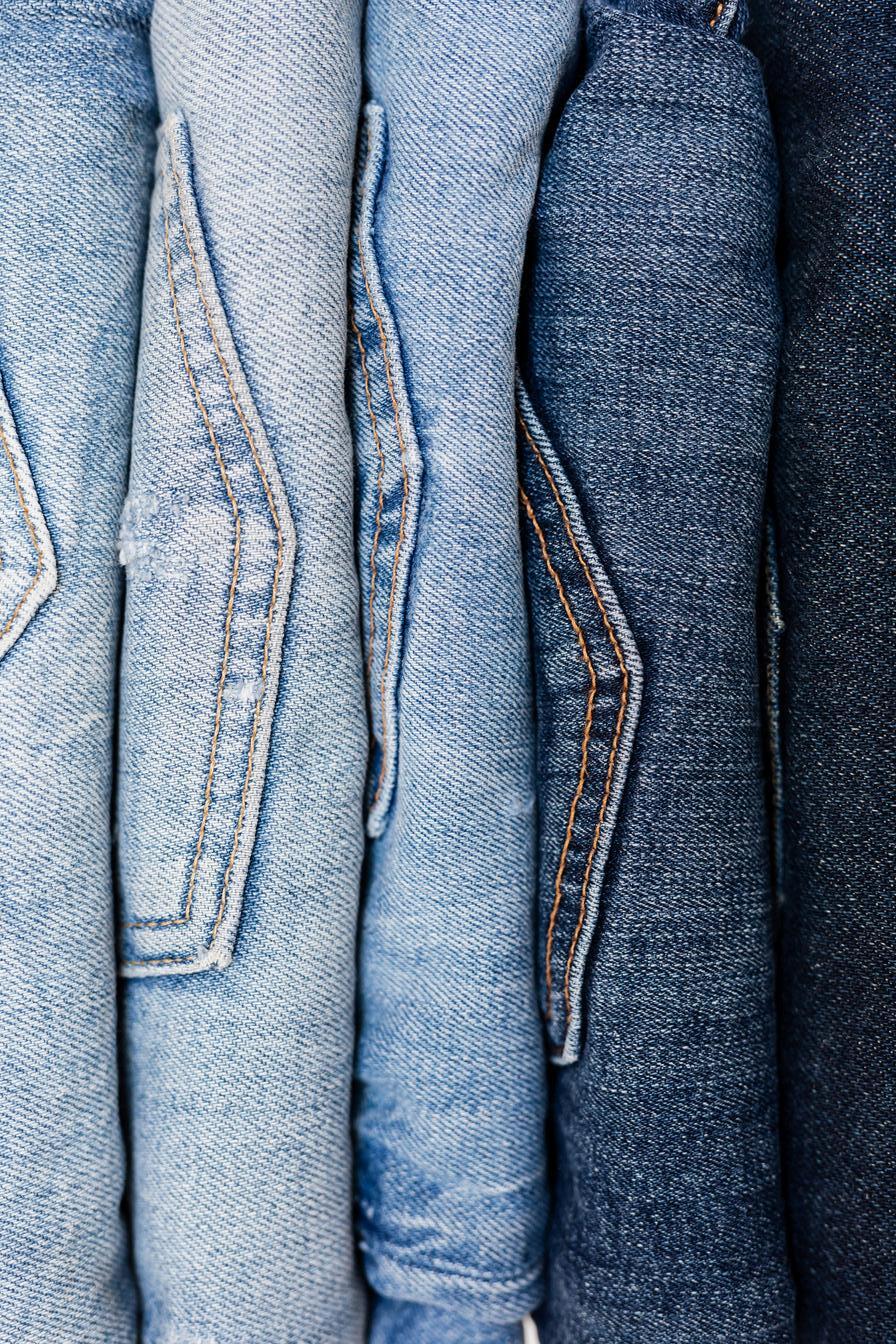
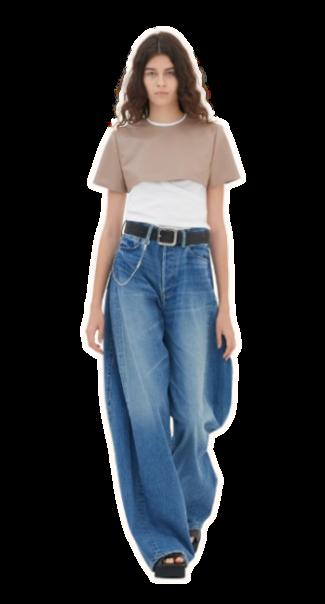
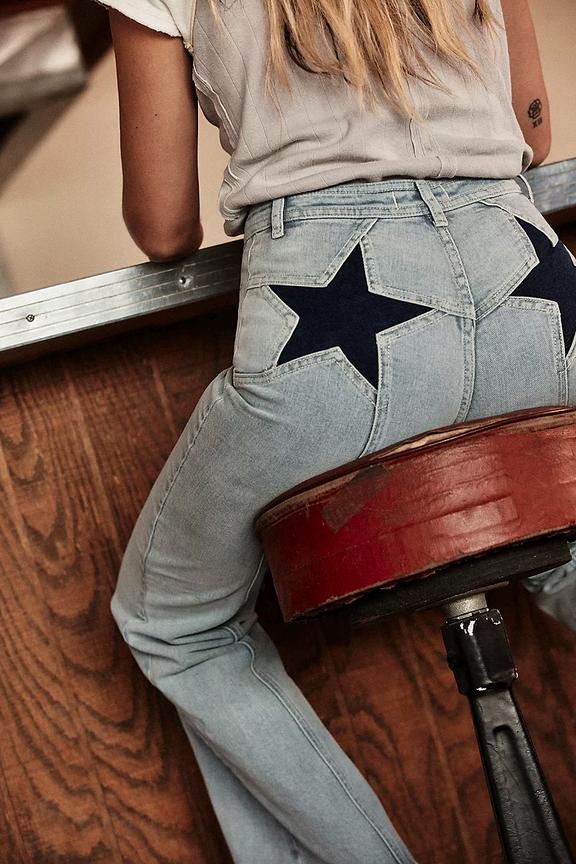
is arguably one of the most common items in ones wardrobe, worn year round from shorts, jackets skirts to a trusty pair of jeans that would’ve once lasted hundreds of wears, but with the common use of elastane breaks down and down before becoming practically unwearable, and being cast to what we call the “grave phase”.

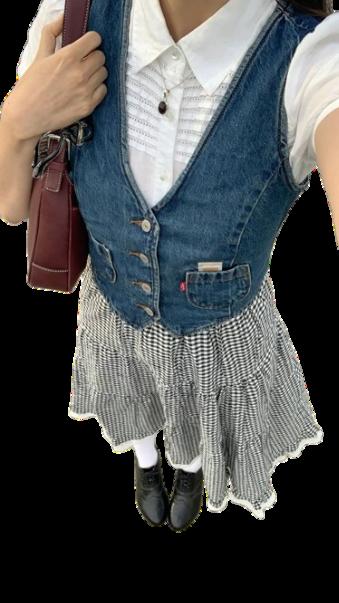
The issues not many think of (myself included!), is how the production of denim effects the planet, with a pair of Levis jeans taking a total of 3781 litres of water in the span of growing the cotton to being in ownership, and a ridiculous amount of pesticides being used to increase cotton production, which is then absorbed by the atmosphere and contaminating a variety of water.
Traditional denim is dyed with indigo, which, similarly to the pesticides used in the growing process, contaminates water supplies. this is but one of many production issues with denim, since it has many aspects to consider (i.e. buttons, labels made of leather, care labels, and pocket linings) which each add their own aspect of unsustainability to them. Did you know that in denims lifetime, 33.4kg of CO2 is released into our atmosphere? With 16.2kg being during production alone are wildly high numbers considering that denim isn’t even mentioned when talking about issues such as global warming.
1.
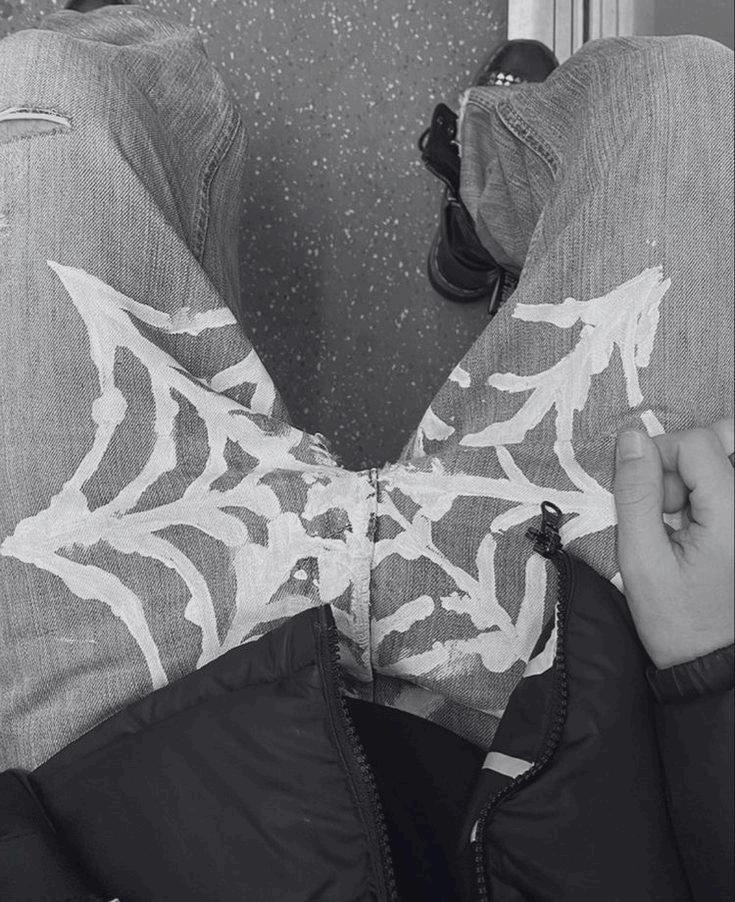
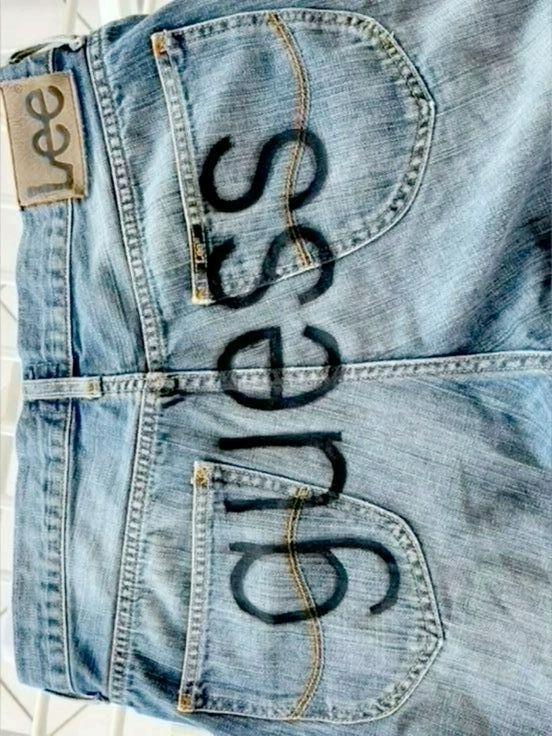
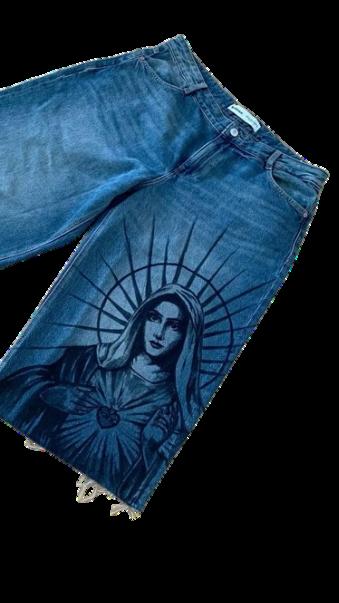
Adding a little creative flare to a pair of jeans you feel need a bit of pizazz has never been easier! Acrylic paint holds up fairly well on fabrics; pinterest is full of inspiring duotone graphics that can be easily translated to fabric, this concept can be completely user friendly dependent on what you decide which is the best part.
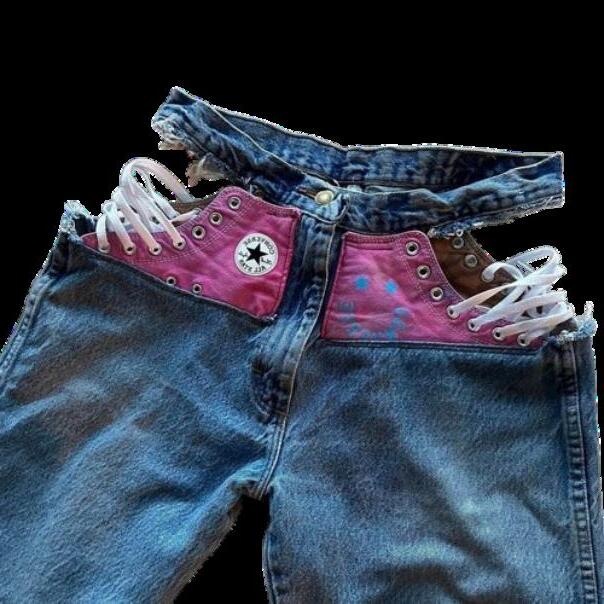
oday, I’m going to be doing my top 10 a bit different; rather than suggesting that you run out and buy my “top 10 favourite denim skirts”, I’m going to be sharing my top upcycling projects, easy to do at home, whether it be with basic hand sewing skills, a sewing machine, or a more complex project for my pro upcyclers. The goal of this article is to encourage my readers to embrace their creativity for the greater good of our planet!
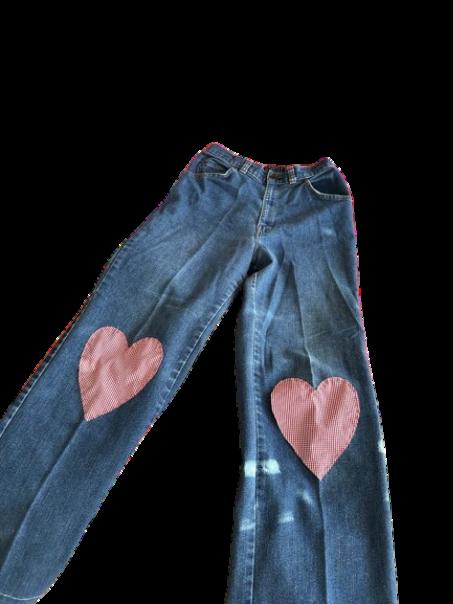
g scrap fabric, -shirt graphics, ven socks and a le running stich, tches are really ective at adding unique twist to ny denim. personally love these patches placed over the knee, or added to the back pocket, but the placement is totally up to the wearer. The look can be elevated depending on skill level wi different types of stitching to create a neater edge to the patches. the difficu dependent on the amount of patches
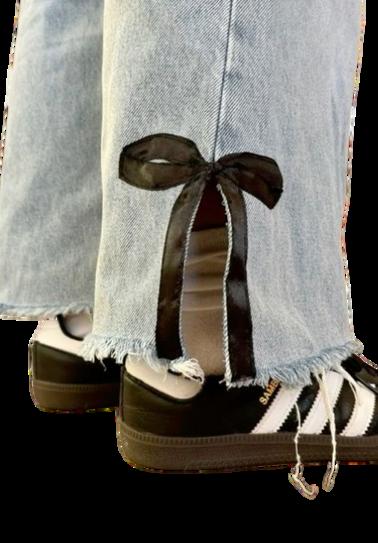
4.
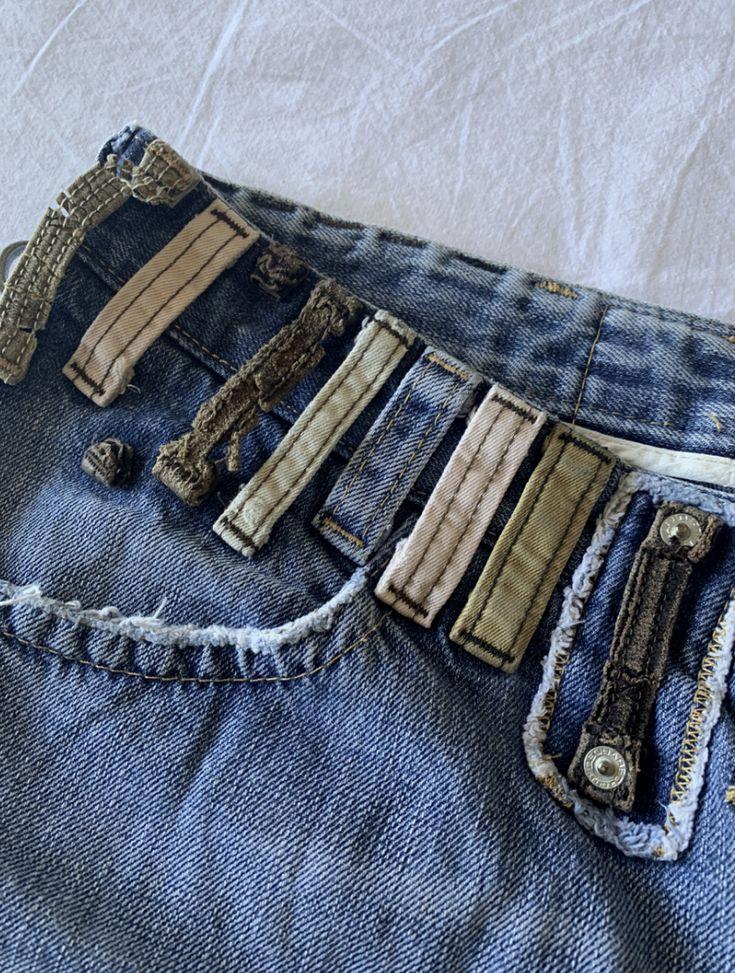
Ribbons have absolutely taken over in the past years, now more than ever, so when I saw this craft I knew I had to include this. It’s truly very simple idea, almost exactly the same concept as the patches in project number 2, it could potentially be a bit fiddly I’d imagine but nothing a few pins cant fix I think the end result is completely worth it!
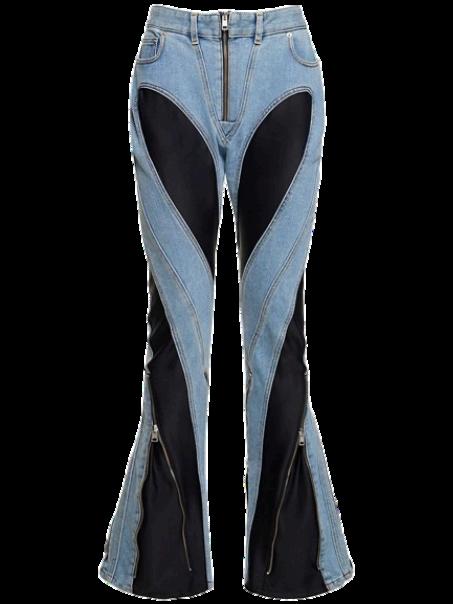
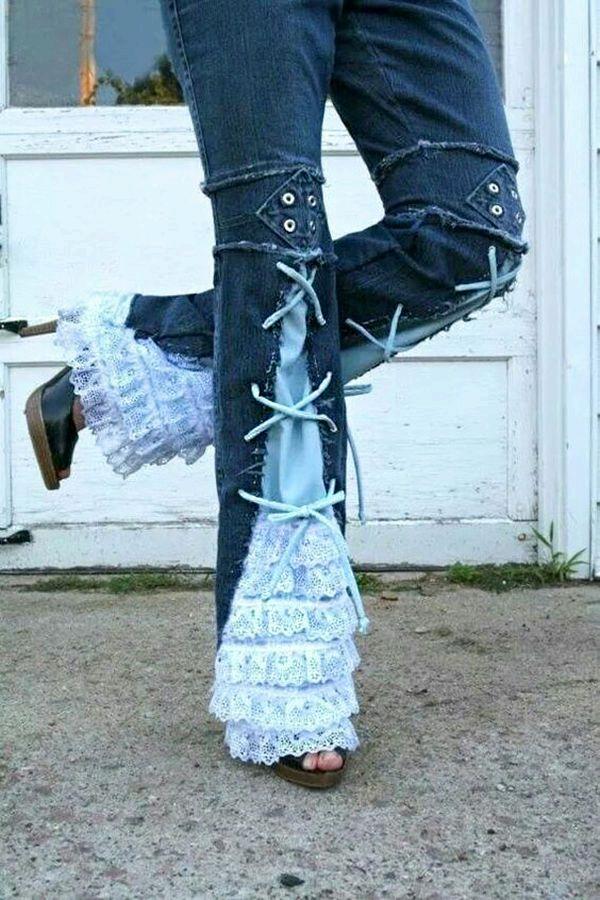
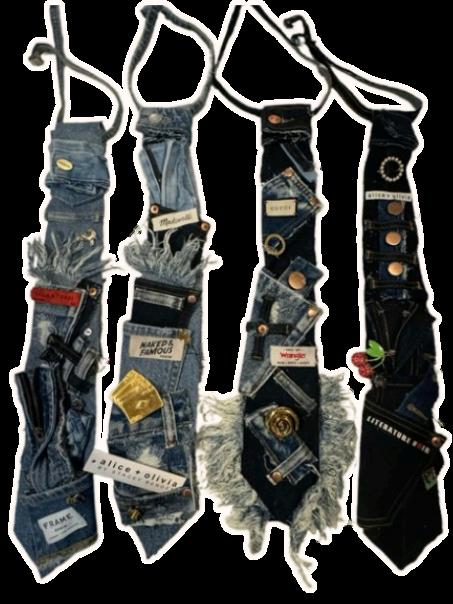
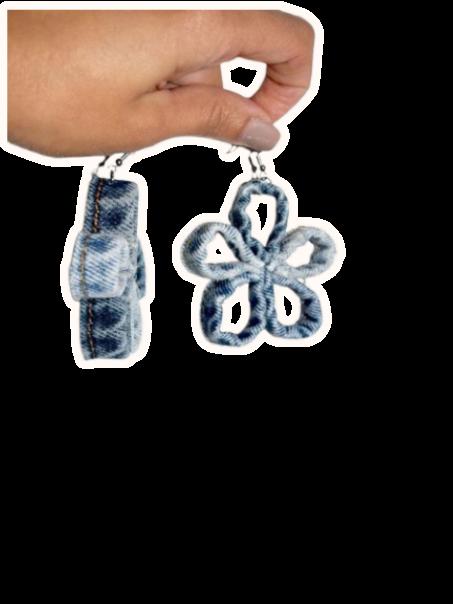
My final inspirations could potentially fall on the advanced side, combining two items (seen left) would probably benefit from a sewing machine, as well as some knowledge on construction of clothes. These projects are for my advanced makers who are in need of a challenge. These items are super unique and would add a funky twist to everyone’s wardrobe.

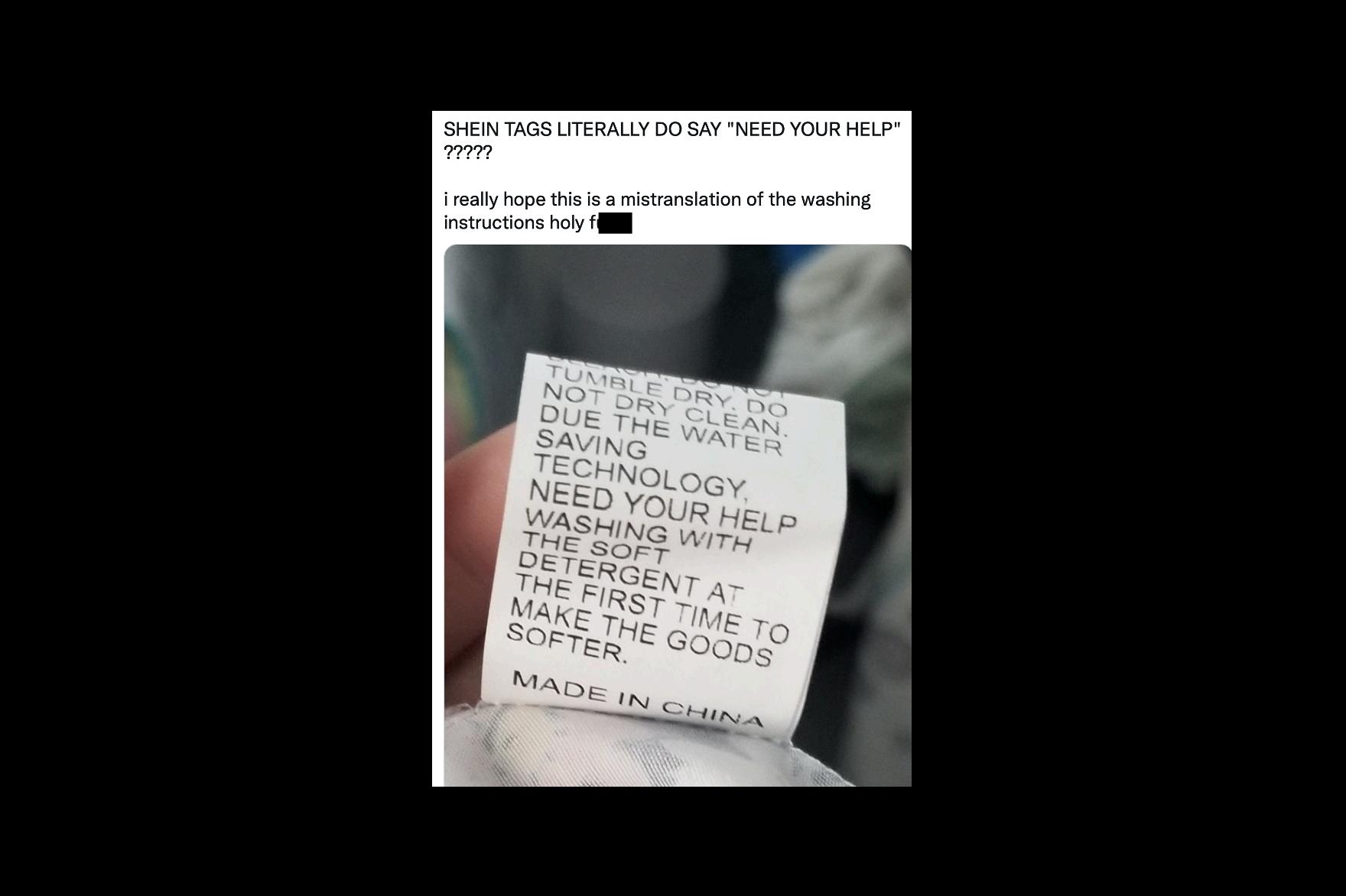
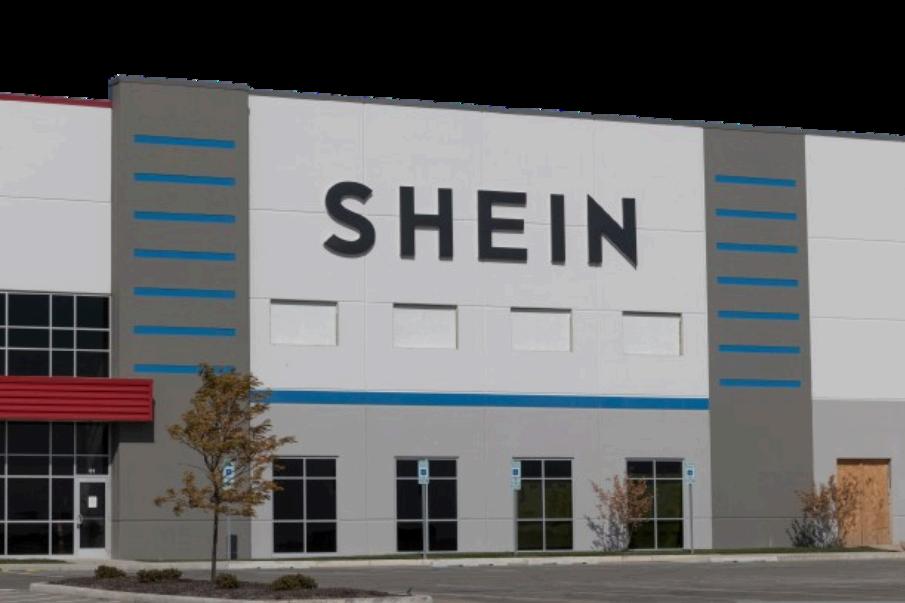
Shein isnt exactly known for being the most perfect company, far from it actually considering their stance on the exploitation of human rights. Last year shein caused an uproar after flying out influencers, which typically done by brands to gain exposure. However, shein isn’t exactly unknown in the industry. This coverup left a bad taste in the general publics mouth since it was a clear deterrent from previous accusations, it wasn’t your standard influencer trip, since shein’s proposal was to do a walkthrough of their factories, to show that nothing shady is happening behind closed doors and was a clear attempt to shift the narrative the company has built itself in recent years.



Other investigations have shown that workers make less than £1 per item of clothing, and make about 500 items per day These numbers are about impossible to equate to any amount of fairness, and is clear to many that these people are extorted of their labour unfairly. The worst part of this was said influencers referring to themselves as “investigative journalists” despite having clear motives and being all expenses paid by the company This stunt has massively backfired by watchers realising that being an influence immediately gives the company an upper hand by being the direct funders of what said influencers share with their audience, with their own sustainability report saying that 66% of suppliers factories violated the codes of conduct which, unsurprisingly to no one, was not mentioned in any of their brand ambassadors videos.
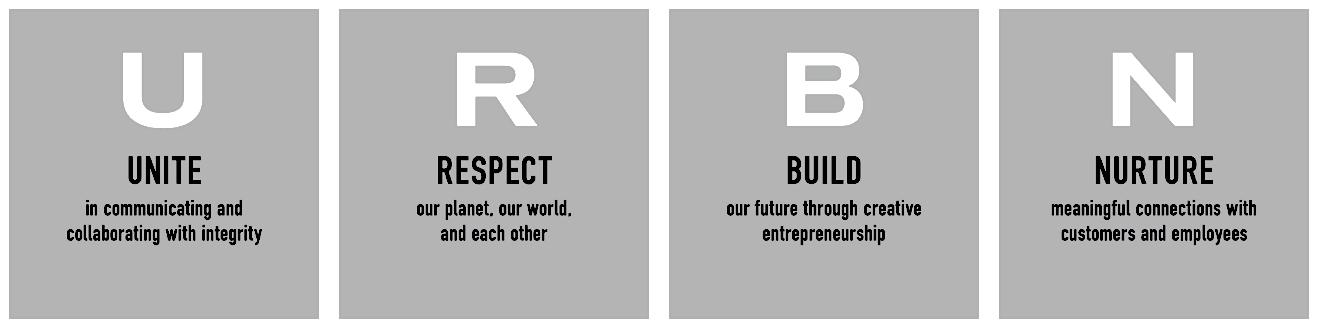
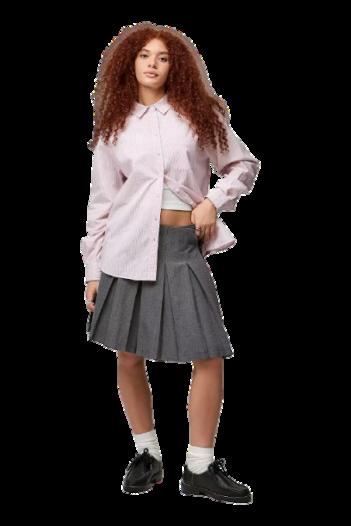
A sales report for urban outfitters for the year of 2023 showed that (in dollars) made 1'547'344, which was a decrease from the year prior ( 1'681'599) environmentally, urban outfitters scored “not good enough” on Goodonyou, which stated that urban aren’t doing enough to reduce its impact. Having their renewal line is a step in the right direction but only 10% of it’s raw materials currently are responsibly sourced, with the brand stating that “by 2027 60% of our total direct-sourced raw materials will be sourced more responsibly”.

Despite their renewal line being around since 1983 the brand follows a fast fashion structure, with no statement made about reducing harmful waste etc, the brand still hasn’t signed the International Accord for Health and Safety in the Textile and Garment Industry, and there is little to no evidence backing the conditions of workers despite stating they don’t use child or slave labour. They also use wool, leather and shearling and have made no statement on their stance on animal cruelty.
urban outfitters “brand” is the lived in vibe of street style, and a lot of influence from vintage styles, which ‘id argue are easy styles to find second hand. After my research into urban outfitters trade report and their lack of accountability taken in terms of their ethicality is frankly alarming to someone like me who takes sustainability and the darker side to the industry quite serious.
i think to dismantle the need for a brand like urban outfitters, we could collectively make an effort to try and use second hand clothing sources, which typically leans much more affordable for the average buyer
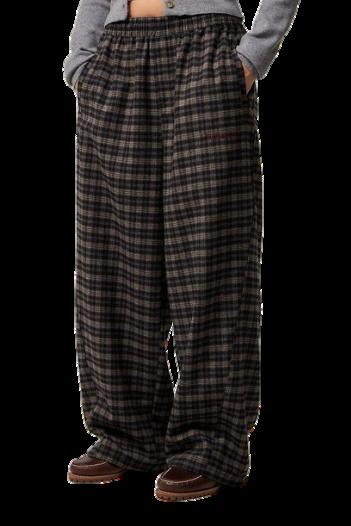
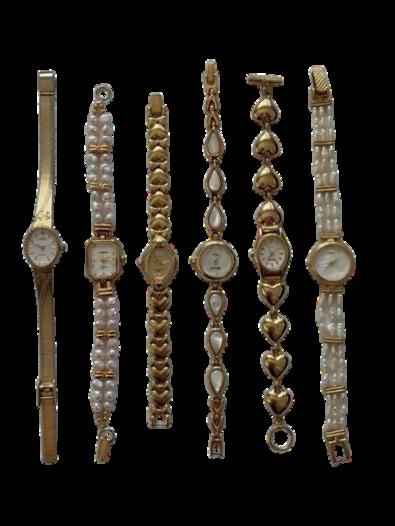
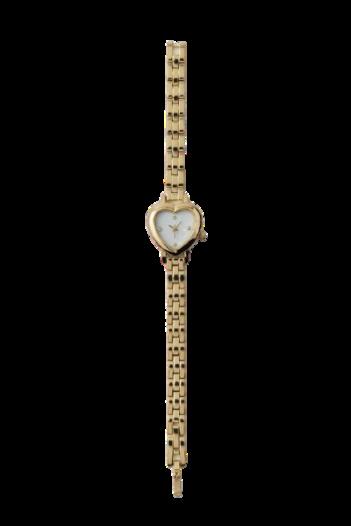
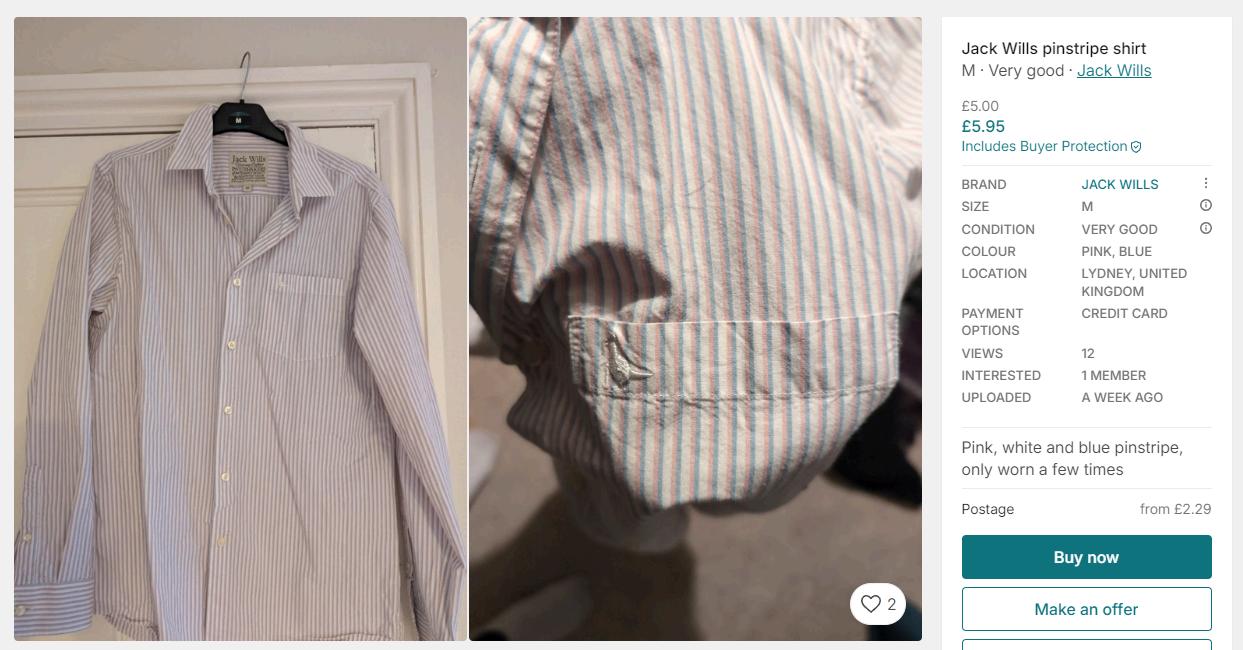
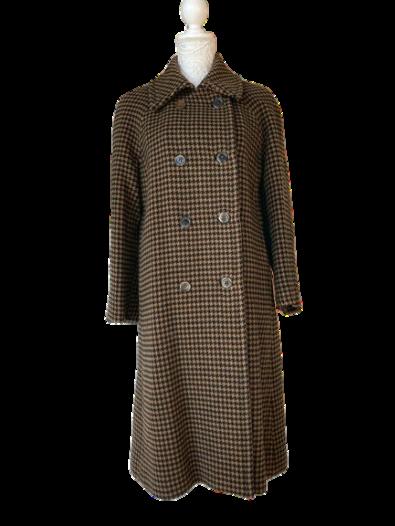
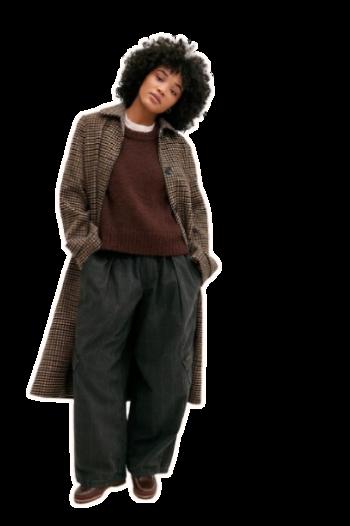


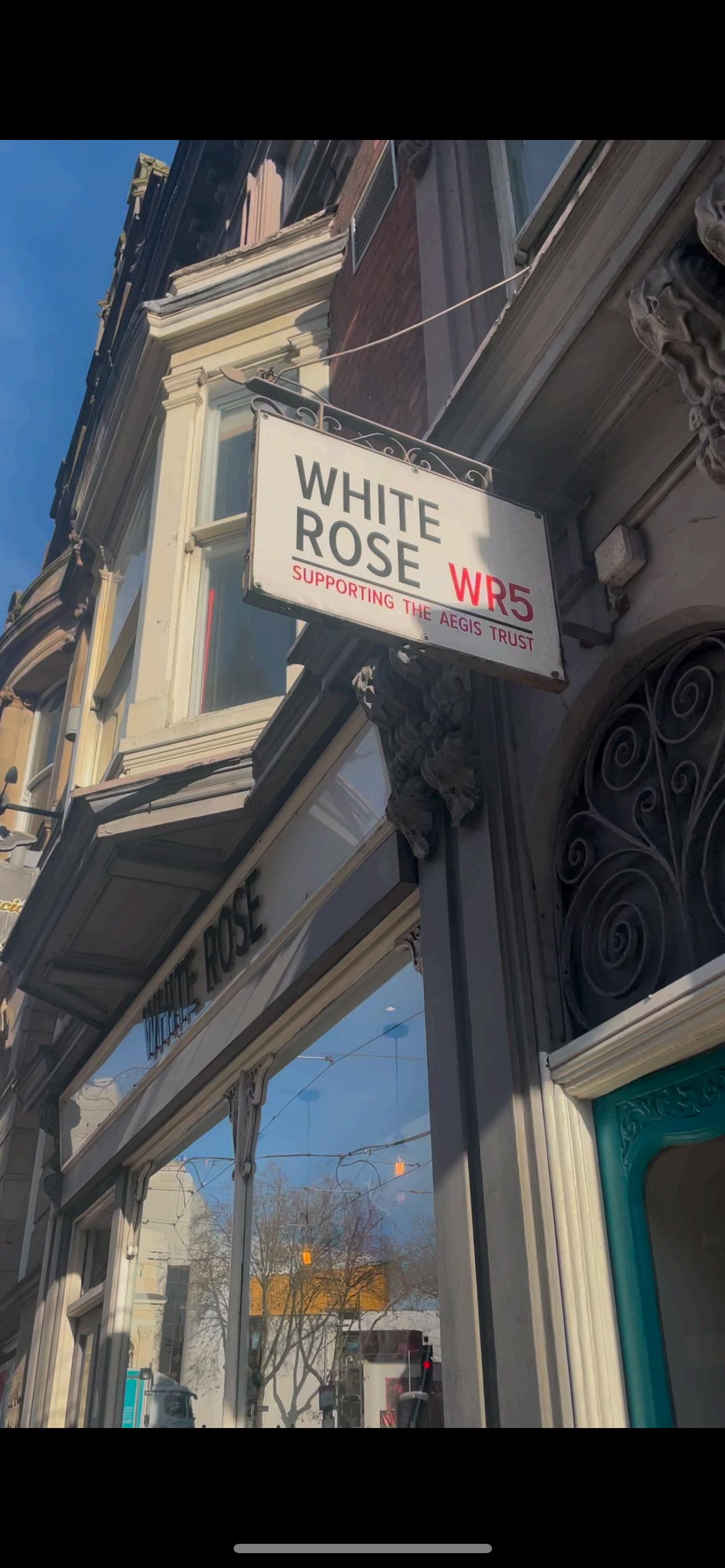
White roses mission is to cut out the grave cycle from our clothes lifetime, by introducing old pieces to one to a new wardrobe; after all the saying does go “One mans trash is another mans treasure” for a reason. The stores began operation in 2009 and are sponsored by the aegis trust, which we got insight from a worker (thank you Amy!) about white roses first steps in Nottingham, and how aegis trust take active steps in preventing genocides, which is so unfortunately relevant currently considering the ongoing genocide of Palestinians, these issues are so important to both have awareness and make an active effort towards resolving. White roses core values are innovation, sustainability, collaboration, and compassion, which is echoed throughout their stores, from their staff to their customers. Their marketing is mainly targeted towards Gen Z, with younger models on their website, and being mainly based around student-heavy locations, namely Hockley in Nottingham.

The creation of this mag has really opened my eyes to the darker side of this industry that is so often sugar coated with the newest trends and the brightest colours. My goal was to not only flip Drapers on its head to make it appeal to my age bracket, but to make the average reader understand the severity of the exploitation that happens while the clothes you’re likely wearing right now. I like to think I will use the knowledge I’ve both gained and shared to make mine and other shopping more thoughtful. This project, like any other, has had it’s ups and downs; I personally struggle with topics like these as I feel almost too passionately about these issues. It’s difficult to think of an engaging way to get these points across, especially with the typical Gen Z’s attention span. Keeping my research and magazine consistently side by side, rather than rushing ahead /slacking with another has helped me achieve my vision for this magazine, and I personally think that it would engage in the way I hoped it would. I would’ve liked to make a couple of my pages look more magazine like but for my second magazine based project, I i like this result!