Landscape Architecture Portfolio
LEILA JACKSON
LEILA JACKSON
Leila is a current graduate student of Landscape Architecture at the University of Washington. With a background in Human Geography, their design work and academic interests have been deeply informed by the spatialization of injustice within the built environment. In their work they hope to center projects which foster sense of place, particularly for marginalized communities, center justice and explore landscape as a storytelling medium of cultural, historical and ecological narratives.
leilajac@uw.edu | (425)-753-5243

contents 05
| GND SuperStudio
Urban Sites
01
| Ecological
Studio
02
| Farm Studio
07 Fall 2020 | Design Foundations Studio
HILL 04
| Speculative Futures Studio
03
| SCANDesign Studio
06 Fall 2020 | Design Foundations Studio
Winter 2021
-
LEARNING LANDSCAPES
Spring 2021
Systems
UNSETTLING DISCOVERY PARK
Winter 2022
STEWARDING ECOLIBRIUM
WILBURTON
Spring 2022
JAZZ DISLOCATIONS
Fall 2021
EM[BRACKISH] DISTRICT MASTER PLAN
CONVERGE
UNSETTLING DISCOVERY PARK
Reimagining the periphery as a site for social and ecological resilience
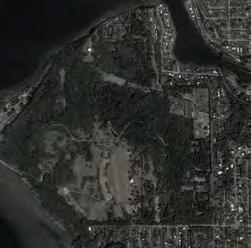
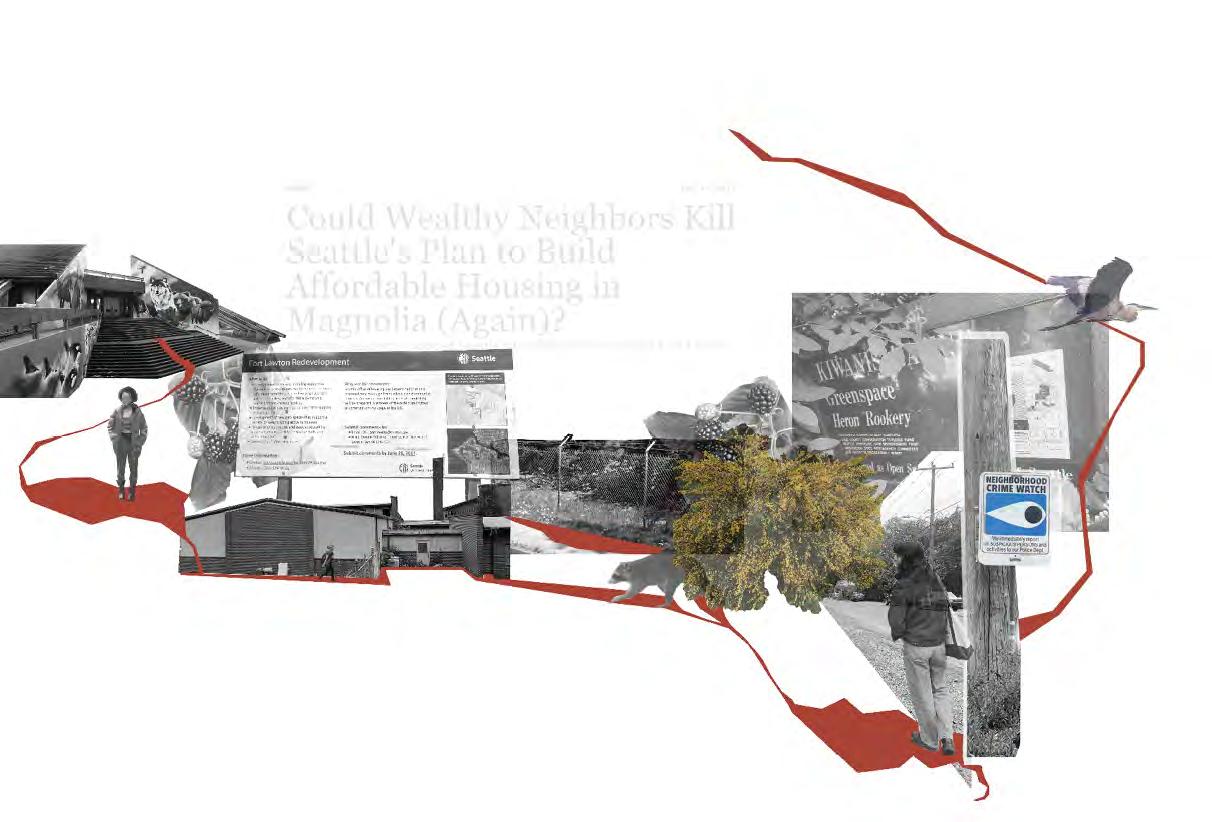
At the boundaries of Discovery Park (DP) are reflections of social and ecological tensions that are unique to the periphery, but significant in contextualizing the history and character of DP as a whole. A future affordable housing development at the Eastern boundary of DP will have to contend with these past and continued injustices, but also offers an opportunity to reimagine the periphery as an inclusive space that services a future of diverse communities and wildlife.
Current conditions
Analysis of social and ecological tensions along the periphery
DISCOVERY PARK
Discovery Park Periphery Site Corridor (Boundary of DP & Magnolia) Proposed Affordable Housing Kiwanis Ravine
01
Spring 2021 | Ecological Systems Studio | Individual Work

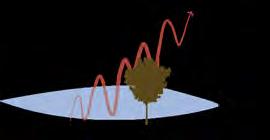

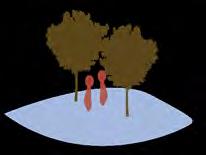

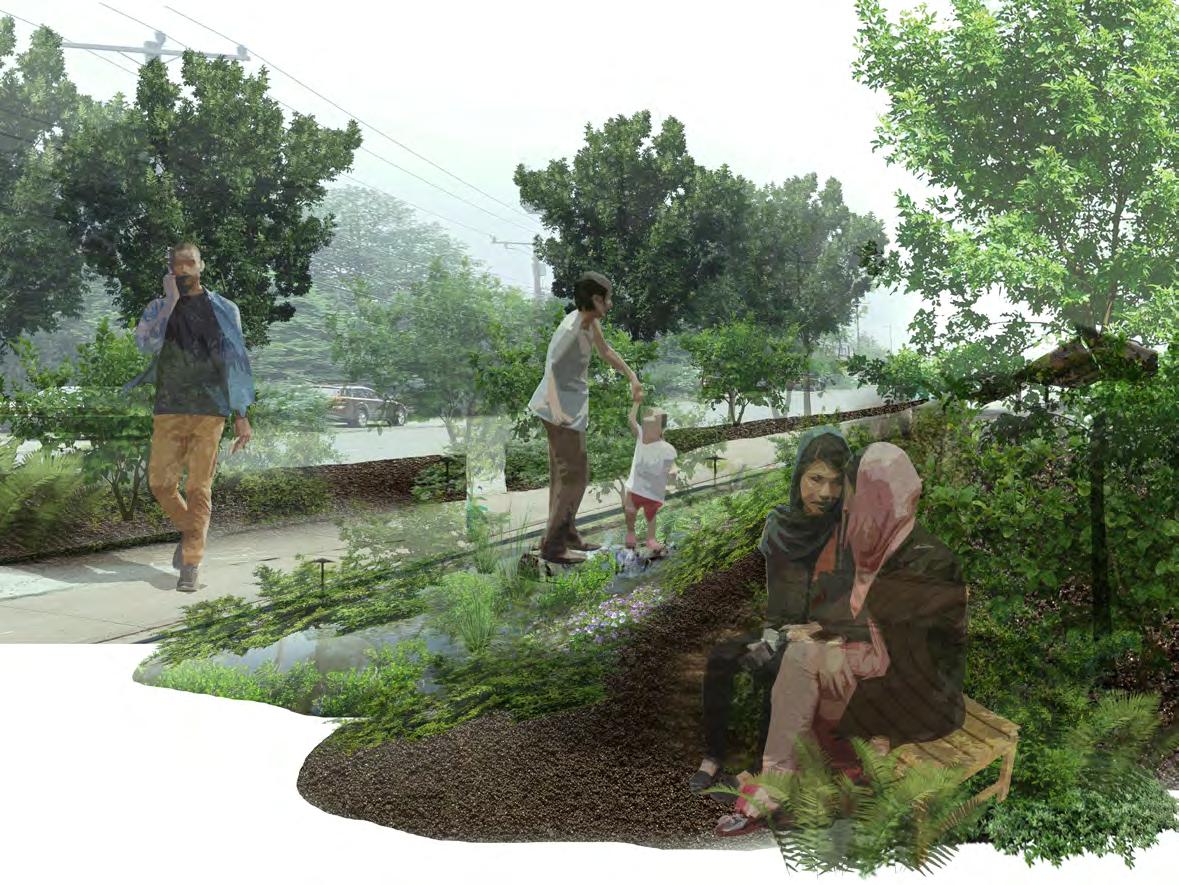

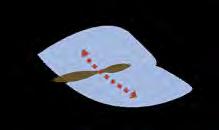
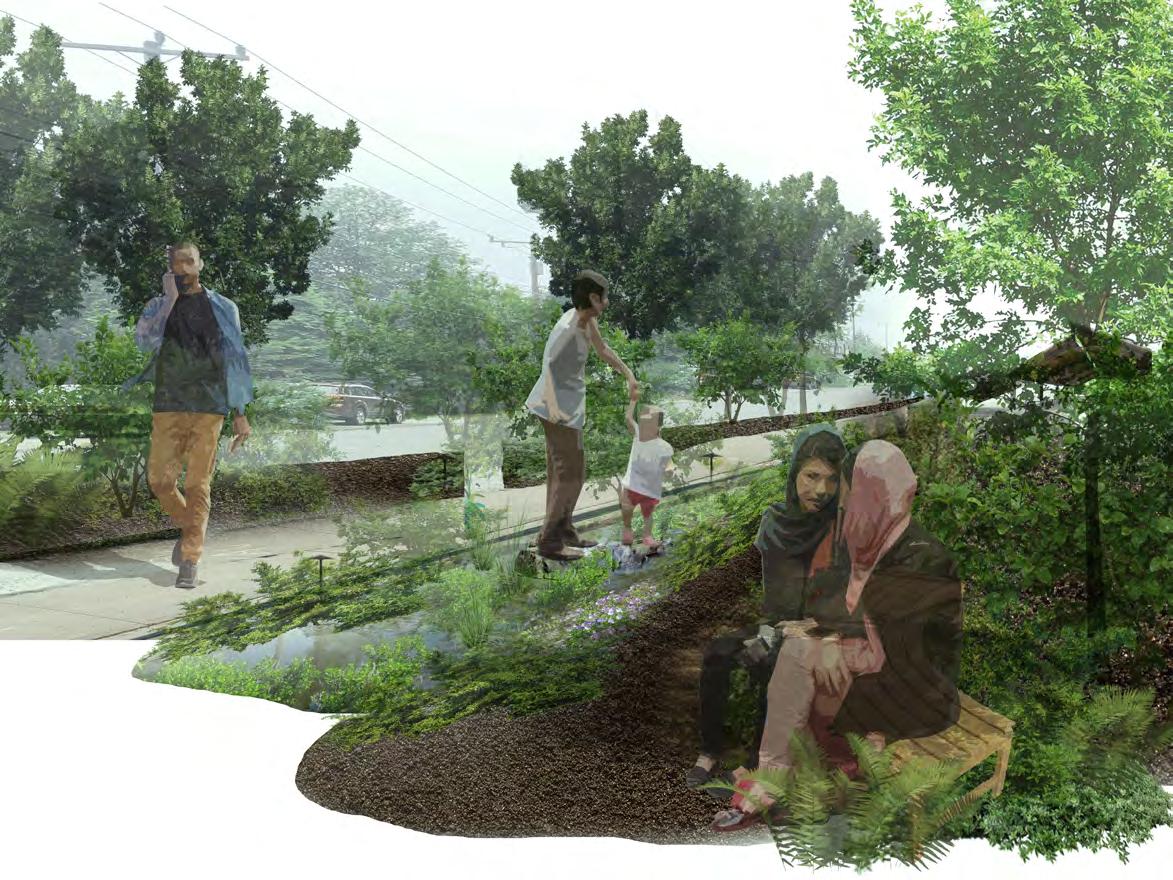
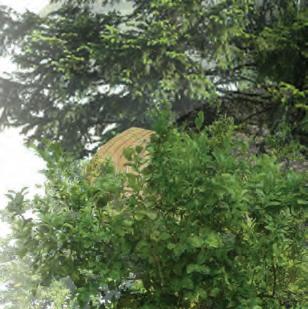
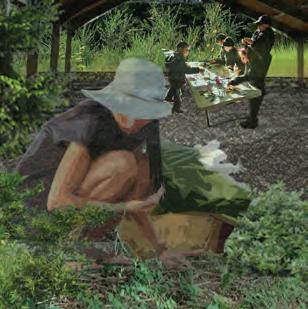
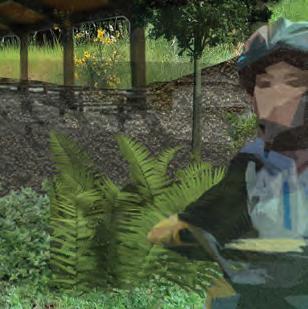


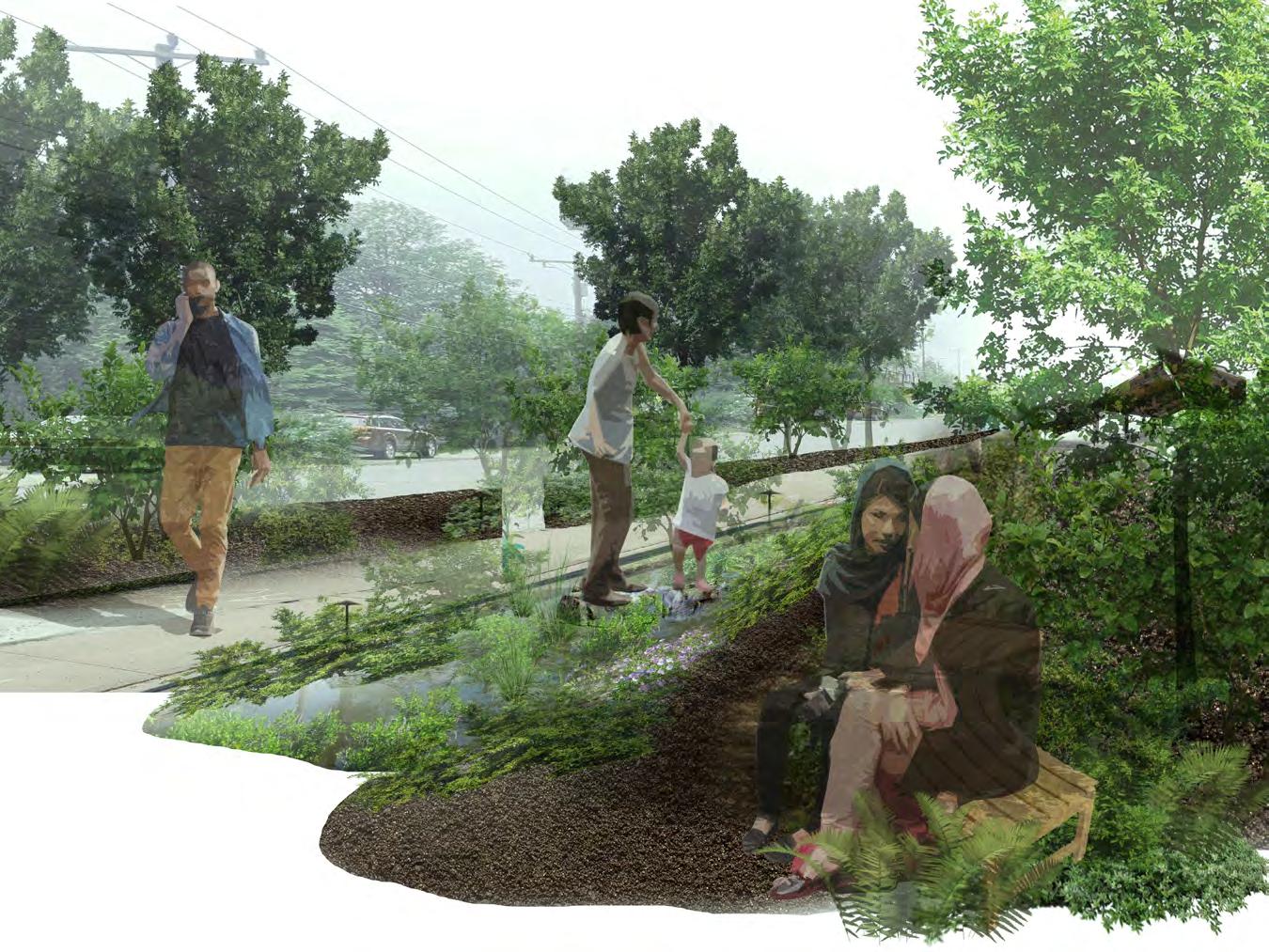


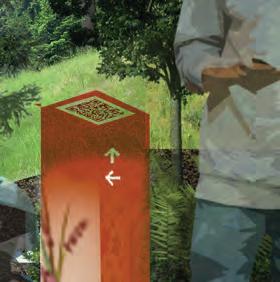

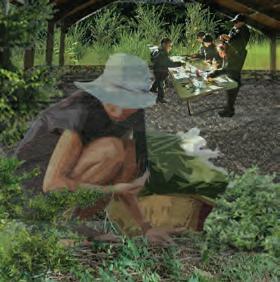
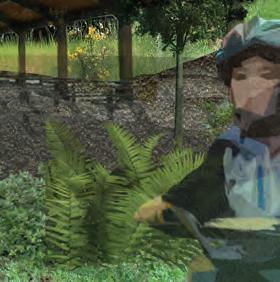
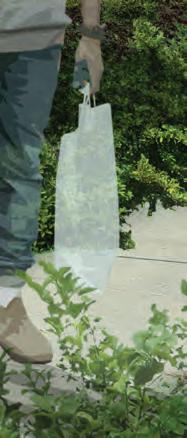

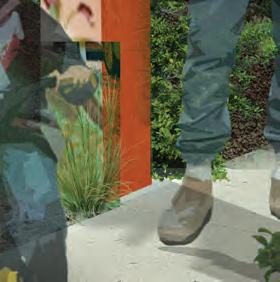

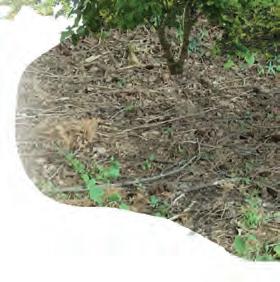
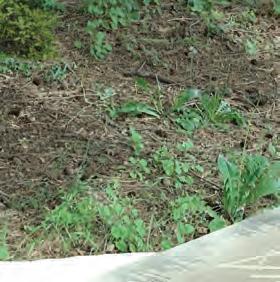
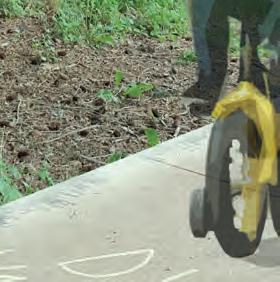





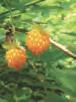

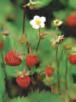

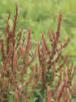

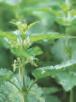



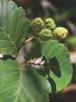
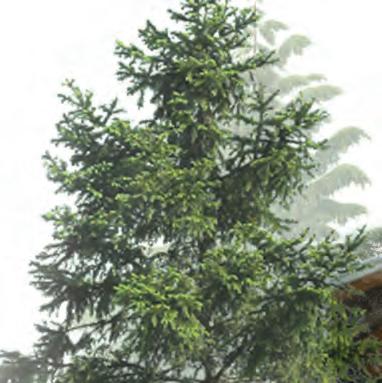


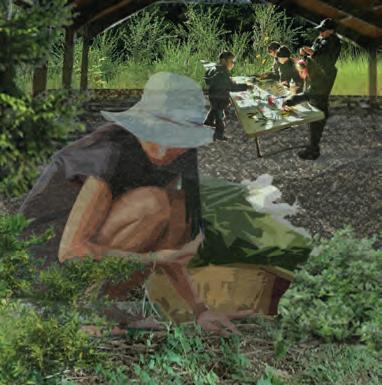


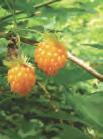
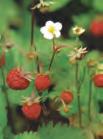
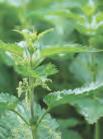
wild strawberries fragaria vesca salmonberry rubus spectabilis wild strawberries fragaria vesca sheep sorrel rumex acestosella common nettle urtica dioica salal gaultheria shallon red alder alnus rubra salmonberry rubus spectabilis wild strawberries fragaria vesca common nettle urtica dioica salal gaultheria shallon Design for adaptive ecologies Extend rights to the periphery Integrate habitat and sustenance for communities and wildlife alike Rearticulate underrepresented cultural narratives in public space Reconnect to broader ecological networks Undermine the ‘spatial order’: Redefine safe streets Interactive wayfinding Edible rain garden Gathering pavillion Harvestable landscapes Periphery reimagined Sidewalks activated with interactive wayfinding, safer pedestrian passages, and cultural spaces welcome visitors and residents to the periphery of DP.
hypervisibility in public space
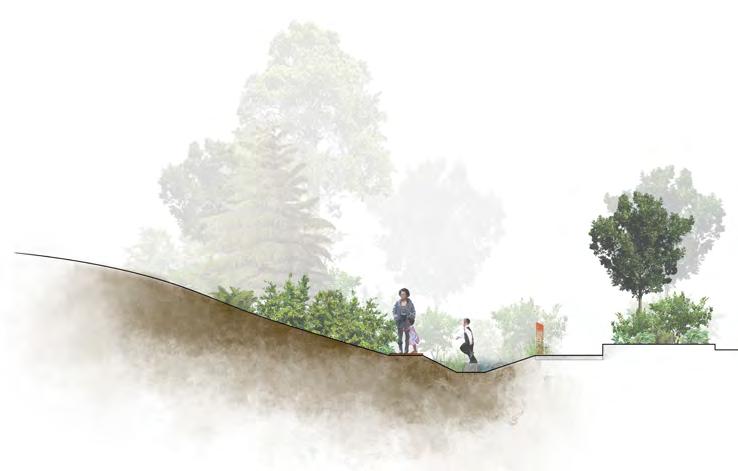
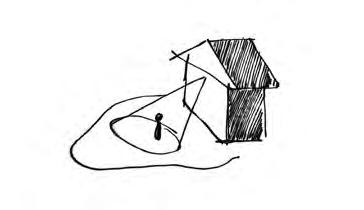
My site analysis included a mapping of thresholds that altered my sense of hypervisibility in public space. Those included: moving between denser housing blocks and single family zoned areas; shade and light thresholds’, and a lack of formalized public space. The latter increased my sense of vulnerability because it communicated a lack of ‘right of way’; it questioned a right to occupy space, that legitimizes hegemonic spatial orders.

Harvestable microecologies
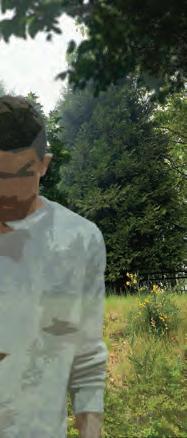
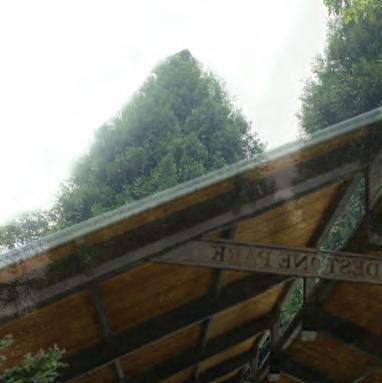
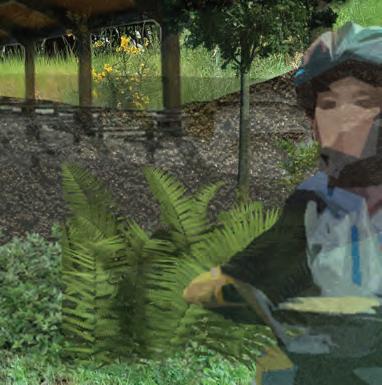
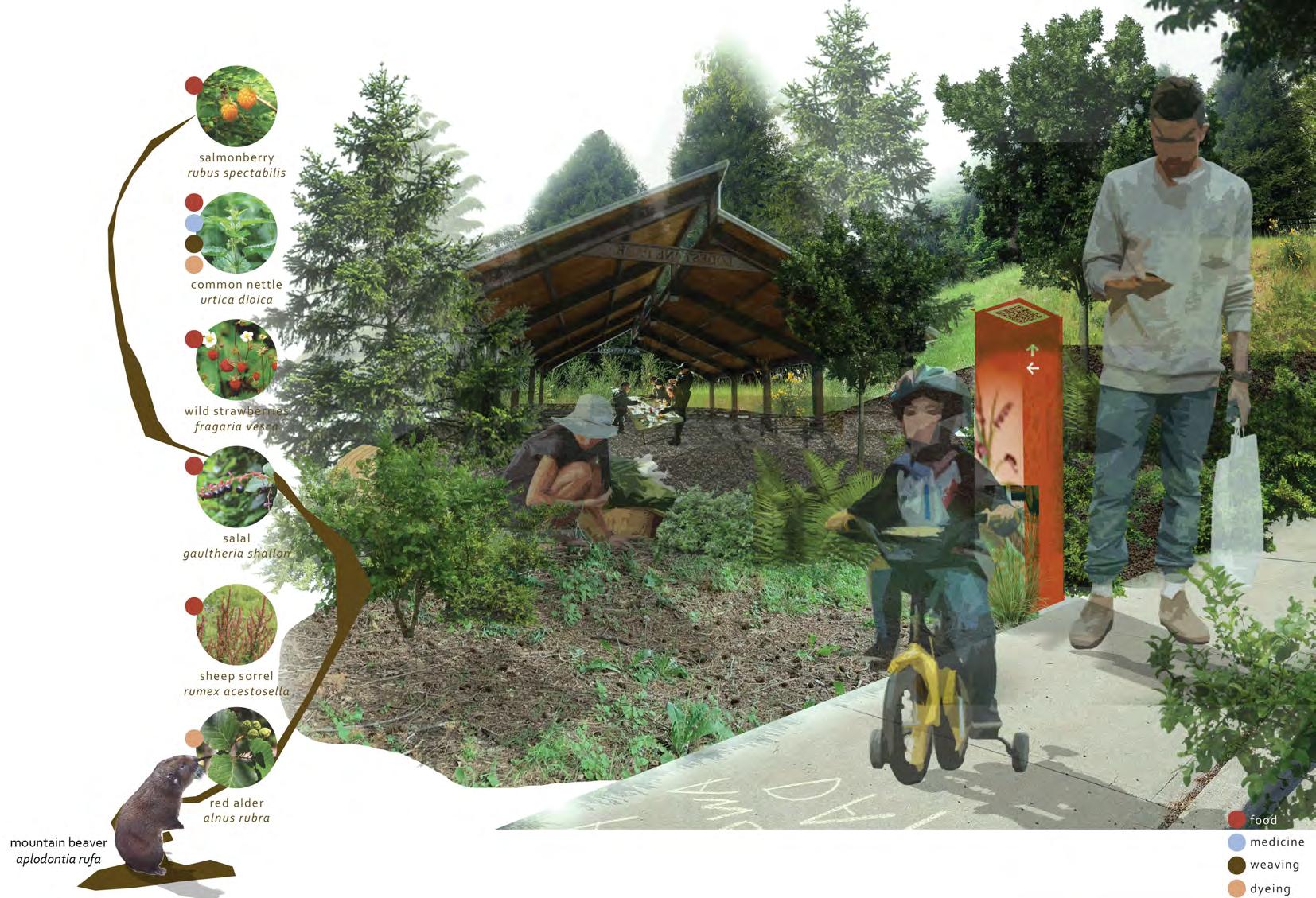
Looking Northwest along 36th Ave. West at the activated park perimeter. Plantings chosen for their cultural relevance to Coast Salish people as an extension of ongoing work by DayBreak Star located within DP.
project summary
‘Stewarding Ecolibrium’ operates against 2 core values within environmental stewardship: intergenerationality, and multi-culturalism. The client and farm owner, Ecolibirum LLC has the unique opportunity to radically reshape who is involved on the farm from programmatic, spatial and ownership levels, and rearticulate what it means to be stewards and community leaders on unceded land with complex social and ecological histories.
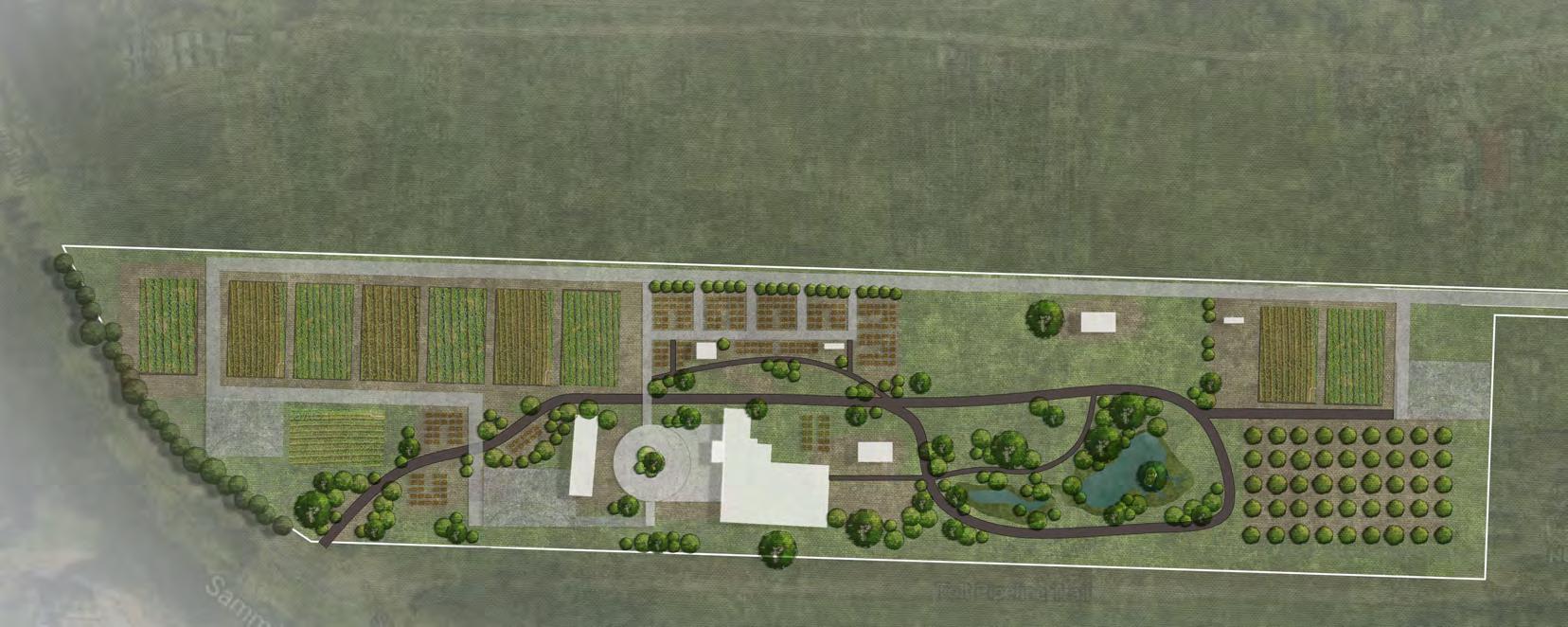
ECOLIBRIUM 3.75 acres RESIDENCY 1 acre ENHANCED WETLAND 1 acre FORAGING FOREST 0.5 acres ALLOTMENT GARDEN 0.75 acres
02
STEWARDING ECOLIBRIUM 1 3 2 4 6 5 7 FARM PROGRAMMING 1. Ecolibrium Market Garden 2. Open Food Forest Corridor 3. Senior Allotment Garden 4. Residency Acreage 5. Children’s Garden 6. Enhanced Wetland 7. Ecolibrium Orchard & Market Garden
Winter 2022 | Farm Studio | Individual Work
Concept diagram
At the “Residency Acreage” a portion of the farm is offered to community partners who bring new perspectives on stewardship and farming to Ecolibrium.
Planting Design for the heart of the farm
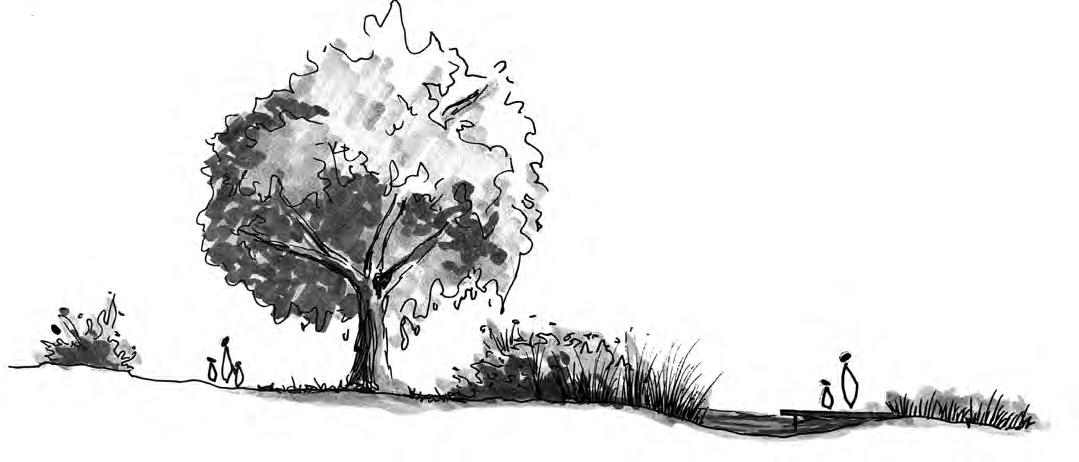
Conceptual section
Transition between the edible plantings near the Children’s Garden to a landscape of sedges and rushes in the enhanced wetland.
Children’s Garden Enhanced Wetland
EM[BRACKISH]

WATERFRONT DISTRICT MASTER PLAN


Fall 2021 | SCANDesign Studio | Group Work
Team members: Constantine Chrisafis (MLA/MUP), Lucas Helander (MArch), Tim Spenser (MLA)
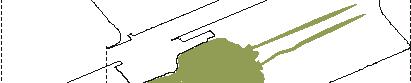
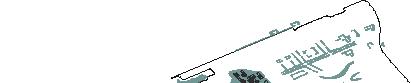
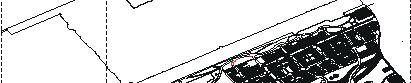
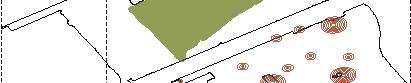
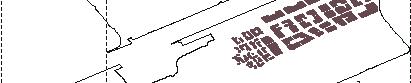
Industrialized shoreline to diverse climate district
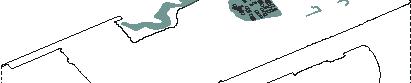
Em[brackish] proposes that four overlapping and interconnected systems should drive the development of Bellingham’s Waterfront District. Vibrant Edges create soft, porous, adaptable transitions into and across the site. Ecological Cycles & Services establish the circular flow of water, energy, and materials. Cultural Landscapes root the site in its past and future stories. Innovative Housing opens the District to habitation by the widest range of residents.
Systems Diagram
03
Estuary Park Micro Housing Village Urban Neighborhood
9
Concept sketch
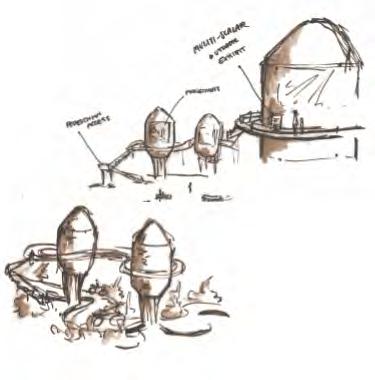
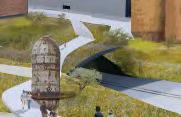
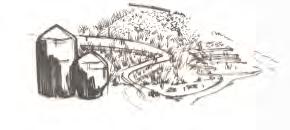
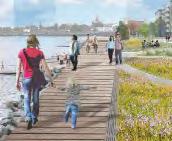
Digestors repurposed for elevated pathways juxtapose industrial history of waterfront against restored shoreline
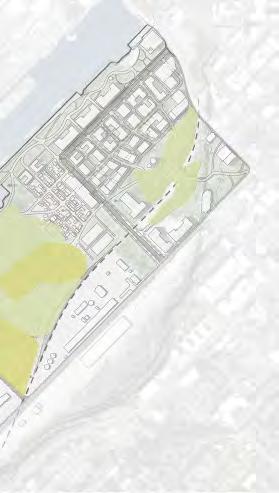
District Programming 1. Landbridge from DT Bellingham 2. Managed Camas Prairie 3. Eco-industry 4. Estuary Park 5. Urban Neighborhood 6. Micro Housing Village 7. Cultural Center 8. Activated Waterfront 9. Marine Trades Phytoremediation forests Reconstructed wetlands 1 2 34 5 6 7 8
moments Five key moments across the site illustrate
the four systems
‘embrackished’ district.
em[brackish] in 5
how
operate cohesively and create an
Cultural landscapes system
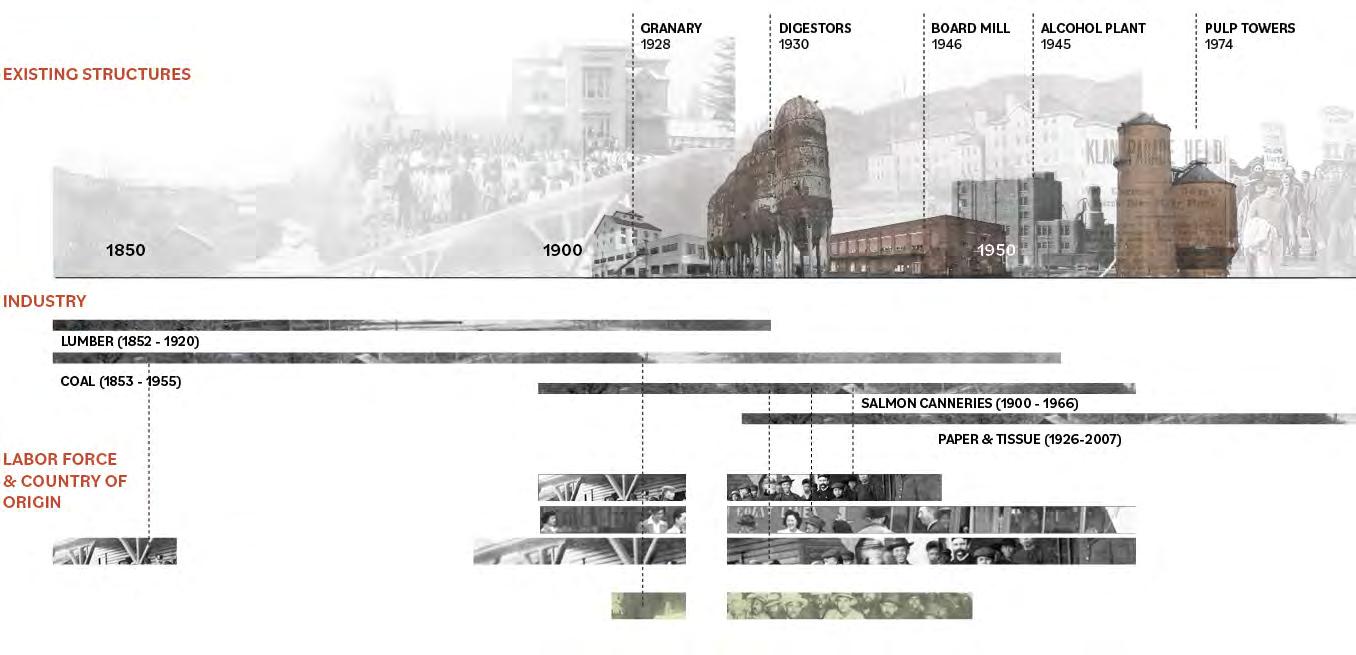
The cultural landscapes system weaves interventions that consider heritage, social justice, and placemaking in the District. Em[brackish] merges temporalities where we consider both, the history of the site and its users, and the challenges and opportunities for diverse communities who will shape the future of the District.
Remnants on site
Exploring legacy architecture on site against the context of Bellingham’s history of industry, immigrant labor and racial exclusion, with the hope that adaptive reuse of industrial artifact might reconcile with these erased histories.
Remembering the historic shoreline

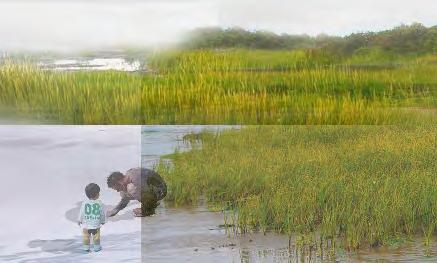
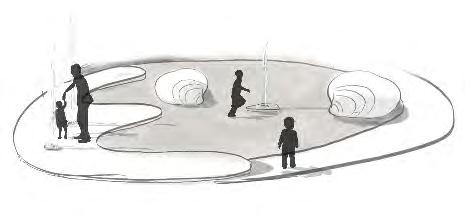
A playground that reinterprets tidal flats and clam harvesting serves as a precedent or typology for small-scaled public spaces throughout the site that allude to the historic shoreline against the backdrop of the more industrial character of the site.


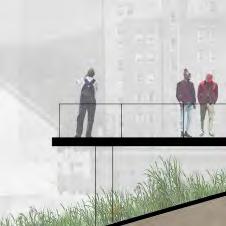
Interpretations through play
Co-managed public spaces
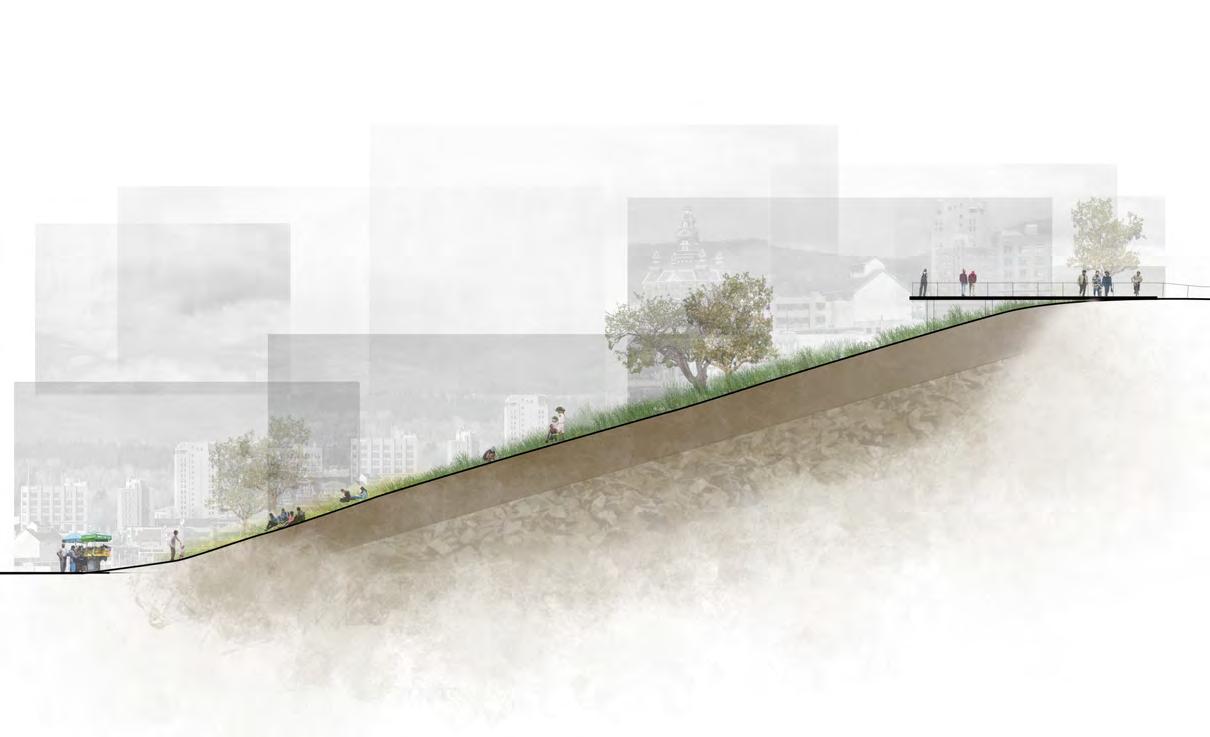
Cultural practices are embedded into the landscape and portions of the land are rematriated to Coast Salish groups. The prairie ecology also brings climate-adaptive spaces to the waterfront.
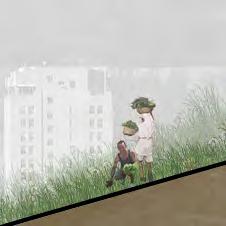 District Commons Great Lawn Managed Camas Prairie Passage from Downtown
Manila clam seed harvesting
District Commons Great Lawn Managed Camas Prairie Passage from Downtown
Manila clam seed harvesting
The Estuary


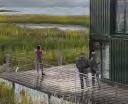
What begins as a distinct wetland and managed phytoremediation forest, becomes an Estuary Park that provides a unique experience for visitors to connect and observe ecological processes from elevated boardwalks. The space restores accessibility to the shoreline and connects the waterfront district to adjacent waterfront greenways. Over the long term, the estuary is a climate mitigation strategy that accommodates sea level rise and offers a carbon capturing ecosystem.
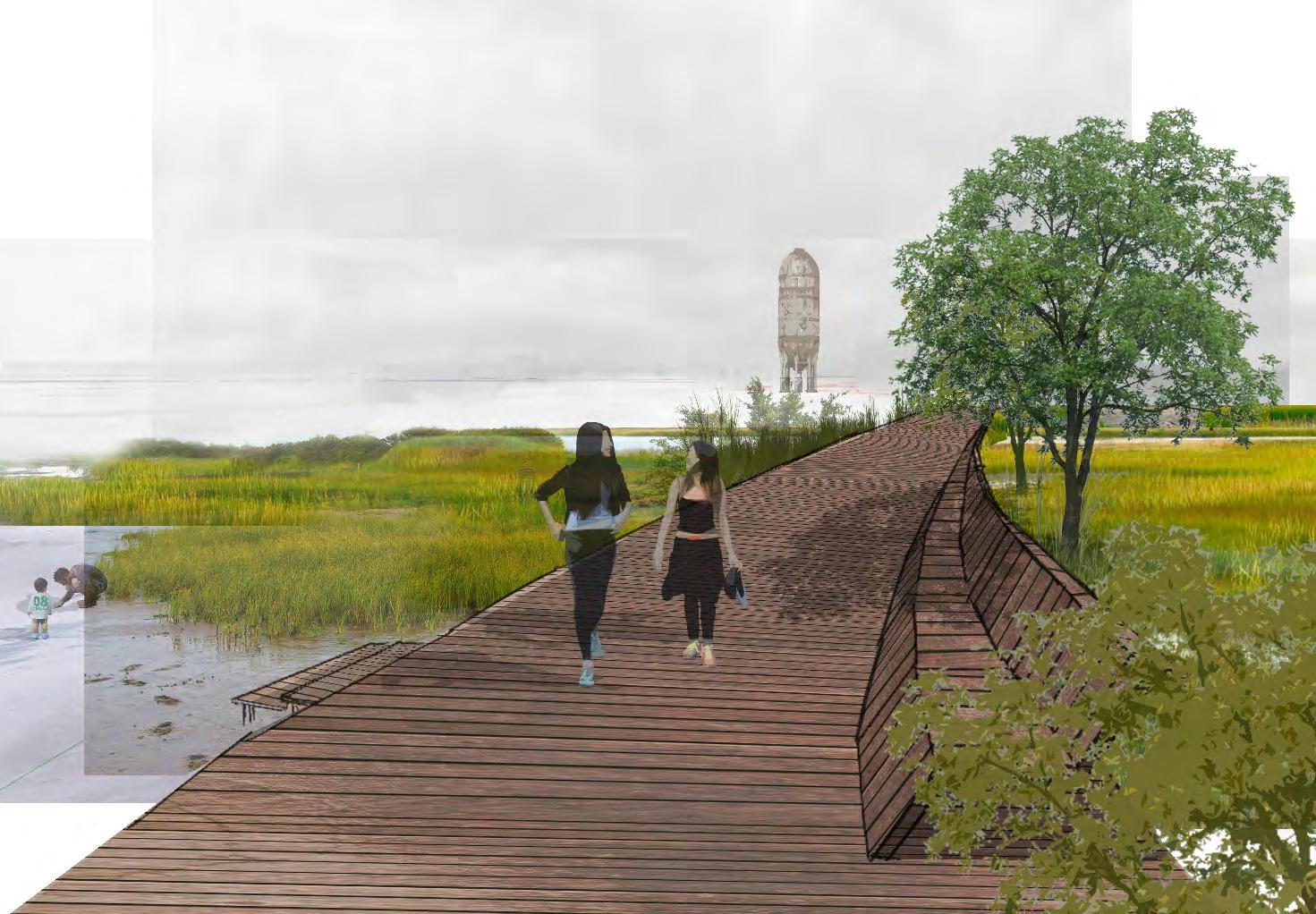
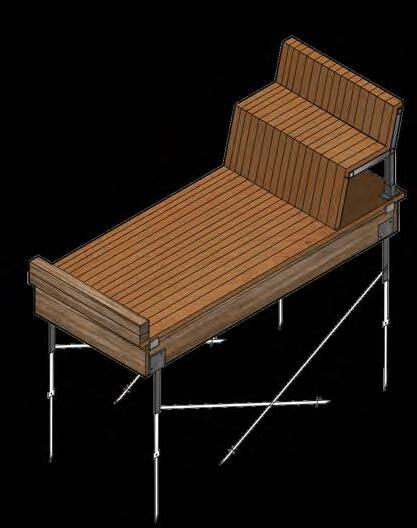
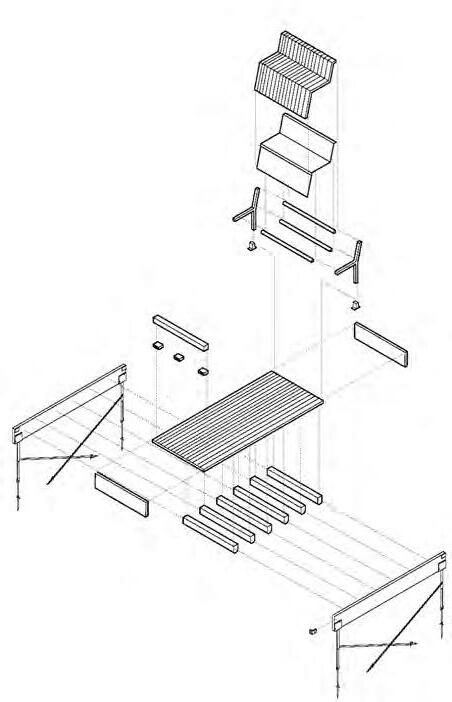
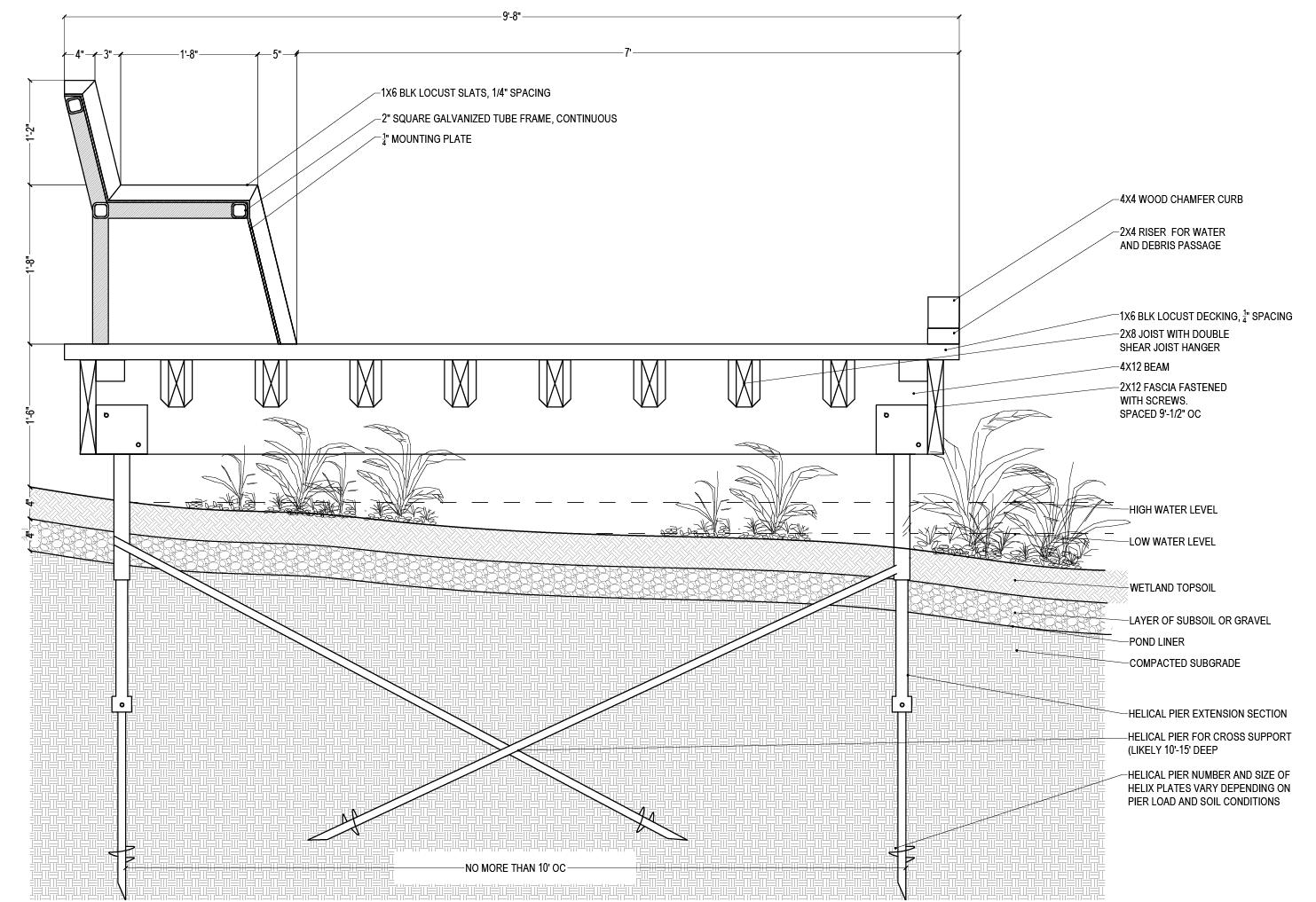
Wetland boardwalk
Materials assembly & construction detail for an integrated benched wetland boardwalk.
Phytoforest Constructed Wetland Phytoremediation species & evolution

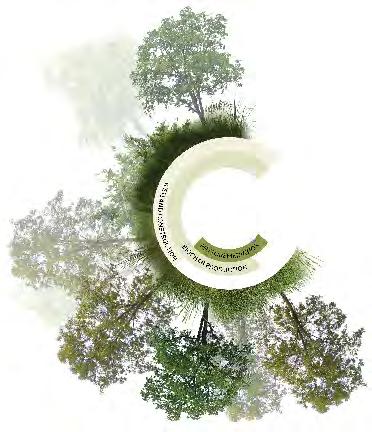
Over time, species chosen for phytoremediation are replaced with culturally relevant native plantings that form part of the wetland ecosystem. The estuary becomes envisioned as a cultural landscape over time.
JAZZ DISLOCATIONS

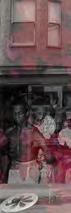
Spr ing 2022 | Speculative Futures Studio | Individual Work
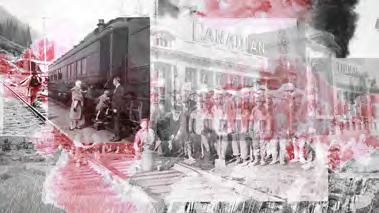
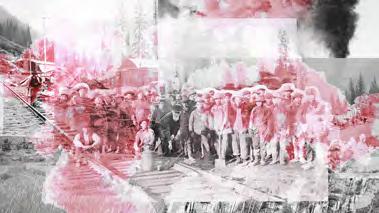
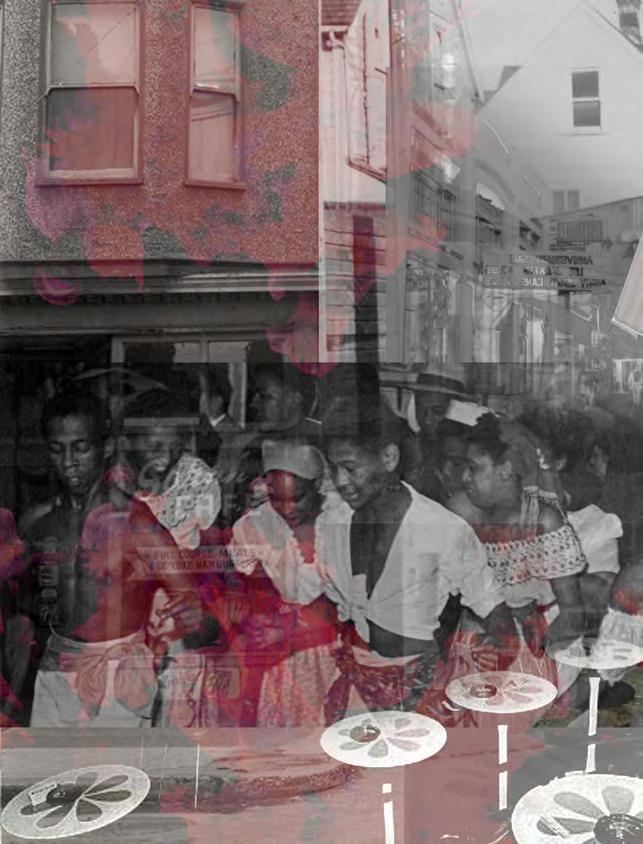
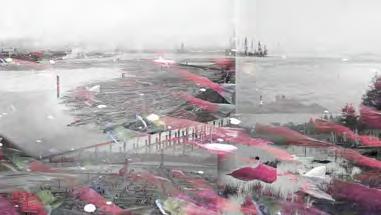
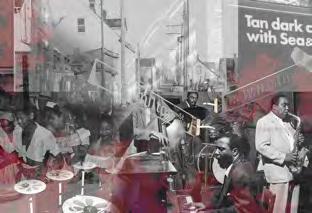
Assembling the future from fragments of the past Jazz Dislocations is audio and visual installation that explores the mytho-history of “Hogan’s Alley,” a dislocated community of Black Canadians in Vancouver, BC. Disjointed fragments explore individual and collective identity within dislocated life and the nonlinear acts of leaving, arriving, mourning, and becoming. Jazz as a “secret Black technology,” serves as an improvised language of resilience, transcending time and begetting new constructed realities through the process of assemblage.
Link to video
04
Exhibit Guide
Assembled Vignettes

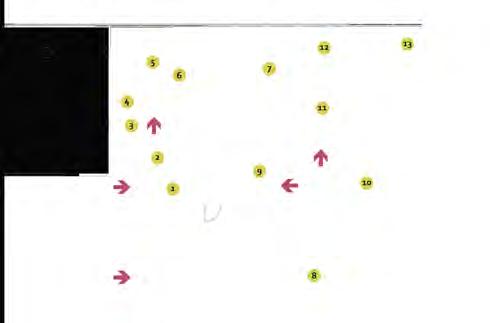
Three vignettes are constructed in fragments, telling the story and speculative future of Hogan’s Alley through three locations: (1) the Great Canadian Railway, (2) jazz venues in the innercity, and (3) the
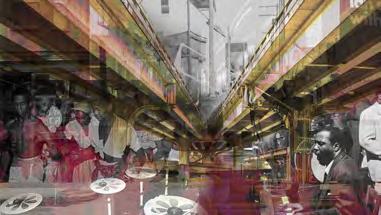
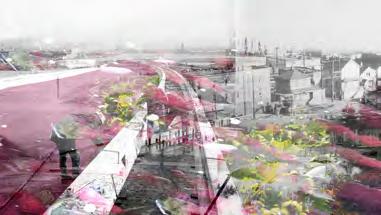
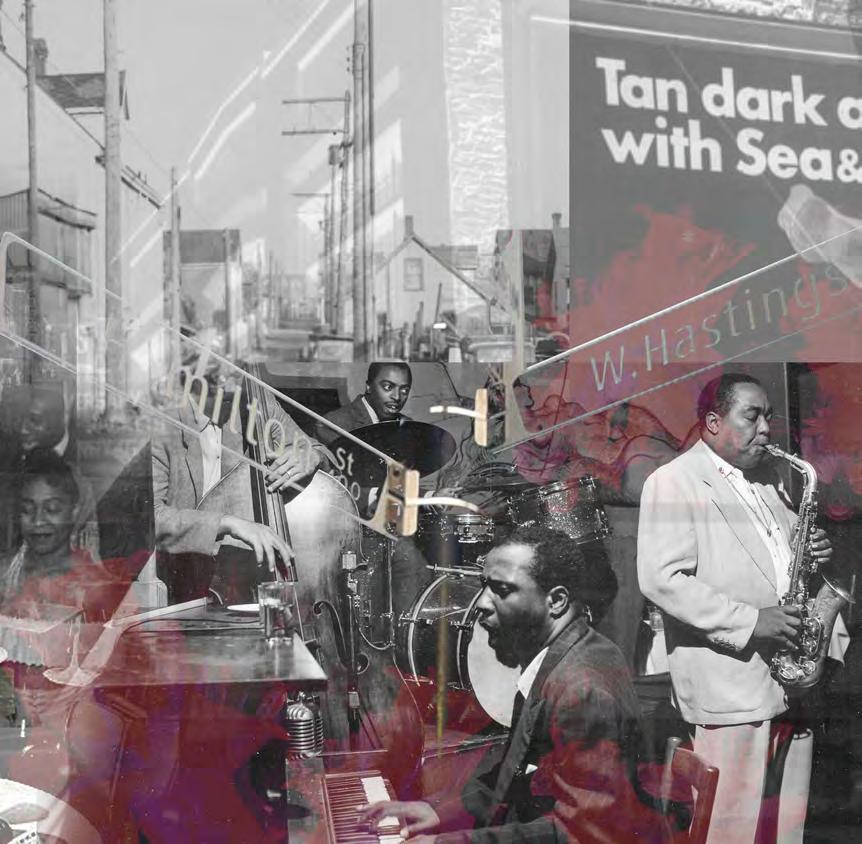
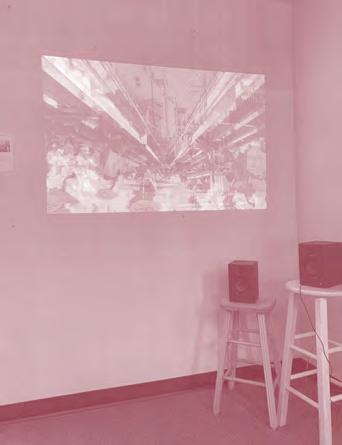 Audio and Visual Installation
LEARNING LANDSCAPES
Winter 2021 | GND SuperStudio - Urban Sites | Individual Work
project summary
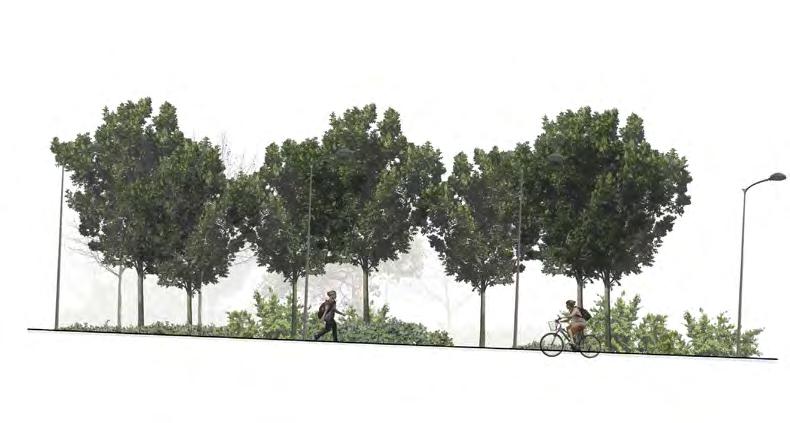
‘Learning Landscapes’ children’s garden fosters youth-driven environmental stewardship through tactical urbanism, and a harnessing of existing community assets. The protection and enhancement of accessible greenspaces is achieved through creative and flexible educational programming, designed and driven by the community.
Section A
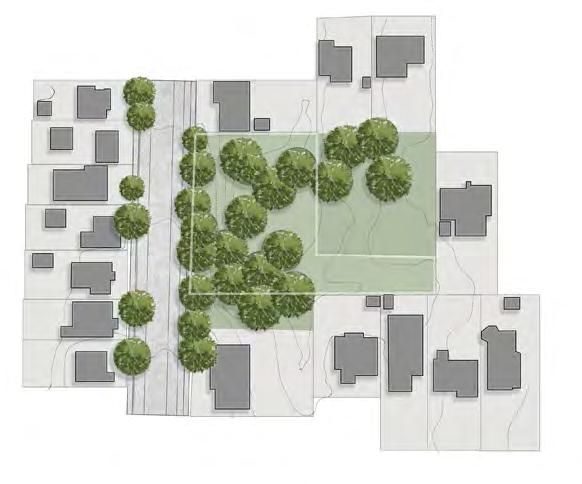
Site Plan
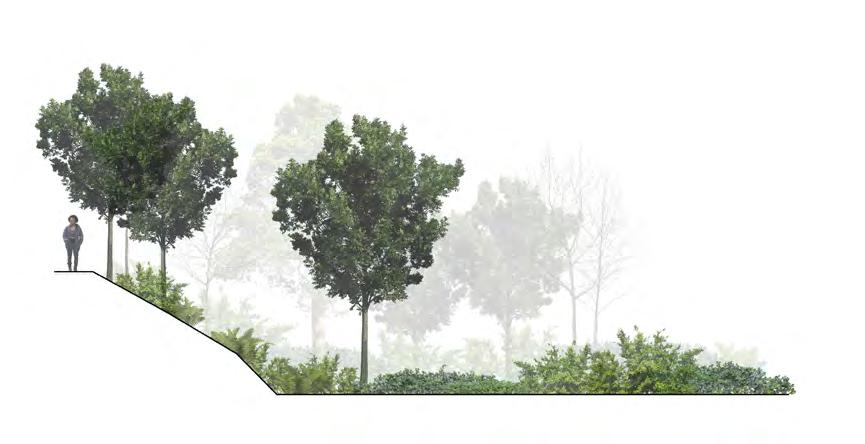
Existing plan of unused parcel off of 16th Ave in South Delridge, Seattle.
Section B
site design
Three built tactical urbanism interventions activate the parcel as a learning garden.
16TH
AVE
05
Access Activated greenspace for community and ecological health
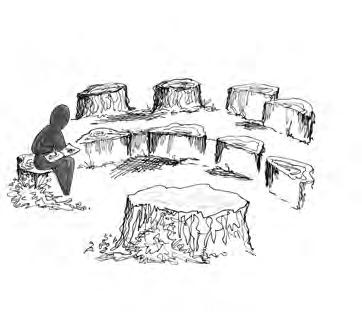
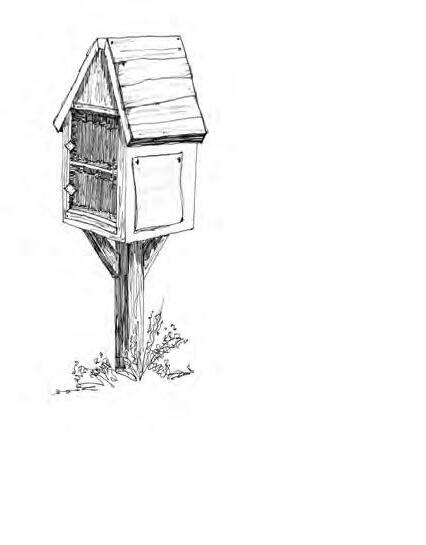

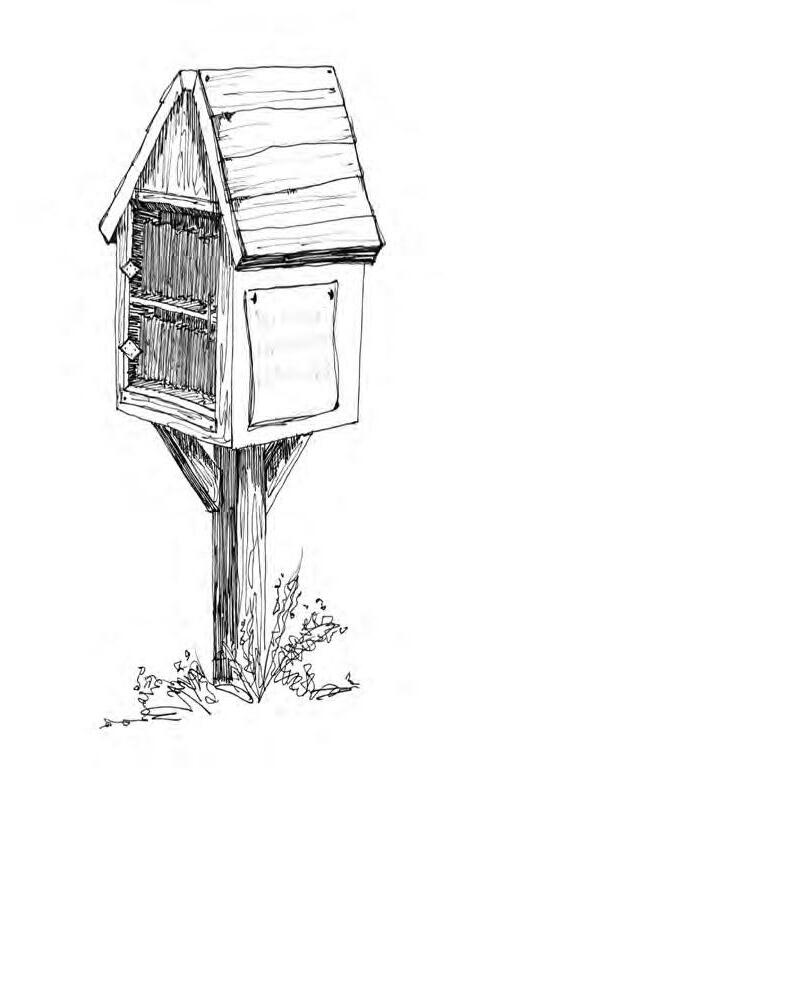
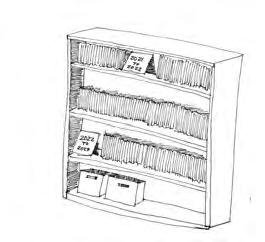
Shared sketchbook library Community written ecological and cultural narratives
Installation
Stair access, ampitheather & sketchbook library
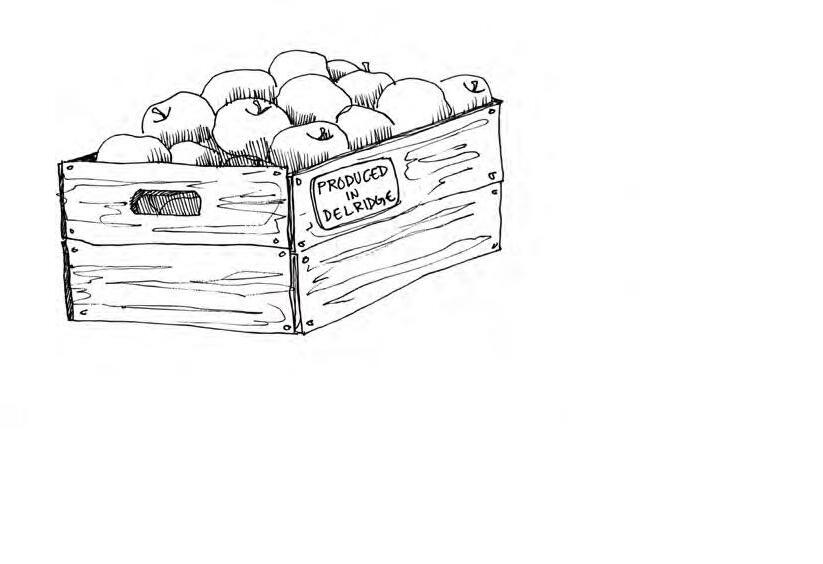
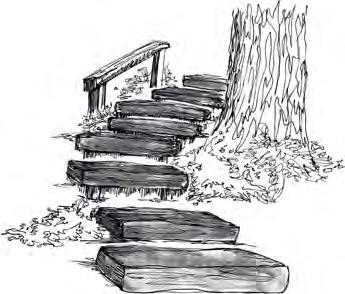
Timeline
Community Engagement Partnering with existing delridge environmental stewardship programs .
Education Networks Partnering with local libraries and community centers to archive sketchbook project
‘Learning Landscapes’ Expanded Youth-driven stewardship projects (potential projects may include community gardens, apiaries, wetland restoration etc...)
Education amphitheatre A flexible space for observation and education Future Developments
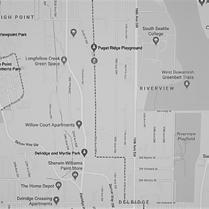
longfellow creek west duwamish green belt trails riverview
CONVERGE
Fall 2020 | Design Foundations Studio | Individual Work
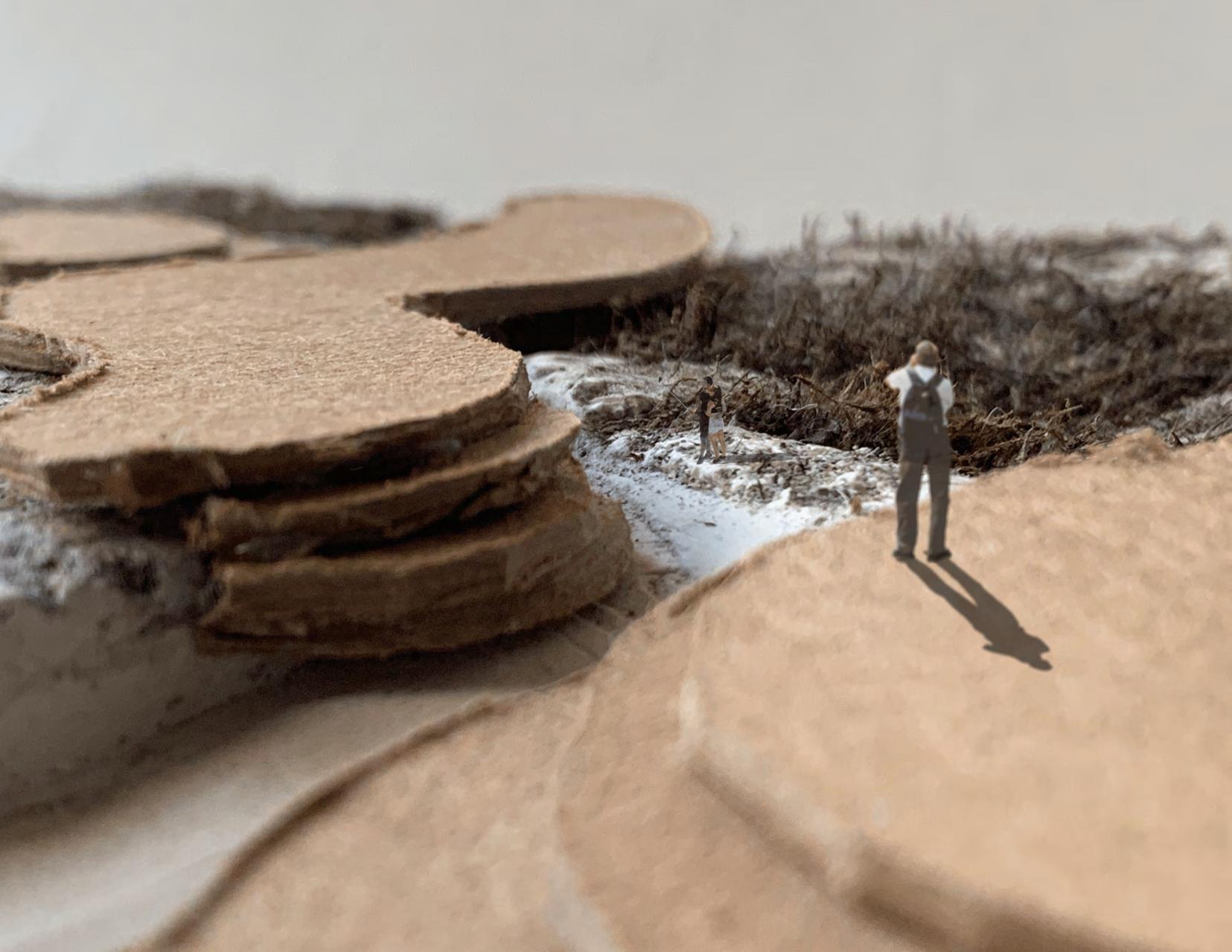
mediating form
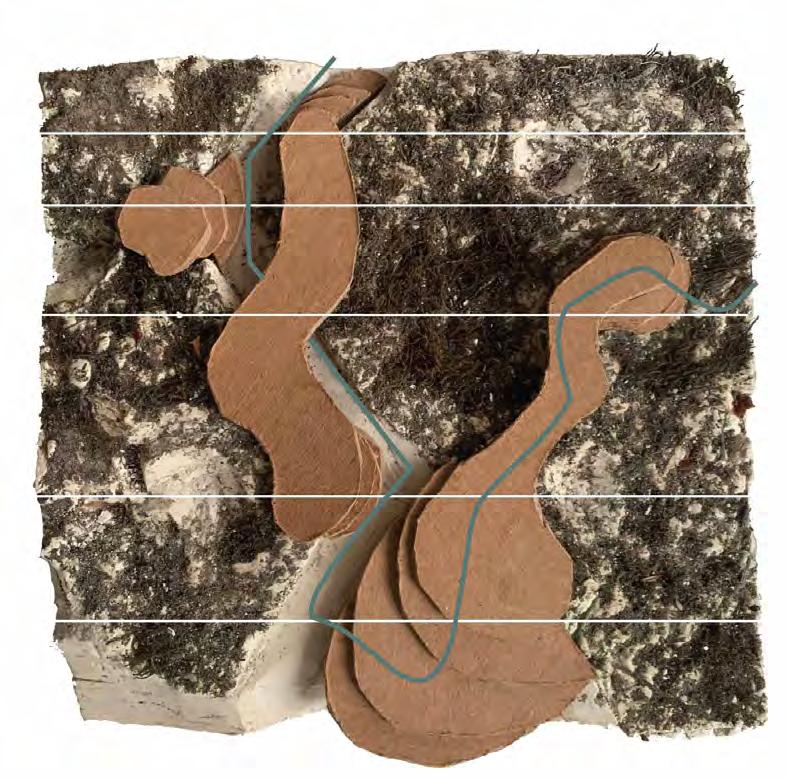
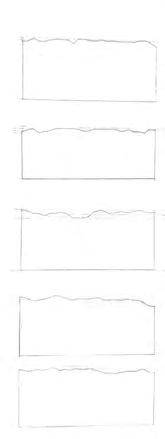
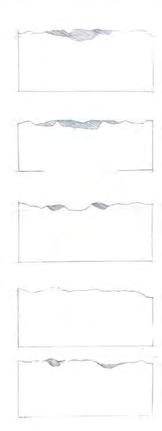
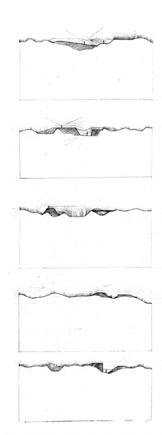
The landscape is characterized by the harmonious relationship between curvilinear and geometric form. The carving exercise or subtractive, creates both horizontal and vertical geometric expressions that preserve, highlight and reinterpret existing swales and slopes. Utilizing more organically shaped landforms, the additives conform to the geometry of the subtractive while negotiating a seamless blend between the interventions and the untouched landscape. At their intersection, the subtractive and additive create layered landforms that mediate distinct form, materiality and elevation.
06
original site subtractive additive
Section Cuts
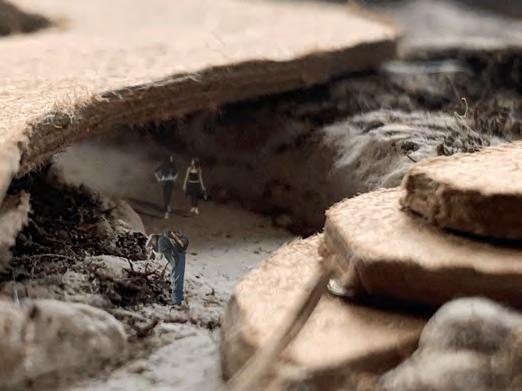
Documenting topography changes across three stages.
Trajectory
A unique experience guides visitors through the landscape through critical moments where geometry is contested and renogotiated.
WILLBURTON HILL
Fall 2020 | Design Foundations Studio | Individual Work
project summary
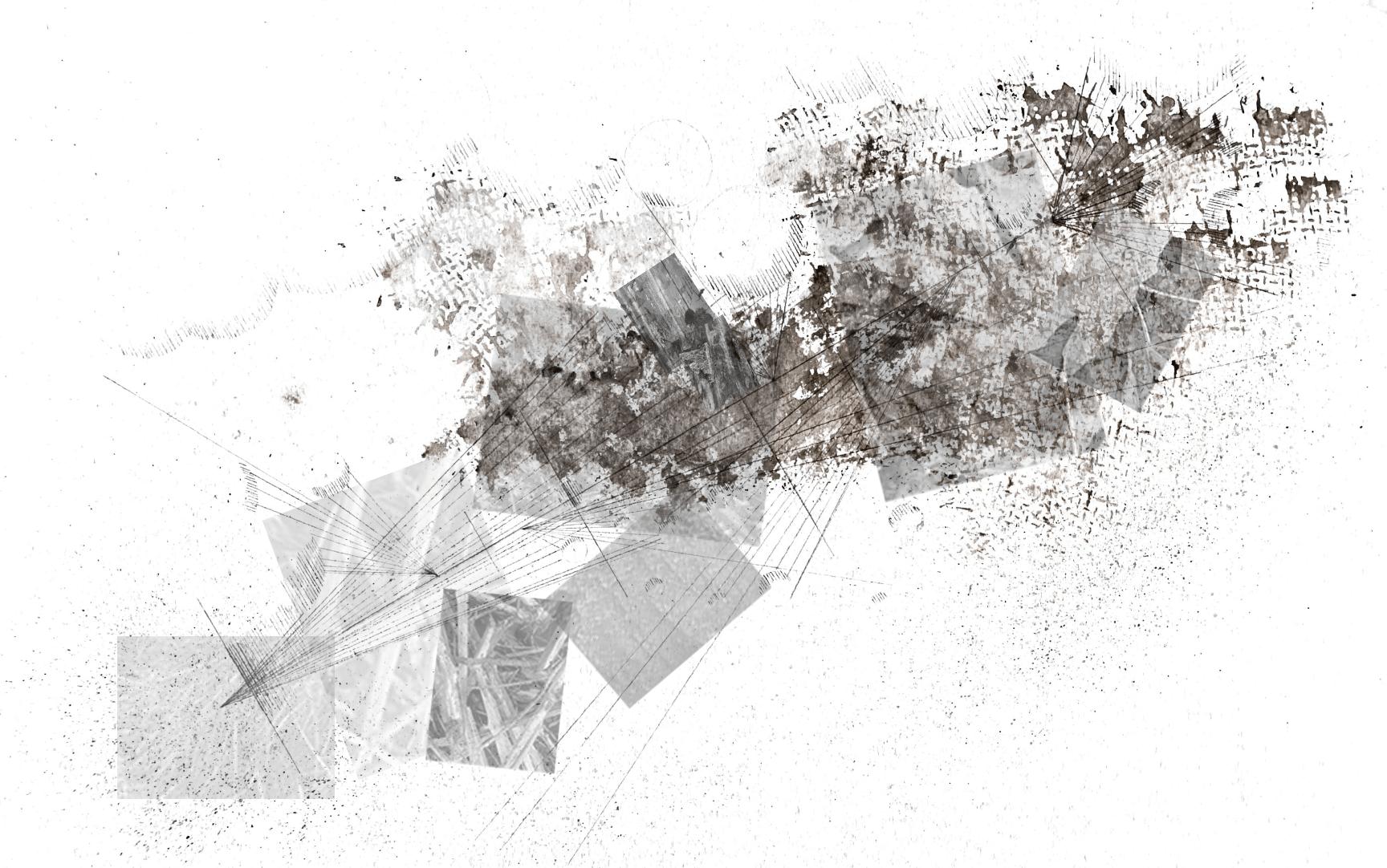
A combination of historical research on local industrial logging on site and my personal reading of the landscape informs the design of a unique ephemeral experience.
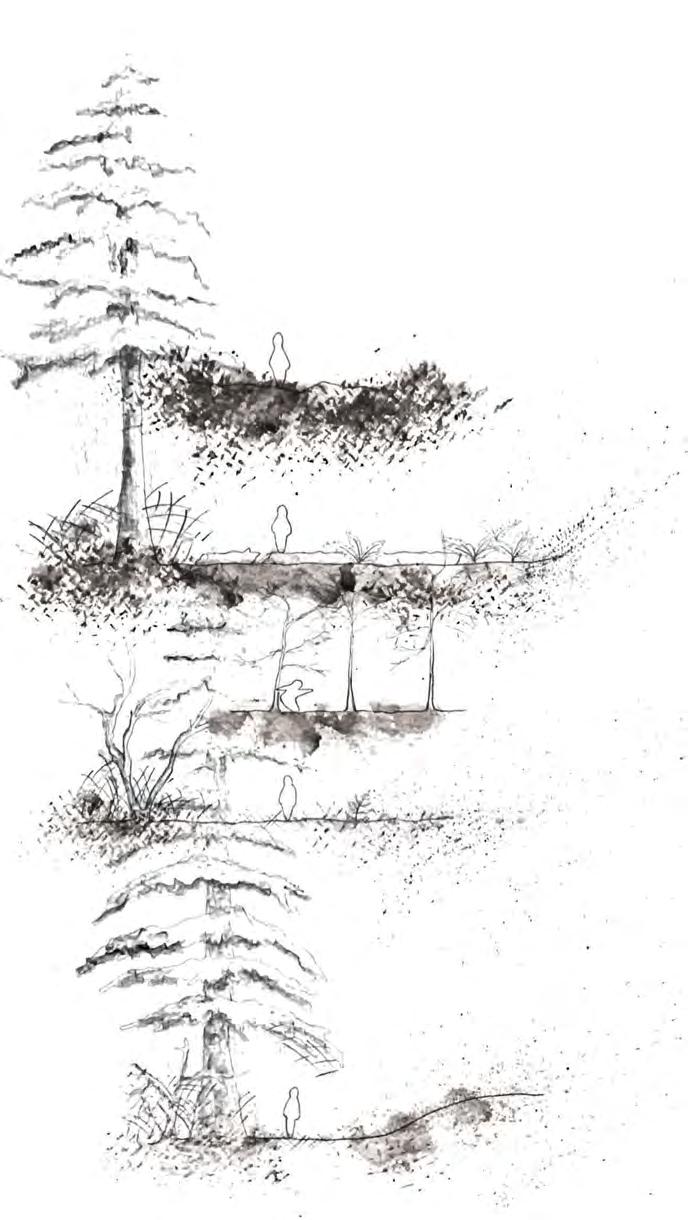
Experiential site plan
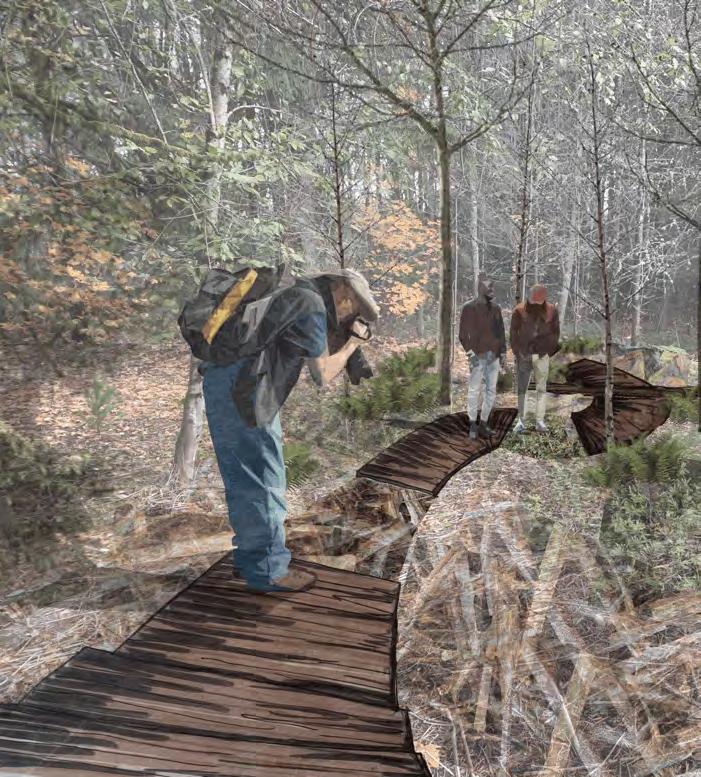
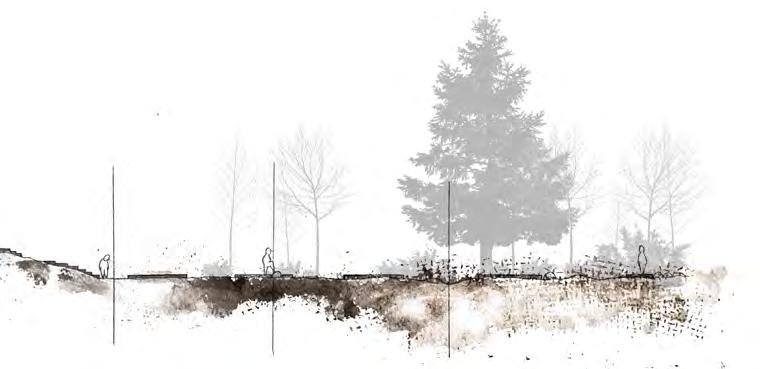
Ground material thresholds: a slopping hill covered with cut branches, a flat and mossy expanse, and heaping piles of fallen leaves hiding muddy depressions.
07
Trail System

Programming
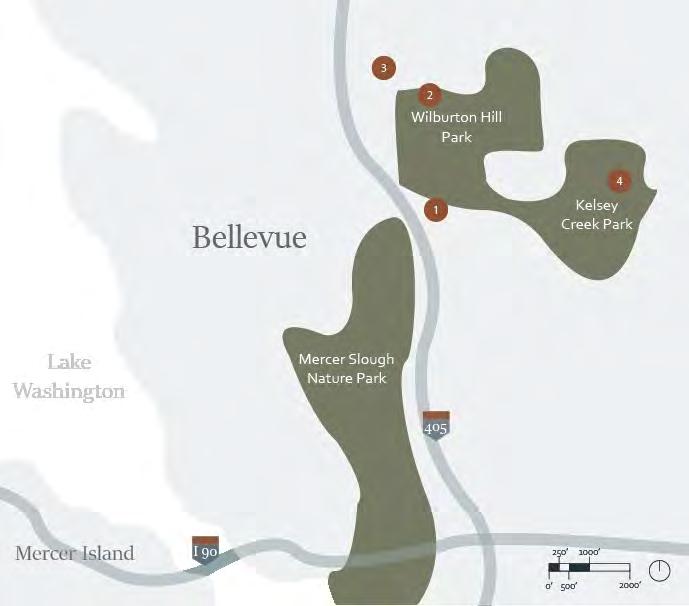
Willburton Hill Park
Site
tactile storytelling
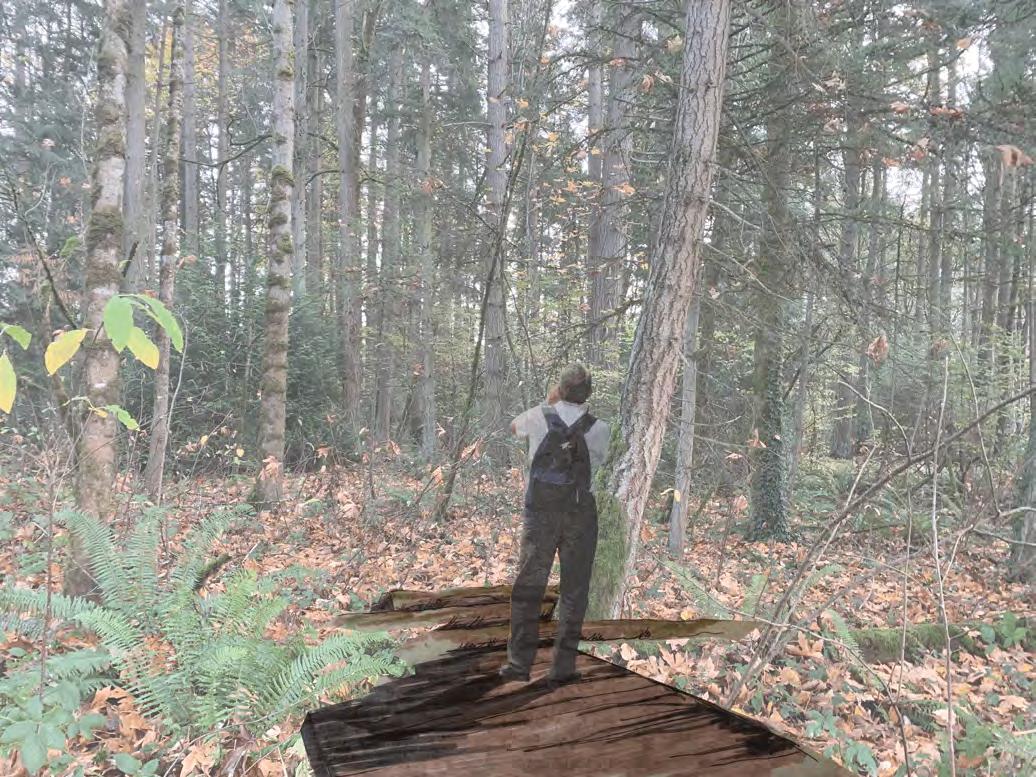
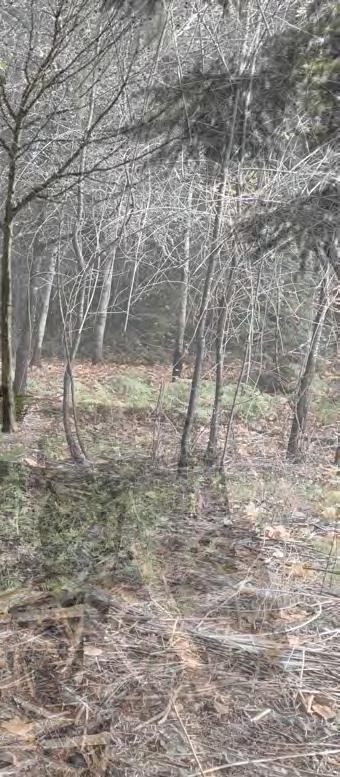
Acknowledging the ways, the ground material thresholds resemble a historical timeline, a dissapearing wooden path reinforces the chronology of extractive and regenerative processes present throughout history. Embedded platforms amplify interaction and observation between a visitor and the topographic & material changes. The path disappears at keys moments to inspire tactile and thoughtful interaction, eventually becoming completely absorbed by the landscape to demonstrate subsequent regenerative processes.
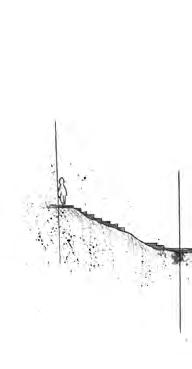
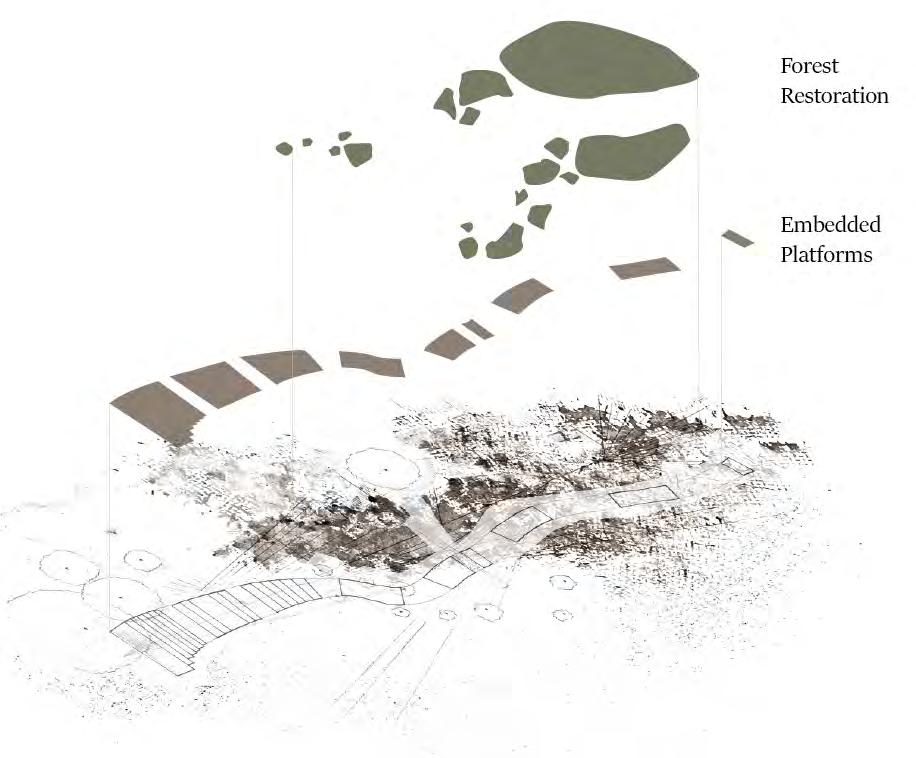
Component diagram
Experiencing
ground material changes
Path dissapears into landscape


















30
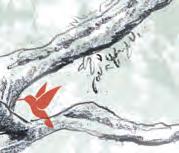
Keep in touch. Exploring lichen-hummingbird relations Spring 2021 | Ecological Systems Studio