Leibel Krinsky Selected Works
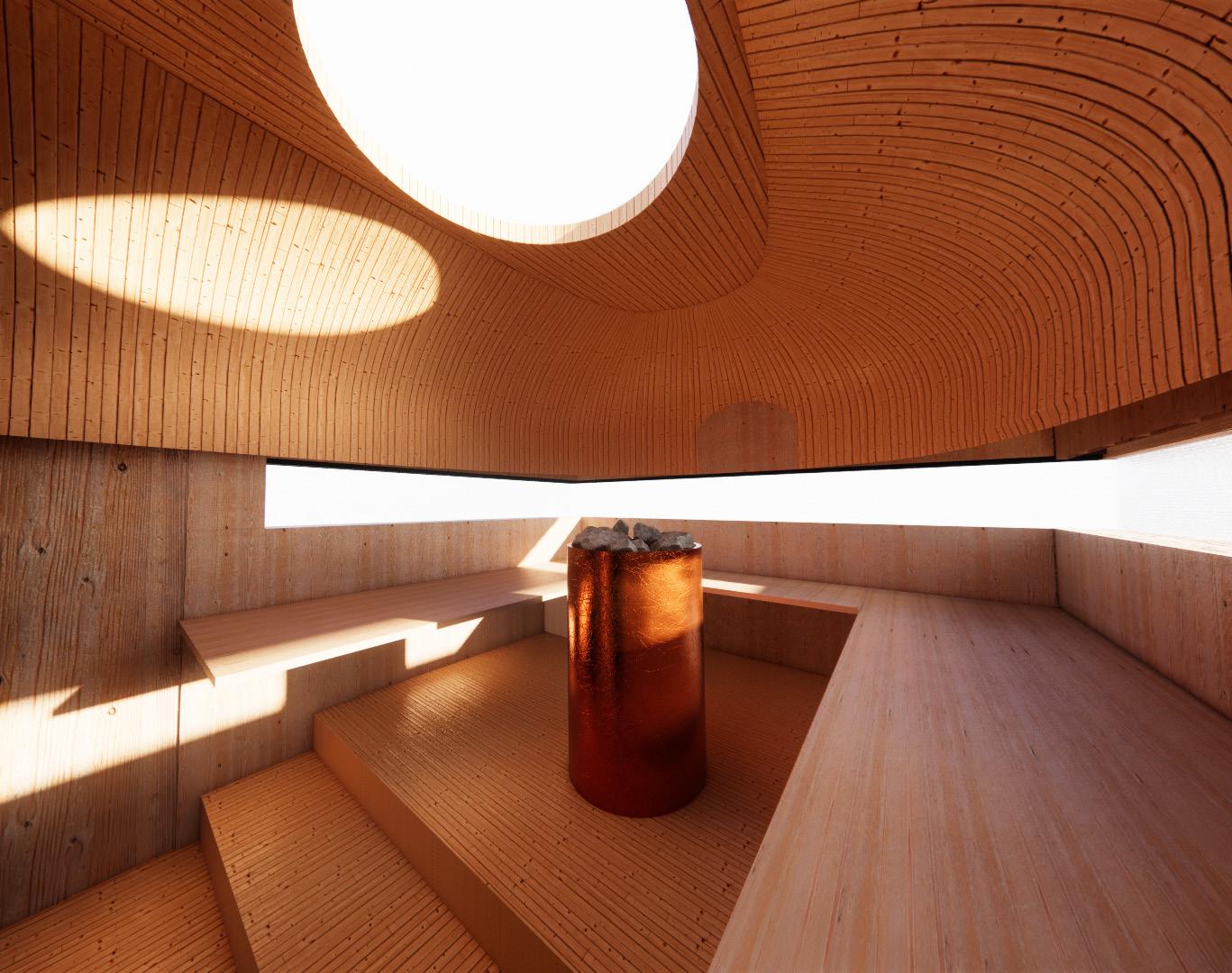

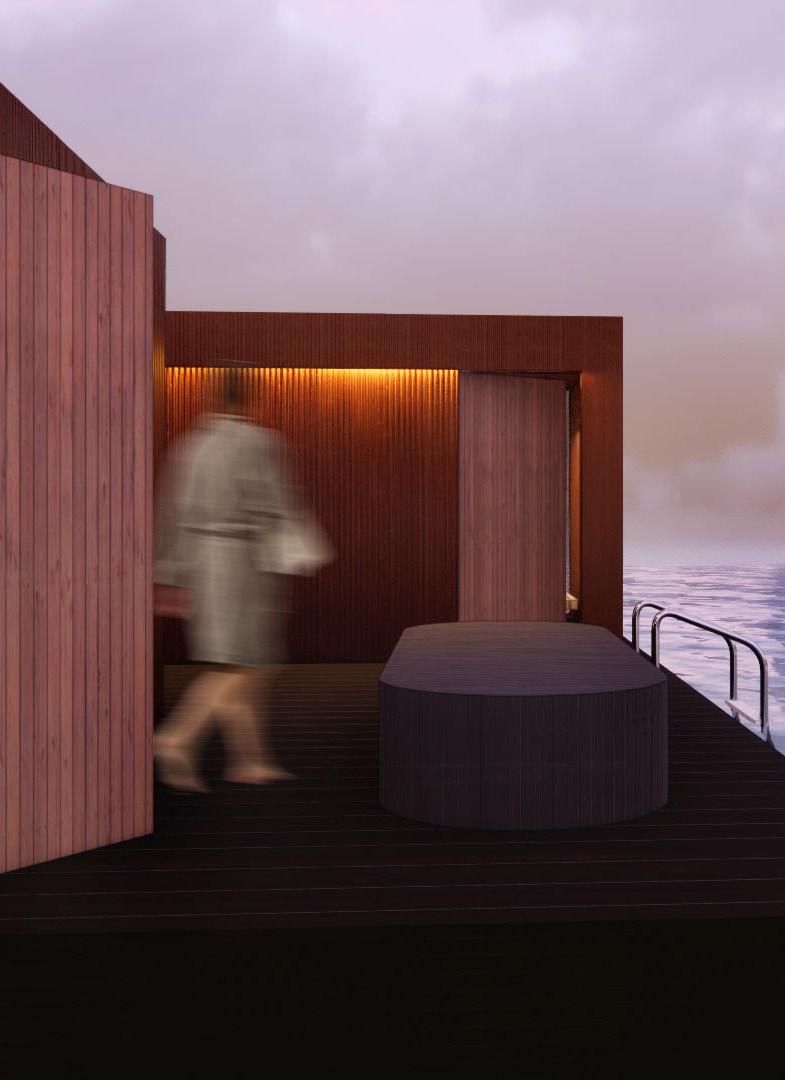
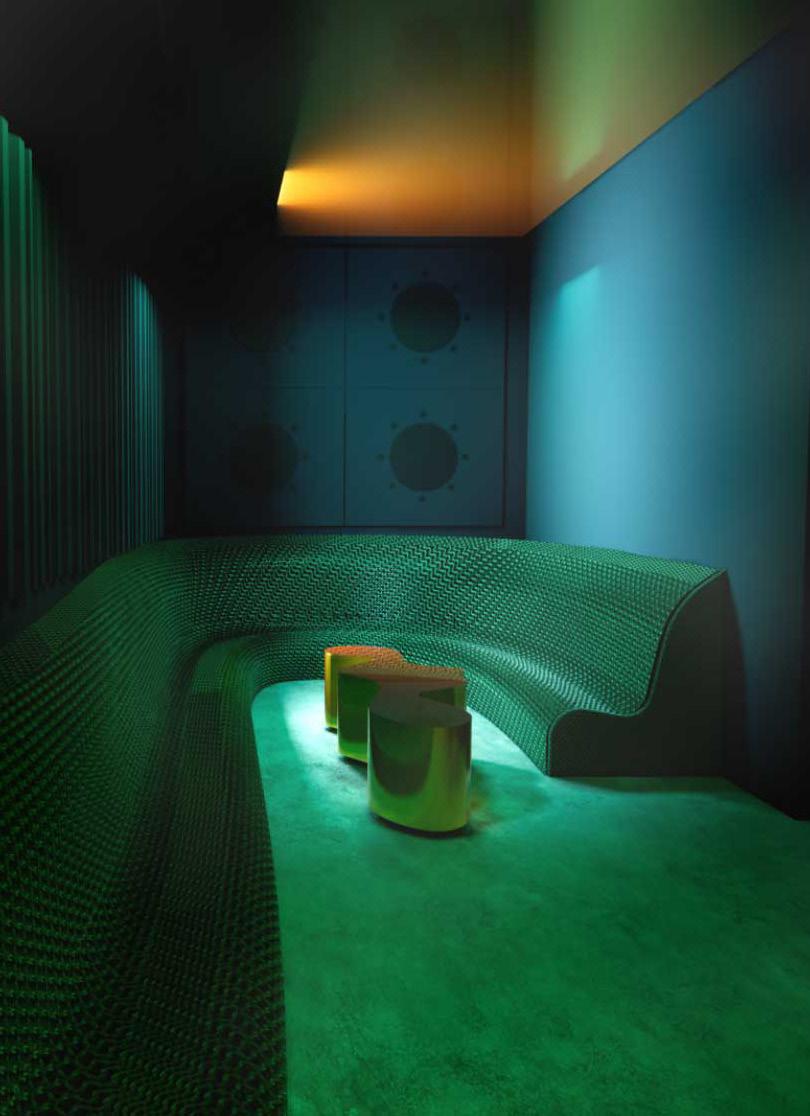
Cover: Early rendering of meditative sauna space
Above: Light Pendant prototype
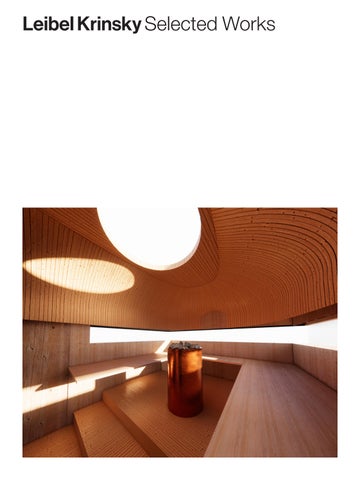
Cover: Early rendering of meditative sauna space
M.F.A., Interior Design, Parsons School of Design
Healthier Materials and Sustainable Building Program, Parsons School of Design
AutoCAD Rhino V-Ray
Enscape Photoshop
Illustrator
Indesign
2024–Present
Interior Design Intern, Parts & Labor Design
Responsible for a range of project elements including development of design concept, 3D modeling and rendering, CAD drafting, and materials and furniture sourcing.
2018–2021
Freelance Graphic Designer
Successfully manages a diverse portfolio of clients, across operational, strategic, financial, and administrative functions.
Collaborates with marketing teams and copywriters to gather essential information, technical specifications, and project timelines, ensuring seamless execution.
2017–2018
Creative Director, Arro Creative
Spearheaded conceptual development and visual represenation for projects, ensuring harmonious integration of design elements.
Collaborated with copywriters, photographers, and illustrators to establish distinctive visual identities for each project.
2016–2017
Lead Graphic Designer, Sharkk
Led a team of three designers at an eCommerce company, specializing in the development and production of branding, product and packaging design, as well as promotional materials.
2013–2016
Junior Graphic Designer, Spotlight Design
Diverse design responsibilities, with an emphasis on book cover design, editorial layout, and logo creation.
Developed a solid foundation in visual storytelling and brand representation, cultivating an eye for detail and a passion for creating compelling design solutions.
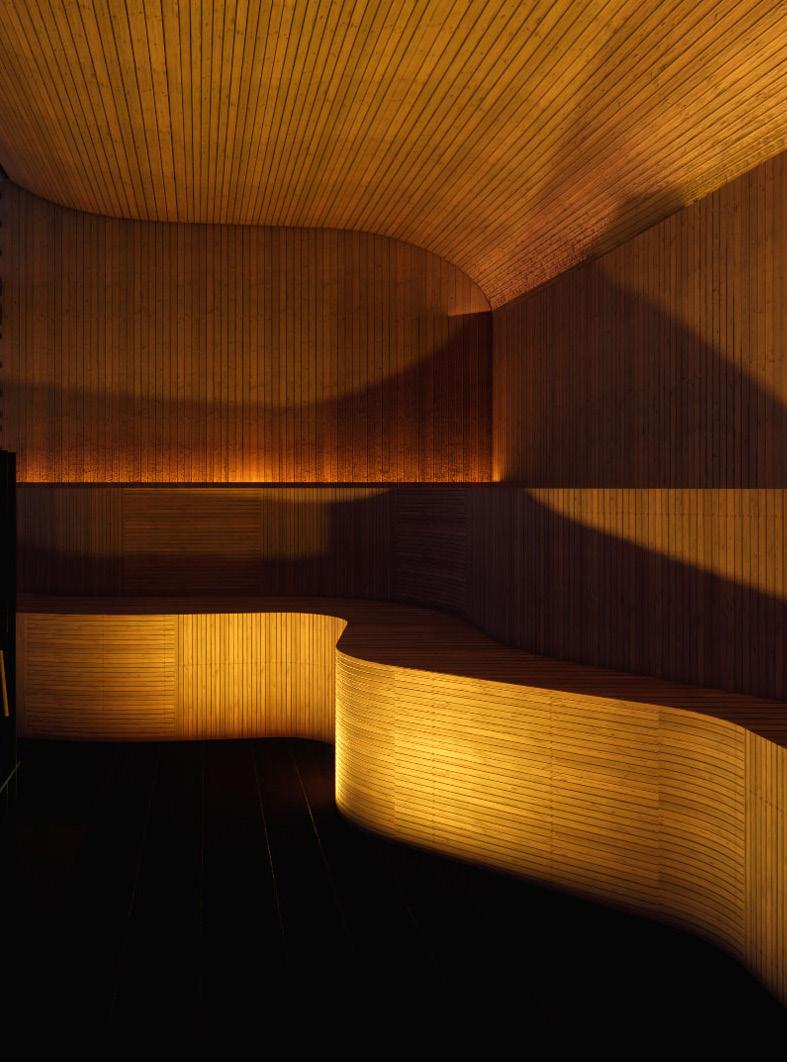
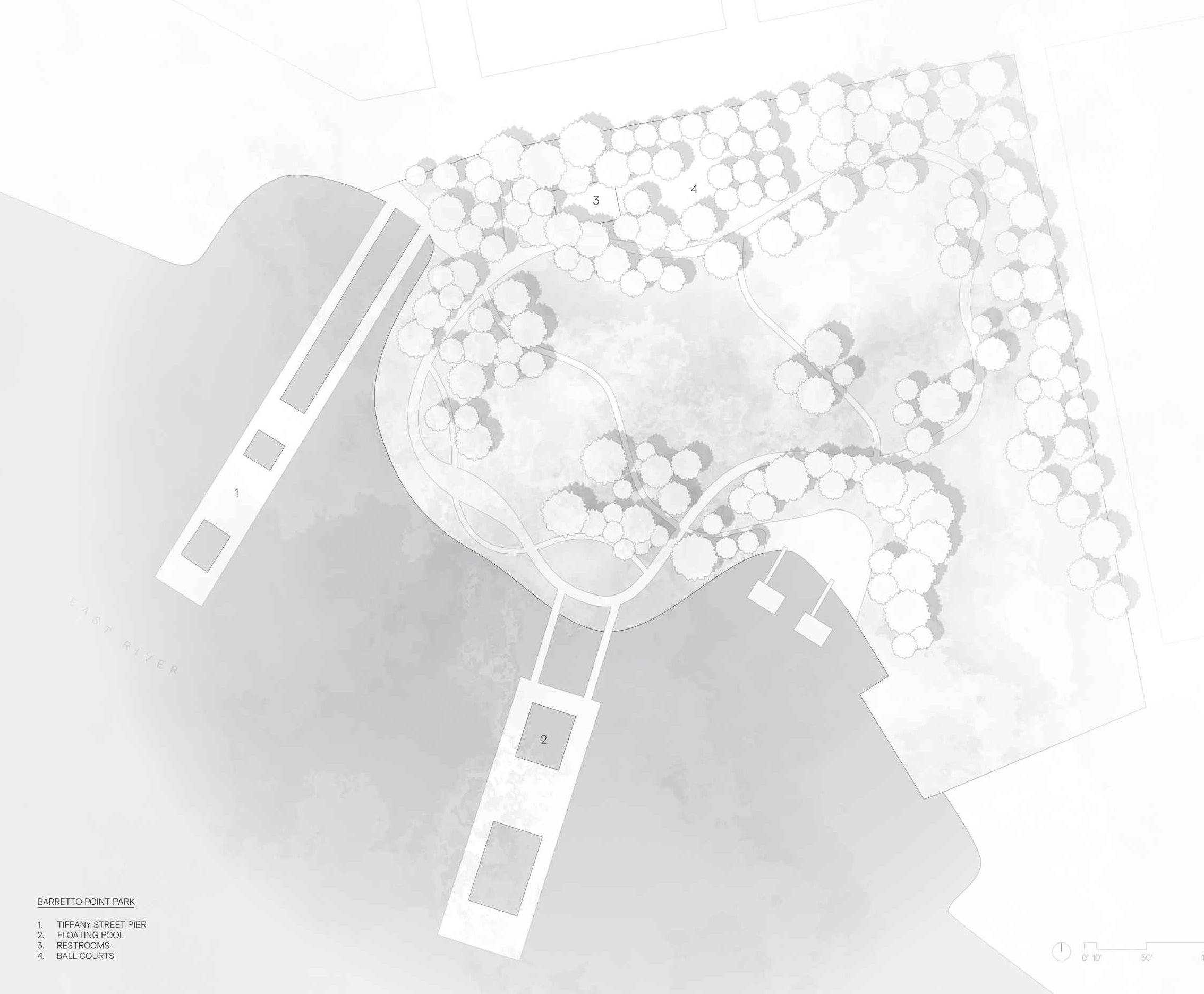
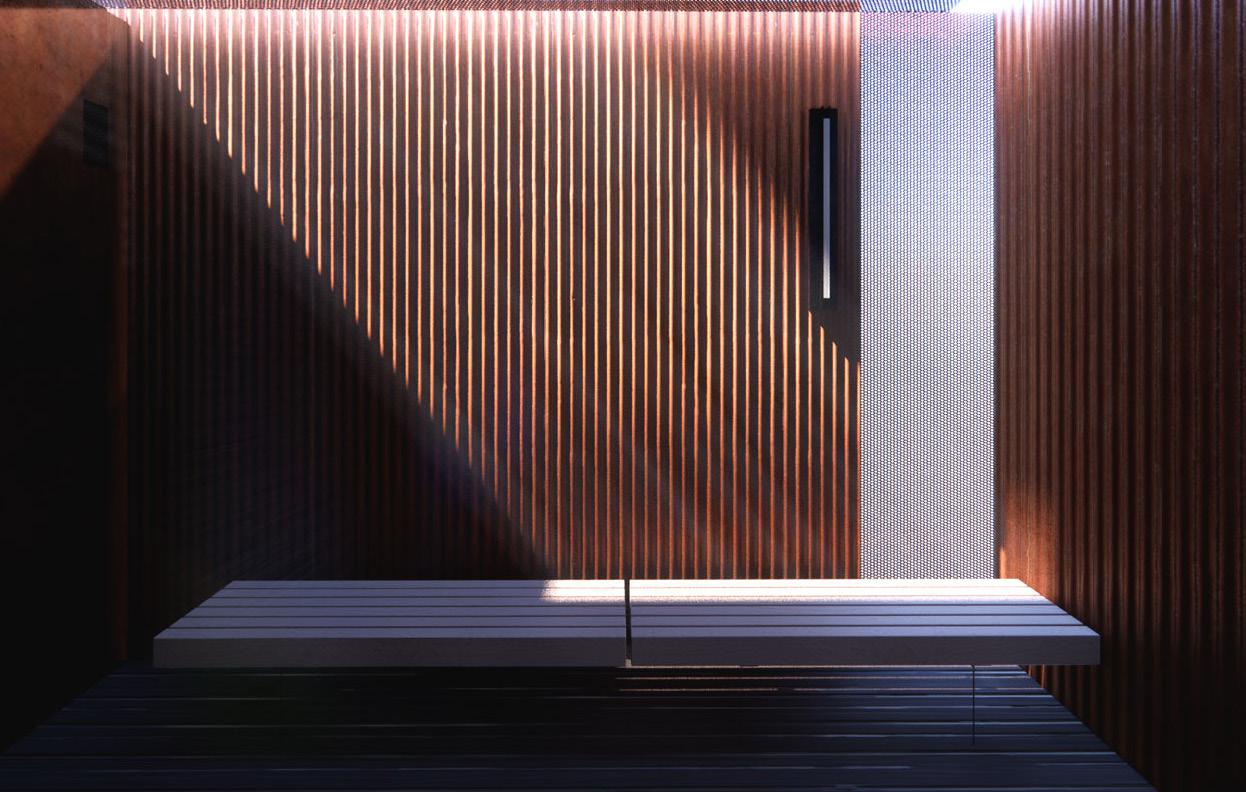
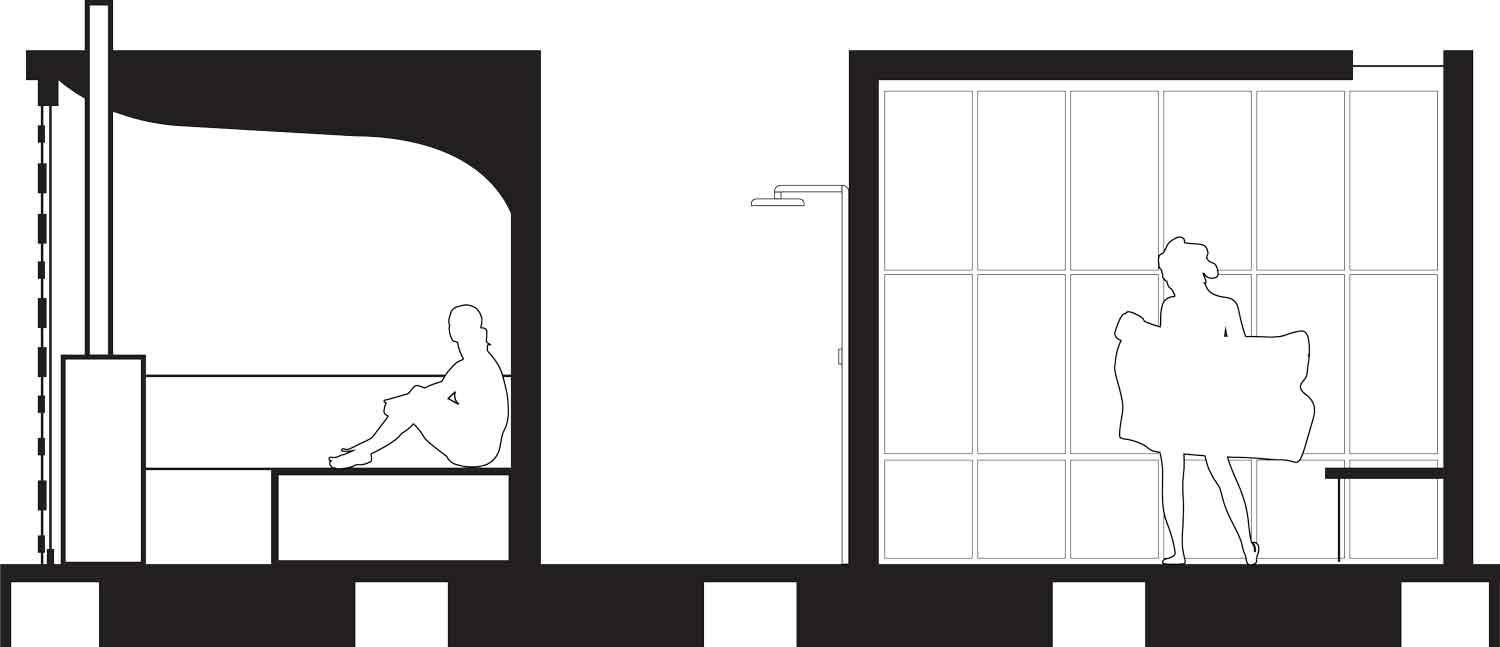
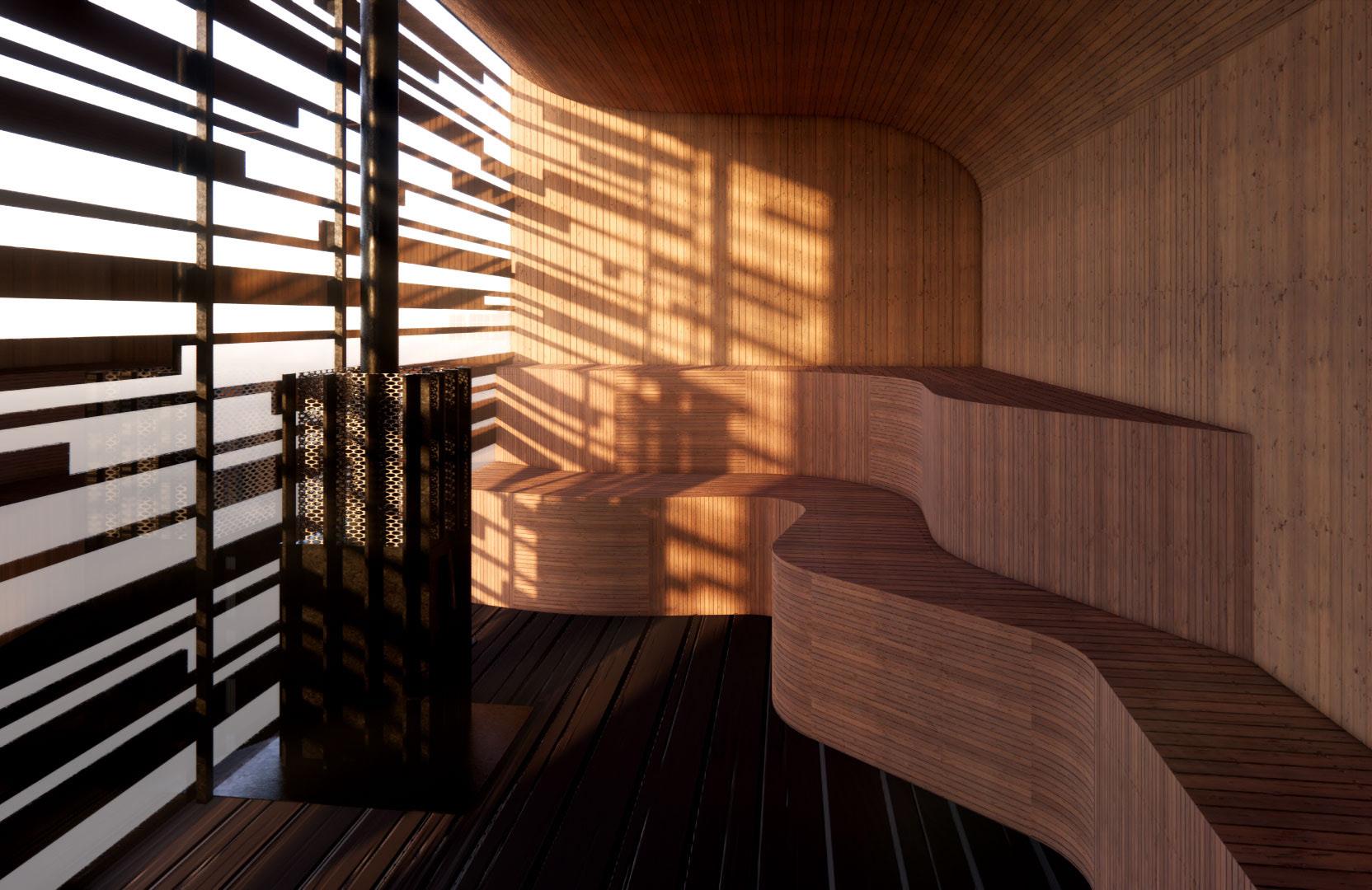
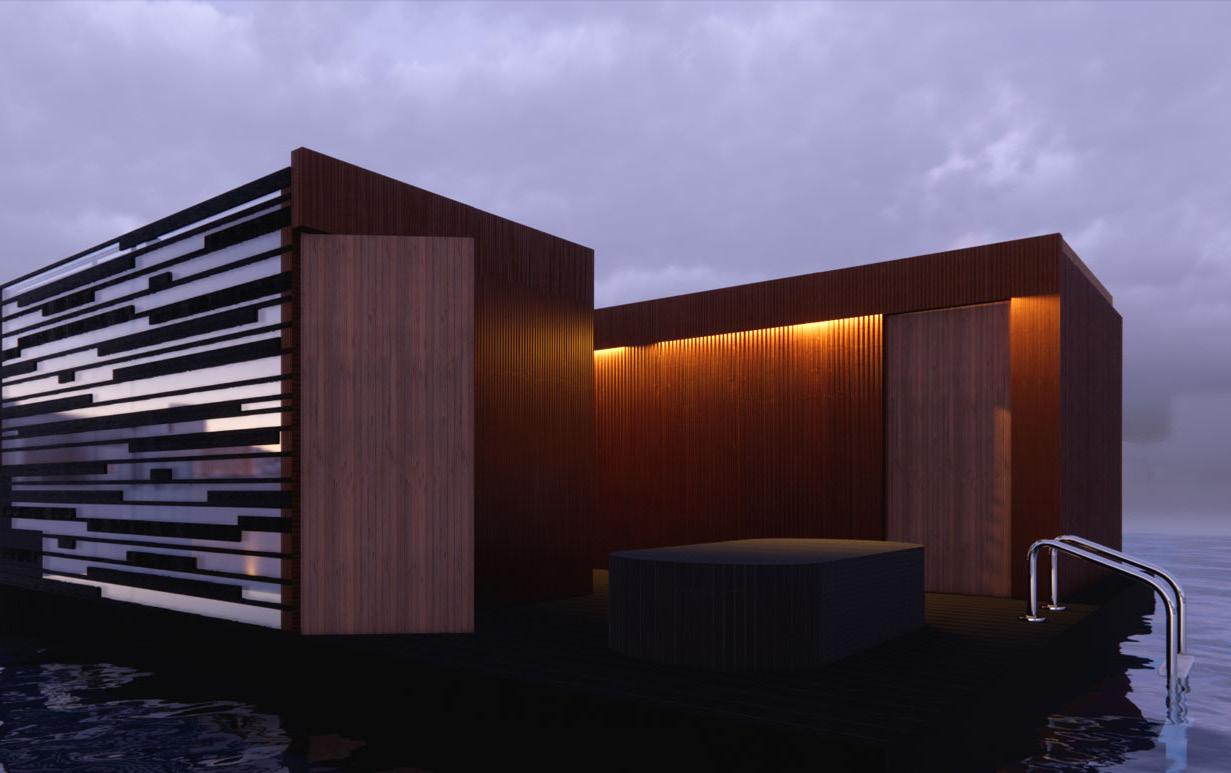
Reclaimed Wellness is a public wellness project that utilizes New York City’s 520+ miles of coastline to promote mindfulness and physical well-being. Inspired by the city’s earliest public bathing facilities, the floating baths, the project uses salvaged industrial materials to construct floating, ADA accessible saunas along the public waterfront. Reclaimed Wellness seeks to combat the commodification of wellness practices in the West as well as the alienating effects of digital mediation by creating accessible spaces that engage the senses, connecting bathers with their bodies and nature. Grounded in principles of phenomenology, environmental justice, and the Right to the City, the project pushes for a more equitable New York for those who have been disproportionately affected by deindustrialization and the privatization of public resources.
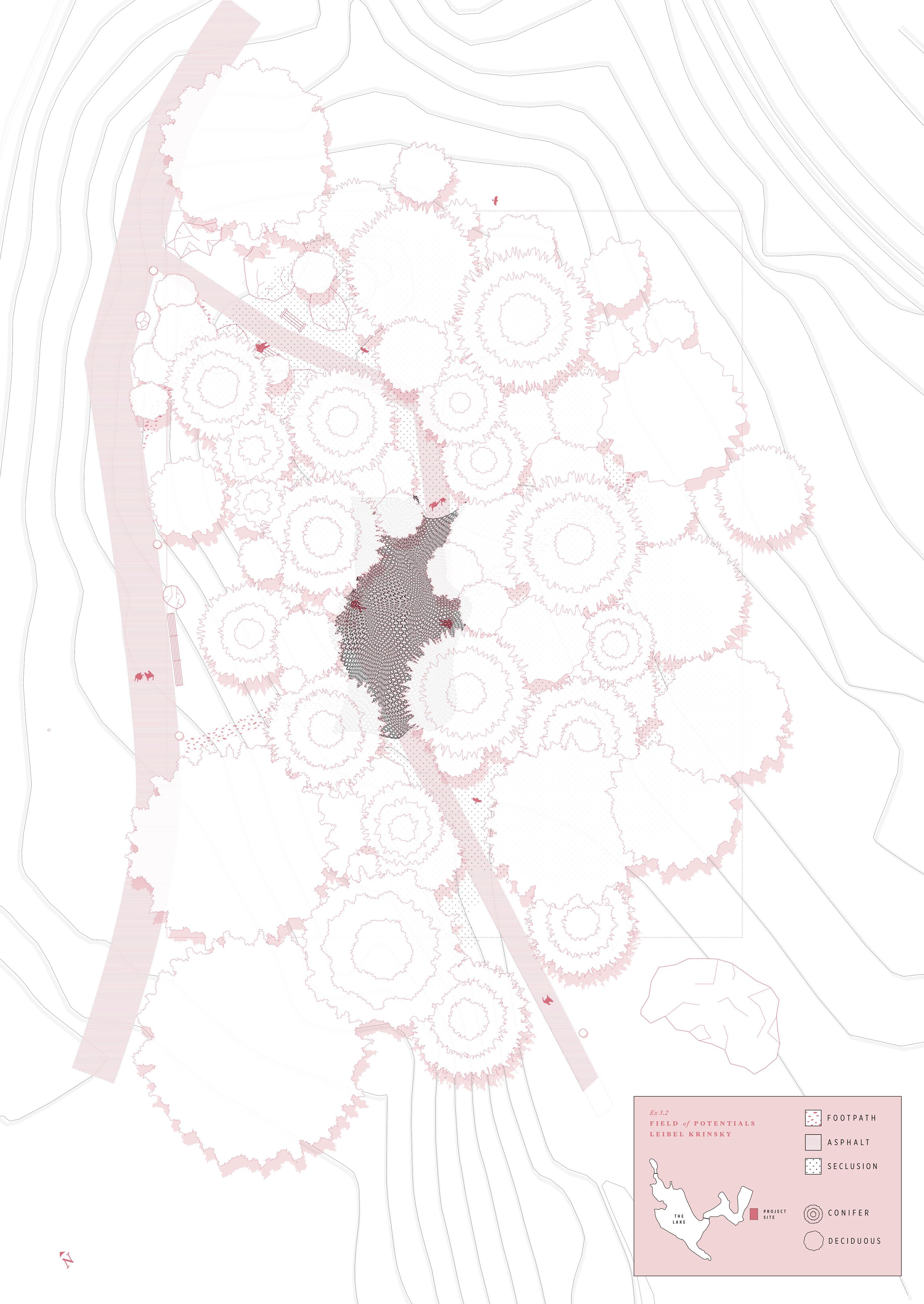
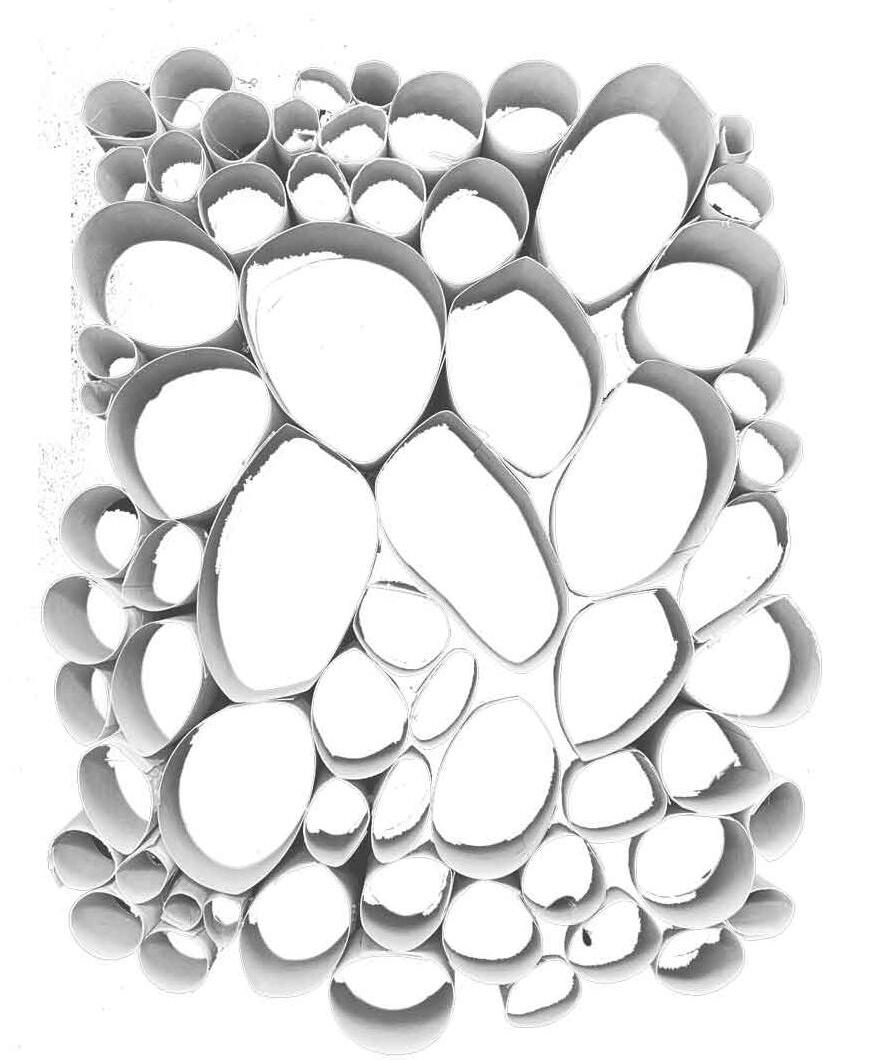
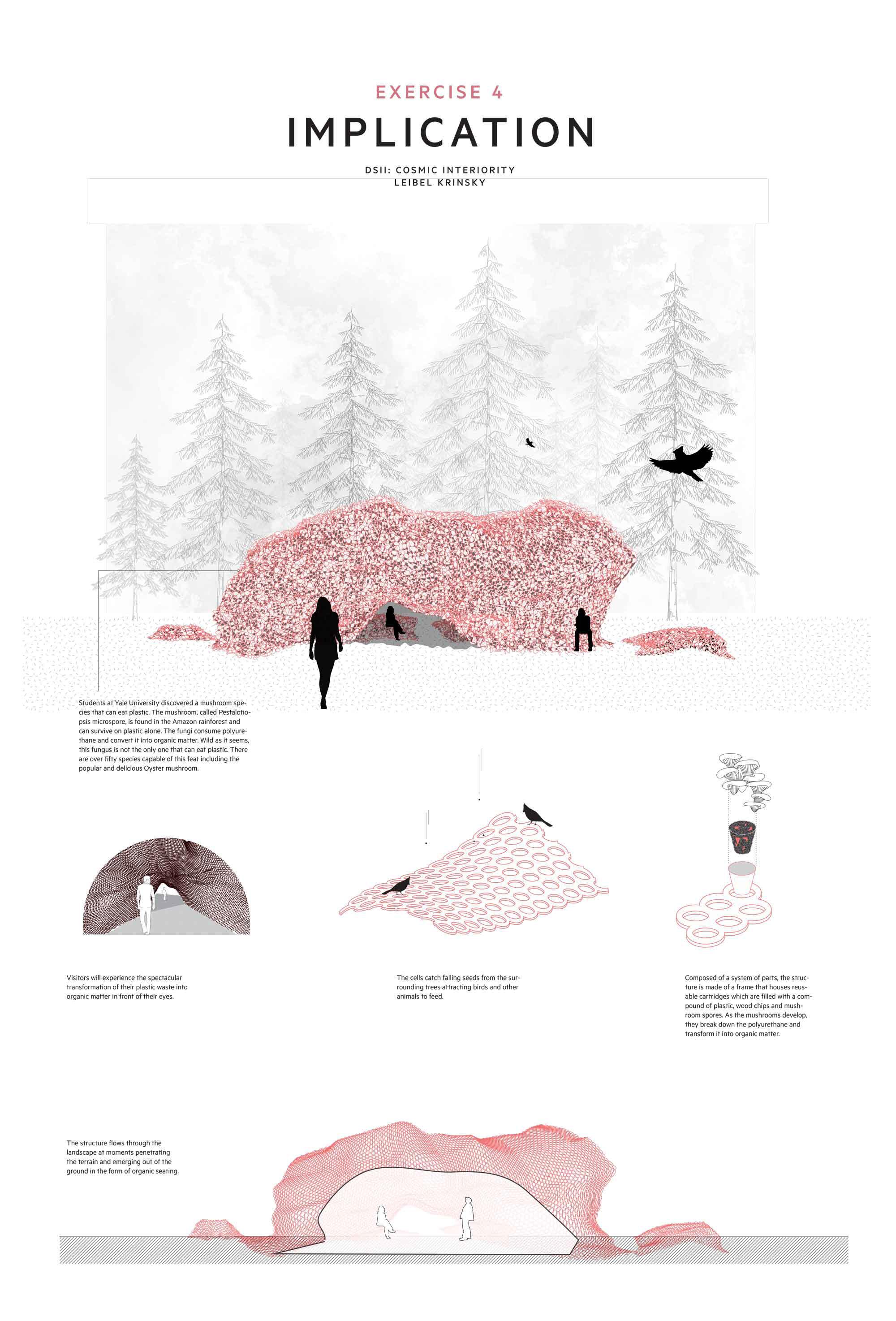
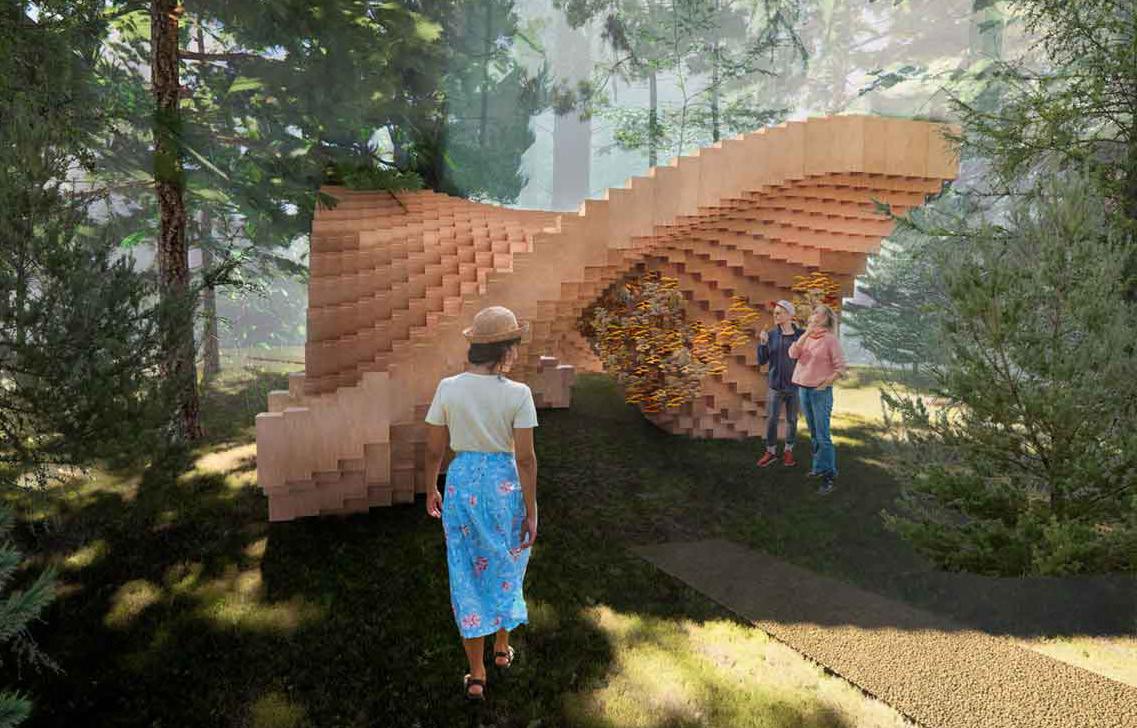
Through experiential study of Central Park’s waterscape habitats, I examined protagonists from four divergent modes of existence: animal: northern cardinal. Plant or microorganism: eastern redcedar, oyster mushroom. Abiotic agent: plastic waste and a social community: littering visitors. We were asked to create a design intervention that would catalyze a symbiotic coexistence of these four modes of being. My research led me to discover the incredible ability of some mushroom species to transform plastic waste into healthy flowering mushrooms. This informed a pavilion made of modular wooden compartments which housed plastic waste from the park. When attached together, they take on an undulating form that weaves a grand display of mushrooms in and out of the landscape while serving as a learning center for this incredible recycling process. The following are some of my explorations in form and concept which I came to through the process of this studio.
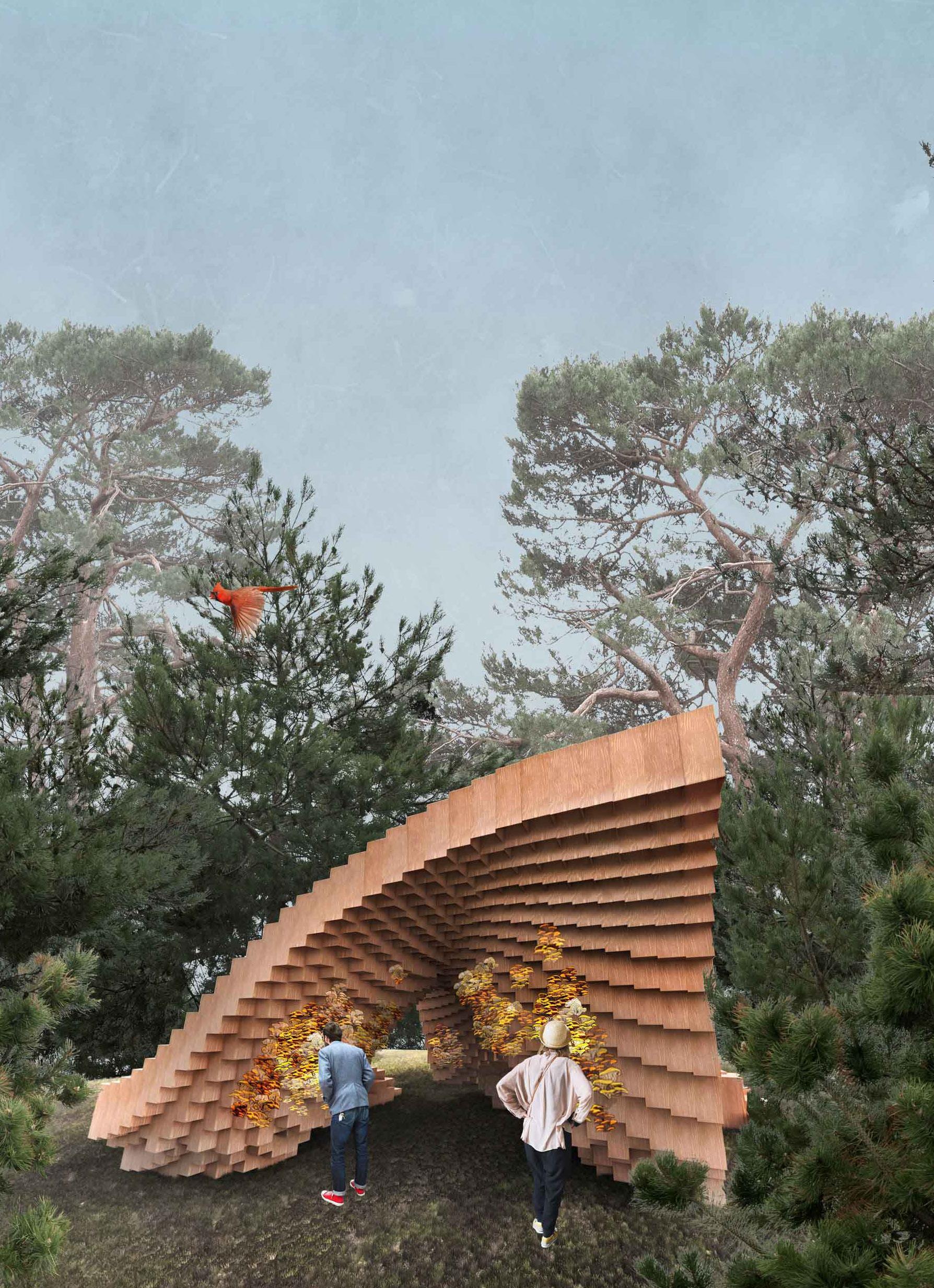
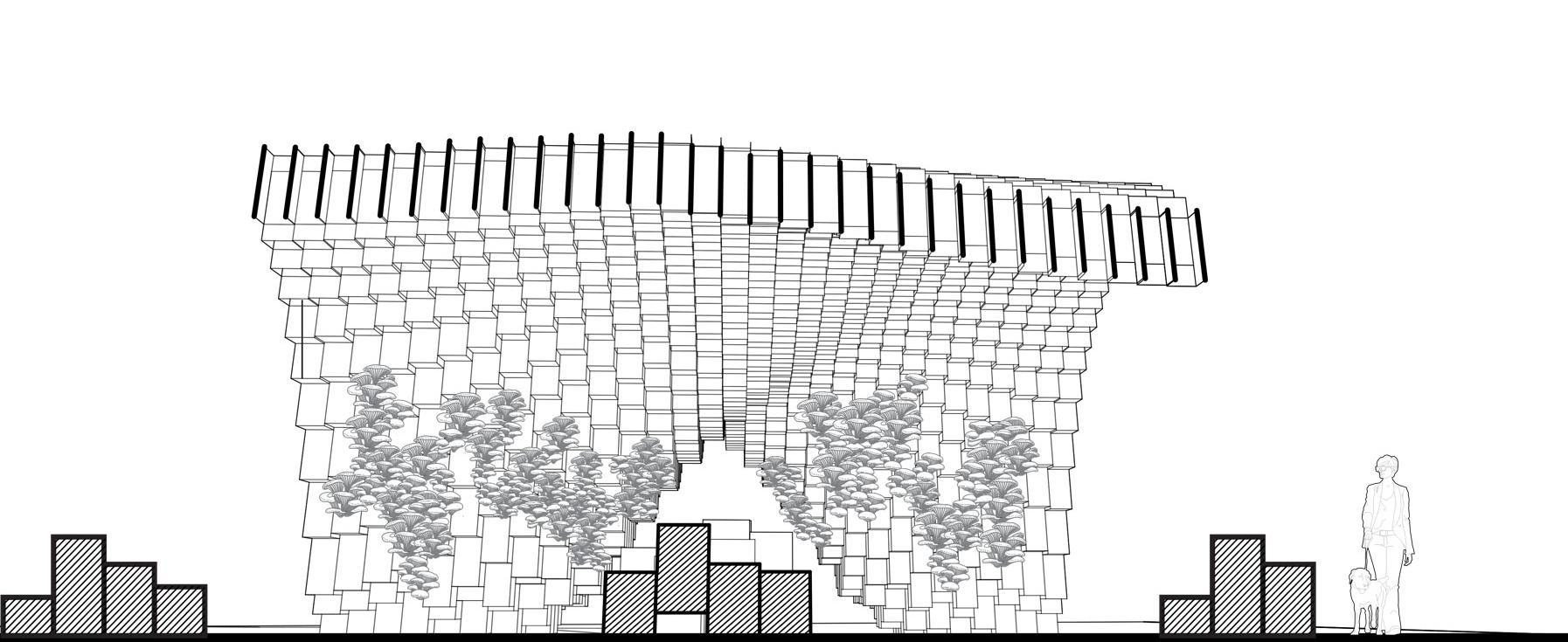
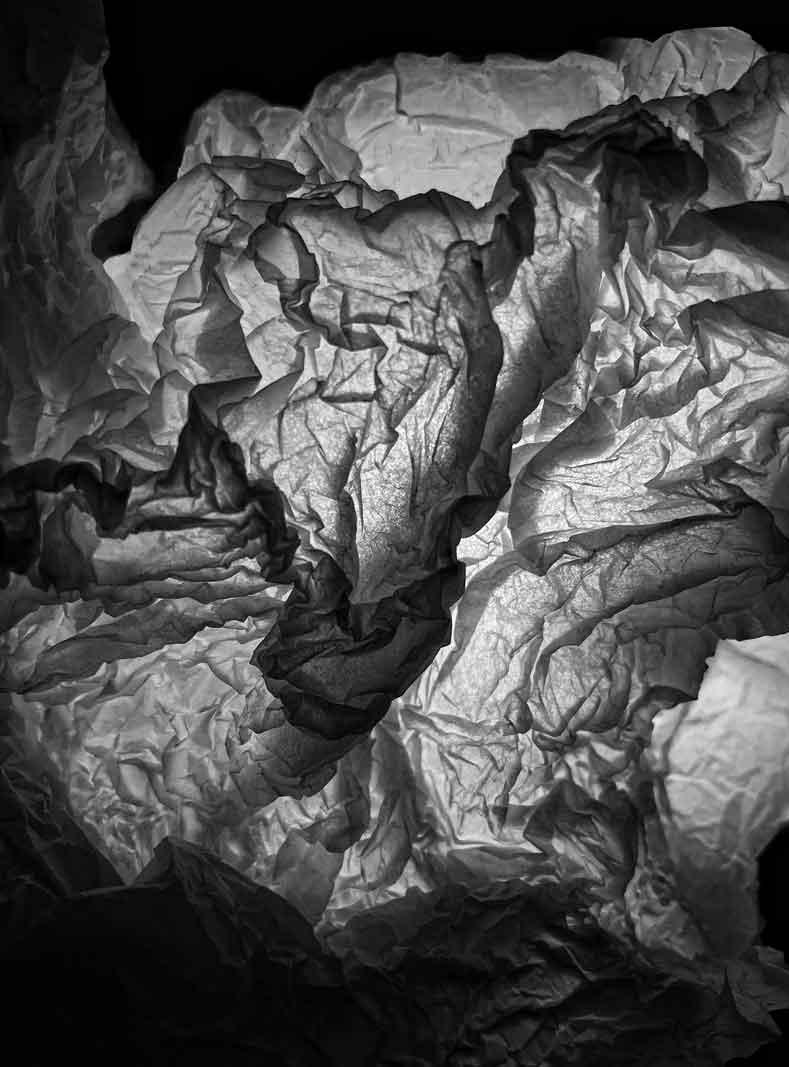
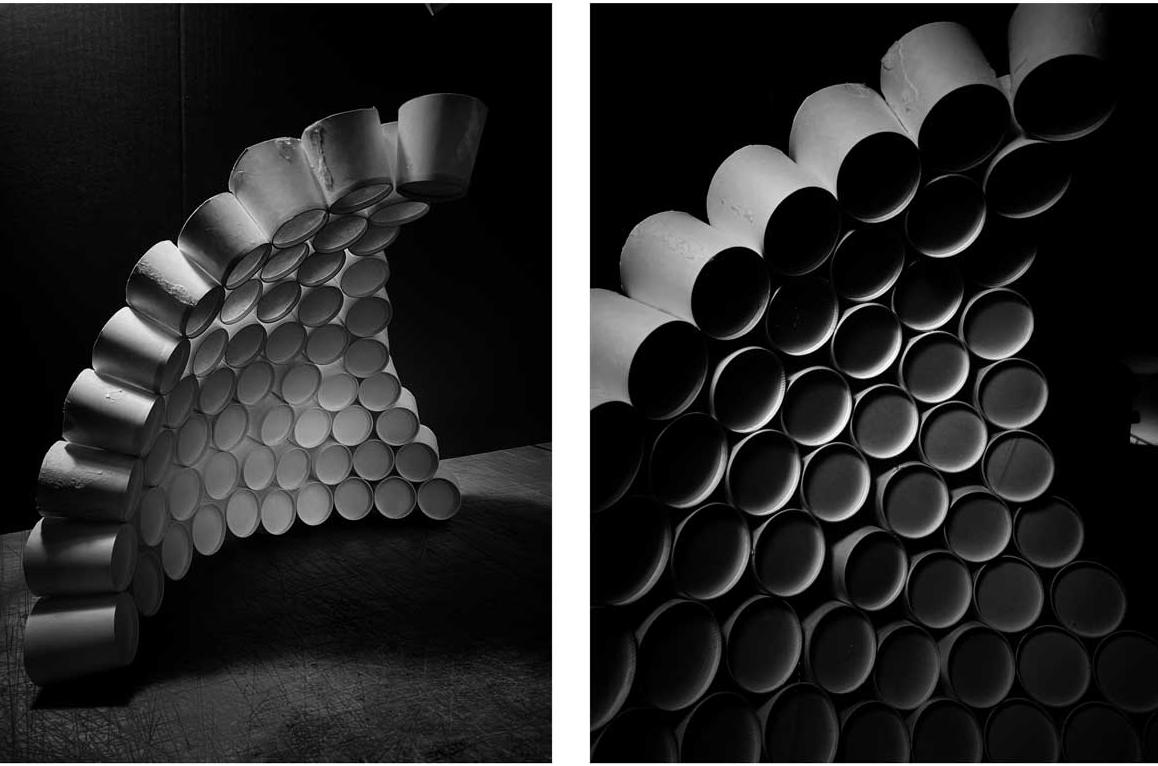
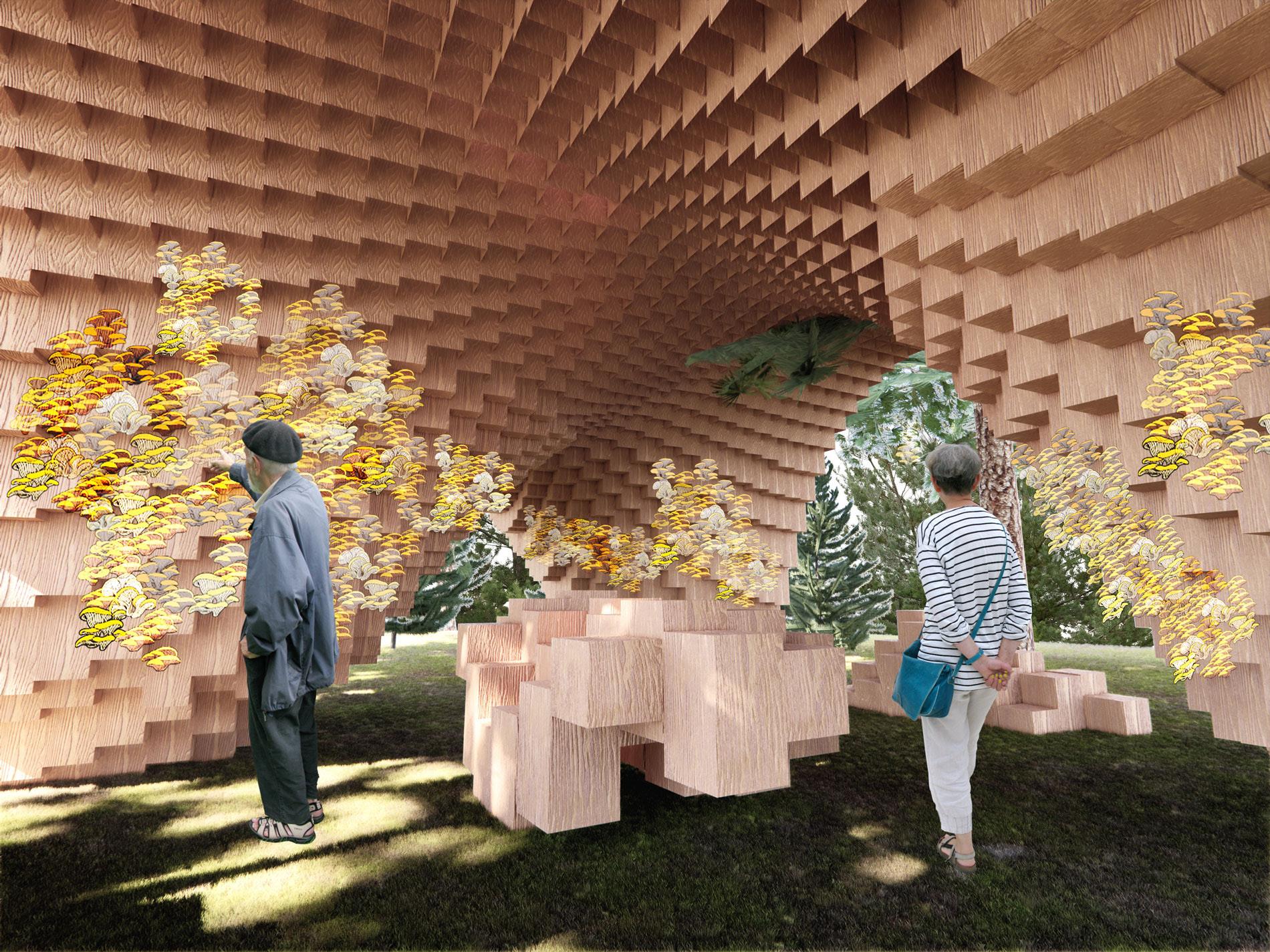
A Pavilion sections
B Early form explorations
C Individual module diagram
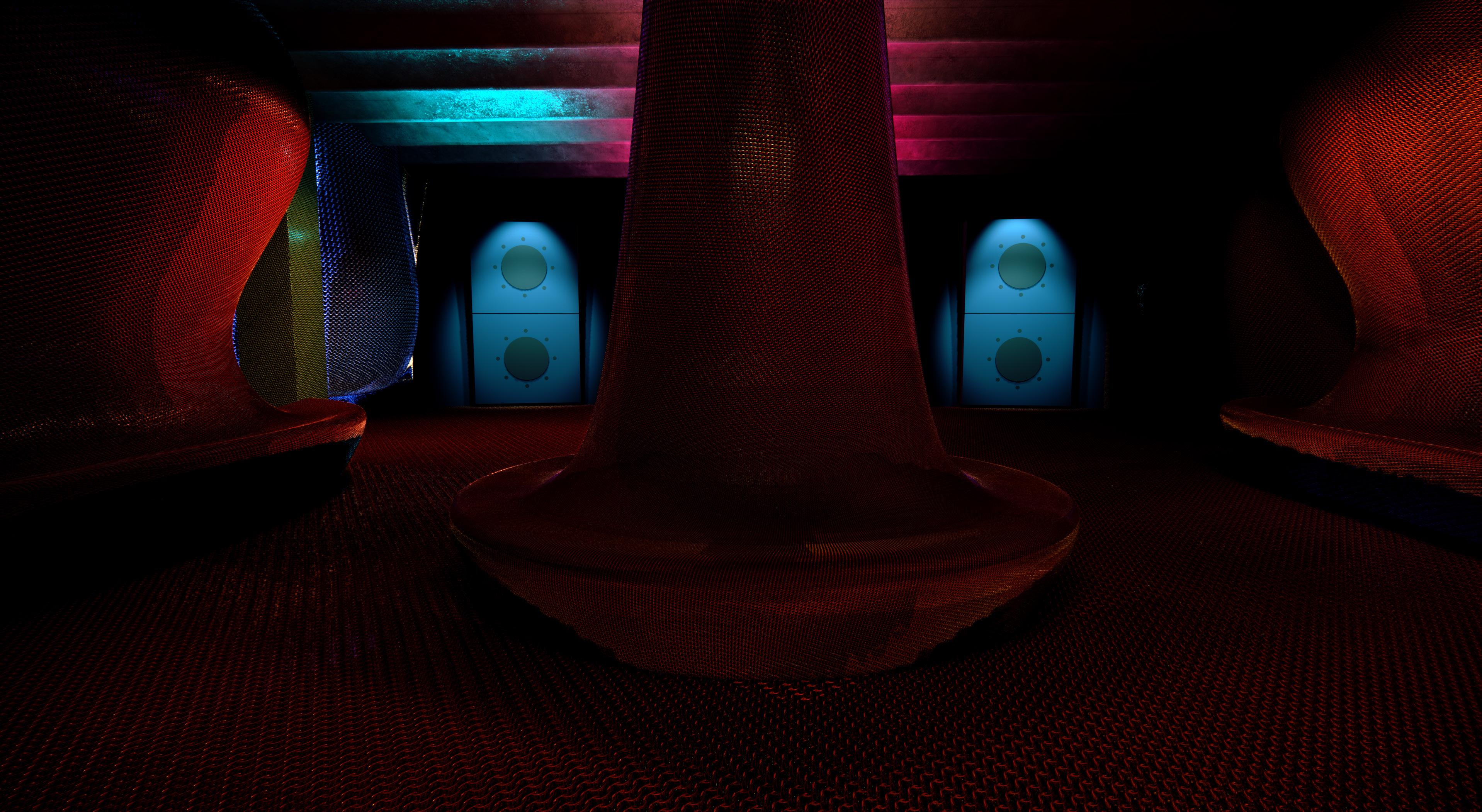
For this studio project, I was tasked with transforming an empty floor of the Westbeth artist housing building in Greenwich village, into a space to engage with a musical theme of our choosing. Discovering, listening to and making music has always given me great joy and has offered me a feeling of expanse when I felt constricted. Informed by this and active listening–a method or mode of listening where one makes a conscious choice to focus on the music–I began experimenting with forms of seating that would evoke a sensation of weightlessness. These explorations led me to design a recording studio, music archive and an immersive listening room all centered around this idea of floating, free to experience the magic of music.
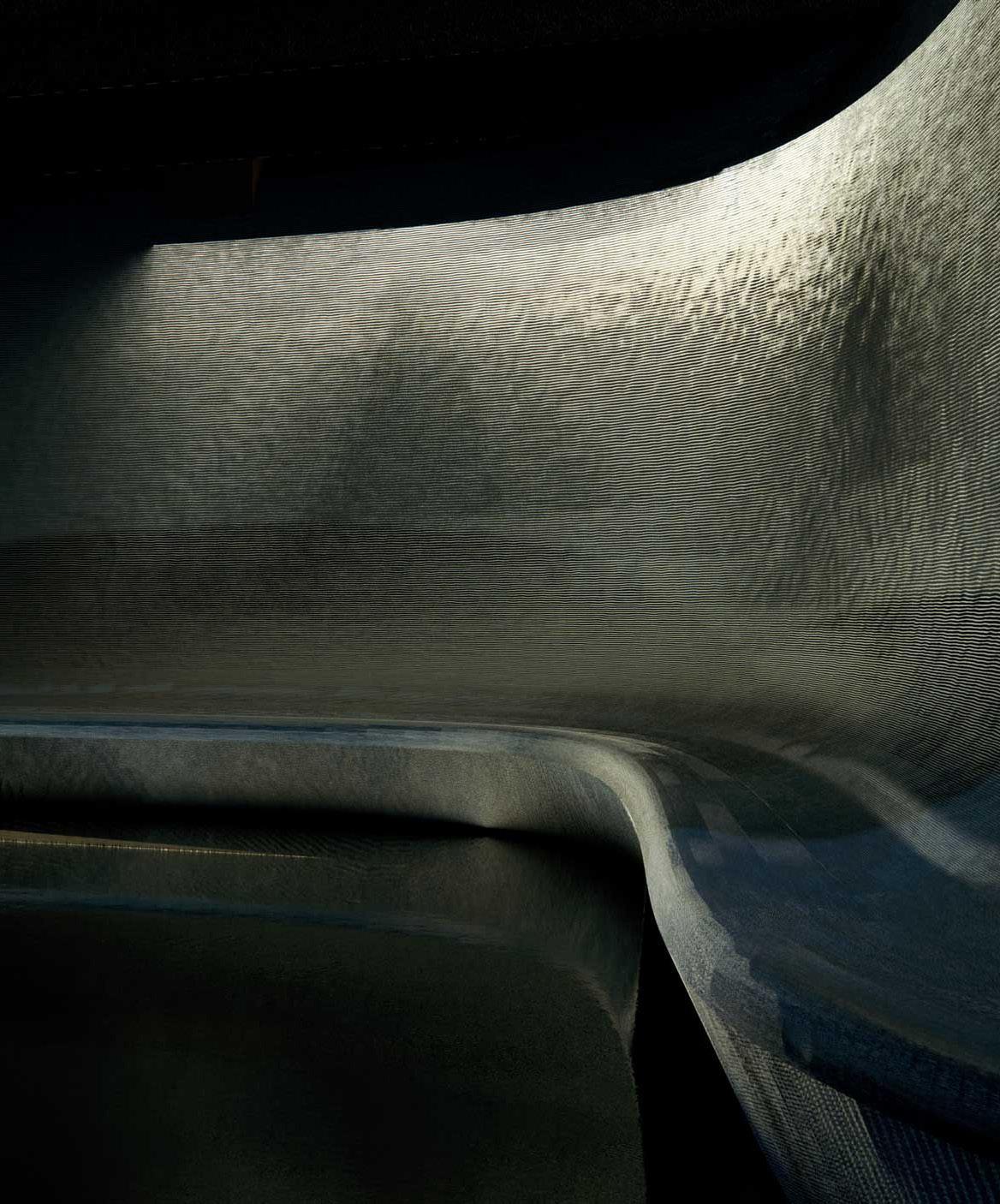
In this auditory sanctuary, the act of listening transcends constraints, suspending us in a weightless world of sound and spirit. I imagined an auditory space wherein the act of listening itself assumed a weightless suspension.
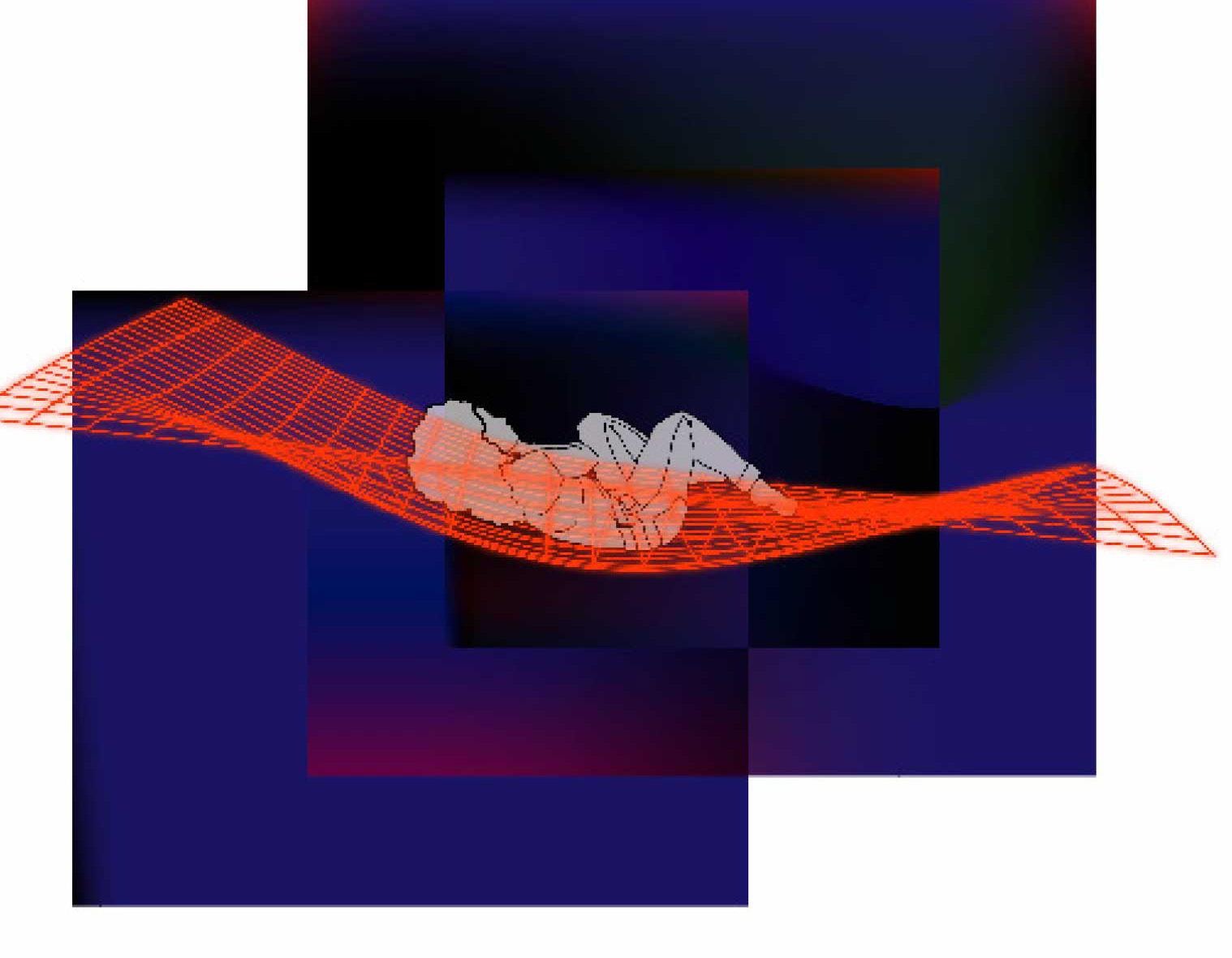
Inspired by sound waves, the large seating units undulate softly to create pockets where listeners may sink into a state of weightless relaxation and experience the embrace of the music.
LISTENING ROOM
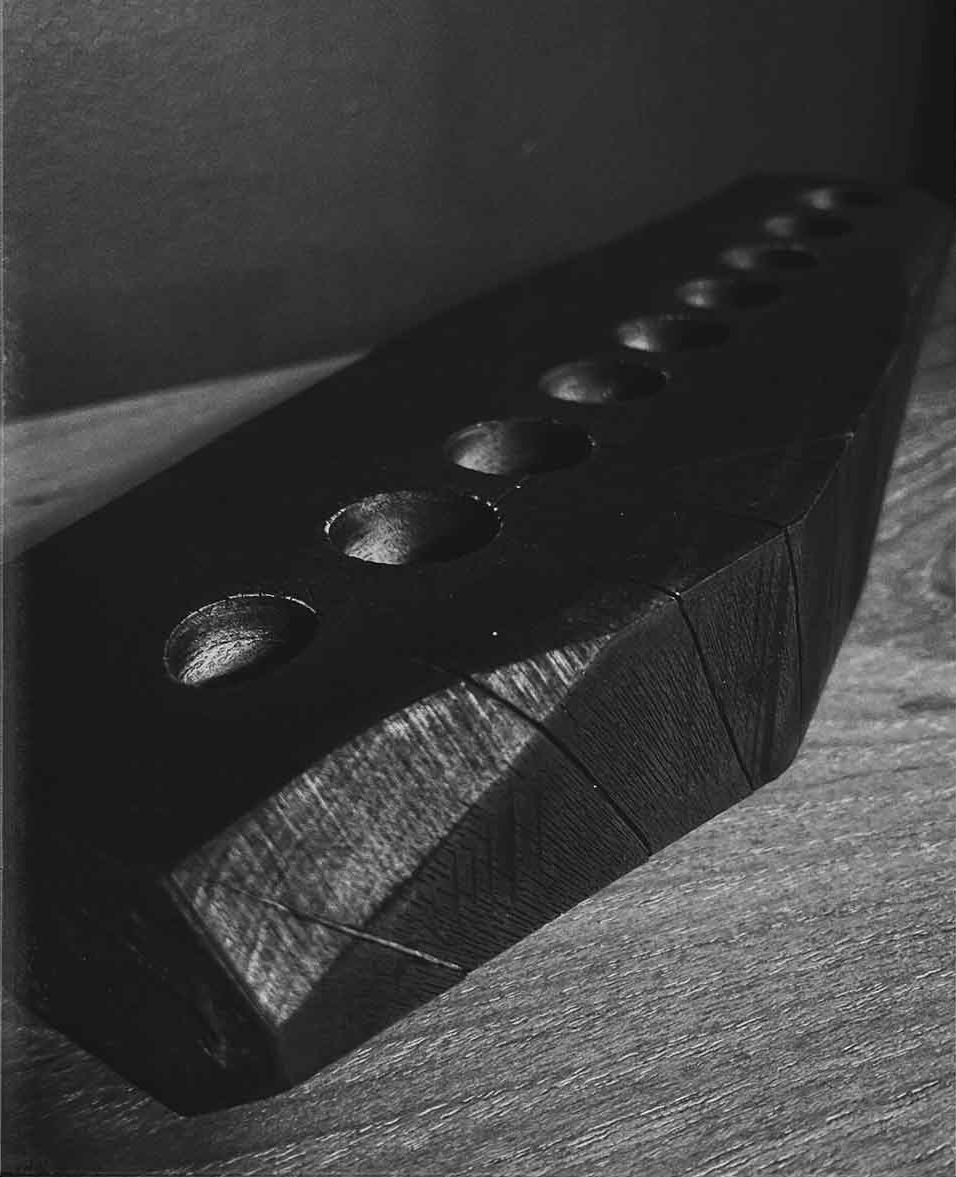
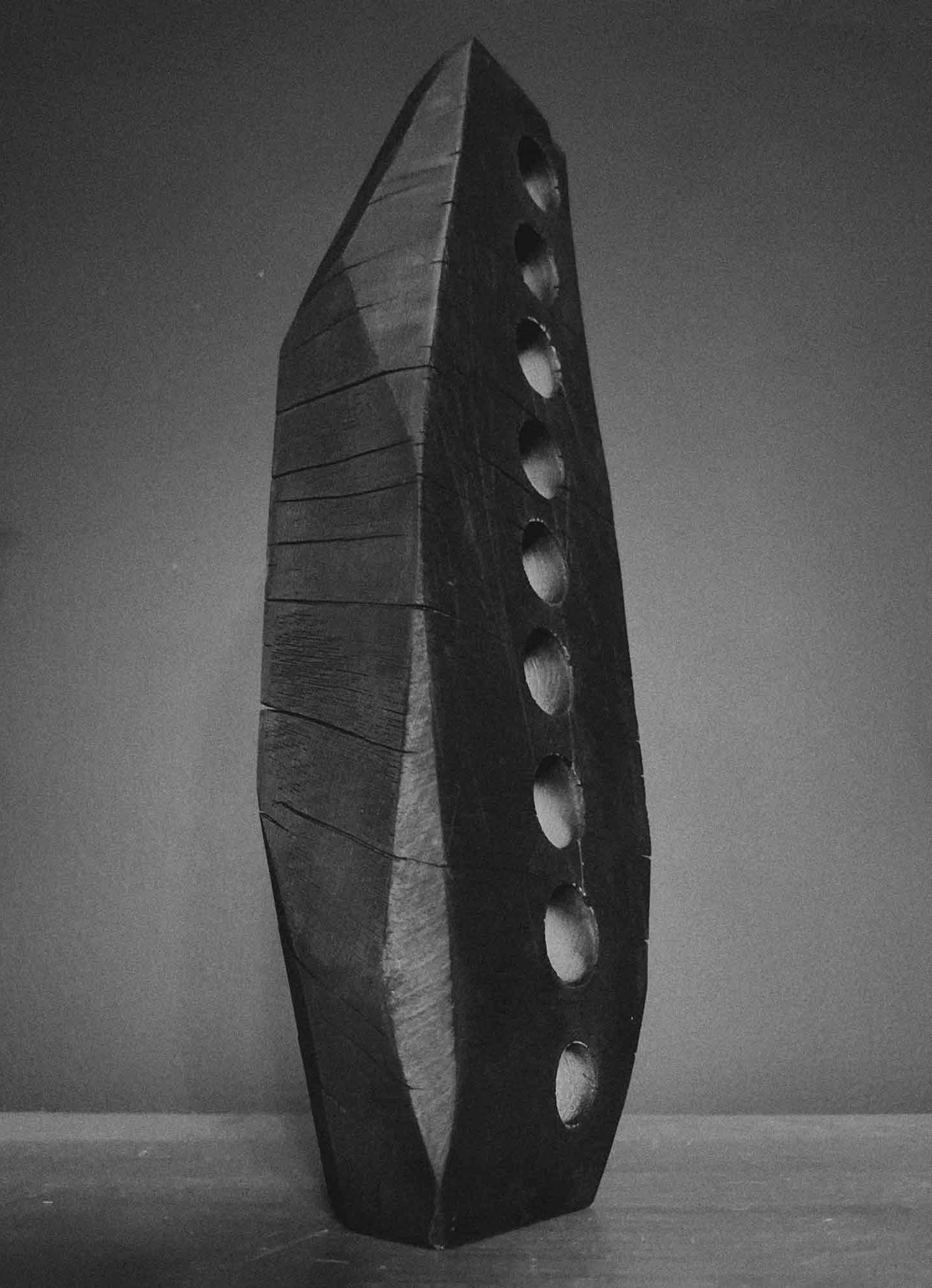
This personal project takes the form of menoras, a symbol of illumination, and endeavors to delve into the concept of rebirth and illumination that may rise from the darkest of places. Sculpted out of salvaged maple and torched, the result is evocative and striking. The charring also fortifies the wood's durability and enhances its resistance to combustion. This concept beckons further exploration.
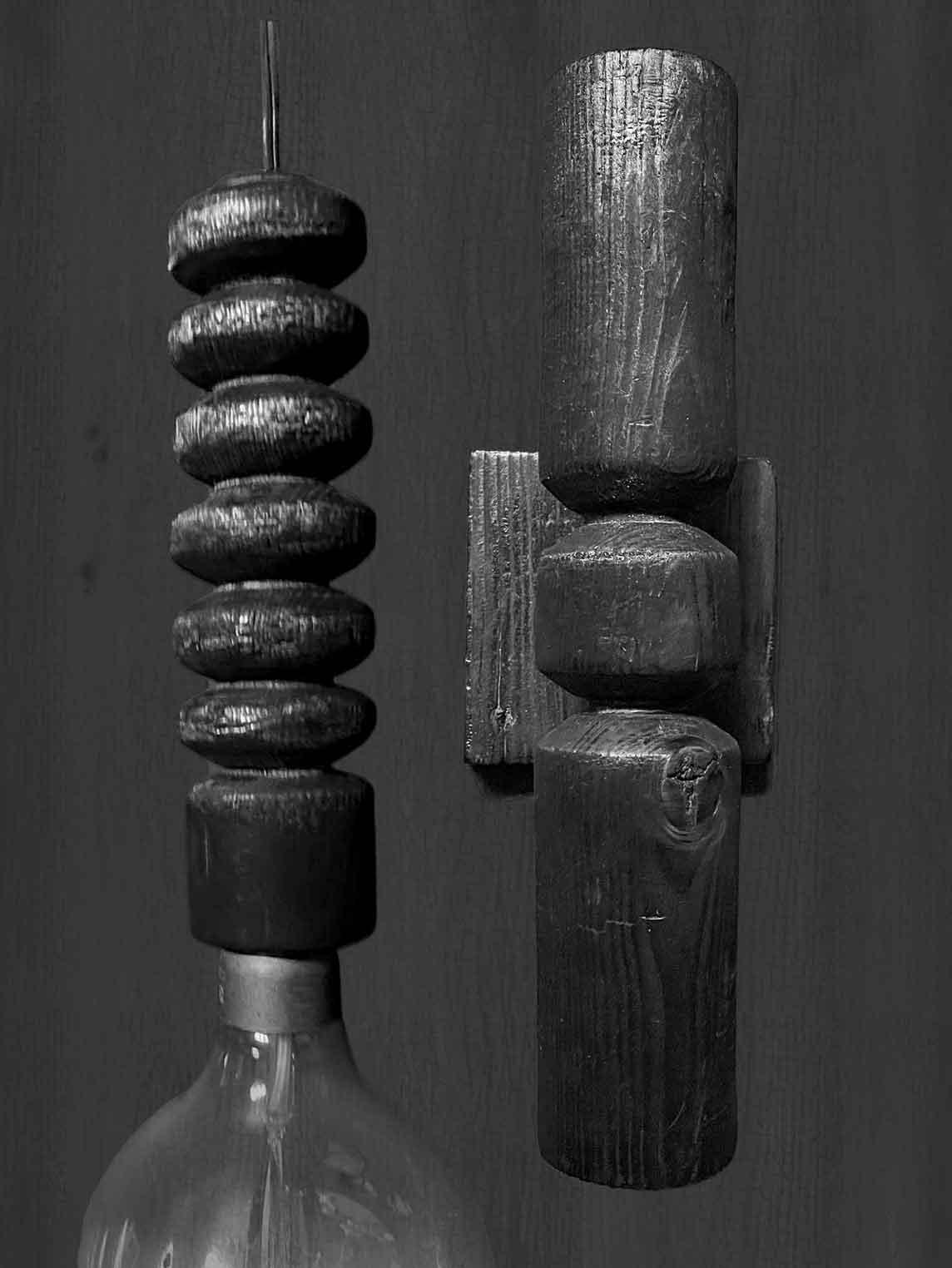
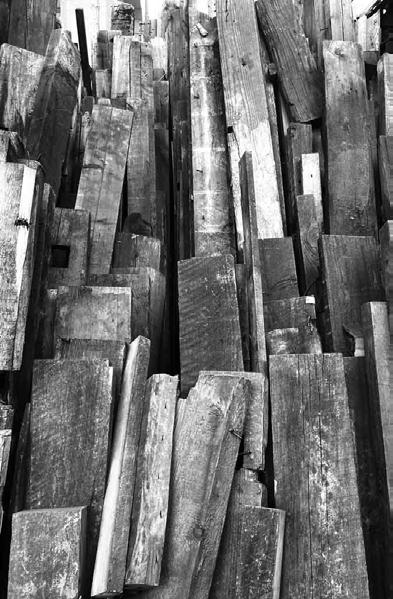
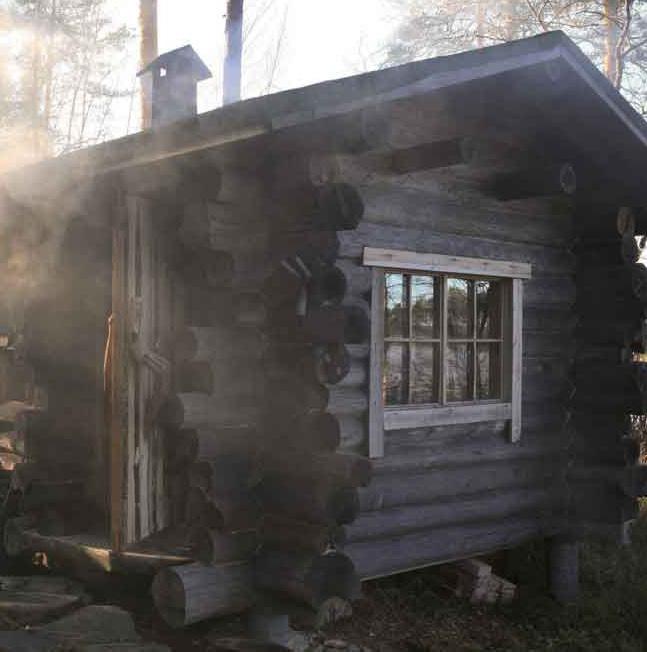
These lamps draw inspiration from the charred surfaces and gentle curved lines of the smoke saunas of Finland. Known as "savusaunas," this traditional sauna typology dates back centuries. Constructed using logs and without chimneys, they are heated by lighting a fire inside the sauna, gradually filling it with smoke. Once the desired temperature is reached, the smoke is vented out. Echoing this process, the lamps are made of discarded, reclaimed pine from industrial sites around the city, and evoke the transformative effects of time and fire. By combining these elements with warm and intimate light, my intention is to create an immersive atmosphere of tranquility, and authenticity.
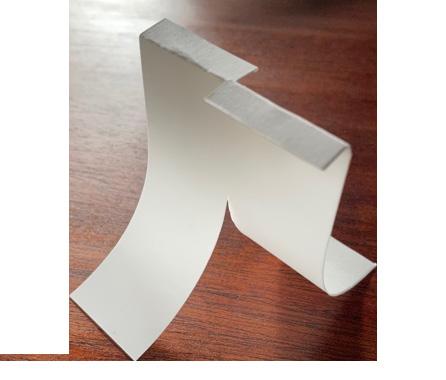
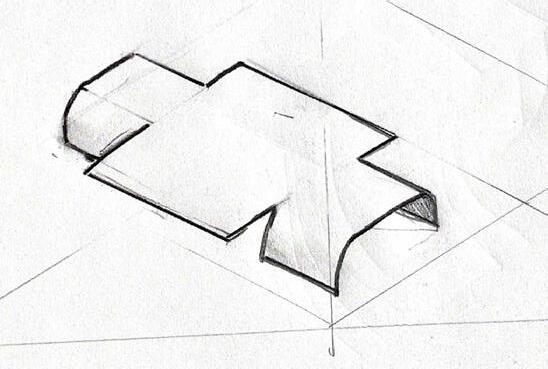
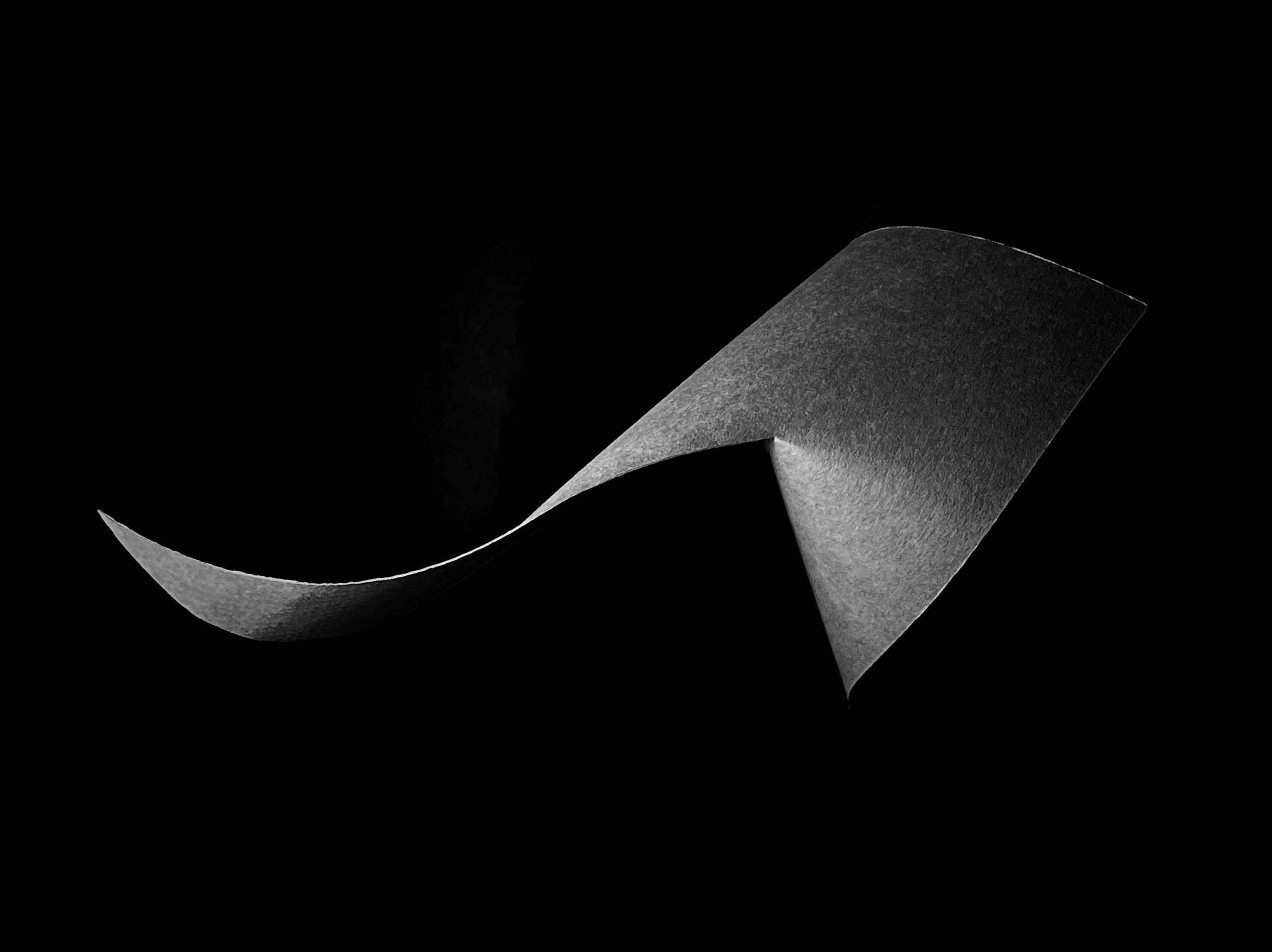
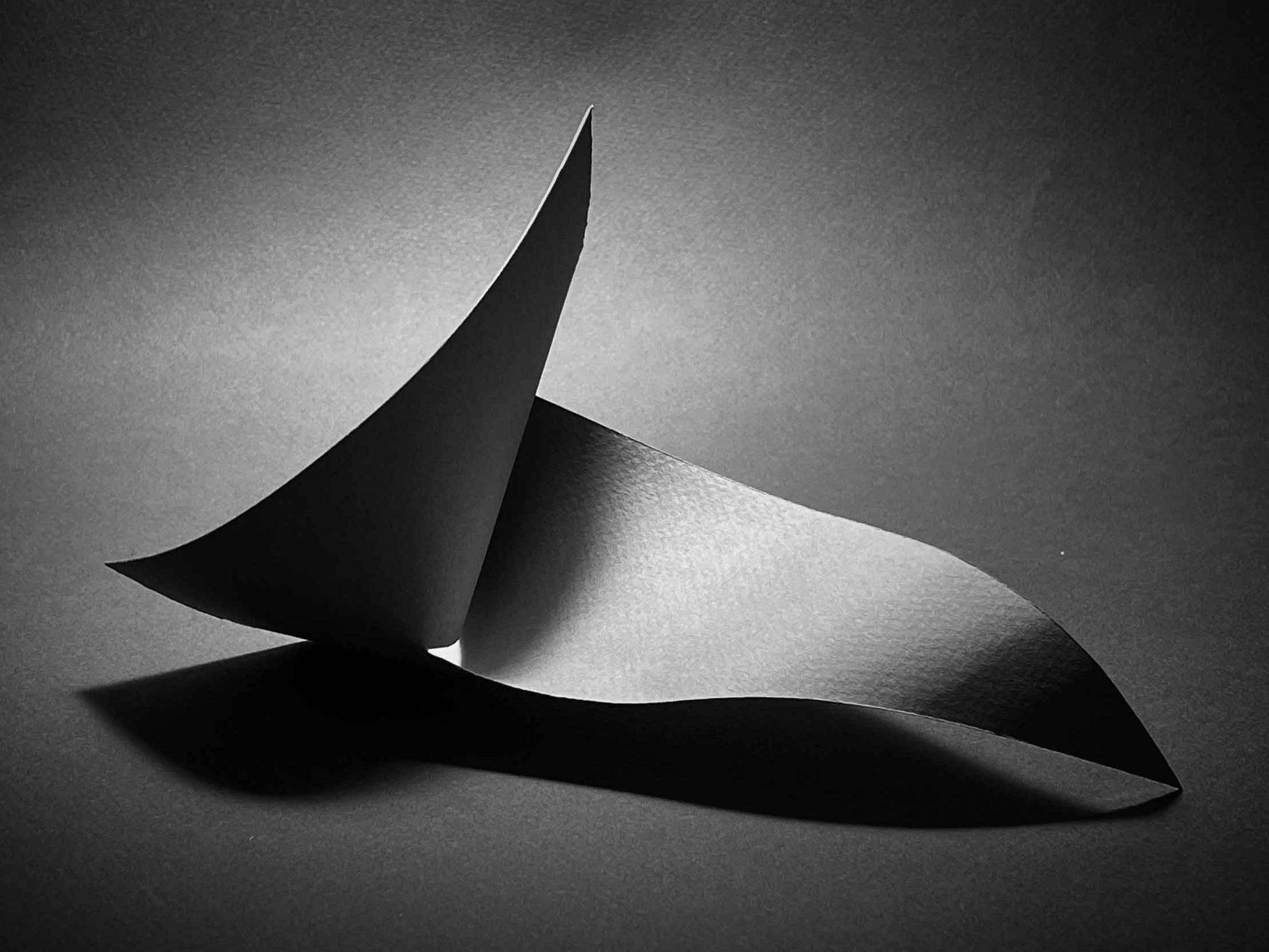
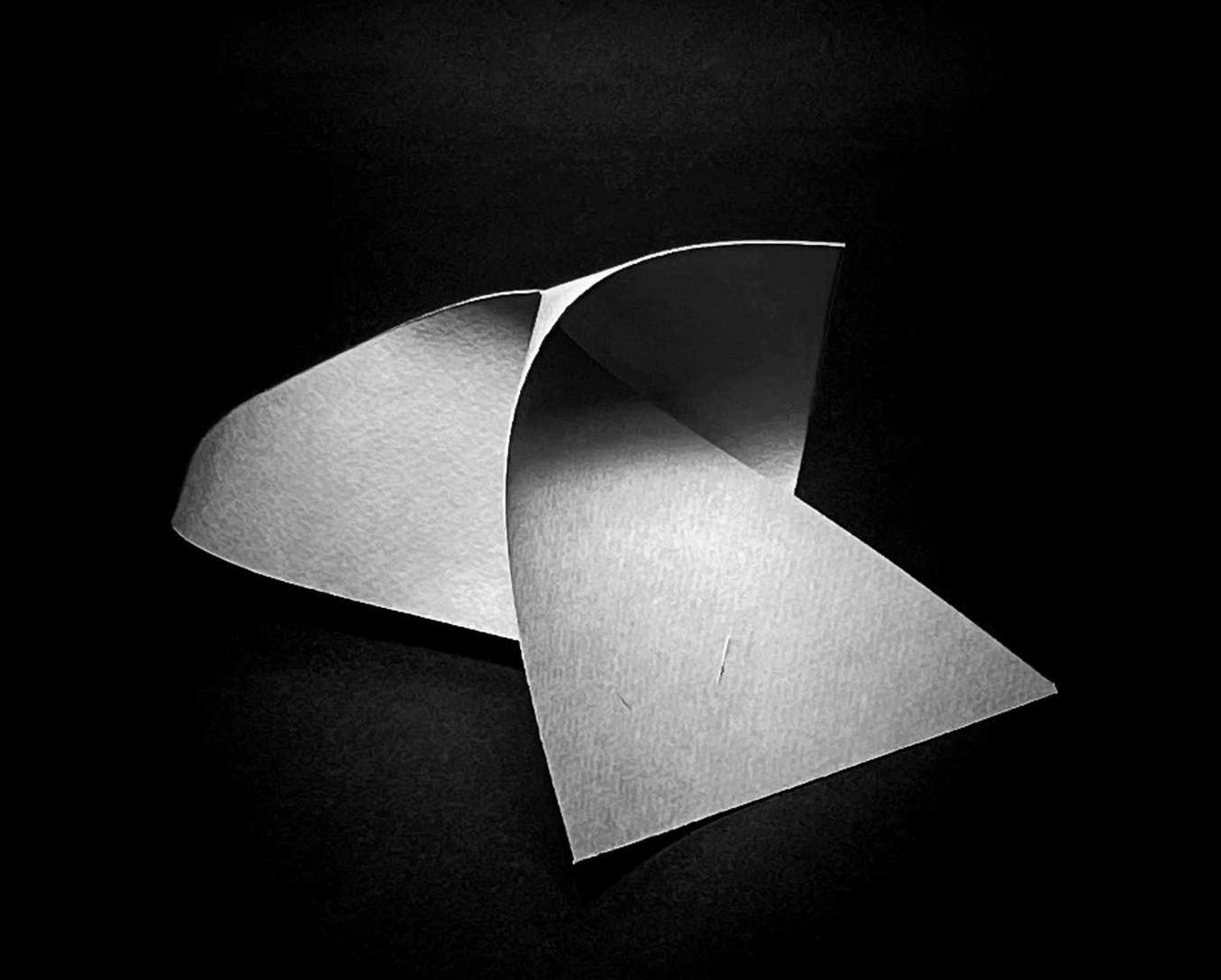
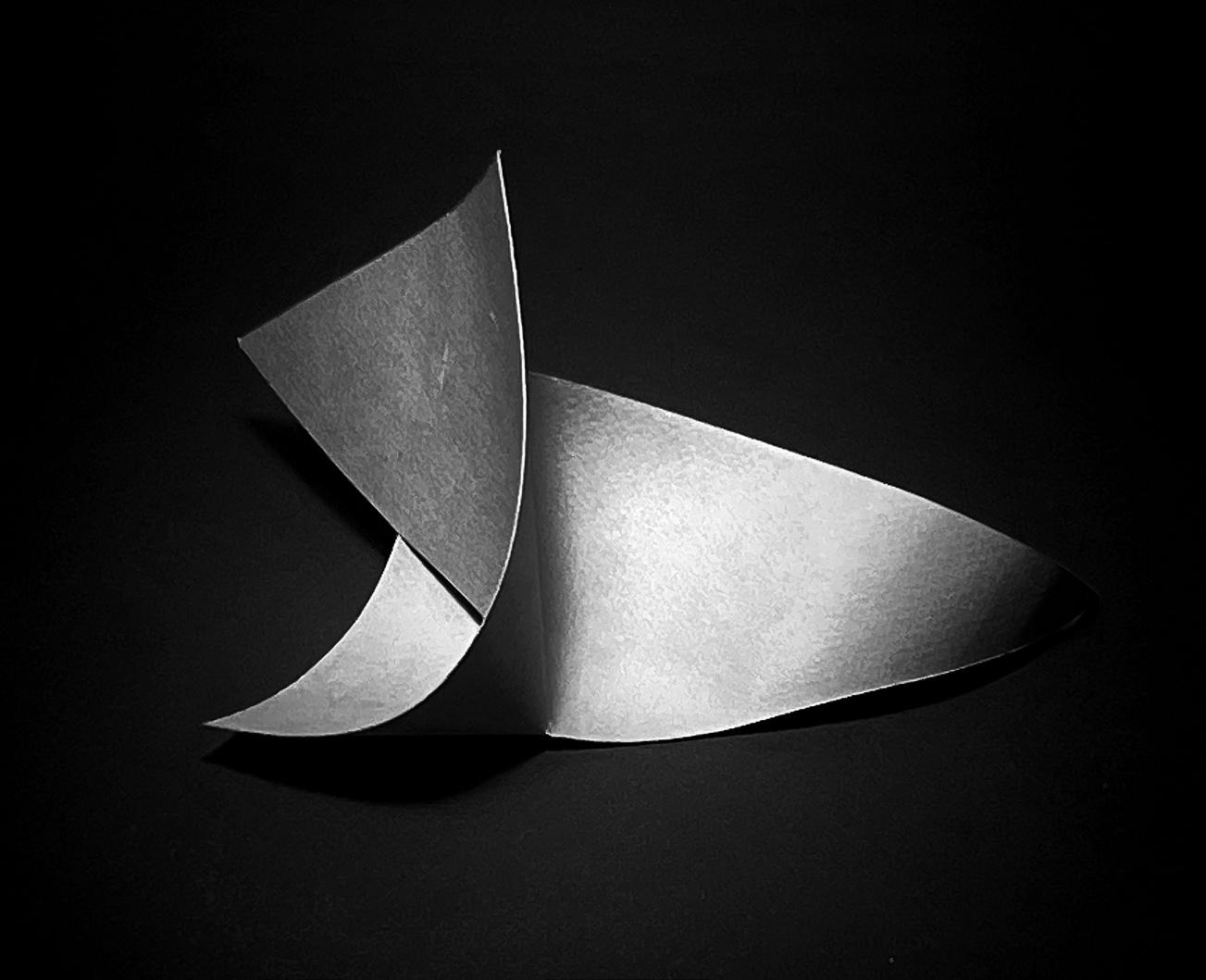
While exploring Eileen Gray’s use of geometric shapes in the interior compositions of E1027 I wanted to further explore the concept of physical and visual balance through the use of hard and soft lines. These paper sculptures play with a combination of hard folds and soft curves, like Gray’s interior, to create a sense of movement and harmony.
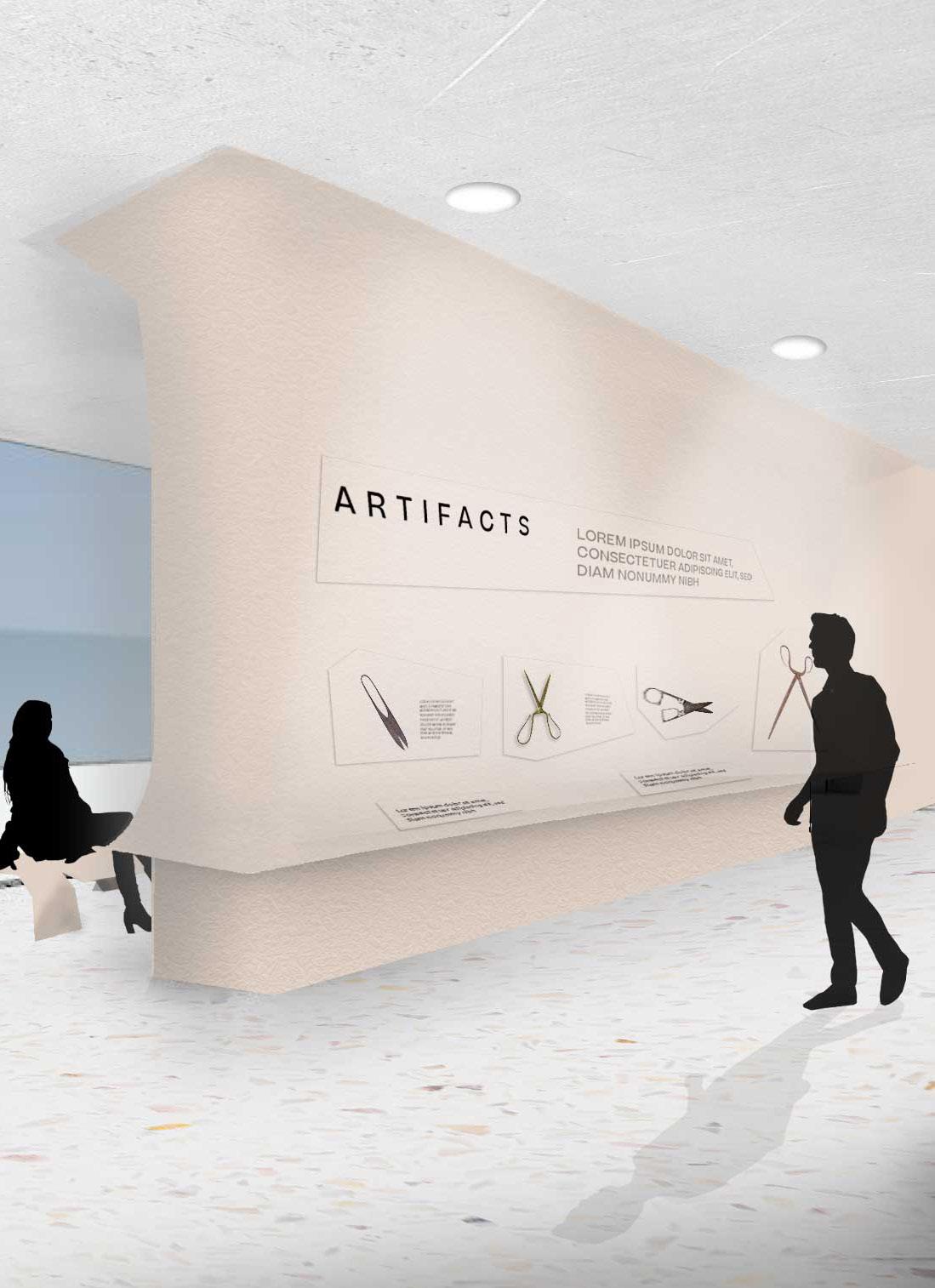
This project brief was to create an exhibition centered around scissors. Cisoria is an exhibition that investigates these tools as an everyday object through their history, process of manufacturing, formal and material evolution, and various works of art. My approach was to design displays and furniture based on the concept of cut paper forms. The benches, tables and exhibition displays appear to be made of a single sheet of paper, cut in various places and bent to create their forms. The space also contained pillars which I wrapped in paper like walls creating a path through the space.