February

SATURDAY 17 JANUARY –
SATURDAY 07 MARCH 2026
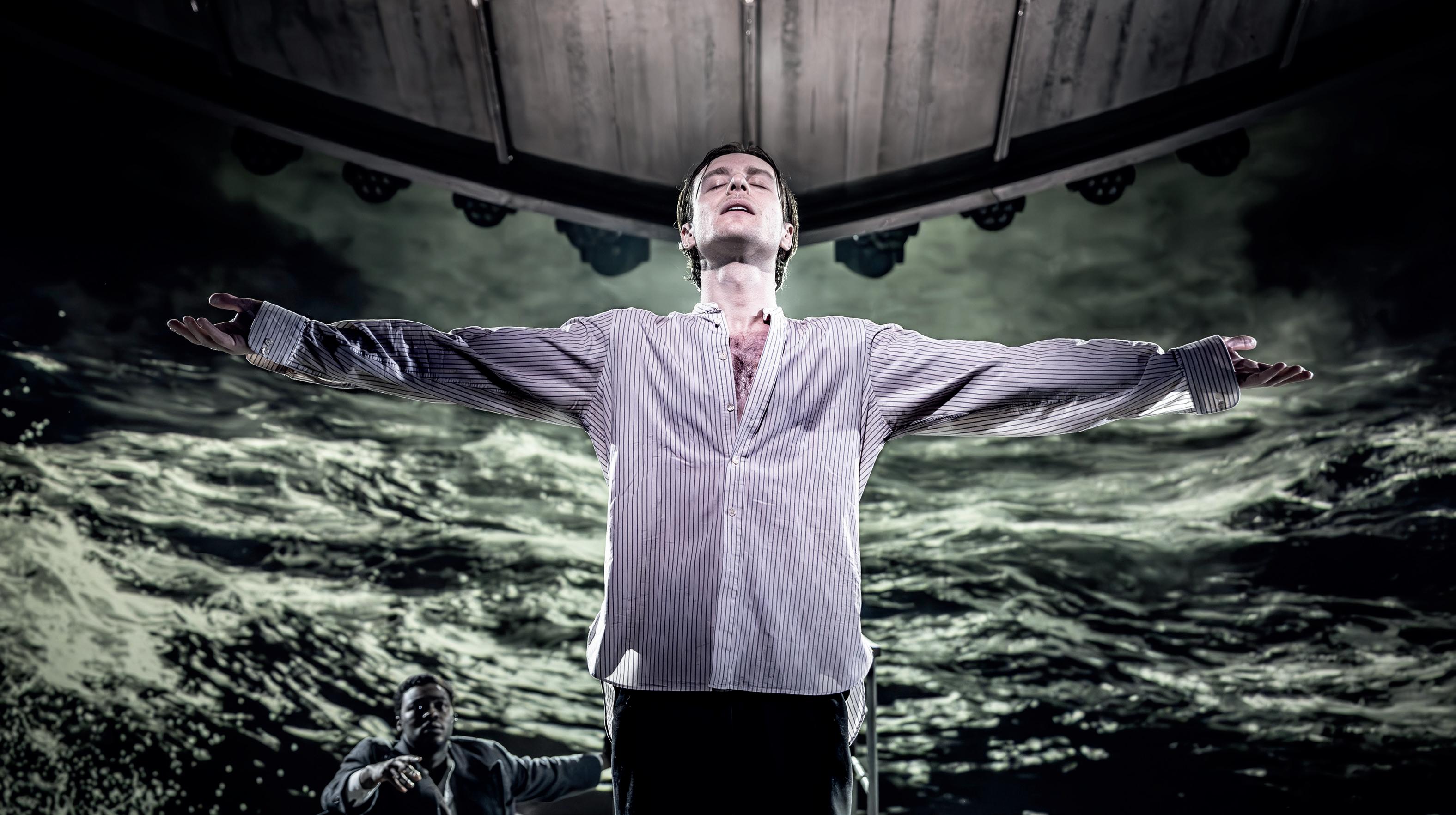
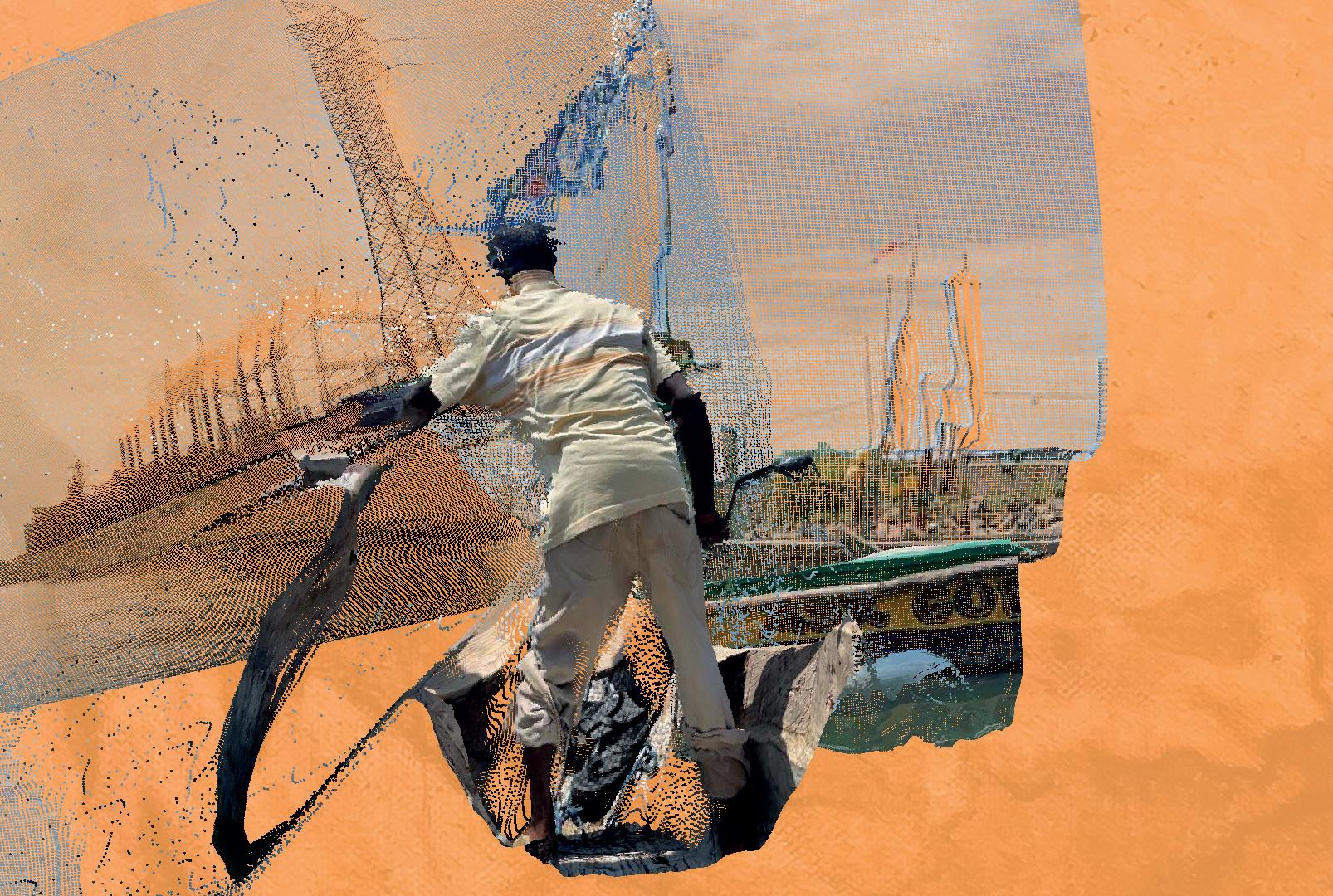
Explore this newly commissioned body of film and textile work by multi-disciplinary artist Ibiye Camp, exploring the complex interplay between infrastructure, care and resilience along the coast of West Africa.
At the heart of the exhibition is a critical reflection on the deployment of temporary power ships off the coasts of various West African cities — an intervention intended to address unstable energy infrastructures and shortages. The title layt de kam, translated as ‘light is coming’, evokes both hope and uncertainty, highlighting the precarity of such power solutions while celebrating the enduring strength of coastal communities.

Bonington Gallery
Nottingham Trent University Dryden Street
Nottingham NG1 4GG
Monday – Friday, 10 am – 5 pm Saturday, 11 am – 3 pm

Classic-Al Alan Gilby (alan.gilby@leftlion.co.uk)
Editorial & Marketing Assistant Caradoc Gayer (caradoc.gayer@leftlion.co.uk)
Stage Co-Editor Ian C. Douglas (ian@leftlion.co.uk)
Literature Co-Editor Andrew Tucker (literature@leftlion.co.uk)
Photography Co-Editor Sam Tariq (photography@leftlion.co.uk)

Screen Editor
Emily Davies (screen@leftlion.co.uk)
Editor-in-Chief Jared Wilson (jared.wilson@leftlion.co.uk)
Music Co-Editor Phil Taylor (music@leftlion.co.uk)
Stage Co-Editor Dom Henry (dom.henry@leftlion.co.uk)
Literature Co-Editor Grace Sanders (literature@leftlion.co.uk)
Photography Co-Editor Dani Bacon (photography@leftlion.co.uk)
Community Editor Frances Danylec (community@leftlion.co.uk)
Editor Sophie Gargett (sophie.gargett@leftlion.co.uk)
Music Co-Editor Karl Blakesley (music@leftlion.co.uk)
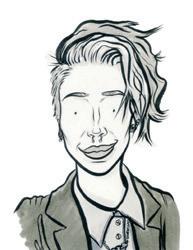
History Editor CJ DeBarra (history@leftlion.co.uk)
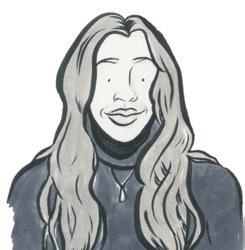
Food Co-Editor Julia Head (food@leftlion.co.uk)
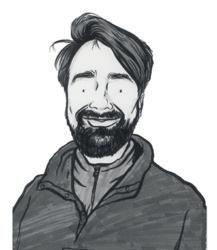
Art Editor Benjamin Kay (art@leftlion.co.uk)
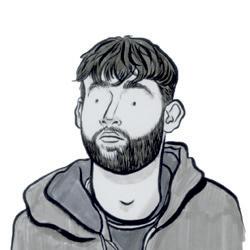
Investigator of...
Royal Affairs
Matt Blaney
thanKs to aLL our Contributors...
Cover art
Eli (Ziggy) Hayter
Editorial Interns
Freya Peters
Jazmine Greenwood
Maddie Poy
Writers
Kieran Lister
Claire Spencer
Katherine Monk-Watts
Nadia Whittome
Hafsa Aslam Cheema
Matteo D'Alesio
Katie Barr
Tom Gensler Nakufo
Photographers
Jessica Davenport-Bray
David Merrett
Architecture Social Club
Irina Holliday
Gray Allen
Jon Robson
Charleigh Keemer
Christopher Frost
Lewis Oxley
Chris Barbalis
@mark_aka_zoom
Lux Gagos
Head Designer Natalie Owen (natalie.owen@leftlion.co.uk)
Fashion Editor Addie Kenogbon-Harley (fashion@leftlion.co.uk)
Environment Editor Adam Pickering (environment@leftlion.co.uk)
Food Co-Editor Lucy Campion (food@leftlion.co.uk)
Sports Editor Reuben Moynihan-Case (sport@leftlion.co.uk)
Distribution Dom Martinovs
A firm believer that there are (almost) no bad gigs, when moving to Notts twelve years ago, Kieran Lister quickly fell in love with the city’s incredible live music scene and the breadth of venues it has to offer. So much so in fact, he decided to become a LeftLion reviewer to help spread the gospel of gigs.
Between concerts, he covers new releases, and has more recently started dabbling in interviews. In both, he has found immense pleasure championing local acts in a place which is brimful of talented musicians.
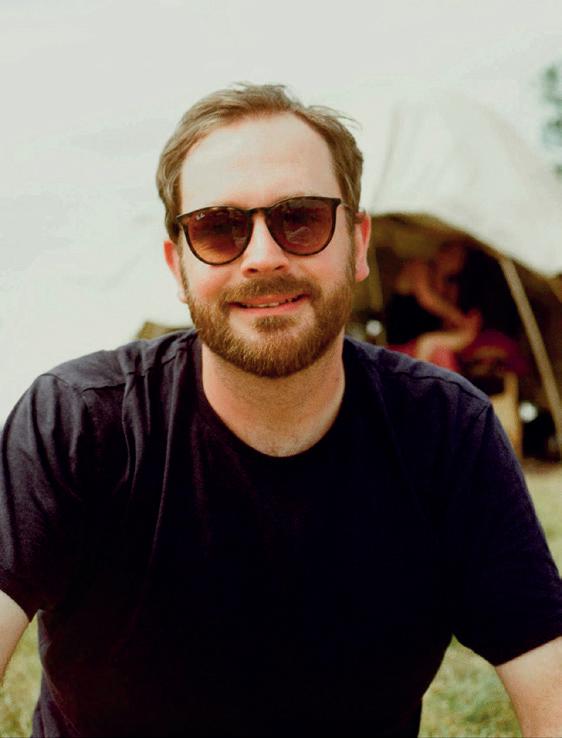
Kieran lives with his girlfriend and cat, who both put up admirably with his wildly erratic music taste – as long as he keeps a steady supply of house plants coming in.
Nathan Langman
Luke Brennan
The Hidden Brew
Maddie Poy
Rubicon Photography
The Orijins
Nigel King
The Andy Warhol Foundation for the
Visual Arts
The Tate
Illustrators
Kate Wand
Veronica Nilsson
Lily Faye
April Seaworth
123 Learning, 35A Creative, Aaron Murray, Alan Underwood, Alex McFarlane, Alison Gove-Humphries, Alison Hedley, Alison Knox, Anamenti, Andrew Button, Audrey & Lizzy & Margot, BadGrammar MakesMeSic, Barbara Morgan, Ben Martin Saxophone, Ben Stewart, Beth and Cam, Big Bob McPlop, Carl Inglis, Caroline, Caroline Le Sueur, Cat Kearney, Cerys Gibson, Charlie Baylis, Chris Jarvis, Chris Underwood, Claire Foss, Clare Foyle, Colin Tucker, Cyra GolijaniMoghaddam, Dan Hemmings, Daniel Ison Jones, David Belbin, David Knight, Dominic Morrow, Donna Rowe-Merriman, Eden PR, Ellie, Erika Diaz Petersen, F C and E Ledger, GC, Gemma Barfoot, Grant Butterworth, Grass Roots Garden Care, Graye Wilde, Half Moon Holistics, Harry Sutcliffe, Harry Turner, Hayley Howard, Heather Oliver, Holden Johnson, Holly's Merry Moggies, Ian Carroll, Ian Phillips, Ian Storey, Ian Yanson, Ian Webster, Jack Moore, James Horsley, James Place, James Verran, Janine Lees, Jason Clifford, Jean Forsey, Jennifer Pearce, John Dunstan, John Haslam, John Hess, John Holmes, John & Jackie Scruton, Jonathan Day, Joshua Heathcote, Julian Bower, Julian McDougall, Justyn Roberts, Kay Gilby, Kaye Brennan, Kelly Scott, Kiki Dee the Cat, Lawrence Poole, Laura Wilson, Leigh Woosey, Lilian Greenwood, Livi & Jacob Nieri, Louise Duffield, Luke Richardshon, Lyn, Marc Weaver, Mark, Mark Barratt, Mark Dickson, Mark Gasson, Mark Jacobs, Martin Curtis, Mary, Matthew Riches & Justin Clark, MC, Mike Carter, Mike Cole, Miri Debah, Monica White, Nic, Nick Palmer, Nigel Cooke, Nigel King, NottingJam Orchestra, Paul, Paul Boast, Peachy Ground Designs, Pearl Quick, Pete Nash, Philip Renshaw, Rachel Ayrton, Rachel Morton, Raphael Achache, Richard Donovan, Richard Goodwin, Rob Arthur, Robert Wyles, Rose Harvey, Roy Manterfield, Russell Brown, Ruth Hoyland, Saara Maqbool, Sam Fia, Sam Hudson, Sam Stiling, Sandra Pink, Sarah Colborne, Sarah Manton, Selectadisc, Shane P, Sheridan Chilvers, Simon Evans, Tessa Duell, The Sparrows’ Nest, Tom Dee, Steve Benton, Steve Holland, Steve Lyon, Steve Wallace, Sue Barsby, The Edgar Family, Tom Huggon, Tony Shelley, Tracey Newton, Vanessa Shaw, Wayne Norrie, Will Horton.
name (or the name of your band, small business, loved one, pet etc) in this mag every month? It only costs a fiver and the money supports this magazine. Plus you get all kinds of other treats too. patreon.com/leftlion
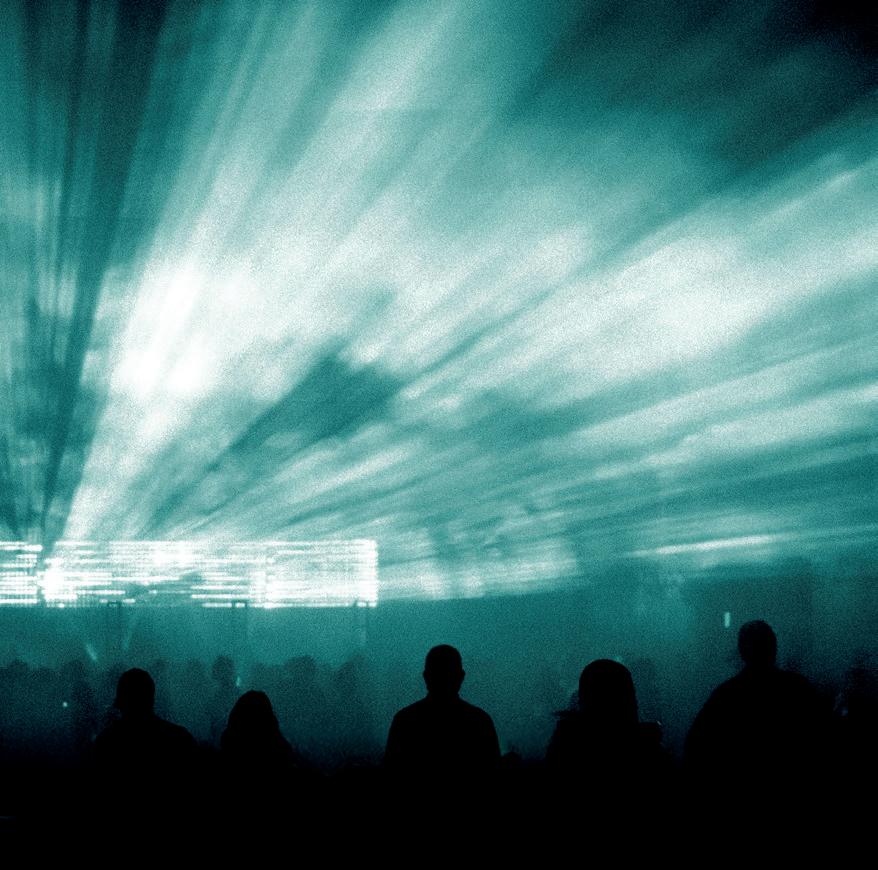
Strike a light Design studio Architecture Social Club talk about their installation Parallels, which features at Light Night this month, and their unexpected connection to Notts.
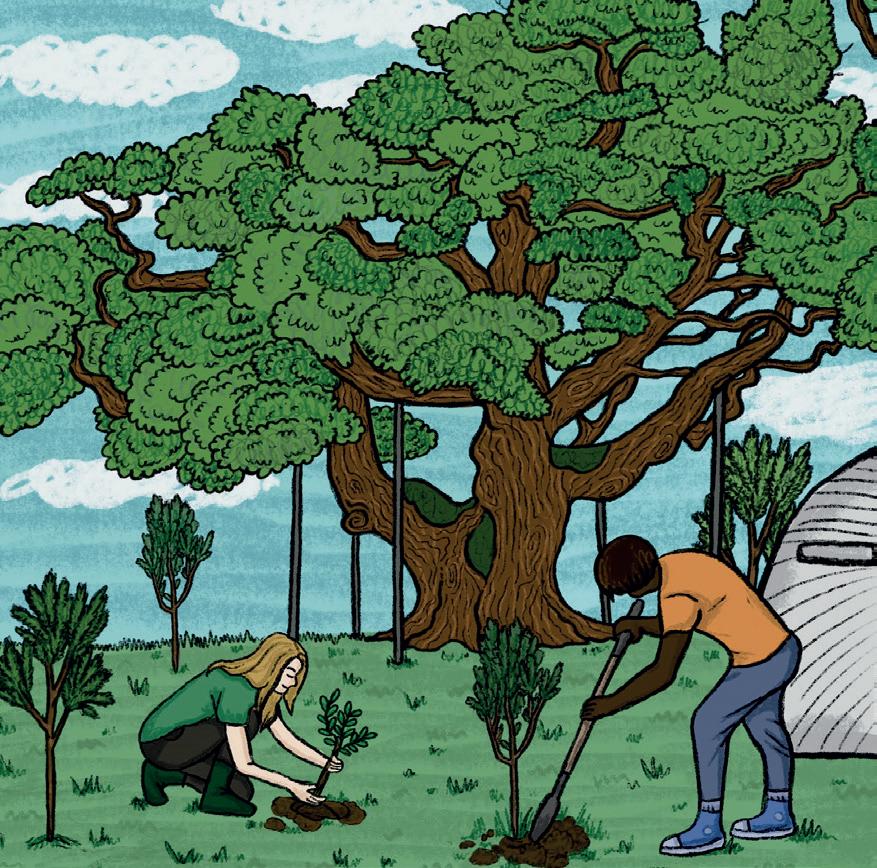
Forest lore
It’s Sherwood Forest Day later this month, so we learned how the Sherwood Forest Trust is conserving the emerald jewel in Nottinghamshire’s crown.
Creating a child friendly city
Since 2022 a local committee has worked to make Nottingham a ‘Child Friendly City’ – one of a select few across the country recognised by UNICEF
Tusk ‘til dawn
Musician Jim Baron tells us about his new project White Elephant, and how he made his name in Notts music as part of electronic group Crazy P.
Market value
We look back at the heyday of Victoria Centre Market – once an important part of Notts city centre, now a space with just a few traders left.
The Unravelling of Mary Reddish
Author David Whitefield tells us about his novel The Unravelling of Mary Reddish, which draws on the true-to-life history of Nottingham asylums.
Hello LeftLion readers, welcome to February!
I don’t know about you but I am quite happy to have got January done and dusted – the dregs of winter do drag on. However, spring is on the horizon at last – on one of my recent walks, desperately foraging for dopamine around Woodthorpe Park, I spotted some crocuses and snowdrops popping out of the ground. For anyone approaching middle age, let me tell you it is a hoot – this month I’ve also discovered some lovely hoards of jelly ears, oysters, velvet shanks, and turkey tail mushrooms which I excitedly added to my homemade fungi-spotting spreadsheet, while quietly questioning what has become of me.
If you're also looking forward to stepping out of hibernation this month, the city will be lit up in a dazzling array of creativity on Light Night. We’ve spoken to some of the artists whose work will be displayed in the city centre; Satyajit Das and Andrew Walker of Architecture Social Club (p.23),

Stirring things up
We meet the minds behind 3Spoonies – a Nottinghamshire-based podcast which explores managing daily life and career with chronic illness.
How do you brew?
A visit to The Hidden Brew, a new independent coffee shop in Cobden Chambers, operated between Nottingham and the USA.
Class of 2026
Celebrating six Nottingham bands and solo artists who are set to take 2026 by storm with their upcoming releases.
Out of Time
The tumult and controversy that surrounded Nottingham’s ‘lonely hearts’ magazine: The Link, which ran from 1915 until 1921.
who will present Parallels in the Market Square, and Nakufo (p.28), whose Obelisk of Creativity will be in the Lace Market. I adore this festival – seeing so many people appreciate the creativity our city has to offer is heartwarming on a chilly dark evening. Elsewhere in the mag, I thoroughly enjoyed hearing about the conservation efforts to protect and extend tree cover in Sherwood Forest (p.30). Following Katie Barr’s interview with local author David Whitfield (p.25) I’m also keen to read The Unravelling of Mary Reddish – a historical novel set in a Nottingham asylum. Finally, I’d recommend checking out our regular delve into Notts’ weird history and urban myths (p.41). This time we investigated the royal usurper Mortimer, his love affair with Isabella of France, and the truth behind his mysterious hole, which you explore for yourself at nottingham Castle. Until next time,
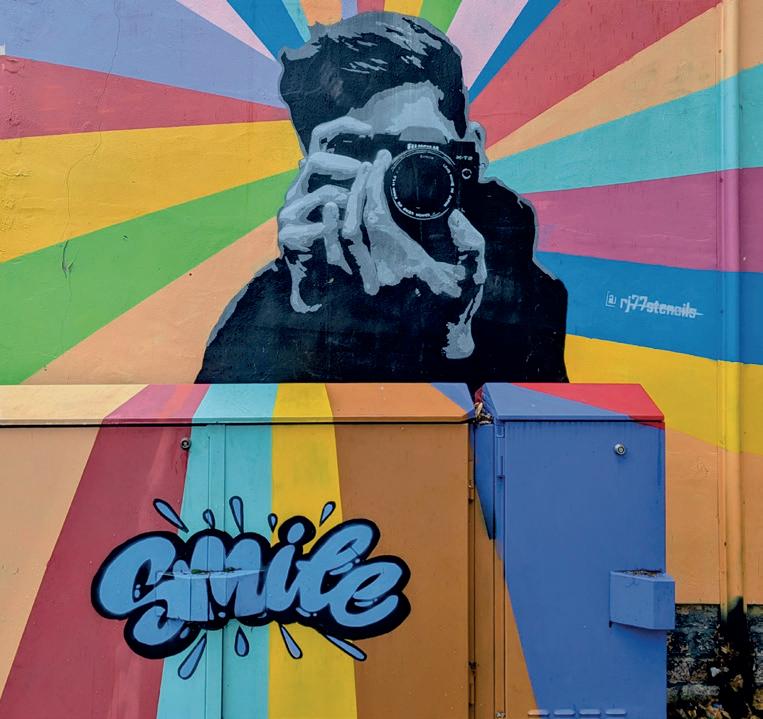
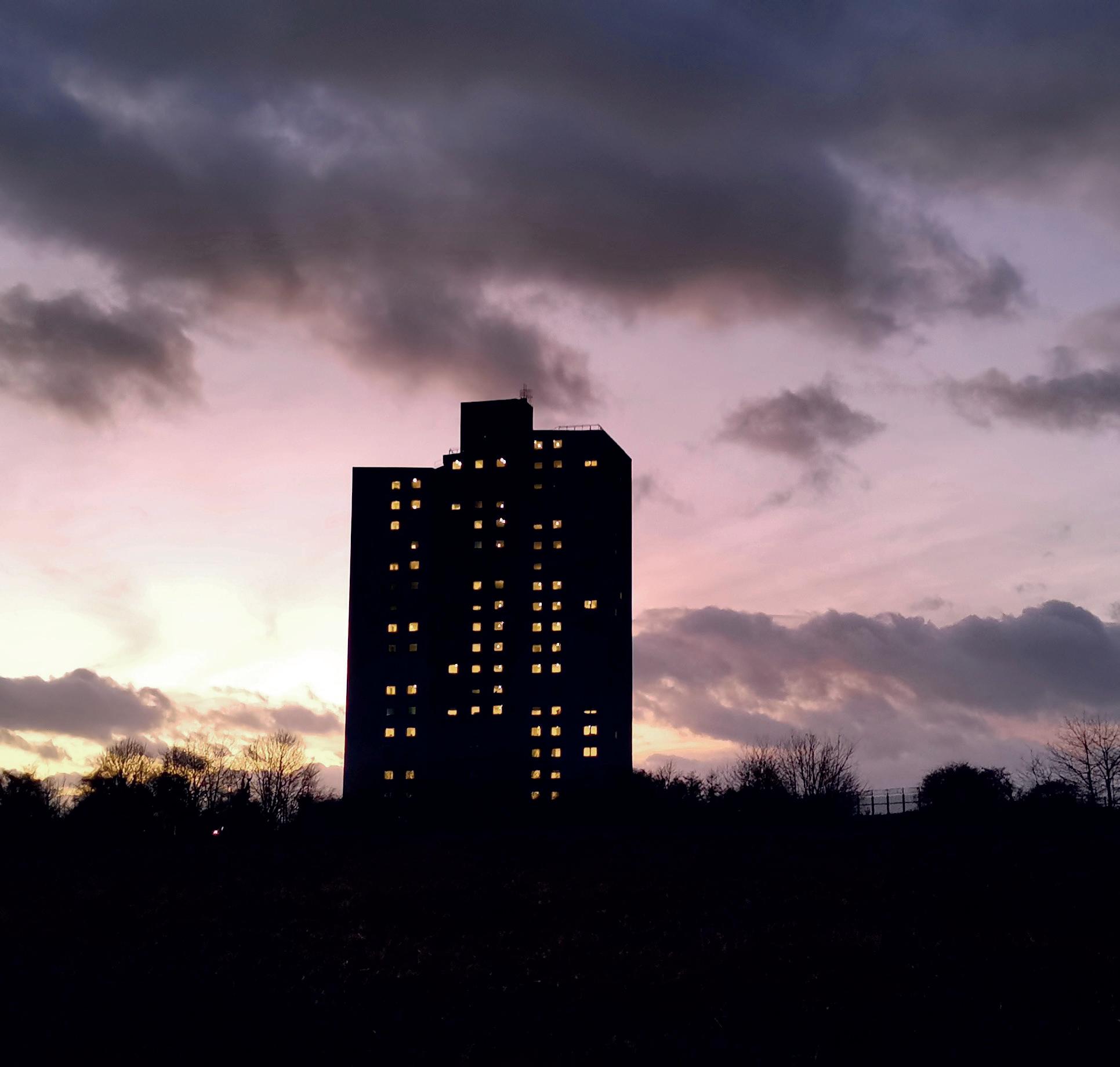
where's this?
LeftLion Ltd is a carbon neutral company, having reduced our direct emissions by 99% since 2018. We offset the rest via direct air capture from Climeworks. LeftLion Magazine is fully recyclable and compostable, made from recycled or FSC® certified (C015932) sources, and printed using renewable
The

“Dad… if you have pineapple on a pizza in Italy, you go to jail and I’m not lying”
“Youlookreallyfitbutalsolike youwouldkillapig.”
"I thought Jay was being a bit handsy, and I'm not okay with it."
“Are you from Lancashire?”
“No, I'm white side not Red.”
"That nurse! She looked mental!"
“HewasaflavourofidiotthatI'd nevermetbefore.”
Woman looking through charity shop CDs with her kid: "This is Kerrang.
It's the devil's music."
“I never knew my belly button smelt so horrible.”
“I once thrashed a bloke from the red side, he were a cocky bastard.”
“Mealprep?Isn’tthatjustanother wayofsayingleftoversallweek?”
“Medieval knights sound interesting, but they’re just old Tories on horseback.”
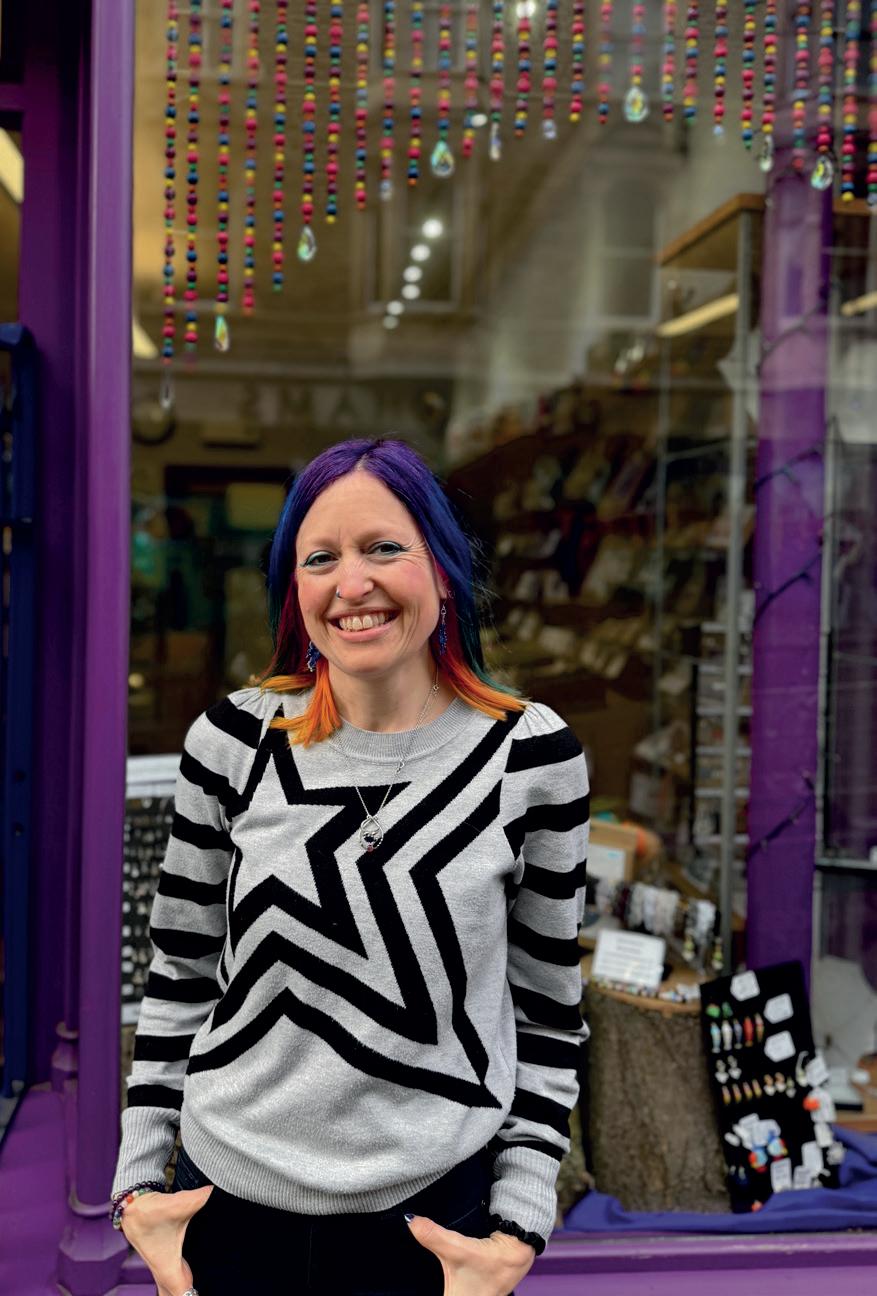
For this month’s Pick Six we turn to Hana Glover, who has been running Nottingham’s crafty paradise The Bead Shop on Market Street since 2000.

Chain reaction
In 2025, The Pythian Club gave away 94 bicycles to young people in Notts via their ongoing venture The Bike Project, comprising a grand total of 470. Based in Heathfield Community Centre, the project aims to make cycling accessible to everyone – incorporating workshops and education around bike maintenance, along with refurbishment and resales of donated bikes. This is just one of many community interest projects that the non-profit has embarked on since 2014. If you have a bike to donate, or one that can be used for parts, contact benjamin@thepythianclub.co.uk.
Levelling up
For a good while, it’s been a given that Nottinghamshire is an area often overlooked by the UK central government, but soon there’ll be a very positive change in that respect. Through the remaining parliament, Nottingham City Council will receive a 40% uplift, which equates to £154.5 million – a big change from austerity measures, which has seen Nottingham City Council receive £100m less each year since 2010. This money will be really valuable for reinvesting in neighbourhood services like libraries, street cleaning, and youth clubs.
A Good call
"Nah, Playstations
got a bit boring in comparison since I started
shagging me bird."
Holiday destination
In mid January, a disused phone box in Hockley was transformed into a resource for rough sleepers in Notts. It now features the phone number for Framework’s street outreach team, a map showing the locations of different services like street kitchens, clothing and essentials distributors and wellbeing services, as well as artwork created by people who are part of the Notts Recovery Network and Framework Charity accommodation Grove House. Well done to Framework, It’s In Nottingham, Grow Notts, and Art Fest, who worked together on the project.
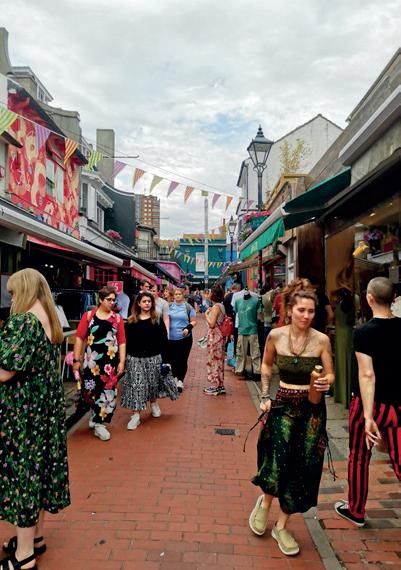
I love a city break, usually opting to visit a new destination each time. However I don’t think I’ll ever get enough of Brighton. It's easy to visit by train but feels almost like visiting another country. It has so much character and charm. From strolling round The Lanes to discover its unique shops and cafes to the exotic Royal Pavilion and hauntingly beautiful West Pier. It's also home to two of the best veggie restaurants I’ve ever tried.
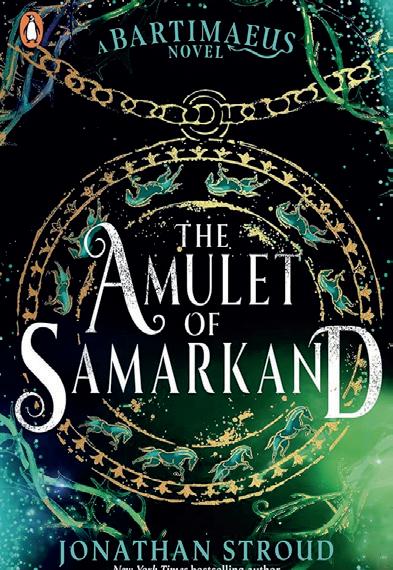
I’ve always loved reading, particularly for escapism and before bed to help quieten my mind so I can fall asleep. I would say that the Amulet of Samarkand by Jonathon Stroud is my absolute favourite book. It’s the first book in the Bartimaeus series, with Bartimaeus being the main character – a cheeky, sarcastic djinn, who never fails to entertain me every single time I reread. I particularly enjoy fantasy and young adult fiction, and love the feeling of losing yourself in another world!
Album
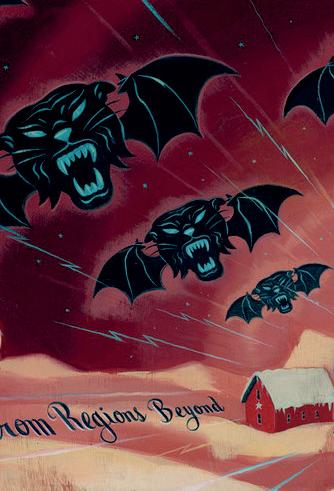
Music from the Regions Beyond by Tiger Army. I bought this from Selectadisc (I still miss browsing by genre and purchasing based on covers and labels!). The Bead Shop had just moved to Market Street and I loved nipping there to buy or order CD’s, even obscure punk releases. It's always helped me focus, cheered me up and helped with overwhelm – fortunately also loved by Steph and Lucy who I work most often with! Watching Tiger Army live was on my bucket list for years, so seeing them at Rescue Rooms in 2019 was amazing!

My favourite team is Williams Racing. My dad used to take me to watch stock car racing as a child and then to Silverstone as a teen –the excitement, smells and speed were breath-taking. From the Senna era onwards I’ve found their drive for inclusivity and battles against adversity inspirational. They’ve pioneered women in motorsport from Claire Williams as team principle, to Susie Wolff as test driver. I hope this will lead to more women pushing boundaries and following their dreams.
Notts Spot
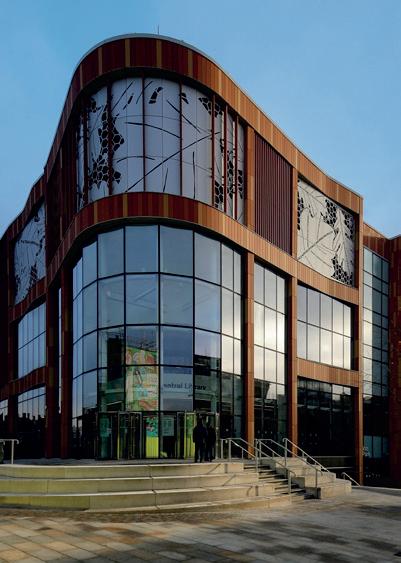
This is a tricky one as there’s so many great places. I love the green spaces like The Forest Rec and Arboretum, and Nottingham’s music venues, but the Central Library is my favourite. It’s such a great free resource for the city – whether it’s business support and resources or the amazing interactive room and children’s library and activities. It also has coffee and a park outside, so the perfect activity for an energetic toddler.
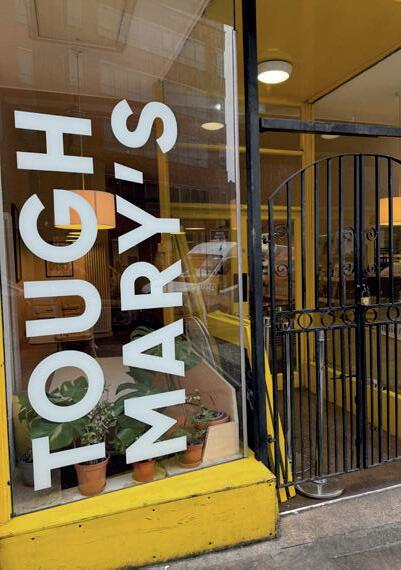
Another tough one! I love Chocolate Utopia (and their hot chocolates are out of this world) but I do also love savoury, so this has got to be Tough Marys! I love baked goods and coffee – Tough Mary’s do both of these so well. Their sandwiches are always so fresh and tasty and their cinnamon croissant monsters and babkas never fail to be delicious. The Saturday morning queues outside say it all, really.















You, kind spirit, as gentle as the wind at midnight, You are a part of the Moon, with eyes that sparkle like dew on leaves.
For hearts like yours, its light was created.
Not those who overlook the weight of a whispered sadness, not those who are loud or nasty.
For those who have been deceived, whose hearts continue to shine while being frazzled, By hands too cold, by words too sharp, By love that abandoned them in the fold of an excessively long, quiet, and profound night.
Nevertheless, you sparkle. You glow like the moon.
Even when the world is gloomy and the clouds, which are as thick as cruelty, attempt to blot out your light. Even in the absence of kindness in the world. You still shine.You still bring peace.
Hafsa Aslam Cheema
nottinghampoetryfestival.com
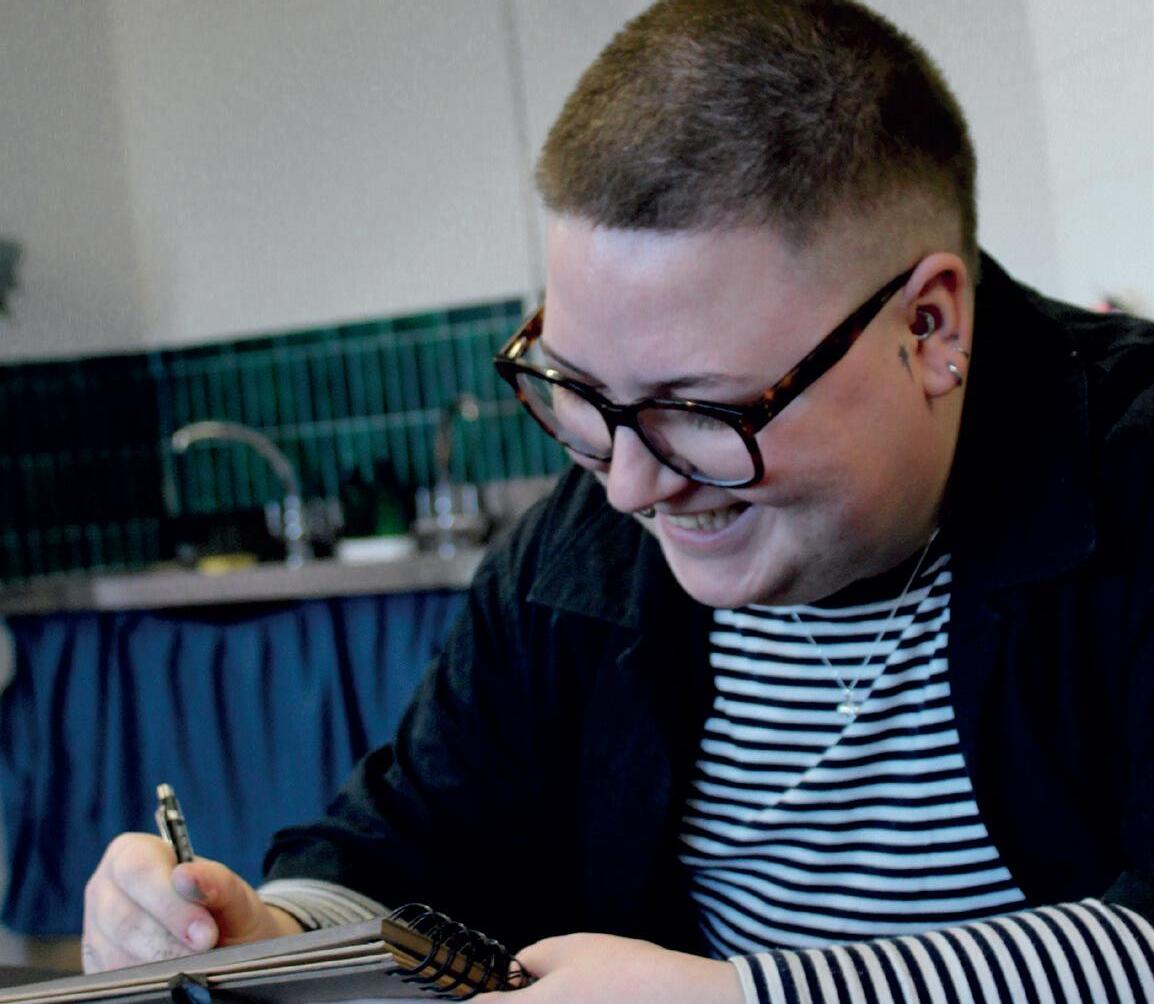
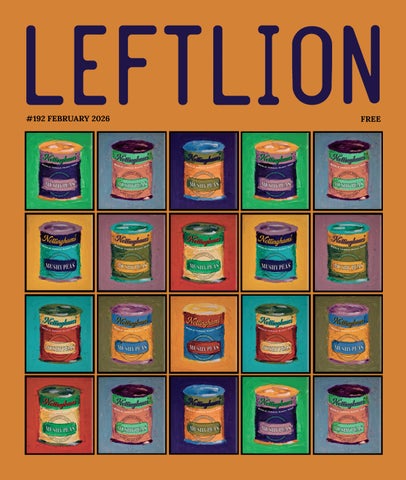
This month’s cover artist Eli (Ziggy) Hayter tells us about their work, inspirations, and tips for staying creative…
Tell us a bit about yourself…
I'm a queer, disabled, trans artist based in Nottingham. I use traditional techniques such as oil pastel, gouache, and pencil to capture the little moments of everyday life. I use my art as a way of unmasking – grounding myself in the real world – outside of social media, and also as a personal way to protest AI.
What is the story behind the cover?
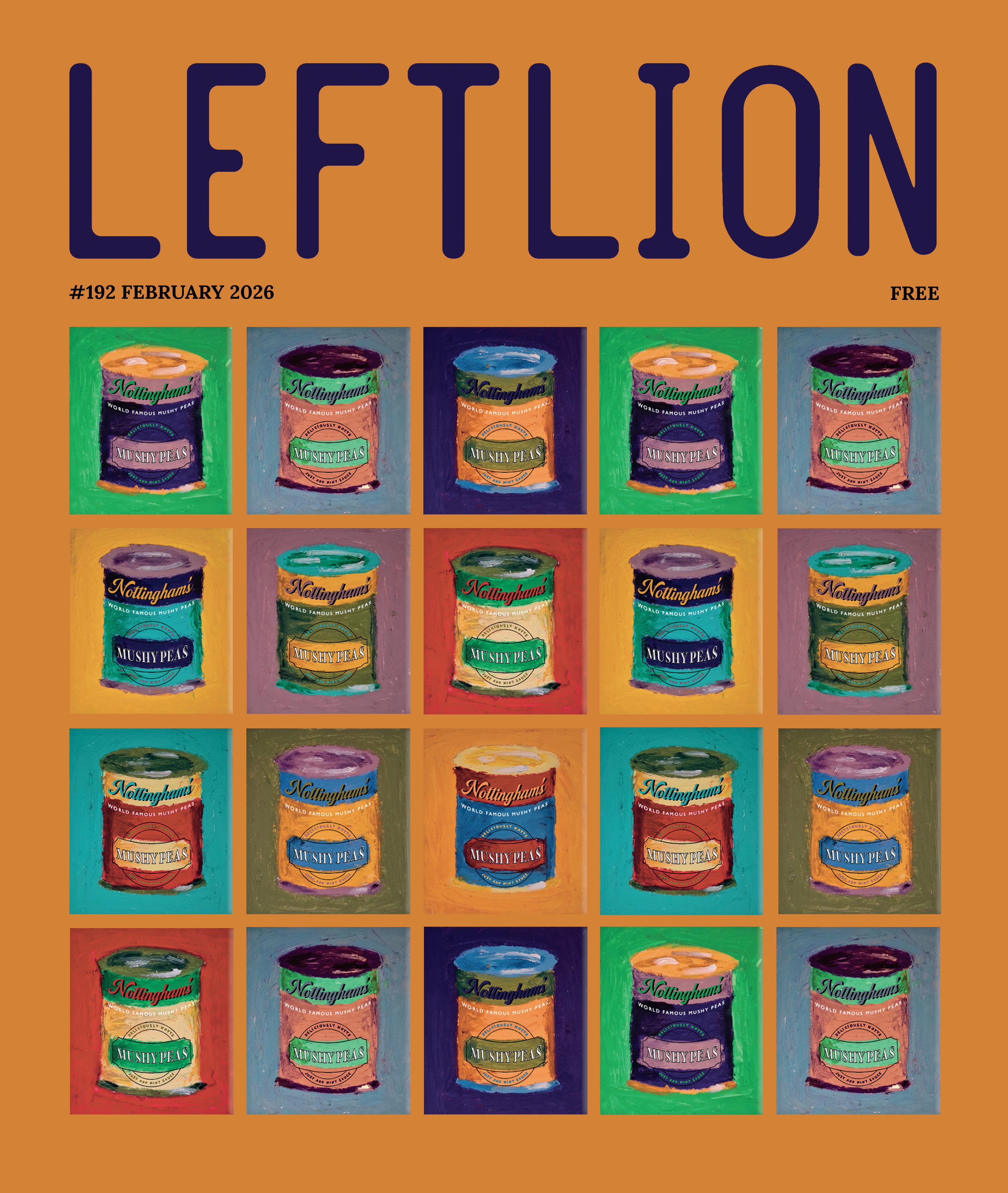
Andy Warhol meets Nottingham, but with my own style. Inspired by the famous Warhol soup cans, I hand painted each can using oil pastels, and then added the text digitally. I love using traditional mediums, and I'm especially loving oil pastels at the moment. I played around with colour and shading to put my take on the Warhol piece.
What inspires you as an artist?
The little mundane things in everyday life. There's something so nice about noticing something's beauty for the first time. I draw a lot of bodies and nature, but recently have been inspired by childhood objects and toys and the nostalgia that brings, which is why I started a monthly print club with the theme of 2000s nostalgia.
Tell us about some things you’ve worked on in the past…
I love how many different directions my art takes me, and last year I ran my own fun, social life drawing events. I was the live illustrator for the Queer Solstice Ball, and I ran a fundraiser where people commissioned me to draw their nudes – all the
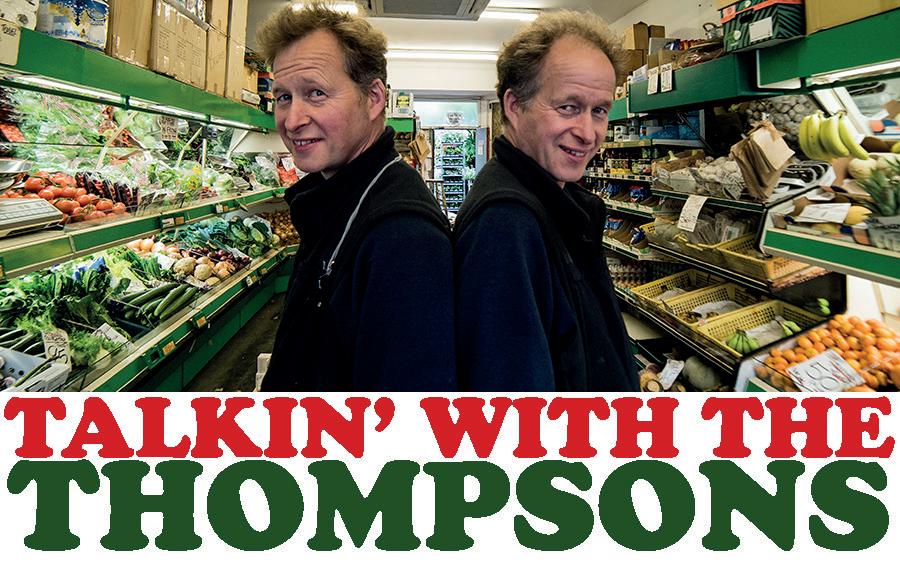
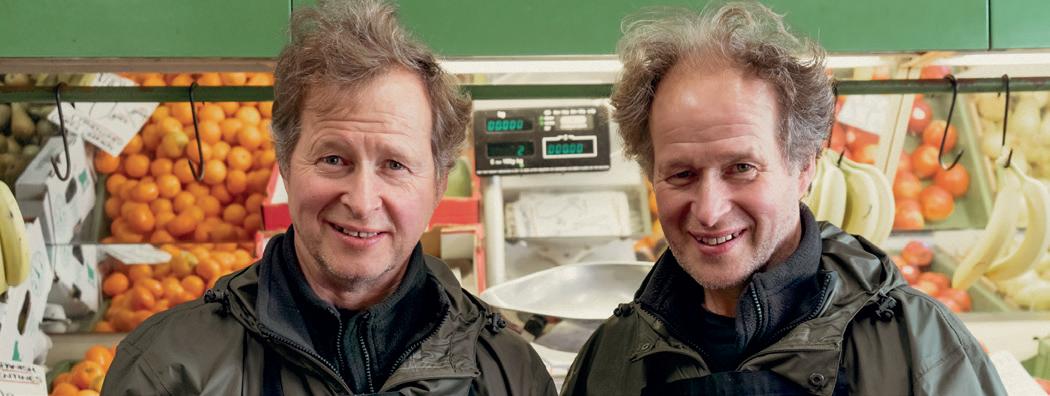
Nottingham’s most opinionated grocers on...
Andy Warhol Exhibition
He’s the chap who said everyone was famous for fifteen minutes, isn’t he? Ooh we’ll have to go and see that. He did the Queen with the sash on in four different colours didn’t he? They’re worth a mint! It’s great to see Nottingham getting exhibitions like that. Many years ago we took our father to an exhibition at Highfields of the 1947 Nottingham floods. He was fascinated by it and knew all the streets and everything!
Victoria Centre Market
Has it closed down yet? It’s never really been the same since the days of the old King Edward Street market to us. If you go to Newark or Cambridge their markets are still thriving, but it’s a hard job to keep these things going, particularly the outdoor ones. To run a successful market you’ve got to be really good, get your prices just right and have a certain amount of character. We used to work at Arnold Market selling eggs and had a smashing time. But we wouldn’t fancy it these days, it’s cold enough working inside our store.
Light Night
Yes, we went last year and might well pay another visit this year. We’ve been before and it’s particularly lovely to go to St Mary’s Church and see it all lit up. The turnover of people who came into the church was amazing, there were thousands of people going in and out. Anything that gets families out in town like that is to be encouraged. Although we’d like to see more attention paid to lighting up the city at other times too. We have some amazing buildings which would definitely benefit from more uplighting.


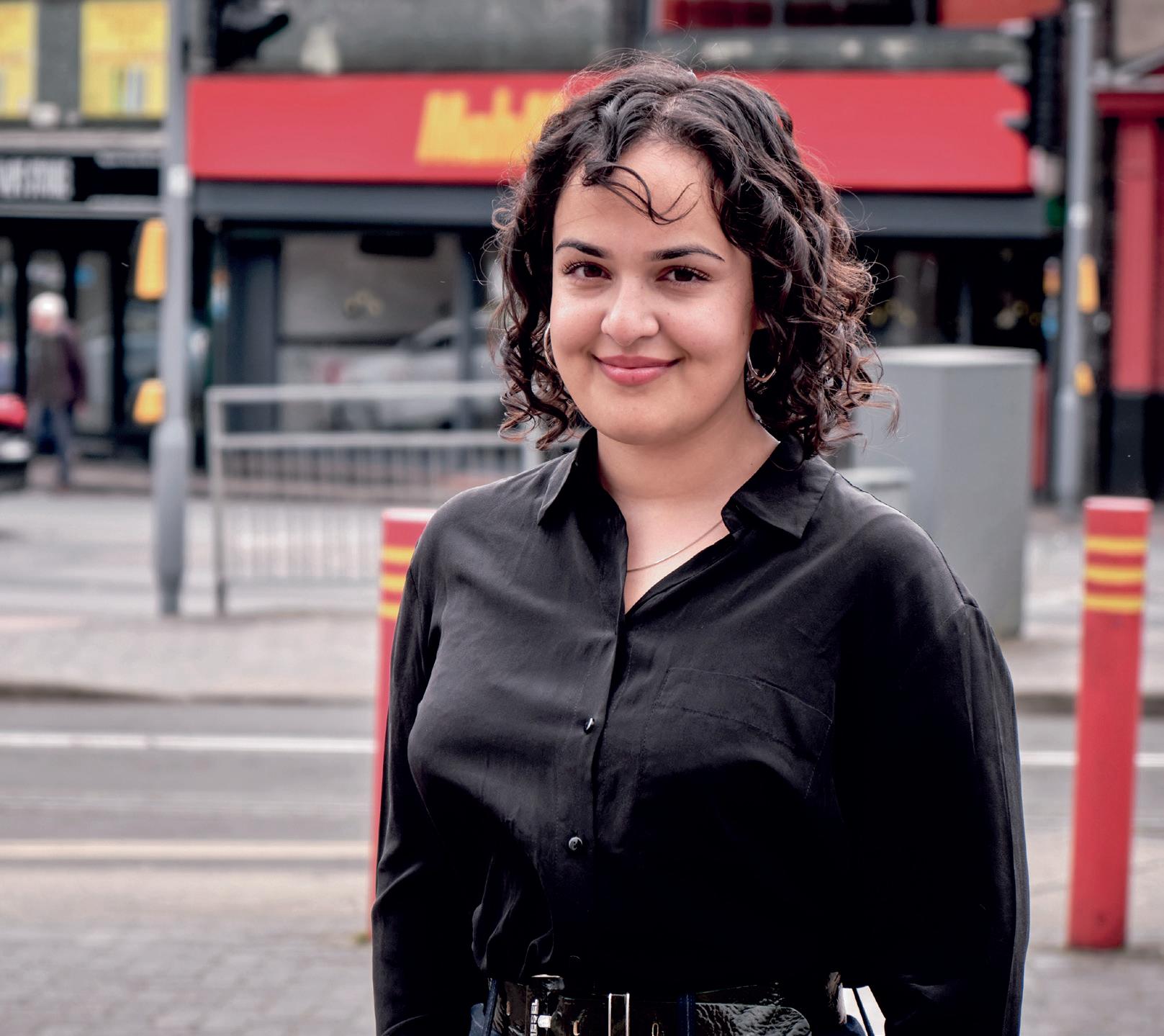
words: Nadia Whittome photo: Lux Gagos
In 1945, from the wreckage of the Second World War, fifty countries signed the foundational treaty of the United Nations. The UN Charter set out a shared commitment to peace, upholding universal human rights and promoting social progress – principles that would become the cornerstone of modern international law.
Eighty years on, most countries are signatories, and those ideals remain as relevant as ever. Yet, as world leaders unleash violence with impunity, the integrity of international law is being dismantled at an alarming rate. From Vladimir Putin’s invasion of Ukraine, to Israel’s genocidal war on Palestinians, to Donald Trump’s extraordinary decision to launch military strikes on Venezuela – kidnapping the country’s president by force – the message is clear: the rules do not apply to those powerful enough to ignore them.
International law broadly defines the legal responsibilities of sovereign states in their conduct towards one another, and in their treatment of individuals within state boundaries. As well as conflict, it covers shared global issues like protecting the environment, international waters, exploring outer space, global communications, and world trade. It is a complex system composed of treaties, decisions of international courts, and long-established norms. It is the erosion of the latter that most concerns me, because international law is only as strong as the collective commitment that states make to it.
The erosion of international law clearly did not begin with Donald Trump’s second presidential term. Although his most recent threats to invade Greenland have brought the issue uncomfortably close to home, the damage was done long before, and much of it by Western countries. In recent decades, powerful states have repeatedly treated international law as optional, applying it selectively when it suits their interests and ignoring it when it does not. Each such instance has weakened the international justice system as a whole.
An obvious example is Israel’s treatment of Palestinians since 1948. Despite decades of forced displacement, prolonged occupation of Gaza and the West Bank, recurring violence, and repeated findings by international courts that Israel has violated international law – no meaningful enforcement has followed. Even a landmark International Court of Justice ruling demanding reparations and an end to occupation, live-streamed evidence of recent mass-killings in Gaza, and a UN commission report finding genocide, have not convinced some Western political leaders – including the UK government – to sanction Israel or stop all arms sales. Allies or not, international law should be applied evenly if it is to retain any meaning, and it should especially be applied when it is most politically inconvenient. The UK was right to stand with Ukraine against Russia’s illegal invasion, but wrong and sorely hypocritical to abandon the same principles in its response to Israel’s genocide in Gaza. This obvious double standard makes a mockery of our commitment to international law.
Recent history has shown that Western states have also used international law to legitimise or justify harmful actions, leading people to lose faith in the very idea of an international justice system. In 2003, when the US and the UK invaded Iraq, officials of both countries argued that the invasion was justified by pre-existing UN Security Council resolutions regarding the 1991 Gulf War. Then-Prime Minister Tony Blair ordered British troops to remove Saddam Hussein from power and disarm Iraq of its ‘weapons of mass destruction’. It was later found that such weapons did not exist, and the UN Secretary General at the time declared that the US-led war on Iraq was illegal and breached the UN Charter.
Just a few years prior, the US justified a multinational military operation against Taliban-ruled Afghanistan on the basis of the doctrine of self-defence. The war lasted twenty years, resulted in hundreds of thousands of deaths, and the Taliban has once again regained control of the country.
There are countless instances in which the international justice system has failed to prevent atrocities or deliver accountability, yet there are also undeniable moments where it has resolved territorial disputes, enabled humanitarian protection during conflict, and brought war criminals to justice. In reality, international law is imperfect and unevenly applied, but it remains the only existing framework capable of restraining violence and safeguarding sovereignty. Abandoning it completely would invite a far more dangerous and unstable world governed by violence.
internationaL L aw is imperFeCt and une VenLy appLied, but it remains the onLy existing FrameworK CapabLe oF restraining VioLenCe and saFeguarding soVereignty
Since coming to power, this Labour government has faced a series of tests as international crises have erupted. Its selective application of international law has sown deep distrust among the public and undermined the government’s moral authority. In the case of the genocide in Gaza, it has been utterly shameful. While the government has finally, rightfully stood up to Trump over his threats to seize Greenland, it failed to do the same just weeks ago when Trump unlawfully attacked Venezuela, and has not called out his continued threats to countries like Iran, Colombia, and Cuba. Anything less than a consistent commitment to international law contributes to its erosion.
nadiawhittome.org



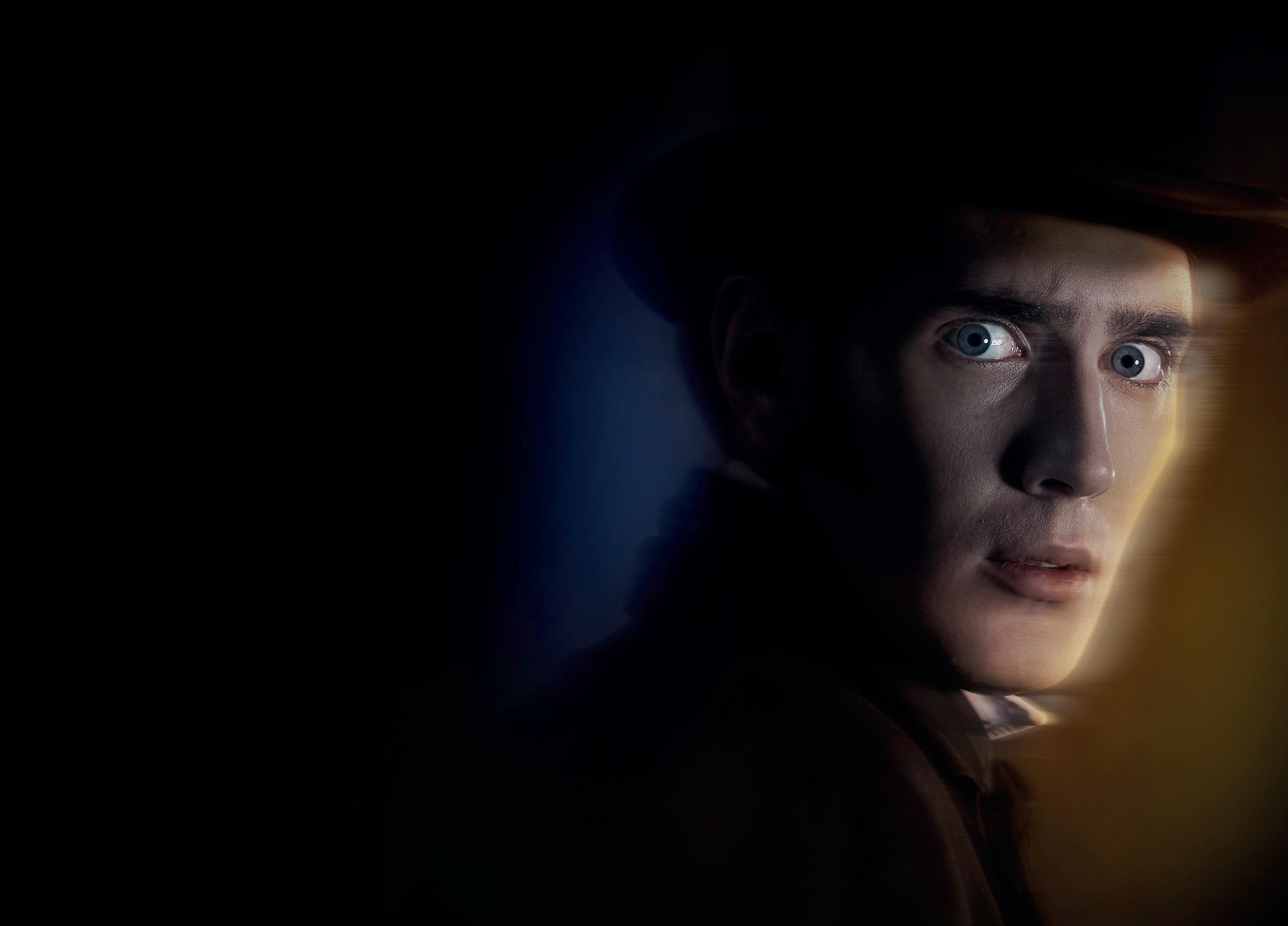
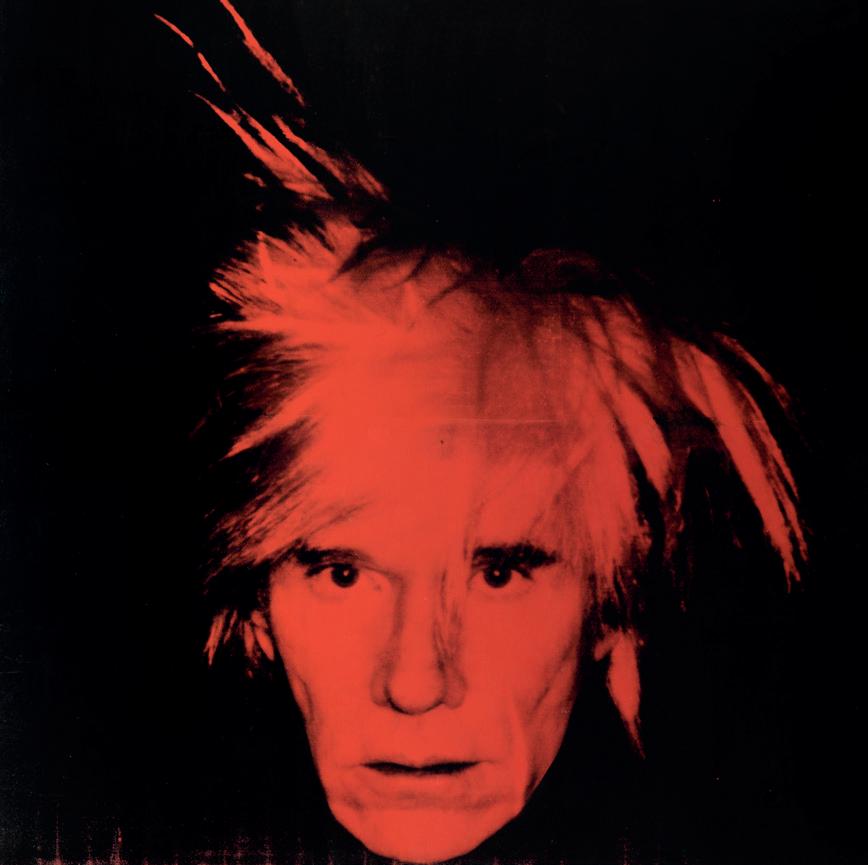
Over at Lakeside Arts, a new exhibition, Andy Warhol: Pop Icon documents the work and influence of the famed and enigmatic artist. Featuring rock stars, Hollywood icons, death, hamburgers, guns, and money, this not-to-bemissed exhibition covers Warhol’s glittering career over four decades – editor Sophie Gargett went along to unpick some of the themes behind his work.
Over the course of the last fifty years, the work of Andy Warhol has become part of the fabric of our modern visual culture. Most are probably familiar with Campbell’s Soup Cans, or the iconic, much-reproduced pastel portraits of Marilyn, Audrey, and other stars – so much so that it’s easy to feel a little desensitized to the impact they once had. But amongst the recognisable masterpieces (and less well-known images) on display at Lakeside’s Djanogly Gallery, what this exhibition does best is remind us of Warhol’s innovation, his astute cultural observations, and just how much his work redefined what art could be.
An ARTIST ROOMS partnership with the Tate and National Galleries of Scotland, this exhibition is truly a treat to have on display in Nottingham. Set within three rooms, the exhibition spans from his early, lesser-known advertising and fashion sketches, through the ubiquitous celebrity portraits and blown up statement images, to his more avant-garde creations and collections – the underground movies, snapshot polaroids and unorthodox self-portraits.
If Warhol’s aesthetic style isn’t your cup of tea, the sheer amount of ideas, experimentation, and collaboration on display is sure to leave you inspired. One thing is for certain, Warhol was busy. He worked obsessively, churning out work as if he were a cog in his infamous New York studio, The Factory. He was also immensely wellconnected – mixing with actors, musicians, socialites and other artists.
Famous faces, products, symbols and brands provide instant access points to understanding Warhol’s work, and one thing the exhibition makes clear is the sage understanding he had for the power of image – his use of repetition and scale being a key method in amplifying the message. “It’s the idea that the repetition of an image builds importance,” says Ashley Gallant, interim Head of Visual Arts at Lakeside.
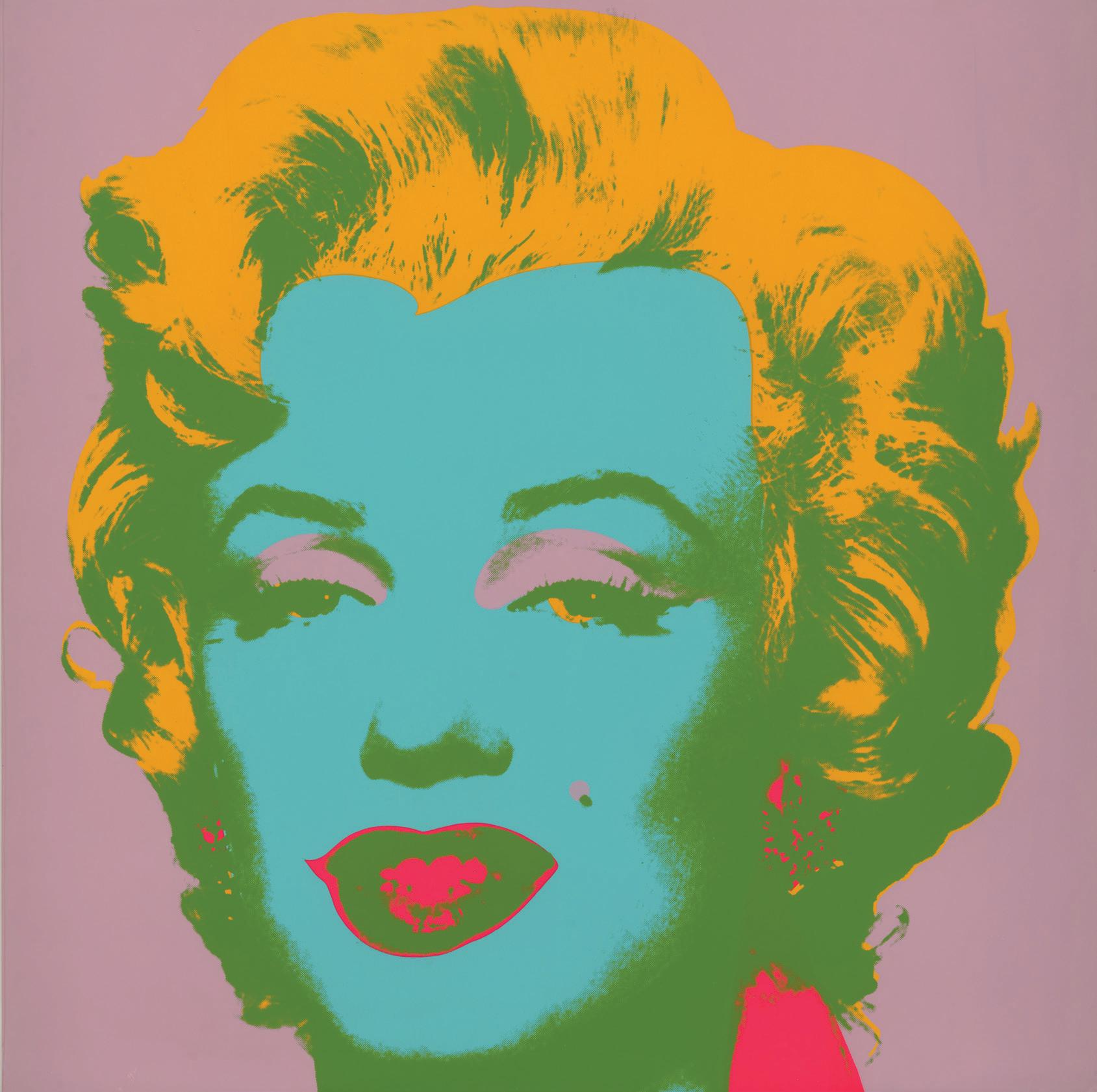
Taking in his work, you can’t help think how Warhol would have been fascinated by our age of A.I., influencers, and face-tuning (digital and surgical). With its explosion of screens, the 21st century has seen a rise in the proliferation of idealised imagery – but long before this collective fascination began to be dissected by cultural commentators, Warhol was playing with these ideas in his art, both predicting and influencing what was to come. “He’s pertinently pointing out to us that it’s the images around us that not only show us the world, but inform the world – it’s a back and forth relationship,” Ashley explains.
As any good artist should be, Warhol is also immensely quotable. He spoke about topics such as consumerism, fame, robots and plastic surgery with curiosity and praise, going as far as saying he wanted “to be a machine” (and eventually making an Andy Warhol robot in 1982). In his most recognisable series –the famed pastel screen print portraits – he filters the faces of any realism. This method creates a facade that further canonises the ‘star image’, while also allowing the print to degrade with each reproduction, symbolising the gradual fading of fame.
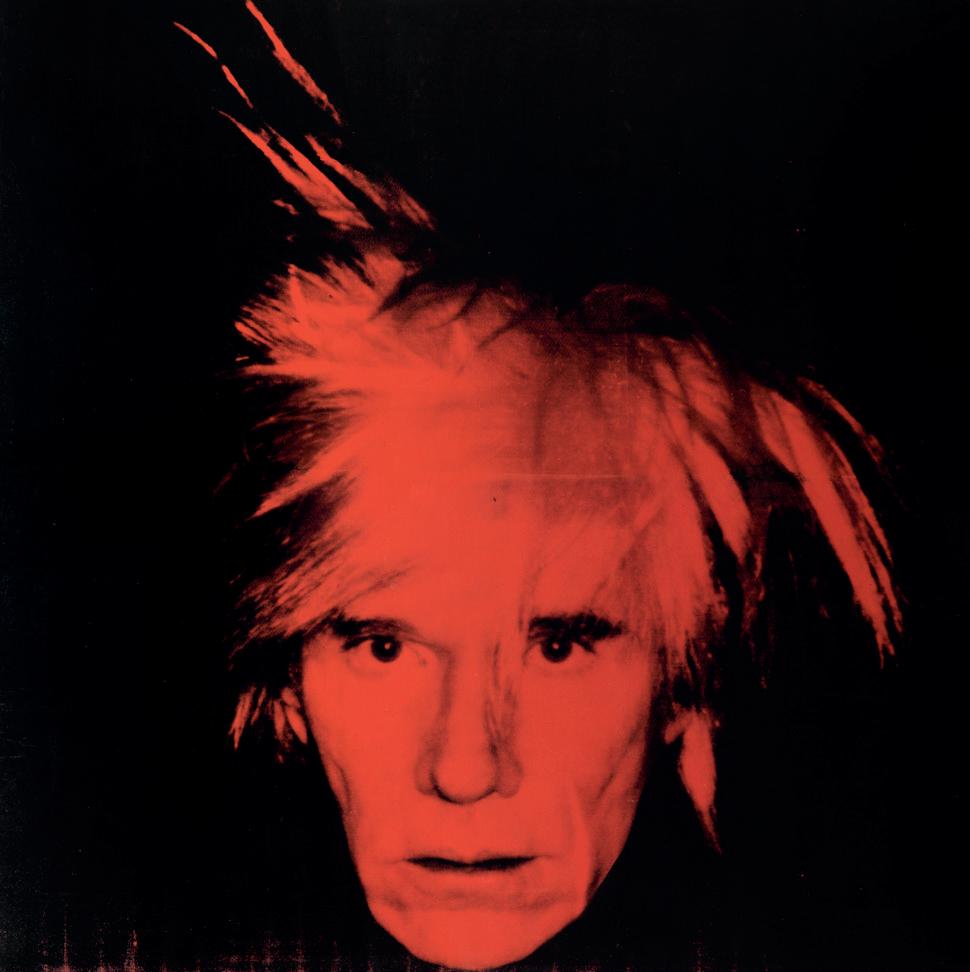
Born in 1928 in Pittsburgh, Pennsylvania, to immigrant parents originally from Mikóva, Austria-Hungary (now Slovakia), Warhol spent much of his childhood battling illnesses that would affect him for the rest of his life, and it was during this time in isolation he began to develop his artistic interests. Despite hobnobbing with stars and being the centre
of the New York art world, as a child of immigrants and a Queer man, Warhol was very much an ‘outsider’. But hidden behind his wigs, spectacles and blank expression, he was a voracious observer of the culture around him, and reflections of America run throughout his work.
with the ideaLised image the u.s. has CraF ted oVer deCades CurrentLy degrading LiKe one oF warhoL’s sCreen prints, this exhibition CouLdn’t be more timeLy.
With the idealised image the U.S. has crafted over decades currently degrading like one of Warhol’s screen prints, this exhibition couldn’t be more timely. Warhol is quoted as once saying: “Everybody has their own America, and then they have pieces of a fantasy America that they think is out there but they can’t see…” Magnifying its most dearly held symbols – Coca Cola, Hollywood, hamburgers, cowboys, dollar signs, starlets and guns – his work put a spotlight on what was celebrated within ‘fantasy America’, while provocatively asking the audience, ‘If this is so great, is it not also art?’
A main feature of the exhibition are two giant screen prints of guns, purposely placed in the gallery opposite a huge dollar sign and his own red-drenched self-portrait - no doubt a commentary on his own assasination attempt in 1968. Disaster and death were common themes in his work, with confrontational images such as electric chairs repurposed from the American press, again seemingly asking the viewer, ‘Is this something to be circulated and celebrated?’
At the same time as documenting the wider cultural zeitgeist, Warhol‘s work gives a rich picture of 1960s and 70s New York and its bohemian underbelly. Outside of his published art, he was an obsessive collector and chronicler of life. He took hundreds of polaroids of friends, artists, musicians, drag queens, rock stars and outcasts who passed his way, and stuck them in one of his many ‘little red books’, some of which can be seen on display.
Elsewhere there are snapshots of a naked Grace Jones being painted by Keith Haring, erotic film posters featuring gay actor and Warhol darling Joe Dallesandro and drag queen Candy Darling, and a portrait of photographer and Patti Smith partner Robert Mapplethorpe. One of my favourite parts of the exhibition was the screen test series, in which sitters were told to look at the camera for three minutes without speaking. This could be tedious (as some of his longer films were), but sitting in a darkened room staring deep into the eyes of Salvador Dalí, Lou Reed and Edie Sedgewick was an intimate and striking experience – certainly not a bad way to spend one’s time.
There are dozens of other tangents that could be mentioned about this exhibition –I left feeling a renewed appreciation for how influential Warhol really was in twentieth century culture. Congratulations to Lakeside Arts for showcasing the type of art which, more often than not, is kept from places like Notts and only showcased at London galleries.
Andy Warhol: Pop Icon is available to visit until Sunday 19 Apr 2026. Booking required, with tickets priced at £6/free for concessions. Check out the Lakeside Arts website for booking, gallery tours and talks.
lakesidearts.org.uk

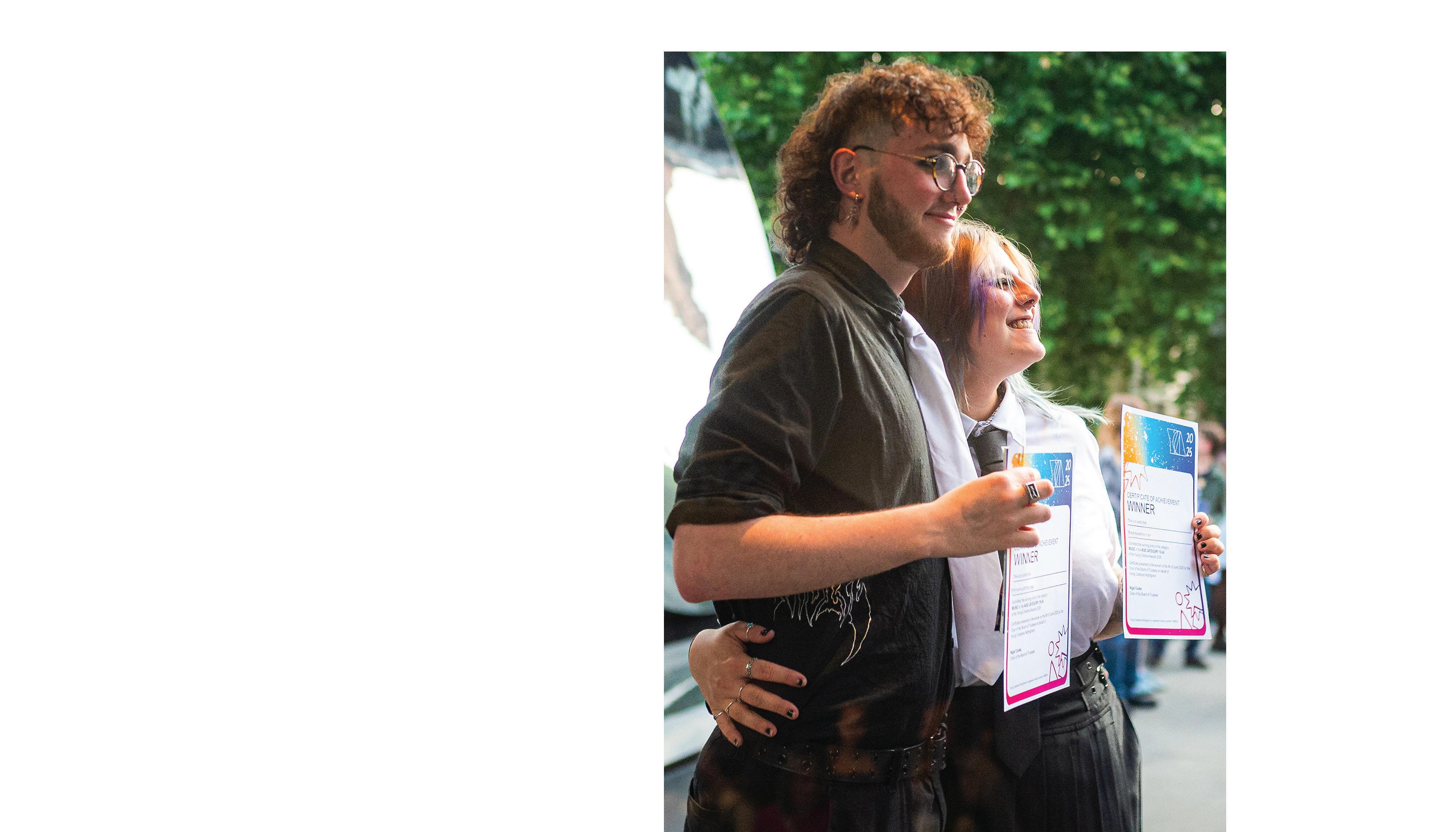










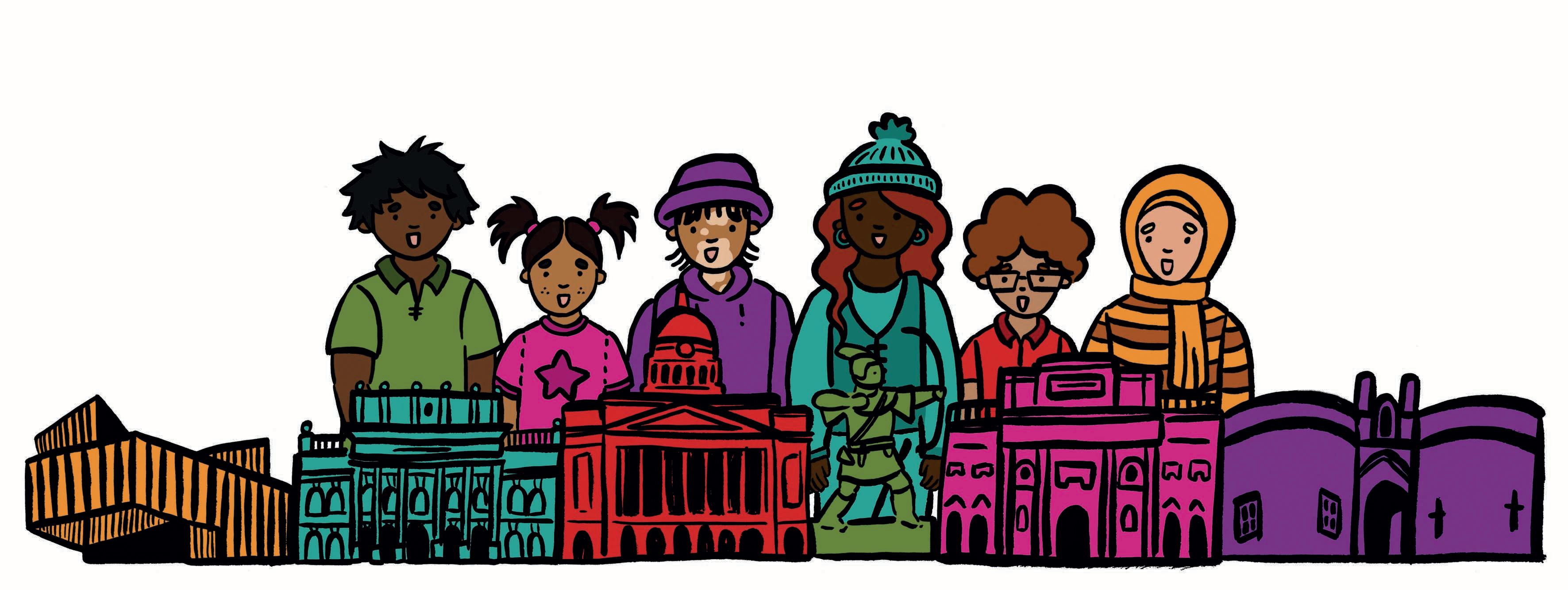

Since 2022 a group of people have been working to make Nottingham a UNICEF-recognised Child Friendly City. This work has involved partners like the City Council, ChalleNGe, both local universities and countless others working together with young people to create a city where children feel safe, healthy, included and have opportunities to learn and influence their world. We put some questions
Firstly can you tell us about the Child Friendly City programme and why it’s important?
Child Friendly Nottingham is a citywide partnership which aims to get children and young people's views heard when decisions are made. We all have a duty to support the voice and rights of the children and young people around us. Too often they don’t get enough of a say in what happens, because obviously it’s adults making the choices and they don’t get to vote (yet), but the decisions we make today will affect their future. Just in case you are wondering, in the UK and the United Nations, a child is classed as a person under the age of eighteen years.
Our programme is a part of a Small Steps Big Changes (SSBC) ‘Better Start’ legacy programme which is funded through the National Lottery Community Fund. In many ways we could not produce a better legacy than Nottingham being recognised as a UNICEF Child Friendly City.
w e a LL haV e a duty to support the V oi C e and rights o F the C hi L dren and young peop L e. i t wi LL be essentia L to in V o LV e them as the de C isions we ma K e today a FF e C t them and their (and our) F uture.
How would this UNICEFaccreditation benefit Nottingham?
The advantage for Nottingham would be the adoption of a nationwide recognised framework set by UNICEF, with built in external scrutiny and assessment from an independent source. It’s similar to the UNESCO City of Literature programme, but with some differences. We would also get to be part of an international network where we can share expertise with others.
To get this recognition, we’ve undertaken a programme of consultation, partnership and delivery over the last four years. Should UNICEF UK agree that we have done enough, we will be awarded that status and it will be reviewed again in three years.
Ekua Ghansah about their work…
What other places have Child Friendly Cities?
This initiative is happening in more than forty countries around the world. In Europe there are active Child Friendly Cities in Denmark, Finland, Germany, France, Spain and Switzerland. In the UK, there are currently ten cities and towns who are part of the programme, but only Cardiff (Wales), Derry City and Strabane (both Northern Ireland) have achieved the status. Nottingham is on track to be recognised this year along with Manchester, Liverpool and the London Boroughs of Redbridge and Lambeth.
How did you get involved as the lead on this?
I previously worked on children’s rights projects as part of my role as a city Youth Worker at Bulwell Riverside. When the opportunity to coordinate Child Friendly Nottingham came up, I could not refuse. The role aligned with my passion, skills and interests to support and empower the voices of children and young people.
What has the programme achieved so far?
In the past three years our engagement has reached more than 15,000 children and young people, whose views have influenced local decision making by helping to develop city spaces as well as policies. The Green Heart, the Collin Street Play area, Nottingham City Library and the Towns’ Regeneration funded programmes in Bullwell and Clifton have all had children and young people’s views embedded in their design and development.
want Nottingham to be kind and inclusive for all of us. In many ways if Nottingham keeps the needs and aspirations of our children and young people at its heart, we should always be a Child Friendly City. Working to support our city’s children and young people is an ongoing mission. They may not have a vote (yet) but they do have a voice – they experience life and want to share their views about it. They are the future of Nottingham.
What have you achieved during this programme that you are most proud of?
Mental health is a priority, including the co-creation of various mental health projects, including the NottAlone Website. We have engaged young people in democracy, working with Nottingham College to hold hustings for local and national elections, and worked with the national government on lowering the voting age to sixteen, in line with Scotland and Wales.
You’ve consulted thousands of Nottingham children through surveys over the last few years. Can you tell us what you’ve learned?
Our surveys show that children and young people are proud of Nottingham and enjoy our city parks and open spaces. There are, however, concerns affecting feelings of safety and issues in our local communities. Some which are regularly raised are litter, pollution and homelessness.
These surveys show that we need to improve our educational and training opportunities for young people to thrive and support their future. A consistently strong message from our children and young people is that they
I am proud that so many people and agencies have come together over a common ambition. We have not been without our struggles and challenges; this programme was developed in the recovery from the pandemic and responding to the City Council’s financial troubles. I can’t claim credit for what so many people have done together, but I will be extremely proud if we hear from UNICEF UK, in the next couple of months, that Nottingham has joined the internationally recognised community of Child Friendly Cities.
Can you pick out a few moments that particularly stand out for you?
I have loved the engagement sessions with children and young people, this is the highlight of my role. They are always keen to take part and join in with joy and generosity. We will soon be publishing the research and an account of the 2025 World Children’s Day event which took place in the Council House. Over the last four years, I have worked with amazing people and organisations. I am proud to witness change and support, and I am thrilled that this has all been in Nottingham.
Is there anything else you want to say?
I want to emphasise that this is not just about children or agencies who work with children and young people, it is about us all. We all have a duty to support the voice and rights of the children and young people. It is essential to involve them as the decisions we make today affect them and their, and our, future.
Please continue to listen to and communicate with children and young people in a real and meaningful way. Be mindful of the rights of the city’s children and young people. I hope that we continue to recognise collaboration is best. In partnership, we are stronger and better and together as we continue to build the city for us all.
Best known as one of the founders of Notts electronic music titans Crazy P, Jim Baron (aka Ron Basejam) is a man with his fingers in several musical pies. This month sees the release of World Elephant Day, the first album from White Elephant – a collaborative project with Ben Smith (of Smith & Mudd fame) and fellow Crazy P member Chris Todd. In a wide-ranging catchup, Jim takes us from the halcyon days of nineties Notts to his solo work, and how The Sopranos played a role in the story of Crazy P…
This month you are releasing World Elephant Day, the debut album from White Elephant. Judging by your Spotify presence, you released your last EP in 2016. Why the long gap?
Well, it’s actually taken a lot longer than that. Chris and I first started making music with Ben back in 1996 when we were all studying at university together, in Nottingham. Unlike us, Ben moved back to London after he graduated. But we’ve always stayed in touch and occasionally made music together. That 2016 EP was actually the second record we put out, there was a one-track ten inch before it, called Sir John. Since then we’ve just had loads of material which was just sort of sitting in the vaults. Then during lockdown Ben contacted me and said, “We’ve definitely got an album's worth of stuff, why don’t we put something together from it all?” So we all went back and listened to it all with fresh ears and realised it was really good. We all grabbed time here and there during other projects to get it to the state it’s in now.
The dictionary says that a ‘white elephant’ is a possession that is useless or troublesome, especially one that's expensive to maintain. What made you choose that name? Haha, maybe this album is the gift that nobody wants! To be honest I'm not entirely sure how the name came about – Toddy seems to think it came from a friend of ours, Rick Platt. A sense of humor is important for us and obviously the name is firmly tongue in cheek. But I think we all liked how it sounded straight away and there wasn't much arguing, so we just got on with it.
Aside from streaming, what other plans do you have for White Elephant? Will there be vinyl? Any plans to tour with it?
Yes, there will be some kind of physical release, although I'm not entirely sure what the plans for that are right now. We’d definitely all like to tour it, but I think we just need to see how it’s received before we plan for that. We're all quite long in the tooth, so the idea of sort of humping gear around, playing small venues hundreds of miles away to fifteen people isn't as appealing these days. I don’t want to sound conceited about that – it’s just that we all have other projects and families taking up most of our time. So we have to be fairly sure that there’s a demand for us to tour it on a reasonable scale before we can all commit to it.
This isn’t your first side project from Crazy P. Between 2021 and 2024 you’ve put out quite a few releases on your own, under the simple moniker of JIM. Tell us about those… Yeah, that was another lockdown project too. The whole thing was an experiment in trying to write something like Crosby, Stills & Nash or Neil Young, with me getting back to playing about with instruments and doing it all myself. I really like that genre of music and it’s something I listen to often, but it was a project I didn't ever see leaving the studio, to be honest. However, I'd been doing some work with Damian Harris, the founder of Skint Records. I sent it to him as I thought he might be able to give me advice on who to approach with it. He got back to me and said he wanted to sign it to a new label he was starting called Vicious Charm. So we put it out through there. I've always sort of skulked around at the back of the stage with Crazy P with a wall of synthesizers, and Danielle very much being our front lady, so doing the live thing for Jim was a huge challenge, because I'd never really sung outside of the studio. The whole experience was brilliant for me, in terms of just trying to challenge myself, and trying to see if I can do it without getting booed off.
So let’s talk about Crazy P. Can you take us back to the beginning? Where and when did you and Toddy meet?
I came to Nottingham for university in 1995. Chris was studying contemporary art, and I was studying a joint honours degree with law and music. He lived in Goldswong Terrace in St Anns – near the old Square Centre – so it was a bit of a hotbed for dope-smoking creatives back then. An old friend of mine called
Cheryl introduced us. and we quickly hit it off and started playing around with music together.
What was Nottingham like back then? Where did you hang out?
Well, we were students and so we didn’t have a lot of money, so a lot of it was just house parties and student digs. But The Bomb, on Bridlesmith Gate, was the best nightclub around back then, and James Bailey, who ran it, was a huge supporter of local talent. He’d book some huge national act in the main room and then hand over the back room to crews like us, Bent, and Neon Heights. I saw some brilliant music at that place and James definitely helped us and others to create a foundation to make careers in music.
I believe it was around 2002 that you and Chris met Danielle, Mav, Tim and Matt, and Crazy P started to become a live act. Where did you come across them all?
I’d known Tim, the bass player, since my school days in North Wales. I'd made loads of music with him over the years, and he was the automatic choice. Matt Close, had been on Toddy's course and we knew he was a phenomenal drummer. We met Mav, going around the clubs playing percussion at places like Cream. Then we met Danielle in Manchester, and she was sort of the final piece of the jigsaw. We first saw she could dance, but then when we realised she could sing too we dragged her in. The idea of doing stage shows like Orbital – with just mixers and pressing buttons – didn't really appeal to us. There weren’t many bands playing live house or disco back then, and we thought we could do something different.
Fast forward a couple of years from here, then suddenly you’re on tour with Faithless, who were massive back then, and playing arena-sized venues…
Yeah, those are the days of your lives. Playing live to 15,000 people in the NEC in Birmingham, when you're just cutting your live teeth. You don't realize it at the time, but suddenly we were part of this huge production where you sort of see how things operate in the big leagues. There was a huge digital clock at the side of the stage and if you went on one second after that clock had hit your stage time, someone was in your face shouting at you. Before that we’d just turn up with our instruments, plug them in and play, but that whole tour taught us a lot about being more professional.
After this Crazy P became a regular festival band, with appearances at places like V Festival, Big Chill, Latitude, Bestival and of course Glastonbury.
Yeah, I think our first Glastonbury performance was 2007 and we haven’t missed many years since. I’m pretty sure I’ve played the last ten years of them in some form or other. It’s my favourite festival and obviously well known as one of (if not the) best music festivals in the world. That first appearance in 2007 was something I'll never forget. We came in on our tour bus and it got really rainy and muddy and there was basically a mud landslide which meant we couldn’t get out. The place looked like the ‘bring out your dead’ scene from Monty Python and the Holy Grail. We had to sleep on that bus and wait until the next morning before we could get it out.
As many mature Notts people will know, you were originally called Crazy Penis. Tell us about what prompted that name change… Well, we were originally called Loco Pinga, which translated to Crazy Penis. But then we reverted to the English version and for our first record with Paper Records no-one seemed to mind. They also had an artist at that time called Dirty Jesus. Elliot Eastwick, who we worked with at the label, always joked that we should do a collab with him just for the name alone. When we chose that name we never really thought we’d end up doing much more than a couple of vinyl releases. But as the band grew, it fast became apparent that having a word like ‘penis’ in the band name was going to be limiting. So we just
lobbed off the ‘enis’. It was surprisingly painless really. Crazy P are fairly big internationally and tour often. Tell us about some of the countries you’ve played in.
We first got quite big in Australia around the time of The Wicked Is Music album in 2002 and started being able to sell out 1500-capacity venues over there. Nowadays we do loads of stuff in both the UK and Europe, we do a tour in America most years, and we make it all work. It’s particularly surprising when you realise we’ve still never been playlisted on national radio in the UK. And we’ve never really had a big hit either. There are a few songs like Stop Space Return and Heartbreaker that we’d always try to include in our sets. However, for the last few gigs we did with Danny, we pretty much exclusively played music that nobody had heard. It was a brave old move, but it worked. I think people coming to see us trusted us, even if they didn't know the songs, to know that it was gonna be a good show.
Your last album Any Signs of Love was all recorded and finished before Danielle passed away in 2024. Tell us about how you reflect on that album now.
It's still a tough listen, and I can't really go back to it at the moment. Grief is a long old road, and to be honest I've only recently got to the point where I can even look at a photo of Danielle. I'm fine listening to a lot of the older material we did together, but Any Signs of Love is still quite visceral for me. It still doesn't seem like that long since we were in the room together recording it all with her. I know it’s a strong album and there's some amazing writing from her on it. Writing and recording and finishing it was a total joy. I'm hopeful there will be a point where I can stick it on and enjoy it again, but I'm just not quite there yet.
How do you survive in the music business today? You’re not touring at the moment and you don’t appear to do much in the way of merchandise. Crazy P are getting around 900k listeners on Spotify each month – is that enough for you and the rest of the band to keep a roof over your heads?
I'll be totally honest with you, the streaming thing is not even something that I look at in terms of income. The thing I've learned is that you’ve got to look and plan twelve months ahead and see what comes of that. It’s also only in the last few years we’ve seen royalty cheques for sales of our music anyhow. Yes, we can make money from touring. But it’s always a gamble. For us, publishing is a big part of keeping us going. We’ve had our songs played on some big films and TV shows like The Sopranos and Sex in The City, as well as lots of things you won’t have heard of like DFS adverts and Polish adverts for Colgate toothpaste. So about three or four times a year, we all receive payments for those, and it’s really that side of the music business which keeps us able to make music for a living.
Wow. That’s really interesting. I guess your music kind of lends itself to that?
Yes, I think it does. The Sopranos job was particularly interesting, as we had to do a special edit of the song for the director, so we were in touch a little bit and it felt like we were involved in the process more. It’s our track Lady T, and you can see it being played in Episode 17 of Season 6, in a scene set in the Bada Bing strip club. A lot of people think that’s the greatest TV show of all time, so it’s nice to have been involved in it a little bit.
World Elephant Day by White Elephant is released on Friday 20 February 2026. For more information about Jim’s music visit the links below.
whiteelephant1.bandcamp.com crazy-p.com
jim-music.co.uk
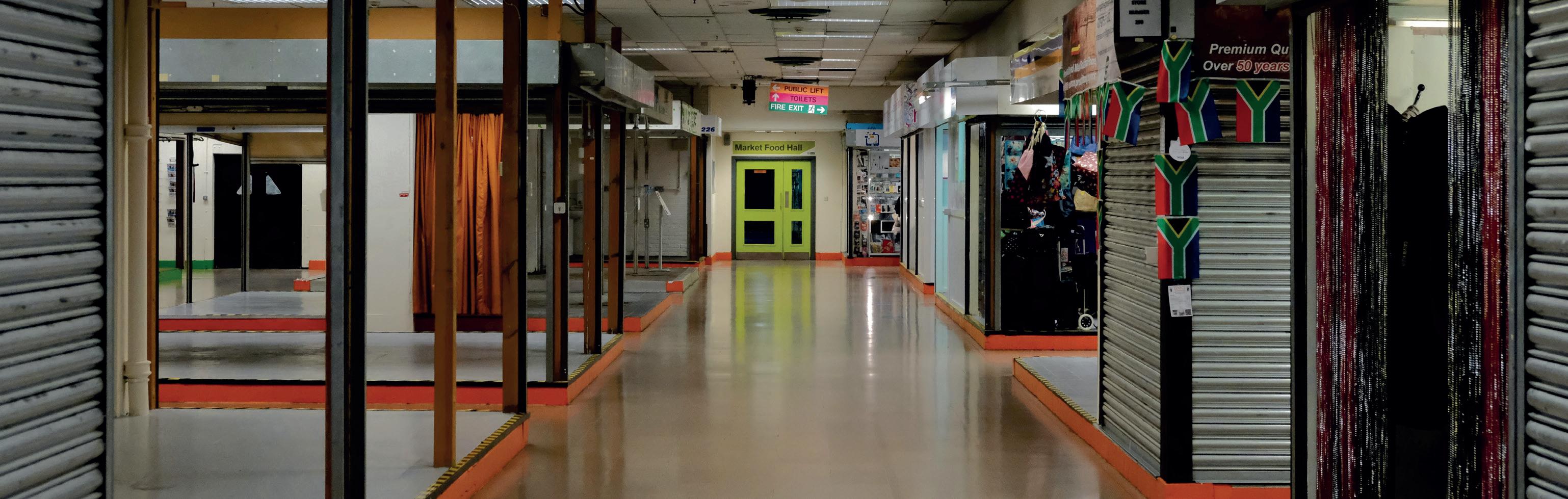
Over the last few years, a part of Nottingham’s history has slowly started to vanish, with traders at the Victoria Centre Market being asked to end their hundred year leases partway through. A space that once hosted hundreds of local traders is now home to just a few- who find themselves in a state of limbo. Matteo D’Alesio visits to hear some of their concerns, while taking a step back in time to highlight what made the market special in the first place.
In the late 70s my dad went to Nottingham Trent University (then a polytechnic). He studied Civil Engineering, and on Fridays he’d go to the fishmongers in Victoria Centre Market – he also fancied the girl who worked there. Now, after 35 years of marriage, my mum still doesn’t like this story.
“I never actually spoke to her,” my dad tells me. “I never plucked up the courage to say ‘You want to go for a drink or something?’” Sorry mum. As I talk to my dad about the market, it's clear how much has changed. “The market was cheaper than everything else – the superstores weren't as prevalent. Plus, I was used to going to the market in Swansea.”
Over the years, the role of markets has changed. Back in the 1970s, supermarkets were still in their infancy and people were much more likely to visit their local market to buy their food and household goods. The roles and finances of our local government have changed dramatically too. This change happened physically for the Victoria Centre Market in stages.
support the Victoria Market anymore.
It was back in 2022 that Nottingham City Council first announced its intention to close the market, and in the years after it started to offer settlements to traders to break the terms of the contract and move their businesses elsewhere. In April 2025, Victoria Centre Market was meant to shut for the final time. However, at the time of writing, four businesses; Tick King (watch repairs), Tracey's Cafe (food and drink), Gemini Jewellers (jewellery) and Aladdin's Cave (hardware) are still trading there. Why?
i get peop L e C oming to my shop to ta LK to me. t hey say, ‘ you're the F irst person i ' V e spo K en to F or the who L e wee K , i L i V e by myse LF.’ you C an't get this in other shops. you C an't stand there ta LK ing to peop L e.
The potted history goes like this: The Old Market Square was once home to a permanent market (I felt as stupid typing that out as you felt reading it) which dated back to the eleventh century. In 1928, the market moved to the nearby King Edward Street and became known as Central Market, in a now demolished building opposite The Palais.
In 1972, the Victoria Centre opened and the Central Market stalls moved in, becoming Victoria Centre Market. At that point many traders were given a hundred-year lease on their units by Nottingham City Council to incentivise the move. The Victoria Centre Market was half on the ground floor and half on the first floor. In 2008, the market moved entirely to the first floor, where it remains to this day (though now mostly blocked off with chipboard). Gradually, since then, the market has become less visible and accessible, whilst surrounded by national and international chain stores in the centre.
Nottingham City Council says continuing its lease on the market will cost it £39 million over the next fifty years. The organisation is trapped in a deal made by staff who worked there half a century ago, and have long since retired. In the light of the council’s recent and well-documented financial troubles, it’s perhaps understandable why it doesn’t want to financially
“So the council made an offer [on the remaining lease]. I was told to accept, and we did,” Stephen explains, as we stand amongst egg timers, push pins, and duct tape, in his all-purpose store Aladdin’s Cave (those were just a few items sold during our brief conversation).
To acquiesce to the offer, Stephen went to the council office in-person, only to be told that the staff member needed for that process was on annual leave – despite (in an almost comical turn of events) being able to directly see them. “I said, ‘I can see him!” Stephen tells me, exasperated. “He's just there, he's just gone around that corner.’” Stephen was told they were just collecting things on their way out. With that, the deadline for both parties to finalise the agreement disappeared too.
Suzanne is another trader who has been trying to liaise with the council for a fair early end-of-lease package. I spoke to her over the counter of her shop Gemini Jewellers through a sparkling mist of hanging chains. Like Stephen, Suzanne has experienced their disappearing act too. She claims she was promised waived rent for closing during COVID, but when she re-opened, this promise and her letter confirming the arrangement had vanished – the council had no record of it either. Suzanne was able to continue trading, but others were not so fortunate.
“The flower lady that's been there for seventy years had to go because she couldn't pay her rent,” Suzanne tells me. ”The pet shop, the tomatoes and plant store, all the big ones in the middle, all had to leave because they couldn't pay.”
The list of former stalls is near endless. Some like Mona’s Beauty Bar, now located in Long Row, were able to agree settlements and flourish elsewhere. However, others are now confined to memories and photos from a pre-internet era. Ty’s Continental Food Store offered
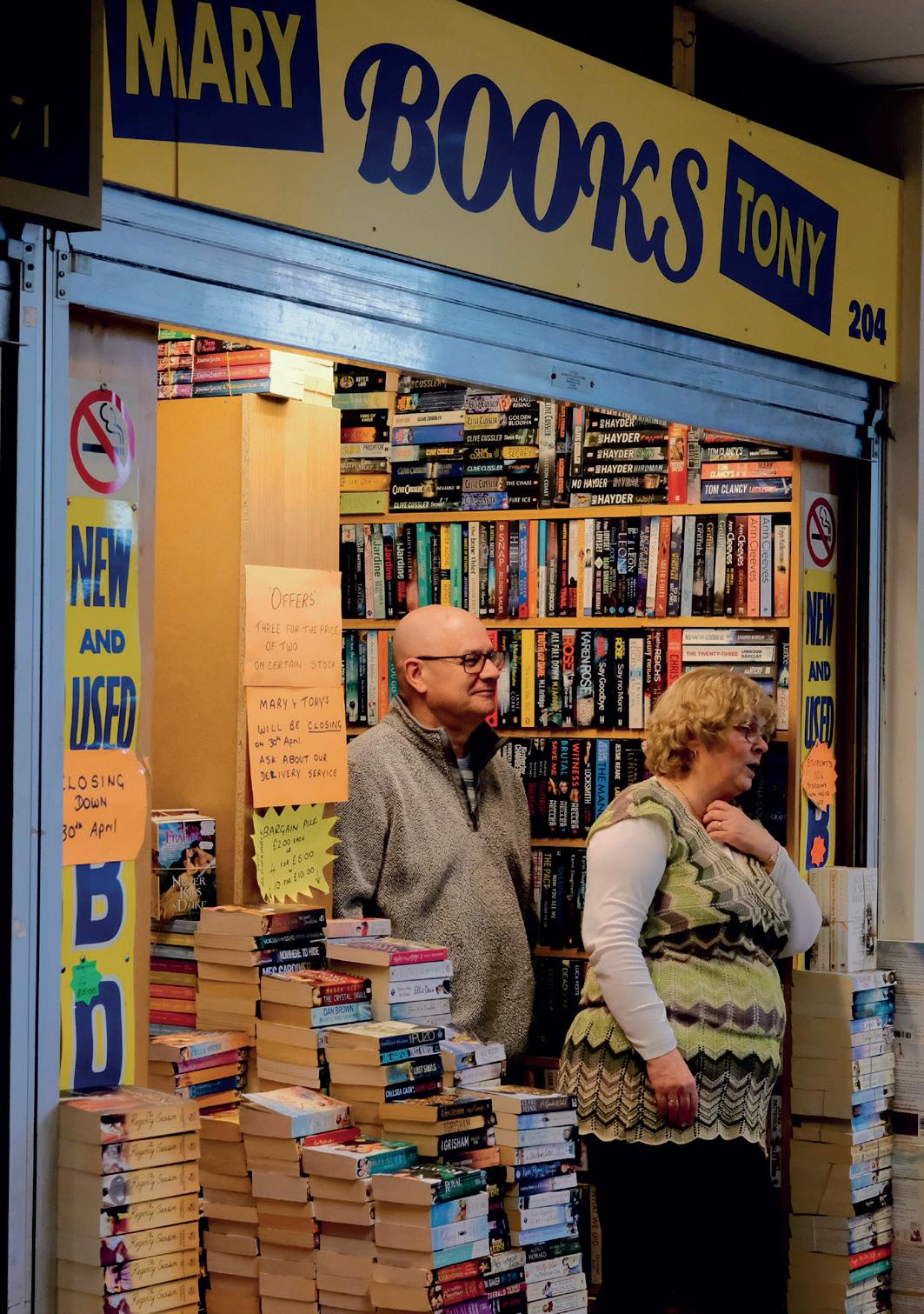
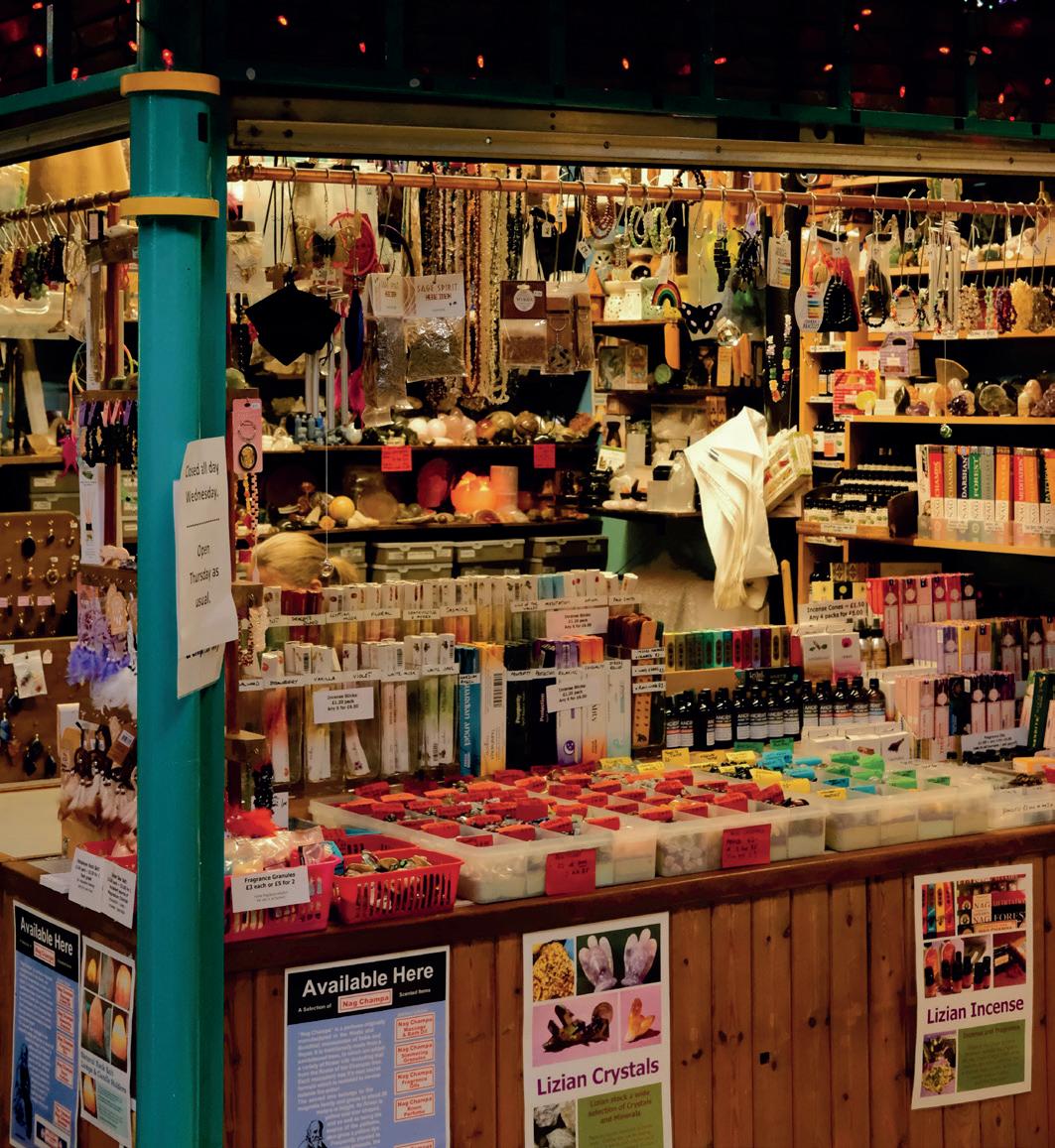
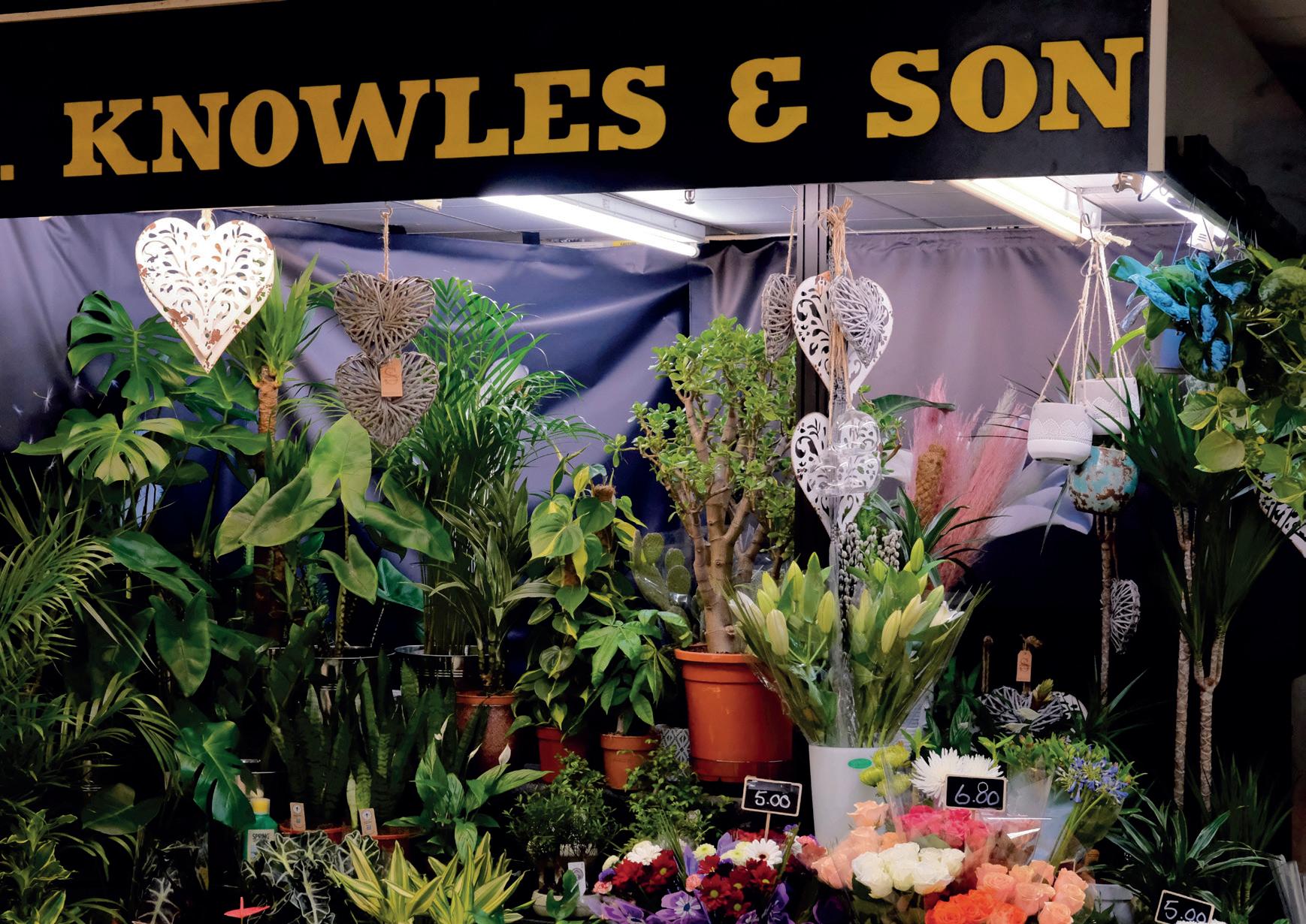
Caribbean flavours and warmth to its community of customers for 36 years. For eighteen years the Lizian Crystal & Incense Shop was like walking inside a geode. The Madhouse Nut Centre was open for 31 years, with its spectacle-like display of nuts, fruits, and spices. Mary & Tony's Books had more books than shop, and began life in 1962 at the Central Market before closing in 2022. For a brief time there was even a stall dedicated to Elvis Presley memorabilia, run by a superfan mum-and-son duo. Not only have these shops stopped trading in the Victoria Centre Market, but they’ve stopped trading entirely. Along with the expertise of specific traders, each one represents a lost piece of history which, in Stephen’s case, is interwoven with his family’s past.
“Apparently I was six weeks old when I first went there [Central Market] on the counter,” he shares. “It sounds like child labour now, but we [Stephen and his brother] used to work there. We did that for our childhood.”
Stephen wants to continue the family tradition of running a business, not fighting the council. I ask whether he’d want to find new premises but the current limbo has made plans for the future fanciful. Stephen shares how it’s affecting the present: “As it stands I can't buy a washing machine. There's no chance I could get a mortgage. And it's the stress it's causing. Apparently, I talk about it in my sleep.”
It’s clear that a fresh start is on pause until a resolution is reached with the council. Suzanne is similarly mournful about the council’s treatment of the market: “I get people coming to my shop to talk to me. They say, ‘You're the first person I've spoken to for the whole week, I live by myself.’ You can't get this in other shops. You can't stand there talking to people.”
In my hometown, Shrewsbury, the market hall I remember from my youth was in danger of fossilising; it felt like stall after stall was only selling root vegetables. It was also the site where, at four years old, I asked Jet from Gladiators for a kiss which she obliged by letting me kiss her on the cheek (where else am I going to share that?). But today, after a major reimagining – Shrewsbury Market Hall is a hive of small independents with sales and footfall growing each year. It’s even been voted ‘Britain’s Favourite Market’ three years on the bounce – proof that things could be different for Nottingham. You only have to go to Sneinton Market Avenues or Cobden Chambers to see the appetite the city has for bricks and mortar independents, and the opportunity it provides for traders.
However, until Nottingham City Council and those four remaining traders can come to an agreement, Victoria Centre Market remains at least partly open – whether that’s for days, weeks, months, or years. So if you want a £5 English breakfast, to get your watch fixed, to buy some jewellery or get hold of an egg timer, go in whilst you still can and say hello.
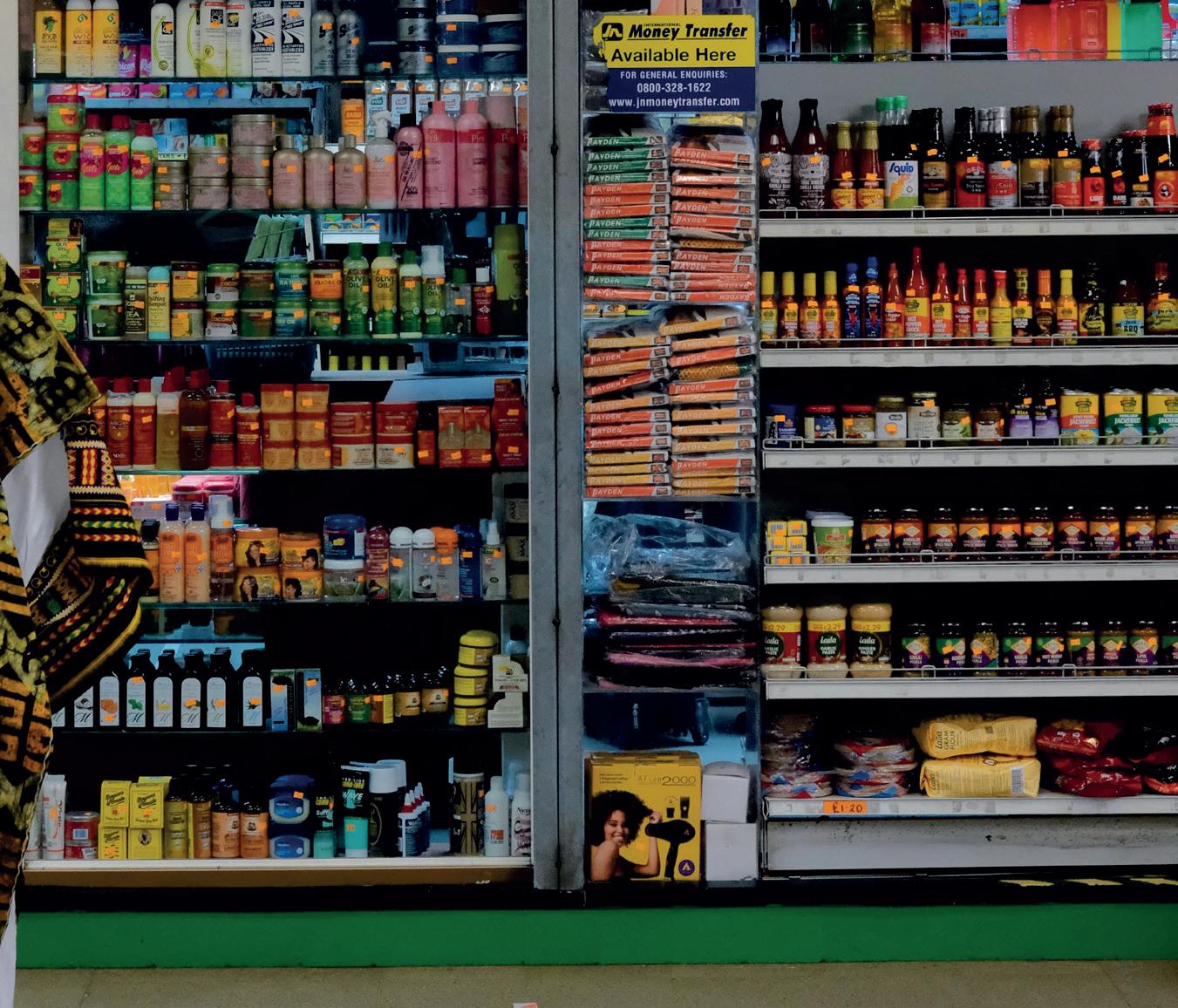
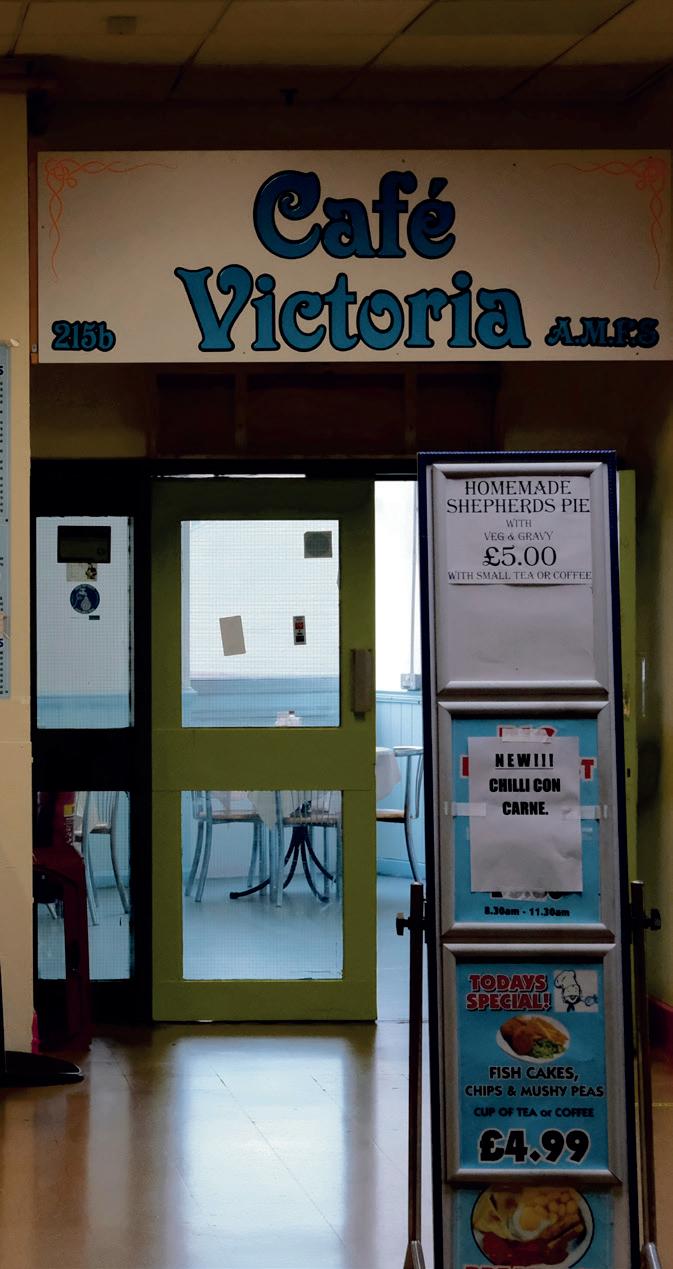
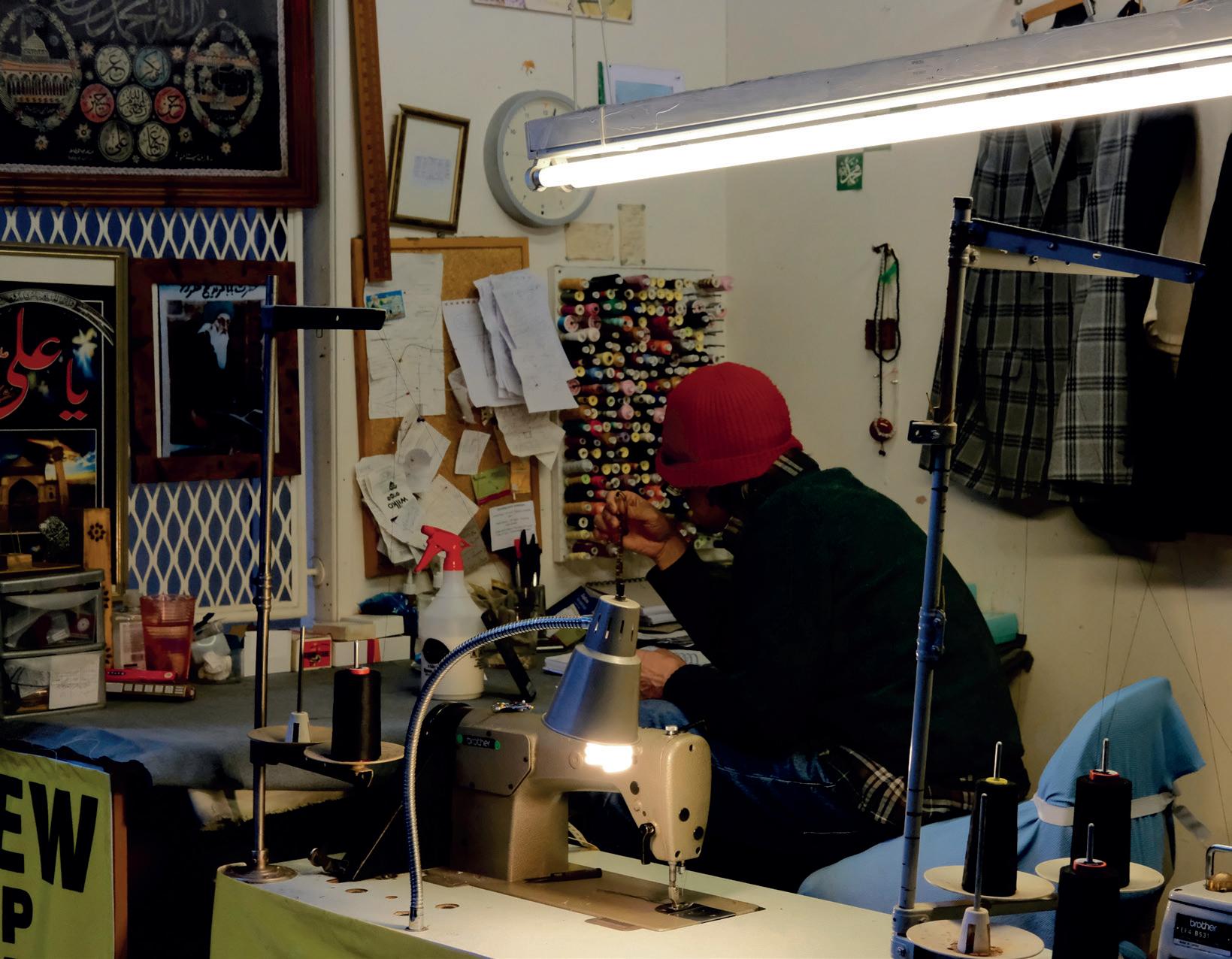
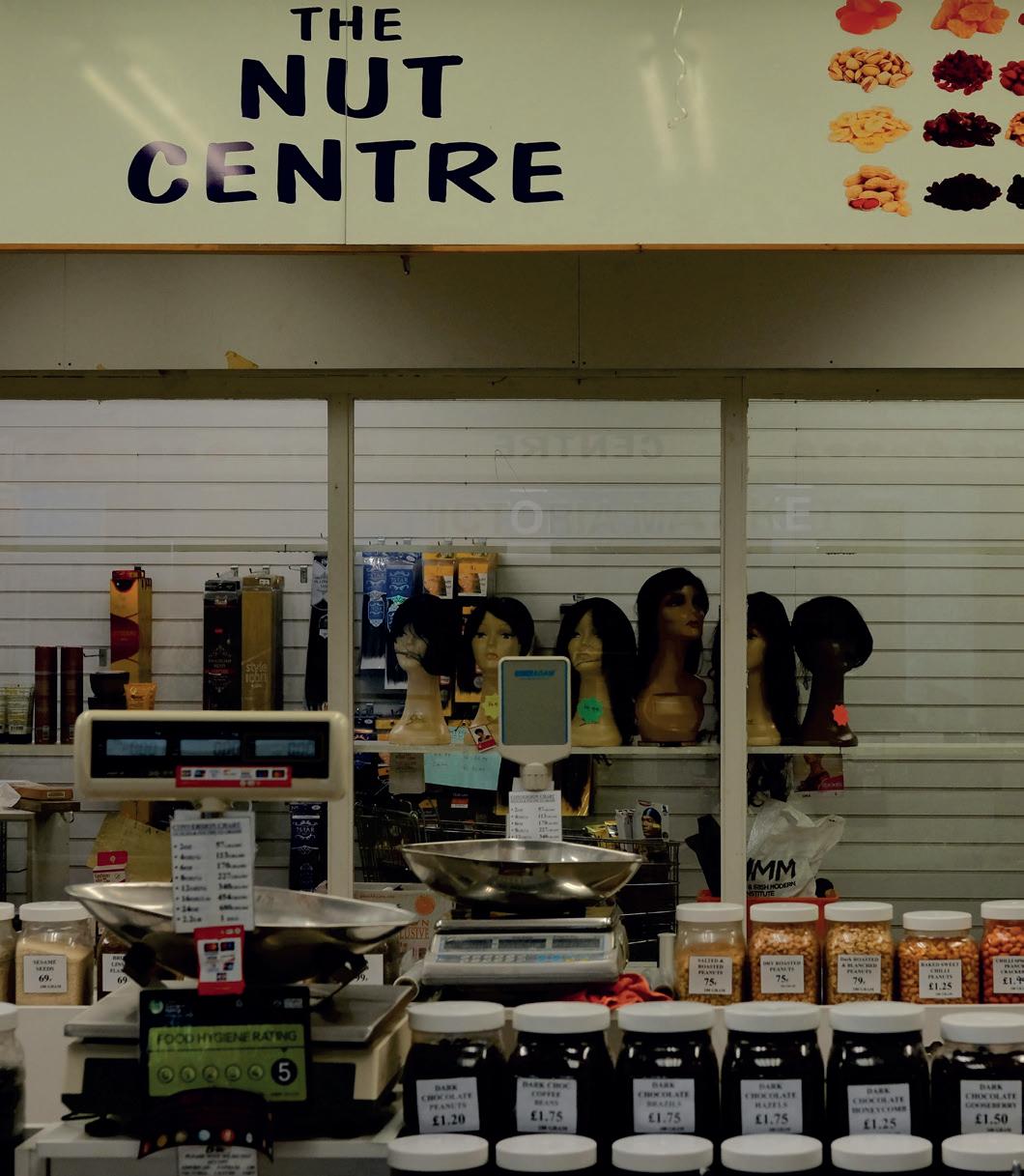
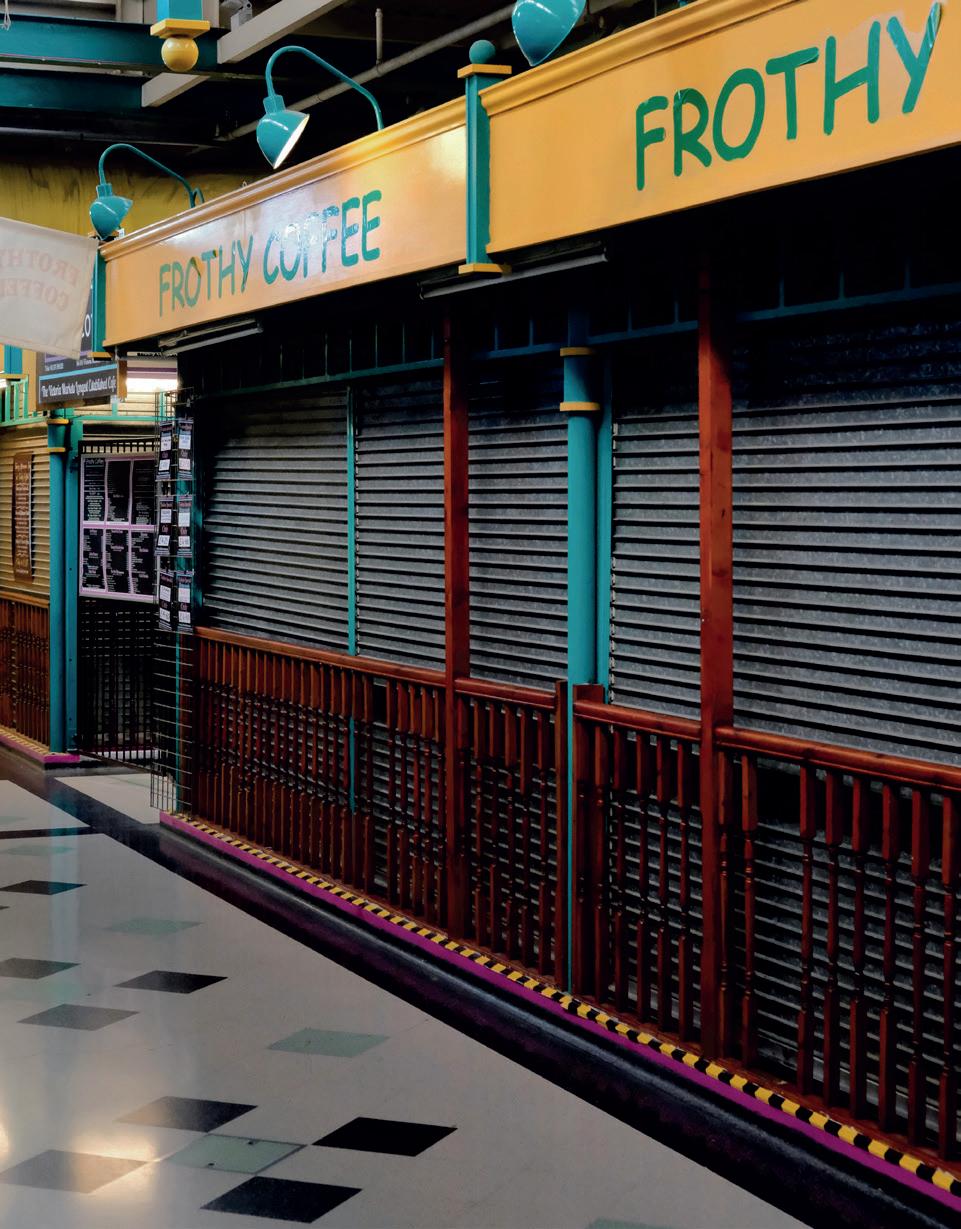
Want to have your work featured in Notts Shots? Send your high-res photos from around the city (including your full name and best web link) to photography@leftlion.co.uk or tag #nottsshots on Instagram.
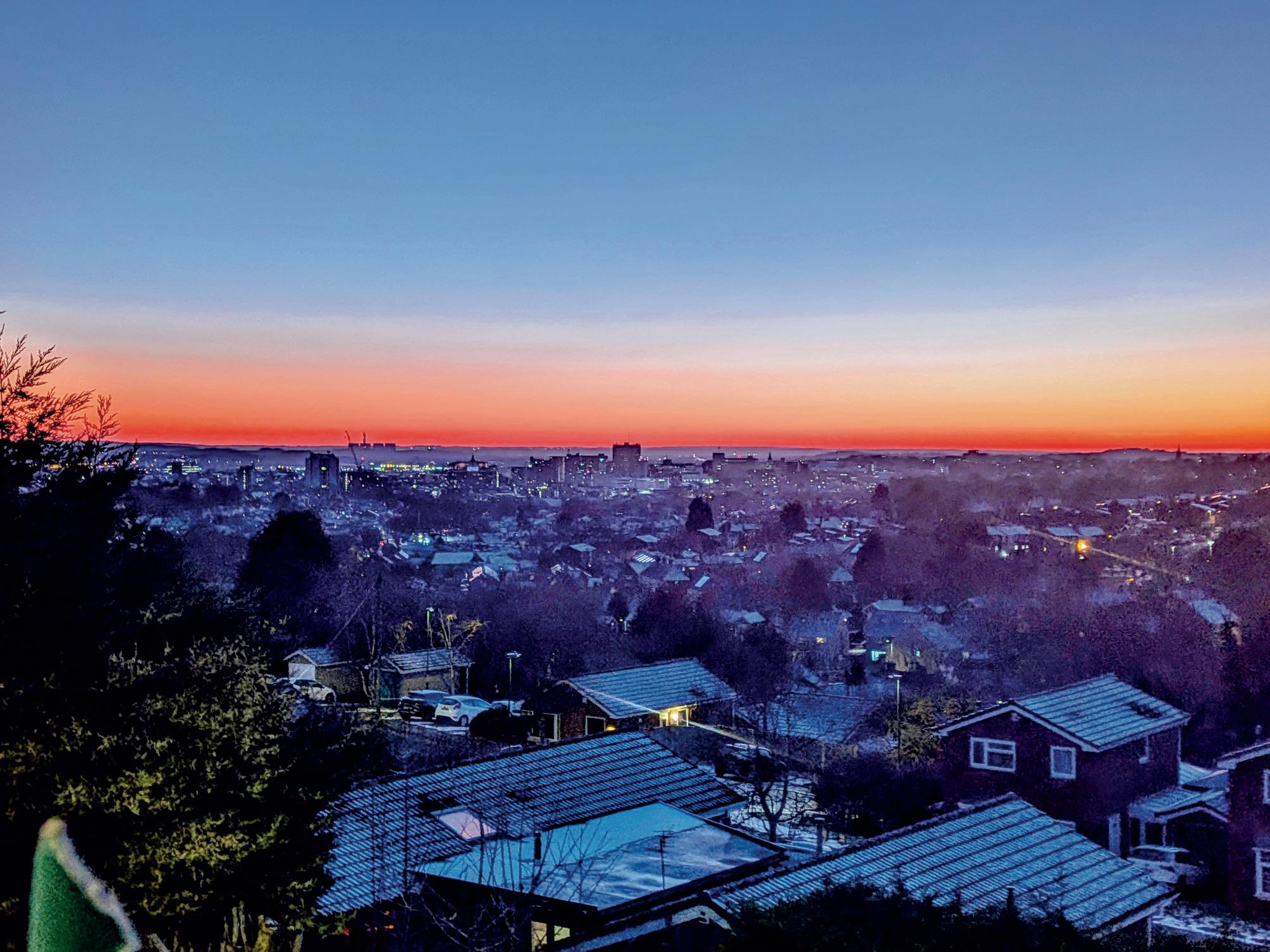
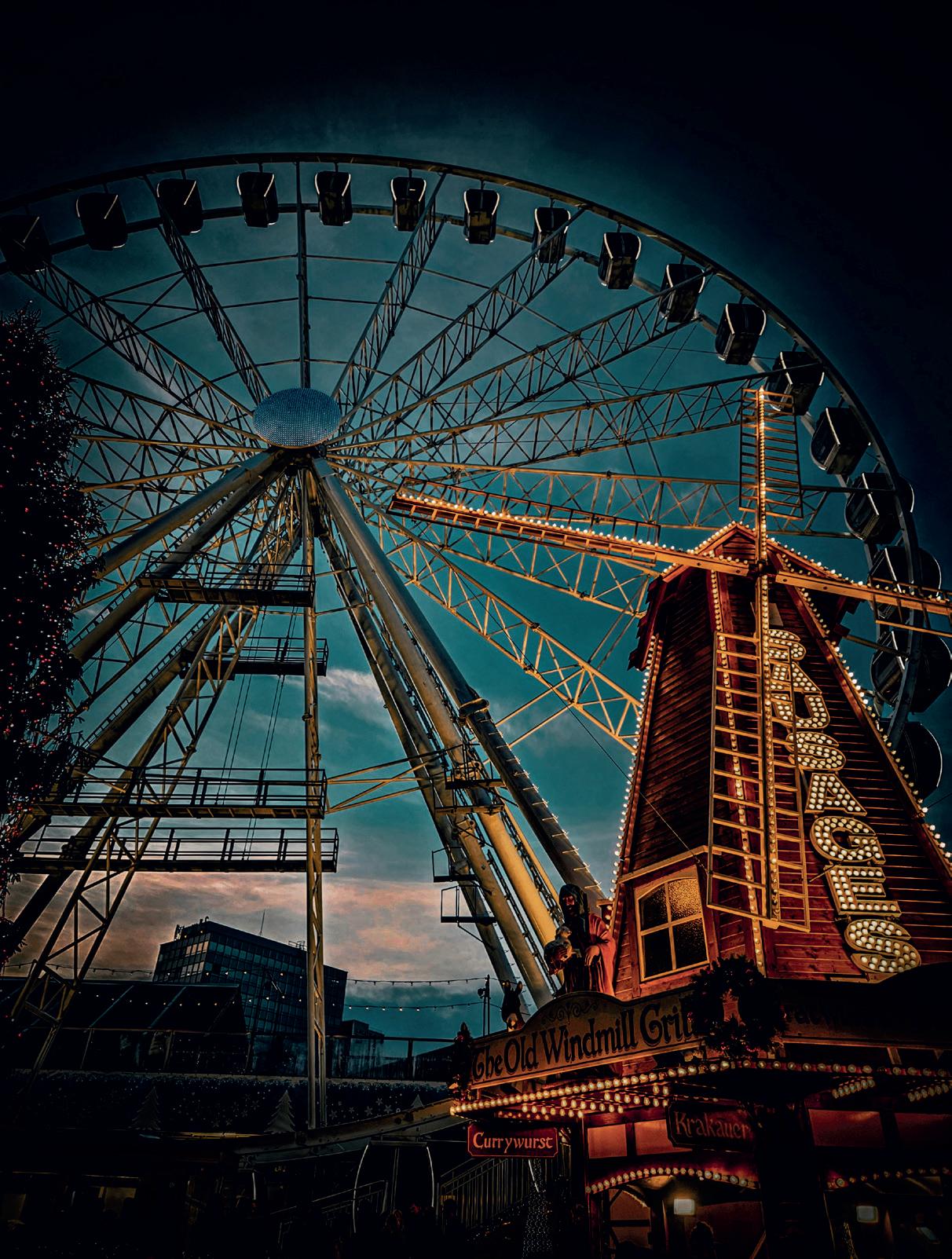


interview: Caradoc Gayer
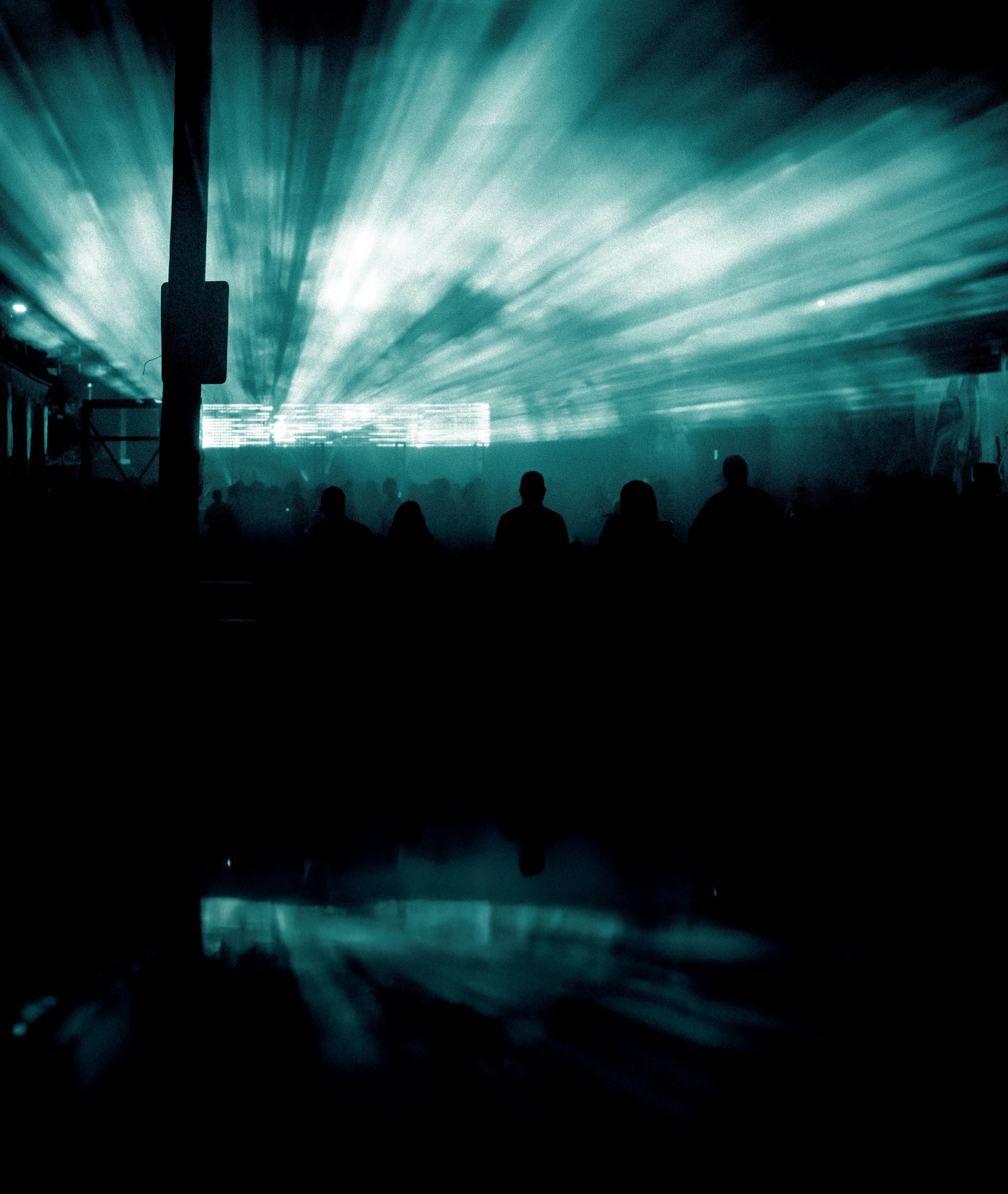
Through February 6 and 7, Old Market Square will look a little bit different as it hosts the centrepiece of this year’s Light Night: Parallels, an installation built by London studio Architecture Social Club. The project is particularly close to the heart of two studio members – Design/Project Manager Andrew Walker – who’s a Notts native – and founder Satyajit Das – who in the early 2000s made his name in Notts music when he launched mythic techno club night, Firefly. They tell us more about the installation which marks a grand return…
What can people expect if they go to see Parallels on Light Night?
Andrew: We say that it’s tectonic light. It’s creating mass out of light – big, volumetric, mesmerising, hypnotic, phenomenological, light experiences. That’s pretty much it in a nutshell.
Satyajit: We use the word ‘immersive’ quite carefully – but it’s immersive in terms of space. You’ll be expecting to see it stretch from one side of the square to the other. And collectively, it’s a really interesting experience to bask in that. We get people who, even in the winter, lie down on the floor to be under it. It has quite a transcendental effect
Tell me more about the process of making the installation. How did it start?
Satyajit: We designed a technique which uses 3000 mirrors, and they all reflect back a single point laser in parallel. And we figured out a way to play film footage through lasers. So, if there’s some wind blowing you get volumes of smoke that capture part of the film, and holographic effects which are quite interesting.
Andrew: What’s nice about Parallels is that it trades ‘potency’ for ‘fidelity’. So rather than being obsessed about 4k, 8k, or 16k screens, it’s actually not always completely legible what’s on the screen. It’s more about the intensity of the effect.
Satyajit: Yeah, the original version we made was for Miami –there was lots of concrete, and kind of no nature to be seen anywhere. One of the desires was to bring in nature, and we got some footage from nature, and pushed it through the system. So you’ll be able to ‘feel’ some of the content that comes through, but you don’t know exactly ‘what’ it is. You’re like, ‘Oh, that kind of feels like, say, leaves moving in the wind.’
Making creative and technical decisions in a project like this must overlap. How do you balance those two sides of what you do?
Satyajit: It helps if your teams aren’t isolated, so there is a dialogue going on between everyone. Most of the best ideas come from a collective conversation, as opposed to any one singular thought, or a person driving everything to a vision.
Andrew: That’s a nice summary. I would say that we’re quite interdisciplinary. We don’t just have an idea, sketch it out as a crude drawing, and then say, ‘here you go technical team, solve it.’ I don’t want to say there’s no distinction at the beginning of the process, but they’re both in the incubation process.
Where else have you taken Parallels to and what have you taken from the audience reactions?
Satyajit: It’s been to a few different countries. It was in Mexico, the Netherlands – it gets around. It's interesting how each space is different.
I also think there’s the cultural situation which changes how people behave with it. There’ll be some places where it’s appreciated more, based on what they already know – there’s a kind of music which they’ve come across before, or they’re used to having light festivals. That feels different to a city where they don’t normally have that kind of thing. And in a way I like both, because there’s something nice about approaching cities where they don’t have a big cultural program.
Most of the best ideas come from a collective conversation, as opposed to any one singular thought, or a person driving everything to a vision
Satyajit, you ran Nottingham’s Firefly club nights in the early to mid 2000s, mainly while you studied here. What are your best memories from back then?
Satyajit: Honestly, to say there’s too many would be an understatement. I did a lot of my growing up in Nottingham – that was the age between eighteen, and about 27. I was invested in the club culture, and obviously there was Firefly, but I was also Promotions Manager at a club called The Bomb – which was pre-Stealth. I learned about building big social structures around me.
I remember on my first week of being in Nottingham I went to a club night at the Marcus Garvey Centre. It was a techno night with, I think – Dave Angel – and they were announcing that this was the last ever night they would do there. We got obsessed with the idea that there’s no other techno night in the Marcus Garvey Centre. And in our naive way of thinking we were like, ‘let’s start doing some club nights,’ which set us off.
Parallels includes the music of artist Max Cooper, who you’ve worked with, Satyajit, since Firefly. What makes him a regular collaborator of Architecture Social Club?
Satyajit: In many ways it’s quite comfortable because we’ve worked together since we were nineteen. But his music has also evolved to work really well with installations. There’s a cinematic quality that works really well – we’ve evolved together and are highly compatible with the vision of what we’re trying to achieve. What’s really important about these kinds of partnerships is that you’ve got a really healthy dialogue and there’s a lot of trust in the relationship – if something’s not right you can challenge it, and vice versa.
And Andrew, you’re from Nottingham. How does the Notts connection play into this project for both of you?
Andrew: It means a lot to do a project in Nottingham. One thing I always say is that we punch upwards, we don’t like being told what to do. I quite like that spirit that we have here. A lot of our industry is kept for a certain narrow strata of society, and being a working class kid from a council estate in Nottingham – the fact I’m doing something here shows you can transcend those barriers and dissolve them.
Satyajit: On a personal level, it feels like giving something back to somewhere that gave me a lot of nourishment. Over the past few years I haven’t been back to Nottingham as much as I used to, so the idea of coming back with a different hat to offer something positive is poetic – it feels very nice.
Check out Parallels in Old Market Square during Nottingham Light Night, which takes place from dusk between Fri 6 - Sat 7 February.
interview: Katie Barr
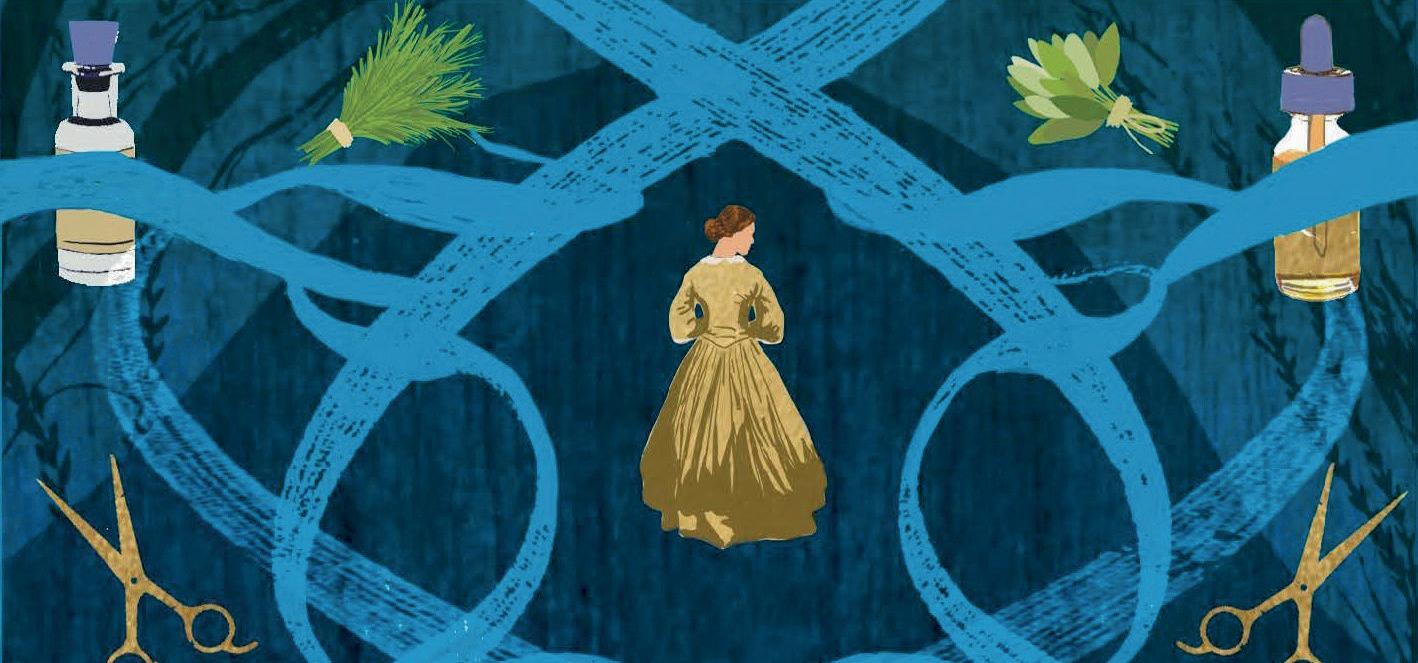
Long before madness had a diagnosis, it had consequences. The Unravelling of Mary Reddish takes readers back to Georgian Nottingham, a world where sanity was judged through gender, reputation, and a strict social order. Katie Barr speaks to the author of the novel – David Whitfield – who drew on real asylum records from Nottingham to show how quickly a life can be unmade once those in power decide your mind is the problem.
The Unravelling of Mary Reddish suggests that madness can be as much a social judgement as a medical one. What research or real historical cases most shaped your understanding of how Georgian society used mental illness as a form of control?
Anyone researching Georgian mental health provision would be hard-pressed not to be influenced by the conditions in charitable asylums such as Bethlem (or ‘Bedlam’) in London, where tourists paid a penny to look at the ‘lunatics’. But asylums like this were few and far between, and most people with mental illnesses, who were not in the family home, were in prisons, houses of correction, or workhouses.
These were also all places where lives could be controlled, patients had little-to-no chance of receiving proper treatment. But I do believe that attitudes began to change at the start of the nineteenth century, and that there was a movement towards attempting to cure patients.
Did researching Nottingham’s Georgian mental health provision, or charitable institutions, change the direction of Mary’s story in any unexpected ways? Yes – in fact, it determined that I should write about Mary. In 2020, some patient records from the ‘General Lunatic Asylum’ came into the public domain, and my initial idea had been to write about the first ten patients there – who they were, why they had been admitted, what happened to them, and so on.
But the more that I looked through the records, the more I kept being drawn back to these two women –Mary Reddish and Catherine Mills – who had received the treatment known as the rotatory chair. Although Mary became the focus, I would like to think that the stories of some of the other patients also come through.
Many readers may find themselves unconsciously assessing Mary – looking for proof of her sanity or instability. Were you deliberately inviting that judgement, and what do you hope readers learn about themselves in the process?
I would hope that the reader doesn’t have any real doubts about Mary’s sanity throughout the course of the novel. We see enough of her – with her family, in her working environment, and undergoing treatment in the asylum – to appreciate that she acts and reacts as a sane person would do. Any uncertainty about the state of her mind that does exist is put there by the deliberate actions of some of the other characters.
So, in a sense I would like to think that readers would instead put themselves in the shoes of those within Mary’s orbit and ask themselves how they would react to
her. The doctors treating Mary never reported a formal diagnosis for her, so our judgements have to be made on her actions, and the actions of those treating her.
What did you want to communicate about asylums and confinement – particularly in terms of fear and obedience?
I imagine that most of us will have asked ourselves how we would deal with incarceration, especially when it is unjustified. Would we have the strength of character to do what is necessary to free ourselves, or would we fall apart under the regime of confinement?
I think the same questions apply whether we are talking about nineteenth-century asylums, twentieth-century prisons, or 21st-century detention centres. One would always like to think that one would push back against both the fear and the obedience, but I think the reality would be very different.
i ’d L i K e to thin K that readers might want to F ind out more about n ottingham and some o F its histori C a L institutions – F or de C ades it rea LLy did L ead the way in so many areas, the asy L um being just one; the more attention gi V en to this the better.
How did the reality of nineteenth-century Nottingham in particular – its institutions, its social hierarchies, its sense of watchfulness – shape the way Mary is observed, judged, and ultimately unmade?
There was significant crossover within the institutions of Nottingham – a landowner or businessman might also be a magistrate, a councilman, a governor of the asylum, or a combination of these. There were a relatively small number of people who had fingers in a lot of pies.
This wasn’t necessarily problematic in itself, but it did mean that those in positions of power could utilise a range of resources to get what they wanted. And, of course, even within the asylum, there was a strict hierarchy, with patients categorised from first class to third (‘pauper’) class, and with significant differences in the resulting accommodation and facilities.
Mary’s struggle is deeply personal, yet it also feels political. To what extent did you see The Unravelling of Mary Reddish as a feminist novel, and was that intention present from the start or something that
emerged as you wrote?
It would be impossible to read the patient notes from the asylum and not conclude that men and women were treated differently. Consider, for example, the way in which women are described upon admission – ‘flighty’ and ‘disposed to mischief’. These are not descriptions that are used about the male patients, and they appear to be potential personality traits, rather than evidence of mental illness.
Then there are the numerous women admitted because of causes specific to their sex. For example, menstruation is held responsible for all manner of ills. One comes away with the firm impression of male doctors diagnosing and treating female patients about whom they know very little. That’s why I felt it was important to have a strong female character, in the form of the asylum’s matron.
Although set over 200 years ago, the book feels unsettlingly relevant. What parallels do you see between Georgian attitudes to mental health and the ways we talk about credibility and illness today?
I’m not sure that I feel qualified to speak about the way in which these issues are treated today. What I would say, though, is that a society’s treatment of people with mental health issues is necessarily a reflection of the values held within that wider society.
It’s very easy to look back and throw our arms up in horror at the reality of life within an asylum, but I think it has to be considered within the context of a society where life was shorter and often more brutal than it is today.
When you finished writing Mary’s story, what questions did you most hope would stay with readers after the final page?
The question of whether (some of) those who were taking care of Mary did actually have her best interests at heart, despite everything that she went through. The question is whether women could ever be treated properly, given the medical attitudes of the time.
I’d like to think that readers might want to find out more about Nottingham and some of its historical institutions – for decades it really did lead the way in so many areas, the asylum being just one; the more attention given to this the better.
The Unravelling of Mary Reddish is available to buy online and at selected bookshops.

interview: Emily Davies illustration: Veronica Nilsson
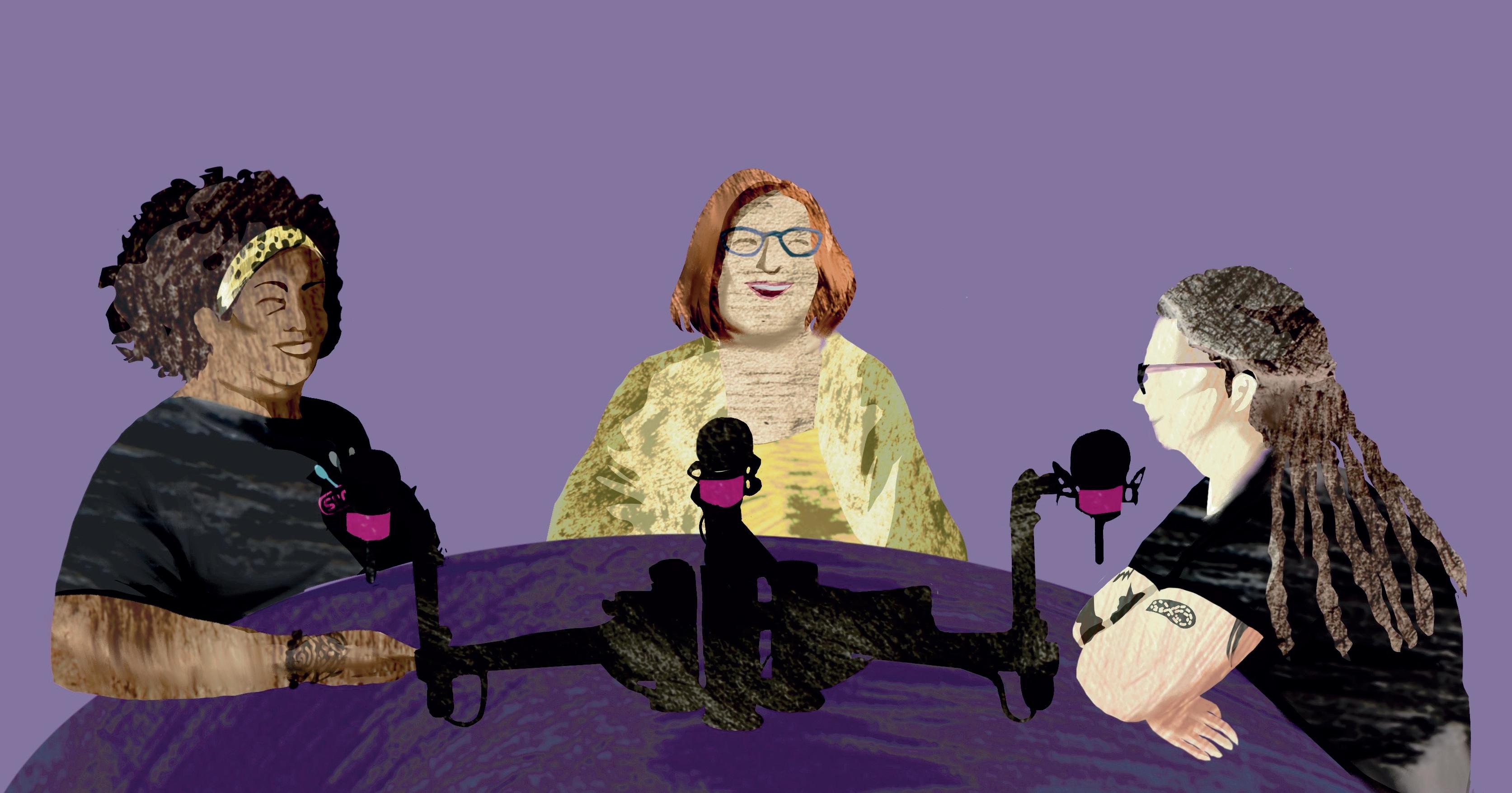
Running a successful podcast is quite the task in itself, but what happens when you pair it with chronic illness, fluctuating energy levels, and times when you feel like your body is fighting against you? Emily Davies sat down with the minds behind 3Spoonies, a Nottinghamshire-based podcast hosted by Karen Duncan, Claire Napper, and Jo O’Neil, about everything from balancing their work and home lives to how we can make entrepreneurship more inclusive.
For readers who haven’t discovered 3Spoonies yet, how would you describe what the podcast is really about?
Claire: I think when we started it, it was really a struggle to balance life and business due to various conditions, and we wanted something to give back a bit and show people that they are not on their own and that loads of people are suffering with the same things.
Karen: There are already numerous specific podcasts for individual conditions, but none overlap with business and life.
Jo: These things don’t exist in side aisles, and we are collecting conditions between us!
What originally brought the three of you together, and when did the idea of turning your shared experiences into a podcast click?
Jo: We were networking in a couple of different groups and started talking. We worked together on Zoom and talked about doing a podcast as we bantered a lot. We didn’t have a subject, though!
Karen: If we hadn’t started, we’d still be humming and har-ing. We’ve all done talks at various networking meetings, and it was just joining it up – as we have three different perspectives, but the crossover means we work quite well together.
Claire: We also found we’re good at seeing when one of us is having a bad day – we can tell one of us to go and rest.
You describe yourselves as “entrepreneurs navigating life and business with not enough spoons.” In what ways do you feel the spoon theory metaphor still resonates with you, and in what ways does it fall short?
Karen: I explain the spoon theory differently, so it makes more sense to me. What if someone is in a cafe, has a load of teaspoons, and says that is the energy they have today? Maybe two teaspoons to have a shower or two to go out of the house. It's very true in the sense that when I have a nap, I won’t get more spoons back, but I won't feel as bad as I did. For some days, I feel different. For example, making a cup of tea could use twice as much energy as the day before, as I'm running on fumes.
Jo: And some days there are no spoons! It's the fluctuation that's difficult. I can plan to have a certain amount of energy, but when that drops off, it's hard.
Your episodes balance honesty, humour, and practical advice. How do you decide where to draw the line between being vulnerable and oversharing publicly? Claire: We always wanted to be open and real with what we've experienced. When talking about medical stuff or things with Personal Independence Payment – we’re clear it's just our experiences. We always want to be as honest as we can be.
Karen: We also want it to be useful for real people. We could go into more detail, but we want it to be helpful to someone in a similar case. We try to bear in mind who is listening. What's the difference between useful info and oversharing?
i t was rea LLy a strugg L e to ba L an C e L i F e and business due to Various C onditions, and we wanted something to gi V e ba CK a bit and show peop L e that they are not on their own and that L oads o F peop L e are su FF ering with the same things.
You speak a lot about ‘knowing your limits’ in business. How has your understanding of your own limits changed over time?
Claire: I know, for me, I'd say yes to everything at once at one stage. I'd get a lot of last minute requests, and I'd go out of my way to get them done at my own expense. Now I'm doing what I want to do, and that's it.
Jo: It's the first year I've turned down work or given stuff back when I'm really ill. At the time, I felt really guilty and hated it, but now I see it's okay.
Karen: All of our limits have changed. Sometimes you don't notice if it's a gradual thing. It's easy to say, ‘I'm just about doing alright at doing this’. If you look at how long things take and how long they should take, you need to know why things are taking longer.
How do you handle flare-ups or bad health days when you’re in the middle of a product launch, client project,
or recording session?
Claire: I know in recording sessions, if we wake up having a bad day and have no guest, we will reschedule. If we have a guest, we power through.
Jo: We record so far in advance so we can reschedule and move things around. We shut down over winter as we experience flare-ups.
Karen: I have deadlines before the deadlines to give myself a bit of a buffer zone, just in case. I put lots of things in place to make things better in whatever way I can.
What did winning awards mean for you personally, especially given the battles you’re fighting behind the scenes?
Claire: For me, it didn't feel real. To me, we’re just three friends doing a podcast because we’re passionate and want to share our experiences. It's nice to hear feedback from people who don't know us – it makes us realise how important it is on a bigger scale.
What’s the dream: a bigger platform, live events, workshops, a community space… or simply continuing to create something sustainable on your terms?
Jo: The goal behind it all would be to keep it sustainable. We want to increase our reach to get to the useful people. I wouldn’t be against streaming or live events.
Karen: There are definite guests we want back, or perhaps Spooniefest!
If each of you could go back and give your younger self one piece of advice about illness, business, or selfworth, what would it be?
Claire: Basically, not to feel so bad about yourself. It's okay to go through struggles. Be kind to yourself and ignore family who put you down.
Jo: In a similar vein – it's not your fault, find ways around it, there's always hope.
Karen: Don't stress out as much about things nobody cares about. There are lots of things I was trying to keep up with that I'm not sure other people even noticed. It's easy to stress about these things, and it makes you ill.
3spoonies.co.uk
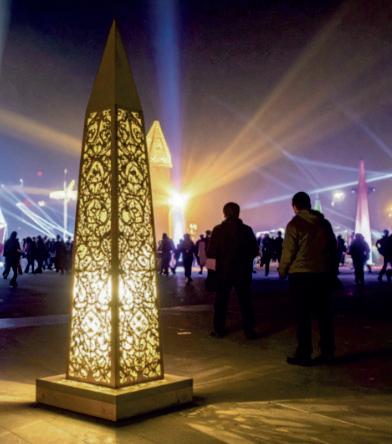
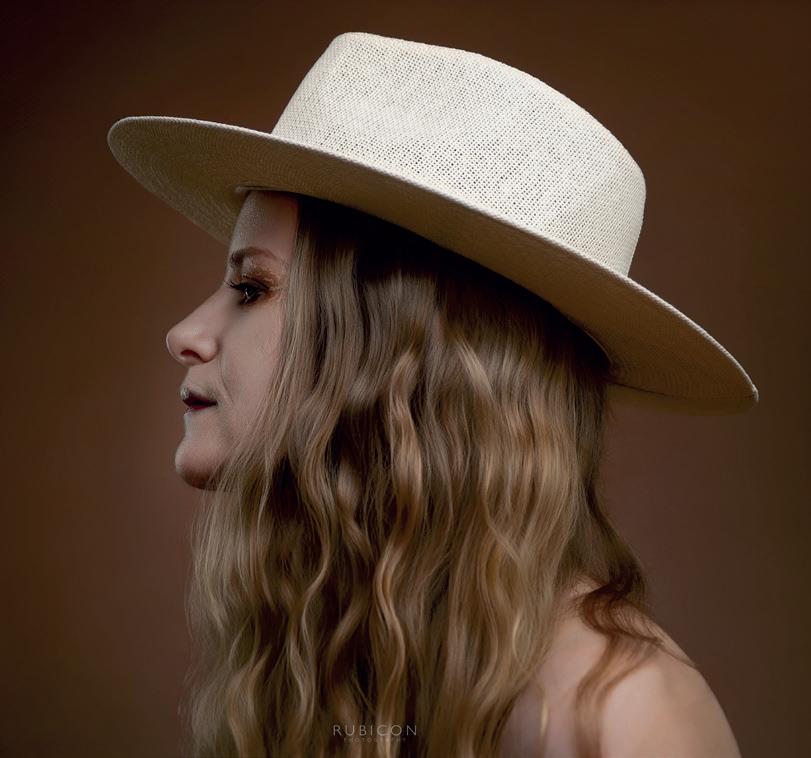
For this month’s Art Works we heard from Notts based artist Chloe Smith AKA Nakufo, whose work Obelisk of Connectivity will be part of Light Night 2026.
Obelisk of Connectivity is a sculptural body of work centred on connection between people, place and self. The work is driven by a desire to create spaces that invite people to come together, to pause, and to experience something shared.
Acting as a positive beacon, similar to a lighthouse, the piece offers a sense of grounding and hope. In a world that increasingly feels fragmented, the work responds to a growing need for light, togetherness, and reminders of what it means to be human and alive.
The creative process behind the work is fluid and instinctive, with timescales varying widely from piece to piece. Some works emerge in intense bursts of momentum, completed over long, uninterrupted hours in a single night. Personal works often remain in progress for years, evolving gradually alongside changes in experience, skill and perspective.
I’m originally from Blidworth, a small village in Nottinghamshire, but my journey has extended far beyond that setting. Time spent living in Hong Kong, Paris and New York has played a significant role in shaping both my worldview and creative practice. After years of movement and travel, returning to Nottingham offered a sense of grounding. The city’s strong creative energy provides both a sense of belonging and ongoing inspiration.
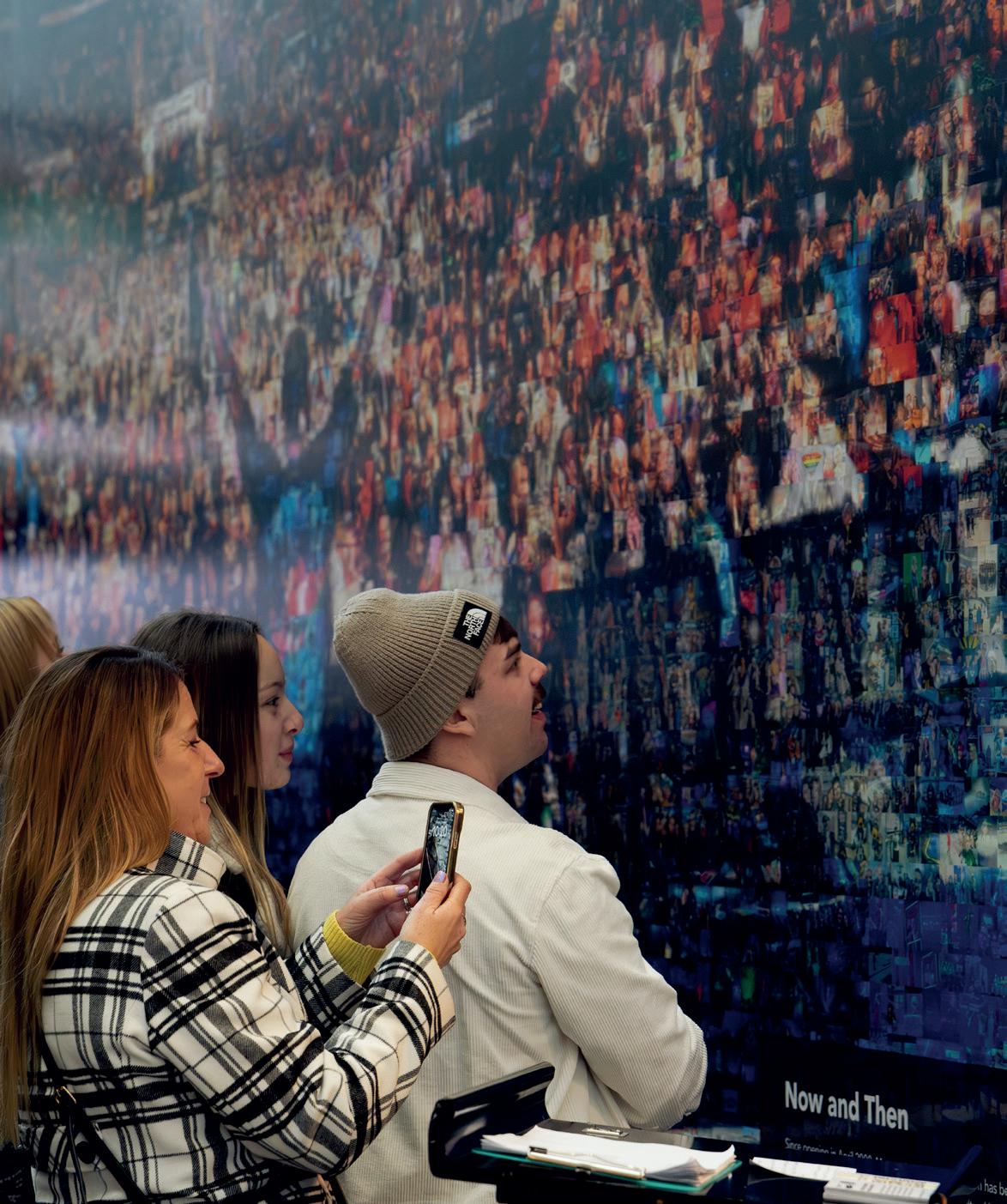
A huge mosaic made entirely from photographs submitted by fans and local people has been permanently installed at Motorpoint Arena Nottingham, commissioned to mark the venue’s 25th anniversary last year.
The large-scale artwork, situated in the arena foyer, features over 5,000 fan-images from first gigs and family nights out, to childhood memories, and once-in-a-lifetime experiences – submitted by the community as part of the People's Picture Project. Over twelve months, fans from across the UK and worldwide contributed images to create the 6.5-metre artwork, which will be permanently displayed in the foyer.
With no formal art training, my practice has been shaped through experience rather than institution. Learning has come through experimentation, seeking out opportunities, meeting people and carving out independent pathways within the art world. Resourcefulness, curiosity and connection sit at the centre of this approach, reflecting the themes explored within the work itself.
Nature remains the strongest source of inspiration – some people call it the world’s greatest artist. From dramatic sunrises to the quiet strength of ancient oak trees with their vast, reaching branches, the natural world offers constant lessons in scale, patience and connection.
My artistic practice began in early childhood, with art being the only subject that truly resonated with me at school. Early experiments included coffee paintings, which have since evolved into three-dimensional works, driven by a desire to create immersive, physical experiences rather than static objects.
At its core, my work is an exploration of connection to each other, nature, and ourselves – continuing to explore that feels more vital than ever.
The Obelisk of Connectivity will be situated in The Lace Market during Light Night – which takes place throughout the city centre between Fri 6 - Sat 7 February. Q @Nakufo
The mosaic was unveiled on Thursday 22 January. Martin Ingham, CEO of Motorpoint Arena Nottingham, said: "When you look closely at this mosaic, you don't just see photographs – you see real lives, memories and moments that have shaped this venue. Every image represents a genuine connection to this place, and bringing all those stories together creates something truly meaningful."
The piece was created in collaboration with British artist, Helen Marshall, who has created high-quality photo mosaic art and installations for clients like Alexandra Palace, the National Memorial Arboretum, and the Scottish Football Museum.
Christina Avraam from Arnold, Nottingham, whose image features in the mosaic, said:
“I can’t believe a picture I took with my phone so many years ago became part of something like this. It feels incredibly special to know my memory is now woven into the story of the venue.”
The new mosaic is available to view at the venue. There is also a digital version in which you can explore individual images and stories, accessible via the link below.
thepeoplespicture.com/gallery/motorpoint-25-years
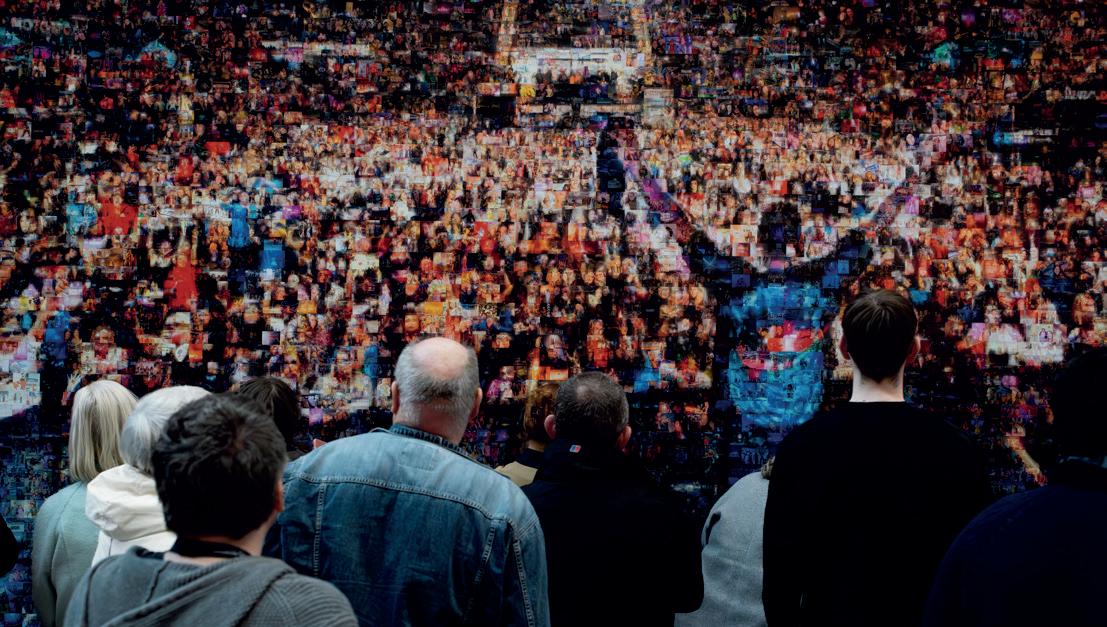

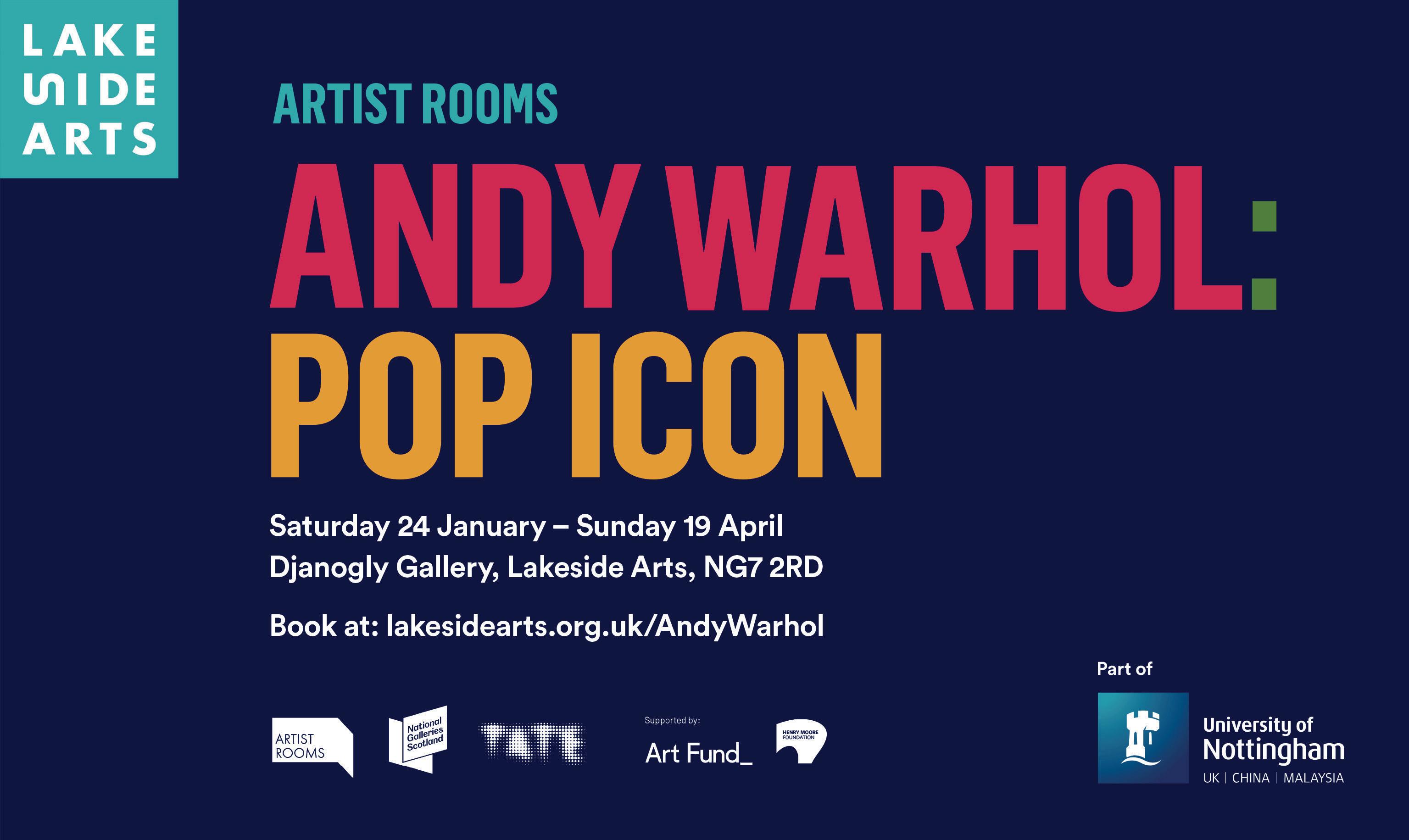
interview: Adam Pickering illustration: Lily Faye
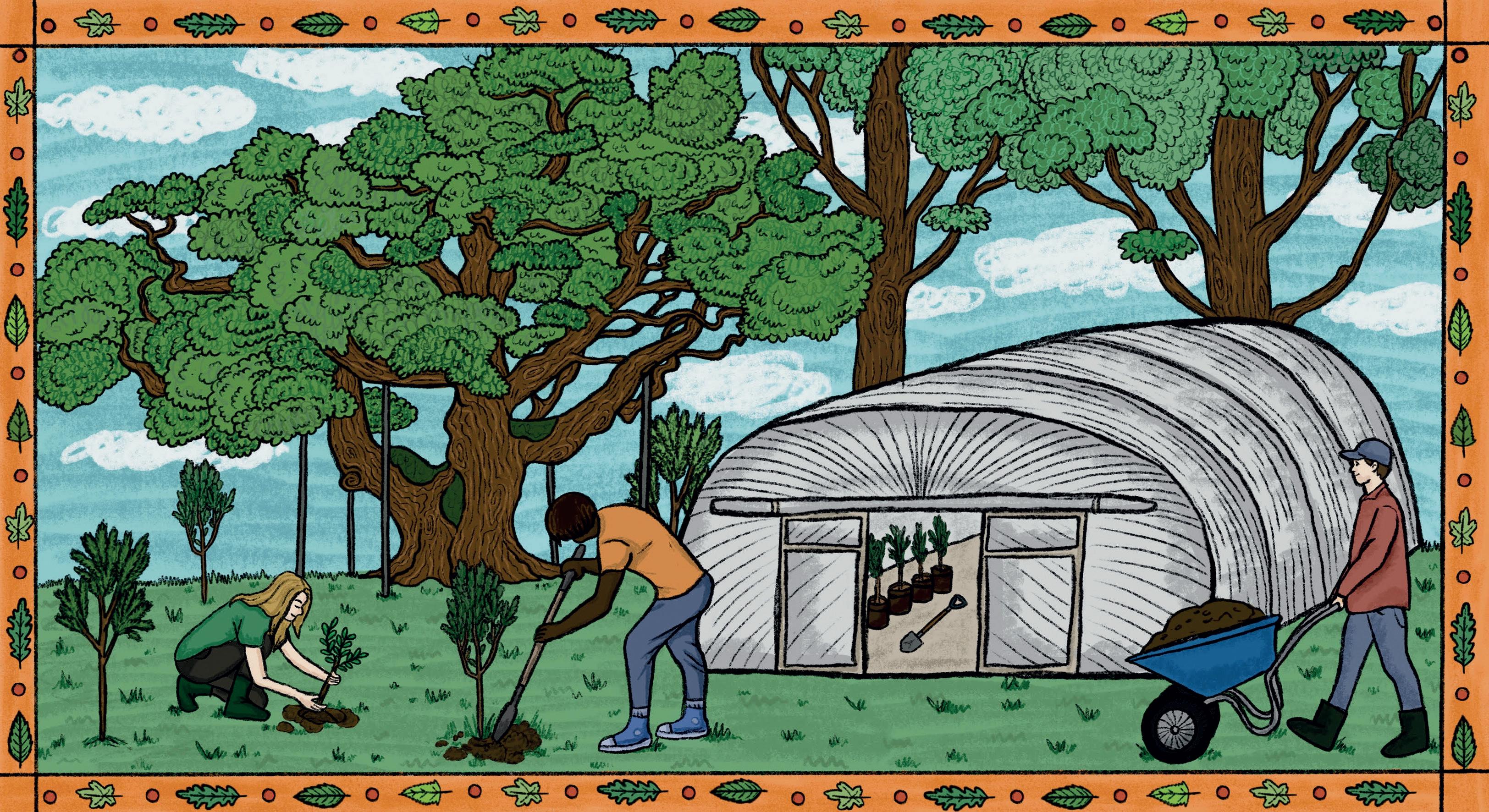
Once spreading throughout most of the county and beyond, Sherwood Forest is the emerald jewel in Nottinghamshire’s crown. As Sherwood Forest Day approaches, Helen Sullivan, Director of the Sherwood Forest Trust, speaks about how they’re protecting, restoring, and celebrating the landscape of Sherwood Forest, and how we can too.
For those who haven’t heard of the Sherwood Forest Trust, can you tell us about your work?
We’re a charity that was established about thirty years ago. We began as a landscape partnership called the Sherwood Initiative – shared between the Forestry Commission and local authorities across Nottinghamshire. Since then we’ve done a lot of work across the county protecting, restoring and celebrating the internationally legendary Sherwood Forest.
Of course, for those of us who live here, it’s not that easy to recognise the extent of the forest. Our base is in Edwinstowe, next to the RSPB visitor centre, which is very visible, but Sherwood is, and was, far bigger than that, and what we’re left with now are fragments of forest scattered across the county. A big part of our work is about expanding tree cover where we can.
How are you working to expand tree cover?
We collect seed from target species, particularly from ancient trees that have stood the test of time, and we bring community groups along with us to take part. It gives people a chance to understand more about the ancients, and the importance of trees grown from local provenance.
We grow those trees in our nursery, giving them the best possible chance of survival, before they’re planted back out across the county as part of new and existing projects.
In terms of the historic extent of Sherwood Forest, how big was it compared to today?
We have maps dating from the early thirteenth century showing a forest that stretches across much of the county – as far south as Lenton, and north towards places like Clumber.
What we see today are remnants of something that shaped the identity, culture and ecology of the county. That sense of scale is really important, because it helps people understand that if they live in Nottinghamshire, they are very likely living on land that was once part of Sherwood Forest.
What’s the value of forests?
There’s the obvious role forests play in carbon capture, producing oxygen – the lungs of the country. But on a much more human scale we all know how it feels to step into a green space – however small that space is, there’s a kind of exhale. For me personally, it feels like coming home. There’s a deep sense of connection and ease. I notice how different conversations are when you’re
walking together in a green space – when I walk in the forest with a colleague, what’s possible feels different. The conversation becomes more creative, freer, more wide-ranging.
Green spaces spark curiosity, and we really need that. Times are tough. That fills me with real passion, because I do think we can make a difference, and people need to feel that they can make a difference. Clearing rubbish from a planter, creating beauty, attracting butterflies back; we have plenty of research that tells us these things matter, but we also know it intuitively.
we aLL Know how it FeeLs to step into a green spaCe. howe Ver smaLL that spaCe is, there’s a Kind oF exhaLe - For me personaLLy, it FeeLs LiKe Coming home.
In November you held the first forest ‘moot’ in over a hundred years. What’s that all about?
Historically, a moot was a gathering of the people of the forest. It was a space to come together and talk about what was happening in the forest, and what people wanted for its future. We used it as a springboard to bring communities together from across the historic boundaries of Sherwood Forest. The conversations focused not only on how we celebrate the forest but also how we protect it.
We invited people from lots of different settings –WI groups, Scouts, Brownies, parish councils, local councillors – to talk about Sherwood Forest Day, and how we can make the most of it as a community celebration of the forest.
What’s Sherwood Forest Day?
It’s happening on Friday 20 February. It was spearheaded by Michelle Welsh, our MP for Sherwood Forest, and it marks the birthday of Hayman Rooke, who was born in 1723. He was an antiquarian and soldier, and he’s best known for discovering the Major Oak, as well as two Roman villas near Mansfield Woodhouse. The Major Oak was named after him, and while he had wider archaeological interests, we particularly recognise him for his role as a conservationist and recorder of Sherwood’s history.
How can people get involved? First, it’s about recognising that your community is
part of Sherwood Forest. If you’re within the historic boundary, we’d love people to mark that - for example through a plaque that says, “This place is part of the legendary Sherwood Forest.”
Then it’s about asking, what’s your patch of Sherwood like? What green spaces do you have locally, and how can you care for them? That might start very simply – understanding what’s there now, and what used to be there. Practically we can look at clearing any litter, asking are there invasive species which should be removed?
Then we can look at whether there was once heathland – an internationally important habitat that Sherwood is known for. If there’s room to plant trees, we can support that too via our tree nursery, and there are parallel efforts towards planting more trees like the Sherwood People’s Forest project.
The Major Oak has had a difficult few years. How is it doing?
Our partners at the RSPB are doing a lot of important work. We’ve seen shoots of growth this year, which is encouraging, but it’s certainly in its dying phase. What the Trust is particularly focused on, is its legacy.
In this stage it’s still extraordinary, and incredibly beautiful. Even as it declines, the Major Oak continues to serve nature, provide habitats and teach us how to care for ancient trees. There’s also important work happening with partners like the Woodland Trust to map and better understand Sherwood’s ancient trees. Finally, what are your hopes for Sherwood Forest in a hundred, or even five hundred, years’ time?
More tree coverage for sure – but wilder, more connected coverage. That means connected landscapes, with nature corridors linking fragments together. But it also means people feeling connected – Sherwood truly becoming a people’s forest again.
We want people to get to know their patch, understand how it connects to the next patch, and feel part of a shared heritage that stretches across generations. So lots more trees, and people having real relationships with them.
Find out more about Sherwood Forest Trust and Sherwood Forest Day, which takes place on Friday 20 February at the link below.
sherwoodforest.org.uk
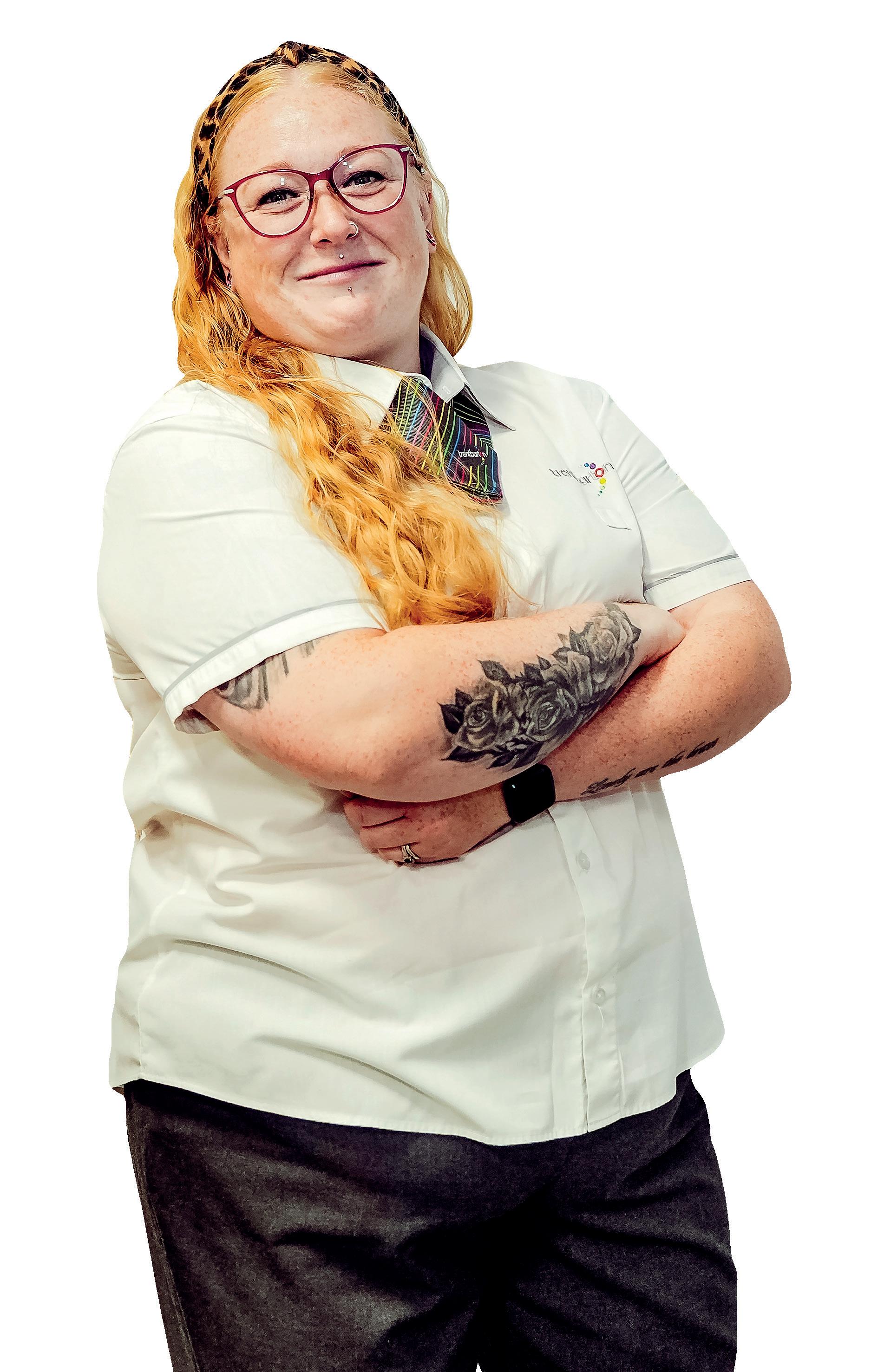
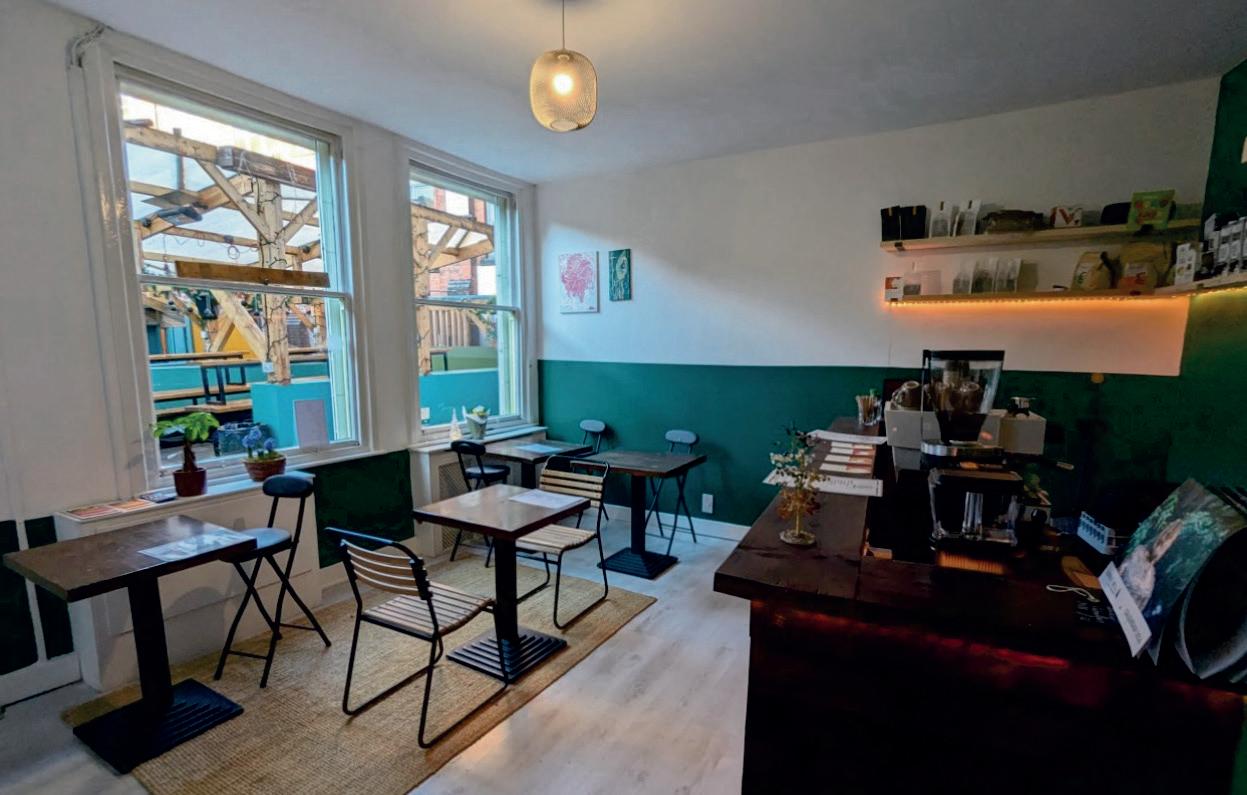
words: Julia Head photos: The
The Hidden Brew is Nottingham’s newest independent coffee shop, quietly opening in Cobden Chambers back in December. Still learning and growing, the café was set up by Ed Dodd and Masha Cooper, who met at a local music event before deciding to bring their shared idea to life.
Designed as a warm, welcoming space, it’s somewhere you can stop by for a coffee or settle in with a sketchbook and get creative. We paid a visit to chat all things coffee beans, shoestring budgets and the everimportant question of whether syrup in your coffee should be allowed.
Hello! The Hidden Brew feels like it very quietly slipped into Nottingham’s coffee scene, which somehow makes discovering it even nicer. For anyone who hasn’t found you yet, can you tell us a bit about
The Hidden Brew and why you decided to start it?
First of all, thank you for giving us this opportunity to introduce ourselves! Our names are Ed and Masha, and we met at a local music event upon recognising a mutual connection. We shared the same dream of opening an independent coffee shop, and one day in October 2024 while hanging out with said connection, I (Masha) asked Ed if I could join in on his plans to open a shop here in Nottingham. His response was – wait for it – “sure.” The rest is history! From the very beginning, our goal has been shared: to create a quiet, tuckedaway and cosy space in Nottingham where people feel welcome to learn about specialty coffee and work, create, or relax.
Like a lot of independent coffee shops, you didn’t exactly start with a huge budget. What’s it been like building the business from the ground up on a shoestring?
At the end of the day, all investment is a risk no matter how big the budget. With this in mind, we decided to go full steam ahead and put every penny of our savings into this shared vision that we have faith in. In order to mitigate the financial risk we’ve surrounded ourselves with a fantastic group of knowledgeable and supportive people. For example, The Hidden Brew would not exist without the help of Luke (owner of Nuno Coffee), our consultant. Our support system helps us navigate the uncertainty that comes with a small budget with more confidence. And so far, we are on track financially! We are sincerely grateful.
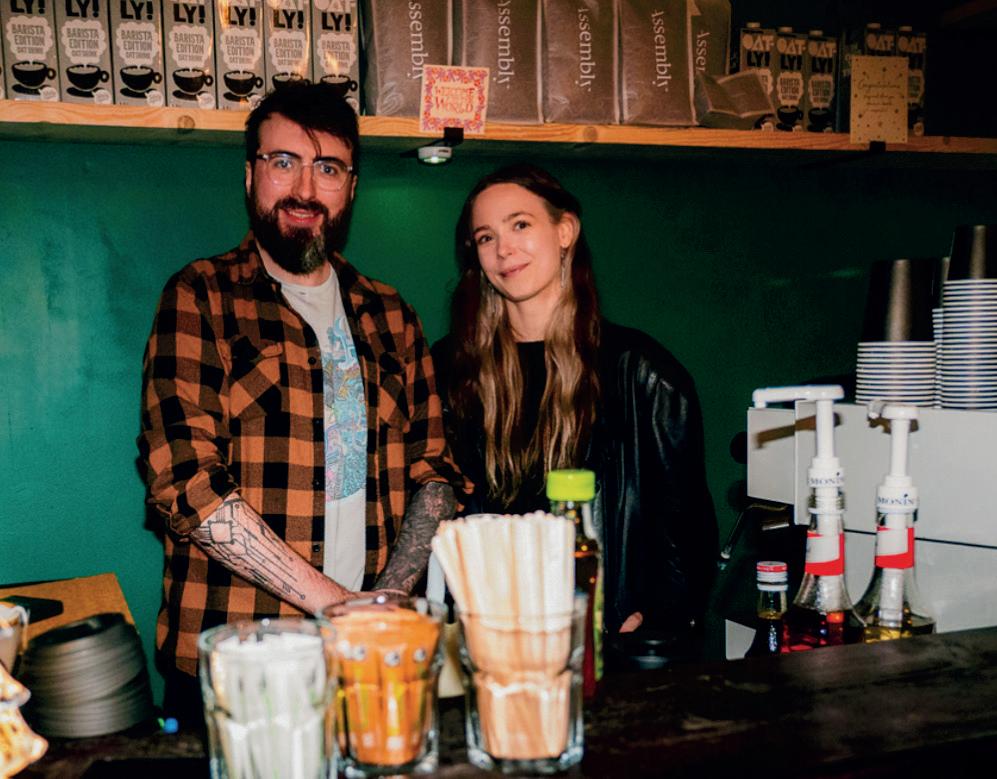
You’re tucked away in Cobden Chambers, so you really are a little hidden. Did the location have any influence on the name?
The reverse! We envisioned a tucked-away shop from the beginning, so we chose the name ‘The Hidden Brew’ to start bringing our vision to life. When we found our spot in Cobden Chambers, we were thrilled that we had truly become hidden.
Let’s talk coffee. What can you tell us about the beans you use and how you go about choosing them?
Our house beans are from Assembly Coffee, and we have guest beans from various roasteries on rotation. We want our customers to have the opportunity to sample a wide variety of coffee from roasters around the UK, but also give them a ‘tried and true’ option by having house beans. While we look at different criteria when choosing our coffee, local and sustainablysourced beans are what we seek out. And, of course, a nice taste is a must.
w e en V isioned a tu CK ed-away shop F rom the beginning, so we C hose the name ‘ t he h idden b rew’ to start bringing our V ision to L i F e. w hen we F ound our spot in Cobden Chambers, we were thri LL ed that we had tru Ly be C ome hidden
You co-own the shop together, but Masha, you often split your time between the USA and Nottingham. How does that work in practice, day to day?
What’s beautiful about this setup is that we get to see a true business partnership in action – we are both dependent on the other. Ed does the amazing work of manning the shop six days a week all by himself, running errands and completing other related tasks. I (Masha) keep my full-time job to fund the shop while it is taking its first steps, and post on social media and complete admin work. At the end of each day, Ed gives me a recap via WhatsApp and we check our email/ group chats for any developments. Once a week we’ll have a longer call.
One thing that really stands out is how unpretentious The Hidden Brew feels. There’s no judgement here
– just good coffee. Was that something you were consciously aiming for? And what are your thoughts on customers ordering decaf, sugar, syrups, or whatever they like?
You’ve got a keen eye! Yes, the ‘unpretentious vibe’ is exactly what we are going for and is part of what our tagline, ‘Specialty Coffee Made Accessible’, represents. Our aim is to welcome everyone – no matter their background, beliefs or tastes – and invite them into the world of specialty coffee.
If someone comes in looking to get acquainted with coffee for the first time, we’re here to get them started; likewise, if someone is simply looking for an escape or a quiet place to work, they’re equally welcome.
When it comes to ordering, we currently have decaf as well as vanilla and caramel flavours. We’re excited for when we are able to have lots of options – there is no ‘correct’ way to enjoy coffee. I’ll also add that while we’re looking forward to pursuing creative and alternative drink options. Customers who prefer the tried and true will always have access to the basics like regular espresso, whole milk, etc.
What’s next for The Hidden Brew – any plans, ideas, or things you’d love to do?
The next steps are to smooth out the ‘rough edges’ –for example, putting up signs so that people can find us more easily, making our space cosier by adjusting the furniture and layout, having a few repairs made, commissioning artists to design merch, and of course sourcing sweet and savoury pastries.
Once these types of things are sorted and it is financially feasible, we’d love to expand our range of alternative milks, host coffee education classes, and start crafting unique drink recipes. We’re always teeming with ideas, but these are the ones that we absolutely plan on pursuing.
Finally, we have to ask – what’s your go to coffee order? I almost always go for a flat white, or a cortado if I want to taste the espresso more. As for Ed, I’ve noticed that he enjoys pour-overs and alternative milk lattes. Though I will say that there’s nothing quite like a straight-up shot of espresso!
Find The Hidden Brew at 4a Cobden Chambers, Nottingham, United Kingdom NG1 2ED
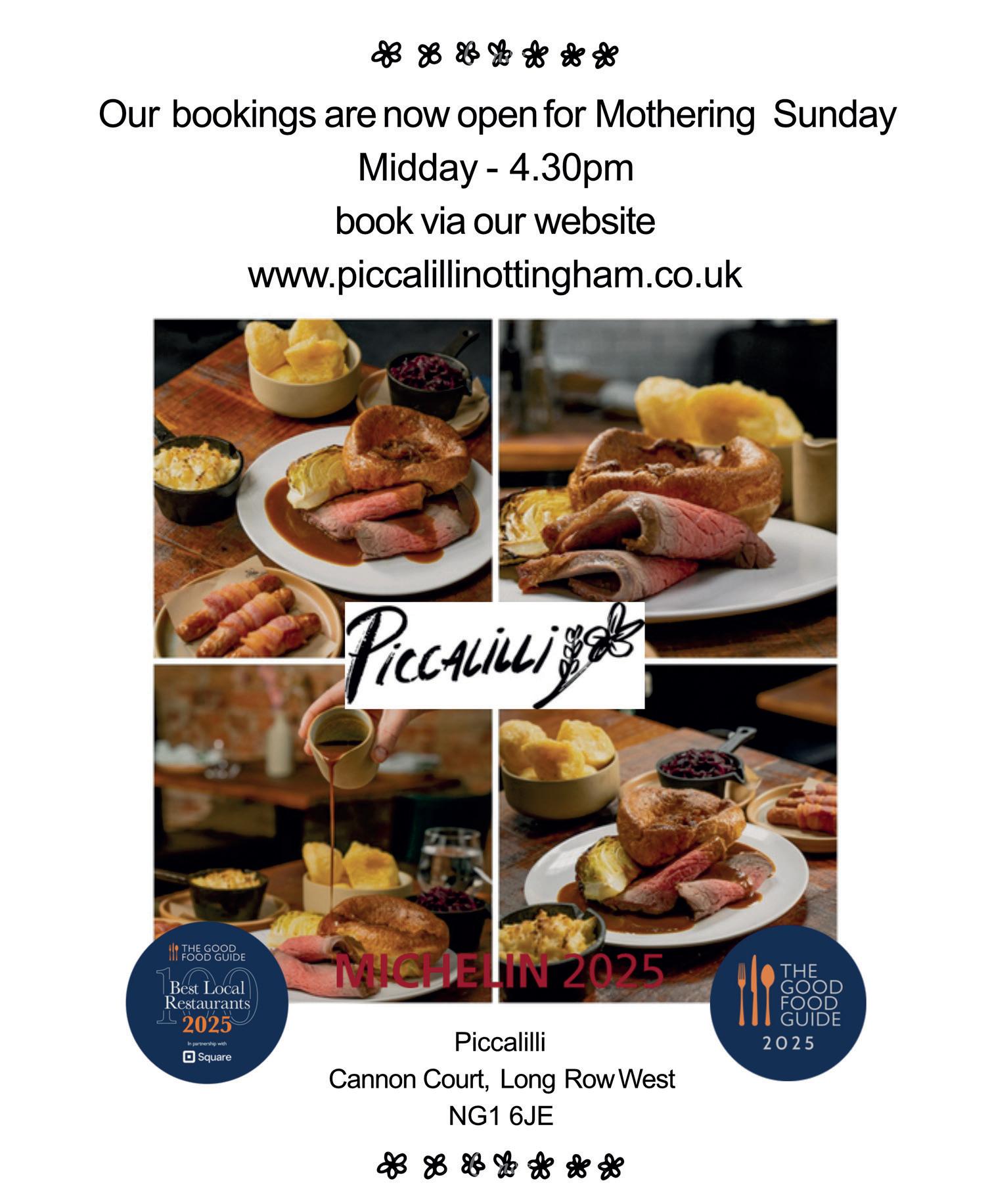
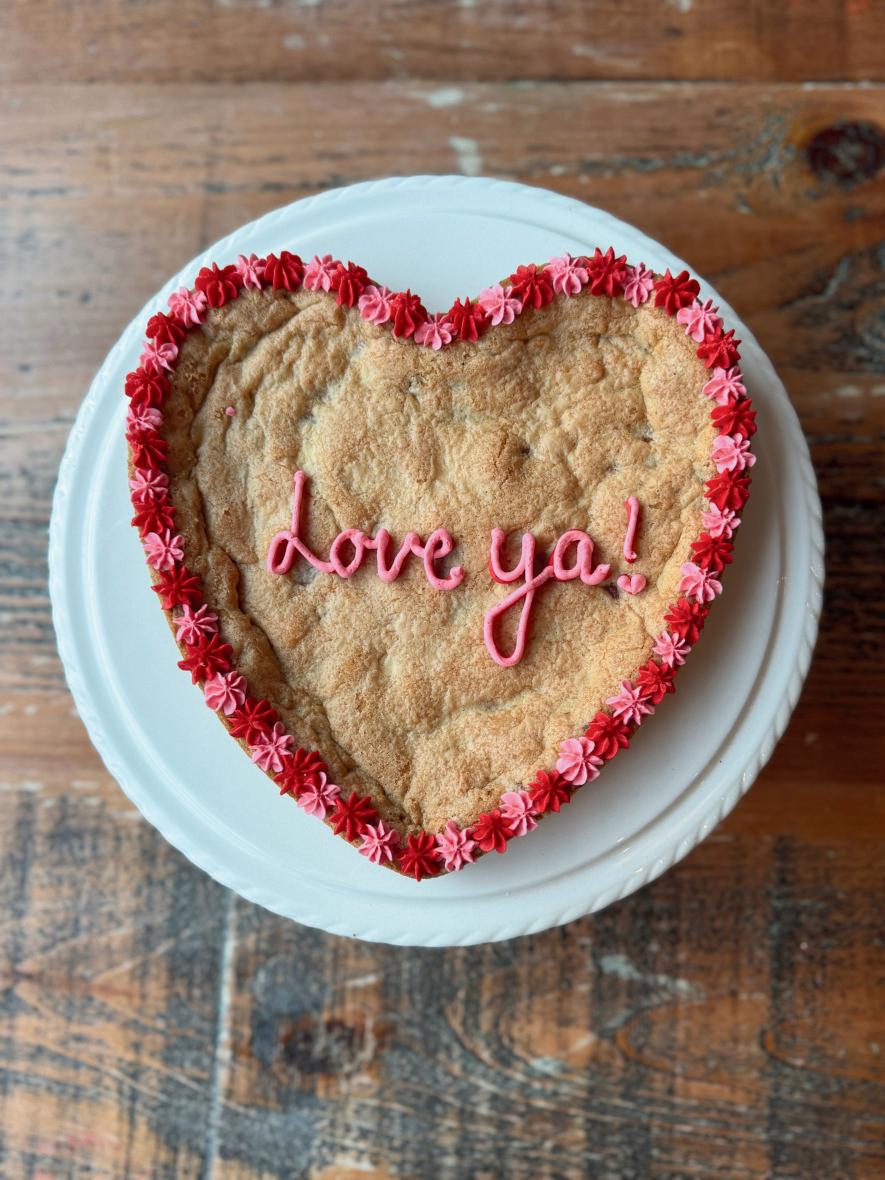
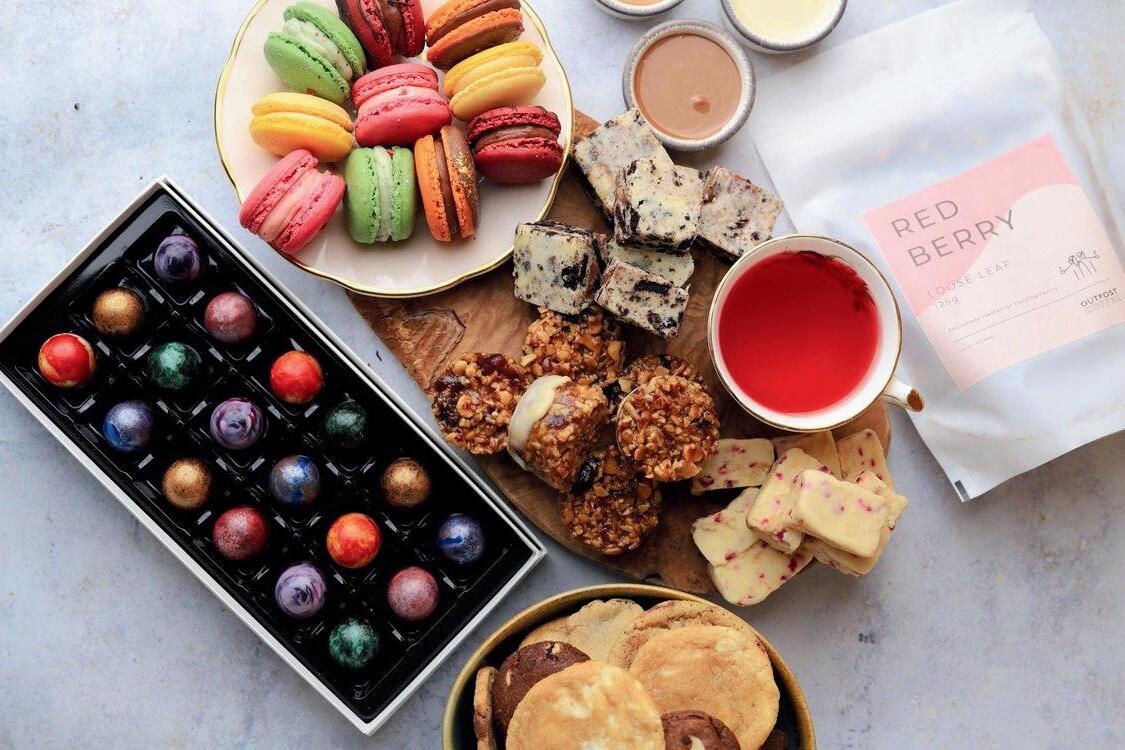
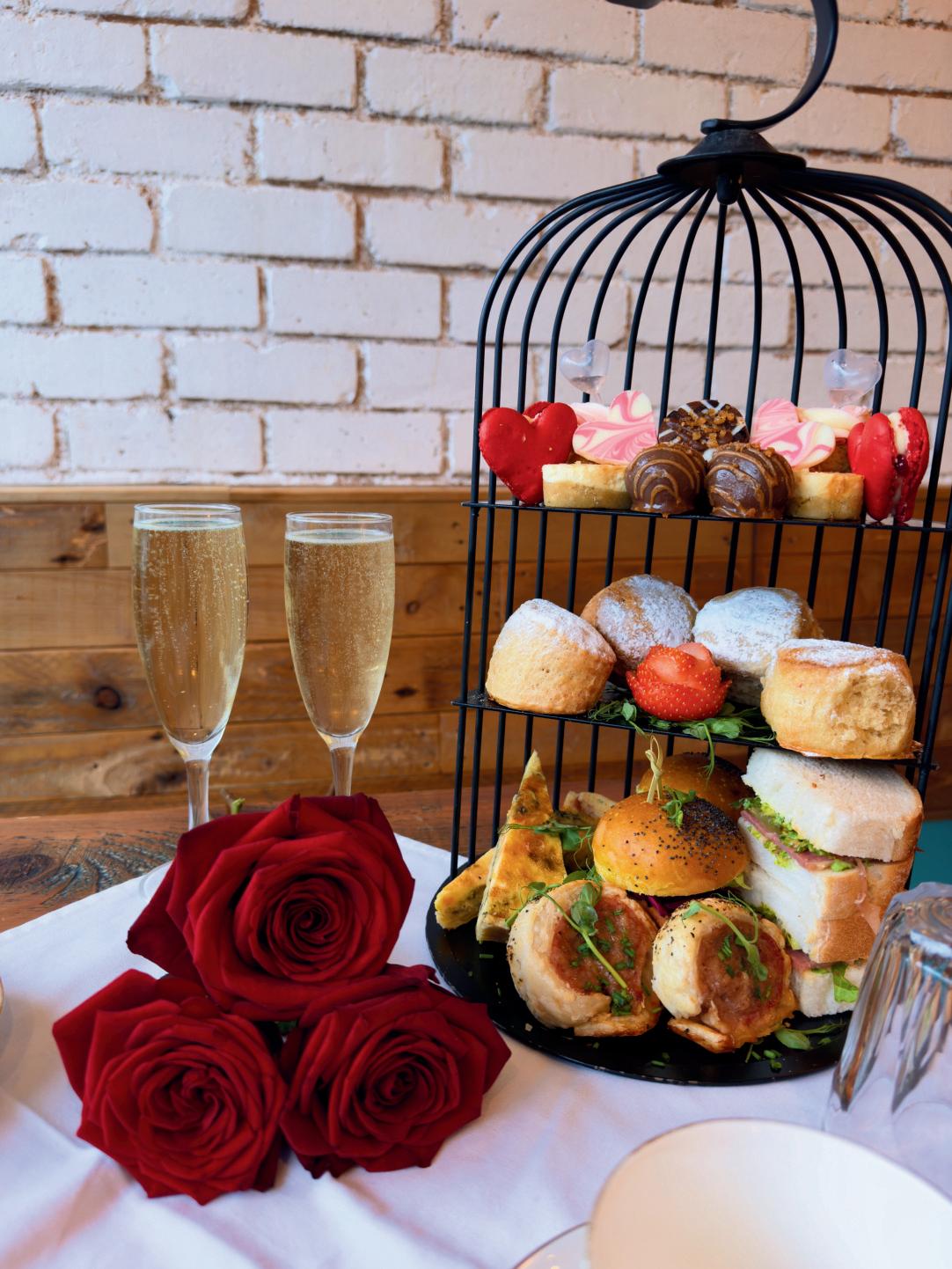

Smash burgers take the spotlight on Bomba’s latest food menu, which recently launched at Bunkers Hill pub. The menu features eight burgers, all named after figures from the American West, and each with its own distinct character.
Bomba is run by Jody Capuano and Ben Webb, who have grown their independent business into the crowning jewel of Bunkers Hill. Their burgers are a welcome alternative to the increasingly tall and elaborate offerings dominating the street food scene. I have always preferred a burger you can actually get your mouth around (using cutlery just feels wrong), and thankfully Bomba agrees.
The smash technique is central to their success. Each patty is flattened on the grill, creating crispy, caramelised edges while preserving the juiciness of the beef. Crafting a burger that holds its own against local heavyweights, like Bohn’s Burgers and Mesa’s double cheeseburger, requires time and devotion, and Ben spent many hours perfecting his patties. That dedication saw Bomba’s smash burger become a customer favourite, inspiring the shift away from Italian street food.
Jody explains: “We’re not gourmet and we’re not fast food – we’re in the middle. We keep it simple with the classics on the menu, and add our own twist, with the
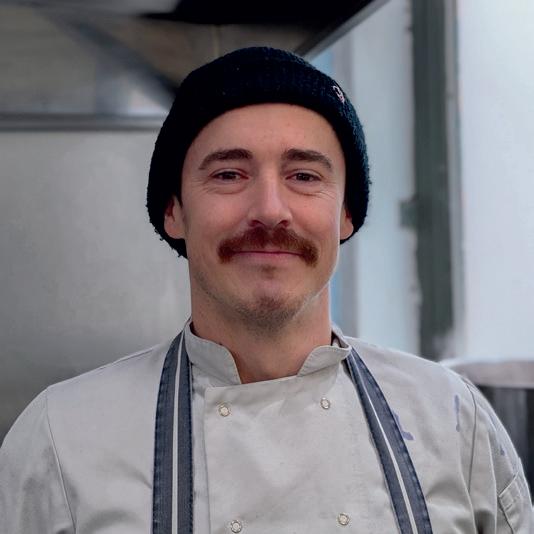
There are new burgers in town and they rival Nottingham’s greatest. Bomba is rejecting gourmet fillings and towering stacks for the nostalgia of a simple American burger. Food co-editor Lucy Campion shares her thoughts on their new WildWest-inspired menu.
more adventurous peanut butter and jelly combo in our Malaysian satay sauce and chilli jam.”
I love peanut butter but usually find it overpowering in burgers. However, the ‘Jesse James’ hits the sweet spot – a thin layer of satay sauce provides just enough salty peanut flavour without being sickly.
r emember when C hips with a burger C ame at no extra C ost? t hose were the good days!
“Our goal is simple: good burgers with nostalgic flavour.” Jody says. “We have a simple cheeseburger with ketchup on the menu, because that’s what people ask for – we like giving people what they want.”
Adding to the nostalgia, every burger is served with Bomba’s signature cowboy salt fries. Remember when chips with a burger came at no extra cost? Those were the good days!
Game day for the Nottingham Panthers always has fans spilling out the doors of Bunkers Hill. The love affair between sports fans and burgers is universal, making Bomba a great fit for their pub kitchen. The two independents also share a ‘local first’ ethos. Jody
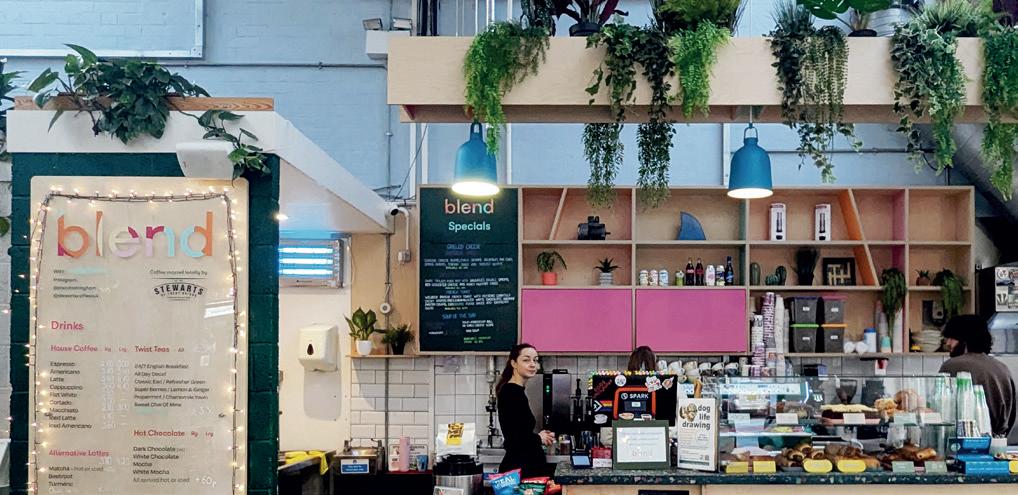
Describe your venue in three words Coffee. Cheese. Pigeons
When did you first know you wanted to make food for a living?
I don’t think there was ever a singular lightbulb moment, I fell into it through travelling and just found myself enjoying it and getting better the more I did it.
Who has been the biggest influence on your cooking and why?
Besides everyone I’ve worked with I’m gonna be cliche and say my mum. Her flapjacks speak for themselves!
What's the best selling item on your current menu and why?
Chickki Minaj – a Cajun chicken grilled cheese. The jalapeno guac gives it a nice lil’ kick!
What’s the best meal you have ever cooked?
That’s always going to be the last thing I cooked, haha! Maybe not the best, but I cooked Seth Rogen a burger once in Vancouver – he said it was delicious.
What’s the best meal you have ever eaten? And who cooked it?
Too many to narrow down, but I would urge everyone to go to Japan and eat everything you can. Yakiniku in Tokyo with your mates is a hard one to beat.
Other than your own place, where do you eat out most in Notts? Sosu. They’ve only got eight seats, but I could eat their ramen every day.
Who are your five ideal dinner party guests alive or dead? And what’s on the menu?
Let’s go musical, with Carol Kaye laying down some bass lines for Prince, Otis Redding, Rod Stewart, and Robert Smith. I’d cook some chilli prawn linguine. Visit Blend at Unit 30, Sneinton Market, NG1 1DW blendnottingham.co.uk
explains: “Bunkers Hill is a comfortable place to sit and enjoy a pint and proper burger. There are locally brewed craft beers behind the bar, while our beef comes from Sneinton Market’s Harvey’s Butcher and our buns from Adkin’s Bakery.”
My favourite burger, ‘Wyatt Earp’, is inspired by the world-famous Big Mac. American cheese, chopped onions, pickles, and of course burger sauce, but Bomba’s version easily surpasses the original in flavour.
Despite stepping away from street food, Jody’s Italian roots still shine through, especially in her famed tiramisu. With regularly rotating flavours, from pumpkin spice to cookies and cream, it may not be traditional but it is one of the tastiest desserts in Nottingham.
Other dishes to survive the cull include fried lasagna and mozzarella sticks. The lasagna is good but the mozzarella sticks deserve real hype – supersized and perfectly seasoned, there is no better cheese pull in the city.
Bomba’s homage to the nostalgic is a win for the Nottingham food scene, and proof that simplicity and quality ingredients are still a recipe for success.
Visit Bomba at Bunkers Hill, 36/38 Hockley, Nottingham NG1 1FP.
@bombanotts
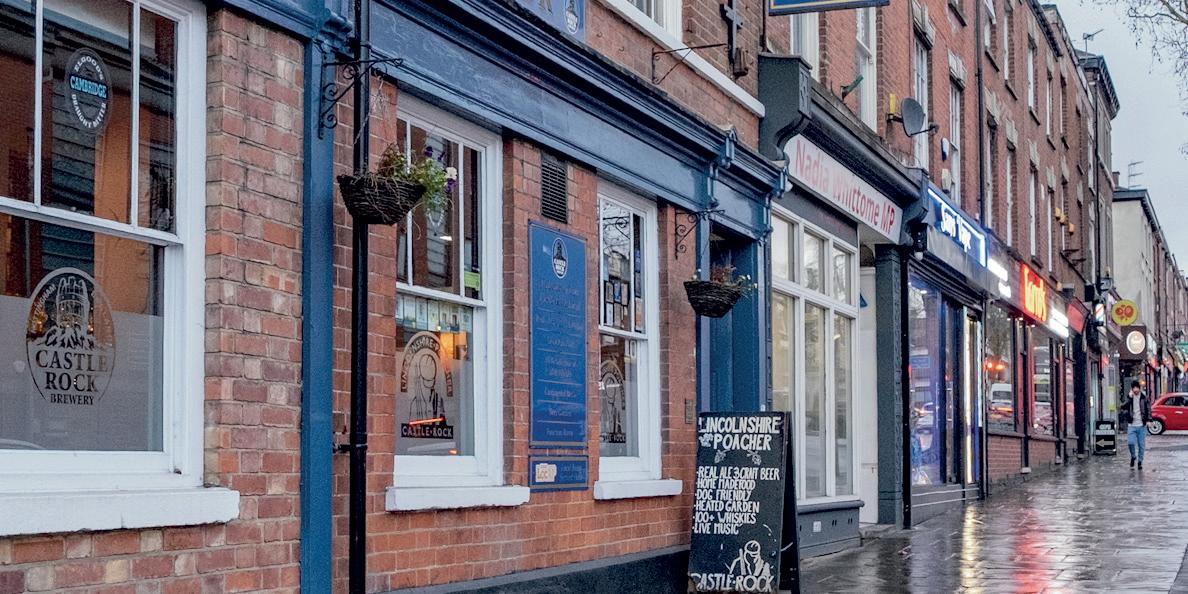
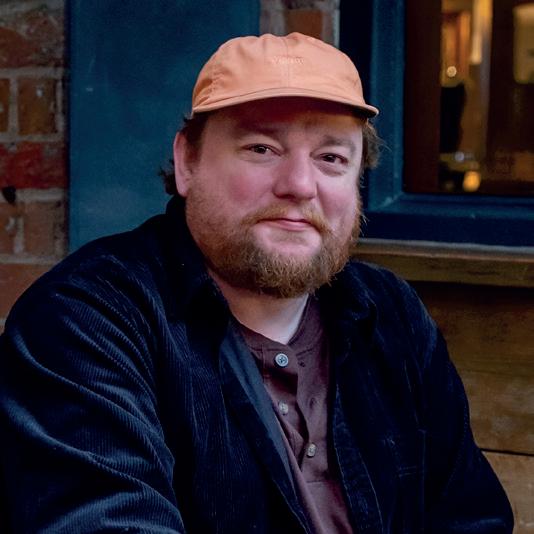
Describe your venue in three words:
Traditional, community-led and homely.
Tell us something interesting about your pub…
Where the toilets are now used to be stables. Customers used to walk their horses through the front door, past the bar, and tether them in the stables while they had a drink!
What’s the best thing about your job?
The people I work with, the customers, and the live music that we put on.
What’s the worst?
Not working the same hours as my friends.
What’s the best thing a customer has ever said to you?
It’s always lovely to receive feedback praising the team for their beer knowledge.
How would you persuade someone who’s never visited to entice them in?
I’d tell them it’s the best pub in the world, with a great whisky selection and a vast range of cask and craft beer.
What’s your best selling drink? Harvest Pale.
What’s your most expensive drink?
Erebus from Tartarus – a delicious raspberry chocolate cake imperial stout.
What’s your personal favourite tipple? Track’s Sonoma – the cask version.
Who’s the most famous person you’ve had drinking in your place?
Justin Townes Earle (Steve Earle’s son).
Visit Lincolnshire Poacher at 161-163 Mansfield Road, NG1 3FR castlerockbrewery.co.uk
Kezia Gill

FRI.20.FEB.26
ROCK CITY
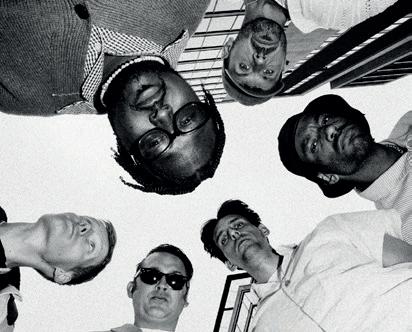
Monster Florence
SAT.28.FEB.26 BODEGA
Less Than Jake
+ The Bouncing Souls, The Aquabats! and The Bar Stool Preachers
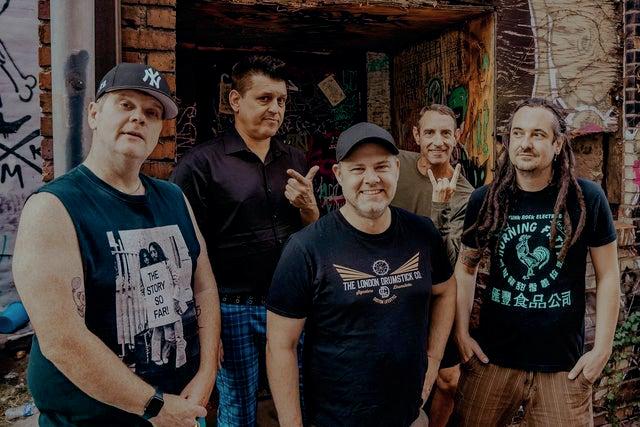
TUE.03.MAR.26
ROCK CITY

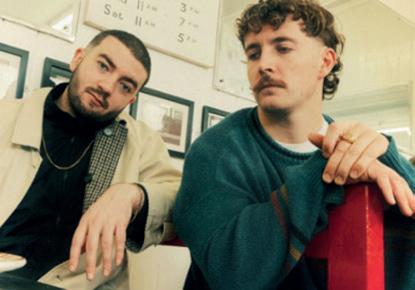
SAT.07.MAR.26
49th & Main
RESCUE ROOMS
THU.12.FEB.26
Coach Party
RESCUE ROOMS
THU.12.FEB.26
SMITH / KOTZEN
ROCK CITY
FRI.13.FEB.26
Fozzy
ROCK CITY
FRI.13.FEB.26
The Howlers BODEGA
SAT.14.FEB.26
Big Special
RESCUE ROOMS
SAT.14.FEB.26
Chasing Abbey BODEGA
SAT.14.FEB.26
Royal Republic
ROCK CITY
SUN.15.FEB.26
Bears In Trees
RESCUE ROOMS
SUN.15.FEB.26
Mogwai
ROCK CITY
MON.16.FEB.26
The Cost
RESCUE ROOMS
TUE.17.FEB.26
Avatar
ROCK CITY
WED.18.FEB.26
The Cavemen
RESCUE ROOMS
WED.18.FEB.26
Toucan BODEGA
THU.19.FEB.26
Crowbar
RESCUE ROOMS
THU.19.FEB.26
St Catherine’s
Child BODEGA
FRI.20.FEB.26
Blackbeard’s
Tea Party BODEGA
FRI.20.FEB.26
Kezia Gill
ROCK CITY
FRI.20.FEB.26
Profiler
ROUGH TRADE
SAT.21.FEB.26
Black Spiders
RESCUE ROOMS
SAT.21.FEB.26
Kathryn Williams
BODEGA
SUN.22.FEB.26
The Callous Daoboys
RESCUE ROOMS
WED.25.FEB.26
PVA
RESCUE ROOMS
THU.26.FEB.26
The Haunt & HIMALAYAS
RESCUE ROOMS
FRI.27.FEB.26
Ben Ottewell & Ian Ball
RESCUE ROOMS
SAT.28.FEB.26
Monster Florence BODEGA
SAT.28.FEB.26
The Orb (live)
RESCUE ROOMS
SUN.01.MAR.26
DEADLETTER
RESCUE ROOMS
TUE.03.MAR.26
Less Than Jake
+ The Bouncing Souls, The Aquabats! and The Bar Stool Preachers
ROCK CITY
WED.04.MAR.26
Hilts
BODEGA
WED.04.MAR.26
The Man The Myth The Meatslab
THE CHAPEL AT THE ANGEL
FRI.06.MAR.26
Buckcherry & Michael Monroe
ROCK CITY
SAT.07.MAR.26
49th & Main
RESCUE ROOMS
SAT.07.MAR.26
Samantha Fish
ROCK CITY
SUN.08.MAR.26
Bleed From Within
ROCK CITY
TUE.10.MAR.26
Gipsy Kings Featuring Nicolas Reyes
ROYAL CONCERT HALL
TUE.10.MAR.26
The Deadlians
BODEGA
THU.12.MAR.26
Bodysnatcher
RESCUE ROOMS
THU.12.MAR.26
Witch Fever BODEGA
FRI.13.MAR.26 Ekoh
RESCUE ROOMS
FRI.13.MAR.26
Lime Garden
ROUGH TRADE
FRI.13.MAR.26
SAT.14.MAR.26
The Rosadocs
BODEGA
SAT.14.MAR.26
Cavetown
ROCK CITY
SAT.14.MAR.26
Pentire
RESCUE ROOMS
SUN.15.MAR.26
Happy Mondays
ROCK CITY
SUN.15.MAR.26
Pastel
BODEGA
TUE.17.MAR.26
POGUES UK
RESCUE ROOMS
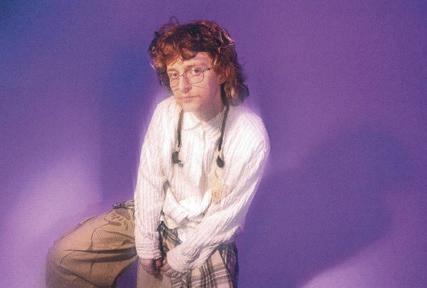
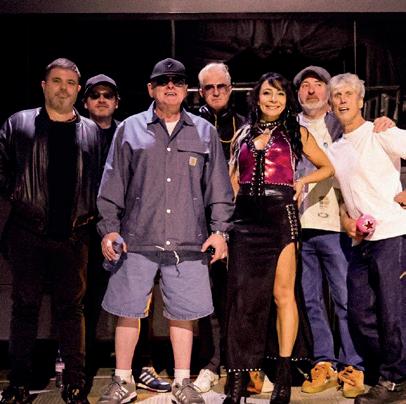
Happy Mondays
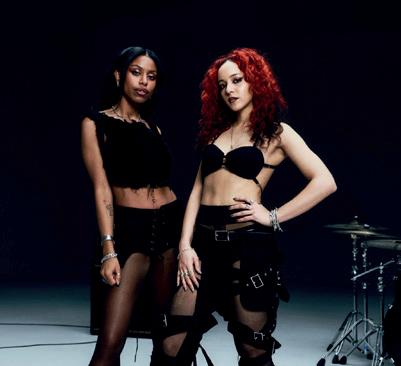
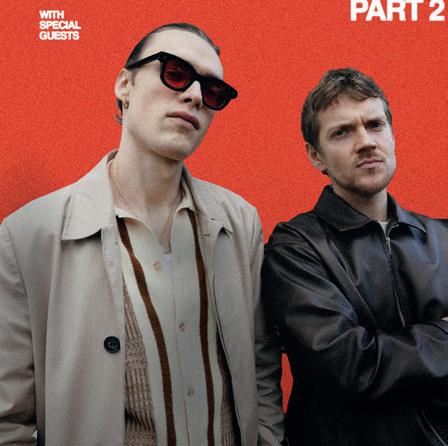

TUE.10.MAR.26
Gipsy Kings ft.
Nicolas Reyes
ROYAL CONCERT HALL
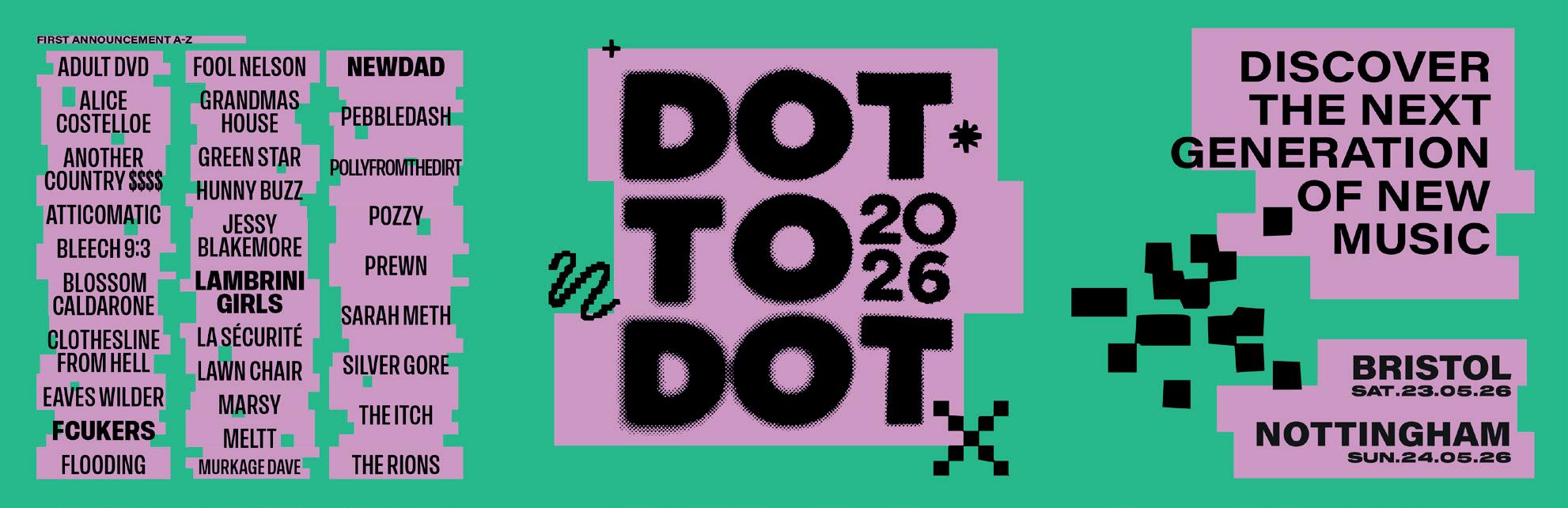
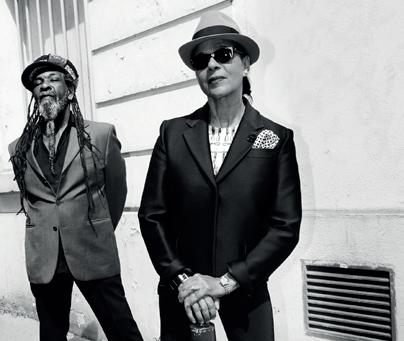
RESCUE
Karl
&
2025 in Notts music was mostly defined by awards. Rave-metal sister duo ALT BLK ERA won a MOBO award, rapper Jayahadadream won two Youth Music Awards – and beloved venue The Bodega was crowned Grassroots Champion at the LIVE Awards. Locally, we also saw the return of Splendour Festival with the Future Sound of Nottingham winners Saffron Gray and Archie & The Astronauts opening the festival main stage. This got us thinking – who are the next breakout stars from Notts and who can we expect to shine in the year ahead? After much deliberation, here’s six Nottingham artists we expect to have a big 2026…
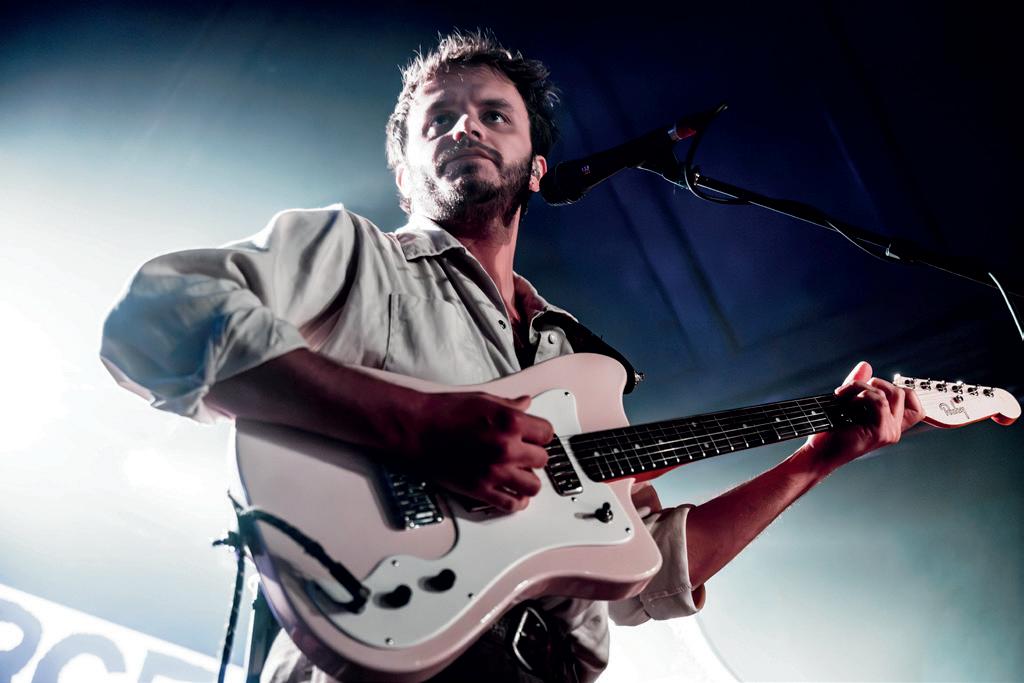
Who: Breakout indie quintet and proprietors of The Grove
What to expect: Second album Carnival – out 27 February
Who: Divorce’s Felix Mackenzie-Barrow goes solo What to expect: Self-titled debut album – out 6 March
Not content with taking over UK indie music with Divorce in 2025, Felix has revealed that a new solo project will be arriving in early 2026. All written, recorded and produced at his home on Garageband – between Divorce tours – the first single offering, titled Song for A Stranger, is a lush and ethereal appetizer. If the album wasn’t enough, Felix will also be playing a show at Nottingham Contemporary on 1 May, giving locals a chance to hear this sparsely raw collection of songs in a very cosy and intimate setting.
@bookofchurches
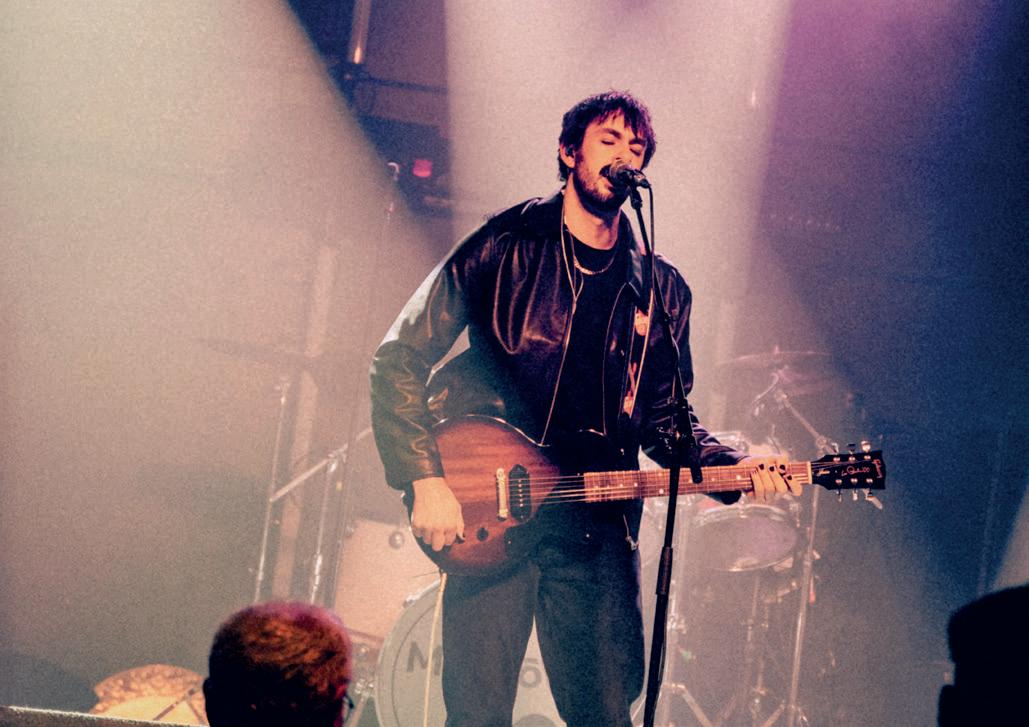
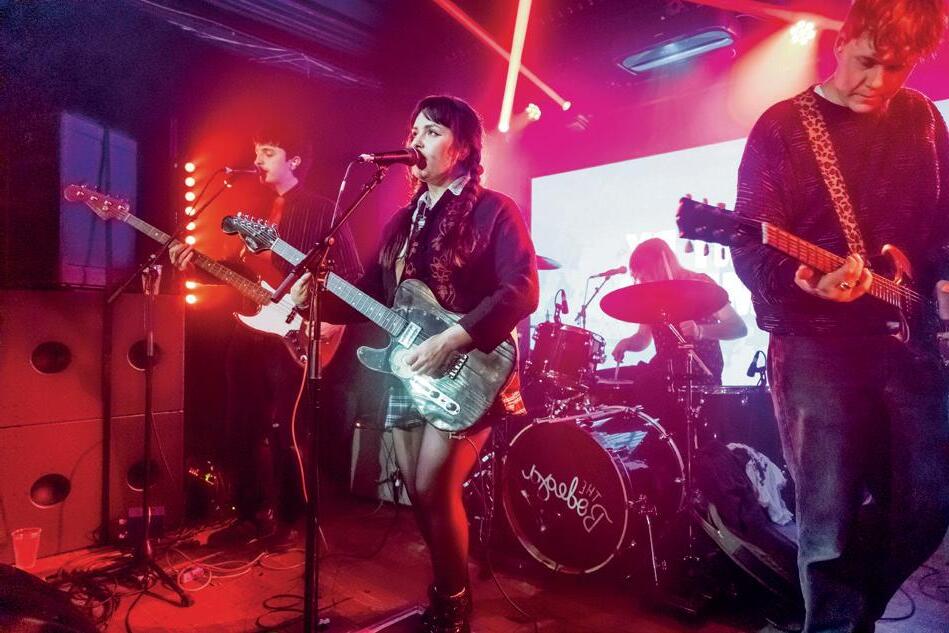
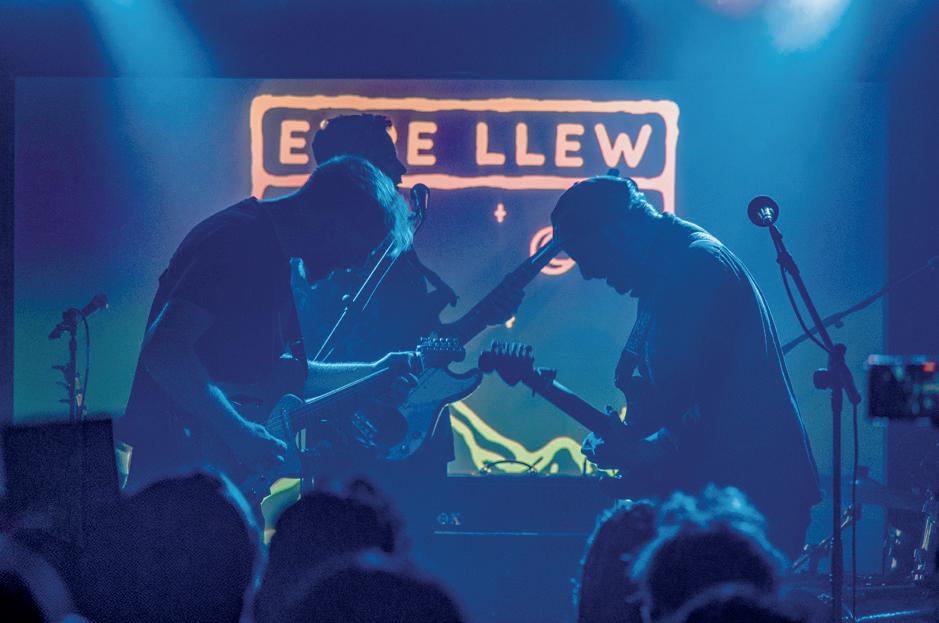
EYRE LLEW
If we‘re looking for the next Nottingham band to go national, Vona Vella currently seems the most likely. The band have built up plenty of media buzz ahead of their second album dropping later this month, with lots of changes since their 2023 self-titled debut. Firstly, the band has grown from a duo into a five-piece, their sound evolving and enrichening in the process. Singer-guitarist Dan Cunningham also now co-owns Sneinton Market venue The Grove, having successfully transformed it into a recording studio and space for live music. From there these new songs have grown, with Carnival then recorded down on the Kent coast in Margate at The Libertines' famed studio – The Albion Rooms. With this new album shaping up to be the band’s big launchpad, we advise heading along to their Bodega homecoming show in April, and catch them playing a small capacity venue while you still can. WILLOW BAY
Who: Nottingham’s legendary ambient post-rock export What to expect: New album, title TBC – expected late 2026
It’s been almost a decade since Eyre Llew released their beloved debut album Atelo: a record that has since become a cult classic within the local scene. Now the much-anticipated sophomore effort is finally on the horizon, and the band have put everything into the making of it. Recorded in a secluded barn deep in the Yorkshire Moors, their old garage studio in Lincolnshire, their Nottingham homes, and even Rough Trade, the album was finally mastered in the iconic Abbey Road studios last year. Thematically, frontman Sam Heaton said the new project “is about fresh beginnings: loyalty, love, grief and finding light again. It’s about hope essentially – trusting that good things are still ahead, even when everything changes.” As a message for 2026, it couldn’t feel more timely.
@eyrellew
@vonavella
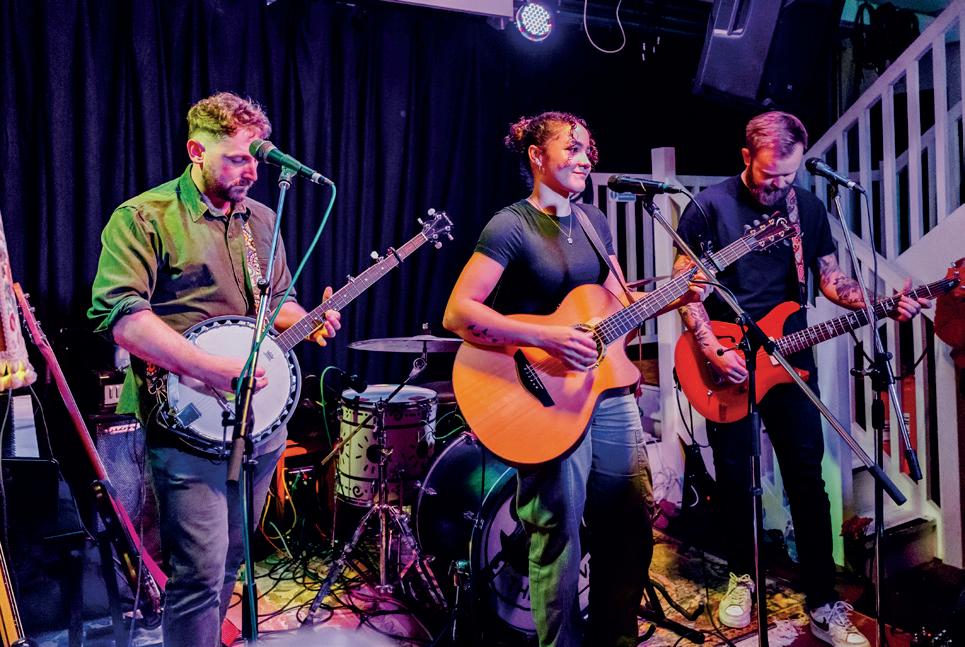
Who: Promising, big-hearted indie-folk trio
What to expect: Debut EP Evangeline – 27 February
Willow Bay first came onto our radar whilst supporting George Gadd & The Aftermath at The Bodega in October last year, their beautiful harmonies and folky rhythms lighting up the room that night. Their most recent single – I Want It All – followed, a song of yearning built on bluesy guitars and resonant lyrics, a perfect example of everything that this young band does so well. Their songs already feel timeless and their musicianship is accomplished well beyond their years, with their early singles sounding like they’ve quickly found their identity and knack for songwriting. If this is how great they sound on their debut EP, we can only imagine what the future might hold. If you want to begin your love affair with Willow Bay’s music, they will be launching Evangeline at The Carousel on 28 February.
@willowbay_uk
Who: Fast-rising Derbyshire rock trio
What to expect: Debut single One Thing out now
The most junior pick on this list, People Laughing are so new, they only just released their first single and played their first ever live show back in January – a support slot for punk outfit The Molotovs at Rescue Rooms. However, one show and one song has ultimately been enough to send the hype machine into overdrive about this group’s potential. Brought together following some early demos by guitarist and frontman Matt Grocott (formerly of The Shrives), their sound is built around direct, emotionally charged songwriting. It pairs Matt’s distorted, Strokes-tinged vocals with Luke Hallam’s driving drums and Ollie Carnell’s melodic basslines. Bursting with energy, clarity, and most importantly fan connection, you can expect People Laughing to quickly blow up over the next twelve months.
@peoplelaughinghq
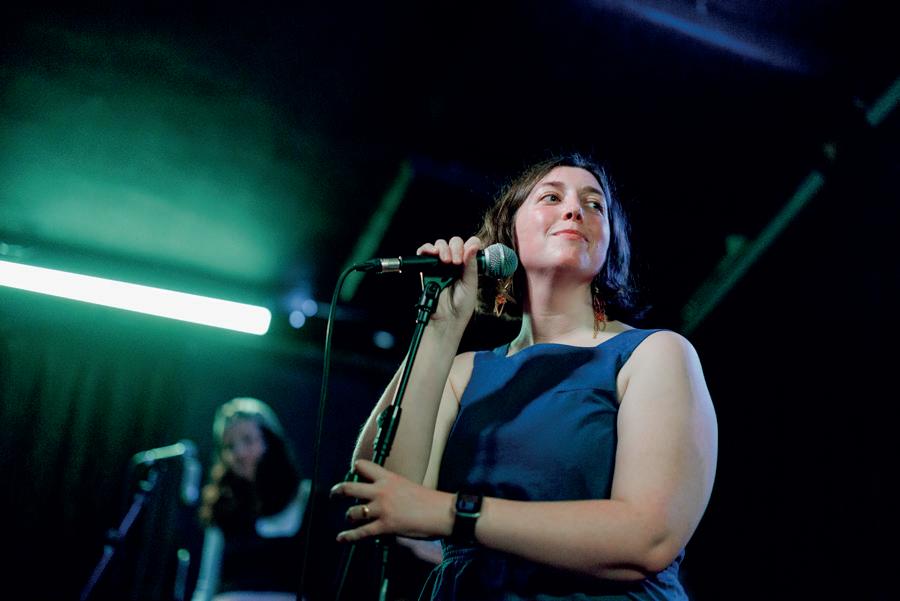
Who: Multi-faceted creative and singer- songwriter Laura Dickinson
What to expect: Debut album Inheritance – out 25 April
Over the past couple of years, Laura Dickinson has built up a strong following locally through her heartfelt live performances and a string of dreamy, folk-inspired singles. Now the time has finally come for Laura to share her debut album, titled Inheritance. Emerging from a story of loss, she describes the album as “exploring the parts of ourselves we inherit from the people around us and how, in a beautifully circular way, they continue to live through us and us through them.” Based on what we have heard from Lace Thief so far, we expect this album to be something quite special. If you want to be one of the first to hear it, Laura will also be playing an album launch show at Rough Trade on the day of Inheritance’s release.
@lacethiefmusic
Fools and Sages Ascend With Me (Single)
Angelic falsetto gives way to mythic savagery in this delightfully histrionic single from Derby’s most fun rockers. Ascend With Me is a torrent of cinematic guitars and powerful, ‘F-yeah!’ riffs – classic rock melding seamlessly with a modern metal sheen. Wearing the obvious 70s influences on her lace sleeve, Grace Leah gleefully provides both delicacy and power in her perfectly judged vocals as she implores the listener to transcend the boundaries of the mundane into glorious escape. Awash with sonic flourishes and with production that revels in layering just-one-more-idea, several times, the song nevertheless refuses to topple over. Instead, these details compound into a sense of completeness that belies this band’s newness. That sense of attention to detail seems to pervade everything Fools and Sages do; from their personal aesthetic to their art, everything is considered to maximise the impact of the music. It works. (Kieran Lister)
Revenge of Calculon Casino Fight! (EP)
Revenge of Calculon play sleazy, squelchy, funky dance-able bass lines that collide head on with space invader themed analogue synths. The mask-wearing band’s latest release is this four-track EP. The title track is unusual for the band in that there is a spoken storyline from Marssy Wong. Juicy synth vibes ooze to form a backdrop to Marssy’s dialogue about a shady poker game in 1970s Las Vegas. There’s also a neat accompanying video made by former Nottingham based film maker Tom Walsh. Basement Freeek is a very danceable song with some funky electronic percussion adding to the grungy synth rhythms interspersed with spacey laser beam sounds. Guerilla Shakes does just that with a magic meld mix of electronic percussion and synth. And finally, The 8 Bit Creep is a stellar track with lots of dirty synth and distorted robotic vocals. Definitely one to give you that warm, space cadet feeling. (Claire Spencer)
Introspective folk artist – ‘King of Misery’ – Daudi Matsiko brings his brilliant harrowing lyricism, raw acoustic talent and deep reflections to surface in this brand-new extended play. Expect alternative musings and discussions of mental health through symbolic dark dreams, beautiful harmonies, and warm collaborations with Divorce’s Tiger Cohen-Towell (Tiger’s Dream) and Ríoghnach Connolly (How Can I Love?). Daudi’s gentle guitar pickings and searching exasperations of his identity and wellbeing weave a haunting, yet comforting, tapestry which invites listeners to confront their own lingering shadows with empathy and hope. The EP is a perfect supplement and guiding hand for the inevitable winter melancholy that affects us all. (Katherine Monk-Watts)
Ktlyle Falling (Single)
Falling is a buzzy, upbeat yet ultimately relaxing track, fizzing with energy right from the start. A four-to-the-floor beat underpins a clever combo of droning and chirpy synths with Ktlyle's hazy vocals gradually taking a leading role. As the track continues, we're given plenty of room to breathe: there's a sense of space and light making the perfect chillout track for a sunset (or sunrise after a big night, maybe). Falling is only Ktlyle's second single, but it makes an attractive and very strong addition to her catalogue, showcasing a real increase in confidence and skill. Check out the extended mix, too, for a bonus chance to unwind. (Phil Taylor)
Upfront vocals over sparsely plucked guitar open this track from LYVIA, released late in '25. And the song continues in that vein for its entire two minutes. No beats, no bass, no frills. The only concession LYVIA makes for embellishment is a sprinkling of auto-tune and vocal harmony, just enough to lift the right sections of the song. The effect is low key, but intensely bold. This is the first song LYVIA has released independently and she is making a clear and brave choice here; there's nowhere to hide, nowhere to run. And that's OK; LYVIA herself is more than enough, and her closely personal and unambiguous statement of intentions is the message to be heard. (Phil Taylor)

If you’re from Nottingham and want to get added to our list of music writers or get your tunes reviewed, hit us up at music@leftlion.co.uk
To listen to these tracks and more, check out the LeftLion channel on Spotify.
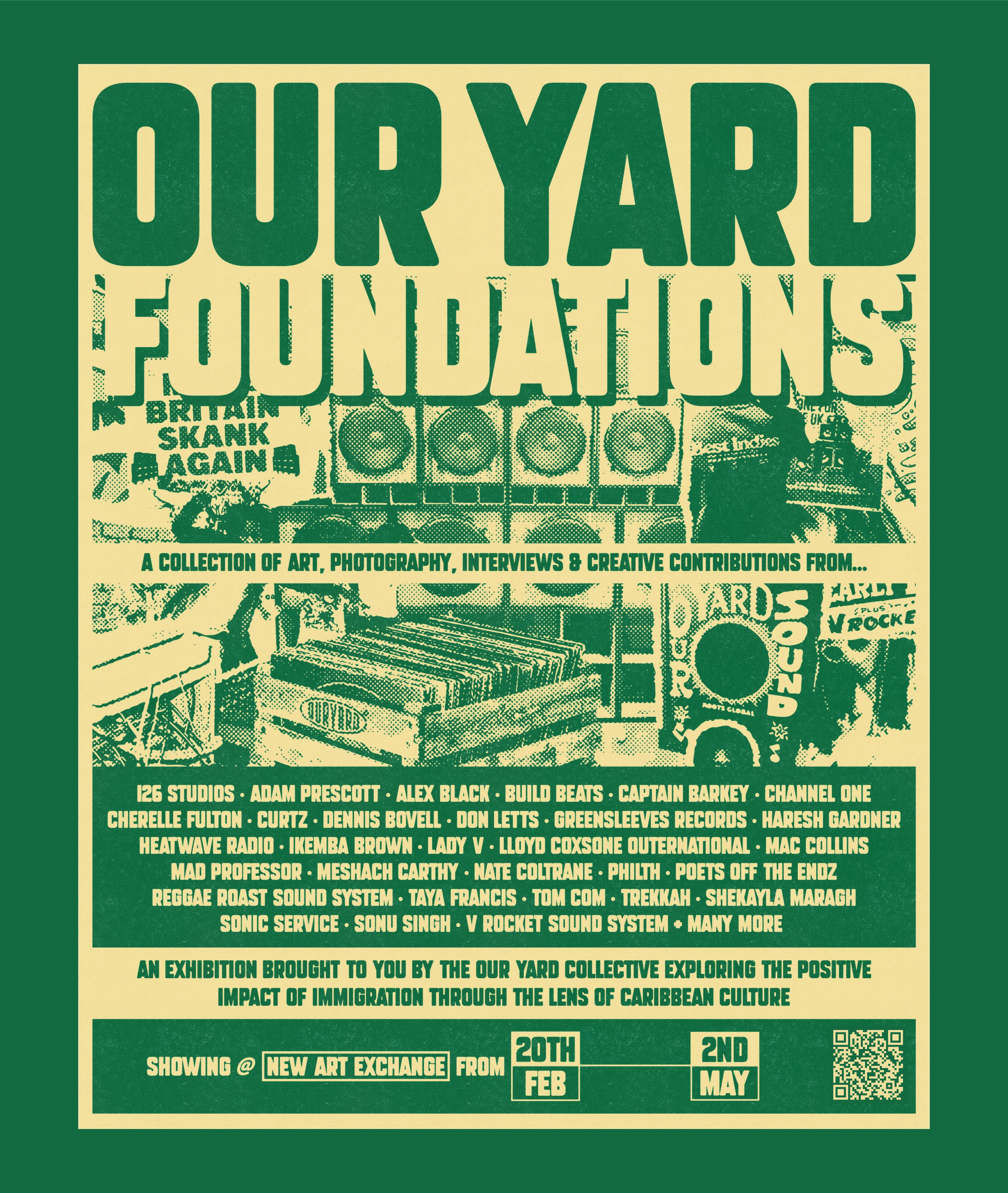
words: CJ De Barra illustration: April Seaworth
When it comes to dating, we often think of Tinder, Grindr, Hinge… the list goes on. But how did people meet each other before we could swipe right? Surprisingly, the history of the personal advert is thought to go back to the 1700s, but one of the earliest examples from Nottingham was a monthly magazine called The Link. CJ De Barra delves into its history and the repercussions of its ‘improper’ use…
The Link was a monthly magazine that ran from 1915 to 1921. It was created by Alfred Walter Barrett, a journalist from London. Barrett had the idea for a ‘lonely hearts’ magazine after identifying a loneliness crisis during the First World War. Life during the war was an isolated one – both on and off the battlefield. Many families lost loved ones, and Nottingham was no exception to this. The Nottinghamshire Great War Roll of Honour lists the names of almost 14,000 local men, women and children who lost their lives in conflict. A grim atmosphere was created by the daily news of terrifying battles, death and wounded soldiers, as well as food rationing introduced in 1918. Alfred’s magazine was a way for people to meet each other, gain advice on dating, or even just find a pen pal. At its height, the publication had 20-30,000 advertisers, including many from Nottingham. One advert in February 1921 read: “Grass Widower (Notts), 40 feels 30, decent position, good education, sometimes travelling, seeks society of member of gentler sex, unconventional and of some charm. Photos returnable.”
The link also offered advice under the heading: ‘Love Troubles Considered’. These were often heavily coded. It’s not known what this was in response to, but a July 1915 edition offered the following advice: “Notts. - the cabbage roses are ambassadors of love, the Gloire de Dijon are ‘messengers of love,’ moss-rose buds are a confession of undying devotion and mariden blish roses signify ‘If you love me you will find it out.’ Now you have ‘found it out,’ I hope your wooing will be ‘roses all the way.’”
Another in September 1917 references the Rudyard Kipling poem Ubique, which means ‘everywhere’. It read: “Rolling Stone (Notts..), 41, ‘neither East nor West,’ but Ubique, ‘Ubique’ according to Kipling definition, requests ‘moving fingers’ to ‘write half a line’ or more, as inclined to beguile dull hours in isolated spot in North. Genuine replies answered.”
What is notable about The Link is that many of the letters used secret language, particularly those that hint at LGBTQ+ people. Homosexuality was still criminalised, so there was much to be lost by writing letters, not least because it could be used in evidence against you.
When a letter from an editor of another newspaper was sent to the Metropolitan Police expressing concern, the police were left with no choice. In particular, the section, “devoted to the male sex, where the advertisers seem to be running up against the criminal law,” caused the most offence. Three men were charged with corrupting public morals: Alfred Walter Barrett as editor, Geoffrey Bevis Ingman Smith, Walter Earnest Hunter Smyth and Walter Stuart Birks.
oF ten, the Coded L anguage within the LinK used phrases suCh as ‘bohemian’, ‘unConVentionaL’ or aLLuded to things that were Literary, artistiC or musiCaL, as a way oF signiFying sexuaLity
In court, the men denied the charges or knowing that the paper could be used in such a way, but Barrett admitted that he could have done better in screening the adverts. Judge Darling used an example of an advert written by Major Fitzgerald-Lombard, who wished to meet twelve men and sent photographs of himself dressed as a woman. He described himself as “literary, artistic and musical.”
Often, the coded language within The Link used phrases such as ‘bohemian’, ‘unconventional’ or alluded to things that were literary, artistic or musical, as a way of signifying sexuality. In response, Barrett said he thought Fitzgerald was “mixed up with theatricals.” Darling ordered someone to look into Fitzgerald. Alfred was joined at the trial by Walter Stuart Birks. Birks was not part of the team behind The Link, but police found a copy of it in his room during a search in an unrelated fraud case. It’s possible that the police hoped his appearance in court would show the ‘types’ that advertised in The Link, thus strengthening their case.
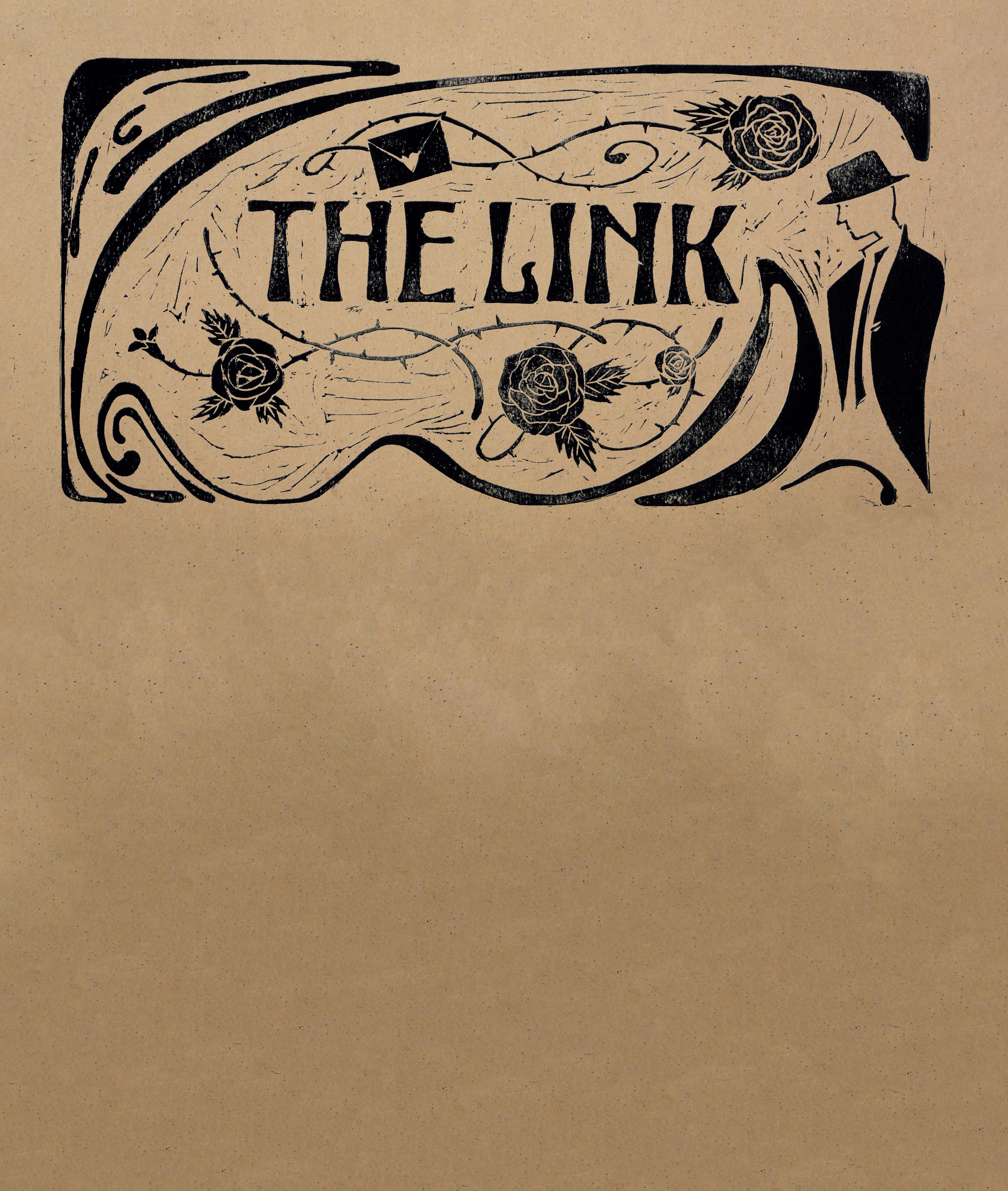
The reason for this is that, while Birks was awaiting sentencing for being drunk, disorderly, and deliberately urinating in Lincoln Cathedral, he had fled and relocated to Nottingham. He had taken a job at the Nottingham County Lunatic Asylum, in Radcliffe on Trent, in 1917, but was caught in a compromising situation with an inmate, Roy Douglas Haynes. Haynes was horrifically described as an ‘imbecile’ due to his epilepsy.
At Bingham Petty Sessions, Birks pleaded for leniency as he had a wife in Sheffield and two sons in France, but to no avail; he was given twelve months for indecent assault. Following his release, he went to the Isle of Man, where he began an affair with a man from Nottingham, and they exchanged letters.
“We not only shared the same room, my flower, but the same bed. [...] And in bed darling, how you ‘kissed’ me and placed your strong arms round me – my naked body; and your naked body.... Then we kissed and exchanged ‘love-drops’. Oh! heaven!! It was indeed ‘the goods’.... it was ‘America’”
Eventually, Birks settled in Carlisle, where he was living when The Link trial began. He responded to two adverts in the paper, one of which was to a man living in Belfast who was seeking ‘sincere friend, own sex and any age to 35.’ Police reported finding pencil crosses next to the adverts he had answered. Birks was adamant he had never advertised in The Link but had been arrested because the police had found a pamphlet he had written in which he stated he was not scared of God, or Lucifer, and that religion was barbaric.
The men were all found guilty and sentenced to two years’ hard labour at Wormwood Scrubs. “There can be no graver attack on the morals of this country than to establish a paper as you did for the purpose of allowing men and women to commit immorality,” the judge said sternly.
In later years, Birks returned to Nottingham, taking lodgings at Gill Street, which today is near Trent University. However, he was later sent to Bagthorpe Workhouse on Hucknall Road, where he died in 1938.
...Whatever happened to pogs and crazy bones, or any of the fun treats we got in crisp packets? I miss crisp surprises.

Something made you laugh in the lavs? Send your funniest quips to editorial@leftlion.co.uk
1. Colour of the NCT bus line of numbers 87, 88, and 89 (6)
2. Location of the Aqua Horological Tintinabulator clock which moved in 2015 (8, 6)
words: Matthew Blaney

money for half a rose, it’s only right that this month I delve into one of Nottingham’s most famous couples.
Aside from Robin Hood and Maid Marian, there are a few famous pairs in Nottingham – the gentleman we sometimes call ‘the King of Notts’
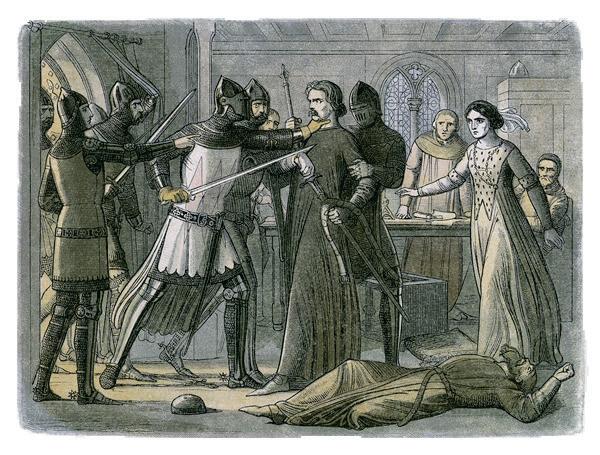
Across
3. Sneinton based brewery known for their psychedelic branding and gigs (6, 5)
5. Village near Cotgrave known for its cheese (8, 6)
6. Area of Notts which shares its name with iconic Brunel bridge (7)
8. Surname of politician who in 2022 gained the nickname ‘30p Lee’ (8)
10. Notts rapper Jayahada …? (5)
4. Boating lake situated at University of Nottingham (10)
7. North Notts river that joins the Trent at West Stockwith (4)
9. Alan-a-Dale, the narrator of Disney’s Robin Hood, was represented by this animal (7)
and the Left Lion, quirky creative types and Hockley, students and Trent Kebabs, and even White Rose and literally any corner in the city centre – there are plenty to choose from. Yet with my strict word count, I’ve had to narrow it down to two infamous individuals: Isabella and Mortimer (and his hole… in a wall).
Back in the early 1300s, when public executions were the modern-day equivalent of breakfast TV, one of the bloodiest family feuds in Medieval history took place. In 1322 Roger Mortimer, the official guard of the English and Welsh border, was arrested by King Edward II and held in the Tower of London. Presumably for his open dislike towards Edward’s reign and his two friends – cleverly nicknamed Hugh Despenser the Elder and his son, Hugh Despenser the Younger.
One year after this arrest, Roger managed to roger his way out of the tower through a hole in the wall, where he then fled to Paris. Whilst this is still not his most famous hole, some historians believe that he received help from the King’s wife, Isabella of France. During his escape to Paris, this is where he formally met Isabella and her son, Edward III. United in their love for the arts and a hatred for her husband, and the Despensers, their affair began in the city of love.
Female infidelity was considered the worst crime a woman could commit amongst the deeply insecure
Isabella refused to return home, and so King Edward decided to cut off her credit card. However, following a substantial dowry because of an arranged marriage between Edward III, and Philippa, daughter of William I, it turns out that Mortimer and Isabella did not need to rely on the king’s monthly direct debits to fund their elopement.
Following weeks of an intense game of cat and mouse, King Edward was finally arrested outside Llantrisant in Wales and was put in exile, whilst his two Despenser friends were hung drawn and quartered, as the zeitgeist of the 1300s dictated. Edward II later died during his exile, but his actual cause of death is rather murky. Some believe it to be through natural causes – others suggest a hot poker and another slightly less famous hole. This untimely demise now finally leads us to Nottingham Castle.
Following his father’s death and ascension to the throne, Edward III was growing weary of his mother’s lover and began to plot his demise. Mortimer summoned Parliament to Nottingham Castle, given its status as one of the strongest fortresses in the country.
According to legend, Edward III’s knights followed a secret passage, known as Mortimer’s hole (his most famous one by far) which led straight to Isabella and Mortimer’s bedroom, where he was ripped from his lovers’ arms as she cried out, pleading for them to “have pity on gentle Mortimer.” Fortunately for Mortimer, the king extended some pity for him as he was only hanged to death, unlike the Despensers.
In reality, however, the secret passage never led to the lovers’ bedroom. Instead, it opened to a supposedly secure courtyard, which was then infiltrated by Edward’s knights, who arrested Mortimer in his dining room. Isabella’s pleas can still be heard around the castle to this day… allegedly.
Whilst legend tells that Isabella demanded to be buried next to her lover in Greyfriars Church, she was buried in her wedding dress, along with Edward II’s heart in a box. A tradition which for some reason is not nearly as popular as it used to be.
When: Until Sat 7 March
Where: Bonington Gallery
How much: Free
Translated as ‘light is coming’, Layt De Kam is an exhibition of film and textile work by artist Ibiye Camp. It examines the deployment of ‘temporary power ships’ from the West African coast to address unstable energy infrastructure. At the centre of the exhibition, a film titled GLOW depicts a speculative tale from the point of view of a child. Overall, it’s definitely a thematically-interesting showcase of work – exploring the enduring strength of African coastal communities.
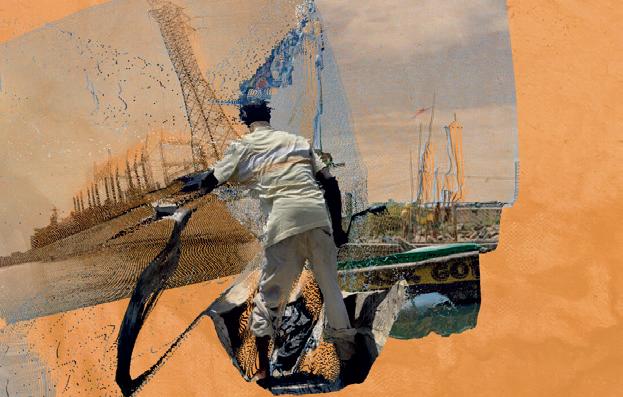
Light Night
When: Fri 6 – Sat 7 February
Where: Nottingham city centre
How much: Free
It’s that time of the year again – this beloved familyfriendly event, funded by ‘It’s In Nottingham’ and Nottingham City Council, returns to set Notts city centre ablaze with light installations. On the programme this year are Parallels, an immersive light-beam piece created by studio, Architecture Social Club (read our interview with them on p.23), The Cat That Slept For A Thousand Years (which is, yes, a giant inflatable cat), created by Air Giants, and many other displays.
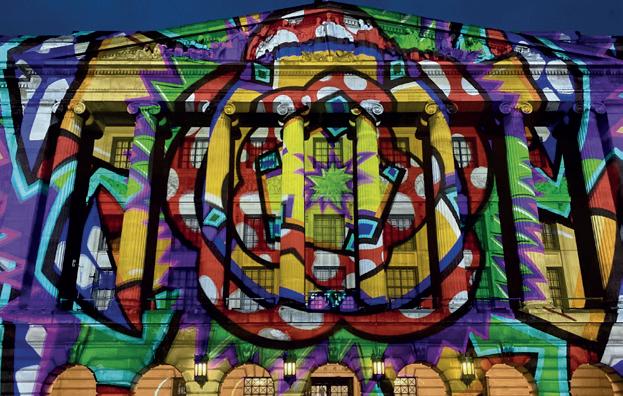
When: Until Sun 19 April
Where: Lakeside Arts
How much: £6 / free concessions
Most of us are probably familiar with Andy Warhol, but this is a pretty unprecedented opportunity to dive deeply into what made him so fascinating.
Facilitated by the touring ARTIST ROOMS programme and hosted by Lakeside Arts, this exhibition lasts for a good few months. It features an impressive collection of Warhol works –from early drawings, to painted screenprints, to photographic series featuring celebrities, as well as rarely seen drawings and paintings which were never exhibited in his lifetime.
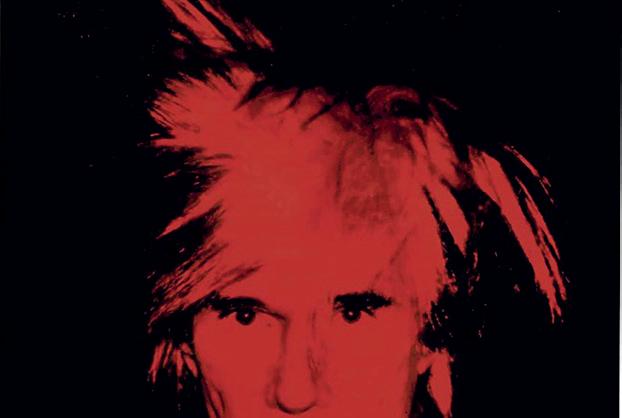
The Red Shoes
When: Tue 3 – Sat 7 February
Where: Theatre Royal and Concert Hall
How much: From £28.50
Dance company, Matthew Bourne’s New Adventures, presents their critically acclaimed ballet The Red Shoes, which later this year marks its tenth anniversary. Based on the 1948 film and Hans Christian Andersen fairytale, the story follows a girl’s dream to be the greatest dancer in the world. The production features the music of Bernard Hermann – who scored films like Citizen Kane and Psycho – plus set design from Lez Brotherston, who won a Tony award for Swan Lake
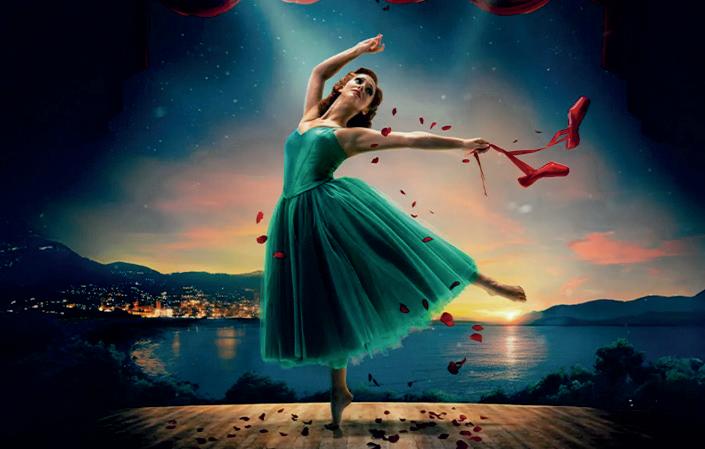
When: Until Sun 10 May
Where: Nottingham Contemporary
How much: Free
This is the first European solo exhibition by Pakistan-born artist, Shahana Rajani. It centres on cultural practices which take place on the Pakistani coast –maps and murals depicting rivers and seas are created to record their ecology, particularly in face of climate change. In these traditions, communities have a sacred connection to where earth and water meet – Rajani’s art explores those connections (with contributions from Ustad Abdul Aziz, Abdul Sattar, and Aziza Ahmad).
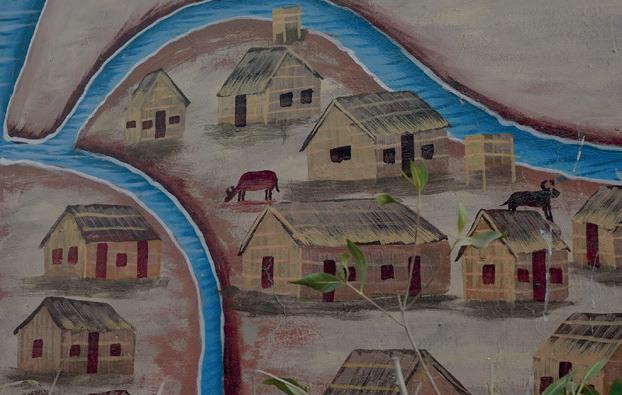
When: Sat 7 February
Where: Fisher Gate Point How much: £5
Nottingham-based artist Dekuna marks the release of his debut album with this headline show at Fisher Gate Point. Titled In The Here And Now, the record sees him delve into a rock sound that lies at his musical roots, with further inspiration coming from his love for the Sonic game franchise and Japanese rock group Crush 40. Support comes from two other local, self-starter acts – hip-hop artist Danny Riggs, and R&B artist Aaleyah Brown – guaranteeing a night of artistically excellent local talent.
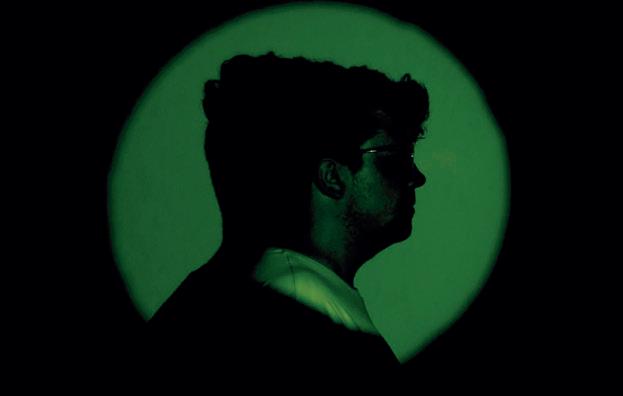
When: Thu 5 February
Where: Savoy Cinema
How much: £5.40 - £8.40
As cinematic experiences go, this will definitely be unique. Company Silents Synced have paired the music of R.E.M, with 1924 silent-film Sherlock Jr. The movie stars Buster Keaton as a film projectionist, who dreams of becoming a detective. It portrays some dangerous stunts – while completing one, Keaton reportedly broke his neck and only realised years later. The showing will be preceded by another Keaton classic – The Balloonatic – newly soundtracked by Brazilian artist, Amon Tobin.
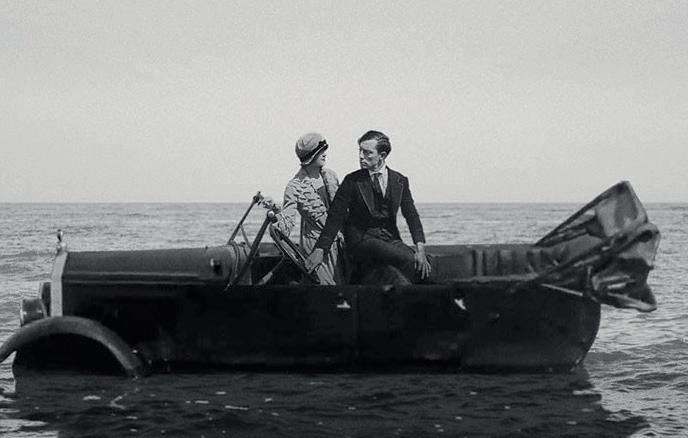
Festival of Science and Curiosity
When: Mon 9 – Fri 20 February
Where: Various venues
How much: Various prices
This annual two-week festival celebrates science, technology, engineering and maths in various venues across Nottinghamshire. The programme is profoundly varied, catering to young folks and families of all dispositions. Over at Lakeside Arts, for example, there’ll be Theatre Shows depicting the world’s inner workings through puppetry, music and projection. There’ll also be an inflatable planetarium at Nottingham Central Library, soil science sessions in Lindum Grove Community Garden, and all kinds of other events to check out.
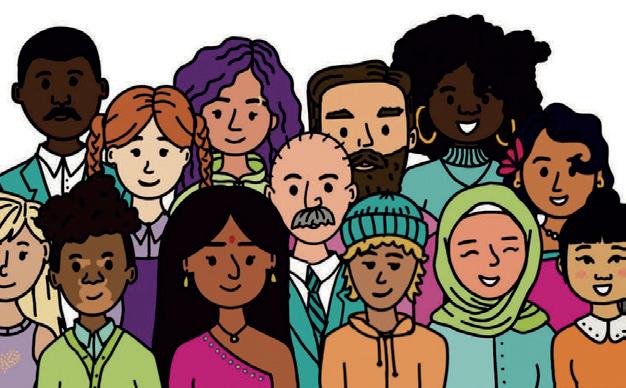
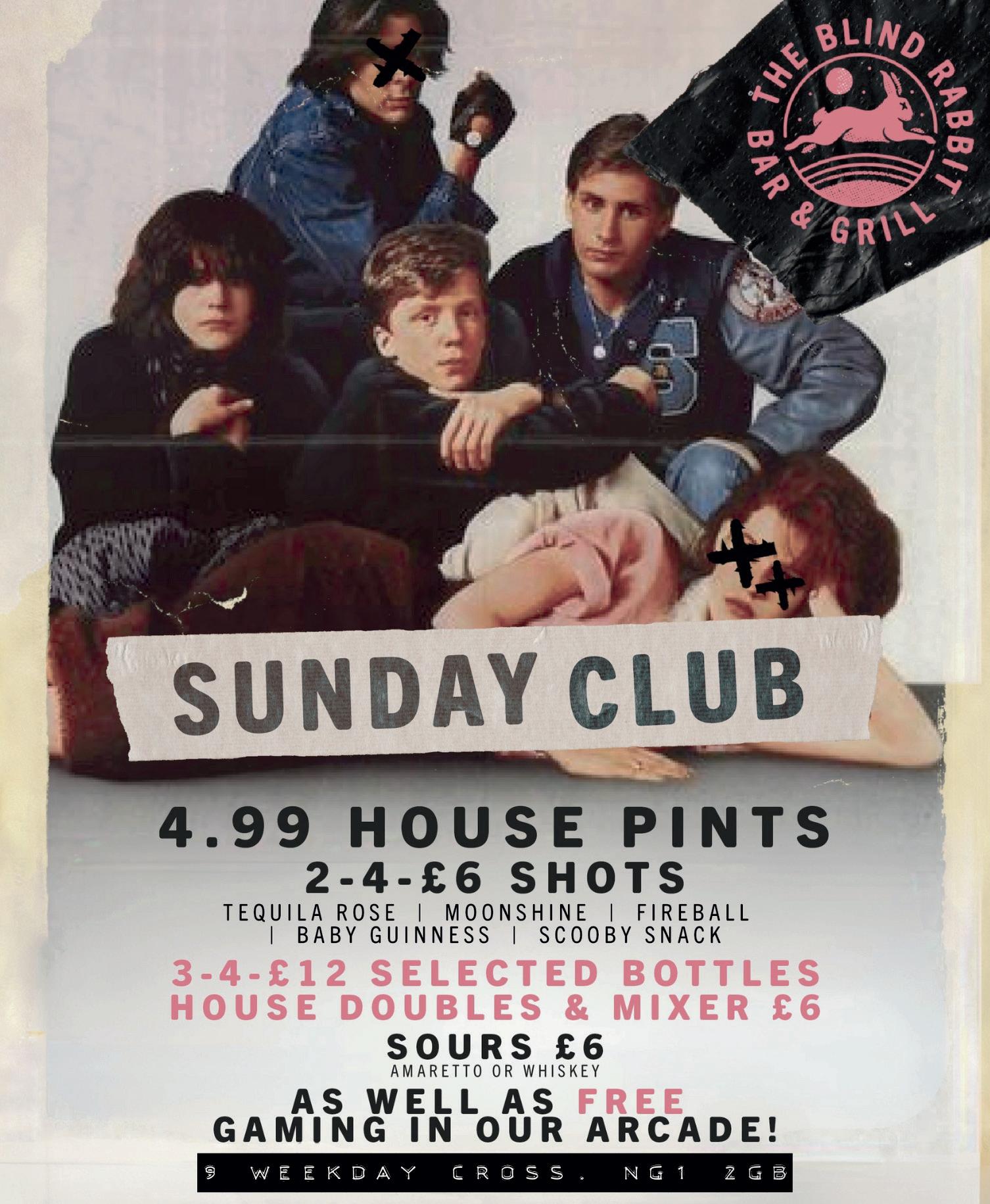
When: Tue 10 – Sat 14 February
Where: Theatre Royal and Concert Hall
How much: From £20
This is a stage adaptation of a 1943 crime novel – widely thought of as one of the twentieth century’s greatest –which, in turn, inspired a film noir classic. This production sees acclaimed film actress Mischa Barton make her on-stage debut – set in 1930s Los Angeles, the story follows characters Walter Huff and Phylis Nirdlinger as they find themselves drawn into a life of crime. It was adapted by Tom Hollaway, while the director of this production is Oscar Toeman.
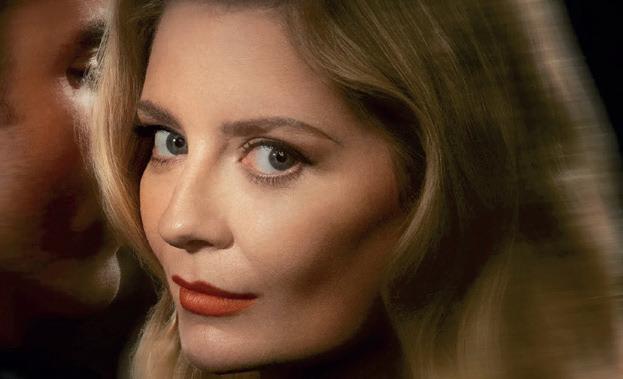
When: Tue 10 – Thu 12 February
Where: Motorpoint Arena
How much: From £54.10
As a celebrated TV show, Strictly Come Dancing’s annual live tour returns this month to Notts for what’s set to be a spectacular showcase of routines, group numbers, and excellent live music. Featuring three judges and various pro dancers and celebrities from the most recent series, these shows receive lots of love and acclaim from Strictly fans each year, so if you count yourself among them, this will make for a great evening out.

Mogwai
When: Sun 15 February
Where: Rock City
How much: £40.58
Scottish post-rock band Mogwai are hitting Rock City this month, midway through a tour that’s also taking them to Norway and Spain. They’re celebrating the release of their eleventh album: The Bad Fire, produced by John Congleton, which is informed by a string of difficult events in the band’s personal life. Having regularly produced awe-inspiring post rock soundscapes for thirty years now, Mogwai have a pretty unparalleled capacity for transporting listeners to somewhere totally different.
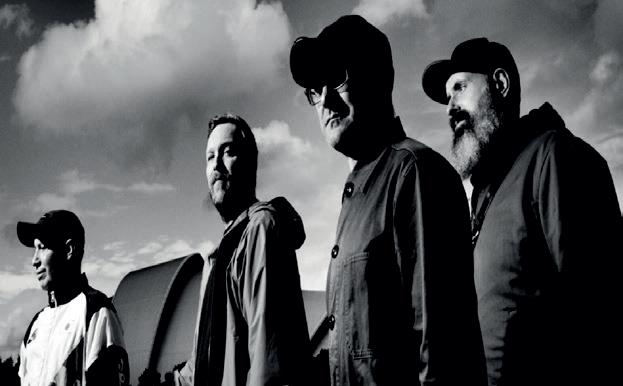
When: Tue 17 – Sat 21 February
Where: Squire Performing Arts
How much: £12-£17
West Bridgford Operatic Society present their adaptation of 1948 Broadway classic Kiss Me Kate – which itself is based on Shakespeare play The Taming of the Shrew. Featuring the iconic, original music by Cole Porter, this production sees a talented team, led by Linda Croston, take on the story of actress Lilli Vanessi and her ex-husband Fred Graham. The West Bridgford Operatic society is also a beloved, eighty year old institution, which definitely deserves everyone’s continuing support for providing a welcoming, theatrical space for local people.
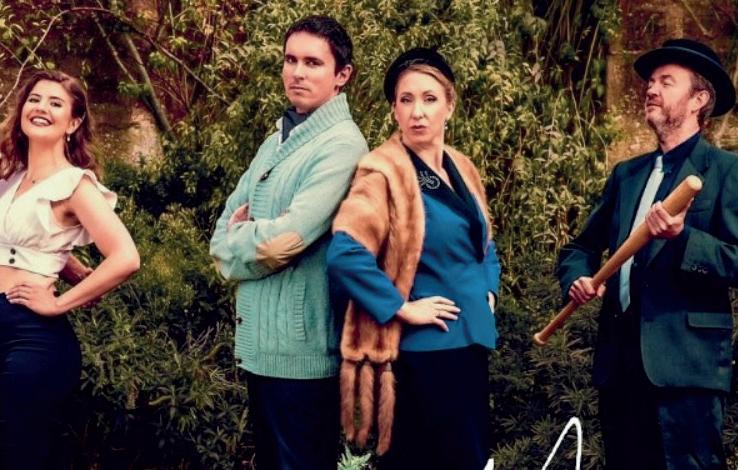
When: Thu 12 February
Where: Metronome
How much: £25.20
Baz Warne, the lead singer of The Stranglers, is celebrating the release of his memoir No Grass Grows on a Busy Street, with a new touring show. Audiences can expect anecdotes and stories from across his musical career, accompanied by acoustic arrangements of classic Stranglers songs, plus the chance to ask Baz questions. It’s not quite a book tour, and not quite a gig –it's something in-between, so as such it will be a real once-in-ablue-moon opportunity to be up close and personal with a rock legend.
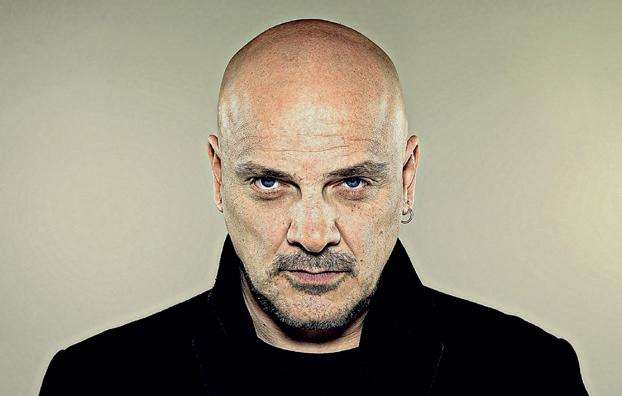
Crime: Don’t Look Back in Anger
When: Saturday 14 February
Where: National Justice Museum
How much: £28
The latest in a series of murdermystery events that have been taking place at High Pavement’s award winning National Justice Museum. The story is set to be particularly fun and compelling – guests are invited to solve the mystery of a shocking murder at the launch party of a new magazine called You Got Judged Tickets include a cocktail or mocktail on arrival, and fancy dress is encouraged. The Justice Museum team also really knows their stuff when it comes to telling immersive stories about crime – head along and enjoy!
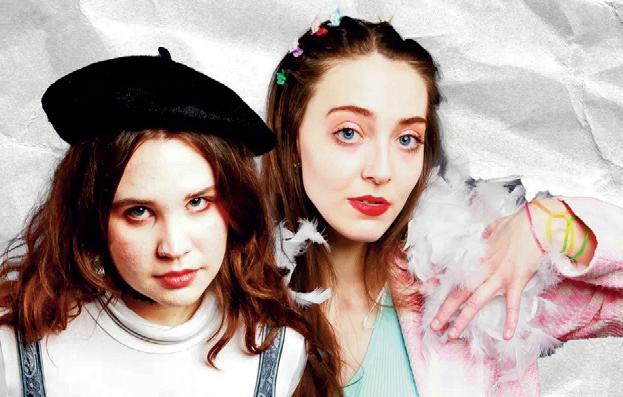
I Am A Storyteller: Workshops
When: Sat 14 – Fri 20 February
Where: Various libraries
How much: Free (booking advised)
These workshops will be run by Inspire in various libraries through the Notts area. They’re suitable for children aged seven and up, with their families, and provide a welcoming opportunity to explore the art of storytelling under the guidance of professionals – local storyteller Beccy Dye, playwright Andy Barrett, and musical storyteller Ling Peng, among others, are all participating. If your little one is of a creative inclination, this will be a great way to make the February half-term as memorable as possible.
Undr the Cosh Live
When: Fri 20 February
Where: The Nest
How much: £33
Undr the Cosh is a hugely successful podcast, with millions of YouTube views, hosted by pro footballer Chris Brown, ex-pro Jon Parkin, and writercomedian Chris J. Brown. It’s known for its raw, unfiltered, and often hilarious perspectives on the world of football, and it’s undergoing a live tour which stops in Notts towards the end of the month. These shows have received excellent reviews over the years, and often feature special guests.
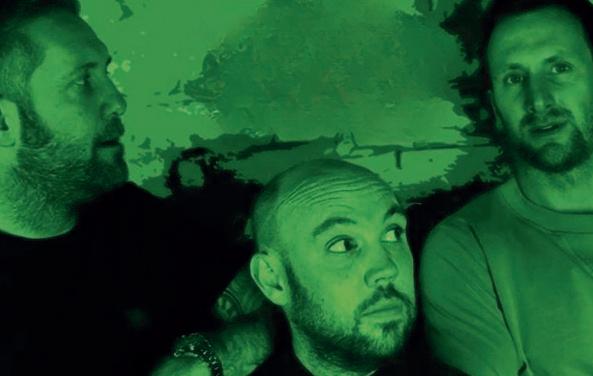

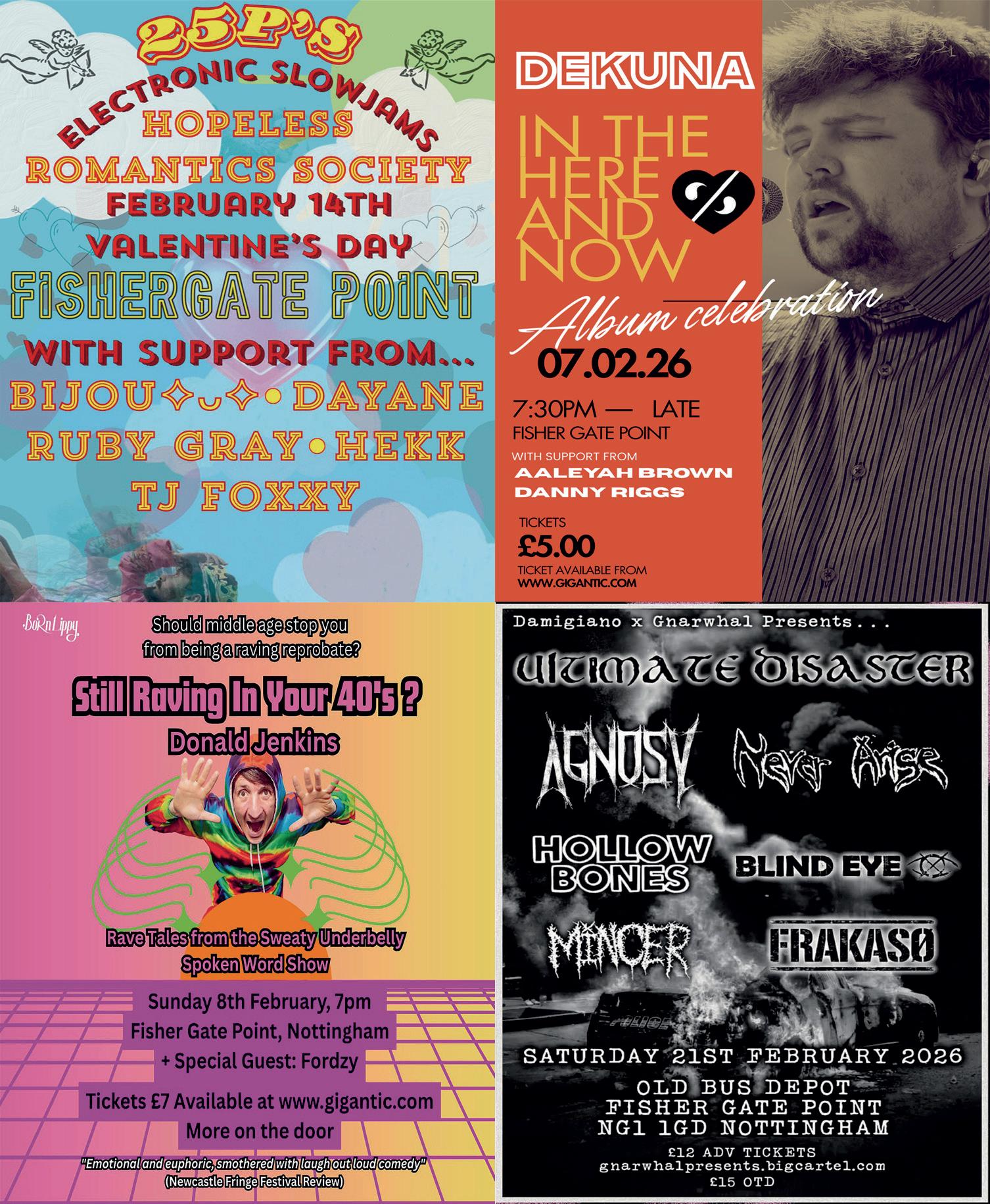
When: Fri 20 February
Where: Theatre Royal and Concert Hall
How much: From £39
Featuring two cast members from The Sopranos: Steve Schirripa and Michael Imperioli, this ninety-minute live show delves into the making of the iconic TV series, which lasted until 2007. It features anecdotes which are both fascinating and funny, choreographed alongside entertaining slides and videoclips, plus a section where the audience can ask questions. This show has been selling out all over the US, so now that it’s debuting in the UK, it’s definitely worth attending.

The Audience
When: Thu 26 February
Where: The Arc Cinema
How much: £17.45 - £18.45
The National Theatre Live presents The Audience, a Tony Award-winning play about Queen Elizabeth II, which Netflixhit The Crown was partly based on. Directed by Stephen Daldry and starring Helen Mirren, this production is the first cinema screening in over a decade. Following Queen Elizabeth’s meetings with twelve different Prime Ministers, it was the National Theatre Live’s most-watched live production back when it first screened in June 2013.
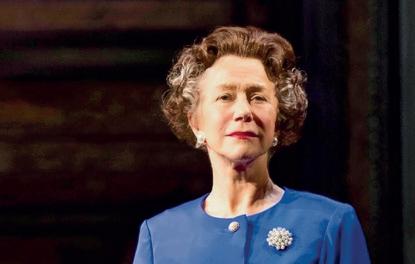
When: Sat 21 February
Where: Motorpoint Arena
How much: From £48.45
Former world champion boxers, Leeds-born Josh Warrington and Notts-born Leigh Wood duke it out for the second time this month. The fight follows their dramatic and controversial October 2023 face-off that saw Wood clinch it with a roundseven knockout. The sequel this month will definitely be the most thrilling follow-up possible, with a long established rivalry set to reach an epic peak. Seating is available for supporters of either fighter, or those who are neutral.
Sleaford Mods
When: Fri 27 and Sat 28 Feb
Where: Rock City
How much: £34.05
They’re back on home turf… Promoting their eighth studio album The Demise of Planet X, released last month, legendary punk-electronica duo Jason Williamson and Andrew Fearn have a two-night residency at Rock City this month – the Friday date is nearly sold out, so Saturday night was added for demand. If you haven’t had the pleasure of seeing these guys live, and feeling the Notts pride that comes with it, now is the time. They’re also donating £1.20 from every ticket sold to the charity War Child.
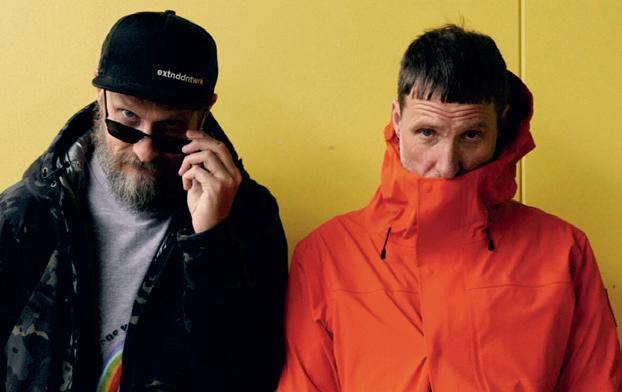
When: Sat 21 February - 2 May
Where: New Art Exchange
How much: Free
This multimedia exhibition is the latest chapter in the story of Our Yard – an ongoing project run by the team at creative studio, MIMM. You’re invited to experience the ongoing, positive impact of immigration upon the UK – featuring newly commissioned work, archival footage, personal testimonies, and a stirring soundtrack –showcased through the lens of soundsystem culture. Our Yard has been ongoing for quite a long time, and this exhibition sees it reach a milestone, so we very much recommend that you check it out.
The Lord of Milan & Q&A
When: Sat 28 February
Where: Central Library
How much: £5
Herbert Kilpin was the founder of AC Milan – one of the world's most successful football clubs. He was born in Nottingham in 1870 before emigrating to Italy, going on to make history. In 2018, LeftLion produced a documentary about him, based on the book by Robert Nieri. This month, the film will be screened for the first time since 2019, with director Jared Wilson and Robert in attendance for a Q&A afterwards. Entry also includes a free DVD.

When: Tue 24 – Sat 28 February
Where: Theatre Royal and Concert Hall
How much: From £18.50
The acclaimed detective drama, which debuted on ITV back in 1997, sees its theatrical debut this year, with a nineteen date UK tour that stops in Nottingham this month. This story focuses on the mysterious death of spinster Emily Simpson in the village of Badger’s Drift – featured in the ensemble cast are Daniel Casey, who played Sergeant Troy in the original TV show, Nathalie Barclay, who featured in Killing Eve, and Julie Legrand, who featured in Dr Who, among others.
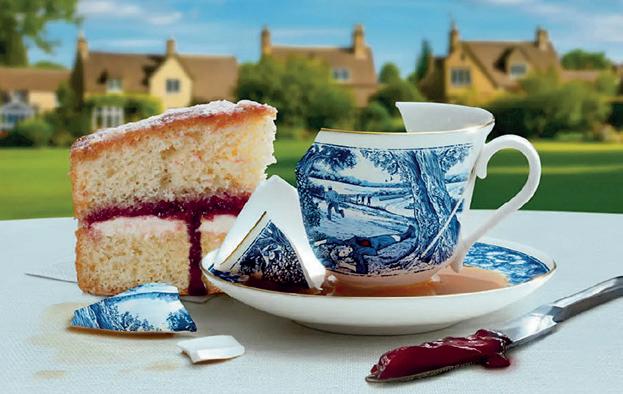
The Tangerine Eclipse
When: Sat 28 February
Where: The Angel Microbrewery
How much: £5.50
If you like your club nights to double as figurative portals to another time and place, then this regular local event should make for a perfect weekend outing. The Tangerine Eclipse is a psychedelic, sixties and seventies throwback night, that sees all-vinyl DJs spin all kinds of genres – from psych, to garage, to freakbeat – while a trippy light show adds to the atmosphere. This is the first of two nights that they’re hosting through 2026 in The Chapel – the next one isn’t till October.