PORTFOLIO
Academic and works. selected
Lee Jia Yee Masters graduate Summer semester 2024 I Hochschule Anhalt University of
CONTACT
Lee Jia Yee
Selangor , Malaysia
+60-17-668-5518
leejiayeearchi@gmail.com
EDUCATION
APR 2019 - NOV 2021
Bachelor of Science (Honours) in Architecture
Taylor’s University Lakeside Campus CGPA 3.23
OCT 2022 - OCT 2024
Master of Arts in Architecture (DIA)
Hochschule Anhalt University of Applied Sciences CGPA 3.8 l German Grading 1.3
Experience
NOV 2021 - DEC 2021
Competition team - Design l 3D Modelling
Eric Chang Architect
Jan 2024 - JUNE 2024
External Architecture works - Design l 3D Modelling l Rendering
Under Prof. Dr. Rudolf Lückmann at Hochschule
OCT 2024 - NOV 2024
Art Installation works - Manufacturing l Constructing
Unreality Studio
Skills
CAD
Rendering
Adobe CC
Microsoft Office Autodesk Revit l AutoCAD Lumion l Enscape Photoshop l InDesign l Illustrator
CONTENT
TOP - UP :
A new affordable housing scheme in Hong Kong’s urban landscape
MASTER THESIS Semester 3 - 4
COPY :
Urban Transition l Reimagining the Petrol Station as Living Space
MASTER Semester 2
CHOW KIT GARDENS :
Assistance & Community Hub
Degree Semester 6
THREE / FOURTHS RESIDENCE :
BIM Coordination Project
MASTER Semester 1
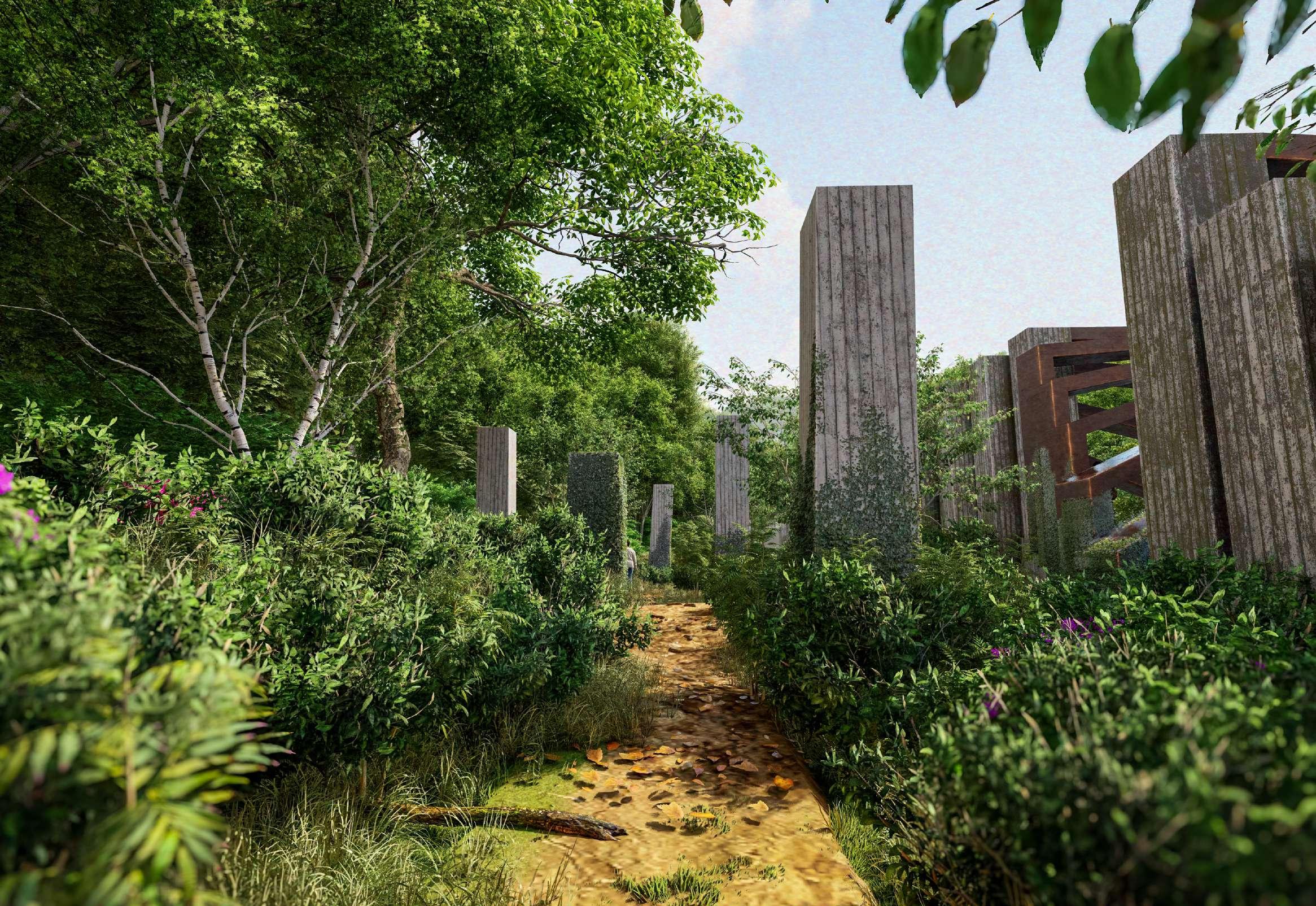
PATH OF REMEMBRANCE :
A Journey of Reflection and Resilience
BACHELOR Semester 3
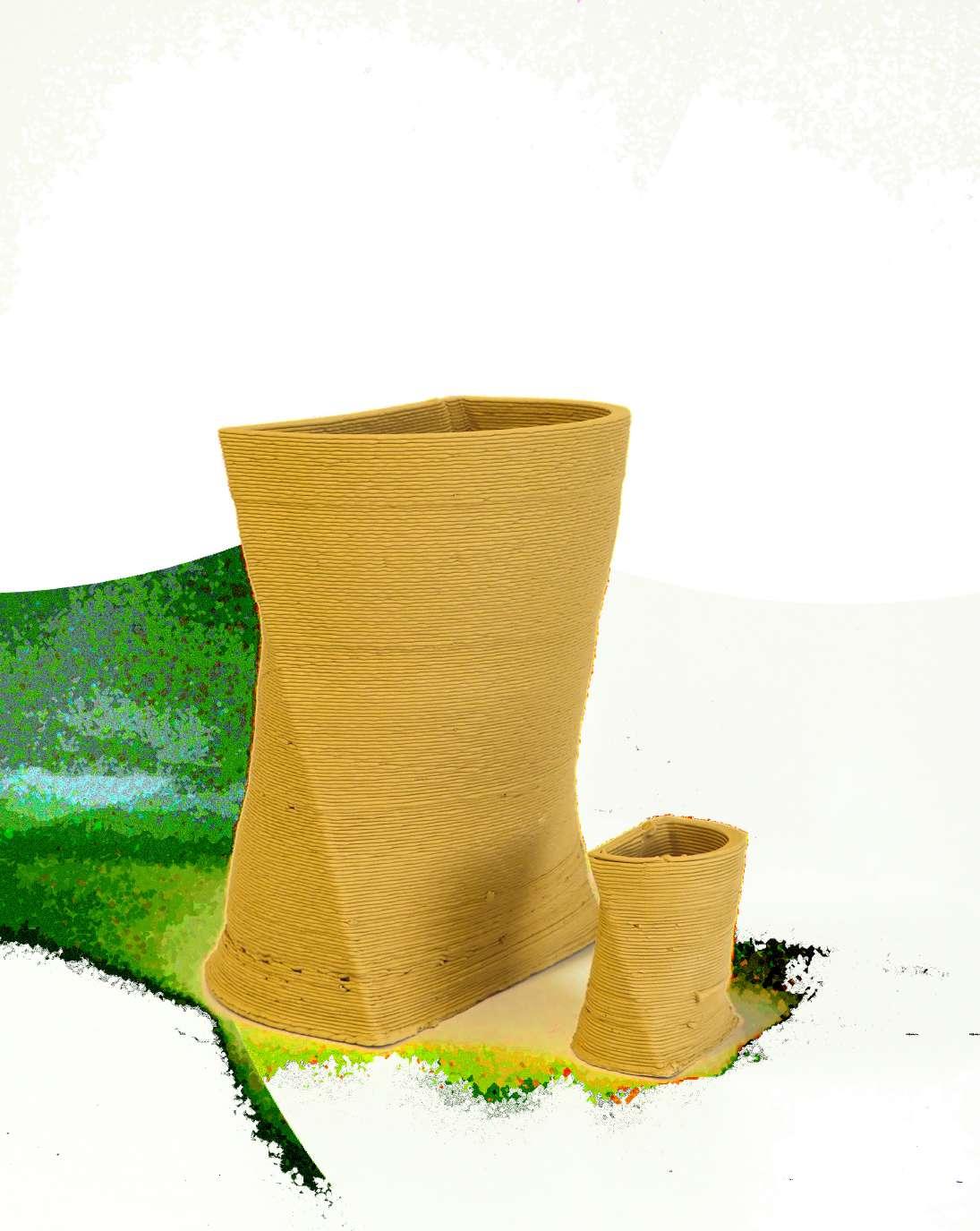
RIPPLE BRICK :
One - Off Brick l 3D Clay Printing
MASTER Semester 2
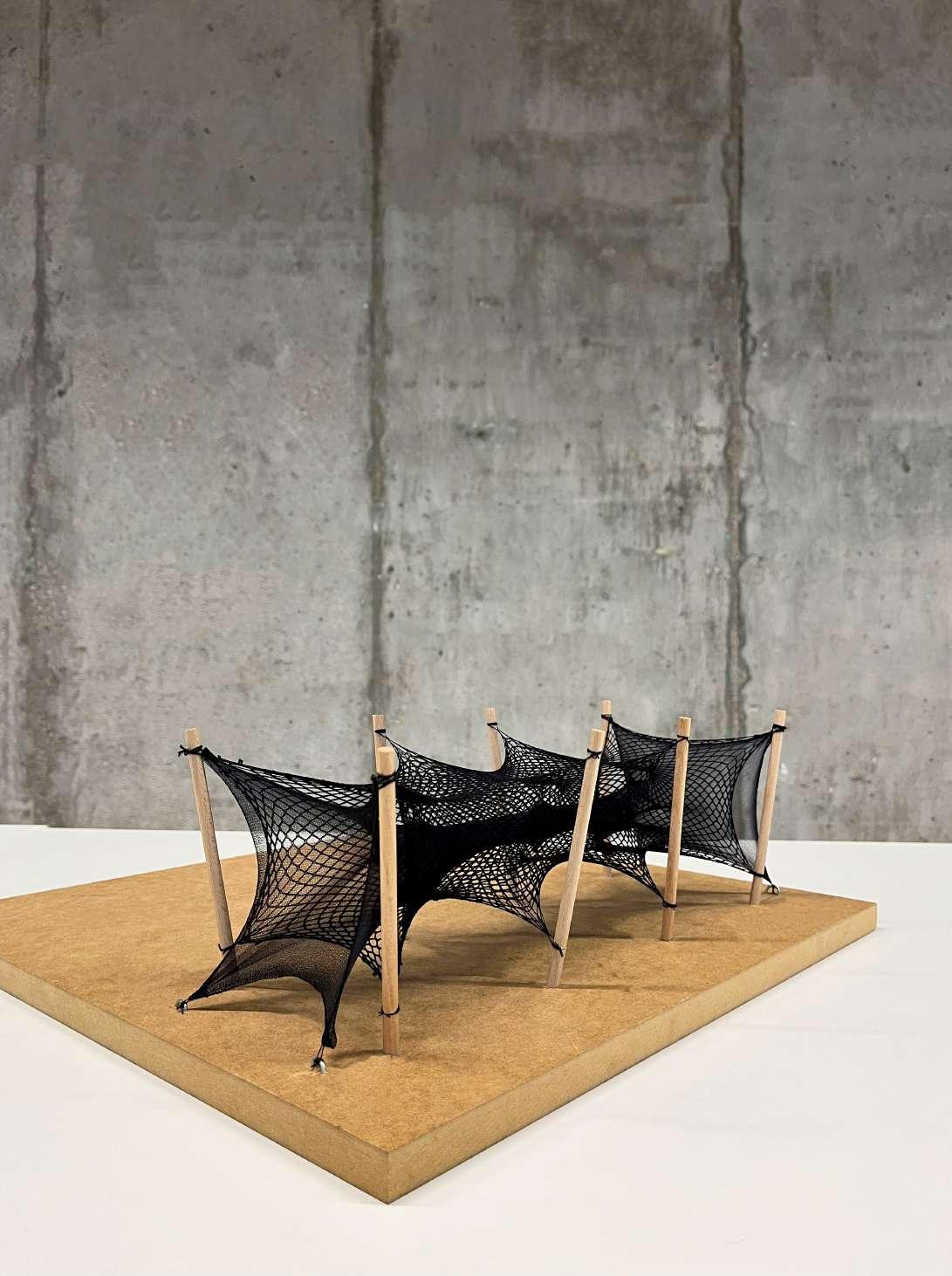
TENSILE PLAYSCAPE :
Membrane Structures
MASTER Semester 3
BOAT HOUSE :
Work Project
JAN 2024 - JUNE 2024
A PRODUCTIVE NEIGHBOURHOOD :
1st Prize Winner : BAU Munich l Students l Design l Future l
MASTER Semester 1
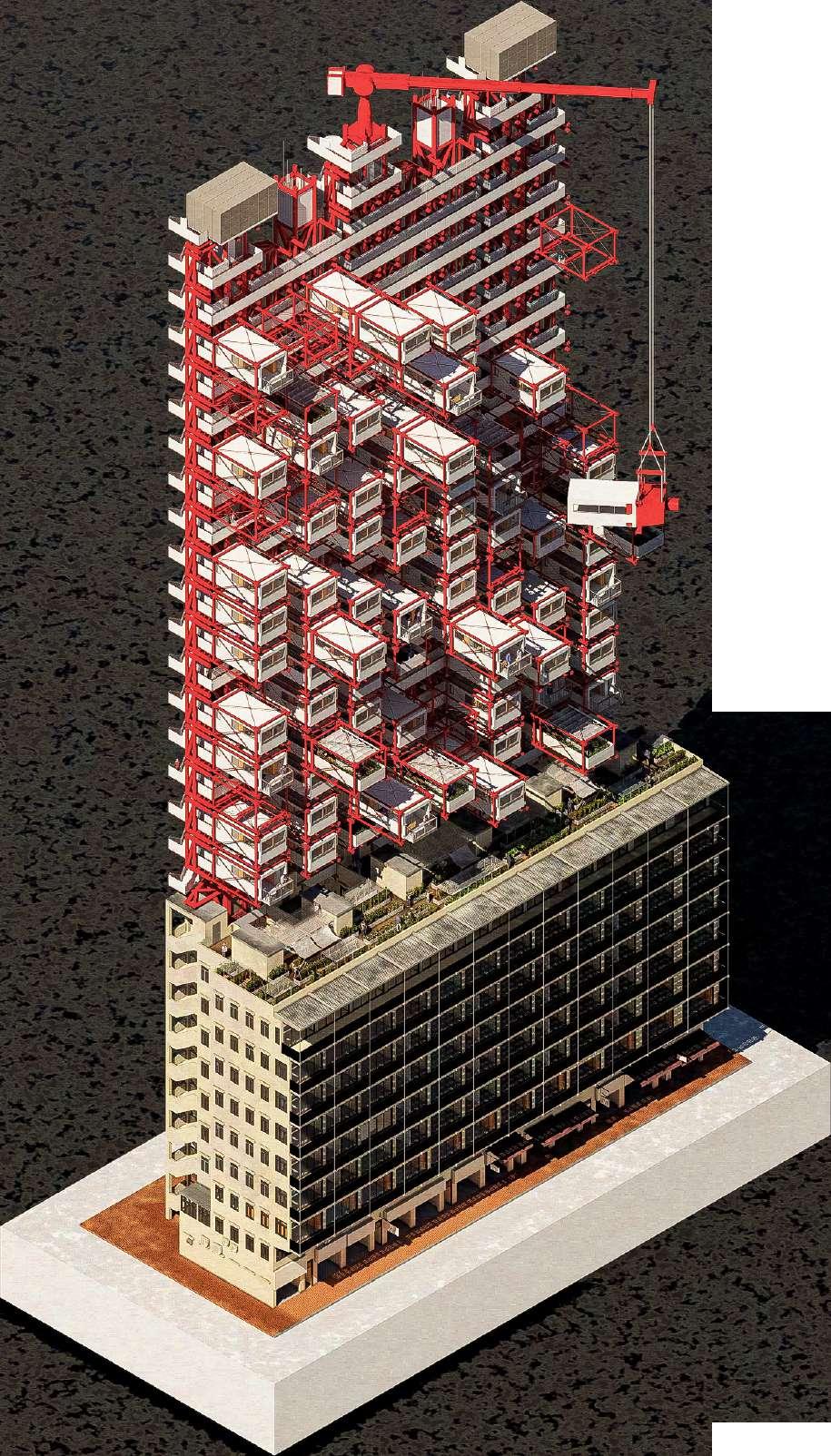
TOP - UP
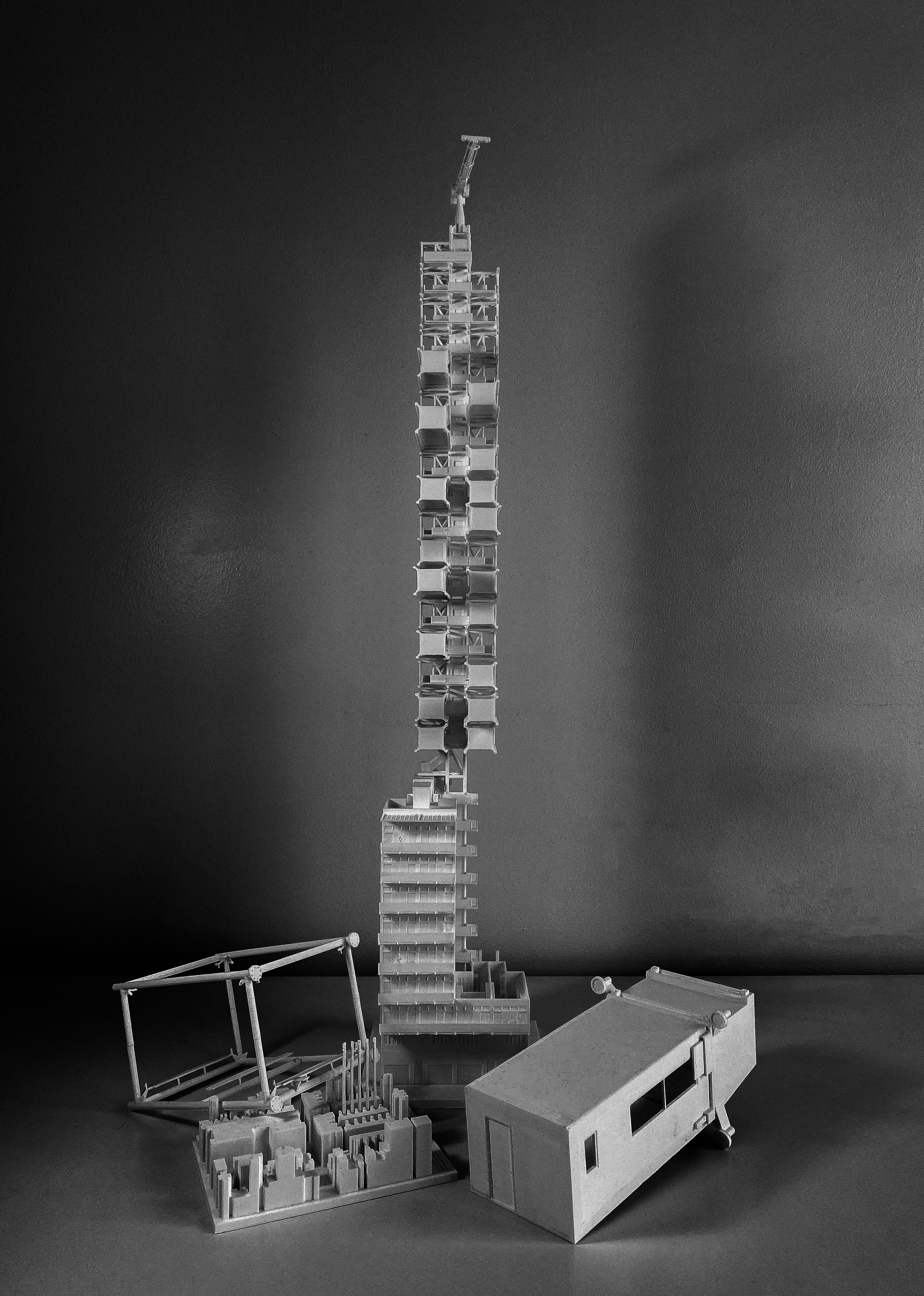
A new affordable housing scheme in Hong Kong’s urban landscape
TERM : FINAL THESIS SEMESTER 3 - 4
SITE :
KILUNG STREET SHAM SHUI PO
HONG KONG
SUPERVISOR 1 : Peter Ruge
SUPERVISOR 2 : Leonhard Clemens
Through the course of this thesis, delving into the complexities of housing in Hong Kong, I’ve come to a profound realization: the essence of Utopia lies in something as basic and essential as having a home. Not just in Hong Kong, where the housing crisis has led to unimaginable challenges and stark living conditions, people are forced into cramped spaces like cage homes or coffin homes, not out of choice, but out of sheer necessity for shelter. It’s a stark reminder that amid the quest for ideal living environments, the fundamental need for a secure place to live transcends all other aspirations.
As I conclude this thesis, I am reminded that the pursuit of Utopia is not about achieving an unattainable perfection but about ensuring that every person has access to the basic human right of dignified housing. It’s a call to action to rethink our approach to urban planning, housing policies, and social equity— to create spaces where everyone, regardless of their background or means, can find solace, security, and the possibility to dream.
The primary objective of this proposal is not to entirely resolve the housing crisis in Hong Kong’s urban areas but rather to suggest solutions that can quickly enhance the well-being of those most effected.
The lower to middle-class families in Hong Kong have been enduring years on the public housing waitlist, high rents and low income have forced them into subpar living environments, ranging from cage homes to rooftop huts. As the demand for public housing rises, the government is also facing challenges in finding suitable land for development.
The government has massive land reclamation plans but that will pose significant environmental risks to the sea and its ecosystem. Additionally, the process requires a high cost and a lenghty timeframe for completion. What’s needed is a faster , more sustainable solution that can address the affected and improve their living environment and overall well-being. Vision
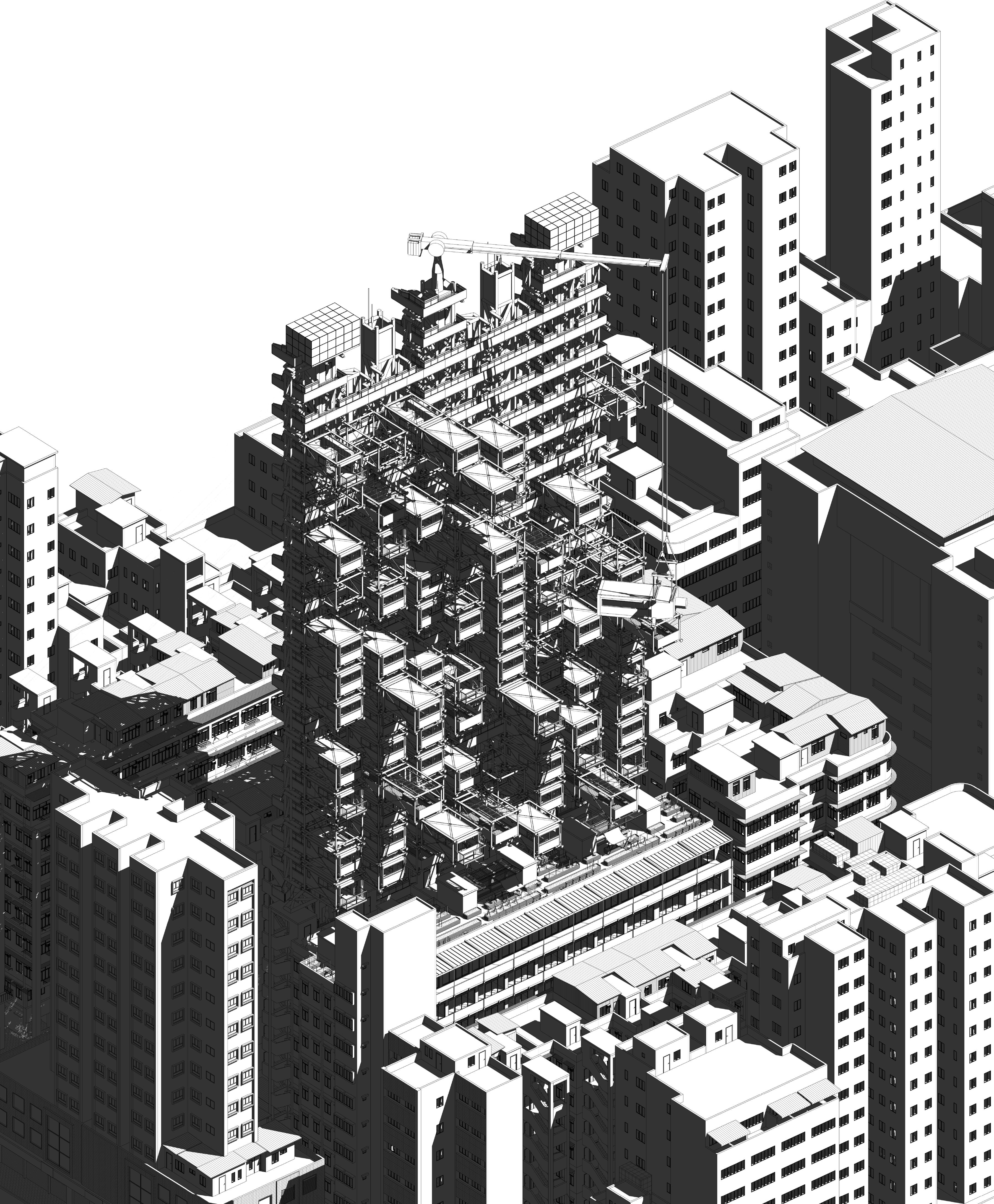
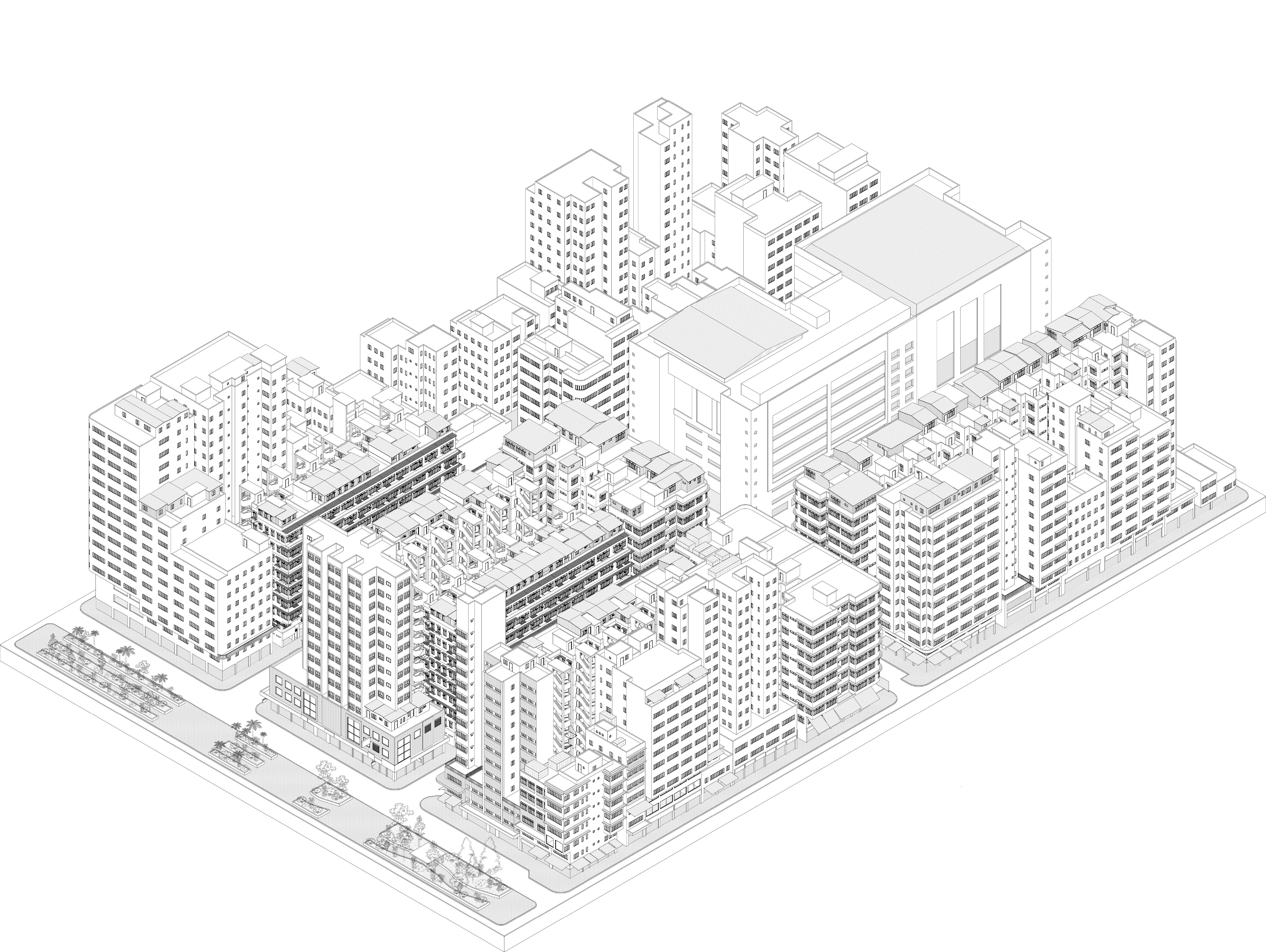
This diagram highlights a section of the Sham Shui Po district, home to Ki Lung Street. The area is known for its historical Hong Kong shophouses (Tong Lau) and street vendors spilling onto the roads, creating a bustling shopping district for which the area is renowned.
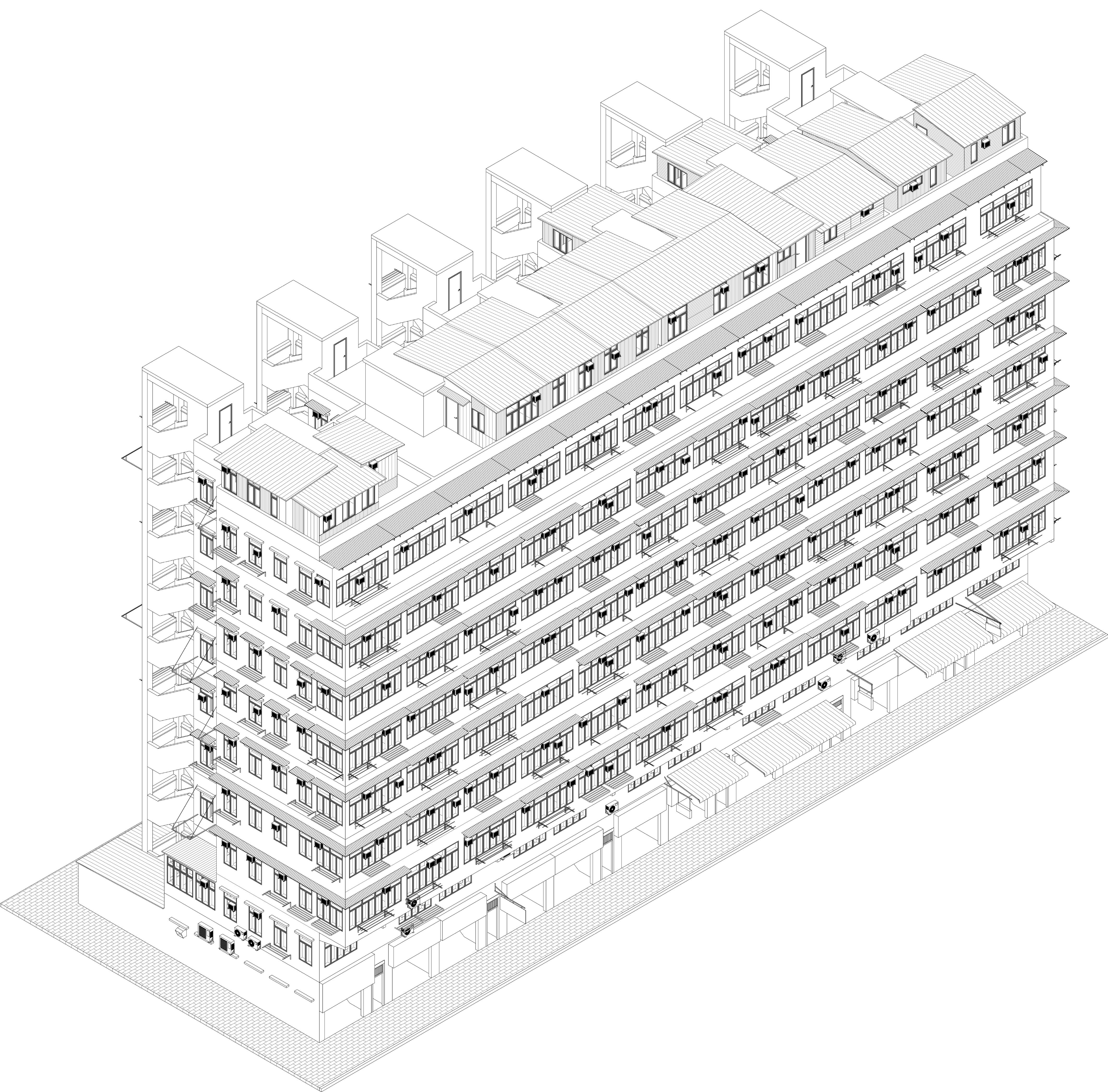
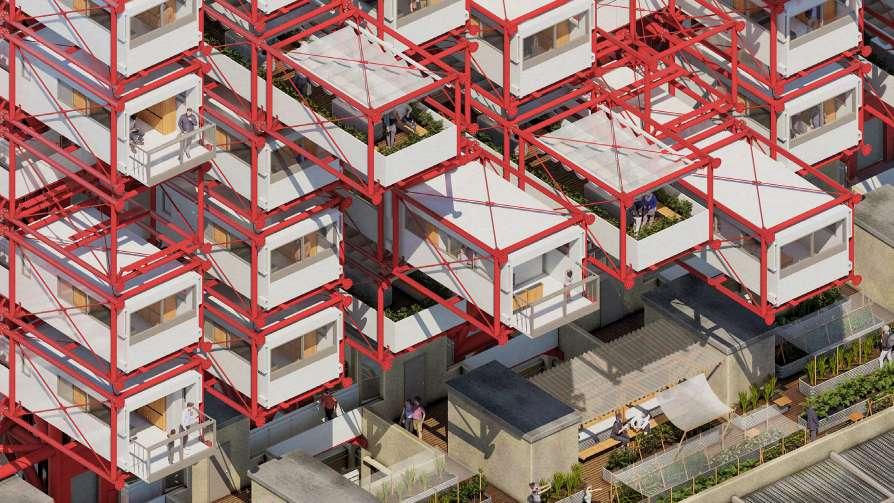
Several issues in these historical Hong Kong shophouses need to be addressed. With time, these buildings have been populated with subdivided apartments,and their roofs and backyards have undergone unpermitted renovations. In these areas, people frequently erect huts made of low quality materials, which presents serious safety problems, including potential fire hazards. Therefore, it is essential to redesign and renovate these buildings to comply with current fire and safety regulations, which they currently lack.
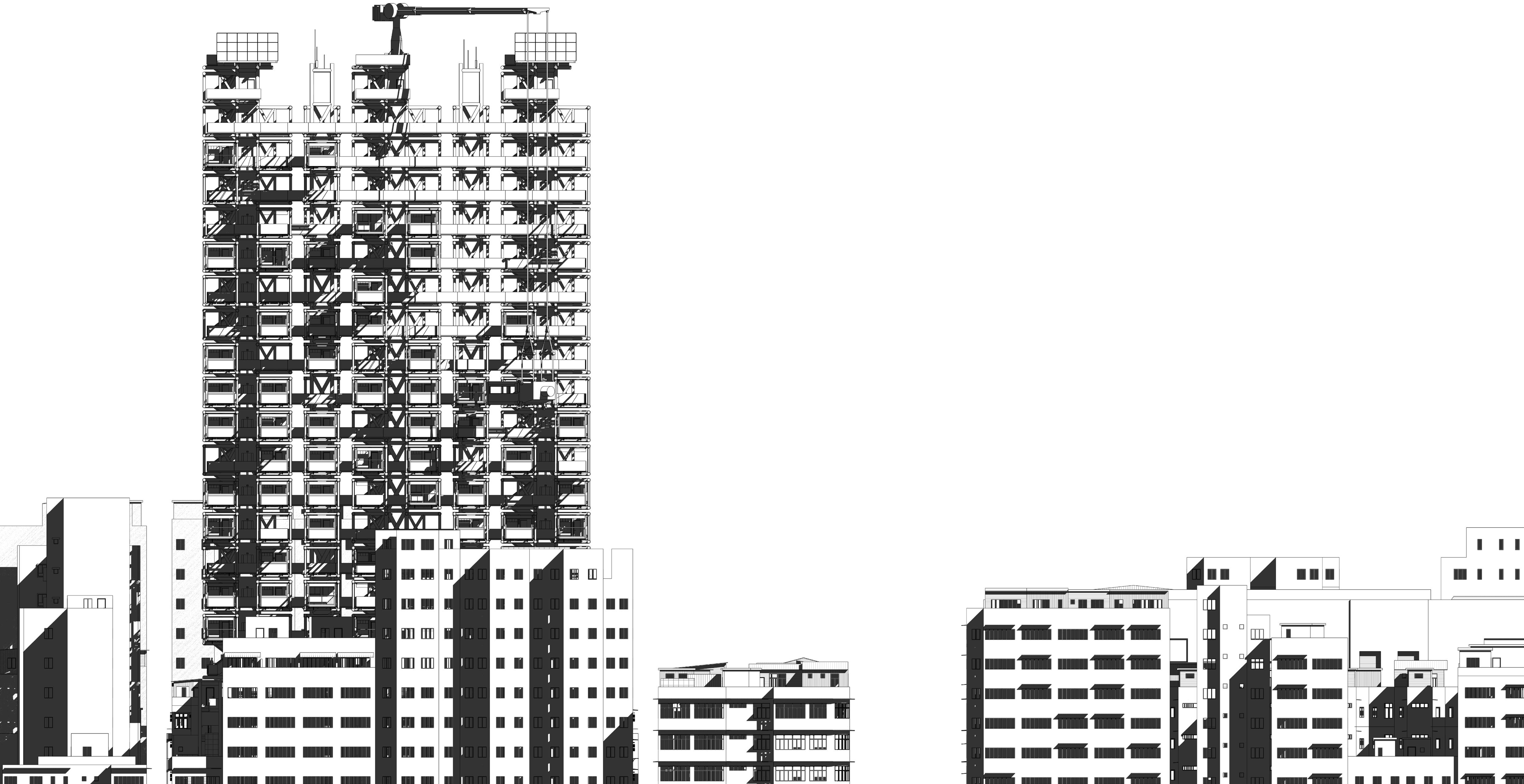
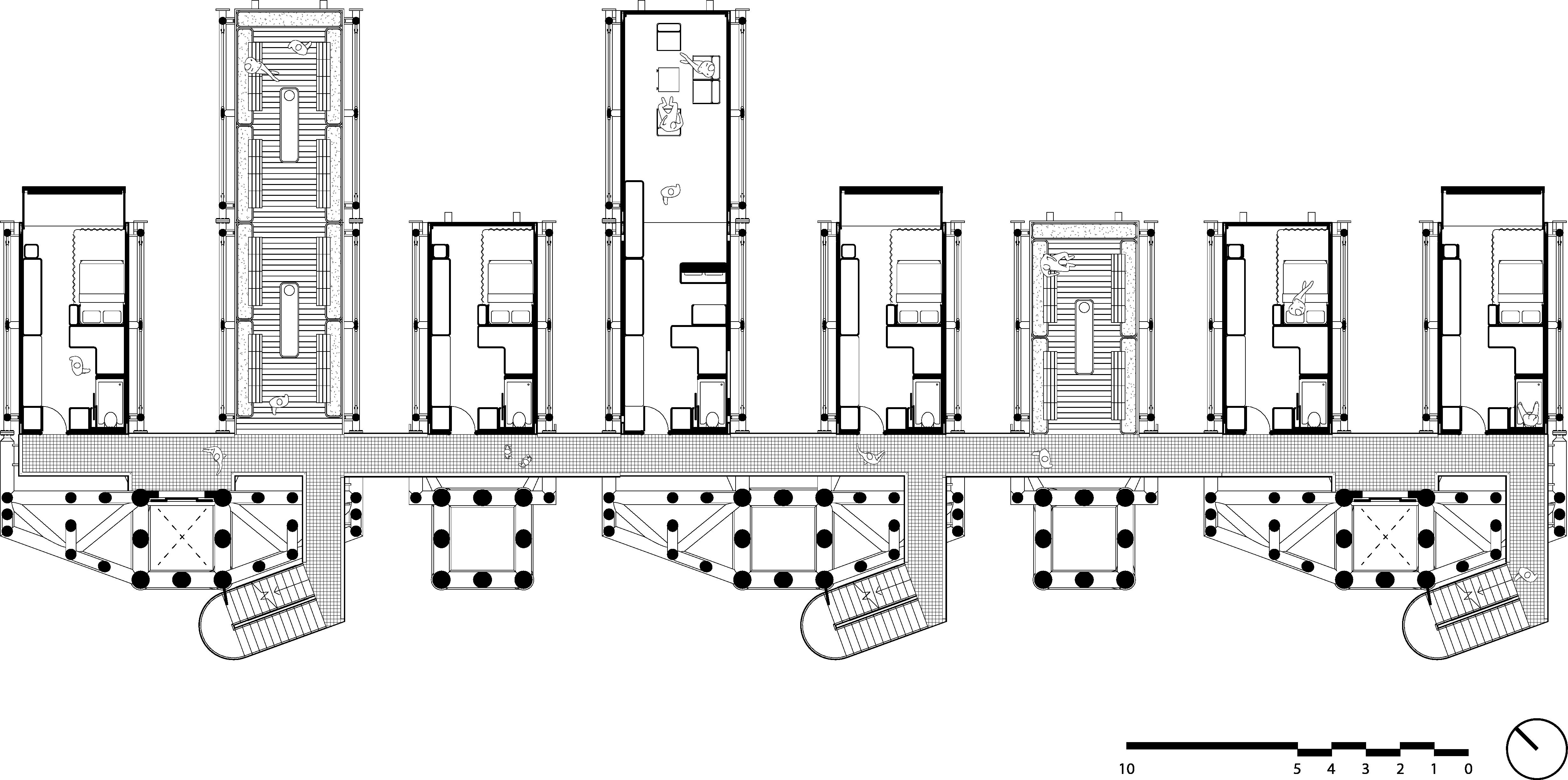
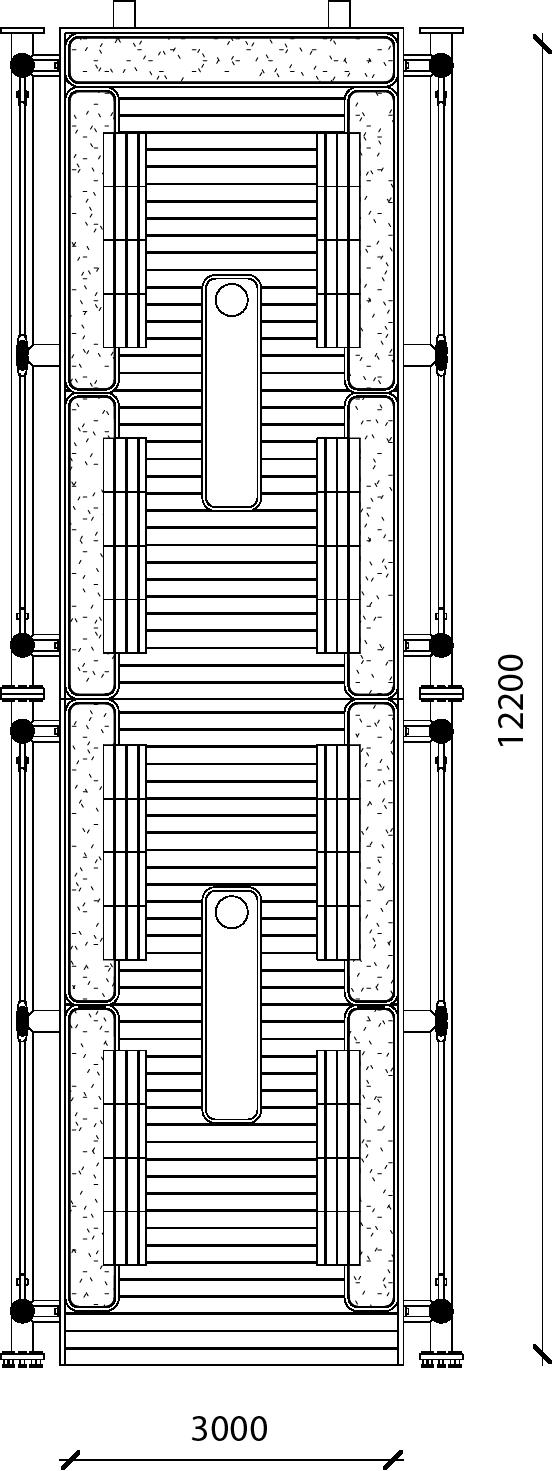
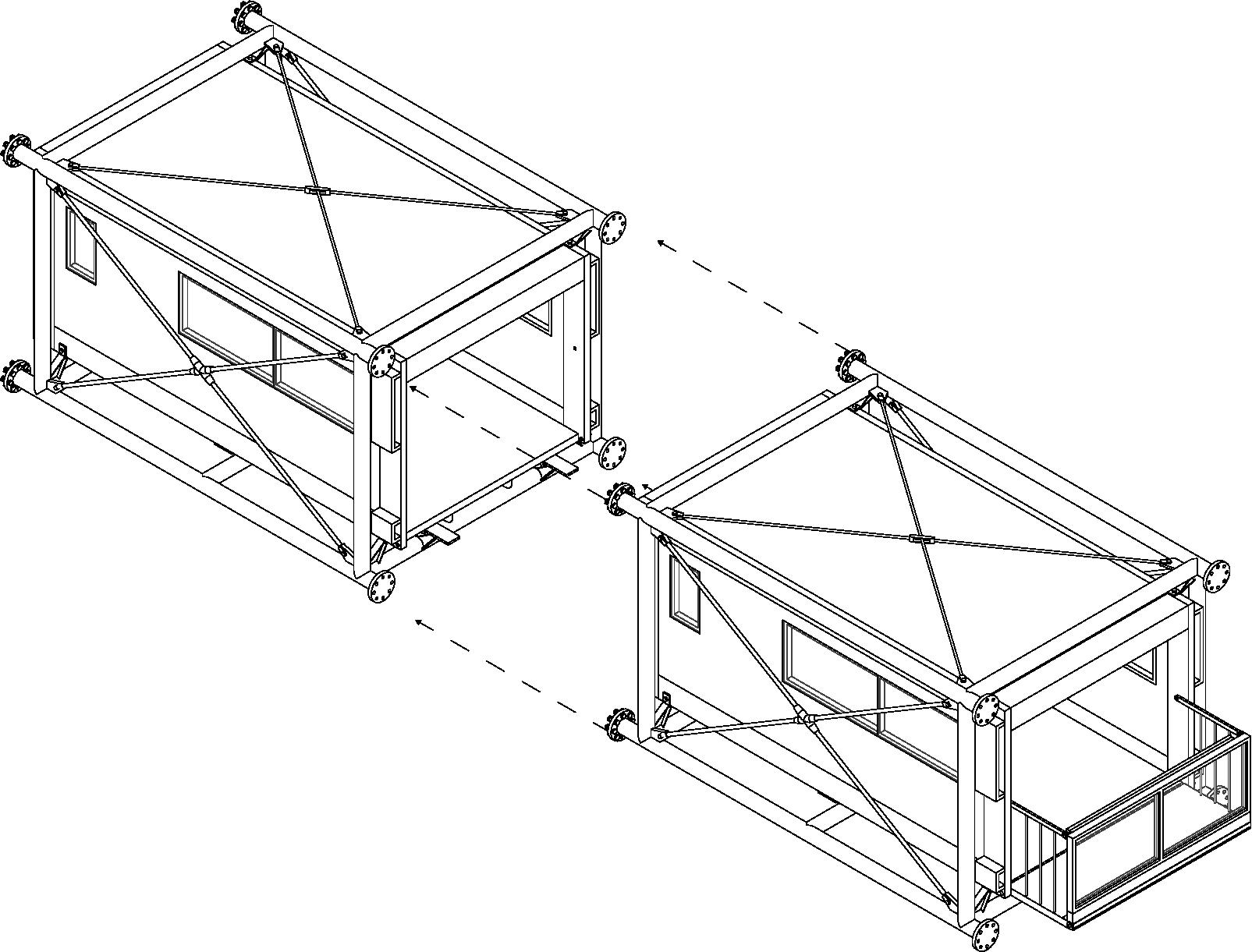
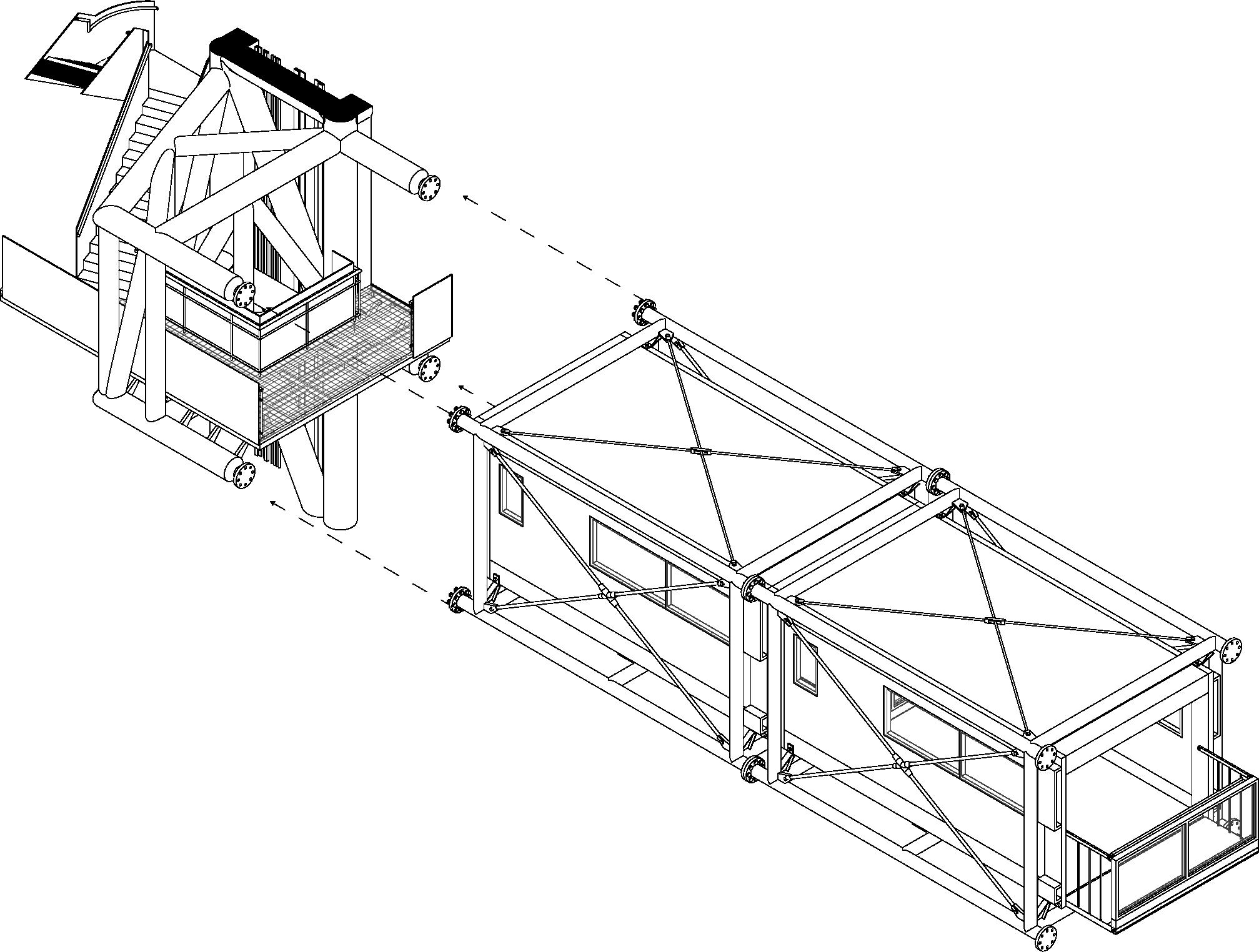
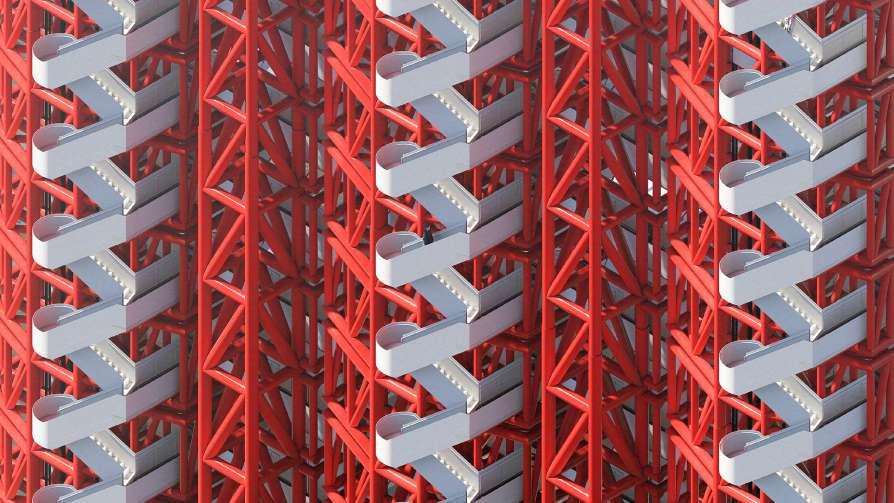
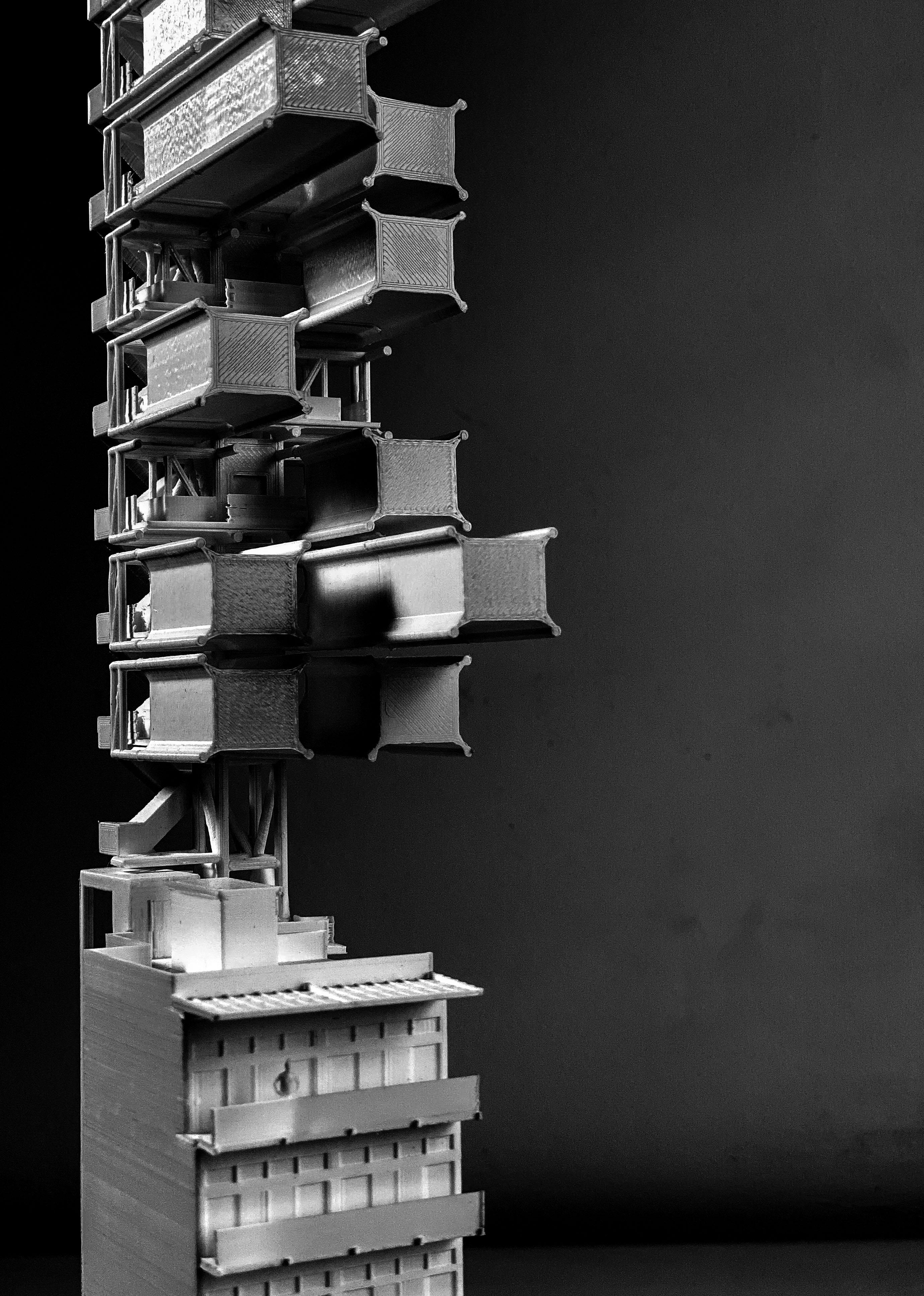
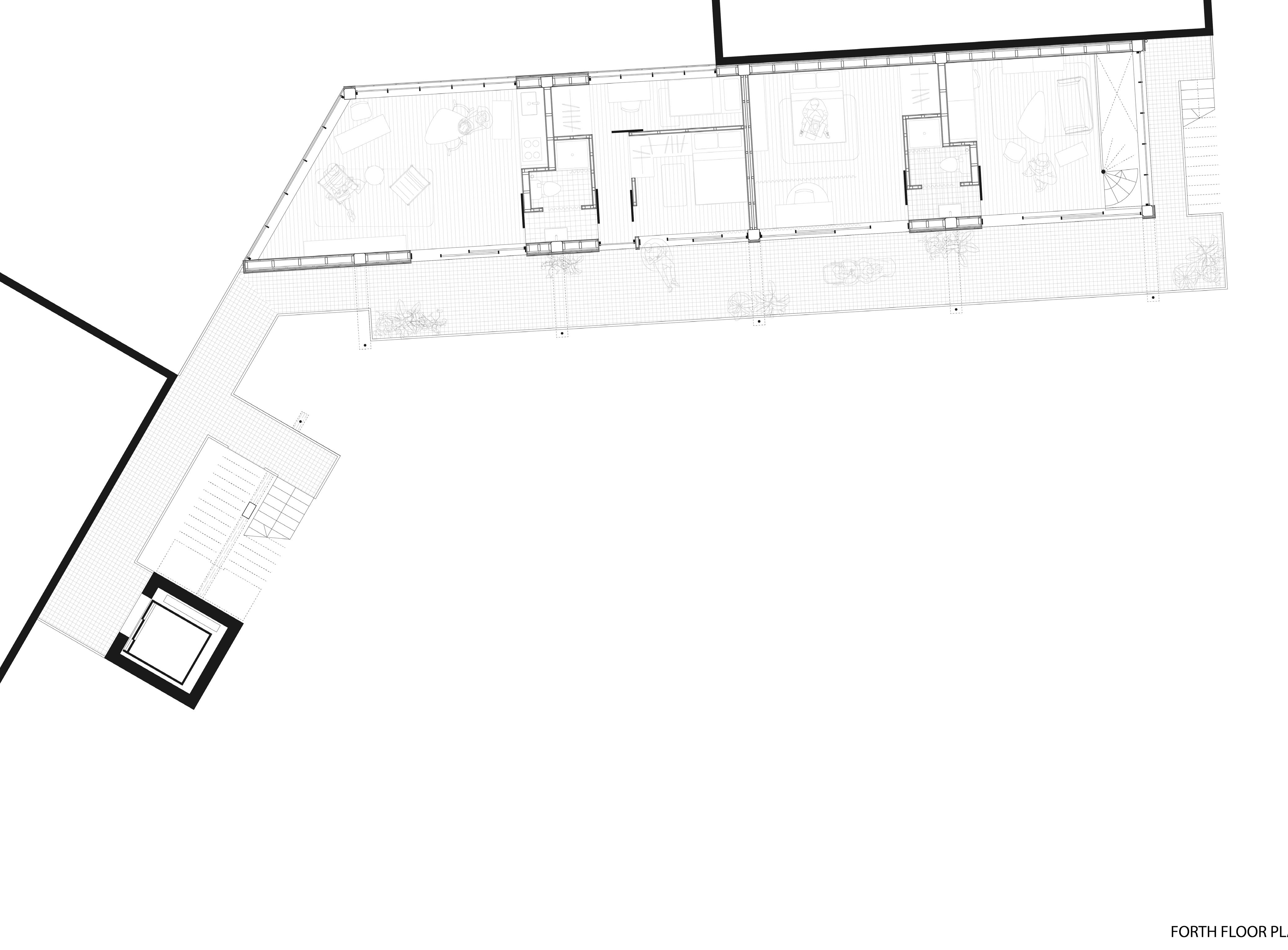
The plan illustrates the different cores designed to support both single and double modules, optimizing space utilization. This approach provides flexibility for various site sizes, allowing smaller sites to use single module cores instead of the double modules, which require more space.
Single and double module cores
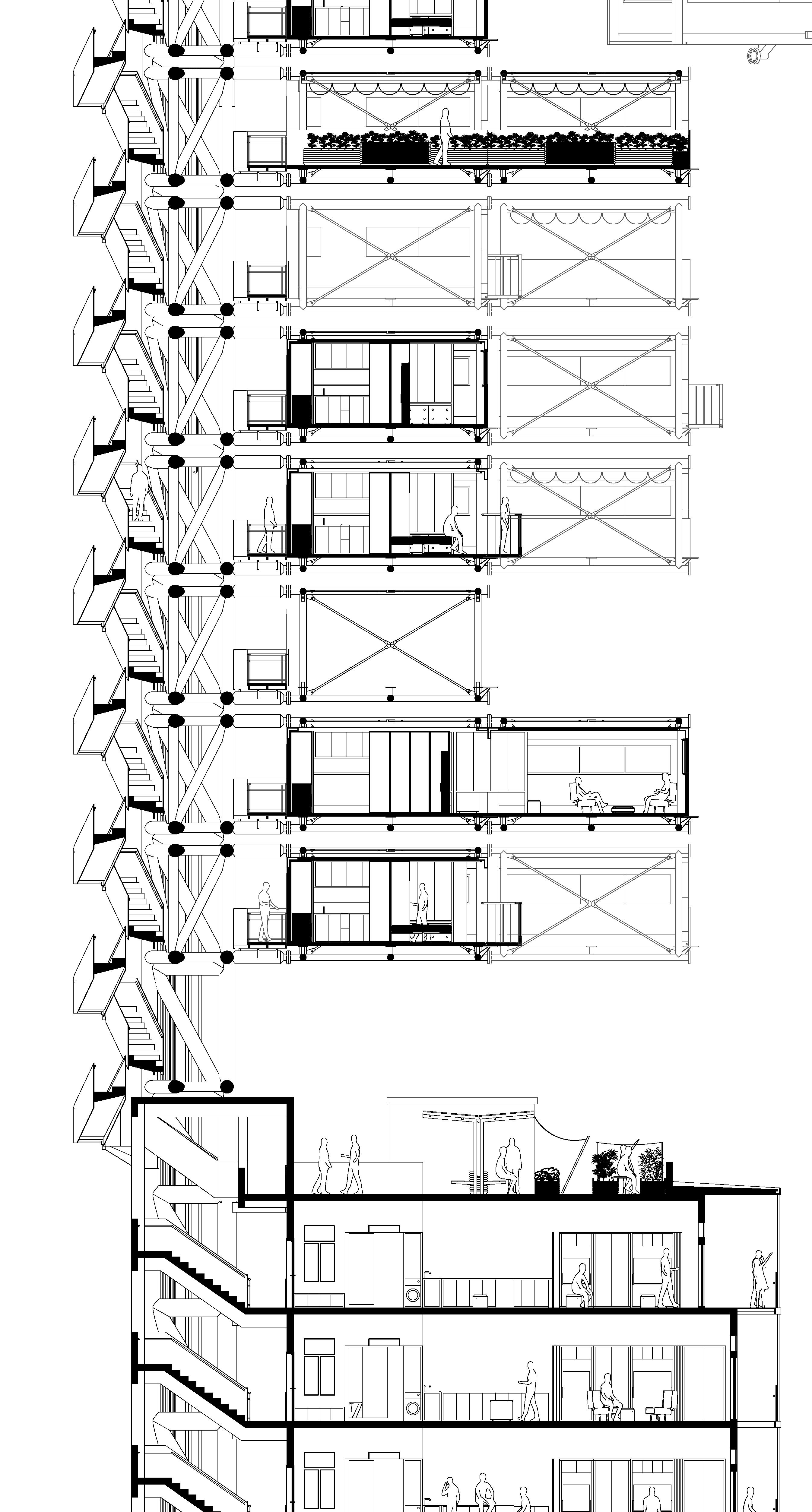
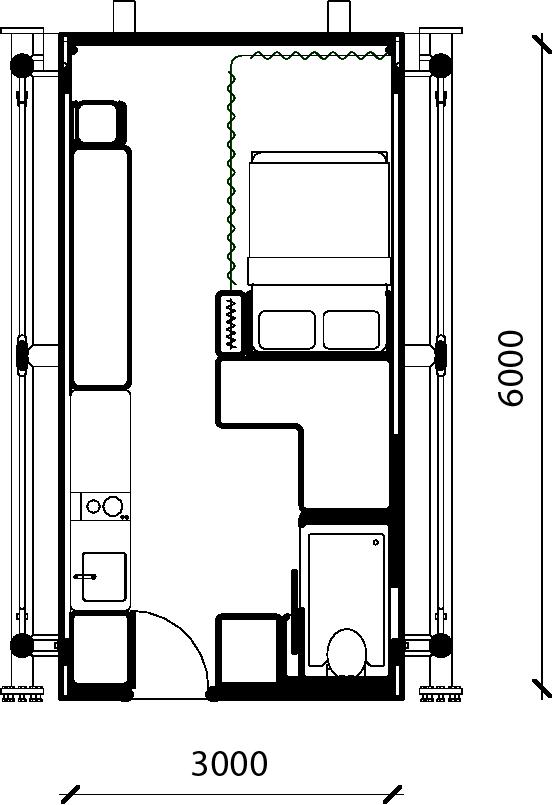
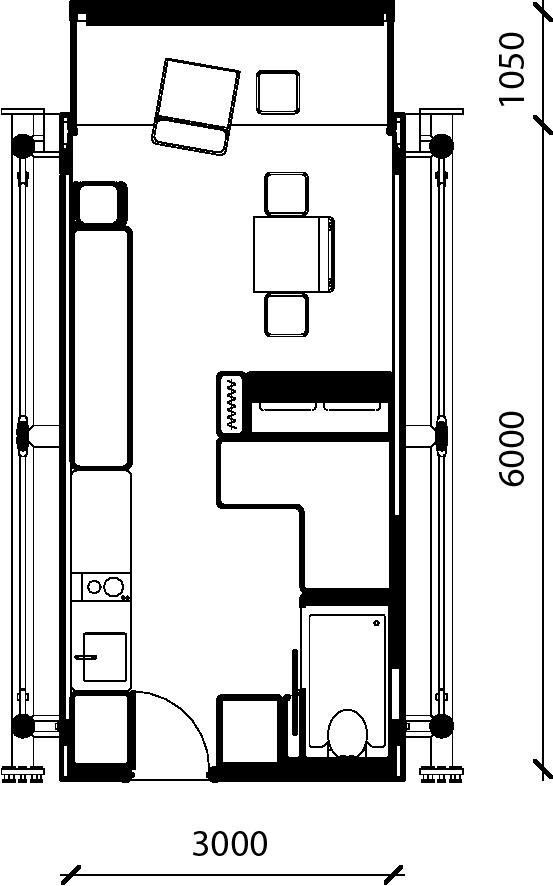
Each single module has an area of 18m² and is equipped with the same movable furniture modules designed for the existing building apartments. However, half of the space is fixed, including the kitchen and toilet modules, due to plumbing requirements. Aside from these fixed areas, the users can rearrange the furniture as they like, ensuring a flexible and adaptable living space even within the small module.
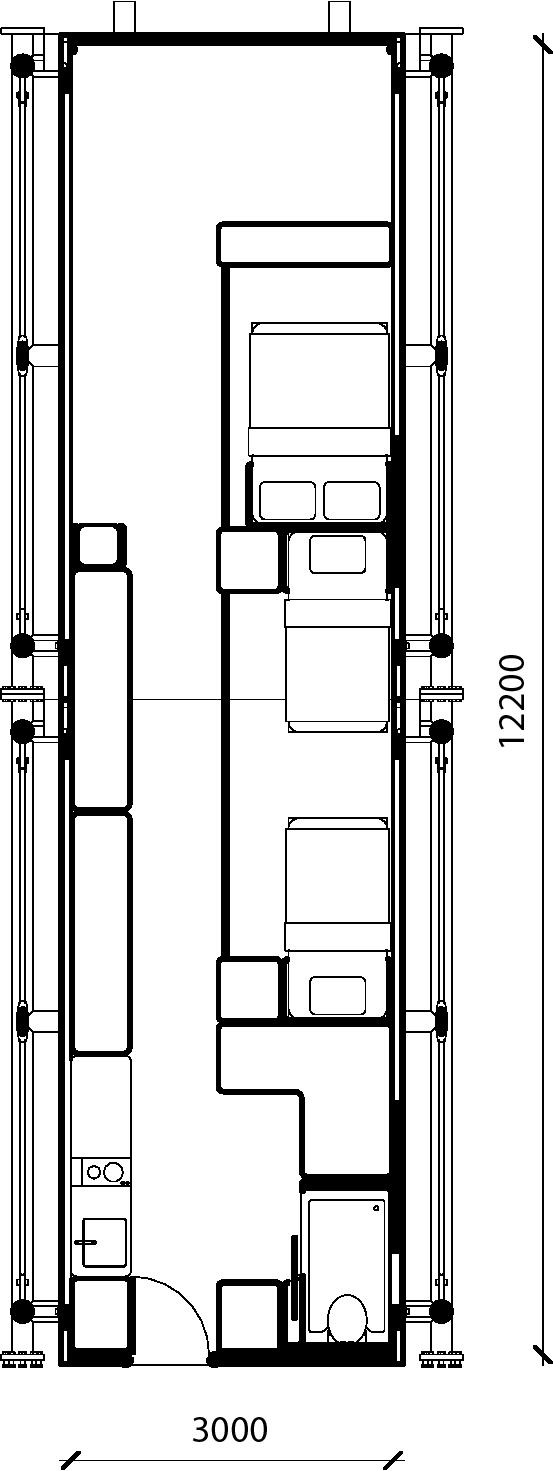
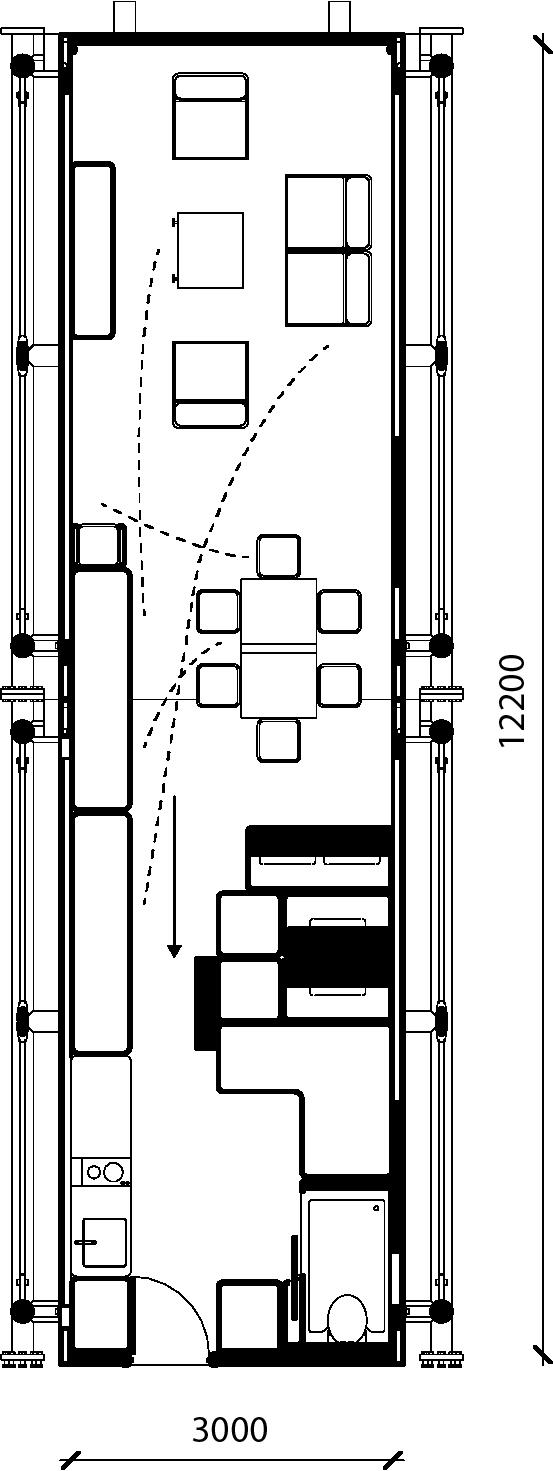
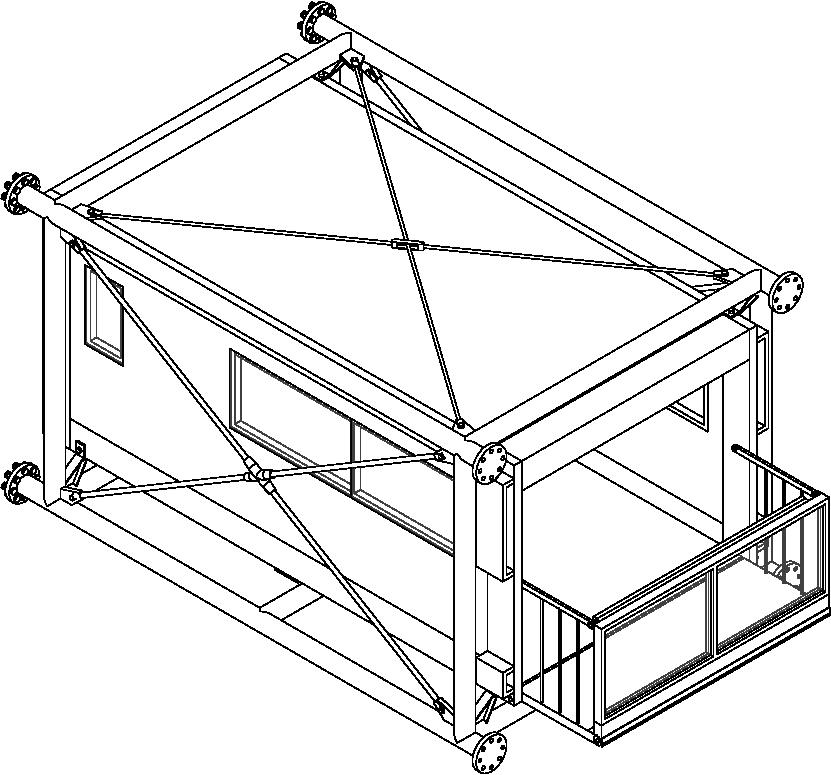
By adding an additional module, the internal area expands to 36.6m², accommodating up to three beds suitable for a household with two children. This extension offers greater spatial flexibility, allowing all other furniture to be pushed aside to create a spacious living area at the front, as illustrated on the following pages.
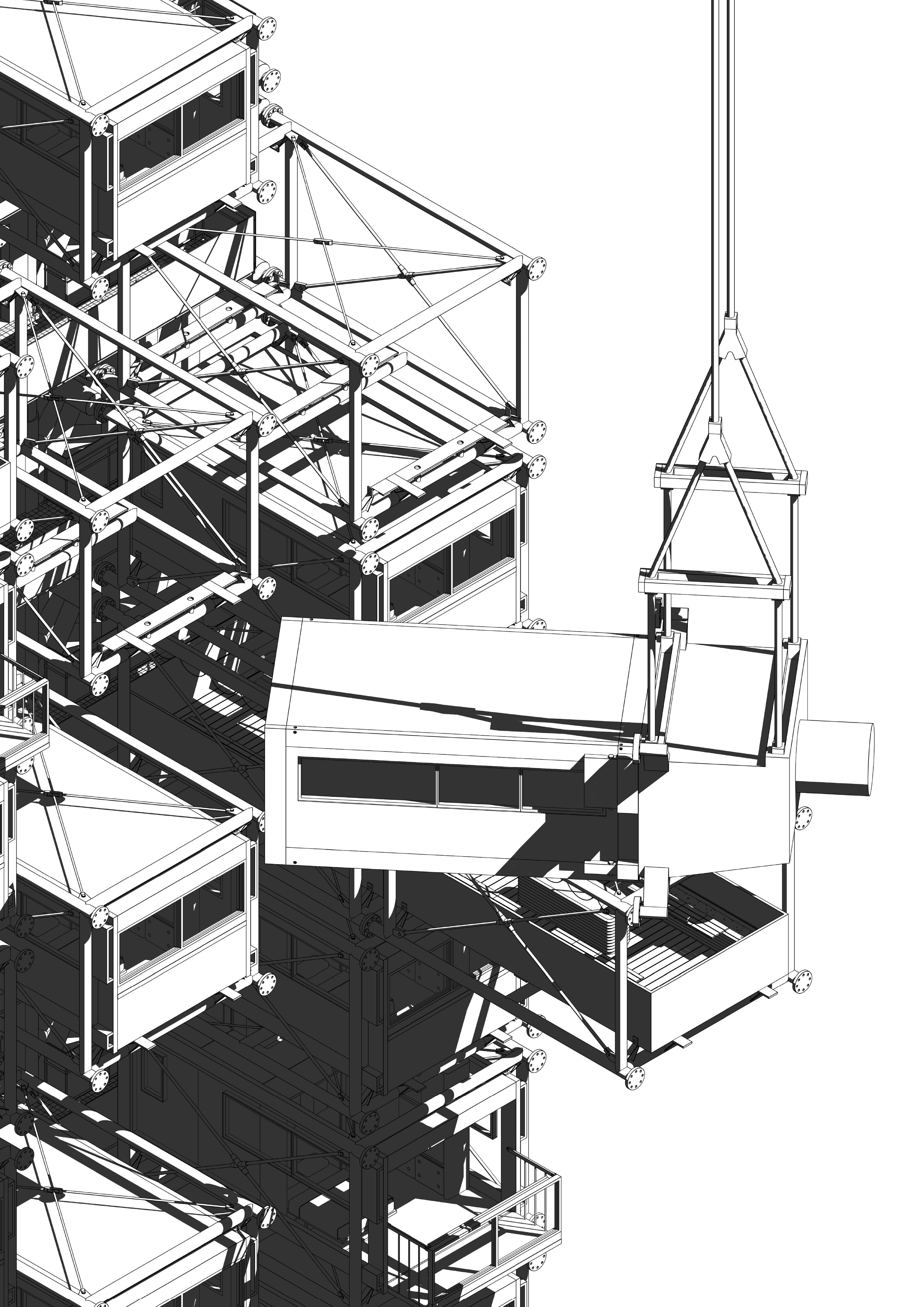
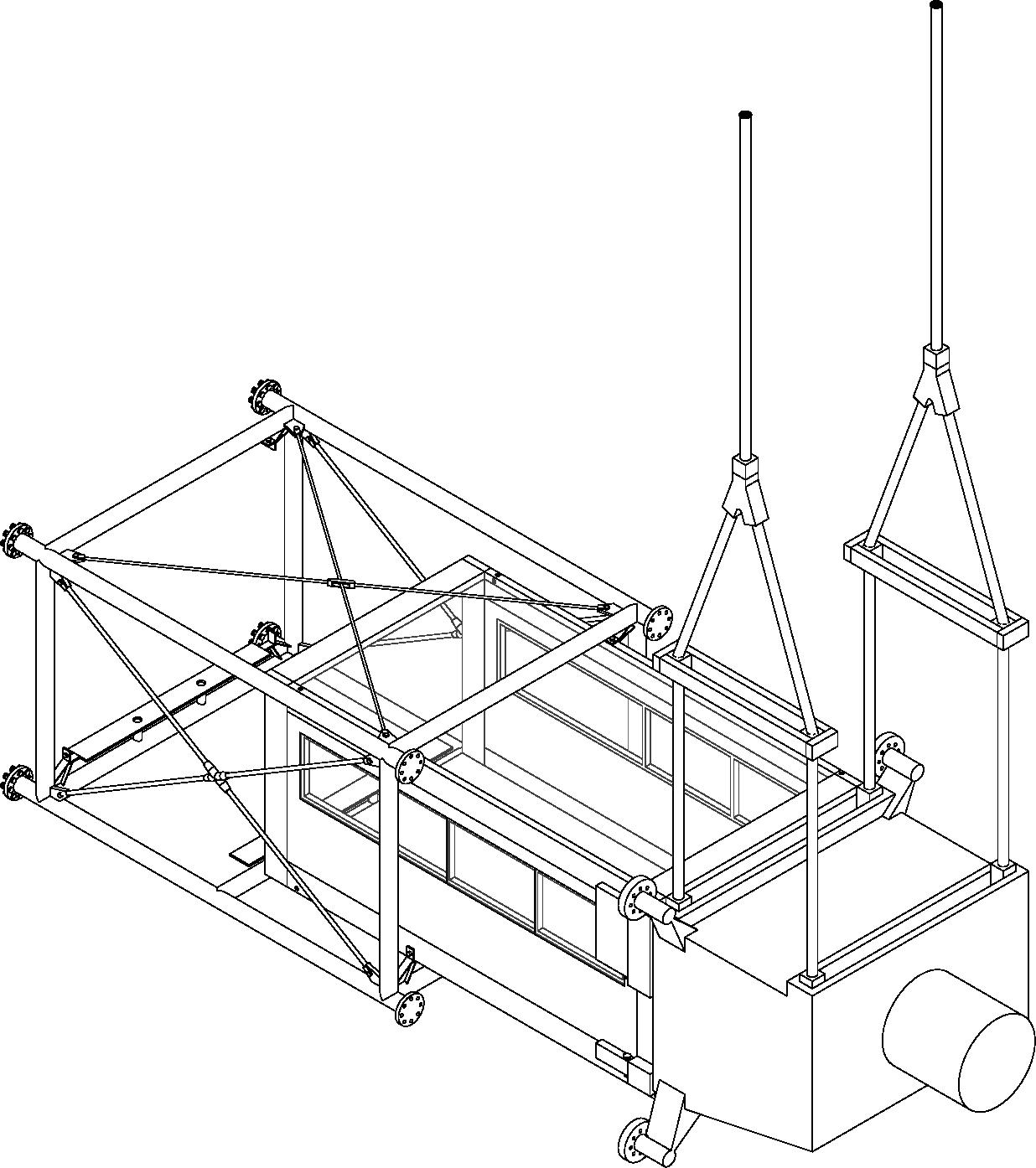
HOISTING THE MODULES
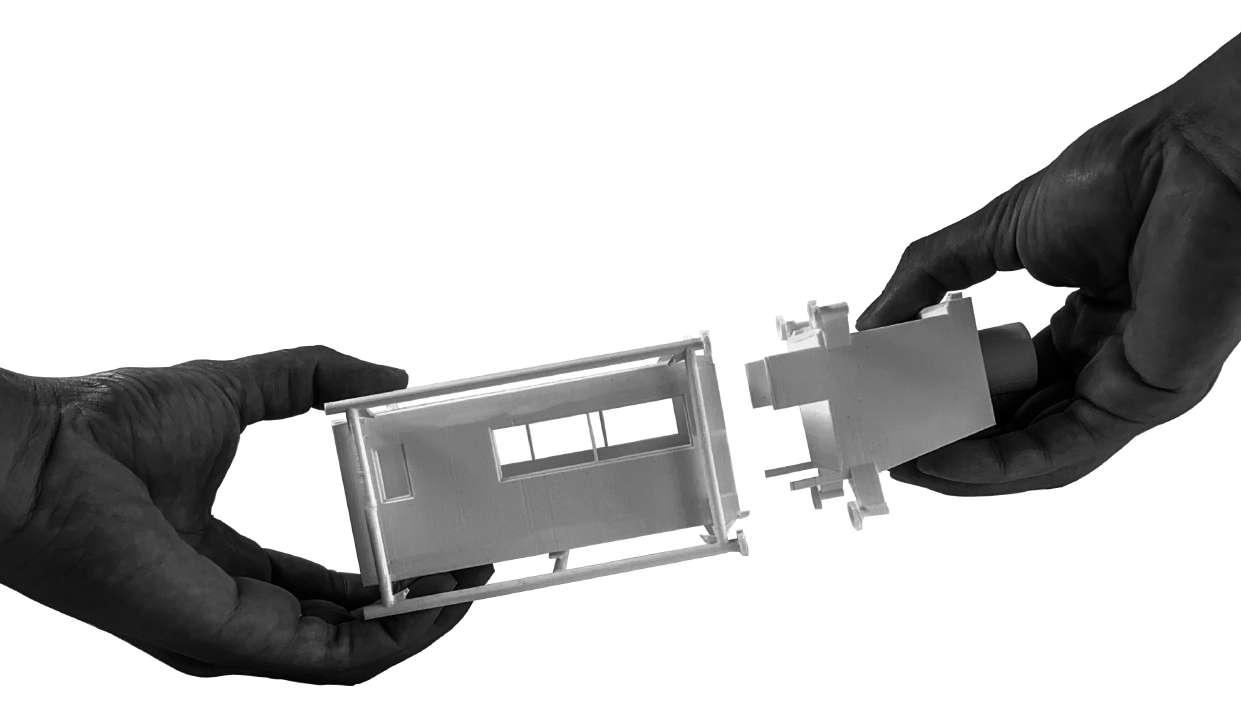
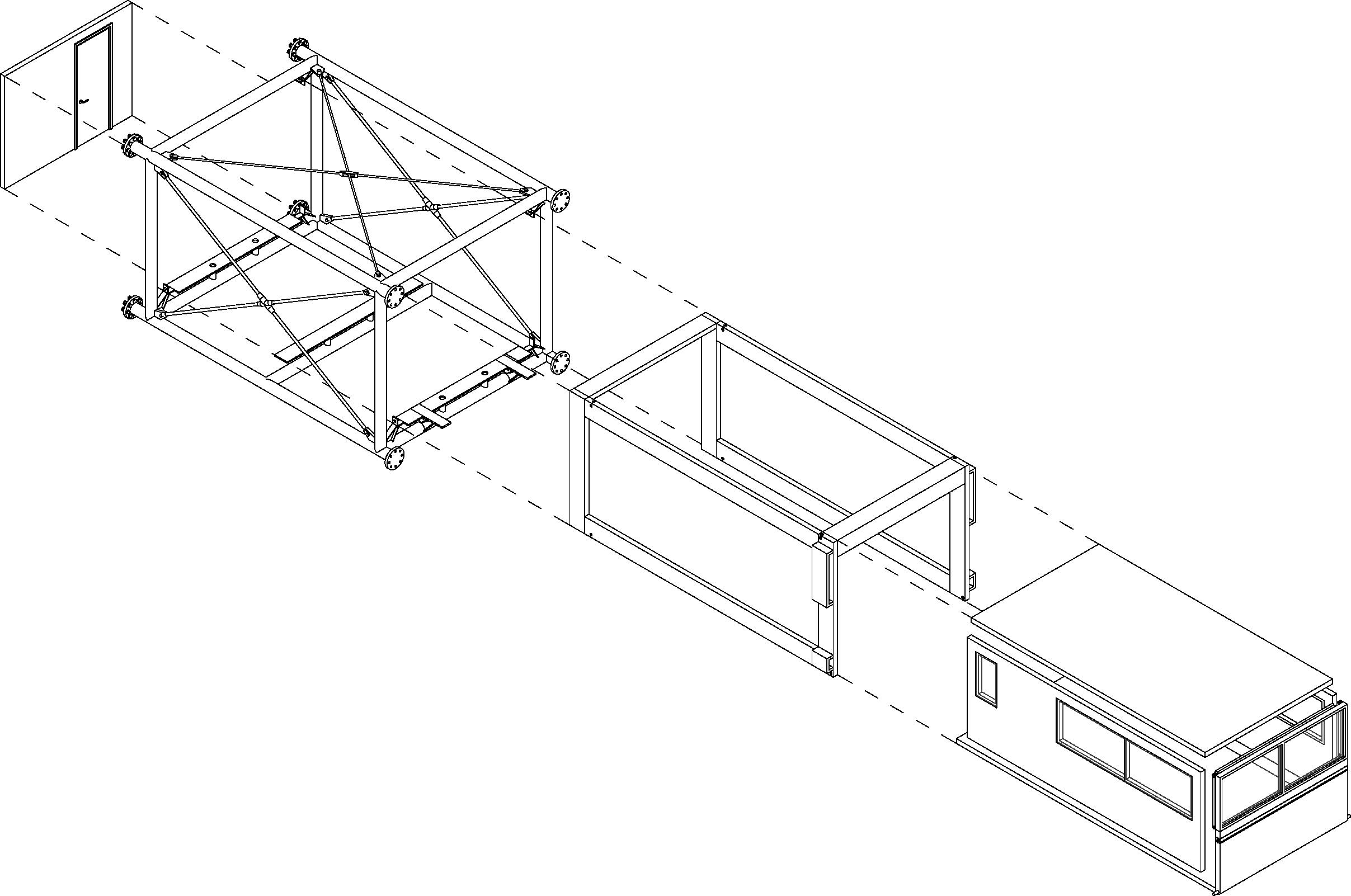
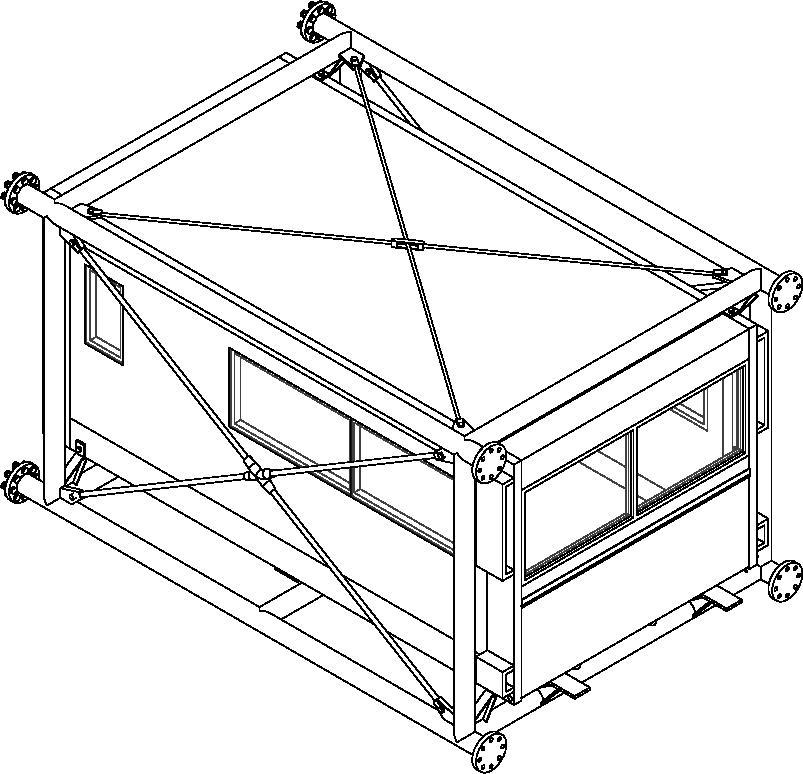
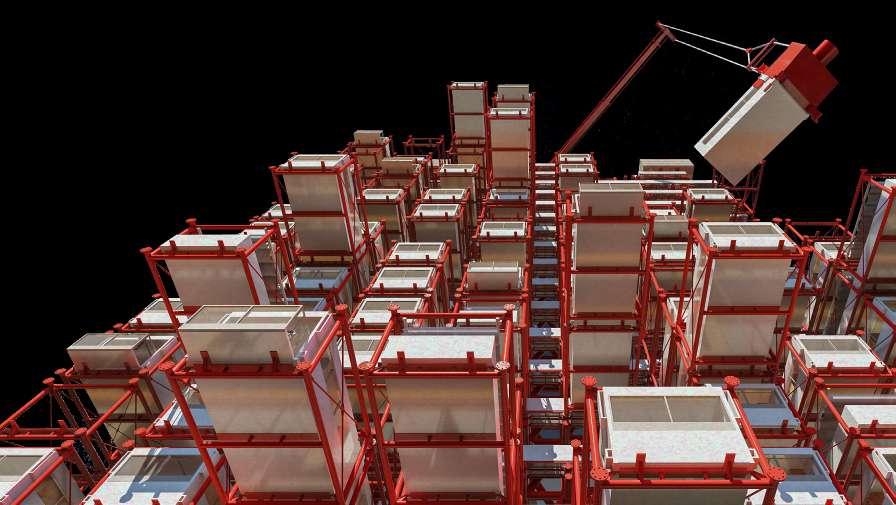
The frames and modules are equipped with mounting points designed to be lifted and maintained in a horizontal position using a crane attached to counterweights. This setup facilitates easy customization, addition, or removal of modules, which can be done from the front rather than from above. This approach not only simplifies installation but also enhances maintenance efficiency.
TERM : THESIS l SEMESTER 2 SUPERVISOR : Leonhard Clemens
SITE :
Urban Transition
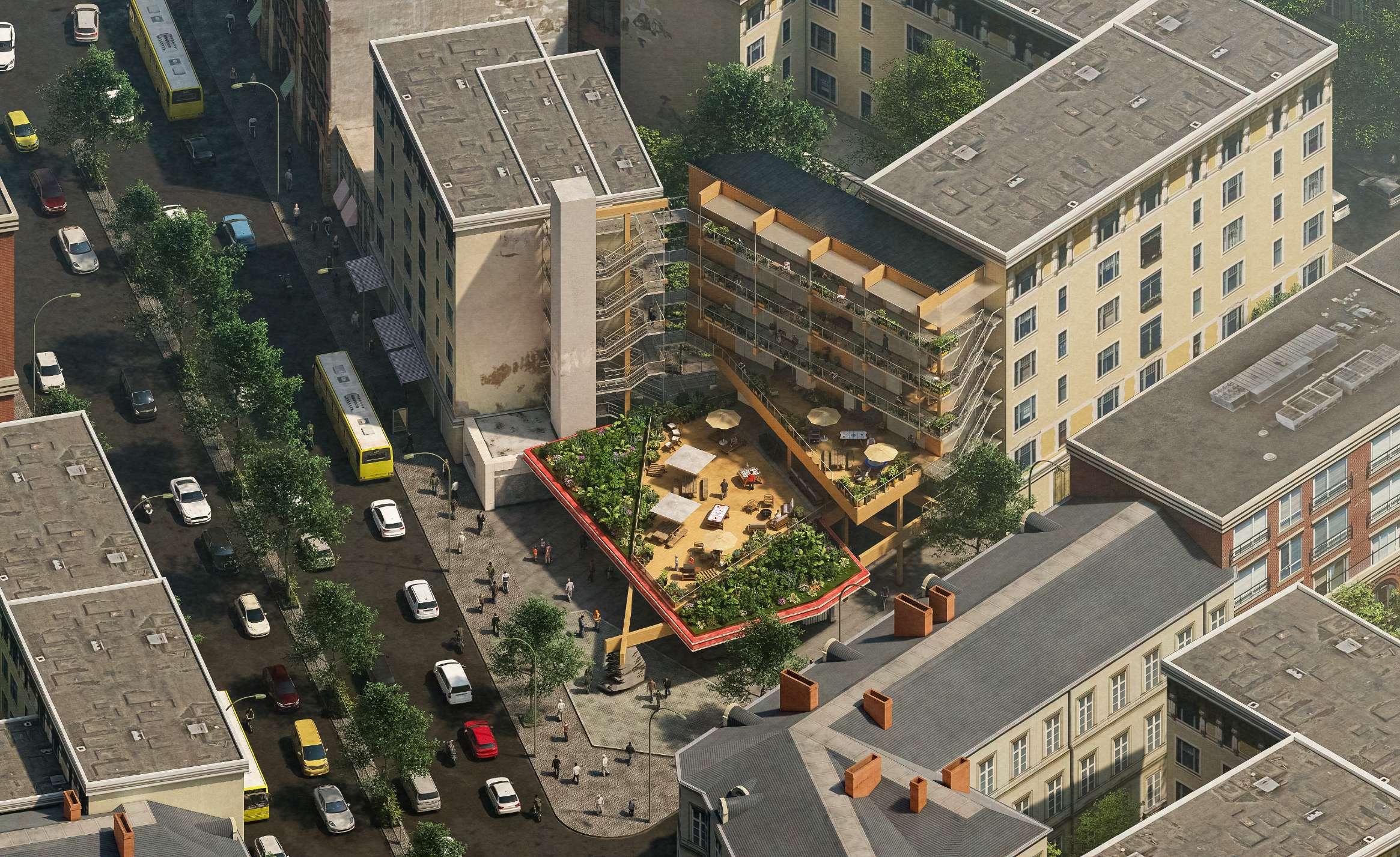
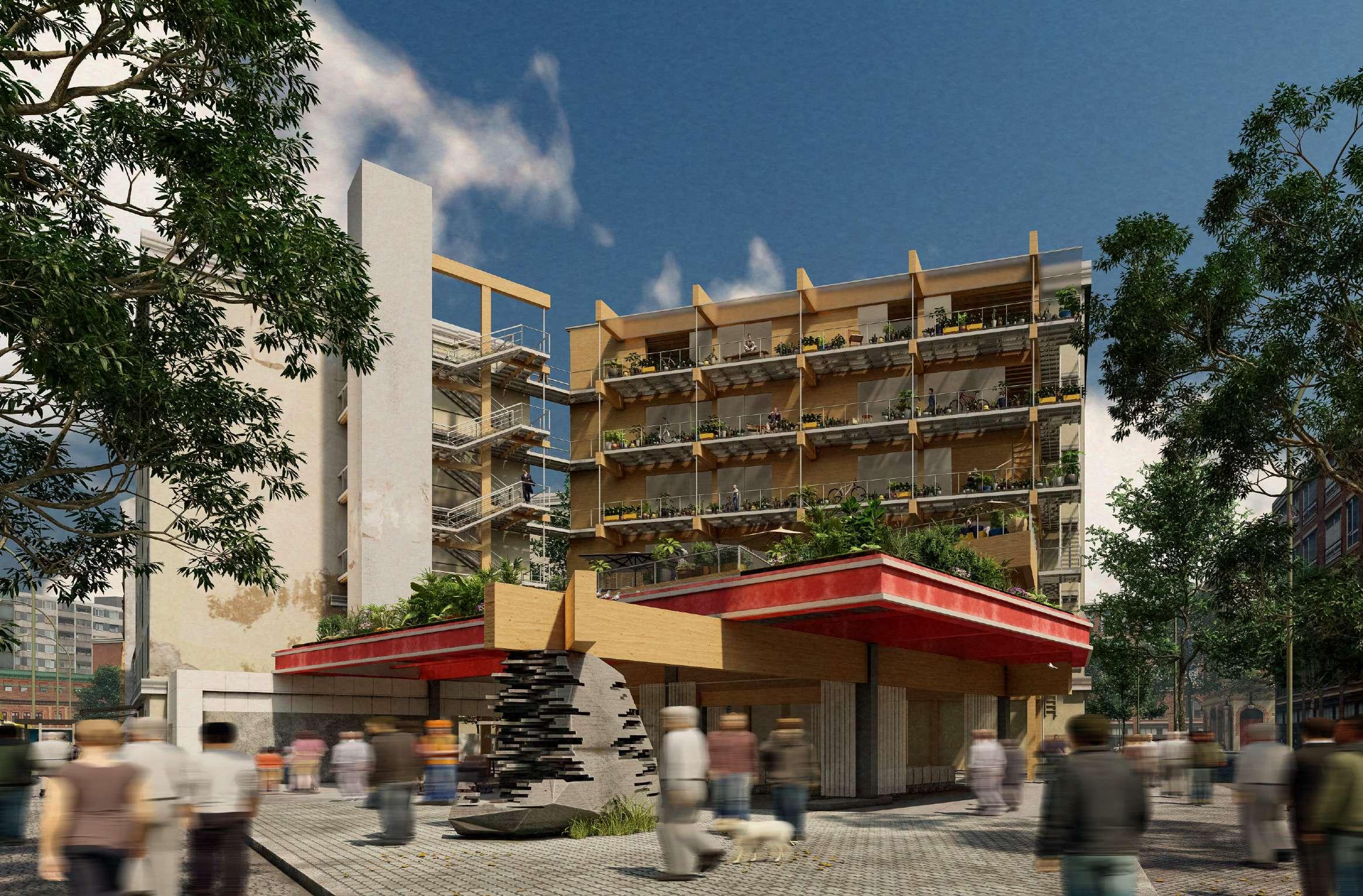
Reimagining the Petrol Station as Living Space
SONNENALLEE
BERLIN
GERMANY
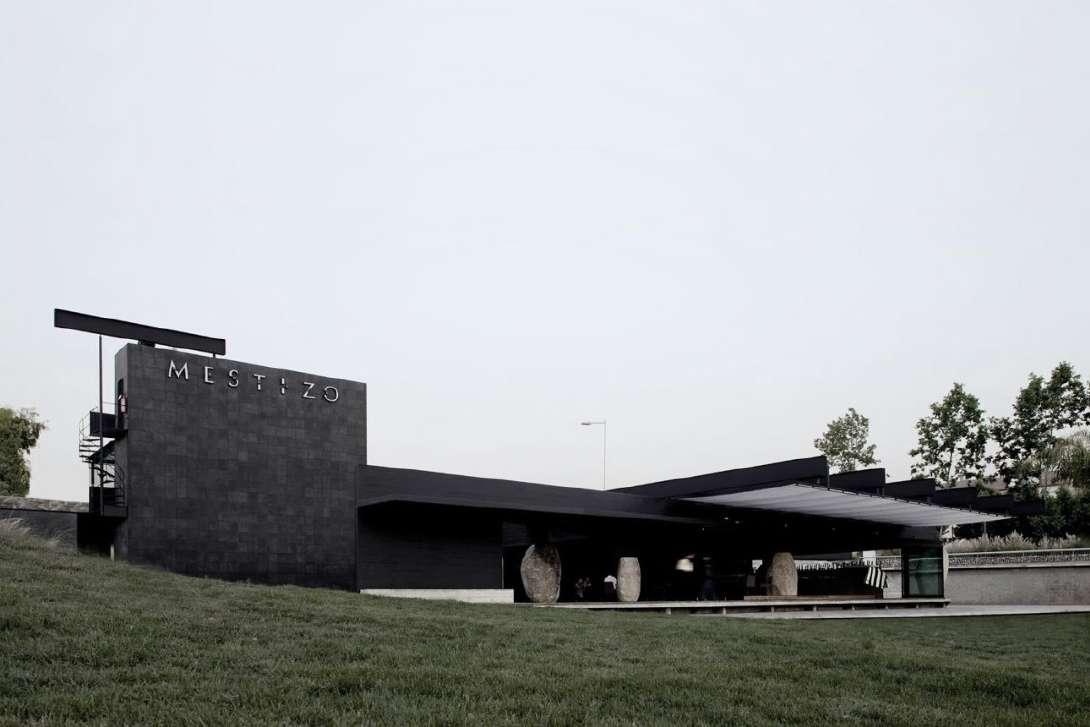
This studio, titled COPY, explores the value of replication as a method of learning in architecture. While copying is sometimes seen as synonymous with plagiarism, this studio reframes it as a way to study and internalize the principles of exemplary designs. Each student was assigned a specific building to analyze, focusing on its architectural elements and design strategies. I was given a restaurant designed by Smiljan Radic, which served as the foundation for my initial exploration.
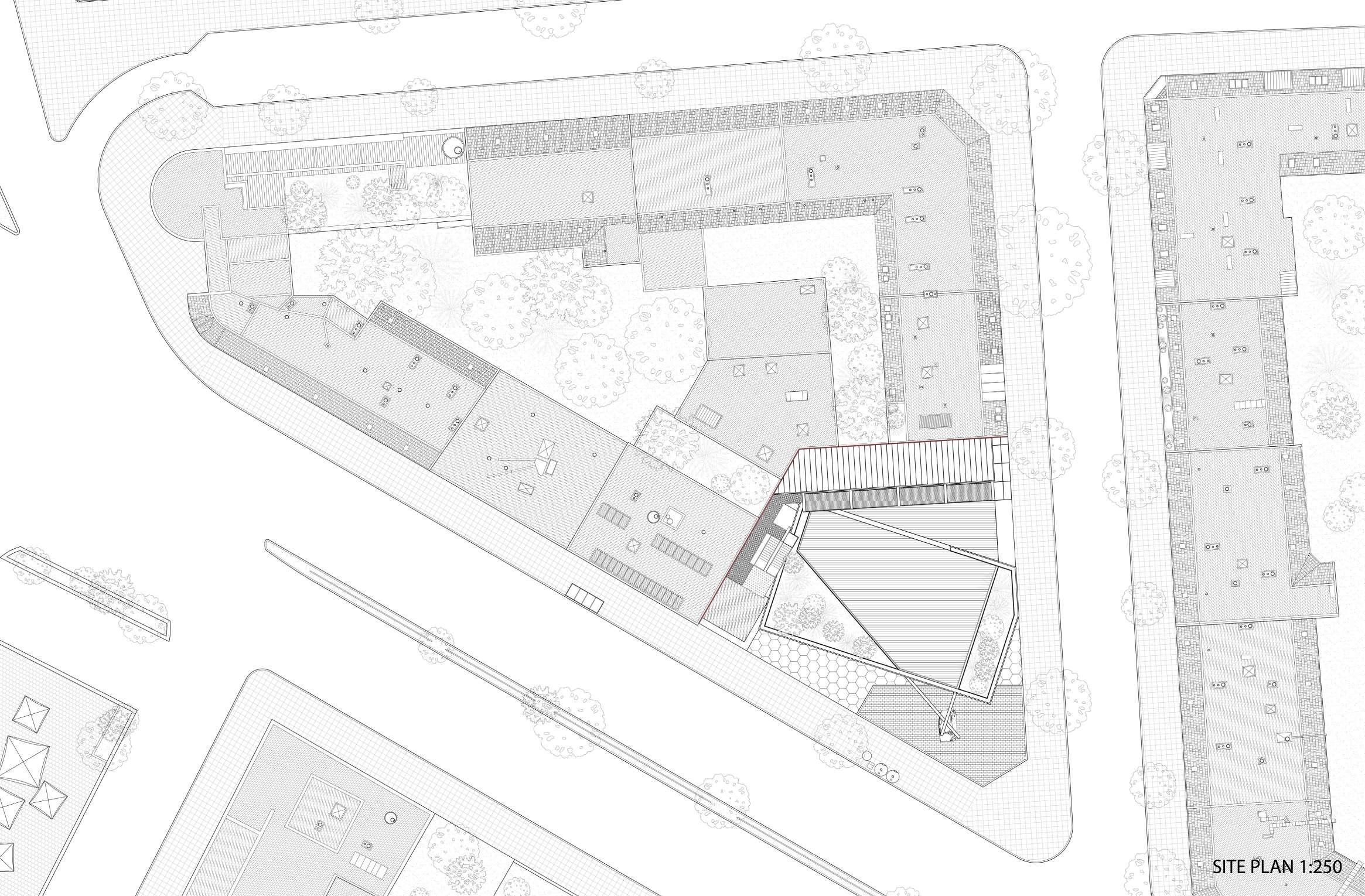
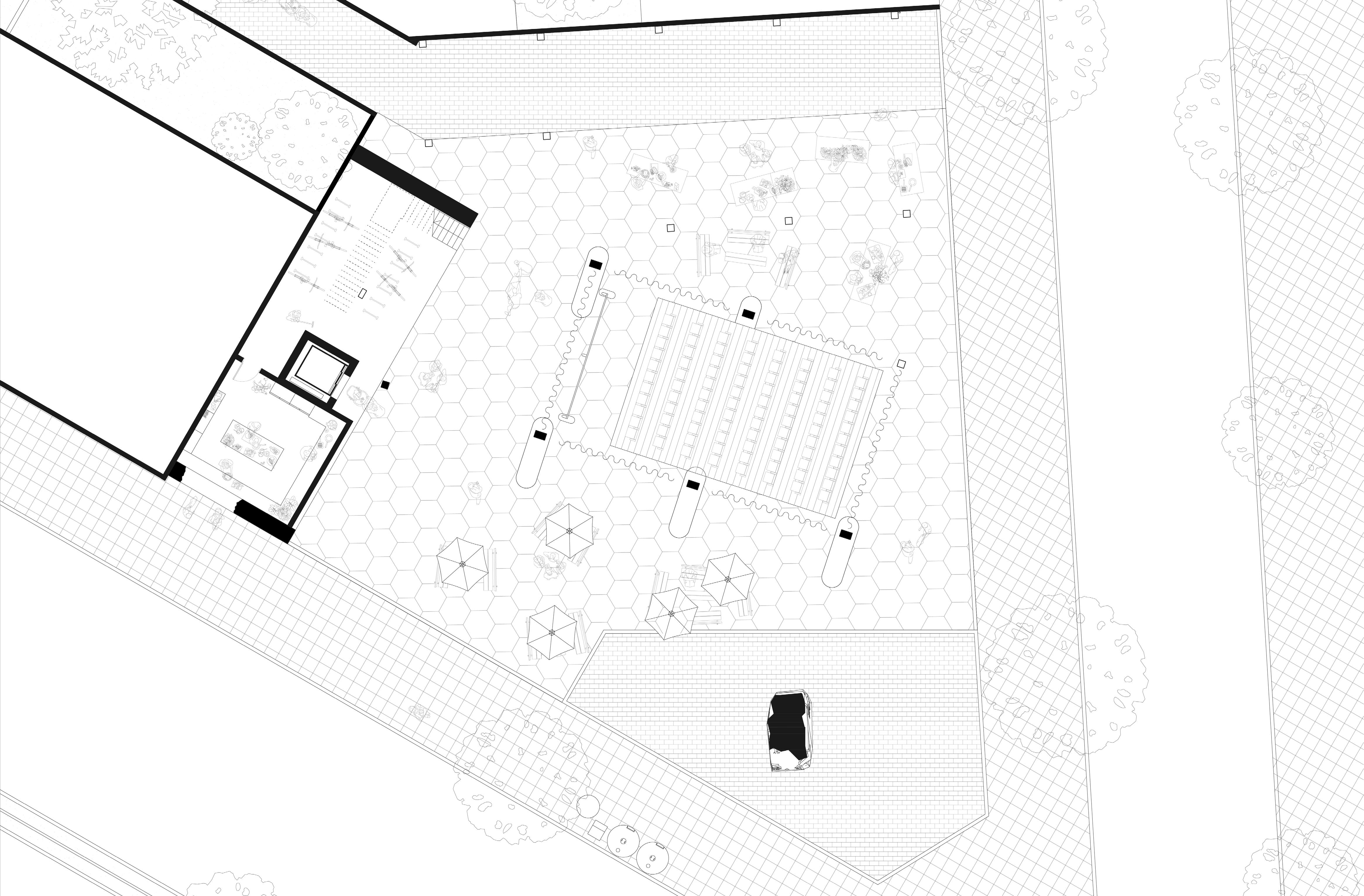
In the second phase, we were presented with a new challenge: to create an original project for a randomly assigned site. The goal was to translate the architectural insights from our studied building into a distinctive and contextually responsive design.
Studio Task
SITE : SANTIAGO CHILE
RESTAURANT MESTIZO FUNCTION : ARCHITECT : Smiljan Radic
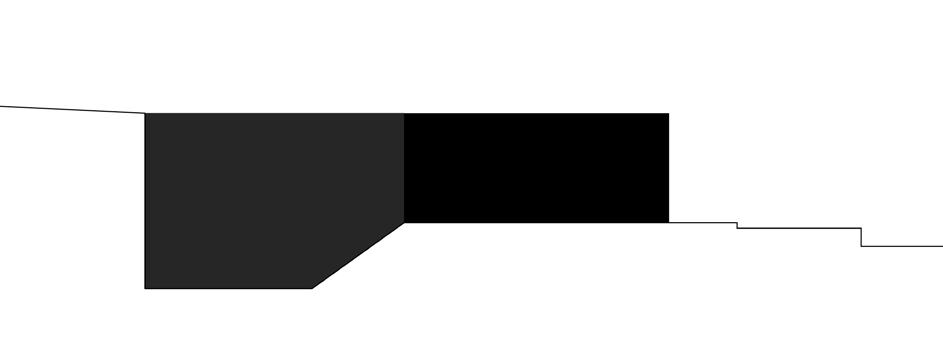
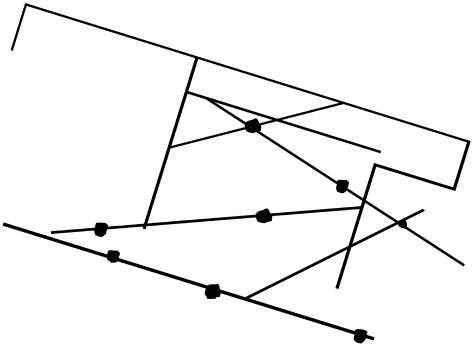
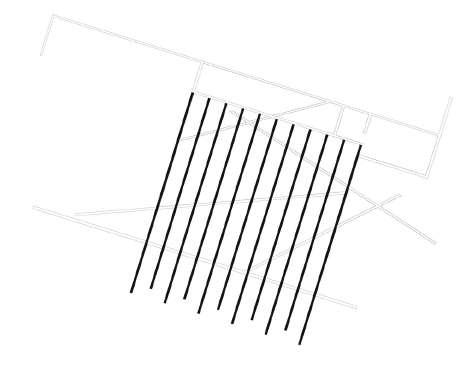
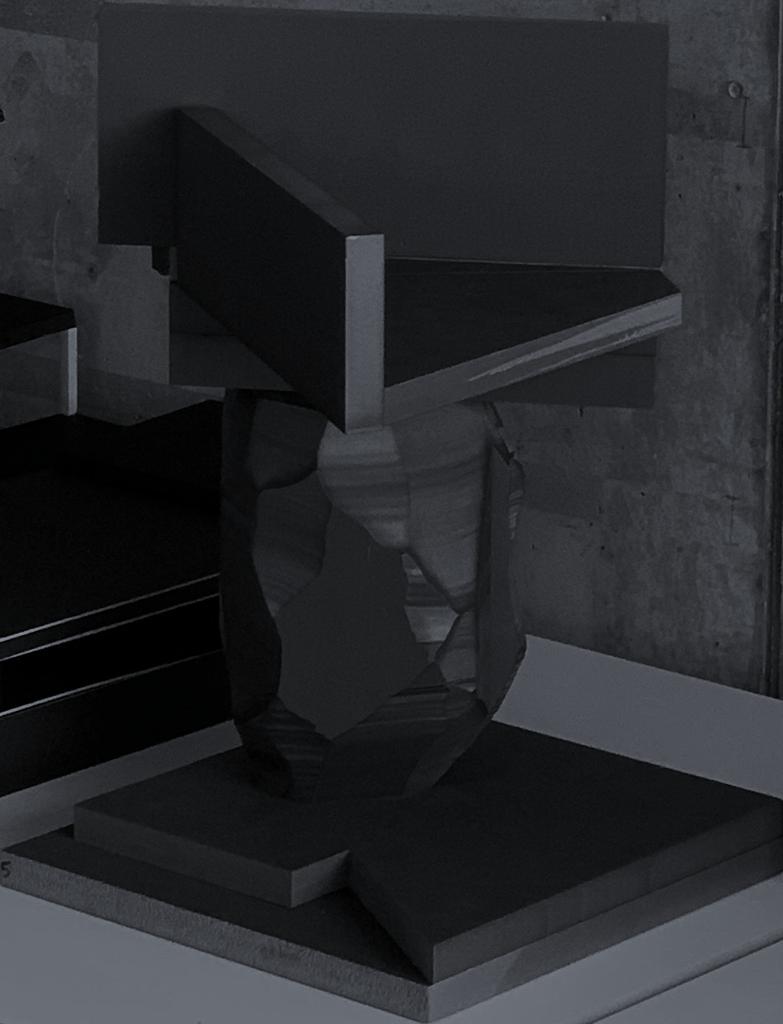
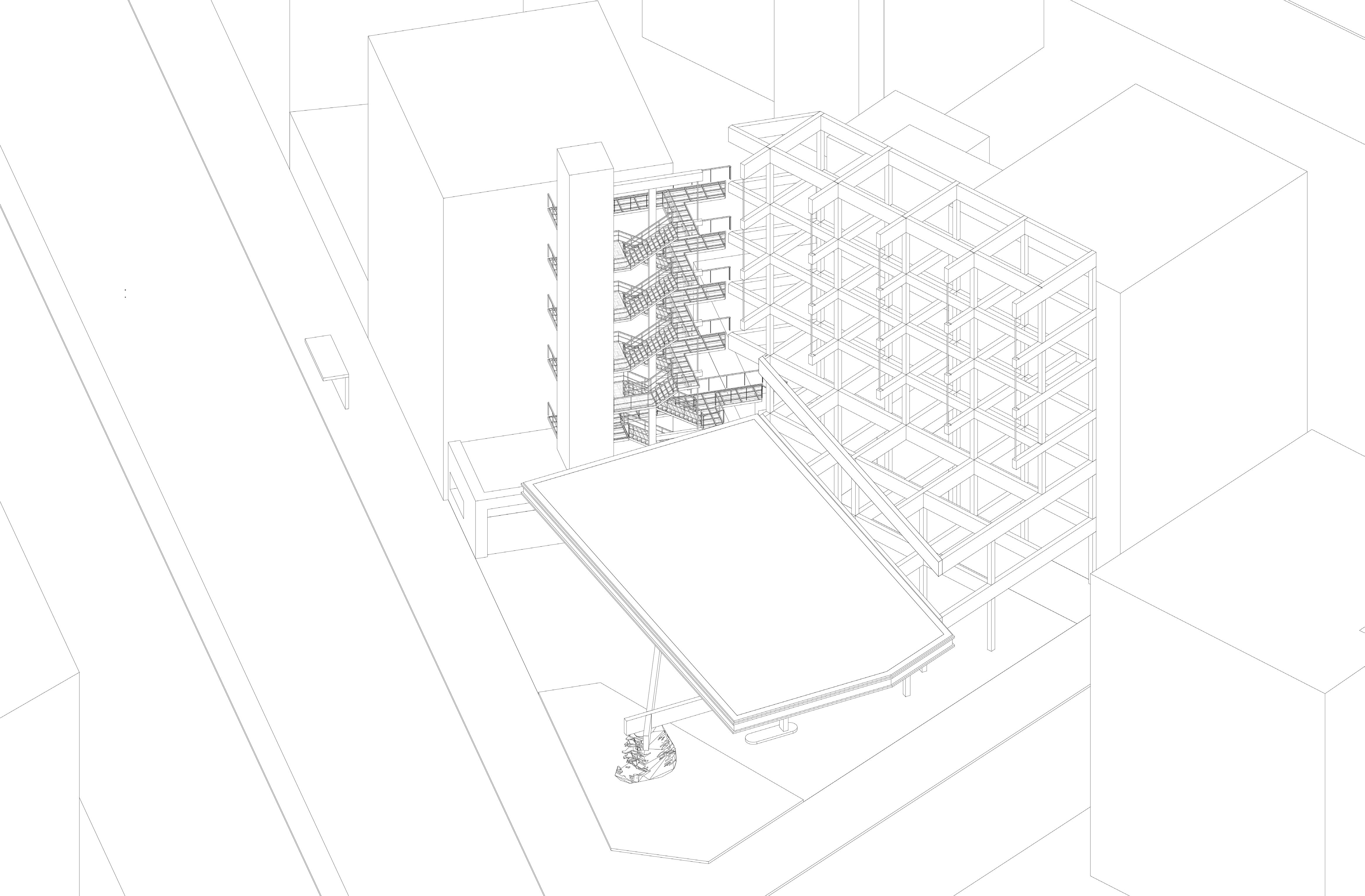
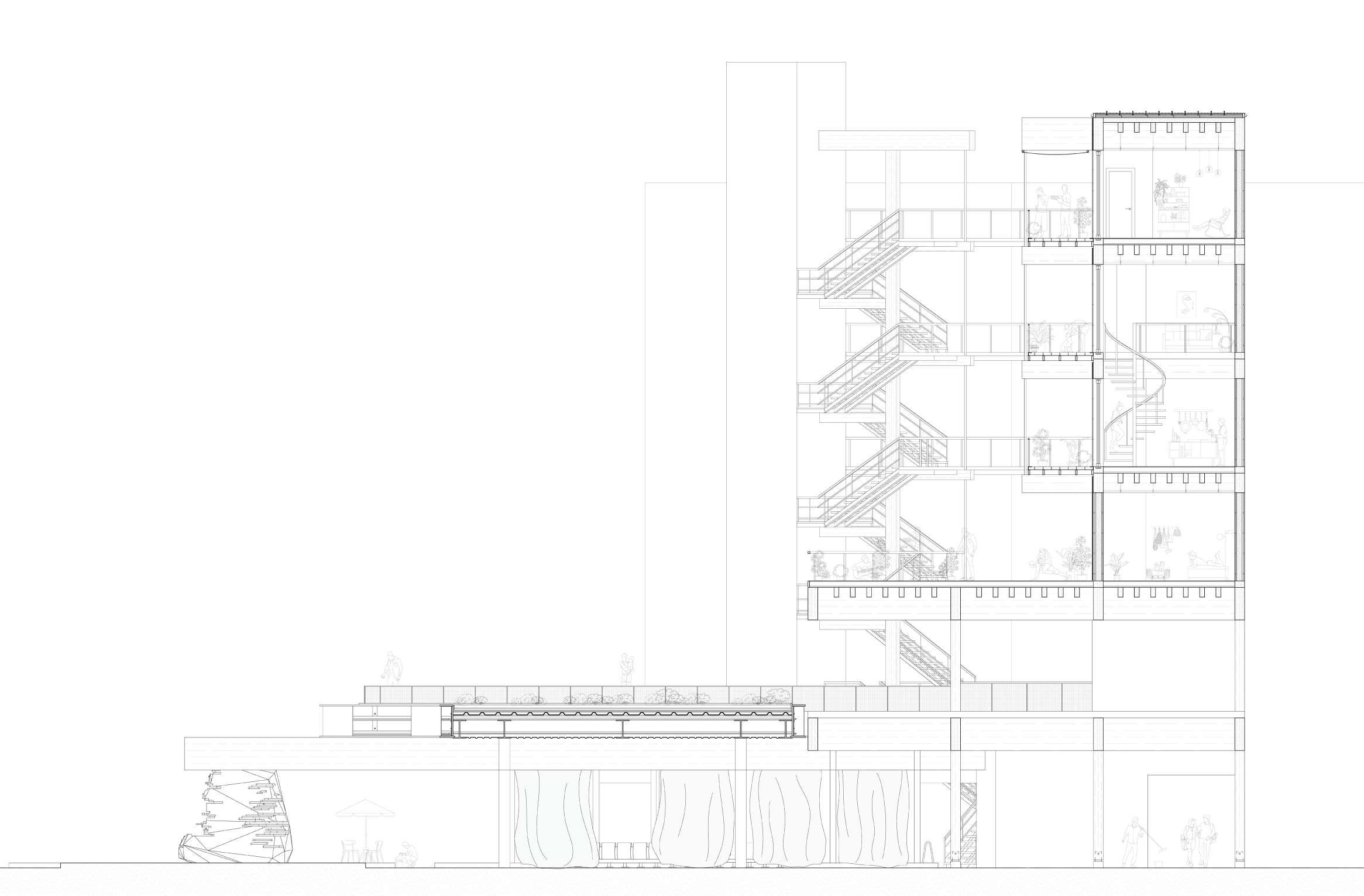
The physical abstract model showcases the architectural elements of the case study building, highlighting the layered platforms, each with specific functions. A key focus of the model is the restaurant's unique structural system: large boulders serving as columns that support what appear to be randomly arranged beams, which in turn hold up the roof. This design reflects the creative and distinctive structural approach of the original building.
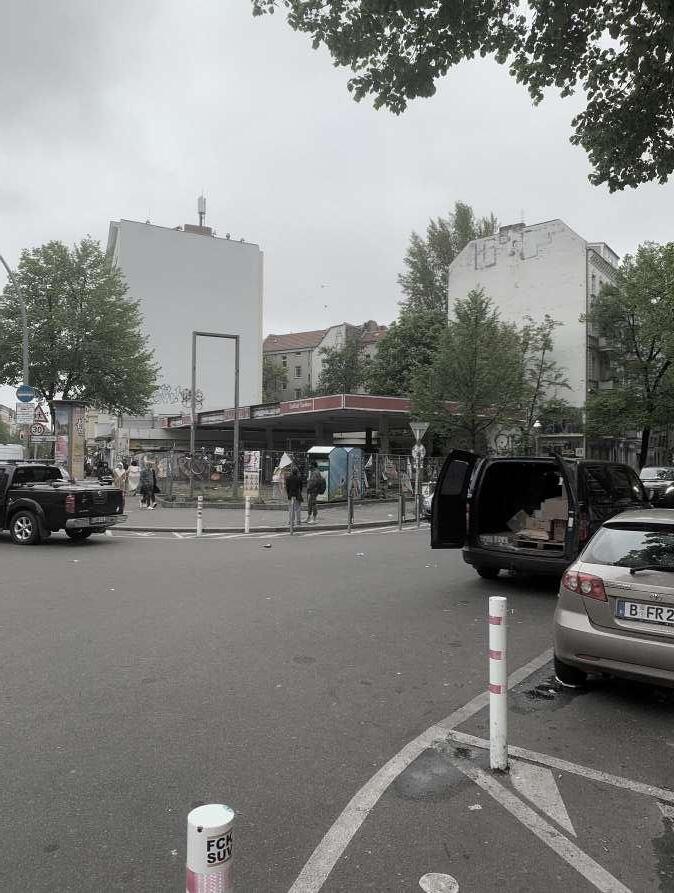
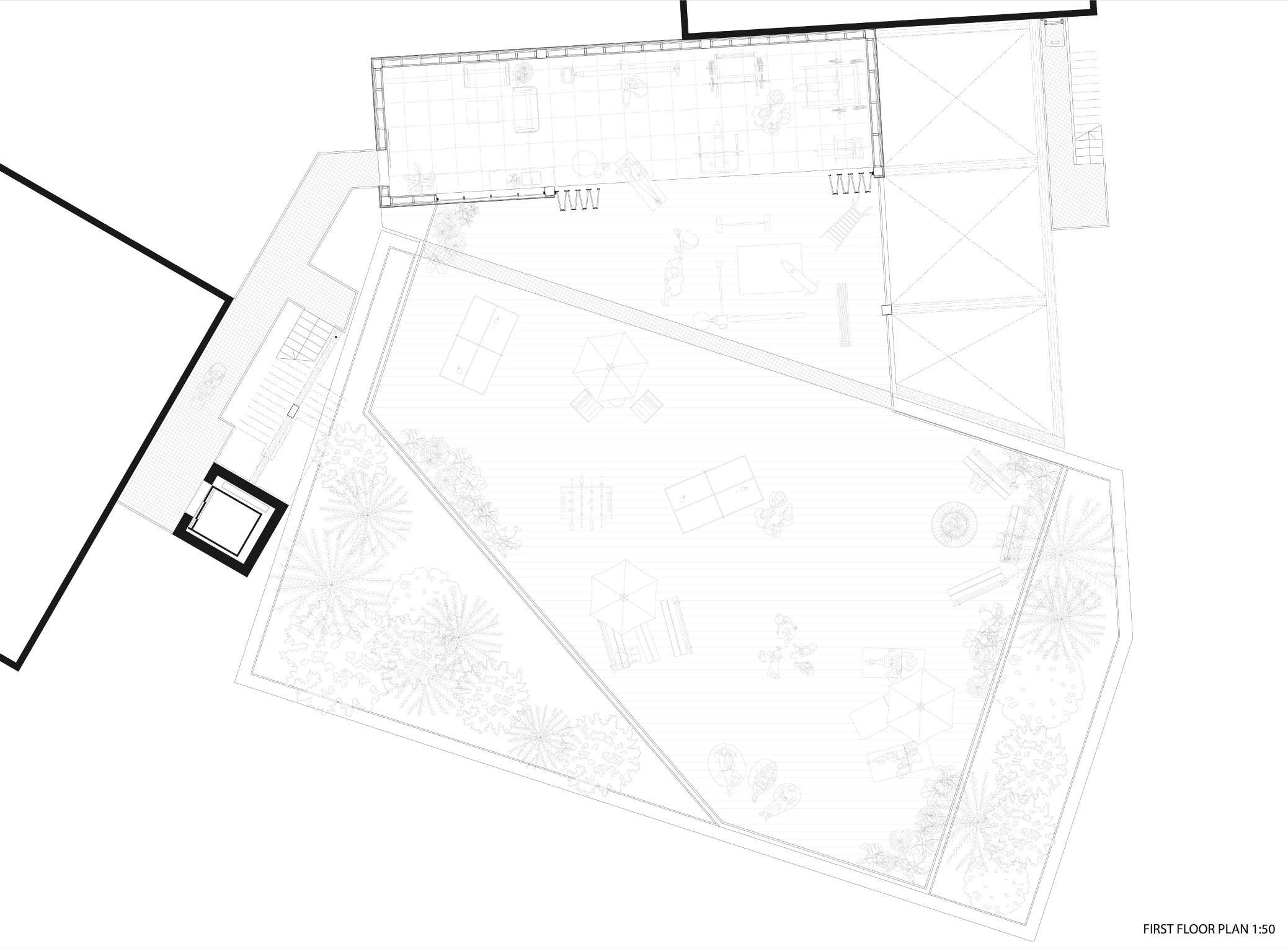
The given site is an abandoned petrol station situated in the lively district of Sonnenallee, Berlin. Located on a corner lot, it is surrounded by mixed-use buildings featuring retail spaces on the ground floors and residential units above. The site itself shows significant neglect, with sections of the roof missing, litter scattered throughout, and moss and grass overtaking parts of the structure.
Structural beam
Structural beam boulder roof
terrace
CHOW KIT GARDENS
Assistance & Community Hub
TERM : SUPERVISOR : Ar. Eric Chang
SITE :
BACHELOR l SEMESTER 6
KUALA LUMPUR MALAYSIA
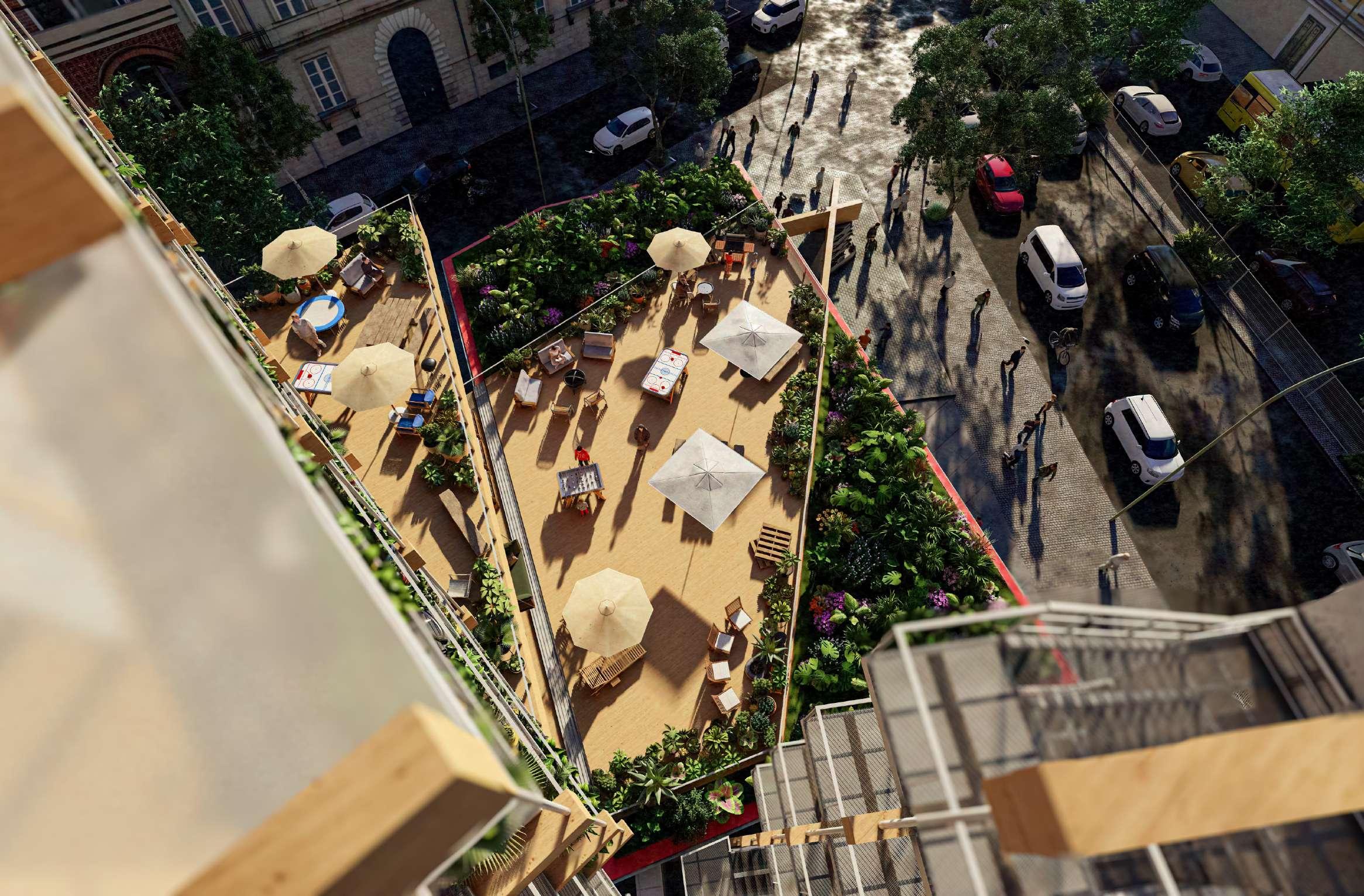
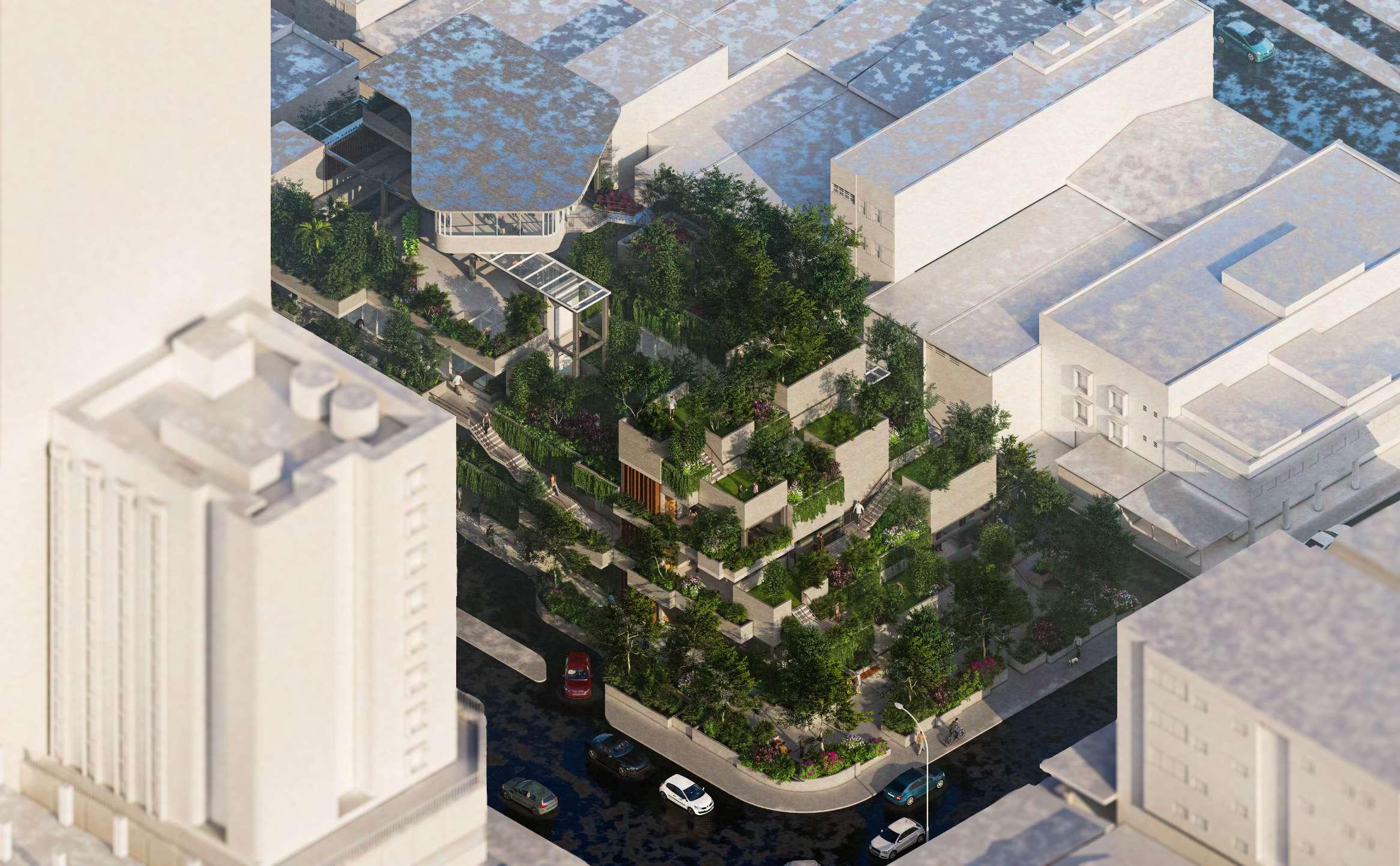
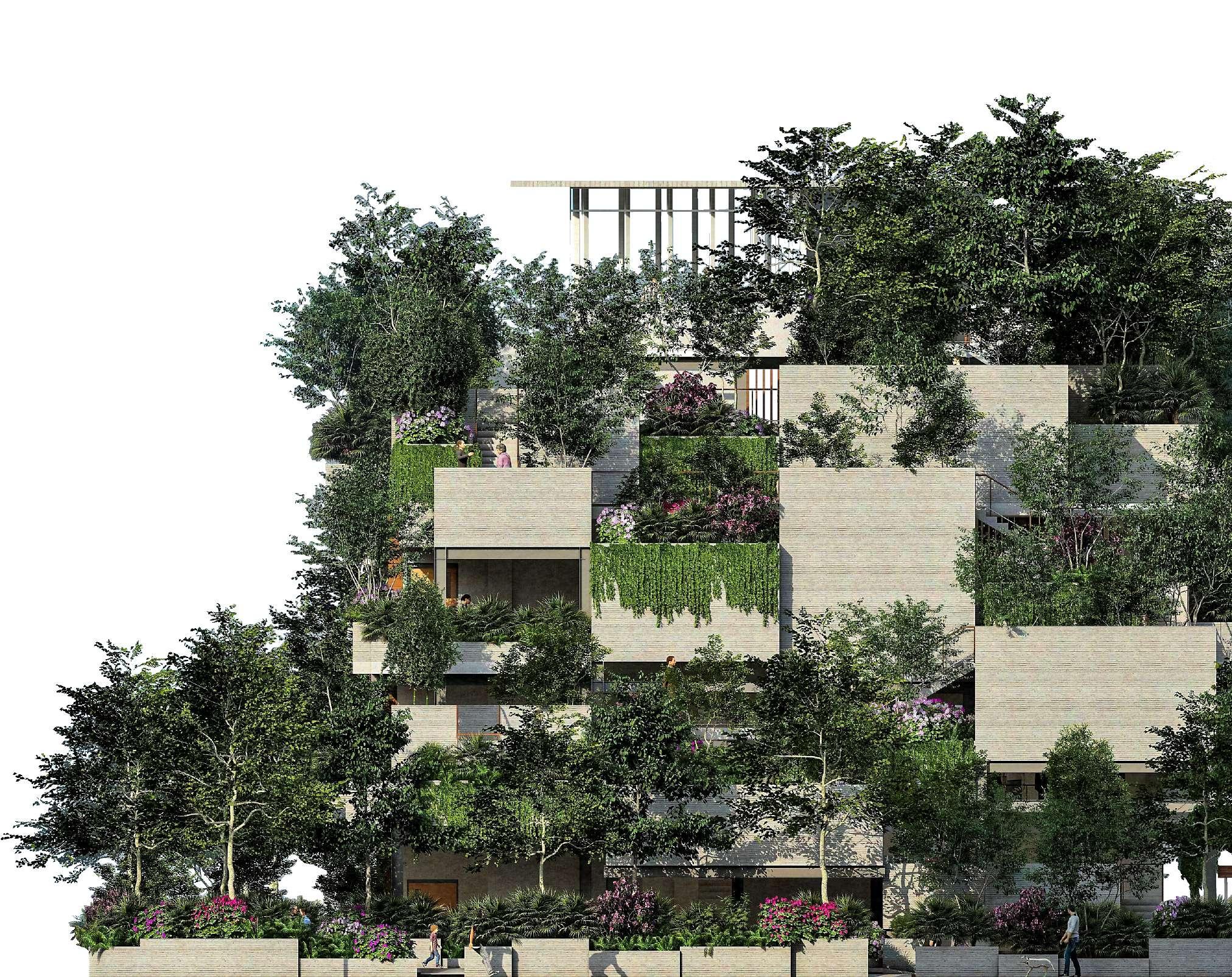
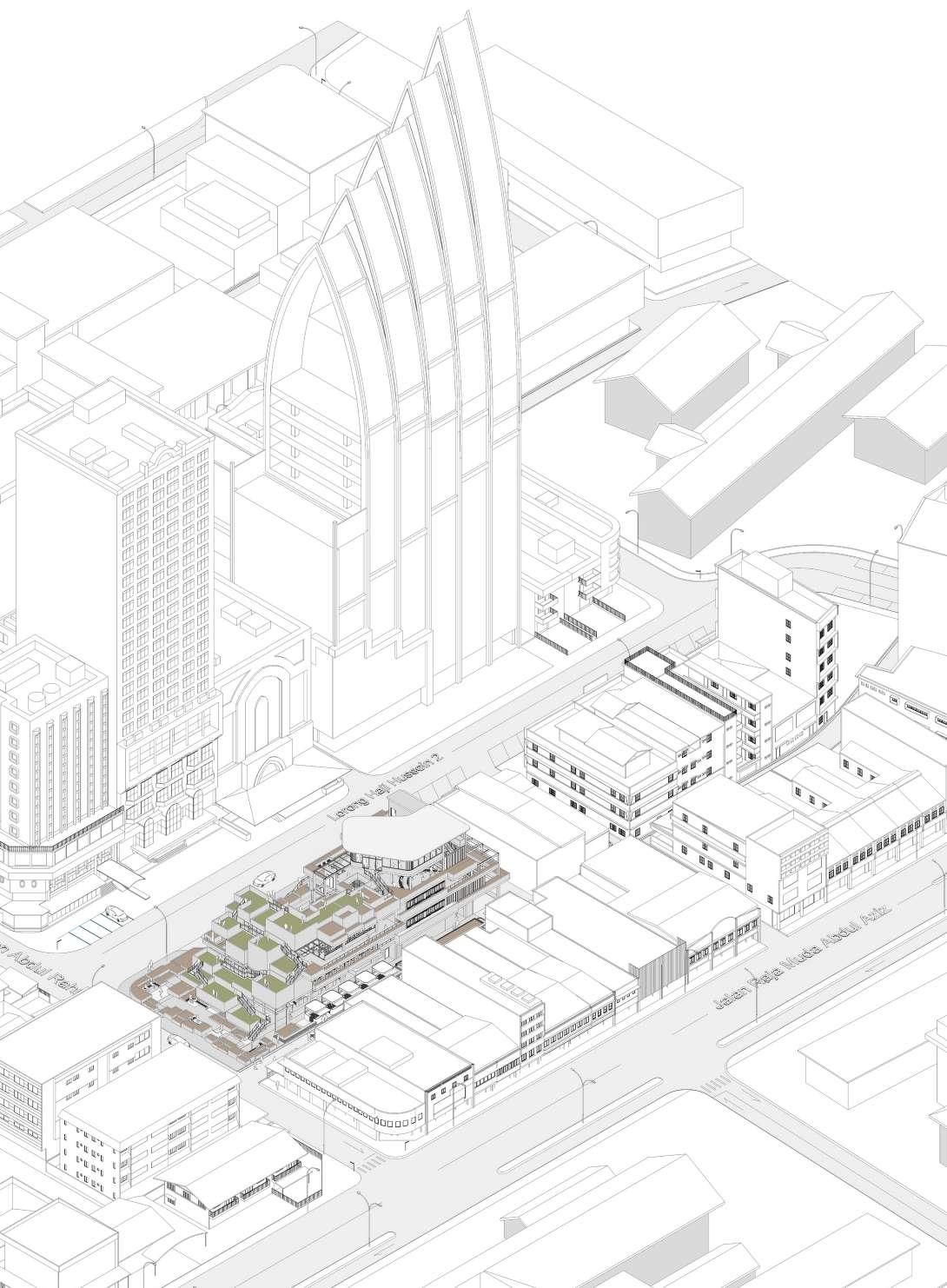
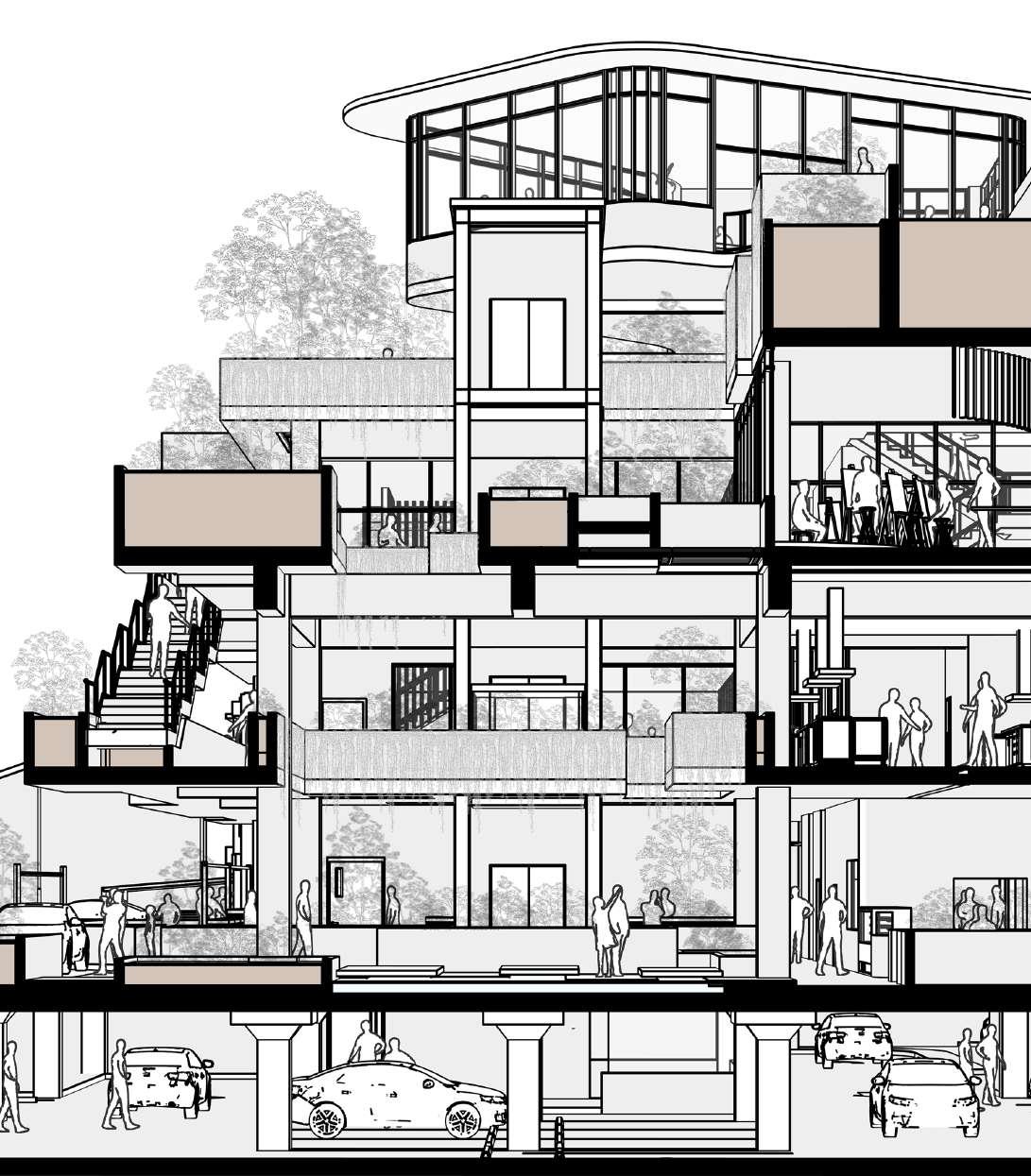
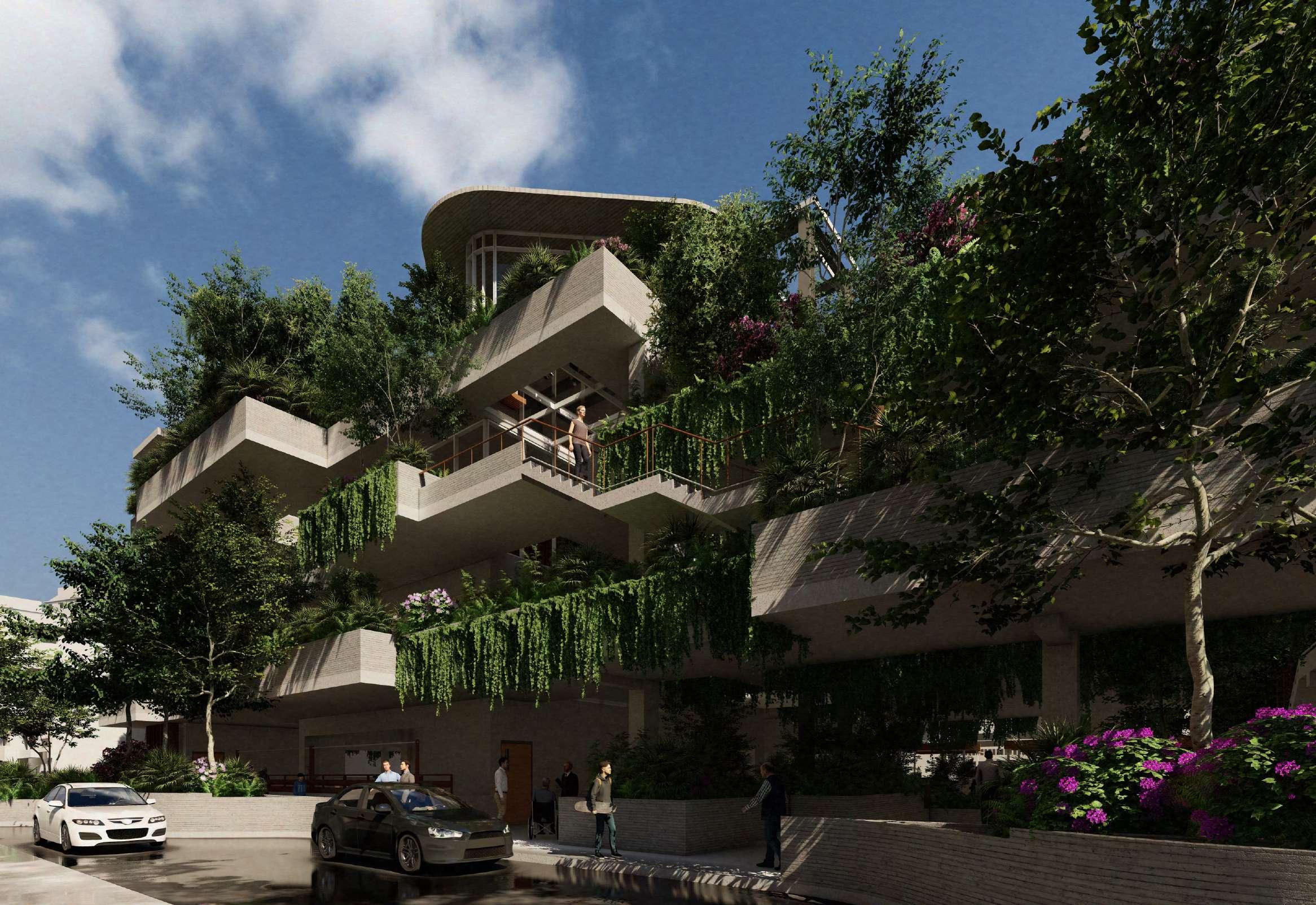
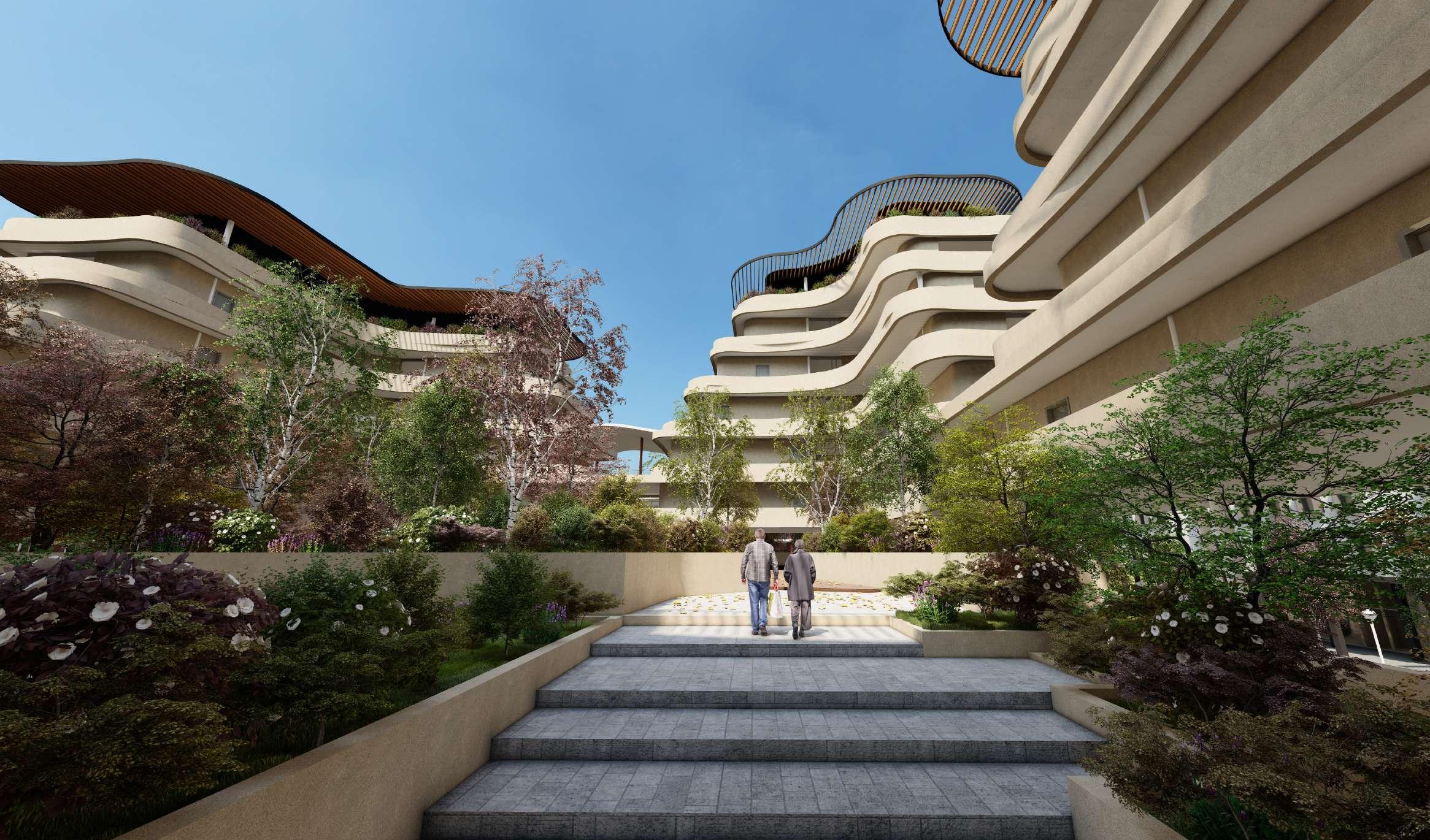
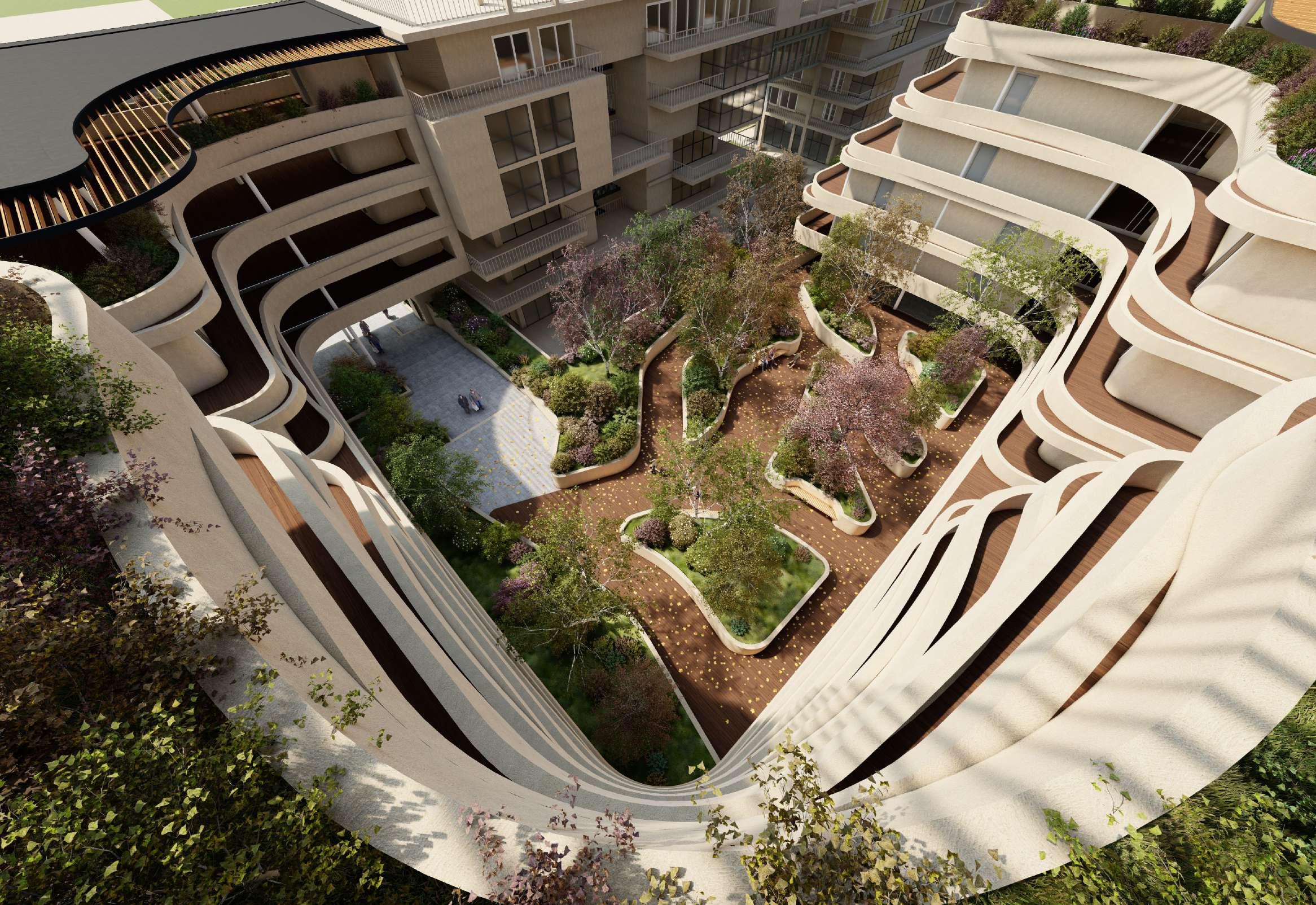
Chow Kit Gardens is a purposefully designed space dedicated to supporting the current and future residents of Chow Kit. In the aftermath of the pandemic and the surge of urban development radiating from the city center, the area has been transformed by high-rise buildings and corporate structures. These developments have disrupted local businesses, erased green spaces, and diminished the community fabric, resulting in lifeless structures that fail to connect meaningfully with the people they surround.
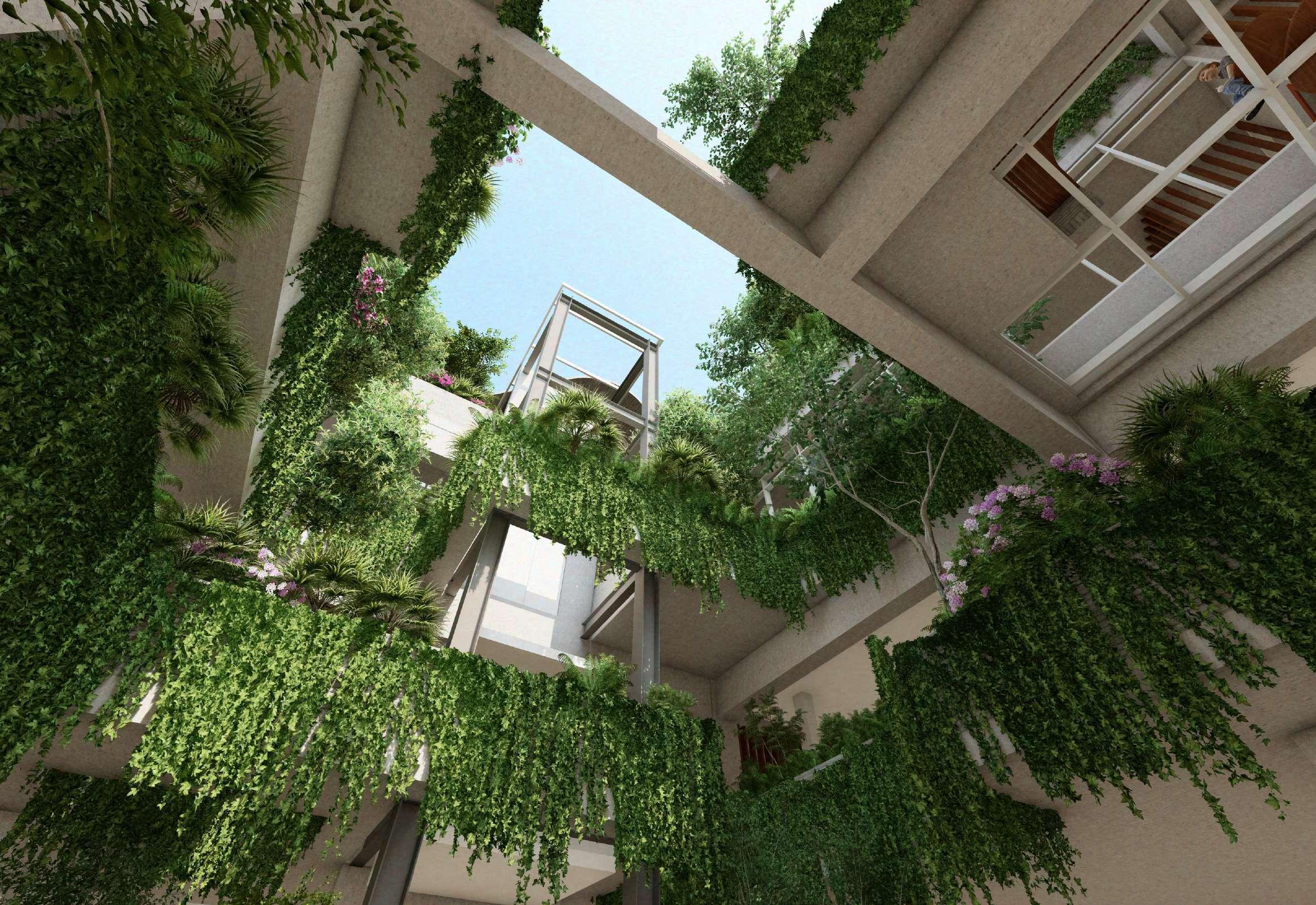
As Chow Kit evolves into a bustling business hub, the area faces growing challenges, including rising unemployment and homelessness. Chow Kit Gardens aims to reverse this trend by providing a lifeline to the community. The center offers job opportunities in partnership with NGOs and revitalizes the area with vibrant green spaces and rooftop gardens that frame stunning views of the city skyline.
This project stands as a call to action —
This project stands as a call to action—reminding future developments to prioritize the well-being of people and the environment, fostering a balanced, sustainable urban future for Chow Kit.
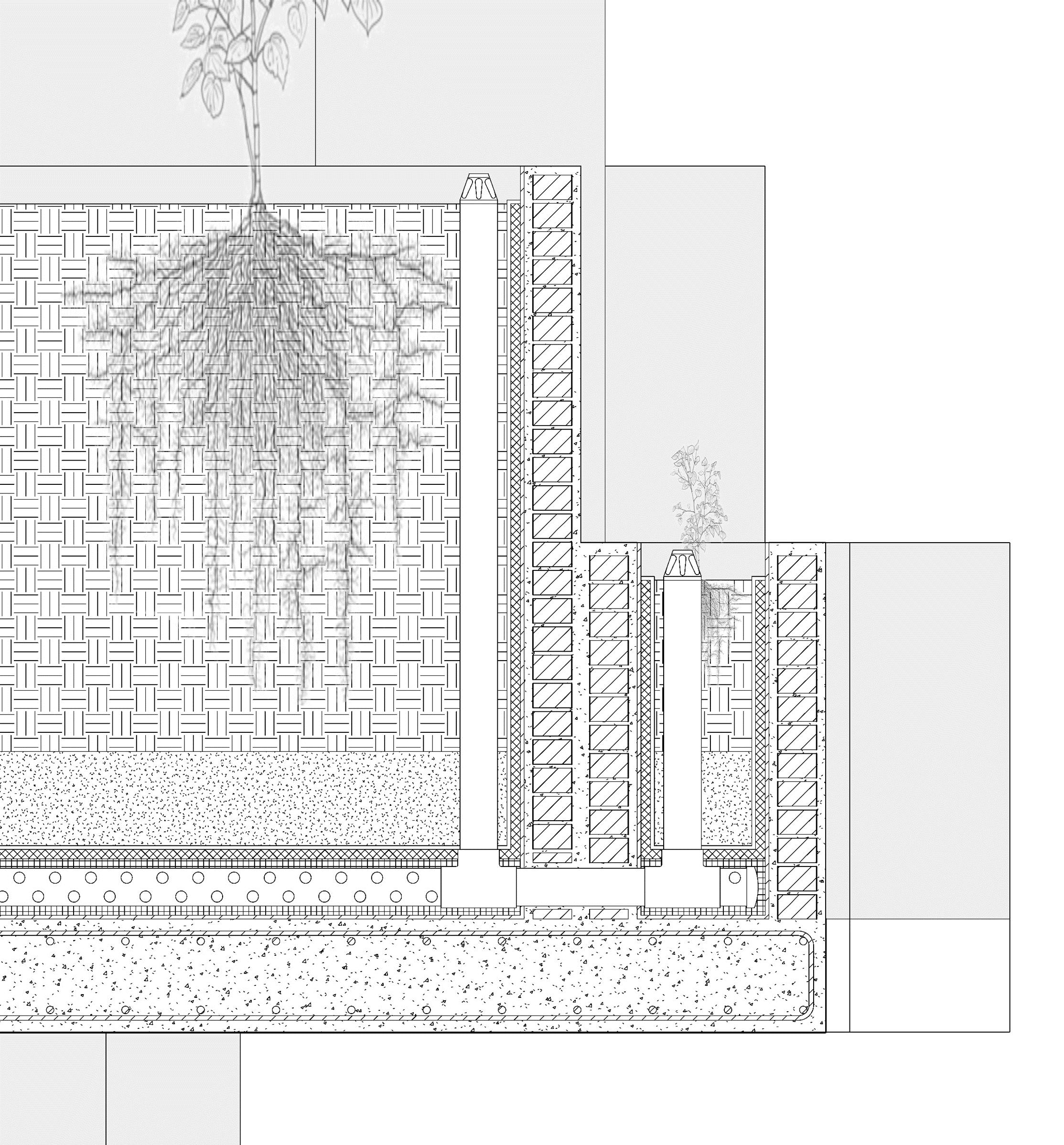
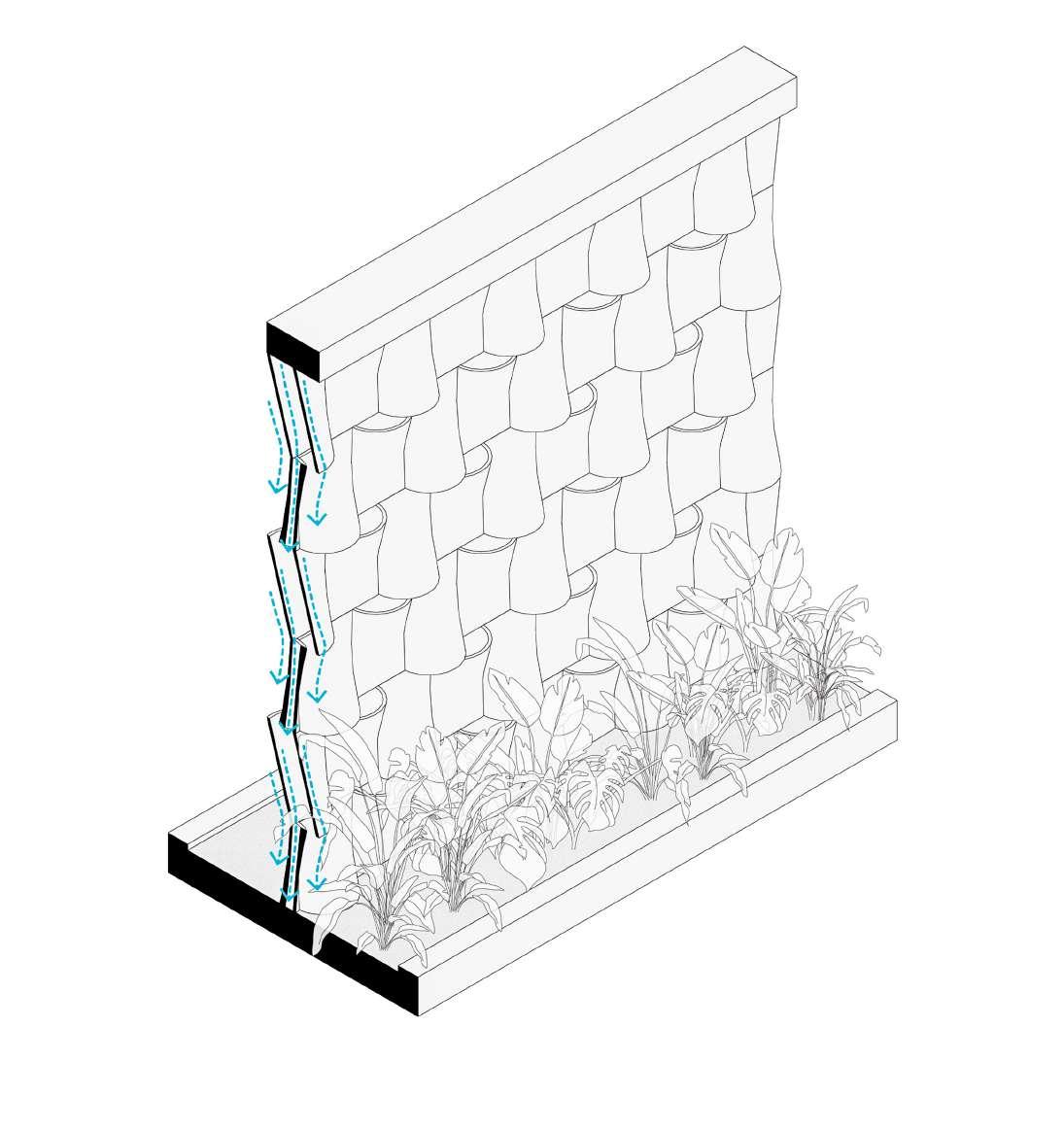
Overflow drain pvc pipe with atrium gate inlet
Plants
Sandy l Organic soil
Clean sand
Humidity retention material
Drainage cell
Waterproof membrane
Masonry block
Cement screed
Perforated collection pipe wrapped in non-woven geotextile membrane
300mm reinforced concrete
12mm steel bar