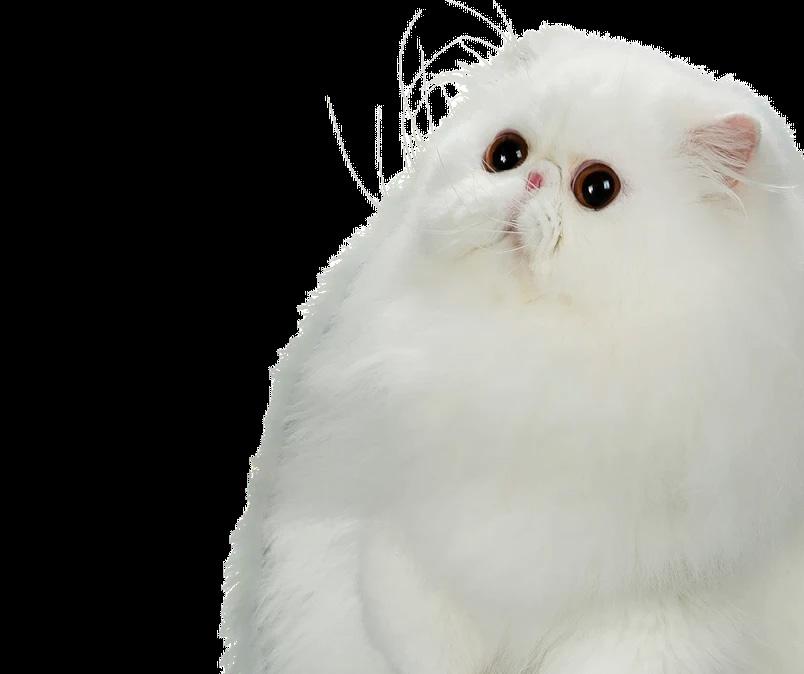
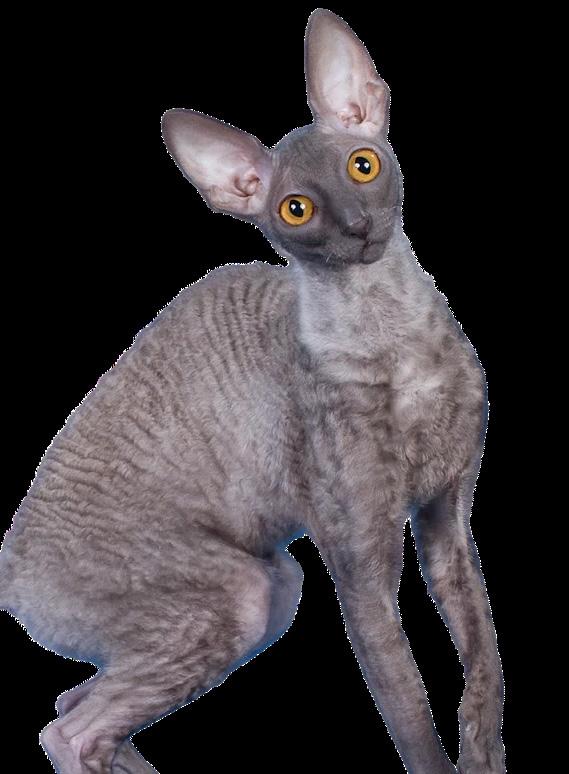
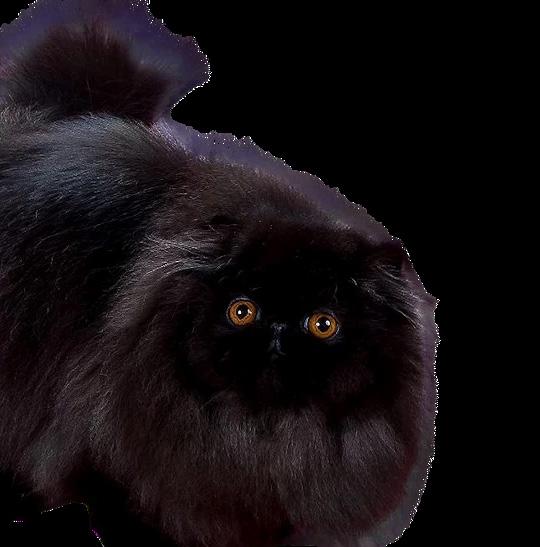

I grew up with cats, enjoy watching videos of cats online, and continue to be a enthusiastic cat parent to this day (George is 13 years young)! The world of fancy cat competitions was completely foreign to me, but one I found strangely fascinating. My first exposure, which is probably similar to most’s, were videos of cats being assessed and handled in a variety of ways that frankly seemed ridiculous. Adjectives like “svelte”, “tubular” and “robust” ascribed to cats I could only describe as “adorable” was
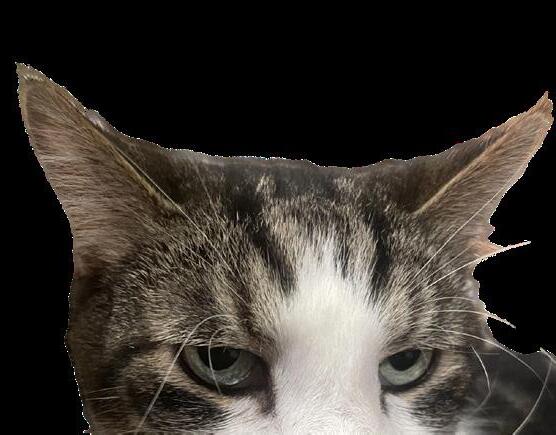
And what is feline purr-fection?
Unlike dog shows, cat shows are only concerned with physical appearance and temperament rather than physical skill or agility. First and foremost, these shows are basically only for purebred cats. While there is a catchall “Household Pet” category, attention and attendance
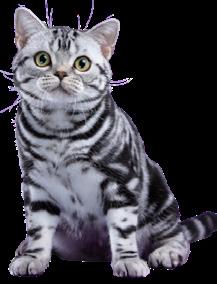
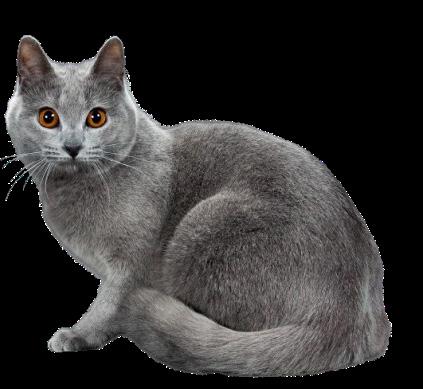
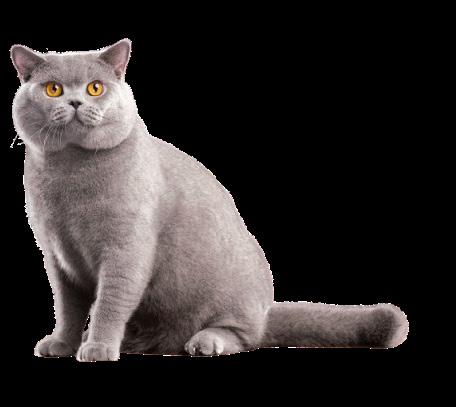
Registries are used to record purebred cats, prove a cat’s breed. The CFA (Cat Fancier’s Association) is one of the largest and most influential cat registries in the world, though there are competitors like TICA (The International Cat Association). The CFA registers hundreds of thousands of pedigreed purebed cats, licenses judges, and hosts the world’s largest cat show every year. It’s known for its strong traditional focus on pedigrees and breed purity, compared with more flexible, younger registries.
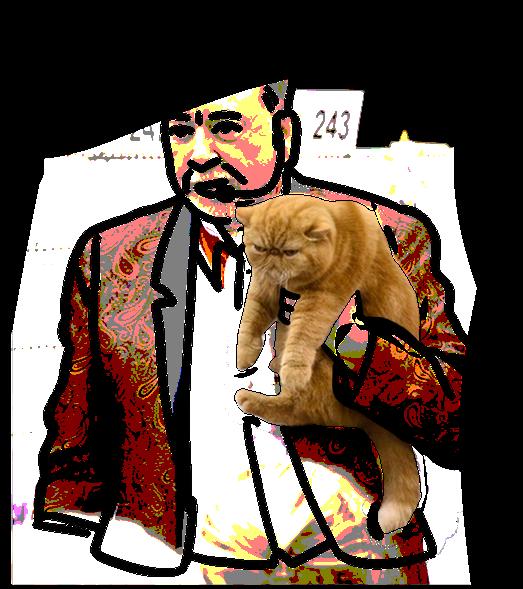
All CFA competition judging must be done by officially licensed judges. Most judges are current or former competitors themselves, and must be familiar with all breed standards or specialize in a particular breed.
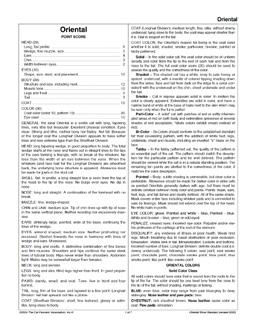
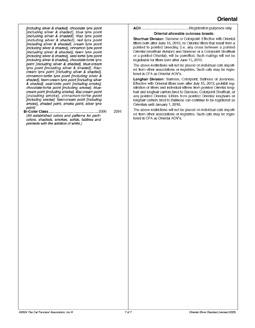
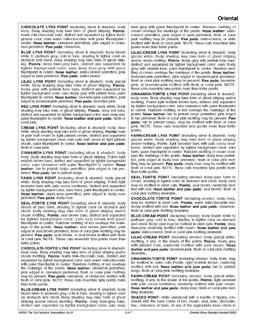
Each breed has an official standard describing the ideal cat features. Judges compare each cat directly to that standard, rather than to each other. These standards are decided by an official “breed council” and revised each year. They go into a surprising amount of detail, and account for every physical feature a cat may have.

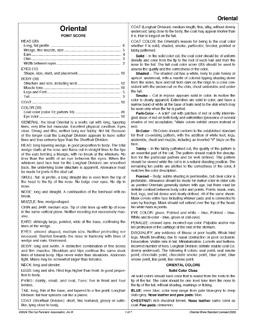
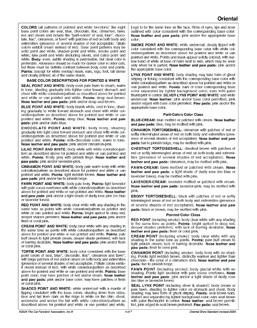
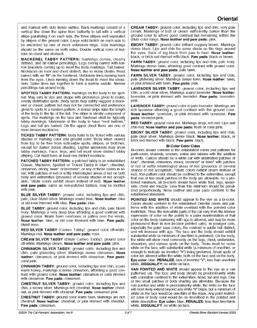
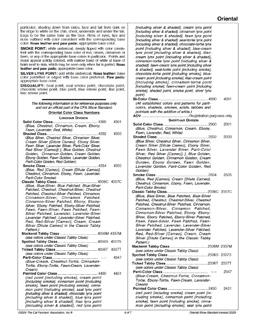
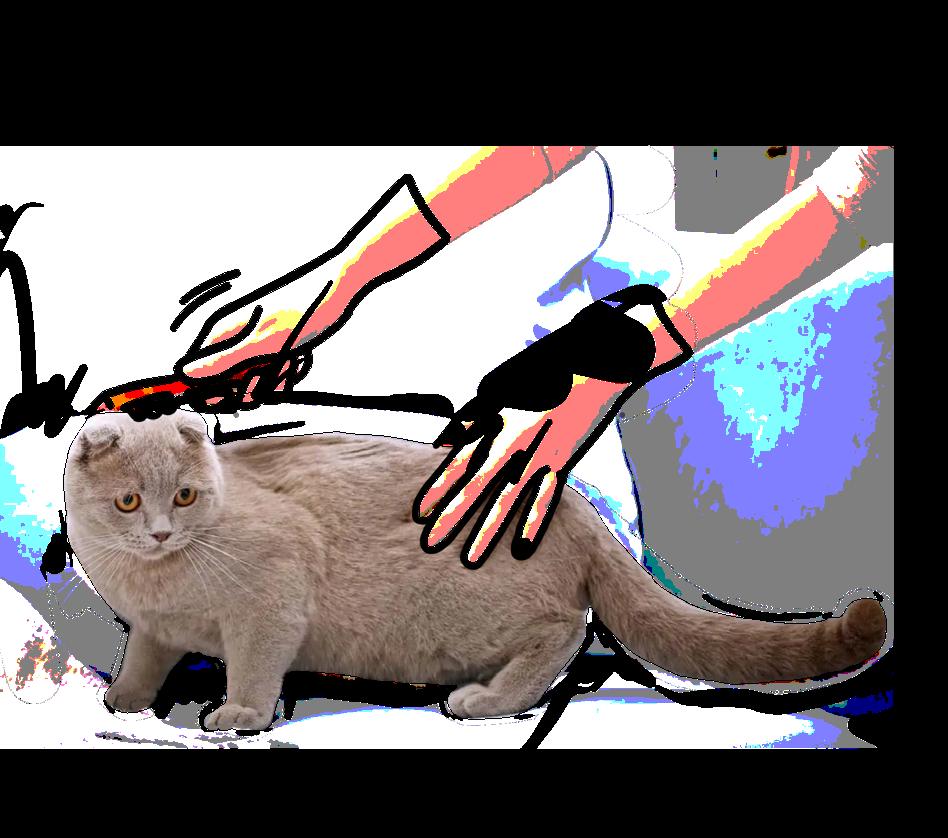
A big part of judging is the judges getting hands on with cats. According to Jennifer Redding, a CFA judge, “You can have a cat that meets the standard closely, but if it doesn’t want to be shown… it’s not going to do very well.”

After being assessed against the standards, final points are awarded separately. These points are based on how many other cats are being competed against, so larger rings are harder but more rewarding for the winning cats. Points accumulate over the course of the year. In May, when the season resets, the CFA reveals the world’s topranked cats based on total point tallies.
The CFA isn’t the world’s only purebred registry, but it’s certainly the largest in the United States. The worlds’s largest cat show, the Cat Fanciers’ Association International Cat Show & Expo in Cleveland, is the crown jewel of their show schedule. In 2025, more than 10,000 visitors and 550 cats from around the globe attended the expo.
These shows can rack up costs in travel fees, registrations, grooming, and all regular costs associated with cats. Particularly because there is no prize money, even at the highest levels, it makes you wonder why people are so dedicated to this hobby. Fundamentally, cat shows are an extension of cat-loving in general.
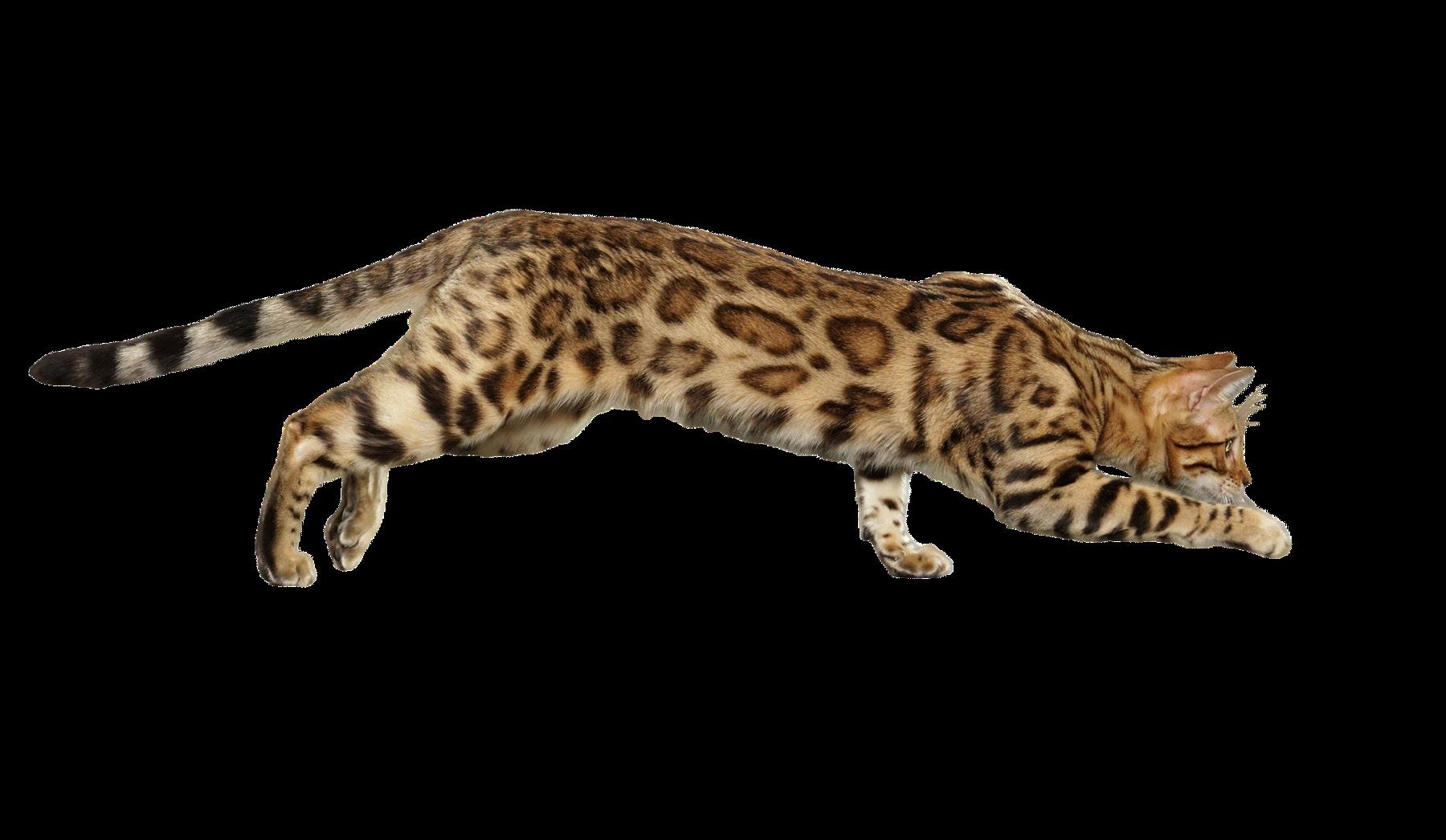
When evaluating how much the cats that participate in these competitions cost, it isn’t as clear cut as a singular number. There’s a spectrum of cost on every breed. “Competition grade” kittens that more accurately adhere to the breed standards will be much more expensive than “pet grade” kittens.
All of these numbers reflect averages for prices directly from breeders, disregarding adoption or the market for adult cats.
WHAT DO YOU NEED?
To competing in a cat show, exhibitors start by ensuring their cats are in top condition: clean, mat-free, and wellgroomed according to the breed standard, trimmed nails, clear eyes, and a healthy coat. Many exhibitors do a full grooming session the night before and light touchups at the show. Additionally, there are many necessary show supplies such as a sturdy carrier, grooming tools, litter, food and water, disinfectant wipes, a bedding set or cage curtains (required at some shows), and the cat’s registration and health paperwork.
As
While it may seem purely superficial, many participants and observers cite like-minded community as a primary motivator. Additionally, many just cherish being able to learn about and be around a variety of different types of cats. While the trope is of the “crazy cat lady”, cat show lovers come in all ages and genders.
slightly mad to run around cats all over the place, right?
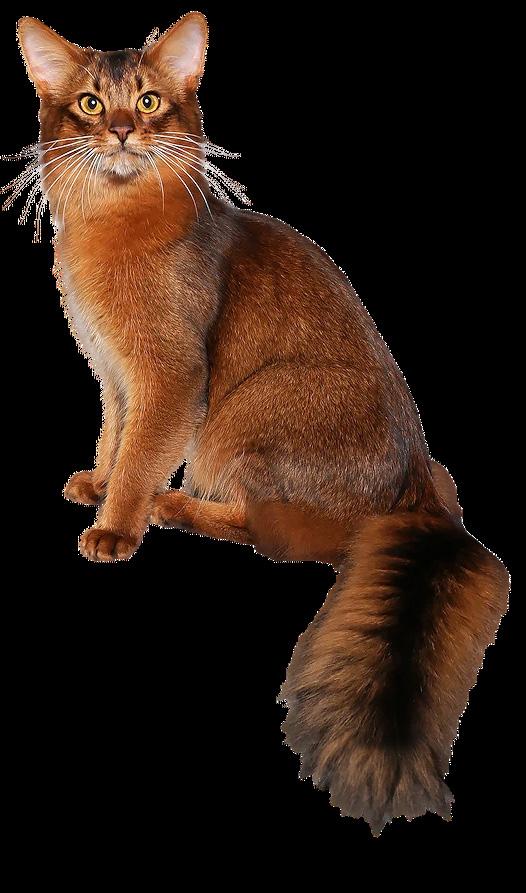
I need a lot of accommodation to feel comfortable in the busy showroom, so most exhibitors have
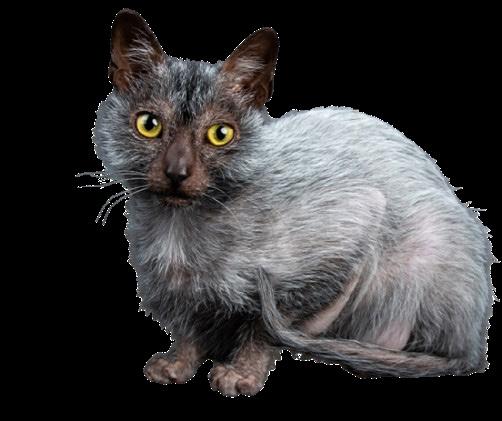
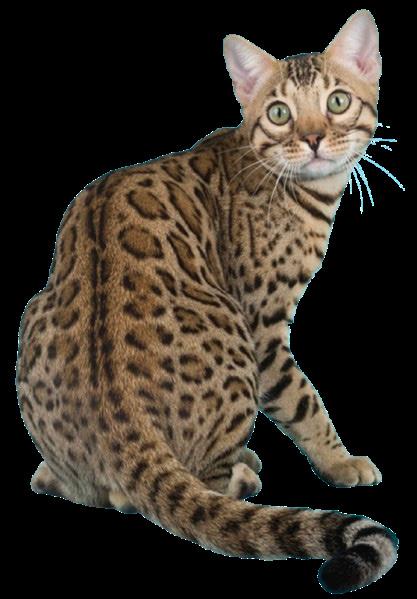
Purebred, competition grade kittens from breeders are easily thousands of dollars. Given that many people find their cats on the street, for free, this can seem simply absurd. But there are a lot of different factors that go into determining the value of one of these cats. Whether they are extremely rare, difficult to breed or have a very specific
breed standard, there’s many factors that go into these pricey felines. In terms of breeding regulations, the CFA promotes itself as the world’s largest and most prestigious cat registry, with high standards in breed recognition and breeding ethics. However, this does not dictate the cost of the cats in any way.
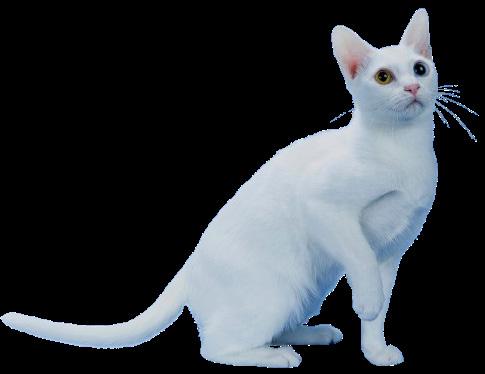
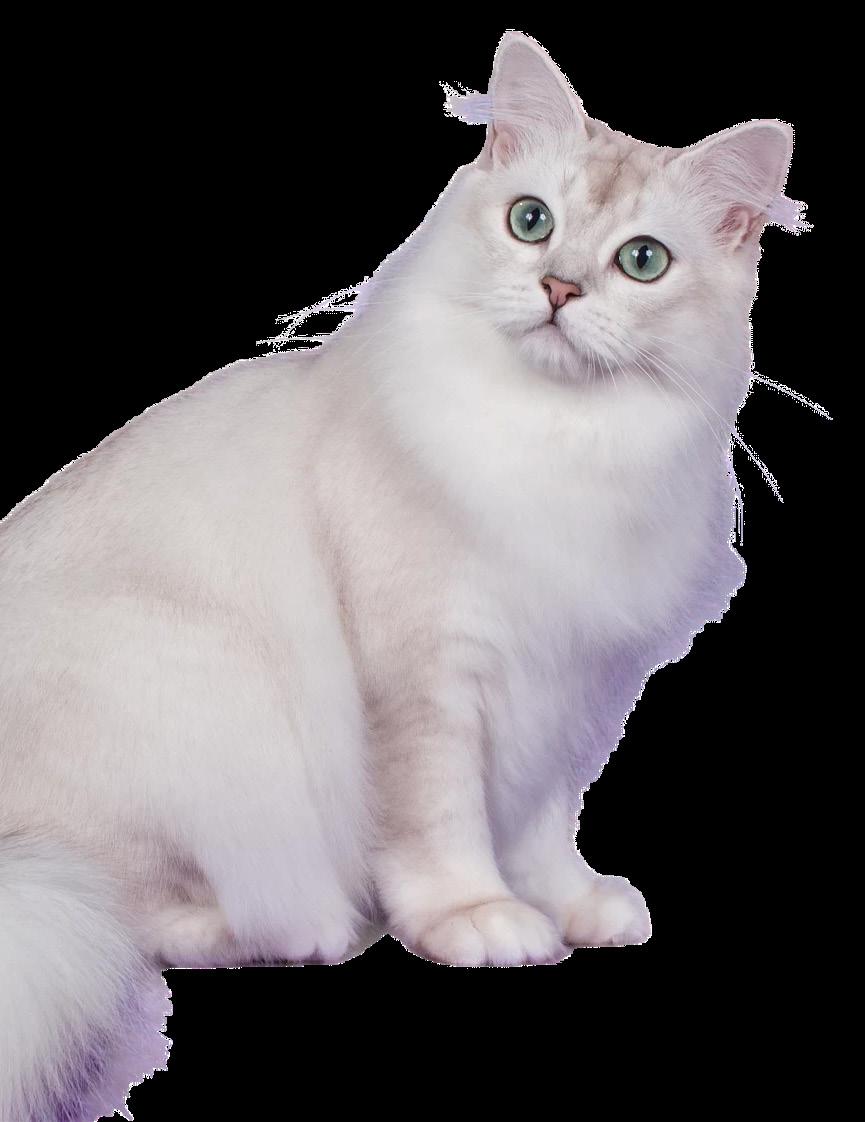
For the most exorbitantly expensive cat on the market, Thailand’s Khao Manee, the price primarily comes from it’s rarity in the United States (where the majority of buyers at the price level are located). Their reputation was a “royal cat” adds to their perceived value. Their extremely low supply, new debut on the competition scene, and high interest has made this the priciest cat in the CFA.

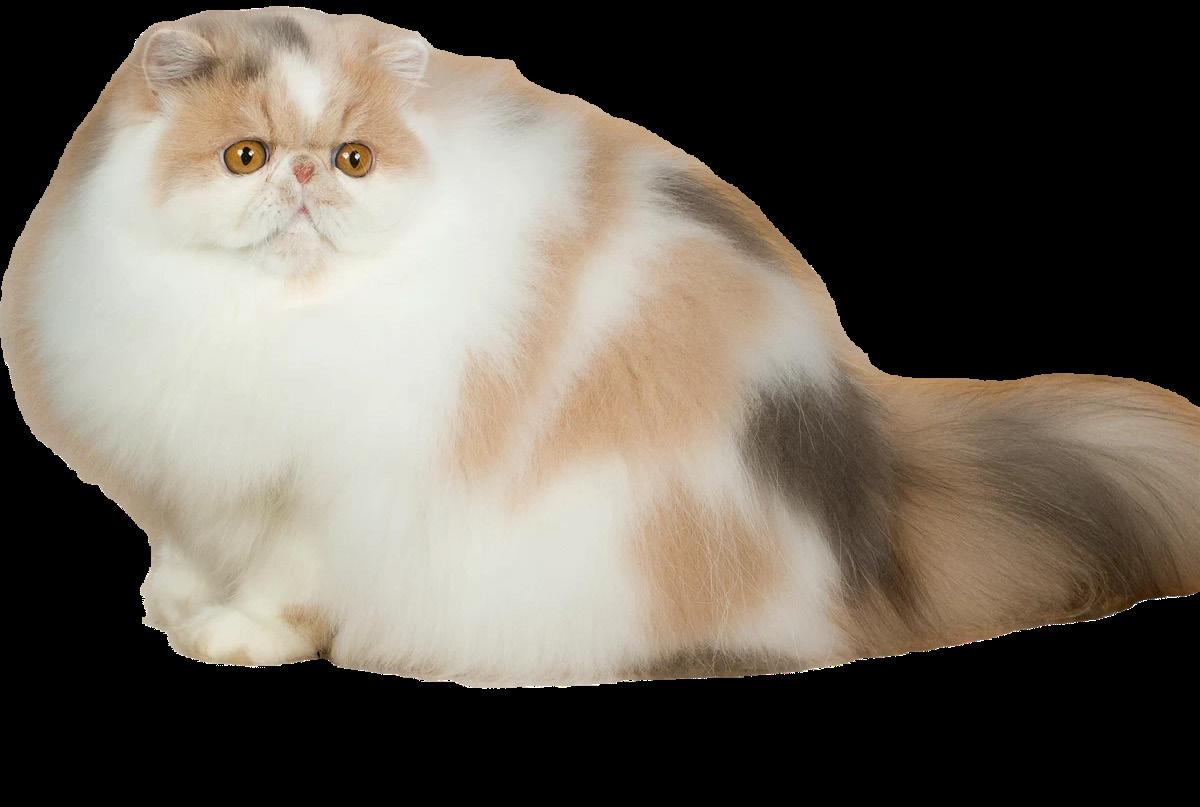
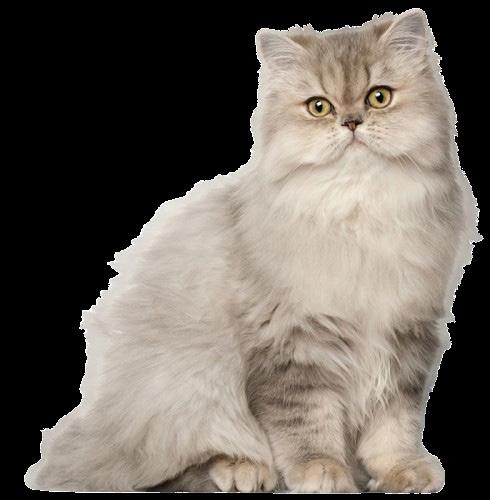
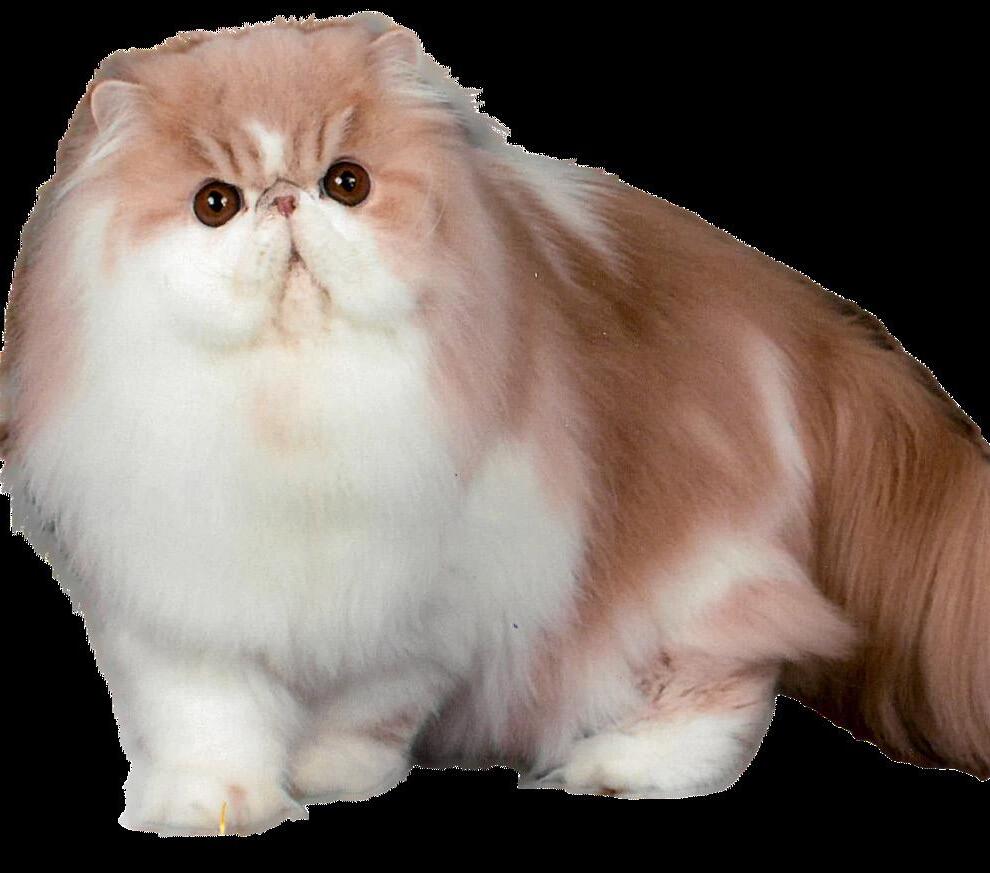
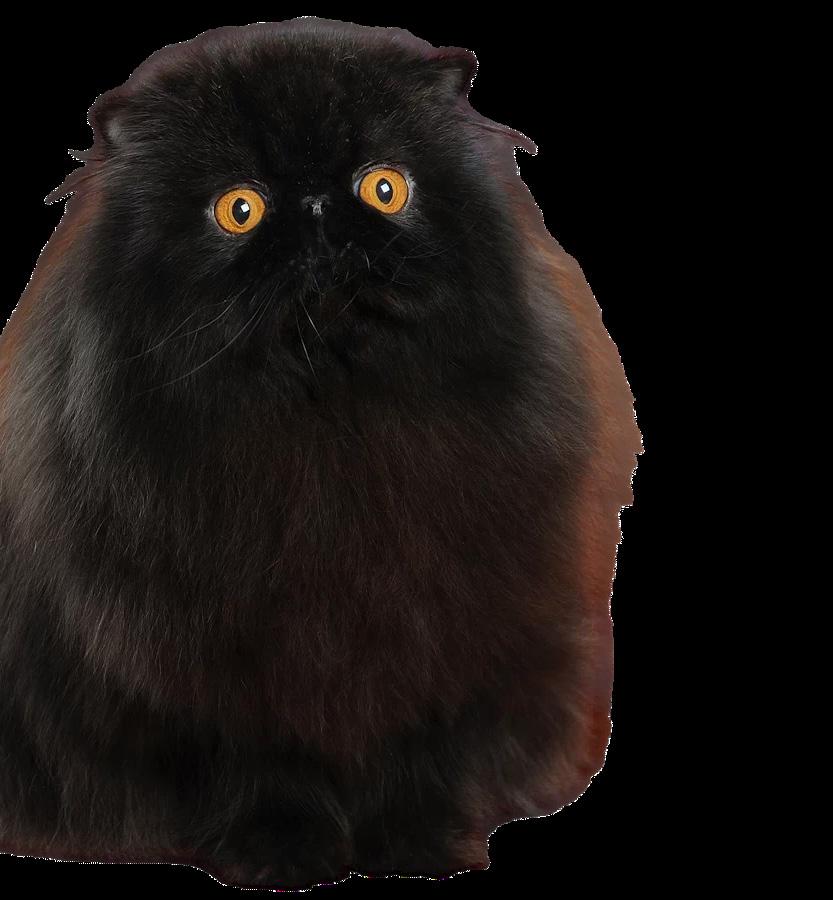
Persian’s high prices come from an inverse reasoning: they are very popular. Having been recognized since the founding of the CFA, they are popular as pets, in competition, and are often big winners. Additionally, as the breed has existed in the breeding space for a long time, the standards have had a lot of time to evolve and become increasing high. Meeting those standards costs more and more over time.