
P-blockw-unb / PES 250 g/m2 / Fire classi cation / 300 cm material width / noprint
Blockout noprint
Textile Block-Out Soft 1000
2 bar warp-knitted 100% polyester textile with a block-out feature and a white/black/white structure, with exceptional softness. Both sides are identical. Not for printing.
End-use:
Light-box back liner.
Furnish:
Finish:
Inkcompatibility:
100% 2 bar warp-knitted polyester. Matt. N / A.
Technical Target Values
Coating method
Grammage
Yarn dtex
Shielding rate
Shrinkage
Cutting method
Recommended calender settings
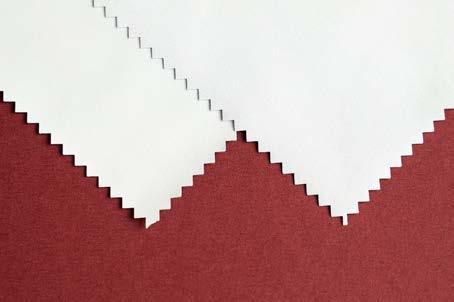
Outside
Available sizes
Pallet packaging information
Not printable.
Not printable.
Finishing and handling information
We recommend hot cutting only. The fabric may come with some odors and smoke when being cut. When sewing the Textile Block-Out Soft 1000, it's advisable to use polyester thread with a weight of 75-100 to increase longevity. Washing is not recommended. Cleanable with damp cloth if necessary. Ironing with low temperatures.
Tips & Tricks
When folding the fabric, consider those general key points: - fold the fabric along the grain line (in direction of weave); - avoid folding along the same line repeatedly; - fold the fabric loosely and avoid pressing down on the folds; - avoid stacking heavy objects on top of the folded fabric.
General storage information
Storage of the media is recommended in original packaging. In cool (10°C-25°C) and dry environment (30%-60% of relative humidity). Avoid storing media in areas that are subject to extreme temperature fluctuations, such as near windows or doors. High humidity (more than 60% of relative humidity) can cause the media to absorb moisture, which can affect its print quality
If you plan to not print on the media for an extended period of time, it is always recommended to unload it from the printer. Storing unused media in the printer can cause it to absorb moisture, which can affect its print quality. By unloading the media and storing it in a proper environment, you can help to ensure that it maintains its quality and is ready for use when needed.
Important! Un-tubbed textile media must be kept in original "TIDY"/pyramid packaging or on flat and even surface to avoid media rolls from bending and forming wrinkles.
Printing information
It is important to maintain appropriate temperatures and humidity levels in your printing environment to ensure optimal print quality. Temperature range of 18-24°C and a humidity range of 40-60% are considered ideal for large format printing. Temperature range of 15-30°C and a humidity range of 30-70% are considered critical and may possibly impact the printing quality.
Always use the right settings for the media. The best printing results are achieved when a special profile is created for the specific media being used. If you require assistance or have any questions, please do not hesitate to contact us.
Verify that the media is compatible with the printer and ink type intended to be used. Select the appropriate media profile. Using the correct media profile is essential for achieving optimal print quality. Please contact GM Media representative to help you out if needed.
General handling information
Unpacking
Carefully remove the media from its original packaging, taking care not to damage the edges or corners. Hold the media by the edges or wear gloves to prevent skin oils from transferring to the surface.
Inspection
Inspect the media for any signs of damage or defects. This includes checking the edges, corners, and surface of the media for any cracks, tears, or scratches. If any damage or defects are found, do not load the media into the printer. Instead, set it aside and notify the appropriate personnel.
Transporting/carrying
When transporting the media to the printer, handle it with care to prevent any damage or deformations. This includes avoiding dropping or bumping the media against any surfaces. Hold the media by the edges or corners to prevent any smudging or scratching of the surface. If the media is too large to be carried by hand, use a trolley or other appropriate equipment to transport it safely. Keep the media in a protective sleeve or packaging during transportation to prevent any dust or dirt from settling on the surface.



Test Report Report No.: AJFS2401001292FF Date: FEB.19, 2024 Page 1 of 7
SOYANG TECHNICAL TEXTILE (ZHEJIANG) CO, LTD
NO.36 JINNIU ROAD, JIANSHAN NEW AREA JIAXING HAINING
Sample Description: WHITEBACK SOFT FABRIC SGS Ref No.: CZHL2401000889HI
Style No.: ST-206D
The above sample(s) was / were submitted and identified on behalf of the client. SGS is not responsible for the authenticity, integrity and results of the data and information and / or the validity of the conclusion arising therefrom. Results apply to the sample as received.
Test Requested:
EN 13501-1:2018 Fire classification of construction products and building elements Part 1: Classification using data from reaction to fire tests.
Test Results: -- See attached sheet –
Test Period:
Sample Receiving Date : JAN.31, 2024
Test Performing Date : JAN.31, 2024 TO FEB.20, 2024
Signed for and on behalf of SGS-CSTC Standards Technical Services Co., Ltd. Anji Branch

Echo Li
Approved Signatory


Test Report Report No.: AJFS2401001292FF Date: FEB.19, 2024 Page 2 of 7
I. Test conducted
This test is conducted as per EN 13501-1:2018 Fire classification of construction products and building elements-Part 1: Classification using data from reaction to fire tests. And the test methods as following:
1. EN 13823:2020+A1:2022 Reaction to fire tests for building products - Building products excluding floorings exposed to the thermal attack by a single burning item.
2. EN ISO 11925-2:2020 Reaction to fire tests — Ignitability of products subjected to direct impingement of flame — Part 2: Single-flame source test.
II. Details of classified product
a) Nature and end use application
The product “WHITEBACK SOFT FABRIC(provided by client)” is defined as a decorative sheet. Its classification is valid for the following end use application: backdrop.
b) Description
Description WHITEBACK SOFT FABRIC(provided by client)
Color White
Sample size
EN 13823: 1500mm×1000mm & 1500mm×495mm
EN ISO 11925-2: 250mm×90mm
Mass per unit area 287 g/m2
Exposed surface Marking surface
Mounting and fixing:
Calcium silicate board with a density of approximate 900kg/m3 and a thickness of approximate 9mm, was used as the substrate. The test specimens were fixed mechanically to the substrate with screws. No joint in the long wing of the specimens.
III. Test results
ISO 11925-2 Exposure = 30 s
Whether lateral flame spread (LFS) to the edge of specimen (Yes/No)
Whether vertical flame spread (Fs) in excess of 150 mm within 60s (Yes/No)
Ignition of the filter paper (Yes/No)
IV. Classification and field of application
a) Reference of classification
This classification has been carried out in accordance with EN 13501-1:2018.
b) Classification
The product, WHITEBACK SOFT FABRIC (provided by client), in relation to its reaction to fire behaviour is classified:
Remark: The classes with their corresponding fire performance are given in annex A.