MORE THAN 31,700 ACRES ARE PROTECTED BY THE LAKE COUNTY FOREST PRESERVES.
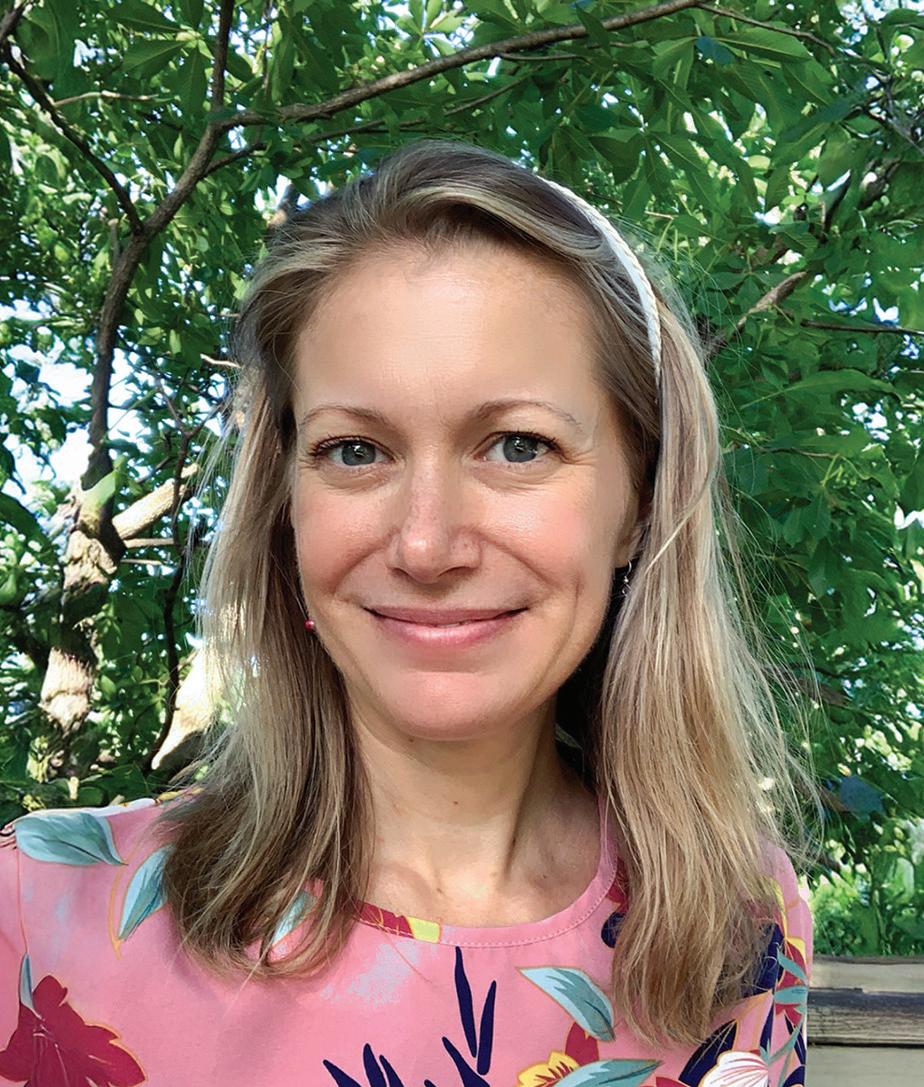
I am not a birder, or what I imagine a birder to be: someone who hikes with binoculars looking for birds. Someone who knows which birds fly where and when, and which sightings are remarkable because they’re rare.
Since moving from Cook to Lake County 10 years ago, though, I have come to know the natural world more deeply. I’ve found that moonlight on snow without streetlights or porch lights to obscure it is one of my favorite things. I’ve come to understand that time is essential—time to sit, to work in the soil, to cut buckthorn, to pick elderberries—time being intrinsically connected to seeing and understanding nature. Birders, I suspect, know this intimately.
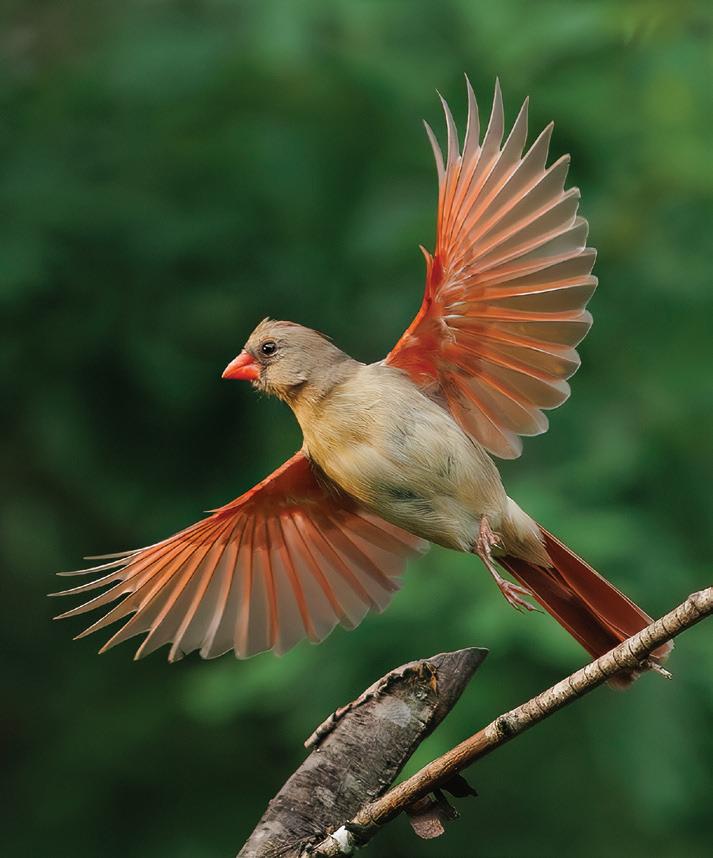
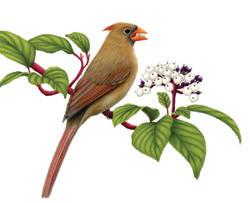
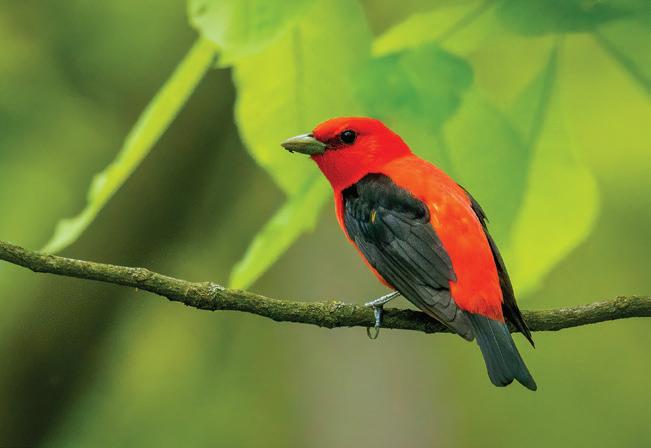
I’m not a birder, I say. Yet, thinking now, when I saw an owl bathing in ash in our fire pit last year, I stood frozen in stunned delight. About the only time I pray is each spring, when a pair of mallards returns to nest and lay eggs in a spot I know will, once again, be found by a mink or raccoon, and the broken shells will dot our driveway in the morning. Of all the visual memories I’ve gathered living here, the profile of a female cardinal with a red chokecherry in her open beak is one that appears in my mind regularly, like an emblem.
We are lucky to live along one of the great bird migration routes in North America. In our populated area, this means millions of birds are at risk each season of window strikes, which can cause serious injury or death. I’m proud that our Lake County government passed a bird-friendly building ordinance in 2024 to help prevent these collisions. I’m also deeply proud that the Forest Preserves provides a safe haven for birds in every healthy, diverse acre.
Am I a birder? The truth is, we are all birders at heart, or have the power to be.
Jessica Vealitzek, Hawthorn Woods
VICE PRESIDENT
Gina Roberts, Beach Park
TREASURER
Jennifer Clark, Libertyville
ASSISTANT TREASURER
Michael Danforth, Fox River Grove
Marah Altenberg, Buffalo Grove
Esiah Campos, Round Lake Beach
Carissa Casbon, Lake Villa
Mary Ross Cunningham, Waukegan
Paul Frank, Highland Park
Sandy Hart, Lake Bluff
Diane Hewitt, Zion
J. Kevin Hunter, Ingleside
Sara Knizhnik, Vernon Hills
Angelo D. Kyle, Waukegan
Ann B. Maine, Lincolnshire
Paras Parekh, Highland Park
Linda Pedersen, Antioch
Adam Schlick, Wauconda
John Wasik, Grayslake
EXECUTIVE DIRECTOR
Ty Kovach
HORIZONS
VOLUME 35, ISSUE 1 Spring 2026
EDITOR AND DESIGNER
Jeanna Martinucci Cristino Horizons@LCFPD.org
CONTENT AND DESIGN CONTRIBUTORS
Brett Peto, Eddie Fieg, Kim Mikus, Rebekah Snyder
PHOTOGRAPHY
Paco Luengo (cover), Justine Neslund, John D. Kavc, Bill Oakes, Tim Elliott, Andy Raupp, Brett Peto, Kim Mikus, Jeanna Martinucci, Kristen Seefurth, Kyle Hauder, Jen Berlinghof
BIRD ILLUSTRATIONS
Samantha Gallagher
SUBSCRIBE, UNSUBSCRIBE, UPDATE ADDRESS: 847–968–3335 | H orizons@LCFPD.org
Horizons is the quarterly publication of the Lake County Forest Preserve District. Subscriptions are free. Subscribers may also receive mailings from the Preservation Foundation of the Lake County Forest Preserves. Photos and videos are periodically taken of people participating in Forest Preserve District programs and activities. All persons registering for Forest Preserve District programs/activities or using Forest Preserve District property thereby agree that any photo or video taken by the Forest Preserve District may be used by the District for promotional purposes including its website or agency social media, promotional videos, brochures, fliers and other publications without additional, prior notice or permission and without compensation to the participant.
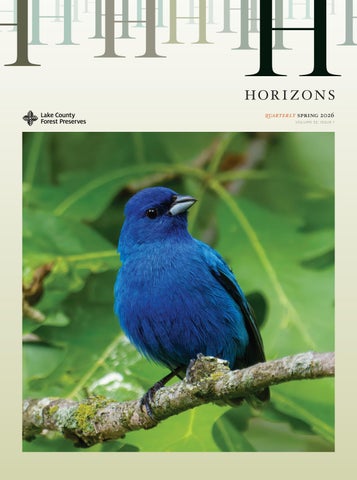
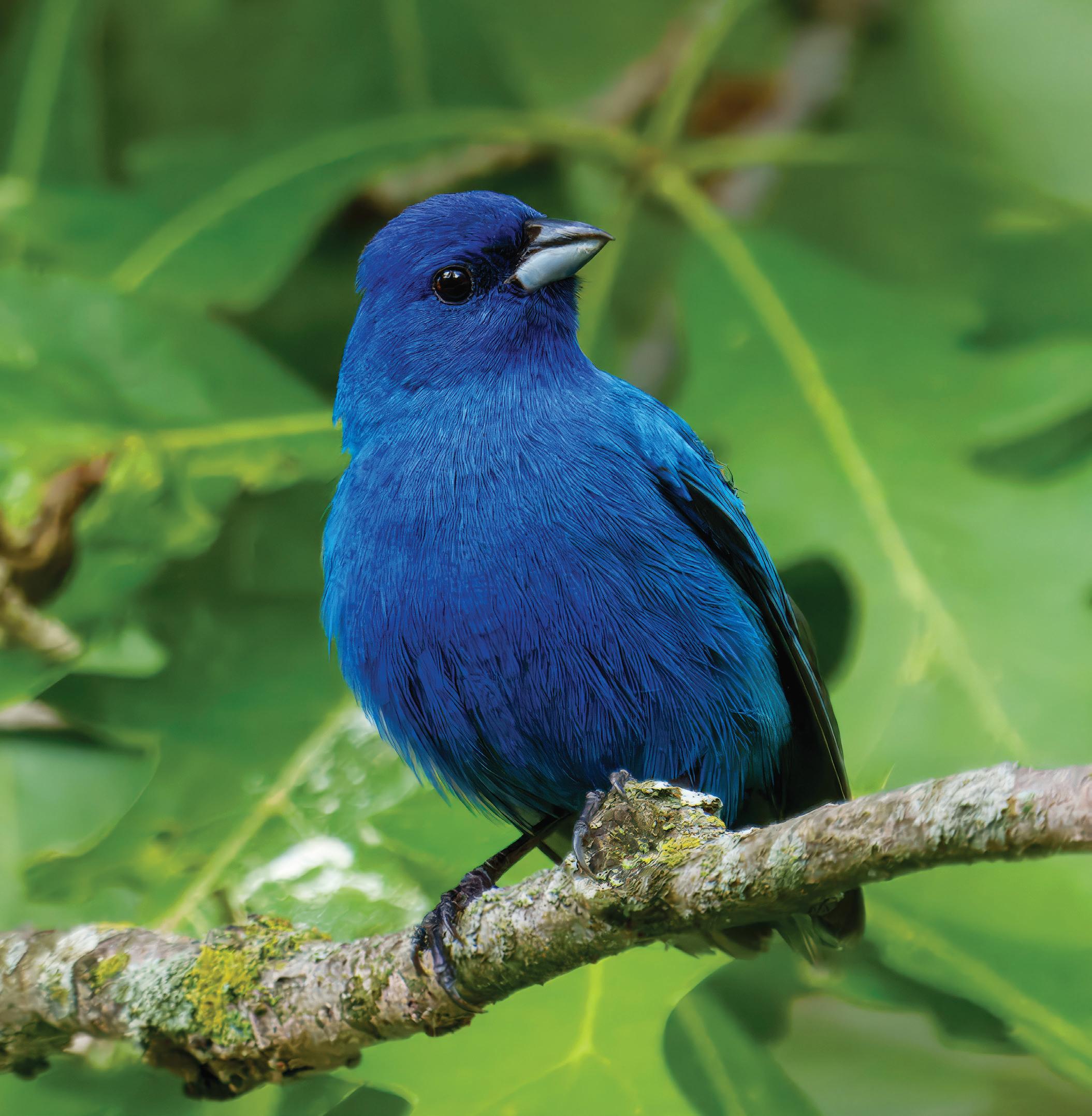
On the cover: The vivid feathers of the male indigo bunting (Passerina cyanea) are actually black. Air pockets and proteins in its feathers absorb every wavelength of light except blue, bouncing that color back to our eyes. Image taken in late spring at Independence Grove Forest Preserve (Libertyville).
Female northern cardinal (Cardinalis cardinalis)
Try Birdwatching in Your Forest Preserves
At first light, a wetland at Rollins Savanna Forest Preserve (Grayslake) stirs to life. Red-winged blackbirds trumpet conk-la-REE-look-at-ME songs from swaying cattails. Wood ducks tip forward to eat plants below the water’s surface, rear ends bobbing in the air.
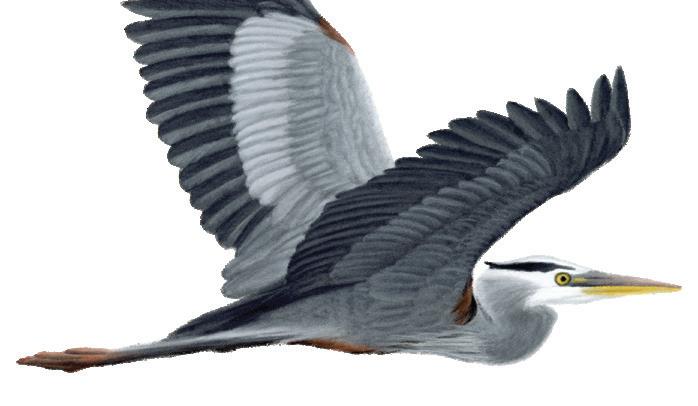
A great blue heron stands motionless onshore, amber-yellow eyes searching the shallows for tasty fish. The fresh smells of spring drift on a casual breeze as the landscape comes alive. Birdwatching gives you front-row seats to these compelling scenes, especially in Lake County.
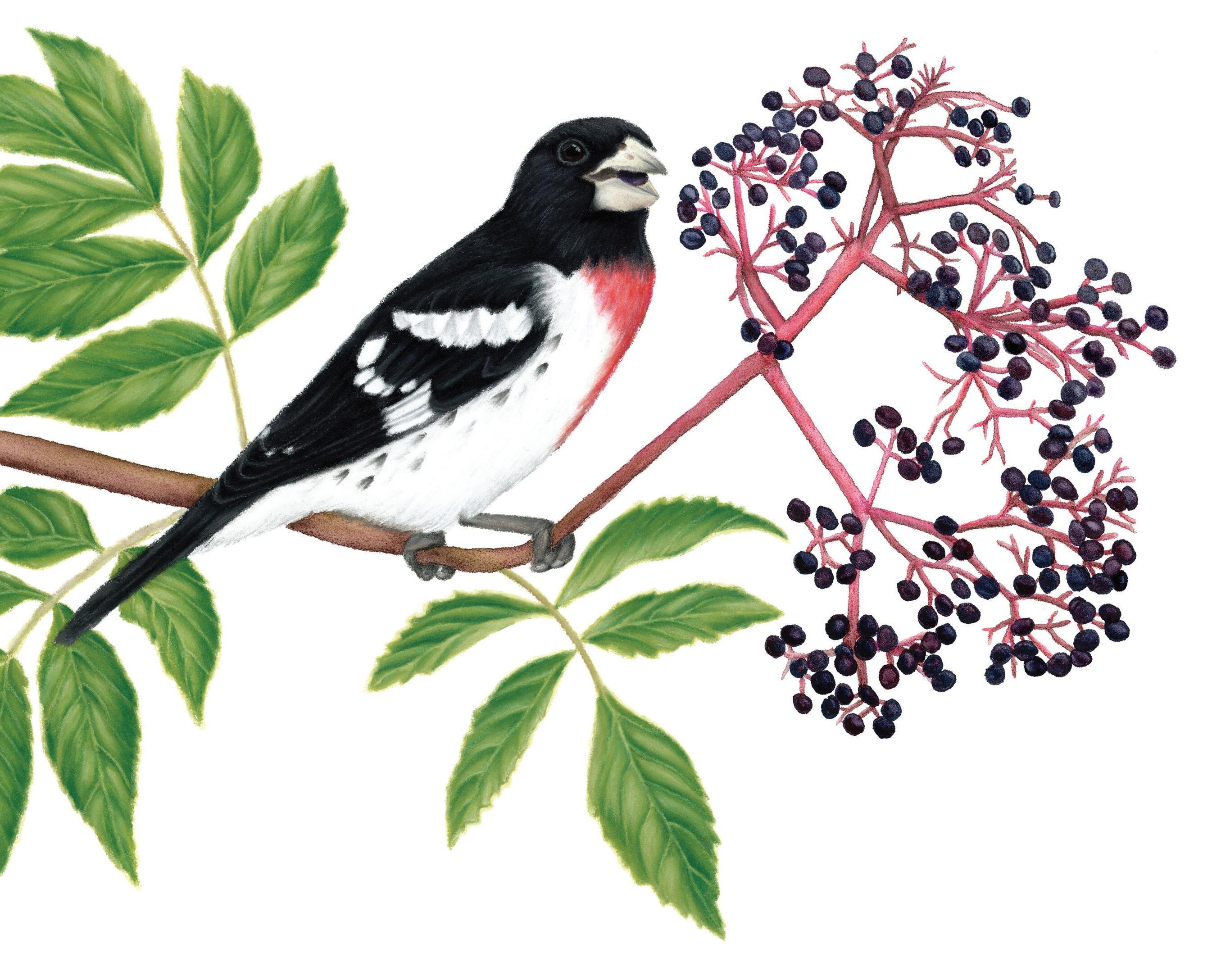
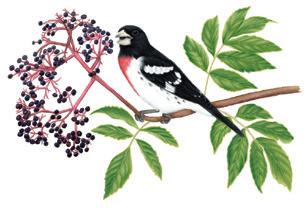
Rose-breasted grosbeak
This 8-inch-tall migratory bird is named for the male’s triangular, rose-red chest patch.
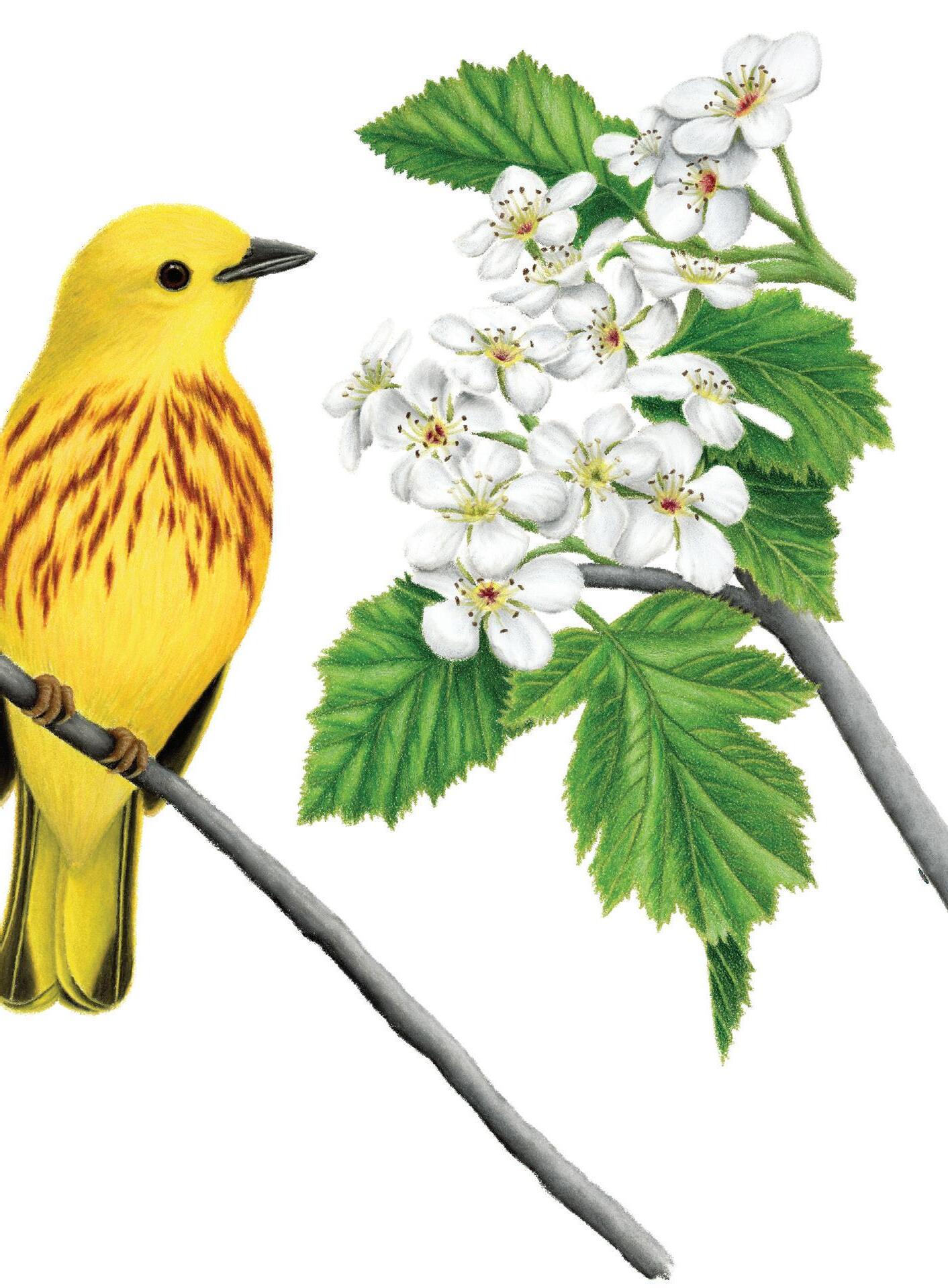
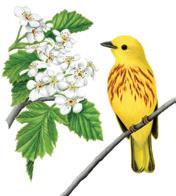
True to their name, yellow warblers are almost entirely sunny yellow. Males have soft chestnut streaks on their chests.
Bird’s-Eye View
With nearly 400 species documented, Lake County’s bird diversity is second only to Cook County in the Chicago region. Why do millions of birds live and visit here? Location, location, location.
The county’s position at the border between cooler, northern climates and warmer, southern climates attracts a blend of species. Lake Michigan creates unique shoreline habitats and milder microclimates.
Nearly 200 inland lakes, the Des Plaines and Fox rivers, prairies, savannas, woodlands and wetlands—such as those at Rollins Savanna—provide food and shelter for birds. Large tracts of land, such as those in your forest preserves, are needed to support certain species.
Some feathered friends, like northern cardinals, stay put year-round. Resident birds eat seeds, nuts, insect larvae, mammals or other birds. Most of these food sources are available all year. Birds that eat seasonal foods—fruit, nectar or flying insects—typically head south for winter.
Many migrants pass through along the Mississippi Flyway, a major north-south flight path that brings incredible bird variety and abundance to Chicagoland each spring and fall.
Birdy Boom
In 2022, about 96 million Americans watched birds, according to the most recent data available from the U.S. Fish & Wildlife Service. Spending on birding-related equipment and travel surpassed $107 billion. That’s more revenue than pet stores, movie theaters and all of book publishing combined.
During the pandemic, when many people’s worlds contracted to the boundaries of their homes, birdwatching was a soothing pursuit.
In 2020, the Cornell Lab of Ornithology received a record-breaking 2.1 million observations on Global Big Day, a birdwatching event held every May.
Retailers reported shortages of birdseed, feeders and baths. It’s easy to see why. Birds are active, colorful and captivating. Their variety and abundance make them more accessible than other animals.
The fact that birds aren’t constrained to the ground adds to their charm. A bird can be there one moment, gone the next. In eras defined by limits, birds represent limitlessness.
Experiencing that sense of freedom for yourself starts with simple tools.
Species shown
(top to bottom)
Though less common, you may spot a vagrant, a bird that’s strayed far from its normal range. A Mexican violetear hummingbird, usually found in Mexican and Central American forests, visited a Mundelein home in 2021. Just one other observation of the species in Illinois was recorded in 2009.
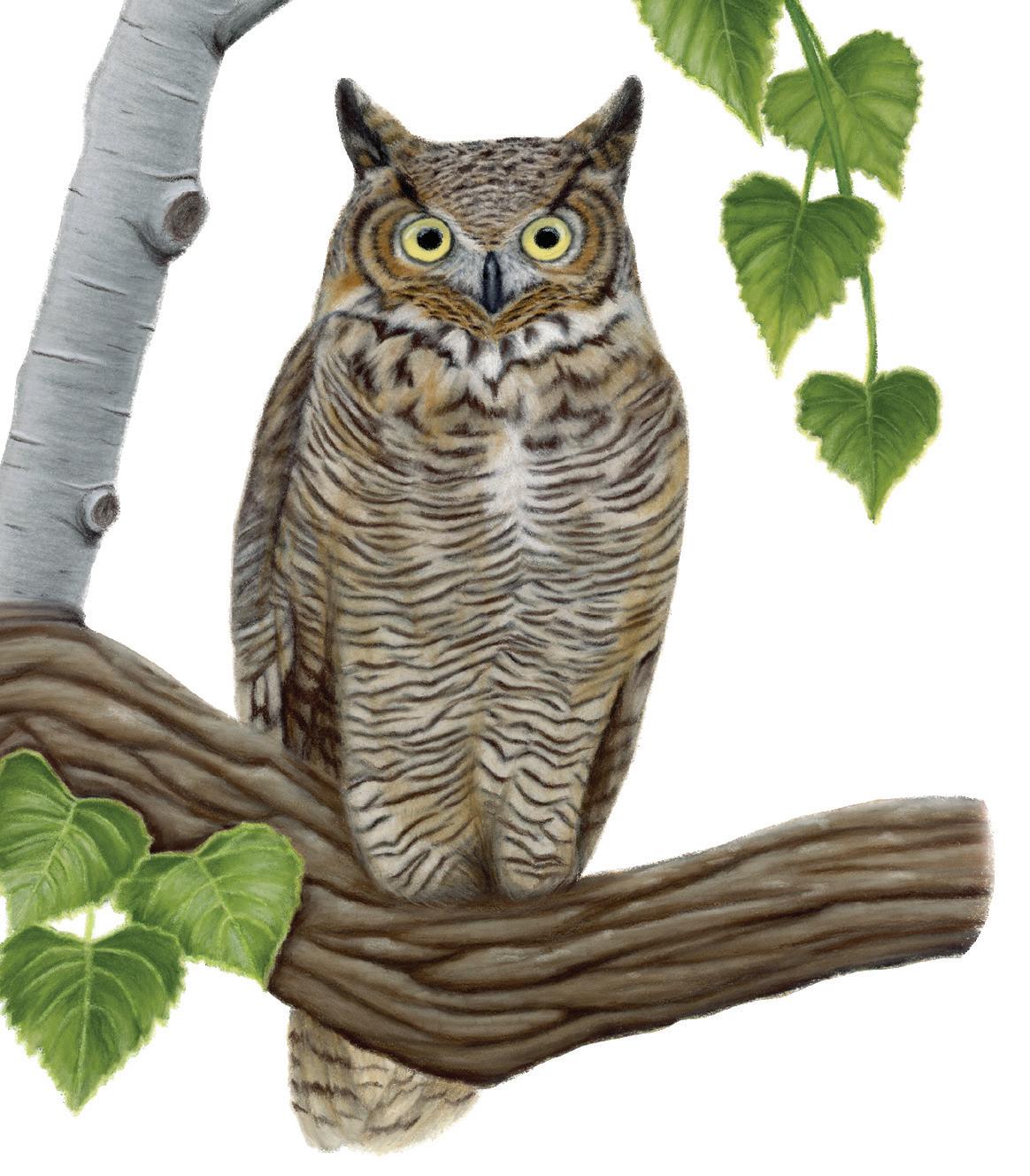
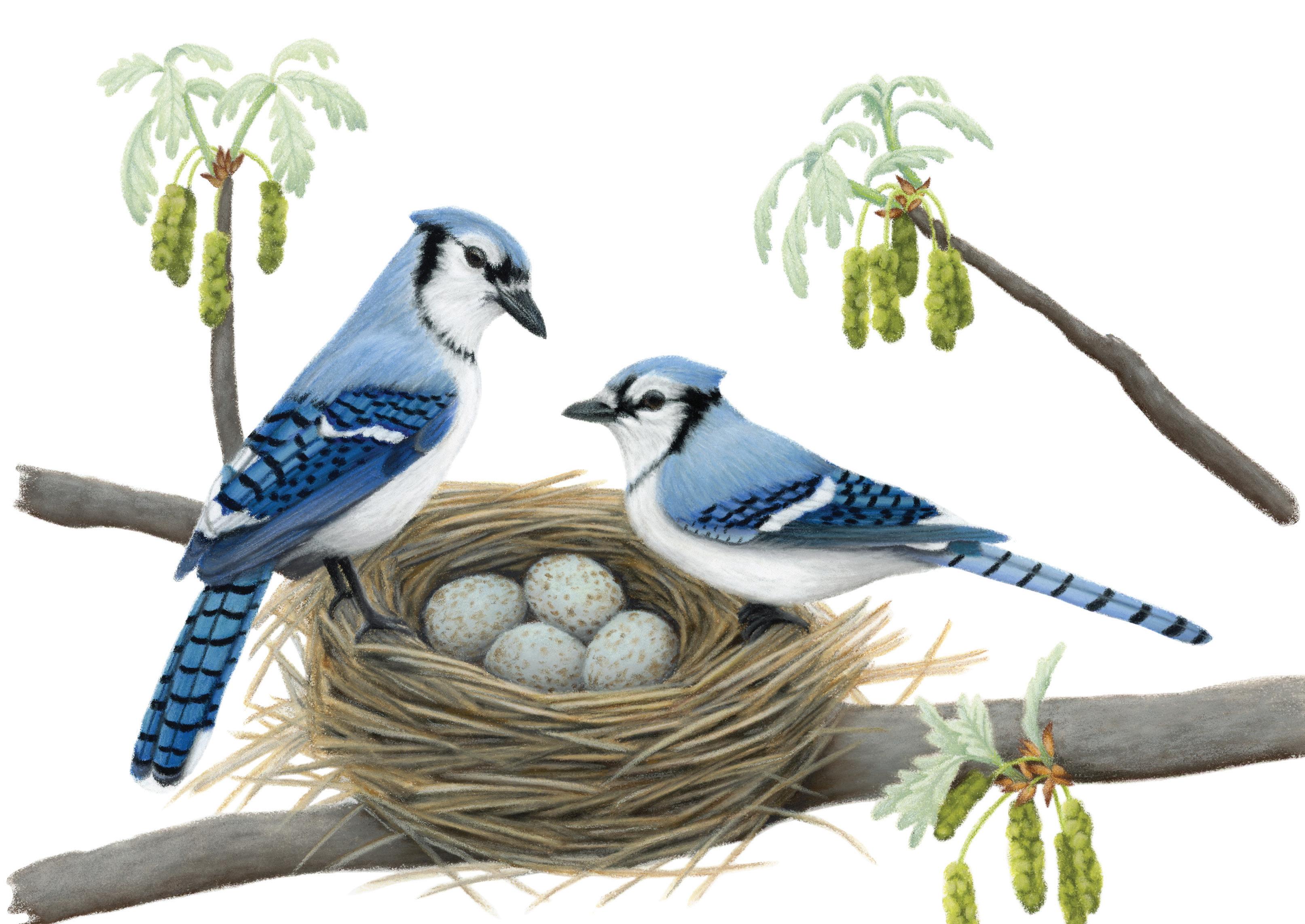
GREAT HORNED OWL: This species is Lake County’s largest resident owl. It’s also the earliest bird to kick off courtship and nesting each December.
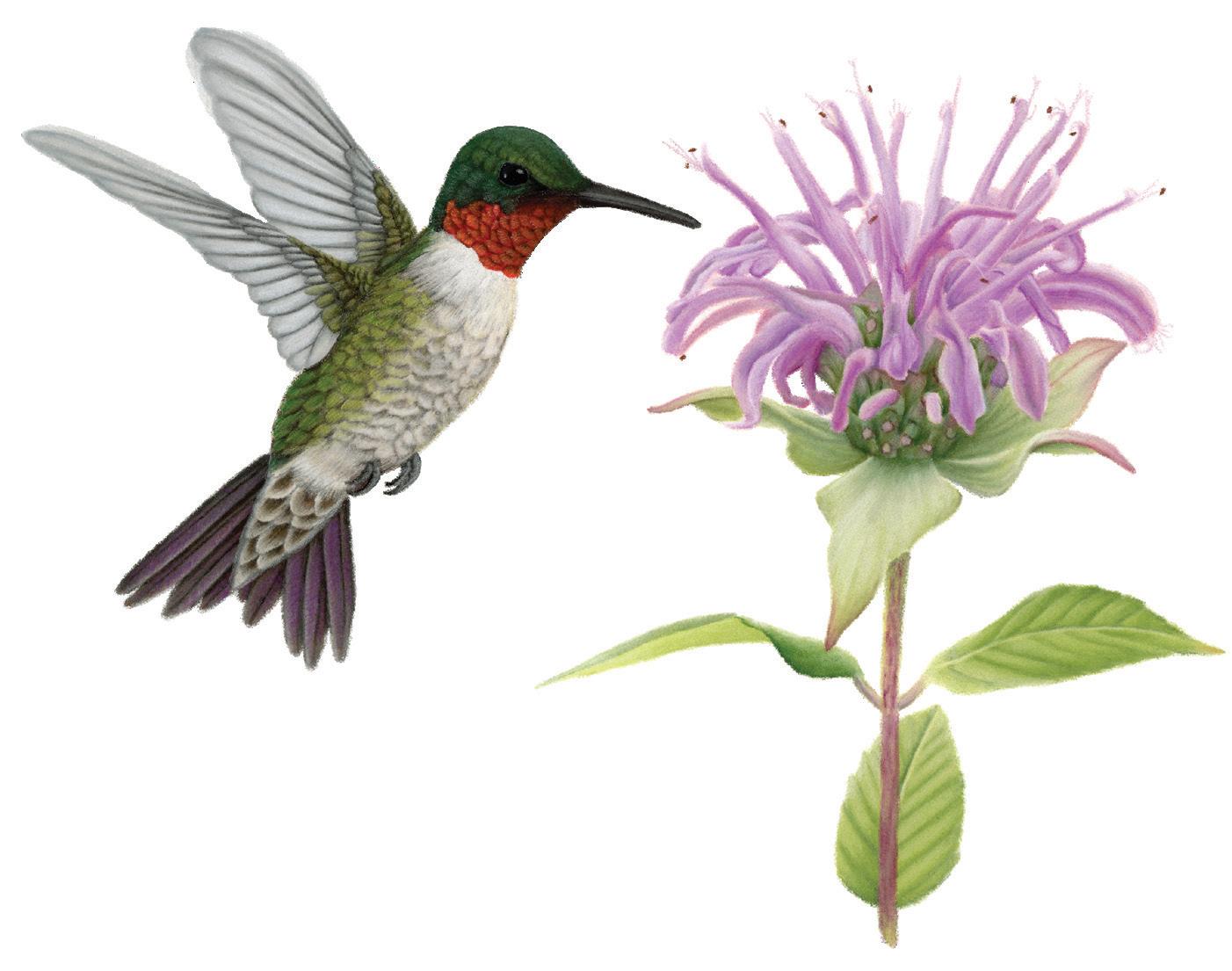
RUBY-THROATED HUMMINGBIRD: Beating their wings up to 53 times a second, ruby-throated hummingbirds zigzag from flower to flower, sipping nectar.
Finding Feathered Friends
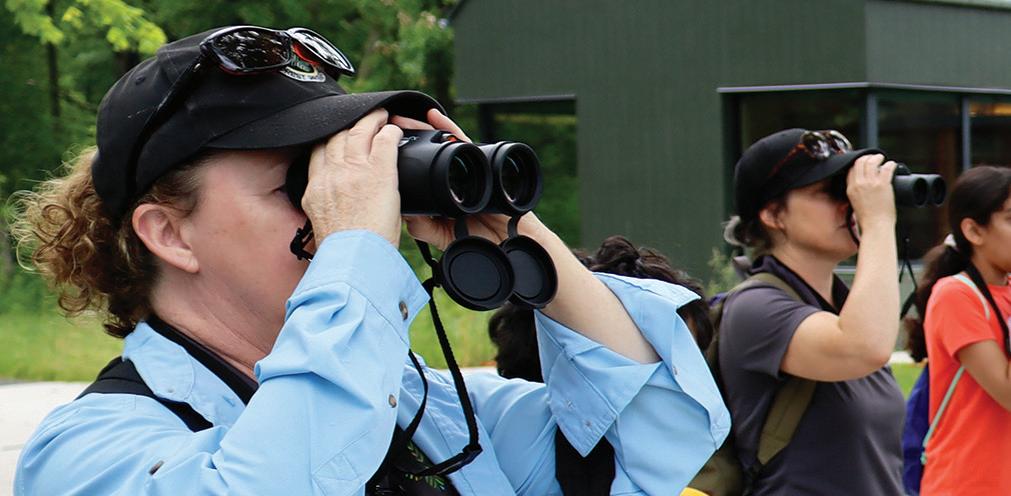
Ready to take flight with birdwatching? Bring a notebook or mobile device to take notes; a field guide to birds of the eastern U.S.; and a pair of 7 or 8-power binoculars. These make objects appear seven or eight times closer.
Purchase or borrow them from a friend, family member or library. Binoculars are available to borrow at the Ryerson Welcome Center (Riverwoods) during your visit.
To identify birds, focus first on GISS—General Impression, Size and Shape. Some birds are round. Others are sleek. Raptors can be 2–3 feet tall, hummingbirds 2–3 inches.
Think of recognizing a friend or family member at a distance. How do you pick them out from a crowd?
Listen, too. Birds produce two kinds of sounds: songs and calls.
Songs are longer, complex vocalizations used by adult males in breeding season to attract mates or defend territory. Calls are shorter, simpler sounds used yearround by both sexes to communicate other messages.
Combining sounds and GISS can guide you to solid identifications. The great horned owl’s hoo, hoo-hoo, hoo, hoo song is common, but the barred owl’s who-cooks-for-you call is distinct and heard less often. Ear tufts are prominent on the great horned, while
Species shown (top to bottom)
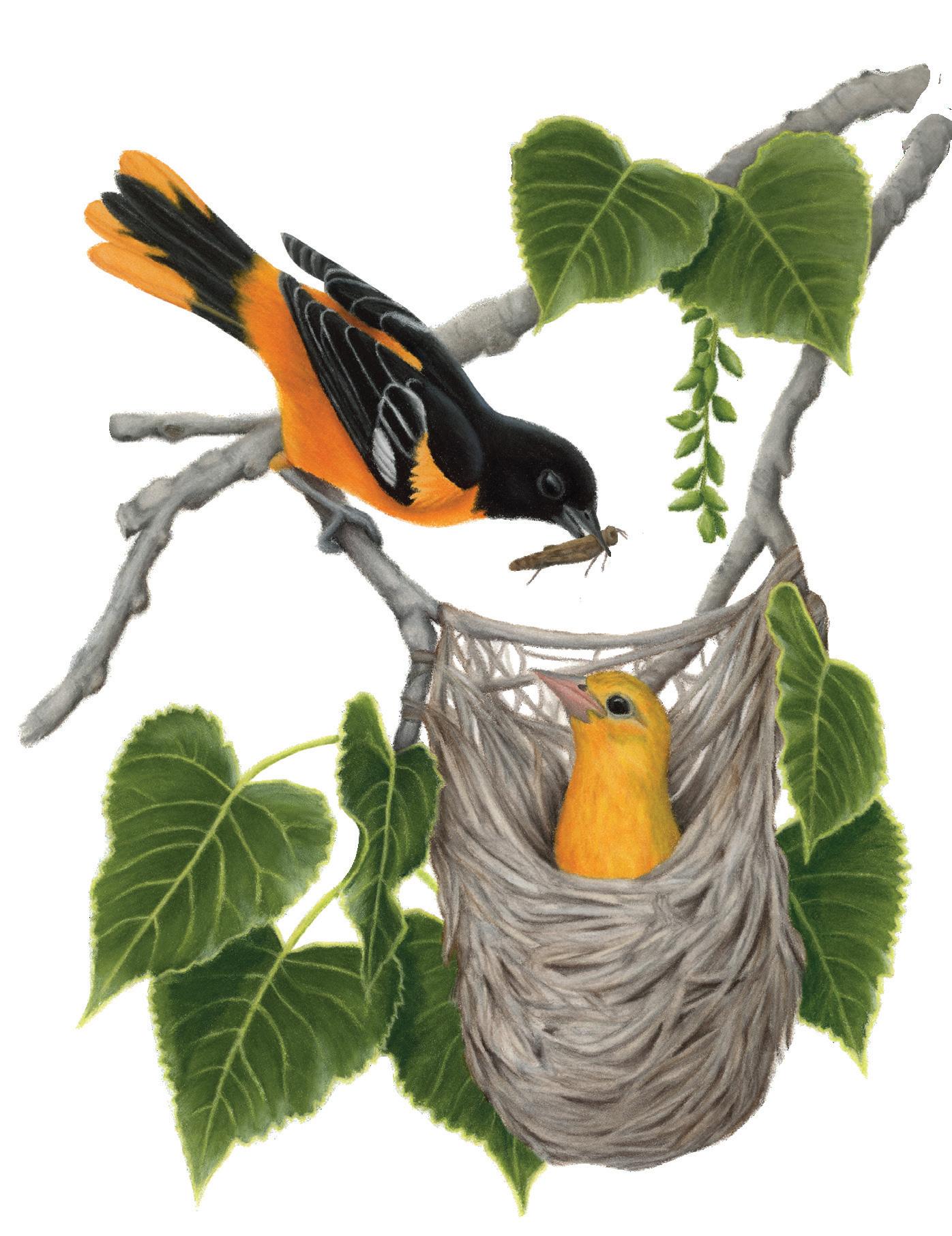
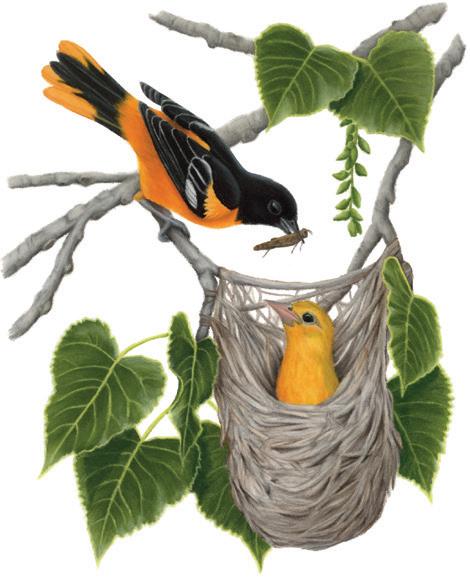
BALTIMORE ORIOLE: Using grasses, bark and artificial fibers, Baltimore orioles weave sock-like nests high up in trees.
Practice Better Birdwatching
Avoid disturbing birds and their habitats. Stay on trails. Keep your distance from active nests, roosts, colonies and food sources. Use binoculars or scopes to look from afar. Be quiet, move slowly and limit flash photography. Don’t play recorded calls (playbacks) to lure birds.
Keep domestic cats indoors. Roaming cats are estimated to kill over 1 million birds per year in Chicagoland.
Prevent window strikes. Birds can’t distinguish between a reflection of a tree and the real thing. Window strikes often result in injury or death. Stickers, tape, poster paint or soap applied in grids or dots reduces collisions. Learn more: LCFPD.org/windows
Think twice before broadcasting news about the location of a rare bird. Crowds can unintentionally stress or scare away the animal. Wait to share until after the bird has left the area.
Consider weather. On very hot or cold days, many birds rest to save energy. If disturbed, they’ll use precious calories to fly away.
Support bird conservation. Don’t collect eggs, nests and feathers; it’s against federal law. Plant native plants. Clean birdfeeders regularly. Upload notes, photos and videos to eBird (ebird.org) or iNaturalist (inaturalist.org).
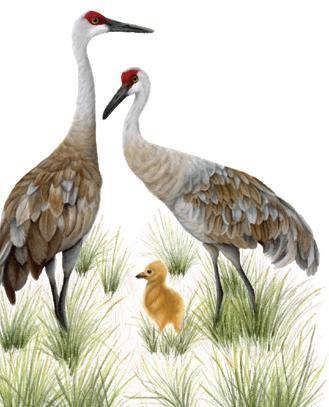
Species shown (top to bottom)
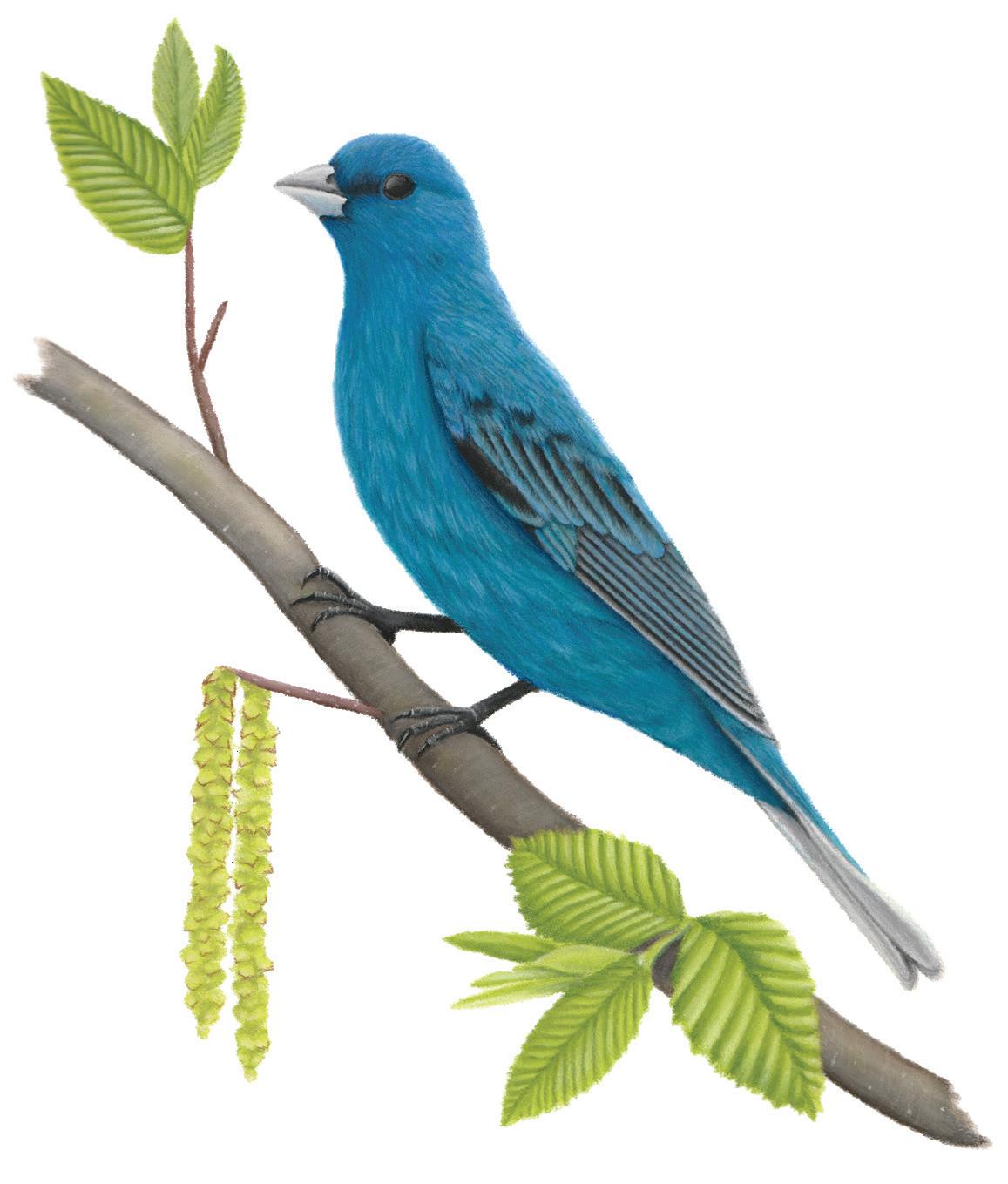
INDIGO BUNTING: Look where woodlands meet fields or pastures— that’s prime real estate for indigo buntings. These little birds benefit farmers by eating weedy seeds and pesky insects.
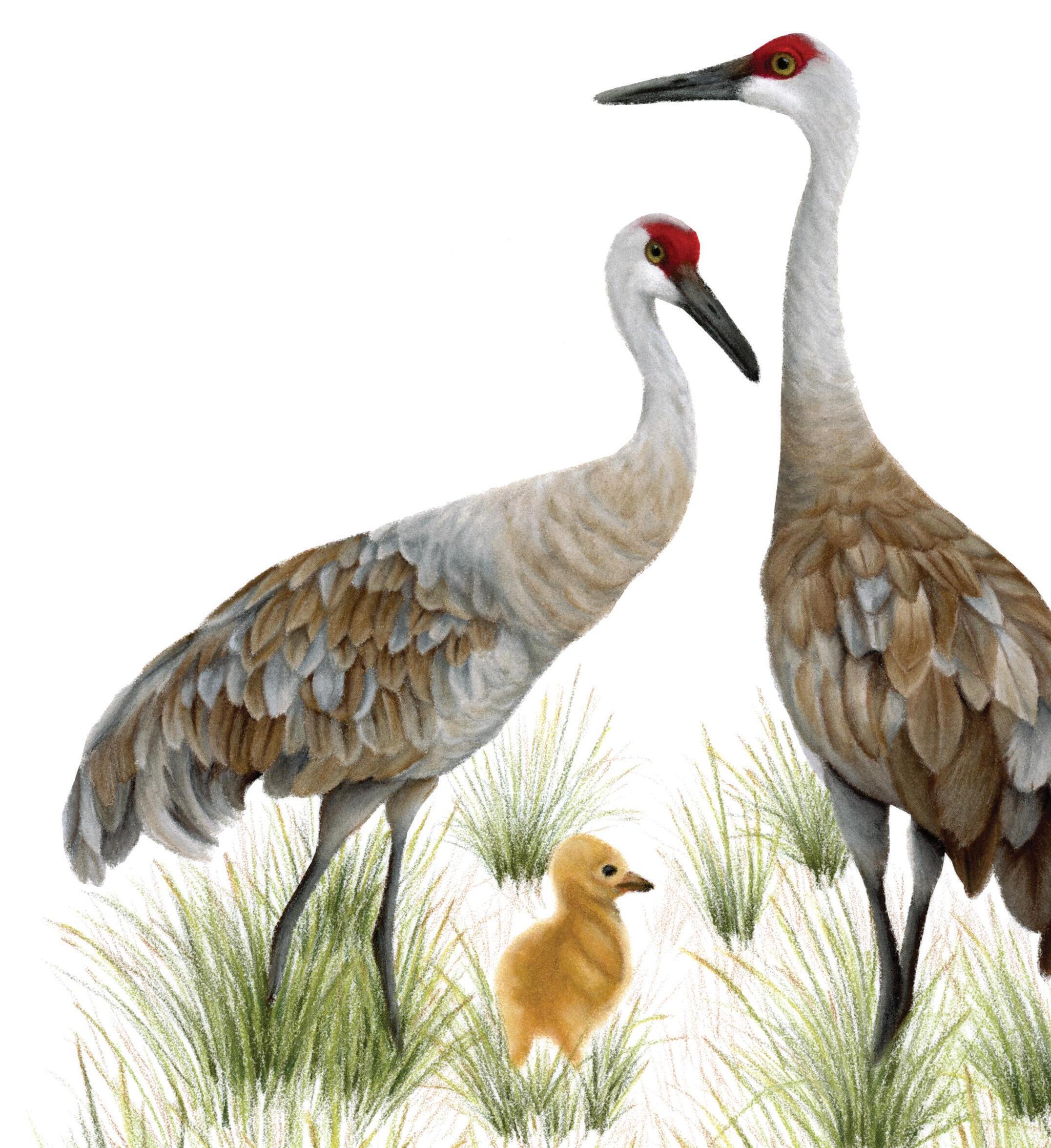
CRANE: Mating sandhill crane pairs nest on the ground, often in wetlands. Both parents care for their eggs and young.
SANDHILL
Birdwatching in Your Preserves
You can birdwatch in every preserve from 6:30 am–sunset, daily. Timing matters. Many birds are most active around sunrise and sunset. There’s often a lull in the afternoon as birds digest morning meals. Nocturnal birds such as owls and night herons awaken after dark.
Seasons shape what you see. Breeding season and spring and fall migration are prime birdwatching windows. Winter offers less activity, but certain northern-breeding species are only visible in Lake County then, such as dark-eyed juncos and short-eared owls.
Location also matters. Learning a species’ typical habitat and geographic range improves your chances of spotting it. For example, the Lake Michigan shoreline at Fort Sheridan Forest Preserve (Lake Forest) is a magnet for migrating raptors like ospreys and hawks. Meanwhile, wide-open grasslands and wetlands at Rollins Savanna entice nesting sparrows, ducks, blackbirds and shorebirds.
9 Des Plaines River Trail
9 Fort Sheridan
9 Independence Grove Forest Preserve (Libertyville)
9 Rollins Savanna
9 Ryerson Conservation Area (Riverwoods)
9 Van Patten Woods Forest Preserve (Wadsworth)
Visit LCFPD.org/birds for more options. With these tips, you’re ready to take flight and claim your front-row seat to nature’s daily show.
For the best bang for your birding buck, start with these preserves.
Birdwatching Guide
Flock to These Resources
For local guidance, check out our Birdwatching Guide, new for 2026 and offered in English and Spanish. Read at LCFPD.org/birds or pick up a free copy at our facilities.
9 Fox River Marina (Port Barrington)
9 General Offices (Libertyville)
9 Greenbelt Cultural Center (North Chicago)
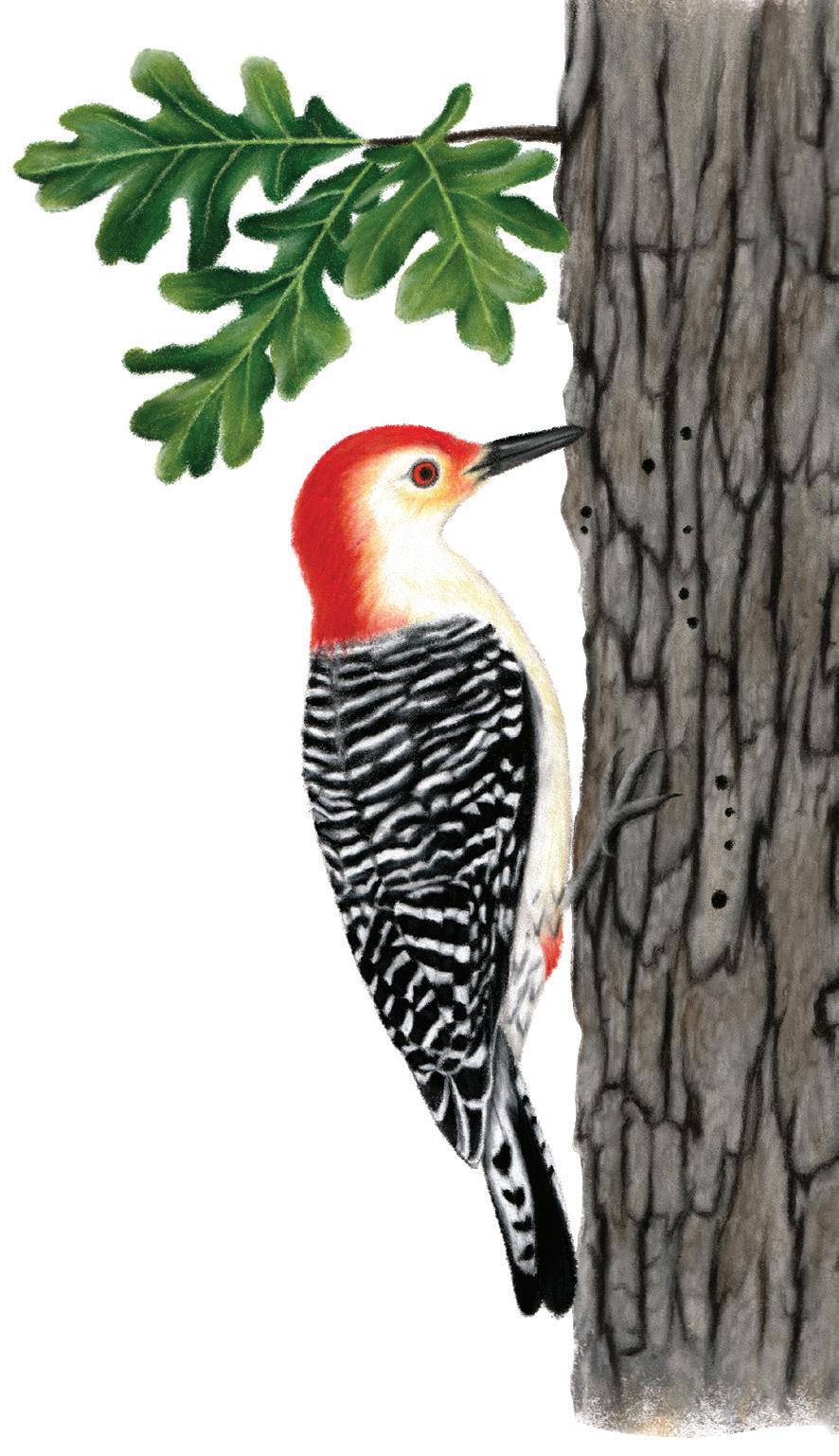
Species shown
(top to bottom)
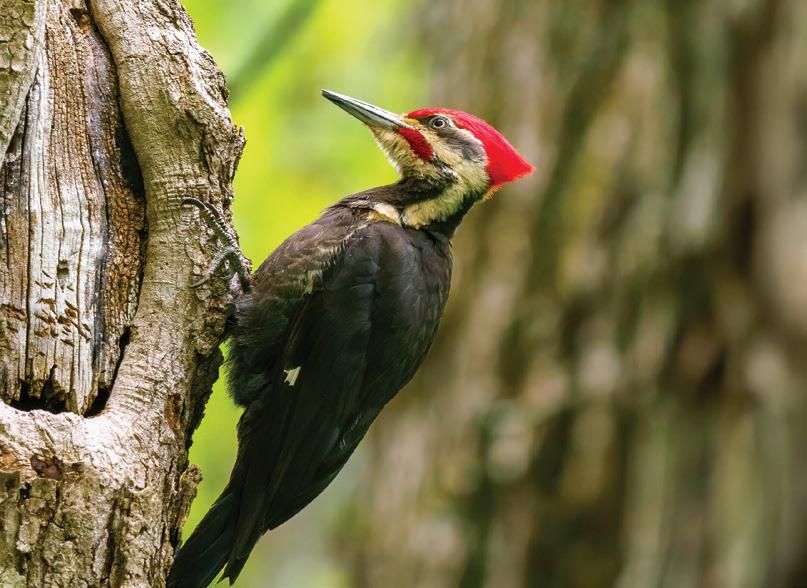
RED-BELLIED WOODPECKER: These woodpeckers communicate loud and often. Their rolling, raspy churrrr call is reminiscent of someone talking with a hoarse voice after a concert.
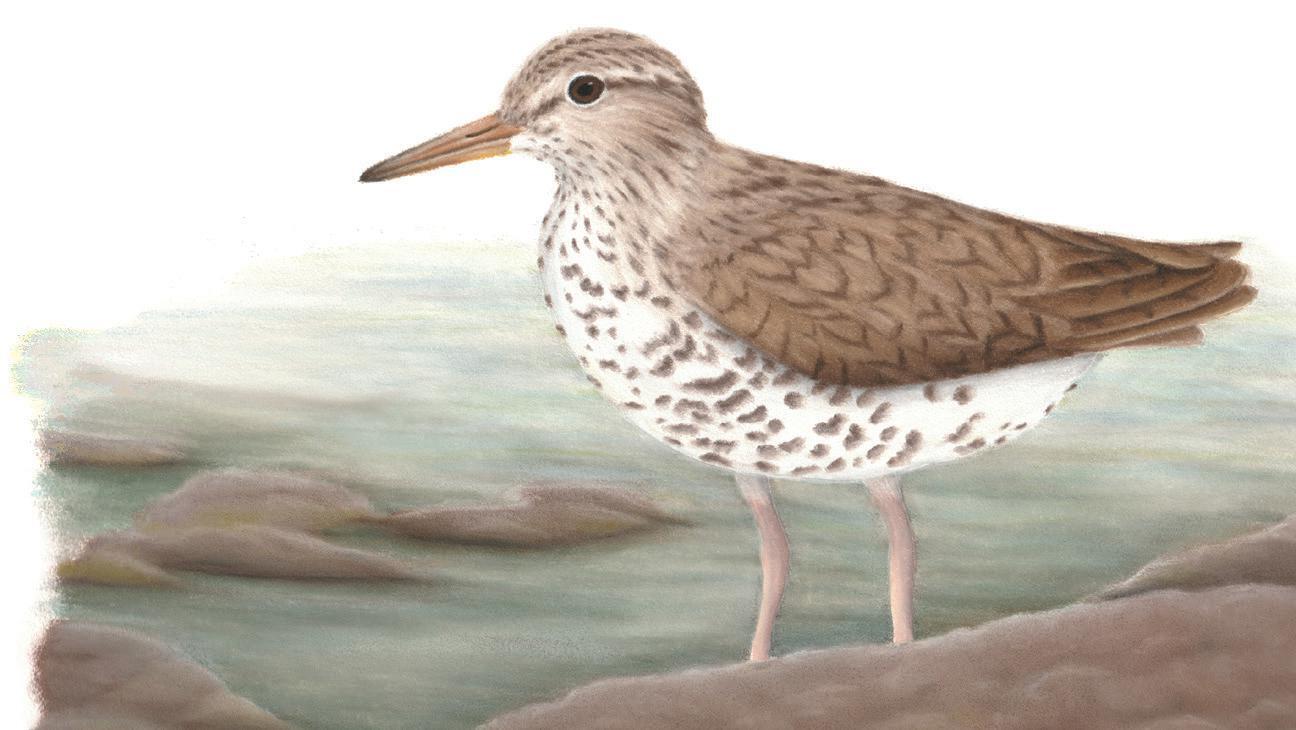
SPOTTED SANDPIPER: Spotted sandpipers know how to shake their tail feathers. These robin-sized shorebirds constantly bob the back halves of their bodies up and down while walking, feeding and standing still.
9 Independence Grove Visitors Center (Libertyville)
9 Ryerson Welcome Center (Riverwoods)
Free bird ID apps are available from the Cornell Lab of Ornithology and National Audubon Society (eBird, Merlin Bird ID, Audubon Bird Guide).
Local birding groups such as Lake County Audubon (lakecountyaudubon.org) and Audubon Great Lakes (gl.audubon.org) welcome new members.
Have a question about a bird sighting? Email AskAnEducator@LCFPD.org
Our educators teach birdwatching techniques at programs. Visit LCFPD.org/birding or scan the QR code below to find an event.
feathers Frisket feathers Frisket
Frisket
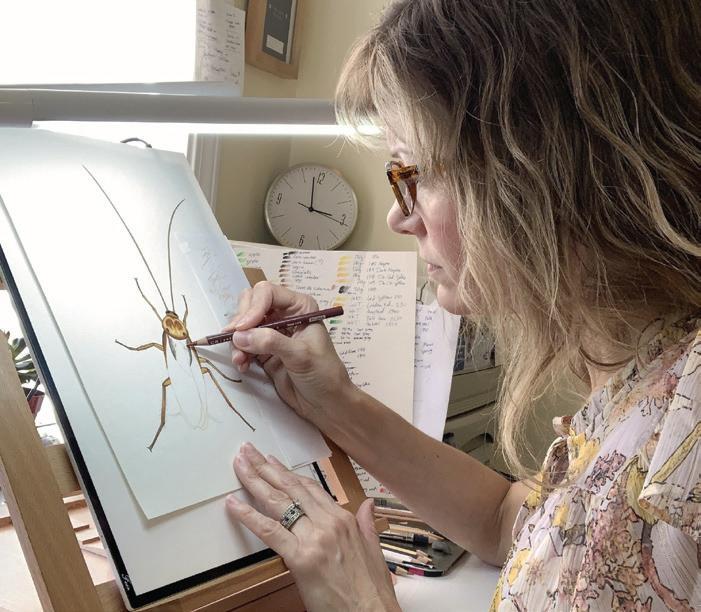
he illustrations in this feature are some of the first birds Samantha Gallagher has ever drawn. Based in Lake County, the scientific illustrator usually focuses on insects and plants.
We commissioned Gallagher to create 20 beautiful, scientifically accurate bird illustrations for a new Birdwatching Guide. She decided to experiment with pastel pencils.
“They’re a blend between painting and pencils. That medium seemed great for drawing birds.”
She went beyond the poses typically seen in insect illustrations—like a top-down view of a butterfly with wings spread perfectly flat. “You’d almost never see that in the wild.”
For the birds, Gallagher wanted lifelike scenes. She first consulted
I took pictures of different angles and saw their bright colors. That gave me a sense of scale.”
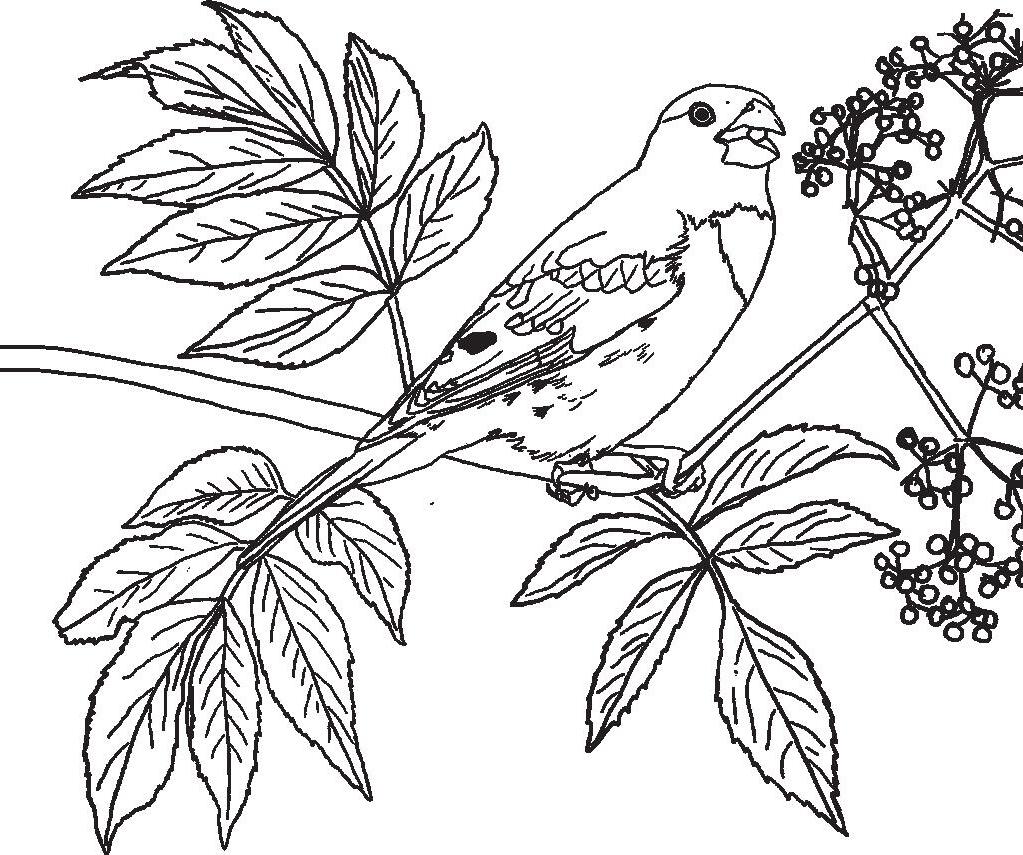
She also watched YouTube videos to understand birds’ movements and studied photos in public databases. Each piece demanded a strategy to avoid smudging the art. Several drawings, including that of a rosebreasted grosbeak, required frisket, a stenciling material that protects finished areas.
“Like a sticky note, it doesn’t leave residue. I used watercolor for the berries and branches, then laid frisket on top and drew the bird. It was simple to peel off at the end.”
Natural stopping points appeared during Gallagher’s creative process. Pastel paper “is like sandpaper. It wears down the pencils, and you build layers. Eventually, the paper can’t take more pastel.”
The illustrations brought Gallagher closer to Lake County’s wildlife. She hopes readers feel inspired to look for—and support—birds. “If I see a bird on an elderberry shrub, maybe I can plant elderberries and see it at home, too.”
“Drawing these birds increased my awareness. It connected me to the sense of place and Lake County’s uniqueness.”
–Samantha Gallagher
Local artist Samantha Gallagher drew the birds in this feature and our new Birdwatching Guide
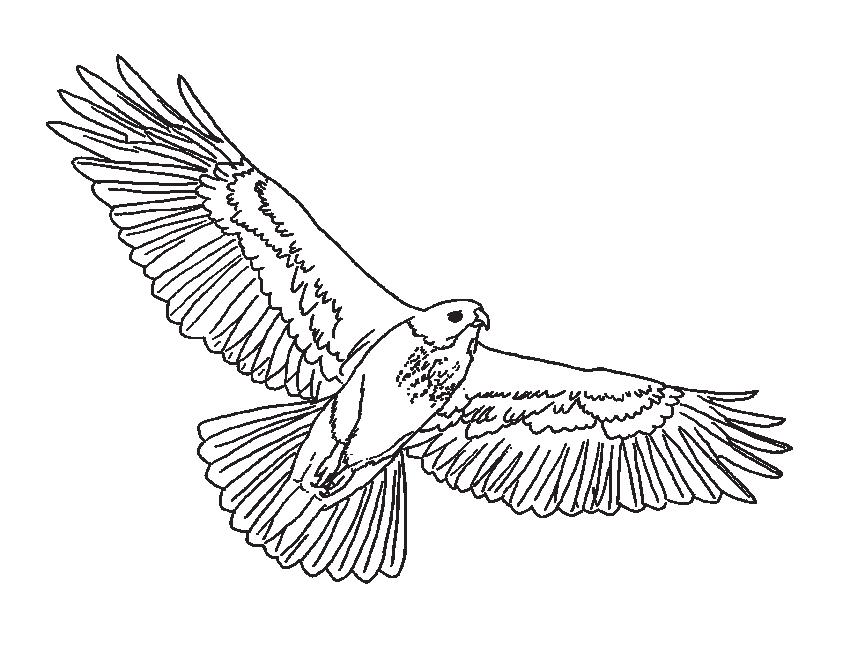
Line sketches like the ones on this page informed each illustration’s composition.
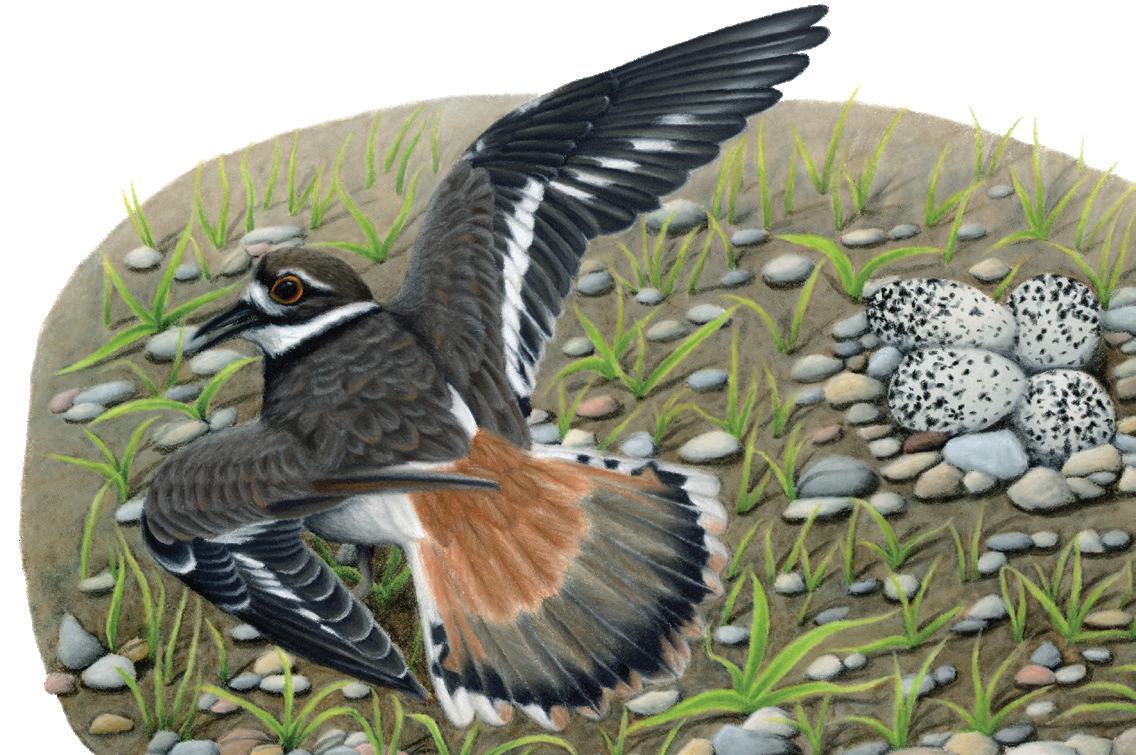
Killdeer (pictured right) Killdeer parents distract predators from their ground-based nests by putting on a dramatic broken-wing act.
Gallagher spent 8–20 hours perfecting each piece using many artistic tools.
CRAFT
The Beer Garden at Independence Grove (Libertyville) reopens for the season Friday, May 1 from 1–9 pm. To mark opening day, the Beer Garden will celebrate Cinco de Mayo early with a mariachi performance from 6–7:30 pm.
The venue offers a rotating lineup of Lake County craft brews on tap and in cans, along with wine, hard cider, non-alcoholic beverages and packaged snacks. Visitors can also purchase food for delivery to their table from Relish Café.
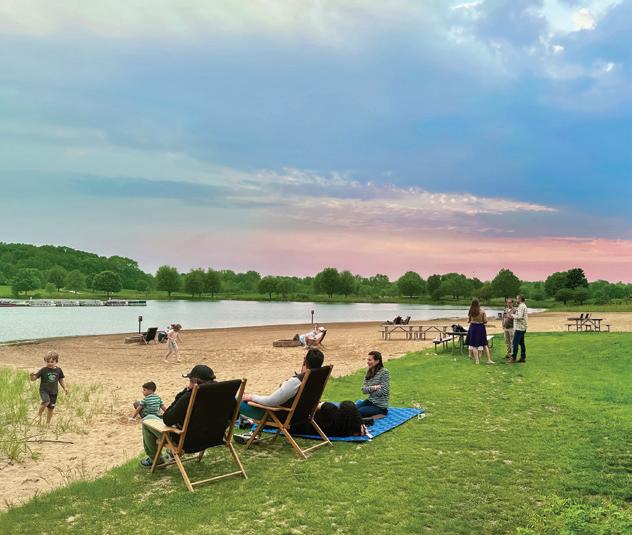
The family-friendly space features outdoor seating and views of the lake. Fire pits line the shore and are available on a first-come, firstserved basis with complimentary firewood.
MAY 1–25
Friday–Sunday: 1–9 pm May 25: 1–9 pm for Memorial Day
STARTING MAY 27
Tuesday–Thursday: 5–9 pm
Friday–Sunday and holidays: 1–9 pm
Plan your visit: LCFPD.org/beer
See page 11 for details on the upcoming Brews & Views event.
PRESERVE NEWS
Wins for Grassy Lake and Restoration Ecologist
Grassy Lake Forest Preserve (Lake Barrington) and retired Restoration Ecologist Ken Klick received honors from the Chicago Wilderness Alliance.
The preserve earned Platinum accreditation, the highest level of the Excellence in Ecological Restoration Program, for restoring a 150-acre section of wetlands, oak woodlands and prairies.
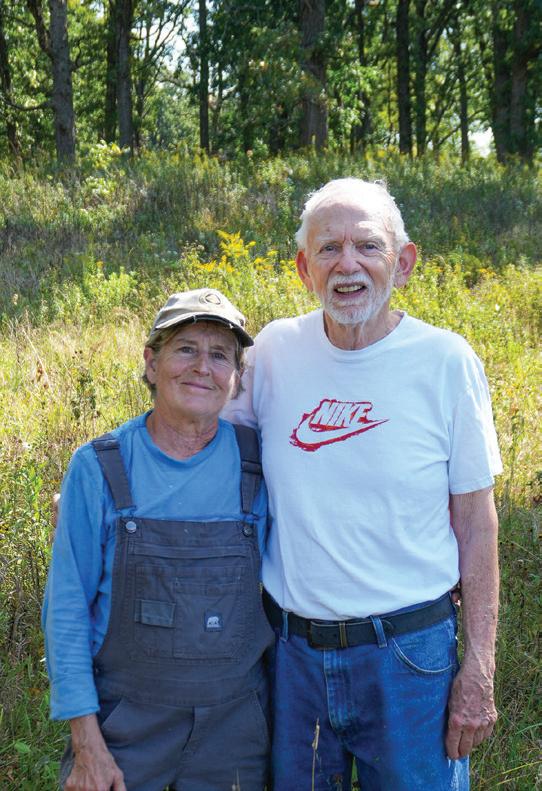
The area supports 25 Species of Greatest Conservation Need, identified by the Illinois Department of Natural Resources, and more than 550 native plants. Volunteers Carol Hogan and Wes Wolf, who have logged over 20,000 hours restoring habitats, were essential to the project’s success.
Klick received the George B. Rabb Force of Nature Award for his 30-year career spent protecting rare plants, managing fire-dependent ecosystems and mentoring future land stewards.
Read more: LCFPD.org/nature-honors
YOUR BOAT’S SLIP, LAUNCH AND STORAGE
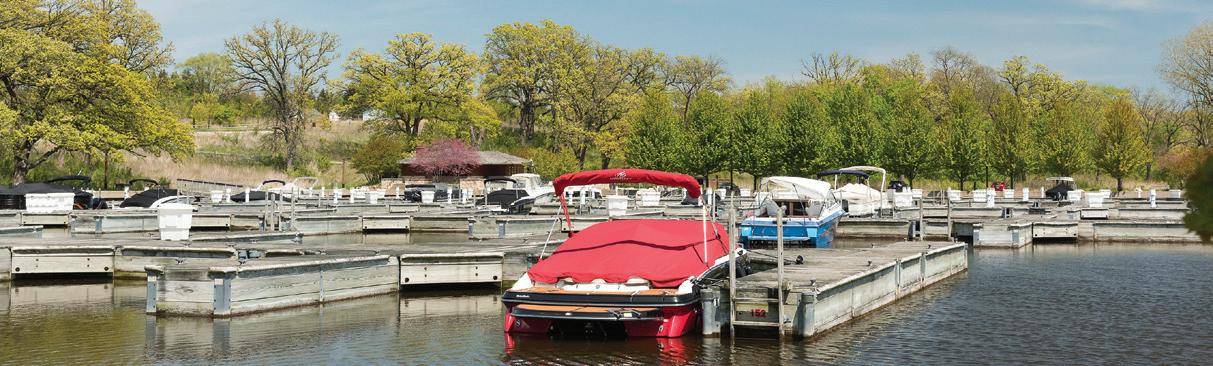
Fox River Marina (Port Barrington) offers a convenient launch with access to stretches framed by tree-lined shores. The river is a playground for wakeboarding, tubing and fishing.
The marina offers boat slips in 20, 25 and 30 feet, indoor storage options with in/out service, paved parking and amenity upgrades. Slip holders enjoy daily 24-hour access to their boats.
Open daily from 6:30 am to 10 pm, a four-lane public launch for everything from fishing boats to jet skis to kayaks provides ample time to enjoy the river. Launch fees apply. Learn more at FoxRiverMarina.org or call 847-381-0669.
BREWS WITH SUNSET VIEWS
Great blue heron ( Ardea herodias
Volunteers Carol Hogan and Wes Wolf
Your donations help extend and accelerate the work of the Forest Preserves!
ANNUAL
FUND SPOTLIGHT:
Developing a New Measure of Conservation Success
A Floristic Quality Assessment is a standard tool used by land management agencies to measure the effectiveness of restoration activities over time. Every plant species in an area is assigned a number from 0 to 10. Non-native plants would receive a 0, while a highly sensitive or rare plants would receive a 10. The presence and abundance of each species are then counted and weighted to calculate an overall floristic quality score.
No comparable tool exists for wildlife, meaning our ecologists are only able to see part of the picture. A $28,000 grant from the Preservation Foundation’s Annual Fund will support development of a new Wildlife Quality Assessment, focusing on select mammals, amphibians, birds and invertebrates.
Used alongside the well-established Floristic Quality Assessment, this new tool will help staff better understand how land management, such as invasive species clearing and prescribed burning, affects wildlife over time. Though designed for Lake County first, the tool will be widely shared for adoption throughout the Chicago region and beyond.
Donate to the Annual Fund: LCFPD.org/annual
online: LCFPD.org/donate
A THOUGHTFUL WAY TO PLAN AHEAD
Each day, we make choices that help our future selves, from saving for tomorrow to taking care of our health. Creating or updating your will is another meaningful step that can make a lasting difference. It ensures your loved ones are protected, your wishes are honored and your values continue to make an impact for years to come.
With our trusted partner FreeWill, you can create or update your will in about 20 minutes. It’s free, secure and easy to do. Take a moment to plan with care for the people who matter most: LCFPD.org/gift-planning
Lend a Hand for Nature
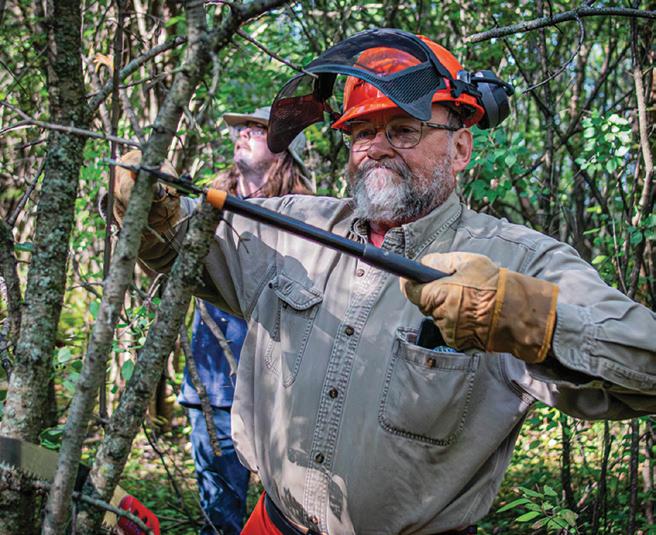
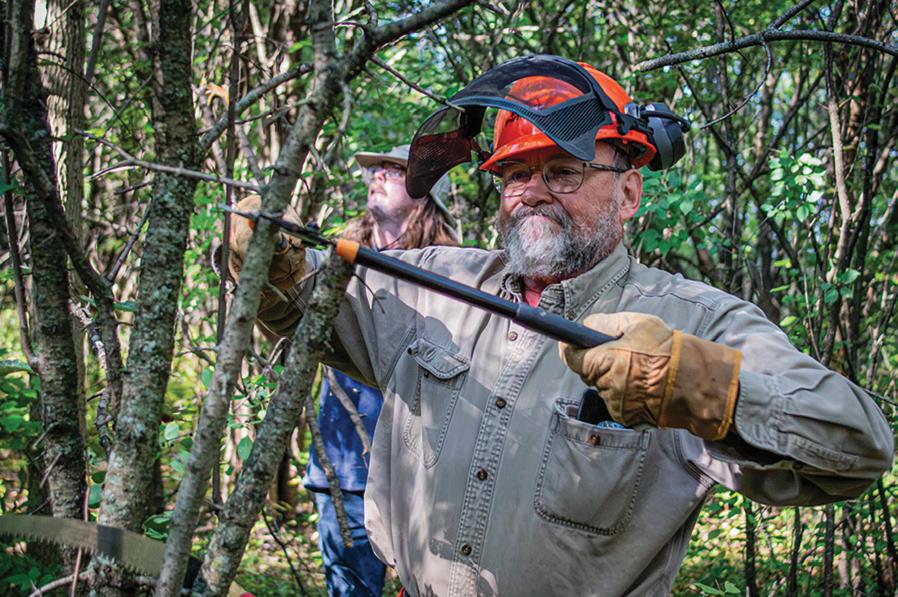
Make local habitats healthier by volunteering at restoration workdays. Spend 2–3 hours removing invasive species, collecting seeds and planting native trees and shrubs.
Volunteers are needed most at Nippersink (Round Lake), Oriole Grove (Lake Bluff) and MacArthur Woods (Mettawa). No experience necessary. Training provided.
Find a workday and join: LCFPD.org/workdays
Since 2007, the Preservation Foundation has inspired individuals, corporations and foundations to support Forest Preserves projects, programs and places they are passionate about. Gifts of all sizes make a meaningful impact and help ensure Lake County is filled with beautiful, natural spaces everyone can enjoy.
WELCOME NEW CORPORATE PARTNER, CLARKE
Clarke became a corporate partner with a $15,000 grant to support the Forest Preserves’ new community engagement program. This program aims to boost volunteer retention and engagement, particularly in Lake County’s underserved communities. Volunteers are the lifeblood of the Forest Preserves, helping in nearly every area of our work, from trail care to landscape-scale restoration, from education and public programs to the Native Seed Nursery (Grayslake). Support this important initiative: LCFPD.org/accelerate
Historical Cookbooks to be Conserved
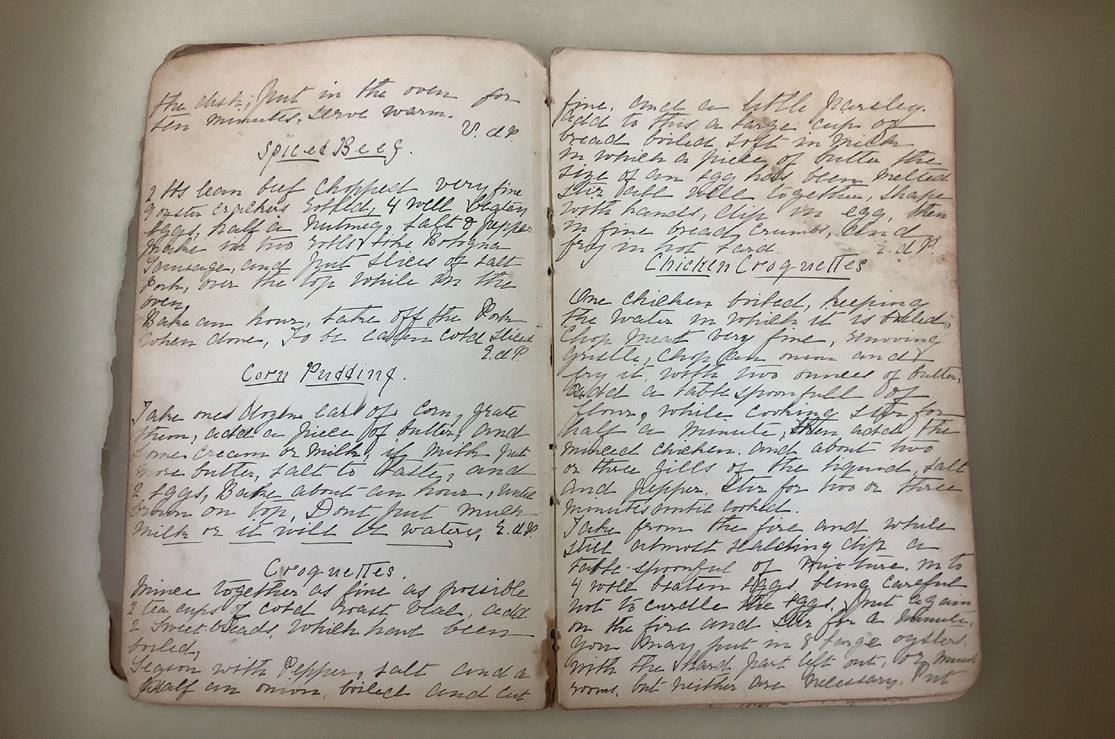
The Signal Hill Chapter of the National Society of the Daughters of the American Revolution awarded $2,000 to conserve two cookbooks in the Dunn Museum’s (Libertyville) collections associated with a 19th-century U.S. military family. This is the ninth consecutive grant from the Barrington-based organization.
The two handwritten cookbooks, dating from 1887 to 1895, belonged to Gabrielle Josephine Shubrick Crofton, wife of Colonel Robert Erskine Anderson Crofton, and their daughter, Mary Ethel Crofton Hunt. Gabrielle and Mary Ethel accompanied the Colonel to remote frontier outposts and to the U.S. Army post at Fort Sheridan, where they were stationed from 1891 to 1896. Their personal cookbooks offer a rare, tangible window into the domestic lives of military families.
Discover the collections: LCFPD.org/collections
Grant Supports Updates at Lake Carina
The Forest Preserves received a $600,000 grant from the Illinois Department of Natural Resources’ Open Space Lands Acquisition and Development program. The funding will support a project to improve accessibility at Lake Carina Forest Preserve (Gurnee).
The project will realign and upgrade the existing one-mile mowed grass trail encircling Lake Carina into a gravel trail. Improvements will also be made to access the fishing pier and boat launch, and a new Americans with Disabilities Act (ADA) compliant self-launch will be installed for kayaks and small boats. An outdated pit toilet will be replaced with a new evaporator toilet, and the parking lot will be rebuilt and repositioned to meet ADA standards.
Learn more: LCFPD.org/carina-grant
FEATURED EVENTS
For a complete list of all events, descriptions, pricing and tickets: Visit LCFPD.org/calendar, call 847-968-3321 or scan the QR code. In-person and virtual nature and history programs, school field trips and digital resources are available.
SPRING INTO EARTH WEEK
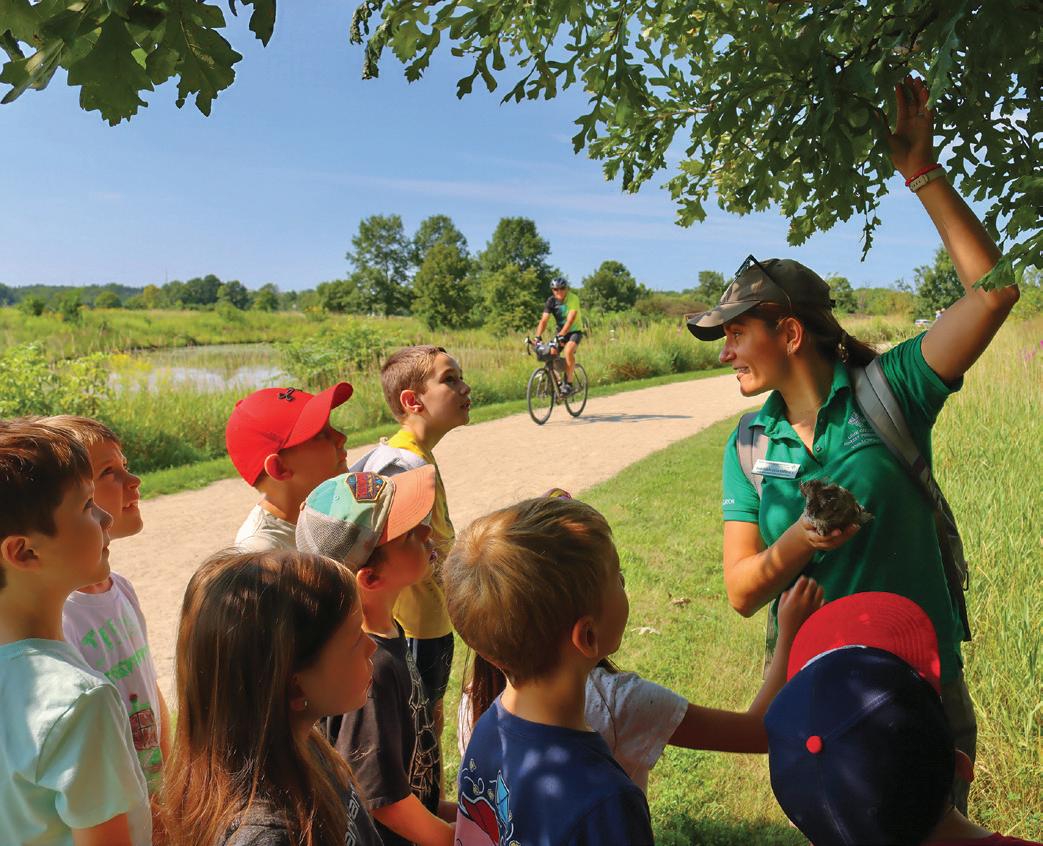
EDUCATOR PICKS
From pelicans to pollinators and America’s 250th anniversary, our educators share the programs they’re most looking forward to this season. Explore the full lineup and register: LCFPD.org/calendar
March 12 Teacher Workshop: America’s 250th in Your Classroom
March 26 Spring Break Syruping
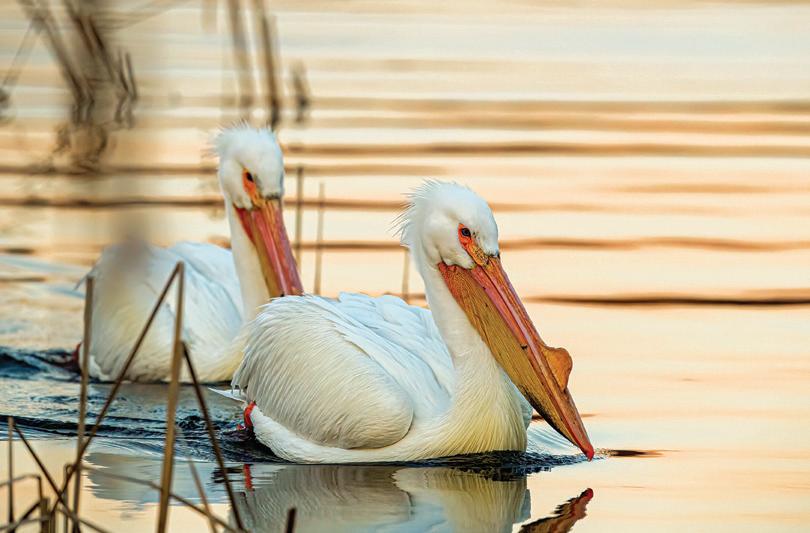
April 9 The American White Pelican April 16 Protecting Pollinators at Home
May 7 Celebrating Scouts
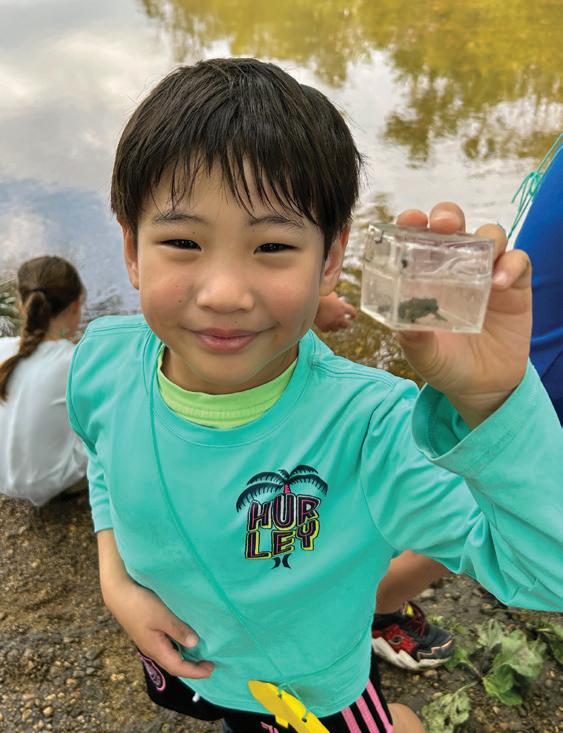
Explore the spring season through FREE programs for Earth Week featuring live animals, playful learning and outdoor creativity. Browse all programs and details: LCFPD.org/earthweek
April 19 Newborn Animal Trivia
April 20 Playdate with Nature
April 22 Spring Native Garden Cleanup
April 23 Evening Wood Duck Walk
April 24 Owl Meet & Greet
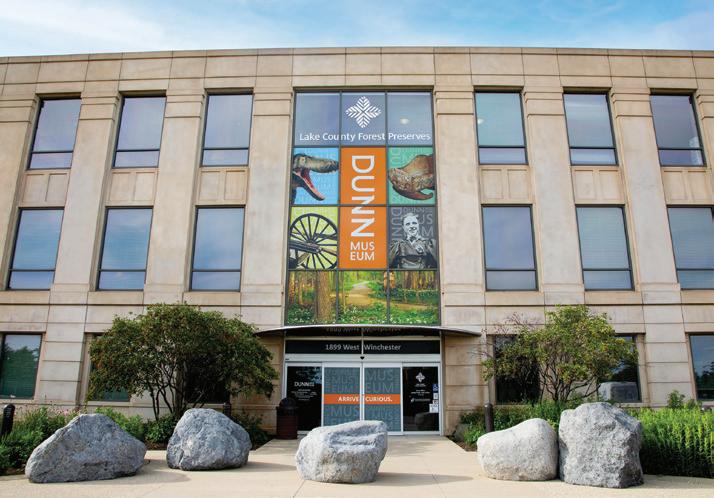
At the Dunn Museum (Libertyville), Lake County’s stories come alive—connecting people to the landscapes where history unfolded. Find all Museum programs and register: LCFPD.org/dunn
March 14 Book Signing and Presentation with Editor Rachael Mellen
April 2 Mindful Moments with History: Life in Poetry
April 7 Fossils for Homeschoolers
May 9 Guided Tour of For The Love of Pollinators
May 10 Senior Series: Café Lake County
Step outside with programs that weave together history, ecology and birding. Guided walks explore landscapes through spring migration, community science bird counts and a World Migratory Bird Day celebration. View all programs and register: LCFPD.org/walk
April 7 Hike Through History: Raven Glen
May 3 Big Day Bird Walk (various forest preserve locations)
May 9 Family Drop-In: World Migratory Bird Day Celebration
May 21 Spring Bird Walk: Van Patten Woods
May 27 Hike Through History: Wright Woods
DUNN MUSEUM PROGRAMS
BIRDS, HISTORY AND THE LANDSCAPE
Have a question about Lake County history or nature? Our educators have the answer.
Email: AskAnEducator@LCFPD.org
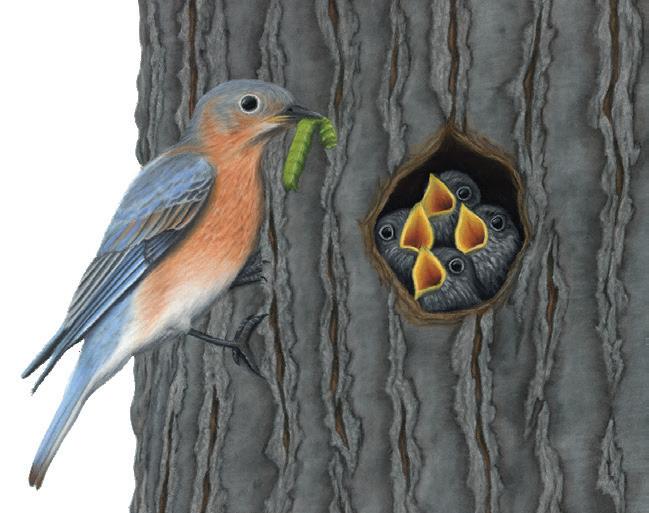
bluebird ( Sialis sialis)
SPRING BREAK AT THE DUNN MUSEUM: March 21–29, 10 am–4:30 pm • Open until 8 pm Thursday
A museum visit can do more than spark curiosity—it can help neighbors in need. From March 21–29, enjoy FREE admission to the Dunn Museum with the donation of a non-perishable food item or toiletry per person.
Expanded to nine days this year, the drive supports the Libertyville Township Food Pantry. Our goal is to collect more than 3,000 pounds of much-needed donations.
Find hours and plan your visit: LCFPD.org/planyourvisit
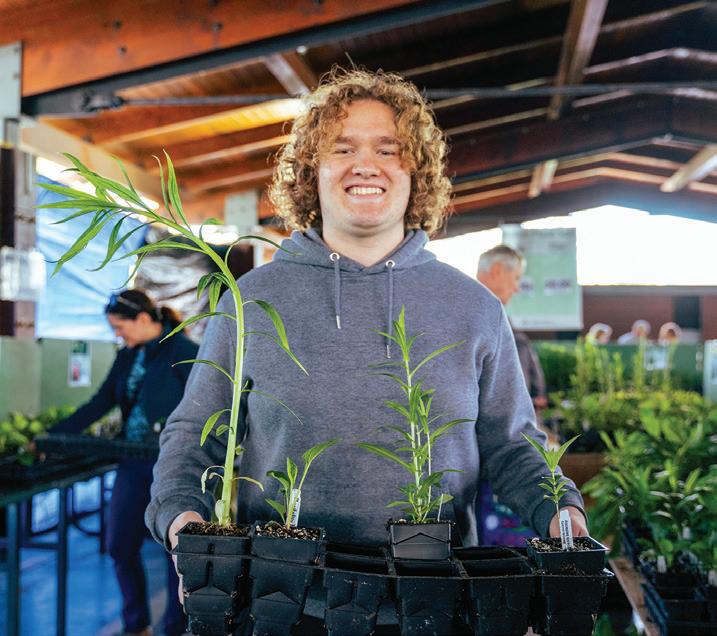
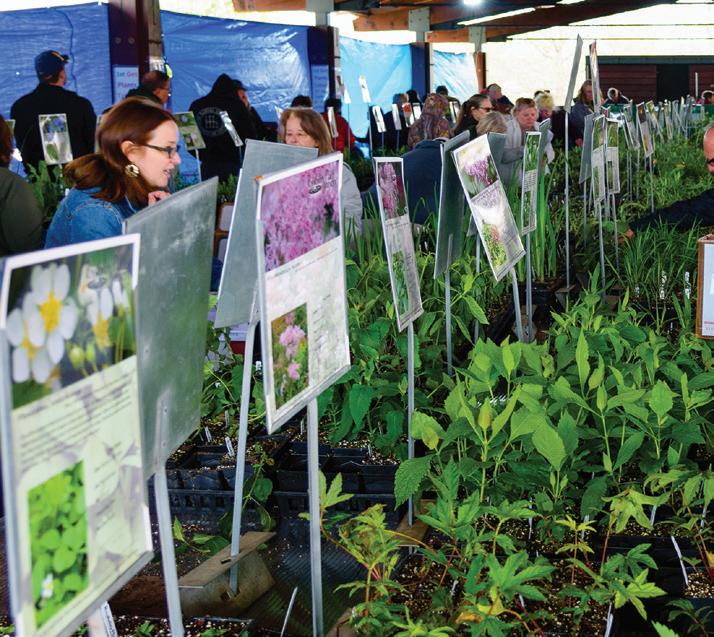
NATIVE PLANT SALE: May 16, 9 am–3 pm • May 17, 10 am–2 pm • Independence Grove (Libertyville)
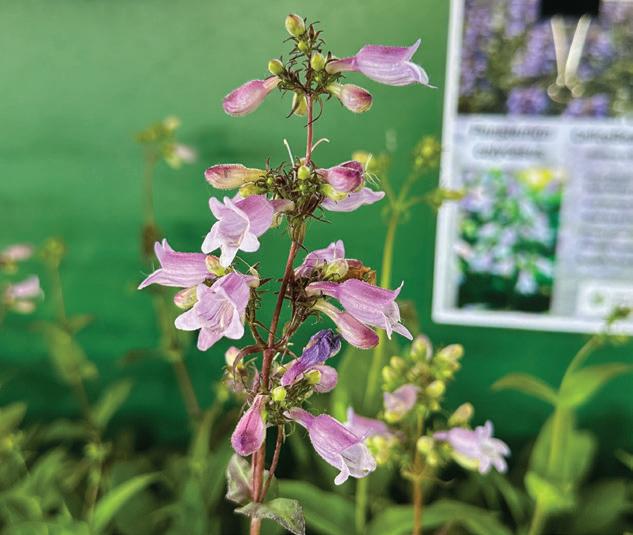
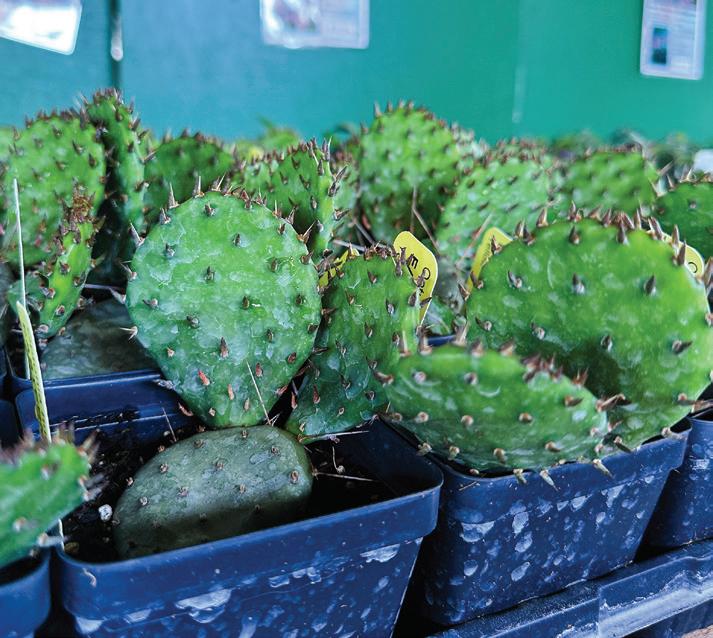
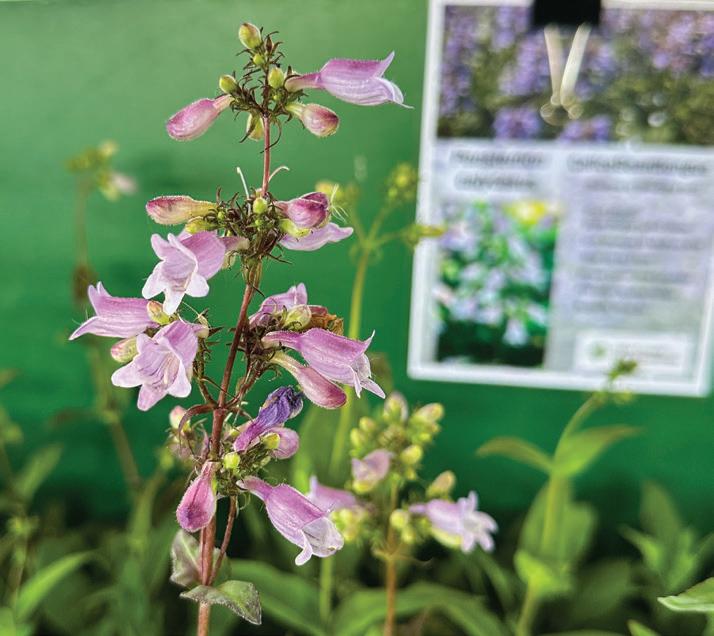
Fill your garden with plants that belong there. An expanded selection of native flowers, forbs and grasses makes it easy to support pollinators and create a healthier landscape at home. As you shop, connect with experts and gather practical ideas for growing with nature.
Prices vary and quantities are limited, so come early. Bringing boxes to carry your plants home is encouraged. Plants are supplied by Country Road Greenhouses and Bombus, LLC.
Prefer to shop online? Sales are open for our online Native Plant Sale, hosted with our partners at Possibility Place Nursery. Plants are shipped directly to your door.
Details: LCFPD.org/plant-sale
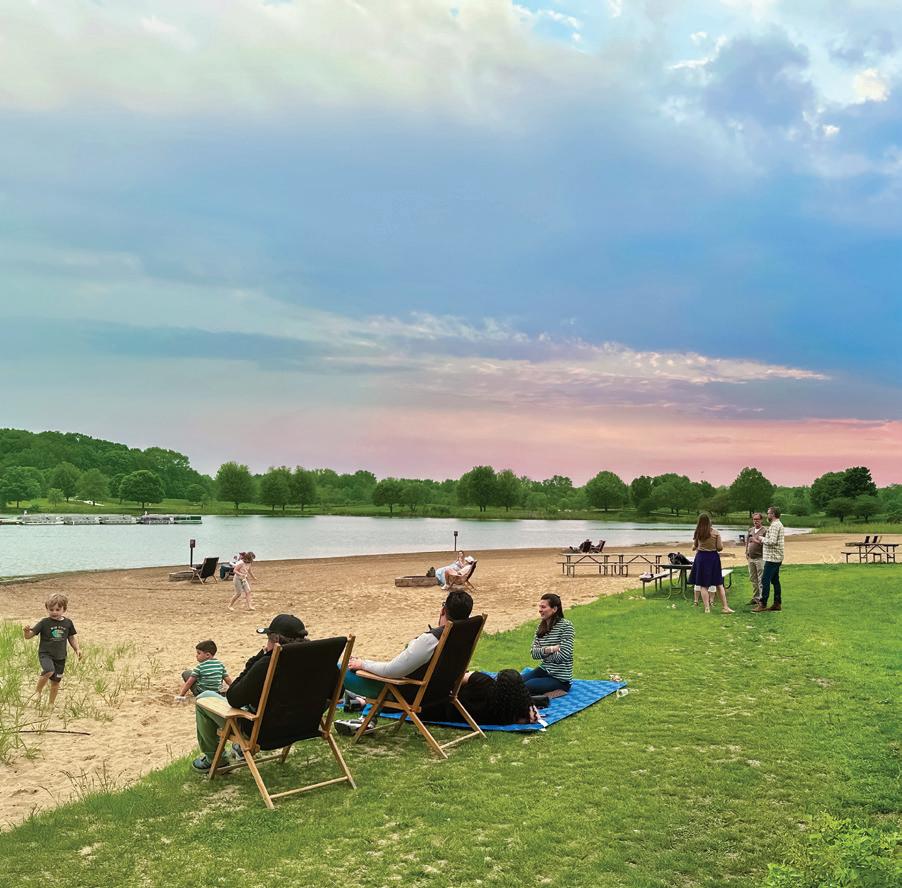
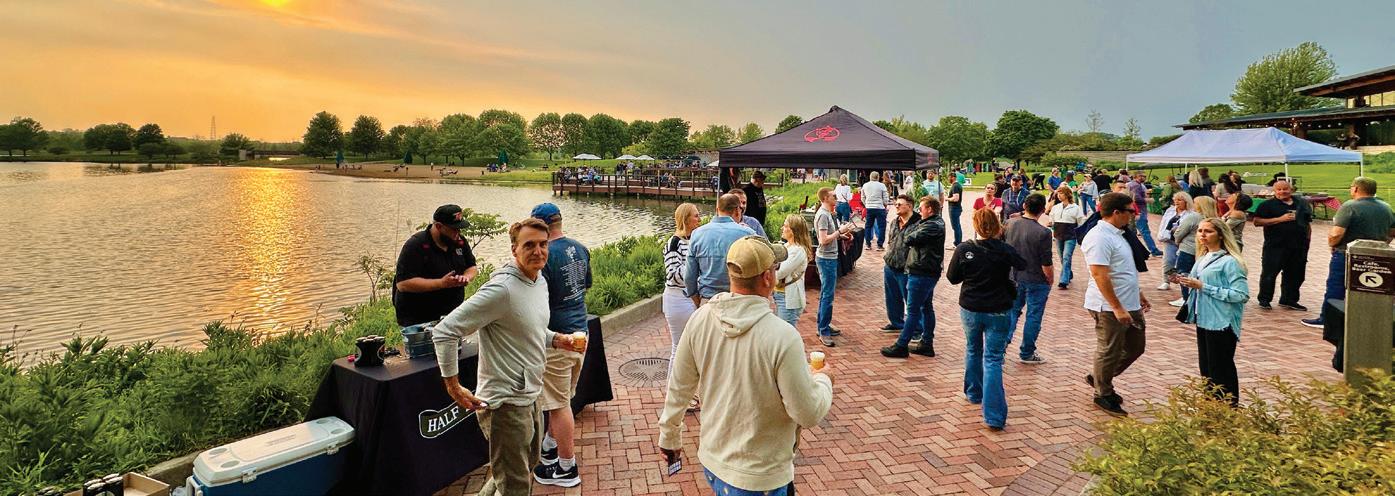
BREWS & VIEWS: May 29, 4–8 pm • Beer Garden at Independence Grove
Enjoy lakeside scenery while celebrating Lake County’s vibrant brewery scene. Local breweries pour craft beer samples (ages 21+) while food and live music round out this annual event.
Learn more: LCFPD.org/brews
Eastern
Su m m e r Adve ntu re s
Explorers
Conservation Explorers (ConEx)
» Ages 14–16 .
July 13–17
July 20–23
Plus! Overnight Campout .
July 24–25
9 am–3 pm
Independence Grove
Independence Grove
3 pm–10 am
Van Patten Woods
This dynamic, two-week outdoor program culminates with an overnight campout in a preserve High schoolers explore and study local ecosystems through data collection and learn about career options in science ConEx is based outdoors and includes hiking, paddlesports and stewardship projects . $400 R / $560 NR
History
Lake County Then and Now
» Ages 9–12 9 am–12 pm
July 6–10 Dunn Museum
Journey through Lake County’s unique history by exploring the Dunn Museum’s galleries, examining interesting artifacts, making crafts and playing historical games . Discover how parts of Lake County have changed over time—or stayed the same—by looking at different time periods $159 R / $223 NR
Prehistoric Lake County
» Ages 7–9 9 am–12 pm
June 22–26 Dunn Museum
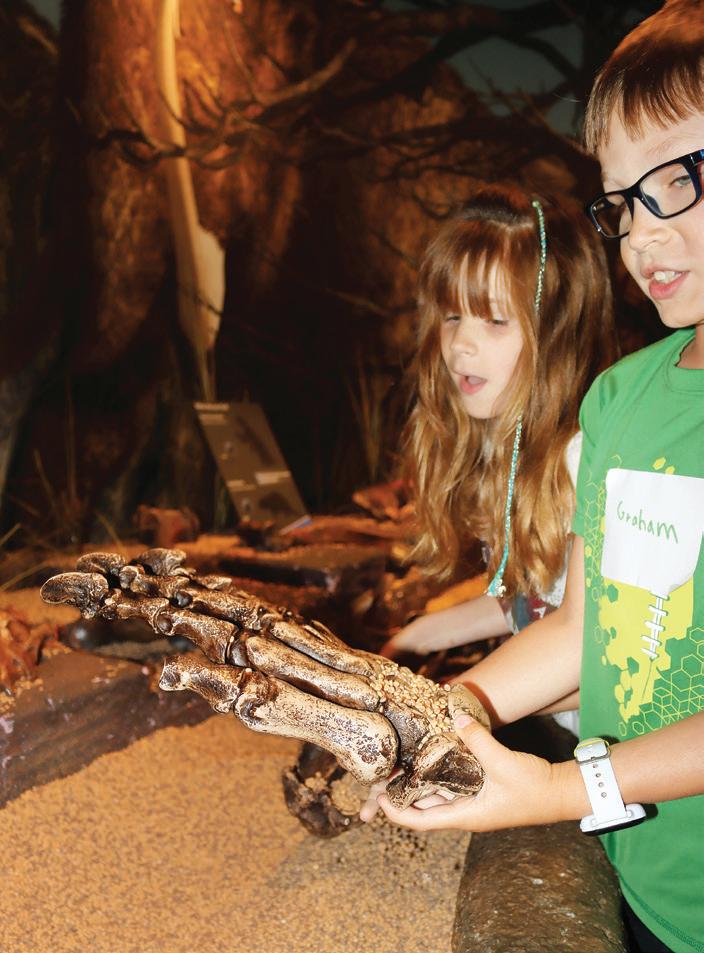
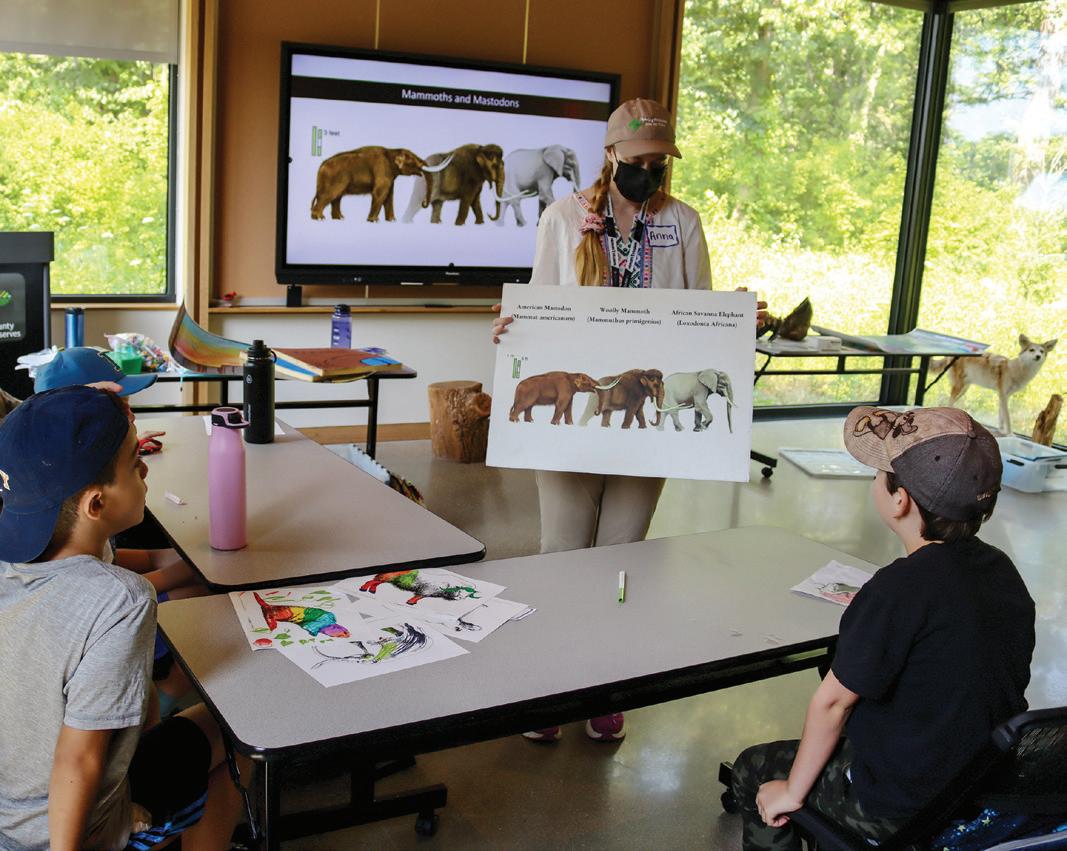
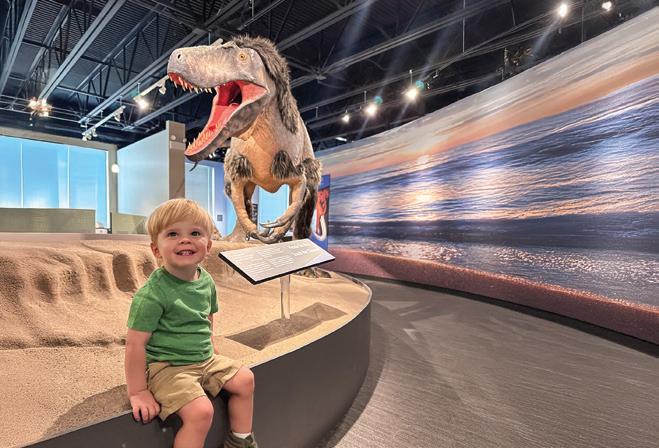
Uncover the past from the Paleozoic Era to the Ice Age Discover the diversity of plants and animals such as tiny trilobites, mega mastodons and the Museum’s Dryptosaurus dinosaur . $159 R / $223 NR
Nature
Animal Attire
» Ages 6–7 8:30–11:30 am
June 23–25 Ryerson Conservation Area & Wright Woods
July 7–9 Independence Grove
July 21–23
Independence Grove
Observe the colorful coverings of Lake County’s wildlife From feathers to fur, scales, slime and exoskeletons, discover the adaptations of birds, mammals, reptiles, amphibians and insects through investigations and live animal encounters $95 R / $133 NR
Fishing 1
» Ages 9–11
8–11 am
June 9–11 Independence Grove
June 23–25 .
July 7–9
Independence Grove
Independence Grove
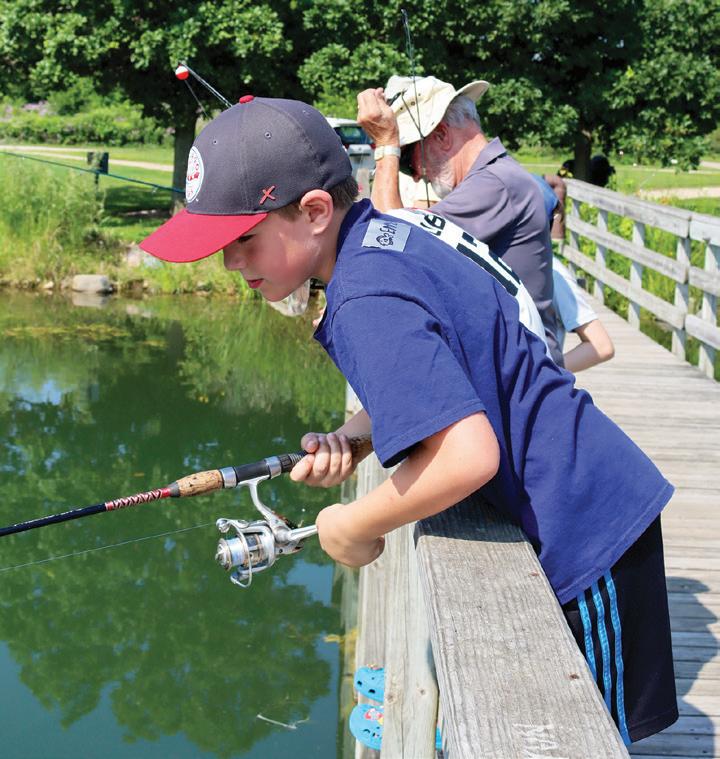
Explore the watery world fish inhabit and learn the basic skills, techniques and bait needed to catch them . Each day includes 1 5 hours of fishing Equipment provided $113 R / $159 NR
Fishing 2
» Ages 12–14
June 16–18
June 30–July 2
8–11 am
Independence Grove
Independence Grove
Want to improve your fishing skills? Learn about fish behavior, bait selection, lures and techniques . Each day includes 1 . 5 hours of fishing . Equipment provided . $113 R / $159 NR
Paddle in Nature
» Ages 12–14
July 28–30
. 9 am–3 pm
Independence Grove
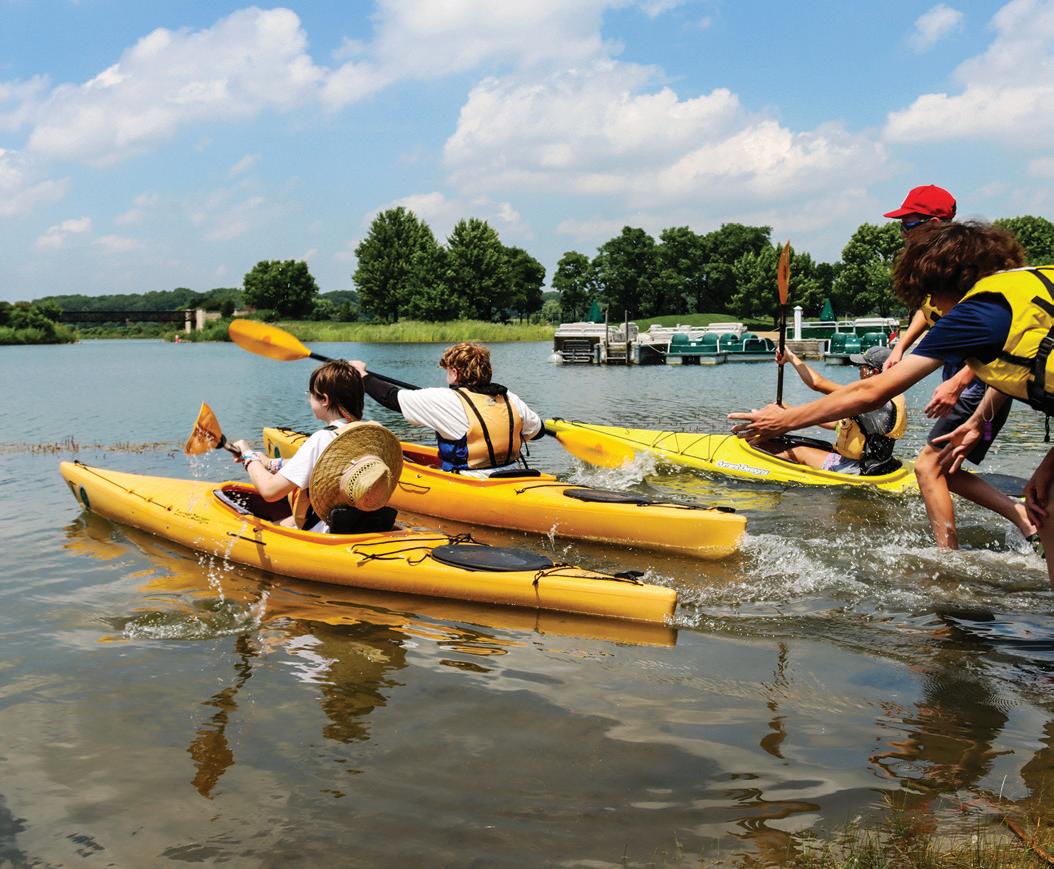
Develop paddling prowess and explore nature using solo kayaks, tandem canoes and stand-up paddleboards . Learn about the native aquatic plants and animals of local waterways . Beginner level . $229 R / $321 NR
Wetland Explorers
» Ages 8–9
June 23–25 .
July 7–9
July 21–23
8:30–11:30 am
. Ryerson Conservation Area & Wright Woods
Independence Grove
Independence Grove
Learn the importance of water to our world’s survival by becoming a wetland explorer . Investigate different types of wetlands, plants and animals . $95 R / $133 NR
Young Nature Explorers
» Ages 4–5 with an adult .
. . 9–10:30 am
June 23 & 25 . . Ryerson Conservation Area & Wright Woods
June 30 & July 2 .
July 7 & 9 .
Independence Grove
Independence Grove
July 14 & 16 . . . . . . Ryerson Conservation Area & Wright Woods
July 21 & 23 . . . . . . . . . . . . . Independence Grove
Allow your little one time to explore the wonders of nature . Learn about animals that fly high up in the sky and aquatic species swimming below the surface Hands-on activities will spark your child’s love for play and learning in nature . Must register adult and child. Adults free. $43 R / $60 NR
Experienced educators lead all Summer Adventures programs. Prices are listed as resident (R) and nonresident (NR). Contact us at 847-367-6640 or AskAnEducator@LCFPD.org for information about partial scholarships or waitlists for full programs.
ON EXHIBIT
FEBRUARY
14–MAY 31
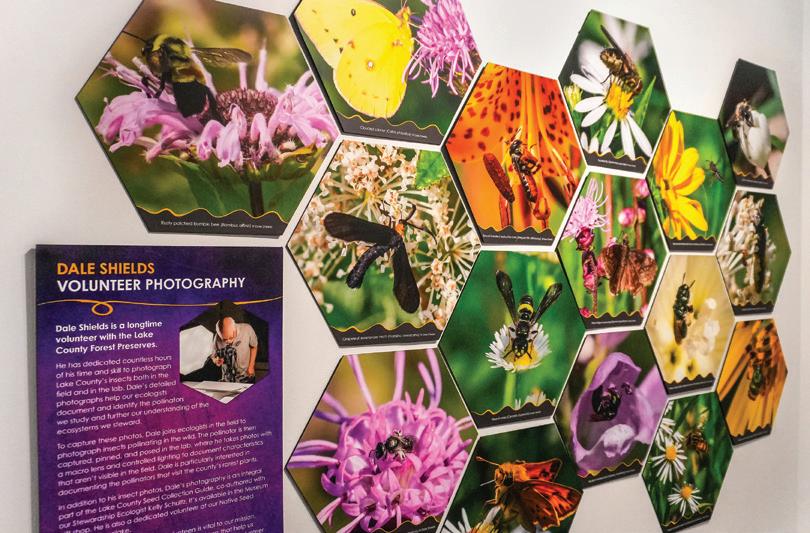
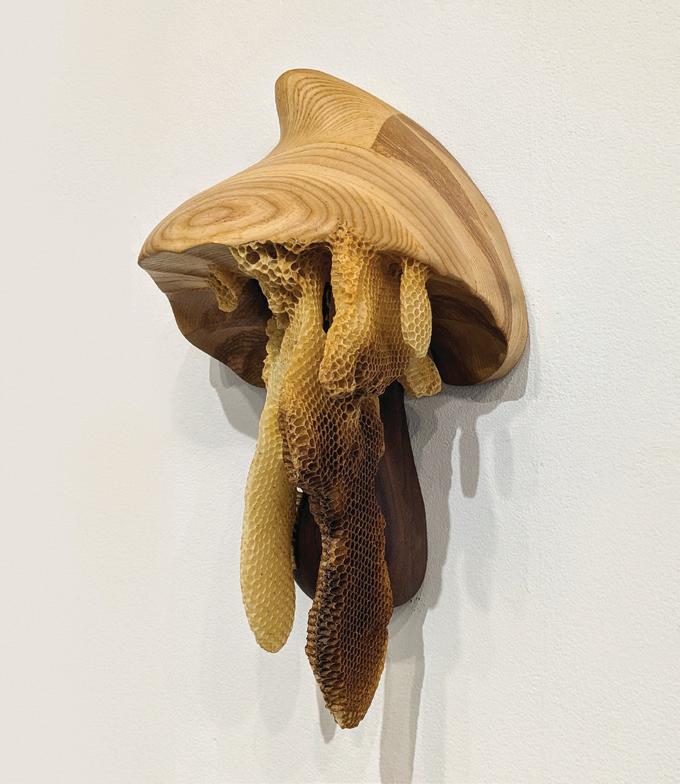
When you think of pollinators, what comes to mind? Honey bees!
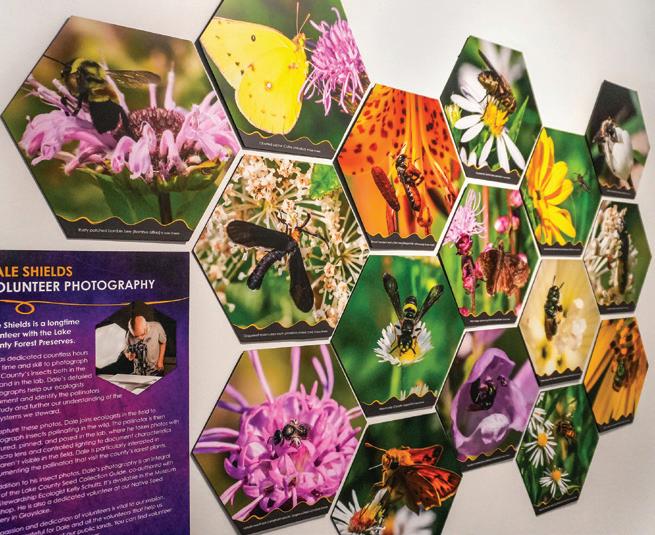
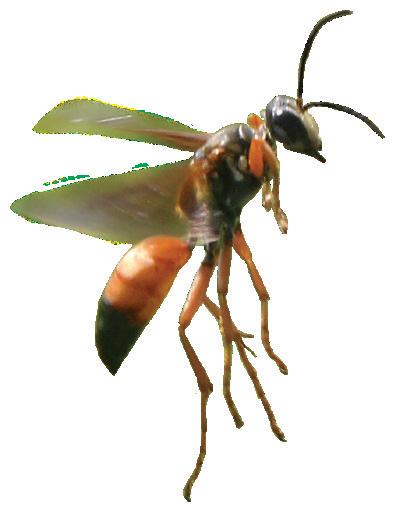
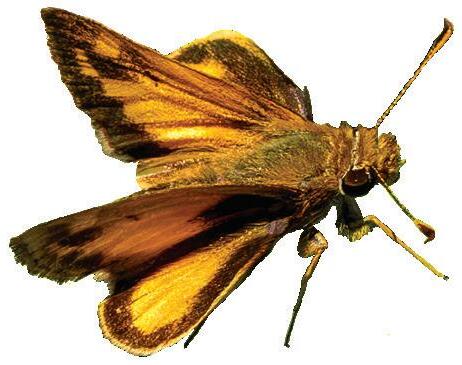
While honey bees make delicious honey and build beautiful nests, they are not native to the Americas. Did you know there are over 20,000 other species of bees worldwide? And thousands of other pollinators including moths, butterflies and beetles. Illinois is home to about 500 native bee species, including 11 species of bumble bees.
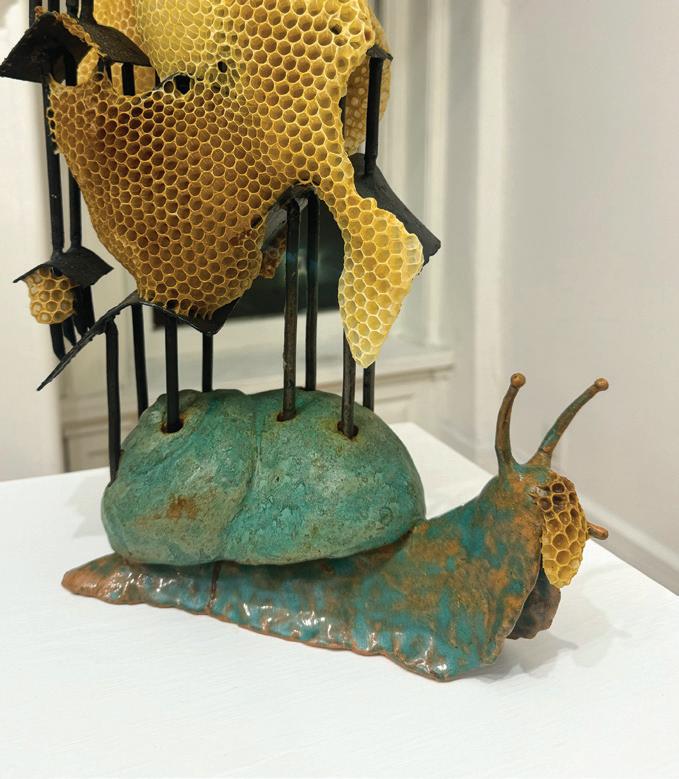
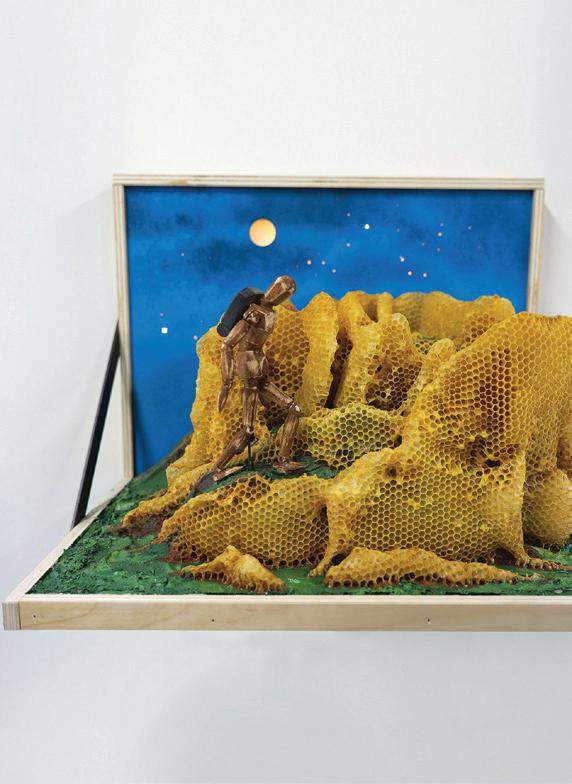
In collaboration with The Bee Collective of Columbus, Ohio, this exhibition celebrates the vital connection between pollination, habitat, art and nature. Featuring over 30 sculptural artworks from around the world—created with the help of honey bees—you’ll discover the beauty and importance of pollinators in our ecosystems and communities.
Learn how you can protect pollinators and support a more vibrant, biodiverse planet—starting right where you live.
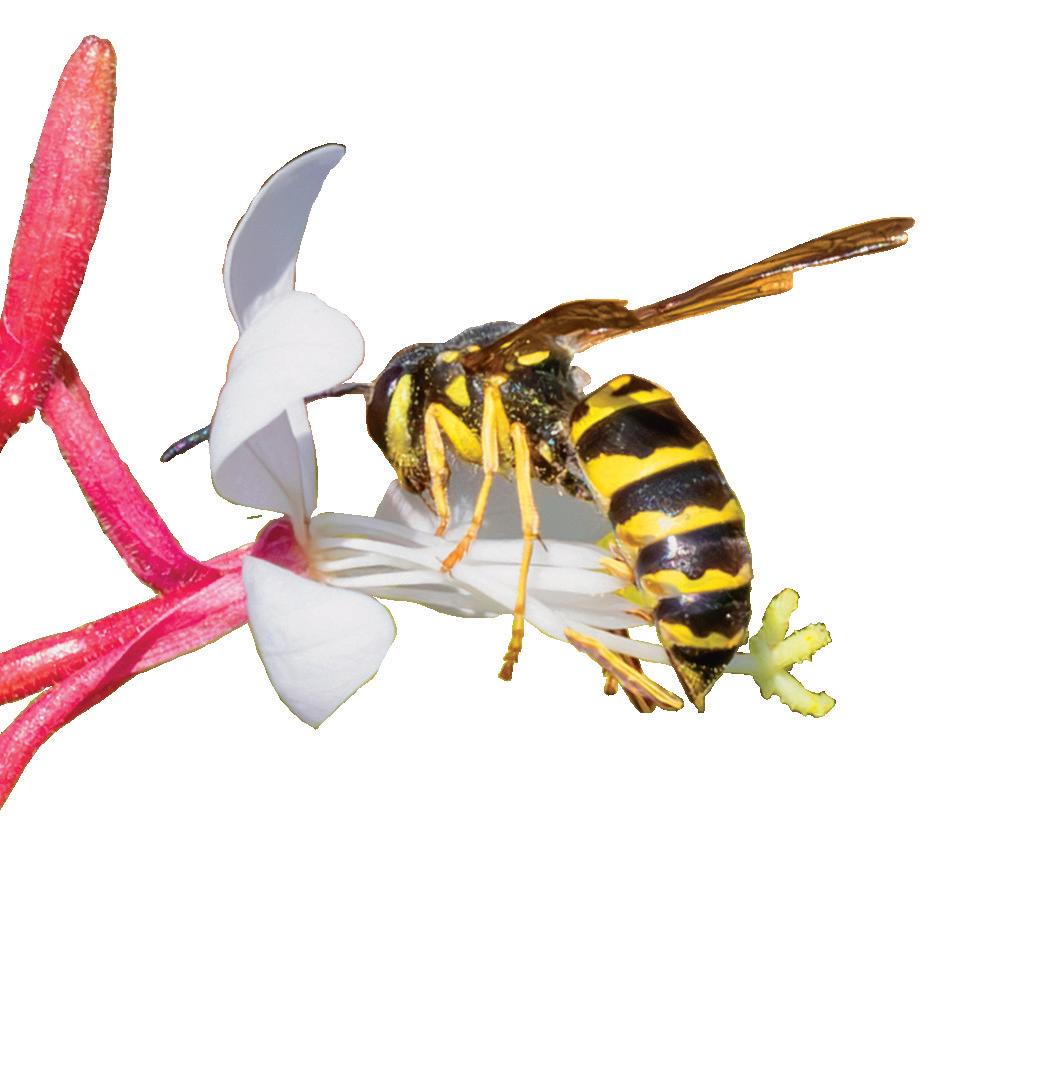
Eastern yellowjacket (Vespula maculifrons)
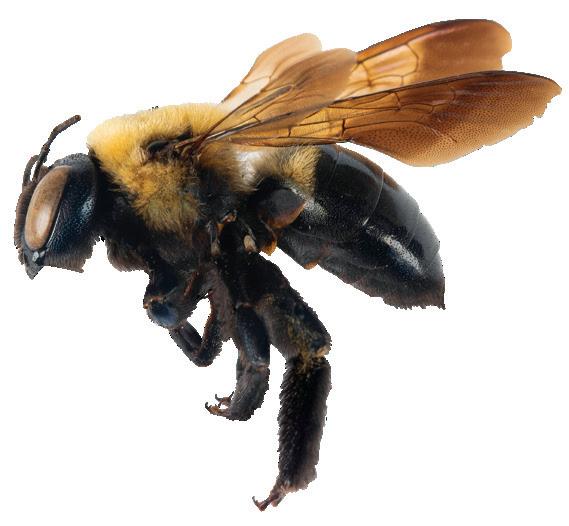
Eastern carpenter bee (Xylocopa virginica)
Great golden digger wasp ( ichneumoneus)
Carving Out the Future:
The Rotblatt Amrany Studio Story
Open March 14, 2026–January 3, 2027
Discover the story behind one of the world’s most influential sculpture studios, nestled in the heart of Fort Sheridan, Illinois.
Founded in 1992 by artists Julie Rotblatt Amrany and Omri Amrany,
Michael Jordan Sketch Omri Amrany and Julie Rotblatt Amrany Graphite and marker on paper, 1993
Cubs World Series Champions 2016
Lou Cella Fiberglass, acrylic 2020
Barack Obama: Let’s Fly America
Julie Rotblatt Amrany Fiberglass, 2013
GENERAL OFFICES
1899 W. Winchester Road Libertyville, IL 60048
847-367-6640 tel 847-367-6649 fax
ForestPreserves@LCFPD.org
Monday–Friday: 8 am–4:30 pm
BESS BOWER DUNN MUSEUM
1899 W. Winchester Road Libertyville, IL 60048
847-968-3400
Dunn@LCFPD.org
DunnMuseum.org
Gallery and Gift Shop
Tuesday–Wednesday: 10 am–4:30 pm Thursday: 2–8 pm
FREE general admission 5–8 pm, sponsored by USG.
Friday–Sunday: 10 am–4:30 pm
For upcoming special hours, visit our website.
General Admission
Seniors 62+: $3 resident/$6 nonresident
Adults 18+: $6 resident/$10 nonresident
Youth 4–17: $3 resident/$6 nonresident Children 3 and under: FREE Teachers, Students 18–25: FREE Must present valid school ID. For ticketed special exhibition pricing, visit our website.
Purchase gift cards for golf courses or Independence Grove: LCFPD.org/giftcards
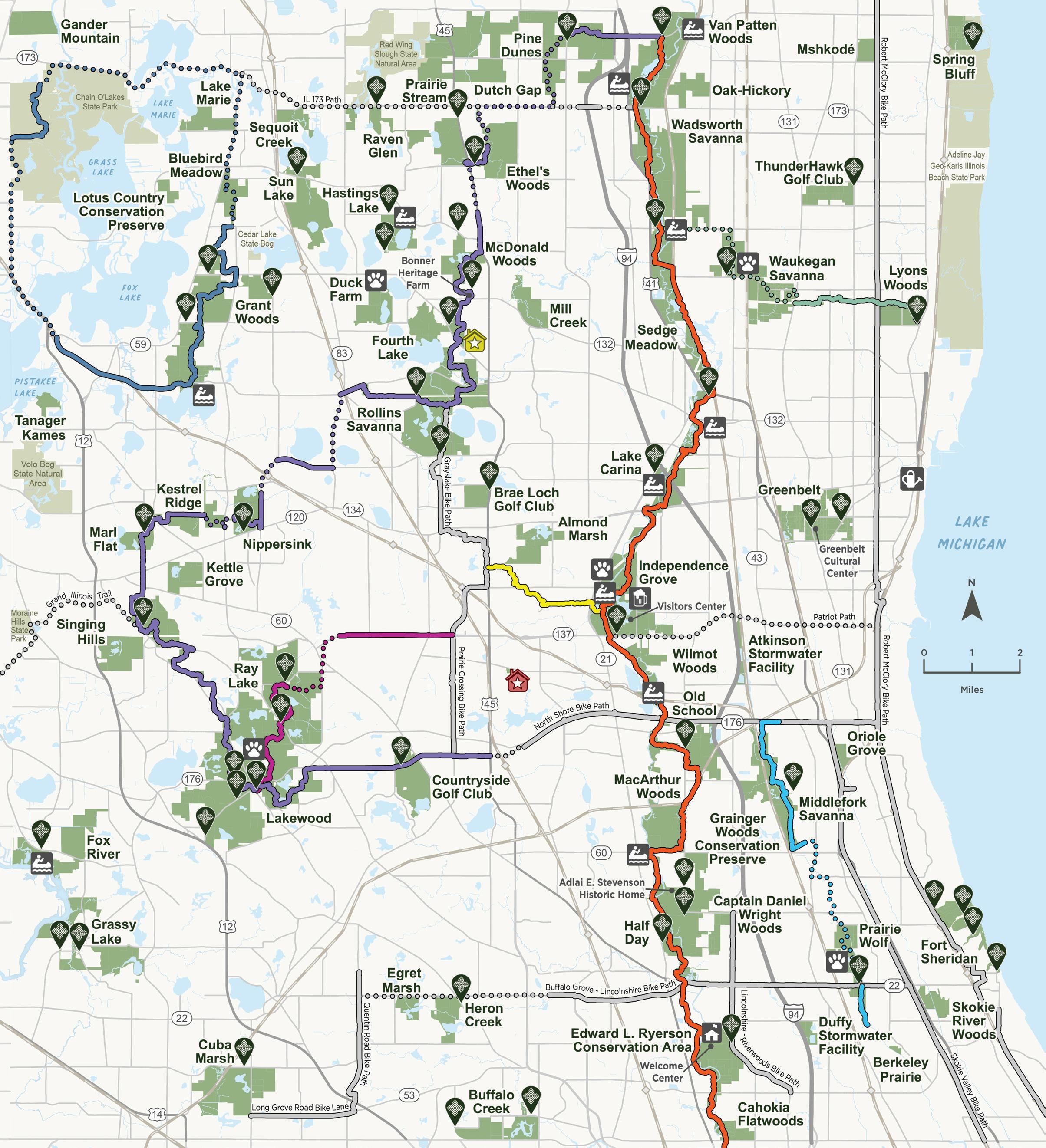
More than 31,700 acres make up your Lake County Forest Preserves.
Most preserves are open 6:30 am–sunset, daily. If a preserve gate is open before 6:30 am, the preserve is considered open for use.
MAP CURRENT AS OF February 11, 2026
FOREST PRESERVE
STATE LAND
ENTRANCE/ PARKING
METRA STATION
CASEY TRAIL
CHAIN O’LAKES BIKE PATH
Planned Section
DES PLAINES RIVER TRAIL (DPRT)
DPRT TO LYONS WOODS
Planned Section
FORT HILL TRAIL
Planned Section
MIDDLEFORK GREENWAY
Planned Section
MILLENNIUM TRAIL
Planned Section
OTHER REGIONAL TRAILS
Planned Section
GENERAL OFFICES & DUNN MUSEUM
OPERATIONS & PUBLIC SAFETY
BEER
GARDEN
CANOE LAUNCH
COMMUNITY GARDEN
EDUCATION CENTER
OFF-LEASH DOG AREA
TRAIL MAP
Use our interactive trail map to navigate your next adventure. To view the map, open the camera app on your phone and scan the QR code below.
847–968–3335 Horizons @LCFPD.org
Save the Dates
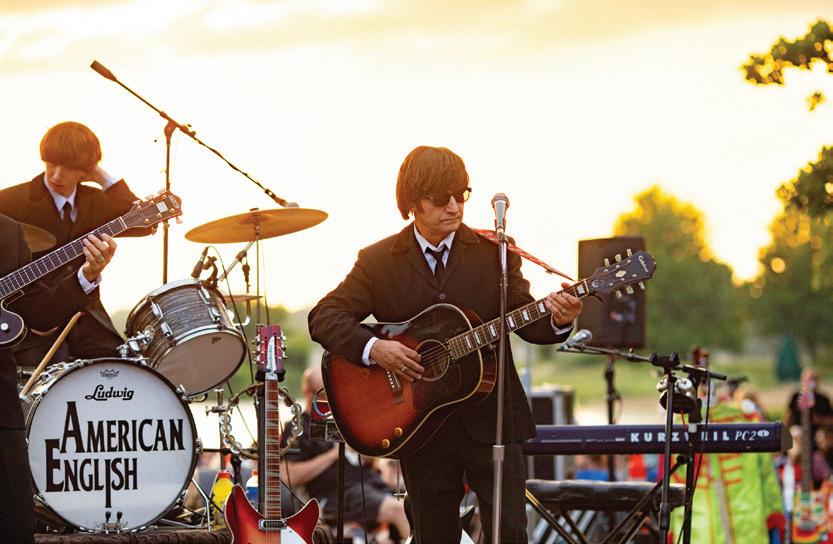
The Concerts in the Plaza live music summer series returns to Independence Grove Forest Preserve (Libertyville) from 7–8:30 pm on Tuesdays, June 9–August 4. View the lineup in late spring: LCFPD.org/concerts
BLUE STAR MUSEUMS
Active-duty military personnel and their families, including National Guard and Reserve, receive FREE general admission to the Dunn Museum (Libertyville). The offer runs from May 16, Armed Forces Day, through September 7, Labor Day. Hours: LCFPD.org/planyourvisit
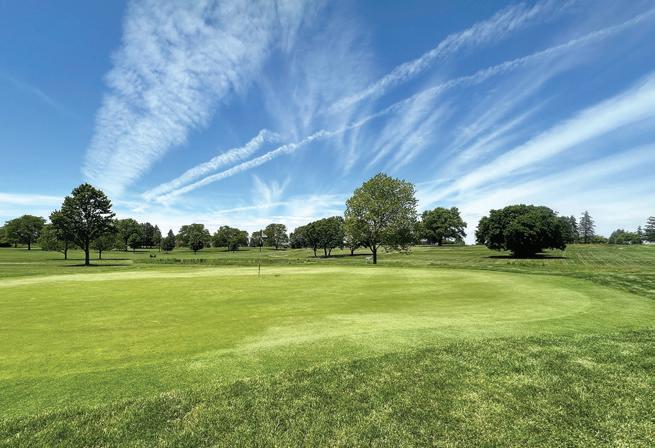
Golf Courses Opening for the Season! Check each course’s website for opening dates at Brae Loch (Grayslake), Countryside (Mundelein) and ThunderHawk (Beach Park). Details: LCFPD.org/golf
FLICKR PICK
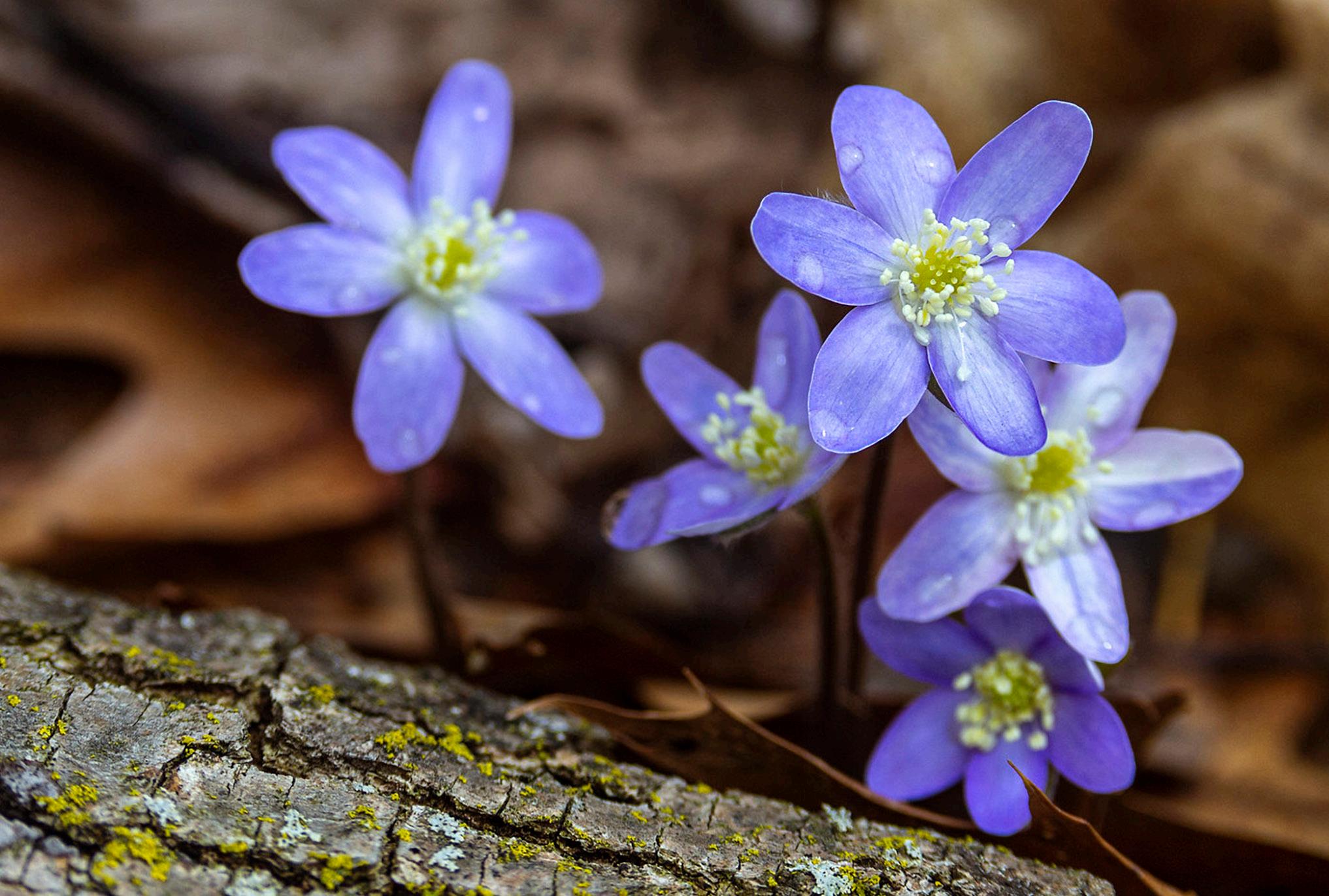
A cluster of sharplobed hepatica (Hepatica nobilis) wildflowers pokes up from the forest floor at Ryerson Conservation Area (Riverwoods). Shared by local photographer Bob Callebert.
Connect with us @LCFPD on Facebook, Instagram, LinkedIn, Flickr, YouTube and X. Listen to our Words of the Woods podcast on Spotify. Sign up for our monthly e-newsletter: LCFPD.org/connect