“With the Bark Off: Conversations on the American Presidency.” Preeminent historians and authors take us behind-the-scenes and share revealing insights on presidents from George Washington to Joe Biden. New episodes posted twice a month.
2 | LBJ Today | September 2022
Dear Friends, Primary source material—documents, photographs, and artifacts—is the backbone of any well-researched scholarly work of history. It is pivotal to providing documentary evidence of the past and allowing historians, professional and amateur alike to make their cases based on the facts they derive. The University of Texas at Austin is chock-full of archives that make it a boon for researchers—and a gift to historians. Among the rich trove of archives is, of course, the LBJ Library, operated under the auspices of the National Archives. A comprehensive repository of the records of the Johnson Administration, the library houses 45 million documents, 650,000 photographs, and 53,000 artifacts. The availability of this material to the public is a reflection of the transparency that is one of the hallmarks of American democracy. But just across the plaza from the LBJ Library is another archival treasure: The Dolph Briscoe Center for American History, one of the country’s leading research centers for historical study. The Briscoe Center is a wonderful complement to the LBJ Library and has been a close partner with us through the years, teaming up with us on public programs and museum exhibitions that have enhanced our efforts. In this issue, we explore the archival riches of the LBJ Library and the Briscoe Center, which has become an even greater resource with the recent acquisition of the papers of legendary presidential speechwriter Dick Goodwin and renowned Pulitzer Prize-winning historian Doris Kearns Goodwin.
“Washington was very aware of his shortcomings.” Who knew? Learning about our presidents has never been more important. Tune in to our podcast
Mark K. Updegrove CEO and President, LBJ Foundation

WHERE TO LISTEN
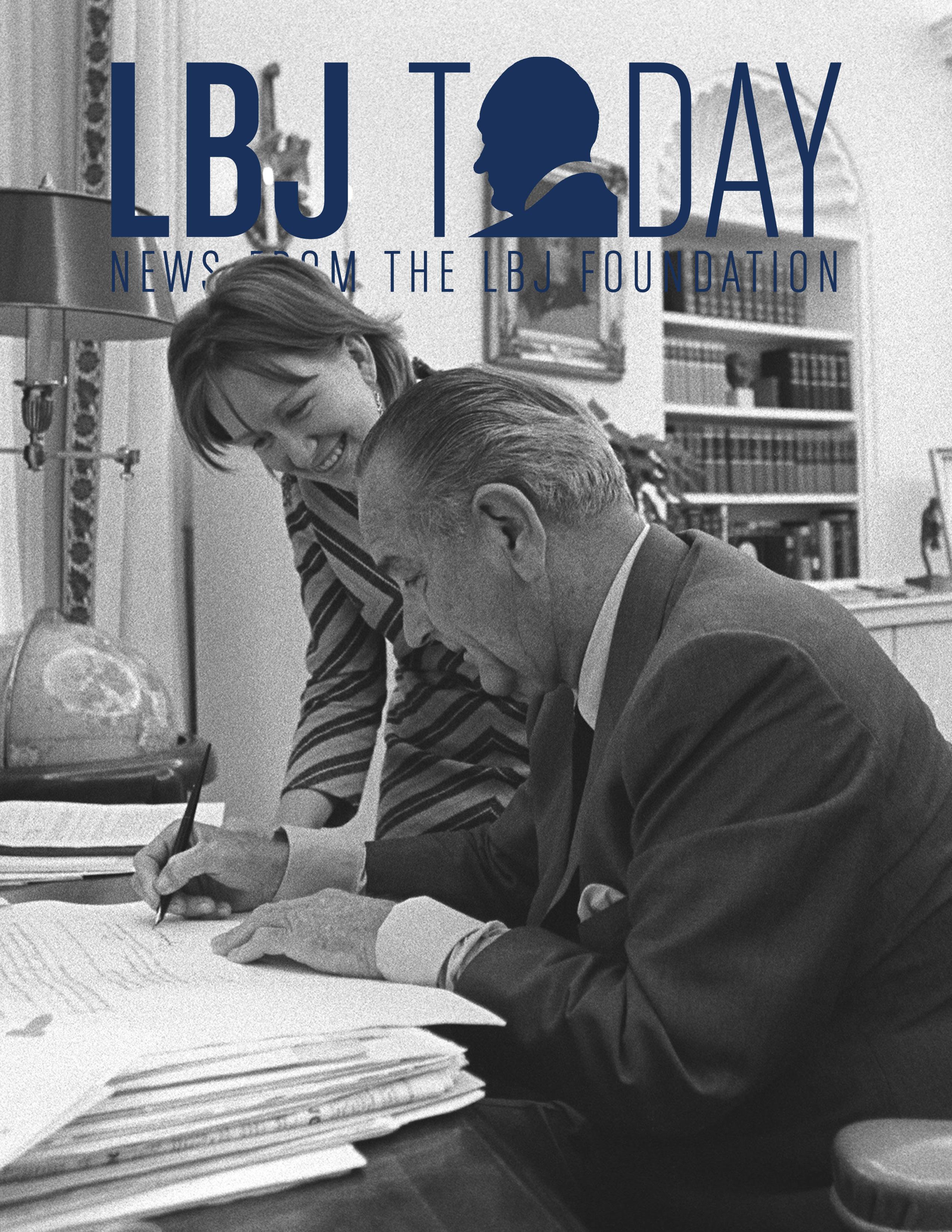
ON THE COVER: LBJ is seated in front of small desk behind large one. He is writing on paper as Kearns leans over, smiling, watching. Jones is standing in background, smiling, looking on. 5/15/1968 (Photo by Yoichi Okamoto)
It's easy and always free to listen to the podcast. Browse all episodes by going to the Library website or wherever you regularly listen to your podcasts, including Apple Podcasts, Spotify, and Google Podcasts.
Stacey HonorableRobertAbramsAllbrittonBenBarnes, Vice Chairman John HonorableBeckworthJoseph A. Califano, Jr. Honorable Julián Castro Elizabeth Christian, Vice Chairman Nicole WayneRodneyJRSenatorCovertTomDaschleDeShazo*EllisGibbens

Ambassador Lloyd Hand Dr. Jay Hartzell * Honorable William P. Hobby Luci Baines Johnson W. Thomas Johnson, Chairman Emeritus Ambassador Jim Jones Honorable Ron Kirk Dr. Mark A. Lawrence* Jack AmbassadorMartin Vilma Martinez Edward Mathias Cappy McGarr
Ambassador Lyndon L. Olson, Jr.,Vice Chairman Catherine Robb Lynda Johnson Robb Roy M. Spence, Jr. Larry E. Temple, Chairman Mark K. Updegrove, President & CEO Courtenay Valenti Casey Wasserman Tonya Williams
LBJ Foundation Board of Trustees
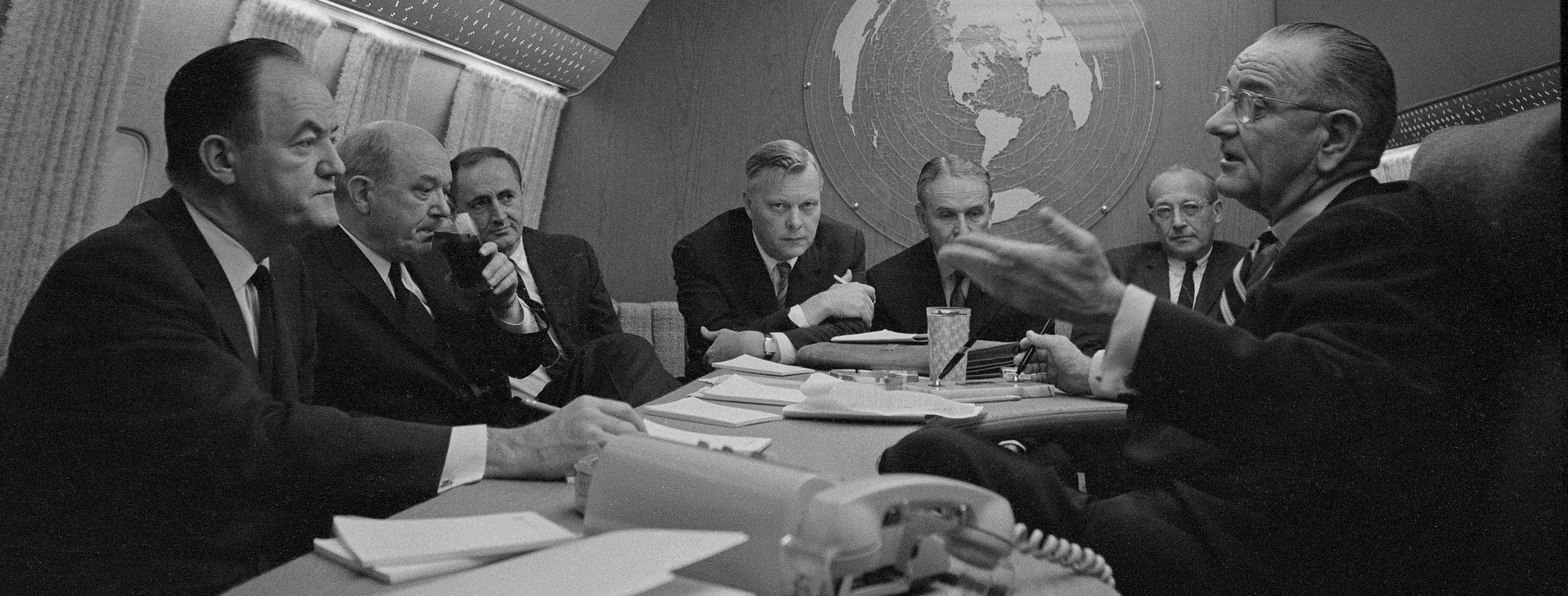
*Denotes ex-officio member President Lyndon B. Johnson meets with advisors, including Vice President Hubert Humphrey, Sec. Dean Rusk, Sec. John Gardner, and Walt Rostow aboard Air Force One, 02/08/1966, Yoichi Okamoto
September 2022 | LBJ Today | 3
Please mark your calendars and watch your email for details!
SOUZAPETEOFCOURTESYPHOTO
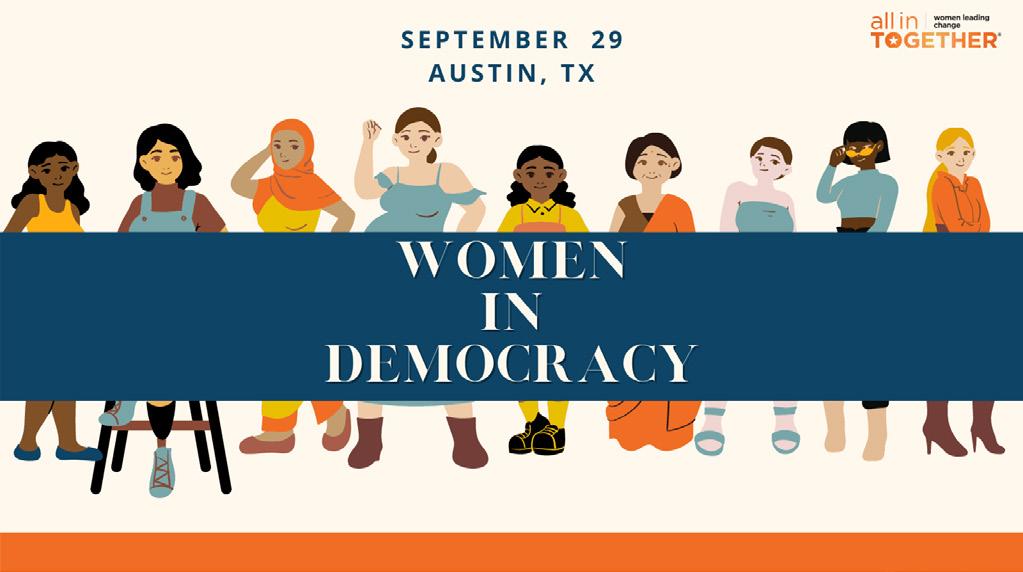
September 29, 6:00 p.m.: Women in Democracy In partnership with All In Together and The 19th News, we will host an evening event on women’s participation in democracy here and abroad.
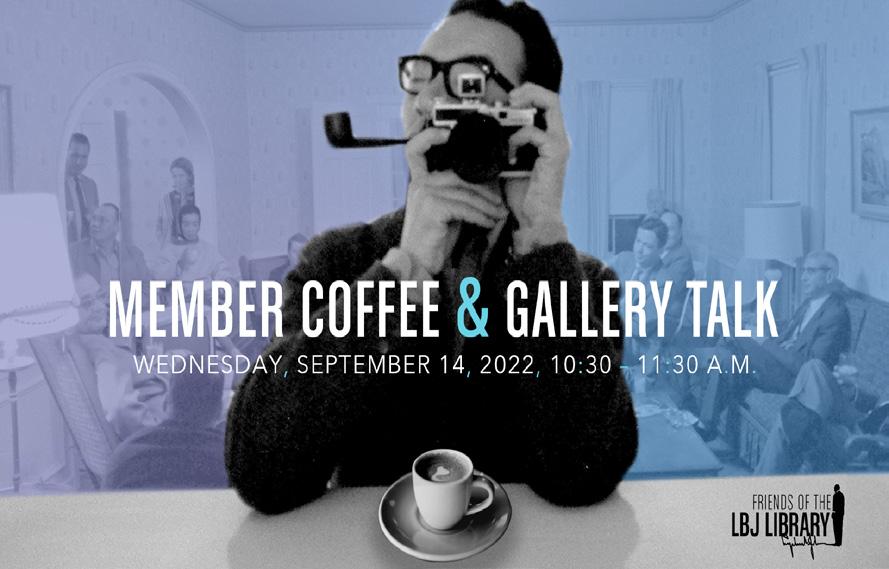
September 14, 10:30 a.m.: Member Coffee and Gallery Talk Members are invited to join us for a gallery talk and refreshments on September 14 at 10:30 a.m. Skip Okamoto, son of President Johnson’s White House photog rapher, Yoichi Okamoto, will speak to members about his father’s legacy. Members will have an opportunity to tour the exhibition Yoichi Okamoto.
Upcoming Events
September 18, 10:00 a.m. – 1:00 p.m.: Austin Museum Day Say cheese! Families, visit the LBJ Presidential Library & Museum on Austin Museum Day and leave with a White House photographer in the making. From 10AM to 1PM, kids can grab one of our Fuji Instax Instant cameras to explore our museum and experience the legacy of LBJ through photography.
September 21, 6:30 p.m.: An Evening With Doris Kearns Goodwin and Don Carleton Join us for a special evening with bestselling author and presidential historian Doris Kearns Goodwin, co-hosted by the Briscoe Center for American History. The program will celebrate the Briscoe Center’s recent acquisition of the papers of Richard Goodwin and Doris Kearns Goodwin. The discussion will explore how the Goodwin Papers enhance the holdings of the Briscoe Center and the LBJ Library and provide a richer understanding of the political and presidential history of the United States.
The temporary exhibition, on display through October 23, features repro ductions of photographs, archival cor respondence, and artifacts from the life and career of Yoichi Okamoto.
4 | LBJ Today | September 2022
Many thanks to our sponsors:
Children will use their photos to create memory books and families take home a priceless keepsake to enjoy! Plus, we’ll have free giveaways for adults. Special thanks to Precision Camera for their partnership.
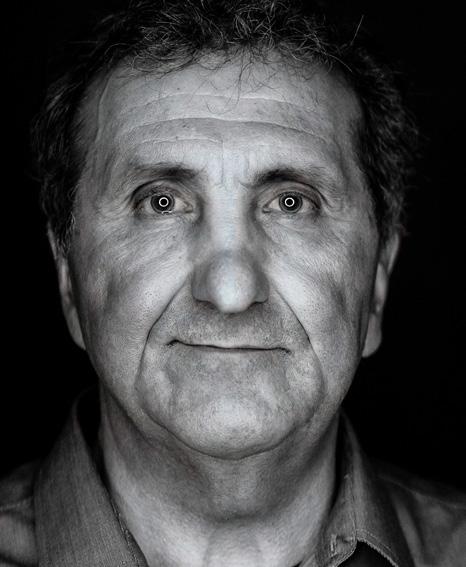
October 5, 6:30 p.m.: Evening With Pete Souza : Moderated by Mark Lawrence, director of the LBJ Library, Pete Souza, the Chief Official White House Photographer for Barack Obama, shares stories and photos from his new book The West Wing and Beyond. During the Obama administration, Souza was inside the presidential bubble for more than 25,000 hours and made nearly 2 million photographs. The result is an unprecedented view of how our democracy really works.
MAL: What were your first impressions as you listened to the LBJ telephone tapes? Did they change your view of LBJ?
MS: My favorite LBJ tapes are those in which Johnson addresses multiple concerns within the same conversation, from foreign to domestic policy, to legislative and electoral politics, to those in which his humor and personal touch are on full display. Conversations such as Johnson’s July 7, 1965 exchange with Martin Luther King Jr., in which LBJ highlights his concern about Vietnam alongside his strategy for passing the voting rights bill, or his April 7, 1965 conversation with Attorney General Nicholas deB. Katzenbach, in which LBJ simultaneously addresses the political implications of presidential appointments and their longterm impact—these are the kinds of exchanges I find fascinating, as they reveal the complexity of the challenges he’s confronting as well as the assumptions behind his policy choices.
MAL: How do you think history’s view of LBJ would differ without the LBJ telephone tapes?
SELVERSTONEMARCOFCOURTESYPHOTO
September 2022 | LBJ Today | 5
MS: Without LBJ’s tapes, we’d likely continue to view LBJ as little more than a cunning politico hell-bent on the pursuit of power. But the tapes complicate his story, one that will still highlight his extraordinary ambition—and rightly so—but in the service of more sincerely held and, particularly in the case of his Great Society programs, morally righteous ends. The tapes, therefore, will continue to enhance our under standing of how Johnson used his power, for good as well as for ill, as he sought to remake American life and assure his own legacy as part of it.
MAL: What do the tapes say about LBJ’s legacy?
MS: As much as they’ve helped us better understand his positions on a range of substantive matters, the tapes provide a bird’s eye view of how LBJ managed his presidency more broadly—particularly the ways he used people and set priorities. And since his was a presidency that both coincided with and accelerated a host of consequential developments in American life, the tapes provide a window into the ways in which he shaped the course of those developments, whether abroad in locales such as Southeast Asia, Latin America, or the Middle East, or at home in the fields of health, education, and welfare. The tapes, therefore, highlight LBJ’s thinking in real-time, revealing the constraints he faced and opportunities presented—as he understood them—and the assumptions and questions he brought to the tasks at hand.
MS: Having started in PRP by working on the John F. Kennedy tapes, I was initially struck by the audio quality of the Johnson tapes—they were much more intelligible and therefore much easier to transcribe. And they quickly revealed Johnson to be the commanding presence we had long come to appreciate. But they also revealed his quickness of mind, his recall of facts and figures, the constant calibration of his politi cal antennae, and his exhaustive work habits. In many ways, therefore, they brought into starker relief the qualities that others had often seen in LBJ. But on substantive matters, such as on Vietnam or civil rights, they seriously challenged earlier views of Johnson as a warmonger in Southeast Asia or as a political opportunist in the cause of social justice. They therefore changed not just my view of LBJ but, I would argue, the historical consensus on his eagerness to go to war and his calculations on civil rights.
Marc J. Selverstone: I had been a faculty member in the Presidential Recordings Program (PRP) since 2000, as well as assistant director of presidential studies since 2010, so by the time I became PRP chair in 2013, I was familiar with the position’s responsibilities. It offers a wonderful vantage point to reflect on the value of the secret White House tapes that six consecutive presidents, from both political parties, made during their time in office. And given the impact of those tapes on the presidency of Richard Nixon, we’re unlikely to see future presidents engage in this kind of taping again.
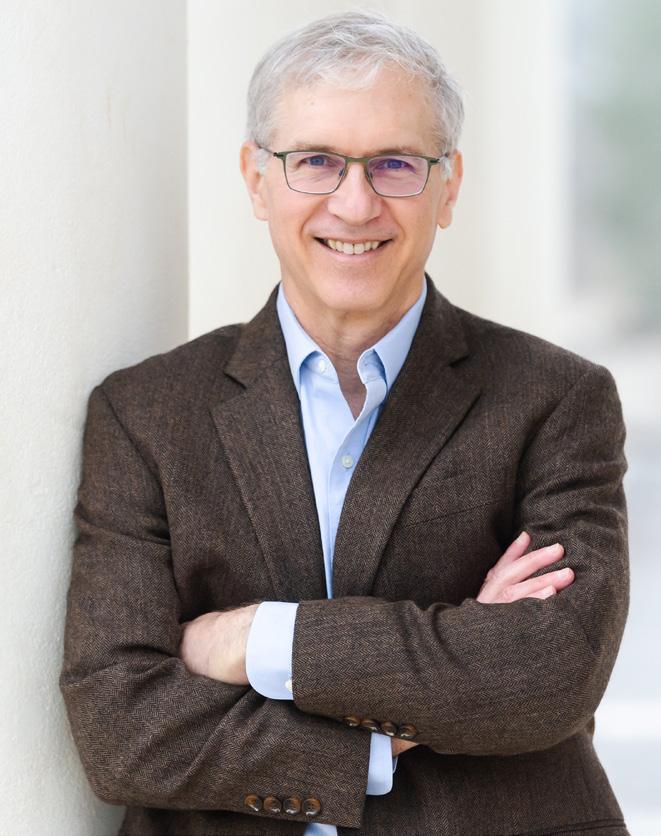
Mark Selverstone is the Associate Professor at the University of Virginia (UVA) and Project Director for UVA’s Miller Center, where he oversees the Presidential Recordings Program. An award-winning author, he oversaw the development of LBJTapes.org in collaboration with the LBJ Library and LBJ Foundation. We asked him about the LBJ telephone tapes and what they mean to LBJ’s legacy.
Spotlight: Marc Selverstone
Mark Atwood Lawrence: How did you come to head up the Presidential Recordings Program for the Miller Center?
MAL: Do you have a favorite LBJ telephone conversation?
“The Goodwin archives further the reputation of the Briscoe Center as one of the most prestigious centers for the study of American history—and the fact that the Briscoe Center is just steps away from the LBJ Presidential Library makes the center a mecca for 1960s scholarship,” notes Mark Updegrove, president and CEO of the LBJ Foundation.
For Ms. Goodwin, placing her papers and those of her late husband at the Briscoe Center means that they will reside within a deep collection of U.S. history. “I knew this was the perfect place to keep our own histories alive and together,” she says. “I’m impressed by the depth and breadth of the Briscoe Center’s holdings, and also by its innovative mission as a center that actively conducts research into its collections and facilitates the research of others.”
The Goodwin Papers: A New Home in Texas
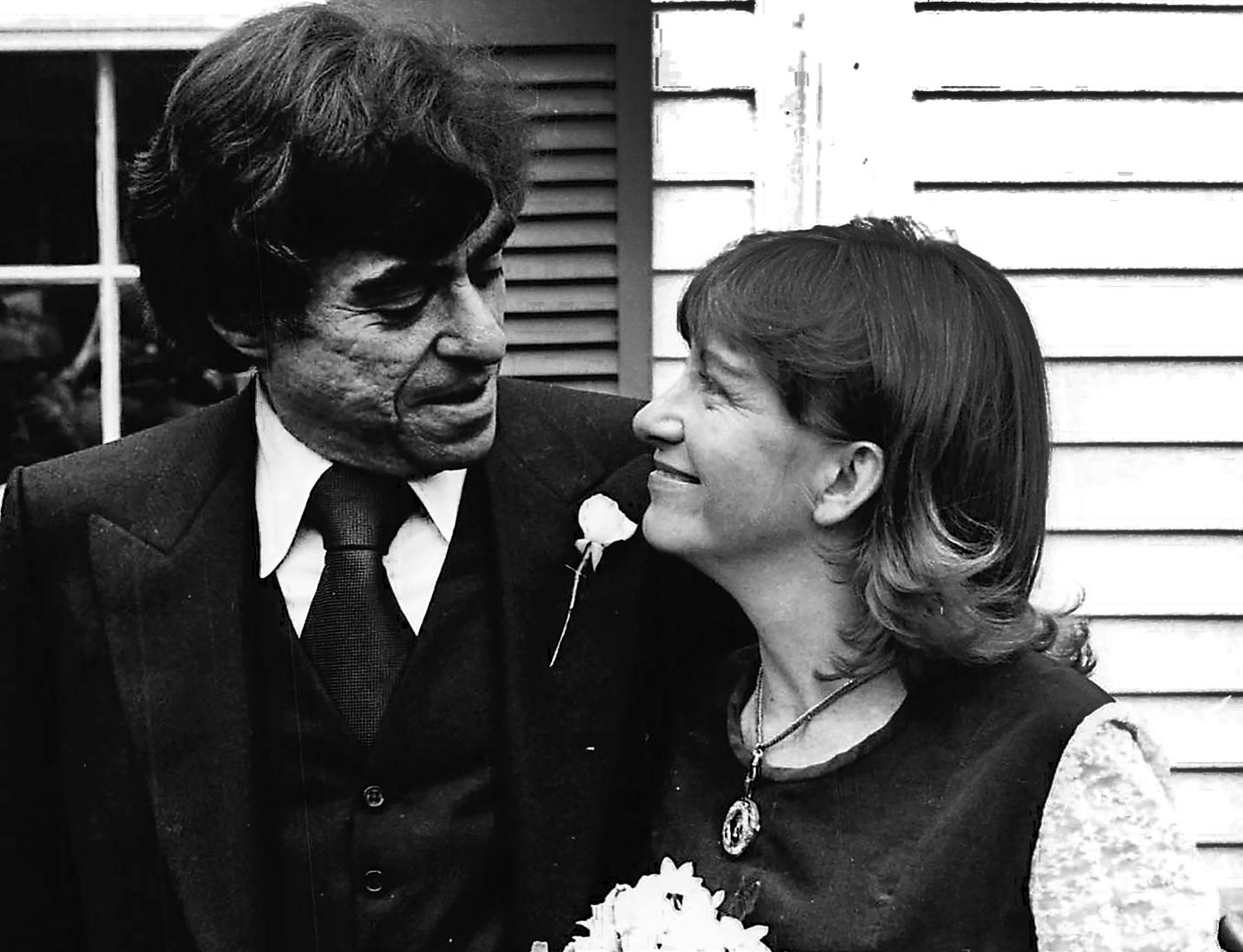
6 | LBJ Today | September 2022 She is Doris Kearns Goodwin, acclaimed presidential historian and Pulitzer Prize-winning author of seven bestselling books. He was Richard N. Goodwin, speechwriter and policymaker for Presidents John F. Kennedy and Lyndon B. Johnson. She has devoted her career to illuminating the history of the U.S. presi dency through her meticulously researched works. And as a member of the White House inner circle, he helped craft the words and policies that defined the New Frontier and the GreatMarriedSociety.
“The addition of the Goodwin Papers to our collections is a momentous occasion for the Briscoe Center, given that they encompass a wide range of significant events in American political, presidential, and cultural history,” says Don Carleton, executive director of the Briscoe Center. “Richard Goodwin’s papers add to our considerable holdings that document key issues in 1960s U.S. history, such as the Civil Rights movement, the Vietnam War, counterculture, and the antiwar movement. And with the acquisition of Doris Goodwin’s papers, we strengthen our considerable archives that document the history of the presidency.”
in 1975, the Goodwins had accumulated more than 500 boxes of archival material over the course of their careers. After Richard’s death in 2018, Ms. Goodwin realized that their papers needed to find the right home. In April 2022, she announced she found that home: UT Austin’s Briscoe Center for American History.
Doris Kearns marries Richard N. Goodwin on Dec. 14, 1975. Photo credit: Photo by Marc Peloquin. Courtesy of Doris Kearns Goodwin Papers.
The Briscoe Center’s collections include the papers of many of Kennedy and Johnson’s political and congressional peers. Its Civil Rights holdings give researchers a comprehensive view of social change as it played out across the nation, with resources like the papers of James and Lula Farmer and the photographs of Flip Schulke, Spider Martin, and Charles Moore. Its extensive news media collections feature key figures of the 1960s and 1970s, such as Walter Cronkite and Morley Safer. The papers of Abbie Hoffman, Ramsey Clark, SDS activists, and other leaders of the social justice and counterculture movements help further the connections between not only the Goodwin collections, but also the LBJ Library’s research materials.
The two archives cover a wide range of significant events and personalities in American history, extending from the presidency of Abraham Lincoln until the recent past.
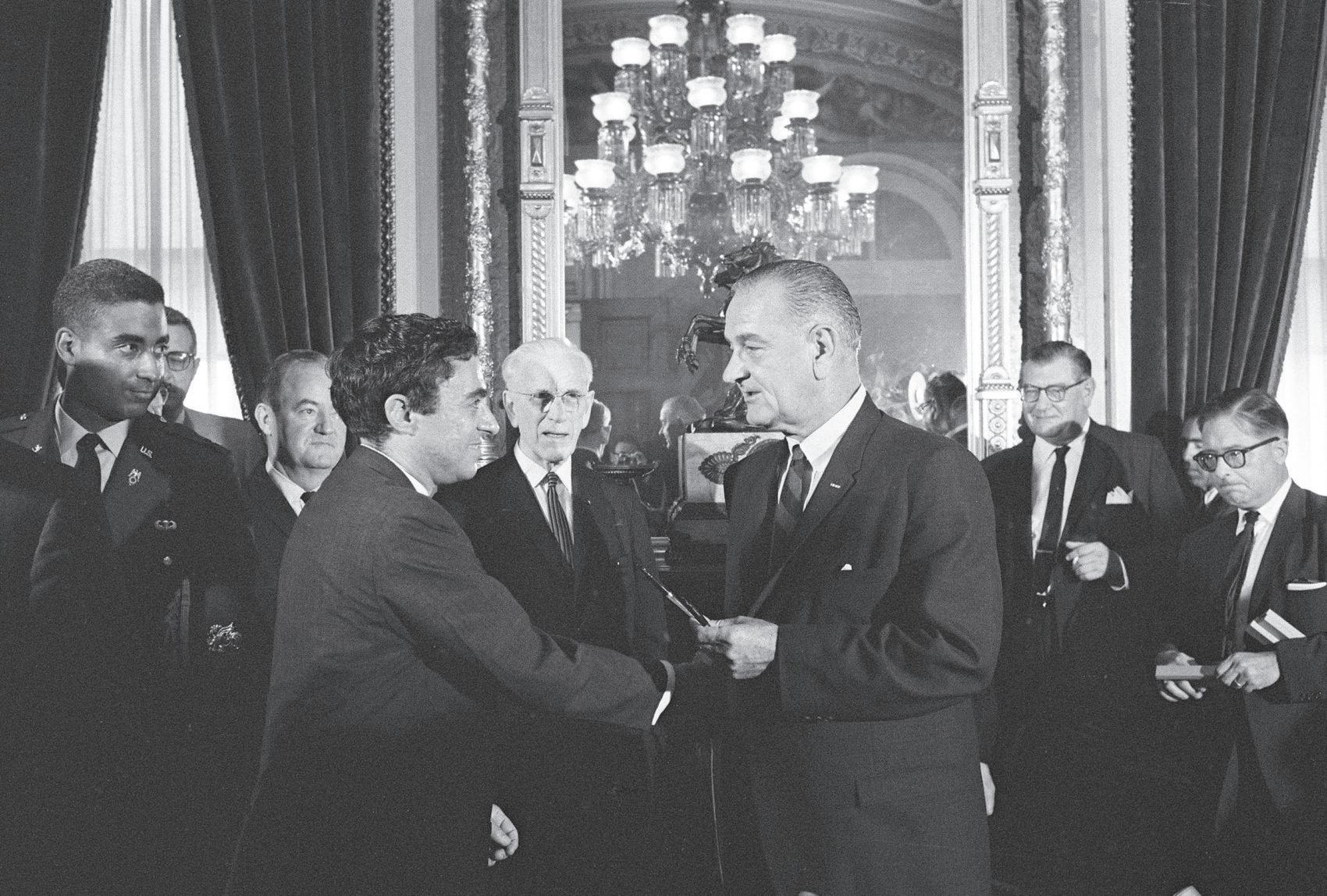
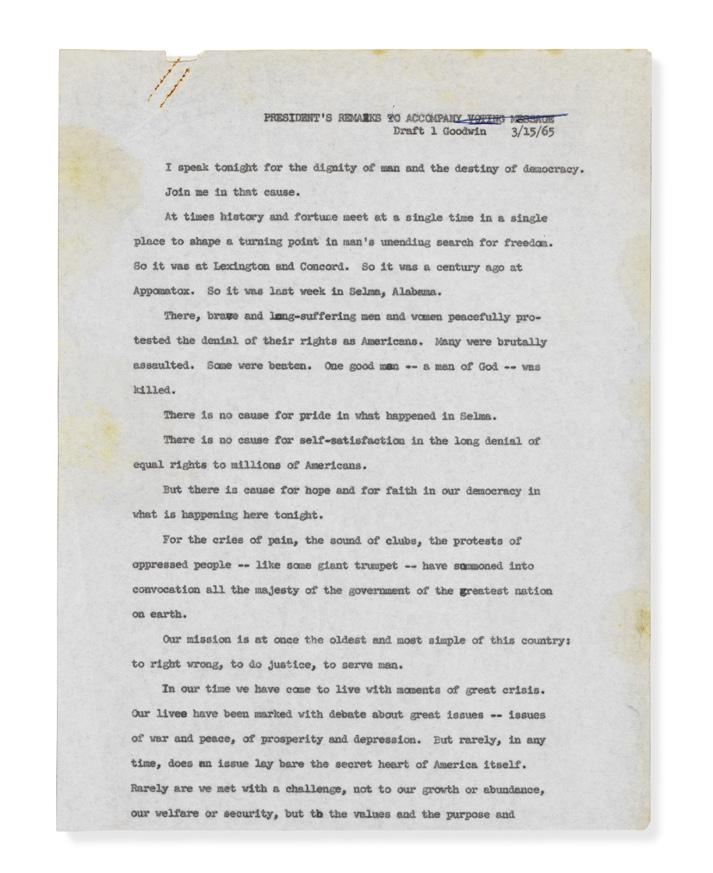
“It is impossible to understand the political his tory of the 1960s in the United States without an appreciation for Dick Goodwin’s formidable contributions. His March 1965 speech for LBJ on voting rights, for instance, may be one of the most important presidential speeches ever written,” says Updegrove. Johnson asked Goodwin to write that speech immediately after the violence in Selma, Alabama, in March 1965. Known as the “We Shall Overcome” speech, it paved the way for the passage of landmark Civil Rights legislation.
Richard Goodwin receives the pen that signed the Voting Rights Act from President Lyndon Johnson on Aug. 6, 1965. Official White House photo, courtesy of the LBJ Presidential Library.
September 2022 | LBJ Today | 7
As a 24-year-old graduate student, Doris Kearns served as a White House Fellow for LBJ, a position that led to her first work of presidential history, Lyndon Johnson and the American Dream. “I’ll be forever grateful to [Johnson] and to Texas. I feel like it’s where my career began,” she says.
Doris Kearns notes from Lyndon Johnson and the American Dream. Doris Kearns Goodwin Papers, courtesy of the Briscoe Center for American History.
Draft of President Johnson's address to Congress on Civil Rights (“We Shall Overcome”), March 15, 1965 speech [first page]. Richard N. Goodwin Papers, courtesy of the Briscoe Center for American History.
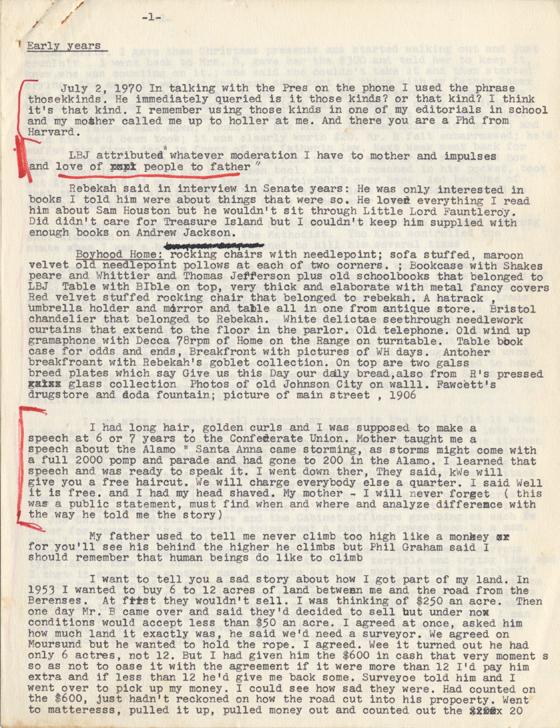
Richard Goodwin’s papers might be likened to a time capsule of 20th century American history. Doris Goodwin’s papers are more of a toolbox—a detailed record of her writing process with original research materials, interviews, early outlines, primary sources, and manuscripts. Her papers chart the course of her growth as a historian and writer, and include profes sional book,Ms.andings,graphs,documents,correspondence,photovisualrecordnewsclippings,othermemorabilia.Goodwin’sfirst Lyndon Johnson and the American Dream, became a national bestseller and achieved critical acclaim. She has written six more books, including the 1995 Pulitzer Prize-winning No Ordinary Time: Franklin and Eleanor Roosevelt: The Home Front During World War II; Team of Rivals: The Political Genius of Abraham Lincoln; and The Bully Pulpit: Theodore Roosevelt, William Howard Taft, and The Golden Age of Journalism. “Bringing the archives to Texas means coming full circle to the days when I was selected as a White House Fellow,” Ms. Goodwin noted. “I ended up working for LBJ in the White House, and then ac companying him to his Texas ranch to help on his memoirs. It was that experience that would prove formative in igniting my career as a presidential historian.”
Richard Goodwin’s papers stretch more than six decades and provide an intimate look into his distinguished career, with extensive documentation of how he shaped national and international policy during the Kennedy and Johnson administrations. Memos, letters, documents, manuscripts, photographs, and ephemera depict Good win’s impact on U.S. political history. Of particular importance are drafts of the some of the greatest speeches of the 20th century, including JFK’s in augural speech, LBJ’s 1964 “Great Society” speech, LBJ’s 1965 “Howard University” speech calling for affirmative action, and Senator Robert F. Kennedy’s 1966 “Ripple of Hope” speech outlining essential human rights and freedoms.
Photo credit: Doris Kearns and President Lyndon B. Johnson, White House Cabinet Room, Oct. 29, 1968. Doris Kearns Goodwin Papers, courtesy of the Briscoe Center for American History.
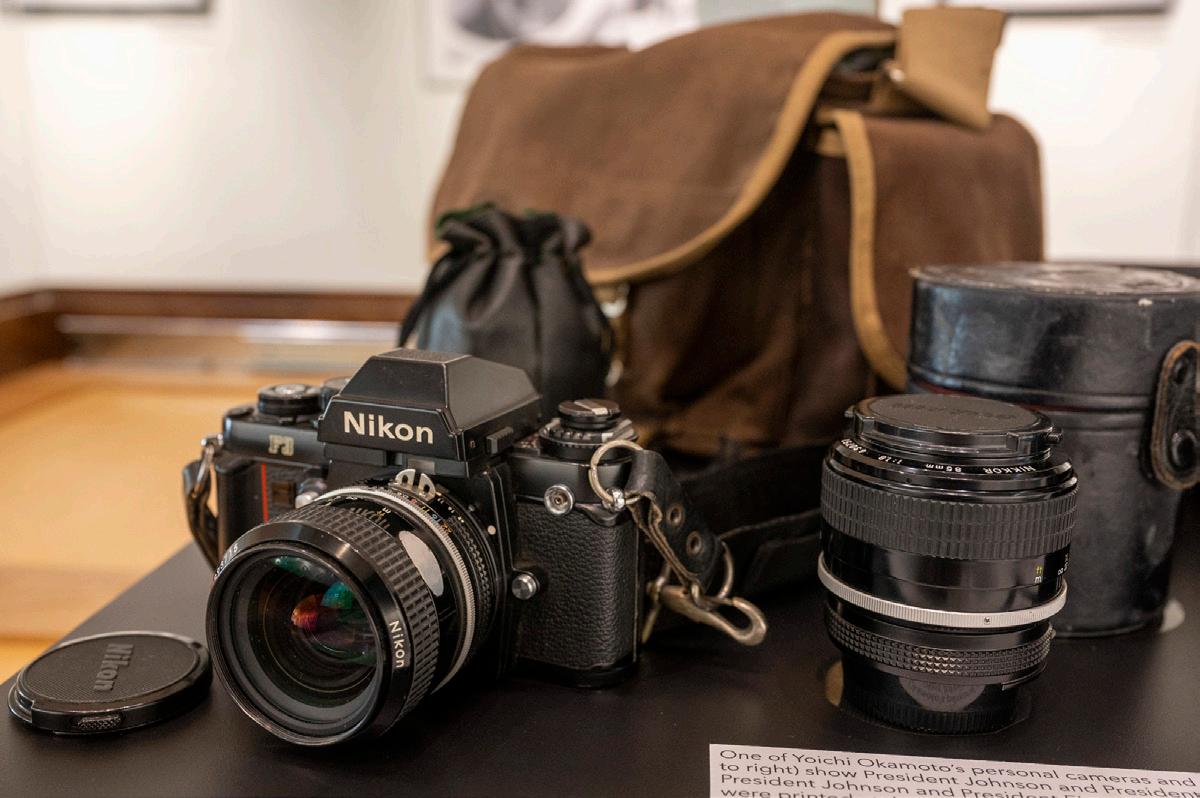
Photos of Yoichi Okamoto with golf clubs in 1965 and Okamoto in Italy during General Clark's farewell tour in 1947. The photos are on display in "Yoichi Okamoto" temporary exhibition loaned by the Austrian National Library. (Photo by Jay Godwin) Yoichi Okamoto's Nikon cameras used after the White House years. The cameras were loaned to the LBJ Library & Museum by Okamoto’s son, Skip. (Photo by Jay Godwin)
8 | LBJ Today | September 2022
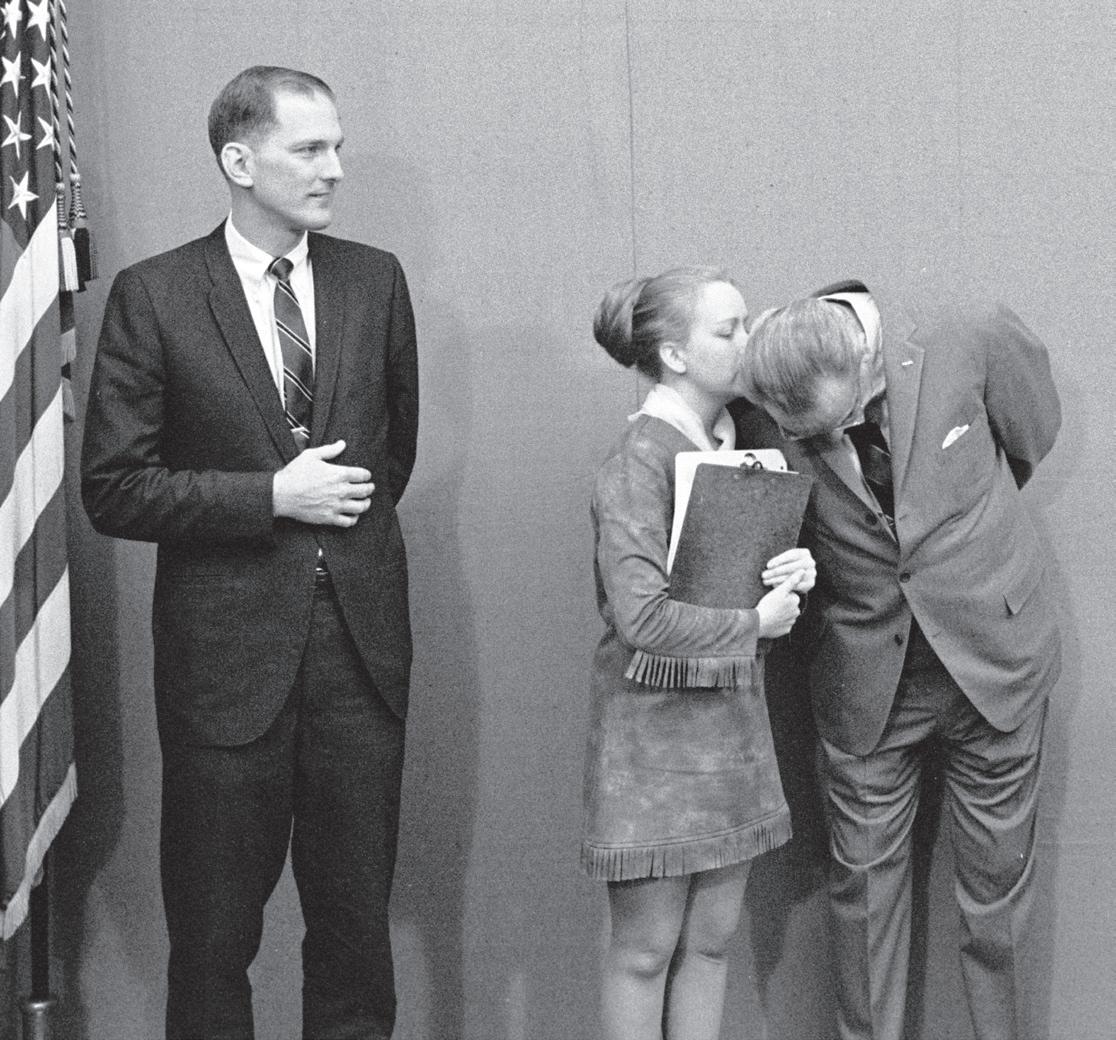
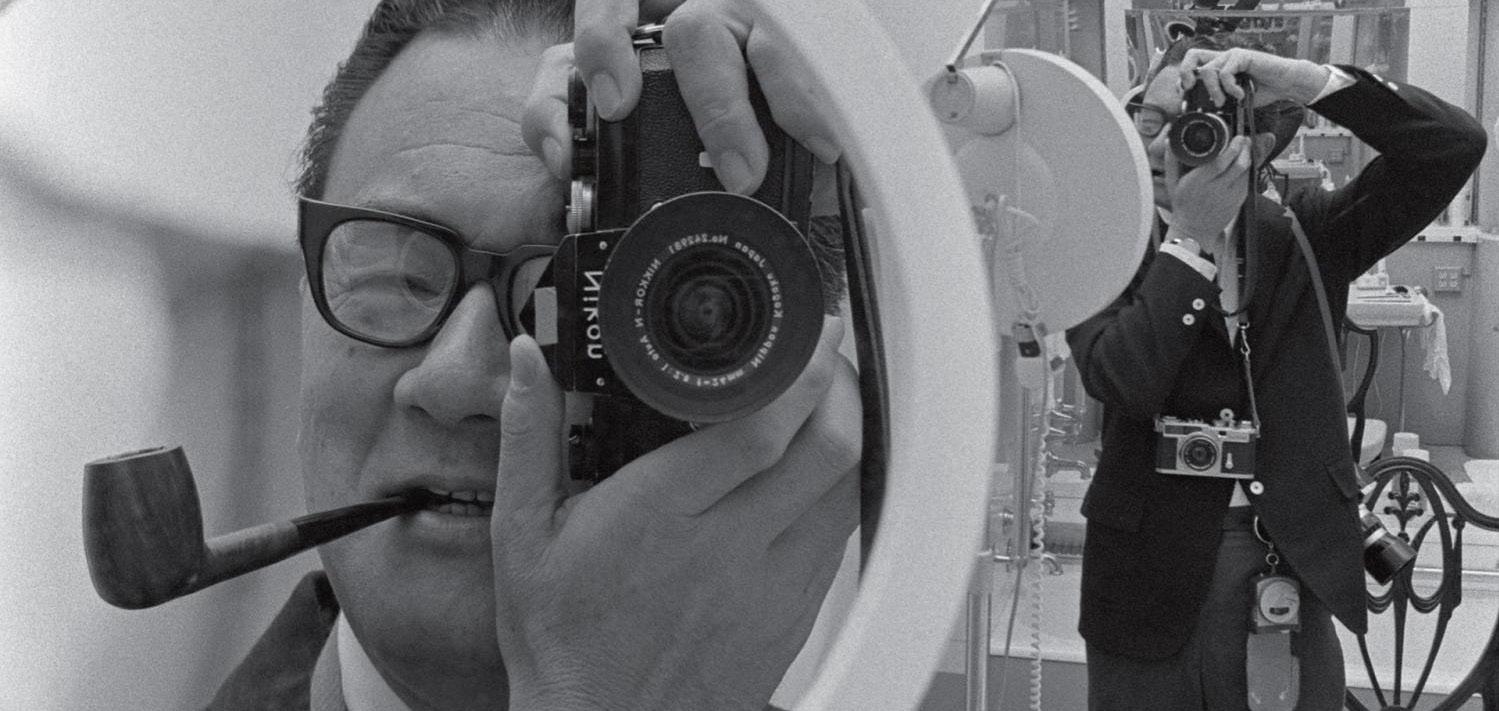
Yoichi "Oke" Okamoto (1915-1985) was a prolific photographer who documented history in the making – first as a photographer for the United States government, capturing life in post-WWII Europe, and later as President Lyndon Johnson's official White House photographer. During the Johnson presidency, Okamoto asked for and was given unlimited access to the president and often spent 16 hours a day with his workaholic boss. That unfettered access allowed Okamoto, who usually had four cameras around his neck, to focus on capturing behind-the-scenes, spontaneous moments, and traditional events. Okamoto's portraits of Johnson portray the president's mood and posture when meeting with civil rights leaders and members of Congress, as he grappled with the Vietnam War, and in private family gatherings. At one point, John son fired Okamoto only to hire him back, a practice that was fairly common in the Johnson administration. Thanks to Okamoto's style of working and his photographs, Johnson's presidency is probably the best visually documented period of all the Onpresidencies.displaynow, the temporary exhibit features reproductions of photographs, archival correspon dence, and artifacts from the life and career of Okamoto as well as reproductions of photographs from the Austrian National Library that document Okamoto's time as a photographer for the United States Information Service in post-WWII Austria. In 2019, the Austrian National Library acquired Okamoto's photographic estate, including 22,000 negatives and 900 photographic prints.
LBJ Library Exhibit Focuses on Yoichi Okamoto, the President's Photographer

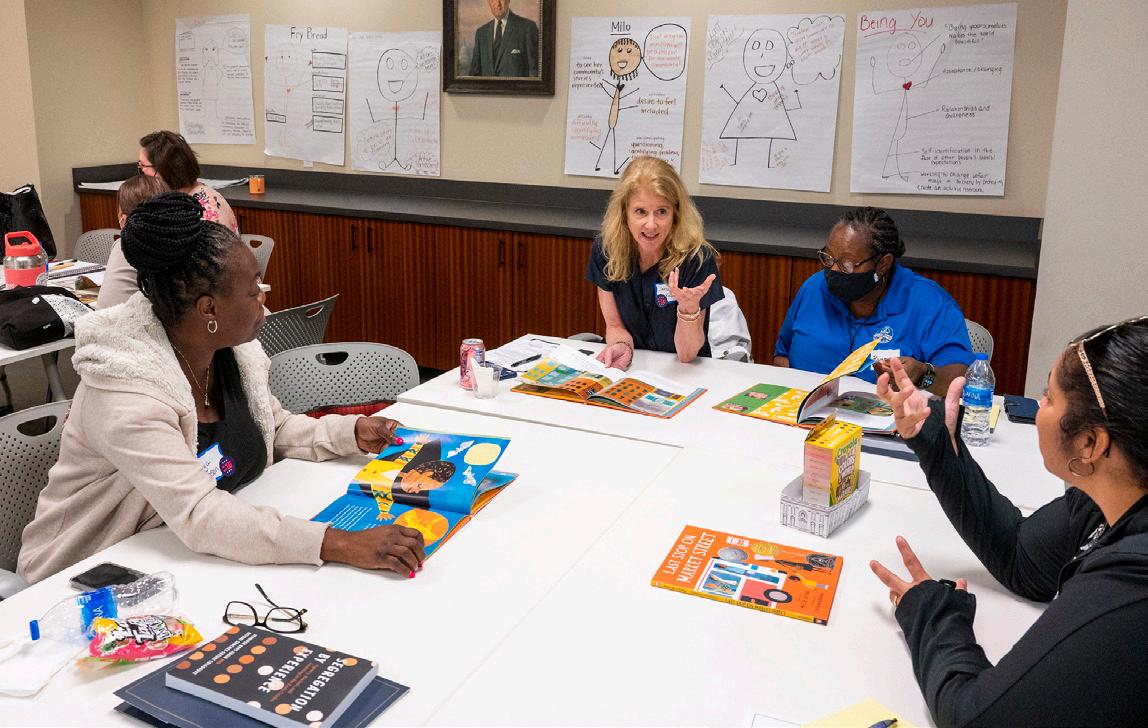
Early childhood educators discussing the use of picturebook "Last Stop on Market Street" to help their students understand identity and agency.(Photo by Jay Godwin) Y'all means ALL speaker Shane Whalley directing teachers in an activity to better support their LGBTQIA+ students and community. (Photo by Jay Godwin) 2022
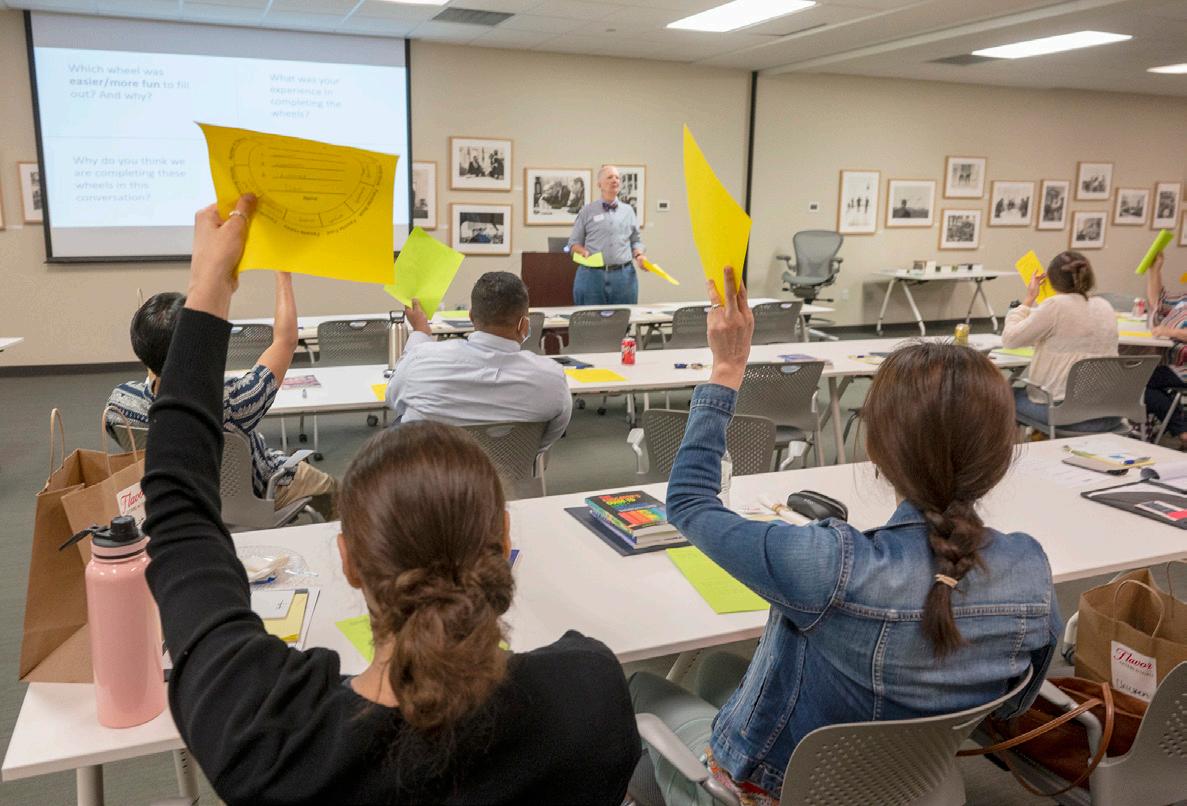
On July 20, the Future Forum, our public policy-focused membership group, hosted a webinar to examine the implications of the Supreme Court’s Dobbs decision for Texans. Experts from The University of Texas at Austin and the Georgia Institute of Technology discussed the economic, social, medical, and other implications. On May 4th, the LBJ Library welcomed educators back to the building for the first time since 2020 for Educator Appreciation Night. Over 100 educators were celebrated for years of hard work with food, drinks, giveaways, and educator-only hours to explore the exhibits.
Highlights September
The “Audacity of Hope” was a beautiful theme that per meated the Y’all means ALL: LGBTQIA+ Civil Rights educator workshop held on Jun 24, 2022. Speakers Ryn Gonzales from Austin’s Out Youth and Shane Whalley, founder of Daring Dialogues, walked participants through the vocabulary & practices to help support LGBTQIA+ students and fostered personal growth through story telling and critical examination. Educators left inspired by the speakers and the “audacity of hope” kids have to always believe in a better future. We all aspire to have that audacity of hope! Civics starts in childhood. We believe that at the LBJ Library and on July 21, 2022, the Library hosted an educator workshop that helped early childhood edu cators explore the best practices for fostering agency in our littlest learners in our inaugural Wee the People workshop. Designed as a way to help our youngest community members understand their role in society, this workshop focused on racial literacy. Participants engaged in critical discussion of educational peda gogy, democracy, and developing self-identity. They explored picturebooks that help teach these lessons and reflect a diverse classroom within its pages. After 8 hours of learning and laughter, we have only just begun!
| LBJ Today | 9
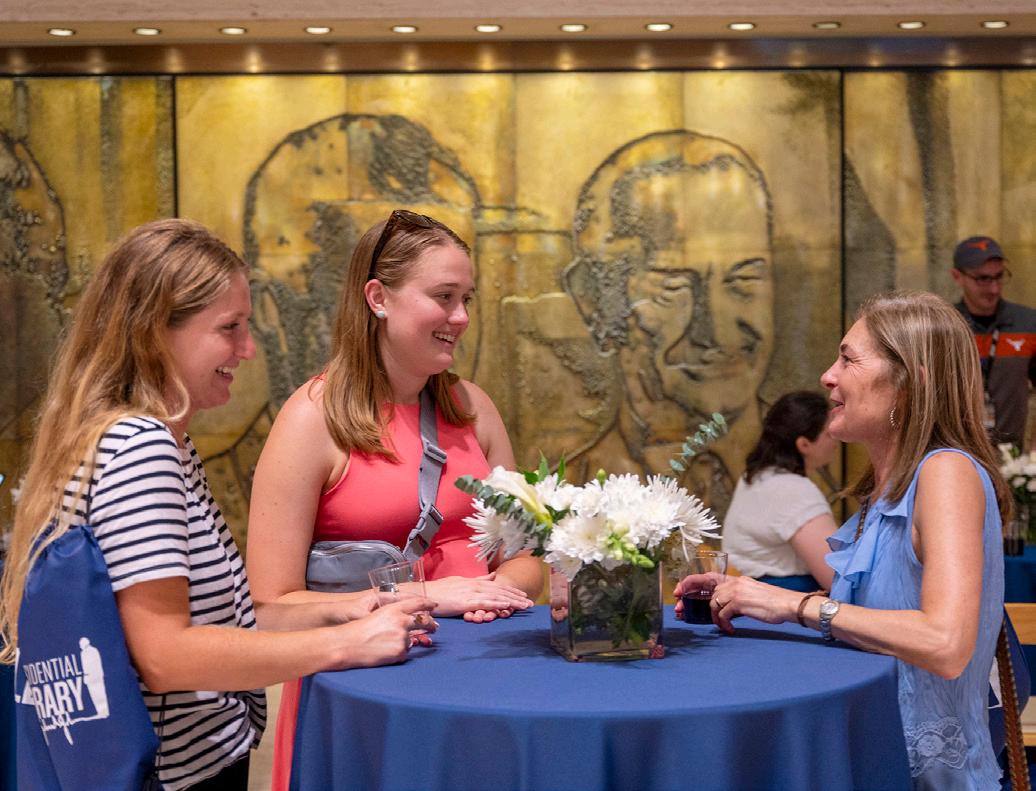
Educators gathering for a night of food and fun in the Great Hall. (Photo by Jay Godwin)
“Accessioning during the Pandemic: The LBJ Library’s Archives Department Rolls with the Heavy Punches” by Brian McNerney, Archivist
10 | LBJ Today | September 2022
Photo by Jay Godwin.
The Red Box Report
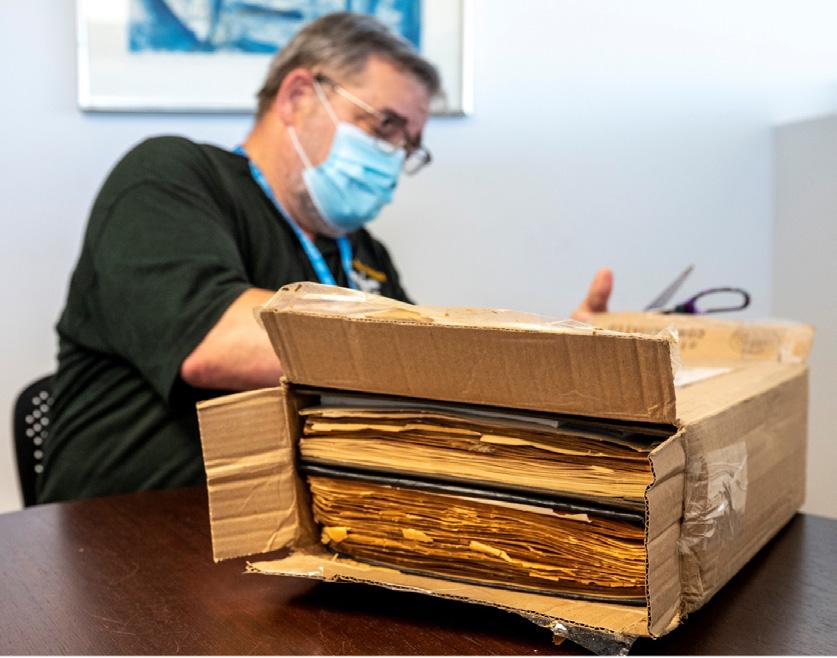
More recently, the Library received two scrapbooks that record the experiences of a Military Aide to the President, then U.S. Navy Lieutenant Commander Jerome J. O’Connell, who was honored with serving in the White House in 1967 and 1968. O’Connell’s nephew, Jack Cunane, offered the scrapbooks on behalf of his deceased uncle, and we accepted, recognizing that the scrapbooks provide an otherwise unavailable account of this prestigious military assignment. Scrapbooks present unique preservation challenges to archivists, but they require little other preparation to open them for research use. We anticipate they will be open for research by this fall, after we forward descriptive informa tion to the National Archives Catalog. These scrapbooks are evidence of a vibrant and still-active accessioning program, and while still facing uncertainty about where the virus will go in the months to come, the accessions pipeline remains proudly open for business.
UPS delivers the Pollak Papers in February 2021. Photo by LBJ Library staff photographer Jay Godwin. News from the Archives Accessions Archivist Brian McNerney opens newly-arrived box with two scrapbooks reflecting White House duty of Military Aide Lieutenant Commander Jerome O’Connell. July 2022.
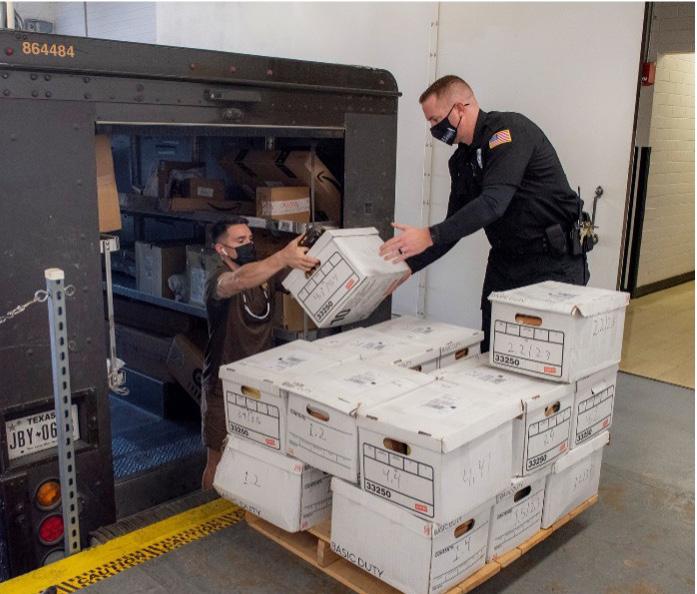
One collection that arrived early during the pandemic was an installment of the Papers of Stephen J. Pollak, who served in the Department of Justice’s Civil Rights Division during the turbulent period of the Kennedy and Johnson administrations. Pollak had initiated the ship ment to Austin just as the pandemic was settling into high gear, and the nearly one hundred bankers’ boxes containing his crucial work languished in a bookstore warehouse in Rockville, Maryland. In February 2021, as the Delta virus ravaged American communities and the Library’s accessions archivist, Brian McNerney, languished at home with COVID, the shipment was authorized and an emergency crew met its arrival at the Library’s loading dock. These materials still have a long road to becoming fully open and available for research, but their inherent value ensures that they will attract researchers interested in examining the role of Federal Justice agents in probing attacks on Civil Rights workers and enforcing the landmark Civil Rights law signed by President Johnson on July 2, 1964. Volunteer Everard Davenport, who has racked up thousands of hours assisting Brian McNerney over the last five years, was steadily transferring the folders into archival Hollinger boxes when a resumption of COVID virus spread stopped his work again in June 2022. Creating folders and as signing folder title names is a core part of the process of accepting new collections and preparing them for researchers.
While postal workers famously work in rain or snow, extreme heat or bitter cold, the nation’s exposure to the ravages of COVID-19 and the ongoing pandemic reveal that archivists also find ways around unprecedented restrictions caused by the wily virus. At the LBJ Library, new accessions representing new dimensions of research and historical witness continued to flow, even when the Library itself was completely closed to the public. A few of those new collections are highlighted here, and others continue to wend their way through the pipeline from donors to the Archive and ultimately to carts beside researchers in the Reading Room.
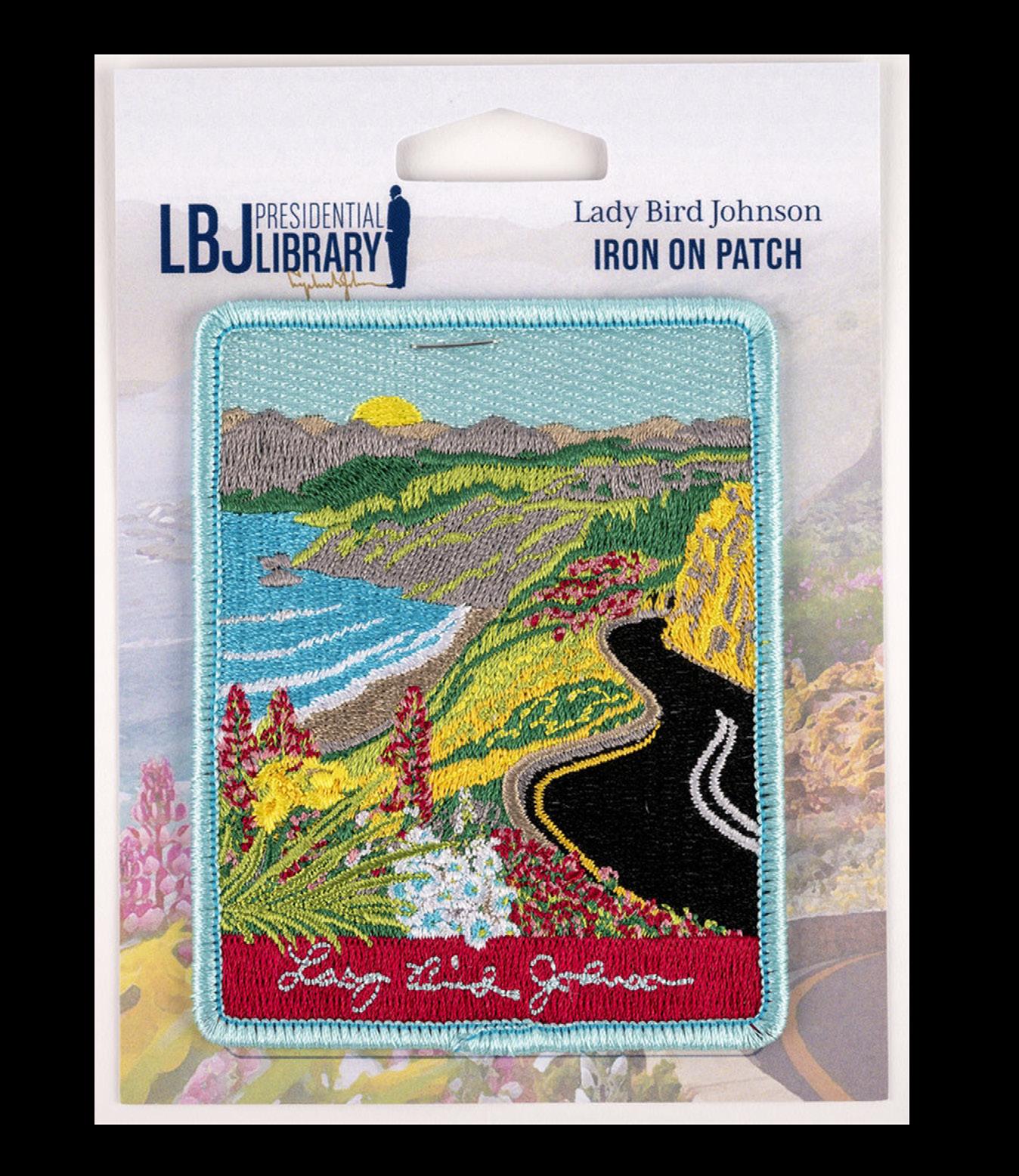
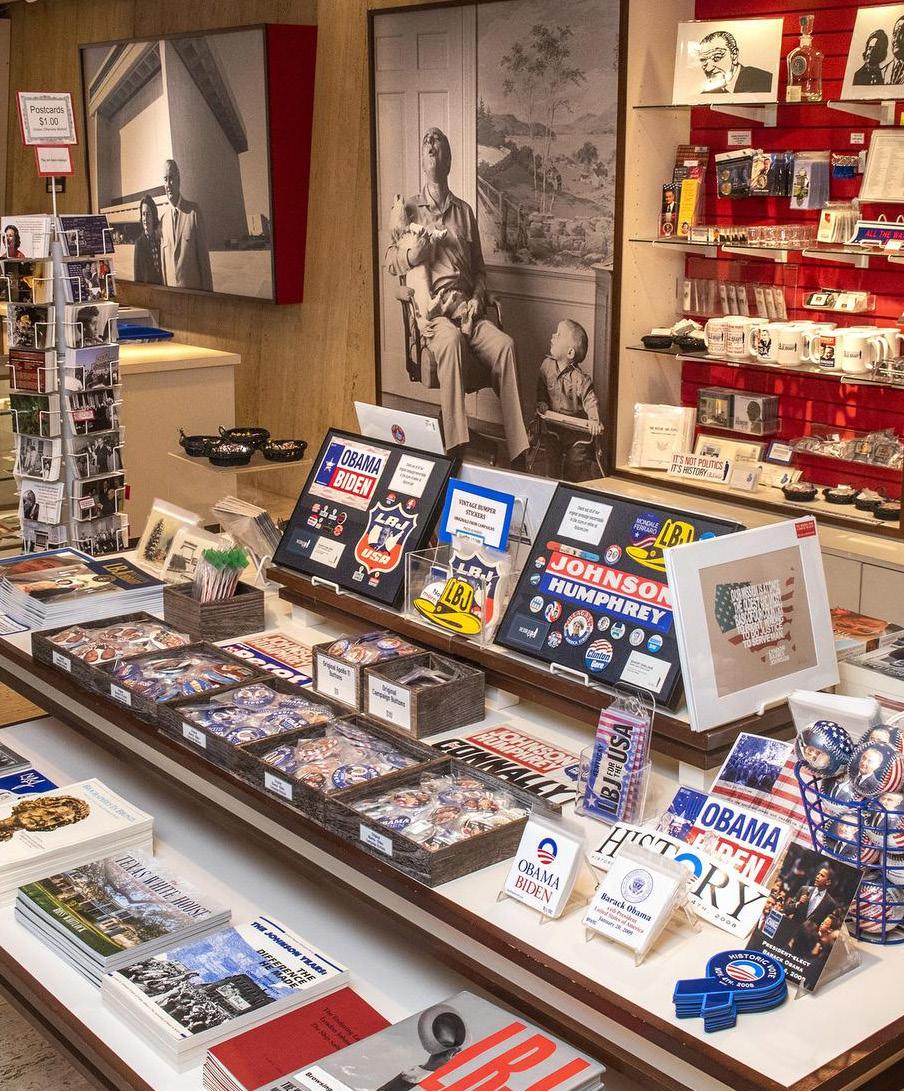
Take the "CAN DO" spirit on the road with you. www.lbjstore.com The Store at LBJ Are you a “can do”person? Do you know a“can do” person? Thisleather embossed key chainshows you’re one of theJohnson’s favorite kind ofpeople, a “can do” person.. "The environment is where we all meet, where we all have a mutual interest." ~Lady Bird Johnson Mrs. Johnson's signatureembellishes this vivid, picturesque, Americanlandscape on a 3x4 iron-onpatch. September 2022 | LBJ Today | 11
Connect with us on social media and stay up to date on all things @lbjlibraryLBJ!1965.19,SEPTEMBERBULLETIN,PHILADELPHIATHEFORALEXANDERF.O.BYCARTOON1965.28.3 2313 RED RIVER STREET • AUSTIN, TEXAS 78705 www.LBJLIBRARY.ORG LBJ Foundation 2313 Red River St., Austin, TX 78705 PermitAustin,OrganizationNonprofitU.S.PostagePAIDTexasNo.3041