THE REVIEW
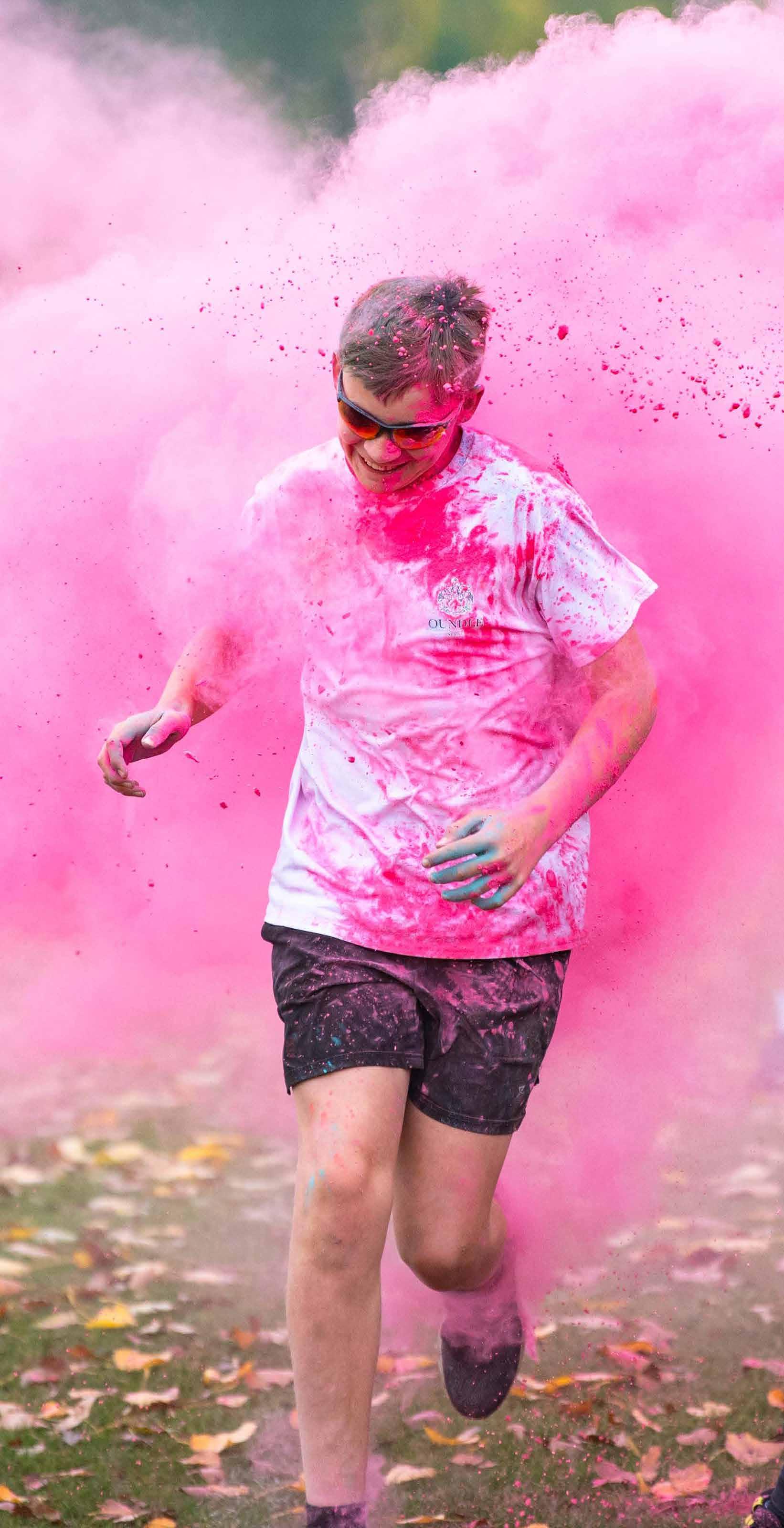

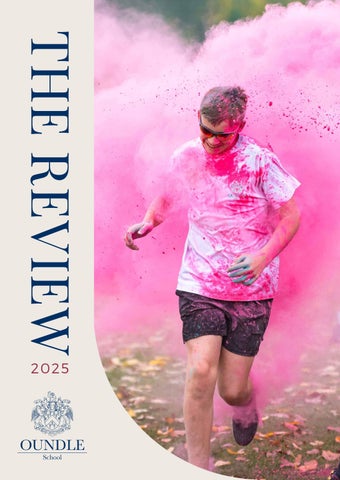
The cover of this year’s Review offers an explosive burst of colouran entirely appropriate reflection of a year in the life of the School.
You can get a sense of my opening impressions of the community in the interview on pages 19–20 and reading through the pictures, illustrations and brief articles gathered here has only reinforced what a joyfully optimistic and forward-looking place this is.
Oundle is both firmly grounded in its place at the heart of the UK and animated by a cosmopolitan curiosity about the world beyond our honey coloured stone. That outward looking vibrancy owes much to the commitment of dedicated staff and to the continued trust of families who believe in high standards without performative noise.
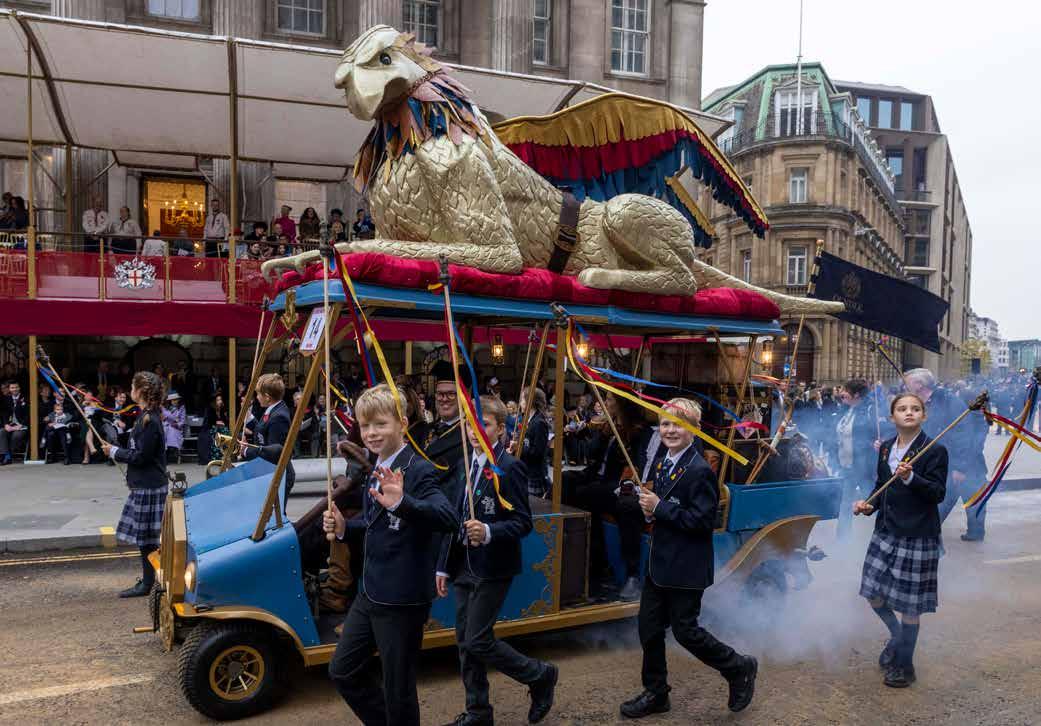
These pages provide a real flavour of School life, an experience packed with stimulus, energy and variety. Whether you dip in or read more deeply, I am sure you will find particular favourites to enjoy here, be that matters academic, a special creative or sporting interest, or the life lived so richly amidst House communities. Some readers may well feel a pang of envy at the many trips and expeditions our pupils enjoy. It might even be that you seek out the peculiar magic of a processional Griffin… But wherever you land first amidst these pages, I hope you thoroughly enjoy your explorations.
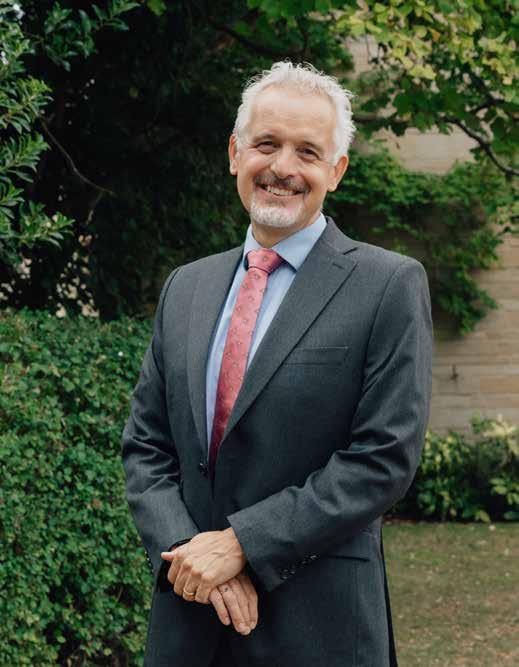
Dominic Oliver Head of Oundle School
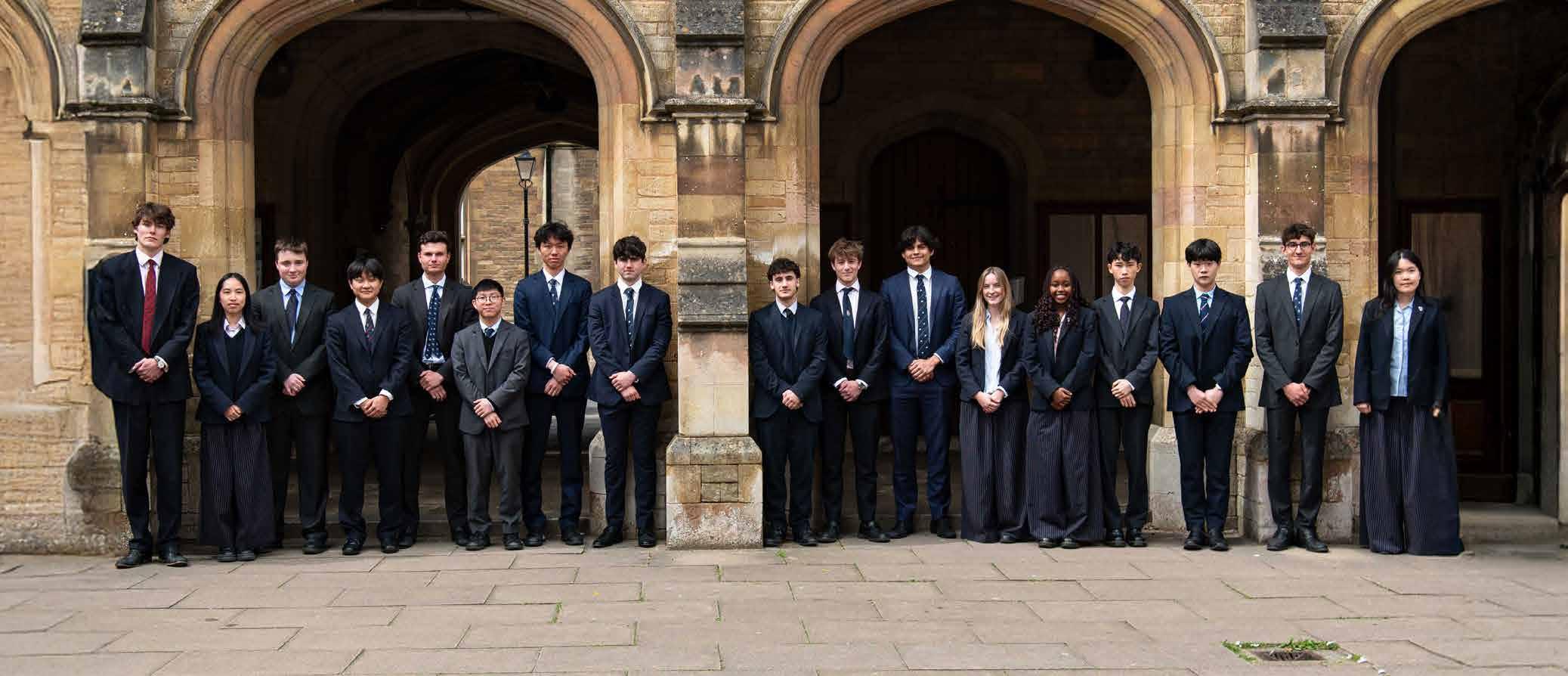
Oundle’s academic success in 2024-25 reflected the best of its culture: thoughtful teaching, genuine curiosity and pupils who give their best. Our strength lies not only in results but in the way pupils approach their studies - with balance, purpose and within a culture where working hard is valued and respected.
7
pupils achieved straight grade 9s across all 11 subjects
pupils achieved all 9s and 8s 29
pupils achieved straight 9–7s 70
“Oundelians made up 6% of all pupils in the country who achieved 11 straight 9s - a striking reflection of individual excellence within a large, balanced cohort.”
results matched the School’s highest record
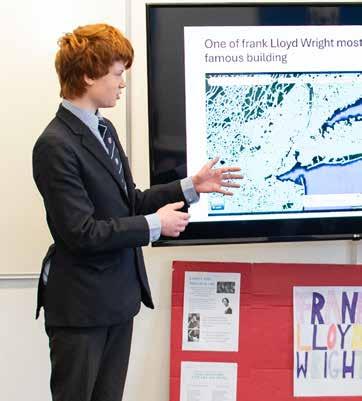
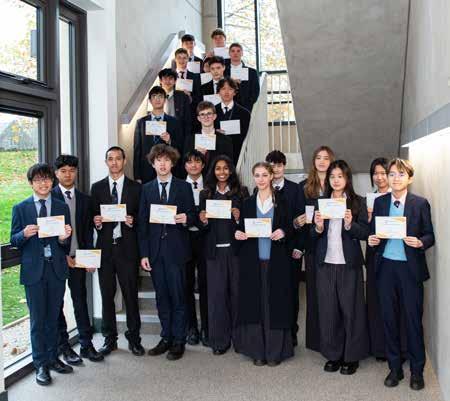

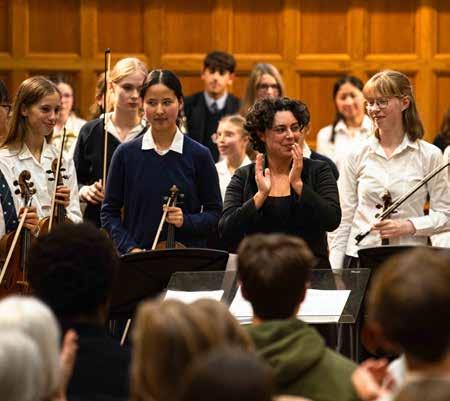
Academic life at Oundle extends well beyond examinations. Pupils are encouraged to think widely, write independently and explore ideas that matter to them.
Over half the Sixth Form completed an Extended Project Qualification (EPQ) this year, producing work that showed both depth and originality. Titles included Should it matter to modern historians that The Histories by Herodotus were not historically accurate?; Does bilingualism have a greater impact on the lives of 2–18 year olds, or those over 70?; How viable is Bitcoin as a form of currency?; and Is technology the main factor in the limitation of non-verbal decoding skills in children? 75% of grades were awarded A*-A.
Alongside examined courses, Oundle’s bespoke Omnia, Trivium and Quadrivium programmes continue to nurture independent thought and intellectual adventure. Taught by teachers sharing their specialist interests, these sessions introduce ideas well beyond the curriculum, with a focus on “interestingness” and learning for its own sake.
Pupils also excelled in national essay prizes and subject Olympiads, achieving recognition across the sciences, humanities and modern languages.
Oundle’s debating and public speaking continued to thrive, with senior teams competing in the Oxford and Cambridge Union competitions and advancing through several rounds of the ESU Mace. Junior speakers also impressed, reaching the finals of the International Competition for Young Debaters and performing strongly in the ESU Churchill competition. Within School, House contests brought lively exchanges on subjects from democracy to digital ethics, with Sanderson winning the Humphreys Gavel, Grafton the Mather Cup and Weston’s Third Formers the Wells Mace.
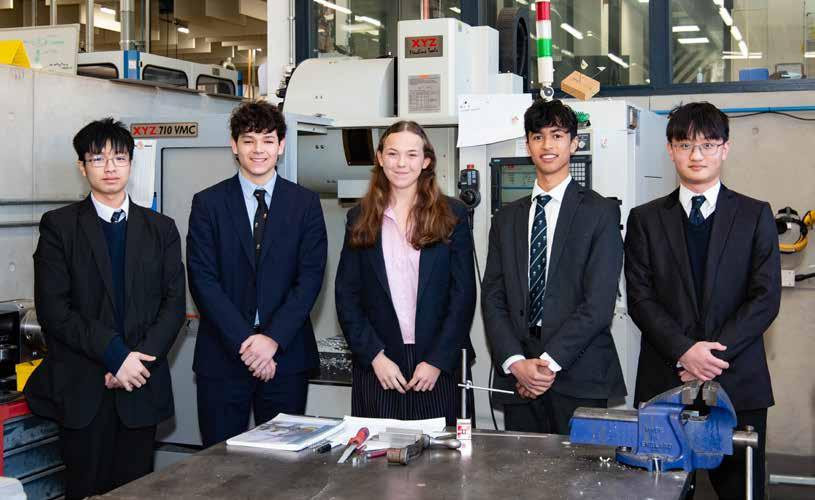
Oundelians once again secured places at leading universities in the UK and abroad, following their individual strengths and ambitions for the next stage of their education. In the UK, pupils applied for subjects including animation, cyber security, neuroscience and sustainability, alongside the more traditional subjects, reflecting the full breadth of academic inspiration at the School.
• Most popular universities: Durham, Exeter, Edinburgh, Bristol
• Most popular courses: Business-related, Politics, Engineering, Biosciences, Geography

Oundle is a school where academic ambition is taken seriously but never pursued at the expense of balance or perspective. Pupils are not driven by pressure to perform but by curiosity and a desire to understand more deeply. This culture is never more evident than among the School’s Academic Scholars. Scott Jessop, who runs the Academic Scholars programme, reflects here on what that looks like in practice.
Scott Jessop, Head of Academic Scholarships
Working with the Academic Scholars at Oundle is one of the great joys of my job. Week to week and month to month, much of what we do comes together through Colloquium and Conversaz, our Scholars’ societies. They run from Third Form through to Upper Sixth and give pupils space to read widely, explore ideas and develop the intellectual curiosity we value so highly.
A big part of being a Scholar here is a desire to read and to explore the world. Most of our Scholars will always have a decent novel on the go but they will also be reading something more closely aligned with their academic subjects, particularly as they move towards the top end of the School.
The thing we look for most when we meet potential Scholars is a spark. We want that little extra something where pupils are genuinely interested in their subjects and in academic work. You can always tell when you are teaching a Scholar set. If you try to fob them off with an answer, they will come straight back at you with a ‘why’ or a ‘what if’. That restlessness and independence of thought is something we really value.
Another quality we look for is intellectual self-confidence. That does not mean being socially gregarious. It means having the confidence, when you are not sure, to put your hand up, throw an idea out there and help get a lesson going, even if it might be wrong. We try to create an atmosphere where it is cool to participate, cool to learn, and where you are not judged by your peers for getting something slightly off in a lesson.
Being an Academic Scholar here is not onerous. There is no heavy additional workload and we are certainly not trying to lay on extra pressure. The idea is to nurture passion and allow pupils to give as much time to it as they choose, in the same way others might commit to sport, music or drama.
By the end of a Scholar’s time at Oundle, what I hope they have gained is the independence and confidence to cope with the unfamiliar and not be fazed by the new or the difficult. Above all, we want young people who love to learn for its own sake, not because they are obsessed with marks, but because they are absorbed by the process itself.
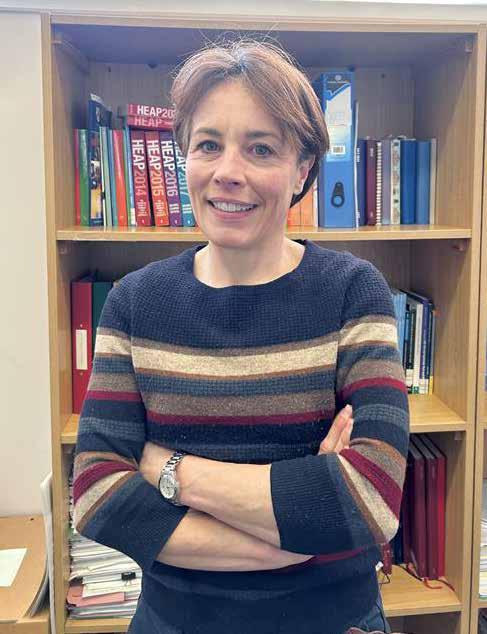
helping pupils make good decisions for university and beyond.
Choosing what comes after school rarely involves having all the answers early. At Oundle, we focus on helping pupils make thoughtful decisions, using honest reflection, careful research and realistic planning. Careers and higher education guidance runs steadily through School life, becoming more focused as pupils mature and their interests take shape.
In the Sixth Form, this guidance brings together academic decision-making and practical preparation, supported by regular conversations with pupils and parents. The aim is not to push pupils towards particular outcomes, but to help them make well-judged decisions, grounded in good information and honest reflection.
We encourage pupils to begin with an honest assessment of what they enjoy, where their strengths lie and how they are currently performing. Playing to strengths matters. Pupils who choose subjects they enjoy and are good at tend to work more confidently and consistently, creating a positive cycle that supports strong outcomes.
Many pupils begin with ideas shaped by course titles, reputation or what simply sounds appealing. We help them look more closely at what courses actually involve, reading detailed course content and understanding how subjects are taught and assessed. This allows pupils to make choices based on substance rather than assumption.
Lower Sixth Form pupils are encouraged to explore broadly at first and narrow their focus gradually. This allows interests to develop naturally and prevents an early decision subconsciously closing a door that might be the right one.
Once pupils have chosen a degree course and targeted specific universities, they need to understand what those universities are looking for. Super-curricular engagement is key in the UK university sector.
With the exception of a small number of vocational routes, a degree is not job training. It is about learning how to think, analyse and engage critically. Pupils are encouraged to choose subjects they will enjoy and do well in, while using work experience, internships and wider opportunities to build their commercial profile.
Any transition point can be a source of anxiety. We support pupils to explore the options ahead of them and to develop their transferable skills throughout school. However, there is merit in pupils doing the current task as well as possible –GCSEs, A levels, degree – and taking that success and enthusiasm forward, without becoming too distracted by choices that could be 2 or 3 steps ahead. A 16 year old’s idea about their dream career may well have changed by the time they are 20.
Andrew Mansergh, Deputy Head Co-curricular
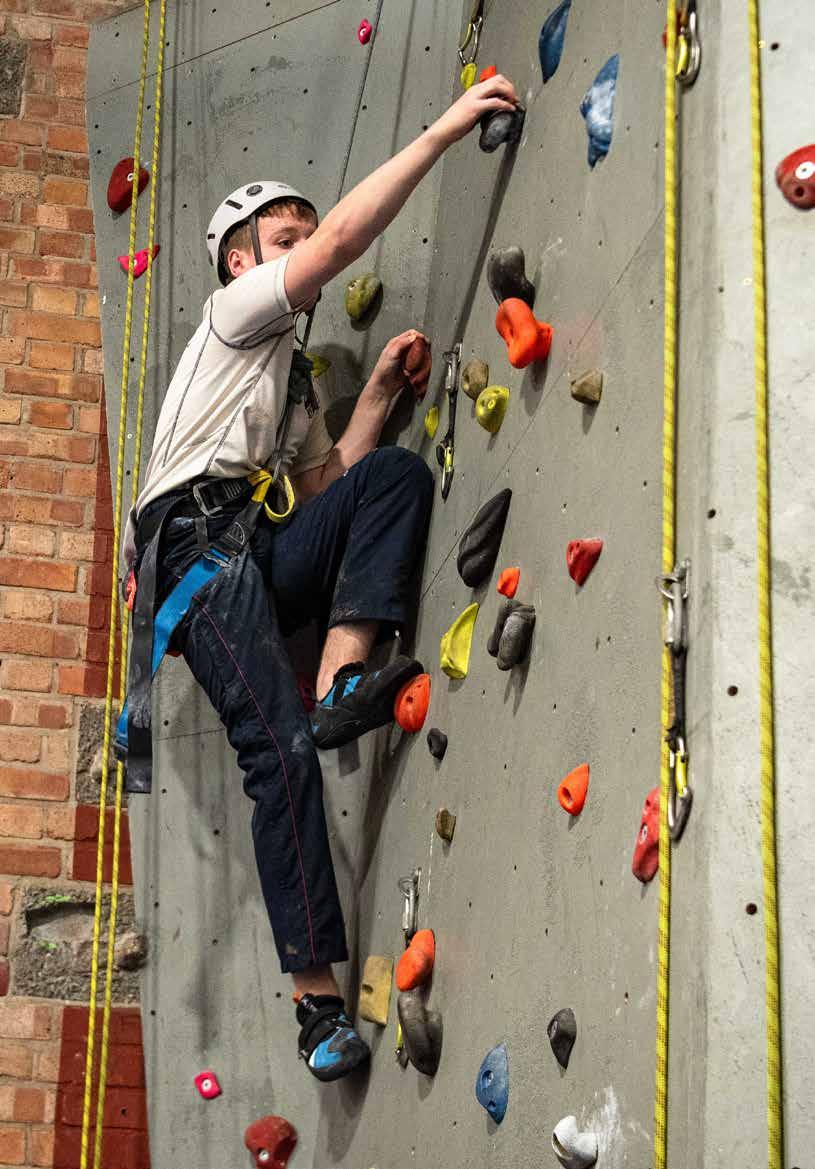
I was struck recently by an article in The Times (September 2025) reporting that girls who play sport after school are significantly more likely to secure senior professional jobs in later life. The study attributed this to the resilience, confidence and adaptability that come from participating in team games. It is a fascinating finding, yet it also underlines something broader: the impact goes far beyond girls’ sport or indeed sport alone. The same principles apply across the whole co-curriculum. When young people commit to activities outside the classroom – whether on stage, in the studio, on parade or in the great outdoors –they are learning the habits that set them up for life.
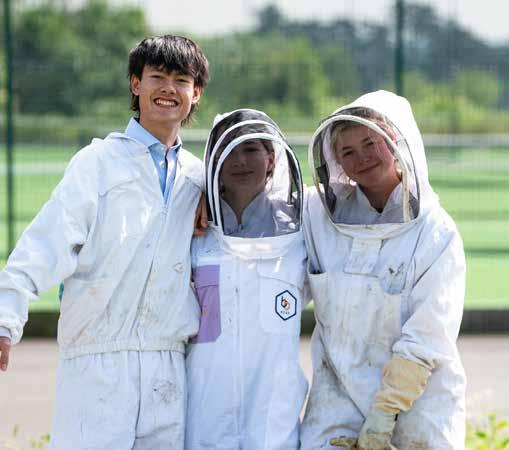
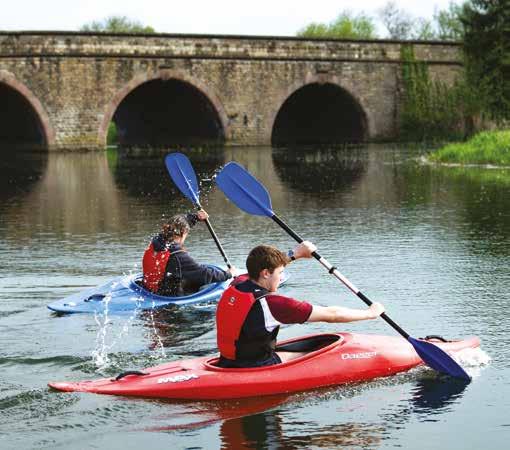
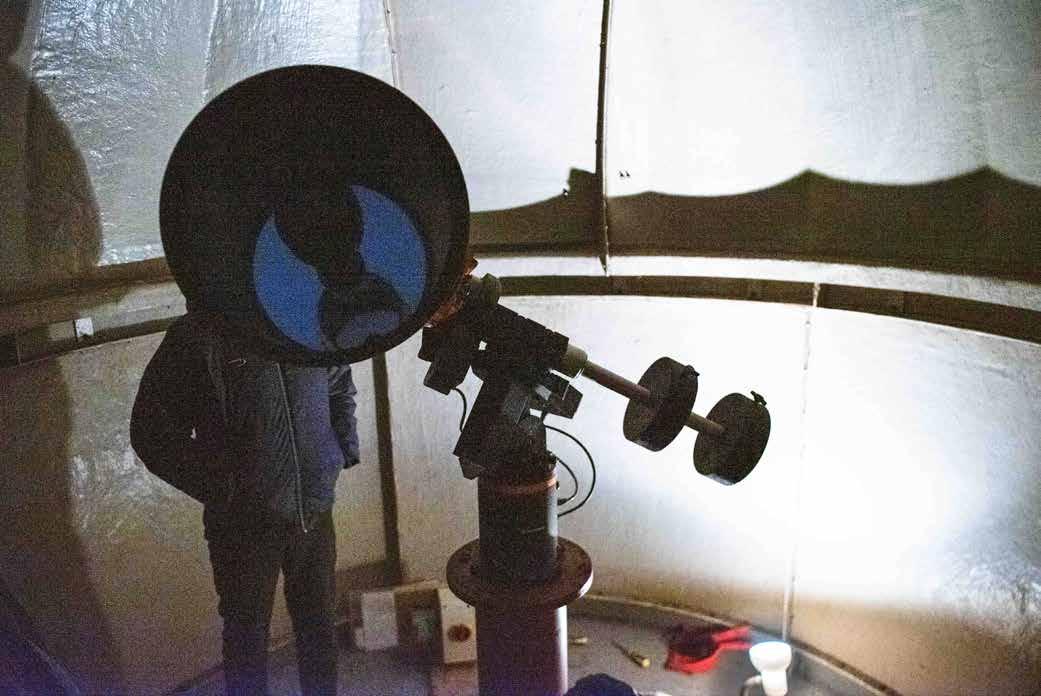
Parents often ask what makes the greatest difference in a child’s education. Academic results matter, of course, but many of the qualities that enable young people to thrive as adults are not developed at a desk. They are forged in the experiences that stretch them, connect them with others and build habits of resilience and character.
Adolescence is a particularly formative time. Teenagers are wired to seek novelty, to test boundaries, to look to peers and to explore ideas with energy and creativity. The environment they grow up in – and the opportunities they seize – shapes them profoundly.
The question for any school is how best to channel that natural appetite for discovery into growth that endures.
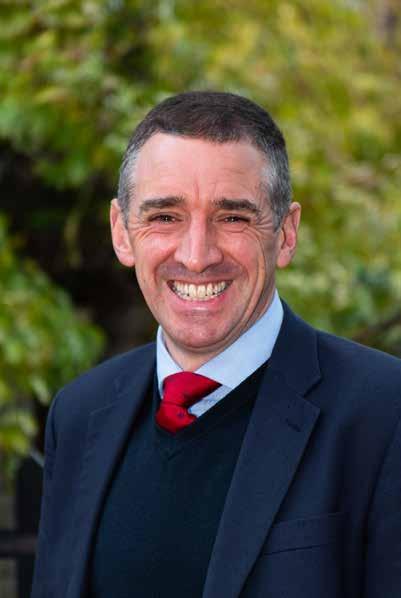
“When young people commit to activities outside the classroom, whether on stage, in the studio, on parade or in the great outdoors, they are learning the habits that set them up for life.”
Andrew Mansergh, Deputy Head Co-curricular
A strong co-curriculum does three things well:
• It gives pupils a sense of belonging through shared endeavour be that in a team, an ensemble, a cast or a squadron.
• It provides challenge and adventure in safe, structured ways – whether physical, intellectual or creative.
• It encourages creativity and exploration, opening up parts of the mind and character not reached in the classroom alone.
When these elements combine, pupils learn to manage themselves, work with others and step into challenges with confidence. They also build habits – punctuality, preparation, pride in appearance, reliability – that may seem like small details but become the foundations of adult character.
At Oundle, we see this in many different forms. Rowers taking on Henley Regatta for the first time. Actors tackling The Crucible in the Stahl Theatre. Musicians performing at the Royal College of Music. Third Formers camping out as part of their first DofE experience. The Marching Band representing the School at the Lord Mayor’s Show. Each experience is unique but together they create a rhythm of life that pupils carry with them long after they leave.
Importantly, these experiences are not “extra.” They are central to what it means to be at Oundle. They give our pupils space – physical, emotional and intellectual – to think deeply, grow independently and discover who they are.
Alumni often reflect that it was not a single exam grade or trophy that defined their Oundle years but the skills and resilience they learned by juggling commitments, leading teams and throwing themselves into opportunities. One Old Oundelian captured it perfectly when she wrote in her first year at Cambridge: “Above all I recognise that the greatest life skill Oundle taught me was to manage my time effectively, juggle my commitments and be organised, something I will always be grateful for.” Her words remind us that academic excellence and co-curricular engagement are not in competition. They are complementary and mutually reinforcing. That ability to “get stuck in” becomes a habit and ultimately a mindset.
For parents, the reassurance is that strong academic progress and co-curricular engagement are not in tension. In fact, they reinforce each other. When pupils feel a sense of belonging, rise to new challenges and explore their creativity, they grow in confidence and purpose – qualities that feed directly back into the classroom.
At Oundle, we want every child to thrive in both spheres because it is the combination of knowledge, character and experience that equips them for the future.
One of the simplest ways to support your child is to encourage them to say yes – to try something new, to persist when the first attempt feels daunting and to celebrate effort as much as outcome. Not every opportunity will become a lifelong passion but each one will help them build the habits, friendships and confidence that make their time at School – and beyond – so rewarding.
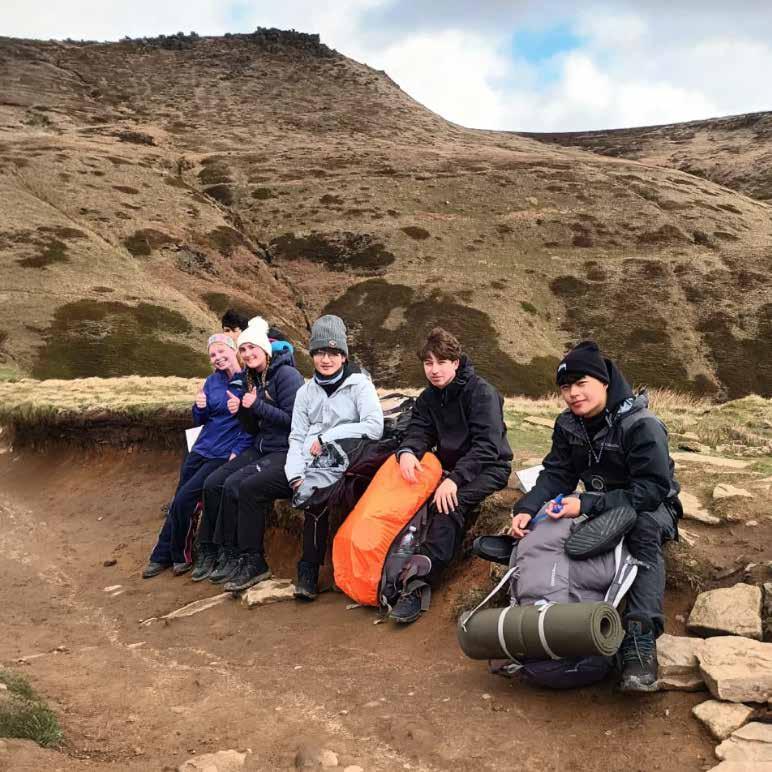
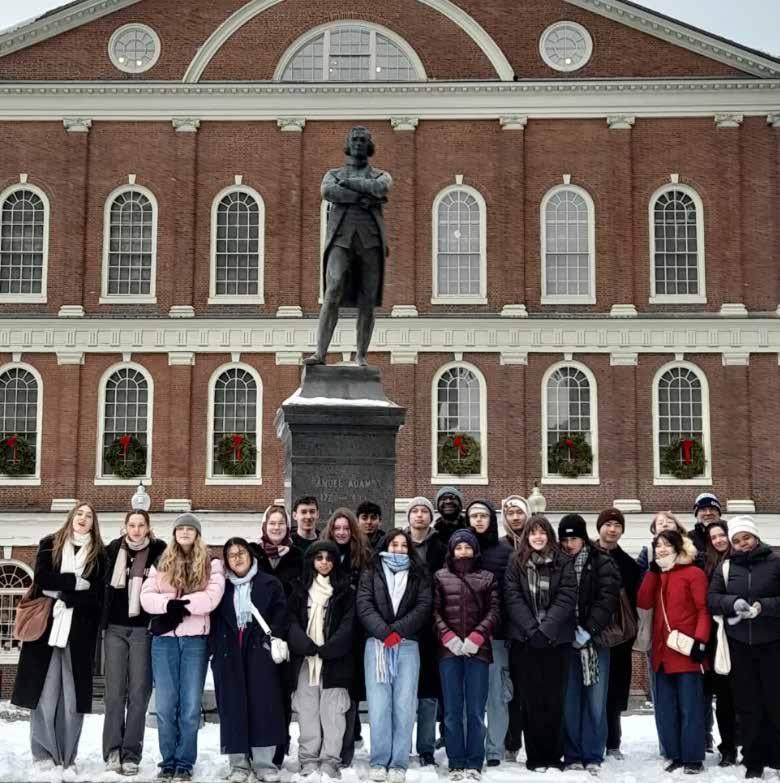

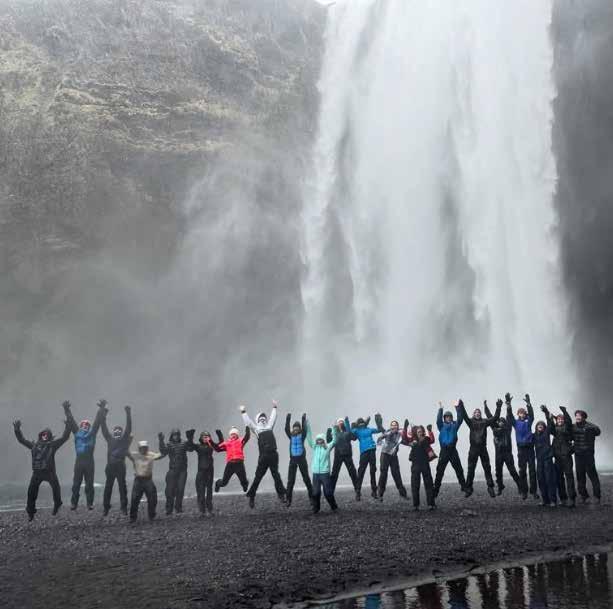
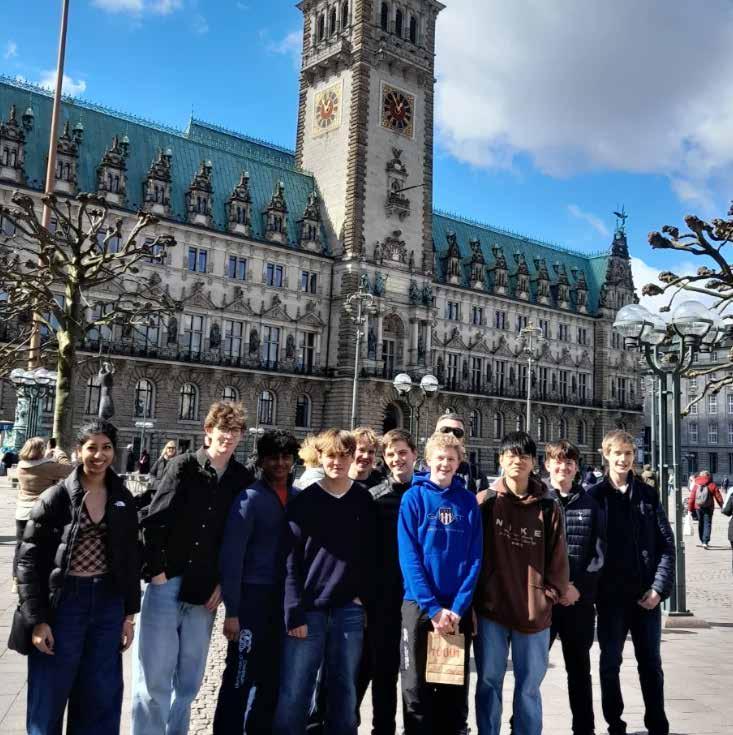
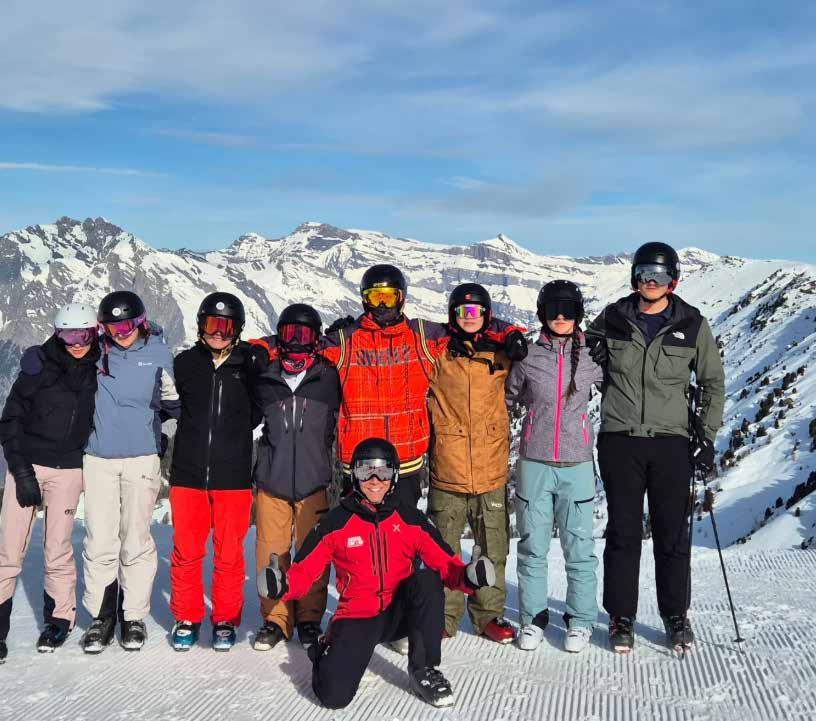
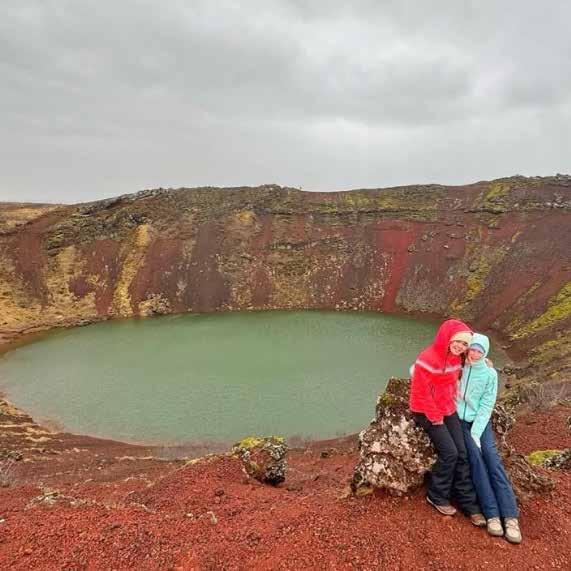
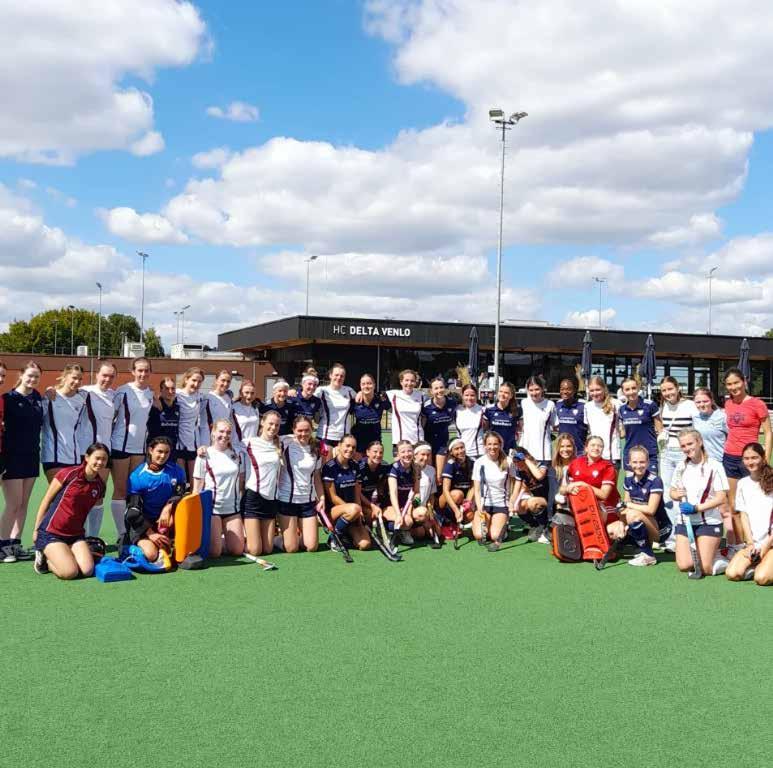
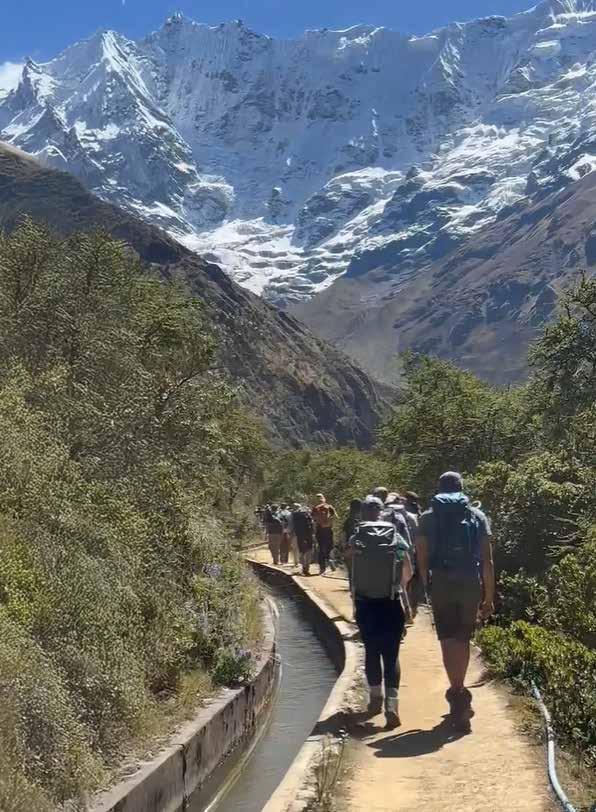
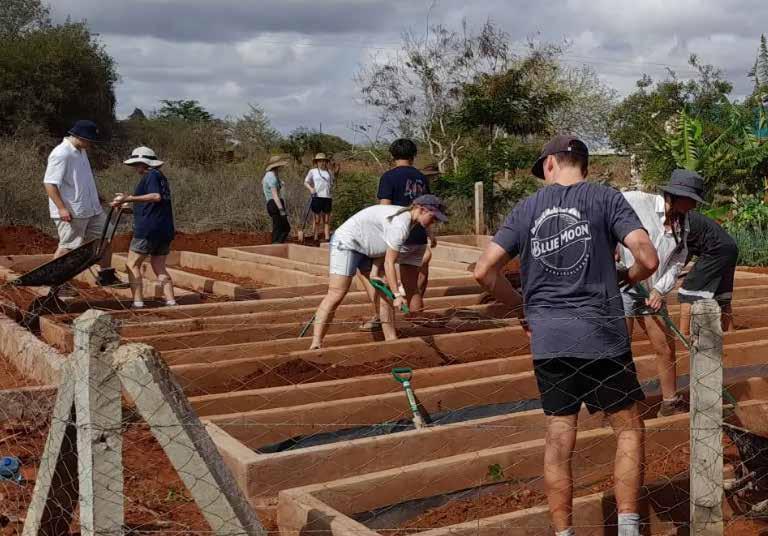
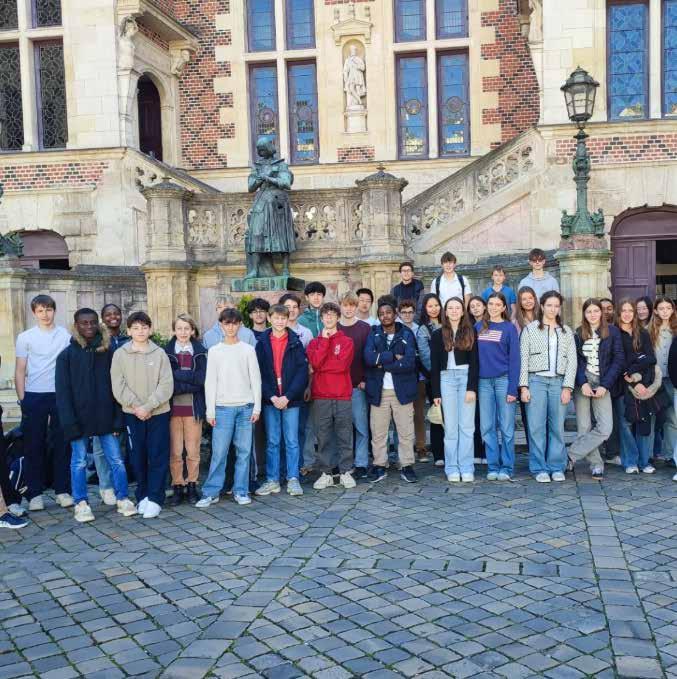
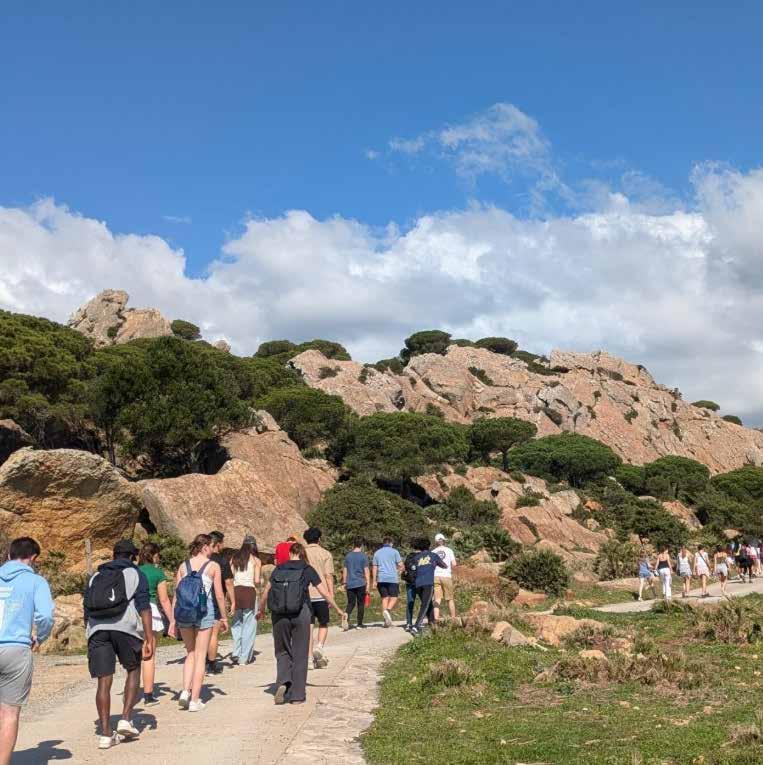
Trips are a core part of life at Oundle. In 2024-25, pupils took part in 328 day, residential and overseas visits, amounting to more than 11,000 pupil visit days across the year.
The programme spans local fieldwork, residential courses, exchanges and overseas travel across Europe, North America, Africa and South America. These photographs offer a snapshot of those experiences, showing learning taking place beyond School, across subjects, year groups, and settings.

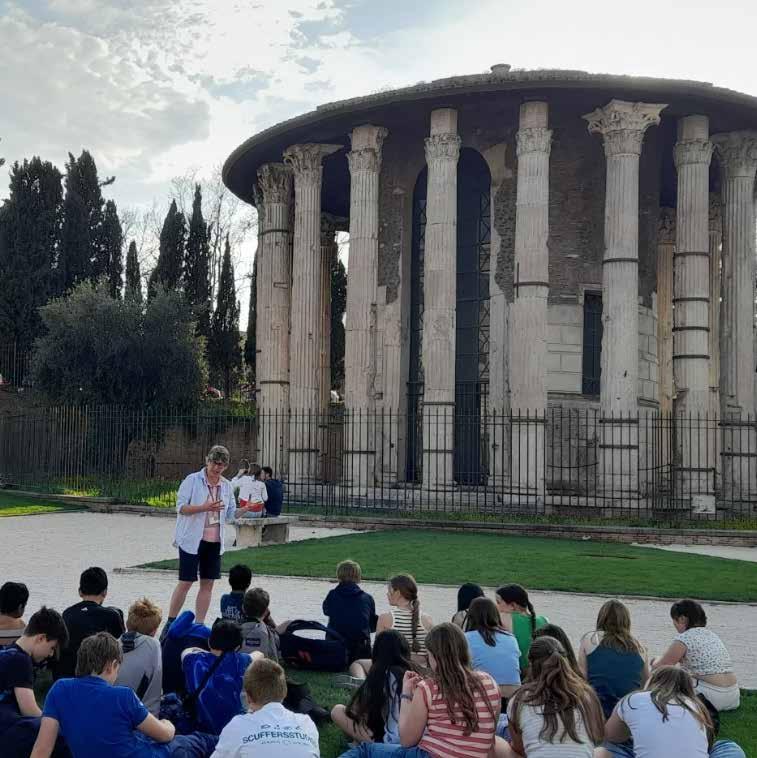

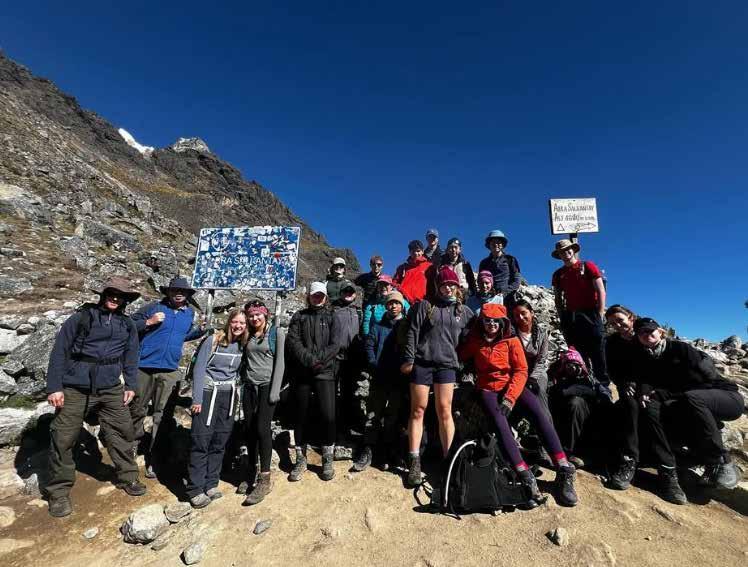
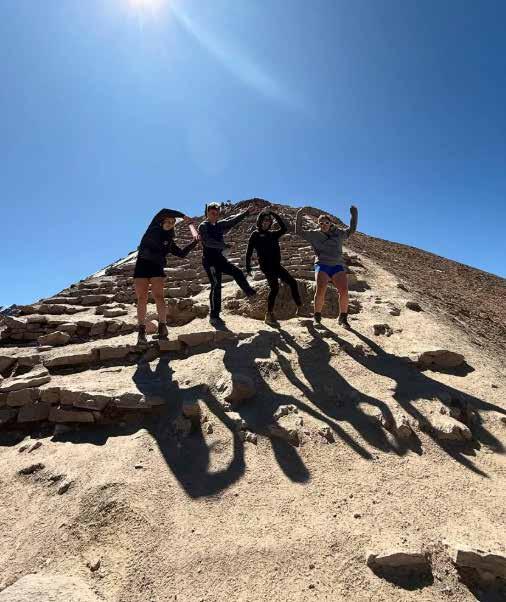
"Peru in a single word: vibrant. Vibrancy in the chains of multi-coloured pom poms floating in doorways, vibrancy in the liveliness of the different languages we encountered and in the smiles of friendly faces with stories to tell, vibrancy in the colours we saw in the countless landscapes and the passionate preservation of the Incan culture."
Emily, Peru 2025
Oundle’s co-curricular life gives pupils space to stretch themselves in every sense: physically, mentally and morally. Shared experiences of challenge, service and leadership build confidence and connection that last long after School days end.
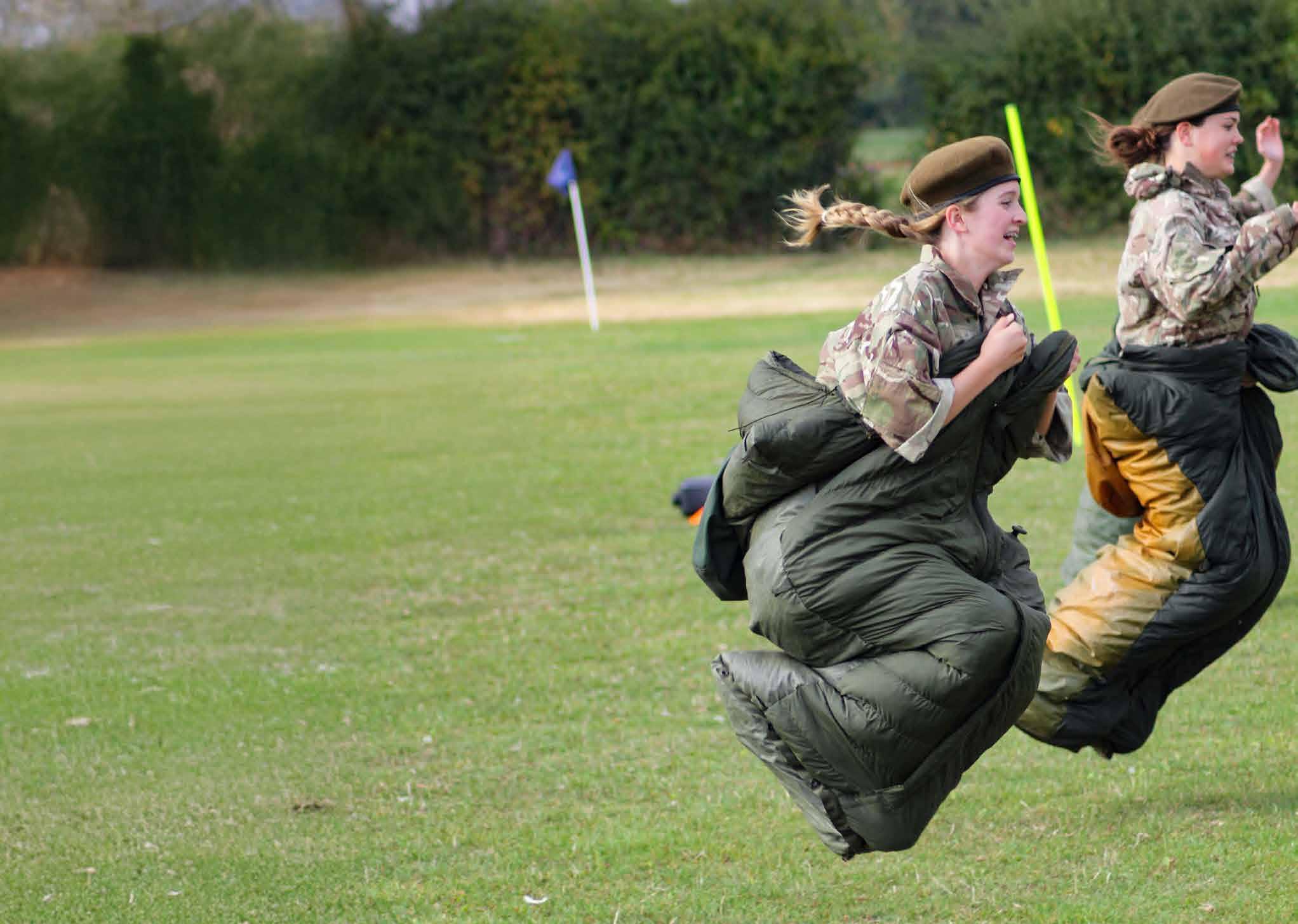
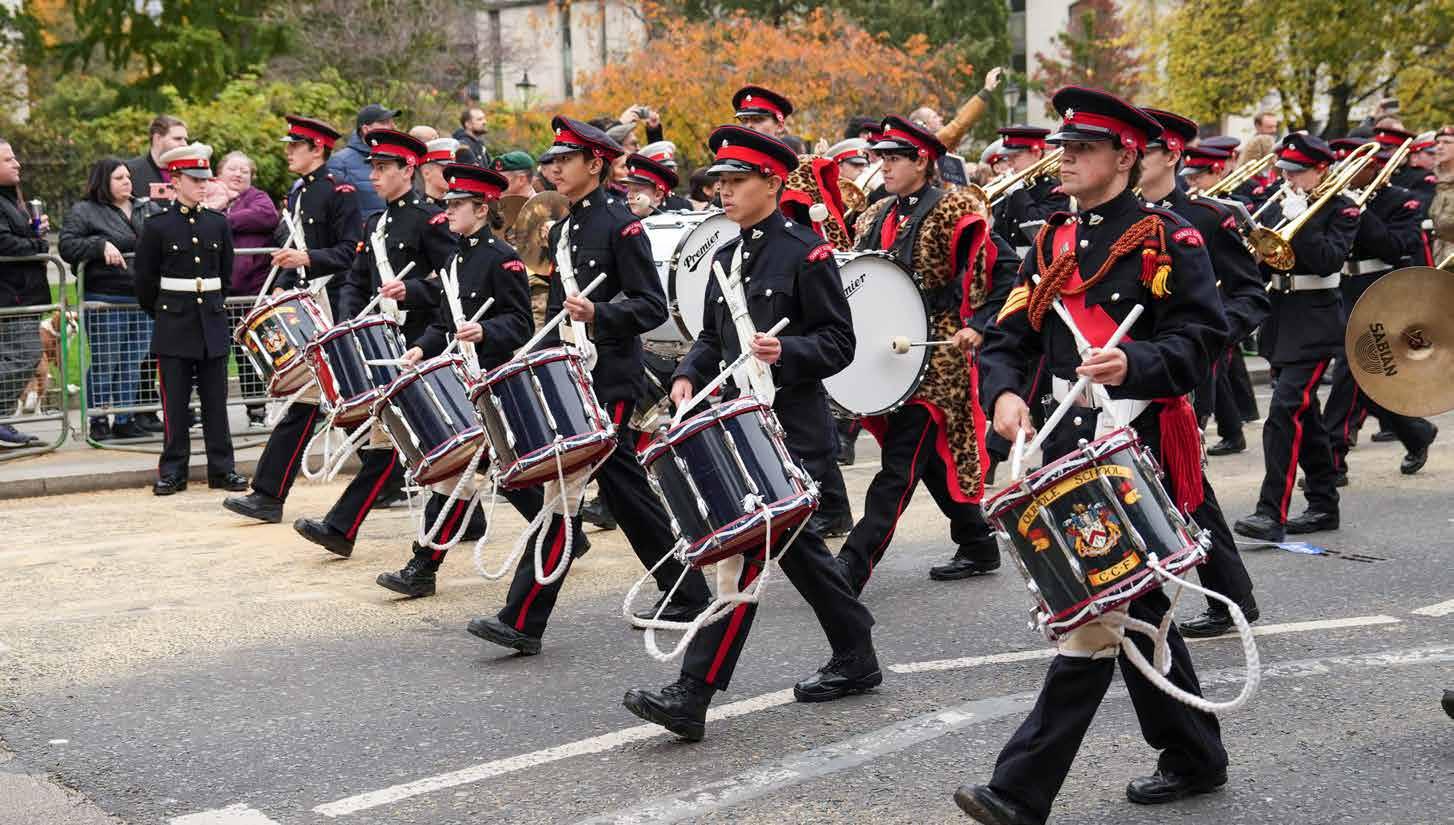
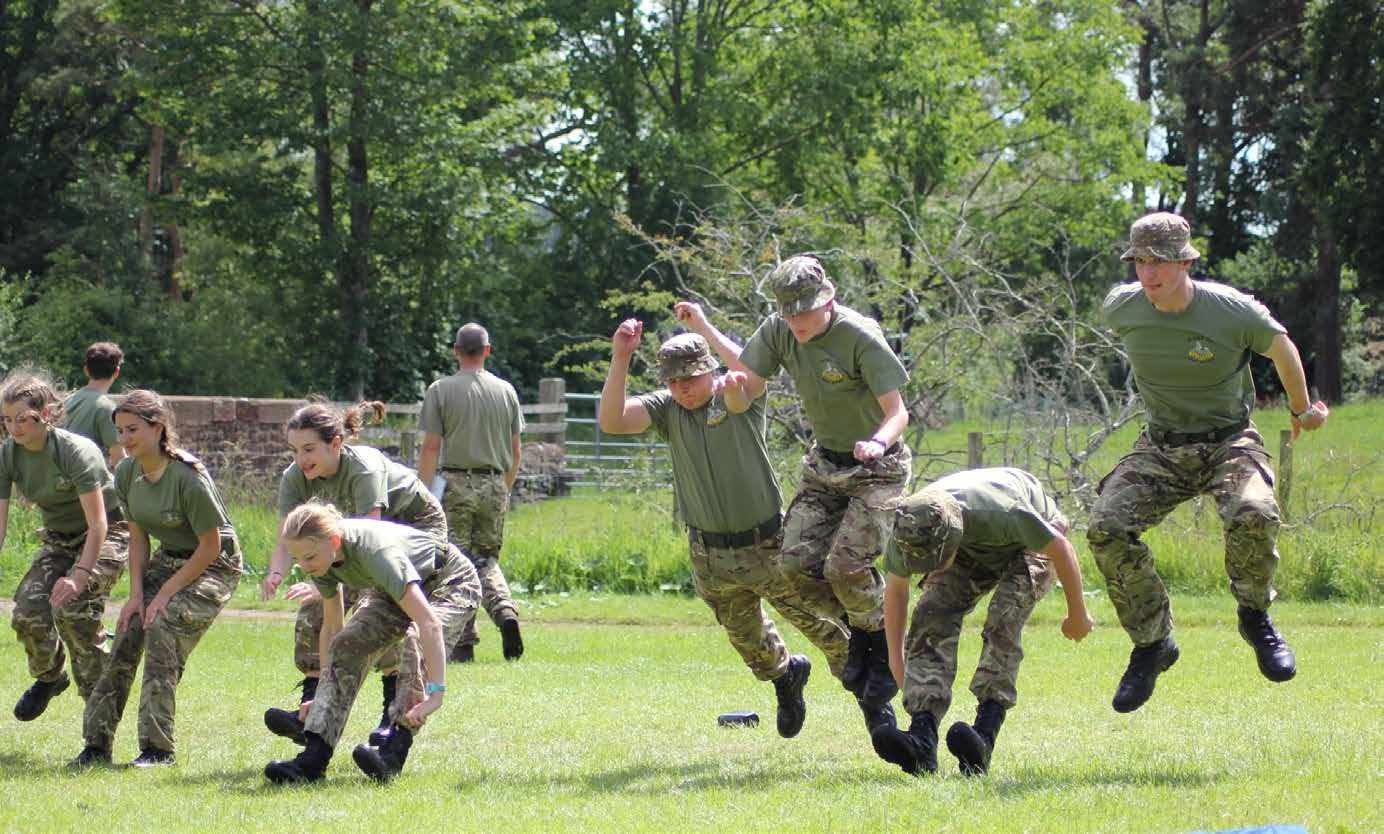
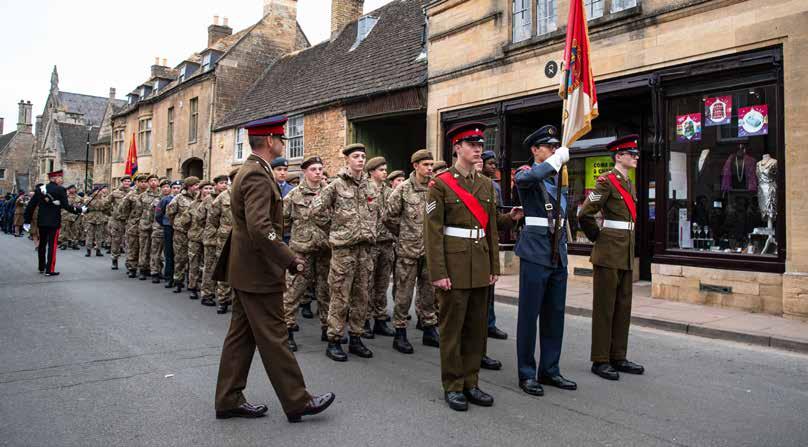
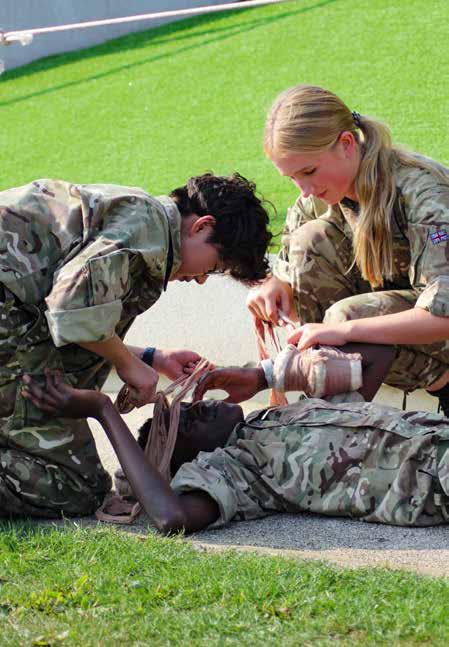
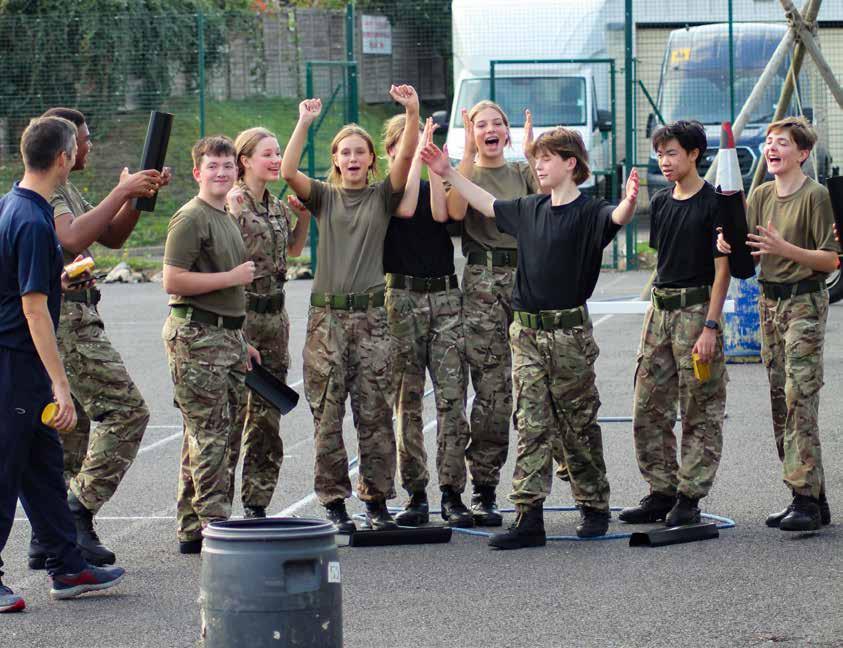
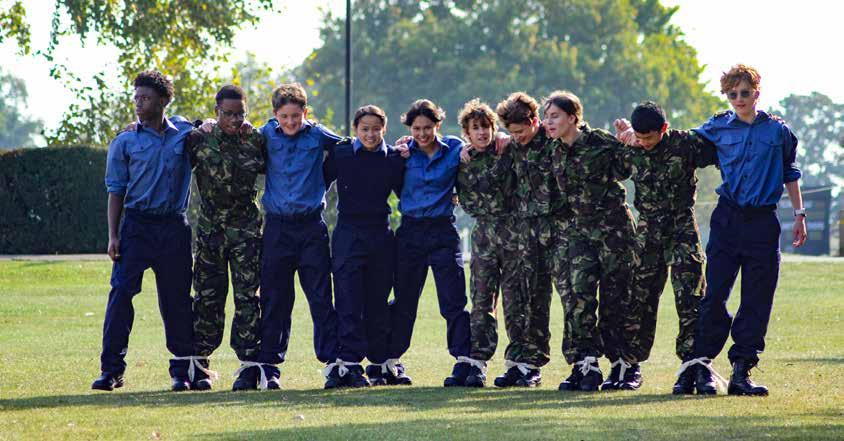
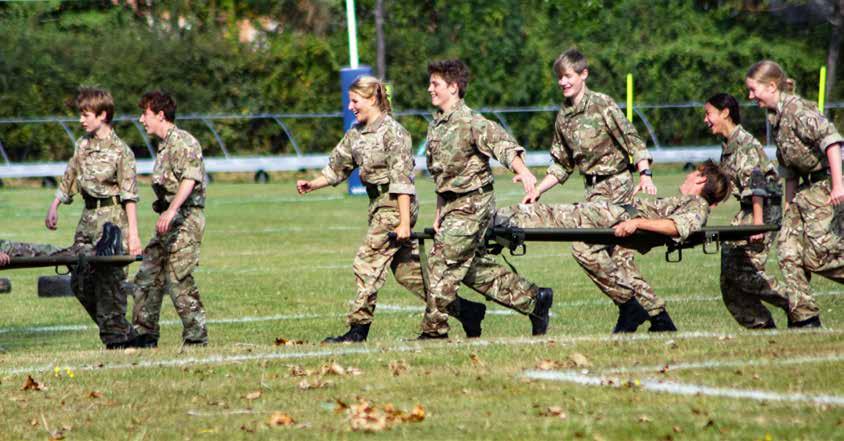
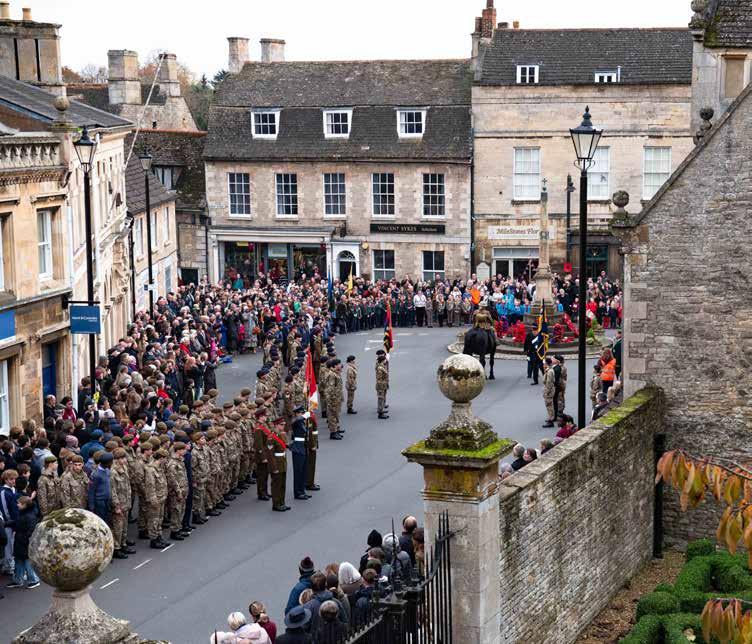
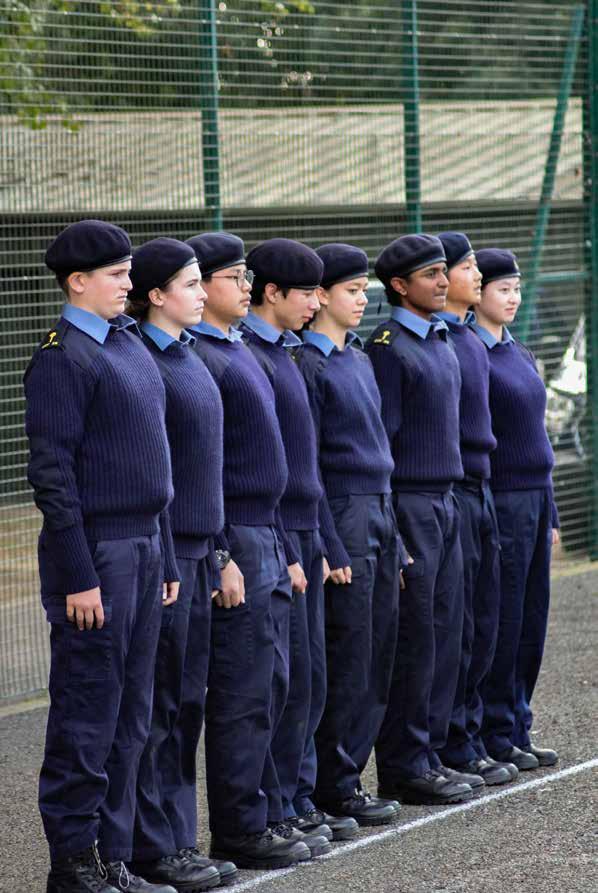
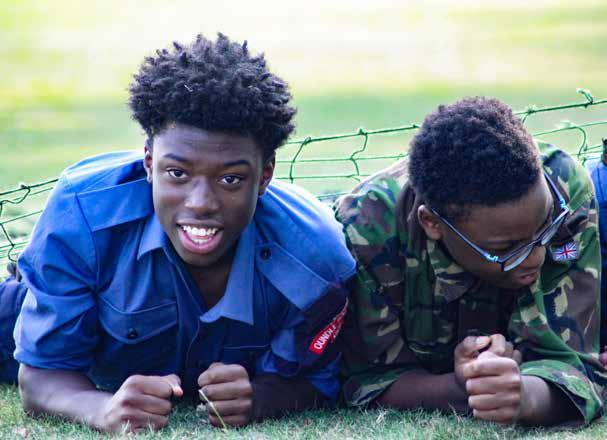
More than 330 cadets took part in the Combined Cadet Force this year, developing teamwork, self-discipline and leadership across the Army, Navy and RAF sections. The Army Marching Band led the Griffin in the Lord Mayor’s Show, a highlight that showcased both precision and pride. Senior cadets took leading roles in field exercises, inspections and ceremonial events, including the Annual Parade reviewed by Major General Tony Turner RM (N94).
The RAF and Adventure Training sections ventured to London, Portsmouth, the Peak District and South Wales, while the Navy section developed seamanship and navigation through training and trips.
“Leadership grows quietly here - through responsibility, challenge and friendship.”
2025 CCF report
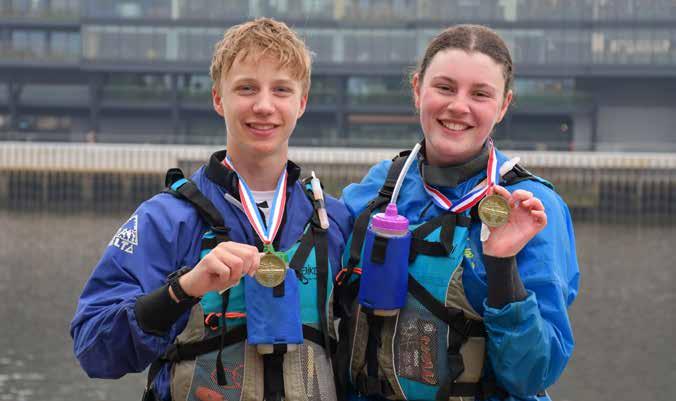
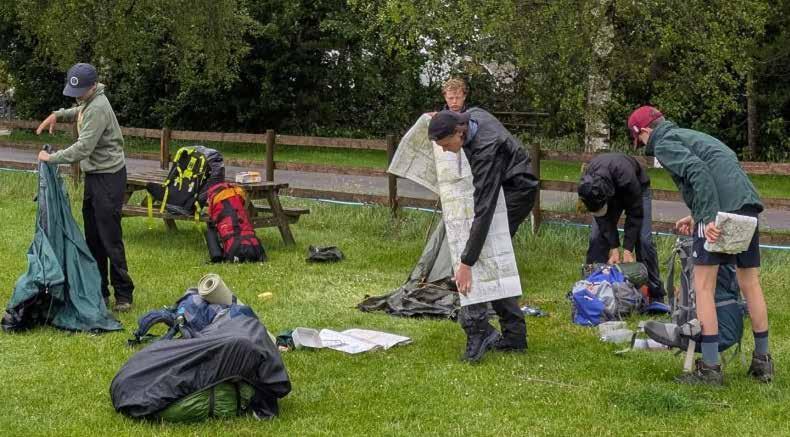
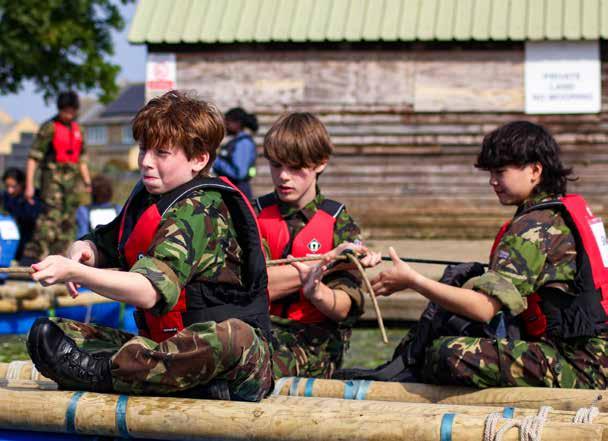
The Duke of Edinburgh’s Award remains one of Oundle’s most popular and defining experiences. Every Third Former completed Bronze training, learning to camp, cook and navigate independently before 185 pupils achieved their full Bronze Award. At Silver level, 73 Fifth Formers took on expeditions in Shropshire and Bakewell, while at Gold, 37 pupils completed walking routes in the Yorkshire Dales and 11 prepared for sailing assessments on the Norfolk Broads. 14 Upper Sixth pupils and Old Oundelians were invited to the Palace to receive their Gold Awards in recognition of completing all five sections.
“It’s the shared moments that stay with you: the rain, the laughter, the teamwork.”
DofE participant, Gold expedition
Alongside supporting national appeals for the Royal British Legion and Christian Aid, the Oundle community came together to raise funds for a collection of cancer charities. Inspired by Andrew Hine’s courage and determination in the face of a terminal diagnosis, pupils and staff ran, walked and swam 40,075 km – the circumference of the Earth – during the Michaelmas Term, raising £12,064 for charities chosen by each House.
Under this banner, Sanderson organised a whole-School Colour Run which raised over £2,000 and will remain a lasting fixture of the School’s charity calendar, a fitting legacy of Mr Hine. Individual pupils also led collections for the local food bank and a sponsored walk for Alzheimer’s charities.
The PPF Ambassadors coordinated pupil fundraising across the year, overseeing two black-tie dinners and supporting House initiatives. Together, these efforts raised £37,171.54 in total – a remarkable demonstration of energy, generosity and shared purpose.
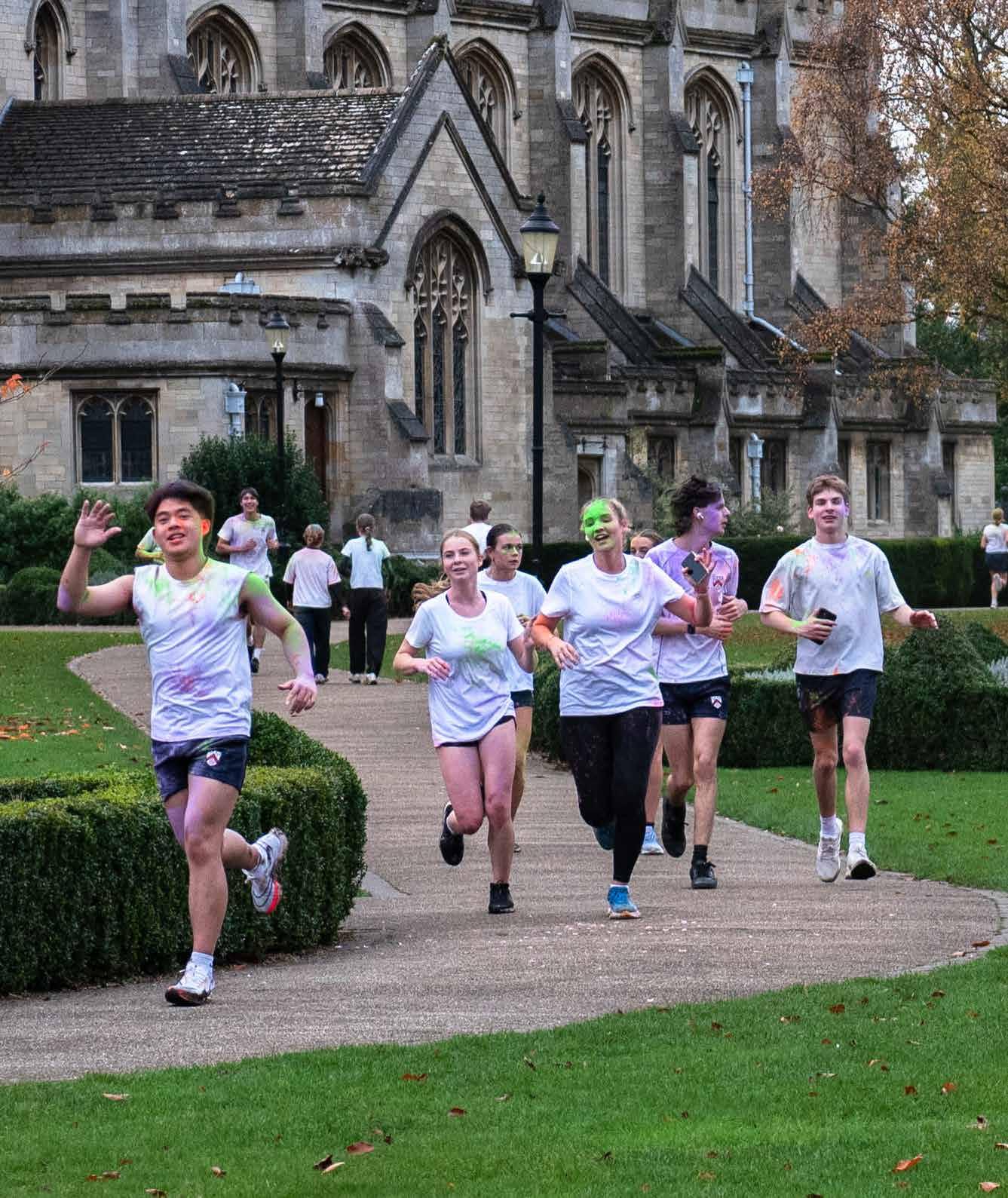
“The Colour Run was a joyful celebration of community and courage. It showed how collective effort, even in tough times, can make a lasting difference.”
PPF
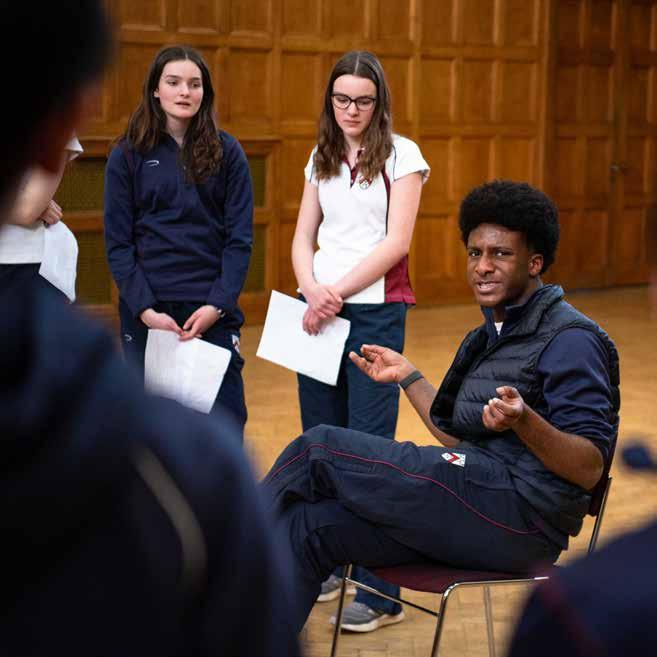
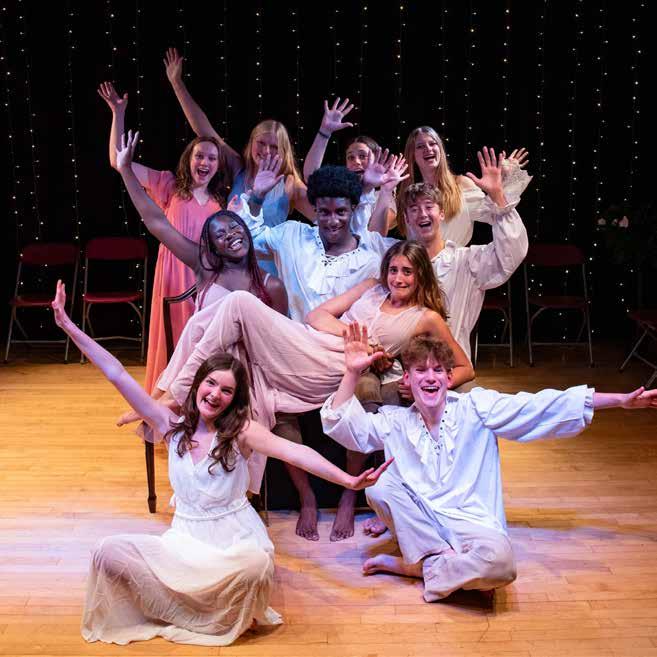
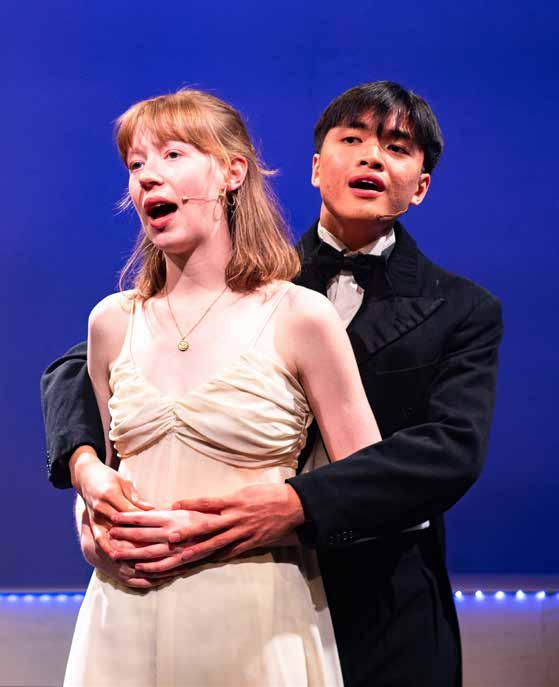
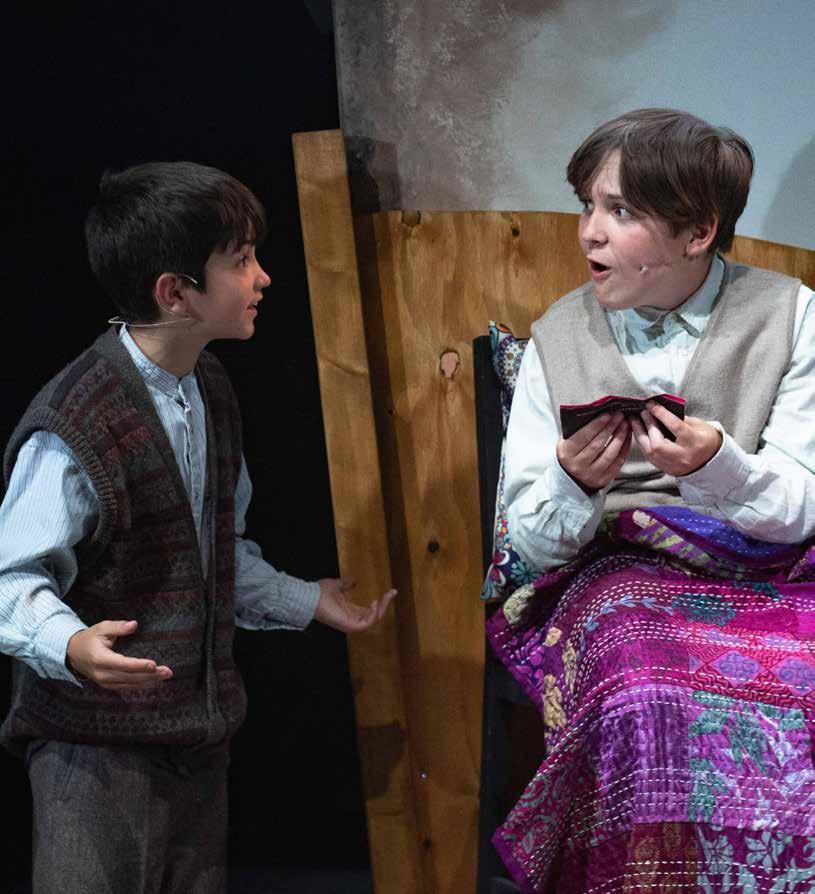
2024–25 was a year of contrast and creativity on the Stahl stage.
From Shakespeare to dance theatre, Arthur Miller to farcical comedy, performances ranged from ambitious House productions to professional-standard senior plays, all delivered with Oundle’s characteristic blend of purpose and imagination.
At the centre of it all is the Stahl, our working theatre where pupils of all ages immerse themselves in the creative process on stage and behind the scenes. Technical theatre became more deeply embedded within the curriculum following the appointment of Amanda Humphries as Theatre Technician, whose industry experience has transformed backstage learning. The A level programme was further enriched through workshops with Tony Award-winning sound designer Carolyn Downing and director Max Stafford-Clark.
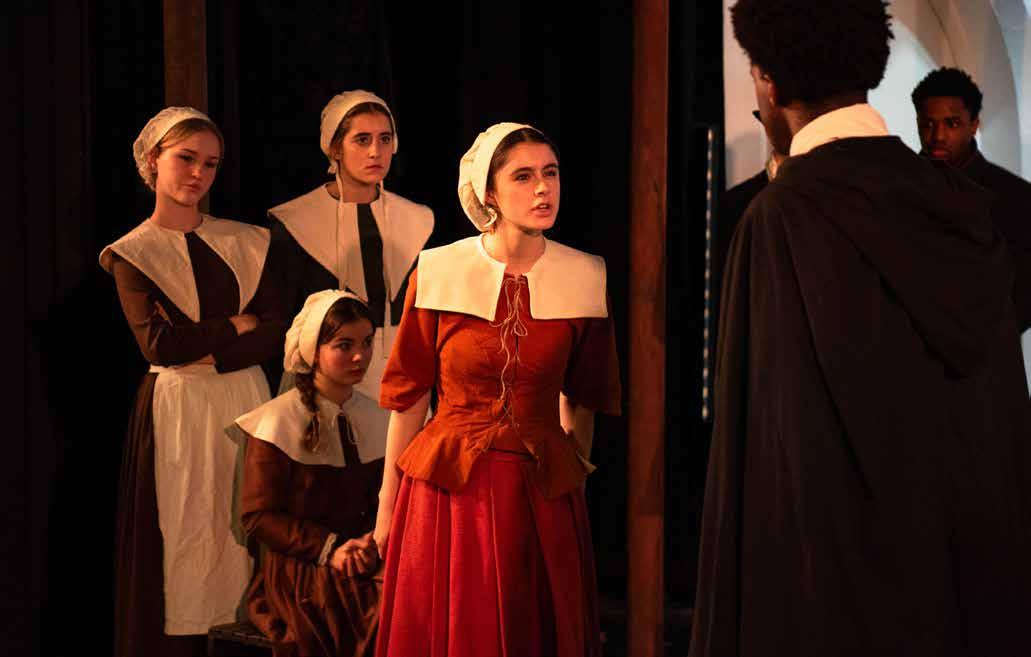
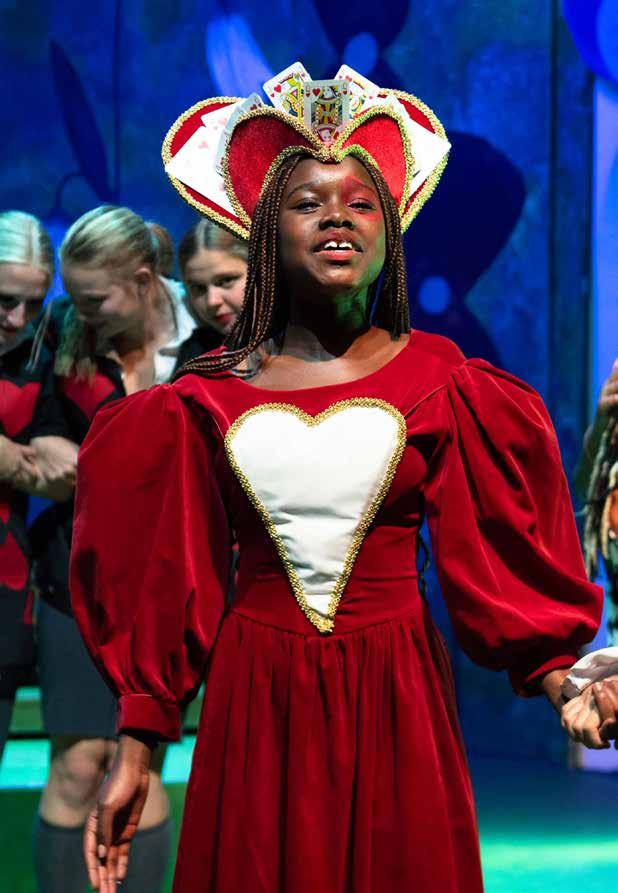
A busy Michaelmas Term opened with Our Globe, a showcase of Shakespeare scenes led by the Drama Scholars. The Scholars also benefited from a dedicated day at Leicester Curve Theatre that included professional workshops and a performance of My Fair Lady. House productions followed including Alice in Wonderland from New House and Dryden’s witty The Watsons. The term concluded with a powerful Upper School production of The Crucible delivered with skill and maturity.
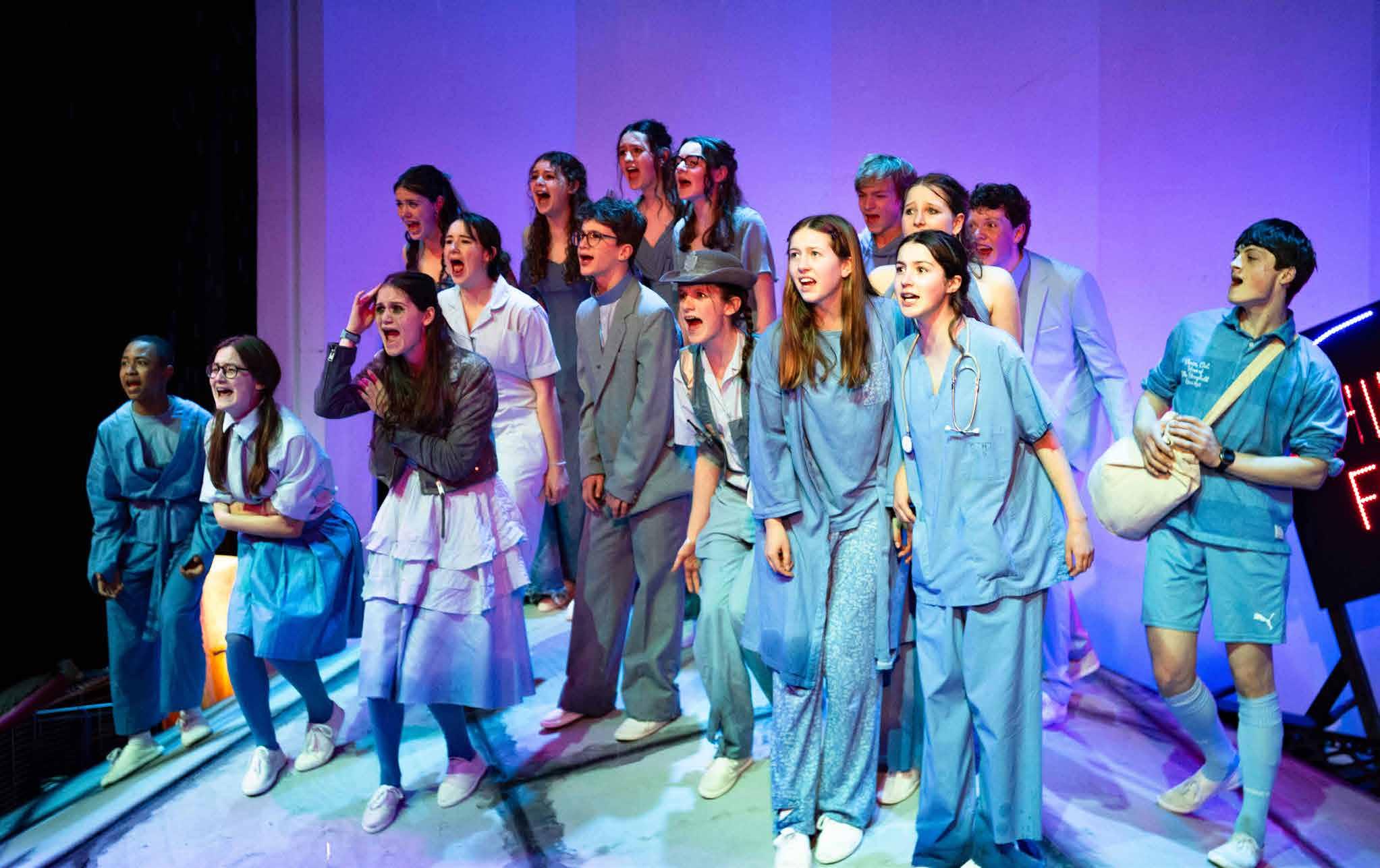
The Lent Term brought a sharply directed Dracula performed by Lower Sixth pupils, School House’s exuberant The Happiest Days of Your Life and Flood, a beautifully conceived ensemble piece nominated for Best Production and Best Ensemble at the National School Drama Awards.
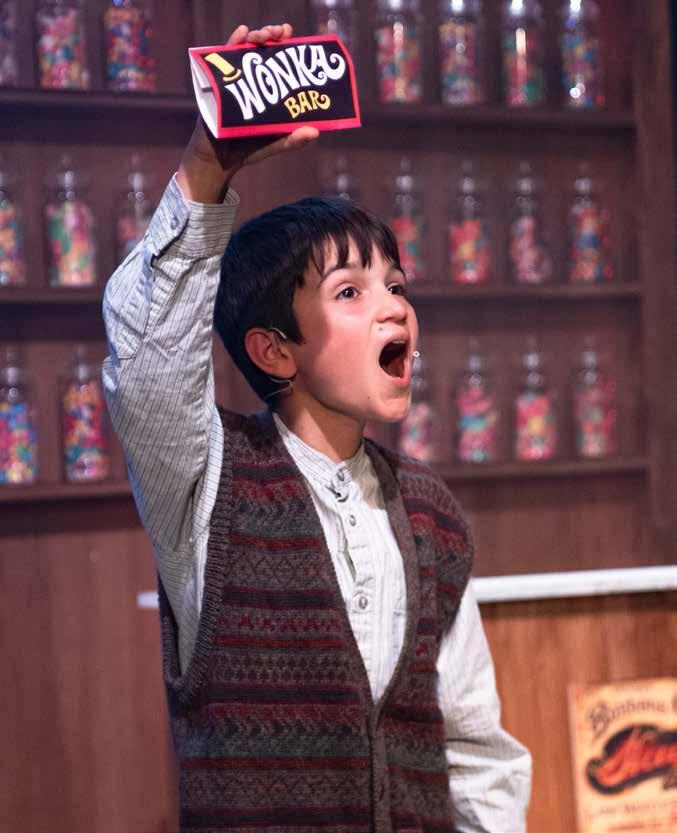
The year ended on a joyful note with Charlie and the Chocolate Factory, a vibrant junior production that showcased the confidence and imagination of more than thirty young performers.
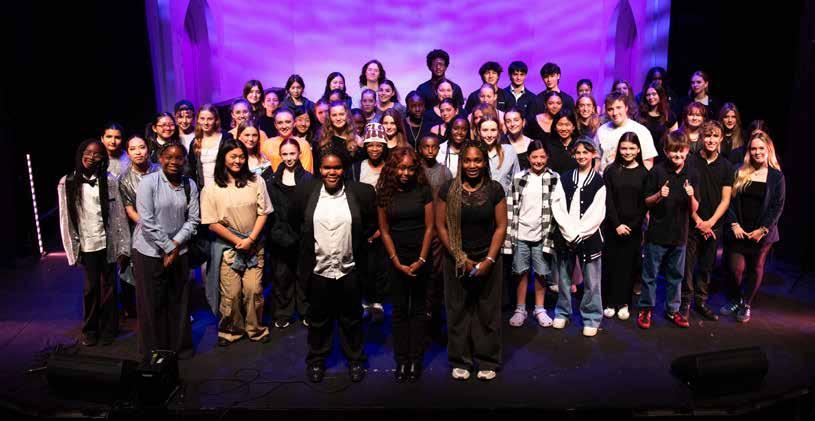
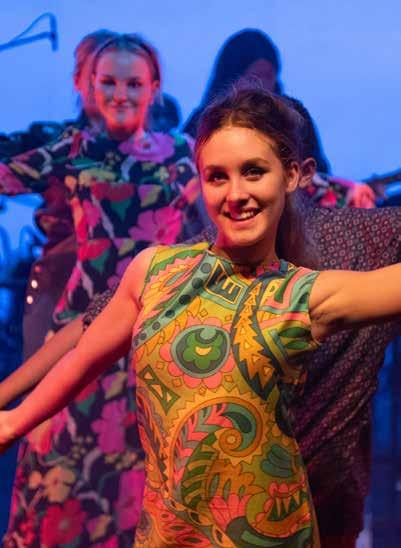
Identity 2024
Across the year Oundle’s drama thrived on the culture that surrounded it. The Dance Mixtape, now in its third edition, the Musical Theatre Competition and Identity gave pupils space to explore their voice and push their creative boundaries. Wontner Drama Day, led by visiting physical theatre companies Tmesis and Paper Birds, brought further breadth through workshops in storytelling, movement and devised performance.
Lower Sixth pupil Emy secured a place with the National Youth Music Theatre while also retaining her senior title in the Musical Theatre Competition.

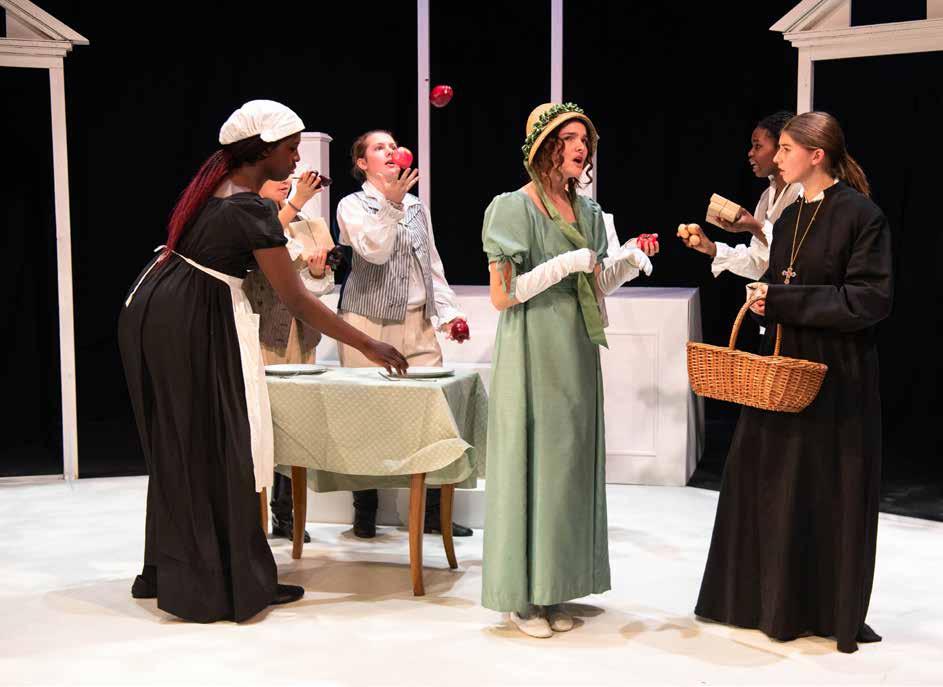
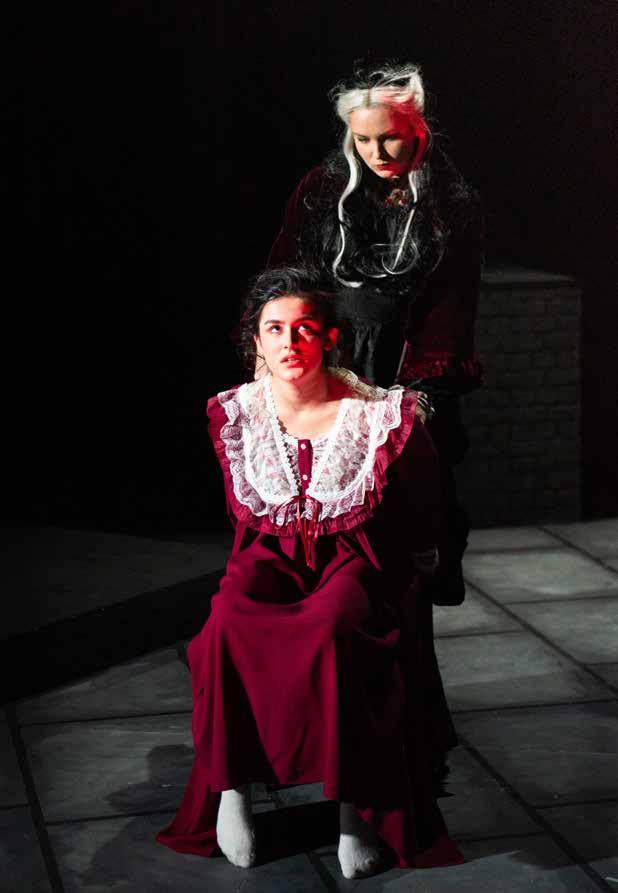
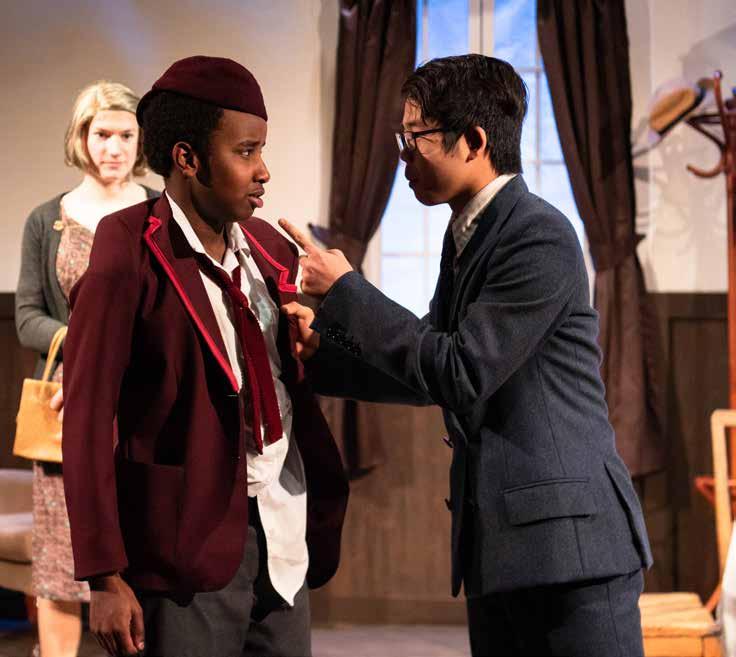
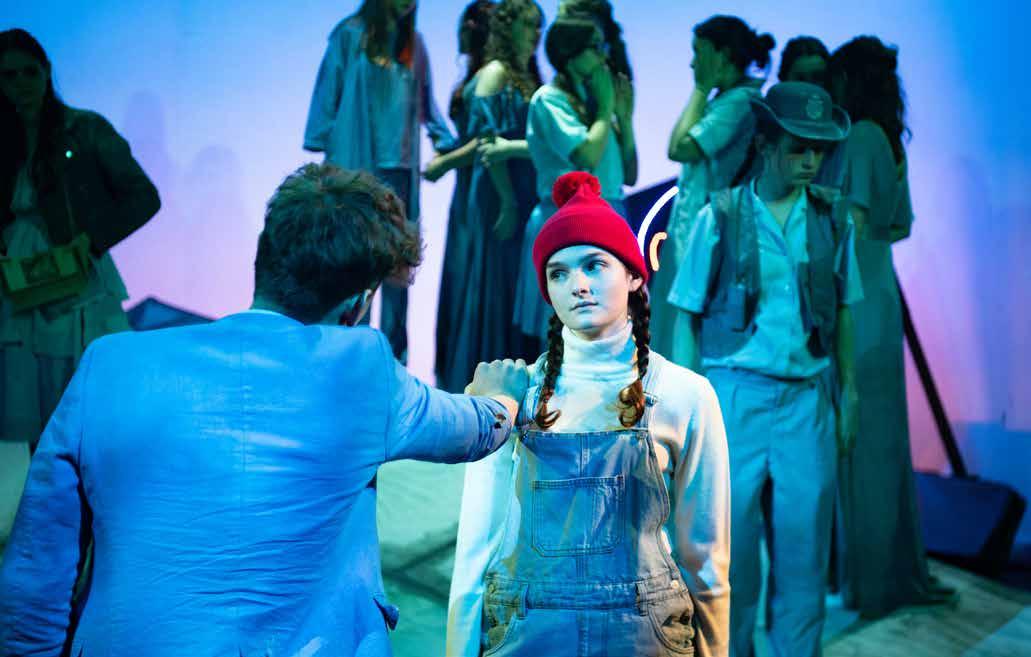
“This year’s programme has once again shown the imagination, courage and sheer enjoyment that pupils bring to performance at every level.”
Baker, Director
Music at Oundle continues to thrive with a wide range of opportunities, performances and progression.
3 packed days
568 performances
A record 568 performances took place across three packed days. Arun won the David Bateman Cup for musical promise, Emy was runner-up for the Tatum Prize and Kylia took the overall award for her “extraordinary rollercoaster” performance of Mendelssohn’s Rondo Capriccioso
“It was a joy to smash all known records with 568 performances unleashed over the course of the Hepburn Festival.”
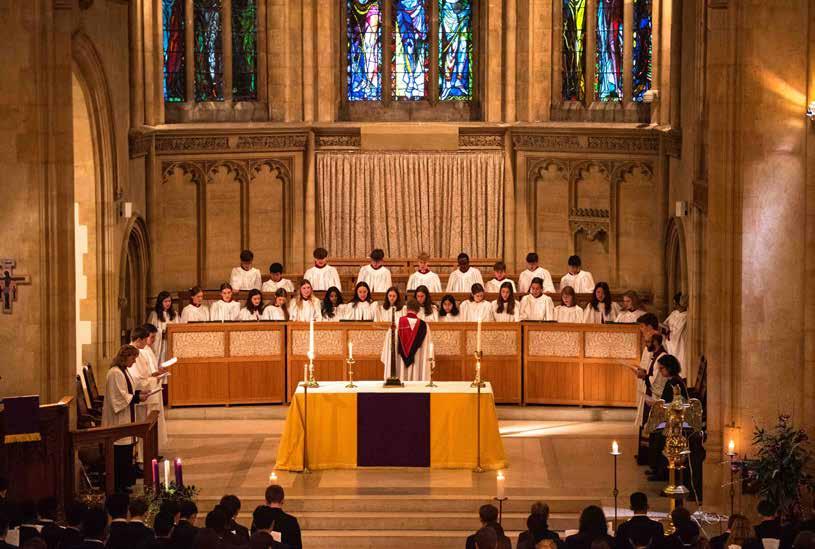
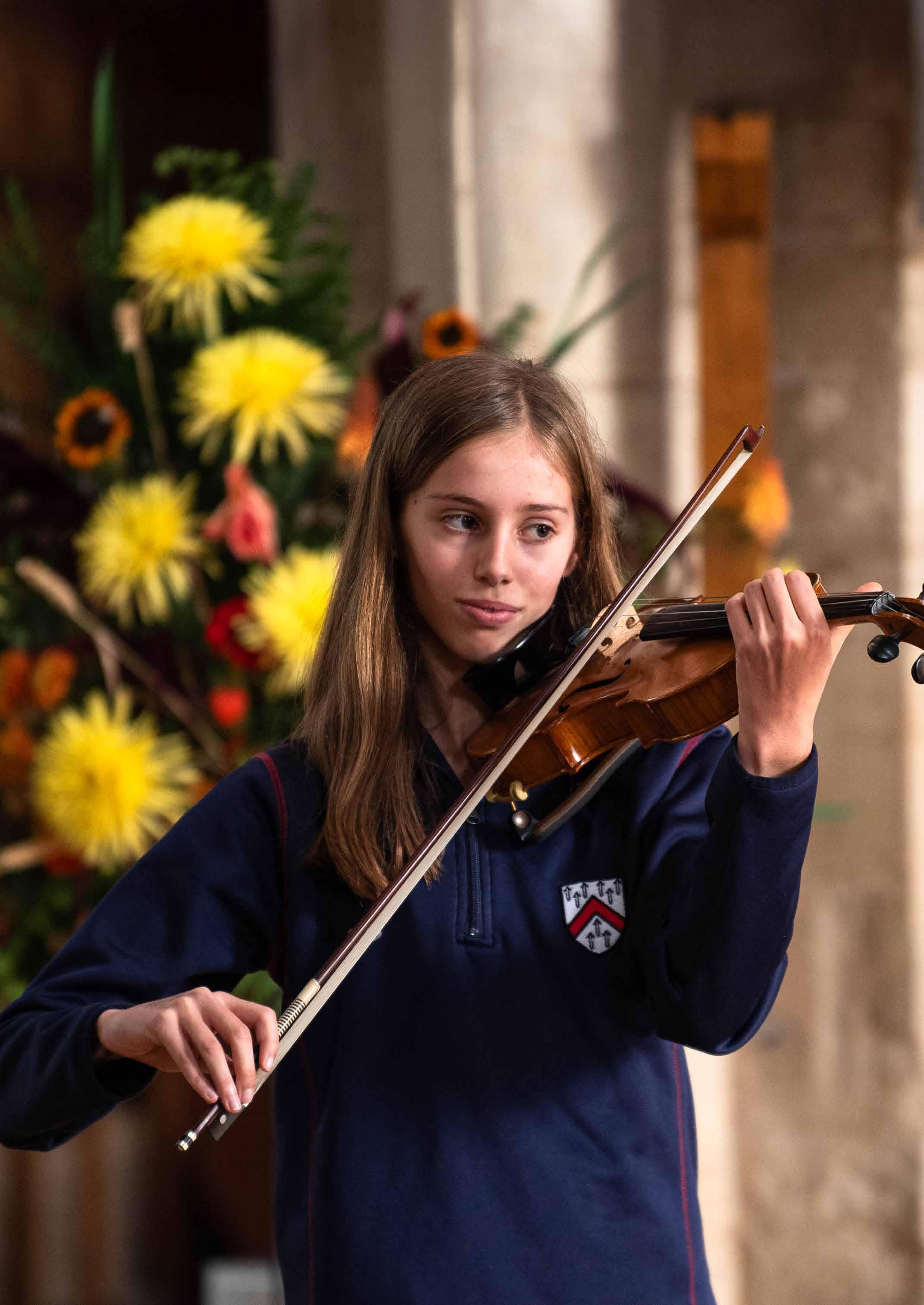
2024–25 was marked by ambition, collaboration and the joy of music-making in all its forms. From packed weekly lunchtime concerts at St Peter’s Church to major choral works, professional recording sessions and symphonic performances at the Royal College of Music, pupils engaged with music in all its forms.
The year began with concerts for music award holders, followed by The Beatles Concert, celebrating fifty years since the release of Abbey Road. The 40th anniversary of the Frobenius Chapel organ was marked with a Baroque concert and the Christmas e-card Oundle Actually brought together pupils across year groups in a contemporary reimagining of Love Actually
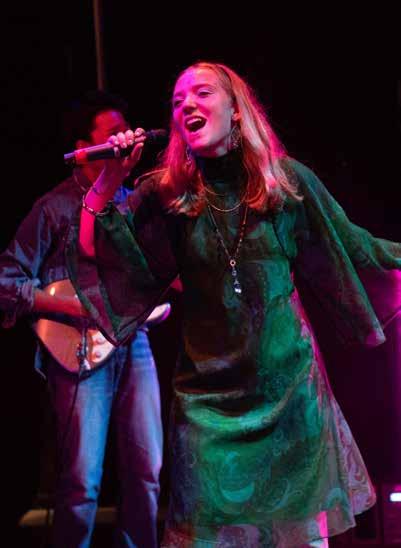
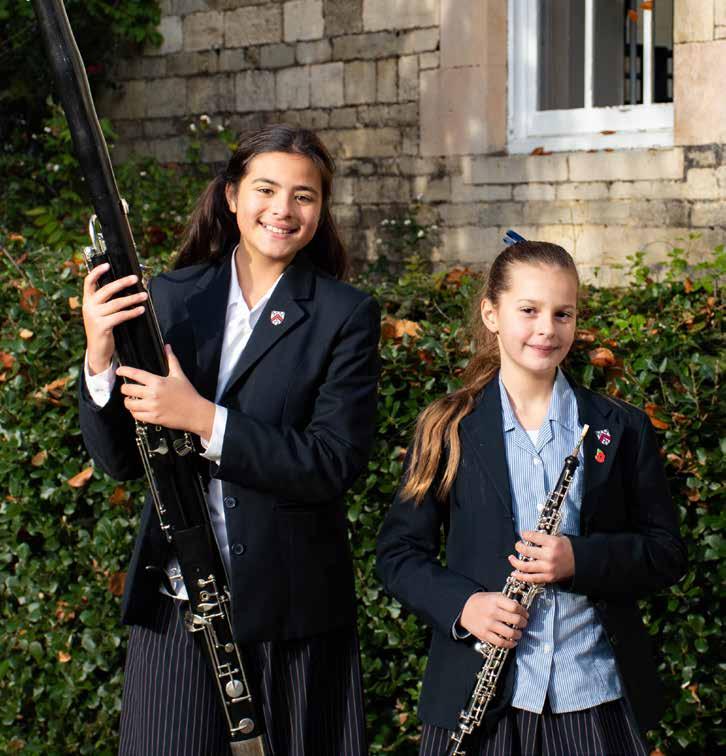
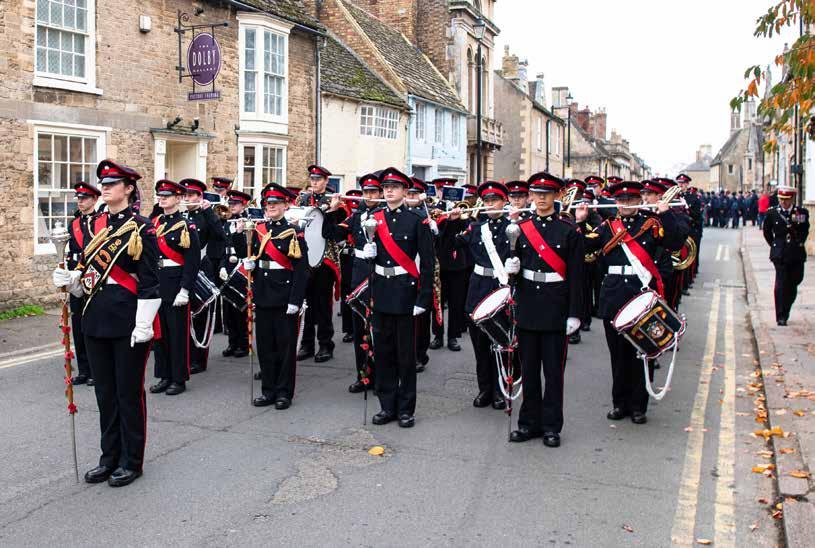
The Concerto Competition saw standards so high that the judges named two winners: Kylia on harp and Kit on viola. The CCF Marching Band, ninety strong, performed at the Lord Mayor’s Show in London before returning for Remembrance Sunday, a weekend that demonstrated musicianship, discipline and camaraderie in equal measure.
Chapel Choir, Schola Cantorum and the Oundle & District Choral Society joined forces for a concert in Chapel that featured Mozart’s Requiem while a new symphonic work was performed when the School returned to the Royal College of Music for its biennial concert, a highlight of Oundle’s unique musical partnership.
House Singing filled Chapel with enthusiasm and raised £4,000 for The Lost Voice Charity, while community performances at Oktoberfest, Maples Care Home and the CA Community Carol Service reflected music’s wider purpose.
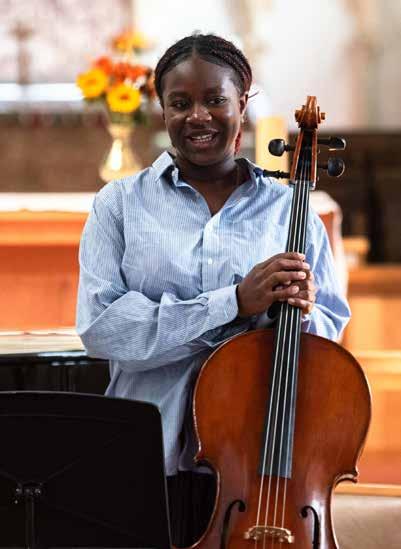
• Five Oxford choral scholarships were offered, alongside 15 Grade 8s and 11 music diplomas.
• Kylia gained her ATCL Diploma on harp and made her BBC Proms debut with the National Youth Orchestra of Great Britain - marking her out as one of the country’s leading U18 harpists. She went on to place second in the prestigious Concours Français de la Harpe in France.
• Two pupils gained places at Junior Conservatoires, studying at the Royal Academy and Birmingham Conservatoire.
• National ensemble representation included the National Children’s Orchestra, the National Children’s Brass Band of Great Britain, and the National Youth Music Theatre.
From
national finals to inter-House competitions, sport continues to run through the rhythm of School life.
For some, it’s about testing themselves against the best and striving for representative honours. For others, it’s about being active, building confidence and feeling part of something bigger. What matters is that sport here is both serious and inclusive, with pupils expected - and supported - to get involved.
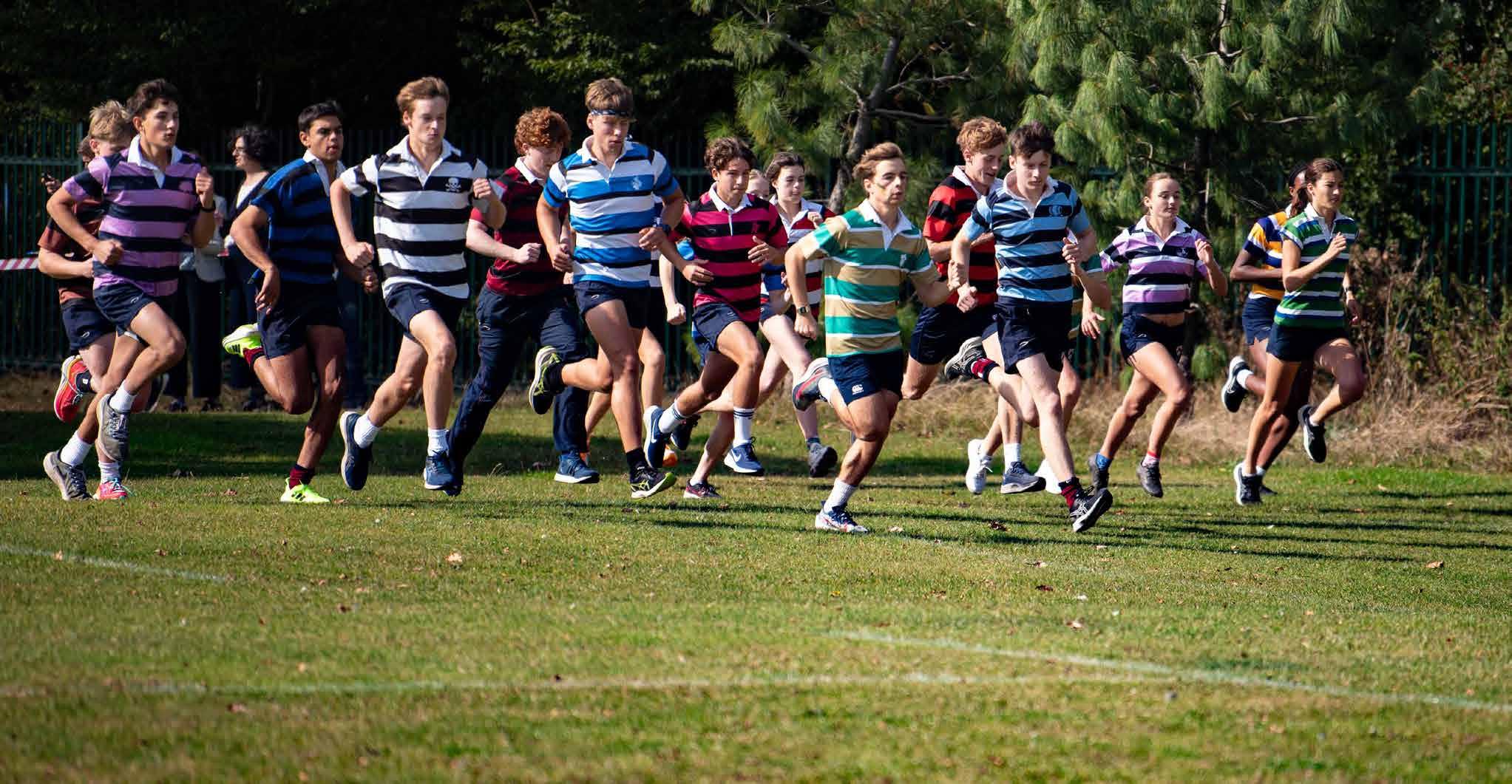
With over 1,000 fixtures played across 25 sports, participation remained consistently high from First Form to Upper Sixth. Pupils represented their Houses, the School and county, regional and national teams, reflecting both the depth of talent and the strength of the sporting culture.
Events such as Friday Night Lights, the Gale Mile and the Prep Schools’ Triathlon - which welcomed more than 1,000 visiting children - brought the whole community together through sport.
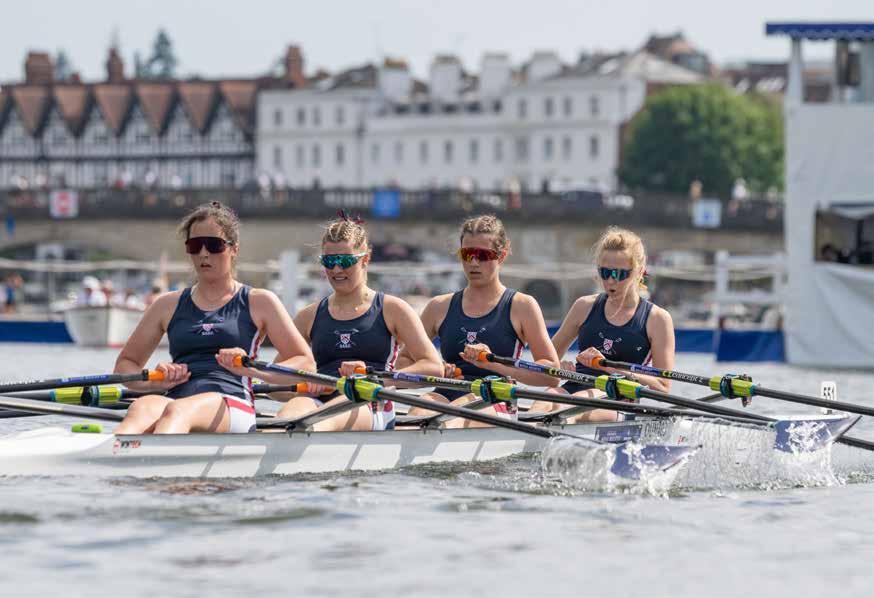
Rowing: The strongest season in over a decade, including medals at Ghent International and National Schools Regatta. Girls’ crews returned to Henley and recorded a historic win in the Diamond Jubilee Cup.
Football: U15A boys’ team completed an unbeaten season, ranked among the top nationally.
Swimming: Several School records were broken and there were strong performances at the Bath and Otter Cups.
Tennis: The Boys’ 1st IV reached the national stages of the Glanville Cup.
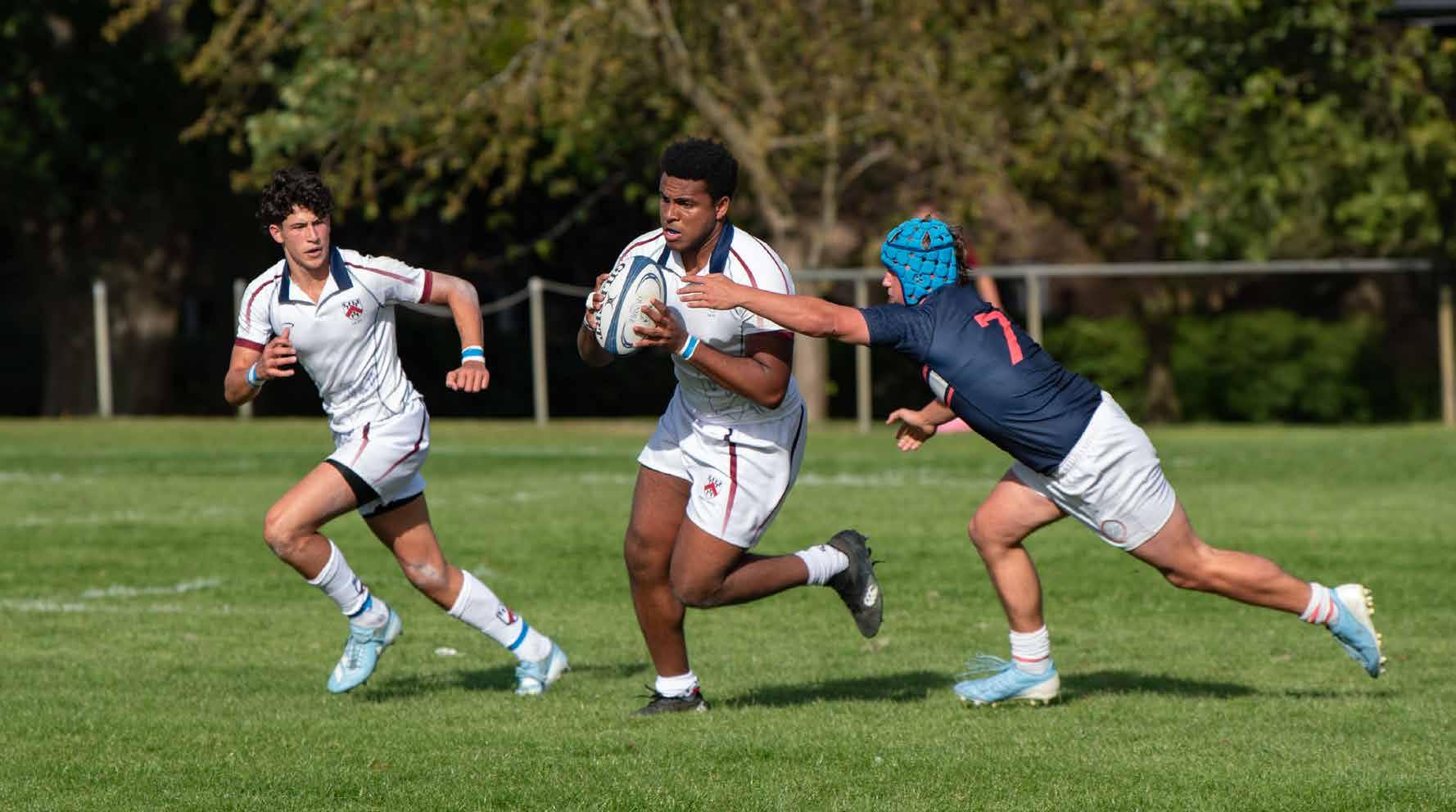
Sevens Rugby: The U16 boys reached the national Plate final at Rosslyn Park; the U16 girls entered for the first time.
“These outstanding individual successes demonstrate how high performance grows from a deep culture of participation and team spirit - qualities that remain at the heart of sport at Oundle.”
Nick Beasant, Director of Sport
Oundle’s scholarship and performance pathways continue to flourish, strengthened by partnerships with Northampton Saints Rugby, Loughborough Lightning Netball, Northants Cricket and the England Hockey Talent Academy Pathway.
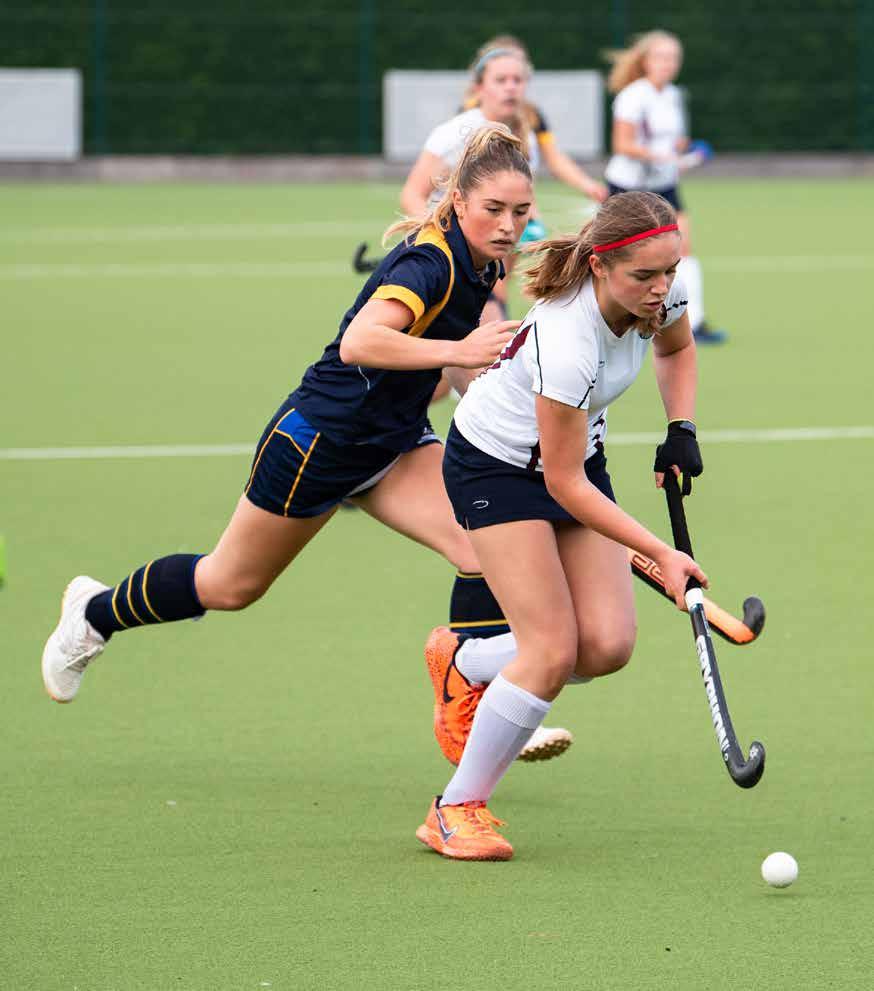
Hockey: Six pupils selected for U17 England Hockey Talent Academy.
Rugby: Strong representation in the Saints Academy and Developing Player Programmes (U15–U18).
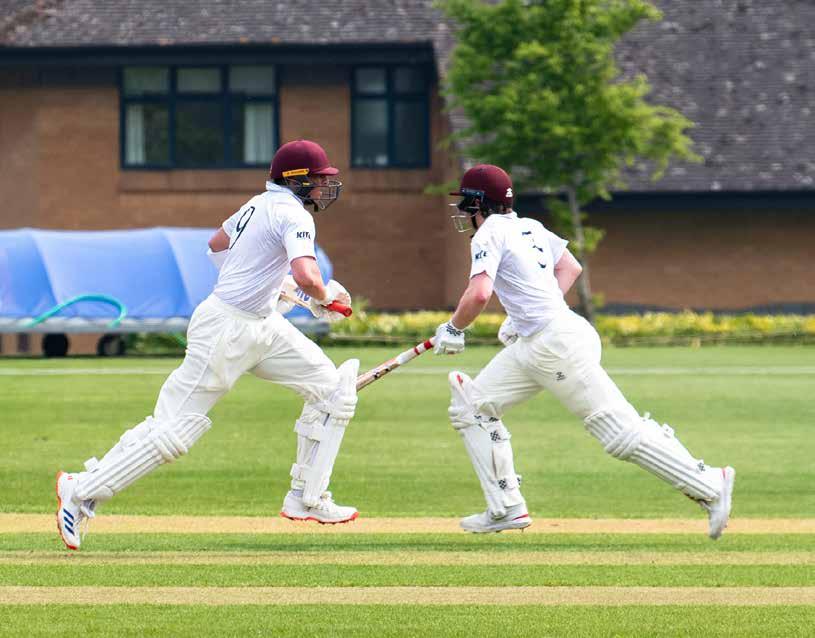
Cricket: More than 30 pupils represented counties including Northamptonshire, Leicestershire, Cambridgeshire, Norfolk, Suffolk and Cricket East.
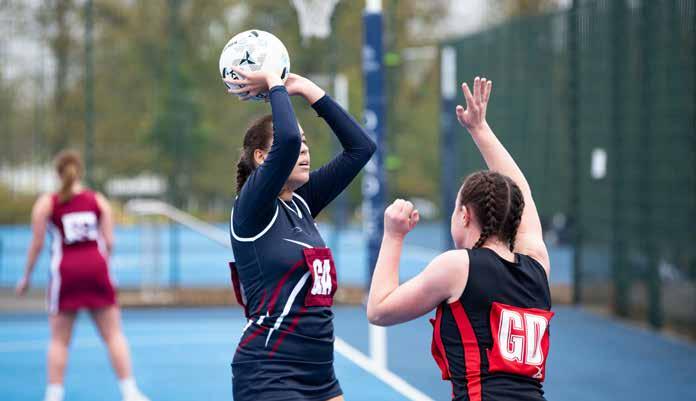
Netball: Eight pupils joined Loughborough Lightning Academy Hubs.
Athletics: Two qualified for English Schools’ Championships; others represented Northamptonshire.
Additional honours: Badminton, squash, tennis, swimming and cross country.
“Whether you’re going for a national final or just trying something new, you’re expected to give it a go properly.”
Since joining Oundle in September 2025, our new Head, Dominic Oliver, has been out and about soaking up School life. From lessons to Chapel, concerts to the touchline, lunch with pupils to meetings with parents, staff and Old Oundelians. His first impressions are clear: this is a community full of life, driven by a steadfast pursuit of high standards and a grounding in kindness and humanity.
You first visited Oundle long before you joined as Head. What struck you then and what strikes you now?
I first came to Oundle about twenty years ago, early in my teaching career, for a dinner at Cobthorne. I remember thinking: this is what a boarding school at the top of its game should feel like. There was massive ambition and it seemed that if you wanted to do something, it was possible. Everybody I met, adults and pupils, were extraordinarily engaging and engaged in what they were doing. There was something quietly magical about the place.
Now, coming back as Head, I feel that same spark. The School is bigger, the facilities are even more impressive but the heart hasn’t changed. It’s still deeply human. Still full of energy, kindness and possibility.
You’ve been here a little while now. What have been your first impressions?
It’s hard to describe just how alive the place feels. There’s a dynamism in the air and I still have the spring in my step I felt on the very first day. Every day I’m meeting pupils, staff, parents, and Old Oundelians and you feel that connection between people.
What strikes me most is the balance here. There’s serious academic and co-curricular ambition but also perspective, humour and decency. Pupils work hard but they enjoy it. Everywhere I go I see people genuinely loving being part of this place. There are very few schools that could have tempted me from my previous one, which I loved. But Oundle was at the top of the list. It has scale, ambition and exceptional depth of opportunity. It’s a school that takes what it does seriously and is unwavering in its focus on doing things well.
You started your career in a university. What brought you to schools?
I began lecturing in English at Oxford, mostly Shakespeare. I loved the subject and the teaching but I realised that what truly excited me wasn’t the research side of academia, it was sharing ideas and watching minds light up. That moment when something clicks, when connections are made, when a conversation opens up new thinking, is incredibly rewarding.
At university level, students are often already quite formed. You’re helping them sharpen their thinking. But in schools you get to help shape that journey at an earlier, more formative phase. You get to walk alongside young people as they discover who they are and what they might become. That’s exciting and it’s a huge privilege. That combination is what drew me in … and has kept me in schools ever since.
You often talk about “joy” in education. What does that look like to you?
It’s easy to forget that joy belongs in serious places. And I don’t mean joy in some sort of soft, floaty way – it’s not about being cheerful all the time. It should come with rigour. But it matters. Schools should be places where people want to learn and want to be, where they feel a sense of possibility.
Education can’t be driven by fear. There’s enough anxiety in the world. Oundle is, and should be, a place of no fear, where pupils can explore, take risks and grow.
And what about boarding? What role does it play in today’s world?
Boarding, done well, gives young people vital space. The space I mean is literal, but also emotional and intellectual. In a world that’s constantly “on”, that breathing room is invaluable and it’s our duty to provide it.
Being in a boarding community is about living together, learning together and having time to form deep friendships. It allows pupils to develop independence, empathy and resilience. And it gives families time to be families when they’re together, not caught up in the logistics of every school run and extracurricular dash.
A full boarding community also gives day pupils the chance to benefit from that same rhythm: the extended day, a distinctive House culture and pastoral structure, shared meals and the vast range of co-curricular opportunities that only a boarding environment can offer.
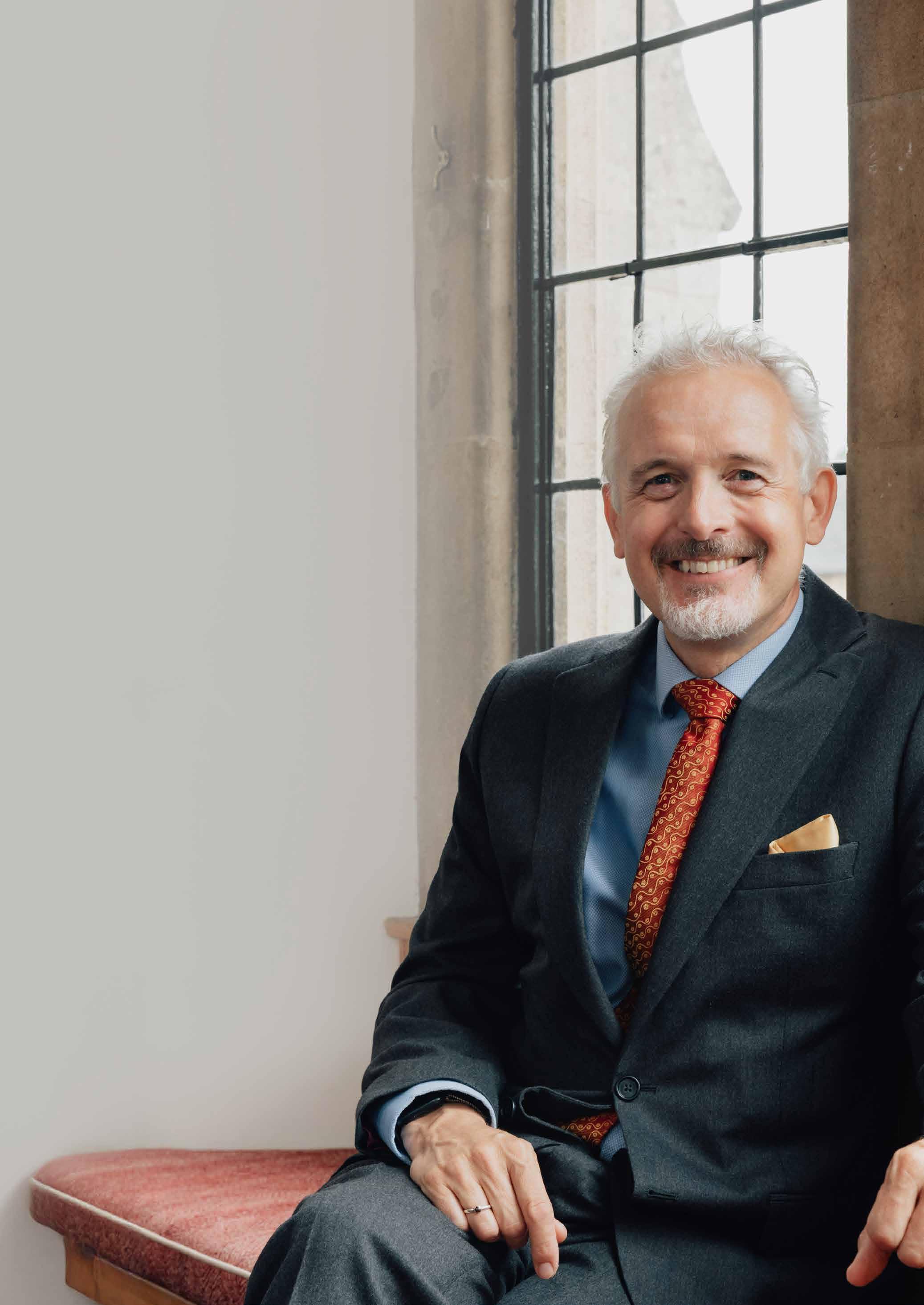
What kind of pupil were you yourself?
Probably the sort who asked too many questions! I was earnest, hardworking, I wanted to learn everything and probably talked too much.
I come from a home full of debate. At the age of eighty my mother still phones to argue about politics or philosophy, or indeed about Shakespeare(!), so curiosity was in the air.
I also know what it’s like when school isn’t an easy place to be. I was determined, when I started teaching, that my classrooms, and subsequently the schools I have led, should be places where it’s cool to learn. That’s something Oundle absolutely gets right. The intellectual buzz here is palpable and pupils are proud of it.
How do you see Oundle’s next chapter?
With excitement. It’s an exceptional school. For me, the next phase is about deepening what already makes Oundle distinctive: intellectual ambition balanced with kindness, community rooted in the real world and the courage to evolve without losing what matters.
There’s an optimism here that is tangible. People care about doing things well. My role is to listen, to learn and to help the community keep growing and moving forward while keeping people at the heart of it all.
Finally, what gives you the most joy as a Head?
Always the people. Watching sparks of thought and creativity burst fully into flame as pupils discover what they can do, seeing colleagues flourish, witnessing moments of kindness or courage. Those are the things that stay with you.
I’ve been at enough hockey matches in the hail and concerts in draughty chapels to know that joy comes in unexpected forms. But it’s everywhere if you look for it.
Schools are people places. They’re at their best when they’re humane, ambitious and joyful. Oundle embodies that combination more comprehensively than any school I’ve known. And honestly, being Head here, I can’t imagine a better job.
Oundle entered 2024 with a healthy roll of 1,138 pupils, with 820 boarders and 318 day pupils.
Demand has remained consistently strong despite a challenging national climate. This September, our 2025 pupil roll commenced with 1,160 pupils: 840 boarders and 320 day pupils. This balance reflects our continued commitment to full boarding which remains central to the character of School life.
In a changing landscape, Oundle’s strength lies not just in size but in steadiness; the balance between boarding and day, between boys and girls, between UK and overseas. Oundelians come from all corners of the United Kingdom and from countries worldwide, bringing with them a rich mix of perspectives, experiences and ambitions.
15% of our pupils are foreign nationals living abroad, while a further 8% are expatriates. Across the UK, pupils come from over 25 counties, with around 10% of boarders living in Scotland.
Bursaries remain an important part of our story. We are proud to support around 50 pupils on full bursaries, while also recognising that many families do not seek significant awards but benefit from targeted support to help make School life sustainable. This balanced model allows us to support both those in greatest need and those facing growing financial pressures.
Our UK boarders come from all corners of the country.
Over forty countries are represented in our Houses and classrooms, broadening perspectives across the School.
“It’s not about where you are from, it’s about what you bring to the table”
Oundle Pupil
The Oundle Society exists to keep people connected to the School and to one another, long after individual chapters at Oundle have ended. It brings together Old Oundelians, parents, former parents, staff and friends, creating a shared space where relationships continue, stories are exchanged and the life of the School is supported in thoughtful and practical ways.
That connection takes many forms, including mentoring, advocacy and philanthropic support. This year, the generosity of the Oundle community has been clear, with gifts totalling more than £1.2 million, including over £860,000 in support of bursaries, helping to ensure that an Oundle education remains accessible to talented pupils from a wide range of backgrounds. Every contribution, whether of time, expertise or financial support, reflects an ongoing commitment to the School and its values.
“I am inspired by the extraordinary generosity of the Oundle community and would like to extend my sincere thanks to all those that have chosen to support Oundle. As we look to the future, we will continue to widen access through bursaries and ensure our facilities match the aspirations of our pupils. Your gifts, large and small, make a difference: you help us to shape futures, extend opportunities, nurture potential, and prepare young Oundelians not only to succeed, but to contribute with kindness and purpose to the world beyond Oundle.”
Dominic Oliver, Head
Our aim is to deliver an education of the highest quality and to make it accessible to as many children as possible. Our means-tested bursary programme is built on three principles:
1. Accessibility:
Enabling families who could not otherwise afford it to benefit from an Oundle education.
2. Partnerships:
Working with youth charities and Multi Academy Trusts to place children at Oundle, offering up to (and sometimes over) 100% support where needed, including extras.
3. Support in Changing Circumstances:
Assisting current families whose financial situation unexpectedly prevents them from meeting their fee commitments.
The Oundle Society delivers a wide programme of events throughout the year, in the UK and internationally, designed to keep Old Oundelians, parents and friends of the School connected with one another and with Oundle. This includes reunions, drinks receptions, dinners, sporting fixtures and weekends, exhibitions, industry and networking events, and opportunities that bring together different generations of the community.
Alongside this broader programme, Admissions and the Oundle Society have worked closely over the past year to build on a growing series of shared regional events. These gatherings bring together Old Oundelians, including recent leavers, current and former parents, and families exploring Oundle, helping to strengthen connections across the wider Oundle community.
This joint programme includes established events such as London at Grocers' Hall, Christmas in Cambridge, drinks in Edinburgh, and overseas receptions in Singapore and Bangkok, all of which have been developed further.
A Norfolk drinks reception was held this year, with a Suffolk event in the pipeline, plans to return to Hong Kong and Tokyo, and a new gathering planned for Dubai.
Across all locations, the format is deliberately informal. Old Oundelians, recent leavers and current parents meet not as separate groups, but as part of the same extended community.
Further information about forthcoming events and opportunities to support regional gatherings can be found at www.
oundleschool.org. uk/society/
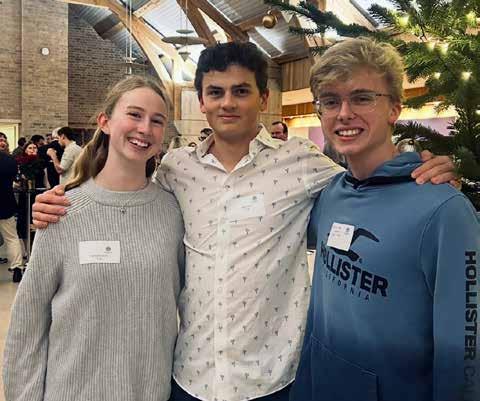
Cambridge Undergraduate OOs at the Christmas in Cambridge drinks
While regional events bring people together in person, the relaunch of the OO Network creates a space where those connections can continue day to day. Designed as a secure, Oundle-only platform, it offers Old Oundelians a simple way to reconnect, support one another and remain part of School life, wherever they are in the world.
Refreshed in response to feedback from the OO community, the Network has been re-imagined as a central digital home for alumni. Clearer, faster and easier to use, it supports connection, mentoring and engagement across the OO community.
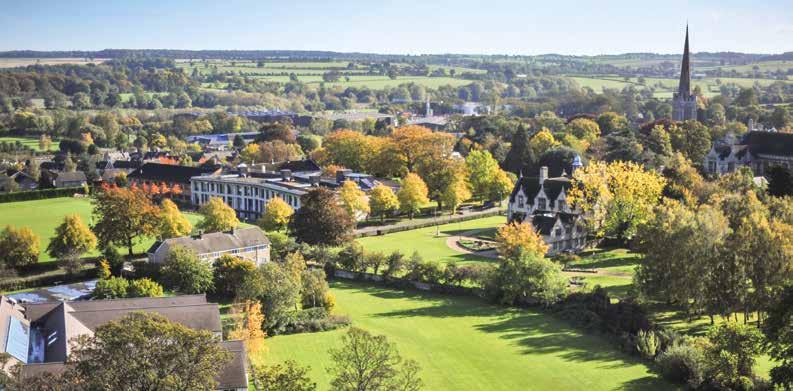
At its heart, the OO Network allows Old Oundelians to find friends from their House or year group, discover peers working in similar fields and build relationships across decades and continents.
It also plays a growing role in professional support. Mentoring tools make it easy to offer guidance or seek advice, while events, reunions and regional gatherings now sit in one place, linking digital connection with real-world community.
With more than 10,000 Old Oundelians worldwide, the strength of the OO community lies in its diversity of experience and its willingness to stay connected. The relaunch of the OO Network makes it easier for Old Oundelians to reconnect and stay involved.
Old Oundelians can join or log in through oonetwork.org.uk/
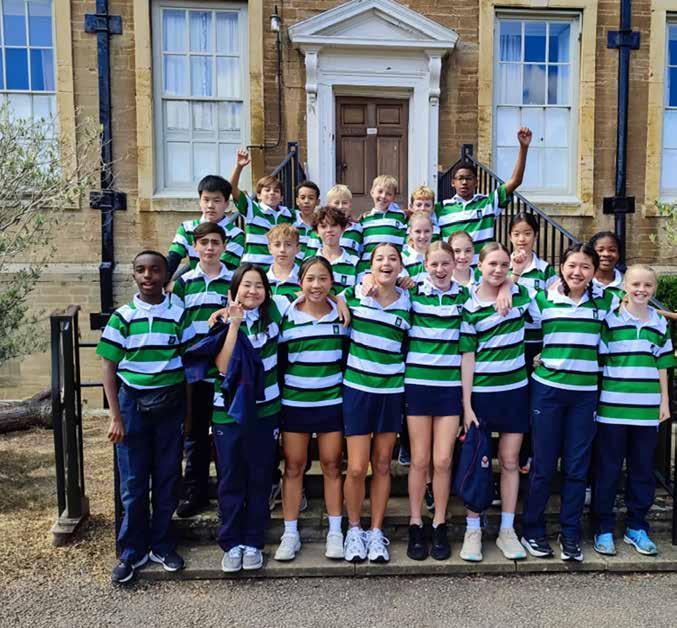
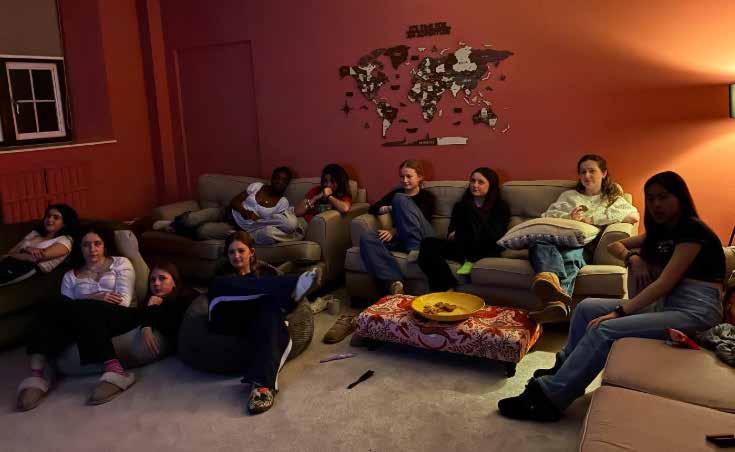
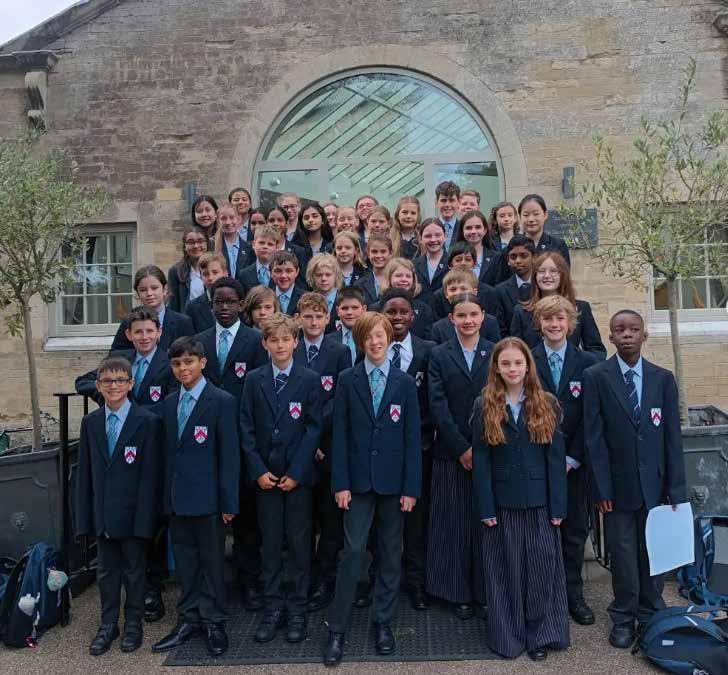
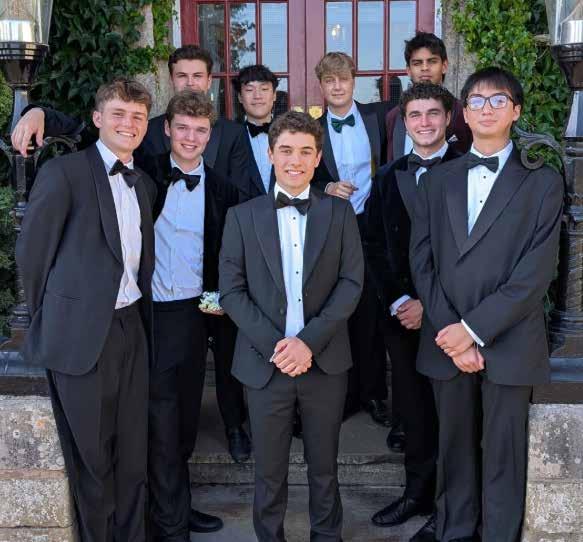
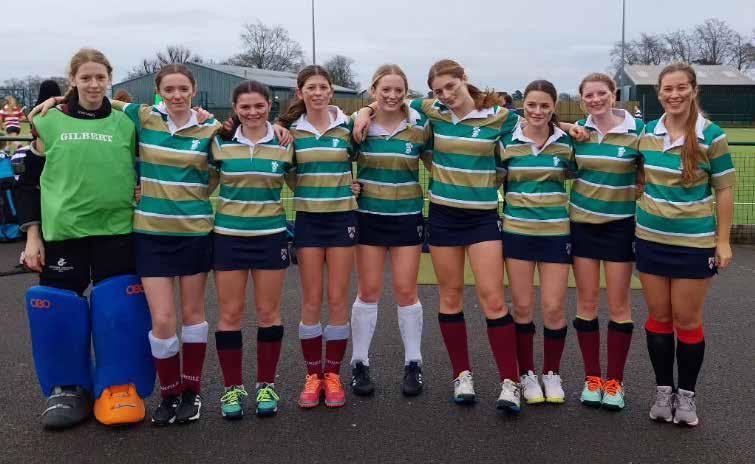
“In House you get to be with so many different people you might never have encountered otherwise.
Living with 60 other girls means there’s always someone to talk to, which is pretty amazing!”
Sophie (New House)
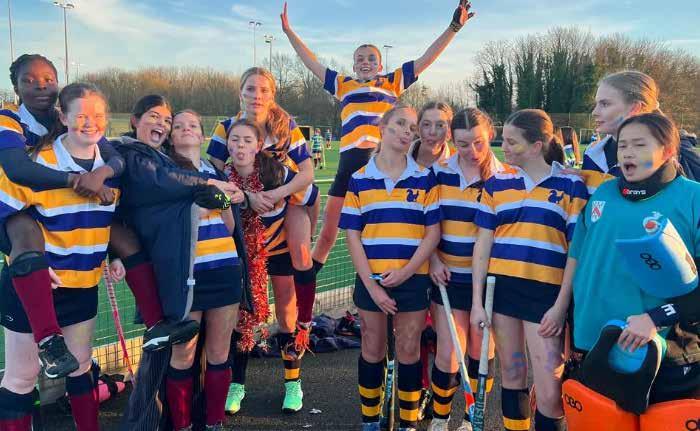
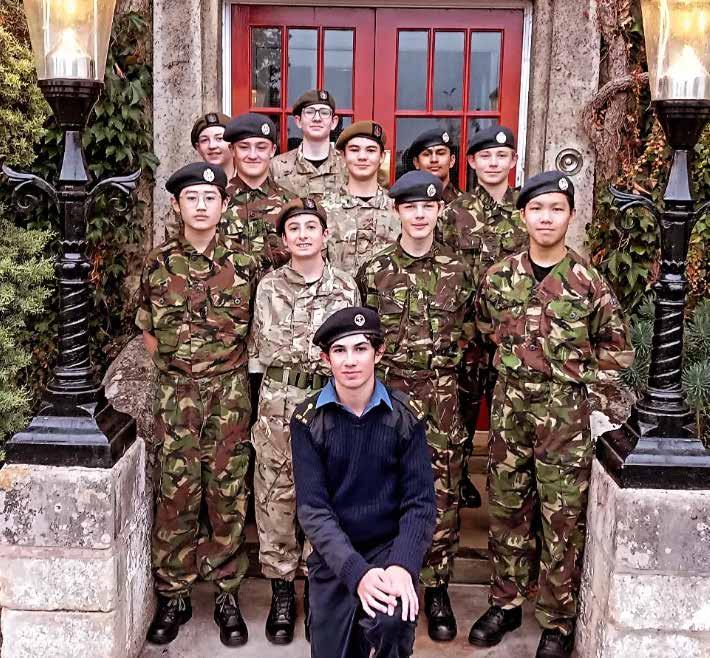
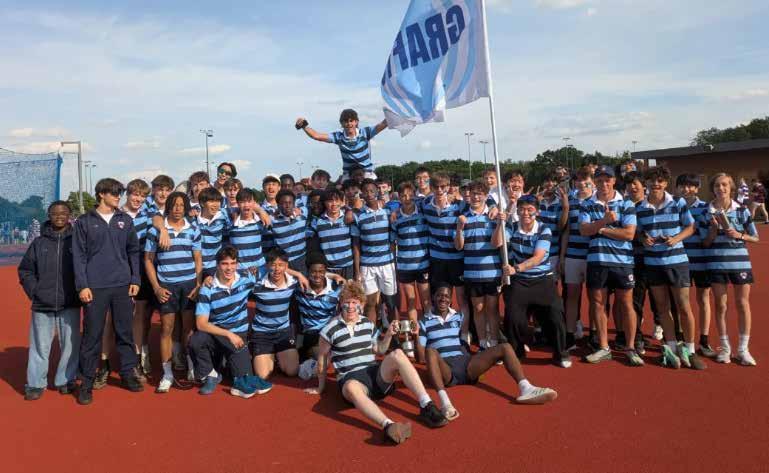
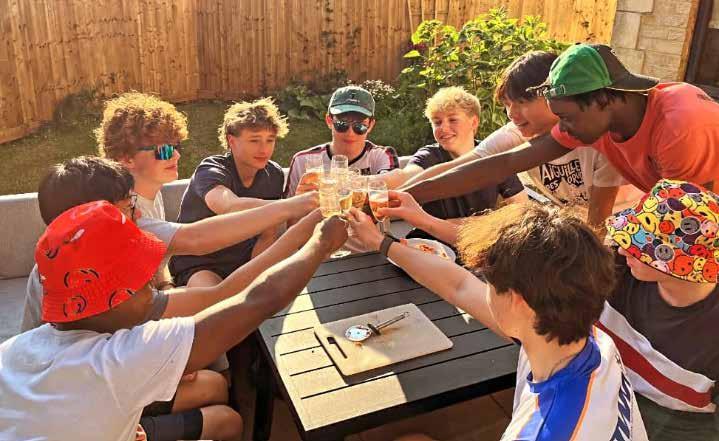
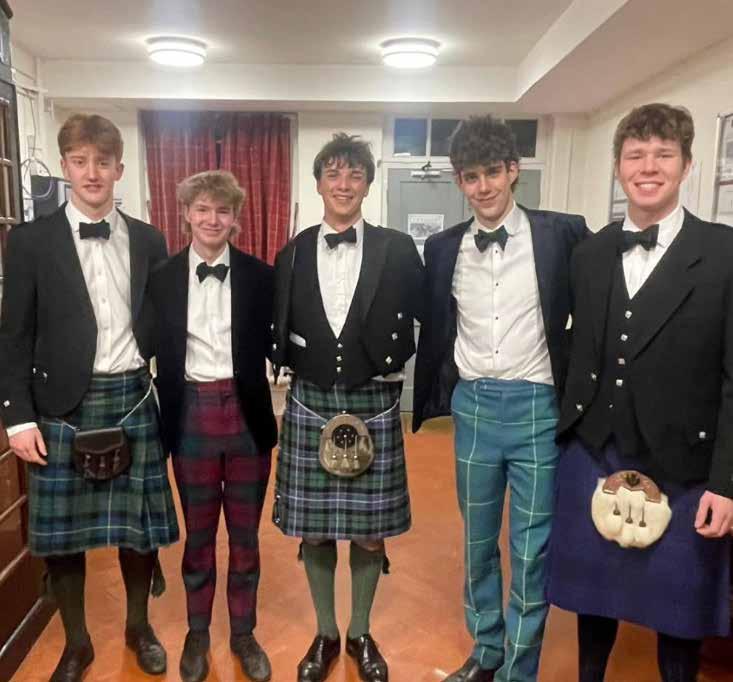
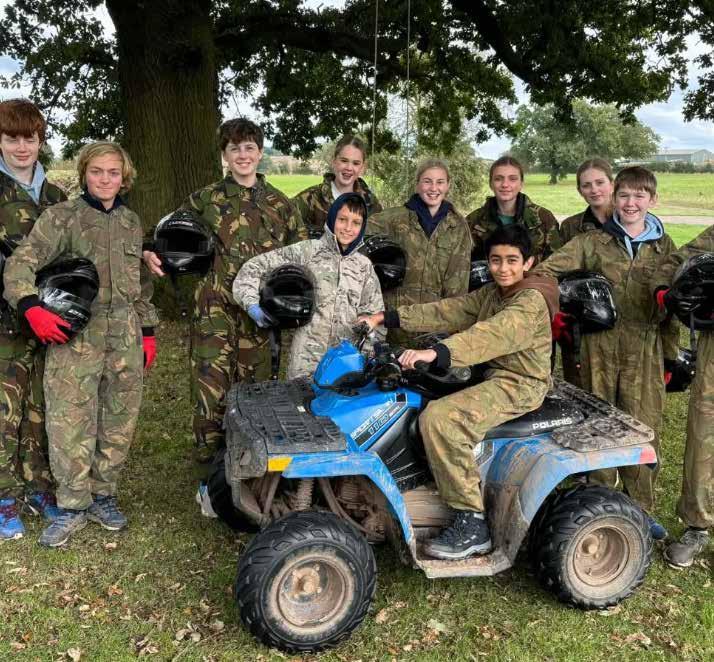
“My most memorable House moment this year was our recent House trip to an assault course. I just remember having so much fun and laughing so much. Sharing that experience with my closest friends is something I’ll never forget.”
Faisal (St A)
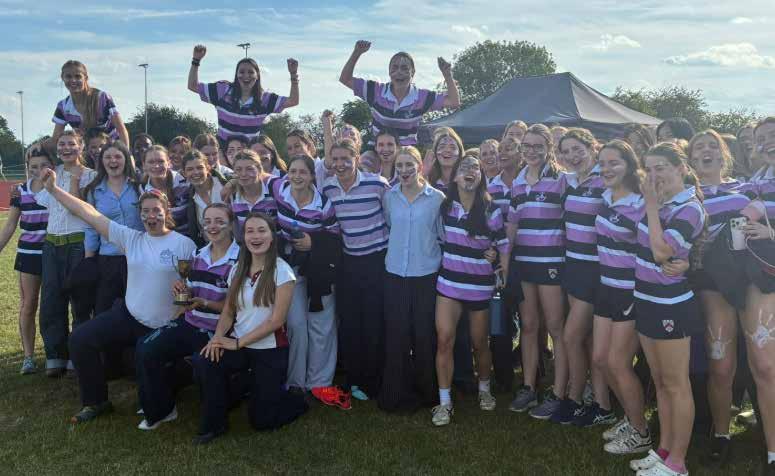
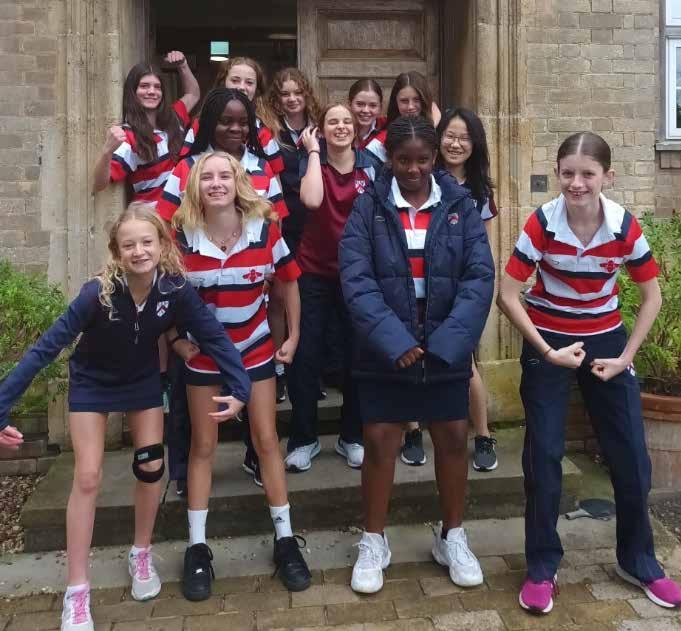
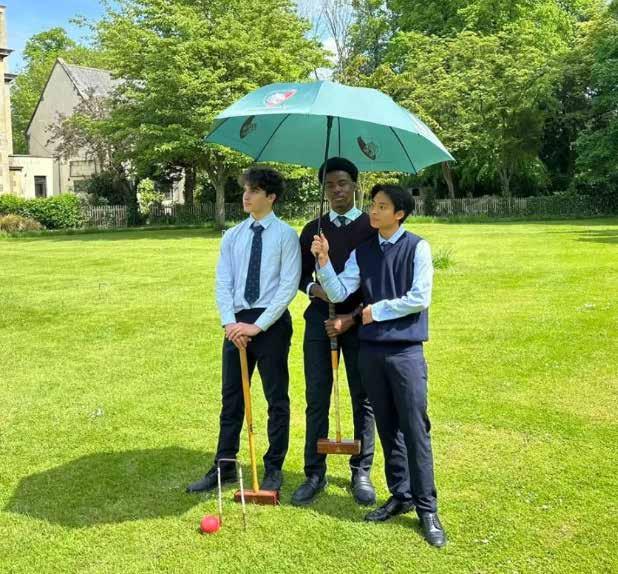
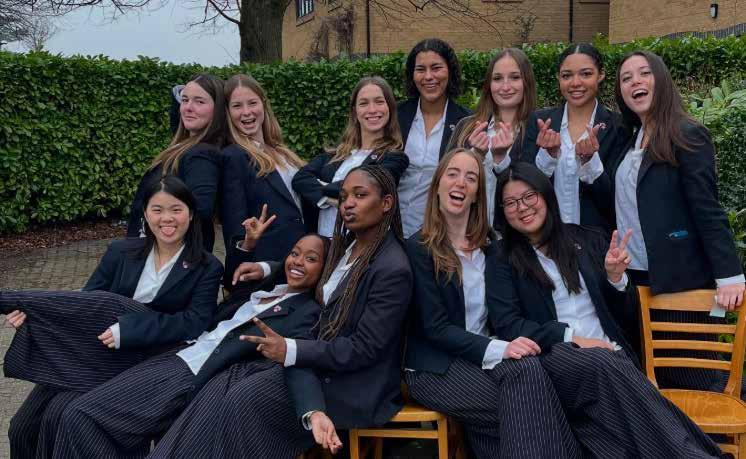
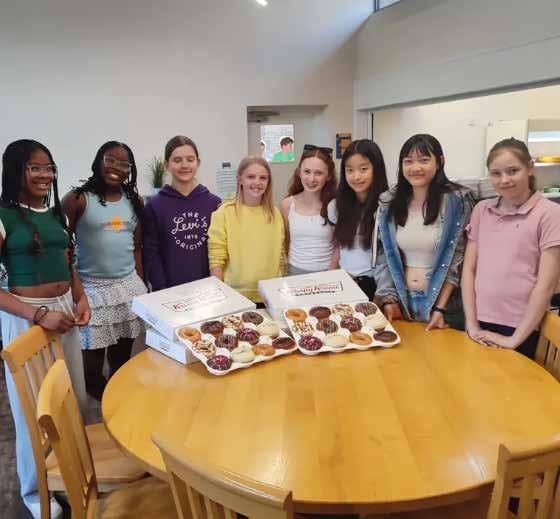
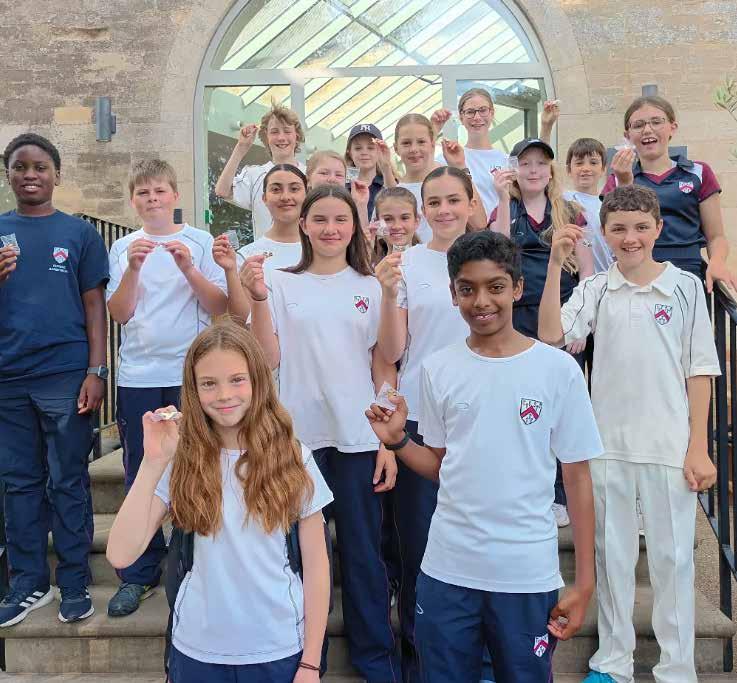
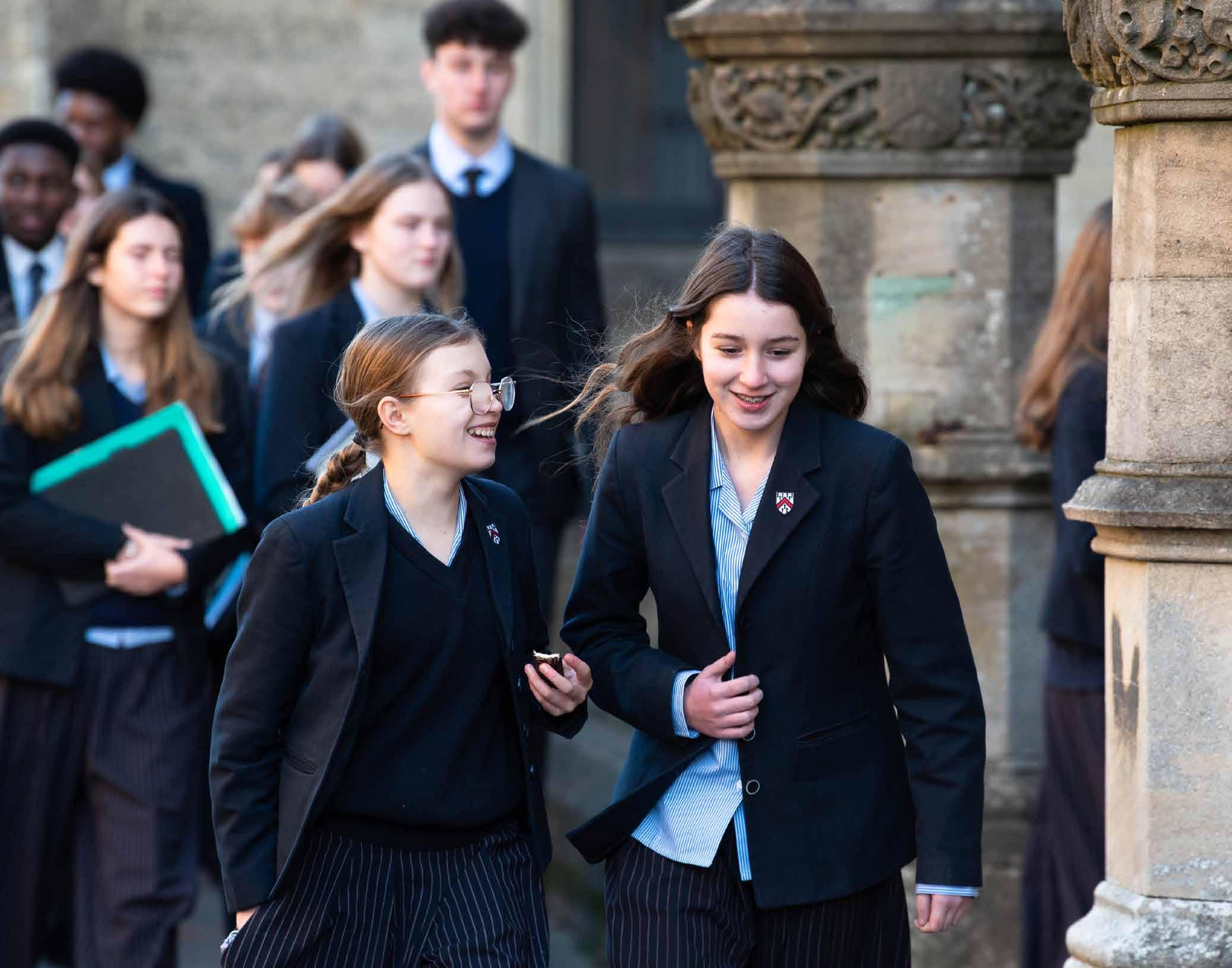
Pastoral care at Oundle rests on the belief that young people grow best when they are known, listened to and given the tools to navigate life with confidence.
What gives the system its strength is continuity. The same adults - Housemaster or Housemistress, Tutor and Matron - often stay with a pupil for years, getting to know their rhythms and character. This creates familiarity and trust, the basis for any meaningful care.
That combination of close relationships and practical guidance sits behind the development of a new series of Pupil Guides. These short, practical resources have been designed for use in Houses and Tutor groups, with the aim of helping pupils develop understanding of themselves and their relationships with others. Each focuses on a central theme of School life.
The invisible bonds that hold our community together are the interactions we have with each other. And where these interactions are honest, respectful and inclusive of everyone, then our community becomes something very special.
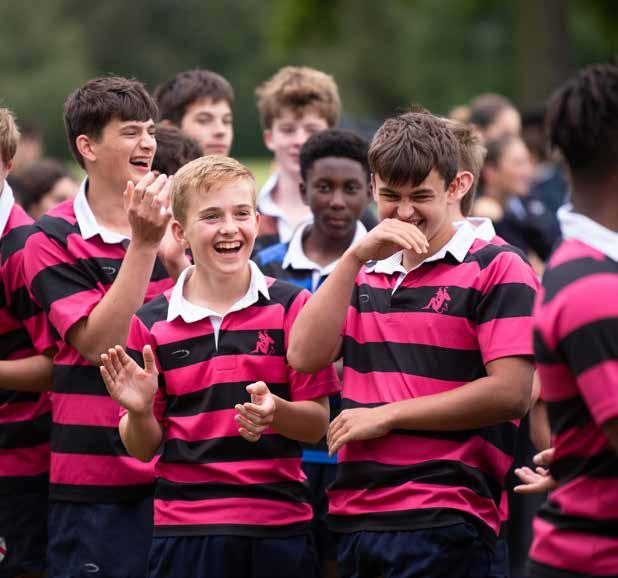
“The intention of the Pupil Guides is to shape conversations and bring depth to relationships.”
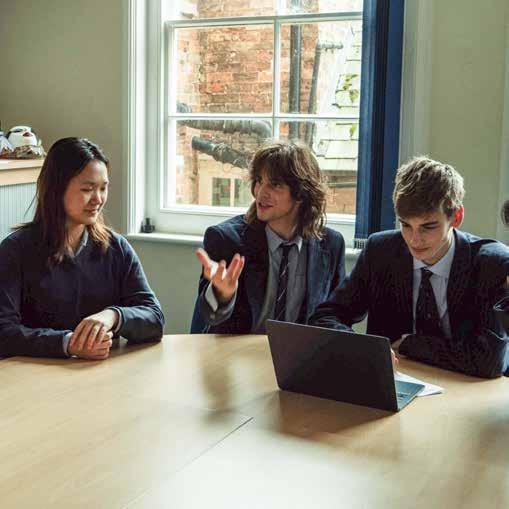
This guide aims to help pupils bring structure to busy days. It focuses on:
Planning ahead - using calendars and planners effectively rather than reactively.
Balancing prioritiesdistinguishing between what needs attention now and what can wait.
Managing space and timepreparing for the next day the night before.
Creating calm - understanding that small routines reduce stress and free time for rest.
Through simple tasks and Tutor discussions, the guide aims to show that organisation is not about perfection, but about habits that make life manageable.
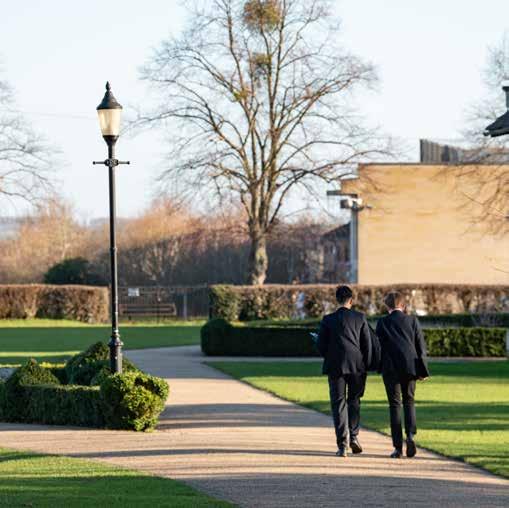
This guide has been designed to support pupils when things do not go to plan. It aims to help them:
Recognise common triggers - a poor result, a difficult friendship or a missed opportunity.
Understand the ‘lens’ ideahow thoughts shape reactions.
Practise perspective - pausing to describe what happened before reacting.
Rebuild confidenceidentifying practical next steps rather than replaying setbacks.
Using real examples from School life, Tutors can help pupils move from frustration towards action.
As they are rolled out, the Pupil Guides are intended to support one-to-one and group conversations in House, helping pupils apply ideas to real situations. The intention is not to deliver lessons in wellbeing, but to give young people language for reflection and to support the practice of perspective through everyday conversation.
The pastoral structure at Oundle works because it is woven into daily life. It gives pupils something lasting: the skills and self-awareness to manage life with balance and good sense and the confidence to draw on those habits within and beyond School.
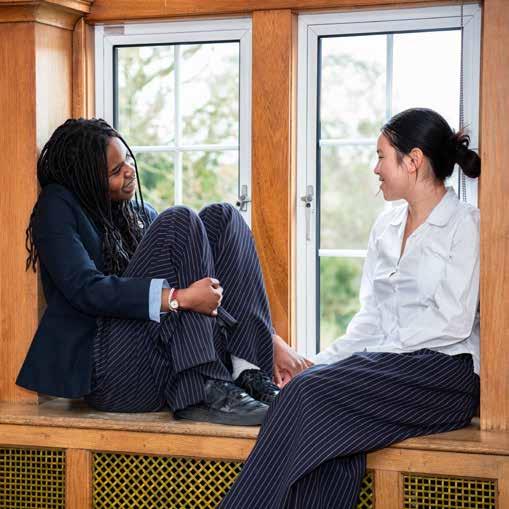
This guide has been developed to encourage honest, thoughtful conversations. Pupils are encouraged to explore:
What good friendships look like - respect, reliability and kindness.
How to handle changeunderstanding that friendships can shift without failing.
Repairing difficultieshow to apologise, listen and start again.
Inclusion and empathynoticing when someone feels left out and what to do about it.
Rather than offering rules, the intention is to help pupils think carefully about how their choices affect others and how relationships require attention and care.
Our aim is to help pupils develop perspective. We want them to recognise their own patterns, to know what helps them, and to understand that change and challenge are normal parts of growing up.
As they prepared to leave Oundle, Sophie and Fergus reflected on the friendships that shaped them, the lessons learned and the experiences that will stay with them.
A few weeks ago, I was made aware of a letter I wrote in Third Form, addressed to my future self, in which I outlined my main goals for the coming years. Opening this letter, I was hoping it would make an amusing anecdote; an unnamed member of my House had written that his main ambition was “to make it to Fifth Form”. My goals were slightly more mundane: to make lots of friends and make the most of my opportunities. I was a bit disappointed; I was apparently as sensible and mature in Third Form as I am now.
In our time as Heads of School, Sophie and I have been asked several times to summarise Oundle or to say what sets us apart from other schools. My answer always came down to two things: the people here and the breadth of opportunities. No Oundelian is expected to fit a mould and I am so grateful for the number of activities that were available to pursue.
I’ve made so many lifelong memories with lifelong friends through sport, CCF, music and most of all my boarding House. Oundle has let me pursue any interest I could possibly think of and everywhere I chose to go I found myself surrounded by incredible people both pupils and staff.
My parents are both Old Oundelians who met at this School. It has required a great commitment to send me here – both emotionally and financially. Either way, I can’t thank them enough.
I’d also like to thank Sophie for sharing this task with me. Our strengths were wonderfully complementary and there’s no one I would have rather shared this role with.
Anyway, looking back at that letter, I think it was more insightful than I realised.
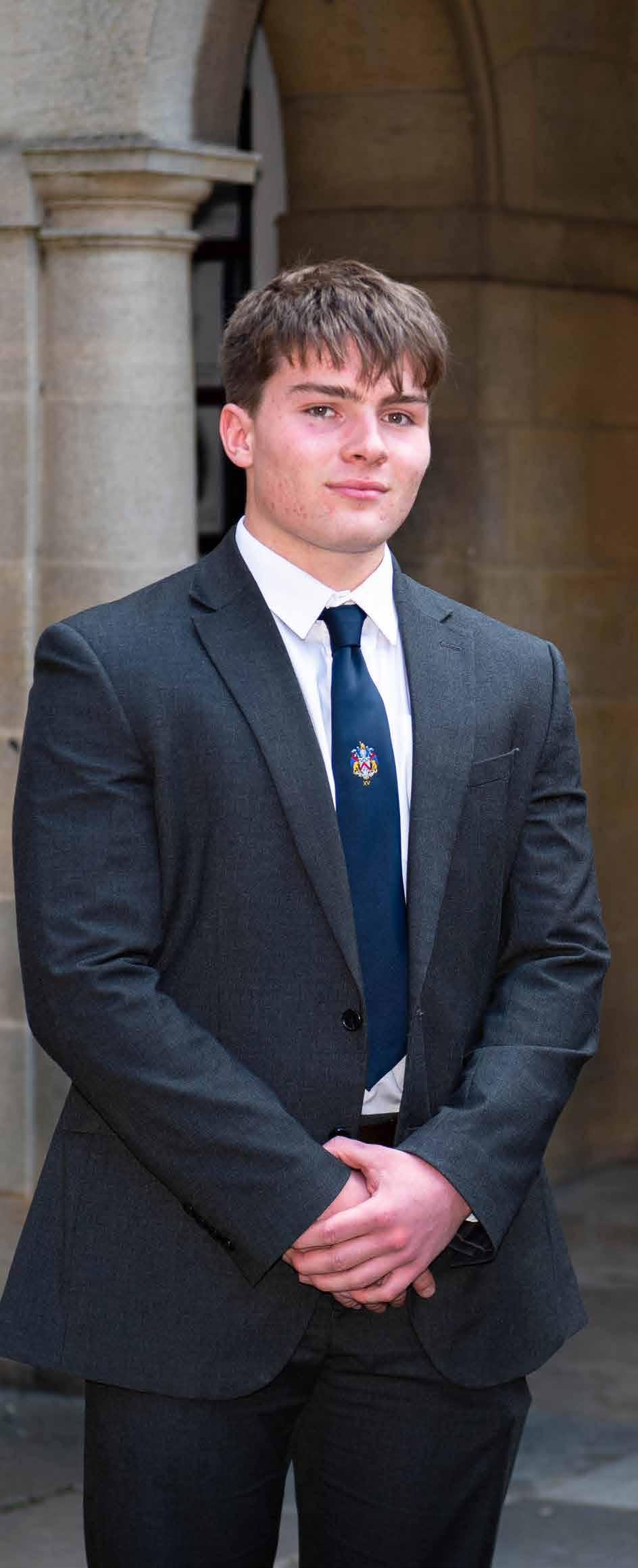
“You girls taught me life’s most important lessons on friendship, love and spirit, but there is still one lesson I am yet to learn, and that is how to live without all of you.”
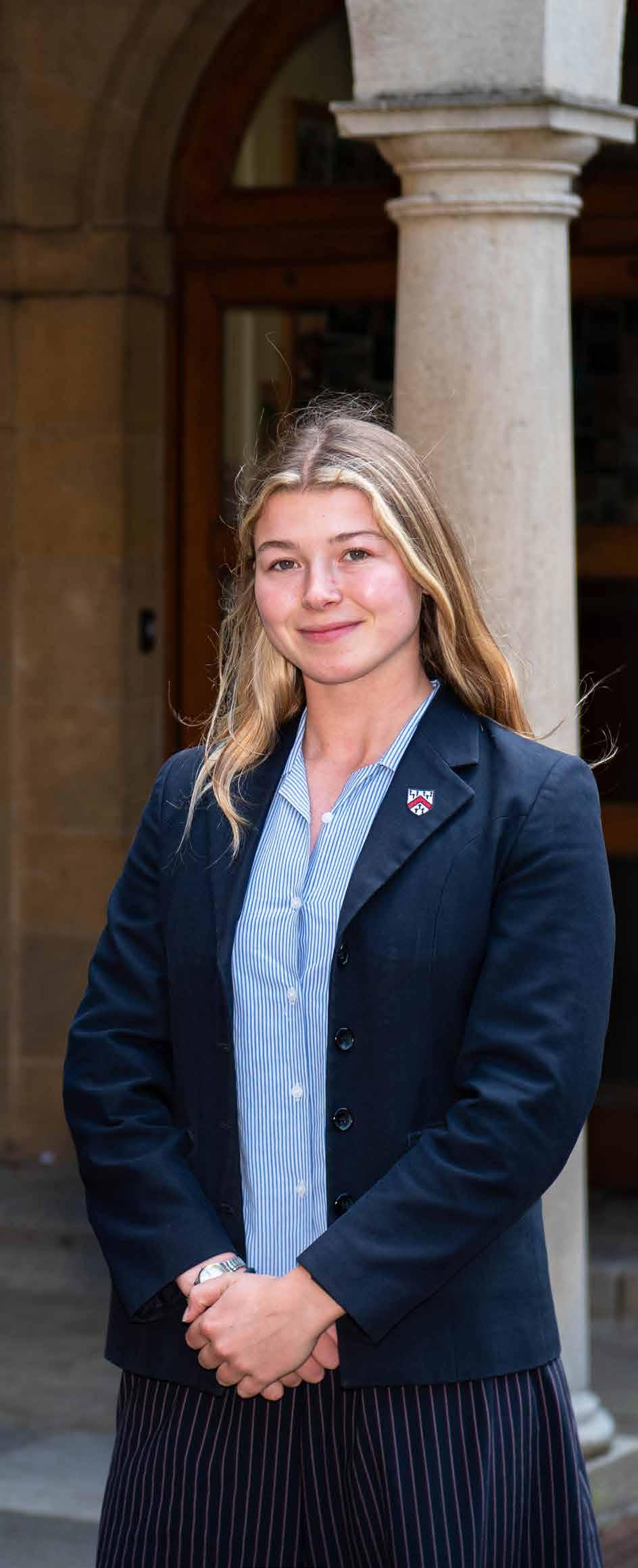
Best start at the beginning: the most criminal, terrifying and downright despicable Third Form contingent that ever graced Oundle School. Those were the epithets our year group assumed and I like to think our reputation has recovered a little since. The Upper Sixth who are leaving today do so as leaders of their Houses, as almost-adults and as people for whom a day like this is all the more special after starting amidst Covid lockdowns.
Some thank yous are in order.
To Ferg, although a shared Bronze DofE might have killed the sparks in our blossoming Third Form romance, we were clearly destined for a greater partnership. You have truly been the best Head Boy this School could have asked for.
To my parents, who worked tirelessly to give me everything I could dream of in sending me to Oundle, I will forever be indebted to them.
And finally, to the twelve Upper Sixth girls in Sanderson I have grown up with. We arrived in September 2020 with culottes five inches too long and toothy grins as we met the people who would change our lives forever. The most important lessons I have learned here were not all behind a desk but in fairy-lit dorms. We have shared every emotion that comes with growing up: joy, sadness, love and anger (Monopoly has famously been banned in Sanderson since the 2021 incident).
Now we are leaving as young women and I don’t quite know how the outside world will manage when you lot are released into it. You girls taught me life’s most important lessons on friendship, love and spirit, but there is still one lesson I am yet to learn, and that is how to live without all of you.
As we look to the future it feels both exciting and terrifying. I’ll end with the words of Mr Hine, who once wrote to me: “Success in life is one thing, Miss Watts, but character is arguably far more important.” And that, I think, is the summary of an Oundle education.
Oundle’s sense of purpose extends well beyond its own gates. From local volunteering to national collaborations, pupils and staff connect learning with the wider world, approaching partnership as shared purpose rather than outreach. They learn that education carries responsibility as well as opportunity.
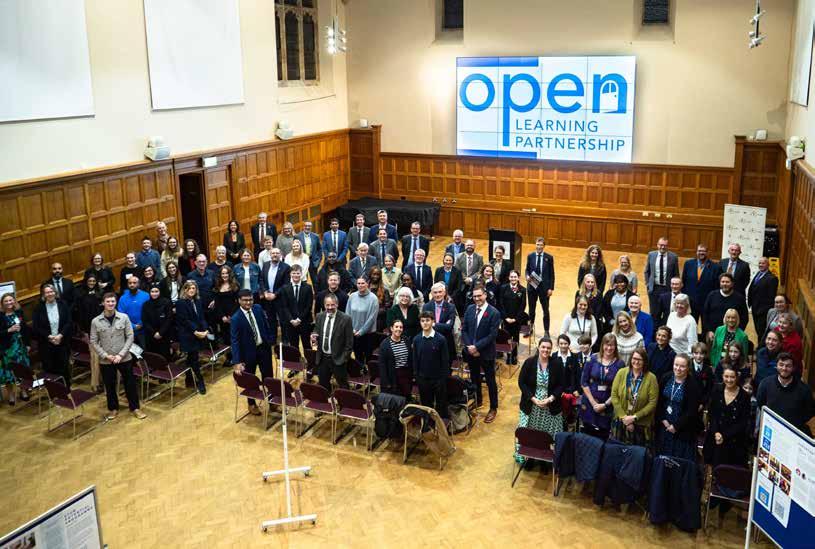
The OPEN Learning Partnership continued to grow this year, uniting pupils and teachers from both the state and independent sector across Peterborough, Kettering and Oundle in projects that bring academic challenge and shared experience. Joint events in Drama, Art, Music, Computer Science, Mathematics, Engineering and Debating have strengthened a culture of collaboration and mutual respect.
That spirit of openness has been recognised nationally. Oundle was mentioned in debates in both Houses of Parliament and hosted the School Partnerships Alliance national conference with Thomas Deacon Academy, Peterborough.
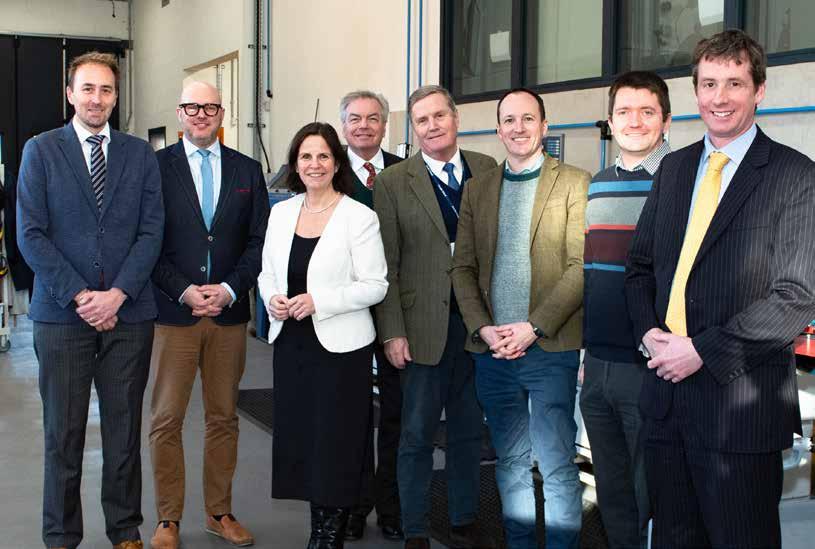
Formal academic partnerships have also flourished. The School’s collaboration with the Engineering Faculty at Swansea University, a leader in renewable-energy research, brought professors, a Formula Student racing car team and a Rocketry team to lead workshops for the Sixth Form. Work with Imperial College London continues to grow through Imperial Outreach Fellows, who support lessons at Oundle and in local schools as part of the STEM Potential university access programme. STEM Roadshows, run jointly with Imperial, visited prep schools including The Dragon School, Cargilfield, Mowden Hall and Beeston alongside local partner state schools.
Through the partnership with the Royal College of Music, Oundelians performed once again in London — an evening concert that showcased exceptional musicianship and the joy of shared performance.

“Community
Action makes you see how small things - a conversation, an hour of your timecan make a genuine difference.” Pupil volunteer
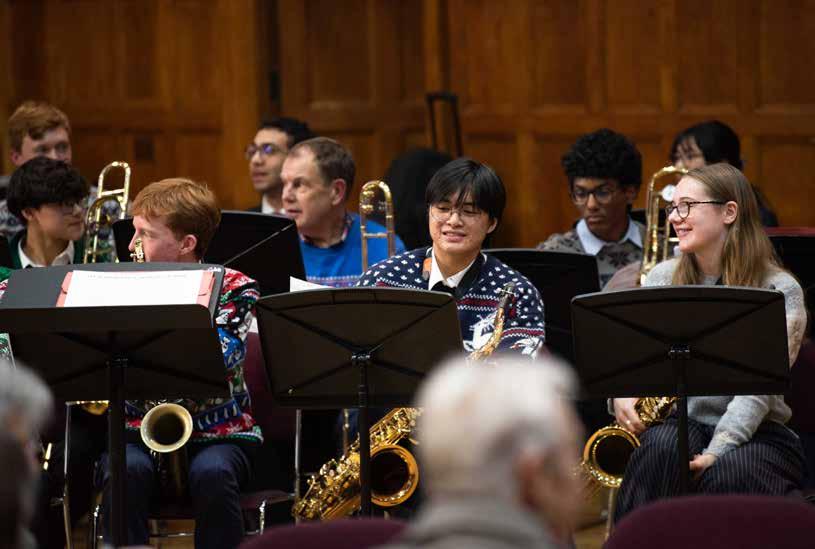
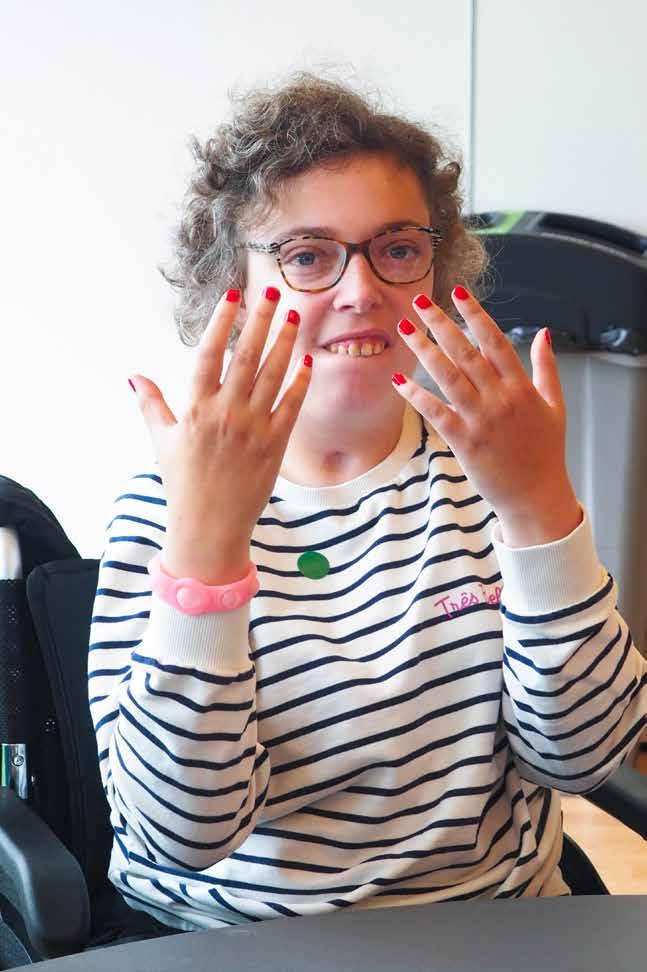
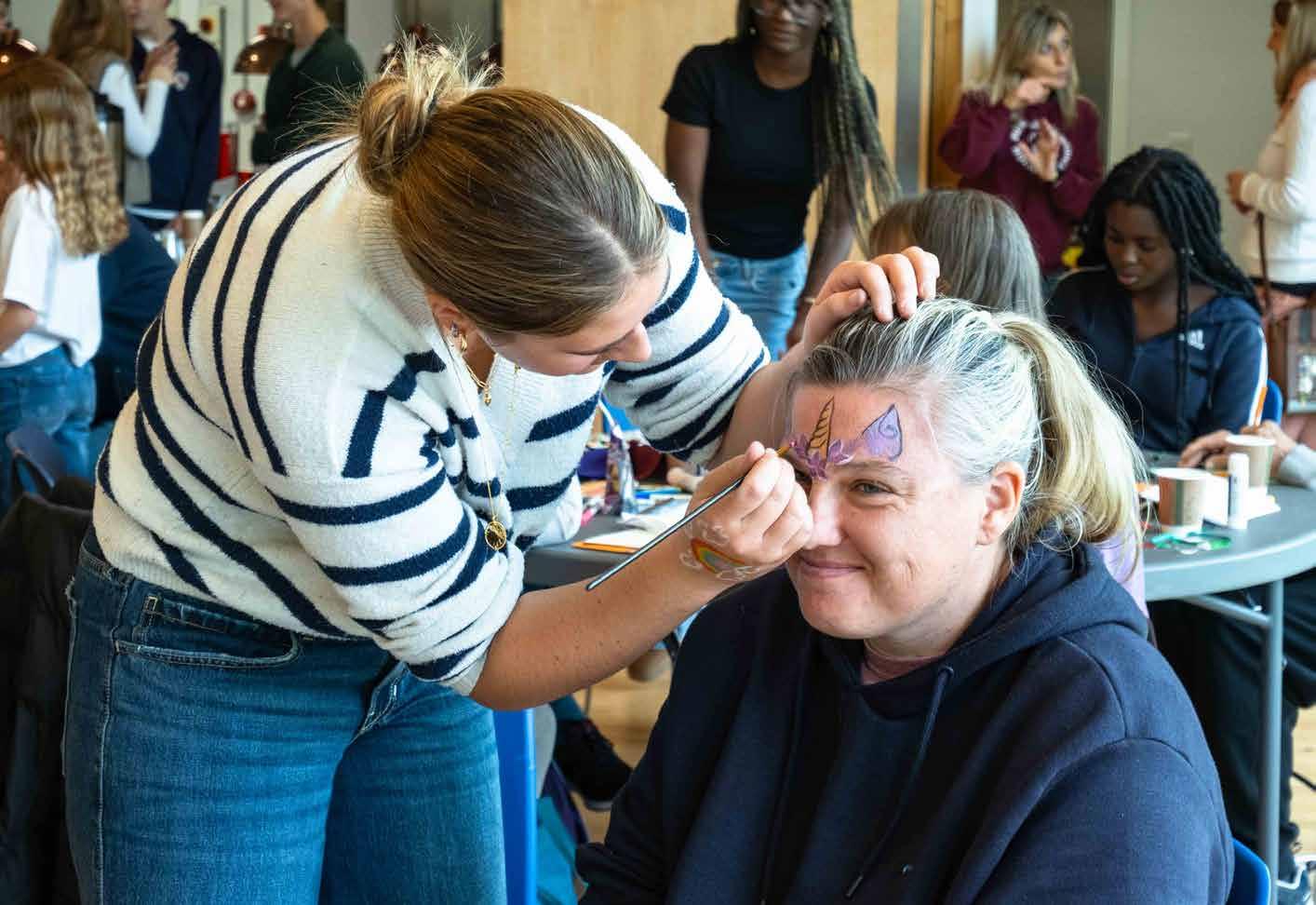
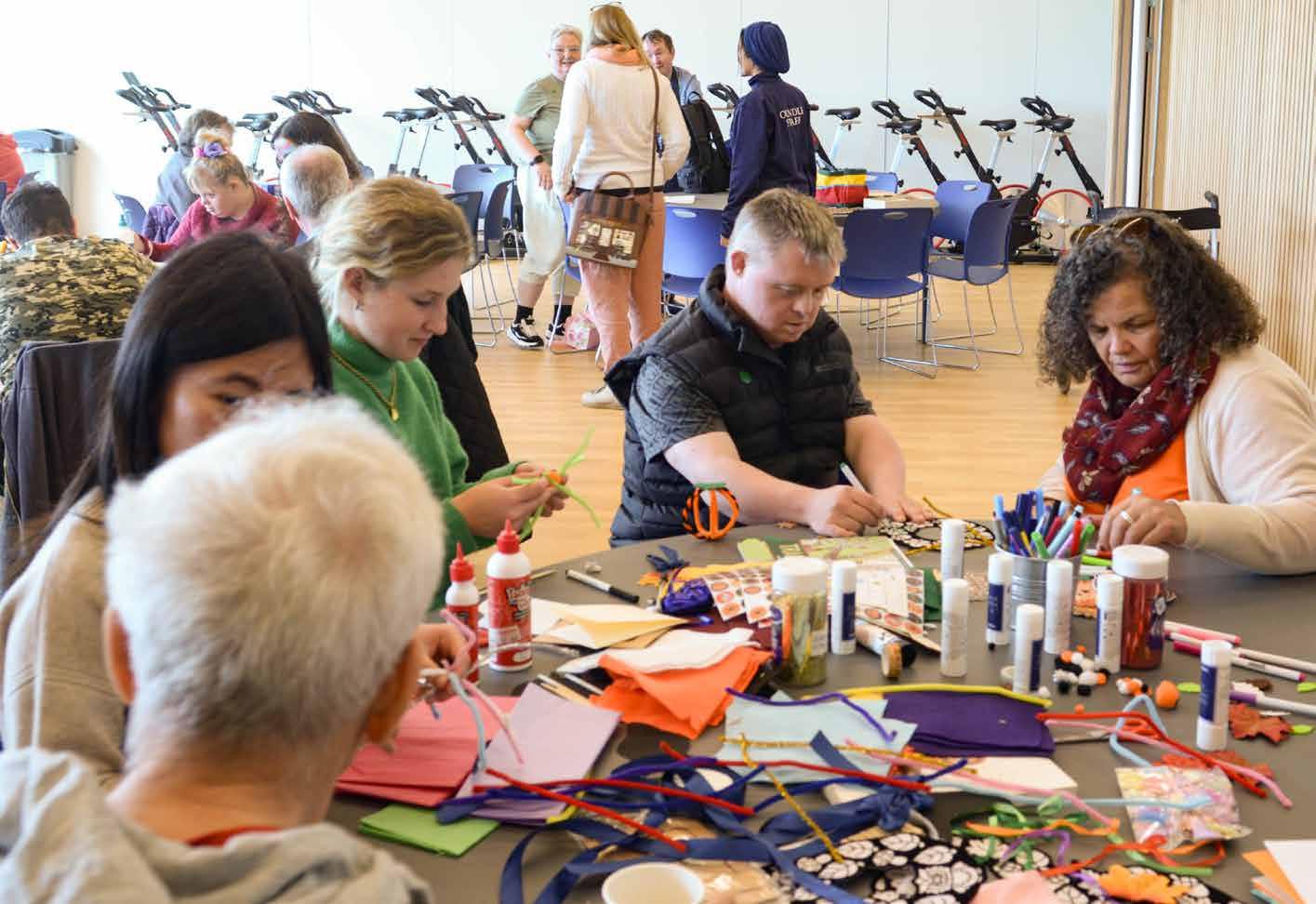
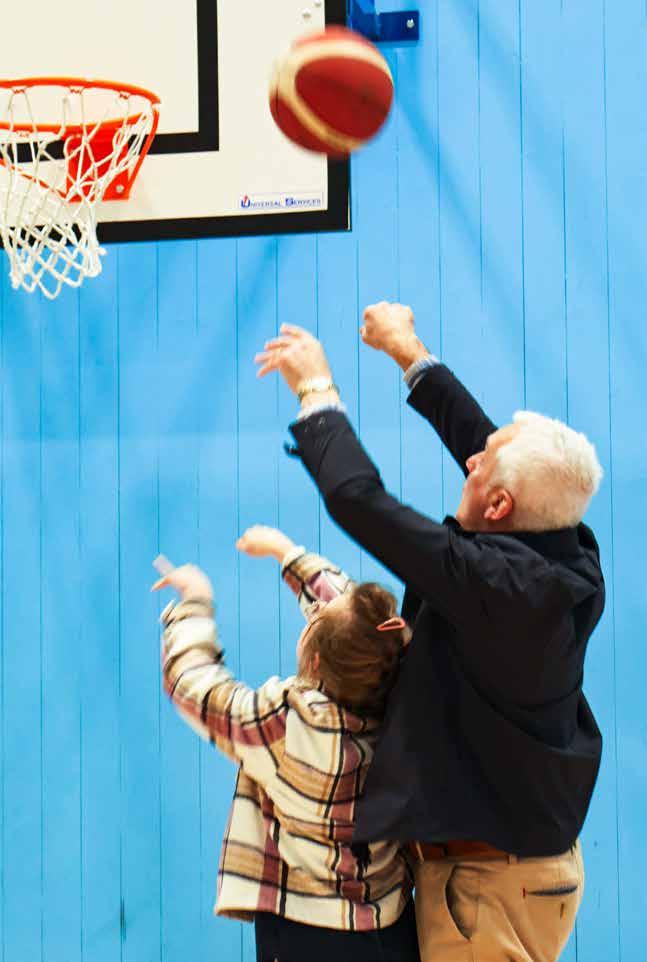
Community Action remains at the heart of School life. Over 325 pupils volunteered this year, supporting around 50 local organisations each week. From reading with younger pupils to working with the elderly, helping in nurseries and contributing to environmental projects, Oundelians gave their time generously and developed important life skills in the process.
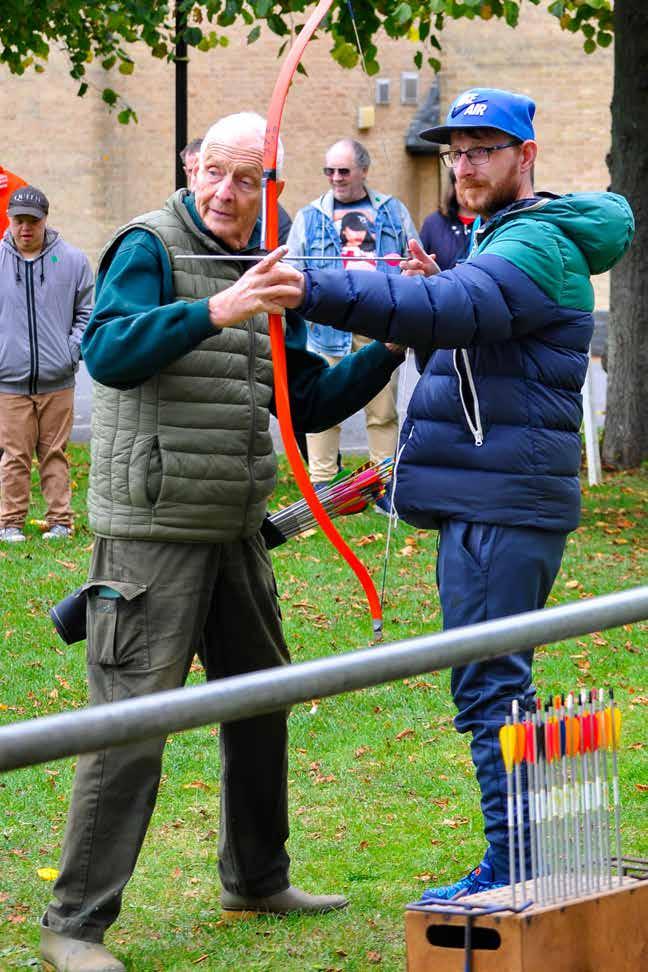
Highlights included two Have A Go Days for those with disabilities or special needs and a Grand Day Out tea party for older residents. These events brought people of all ages together and strengthened the connections that tie School and town.

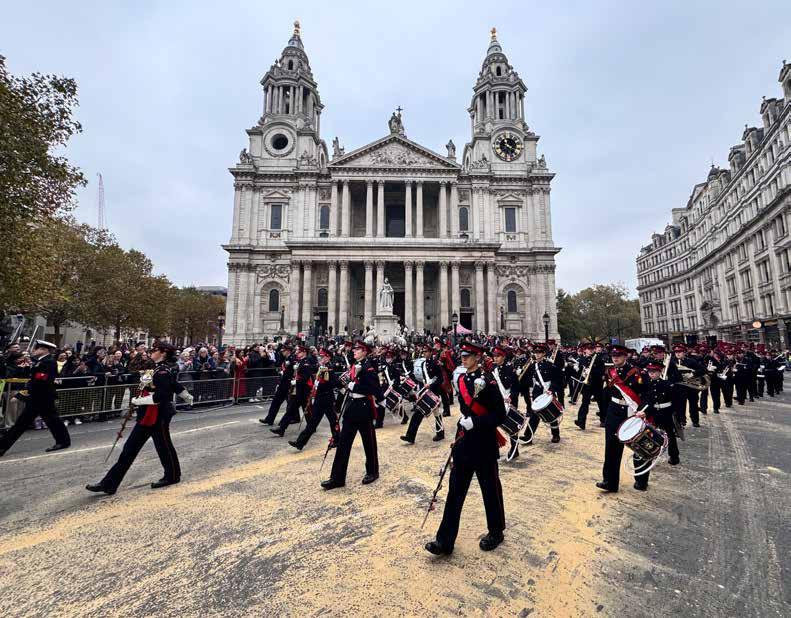
Oundle takes its creativity and community spirit to the Lord Mayor’s Show.
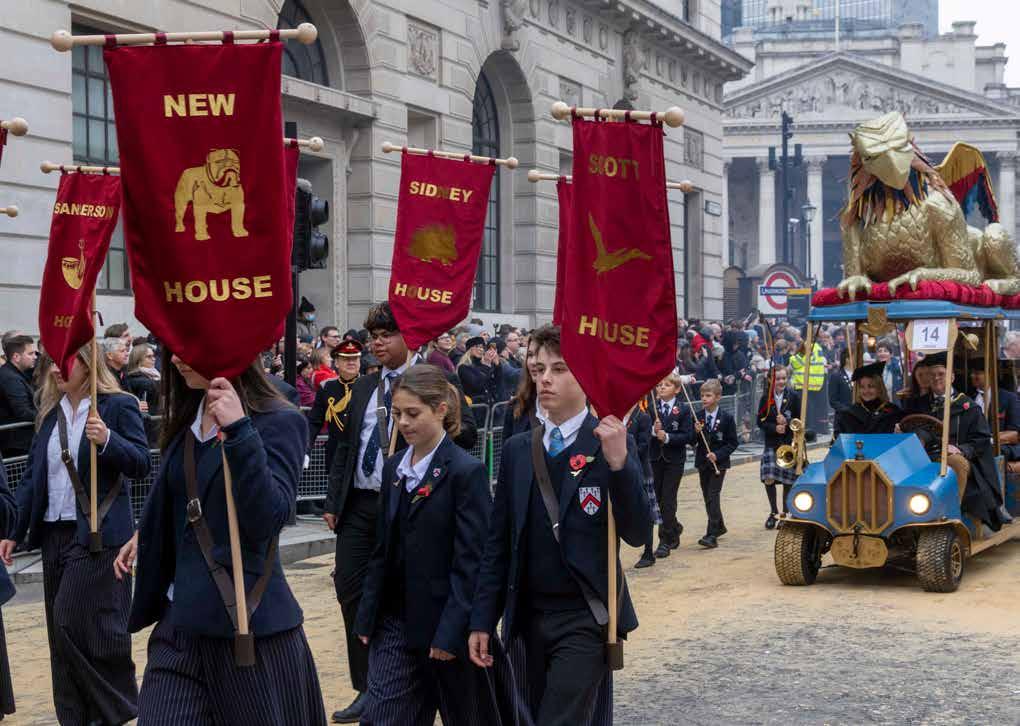
In November 2024, Oundle took part in the Lord Mayor’s Show in the City of London, the world’s oldest civic procession celebrating the inauguration of the Lord Mayor. The occasion held special significance as the 696th Lord Mayor, Alastair King (C 87), became the fifth Old Oundelian to hold the office and invited us, his former school, to join the parade.
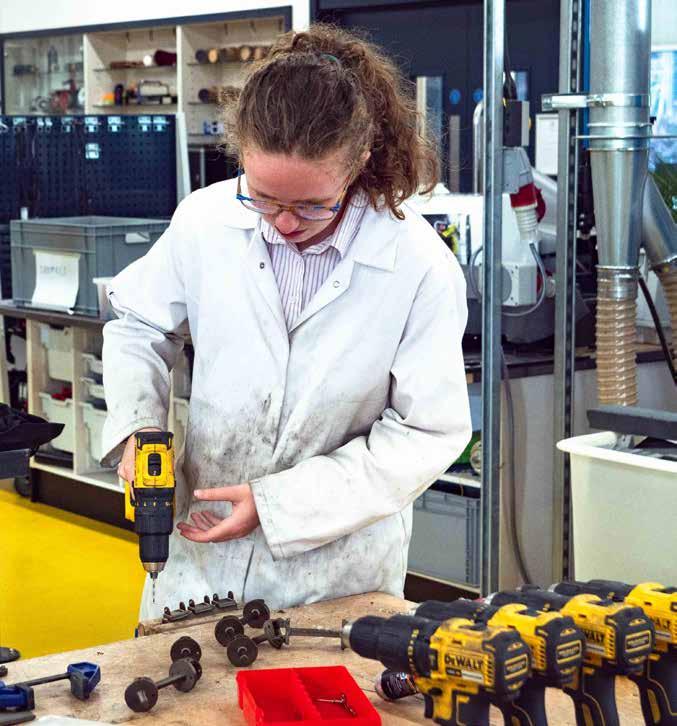
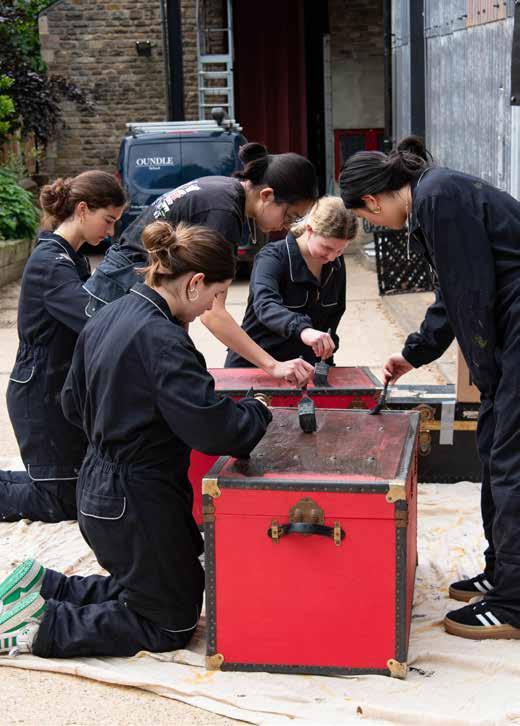
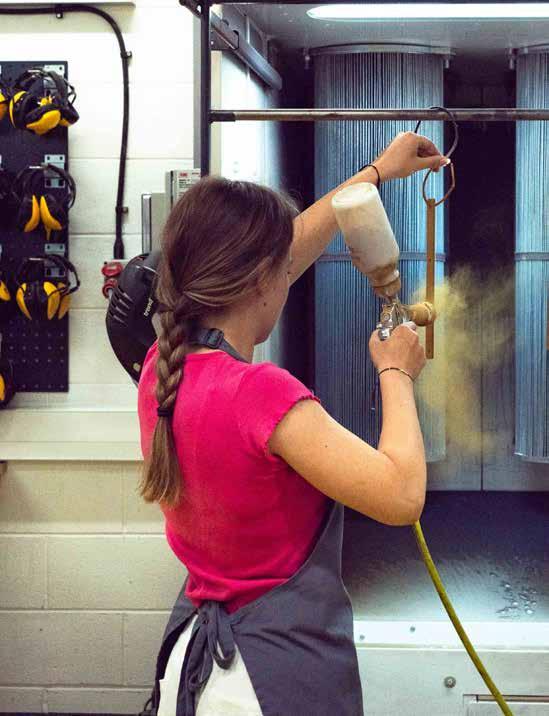
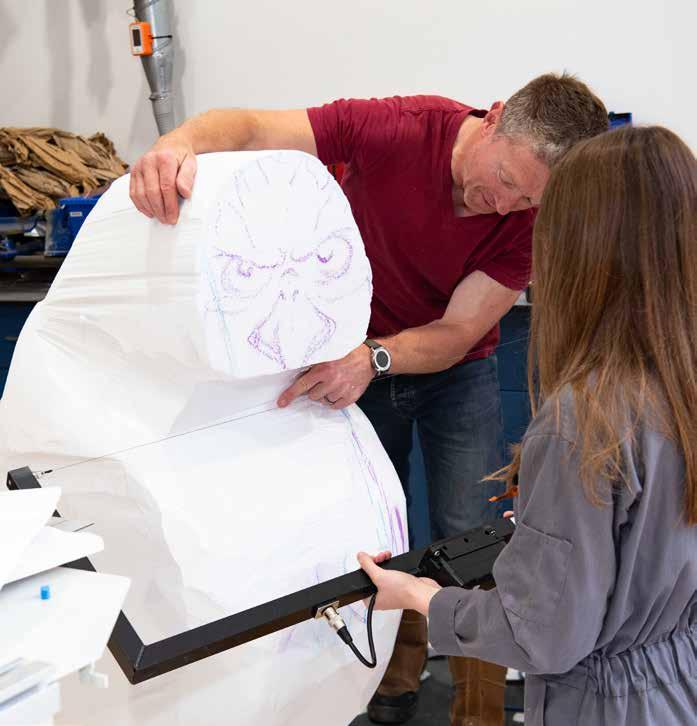
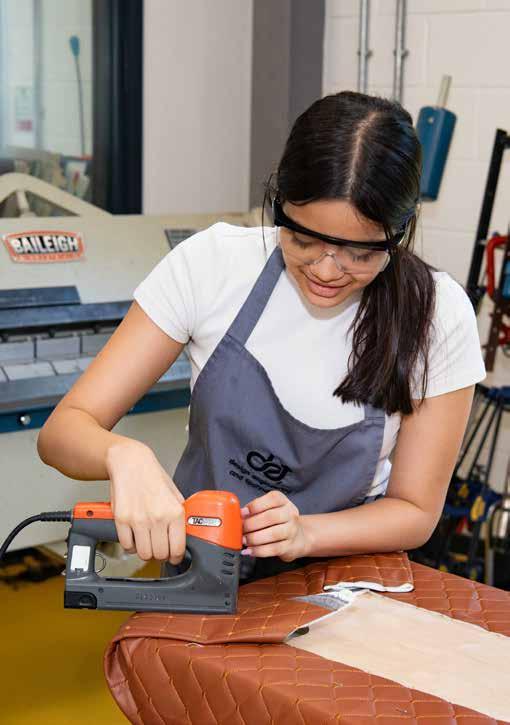
Oundle’s 125-strong procession, led by the Marching Band and including representatives from every House along with pupils from Laxton Junior School, brought energy and colour to the City streets. At its centre was a gold Griffin float, months in the making and the result of collaboration across the Art Department, Stahl Theatre and Patrick Engineering Centre. Inspired by the School crest, the design was introduced to the nation live on BBC One as Mishal Husain opened the broadcast beside it.
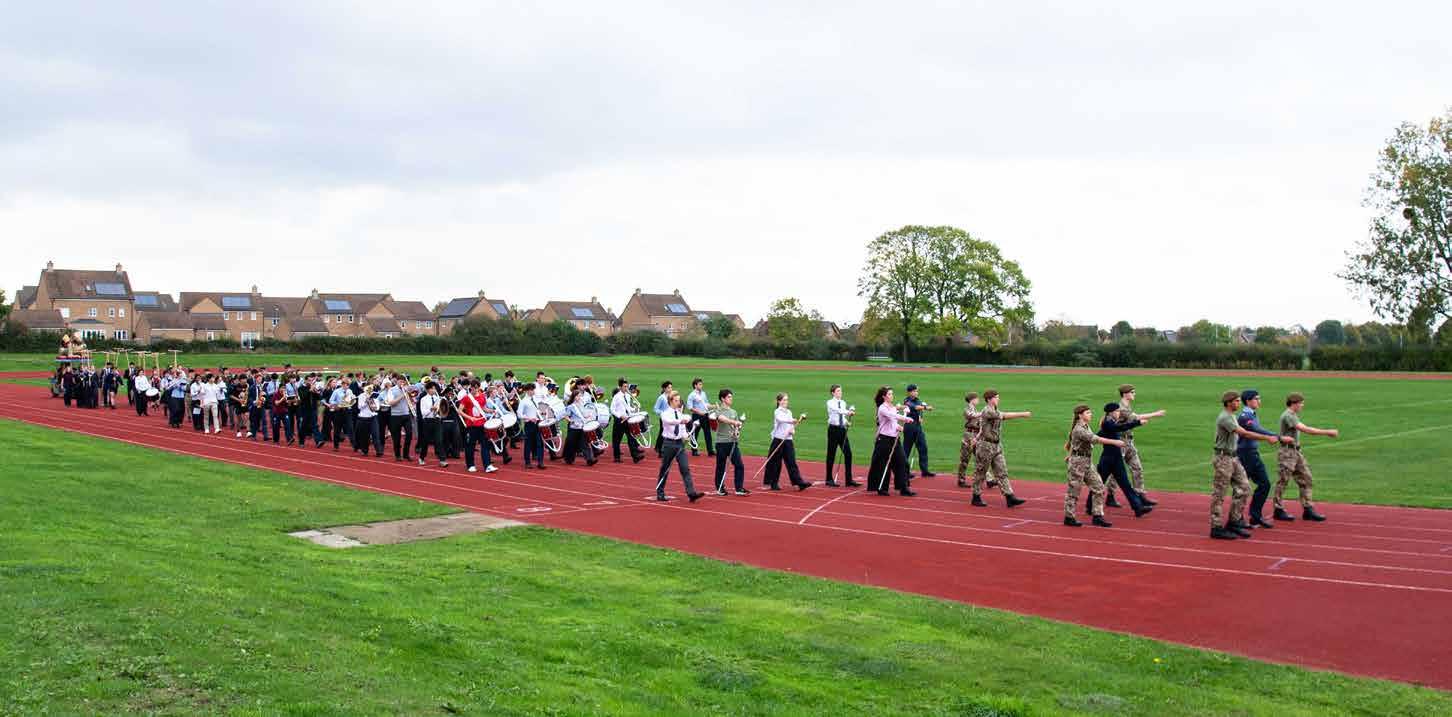
Months of preparation involved pupils and staff from across departments, with rehearsals on the running track to perfect pacing for the three-mile route. The day captured Oundle’s blend of imagination, precision and shared endeavour - a proud moment for the School and its community.

A Griffin flying on the back of a pick-up truck down the M1, plenty of hanging around as the massive elements of the Parade lined up…and the BBC in tow all made for a memorable weekend.”