CreativeFilmmaking
IN JOACHIM TRIER'S THE WORST PERSON IN THE WORLD
3 SHOT-REVERSE-SHOT
4 A FROZEN CITY
5 A FROZEN CITY (CONT.)
DYNAMIC CAMERA MOVEMENT AND SOUND DESIGN
6 CAPTIVATING CAMERA WORK
7 JOACHIM TRIER
8 CINEMATOGRAPHY
CINEMATOGRAPHY (CONT.)
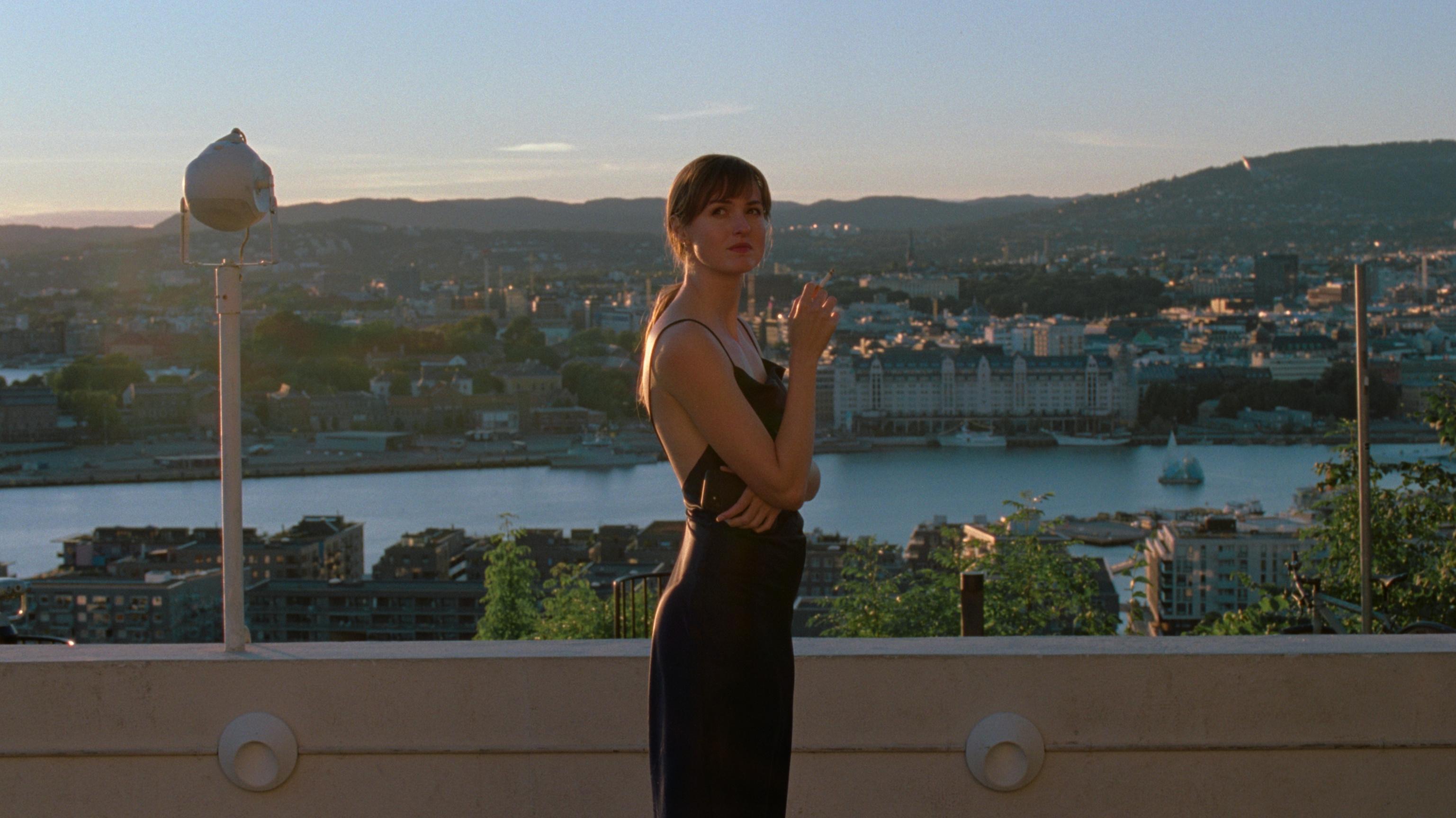
Shot-Reverse-Shot
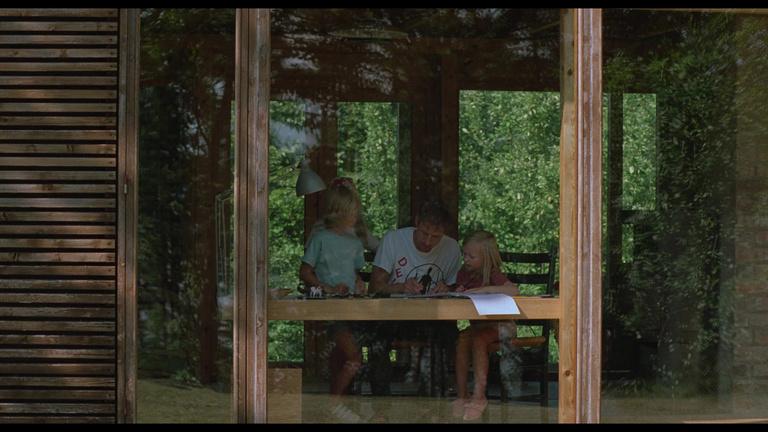
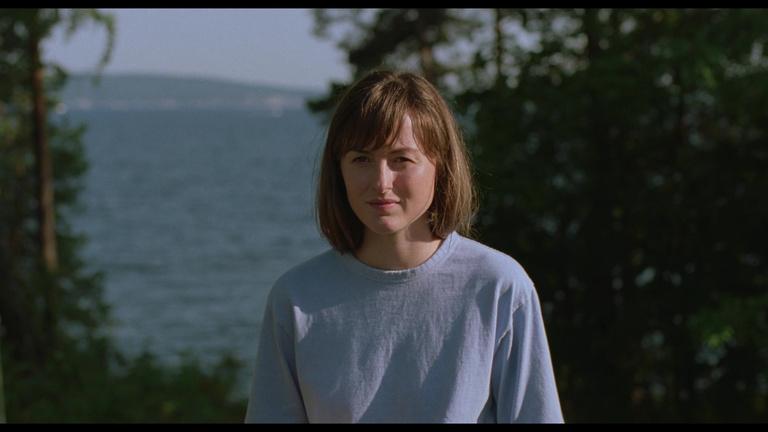
Thisshot-reverse-shotwasexplicitly placedtoprovokeaparticular emotionfromtheaudience.Ina previousscene,JulieandAksel discussedthepossibilityofhaving kids,duringwhichJulieworries aboutherself-percievedlackof maternalinstinctandtellsAkselshe's notreadyyet.Inthissequenceof threeshots,weseeJuliewalkupto seeAkselwithhisniecesthrougha window.FirstshowingusJulie's face,thenwhatsheislookingat,and thenreturningtoherexpression, allowsustoimaginewhatJulieis thinkingatthismoment.Thetiny smileonJulie'sfaceinthethirdshot givesusinsightintoheremotions. Perhapssheisimaginingthatsheis lookingthroughawindowintoa futureinwhichherandAkselhave theirownkids,ormaybesheis reflectingonhowgoodheiswith them.Regardless,thisshot-reverseshotallowstheaudiencetofeel closertotheprotagonist,asitfeels likeweareexperiencingwhatsheis seeingalongsideher.
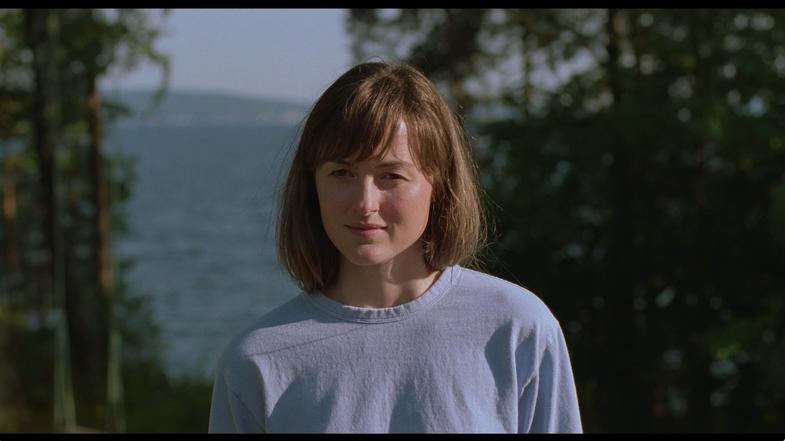
A Frozen City
Oneofthemostmemorablescenesfromthefilmisafive-minutesequence,occurringjustbeforethefilm’s halfwaypoint,inwhichJuliefreezestime.Whendecidingtoincludethisscene,directorJoachimTrierasked himself:“Whatwouldhappenif[Julie]couldfreezetimeandrunawayfromherpresentrelationshipandtry tohaveamomentforherselfwiththeotherguy?”(Murphy).Thusfarinthefilm,we’veseenJuliestruggleto figureoutwhatshewantsinlife;so,it’salmostascatharticfortheaudienceasitisforJulietoseehergetthis shortperiodoftimetoexplorewhatshewantswithouttheworldaroundherinterfering.
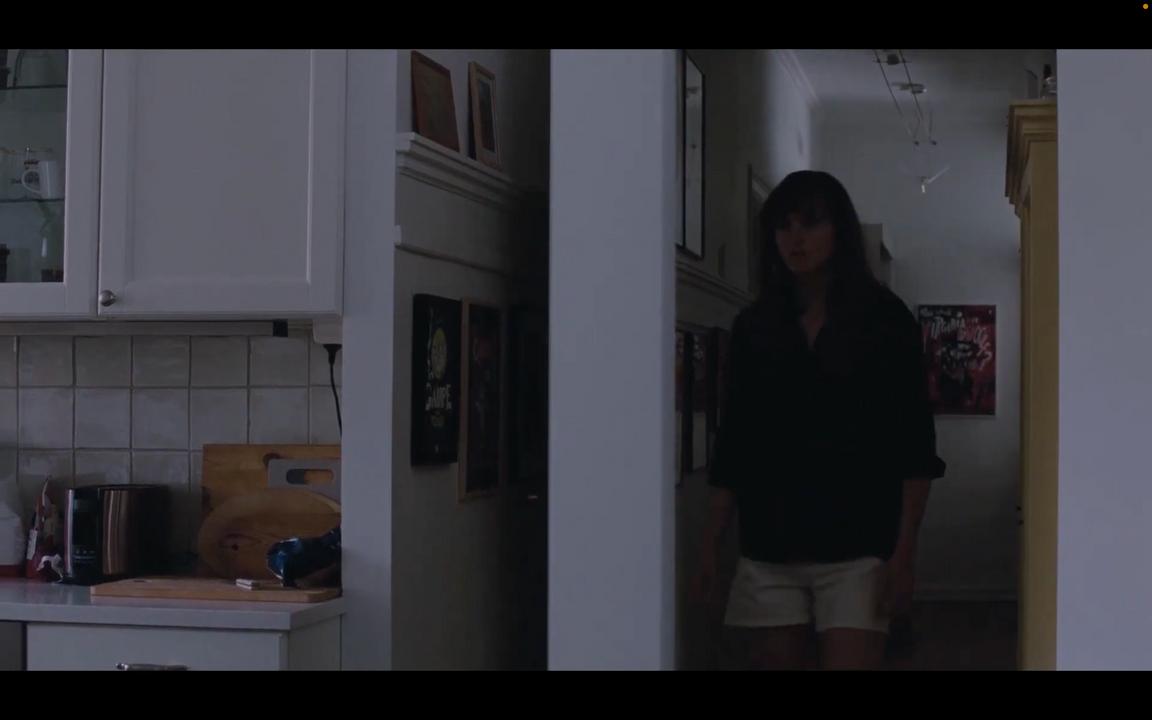
Trierdidnotwantthisscenetofeelcoldordetachedfromhumanity,sohechosetostayawayfromwhathe calls“slickCGI”(Murphy).Otherthanafewillusions,likethe“coffeepotlinkedtoacupbyabrownstreamof rubber”tocreatethelookthatitwasfrozenmid-pour,thisfrozencityeffectwasprimarilycreatedbyextras simplytoldtostandstillindynamicposes(McHenry)(Murphy).Trierbelievesthatthedreamlikequalityof thissceneisenhancedby“naturalimperfections”;forexample,thepeoplemaybefrozeninplace“butyoucan seethewindmovingthroughthetreesinthebackground”(McHenry).Whenthinkingbackonwritingthe scriptwithco-screenwriterEskilVogt,JoachimTrierrecollectstheirconversationwheretheydecidedan experimentalscenelikethiswouldn’tworkunlessitwas“thematicallylinkedtothecharacter”(McHenry). Thissceneultimatelyfeltappropriatetoinclude,forreasonsTrierdescribesinthequotebelow.
“Inthiscase,Julieisadreamerwhoseromanticexpectationsareclashingwithreality,andwhois facingtheprospectofturning30andfeelstimeslippingawayfromher Sotohavearomantic momentwheretimefreezes,andshe’sallowedtobefreeandinlovefeltappropriate”(McHenry).
Everydirectorandcreativeteamwouldprobably structurethissceneslightlydifferentThechoices madebyTrierandhisteaminthissceneareso engaging,astheyfilltheaudiencewithenergy andgiveinsightintoAksel'scurrentheadspace AsJuliestealthilyentersAksel'shospitalroom, afterdiscoveringthathehascancer,thevolumeof themusicgrowsasthecamerapushesincloser. Thissubtlechoicemakesabigimpactasitallows theaudiencetofeelliketheyaremovingcloserto him,alongsidethecamera.AsAkseldrumshis foottothebuildingpercussion,wefeelasenseof anticipationgrow Next,inadynamicimitation ofadrumsolo,thecameramovesaroundabruptly tofollowAksel'shands,followingthemaround theimaginarydrumset.
A Frozen City Continued
After meeting up with her new romantic interest, Eivind, who is conveniently also immunetothefrozenworld,theyspendhours together until Julie returns to the home she shareswithAksel.
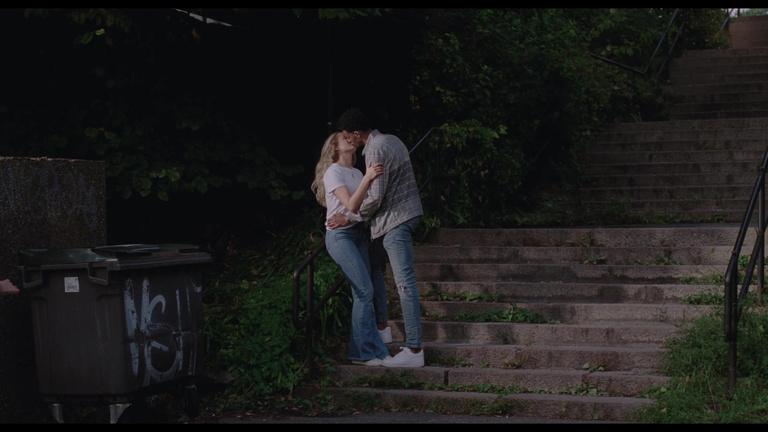
Onherwayback,Juliestopsnearacoupleina frozen,passionateembrace,andplayfullymoves thewoman’shanddowntotheman’sbuttbefore turningandwinkingstraightintothecamera. The intention behind this seemingly spontaneous scene is revealed through the influenceoftheFrenchNewWaveonTrier's directorialstyle.Thedirectorsays,“Ilikethatin theFrenchNewWavetheymaketheaudience awarethattheyarewatchingafilm,yettheyare allowedtofeelandthinkandidentifywithit… We’rewatchingamovie!AndI,asafilmmaker, am inviting you to play along with us” (McHenry).
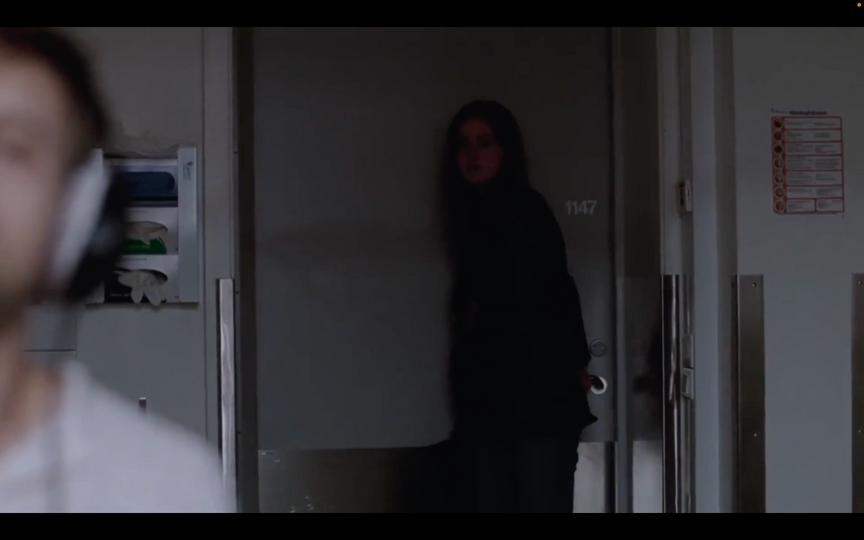
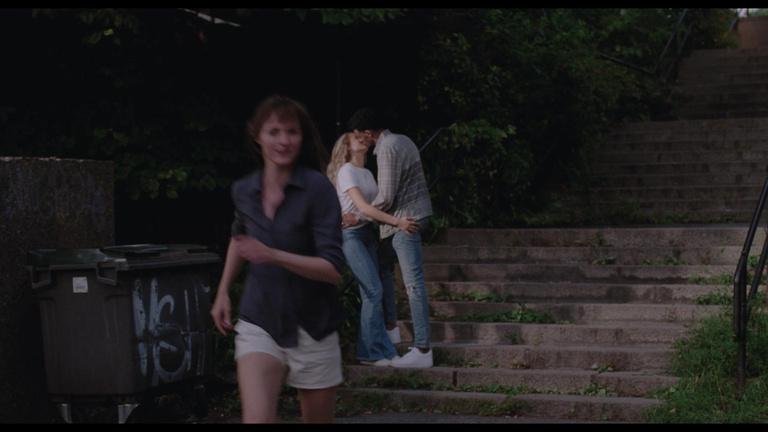
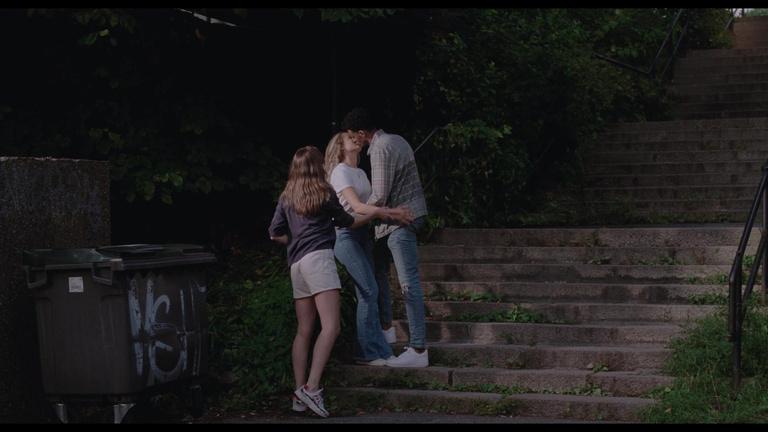
Thisscene,andtheemotionsitevokes,givesaglimpse into the angst Aksel is feeling surrounding his deterioratinghealth,andhowheischoosingtoprocessit.
Captivating Camera Work
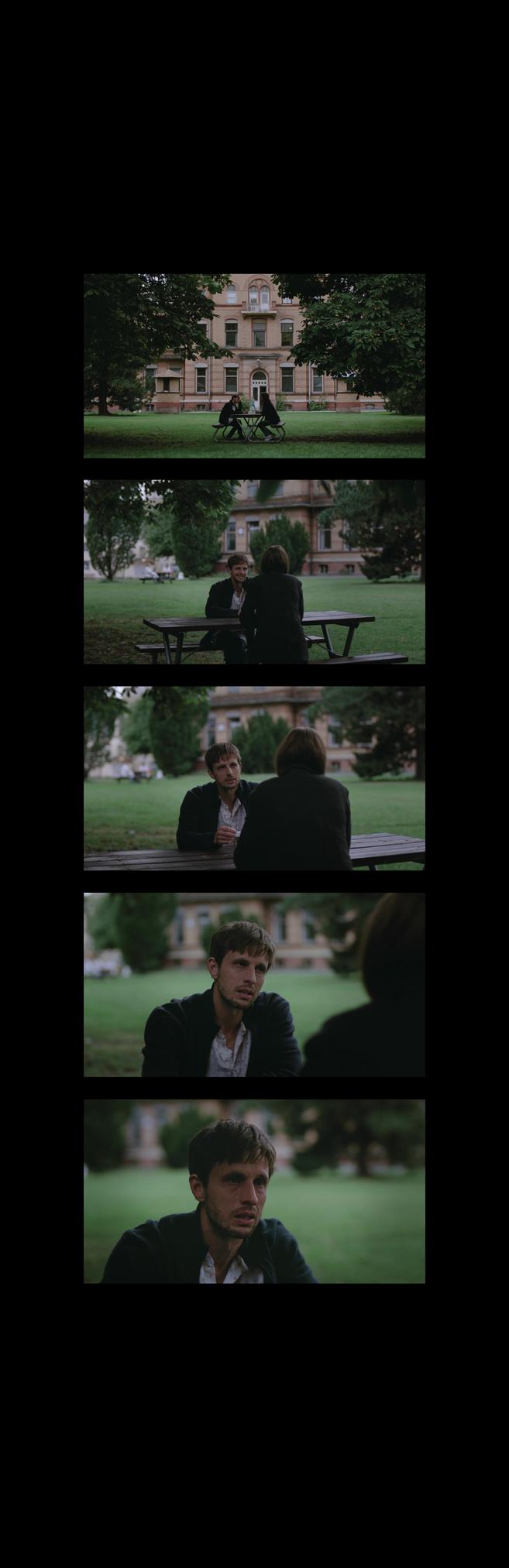
Thissceneisstriking,bothintermsofitsemotional mpactandtheintentionbehindthemovementofthe cameraThescenebeginswithawideshotofAkseland uliesittingatapicnictableoutsideasweheartheend ofaconversationaboutthemorbid,vulgarhumorof Aksel’scomicbooks.Afterabriefpause,andan ntrospectivelook,Akselchangesthesubject,andthe one,ofthescene.Hesharesthathe“kindofexpected his”withregardtohiscancer,andashegoesontosay, I'dgivenuplongbeforeIgotsick”.Afterdivulginghis ecenthabitofrewatchinghisfavoriteoldmovies,and astheconversationbecomesmoreserious,thecamera beginstopushinAsAkselreminiscesontheworldof hischildhood,thecameraslowlycontinuestozoomin owardshisfaceThen,whenwereachacloseupon Aksel,thecameraremainsstillashesharesthathehas penthislifecollectingcomicsandbooks,continuingto dosoevenwhenitstoppedgivinghimthepowerful emotionshefeltinhisearly20s;hesays:“Andnowit's allIhaveleft…Knowledgeandmemoriesofstupid, utilethingsnobodycaresabout”.
ThesceneendswithAksel’sconclusionsabouthowhe’s eeling:
“Ireachedapointinlifewhensuddenly Itjust happened.When…when…Ibegantoworshipwhat hadbeen.AndnowIhavenothingelse.Ihaveno future.Icanonlylookback.And…It'snoteven nostalgia.It's…Fearofdeath.It'sbecauseI'mscared.It hasnothingtodowithart.I'mjusttryingtoprocess.”
nthisscene,Trierusesthegradualpushinofthe cameratosymbolizeAkselopeningup,whileheis imultaneouslyfeelingliketheworldisclosinginon him.Theconversationbeginslighthearted,and graduallyregressesasAkselworkstowardsexposingthe coreofwhathe’stryingtosay–he’sscared.Thisgradual advancementofthecameradrawsusinalongitspath, ncreasingourinterestintheconversation,andour empathyforwhatitreveals
“For a long time I have wanted to make a film about love. One that goes a bit deeper than normal onscreen love stories, where everything is so simple, the stories so clearcut, the feelings so admirably unambiguous. A film that will look seriously at the difficulties of meeting someone when you’re struggling to figure out your own life; at how irresolute and uncertain even the most rational and otherwise self-confident people can become when they fall in love; and how complicated it is, even for romantics, when they actually get what they have been dreaming about.”
– Joachim Trier (MK2 Films)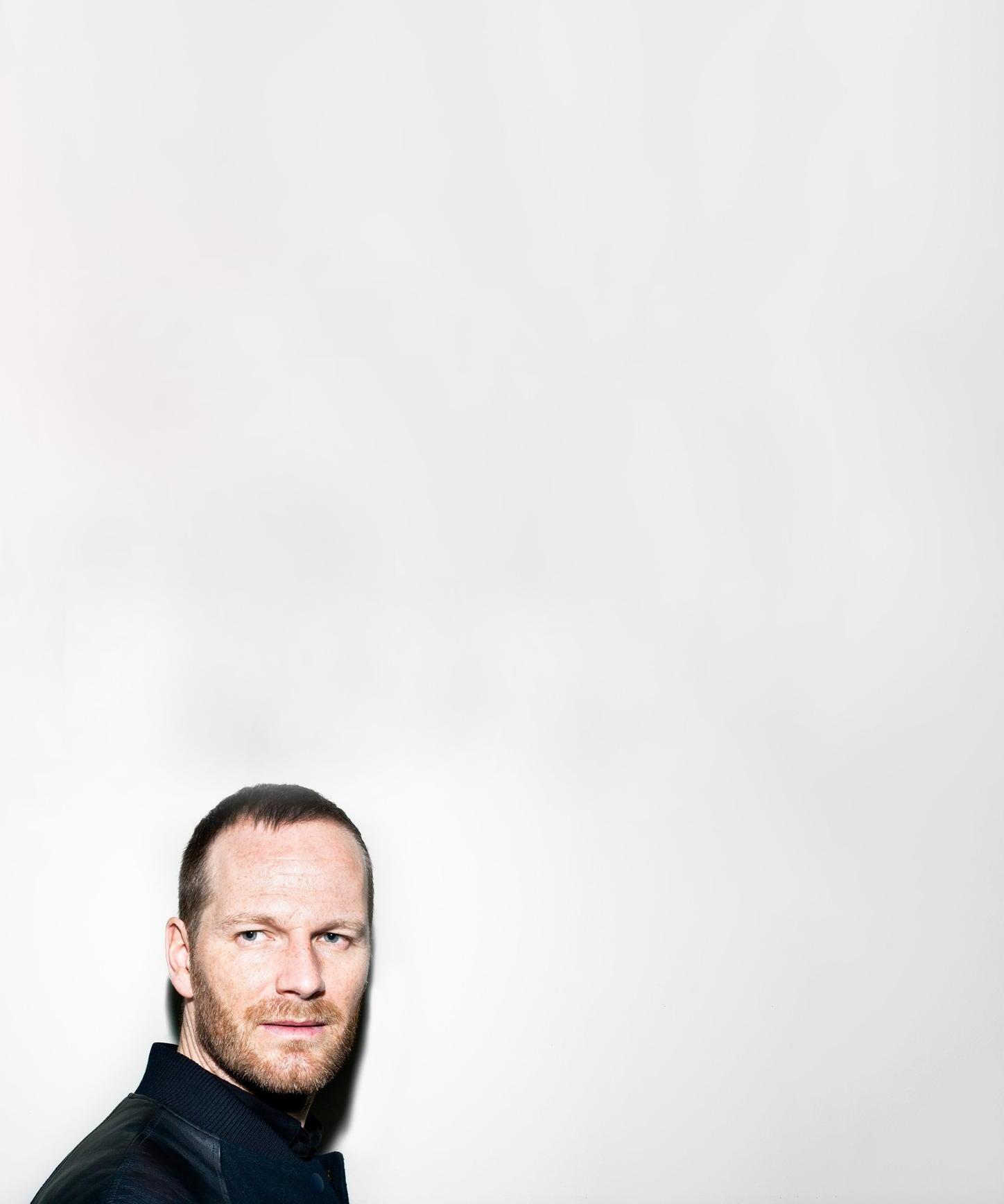
"One of the most important aspects of shooting this movie on 35mm was how it acted as an intensifier. This was Renate's first major screen role, and she, along with the other actors, gave it everything they had. For them, it was as though every take was the opening night on a theatre stage."
-KasperTuxen,Cinematographer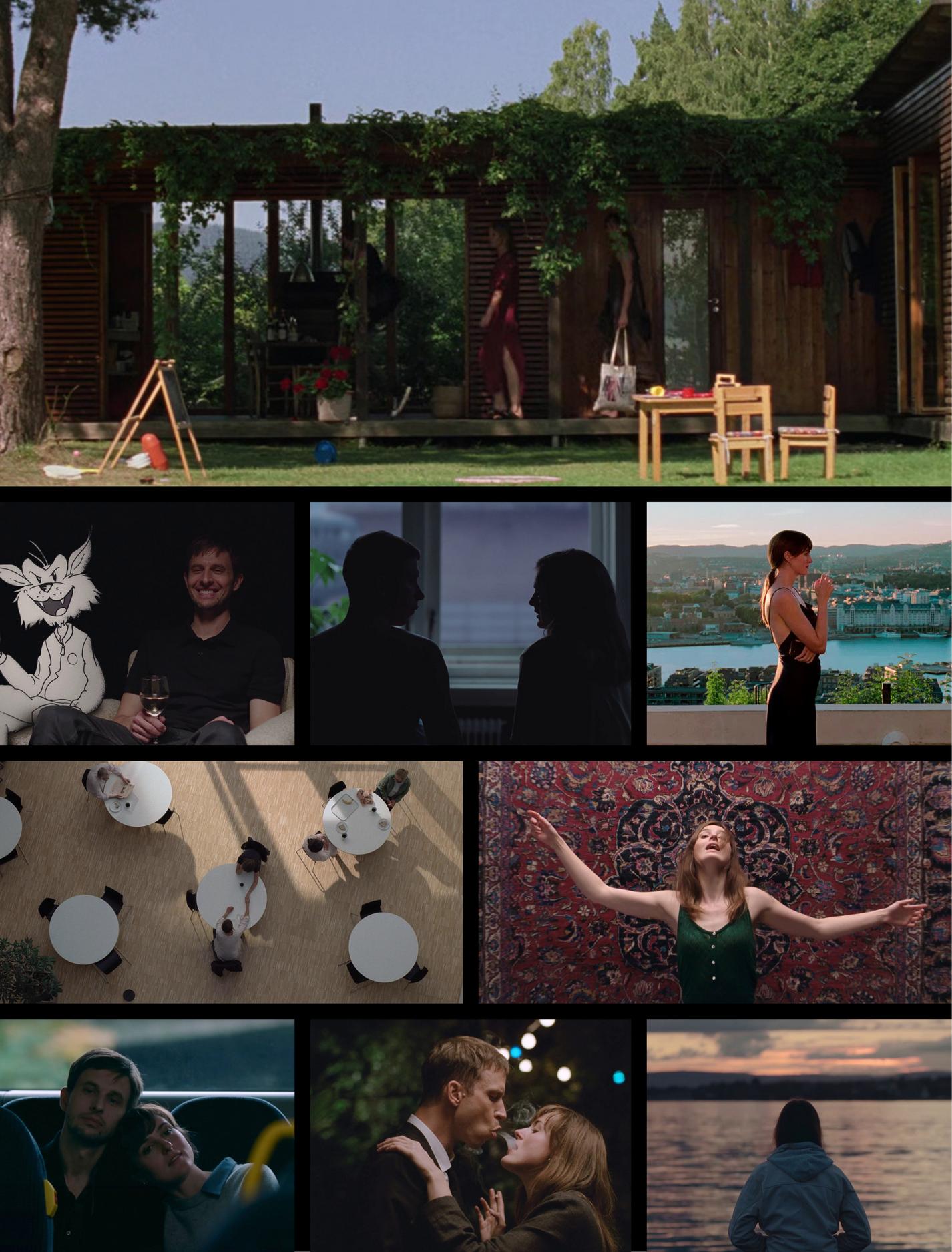
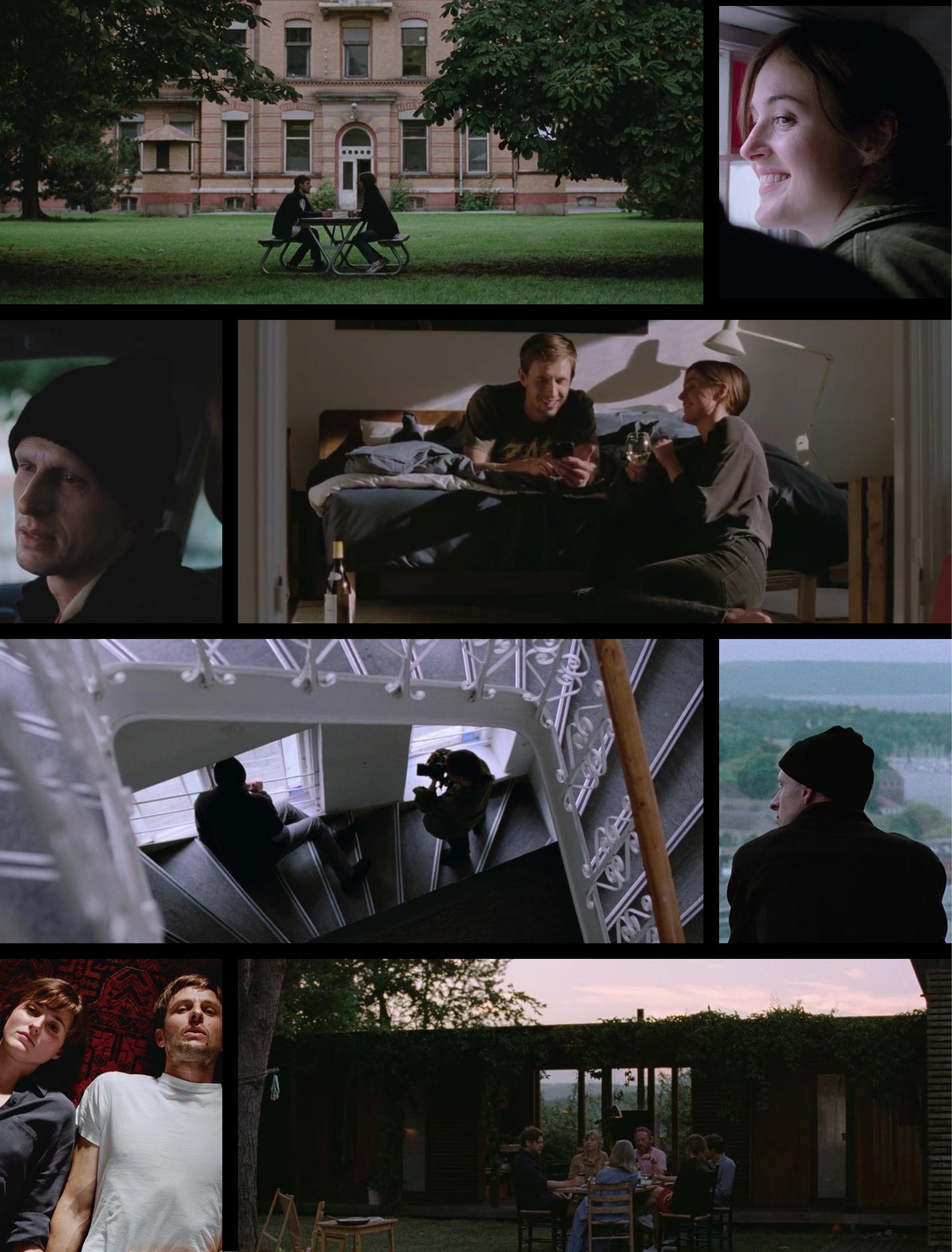
We did not want to lose that energy of emotion, and shooting on film had the incredible effect of magnifying everyone’s attention on set and making sure we were always ready to capture those amazing performances."
-KasperTuxen,Cinematographer
"You could be the master of your fate, you could be the captain of your soul, but you have to realize that life is coming from you and not at you"
-TIMOTHEE CHALAMET